
Journal Description
Mathematical and Computational Applications
(MCA) is an international, peer-reviewed, open access journal on applications of mathematical and/or computational techniques, and is published bimonthly online by MDPI (since Volume 21, Issue 1 - 2016). The South African Association for Theoretical and Applied Mechanics (SAAM) is affiliated with MCA and its members receive discounts on the article processing charges.
- Open Access— free for readers, with article processing charges (APC) paid by authors or their institutions.
- High Visibility: indexed within Scopus, ESCI (Web of Science), Inspec, and other databases.
- Journal Rank: JCR - Q2 (Mathematics, Interdisciplinary Applications) / CiteScore - Q2 (Applied Mathematics)
- Rapid Publication: manuscripts are peer-reviewed and a first decision is provided to authors approximately 24.9 days after submission; acceptance to publication is undertaken in 2.5 days (median values for papers published in this journal in the second half of 2025).
- Recognition of Reviewers: reviewers who provide timely, thorough peer-review reports receive vouchers entitling them to a discount on the APC of their next publication in any MDPI journal, in appreciation of the work done.
- Testimonials: See what our editors and authors say about MCA.
Impact Factor:
2.2 (2025);
5-Year Impact Factor:
2.0 (2025)
Latest Articles
Evaluating Regularization Estimators Under Severe Multicollinearity: A Simulation and Empirical Study on Housing Prices
Math. Comput. Appl. 2026, 31(3), 111; https://doi.org/10.3390/mca31030111 (registering DOI) - 19 Jun 2026
Abstract
Accurate housing price prediction is important for market efficiency and purchasing decisions. However, multicollinearity among independent variables remains a major challenge in linear regression, causing variance inflation and reducing the reliability of the ordinary least squares (OLS) estimator. Although regularization methods such as
[...] Read more.
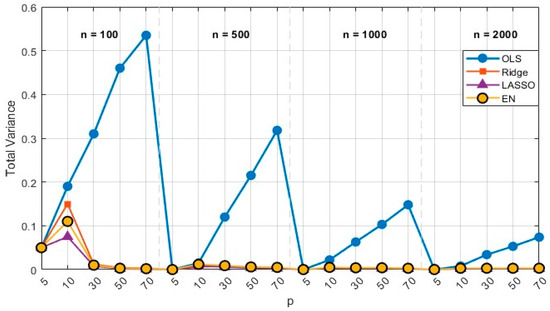
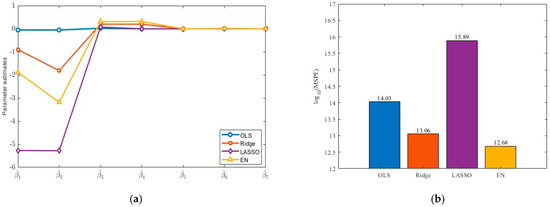
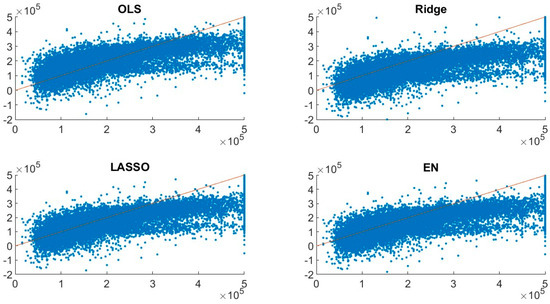
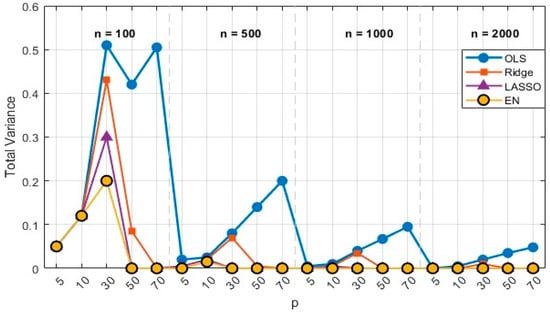
Accurate housing price prediction is important for market efficiency and purchasing decisions. However, multicollinearity among independent variables remains a major challenge in linear regression, causing variance inflation and reducing the reliability of the ordinary least squares (OLS) estimator. Although regularization methods such as ridge regression, least absolute shrinkage and selection operator (LASSO), and elastic net (EN) are widely used, evidence regarding their variance behavior under controlled multicollinearity structures remains limited. This study addresses this gap through simulation experiments conducted under controlled correlation structures with sample sizes ranging from 100 to 2000, 5 to 70 independent variables, and correlation coefficients between 0.50 and 0.99. The findings are further validated using the California Housing Dataset, where mean squared prediction error (MSPE) is computed on the full dataset, while root mean squared error (RMSE), mean absolute error (MAE), and the coefficient of determination (R2) are evaluated on a hold-out test set. Simulation results show that LASSO generally yields the lowest variance estimates under moderate multicollinearity, whereas EN becomes more competitive as multicollinearity and dimensionality increase. In the California Housing application, EN reduces MSPE by approximately 95.5% relative to OLS. These findings provide insight into the behavior of linear regression estimators and offer practical guidance for researchers in selecting appropriate models for housing price modelling.
Full article
(This article belongs to the Special Issue Computational Mathematics and Applied Statistics, 2nd Edition)
►
Show Figures
Open AccessArticle
Efficient Hybrid Evolutionary–Numerical Algorithms for Contrast Enhancement Under Distortion Constraints in Medical Imaging
by
Daniel Molina-Pérez, Alam Gabriel Rojas-López and Carlos A. Coello Coello
Math. Comput. Appl. 2026, 31(3), 110; https://doi.org/10.3390/mca31030110 (registering DOI) - 19 Jun 2026
Abstract
Image contrast enhancement is widely used to improve visual perception in digital images; however, it often amplifies noise and introduces artifacts that distort structural information. To address this issue, CLAHE-based contrast enhancement is formulated as a constrained optimization problem, in which distortion control
[...] Read more.
Image contrast enhancement is widely used to improve visual perception in digital images; however, it often amplifies noise and introduces artifacts that distort structural information. To address this issue, CLAHE-based contrast enhancement is formulated as a constrained optimization problem, in which distortion control is enforced via PSNR constraints. In this work, a behavioral analysis of the decision variables is conducted, revealing distinct objective-function responses that are exploited to guide the optimization process. Based on these observations, a hybrid evolutionary–numerical framework is developed, combining evolutionary search for discrete parameter exploration with numerical optimization for stable adjustment of continuous parameters. The proposed methods are evaluated on a benchmark set of 30 medical images and compared against fully evolutionary, numerical, and recent population-based optimization approaches reported in the literature. Experimental results show that the hybrid variants, particularly NR-EVO, consistently achieve the best overall performance across different computational budgets, producing higher-quality enhancements for the evaluated benchmark problems. On average, the enhanced images exhibit an increase in entropy of approximately 22% while maintaining competitive structural similarity and satisfying the predefined distortion constraints.
Full article
(This article belongs to the Special Issue Numerical and Evolutionary Optimization 2025)
Open AccessArticle
Application of Biphasic Numerical Model for the Prediction of Colorectal Carcinoma Cell Response to Co-Treatments
by
Dragana Šeklić, Milena Jovanović, Dalibor Nikolić and Tijana Đukić
Math. Comput. Appl. 2026, 31(3), 109; https://doi.org/10.3390/mca31030109 - 17 Jun 2026
Abstract
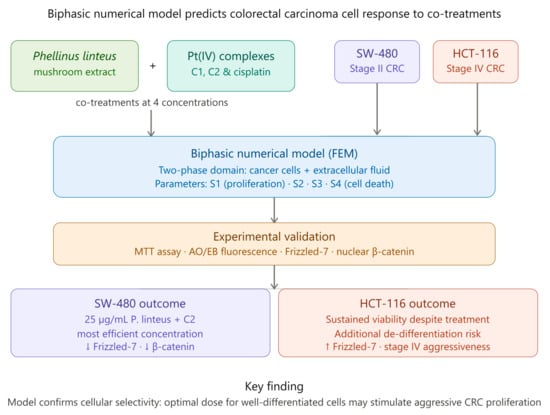
Modern computational biology is increasingly applied in preclinical studies, and mathematical models can provide valuable insights into biological system behavior. Numerical modeling tools can significantly and rapidly help in predicting the cellular response to different treatments, numerous newly synthesized compounds tested on different
[...] Read more.
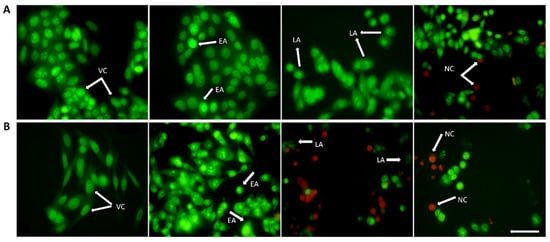
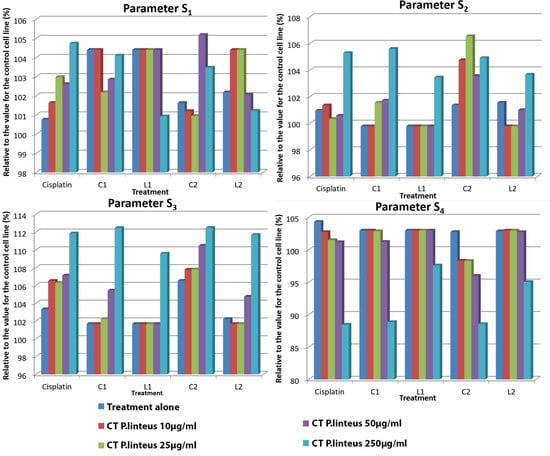
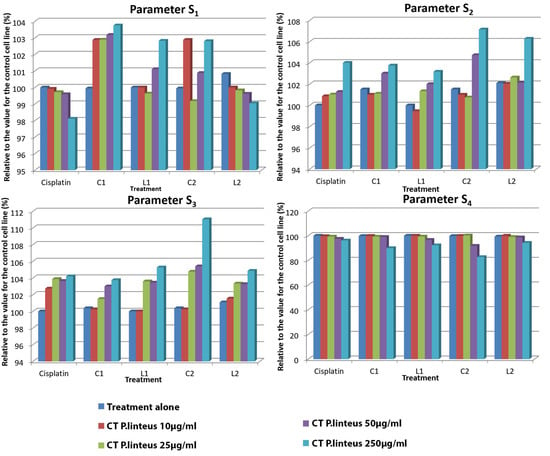
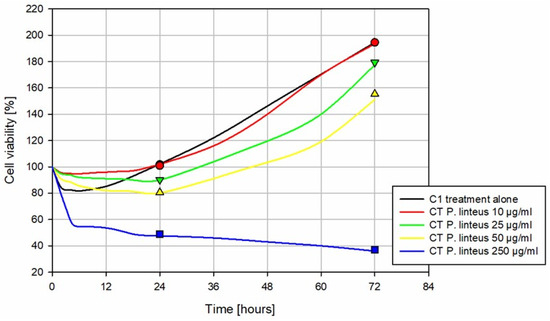
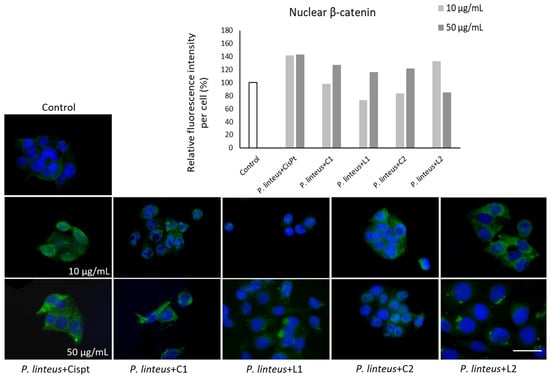
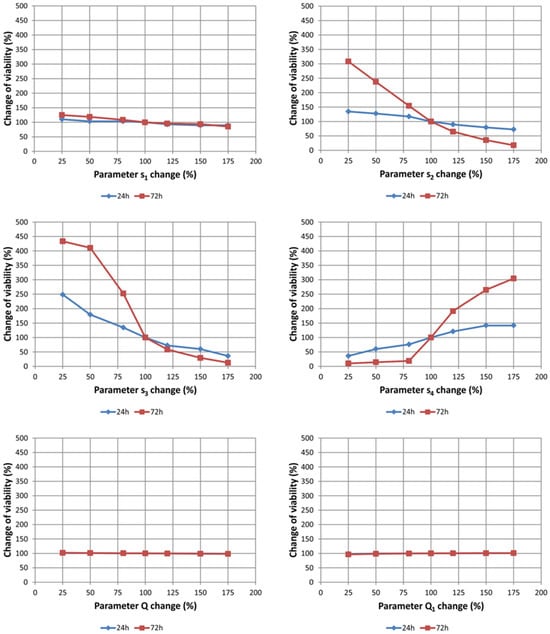
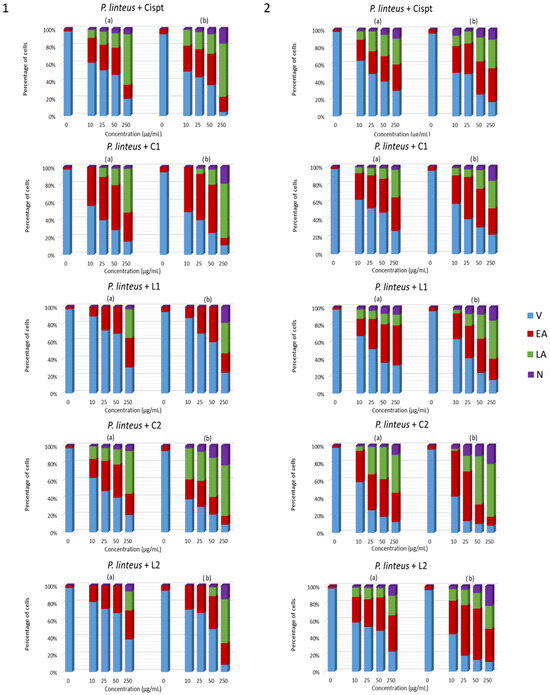
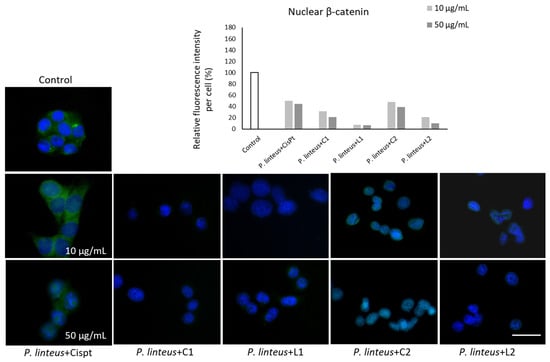
Modern computational biology is increasingly applied in preclinical studies, and mathematical models can provide valuable insights into biological system behavior. Numerical modeling tools can significantly and rapidly help in predicting the cellular response to different treatments, numerous newly synthesized compounds tested on different model systems. This study is devoted to the application of a biphasic numerical model to explain and predict the behavior of colorectal carcinoma cell lines in investigated co-treatments. The model was used to estimate parameters related to cell proliferation and death and to predict cellular behavior through the determination of treatment efficiency and effectiveness. This study showed that the experimental results can be mathematically confirmed, and the data for the most effective treatment can be obtained. The most efficient co-treatment concentration was identified by the model as the condition associated with the lowest proliferation-related parameter and the greatest reduction in cell viability. The model indicated that the most efficient concentration does not appear to induce a rapid adaptive cellular response and may therefore represent a suitable candidate for subsequent treatment cycles. The model suggests that the investigated treatments may have limited therapeutic potential in both cell lines due to the sustained viability of rapidly proliferating cells and evidence of continued de-differentiation.
Full article
(This article belongs to the Special Issue Latest Research in Mathematical Modeling in Cancer Research)
►▼
Show Figures

Graphical abstract
Open AccessArticle
Topological Characterization of Molecular Energy Landscapes Using Sublevel-Set Persistent Homology
by
Dairo José Hernández, Carlos Alberto Cadavid, Julio De Luque and David Fernández Bueno
Math. Comput. Appl. 2026, 31(3), 108; https://doi.org/10.3390/mca31030108 - 16 Jun 2026
Abstract
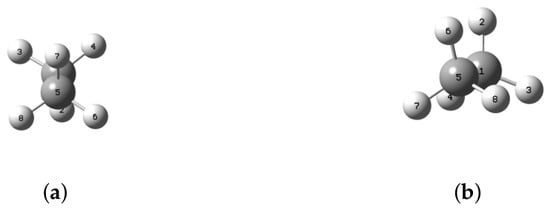
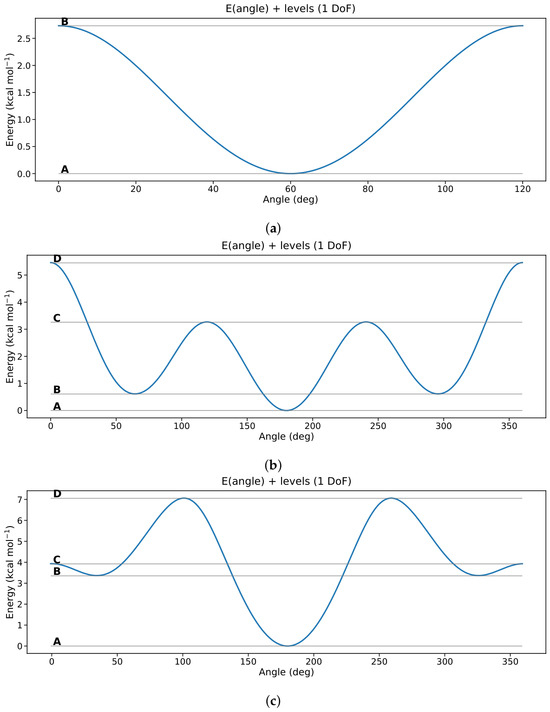
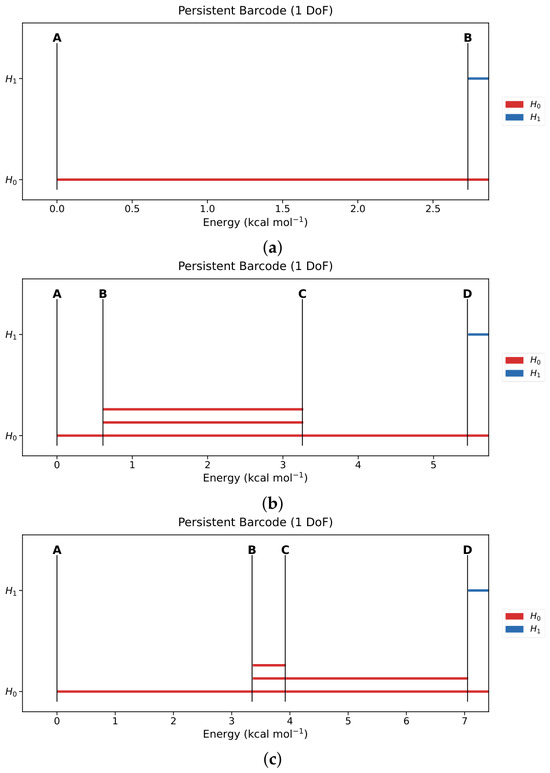
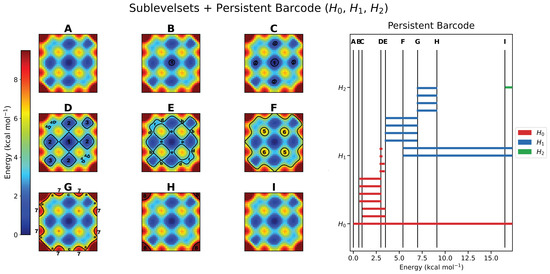
The study of conformational spaces and potential energy surface (PES) functions is fundamental for understanding the structural and dynamical properties of molecules with one or more rotational degrees of freedom. In this work, the topological characteristics of conformational spaces and PES functions are
[...] Read more.
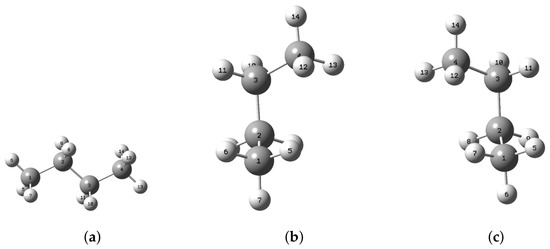
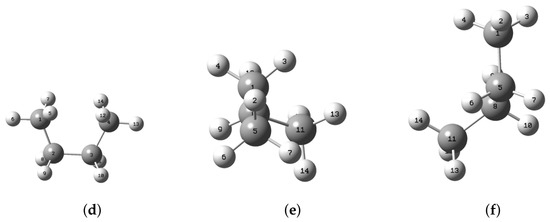
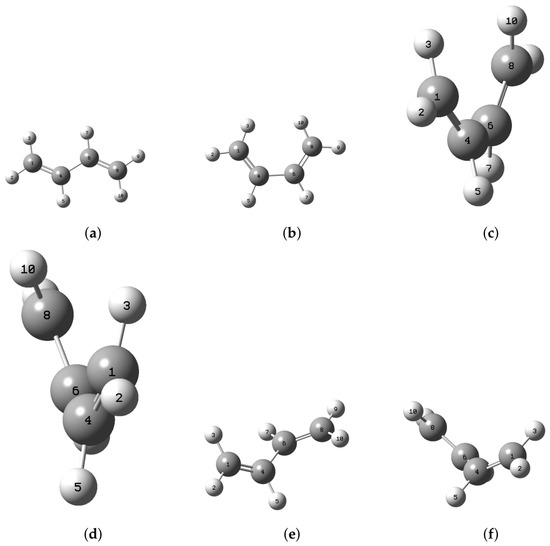
The study of conformational spaces and potential energy surface (PES) functions is fundamental for understanding the structural and dynamical properties of molecules with one or more rotational degrees of freedom. In this work, the topological characteristics of conformational spaces and PES functions are investigated for a set of molecules including ethane, butane, and butadiene, which possess one rotational degree of freedom, as well as n-pentane with two rotational degrees of freedom. Sublevel-set persistent homology was applied to the potential energy functions in order to characterize the topology of the associated energy landscapes. This approach allows for the identification of topological changes during the sublevel filtration process, which can be associated with the presence of critical points in the energy landscape, including minima (index 0), transition states (index-1), and maxima (index-2). Furthermore, the method provides information about the global connectivity and structural organization of the conformational landscape. The results show that sublevel-set persistent homology successfully reproduces the energy hierarchy and connectivity between molecular conformers, providing a coherent topological description of the molecular energy landscape. These findings demonstrate that persistent homology constitutes a useful framework for studying the topology of conformational spaces and potential energy surfaces in molecular systems.
Full article
(This article belongs to the Topic Machine Learning, Optimization, and Computational Methods in Biomedical Informatics)
►▼
Show Figures

Figure 1
Open AccessArticle
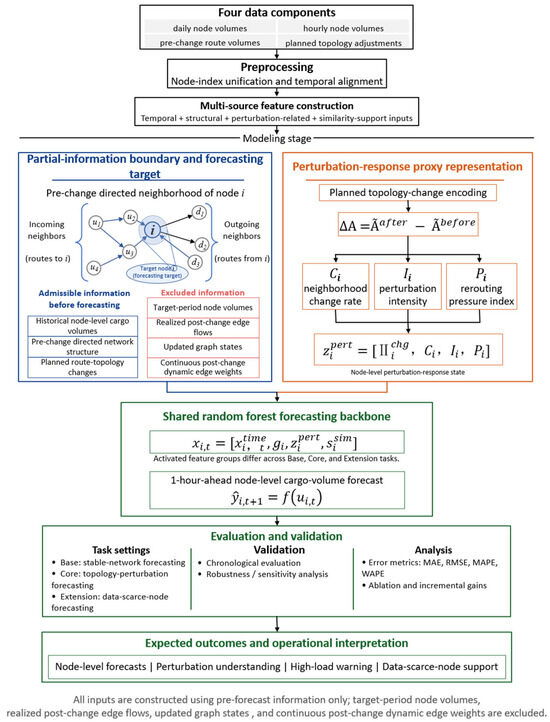
Partial-Information Node-Level Forecasting in Directed Logistics Networks via Topology-Perturbation Encoding
by
Weicheng Li, Yixian Wang, Guozheng Li, Shunyao Zhang and Zhongwei Zhang
Math. Comput. Appl. 2026, 31(3), 107; https://doi.org/10.3390/mca31030107 - 13 Jun 2026
Abstract
►▼
Show Figures
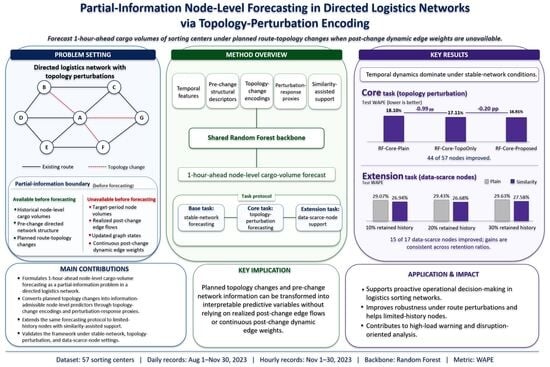
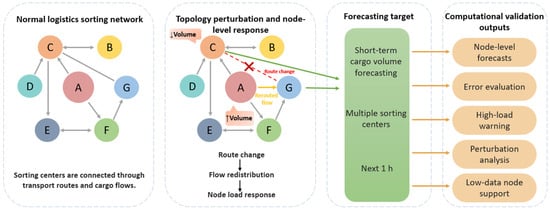
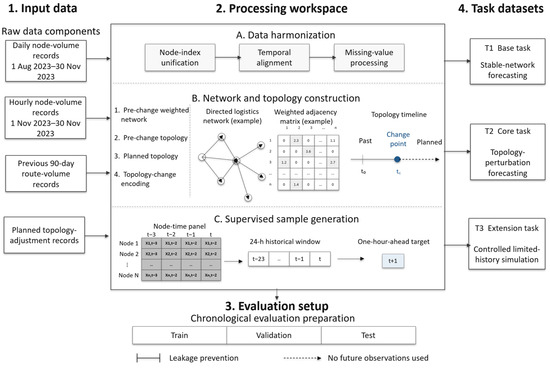
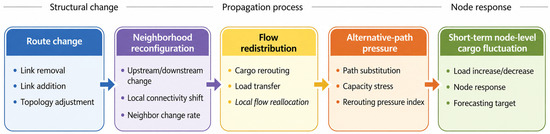
Node-level cargo-volume forecasting in logistics sorting networks requires modeling temporal dynamics together with directed inter-node dependencies and planned topology perturbations. This study addresses 1-h-ahead forecasting under a partial-information boundary, where historical node volumes, the pre-change network structure, and planned route-topology changes are available
[...] Read more.
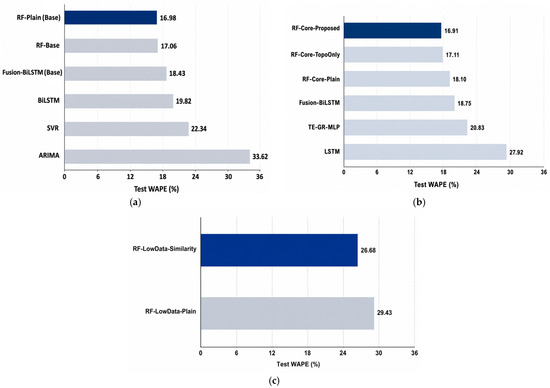
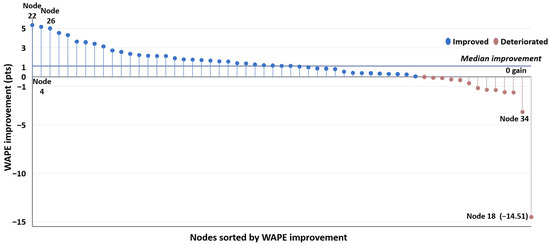
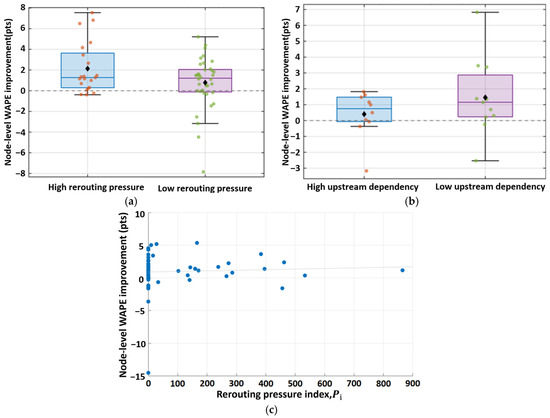
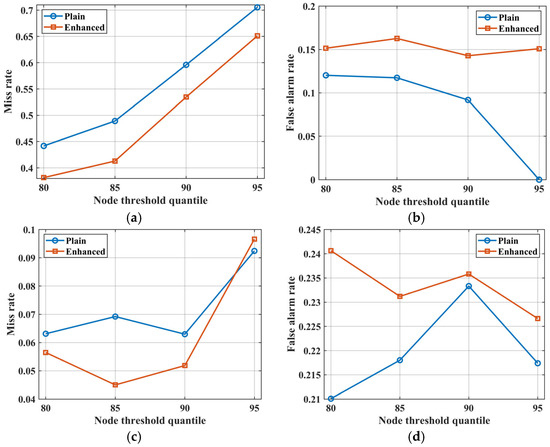
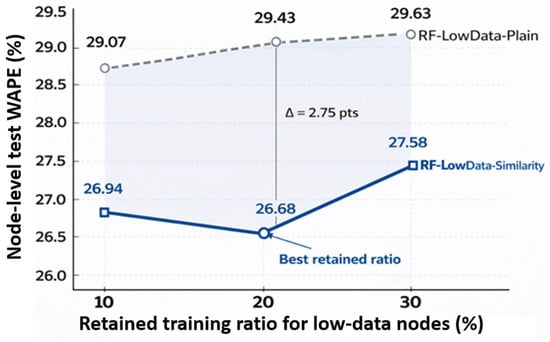
Node-level cargo-volume forecasting in logistics sorting networks requires modeling temporal dynamics together with directed inter-node dependencies and planned topology perturbations. This study addresses 1-h-ahead forecasting under a partial-information boundary, where historical node volumes, the pre-change network structure, and planned route-topology changes are available before prediction, whereas continuous post-change dynamic edge weights and realized post-change graph states are unavailable. We propose a perturbation-aware framework that represents the sorting system as a directed network and integrates temporal features, pre-change structural descriptors, topology-change encodings, perturbation-response proxies, and similarity-assisted support for data-scarce nodes within a unified forecasting protocol. A shared random forest backbone is used only to assess the incremental value of these representations. Experiments on 57 sorting centers show that temporal dynamics dominate under stable-network conditions. Under topology perturbation, topology-change signals reduce test weighted absolute percentage error (WAPE) from 18.10% to 17.11%, and perturbation-response proxies further reduce it to 16.91%. For data-scarce nodes, similarity support reduces test WAPE from 29.43% to 26.68%, with consistent gains under 10%, 20%, and 30% sample-retention settings. These results suggest that the framework provides an interpretable and information-admissible representation strategy for node-level forecasting in directed networked systems.
Full article

Graphical abstract
Open AccessArticle
Fault-Tolerant Designs of Graphs with Gallai’s Property in Euclidean Space Tilings
by
Nazeer Muhammad, Yasir Bashir, Muhammad Faisal Nadeem and Aqsa Ehtram
Math. Comput. Appl. 2026, 31(3), 106; https://doi.org/10.3390/mca31030106 - 12 Jun 2026
Abstract
►▼
Show Figures
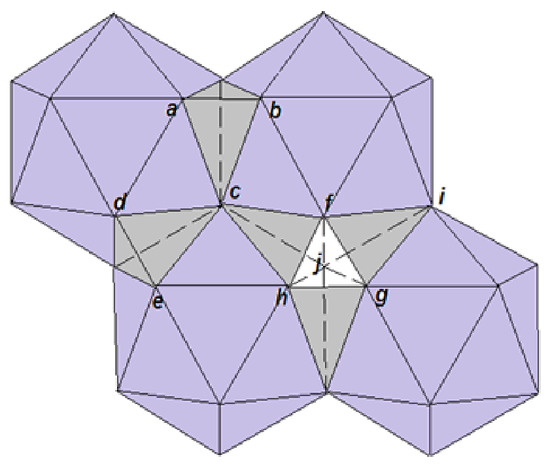
This study examines graphs that demonstrate Gallai’s property, particularly those in which for every prescribed set S of vertices with there exists a longest path or cycle that avoids that set. Such graphs are naturally fault-tolerant in the
[...] Read more.
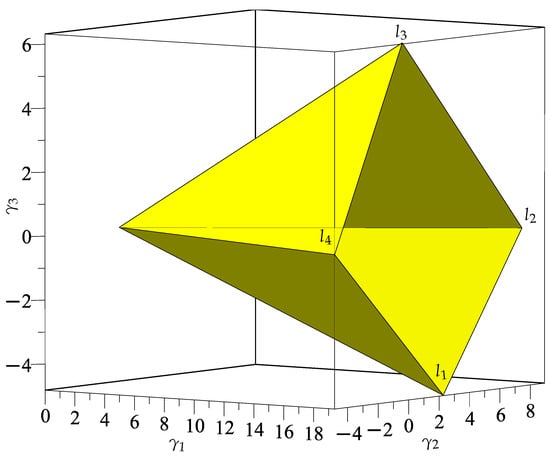
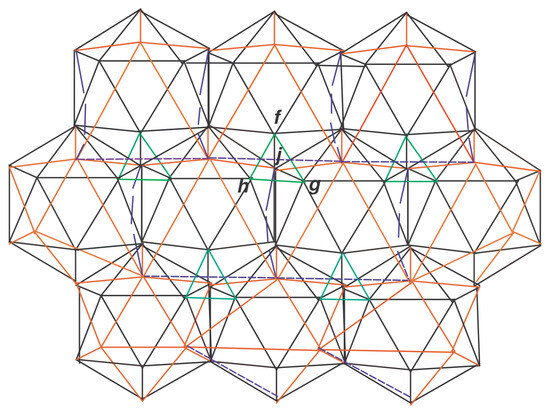
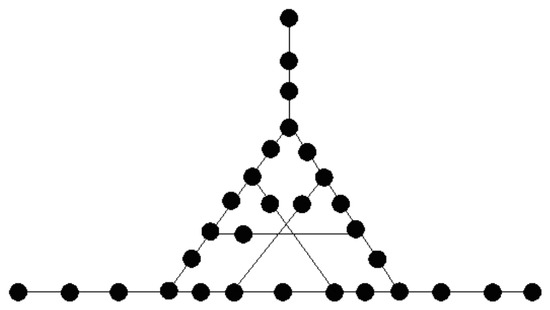
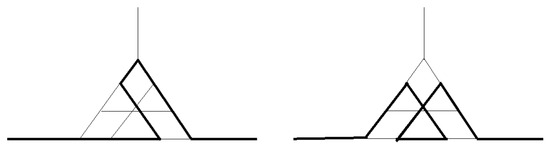
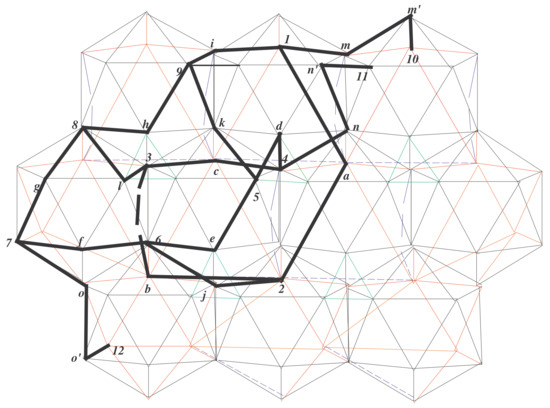
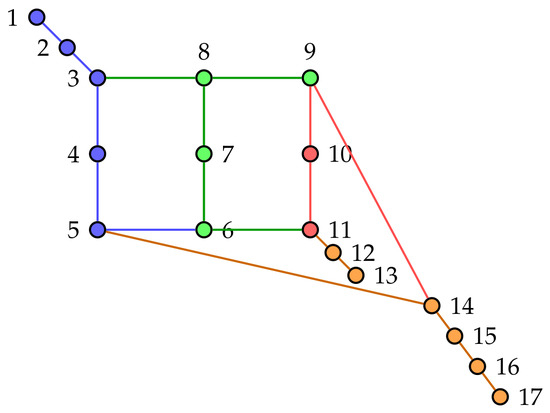
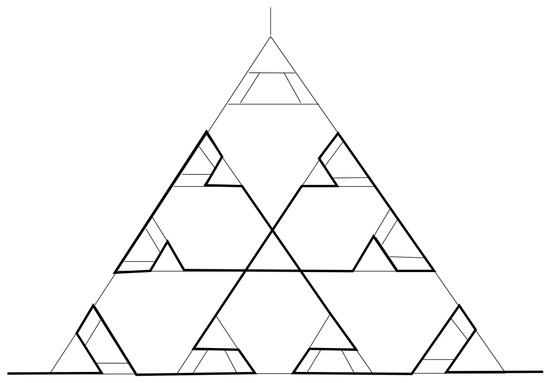
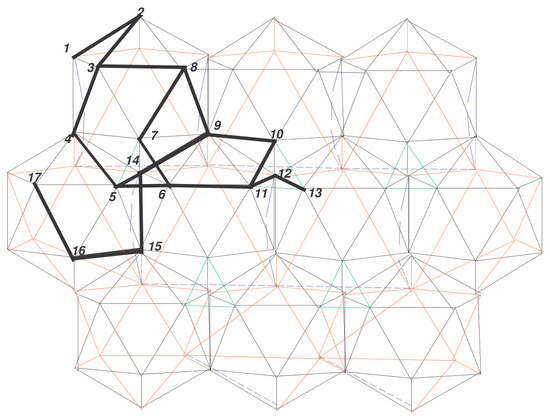
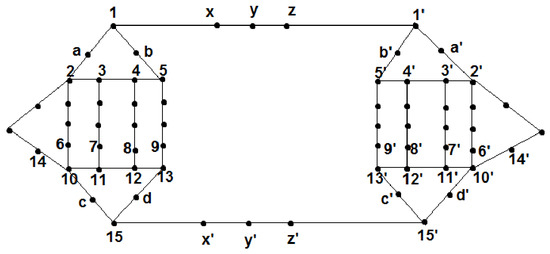
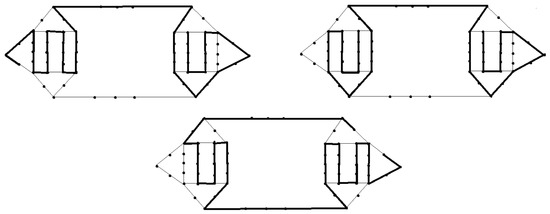
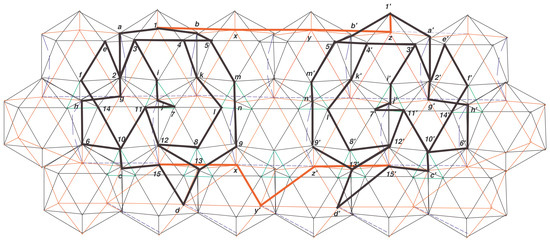
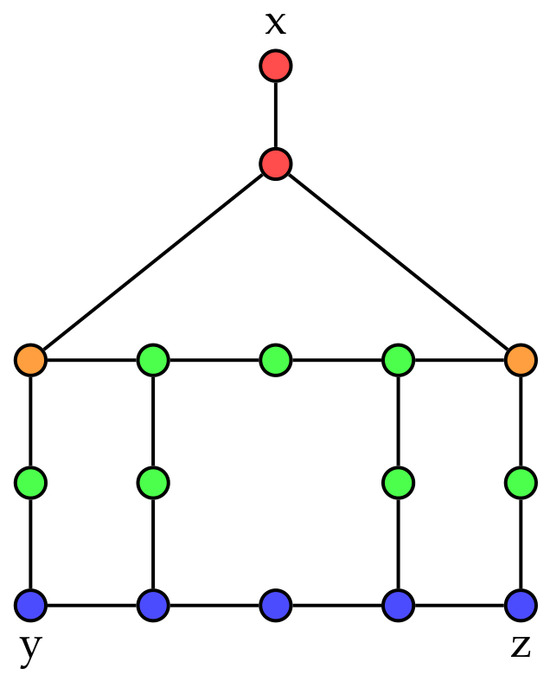
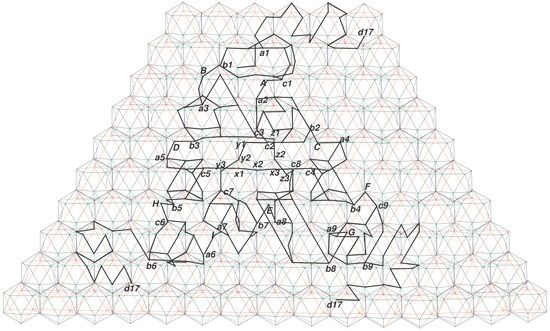
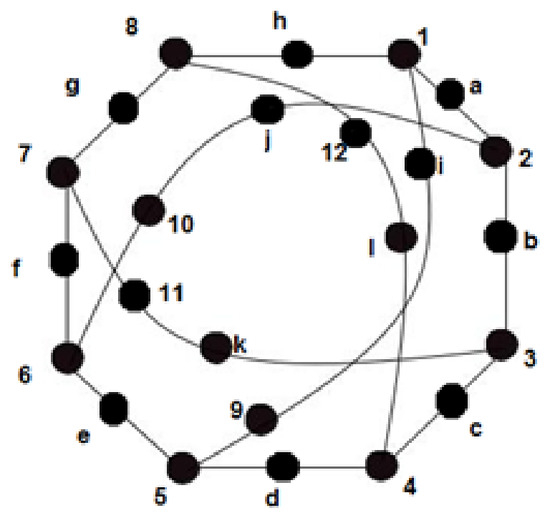
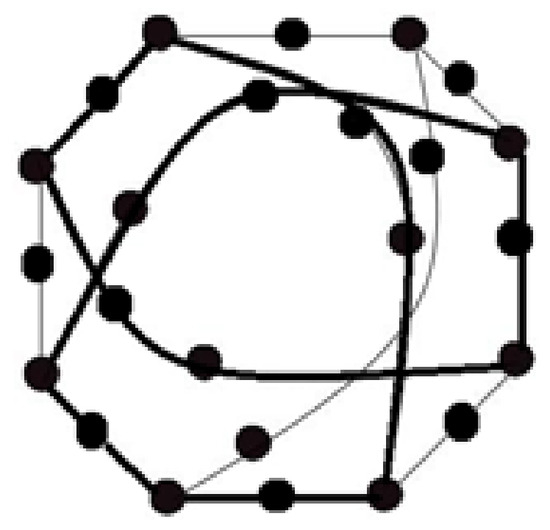
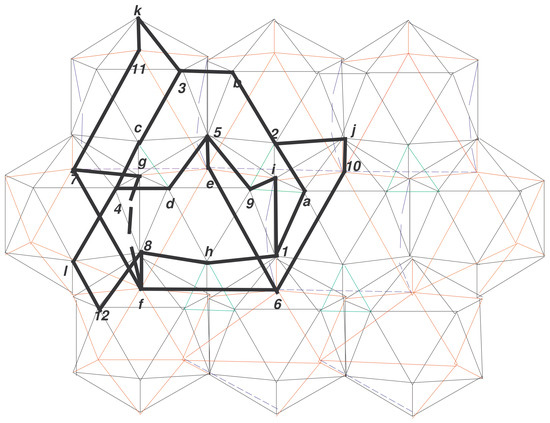
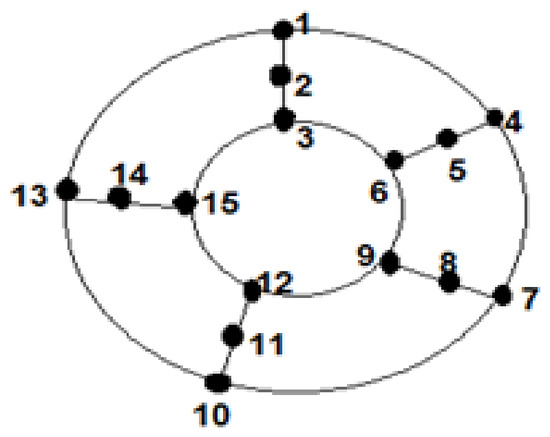
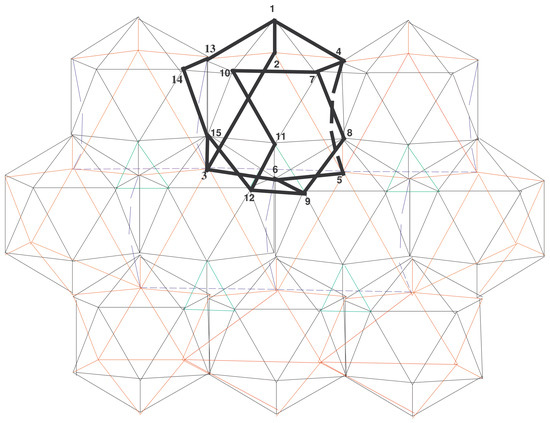
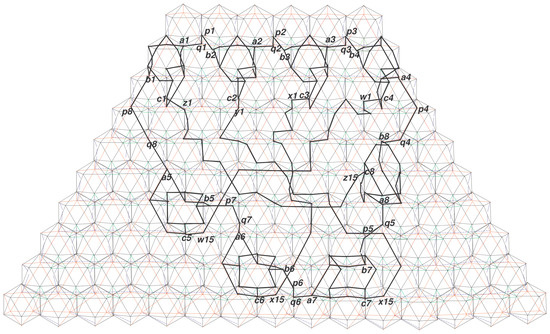
This study examines graphs that demonstrate Gallai’s property, particularly those in which for every prescribed set S of vertices with there exists a longest path or cycle that avoids that set. Such graphs are naturally fault-tolerant in the structural sense: if some vertices fail, there can still exist longest routes that bypass the failed vertices. Our main purpose is to construct explicit Gallai-type graphs that admit embeddings into a rigorously defined three-dimensional geometric adjacency structure derived from an icosahedral–tetrahedral polyhedral cell complex. We show that similar graphs may be found in three-dimensional structures obtained from a periodic polyhedral packing (cell complex) built from tetrahedral and icosahedral cells. Importantly, we do not claim a face-to-face tessellation of by congruent regular icosahedra and tetrahedra; instead, we define a specific periodic cell complex and work in its associated adjacency graph . These geometric constructions expand lattice-based findings to a three-dimensional adjacency setting and provide new embeddings for Gallai-type graphs. Connections to AI systems are mentioned at the conceptual level.
Full article

Figure 1
Open AccessArticle
A Modified Time-Fractional Lord–Shulman Approach to Thermoelasticity in Hollow Spheres with Variable Thermal Conductivity
by
Ashraf M. Zenkour, Noha M. Seyam and Maryam H. Aljadani
Math. Comput. Appl. 2026, 31(3), 105; https://doi.org/10.3390/mca31030105 - 12 Jun 2026
Abstract
►▼
Show Figures
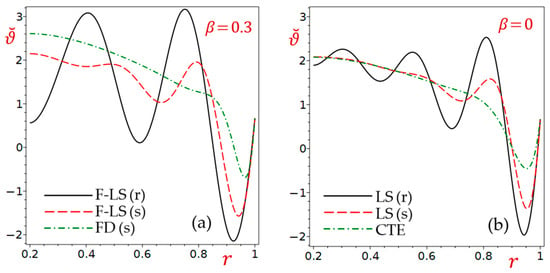
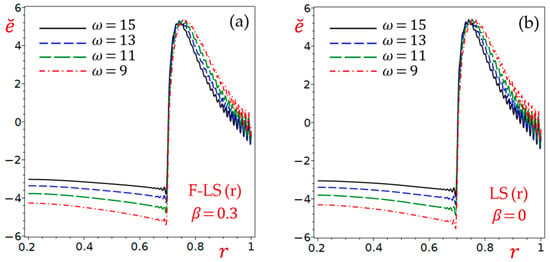
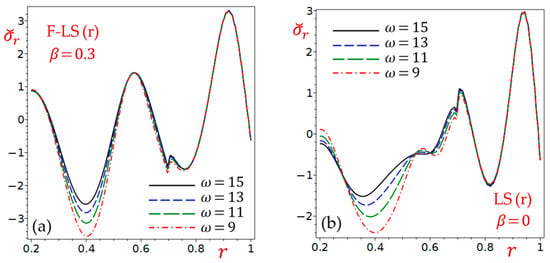
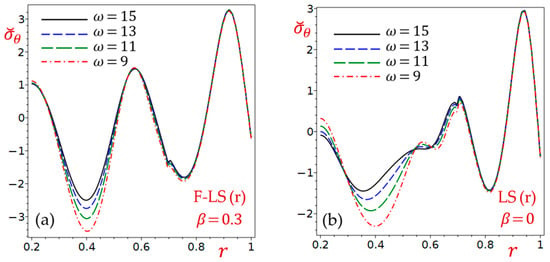
This study investigates a 2D fractional order generalized thermoelastic problem in a homogeneous and isotropic thermoelastic hollow sphere. The sphere is exposed to a decaying heat source, and the governing equations are derived using a refined fractional-order Lord–Shulman (LS) model of generalized thermoelasticity.
[...] Read more.
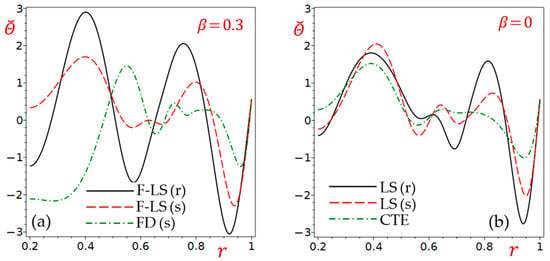
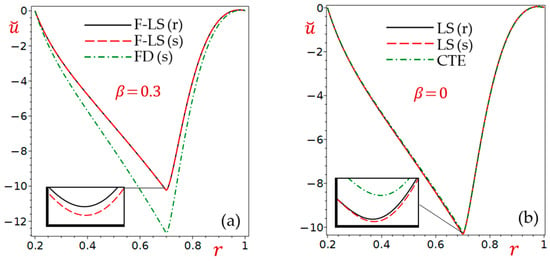
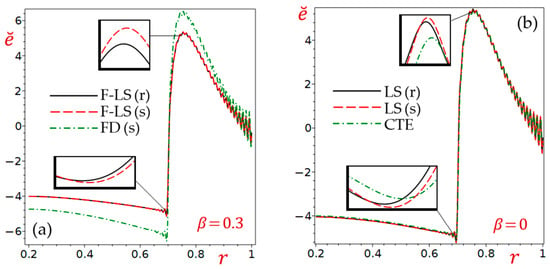
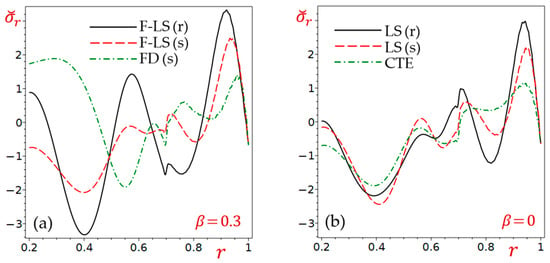
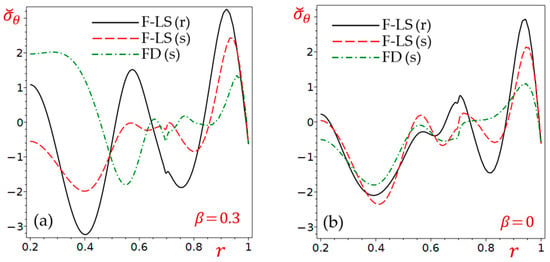
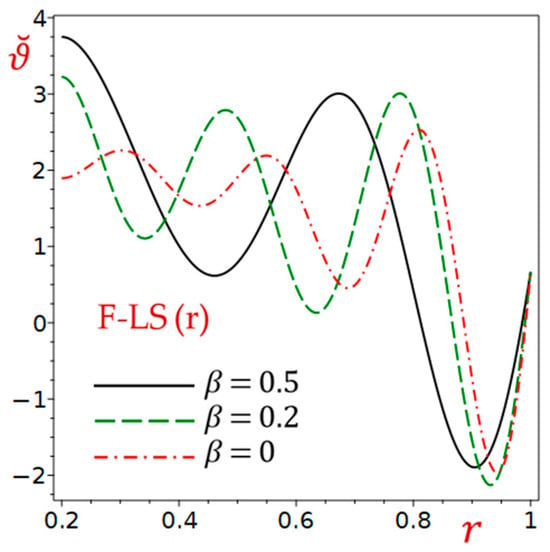
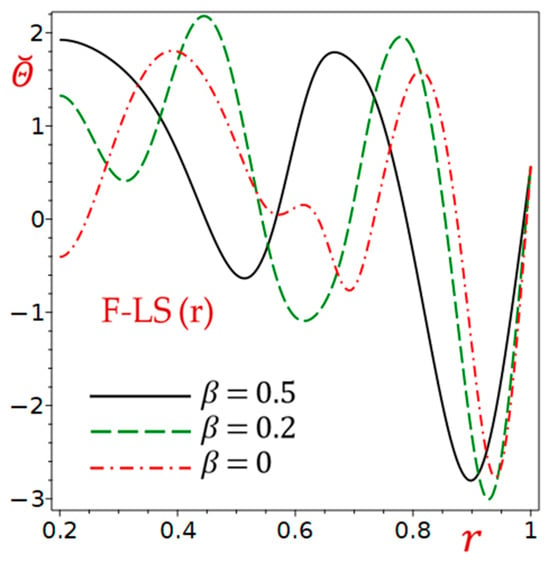
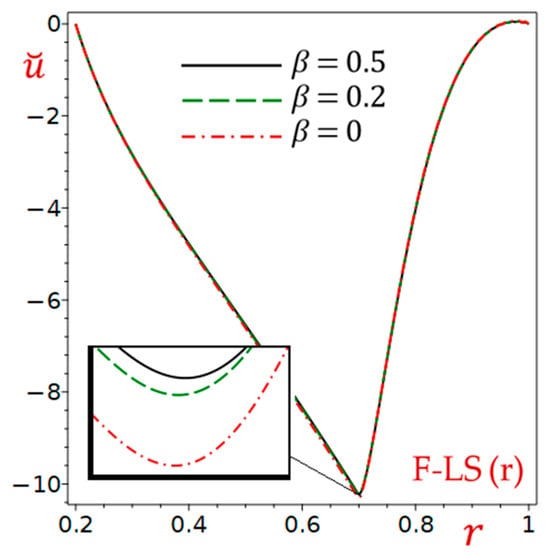
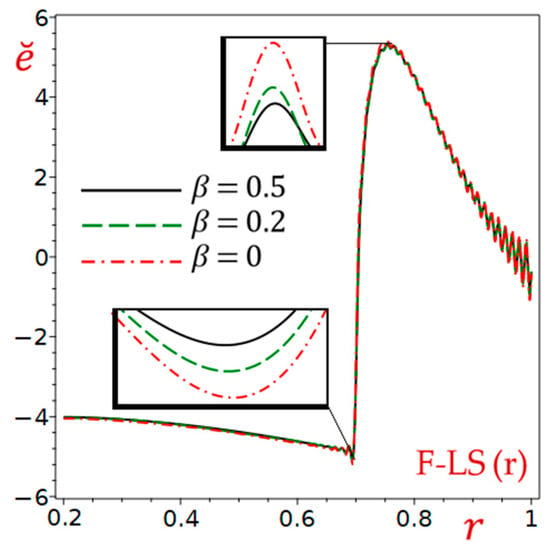
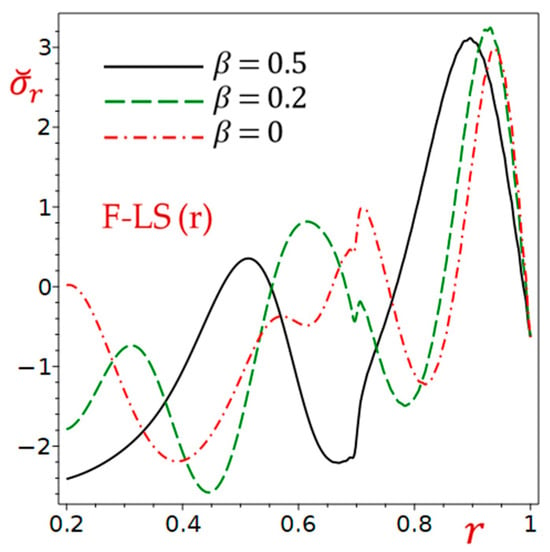
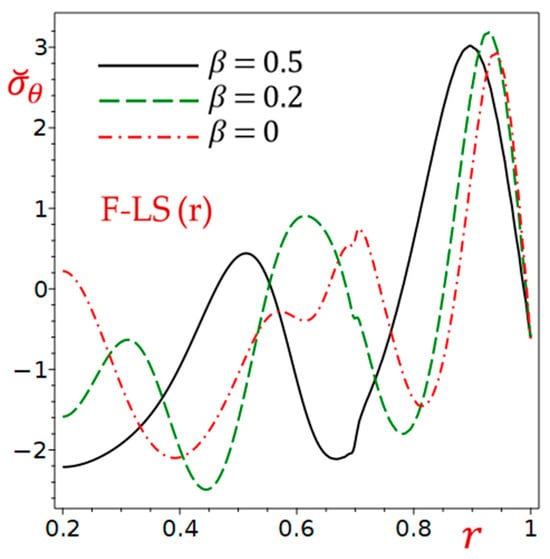
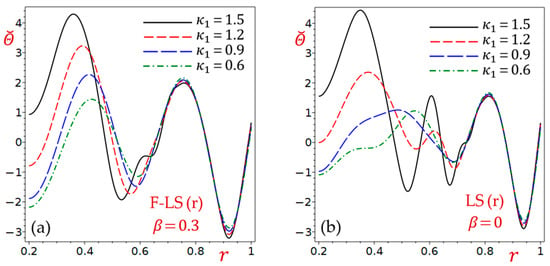
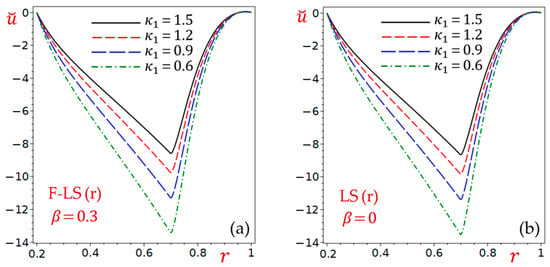
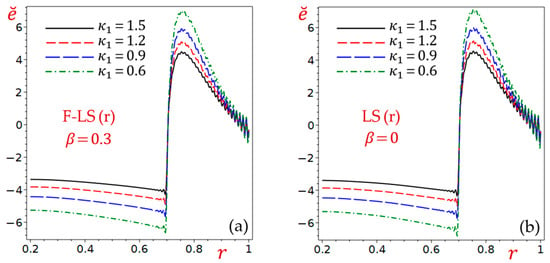
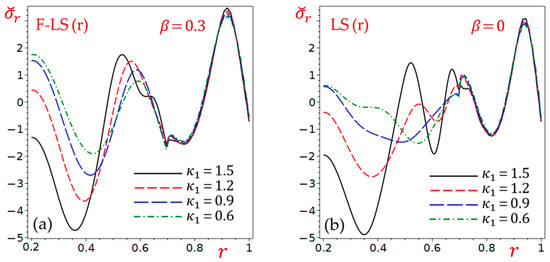
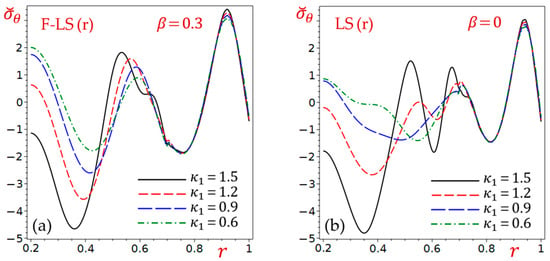
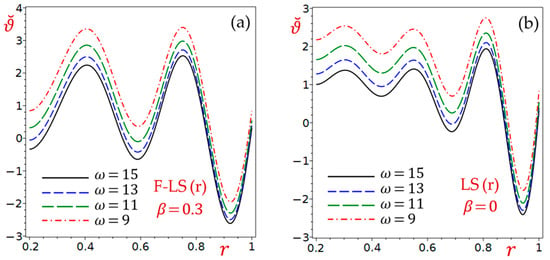
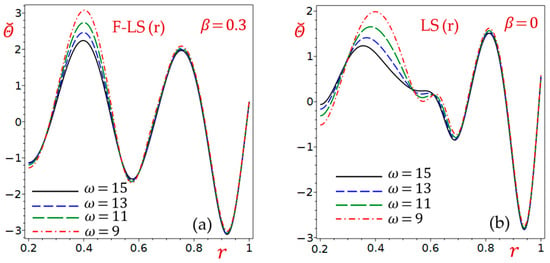
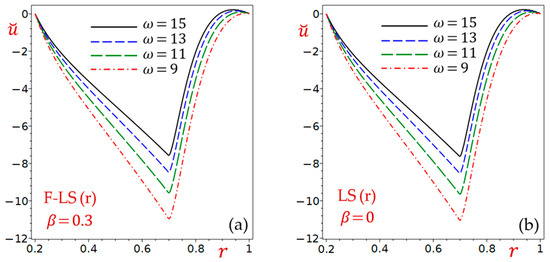
This study investigates a 2D fractional order generalized thermoelastic problem in a homogeneous and isotropic thermoelastic hollow sphere. The sphere is exposed to a decaying heat source, and the governing equations are derived using a refined fractional-order Lord–Shulman (LS) model of generalized thermoelasticity. The Laplace transform technique is used to convert time-dependent PDEs into simpler ODEs in the Laplace domain. Its numerical inversion method is used to revert to the time domain. Numerical simulations are carried out to investigate the distributions of temperature, displacement, and stress fields within the hollow sphere. The obtained results reveal that both the fractional-order parameter and the variable thermal conductivity strongly affect the thermoelastic response, particularly the propagation characteristics of thermal waves, stress intensity, and relaxation behavior. In addition, the curvature of the hollow geometry plays an important role in modifying the radial and circumferential stress distributions and their attenuation throughout the medium.
Full article

Figure 1
Open AccessArticle
Consistent Parametrization of Multiband Hamiltonians: Mathematical Foundations and Data-Driven Applications in Nanoscience
by
Dmytro Sytnyk and Roderick Melnik
Math. Comput. Appl. 2026, 31(3), 104; https://doi.org/10.3390/mca31030104 - 12 Jun 2026
Abstract
Bandstructure methods occupy a central place in the physics of nanostructures, and the multiband theory of Luttinger, Kohn, and Kane has served as one of the most widely used computational frameworks for modelling electronic states and energies in low-dimensional semiconductor
[...] Read more.
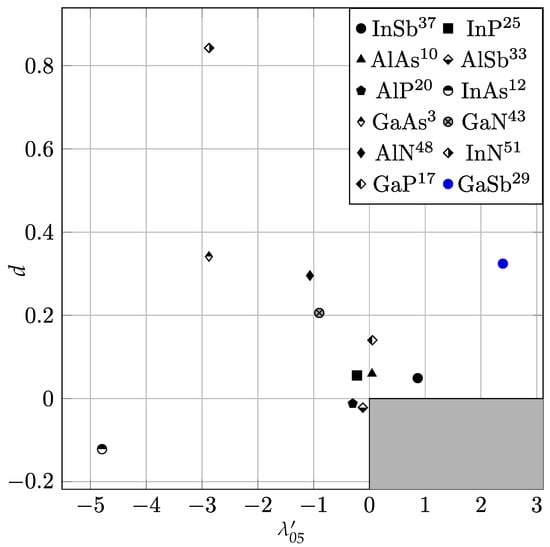
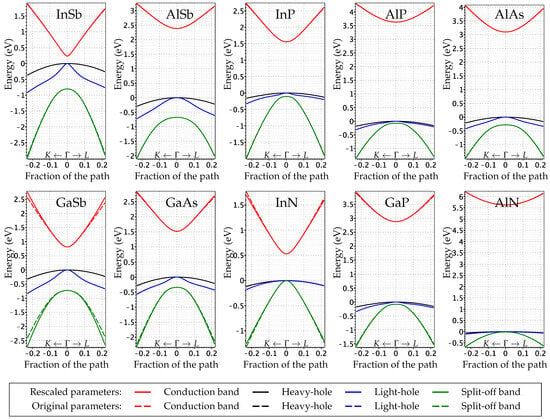
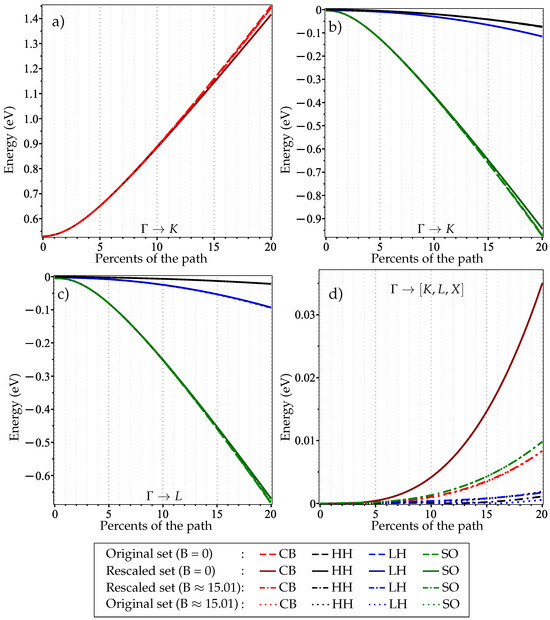
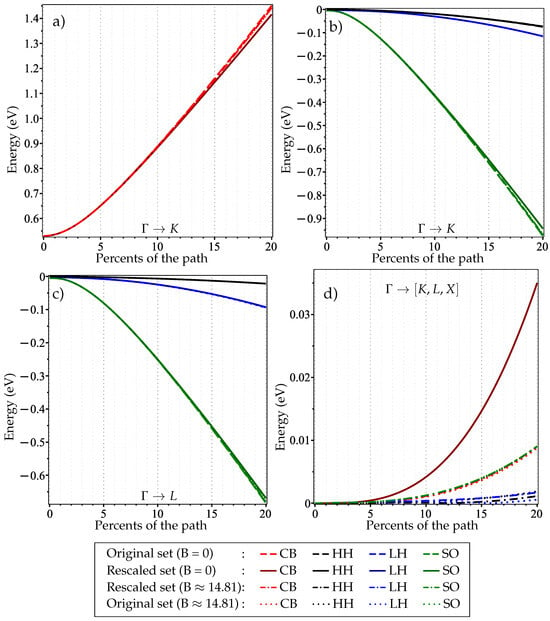
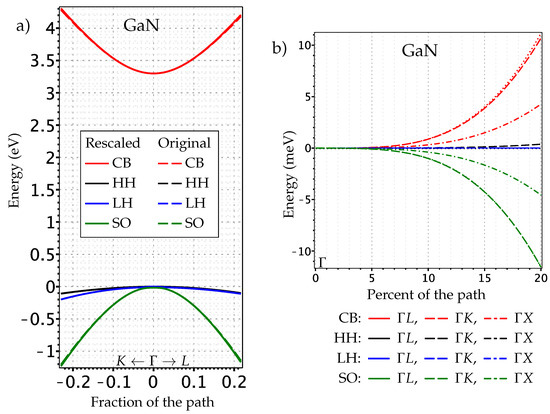
Bandstructure methods occupy a central place in the physics of nanostructures, and the multiband theory of Luttinger, Kohn, and Kane has served as one of the most widely used computational frameworks for modelling electronic states and energies in low-dimensional semiconductor systems for several decades. Despite its broad success, the theory harbours a fundamental mathematical difficulty that has been largely overlooked: the multiband Luttinger–Kohn Hamiltonians are non-elliptic partial differential operators for the overwhelming majority of common III–V and III-nitride crystalline materials, a fact that violates the axiomatic requirements of quantum mechanics and is the root cause of the long-standing problem of spurious solutions. In this paper, we derive ellipticity conditions rigorously for the , , and zinc-blende Hamiltonians, demonstrating that non-ellipticity affects a substantially larger class of materials than previously reported. We develop and justify a systematic parameter rescaling procedure for the Kane Hamiltonian and obtain admissible parameter sets for GaAs, AlAs, InAs, GaP, AlP, InP, GaSb, AlSb, InSb, GaN, AlN, and InN. The inversion-asymmetry parameter B is shown to play an essential and previously unrecognized role in maintaining ellipticity, and it is used to optimize the bandstructure fit of the rescaled parameter sets. Analysis of several known models reveals structural sources of non-ellipticity, pointing to the need for a revision of perturbative assumptions regarding out-of-basis band contributions. The consistent parametrization framework developed here provides the rigorous mathematical foundation required by inverse design methodologies, AI-enhanced electronic structure calculations, and data-driven multifidelity approaches in nanoscience and nanotechnology.
Full article
(This article belongs to the Special Issue Computational Methods for Coupled Problems in Science and Engineering 2025)
►▼
Show Figures

Figure 1
Open AccessArticle
Analytical and Asymptotic Modeling of Coupled Transient Gas Redistribution Induced by Simultaneous Injection and Withdrawal in Transmission Pipelines
by
Ahad Mammadov, Firangiz Mammadrzayeva and Ilgar G. Aliyev
Math. Comput. Appl. 2026, 31(3), 103; https://doi.org/10.3390/mca31030103 - 11 Jun 2026
Abstract
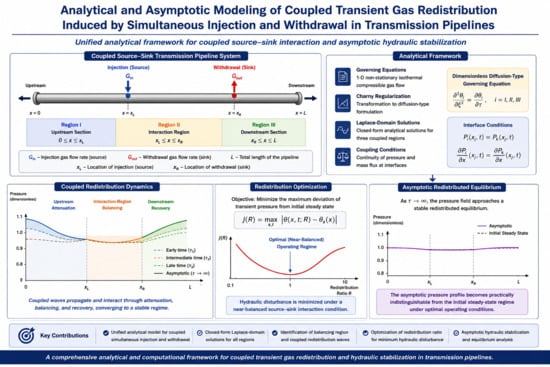
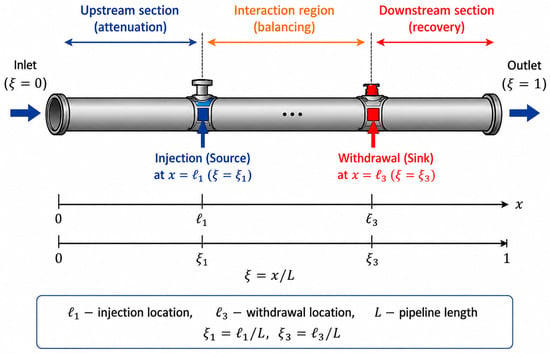
This study develops an analytical and computational framework for coupled transient gas redistribution induced by simultaneous localized injection and withdrawal in transmission pipelines. The aim is to describe source–sink interactions within a single transmission system, unlike conventional approaches that treat inflow and outflow
[...] Read more.
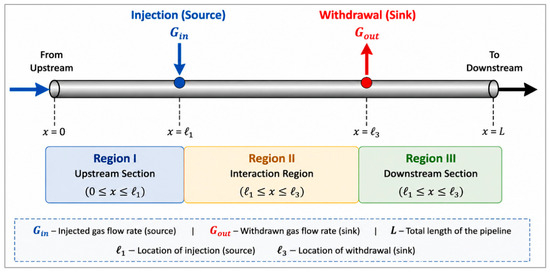
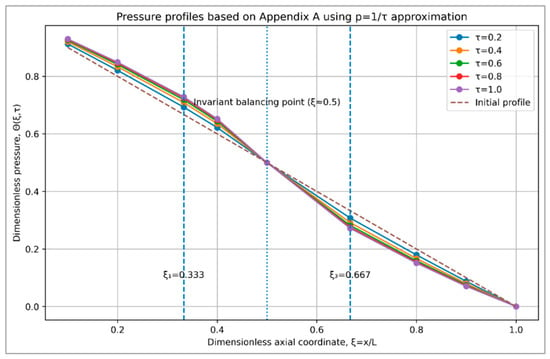
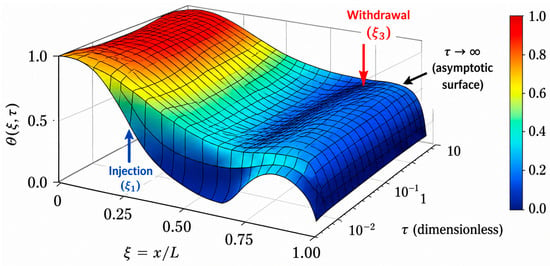
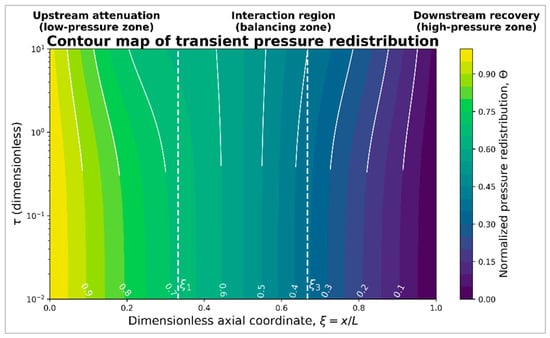
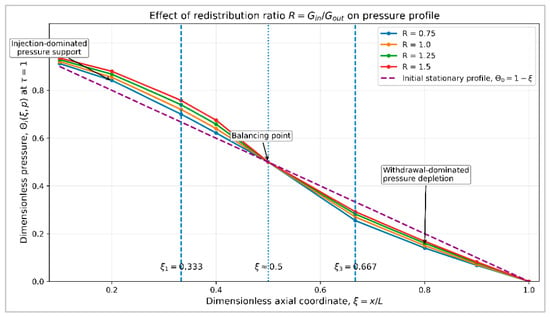
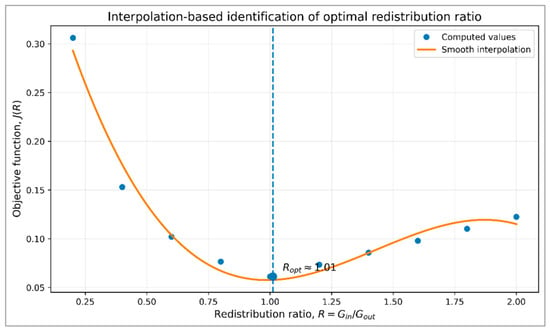
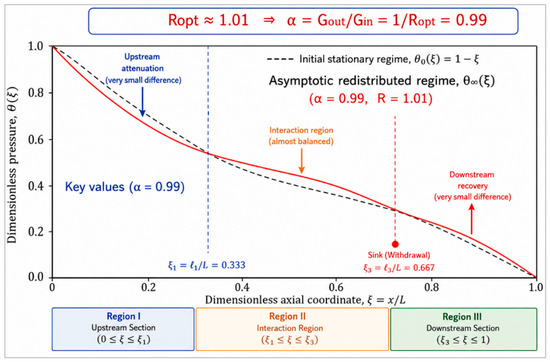
This study develops an analytical and computational framework for coupled transient gas redistribution induced by simultaneous localized injection and withdrawal in transmission pipelines. The aim is to describe source–sink interactions within a single transmission system, unlike conventional approaches that treat inflow and outflow processes independently. The governing equations of one-dimensional non-stationary isothermal compressible gas flow are transformed into a diffusion-type formulation using Charny regularization. The pipeline is divided into three interacting regions connected through pressure-continuity and mass-flux coupling conditions. Closed-form Laplace-domain solutions are derived for the dimensionless pressure field, and a practical Laplace-domain approximation is used for computational evaluation of transient pressure profiles. The results reveal a characteristic balancing point separating injection-dominated and withdrawal-dominated regions and show rapid convergence toward a quasi-steady redistribution regime. A pressure-deviation-based objective function is introduced to evaluate hydraulic disturbance, and the optimization analysis shows that the minimum disturbance occurs under a near-balanced source–sink operating condition. The obtained pressure profiles, asymptotic behavior, and regional redistribution patterns confirm the physical consistency of the proposed model. The framework provides a mathematically interpretable basis for analyzing coupled redistribution dynamics, hydraulic stabilization, and asymptotic equilibrium in gas transmission systems.
Full article
(This article belongs to the Section Engineering)
►▼
Show Figures

Graphical abstract
Open AccessArticle
Bridging the Semantic Gap in Industry–Academia Collaboration: A Two-Stage RAG System for Intelligent Expert Recommendation
by
Jun Feng, Xuezhi Yang and Shuai Fang
Math. Comput. Appl. 2026, 31(3), 102; https://doi.org/10.3390/mca31030102 - 10 Jun 2026
Abstract
►▼
Show Figures
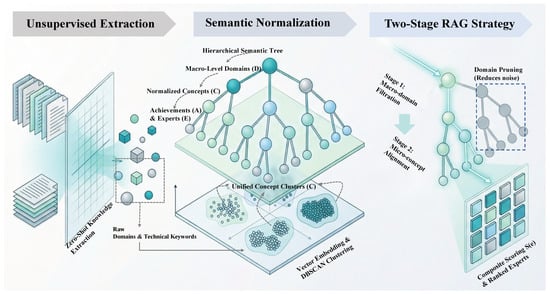
Aligning industrial technological demands with academic expertise is critical for effective technology transfer. However, existing Expert Recommendation Systems (ERS) are frequently hindered by a “semantic gap” arising from terminological discrepancies between industry and academia, alongside a reliance on rigid classification taxonomies. To address
[...] Read more.
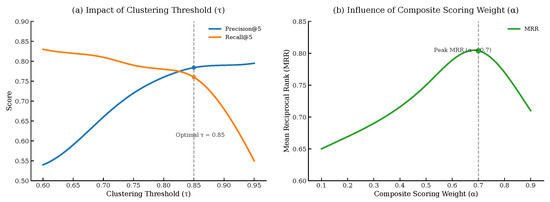
Aligning industrial technological demands with academic expertise is critical for effective technology transfer. However, existing Expert Recommendation Systems (ERS) are frequently hindered by a “semantic gap” arising from terminological discrepancies between industry and academia, alongside a reliance on rigid classification taxonomies. To address these limitations, this paper proposes an automated expert finding framework that integrates Large Language Models (LLMs) with a hierarchical Retrieval-Augmented Generation (RAG) mechanism. Initially, we employ LLMs for the unsupervised extraction of research domains and technical keywords from heterogeneous multi-source data. To mitigate terminological diversity, we introduce a vector clustering-based Semantic Normalization module. By mapping diverse keyword variants into unified “Concept Clusters,” this module reduces vocabulary sparsity by 98%. These organized clusters are structured into a “Semantic Tree” to support a hierarchical RAG strategy, enabling a coarse-to-fine retrieval process from broad disciplinary domains down to specific technical achievements. In this paper, RAG refers to a retrieval-augmented expert recommendation workflow, in which the retrieved achievements and expert evidence are used as grounded context for generating an explanatory recommendation report. Evaluations on a real-world dataset show that the framework achieves a Precision@5 of 78.4% and a Recall@10 of 81.2%, outperforming flat vector retrieval baselines by over 20% in precision. Furthermore, hierarchical domain pruning significantly reduces computational overhead, decreasing average query latency by a factor of three (to 115.8 ms). These results demonstrate that the proposed system effectively bridges the industry–academia semantic gap, providing a scalable and accurate solution for expert recommendation.
Full article

Figure 1
Open AccessArticle
Text-Enhanced Financial Volatility Prediction with Hawkes LSTM
by
Jing Zhang, Jing Qi and Dabo Guo
Math. Comput. Appl. 2026, 31(3), 101; https://doi.org/10.3390/mca31030101 - 9 Jun 2026
Abstract
Volatility is a fundamental indicator for assessing the risk of financial assets. By integrating unstructured data, such as earnings call transcripts, the limitations of traditional time series data can be transcended, enabling collaborative forecasting from multiple data sources, enhancing the robustness of volatility
[...] Read more.
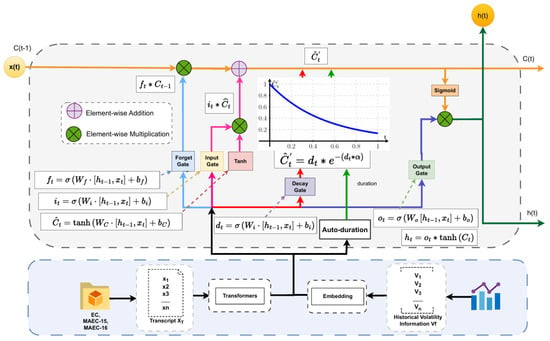
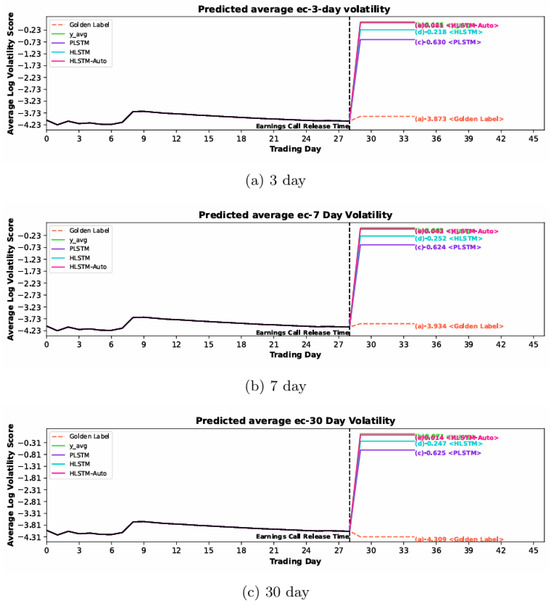
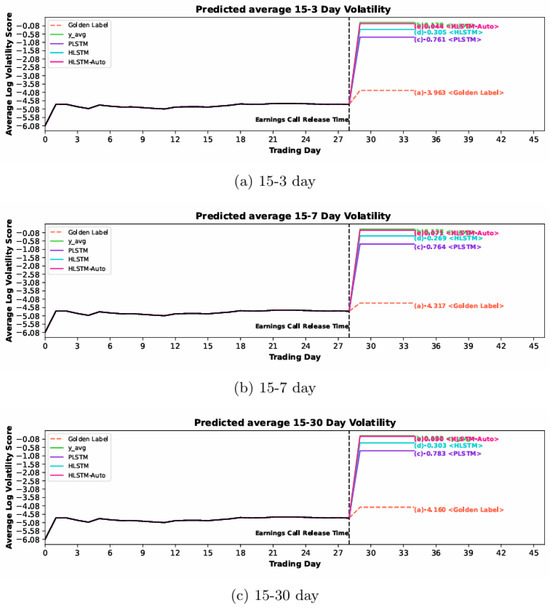
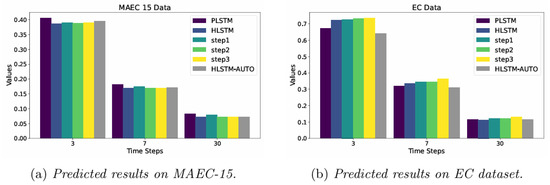
Volatility is a fundamental indicator for assessing the risk of financial assets. By integrating unstructured data, such as earnings call transcripts, the limitations of traditional time series data can be transcended, enabling collaborative forecasting from multiple data sources, enhancing the robustness of volatility prediction, and improving the efficiency of risk management. Although current research has effectively utilized earnings call data to predict asset volatility, price trends, and stock correlations, it often overlooks the inherent challenges of integrating textual and time series data, as well as the self-exciting and clustering characteristics of financial events. While conventional Long Short-Term Memory (LSTM) networks excel in processing fused data, they lack the structural capacity to explicitly model event-driven temporal decay, often failing to differentiate the varying influence of historical shocks over time. To surmount this limitation, we have significantly enhanced the predictive model by focusing on extracting salient information and integrating temporal dependency modeling with dynamic state adjustment mechanisms. The core innovation is introducing the Hawkes process to explicitly capture the self-exciting effect of financial events, which is the key to modeling volatility clustering around earnings releases. The proposed Hawkes LSTM model introduces a decay gating module and a textual information knowledge enhancement module. The decay gating module is specifically designed to more effectively capture the temporal dependencies between events within an event sequence. This allows the model to focus more on recent significant events, with the influence of an event on subsequent events typically diminishing as the temporal interval between them increases. By integrating temporal dependency modeling, the model is enabled to utilize historical data in a more flexible manner. The dynamic state adjustment mechanism further enhances its capacity to capture dynamically changing characteristics. Together, these features provide a more robust and precise solution for volatility prediction. Experimental results on two real-world earnings call datasets show that this approach significantly outperforms existing benchmark models on most prediction horizons, achieving competitive and superior performance and verifying its effectiveness and robustness.
Full article
(This article belongs to the Section Engineering)
►▼
Show Figures

Figure 1

Open AccessArticle
Separable ODE Modeling of Algal Growth Dynamics Under Offshore Floating Photovoltaic Systems with Varying Irradiance
by
Basit Ali, Sarwat Ishaque, Kaniz Fatima, Sadique Ahmad, Abdelhamied A. Ateya and Mohammed A. ElAffendi
Math. Comput. Appl. 2026, 31(3), 100; https://doi.org/10.3390/mca31030100 - 7 Jun 2026
Abstract
The rapid growth of technology is not only providing ease in life but also increasing energy demands. To meet these requirements, fossil fuel sources are primarily used in different parts of the world. To efficiently satisfy energy demands, many countries are installing offshore
[...] Read more.
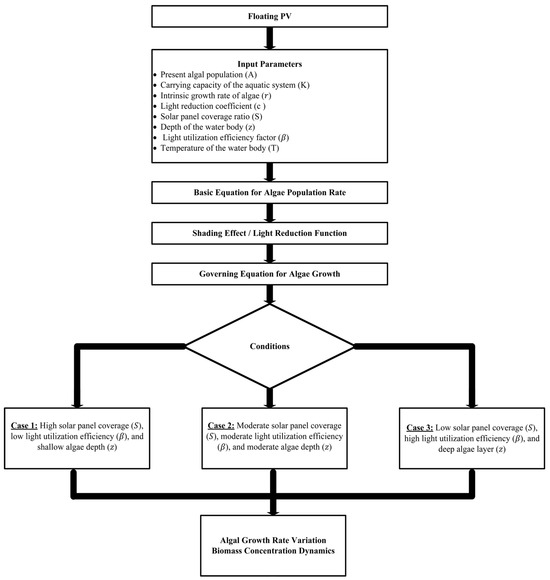
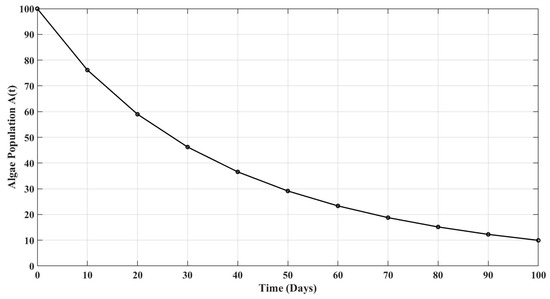
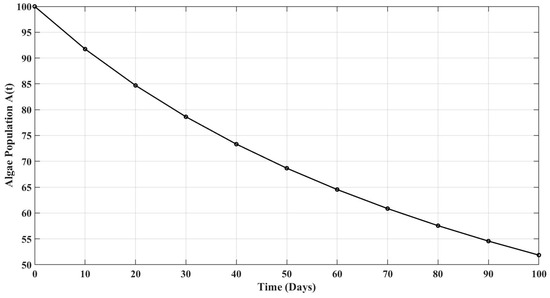
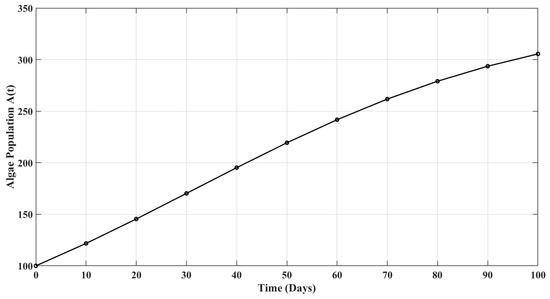
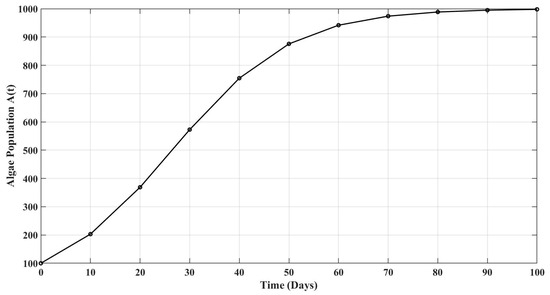
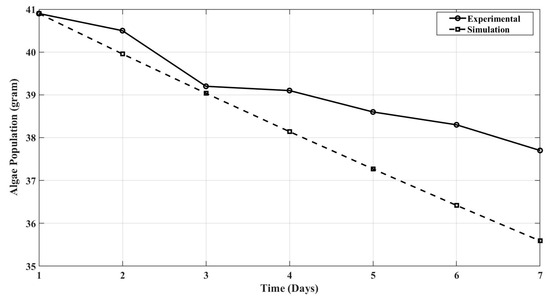
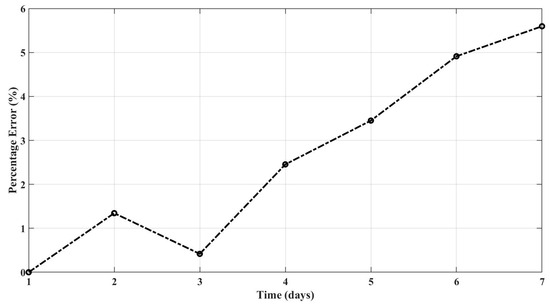
The rapid growth of technology is not only providing ease in life but also increasing energy demands. To meet these requirements, fossil fuel sources are primarily used in different parts of the world. To efficiently satisfy energy demands, many countries are installing offshore floating photovoltaic plants. But installing FPVs on a large scale hinders the ability of sunlight, which is a necessary element for marine life food, to reach the depths of the sea. This research study aims to assess the impact on algae growth of varying irradiance resulting from offshore photovoltaic power plants. A mathematical model is developed using differential equations to examine the population dynamics of aquatic organisms that depend on algae as their primary food source. To determine the impact of irradiance on algae growth, a simulation is done on five different irradiance coverage levels (0, 25, 50, 75, and 100%). The simulation is conducted in MATLAB R2020a, and the ordinary differential equations (ODEs) are solved by using multiple factors that are considered to gauge the growth of algae in a low-irradiance environment. The simulation results show a significant decay in algae growth due to irradiance blockage and an increasing number of days. The developed simulated model shows that 100% coverage leads to rapid exponential decay in the population growth of algae, up to 94.95% in 100 days. When 50% solar panel coverage is considered, the algae population increases from 100 g to about 305.56 g over 100 days, corresponding to a 205.56% increase. Lastly, in the absence of solar panel coverage, the algae population grows rapidly from 100 g to approximately 997.77 g, which represents an 897.77% increase. This scenario reflects the natural logistic growth of algae when sufficient sunlight and environmental resources are available. Algae decaying over an increasing number of days will disturb the entire marine life ecosystem and impact many endangered species that depend on algae.
Full article
(This article belongs to the Section Engineering)
►▼
Show Figures

Figure 1
Open AccessArticle
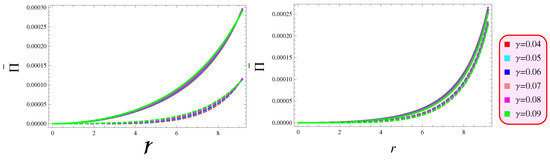
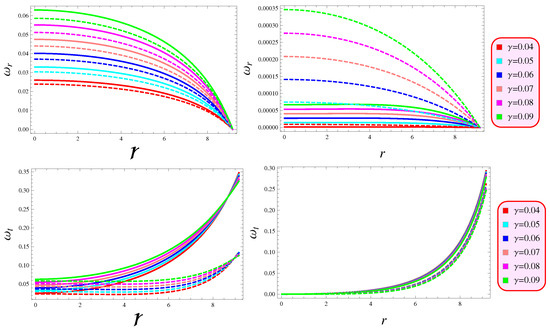
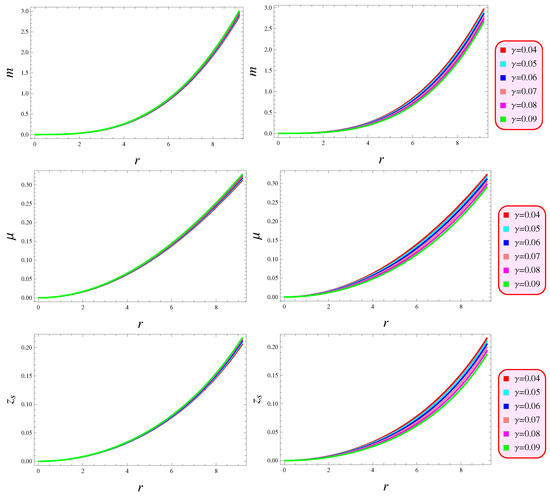
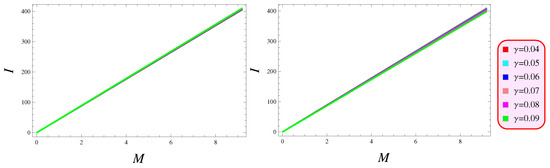
The Minimal Geometric Deformation Method to Construct Anisotropic Solutions for Polytropic Configurations
by
Tayyab Naseer, Muhammad Sharif, Aleena Tehreem, Komal Hassan and Ahmed Emara
Math. Comput. Appl. 2026, 31(3), 99; https://doi.org/10.3390/mca31030099 - 7 Jun 2026
Abstract
►▼
Show Figures
The minimal geometric deformation method is applied on Einstein–Maxwell field equations in this study to obtain two novel exact anisotropic solutions for polytropic configurations. A static spherically symmetric seed structure penetrated by the anisotropic fluid distribution is taken into consideration in order to
[...] Read more.
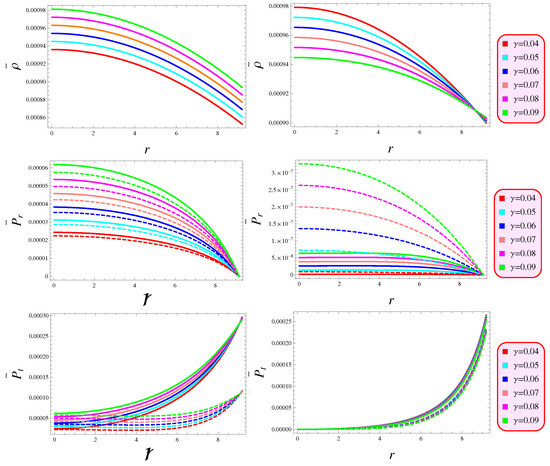
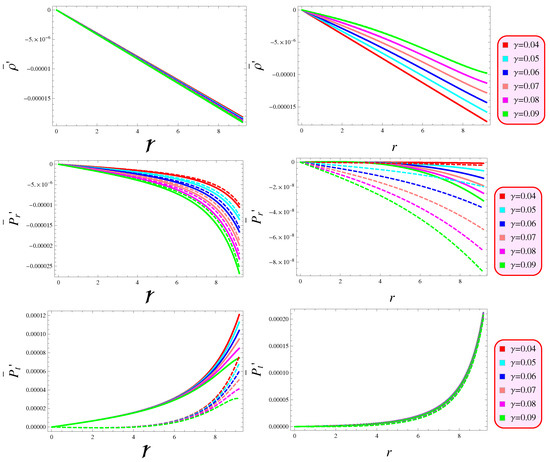
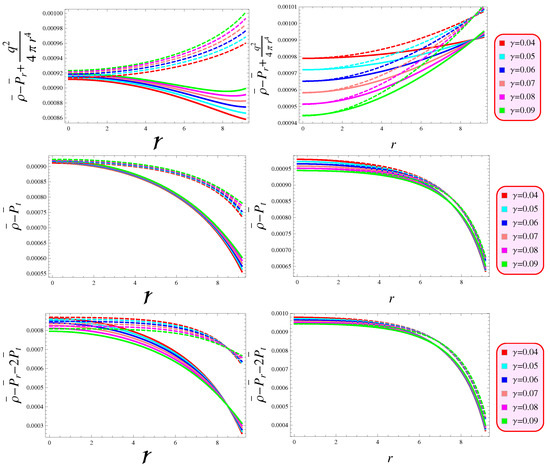
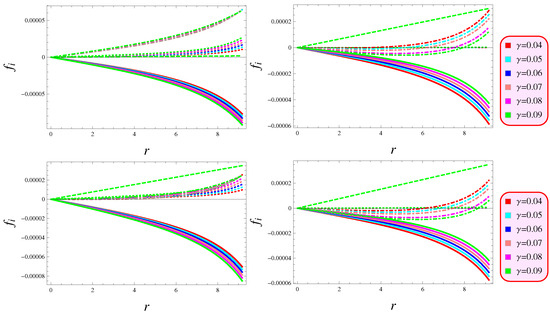
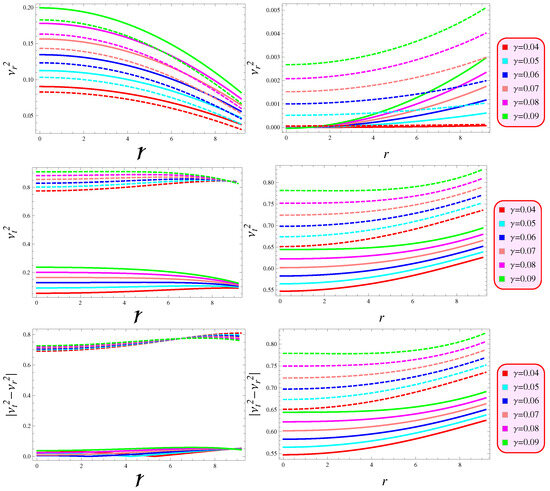
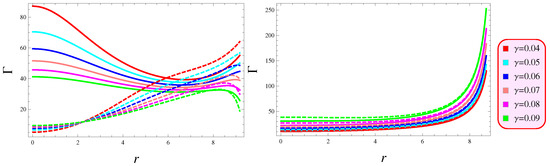
The minimal geometric deformation method is applied on Einstein–Maxwell field equations in this study to obtain two novel exact anisotropic solutions for polytropic configurations. A static spherically symmetric seed structure penetrated by the anisotropic fluid distribution is taken into consideration in order to accomplish this goal. The gravitational interaction of the new Lagrangian density is then coupled with the initial fluid configuration, representing an additional matter source. We obtain the field equations that correspond to the associated charged fluid sources. Two separate decoupled systems are developed when the field equations are subjected to a radial transformation. By applying the distinct constraints, each system’s solution is determined individually. The entire fluid configuration is then generated by combining these solutions via a certain linear combination. The constraints needed to determine the integration constants in the internal solutions are provided by junction conditions at the interface between the interior and exterior geometry. The suggested models are then verified by comparing them graphically under the observational data from the candidate star. In conclusion, for certain values of the decoupling parameter, our derived relativistic solutions satisfy established physical acceptability requirements.
Full article

Figure 1
Open AccessArticle
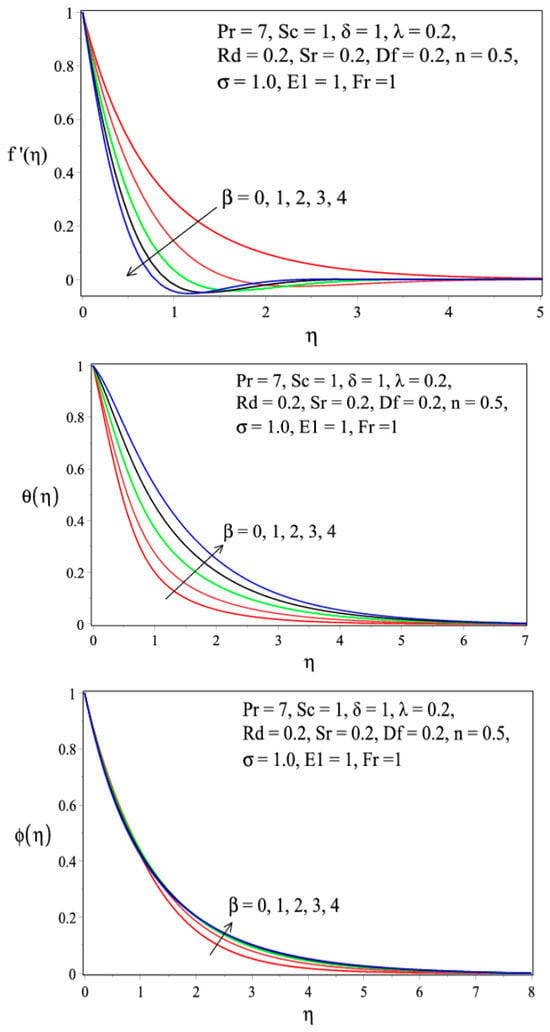
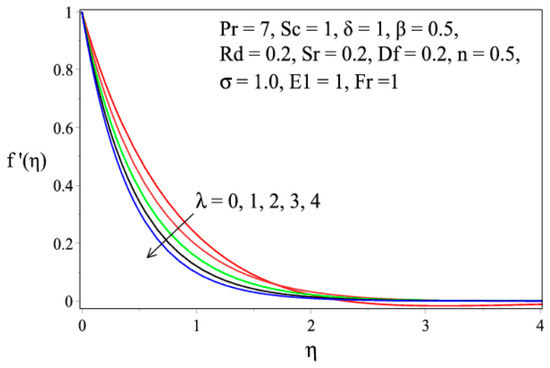
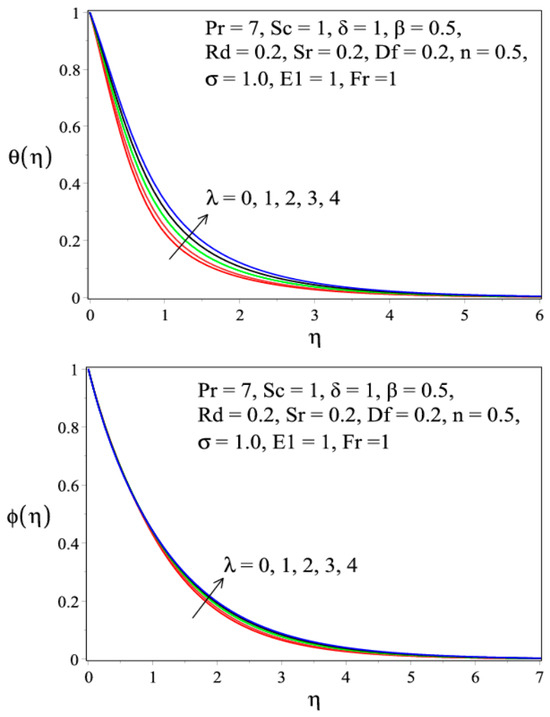
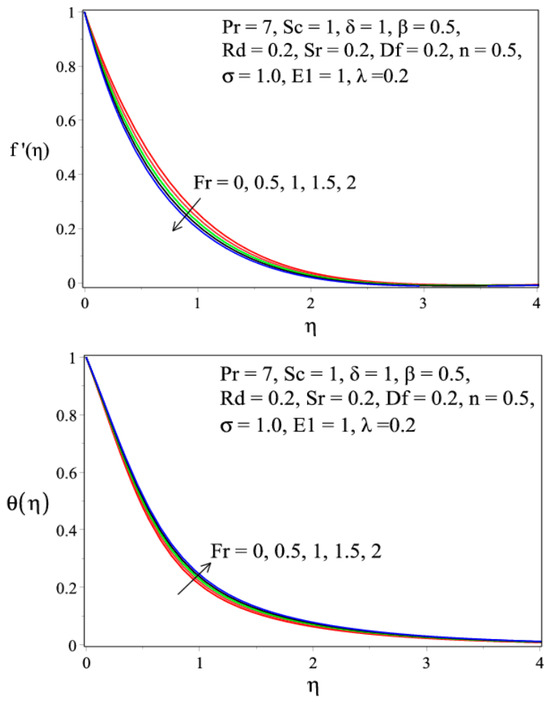
Influence of Cross Diffusion and Activation Energy on Doubly Diffusive Rotating 3D Flow in a Non-Darcy Porous Medium with Radiation
by
Sivasankaran Sivanandam and Turki J. Alqurashi
Math. Comput. Appl. 2026, 31(3), 98; https://doi.org/10.3390/mca31030098 - 6 Jun 2026
Abstract
►▼
Show Figures
The present computational work investigates the effects of thermal radiation, activation energy, and diffusion-thermo (Dufour) and thermo-diffusion (Soret) effects on 3D doubly diffusive convective rotational streams across a surface contained in a non-Darcian porous structure. The dominating mathematical system is converted into a
[...] Read more.
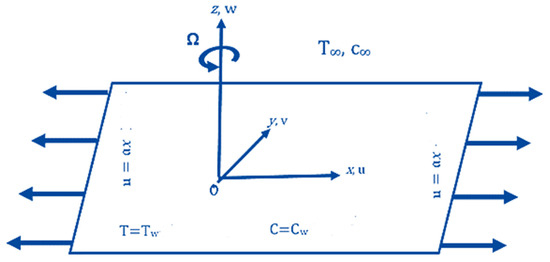
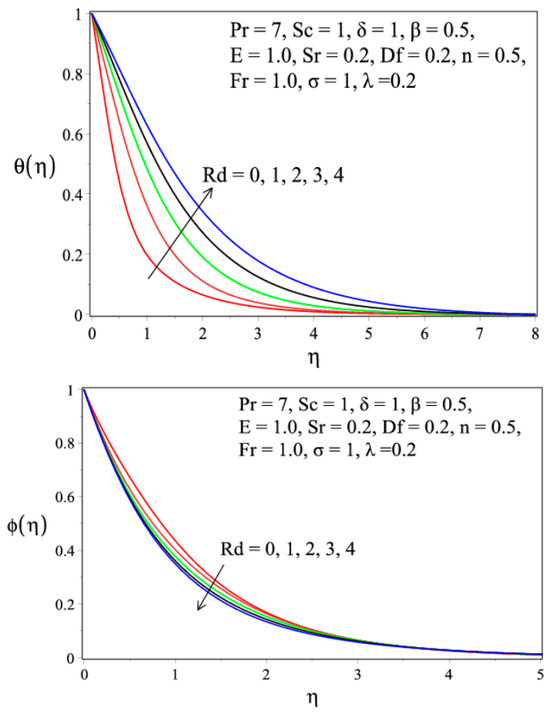
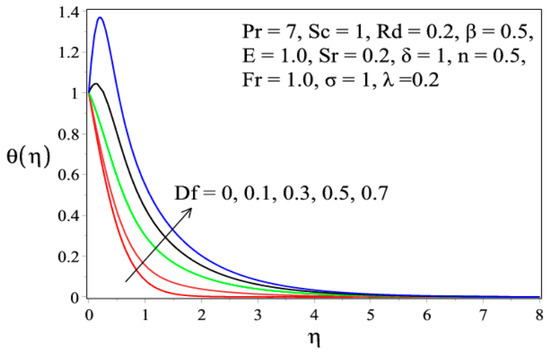
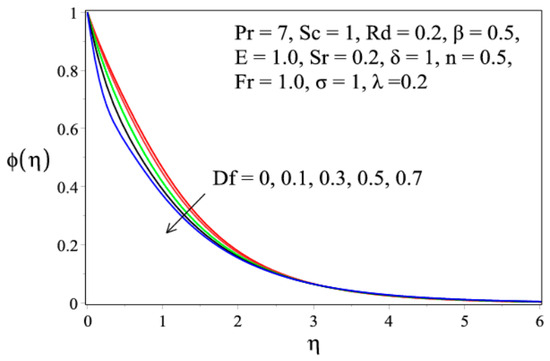
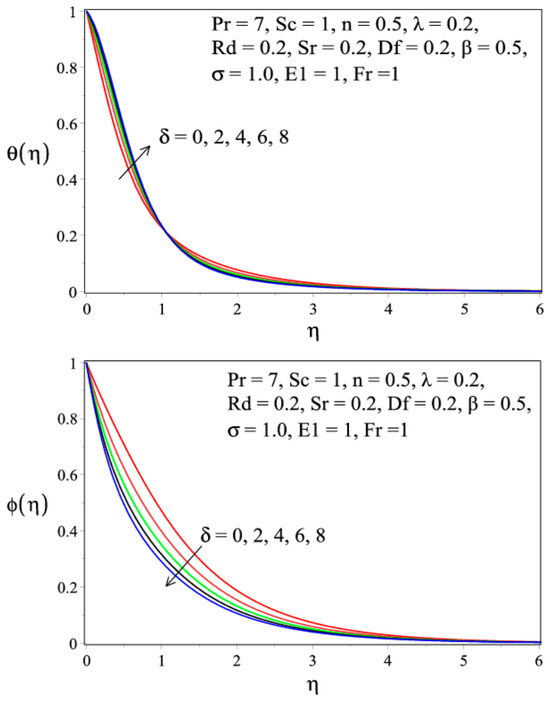
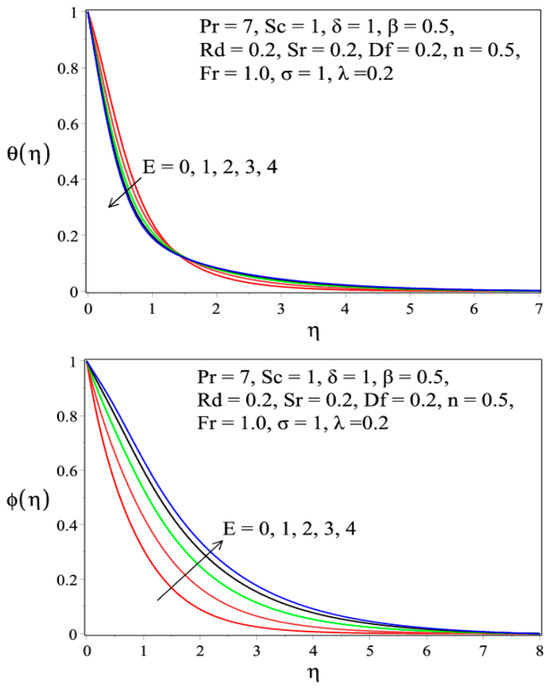
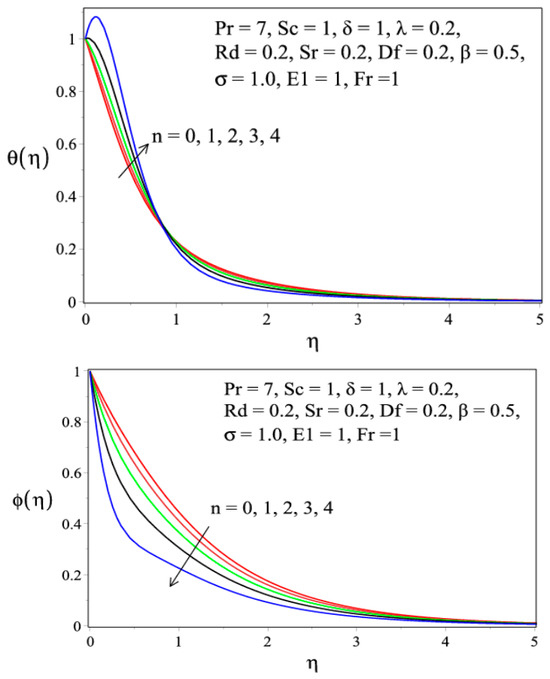
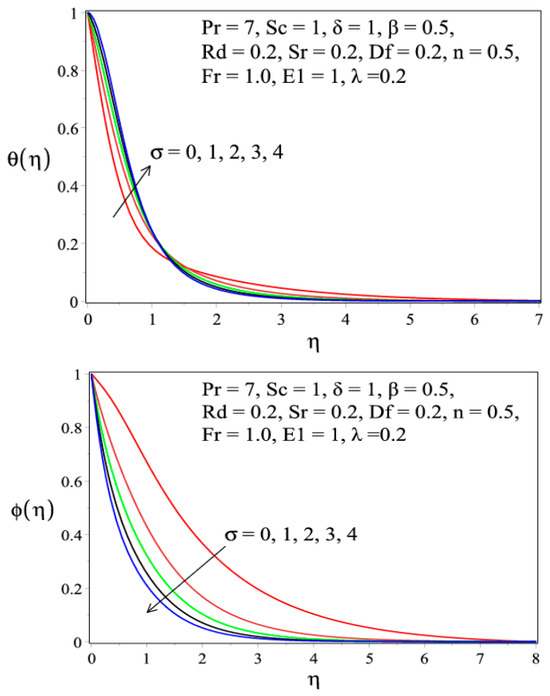
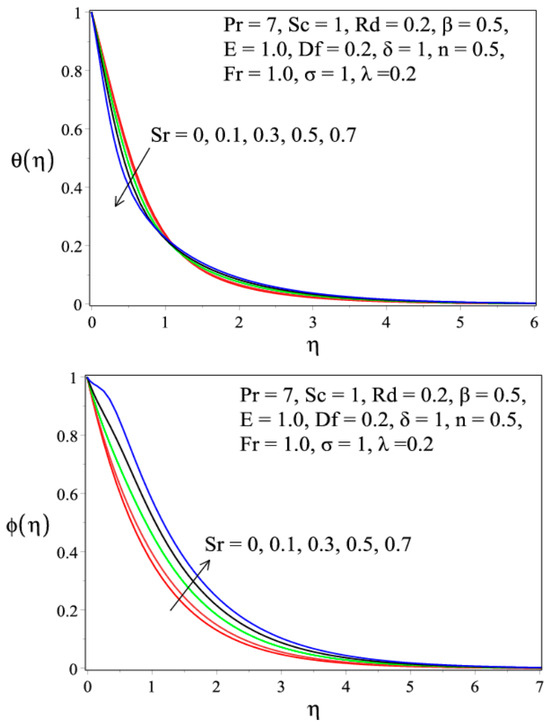
The present computational work investigates the effects of thermal radiation, activation energy, and diffusion-thermo (Dufour) and thermo-diffusion (Soret) effects on 3D doubly diffusive convective rotational streams across a surface contained in a non-Darcian porous structure. The dominating mathematical system is converted into a group of ODEs (ordinary differential equations) by appropriate similarity transformations. The non-dimensional model is solved using the fourth-order Runge–Kutta method with a shooting procedure numerically. For the fields of concentration, temperature, and velocity, the findings are shown visually. The local heat and mass transport rates are given by computed Sherwood and Nusselt numbers. By growing the values of radiation, activation energy parameters, and Soret number, the local rate of heat transfer increases. Nevertheless, as the Soret and activation energy parameter values increase, the mass transfer decreases. The outcome of the present research can be used to model thermal systems.
Full article

Figure 1
Open AccessArticle
Exploring Bifurcation Analysis, Conservation Laws and Soliton Dynamics for the Dual-Mode Nonlinear Schrödinger Equation with Applications
by
Muhammad Arshad, Naila Nasreen, Evren Hincal, Mohamed Hafez and Muhammad Farman
Math. Comput. Appl. 2026, 31(3), 97; https://doi.org/10.3390/mca31030097 - 2 Jun 2026
Abstract
►▼
Show Figures
This study examines the dynamical behavior of the dual-mode nonlinear Schrödinger equation (d-mNLSE), which describes the interaction, amplification, and attenuation of two coexisting wave modes in nonlinear media. The model incorporates key physical parameters including the nonlinearity coefficient, interaction phase velocity, and dispersion
[...] Read more.
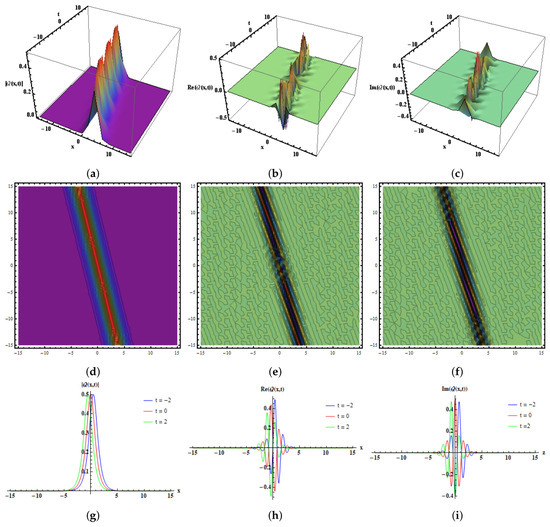
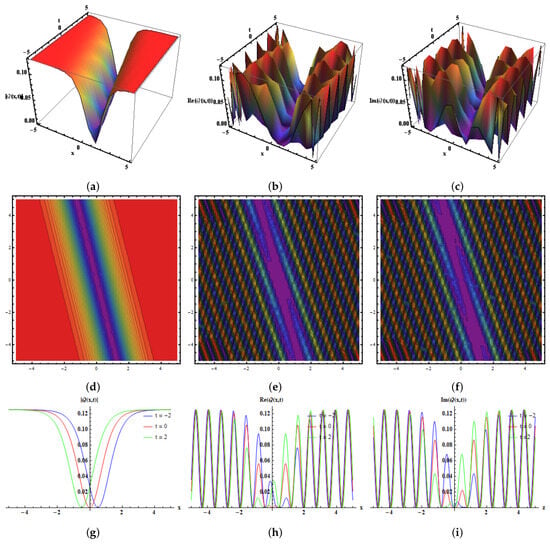
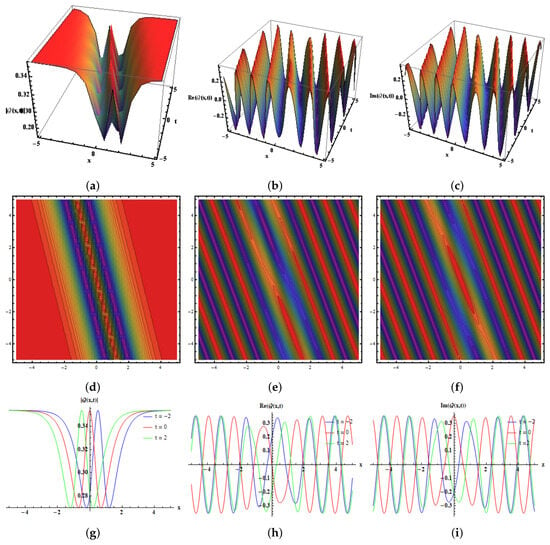
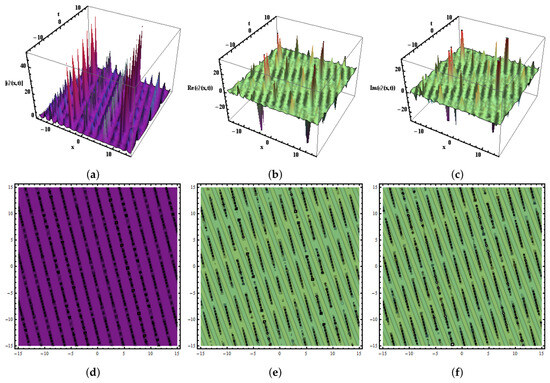
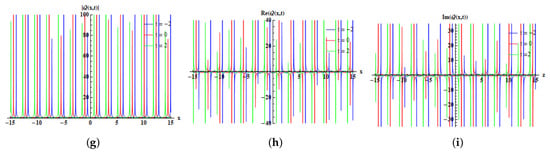
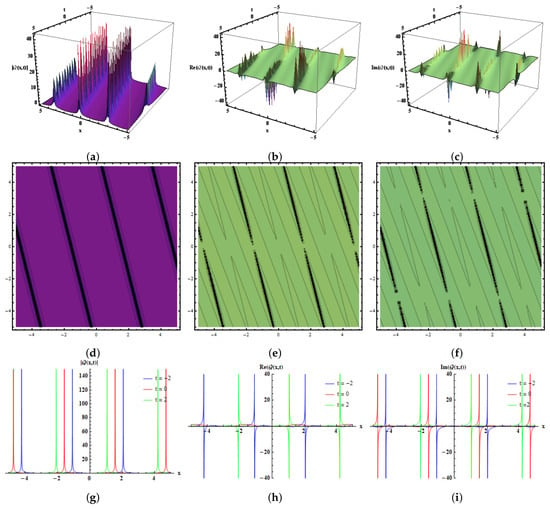
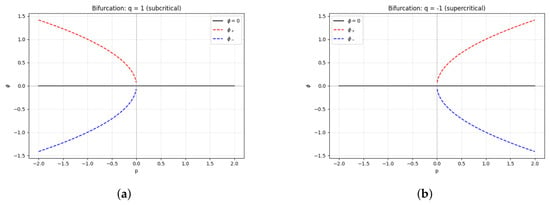
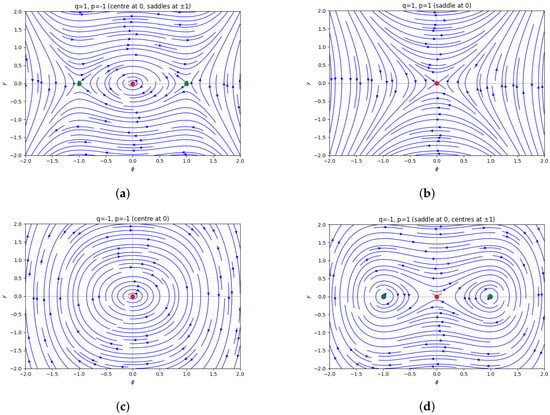
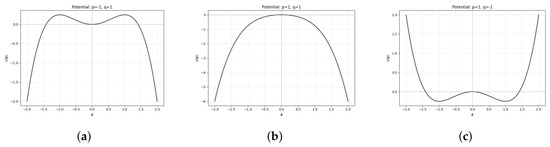
This study examines the dynamical behavior of the dual-mode nonlinear Schrödinger equation (d-mNLSE), which describes the interaction, amplification, and attenuation of two coexisting wave modes in nonlinear media. The model incorporates key physical parameters including the nonlinearity coefficient, interaction phase velocity, and dispersion parameter, which significantly influence the evolution of nonlinear waves. By applying the modified Sardar sub-equation method (mSS-EM), a wide spectrum of exact analytical solutions is derived. These solutions include mixed trigonometric waves, shock-type structures, singular solutions, complex dark–bright solitons, multi-peak solitons, periodic and mixed-periodic waves, as well as mixed hyperbolic structures. The analytical findings provide useful insight into nonlinear wave propagation phenomena arising in fluid mechanics, water wave dynamics, ocean engineering, and related physical systems. Moreover, the conservation laws of the d-mNLSE are established, which leads to the conserved quantities of impulse power, momentum, and energy and describes the invariant characteristics of the soliton solutions during their propagation. The bifurcation analysis of the reduced dynamical model is carried out to explore the qualitative characteristics of the obtained solutions. The equilibrium points of the considered model are calculated, and their stability properties are analyzed systematically. To demonstrate the physical characteristics of the obtained solutions, different kinds of two-dimensional, three-dimensional, and contour plots are plotted using symbolic computations software. These findings confirm that the analytical method used to obtain the soliton solutions can be used to obtain a variety of soliton solutions of nonlinear evolution equations that appear in applied sciences and engineering.
Full article

Figure 1
Open AccessArticle
A Hybrid Ensemble Deep Learning Framework for Pediatric Pneumonia Classification Using Transfer Learning and Convolutional Neural Networks
by
Arda Yunianta
Math. Comput. Appl. 2026, 31(3), 96; https://doi.org/10.3390/mca31030096 - 2 Jun 2026
Abstract
►▼
Show Figures
Accurate diagnosis of pediatric pneumonia remains a challenging task in clinical practice. The aim of this research is to propose a hybrid ensemble framework for pediatric pneumonia diagnosis that unites three fine-tuned pre-trained CNN models through feature fusion, EfficientNetB0, ResNet50, and MobileNetV2, to
[...] Read more.
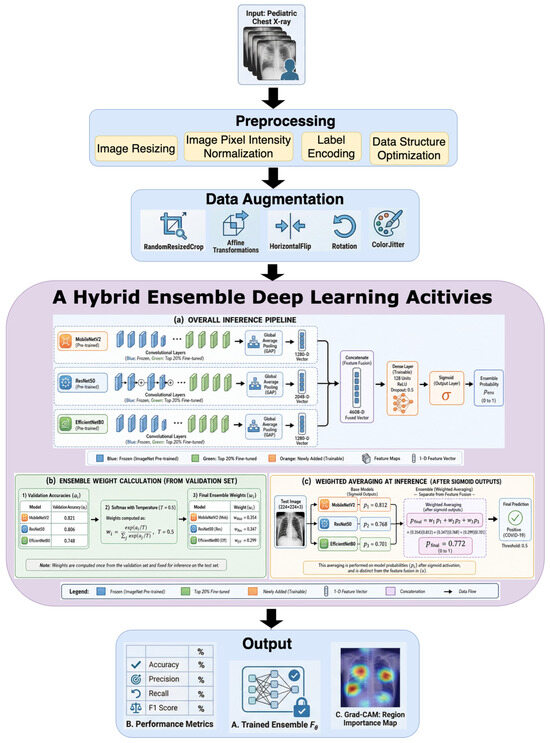
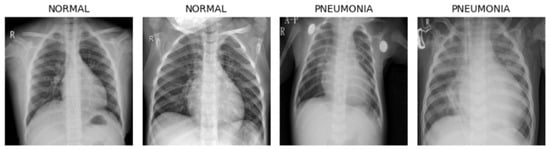
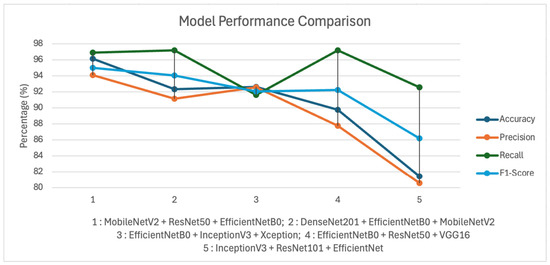
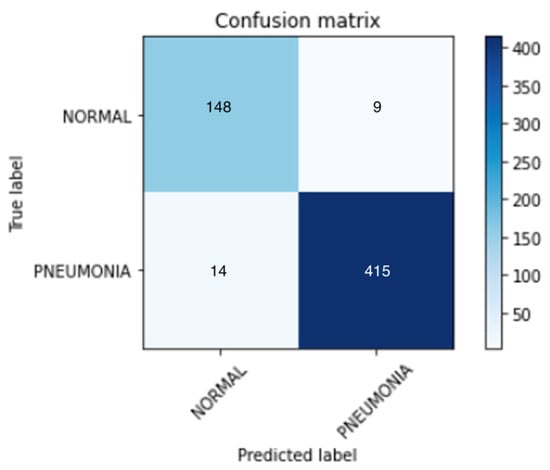
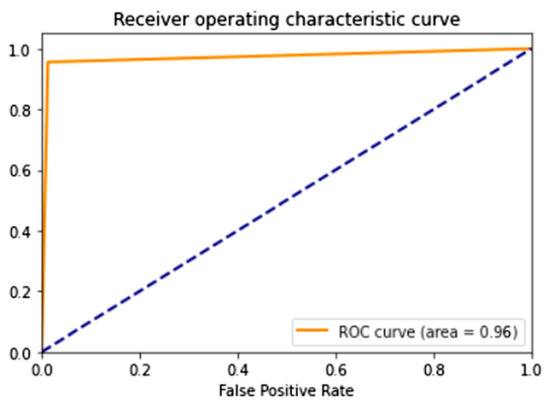
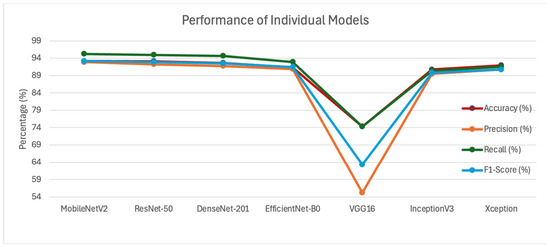
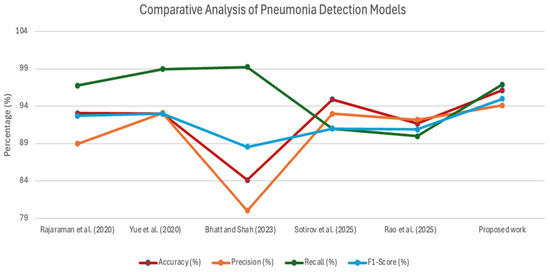
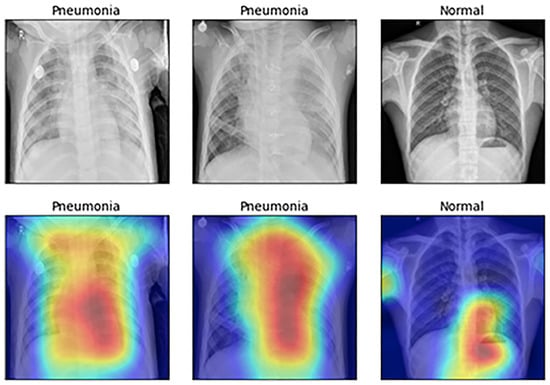
Accurate diagnosis of pediatric pneumonia remains a challenging task in clinical practice. The aim of this research is to propose a hybrid ensemble framework for pediatric pneumonia diagnosis that unites three fine-tuned pre-trained CNN models through feature fusion, EfficientNetB0, ResNet50, and MobileNetV2, to achieve better performance and results. This research experiment used the Chest X-Ray Images (Pneumonia) dataset, which contains 5863 high-resolution anterior–posterior (AP) chest radiographs sampled from children aged 1 to 5 years old. This study presents four key contributions. Firstly, we systematically evaluated five CNN (Convolutional Neural Network) combinations with seven different individual base models to identify the optimal ensemble configuration. Each base model was initialized with ImageNet pre-trained weights, with top classification layers replaced by global average pooling. Secondly, the proposed ensemble approach of MobileNetV2, ResNet50, and EfficientNetB0 achieved superior performance with accuracy: 96.1%, precision: 97.8%, recall: 96.7%, and F1-Score: 97.3%, outperforming all individual models and alternative ensemble combinations. Thirdly, this study compared the experiment results with several existing studies related to pneumonia classification. Fourthly, this study validated the proposed model on an external NIH pediatric dataset (94.73% accuracy) without fine-tuning, demonstrating true clinical transportability beyond benchmark dataset performance.
Full article

Figure 1
Open AccessArticle
Mathematical Analysis of Non-Steady-State Immobilized Glucose Dehydrogenase Glucose and Oxygen-Driven Reactions in Spherical Microreactors
by
Daniel Samuel, Mallikarjuna Mohanasundaraganesan and Senthamarai Rathinam
Math. Comput. Appl. 2026, 31(3), 95; https://doi.org/10.3390/mca31030095 - 2 Jun 2026
Abstract
The governing reaction–diffusion model for carbohydrate oxidation catalyzed by an immobilized bienzyme system glucose dehydrogenase and laccase within a spherical porous microreactor is adapted from Baronas et al. and extended here to the non-steady-state regime. The model consists of coupled non-linear partial differential
[...] Read more.
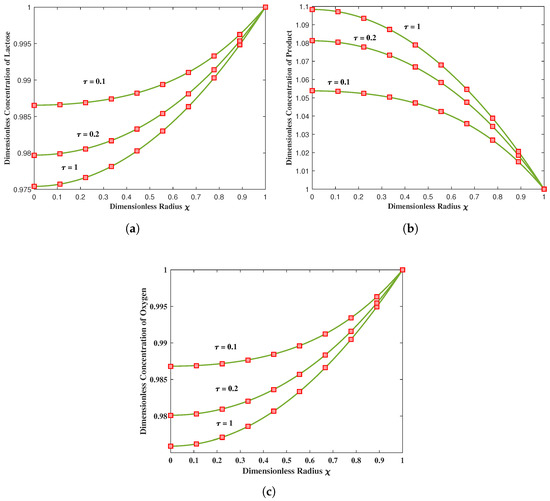
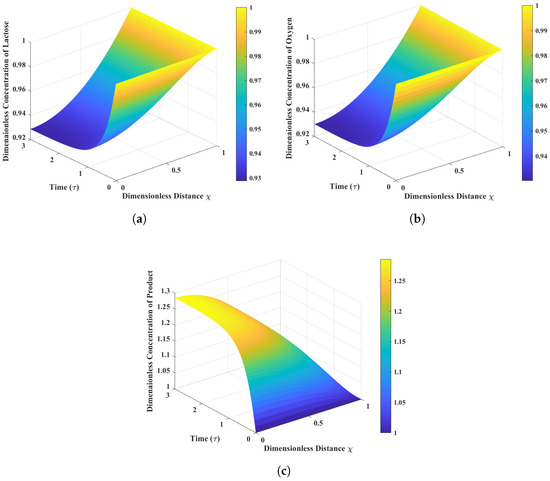
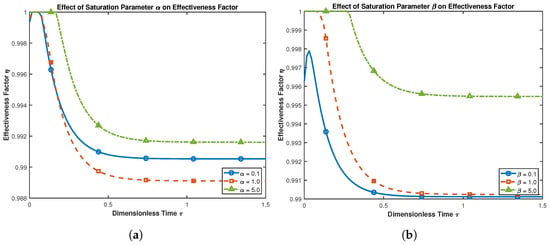
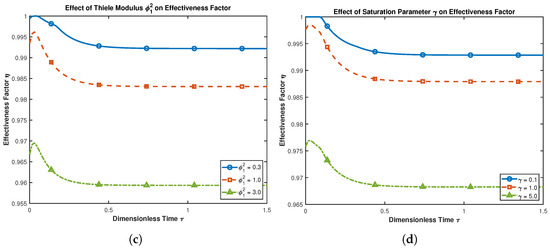
The governing reaction–diffusion model for carbohydrate oxidation catalyzed by an immobilized bienzyme system glucose dehydrogenase and laccase within a spherical porous microreactor is adapted from Baronas et al. and extended here to the non-steady-state regime. The model consists of coupled non-linear partial differential equations based on non-Michaelis–Menten kinetics. The principal novelty of this work lies in the derivation of closed-form semi-analytical expressions for transient and steady-state concentrations of the carbohydrate substrate, oxygen, and product, as well as for the effectiveness factor, using the Laplace Homotopy Perturbation Method (LHPM). The LHPM solutions are validated against MATLAB R2026a numerical simulations (maximum error ) and demonstrate superior accuracy compared to previously reported Adomian Decomposition Method (ADM) and Taylor Series Method (TSM) solutions. Parametric analysis reveals that the Thiele modulus, saturation parameters, and dimensionless time strongly influence the internal concentration profiles and reactor effectiveness. These analytical results provide rapid, closed-form predictive tools for optimizing catalyst particle size, enzyme loading, and operating conditions in immobilized enzyme microreactor systems.
Full article
(This article belongs to the Section Engineering)
►▼
Show Figures

Figure 1

Open AccessArticle
Learning Bi-Objective Bayesian Network Structure from Data Using Particle Swarm Optimization
by
Vicente-Josué Aguilera-Rueda, Nicandro Cruz-Ramírez, Efrén Mezura-Montes and Ricardo Vilalta
Math. Comput. Appl. 2026, 31(3), 94; https://doi.org/10.3390/mca31030094 - 2 Jun 2026
Abstract
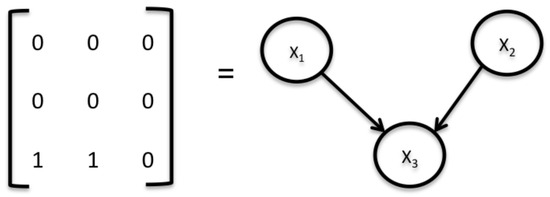
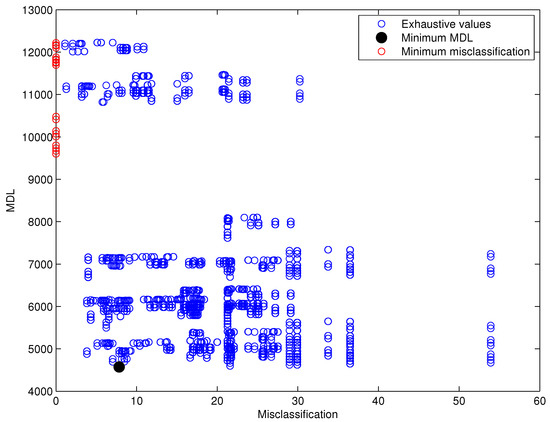
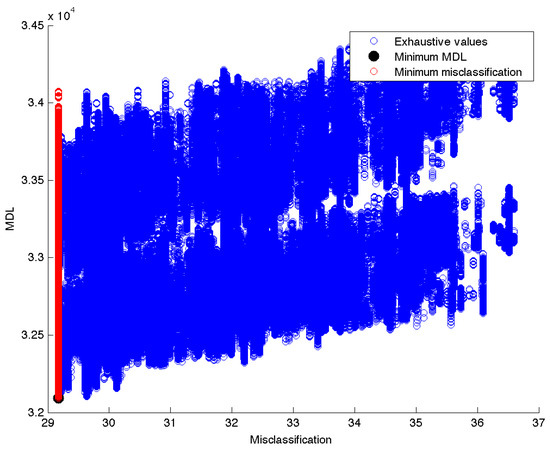
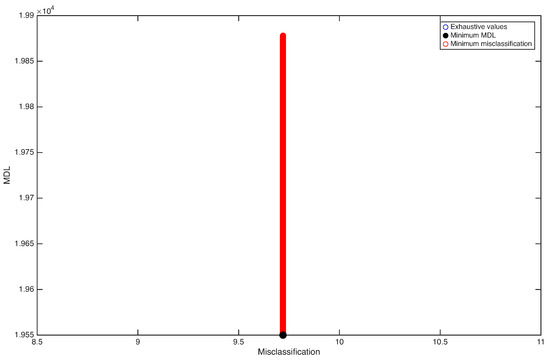
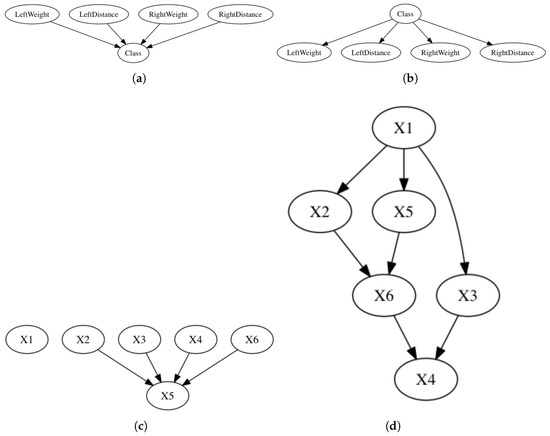
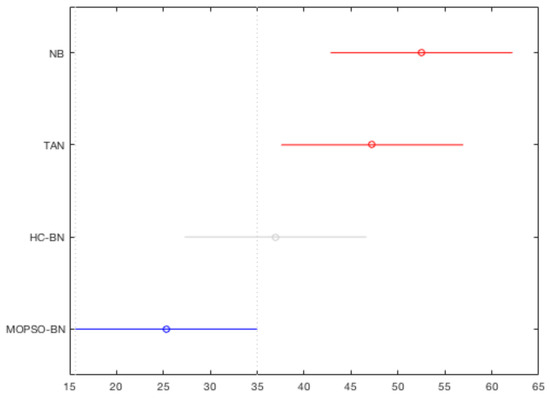
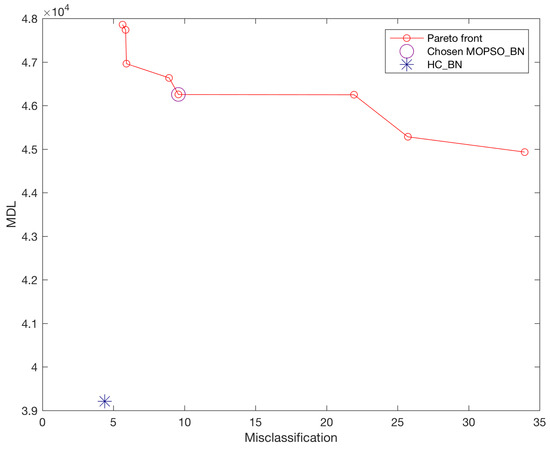
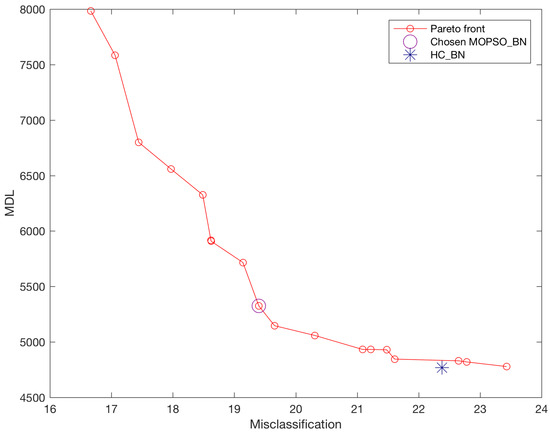
This paper proposes a bi-objective approach to address the data-driven Bayesian network structure learning problem. The objectives considered for optimization are minimum description length (MDL) and misclassification. An algorithm based on the well-known multi-objective particle swarm optimization (MOPSO), called MOPSO-BN, is used to
[...] Read more.
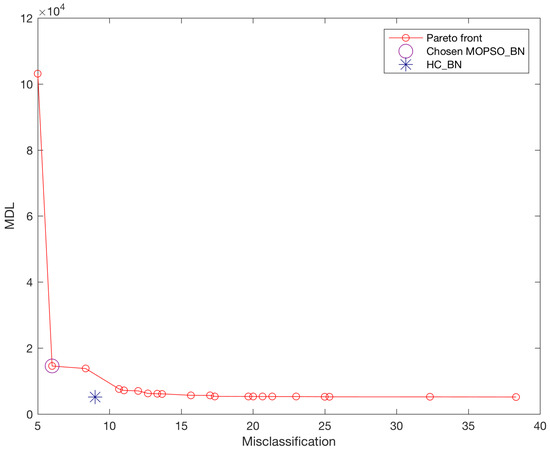
This paper proposes a bi-objective approach to address the data-driven Bayesian network structure learning problem. The objectives considered for optimization are minimum description length (MDL) and misclassification. An algorithm based on the well-known multi-objective particle swarm optimization (MOPSO), called MOPSO-BN, is used to tackle the bi-objective learning problem. Furthermore, a strategy for preference handling from the Pareto front that selects the nearest model to a reference point is proposed. Finally, this bi-objective approach is compared against a single-objective approach. Numerical results show how this multi-objective approach is highly efficient at competitive Bayesian networks with a balanced trade-off between MDL and misclassification.
Full article
(This article belongs to the Special Issue New Trends in Computational Intelligence and Applications 2025)
►▼
Show Figures

Figure 1

Open AccessArticle
Stability Analysis via a Neurodynamic Approach with Time-Varying Coefficients for Solving Inverse Quasi-Variational Inequality Problems
by
Vajahat Karim Khan, Md. Kalimuddin Ahmad and Adnène Arbi
Math. Comput. Appl. 2026, 31(3), 93; https://doi.org/10.3390/mca31030093 - 1 Jun 2026
Abstract
►▼
Show Figures
This paper proposes finite-time (FT) and fixed-time (FXT) neurodynamic models with time-varying coefficients for solving inverse quasi-variational inequality problems (IQVIPs). Two projected models with time-dependent gains are developed to enhance convergence speed and transient performance. A nominal model establishes the equivalence between equilibrium
[...] Read more.
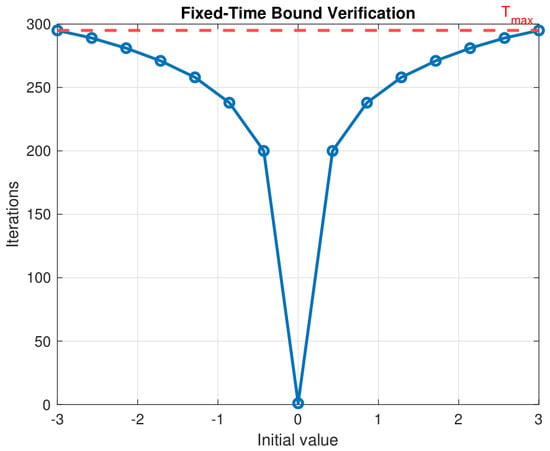
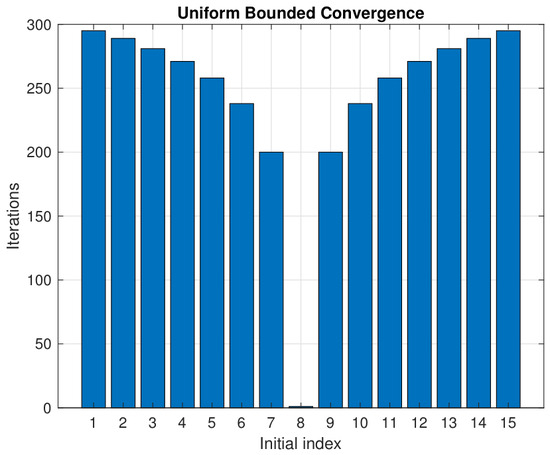
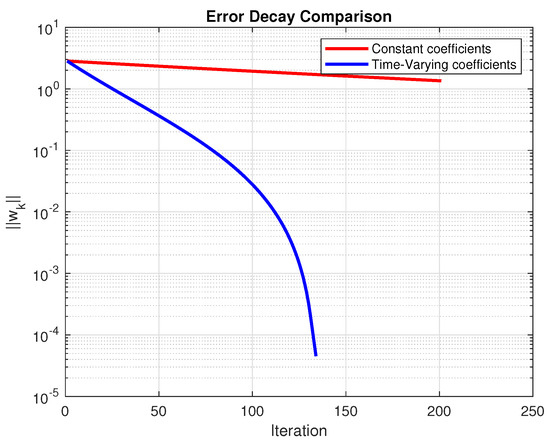
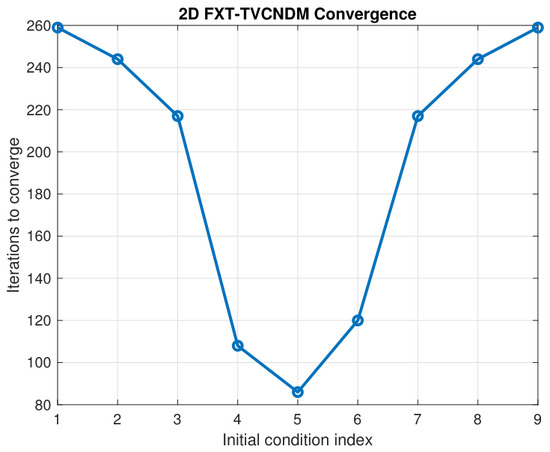
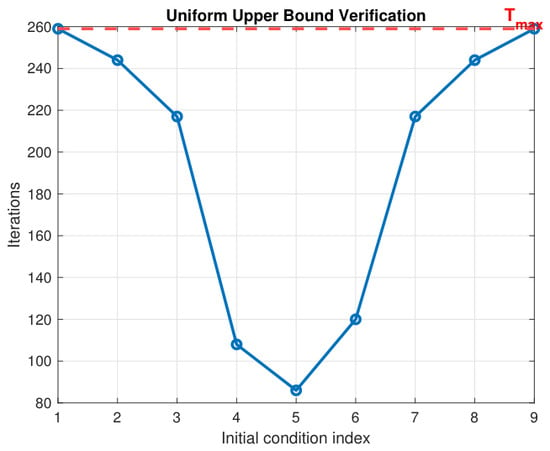
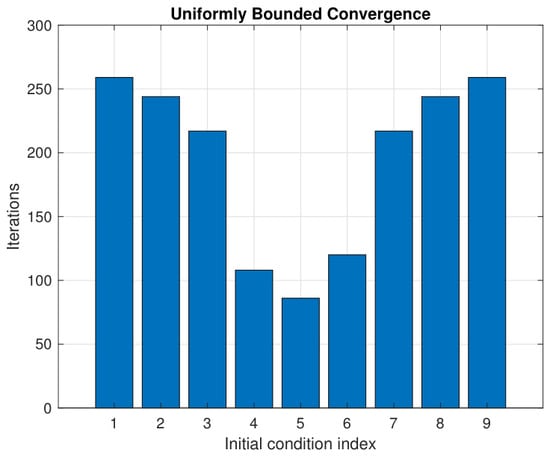
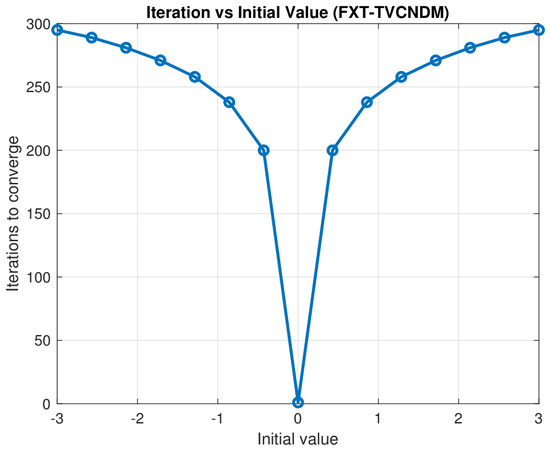
This paper proposes finite-time (FT) and fixed-time (FXT) neurodynamic models with time-varying coefficients for solving inverse quasi-variational inequality problems (IQVIPs). Two projected models with time-dependent gains are developed to enhance convergence speed and transient performance. A nominal model establishes the equivalence between equilibrium points and IQVIP solutions. Under Lipschitz continuity and strong monotonicity assumptions, the existence, uniqueness, and global convergence of the proposed models are ensured. By employing Lyapunov stability theory, finite-time and fixed-time convergence of the continuous-time models are rigorously established, where explicit settling-time bounds independent of initial conditions are derived for the FXT case. Furthermore, the robustness of the proposed models under bounded disturbances is analyzed. To validate the theoretical findings, a discrete-time implementation based on the forward Euler method is developed. Numerical experiments demonstrate that all trajectories converge within a uniform upper bound, showing convergence behavior consistent with the fixed-time characteristics of the continuous-time model. Although the convergence time varies with initial conditions, it remains uniformly bounded, which is consistent with the fixed-time stability characteristics of the continuous-time model. The proposed framework provides a computationally efficient and scalable approach for solving IQVIPs, with potential applications in traffic equilibrium, communication networks, distributed control systems, and multi-agent coordination. Its adaptive structure and fixed-time convergence properties make it particularly suitable for real-time optimization in dynamic and uncertain environments.
Full article

Figure 1
Open AccessArticle
Development and Optimization of Cattaneo–Christov Carreau–Yasuda Tri-Hybrid Nanofluid Using Artificial Neural Networks
by
Aqsa Zafar Abbasi, Mamoon Aamir, Ayesha Rafiq, Mohamed Omri, Walid Aich and Lioua Kolsi
Math. Comput. Appl. 2026, 31(3), 92; https://doi.org/10.3390/mca31030092 - 1 Jun 2026
Abstract
►▼
Show Figures
An artificial neural network (ANN) prediction model based on the Levenberg–Marquardt (LM) algorithm has been developed to predict the nonlinear heat and mass transfer characteristics of Cattaneo–Christov Carreau–Yasuda tri-hybrid nanofluid (CCHMF–THNF) flow over a porous stretching sheet. A mathematical model of the phenomenon
[...] Read more.
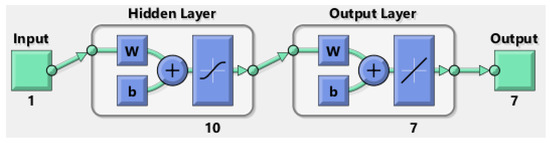
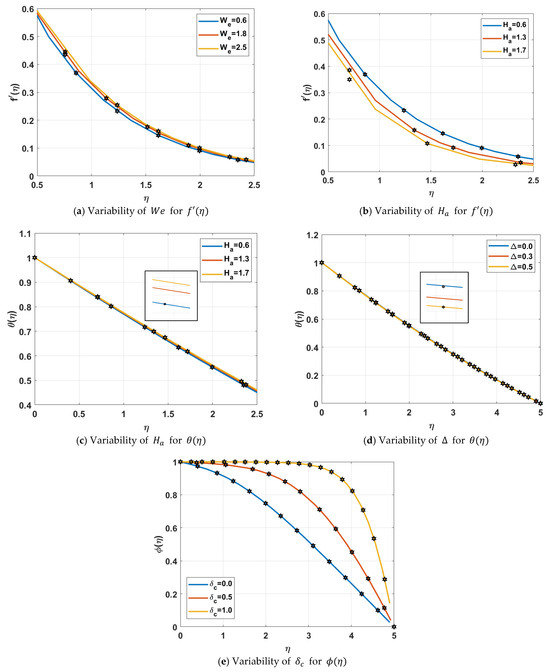
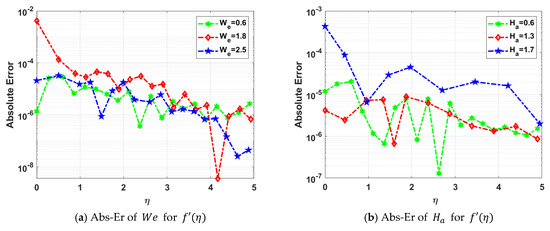
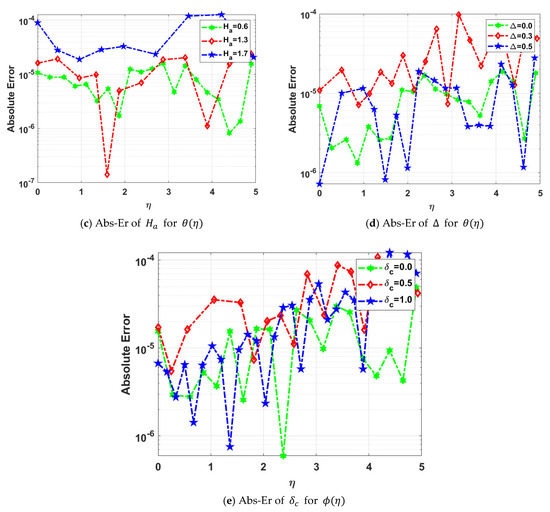
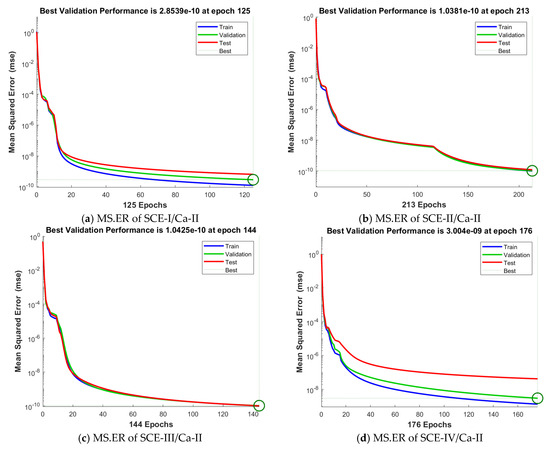
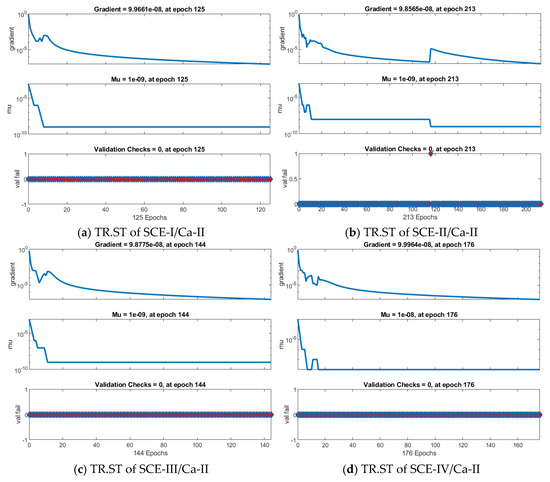
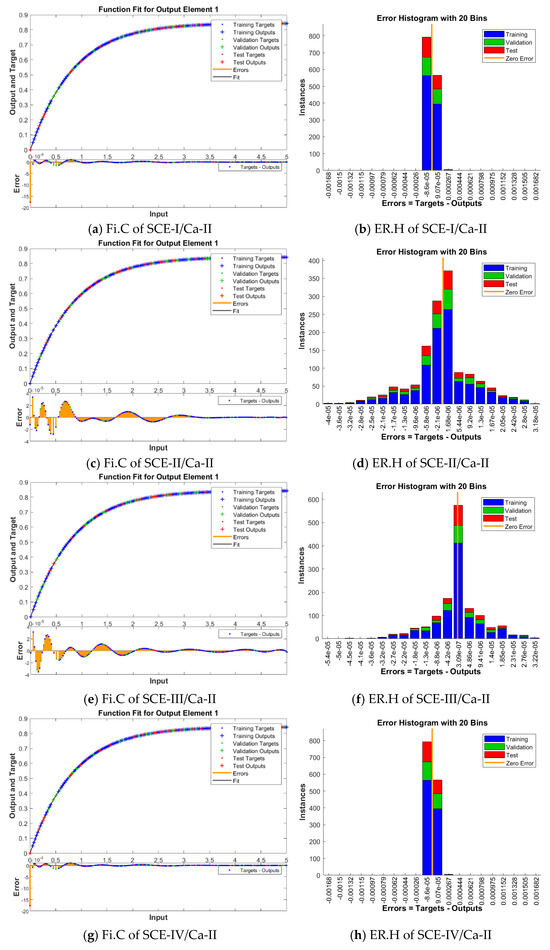
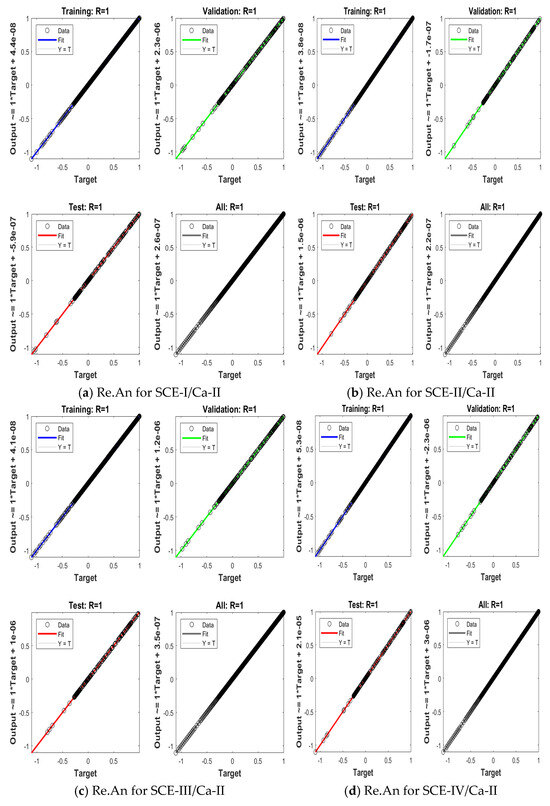
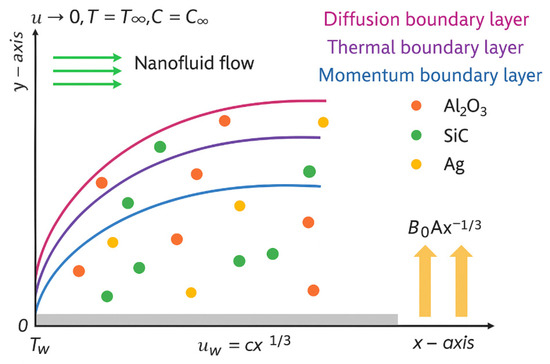
An artificial neural network (ANN) prediction model based on the Levenberg–Marquardt (LM) algorithm has been developed to predict the nonlinear heat and mass transfer characteristics of Cattaneo–Christov Carreau–Yasuda tri-hybrid nanofluid (CCHMF–THNF) flow over a porous stretching sheet. A mathematical model of the phenomenon was developed based on a number of elements, including the combined effect of magnetohydrodynamic forces, thermal and solutal relaxation and the influence of viscoelastic fluid behavior and is numerically analyzed utilizing MATLAB bvp4c software. A set of standard data was generated as a reference for developing the ANN-LM model with one hidden layer containing 10 neurons and log-sigmoid activation function, to achieve rapid predictions of velocity, temperature and concentration profiles from the identified data set. This study introduces a novel methodology to provide fast prediction capabilities for transport characteristics through integration of the ANN–LM model with the non-linear CCHMF-THNF model, producing computational savings by providing prediction accuracy of transport characteristics with MSE values on the order of using ANN–LM in place of repeated bvp4c solutions. Furthermore, the predictive capability of the developed ANN–LM framework may be beneficial in the areas of thermal management systems, polymer processing, energy transport applications, and magnetically controlled cooling technologies since they all share a need for fast access to transportation characteristic evaluation data.
Full article

Figure 1
Journal Menu
► ▼ Journal Menu-
- MCA Home
- Aims & Scope
- Editorial Board
- Instructions for Authors
- Special Issues
- Topics
- Sections & Collections
- Article Processing Charge
- Indexing & Archiving
- Editor’s Choice Articles
- Most Cited & Viewed
- Journal Statistics
- Journal History
- Society Collaborations
- Conferences
- Editorial Office
- 30th Anniversary
Journal Browser
► ▼ Journal BrowserHighly Accessed Articles
Latest Books
E-Mail Alert
News
17 June 2026
Meet Us at IEEE International Symposium on Personal, Indoor and Mobile Radio Communications (PIMRC 2026), 1–4 September 2026, Singapore
Topics
Topic in
Actuators, Gels, JFB, Polymers, MCA, Materials
Recent Advances in Smart Soft Materials: From Theory to Practice
Topic Editors: Lorenzo Bonetti, Giulia Scalet, Silvia Farè, Nicola FerroDeadline: 31 December 2026
Topic in
MCA, Digital, Healthcare, Information, Clinics and Practice, Sci
Health Monitoring in the Context of Medical Big Data
Topic Editors: Javad Razjouyan, Julianna B. D. HoganDeadline: 5 March 2027
Topic in
Algorithms, Computation, Entropy, Mathematics, Fractal Fract, MCA, Symmetry, Dynamics
Dynamics Modeling, Chaos Theories and Nonlinear Control of Complex Systems: Complexity and AI-Driven to Hybrid and Distributed Computing Approaches
Topic Editors: António Lopes, Yeliz Karaca, Sergio Adriani DavidDeadline: 31 August 2027
Topic in
Algorithms, Applied Sciences, BioMedInformatics, Symmetry, MCA, Computation, Sci, Mathematics
Machine Learning, Optimization, and Computational Methods in Biomedical Informatics
Topic Editors: Saurav Mallik, Priyanka Roy, Zhongming ZhaoDeadline: 31 December 2027
Conferences
Special Issues
Special Issue in
MCA
Advances in Computational and Applied Mechanics (SACAM)
Guest Editors: Mohsen Sharifpur, Philip LovedayDeadline: 30 June 2026
Special Issue in
MCA
Computational Methods for Coupled Problems in Science and Engineering 2025
Guest Editors: Simona Perotto, Antonia Larese, Gianluigi RozzaDeadline: 30 June 2026
Special Issue in
MCA
Latest Research in Mathematical Modeling in Cancer Research
Guest Editor: Ophir NaveDeadline: 31 July 2026
Special Issue in
MCA
Discrete Systems and Continuum Theories: Bridging Scales and Methods
Guest Editors: Patrizia Trovalusci, Nicholas Fantuzzi, Giuseppe Ruta, Biagio Carboni, Marco PingaroDeadline: 31 October 2026