
Journal Description
Fibers
Fibers
is an international, peer-reviewed, open access journal on fiber science, published monthly online by MDPI.
- Open Access— free for readers, with article processing charges (APC) paid by authors or their institutions.
- High Visibility: indexed within Scopus, ESCI (Web of Science), Ei Compendex, PubAg, CAPlus / SciFinder, Inspec, and other databases.
- Journal Rank: JCR - Q2 (Materials Science, Multidisciplinary) / CiteScore - Q1 (Civil and Structural Engineering)
- Rapid Publication: manuscripts are peer-reviewed and a first decision is provided to authors approximately 19.7 days after submission; acceptance to publication is undertaken in 4.7 days (median values for papers published in this journal in the first half of 2026).
- Recognition of Reviewers: reviewers who provide timely, thorough peer-review reports receive vouchers entitling them to a discount on the APC of their next publication in any MDPI journal, in appreciation of the work done.
Impact Factor:
4.2 (2025);
5-Year Impact Factor:
4.5 (2025)
Latest Articles
Valorization of Recycled Textile Fibers from Moroccan Industrial Waste for Cementitious Composites: A Multi-Level Experimental Investigation
Fibers 2026, 14(9), 103; https://doi.org/10.3390/fib14090103 - 3 Sep 2026
Abstract
►
Show Figures
The valorization of industrial textile waste as reinforcement in cementitious materials offers a promising approach for reducing polymer waste while improving the performance of cement-based composites. This study investigates recycled polypropylene (PP) fibers recovered from Moroccan pre-consumer textile waste for application in mortar
[...] Read more.
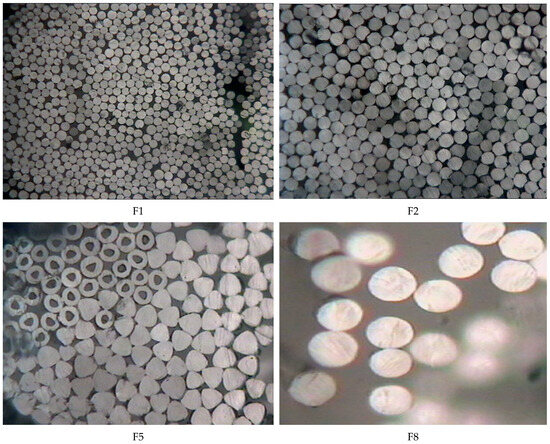
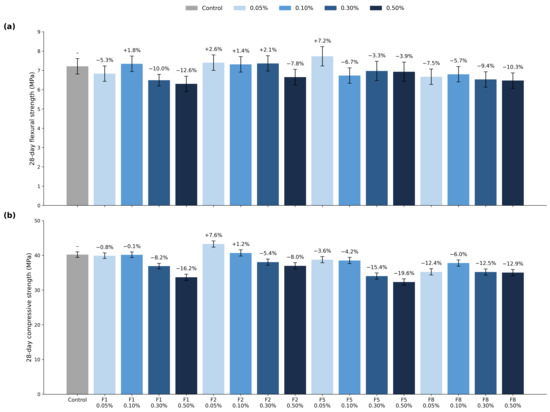
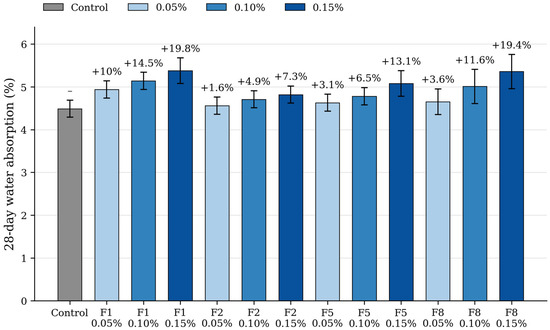
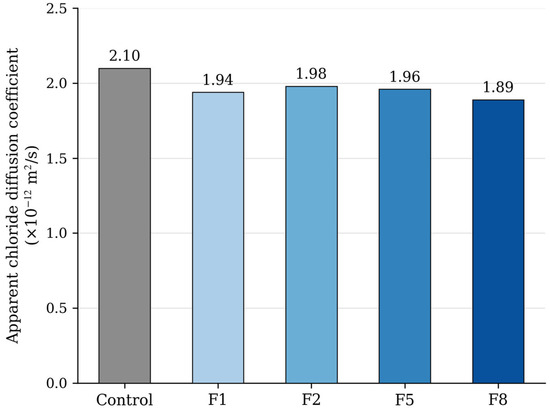
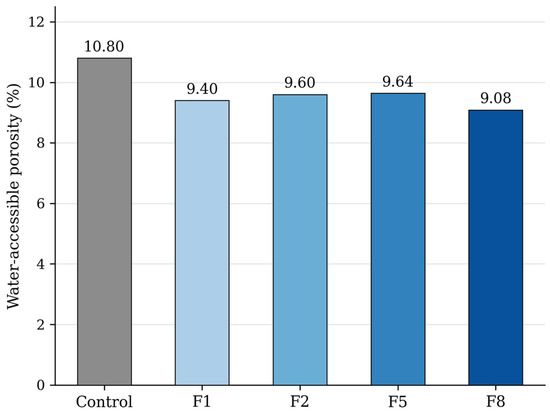
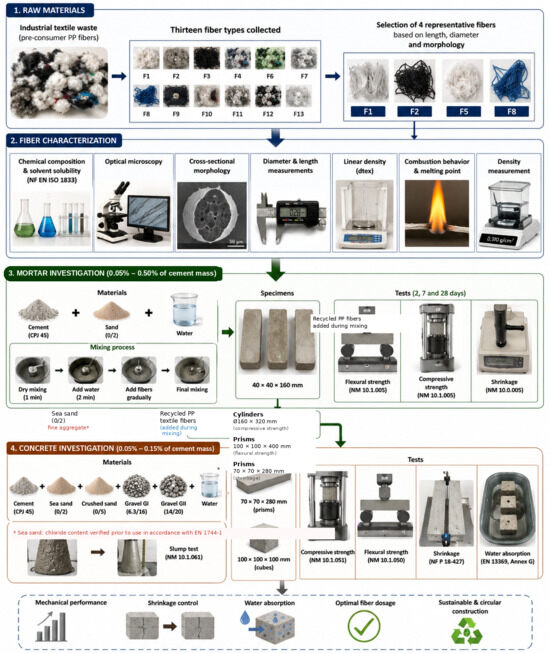
The valorization of industrial textile waste as reinforcement in cementitious materials offers a promising approach for reducing polymer waste while improving the performance of cement-based composites. This study investigates recycled polypropylene (PP) fibers recovered from Moroccan pre-consumer textile waste for application in mortar and concrete. Thirteen fiber types were initially screened based on their geometrical and morphological characteristics, and four representative fibers were selected for detailed characterization and experimental evaluation. Fiber-reinforced mortars were first investigated to assess the influence of fiber type and dosage, followed by concrete-scale evaluation through mechanical, shrinkage, transport-related, and microstructural tests. The results showed that fiber characteristics and dosage influenced composite performance, with the magnitude and direction of the mechanical response depending on the fiber formulation. Statistical analysis confirmed that compressive strength was significantly affected by fiber type, dosage, and their interaction, whereas no statistically significant effect was detected for flexural strength at the 95% confidence level. The F8 mixture containing 0.10% fibers exhibited the highest compressive strength among the investigated concrete formulations, reaching 28.75 MPa compared with 26.25 MPa for the reference concrete. Flexural strength showed numerical increases of up to 8.2% for selected formulations, although these differences were not statistically significant. Early-age shrinkage was reduced by up to 75% compared with the reference mixtures, representing the most pronounced effect observed in the study. Increasing fiber content reduced workability and promoted fiber agglomeration, highlighting the importance of controlled dosage and dispersion. Among the investigated dosage levels, 0.10% by mass of cement was selected for subsequent durability and microstructural investigations because it provided a favorable overall balance among the evaluated properties for the selected formulations; this dosage should not be interpreted as a universal optimum. The F8 formulation exhibited favorable transport-related properties after 90 days of water curing, while SEM observations indicated a generally homogeneous fiber distribution within the investigated regions. Overall, the results demonstrate the potential of heterogeneous recycled PP textile fibers as reinforcement for cementitious composites under the investigated conditions and provide a systematic multi-scale experimental workflow for their screening and evaluation.
Full article
Open AccessArticle
Field-Calibrated Degradation Kinetics of Steel Fiber-Reinforced Shotcrete in Humid Underground Silver Mines
by
Omar Alejandro Guirette-Barbosa, Selene Castañeda-Burciaga, José Alberto Vela-Dávila, Oscar Cruz-Domínguez, José Luis Carrera-Escobedo, Jesús Velázquez-Macías, Claudia Guadalupe Lara-Torres, José María Celaya-Padilla, Héctor Antonio Durán-Muñoz and Raúl Alejandro Velázquez-Luna
Fibers 2026, 14(9), 102; https://doi.org/10.3390/fib14090102 - 2 Sep 2026
Abstract
Typical specifications for steel fiber-reinforced shotcrete primarily focus on early-age mechanical properties and do not provide much guidance on evaluating changes in capacity over time, particularly under humid underground service conditions. In addition, accelerated laboratory durability tests are rarely calibrated against measurements obtained
[...] Read more.
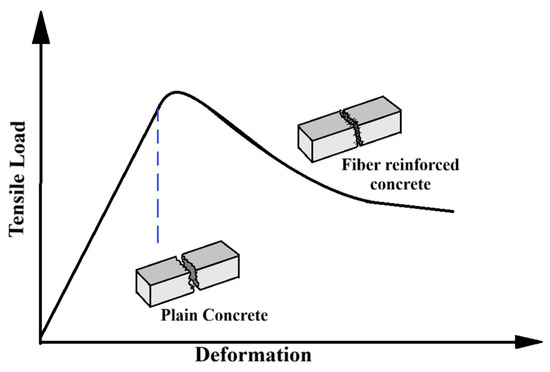
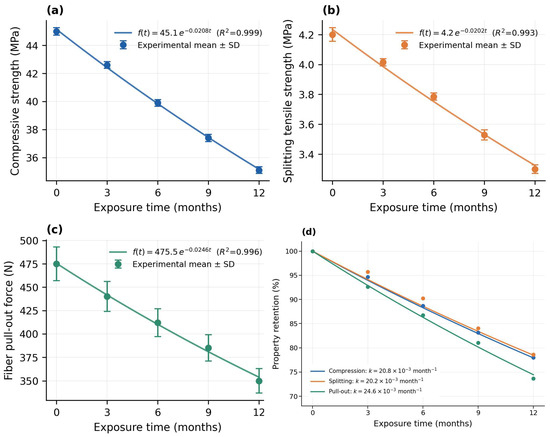
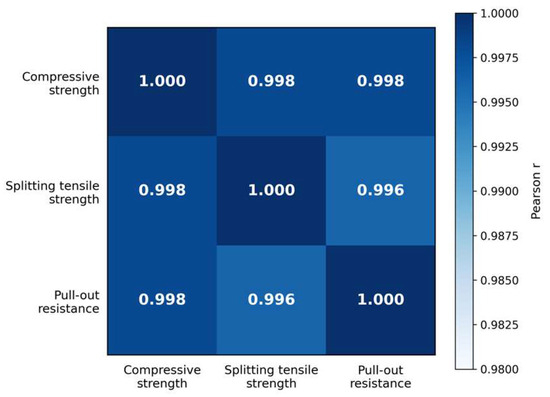
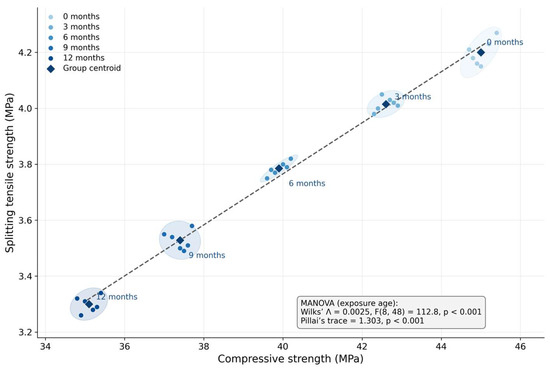
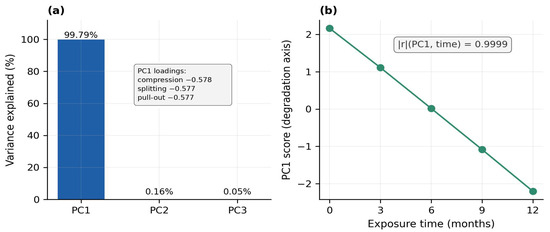
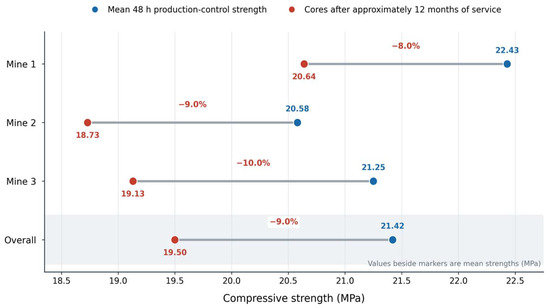
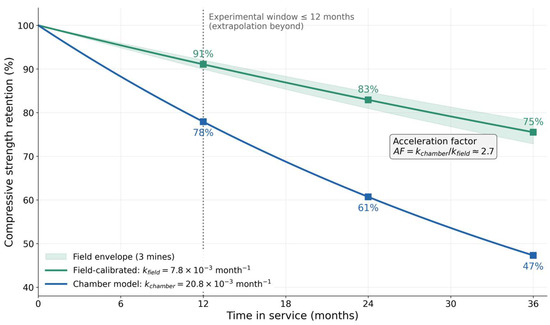
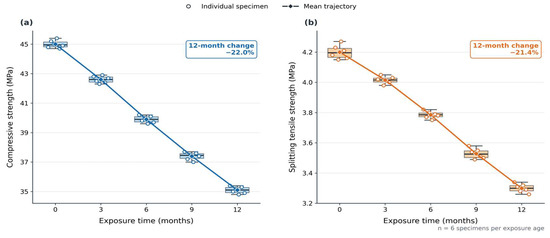
Typical specifications for steel fiber-reinforced shotcrete primarily focus on early-age mechanical properties and do not provide much guidance on evaluating changes in capacity over time, particularly under humid underground service conditions. In addition, accelerated laboratory durability tests are rarely calibrated against measurements obtained from underground structures in service. This study addressed that gap with a 12-month dual-track approach: (i) maintaining controlled near-saturated conditions in the laboratory at 23 ± 2 °C and 95–100% relative humidity, with subsequent evaluation of the mechanical properties (compressive strength, splitting tensile strength, and single-fiber pull-out resistance) at 0, 3, 6, 9, and 12 months; and (ii) monitoring the compressive strength in three operating underground silver mines in Zacatecas, Mexico, using the mean 48 h production-control strength as the field reference and cores taken after approximately 12 months of service. The three laboratory trajectories were well described by first-order exponential models (R2 ≥ 0.99) throughout the 12-month monitoring period. The observed reductions were 22.0% for compressive strength, 21.4% for splitting tensile strength, and 26.3% for single-fiber pull-out resistance. The apparent pull-out rate constant was approximately 18% higher than the compressive-strength rate constant, though the mechanism for this difference was not identified independently. In the field, there was an apparent reduction in compressive strength of 8–10% after about 12 months. Comparison of the chamber and field compressive-strength rates produced an apparent acceleration factor, AF ≈ 2.7, with a per-mine range of 2.4–3.0. The high pairwise correlations among the three laboratory properties (r ≥ 0.996) and the first PCA component, which explained 99.8% of their standardized trajectory variance, reflected closely aligned temporal trends. However, since these were based on five exposure-age means, they should be considered only exploratory evidence of co-variation rather than causation. MANOVA demonstrated significant multivariate effects on the combined compressive and splitting tensile responses across exposure ages (p < 0.001). The proposed acceleration factor is preliminary and restricted to the materials, sites, exposure context, and observation period studied. Routine compressive-strength core testing may be useful as a practical screening indicator, but it cannot quantitatively replace direct bond or post-cracking evaluation.
Full article
(This article belongs to the Special Issue Fiber-Reinforced Concrete and Fiber-Reinforced Polymer Materials: Innovative Solutions in Construction Engineering)
►▼
Show Figures

Figure 1
Open AccessReview
Electrostatic Control of Electrospun Fiber Deposition
by
Ismayil Safarli, Emeline Lobry, Anne Hébraud and Guy Schlatter
Fibers 2026, 14(9), 101; https://doi.org/10.3390/fib14090101 - 1 Sep 2026
Abstract
►▼
Show Figures
Electrospinning is a versatile technique for producing membranes composed of submicrometric fibers and possessing high porosity and a large surface-to-volume ratio. These properties make electrospun fiber mats attractive for many applications including filtration, biomedical materials, and sensing. While conventional set-ups readily generate randomly
[...] Read more.
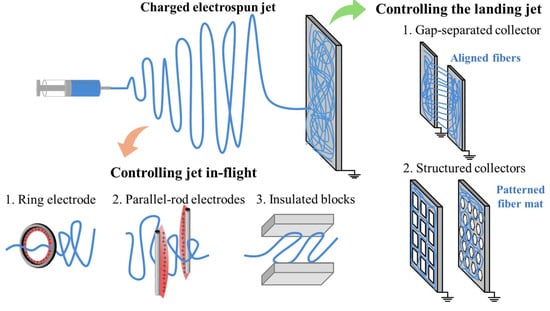
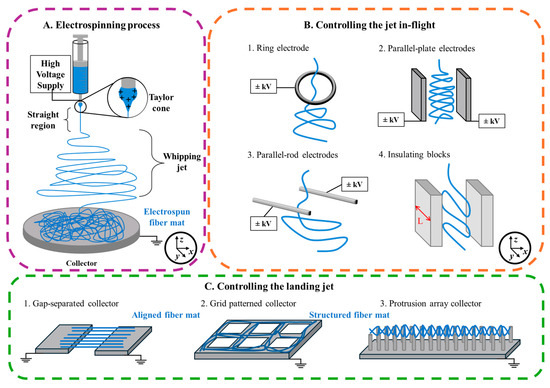
Electrospinning is a versatile technique for producing membranes composed of submicrometric fibers and possessing high porosity and a large surface-to-volume ratio. These properties make electrospun fiber mats attractive for many applications including filtration, biomedical materials, and sensing. While conventional set-ups readily generate randomly oriented nonwovens, many applications require precise control over fiber organization. Such control can be achieved by manipulating the charged jet and the residual charges retained by deposited fibers, both governed by the electric field that is intrinsic to the electrospinning process. This review examines strategies for electrostatic control of electrospun fiber mat morphology, organized around two principal mechanisms: control of the charged jet in-flight and control of the landing jet. Auxiliary electrode-assisted electrospinning, which aims to suppress or redirect the whipping instabilities, as well as gap-separated and structured collectors that exploit electrostatic template effects, are discussed. Particular attention is given to the underlying mechanisms. Collectively, these methods illustrate how tailoring the electric field allows for the production of membranes with complex, application-specific fiber morphologies.
Full article

Graphical abstract
Open AccessArticle
Embedding Unidirectional Carbon Fibers into Regolith Simulants for In-Space Manufacturing of Structural Shields for Future Settlements
by
Loredana Santo, Alice Proietti, Giorgio Patrizii and Fabrizio Quadrini
Fibers 2026, 14(9), 100; https://doi.org/10.3390/fib14090100 - 28 Aug 2026
Abstract
►▼
Show Figures
The creation of new settlements on the Moon is an extraordinary opportunity for both economic and research purposes, but it is hindered by the prohibitive costs of transporting materials from Earth. In this frame, in situ resource utilization (ISRU) can significantly reduce these
[...] Read more.
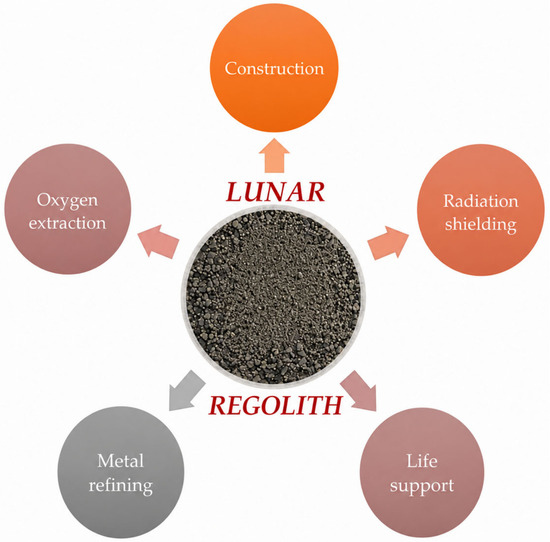
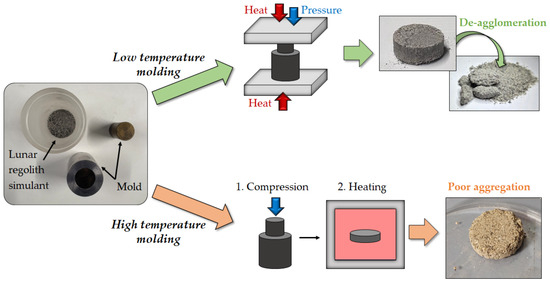
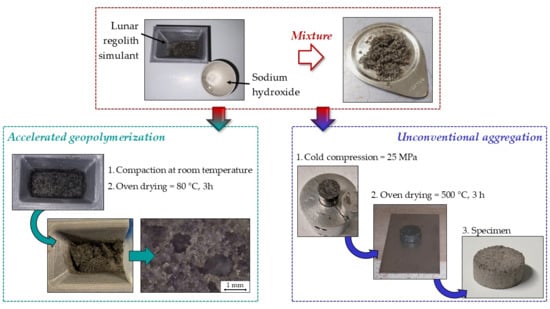
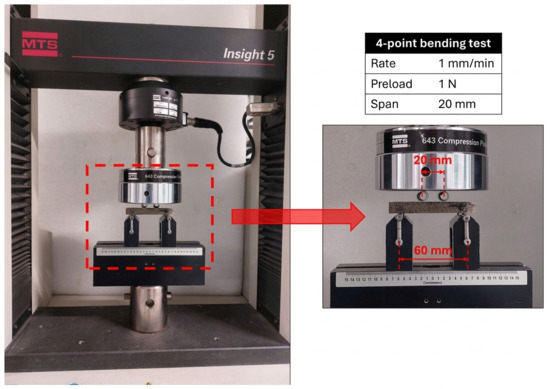
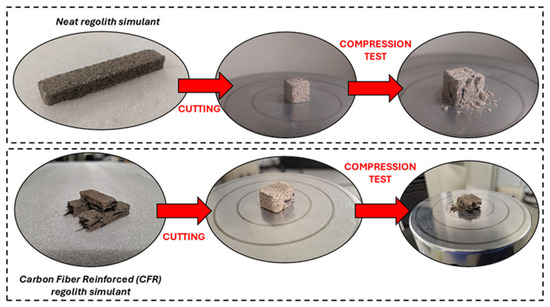
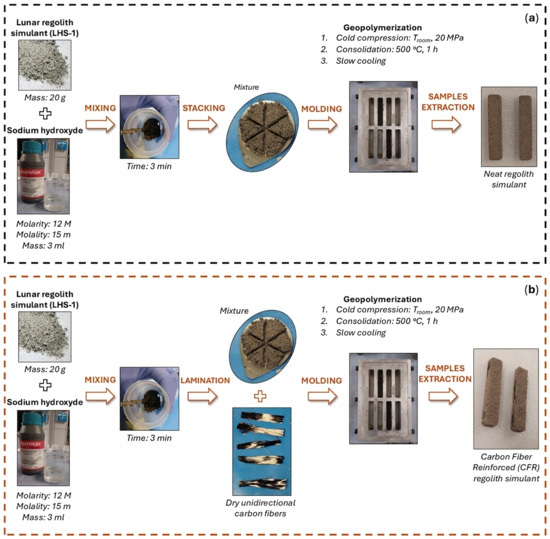
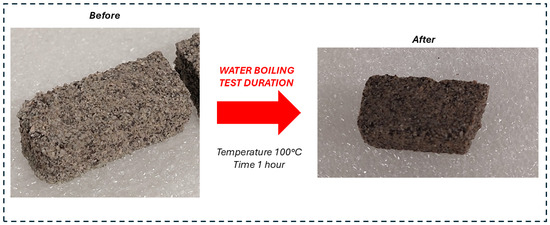
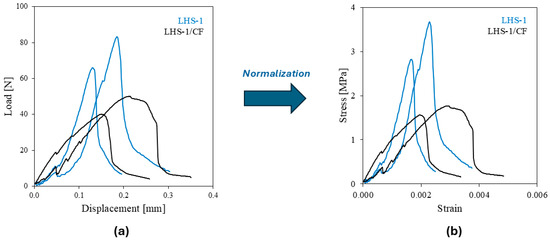
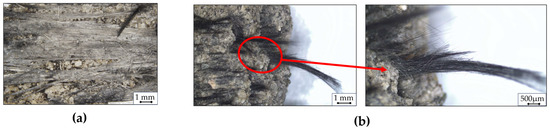
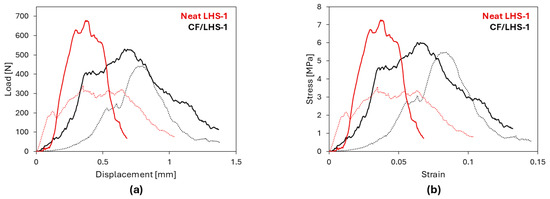
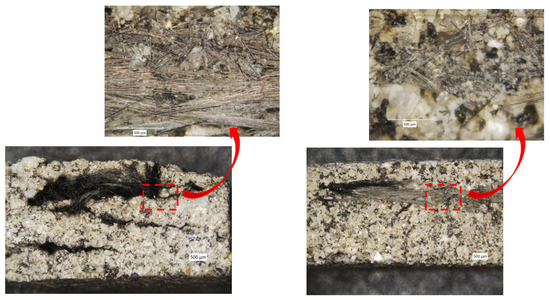
The creation of new settlements on the Moon is an extraordinary opportunity for both economic and research purposes, but it is hindered by the prohibitive costs of transporting materials from Earth. In this frame, in situ resource utilization (ISRU) can significantly reduce these costs by exploiting lunar regolith, the Moon’s most abundant resource. In this work, a lunar regolith simulant is aggregated by an innovative manufacturing process based on geopolymerization. Bricks were obtained by mixing the simulant with a small amount of sodium hydroxide solution, followed by cold compaction at 20 MPa and oven drying at 500 °C for 1 h. Regolith bricks reinforced with unidirectional dry carbon fibers were manufactured by alternating the regolith-based mixture with layers of CFs. Mechanical properties were evaluated by bending and compression tests. Neat bricks were manufactured for comparison. Improvements in mechanical behavior were obtained thanks to fiber insertion, mainly in terms of resilience, even if stress at break is not improved. In compression, fibers limit brittle behavior, resulting in an average increase in toughness of 59.5%. Fast curing time and limited water consumption, compared to the traditional geopolymerization process, make this manufacturing process highly attractive to obtain lunar regolith bricks.
Full article

Figure 1
Open AccessArticle
Sustainable Fabric-Assisted Thermally Responsive Voltage-Generating Prototype from Upcycled Electronic and Textile Waste
by
Aman Ul Azam Khan, Nazmunnahar Nazmunnahar, Aurghya Kumar Saha, Zarin Tasnim Bristy, Abdul Baqui and Abdul Md Mazid
Fibers 2026, 14(9), 99; https://doi.org/10.3390/fib14090099 - 28 Aug 2026
Abstract
Wearable electronic textiles require flexible, lightweight, and sustainable energy-harvesting platforms. This study presents a proof-of-concept fabric-assisted thermally responsive voltage-generating prototype fabricated from recycled electronic and textile waste. Copper and aluminum current-collector foils recovered from discarded non-functional lithium-ion mobile-phone batteries, together with woven apparel
[...] Read more.
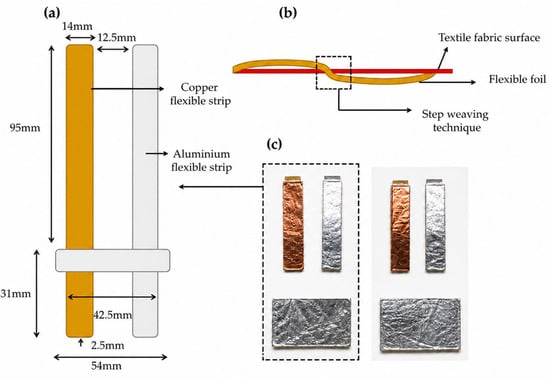
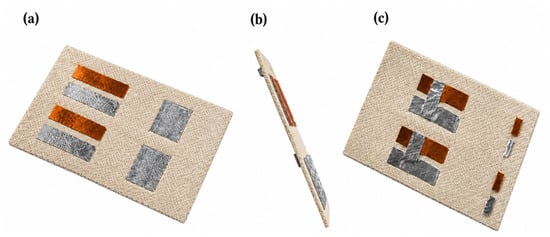
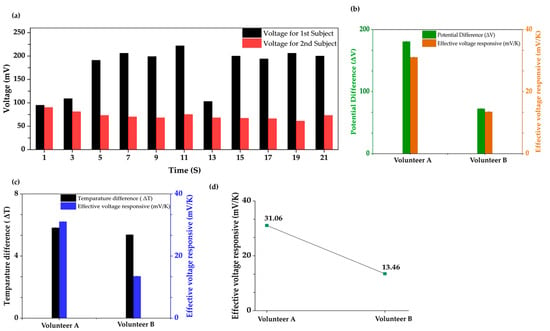
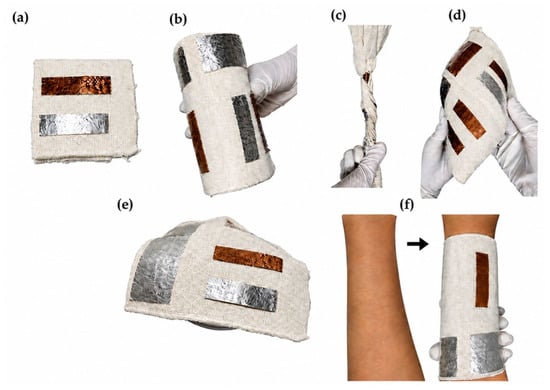
Wearable electronic textiles require flexible, lightweight, and sustainable energy-harvesting platforms. This study presents a proof-of-concept fabric-assisted thermally responsive voltage-generating prototype fabricated from recycled electronic and textile waste. Copper and aluminum current-collector foils recovered from discarded non-functional lithium-ion mobile-phone batteries, together with woven apparel cutting waste composed of 70% cotton, 28% polyester, and 2% elastane, were used as the main device components. The recovered conductive foils were cleaned, dried, and manually integrated into the textile substrate using a weaving and piercing-based approach. Under preliminary human forearm-contact testing, the fabricated prototype generated a maximum RMS open-circuit voltage of 180.75 mV at a body-to-ambient temperature difference of 5.82 K. The prototype also retained 90.73%, 86.88%, 81.33%, and 73.58% of its initial RMS open-circuit voltage after 100 rolling, bending, twisting, and folding cycles, respectively. However, the present study measured open-circuit voltage only, and contributions from contact potential, moisture-assisted galvanic effects, oxide layers, pressure-dependent contact resistance, electrochemical processes, and measurement artefacts cannot be fully excluded. Therefore, the results should be interpreted as preliminary proof-of-concept evidence rather than complete validation of practical thermoelectric power-generation performance. Future work should include controlled Seebeck measurements, direct active-junction temperature monitoring, current and power output, load matching, internal resistance, control samples, repeated trials, and durability testing.
Full article
(This article belongs to the Special Issue Smart Textiles—2nd Edition)
►▼
Show Figures

Figure 1
Open AccessArticle
Experimental and Numerical Study on the Use of Patch Anchors in Strengthening Concrete Slabs
by
Ibrahim Hayder Mohsin Zwain and Alaa Al-Mosawe
Fibers 2026, 14(9), 98; https://doi.org/10.3390/fib14090098 - 27 Aug 2026
Abstract
Externally bonded carbon fiber-reinforced polymer (CFRP) systems are used to improve the flexural performance of reinforced concrete members. However, premature debonding, particularly intermediate crack-induced (IC) debonding, limits CFRP utilization and may lead to sudden failure. This study experimentally and numerically investigates the effectiveness
[...] Read more.
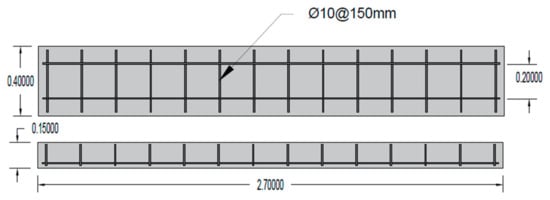
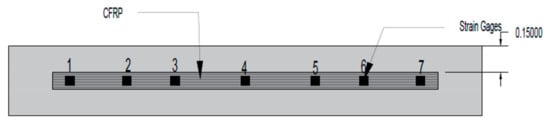
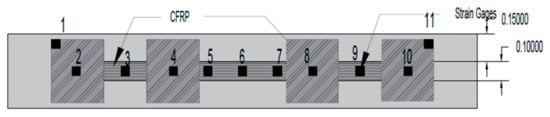
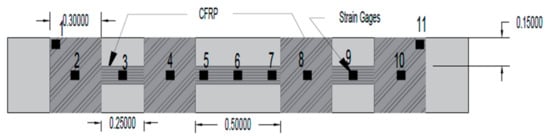
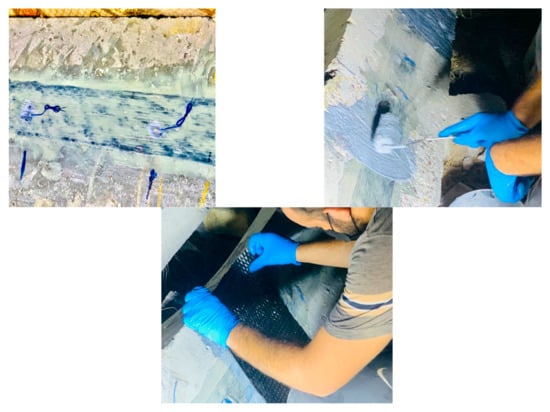
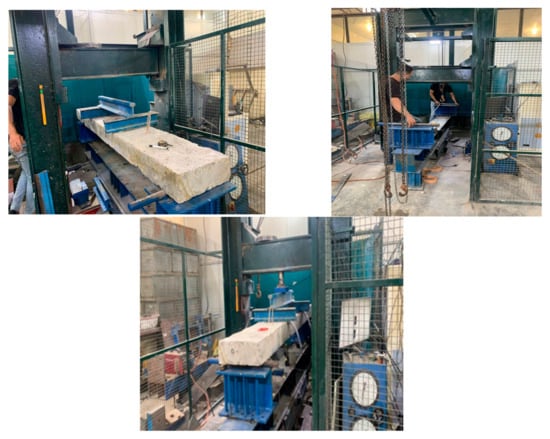
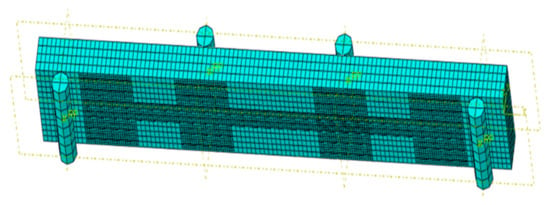
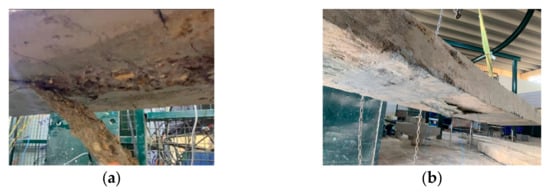
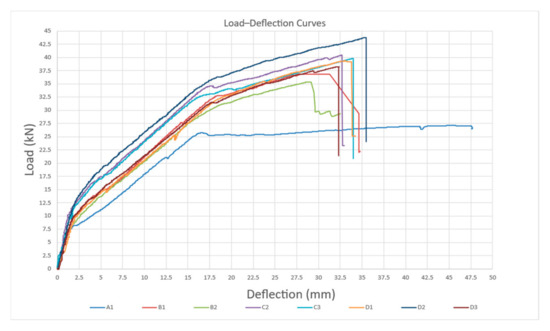
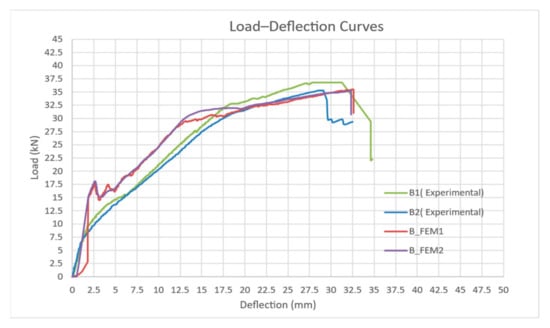
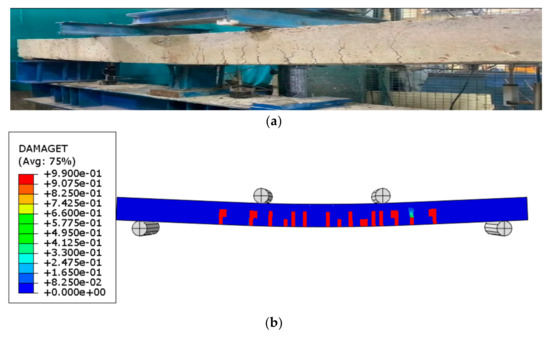
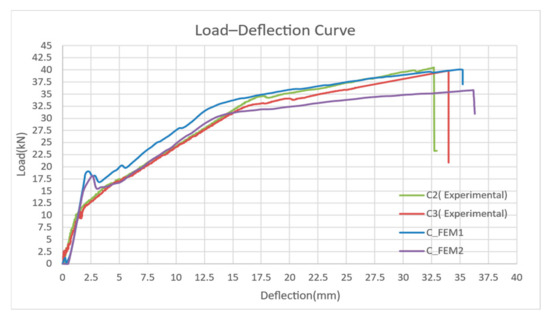
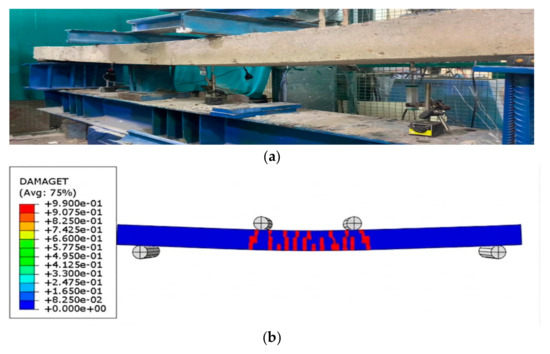
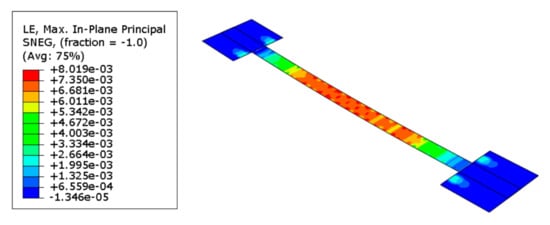
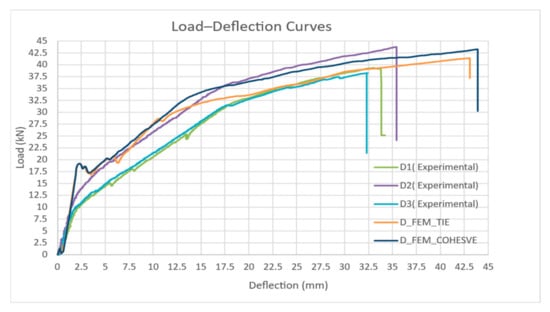
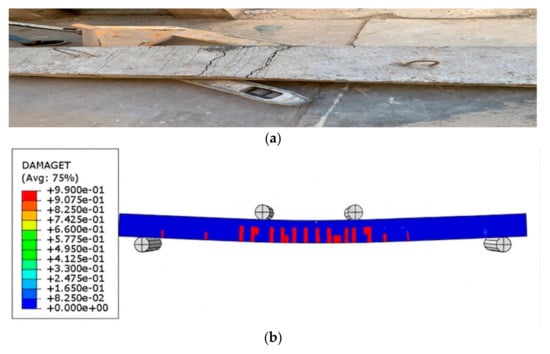
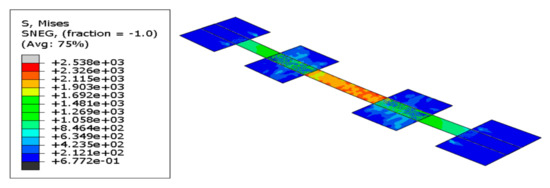
Externally bonded carbon fiber-reinforced polymer (CFRP) systems are used to improve the flexural performance of reinforced concrete members. However, premature debonding, particularly intermediate crack-induced (IC) debonding, limits CFRP utilization and may lead to sudden failure. This study experimentally and numerically investigates the effectiveness of CFRP patch anchors with different anchorage configurations in improving the flexural behavior and failure mode of CFRP-strengthened reinforced concrete slabs. Nine reinforced concrete slabs were tested under four-point bending, including one reference slab, two slabs strengthened with longitudinal CFRP strips without anchorage, and six slabs strengthened with CFRP strips and transverse patch anchors. The experimental results showed that CFRP increased the ultimate load by about 30–61% compared with the reference slab. The unanchored specimens failed mainly by IC debonding. In contrast, the patch-anchored specimens showed better strain distribution, delayed debonding, and a shift toward CFRP rupture. The numerical results showed good agreement with the experimental results, with ultimate-load prediction errors below 7%. Changing the patch area did not significantly increase the ultimate load, with about 0.8% difference between the mean capacities of the anchored groups, while end anchors alone were insufficient to prevent debonding. CFRP patch anchors effectively delayed premature debonding and improved CFRP utilization.
Full article
(This article belongs to the Special Issue Fibers in Reinforced Concrete for Design, Strengthening and Re-Habilitation)
►▼
Show Figures

Figure 1
Open AccessArticle
Influence of S-Glass and E-Glass Hybridization on the Mechanical Properties of Epoxy-Based Composite Laminates
by
J. P. Rishi, Rakesh Mahesh Bilwa, V. S. Niranjan Kumar, S. M. Rajesh, Naveed Anjum, B. Sandeep and Madhusudan Puttaswamy
Fibers 2026, 14(9), 97; https://doi.org/10.3390/fib14090097 - 25 Aug 2026
Abstract
The aim of this study is to investigate the mechanical performance of S-glass and E-glass fiber-reinforced epoxy composites manufactured using the hand-layup technique with epoxy resin (Lapox L-12) and hardener (K-6), cured for 24 h at room temperature. To investigate the effect of
[...] Read more.
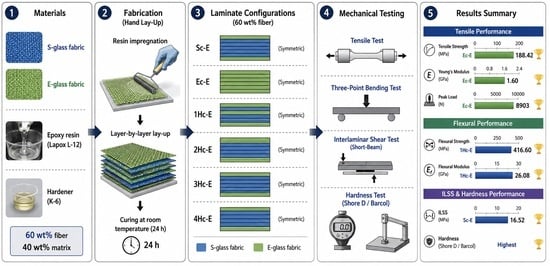
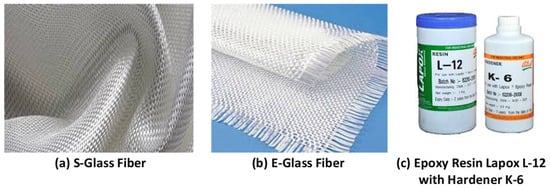
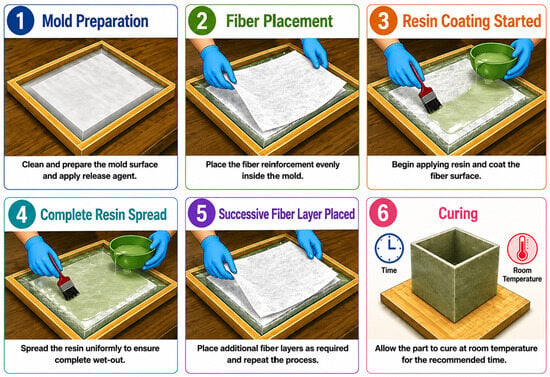
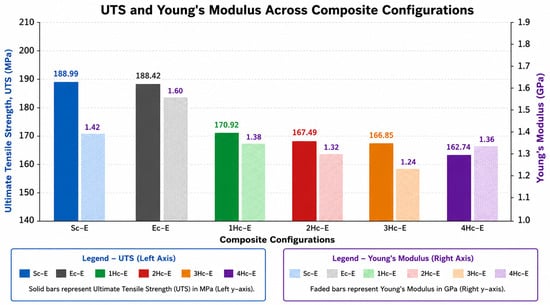
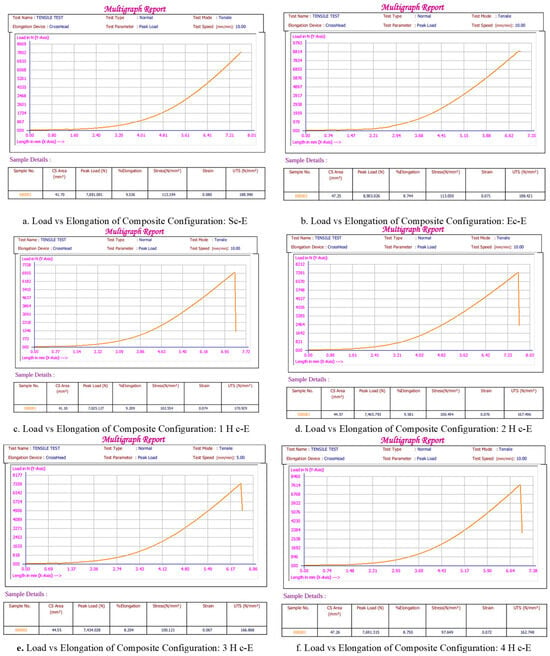
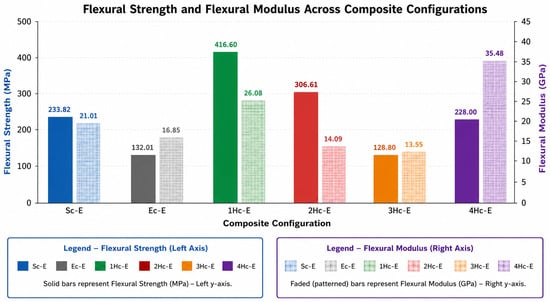
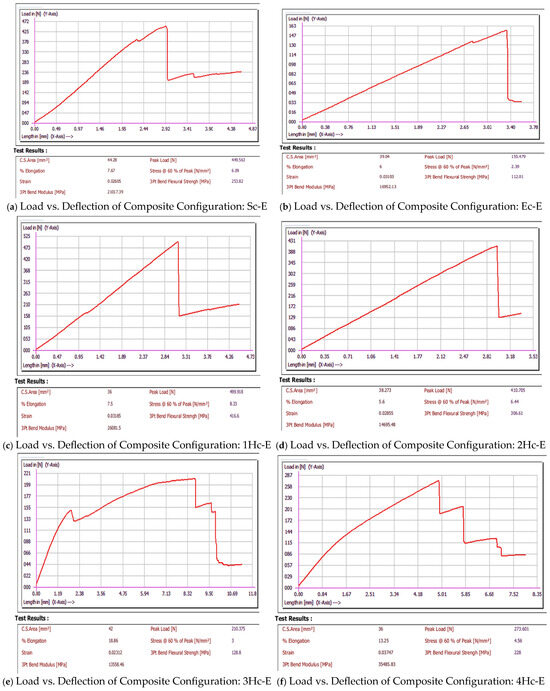
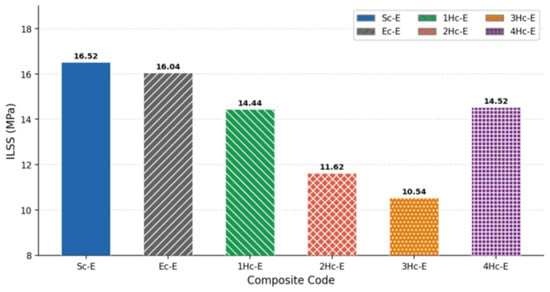
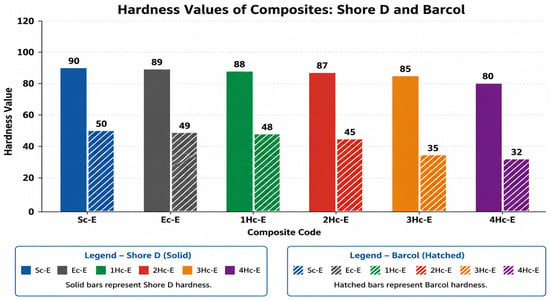
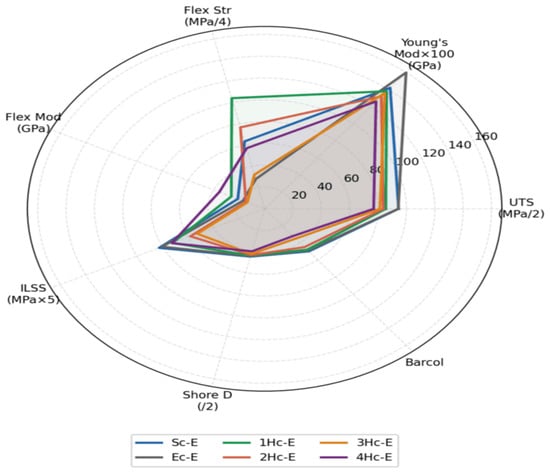
The aim of this study is to investigate the mechanical performance of S-glass and E-glass fiber-reinforced epoxy composites manufactured using the hand-layup technique with epoxy resin (Lapox L-12) and hardener (K-6), cured for 24 h at room temperature. To investigate the effect of different configurations, six configurations were tested: pure S-glass/epoxy (Sc-E), pure E-glass/epoxy (Ec-E), and four combinations of S-glass/E-glass at different stacking sequences (1Hc-E, 2Hc-E, 3Hc-E, and 4Hc-E). All composites were fabricated with 60 wt% fiber and 40 wt% matrix. Mechanical characterization comprised tensile testing (crosshead speed 10 mm/min), three-point bending tests for flexural properties (5 mm/min), interlaminar shear strength (ILSS) testing (3 mm/min), and Shore D and Barcol hardness testing. The results showed that the ultimate tensile strength (188.42 MPa) and Young’s modulus (1.60 GPa) were highest for the Ec-E sample, while the peak load (8903.02 N) was highest for the Ec-E sample. For flexural properties, the 1Hc-E hybrid configuration (ss-ee-ss-ee) exhibited an excellent flexural strength of 416.60 MPa and a flexural modulus of 26.08 GPa, indicating a positive hybrid effect. The pure S-glass composites showed the best ILSS (16.52 MPa) and hardness properties. The study revealed that flexural properties can be optimized through strategic hybridization and that fiber stacking sequence has a significant effect on interlaminar properties.
Full article
(This article belongs to the Topic Advances in Fiber-Reinforced Composites)
►▼
Show Figures

Graphical abstract
Open AccessArticle
Bacterial Cellulose-Containing Alginate Inks: A Proof-of-Concept Study on Acellular 3D Printing Feasibility and Cytocompatibility
by
Elena Utoiu, Elena Iulia Oprita, Vasile-Sorin Manoiu, Rodica Tatia, Claudiu Utoiu, Doriana Nicoleta Banu, Mihai Raduca and Oana Craciunescu
Fibers 2026, 14(9), 96; https://doi.org/10.3390/fib14090096 - 25 Aug 2026
Abstract
►▼
Show Figures
The development of hydrogel bioinks that combine structural stability with biological compatibility remains a major challenge in extrusion-based 3D printing for tissue engineering. In this proof-of-concept study, bacterial cellulose (BC) obtained from kombucha fermentation was explored as a sustainable nanofibrillar component for alginate/chondroitin
[...] Read more.
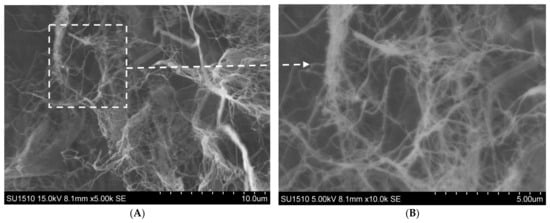
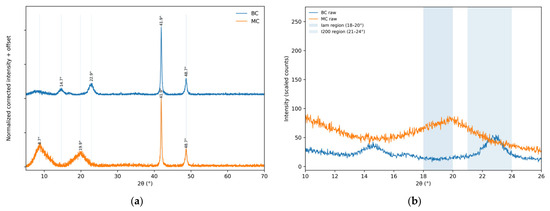
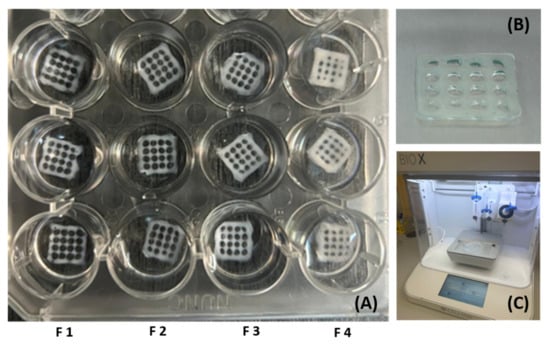
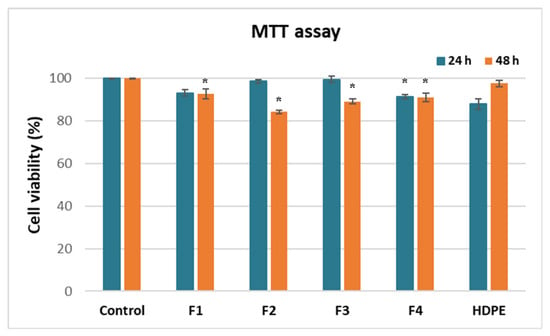
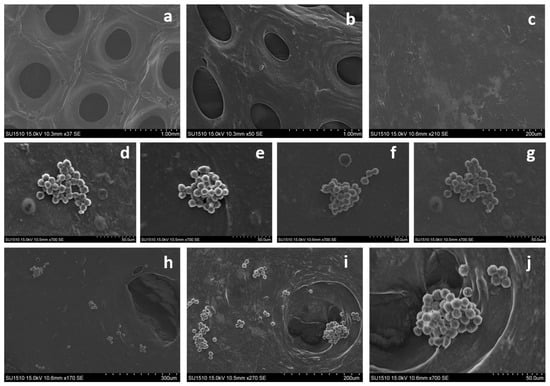
The development of hydrogel bioinks that combine structural stability with biological compatibility remains a major challenge in extrusion-based 3D printing for tissue engineering. In this proof-of-concept study, bacterial cellulose (BC) obtained from kombucha fermentation was explored as a sustainable nanofibrillar component for alginate/chondroitin sulfate (CS)/silicon-substituted hydroxyapatite (Si-HA) composite inks. Following alkaline purification, mechanical processing, and freeze-drying, BC was characterized by scanning electron microscopy (SEM), ATR-FTIR spectroscopy, and X-ray diffraction (XRD), revealing a highly entangled nanofibrillar architecture with high crystallinity (85.4%) and strong hydrogen-bonding potential. Four hydrogel formulations were developed as a comparative 2 × 2 matrix, contrasting BC-containing systems with methylcellulose (MC)-containing reference systems at two Si-HA loadings. Reduced-viscosity measurements of the uncrosslinked precursor formulations showed higher values at the lower Si-HA loading in both formulation series. All formulations could be extruded as acellular inks into grid-like constructs and retained identifiable macroporous architectures after ionic crosslinking. Swelling increased between 24 and 48 h, while mass loss remained limited after the initial 24 h incubation period. In direct-contact testing with L929 fibroblasts, cell viability remained above 84% after 48 h, meeting the ISO 10993-5 non-cytotoxicity criterion. These findings support the feasibility of incorporating physically processed kombucha-derived BC into alginate-based composite inks.
Full article

Figure 1
Open AccessArticle
Mechanical Performance of Hemp-Containing Denim Fabrics with Core-Engineered Weft Yarns
by
Yılmaz Erbil and Semira Koçak
Fibers 2026, 14(9), 95; https://doi.org/10.3390/fib14090095 - 25 Aug 2026
Abstract
►▼
Show Figures
The mechanical performance of hemp-containing denim fabrics depends not only on fibre selection but also on how fibre composition is translated into yarn and fabric structure. Substituting part of the cotton warp with hemp is one possible step toward more sustainable denim production,
[...] Read more.
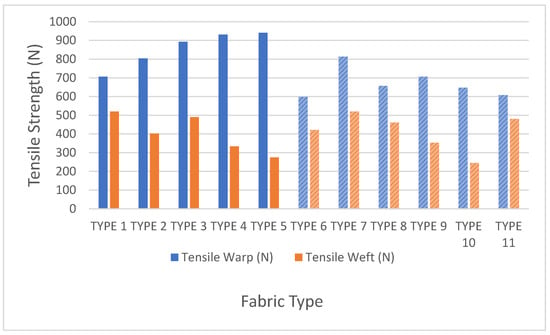
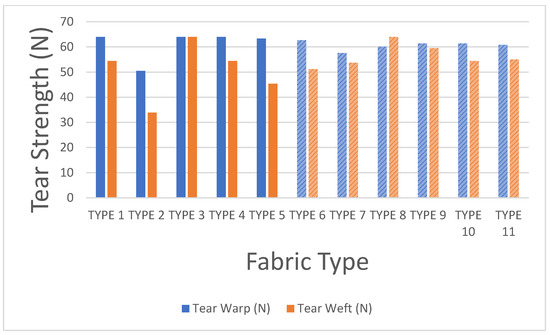
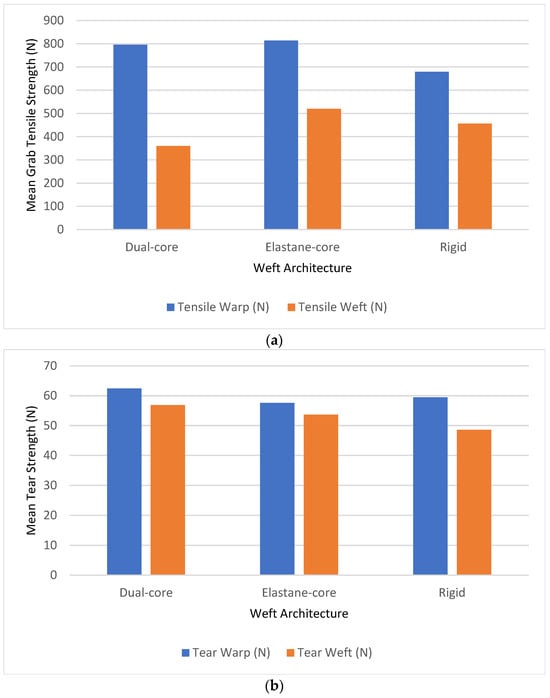
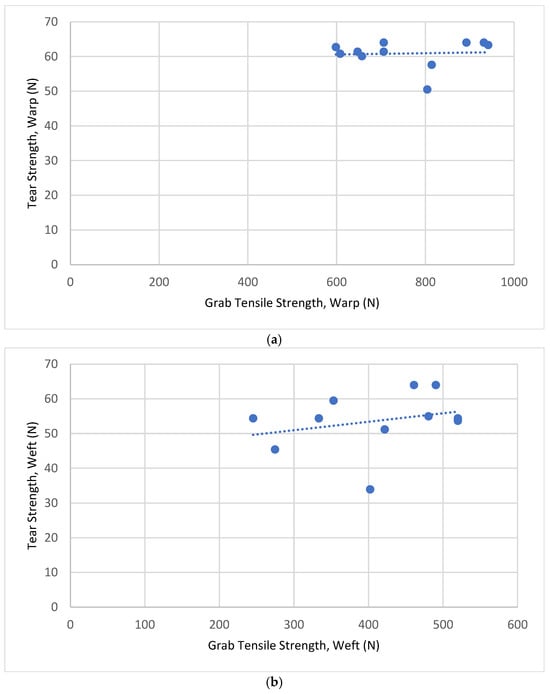
The mechanical performance of hemp-containing denim fabrics depends not only on fibre selection but also on how fibre composition is translated into yarn and fabric structure. Substituting part of the cotton warp with hemp is one possible step toward more sustainable denim production, but this study makes no independent sustainability claim (i.e., no life-cycle assessment was performed) and instead focuses solely on mechanical behaviour. This study comparatively evaluated eleven denim fabrics produced with 100% cotton or cotton/hemp-blended (69/31) warp yarns and different rigid, elastane-core and PET/PTT+elastane dual-core weft yarns. Grab tensile strength and tear strength were assessed in warp and weft directions and interpreted together with structural parameters. The results showed that mechanical response was governed by the combined effect of warp composition, weft architecture and structural compactness rather than by fibre substitution alone. Fabrics containing hemp in the warp did not show a uniform mechanical gain or loss across the sample set; instead, their tensile and tear behaviour depended on the associated weft design and fabric construction. Core-engineered weft yarns, particularly dual-core structures, altered the balance between tensile and tear response, indicating that yarn architecture played an important role in load distribution and deformation behaviour. Overall, the findings show that the mechanical design of hemp-containing denim fabrics should be approached through an integrated fibre–yarn–fabric perspective.
Full article

Figure 1
Open AccessReview
Forming Technologies, Defect Control, and Digital Manufacturing of Polymer Composite Battery-Pack Structures for New Energy Vehicles: A Comprehensive Review
by
Guangxi Li, Longzhan Zheng, Xufeng Song, Xiaolu Liao, Qingqing Lü, Liquan Yang, Qun Li, Yuqin Ma and Yinshu Yao
Fibers 2026, 14(8), 94; https://doi.org/10.3390/fib14080094 - 21 Aug 2026
Abstract
►▼
Show Figures
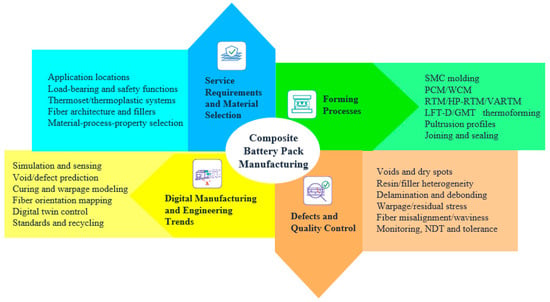
Battery packs for new energy vehicles have evolved from simple load-bearing and protective assemblies into multifunctional safety structures integrating structural support, crash protection, thermal-runaway mitigation, flame retardancy, electrical insulation, electromagnetic interference shielding, waterproof sealing, and long-term reliability. Fiber-reinforced polymer composites are promising for
[...] Read more.
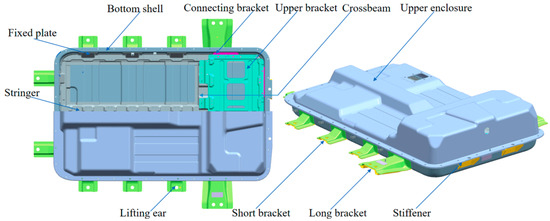
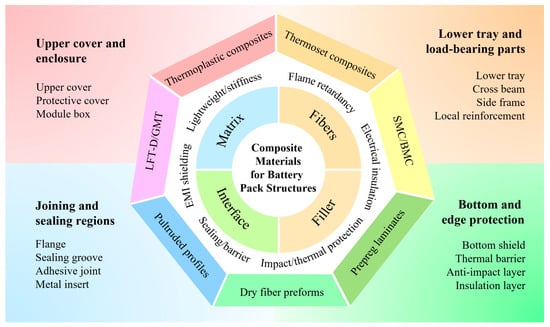
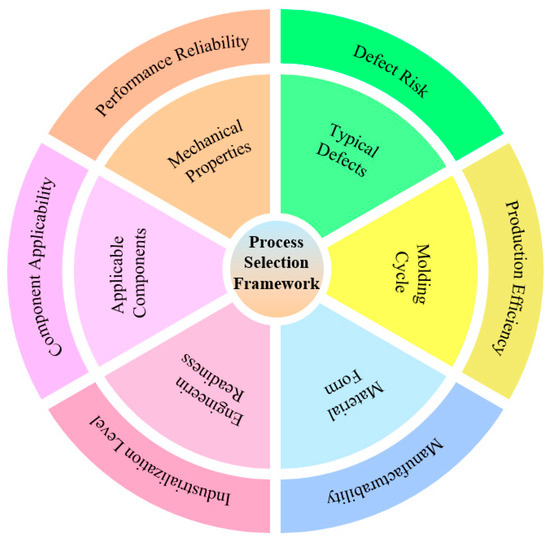
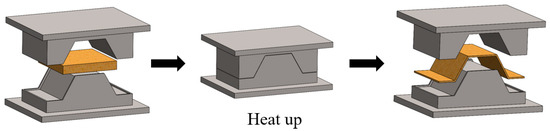
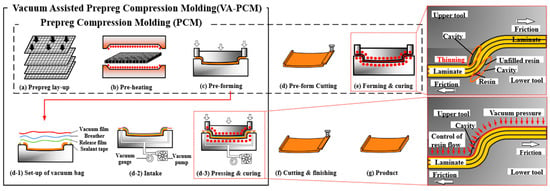
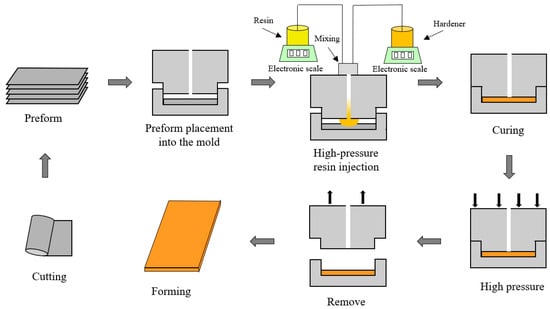
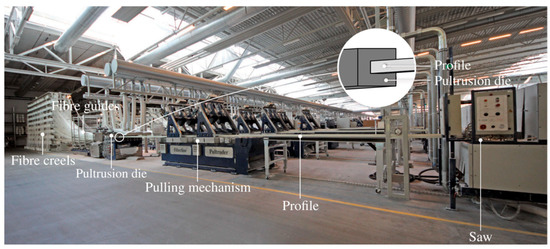
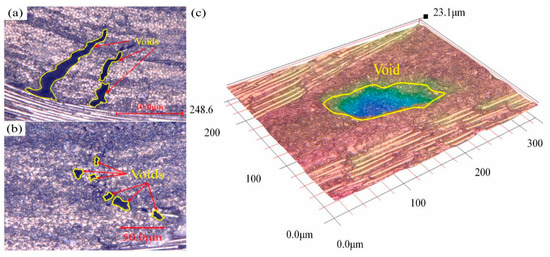
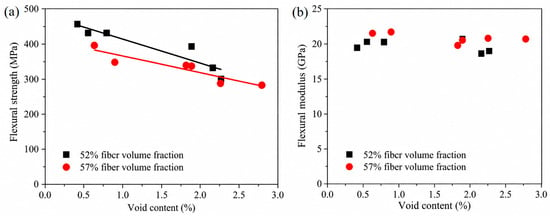
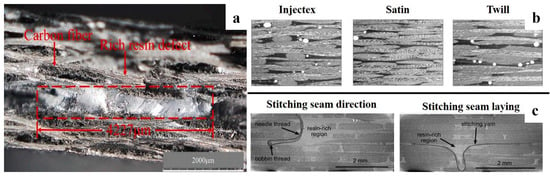
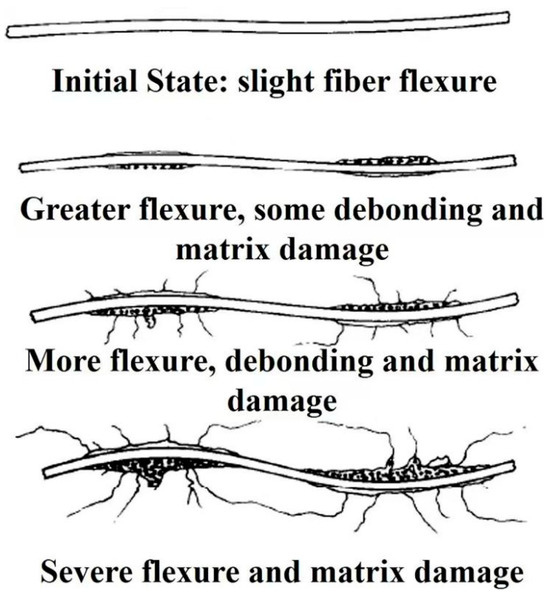
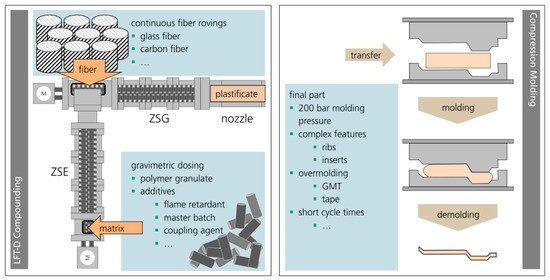
Battery packs for new energy vehicles have evolved from simple load-bearing and protective assemblies into multifunctional safety structures integrating structural support, crash protection, thermal-runaway mitigation, flame retardancy, electrical insulation, electromagnetic interference shielding, waterproof sealing, and long-term reliability. Fiber-reinforced polymer composites are promising for upper covers, underbody shields, trays, cross beams, side frames, and local protective structures because of their low density, corrosion resistance, design flexibility, and functional-integration potential. However, composite-part performance is strongly governed by forming. Resin flow, impregnation, curing or cooling shrinkage, fiber orientation, filler dispersion, and interfacial bonding may induce voids, dry spots, resin-rich regions, delamination, warpage, and fiber waviness, thereby affecting load bearing, sealing, thermal protection, and durability. This review focuses on composite-forming technologies for new energy-vehicle battery packs. It summarizes component-level service requirements and material systems and compares representative forming routes, including sheet molding compound (SMC), prepreg compression molding/wet compression molding (PCM/WCM), resin transfer molding/high-pressure resin transfer molding (RTM/HP-RTM), vacuum-assisted resin transfer molding (VARTM), long-fiber thermoplastic direct processing (LFT-D), glass-mat thermoplastic (GMT), thermoplastic sheet forming, pultrusion, and multi-material joining. These routes are evaluated from six dimensions: material form, forming cycle, typical defects, representative mechanical performance, applicable components, and engineering maturity. The review further discusses defect mechanisms, performance effects, detection and control methods, and the roles of in-line monitoring, non-destructive testing, process simulation, machine learning, and digital twins in closed-loop quality manufacturing. Finally, engineering challenges are examined in multi-material joining, thermal-safety integration, low-carbon recycling, and standard certification. Composite-material battery-pack structures should therefore be developed as coordinated design and closed-loop manufacturing systems linking materials, processes, defects, performance, and validation.
Full article

Figure 1
Open AccessReview
Pineapple Waste: A Source of Cellulosic Fibers
by
Magdalena Fogorasi and Michaela Dina Stanescu
Fibers 2026, 14(8), 93; https://doi.org/10.3390/fib14080093 - 20 Aug 2026
Abstract
►▼
Show Figures
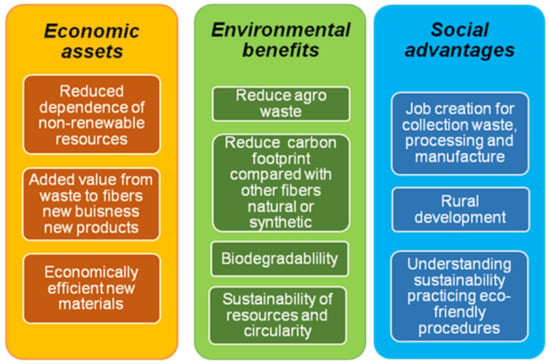
The pollution generated during the synthesis and processing of synthetic fibers demands new raw materials for the textile industry. Natural fibers are a good solution due to their increased comfort while wearing, and their biodegradability. However, the use of some of these fibers,
[...] Read more.
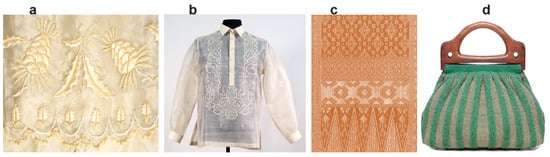
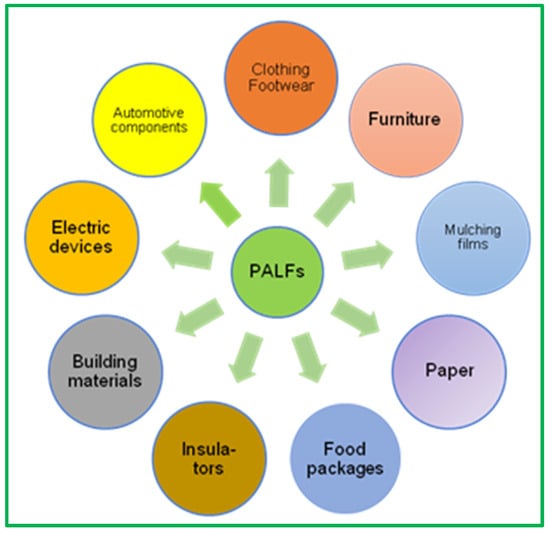
The pollution generated during the synthesis and processing of synthetic fibers demands new raw materials for the textile industry. Natural fibers are a good solution due to their increased comfort while wearing, and their biodegradability. However, the use of some of these fibers, such as cotton or ramie, comes with limitations like competition with edible plants for land and water during cultivation, and the pollution generated during their processing. Thus, finding other sources of fibers that do not compete with plants for food seems to be a good solution. Pineapple fibers represent a good example of synergy, with the fruit being intended for food while the leaves, once considered waste, can be valorized as fibers. This paper describes the progress in research on obtaining pineapple fibers and their properties depending on their mode of preparation. The technical progress in preparing pineapple fibers is emphasized. Their application in textile materials, alone or as composites, is presented. According to the literature, pineapple fibers may also be applied in other fields besides the textile industry. Moreover, the fact that waste is the raw material for these fibers represents a great asset, and the development of new technologies for their production and application is recommended.
Full article

Figure 1
Open AccessArticle
Effects of Hydrostatic Consolidation Pressure on Void Reduction and Effective Mechanical Properties of Hexagonal and Stochastic UHMWPE Fibril Arrays
by
A. I. Fadeel, J. W. Gillespie, Jr. and M. A. N. Dewapriya
Fibers 2026, 14(8), 92; https://doi.org/10.3390/fib14080092 - 13 Aug 2026
Abstract
This study develops a finite element analysis (FEA) framework to quantify hydrostatic consolidation of ultra-high-molecular-weight polyethylene (UHMWPE) fibril arrays containing interstitial voids. Hexagonal and stochastic representative volume elements (RVEs) were constructed from experimentally measured fibril diameters and embedded in a nearly incompressible Mooney–Rivlin
[...] Read more.
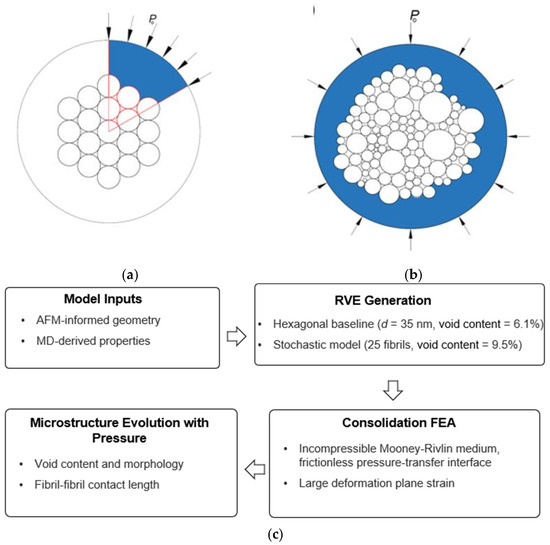
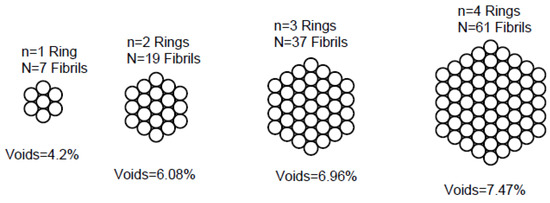
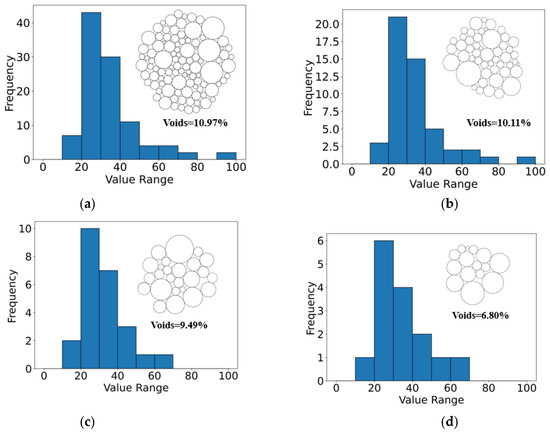
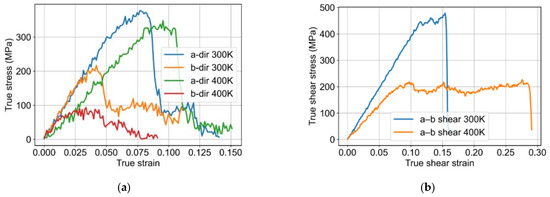
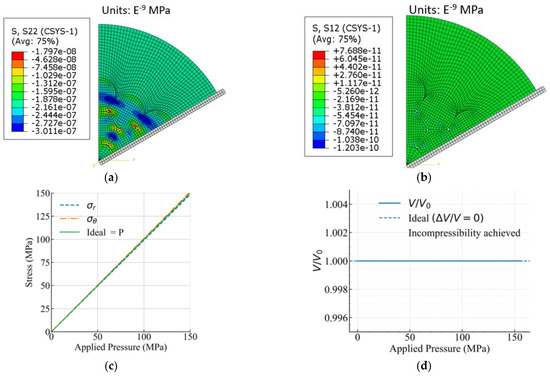
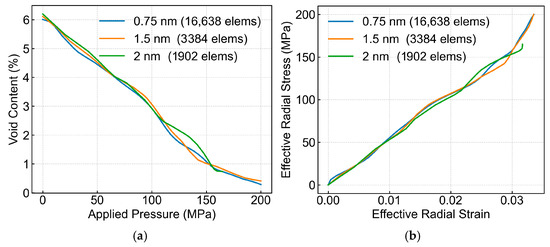
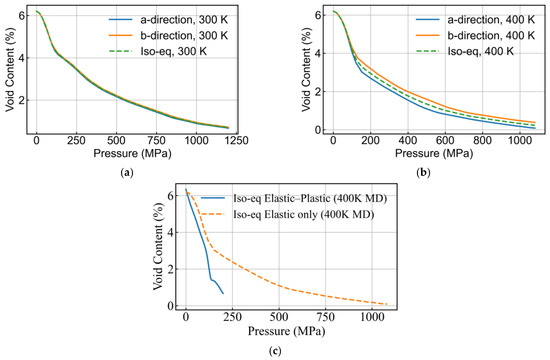
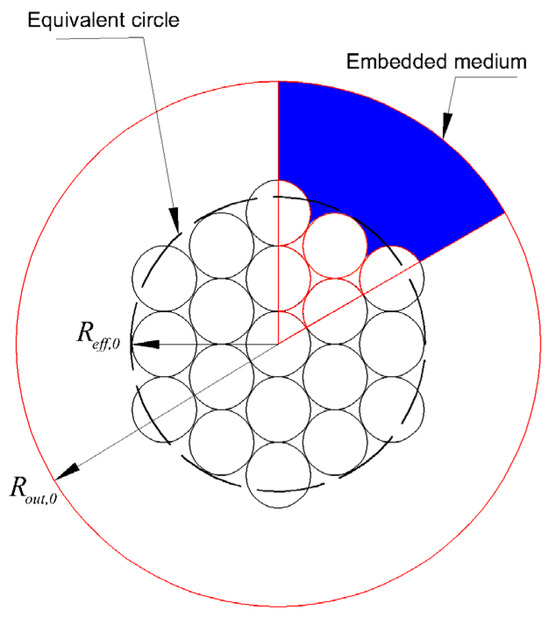
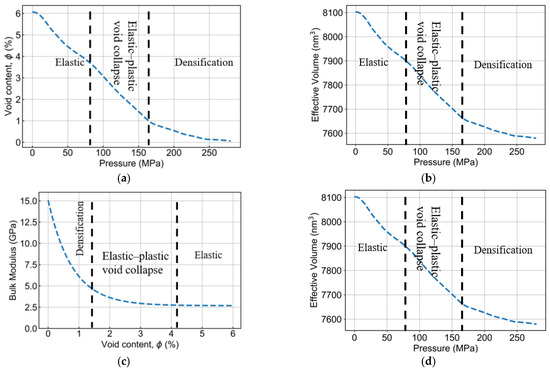
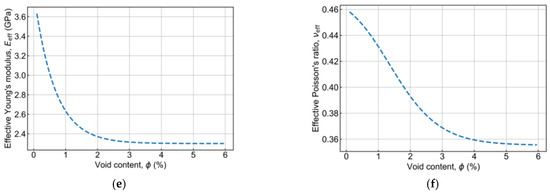
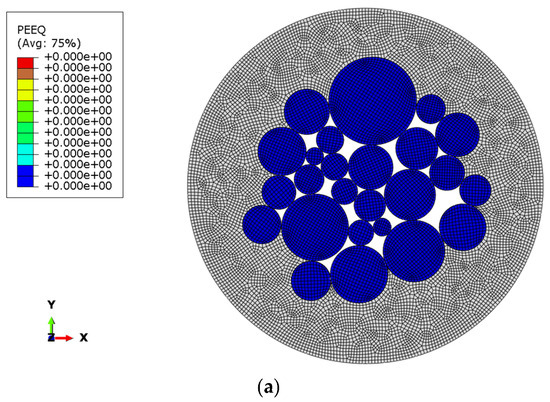
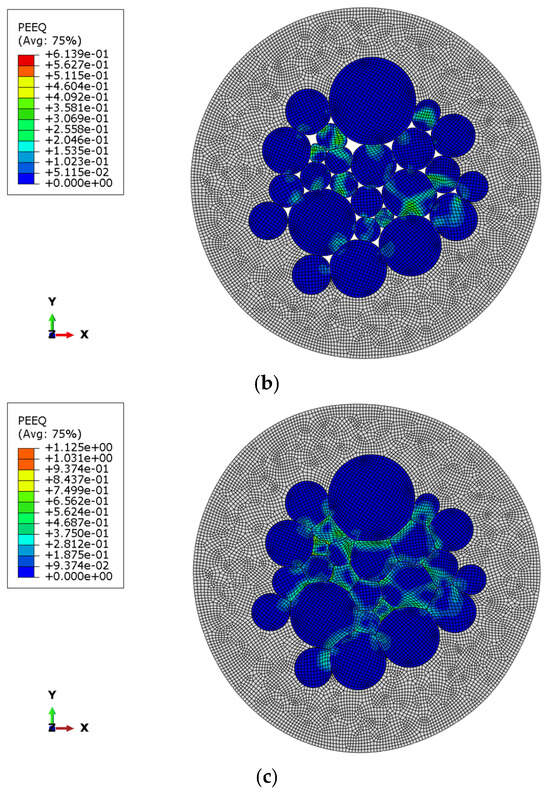
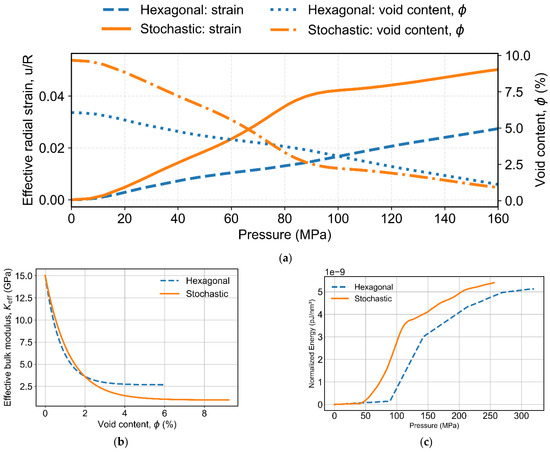
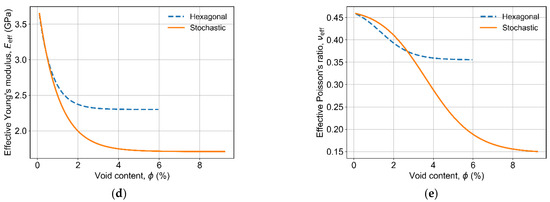
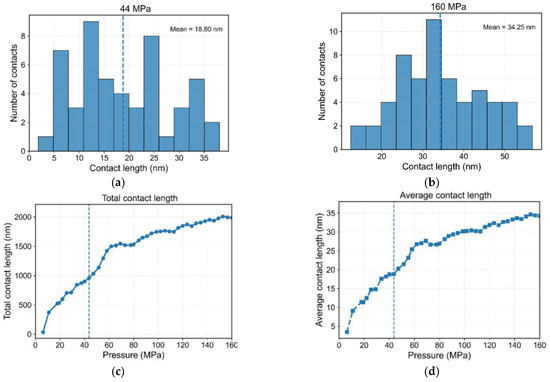
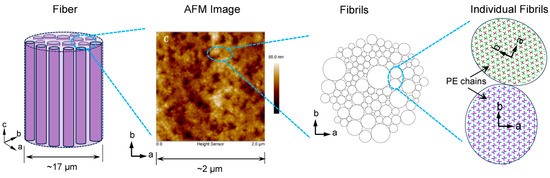
This study develops a finite element analysis (FEA) framework to quantify hydrostatic consolidation of ultra-high-molecular-weight polyethylene (UHMWPE) fibril arrays containing interstitial voids. Hexagonal and stochastic representative volume elements (RVEs) were constructed from experimentally measured fibril diameters and embedded in a nearly incompressible Mooney–Rivlin medium to transfer hydrostatic pressure to irregular fibril surfaces. Molecular dynamics (MD)-derived fibril properties at 300 K and 400 K were used to evaluate the effects of temperature, elastic–plastic deformation, and stochastic microstructure on void collapse and effective fiber properties. The 300 K elastic model required pressures approaching 1.3 GPa to reach approximately 1–2% void content, whereas the combined effects of elevated temperature, elastic–plastic fibril behavior, and stochastic fibril packing reduced the corresponding pressure to approximately 160 MPa. The stochastic RVE exhibited a higher initial void content, earlier plastic dissipation, lower initial effective stiffness, and nonuniform fibril–fibril contact evolution compared to the idealized hexagonal RVE. As void content decreased, both models converged toward the dense fibril response. The framework establishes a processing–microstructure–property relationship linking consolidation pressure to the evolving void morphology, fibril shape and contact development, and the resulting effective plane-strain bulk modulus and the transverse compressive stress–strain response, including the Young’s modulus and Poisson’s ratio, of UHMWPE fibers.
Full article
(This article belongs to the Special Issue Fibers and Fiber-Reinforced Composite: Processing-Structure-Property Relationships)
►▼
Show Figures

Figure 1
Open AccessArticle
Impact of Washing Conditions on the Performance of Motorcycle Protective Garments
by
Weiwei Cong, Zhigang Xie, Tom Whyte, Julian O’Loughlin and Christopher Hurren
Fibers 2026, 14(8), 91; https://doi.org/10.3390/fib14080091 - 12 Aug 2026
Abstract
►▼
Show Figures
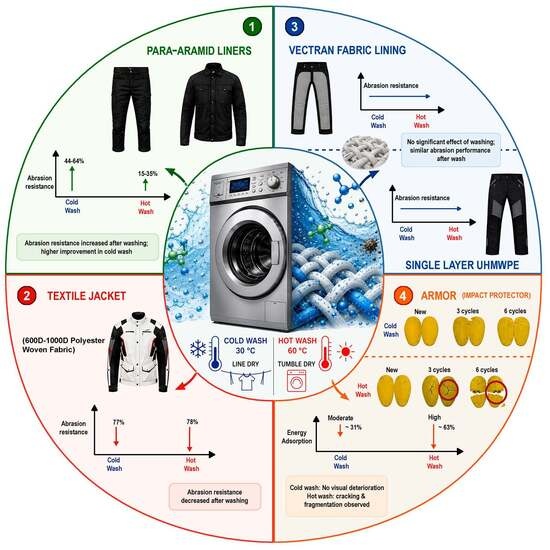
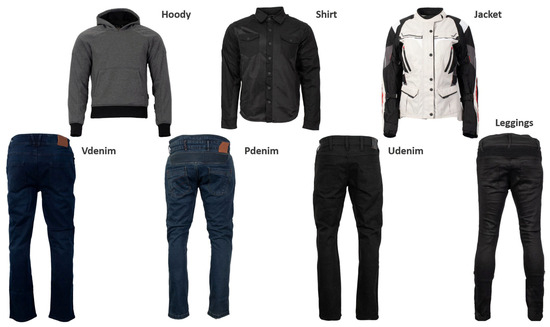
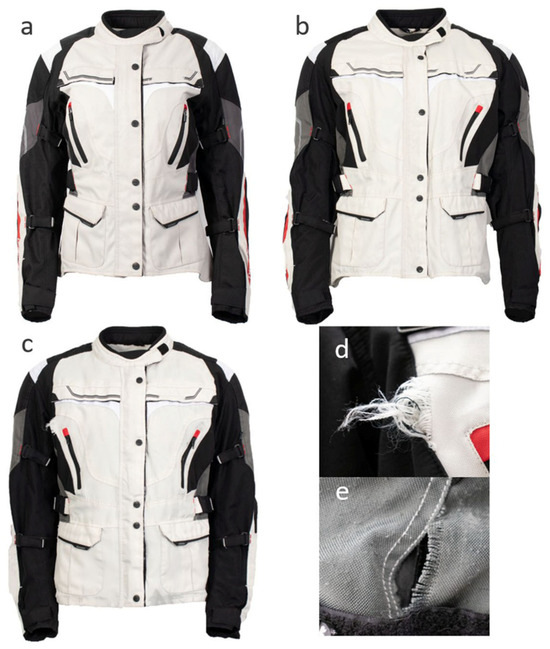
Motorcycle protective clothing plays a crucial role in enhancing rider safety. However, routine laundering may affect its performance over time. This study investigated how different washing conditions impact key protective properties of motorcycle garments, including manufacturer’s instructed cold wash/line dry and a standard
[...] Read more.
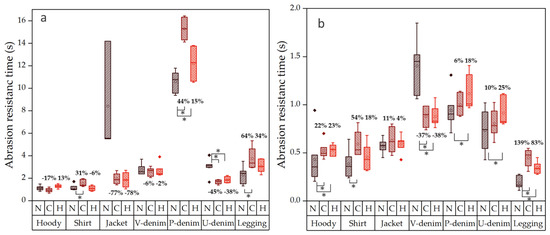
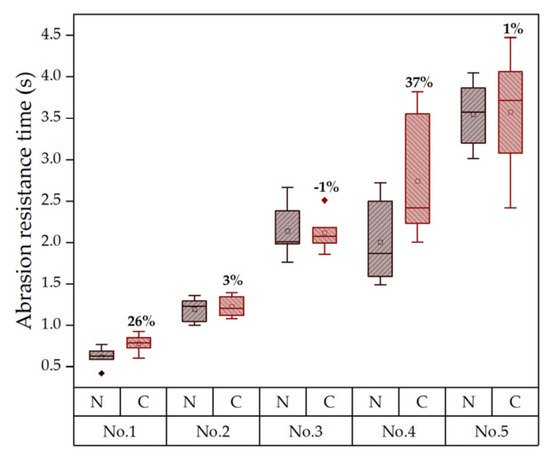
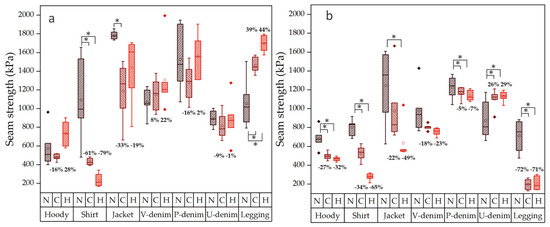
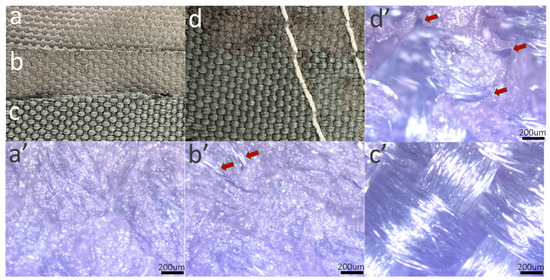
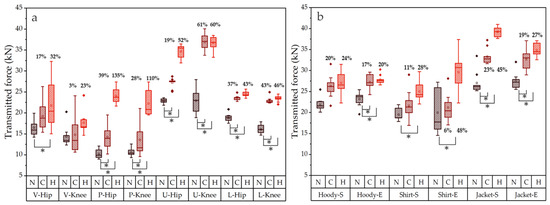
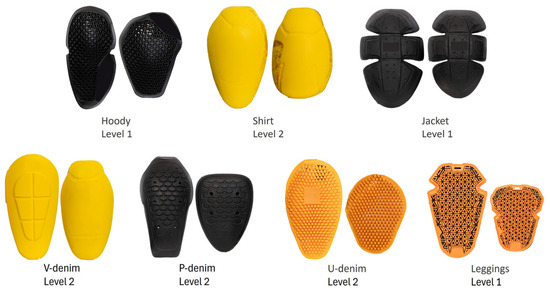
Motorcycle protective clothing plays a crucial role in enhancing rider safety. However, routine laundering may affect its performance over time. This study investigated how different washing conditions impact key protective properties of motorcycle garments, including manufacturer’s instructed cold wash/line dry and a standard machine hot wash/tumble dry. Laundering had a limited effect on the abrasion resistance of most garments tested. Interestingly, garments containing p-aramid demonstrated improved abrasion resistance after laundering, particularly under cold washing conditions. However, laundering adversely affected polyurethane-based components within the garments. Deterioration of polyurethane coatings in textile garments contributed to reductions in abrasion resistance and seam strength, while degradation of polyurethane-based impact protectors resulted in reduced energy absorption performance. The hot wash/tumble-dry condition produced more severe deterioration than the cold wash/line-dry condition, indicating that elevated temperature and more aggressive drying conditions accelerate material degradation.
Full article

Graphical abstract
Open AccessArticle
Short-Term Glucose Release from Ultrasound-Assisted Alkali-Pretreated Hemp Hurds Using Free and Magnetic Nanoparticle-Immobilised Cellulase
by
Ziningi Rosebud Myeni, Sani Gumede, Farai Dziike and Nirmala Deenadayalu
Fibers 2026, 14(8), 90; https://doi.org/10.3390/fib14080090 - 6 Aug 2026
Abstract
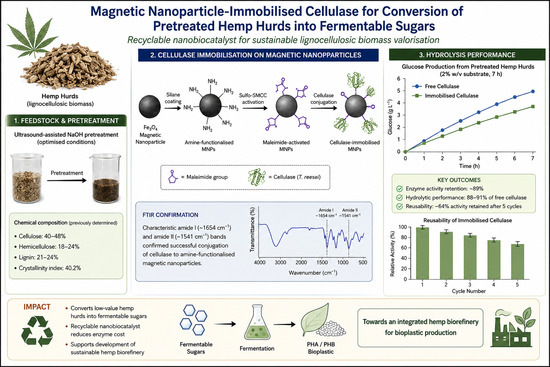
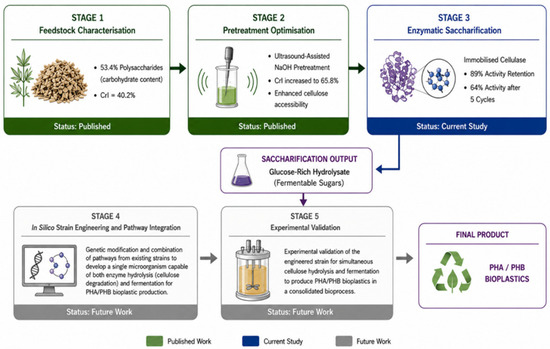
The enzymatic conversion of lignocellulosic biomass (LB) into fermentable sugars is important for the development of sustainable biorefineries. This study investigated the immobilisation of Trichoderma reesei (T. reesei) cellulase on amine-functionalised magnetic nanoparticles (MNPs) and evaluated the resulting biocatalyst for the
[...] Read more.
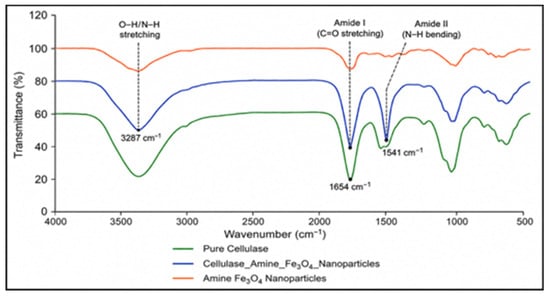
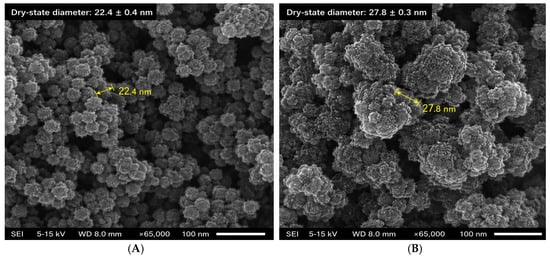
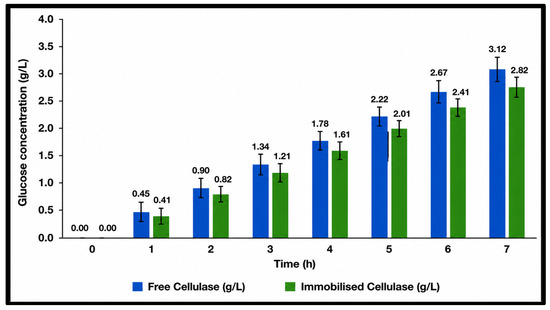
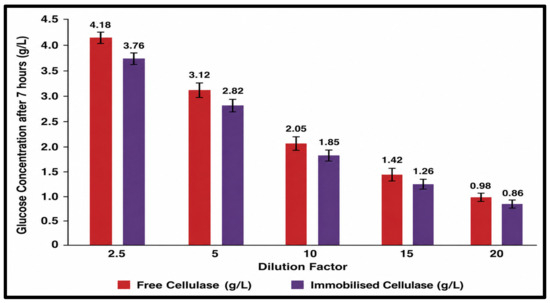
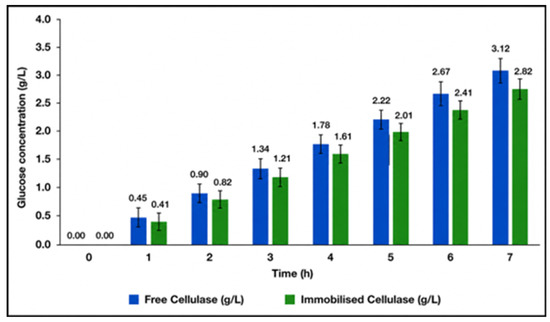
The enzymatic conversion of lignocellulosic biomass (LB) into fermentable sugars is important for the development of sustainable biorefineries. This study investigated the immobilisation of Trichoderma reesei (T. reesei) cellulase on amine-functionalised magnetic nanoparticles (MNPs) and evaluated the resulting biocatalyst for the hydrolysis of pretreated hemp hurd (HH) biomass. Fourier transform infrared spectroscopy (FTIR) and scanning electron microscopy (SEM) provided evidence consistent with cellulase association with the nanoparticles, with the estimated dry-state particle diameter increasing from 22.4 ± 0.4 to 27.8 ± 0.3 nm after immobilisation. The selected immobilised catalyst loading produced approximately 89% of the total filter-paper assay response obtained with the selected free-enzyme loading, although this comparison was not normalised to protein content. During 7 h hydrolysis experiments, glucose production increased progressively for both enzyme forms. Across the tested enzyme dilutions, immobilised cellulase generated approximately 88–91% of the glucose produced by free cellulase. The immobilised enzyme also retained approximately 64% of its initial hydrolysis performance after five reuse cycles. These findings demonstrate the potential of magnetic cellulase nanobiocatalysts for recoverable and reusable hydrolysis of lignocellulosic biomass. However, further studies are required to determine protein-normalised activity, immobilisation efficiency, longer-term stability, process economics and industrial scalability.
Full article
(This article belongs to the Special Issue Research on Wood and Lignocellulosic Materials)
►▼
Show Figures

Graphical abstract
Open AccessArticle
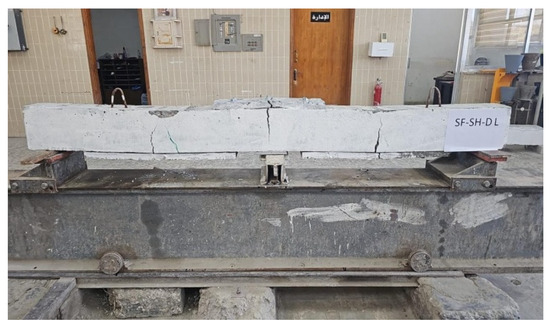
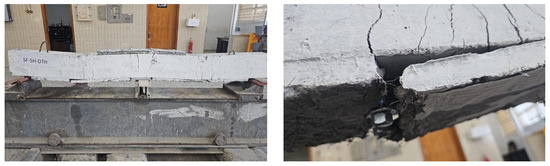
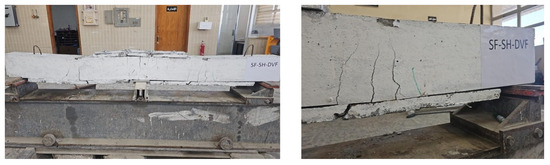
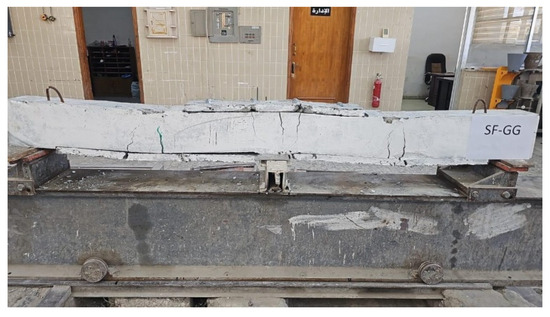
Comparative Experimental Investigation of Reinforced Concrete Beams with Steel and Polypropylene Fiber Reinforcement
by
Abel A. Belay and Robert Grygo
Fibers 2026, 14(8), 89; https://doi.org/10.3390/fib14080089 - 4 Aug 2026
Abstract
►▼
Show Figures
Fiber-reinforced concrete is increasingly used to improve the mechanical and structural performance of reinforced concrete elements. This study presents a comparative experimental investigation of reinforced concrete beams incorporating steel and polypropylene fibers. Seven beams were examined, including a reference concrete and fiber-reinforced concrete
[...] Read more.
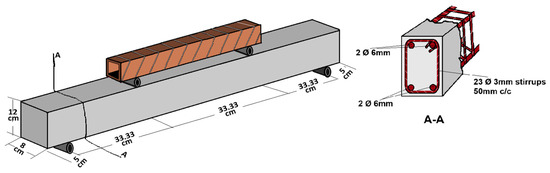
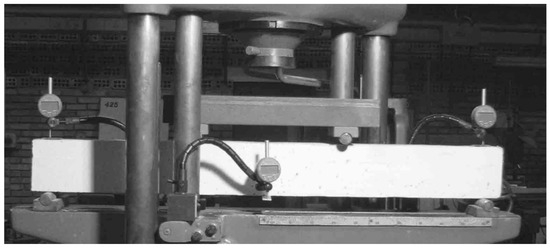
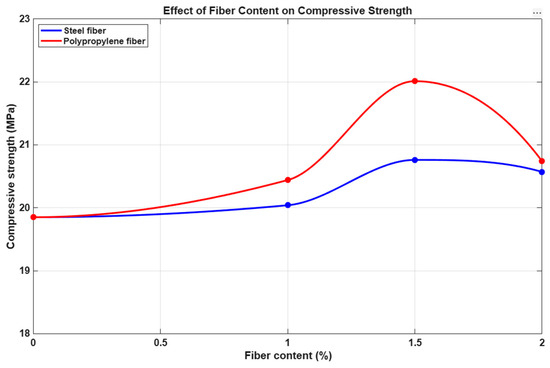
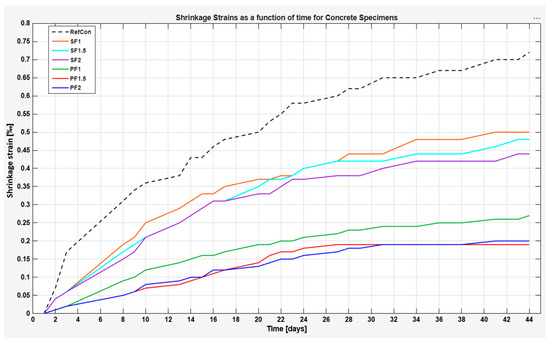
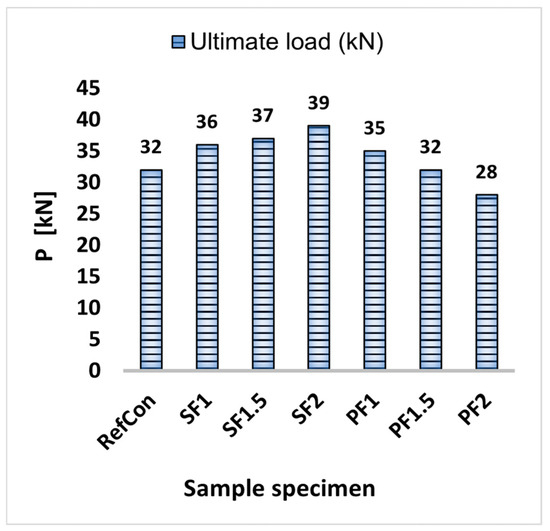
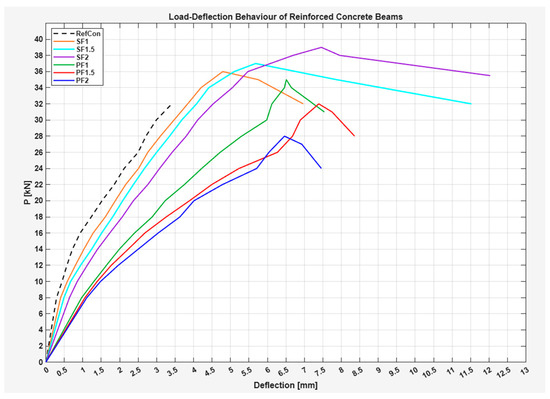
Fiber-reinforced concrete is increasingly used to improve the mechanical and structural performance of reinforced concrete elements. This study presents a comparative experimental investigation of reinforced concrete beams incorporating steel and polypropylene fibers. Seven beams were examined, including a reference concrete and fiber-reinforced concrete mixtures containing 1.0%, 1.5%, and 2.0% fiber volume fractions. The experimental program included compressive strength tests on 21 cube specimens, shrinkage measurements on 21 prism specimens, and bending tests on reinforced concrete beams. The properties studied included compressive strength, shrinkage strain, ultimate load capacity, load–deflection response, crack initiation, crack width, and post-cracking behavior. Polypropylene fibers provided the greatest crack-control benefit, reducing shrinkage strain and maximum crack width by up to 50% and 93%, respectively, compared with the reference concrete. Steel-fiber-reinforced beams achieved the highest ultimate load, with an increase of up to 22% relative to the reference beam, and showed higher calculated displacement ductility indices. The results indicate that, under the tested conditions, steel fibers were more effective in improving load-carrying capacity and displacement ductility, whereas polypropylene fibers were more effective in controlling shrinkage and crack development. These findings support fiber selection according to the required balance between load capacity, deformation response, crack control, and serviceability.
Full article

Figure 1
Open AccessArticle
An Experimental Study of the Flexural Behavior of Continuous RC Beams Strengthened with Plates of Different Concrete Types, Dimensions and Bonding Techniques
by
Ahid Zuhair Hamoodi, Zaid Ali Kadhim Alzaidi, Mustafa Shareef Zewair and Hawraa S. Malik
Fibers 2026, 14(7), 88; https://doi.org/10.3390/fib14070088 - 20 Jul 2026
Abstract
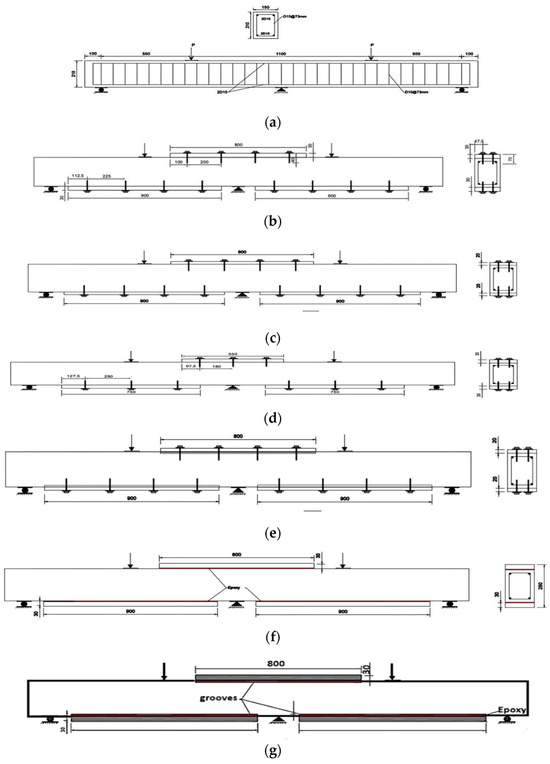
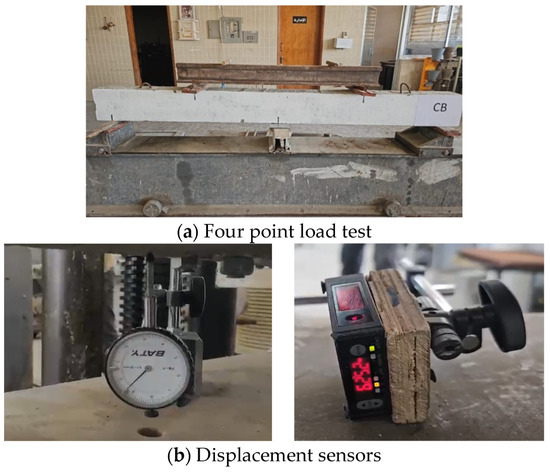
An experimental study was conducted to investigate the flexural behavior of continuous beams strengthened with precast concrete plates. Ten rectangular concrete beams with a cross-section of 210 × 150 mm and a total length of 2400 mm were tested under four-point loads. One
[...] Read more.
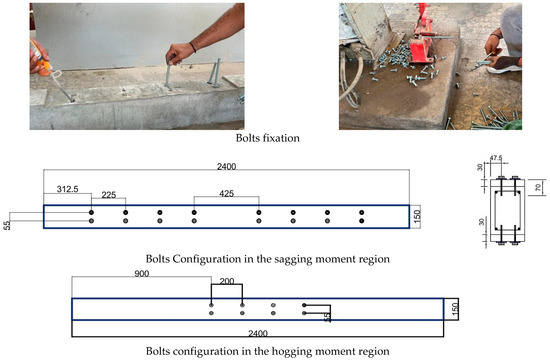
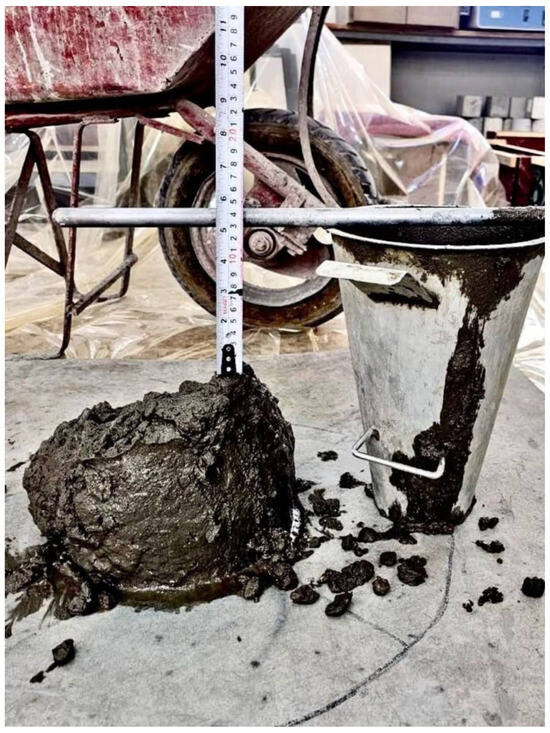
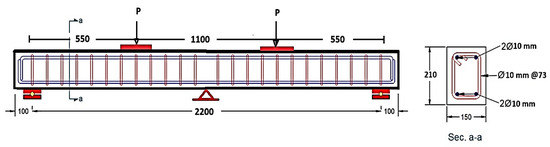
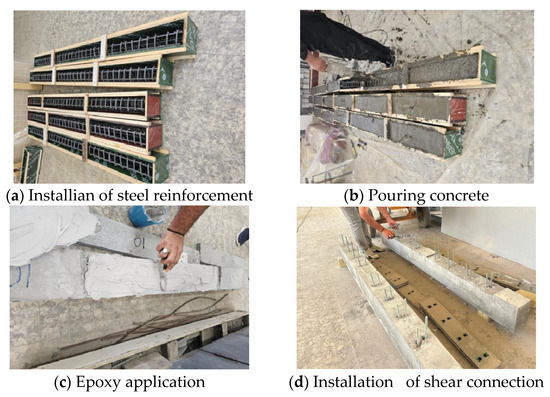
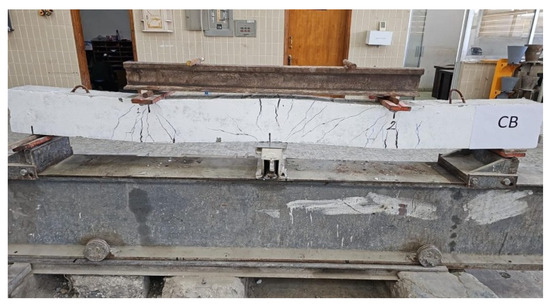
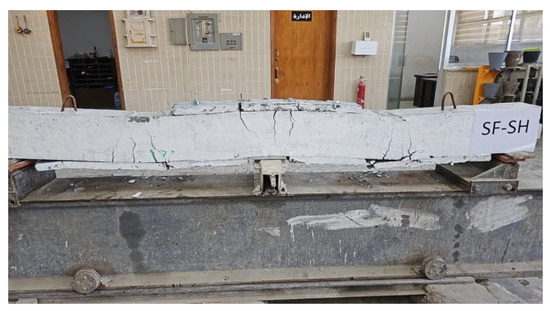
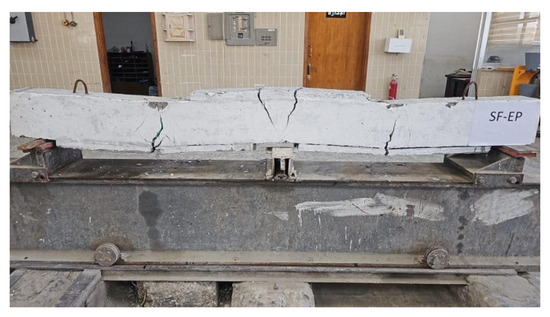
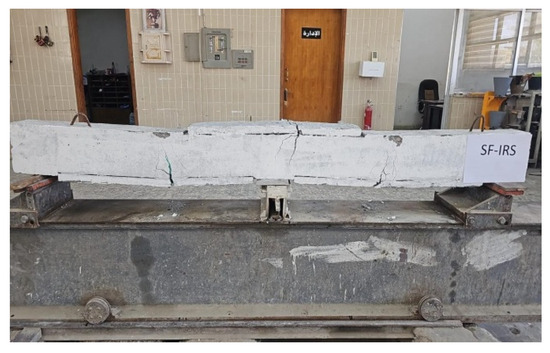
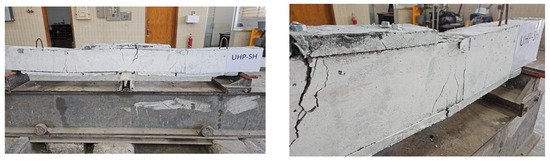
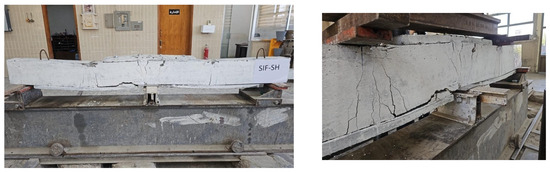
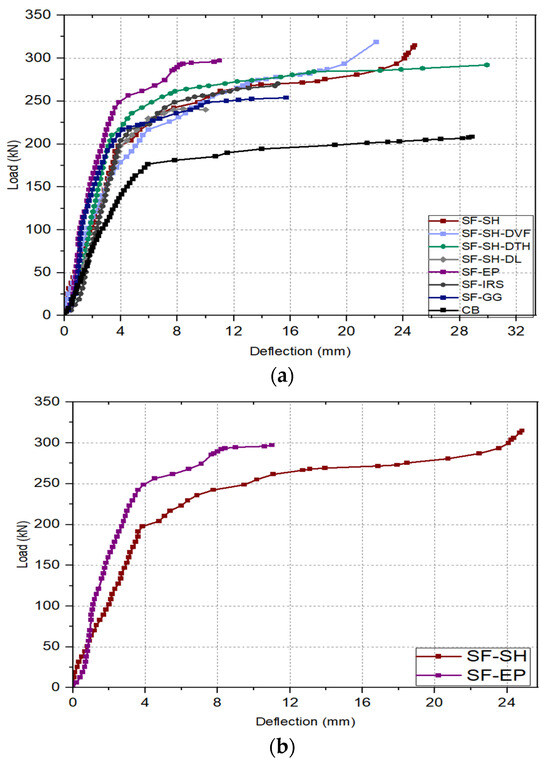
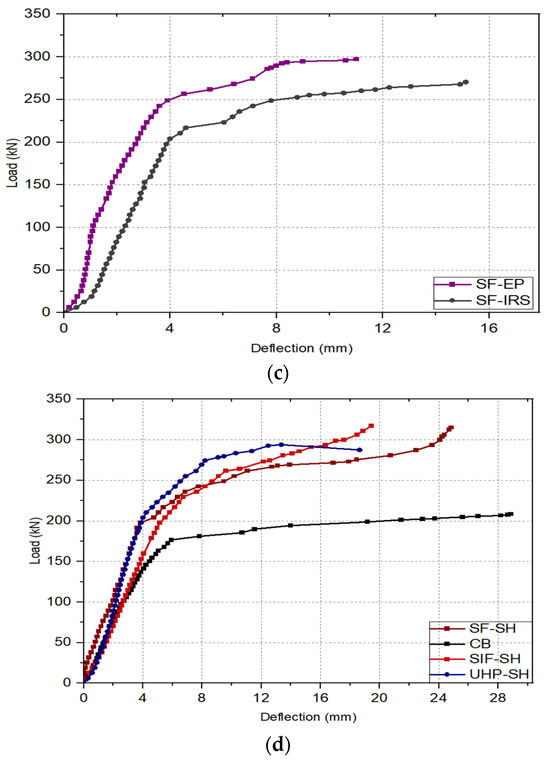
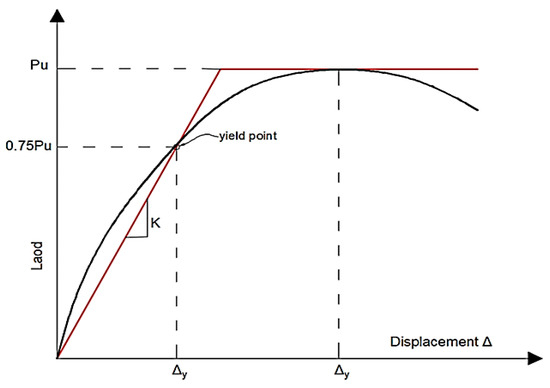
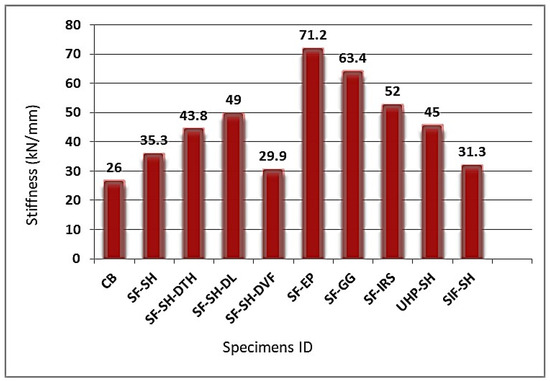
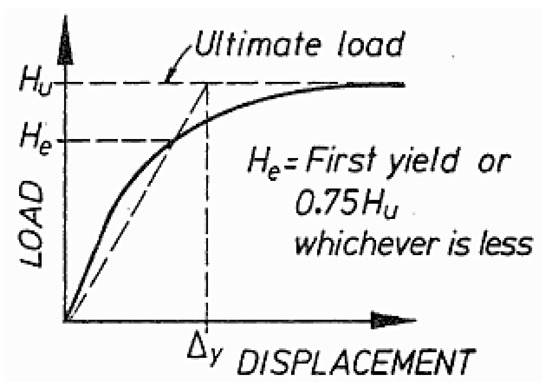
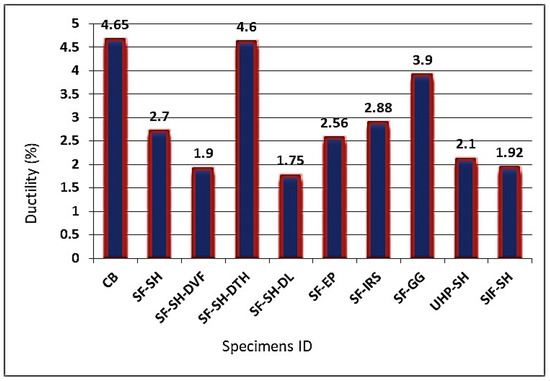
An experimental study was conducted to investigate the flexural behavior of continuous beams strengthened with precast concrete plates. Ten rectangular concrete beams with a cross-section of 210 × 150 mm and a total length of 2400 mm were tested under four-point loads. One specimen, without any strengthening, acted as the control, while the remaining nine were strengthened at both the positive and negative moment zones. The variables in this study were: strengthening plate thickness, length, type of bonding (epoxy or mechanical connector), bonding method (surface bonding or 10 mm grooving), type of concrete used (UHPC, SFRC, or SIFCON), and finally, the steel fiber ratio. The failure mode, cracking modes, ultimate load, load–deflection curve, stiffness and ductility were analyzed. The results showed the effectiveness of the strengthening methods, as they improved the flexural strength of the beams by 15.7% to 53%, as well as their stiffness by 15% to 173.8%, and reduced crack propagation. Also, decreasing the thickness and length of plates reduced the flexural strength by 7.28% and 23.5%, respectively. When the bonding methods were compared, the beam with mechanical bonding showed 5.7% more flexural strength than the one using epoxy. However, it was noted that all cracks in the strengthening plates were located at the bolt positions. Additionally, the use of SIFCON plates enhanced flexural strength more than UHPC and SFRC plates. However, for the SFRC plate, increasing the steel fiber content from 1.5% to 2% improved the strength by 1.2%, but this high percentage also caused cracking in the SFRC plate due to the inhomogeneity of the concrete mixture. As for the initial stiffness, the sample in which epoxy was used showed the highest value, with an increase of 173.8%, due to the uniform bonding at the connection surface. Finally, it was observed that the reference beam had the highest ductility due to the high ultimate displacement resulting from the numerous cracks that occurred in the beam, which were reduced in the strengthened beams.
Full article
(This article belongs to the Topic Advances in Fiber-Reinforced Composites)
►▼
Show Figures

Figure 1
Open AccessArticle
Experimental Study of the Aging Effect on the Mechanical Properties of Hemp Fiber Cementitious Composite
by
Miquel Ángel Chamorro, Jaume Font, Irieix Costa, Jordi Soler and Joan Llorens
Fibers 2026, 14(7), 87; https://doi.org/10.3390/fib14070087 - 17 Jul 2026
Abstract
►▼
Show Figures
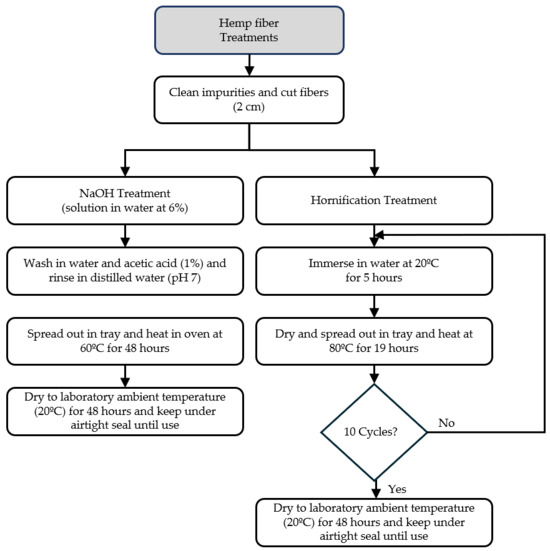
The degradation of the natural fibers in the hydraulic binder alkaline matrix is widely known. This study investigates the effect of two fiber treatments, namely immersion in sodium hydroxide (NaOH) solution and hornification, in two types of alkaline environmental ordinary Portland cement (OPC)
[...] Read more.
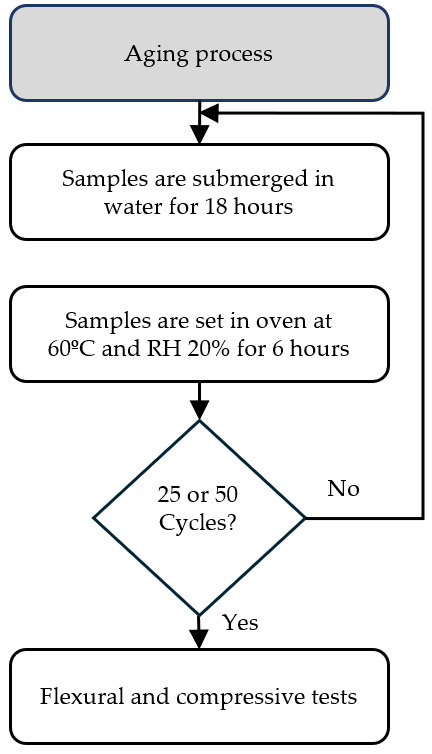
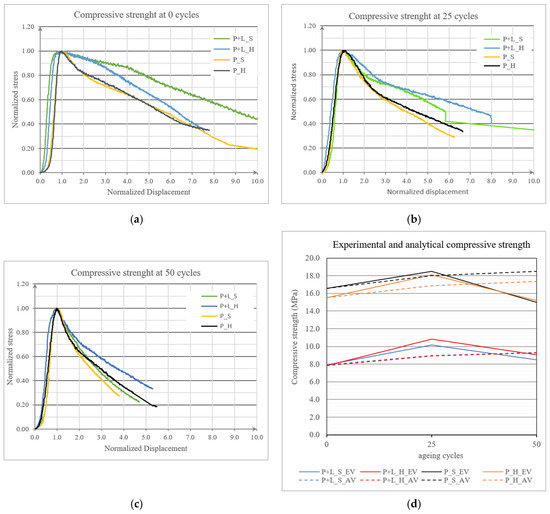
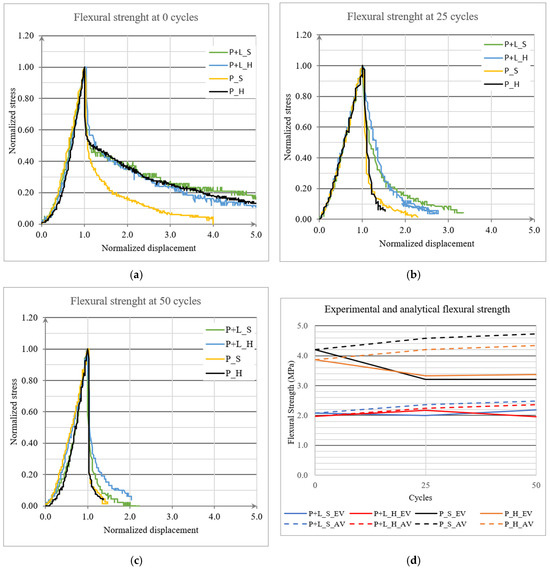
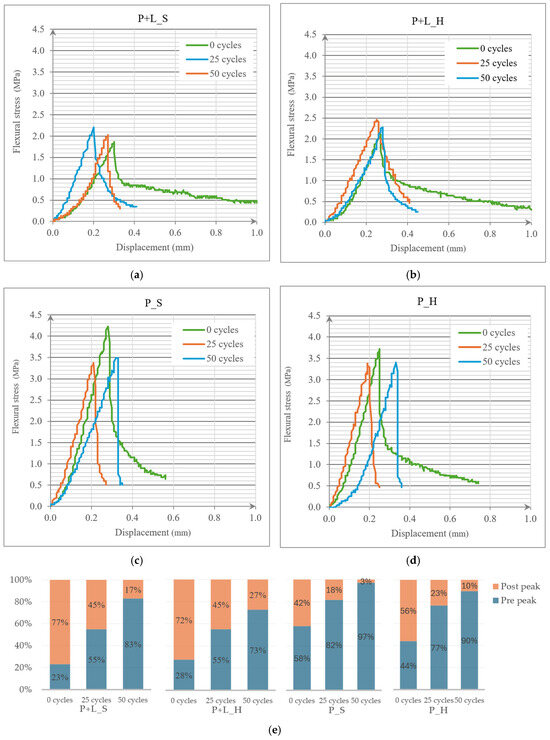
The degradation of the natural fibers in the hydraulic binder alkaline matrix is widely known. This study investigates the effect of two fiber treatments, namely immersion in sodium hydroxide (NaOH) solution and hornification, in two types of alkaline environmental ordinary Portland cement (OPC) and a mixture of OPC and natural hydraulic lime (NHL). After curing for 28 days, the specimens were subjected to 25 and 50 dry–wet aging cycles to evaluate their degradation behavior. Subsequently, the specimens underwent flexural and compressive strength tests. This study reveals that the specimens with the mixed binder of ordinary Portland cement (OPC) and natural hydraulic lime (NHL), after 50 aging cycles, reached toughness values in the descending branch compared to the total toughness obtained in the flexural–displacement diagram, of 17% and 27% for the treatment with NaOH and hornification fiber, compared to 3% and 10% obtained for the matrix with an OPC binder. Therefore, the inclusion of NHL as a matrix binder provided better softening behavior than those with only the OPC binder, providing better protection of the fibers against environmental alkalinity due to matrix alkalinity. In addition, the hornification treatment better preserved the fibers throughout the aging process.
Full article

Figure 1
Open AccessArticle
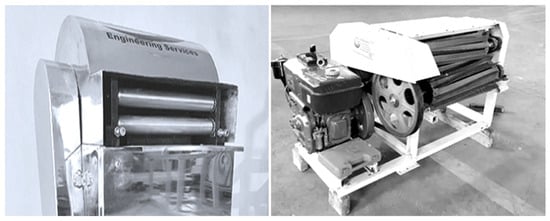
Drying Process Development for Lignocellulosic Water Hyacinth Fibers: Design and Performance Evaluation of an Innovative Dryer Machine for Small-Scale Craft Industry
by
Khakam Ma’ruf, Rizal Justian Setiawan, Taufik Akbar, Rheina Khaisa Rhehani Putri, Zaky Ahmad Aditya, Afan Sutopo, Muhamad Yogi and Yu-Tzu Chen
Fibers 2026, 14(7), 86; https://doi.org/10.3390/fib14070086 - 17 Jul 2026
Abstract
Water hyacinth (Eichhornia crassipes) is an invasive aquatic plant with high lignocellulosic content, offering potential as a natural fiber resource for craft-based industries. However, its extremely high initial moisture content (≈95%) presents a major challenge in fiber processing, particularly for small-scale
[...] Read more.
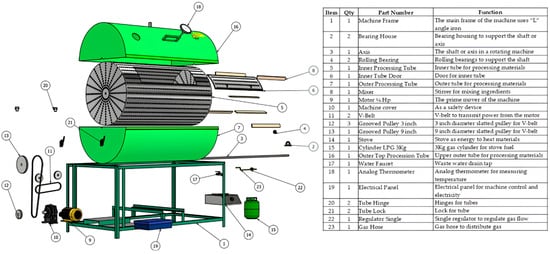
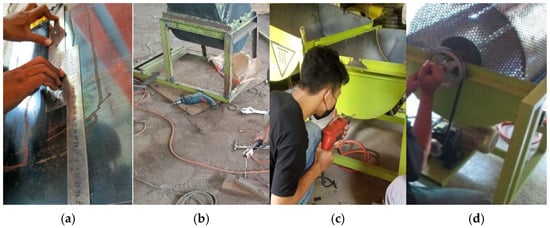
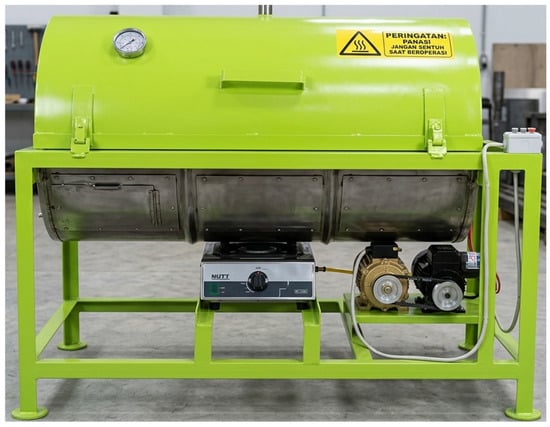
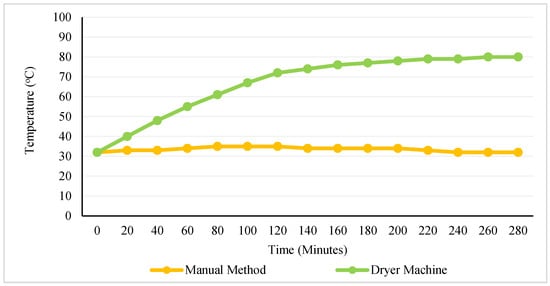
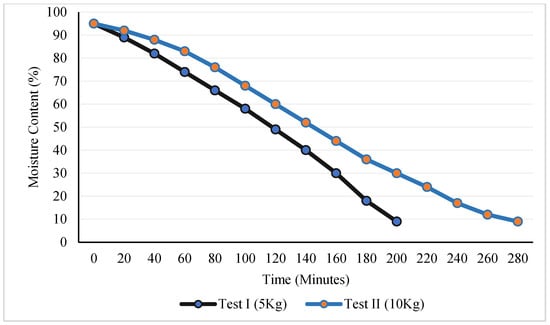
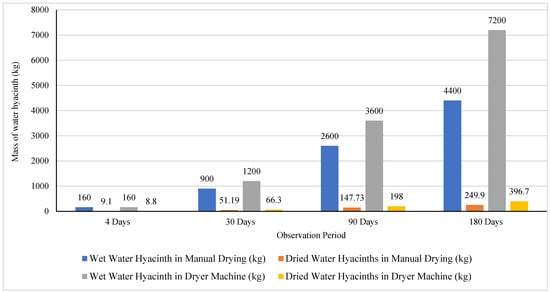
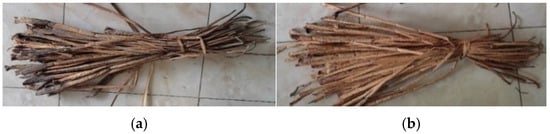
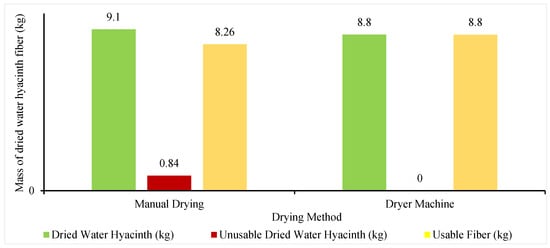
Water hyacinth (Eichhornia crassipes) is an invasive aquatic plant with high lignocellulosic content, offering potential as a natural fiber resource for craft-based industries. However, its extremely high initial moisture content (≈95%) presents a major challenge in fiber processing, particularly for small-scale industries that rely on traditional sun-drying methods. These methods are highly dependent on weather conditions, prone to contamination, and produce inconsistent fiber quality. This study adopts a research and development (R&D) approach to design and evaluate an innovative dryer machine specifically for water hyacinth fiber processing. The proposed system utilizes LPG-based heating and controlled airflow to achieve stable drying conditions. Experimental results show that the dryer machine can process 10 kg of wet water hyacinth within 280 min, significantly shorter than the approximately four days required for manual drying. The system reduces the moisture content to below 10%, resulting in improved fiber cleanliness, uniformity, and usability. Although the dried mass produced by the machine is slightly lower compared to manual drying, this is attributed to more effective moisture removal, leading to lower residual water content in the final product. Productivity analysis indicates improved operational consistency and higher processing capacity over extended periods (30–180 days), particularly under varying weather conditions. These findings demonstrate that controlled drying technology provides a reliable and efficient solution for lignocellulosic fiber processing in small-scale industries, contributing to improved material utilization and sustainable biomass management.
Full article
(This article belongs to the Special Issue Research on Wood and Lignocellulosic Materials)
►▼
Show Figures

Figure 1
Open AccessArticle
An Efficient Method for Recycling Polypropylene with the Antioxidant Additive Propyl Gallate
by
Rinat Iskakov, Gulbarshin Shambilova, Zhanar Kadasheva, Danagul Kalimanova, Meirbek Naukenov, Alexander Korshunov, Igor Makarov, Markel Vinogradov and Georgy Makarov
Fibers 2026, 14(7), 85; https://doi.org/10.3390/fib14070085 - 17 Jul 2026
Cited by 1
Abstract
In this study, a new approach to stabilizing polypropylene (PP) melts using the bio-based antioxidant propyl gallate (PG) is considered. Since PG is extensively used in the food and cosmetics fields and its low doses do not cause reactions in humans, producing PP
[...] Read more.
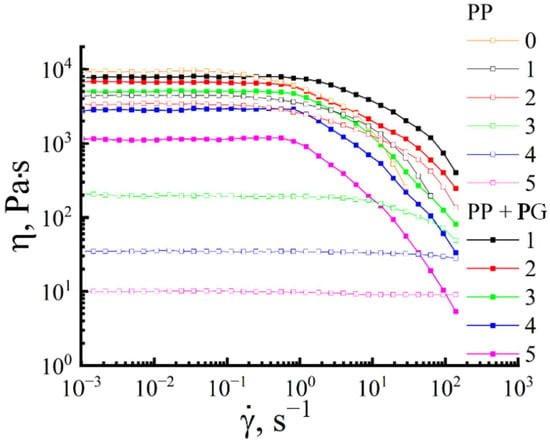
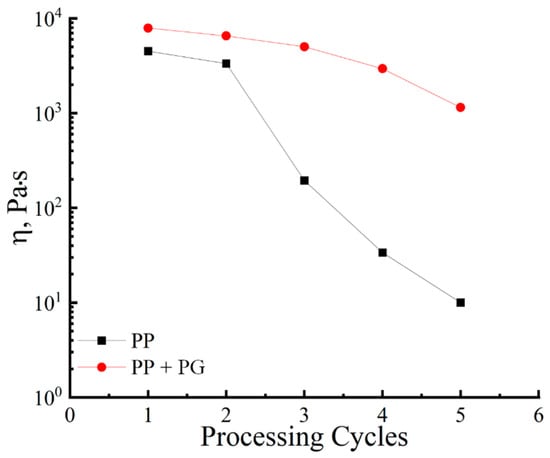
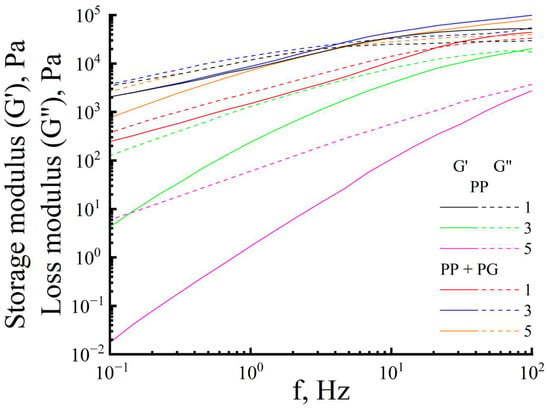
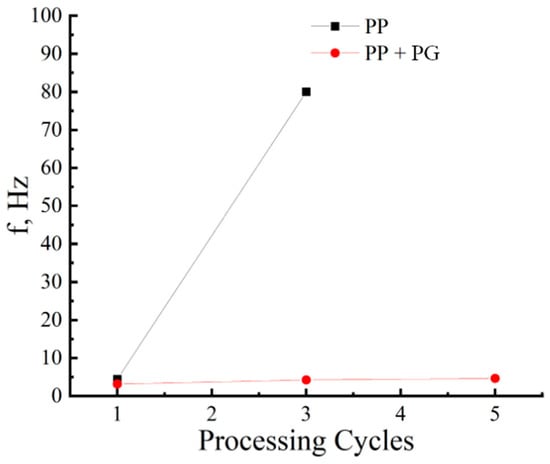
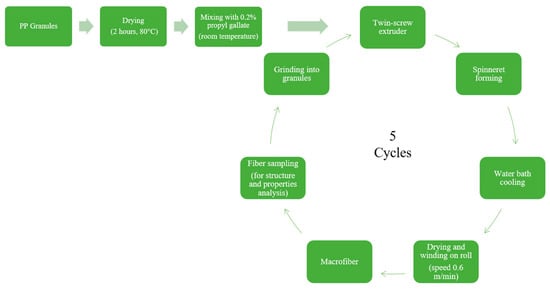
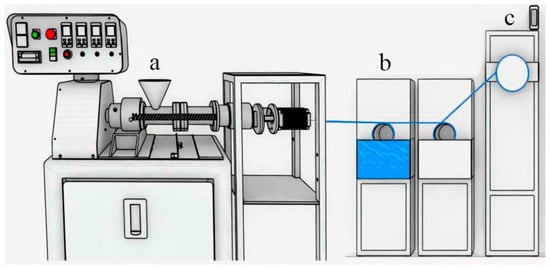
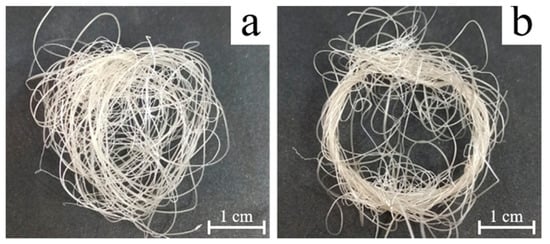
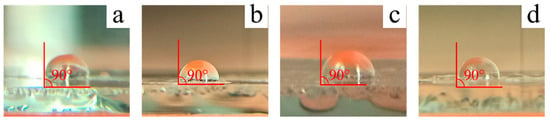
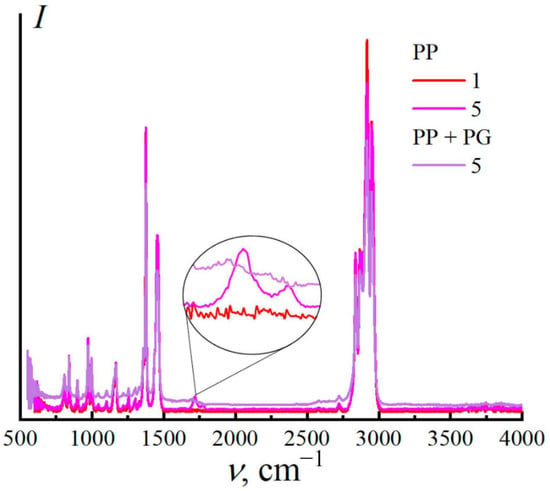
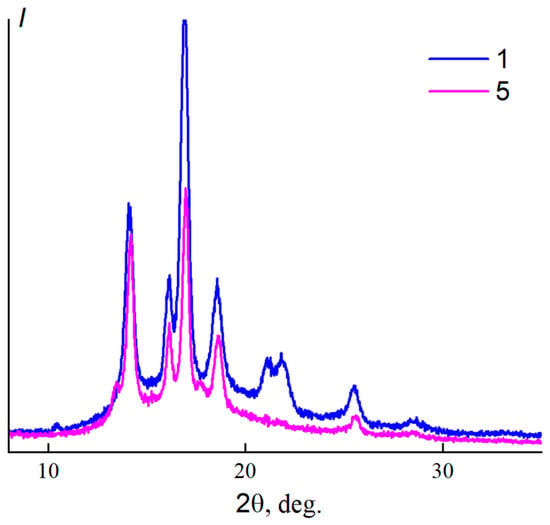
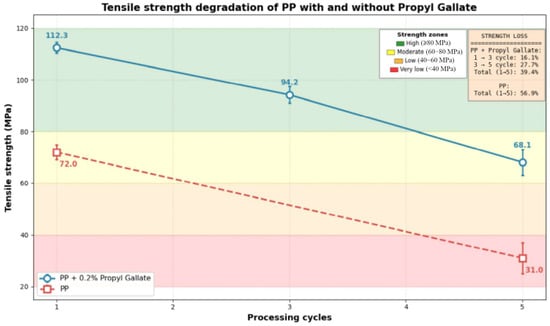
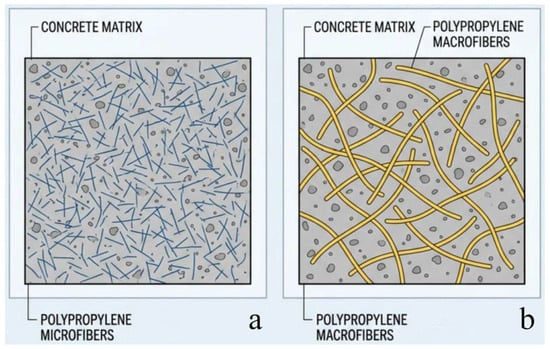
In this study, a new approach to stabilizing polypropylene (PP) melts using the bio-based antioxidant propyl gallate (PG) is considered. Since PG is extensively used in the food and cosmetics fields and its low doses do not cause reactions in humans, producing PP melts with PG is an interesting approach. Furthermore, PG is already actively used in the processing of natural polymers, for example, in the NMMO process. It is shown that introducing up to 0.2 wt.% PG into the system is sufficient to significantly reduce the decrease in melt viscosity during repeated PP processing. After five processing cycles, the viscosity of systems with PG decreases by less than an order of magnitude, while for melts without the antioxidant the viscosity drops by almost three orders of magnitude to 10 Pa s. For melts with antioxidant additives, the crossover point position in the frequency dependences remains virtually unchanged, indicating the preservation of the system’s elastic properties. Macrofibers were spun from the resulting melts, which can then be used for concrete reinforcement. For the spun fibers with PG, the strength decreased to 68.1 MPa after five passes, whereas for the PP fibers, the values did not exceed 31 MPa. The structure and properties of the fibers were studied using X-ray diffraction and IR spectroscopy, and contact angles were determined.
Full article
(This article belongs to the Special Issue Fiber-Reinforced Concrete Under Environmental, Mechanical, and Thermal Actions)
►▼
Show Figures

Figure 1
Open AccessArticle
Feed-Controlled Filament Extrusion of High-Loading Micronized Soy Hull Fiber/PLA Biocomposites for Fused Deposition Modeling
by
Muneeb Tahir, Tri Vu and Abdel-Fattah M. Seyam
Fibers 2026, 14(7), 84; https://doi.org/10.3390/fib14070084 - 16 Jul 2026
Abstract
This study reports the filament-making stage of a sequential single-screw process-development pathway for compatibilizer- and plasticizer-free soy hull fiber (SHF)/PLA biocomposites used in fused deposition modeling. Thirty-three filament-making trials were interpreted through an event-linked process chain, and 14 trials were evaluated using phase-resolved
[...] Read more.
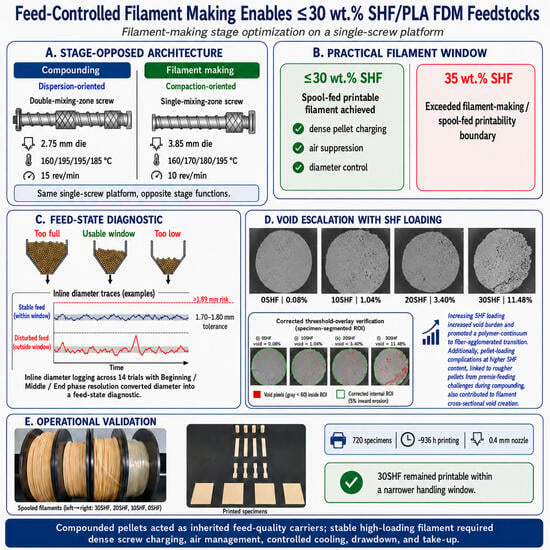
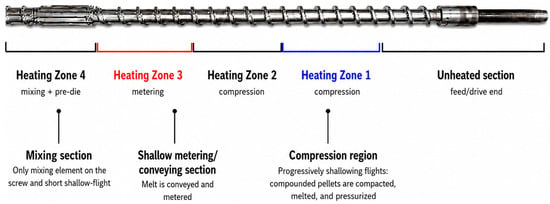
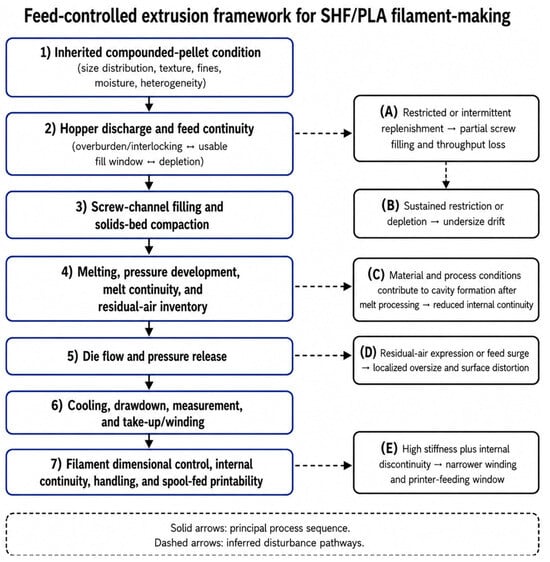
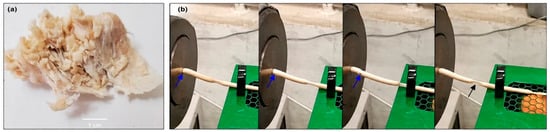
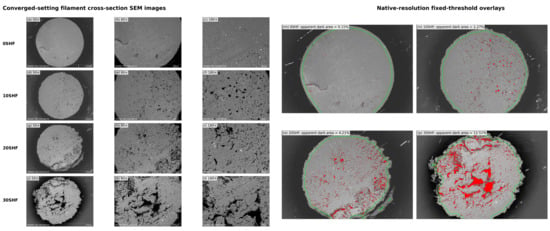
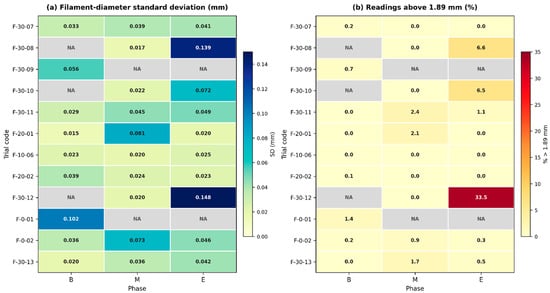
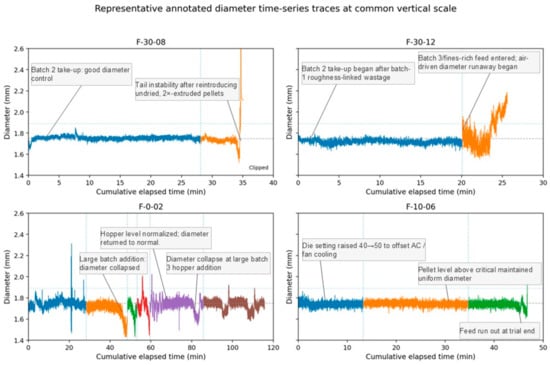
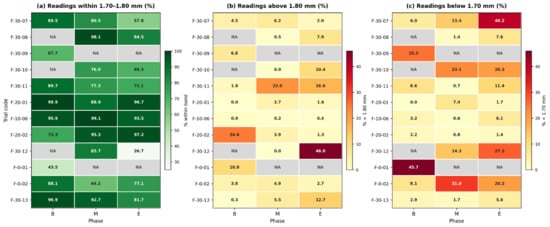
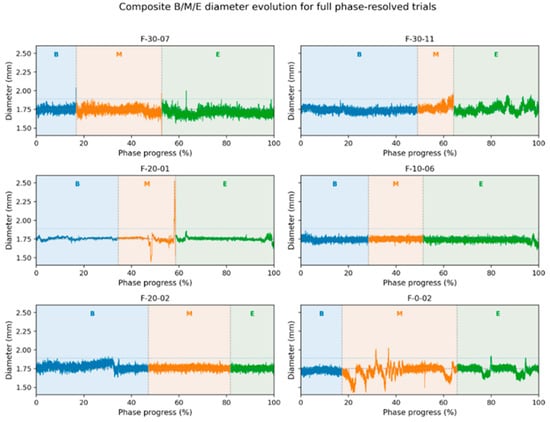
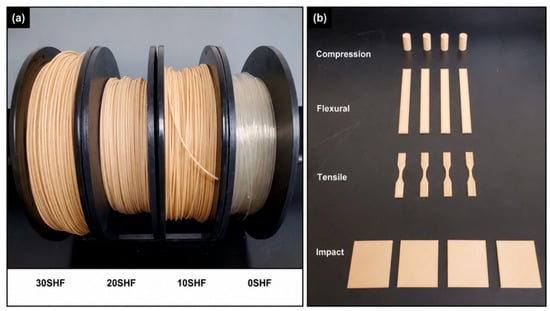
This study reports the filament-making stage of a sequential single-screw process-development pathway for compatibilizer- and plasticizer-free soy hull fiber (SHF)/PLA biocomposites used in fused deposition modeling. Thirty-three filament-making trials were interpreted through an event-linked process chain, and 14 trials were evaluated using phase-resolved in-line diameter records and capability-style Cp/Cpk metrics. Filament-making converged on a single-mixing-zone screw, a 3.85 mm orifice/5.75 mm land die, 10 rev/min, and a 160/170/180/195 °C barrel profile for 10–30 wt.% SHF, whereas neat PLA required 180/185/200/205 °C. The strongest sustained benchmark was a 10SHF filament produced under converged settings, with a mean diameter of 1.7411 mm, a standard deviation of 0.0236 mm, 95.45% of readings within 1.70–1.80 mm, and only 0.013% above 1.89 mm. Feed replenishment, depletion, irregular pellets, recycled material, and fines-rich feed shifted the same nominal configuration among controlled and unstable states. The highest reliably spool-fed formulation was 30 wt.% SHF. The 35SHF filament remained nozzle-depositable from loose coils but fractured repeatedly during take-up and direct spool unwinding in 3D printing. Operational validation of all four converged filament formulations comprised 720 printed mechanical-test specimens over approximately 936 h. The reported conditions define platform-specific operating windows, but the process insights hold global relevance for pellet-based extrusion systems.
Full article
(This article belongs to the Special Issue Fibers and Fiber-Reinforced Composite: Processing-Structure-Property Relationships)
►▼
Show Figures

Graphical abstract
Journal Menu
► ▼ Journal Menu-
- Fibers Home
- Aims & Scope
- Editorial Board
- Reviewer Board
- Topical Advisory Panel
- Instructions for Authors
- Special Issues
- Topics
- Topical Collections
- Article Processing Charge
- Indexing & Archiving
- Editor’s Choice Articles
- Most Cited & Viewed
- Journal Statistics
- Journal History
- Journal Awards
- Editorial Office
Journal Browser
► ▼ Journal BrowserHighly Accessed Articles
Latest Books
E-Mail Alert
News
Topics
Topic in
Applied Sciences, Materials, Buildings, Construction Materials, Fibers, Sustainability, Clean Technol.
Advanced Composite Materials
Topic Editors: Sebastiano Candamano, Ricardo do CarmoDeadline: 30 November 2026
Topic in
Acoustics, Applied Sciences, Buildings, Fibers, Infrastructures, Intelligent Infrastructure and Construction, Sci, Sustainability
Sustainable Structural Methods for Construction and Infrastructure
Topic Editors: Marco Corradi, Giulio CastoriDeadline: 1 May 2027
Topic in
Crystals, Electronics, Fibers, Sensors, Symmetry, Micromachines, QuBS
Collaborative Innovation of Optical Fiber Communication, Optical Sensors, and Lasers: New Trends and Technologies
Topic Editors: Shuo Liu, Maoqing ChenDeadline: 31 May 2027
Topic in
Fibers, J. Compos. Sci., JMMP, Materials, Polymers, Recycling
Advanced Composites Manufacturing and Plastics Processing, 2nd Volume
Topic Editors: Patricia Krawczak, Ludwig Cardon, Frederik DesplentereDeadline: 30 June 2027
Special Issues
Special Issue in
Fibers
Advances in Bast Fiber Processing into Yarns: Characterization, Performance and Sustainable Textile Applications
Guest Editor: Omar Anis HarzallahDeadline: 31 October 2026
Special Issue in
Fibers
Research on Fiber Lasers and Amplifiers
Guest Editor: Mario F. S. FerreiraDeadline: 1 November 2026
Special Issue in
Fibers
Advanced Materials Based on Waste Textiles and Natural Fibers
Guest Editor: Marina ZoccolaDeadline: 15 November 2026
Special Issue in
Fibers
Fiber-Reinforced Cement Composites and Geopolymers: Mechanics and Durability
Guest Editors: Maciej Kaźmierowski, Roman JaskulskiDeadline: 1 December 2026
Topical Collections
Topical Collection in
Fibers
Feature Papers in FibersCollection Editors: Ionela Andreea Neacsu, Alexandru Grumezescu