
Journal Description
Cosmetics
Cosmetics
is an international, scientific, peer-reviewed, open access journal on the science and technology of cosmetics published bimonthly online by MDPI.
- Open Access— free for readers, with article processing charges (APC) paid by authors or their institutions.
- High Visibility: indexed within Scopus, ESCI (Web of Science), CAPlus / SciFinder, and other databases.
- Journal Rank: JCR - Q1 (Dermatology) / CiteScore - Q1 (Surgery)
- Rapid Publication: manuscripts are peer-reviewed and a first decision is provided to authors approximately 17 days after submission; acceptance to publication is undertaken in 3.9 days (median values for papers published in this journal in the first half of 2026).
- Recognition of Reviewers: Reviewers whose reports are timely and of high quality receive an APC discount voucher for a future publication in an MDPI journal. Become a reviewer.
Impact Factor:
4.1 (2025);
5-Year Impact Factor:
4.6 (2025)
Latest Articles
Lotion Containing Fermented Honey and Chamomile Liquid Improves Facial Skin Hydration: A Double-Blind, Split-Face, Placebo-Controlled Clinical Trial
Cosmetics 2026, 13(5), 246; https://doi.org/10.3390/cosmetics13050246 - 17 Sep 2026
Abstract
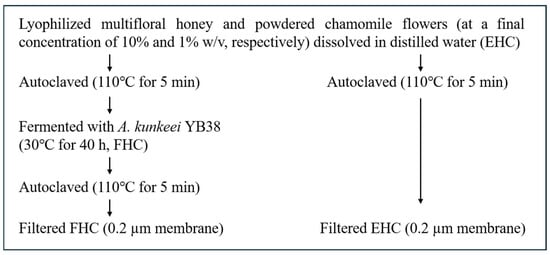
This study evaluated the effects of a lotion containing honey and chamomile fermented with Apilactobacillus kunkeei (A. kunkeei) YB38 on facial skin in healthy Japanese adults. Honey and chamomile extracts (EHC) were fermented with A. kunkeei YB38 to prepare fermented honey
[...] Read more.
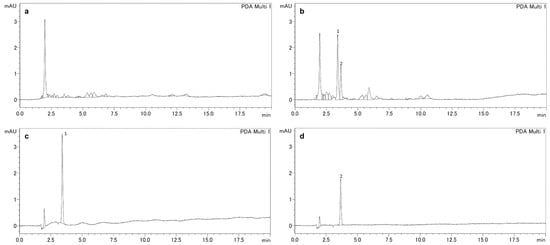
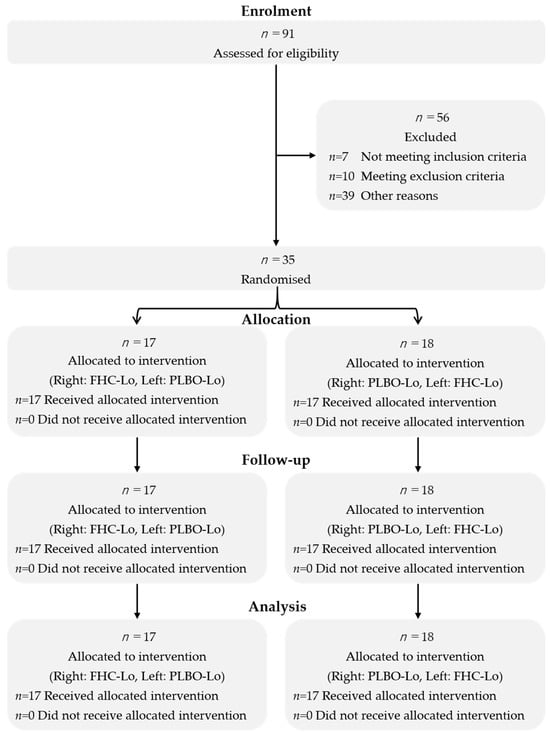
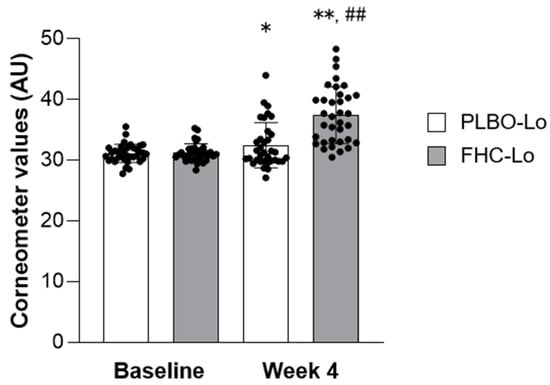
This study evaluated the effects of a lotion containing honey and chamomile fermented with Apilactobacillus kunkeei (A. kunkeei) YB38 on facial skin in healthy Japanese adults. Honey and chamomile extracts (EHC) were fermented with A. kunkeei YB38 to prepare fermented honey and chamomile extract (FHC). To confirm that FHC was fermented, component analysis was performed by HPLC and compared with EHC. Healthy Japanese adults (n = 35) were administered a lotion containing FHC (FHC-Lo) and a placebo lotion (PLBO-Lo) for four weeks in a placebo-controlled, double-blind, split-face trial. Stratum corneum (SC) water content, transepidermal water loss, and skin elasticity were measured before and after application. The presence of lactic and acetic acids indicated FHC fermentation. Applying FHC-Lo for 4 weeks significantly increased SC water content compared to PLBO-Lo (FHC-Lo: from 31.22 ± 1.47 to 37.4 ± 4.68 AU vs. PLBO-Lo: from 31.10 ± 1.52 to 32.4 ± 3.73 AU, p = 5.90 × 10⁻⁶), with no adverse events observed. This mechanism might involve the action of lactic acid increased by fermentation.
Full article
(This article belongs to the Section Cosmetic Dermatology)
►
Show Figures
Open AccessArticle
Assessment of Ocimum gratissimum L. Leaf Extracts as Potent Anti-Aging and Skin-Lightening Agents for Food Supplement and Cosmeceutical Applications
by
Nipaporn Kangkawisut, Thanachai Taka, Saranrat Phuangborisut, Warintorn Ruksiriwanich, Romchat Chutoprapat, Wirinda Chompoo, Kitrawi Samothai and Korawinwich Boonpisuttinant
Cosmetics 2026, 13(5), 245; https://doi.org/10.3390/cosmetics13050245 - 16 Sep 2026
Abstract
Ocimum gratissimum L. (OGL) is a medicinal plant known for various therapeutic properties, yet its potential in genetic-level skin anti-aging remains underexplored. This study aimed to evaluate the phytochemical profiles, antioxidant activities, and anti-aging potential of OGL leaf extracts obtained via aqueous boiling
[...] Read more.
Ocimum gratissimum L. (OGL) is a medicinal plant known for various therapeutic properties, yet its potential in genetic-level skin anti-aging remains underexplored. This study aimed to evaluate the phytochemical profiles, antioxidant activities, and anti-aging potential of OGL leaf extracts obtained via aqueous boiling (OGL-B) and ethanolic maceration (OGL-M). Total phenolic and flavonoid contents were quantified using colorimetric assays, while rutin, catechin, and quercetin were analyzed using HPLC. Biological activities were assessed using antioxidant models, tyrosinase inhibition, and B16F10 anti-melanogenesis assays, while skin regenerative potential was evaluated through collagen biosynthesis and expression of longevity-related genes (SIRT1, FOXO1, TERT, and KLOTHO) in human skin fibroblasts. OGL-B provided a significantly higher extraction yield (14.70%) and superior multifunctional antioxidant capacity than OGL-M. OGL-M showed higher phenolic content and cell-free tyrosinase inhibition, whereas OGL-B demonstrated greater cellular anti-melanogenic efficacy and more than twofold higher collagen stimulatory effects than L-ascorbic acid. OGL-B significantly upregulated mRNA expression (271.25 ± 0.21%), exceeding the reference activator resveratrol, and enhanced fibroblast viability to 121.53 ± 3.85% at 1 mg/mL, indicating high biocompatibility. These findings suggest that OGL-B is a multifunctional extract capable of modulating longevity-related pathways, with potential for advanced anti-aging food supplement and cosmeceutical applications.
Full article
(This article belongs to the Topic The Use of Natural Bioactive Ingredients in Cosmetic Products: Advantages and Challenges)
Open AccessSystematic Review
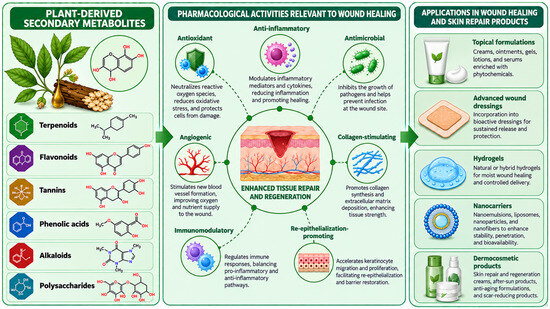
From Phytochemistry to Skin Regeneration: Therapeutic Potential of Copaifera-Derived Bioactive Compounds for Wound Healing and Dermocosmetic Applications—A Systematic Review
by
José Bezerra Góes Neto, Thalita Avelino Custódio Góes, José Ednésio da Cruz Freire, Raquel Martins de Freitas, Stela Mirla da Silva Felipe Acácio, Pedro Everson Alexandre de Aquino, Renata Carmo de Assis, Savyo Mikael Lacerda Gomes, Jonathan Elias Rodrigues Martins, Paulo Elesson Guimarães de Oliveira, Valdevane Rocha Araújo and Vânia Marilande Ceccatto
Cosmetics 2026, 13(5), 244; https://doi.org/10.3390/cosmetics13050244 - 15 Sep 2026
Abstract
Cutaneous wound healing is a complex biological process that remains challenging, particularly in chronic wounds requiring effective and safe therapeutic strategies. Copaifera species are rich sources of bioactive terpenoids with recognized pharmacological properties and increasing potential for dermocosmetic applications. This systematic review aimed
[...] Read more.
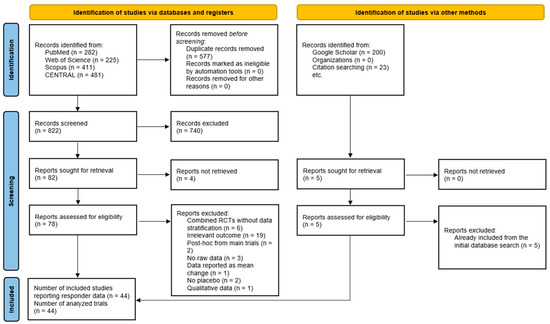
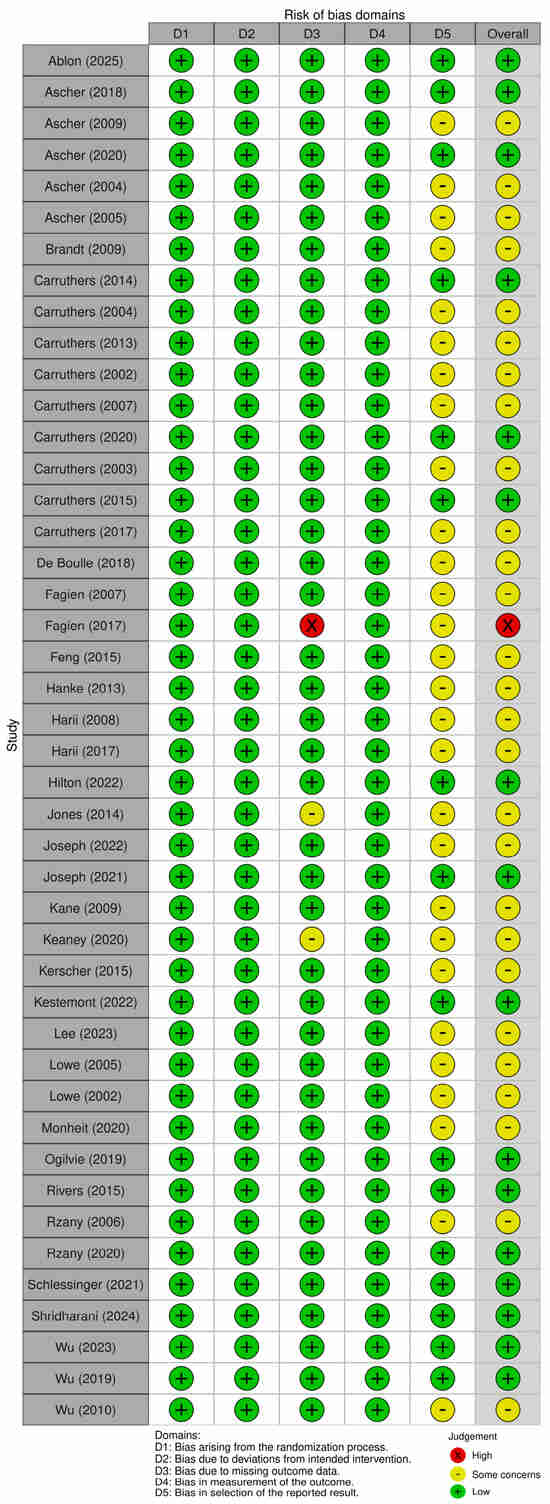
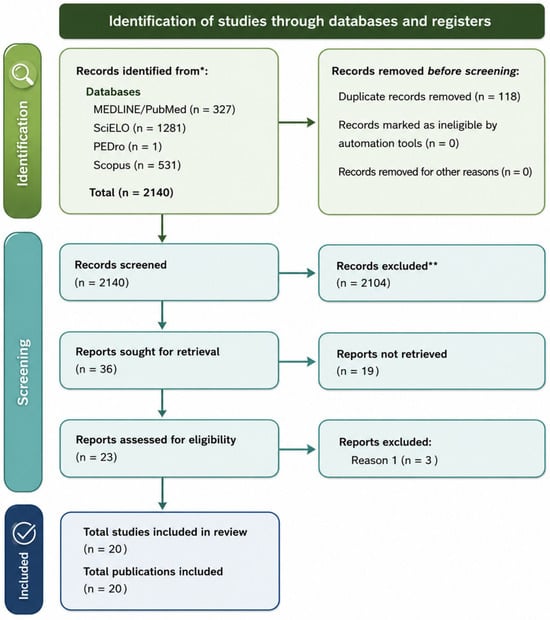
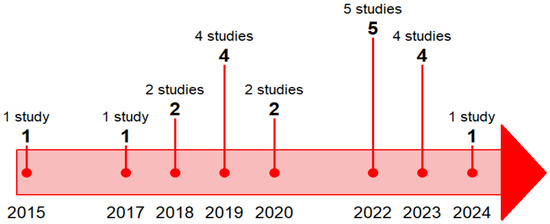
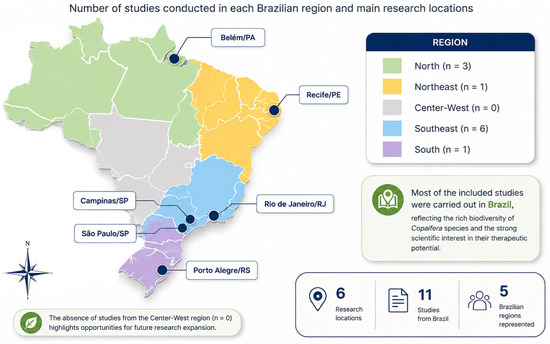
Cutaneous wound healing is a complex biological process that remains challenging, particularly in chronic wounds requiring effective and safe therapeutic strategies. Copaifera species are rich sources of bioactive terpenoids with recognized pharmacological properties and increasing potential for dermocosmetic applications. This systematic review aimed to critically evaluate the phytochemical composition and wound-healing activities of Copaifera-derived products. The review followed the PRISMA 2020 guidelines and searched MEDLINE/PubMed, SciELO, PEDro, and Scopus. Studies published between 2015 and 2025 were screened, and 20 studies met the eligibility criteria for qualitative synthesis. The available evidence demonstrated that Copaifera-derived products, particularly oleoresins, exhibit anti-inflammatory, antioxidant, antimicrobial, antinociceptive, and regenerative activities that promote wound contraction, re-epithelialization, collagen deposition, and extracellular matrix remodeling. β-Caryophyllene was the most frequently identified phytochemical, followed by β-bisabolene, α-humulene, α-bergamotene, copalic acid, and kaurenoic acid. Recent investigations also indicated the incorporation of Copaifera bioactive compounds into biomaterials and nanotechnology-based delivery systems to increase topical therapeutic performance. Despite these promising findings, the current evidence remains predominantly preclinical and is limited by methodological heterogeneity and the scarcity of clinical trials. Overall, Copaifera represents a promising natural source for developing innovative wound-healing therapies and dermocosmetic formulations.
Full article
(This article belongs to the Special Issue Skin Care and Innovation from the Perspective of Molecular Dermatology)
►▼
Show Figures

Figure 1
Open AccessSystematic Review
Investigator-Based Responder Efficacy and Durability of Botulinum Toxin Type A for Upper Facial Lines: A Timepoint-Specific Analysis of Randomized Placebo-Controlled Trials
by
Alaa Safia, Ramzy Batheesh and Naji Bathish
Cosmetics 2026, 13(5), 243; https://doi.org/10.3390/cosmetics13050243 - 15 Sep 2026
Abstract
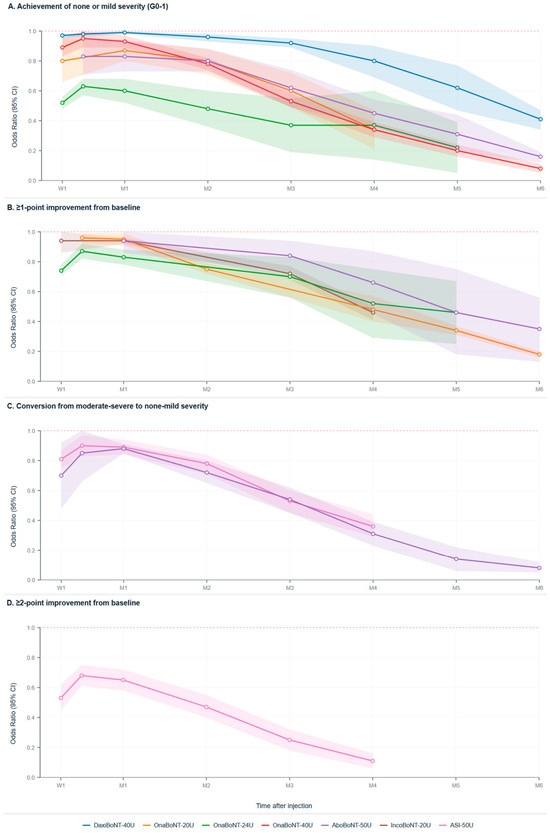
Botulinum toxin type A (BoNT-A) is widely used for upper facial lines, but investigator-based responder efficacy and durability across formulations, doses, and assessment methods remain inconsistently reported. In a post hoc analysis of randomized placebo-controlled trials, we evaluated timepoint-specific responder prevalence from clinician
[...] Read more.
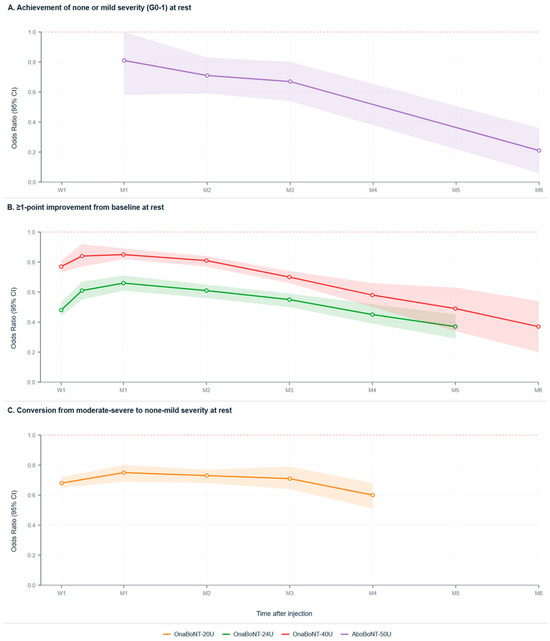
Botulinum toxin type A (BoNT-A) is widely used for upper facial lines, but investigator-based responder efficacy and durability across formulations, doses, and assessment methods remain inconsistently reported. In a post hoc analysis of randomized placebo-controlled trials, we evaluated timepoint-specific responder prevalence from clinician assessments at maximum frown and at rest. Four binary responder definitions from ordinal wrinkle severity scales were analyzed separately: none or mild severity (G0–1), ≥1-point improvement, conversion from G2–3 to G0–1, and ≥2-point improvement. Proportions were pooled by random-effects meta-analysis, separately at each reported time point, and for each formulation/dose. Heterogeneity was quantified using I2. Estimates required at least two contributing study arms, and formulations were not compared with one another. At maximum frown, pooled G0–1 prevalence with daxibotulinumtoxinA 40 U was 97% at week 1, 99% at month 1, and 41% at month 6. OnabotulinumtoxinA showed dose-dependent patterns, declining from 95% at week 2 to 8% at month 6 at 40 U, and from 80% at week 1 to 34% at month 4 at 20 U. AbobotulinumtoxinA 50 U declined from 83% at month 1 to 16% at month 6. More restrictive endpoints declined more steeply. At rest, temporal patterns were similar, and the two conditions were not formally compared. Responder prevalence was high early and attenuated substantially by 6 months, with a month 6 prevalence of 41% for daxibotulinumtoxinA 40 U and 8% to 23% for other combinations. These are descriptive formulation-specific observations, not evidence of comparative superiority, because potency units are not interchangeable between products. Timepoint-specific responder reporting is needed in BoNT-A trials.
Full article
(This article belongs to the Section Cosmetic Dermatology)
►▼
Show Figures

Figure 1

Open AccessArticle
Glutathione Trisulphide Suppresses UVB-Induced Melanogenesis and Improves Skin Brightness in a Three-Dimensional Skin Model
by
Yoshiaki Uchida, Katsuya Sato, Masayuki Ito and Toshiya Sato
Cosmetics 2026, 13(5), 242; https://doi.org/10.3390/cosmetics13050242 - 13 Sep 2026
Abstract
Ultraviolet B (UVB) irradiation induces hyperpigmentation and contributes to skin photoaging. Glutathione trisulphide (GSSSG), a naturally occurring supersulphide with anti-inflammatory and antioxidant properties, has been shown to suppress α-melanocyte-stimulating hormone-induced melanogenesis and improve skin brightness. However, its efficacy under physiologically relevant UVB-induced pigmentation
[...] Read more.
Ultraviolet B (UVB) irradiation induces hyperpigmentation and contributes to skin photoaging. Glutathione trisulphide (GSSSG), a naturally occurring supersulphide with anti-inflammatory and antioxidant properties, has been shown to suppress α-melanocyte-stimulating hormone-induced melanogenesis and improve skin brightness. However, its efficacy under physiologically relevant UVB-induced pigmentation conditions and its skin-brightening potential in human skin-like systems remain unclear. Therefore, this study evaluated the anti-melanogenic effects of GSSSG in UVB-stimulated melanogenesis and assessed its skin-brightening efficacy in a three-dimensional (3D) skin model while investigating the relationship between melanogenesis and intracellular endogenous supersulphide levels. UVB irradiation increased melanin production while decreasing intracellular supersulphide levels. GSSSG suppressed UVB-induced melanogenesis and restored intracellular supersulphide levels. Furthermore, Cars2 knockdown reduced intracellular supersulphide levels and melanin production, suggesting a role for endogenous supersulphides in pigmentation. In addition, 0.1% GSSSG significantly improved skin brightness in a 3D skin model. These findings demonstrate the efficacy of GSSSG in both UVB-induced melanogenesis and a human skin-like model and suggest that supersulphides play context-dependent roles in melanogenesis, suppressing excessive pigmentation while supporting physiological melanin synthesis.
Full article
(This article belongs to the Section Cosmetic Formulations)
Open AccessArticle
Prospective, Exploratory Pilot Study on Integrating Genetic Profiling with AI Algorithm and Phenotype Questionnaire in Personalized Skincare
by
Roxana-Georgiana Taușer, Oana-Maria Chirliu, Maria Apotrosoaei, Florentina-Geanina Lupașcu, Bianca-Ștefania Profire, Andreea-Teodora Iacob, Ioana-Mirela Vasincu, Dan Lupașcu and Lenuța Profire
Cosmetics 2026, 13(5), 241; https://doi.org/10.3390/cosmetics13050241 - 12 Sep 2026
Abstract
The rapid transition toward real-world personalized skincare strategies is based on the integration of molecular pathway analysis, laboratory skin models, advanced technologies, clinical data, (epi)genomics testing, and AI. In this perspective, we designed a prospective, exploratory, uncontrolled pilot study with an educational component,
[...] Read more.
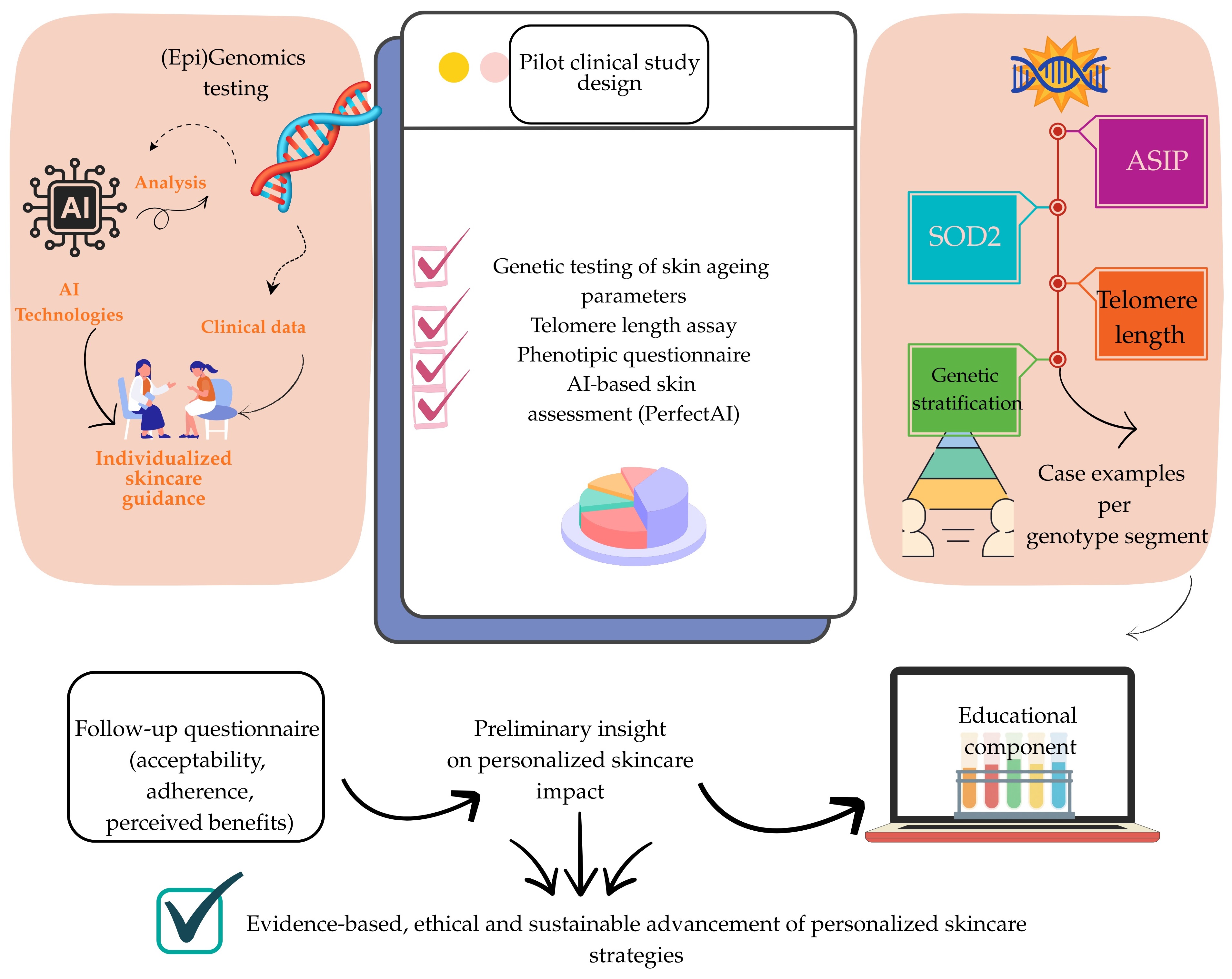
The rapid transition toward real-world personalized skincare strategies is based on the integration of molecular pathway analysis, laboratory skin models, advanced technologies, clinical data, (epi)genomics testing, and AI. In this perspective, we designed a prospective, exploratory, uncontrolled pilot study with an educational component, integrating genetic testing of relevant skin-aging biomarkers and telomere length with AI and a phenotypic questionnaire to provide individualized skincare guidance. Our study also aimed to implement an innovative academic teaching method based on this integrative patient-centered skin health; therefore, we enrolled 44 students from the Faculty of Pharmacy Iasi. We present the genetic profiling of all 44 subjects according to genetic biomarkers for extrinsic and intrinsic skin aging (ASIP and SOD2 polymorphisms, respectively), while a telomere length analysis was conducted only for 20 enrolled participants due to financial constraints at the study’s initiation. Based on the possible combination of these polymorphisms, we performed a genetic stratification of the study cohort. After the integration of the genetic results with the individual responses, and with Perfect AI assessment performed for the whole cohort, we provided optimized skincare counselling to all 44 enrolled subjects ; here, we selected some case reports as examples of personalized skincare routines and cosmetic ingredients for each genotype segment. Our pilot exploratory study finished up with a follow-up questionnaire and a satellite workshop on ethical aspects. Finally, we compared the design and insights of our pilot study with those of other cosmetic clinical trials that focus on integrative patient-tailored skincare.
Full article
(This article belongs to the Special Issue New Perspectives in Cosmetics and Dermatology: Mechanisms and Therapies—2nd Edition)
►▼
Show Figures

Graphical abstract
Open AccessArticle
Safflower Seed Oil Ameliorates AFL-Induced Epidermal Lipid Loss Partially via the PPARγ Signaling Pathway
by
Jinjin Liu, Qian Wang, Jialin Zhong, Xiaoqing Wang, Haidong Jia, Yushu Wang, Yuanyuan Chen, Runshuang Lu and Gang Ma
Cosmetics 2026, 13(5), 240; https://doi.org/10.3390/cosmetics13050240 - 11 Sep 2026
Abstract
Objective: Ablative fractional laser (AFL) therapy impairs epidermal barrier integrity through the disruption of stratum corneum lipids and keratinocyte differentiation, resulting in increased transepidermal water loss (TEWL) and delayed functional recovery. This study aims to develop a more effective barrier repair strategy and
[...] Read more.
Objective: Ablative fractional laser (AFL) therapy impairs epidermal barrier integrity through the disruption of stratum corneum lipids and keratinocyte differentiation, resulting in increased transepidermal water loss (TEWL) and delayed functional recovery. This study aims to develop a more effective barrier repair strategy and evaluate the efficacy of topical safflower seed oil (SSO) in promoting post-AFL barrier restoration. Methods: An optimized murine AFL model (20 W, 0.5 ms pulse delay, and 0.7 mm spot spacing) was established to investigate skin repair mechanisms. SSO composition was characterized by gas chromatography–mass spectrometry (GC-MS). Epidermal repair was assessed using confocal laser scanning microscopy, while Oil Red O staining and immunofluorescence were employed to evaluate lipid formation and the expression of lipid synthesis-related genes, respectively. Results: GC-MS analysis identified SSO as a rich natural source of linoleic acid (69.1%) and oleic acid (18.7%). Over the 7-day period of AFL exposure alone, TEWL rose by 4–6 fold in mouse skin, accompanied by a near-complete loss of epidermal lipid synthesis. However, upon SSO administration, a marked reduction in TEWL was observed from day 1, and epidermal lipid synthesis recovered by day 7. Moreover, SSO treatment significantly upregulated epidermal PPARγ expression in AFL-injured skin. Pharmacological inhibition of PPARγ (T0070907) largely abrogated the lipid synthesis and barrier repair effects of SSO, while PPARα antagonism (GW6471) showed no obvious interference with SSO’s therapeutic efficacy, suggesting a potential association between PPARγ signaling modulation and SSO-mediated skin barrier restoration. Conclusions: These findings suggest that SSO is a promising natural agent for post-AFL skin care, which improves AFL-impaired skin barrier function by remodeling lipid metabolism, at least in part through PPARγ signaling, and warrants further preclinical and clinical investigation.
Full article
(This article belongs to the Special Issue Lipids in Cosmetics)
►▼
Show Figures

Figure 1
Open AccessReview
Polydeoxyribonucleotide (PDRN) from Diverse Biological Sources: Comparative Biochemistry, Biotechnological Production, and Translational Potential
by
José de Jesús Rodríguez-Aleriano, Odessa Magallón-Chávez, Jose Navarro-Partida, Luisa Fernanda Briones-Márquez, Edgar J. López-Naranjo and Juan Antonio Rivas-Loaiza
Cosmetics 2026, 13(5), 239; https://doi.org/10.3390/cosmetics13050239 - 11 Sep 2026
Abstract
Polydeoxyribonucleotide (PDRN) has emerged as a promising bioactive biomaterial with broad applications in regenerative medicine because of its anti-inflammatory, angiogenic, and tissue-repair properties. Traditionally obtained from salmonid sperm DNA, it has been reported to promote tissue regeneration primarily by activating adenosine A2A receptors
[...] Read more.
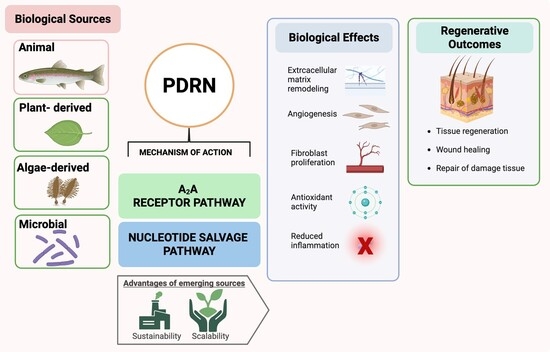
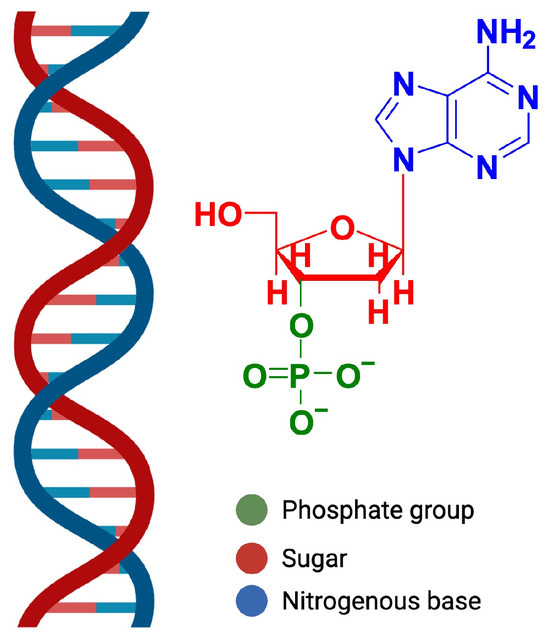
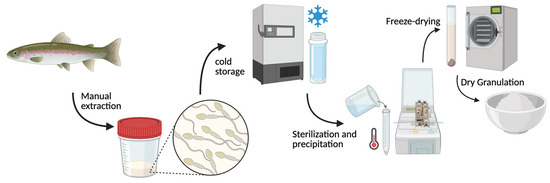
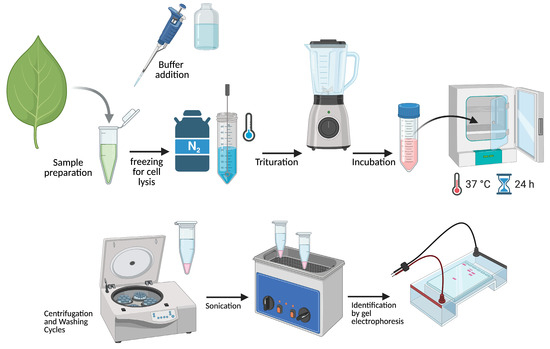
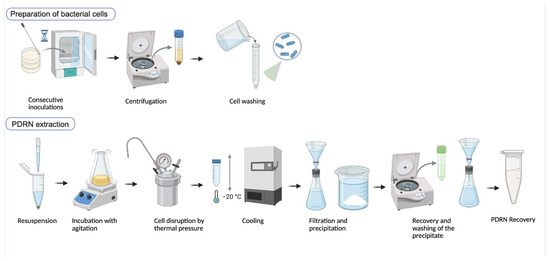
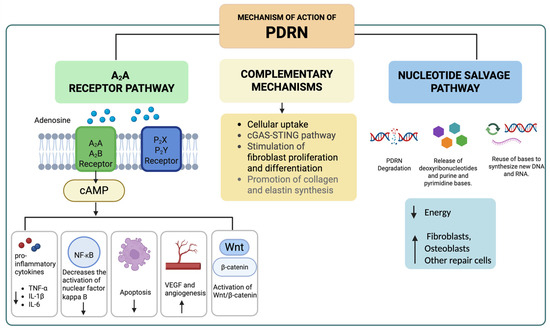
Polydeoxyribonucleotide (PDRN) has emerged as a promising bioactive biomaterial with broad applications in regenerative medicine because of its anti-inflammatory, angiogenic, and tissue-repair properties. Traditionally obtained from salmonid sperm DNA, it has been reported to promote tissue regeneration primarily by activating adenosine A2A receptors and the nucleotide salvage pathway, thereby stimulating fibroblast proliferation, extracellular matrix remodeling, collagen synthesis, and angiogenesis. This review provides a comprehensive overview of the biochemical characteristics, mechanisms of action, extraction methods, and translational potential of PDRN from different biological sources. In addition to conventional animal-derived PDRN, recent advances have introduced plant-derived (PhytoPDRN) and microbial- or algae-derived alternatives, offering improved sustainability, scalability, and reduced environmental impact. Preliminary in vitro evidence suggests that these emerging sources may exhibit regenerative and antioxidant activities; however, differences in molecular characteristics, experimental models, and study designs currently preclude establishing biological or clinical equivalence with salmon-derived PDRN. Finally, the translational perspectives, industrial challenges, and future research directions are analyzed, highlighting the need for standardized manufacturing processes, comparative clinical trials, and sustainable production strategies. Overall, PDRN is a DNA-derived biomaterial of growing interest in regenerative medicine and cosmetic applications. At the same time, novel biological sources may contribute to the development of more sustainable and clinically effective next-generation PDRN-based therapies.
Full article
(This article belongs to the Special Issue Functional Molecules as Novel Cosmetic Ingredients, 2nd Edition)
►▼
Show Figures

Graphical abstract
Open AccessArticle
Combined Effects of Tripeptide-3 and Hexapeptide-9 in Activating AMPKα to Inhibit D-Galactose-Induced Human Dermal Fibroblast Senescence
by
Yuan Cao, Jun Wang, Yongkuan Pan, Liming Hou, Yan Jin, Changwei Cai, Fuquan Jiang and Quan-Cheng Chen
Cosmetics 2026, 13(5), 238; https://doi.org/10.3390/cosmetics13050238 - 10 Sep 2026
Abstract
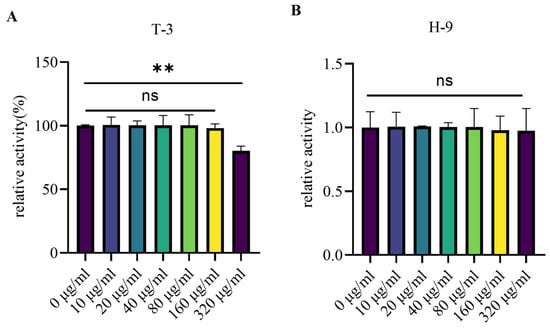
Dermatological senescence, characterized by functional deterioration and the accumulation of senescent fibroblasts, has prompted the investigation of safe and effective anti-ageing agents. The present study investigates the role of Tripeptide-3 (T-3) and Hexapeptide-9 (H-9) in countering D-galactose-induced senescence in human dermal fibroblasts (HDFs).
[...] Read more.
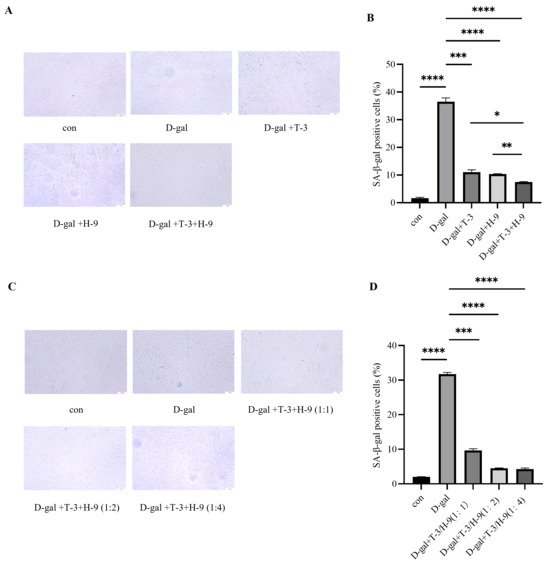
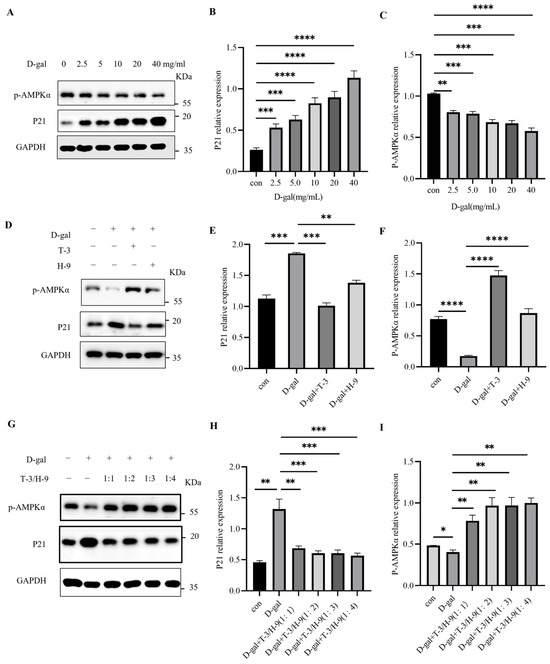
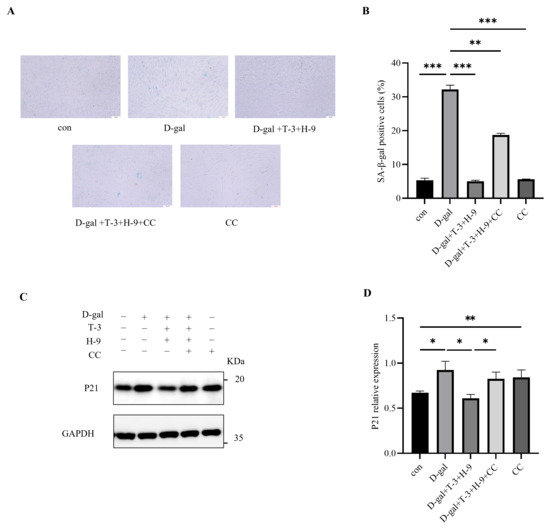
Dermatological senescence, characterized by functional deterioration and the accumulation of senescent fibroblasts, has prompted the investigation of safe and effective anti-ageing agents. The present study investigates the role of Tripeptide-3 (T-3) and Hexapeptide-9 (H-9) in countering D-galactose-induced senescence in human dermal fibroblasts (HDFs). Using a D-gal-induced senescence model, we found that non-cytotoxic concentrations of T-3 and H-9, both individually and in combination, led to a substantial reduction in senescence-associated β-galactosidase activity and concomitant downregulation of p21 expression. Notably, the combination exhibited superior anti-senescence effects. Mechanistically, both peptides activated the AMPKα pathway by increasing phosphorylation at Thr172, with their combination showing enhanced activation. It is of particular significance that the AMPKα inhibitor Compound C served to nullify these protective effects, thereby establishing AMPKα activation as a critical contributing pathway in the combined anti-senescence effect of T-3 and H-9. This study provides novel evidence that T-3 and H-9 inhibit fibroblast senescence via AMPKα activation, thus providing a mechanistic basis for the development of peptide-based anti-ageing skincare formulations.
Full article
(This article belongs to the Special Issue Skin Care and Innovation from the Perspective of Molecular Dermatology)
►▼
Show Figures

Figure 1
Open AccessArticle
Enhanced Anti-Hair Loss Activity of Kelp (Laminaria japonica) Induced by Fermentation Using Saccharomyces cerevisiae
by
Seul-Ki Mun, Jin-Yeong Choi, Si-Eun Lee, Kyung-Yun Kang, Yun-Seo Oh, Jeong-Ho Kim, Jun-Ki Park, Ho-Yeol Jang, Beom-Gyun Jeong, Mi-Rim Jang, Jang-Mi Suk and Kyung-Wuk Park
Cosmetics 2026, 13(5), 237; https://doi.org/10.3390/cosmetics13050237 - 10 Sep 2026
Abstract
Oxidative stress contributes to hair follicle degeneration by inducing inflammation and apoptosis in dermal papilla cells. This study investigated whether Saccharomyces cerevisiae fermentation enhances the anti-hair loss potential of Laminaria japonica (kelp) by-products by improving their antioxidant, anti-inflammatory, and cytoprotective activities. Fermentation significantly
[...] Read more.
Oxidative stress contributes to hair follicle degeneration by inducing inflammation and apoptosis in dermal papilla cells. This study investigated whether Saccharomyces cerevisiae fermentation enhances the anti-hair loss potential of Laminaria japonica (kelp) by-products by improving their antioxidant, anti-inflammatory, and cytoprotective activities. Fermentation significantly increased the superoxide dismutase (SOD) activity of kelp. In H2O2-stimulated human hair follicle dermal papilla cells, fermented kelp culture (KF) dose-dependently protected against oxidative-stress-induced cytotoxicity, reduced IL-6 and IL-8 secretion, inhibited NFκB phosphorylation, restored insulin-like growth factor-1 (IGF-1) expression, enhanced AKT phosphorylation, reduced Bax expression, and restored total caspase-3 expression. These findings indicate that KF attenuates oxidative-stress-induced inflammation and apoptosis while preserving dermal papilla cell function. A four-week application study further showed that a shampoo containing KF reduced hair loss and improved hair gloss, scalp sebum, and scalp scaling. Together, these findings suggest that S. cerevisiae fermentation enhances the biological activity of kelp by-products and supports the potential of KF as a functional cosmetic ingredient for anti-hair loss applications.
Full article
(This article belongs to the Special Issue Fine Chemicals from Natural Sources with Potential Application in the Cosmetic/Pharmaceutical Industry—3rd Edition)
►▼
Show Figures

Figure 1

Open AccessArticle
Nanostructured Lipid Carriers Enhance In Vitro Skin Delivery of Enzymatically Extracted Bombyx mori Silk Cocoon Bioactives: Development and Clinical Evaluation of an Anti-Aging Facial Serum
by
Sarocha Chareegun and Wantida Chaiyana
Cosmetics 2026, 13(5), 236; https://doi.org/10.3390/cosmetics13050236 - 10 Sep 2026
Abstract
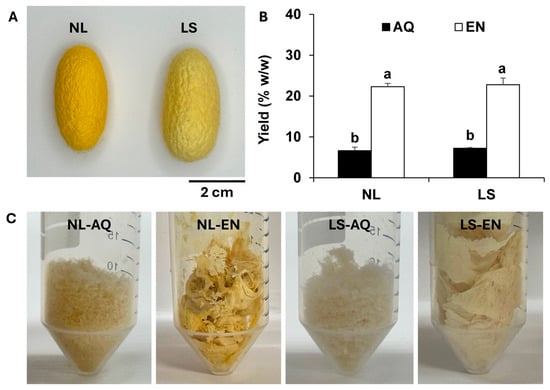
Background/Objectives: This study investigated the potential of nanostructured lipid carriers (NLCs) to improve the in vitro skin delivery and retention of bioactive compounds derived from Bombyx mori silk cocoon. Furthermore, an NLC-based facial serum was developed and clinically evaluated for its efficacy and
[...] Read more.
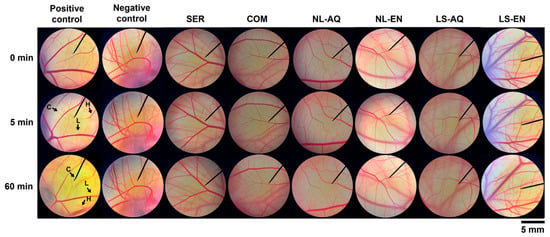
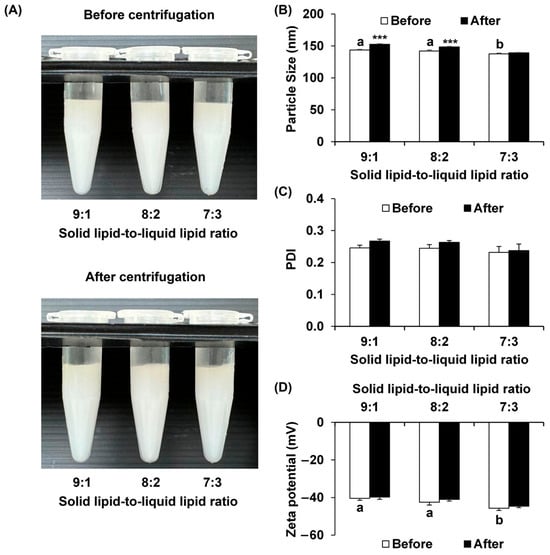
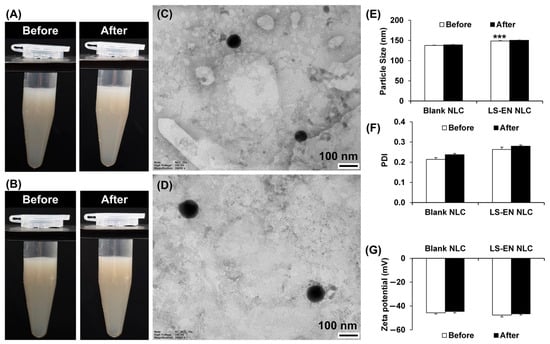
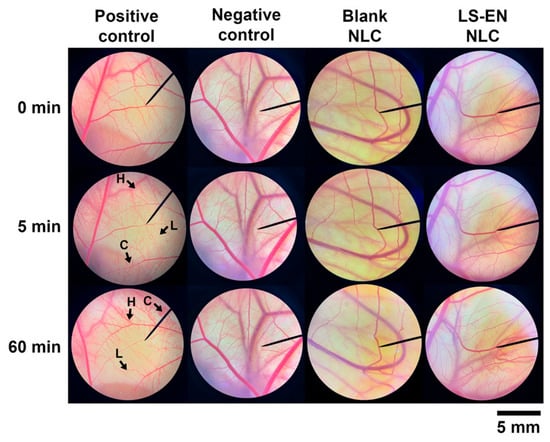
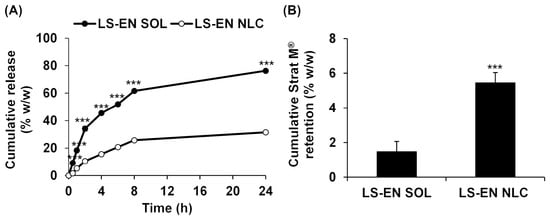
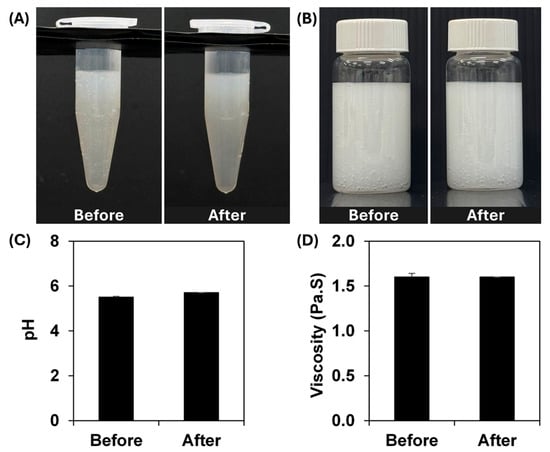
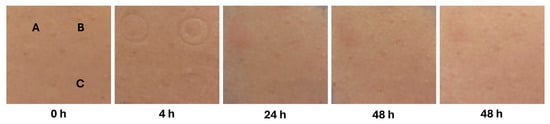
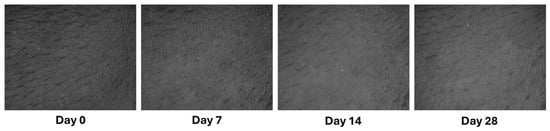
Background/Objectives: This study investigated the potential of nanostructured lipid carriers (NLCs) to improve the in vitro skin delivery and retention of bioactive compounds derived from Bombyx mori silk cocoon. Furthermore, an NLC-based facial serum was developed and clinically evaluated for its efficacy and safety. Methods: Silk cocoons from Nang Lai (NL) and Lueang Saraburi (LS) were extracted using aqueous and enzymatic methods. Extracts were evaluated for protein, phenolic, and flavonoid contents, antioxidant activity, collagenase inhibition, and irritation potential. The most active extract was incorporated into NLCs and assessed for their physicochemical properties, entrapment efficiency, release, and Strat-M® membrane permeation and retention. The selected NLC was subsequently incorporated into a facial serum and clinically evaluated in 30 volunteers over 28 days for its effects on skin hydration and roughness using a Corneometer® and Visioscan®, respectively. Results: Enzymatic extraction markedly increased phenolic and flavonoid contents, resulting in stronger antioxidant and collagenase inhibitory activities than aqueous extraction. LS enzymatic extract (LS-EN) exhibited the most favorable overall bioactivities and was selected for NLC formulation, which showed a particle size of 149 ± 1 nm, low polydispersity index (0.263 ± 0.05), a zeta potential of −48 ± 1 mV, and an entrapment efficiency of 83%. Compared with the solution, the NLCs showed sustained release and approximately 3.7-fold higher membrane retention (5.45 ± 0.59% versus 1.47 ± 0.59%). The NLC-based facial serum demonstrated good skin tolerability and high user satisfaction, with skin moisture increasing by 7.05% and skin roughness significantly decreasing by 6.74–7.29% after 28 days of application (p < 0.05). Conclusions: Enzymatic extraction combined with NLC encapsulation enhanced the cosmeceutical potential of silk cocoon bioactive by enabling sustained release and localized retention, while the NLC-based facial serum demonstrated good skin tolerability and improved skin hydration and roughness, supporting its potential as a promising anti-aging cosmeceuticals.
Full article
(This article belongs to the Section Cosmetic Formulations)
►▼
Show Figures

Figure 1
Open AccessArticle
Microwave-Assisted Extraction of a Quercetin-Containing Onion Leaf Extract for Potential Anti-Aging Cosmetic Applications
by
Aknarin Anatachodwanit, Wuttichai Jaidee, Setinee Chanpirom, Thapakorn Tree-Udom, Benjaporn Noppradit, Punita Thammachot, Nann Kain Kham, Cholpisut Tantapakul, Naphatsorn Ditthawutthikul, Rawiwan Charoensup, Chittipong Tipbunjong, Maria Pilar Vinardell and Tawanun Sripisut
Cosmetics 2026, 13(5), 235; https://doi.org/10.3390/cosmetics13050235 - 10 Sep 2026
Abstract
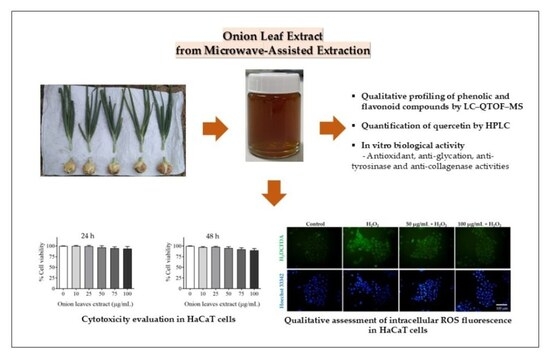
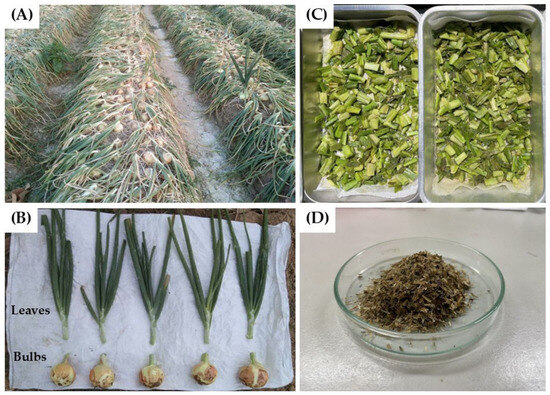
Onion (Allium cepa L.) is one of the most widely cultivated vegetables worldwide, while its leaves are discarded as agricultural waste despite being a valuable source of bioactive compounds. This study aims to investigate anti-aging cosmetic potential of onion leaf extract obtained
[...] Read more.
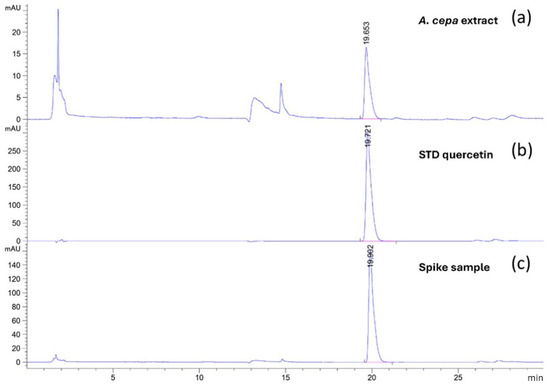
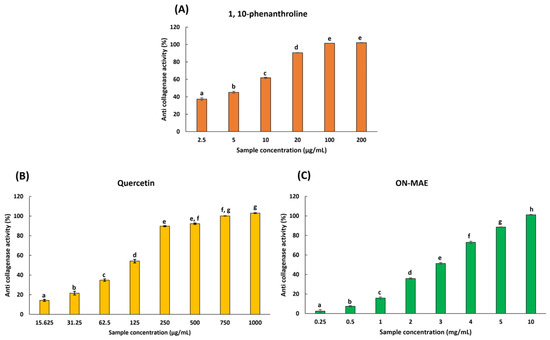
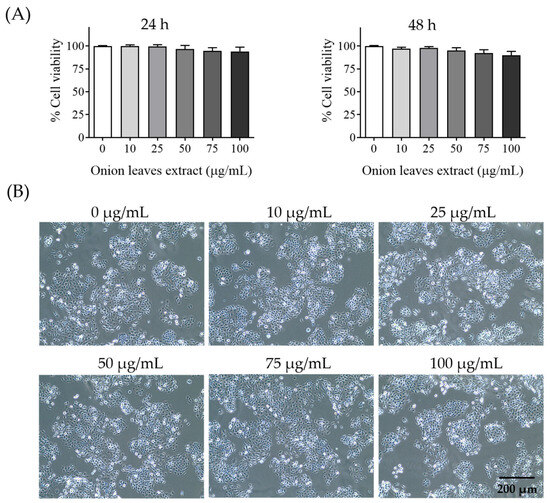
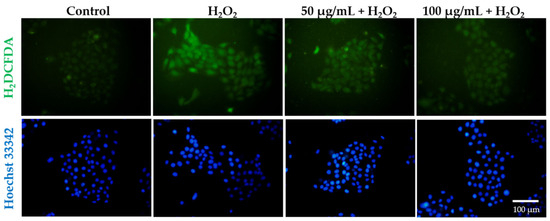
Onion (Allium cepa L.) is one of the most widely cultivated vegetables worldwide, while its leaves are discarded as agricultural waste despite being a valuable source of bioactive compounds. This study aims to investigate anti-aging cosmetic potential of onion leaf extract obtained by microwave-assisted extraction (MAE). Under optimized conditions (50% ethanol, 50 °C, 15 min, and a 1:20 solid-to-solvent ratio), the total flavonoid content obtained by MAE was approximately 1.34-fold higher than that achieved by conventional maceration. HPLC analysis of the extract identified and quantified quercetin as a major constituent (2.51 ± 0.02 mg/g sample), while LC-QTOF-MS profiling identified 56 bioactive compounds, including flavonoids, phenolic acids, and sulfur-containing groups. The extract showed a total phenolic content of 45.1 ± 1.47 mg GAE/g sample, total flavonoid content of 13.2 ± 2.52 mg QE/g sample, antioxidant activity (DPPH IC50 = 97.1 ± 7.12 µg/mL), anti-glycation activity (IC50 = 213 ± 4.6 µg/mL), tyrosinase inhibitory activity (IC50 = 50.66 ± 2.52 µg/mL), and anti-collagenase activity (IC50 of 2.84 ± 0.03 mg/mL). Cell-based assays using human keratinocytes (HaCat) cells demonstrated that the extract was non-cytotoxic at concentrations up to 100 µg/mL after 24 and 48 h of exposure. Furthermore, cells treated with the extract showed visually lower H2DCFDA fluorescence following hydrogen peroxide exposure, suggesting a possible reduction in intracellular ROS accumulation. Overall, onion leaves represent a promising natural source of bioactive compounds and could be valorized as a potentially anti-aging cosmetic ingredient.
Full article
(This article belongs to the Section Cosmetic Formulations)
►▼
Show Figures

Graphical abstract
Open AccessArticle
Repeated Moisturizer Use Narrows the Surface-to-Deep Hydration Gap over Time: The Hydration Gap Index (HGI)
by
Youngrin Kwag, Seok Hwan Oh, Sang hyun Kim, Ji Hwoon Baek, HuiJeong Jeong, YooRi Kang, Hongseok Kim and Wonkyu Hong
Cosmetics 2026, 13(5), 234; https://doi.org/10.3390/cosmetics13050234 - 9 Sep 2026
Abstract
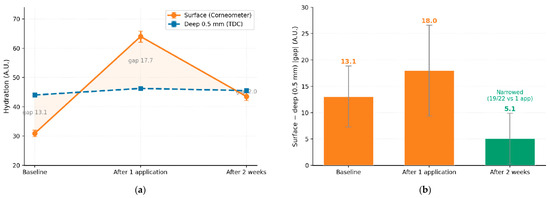
Skin hydration is not uniform: it is low at the surface and rises with depth, and the standard capacitance probe (Corneometer) samples only the outermost layer. How the surface–deep relationship evolves under repeated moisturizer use is not captured by a single metric. Using
[...] Read more.
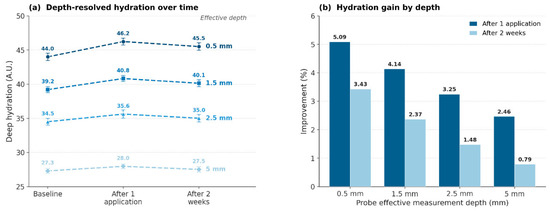
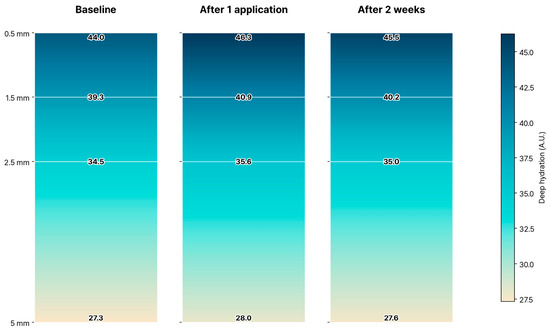
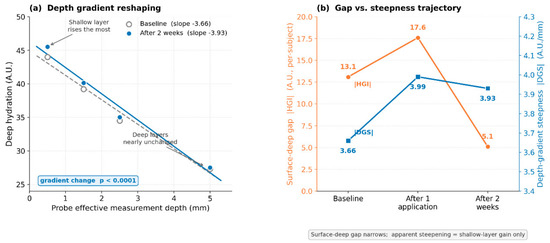
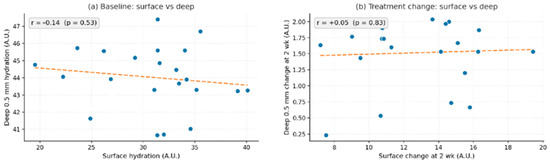
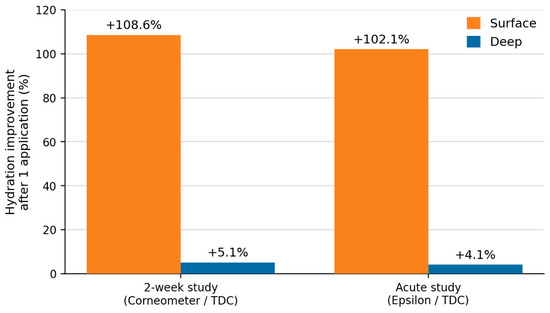
Skin hydration is not uniform: it is low at the surface and rises with depth, and the standard capacitance probe (Corneometer) samples only the outermost layer. How the surface–deep relationship evolves under repeated moisturizer use is not captured by a single metric. Using the Hydration Gap Index (HGI = |surface − deep (0.5 mm)|), this relationship was tracked in 22 healthy adults, measuring surface hydration (Corneometer) and depth-resolved deep hydration (Moisturemeter D; 0.5–5.0 mm) at baseline, after one application, and after two weeks. Surface hydration rose sharply after one application (30.9 → 64.0 A.U.), then partially declined by two weeks (43.5 A.U.; all p < 0.001), whereas deeper readings were essentially unchanged (≤5.1%), consistent with a stable deep compartment. The per-subject surface–deep gap first widened (13.1 → 18.0) then narrowed to ≈5.1 A.U. (19/22 subjects; group-mean 2.0). Surface and deep compartments varied independently (baseline r = −0.14; change r = +0.05), and the surface-dominant response was reproduced with a different surface instrument in the same cohort (surface +102%, deep +4%). The apparent depth gradient steepened only through this shallow-layer gain (−3.66 → −3.93 A.U./mm, p < 0.0001). Thus, repeated use reflected equilibration of the superficial layer toward the 0.5 mm compartment, not a uniform rise; the HGI provides a compact index of this surface-to-deep equilibration.
Full article
(This article belongs to the Special Issue Innovations in Cosmetology: Bridging Scientific Evidence and Clinical Practice)
►▼
Show Figures

Figure 1
Open AccessArticle
In Vitro Characterization of Hom pathum Rice Extract and Exploratory Evaluation of an Extract-Containing Facial Mask in Adults Aged 30–50 Years: A Randomized Controlled Trial
by
Sirigoon Kuamsub, Yothin Teethaisong, Suwipa Intakhiao, Thirapit Subongkot, Thanchanok Sirirak, Kulwara Poolpol, Waranurin Yisarakun and Piyapong Prasertsri
Cosmetics 2026, 13(5), 233; https://doi.org/10.3390/cosmetics13050233 - 9 Sep 2026
Abstract
This study characterized the in vitro properties of a Hom pathum rice extract and explored the clinical performance of a facial mask containing the extract. In this single-center, assessor-blinded, two-arm randomized controlled trial, 60 patch-test-negative healthy adults aged 30–50 years were allocated 1:1
[...] Read more.
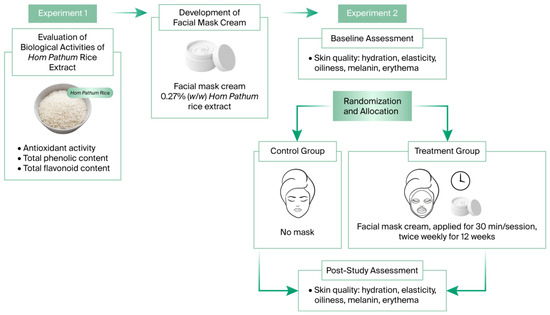
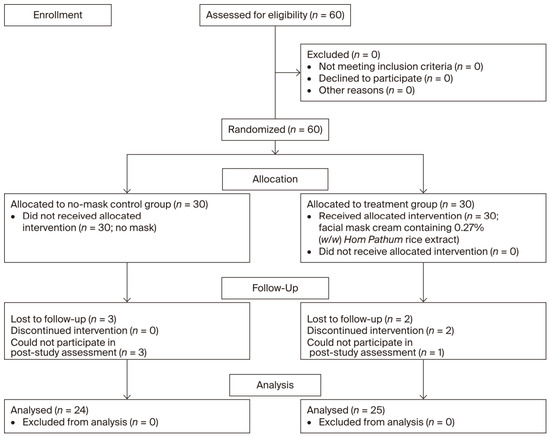
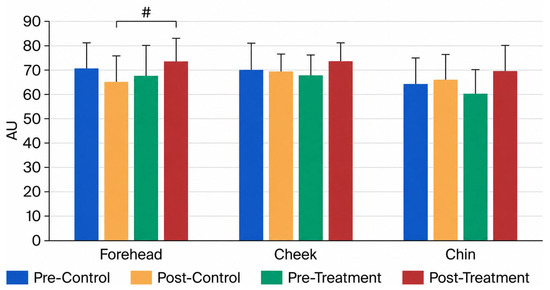
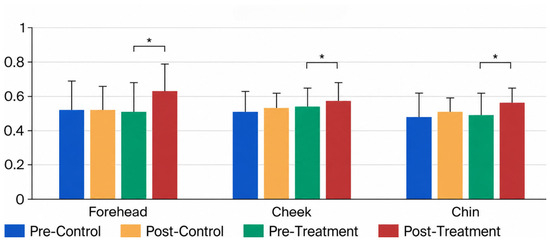
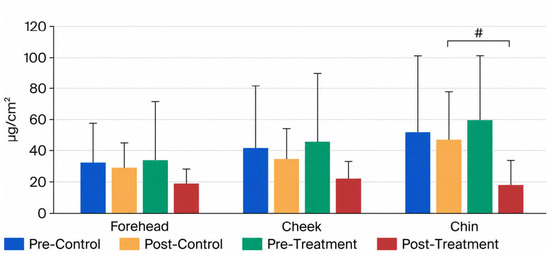
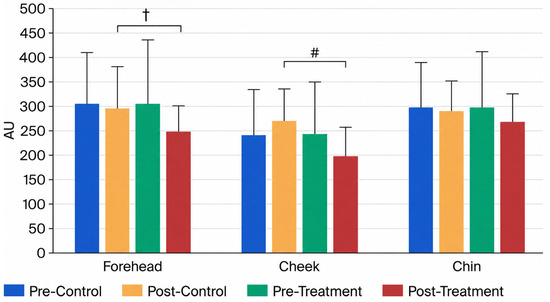
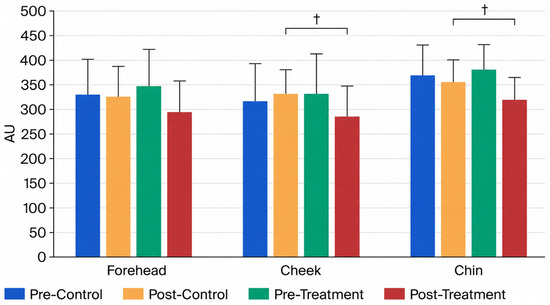
This study characterized the in vitro properties of a Hom pathum rice extract and explored the clinical performance of a facial mask containing the extract. In this single-center, assessor-blinded, two-arm randomized controlled trial, 60 patch-test-negative healthy adults aged 30–50 years were allocated 1:1 to a no-treatment control group or to a treatment group that applied a multi-ingredient facial mask containing 0.27% (w/w) Hom pathum rice extract for 30 min twice weekly for 12 weeks. Hydration, elasticity, oiliness, melanin, and erythema were assessed at the forehead, cheek, and chin. Complete-case week-12 comparisons used ANCOVA adjusted for the corresponding baseline value, age, and sex, followed by Benjamini–Hochberg correction across the 15 between-group comparisons. Forty-nine participants completed follow-up (control, 24; treatment, 25). The ethanolic extract showed 55% DPPH radical-scavenging activity, an IC50 of 2.29 ± 0.02 mg/mL, and a total phenolic content of 0.01 ± 0.00 mg GAE/mg extract; total flavonoids were below the assay detection limit at 5 mg/mL. Six comparisons were nominally significant, of which three remained significant after false-discovery-rate correction: higher forehead hydration (adjusted mean difference, 9.42 AU; 95% CI, 2.79 to 16.06; p = 0.007; q = 0.033), lower chin oiliness (−33.15 μg/cm2; 95% CI, −52.40 to −13.89; p = 0.001; q = 0.022), and lower cheek melanin (−68.65 AU; 95% CI, −112.89 to −24.41; p = 0.003; q = 0.026). However, none of the 15 comparisons reached nominal or FDR-adjusted significance in the intention-to-treat multiple-imputation sensitivity analysis (all p ≥ 0.092). No intervention-related adverse effects were recorded among the enrolled patch-test-negative participants. These findings apply to the formulation and application procedure as a whole and were not statistically confirmed in the intention-to-treat sensitivity analysis; they therefore warrant confirmation in an adequately powered, double-blind, vehicle-controlled trial with a prespecified primary outcome. ClinicalTrials.gov: NCT06475222. Funding: Burapha University, Thailand Science Research and Innovation, and the National Science Research and Innovation Fund.
Full article
(This article belongs to the Topic The Use of Natural Bioactive Ingredients in Cosmetic Products: Advantages and Challenges)
►▼
Show Figures

Figure 1
Open AccessArticle
Physicochemical Characterization and In Vitro Skin-Related Biological Activities of Hydrolyzed Collagen Derived from Chicken Sternum
by
Kyong Jin Lee, Mi-Jin Lee, Hari Jang, Woo-Yong Song, Eunjandi Go, Hyun Min Kim and Boo-Sik Jang
Cosmetics 2026, 13(5), 232; https://doi.org/10.3390/cosmetics13050232 - 8 Sep 2026
Abstract
Hydrolyzed collagen preparations have attracted increasing attention because their biological properties may vary according to collagen source, peptide composition, and physicochemical characteristics. In this study, Richi I II III Collagen (HTCP), a hydrolyzed type I, II, and III collagen preparation derived from chicken
[...] Read more.
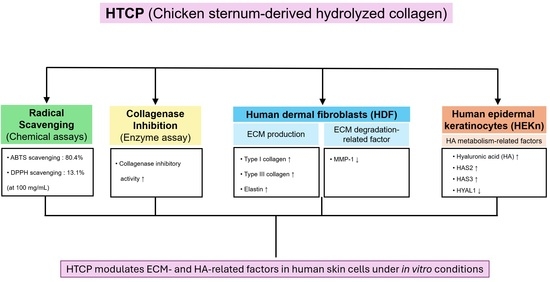
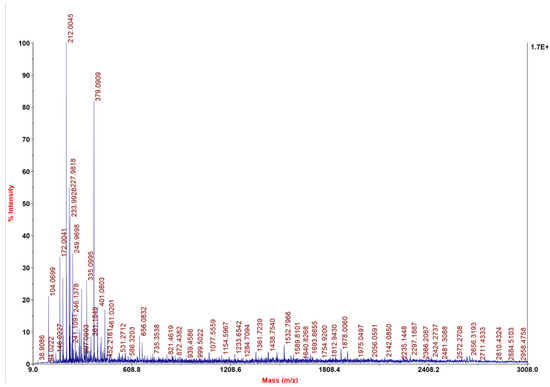
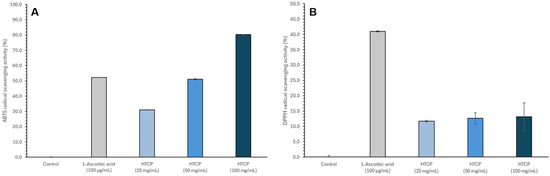
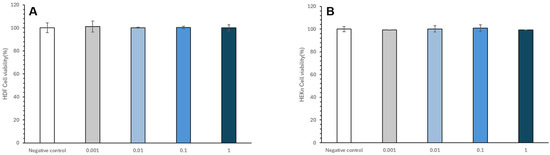
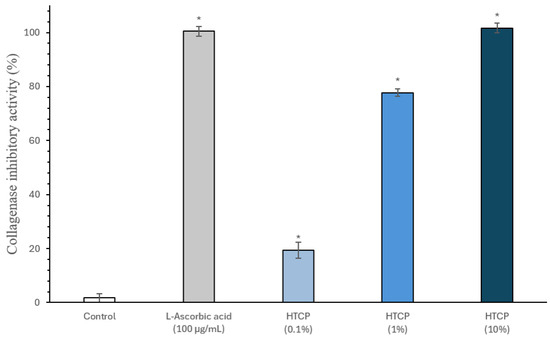
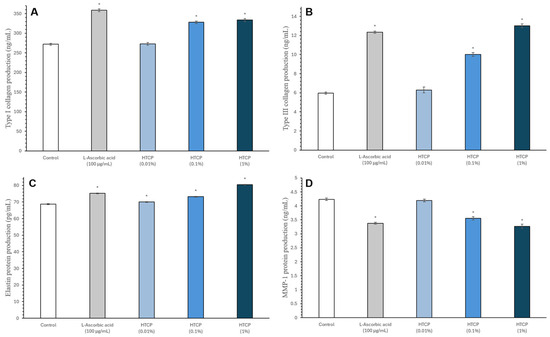
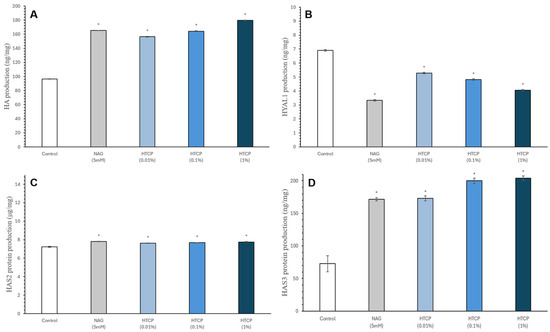
Hydrolyzed collagen preparations have attracted increasing attention because their biological properties may vary according to collagen source, peptide composition, and physicochemical characteristics. In this study, Richi I II III Collagen (HTCP), a hydrolyzed type I, II, and III collagen preparation derived from chicken sternum (keel) and manufactured by CNABIOTECH Co., Ltd. (Cheongju-si, Republic of Korea), was physicochemically characterized and evaluated for antioxidant and skin-related biological activities. Physicochemical characterization included analyses of amino acid composition and molecular weight distribution, while biological activities were assessed using ABTS and DPPH radical scavenging assays and human skin cell-based models. HTCP showed distinct responses in the two radical scavenging assays, with ABTS radical scavenging activity reaching 80.4 ± 0.0% at 100 mg/mL, whereas DPPH radical scavenging activity remained comparatively low (13.1 ± 4.6%). No cytotoxicity was detected in human dermal fibroblasts (HDF) or human epidermal keratinocytes (HEKn) at the concentrations tested. HTCP exhibited 101.65 ± 1.28% collagenase inhibition at 10% and significantly increased type I collagen, type III collagen, elastin, hyaluronic acid (HA), HAS2, and HAS3 levels, while reducing MMP-1 and HYAL1 levels. Collectively, these findings demonstrate changes in selected ECM- and HA-related protein levels in human skin cells following HTCP treatment under in vitro conditions, supporting further investigation of HTCP as a collagen-derived ingredient for skin-related applications.
Full article
(This article belongs to the Section Cosmetic Dermatology)
►▼
Show Figures

Graphical abstract
Open AccessArticle
Multiple Bleaching of Hair: Fatigue Failure Investigations and Weibull Analyses
by
Franz J. Wortmann, Jessica Welzel, Leila Berriche, Svitlana Sirenko, Gabriele Wortmann and Volkmar Vill
Cosmetics 2026, 13(5), 231; https://doi.org/10.3390/cosmetics13050231 - 8 Sep 2026
Abstract
The fatigue failure (F/F) test is an important method for evaluating hair strength. In this study, we evaluate commercial European hair after up to four bleaches. F/F-data were directly fitted using a two-parameter cumulative Weibull distribution (CWD) function, described by lifetime index (
[...] Read more.
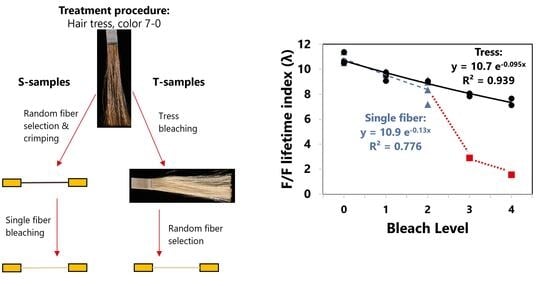
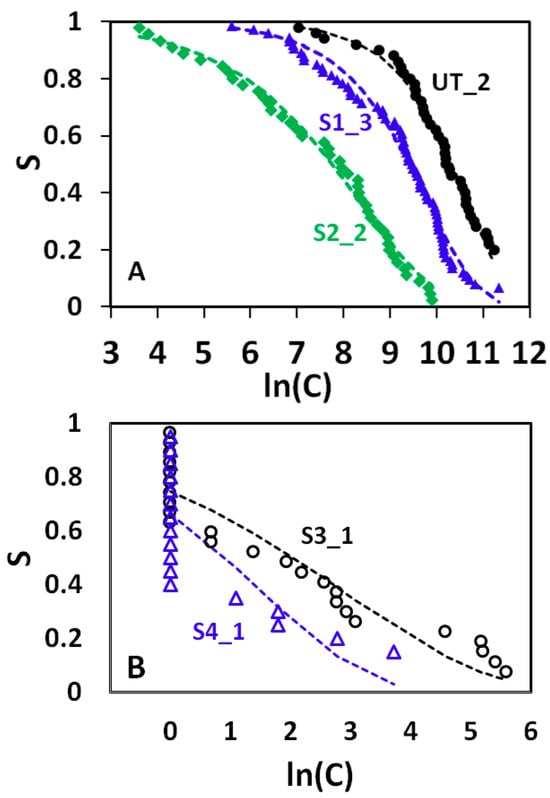
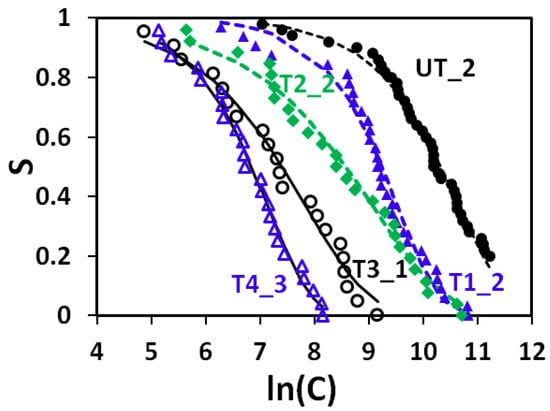
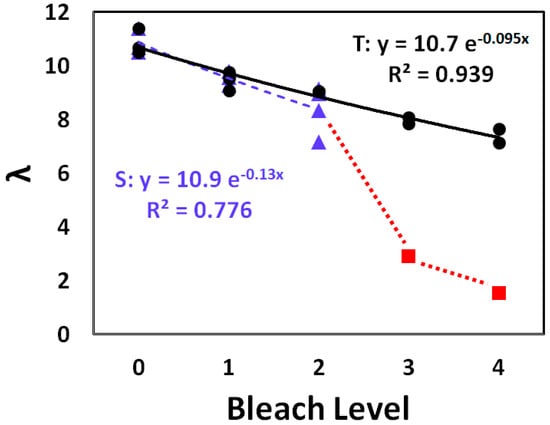
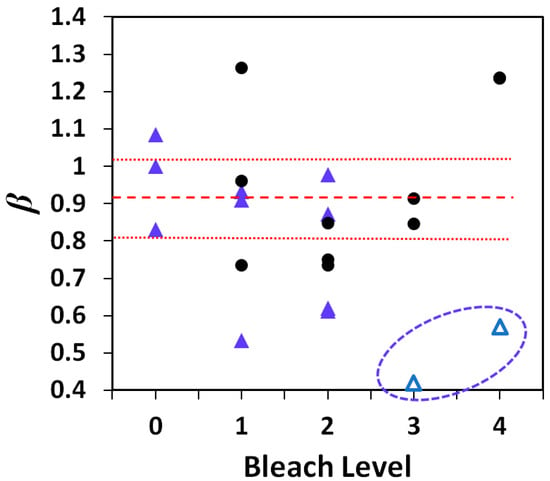
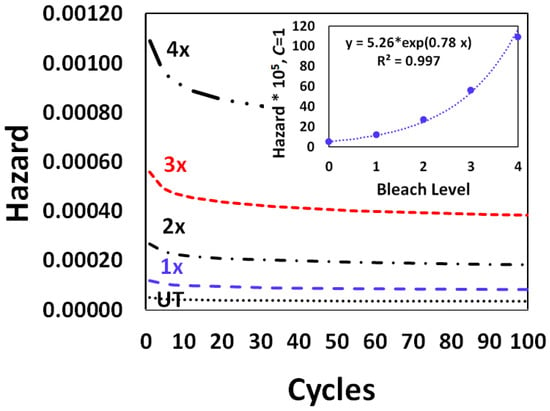
The fatigue failure (F/F) test is an important method for evaluating hair strength. In this study, we evaluate commercial European hair after up to four bleaches. F/F-data were directly fitted using a two-parameter cumulative Weibull distribution (CWD) function, described by lifetime index (λ) and shape factor (β). Fibre samples taken from treated tresses (T) exhibited stable F/F behaviour across multiple treatments, while treated single fibres (S) showed early breakage if treated more than twice. We attribute this effect mainly to the liquor ratio during treatment. In this context, we suggest a strategy to estimate a treatment-related apparent decay constant for λ. The constant for T-samples was determined as kn = 0.095. This is consistent with DSC results in the literature for the denaturation enthalpy. This may indicate an important role for intermediate filaments in fatigue failure. To possibly establish a link with hair breakage during combing, we investigated the properties of the hazard function for T-samples based on β = 0.92. The model calculations indicate that early failure risks are low but increase exponentially with repeated bleaches. The correspondence with the literature results leads to the hypothesis of a relationship between F/F and combing tests.
Full article
(This article belongs to the Section Cosmetic Technology)
►▼
Show Figures

Graphical abstract
Open AccessArticle
Effect of Formulation Matrix, Temperature, and Time on Formaldehyde Release from Formaldehyde-Releasing Preservatives
by
Paula Juliana Eraso-Calvachi, Isabella Rivera-Montoya, Daniela Bustamante-López and Juan Camilo Mejía-Giraldo
Cosmetics 2026, 13(5), 230; https://doi.org/10.3390/cosmetics13050230 - 7 Sep 2026
Abstract
Formaldehyde is a chemical compound historically used for its antimicrobial and preservative properties. Due to its classification as a carcinogen and skin sensitizer, its use in cosmetics is restricted; however, formaldehyde-releasing preservatives are still permitted under specific conditions. The release of formaldehyde in
[...] Read more.
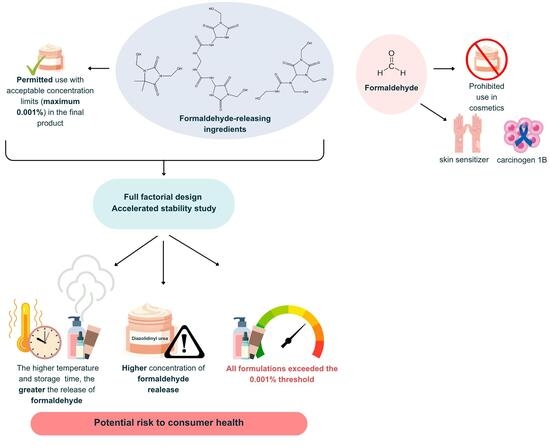
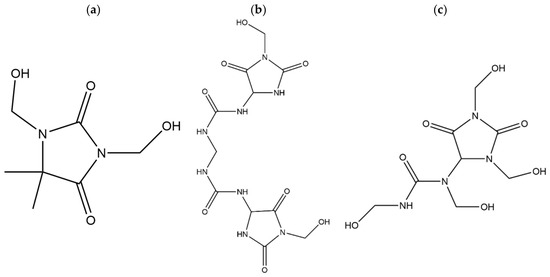
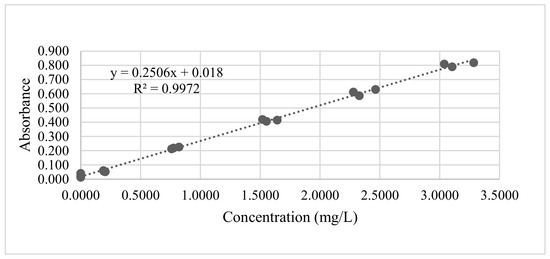
Formaldehyde is a chemical compound historically used for its antimicrobial and preservative properties. Due to its classification as a carcinogen and skin sensitizer, its use in cosmetics is restricted; however, formaldehyde-releasing preservatives are still permitted under specific conditions. The release of formaldehyde in cosmetic products may be influenced by factors such as temperature, storage time, and formulation matrix, raising potential safety and regulatory concerns. In this study, a full factorial design was applied to evaluate formaldehyde release in aqueous solutions at 40, 70, and 90 °C over 15, 30, and 60 min. In cosmetic matrices, temperatures of 40 and 70 °C were assessed at 0, 15, 30, and 60 min. Additionally, a three-month accelerated stability study was conducted to evaluate formaldehyde release over time in three different formulations. Formaldehyde release increased with both temperature and time in aqueous solutions, with diazolidinyl urea showing the highest levels, followed by DMDM hydantoin and imidazolidinyl urea. In cosmetic matrices, lower release levels were observed compared to aqueous systems; however, all formulations exceeded the 0.001% threshold established by European regulations. Under accelerated stability conditions, the emulsion exhibited the highest formaldehyde release, which may be associated with increased water availability promoting preservative hydrolysis. Overall, formaldehyde release was influenced by preservative structure, formulation matrix, temperature, and time. These findings highlight the importance of considering formulation composition and storage conditions in the evaluation of formaldehyde-releasing preservatives and may be relevant for safety assessment and regulatory compliance.
Full article
(This article belongs to the Section Cosmetic Formulations)
►▼
Show Figures

Graphical abstract
Open AccessArticle
Localised Alopecia Associated with Hairstyling Accessories: A Multicentre Case Series with Clinical, Trichoscopic, and Histopathological Evidence of Mixed Mechanical Injury
by
Cristina Romera-de Blas, Alba Gómez-Zubiaur, Rocío Gil-Redondo, Juan Francisco Mir-Bonafé, Natalia Aranda-Sánchez, David Vega-Díez and José María Ricart-Vayá
Cosmetics 2026, 13(5), 229; https://doi.org/10.3390/cosmetics13050229 - 7 Sep 2026
Abstract
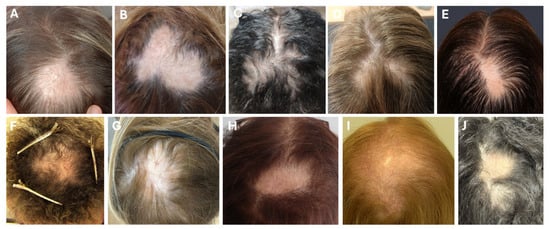
Mechanical forces generated by hairstyling practices are recognised causes of hair and scalp disorders, particularly traction alopecia, but the effects of prolonged, localised exposure to hairstyling accessories remain poorly characterised. We conducted a multicentre retrospective study of 10 women evaluated at five centres
[...] Read more.
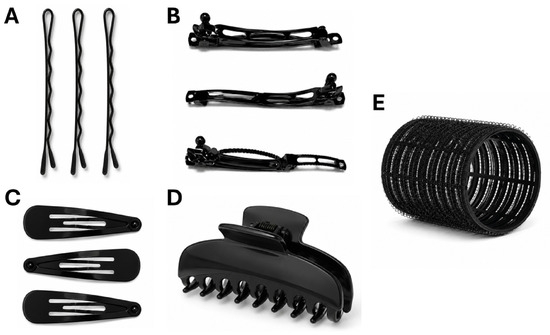
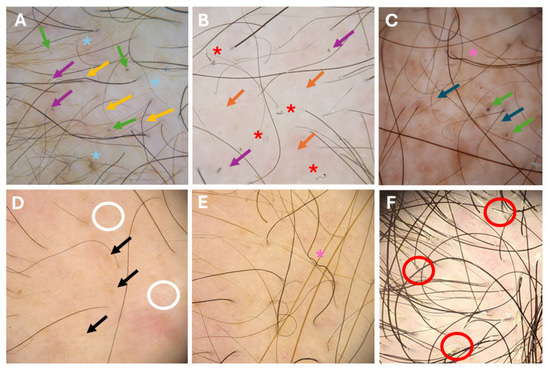
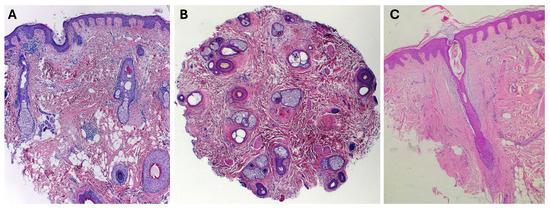
Mechanical forces generated by hairstyling practices are recognised causes of hair and scalp disorders, particularly traction alopecia, but the effects of prolonged, localised exposure to hairstyling accessories remain poorly characterised. We conducted a multicentre retrospective study of 10 women evaluated at five centres with chronic localised alopecia anatomically corresponding to the site of repeated accessory contact, analysing clinical, trichoscopic, histopathological and outcome data. Mean age was 51.3 years and mean disease duration 5.8 years; nine patients had vertex involvement, and one had an interparietal patch. Trichoscopy showed vellus hairs, with variable broken hairs, black and yellow dots, dystrophic, bent and coiled hairs, perifollicular casts and loss of follicular openings. Histopathology, available in seven patients, showed scarring alopecia in four and non-scarring alopecia in three. Implicated exposures included hairpins, clips, buns, rollers and a hair prosthesis. After accessory removal and variable treatment, four patients showed partial regrowth, four remained stable, one worsened, and follow-up was unavailable for one. The anatomical correspondence between alopecic patches and accessory exposure, with overlapping pressure, traction and friction-related features, is consistent with a proposed mixed mechanical injury from chronic low-intensity stress. Recognising hairstyling accessories as a potential cause of localised alopecia may facilitate diagnosis and prevent progression to irreversible damage.
Full article
(This article belongs to the Special Issue Feature Papers in Cosmetics in 2026)
►▼
Show Figures

Figure 1
Open AccessArticle
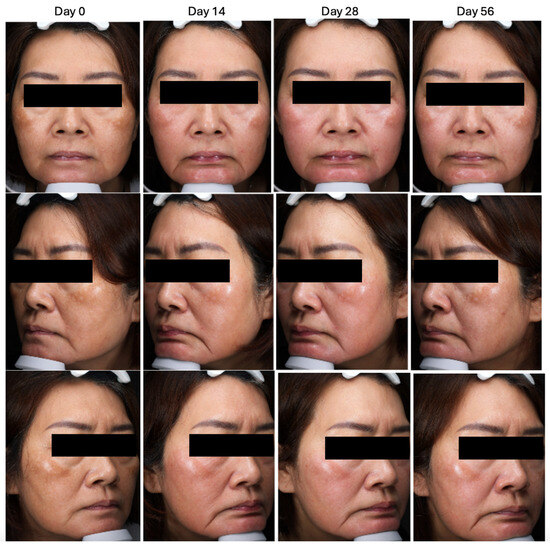
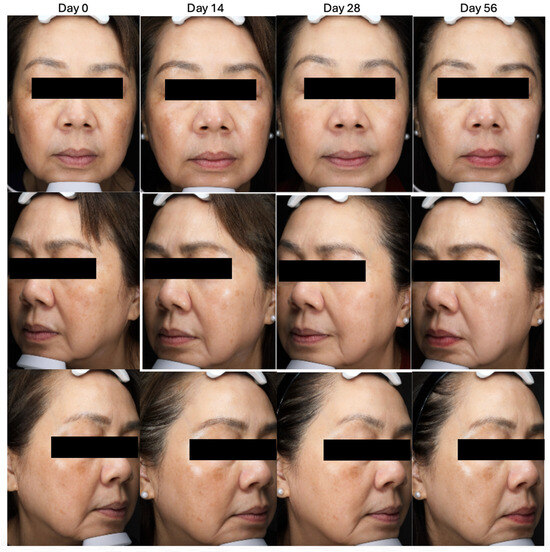
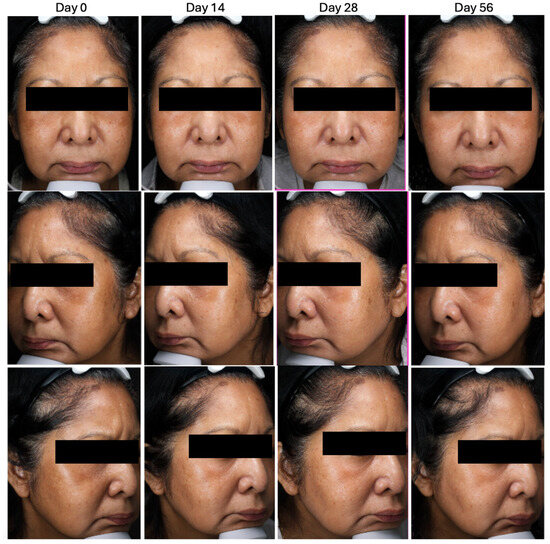
Comparative Evaluation of Cosmeceutical Cream Containing Solanum lycopersicum Versus Kligman’s Formula in Melasma Treatment
by
Foong Weng Kei, Shanxi Alexandra Jen, Jessica Lee Ling Jing and Steven Thng Tien Guan
Cosmetics 2026, 13(5), 228; https://doi.org/10.3390/cosmetics13050228 - 7 Sep 2026
Abstract
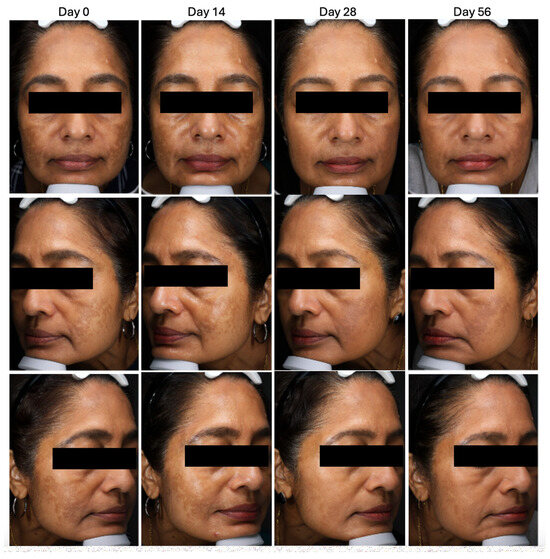
Background: Melasma is a common pigmentary disorder, for which Kligman’s Formula is a standard topical therapy, though adverse effects limit prolonged use. Cosmeceutical alternatives with antioxidant properties may present potential benefits for long-term management. Aims: To compare the efficacy of a cosmeceutical cream
[...] Read more.
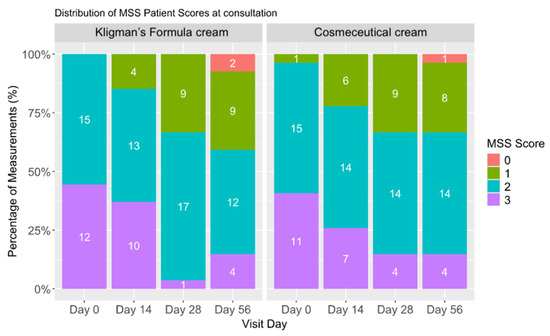
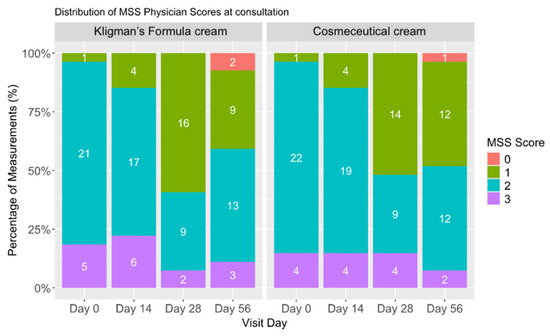
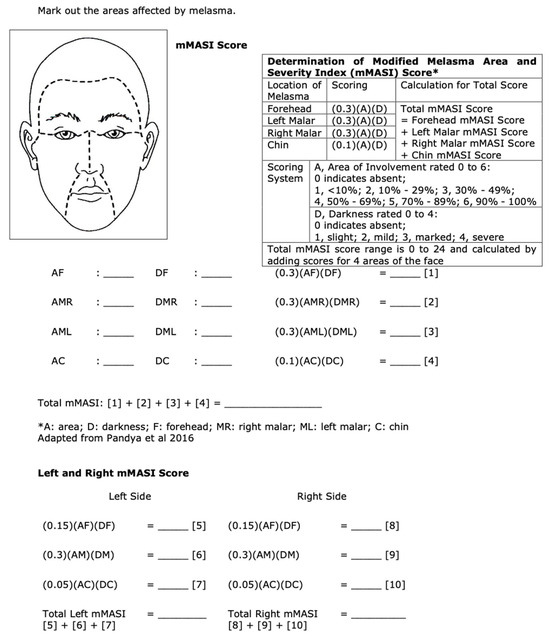
Background: Melasma is a common pigmentary disorder, for which Kligman’s Formula is a standard topical therapy, though adverse effects limit prolonged use. Cosmeceutical alternatives with antioxidant properties may present potential benefits for long-term management. Aims: To compare the efficacy of a cosmeceutical cream containing Solanum lycopersicum (tomato) extract with Kligman’s Formula in the treatment of facial melasma. Methods: In this single-blind, split-face, pilot randomized controlled trial, patients with melasma received either Kligman’s Formula or the tomato extract-based cosmeceutical cream for 56 days. Main outcomes were changes in modified Melasma Area and Severity Index (mMASI) and Melasma Severity Scale (MSS) scores. Safety was assessed based on the incidence of adverse events. Results: Both creams significantly reduced mMASI scores after 56 days (Kligman’s Formula: −1.394, p < 0.001; cosmeceutical cream: −1.471, p < 0.001), suggestive of comparable efficacy, as this pilot study was not formally powered for non-inferiority testing, this finding should be interpreted as hypothesis-generating. MSS scores were not statistically analyzed due to the ordinal, small-range nature of the data. The proportion of patients with moderate to severe melasma (MSS ≥ 2) decreased by day 56 for both treatments. At day 56, patient-rated MSS scores ≥ 2 declined from 100% to 59.3% with Kligman’s Formula and from 96.3% to 66.7% with the cosmeceutical cream. Reported adverse events were mild and self-limiting in both groups. Conclusions: Preliminary findings suggest the cosmeceutical cream containing Solanum lycopersicum is comparable to Kligman’s Formula in improving melasma severity. Its antioxidant-rich, well-tolerated profile in this short-term pilot warrants further investigation as a potential safe option for long-term or adjunctive therapy in melasma.
Full article
(This article belongs to the Section Cosmetic Dermatology)
►▼
Show Figures

Figure 1
Open AccessArticle
Effect of Topical HealFast Silver Ointment on Pain and Early Wound-Healing Parameters After Caesarean Section: A Randomized Placebo-Controlled Clinical Trial
by
Wafaa Uthman Ahmed, Bafreen hawez Hamadameen, Dastan Abdullah Salih, Shukur Wasman Smail, Abubakr Mohammed Amin and Mohammed Awat Ali
Cosmetics 2026, 13(5), 227; https://doi.org/10.3390/cosmetics13050227 - 3 Sep 2026
Abstract
Background: Caesarean section is associated with postoperative pain and wound-related morbidity. Topical agents that promote early wound healing may enhance postoperative recovery. This randomized, placebo-controlled clinical trial evaluated the effect of HealFast Silver Ointment on pain and early wound-healing parameters after Caesarean section.
[...] Read more.
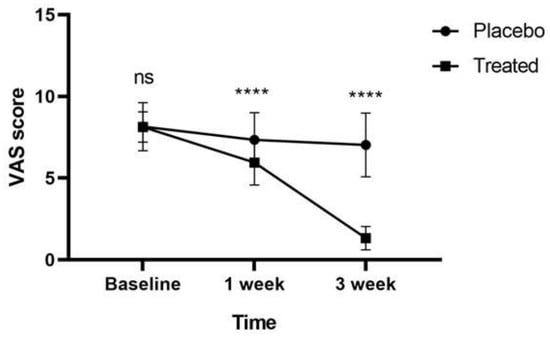
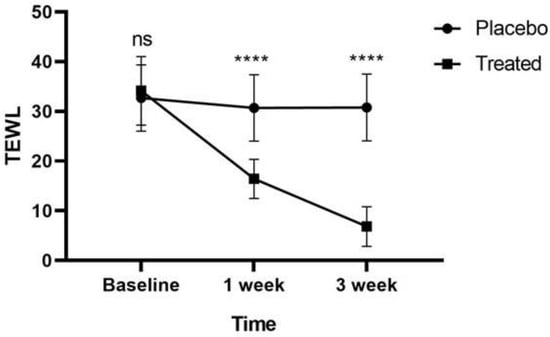
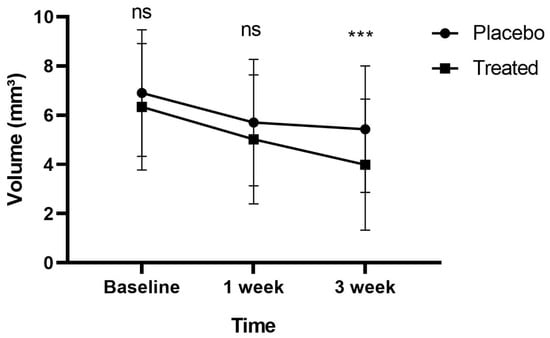
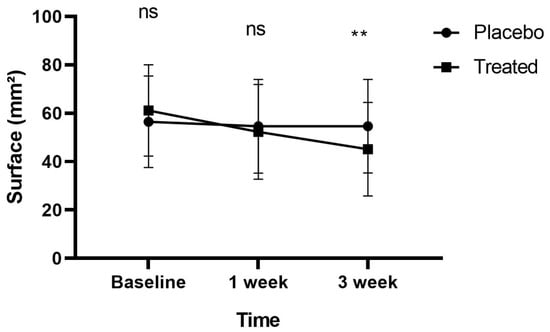
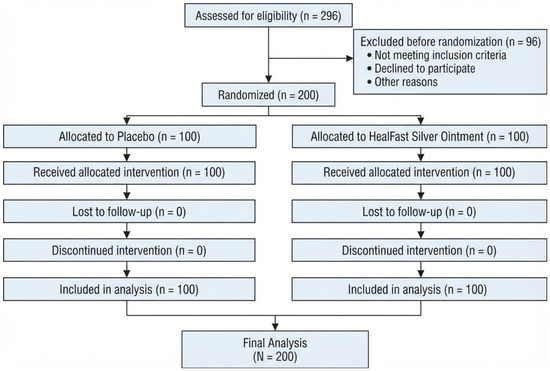
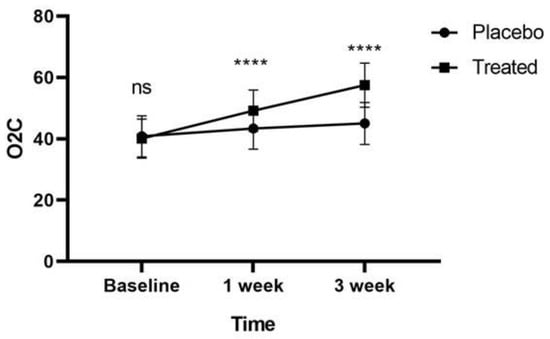
Background: Caesarean section is associated with postoperative pain and wound-related morbidity. Topical agents that promote early wound healing may enhance postoperative recovery. This randomized, placebo-controlled clinical trial evaluated the effect of HealFast Silver Ointment on pain and early wound-healing parameters after Caesarean section. Methods: Two hundred women who underwent Caesarean section were randomly allocated into two groups: a placebo group and a HealFast Silver Ointment group, each consisting of 100 women. The intervention was applied topically three times daily for three weeks. Outcomes were assessed at baseline, week 1, and week 3, and included pain intensity using the Visual Analogue Scale, transepidermal water loss, tissue oxygenation assessment, and wound surface morphology using Visioscan. Results: Baseline characteristics were comparable between groups. At week 3, the Visual Analogue Scale score decreased from 8.13 ± 0.93 to 1.33 ± 0.71 in the treated group, compared with 8.15 ± 1.47 to 7.03 ± 1.95 in the placebo group. Transepidermal water loss decreased from 34.13 ± 6.89 to 6.84 ± 3.99 in the treated group, compared with 32.70 ± 6.67 to 30.77 ± 6.69 in the placebo group. O2C increased from 40.08 ± 6.36 to 57.48 ± 7.19 in the treated group, compared with 40.80 ± 6.70 to 45.00 ± 6.84 in the placebo group. Significant time × group interactions were observed for the main clinical and physiological outcomes. Conclusions: HealFast Silver Ointment was associated with reduced postoperative pain, improved epidermal barrier recovery, increased tissue oxygenation, and improved wound surface morphology during the first three weeks after Caesarean section. Larger registered multicenter trials with longer follow-ups are needed to confirm these findings.
Full article
(This article belongs to the Section Cosmetic Formulations)
►▼
Show Figures

Figure 1
Highly Accessed Articles
Latest Books
E-Mail Alert
News
Topics
Topic in
Antioxidants, Cosmetics, Molecules, Pharmaceutics, Applied Sciences, Sci
The Use of Natural Bioactive Ingredients in Cosmetic Products: Advantages and Challenges
Topic Editors: Hugo Almeida, Maria Beatriz P. P. OliveiraDeadline: 30 June 2027
Topic in
Antioxidants, Biomedicines, Cosmetics, IJMS, Life, Nanomaterials, Oxygen
Oxidative Stress and Inflammation, 4th Edition
Topic Editors: Maria Letizia Manca, Amparo Nacher, Matteo Perra, Ines Castangia, Mohamad AllawDeadline: 31 January 2028
Special Issues
Special Issue in
Cosmetics
Sunscreen Advances and Photoprotection Strategies in Cosmetics
Guest Editor: Vincenzo NobileDeadline: 30 September 2026
Special Issue in
Cosmetics
Artificial Intelligence in Cosmetic Science
Guest Editor: Ki Han KwonDeadline: 30 September 2026
Special Issue in
Cosmetics
Lipids in Cosmetics
Guest Editor: Richard DaniellouDeadline: 31 October 2026
Special Issue in
Cosmetics
Innovations in Non-Invasive Diagnostics: New Advance in Cosmetology and Aesthetic Medicine
Guest Editors: Piergiacomo Calzavara-Pinton, Simone SogliaDeadline: 31 October 2026
Topical Collections
Topical Collection in
Cosmetics
Editorial Board Members' Collection Series: "Sustainability in Materials and Processes in Cosmetic Science"
Collection Editors: Pierfrancesco Morganti, Alina Sionkowska
Topical Collection in
Cosmetics
Editorial Board Members' Collection Series: "Novel Delivery Systems for Dermocosmetic Applications"
Collection Editors: Elisabetta Esposito, Debora Santonocito