
<?xml version="1.0" encoding="UTF-8"?>
<!DOCTYPE article PUBLIC "-//NLM//DTD Journal Publishing DTD v2.3 20070202//EN" "journalpublishing.dtd">
<article xmlns:mml="http://www.w3.org/1998/Math/MathML" xmlns:xlink="http://www.w3.org/1999/xlink" xml:lang="en" article-type="review-article">
  <front>
    <journal-meta>
      <journal-id journal-id-type="publisher-id">pharmaceuticals</journal-id>
      <journal-title>Pharmaceuticals</journal-title>
      <abbrev-journal-title abbrev-type="publisher">Pharmaceuticals</abbrev-journal-title>
      <abbrev-journal-title abbrev-type="pubmed">Pharmaceuticals</abbrev-journal-title>
      <issn pub-type="epub">1424-8247</issn>
      <publisher>
        <publisher-name>MDPI</publisher-name>
      </publisher>
    </journal-meta>
    <article-meta>
      <article-id pub-id-type="doi">10.3390/ph5101128</article-id>
      <article-id pub-id-type="publisher-id">pharmaceuticals-05-01128</article-id>
      <article-categories>
        <subj-group>
          <subject>Review</subject>
        </subj-group>
      </article-categories>
      <title-group>
        <article-title>Advances in Drug Design Based on the Amino Acid Approach: Taurine Analogues for the Treatment of CNS Diseases</article-title>
      </title-group>
      <contrib-group>
        <contrib contrib-type="author">
          <name>
            <surname>Chung</surname>
            <given-names>Man Chin</given-names>
          </name>
          <xref rid="c1-pharmaceuticals-05-01128" ref-type="corresp">*</xref>
        </contrib>
        <contrib contrib-type="author">
          <name>
            <surname>Malatesta</surname>
            <given-names>Pedro</given-names>
          </name>
        </contrib>
        <contrib contrib-type="author">
          <name>
            <surname>Bosquesi</surname>
            <given-names>Priscila Longhin</given-names>
          </name>
        </contrib>
        <contrib contrib-type="author">
          <name>
            <surname>Yamasaki</surname>
            <given-names>Paulo Renato</given-names>
          </name>
        </contrib>
        <contrib contrib-type="author">
          <name>
            <surname>dos Santos</surname>
            <given-names>Jean Leandro</given-names>
          </name>
        </contrib>
        <contrib contrib-type="author">
          <name>
            <surname>Vizioli</surname>
            <given-names>Ednir Oliveira</given-names>
          </name>
        </contrib>
      </contrib-group>
      <aff id="af1-pharmaceuticals-05-01128">Lapdesf-Laboratory of Drug Design, School of Pharmaceutical Sciences, University of São Paulo State (UNESP), Rodovia Araraquara-Jaú Km1, CEP 14.801-902, Araraquara, SP, Brazil; Email: <email>pedromalat@hotmail.com</email> (P.M.); <email>bosquesi@fcfar.unesp.br</email> (P.L.B.); <email>paulorenatoyamasaki@gmail.com</email> (P.R.Y.); <email>santosjl@fcfar.unesp.br</email> (J.L.S.); <email>ednirvizioli@yahoo.com.br</email> (E.O.V.)</aff>
      <author-notes>
        <corresp id="c1-pharmaceuticals-05-01128"><label>*</label> Author to whom correspondence should be addressed; Email: <email>chungmc@fcfar.unesp.br</email> or <email>chungmanchin@gmail.com</email>; Tel.: +55-16-3301-6970; Fax: +55-16-3301-6960.</corresp>
      </author-notes>
      <pub-date pub-type="epub">
        <day>23</day>
        <month>10</month>
        <year>2012</year>
      </pub-date>
      <pub-date pub-type="collection"><month>10</month>
        <year>2012</year>
      </pub-date>
      <volume>5</volume>
      <issue>10</issue>
      <fpage>1128</fpage>
      <lpage>1146</lpage>
      <history>
        <date date-type="received">
          <day>31</day>
          <month>07</month>
          <year>2012</year>
        </date>
        <date date-type="rev-recd">
          <day>24</day>
          <month>09</month>
          <year>2012</year>
        </date>
        <date date-type="accepted">
          <day>15</day>
          <month>10</month>
          <year>2012</year>
        </date>
      </history>
      <permissions>
        <copyright-statement>©  2012 by the authors; licensee MDPI, Basel, Switzerland.</copyright-statement>
        <copyright-year>2012</copyright-year>
        <license xmlns:xlink="http://www.w3.org/1999/xlink" license-type="open-access" xlink:href="http://creativecommons.org/licenses/by/3.0/">
          <p>This article is an open-access article distributed under the terms and conditions of the Creative Commons Attribution license (http://creativecommons.org/licenses/by/3.0/).</p>
        </license>
      </permissions>
      <abstract>
        <p>Amino acids are well known to be an important class of compounds for the maintenance of body homeostasis and their deficit, even for the polar neuroactive aminoacids, can be controlled by supplementation. However, for the amino acid taurine (2-aminoethanesulfonic acid) this is not true. Due its special physicochemical properties, taurine is unable to cross the blood-brain barrier. In addition of injured taurine transport systems under pathological conditions, CNS supplementation of taurine is almost null. Taurine is a potent antioxidant and anti-inflammatory semi-essential amino acid extensively involved in neurological activities, acting as neurotrophic factor, binding to GABA A/glycine receptors and blocking the excitotoxicity glutamate-induced pathway leading to be a neuroprotective effect and neuromodulation. Taurine deficits have been implicated in several CNS diseases, such as Alzheimer’s, Parkinson’s, epilepsy and in the damage of retinal neurons. This review describes the CNS physiological functions of taurine and the development of new derivatives based on its structure useful in CNS disease treatment.</p>
      </abstract>
      <kwd-group>
        <kwd>amino acid</kwd>
        <kwd>CNS</kwd>
        <kwd>taurine</kwd>
        <kwd>analogs</kwd>
      </kwd-group>
    </article-meta>
  </front>
  <body>
    <sec sec-type="intro">
      <title>1. Introduction</title>
      <p>Amino acids (AA) are an important class of cell signaling molecules, involved in the regulation of gene expression and the protein phosphorylation cascade. They are also precursors of hormone synthesis and low-molecular nitrogenous substances [<xref ref-type="bibr" rid="B1-pharmaceuticals-05-01128">1</xref>]. Taurine (2-aminoethanesulfonic acid) is a β-AA and is the most abundant amino acid in mammals, being widely distributed in the CNS occupying the second place after glutamate in relation of its concentration, which differs depending on the regions of brain activity and animal species studied [<xref ref-type="bibr" rid="B2-pharmaceuticals-05-01128">2</xref>] and presenting different functions, which have been studied for their potential in neurology as a trophic factor in brain development, in regulating calcium transport, in the integrity of the eardrum, as osmoregulator, neurotransmitter, neuromodulator and for its neuroprotective action [<xref ref-type="bibr" rid="B3-pharmaceuticals-05-01128">3</xref>].</p>
      <p>Taurine was first isolated from ox bile for over 150 years, it was considered a sulfur metabolism end product with no biological activity [<xref ref-type="bibr" rid="B4-pharmaceuticals-05-01128">4</xref>]. Recently, several researchers have reported the physiological function of taurine in the liver, kidney, heart, pancreas, retina and brain and the fact that its depletion is associated a several disease conditions such as diabetes [<xref ref-type="bibr" rid="B5-pharmaceuticals-05-01128">5</xref>,<xref ref-type="bibr" rid="B6-pharmaceuticals-05-01128">6</xref>,<xref ref-type="bibr" rid="B7-pharmaceuticals-05-01128">7</xref>], Parkinson’s [<xref ref-type="bibr" rid="B8-pharmaceuticals-05-01128">8</xref>], Alzheimer’s [<xref ref-type="bibr" rid="B9-pharmaceuticals-05-01128">9</xref>,<xref ref-type="bibr" rid="B10-pharmaceuticals-05-01128">10</xref>], cardiovascular diseases [<xref ref-type="bibr" rid="B11-pharmaceuticals-05-01128">11</xref>,<xref ref-type="bibr" rid="B12-pharmaceuticals-05-01128">12</xref>,<xref ref-type="bibr" rid="B13-pharmaceuticals-05-01128">13</xref>], and neuronal damages in the retina [<xref ref-type="bibr" rid="B14-pharmaceuticals-05-01128">14</xref>].</p>
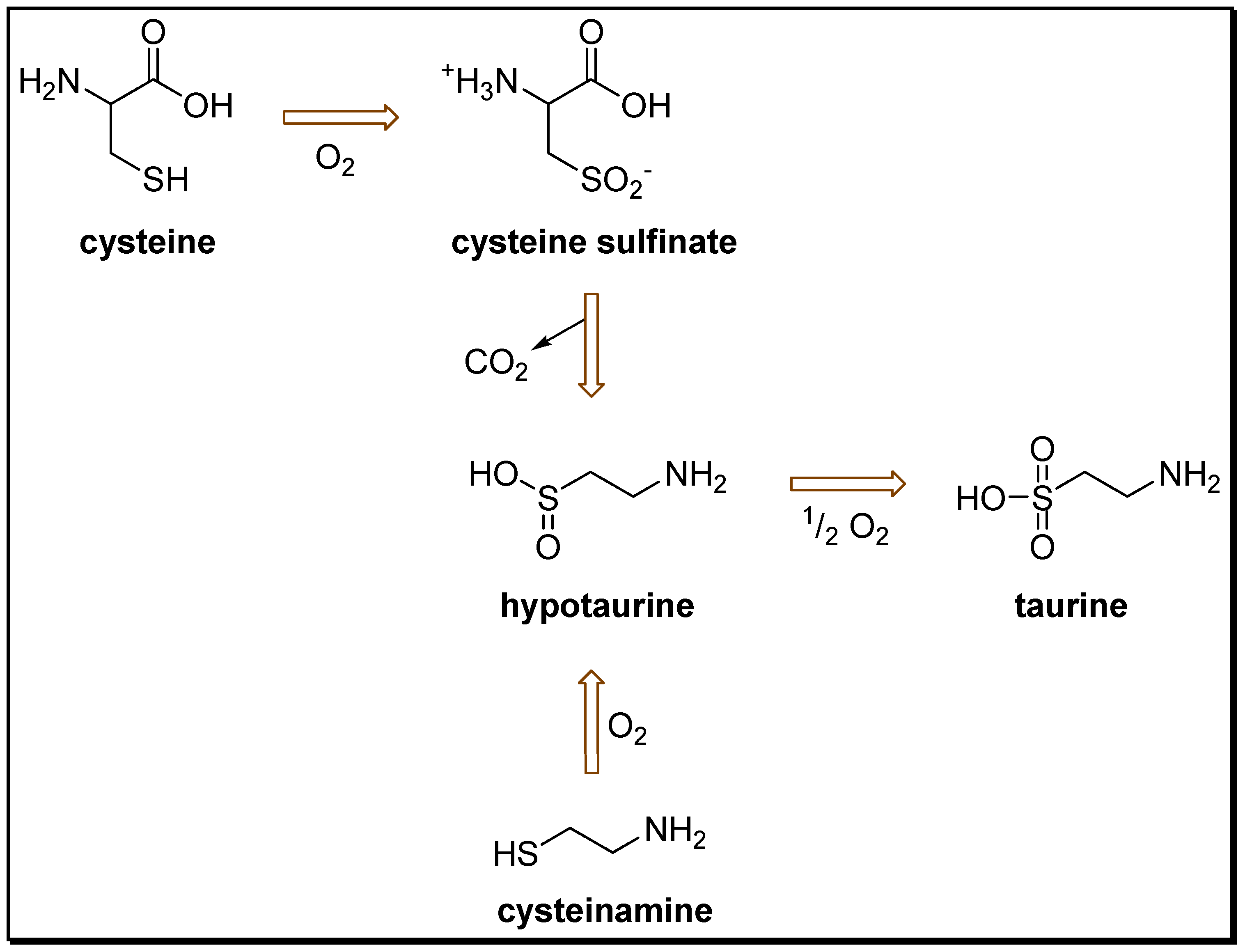
      <p>Even though taurine is the most abundant free AA in mammals, man and cats lack the ability to synthesize taurine in sufficient quantities [<xref ref-type="bibr" rid="B15-pharmaceuticals-05-01128">15</xref>]. The biosynthesis takes place in the liver and starts from methionine, through cysteine, leading to cysteine-sulfonic acid which is converted to hypotaurine and taurine (<xref ref-type="scheme" rid="pharmaceuticals-05-01128-scheme1">Scheme 1</xref>). It was also demonstrated that taurine biosynthesis in the hippocampus and cerebellum ocurrs through the conversion of the amino acid cysteine by the sulfinic acid decarboxylase enzyme (CAD/CSAD and taurine-synthase), [<xref ref-type="bibr" rid="B16-pharmaceuticals-05-01128">16</xref>,<xref ref-type="bibr" rid="B17-pharmaceuticals-05-01128">17</xref>].</p>
      <fig id="pharmaceuticals-05-01128-scheme1" position="anchor">
        <object-id pub-id-type="pii">pharmaceuticals-05-01128-scheme1_Scheme 1</object-id>
        <label>Scheme 1</label>
        <caption>
          <p>Biosynthesis of taurine. </p>
        </caption>
        <graphic xmlns:xlink="http://www.w3.org/1999/xlink" xlink:href="pharmaceuticals-05-01128-g015.tif"/>
      </fig>
      <p>Despite the fact taurine is used in the market in energetic drinks (mistakenly known by the population as a stimulant agent), the neuroinhibitory effect of taurine in the central nervous system (CNS) was acknowledged in reports as early as the decade of the 19?60s. Over the following decade, several studies were carried out in order to gain a deeper insight into this function, and the mechanism behind it [<xref ref-type="bibr" rid="B18-pharmaceuticals-05-01128">18</xref>]. </p>
      <p>Taurine acts in these areas by binding in specific Tau receptors (TauR) promoting neuronal hyperpolarization via opening of chloride channels [<xref ref-type="bibr" rid="B19-pharmaceuticals-05-01128">19</xref>,<xref ref-type="bibr" rid="B20-pharmaceuticals-05-01128">20</xref>], and producing depressor activity by specific action via GABA A, GABA B and/or the glycine receptor [<xref ref-type="bibr" rid="B21-pharmaceuticals-05-01128">21</xref>].</p>
      <p>The action of taurine in GABA<sub>A</sub> receptors counteracts the seizures produced by picrotoxin, a GABA<sub>A</sub> antagonist, increasing the latency of such seizures both acutely and chronically [<xref ref-type="bibr" rid="B22-pharmaceuticals-05-01128">22</xref>]. Besides the GABA<sub>A</sub> agonistic activity, taurine also increases GABA levels, enhancing the production of the two isoforms of the glutamic acid decarboxylase (GAD 65 and 67), involved in the GABA synthesis [<xref ref-type="bibr" rid="B23-pharmaceuticals-05-01128">23</xref>].</p>
      <p>Taurine is involved in the modulation of the excitotoxicity produced by glutamate, through the regulation of calcium homeostasis. This effect is related to a neuroprotective action. It is known that glutamate has affinity for <italic>N</italic>-methyl-D-aspartate (NMDA) receptors, through which the calcium influx occurs. This event activates a cyclic guanosine monophosphate (cGMP)-mediated pathway, culminating in the activation of the protein kinase C (PKC), responsible for the reduction of the magnesium block of NMDA channels, increasing the calcium influx and excitotoxicity [<xref ref-type="bibr" rid="B24-pharmaceuticals-05-01128">24</xref>].</p>
      <p>In a stress situation, the neurotoxicity trigger is activated by an excess of glutamate delivery and taurine is quickly evocated for delivery in this situation [<xref ref-type="bibr" rid="B25-pharmaceuticals-05-01128">25</xref>]. Evidence of the taurine neuroprotective effects from β-amyloid action and glutamate receptor agonists involves the neutralization of the NMDA receptors, reduction of the glutamate delivery and the NO superproduction via GABA A activation. In fact, this strongly suggests the taurine prevention in Alzheimer´s disease and other neurological disorders [<xref ref-type="bibr" rid="B26-pharmaceuticals-05-01128">26</xref>]. Similar results were observed in the neuroprotection by taurine against the excess of ammonia and cerebral edema [<xref ref-type="bibr" rid="B27-pharmaceuticals-05-01128">27</xref>,<xref ref-type="bibr" rid="B28-pharmaceuticals-05-01128">28</xref>].</p>
      <p>Because taurine has a sulfonic acid instead a carboxylic acid group it presents unique physical properties in comparison to other neuroactive AAs that make it difficult to cross the blood-brain barrier (BBB). In addition, it’s a monobasic acid, with very low solubility in water (10.48 g/100 mL at 25 °C); the pKa value is 1.5 (more acidic than glycine, aspartic acid, β-alanine and GABA). The pKb value is 8.82 (less basic than glycine, β-alanine and GABA). The low passive diffusion of taurine occurs because of its cyclic conformational form with intra-molecular hydrogen bonding [<xref ref-type="bibr" rid="B15-pharmaceuticals-05-01128">15</xref>]. </p>
      <p>The concentrations of taurine in the CNS are dependent on feeding and a complex transport across TauT specific complex systems at the blood brain barrier (BBB) and it may be involved in the maintenance of taurine levels in the brain in order to protect it against CNS damage [<xref ref-type="bibr" rid="B29-pharmaceuticals-05-01128">29</xref>].</p>
      <p>It was reported that the TauT at the BBB was reduced in spontaneously hypertensive rats in comparison with normotensive rats [<xref ref-type="bibr" rid="B30-pharmaceuticals-05-01128">30</xref>]. Also, in other disease conditions or oxidative stress processes, CNS transport of taurine at the BBB fails [<xref ref-type="bibr" rid="B29-pharmaceuticals-05-01128">29</xref>]. Taurine levels were increased in the brain interstitial fluid in ischemia [<xref ref-type="bibr" rid="B31-pharmaceuticals-05-01128">31</xref>] and in the acute phase of Parkinson’s [<xref ref-type="bibr" rid="B32-pharmaceuticals-05-01128">32</xref>]. However, in a chronic situation of the same disease (Parkinson’s), taurine levels are low [<xref ref-type="bibr" rid="B8-pharmaceuticals-05-01128">8</xref>]. In the acute phase of the diseases, taurine is available to protect CNS, but if the BBB taurine transport also fails and because taurine cannot cross the BBB by itself, there is not a sufficient concentration for neuroprotection and then the disease evolves to the chronic phase.</p>
      <p>In addition to the physicochemical properties of taurine that promote low passive diffusion through the membranes, and low gastro-intestinal absorption, it is very interesting to plan new lipophilic taurine derivatives that can cross the BBB in disease conditions and or/increase binding receptors.</p>
    </sec>
    <sec>
      <title>2. Anticonvulsant Taurine Analogues</title>
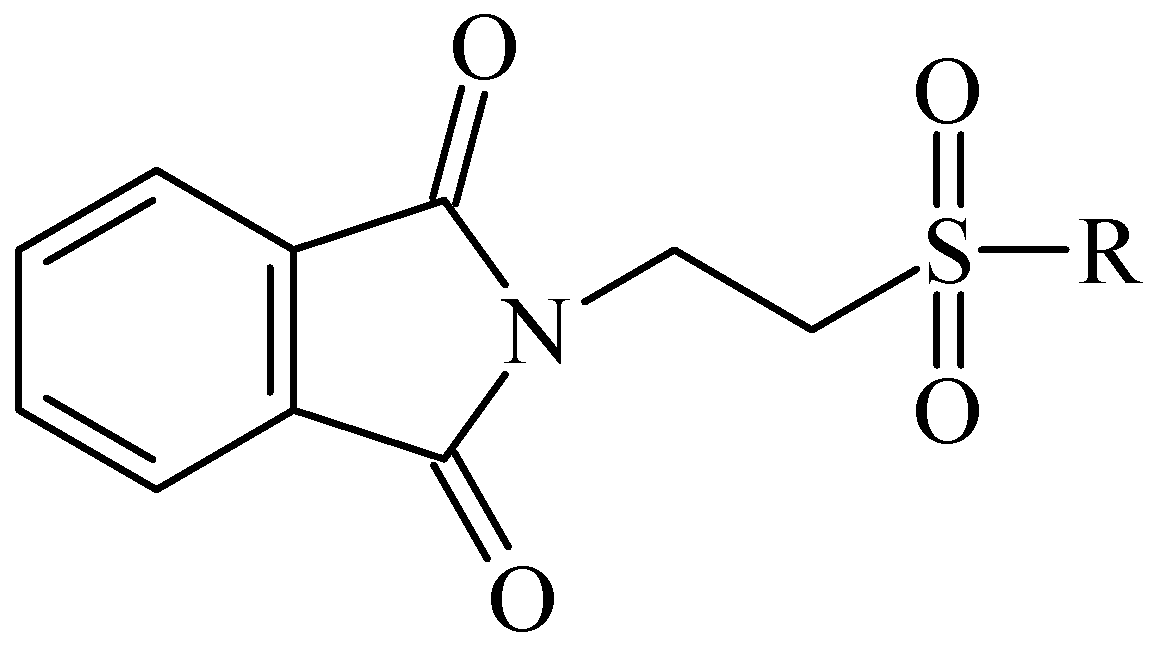
      <p>In 1983, Lindén and co-workers [<xref ref-type="bibr" rid="B33-pharmaceuticals-05-01128">33</xref>] synthesized 2-phthalimidosulfonamide derivatives of taurine (<xref ref-type="fig" rid="pharmaceuticals-05-01128-f001">Figure 1</xref>) and tested their anticonvulsant activity. The structure-activity relationship study showed that the two-carbon chain of the taurine molecule is essential for a better activity of these derivatives. Furthermore, it was also noted that substitutions in the terminal sulphonamide moiety increased the lipophilicity of the molecules, thus facilitating the drugs’ access into the brain. However, it was observed that the activity decreased with voluminous groups attached to the sulphonamide moiety.</p>
      <fig id="pharmaceuticals-05-01128-f001" position="anchor">
        <label>Figure 1</label>
        <caption>
          <p>General structure of phthalimidoetanosulfonamide derivatives.</p>
        </caption>
        <graphic xmlns:xlink="http://www.w3.org/1999/xlink" xlink:href="pharmaceuticals-05-01128-g001.tif"/>
      </fig>
      <p>The anticonvulsant activity in the maximum electroshock seizure (MES) model and in the subcutaneous pentetetrazole seizure threshold (PST) model were effective with unsubstituted amide, methylamide, dimethylamide, ethylamide and isopropylamide derivatives and the efficacy was almost equal. <italic>N</italic>-Propylamide and <italic>N</italic>-butylamide were also active, but less potent, No effect were observed in acetamide, pyrrolinedide, piperidide, cyclohexylamide, benzylamide, methylbenzylamide and pyridylamide derivatives. The <italic>N</italic>-isopropyl derivative (named taltrimide) is now commercially but it is not approved for therapeutic use as the anticonvulsive effects of taltrimide observed in animal experiments were not confirmed in clinical trials. In contrast, the seizures increased statistically significantly during taltrimide treatment, suggesting a proconvulsant effect of taltrimide in humans and the reason for this remains obscure [<xref ref-type="bibr" rid="B34-pharmaceuticals-05-01128">34</xref>].</p>
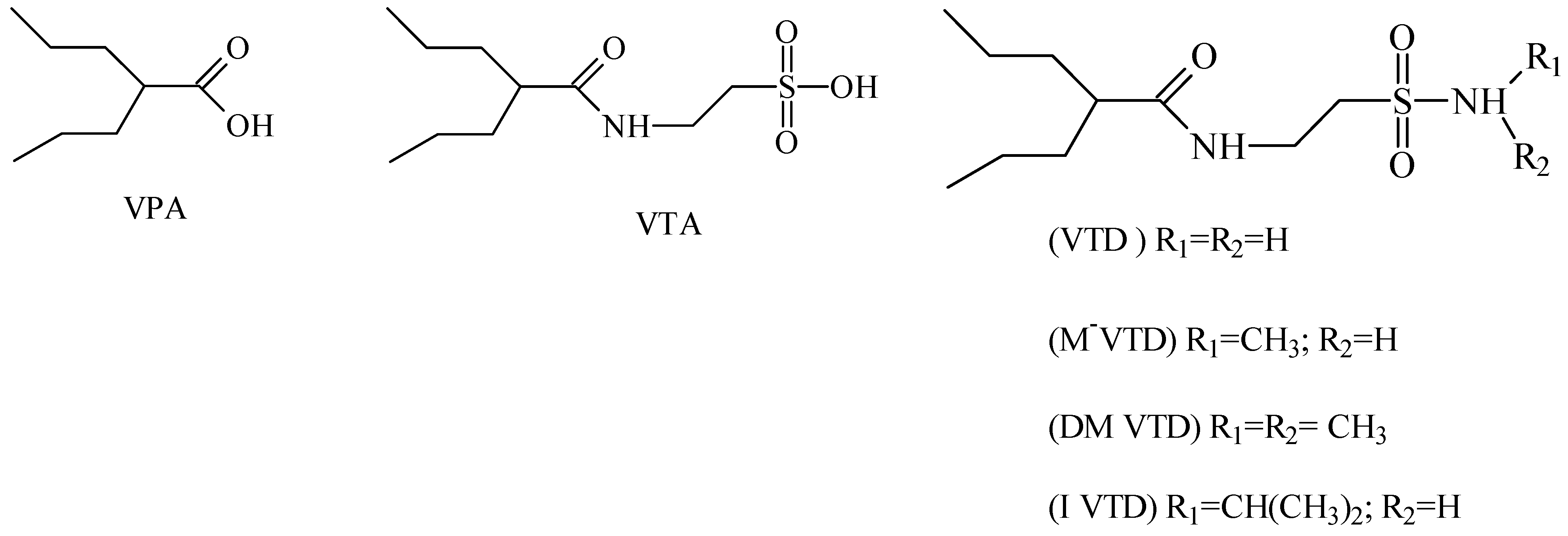
      <p>Isoherranen and co-workers [<xref ref-type="bibr" rid="B35-pharmaceuticals-05-01128">35</xref>] synthesized novel valproyltaurinamide derivatives (<xref ref-type="fig" rid="pharmaceuticals-05-01128-f002">Figure 2</xref>), that could act not only as mutual prodrugs of valproic acid (VPA) and taurine, but also as a hybrid one. The purpose of this work was to obtain better a valproic acid, an antiepileptic drug useful against a variety of types of epileptic seizures and compounds devoid of teratogenic effects. Three compounds showed good profile (VTD &gt; I-VTD and DM-VTD) in preventing tonic extension, clonus and wild running.</p>
      <p>In the pharmacokinetics assay, a good correlation with the brain metabolite <italic>N</italic>-alkyl-VTD and its anticonvulsant activity was observed, but no correlation was found with log P value and teratogenic potency. Neural tube defects were observed in the order VTA &gt; DM-VTD &gt; I-VTD &gt; VTD. The compound M-VTD had a very low teratogenic potential (1% of the live born fetuses, not significant, <italic>P</italic> &gt; 0.05).</p>
      <fig id="pharmaceuticals-05-01128-f002" position="anchor">
        <label>Figure 2</label>
        <caption>
          <p>Valproyltaurine derivatives.</p>
        </caption>
        <graphic xmlns:xlink="http://www.w3.org/1999/xlink" xlink:href="pharmaceuticals-05-01128-g002.tif"/>
      </fig>
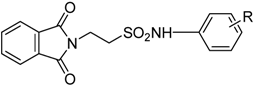
      <p>Based on the results with valproyltaurinamide derivatives and the knowledge of that anilide groups, with small substituents on the <italic>N</italic>-phenyl ring, are known to produce potent anticonvulsants, in 2007 Akgul and co-workers, repeated the Lindén <italic>et al</italic>. research [<xref ref-type="bibr" rid="B33-pharmaceuticals-05-01128">33</xref>] and obtained 15 new 2-phtalimidoethanesulfonamide derivatives with phenyl groups attached to the sulphonamide moiety The preliminary screening results indicated that the exchange of the <italic>N</italic>-isopropyl moiety for an <italic>N</italic>-phenyl ring in the taltrimide molecule abolished the anticonvulsant activity. However, introducing certain substituents, such as nitro, methyl, and chloro, into the <italic>N</italic>-phenyl ring lead to more active compounds in the MES test in comparison to the unsubstituted derivatives (<xref ref-type="table" rid="pharmaceuticals-05-01128-t001">Table 1</xref>). In the rotarod test for neurotoxicity effects were observed with a methyl substituent in the <italic>N</italic>-phenyl ring [<xref ref-type="bibr" rid="B36-pharmaceuticals-05-01128">36</xref>].</p>
      <table-wrap id="pharmaceuticals-05-01128-t001" position="float">
        <object-id pub-id-type="pii">pharmaceuticals-05-01128-t001_Table 1</object-id>
        <label>Table 1</label>
        <caption>
          <p>Best phenyl phtalimidoethanesulfonamide derivatives in MES test after 0.5 and 4 h of administration and the compounds’ neurotoxicity [<xref ref-type="bibr" rid="B36-pharmaceuticals-05-01128">36</xref>].</p>
		  <p><inline-graphic xmlns:xlink="http://www.w3.org/1999/xlink" xlink:href="pharmaceuticals-05-01128-i004.tif"/></p>
        </caption>
        <table rules="all" style="border:solid thin">
  <thead>
            <tr>
              <th align="center" valign="top">　</th>
              <th colspan="2" align="center" valign="top">Time of the test after administration of the drug</th>
            </tr>
  </thead>
  <tbody>
            <tr>
              <td align="center" valign="top">　</td>
              <td align="center" valign="top">0.5 h</td>
              <td align="center" valign="top">4 h</td>
            </tr>
            <tr>
              <td rowspan="3" align="left" valign="top">Best activity in MES test</td>
              <td align="left" valign="top">(I) R = 3-NO<sub>2</sub></td>
              <td align="left" valign="top">(III) R = 2-CH<sub>3</sub></td>
            </tr>
            <tr>
              <td rowspan="2" valign="top">(II) R = 2-Cl 　</td>
              <td valign="top">(IV) R = 2-CH(CH<sub>3</sub>)<sub>2</sub></td>
            </tr>
            <tr>
              <td valign="top">(V) R = 4-NO<sub>2</sub></td>
            </tr>
            <tr>
              <td align="left" valign="top">Higher neurotoxicity</td>
              <td align="left" valign="top">(VI) R = 3-CH<sub>3</sub></td>
              <td align="left" valign="top">(VII) R = 2-CH<sub>3</sub></td>
            </tr>
  </tbody>
        </table>
      </table-wrap>
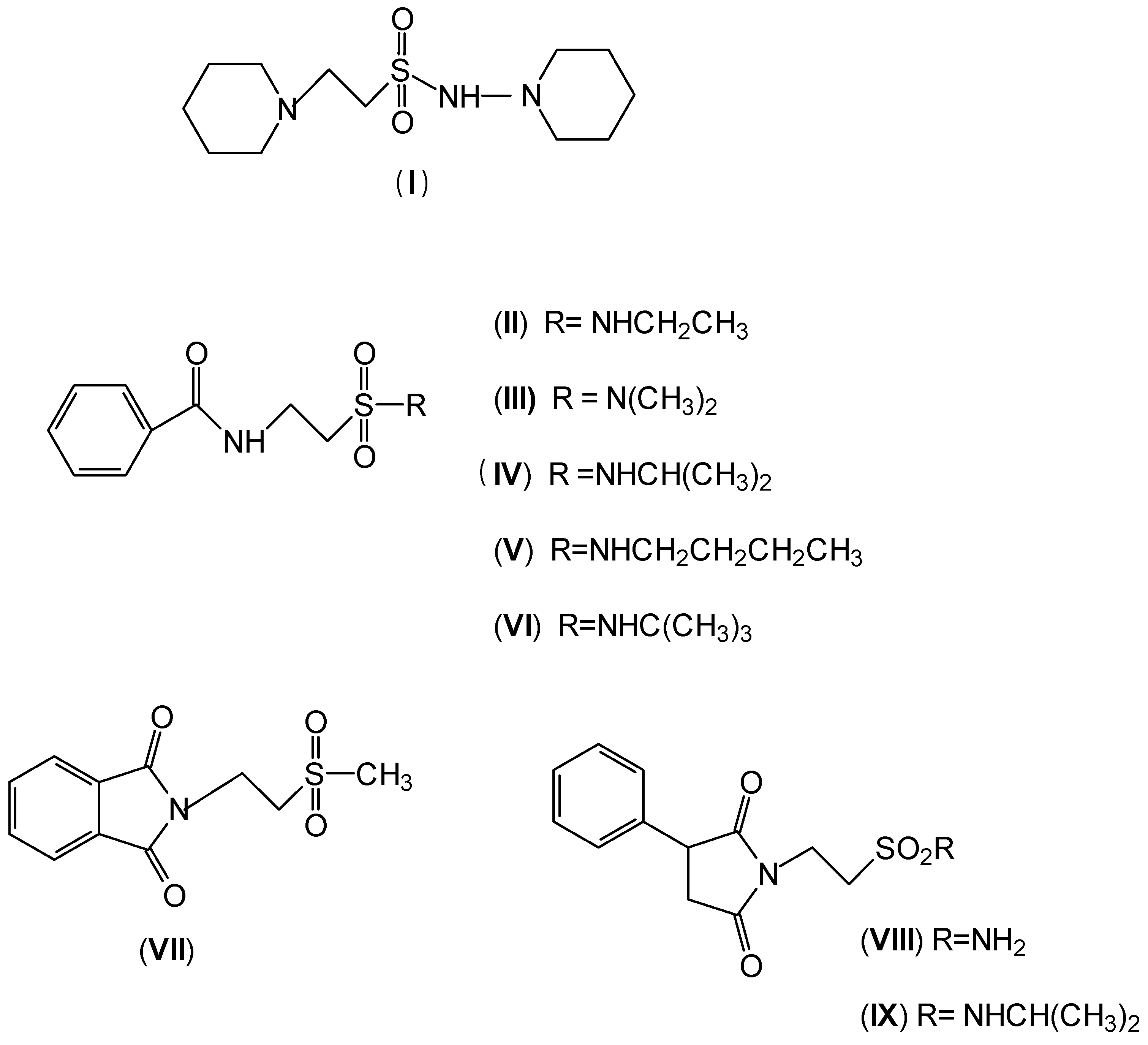
      <p>Oja and co-workers obtained 23 taurine derivatives substituted at the amine and sulfonic acid group. <xref ref-type="fig" rid="pharmaceuticals-05-01128-f003">Figure 3</xref> shows nine of the active compounds: piperidino (VIII) benzamido (IX-XIII), phthalimido (XIV) and phenylsuccinimido (XV-XVI) derivatives. Compound VIII showed the best activity when tested in rotarod method (used to assess motor coordination and balance in rodents) than other compounds and greater than valproate and diazepam when its effects were calculated from both the MES and PST test and compound I showed toxicity [<xref ref-type="bibr" rid="B37-pharmaceuticals-05-01128">37</xref>].</p>
      <fig id="pharmaceuticals-05-01128-f003" position="anchor">
        <label>Figure 3</label>
        <caption>
          <p>Structures of the compounds with anticonvulsant activity [<xref ref-type="bibr" rid="B37-pharmaceuticals-05-01128">37</xref>].</p>
        </caption>
        <graphic xmlns:xlink="http://www.w3.org/1999/xlink" xlink:href="pharmaceuticals-05-01128-g003.tif"/>
      </fig>
    </sec>
    <sec>
      <title>3. Alteration in Temperature Activity</title>
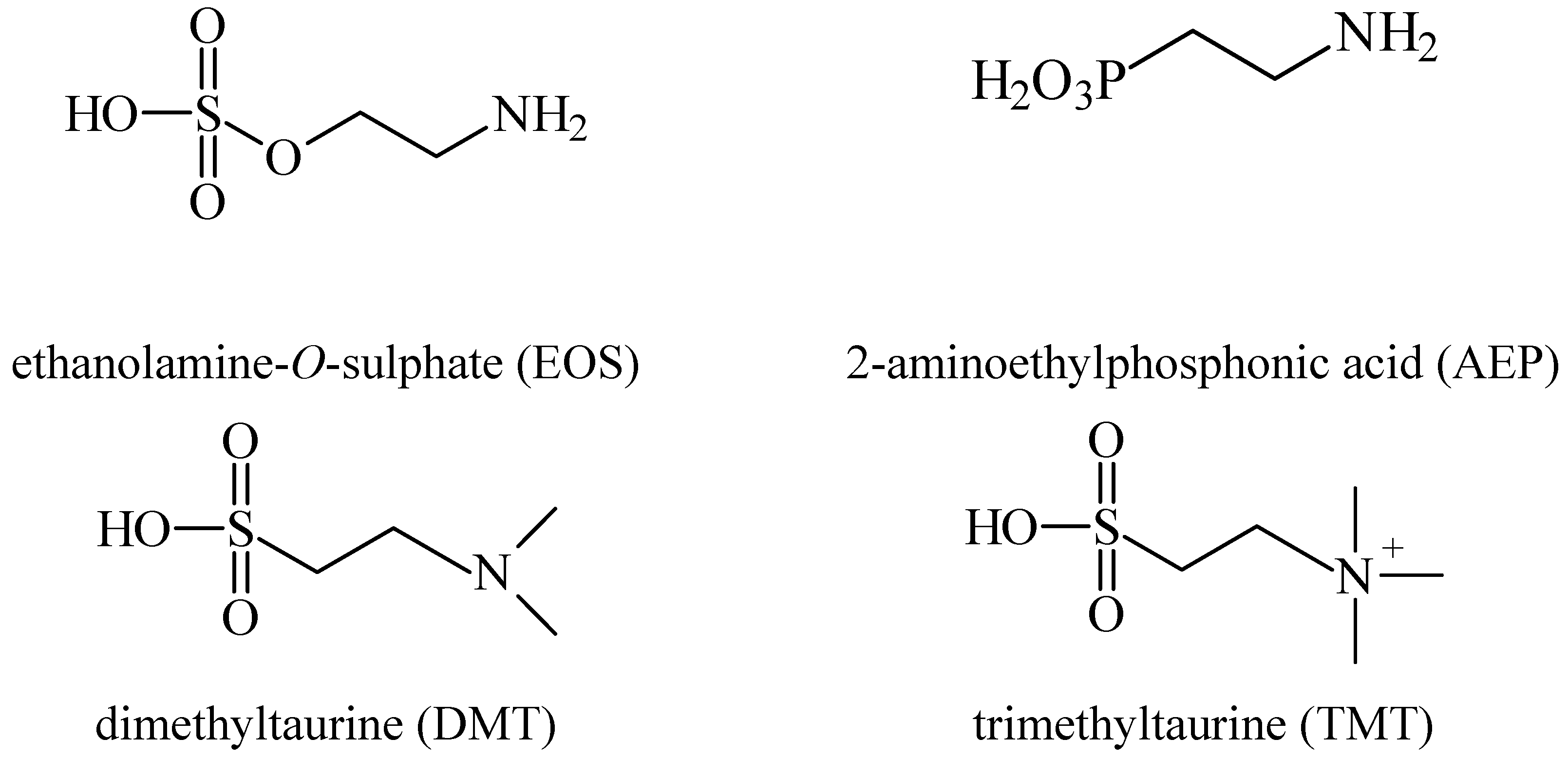
      <p>Besides the anticonvulsant activity, agonistic binding of taurine to GABA sites is also known to cause hypothermia. This feature, whereby many taurine derivatives such as ethanolamine-<italic>O</italic>-sulphate (EOS), 2-aminoethylphosphonic acid (AEP), dimethyltaurine (DMT) and trimethyltaurine (TMT) (<xref ref-type="fig" rid="pharmaceuticals-05-01128-f004">Figure 4</xref>) induced hyperthermia through the antagonism of GABA<sub>A</sub> and GABA<sub>B </sub>was studied by Frosini <italic>et al.</italic> [<xref ref-type="bibr" rid="B38-pharmaceuticals-05-01128">38</xref>].</p>
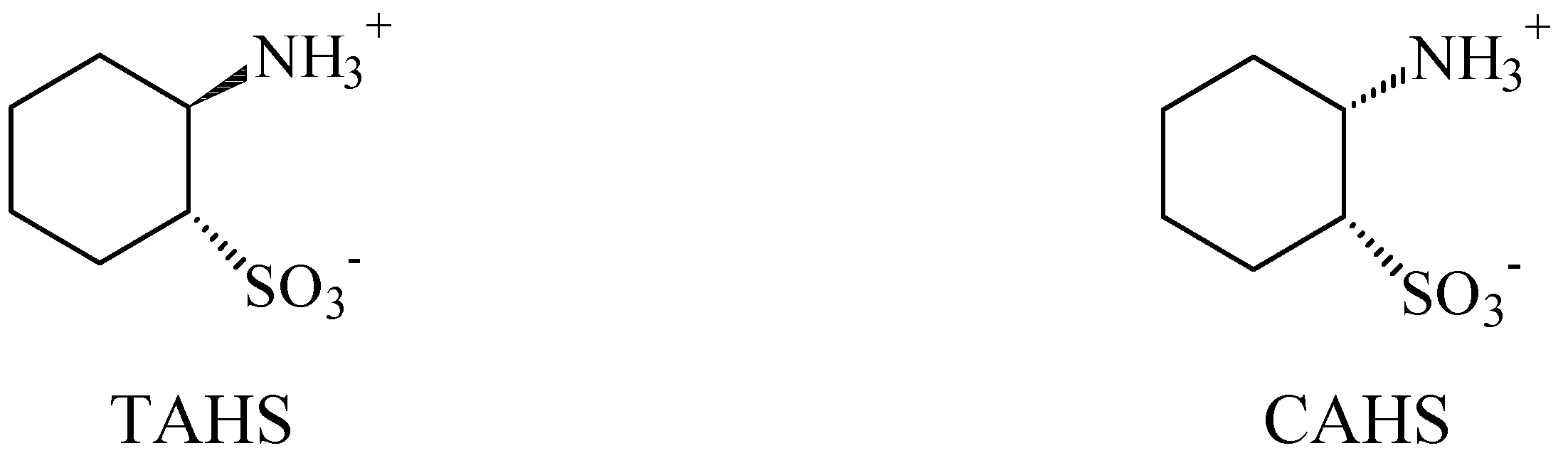
      <p>Frosini <italic>et al.</italic> explained why some taurine derivatives produce hyperthermia, as they bind to the taurine receptor without activating it, thus constraining taurine receptor agonists to activate the receptor to induce dissipation of body heat [<xref ref-type="bibr" rid="B39-pharmaceuticals-05-01128">39</xref>]. Furthermore, the study mentioned that the taurine receptor has a conformation which only allows the interaction of derivatives with the two functional groups in a axial-equatorial position. This explains why a derivative such as <italic>cis</italic>-amino-cyclohexaenesulfonic acid (CAHS) induces hypothermia whereas its <italic>trans-</italic>derivative (TAHS) is inactive (<xref ref-type="fig" rid="pharmaceuticals-05-01128-f005">Figure 5</xref>). The ring of the latter is repulsed by the hydrophilic area of the taurine receptor.</p>
      <fig id="pharmaceuticals-05-01128-f004" position="anchor">
        <label>Figure 4</label>
        <caption>
          <p>Structures of ethanolamine-<italic>O</italic>-sulphate (EOS), 2-aminoethylphosphonic acid (AEP), dimethyltaurine (DMT) and trimethyltaurine (TMT) with GABA<sub>A</sub> and GABA<sub>B</sub> antagonism.</p>
        </caption>
        <graphic xmlns:xlink="http://www.w3.org/1999/xlink" xlink:href="pharmaceuticals-05-01128-g004.tif"/>
      </fig>
      <fig id="pharmaceuticals-05-01128-f005" position="anchor">
        <label>Figure 5</label>
        <caption>
          <p>Structures of the derivatives <italic>trans-</italic> (TAHS) and <italic>cis</italic>-aminocyclohexanesulfonic acid (CAHS).</p>
        </caption>
        <graphic xmlns:xlink="http://www.w3.org/1999/xlink" xlink:href="pharmaceuticals-05-01128-g005.tif"/>
      </fig>
    </sec>
    <sec>
      <title>4. Prevention of Alzheimer’s and Neuroprotection</title>
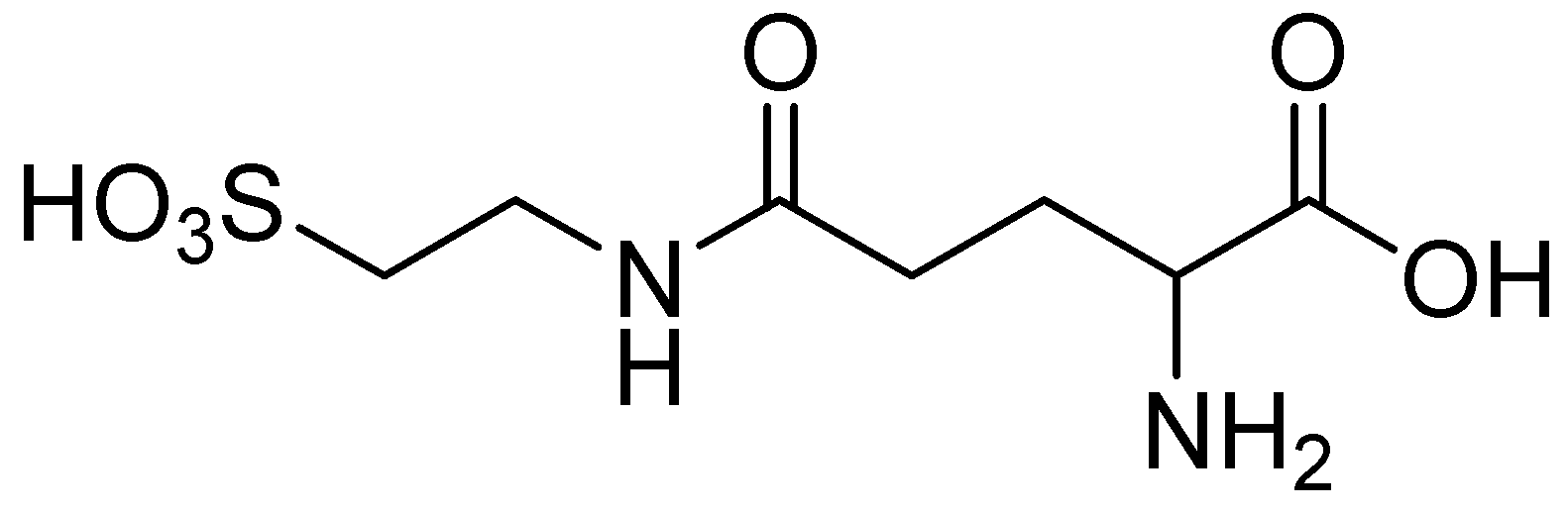
      <p>Varga and co-workers proposed γ-L-glutamyltaurine (<xref ref-type="fig" rid="pharmaceuticals-05-01128-f006">Figure 6</xref>) as an endogenous modulator in the excitatory aminoacidergic neurotransmission process inhibiting the glutamate-evoked increase in free intracellular Ca<sup>2+</sup> and the kainate-activated formation of cGMP in cerebellar slices [<xref ref-type="bibr" rid="B40-pharmaceuticals-05-01128">40</xref>]. Studies also showed that γ-L-glutamyltaurine could prevent the genotoxic action of mitomycin C (MMC) in rat bone marrow cells using the micronucleus test [<xref ref-type="bibr" rid="B41-pharmaceuticals-05-01128">41</xref>]. However, this compound lacks good properties to be used for CNS diseases.</p>
      <fig id="pharmaceuticals-05-01128-f006" position="anchor">
        <label>Figure 6</label>
        <caption>
          <p>Structure of γ-L-glutamyltaurine.</p>
        </caption>
        <graphic xmlns:xlink="http://www.w3.org/1999/xlink" xlink:href="pharmaceuticals-05-01128-g006.tif"/>
      </fig>
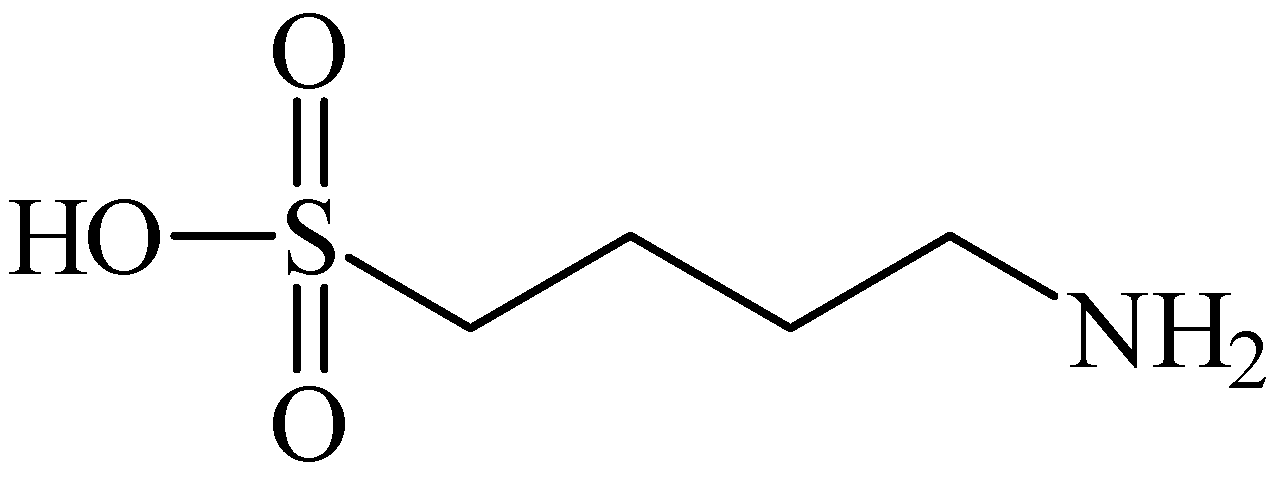
      <p>Addition of a carbon atom to the taurine molecule resulted in a new compound named homotaurine and it was first patented by Abbott Laboratories, in 1965 [<xref ref-type="bibr" rid="B42-pharmaceuticals-05-01128">42</xref>] (tramiprosate, <xref ref-type="fig" rid="pharmaceuticals-05-01128-f007">Figure 7</xref>) as a promising drug for Alzheimer’s treatment named Alzhemed™. It binds preferentially to soluble Aβ peptide and maintains Aβ in a non-fibrillar form, thereby inhibiting amyloid formation and deposition. [<xref ref-type="bibr" rid="B43-pharmaceuticals-05-01128">43</xref>]. It was entered phase III clinical trials but failed to demonstrate efficacy in long-term clinical testing of cognitive improvement [<xref ref-type="bibr" rid="B44-pharmaceuticals-05-01128">44</xref>].</p>
      <fig id="pharmaceuticals-05-01128-f007" position="anchor">
        <label>Figure 7</label>
        <caption>
          <p>Structure of homotaurine (tamiprosate, Alzehmed™).</p>
        </caption>
        <graphic xmlns:xlink="http://www.w3.org/1999/xlink" xlink:href="pharmaceuticals-05-01128-g007.tif"/>
      </fig>
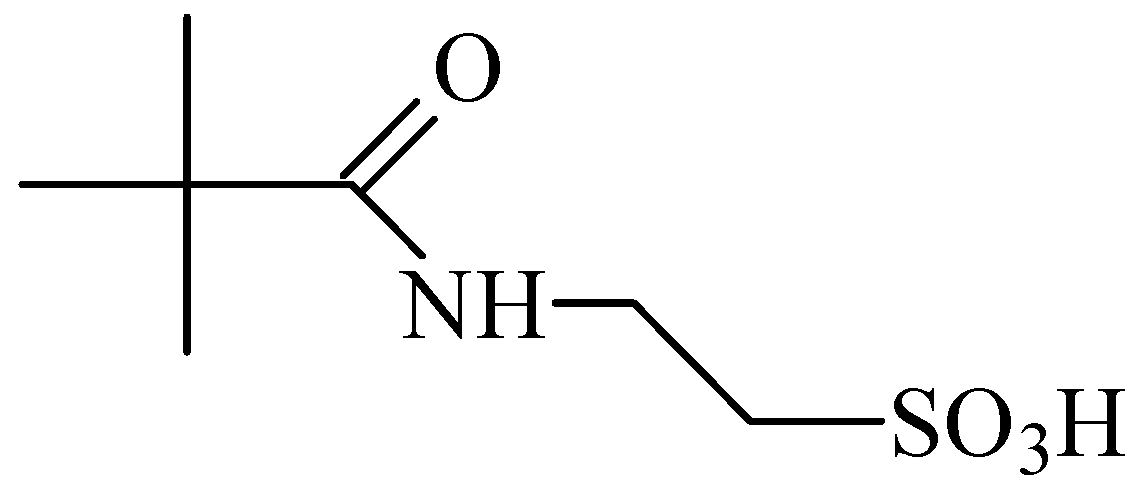
      <p>Homotaurine was also related to elevation of striatal dopamine, in a manner independent of impulse flow or exocytosis. Differently, the taurine-evoked increase in striatal dopamine was impulse-flow dependent [<xref ref-type="bibr" rid="B45-pharmaceuticals-05-01128">45</xref>]. <italic>N</italic>-Pivaloyltaurine (<xref ref-type="fig" rid="pharmaceuticals-05-01128-f008">Figure 8</xref>) is a prodrug of taurine that is slightly converted to taurine in the brain and shown to perform the same as taurine in striatal dopamine production [<xref ref-type="bibr" rid="B46-pharmaceuticals-05-01128">46</xref>].</p>
      <fig id="pharmaceuticals-05-01128-f008" position="anchor">
        <label>Figure 8</label>
        <caption>
          <p>Structure of <italic>N</italic>-pivaloyltaurine.</p>
        </caption>
        <graphic xmlns:xlink="http://www.w3.org/1999/xlink" xlink:href="pharmaceuticals-05-01128-g008.tif"/>
      </fig>
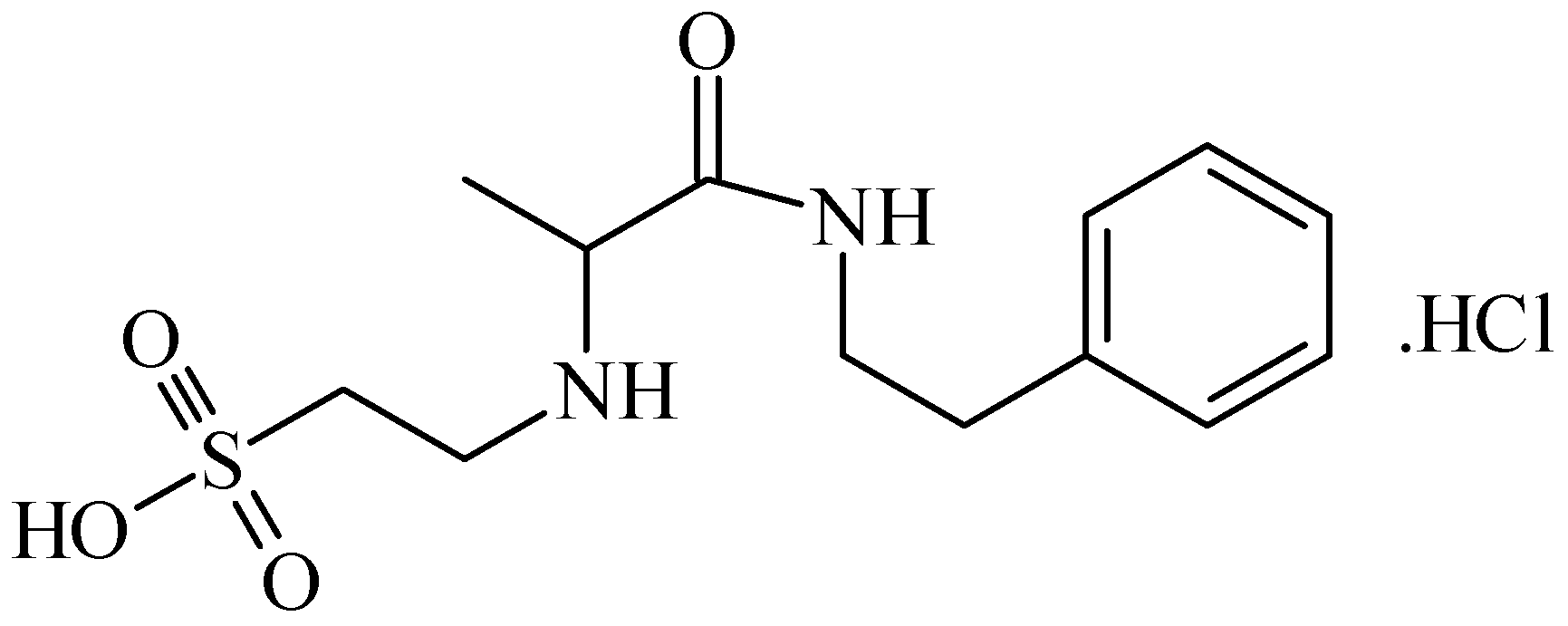
      <p>In a cerebral ischemia study, conducted by Sapronov <italic>et al.</italic>, the substance <italic>N</italic>-isopropylamide-2-(1-phenylethyl)aminoethanesulfonic acid hydrochloride (TAU-15, taurepar, <xref ref-type="fig" rid="pharmaceuticals-05-01128-f009">Figure 9</xref>), was also demonstrated to possess neuroprotective effects [<xref ref-type="bibr" rid="B47-pharmaceuticals-05-01128">47</xref>]. In this study, where a brain ischemia situation was simulated through the occlusion of the common carotid arteries, TAU-15 presented a variety of effects: It activated the aerobic oxidation of carbohydrates, improving the energy metabolism; inhibited the hyperactivation of lipid peroxidation under ischemia conditions; restored the antioxidant system, regulating the generation of free radicals; and increase animal lifetime by 40%. In addition to the neuroprotective properties of TAU-15, it is claimed that besides the aforementioned actions, taurepar also has a positive effect in spinal cord compression [<xref ref-type="bibr" rid="B48-pharmaceuticals-05-01128">48</xref>].</p>
      <fig id="pharmaceuticals-05-01128-f009" position="anchor">
        <label>Figure 9</label>
        <caption>
          <p>Structure of <italic>N</italic>-isopropylamine-2-(1-phenylethyl)aminoethanosulfonic acid hydrochloride (TAU-15, taurepar).</p>
        </caption>
        <graphic xmlns:xlink="http://www.w3.org/1999/xlink" xlink:href="pharmaceuticals-05-01128-g009.tif"/>
      </fig>
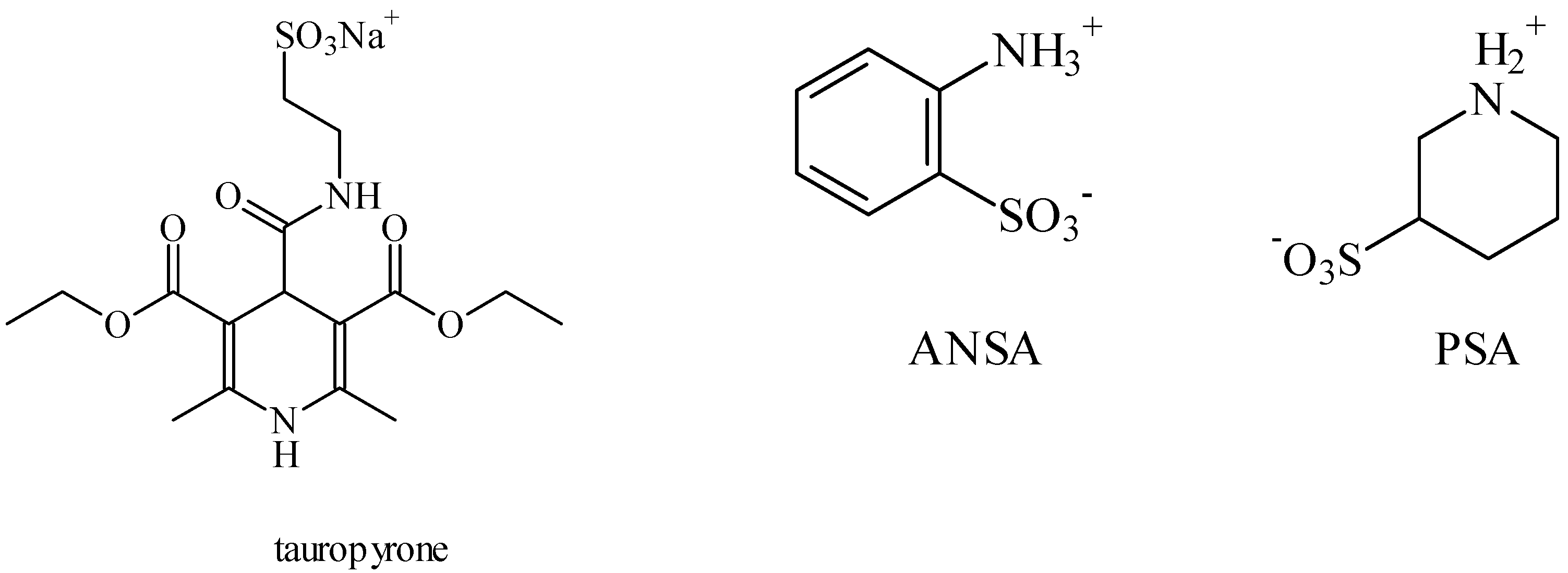
      <p>Tauropyrone (<xref ref-type="fig" rid="pharmaceuticals-05-01128-f010">Figure 10</xref>) has also been proven to be a neuroprotective agent, without anticonvulsant activity [<xref ref-type="bibr" rid="B49-pharmaceuticals-05-01128">49</xref>]. According to Ward <italic>et al</italic><italic>.</italic>, it was able to prevent the dopamine oxidation through the 6-OH-dopamine pathway, involved in Parkinson’s disease. Furthermore, unlike taurine, it does not depend on the taurine transporter to exert its functions, as it is more lipophilic. In another report, tauropyrone was claimed to prevent the oxygen-glucose deprivation (OGD) cell-damage, attenuating the production of lactate dehydrogenase, and the OGD-stimulated excitotoxicity by means of glutamate release [<xref ref-type="bibr" rid="B50-pharmaceuticals-05-01128">50</xref>]. In more recent research, the OGD model was used to evaluate taurine analogues that are GABA-T inhibitors. Piperidine 3-sulfinic acid (PSA), aniline 2-sulfinic acid (ANSA) (<xref ref-type="fig" rid="pharmaceuticals-05-01128-f010">Figure 10</xref>) and TAHS (<xref ref-type="fig" rid="pharmaceuticals-05-01128-f005">Figure 5</xref>) were also able to reduce lactate dehydrogenase and glutamate release, due to an increase in the GABAergic transmission caused by a reduction in the GABA metabolism [<xref ref-type="bibr" rid="B51-pharmaceuticals-05-01128">51</xref>,<xref ref-type="bibr" rid="B52-pharmaceuticals-05-01128">52</xref>].</p>
      <fig id="pharmaceuticals-05-01128-f010" position="anchor">
        <label>Figure 10</label>
        <caption>
          <p>Structures of tauropyrone, piperidine 3-sulfinic acid (PSA), aniline 2-sulfinic acid (ANSA).</p>
        </caption>
        <graphic xmlns:xlink="http://www.w3.org/1999/xlink" xlink:href="pharmaceuticals-05-01128-g010.tif"/>
      </fig>
    </sec>
    <sec>
      <title>5. Anti-Alcohol Activity</title>
      <p>Both taurine and ethanol exert positive allosteric modulatory effects on neuronal ligand-gated chloride channels (GABA A and glycine receptors) as well as inhibitory effects on other ligand- and voltage-gated cation channels (NMDA and Ca<sup>2+</sup> channels). Behavioral evidence suggests that taurine can alter the locomotor stimulatory, sedating, and motivational effects of ethanol in a strongly dose-dependent manner [<xref ref-type="bibr" rid="B53-pharmaceuticals-05-01128">53</xref>].</p>
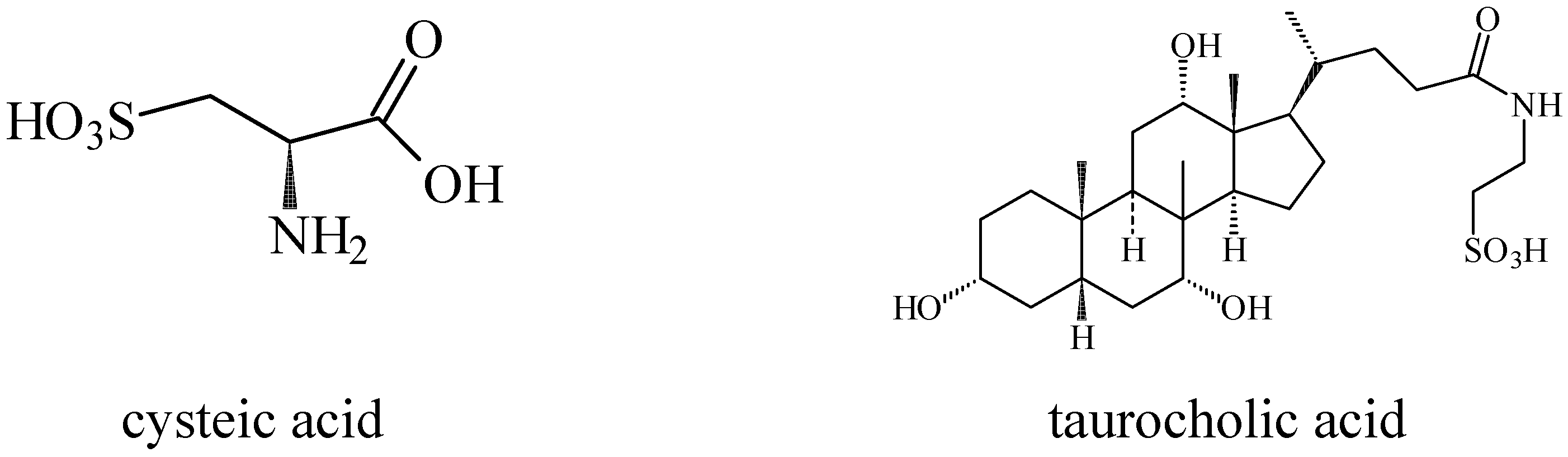
      <p>Research involving taurine analogues and ethanol intake had already been conducted by Messiha <italic>et al.</italic>, in which a comparison was made between some taurine precursors and metabolites. It was found that cysteic acid and taurocholic acid (<xref ref-type="fig" rid="pharmaceuticals-05-01128-f011">Figure 11</xref>) had the best effect in the reduction of ethanol intake. The former enhanced the ethanol-induced sleep time and the latter reduced the onset of sleep [<xref ref-type="bibr" rid="B54-pharmaceuticals-05-01128">54</xref>].</p>
      <fig id="pharmaceuticals-05-01128-f011" position="anchor">
        <label>Figure 11</label>
        <caption>
          <p>Structures of cysteic acid and taurocholic acid.</p>
        </caption>
        <graphic xmlns:xlink="http://www.w3.org/1999/xlink" xlink:href="pharmaceuticals-05-01128-g011.tif"/>
      </fig>
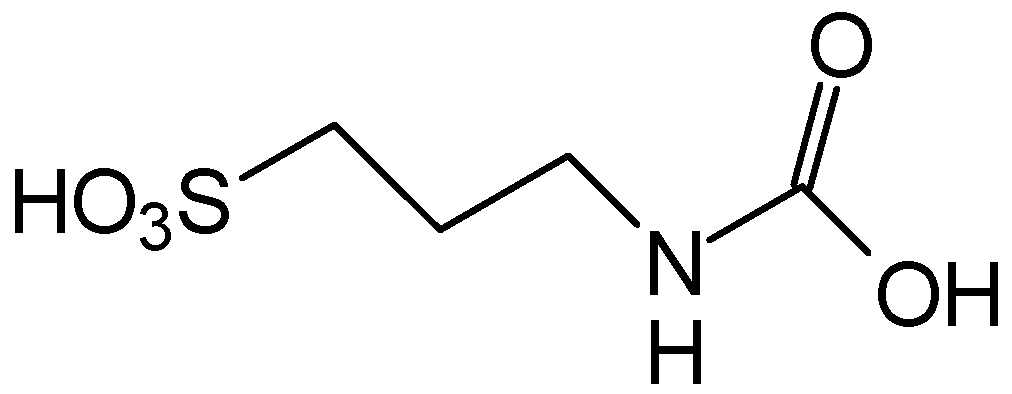
      <p>The most successful derivative of taurine for alcohol abuse use is the acetylhomotaurine derivative named acamprosate (calcium acetylhomotaurinate, <xref ref-type="fig" rid="pharmaceuticals-05-01128-f012">Figure 12</xref>). It can reduce ethanol self-administration and drinking relapses in both animals and humans. Taken together, these data suggest that the endogenous taurine system may be an important modulator of the effects of ethanol on the nervous system, and may represent a novel therapeutic avenue for the development of medications to treat alcohol abuse and alcoholism [<xref ref-type="bibr" rid="B53-pharmaceuticals-05-01128">53</xref>]. Indeed, in 2004, acamprosate (Campral™) was approved by the FDA for use in treating alcohol dependence. In a previous clinical trial report, acamprosate was also seen to be benefitial in alcohol-dependent individuals with bipolar disorder [<xref ref-type="bibr" rid="B44-pharmaceuticals-05-01128">44</xref>].</p>
      <fig id="pharmaceuticals-05-01128-f012" position="anchor">
        <label>Figure 12</label>
        <caption>
          <p>Structure of acamprosate.</p>
        </caption>
        <graphic xmlns:xlink="http://www.w3.org/1999/xlink" xlink:href="pharmaceuticals-05-01128-g012.tif"/>
      </fig>
      <p>Surprisingly a report by Dzirkale showed an anti-ethanol effect, reducing the ethanol sleeping time with low doses with tauropyrone, a neuroportector compound described before, devoid of anticonvulsant activity [<xref ref-type="bibr" rid="B55-pharmaceuticals-05-01128">55</xref>].</p>
    </sec>
    <sec>
      <title>6. Retina Protector</title>
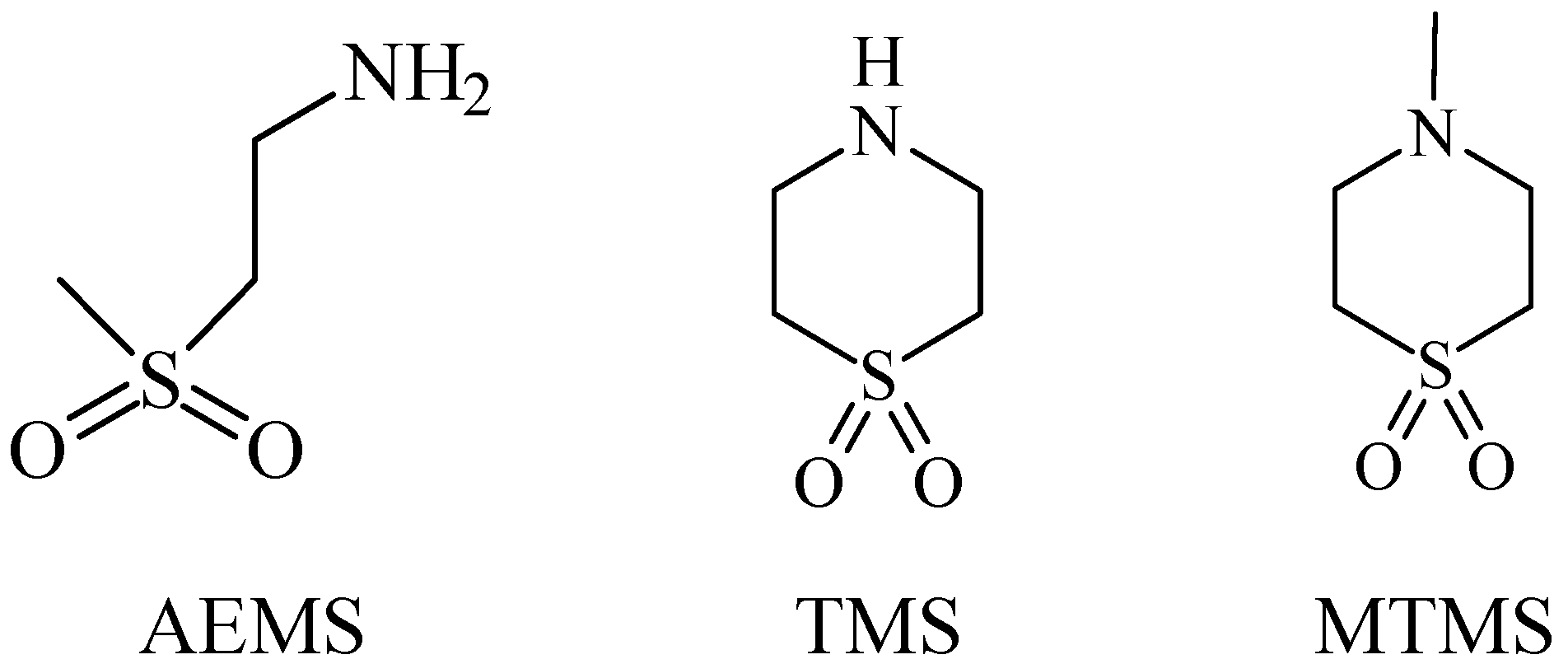
      <p>In normal organisms the retina possesses high levels of taurine, The greatest concentration of taurine is found in the photoreceptor cell layer of the retina. Taurine deficiency induces abnormal bipolar cell plasticity and induces retinal ganglion cells loss in mice [<xref ref-type="bibr" rid="B14-pharmaceuticals-05-01128">14</xref>]. Three derivatives: 2-aminoethylmethylsulfone (AEMS), thiomorpholine 1,1-dioxide (TMS) and <italic>N</italic>-methyl- thiomorpholine 1,1-dioxide (MTMS) (<xref ref-type="fig" rid="pharmaceuticals-05-01128-f013">Figure 13</xref>) were shown to be the most promising compounds obtained. They showed more potency than other cyclic compounds such as CAHS and TAHS. They act by stimulating ATP-dependent Ca<sup>2+</sup> uptake [<xref ref-type="bibr" rid="B56-pharmaceuticals-05-01128">56</xref>].</p>
      <fig id="pharmaceuticals-05-01128-f013" position="anchor">
        <label>Figure 13</label>
        <caption>
          <p>Structures of 2-aminoethylmethylsulfone (AEMS), thiomorpholine 1,1-dioxide (TMS) and <italic>N</italic>-methylthiomorpholine 1,1-dioxide (MTMS).</p>
        </caption>
        <graphic xmlns:xlink="http://www.w3.org/1999/xlink" xlink:href="pharmaceuticals-05-01128-g013.tif"/>
      </fig>
    </sec>
    <sec>
      <title>7. Anticancer</title>
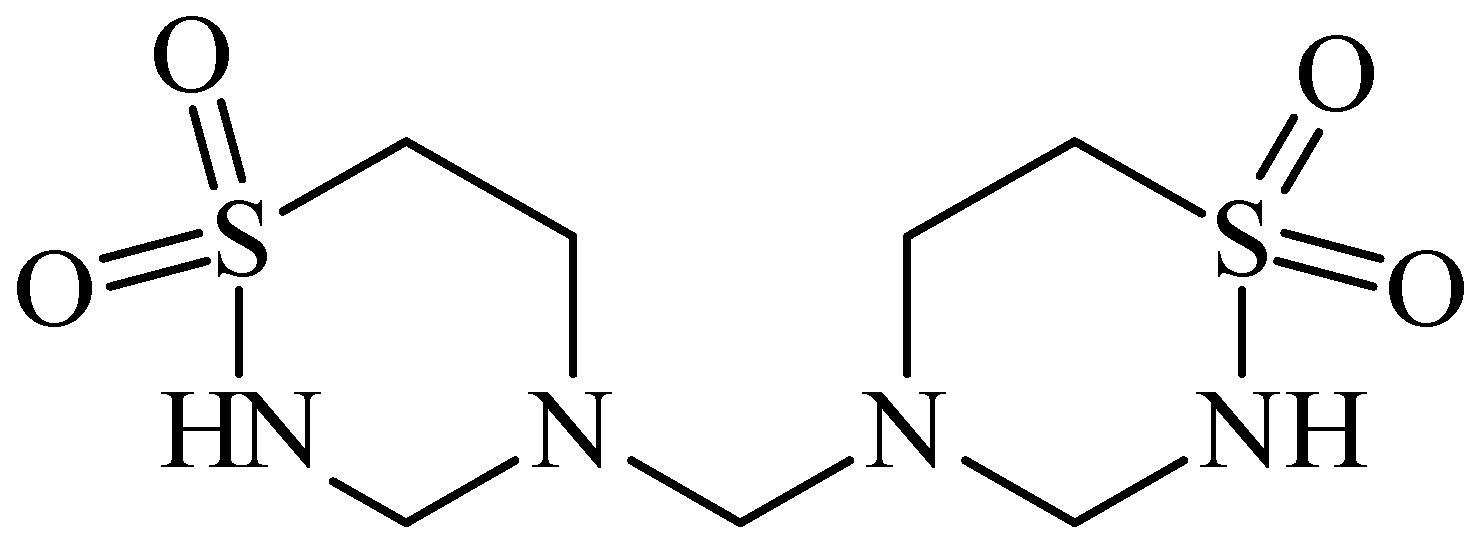
      <p>Taurolidine (TRD, <xref ref-type="fig" rid="pharmaceuticals-05-01128-f014">Figure 14</xref>) is a taurine derivative that was first described as an anti-bacterial substance, with anti-cancer properties due its pro-apoptotic actions [<xref ref-type="bibr" rid="B57-pharmaceuticals-05-01128">57</xref>,<xref ref-type="bibr" rid="B58-pharmaceuticals-05-01128">58</xref>]. It induces apoptosis through the appearance of cytocrome C, which is normally in the mitocondria, in the cytoplasm, and stimulating the activation of procaspases 8 and 9. Furthermore, taurolidine is known to increase the level of the protein Bax, decreasing the levels of Bcl-2, Mcl-1 and survivin. TRD has shown encouraging clinical results after intravenous administration in patients with gastrointestinal malignancies and tumors of the central nervous system [<xref ref-type="bibr" rid="B59-pharmaceuticals-05-01128">59</xref>]. Art and co-workers showed severe hepatotoxicity with taurolidine and the failure to inhibit primary osteosarcoma tumor growth in mice. However, more studies are needed to balance its benefits and toxicity in cancer treatment [<xref ref-type="bibr" rid="B60-pharmaceuticals-05-01128">60</xref>].</p>
      <fig id="pharmaceuticals-05-01128-f014" position="anchor">
        <label>Figure 14</label>
        <caption>
          <p>Structure of taurolidine.</p>
        </caption>
        <graphic xmlns:xlink="http://www.w3.org/1999/xlink" xlink:href="pharmaceuticals-05-01128-g014.tif"/>
      </fig>
    </sec>
    <sec>
      <title>8. CLogP of the Compounds</title>
      <p>Log P is a coefficient partition parameter used to measure the lipophilicity of the compounds and it can be used predict the membrane passive diffusion by drugs. We calculated Log P (CLogP) values using ChemBioDraw Ultra, version 12.0, Cambridge Software [<xref ref-type="bibr" rid="B61-pharmaceuticals-05-01128">61</xref>], of all above taurine derivative obtained for the treatment of CNS diseases. <xref ref-type="table" rid="pharmaceuticals-05-01128-t002">Table 2</xref> shows the results. All the compounds presented ClogP values higher than that obtained for taurine (−4.7936), suggesting an increase of the lipophilicity. Positive values suggest passive diffusion across the membrane (BBB) and compounds with negative values may cross the membrane using a transport system (GABA or TAU). The results don’t show the correlation of values for CLogP and biological activity.</p>
      <table-wrap id="pharmaceuticals-05-01128-t002" position="float">
        <object-id pub-id-type="pii">pharmaceuticals-05-01128-t002_Table 2</object-id>
        <label>Table 2</label>
        <caption>
          <p>CLogP * values of the derivatives of taurine with CNS activity. </p>
        </caption>
        <table>
  <thead>
            <tr>
              <th align="center" valign="middle">Chemical Structures</th>
              <th align="center" valign="middle">Clog P</th>
              <th align="center" valign="middle">Pharmacological activities</th>
              <th align="center" valign="middle">References</th>
            </tr>
  </thead>
          <tbody>
            <tr>
              <td align="center" valign="middle"><inline-graphic xmlns:xlink="http://www.w3.org/1999/xlink" xlink:href="pharmaceuticals-05-01128-i014.tif"/></td>
              <td align="center" valign="middle">−4.7936</td>
              <td align="center" valign="middle">Physiological aminoacid taurine osmorregulator, neuromodulator, neuroprotector</td>
              <td align="center" valign="middle"> </td>
            </tr>
            <tr>
              <td align="center" valign="middle"><inline-graphic xmlns:xlink="http://www.w3.org/1999/xlink" xlink:href="pharmaceuticals-05-01128-i015.tif"/></td>
              <td align="center" valign="middle">1.0880</td>
              <td align="center" valign="middle">Anticonvulsant</td>
              <td align="center" valign="middle">[<xref ref-type="bibr" rid="B35-pharmaceuticals-05-01128">35</xref>]</td>
            </tr>
            <tr>
              <td align="center" valign="middle"><inline-graphic xmlns:xlink="http://www.w3.org/1999/xlink" xlink:href="pharmaceuticals-05-01128-i016.tif"/></td>
              <td align="center" valign="middle">2.0546</td>
              <td align="center" valign="middle">Anticonvulsant</td>
              <td align="center" valign="middle">[<xref ref-type="bibr" rid="B35-pharmaceuticals-05-01128">35</xref>]</td>
            </tr>
            <tr>
              <td align="center" valign="middle"><inline-graphic xmlns:xlink="http://www.w3.org/1999/xlink" xlink:href="pharmaceuticals-05-01128-i017.tif"/></td>
              <td align="center" valign="middle">2.5066</td>
              <td align="center" valign="middle">Anticonvulsant</td>
              <td align="center" valign="middle">[<xref ref-type="bibr" rid="B35-pharmaceuticals-05-01128">35</xref>]</td>
            </tr>
            <tr>
              <td align="center" valign="middle"><inline-graphic xmlns:xlink="http://www.w3.org/1999/xlink" xlink:href="pharmaceuticals-05-01128-i018.tif"/></td>
              <td align="center" valign="middle">1.6686</td>
              <td align="center" valign="middle">Anticonvulsant</td>
              <td align="center" valign="middle">[<xref ref-type="bibr" rid="B35-pharmaceuticals-05-01128">35</xref>]</td>
            </tr>
            <tr>
              <td align="center" valign="middle"><inline-graphic xmlns:xlink="http://www.w3.org/1999/xlink" xlink:href="pharmaceuticals-05-01128-i019.tif"/></td>
              <td align="center" valign="middle">2.5711</td>
              <td align="center" valign="middle">Anticonvulsant</td>
              <td align="center" valign="middle">[<xref ref-type="bibr" rid="B33-pharmaceuticals-05-01128">33</xref>]</td>
            </tr>
            <tr>
              <td align="center" valign="middle"><inline-graphic xmlns:xlink="http://www.w3.org/1999/xlink" xlink:href="pharmaceuticals-05-01128-i020.tif"/></td>
              <td align="center" valign="middle">2.7571</td>
              <td align="center" valign="middle">Anticonvulsant</td>
              <td align="center" valign="middle">[<xref ref-type="bibr" rid="B33-pharmaceuticals-05-01128">33</xref>]</td>
            </tr>
            <tr>
              <td align="center" valign="middle"><inline-graphic xmlns:xlink="http://www.w3.org/1999/xlink" xlink:href="pharmaceuticals-05-01128-i021.tif"/></td>
              <td align="center" valign="middle">2.3471</td>
              <td align="center" valign="middle">Anticonvulsant</td>
              <td align="center" valign="middle">[<xref ref-type="bibr" rid="B33-pharmaceuticals-05-01128">33</xref>]</td>
            </tr>
            <tr>
              <td align="center" valign="middle"><inline-graphic xmlns:xlink="http://www.w3.org/1999/xlink" xlink:href="pharmaceuticals-05-01128-i022.tif"/></td>
              <td align="center" valign="middle">3.0251</td>
              <td align="center" valign="middle">Anticonvulsant</td>
              <td align="center" valign="middle">[<xref ref-type="bibr" rid="B33-pharmaceuticals-05-01128">33</xref>]</td>
            </tr>
            <tr>
              <td align="center" valign="middle"><inline-graphic xmlns:xlink="http://www.w3.org/1999/xlink" xlink:href="pharmaceuticals-05-01128-i023.tif"/></td>
              <td align="center" valign="middle">2.5711</td>
              <td align="center" valign="middle">Anticonvulsant.</td>
              <td align="center" valign="middle">[<xref ref-type="bibr" rid="B33-pharmaceuticals-05-01128">33</xref>]</td>
            </tr>
            <tr>
              <td align="center" valign="middle"><inline-graphic xmlns:xlink="http://www.w3.org/1999/xlink" xlink:href="pharmaceuticals-05-01128-i024.tif"/></td>
              <td align="center" valign="middle">2.9071</td>
              <td align="center" valign="middle">Anticonvulsant</td>
              <td align="center" valign="middle">[<xref ref-type="bibr" rid="B33-pharmaceuticals-05-01128">33</xref>]</td>
            </tr>
            <tr>
              <td align="center" valign="middle"><inline-graphic xmlns:xlink="http://www.w3.org/1999/xlink" xlink:href="pharmaceuticals-05-01128-i025.tif"/></td>
              <td align="center" valign="middle">0.9486</td>
              <td align="center" valign="middle">Anticonvulsant</td>
              <td align="center" valign="middle">[<xref ref-type="bibr" rid="B37-pharmaceuticals-05-01128">37</xref>]</td>
            </tr>
            <tr>
              <td align="center" valign="middle"><inline-graphic xmlns:xlink="http://www.w3.org/1999/xlink" xlink:href="pharmaceuticals-05-01128-i026.tif"/></td>
              <td align="center" valign="middle">0.8056</td>
              <td align="center" valign="middle">Anticonvulsant</td>
              <td align="center" valign="middle">[<xref ref-type="bibr" rid="B37-pharmaceuticals-05-01128">37</xref>]</td>
            </tr>
            <tr>
              <td align="center" valign="middle"><inline-graphic xmlns:xlink="http://www.w3.org/1999/xlink" xlink:href="pharmaceuticals-05-01128-i027.tif"/></td>
              <td align="center" valign="middle">−3.6202</td>
              <td align="center" valign="middle">Hyperthermia by GABA antogonism</td>
              <td align="center" valign="middle">[<xref ref-type="bibr" rid="B38-pharmaceuticals-05-01128">38</xref>]</td>
            </tr>
            <tr>
              <td align="center" valign="middle"><inline-graphic xmlns:xlink="http://www.w3.org/1999/xlink" xlink:href="pharmaceuticals-05-01128-i028.tif"/></td>
              <td align="center" valign="middle">−3.8958</td>
              <td align="center" valign="middle">Hyperthermia by GABA antogonism</td>
              <td align="center" valign="middle">[<xref ref-type="bibr" rid="B38-pharmaceuticals-05-01128">38</xref>]</td>
            </tr>
            <tr>
              <td align="center" valign="middle"><inline-graphic xmlns:xlink="http://www.w3.org/1999/xlink" xlink:href="pharmaceuticals-05-01128-i029.tif"/></td>
              <td align="center" valign="middle">−3.9796</td>
              <td align="center" valign="middle">Hyperthermia by GABA antogonism</td>
              <td align="center" valign="middle">[<xref ref-type="bibr" rid="B38-pharmaceuticals-05-01128">38</xref>]</td>
            </tr>
            <tr>
              <td align="center" valign="middle"><inline-graphic xmlns:xlink="http://www.w3.org/1999/xlink" xlink:href="pharmaceuticals-05-01128-i030.tif"/></td>
              <td align="center" valign="middle">−3.3916</td>
              <td align="center" valign="middle">Hyperthermia by GABA antogonism</td>
              <td align="center" valign="middle">[<xref ref-type="bibr" rid="B39-pharmaceuticals-05-01128">39</xref>]</td>
            </tr>
            <tr>
              <td align="center" valign="middle"><inline-graphic xmlns:xlink="http://www.w3.org/1999/xlink" xlink:href="pharmaceuticals-05-01128-i031.tif"/></td>
              <td align="center" valign="middle">−3.3916</td>
              <td align="center" valign="middle">Hyperthermia by GABA antogonism</td>
              <td align="center" valign="middle">[<xref ref-type="bibr" rid="B39-pharmaceuticals-05-01128">39</xref>]</td>
            </tr>
            <tr>
              <td align="center" valign="middle"><inline-graphic xmlns:xlink="http://www.w3.org/1999/xlink" xlink:href="pharmaceuticals-05-01128-i032.tif"/></td>
              <td align="center" valign="middle">1.2576</td>
              <td align="center" valign="middle">Anticonvulsant</td>
              <td align="center" valign="middle">[<xref ref-type="bibr" rid="B37-pharmaceuticals-05-01128">37</xref>]</td>
            </tr>
            <tr>
              <td align="center" valign="middle"><inline-graphic xmlns:xlink="http://www.w3.org/1999/xlink" xlink:href="pharmaceuticals-05-01128-i033.tif"/></td>
              <td align="center" valign="middle">2,0066</td>
              <td align="center" valign="middle">Anticonvulsant</td>
              <td align="center" valign="middle">[<xref ref-type="bibr" rid="B37-pharmaceuticals-05-01128">37</xref>]</td>
            </tr>
            <tr>
              <td align="center" valign="middle"><inline-graphic xmlns:xlink="http://www.w3.org/1999/xlink" xlink:href="pharmaceuticals-05-01128-i034.tif"/></td>
              <td align="center" valign="middle">1.6566</td>
              <td align="center" valign="middle">Anticonvulsant</td>
              <td align="center" valign="middle">[<xref ref-type="bibr" rid="B37-pharmaceuticals-05-01128">37</xref>]</td>
            </tr>
            <tr>
              <td align="center" valign="middle"><inline-graphic xmlns:xlink="http://www.w3.org/1999/xlink" xlink:href="pharmaceuticals-05-01128-i035.tif"/></td>
              <td align="center" valign="middle">0.2834</td>
              <td align="center" valign="middle">Anticonvulsant</td>
              <td align="center" valign="middle">[<xref ref-type="bibr" rid="B37-pharmaceuticals-05-01128">37</xref>]</td>
            </tr>
            <tr>
              <td align="center" valign="middle"><inline-graphic xmlns:xlink="http://www.w3.org/1999/xlink" xlink:href="pharmaceuticals-05-01128-i036.tif"/></td>
              <td align="center" valign="middle">0.8374</td>
              <td align="center" valign="middle">Anticonvulsant</td>
              <td align="center" valign="middle"> [<xref ref-type="bibr" rid="B37-pharmaceuticals-05-01128">37</xref>]</td>
            </tr>
            <tr>
              <td align="center" valign="middle"><inline-graphic xmlns:xlink="http://www.w3.org/1999/xlink" xlink:href="pharmaceuticals-05-01128-i037.tif"/></td>
              <td align="center" valign="middle">2.1490</td>
              <td align="center" valign="middle">Anticonvulsant</td>
              <td align="center" valign="middle">[<xref ref-type="bibr" rid="B37-pharmaceuticals-05-01128">37</xref>]</td>
            </tr>
            <tr>
              <td align="center" valign="middle"><inline-graphic xmlns:xlink="http://www.w3.org/1999/xlink" xlink:href="pharmaceuticals-05-01128-i038.tif"/></td>
              <td align="center" valign="middle">−4.7068</td>
              <td align="center" valign="middle">Alzheimer’s prevention and neuroprotection</td>
              <td align="center" valign="middle">[<xref ref-type="bibr" rid="B41-pharmaceuticals-05-01128">41</xref>,<xref ref-type="bibr" rid="B42-pharmaceuticals-05-01128">42</xref>]</td>
            </tr>
            <tr>
              <td align="center" valign="middle"><inline-graphic xmlns:xlink="http://www.w3.org/1999/xlink" xlink:href="pharmaceuticals-05-01128-i039.tif"/></td>
              <td align="center" valign="middle">−4.4994</td>
              <td align="center" valign="middle">Alzheimer’s prevention and neuroprotection</td>
              <td align="center" valign="middle">[<xref ref-type="bibr" rid="B42-pharmaceuticals-05-01128">42</xref>,<xref ref-type="bibr" rid="B43-pharmaceuticals-05-01128">43</xref>,<xref ref-type="bibr" rid="B44-pharmaceuticals-05-01128">44</xref>]</td>
            </tr>
            <tr>
              <td align="center" valign="middle"><inline-graphic xmlns:xlink="http://www.w3.org/1999/xlink" xlink:href="pharmaceuticals-05-01128-i040.tif"/></td>
              <td align="center" valign="middle">−1.3964</td>
              <td align="center" valign="middle">Alzheimer’s prevention and neuroprotection</td>
              <td align="center" valign="middle">[<xref ref-type="bibr" rid="B44-pharmaceuticals-05-01128">44</xref>,<xref ref-type="bibr" rid="B45-pharmaceuticals-05-01128">45</xref>,<xref ref-type="bibr" rid="B46-pharmaceuticals-05-01128">46</xref>]</td>
            </tr>
            <tr>
              <td align="center" valign="middle"><inline-graphic xmlns:xlink="http://www.w3.org/1999/xlink" xlink:href="pharmaceuticals-05-01128-i041.tif"/></td>
              <td align="center" valign="middle">−2.8288</td>
              <td align="center" valign="middle">Alzheimer’s prevention and neuroprotection</td>
              <td align="center" valign="middle">[<xref ref-type="bibr" rid="B47-pharmaceuticals-05-01128">47</xref>,<xref ref-type="bibr" rid="B48-pharmaceuticals-05-01128">48</xref>,<xref ref-type="bibr" rid="B49-pharmaceuticals-05-01128">49</xref>,<xref ref-type="bibr" rid="B50-pharmaceuticals-05-01128">50</xref>]</td>
            </tr>
            <tr>
              <td align="center" valign="middle"><inline-graphic xmlns:xlink="http://www.w3.org/1999/xlink" xlink:href="pharmaceuticals-05-01128-i042.tif"/></td>
              <td align="center" valign="middle">0.5202</td>
              <td align="center" valign="middle">Alzheimer’s and Parkinson’s disease prevention and neuroprotection</td>
              <td align="center" valign="middle">[<xref ref-type="bibr" rid="B51-pharmaceuticals-05-01128">51</xref>,<xref ref-type="bibr" rid="B52-pharmaceuticals-05-01128">52</xref>]</td>
            </tr>
            <tr>
              <td align="center" valign="middle"><inline-graphic xmlns:xlink="http://www.w3.org/1999/xlink" xlink:href="pharmaceuticals-05-01128-i043.tif"/></td>
              <td align="center" valign="middle">−1.8720</td>
              <td align="center" valign="middle">Alzheimer’s and Parkinson’s disease prevention and neuroprotection</td>
              <td align="center" valign="middle">[<xref ref-type="bibr" rid="B51-pharmaceuticals-05-01128">51</xref>,<xref ref-type="bibr" rid="B52-pharmaceuticals-05-01128">52</xref>]</td>
            </tr>
            <tr>
              <td align="center" valign="middle"><inline-graphic xmlns:xlink="http://www.w3.org/1999/xlink" xlink:href="pharmaceuticals-05-01128-i044.tif"/></td>
              <td align="center" valign="middle">−3.3915</td>
              <td align="center" valign="middle">Alzheimer’s and Parkinson’s disease prevention and neuroprotection</td>
              <td align="center" valign="middle">[<xref ref-type="bibr" rid="B51-pharmaceuticals-05-01128">51</xref>,<xref ref-type="bibr" rid="B52-pharmaceuticals-05-01128">52</xref>]</td>
            </tr>
            <tr>
              <td align="center" valign="middle"><inline-graphic xmlns:xlink="http://www.w3.org/1999/xlink" xlink:href="pharmaceuticals-05-01128-i045.tif"/></td>
              <td align="center" valign="middle">−4.471</td>
              <td align="center" valign="middle">Anti-alcohol activity</td>
              <td align="center" valign="middle">[<xref ref-type="bibr" rid="B53-pharmaceuticals-05-01128">53</xref>,<xref ref-type="bibr" rid="B54-pharmaceuticals-05-01128">54</xref>]</td>
            </tr>
            <tr>
              <td align="center" valign="middle"><inline-graphic xmlns:xlink="http://www.w3.org/1999/xlink" xlink:href="pharmaceuticals-05-01128-i046.tif"/></td>
              <td align="center" valign="middle">−0.7994</td>
              <td align="center" valign="middle">Anti-alcohol activity.</td>
              <td align="center" valign="middle">[<xref ref-type="bibr" rid="B53-pharmaceuticals-05-01128">53</xref>,<xref ref-type="bibr" rid="B54-pharmaceuticals-05-01128">54</xref>]</td>
            </tr>
            <tr>
              <td align="center" valign="middle"><inline-graphic xmlns:xlink="http://www.w3.org/1999/xlink" xlink:href="pharmaceuticals-05-01128-i047.tif"/></td>
              <td align="center" valign="middle">−3.0638</td>
              <td align="center" valign="middle">Anti-alcohol activity</td>
              <td align="center" valign="middle">[<xref ref-type="bibr" rid="B55-pharmaceuticals-05-01128">55</xref>]</td>
            </tr>
            <tr>
              <td align="center" valign="middle"><inline-graphic xmlns:xlink="http://www.w3.org/1999/xlink" xlink:href="pharmaceuticals-05-01128-i048.tif"/></td>
              <td align="center" valign="middle">−1.6418</td>
              <td align="center" valign="middle">Retina protector</td>
              <td align="center" valign="middle">[<xref ref-type="bibr" rid="B14-pharmaceuticals-05-01128">14</xref>,<xref ref-type="bibr" rid="B56-pharmaceuticals-05-01128">56</xref>]</td>
            </tr>
            <tr>
              <td align="center" valign="middle"><inline-graphic xmlns:xlink="http://www.w3.org/1999/xlink" xlink:href="pharmaceuticals-05-01128-i049.tif"/></td>
              <td align="center" valign="middle">−1.3740</td>
              <td align="center" valign="middle">Retina protector</td>
              <td align="center" valign="middle">[<xref ref-type="bibr" rid="B14-pharmaceuticals-05-01128">14</xref>,<xref ref-type="bibr" rid="B56-pharmaceuticals-05-01128">56</xref>]</td>
            </tr>
            <tr>
              <td align="center" valign="middle"><inline-graphic xmlns:xlink="http://www.w3.org/1999/xlink" xlink:href="pharmaceuticals-05-01128-i050.tif"/></td>
              <td align="center" valign="middle">−0.7990</td>
              <td align="center" valign="middle">Retina protector</td>
              <td align="center" valign="middle">[<xref ref-type="bibr" rid="B14-pharmaceuticals-05-01128">14</xref>,<xref ref-type="bibr" rid="B56-pharmaceuticals-05-01128">56</xref>] </td>
            </tr>
            <tr>
              <td align="center" valign="middle"><inline-graphic xmlns:xlink="http://www.w3.org/1999/xlink" xlink:href="pharmaceuticals-05-01128-i051.tif"/></td>
              <td align="center" valign="middle">−0.0866</td>
              <td align="center" valign="middle">Anticancer</td>
              <td align="center" valign="middle">[<xref ref-type="bibr" rid="B57-pharmaceuticals-05-01128">57</xref>,<xref ref-type="bibr" rid="B58-pharmaceuticals-05-01128">58</xref>,<xref ref-type="bibr" rid="B59-pharmaceuticals-05-01128">59</xref>,<xref ref-type="bibr" rid="B60-pharmaceuticals-05-01128">60</xref>]</td>
            </tr>
          </tbody>
        </table>
    <table-wrap-foot>
      <fn>
        <p>* ChemBiodraw Ultra 12.0, Cambridge Software, 2010 [<xref ref-type="bibr" rid="B61-pharmaceuticals-05-01128">61</xref>]</p>
      </fn>
    </table-wrap-foot>	  
	  </table-wrap>
    </sec>
    <sec sec-type="conclusions">
      <title>9. Conclusions</title>
      <p>The design of new drugs is a challenging field, especially for CNS diseases. Firstly, due the pathophysiology of the diseases, most of them are not totally understood or do not occur in a specific area of the brain or are caused by more than one neurotransmitter and so on. Secondly, because of the properties of the compounds and their activities: How to be selective without side effects? How to block an excitatory brain activity without depressing the brain in non-injured areas? How to treat CNS while maintaining the safety of the brain? </p>
      <p>Taurine is an example of an essential amino acid that can be used as a strategy to develop new CNS drugs. Because of taurine’s neuroprotective effects, besides the ability to prevent seizures, it is a good motivation to develop new anticonvulsant and others derivatives which could mimic the actions of taurine. Using the knowledge about the essential biological amino acids and in addition to all the molecular modification tools such as bioisosterism, hybridization, prodrug design, and also with the medicinal chemistry researcher’s intuition it may be a simple strategy and alternative with quick and good response when specific targets are not known.</p>
    </sec>
  </body>
  <back>
    <ack>
      <title>Acknowledgments</title>
      <p>We would like to thank PADC-FCF/UNESP for the financial support of this work.</p>
    </ack>
    <notes>
      <title>Conflict of Interest</title>
      <p>The authors declare no conflict of interest.</p>
    </notes>
    <ref-list>
      <title>References</title>
      <ref id="B1-pharmaceuticals-05-01128">
        <label>1.</label>
        <citation citation-type="journal">
          <person-group person-group-type="author">
            <name>
              <surname>Wu</surname>
              <given-names>G.</given-names>
            </name>
          </person-group>
          <article-title>Amino acids: Metabolism, functions, and nutrition</article-title>
          <source>Amino Acids</source>
          <year>2009</year>
          <volume>37</volume>
          <fpage>1</fpage>
          <lpage>17</lpage>
          <pub-id pub-id-type="doi">10.1007/s00726-009-0269-0</pub-id>
        </citation>
      </ref>
      <ref id="B2-pharmaceuticals-05-01128">
        <label>2.</label>
        <citation citation-type="journal">
          <person-group person-group-type="author">
            <name>
              <surname>Albrecht</surname>
              <given-names>J.</given-names>
            </name>
            <name>
              <surname>Schousboe</surname>
              <given-names>A.</given-names>
            </name>
          </person-group>
          <article-title>Taurine interaction with neurotransmitter receptors in the CNS: An update</article-title>
          <source>Neurochem Res.</source>
          <year>2005</year>
          <volume>30</volume>
          <fpage>1615</fpage>
          <lpage>1621</lpage>
          <pub-id pub-id-type="doi">10.1007/s11064-005-8986-6</pub-id>
        </citation>
      </ref>
      <ref id="B3-pharmaceuticals-05-01128">
        <label>3.</label>
        <citation citation-type="journal">
          <person-group person-group-type="author">
            <name>
              <surname>Wu</surname>
              <given-names>J.Y.</given-names>
            </name>
            <name>
              <surname>Prentice</surname>
              <given-names>H.</given-names>
            </name>
          </person-group>
          <article-title>Role of taurine in the central nervous system</article-title>
          <source>J. Biomed. Sci.</source>
          <year>2010</year>
          <volume>17</volume>
          <fpage>S1</fpage>
          <pub-id pub-id-type="doi">10.1186/1423-0127-17-S1-S1</pub-id>
        </citation>
      </ref>
      <ref id="B4-pharmaceuticals-05-01128">
        <label>4.</label>
        <citation citation-type="journal">
          <person-group person-group-type="author">
            <name>
              <surname>Bittner</surname>
              <given-names>S.</given-names>
            </name>
            <name>
              <surname>Win</surname>
              <given-names>T.</given-names>
            </name>
            <name>
              <surname>Gupta</surname>
              <given-names>R.</given-names>
            </name>
          </person-group>
          <article-title>γ-L-glutamyltaurine</article-title>
          <source>Amino Acids</source>
          <year>2005</year>
          <volume>28</volume>
          <fpage>343</fpage>
          <lpage>356</lpage>
          <pub-id pub-id-type="doi">10.1007/s00726-005-0196-7</pub-id>
        </citation>
      </ref>
      <ref id="B5-pharmaceuticals-05-01128">
        <label>5.</label>
        <citation citation-type="journal">
          <person-group person-group-type="author">
            <name>
              <surname>Ito</surname>
              <given-names>T.</given-names>
            </name>
            <name>
              <surname>Schaffer</surname>
              <given-names>S.W.</given-names>
            </name>
            <name>
              <surname>Azuma</surname>
              <given-names>J.</given-names>
            </name>
          </person-group>
          <article-title>The potential usefulness of taurine on diabetes mellitus and its complications</article-title>
          <source>Amino Acids</source>
          <year>2012</year>
          <volume>42</volume>
          <fpage>1529</fpage>
          <lpage>1539</lpage>
        <pub-id pub-id-type="doi">10.1007/s00726-011-0883-5</pub-id><pub-id pub-id-type="pmid">21437784</pub-id></citation>
      </ref>
      <ref id="B6-pharmaceuticals-05-01128">
        <label>6.</label>
        <citation citation-type="journal">
          <person-group person-group-type="author">
            <name>
              <surname>De la Puerta</surname>
              <given-names>C.</given-names>
            </name>
            <name>
              <surname>Arrieta</surname>
              <given-names>F.J.</given-names>
            </name>
            <name>
              <surname>Balsa</surname>
              <given-names>J.A.</given-names>
            </name>
            <name>
              <surname>Botella-Carretero</surname>
              <given-names>J.I.</given-names>
            </name>
            <name>
              <surname>Zamarrón</surname>
              <given-names>I.</given-names>
            </name>
            <name>
              <surname>Vázquez</surname>
              <given-names>C.</given-names>
            </name>
          </person-group>
          <article-title>Taurine and glucose metabolism: A review</article-title>
          <source>Nutr. Hosp.</source>
          <year>2010</year>
          <volume>25</volume>
          <fpage>910</fpage>
          <lpage>919</lpage>
        <pub-id pub-id-type="pmid">21519760</pub-id></citation>
      </ref>
      <ref id="B7-pharmaceuticals-05-01128">
        <label>7.</label>
        <citation citation-type="journal">
          <person-group person-group-type="author">
            <name>
              <surname>Moloney</surname>
              <given-names>M.A.</given-names>
            </name>
            <name>
              <surname>Casey</surname>
              <given-names>R.G.</given-names>
            </name>
            <name>
              <surname>O'Donnell</surname>
              <given-names>D.H.</given-names>
            </name>
            <name>
              <surname>Fitzgerald</surname>
              <given-names>P.</given-names>
            </name>
            <name>
              <surname>Thompson</surname>
              <given-names>C.</given-names>
            </name>
            <name>
              <surname>Bouchier-Hayes</surname>
              <given-names>D.J.</given-names>
            </name>
          </person-group>
          <article-title>Two weeks taurine supplementation reverses endothelial dysfunction in young male type 1 diabetics</article-title>
          <source>Diab. Vasc. Dis. Res.</source>
          <year>2010</year>
          <volume>7</volume>
          <fpage>300</fpage>
          <lpage>310</lpage>
          <pub-id pub-id-type="doi">10.1177/1479164110375971</pub-id>
        </citation>
      </ref>
      <ref id="B8-pharmaceuticals-05-01128">
        <label>8.</label>
        <citation citation-type="journal">
          <person-group person-group-type="author">
            <name>
              <surname>Engelborghs</surname>
              <given-names>S.</given-names>
            </name>
            <name>
              <surname>Marescau</surname>
              <given-names>B.</given-names>
            </name>
            <name>
              <surname>De Deyn</surname>
              <given-names>P.P.</given-names>
            </name>
          </person-group>
          <article-title>Amino acids and biogenic amines in cerebrospinal fluid of patients with Parkinson’s disease</article-title>
          <source>Neurochem. Res.</source>
          <year>2003</year>
          <volume>28</volume>
          <fpage>1145</fpage>
          <lpage>1150</lpage>
          <pub-id pub-id-type="doi">10.1023/A:1024255208563</pub-id>
        </citation>
      </ref>
      <ref id="B9-pharmaceuticals-05-01128">
        <label>9.</label>
        <citation citation-type="journal">
          <person-group person-group-type="author">
            <name>
              <surname>Pomara</surname>
              <given-names>N.</given-names>
            </name>
            <name>
              <surname>Singh</surname>
              <given-names>R.</given-names>
            </name>
            <name>
              <surname>Deptula</surname>
              <given-names>D.</given-names>
            </name>
            <name>
              <surname>Chou</surname>
              <given-names>J.C.</given-names>
            </name>
            <name>
              <surname>Schwartz</surname>
              <given-names>M.B.</given-names>
            </name>
            <name>
              <surname>Le Witt</surname>
              <given-names>P.A.</given-names>
            </name>
          </person-group>
          <article-title>Glutamate and other CSF amino acids in Alzheimer's disease</article-title>
          <source>Am. J. Psychiatry</source>
          <year>1992</year>
          <volume>149</volume>
          <fpage>251</fpage>
          <lpage>254</lpage>
        <pub-id pub-id-type="pmid">1734749</pub-id></citation>
      </ref>
      <ref id="B10-pharmaceuticals-05-01128">
        <label>10.</label>
        <citation citation-type="journal">
          <person-group person-group-type="author">
            <name>
              <surname>Santa-María</surname>
              <given-names>I.</given-names>
            </name>
            <name>
              <surname>Hernández</surname>
              <given-names>F.</given-names>
            </name>
            <name>
              <surname>Moreno</surname>
              <given-names>F.J.</given-names>
            </name>
            <name>
              <surname>Avila</surname>
              <given-names>J.</given-names>
            </name>
          </person-group>
          <article-title>Taurine, an inducer for tau polymerization and a weak inhibitor for amyloid-beta-peptide aggregation</article-title>
          <source>Neurosci. Lett.</source>
          <year>2007</year>
          <volume>429</volume>
          <fpage>91</fpage>
          <lpage>94</lpage>
          <pub-id pub-id-type="doi">10.1016/j.neulet.2007.09.068</pub-id>
        </citation>
      </ref>
      <ref id="B11-pharmaceuticals-05-01128">
        <label>11.</label>
        <citation citation-type="journal">
          <person-group person-group-type="author">
            <name>
              <surname>Abebe</surname>
              <given-names>W.</given-names>
            </name>
            <name>
              <surname>Mozaffari</surname>
              <given-names>M.S.</given-names>
            </name>
          </person-group>
          <article-title>Role of taurine in the vasculature: An overview of experimental and human studies</article-title>
          <source>Am. J. Cardiovasc. Dis.</source>
          <year>2011</year>
          <volume>1</volume>
          <fpage>293</fpage>
          <lpage>311</lpage>
        <pub-id pub-id-type="pmid">22254206</pub-id></citation>
      </ref>
      <ref id="B12-pharmaceuticals-05-01128">
        <label>12.</label>
        <citation citation-type="journal">
          <person-group person-group-type="author">
            <name>
              <surname>Tappia</surname>
              <given-names>P.S.</given-names>
            </name>
            <name>
              <surname>Thliveris</surname>
              <given-names>J.</given-names>
            </name>
            <name>
              <surname>Xu</surname>
              <given-names>Y.J.</given-names>
            </name>
            <name>
              <surname>Aroutiounova</surname>
              <given-names>N.</given-names>
            </name>
            <name>
              <surname>Dhalla</surname>
              <given-names>N.S.</given-names>
            </name>
          </person-group>
          <article-title>Effects of amino acid supplementation on myocardial cell damage and cardiac function in diabetes</article-title>
          <source>Exp. Clin. Cardiol.</source>
          <year>2011</year>
          <volume>16</volume>
          <fpage>e17</fpage>
          <lpage>e22</lpage>
        <pub-id pub-id-type="pmid">22065942</pub-id></citation>
      </ref>
      <ref id="B13-pharmaceuticals-05-01128">
        <label>13.</label>
        <citation citation-type="journal">
          <person-group person-group-type="author">
            <name>
              <surname>Zulli</surname>
              <given-names>A.</given-names>
            </name>
          </person-group>
          <article-title>Taurine in cardiovascular disease</article-title>
          <source>Curr. Opin. Clin. Nutr. Metab. Care.</source>
          <year>2011</year>
          <volume>14</volume>
          <fpage>57</fpage>
          <lpage>60</lpage>
          <pub-id pub-id-type="doi">10.1097/MCO.0b013e328340d863</pub-id>
        </citation>
      </ref>
      <ref id="B14-pharmaceuticals-05-01128">
        <label>14.</label>
        <citation citation-type="journal">
          <person-group person-group-type="author">
            <name>
              <surname>Gaucher</surname>
              <given-names>D.</given-names>
            </name>
            <name>
              <surname>Arnault</surname>
              <given-names>E.</given-names>
            </name>
            <name>
              <surname>Husson</surname>
              <given-names>Z.</given-names>
            </name>
            <name>
              <surname>Froger</surname>
              <given-names>N.</given-names>
            </name>
            <name>
              <surname>Dubus</surname>
              <given-names>E.</given-names>
            </name>
            <name>
              <surname>Gondouin</surname>
              <given-names>P.</given-names>
            </name>
            <name>
              <surname>Dherbécourt</surname>
              <given-names>D.</given-names>
            </name>
            <name>
              <surname>Degardin</surname>
              <given-names>J.</given-names>
            </name>
            <name>
              <surname>Simonutti</surname>
              <given-names>M.</given-names>
            </name>
            <name>
              <surname>Fouquet</surname>
              <given-names>S.</given-names>
            </name>
            <etal/>
          </person-group>
          <article-title>Taurine deficiency damages retinal neurones: Cone photoreceptors and retinal ganglion cells</article-title>
          <source>Amino Acids</source>
          <year>2012</year>
          <volume>43</volume>
          <fpage>1979</fpage>
          <lpage>1993</lpage>
          <pub-id pub-id-type="doi">10.1007/s00726-012-1273-3</pub-id>
        </citation>
      </ref>
      <ref id="B15-pharmaceuticals-05-01128">
        <label>15.</label>
        <citation citation-type="journal">
          <person-group person-group-type="author">
            <name>
              <surname>Gupta</surname>
              <given-names>R.C.</given-names>
            </name>
            <name>
              <surname>Bittner</surname>
              <given-names>S.</given-names>
            </name>
          </person-group>
          <article-title>Taurine analogues: A new class of therapeutics: Retrospect and prospects</article-title>
          <source>Curr. Med. Chem.</source>
          <year>2005</year>
          <volume>12</volume>
          <fpage>2021</fpage>
          <lpage>2039</lpage>
          <pub-id pub-id-type="doi">10.2174/0929867054546582</pub-id>
        </citation>
      </ref>
      <ref id="B16-pharmaceuticals-05-01128">
        <label>16.</label>
        <citation citation-type="journal">
          <person-group person-group-type="author">
            <name>
              <surname>Chan-Palay</surname>
              <given-names>V.</given-names>
            </name>
            <name>
              <surname>Lin</surname>
              <given-names>C.T.</given-names>
            </name>
            <name>
              <surname>Palay</surname>
              <given-names>S.</given-names>
            </name>
            <name>
              <surname>Yamamoto</surname>
              <given-names>M.</given-names>
            </name>
            <name>
              <surname>Wu</surname>
              <given-names>J.Y.</given-names>
            </name>
          </person-group>
          <article-title>Taurine in the mammalian cerebellum: Demonstration by autoradiography with [<sup>3</sup>H] taurine and immunocytochemistry with antibodies against the taurine-synthesizing enzyme, cysteine-sulfinic acid decarboxylase</article-title>
          <source>Proc. Natl. Acad. Sci. U.S.A.</source>
          <year>1982</year>
          <volume>79</volume>
          <fpage>2695</fpage>
          <lpage>2699</lpage>
        <pub-id pub-id-type="doi">10.1073/pnas.79.8.2695</pub-id><pub-id pub-id-type="pmid">6953423</pub-id></citation>
      </ref>
      <ref id="B17-pharmaceuticals-05-01128">
        <label>17.</label>
        <citation citation-type="journal">
          <person-group person-group-type="author">
            <name>
              <surname>Magnusson</surname>
              <given-names>K.R.</given-names>
            </name>
            <name>
              <surname>Clements</surname>
              <given-names>J.R.</given-names>
            </name>
            <name>
              <surname>Wu</surname>
              <given-names>J.Y.</given-names>
            </name>
            <name>
              <surname>Beitz</surname>
              <given-names>A.J.</given-names>
            </name>
          </person-group>
          <article-title>Colocalization of taurine- and cysteine sulfinic acid decarboxylase-like immunoreactivity in the hippocampus of the rat</article-title>
          <source>Synapse</source>
          <year>1989</year>
          <volume>4</volume>
          <fpage>55</fpage>
          <lpage>69</lpage>
          <pub-id pub-id-type="doi">10.1002/syn.890040107</pub-id>
        </citation>
      </ref>
      <ref id="B18-pharmaceuticals-05-01128">
        <label>18.</label>
        <citation citation-type="journal">
          <person-group person-group-type="author">
            <name>
              <surname>Zukin</surname>
              <given-names>S.R.</given-names>
            </name>
            <name>
              <surname>Young</surname>
              <given-names>A.B.</given-names>
            </name>
            <name>
              <surname>Snyder</surname>
              <given-names>S.H.</given-names>
            </name>
          </person-group>
          <article-title>Gamma-aminobutyric acid binding to receptor sites in the rat central nervous system</article-title>
          <source>Proc. Natl. Acad. Sci. U.S.A.</source>
          <year>1974</year>
          <volume>71</volume>
          <fpage>4802</fpage>
          <lpage>4807</lpage>
          <pub-id pub-id-type="doi">10.1073/pnas.71.12.4802</pub-id>
        </citation>
      </ref>
      <ref id="B19-pharmaceuticals-05-01128">
        <label>19.</label>
        <citation citation-type="journal">
          <person-group person-group-type="author">
            <name>
              <surname>Okamoto</surname>
              <given-names>K.</given-names>
            </name>
            <name>
              <surname>Kimura</surname>
              <given-names>H.</given-names>
            </name>
            <name>
              <surname>Sakai</surname>
              <given-names>Y.</given-names>
            </name>
          </person-group>
          <article-title>Taurine-induced increase of the Cl-conductance of cerebellar Purkinje cell dendrites <italic>in vitro</italic></article-title>
          <source>Brain Res.</source>
          <year>1983</year>
          <volume>259</volume>
          <fpage>319</fpage>
          <lpage>323</lpage>
          <pub-id pub-id-type="doi">10.1016/0006-8993(83)91266-0</pub-id>
        </citation>
      </ref>
      <ref id="B20-pharmaceuticals-05-01128">
        <label>20.</label>
        <citation citation-type="journal">
          <person-group person-group-type="author">
            <name>
              <surname>Taber</surname>
              <given-names>T.C.</given-names>
            </name>
            <name>
              <surname>Lin</surname>
              <given-names>C.T.</given-names>
            </name>
            <name>
              <surname>Song</surname>
              <given-names>G.X.</given-names>
            </name>
            <name>
              <surname>Thalman</surname>
              <given-names>R.H.</given-names>
            </name>
            <name>
              <surname>Wu</surname>
              <given-names>J.Y.</given-names>
            </name>
          </person-group>
          <article-title>Taurine in the rat hippocampus-localization and postsynaptic action</article-title>
          <source>Brain Res.</source>
          <year>1986</year>
          <volume>386</volume>
          <fpage>113</fpage>
          <lpage>121</lpage>
          <pub-id pub-id-type="doi">10.1016/0006-8993(86)90147-2</pub-id>
        </citation>
      </ref>
      <ref id="B21-pharmaceuticals-05-01128">
        <label>21.</label>
        <citation citation-type="journal">
          <person-group person-group-type="author">
            <name>
              <surname>Wu</surname>
              <given-names>J.Y.</given-names>
            </name>
            <name>
              <surname>Tang</surname>
              <given-names>X.W.</given-names>
            </name>
            <name>
              <surname>Tsai</surname>
              <given-names>W.H.</given-names>
            </name>
          </person-group>
          <article-title>Taurine receptor: Kinetic analysis and pharmacological studies</article-title>
          <source>Adv. Exp. Med. Biol.</source>
          <year>1992</year>
          <volume>315</volume>
          <fpage>263</fpage>
          <lpage>268</lpage>
        <pub-id pub-id-type="pmid">1324594</pub-id></citation>
      </ref>
      <ref id="B22-pharmaceuticals-05-01128">
        <label>22.</label>
        <citation citation-type="journal">
          <person-group person-group-type="author">
            <name>
              <surname>Amoreaux</surname>
              <given-names>W.J.</given-names>
            </name>
            <name>
              <surname>Marsillo</surname>
              <given-names>A.</given-names>
            </name>
            <name>
              <surname>El Idrissi</surname>
              <given-names>A.</given-names>
            </name>
          </person-group>
          <article-title>Pharmacological characterization of GABA<sub>A</sub> receptors in taurine-fed mice</article-title>
          <source>J. Biomed. Sci.</source>
          <year>2010</year>
          <volume>17</volume>
          <fpage>S14</fpage>
          <pub-id pub-id-type="doi">10.1186/1423-0127-17-S1-S14</pub-id>
        </citation>
      </ref>
      <ref id="B23-pharmaceuticals-05-01128">
        <label>23.</label>
        <citation citation-type="journal">
          <person-group person-group-type="author">
            <name>
              <surname>El Idrissi</surname>
              <given-names>A.</given-names>
            </name>
            <name>
              <surname>Trenkner</surname>
              <given-names>E.</given-names>
            </name>
          </person-group>
          <article-title>Taurine as modulator of excitatory and inhibitory neurotransmission</article-title>
          <source>Neurochem. Res.</source>
          <year>2004</year>
          <volume>29</volume>
          <fpage>189</fpage>
          <lpage>197</lpage>
          <pub-id pub-id-type="doi">10.1023/B:NERE.0000010448.17740.6e</pub-id>
        </citation>
      </ref>
      <ref id="B24-pharmaceuticals-05-01128">
        <label>24.</label>
        <citation citation-type="journal">
          <person-group person-group-type="author">
            <name>
              <surname>Saransaari</surname>
              <given-names>S.</given-names>
            </name>
            <name>
              <surname>Oja</surname>
              <given-names>S.S.</given-names>
            </name>
          </person-group>
          <article-title>Taurine release in the developing and adult mouse hippocampus: Involvement of cyclic guanosine monophosphate</article-title>
          <source>Neurochem. Res.</source>
          <year>2002</year>
          <volume>27</volume>
          <fpage>15</fpage>
          <lpage>20</lpage>
          <pub-id pub-id-type="doi">10.1023/A:1014838202675</pub-id>
        </citation>
      </ref>
      <ref id="B25-pharmaceuticals-05-01128">
        <label>25.</label>
        <citation citation-type="journal">
          <person-group person-group-type="author">
            <name>
              <surname>Zielińska</surname>
              <given-names>M.</given-names>
            </name>
            <name>
              <surname>Hilgier</surname>
              <given-names>W.</given-names>
            </name>
            <name>
              <surname>Law</surname>
              <given-names>R.O.</given-names>
            </name>
            <name>
              <surname>Goryński</surname>
              <given-names>P.</given-names>
            </name>
            <name>
              <surname>Albrecht</surname>
              <given-names>J.</given-names>
            </name>
          </person-group>
          <article-title>Effects of ammonia <italic>in vitro</italic> on endogenous taurine efflux and cell volume in rat cerebrocortical minislices: Influence of inhibitors of volume-sensitive amino acid transport</article-title>
          <source>Neuroscience</source>
          <year>1999</year>
          <volume>91</volume>
          <fpage>631</fpage>
          <lpage>638</lpage>
          <pub-id pub-id-type="doi">10.1016/S0306-4522(98)00639-3</pub-id>
        </citation>
      </ref>
      <ref id="B26-pharmaceuticals-05-01128">
        <label>26.</label>
        <citation citation-type="journal">
          <person-group person-group-type="author">
            <name>
              <surname>Louzada</surname>
              <given-names>P.R.</given-names>
            </name>
            <name>
              <surname>Lima</surname>
              <given-names>A.C.P.</given-names>
            </name>
            <name>
              <surname>Mendonca-Silva</surname>
              <given-names>D.L.</given-names>
            </name>
            <name>
              <surname>Noel</surname>
              <given-names>F.</given-names>
            </name>
            <name>
              <surname>Mello</surname>
              <given-names>F.G.</given-names>
            </name>
            <name>
              <surname>Ferreira</surname>
              <given-names>S.T.</given-names>
            </name>
          </person-group>
          <article-title>Taurine prevents the neurotoxicity of beta-amyloid and glutamate receptor agonists: Activation of GABA receptors and possible implications for Alzheimer’s disease and other neurological disorders</article-title>
          <source>FASEB J.</source>
          <year>2004</year>
          <volume>18</volume>
          <fpage>511</fpage>
          <lpage>518</lpage>
          <pub-id pub-id-type="doi">10.1096/fj.03-0739com</pub-id>
        </citation>
      </ref>
      <ref id="B27-pharmaceuticals-05-01128">
        <label>27.</label>
        <citation citation-type="journal">
          <person-group person-group-type="author">
            <name>
              <surname>Hilgier</surname>
              <given-names>W.</given-names>
            </name>
            <name>
              <surname>Anderzhanova</surname>
              <given-names>E.</given-names>
            </name>
            <name>
              <surname>Oja</surname>
              <given-names>S.S.</given-names>
            </name>
            <name>
              <surname>Saransaari</surname>
              <given-names>P.</given-names>
            </name>
            <name>
              <surname>Albrecht</surname>
              <given-names>J.</given-names>
            </name>
          </person-group>
          <article-title>Taurine reduces ammonia- and <italic>N</italic>-methyl-Daspartate-induced accumulation of cyclic GMP and hydroxyl radicals in microdialysates of the rat striatum</article-title>
          <source>Eur. J. Pharmacol.</source>
          <year>2003</year>
          <volume>468</volume>
          <fpage>21</fpage>
          <lpage>25</lpage>
          <pub-id pub-id-type="doi">10.1016/S0014-2999(03)01667-4</pub-id>
        </citation>
      </ref>
      <ref id="B28-pharmaceuticals-05-01128">
        <label>28.</label>
        <citation citation-type="journal">
          <person-group person-group-type="author">
            <name>
              <surname>Albrecht</surname>
              <given-names>J.</given-names>
            </name>
            <name>
              <surname>Wegrzynowicz</surname>
              <given-names>M.</given-names>
            </name>
          </person-group>
          <article-title>Endogenous neuro-protectants in ammonia toxicity in the central nervous system: Facts and hypotheses</article-title>
          <source>Metab. Brain Dis.</source>
          <year>2005</year>
          <volume>20</volume>
          <fpage>253</fpage>
          <lpage>263</lpage>
          <pub-id pub-id-type="doi">10.1007/s11011-005-7904-6</pub-id>
        </citation>
      </ref>
      <ref id="B29-pharmaceuticals-05-01128">
        <label>29.</label>
        <citation citation-type="journal">
          <person-group person-group-type="author">
            <name>
              <surname>Kang</surname>
              <given-names>Y.S.</given-names>
            </name>
          </person-group>
          <article-title>The effect of oxidative stress on the transport of taurine in an <italic>in vitro</italic> model of the blood-brain barrier</article-title>
          <source>Adv. Exp. Med. Biol.</source>
          <year>2006</year>
          <volume>583</volume>
          <fpage>291</fpage>
          <lpage>298</lpage>
          <pub-id pub-id-type="doi">10.1007/978-0-387-33504-9_32</pub-id>
        </citation>
      </ref>
      <ref id="B30-pharmaceuticals-05-01128">
        <label>30.</label>
        <citation citation-type="journal">
          <person-group person-group-type="author">
            <name>
              <surname>Kang</surname>
              <given-names>Y.S.</given-names>
            </name>
          </person-group>
          <article-title>Taurine transport mechanism through the blood brain barrier in spontaneously hypertensive rats</article-title>
          <source>Adv. Exp. Med. Biol.</source>
          <year>2000</year>
          <volume>483</volume>
          <fpage>321</fpage>
          <lpage>324</lpage>
          <pub-id pub-id-type="doi">10.1007/0-306-46838-7_36</pub-id>
        </citation>
      </ref>
      <ref id="B31-pharmaceuticals-05-01128">
        <label>31.</label>
        <citation citation-type="journal">
          <person-group person-group-type="author">
            <name>
              <surname>Oja</surname>
              <given-names>S.S.</given-names>
            </name>
            <name>
              <surname>Saransaari</surname>
              <given-names>P.</given-names>
            </name>
          </person-group>
          <article-title>Release of endogenous amino acids from the striatum from developing and adult mice inischemia</article-title>
          <source>Neurochem. Res.</source>
          <year>2011</year>
          <volume>36</volume>
          <fpage>1444</fpage>
          <lpage>1451</lpage>
          <pub-id pub-id-type="doi">10.1007/s11064-011-0470-x</pub-id>
        </citation>
      </ref>
      <ref id="B32-pharmaceuticals-05-01128">
        <label>32.</label>
        <citation citation-type="journal">
          <person-group person-group-type="author">
            <name>
              <surname>Vitreshchak</surname>
              <given-names>T.V.</given-names>
            </name>
            <name>
              <surname>Poleshchuk</surname>
              <given-names>V.V.</given-names>
            </name>
            <name>
              <surname>Piradov</surname>
              <given-names>M.A.</given-names>
            </name>
          </person-group>
          <article-title>Plasma levels of mediator amino acids in patients with Parkinson disease</article-title>
          <source>Biomed. Khim.</source>
          <year>2004</year>
          <volume>50</volume>
          <fpage>92</fpage>
          <lpage>99</lpage>
        <pub-id pub-id-type="pmid">15108632</pub-id></citation>
      </ref>
      <ref id="B33-pharmaceuticals-05-01128">
        <label>33.</label>
        <citation citation-type="journal">
          <person-group person-group-type="author">
            <name>
              <surname>Lindén</surname>
              <given-names>I.B.</given-names>
            </name>
            <name>
              <surname>Gothóni</surname>
              <given-names>G.</given-names>
            </name>
            <name>
              <surname>Kontro</surname>
              <given-names>P.</given-names>
            </name>
            <name>
              <surname>Oja</surname>
              <given-names>S.S.</given-names>
            </name>
          </person-group>
          <article-title>Anticonvulsant activity of 2-phthalimidoethane sulphonamides: New derivatives of taurine</article-title>
          <source>Neurochem. Int.</source>
          <year>1983</year>
          <volume>5</volume>
          <fpage>319</fpage>
          <lpage>324</lpage>
          <pub-id pub-id-type="doi">10.1016/0197-0186(83)90034-7</pub-id>
        </citation>
      </ref>
      <ref id="B34-pharmaceuticals-05-01128">
        <label>34.</label>
        <citation citation-type="journal">
          <person-group person-group-type="author">
            <name>
              <surname>Koivisto</surname>
              <given-names>K.</given-names>
            </name>
            <name>
              <surname>Sivenius</surname>
              <given-names>J.</given-names>
            </name>
            <name>
              <surname>Keränen</surname>
              <given-names>T.</given-names>
            </name>
            <name>
              <surname>Partanen</surname>
              <given-names>J.</given-names>
            </name>
            <name>
              <surname>Riekkinen</surname>
              <given-names>P.</given-names>
            </name>
            <name>
              <surname>Gothoni</surname>
              <given-names>G.</given-names>
            </name>
            <name>
              <surname>Tokola</surname>
              <given-names>O.</given-names>
            </name>
            <name>
              <surname>Neuvonen</surname>
              <given-names>P.J.</given-names>
            </name>
          </person-group>
          <article-title>Clinical trial with an experimental taurine derivative, taltrimide, in epileptic patients</article-title>
          <source>Epilepsia</source>
          <year>1986</year>
          <volume>27</volume>
          <fpage>87</fpage>
          <lpage>90</lpage>
          <pub-id pub-id-type="doi">10.1111/j.1528-1157.1986.tb03506.x</pub-id>
        </citation>
      </ref>
      <ref id="B35-pharmaceuticals-05-01128">
        <label>35.</label>
        <citation citation-type="journal">
          <person-group person-group-type="author">
            <name>
              <surname>Isoherranen</surname>
              <given-names>N.</given-names>
            </name>
            <name>
              <surname>Yagen</surname>
              <given-names>B.</given-names>
            </name>
            <name>
              <surname>Spiegelstein</surname>
              <given-names>O.</given-names>
            </name>
            <name>
              <surname>Finnell</surname>
              <given-names>R.H.</given-names>
            </name>
            <name>
              <surname>Merriweather</surname>
              <given-names>M.</given-names>
            </name>
            <name>
              <surname>Woodhead</surname>
              <given-names>J.H.</given-names>
            </name>
            <name>
              <surname>Wlodarczyk</surname>
              <given-names>B.</given-names>
            </name>
            <name>
              <surname>White</surname>
              <given-names>H.S.</given-names>
            </name>
            <name>
              <surname>Bialer</surname>
              <given-names>M.</given-names>
            </name>
          </person-group>
          <article-title>Anticonvulsant activity, teratogenicity and pharmacokinetics of novel valproyltaurinamide derivatives in mice</article-title>
          <source>Br. J. Pharmacol.</source>
          <year>2003</year>
          <volume>139</volume>
          <fpage>755</fpage>
          <lpage>764</lpage>
          <pub-id pub-id-type="doi">10.1038/sj.bjp.0705301</pub-id>
        </citation>
      </ref>
      <ref id="B36-pharmaceuticals-05-01128">
        <label>36.</label>
        <citation citation-type="journal">
          <person-group person-group-type="author">
            <name>
              <surname>Akgul</surname>
              <given-names>O.</given-names>
            </name>
            <name>
              <surname>Kilic</surname>
              <given-names>F.S.</given-names>
            </name>
            <name>
              <surname>Erol</surname>
              <given-names>K.</given-names>
            </name>
            <name>
              <surname>Pabuccuoglu</surname>
              <given-names>V.</given-names>
            </name>
          </person-group>
          <article-title>Synthesis and anticonvulsant activity of some <italic>N</italic>-phenyl-2-phtalimidoethanesulfonamide derivatives</article-title>
          <source>Arch. Pharm. (Weinheim)</source>
          <year>2007</year>
          <volume>340</volume>
          <fpage>656</fpage>
          <lpage>660</lpage>
          <pub-id pub-id-type="doi">10.1002/ardp.200700166</pub-id>
        </citation>
      </ref>
      <ref id="B37-pharmaceuticals-05-01128">
        <label>37.</label>
        <citation citation-type="journal">
          <person-group person-group-type="author">
            <name>
              <surname>Oja</surname>
              <given-names>S.S.</given-names>
            </name>
            <name>
              <surname>Kontro</surname>
              <given-names>P.</given-names>
            </name>
            <name>
              <surname>Lindén</surname>
              <given-names>I.B.</given-names>
            </name>
            <name>
              <surname>Gothóni</surname>
              <given-names>G.</given-names>
            </name>
          </person-group>
          <article-title>Anticonvulsant activity of some 2-aminoethanesulfonic acid (taurine) derivatives</article-title>
          <source>Eur. J. Pharmacol.</source>
          <year>1983</year>
          <volume>87</volume>
          <fpage>191</fpage>
          <lpage>198</lpage>
          <pub-id pub-id-type="doi">10.1016/0014-2999(83)90329-1</pub-id>
        </citation>
      </ref>
      <ref id="B38-pharmaceuticals-05-01128">
        <label>38.</label>
        <citation citation-type="journal">
          <person-group person-group-type="author">
            <name>
              <surname>Frosini</surname>
              <given-names>M.</given-names>
            </name>
            <name>
              <surname>Ricci</surname>
              <given-names>L.</given-names>
            </name>
            <name>
              <surname>Saponara</surname>
              <given-names>S.</given-names>
            </name>
            <name>
              <surname>Palmi</surname>
              <given-names>M.</given-names>
            </name>
            <name>
              <surname>Valoti</surname>
              <given-names>M.</given-names>
            </name>
            <name>
              <surname>Sgaragli</surname>
              <given-names>G.</given-names>
            </name>
          </person-group>
          <article-title>GABA-mediated effects of some taurine derivatives injected i.c.v. on rabbit rectal temperature and gross motor behavior</article-title>
          <source>Amino Acids</source>
          <year>2006</year>
          <volume>30</volume>
          <fpage>233</fpage>
          <lpage>242</lpage>
          <pub-id pub-id-type="doi">10.1007/s00726-005-0270-1</pub-id>
        </citation>
      </ref>
      <ref id="B39-pharmaceuticals-05-01128">
        <label>39.</label>
        <citation citation-type="journal">
          <person-group person-group-type="author">
            <name>
              <surname>Frosini</surname>
              <given-names>M.</given-names>
            </name>
            <name>
              <surname>Sesti</surname>
              <given-names>C.</given-names>
            </name>
            <name>
              <surname>Saponara</surname>
              <given-names>S.</given-names>
            </name>
            <name>
              <surname>Donati</surname>
              <given-names>A.</given-names>
            </name>
            <name>
              <surname>Palmi</surname>
              <given-names>M.</given-names>
            </name>
            <name>
              <surname>Valoti</surname>
              <given-names>M.</given-names>
            </name>
            <name>
              <surname>Machetti</surname>
              <given-names>F.</given-names>
            </name>
            <name>
              <surname>Sgaragli</surname>
              <given-names>G.</given-names>
            </name>
          </person-group>
          <article-title>Effects of taurine and some structurally related analogues on the central mechanism of thermoregulation: A structure-activity relationship study</article-title>
          <source>Adv. Exp. Med. Biol.</source>
          <year>2000</year>
          <volume>483</volume>
          <fpage>273</fpage>
          <lpage>282</lpage>
        <pub-id pub-id-type="pmid">11787608</pub-id></citation>
      </ref>
      <ref id="B40-pharmaceuticals-05-01128">
        <label>40.</label>
        <citation citation-type="journal">
          <person-group person-group-type="author">
            <name>
              <surname>Varga</surname>
              <given-names>V.</given-names>
            </name>
            <name>
              <surname>Janáky</surname>
              <given-names>R.</given-names>
            </name>
            <name>
              <surname>Marnela</surname>
              <given-names>K.M.</given-names>
            </name>
            <name>
              <surname>Saransaari</surname>
              <given-names>P.</given-names>
            </name>
            <name>
              <surname>Oja</surname>
              <given-names>S. S.</given-names>
            </name>
          </person-group>
          <article-title>Interactions of gamma-L-glutamyltaurine with excitatory aminoacidergic neurotransmission</article-title>
          <source>Neurochem. Res.</source>
          <year>1994</year>
          <volume>19</volume>
          <fpage>243</fpage>
          <lpage>248</lpage>
          <pub-id pub-id-type="doi">10.1007/BF00971571</pub-id>
        </citation>
      </ref>
      <ref id="B41-pharmaceuticals-05-01128">
        <label>41.</label>
        <citation citation-type="journal">
          <person-group person-group-type="author">
            <name>
              <surname>Tóth</surname>
              <given-names>S.</given-names>
            </name>
            <name>
              <surname>Csaba</surname>
              <given-names>G.</given-names>
            </name>
          </person-group>
          <article-title>Gamma-L-glutamyl-taurine (Litoralon) prevents the micronucleus formation induced by mitomycin C</article-title>
          <source>Mutat. Res.</source>
          <year>1988</year>
          <volume>209</volume>
          <fpage>85</fpage>
          <lpage>89</lpage>
          <pub-id pub-id-type="doi">10.1016/0165-7992(88)90116-9</pub-id>
        </citation>
      </ref>
      <ref id="B42-pharmaceuticals-05-01128">
        <label>42.</label>
        <citation citation-type="patent">
          <person-group person-group-type="author">
            <name>
              <surname>Morris</surname>
              <given-names>F.</given-names>
            </name>
            <name>
              <surname>Cota</surname>
              <given-names>D.J.</given-names>
            </name>
          </person-group>
          <article-title>Homotaurine process</article-title>
          <source>U.S. Patent</source>
          <patent>3,218,352</patent>
          <year>1965</year>
          <month>November</month>
          <day>16</day>
        </citation>
      </ref>
      <ref id="B43-pharmaceuticals-05-01128">
        <label>43.</label>
        <citation citation-type="journal">
          <person-group person-group-type="author">
            <name>
              <surname>Aisen</surname>
              <given-names>P.S.</given-names>
            </name>
            <name>
              <surname>Gauthier</surname>
              <given-names>S.</given-names>
            </name>
            <name>
              <surname>Vellas</surname>
              <given-names>B.</given-names>
            </name>
            <name>
              <surname>Briand</surname>
              <given-names>R.</given-names>
            </name>
            <name>
              <surname>Saumier</surname>
              <given-names>D.</given-names>
            </name>
            <name>
              <surname>Laurin</surname>
              <given-names>J.</given-names>
            </name>
            <name>
              <surname>Garceau</surname>
              <given-names>D.</given-names>
            </name>
          </person-group>
          <article-title>Alzhemed: A potential treatment for Alzheimer’s disease</article-title>
          <source>Curr Alzheimer Res.</source>
          <year>2007</year>
          <volume>4</volume>
          <fpage>473</fpage>
          <lpage>478</lpage>
          <pub-id pub-id-type="doi">10.2174/156720507781788882</pub-id>
        </citation>
      </ref>
      <ref id="B44-pharmaceuticals-05-01128">
        <label>44.</label>
        <citation citation-type="journal">
          <person-group person-group-type="author">
            <name>
              <surname>Aisen</surname>
              <given-names>P.S.</given-names>
            </name>
            <name>
              <surname>Gauthier</surname>
              <given-names>S.</given-names>
            </name>
            <name>
              <surname>Ferris</surname>
              <given-names>S.H.</given-names>
            </name>
            <name>
              <surname>Saumier</surname>
              <given-names>D.</given-names>
            </name>
            <name>
              <surname>Haine</surname>
              <given-names>D.</given-names>
            </name>
            <name>
              <surname>Garceau</surname>
              <given-names>D.</given-names>
            </name>
            <name>
              <surname>Duong</surname>
              <given-names>A.</given-names>
            </name>
            <name>
              <surname>Suhy</surname>
              <given-names>J.</given-names>
            </name>
            <name>
              <surname>Oh</surname>
              <given-names>J.</given-names>
            </name>
            <name>
              <surname>Lau</surname>
              <given-names>W.C.</given-names>
            </name>
            <name>
              <surname>Sampalis</surname>
              <given-names>J.</given-names>
            </name>
          </person-group>
          <article-title>Tramiprosate in mild-to-moderate Alzheimer's disease - a randomized, double-blind, placebo-controlled, multi-centre study (the Alphase Study)</article-title>
          <source>Arch. Med. Sci.</source>
          <year>2011</year>
          <volume>7</volume>
          <fpage>102</fpage>
          <lpage>111</lpage>
        <pub-id pub-id-type="pmid">22291741</pub-id></citation>
      </ref>
      <ref id="B45-pharmaceuticals-05-01128">
        <label>45.</label>
        <citation citation-type="journal">
          <person-group person-group-type="author">
            <name>
              <surname>Ruotsalainen</surname>
              <given-names>M.</given-names>
            </name>
            <name>
              <surname>Majasaari</surname>
              <given-names>M.</given-names>
            </name>
            <name>
              <surname>Salimaki</surname>
              <given-names>J.</given-names>
            </name>
            <name>
              <surname>Ahtee</surname>
              <given-names>L.</given-names>
            </name>
          </person-group>
          <article-title>Locally infused taurine, GABA and homotaurine alter differently the striatal extracellular concentrations of dopamine and its metabolites in rats</article-title>
          <source>Amino Acids</source>
          <year>1998</year>
          <volume>15</volume>
          <fpage>117</fpage>
          <lpage>134</lpage>
          <pub-id pub-id-type="doi">10.1007/BF01345285</pub-id>
        </citation>
      </ref>
      <ref id="B46-pharmaceuticals-05-01128">
        <label>46.</label>
        <citation citation-type="journal">
          <person-group person-group-type="author">
            <name>
              <surname>Salimaki</surname>
              <given-names>J.</given-names>
            </name>
            <name>
              <surname>Scriba</surname>
              <given-names>G.</given-names>
            </name>
            <name>
              <surname>Piepponen</surname>
              <given-names>T.P.</given-names>
            </name>
            <name>
              <surname>Rautolahti</surname>
              <given-names>N.</given-names>
            </name>
            <name>
              <surname>Ahtee</surname>
              <given-names>L.</given-names>
            </name>
          </person-group>
          <article-title>The effects of systemically administered taurine and N-pivaloyltaurine on striatal extracellular dopamine and taurine in freely moving rats</article-title>
          <source>Naunyn Schmiedebergs Arch. Pharmacol.</source>
          <year>2003</year>
          <volume>368</volume>
          <fpage>134</fpage>
          <lpage>141</lpage>
          <pub-id pub-id-type="doi">10.1007/s00210-003-0776-6</pub-id>
        </citation>
      </ref>
      <ref id="B47-pharmaceuticals-05-01128">
        <label>47.</label>
        <citation citation-type="journal">
          <person-group person-group-type="author">
            <name>
              <surname>Sapronov</surname>
              <given-names>N.S.</given-names>
            </name>
            <name>
              <surname>Buĺon</surname>
              <given-names>V.V.</given-names>
            </name>
            <name>
              <surname>Krylova</surname>
              <given-names>I.B.</given-names>
            </name>
            <name>
              <surname>Gavrovskaya</surname>
              <given-names>L.K.</given-names>
            </name>
            <name>
              <surname>Selina</surname>
              <given-names>E.N.</given-names>
            </name>
            <name>
              <surname>Evdokimova</surname>
              <given-names>N.R.</given-names>
            </name>
          </person-group>
          <article-title>Cerebroprotective effect of a new taurine derivative during cerebral ischemia</article-title>
          <source>Bull. Exp. Biol. Med.</source>
          <year>2006</year>
          <volume>141</volume>
          <fpage>44</fpage>
          <lpage>47</lpage>
          <pub-id pub-id-type="doi">10.1007/s10517-006-0089-0</pub-id>
        </citation>
      </ref>
      <ref id="B48-pharmaceuticals-05-01128">
        <label>48.</label>
        <citation citation-type="journal">
          <person-group person-group-type="author">
            <name>
              <surname>Krylova</surname>
              <given-names>I.B.</given-names>
            </name>
            <name>
              <surname>Bulion</surname>
              <given-names>V.V.</given-names>
            </name>
            <name>
              <surname>Gavrovskaya</surname>
              <given-names>L.K.</given-names>
            </name>
            <name>
              <surname>Selina</surname>
              <given-names>E.N.</given-names>
            </name>
            <name>
              <surname>Kuznetzova</surname>
              <given-names>N.N.</given-names>
            </name>
            <name>
              <surname>Sapronov</surname>
              <given-names>N.S.</given-names>
            </name>
          </person-group>
          <article-title>Neuroprotective effect of a new taurinamide derivative-taurepar</article-title>
          <source>Adv. Exp. Med. Biol.</source>
          <year>2006</year>
          <volume>583</volume>
          <fpage>543</fpage>
          <lpage>550</lpage>
          <pub-id pub-id-type="doi">10.1007/978-0-387-33504-9_62</pub-id>
        </citation>
      </ref>
      <ref id="B49-pharmaceuticals-05-01128">
        <label>49.</label>
        <citation citation-type="journal">
          <person-group person-group-type="author">
            <name>
              <surname>Ward</surname>
              <given-names>R.</given-names>
            </name>
            <name>
              <surname>Cirkovic-Vellichovia</surname>
              <given-names>T.</given-names>
            </name>
            <name>
              <surname>Ledeque</surname>
              <given-names>F.</given-names>
            </name>
            <name>
              <surname>Tirizitis</surname>
              <given-names>G.</given-names>
            </name>
            <name>
              <surname>Dubars</surname>
              <given-names>G.</given-names>
            </name>
            <name>
              <surname>Datla</surname>
              <given-names>K.</given-names>
            </name>
            <name>
              <surname>Dexter</surname>
              <given-names>D.</given-names>
            </name>
            <name>
              <surname>Heushling</surname>
              <given-names>P.</given-names>
            </name>
            <name>
              <surname>Crichton</surname>
              <given-names>R.</given-names>
            </name>
          </person-group>
          <article-title>Neuroprotection by taurine and taurine analogues</article-title>
          <source>Adv. Exp. Med. Biol.</source>
          <year>2006</year>
          <volume>583</volume>
          <fpage>299</fpage>
          <lpage>306</lpage>
        <pub-id pub-id-type="pmid">17153614</pub-id></citation>
      </ref>
      <ref id="B50-pharmaceuticals-05-01128">
        <label>50.</label>
        <citation citation-type="journal">
          <person-group person-group-type="author">
            <name>
              <surname>Klusa</surname>
              <given-names>V.</given-names>
            </name>
            <name>
              <surname>Klimaviciusa</surname>
              <given-names>L.</given-names>
            </name>
            <name>
              <surname>Duburs</surname>
              <given-names>G.</given-names>
            </name>
            <name>
              <surname>Poikans</surname>
              <given-names>J.</given-names>
            </name>
            <name>
              <surname>Zharkovsky</surname>
              <given-names>A.</given-names>
            </name>
          </person-group>
          <article-title>Anti-neurotoxic effects of tauropyrone, a taurine analogue</article-title>
          <source>Adv. Exp. Med. Biol.</source>
          <year>2006</year>
          <volume>583</volume>
          <fpage>499</fpage>
          <lpage>508</lpage>
          <pub-id pub-id-type="doi">10.1007/978-0-387-33504-9_56</pub-id>
        </citation>
      </ref>
      <ref id="B51-pharmaceuticals-05-01128">
        <label>51.</label>
        <citation citation-type="journal">
          <person-group person-group-type="author">
            <name>
              <surname>Ricci</surname>
              <given-names>L.</given-names>
            </name>
            <name>
              <surname>Frosini</surname>
              <given-names>M.</given-names>
            </name>
            <name>
              <surname>Gaggelli</surname>
              <given-names>N.</given-names>
            </name>
            <name>
              <surname>Valensin</surname>
              <given-names>G.</given-names>
            </name>
            <name>
              <surname>Machetti</surname>
              <given-names>F.</given-names>
            </name>
            <name>
              <surname>Sgaragli</surname>
              <given-names>G.</given-names>
            </name>
            <name>
              <surname>Valoti</surname>
              <given-names>M.</given-names>
            </name>
          </person-group>
          <article-title>Inhibition of rabbit brain 4-aminobutyrate transaminase by some taurine analogues: A kinetic analysis</article-title>
          <source>Biochem. Pharmacol.</source>
          <year>2007</year>
          <volume>71</volume>
          <fpage>1510</fpage>
          <lpage>1519</lpage>
        </citation>
      </ref>
      <ref id="B52-pharmaceuticals-05-01128">
        <label>52.</label>
        <citation citation-type="journal">
          <person-group person-group-type="author">
            <name>
              <surname>Ricci</surname>
              <given-names>L.</given-names>
            </name>
            <name>
              <surname>Valoti</surname>
              <given-names>M.</given-names>
            </name>
            <name>
              <surname>Sgaragli</surname>
              <given-names>G.</given-names>
            </name>
            <name>
              <surname>Frosini</surname>
              <given-names>M.</given-names>
            </name>
          </person-group>
          <article-title>Taurine-like GABA aminotransferase inhibitors prevent rabbit brain slices against oxygen-glucose deprivation-induced damage</article-title>
          <source>Amino Acids</source>
          <year>2012</year>
          <volume>42</volume>
          <fpage>2139</fpage>
          <lpage>2147</lpage>
          <pub-id pub-id-type="doi">10.1007/s00726-011-0952-9</pub-id>
        </citation>
      </ref>
      <ref id="B53-pharmaceuticals-05-01128">
        <label>53.</label>
        <citation citation-type="journal">
          <person-group person-group-type="author">
            <name>
              <surname>Olive</surname>
              <given-names>M.F.</given-names>
            </name>
          </person-group>
          <article-title>Interactions between taurine and ethanol in the central nervous system</article-title>
          <source>Amino Acids</source>
          <year>2002</year>
          <volume>23</volume>
          <fpage>345</fpage>
          <lpage>357</lpage>
          <pub-id pub-id-type="doi">10.1007/s00726-002-0203-1</pub-id>
        </citation>
      </ref>
      <ref id="B54-pharmaceuticals-05-01128">
        <label>54.</label>
        <citation citation-type="journal">
          <person-group person-group-type="author">
            <name>
              <surname>Messiha</surname>
              <given-names>F.S.</given-names>
            </name>
          </person-group>
          <article-title>Taurine, analogues and ethanol elicited responses</article-title>
          <source>Brain Res. Bull.</source>
          <year>1979</year>
          <volume>4</volume>
          <fpage>603</fpage>
          <lpage>607</lpage>
          <pub-id pub-id-type="doi">10.1016/0361-9230(79)90100-X</pub-id>
        </citation>
      </ref>
      <ref id="B55-pharmaceuticals-05-01128">
        <label>55.</label>
        <citation citation-type="journal">
          <person-group person-group-type="author">
            <name>
              <surname>Dzirkale</surname>
              <given-names>Z.</given-names>
            </name>
            <name>
              <surname>Pupure</surname>
              <given-names>J.</given-names>
            </name>
            <name>
              <surname>Rumaks</surname>
              <given-names>J.</given-names>
            </name>
            <name>
              <surname>Svirskis</surname>
              <given-names>S.</given-names>
            </name>
            <name>
              <surname>Vanina</surname>
              <given-names>M.</given-names>
            </name>
            <name>
              <surname>Mezhapuke</surname>
              <given-names>R.</given-names>
            </name>
            <name>
              <surname>Sile</surname>
              <given-names>V.</given-names>
            </name>
            <name>
              <surname>Fernandes</surname>
              <given-names>M.A.</given-names>
            </name>
            <name>
              <surname>Duburs</surname>
              <given-names>G.</given-names>
            </name>
            <name>
              <surname>Klusa</surname>
              <given-names>V.</given-names>
            </name>
          </person-group>
          <article-title>Comparative study of taurine and tauropyrone: GABA receptor binding, mothocondrial processes and behaviour</article-title>
          <source>J. Pharm. Pharmacol.</source>
          <year>2011</year>
          <volume>63</volume>
          <fpage>230</fpage>
          <lpage>237</lpage>
        <pub-id pub-id-type="doi">10.1111/j.2042-7158.2010.01204.x</pub-id><pub-id pub-id-type="pmid">21235587</pub-id></citation>
      </ref>
      <ref id="B56-pharmaceuticals-05-01128">
        <label>56.</label>
        <citation citation-type="journal">
          <person-group person-group-type="author">
            <name>
              <surname>Gupta</surname>
              <given-names>R.C.</given-names>
            </name>
          </person-group>
          <article-title>Taurine analogues and taurine transport: Therapeutic advantages</article-title>
          <source>Adv. Exp. Med. Biol.</source>
          <year>2006</year>
          <volume>583</volume>
          <fpage>449</fpage>
          <lpage>467</lpage>
          <pub-id pub-id-type="doi">10.1007/978-0-387-33504-9_52</pub-id>
        </citation>
      </ref>
      <ref id="B57-pharmaceuticals-05-01128">
        <label>57.</label>
        <citation citation-type="journal">
          <person-group person-group-type="author">
            <name>
              <surname>Caruso</surname>
              <given-names>F.</given-names>
            </name>
            <name>
              <surname>Darnowski</surname>
              <given-names>J.W.</given-names>
            </name>
            <name>
              <surname>Opazo</surname>
              <given-names>C.</given-names>
            </name>
            <name>
              <surname>Goldberg</surname>
              <given-names>A.</given-names>
            </name>
            <name>
              <surname>Kishore</surname>
              <given-names>N.</given-names>
            </name>
            <name>
              <surname>Agoston</surname>
              <given-names>E.S.</given-names>
            </name>
            <name>
              <surname>Rossi</surname>
              <given-names>M.</given-names>
            </name>
          </person-group>
          <article-title>Taurolidineantiadhesive properties on interaction with <italic>E. coli</italic>; its transformation in biological environment and interaction with bacteria cell wall</article-title>
          <source>PLoS ONE</source>
          <year>2010</year>
          <volume>5</volume>
          <fpage>e8927</fpage>
        <pub-id pub-id-type="doi">10.1371/journal.pone.0008927</pub-id><pub-id pub-id-type="pmid">20126631</pub-id></citation>
      </ref>
      <ref id="B58-pharmaceuticals-05-01128">
        <label>58.</label>
        <citation citation-type="journal">
          <person-group person-group-type="author">
            <name>
              <surname>Jacobi</surname>
              <given-names>C.A.</given-names>
            </name>
            <name>
              <surname>Menenakos</surname>
              <given-names>C.</given-names>
            </name>
            <name>
              <surname>Braumann</surname>
              <given-names>C.</given-names>
            </name>
          </person-group>
          <article-title>Taurolidine-A new drug with anti-tumor and anti-angiogenic effects</article-title>
          <source>Anticancer Drugs</source>
          <year>2005</year>
          <volume>16</volume>
          <fpage>917</fpage>
          <lpage>921</lpage>
          <pub-id pub-id-type="doi">10.1097/01.cad.0000176502.40810.b0</pub-id>
        </citation>
      </ref>
      <ref id="B59-pharmaceuticals-05-01128">
        <label>59.</label>
        <citation citation-type="journal">
          <person-group person-group-type="author">
            <name>
              <surname>Harati</surname>
              <given-names>K.</given-names>
            </name>
            <name>
              <surname>Chromik</surname>
              <given-names>A.M.</given-names>
            </name>
            <name>
              <surname>Bulut</surname>
              <given-names>D.</given-names>
            </name>
            <name>
              <surname>Goertz</surname>
              <given-names>O.</given-names>
            </name>
            <name>
              <surname>Hahn</surname>
              <given-names>S.</given-names>
            </name>
            <name>
              <surname>Hirsch</surname>
              <given-names>T.</given-names>
            </name>
            <name>
              <surname>Klein-Hitpass</surname>
              <given-names>L.</given-names>
            </name>
            <name>
              <surname>Lehnhardt</surname>
              <given-names>M.</given-names>
            </name>
            <name>
              <surname>Uhl</surname>
              <given-names>W.</given-names>
            </name>
            <name>
              <surname>Daigeler</surname>
              <given-names>A.</given-names>
            </name>
          </person-group>
          <article-title>TRAIL and taurolidine enhance the anticancer activity of doxorubicin, trabectedin and mafosfamide in HT1080 human fibrosarcoma cells</article-title>
          <source>Anticancer Res.</source>
          <year>2012</year>
          <volume>32</volume>
          <fpage>2967</fpage>
          <lpage>2984</lpage>
        <pub-id pub-id-type="pmid">22753761</pub-id></citation>
      </ref>
      <ref id="B60-pharmaceuticals-05-01128">
        <label>60.</label>
        <citation citation-type="journal">
          <person-group person-group-type="author">
            <name>
              <surname>Arlt</surname>
              <given-names>M.J.</given-names>
            </name>
            <name>
              <surname>Walters</surname>
              <given-names>D.K.</given-names>
            </name>
            <name>
              <surname>Banke</surname>
              <given-names>I.J.</given-names>
            </name>
            <name>
              <surname>Steinmann</surname>
              <given-names>P.</given-names>
            </name>
            <name>
              <surname>Puskas</surname>
              <given-names>G.J.</given-names>
            </name>
            <name>
              <surname>Bertz</surname>
              <given-names>J.</given-names>
            </name>
            <name>
              <surname>Rentsch</surname>
              <given-names>K.M.</given-names>
            </name>
            <name>
              <surname>Ehrensperger</surname>
              <given-names>F.</given-names>
            </name>
            <name>
              <surname>Born</surname>
              <given-names>W.</given-names>
            </name>
            <name>
              <surname>Fuchs</surname>
              <given-names>B.</given-names>
            </name>
          </person-group>
          <article-title>The antineoplastic antibiotic taurolidine promotes lung and liver metastasis in two syngeneicosteosarcoma mouse models and exhibits severe liver toxicity</article-title>
          <source>Int. J. Cancer.</source>
          <year>2012</year>
          <volume>131</volume>
          <fpage>E804</fpage>
          <lpage>E812</lpage>
        <pub-id pub-id-type="doi">10.1002/ijc.27378</pub-id><pub-id pub-id-type="pmid">22120774</pub-id></citation>
      </ref>
      <ref id="B61-pharmaceuticals-05-01128">
        <label>61.</label>
        <note><p><italic>ChemBioDraw software</italic>, version 12.0; A standard industry software used to draw accurate, chemically-aware structures for use in database queries; this software also calculate chemical physical-chemical properties of the molecules such as Log P; CambridgeSoft Coorporation: Cambridge, MA, USA, 2010. </p></note>
      </ref>
    </ref-list>
  </back>
</article>