
Investigation on the Interaction between Cyclophosphamide and Lysozyme in the Presence of Three Different Kind of Cyclodextrins: Determination of the Binding Mechanism by Spectroscopic and Molecular Modeling Techniques

Abstract
:1. Introduction
2. Results and Discussion
2.1. UV-Vis Absorption Measurements
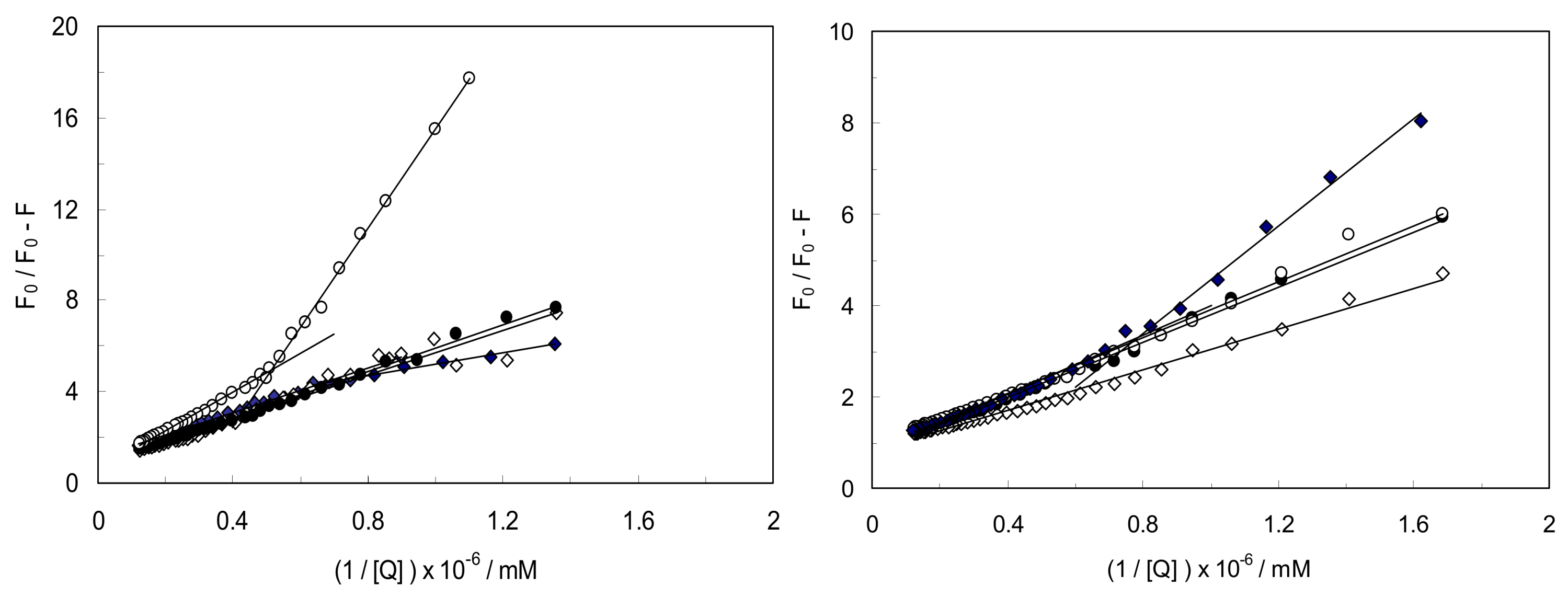
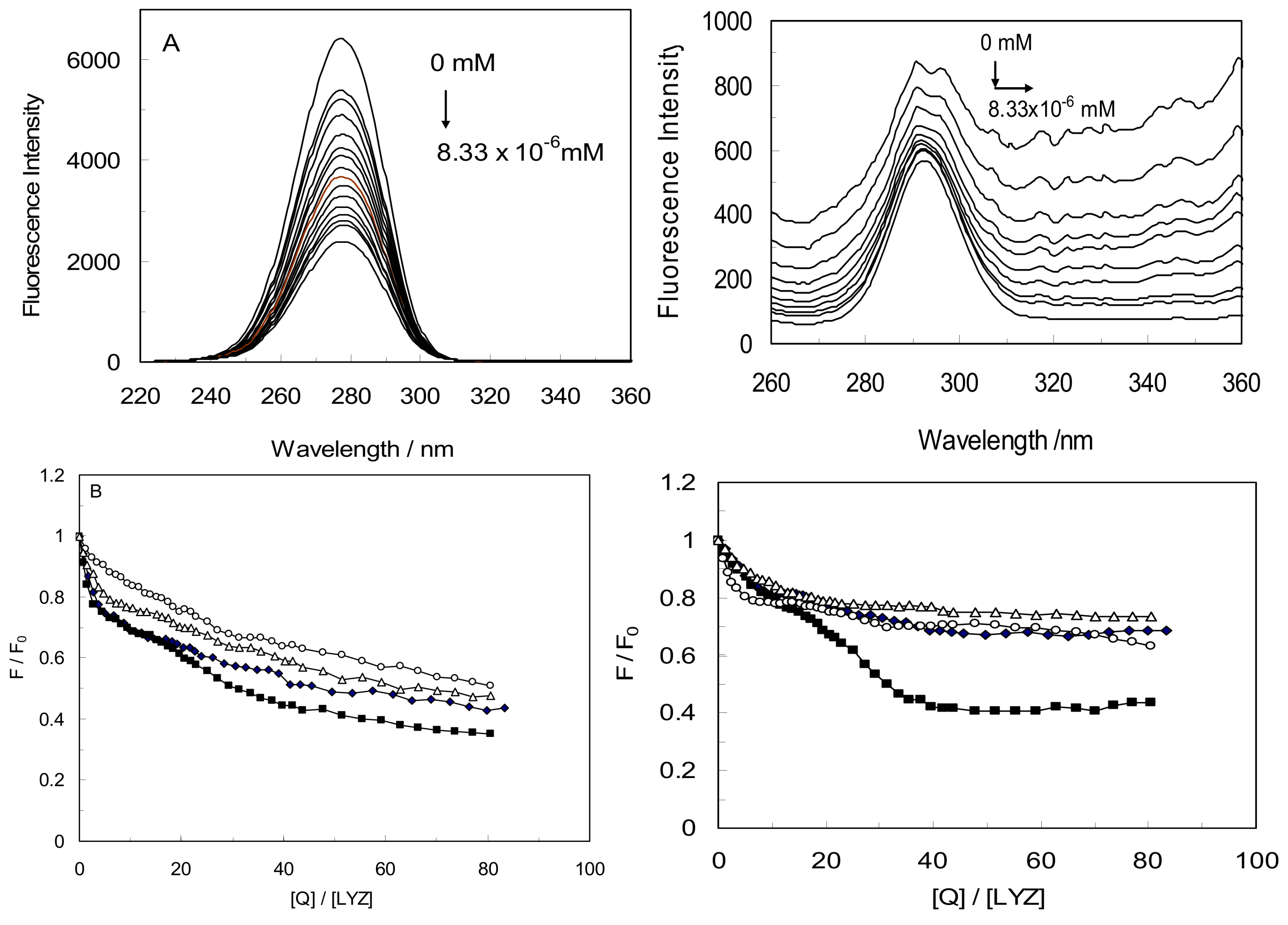
2.2. Fluorescence Quenching of LYZ-CYC Complex in Binary Systems
2.3. Fluorescence Quenching of LYZ-CYC Complex in the Presence of CDs (α,β,γ)
2.4. Synchronous Fluorescence Spectra Measurment
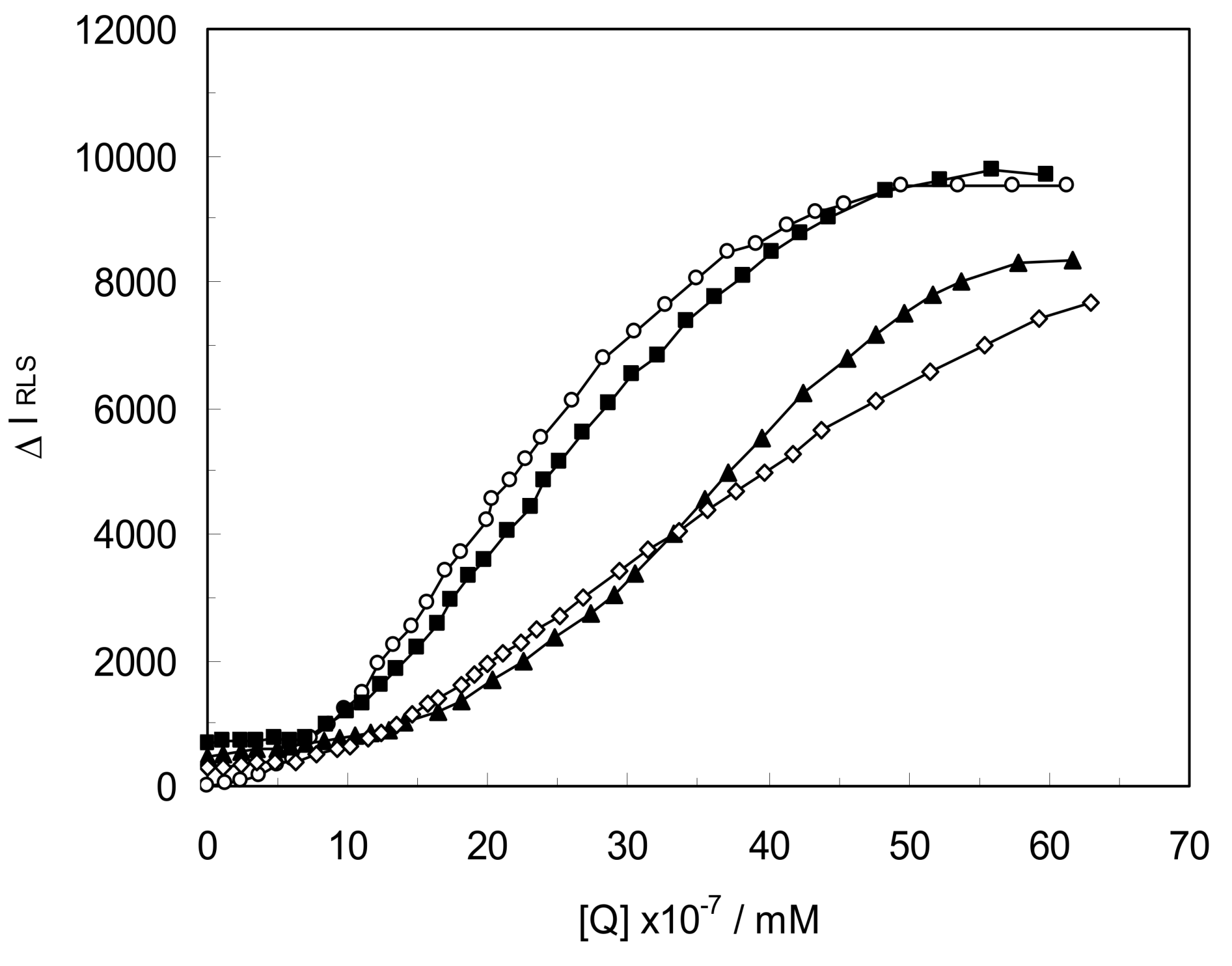
2.5. Characteristics of the Resonance Light Scattering (RLS) Spectra
2.6. Polarizability
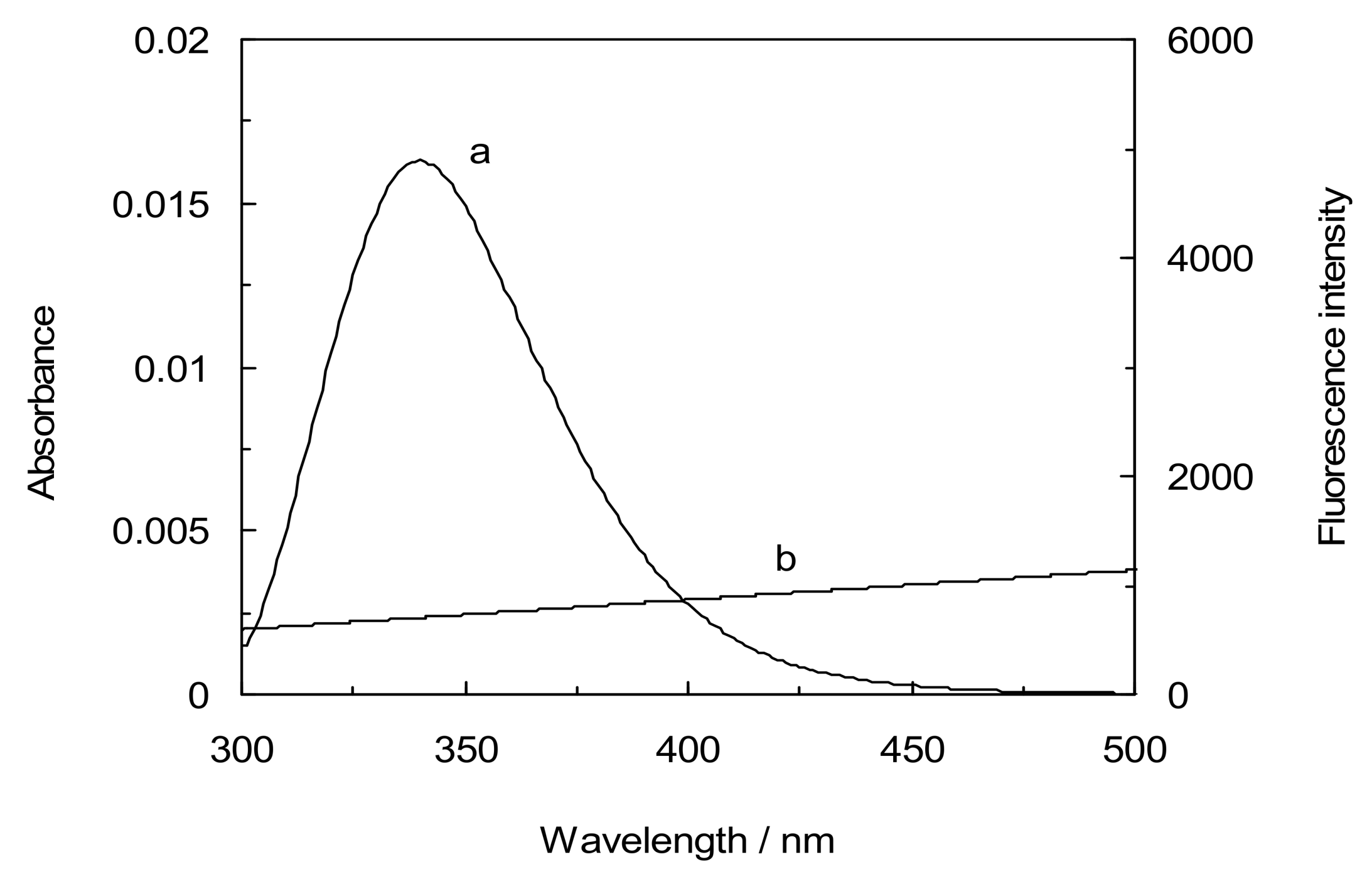
2.7. Energy Transfer Efficiency and Binding Distance
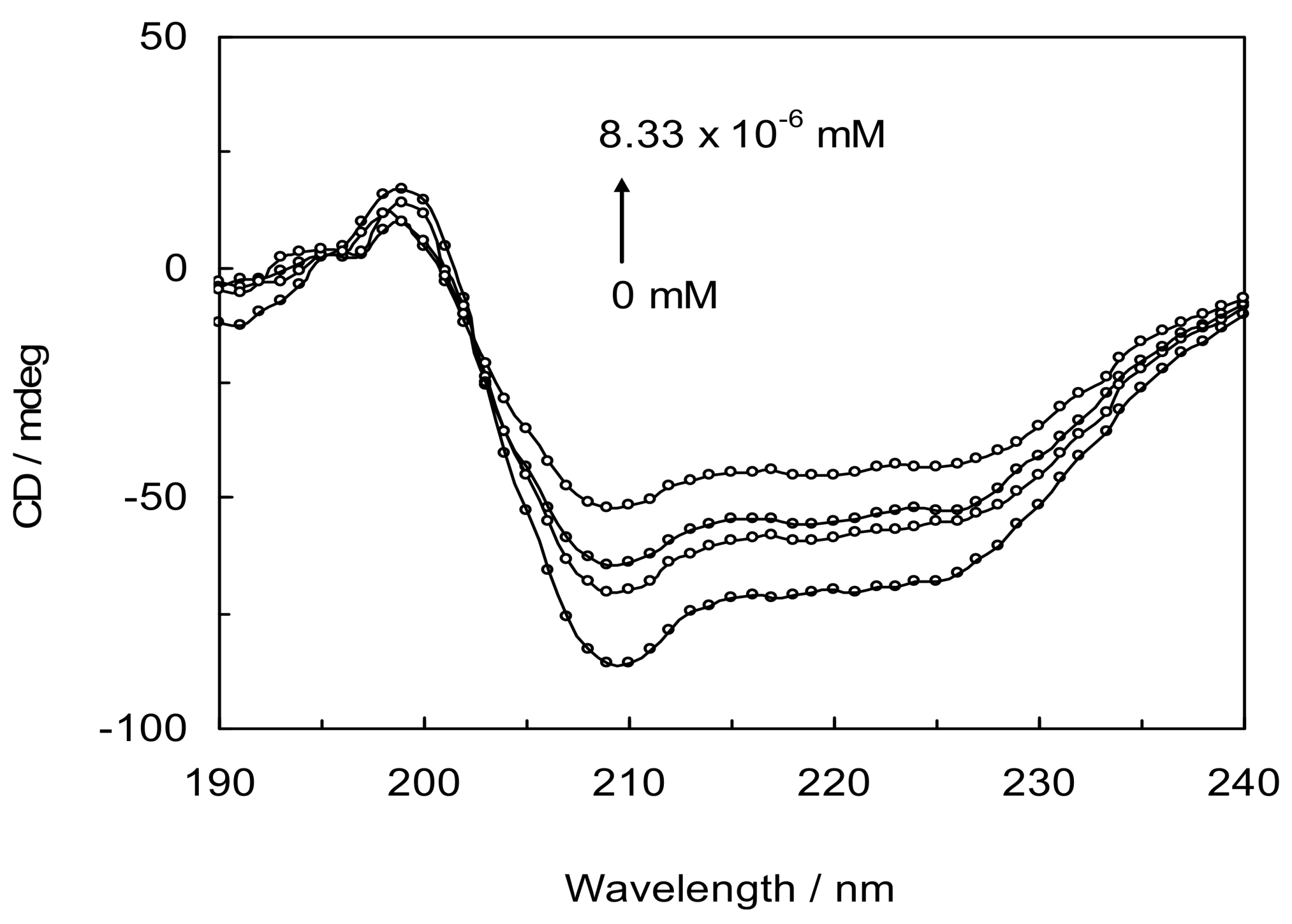
2.8. Circular Dichroism (CD) Analysis
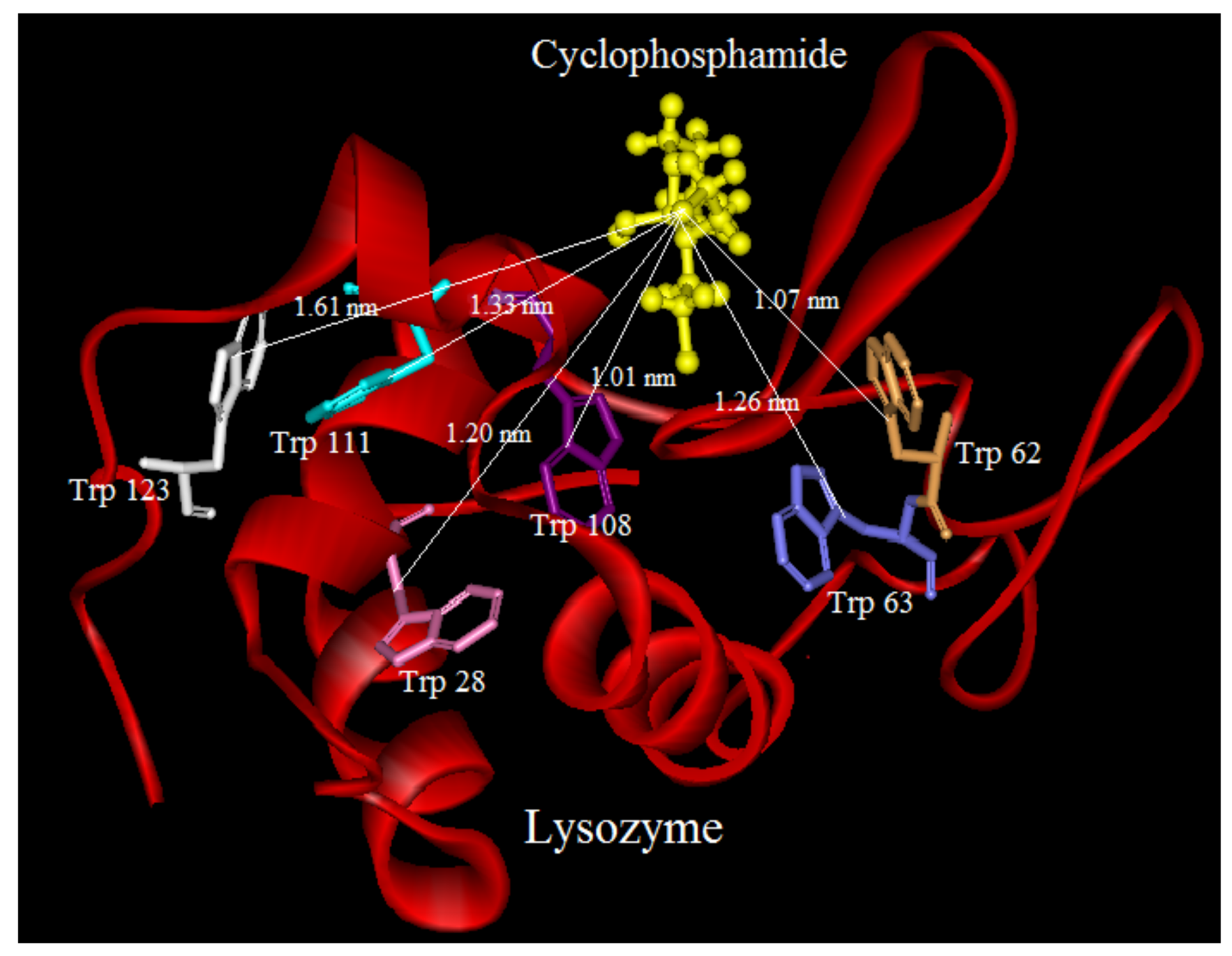
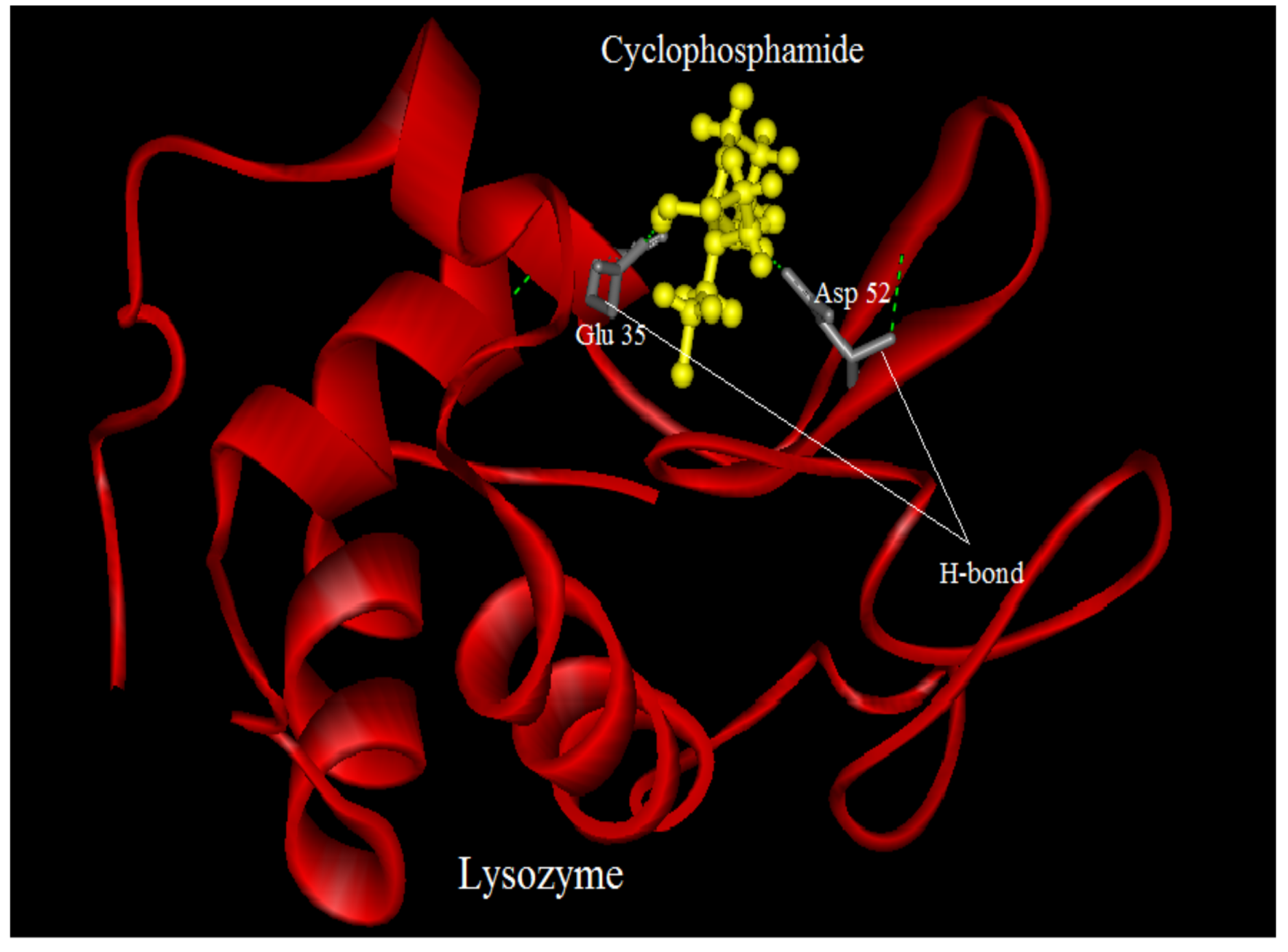
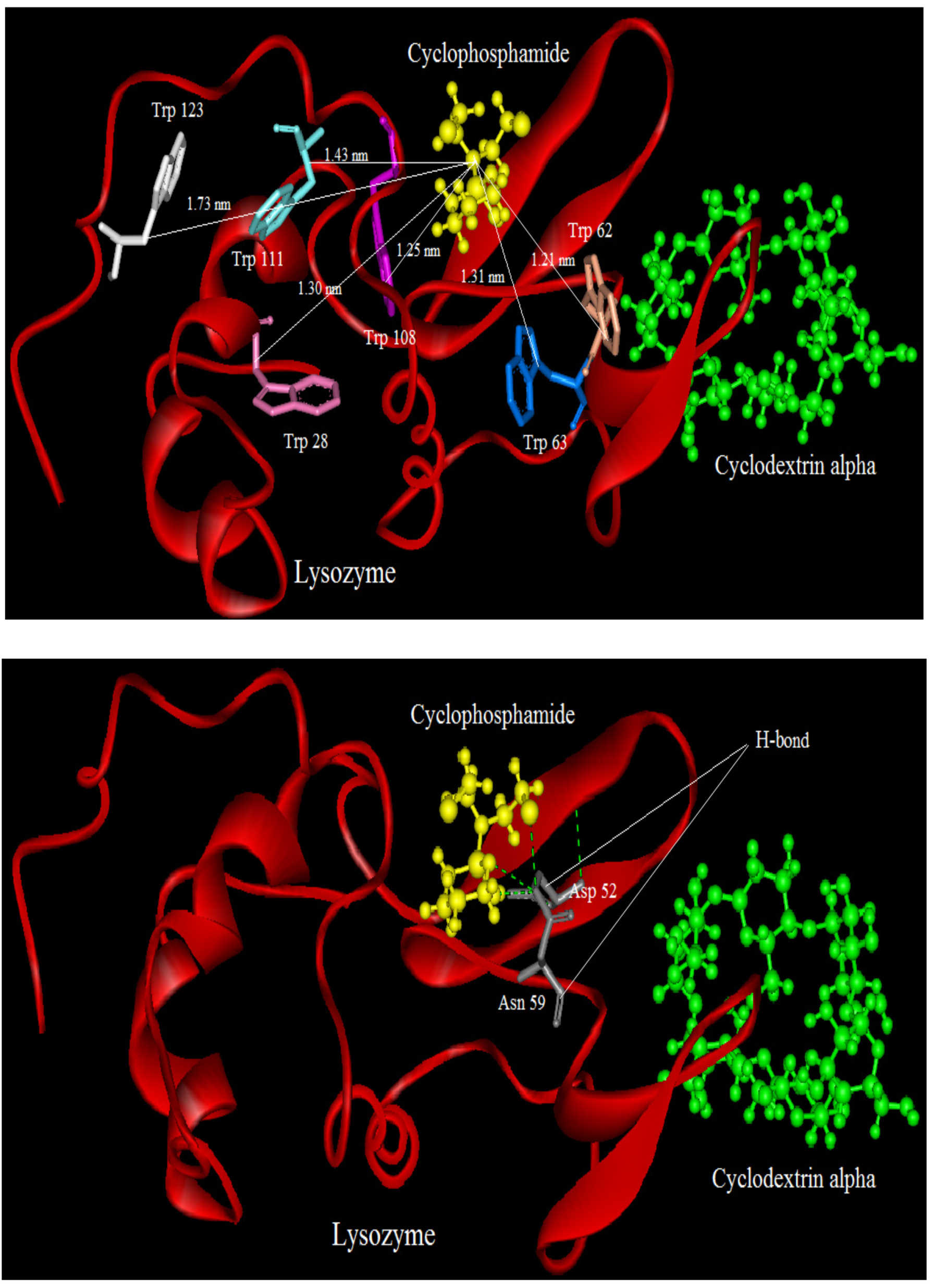
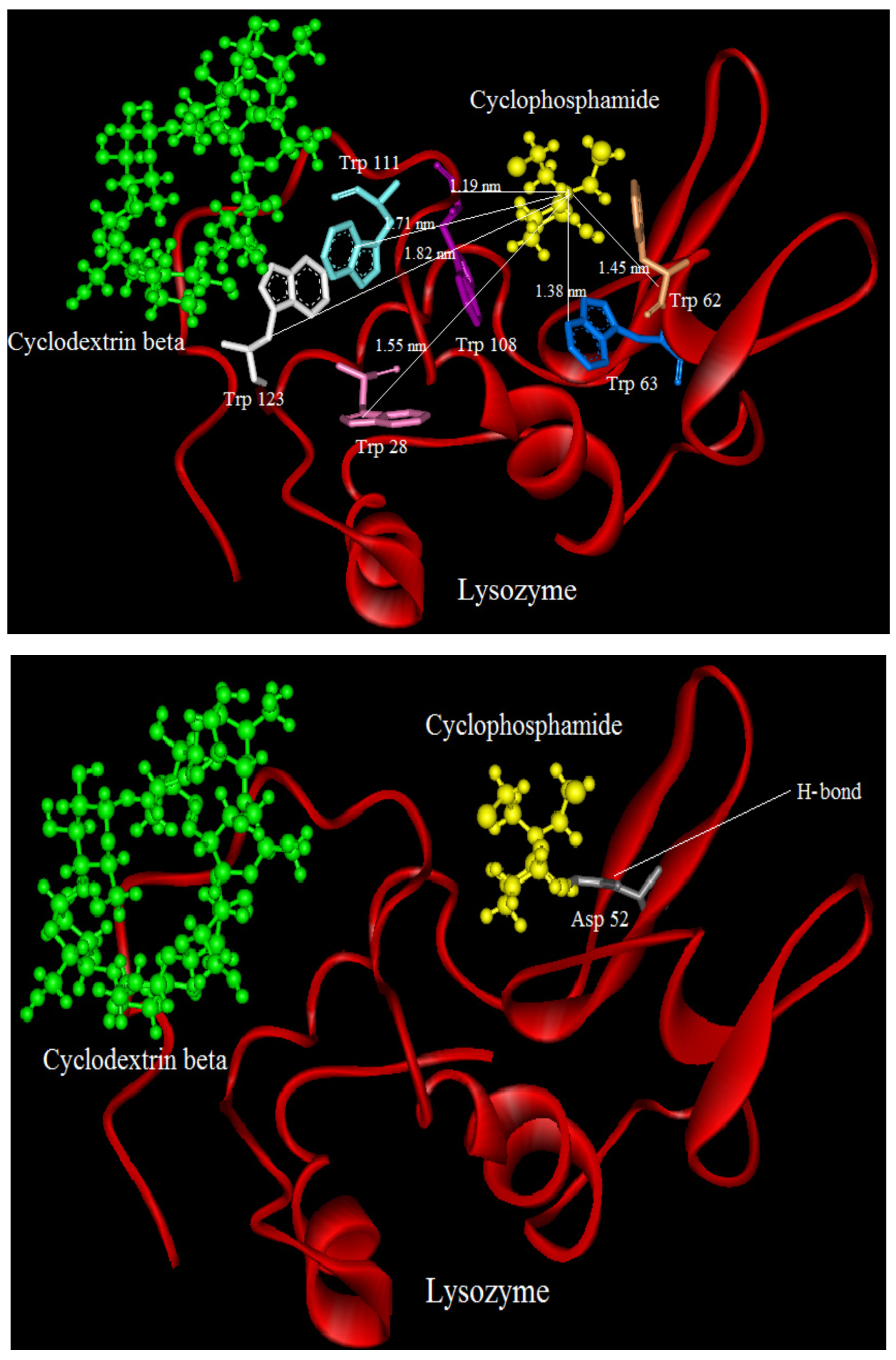
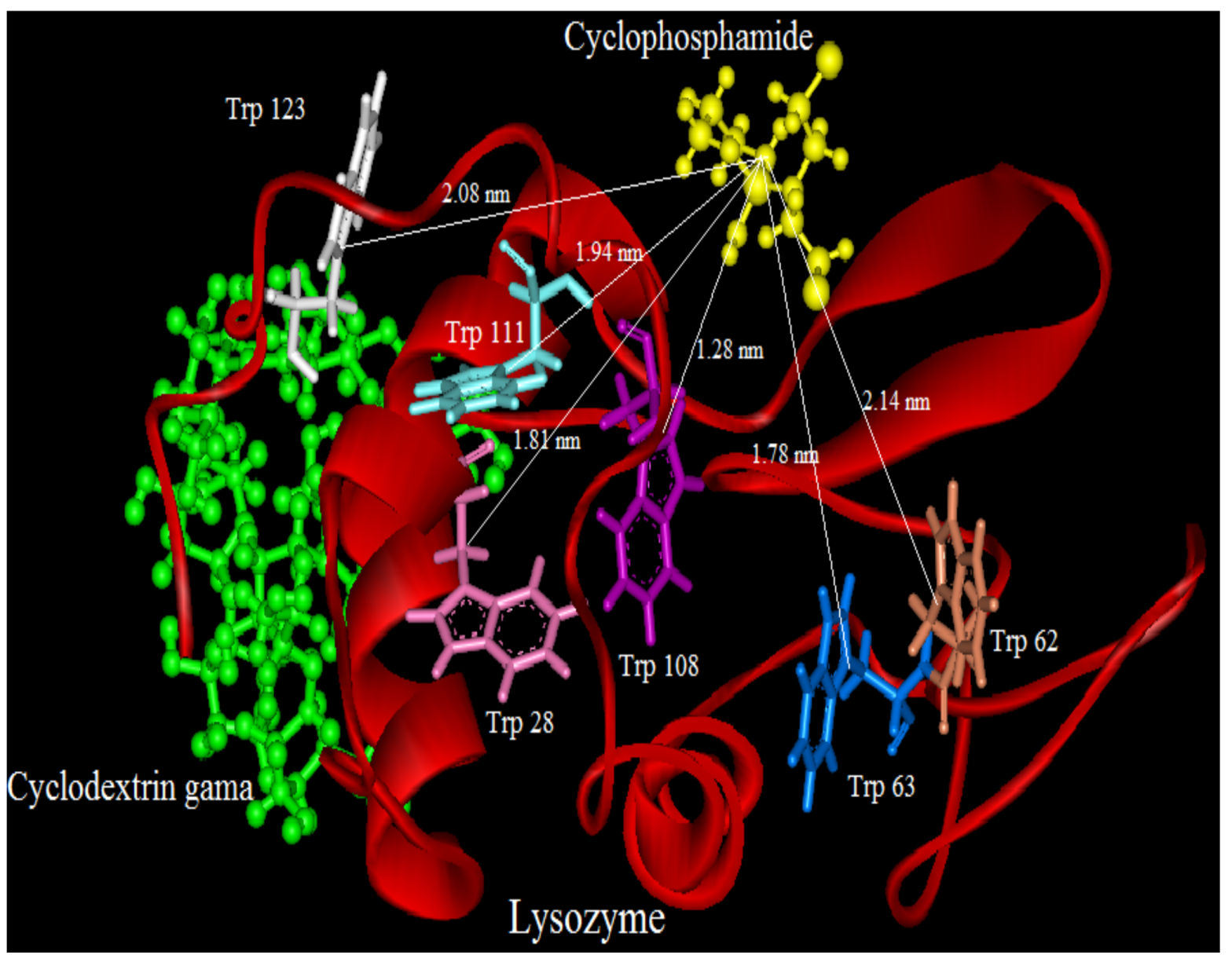
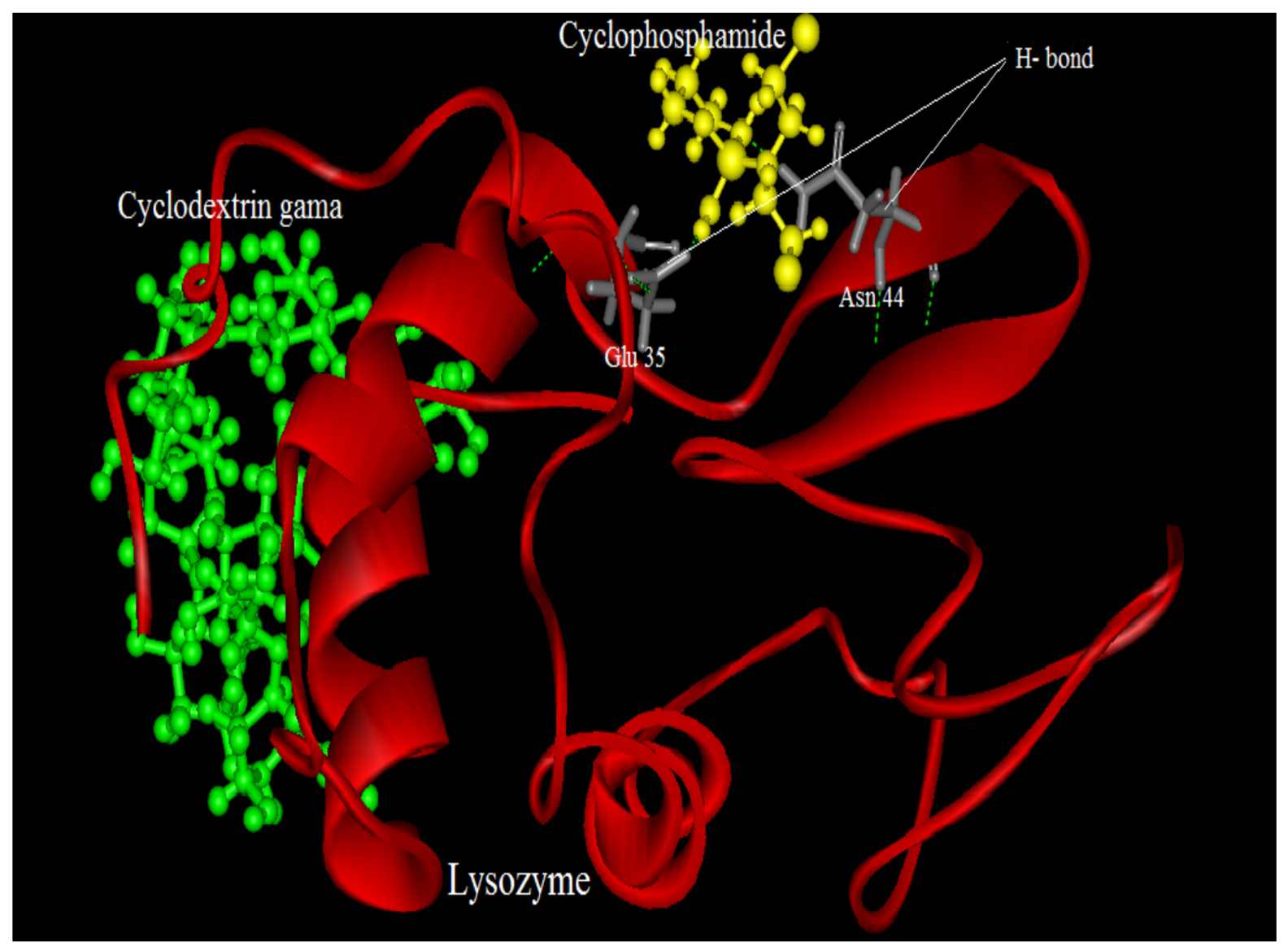
2.9. Molecular Modeling
3. Experimental
3.1. Materials and Solutions
3.2. Apparatus
3.3. Molecular Modeling
3.4. Procedures
4. Conclusions
Acknowledgments
References
- Roy, I.; Rao, M.V.; Gupta, M.N. An integrated process for purification of lysozyme, ovalbumin, and ovomucoid from hen egg white. Appl. Biochem. Biotechnol. 2003, 111, 55–64. [Google Scholar] [CrossRef]
- Li, S.; Li, D. Investigation on the pH-dependent binding of benzocaine and lysozyme by fluorescence and absorbance. Spectrochim. Acta A Mol. Biomol. Spectrosc. 2011, 82, 396–405. [Google Scholar] [CrossRef] [PubMed]
- Banerjee, S.; Choudhury, S.D.; Dasgupta, S.; Basu, S. Photoinduced electron transfer between hen egg white lysozyme and anticancer drug menadione. J. Lumin. 2008, 128, 437–444. [Google Scholar] [CrossRef]
- Kostadinova, E.; Kaloyanova, S.; Stoyanov, S.; Petkov, I. Spectroscopic elucidation of the interaction of native CDs and their acetylated derivatives with asymmetric monomethyne cyanine dye. J. Incl. Phenom. Macrocycl. Chem. 2012, 72, 63–69. [Google Scholar] [CrossRef]
- Afkhami, A.; Khalafi, L. Spectrophotometric determination of conditional acidity constant as a function of CD concentration for some organic acids using rank annihilation factor analysis. Anal. Chim. Acta 2006, 569, 267–274. [Google Scholar] [CrossRef]
- Verstichel, S.; Wilde, B.D.; Fenyvesi, E.; Szejtli, S. Investigation of the Aerobic Biodegradability of Several Types of Cyclodextrins in a Laboratory-Controlled Composting Test. J. Polym. Environ. 2004, 12, 1566–2543. [Google Scholar] [CrossRef]
- He, L.; Huang, J.; Chen, Y.; Liu, L. In clusion complexation between comblike PEO grafted polymers and a-Cyclodextrin. Macromolecules 2005, 38, 3351–3355. [Google Scholar] [CrossRef]
- Michaleas, S.; Galanopoulou, O.; Dou-Vyza, E.A. Photostabilization of oxolinic acid in hydroxypropyl b-cyclodextrins implications for the effect of molecular self-assembly phenomena. J. Incl. Phenom. Macrocycl. Chem. 2009, 64, 289–297. [Google Scholar]
- Omidvar, Z.; Parivar, K.; Sanee, H.; Amiri-Tehranizadeh, Z.; Baratian, A.; Saberi, M.R.; Asoodeh, A.; Chamani, J.K. Investigations with Spectroscopy, Zeta Potential and Molecular Modeling of the Non-Cooperative Behaviour Between Cyclophosphamide Hydrochloride and Aspirin upon Interaction with Human Serum Albumin: Binary and Ternary Systems from the View Point of Multi-Drug Therapy. J. Biomol. Struct. Dyn. 2011, 29, 181–206. [Google Scholar] [PubMed]
- Hamed-Akbari Tousi, S.; Saberi, M.R.; Chamani, J.K. Comparing the Interaction of Cyclophosphamide Monohydrate to Human Serum Albumin as Opposed to Holo-Transferrin by Spectroscopic and Molecular Modeling Methods: Evidence for Allocating the Binding Site. Protein Pept. Lett. 2010, 17, 1–12. [Google Scholar] [CrossRef]
- Zhang, G.; Shuang, S.; Dong, C.; Pan, J. Study on the interaction of methylene blue with cyclodextrin derivatives by absorption fluorescence spectroscopy. Spectrochim. Acta A Mol. Biomol. Spectrosc. 2003, 59, 2935–2941. [Google Scholar] [CrossRef]
- Hosainzadeh, A.; Gharanfoli, M.; Saberi, M.R.; Chamani, J.K. Probing the Interaction of Human Serum Albumin With Bilirubin in the Presence of Aspirin by Multi-Spectroscopic, Molecular Modeling and Zeta Potential Techniques: Insight on Binary and Ternary Systems. J. Biomol. Struct. Dyn. 2012, 5, 1013–1050. [Google Scholar] [CrossRef] [PubMed]
- Ding, F.; Li, X.N.; Diao, J.X.; Sun, Y.; Zhang, L.; Ma, L.; Yang, X.L. Potential toxicity and affinity of triphenylmethane dye malachite green to lysozyme. Ecotoxicol. Environ. Saf. 2012, 78, 41–49. [Google Scholar] [CrossRef] [PubMed]
- Abdollahpour, N.; Asoodeh, A.; Saberi, M.R.; Chamani, J.K. Separate and simultaneous binding effects of aspirin and amlodipine to human serum albumin based on fluorescence spectroscopic and molecular modeling characterizations: A mechanistic insight for determining usage drugs doses. J. Lumin. 2011, 131, 1885–1899. [Google Scholar] [CrossRef]
- Amani, N.; Saberi, M.R.; Chamani, J.K. Investigation by Fluorescence Spectroscopy, Resonance Rayleigh Scattering and Zeta Potential Approaches of the Separate and Simultaneous Binding Effect of Paclitaxel and Estradiol with Human Serum Albumin. Protein Pept. Lett. 2011, 18, 935–951. [Google Scholar] [CrossRef] [PubMed]
- Wang, T.; Zhao, Z.; Wei, B.; Zhang, L.; Ji, L. Spectroscopic investigations on the binding of dibazol to bovine serum albumin. J. Mol. Struct. 2010, 970, 128–133. [Google Scholar] [CrossRef]
- Yuan, J.L.; Lv, Z.; Liu, Z.G.; Zou, G.L. Study on interaction between apigenin and human serum albumin by spectroscopy and molecular modeling. J. Photochem. Photobiol. 2007, 191, 104–113. [Google Scholar] [CrossRef]
- Sanei, H.; Asoodeh, A.; Hamedakbari-Tusi, S.; Chamani, J.K. Multi-spectroscopic Investigations of Aspirin and Colchicine Interactions with Human Hemoglobin Binary and TernarySystems. J. Solution Chem. 2011, 40, 1905–1931. [Google Scholar] [CrossRef]
- Wang, W.; Min, W.; Chen, J.; Wu, X.; Hu, Z. Binding study of diprophylline by spectroscopic methods. J. Lumin. 2011, 131, 820–824. [Google Scholar] [CrossRef]
- Chongqiu, J.; Li, L. Lysozyme enhanced europium-malacycline complex fluorescence: A new spectrofluorimetric method for the determination of lysozyme. Anal. Chim. Acta 2004, 511, 11–16. [Google Scholar] [CrossRef]
- Ding, F.; Zhao, G.; Huang, J.; Sun, Y.; Zhang, L. Fluorescence spectroscopic investigation of the interaction between chloramphenicol and lysozyme. Eur. J. Med. Chem. 2009, 44, 4083–4089. [Google Scholar] [CrossRef] [PubMed]
- Zohoorian-Abootorabi, T.; Sanee, H.; Iranfar, H.; Saberi, M.R.; Chamani, J.K. Separate and simultaneous binding effects through a non-cooperative behavior between cyclophosphamide hydrochloride and fluoxymesterone upon interaction with human serum albumin: Multi-spectroscopic and molecular modeling approaches. Spectrochim. Acta A Mol. Biomol. Spectrosc. 2012, 88, 177–191. [Google Scholar] [CrossRef] [PubMed]
- Zhang, H.M.; Wang, Y.Q.; Jiang, M.L. A fluorimetric study of the interaction of C.I. Solvent Red 24 with haemoglobin. Dyes Pigm. 2009, 82, 156–163. [Google Scholar]
- Pang, B.; Bi, S.; Wang, Y.; Yan, L.; Wang, T. Investigation on the interactions of silymarin to bovine serum albumin and lysozyme by fluorescence and absorbance. J. Lumin. 2012, 132, 895–900. [Google Scholar] [CrossRef]
- Ding, F.; Liu, W.; Liu, F.; Li, Z.Y.; Sun, Y. A study of the interaction between Malachite Green and Lysozyme by steady-state Fluorescence. J. Fluoresc. 2009, 19, 783–791. [Google Scholar] [CrossRef] [PubMed]
- Azimi, O.; Emami, Z.; Salari, H.; Chamani, J.K. Probing the Interaction of Human Serum Albumin with Norfloxacin in the Presence of High-Frequency Electromagnetic Fields: Fluorescence Spectroscopy and Circular Dichroism Investigations. Molecules 2011, 16, 9792–9818. [Google Scholar] [CrossRef] [PubMed]
- Li, J.; Li, M.; Li, X.; Tang, J.; Kang, J.; Zhang, H.; Zhang, Y. Study on the resonance light-scattering spectrum of lysozyme–DNA/CdTe nanoparticles system. Colloids Surf. B 2008, 67, 79–84. [Google Scholar] [CrossRef] [PubMed]
- Huang, C.Z.; Lu, W.; Li, Y.F.; Huang, Y.M. On the factors affecting the enhanced resonance light scattering signals of the interactions between proteins and multiply negatively charged chromophores using water blue as an example. Anal. Chim. Acta 2006, 556, 469–475. [Google Scholar] [CrossRef]
- Kabiri, M.; Amiri-Tehranizadeh, Z.; Baratian, A.; Saberi, M.R.; Chamani, J.K. Use of Spectroscopic, Zeta Potential and Molecular Dynamic Techniques to Study the Interaction between Human Holo-Transferrin and Two Antagonist Drugs: Comparison of Binary and Ternary Systems. Molecules 2012, 17, 3114–3147. [Google Scholar] [CrossRef] [PubMed]
- Iranfar, H.; Rajabi, O.; Salari, R.; Chamani, J.K. Probing the Interaction of Human Serum Albumin with Ciprofloxacin in the Presence of Silver Nanoparticles of Three Sizes: Multi spectroscopic and ζ Potential Investigation. J. Phys. Chem. B 2012, 116, 1951–1964. [Google Scholar] [CrossRef] [PubMed]
- Sarzehi, S.; Chamani, J.K. Investigation on the interaction between tamoxifen and human holo-transferrin: Determination of the binding mechanism by fluorescence quenching, resonance light scattering and circular dichroism methods. Int. J. Biol. Macromol. 2010, 47, 558–569. [Google Scholar] [CrossRef] [PubMed]
- Wang, Y.P.; Wei, Y.L.; Dong, C. Study on the interaction of 3, 3-bis(4-hydroxy-1-naphthyl)-phthalide with bovine serum albumin by fluorescence spectroscopy. J. Photochem. Photobiol. 2006, 177, 6–11. [Google Scholar] [CrossRef]
- Ghosh, K.S.; Sahoo, B.K.; Dasgupta, S. Spectrophotometric studies on the interaction between epigallocatechin gallate and Lysozyme. Chem. Phys. Lett. 2008, 452, 193–197. [Google Scholar] [CrossRef]
- Huang, Y.; Cui, L.; Wang, J.; Huo, K.; Chen, C.; Zhan, W.; Dou, Y. Comparative studies on interactions of baicalein, baicalin and scutellarin with Lysozyme. Eur. J. Med. Chem. 2011, 46, 6039–6045. [Google Scholar] [CrossRef] [PubMed]
- Sreerama, N.; Woody, R.W. Computation and Analysis of Protein Circular Dichroism Spectra. Methods Enzymol. Anal. Biochem. 2004, 383, 318–351. [Google Scholar]
- Yamamoto, T.; Fukui, N.; Hori, A.; Matsui, Y. Circular dichroism and flurescence spectroscopy studies of the effect of cyclodextrins on the thermal stability of chiken egg white lysozyme in aqueous solution. J. Mol. Struct. 2006, 782, 60–66. [Google Scholar] [CrossRef]
- Sreerama, N.; Venyaminov, S.Y.; Woody, R.W. Estimation of Protein Secondary Structure from Circular Dichroism Spectra: Inclusion of Denatured Proteins with Native Proteins in the Analysis. Anal. Biochem. 2000, 287, 243–251. [Google Scholar] [CrossRef] [PubMed]
- Chamani, J.K.; Vahedian-Movahed, H.; Saberi, M.R. Lomefloxacin promotes the interaction between human serum albumin and transferrin: A mechanistic insight into the emergence of antibiotic’s side effects. J. Pharm. Biomed. Anal. 2011, 55, 114–124. [Google Scholar] [CrossRef] [PubMed]
- Cirri, M.; Maestrelli, F.; Orlandini, S.; Furlanetto, S.; Pinzauti, S.; Mura, P. Determination of stability constant values of flurbiprofen-cyclodextrin complexes using different techniques. J. Pharm. Biomed. Anal. 2005, 37, 955–1002. [Google Scholar] [CrossRef] [PubMed]
- Ruso, J.M.; González-Pérez, A.; Prieto, G.; Sarmiento, F. Study of the interactions between lysozyme and a fully-fluorinated surfactant in aqueous solution at different surfactant–protein ratios. Int. J. Biol. Macromol. 2003, 33, 67–73. [Google Scholar] [CrossRef]
Sample Availability: Not available. |



| System | Ksv1 × 10−12 M−1 | Ksv2 × 10−12 M−1 | kq1 × 10−20 M−1s−1 | kq2 × 10−20 M−1s−1 | n1 | n2 | f1 | f2 | R1 | R2 |
|---|---|---|---|---|---|---|---|---|---|---|
| LYZ-CYC | 2.4 ± 0.01 | 2.2 ± 0.02 | 2.4 ± 0.02 | 2.2 ± 0.02 | 1.21 | 1.55 | 1.23 | 0.74 | 0.99 | 0.99 |
| (LYZ-α CD)CYC | 3.6 ± 0.02 | −− | 3.6 ± 0.02 | −− | 1.14 | −− | 1.28 | −− | 0.99 | −− |
| (LYZ-β CD)CYC | 2.5 ± 0.02 | −− | 2.5 ± 0.02 | −− | 1.16 | −− | 1.22 | −− | 0.99 | −− |
| (LYZ-γ CD)CYC | 2.7 ± 0.01 | −− | 2.7 ± 0.01 | −− | 1.02 | −− | 1.25 | −− | 0.99 | −− |
| Sample | λem,max/nm | REES value (nm) | |
|---|---|---|---|
| λex: 295 nm | λex: 305 nm | ||
| LYZ | 339 | 343 | 4 |
| LYZ-CYC | 340 | 343 | 3 |
| (LYZ- α CD)CYC | 340 | 343 | 3 |
| (LYZ- β CD)CYC | 342 | 343 | 1 |
| (LYZ- γ CD)CYC | 342 | 343 | 1 |
| System | Polarizability/a.u |
|---|---|
| LYZ CYC LYZ - CYC α CD β CD γ CD (LYZ- α CD) CYC (LYZ- β CD) CYC (LYZ- γ CD) CYC | 319.41 50.06 353.22 39.03 42.25 43.76 347.73 347.02 346.11 |
| System | J (cm3 L·mol−1) | E | R0 (nm) | r (nm) |
|---|---|---|---|---|
| LYZ-CYC (LYZ- α CD)CYC (LYZ- β CD)CYC (LYZ- γ CD)CYC | 1.21 × 10⁻¹⁴ 1.37 × 10⁻¹⁴ 1.54 × 10⁻¹⁴ 1.79 × 10⁻¹⁴ | 0.5 0.53 0.57 0.62 | 2.53 2.61 2.75 2.93 | 2.67 2.77 2.83 2.88 |
| System | H(r)% | H(d)% | S(r)% | S(d)% | Tr% | Un% |
|---|---|---|---|---|---|---|
| LYZ | 16.82 | 7.45 | 22.13 | 14.06 | 6.17 | 33.37 |
| LYZ-CYC | 13.46 | 5.22 | 20.14 | 14.01 | 6.03 | 41.14 |
| (LYZ- α CD)CYC | 12.09 | 4.66 | 18.28 | 12.84 | 5.86 | 46.27 |
| (LYZ- β CD)CYC | 11.71 | 4.51 | 18.03 | 12.81 | 5.82 | 47.12 |
| (LYZ- γ CD)CYC | 10.31 | 3.17 | 16.24 | 10.13 | 5.61 | 54.54 |
© 2013 by the authors. This article is an open access article distributed under the terms and conditions of the Creative Commons Attribution license (http://creativecommons.org/licenses/by/3.0/).
Share and Cite
Mansouri, M.; Pirouzi, M.; Saberi, M.R.; Ghaderabad, M.; Chamani, J. Investigation on the Interaction between Cyclophosphamide and Lysozyme in the Presence of Three Different Kind of Cyclodextrins: Determination of the Binding Mechanism by Spectroscopic and Molecular Modeling Techniques. Molecules 2013, 18, 789-813. https://doi.org/10.3390/molecules18010789
Mansouri M, Pirouzi M, Saberi MR, Ghaderabad M, Chamani J. Investigation on the Interaction between Cyclophosphamide and Lysozyme in the Presence of Three Different Kind of Cyclodextrins: Determination of the Binding Mechanism by Spectroscopic and Molecular Modeling Techniques. Molecules. 2013; 18(1):789-813. https://doi.org/10.3390/molecules18010789
Chicago/Turabian StyleMansouri, Mahdieh, Malihe Pirouzi, Mohammad Reza Saberi, Maryam Ghaderabad, and Jamshidkhan Chamani. 2013. "Investigation on the Interaction between Cyclophosphamide and Lysozyme in the Presence of Three Different Kind of Cyclodextrins: Determination of the Binding Mechanism by Spectroscopic and Molecular Modeling Techniques" Molecules 18, no. 1: 789-813. https://doi.org/10.3390/molecules18010789
APA StyleMansouri, M., Pirouzi, M., Saberi, M. R., Ghaderabad, M., & Chamani, J. (2013). Investigation on the Interaction between Cyclophosphamide and Lysozyme in the Presence of Three Different Kind of Cyclodextrins: Determination of the Binding Mechanism by Spectroscopic and Molecular Modeling Techniques. Molecules, 18(1), 789-813. https://doi.org/10.3390/molecules18010789