14 pages, 2285 KB  
Article
Tackling Intrinsic Antibiotic Resistance in Serratia marcescens with a Combination of Ampicillin/Sulbactam and Phage SALSA
by Lorenz Weber, Mathias Jansen, Alex Krüttgen, Eva Miriam Buhl and Hans-Peter Horz
Antibiotics 2020, 9(7), 371; https://doi.org/10.3390/antibiotics9070371 - 1 Jul 2020
Cited by 18 | Viewed by 6570
Abstract
During the antibiotic crisis, bacteriophages (briefly phages) are increasingly considered as potential antimicrobial pillars for the treatment of infectious diseases. Apart from acquired drug resistance, treatment options are additionally hampered by intrinsic, chromosomal-encoded resistance. For instance, the chromosomal ampC gene encoding for the [...] Read more.
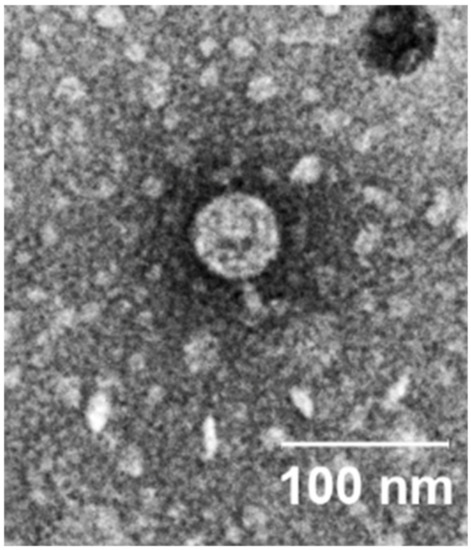
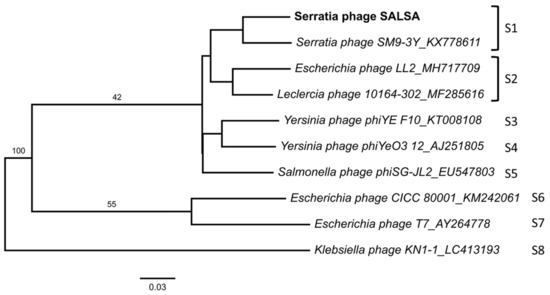
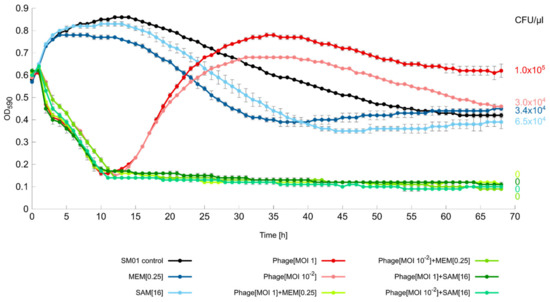
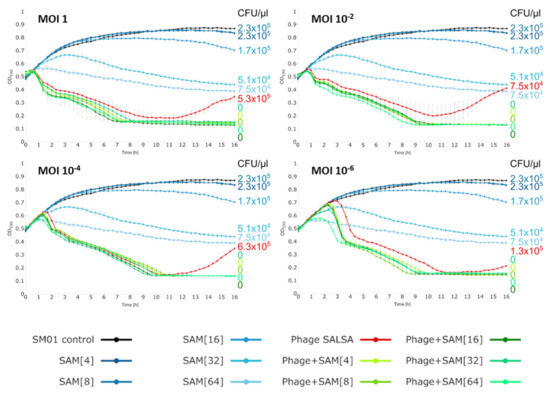
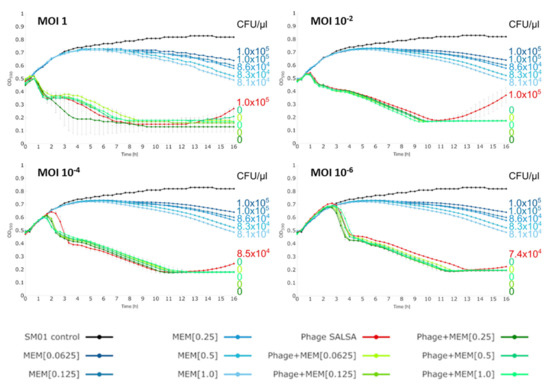
During the antibiotic crisis, bacteriophages (briefly phages) are increasingly considered as potential antimicrobial pillars for the treatment of infectious diseases. Apart from acquired drug resistance, treatment options are additionally hampered by intrinsic, chromosomal-encoded resistance. For instance, the chromosomal ampC gene encoding for the AmpC-type β-lactamases is typically present in a number of nosocomial pathogens, including S. marcescens. In this study, phage SALSA (vB_SmaP-SALSA), with lytic activity against clinical isolates of S. marcescens, was isolated from effluent. Besides phage characterization, the aim of this study was to evaluate whether a synergistic effect between the antibiotic ampicillin/sulbactam (SAM) and phage can be achieved despite intrinsic drug resistance. Phage SALSA belongs to the Podoviridae family and genome-wide treeing analysis groups this phage within the phylogenetic radiation of T7-like viruses. The genome of Phage SALSA consists of 39,933 bp, which encode for 49 open reading frames. Phage SALSA was able to productively lyse 5 out of 20 clinical isolates (25%). A bacterial challenge with phage alone in liquid medium revealed that an initial strong bacterial decline was followed by bacterial re-growth, indicating the emergence of phage resistance. In contrast, the combination of SAM and phage, together at various concentrations, caused a complete bacterial eradication, confirmed by absorbance measurements and the absence of colony forming units after plating. The data show that it is principally possible to tackle the axiomatic condition of intrinsic drug resistance with a dual antimicrobial approach, which could be extended to other clinically relevant bacteria. Full article
(This article belongs to the Special Issue Phage Diversity for Research and Application)
Show Figures

Figure 1
7 pages, 203 KB  
Perspective
Audacious Hitchhikers: The Role of Travel and the International Food Trade in the Global Dissemination of Mobile Colistin-Resistance (mcr) Genes
by Jouman Hassan and Issmat I. Kassem
Antibiotics 2020, 9(7), 370; https://doi.org/10.3390/antibiotics9070370 - 1 Jul 2020
Cited by 20 | Viewed by 6113
Abstract
Colistin, a last-resort antibiotic, has been used in controlling infections caused by multidrug-resistant Gram-negative bacterial pathogens. However, recent reports showed a global dissemination of mobile colistin-resistance (mcr) genes, genetic elements that encode resistance to colistin, which has raised public health concerns. These [...] Read more.
Colistin, a last-resort antibiotic, has been used in controlling infections caused by multidrug-resistant Gram-negative bacterial pathogens. However, recent reports showed a global dissemination of mobile colistin-resistance (mcr) genes, genetic elements that encode resistance to colistin, which has raised public health concerns. These mcr genes threaten the effectiveness of colistin and could limit therapy options for complicated infections. Despite global attention, many facets of the molecular epidemiology of mcr remain poorly characterized. Here, we focus on the role of travel and the international food trade in the dissemination of mcr to countries where these genetic elements and/or colistin resistance are relatively limited in prevalence. We present evidence from the literature on the acquisition of mcr during travel, and the carriage of these genes back to travelers’ countries. We also highlight the potential transmission of mcr via imported foods. These observations emphasize the magnitude of efforts that are needed to control the spread of mcr, and further highlight the challenge of antimicrobial resistance and the urgent need for coordinated global action. Full article
(This article belongs to the Section Antibiotics Use and Antimicrobial Stewardship)
14 pages, 4913 KB  
Article
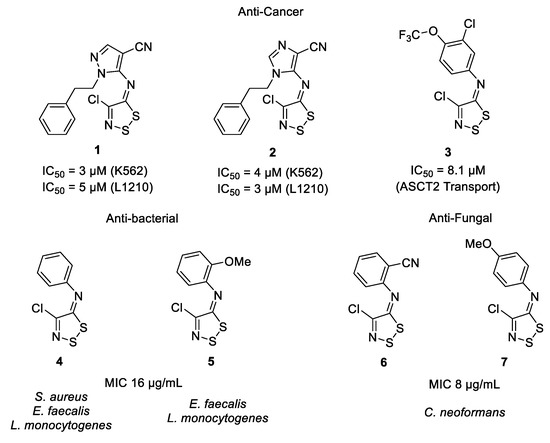
Antimicrobial and Antifungal Activity of Rare Substituted 1,2,3-Thiaselenazoles and Corresponding Matched Pair 1,2,3-Dithiazoles
by Tuomo Laitinen, Ilia V. Baranovsky, Lidia S. Konstantinova, Antti Poso, Oleg A. Rakitin and Christopher R. M. Asquith
Antibiotics 2020, 9(7), 369; https://doi.org/10.3390/antibiotics9070369 - 1 Jul 2020
Cited by 14 | Viewed by 4826
Abstract
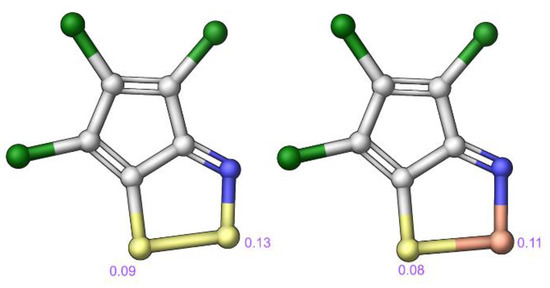
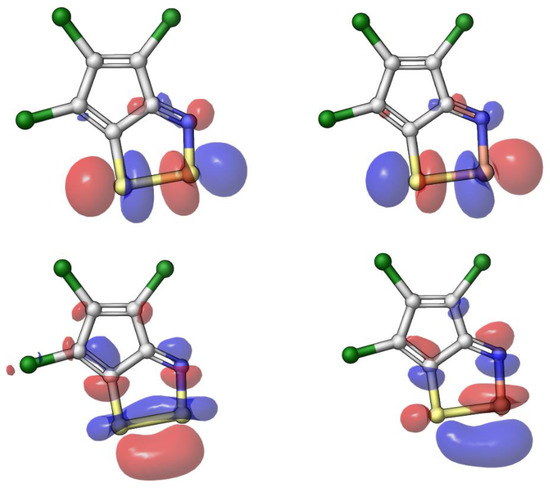
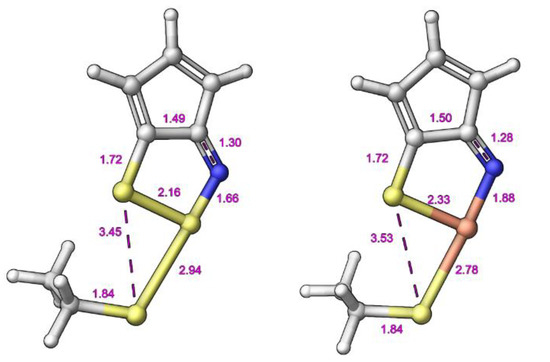
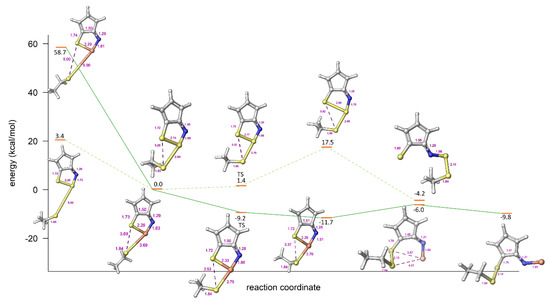
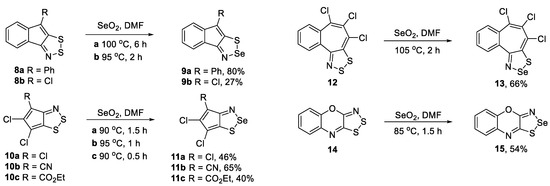
We report our investigations into the underlying differences between 1,2,3-dithiazole and their ultra-rare counterpart, 1,2,3-thiaselenazole. This rare 1,2,3-thiaselenazole chemotype was afforded by sulfur extrusion and selenium insertion into the preconstructed 1,2,3-dithiazoles. We built a library of matched paired compounds to compare and contrast [...] Read more.
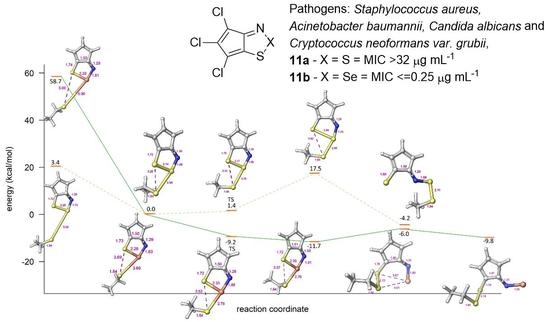
We report our investigations into the underlying differences between 1,2,3-dithiazole and their ultra-rare counterpart, 1,2,3-thiaselenazole. This rare 1,2,3-thiaselenazole chemotype was afforded by sulfur extrusion and selenium insertion into the preconstructed 1,2,3-dithiazoles. We built a library of matched paired compounds to compare and contrast the two ring systems. This led to the development of both narrow and broad-spectrum antimicrobial compounds with sub-micro molar potency, limited to no toxicity and a further understanding of the transition state electronics through molecular simulations. We also identified the potent 4,5,6-trichlorocyclopenta[d][1,2,3]thiaselenazole 11a, for use against Candida albicans, Cryptococcus neoformans var. grubii, Staphylococcus aureus and Acinetobacter baumannii, all of which have limited clinical treatment options. The 1,2,3-thiaselenazole represents a new class of potential compounds for the treatment of a host of multi-resistant hospital derived infections. Full article
Show Figures

Graphical abstract

10 pages, 997 KB  
Article
3-(5-Nitrofuran-2-yl)prop-2-en-1-one Derivatives, with Potent Antituberculosis Activity, Inhibit A Novel Therapeutic Target, Arylamine N-acetyltransferase, in Mycobacteria
by Neha Agre, Nilesh Tawari, Arundhati Maitra, Antima Gupta, Tulika Munshi, Mariam Degani and Sanjib Bhakta
Antibiotics 2020, 9(7), 368; https://doi.org/10.3390/antibiotics9070368 - 1 Jul 2020
Cited by 10 | Viewed by 3706
Abstract
In this study, the inhibitory potential of 3-(5-nitrofuran-2-yl)prop-2-en-1-one derivatives was evaluated against a panel of bacteria, as well as mammalian cell lines to determine their therapeutic index. In addition, we investigated the mechanism of antibiotic action of the derivatives to identify their therapeutic [...] Read more.
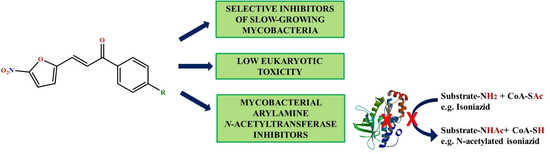
In this study, the inhibitory potential of 3-(5-nitrofuran-2-yl)prop-2-en-1-one derivatives was evaluated against a panel of bacteria, as well as mammalian cell lines to determine their therapeutic index. In addition, we investigated the mechanism of antibiotic action of the derivatives to identify their therapeutic target. We discovered compound 2 to be an extremely potent inhibitor of Mycobacterium tuberculosis H37Rv growth (MIC: 0.031 mg/L) in vitro, performing better than the currently used first-line antituberculosis drugs such as isoniazid, rifampicin, ethambutol, and pretomanid in vitro. Furthermore, compound 3 was equipotent to pretomanid against a multidrug-resistant M. tuberculosis clinical isolate. The derivatives were selective and bactericidal towards slow-growing mycobacteria. They showed low cytotoxicity towards murine RAW 264.7 and human THP-1 cell lines, with high selectivity indices. Compound 1 effectively eliminated the intracellular mycobacteria in a mycobacteria-infected macrophage model. The derivatives were assessed for their potential to inhibit mycobacterial arylamine N-acetyltransferase (NAT) and were identified as good inhibitors of recombinant mycobacterial NAT, a novel target essential for the intracellular survival of M. tuberculosis. This study provided hits for designing new potent and selective antituberculosis leads, having mycobacterial NAT inhibition as their possible endogenous mechanisms of action. Full article
(This article belongs to the Section Mechanism and Evolution of Antibiotic Resistance)
Show Figures

Graphical abstract

9 pages, 624 KB  
Article
Antimicrobial Activity of Five Apitoxins from Apis mellifera on Two Common Foodborne Pathogens
by Alexandre Lamas, Vicente Arteaga, Patricia Regal, Beatriz Vázquez, José Manuel Miranda, Alberto Cepeda and Carlos Manuel Franco
Antibiotics 2020, 9(7), 367; https://doi.org/10.3390/antibiotics9070367 - 30 Jun 2020
Cited by 9 | Viewed by 3643
Abstract
Antimicrobial resistance is one of today’s major public health challenges. Infections caused by multidrug-resistant bacteria have been responsible for an increasing number of deaths in recent decades. These resistant bacteria are also a concern in the food chain, as bacteria can resist common [...] Read more.
Antimicrobial resistance is one of today’s major public health challenges. Infections caused by multidrug-resistant bacteria have been responsible for an increasing number of deaths in recent decades. These resistant bacteria are also a concern in the food chain, as bacteria can resist common biocides used in the food industry and reach consumers. As a consequence, the search for alternatives to common antimicrobials by the scientific community has intensified. Substances obtained from nature have shown great potential as new sources of antimicrobial activity. The aim of this study was to evaluate the antimicrobial activity of five bee venoms, also called apitoxins, against two common foodborne pathogens. A total of 50 strains of the Gram-negative pathogen Salmonella enterica and 8 strains of the Gram-positive pathogen Listeria monocytogenes were tested. The results show that the minimum inhibitory concentration (MIC) values were highly influenced by the bacterial genus. The MIC values ranged from 256 to 1024 µg/mL in S. enterica and from 16 to 32 µg/mL in L. monocytogenes. The results of this study demonstrate that apitoxin is a potential alternative agent against common foodborne pathogens, and it can be included in the development of new models to inhibit the growth of pathogenic bacteria in the food chain. Full article
(This article belongs to the Special Issue Natural Compounds as Antimicrobial Agents, 2nd Edition)
Show Figures

Figure 1

13 pages, 950 KB  
Article
Analogues of a Cyclic Antimicrobial Peptide with a Flexible Linker Show Promising Activity against Pseudomonas aeruginosa and Staphylococcus aureus
by Thomas T. Thomsen, Helen C. Mendel, Wafaa Al-Mansour, Alberto Oddo, Anders Løbner-Olesen and Paul R. Hansen
Antibiotics 2020, 9(7), 366; https://doi.org/10.3390/antibiotics9070366 - 30 Jun 2020
Cited by 16 | Viewed by 5498
Abstract
The emergence of multi-drug resistant bacteria is becoming a major health concern. New strategies to combat especially Gram-negative pathogens are urgently needed. Antimicrobial peptides (AMPs) found in all multicellular organisms act as a first line of defense in immunity. In recent years, AMPs [...] Read more.
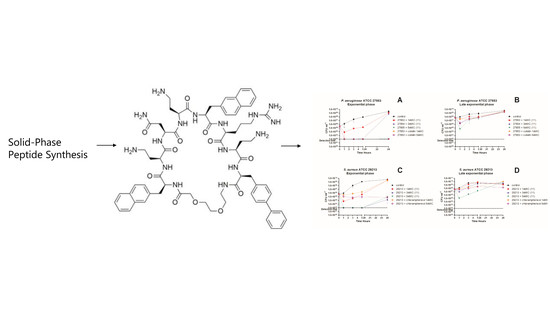
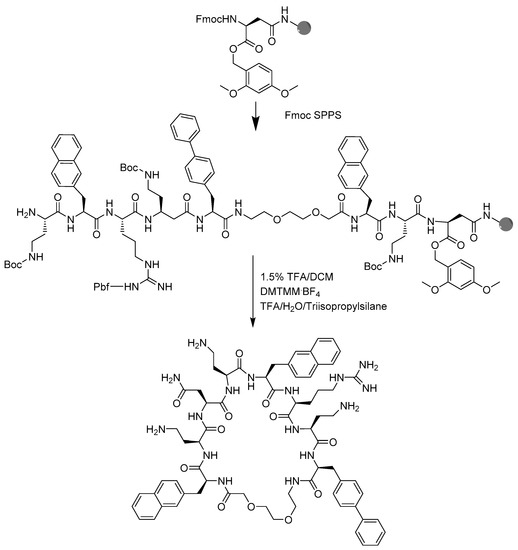
The emergence of multi-drug resistant bacteria is becoming a major health concern. New strategies to combat especially Gram-negative pathogens are urgently needed. Antimicrobial peptides (AMPs) found in all multicellular organisms act as a first line of defense in immunity. In recent years, AMPs have attracted increasing attention as potential antibiotics. Naturally occurring antimicrobial cyclic lipopeptides include colistin and daptomycin, both of which contain a flexible linker. We previously reported a cyclic AMP BSI-9 cyclo(Lys-Nal-Lys-Lys-Bip-O2Oc-Nal-Lys-Asn) containing a flexible linker, with a broad spectrum of activity against bacterial strains and low hemolytic activity. In this study, improvement of the antimicrobial activity of BSI-9, against the European Committee on Antimicrobial Susceptibility Testing (EUCAST) strains of S. aureus, E. coli, A. baumannii, and P. aeruginosa was examined. This led to synthesis of eighteen peptide analogues of BSI-9, produced in four individual stages, with a different focus in each stage; cyclization point, hydrophobicity, cationic side-chain length, and combinations of the last two. Specifically the modified compound 11, exhibited improved activity against Staphylococcus aureus and Pseudomonas aeruginosa with MIC of 4 µg/mL and 8 µg/mL, respectively, compared to the original BSI-9, which had an MIC of 16–32 µg/mL. Full article
(This article belongs to the Special Issue Synthesis and Utility of Antimicrobial Peptides)
Show Figures

Graphical abstract

17 pages, 1904 KB  
Article
Antimicrobial Susceptibility Testing for Salmonella Serovars Isolated from Food Samples: Five-Year Monitoring (2015–2019)
by Maria Francesca Peruzy, Federico Capuano, Yolande Thérèse Rose Proroga, Daniela Cristiano, Maria Rosaria Carullo and Nicoletta Murru
Antibiotics 2020, 9(7), 365; https://doi.org/10.3390/antibiotics9070365 - 29 Jun 2020
Cited by 38 | Viewed by 5463
Abstract
The continuous collection and analysis of updated data on the antimicrobic resistance among bacterial strains represent the essential core for the surveillance of this problem. The present work aimed to investigate the occurrence of antimicrobial resistance among Salmonella serovars isolated in foods in [...] Read more.
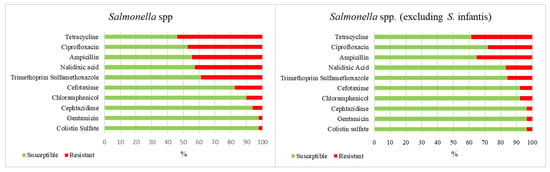
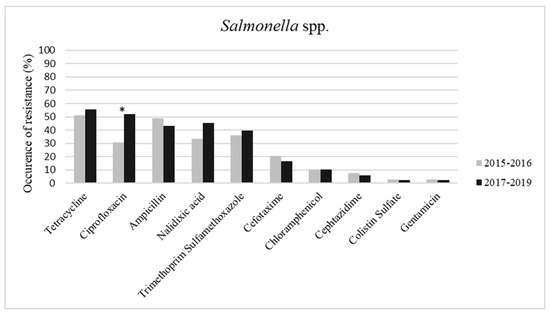
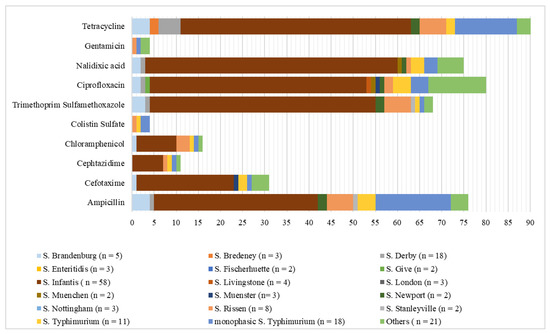
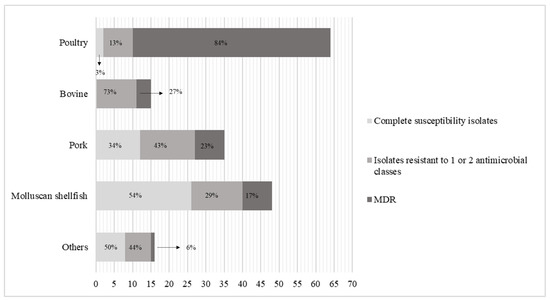
The continuous collection and analysis of updated data on the antimicrobic resistance among bacterial strains represent the essential core for the surveillance of this problem. The present work aimed to investigate the occurrence of antimicrobial resistance among Salmonella serovars isolated in foods in 2015–2019. A total of 178 Salmonella strains belonging to 39 serovars were tested against 10 antimicrobials. High proportions of Salmonella isolates were resistant to tetracycline (n = 53.9%), ciprofloxacin (n = 47.2%), ampicillin (n = 44.4%), nalidixic acid (n = 42.7%), and trimethoprim-sulfamethoxazole (n = 38.8%). Different resistance rates were recorded among the different serotypes of Salmonella, and S. Infantis, exhibited the highest resistance to antibiotics. A high percentage of strains isolated from poultry, pork, and bovine were resistant to at least one or two antimicrobials. Resistant and multidrug-resistant (MDR) strains were also recorded among the isolates from molluscan shellfish; however, the occurrence of resistant Salmonella strains isolated from this source was significantly lower compared with those reported for poultry, pork, and bovine. The high levels of resistance reported in the present study indicate a potential public health risk. Consequently, additional hygiene and antibiotic stewardship practices should be considered for the food industry to prevent the prevalence of Salmonella in foods. Full article
(This article belongs to the Special Issue Antimicrobial-Resistance of Food-Borne Pathogens)
Show Figures

Figure 1
28 pages, 7245 KB  
Article
Potential Anti-Tuberculosis Activity of the Extracts and Their Active Components of Anogeissus leiocarpa (DC.) Guill. and Perr. with Special Emphasis on Polyphenols
by Enass Y. A. Salih, Riitta Julkunen-Tiitto, Olavi Luukkanen, Marketta Sipi, Mustafa K. M. Fahmi and Pia Johanna Fyhrquist
Antibiotics 2020, 9(7), 364; https://doi.org/10.3390/antibiotics9070364 - 29 Jun 2020
Cited by 20 | Viewed by 5101
Abstract
In Sudanese traditional medicine, decoctions of the stem bark of Anogeissus leiocarpa are used for the treatment of tuberculosis (TB). However, this plant has not been investigated before for its antimycobacterial effects. Our screening results show, for the first time, that many extracts [...] Read more.
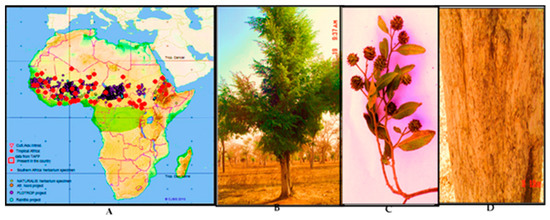
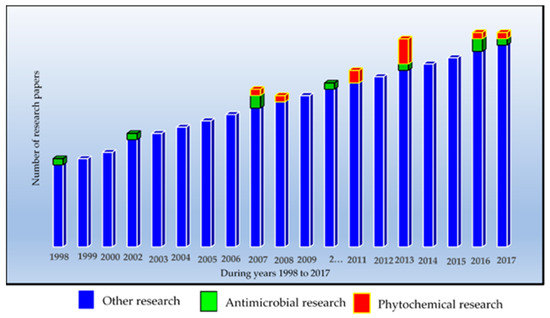
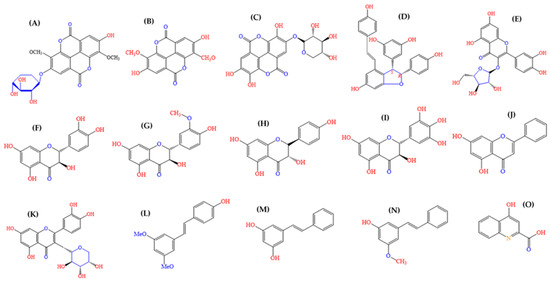
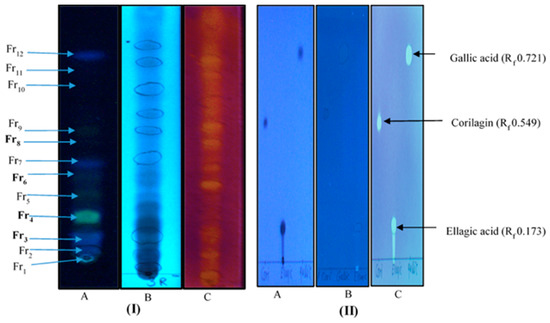
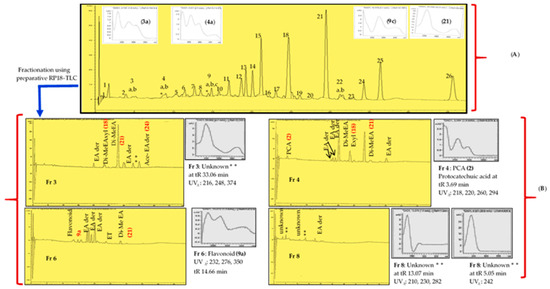
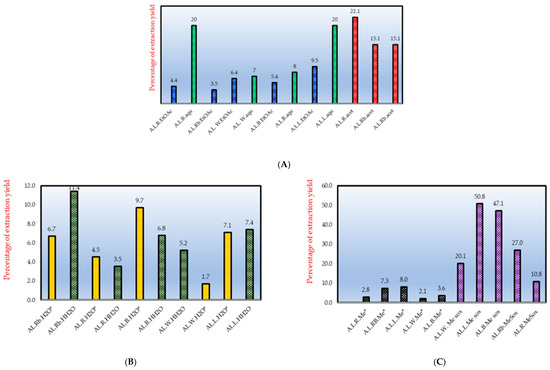
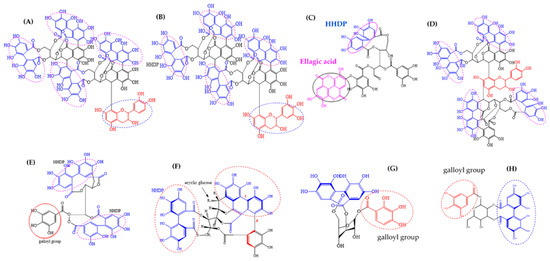
In Sudanese traditional medicine, decoctions of the stem bark of Anogeissus leiocarpa are used for the treatment of tuberculosis (TB). However, this plant has not been investigated before for its antimycobacterial effects. Our screening results show, for the first time, that many extracts of various parts of A. leiocarpa exhibit growth inhibitory activity against Mycobacterium smegmatis. Minimum inhibitory concentration (MIC) values ranged between 625 and 5000 µg/mL, with an ethyl acetate extract of the root showing the lowest MIC value. The good antimycobacterial effects of the root part could be due to its high concentration of ellagic acid derivatives, ellagitannins, and flavonoids. Thin layer chromatography (TLC) fractionation resulted in some fractions with better activity than the starting point crude methanol extract (MIC 2500 µg/mL). Those fractions with the lowest MIC values contained a high number of antioxidant compounds. Fractions 3 and 4 (MIC 1500 and 1000 µg/mL, respectively) contained high concentrations of di-methyl ellagic acid ([M-H] 329.0318). Fraction 6 (MIC 2000 µg/mL) contained a lower concentration of di-methyl ellagic acid and was not as growth inhibitory as fractions 3 and 4. Moreover, in fraction 3, an acetylated ellagic acid derivative ([M-H] 343.0477) and di-methyl-ellagic acid xyloside ([M-H] 461.0739) were tentatively characterized. Di-methyl ellagic acid xyloside was also present in fraction 4 and could strongly contribute to the antimycobacterial effect of this fraction. Additionally, protocatechuic acid ([M-H] at m/z 153.0196) was present in fraction 4. Our antimycobacterial results obtained from this research justify the use of A. leiocarpa in Sudanese folk medicine against cough related to TB. Roots, stem bark, and leaves of A. leiocarpa are sources for new potent anti-TB drug lead compounds. Full article
(This article belongs to the Special Issue Antimicrobial Activity of Higher Plants)
Show Figures

Figure 1
7 pages, 982 KB  
Communication
Derivates of the Antifungal Peptide Cm-p5 Inhibit Development of Candida auris Biofilms In Vitro
by Dennis Kubiczek, Heinz Raber, Melaine Gonzalez-García, Fidel Morales-Vicente, Ludger Staendker, Anselmo J. Otero-Gonzalez and Frank Rosenau
Antibiotics 2020, 9(7), 363; https://doi.org/10.3390/antibiotics9070363 - 27 Jun 2020
Cited by 33 | Viewed by 4698
Abstract
Growth in biofilms as a fascinating and complex microbial lifestyle has become widely accepted as one of the key features of pathogenic microbes, to successfully express their full virulence potential and environmental persistence. This also increases the threat posed by Candida auris, [...] Read more.
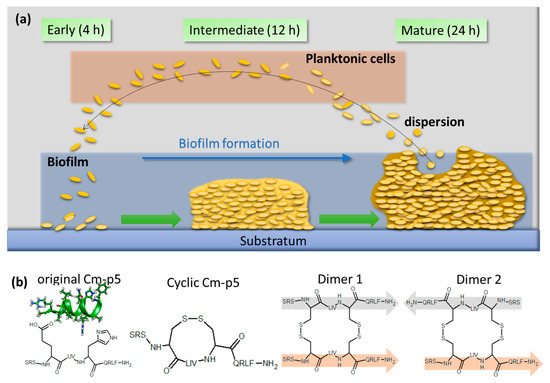
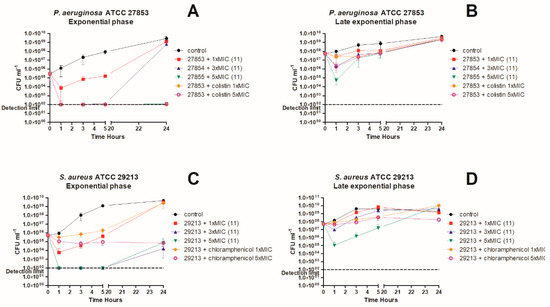
Growth in biofilms as a fascinating and complex microbial lifestyle has become widely accepted as one of the key features of pathogenic microbes, to successfully express their full virulence potential and environmental persistence. This also increases the threat posed by Candida auris, which has a high intrinsic ability to persist on abiotic surfaces including those of surgical instruments and medical tubing. In a previous study, cyclic and helical-stabilized analogues of the antifungal peptide Cm-p5 were designed and synthetized, and proved to have increased activities against C. albicans and C. parapsilosis, but not against planktonic C. auris cells cultivated in suspension cultures. Here, we demonstrate, initially, that these derivatives, however, exhibited semi-inhibitory concentrations between 10–21 µg/mL toward C. auris biofilms. Maturated biofilms were also arrested between 71–97%. These novel biofilm inhibitors may open urgently needed new routes for the development of novel drugs and treatments for the next stage of fight against C. auris. Full article
(This article belongs to the Special Issue Diagnosis,Resistance and Treatment of Infections by Candida auris)
Show Figures

Figure 1