23 pages, 1796 KB  
Review
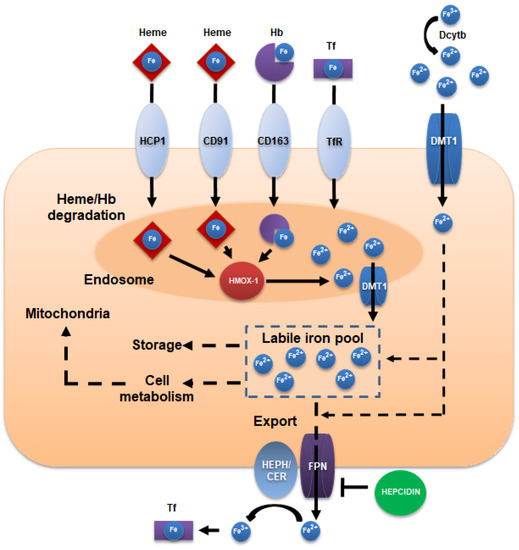
The Chelating Ability of Plant Polyphenols Can Affect Iron Homeostasis and Gut Microbiota
by Aurelia Scarano, Barbara Laddomada, Federica Blando, Stefania De Santis, Giulio Verna, Marcello Chieppa and Angelo Santino
Antioxidants 2023, 12(3), 630; https://doi.org/10.3390/antiox12030630 - 3 Mar 2023
Cited by 83 | Viewed by 11228
Abstract
In the past decades, many studies have widely examined the effects of dietary polyphenols on human health. Polyphenols are well known for their antioxidant properties and for their chelating abilities, by which they can be potentially employed in cases of pathological conditions, such [...] Read more.
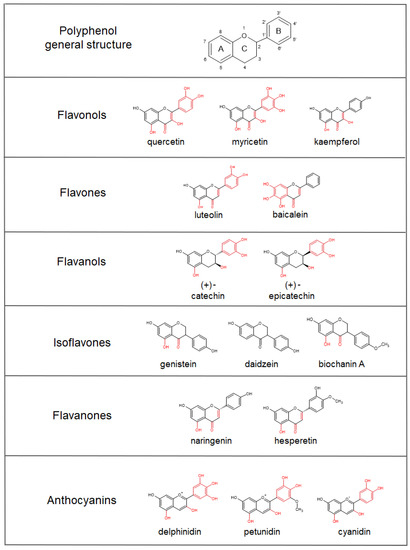
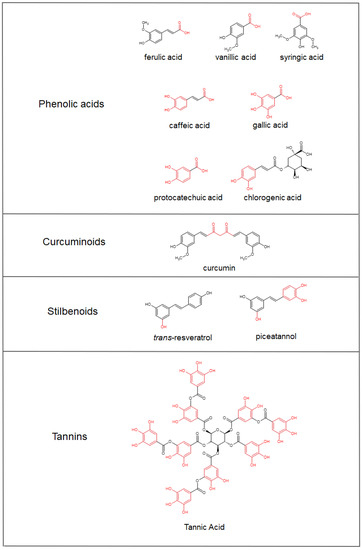
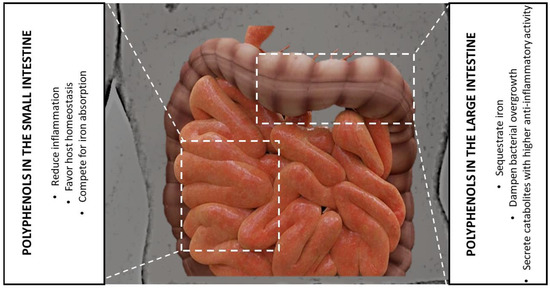
In the past decades, many studies have widely examined the effects of dietary polyphenols on human health. Polyphenols are well known for their antioxidant properties and for their chelating abilities, by which they can be potentially employed in cases of pathological conditions, such as iron overload. In this review, we have highlighted the chelating abilities of polyphenols, which are due to their structural specific sites, and the differences for each class of polyphenols. We have also explored how the dietary polyphenols and their iron-binding abilities can be important in inflammatory/immunomodulatory responses, with a special focus on the involvement of macrophages and dendritic cells, and how they might contribute to reshape the gut microbiota into a healthy profile. This review also provides evidence that the axes “polyphenol–iron metabolism–inflammatory responses” and “polyphenol–iron availability–gut microbiota” have not been very well explored so far, and the need for further investigation to exploit such a potential to prevent or counteract pathological conditions. Full article
Show Figures

Figure 1
19 pages, 7894 KB  
Article
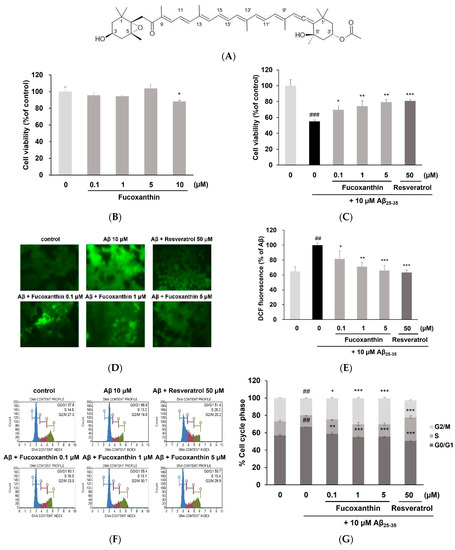
The Role of Fucoxanthin as a Potent Nrf2 Activator via Akt/GSK-3β/Fyn Axis against Amyloid-β Peptide-Induced Oxidative Damage
by Nayoung Lee, Kumju Youn, Jeong-Hyun Yoon, Bokyung Lee, Dong Hyun Kim and Mira Jun
Antioxidants 2023, 12(3), 629; https://doi.org/10.3390/antiox12030629 - 3 Mar 2023
Cited by 34 | Viewed by 5037
Abstract
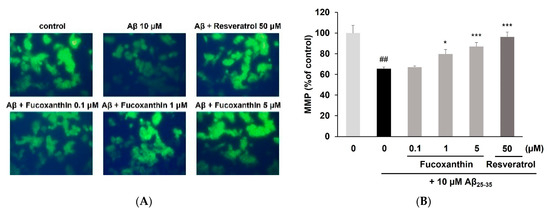
Increasing evidence is suggesting that amyloid-β peptide (Aβ), a characteristic of Alzheimer’s disease (AD), induces oxidative stress and mitochondrial dysfunction, leading to neuronal death. This study aimed to demonstrate the antioxidant and anti-apoptotic effects of fucoxanthin, a major marine carotenoid found in brown [...] Read more.
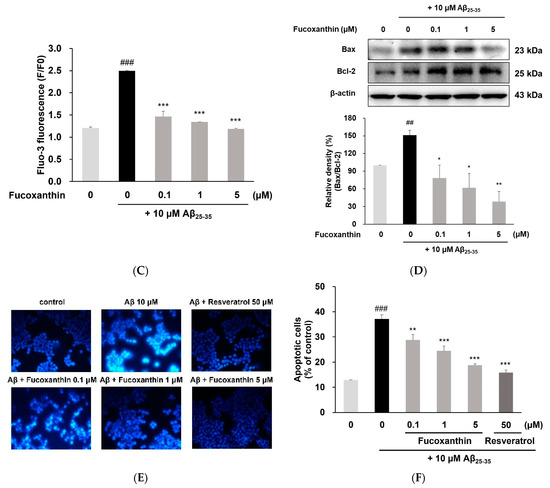
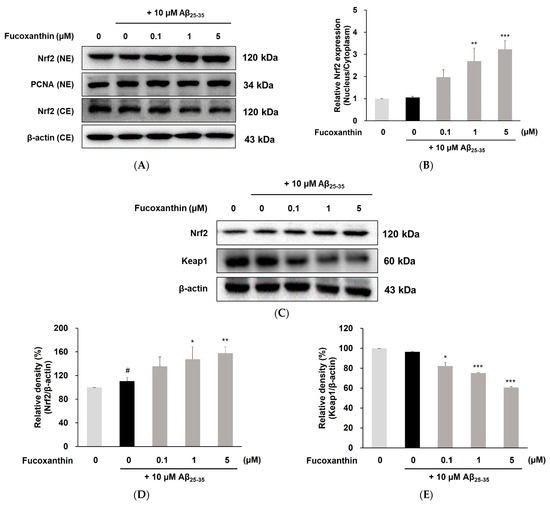
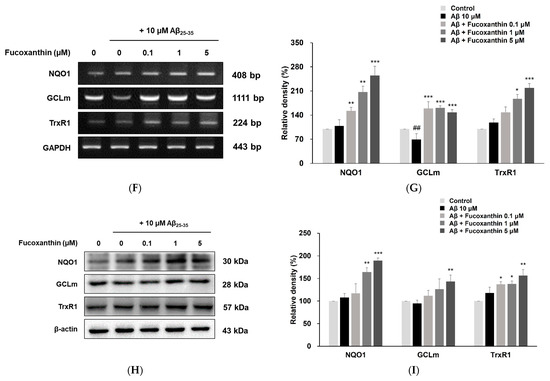
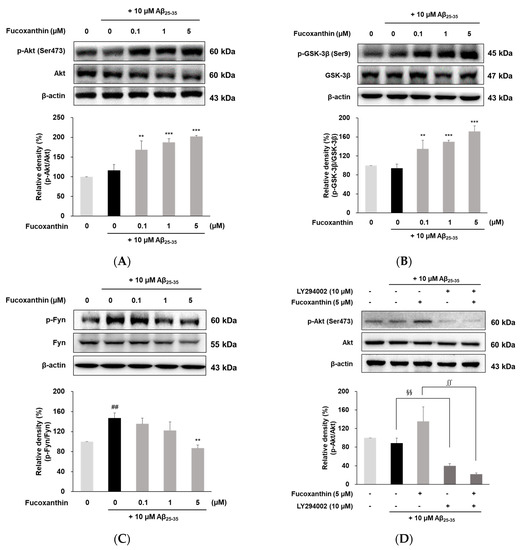
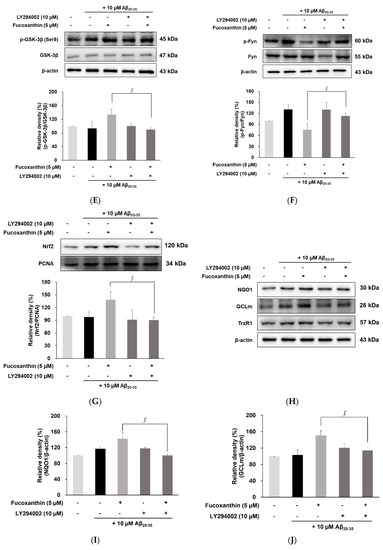
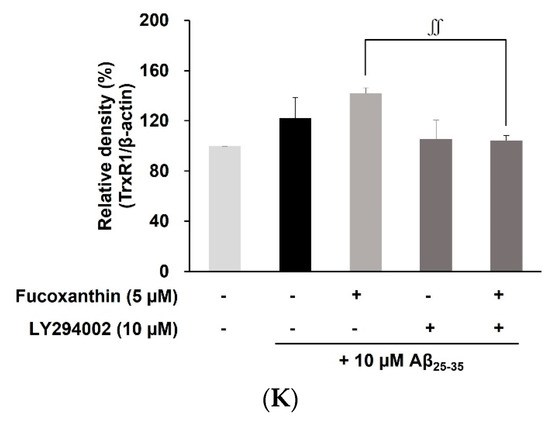
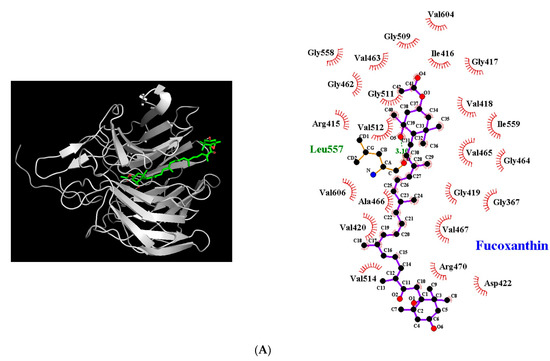
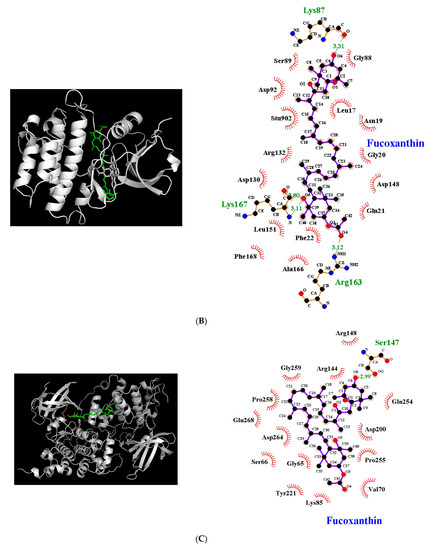
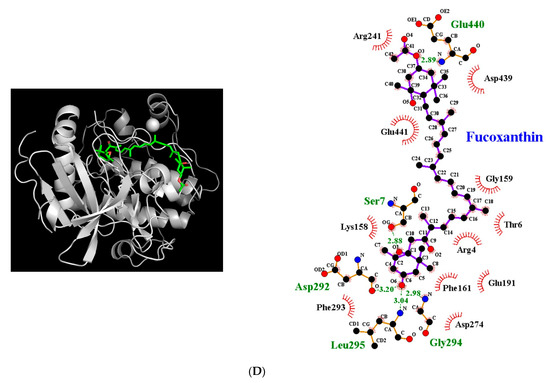
Increasing evidence is suggesting that amyloid-β peptide (Aβ), a characteristic of Alzheimer’s disease (AD), induces oxidative stress and mitochondrial dysfunction, leading to neuronal death. This study aimed to demonstrate the antioxidant and anti-apoptotic effects of fucoxanthin, a major marine carotenoid found in brown algae, against neuronal injury caused by Aβ. Non-toxic dose range of fucoxanthin (0.1–5 µM) were selected for the neuroprotective study against Aβ25–35. The PC12 cells were pretreated with different concentrations of fucoxanthin for 1 h before being exposed to 10 µM Aβ25–35 for another 24 h. The present results showed that fucoxanthin inhibited Aβ25-35-induced cell death by recovering cell cycle arrest and decreasing intracellular reactive oxygen species (ROS) level. The compound enhanced mitochondrial recovery and regulated apoptosis related proteins including B-cell lymphoma 2 (Bcl-2) and Bcl-2-associated X protein (Bax) from Aβ25-35-induced oxidative stress. Concomitantly, fucoxanthin increased the expression of nuclear factor E2-related factor 2 (Nrf2) and its downstream phase II detoxifying enzymes including NADPH: quinone oxidoreductase-1 (NQO-1), glutamate cysteine ligase modifier subunit (GCLm), and thioredoxin reductase 1 (TrxR1), whereas it decreased the expression of cytoplasmic Kelch-like ECH-associated protein 1 (Keap1). Moreover, pretreatment of fucoxanthin reduced Fyn phosphorylation via protein kinase B (Akt)-mediated inhibition of glycogen synthase kinase-3β (GSK-3β), which increased the nuclear localization of Nrf2, suggesting that the compound enhanced Nrf2 expression by the activation of upstream kinase as well as the dissociation of the Nrf2-Keap1 complex. Further validation with a specific phosphatidylinositol 3-kinase (PI3K) inhibitor LY294002 demonstrated that the fucoxanthin-mediated Nrf2 antioxidant defense system was directly associated with the Akt/GSK-3β/Fyn signaling pathway. In silico simulation revealed that the oxygen groups of fucoxanthin participated in potent interactions with target markers in the Nrf2 signaling pathway, which may affect the biological activity of target markers. Taken together, the present results demonstrated that the preventive role of fucoxanthin on Aβ-stimulated oxidative injury and apoptosis via Akt/GSK-3β/Fyn signaling pathway. This study would provide a useful approach for potential intervention for AD prevention. Full article
Show Figures

Figure 1
19 pages, 2783 KB  
Article
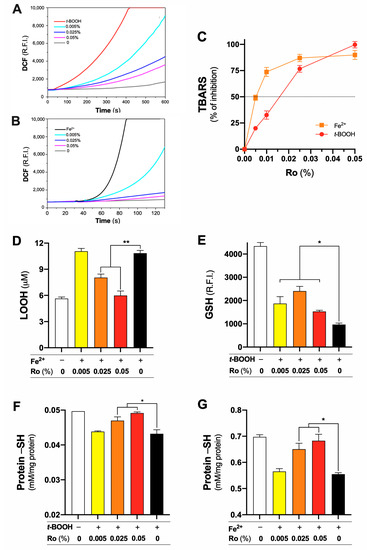
Rosemary (Rosmarinus officinalis L.) Glycolic Extract Protects Liver Mitochondria from Oxidative Damage and Prevents Acetaminophen-Induced Hepatotoxicity
by Natalia S. S. Guimarães, Vyctória S. Ramos, Laura F. L. Prado-Souza, Rayssa M. Lopes, Gabriel S. Arini, Luís G. P. Feitosa, Ricardo R. Silva, Iseli L. Nantes, Debora C. Damasceno, Norberto P. Lopes and Tiago Rodrigues
Antioxidants 2023, 12(3), 628; https://doi.org/10.3390/antiox12030628 - 3 Mar 2023
Cited by 20 | Viewed by 9132
Abstract
Rosmarinus officinalis L. (rosemary) is an aromatic culinary herb. Native to the Mediterranean region, it is currently cultivated worldwide. In addition to its use as a condiment in food preparation and in teas, rosemary has been widely employed in folk medicine and cosmetics. [...] Read more.
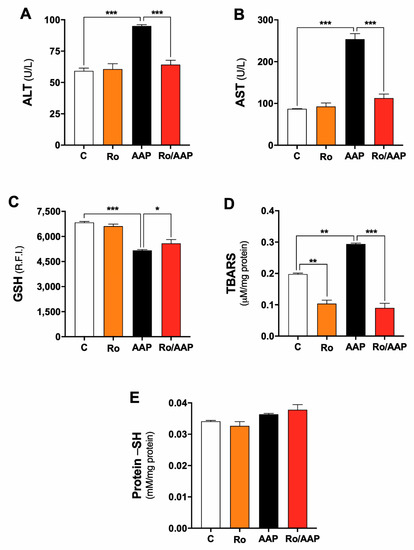
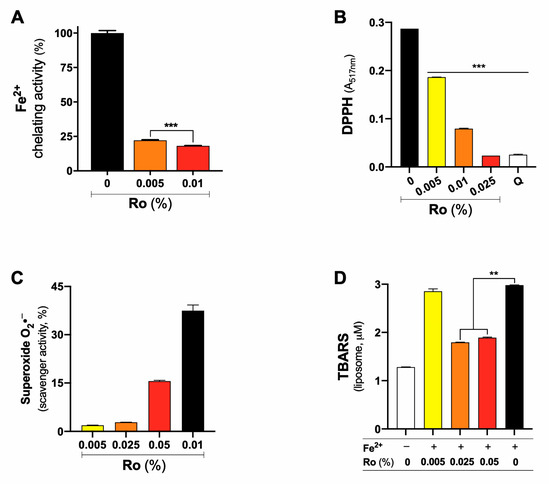
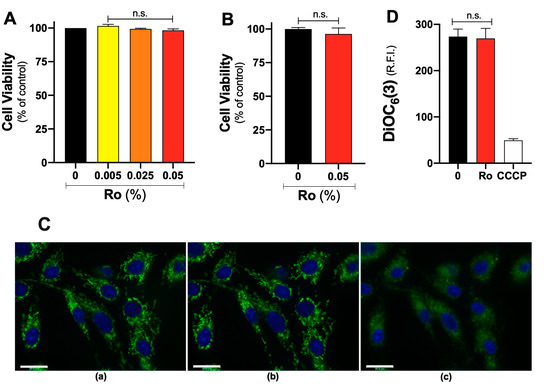
Rosmarinus officinalis L. (rosemary) is an aromatic culinary herb. Native to the Mediterranean region, it is currently cultivated worldwide. In addition to its use as a condiment in food preparation and in teas, rosemary has been widely employed in folk medicine and cosmetics. Several beneficial effects have been described for rosemary, including antimicrobial and antioxidant activities. Here, we investigated the mechanisms accounting for the antioxidant activity of the glycolic extract of R. officinalis (Ro) in isolated rat liver mitochondria (RLM) under oxidative stress conditions. We also investigated its protective effect against acetaminophen-induced hepatotoxicity in vivo. A crude extract was obtained by fractionated percolation, using propylene glycol as a solvent due to its polarity and cosmeceutical compatibility. The quantification of substances with recognized antioxidant action revealed the presence of phenols and flavonoids. Dereplication studies carried out through LC-MS/MS and GC-MS, supported by The Global Natural Product Social Molecular Networking (GNPS) platform, annotated several phenolic compounds, confirming the previous observation. In accordance, Ro decreased the production of reactive oxygen species (ROS) elicited by Fe2+ or t-BOOH and inhibited the lipid peroxidation of mitochondrial membranes in a concentration-dependent manner in RLM. Such an effect was also observed in liposomes as membrane models. Ro also prevented the oxidation of mitochondrial protein thiol groups and reduced glutathione (GSH). In model systems, Ro exhibited a potent scavenger activity toward 2,2′-diphenyl-1-picrylhydrazyl (DPPH) radicals and superoxide anions. It also demonstrated an Fe2+ chelating activity. Moreover, Ro did not exhibit cytotoxicity or dissipate the mitochondrial membrane potential (∆Ψ) in rat liver fibroblasts (BRL3A cells). To evaluate whether such antioxidant protective activity observed in vitro could also be achieved in vivo, a well-established model of hepatotoxicity induced by acute exposure to acetaminophen (AAP) was used. This model depletes GSH and promotes oxidative-stress-mediated tissue damage. The treatment of rats with 0.05% Ro, administered intraperitoneally for four days, resulted in inhibition of AAP-induced lipid peroxidation of the liver and the prevention of hepatotoxicity, maintaining alanine and aspartate aminotransferase (ALT/AST) levels equal to those of the normal, non-treated rats. Together, these findings highlight the potent antioxidant activity of rosemary, which is able to protect mitochondria from oxidative damage in vitro, and effects such as the antioxidant and hepatoprotective effects observed in vivo. Full article
Show Figures

Figure 1
22 pages, 3519 KB  
Article
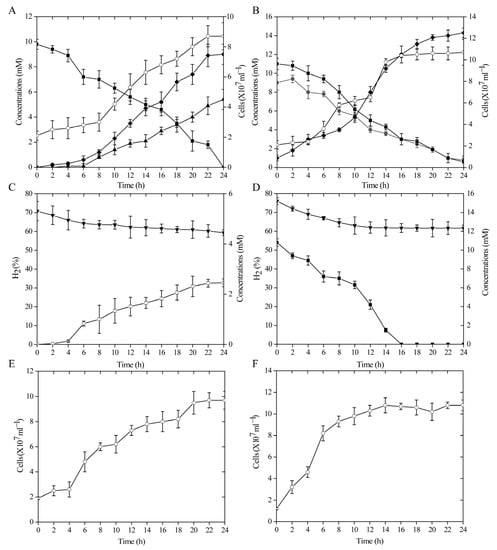
Transcriptome Analysis of Cyclooctasulfur Oxidation and Reduction by the Neutrophilic Chemolithoautotrophic Sulfurovum indicum from Deep-Sea Hydrothermal Ecosystems
by Shasha Wang, Lijing Jiang, Liang Cui, Karine Alain, Shaobin Xie and Zongze Shao
Antioxidants 2023, 12(3), 627; https://doi.org/10.3390/antiox12030627 - 3 Mar 2023
Cited by 11 | Viewed by 4154
Abstract
Chemolithoautotrophic Campylobacterota are widespread and predominant in worldwide hydrothermal vents, and they are key players in the turnover of zero-valence sulfur. However, at present, the mechanism of cyclooctasulfur activation and catabolism in Campylobacterota bacteria is not clearly understood. Here, we investigated these processes [...] Read more.
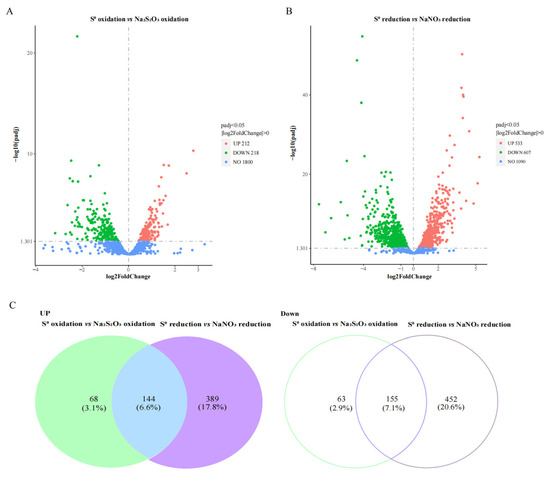
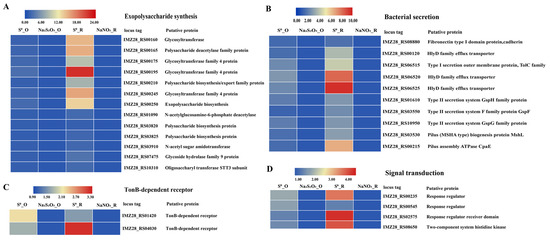
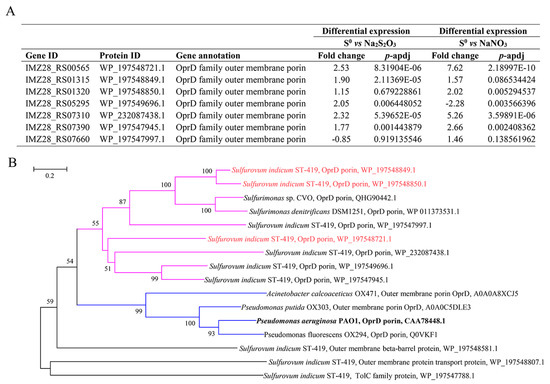
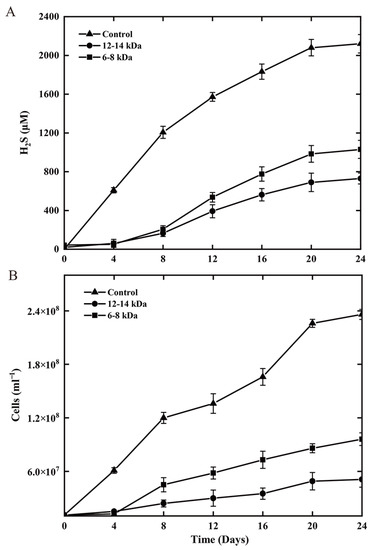
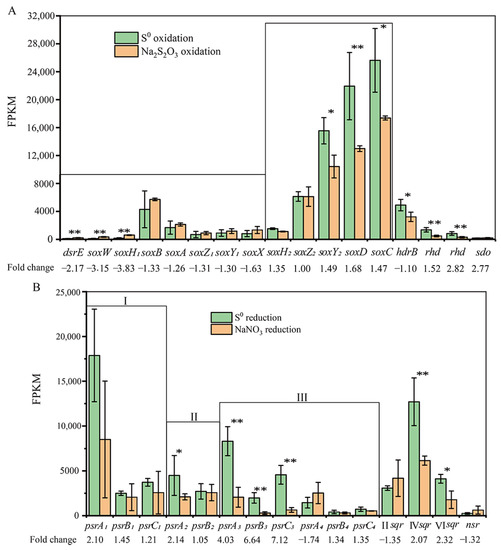
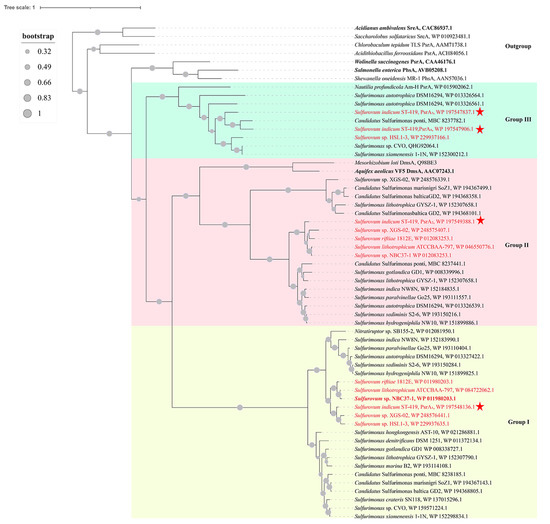
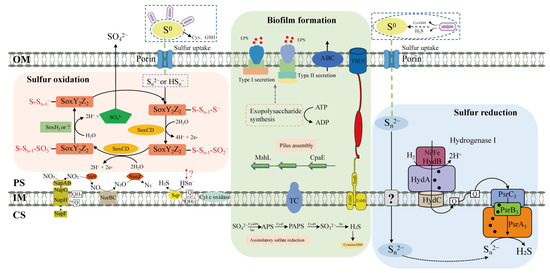
Chemolithoautotrophic Campylobacterota are widespread and predominant in worldwide hydrothermal vents, and they are key players in the turnover of zero-valence sulfur. However, at present, the mechanism of cyclooctasulfur activation and catabolism in Campylobacterota bacteria is not clearly understood. Here, we investigated these processes in a hydrothermal vent isolate named Sulfurovum indicum ST-419. A transcriptome analysis revealed that multiple genes related to biofilm formation were highly expressed during both sulfur oxidation and reduction. Additionally, biofilms containing cells and EPS coated on sulfur particles were observed by SEM, suggesting that biofilm formation may be involved in S0 activation in Sulfurovum species. Meanwhile, several genes encoding the outer membrane proteins of OprD family were also highly expressed, and among them, gene IMZ28_RS00565 exhibited significantly high expressions by 2.53- and 7.63-fold changes under both conditions, respectively, which may play a role in sulfur uptake. However, other mechanisms could be involved in sulfur activation and uptake, as experiments with dialysis bags showed that direct contact between cells and sulfur particles was not mandatory for sulfur reduction activity, whereas cell growth via sulfur oxidation did require direct contact. This indirect reaction could be ascribed to the role of H2S and/or other thiol-containing compounds, such as cysteine and GSH, which could be produced in the culture medium during sulfur reduction. In the periplasm, the sulfur-oxidation-multienzyme complexes soxABXY1Z1 and soxCDY2Z2 are likely responsible for thiosulfate oxidation and S0 oxidation, respectively. In addition, among the four psr gene clusters encoding polysulfide reductases, only psrA3B3C3 was significantly upregulated under the sulfur reduction condition, implying its essential role in sulfur reduction. These results expand our understanding of the interactions of Campylobacterota with the zero-valence sulfur and their adaptability to deep-sea hydrothermal environments. Full article
(This article belongs to the Special Issue Reactive Sulfur Species in Microorganisms)
Show Figures

Figure 1
17 pages, 1964 KB  
Article
Noninvasive Methods to Detect Reactive Oxygen Species as a Proxy of Seed Quality
by Adriano Griffo, Nicola Bosco, Andrea Pagano, Alma Balestrazzi and Anca Macovei
Antioxidants 2023, 12(3), 626; https://doi.org/10.3390/antiox12030626 - 3 Mar 2023
Cited by 17 | Viewed by 4546
Abstract
ROS homeostasis is crucial to maintain radical levels in a dynamic equilibrium within physiological ranges. Therefore, ROS quantification in seeds with different germination performance may represent a useful tool to predict the efficiency of common methods to enhance seed vigor, such as priming [...] Read more.
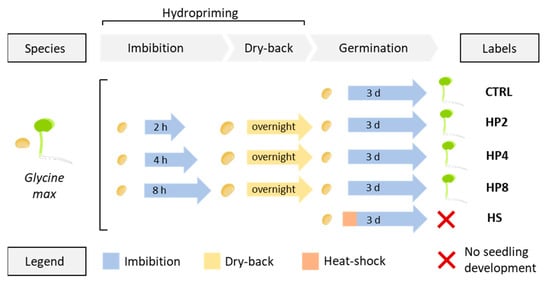
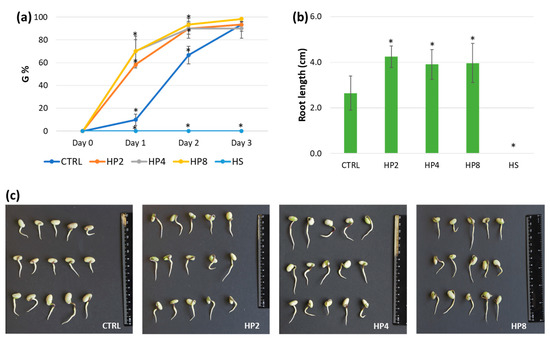
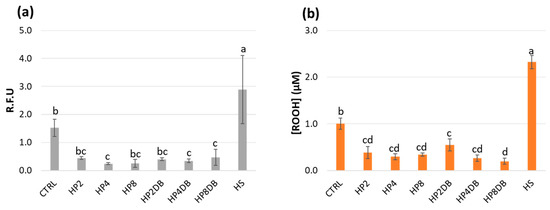
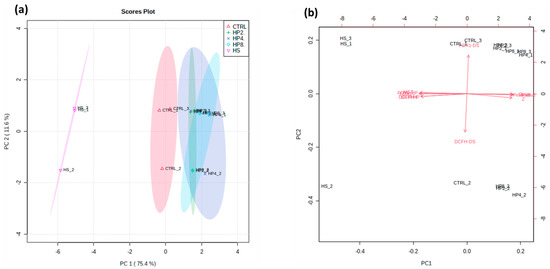
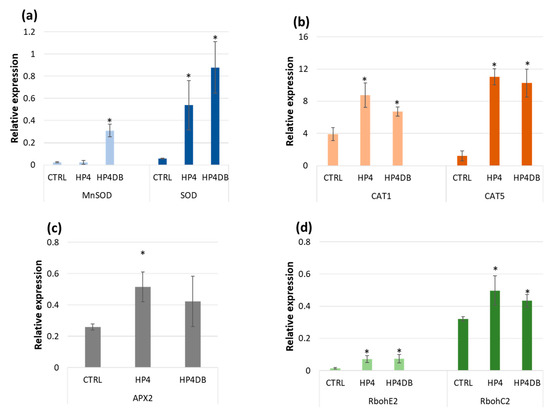
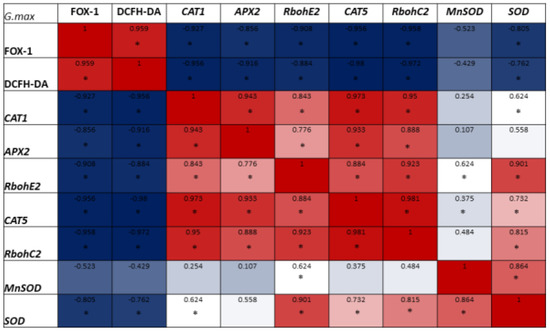
ROS homeostasis is crucial to maintain radical levels in a dynamic equilibrium within physiological ranges. Therefore, ROS quantification in seeds with different germination performance may represent a useful tool to predict the efficiency of common methods to enhance seed vigor, such as priming treatments, which are still largely empirical. In the present study, ROS levels were investigated in an experimental system composed of hydroprimed and heat-shocked seeds, thus comparing materials with improved or damaged germination potential. A preliminary phenotypic analysis of germination parameters and seedling growth allowed the selection of the best-per-forming priming protocols for species like soybean, tomato, and wheat, having relevant agroeconomic value. ROS levels were quantified by using two noninvasive assays, namely dichloro-dihydro-fluorescein diacetate (DCFH-DA) and ferrous oxidation-xylenol orange (FOX-1). qRT-PCR was used to assess the expression of genes encoding enzymes involved in ROS production (respiratory burst oxidase homolog family, RBOH) and scavenging (catalase, superoxide dismutase, and peroxidases). The correlation analyses between ROS levels and gene expression data suggest a possible use of these indicators as noninvasive approaches to evaluate seed quality. These findings are relevant given the centrality of seed quality for crop production and the potential of seed priming in sustainable agricultural practices. Full article
(This article belongs to the Special Issue Reactive Oxygen and Nitrogen Species in Plants)
Show Figures

Figure 1
14 pages, 7493 KB  
Article
Repurposing Verapamil to Enhance Killing of T-ALL Cells by the mTOR Inhibitor Everolimus
by Micol Silic-Benussi, Evgeniya Sharova, Alberto Corradin, Loredana Urso, Vittoria Raimondi, Ilaria Cavallari, Barbara Buldini, Samuela Francescato, Sonia A. Minuzzo, Donna M. D’Agostino and Vincenzo Ciminale
Antioxidants 2023, 12(3), 625; https://doi.org/10.3390/antiox12030625 - 3 Mar 2023
Cited by 2 | Viewed by 3099
Abstract
New therapies are needed for patients with T-cell lymphoblastic leukemia (T-ALL) who do not respond to standard chemotherapy. Our previous studies showed that the mTORC1 inhibitor everolimus increases reactive oxygen species (ROS) levels, decreases the levels of NADPH and glucose-6-phosphate dehydrogenase (G6PD), the [...] Read more.
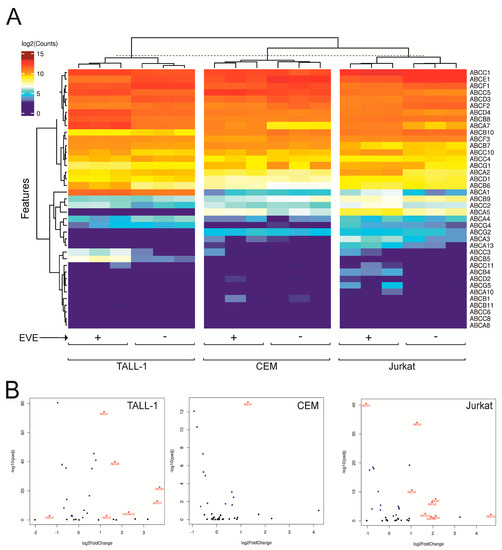
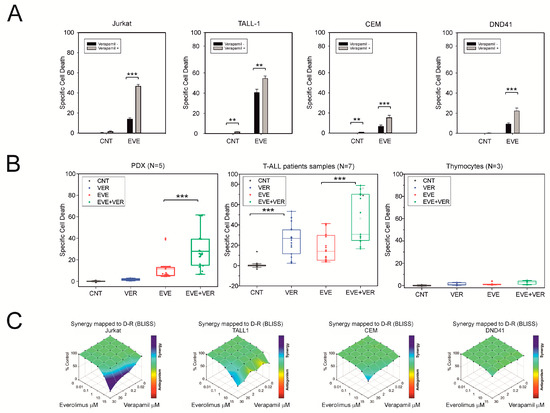
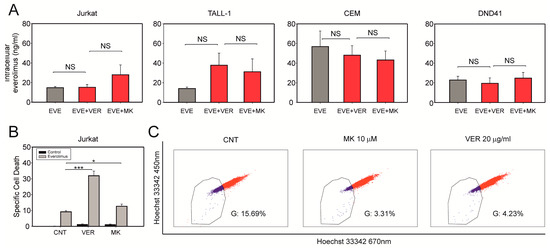
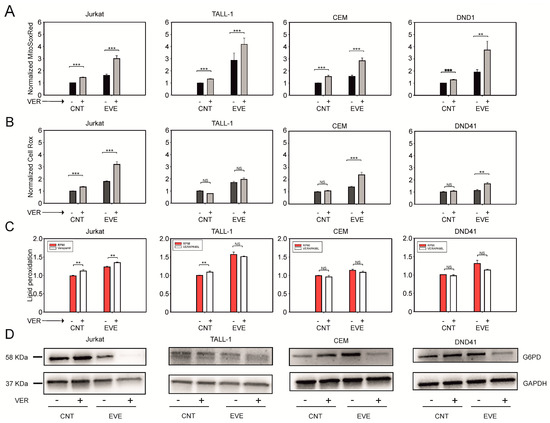
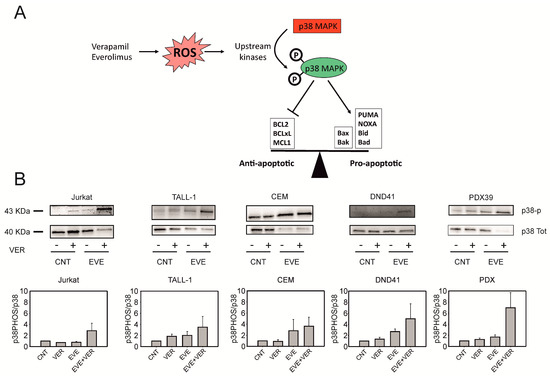
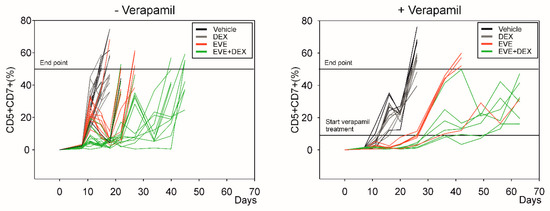
New therapies are needed for patients with T-cell lymphoblastic leukemia (T-ALL) who do not respond to standard chemotherapy. Our previous studies showed that the mTORC1 inhibitor everolimus increases reactive oxygen species (ROS) levels, decreases the levels of NADPH and glucose-6-phosphate dehydrogenase (G6PD), the rate-limiting enzyme of the pentose phosphate pathway (PPP), and induces apoptosis in T-ALL cells. Studies in T-ALL-xenografted NOD/SCID mice demonstrated that everolimus improved their response to the glucocorticoid (GC) dexamethasone. Here we show that verapamil, a calcium antagonist used in the treatment of supraventricular tachyarrhythmias, enhanced the effects of everolimus on ROS and cell death in T-ALL cell lines. The death-enhancing effect was synergistic and was confirmed in assays on a panel of therapy-resistant patient-derived xenografts (PDX) and primary samples from T-ALL patients. The verapamil-everolimus combination produced a dramatic reduction in the levels of G6PD and induction of p38 MAPK phosphorylation. Studies of NOD/SCID mice inoculated with refractory T-ALL PDX cells demonstrated that the addition of verapamil to everolimus plus dexamethasone significantly reduced tumor growth in vivo. Taken together, our results provide a rationale for repurposing verapamil in association with mTORC inhibitors and GC to treat refractory T-ALL. Full article
Show Figures

Figure 1
20 pages, 4886 KB  
Article
Isolation and Identification of Dihydrophenanthrene Derivatives from Dendrobium virgineum with Protective Effects against Hydrogen-Peroxide-Induced Oxidative Stress of Human Retinal Pigment Epithelium ARPE-19 Cells
by Pongsawat Panuthai, Rianthong Phumsuay, Chawanphat Muangnoi, Porames Maitreesophone, Virunh Kongkatitham, Wanwimon Mekboonsonglarp, Pornchai Rojsitthisak, Kittisak Likhitwitayawuid and Boonchoo Sritularak
Antioxidants 2023, 12(3), 624; https://doi.org/10.3390/antiox12030624 - 2 Mar 2023
Cited by 8 | Viewed by 3177
Abstract
Oxidative stress is a significant factor in the development of age-related macular degeneration (AMD), which results from cell damage, dysfunction, and death in the retinal pigmented epithelium (RPE). The use of natural compounds with antioxidant properties to protect RPE cells from oxidative stress [...] Read more.
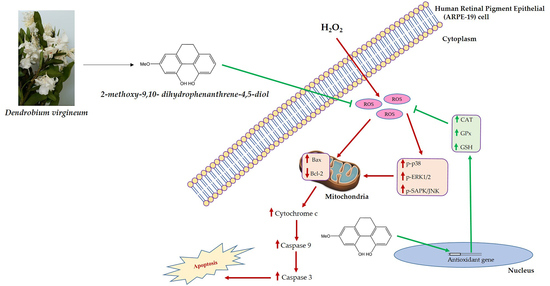
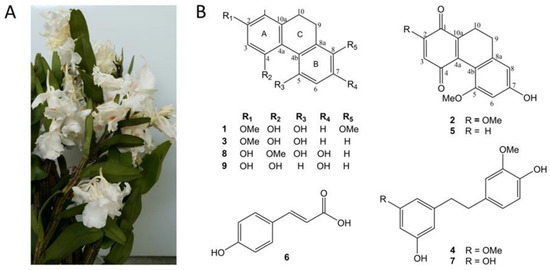
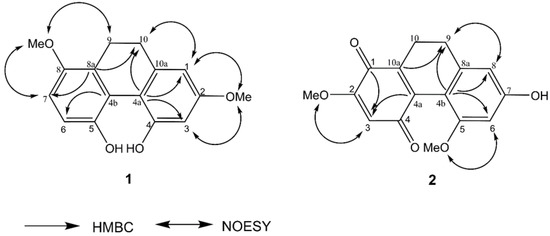
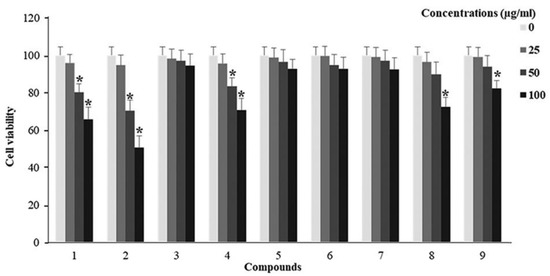
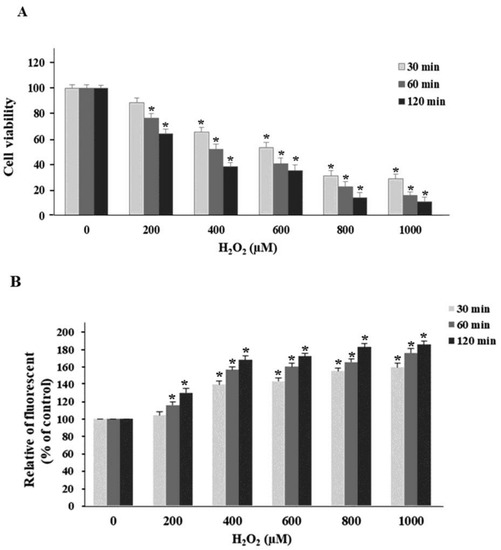
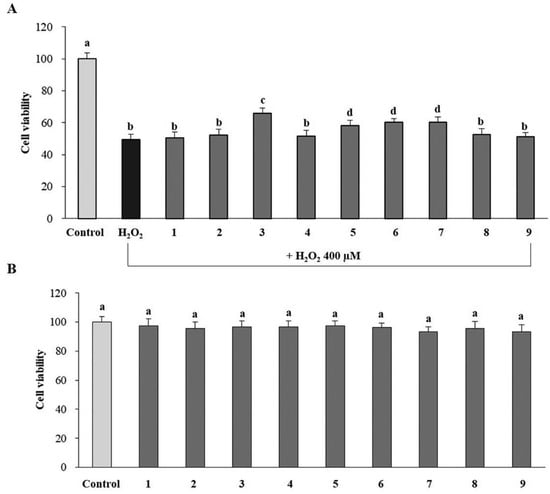
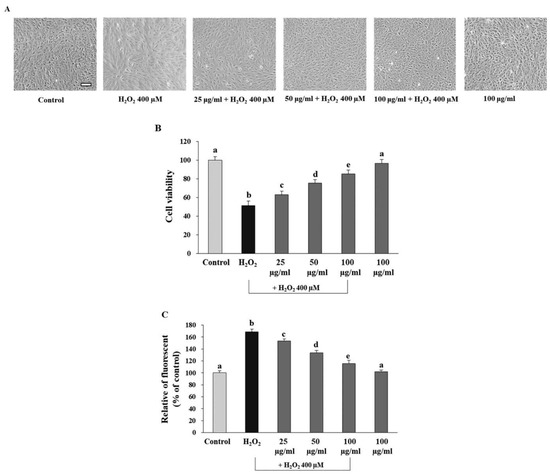
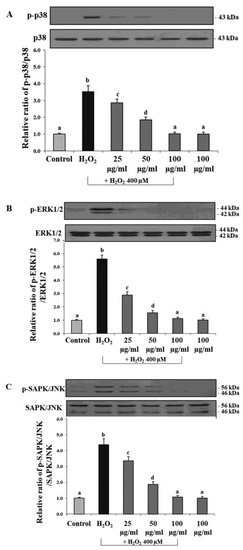
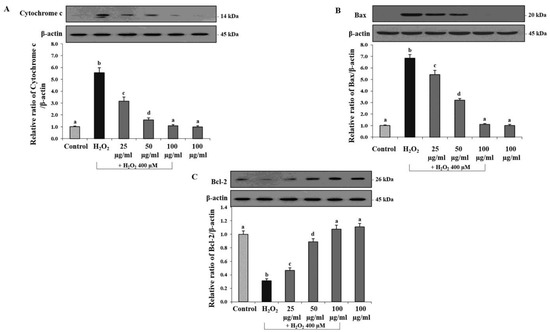
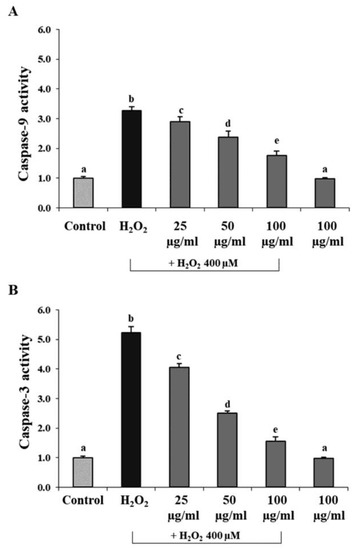
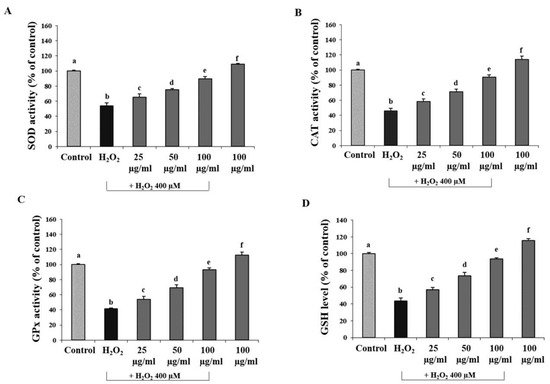
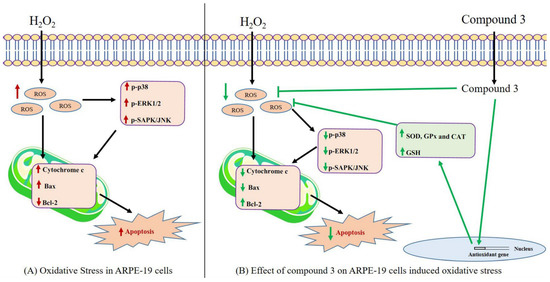
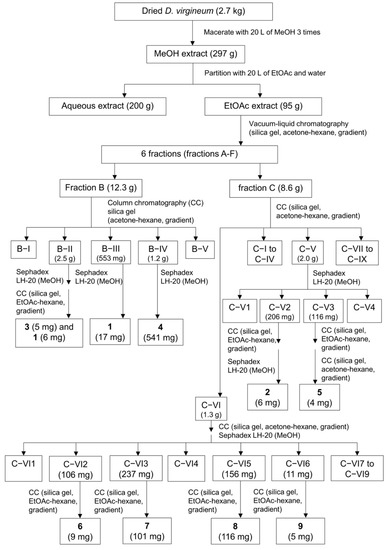
Oxidative stress is a significant factor in the development of age-related macular degeneration (AMD), which results from cell damage, dysfunction, and death in the retinal pigmented epithelium (RPE). The use of natural compounds with antioxidant properties to protect RPE cells from oxidative stress has been explored in Dendrobium, a genus of orchid plants belonging to the family Orchidaceae. Two new compounds and seven known compounds from the MeOH extract of the whole plant of Dendrobium virgineum were successfully isolated and structurally characterized. Out of all the compounds isolated, 2-methoxy-9,10-dihydrophenanthrene-4,5-diol (3) showed the highest protective effect against hydrogen peroxide (H2O2)-induced oxidative stress in human retinal pigment epithelial (ARPE-19) cells. Therefore, it was selected to evaluate its protective effect and mechanism on oxidative-stress-induced ARPE-19 cells. Cells were pre-treated with compound 3 at 25, 50, and 100 µg/mL for 24 h and then induced with 400 µM H2O2 for 1 h. The results demonstrated that compound 3 significantly (p < 0.05) increased cell viability by 10–35%, decreased ROS production by 10–30%, and reduced phosphorylation of p38, ERK1/2, and SAPK/JNK by 20–70% in a dose-dependent manner without toxicity. Furthermore, compound 3 significantly (p < 0.05) modulated the expression of apoptosis pathway proteins (cytochrome c, Bax and Bcl-2) by 20–80%, and enhanced SOD, CAT, and GPX activities, and GSH levels in a dose-dependent manner. These results suggest that compound 3 protects ARPE-19 cells against oxidative stress through MAPKs and apoptosis pathways, including the antioxidant system. Thus, compound 3 could be considered as an antioxidant agent for preventing AMD development by protecting RPE cells from oxidative stress and maintaining the retina. These findings open up new possibilities for the use of natural compounds in the treatment of AMD and other oxidative-stress-related conditions. Full article
(This article belongs to the Special Issue Antioxidant and Biological Properties of Plant Extracts II)
Show Figures

Graphical abstract

33 pages, 1101 KB  
Review
Discovering the Potential Mechanisms of Medicinal Mushrooms Antidepressant Activity: A Review
by Jan Lazur, Kamil Hnatyk, Katarzyna Kała, Katarzyna Sułkowska-Ziaja and Bożena Muszyńska
Antioxidants 2023, 12(3), 623; https://doi.org/10.3390/antiox12030623 - 2 Mar 2023
Cited by 14 | Viewed by 14254
Abstract
Major Depression Disease is a common mental illness that affects more than 322 million people worldwide and it is one of the leading causes of mental and physical disability. The etiology of depression is a complex interplay of psychological, social, and biological factors. [...] Read more.
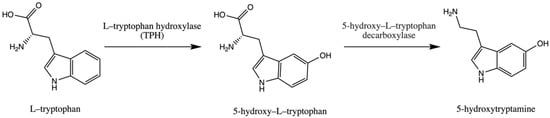
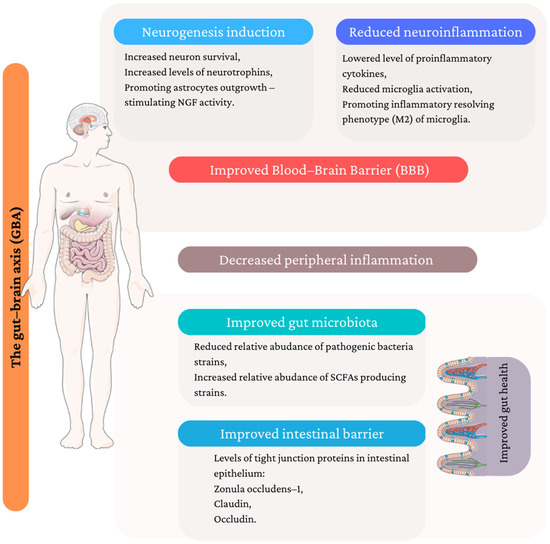
Major Depression Disease is a common mental illness that affects more than 322 million people worldwide and it is one of the leading causes of mental and physical disability. The etiology of depression is a complex interplay of psychological, social, and biological factors. Currently, psychopharmacotherapy is based mainly on the monoamine theory, which states that depression is caused by an insufficient level of monoamines such as serotonin, norepinephrine, and/or dopamine. Due to the relatively low efficacy of the typical antidepressant and the high prevalence of treatment-resistant depression (~30%), seeking new ways of prophylaxis, adjuvant therapy, or novel compounds with antidepressant activity, is a priority. According to studies that analyzed mushroom consumption patterns and depression prevalence, it was concluded that mushroom ingestion lowers the odds of depression. Medicinal mushrooms are considered functional foods because of their ability to synthesize and accumulate different types of metabolites, which enhance their health-promoting properties. The review aims to explain the antidepressant activity of edible/medicinal mushrooms by elucidating the mechanism from different perspectives: edible mushrooms as a source of serotonin precursors and psilocybin as a rapid-acting antidepressant. These compounds exhibit anti-neuroinflammatory and antioxidant activities that impact neurotrophin expression, the neurogenesis process, and influence on the gut–brain axis. Full article
(This article belongs to the Special Issue Oxidative Stress and Psychiatric Research)
Show Figures

Figure 1
18 pages, 1402 KB  
Article
Wine Lees as Source of Antioxidant Molecules: Green Extraction Procedure and Biological Activity
by Michele De Luca, Donatella Restuccia, Umile Gianfranco Spizzirri, Pasquale Crupi, Giuseppina Ioele, Beatrice Gorelli, Maria Lisa Clodoveo, Simona Saponara and Francesca Aiello
Antioxidants 2023, 12(3), 622; https://doi.org/10.3390/antiox12030622 - 2 Mar 2023
Cited by 18 | Viewed by 3549
Abstract
An ultrasound-assisted extraction method, employing ethanol and water as solvents at low temperature (30 °C) and reduced time (15 min), was proposed to extract bioactive molecules from different cultivars (Magliocco Canino, Magliocco Rosato, Gaglioppo, and Nocera Rosso) of [...] Read more.
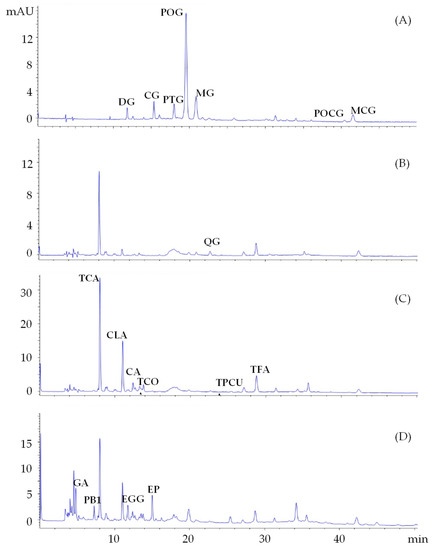
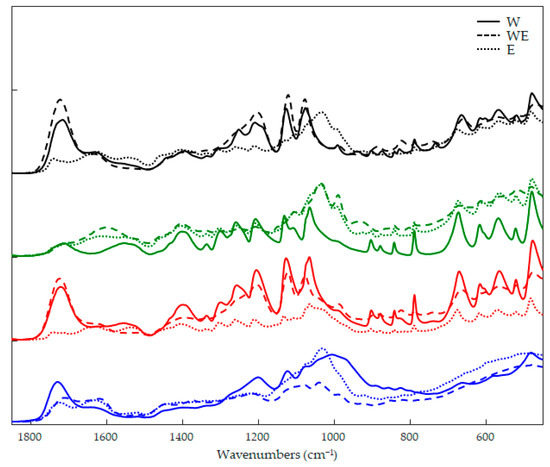
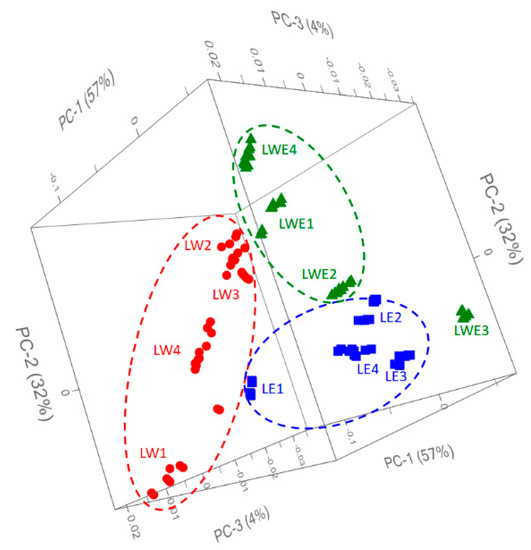
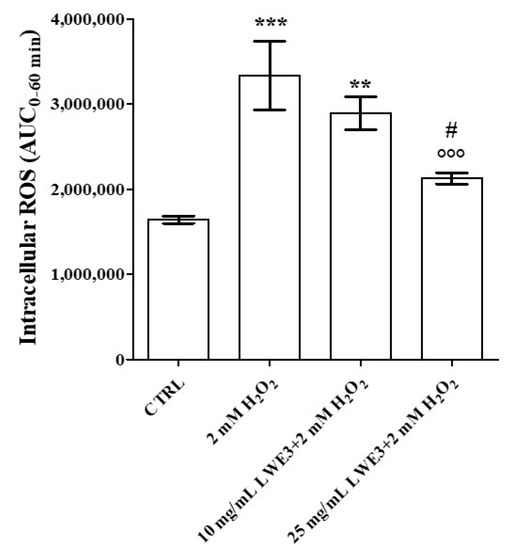
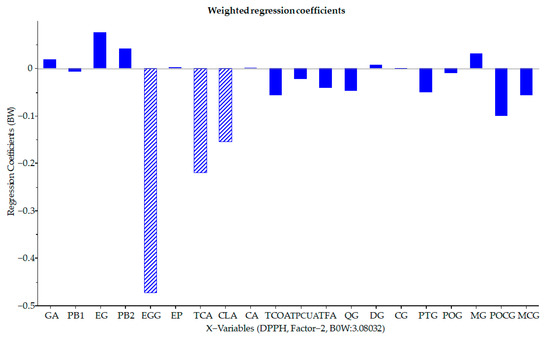
An ultrasound-assisted extraction method, employing ethanol and water as solvents at low temperature (30 °C) and reduced time (15 min), was proposed to extract bioactive molecules from different cultivars (Magliocco Canino, Magliocco Rosato, Gaglioppo, and Nocera Rosso) of wine lees. All the extract yields were evaluated and their contents of phenolic acids, flavonoids, and total polyphenols were determined by means of colorimetric assays and high-performance liquid chromatography coupled with diode-array detection (HPLC-DAD) and Fourier transform infrared (FTIR) techniques. Radical scavenging assays were performed and the Magliocco Canino extracted with a hydroalcoholic mixture returned the best results both against ABTS (0.451 mg mL−1) and DPPH (0.395 mg mL−1) radicals. The chemometric algorithms principal component analysis (PCA) and partial least square regression (PLS) were used to process the data obtained from all qualitative–quantitative sample determinations with the aim of highlighting data patterns and finding possible correlations between composition and antioxidant features of the different wine lees cultivars and the extraction procedures. Wine lees from Magliocco Canino and Magliocco Rosato were found to be the best vegetable matrices in terms of metabolite content and antioxidant properties. The components extracted with alcoholic or hydroalcoholic solvents, specifically (−)-epigallocatechin gallate, chlorogenic acid, and trans-caftaric acid, were found to be correlated with the antioxidant capacity of the extracts. Multivariate data processing was able to identify the compounds related to the antioxidant features. Two PLS models were optimized by using their concentration levels to predict the IC50 values of the extracts in terms of DPPH and ABTS with high values of correlation coefficient R2, 0.932 and 0.824, respectively, and a prediction error lower than 0.07. Finally, cellular (SH-SY5Y cells) antioxidant assays were performed on the best extract (the hydroalcoholic extract of Magliocco Canino cv) to confirm its biological performance against radical species. All these recorded data strongly outline the aptness of valorizing wine lees as a valuable source of antioxidants. Full article
Show Figures

Figure 1
10 pages, 293 KB  
Article
High Concentration of Protein Oxidation Biomarker O-Tyr/Phe Predicts Better Outcome in Childhood Bacterial Meningitis
by Emilie Rugemalira, Irmeli Roine, Julia Kuligowski, Ángel Sánchez-Illana, José David Piñeiro-Ramos, Sture Andersson, Manuel Leite Cruzeiro, Máximo Vento and Tuula Pelkonen
Antioxidants 2023, 12(3), 621; https://doi.org/10.3390/antiox12030621 - 2 Mar 2023
Cited by 3 | Viewed by 2953
Abstract
Neuronal damage in bacterial meningitis (BM) partly stems from the host´s inflammatory response and induced oxidative stress (OS). We studied the association of cerebrospinal fluid (CSF) biomarkers indicating oxidative damage to proteins with course of illness and outcome in childhood BM in Angola. [...] Read more.
Neuronal damage in bacterial meningitis (BM) partly stems from the host´s inflammatory response and induced oxidative stress (OS). We studied the association of cerebrospinal fluid (CSF) biomarkers indicating oxidative damage to proteins with course of illness and outcome in childhood BM in Angola. Ortho-tyrosine/phenylalanine (o-Tyr/Phe), 3-chlorotyrosine/para-tyrosine (3Cl-Tyr/p-Tyr), and 3-nitrotyrosine/para-tyrosine (3NO2-Tyr/p-Tyr) concentration ratios were measured in 79 BM admission CSF samples, employing liquid chromatography coupled to tandem mass spectrometry. Besides death, disease outcomes were registered on Day 7 of treatment and one month after discharge (control visit). The outcome was graded according to the modified Glasgow Outcome Scale (GOS), which considers neurological and audiological sequelae. Children with a o-Tyr/Phe ratio below the median were more likely to present focal convulsions and secondary fever during recovery and suboptimal outcome (GOS < 5) on Day 7 and at control visit (odds ratio (OR) 2.85; 95% CI 1.14–7.14 and OR 5.23; 95% CI 1.66–16.52, respectively). Their most common sequela was ataxia on Day 7 and at control visit (OR 8.55; 95% CI 2.27–32.22 and OR 5.83; 95% CI 1.12–30.4, respectively). The association of a higher admission CSF o-Tyr/Phe ratio with a better course and outcome for pediatric BM points to a beneficial effect of OS. Full article
(This article belongs to the Special Issue Antioxidants in Human Health and Disease)
16 pages, 3328 KB  
Article
Hyperoxia Disrupts Lung Lymphatic Homeostasis in Neonatal Mice
by Nithyapriya Shankar, Shyam Thapa, Amrit Kumar Shrestha, Poonam Sarkar, M. Waleed Gaber, Roberto Barrios and Binoy Shivanna
Antioxidants 2023, 12(3), 620; https://doi.org/10.3390/antiox12030620 - 2 Mar 2023
Cited by 4 | Viewed by 2983
Abstract
Inflammation causes bronchopulmonary dysplasia (BPD), a common lung disease of preterm infants. One reason this disease lacks specific therapies is the paucity of information on the mechanisms regulating inflammation in developing lungs. We address this gap by characterizing the lymphatic phenotype in an [...] Read more.
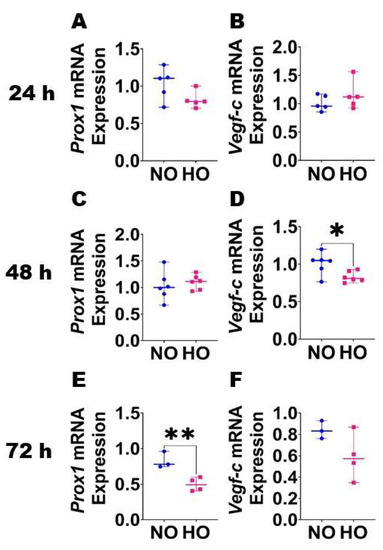
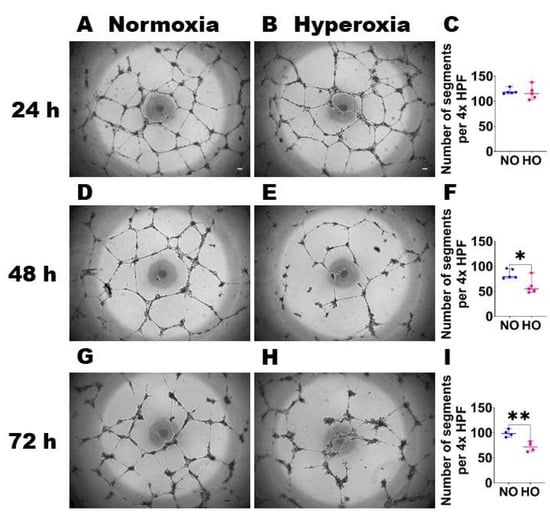
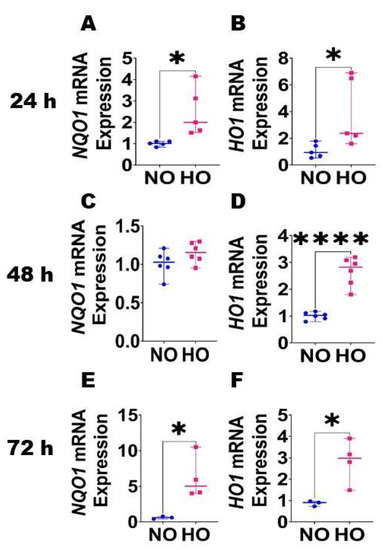
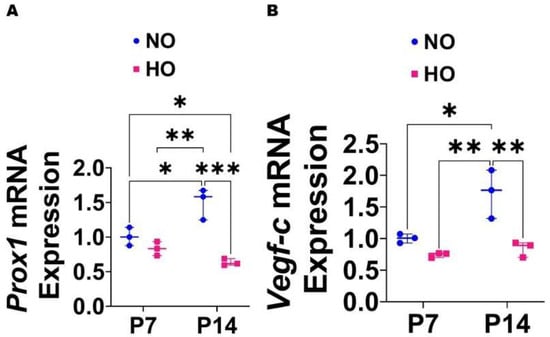
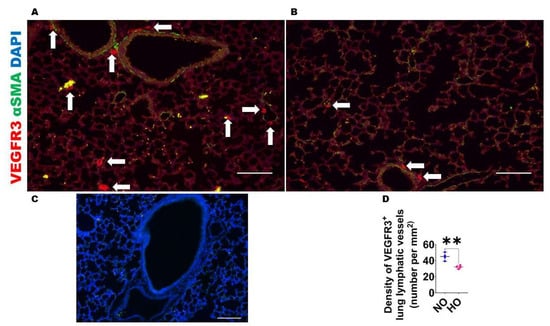
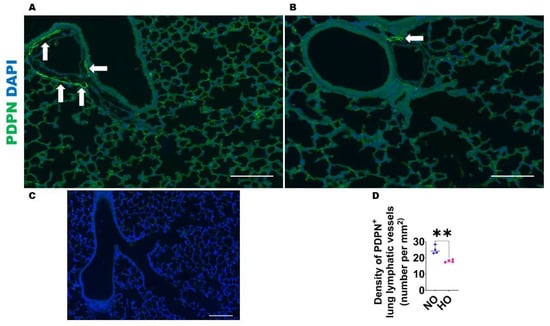
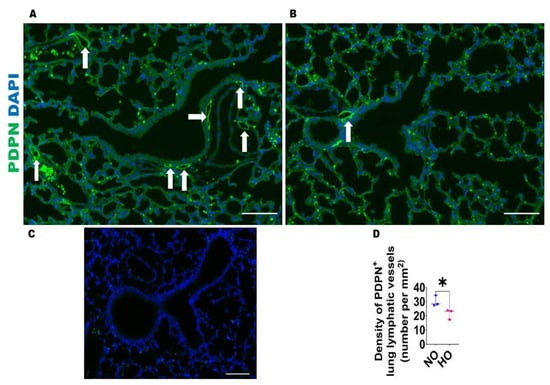
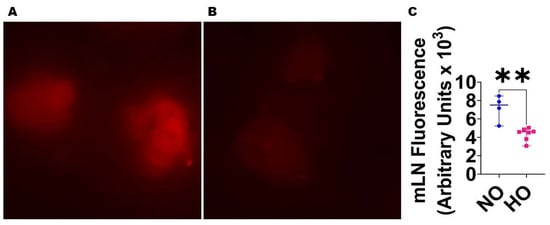
Inflammation causes bronchopulmonary dysplasia (BPD), a common lung disease of preterm infants. One reason this disease lacks specific therapies is the paucity of information on the mechanisms regulating inflammation in developing lungs. We address this gap by characterizing the lymphatic phenotype in an experimental BPD model because lymphatics are major regulators of immune homeostasis. We hypothesized that hyperoxia (HO), a major risk factor for experimental and human BPD, disrupts lymphatic endothelial homeostasis using neonatal mice and human dermal lymphatic endothelial cells (HDLECs). Exposure to 70% O2 for 24–72 h decreased the expression of prospero homeobox 1 (Prox1) and vascular endothelial growth factor c (Vegf-c) and increased the expression of heme oxygenase 1 and NAD(P)H dehydrogenase [quinone]1 in HDLECs, and reduced their tubule formation ability. Next, we determined Prox1 and Vegf-c mRNA levels on postnatal days (P) 7 and 14 in neonatal murine lungs. The mRNA levels of these genes increased from P7 to P14, and 70% O2 exposure for 14 d (HO) attenuated this physiological increase in pro-lymphatic factors. Further, HO exposure decreased VEGFR3+ and podoplanin+ lymphatic vessel density and lymphatic function in neonatal murine lungs. Collectively, our results validate the hypothesis that HO disrupts lymphatic endothelial homeostasis. Full article
(This article belongs to the Special Issue Oxidative Stress in Fetuses and Newborns)
Show Figures

Figure 1
15 pages, 1670 KB  
Article
Associations between Serum Folate Concentrations and Functional Disability in Older Adults
by Lujun Ji, Tianhao Zhang, Liming Zhang and Dongfeng Zhang
Antioxidants 2023, 12(3), 619; https://doi.org/10.3390/antiox12030619 - 2 Mar 2023
Cited by 1 | Viewed by 2139
Abstract
Folate may have beneficial effects on physical function through its antioxidant effect. Thus, we investigated the associations between serum folate and functional disability in older adults. Data from the National Health and Nutrition Examination Survey 2011–2018 were used. Serum folate included 5-methyltetrahydrofolate and [...] Read more.
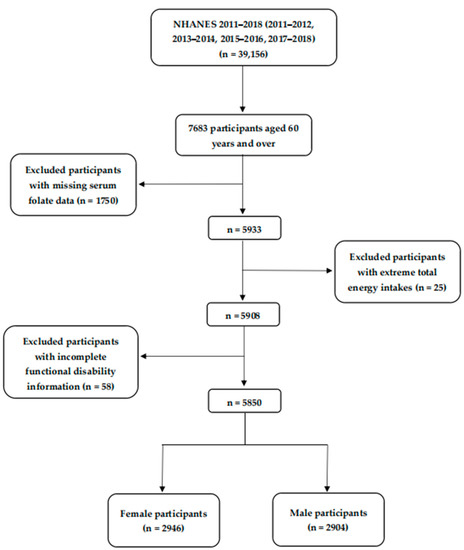
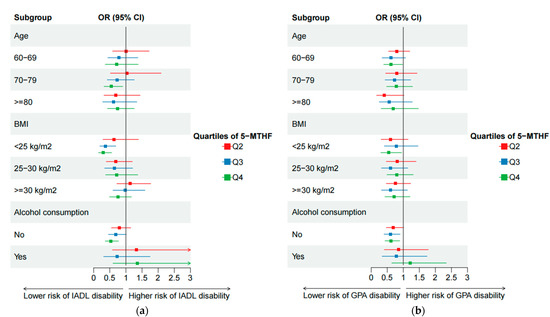
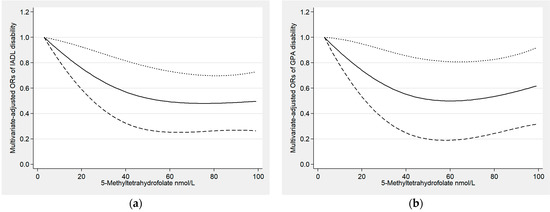
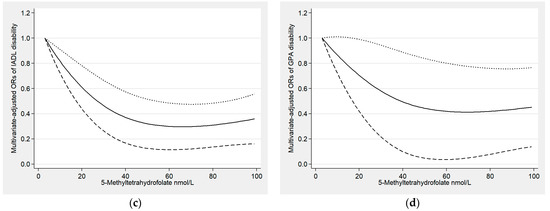
Folate may have beneficial effects on physical function through its antioxidant effect. Thus, we investigated the associations between serum folate and functional disability in older adults. Data from the National Health and Nutrition Examination Survey 2011–2018 were used. Serum folate included 5-methyltetrahydrofolate and total folate. Five domains of functional disability, including lower extremity mobility (LEM), instrumental activities of daily living (IADL), activities of daily living (ADL), leisure and social activities (LSA), and general physical activities (GPA), were self-reported. Multivariable-adjusted logistic regression models and restricted cubic splines were employed. 5-Methyltetrahydrofolate was inversely associated with IADL and GPA disability, and the multivariate-adjusted ORs (95% CIs) in the highest versus lowest quartiles were 0.65 (0.46–0.91) and 0.70 (0.50–0.96), respectively. The total folate was also inversely associated with IADL (OR quartile 4vs1 = 0.65, 95% CI: 0.46–0.90) and GPA (OR quartile 3vs1 = 0.66, 95% CI: 0.44–0.99) disability. The dose–response relationships showed a gradual decrease in the risk of IADL and GPA disability as serum folate increased. In the sex, age, BMI, and alcohol consumption subgroup analyses, we saw that the associations were primarily found in females, under 80 years old, normal weight, and non-drinkers. Sensitivity analyses further confirmed the robustness of our results. Our results indicated that serum folate concentrations were negatively associated with IADL and GPA disability, especially in females. In other subgroup analyses, we discovered that these negative associations were primarily prevalent in participants under 80 years old, normal weight, and non-drinkers. Full article
Show Figures

Figure 1
13 pages, 5259 KB  
Article
Preparation of Vanillin-Taurine Antioxidant Compound, Characterization, and Evaluation for Improving the Post-Harvest Quality of Litchi
by Hafiz Umer Javed, Ruofan Liu, Cuijin Li, Sixia Zhong, Jiechang Lai, Murtaza Hasan, Xugang Shu and Li-Yan Zeng
Antioxidants 2023, 12(3), 618; https://doi.org/10.3390/antiox12030618 - 2 Mar 2023
Cited by 21 | Viewed by 3224
Abstract
Litchi’s post-harvest pericarp browning is one of the main constraints that drastically affect its visual attributes and market potential. Therefore, the vanillin-taurine Schiff base (VTSB) compound prepared from natural compounds of vanillin and taurine exhibited higher DPPH-radical-scavenging invitro antioxidant activity than vanillin. VTSB [...] Read more.
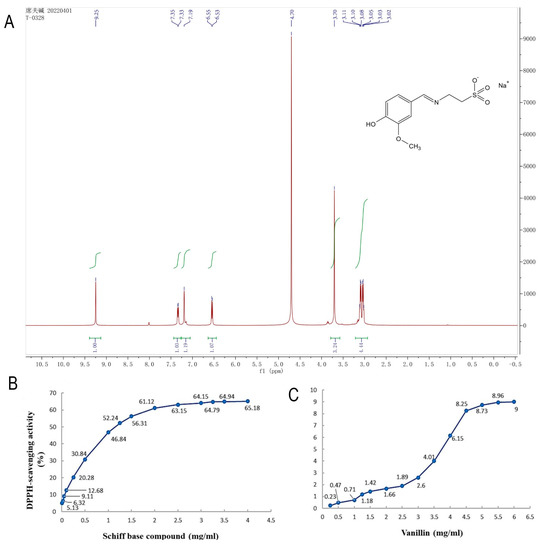
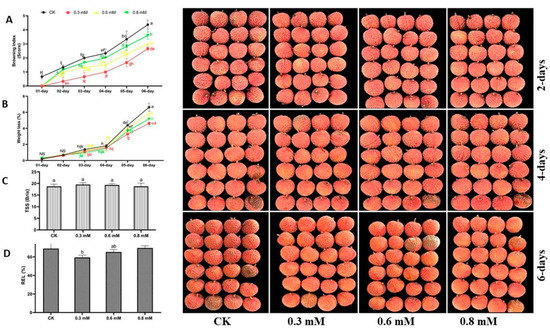
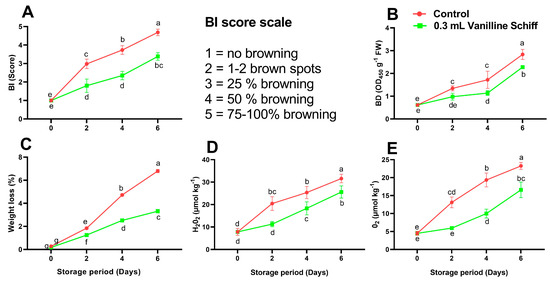
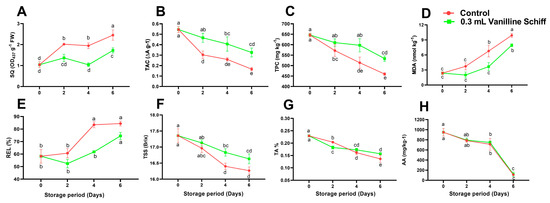
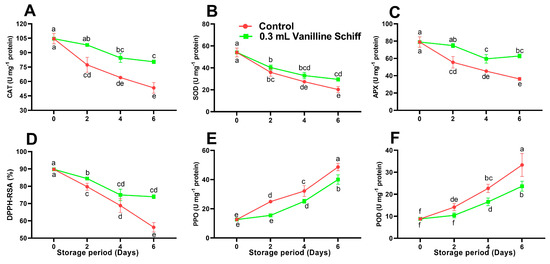
Litchi’s post-harvest pericarp browning is one of the main constraints that drastically affect its visual attributes and market potential. Therefore, the vanillin-taurine Schiff base (VTSB) compound prepared from natural compounds of vanillin and taurine exhibited higher DPPH-radical-scavenging invitro antioxidant activity than vanillin. VTSB first-time report to mitigate the postharvest browning of litchi fruit. In this study, litchi fruits were dipped in 0.3 mM (based on pre-experiment) VTSB solution and stored at 25 ± 1 °C for six days to examine their effects on browning and postharvest quality. Fruit treated with VTSB had lower levels of browning degree (BD), browning index (BI), weight loss, soluble quinone (SQ), relative electrolyte leakage (REL), and malondialdehyde (MDA) than control fruit. Additionally, total anthocyanins and phenolic concentrations, Total soluble solids (TSS), and 2,2-diphenyl-1-picrylhydrazyl-free radical scavenging activity (DPPH-RSA) were preserved higher in VTSB-treated litchi fruit. The levels of Ascorbate peroxidase (APX), Superoxide dismutase (SOD), and Catalase (CAT) were higher in treated fruit, whereas polyphenol oxidase (PPO) and Peroxidase (POD) were decreased during the postharvest period. This study suggested that VTSB would be very useful for different post-harvest problems in the fruit and vegetable industry. Full article
Show Figures

Figure 1
30 pages, 3373 KB  
Review
Polyunsaturated Lipids in the Light-Exposed and Prooxidant Retinal Environment
by Biancamaria Longoni and Gian Carlo Demontis
Antioxidants 2023, 12(3), 617; https://doi.org/10.3390/antiox12030617 - 2 Mar 2023
Cited by 7 | Viewed by 5714
Abstract
The retina is an oxidative stress-prone tissue due to high content of polyunsaturated lipids, exposure to visible light stimuli in the 400–480 nm range, and high oxygen availability provided by choroidal capillaries to support oxidative metabolism. Indeed, lipids’ peroxidation and their conversion into [...] Read more.
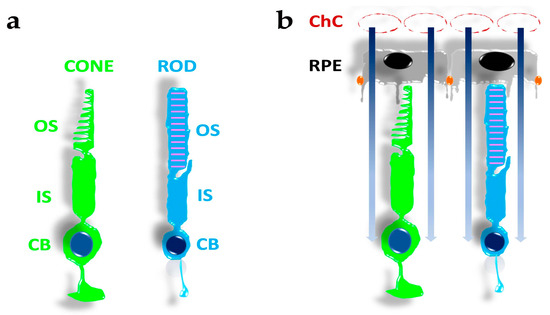
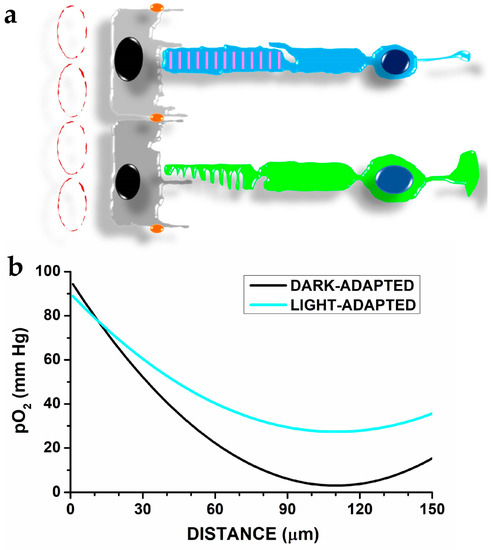
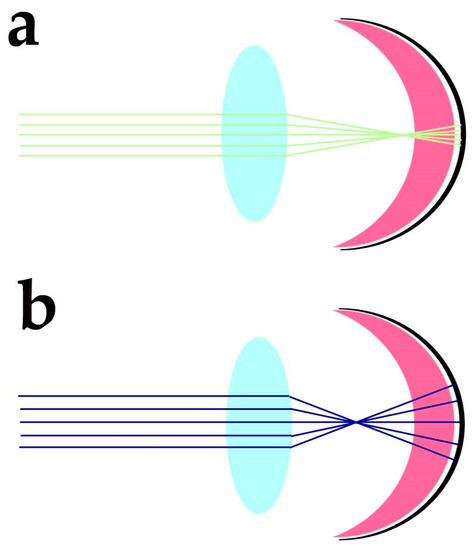
The retina is an oxidative stress-prone tissue due to high content of polyunsaturated lipids, exposure to visible light stimuli in the 400–480 nm range, and high oxygen availability provided by choroidal capillaries to support oxidative metabolism. Indeed, lipids’ peroxidation and their conversion into reactive species promoting inflammation have been reported and connected to retinal degenerations. Here, we review recent evidence showing how retinal polyunsaturated lipids, in addition to oxidative stress and damage, may counteract the inflammatory response triggered by blue light-activated carotenoid derivatives, enabling long-term retina operation despite its prooxidant environment. These two aspects of retinal polyunsaturated lipids require tight control over their synthesis to avoid overcoming their protective actions by an increase in lipid peroxidation due to oxidative stress. We review emerging evidence on different transcriptional control mechanisms operating in retinal cells to modulate polyunsaturated lipid synthesis over the life span, from the immature to the ageing retina. Finally, we discuss the antioxidant role of food nutrients such as xanthophylls and carotenoids that have been shown to empower retinal cells’ antioxidant responses and counteract the adverse impact of prooxidant stimuli on sight. Full article
(This article belongs to the Special Issue 10th Anniversary of Antioxidants—Review Collection)
Show Figures

Figure 1
13 pages, 518 KB  
Article
Effect of Different Genotypes and Harvest Times of Sage (Salvia spp. Labiatae) on Lipid Oxidation of Cooked Meat
by Kathrine H. Bak, Susanne Bauer and Friedrich Bauer
Antioxidants 2023, 12(3), 616; https://doi.org/10.3390/antiox12030616 - 2 Mar 2023
Cited by 5 | Viewed by 2308
Abstract
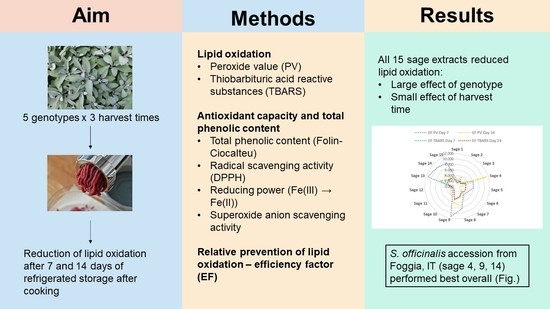
Lipid oxidation is the primary non-microbial reason for quality deterioration of meat and meat products. Lipid oxidation can be prevented or delayed by antioxidants. In this study, 15 sage (Salvia spp. Labiatae) extracts (five genotypes, three harvest times) were tested for their [...] Read more.
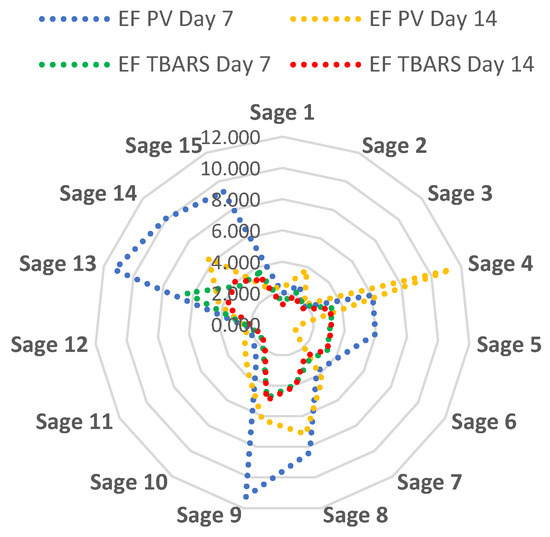
Lipid oxidation is the primary non-microbial reason for quality deterioration of meat and meat products. Lipid oxidation can be prevented or delayed by antioxidants. In this study, 15 sage (Salvia spp. Labiatae) extracts (five genotypes, three harvest times) were tested for their ability to reduce lipid oxidation (peroxide value (PV) and thiobarbituric acid reactive substances (TBARS)) in ground, uncured, cooked porcine and bovine meat (60%/40% mixture) during 14 days of refrigerated storage. Additionally, total phenolic content was determined, and the antioxidant capacity of the extracts was measured as radical scavenging activity (2,2-diphenyl-1-picrylhydrazyl assay), reducing power, and superoxide anion scavenging activity. All 15 sage extracts were able to reduce lipid oxidation, though showing expected differences depending on genotype and harvest time. The extracts of S. officinalis accession from Foggia, Italy performed better than the other genotypes when looking at the entire storage period and considering both PV and TBARS. Of the applied methods for determining antioxidant capacity, superoxide anion scavenging activity proved to be the best determinant of the ability of sage to reduce lipid oxidation in the meat sample. Full article
(This article belongs to the Special Issue Use of Natural Antioxidants in Meat Industry)
Show Figures

Graphical abstract