22 pages, 13548 KB  
Article
Identification of Novel phoP-phoQ Regulated Genes that Contribute to Polymyxin B Tolerance in Pseudomonas aeruginosa
by Baopeng Yang, Chang Liu, Xiaolei Pan, Weixin Fu, Zheng Fan, Yongxin Jin, Fang Bai, Zhihui Cheng and Weihui Wu
Microorganisms 2021, 9(2), 344; https://doi.org/10.3390/microorganisms9020344 - 9 Feb 2021
Cited by 37 | Viewed by 6011
Abstract
Polymyxin B and E (colistin) are the last resorts to treat multidrug-resistant Gram-negative pathogens. Pseudomonas aeruginosa is intrinsically resistant to a variety of antibiotics. The PhoP-PhoQ two-component regulatory system contributes to the resistance to polymyxins by regulating an arnBCADTEF-pmrE operon that [...] Read more.
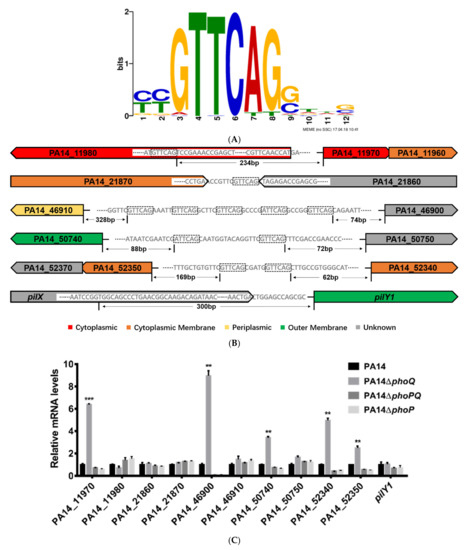
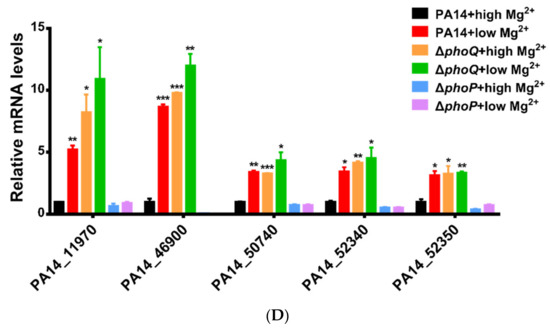
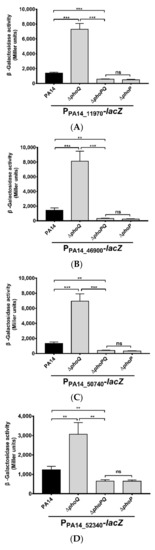
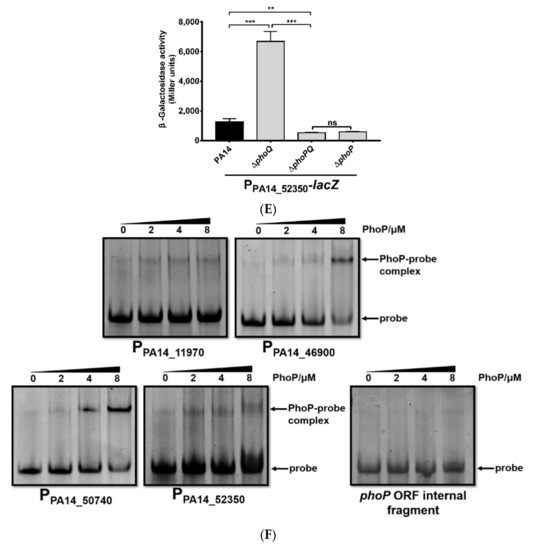
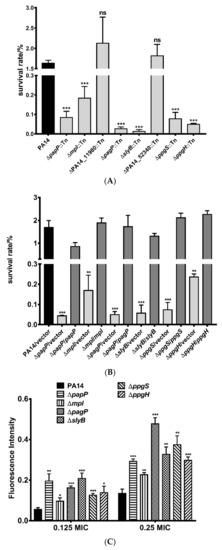
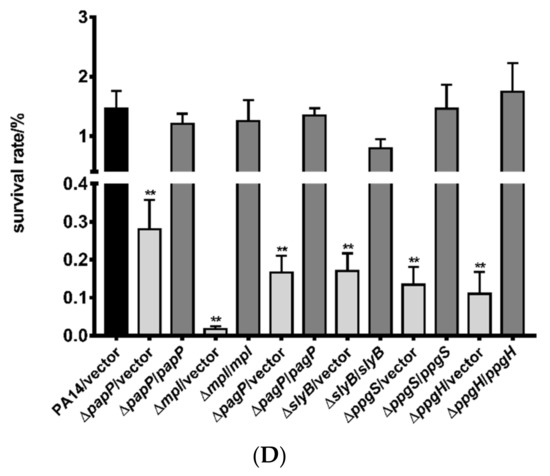
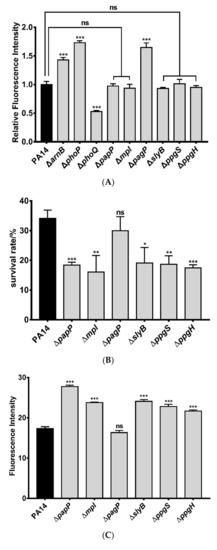
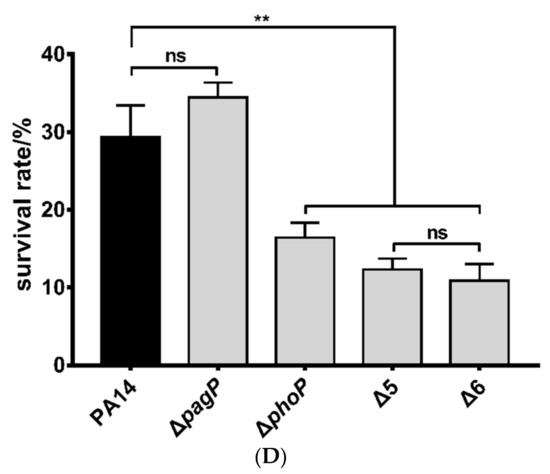
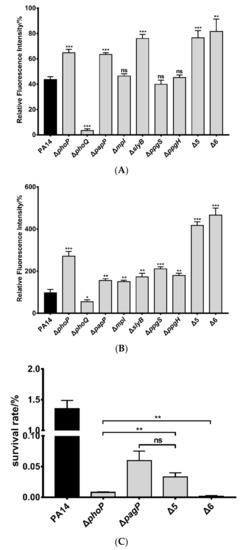
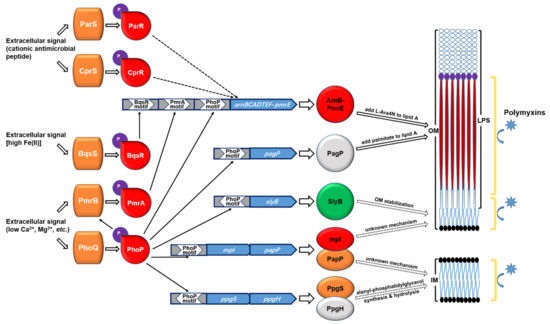
Polymyxin B and E (colistin) are the last resorts to treat multidrug-resistant Gram-negative pathogens. Pseudomonas aeruginosa is intrinsically resistant to a variety of antibiotics. The PhoP-PhoQ two-component regulatory system contributes to the resistance to polymyxins by regulating an arnBCADTEF-pmrE operon that encodes lipopolysaccharide modification enzymes. To identify additional PhoP-regulated genes that contribute to the tolerance to polymyxin B, we performed a chromatin immunoprecipitation sequencing (ChIP-Seq) assay and found novel PhoP binding sites on the chromosome. We further verified that PhoP directly controls the expression of PA14_46900, PA14_50740 and PA14_52340, and the operons of PA14_11970-PA14_11960 and PA14_52350-PA14_52370. Our results demonstrated that mutation of PA14_46900 increased the bacterial binding and susceptibility to polymyxin B. Meanwhile, mutation of PA14_11960 (papP), PA14_11970 (mpl), PA14_50740 (slyB), PA14_52350 (ppgS), and PA14_52370 (ppgH) reduced the bacterial survival rates and increased ethidium bromide influx under polymyxin B or Sodium dodecyl sulfate (SDS) treatment, indicating roles of these genes in maintaining membrane integrity in response to the stresses. By 1-N-phenylnaphthylamine (NPN) and propidium iodide (PI) staining assay, we found that papP and slyB are involved in maintaining outer membrane integrity, and mpl and ppgS-ppgH are involved in maintaining inner membrane integrity. Overall, our results reveal novel PhoP-PhoQ regulated genes that contribute to polymyxin B tolerance. Full article
(This article belongs to the Special Issue Antimicrobial Resistance in Pseudomonas aeruginosa)
Show Figures

Figure 1
36 pages, 578 KB  
Review
Persistence of Pathogens on Inanimate Surfaces: A Narrative Review
by Jan Erik Wißmann, Lisa Kirchhoff, Yannick Brüggemann, Daniel Todt, Joerg Steinmann and Eike Steinmann
Microorganisms 2021, 9(2), 343; https://doi.org/10.3390/microorganisms9020343 - 9 Feb 2021
Cited by 151 | Viewed by 22842
Abstract
For the prevention of infectious diseases, knowledge about transmission routes is essential. In addition to respiratory, fecal–oral, and sexual transmission, the transfer of pathogens via surfaces plays a vital role for human pathogenic infections—especially nosocomial pathogens. Therefore, information about the survival of pathogens [...] Read more.
For the prevention of infectious diseases, knowledge about transmission routes is essential. In addition to respiratory, fecal–oral, and sexual transmission, the transfer of pathogens via surfaces plays a vital role for human pathogenic infections—especially nosocomial pathogens. Therefore, information about the survival of pathogens on surfaces can have direct implications on clinical measures, including hygiene guidelines and disinfection strategies. In this review, we reviewed the existing literature regarding viral, bacterial, and fungal persistence on inanimate surfaces. In particular, the current knowledge of the survival time and conditions of clinically relevant pathogens is summarized. While many pathogens persist only for hours, common nosocomial pathogens can survive for days to weeks under laboratory conditions and thereby potentially form a continuous source of transmission if no adequate inactivation procedures are performed. Full article
(This article belongs to the Section Medical Microbiology)
22 pages, 9674 KB  
Article
Unveiling the Bovine Epimural Microbiota Composition and Putative Function
by Cátia Pacífico, Renée Maxine Petri, Sara Ricci, Elsayed Mickdam, Stefanie Urimare Wetzels, Viktoria Neubauer and Qendrim Zebeli
Microorganisms 2021, 9(2), 342; https://doi.org/10.3390/microorganisms9020342 - 9 Feb 2021
Cited by 34 | Viewed by 5327
Abstract
Numerous studies have used the 16S rRNA gene target in an attempt to characterize the structure and composition of the epimural microbiota in cattle. However, comparisons between studies are challenging, as the results show large variations associated with experimental protocols and bioinformatics methodologies. [...] Read more.
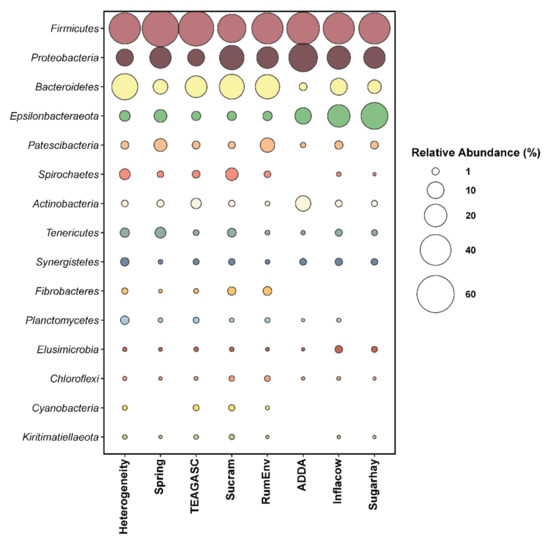
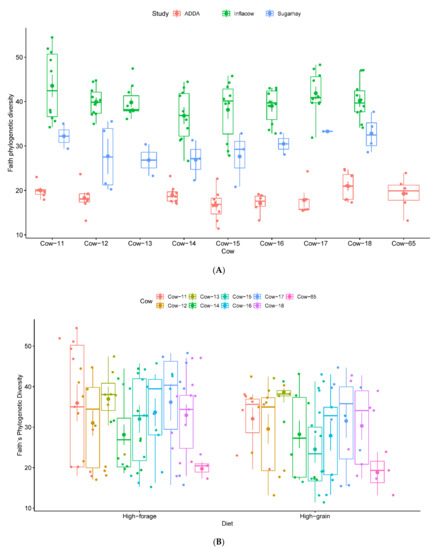
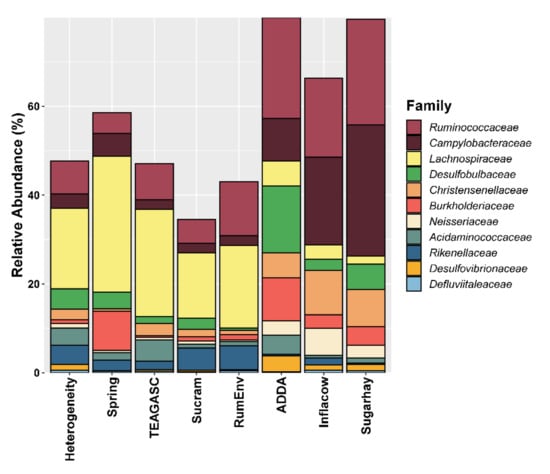
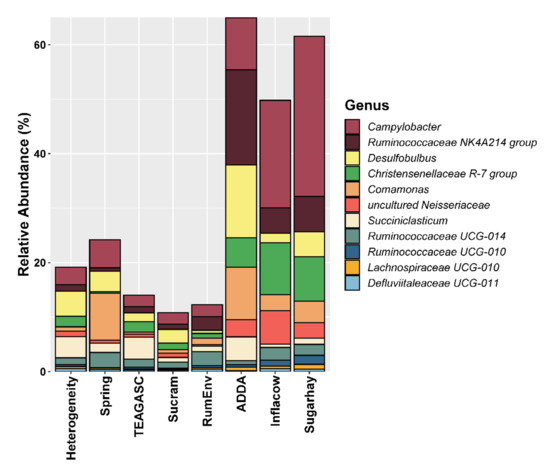
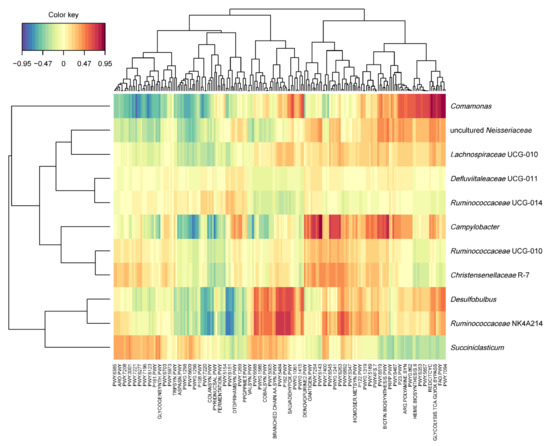
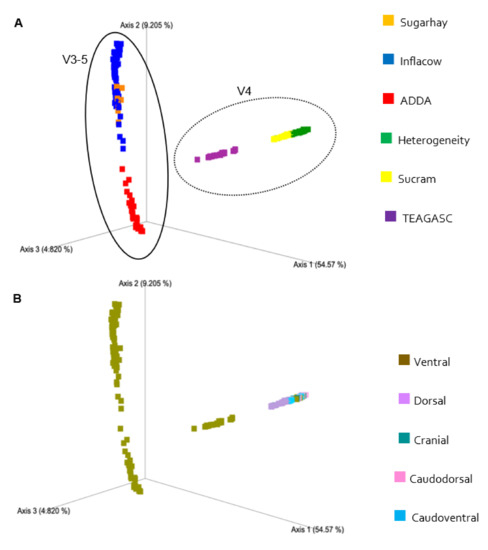
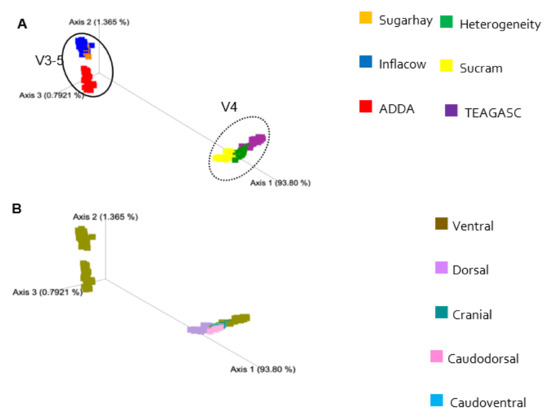
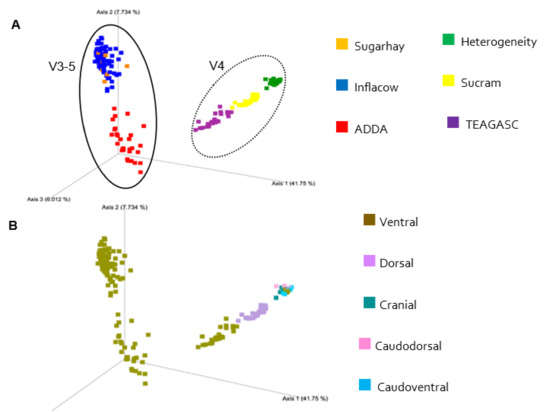
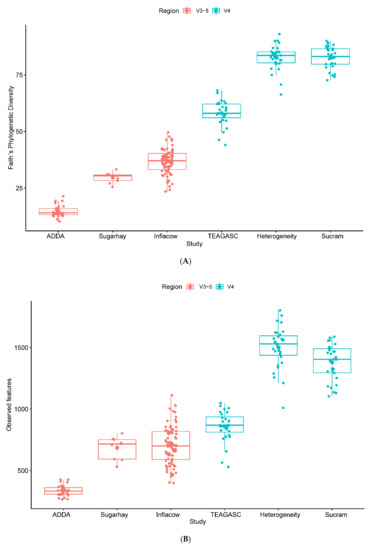
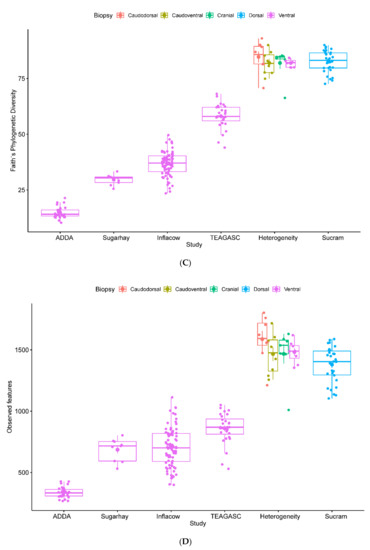
Numerous studies have used the 16S rRNA gene target in an attempt to characterize the structure and composition of the epimural microbiota in cattle. However, comparisons between studies are challenging, as the results show large variations associated with experimental protocols and bioinformatics methodologies. Here, we present a meta-analysis of the rumen epimural microbiota from 11 publicly available amplicon studies to assess key technical and biological sources of variation between experiments. Using the QIIME2 pipeline, 332 rumen epithelial microbiota samples were analyzed to investigate community structure, composition, and functional potential. Despite having a significant impact on microbial abundance, country of origin, farm, hypervariable region, primer set, animal variability, and biopsy location did not obscure the identification of a core microbiota. The bacterial genera Campylobacter, Christensenellaceae R-7 group, Defluviitaleaceae UCG-011, Lachnospiraceae UCG-010, Ruminococcaceae NK4A214 group, Ruminococcaceae UCG-010, Ruminococcaceae UCG-014, Succiniclasticum, Desulfobulbus, and Comamonas spp. were found in nearly all epithelium samples (>90%). Predictive analysis (PICRUSt) was used to assess the potential functions of the epithelial microbiota. Regularized canonical correlation analysis identified several pathways associated with the biosynthesis of precursor metabolites in Campylobacter, Comamonas, Desulfobulbus, and Ruminococcaceae NK4A214, highlighting key metabolic functions of these microbes within the epithelium. Full article
(This article belongs to the Special Issue Rumen Microbial Communities)
Show Figures

Figure 1
22 pages, 2890 KB  
Review
Improving Human Health with Milk Fat Globule Membrane, Lactic Acid Bacteria, and Bifidobacteria
by Erica Kosmerl, Diana Rocha-Mendoza, Joana Ortega-Anaya, Rafael Jiménez-Flores and Israel García-Cano
Microorganisms 2021, 9(2), 341; https://doi.org/10.3390/microorganisms9020341 - 9 Feb 2021
Cited by 57 | Viewed by 10140
Abstract
The milk fat globule membrane (MFGM), the component that surrounds fat globules in milk, and its constituents have gained significant attention for their gut function, immune-boosting properties, and cognitive-development roles. The MFGM can directly interact with probiotic bacteria, such as bifidobacteria and lactic [...] Read more.
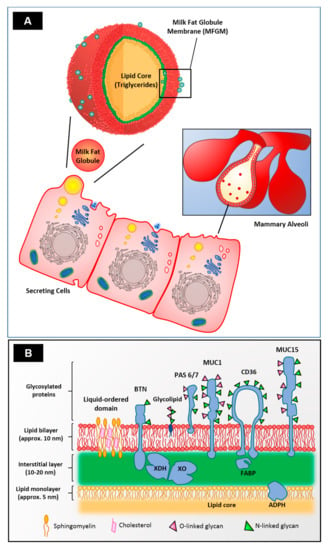
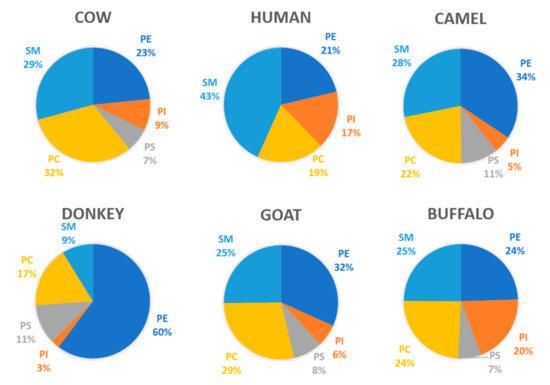
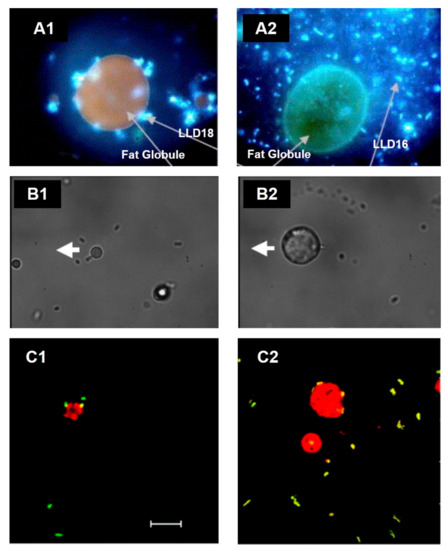
The milk fat globule membrane (MFGM), the component that surrounds fat globules in milk, and its constituents have gained significant attention for their gut function, immune-boosting properties, and cognitive-development roles. The MFGM can directly interact with probiotic bacteria, such as bifidobacteria and lactic acid bacteria (LAB), through interactions with bacterial surface proteins. With these interactions in mind, increasing evidence supports a synergistic effect between MFGM and probiotics to benefit human health at all ages. This important synergy affects the survival and adhesion of probiotic bacteria through gastrointestinal transit, mucosal immunity, and neurocognitive behavior in developing infants. In this review, we highlight the current understanding of the co-supplementation of MFGM and probiotics with a specific emphasis on their interactions and colocalization in dairy foods, supporting in vivo and clinical evidence, and current and future potential applications. Full article
(This article belongs to the Special Issue Lactic Acid Bacteria and Bifidobacteria and Their Application)
Show Figures

Figure 1
14 pages, 1663 KB  
Article
Genomic and Phenotypic Characterization of Campylobacter fetus subsp. venerealis Strains
by Marta F. Silva, Ana L. Pereira, Maria J. Fraqueza, Gonçalo Pereira, Luísa Mateus, Luís Lopes-da-Costa and Elisabete Silva
Microorganisms 2021, 9(2), 340; https://doi.org/10.3390/microorganisms9020340 - 9 Feb 2021
Cited by 15 | Viewed by 4259
Abstract
The pathogenesis mechanisms of Campylobacter fetus subsp. venerealis (Cfv), the etiologic agent of Bovine Genital Campylobacteriosis remain elusive. This study evaluated the virulence potential and biovar characteristics of Cfv isolates (n = 13) by PCR screening of putative virulence-factor (VF) [...] Read more.
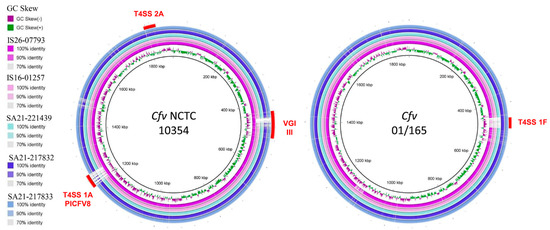
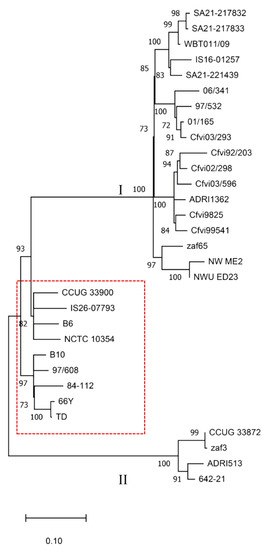
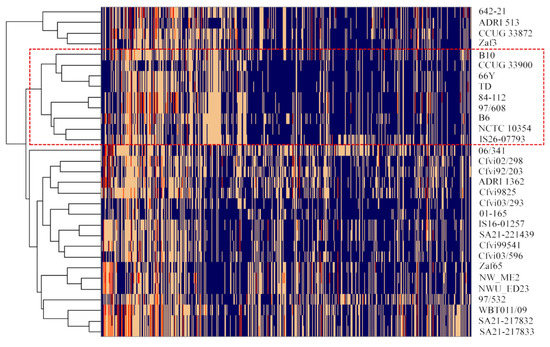
The pathogenesis mechanisms of Campylobacter fetus subsp. venerealis (Cfv), the etiologic agent of Bovine Genital Campylobacteriosis remain elusive. This study evaluated the virulence potential and biovar characteristics of Cfv isolates (n = 13) by PCR screening of putative virulence-factor (VF) genes, Multilocus Sequence Typing (MLST) analysis, antimicrobial susceptibility to tetracycline, penicillin, enrofloxacin and streptomycin testing and whole-genome sequencing (WGS; n = 5), also comparing the latter with 26 other whole-genome sequences of Cfv strains. The putative VF genes encoding type IV secretion system of Cfv (virB2-virB11/virD4) were absent in 92% of isolates, including isolates from aborted foetuses, evidencing that these VF genes are not essential for Cfv pathogenicity. The parA gene, used as a Cfv diagnostic molecular target, was detected in only 3 of 13 isolates, invalidating its use for diagnosis purposes. Three novel sequence types were identified by MLST. Although no in vitro antimicrobial resistance was detected, WGS identified antimicrobial resistance-related genes, including those encoding the multidrug efflux pumps CmeABC and YkkCD, indicating that their presence is not enough to provide antimicrobial resistance. The SNP and accessory protein families analysis segregated the Cfv and Cfv biovar intermedius (Cfvi) strains into different clusters. In conclusion, this study evidenced virulence potential and biovar characteristics of Cfv and Cfvi, which are of relevance for the control of Bovine Genital Campylobacteriosis. Full article
(This article belongs to the Section Molecular Microbiology and Immunology)
Show Figures

Figure 1
10 pages, 1973 KB  
Article
Fluoxetine Can Inhibit SARS-CoV-2 In Vitro
by Arthur Dechaumes, Magloire Pandoua Nekoua, Sandrine Belouzard, Famara Sane, Ilka Engelmann, Jean Dubuisson, Enagnon Kazali Alidjinou and Didier Hober
Microorganisms 2021, 9(2), 339; https://doi.org/10.3390/microorganisms9020339 - 9 Feb 2021
Cited by 38 | Viewed by 5578
Abstract
An outbreak of severe acute respiratory syndrome coronavirus 2 (SARS-CoV-2) resulted in the coronavirus disease pandemic, drastically affecting global health and economy. Though the understanding of the disease has improved, fighting the virus remains challenging. One of the strategies is repurposing existing drugs [...] Read more.
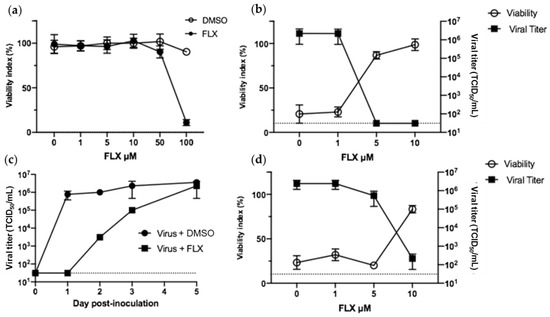
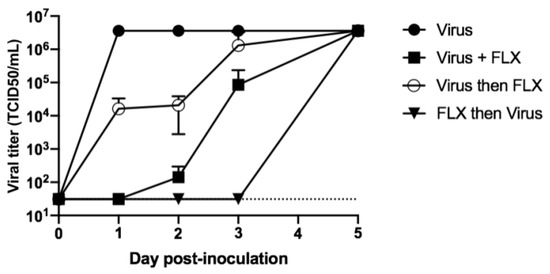
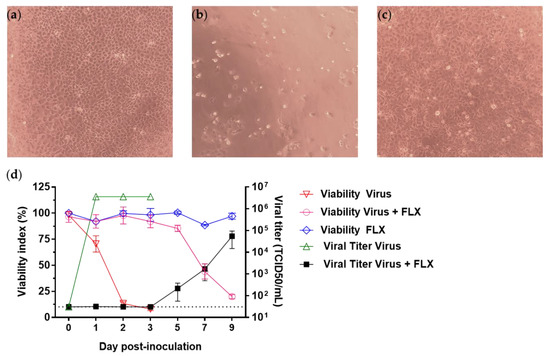
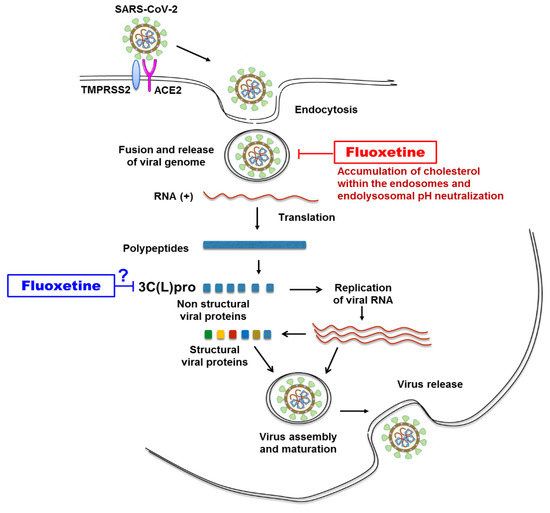
An outbreak of severe acute respiratory syndrome coronavirus 2 (SARS-CoV-2) resulted in the coronavirus disease pandemic, drastically affecting global health and economy. Though the understanding of the disease has improved, fighting the virus remains challenging. One of the strategies is repurposing existing drugs as inhibitors of SARS-CoV-2. Fluoxetine (FLX), a selective serotonin reuptake inhibitor, reportedly inhibits the replication of RNA viruses, especially Coxsackieviruses B (CVB), such as CV-B4 in vitro and in vivo. Therefore, in this study, we investigated the in vitro antiviral activity of FLX against SARS-CoV-2 in a model of acute infection. When 10 μM of FLX was added to SARS-CoV-2-infected Vero E6 cells, the virus-induced cytopathic effect was not observed. In this model, the level of infectious particles in the supernatant was lower than that in controls. The level was below the limit of detection of the assay up to day 3 post-infection when FLX was administered before viral inoculation or simultaneously followed by daily inoculation. In conclusion, FLX can inhibit SARS-CoV-2 in vitro. Further studies are needed to investigate the potential value of FLX to combat SARS-CoV-2 infections, treat SARS-CoV-2-induced diseases, and explain the antiviral mechanism of this molecule to pave way for novel treatment strategies. Full article
(This article belongs to the Section Medical Microbiology)
Show Figures

Figure 1
20 pages, 891 KB  
Review
Current Status and the Epidemiology of Malaria in the Middle East Region and Beyond
by Mohammad Al-Awadhi, Suhail Ahmad and Jamshaid Iqbal
Microorganisms 2021, 9(2), 338; https://doi.org/10.3390/microorganisms9020338 - 9 Feb 2021
Cited by 86 | Viewed by 15517
Abstract
Vector-borne parasitic infectious diseases are important causes of morbidity and mortality globally. Malaria is one of the most common vector-borne parasitic infection and is caused by five Plasmodium species, namely P. falciparum, P. vivax, P. ovale, P. malariae, and P. knowlesi. Epidemiologically, [...] Read more.
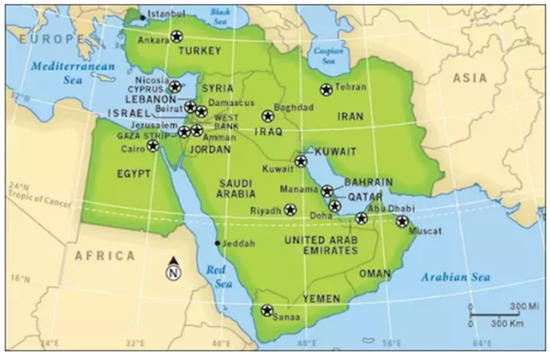
Vector-borne parasitic infectious diseases are important causes of morbidity and mortality globally. Malaria is one of the most common vector-borne parasitic infection and is caused by five Plasmodium species, namely P. falciparum, P. vivax, P. ovale, P. malariae, and P. knowlesi. Epidemiologically, differences in the patterns of malaria cases, causative agent, disease severity, antimicrobial resistance, and mortality exist across diverse geographical regions. The world witnessed 229 million malaria cases which resulted in 409,000 deaths in 2019 alone. Although malaria cases are reported from 87 countries globally, Africa bears the brunt of these infections and deaths as nearly 94% of total malaria cases and deaths occur in this continent, particularly in sub-Saharan Africa. Most of the Middle East Region countries are malaria-free as no indigenous cases of infection have been described in recent years. However, imported cases of malaria continue to occur as some of these countries. Indeed, the six Gulf Cooperation Council (GCC) countries have large expatriate population originating from malaria endemic countries. In this review, the current status and epidemiology of malaria in the Middle East Region countries and other malaria-endemic countries that are home to a large migrant workforce being employed in Middle East Region countries are discussed. Full article
(This article belongs to the Special Issue Epidemiology of Vector-Borne Diseases)
Show Figures

Figure 1
13 pages, 2223 KB  
Article
Increasing the Production of Volatile Fatty Acids from Corn Stover Using Bioaugmentation of a Mixed Rumen Culture with Homoacetogenic Bacteria
by Nanditha Murali, Keerthi Srinivas and Birgitte K. Ahring
Microorganisms 2021, 9(2), 337; https://doi.org/10.3390/microorganisms9020337 - 8 Feb 2021
Cited by 27 | Viewed by 3734
Abstract
Volatile fatty acids (VFA) are industrially versatile chemicals and have a major market. Although currently produced from petrochemicals, chemical industries are moving towards more bio-based VFA produced from abundant, cheap and renewable sources such as lignocellulosic biomass. In this study, we examined the [...] Read more.
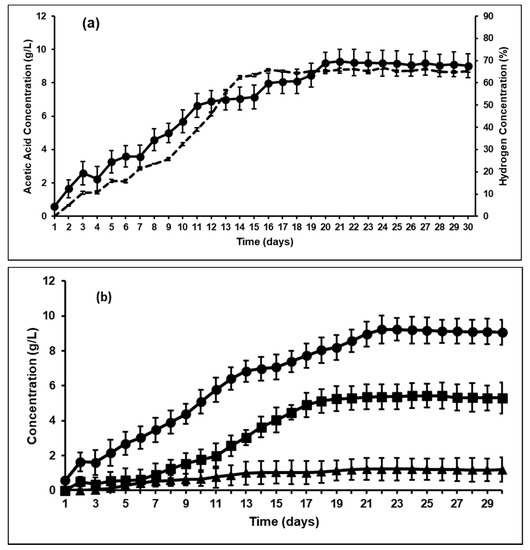
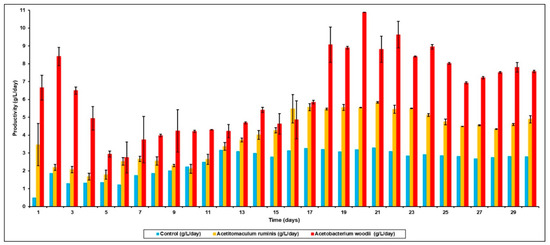
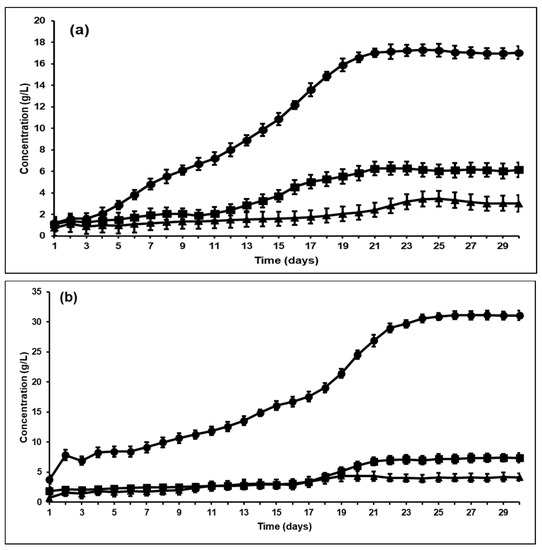
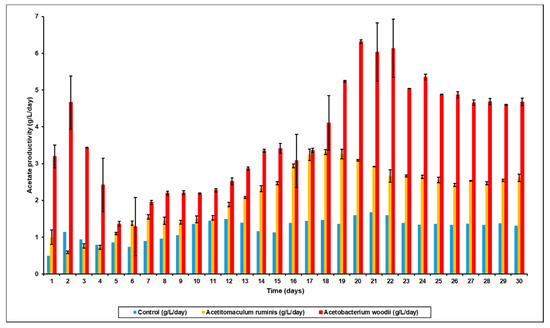
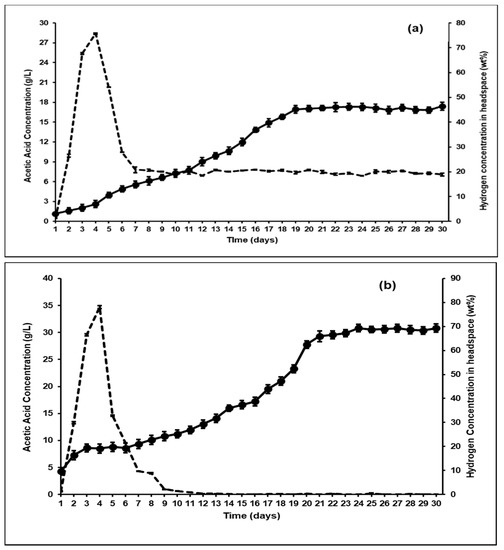
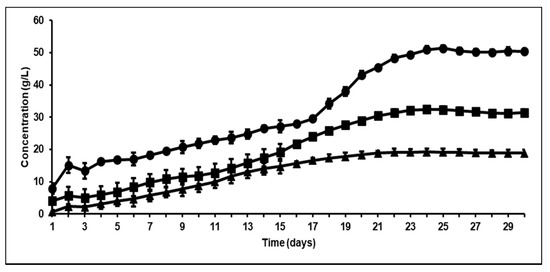
Volatile fatty acids (VFA) are industrially versatile chemicals and have a major market. Although currently produced from petrochemicals, chemical industries are moving towards more bio-based VFA produced from abundant, cheap and renewable sources such as lignocellulosic biomass. In this study, we examined the effect of bioaugmentation with homoacetogenic bacteria for increasing VFA production in lignocellulose fermentation process. The central hypothesis of this study was that inhibition of methanogenesis in an in vitro rumen bioreactor fed with lignocellulosic biomass hydrolysate increases the hydrogen partial pressure, which can be redirected towards increased VFA production, particularly acetic acid, through targeted bioaugmentation with known homoacetogenic bacteria. In this study, methanogenesis during ruminal fermentation of wet exploded corn stover was initially inhibited with 10 mM of 2-bromoethanesulfonate (BES), followed by bioaugmentation with either Acetitomaculum ruminis and Acetobacterium woodii in two separate bioreactors. During the inhibition phase, we found that addition of BES decreased the acetic acid yield by 24%, while increasing headspace hydrogen from 1% to 60%. After bioaugmentation, the headspace hydrogen was consumed in both bioreactors and the concentration of acetic acids increased 45% when A. ruminis was added and 70% with A. woodii added. This paper demonstrates that mixed microbial fermentation can be manipulated to increase VFA production through bioaugmentation. Full article
(This article belongs to the Special Issue Microbes for Production of Biofuels and Bio-Products)
Show Figures

Figure 1
16 pages, 1476 KB  
Article
The Survival of Haloferax mediterranei under Stressful Conditions
by Laura Matarredona, Mónica Camacho, Basilio Zafrilla, Gloria Bravo-Barrales, Julia Esclapez and María-José Bonete
Microorganisms 2021, 9(2), 336; https://doi.org/10.3390/microorganisms9020336 - 8 Feb 2021
Cited by 21 | Viewed by 5457
Abstract
Haloarchaea can survive and thrive under exposure to a wide range of extreme environmental factors, which represents a potential interest to biotechnology. Growth responses to different stressful conditions were examined in the haloarchaeon Haloferax mediterranei R4. It has been demonstrated that this halophilic [...] Read more.
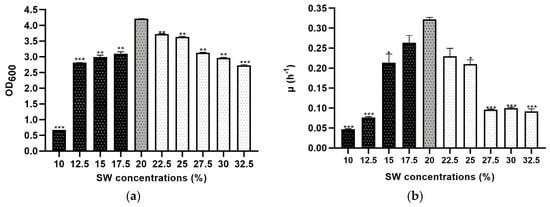
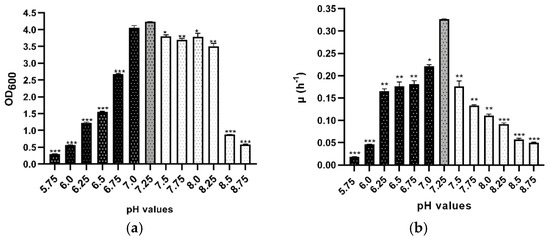
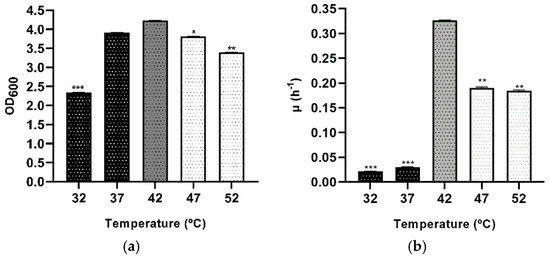
Haloarchaea can survive and thrive under exposure to a wide range of extreme environmental factors, which represents a potential interest to biotechnology. Growth responses to different stressful conditions were examined in the haloarchaeon Haloferax mediterranei R4. It has been demonstrated that this halophilic archaeon is able to grow between 10 and 32.5% (w/v) of sea water, at 32–52 °C, although it is expected to grow in temperatures lower than 32 °C, and between 5.75 and 8.75 of pH. Moreover, it can also grow under high metal concentrations (nickel, lithium, cobalt, arsenic), which are toxic to most living beings, making it a promising candidate for future biotechnological purposes and industrial applications. Inductively Coupled Plasma Mass Spectrometry (ICP-MS) analysis quantified the intracellular ion concentrations of these four metals in Hfx. mediterranei, concluding that this haloarchaeon can accumulate Li+, Co2+, As5+, and Ni2+ within the cell. This paper is the first report on Hfx. mediterranei in which multiple stress conditions have been studied to explore the mechanism of stress resistance. It constitutes the most detailed study in Haloarchaea, and, as a consequence, new biotechnological and industrial applications have emerged. Full article
(This article belongs to the Special Issue Halophilic Microorganisms)
Show Figures

Figure 1
19 pages, 6030 KB  
Article
The PTS Components in Klebsiella pneumoniae Affect Bacterial Capsular Polysaccharide Production and Macrophage Phagocytosis Resistance
by Novaria Sari Dewi Panjaitan, Yu-Tze Horng, Chih-Ching Chien, Hung-Chi Yang, Ren-In You and Po-Chi Soo
Microorganisms 2021, 9(2), 335; https://doi.org/10.3390/microorganisms9020335 - 8 Feb 2021
Cited by 21 | Viewed by 6965
Abstract
Capsular polysaccharide (CPS) is a crucial virulence factor for Klebsiella pneumoniae infection. We demonstrated an association of CPS production with two phosphoenolpyruvate:carbohydrate phosphotransferase systems (PTSs). Deficiency of crr, encoding enzyme IIA of PTS, in K. pneumoniae enhanced the transcriptional activities of galF [...] Read more.
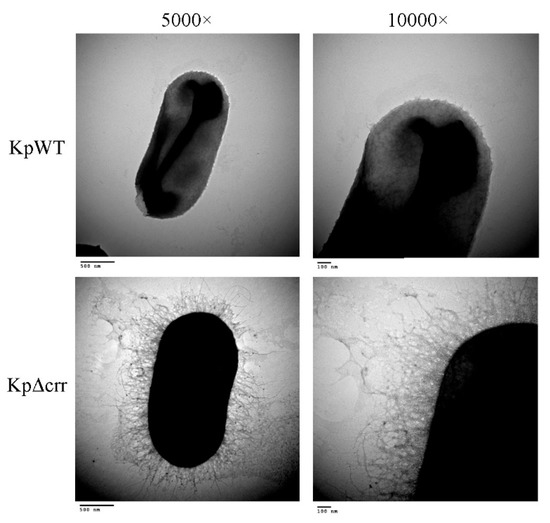
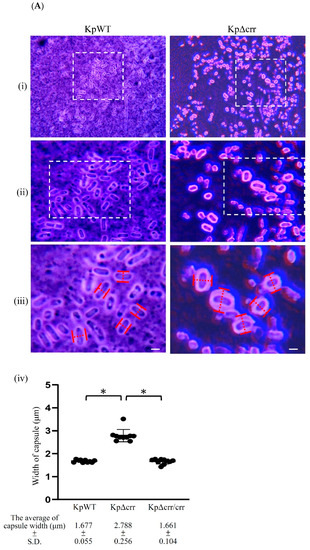
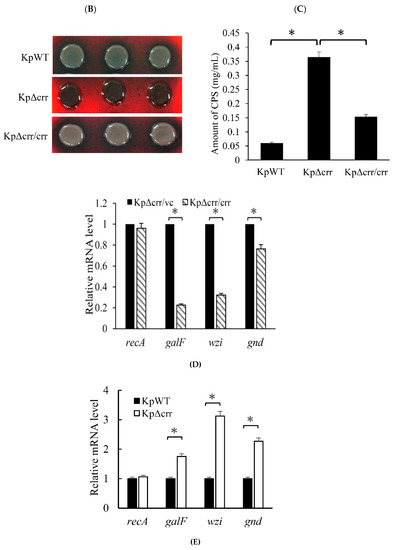
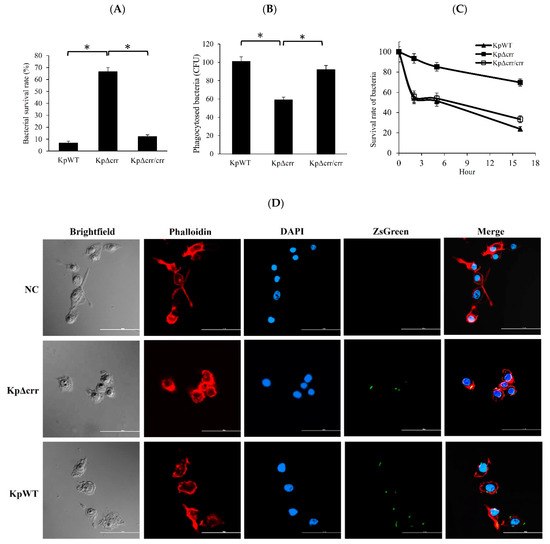
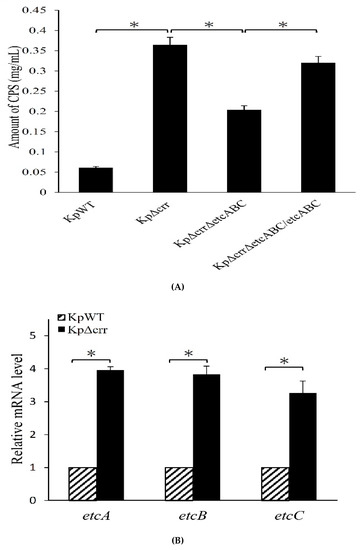
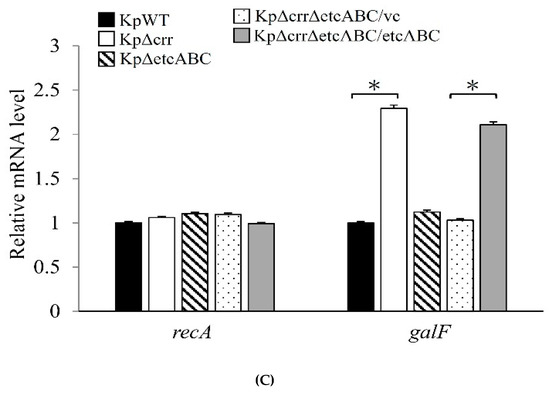
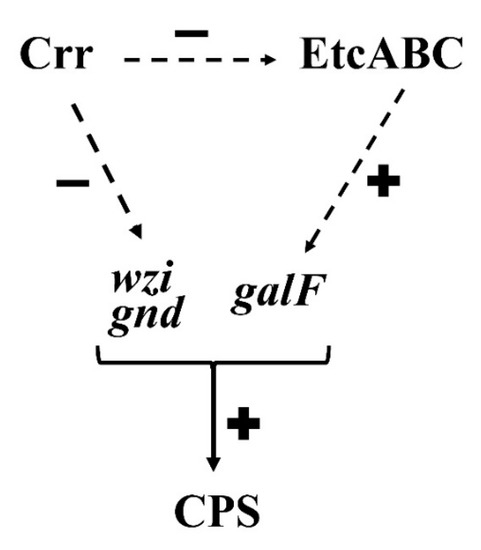
Capsular polysaccharide (CPS) is a crucial virulence factor for Klebsiella pneumoniae infection. We demonstrated an association of CPS production with two phosphoenolpyruvate:carbohydrate phosphotransferase systems (PTSs). Deficiency of crr, encoding enzyme IIA of PTS, in K. pneumoniae enhanced the transcriptional activities of galF, wzi and gnd, which are in the cps gene cluster, leading to high CPS production. A crr mutant exhibited a higher survival rate in 1% hydrogen peroxide than the wild-type. The crr mutant showed less sensitivity to engulfment by macrophage (RAW 264.7) than the wild-type by observing the intracellular bacteria using confocal laser scanning microscopy (CLSM) and by calculating the colony-forming units (CFU) of intracellular bacteria. After long-term incubation, the survival rate of the intracellular crr mutant was higher than that of the wild-type. Deficiency of crr enhanced the transcriptional activities of etcABC which encodes another putative enzyme II complex of a PTS. Deletion of etcABC in the crr mutant reduced CPS production and the transcriptional activities of galF compared to those of the crr mutant. These results indicated that one PTS component, Crr, represses CPS production by repressing another PTS component, EtcABC, in K. pneumoniae. In addition, PTS plays a role in bacterial resistance to macrophage phagocytosis. Full article
(This article belongs to the Section Molecular Microbiology and Immunology)
Show Figures

Figure 1
12 pages, 1245 KB  
Article
Do Blood Eosinophils Predict in-Hospital Mortality or Severity of Disease in SARS-CoV-2 Infection? A Retrospective Multicenter Study
by Pierrick Le Borgne, Laure Abensur Vuillaume, Karine Alamé, François Lefebvre, Sylvie Chabrier, Lise Bérard, Pauline Haessler, Stéphane Gennai, Pascal Bilbault and Charles-Eric Lavoignet
Microorganisms 2021, 9(2), 334; https://doi.org/10.3390/microorganisms9020334 - 8 Feb 2021
Cited by 14 | Viewed by 3695
Abstract
Introduction: Healthcare systems worldwide have been battling the ongoing COVID-19 pandemic. Eosinophils are multifunctional leukocytes implicated in the pathogenesis of several inflammatory processes including viral infections. We focus our study on the prognostic value of eosinopenia as a marker of disease severity and [...] Read more.
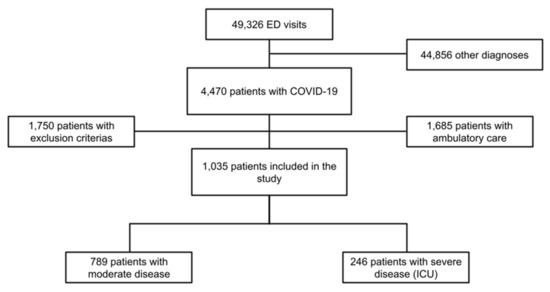
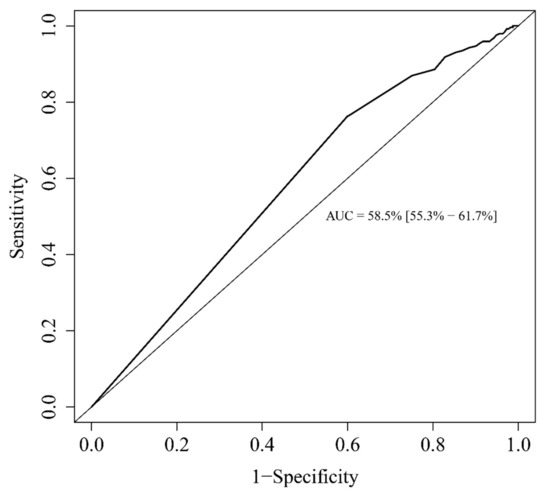
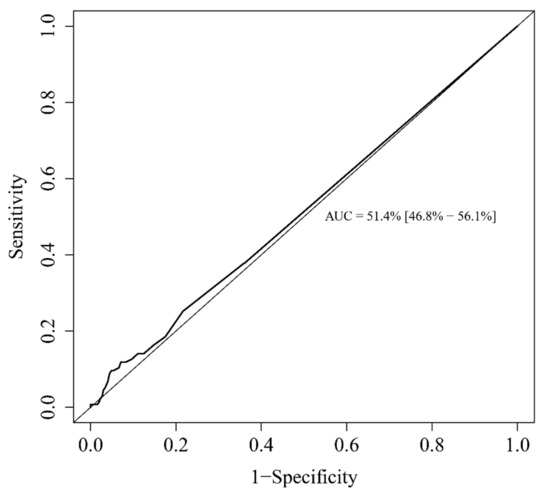
Introduction: Healthcare systems worldwide have been battling the ongoing COVID-19 pandemic. Eosinophils are multifunctional leukocytes implicated in the pathogenesis of several inflammatory processes including viral infections. We focus our study on the prognostic value of eosinopenia as a marker of disease severity and mortality in COVID-19 patients. Methods: Between 1 March and 30 April 2020, we conducted a multicenter and retrospective study on a cohort of COVID-19 patients (moderate or severe disease) who were hospitalized after presenting to the emergency department (ED). We led our study in six major hospitals of northeast France, one of the outbreak’s epicenters in Europe. Results: We have collected data from 1035 patients, with a confirmed diagnosis of COVID-19. More than three quarters of them (76.2%) presented a moderate form of the disease, while the remaining quarter (23.8%) presented a severe form requiring admission to the intensive care unit (ICU). Mean circulating eosinophils rate, at admission, varied according to disease severity (p < 0.001), yet it did not differ between survivors and non-survivors (p = 0.306). Extreme eosinopenia (=0/mm3) was predictive of severity (aOR = 1.77, p = 0.009); however, it was not predictive of mortality (aOR = 0.892, p = 0.696). The areas under the Receiver operating characteristics (ROC) curve were, respectively, 58.5% (CI95%: 55.3–61.7%) and 51.4% (CI95%: 46.8–56.1%) for the ability of circulating eosinophil rates to predict disease severity and mortality. Conclusion: Eosinopenia is very common and often profound in cases of severe acute respiratory syndrome coronavirus 2 (SARS-CoV-2) infection. Eosinopenia was not a useful predictor of mortality; however, undetectable eosinophils (=0/mm3) were predictive of disease severity during the initial ED management. Full article
(This article belongs to the Special Issue SARS-CoV-2: Epidemiology and Pathogenesis)
Show Figures

Figure 1
17 pages, 1569 KB  
Article
Spiroplasma Infection among Ixodid Ticks Exhibits Species Dependence and Suggests a Vertical Pattern of Transmission
by Shohei Ogata, Wessam Mohamed Ahmed Mohamed, Kodai Kusakisako, May June Thu, Yongjin Qiu, Mohamed Abdallah Mohamed Moustafa, Keita Matsuno, Ken Katakura, Nariaki Nonaka and Ryo Nakao
Microorganisms 2021, 9(2), 333; https://doi.org/10.3390/microorganisms9020333 - 8 Feb 2021
Cited by 7 | Viewed by 4490
Abstract
Members of the genus Spiroplasma are Gram-positive bacteria without cell walls. Some Spiroplasma species can cause disease in arthropods such as bees, whereas others provide their host with resistance to pathogens. Ticks also harbour Spiroplasma, but their role has not been elucidated [...] Read more.
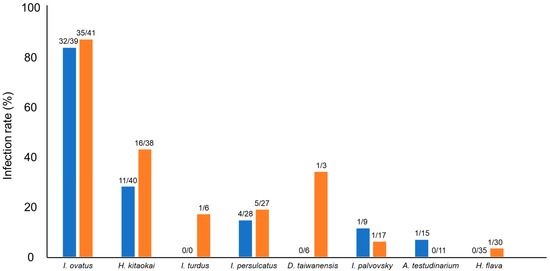
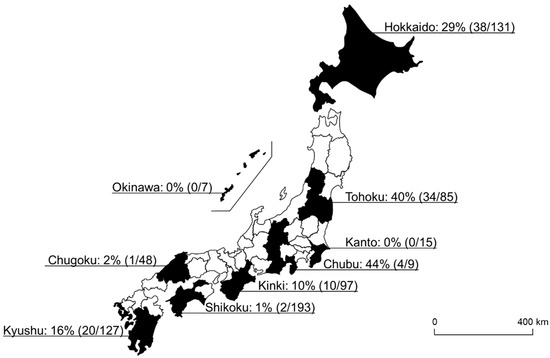
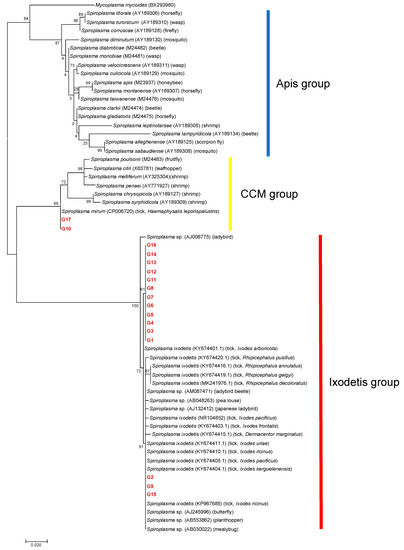
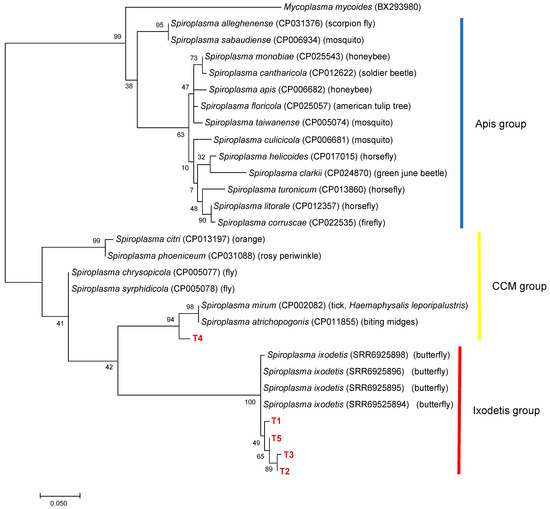
Members of the genus Spiroplasma are Gram-positive bacteria without cell walls. Some Spiroplasma species can cause disease in arthropods such as bees, whereas others provide their host with resistance to pathogens. Ticks also harbour Spiroplasma, but their role has not been elucidated yet. Here, the infection status and genetic diversity of Spiroplasma in ticks were investigated using samples collected from different geographic regions in Japan. A total of 712 ticks were tested for Spiroplasma infection by PCR targeting 16S rDNA, and Spiroplasma species were genetically characterized based on 16S rDNA, ITS, dnaA, and rpoB gene sequences. A total of 109 samples originating from eight tick species were positive for Spiroplasma infection, with infection rates ranging from 0% to 84% depending on the species. A linear mixed model indicated that tick species was the primary factor associated with Spiroplasma infection. Moreover, certain Spiroplasma alleles that are highly adapted to specific tick species may explain the high infection rates in Ixodes ovatus and Haemaphysalis kitaokai. A comparison of the alleles obtained suggests that horizontal transmission between tick species may not be a frequent event. These findings provide clues to understand the transmission cycle of Spiroplasma species in wild tick populations and their roles in host ticks. Full article
(This article belongs to the Section Parasitology)
Show Figures

Figure 1
12 pages, 1049 KB  
Article
Low Virus-Specific IgG Antibodies in Adverse Clinical Course and Outcome of Tick-Borne Encephalitis
by Petra Bogovič, Stanka Lotrič-Furlan, Tatjana Avšič-Županc, Miša Korva, Lara Lusa, Klemen Strle and Franc Strle
Microorganisms 2021, 9(2), 332; https://doi.org/10.3390/microorganisms9020332 - 7 Feb 2021
Cited by 12 | Viewed by 3107
Abstract
Tick-borne encephalitis (TBE) is associated with a range of disease severity. The reasons for this heterogeneity are not clear. Levels of serum IgG antibodies to TBE virus (TBEV) were determined in 691 adult patients during the meningoencephalitic phase of TBE and correlated with [...] Read more.
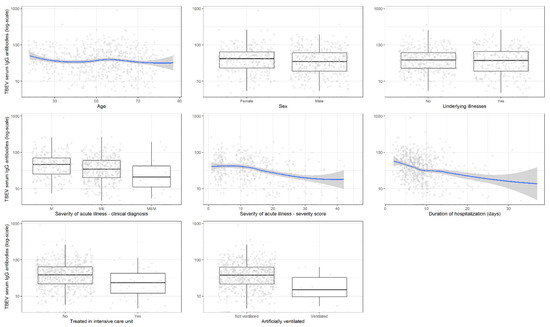
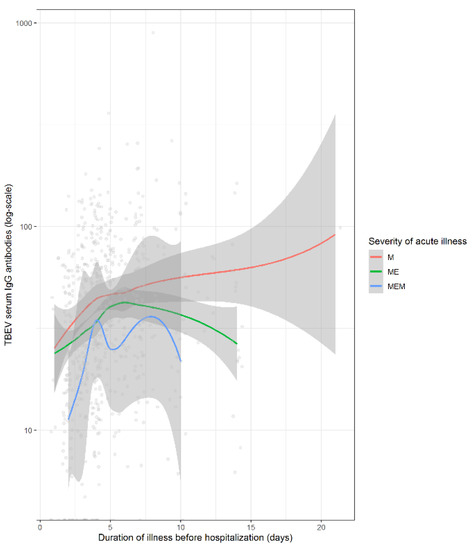
Tick-borne encephalitis (TBE) is associated with a range of disease severity. The reasons for this heterogeneity are not clear. Levels of serum IgG antibodies to TBE virus (TBEV) were determined in 691 adult patients during the meningoencephalitic phase of TBE and correlated with detailed clinical and laboratory parameters during acute illness and with the presence of post-encephalitic syndrome (PES) 2–7 years after TBE. Specific IgG antibody levels ranged from below cut-off value (in 32/691 patients, 4.6%), to 896 U/mL (median = 37.3 U/mL). Patients with meningoencephalomyelitis were more often seronegative (24.3%; 9/37) than those with meningoencephalitis (4.7%; 20/428) or meningitis (1.3%; 3/226). Moreover, patients with antibody levels below cut-off had longer hospitalization (13 versus 8 days); more often required intensive care unit treatment (22% versus 8%) and artificial ventilation (71% versus 21%); and had a higher fatality rate (3/32; 9.4% versus 1/659; 0.2%) than seropositive patients. These results were confirmed when antibody levels, rather than cut-off values, were correlated with clinical parameters including the likelihood to develop PES. Low serum IgG antibody responses against TBEV at the onset of neurologic involvement are associated with a more difficult clinical course and unfavorable long-term outcome of TBE, providing a diagnostic and clinical challenge for physicians. Full article
(This article belongs to the Special Issue Tick-Borne Encephalitis)
Show Figures

Figure 1
10 pages, 5252 KB  
Communication
Precipitation of Magnetic Iron Oxide Induced by Sporosarcina pasteurii Cells
by Yang Wu, Guozheng Zhao and Hao Qi
Microorganisms 2021, 9(2), 331; https://doi.org/10.3390/microorganisms9020331 - 7 Feb 2021
Cited by 5 | Viewed by 3915
Abstract
Sporosarcina pasteurii (S. pasteurii) is bacterium notable for its highly efficient urea degradation ability. Due to its high urease activity, S. pasteurii has been successfully utilized in applications including solidifying soil or sand, termed “bio-concrete”. In addition to calcium carbonate precipitation, [...] Read more.
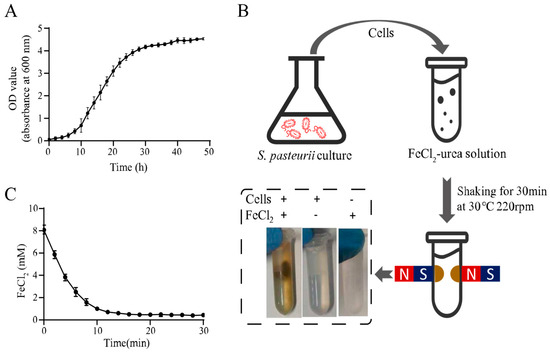
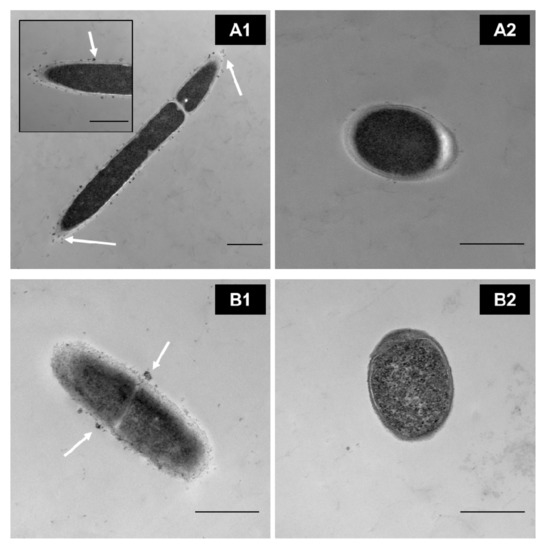
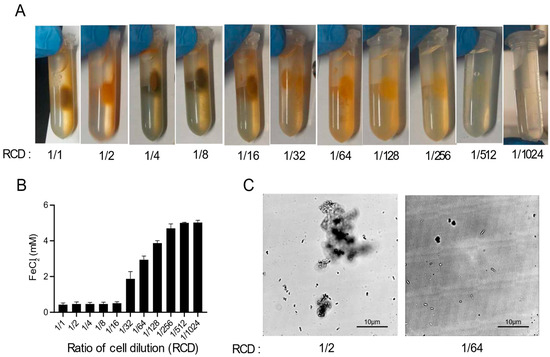
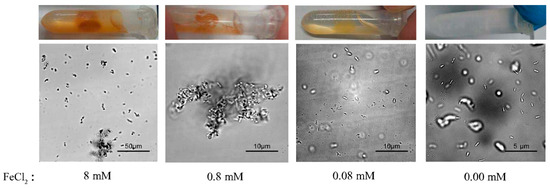
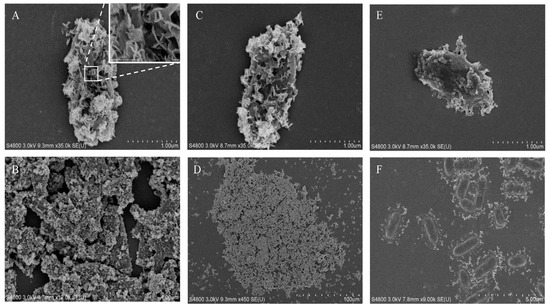
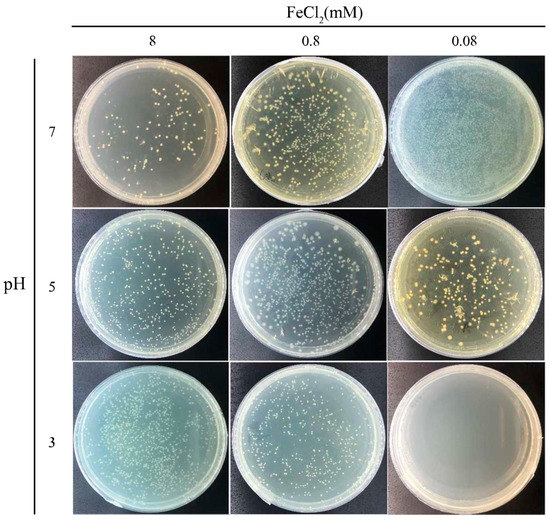
Sporosarcina pasteurii (S. pasteurii) is bacterium notable for its highly efficient urea degradation ability. Due to its high urease activity, S. pasteurii has been successfully utilized in applications including solidifying soil or sand, termed “bio-concrete”. In addition to calcium carbonate precipitation, urease isolated from the jack bean plant was recently demonstrated to induce the formation of magnetic iron oxide particles from soluble ferrous ion in a designed reaction. However, it remained unknown if a similar magnetic material could be formed using whole cells with high urease activity under biocompatible conditions. Here, we demonstrated that magnetic iron oxide with a highly ordered structure could be formed on the surface of S. pasteurii cells with a theoretical product of 1.17 mg in a 2-mL reaction. Moreover, the cells surrounded by the precipitated magnetic iron oxide maintained their viability. Due to the simple cultivation of S. pasteurii, the process developed in this study could be useful for the green synthesis of magnetic iron oxide, basic research on the mechanism of magnetic microbial-induced precipitation (MIP), and related engineering applications. Full article
(This article belongs to the Section Microbial Biotechnology)
Show Figures

Figure 1
11 pages, 276 KB  
Review
Silence of the Lambs: The Immunological and Molecular Mechanisms of COVID-19 in Children in Comparison with Adults
by Francesca Cusenza, Giusy Davino, Tiziana D’Alvano, Alberto Argentiero, Valentina Fainardi, Giovanna Pisi, Nicola Principi and Susanna Esposito
Microorganisms 2021, 9(2), 330; https://doi.org/10.3390/microorganisms9020330 - 7 Feb 2021
Cited by 14 | Viewed by 3942
Abstract
Children infected by severe acute respiratory syndrome coronavirus 2 (SARS-CoV-2) can suffer from severe coronavirus disease 2019 (COVID-19). However, compared to adults and the elderly, susceptibility to SARS-CoV-2 infection in children seems to be lower; when infection does develop, most infected children remain [...] Read more.
Children infected by severe acute respiratory syndrome coronavirus 2 (SARS-CoV-2) can suffer from severe coronavirus disease 2019 (COVID-19). However, compared to adults and the elderly, susceptibility to SARS-CoV-2 infection in children seems to be lower; when infection does develop, most infected children remain asymptomatic or develop a mild disease. Understanding why children seem generally protected from severe COVID-19 and only rarely develop clinical conditions that can cause hospitalization, admission to the pediatric intensive care unit and death can be important. More details on the mechanism of action of SARS-CoV-2 could be defined. Moreover, the role played by children in virus diffusion should be better analyzed, and the development of effective preventive and therapeutic measures against COVID-19 could be favored. The main aim of this paper is to discuss the present knowledge on immunological and molecular mechanisms that could explain differences in COVID-19 clinical manifestations between children and adults. Literature analysis showed that although most children are clearly protected from the development of severe COVID-19, the reasons for this peculiarity are not fully understood. Developmental variations in immune system function together with the potential role of repeated antigen stimulation in the first periods of life on innate immunity are widely studied. As the few children who develop the most severe form of pediatric COVID-19 have certain alterations in the immune system response to SARS-CoV-2 infection, studies about the relationships between SARS-CoV-2 and the immune system of the host are essential to understand the reasons for the age-related differences in the severity of COVID-19. Full article
(This article belongs to the Special Issue Respiratory Tract Infection in Children)