10 pages, 1373 KB  
Article
Impact of Photon Counting Detector CT Derived Virtual Monoenergetic Images on the Diagnosis of Pulmonary Embolism
by Tetyana Yalynska, Malgorzata Polacin, Thomas Frauenfelder and Katharina Martini
Diagnostics 2022, 12(11), 2715; https://doi.org/10.3390/diagnostics12112715 - 7 Nov 2022
Cited by 33 | Viewed by 2769
Abstract
Purpose: To assess the impact of virtual-monoenergetic-image (VMI) energies on the diagnosis of pulmonary embolism (PE) in photon-counting-detector computed-tomography (PCD-CT). Methods: Eighty patients (median age 60.4 years) with suspected PE were retrospectively included. Scans were performed on PCD-CT in the multi-energy mode at [...] Read more.
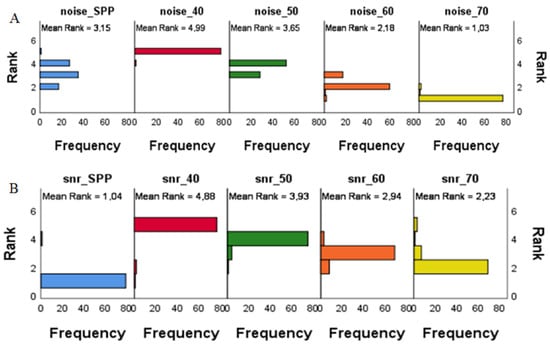
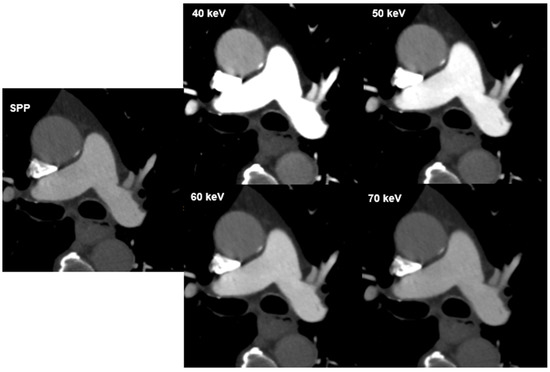
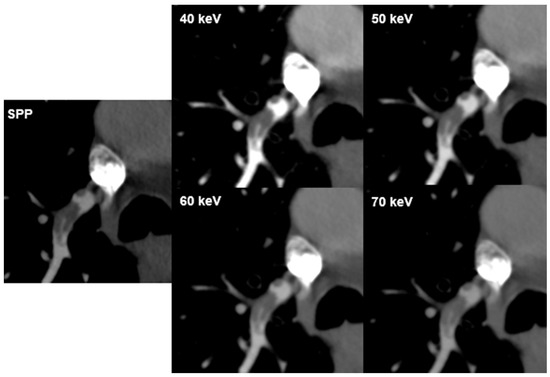
Purpose: To assess the impact of virtual-monoenergetic-image (VMI) energies on the diagnosis of pulmonary embolism (PE) in photon-counting-detector computed-tomography (PCD-CT). Methods: Eighty patients (median age 60.4 years) with suspected PE were retrospectively included. Scans were performed on PCD-CT in the multi-energy mode at 120 kV. VMIs from 40–70 keV in 10 keV intervals were reconstructed. CT-attenuation was measured in the pulmonary trunk and the main branches of the pulmonary artery. Signal-to-noise (SNR) ratio was calculated. Two radiologists evaluated subjective-image-quality (noise, vessel-attenuation and sharpness; five-point-Likert-scale, non-diagnostic–excellent), the presence of hardening artefacts and presence/visibility of PE. Results: Signal was highest at the lowest evaluated VMI (40 keV; 1053.50 HU); image noise was lowest at the highest VMI (70 keV; 15.60 HU). Highest SNR was achieved at the lowest VMI (p < 0.05). Inter-reader-agreement for subjective analysis was fair to excellent (k = 0.373–1.000; p < 0.001). Scores for vessel-attenuation and sharpness were highest at 40 keV (both:5, range 4/3–5; k = 1.000); scores for image-noise were highest at 70 keV (4, range 3–5). The highest number of hardening artifacts were reported at 40 keV (n = 22; 28%). PE-visualization was rated best at 50 keV (4.7; range 4–5) and decreased with increasing VMI-energy (r = −0.558; p < 0.001). Conclusions: While SNR was best at 40 keV, subjective PE visibility was rated highest at 50 keV, potentially owing to the lower image noise and hardening artefacts. Full article
(This article belongs to the Special Issue Imaging of Pulmonary Vascular Disease)
Show Figures

Figure 1
14 pages, 952 KB  
Protocol
Early Diagnosis of Chemotherapy-Linked Cardiotoxicity in Breast Cancer Patients Using Conventional Biomarker Panel: A Prospective Study Protocol
by Saule Balmagambetova, Zhenisgul Tlegenova, Bekbolat Zholdin, Gulnara Kurmanalina, Iliada Talipova, Arip Koyshybaev, Dinara Nurmanova, Gulmira Sultanbekova, Mira Baspayeva, Saule Madinova, Kulparshan Kubenova and Ainel Urazova
Diagnostics 2022, 12(11), 2714; https://doi.org/10.3390/diagnostics12112714 - 6 Nov 2022
Cited by 11 | Viewed by 3326
Abstract
The prognosis of cancer treatment depends on, among other aspects, the cardiotoxicity of chemotherapy. This research aims to create a feasible algorithm for the early diagnosis of antitumor therapy cardiotoxicity in breast cancer patients. The paper represents a protocol for a prospective cohort [...] Read more.
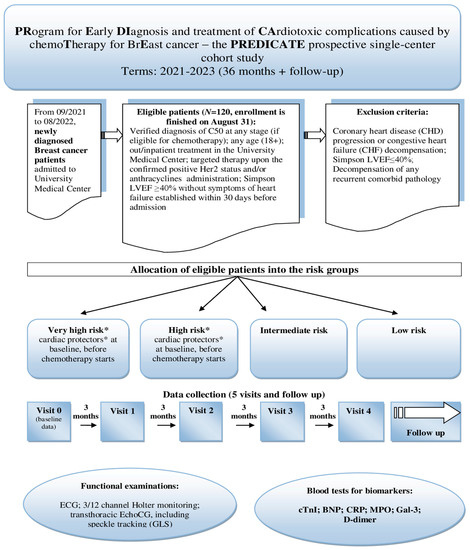
The prognosis of cancer treatment depends on, among other aspects, the cardiotoxicity of chemotherapy. This research aims to create a feasible algorithm for the early diagnosis of antitumor therapy cardiotoxicity in breast cancer patients. The paper represents a protocol for a prospective cohort study with N 120 eligible participants admitted for treatment with anthracyclines and/or trastuzumab. These patients will be allocated into four risk groups regarding potential cardiotoxic complications. Patients will be examined five times every three months for six biomarkers: cardiac troponin I (cTnI), brain natriuretic peptide (BNP), C-reactive protein (CRP), myeloperoxidase (MPO), galectin-3 (Gal-3), and D-dimer, simultaneously with echocardiographic methods, including speckle tracking. The adjusted relative risk (aOR) of interrupting an entire course of chemotherapy due to cardiotoxic events will be assessed using multiple analyses of proportional Cox risks. The Cox model will also assess associations between baseline biomarker values and time to cardiotoxic events. Moreover, partly conditional survival models will be applied to determine associations between repeated assessments of changes in biomarkers from baseline and time to cancer therapy-related cardiac dysfunction. All models will be adjusted for cancer therapy regimen, baseline LVEF, groups at risk, baseline biomarker values, and age. The decision-tree and principal component analysis (PCA) methods will also be applied. Thus, feasible patterns will be detected. Full article
(This article belongs to the Special Issue Clinical Prognostic and Predictive Biomarkers)
Show Figures

Figure 1
4 pages, 7875 KB  
Interesting Images
Polymorphic Malignant Melanoma (PMM) of the Left Helix: Case Report with Clinical-Pathological Correlations
by Gerardo Cazzato, Anna Colagrande, Michele Maruccia, Eleonora Nacchiero, Carmelo Lupo, Nadia Casatta, Giuseppe Ingravallo, Eugenio Maiorano, Andrea Marzullo, Giuseppe Giudice and Leonardo Resta
Diagnostics 2022, 12(11), 2713; https://doi.org/10.3390/diagnostics12112713 - 6 Nov 2022
Viewed by 2352
Abstract
Malignant melanoma (MM) is known to be the great mimic in dermatopathology. Over time, several variants have been described, not all of which have repercussions on the clinical/oncological management of the affected patient. The existence, however, of these alternative forms of MM is [...] Read more.
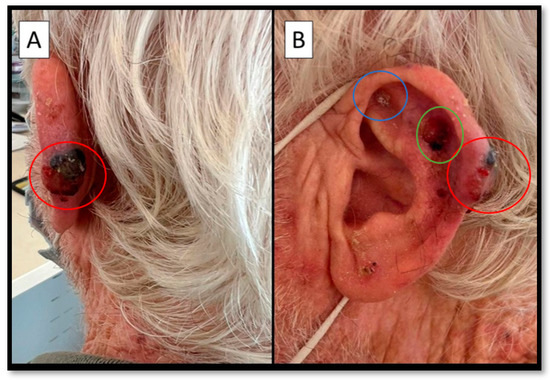
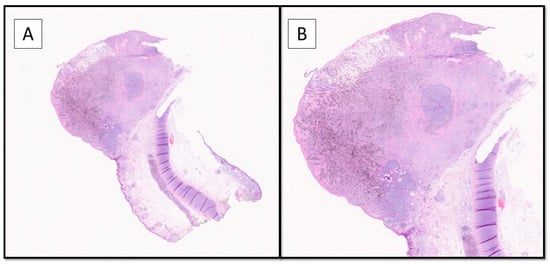
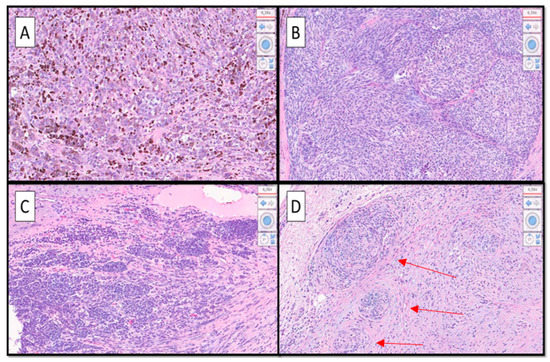
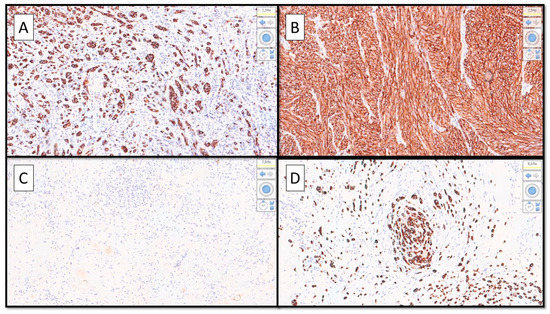
Malignant melanoma (MM) is known to be the great mimic in dermatopathology. Over time, several variants have been described, not all of which have repercussions on the clinical/oncological management of the affected patient. The existence, however, of these alternative forms of MM is of great interest to the pathologist, as they are potentially capable of inducing diagnostic errors affecting the diagnostic-therapeutic care pathway (PDTC). In this paper, we present a very rare case of polymorphic MM, in which five different morphological aspects coexisted in the same lesion, confirmed by immunohistochemical investigation and by RT-PCR for mutation of the BRAF gene and discuss the importance of correct recognition of these different morphological features to avoid misdiagnosis. Full article
(This article belongs to the Special Issue Imaging Diagnosis for Melanoma 2.0)
Show Figures

Figure 1
13 pages, 671 KB  
Review
Invasive Aspergillosis in the Intensive Care Unit
by Liam Townsend and Ignacio Martin-Loeches
Diagnostics 2022, 12(11), 2712; https://doi.org/10.3390/diagnostics12112712 - 6 Nov 2022
Cited by 31 | Viewed by 6104
Abstract
Invasive pulmonary aspergillosis (IPA) is a serious condition resulting in significant mortality and morbidity among patients in intensive care units (ICUs). There is a growing number of at-risk patients for this condition with the increasing use of immunosuppressive therapies. The diagnosis of IPA [...] Read more.
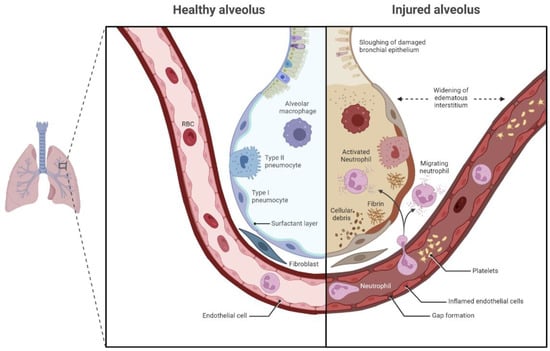
Invasive pulmonary aspergillosis (IPA) is a serious condition resulting in significant mortality and morbidity among patients in intensive care units (ICUs). There is a growing number of at-risk patients for this condition with the increasing use of immunosuppressive therapies. The diagnosis of IPA can be difficult in ICUs, and relies on integration of clinical, radiological, and microbiological features. In this review, we discuss patient populations at risk for IPA, as well as the diagnostic criteria employed. We review the fungal biomarkers used, as well as the challenges in distinguishing colonization with Aspergillus from invasive disease. We also address the growing concern of multidrug-resistant Aspergillosis and review the new and novel therapeutics which are in development to combat this. Full article
(This article belongs to the Special Issue Diagnosis of Invasive Aspergillosis on ICU)
Show Figures

Figure 1
18 pages, 634 KB  
Review
Challenges in Clinical Diagnosis and Management of Chronic Endometritis
by Tadahiro Yasuo and Kotaro Kitaya
Diagnostics 2022, 12(11), 2711; https://doi.org/10.3390/diagnostics12112711 - 5 Nov 2022
Cited by 46 | Viewed by 10395
Abstract
Chronic endometritis (CE) is a local mucosal infectious and inflammatory disorder characterized by unusual filtration of CD138(+) endometrial stromal plasmacytes. CE is attracting attention due to its potential association with infertility of unknown etiology, repeated implantation failure, recurrent pregnancy loss, and several maternal/neonatal [...] Read more.
Chronic endometritis (CE) is a local mucosal infectious and inflammatory disorder characterized by unusual filtration of CD138(+) endometrial stromal plasmacytes. CE is attracting attention due to its potential association with infertility of unknown etiology, repeated implantation failure, recurrent pregnancy loss, and several maternal/neonatal complications. Due to the variance in study design among researchers, universal diagnostic criteria remain to be established for the clinical diagnosis and management of CE. This review article aims to summarize current knowledge and provide insights into unsolved questions on CE to establish clinical guidelines for the disease from the viewpoint of human reproduction. Full article
(This article belongs to the Section Diagnostic Microbiology and Infectious Disease)
Show Figures

Figure 1
13 pages, 1944 KB  
Article
Evaluation of 68Ga-Radiolabeled Peptides for HER2 PET Imaging
by Maxwell Ducharme, Hailey A. Houson, Solana R. Fernandez and Suzanne E. Lapi
Diagnostics 2022, 12(11), 2710; https://doi.org/10.3390/diagnostics12112710 - 5 Nov 2022
Cited by 4 | Viewed by 3088
Abstract
One in eight women will be diagnosed with breast cancer in their lifetime and approximately 25% of those cases will be HER2-positive. Current methods for diagnosing HER2-positive breast cancer involve using IHC and FISH from suspected cancer biopsies to quantify HER2 expression. HER2 [...] Read more.
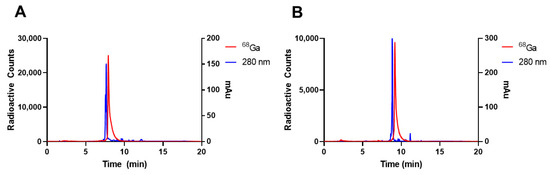
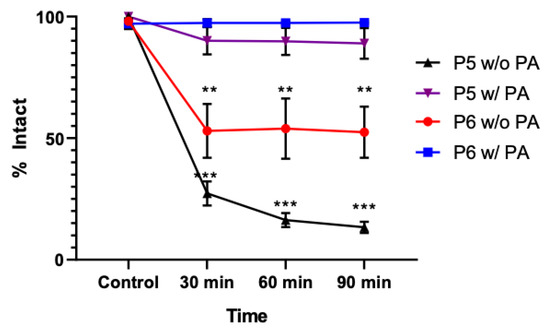
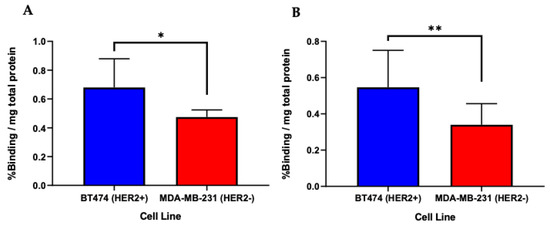
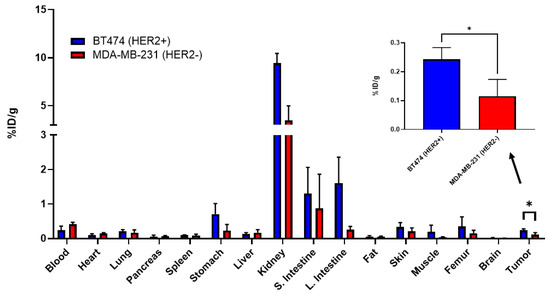
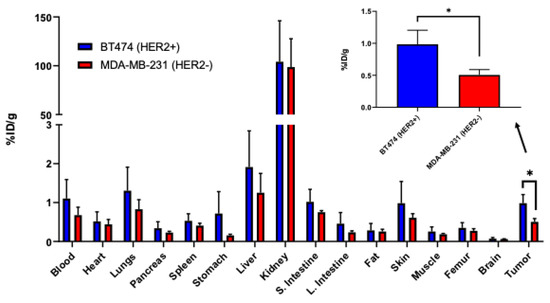
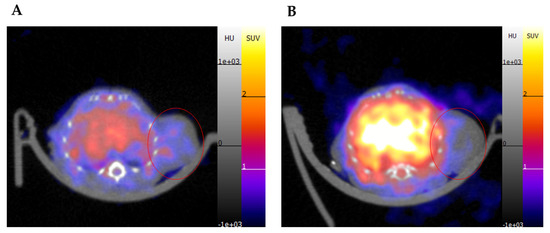
One in eight women will be diagnosed with breast cancer in their lifetime and approximately 25% of those cases will be HER2-positive. Current methods for diagnosing HER2-positive breast cancer involve using IHC and FISH from suspected cancer biopsies to quantify HER2 expression. HER2 PET imaging could potentially increase accuracy and improve the diagnosis of lesions that are not available for biopsies. Using two previously discovered HER2-targeting peptides, we modified each peptide with the chelator DOTA and a PEG2 linker resulting in DOTA-PEG2-GSGKCCYSL (P5) and DOTA-PEG2-DTFPYLGWWNPNEYRY (P6). Each peptide was labeled with 68Ga and was evaluated for HER2 binding using in vitro cell studies and in vivo tumor xenograft models. Both [68Ga]P5 and [68Ga]P6 showed significant binding to HER2-positive BT474 cells versus HER2-negative MDA-MB-231 cells ([68Ga]P5; 0.68 ± 0.20 versus 0.47 ± 0.05 p < 0.05 and [68Ga]P6; 0.55 ± 0.21 versus 0.34 ± 0.12 p < 0.01). [68Ga]P5 showed a higher percent injected dose per gram (%ID/g) binding to HER2-positive tumors two hours post-injection compared to HER2-negative tumors (0.24 ± 0.04 versus 0.12 ± 0.06; p < 0.05), while the [68Ga]P6 peptide showed significant binding (0.98 ± 0.22 versus 0.51 ± 0.08; p < 0.05) one hour post-injection. These results lay the groundwork for the use of peptides to image HER2-positive breast cancer. Full article
(This article belongs to the Special Issue Frontline of Breast Imaging)
Show Figures

Figure 1
15 pages, 3022 KB  
Case Report
Synchronous Pancreatic Ductal Adenocarcinoma in the Head and Tail, a Double Trouble: A Case Report and Literature Review
by Daniel Paramythiotis, Georgia Fotiadou, Eleni Karlafti, Ioanna Abba Deka, Georgios Petrakis, Elisavet Psoma, Xanthippi Mavropoulou, Filippos Kyriakidis, Smaro Netta and Stylianos Apostolidis
Diagnostics 2022, 12(11), 2709; https://doi.org/10.3390/diagnostics12112709 - 5 Nov 2022
Cited by 3 | Viewed by 3781
Abstract
Synchronous primary pancreatic ductal adenocarcinoma (PDAC) is very rare and can be formed either through multicentric carcinogenesis or intrapancreatic metastasis. We report the case of an 80-year-old man with a history of type 2 diabetes mellitus who presented with abdominal pain and weight [...] Read more.
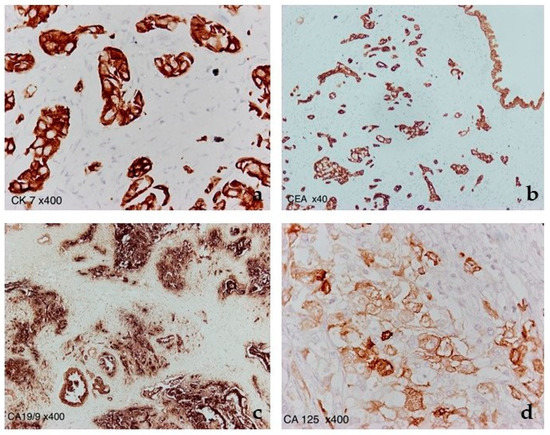
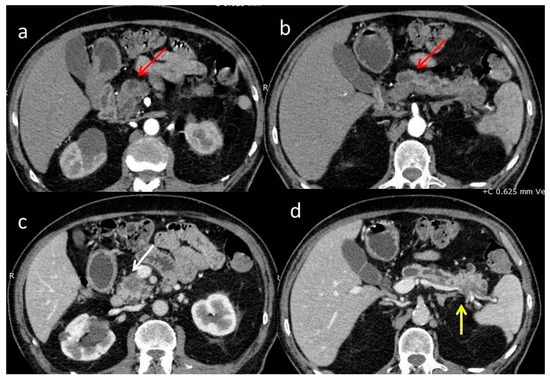
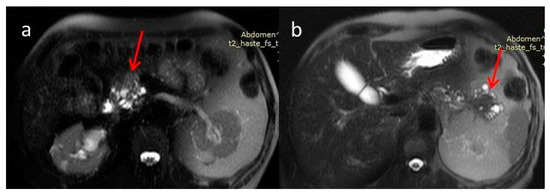
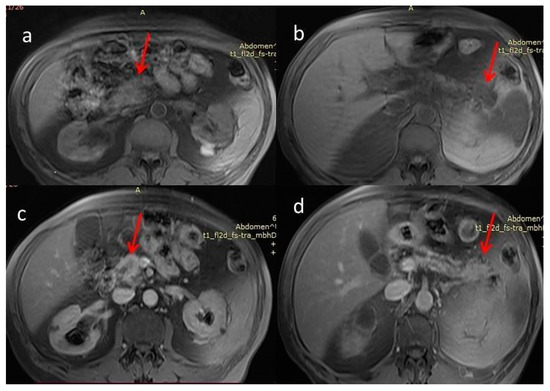
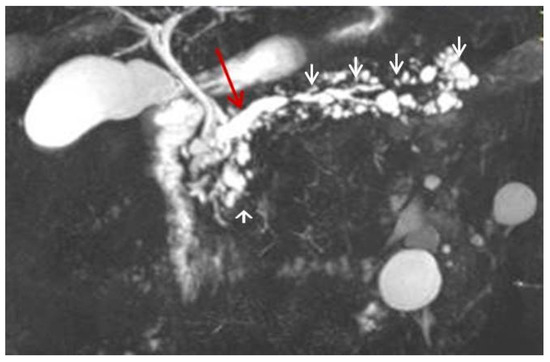
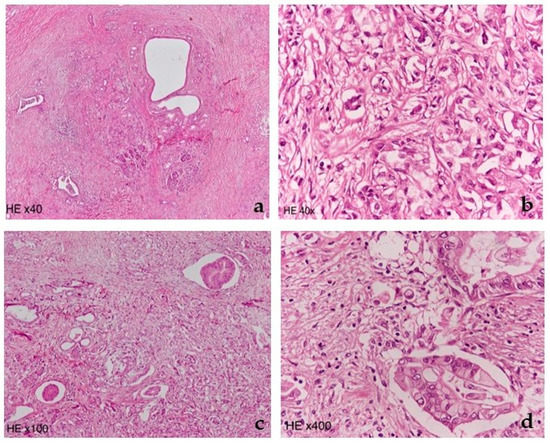
Synchronous primary pancreatic ductal adenocarcinoma (PDAC) is very rare and can be formed either through multicentric carcinogenesis or intrapancreatic metastasis. We report the case of an 80-year-old man with a history of type 2 diabetes mellitus who presented with abdominal pain and weight loss. Laboratory tests showed elevated levels of blood glucose and CA 19-9, and Computed Tomography revealed two hypoenhancing lesions in the head and tail of the pancreas. Endoscopic ultrasound, which is the imaging method of choice for pancreatic cancer, was performed with a fine needle biopsy, and the cytological analysis diagnosed PDAC in both lesions. The patient underwent total pancreatectomy, and pathologic evaluation revealed synchronous primary PDAC with moderate to poor differentiation in the head and tail in the setting of IPMN (intraductal papillary mucinous neoplasia) and chronic pancreatitis. After his recovery from postoperative pulmonary embolism, the patient was discharged home with sufficient glycemic control. Multifocal PDAC occurs more often when precursor lesions, such as IPMN, pre-exist. The optimal treatment for multiple lesions spread all over the pancreas is total pancreatectomy. Diabetes mellitus is a serious complication of total pancreatectomy (new-onset or type 3c), but overall, long-term survival has been significantly improved. Full article
(This article belongs to the Special Issue Advances in the Diagnosis of Gastrointestinal Diseases)
Show Figures

Figure 1
32 pages, 1831 KB  
Review
A Computerized Analysis with Machine Learning Techniques for the Diagnosis of Parkinson’s Disease: Past Studies and Future Perspectives
by Arti Rana, Ankur Dumka, Rajesh Singh, Manoj Kumar Panda and Neeraj Priyadarshi
Diagnostics 2022, 12(11), 2708; https://doi.org/10.3390/diagnostics12112708 - 5 Nov 2022
Cited by 25 | Viewed by 8329
Abstract
According to the World Health Organization (WHO), Parkinson’s disease (PD) is a neurodegenerative disease of the brain that causes motor symptoms including slower movement, rigidity, tremor, and imbalance in addition to other problems like Alzheimer’s disease (AD), psychiatric problems, insomnia, anxiety, and sensory [...] Read more.
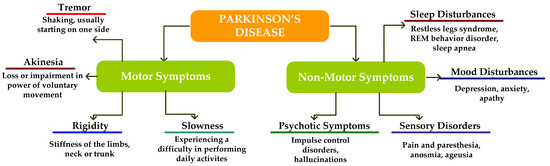
According to the World Health Organization (WHO), Parkinson’s disease (PD) is a neurodegenerative disease of the brain that causes motor symptoms including slower movement, rigidity, tremor, and imbalance in addition to other problems like Alzheimer’s disease (AD), psychiatric problems, insomnia, anxiety, and sensory abnormalities. Techniques including artificial intelligence (AI), machine learning (ML), and deep learning (DL) have been established for the classification of PD and normal controls (NC) with similar therapeutic appearances in order to address these problems and improve the diagnostic procedure for PD. In this article, we examine a literature survey of research articles published up to September 2022 in order to present an in-depth analysis of the use of datasets, various modalities, experimental setups, and architectures that have been applied in the diagnosis of subjective disease. This analysis includes a total of 217 research publications with a list of the various datasets, methodologies, and features. These findings suggest that ML/DL methods and novel biomarkers hold promising results for application in medical decision-making, leading to a more methodical and thorough detection of PD. Finally, we highlight the challenges and provide appropriate recommendations on selecting approaches that might be used for subgrouping and connection analysis with structural magnetic resonance imaging (sMRI), DaTSCAN, and single-photon emission computerized tomography (SPECT) data for future Parkinson’s research. Full article
(This article belongs to the Section Machine Learning and Artificial Intelligence in Diagnostics)
Show Figures

Figure 1
7 pages, 1286 KB  
Case Report
Pacemaker Implantation in a Patient with Isolated Persistent Left Superior Vena Cava Draining into the Left Atrium: A Case Report and Brief Literature Review
by Iuliana-Claudia Totorean, Cristina Vacarescu, Dragoș Cozma, Constantin-Tudor Luca, Horea Feier, Mihai-Andrei Lazăr, Maria-Anastasia Deme, Svetlana Stoica, Diana-Aurora Arnautu and Dan Gaiță
Diagnostics 2022, 12(11), 2707; https://doi.org/10.3390/diagnostics12112707 - 5 Nov 2022
Cited by 3 | Viewed by 2621
Abstract
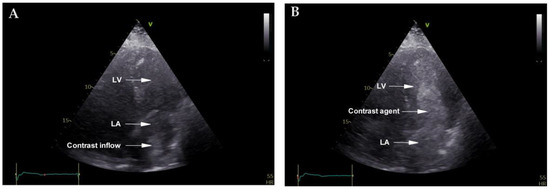
Anomalies of the thoracic venous system are rare and usually discovered incidentally, but they become clinically relevant in the case of patients requiring cardiac device implantation. Persistent left superior vena cava is considered the most common venous drainage abnormality, with several anatomical variants [...] Read more.
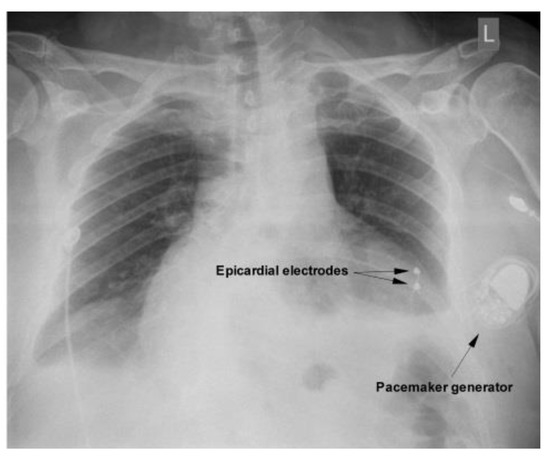
Anomalies of the thoracic venous system are rare and usually discovered incidentally, but they become clinically relevant in the case of patients requiring cardiac device implantation. Persistent left superior vena cava is considered the most common venous drainage abnormality, with several anatomical variants that generate technical difficulties during pacemaker or defibrillator lead placement. We report a case of an isolated persistent left superior vena cava with abnormal drainage into the left atrium, associated with a hypoplastic right-sided superior vena cava, in a patient scheduled for permanent pacemaker implantation. Considering the patient’s anatomical characteristics, a transvenous approach proved unfeasible and the procedure was successfully accomplished via the surgical placement of a left ventricle epicardial lead. We aim to emphasize the clinical importance of such venous anomalies and to discuss the practical implications and challenges derived from these types of conditions, especially in the field of electrophysiology. Full article
(This article belongs to the Special Issue Echocardiography)
Show Figures

Figure 1
13 pages, 2079 KB  
Case Report
Strumal Carcinoid Tumor of the Ovary: Report of Rare Occurrence with Review of Literature
by Li-Ping Shen, An-Qiang Yang and Lei Jin
Diagnostics 2022, 12(11), 2706; https://doi.org/10.3390/diagnostics12112706 - 5 Nov 2022
Cited by 6 | Viewed by 4382
Abstract
The primary ovarian carcinoid tumor is a very rare ovarian tumor, which accounts for approximately 0.5% to 1.7% of all carcinoids and 1% of ovarian cancer. According to its histopathological features, it can be divided into four categories: insular, trabecular, strumal, and mucinous, [...] Read more.
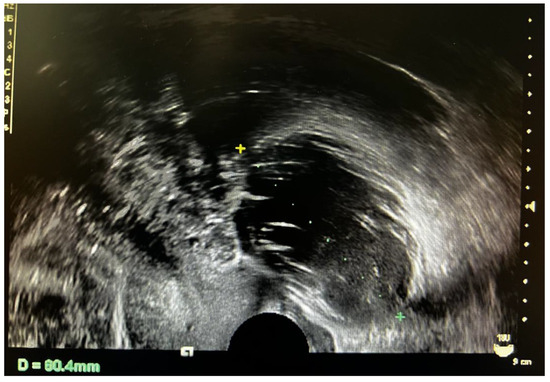
The primary ovarian carcinoid tumor is a very rare ovarian tumor, which accounts for approximately 0.5% to 1.7% of all carcinoids and 1% of ovarian cancer. According to its histopathological features, it can be divided into four categories: insular, trabecular, strumal, and mucinous, among which insular carcinoid is common in Western countries. By comparison, the chain-typed and trabecular carcinoid seem to be common in Asian countries. To date, about 150 cases have been reported in the world, and 40% of them are strumal carcinoid tumor of the ovary (SCTO), which is a highly specialized teratoma differentiated from the monomer, and often characterized by the coexistence of thyroid follicular tissue and carcinoid tissue with the neuroendocrine function. Preoperative diagnosis may be difficult due to the very insidious nature of the disease and its multiple imaging manifestations. We reported the case of a 39-year-old woman with a 5-year clinical history. Gynecologic examination and ultrasonic testing revealed an enlarged ovary with a diameter of about 60 mm, accompanied by a hypoechoic area, which was suspected to be a benign teratoma. Ca-125, AFP, free T4, TSH, and other diagnostic indicators were normal. During the laparoscopic oophorocystectomy of the left ovary, a smooth and solid tumor with the size of 6 × 6 × 5 cm was found in the right ovary. During the operation, a mature cystic teratoma containing a struma was frozen, then the oophorocystectomy of the left ovary was performed. According to the Federation International of Gynecology and Obstetrics (FIGO) in 2014, histopathological examination showed a mature teratoma with thyroid carcinoid stage Ic, and Douglas’s cystic hygroma cytopathology was negative. One year after the operation, the patient was tumor-free, with Ca-125, FT4, and TSH being within the normal range. Specific diagnostic tools and serological monitoring of malignant tumors of the ovary have low specificity and sensitivity in the diagnosis of this rare malignant tumor of the ovary. Female patients with habitual constipation, chronic abdominal colic, diarrhea, and endocrine dysfunction also need to be alert to this rare malignant tumor of the ovary. Full article
(This article belongs to the Special Issue Recent Advances in Gynecologic Oncology: Diagnosis and Management)
Show Figures

Figure 1
10 pages, 634 KB  
Article
HtrA1 in Gestational Diabetes Mellitus: A Possible Biomarker?
by Giovanni Tossetta, Sonia Fantone, Rosaria Gesuita, Gian Carlo Di Renzo, Arun Meyyazhagan, Chiara Tersigni, Giovanni Scambia, Nicoletta Di Simone and Daniela Marzioni
Diagnostics 2022, 12(11), 2705; https://doi.org/10.3390/diagnostics12112705 - 5 Nov 2022
Cited by 33 | Viewed by 2769
Abstract
Background: The high-temperature requirement A 1 (HtrA1) is a multidomain secretory protein with serine-protease activity, expressed in many tissues, including placenta, where its expression is higher in the first trimester, suggesting an association of this serine protease in early phases of human placenta [...] Read more.
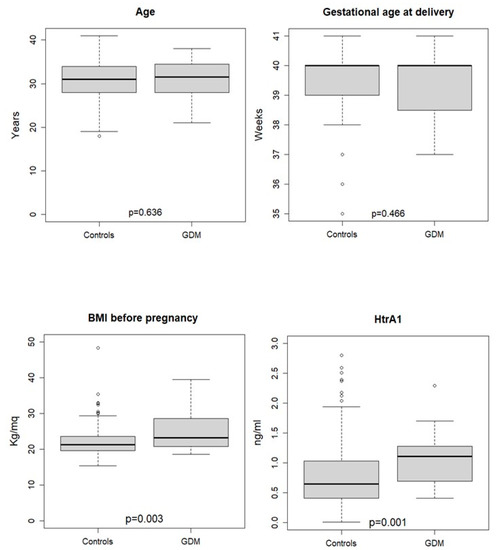
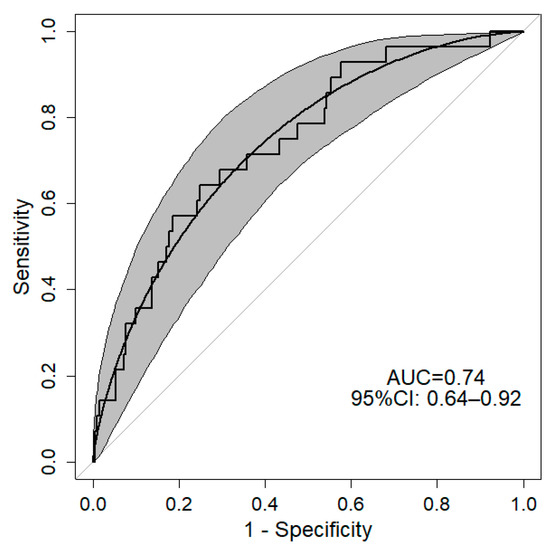
Background: The high-temperature requirement A 1 (HtrA1) is a multidomain secretory protein with serine-protease activity, expressed in many tissues, including placenta, where its expression is higher in the first trimester, suggesting an association of this serine protease in early phases of human placenta development. In this study, we evaluated maternal serum HtrA1 levels in the first and third trimester of gestation. In particular, we evaluated a possible role of HtrA1 as an early marker of gestational diabetes mellitus (GDM) in the first trimester of gestation. Methods: We evaluated HtrA1 serum levels in the third trimester (36–40 weeks) in normal pregnancies (n = 20) and GDM pregnancies (n = 20) by using ELISA analysis. Secondly, we performed the same analysis by using the first trimester sera (10–12 weeks) of healthy pregnant women that will develop a normal pregnancy (n = 210) or GDM (n = 28) during pregnancy. Results: We found that HtrA1 serum levels in the third trimester were higher in pregnancies complicated by GDM. Interestingly, higher HtrA1 serum levels were also found in the first trimester in women developing GDM later during the second–third trimester. No significant differences in terms of maternal age and gestational age were found between cases and controls. Women with GDM shown significantly higher pre-pregnancy BMI values compared to controls. Moreover, the probability of GDM occurrence significantly increased with increasing HtrA1 levels and BMI values. The ROC curve showed a good accuracy in predicting GDM, with an AUC of 0.74 (95%CI: 0.64–0.92). Conclusions: These results suggest an important role of HtrA1 as an early predictive marker of GDM in the first trimester of gestation, showing a significative clinical relevance for prevention of this disease. Full article
(This article belongs to the Special Issue Prenatal Diagnosis: Current Trends and Future Directions)
Show Figures

Figure 1
15 pages, 1664 KB  
Article
Genetic Analyses of Cell-Free DNA in Pancreatic Juice or Bile for Diagnosing Pancreatic Duct and Biliary Tract Strictures
by Kosuke Nagai, Masaki Kuwatani, Koji Hirata, Goki Suda, Hajime Hirata, Yunosuke Takishin, Ryutaro Furukawa, Kazuma Kishi, Hiroki Yonemura, Shunichiro Nozawa, Ryo Sugiura, Kazumichi Kawakubo and Naoya Sakamoto
Diagnostics 2022, 12(11), 2704; https://doi.org/10.3390/diagnostics12112704 - 5 Nov 2022
Cited by 10 | Viewed by 3076
Abstract
Poor prognosis of pancreaticobiliary malignancies is attributed to intrinsic biological aggressiveness and the lack of reliable methods for early diagnosis. This study aimed to evaluate the feasibility and availability of pancreatic juice- and bile-derived cell-free DNA (cfDNA) for diagnosing pancreaticobiliary strictures. From October [...] Read more.
Poor prognosis of pancreaticobiliary malignancies is attributed to intrinsic biological aggressiveness and the lack of reliable methods for early diagnosis. This study aimed to evaluate the feasibility and availability of pancreatic juice- and bile-derived cell-free DNA (cfDNA) for diagnosing pancreaticobiliary strictures. From October 2020 to February 2022, pancreatic juice or bile was obtained from 50 patients with pancreaticobiliary strictures during endoscopic retrograde cholangiopancreatography. cfDNAs extracted from the samples were analyzed using next-generation sequencing and a cancer gene panel. The obtained cfDNAs, genetic data and clinical information were analyzed for diagnosis. cfDNA concentrations in pancreatic juice were higher in the intraductal papillary mucinous neoplasm group than in the other groups, whereas those in bile were similar in all groups. In pancreatic juice, the sensitivity, specificity and positive and negative predictive values of cfDNA analyses were 33%, 100%, 100% and 71.4%, respectively, whereas those of cytological analyses were 0%, 100%, 0% and 62.5%, respectively. In bile, those of cell-free DNA analyses were 53%, 75%, 89.5% and 28.6%, respectively, whereas those of cytological analyses were 19%, 100%, 100% and 16%, respectively. In conclusion, pancreatic juice- and bile-derived cfDNA is a novel liquid biopsy tool that can diagnose pancreaticobiliary strictures. Full article
(This article belongs to the Section Pathology and Molecular Diagnostics)
Show Figures

Figure 1
11 pages, 1710 KB  
Article
Automated Quantitative Analysis of Anterior Segment Inflammation Using Swept-Source Anterior Segment Optical Coherence Tomography: A Pilot Study
by Hiroshi Keino, Takuto Aman, Ryota Furuya, Makiko Nakayama, Annabelle A. Okada, Wataru Sunayama and Yuji Hatanaka
Diagnostics 2022, 12(11), 2703; https://doi.org/10.3390/diagnostics12112703 - 5 Nov 2022
Cited by 12 | Viewed by 3637
Abstract
Background: The aim of this study is to develop an automated evaluation of anterior chamber (AC) cells in uveitis using anterior segment (AS) optical coherence tomography (OCT) images. Methods: We analyzed AS swept-source (SS)-OCT (CASIA 2) images of 31 patients (51 eyes) with [...] Read more.
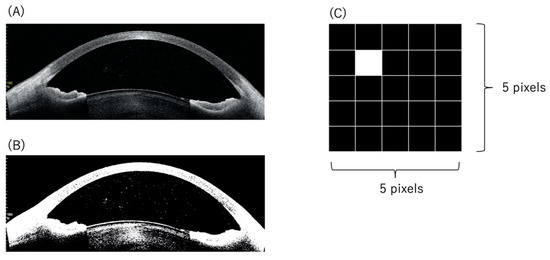
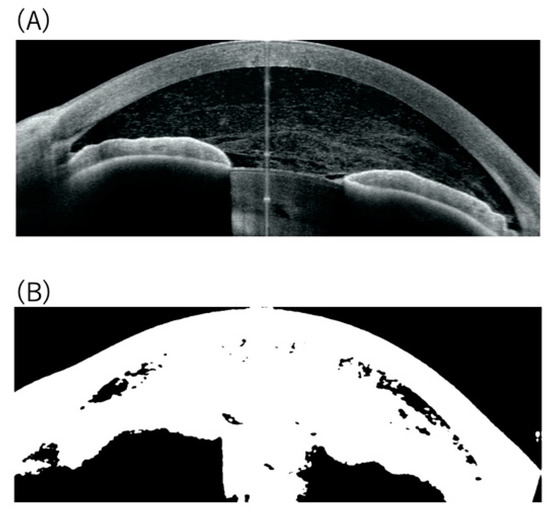
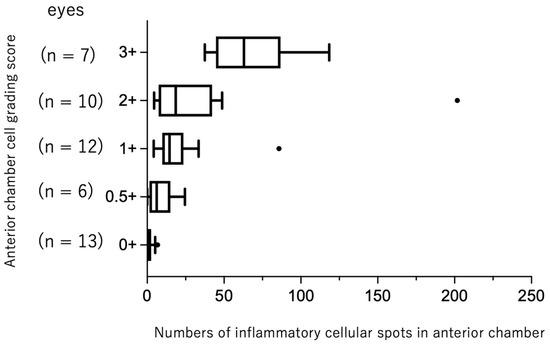
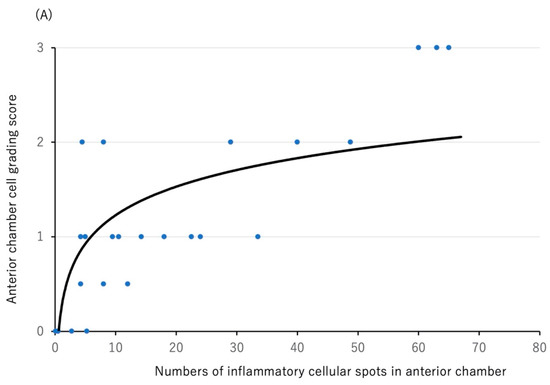
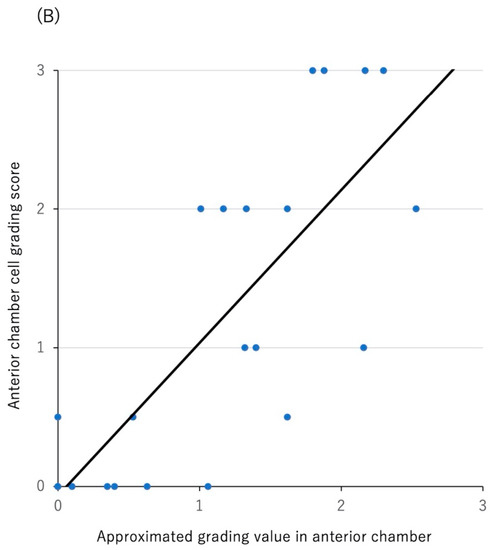
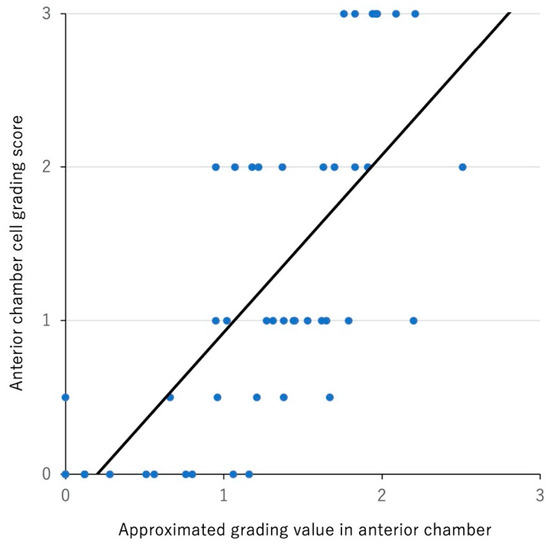
Background: The aim of this study is to develop an automated evaluation of anterior chamber (AC) cells in uveitis using anterior segment (AS) optical coherence tomography (OCT) images. Methods: We analyzed AS swept-source (SS)-OCT (CASIA 2) images of 31 patients (51 eyes) with uveitis using image analysis software (Python). An automated algorithm was developed to detect cellular spots corresponding to hyper-reflective spots in the AC, and the correlation with Standardization of Uveitis Nomenclature (SUN) grading AC cells score was evaluated. The approximated AC grading value was calculated based on the logarithmic approximation curve between the number of cellular spots and the SUN grading score. Results: Among 51 eyes, cellular spots were automatically segmented in 48 eyes, whereas three eyes (all SUN grading AC cells score: 4+) with severe fibrin formation in the AC were removed by the automated algorithm. The AC cellular spots increased with an increasing SUN grading score (p < 0.001). The 48 eyes were split into training data (26 eyes) and test data (22 eyes). There was a significant correlation between the SUN grading score and the number of cellular spots in 26 eyes (rho: 0.843, p < 0.001). There was a significant correlation between the SUN grading score and the approximated grading value of 22 eyes based on the logarithmic approximation curve (rho: 0.774, p < 0.001). Leave-one-out cross-validation analysis demonstrated a significant correlation between the SUN grading score and the approximated grading value of 48 eyes (rho: 0.748, p < 0.001). Conclusions: This automated anterior AC cell analysis using AS SS-OCT showed a significant correlation with clinical SUN grading scores and provided SUN AC grading values as a continuous variable. Our findings suggest that automated grading of AC cells could improve the accuracy of a quantitative assessment of AC inflammation using AS-OCT images and allow the objective and rapid evaluation of anterior segment inflammation in uveitis. Further investigations on a large scale are required to validate this quantitative measurement of anterior segment inflammation in uveitic eyes. Full article
Show Figures

Figure 1
15 pages, 2283 KB  
Article
Evaluating the Performance of Deep Learning Frameworks for Malaria Parasite Detection Using Microscopic Images of Peripheral Blood Smears
by Dilber Uzun Ozsahin, Mubarak Taiwo Mustapha, Basil Bartholomew Duwa and Ilker Ozsahin
Diagnostics 2022, 12(11), 2702; https://doi.org/10.3390/diagnostics12112702 - 5 Nov 2022
Cited by 32 | Viewed by 6668
Abstract
Malaria is a significant health concern in many third-world countries, especially for pregnant women and young children. It accounted for about 229 million cases and 600,000 mortality globally in 2019. Hence, rapid and accurate detection is vital. This study is focused on achieving [...] Read more.
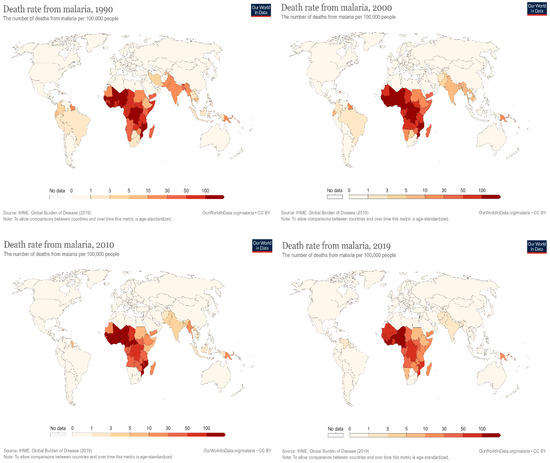
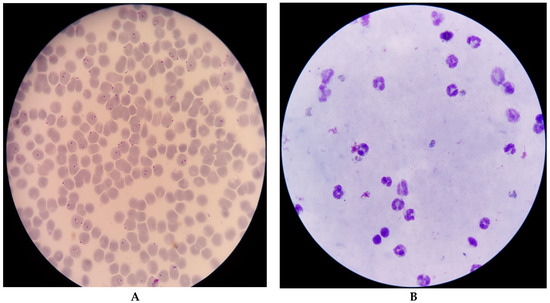
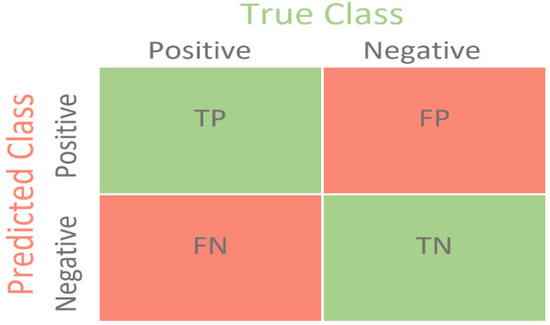
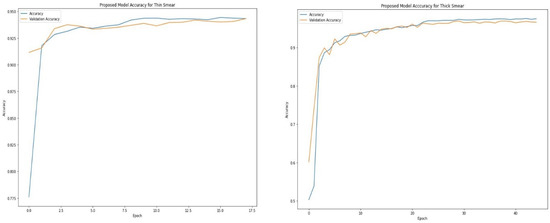
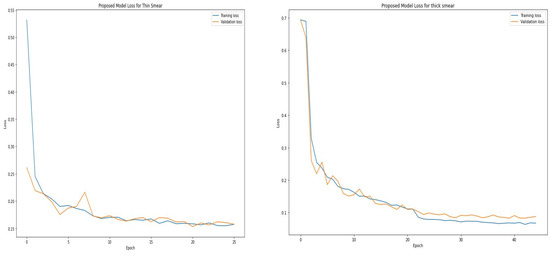
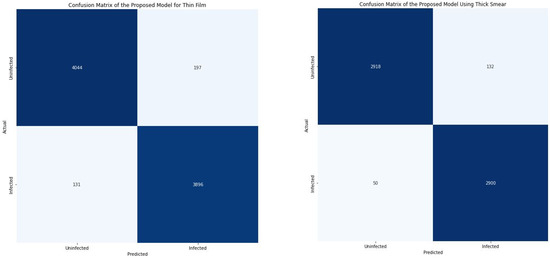
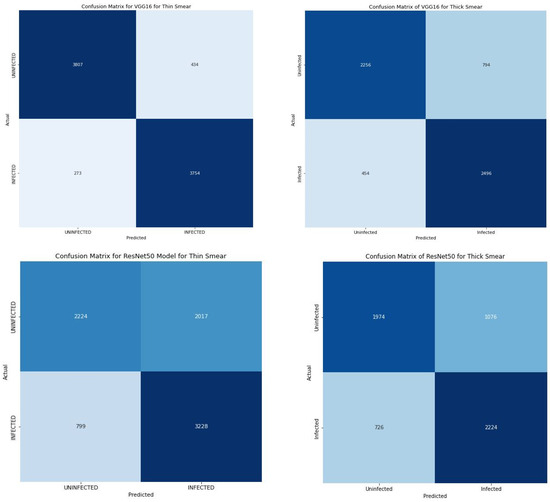
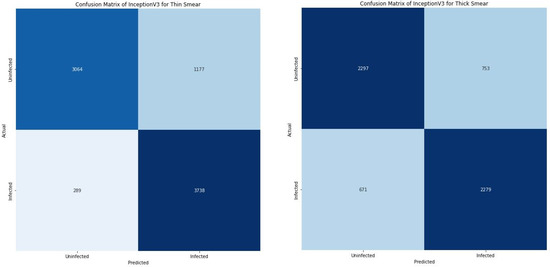
Malaria is a significant health concern in many third-world countries, especially for pregnant women and young children. It accounted for about 229 million cases and 600,000 mortality globally in 2019. Hence, rapid and accurate detection is vital. This study is focused on achieving three goals. The first is to develop a deep learning framework capable of automating and accurately classifying malaria parasites using microscopic images of thin and thick peripheral blood smears. The second is to report which of the two peripheral blood smears is the most appropriate for use in accurately detecting malaria parasites in peripheral blood smears. Finally, we evaluate the performance of our proposed model with commonly used transfer learning models. We proposed a convolutional neural network capable of accurately predicting the presence of malaria parasites using microscopic images of thin and thick peripheral blood smears. Model evaluation was carried out using commonly used evaluation metrics, and the outcome proved satisfactory. The proposed model performed better when thick peripheral smears were used with accuracy, precision, and sensitivity of 96.97%, 97.00%, and 97.00%. Identifying the most appropriate peripheral blood smear is vital for improved accuracy, rapid smear preparation, and rapid diagnosis of patients, especially in regions where malaria is endemic. Full article
(This article belongs to the Special Issue Artificial Intelligence in Biomedical Image Analysis)
Show Figures

Figure 1
10 pages, 9807 KB  
Case Report
Phenotypic Variation of Autosomal Recessive Leber Hereditary Optic Neuropathy (arLHON) in One Family
by Dorota Pojda-Wilczek, Justyna Wójcik, Bożena Kmak and Maciej Robert Krawczyński
Diagnostics 2022, 12(11), 2701; https://doi.org/10.3390/diagnostics12112701 - 5 Nov 2022
Cited by 3 | Viewed by 3880
Abstract
Leber hereditary optic neuropathy (LHON) is a rare disease with a prevalence of 1 in 25,000 births. LHON usually presents in young males, with painless loss of visual acuity in one or both eyes. Recently an autosomal recessive form of the disease (arLHON [...] Read more.
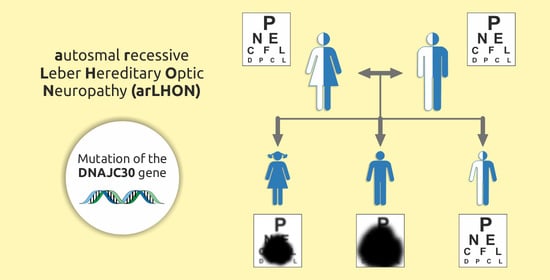
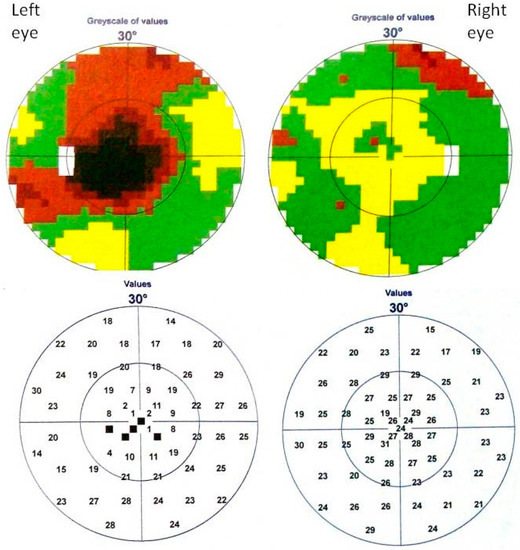
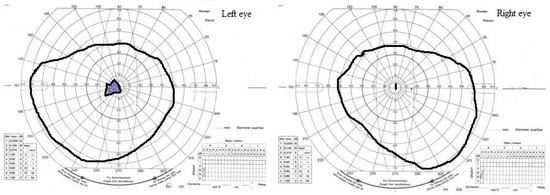
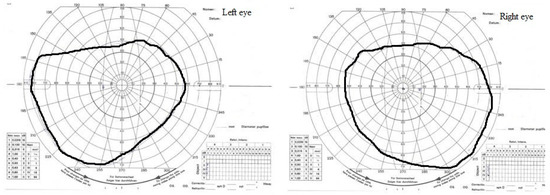
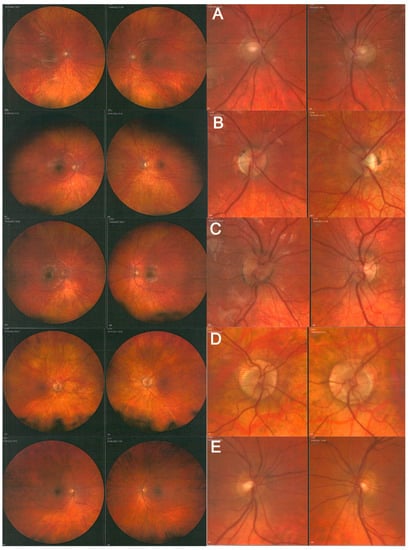
Leber hereditary optic neuropathy (LHON) is a rare disease with a prevalence of 1 in 25,000 births. LHON usually presents in young males, with painless loss of visual acuity in one or both eyes. Recently an autosomal recessive form of the disease (arLHON or LHONAR) has been described, which is caused by a biallelic mutation in the DNAJC30 gene (usually a missense mutation c.152A>G). The phenotypic and clinical characteristics of patients with arLHON are similar to those of mtLHON, but some differences have been described. Therapy is problematic and challenging. This paper describes clinical and electrophysiological findings in one family (three children and two parents) with arLHON and emphasizes the role of Photopic Negative Response Electroretinography, which provides objective measurement of retinal ganglion cells function. In Leber hereditary optic neuropathy, abnormal retinal ganglion cells function can be found in both eyes, even if visual acuity loss only occurs in one eye. Early clinical diagnosis, confirmed by genetic analysis, may be the key to sight-preserving treatment. Full article
(This article belongs to the Special Issue Eye Diseases: Diagnosis and Management)
Show Figures

Graphical abstract