19 pages, 2491 KB  
Review
Candidate Genes for Salt Tolerance in Forage Sorghum under Saline Conditions from Germination to Harvest Maturity
by Shugao Fan *, Jianmin Chen and Rongzhen Yang
School of Resources and Environmental Engineering, Ludong University, Yantai 264025, China
Genes 2023, 14(2), 293; https://doi.org/10.3390/genes14020293 - 22 Jan 2023
Cited by 3 | Viewed by 4154
Abstract
To address the plant adaptability of sorghum (Sorghum bicolor) in salinity, the research focus should shift from only selecting tolerant varieties to understanding the precise whole-plant genetic coping mechanisms with long-term influence on various phenotypes of interest to expanding salinity, improving [...] Read more.
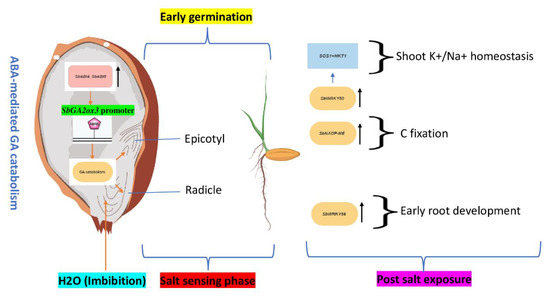
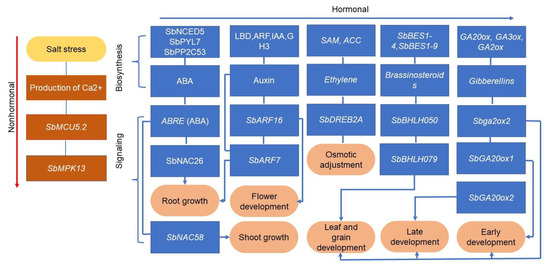
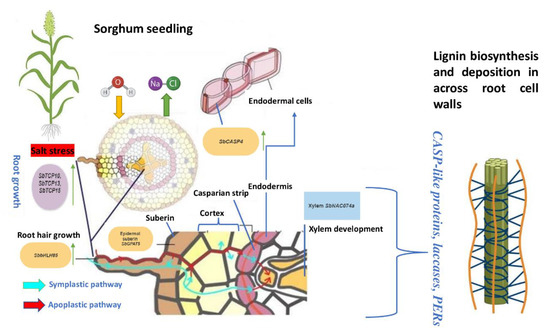
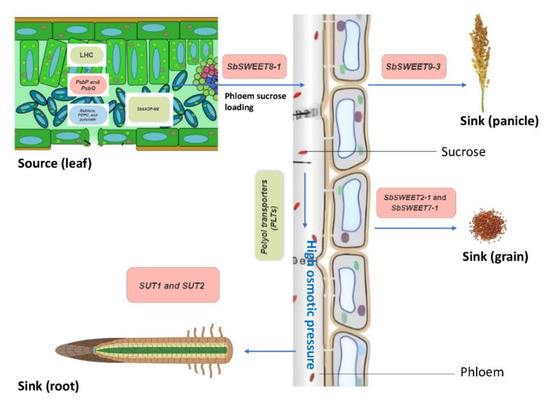
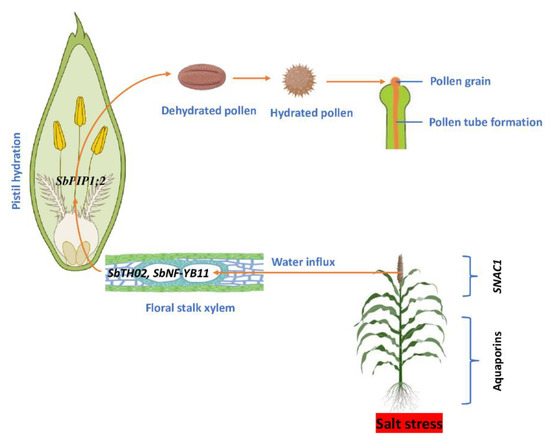
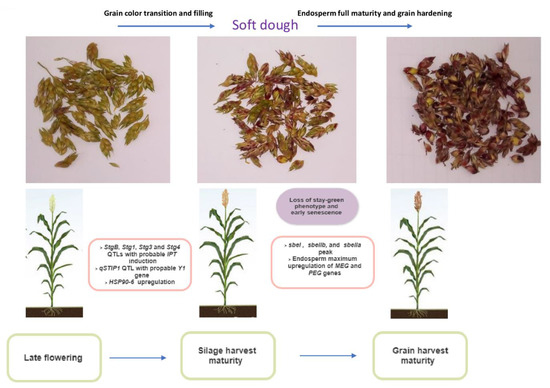
To address the plant adaptability of sorghum (Sorghum bicolor) in salinity, the research focus should shift from only selecting tolerant varieties to understanding the precise whole-plant genetic coping mechanisms with long-term influence on various phenotypes of interest to expanding salinity, improving water use, and ensuring nutrient use efficiency. In this review, we discovered that multiple genes may play pleiotropic regulatory roles in sorghum germination, growth, and development, salt stress response, forage value, and the web of signaling networks. The conserved domain and gene family analysis reveals a remarkable functional overlap among members of the bHLH (basic helix loop helix), WRKY (WRKY DNA-binding domain), and NAC (NAM, ATAF1/2, and CUC2) superfamilies. Shoot water and carbon partitioning, for example, are dominated by genes from the aquaporins and SWEET families, respectively. The gibberellin (GA) family of genes is prevalent during pre-saline exposure seed dormancy breaking and early embryo development at post-saline exposure. To improve the precision of the conventional method of determining silage harvest maturity time, we propose three phenotypes and their underlying genetic mechanisms: (i) the precise timing of transcriptional repression of cytokinin biosynthesis (IPT) and stay green (stg1 and stg2) genes; (ii) the transcriptional upregulation of the SbY1 gene and (iii) the transcriptional upregulation of the HSP90-6 gene responsible for grain filling with nutritive biochemicals. This work presents a potential resource for sorghum salt tolerance and genetic studies for forage and breeding. Full article
(This article belongs to the Section Plant Genetics and Genomics)
Show Figures

Figure 1
17 pages, 2978 KB  
Article
Seasonal Adaptation: Geographic Photoperiod–Temperature Patterns Explain Genetic Variation in the Common Vole Tsh Receptor
by Laura van Rosmalen 1,†, Robin Schepers 1, Wensi Hao 1, Anna S. Przybylska-Piech 1,‡, Jeremy S. Herman 2, Joanna Stojak 3,4, Jan M. Wójcik 3, Louis van de Zande 5, Jeremy B. Searle 6,* and Roelof A. Hut 1
1 Chronobiology Unit, Groningen Institute for Evolutionary Life Sciences, University of Groningen, 9747 Groningen, The Netherlands
2 Department of Natural Sciences, National Museums Scotland, Edinburgh EH1 1JF, UK
3 Mammal Research Institute, Polish Academy of Sciences, 17-230 Białowieża, Poland
4 Department of Experimental Embryology, Institute of Genetics and Animal Biotechnology, Polish Academy of Sciences, Jastrzębiec, 05-552 Magdalenka, Poland
5 Evolutionary Genetics, Development and Behaviour, Groningen Institute of Evolutionary Life Sciences, University of Groningen, 9747 Groningen, The Netherlands
6 Department of Ecology and Evolutionary Biology, Cornell University, Ithaca, NY 14853, USA
Current address: Salk Institute for Biological Studies, La Jolla, CA 92037, USA.
Current address: Department of Vertebrate Zoology and Ecology, Nicolaus Copernicus University, 87-100 Toruń, Poland.
Genes 2023, 14(2), 292; https://doi.org/10.3390/genes14020292 - 22 Jan 2023
Cited by 3 | Viewed by 3072
Abstract
The vertebrate photoperiodic neuroendocrine system uses the photoperiod as a proxy to time the annual rhythms in reproduction. The thyrotropin receptor (TSHR) is a key protein in the mammalian seasonal reproduction pathway. Its abundance and function can tune sensitivity to the photoperiod. To [...] Read more.
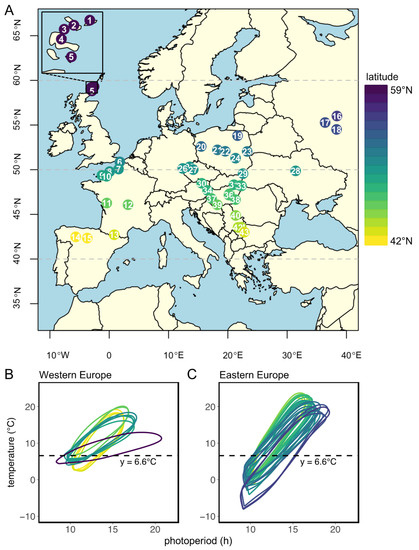
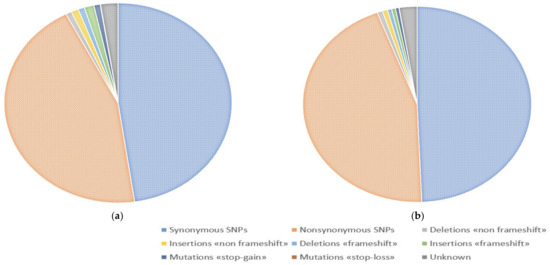
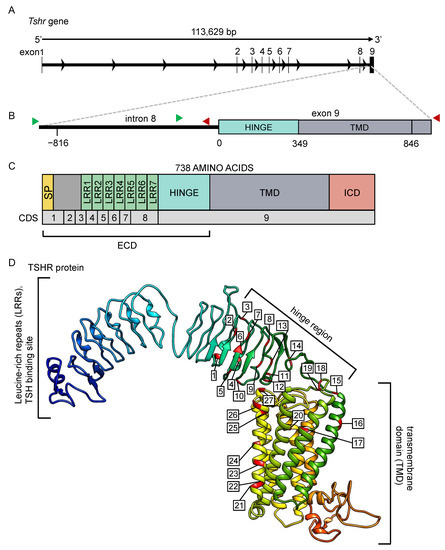
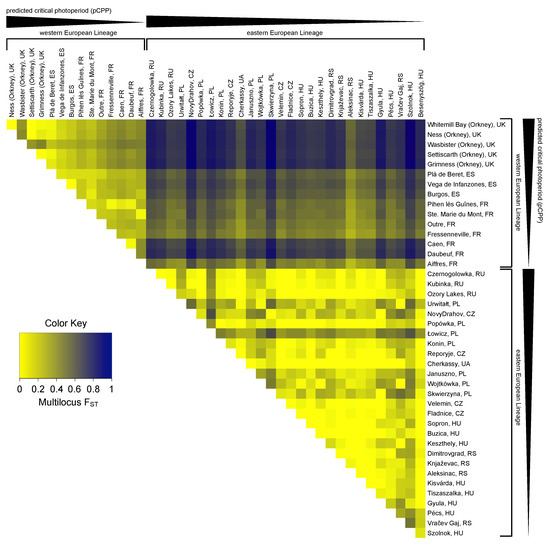
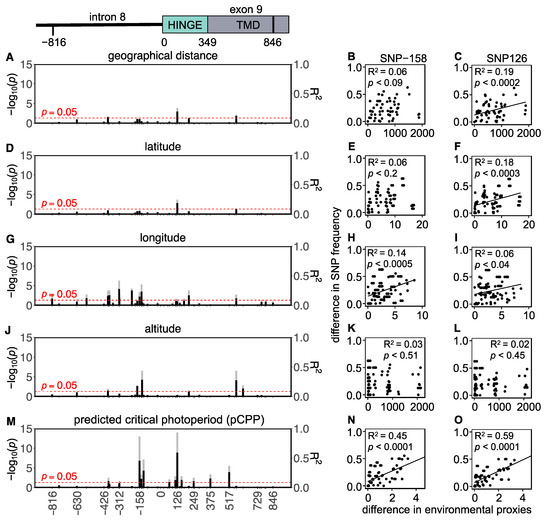
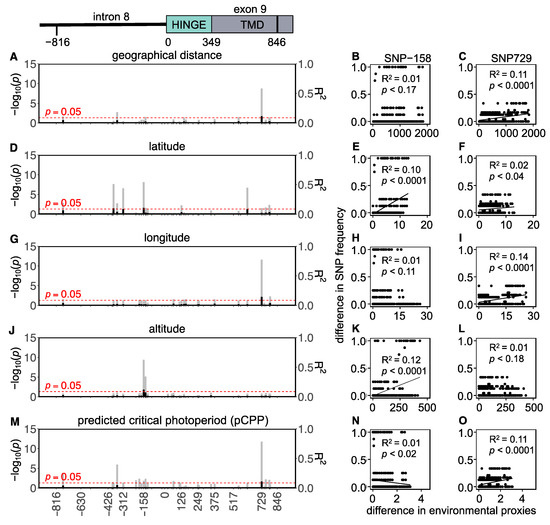
The vertebrate photoperiodic neuroendocrine system uses the photoperiod as a proxy to time the annual rhythms in reproduction. The thyrotropin receptor (TSHR) is a key protein in the mammalian seasonal reproduction pathway. Its abundance and function can tune sensitivity to the photoperiod. To investigate seasonal adaptation in mammals, the hinge region and the first part of the transmembrane domain of the Tshr gene were sequenced for 278 common vole (Microtus arvalis) specimens from 15 localities in Western Europe and 28 localities in Eastern Europe. Forty-nine single nucleotide polymorphisms (SNPs; twenty-two intronic and twenty-seven exonic) were found, with a weak or lack of correlation with pairwise geographical distance, latitude, longitude, and altitude. By applying a temperature threshold to the local photoperiod–temperature ellipsoid, we obtained a predicted critical photoperiod (pCPP) as a proxy for the spring onset of local primary food production (grass). The obtained pCPP explains the distribution of the genetic variation in Tshr in Western Europe through highly significant correlations with five intronic and seven exonic SNPs. The relationship between pCPP and SNPs was lacking in Eastern Europe. Thus, Tshr, which plays a pivotal role in the sensitivity of the mammalian photoperiodic neuroendocrine system, was targeted by natural selection in Western European vole populations, resulting in the optimized timing of seasonal reproduction. Full article
(This article belongs to the Collection Feature Papers in ‘Animal Genetics and Genomics’)
Show Figures

Figure 1
18 pages, 13423 KB  
Article
Stargardt-like Clinical Characteristics and Disease Course Associated with Variants in the WDR19 Gene
by Jana Sajovic 1, Andrej Meglič 1, Marija Volk 2, Aleš Maver 2, Martina Jarc-Vidmar 1,3, Marko Hawlina 1,3 and Ana Fakin 1,3,*
1 Eye Hospital, University Medical Centre Ljubljana, Grablovičeva 46, 1000 Ljubljana, Slovenia
2 Clinical Institute of Genomic Medicine, University Medical Centre Ljubljana, Šlajmerjeva 4, 1000 Ljubljana, Slovenia
3 Faculty of Medicine, University of Ljubljana, Vrazov trg 2, 1000 Ljubljana, Slovenia
Genes 2023, 14(2), 291; https://doi.org/10.3390/genes14020291 - 22 Jan 2023
Cited by 7 | Viewed by 3844
Abstract
Variants in WDR19 (IFT144) have been implicated as another possible cause of Stargardt disease. The purpose of this study was to compare longitudinal multimodal imaging of a WDR19-Stargardt patient, harboring p.(Ser485Ile) and a novel c.(3183+1_3184-1)_(3261+1_3262-1)del variant, with 43 ABCA4-Stargardt patients. Age at onset, [...] Read more.
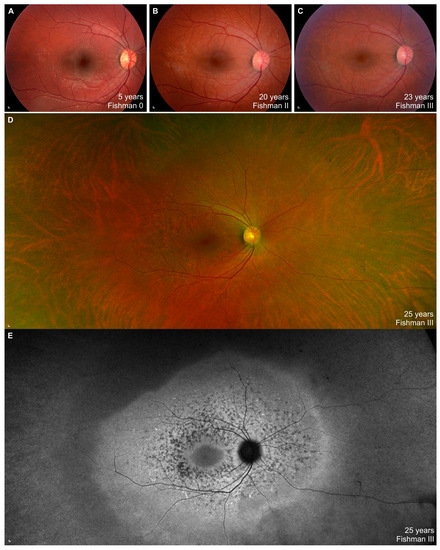
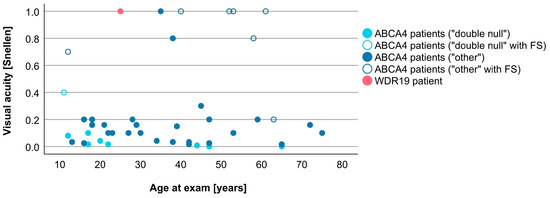
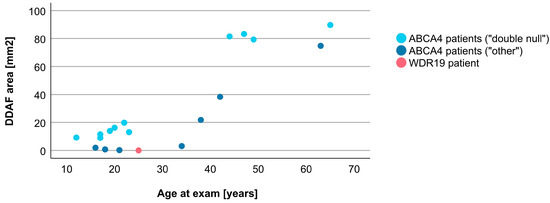
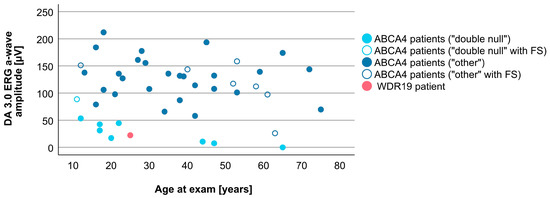
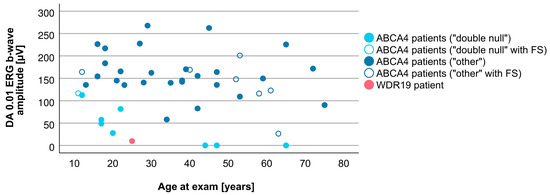
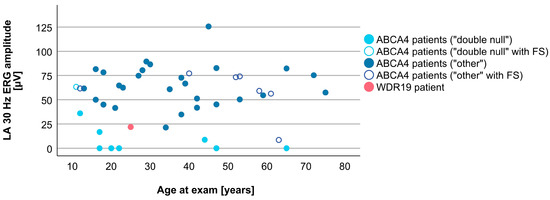
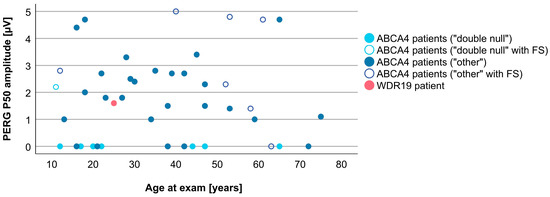
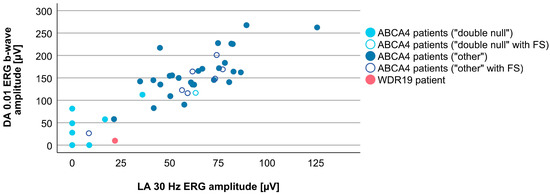
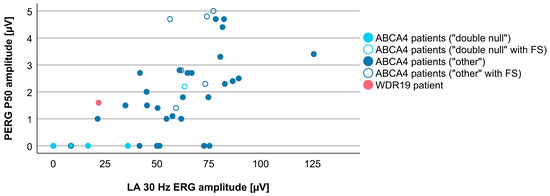
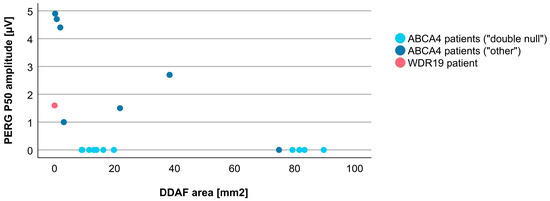
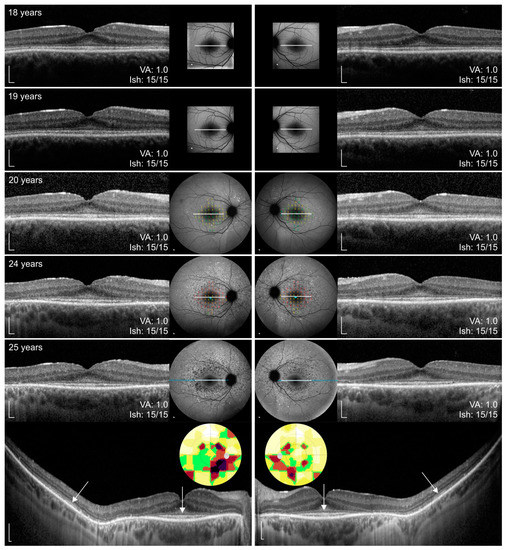
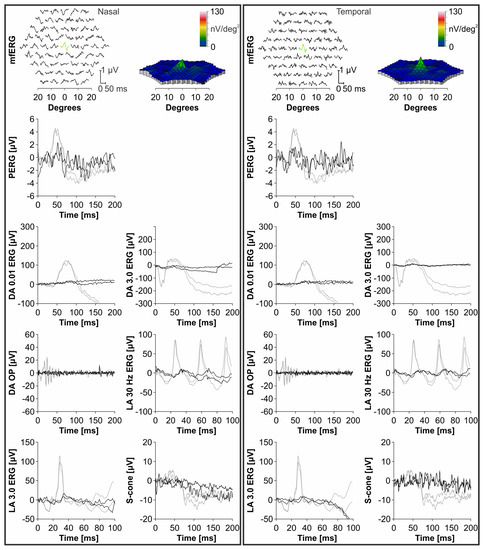
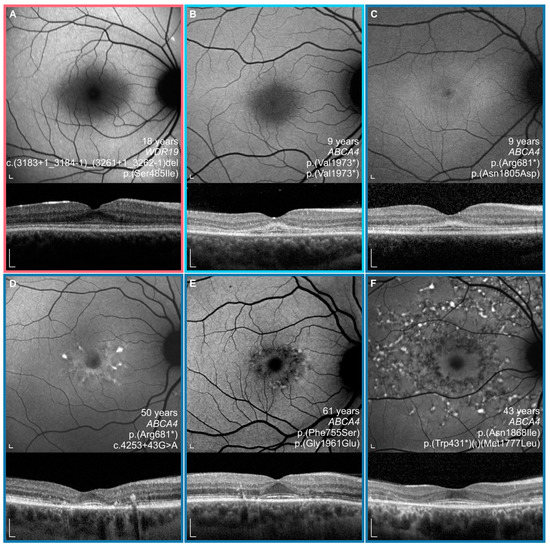
Variants in WDR19 (IFT144) have been implicated as another possible cause of Stargardt disease. The purpose of this study was to compare longitudinal multimodal imaging of a WDR19-Stargardt patient, harboring p.(Ser485Ile) and a novel c.(3183+1_3184-1)_(3261+1_3262-1)del variant, with 43 ABCA4-Stargardt patients. Age at onset, visual acuity, Ishihara color vision, color fundus, fundus autofluorescence (FAF), spectral-domain optical coherence tomography (OCT) images, microperimetry and electroretinography (ERG) were evaluated. First symptom of WDR19 patient was nyctalopia at the age of 5 years. After the age of 18 years, OCT showed hyper-reflectivity at the level of the external limiting membrane/outer nuclear layer. There was abnormal cone and rod photoreceptor function on ERG. Widespread fundus flecks appeared, followed by perifoveal photoreceptor atrophy. Fovea and peripapillary retina remained preserved until the latest exam at 25 years of age. ABCA4 patients had median age of onset at 16 (range 5–60) years and mostly displayed typical Stargardt triad. A total of 19% had foveal sparing. In comparison to ABCA4 patients, the WDR19 patient had a relatively large foveal preservation and severe rod photoreceptor impairment; however, it was still within the ABCA4 disease spectrum. Addition of WDR19 in the group of genes producing phenocopies of Stargardt disease underlines the importance of genetic testing and may help to understand its pathogenesis. Full article
(This article belongs to the Special Issue Genetics in Inherited Retinal Diseases)
Show Figures

Figure 1
18 pages, 4024 KB  
Article
DNA Double-Strand Break-Related Competitive Endogenous RNA Network of Noncoding RNA in Bovine Cumulus Cells
by Jian-Bo Liu 1,2,†, Jia-Bao Zhang 1,†, Xiang-Min Yan 1,3, Peng-Gui Xie 4, Yao Fu 1, Xu-Huang Fu 1, Xu-Lei Sun 1, Dong-Xu Han 1, Sheng-Peng Li 1, Yi Zheng 1, Yan Gao 1, Nam-Hyung Kim 1,5, Bao Yuan 1 and Hao Jiang 1,*
1 Department of Laboratory Animals, College of Animal Sciences, Jilin University, Changchun 130062, China
2 Experimental Testing Center, Jilin Agricultural Science and Technology University, Jilin 132101, China
3 Institute of Animal Husbandry, Xinjiang Academy of Animal Husbandry, Urumqi 830057, China
4 Yili Vocational and Technical College, Yili 835000, China
5 Department of Animal Science, Chungbuk National University, Cheongju 361-763, Republic of Korea
These authors contributed equally to this work.
Genes 2023, 14(2), 290; https://doi.org/10.3390/genes14020290 - 22 Jan 2023
Cited by 5 | Viewed by 2792
Abstract
(1) Background: DNA double strand breaks (DSBs) are the most serious form of DNA damage that affects oocyte maturation and the physiological state of follicles and ovaries. Non-coding RNAs (ncRNAs) play a crucial role in DNA damage and repair. This study aims to [...] Read more.
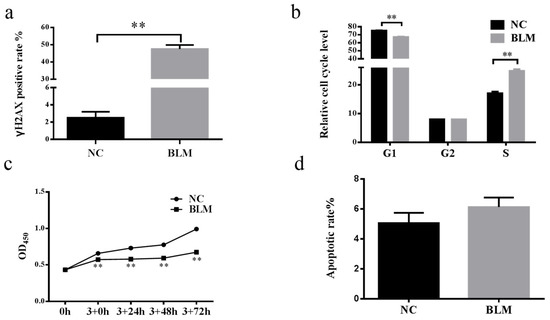
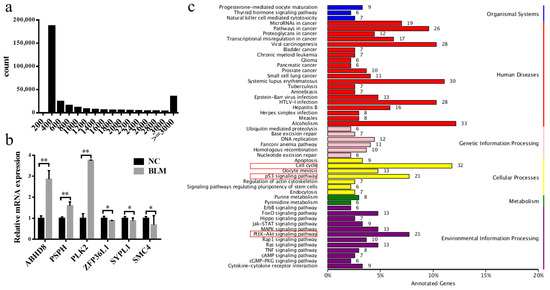
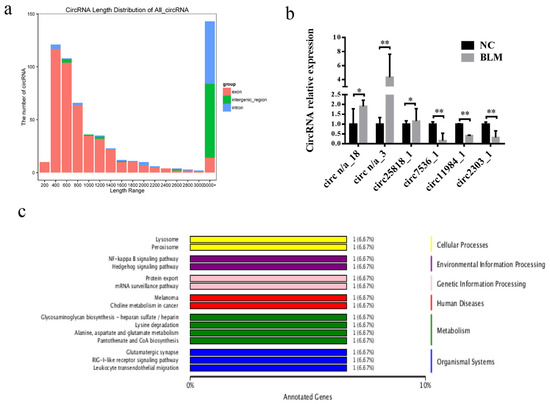
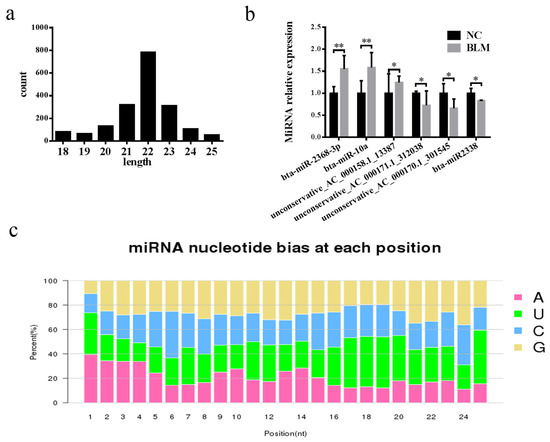
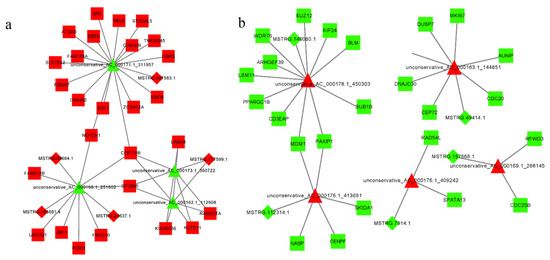
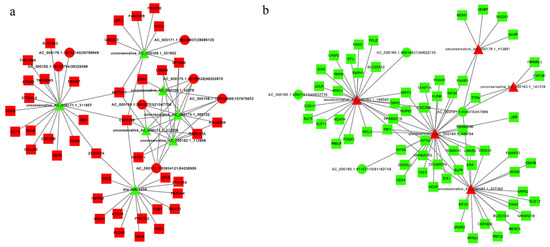
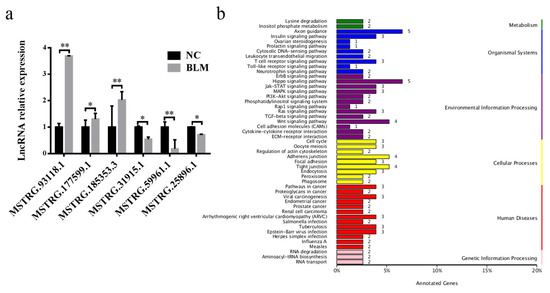
(1) Background: DNA double strand breaks (DSBs) are the most serious form of DNA damage that affects oocyte maturation and the physiological state of follicles and ovaries. Non-coding RNAs (ncRNAs) play a crucial role in DNA damage and repair. This study aims to analyze and establish the network of ncRNAs when DSB occurs and provide new ideas for next research on the mechanism of cumulus DSB. (2) Methods: Bovine cumulus cells (CCs) were treated with bleomycin (BLM) to construct a DSB model. We detected the changes of the cell cycle, cell viability, and apoptosis to determine the effect of DSBs on cell biology, and further evaluated the relationship between the transcriptome and competitive endogenous RNA (ceRNA) network and DSBs. (3) Results: BLM increased γH2AX positivity in CCs, disrupted the G1/S phase, and decreased cell viability. Totals of 848 mRNAs, 75 long noncoding RNAs (lncRNAs), 68 circular RNAs (circRNAs), and 71 microRNAs (miRNAs) in 78 groups of lncRNA–miRNA–mRNA regulatory networks, 275 groups of circRNA–miRNA–mRNA regulatory networks, and five groups of lncRNA/circRNA–miRNA–mRNA co-expression regulatory networks were related to DSBs. Most differentially expressed ncRNAs were annotated to cell cycle, p53, PI3K-AKT, and WNT signaling pathways. (4) Conclusions: The ceRNA network helps to understand the effects of DNA DSBs activation and remission on the biological function of CCs. Full article
(This article belongs to the Special Issue Genetic Regulation of Animal Reproduction)
Show Figures

Figure 1
11 pages, 1448 KB  
Article
Sleep Quality and Duration in Children That Consume Caffeine: Impact of Dose and Genetic Variation in ADORA2A and CYP1A
by Chaten D. Jessel 1, Ankita Narang 2, Rayyan Zuberi 1 and Chad A. Bousman 1,2,3,4,*
1 Cumming School of Medicine, University of Calgary, Calgary, AB T2N4N1, Canada
2 Alberta Children’s Hospital Research Institute, University of Calgary, Calgary, AB T2N4N1, Canada
3 Mathison Centre for Mental Health Research & Education, Hotchkiss Brain Institute, University of Calgary, Calgary, AB T2N4N1, Canada
4 Departments of Medical Genetics, Psychiatry, Physiology & Pharmacology, and Community Health Sciences, University of Calgary, Calgary, AB T2N4N1, Canada
Genes 2023, 14(2), 289; https://doi.org/10.3390/genes14020289 - 22 Jan 2023
Cited by 6 | Viewed by 10390
Abstract
Caffeine is the most consumed drug in the world, and it is commonly used by children. Despite being considered relatively safe, caffeine can have marked effects on sleep. Studies in adults suggest that genetic variants in the adenosine A2A receptor (ADORA2A, [...] Read more.
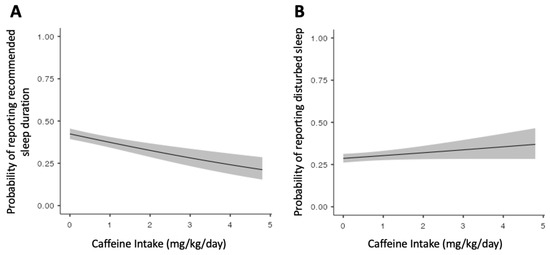
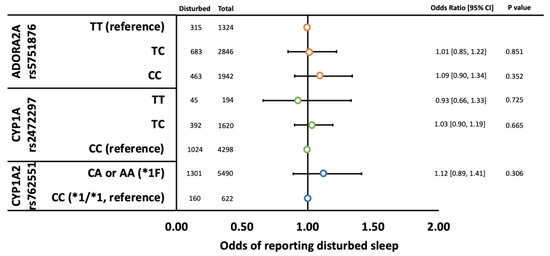
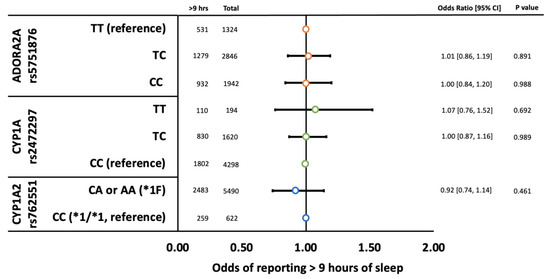
Caffeine is the most consumed drug in the world, and it is commonly used by children. Despite being considered relatively safe, caffeine can have marked effects on sleep. Studies in adults suggest that genetic variants in the adenosine A2A receptor (ADORA2A, rs5751876) and cytochrome P450 1A (CYP1A, rs2472297, rs762551) loci are correlated with caffeine-associated sleep disturbances and caffeine intake (dose), but these associations have not been assessed in children. We examined the independent and interaction effects of daily caffeine dose and candidate variants in ADORA2A and CYP1A on the sleep quality and duration in 6112 children aged 9–10 years who used caffeine and were enrolled in the Adolescent Brain Cognitive Development (ABCD) study. We found that children with higher daily caffeine doses had lower odds of reporting > 9 h of sleep per night (OR = 0.81, 95% CI = 0.74–0.88, and p = 1.2 × 10⁻⁶). For every mg/kg/day of caffeine consumed, there was a 19% (95% CI = 12–26%) decrease in the odds of children reporting > 9 h of sleep. However, neither ADORA2A nor CYP1A genetic variants were associated with sleep quality, duration, or caffeine dose. Likewise, genotype by caffeine dose interactions were not detected. Our findings suggest that a daily caffeine dose has a clear negative correlation with sleep duration in children, but this association is not moderated by the ADORA2A or CYP1A genetic variation. Full article
(This article belongs to the Section Pharmacogenetics)
Show Figures

Figure 1
15 pages, 8115 KB  
Article
The Evolutionary History of a DNA Methylase Reveals Frequent Horizontal Transfer and Within-Gene Recombination
by Sophia P. Gosselin 1, Danielle R. Arsenault 1, Catherine A. Jennings 1 and Johann Peter Gogarten 1,2,*
1 Department of Molecular and Cell Biology, University of Connecticut, Storrs, CT 06268-3125, USA
2 Institute for Systems Genomics, University of Connecticut, Storrs, CT 06268-3125, USA
Genes 2023, 14(2), 288; https://doi.org/10.3390/genes14020288 - 21 Jan 2023
Cited by 2 | Viewed by 2738
Abstract
Inteins, often referred to as protein introns, are highly mobile genetic elements that invade conserved genes throughout the tree of life. Inteins have been found to invade a wide variety of key genes within actinophages. While in the process of conducting a survey [...] Read more.
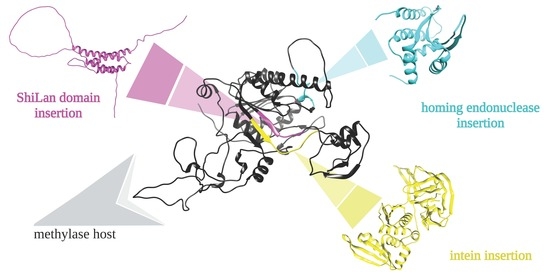
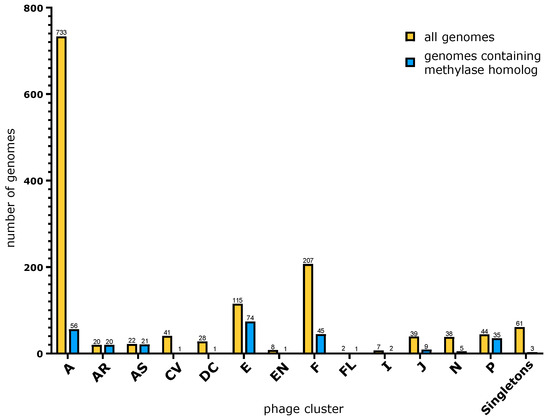
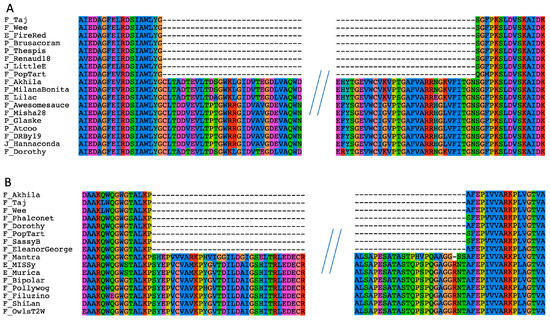
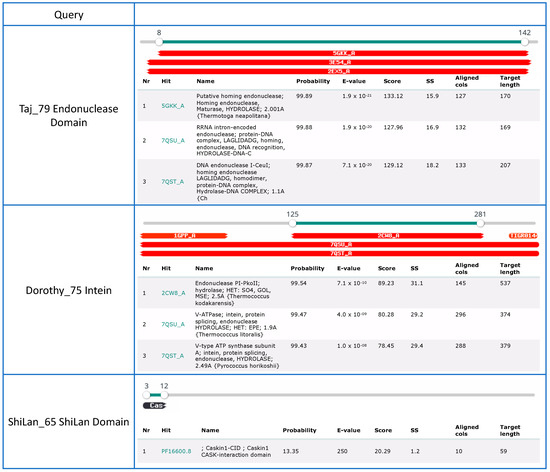
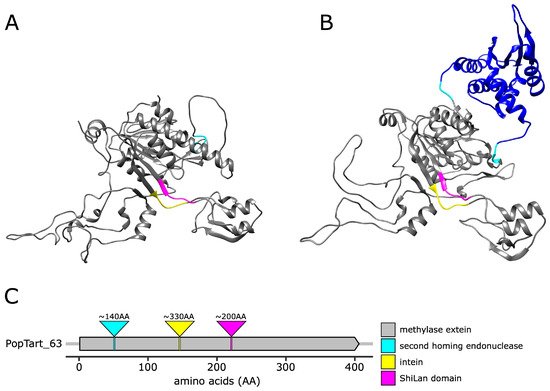
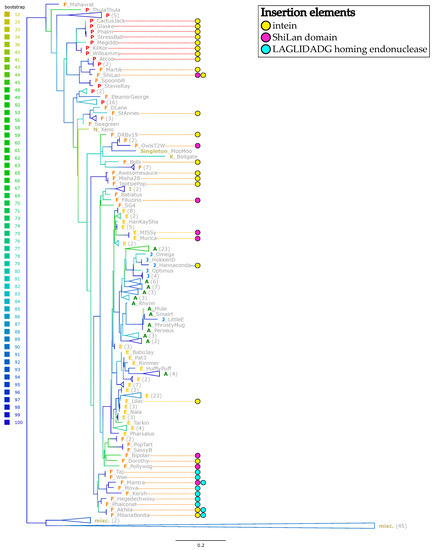
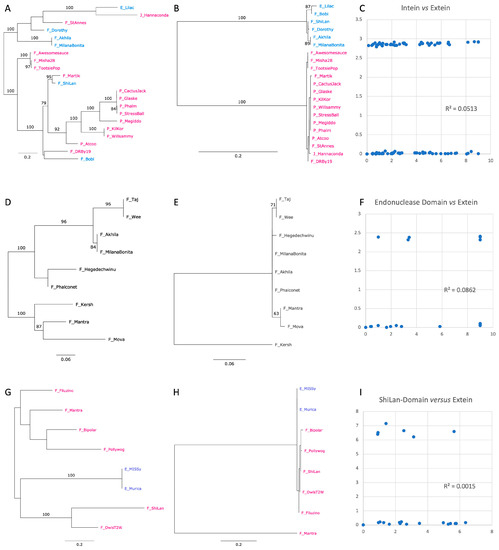
Inteins, often referred to as protein introns, are highly mobile genetic elements that invade conserved genes throughout the tree of life. Inteins have been found to invade a wide variety of key genes within actinophages. While in the process of conducting a survey of these inteins in actinophages, we discovered that one protein family of methylases contained a putative intein, and two other unique insertion elements. These methylases are known to occur commonly in phages as orphan methylases (possibly as a form of resistance to restriction–modification systems). We found that the methylase family is not conserved within phage clusters and has a disparate distribution across divergent phage groups. We determined that two of the three insertion elements have a patchy distribution within the methylase protein family. Additionally, we found that the third insertion element is likely a second homing endonuclease, and that all three elements (the intein, the homing endonuclease, and what we refer to as the ShiLan domain) have different insertion sites that are conserved in the methylase gene family. Furthermore, we find strong evidence that both the intein and ShiLan domain are partaking in long-distance horizontal gene transfer events between divergent methylases in disparate phage hosts within the already dispersed methylase distribution. The reticulate evolutionary history of methylases and their insertion elements reveals high rates of gene transfer and within-gene recombination in actinophages. Full article
(This article belongs to the Special Issue Feature Papers: Molecular Genetics and Genomics 2023)
Show Figures

Graphical abstract

15 pages, 3272 KB  
Article
Stage-Specific Transcriptomes of the Mussel Mytilus coruscus Reveals the Developmental Program for the Planktonic to Benthic Transition
by Yu-Qing Wang 1,2,†, Qi Liu 3,†, Yan Zhou 1,2, Lizhi Chen 3, Yue-Ming Yang 1,2, Xue Shi 1,2, Deborah M. Power 1,2,4,* and Yi-Feng Li 1,2,*
1 International Research Center for Marine Biosciences, Ministry of Science and Technology, Shanghai Ocean University, Shanghai 201306, China
2 Key Laboratory of Exploration and Utilization of Aquatic Genetic Resources, Ministry of Education, Shanghai Ocean University, Shanghai 201306, China
3 Aquatic Technology Promotion Station, Sanmen Rural Bureau, Taizhou 317199, China
4 Comparative Endocrinology and Integrative Biology, Centro de Ciências do Mar (CCMAR), Universidade do Algarve, Campus de Gambelas, 8005-139 Faro, Portugal
These authors have contributed equally to this work.
Genes 2023, 14(2), 287; https://doi.org/10.3390/genes14020287 - 21 Jan 2023
Cited by 15 | Viewed by 4163
Abstract
Many marine invertebrate larvae undergo complex morphological and physiological changes during the planktonic—benthic transition (a.k.a. metamorphosis). In this study, transcriptome analysis of different developmental stages was used to uncover the molecular mechanisms underpinning larval settlement and metamorphosis of the mussel, Mytilus coruscus. [...] Read more.
Many marine invertebrate larvae undergo complex morphological and physiological changes during the planktonic—benthic transition (a.k.a. metamorphosis). In this study, transcriptome analysis of different developmental stages was used to uncover the molecular mechanisms underpinning larval settlement and metamorphosis of the mussel, Mytilus coruscus. Analysis of highly upregulated differentially expressed genes (DEGs) at the pediveliger stage revealed enrichment of immune-related genes. The results may indicate that larvae co-opt molecules of the immune system to sense and respond to external chemical cues and neuroendocrine signaling pathways forecast and trigger the response. The upregulation of adhesive protein genes linked to byssal thread secretion indicates the anchoring capacity required for larval settlement arises prior to metamorphosis. The results of gene expression support a role for the immune and neuroendocrine systems in mussel metamorphosis and provide the basis for future studies to disentangle gene networks and the biology of this important lifecycle transformation. Full article
(This article belongs to the Special Issue Genetic Breeding and Genomics of Marine Shellfish)
Show Figures

Figure 1
18 pages, 1597 KB  
Review
Novel Insights into Mitochondrial DNA: Mitochondrial Microproteins and mtDNA Variants Modulate Athletic Performance and Age-Related Diseases
by Hiroshi Kumagai 1, Brendan Miller 1, Su-Jeong Kim 1, Naphada Leelaprachakul 1, Naoki Kikuchi 2, Kelvin Yen 1 and Pinchas Cohen 1,*
1 The Leonard Davis School of Gerontology, University of Southern California, Los Angeles, CA 90089, USA
2 Graduate School of Health and Sport Science, Nippon Sport Science University, Setagaya-ku, Tokyo 158-8508, Japan
Genes 2023, 14(2), 286; https://doi.org/10.3390/genes14020286 - 21 Jan 2023
Cited by 27 | Viewed by 9202
Abstract
Sports genetics research began in the late 1990s and over 200 variants have been reported as athletic performance- and sports injuries-related genetic polymorphisms. Genetic polymorphisms in the α-actinin-3 (ACTN3) and angiotensin-converting enzyme (ACE) genes are well-established for athletic performance, while collagen-, inflammation-, and [...] Read more.
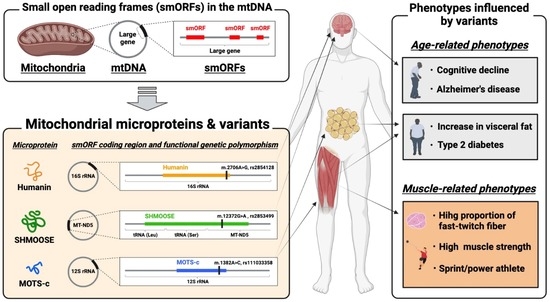
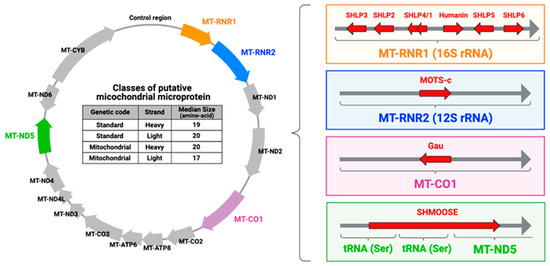
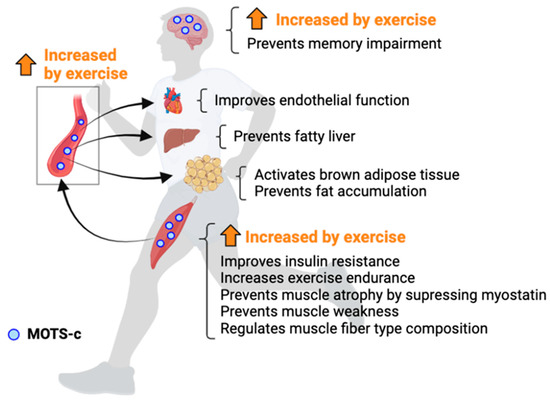
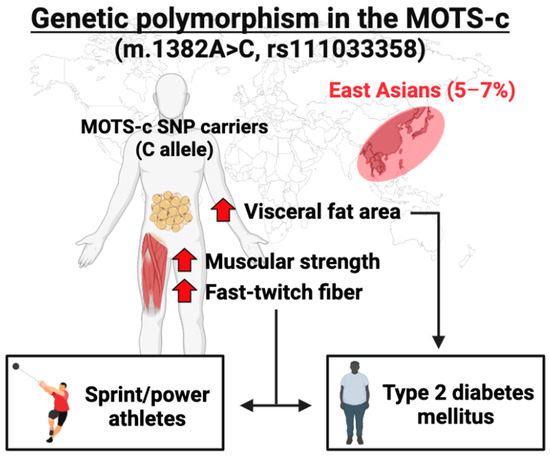
Sports genetics research began in the late 1990s and over 200 variants have been reported as athletic performance- and sports injuries-related genetic polymorphisms. Genetic polymorphisms in the α-actinin-3 (ACTN3) and angiotensin-converting enzyme (ACE) genes are well-established for athletic performance, while collagen-, inflammation-, and estrogen-related genetic polymorphisms are reported as genetic markers for sports injuries. Although the Human Genome Project was completed in the early 2000s, recent studies have discovered previously unannotated microproteins encoded in small open reading frames. Mitochondrial microproteins (also called mitochondrial-derived peptides) are encoded in the mtDNA, and ten mitochondrial microproteins, such as humanin, MOTS-c (mitochondrial ORF of the 12S rRNA type-c), SHLPs 1–6 (small humanin-like peptides 1 to 6), SHMOOSE (Small Human Mitochondrial ORF Over SErine tRNA), and Gau (gene antisense ubiquitous in mtDNAs) have been identified to date. Some of those microproteins have crucial roles in human biology by regulating mitochondrial function, and those, including those to be discovered in the future, could contribute to a better understanding of human biology. This review describes a basic concept of mitochondrial microproteins and discusses recent findings about the potential roles of mitochondrial microproteins in athletic performance as well as age-related diseases. Full article
(This article belongs to the Section Molecular Genetics and Genomics)
Show Figures

Graphical abstract

17 pages, 3022 KB  
Article
Ablation of Gabra5 Influences Corticosterone Levels and Anxiety-like Behavior in Mice
by Linn Amanda Syding 1, Agnieszka Kubik-Zahorodna 2,*, David Pajuelo Reguera 2, Petr Nickl 1,2, Bohdana Hruskova 3, Michaela Kralikova 3, Jana Kopkanova 2, Vendula Novosadova 2, Petr Kasparek 2, Jan Prochazka 1,2, Jan Rozman 2, Rostislav Turecek 3 and Radislav Sedlacek 1,2,*
1 Laboratory of Transgenic Models of Diseases, Institute of Molecular Genetics of the CAS, 25250 Vestec, Czech Republic
2 Czech Centre for Phenogenomics, Institute of Molecular Genetics of the CAS, 25250 Vestec, Czech Republic
3 Department of Auditory Neuroscience, Institute of Experimental Medicine of the Czech Academy of Sciences, 14220 Prague, Czech Republic
Genes 2023, 14(2), 285; https://doi.org/10.3390/genes14020285 - 21 Jan 2023
Cited by 1 | Viewed by 3440
Abstract
Stress responses are activated by the hypothalamic-pituitary-adrenal axis (HPA axis), culminating in the release of glucocorticoids. During prolonged periods of secretion of glucocorticoids or inappropriate behavioral responses to a stressor, pathologic conditions may occur. Increased glucocorticoid concentration is linked to generalized anxiety, and [...] Read more.
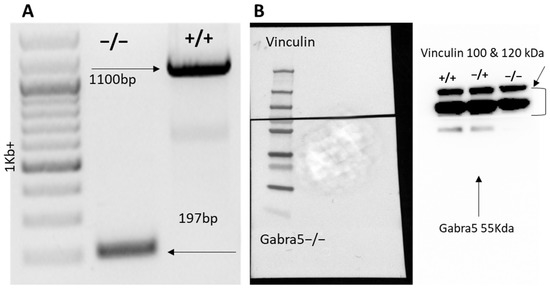
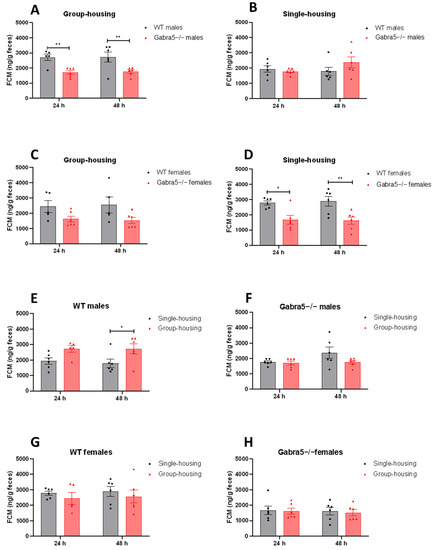
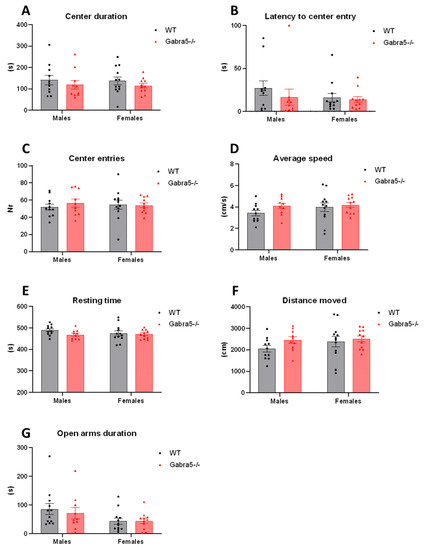
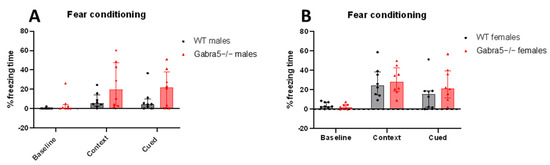
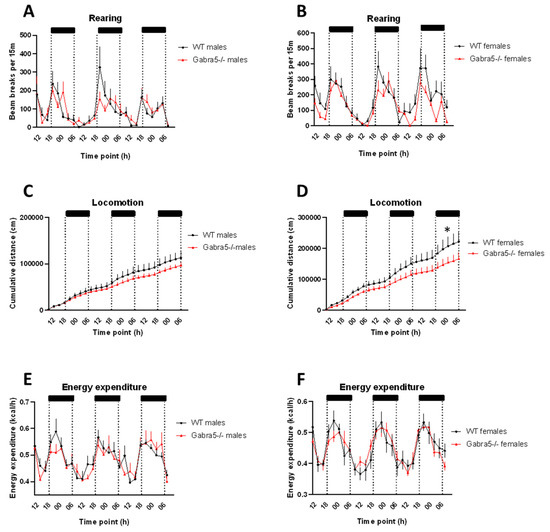
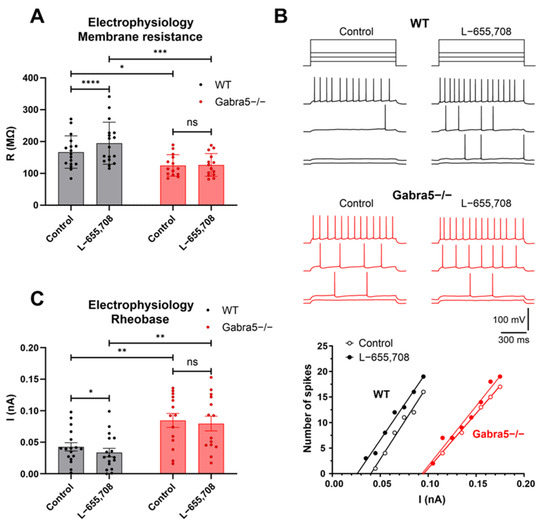
Stress responses are activated by the hypothalamic-pituitary-adrenal axis (HPA axis), culminating in the release of glucocorticoids. During prolonged periods of secretion of glucocorticoids or inappropriate behavioral responses to a stressor, pathologic conditions may occur. Increased glucocorticoid concentration is linked to generalized anxiety, and there are knowledge gaps regarding its regulation. It is known that the HPA axis is under GABAergic control, but the contribution of the individual subunits of the GABA receptor is largely unknown. In this study, we investigated the relationship between the α5 subunit and corticosterone levels in a new mouse model deficient for Gabra5, which is known to be linked to anxiety disorders in humans and phenologs observed in mice. We observed decreased rearing behavior, suggesting lower anxiety in the Gabra5−/− animals; however, such a phenotype was absent in the open field and elevated plus maze tests. In addition to decreased rearing behavior, we also found decreased levels of fecal corticosterone metabolites in Gabra5−/− mice indicating a lowered stress response. Moreover, based on the electrophysiological recordings where we observed a hyperpolarized state of hippocampal neurons, we hypothesize that the constitutive ablation of the Gabra5 gene leads to functional compensation with other channels or GABA receptor subunits in this model. Full article
(This article belongs to the Section Molecular Genetics and Genomics)
Show Figures

Figure 1
14 pages, 2836 KB  
Article
Identification of TRPC6 as a Novel Diagnostic Biomarker of PM-Induced Chronic Obstructive Pulmonary Disease Using Machine Learning Models
by Kyu-Ree Dhong 1, Jae-Hyeong Lee 2, You-Rim Yoon 2 and Hye-Jin Park 1,*
1 Department of Food Science and Biotechnology, College of BioNano Technology, Gachon University, 1342 Seongnam-daero, Sujeong-gu, Seongnam-si 13120, Republic of Korea
2 Department of Computer Engineering, College of Information Technology, Gachon University, 1342 Seongnam-daero, Sujeong-gu, Seongnam-si 13120, Republic of Korea
Genes 2023, 14(2), 284; https://doi.org/10.3390/genes14020284 - 21 Jan 2023
Cited by 7 | Viewed by 3683
Abstract
Chronic obstructive pulmonary disease (COPD) was the third most prevalent cause of mortality worldwide in 2010; it results from a progressive and fatal deterioration of lung function because of cigarette smoking and particulate matter (PM). Therefore, it is important to identify molecular biomarkers [...] Read more.
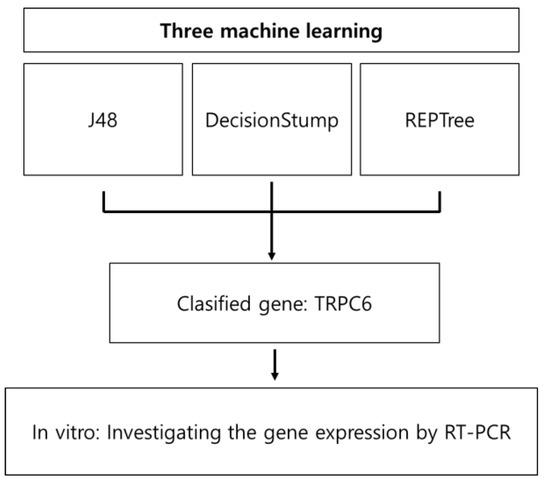
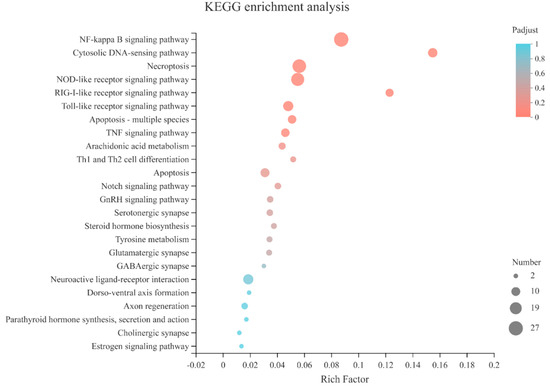
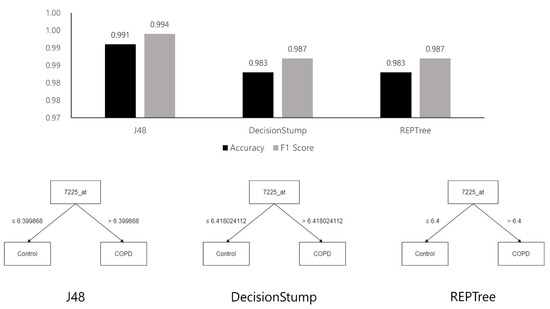
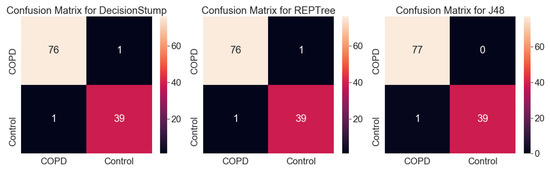
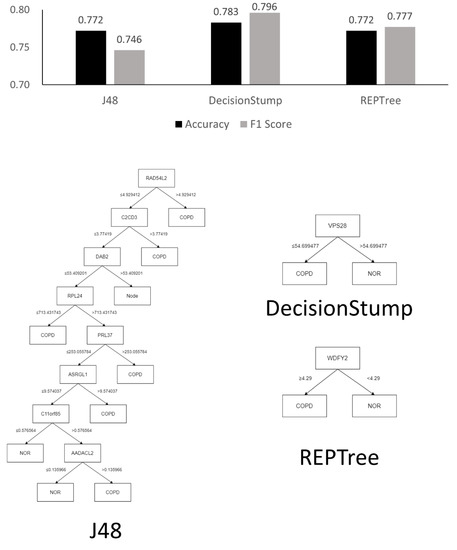
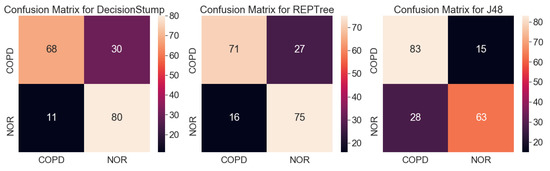
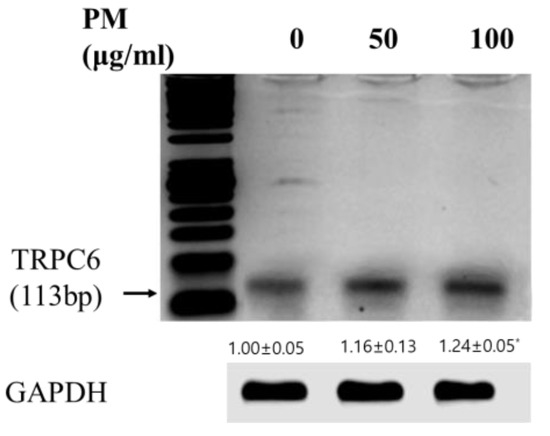
Chronic obstructive pulmonary disease (COPD) was the third most prevalent cause of mortality worldwide in 2010; it results from a progressive and fatal deterioration of lung function because of cigarette smoking and particulate matter (PM). Therefore, it is important to identify molecular biomarkers that can diagnose the COPD phenotype to plan therapeutic efficacy. To identify potential novel biomarkers of COPD, we first obtained COPD and the normal lung tissue gene expression dataset GSE151052 from the NCBI Gene Expression Omnibus (GEO). A total of 250 differentially expressed genes (DEGs) were investigated and analyzed using GEO2R, gene ontology (GO) functional annotation, and Kyoto Encyclopedia of Genes and Genomes (KEGG) identification. The GEO2R analysis revealed that TRPC6 was the sixth most highly expressed gene in patients with COPD. The GO analysis indicated that the upregulated DEGs were mainly concentrated in the plasma membrane, transcription, and DNA binding. The KEGG pathway analysis indicated that the upregulated DEGs were mainly involved in pathways related to cancer and axon guidance. TRPC6, one of the most abundant genes among the top 10 differentially expressed total RNAs (fold change ≥ 1.5) between the COPD and normal groups, was selected as a novel COPD biomarker based on the results of the GEO dataset and analysis using machine learning models. The upregulation of TRPC6 was verified in PM-stimulated RAW264.7 cells, which mimicked COPD conditions, compared to untreated RAW264.7 cells by a quantitative reverse transcription polymerase chain reaction. In conclusion, our study suggests that TRPC6 can be regarded as a potential novel biomarker for COPD pathogenesis. Full article
(This article belongs to the Collection Feature Papers in Bioinformatics)
Show Figures

Figure 1
13 pages, 2515 KB  
Review
Genetic Improvement and Application Practices of Synthetic Hexaploid Wheat
by Hongshen Wan 1,2,3,†, Fan Yang 2,4,†, Jun Li 1,2,3, Qin Wang 1,2,3, Zehou Liu 1,2,3, Yonglu Tang 1,2,3 and Wuyun Yang 1,2,3,*
1 Crop Research Institute, Sichuan Academy of Agricultural Sciences, Chengdu 610066, China
2 Key Laboratory of Wheat Biology and Genetic Improvement on Southwestern China, Ministry of Agriculture and Rural Affairs, Chengdu 610066, China
3 Environment-Friendly Crop Germplasm Innovation and Genetic Improvement Key Laboratory of Sichuan Province, Chengdu 610066, China
4 Biotechnology and Nuclear Technology Research Institute, Sichuan Academy of Agricultural Sciences, Chengdu 610066, China
These authors contributed equally to this article.
Genes 2023, 14(2), 283; https://doi.org/10.3390/genes14020283 - 21 Jan 2023
Cited by 14 | Viewed by 4388
Abstract
Synthetic hexaploid wheat (SHW) is a useful genetic resource that can be used to improve the performance of common wheat by transferring favorable genes from a wide range of tetraploid or diploid donors. From the perspectives of physiology, cultivation, and molecular genetics, the [...] Read more.
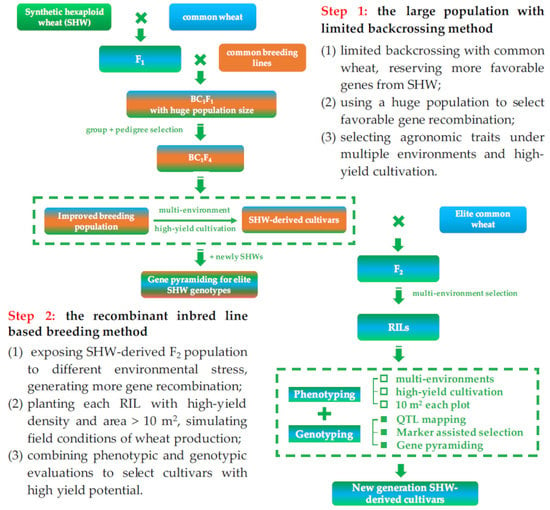
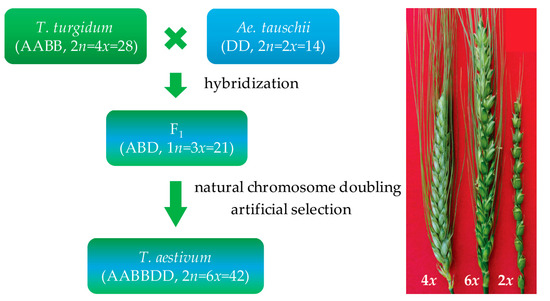
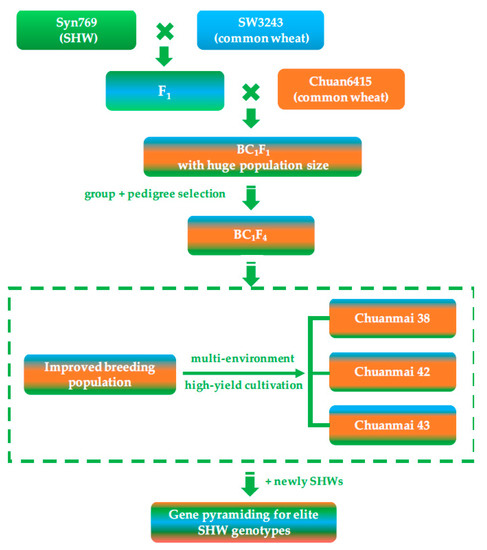
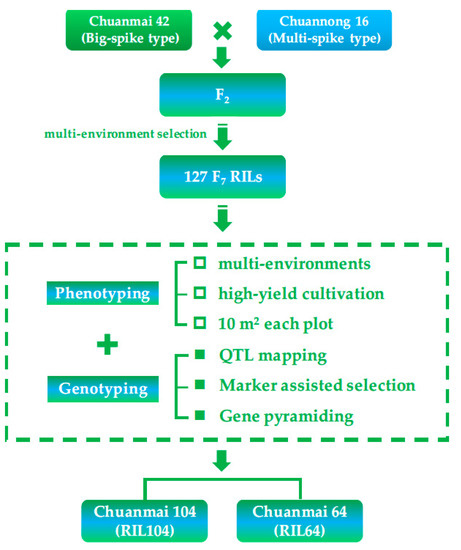
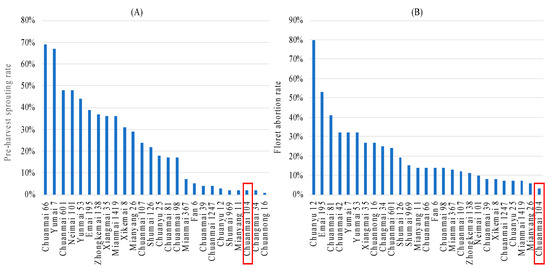
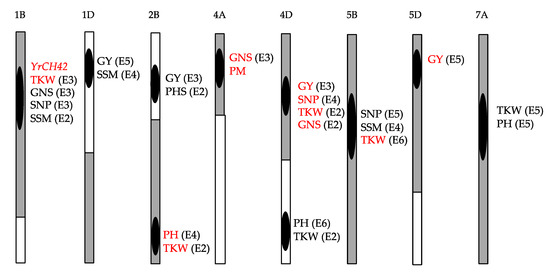
Synthetic hexaploid wheat (SHW) is a useful genetic resource that can be used to improve the performance of common wheat by transferring favorable genes from a wide range of tetraploid or diploid donors. From the perspectives of physiology, cultivation, and molecular genetics, the use of SHW has the potential to increase wheat yield. Moreover, genomic variation and recombination were enhanced in newly formed SHW, which could generate more genovariation or new gene combinations compared to ancestral genomes. Accordingly, we presented a breeding strategy for the application of SHW—the ‘large population with limited backcrossing method’—and we pyramided stripe rust resistance and big-spike-related QTLs/genes from SHW into new high-yield cultivars, which represents an important genetic basis of big-spike wheat in southwestern China. For further breeding applications of SHW-derived cultivars, we used the ‘recombinant inbred line-based breeding method’ that combines both phenotypic and genotypic evaluations to pyramid multi-spike and pre-harvest sprouting resistance QTLs/genes from other germplasms to SHW-derived cultivars; consequently, we created record-breaking high-yield wheat in southwestern China. To meet upcoming environmental challenges and continuous global demand for wheat production, SHW with broad genetic resources from wild donor species will play a major role in wheat breeding. Full article
(This article belongs to the Special Issue Genetics Studies on Wheat)
Show Figures

Graphical abstract

19 pages, 3296 KB  
Article
A Network-Based Approach for Improving Annotation of Transcription Factor Functions and Binding Sites in Arabidopsis thaliana
by Tanzira Najnin 1, Sakhawat Hossain Saimon 1, Garry Sunter 2 and Jianhua Ruan 1,*
1 Department of Computer Science, The University of Texas at San Antonio, San Antonio, TX 78249, USA
2 Department of Biological Sciences, Northern Illinois University, DeKalb, IL 60115, USA
Genes 2023, 14(2), 282; https://doi.org/10.3390/genes14020282 - 21 Jan 2023
Cited by 1 | Viewed by 2640
Abstract
Transcription factors are an integral component of the cellular machinery responsible for regulating many biological processes, and they recognize distinct DNA sequence patterns as well as internal/external signals to mediate target gene expression. The functional roles of an individual transcription factor can be [...] Read more.
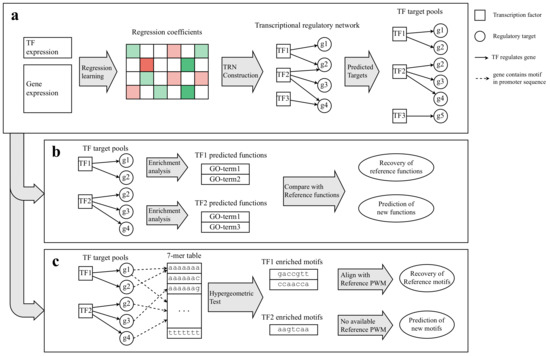
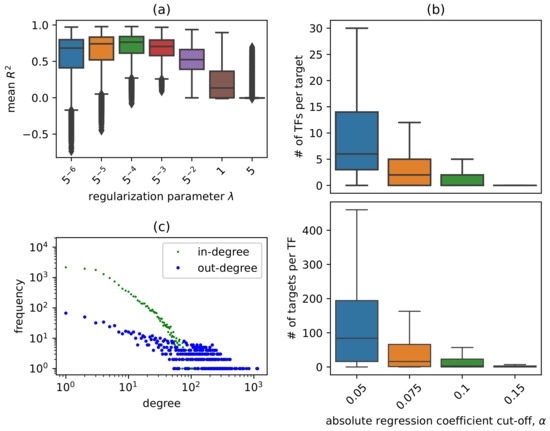
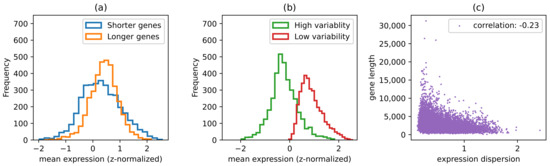
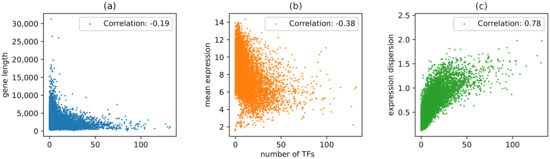
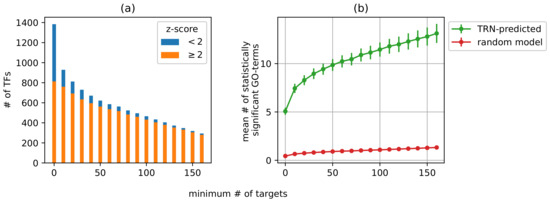
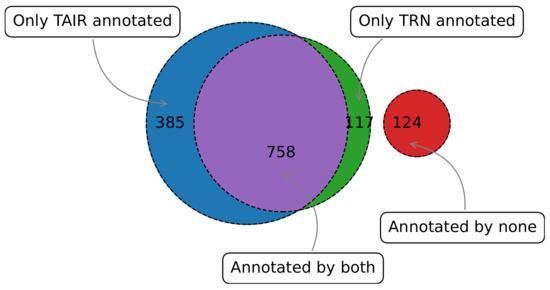
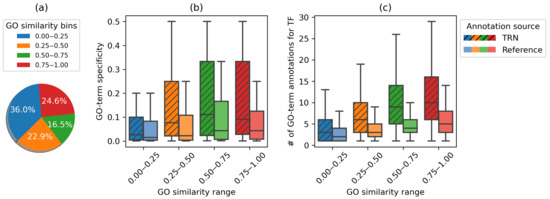
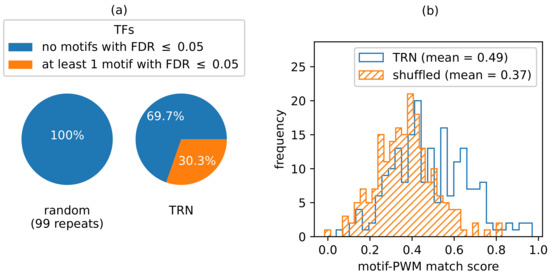
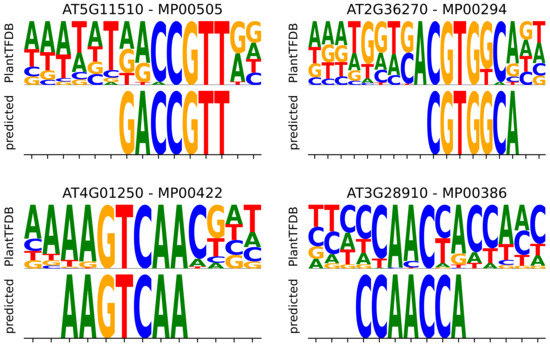
Transcription factors are an integral component of the cellular machinery responsible for regulating many biological processes, and they recognize distinct DNA sequence patterns as well as internal/external signals to mediate target gene expression. The functional roles of an individual transcription factor can be traced back to the functions of its target genes. While such functional associations can be inferred through the use of binding evidence from high-throughput sequencing technologies available today, including chromatin immunoprecipitation sequencing, such experiments can be resource-consuming. On the other hand, exploratory analysis driven by computational techniques can alleviate this burden by narrowing the search scope, but the results are often deemed low-quality or non-specific by biologists. In this paper, we introduce a data-driven, statistics-based strategy to predict novel functional associations for transcription factors in the model plant Arabidopsis thaliana. To achieve this, we leverage one of the largest available gene expression compendia to build a genome-wide transcriptional regulatory network and infer regulatory relationships among transcription factors and their targets. We then use this network to build a pool of likely downstream targets for each transcription factor and query each target pool for functionally enriched gene ontology terms. The results exhibited sufficient statistical significance to annotate most of the transcription factors in Arabidopsis with highly specific biological processes. We also perform DNA binding motif discovery for transcription factors based on their target pool. We show that the predicted functions and motifs strongly agree with curated databases constructed from experimental evidence. In addition, statistical analysis of the network revealed interesting patterns and connections between network topology and system-level transcriptional regulation properties. We believe that the methods demonstrated in this work can be extended to other species to improve the annotation of transcription factors and understand transcriptional regulation on a system level. Full article
(This article belongs to the Section Bioinformatics)
Show Figures

Figure 1
19 pages, 3872 KB  
Article
Altered Nucleotide Insertion Mechanisms of Disease-Associated TERT Variants
by Griffin A. Welfer 1,2, Veniamin A. Borin 3, Luis M. Cortez 2,4, Patricia L. Opresko 5, Pratul K. Agarwal 3 and Bret D. Freudenthal 1,2,4,*
1 Department of Biochemistry and Molecular Biology, University of Kansas Medical Center, Kansas City, KS 66103, USA
2 University of Kansas Cancer Center, Kansas City, KS 66103, USA
3 Department of Physiological Sciences and High-Performance Computing Center, Oklahoma State University, Stillwater, OK 74077, USA
4 Department of Cancer Biology, University of Kansas Medical Center, Kansas City, KS 66103, USA
5 Department of Environmental and Occupational Health, University of Pittsburgh Graduate School of Public Health, and UPMC Hillman Cancer Center, Pittsburgh, PA 15232, USA
Genes 2023, 14(2), 281; https://doi.org/10.3390/genes14020281 - 21 Jan 2023
Cited by 2 | Viewed by 3183
Abstract
Telomere biology disorders (TBDs) are a spectrum of diseases that arise from mutations in genes responsible for maintaining telomere integrity. Human telomerase reverse transcriptase (hTERT) adds nucleotides to chromosome ends and is frequently mutated in individuals with TBDs. Previous studies have provided insight [...] Read more.
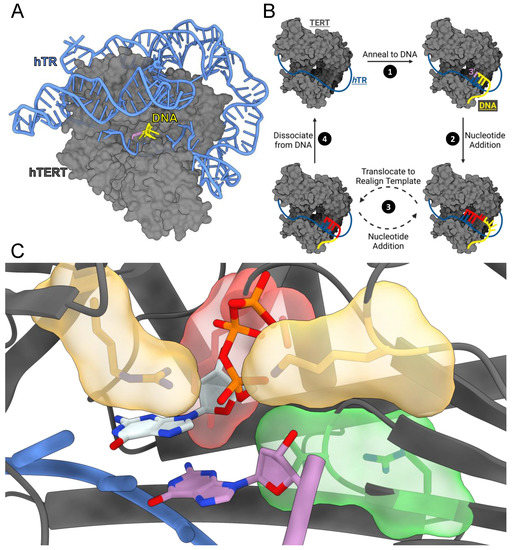
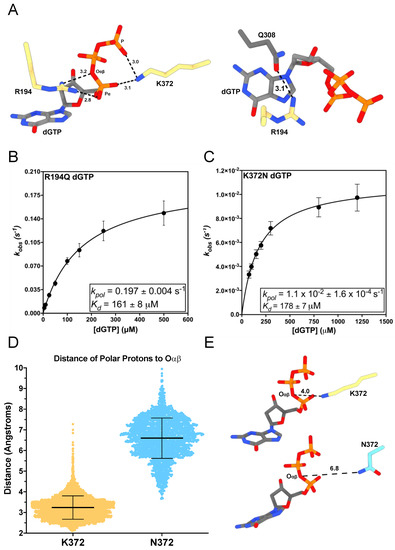
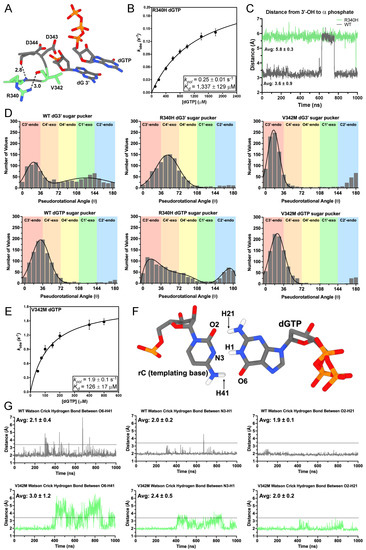
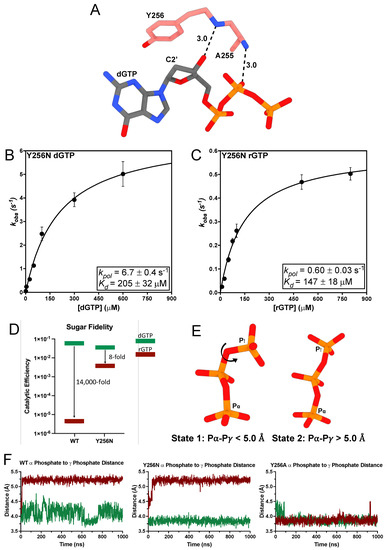
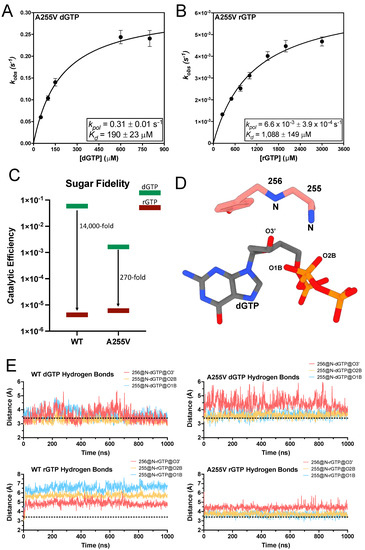
Telomere biology disorders (TBDs) are a spectrum of diseases that arise from mutations in genes responsible for maintaining telomere integrity. Human telomerase reverse transcriptase (hTERT) adds nucleotides to chromosome ends and is frequently mutated in individuals with TBDs. Previous studies have provided insight into how relative changes in hTERT activity can lead to pathological outcomes. However, the underlying mechanisms describing how disease-associated variants alter the physicochemical steps of nucleotide insertion remain poorly understood. To address this, we applied single-turnover kinetics and computer simulations to the Tribolium castaneum TERT (tcTERT) model system and characterized the nucleotide insertion mechanisms of six disease-associated variants. Each variant had distinct consequences on tcTERT’s nucleotide insertion mechanism, including changes in nucleotide binding affinity, rates of catalysis, or ribonucleotide selectivity. Our computer simulations provide insight into how each variant disrupts active site organization, such as suboptimal positioning of active site residues, destabilization of the DNA 3′ terminus, or changes in nucleotide sugar pucker. Collectively, this work provides a holistic characterization of the nucleotide insertion mechanisms for multiple disease-associated TERT variants and identifies additional functions of key active site residues during nucleotide insertion. Full article
(This article belongs to the Special Issue DNA Replication/Repair, and the DNA Damage Response in Human Disease)
Show Figures

Figure 1
15 pages, 69749 KB  
Article
Whole Exome Sequencing Study Suggests an Impact of FANCA, CDH1 and VEGFA Genes on Diffuse Gastric Cancer Development
by Alfiia Nurgalieva 1,*, Lilia Galliamova 1, Natalia Ekomasova 1, Maria Yankina 2, Dina Sakaeva 3, Ruslan Valiev 1, Darya Prokofyeva 1, Murat Dzhaubermezov 1, Yuliya Fedorova 1, Shamil Khusnutdinov 3 and Elza Khusnutdinova 1,2
1 Federal State Budgetary Educational Institution of Higher Education, Ufa University of Science and Technology, 450076 Ufa, Russia
2 Institute of Biochemistry and Genetics, Ufa Federal Research Center of the Russian Academy of Sciences, 450054 Ufa, Russia
3 Federal State Educational Institution of Higher Education, Bashkir State Medical University, 450008 Ufa, Russia
Genes 2023, 14(2), 280; https://doi.org/10.3390/genes14020280 - 21 Jan 2023
Cited by 6 | Viewed by 3158
Abstract
Gastric cancer (GC) is one of the most common cancer types in the world with a high mortality rate. Hereditary predisposition for GC is not fully elucidated so far. The aim of this study was identification of possible new candidate genes, associated with [...] Read more.
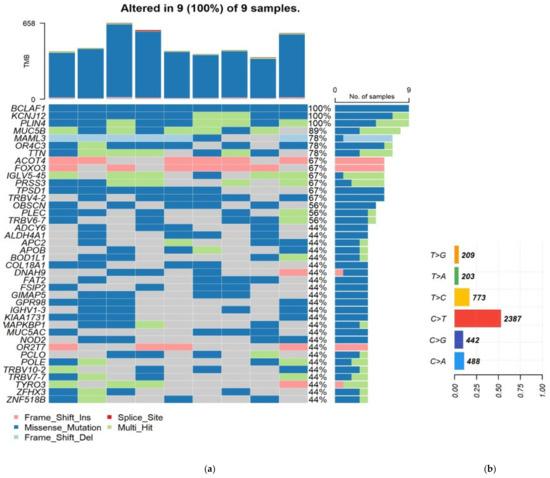
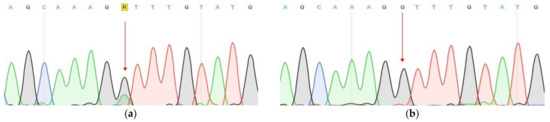
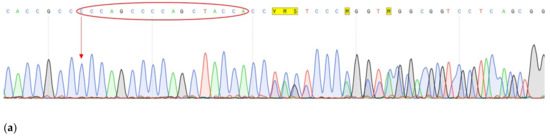
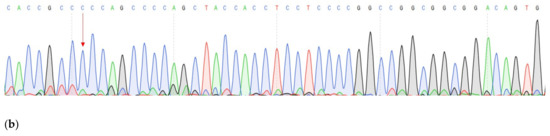
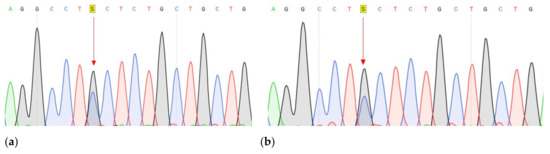
Gastric cancer (GC) is one of the most common cancer types in the world with a high mortality rate. Hereditary predisposition for GC is not fully elucidated so far. The aim of this study was identification of possible new candidate genes, associated with the increased risk of gastric cancer development. Whole exome sequencing (WES) was performed on 18 DNA samples from adenocarcinoma specimens and non-tumor-bearing healthy stomach tissue from the same patient. Three pathogenic variants were identified: c.1320+1G>A in the CDH1 gene and c.27_28insCCCAGCCCCAGCTACCA (p.Ala9fs) of the VEGFA gene were found only in the tumor tissue, whereas c.G1874C (p.Cys625Ser) in the FANCA gene was found in both the tumor and normal tissue. These changes were found only in patients with diffuse gastric cancer and were absent in the DNA of healthy donors. Full article
Show Figures

Figure 1
17 pages, 4118 KB  
Article
De Novo Transcriptome Assembly and EST-SSR Marker Development and Application in Chrysosplenium macrophyllum
by Niyan Xiang 1,2, Bojie Lu 2, Tao Yuan 1, Tiange Yang 2, Jiani Guo 1, Zhihua Wu 3, Hong Liu 2, Xing Liu 1,4,* and Rui Qin 2,*
1 Laboratory of Extreme Environmental Biological Resources and Adaptive Evolution, Research Center for Ecology, School of Sciences, Tibet University, Lhasa 850000, China
2 Hubei Provincial Key Laboratory for Protection and Application of Special Plant Germplasm in Wuling Area of China, College of Life Sciences, South-Central Minzu University, Wuhan 430074, China
3 College of Life Sciences, Zhejiang Normal University, Jinhua 321004, China
4 State Key Laboratory of Hybrid Rice, Laboratory of Plant Systematics and Evolutionary Biology, College of Life Sciences, Wuhan University, Wuhan 430072, China
Genes 2023, 14(2), 279; https://doi.org/10.3390/genes14020279 - 21 Jan 2023
Cited by 12 | Viewed by 3362
Abstract
Chrysosplenium macrophyllum Oliv., belonging to the family Saxifragaceae, is a traditional and unique Chinese herbal medicine. However, the lack of adequate molecular markers has hampered the progress regarding population genetics and evolution within this species. In this research, we used the DNBSEQ-T7 Sequencer [...] Read more.
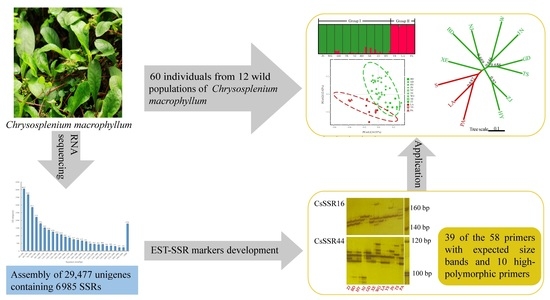
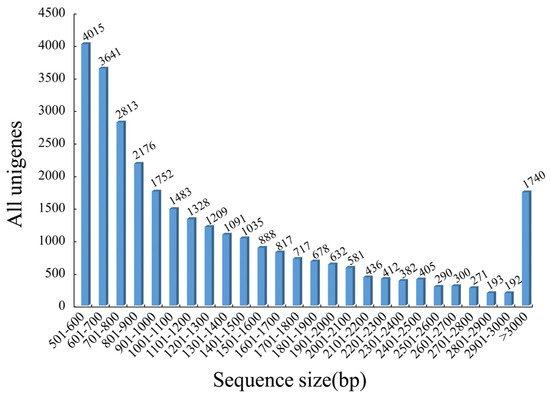
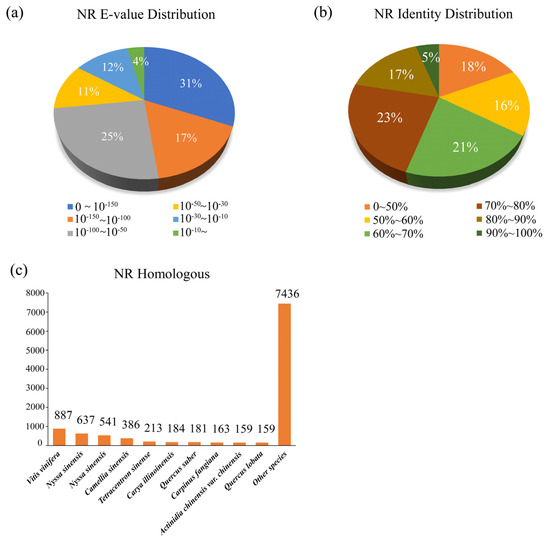
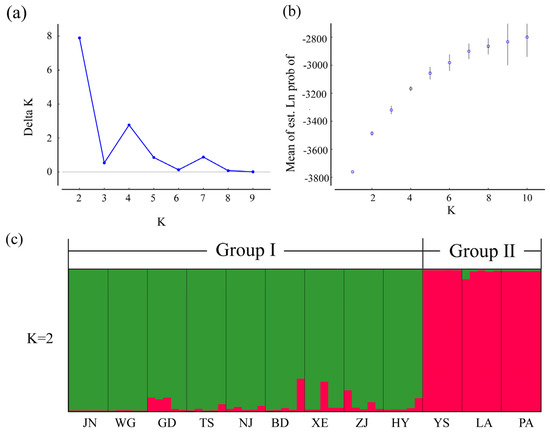
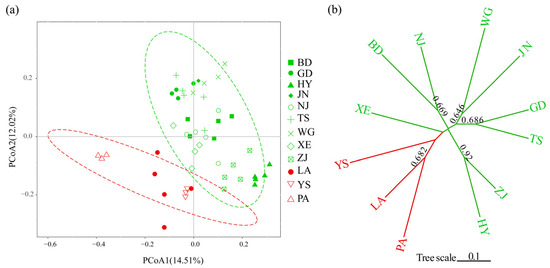
Chrysosplenium macrophyllum Oliv., belonging to the family Saxifragaceae, is a traditional and unique Chinese herbal medicine. However, the lack of adequate molecular markers has hampered the progress regarding population genetics and evolution within this species. In this research, we used the DNBSEQ-T7 Sequencer (MGI) sequencing assay to analyze the transcriptome profiles of C. macrophyllum. SSR markers were developed on the basis of transcriptomic sequences and further validated on C. macrophyllum and other Chrysosplenium species. The genetic diversity and structure of the 12 populations were analyzed by using polymorphic expressed sequence tag simple sequence repeat (EST-SSR) markers. A potential pool of 3127 non-redundant EST-SSR markers were identified for C. macrophyllum in this study. The developed EST-SSR markers had high amplification rates and cross-species transferability in Chrysosplenium. Our results also showed that the natural populations of C. macrophyllum had a high level of genetic diversity. Genetic distance, principal component analysis, and popular structure analysis revealed that all 60 samples clustered into two major groups that were consistent with their geographical origins. This study provided a batch of highly polymorphic EST-SSR molecular markers that were developed via transcriptome sequencing. These markers will be of great significance for the study of the genetic diversity and evolutionary history of C. macrophyllum and other Chrysosplenium species. Full article
(This article belongs to the Section Plant Genetics and Genomics)
Show Figures

Graphical abstract