12 pages, 4822 KB  
Letter
Exploring the Spatio-Temporal Dynamics of Winter Rape on the Middle Reaches of Yangtze River Valley Using Time-Series MODIS Data
by Jianbin Tao, Wenbin Wu, Wenbin Liu and Meng Xu
Sustainability 2020, 12(2), 466; https://doi.org/10.3390/su12020466 - 8 Jan 2020
Cited by 22 | Viewed by 3322
Abstract
Rapeseed is an important oil product in China. China’s current soybean trade issues with major soybean producing countries have caused a large decline in soybean import since 2017. This may bring the increasing needs of rapeseed import, which would have an impact on [...] Read more.
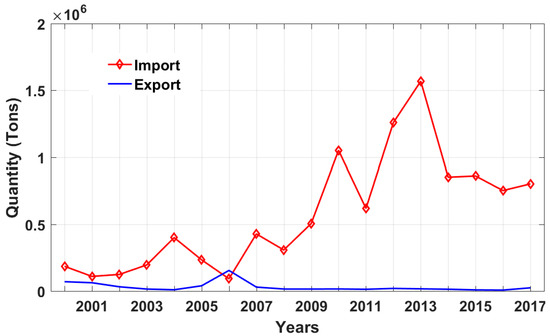
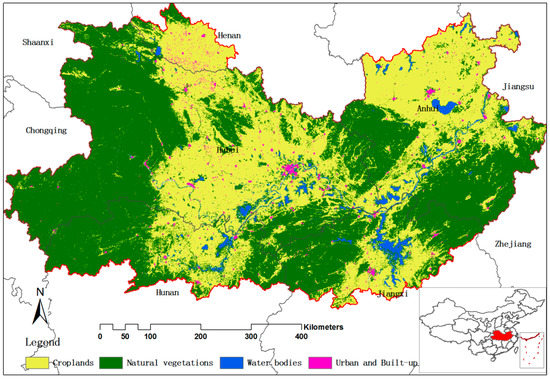
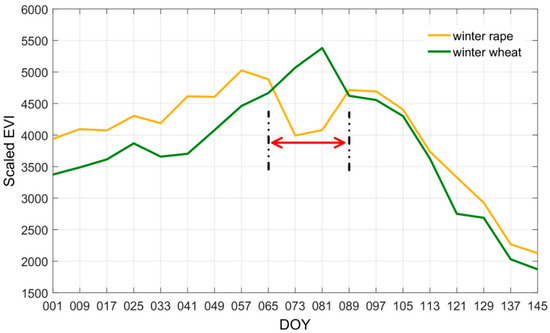
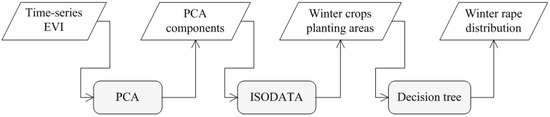
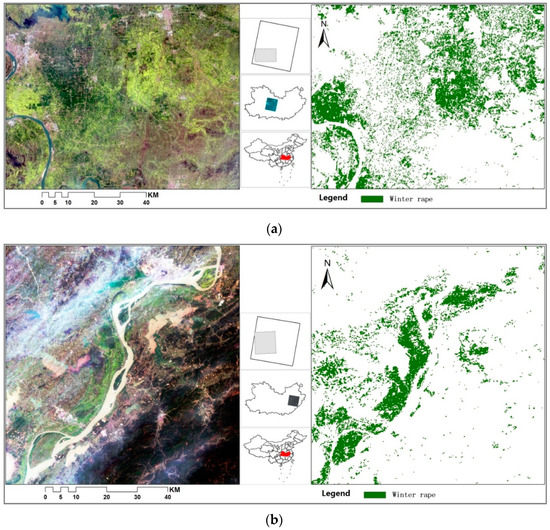
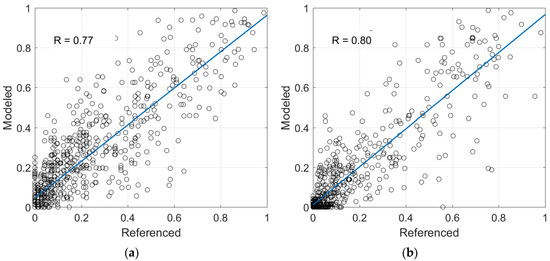
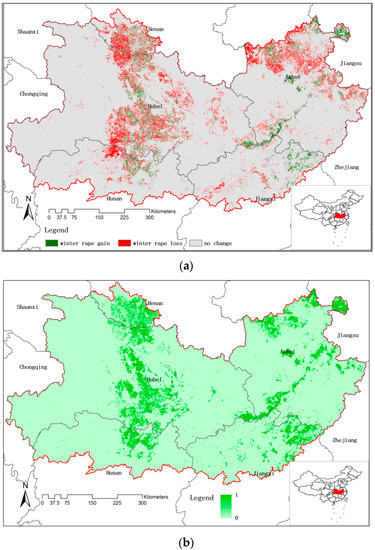
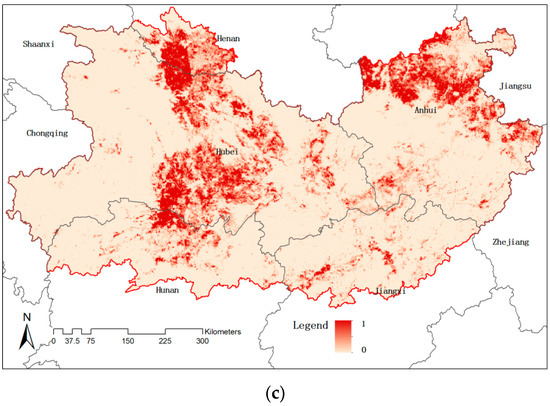
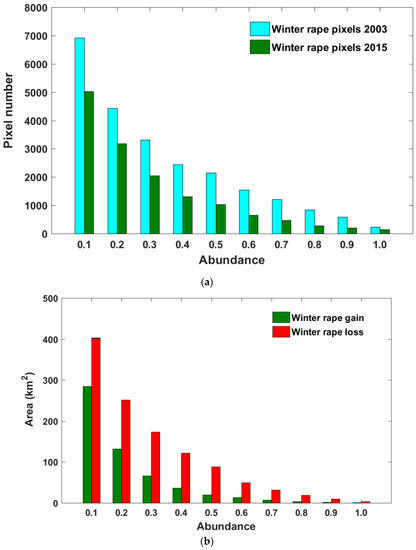
Rapeseed is an important oil product in China. China’s current soybean trade issues with major soybean producing countries have caused a large decline in soybean import since 2017. This may bring the increasing needs of rapeseed import, which would have an impact on domestic production. However, our knowledge on the effects of international rapeseed trade on domestic production remains unknown. It is thus important to understand the pattern of rapeseed in China under this scenario, as it may provide necessary information for all relevant stakeholders. With this goal, this study aims to investigate the spatial and temporal patterns of winter rape in China’s major winter rape production region, the Middle Reaches of the Yangtze River Valley (MYR), during 2003–2015 using time-series Moderate Resolution Imaging Spectroradiometer (MODIS) data. A decision tree according to the difference in enhanced vegetation index (EVI) profiles of land-cover types was built to extract winter rape. The results show that there is an essential decrease in both the number and density of winter rape patches under the opening global rapeseed market. There are significant hotspots of winter rape gain and loss, within which the loss dominated the trend. The significant cost advantage of rapeseed in the international market may largely reduce the domestic cultivation in China through telecoupling effects. Understanding the spatio-temporal dynamics of winter rape on the MYR has significant economic and policy implications and can provide great supports for the agricultural production, policy-making, and oil products trade in the international market. Full article
(This article belongs to the Section Sustainable Agriculture)
Show Figures

Figure 1
12 pages, 3353 KB  
Article
Ecosystem Service Response to Human Disturbance in the Yangtze River Economic Belt: A Case of Western Hunan, China
by Yizhu Chen, Nuanyin Xu, Qianru Yu and Luo Guo
Sustainability 2020, 12(2), 465; https://doi.org/10.3390/su12020465 - 8 Jan 2020
Cited by 9 | Viewed by 3383
Abstract
Ecosystem conservation is one of the core elements of sustainable development. Studying the relationship between human disturbance and the ecosystem service value (ESV) change is an urgent need for the future. The Yangtze River Economic Belt is one of the key economic strategies [...] Read more.
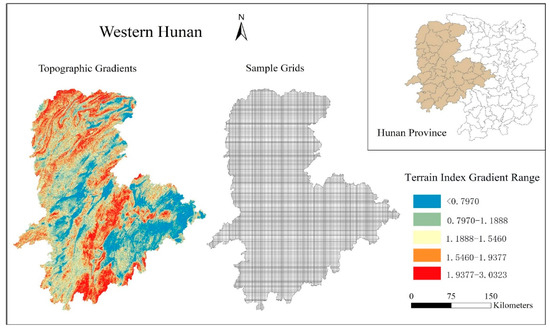
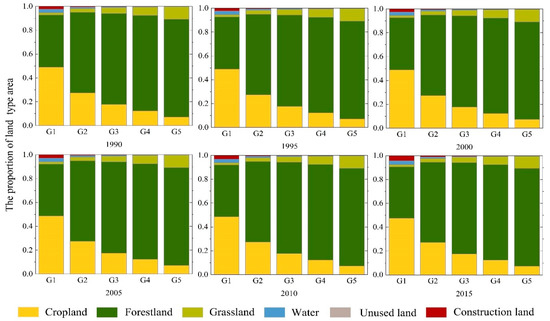
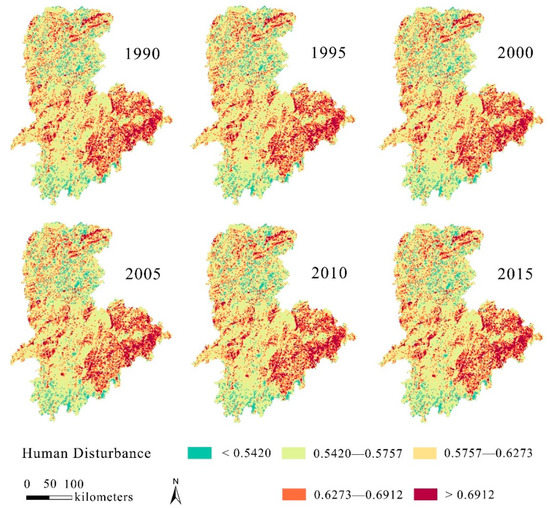
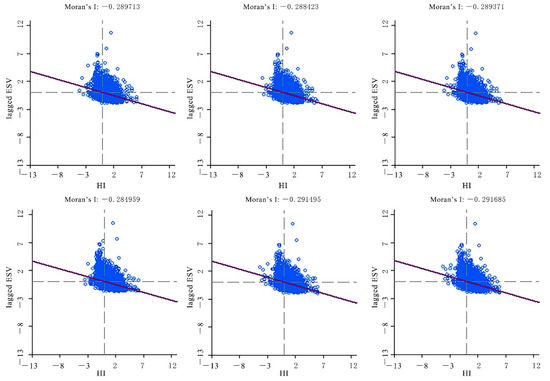
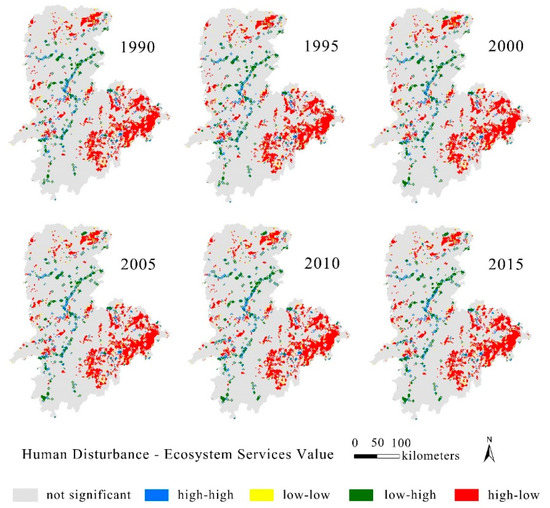
Ecosystem conservation is one of the core elements of sustainable development. Studying the relationship between human disturbance and the ecosystem service value (ESV) change is an urgent need for the future. The Yangtze River Economic Belt is one of the key economic strategies implemented by the Chinese government and is also a demonstration zone for ecological conservation. Western Hunan is an important ecological barrier in the Yangtze basin where different ethnic groups live together and various cultures coexist. In this study, using land-use data and spatial analysis modeling, the changes in the ecosystem service value at five topographic gradients were evaluated. Human disturbance and its spatial correlation with the ecosystem service value from 1990 to 2015 were also investigated. The results demonstrated the following: (1) the proportional area of forestland and grassland increased as the topographic gradient index increased and other types of land-use gradually decreased; (2) The ecosystem service value at middle gradients increased over the study period; but ESV of the lowest topographic gradient showed a significant decline and a substantial decrease, as well as a terrain index under 0.7970; (3) The spatial analysis of human disturbance showed that more than 90% of intense human disturbance was distributed in the area of the lowest topographic gradient where topographic features were low-altitude and low-slope, and little human disturbance was scattered at other gradients; (4) There was a significant spatial aggregation distribution between the ecosystem service value and human disturbance in western Hunan, the high disturbance and low ESV aggregation was mainly distributed in Loudi City, the area east of Shaoyang City and Zhangjiajie City all belonged to the lowest topographic gradient, and the low–high and high–high aggregations were mainly distributed in Huaihua City and Xiangxi Tujia and Miao Autonomous Prefecture. Population density and gross domestic product were the main driving factors, while topography was the main ecological factor. This study could provide additional spatial information and theoretical guidance for ecosystem service management for sustainable development in western Hunan, China. Full article
Show Figures

Figure 1
14 pages, 3080 KB  
Article
Comparison of Combustion and Pyrolysis Behavior of the Peanut Shells in Air and N2: Kinetics, Thermodynamics and Gas Emissions
by Zhenghui Xu, Xiang Xiao, Ping Fang, Lyumeng Ye, Jianhang Huang, Haiwen Wu, Zijun Tang and Dongyao Chen
Sustainability 2020, 12(2), 464; https://doi.org/10.3390/su12020464 - 8 Jan 2020
Cited by 36 | Viewed by 4320
Abstract
The influences of four heating rates on the combustion and pyrolysis behavior in the N2 and air atmosphere were investigated by the Fourier transform infrared spectrometry (FTIR) and thermogravimetric (TG) analysis. the distributed activation energy model (DEAM) and Flynn-Wall-Ozawa (FWO) were used [...] Read more.
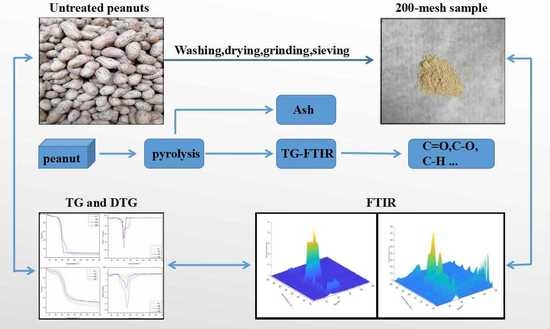
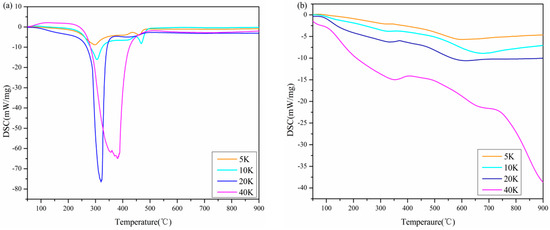
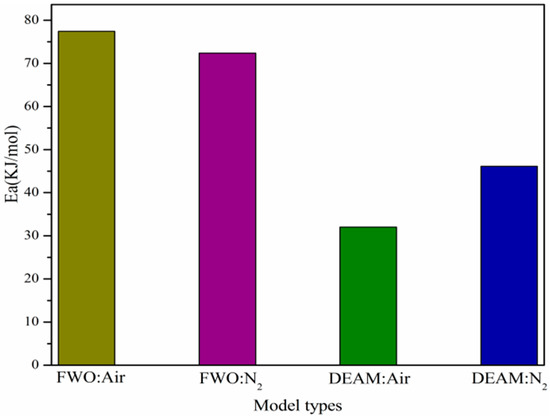
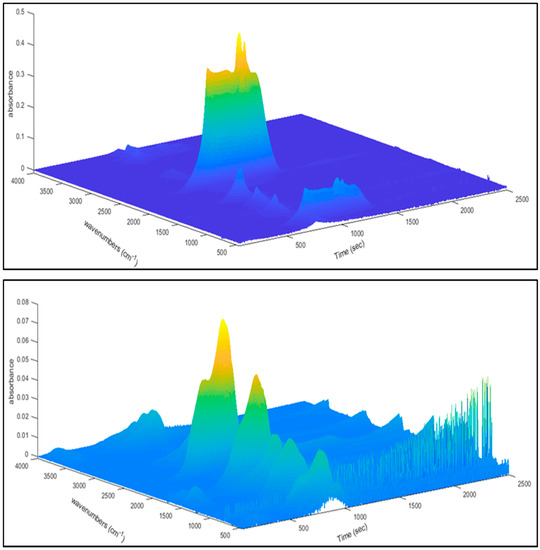
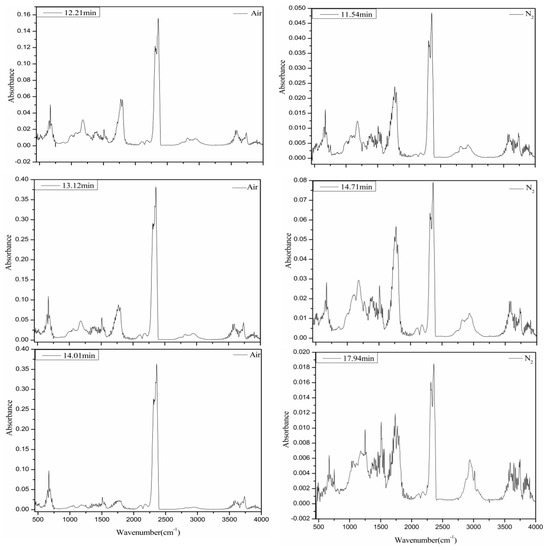
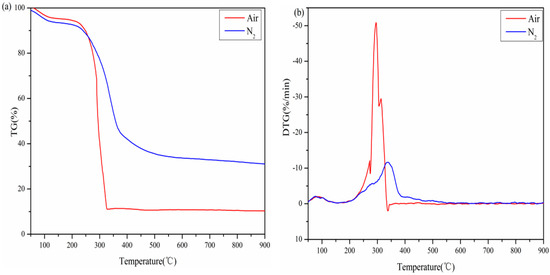
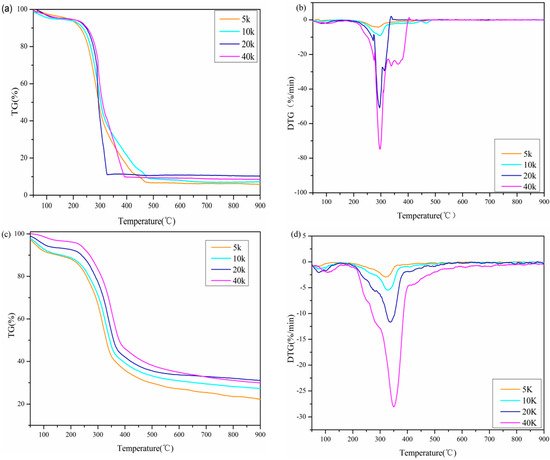
The influences of four heating rates on the combustion and pyrolysis behavior in the N2 and air atmosphere were investigated by the Fourier transform infrared spectrometry (FTIR) and thermogravimetric (TG) analysis. the distributed activation energy model (DEAM) and Flynn-Wall-Ozawa (FWO) were used to estimate Ea and A, ΔH, ΔG and ΔS. Experimental results showed that the similar thermal behavior emerged, but the temperatures in the air and N2 atmospheres representing the end of the reaction were about 500 °C and 550 °C, respectively. The results of FTIR showed the peak positions were basically the same, but the concentrations of aromatics, aldehydes and ketones produced by pyrolysis in the N2 atmosphere were higher. When the heating rate was 20 K/min, the comprehensive combustion parameters were 56.442 and 6.871 × 10⁻⁷%2/(min2• K3) in the air and N2 atmospheres, respectively, indicating that the peanut shells had great potential to become bioenergy. Full article
Show Figures

Graphical abstract

13 pages, 1552 KB  
Article
Estimated Profitability of Thoroughbred Yearlings Sold in Auctions in the United States, 2001–2018
by Jenna Bryant and C. Jill Stowe
Sustainability 2020, 12(2), 463; https://doi.org/10.3390/su12020463 - 8 Jan 2020
Cited by 2 | Viewed by 4827
Abstract
Yearling auctions constitute the most common means of trading prospective Thoroughbred racehorses. The main objective of many equine operations is to breed yearlings to sell at these auctions, and therefore, the ability of breeders to consistently realize positive returns is paramount to their [...] Read more.
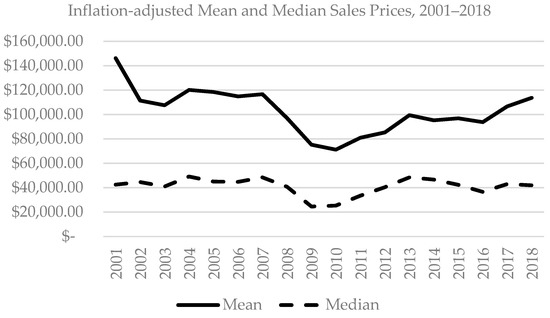
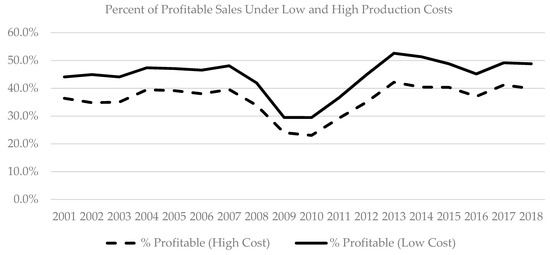
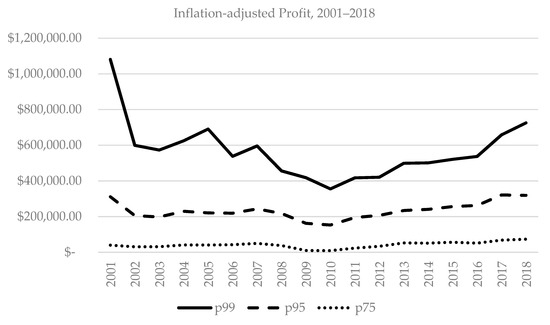
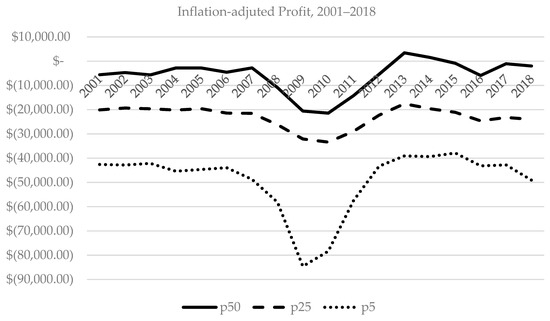
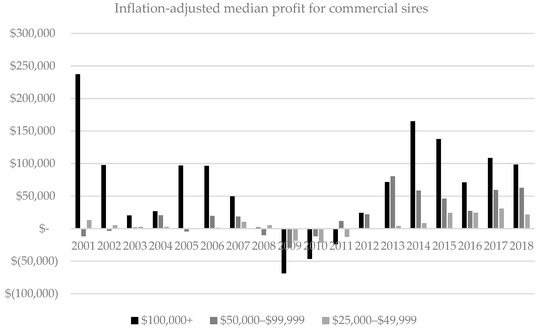
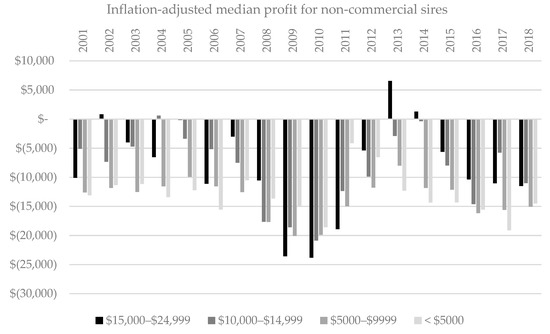
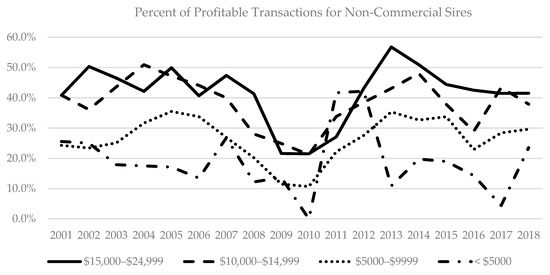
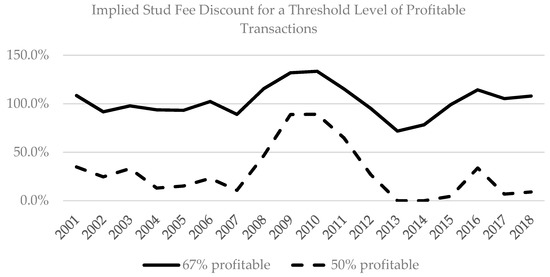
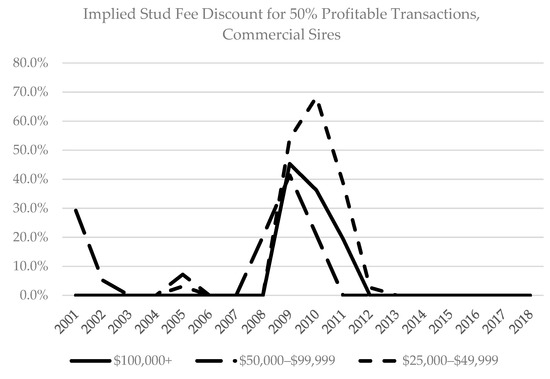
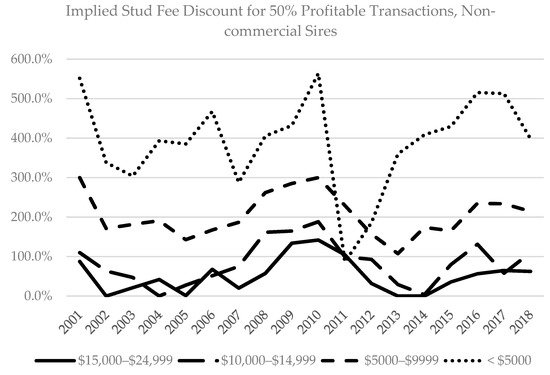
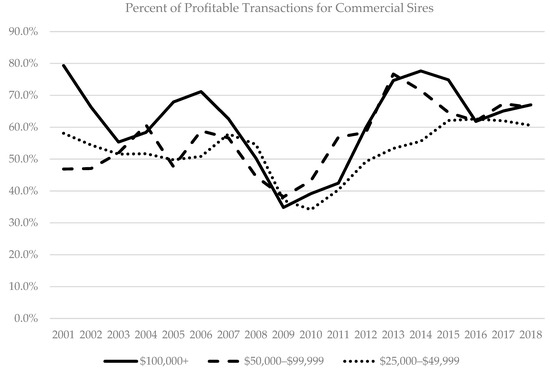
Yearling auctions constitute the most common means of trading prospective Thoroughbred racehorses. The main objective of many equine operations is to breed yearlings to sell at these auctions, and therefore, the ability of breeders to consistently realize positive returns is paramount to their long-term participation in the market. In this article, we investigate the estimated profitability of Thoroughbred yearlings sold in auctions from 2001–2018. According to our estimates, less than 50% of transactions were profitable, with negative median profit in all years under analysis but two. In addition, the likelihood of realizing a positive return diminishes as the quality of sire decreases. Our results suggest that the long-run sustainability for many breeders, especially breeders that may lack the capital to invest in high quality stallions, is questionable. Full article
(This article belongs to the Special Issue Sustainability in the Equine Industry)
Show Figures

Figure 1
12 pages, 519 KB  
Article
Study of Corporate Sustainability Dimensions in the Cooperatives of Ecuador
by Iliana Loor Alcívar, Francisco González Santa Cruz, Nelly Moreira Mero and Amalia Hidalgo-Fernández
Sustainability 2020, 12(2), 462; https://doi.org/10.3390/su12020462 - 8 Jan 2020
Cited by 12 | Viewed by 4832
Abstract
This research has the aim of analysing corporate sustainability dimensions in the cooperativism of a developing country such as Ecuador by means of a valid and reliable measuring scale. These institutions, as part of the social economy, should be focused on a balance [...] Read more.
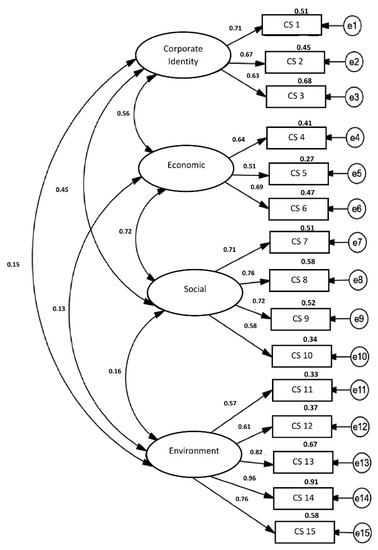
This research has the aim of analysing corporate sustainability dimensions in the cooperativism of a developing country such as Ecuador by means of a valid and reliable measuring scale. These institutions, as part of the social economy, should be focused on a balance among the economic, social and environmental aspects, which are the central axis of corporate sustainability. The literature review and analysis led to the development of a research questionnaire that was applied to 2042 people, among them managers, employees and members of the Ecuadorian cooperatives. In order to validate the dimensional structure and consistency of the scale, an exploratory factorial analysis was performed, followed by a confirmatory analysis using structural equations. The results show a consistent measuring scale based on the traditional dimensions of corporate sustainability (economic, social and environmental) and also presenting a new dimension of corporate identity. Full article
Show Figures

Figure 1
21 pages, 1697 KB  
Article
Platform, Participation, and Power: How Dominant and Minority Stakeholders Shape Agricultural Innovation
by Colleen M. Eidt, Laxmi P. Pant and Gordon M. Hickey
Sustainability 2020, 12(2), 461; https://doi.org/10.3390/su12020461 - 7 Jan 2020
Cited by 63 | Viewed by 8261
Abstract
Within agricultural innovation systems (AIS), various stakeholder groups inevitably interpret ‘innovation’ from their own vantage point of privilege and power. In rural developing areas where small-scale and subsistence farming systems support livelihoods, dominant policy actors often focus heavily on participatory modernization and commercialization [...] Read more.
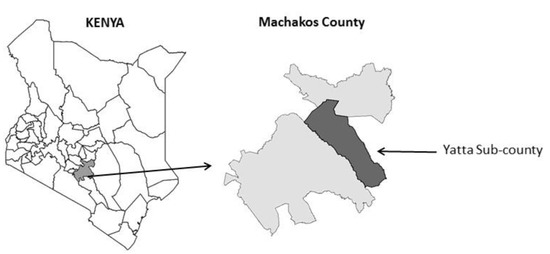
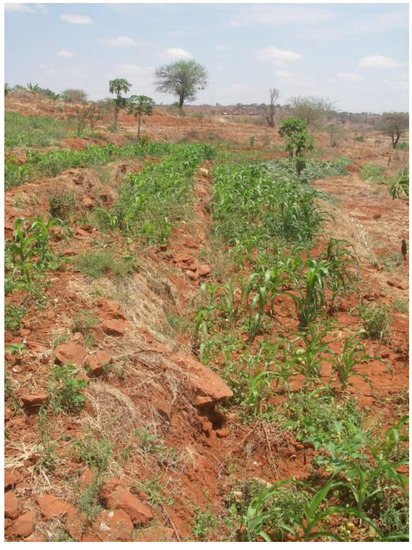
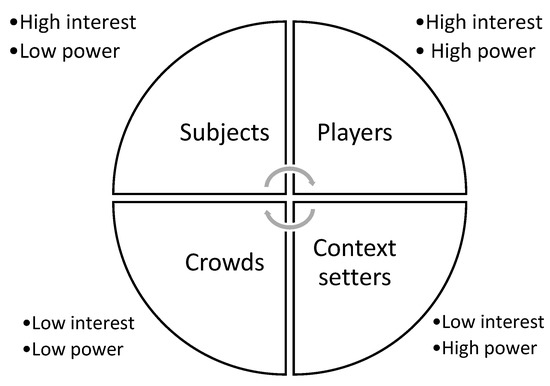
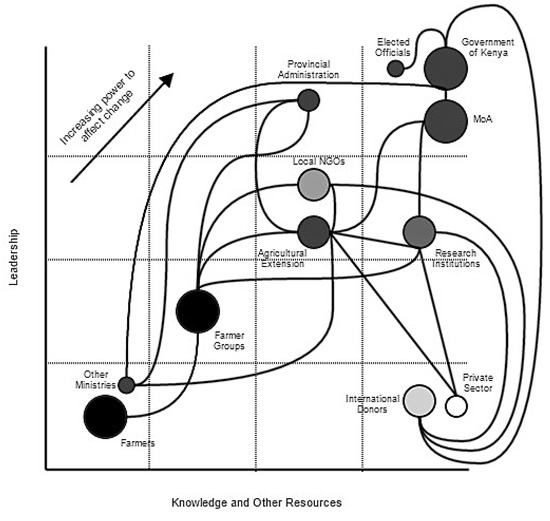
Within agricultural innovation systems (AIS), various stakeholder groups inevitably interpret ‘innovation’ from their own vantage point of privilege and power. In rural developing areas where small-scale and subsistence farming systems support livelihoods, dominant policy actors often focus heavily on participatory modernization and commercialization initiatives to enhance productivity, access, and quality. However, existing social hierarchies may undermine the potential of such initiatives to promote inclusive and sustainable farmer-driven innovation. Focusing on the chronically food insecure smallholder agricultural systems operating in Yatta Sub-county, Eastern Kenya, this paper explores how power dynamics between stakeholders can influence, and can be influenced by, participatory agricultural innovation initiatives. Findings suggest that there are often significant disparities in access to, and control over, platform resources between smallholder farmers and other stakeholder groups, resulting in large asymmetries. We discuss how these power dynamics may increase the risk of agricultural intervention, further marginalizing already disempowered groups and reinforcing power hierarchies to the detriment of smallholders. This study highlights the need for a deeper understanding of the institutional contexts that facilitate and maintain relationships of power within agricultural innovation systems, as well as the complexities associated with promoting transformational agricultural innovation. Full article
(This article belongs to the Special Issue Sustainable Natural Resource Management)
Show Figures

Figure 1
17 pages, 1859 KB  
Article
Assessing Learners’ Perceptions of Graduate Employability
by Gokul Thirunavukarasu, Siva Chandrasekaran, Varsha Subhash Betageri and John Long
Sustainability 2020, 12(2), 460; https://doi.org/10.3390/su12020460 - 7 Jan 2020
Cited by 19 | Viewed by 8971
Abstract
The rapid advancement of technology, including the internet of things (IoT), industry 4.0, and smart cities, revealed an excess need for career-ready graduates. It is expected that a career-ready graduate is technically competent and possess professional skills acquired via the experiential learning incorporated [...] Read more.
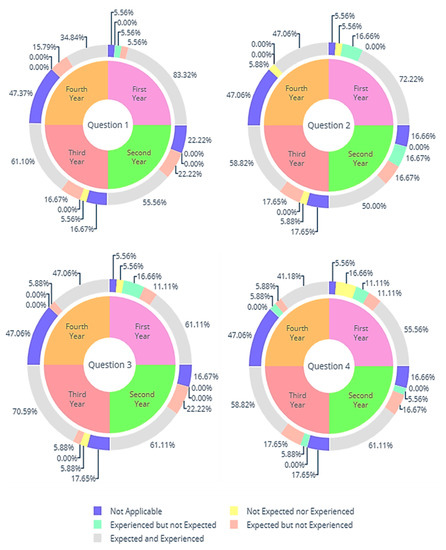
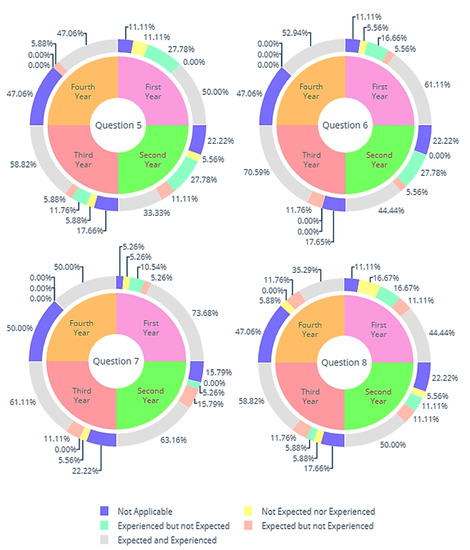
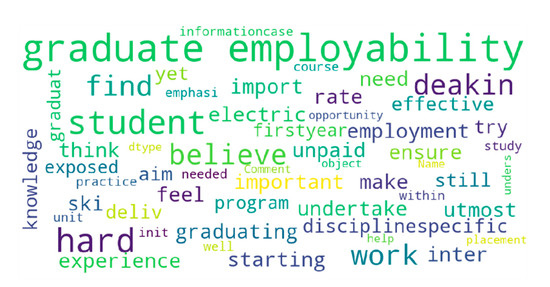
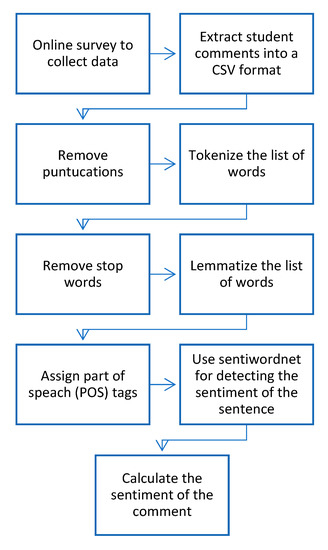
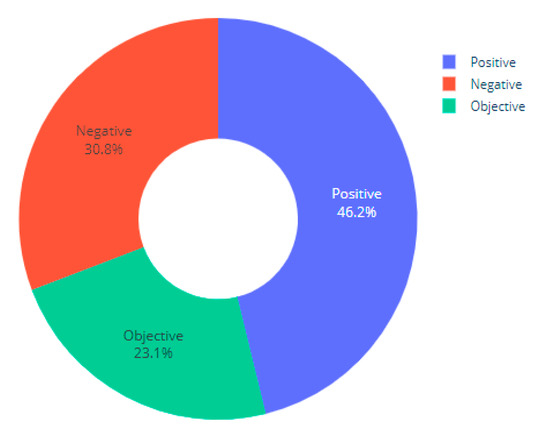
The rapid advancement of technology, including the internet of things (IoT), industry 4.0, and smart cities, revealed an excess need for career-ready graduates. It is expected that a career-ready graduate is technically competent and possess professional skills acquired via the experiential learning incorporated into the curriculum. But the gap exists with the learners understanding of requirements and opportunities associated with graduate employability. In this research, we focus on evaluating the learners’ experiences, expectations, and perceptions of graduate employability in an engineering curriculum. In this research, the interpretations of students on the graduate employability and the extent of influence that exists based on the learning outcomes of the graduate course are examined. The gaps between the academic environment and graduate employability awareness are highlighted. Later, a national language processing-based sentiment analyzer is used to evaluate the student’s perceptions. Results from the analysis portrayed that the different levels of expectation and experiences that prevailed in the graduate course based on the conceptual idea of graduate employability need substantial focus in future curriculum development. Full article
Show Figures

Figure 1
15 pages, 3614 KB  
Article
Experimental Investigation of Consolidation Properties of Nano-Bentonite Mixed Clayey Soil
by Gang Cheng, Hong-Hu Zhu, Ya-Nan Wen, Bin Shi and Lei Gao
Sustainability 2020, 12(2), 459; https://doi.org/10.3390/su12020459 - 7 Jan 2020
Cited by 44 | Viewed by 5797
Abstract
As a new soil improvement method, adding nano-bentonite can enhance the engineering properties of soil. To study the stabilization effect of nano-bentonite on soil consolidation properties, a series of one-dimensional odometer tests were conducted on a clayey soil with different nano-bentonite mixing contents [...] Read more.
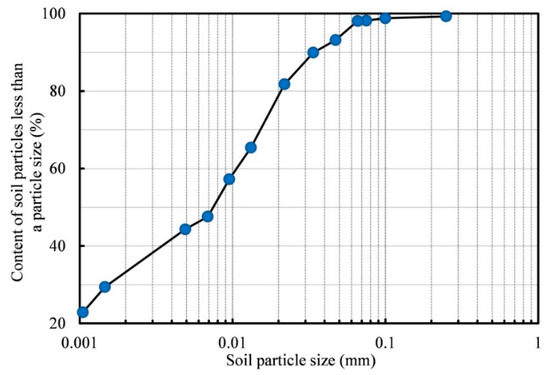
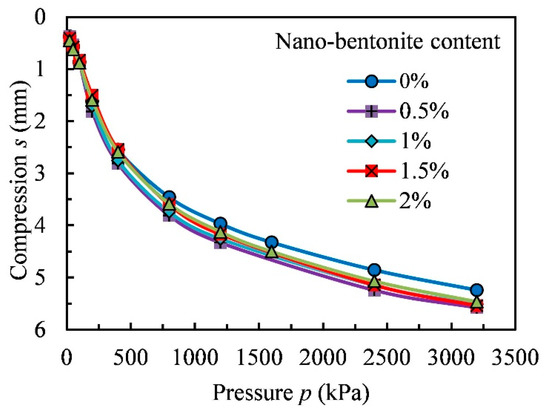
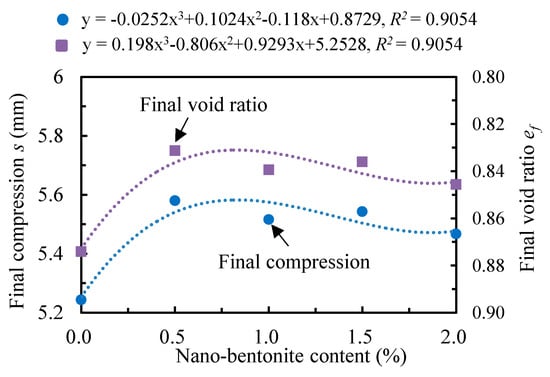
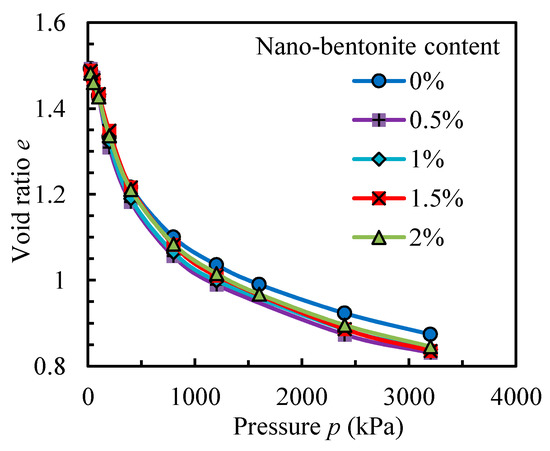
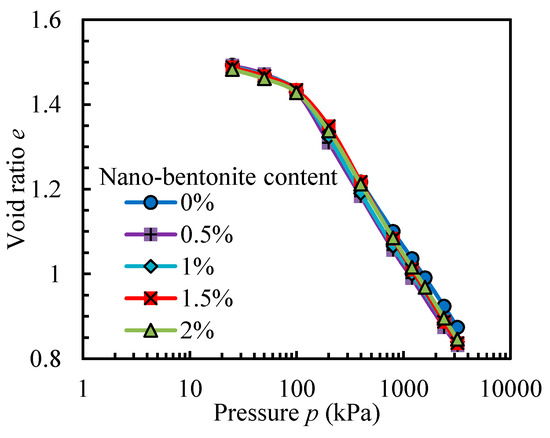
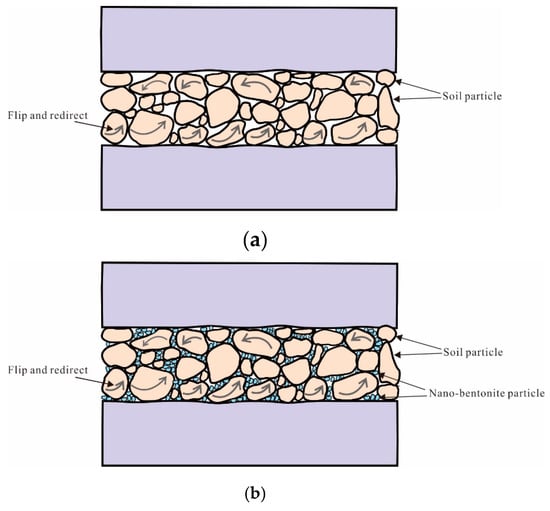
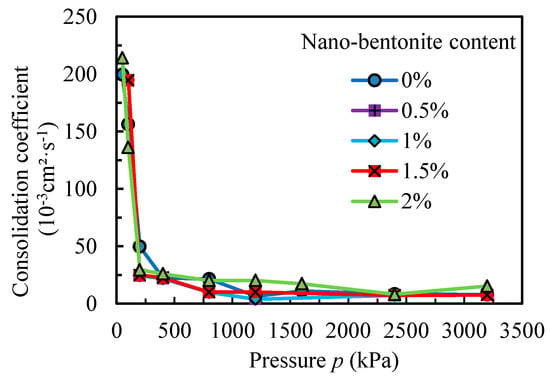
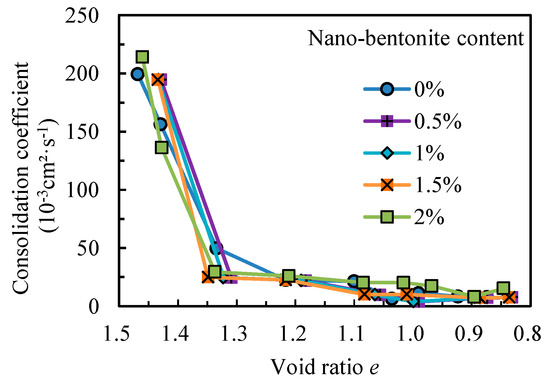
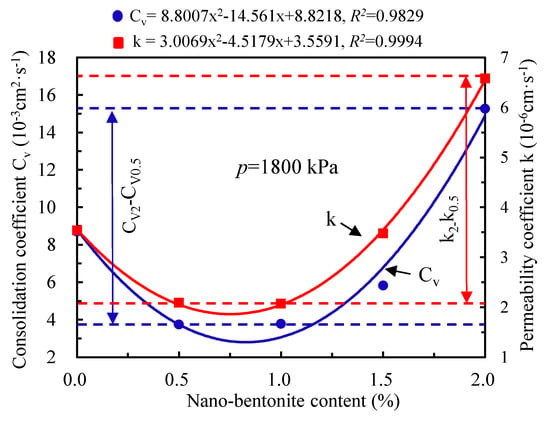
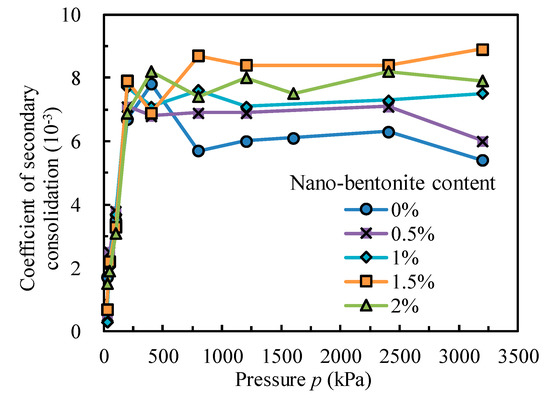
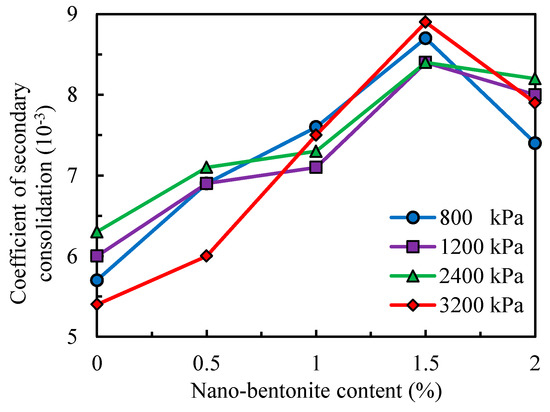
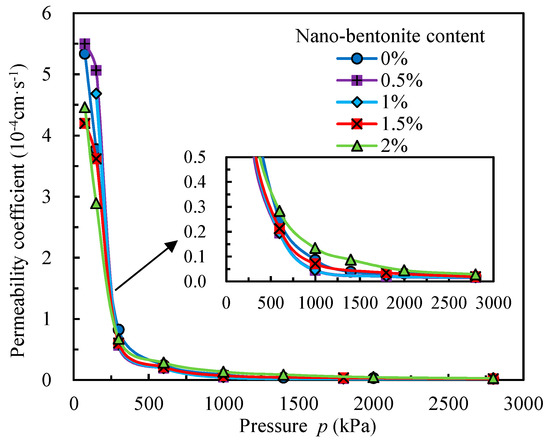
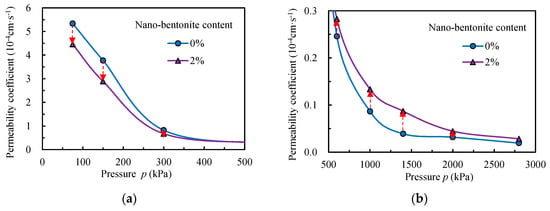
As a new soil improvement method, adding nano-bentonite can enhance the engineering properties of soil. To study the stabilization effect of nano-bentonite on soil consolidation properties, a series of one-dimensional odometer tests were conducted on a clayey soil with different nano-bentonite mixing contents (i.e., 0.5%, 1%, 1.5%, and 2%). The effects of nano-bentonite on the coefficient of consolidation and permeability of the test soil were analyzed. The results show that adding a certain amount of nano-bentonite does not significantly affect the original consolidation characteristics of soil samples, but displays a notable effect on accelerating water drainage. Among all the soil samples, when the nano-bentonite mixing content is 0.5%, the final compression amount is the largest and the final void ratio is the smallest. The coefficients of consolidation and permeability increase with increasing nano-bentonite mixing content under high stress state. The test results indicate that nano-bentonite can facilitate internal cementation of soil particles, which effectively reduces the compressibility of clayey soil. Full article
(This article belongs to the Special Issue Sustainability of Soil Reuse in Civil Construction)
Show Figures

Figure 1
20 pages, 693 KB  
Article
Does Population Mobility Contribute to Urbanization Convergence? Empirical Evidence from Three Major Urban Agglomerations in China
by Feng Wang, Wenna Fan, Xiangyan Lin, Juan Liu and Xin Ye
Sustainability 2020, 12(2), 458; https://doi.org/10.3390/su12020458 - 7 Jan 2020
Cited by 17 | Viewed by 5037
Abstract
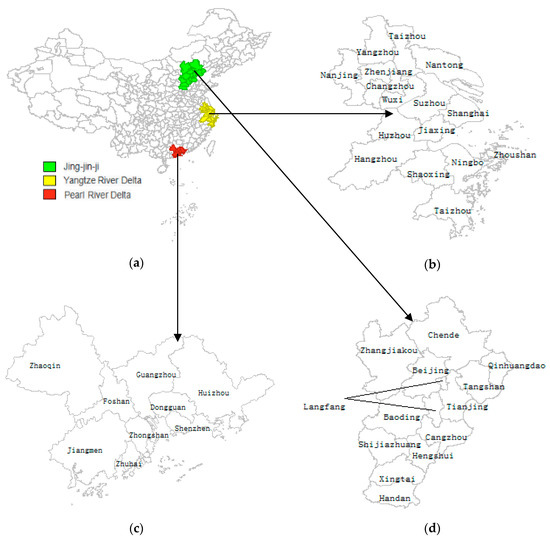
Population mobility accelerates urbanization convergence and mitigates the negative impact of the spatial agglomeration effect on urbanization convergence, which is the most important conclusion in this paper. Taking 38 cities in China’s three urban agglomerations (the Yangtze River Delta, the Pearl River Delta, [...] Read more.
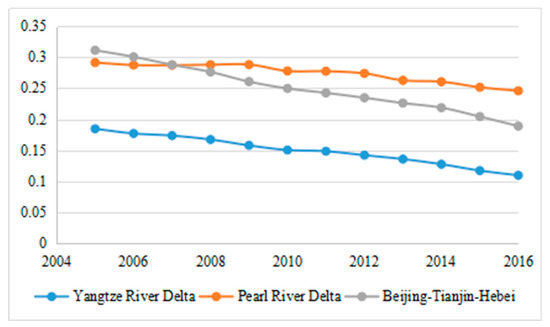
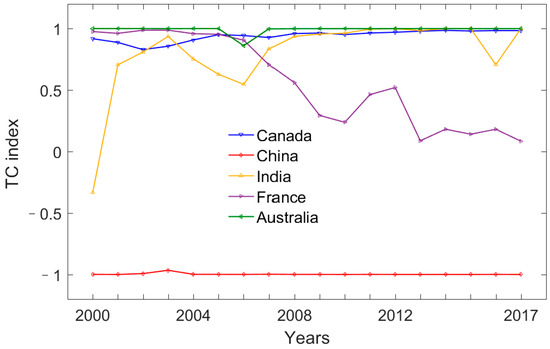
Population mobility accelerates urbanization convergence and mitigates the negative impact of the spatial agglomeration effect on urbanization convergence, which is the most important conclusion in this paper. Taking 38 cities in China’s three urban agglomerations (the Yangtze River Delta, the Pearl River Delta, and the Beijing–Tianjin–Hebei region) from 2005 to 2016 as research subjects, the study first shows that there is a large gap in the level of urbanization between the three major urban agglomerations, but the gap has been constantly narrowed and presents a trend of absolute convergence and conditional convergence. Furthermore, without adding a population mobility variable, the combination of the diffusion effect of high-urbanization cities and the high growth rate of low-urbanization cities causes the inter-regional urbanization level to be continuously convergent in the Yangtze River Delta region; however, the combination of the agglomeration effect of high-urbanization cities and the high growth rate of low-urbanization cities causes the inter-regional urbanization to be divergent in the Pearl River Delta and the Beijing–Tianjin–Hebei region. Under the influence of population mobility, the “catch-up” effect in low-urbanization regions is greater than the agglomeration effect in high-urbanization regions, which promotes the continuous convergence of inter-regional urbanization. Full article
Show Figures

Figure 1
11 pages, 2350 KB  
Article
Geochemical Distribution Characteristics of Rare Earth Elements in Different Soil Profiles in Mun River Basin, Northeast Thailand
by Wenxiang Zhou, Guilin Han, Man Liu, Chao Song and Xiaoqiang Li
Sustainability 2020, 12(2), 457; https://doi.org/10.3390/su12020457 - 7 Jan 2020
Cited by 38 | Viewed by 6565
Abstract
Exploring the distributions of rare earth elements (REEs) in soil profiles is essential to understanding how natural and anthropogenic factors influence the geochemical behaviors of REEs. This study aimed to learn about the distribution characteristics of REEs in soils, including their fractionation and [...] Read more.
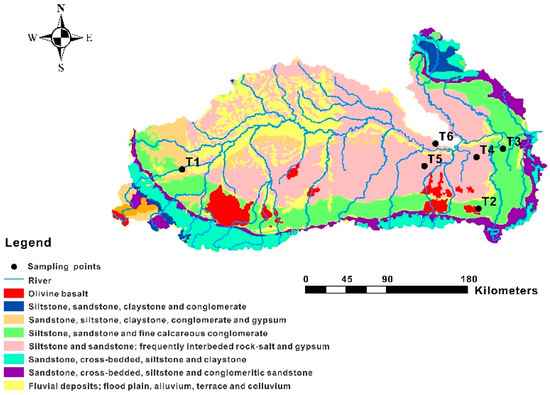
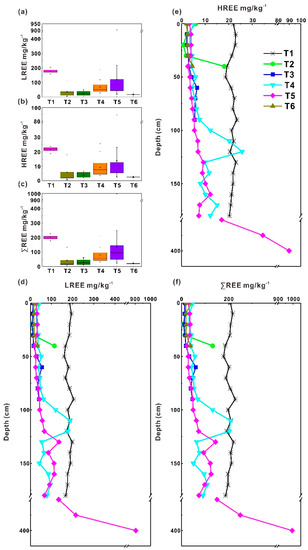
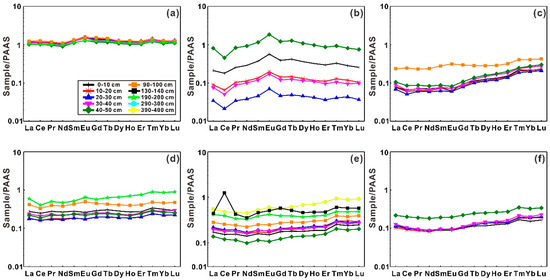
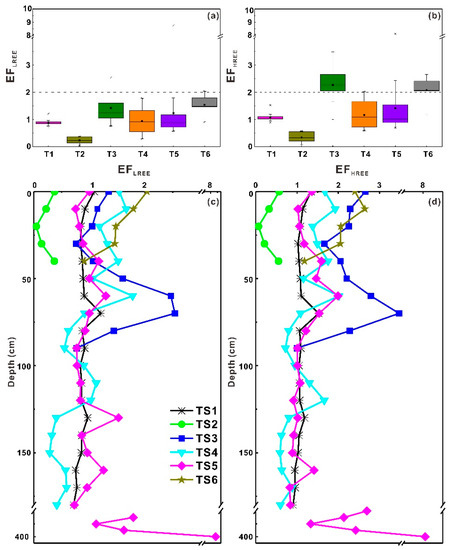
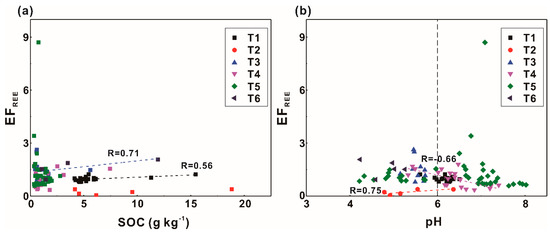
Exploring the distributions of rare earth elements (REEs) in soil profiles is essential to understanding how natural and anthropogenic factors influence the geochemical behaviors of REEs. This study aimed to learn about the distribution characteristics of REEs in soils, including their fractionation and enrichment, and to explore the influence of soil pH and soil organic carbon (SOC) on REEs. One hundred and three samples were collected from six soil profiles under different land uses (paddy field: T1, T3; forest land: T2, T6; wasteland: T4; building site: T5) in the Mun River Basin, Northeast Thailand. The average total REE contents (∑REE) are much lower (<80 mg kg−1) than that of Earth’s crust (153.80 mg kg−1) in soil profiles T2, T3, T4, and T6. The contents of REEs tend to increase slightly with depth in all soil profiles. The ratios of (La/Yb)N range from 0.35 to 0.96 in most samples, indicating that the enrichment of heavy REEs (HREEs) relative to light REEs (LREEs) is the main fractionation pattern. Samples from profile T2 show relatively obvious negative Ce anomalies (0.55–0.78) and positive Eu anomalies (1.41–1.56), but there are almost no anomalies of Ce and Eu in other soil profiles. Enrichment factors of LREEs (EFLREEs) range from 0.23 to 1.54 and EFHREEs range from 0.34 to 2.27, which demonstrates that all soil samples show no LREE enrichment and only parts of samples show minor HREE enrichment. Soil organic carbon (SOC) contents positively correlate with the enrichment factors of REEs (EFREE) in soil profiles T1 (R = 0.56, p < 0.01) and T6 (R = 0.71), while soil pH values correlate well with EFREE in soil profiles T2 (R = 0.75) and T4 (R = −0.66, p < 0.01), indicating the important influence of soil pH and SOC on the mobility of REEs in some soil profiles. Full article
Show Figures

Figure 1
29 pages, 1692 KB  
Article
New Express Delivery Service and Its Impact on CO2 Emissions
by Dragan Lazarević, Libor Švadlenka, Valentina Radojičić and Momčilo Dobrodolac
Sustainability 2020, 12(2), 456; https://doi.org/10.3390/su12020456 - 7 Jan 2020
Cited by 31 | Viewed by 6823
Abstract
A rapid development of Internet technologies creates new opportunities for e-commerce, which is one of the fastest-growing segments of the entire economy. For policymakers, the most important aspects of e-commerce are related to the cost reduction in transportation, facilitation of administration and communication, [...] Read more.
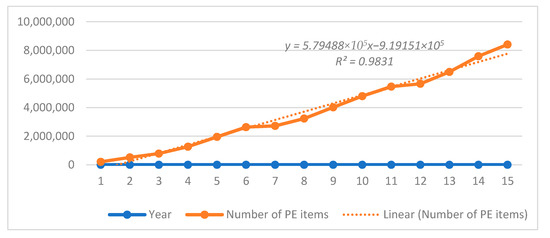
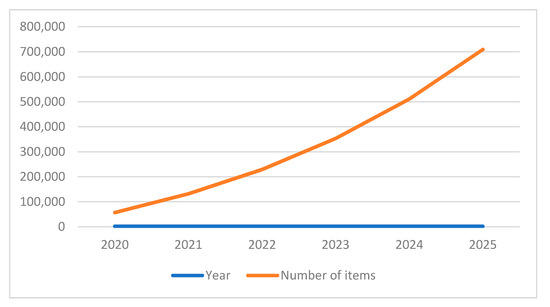
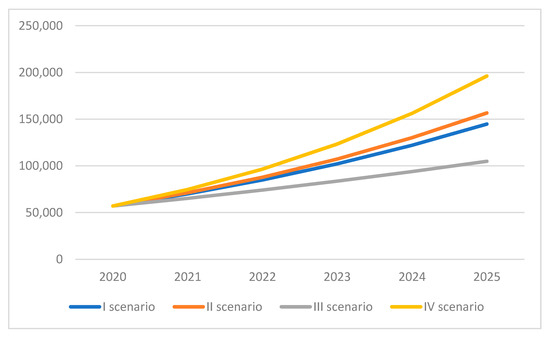
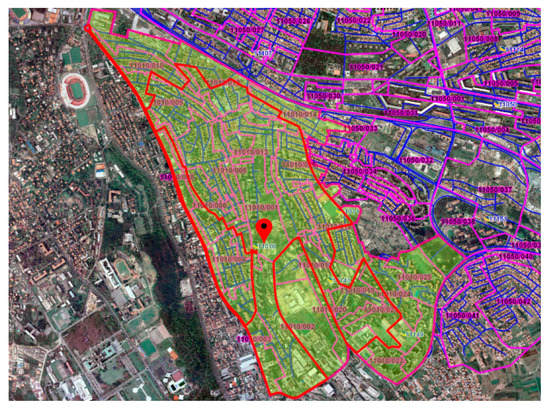
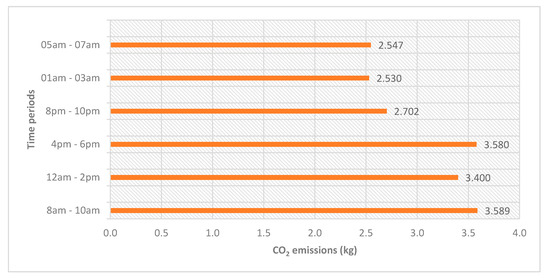
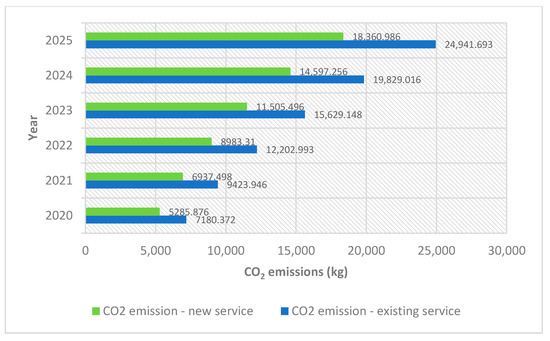
A rapid development of Internet technologies creates new opportunities for e-commerce, which is one of the fastest-growing segments of the entire economy. For policymakers, the most important aspects of e-commerce are related to the cost reduction in transportation, facilitation of administration and communication, innovations at the market level, and environmental issues. An unavoidable part of the e-commerce production process is related to the postal service. New market expectations of modern society lead to the consideration of upgrading the traditional express delivery service in terms of time availability. In this paper, we propose a new 24-h availability of postal and courier service so-called “post express nonstop”. To assess the potential demand for this kind of service, we propose a forecasting procedure based on the Bass diffusion model. In particular, the research is directed toward the examination of environmental issues, considering both types of services—traditional and the proposed new one. A comparison is done by analyzing CO2 emissions in the last-mile delivery of goods to the users’ addresses. The experiment was carried out in the city of Belgrade, simulating the last-mile delivery under realistic conditions and controlling the fuel consumption and CO2 emissions. In accordance with the results of this experiment and the forecasted number of postal items, a projection of CO2 emissions for the new service from 2020 to 2025 was carried out. The results show a significant contribution of the proposed new express delivery service to environmental well-being and sustainability. Full article
Show Figures

Figure 1
14 pages, 1761 KB  
Article
Returns to Education in Different Job Locations for Off-Farm Wage Employment: Evidence from China
by Weidong Wang, Yongqing Dong, Yunli Bai, Renfu Luo, Linxiu Zhang, Chengfang Liu and Spencer Hagist
Sustainability 2020, 12(2), 455; https://doi.org/10.3390/su12020455 - 7 Jan 2020
Cited by 4 | Viewed by 2840
Abstract
In this study, we explore the returns to education among different job locations for off-farm wage employment using nationally representative samples from rural China. Through a series of robustness checks, we conclude that there is heterogeneity in returns to education for different job [...] Read more.
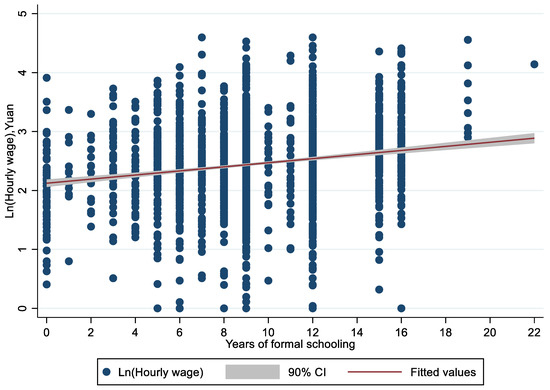
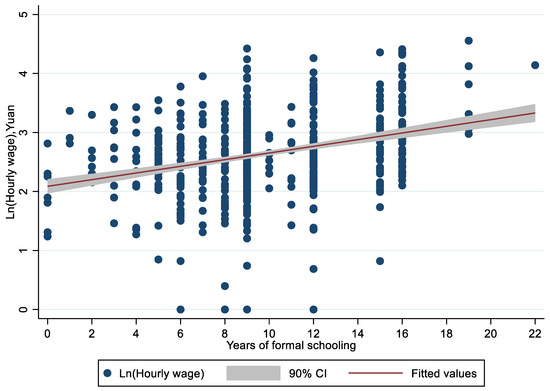
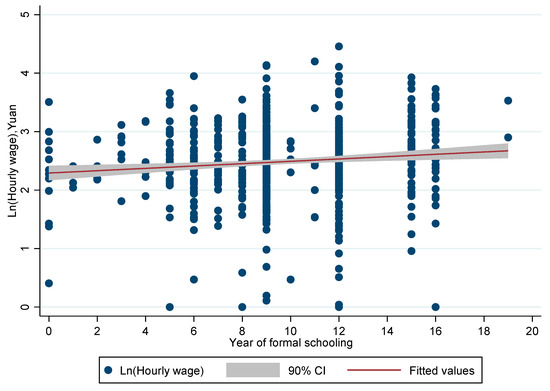
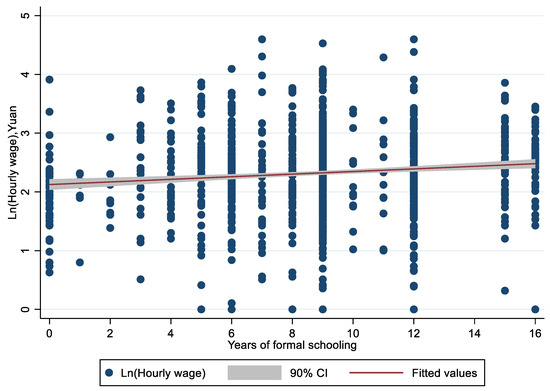
In this study, we explore the returns to education among different job locations for off-farm wage employment using nationally representative samples from rural China. Through a series of robustness checks, we conclude that there is heterogeneity in returns to education for different job locations within the rural labor force. Specifically, we have found that the returns to education for laborers in big cities are significantly higher than those for laborers working both in ordinary cities and within counties. That is to say, the utility of education is better-reflected in big cities. We conclude that the returns to education in big cities are 5.4 percent, while the returns to education are no more than 1 percent in ordinary cities and within counties. These results suggest that labor markets in the underdeveloped regions of China have factors that undermine the productivity effect of human capital. Full article
(This article belongs to the Section Sustainable Urban and Rural Development)
Show Figures

Figure 1
28 pages, 2694 KB  
Article
The Effect of Visitors on the Properties of Vegetation of Calcareous Grasslands in the Context of Width and Distances from Tourist Trails
by Kinga Kostrakiewicz-Gierałt, Artur Pliszko and Katarzyna Gmyrek-Gołąb
Sustainability 2020, 12(2), 454; https://doi.org/10.3390/su12020454 - 7 Jan 2020
Cited by 9 | Viewed by 4197
Abstract
Over the last decades, valuable natural areas considered as zones of silence and rest have been increasingly struggling with the problem of mass tourism. In this study, an investigation of the effect of visitors on the properties of vegetation of calcareous grasslands in [...] Read more.
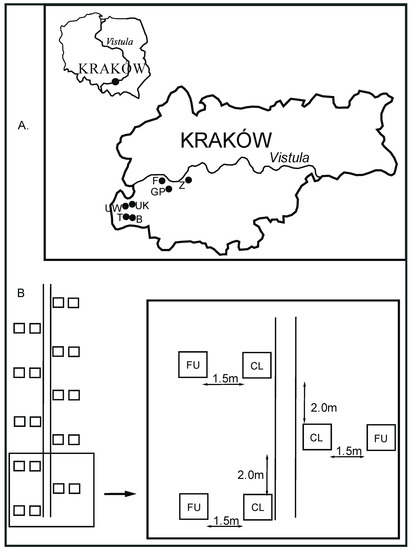
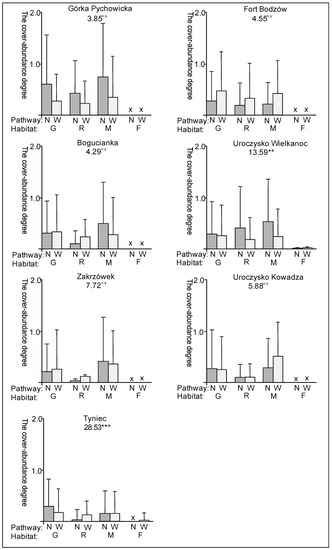
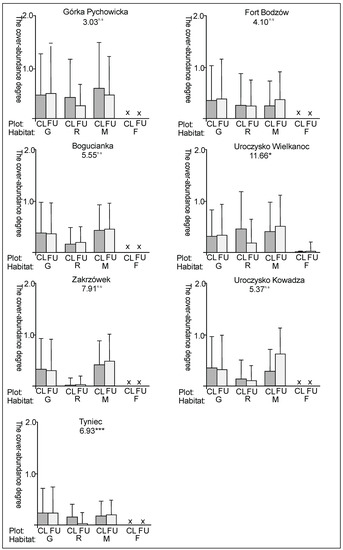
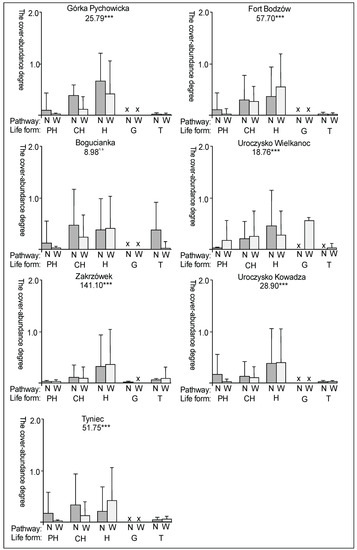
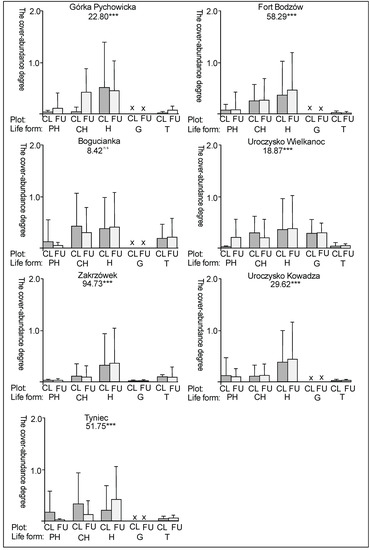
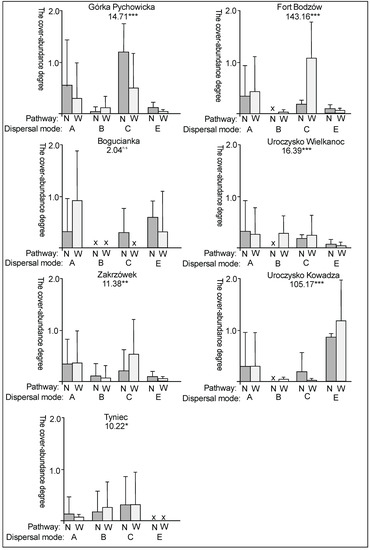
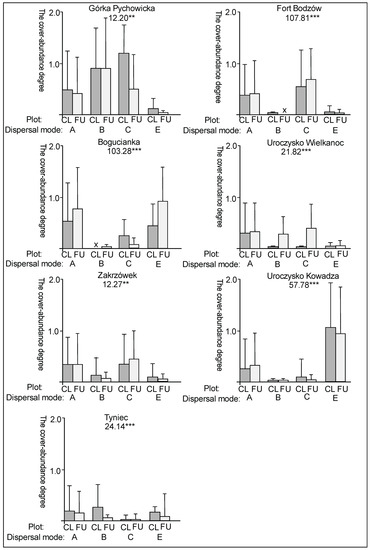
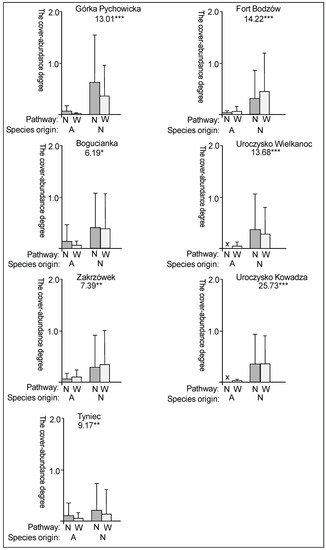
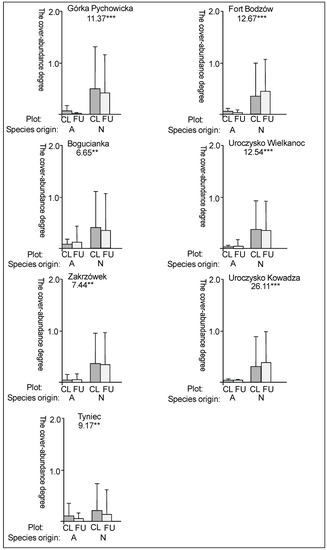
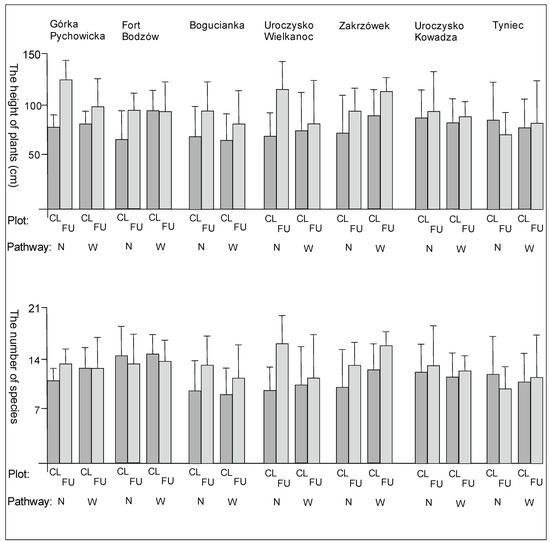
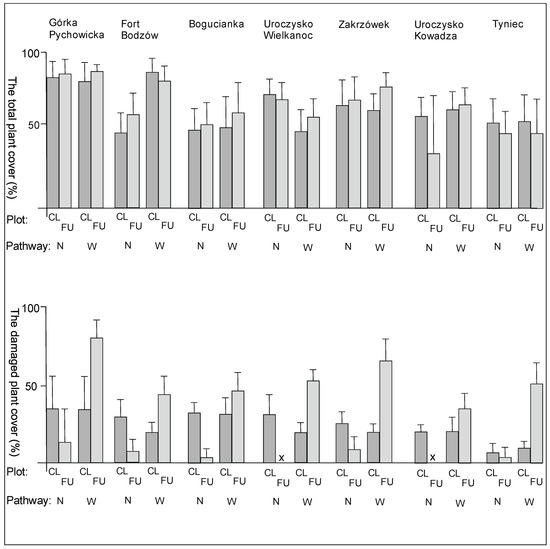
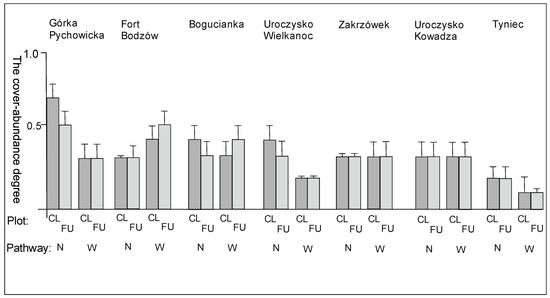
Over the last decades, valuable natural areas considered as zones of silence and rest have been increasingly struggling with the problem of mass tourism. In this study, an investigation of the effect of visitors on the properties of vegetation of calcareous grasslands in the context of width and distances from tourist trails is performed. The study was conducted in seven localities in Cracow (southern Poland) involving calcareous grasslands impacted by tourist trails. The results show that the lower height of plants, the greater number of species and the greater percentage of plant cover damaged by trampling in plots located close to the edge of tourist trails, as well as lower total plant cover and greater mean cover-abundance degree per species along narrow pathways. The dominance of meadow and grassland species, as well as the prevalence of native species, suggests that the composition of the examined vegetation has not been drastically changed. In the majority of the study plots, the dominance of hemicryptophytes and chamaephytes, inconsiderable share of phanerophytes and therophytes, as well as the low share of geophytes, were observed. The infrequent occurrence of species presenting Bidens dispersal type along narrow pathways, as well as in plots located close to the edge of tourist trails, suggests low external transport of epizoochorous seeds by passing people, while the prevalence of species presenting Cornus type in plots located away from the edge of tourist trails might be the effect of dung deposition by animals. Full article
Show Figures

Figure 1
17 pages, 5629 KB  
Article
Creation and Diversified Applications of Plane Module Libraries for Prefabricated Houses Based on BIM
by Yanqiu Cui, Simeng Li, Chunlu Liu and Ninghan Sun
Sustainability 2020, 12(2), 453; https://doi.org/10.3390/su12020453 - 7 Jan 2020
Cited by 17 | Viewed by 5100
Abstract
In recent years, due to the advantages of high construction efficiency and less environmental pollution, prefabricated housing has been of increasing interest and vigorously promoted. However at present, most prefabricated houses simply pursue an increase in assembly rate, and the floor plan design [...] Read more.
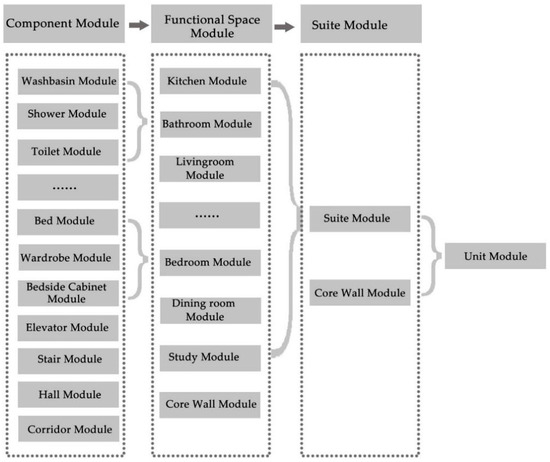
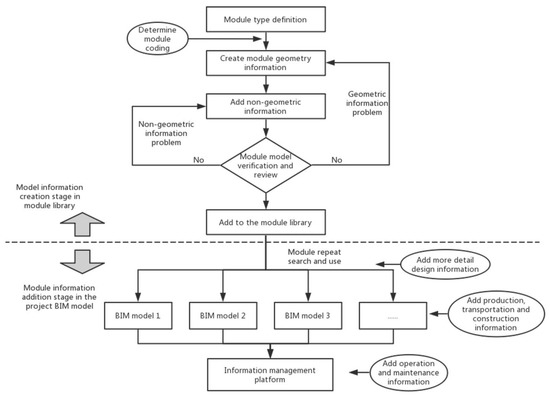
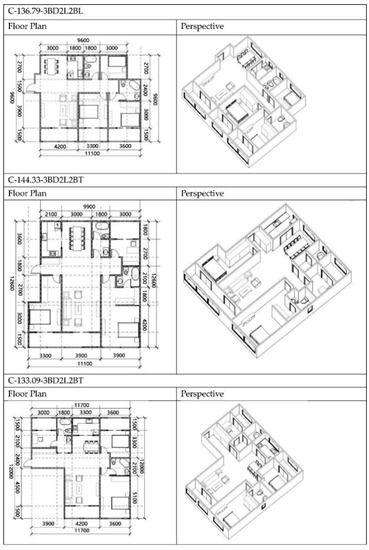
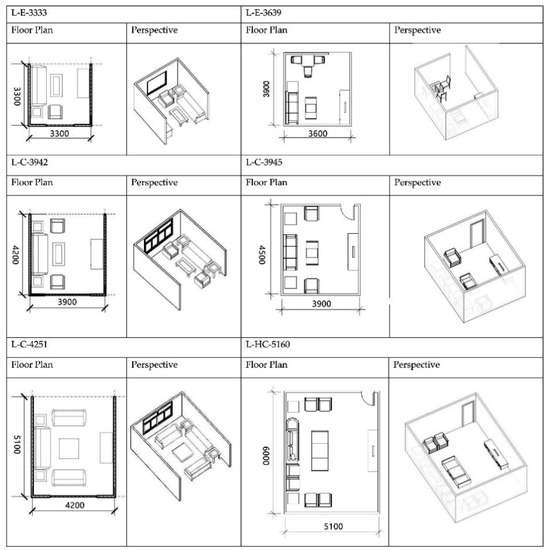
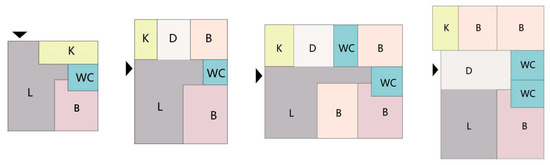
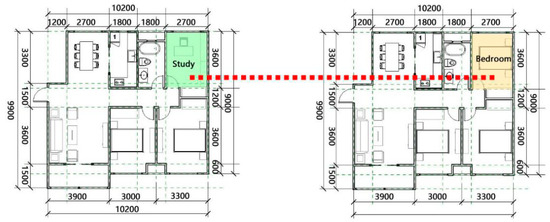
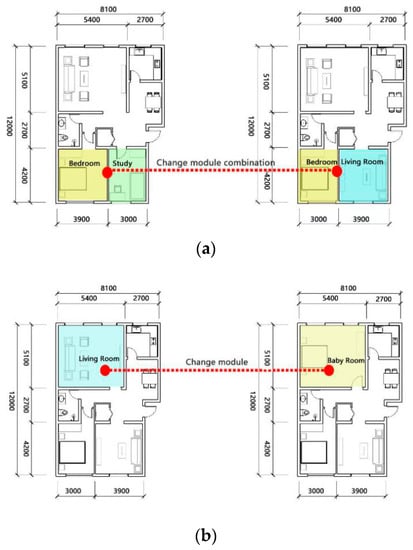
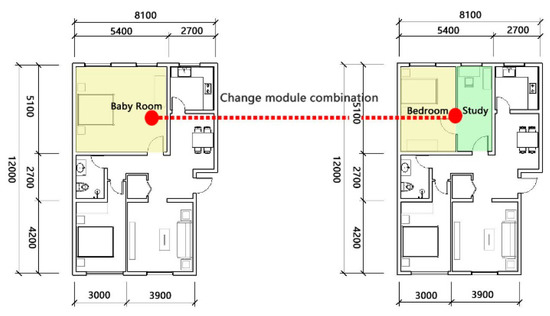
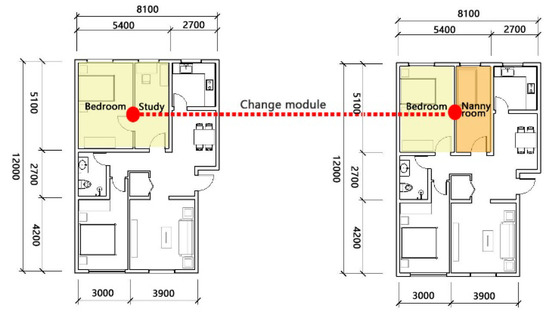
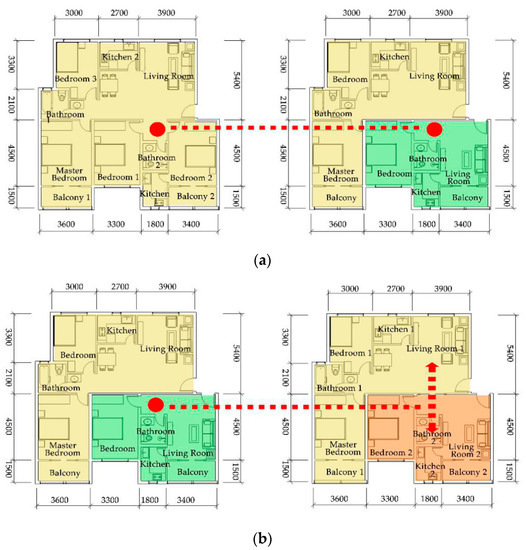
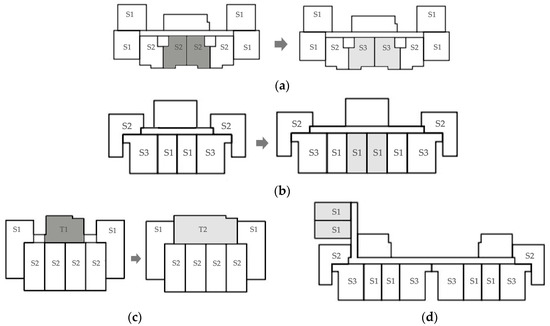
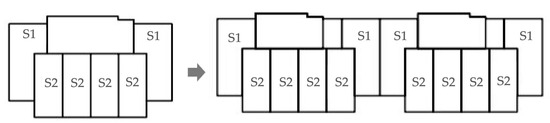
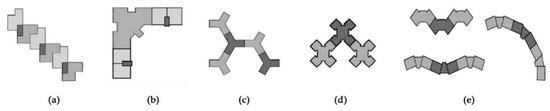
In recent years, due to the advantages of high construction efficiency and less environmental pollution, prefabricated housing has been of increasing interest and vigorously promoted. However at present, most prefabricated houses simply pursue an increase in assembly rate, and the floor plan design still continues to follow the traditional design method of housing, which does not meet the requirements of industrialization and cannot achieve the goal of product diversification. This paper puts forward a method for floor plan designs of prefabricated houses whose core is building plane module libraries. The modules in module libraries all conform to standardized and refined designs. A new residential floor plan can be obtained by selecting and recombining modules in module libraries. The richer the module library, the more diverse the results will be under the same combinatorial logic, which can greatly improve design efficiency. In addition, this paper probes the method of creation and applications of plane module libraries in detail, so as to provide a new idea for floor plan designs of prefabricated houses. This research is of great significance for improving the efficiency of floor plan design of prefabricated housing and realizing goals of standardization and diversification of prefabricated housing development. Full article
Show Figures

Figure 1
15 pages, 583 KB  
Article
Sustainability Practices of Higher Education Institutions in Hong Kong: A Case Study of a Sustainable Campus Consortium
by Weiyan Xiong and Ka Ho Mok
Sustainability 2020, 12(2), 452; https://doi.org/10.3390/su12020452 - 7 Jan 2020
Cited by 56 | Viewed by 7711
Abstract
Eight University Grant Committee (UGC)-funded public universities in Hong Kong positively and successfully responded to the global call for sustainability efforts in higher education institutions (HEIs). Various initiatives are transpiring within these eight campuses. The Hong Kong Sustainable Campus Consortium (HKSCC) was co-established [...] Read more.
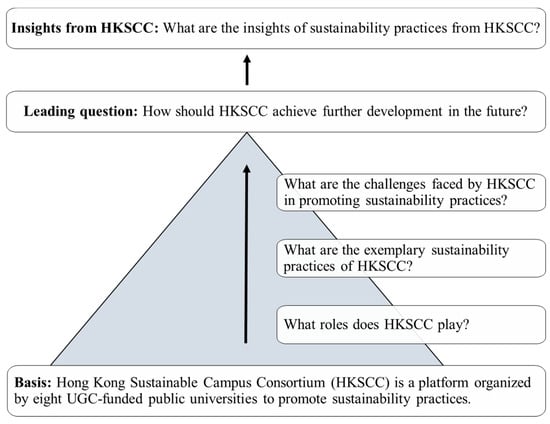
Eight University Grant Committee (UGC)-funded public universities in Hong Kong positively and successfully responded to the global call for sustainability efforts in higher education institutions (HEIs). Various initiatives are transpiring within these eight campuses. The Hong Kong Sustainable Campus Consortium (HKSCC) was co-established by eight UGC-funded universities, which is an excellent example of integrating resources and efforts to achieve sustainable development goals and exert positive social impacts. Through interviews with HKSCC administrators and members and reviewing relevant documents, this study aims to examine the roles and challenges of HKSCC toward Hong Kong HEIs’ sustainability efforts, and present the good practices and achievements of HKSCC. Findings of this study reveal that although HKSCC and each UGC-funded university contribute in reaching the sustainability goals, they should pay considerable attention to the external impact of sustainability practices on communities and society. Moreover, we propose that the sustainable development of public universities in Hong Kong should look beyond the narrowed definition of sustainable development and broaden their roles to exert a social impact by addressing the negative consequences of the massification, privatization, and internationalization of higher education. Full article
Show Figures

Figure 1