23 pages, 4355 KB  
Article
Disruption of the Auxin Gradient in the Abscission Zone Area Evokes Asymmetrical Changes Leading to Flower Separation in Yellow Lupine
by Agata Kućko, Emilia Wilmowicz, Wojciech Pokora and Juan De Dios Alché
Int. J. Mol. Sci. 2020, 21(11), 3815; https://doi.org/10.3390/ijms21113815 - 27 May 2020
Cited by 36 | Viewed by 5183
Abstract
How auxin transport regulates organ abscission is a long-standing and intriguing question. Polar auxin transport across the abscission zone (AZ) plays a more important role in the regulation of abscission than a local concentration of this hormone. We recently reported the existence of [...] Read more.
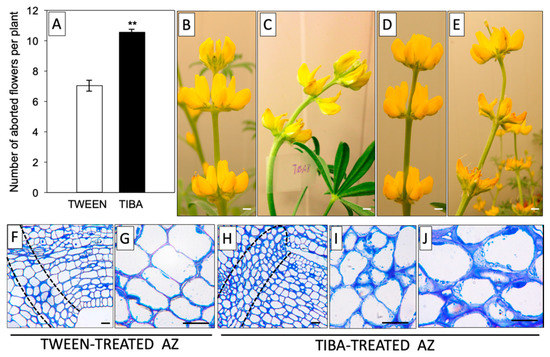
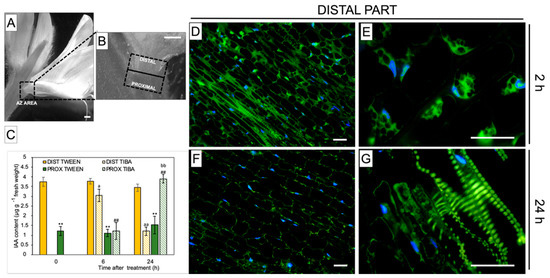
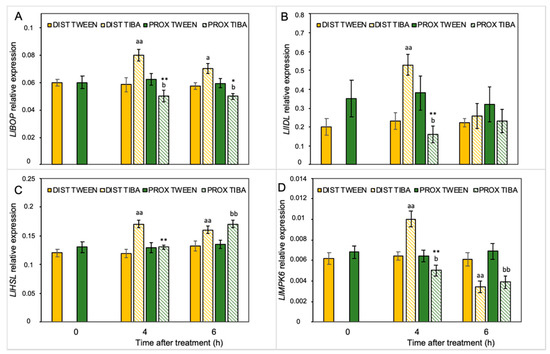
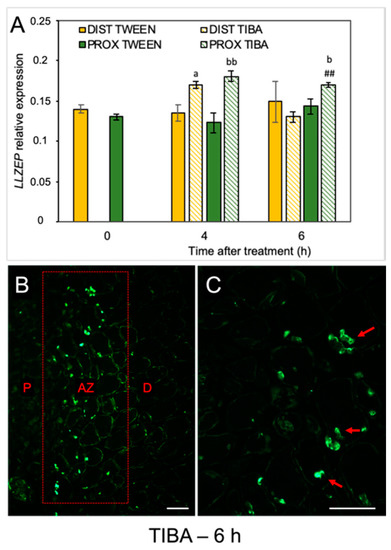
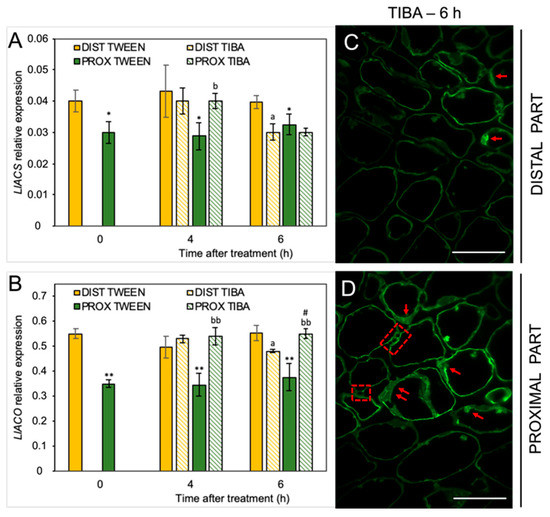
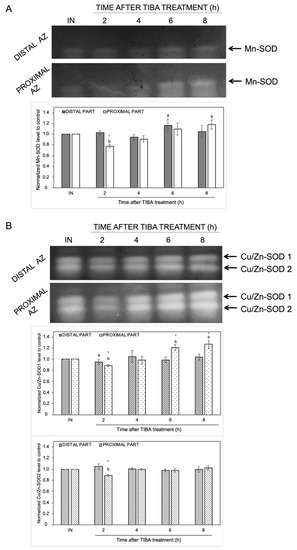
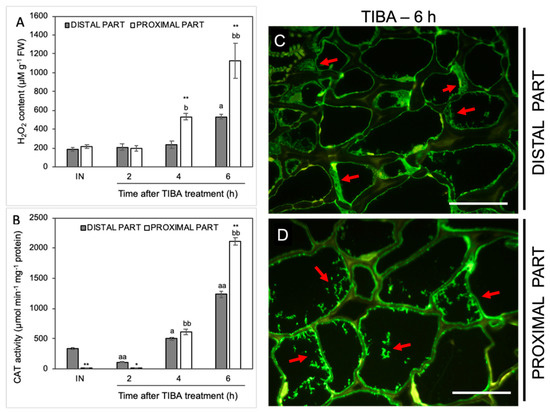
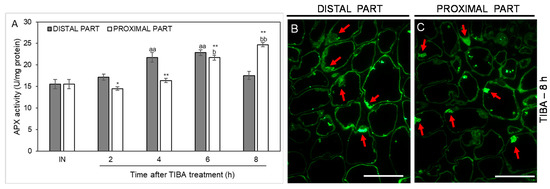
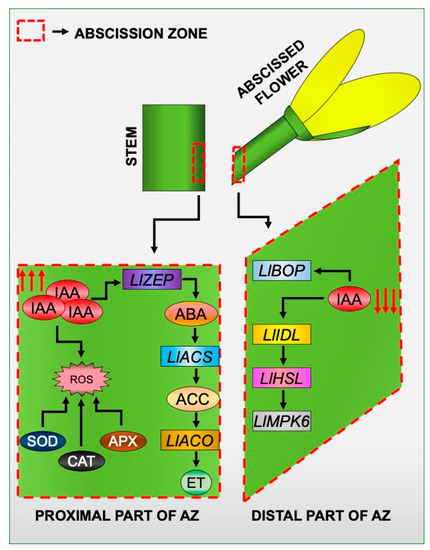
How auxin transport regulates organ abscission is a long-standing and intriguing question. Polar auxin transport across the abscission zone (AZ) plays a more important role in the regulation of abscission than a local concentration of this hormone. We recently reported the existence of a spatiotemporal sequential pattern of the indole-3-acetic acid (IAA) localization in the area of the yellow lupine AZ, which is a place of flower detachment. In this study, we performed analyses of AZ following treatment with an inhibitor of polar auxin transport (2,3,5-triiodobenzoic acid (TIBA)). Once we applied TIBA directly onto the AZ, we observed a strong response as demonstrated by enhanced flower abscission. To elucidate the molecular events caused by the inhibition of auxin movement, we divided the AZ into the distal and proximal part. TIBA triggered the formation of the IAA gradient between these two parts. The AZ-marker genes, which encode the downstream molecular components of the inflorescence deficient in abscission (IDA)-signaling system executing the abscission, were expressed in the distal part. The accumulation of IAA in the proximal area accelerated the biosynthesis of abscisic acid and ethylene (stimulators of flower separation), which was also reflected at the transcriptional level. Accumulated IAA up-regulated reactive oxygen species (ROS) detoxification mechanisms. Collectively, we provide new information regarding auxin-regulated processes operating in specific areas of the AZ. Full article
(This article belongs to the Section Molecular Plant Sciences)
Show Figures

Figure 1
17 pages, 687 KB  
Article
Urinary MicroRNAs as Potential Markers for Non-Invasive Diagnosis of Bladder Cancer
by Kati Erdmann, Karsten Salomo, Anna Klimova, Ulrike Heberling, Andrea Lohse-Fischer, Romy Fuehrer, Christian Thomas, Ingo Roeder, Michael Froehner, Manfred P. Wirth and Susanne Fuessel
Int. J. Mol. Sci. 2020, 21(11), 3814; https://doi.org/10.3390/ijms21113814 - 27 May 2020
Cited by 25 | Viewed by 3960
Abstract
Currently, voided urine cytology (VUC) serves as the gold standard for the detection of bladder cancer (BCa) in urine. Despite its high specificity, VUC has shortcomings in terms of sensitivity. Therefore, alternative biomarkers are being searched, which might overcome these disadvantages as a [...] Read more.
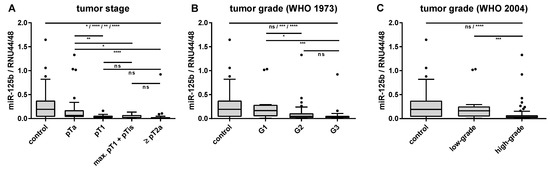
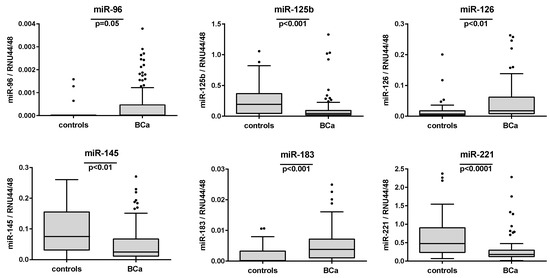
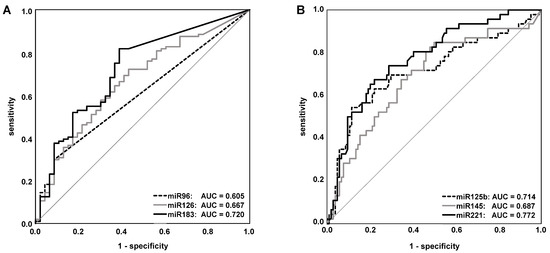
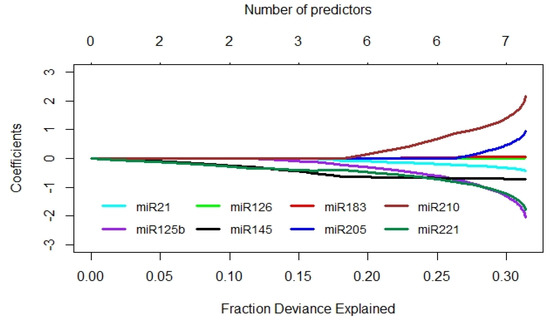
Currently, voided urine cytology (VUC) serves as the gold standard for the detection of bladder cancer (BCa) in urine. Despite its high specificity, VUC has shortcomings in terms of sensitivity. Therefore, alternative biomarkers are being searched, which might overcome these disadvantages as a useful adjunct to VUC. The aim of this study was to evaluate the diagnostic potential of the urinary levels of selected microRNAs (miRs), which might represent such alternative biomarkers due to their BCa-specific expression. Expression levels of nine BCa-associated microRNAs (miR-21, -96, -125b, -126, -145, -183, -205, -210, -221) were assessed by quantitative PCR in urine sediments from 104 patients with primary BCa and 46 control subjects. Receiver operating characteristic (ROC) curve analyses revealed a diagnostic potential for miR-96, -125b, -126, -145, -183, and -221 with area under the curve (AUC) values between 0.605 and 0.772. The combination of the four best candidates resulted in sensitivity, specificity, positive and negative predictive values (NPV), and accuracy of 73.1%, 95.7%, 97.4%, 61.1%, and 80.0%, respectively. Combined with VUC, sensitivity and NPV could be increased by nearly 8%, each surpassing the performance of VUC alone. The present findings suggested a diagnostic potential of miR-125b, -145, -183, and -221 in combination with VUC for non-invasive detection of BCa in urine. Full article
Show Figures

Figure 1
16 pages, 1959 KB  
Article
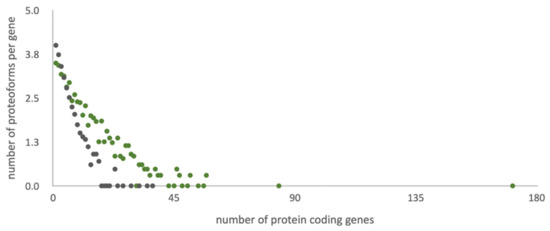
Empowering Shotgun Mass Spectrometry with 2DE: A HepG2 Study
by Olga Kiseleva, Victor Zgoda, Stanislav Naryzhny and Ekaterina Poverennaya
Int. J. Mol. Sci. 2020, 21(11), 3813; https://doi.org/10.3390/ijms21113813 - 27 May 2020
Cited by 5 | Viewed by 3336
Abstract
One of the major goals of the Chromosome-Centric Human Proteome Project (C-HPP) is to catalog and annotate a myriad of heterogeneous proteoforms, produced by ca. 20 thousand genes. To achieve a detailed and personalized understanding into proteomes, we suggest using a customized RNA-seq [...] Read more.
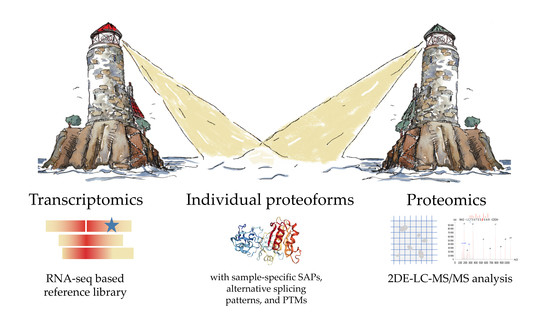
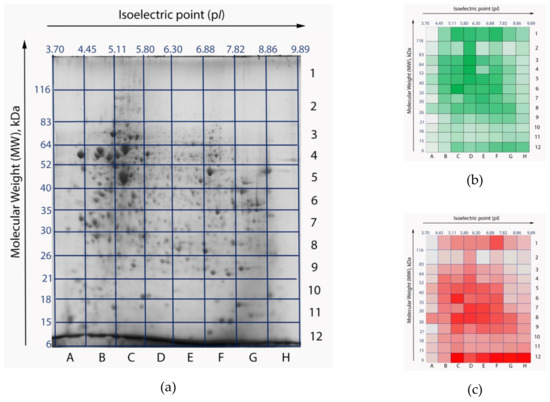
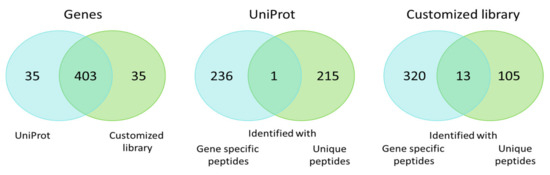
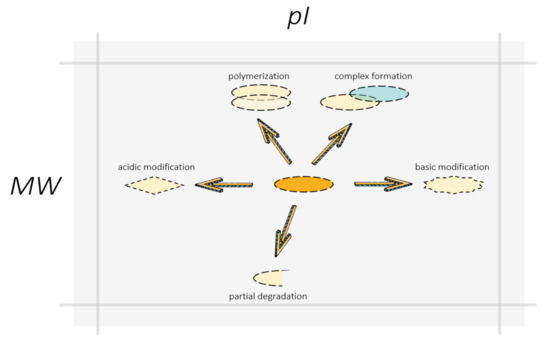
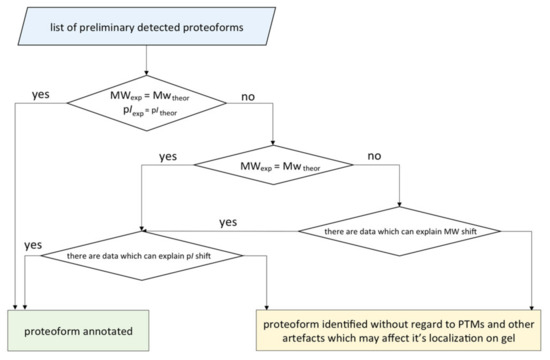
One of the major goals of the Chromosome-Centric Human Proteome Project (C-HPP) is to catalog and annotate a myriad of heterogeneous proteoforms, produced by ca. 20 thousand genes. To achieve a detailed and personalized understanding into proteomes, we suggest using a customized RNA-seq library of potential proteoforms, which includes aberrant variants specific to certain biological samples. Two-dimensional electrophoresis coupled with high-performance liquid chromatography allowed us to downgrade the difficulty of biological mixing following shotgun mass spectrometry. To benchmark the proposed pipeline, we examined heterogeneity of the HepG2 hepatoblastoma cell line proteome. Data are available via ProteomeXchange with identifier PXD018450. Full article
(This article belongs to the Section Molecular Biology)
Show Figures

Graphical abstract

15 pages, 1894 KB  
Review
Pulmonary Delivery of Fenretinide: A Possible Adjuvant Treatment in COVID-19
by Isabella Orienti, Giovanna Angela Gentilomi and Giovanna Farruggia
Int. J. Mol. Sci. 2020, 21(11), 3812; https://doi.org/10.3390/ijms21113812 - 27 May 2020
Cited by 24 | Viewed by 7154
Abstract
At present, there is no vaccine or effective standard treatment for severe acute respiratory syndrome coronavirus-2 (SARS-CoV-2) infection (or coronavirus disease-19 (COVID-19)), which frequently leads to lethal pulmonary inflammatory responses. COVID-19 pathology is characterized by extreme inflammation and amplified immune response with activation [...] Read more.
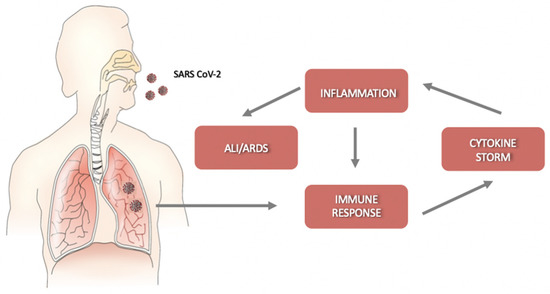
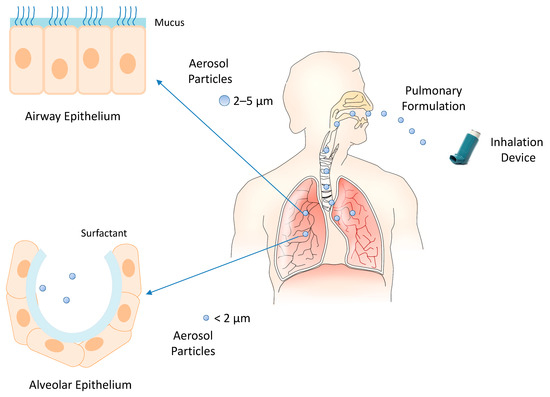
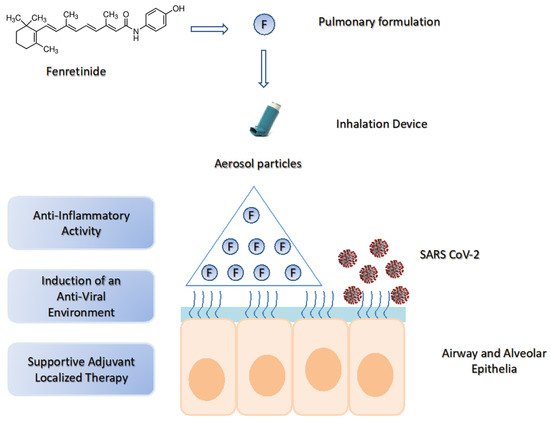
At present, there is no vaccine or effective standard treatment for severe acute respiratory syndrome coronavirus-2 (SARS-CoV-2) infection (or coronavirus disease-19 (COVID-19)), which frequently leads to lethal pulmonary inflammatory responses. COVID-19 pathology is characterized by extreme inflammation and amplified immune response with activation of a cytokine storm. A subsequent progression to acute lung injury (ALI) or acute respiratory distress syndrome (ARDS) can take place, which is often followed by death. The causes of these strong inflammatory responses in SARS-CoV-2 infection are still unknown. As uncontrolled pulmonary inflammation is likely the main cause of death in SARS-CoV-2 infection, anti-inflammatory therapeutic interventions are particularly important. Fenretinide N-(4-hydroxyphenyl) retinamide is a bioactive molecule characterized by poly-pharmacological properties and a low toxicity profile. Fenretinide is endowed with antitumor, anti-inflammatory, antiviral, and immunomodulating properties other than efficacy in obesity/diabetic pathologies. Its anti-inflammatory and antiviral activities, in particular, could likely have utility in multimodal therapies for the treatment of ALI/ARDS in COVID-19 patients. Moreover, fenretinide administration by pulmonary delivery systems could further increase its therapeutic value by carrying high drug concentrations to the lungs and triggering a rapid onset of activity. This is particularly important in SARS-CoV-2 infection, where only a narrow time window exists for therapeutic intervention. Full article
(This article belongs to the Special Issue COVID-19 and Molecular Studies in Biology and Chemistry)
Show Figures

Figure 1
20 pages, 7520 KB  
Article
The FT-IR and Raman Spectroscopies as Tools for Biofilm Characterization Created by Cariogenic Streptococci
by Barbara Gieroba, Mikolaj Krysa, Kinga Wojtowicz, Adrian Wiater, Małgorzata Pleszczyńska, Michał Tomczyk and Anna Sroka-Bartnicka
Int. J. Mol. Sci. 2020, 21(11), 3811; https://doi.org/10.3390/ijms21113811 - 27 May 2020
Cited by 126 | Viewed by 8508
Abstract
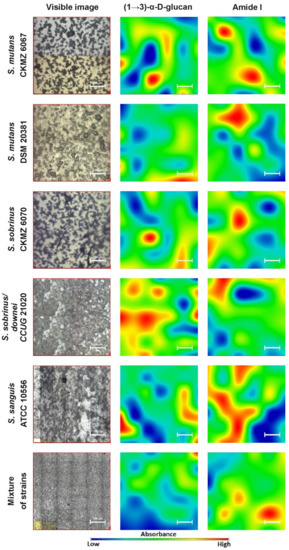
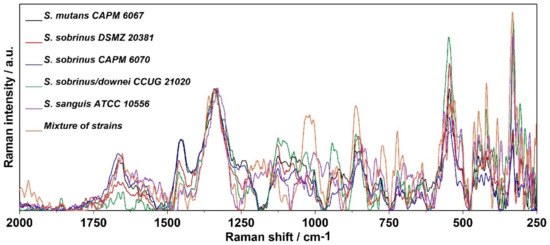
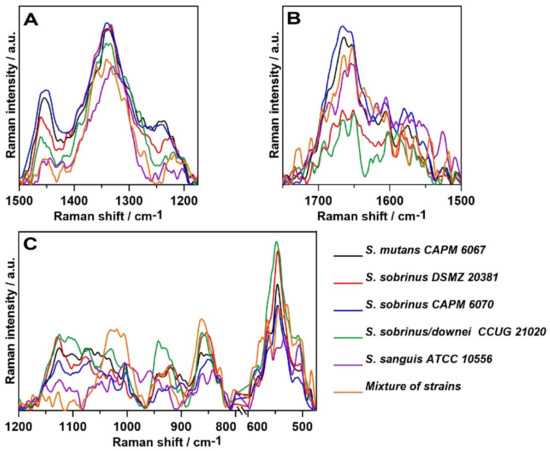
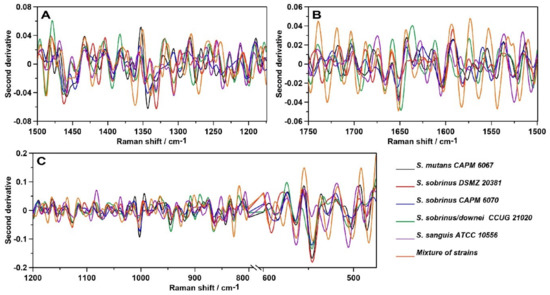
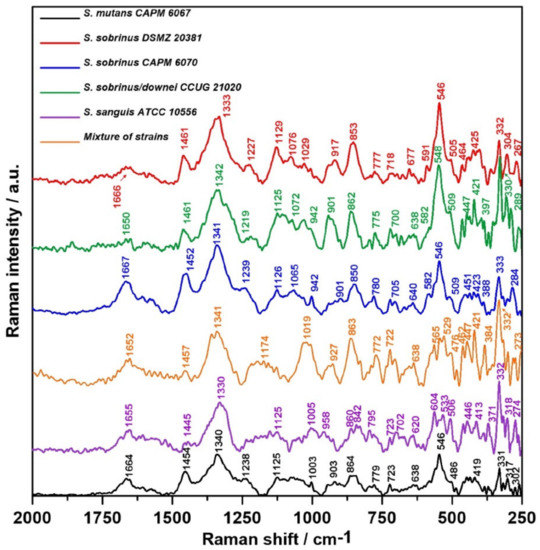
Fourier transform infrared (FT-IR) and Raman spectroscopy and mapping were applied to the analysis of biofilms produced by bacteria of the genus Streptococcus. Bacterial biofilm, also called dental plaque, is the main cause of periodontal disease and tooth decay. It consists of a [...] Read more.
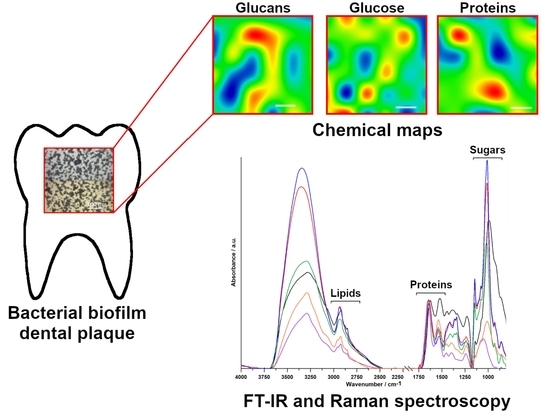
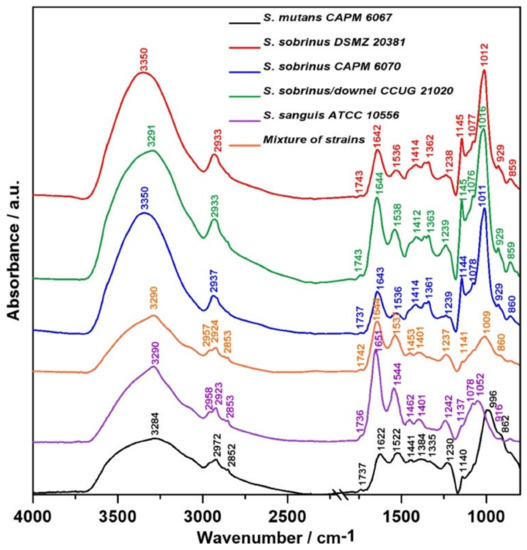
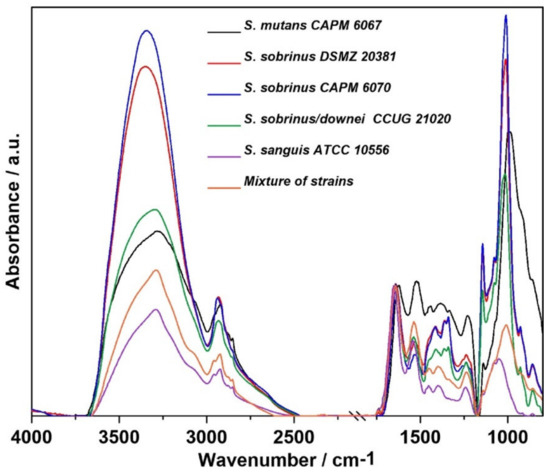
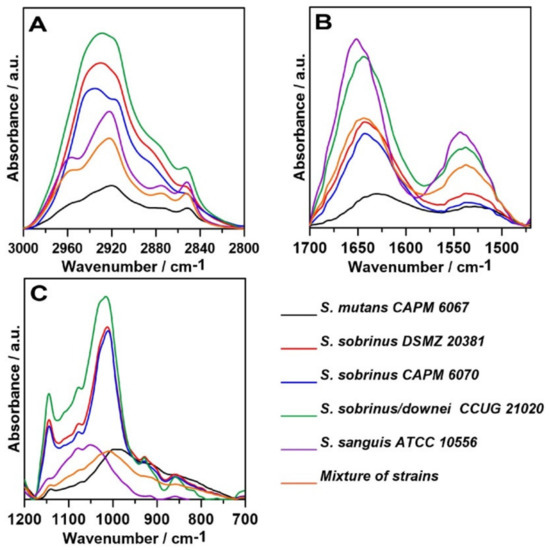
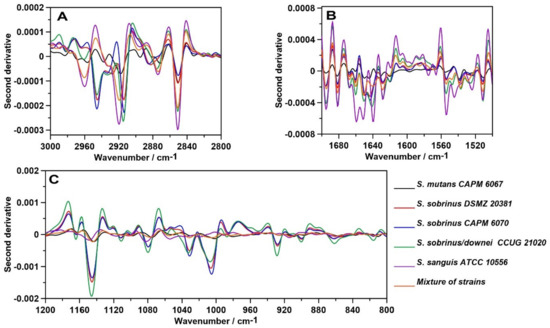
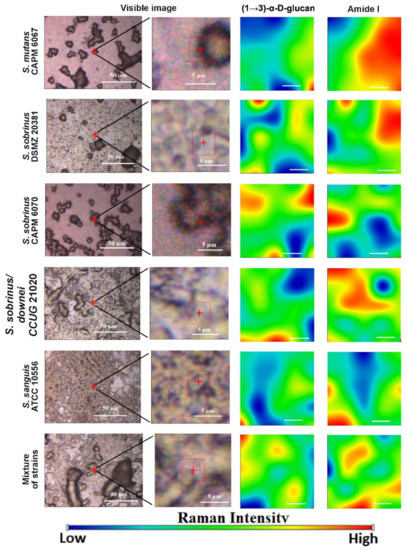
Fourier transform infrared (FT-IR) and Raman spectroscopy and mapping were applied to the analysis of biofilms produced by bacteria of the genus Streptococcus. Bacterial biofilm, also called dental plaque, is the main cause of periodontal disease and tooth decay. It consists of a complex microbial community embedded in an extracellular matrix composed of highly hydrated extracellular polymeric substances and is a combination of salivary and bacterial proteins, lipids, polysaccharides, nucleic acids, and inorganic ions. This study confirms the value of Raman and FT-IR spectroscopies in biology, medicine, and pharmacy as effective tools for bacterial product characterization. Full article
Show Figures

Graphical abstract

13 pages, 2534 KB  
Article
Association of A Novel Splice Site Mutation in P/Q-Type Calcium Channels with Childhood Epilepsy and Late-Onset Slowly Progressive Non-Episodic Cerebellar Ataxia
by Claudia Stendel, Maria Cristina D’Adamo, Manuela Wiessner, Marina Dusl, Marta Cenciarini, Silvia Belia, Ehsan Nematian-Ardestani, Peter Bauer, Jan Senderek, Thomas Klopstock and Mauro Pessia
Int. J. Mol. Sci. 2020, 21(11), 3810; https://doi.org/10.3390/ijms21113810 - 27 May 2020
Cited by 19 | Viewed by 4859
Abstract
Episodic ataxia type 2 (EA2) is characterized by paroxysmal attacks of ataxia with typical onset in childhood or early adolescence. The disease is associated with mutations in the voltage-gated calcium channel alpha 1A subunit (Cav2.1) that is encoded by the CACNA1A gene. However, [...] Read more.
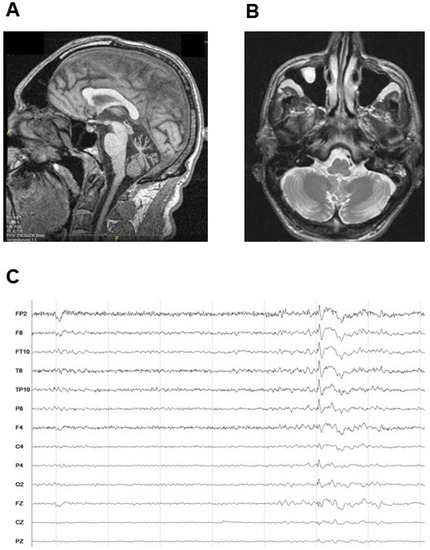
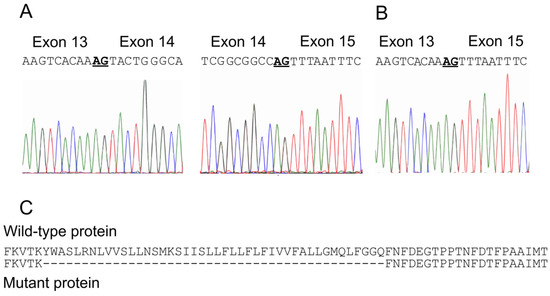
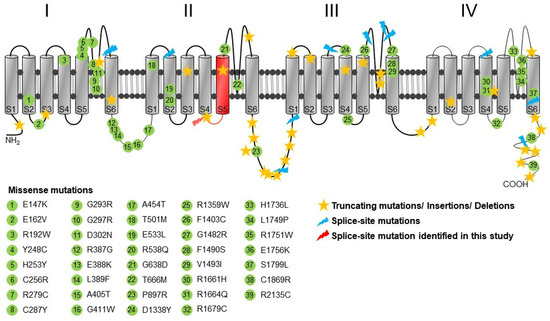
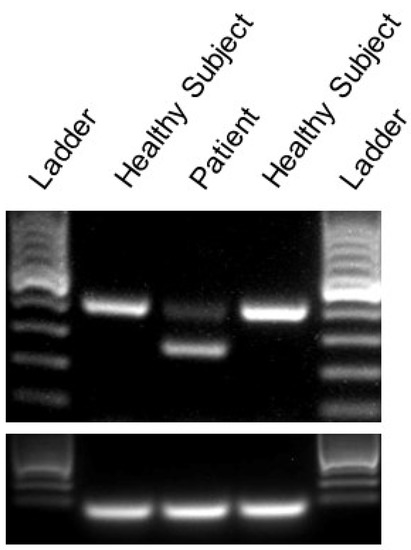
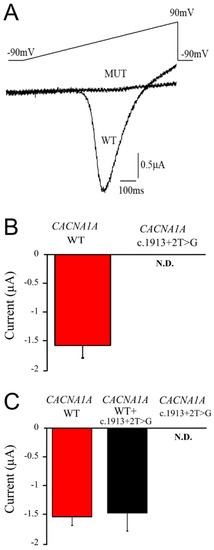
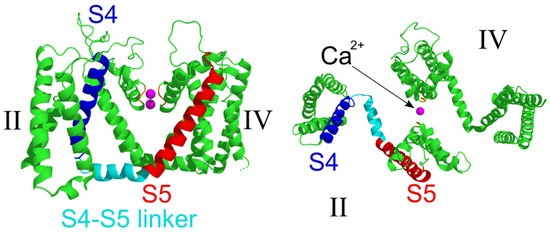
Episodic ataxia type 2 (EA2) is characterized by paroxysmal attacks of ataxia with typical onset in childhood or early adolescence. The disease is associated with mutations in the voltage-gated calcium channel alpha 1A subunit (Cav2.1) that is encoded by the CACNA1A gene. However, previously unrecognized atypical symptoms and the genetic overlap existing between EA2, spinocerebellar ataxia type 6, familial hemiplegic migraine type 1, and other neurological diseases blur the genotype/phenotype correlations, making a differential diagnosis difficult to formulate correctly and delaying early therapeutic intervention. Here we report a new clinical phenotype of a CACNA1A-associated disease characterized by absence epilepsy occurring during childhood. However, much later in life the patient displayed non-episodic, slowly progressive gait ataxia. Gene panel sequencing for hereditary ataxias led to the identification of a novel heterozygous CACNA1A mutation (c.1913 + 2T > G), altering the donor splice site of intron 14. This genetic defect was predicted to result in an in-frame deletion removing 44 amino acids from the voltage-gated calcium channel Cav2.1. An RT-PCR analysis of cDNA derived from patient skin fibroblasts confirmed the skipping of the entire exon 14. Furthermore, two-electrode voltage-clamp recordings performed from Xenopus laevis oocytes expressing a wild-type versus mutant channel showed that the genetic defect caused a complete loss of channel function. This represents the first description of distinct clinical manifestations that remarkably expand the genetic and phenotypic spectrum of CACNA1A-related diseases and should be considered for an early diagnosis and effective therapeutic intervention. Full article
Show Figures

Figure 1
16 pages, 995 KB  
Review
Cannabinoid Receptor Type 2: A Possible Target in SARS-CoV-2 (CoV-19) Infection?
by Francesca Rossi, Chiara Tortora, Maura Argenziano, Alessandra Di Paola and Francesca Punzo
Int. J. Mol. Sci. 2020, 21(11), 3809; https://doi.org/10.3390/ijms21113809 - 27 May 2020
Cited by 71 | Viewed by 20703
Abstract
In late December 2019, a novel coronavirus (SARS-CoV-2 or CoV-19) appeared in Wuhan, China, causing a global pandemic. SARS-CoV-2 causes mild to severe respiratory tract inflammation, often developing into lung fibrosis with thrombosis in pulmonary small vessels and causing even death. COronaVIrus Disease [...] Read more.
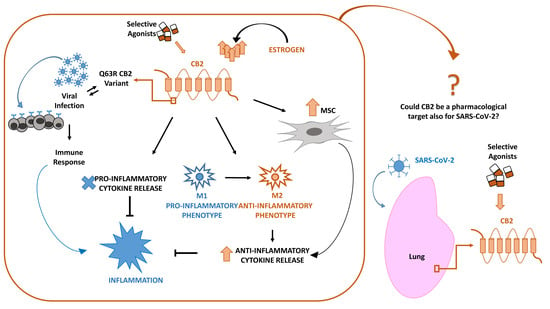
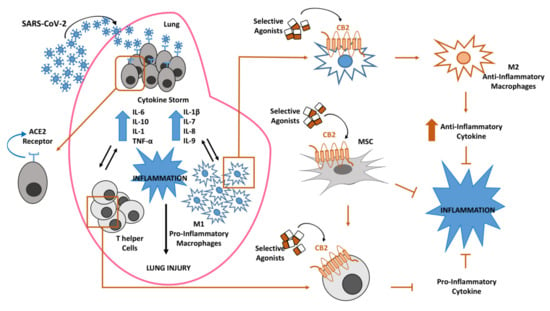
In late December 2019, a novel coronavirus (SARS-CoV-2 or CoV-19) appeared in Wuhan, China, causing a global pandemic. SARS-CoV-2 causes mild to severe respiratory tract inflammation, often developing into lung fibrosis with thrombosis in pulmonary small vessels and causing even death. COronaVIrus Disease (COVID-19) patients manifest exacerbated inflammatory and immune responses, cytokine storm, prevalence of pro-inflammatory M1 macrophages and increased levels of resident and circulating immune cells. Men show higher susceptibility to SARS-CoV-2 infection than women, likely due to estrogens production. The protective role of estrogens, as well as an immune-suppressive activity that limits the excessive inflammation, can be mediated by cannabinoid receptor type 2 (CB2). The role of this receptor in modulating inflammation and immune response is well documented in fact in several settings. The stimulation of CB2 receptors is known to limit the release of pro-inflammatory cytokines, shift the macrophage phenotype towards the anti-inflammatory M2 type and enhance the immune-modulating properties of mesenchymal stromal cells. For these reasons, we hypothesize that CB2 receptor can be a therapeutic target in COVID-19 pandemic emergency. Full article
Show Figures

Graphical abstract

24 pages, 16129 KB  
Article
Impact of a Histone Deacetylase Inhibitor—Trichostatin A on Neurogenesis after Hypoxia-Ischemia in Immature Rats
by Teresa Zalewska, Joanna Jaworska, Joanna Sypecka and Malgorzata Ziemka-Nalecz
Int. J. Mol. Sci. 2020, 21(11), 3808; https://doi.org/10.3390/ijms21113808 - 27 May 2020
Cited by 17 | Viewed by 4069
Abstract
Hypoxia-ischemia (HI) in the neonatal brain frequently results in neurologic impairments, including cognitive disability. Unfortunately, there are currently no known treatment options to minimize ischemia-induced neural damage. We previously showed the neuroprotective/neurogenic potential of a histone deacetylase inhibitor (HDACi), sodium butyrate (SB), in [...] Read more.
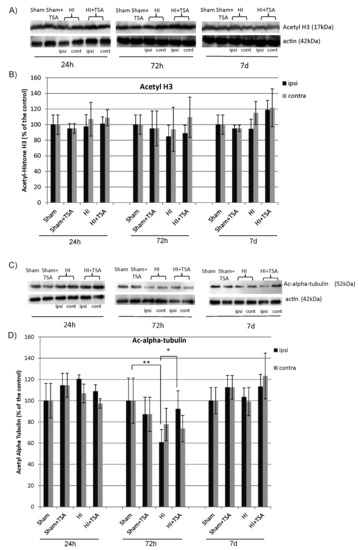
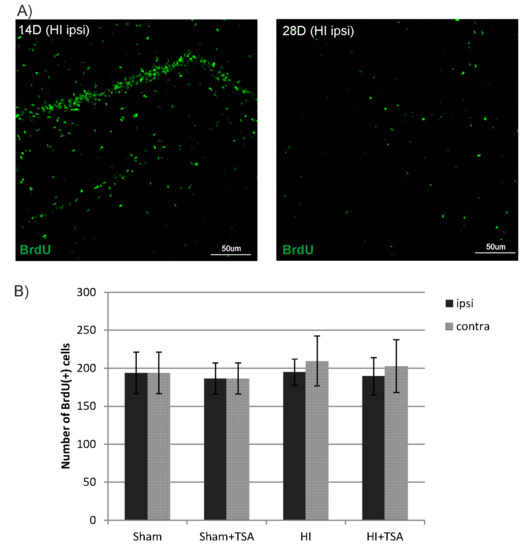
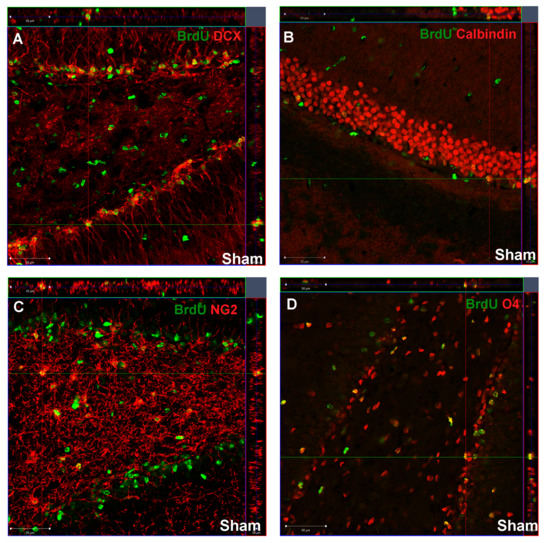
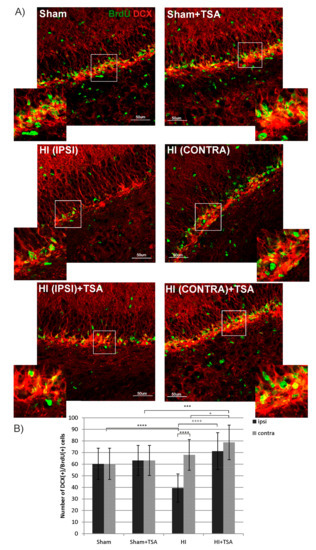
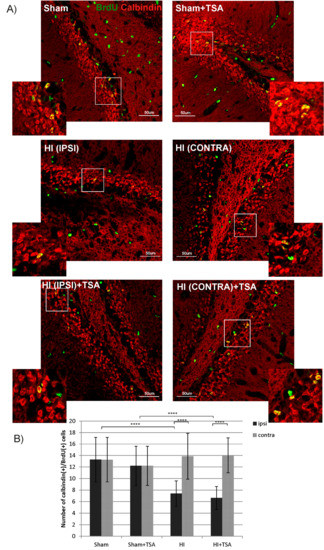
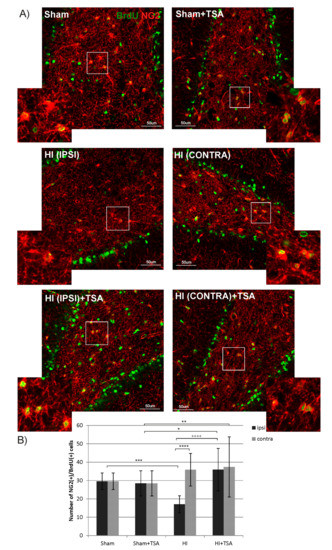
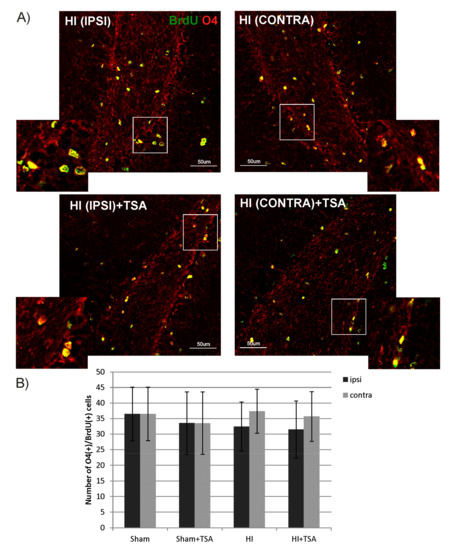
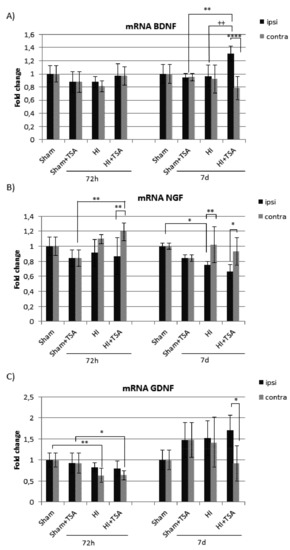
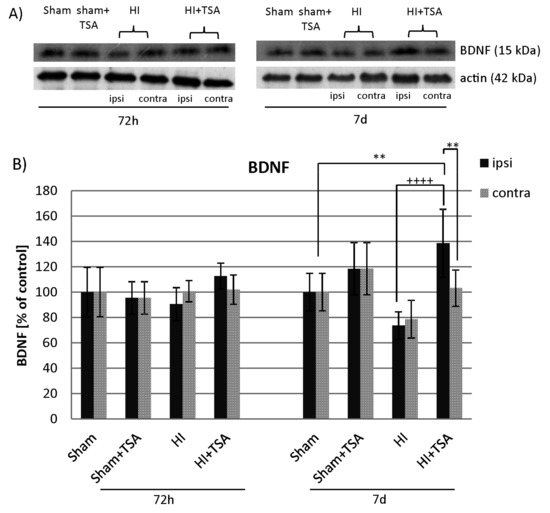
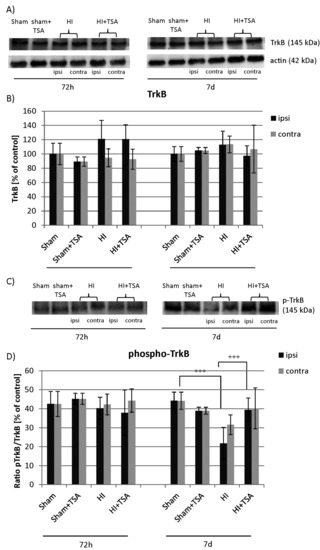
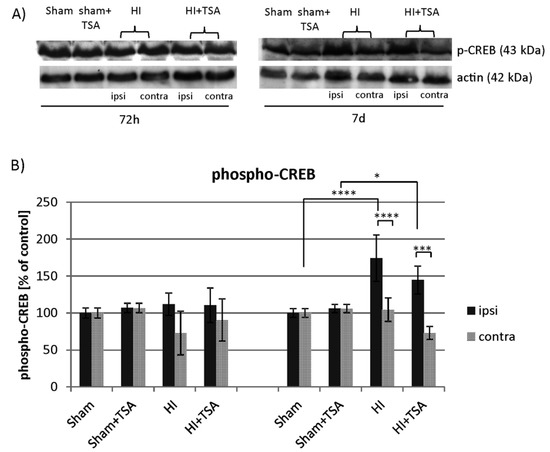
Hypoxia-ischemia (HI) in the neonatal brain frequently results in neurologic impairments, including cognitive disability. Unfortunately, there are currently no known treatment options to minimize ischemia-induced neural damage. We previously showed the neuroprotective/neurogenic potential of a histone deacetylase inhibitor (HDACi), sodium butyrate (SB), in a neonatal HI rat pup model. The aim of the present study was to examine the capacity of another HDACi—Trichostatin A (TSA)—to stimulate neurogenesis in the subgranular zone of the hippocampus. We also assessed some of the cellular/molecular processes that could be involved in the action of TSA, including the expression of neurotrophic factors (glial cell line-derived neurotrophic factor (GDNF), nerve growth factor (NGF), and brain-derived neurotrophic factor (BDNF)) as well as the TrkB receptor and its downstream signalling substrate— cAMP response element-binding protein (CREB). Seven-day-old rat pups were subjected to unilateral carotid artery ligation followed by hypoxia for 1 h. TSA was administered directly after the insult (0.2 mg/kg body weight). The study demonstrated that treatment with TSA restored the reduced by hypoxia-ischemia number of immature neurons (neuroblasts, BrdU/DCX-positive) as well as the number of oligodendrocyte progenitors (BrdU/NG2+) in the dentate gyrus of the ipsilateral damaged hemisphere. However, new generated cells did not develop the more mature phenotypes. Moreover, the administration of TSA stimulated the expression of BDNF and increased the activation of the TrkB receptor. These results suggest that BDNF-TrkB signalling pathways may contribute to the effects of TSA after neonatal hypoxic-ischemic injury. Full article
(This article belongs to the Section Molecular Neurobiology)
Show Figures

Figure 1
19 pages, 5555 KB  
Article
Improvement of Impaired Motor Functions by Human Dental Exfoliated Deciduous Teeth Stem Cell-Derived Factors in a Rat Model of Parkinson’s Disease
by Yong-Ren Chen, Pei-Lun Lai, Yueh Chien, Po-Hui Lee, Ying-Hsiu Lai, Hsin-I Ma, Chia-Yang Shiau and Kuo-Chuan Wang
Int. J. Mol. Sci. 2020, 21(11), 3807; https://doi.org/10.3390/ijms21113807 - 27 May 2020
Cited by 55 | Viewed by 5404
Abstract
Parkinson’s disease (PD) is a long-term degenerative disease of the central nervous system (CNS) that primarily affects the motor system. So far there is no effective treatment for PD, only some drugs, surgery, and comprehensive treatment can alleviate the symptoms of PD. Stem [...] Read more.
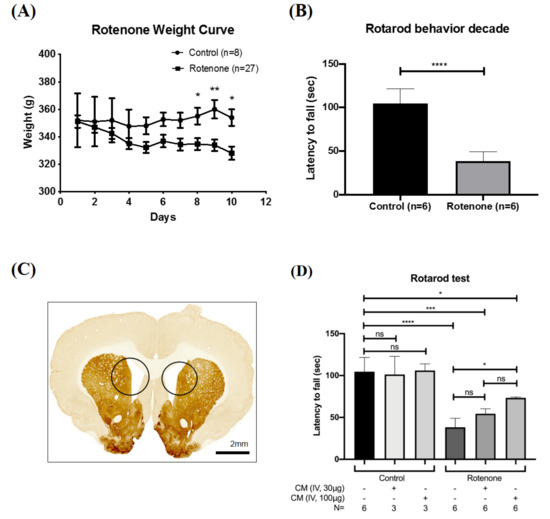
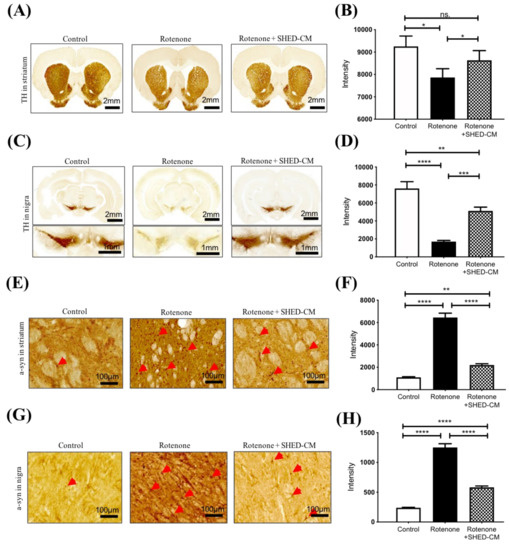
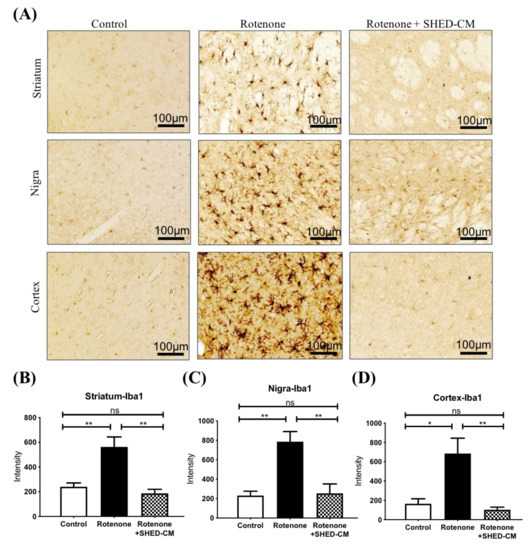
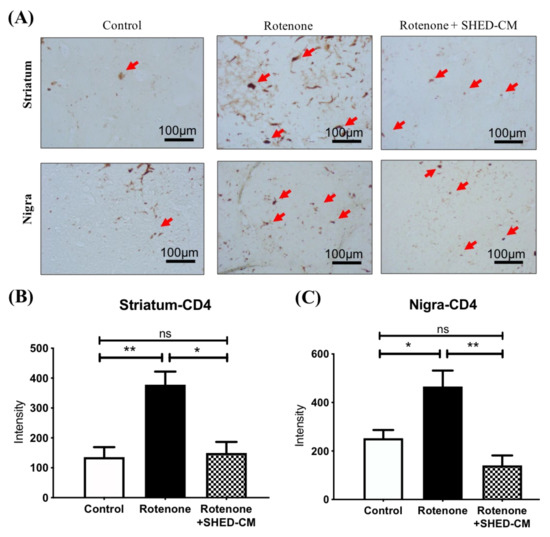
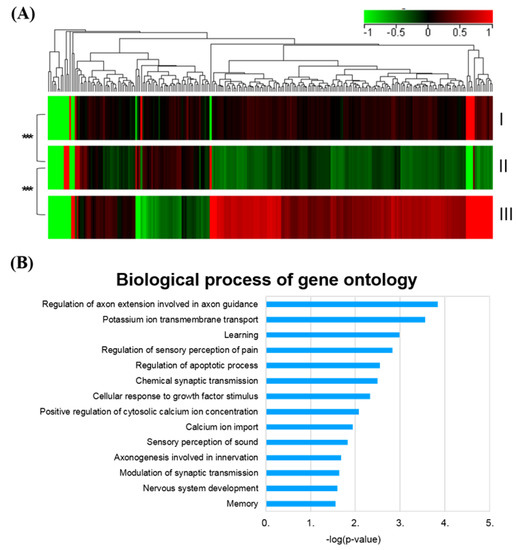
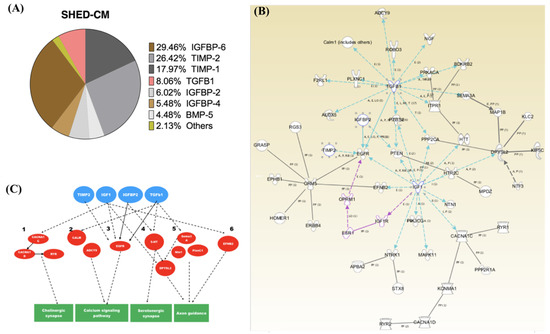
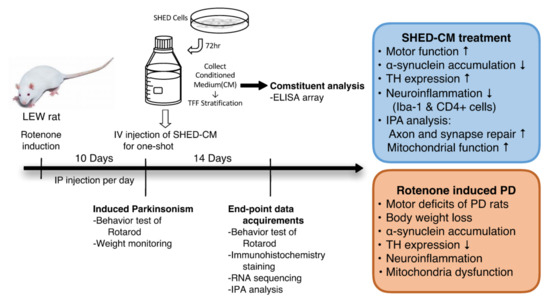
Parkinson’s disease (PD) is a long-term degenerative disease of the central nervous system (CNS) that primarily affects the motor system. So far there is no effective treatment for PD, only some drugs, surgery, and comprehensive treatment can alleviate the symptoms of PD. Stem cells derived from human exfoliated deciduous teeth (SHED), mesenchymal stem cells derived from dental pulp, may have promising potential in regenerative medicine. In this study, we examine the therapeutic effect of SHED-derived conditioned medium (SHED-CM) in a rotenone-induced PD rat model. Intravenous administration of SHED-CM generated by standardized procedures significantly improved the PD symptoms accompanied with increased tyrosine hydroxylase amounts in the striatum, and decreased α-synuclein levels in both the nigra and striatum, from rotenone-treated rats. In addition, this SHED-CM treatment decreased both Iba-1 and CD4 levels in these brain areas. Gene ontology analysis indicated that the biological process of genes affected by SHED-CM was primarily implicated in neurodevelopment and nerve regeneration. The major constituents of SHED-CM included insulin-like growth factor binding protein-6 (IGFBP-6), tissue inhibitor of metalloproteinase (TIMP)-2, TIMP-1, and transforming growth factor β1 (TGF-β1). RNA-sequencing (RNA-seq) and Ingenuity Pathway Analysis (IPA) revealed that these factors may ameliorate PD symptoms through modulating the cholinergic synapses, calcium signaling pathways, serotoninergic synapses, and axon guidance. In conclusion, our data indicate that SHED-CM contains active constituents that may have promising efficacy to alleviate PD. Full article
(This article belongs to the Special Issue Molecular Mechanisms Underlying CNS Inflammation)
Show Figures

Figure 1
23 pages, 5793 KB  
Article
Participation of Somatic Stem Cells, Labeled by a Unique Antibody (A3) Recognizing Both N-glycan and Peptide, to Hair Follicle Cycle and Cutaneous Wound Healing in Rats
by Chisa Katou-Ichikawa, Hironobu Nishina, Miyuu Tanaka, Shigeo Takenaka, Takeshi Izawa, Mitsuru Kuwamura and Jyoji Yamate
Int. J. Mol. Sci. 2020, 21(11), 3806; https://doi.org/10.3390/ijms21113806 - 27 May 2020
Cited by 10 | Viewed by 3392
Abstract
A monoclonal antibody (A3) was generated by using rat malignant fibrous histiocytoma (MFH) cells as the antigen. Generally, MFH is considered to be a sarcoma derived from undifferentiated mesenchymal cells. Molecular biological analyses using the lysate of rat MFH cells revealed that A3 [...] Read more.
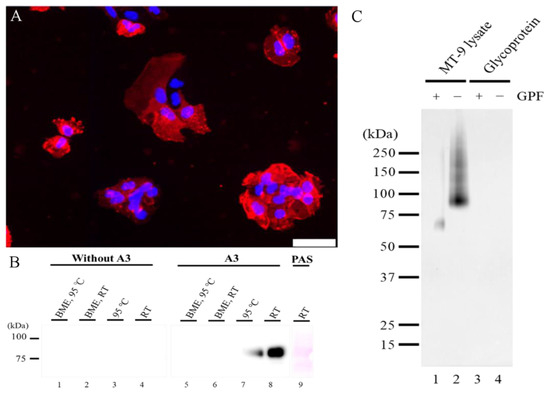
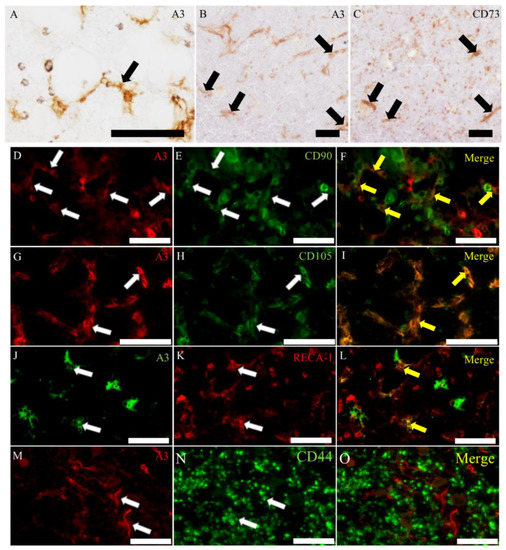
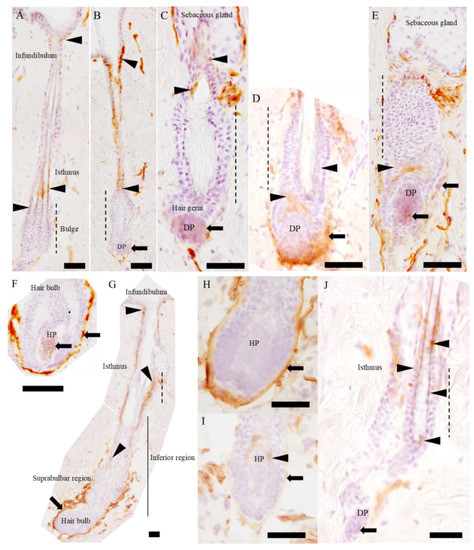
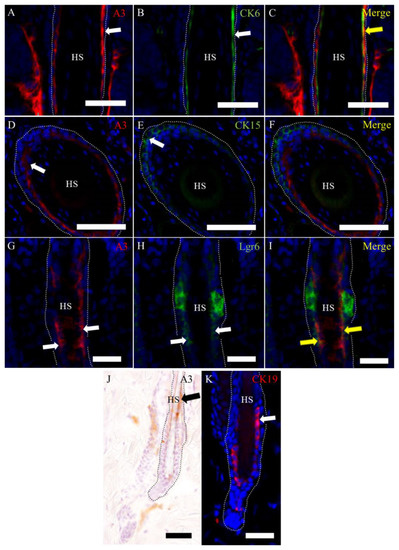
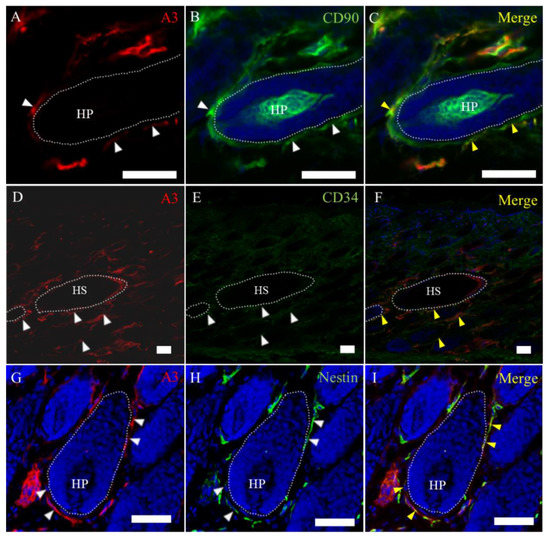
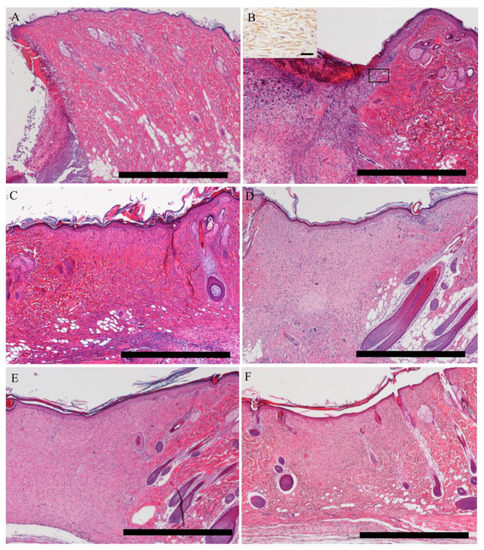
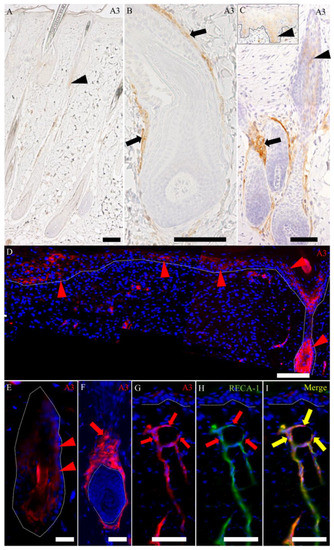
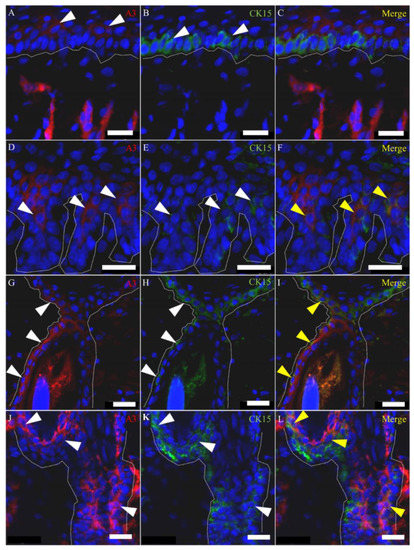
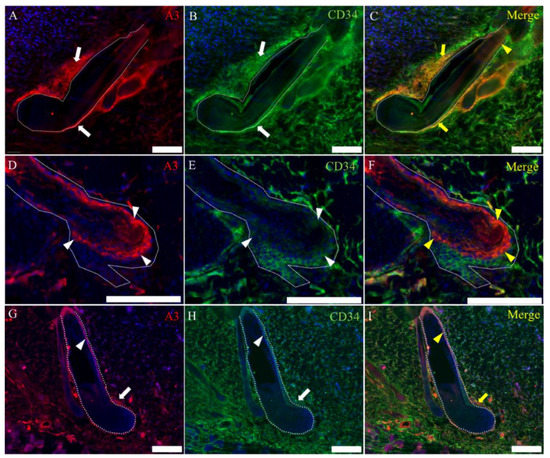
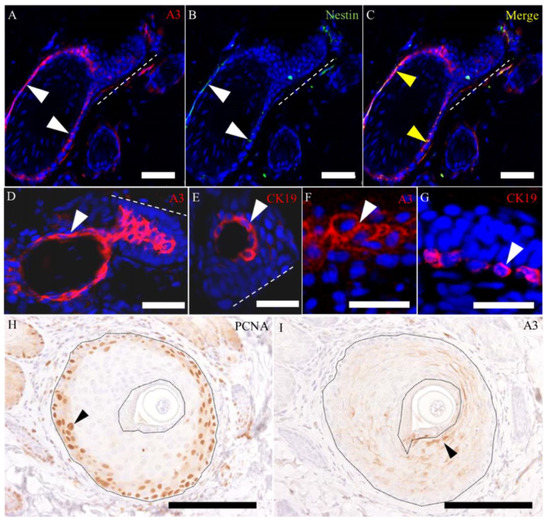
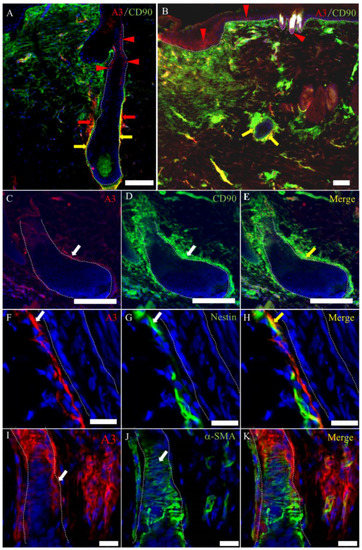
A monoclonal antibody (A3) was generated by using rat malignant fibrous histiocytoma (MFH) cells as the antigen. Generally, MFH is considered to be a sarcoma derived from undifferentiated mesenchymal cells. Molecular biological analyses using the lysate of rat MFH cells revealed that A3 is a conformation specific antibody recognizing both N-glycan and peptide. A3-labeled cells in bone marrow were regarded as somatic stem cells, because the cells partly coexpressed CD90 and CD105 (both immature mesenchymal markers). In the hair follicle cycle, particularly the anagen, the immature epithelial cells (suprabasal cells) near the bulge and some immature mesenchymal cells in the disassembling dermal papilla and regenerating connective tissue sheath/hair papilla reacted to A3. In the cutaneous wound-healing process, A3-labeled epithelial cells participated in re-epithelialization in the wound bed, and apparently, the labeled cells were derived from the hair bulge; in addition, A3-labeled immature mesenchymal cells in the connective tissue sheath of hair follicles at the wound edge showed the expansion of the A3 immunolabeling. A3-labeled immature epithelial and mesenchymal cells contributed to morphogenesis in the hair cycle and tissue repair after a cutaneous wound. A3 could become a unique antibody to identify somatic stem cells capable of differentiating both epithelial and mesenchymal cells in rat tissues. Full article
(This article belongs to the Special Issue Regenerative Medicine: Role of Stem Cells and Innovative Biomaterials)
Show Figures

Figure 1
12 pages, 1409 KB  
Article
Bevacizumab or PARP-Inhibitors Maintenance Therapy for Platinum-Sensitive Recurrent Ovarian Cancer: A Network Meta-Analysis
by Michele Bartoletti, Giacomo Pelizzari, Lorenzo Gerratana, Lucia Bortot, Davide Lombardi, Milena Nicoloso, Simona Scalone, Giorgio Giorda, Gustavo Baldassarre, Roberto Sorio and Fabio Puglisi
Int. J. Mol. Sci. 2020, 21(11), 3805; https://doi.org/10.3390/ijms21113805 - 27 May 2020
Cited by 30 | Viewed by 7589
Abstract
Introduction: Targeted agents such as bevacizumab (BEV) or poly (ADP-ribose) polymerase inhibitors (PARPi) which have been added as concomitant or maintenance therapies have been shown to improve progression-free survival (PFS) in patients with platinum-sensitive recurrent ovarian cancer (PS rOC). In the absence of [...] Read more.
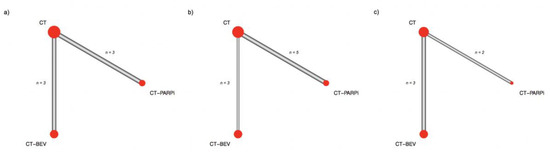
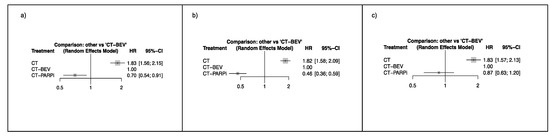
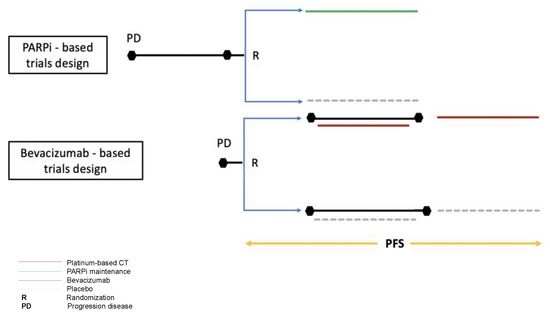
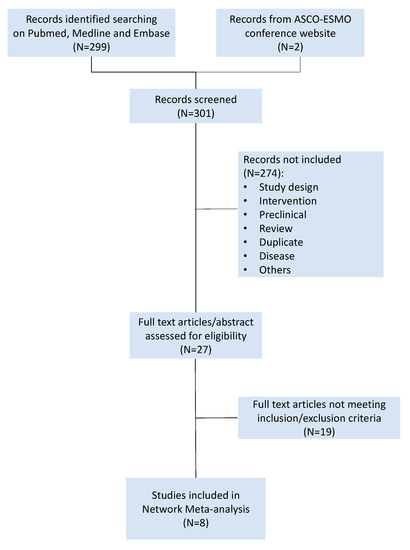
Introduction: Targeted agents such as bevacizumab (BEV) or poly (ADP-ribose) polymerase inhibitors (PARPi) which have been added as concomitant or maintenance therapies have been shown to improve progression-free survival (PFS) in patients with platinum-sensitive recurrent ovarian cancer (PS rOC). In the absence of direct comparison, we performed a network meta-analysis considering BRCA genes status. Methods: We searched PubMed, EMBASE, and MEDLINE for trials involving patients with PS rOC treated with BEV or PARPi. Different comparisons were performed for patients included in the PARPi trials, according to BRCA genes status as follows: all comers (AC) population, BRCA 1/2 mutated (BRCAm), and BRCA wild type patients (BRCAwt). Results: In the overall population, PARPi prolonged PFS with respect to BEV (hazard ratio (HR) = 0.70, 95% CI 0.54–0.91). In the BRCA mutated carriers, the PFS improvement in favor of PARPi appeared to be higher (HR = 0.46, 95% CI 0.36–0.59) while in BRCAwt patients the superiority of PARPi over BEV failed to reach a statistically significance level (HR = 0.87, 95% CI 0.63–1.20); however, according to the SUCRA analysis, PARPi had the highest probability of being ranked as the most effective therapy (90% and 60%, for PARPi and BEV, respectively). Conclusions: PARPi performed better as compared with BEV in terms of PFS for the treatment of PS rOC, especially in BRCAm patients who had not previously received PARPi. Full article
(This article belongs to the Section Molecular Pathology, Diagnostics, and Therapeutics)
Show Figures

Figure 1
3 pages, 156 KB  
Editorial
Molecular Research on Platelet Activity in Health and Disease
by Maria Valeria Catani, Isabella Savini and Valeria Gasperi
Int. J. Mol. Sci. 2020, 21(11), 3804; https://doi.org/10.3390/ijms21113804 - 27 May 2020
Cited by 5 | Viewed by 2382
Abstract
This editorial summarizes and discusses the themes of eleven articles (five reviews and six original studies) published in the Special Issue “Molecular Research On Platelet Activity in Health and Disease”. They give an international picture of the up-to-date understanding of (i) platelet signalling [...] Read more.
This editorial summarizes and discusses the themes of eleven articles (five reviews and six original studies) published in the Special Issue “Molecular Research On Platelet Activity in Health and Disease”. They give an international picture of the up-to-date understanding of (i) platelet signalling under physiological and pathological conditions, (ii) novel technologies for monitoring platelet functions and (iii) clinical applications of platelet-based-therapy for management of pathological conditions, not directly related to haemostasis and thrombosis. Full article
(This article belongs to the Special Issue Molecular Research on Platelet Activity in Health and Disease)
34 pages, 6509 KB  
Article
Identification of Selective Novel Hits against Plasmodium falciparum Prolyl tRNA Synthetase Active Site and a Predicted Allosteric Site Using In Silico Approaches
by Dorothy Wavinya Nyamai and Özlem Tastan Bishop
Int. J. Mol. Sci. 2020, 21(11), 3803; https://doi.org/10.3390/ijms21113803 - 27 May 2020
Cited by 20 | Viewed by 6454
Abstract
Recently, there has been increased interest in aminoacyl tRNA synthetases (aaRSs) as potential malarial drug targets. These enzymes play a key role in protein translation by the addition of amino acids to their cognate tRNA. The aaRSs are present in all Plasmodium life [...] Read more.
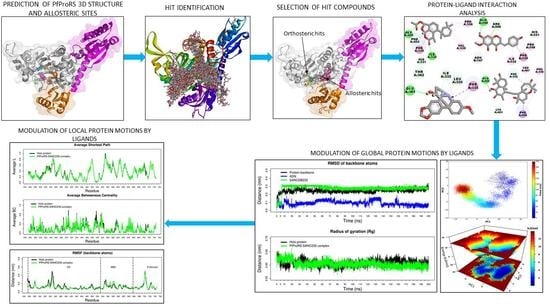
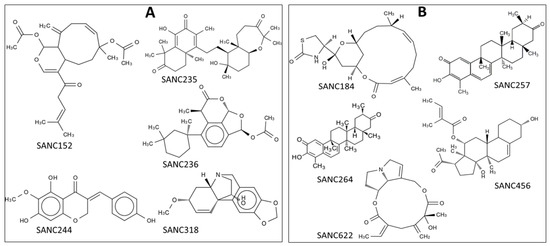
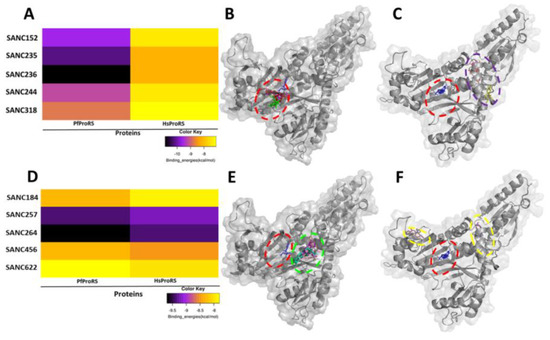
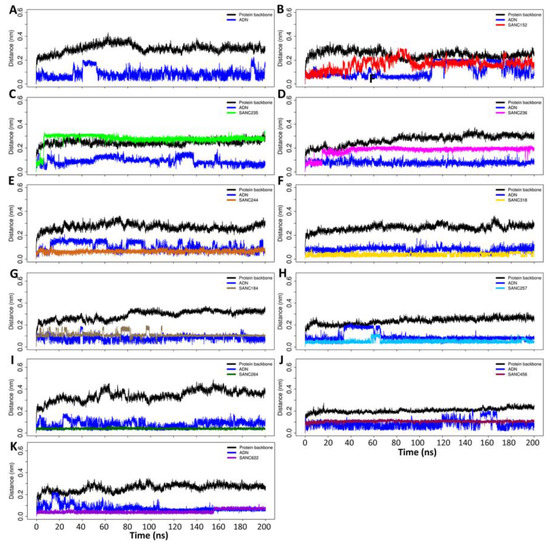
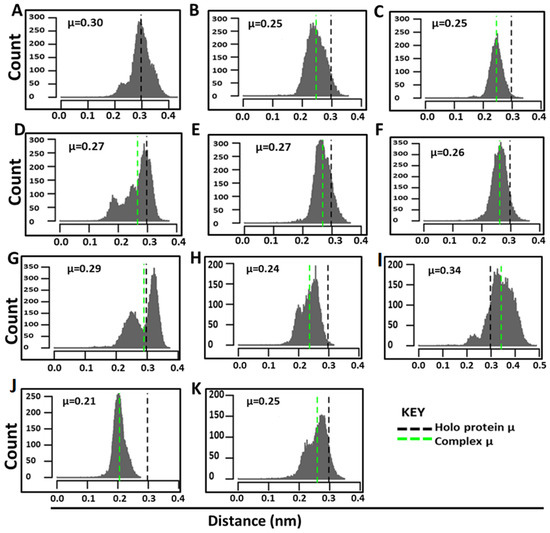
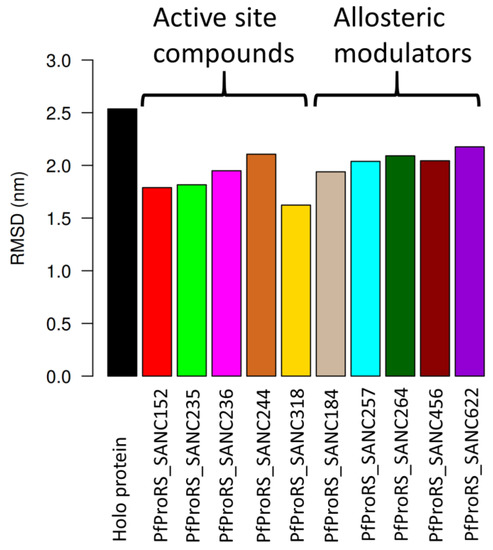
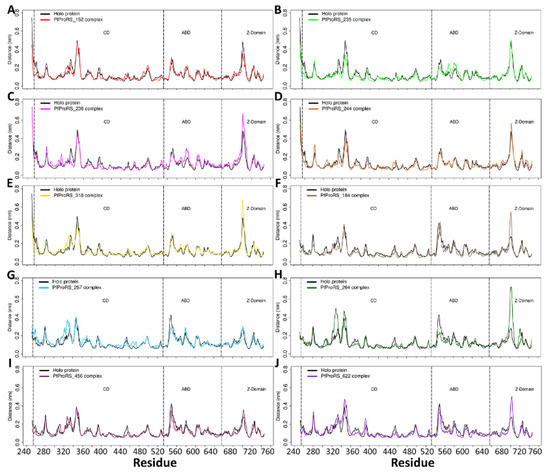
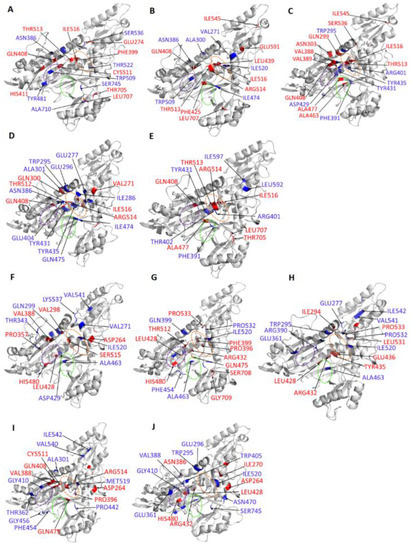
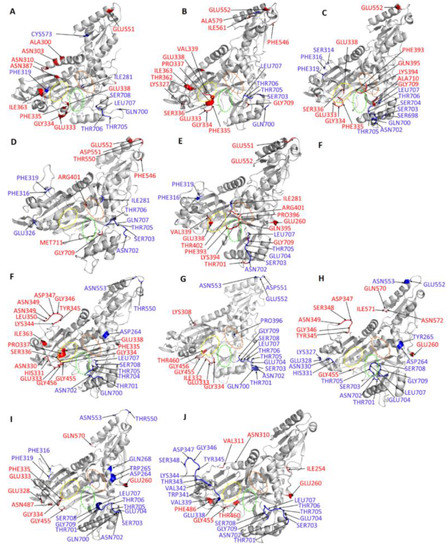
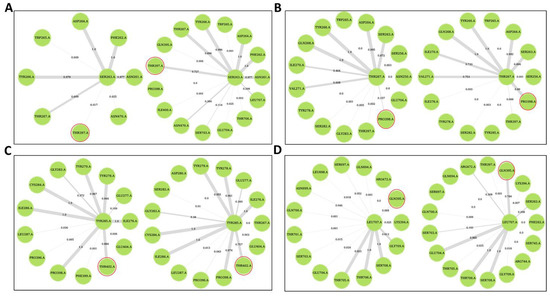
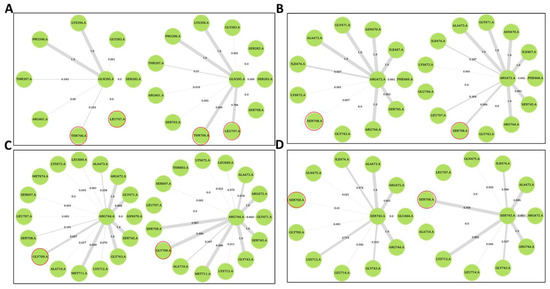
Recently, there has been increased interest in aminoacyl tRNA synthetases (aaRSs) as potential malarial drug targets. These enzymes play a key role in protein translation by the addition of amino acids to their cognate tRNA. The aaRSs are present in all Plasmodium life cycle stages, and thus present an attractive malarial drug target. Prolyl tRNA synthetase is a class II aaRS that functions in charging tRNA with proline. Various inhibitors against Plasmodium falciparum ProRS (PfProRS) active site have been designed. However, none have gone through clinical trials as they have been found to be highly toxic to human cells. Recently, a possible allosteric site was reported in PfProRS with two possible allosteric modulators: glyburide and TCMDC-124506. In this study, we sought to identify novel selective inhibitors targeting PfProRS active site and possible novel allosteric modulators of this enzyme. To achieve this, virtual screening of South African natural compounds against PfProRS and the human homologue was carried out using AutoDock Vina. The modulation of protein motions by ligand binding was studied by molecular dynamics (MD) using the GROningen MAchine for Chemical Simulations (GROMACS) tool. To further analyse the protein global motions and energetic changes upon ligand binding, principal component analysis (PCA), and free energy landscape (FEL) calculations were performed. Further, to understand the effect of ligand binding on the protein communication, dynamic residue network (DRN) analysis of the MD trajectories was carried out using the MD-TASK tool. A total of ten potential natural hit compounds were identified with strong binding energy scores. Binding of ligands to the protein caused observable global and residue level changes. Dynamic residue network calculations showed increase in betweenness centrality (BC) metric of residues at the allosteric site implying these residues are important in protein communication. A loop region at the catalytic domain between residues 300 and 350 and the anticodon binding domain showed significant contributions to both PC1 and PC2. Large motions were observed at a loop in the Z-domain between residues 697 and 710 which was also in agreement with RMSF calculations that showed increase in flexibility of residues in this region. Residues in this loop region are implicated in ATP binding and thus a change in dynamics may affect ATP binding affinity. Free energy landscape (FEL) calculations showed that the holo protein (protein-ADN complex) and PfProRS-SANC184 complexes were stable, as shown by the low energy with very few intermediates and hardly distinguishable low energy barriers. In addition, FEL results agreed with backbone RMSD distribution plots where stable complexes showed a normal RMSD distribution while unstable complexes had multimodal RMSD distribution. The betweenness centrality metric showed a loss of functional importance of key ATP binding site residues upon allosteric ligand binding. The deep basins in average L observed at the allosteric region imply that there is high accessibility of residues at this region. To further analyse BC and average L metrics data, we calculated the ΔBC and ΔL values by taking each value in the holo protein BC or L matrix less the corresponding value in the ligand-bound complex BC or L matrix. Interestingly, in allosteric complexes, residues located in a loop region implicated in ATP binding had negative ΔL values while in orthosteric complexes these residues had positive ΔL values. An increase in contact frequency between residues Ser263, Thr267, Tyr285, and Leu707 at the allosteric site and residues Thr397, Pro398, Thr402, and Gln395 at the ATP binding TXE loop was observed. In summary, this study identified five potential orthosteric inhibitors and five allosteric modulators against PfProRS. Allosteric modulators changed ATP binding site dynamics, as shown by RMSF, PCA, and DRN calculations. Changes in dynamics of the ATP binding site and increased contact frequency between residues at the proposed allosteric site and the ATP binding site may explain how allosteric modulators distort the ATP binding site and thus might inhibit PfProRS. The scaffolds of the identified hits in the study can be used as a starting point for antimalarial inhibitor development with low human cytotoxicity. Full article
(This article belongs to the Special Issue Biochemistry, Molecular Biology and Druggability of Proteins)
Show Figures

Graphical abstract

17 pages, 12315 KB  
Article
Looking for a Treatment for the Early Stage of Alzheimer’s Disease: Preclinical Evidence with Co-Ultramicronized Palmitoylethanolamide and Luteolin
by Roberta Facchinetti, Marta Valenza, Maria Rosanna Bronzuoli, Giorgia Menegoni, Patrizia Ratano, Luca Steardo, Patrizia Campolongo and Caterina Scuderi
Int. J. Mol. Sci. 2020, 21(11), 3802; https://doi.org/10.3390/ijms21113802 - 27 May 2020
Cited by 29 | Viewed by 5279
Abstract
Background: At the earliest stage of Alzheimer’s disease (AD), although patients are still asymptomatic, cerebral alterations have already been triggered. In addition to beta amyloid (Aβ) accumulation, both glial alterations and neuroinflammation have been documented at this stage. Starting treatment at this prodromal [...] Read more.
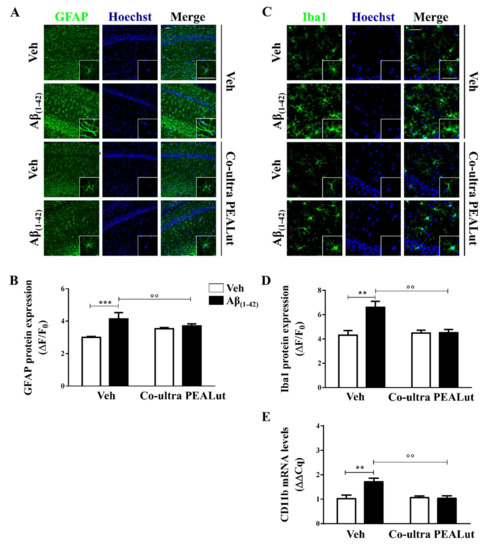
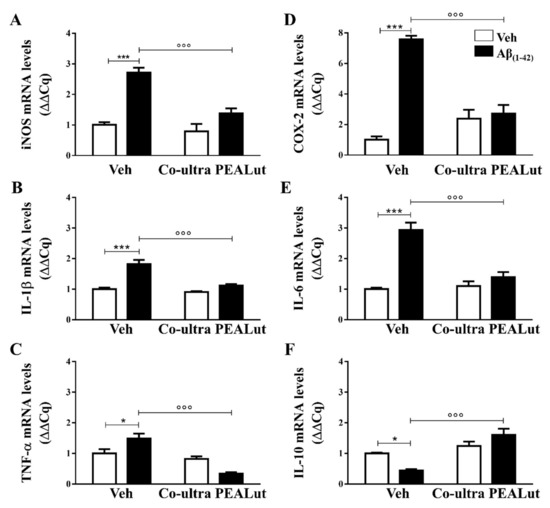
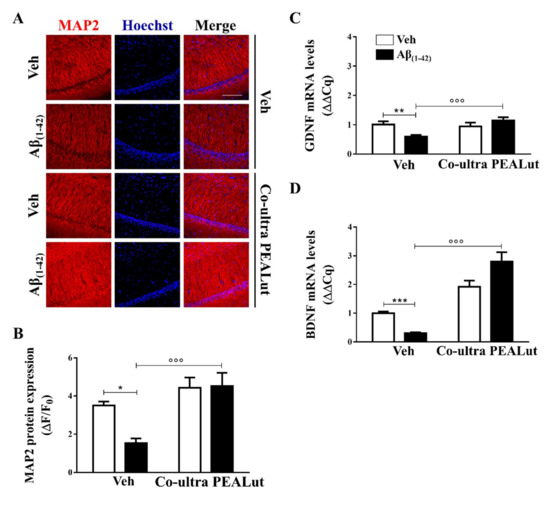
Background: At the earliest stage of Alzheimer’s disease (AD), although patients are still asymptomatic, cerebral alterations have already been triggered. In addition to beta amyloid (Aβ) accumulation, both glial alterations and neuroinflammation have been documented at this stage. Starting treatment at this prodromal AD stage could be a valuable therapeutic strategy. AD requires long-term care; therefore, only compounds with a high safety profile can be used, such as the new formulation containing palmitoylethanolamide and luteolin (co-ultra PEALut) already approved for human use. Therefore, we investigated it in an in vivo pharmacological study that focused on the prodromal stage of AD. Methods: We tested the anti-inflammatory and neuroprotective effects of co-ultra PEALut (5 mg/Kg) administered for 14 days in rats that received once, 5 µg Aβ(1–42) into the hippocampus. Results: Glial activation and elevated levels of proinflammatory mediators were observed in Aβ-infused rats. Early administration of co-ultra PEALut prevented the Aβ-induced astrogliosis and microgliosis, the upregulation in gene expression of pro-inflammatory cytokines and enzymes, as well as the reduction of mRNA levels BDNF and GDNF. Our findings also highlight an important neuroprotective effect of co-ultra PEALut treatment, which promoted neuronal survival. Conclusions: Our results reveal the presence of cellular and molecular modifications in the prodromal stage of AD. Moreover, the data presented here demonstrate the ability of co-ultra PEALut to normalize such Aβ-induced alterations, suggesting it as a valuable therapeutic strategy. Full article
(This article belongs to the Special Issue Amides)
Show Figures

Figure 1
15 pages, 752 KB  
Review
CRISPR/Cas9-Mediated Gene Correction to Understand ALS
by Yeomin Yun and Yoon Ha
Int. J. Mol. Sci. 2020, 21(11), 3801; https://doi.org/10.3390/ijms21113801 - 27 May 2020
Cited by 54 | Viewed by 13780
Abstract
Amyotrophic lateral sclerosis (ALS) is a neurodegenerative disease caused by the death of motor neurons in the spinal cord and brainstem. ALS has a diverse genetic origin; at least 20 genes have been shown to be related to ALS. Most familial and sporadic [...] Read more.
Amyotrophic lateral sclerosis (ALS) is a neurodegenerative disease caused by the death of motor neurons in the spinal cord and brainstem. ALS has a diverse genetic origin; at least 20 genes have been shown to be related to ALS. Most familial and sporadic cases of ALS are caused by variants of the SOD1, C9orf72, FUS, and TARDBP genes. Genome editing using clustered regularly interspaced short palindromic repeats/CRISPR-associated system 9 (CRISPR/Cas9) can provide insights into the underlying genetics and pathophysiology of ALS. By correcting common mutations associated with ALS in animal models and patient-derived induced pluripotent stem cells (iPSCs), CRISPR/Cas9 has been used to verify the effects of ALS-associated mutations and observe phenotype differences between patient-derived and gene-corrected iPSCs. This technology has also been used to create mutations to investigate the pathophysiology of ALS. Here, we review recent studies that have used CRISPR/Cas9 to understand the genetic underpinnings of ALS. Full article
(This article belongs to the Special Issue Disease Modeling Using Human Induced Pluripotent Stem Cells 2.0)
Show Figures

Figure 1