16 pages, 1527 KB  
Article
Clinical Outcomes of 217 Patients with Acute Erythroleukemia According to Treatment Type and Line: A Retrospective Multinational Study
by Antonio M. Almeida 1,*, Thomas Prebet 2, Raphael Itzykson 3, Fernando Ramos 4, Haifa Al-Ali 5, Jamile Shammo 6, Ricardo Pinto 7, Luca Maurillo 8, Jaime Wetzel 9, Pellegrino Musto 10, Arjan A. Van De Loosdrecht 11, Maria Joao Costa 12, Susana Esteves 1, Sonja Burgstaller 13, Reinhard Stauder 14, Eva M. Autzinger 15, Alois Lang 16, Peter Krippl 17, Dietmar Geissler 18, Jose Francisco Falantes 19, Carmen Pedro 20, Joan Bargay 21, Guillermo Deben 22, Ana Garrido 23, Santiago Bonanad 24, Maria Diez-Campelo 25, Sylvain Thepot 26, Lionel Ades 3, Wolfgang R. Sperr 27, Peter Valent 27, Pierre Fenaux 3, Mikkael A. Sekeres 9, Richard Greil 28,29,30,31 and Lisa Pleyer 28,29,30,31,*add Show full author list remove Hide full author list
1 Instituto Português de Oncologia de Lisboa (IPOL), 1200-795 Lisbon, Portugal
2 Institut Paoli Calmettes, Marseille, France and Yale New Haven Hospital, New Haven, CT 06512, USA
3 Hopital Saint-Louis, Assistance Publique-Hôpitaux de Paris (AP-HP), Paris Diderot University, 75010 Paris, France
4 Hospital Universitario de Leon, 24071 Leon, Spain
5 University Hospital of Halle, 06120 Halle, Germany
6 Rush University Medical Center, Chicago, IN 60612, USA
7 Hospital Sao Joao, 4200-319 Porto, Portugal
8 University Tor Vergata, 00173 Rome, Italy
9 Cleveland Clinic Taussig Cancer Institute, Cleveland, OH 44195, USA
10 RCCS-CROB, Referral Cancer Center of Basilicata, 85028 Rionero in Vulture (Pz), Italy
11 Department of Hematology VU University Medical Center, 1081 HV Amsterdam, The Netherlands
12 Centro Hospitalar Lisboa Norte Hospital Santa Maria, 1649-035 Lisbon, Portugal
13 Department of Internal Medicine IV, Hospital Wels-Grieskirchen, 4600 Wels, Austria
14 Department of Internal Medicine V (Haematology and Oncology), Innsbruck Medical University, 6020 Innsbruck, Austria
15 1st Department of Internal Medicine, Center for Oncology and Hematology, Wilhelminenspital, 1160 Vienna, Austria
16 Internal Medicine, Hospital Feldkirch,6800 Feldkirch, Austria
17 Department of Internal Medicine, Hospital Fürstenfeld, 8280 Fürstenfeld, Austria
18 Department for Internal Medicine, Klinikum Klagenfurt am Wörthersee, 9020 Pörtschach am Wörthersee, Austria
19 Hospital Universitario Virgen del Rocio, 41013 Sevilla, Spain
20 Hospital del Mar, 08003 Barcelona, Spain
21 Hospital Son Llatzer, 07198 Palma de Mallorca, Spain
22 Hospital Universitario, 15006 A Coruña, Spain
23 Hospital de la Santa Creu i Sant Pau, 08026 Barcelona, Spain
24 Hospital Universitario de la Ribera, 46600 Alzira, Spain
25 Hospital Universitario de Salamanca, 37007 Salamanca, Spain
26 Centre Hospitalier Universitaire, 49100 Angers, France
27 Department of Internal Medicine I, Division of Hematology & Hemostaseology and Ludwig Boltzmann Cluster Oncology, Medical University of Vienna, 1090 Vienna, Austria
28 3rd Med. Department, Paracelsus Medical University, 5020 Salzburg, Austria
29 Salzburg Cancer Research Institute, 5020 Salzburg, Austria
30 Cancer Cluster Salzburg, 5020 Salzburg, Austria
31 Arbeitsgemeinschaft Medikamentöse Tumortherapie (AGMT), 5020 Salzburg, Austria
add Show full affiliation list remove Hide full affiliation list
Int. J. Mol. Sci. 2017, 18(4), 837; https://doi.org/10.3390/ijms18040837 - 14 Apr 2017
Cited by 29 | Viewed by 7471
Abstract
Acute erythroleukemia (AEL) is a rare disease typically associated with a poor prognosis. The median survival ranges between 3–9 months from initial diagnosis. Hypomethylating agents (HMAs) have been shown to prolong survival in patients with myelodysplastic syndromes (MDS) and AML, but there is [...] Read more.
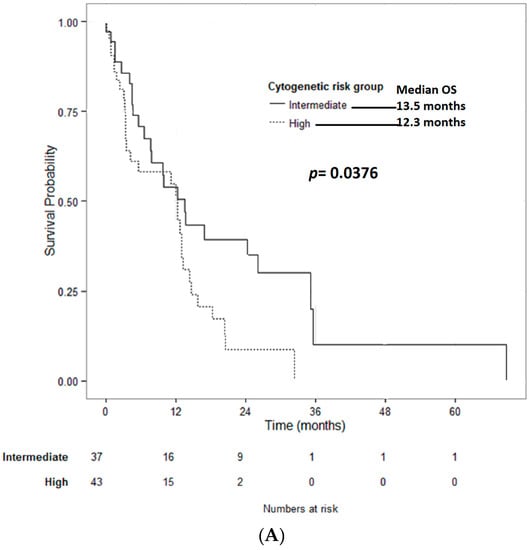
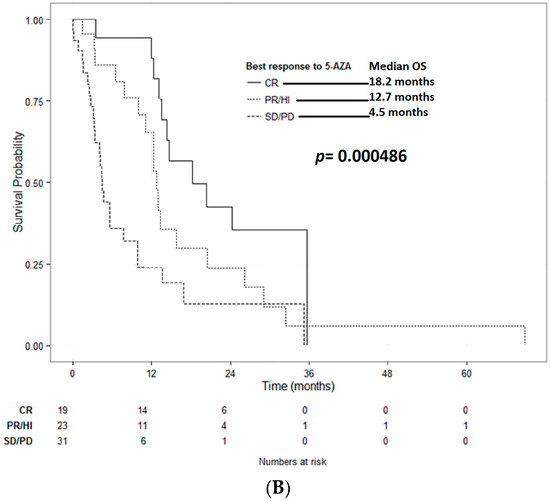
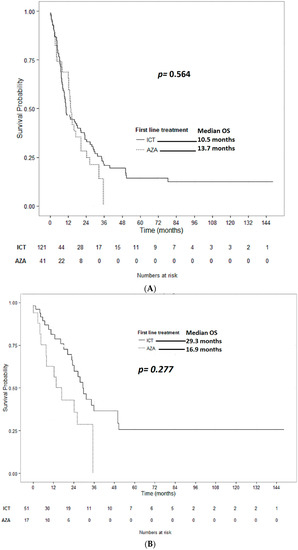
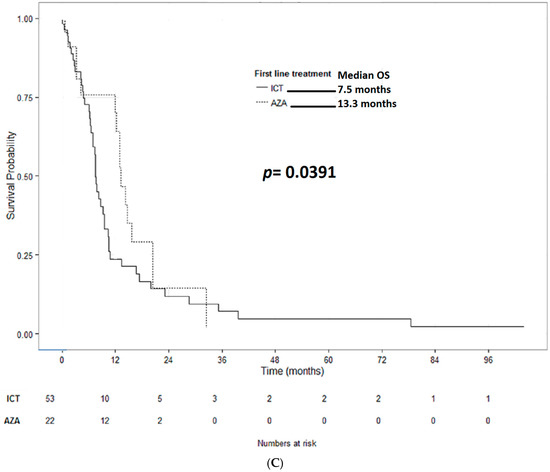
Acute erythroleukemia (AEL) is a rare disease typically associated with a poor prognosis. The median survival ranges between 3–9 months from initial diagnosis. Hypomethylating agents (HMAs) have been shown to prolong survival in patients with myelodysplastic syndromes (MDS) and AML, but there is limited data of their efficacy in AEL. We collected data from 210 AEL patients treated at 28 international sites. Overall survival (OS) and PFS were estimated using the Kaplan-Meier method and the log-rank test was used for subgroup comparisons. Survival between treatment groups was compared using the Cox proportional hazards regression model. Eighty-eight patients were treated with HMAs, 44 front line, and 122 with intensive chemotherapy (ICT). ICT led to a higher overall response rate (complete or partial) compared to first-line HMA (72% vs. 46.2%, respectively; p ≤ 0.001), but similar progression-free survival (8.0 vs. 9.4 months; p = 0.342). Overall survival was similar for ICT vs. HMAs (10.5 vs. 13.7 months; p = 0.564), but patients with high-risk cytogenetics treated with HMA first-line lived longer (7.5 for ICT vs. 13.3 months; p = 0.039). Our results support the therapeutic value of HMA in AEL. Full article
(This article belongs to the Special Issue The Biology and Treatment of Myeloid Leukaemias)
Show Figures

Figure 1
8 pages, 689 KB  
Review
Potential Role of Free Fatty Acids in the Pathogenesis of Periodontitis and Primary Sjögren’s Syndrome
by Yosuke Shikama 1,*, Yasusei Kudo 2, Naozumi Ishimaru 2 and Makoto Funaki 3
1 Department of Oral Disease Research, National Center for Geriatrics and Gerontology, 7-430 Morioka-cho, Obu 474-8511, Japan
2 Department of Oral Molecular Pathology, Tokushima University Graduate School, 3-18-15 Kuramoto-cho, Tokushima 770-8504, Japan
3 Clinical Research Center for Diabetes, Tokushima University Hospital, 2-50-1 Kuramoto-cho, Tokushima 770-8503, Japan
Int. J. Mol. Sci. 2017, 18(4), 836; https://doi.org/10.3390/ijms18040836 - 14 Apr 2017
Cited by 20 | Viewed by 6725
Abstract
Clinical studies have shown that metabolic disorders such as type 2 diabetes and dyslipidemia are associated with increased risk of oral-related diseases, such as periodontitis and Sjögren’s syndrome. Although changes in the immune system are critical in both of these metabolic disorders and [...] Read more.
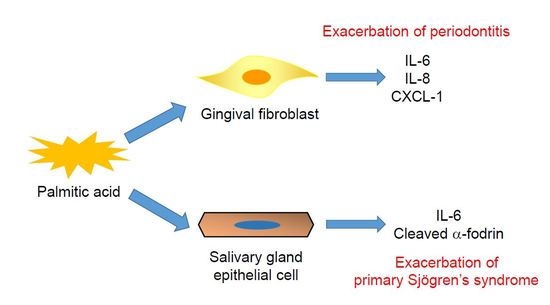
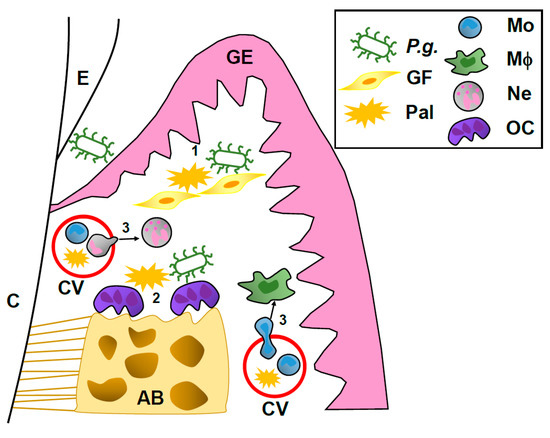
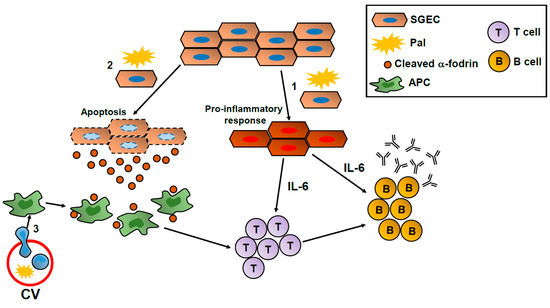
Clinical studies have shown that metabolic disorders such as type 2 diabetes and dyslipidemia are associated with increased risk of oral-related diseases, such as periodontitis and Sjögren’s syndrome. Although changes in the immune system are critical in both of these metabolic disorders and oral-related diseases, the mechanism underlying the interaction between these diseases remains largely unknown. Obesity and type 2 diabetes are known to be associated with higher concentrations of free fatty acids in blood. Among free fatty acids, saturated fatty acids such as palmitic acid have been demonstrated to induce inflammatory responses mainly via the innate immune systems, and to be involved in the pathogenesis of type 2 diabetes in tissues such as adipose tissue, liver, pancreas, and skeletal muscle. Here, we highlight recent advances in evidence for the potential involvement of palmitic acid in the pathogenesis of periodontitis and Sjögren’s syndrome, and discuss the possibility that improvement of the lipid profile could be a new strategy for the treatment of these diseases. Full article
(This article belongs to the Section Molecular Pathology, Diagnostics, and Therapeutics)
Show Figures

Graphical abstract

19 pages, 2111 KB  
Article
Suppression of GHS-R in AgRP Neurons Mitigates Diet-Induced Obesity by Activating Thermogenesis
by Chia-Shan Wu 1,2,†, Odelia Y. N. Bongmba 2,†, Jing Yue 2,3, Jong Han Lee 2,4, Ligen Lin 2,5, Kenji Saito 2, Geetali Pradhan 2,6, De-Pei Li 7, Hui-Lin Pan 7, Allison Xu 8, Shaodong Guo 1, Yong Xu 2 and Yuxiang Sun 1,2,9,*
1 Department of Nutrition and Food Science, Texas A&M University, College Station, TX 77843, USA
2 United States Department of Agriculture/Agriculture Research Service Children’s Nutrition Research Center, Department of Pediatrics, Baylor College of Medicine, Houston, TX 77030, USA
3 Reproductive Medical Center, Tongji affiliated Hospital of Tongji Medical College, Huazhong University of Science and Technology, Wuhan 430030, China
4 College of Pharmacy, Gachon University, Incheon 21936, Korea
5 State Key Laboratory of Quality Research in Chinese Medicine, Institute of Chinese Medical Sciences, University of Macau, Macao 999078, China
6 Interdepartmental Program in Translational Biology and Molecular Medicine, Baylor College of Medicine, Houston, TX 77030, USA
7 Division of Anesthesiology and Critical Care, University of Texas MD Anderson Cancer Center, Houston, TX 77030, USA
8 Diabetes Center, University of California, San Francisco, CA 94143, USA
9 Huffington Center on Aging, Baylor College of Medicine, Houston, TX 77030, USA
These authors contributed equally to this work.
Int. J. Mol. Sci. 2017, 18(4), 832; https://doi.org/10.3390/ijms18040832 - 14 Apr 2017
Cited by 50 | Viewed by 12430
Abstract
Ghrelin, an orexigenic hormone released primarily from the gut, signals the hypothalamus to stimulate growth hormone release, enhance appetite and promote weight gain. The ghrelin receptor, aka Growth Hormone Secretagogue Receptor (GHS-R), is highly expressed in the brain, with highest expression in Agouti-Related [...] Read more.
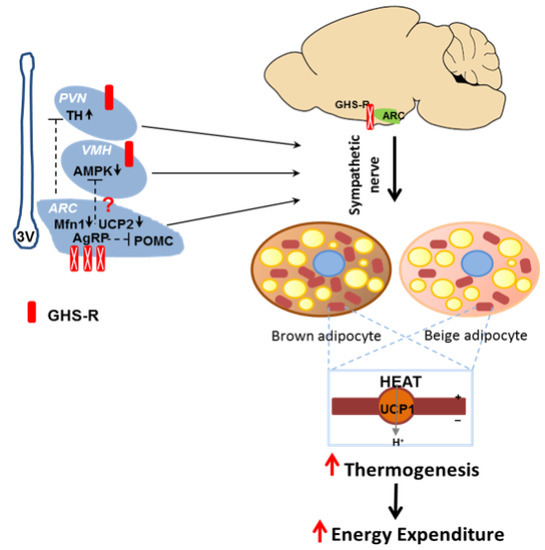
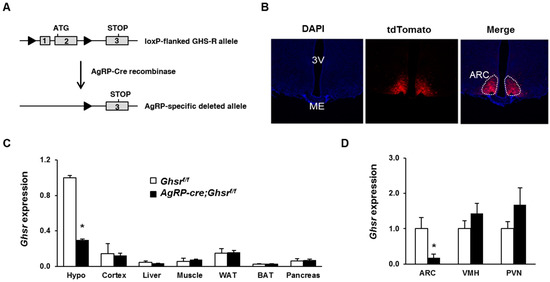
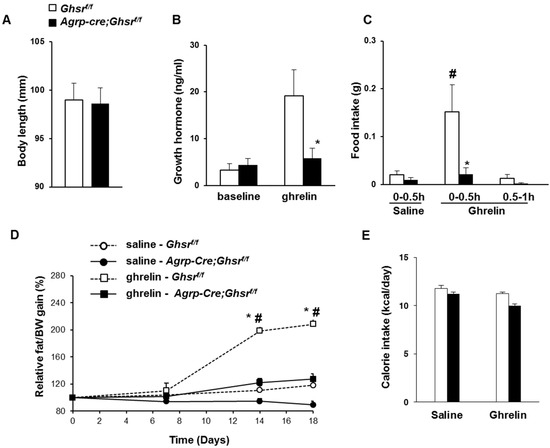
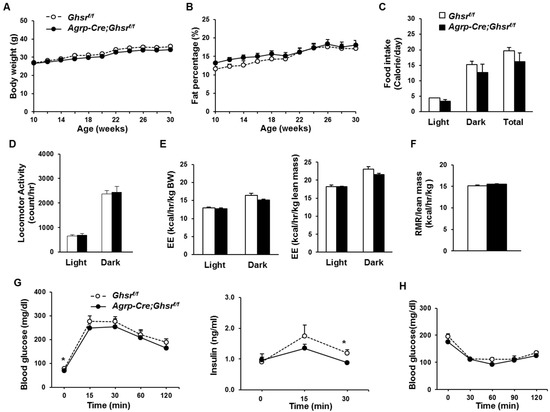
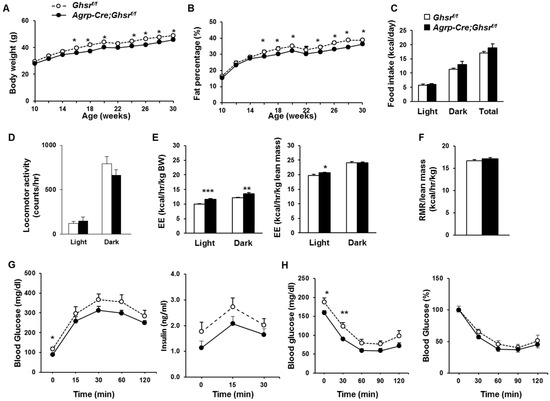
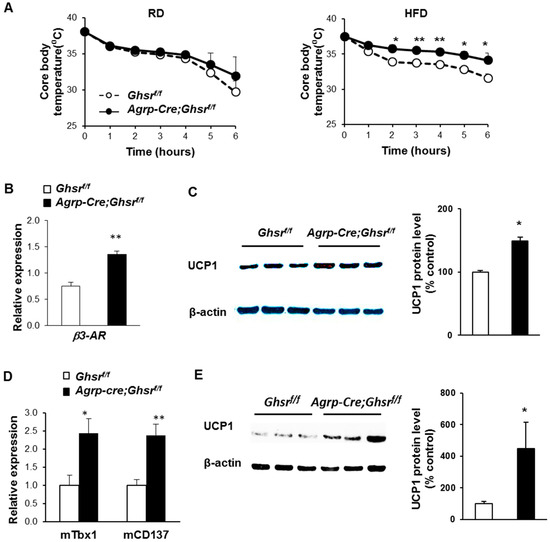
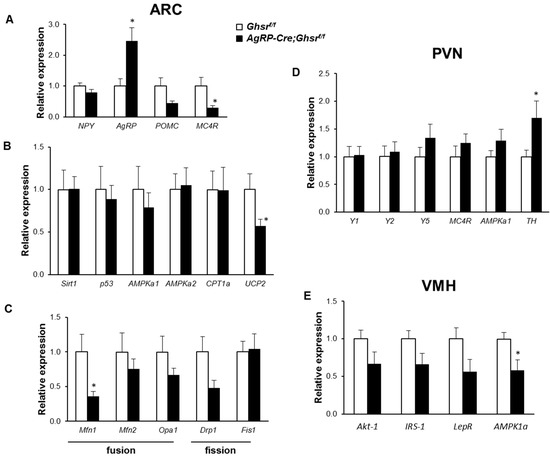
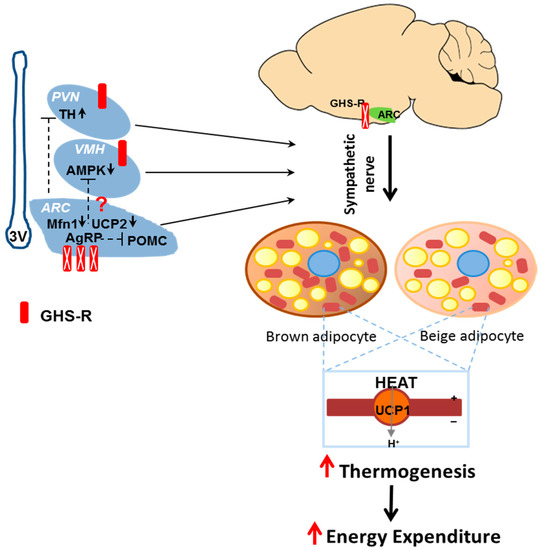
Ghrelin, an orexigenic hormone released primarily from the gut, signals the hypothalamus to stimulate growth hormone release, enhance appetite and promote weight gain. The ghrelin receptor, aka Growth Hormone Secretagogue Receptor (GHS-R), is highly expressed in the brain, with highest expression in Agouti-Related Peptide (AgRP) neurons of the hypothalamus. We recently reported that neuron-specific deletion of GHS-R completely prevents diet-induced obesity (DIO) in mice by activating non-shivering thermogenesis. To further decipher the specific neuronal circuits mediating the metabolic effects of GHS-R, we generated AgRP neuron-specific GHS-R knockout mice (AgRP-Cre;Ghsrf/f). Our data showed that GHS-R in AgRP neurons is required for ghrelin’s stimulatory effects on growth hormone secretion, acute food intake and adiposity, but not for long-term total food intake. Importantly, deletion of GHS-R in AgRP neurons attenuated diet-induced obesity (DIO) and enhanced cold-resistance in mice fed high fat diet (HFD). The HFD-fed knockout mice showed increased energy expenditure, and exhibited enhanced thermogenic activation in both brown and subcutaneous fat; this implies that GHS-R suppression in AgRP neurons enhances sympathetic outflow. In summary, our results suggest that AgRP neurons are key site for GHS-R mediated thermogenesis, and demonstrate that GHS-R in AgRP neurons plays crucial roles in governing energy utilization and pathogenesis of DIO. Full article
(This article belongs to the Special Issue Neurobiological Perspectives on Ghrelin)
Show Figures

Graphical abstract

19 pages, 800 KB  
Review
Skeletal Muscle Nucleo-Mitochondrial Crosstalk in Obesity and Type 2 Diabetes
by Prasad P. Devarshi, Sean M. McNabney and Tara M. Henagan *
Department of Nutrition Science, Purdue University, West Lafayette, IN 47907, USA
Int. J. Mol. Sci. 2017, 18(4), 831; https://doi.org/10.3390/ijms18040831 - 14 Apr 2017
Cited by 46 | Viewed by 9148
Abstract
Skeletal muscle mitochondrial dysfunction, evidenced by incomplete beta oxidation and accumulation of fatty acid intermediates in the form of long and medium chain acylcarnitines, may contribute to ectopic lipid deposition and insulin resistance during high fat diet (HFD)-induced obesity. The present review discusses [...] Read more.
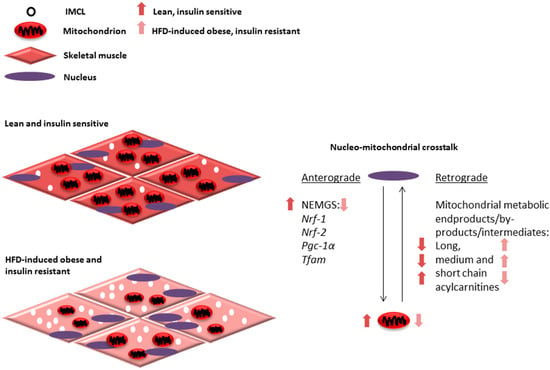
Skeletal muscle mitochondrial dysfunction, evidenced by incomplete beta oxidation and accumulation of fatty acid intermediates in the form of long and medium chain acylcarnitines, may contribute to ectopic lipid deposition and insulin resistance during high fat diet (HFD)-induced obesity. The present review discusses the roles of anterograde and retrograde communication in nucleo-mitochondrial crosstalk that determines skeletal muscle mitochondrial adaptations, specifically alterations in mitochondrial number and function in relation to obesity and insulin resistance. Special emphasis is placed on the effects of high fat diet (HFD) feeding on expression of nuclear-encoded mitochondrial genes (NEMGs) nuclear receptor factor 1 (NRF-1) and 2 (NRF-2) and peroxisome proliferator receptor gamma coactivator 1 alpha (PGC-1α) in the onset and progression of insulin resistance during obesity and how HFD-induced alterations in NEMG expression affect skeletal muscle mitochondrial adaptations in relation to beta oxidation of fatty acids. Finally, the potential ability of acylcarnitines or fatty acid intermediates resulting from mitochondrial beta oxidation to act as retrograde signals in nucleo-mitochondrial crosstalk is reviewed and discussed. Full article
(This article belongs to the Special Issue Gene-Diet Interactions in Chronic Diseases)
Show Figures

Figure 1
14 pages, 729 KB  
Review
Spondyloarthritis: Matrix Metalloproteinasesas Biomarkers of Pathogenesis and Response to Tumor Necrosis Factor (TNF) Inhibitors
by Stefania Moz 1, Ada Aita 1, Daniela Basso 1,*, Roberta Ramonda 2, Mario Plebani 1 and Leonardo Punzi 2
1 Laboratory Medicine, Department of Medicine—DIMED, University of Padova, Via Giustiniani 2, 35128 Padova, Italy
2 Rheumatology Unit, Department of Medicine—DIMED, University of Padova, Via Giustiniani 2, 35128 Padova, Italy
Int. J. Mol. Sci. 2017, 18(4), 830; https://doi.org/10.3390/ijms18040830 - 14 Apr 2017
Cited by 22 | Viewed by 5778
Abstract
The term spondyloarthritis (SpA) is used to describe a group of multifactorial chronic inflammatory diseases characterized by a predisposing genetic background and clinical manifestations typically involving the sacroiliac joint. The absence of pathognomonic clinical and/or laboratory findings generally results in a delay in [...] Read more.
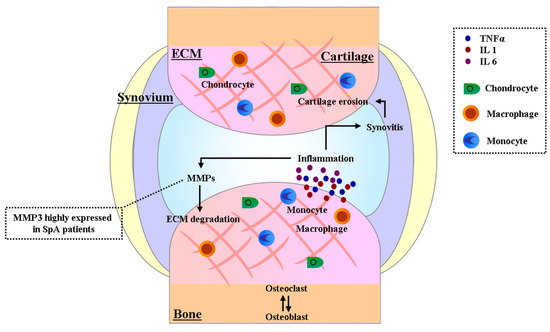
The term spondyloarthritis (SpA) is used to describe a group of multifactorial chronic inflammatory diseases characterized by a predisposing genetic background and clinical manifestations typically involving the sacroiliac joint. The absence of pathognomonic clinical and/or laboratory findings generally results in a delay in diagnosis and, consequently, in treatment. In addition, 20–40% of SpA patients are non-responders to tumor necrosis factor (TNF) inhibitor therapies. Given these considerations, it is important to identify biomarkers that can facilitate the diagnosis and assessment of disease activity. As inflammation plays a key role in the pathogenesis of SpA, inflammatory mediators have been investigated as potential biomarkers for diagnosing the disease and predicting response to therapy. Some investigators have focused their attention on the role of matrix metalloproteinases (MMPs), which are known to be markers of synovial inflammation that is generated in the joint in reaction to inflammatory stimuli. Several studies have been carried out to verify if serum MMPs levels could be useful to diagnose SpA, to assess disease severity, and to predict response to TNF inhibitor therapy. The current review focuses on MMPs’ role in SpA pathogenesis, diagnosis and therapeutic implications. Full article
(This article belongs to the Special Issue Metalloproteins 2017)
Show Figures

Figure 1
12 pages, 11521 KB  
Article
Can Early Rehabilitation Prevent Posttraumatic Osteoarthritis in the Patellofemoral Joint after Anterior Cruciate Ligament Rupture? Understanding the Pathological Features
by Nai-Jen Chang 1,*, Ming-You Shie 2, Kuan-Wei Lee 1, Pei-Hsi Chou 1, Chih-Chan Lin 3 and Chih-Jou Chu 1
1 Department of Sports Medicine, Kaohsiung Medical University, Kaohsiung 807, Taiwan
2 3D Printing Medical Research Center, China Medical University Hospital, Taichung 404, Taiwan
3 Laboratory Animal Center, Department of Medical Research, Chi-Mei Medical Center, Tainan 710, Taiwan
Int. J. Mol. Sci. 2017, 18(4), 829; https://doi.org/10.3390/ijms18040829 - 14 Apr 2017
Cited by 16 | Viewed by 6552
Abstract
Knee instability resulting from anterior cruciate ligament (ACL) rupture is a high-risk factor for posttraumatic osteoarthritis (PTOA) in the patellofemoral joint (PFJ). However, whether non-weight-bearing and weight-bearing treatments have chondroprotective effects remains unclear. Twenty-four adult New Zealand White male rabbits were employed in [...] Read more.
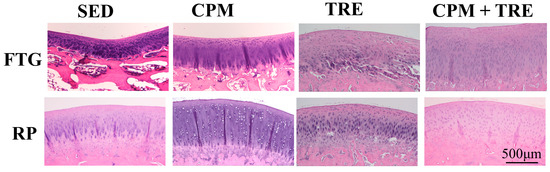
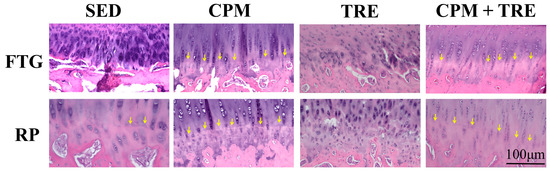
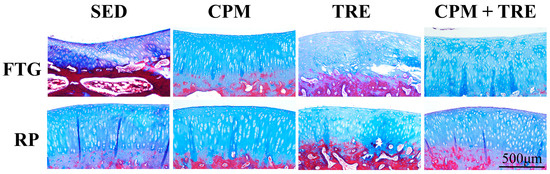
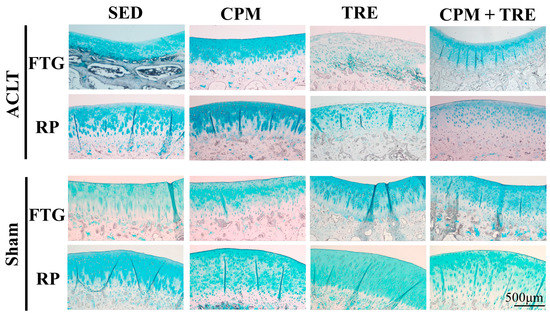
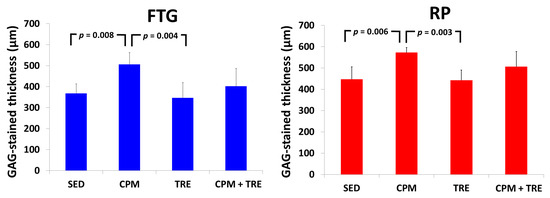
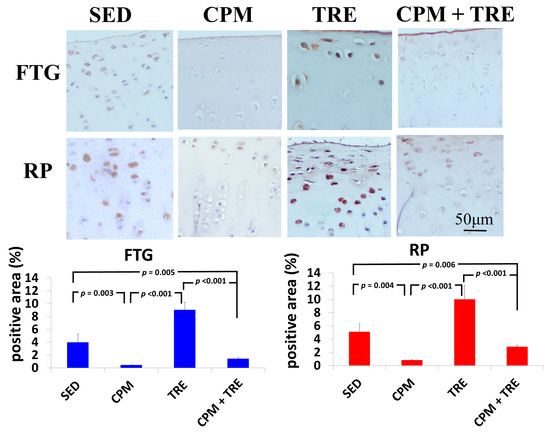
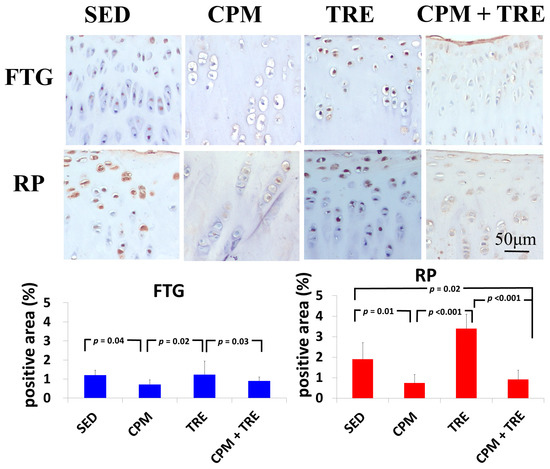
Knee instability resulting from anterior cruciate ligament (ACL) rupture is a high-risk factor for posttraumatic osteoarthritis (PTOA) in the patellofemoral joint (PFJ). However, whether non-weight-bearing and weight-bearing treatments have chondroprotective effects remains unclear. Twenty-four adult New Zealand White male rabbits were employed in this study. All animals received ACL transection in the right knee and sham surgery in the left knee. The rabbits were randomly assigned to the following groups: (I) In the sedentary (SED) group, the rabbits (n = 6) were simply kept in their cage; (II) In the continuous passive motion (CPM) group, the rabbits (n = 6) performed CPM exercise for 7 days, starting from the first postoperative day; (III) In the active treadmill exercise (TRE) group, the rabbits (n = 6) performed TRE for 2 weeks; (IV) In the CPM + TRE group, the rabbits (n = 6) executed CPM exercise, followed by TRE. Two joint surfaces (the retropatella and femoral trochlear groove) were assessed at 4 weeks after operation. Although the gross appearance in each group was comparable, histological examination revealed significant differences in the articular cartilage status. The CPM group exhibited a greater thickness of articular cartilage, maintenance of tidemark continuity, abundant glycosaminoglycan (GAG), and significantly lower inflammatory cytokine 9, e.g., tumor necrosis factor-alpha (TNF-α) 0 levels, with modest cell apoptosis (i.e., caspase-3). By contrast, the TRE group displayed the worst pathological features: an irregular cartilage surface and chondrocyte disorganization, reduced cartilage thickness, breakdown of the tidemark, depletion of collagen fibers, loss of GAG, and the highest levels of TNF-α and caspase-3 expression. Furthermore, the CPM + TRE group had more favorable outcomes than the SED group, indicating that suitable exercise is needed. The sham treatment displayed no variance in the changes in the two joint surfaces among groups. These data indicate that the application of early CPM rehabilitation is suggested for subjects in order to decrease the risk of PTOA without ACL reconstruction in the PFJ compartment in rabbits. The early TRE program, however, had harmful outcomes. Additionally, inactivity was discovered to initiate the development of PTOA. Full article
(This article belongs to the Section Biochemistry)
Show Figures

Figure 1
19 pages, 267 KB  
Review
Delineating the Common Biological Pathways Perturbed by ASD’s Genetic Etiology: Lessons from Network-Based Studies
by Oded Oron and Evan Elliott *
Molecular and Behavioral Neurosciences Lab, Bar-Ilan University, Faculty of Medicine, 13215 Safed, Israel
Int. J. Mol. Sci. 2017, 18(4), 828; https://doi.org/10.3390/ijms18040828 - 14 Apr 2017
Cited by 27 | Viewed by 6670
Abstract
In recent decades it has become clear that Autism Spectrum Disorder (ASD) possesses a diverse and heterogeneous genetic etiology. Aberrations in hundreds of genes have been associated with ASD so far, which include both rare and common variations. While one may expect that [...] Read more.
In recent decades it has become clear that Autism Spectrum Disorder (ASD) possesses a diverse and heterogeneous genetic etiology. Aberrations in hundreds of genes have been associated with ASD so far, which include both rare and common variations. While one may expect that these genes converge on specific common molecular pathways, which drive the development of the core ASD characteristics, the task of elucidating these common molecular pathways has been proven to be challenging. Several studies have combined genetic analysis with bioinformatical techniques to uncover molecular mechanisms that are specifically targeted by autism-associated genetic aberrations. Recently, several analysis have suggested that particular signaling mechanisms, including the Wnt and Ca2+/Calmodulin-signaling pathways are often targeted by autism-associated mutations. In this review, we discuss several studies that determine specific molecular pathways affected by autism-associated mutations, and then discuss more in-depth into the biological roles of a few of these pathways, and how they may be involved in the development of ASD. Considering that these pathways may be targeted by specific pharmacological intervention, they may prove to be important therapeutic targets for the treatment of ASD. Full article
23 pages, 8644 KB  
Article
Mitochondrial Genomes Provide Insights into the Phylogeny of Lauxanioidea (Diptera: Cyclorrhapha)
by Xuankun Li 1,†, Wenliang Li 2,†, Shuangmei Ding 1, Stephen L. Cameron 3, Meng Mao 4, Li Shi 5,* and Ding Yang 1,*
1 Department of Entomology, China Agricultural University, Beijing 100193, China
2 College of Forestry, Henan University of Science and Technology, Luoyang 471023, China
3 Department of Entomology, Purdue University, West Lafayette, IN 47907, USA
4 Department of Plant and Environmental Protection Science, University of Hawaii at Manoa, Honolulu, HI 96822, USA
5 College of Agronomy, Inner Mongolia Agricultural University, Hohhot 010018, China
These authors contributed equally to this work.
Int. J. Mol. Sci. 2017, 18(4), 773; https://doi.org/10.3390/ijms18040773 - 14 Apr 2017
Cited by 21 | Viewed by 6526
Abstract
The superfamily Lauxanioidea is a significant dipteran clade including over 2500 known species in three families: Lauxaniidae, Celyphidae and Chamaemyiidae. We sequenced the first five (three complete and two partial) lauxanioid mitochondrial (mt) genomes, and used them to reconstruct the phylogeny of this [...] Read more.
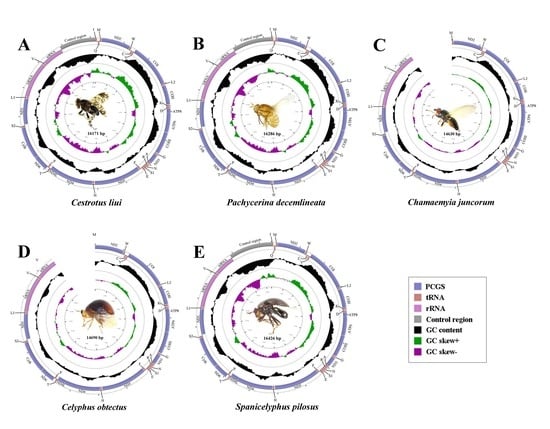
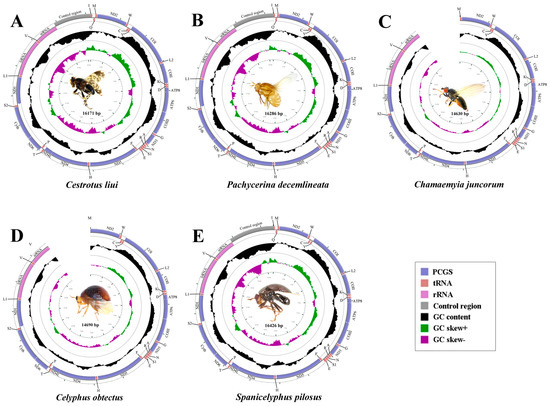
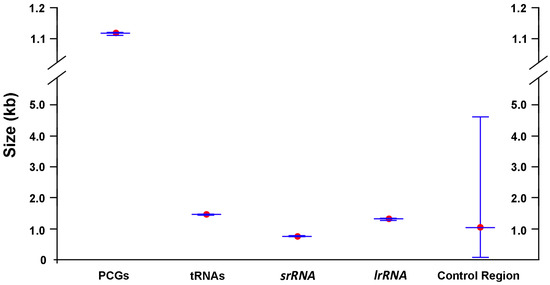
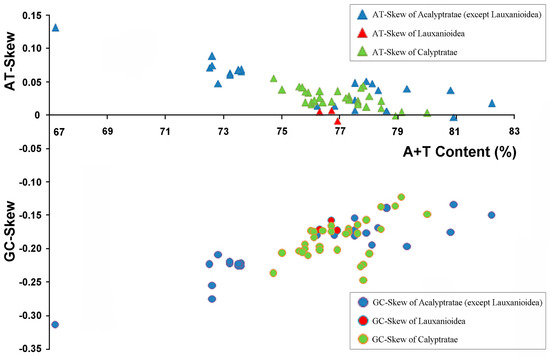
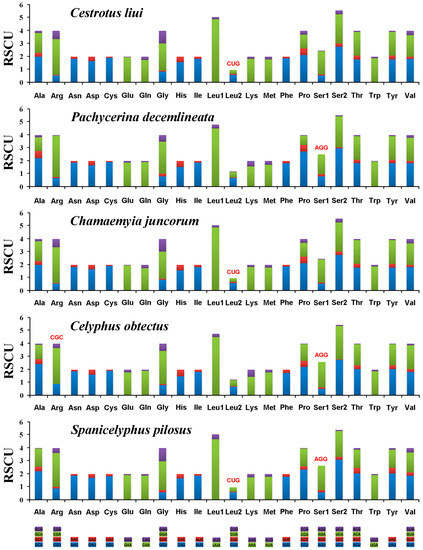
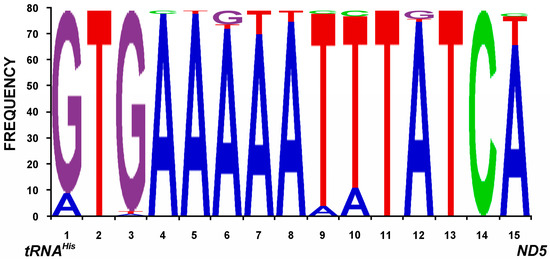
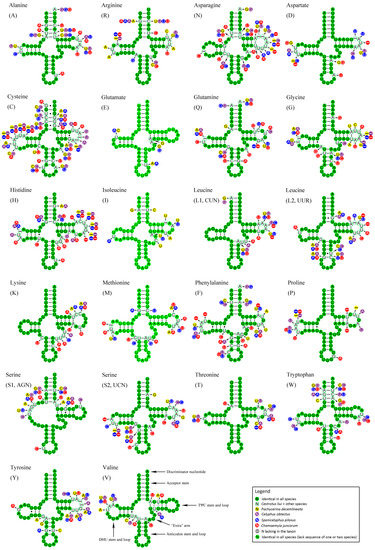
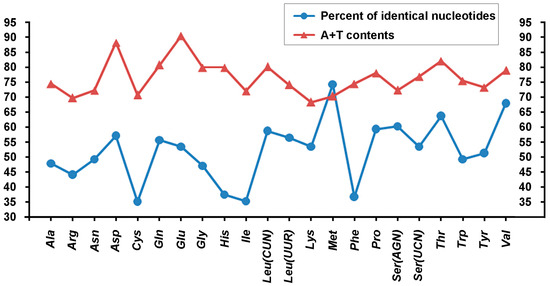
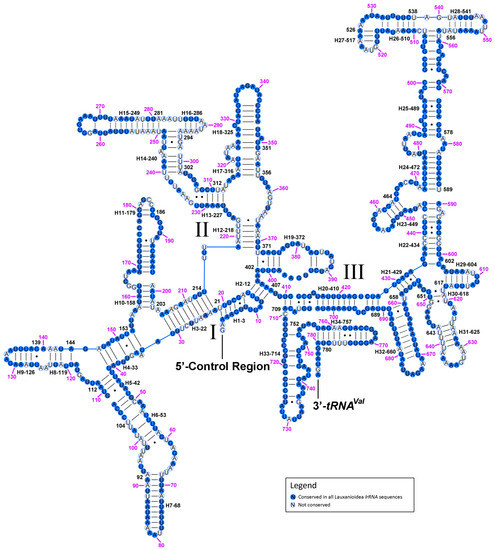
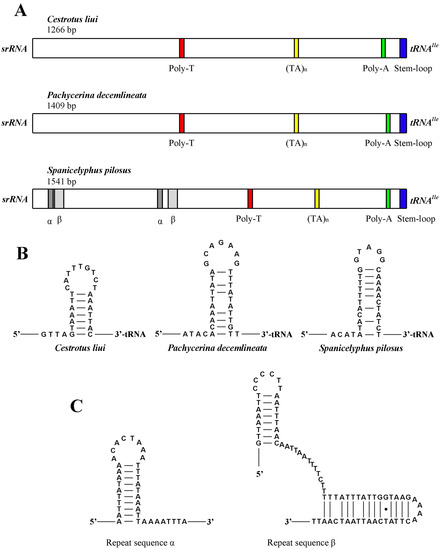
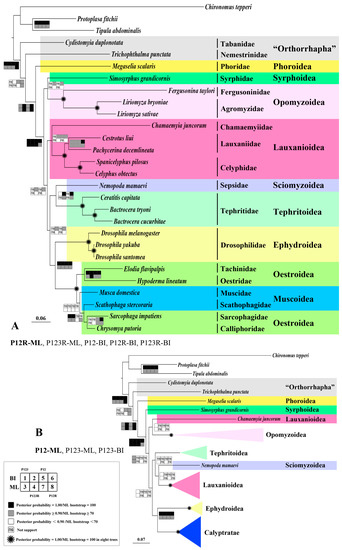
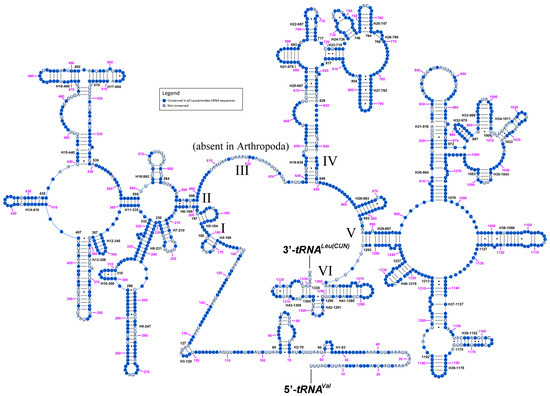
The superfamily Lauxanioidea is a significant dipteran clade including over 2500 known species in three families: Lauxaniidae, Celyphidae and Chamaemyiidae. We sequenced the first five (three complete and two partial) lauxanioid mitochondrial (mt) genomes, and used them to reconstruct the phylogeny of this group. The lauxanioid mt genomes are typical of the Diptera, containing all 37 genes usually present in bilaterian animals. A total of three conserved intergenic sequences have been reported across the Cyclorrhapha. The inferred secondary structure of 22 tRNAs suggested five substitution patterns among the Cyclorrhapha. The control region in the Lauxanioidea has apparently evolved very fast, but four conserved structural elements were detected in all three complete mt genome sequences. Phylogenetic relationships based on the mt genome data were inferred by Maximum Likelihood and Bayesian methods. The traditional relationships between families within the Lauxanioidea, (Chamaemyiidae + (Lauxaniidae + Celyphidae)), were corroborated; however, the higher-level relationships between cyclorrhaphan superfamilies are mostly poorly supported. Full article
(This article belongs to the Section Biochemistry)
Show Figures

Graphical abstract

4 pages, 183 KB  
Commentary
Is There any Alternative to Canonical DNA Barcoding of Multicellular Eukaryotic Species? A Case for the Tubulin Gene Family
by Diego Breviario
Istituto Biologia e Biotecnologia Agraria, onsiglio Nazionale delle Ricerche, 20133 Milano, Italy
Int. J. Mol. Sci. 2017, 18(4), 827; https://doi.org/10.3390/ijms18040827 - 13 Apr 2017
Cited by 3 | Viewed by 3405
Abstract
Modern taxonomy is largely relying on DNA barcoding, a nucleotide sequence-based approach that provides automated species identification using short orthologous DNA regions, mainly of organellar origin when applied to multicellular Eukaryotic species. Target DNA loci have been selected that contain a minimal amount [...] Read more.
Modern taxonomy is largely relying on DNA barcoding, a nucleotide sequence-based approach that provides automated species identification using short orthologous DNA regions, mainly of organellar origin when applied to multicellular Eukaryotic species. Target DNA loci have been selected that contain a minimal amount of nucleotide sequence variation within species while diverging among species. This strategy is quite effective for the identification of vertebrates and other animal lineages but poses a problem in plants where different combinations of two or three loci are constantly used. Even so, species discrimination in such plant categories as ornamentals and herbals remain problematic as well as the confident identification of subspecies, ecotypes, and closely related or recently evolved species. All these limitations may be successfully solved by the application of a different strategy, based on the use of a multi-locus, ubiquitous, nuclear marker, that is tubulin. In fact, the tubulin-based polymorphism method can release specific genomic profiles to any plant species independently from its taxonomic group. This offers the rare possibility of an effective yet generic genomic fingerprint. In a more general context, the issue is raised about the possibility that approaches alternative to systematic DNA sequencing may still provide useful and simple solutions. Full article
(This article belongs to the Section Biochemistry)
11 pages, 1091 KB  
Article
Preventive Effects of Heat-Killed Enterococcus faecalis Strain EC-12 on Mouse Intestinal Tumor Development
by Shingo Miyamoto 1, Masami Komiya 1, Gen Fujii 2, Takahiro Hamoya 1, Ruri Nakanishi 1, Kyoko Fujimoto 3, Shuya Tamura 1, Yurie Kurokawa 1, Maiko Takahashi 1, Tetsuo Ijichi 4 and Michihiro Mutoh 1,2,*
1 Epidemiology and Prevention Division, Research Center for Cancer Prevention and Screening, National Cancer Center, 5-1-1 Tsukiji, Chuo-ku, Tokyo 104-0045, Japan
2 Division of Carcinogenesis and Cancer Prevention, National Cancer Center Research Institute, 5-1-1 Tsukiji, Chuo-ku, Tokyo 104-0045, Japan
3 Division of Molecular Biology, Nagasaki International University, 2825-7 Huis Ten Bosch, Sasebo, Nagasaki 859-3298, Japan
4 Combi Corporation, Functional Foods Division, 5-2-39, Nishibori, Sakura-ku, Saitama-shi, Saitama 338-0832, Japan
Int. J. Mol. Sci. 2017, 18(4), 826; https://doi.org/10.3390/ijms18040826 - 13 Apr 2017
Cited by 24 | Viewed by 6332
Abstract
Establishing effective methods for preventing colorectal cancer by so-called “functional foods” is important because the global burden of colorectal cancer is increasing. Enterococcus faecalis strain EC-12 (EC-12), which belongs to the family of lactic acid bacteria, has been shown to exert pleiotropic effects, [...] Read more.
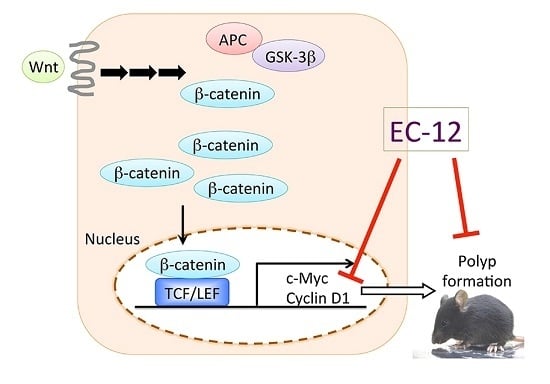
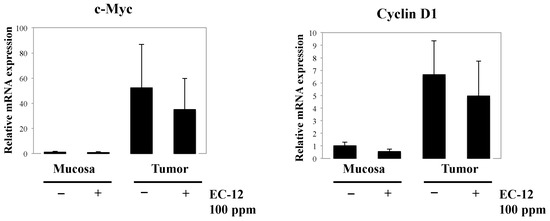
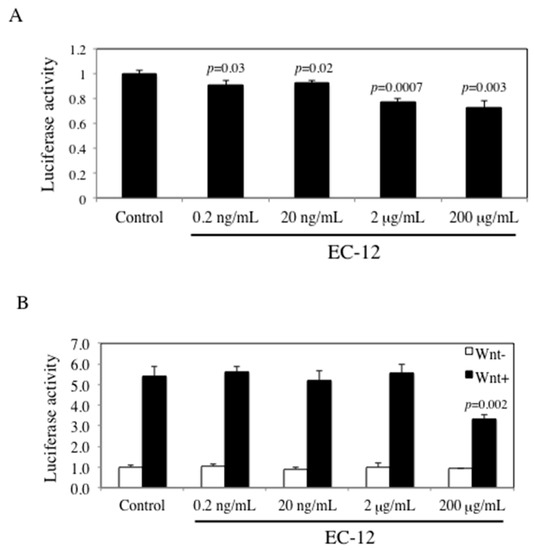
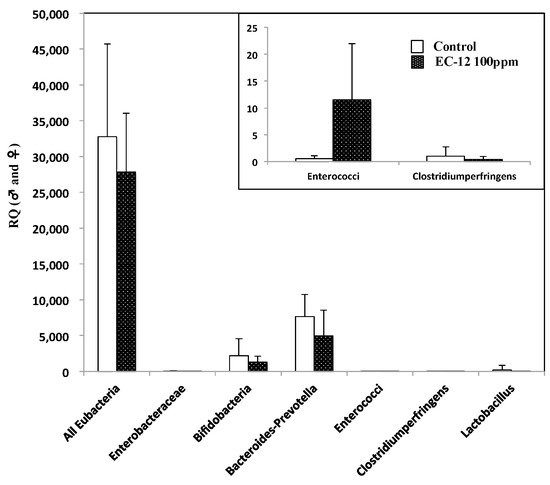
Establishing effective methods for preventing colorectal cancer by so-called “functional foods” is important because the global burden of colorectal cancer is increasing. Enterococcus faecalis strain EC-12 (EC-12), which belongs to the family of lactic acid bacteria, has been shown to exert pleiotropic effects, such as anti-allergy and anti-infectious effects, on mammalian cells. In the present study, we aimed to evaluate the preventive effects of heat-killed EC-12 on intestinal carcinogenesis. We fed 5-week-old male and female Apc mutant Min mice diets containing 50 or 100 ppm heat-killed EC-12 for 8 weeks. In the 50 ppm treated group, there was 4.3% decrease in the number of polyps in males vs. 30.9% in females, and significant reduction was only achieved in the proximal small intestine of female mice. A similar reduction was observed in the 100 ppm treated group. Moreover, heat-killed EC-12 tended to reduce the levels of c-Myc and cyclin D1 mRNA expression in intestinal polyps. Next, we confirmed that heat-killed EC-12 suppressed the transcriptional activity of the T-cell factor/lymphoid enhancer factor, a transcriptional factor involved in cyclin D1 mRNA expression in intestinal polyps. Our results suggest that heat-killed EC-12 very weakly suppresses intestinal polyp development in Min mice, in part by attenuating β-catenin signaling, and this implies that heat-killed EC-12 could be used as a “functional food”. Full article
(This article belongs to the Special Issue Inflammation and Cancer)
Show Figures

Graphical abstract

13 pages, 9056 KB  
Article
Subcellular Localization of Arabidopsis Pathogenesis-Related 1 (PR1) Protein
by Tamara Pečenková 1,*, Roman Pleskot 1 and Viktor Žárský 2
1 Laboratory of Cell Biology, Institute of Experimental Botany, Academy of Sciences of the Czech Republic, Rozvojova 263, 165 02 Prague 6, Czech Republic
2 Laboratory of Cell Morphogenesis, Department of Experimental Plant Biology, Faculty of Science, Charles University in Prague, Vinicna 5, 128 44 Prague 2, Czech Republic
Int. J. Mol. Sci. 2017, 18(4), 825; https://doi.org/10.3390/ijms18040825 - 13 Apr 2017
Cited by 70 | Viewed by 16756
Abstract
The Arabidopsis thaliana pathogenesis-related 1 (PR1) is an important defense protein, so far it has only been detected in extracellular space and its subcellular sorting and transport remain unexplained. Using a green fluorescent protein (GFP) tagged full length, as well as a C-terminus [...] Read more.
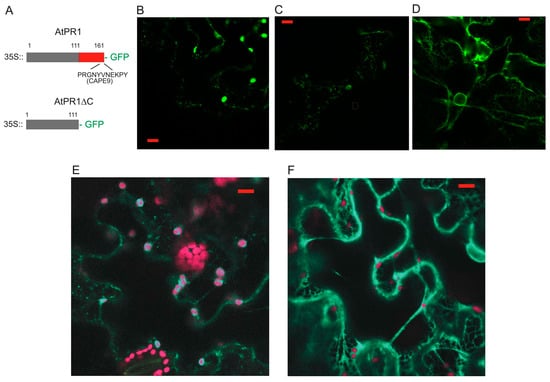
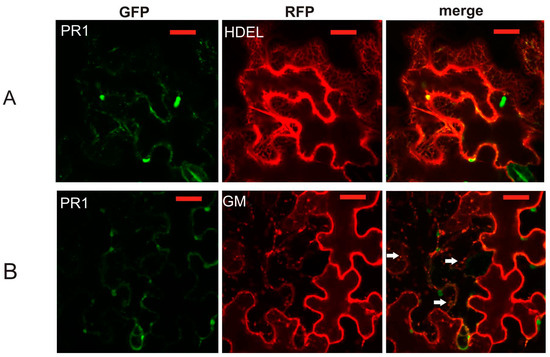
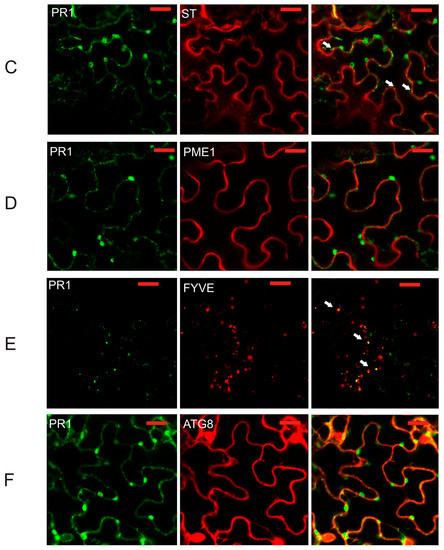
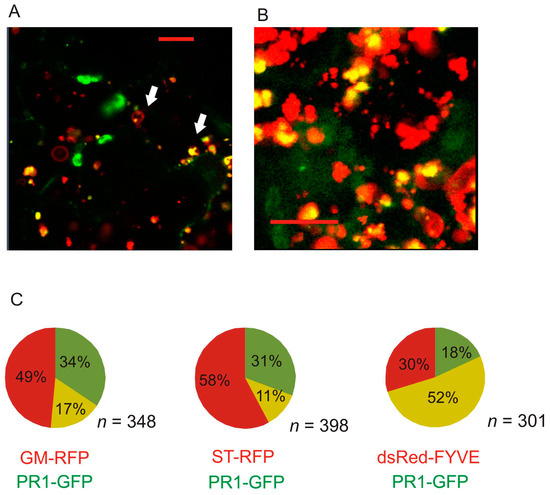
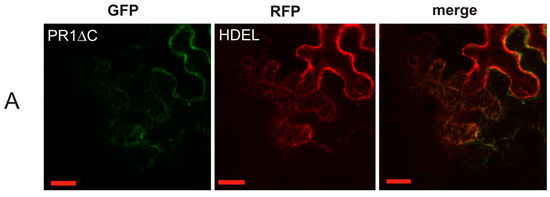
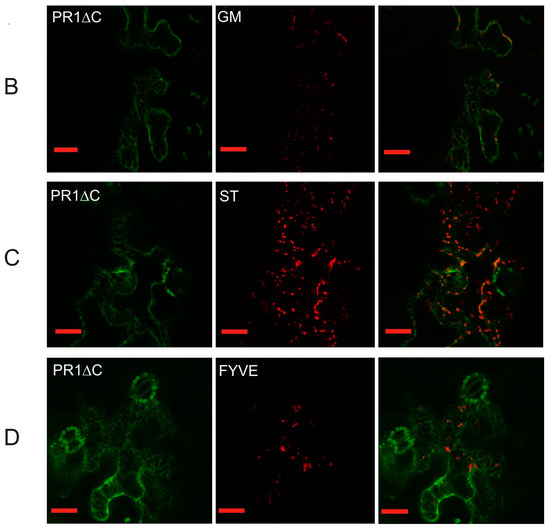
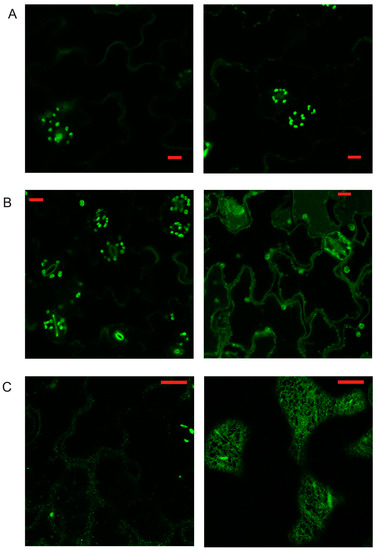
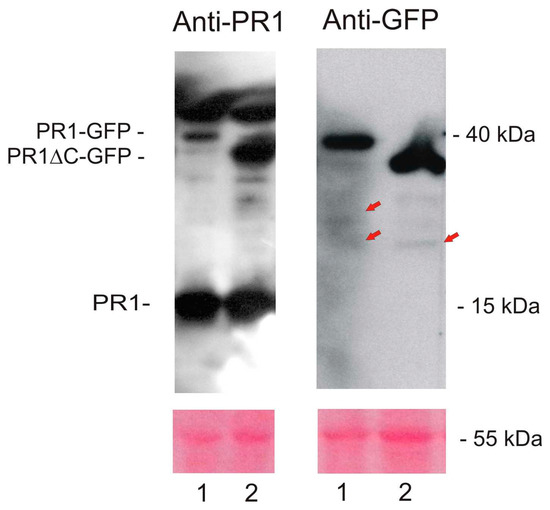
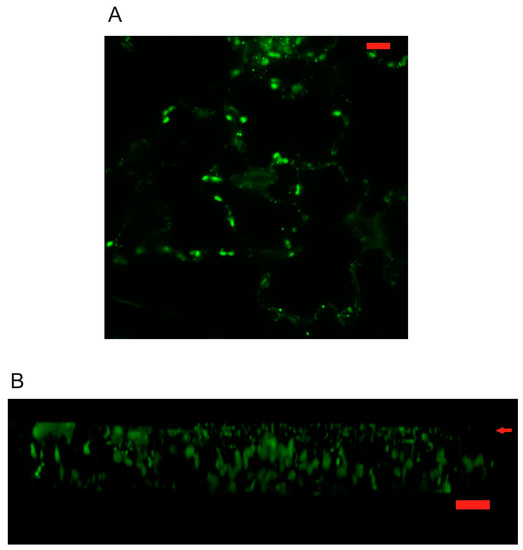
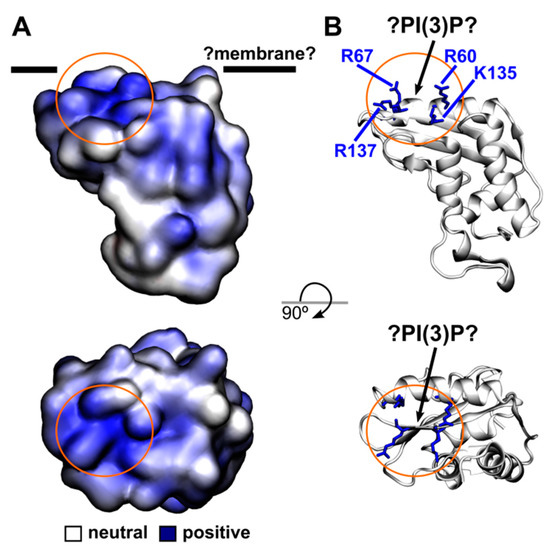
The Arabidopsis thaliana pathogenesis-related 1 (PR1) is an important defense protein, so far it has only been detected in extracellular space and its subcellular sorting and transport remain unexplained. Using a green fluorescent protein (GFP) tagged full length, as well as a C-terminus truncated version of PR1, we observed that when expressed ectopically in Nicotiana benthamiana leaves, PR1 co-localizes only partially with Golgi markers, and much more prominently with the late endosome (LE)/multivesicular body (MVB) FYVE marker. The C-truncated version PR1ΔC predominantly localized to the endoplasmic reticulum (ER). The same localizations were found for stable Arabidopsis transformants with expression of PR1 and PR1ΔC driven by the native promoter. We conclude that the A. thaliana PR1 (AtPR1) undergoes an unconventional secretion pathway, starting from the C-terminus-dependent sorting from the ER, and utilizing further transportation via phosphatidyl-inositol-3-phosphate (PI(3)P) positive LE/MVB-like vesicles. The homology model of the PR1 structure shows that the cluster of positively charged amino acid residues (arginines 60, 67, 137, and lysine 135) could indeed interact with negatively charged phospholipids of cellular membranes. It remains to be resolved whether Golgi and LE/MVB localization reflects an alternative sorting or trafficking succession, and what the role of lipid interactions in it will be. Full article
(This article belongs to the Special Issue Unconventional Proteins and Membranes Traffic)
Show Figures

Figure 1
19 pages, 17687 KB  
Article
Morphofunctional Alterations in Zebrafish (Danio rerio) Gills after Exposure to Mercury Chloride
by Rachele Macirella and Elvira Brunelli *
Department of Biology, Ecology and Earth Science, University of Calabria, Via P. Bucci 4/B, 87036 Rende (Cosenza), Italy
Int. J. Mol. Sci. 2017, 18(4), 824; https://doi.org/10.3390/ijms18040824 - 13 Apr 2017
Cited by 62 | Viewed by 10016
Abstract
Mercury (Hg) is a global pollutant that may exert its toxic effects on living organisms and is found in both aquatic and terrestrial ecosystems in three chemical forms; elemental, organic, and inorganic. The inorganic form (iHg) tends to predominantly accumulate in aquatic environments. [...] Read more.
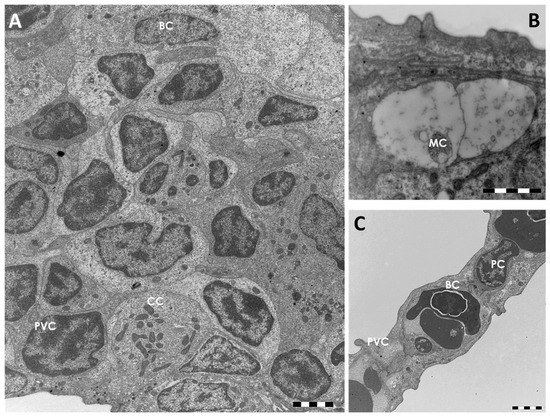
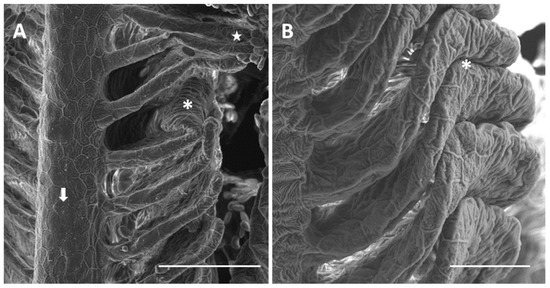
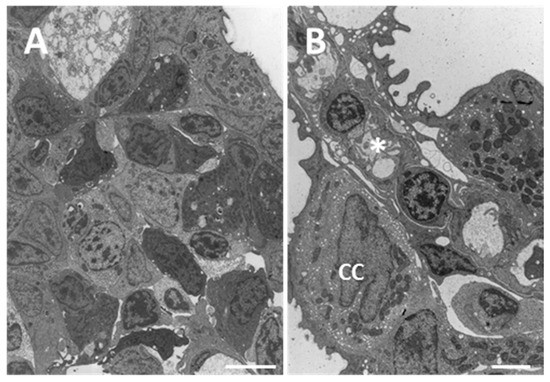
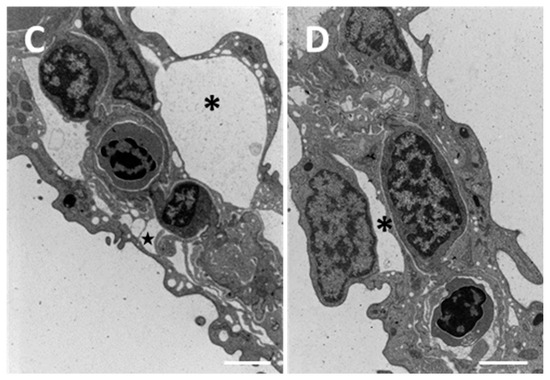
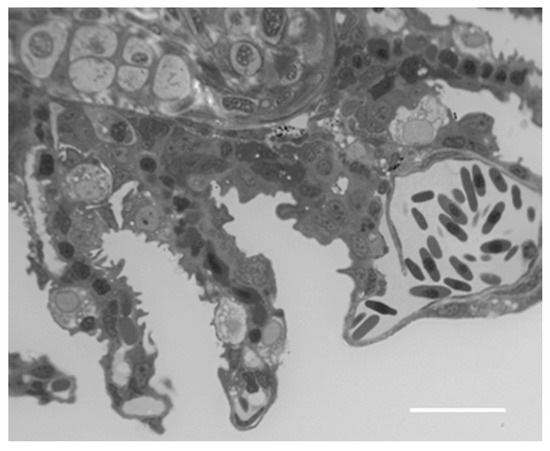
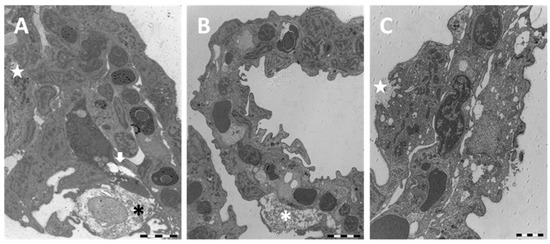
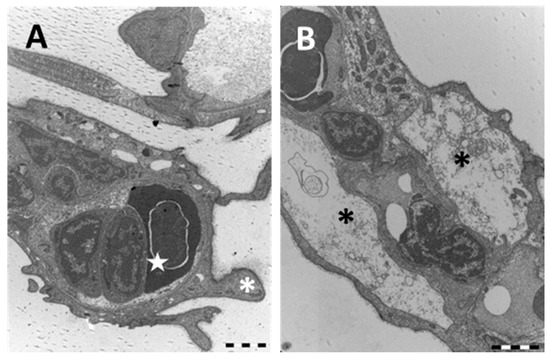
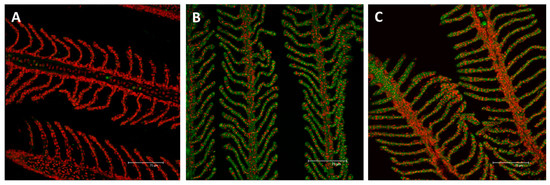
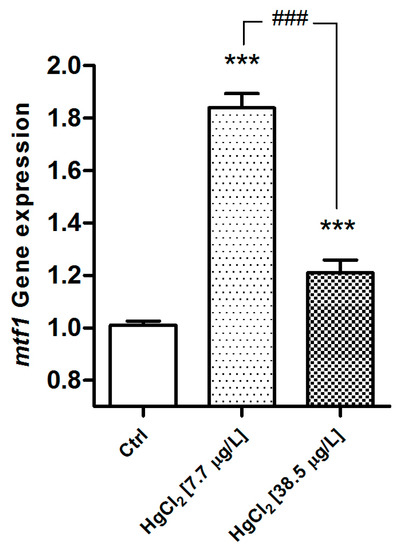
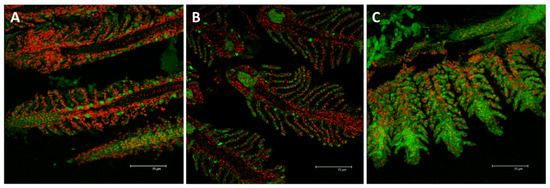
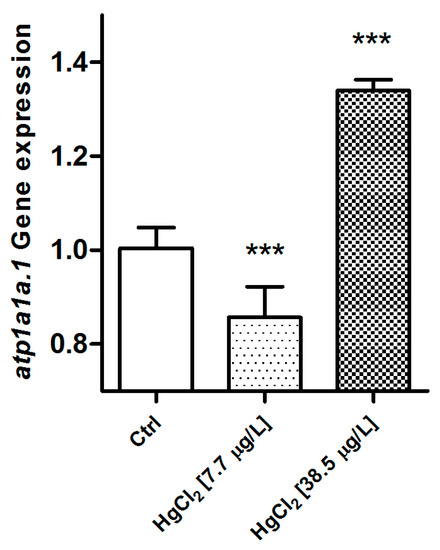
Mercury (Hg) is a global pollutant that may exert its toxic effects on living organisms and is found in both aquatic and terrestrial ecosystems in three chemical forms; elemental, organic, and inorganic. The inorganic form (iHg) tends to predominantly accumulate in aquatic environments. The gill apparatus is a very dynamic organ that plays a fundamental role in gas exchange, osmoregulation, acid-base regulation, detoxification, and excretion, and the gills are the primary route of waterborne iHg entrance in fish. In the present work we investigated the morphofunctional and ultrastructural effects in Danio rerio gills after 96 h exposure to two low HgCl2 concentrations (7.7 and 38.5 µg/L). Our results clearly demonstrated that a short-term exposure to low concentrations of mercury chloride resulted in gill morphology alterations and in the modifications of both Na+/K+-ATPase and metallothioneins (MTs) expression pattern. The main morphological effects recorded in this work were represented by hyperplasia and ectopia of chloride cells (CCs), lamellar fusion, increased mucous secretion, alteration of pavement cells (PVCs), detachment of the secondary epithelium, pillar cell degeneration, degeneration, and apoptosis. Trough immunohistochemistry and real-time PCR analysis also showed a dose-related modulation of Na+/K+-ATPase and MTs. Full article
(This article belongs to the Special Issue Zebrafish: A Model for Toxicological Research)
Show Figures

Figure 1
16 pages, 5764 KB  
Article
Behavior of Human Osteoblast Cells Cultured on Titanium Discs in Relation to Surface Roughness and Presence of Melatonin
by M. Fernanda Sola-Ruiz 1,*, Carolina Perez-Martinez 1, Carlos Labaig-Rueda 1, Carmen Carda 2 and J. Javier Martín De Llano 2
1 Department of Stomatology, Faculty of Medicine and Dentistry, University of Valencia, 46010 Valencia, Spain
2 Department of Pathology and Health Research Institute of the Hospital Clínico (INCLIVA), Faculty of Medicine and Dentistry, University of Valencia, 46010 Valencia, Spain
Int. J. Mol. Sci. 2017, 18(4), 823; https://doi.org/10.3390/ijms18040823 - 13 Apr 2017
Cited by 26 | Viewed by 6324
Abstract
The aim of this work was to observe the behavior of osteoblast cells cultured in vitro on titanium discs in relation to disc surface roughness and the addition of melatonin to the culture medium. MG63 osteoblast cells were cultivated on 120 Grade 5 [...] Read more.
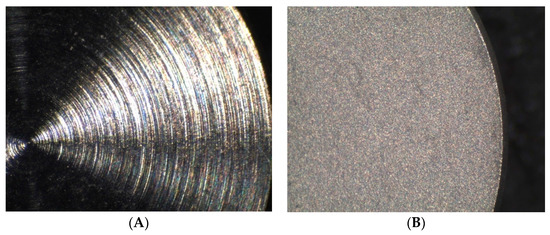
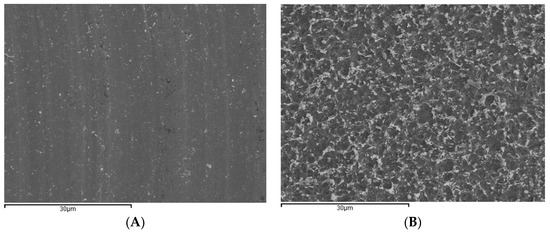
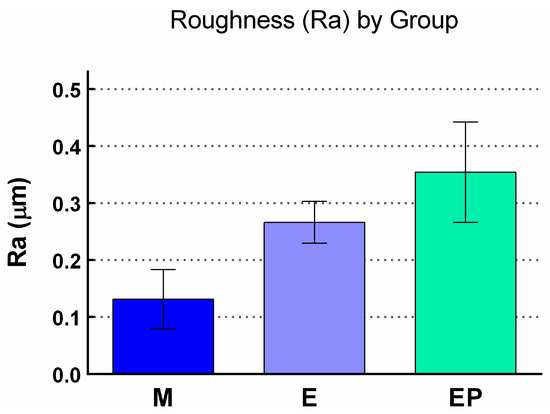
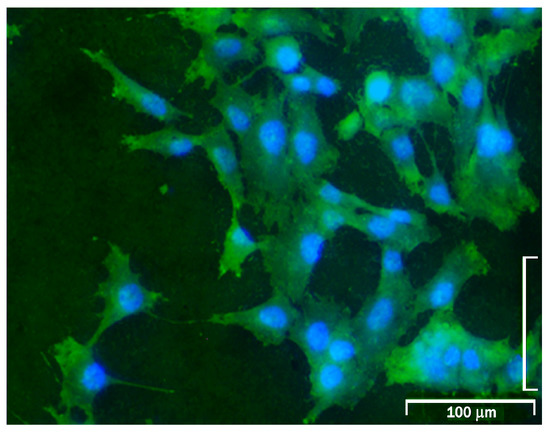
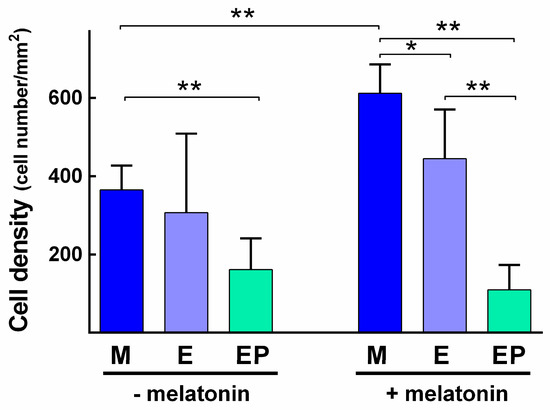
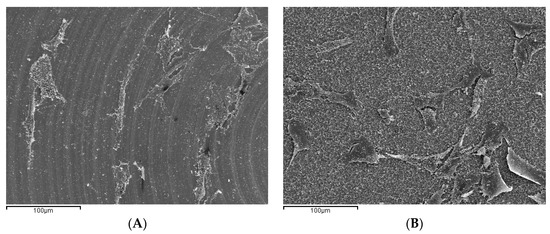
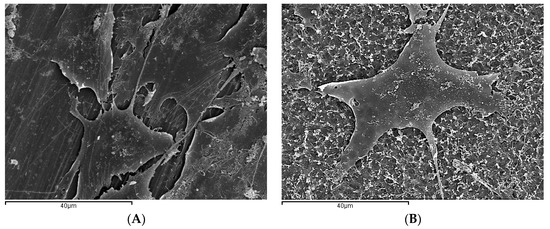
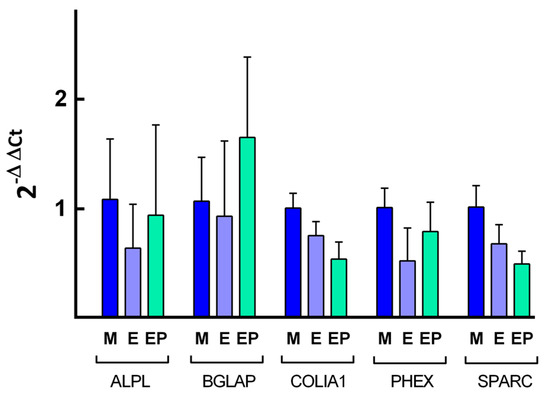
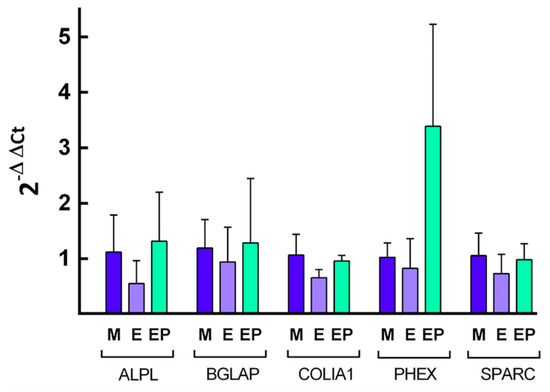
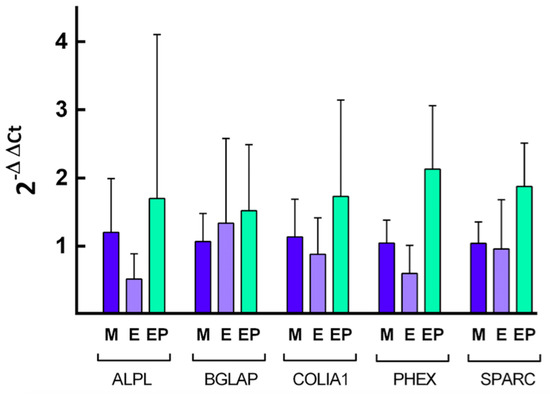
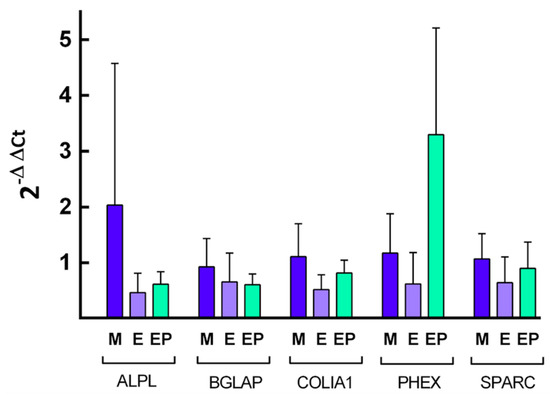
The aim of this work was to observe the behavior of osteoblast cells cultured in vitro on titanium discs in relation to disc surface roughness and the addition of melatonin to the culture medium. MG63 osteoblast cells were cultivated on 120 Grade 5 Ti divided into three groups: Group E, treated with dual acid etch; Group EP, treated with dual acid etch and calcium phosphate; and Group M, machined. Surface roughness was examined under a laser scanning confocal microscope (CLSM) and scanning electron microscopy (SEM). The proliferation and morphology of cells were determined under fluorescence microscopy and SEM. Messenger ribonucleic acid (mRNA) of different genes related to osteoblastic differentiation was quantified by means of real-time quantitative polymerase chain reaction (RT-PCR) assay. The greatest surface roughness was found in Group EP (Ra 0.354 µm), followed by Group E (Ra 0.266 µm), and Group M (Ra 0.131 µm), with statistically significant differences between the groups (p < 0.001). In the presence of melatonin a trend to a higher cell proliferation was observed in all groups although significant differences were only found in Group M (p = 0.0079). Among the genes studied, a significant increase in phosphate-regulating neutral endopeptidase, X-linked (PHEX) expression was observed in cells cultured on EP discs. The addition of melatonin increased osteoblast cell proliferation and differentiation, and may favor the osseointegration of dental implants. Full article
(This article belongs to the Special Issue Melatonin and Its Analogues: Experimental and Clinical Aspects)
Show Figures

Figure 1
16 pages, 2410 KB  
Article
Liposomal Encapsulation for Systemic Delivery of Propranolol via Transdermal Iontophoresis Improves Bone Microarchitecture in Ovariectomized Rats
by Benjamin Teong 1, Shyh Ming Kuo 2, Wei-Hsin Tsai 3, Mei-Ling Ho 1, Chung-Hwan Chen 1,4,5,* and Han Hsiang Huang 3,*
1 Orthopaedic Research Center, Kaohsiung Medical University, Kaohsiung City 80708, Taiwan
2 Department of Biomedical Engineering, I-Shou University, Kaohsiung City 82445, Taiwan
3 Department of Veterinary Medicine, National Chiayi University, Chiayi City 60054, Taiwan
4 Department of Orthopaedics, College of Medicine, Kaohsiung Medical University, Kaohsiung City 80708, Taiwan
5 Department of Orthopedics, Kaohsiung Municipal Ta-Tung Hospital, Kaohsiung Medical University, Kaohsiung City 80145, Taiwan
Int. J. Mol. Sci. 2017, 18(4), 822; https://doi.org/10.3390/ijms18040822 - 13 Apr 2017
Cited by 23 | Viewed by 5461
Abstract
The stimulatory effects of liposomal propranolol (PRP) on proliferation and differentiation of human osteoblastic cells suggested that the prepared liposomes-encapsulated PRP exerts anabolic effects on bone in vivo. Iontophoresis provides merits such as sustained release of drugs and circumvention of first pass metabolism. [...] Read more.
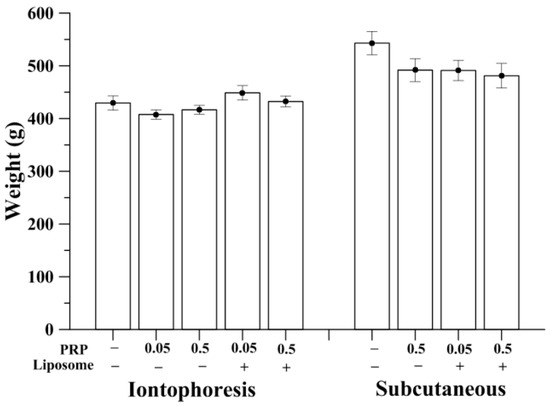
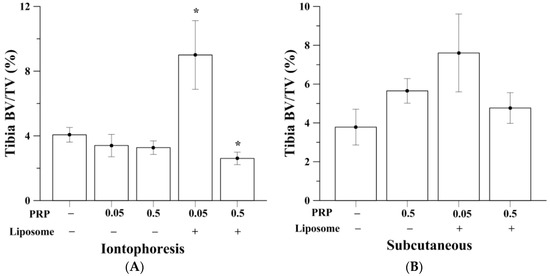
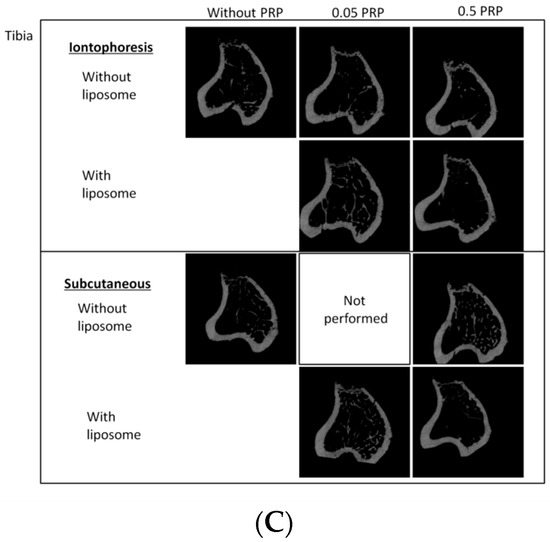
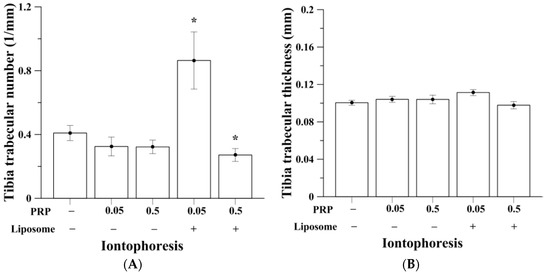
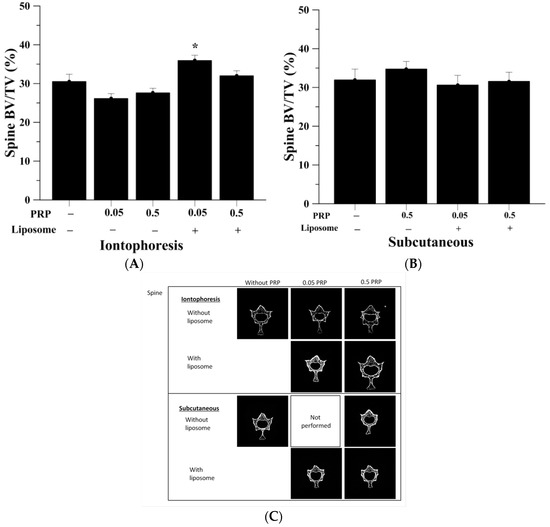
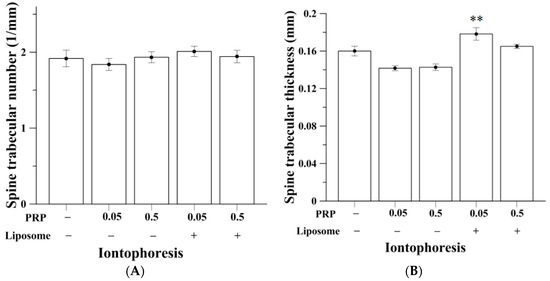
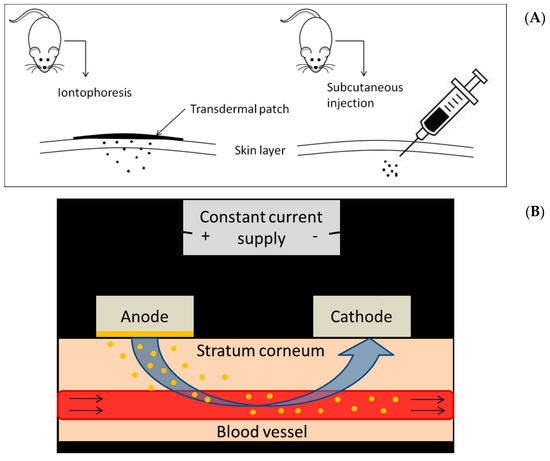
The stimulatory effects of liposomal propranolol (PRP) on proliferation and differentiation of human osteoblastic cells suggested that the prepared liposomes-encapsulated PRP exerts anabolic effects on bone in vivo. Iontophoresis provides merits such as sustained release of drugs and circumvention of first pass metabolism. This study further investigated and evaluated the anti-osteoporotic effects of liposomal PRP in ovariectomized (OVX) rats via iontophoresis. Rats subjected to OVX were administered with pure or liposomal PRP via iontophoresis or subcutaneous injection twice a week for 12 weeks. Changes in the microarchitecture at the proximal tibia and the fourth lumbar spine were assessed between pure or liposomal PRP treated and non-treated groups using micro-computed tomography. Administration of liposomal PRP at low dose (0.05 mg/kg) via iontophoresis over 2-fold elevated ratio between bone volume and total tissue volume (BV/TV) in proximal tibia to 9.0% whereas treatment with liposomal PRP at low and high (0.5 mg/kg) doses via subcutaneous injection resulted in smaller increases in BV/TV. Significant improvement of BV/TV and bone mineral density (BMD) was also found in the fourth lumbar spine when low-dose liposomal PRP was iontophoretically administered. Iontophoretic low-dose liposomal PRP also elevated trabecular numbers in tibia and trabecular thickness in spine. Enhancement of bone microarchitecture volumes has highlighted that liposomal formulation with transdermal iontophoresis is promising for PRP treatment at the lower dose and with longer duration than its clinical therapeutic range and duration to exhibit optimal effects against bone loss in vivo. Full article
(This article belongs to the Section Materials Science)
Show Figures

Figure 1
15 pages, 9743 KB  
Article
Prevention of Oxidized Low Density Lipoprotein-Induced Endothelial Cell Injury by DA-PLGA-PEG-cRGD Nanoparticles Combined with Ultrasound
by Zhaojun Li 1,†, Hui Huang 2,†, Lili Huang 2, Lianfang Du 1,*, Ying Sun 2,* and Yourong Duan 2
1 Department of Ultrasound, Shanghai First People’s Hospital, School of Medicine, Shanghai Jiao Tong University, Shanghai 200080, China
2 State Key Laboratory of Oncogenes and Related Genes, Shanghai Cancer Institute, Renji Hospital, School of Medicine, Shanghai Jiao Tong University, Shanghai 200032, China
These authors contributed equally to this work.
Int. J. Mol. Sci. 2017, 18(4), 815; https://doi.org/10.3390/ijms18040815 - 13 Apr 2017
Cited by 16 | Viewed by 6159
Abstract
In general, atherosclerosis is considered to be a form of chronic inflammation. Dexamethasone has anti-inflammatory effects in atherosclerosis, but it was not considered for long-term administration on account of a poor pharmacokinetic profile and adverse side effects. Nanoparticles in which drugs can be [...] Read more.
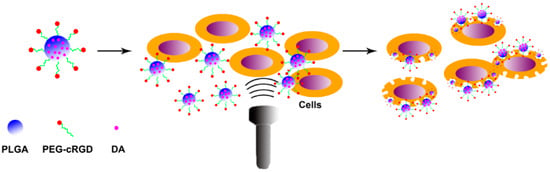
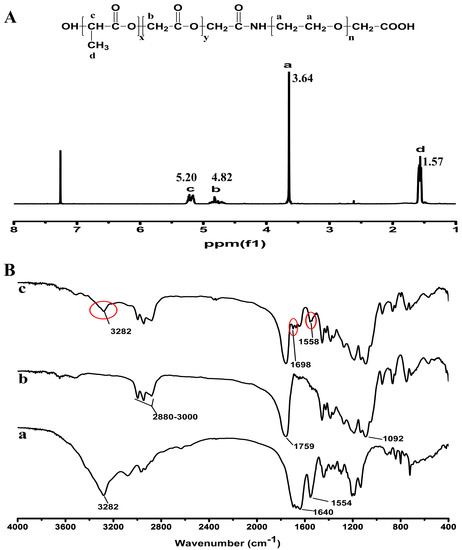
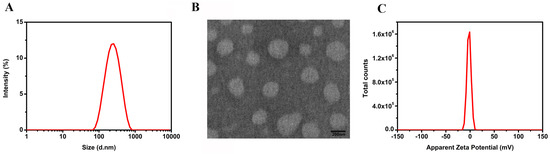
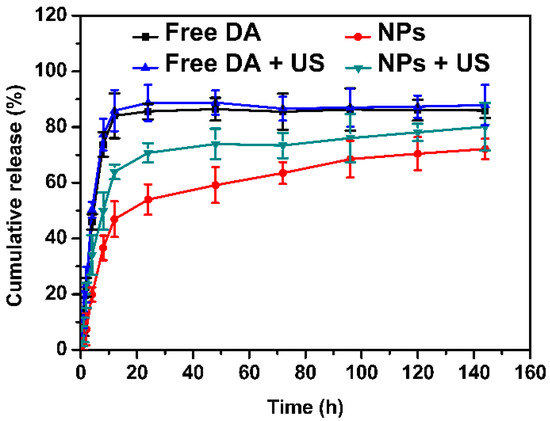
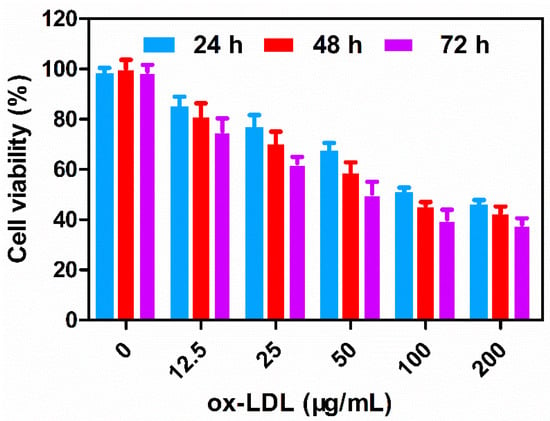
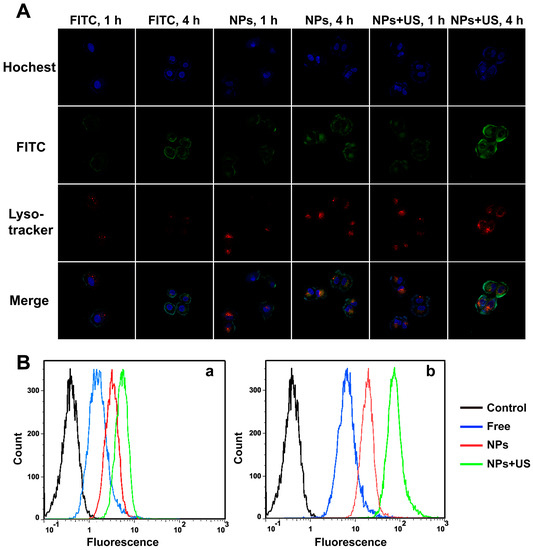
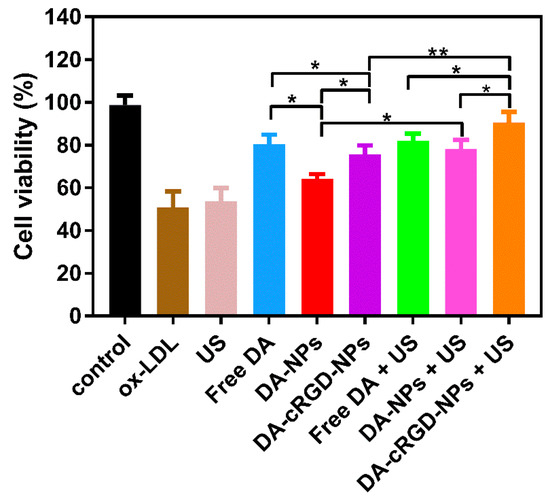
In general, atherosclerosis is considered to be a form of chronic inflammation. Dexamethasone has anti-inflammatory effects in atherosclerosis, but it was not considered for long-term administration on account of a poor pharmacokinetic profile and adverse side effects. Nanoparticles in which drugs can be dissolved, encapsulated, entrapped or chemically attached to the particle surface have abilities to incorporate dexamethasone and to be used as controlled or targeted drug delivery system. Long circulatory polymeric nanoparticles present as an assisting approach for controlled and targeted release of the encapsulated drug at the atherosclerotic site. Polymeric nanoparticles combined with ultrasound (US) are widely applied in cancer treatment due to their time applications, low cost, simplicity, and safety. However, there are few studies on atherosclerosis treatment using polymeric nanoparticles combined with US. In this study, targeted dexamethasone acetate (DA)-loaded poly (lactide-glycolide)-polyethylene glycol-cRGD (PLGA-PEG-cRGD) nanoparticles (DA-PLGA-PEG-cRGD NPs) were prepared by the emulsion-evaporation method using cRGD modified PLGA-PEG polymeric materials (PLGA-PEG-cRGD) prepared as the carrier. The average particle size of DA-PLGA-PEG-cRGD NPs was 221.6 ± 0.9 nm. Morphology of the nanoparticles was spherical and uniformly dispersed. In addition, the DA released profiles suggested that ultrasound could promote drug release from the nanocarriers and accelerate the rate of release. In vitro, the cellular uptake process of fluorescein isothiocyanate (FITC)@DA-PLGA-PEG-cRGD NPs combined with US into the damaged human umbilical vein endothelial cells (HUVECs) indicated that US promoted rapid intracellular uptake of FITC@DA- PLGA-PEG-cRGD NPs. The cell viability of DA-PLGA-PEG-cRGD NPs combined with US reached 91.9% ± 0.2%, which demonstrated that DA-PLGA-PEG-cRGD NPs combined with US had a positive therapeutic effect on damaged HUVECs. Overall, DA-PLGA-PEG-cRGD NPs in combination with US may provide a promising drug delivery system to enhance the therapeutic effects of these chemotherapeutics at the cellular level. Full article
(This article belongs to the Special Issue Bioactive Nanoparticles)
Show Figures

Figure 1