12 pages, 5669 KB  
Article
The Chinese Herbal Medicine Formula mKG Suppresses Pulmonary Fibrosis of Mice Induced by Bleomycin
by Ying Gao, Li-Fu Yao, Yang Zhao, Li-Man Wei, Peng Guo, Meng Yu, Bo Cao, Tan Li, Hong Chen and Zhong-Mei Zou
Int. J. Mol. Sci. 2016, 17(2), 238; https://doi.org/10.3390/ijms17020238 - 15 Feb 2016
Cited by 25 | Viewed by 8851
Abstract
Pulmonary fibrosis (PF) is a serious progressive lung disease and it originates from inflammation-induced parenchymal injury with excessive extracellular matrix deposition to result in the destruction of the normal lung architecture. Modified Kushen Gancao Formula (mKG), derived from traditional Chinese herbal [...] Read more.
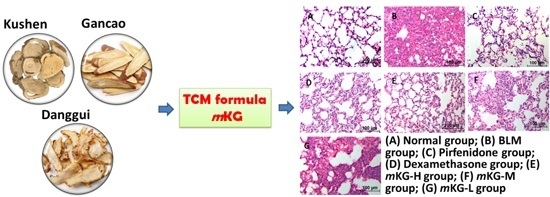
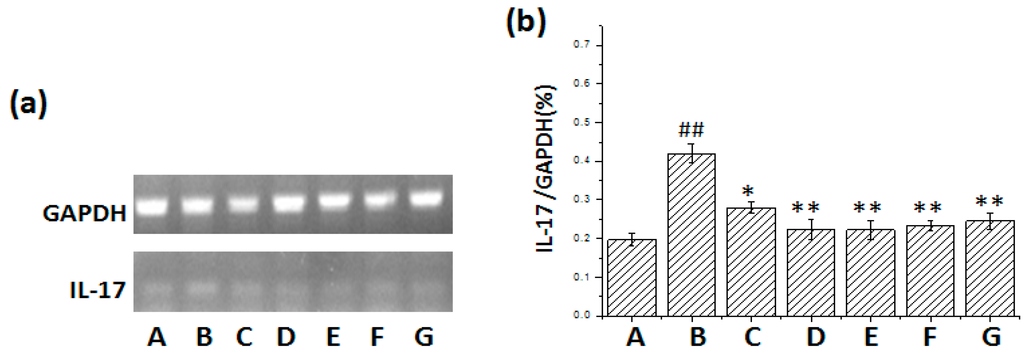
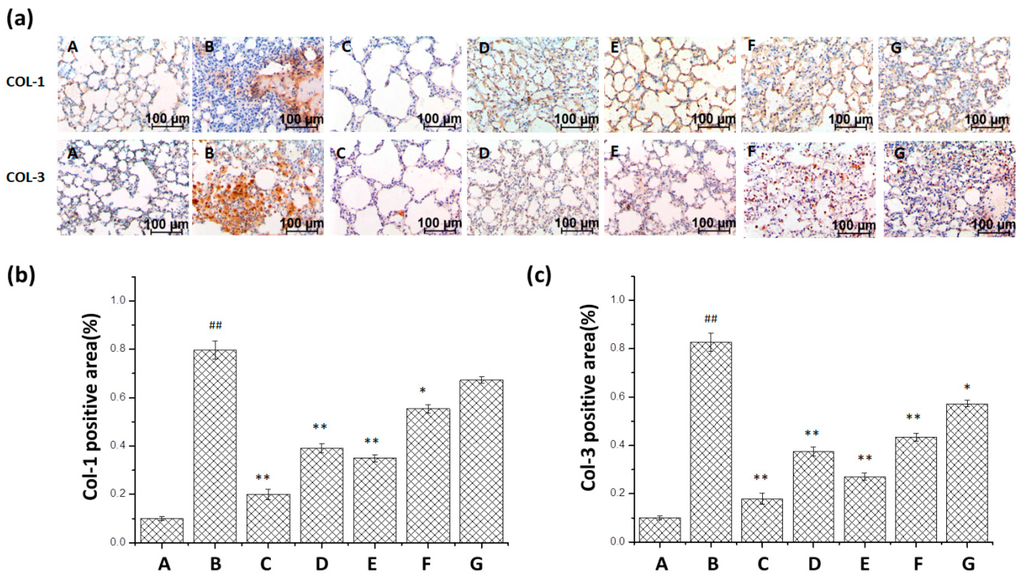
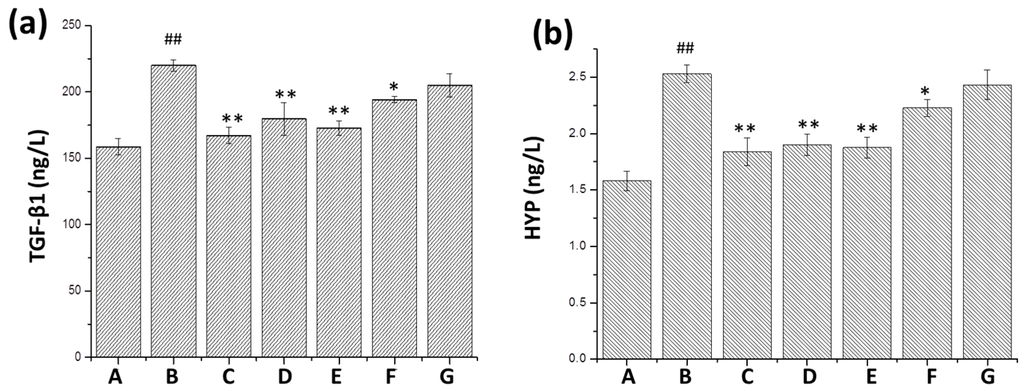
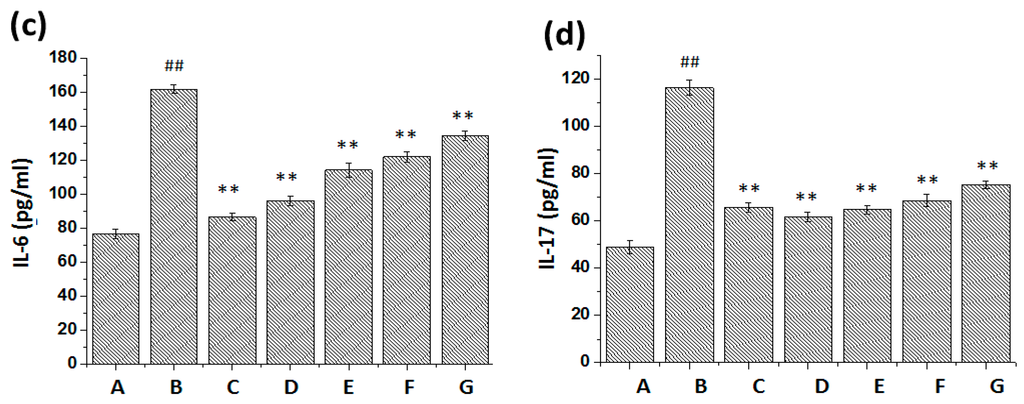
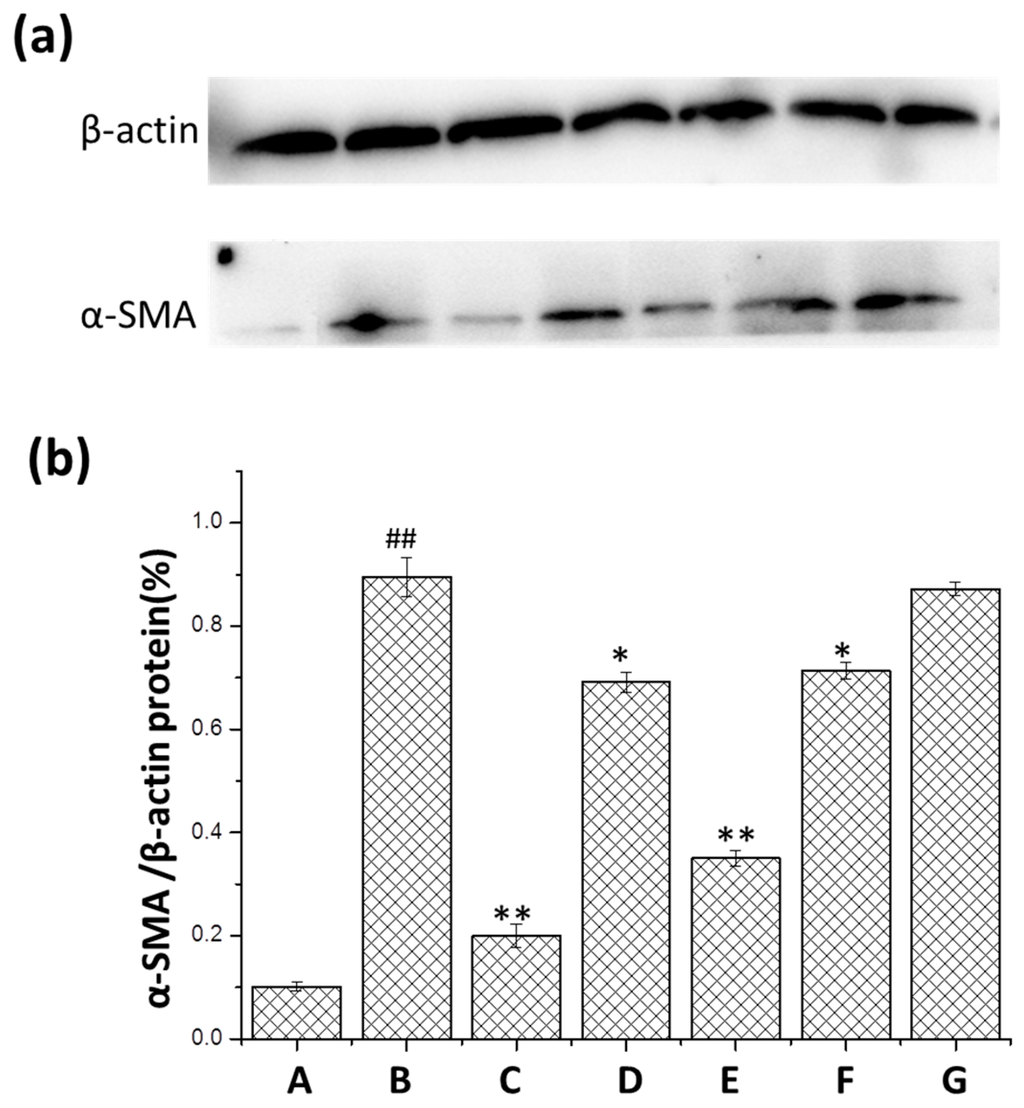
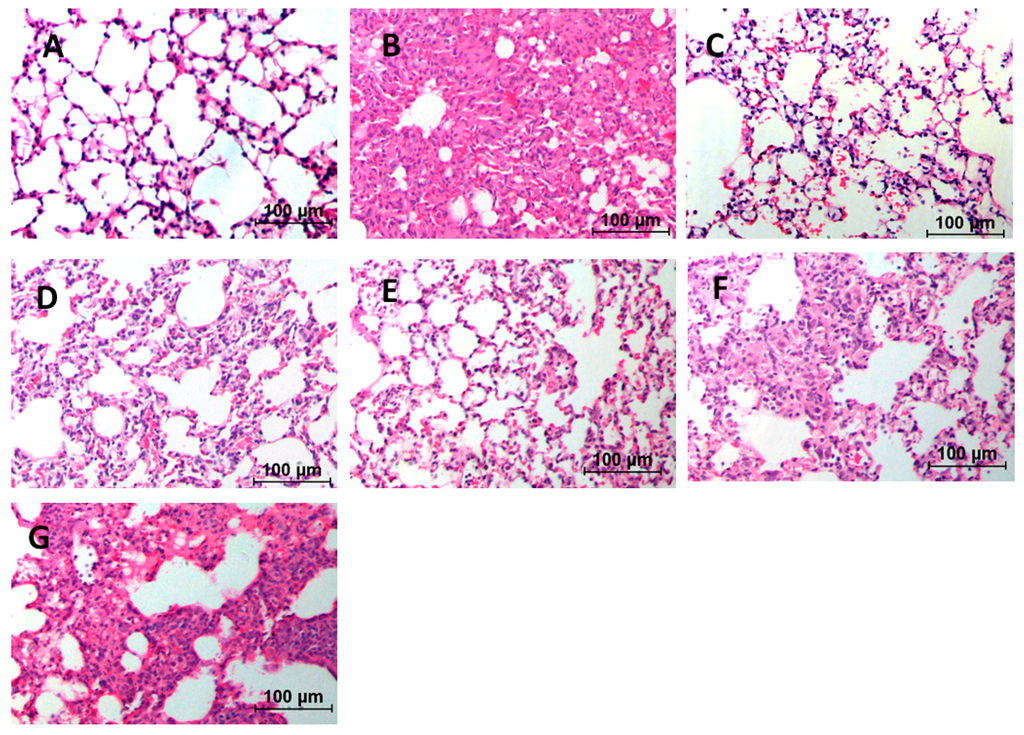
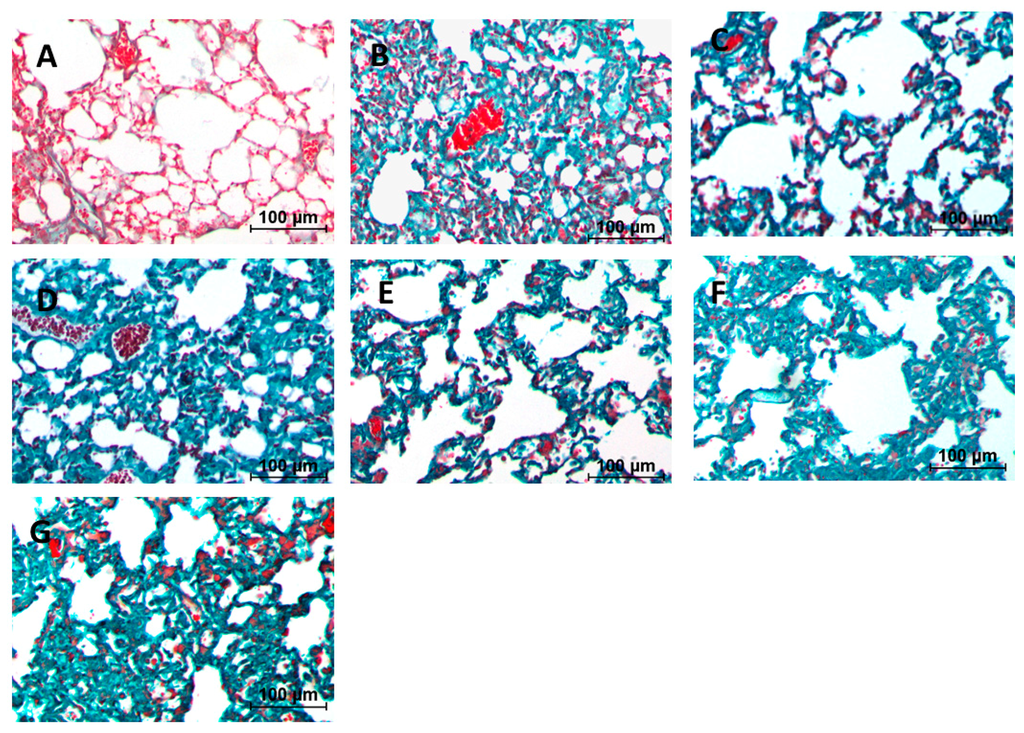
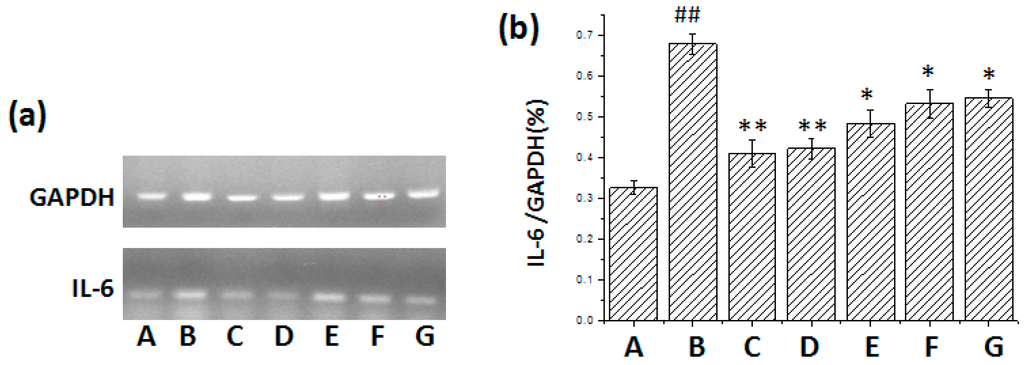
Pulmonary fibrosis (PF) is a serious progressive lung disease and it originates from inflammation-induced parenchymal injury with excessive extracellular matrix deposition to result in the destruction of the normal lung architecture. Modified Kushen Gancao Formula (mKG), derived from traditional Chinese herbal medicine, has a prominent anti-inflammatory effect. The present study is to explore the inhibitory effects of mKG on bleomycin (BLM)-induced pulmonary fibrosis in mice. mKG significantly decreased pulmonary alveolitis, fibrosis scores, and interleukin-6 (IL-6), interleukin-17 (IL-17), transforming growth factor-β (TGF-β) and hydroxyproline (HYP) levels in lung tissue of mice compared with BLM treatment. It markedly alleviated the increase of HYP content in the lung tissues and pathologic changes of pulmonary fibrosis caused by BLM instillation. In conclusion, mKG has an anti-fibrotic effect and might be employed as a therapeutic candidate agent for attenuating pulmonary fibrosis. Full article
(This article belongs to the Section Biochemistry)
Show Figures

Graphical abstract
13 pages, 4761 KB  
Article
Cell Therapy Using Bone Marrow-Derived Stem Cell Overexpressing BMP-7 for Degenerative Discs in a Rat Tail Disc Model
by Jen-Chung Liao
Int. J. Mol. Sci. 2016, 17(2), 147; https://doi.org/10.3390/ijms17020147 - 22 Jan 2016
Cited by 25 | Viewed by 6971
Abstract
Degenerative discs can cause low back pain. Cell-based transplantation or growth factors therapy have been suggested as a strategy to stimulate disc regeneration. Bone marrow-derived mesenchymal stem cells (BMDMSC) containing bone morphogenetic protein-7 (BMP-7) gene were constructed. We evaluated the effectiveness of these [...] Read more.
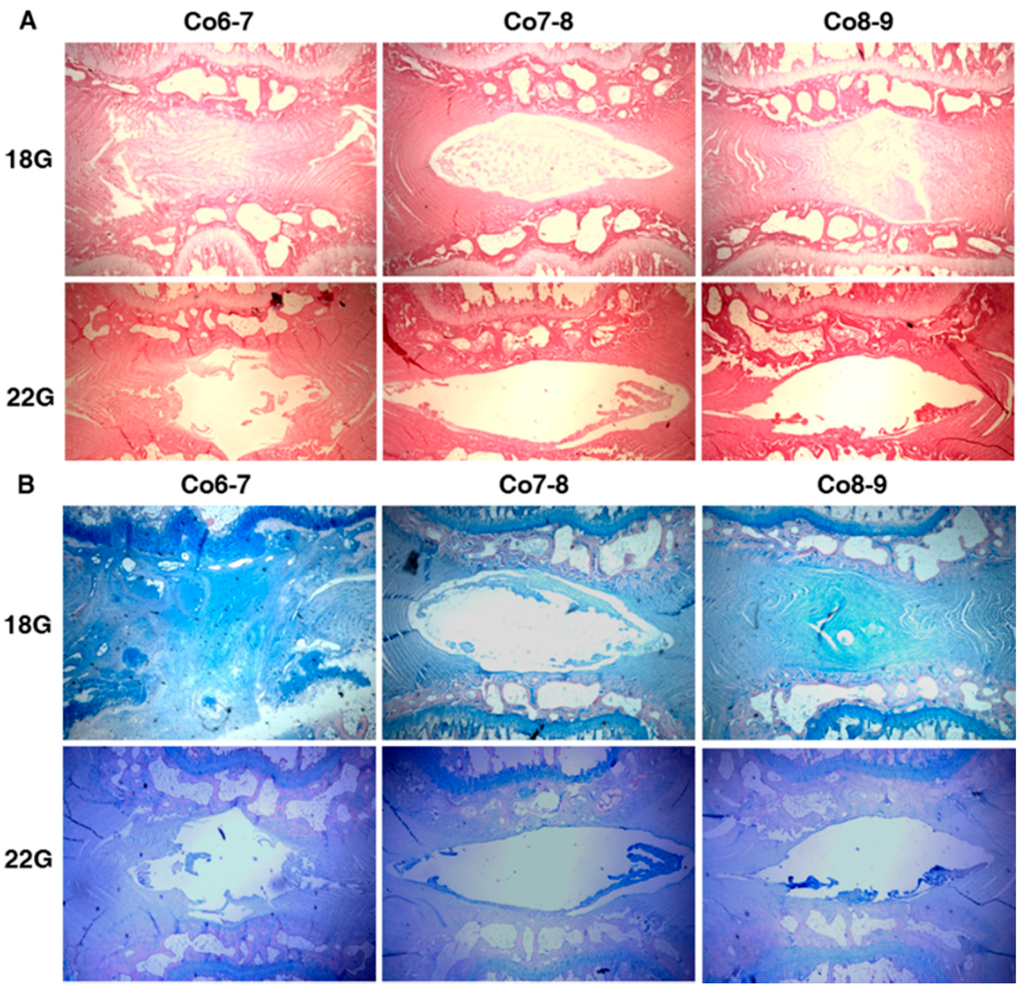
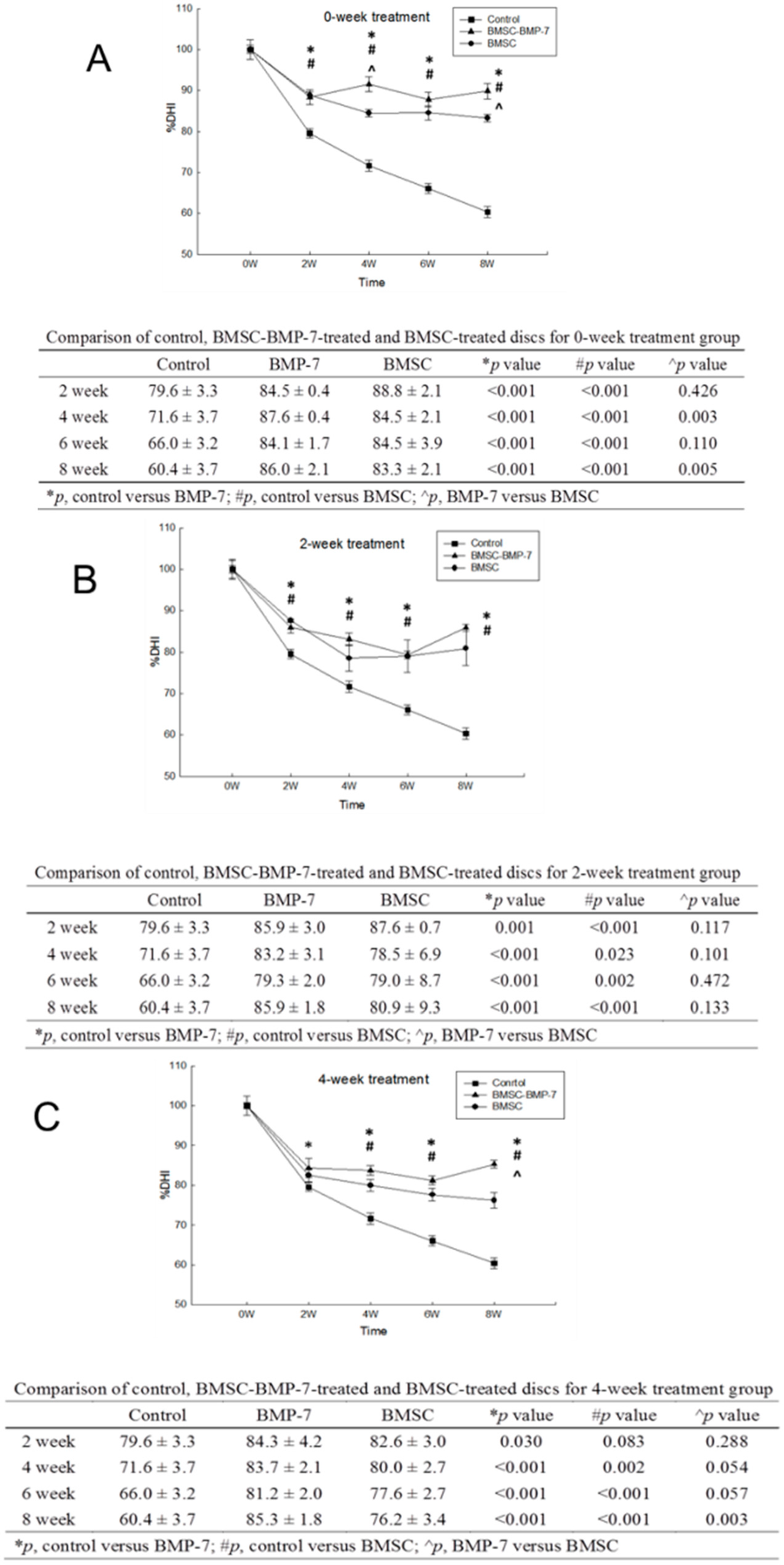
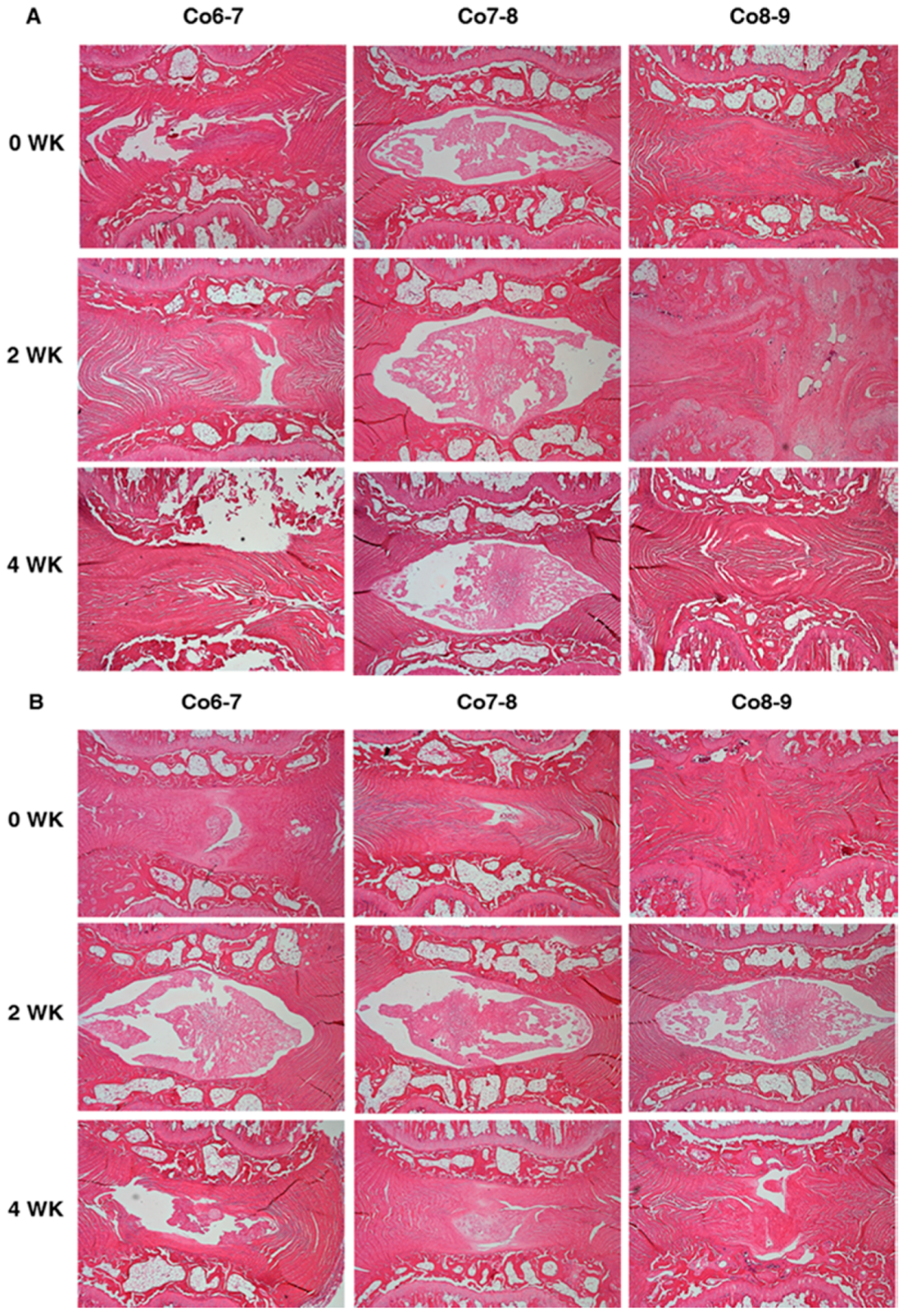
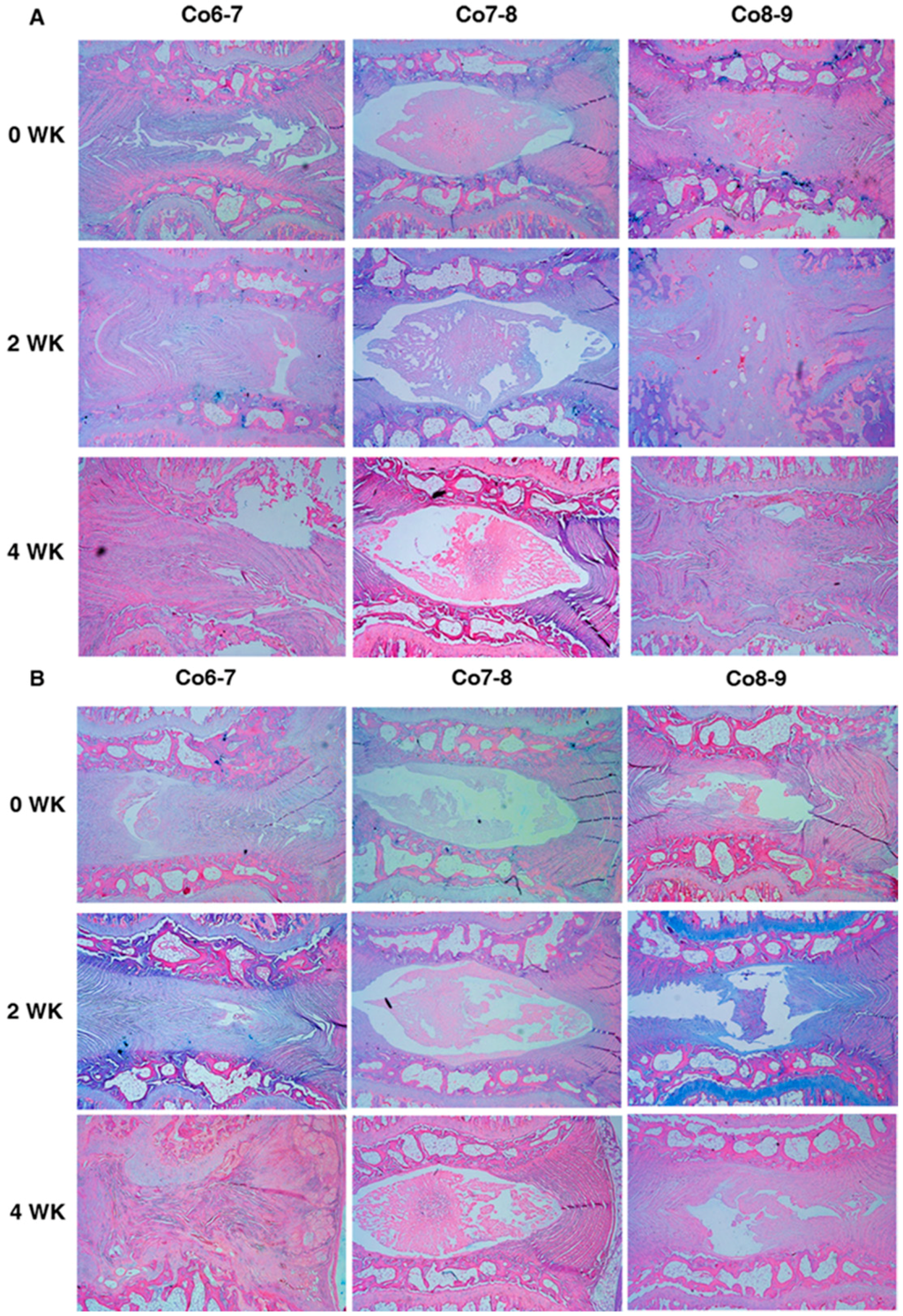
Degenerative discs can cause low back pain. Cell-based transplantation or growth factors therapy have been suggested as a strategy to stimulate disc regeneration. Bone marrow-derived mesenchymal stem cells (BMDMSC) containing bone morphogenetic protein-7 (BMP-7) gene were constructed. We evaluated the effectiveness of these BMP-7 overexpressing cells on degenerative discs in rat tails. In vitro and in vivo studies were designed. In the first stage, the rats were divided into two group according to discs punctured by different needle gauges (18 gauge and 22 gauge). In the second stage, the ideal size of needle was used to induce rat tail disc degeneration. These animals are divided into three groups according to timing of treatment (zero-week, two-week, four-week). Each group was divided into three treating subgroups: control group, BMDMSC group, and Baculo-BMP-7-BMDMSC group. Each rat undergoes radiography examination every two weeks. After eight weeks, the discs were histologically examined with hematoxylin and eosin stain and Alcian blue stain. The 18-gauge group exhibited significant decrease in disc height index (%) than 22-gauge group at eight weeks at both Co6-7 (58.1% ± 2.8% vs. 63.7% ± 1.0%, p = 0.020) and Co8-9 discs (62.7% ± 2.8% vs. 62.8% ± 1.5%, p = 0.010). Baculo-BMP-7-BMDMSCs group showed significant difference in disc height index compared to the BMDMSCs group at both Co6-7 (93.7% ± 1.5% vs. 84.8% ± 1.0%, p = 0.011) and Co8-9 (86.0% ± 2.1% vs. 81.8% ± 1.7%, p = 0.012). In Baculo-BMP-7-BMDMSCs group, the zero-week treatment subgroup showed significant better in disc height index compared to two-week treatment group (p = 0.044), and four-week treatment group (p = 0.011). The zero-week treatment subgroup in Baculo-BMP-7-BMDMSCs group also had significant lower histology score than two-week treatment (4.3 vs. 5.7, p = 0.045) and four-week treatment (4.3 vs. 6.0, p = 0.031). In conclusion, Baculo-BMP-7-BMDMSC can slow down the progression of disc degeneration, but could not provide evidence of regeneration. Early treatment might obtain more distinct results. Full article
(This article belongs to the Section Molecular Pathology, Diagnostics, and Therapeutics)
Show Figures

Figure 1

20 pages, 1608 KB  
Article
Hyaluronidase Inhibitory Activity of Pentacylic Triterpenoids from Prismatomeris tetrandra (Roxb.) K. Schum: Isolation, Synthesis and QSAR Study
by Nor Hayati Abdullah, Noel Francis Thomas, Yasodha Sivasothy, Vannajan Sanghiran Lee, Sook Yee Liew, Ibrahim Ali Noorbatcha and Khalijah Awang
Int. J. Mol. Sci. 2016, 17(2), 143; https://doi.org/10.3390/ijms17020143 - 14 Feb 2016
Cited by 25 | Viewed by 8535
Abstract
The mammalian hyaluronidase degrades hyaluronic acid by the cleavage of the β-1,4-glycosidic bond furnishing a tetrasaccharide molecule as the main product which is a highly angiogenic and potent inducer of inflammatory cytokines. Ursolic acid 1, isolated from Prismatomeris tetrandra, was identified [...] Read more.
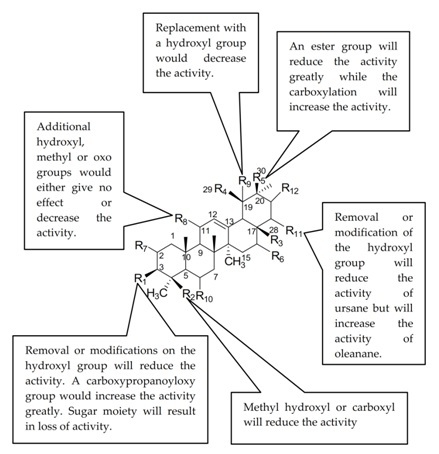
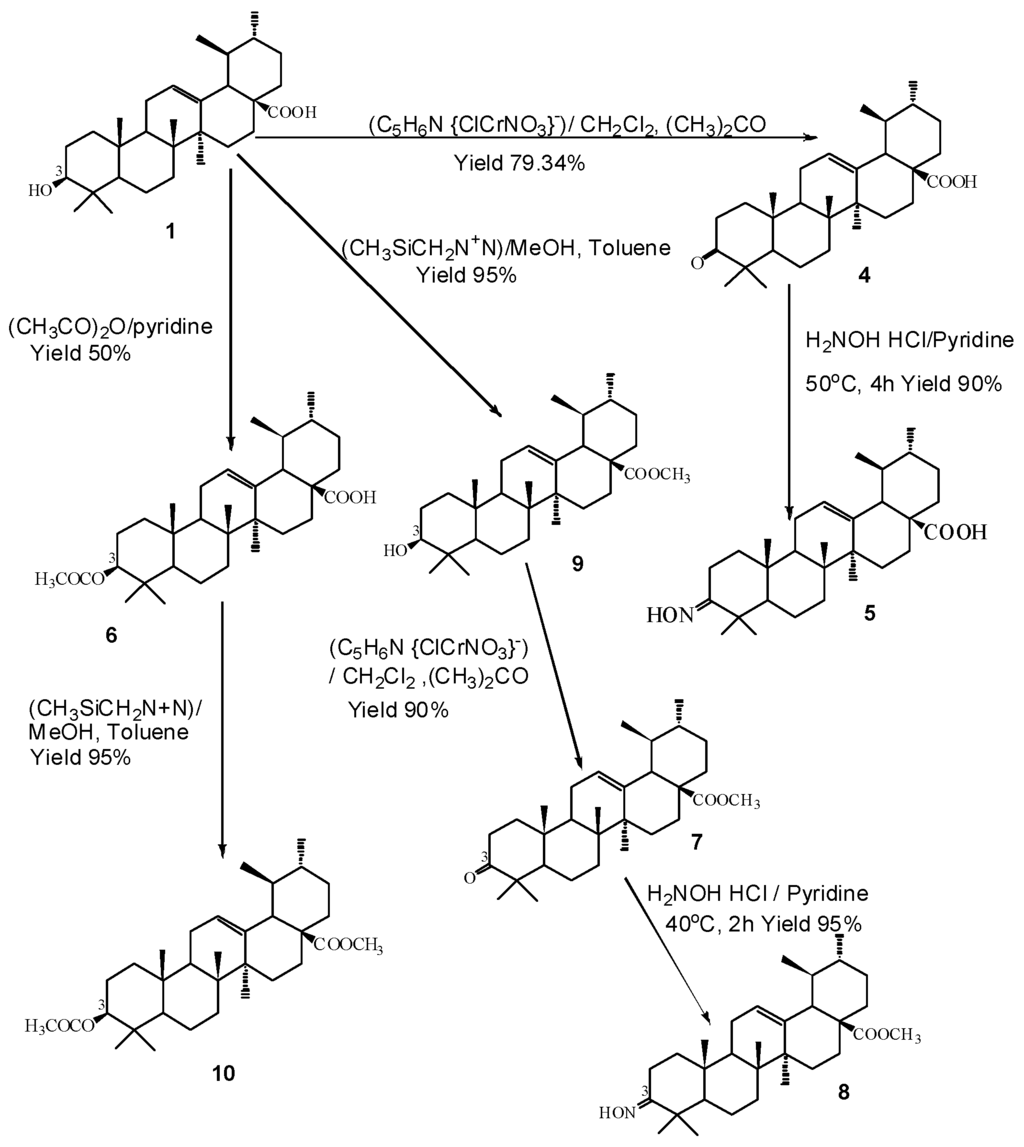
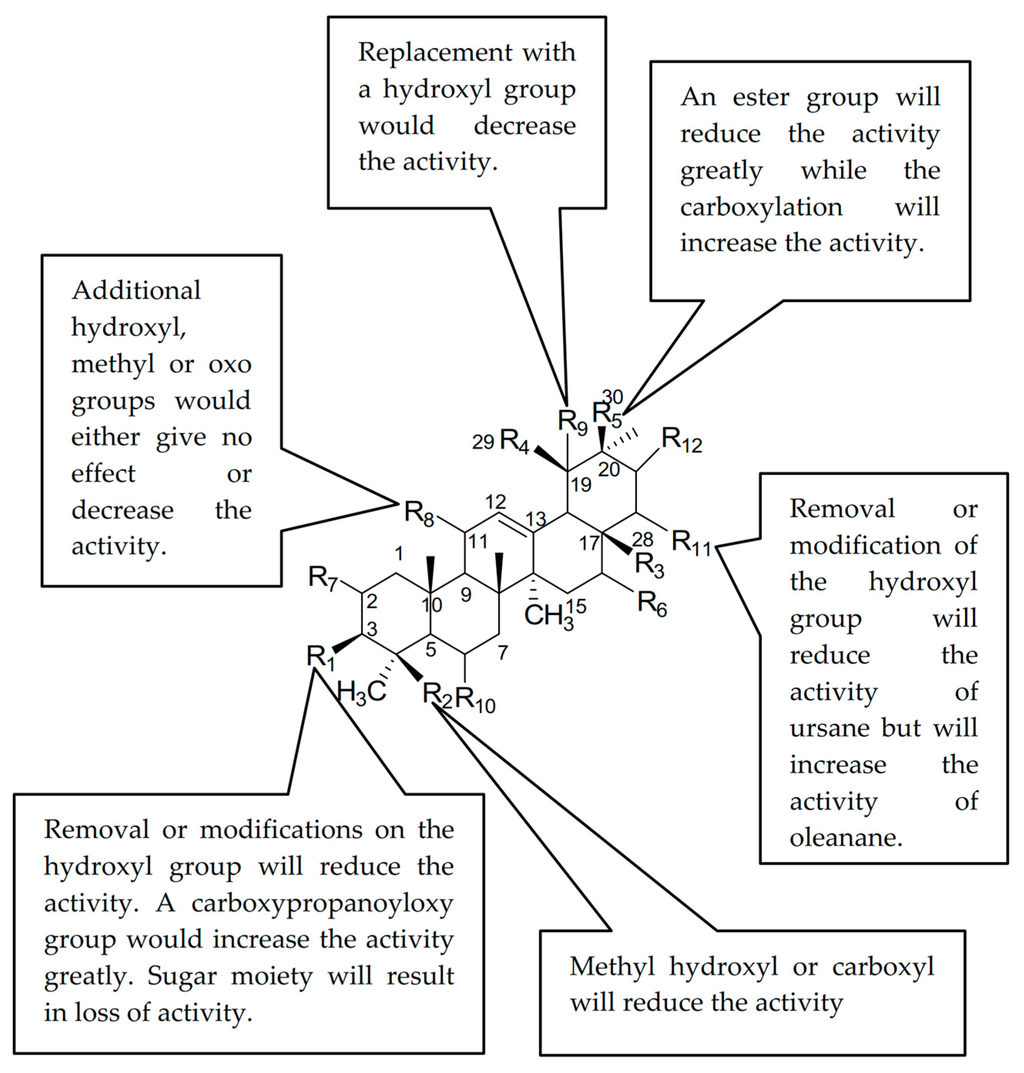
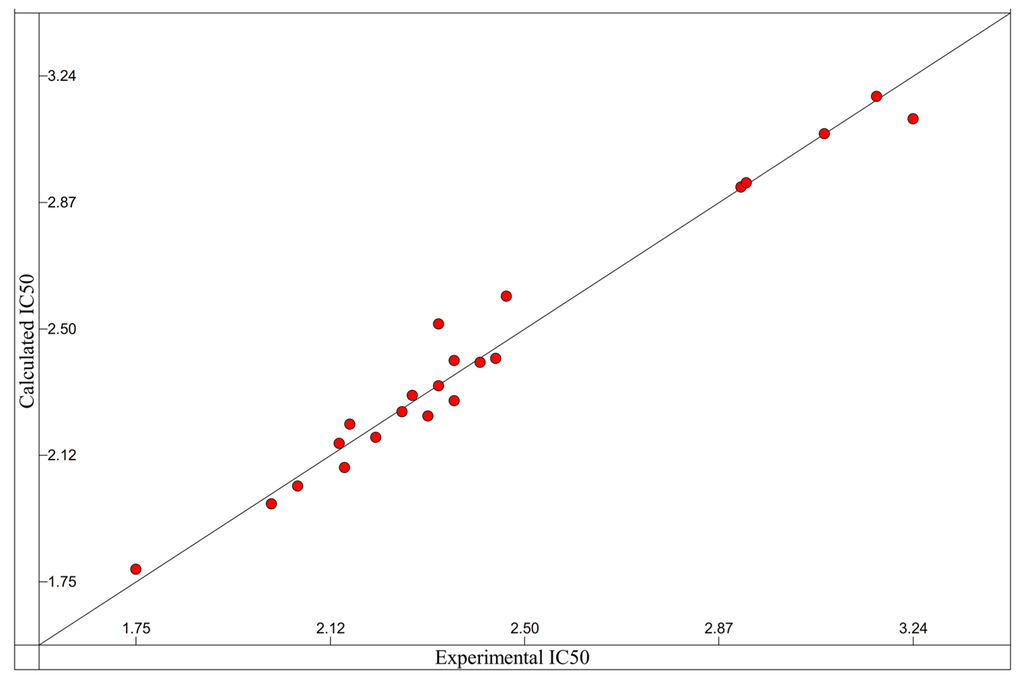
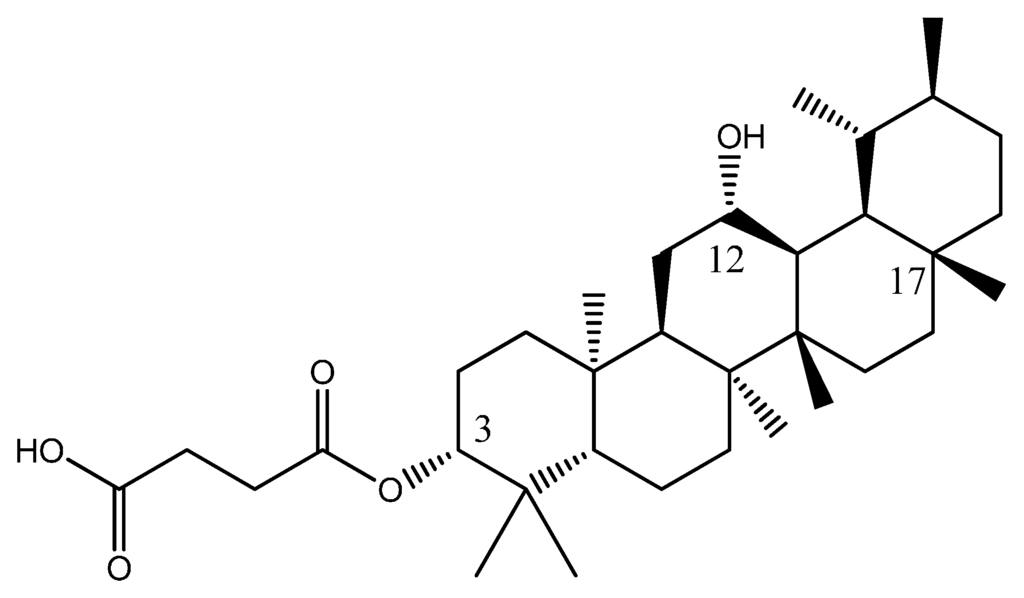
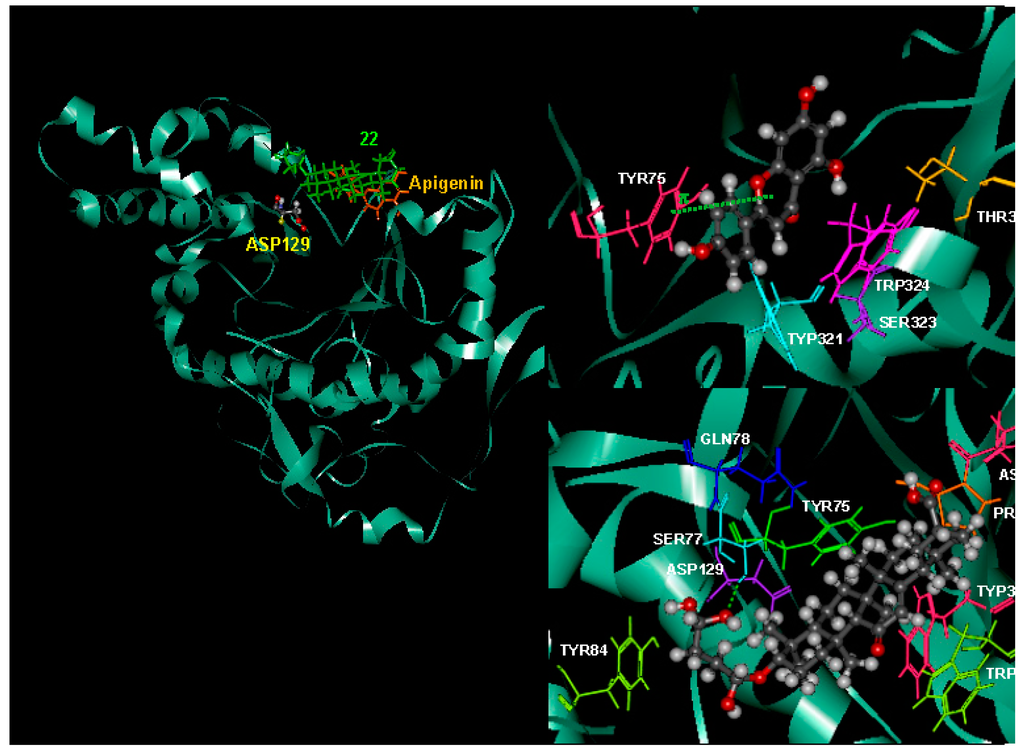
The mammalian hyaluronidase degrades hyaluronic acid by the cleavage of the β-1,4-glycosidic bond furnishing a tetrasaccharide molecule as the main product which is a highly angiogenic and potent inducer of inflammatory cytokines. Ursolic acid 1, isolated from Prismatomeris tetrandra, was identified as having the potential to develop inhibitors of hyaluronidase. A series of ursolic acid analogues were either synthesized via structure modification of ursolic acid 1 or commercially obtained. The evaluation of the inhibitory activity of these compounds on the hyaluronidase enzyme was conducted. Several structural, topological and quantum chemical descriptors for these compounds were calculated using semi empirical quantum chemical methods. A quantitative structure activity relationship study (QSAR) was performed to correlate these descriptors with the hyaluronidase inhibitory activity. The statistical characteristics provided by the best multi linear model (BML) (R2 = 0.9717, R2cv = 0.9506) indicated satisfactory stability and predictive ability of the developed model. The in silico molecular docking study which was used to determine the binding interactions revealed that the ursolic acid analog 22 had a strong affinity towards human hyaluronidase. Full article
Show Figures

Graphical abstract
15 pages, 1998 KB  
Article
miR-9-5p, miR-675-5p and miR-138-5p Damages the Strontium and LRP5-Mediated Skeletal Cell Proliferation, Differentiation, and Adhesion
by Tianhao Sun, Frankie Leung and William W. Lu
Int. J. Mol. Sci. 2016, 17(2), 236; https://doi.org/10.3390/ijms17020236 - 15 Feb 2016
Cited by 24 | Viewed by 7356
Abstract
This study was designed to evaluate the effects of strontium on the expression levels of microRNAs (miRNAs) and to explore their effects on skeletal cell proliferation, differentiation, adhesion, and apoptosis. The targets of these miRNAs were also studied. Molecular cloning, cell proliferation assay, [...] Read more.
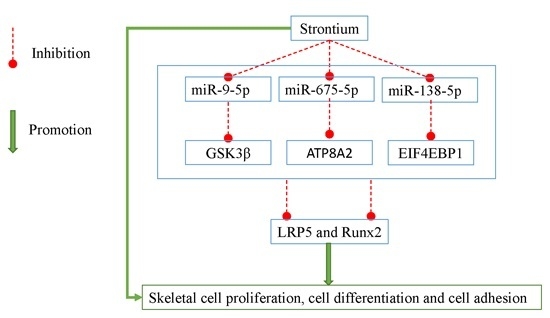
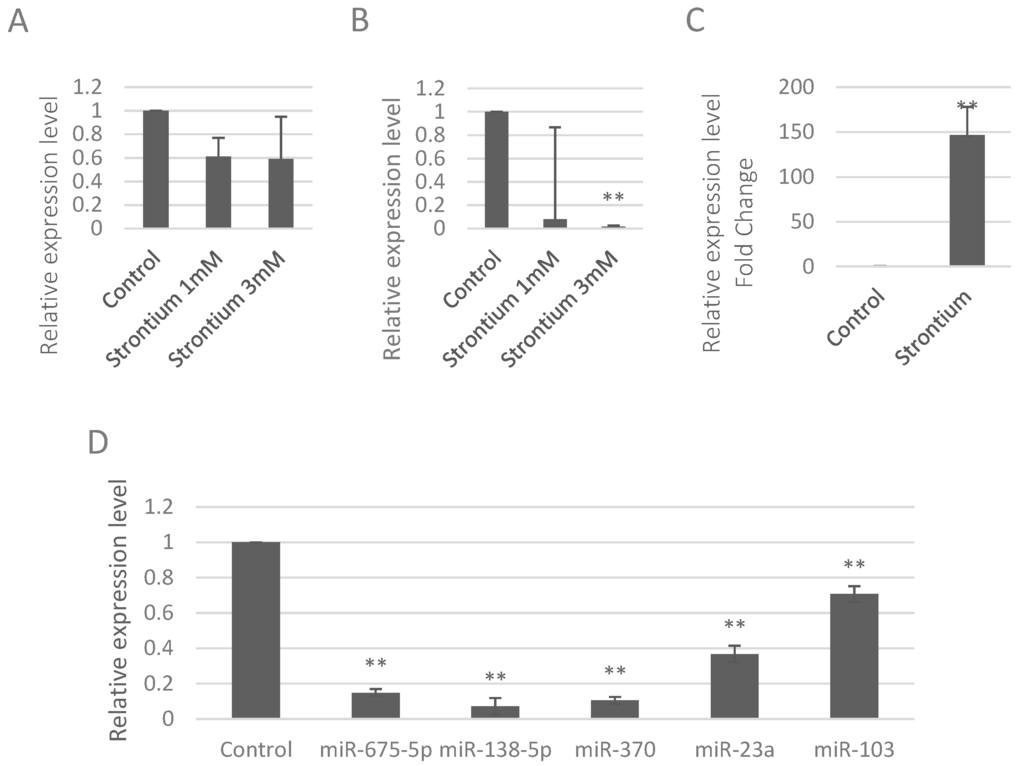
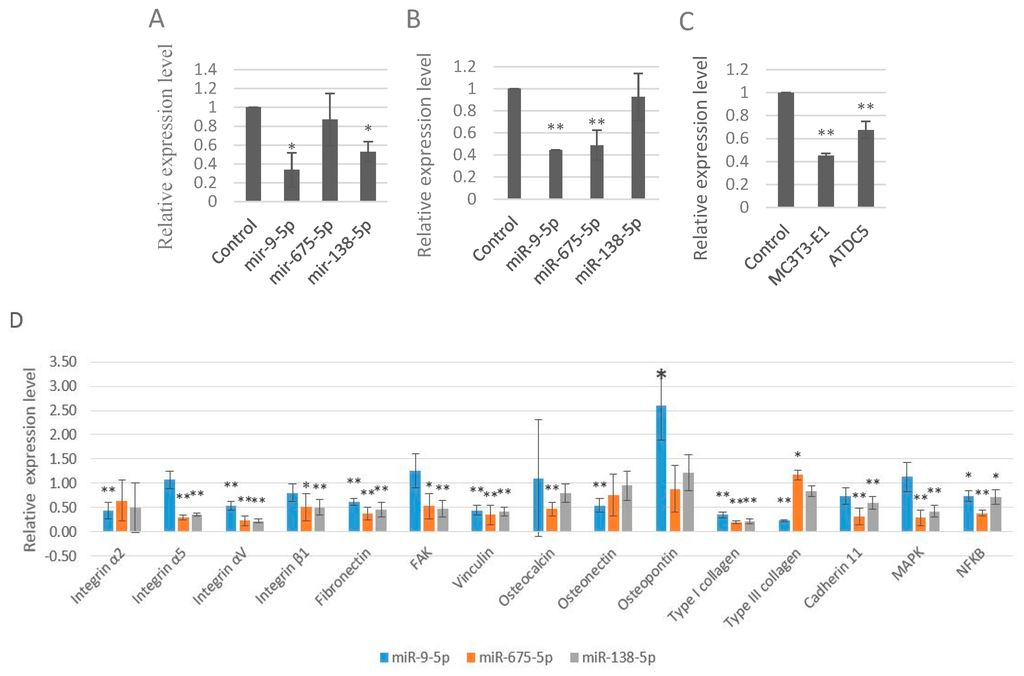
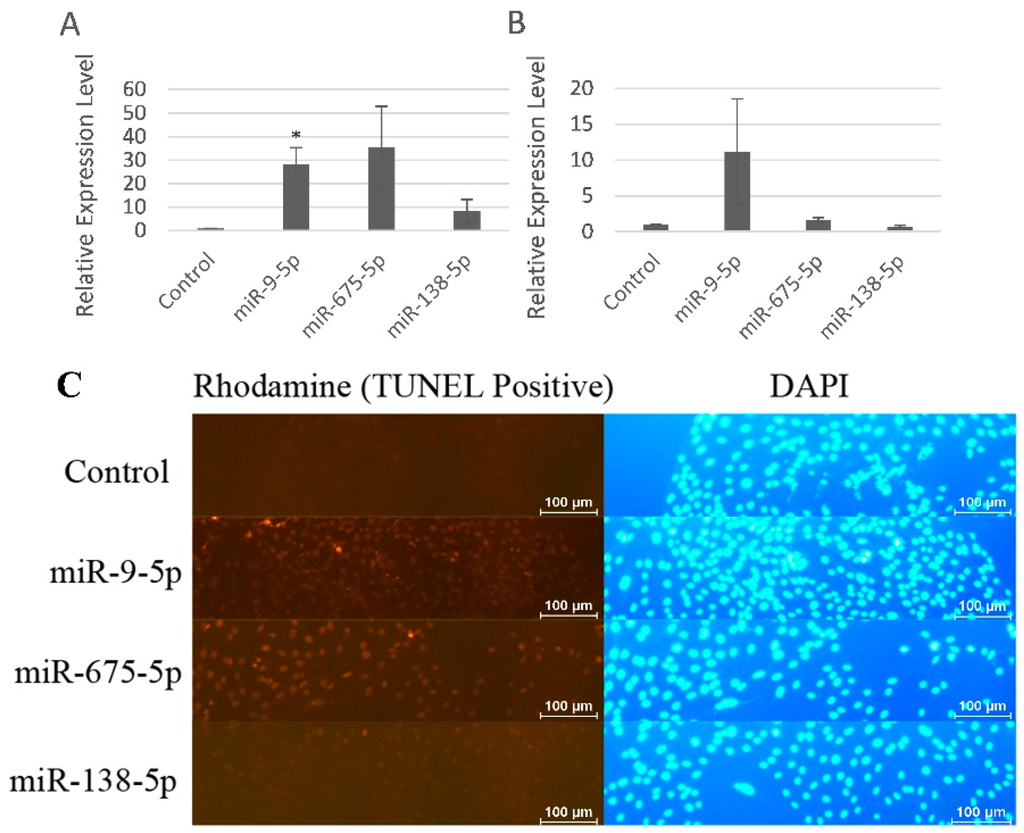
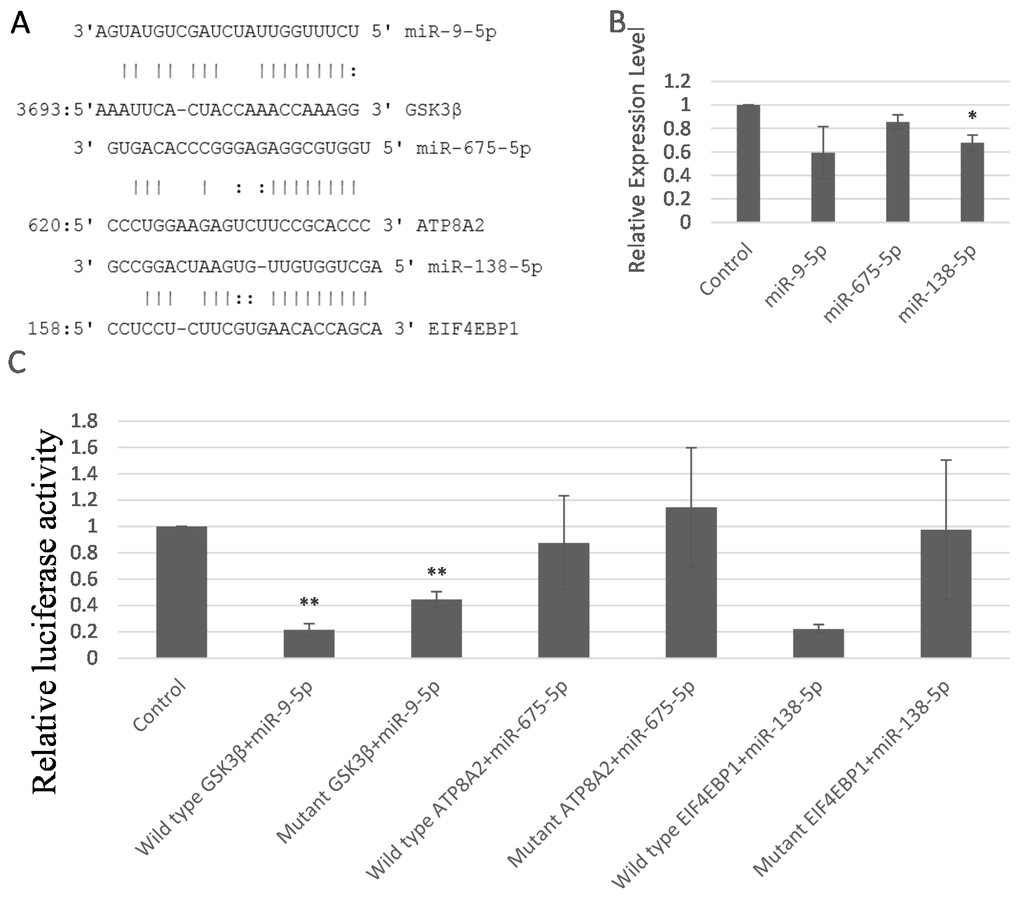
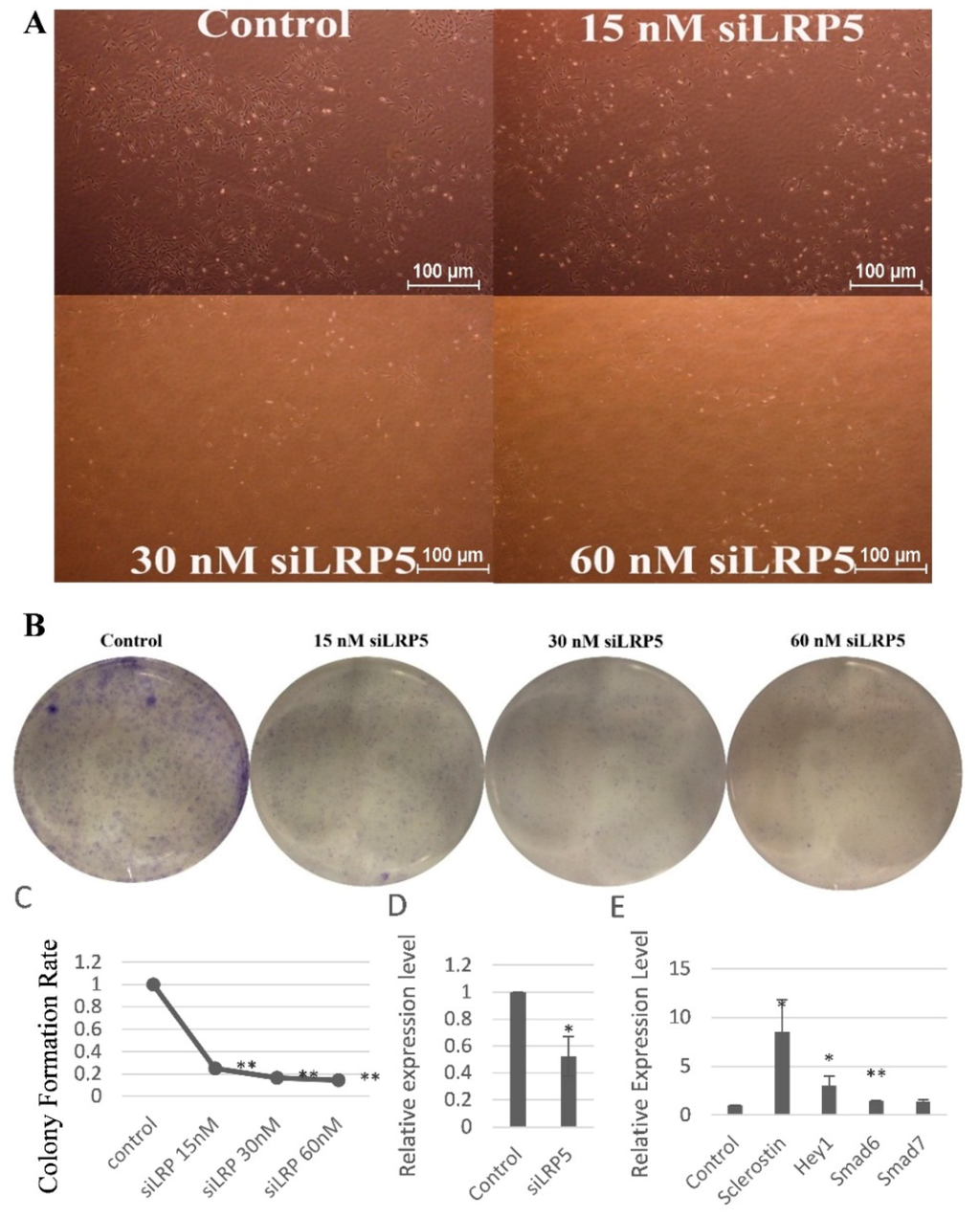
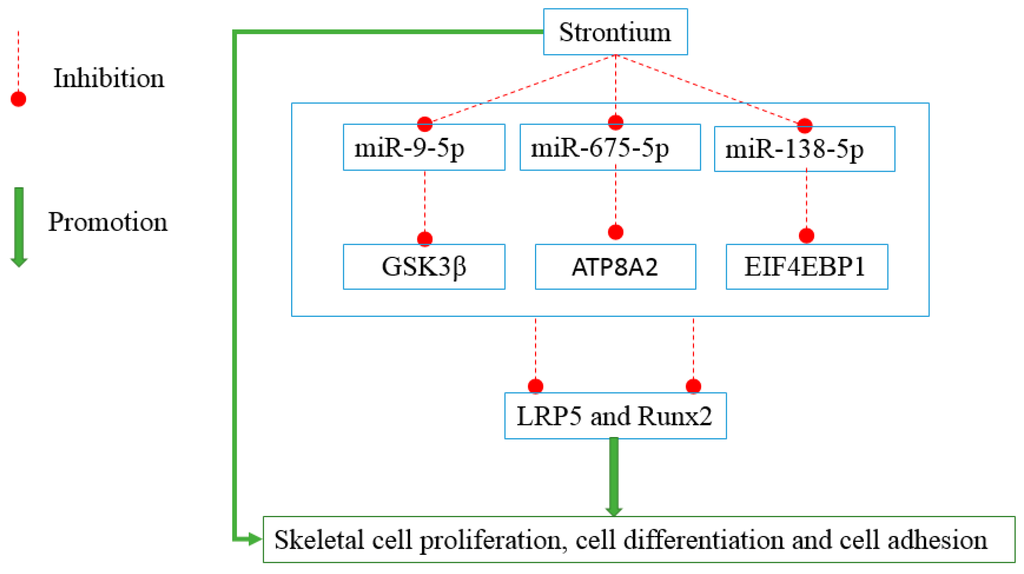
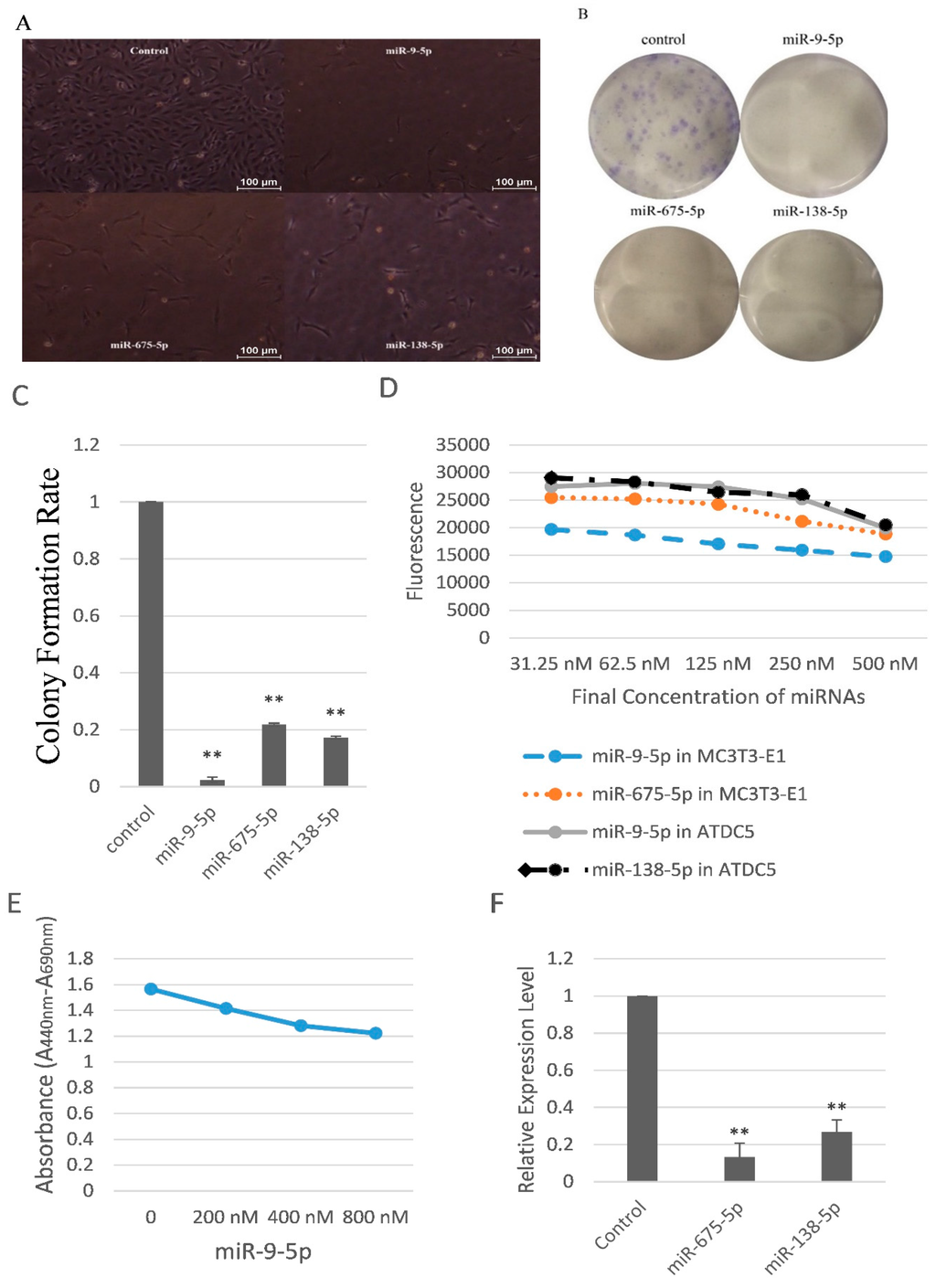
This study was designed to evaluate the effects of strontium on the expression levels of microRNAs (miRNAs) and to explore their effects on skeletal cell proliferation, differentiation, adhesion, and apoptosis. The targets of these miRNAs were also studied. Molecular cloning, cell proliferation assay, cell apoptosis assay, quantitative real-time PCR, and luciferase reporter assay were used. Strontium altered the expression levels of miRNAs in vitro and in vivo. miR-9-5p, miR-675-5p, and miR-138-5p impaired skeletal cell proliferation, cell differentiation and cell adhesion. miR-9-5p and miR-675-5p induced MC3T3-E1 cell apoptosis more specifically than miR-138-5p. miR-9-5p, miR-675-5p, and miR-138-5p targeted glycogen synthase kinase 3 β (GSK3β), ATPase Aminophospholipid Transporter Class I Type 8A Member 2 (ATP8A2), and Eukaryotic Translation Initiation Factor 4E Binding Protein 1 (EIF4EBP1), respectively. Low-density lipoprotein receptor-related protein 5 (LRP5) played a positive role in skeletal development. miR-9-5p, miR-675-5p, and miR-138-5p damage strontium and LRP5-mediated skeletal cell proliferation, differentiation, and adhesion, and induce cell apoptosis by targeting GSK3β, ATP8A2, and EIF4EBP1, respectively. Full article
(This article belongs to the Special Issue MicroRNA Regulation)
Show Figures

Graphical abstract
16 pages, 1982 KB  
Article
Micellization Behavior of Long-Chain Substituted Alkylguanidinium Surfactants
by Roza Bouchal, Abdellah Hamel, Peter Hesemann, Martin In, Bénédicte Prelot and Jerzy Zajac
Int. J. Mol. Sci. 2016, 17(2), 223; https://doi.org/10.3390/ijms17020223 - 6 Feb 2016
Cited by 24 | Viewed by 6685
Abstract
Surface activity and micelle formation of alkylguanidinium chlorides containing 10, 12, 14 and 16 carbon atoms in the hydrophobic tail were studied by combining conductivity and surface tension measurements with isothermal titration calorimetry. The purity of the resulting surfactants, their temperatures of Cr→LC [...] Read more.
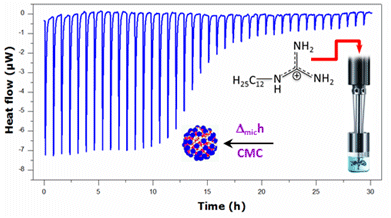
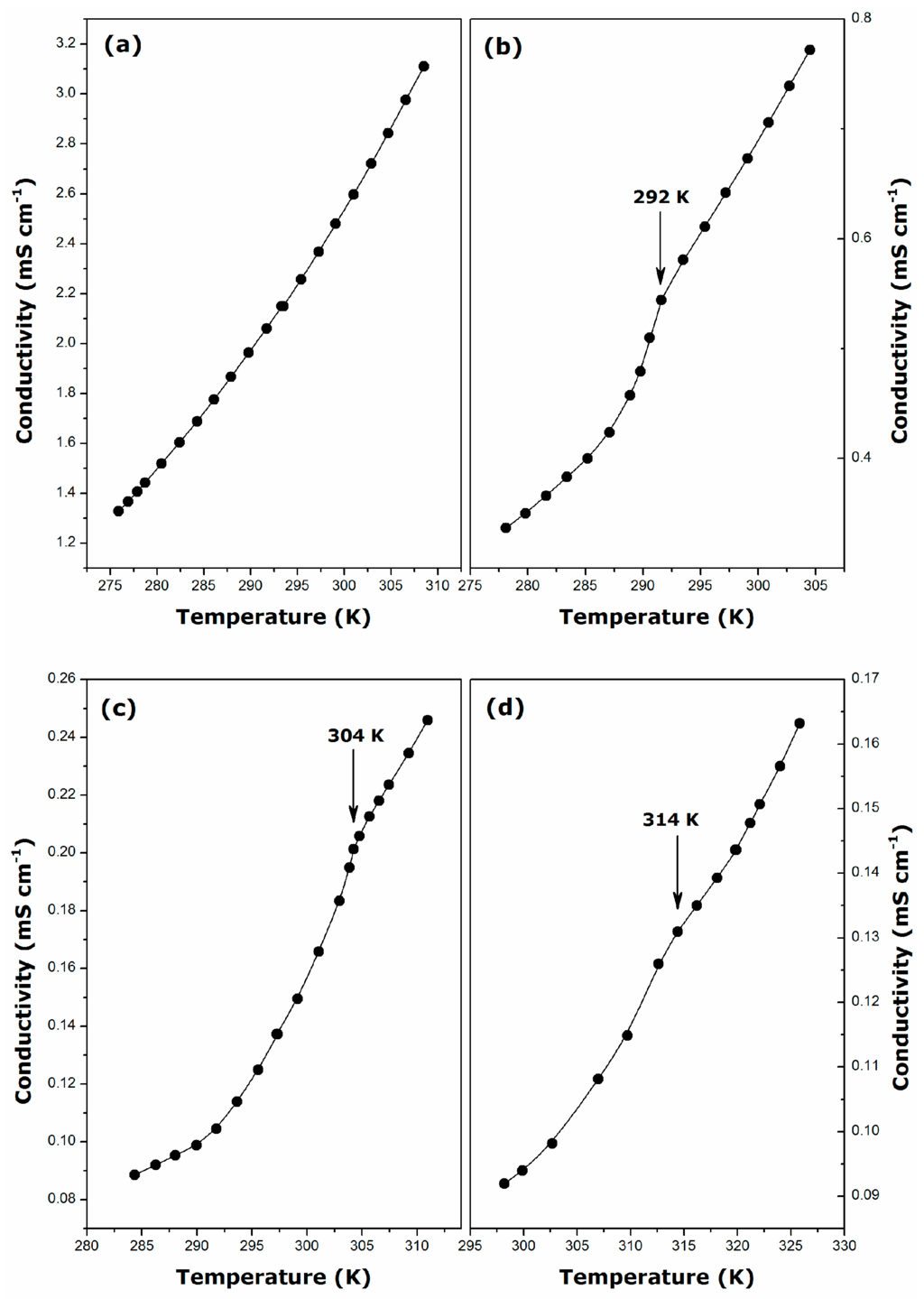
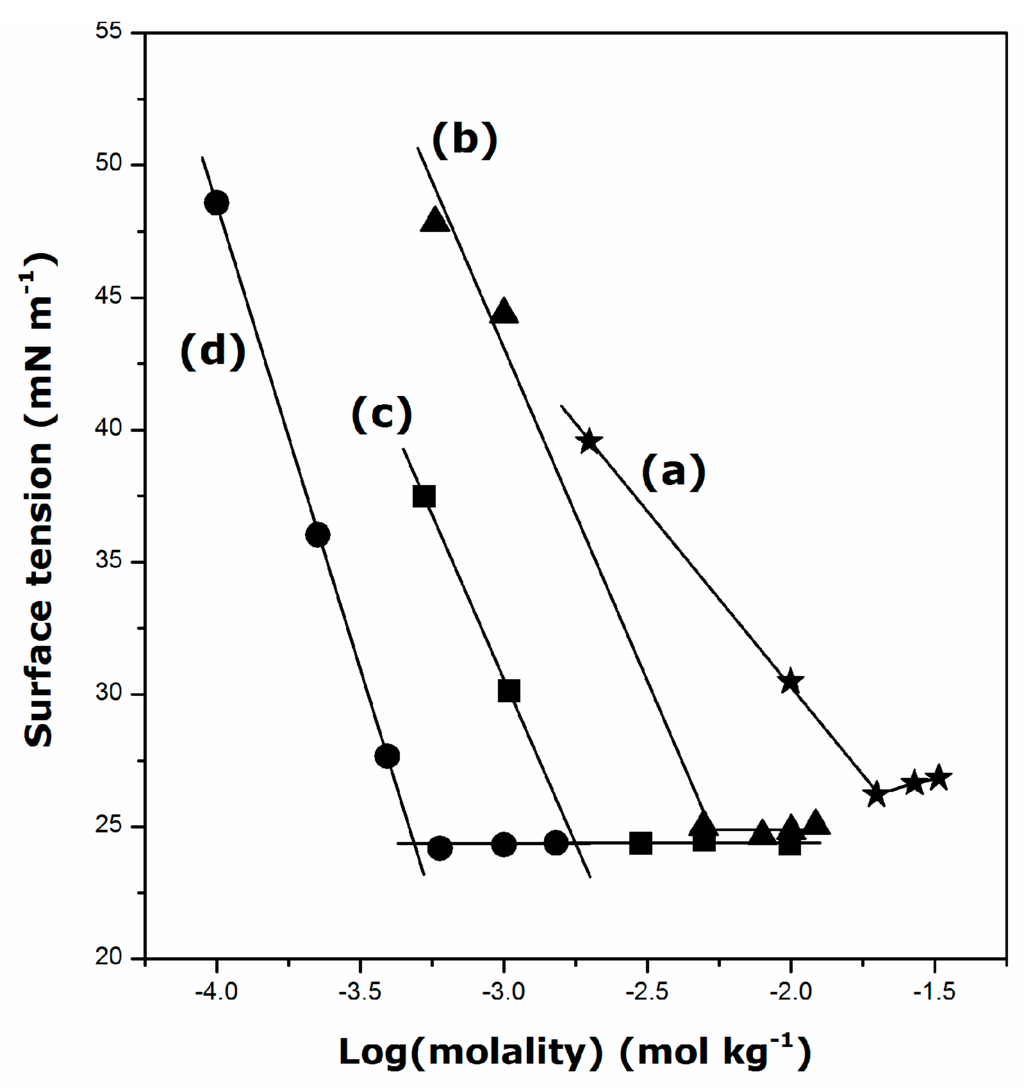
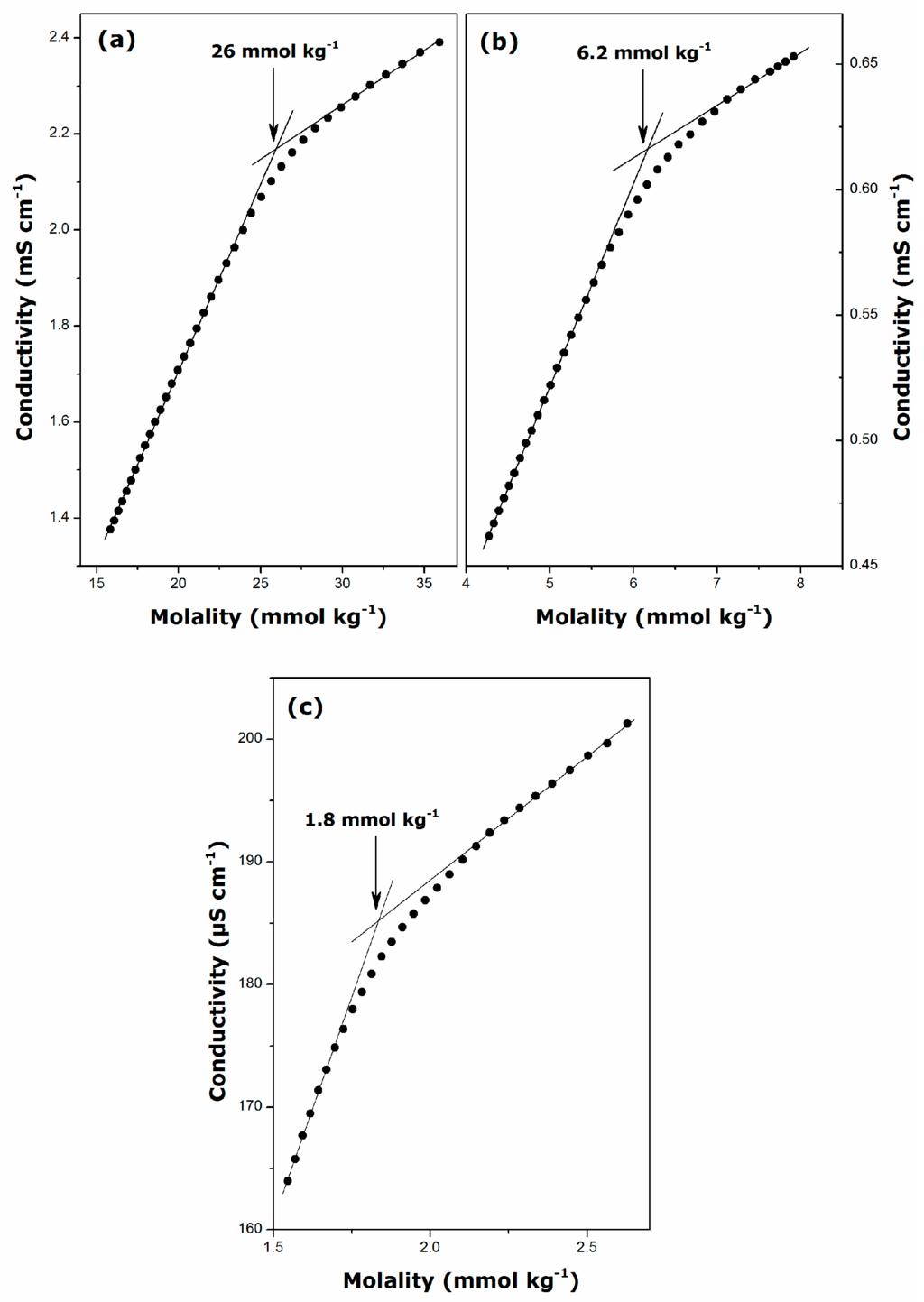
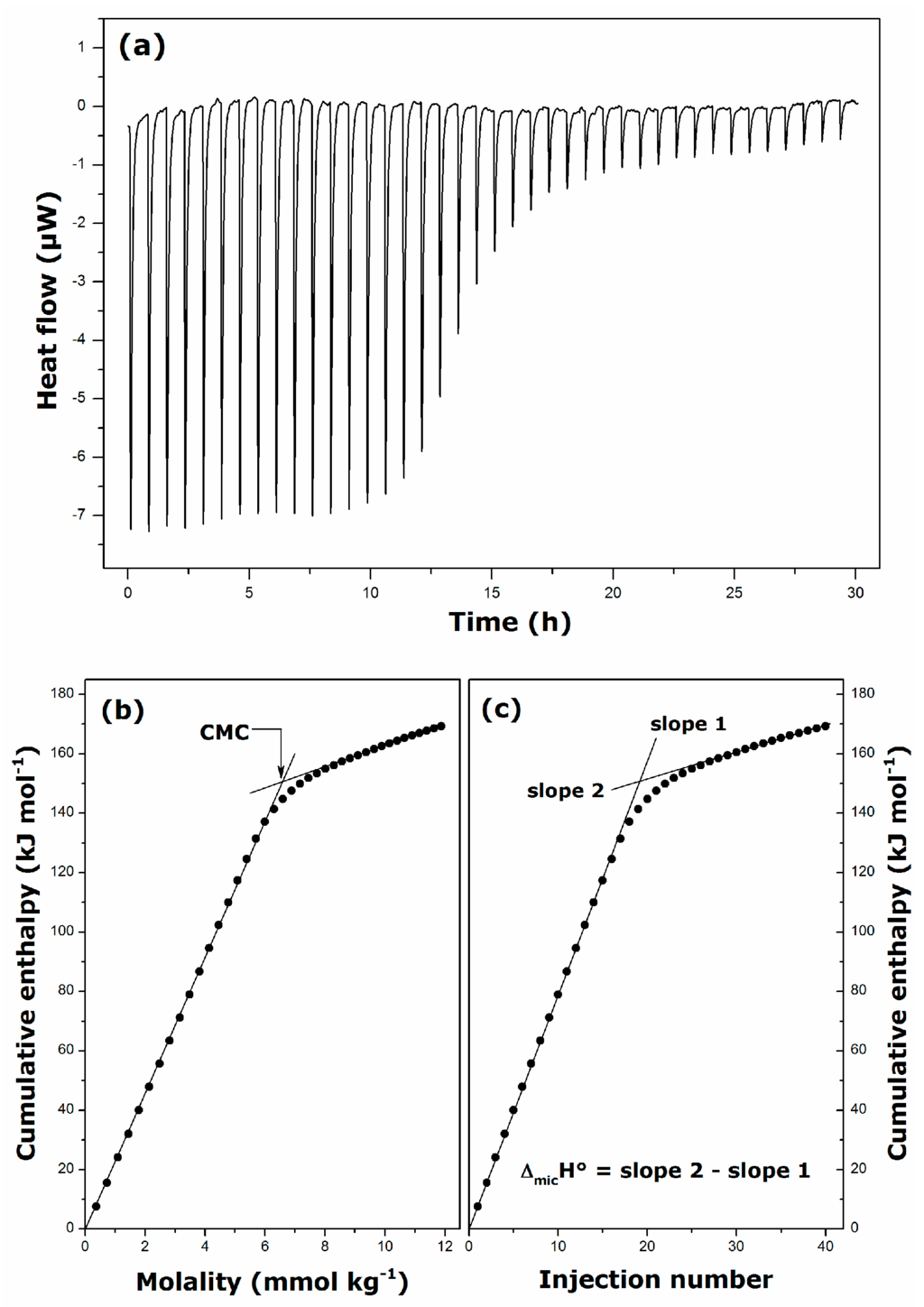
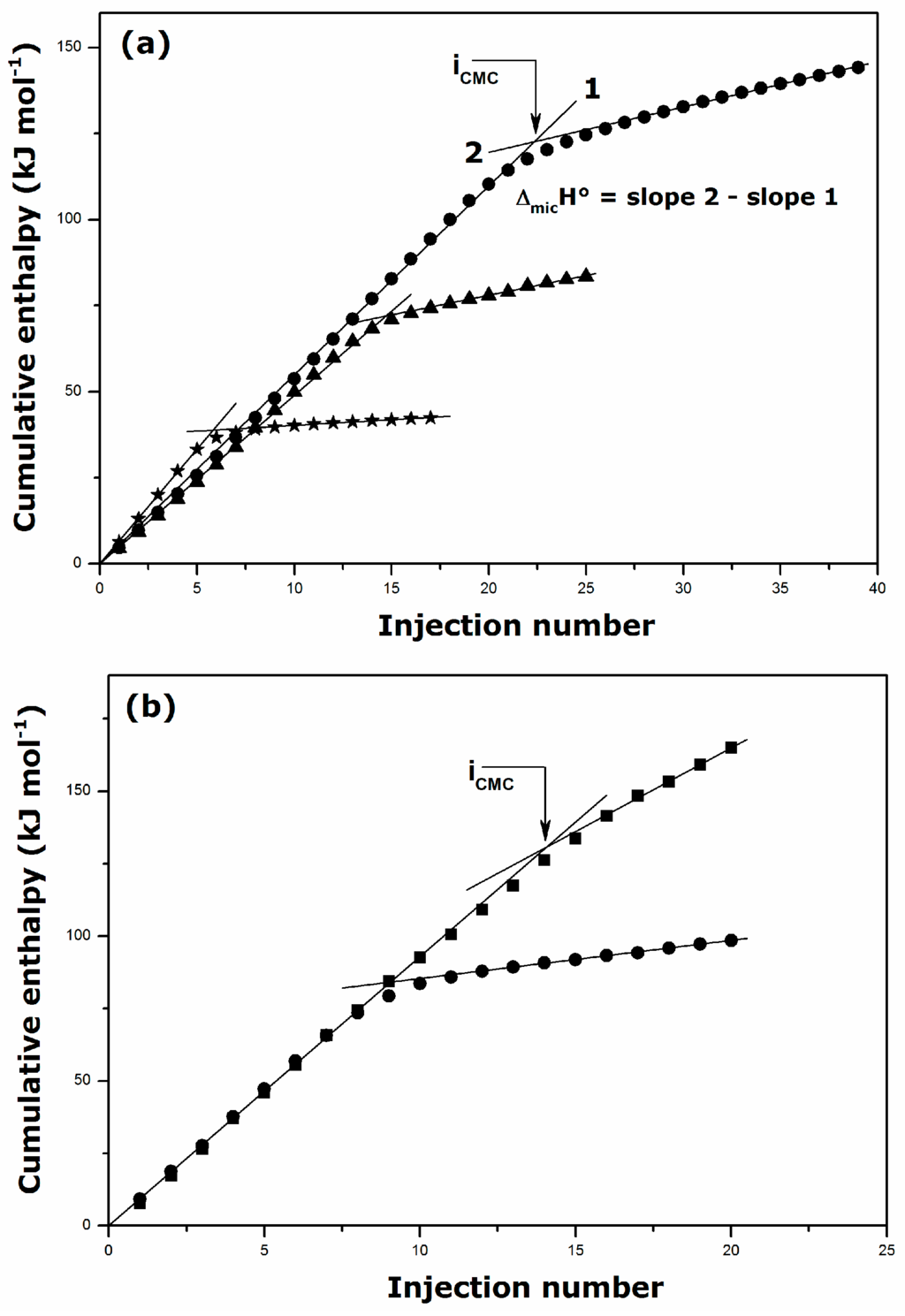
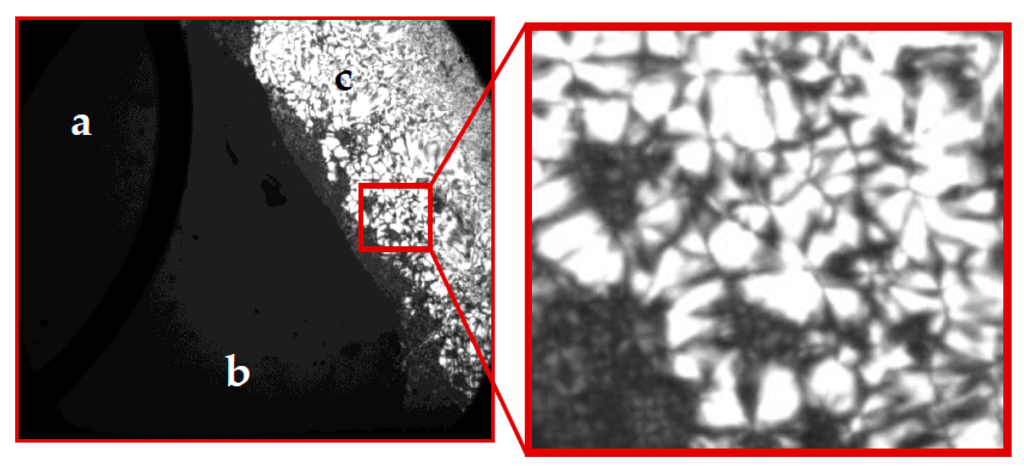
Surface activity and micelle formation of alkylguanidinium chlorides containing 10, 12, 14 and 16 carbon atoms in the hydrophobic tail were studied by combining conductivity and surface tension measurements with isothermal titration calorimetry. The purity of the resulting surfactants, their temperatures of Cr→LC and LC→I transitions, as well as their propensity of forming birefringent phases, were assessed based on the results of 1H and 13C NMR, differential scanning calorimetry (DSC), and polarizing microscopy studies. Whenever possible, the resulting values of Krafft temperature (TK), critical micelle concentration (CMC), minimum surface tension above the CMC, chloride counter-ion binding to the micelle, and the standard enthalpy of micelle formation per mole of surfactant (ΔmicH°) were compared to those characterizing alkyltrimethylammonium chlorides or bromides with the same tail lengths. The value of TK ranged between 292 and 314 K and increased strongly with the increase in the chain length of the hydrophobic tail. Micellization was described as both entropy and enthalpy-driven. Based on the direct calorimetry measurements, the general trends in the CMC with the temperature, hydrophobic tail length, and NaCl addition were found to be similar to those of other types of cationic surfactants. The particularly exothermic character of micellization was ascribed to the hydrogen-binding capacity of the guanidinium head-group. Full article
(This article belongs to the Special Issue Ionic Liquids 2016 and Selected Papers from ILMAT III)
Show Figures

Graphical abstract
17 pages, 2414 KB  
Article
Identification of Powdery Mildew Responsive Genes in Hevea brasiliensis through mRNA Differential Display
by Xiang Li, Zhenghong Bi, Rong Di, Peng Liang, Qiguang He, Wenbo Liu, Weiguo Miao and Fucong Zheng
Int. J. Mol. Sci. 2016, 17(2), 181; https://doi.org/10.3390/ijms17020181 - 29 Jan 2016
Cited by 23 | Viewed by 7346
Abstract
Powdery mildew is an important disease of rubber trees caused by Oidium heveae B. A. Steinmann. As far as we know, none of the resistance genes related to powdery mildew have been isolated from the rubber tree. There is little information available at [...] Read more.
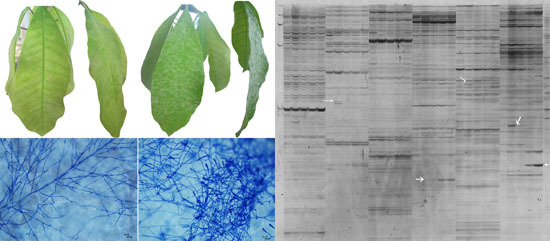
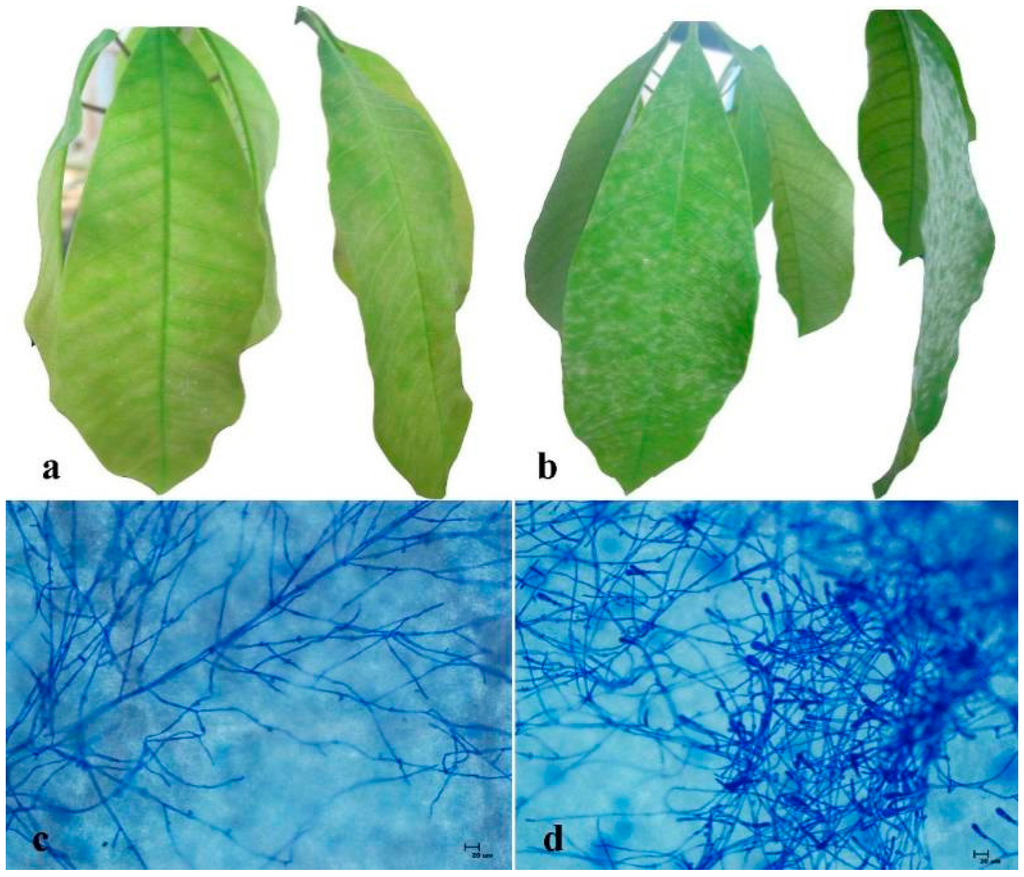
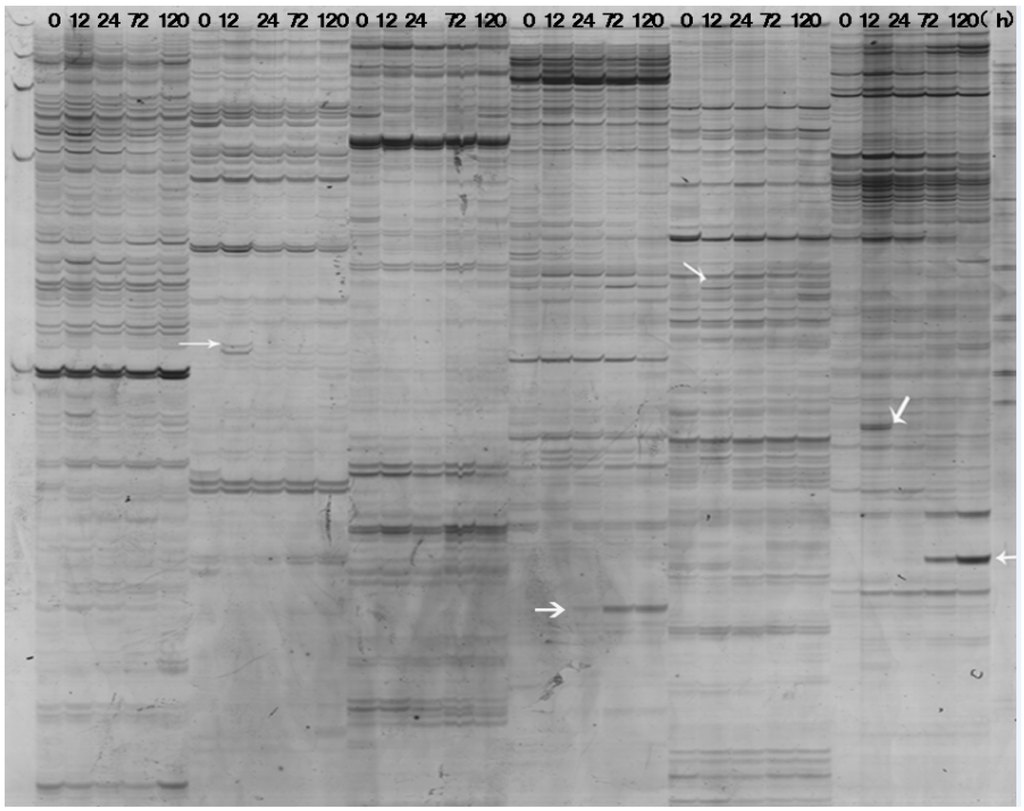
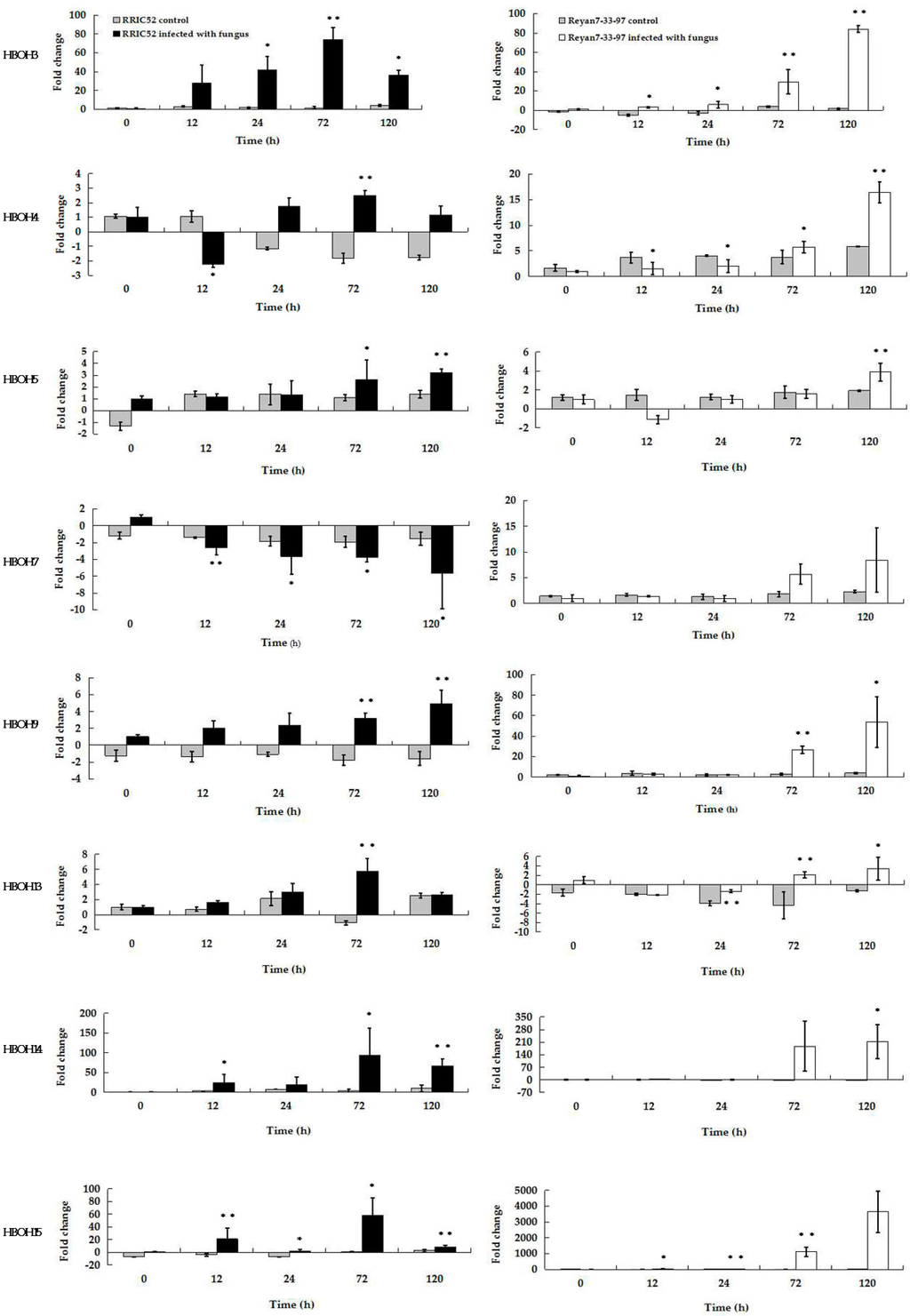
Powdery mildew is an important disease of rubber trees caused by Oidium heveae B. A. Steinmann. As far as we know, none of the resistance genes related to powdery mildew have been isolated from the rubber tree. There is little information available at the molecular level regarding how a rubber tree develops defense mechanisms against this pathogen. We have studied rubber tree mRNA transcripts from the resistant RRIC52 cultivar by differential display analysis. Leaves inoculated with the spores of O. heveae were collected from 0 to 120 hpi in order to identify pathogen-regulated genes at different infection stages. We identified 78 rubber tree genes that were differentially expressed during the plant–pathogen interaction. BLAST analysis for these 78 ESTs classified them into seven functional groups: cell wall and membrane pathways, transcription factor and regulatory proteins, transporters, signal transduction, phytoalexin biosynthesis, other metabolism functions, and unknown functions. The gene expression for eight of these genes was validated by qRT-PCR in both RRIC52 and the partially susceptible Reyan 7-33-97 cultivars, revealing the similar or differential changes of gene expressions between these two cultivars. This study has improved our overall understanding of the molecular mechanisms of rubber tree resistance to powdery mildew. Full article
(This article belongs to the Special Issue Plant Molecular Biology)
Show Figures

Graphical abstract
9 pages, 685 KB  
Article
Offspring Number Does Not Influence Reaching the Disability’s Milestones in Multiple Sclerosis: A Seven-Year Follow-Up Study
by Emanuele D’Amico, Carmela Leone and Francesco Patti
Int. J. Mol. Sci. 2016, 17(2), 234; https://doi.org/10.3390/ijms17020234 - 12 Feb 2016
Cited by 22 | Viewed by 5789
Abstract
Objectives: data on pregnancy long-term effects on multiple sclerosis (MS) course are still controversial; whether experiencing more than one pregnancy exposes one to risk of the disability‘s accrual is still unknown. We investigated differences existing in terms of disability progression among women with [...] Read more.
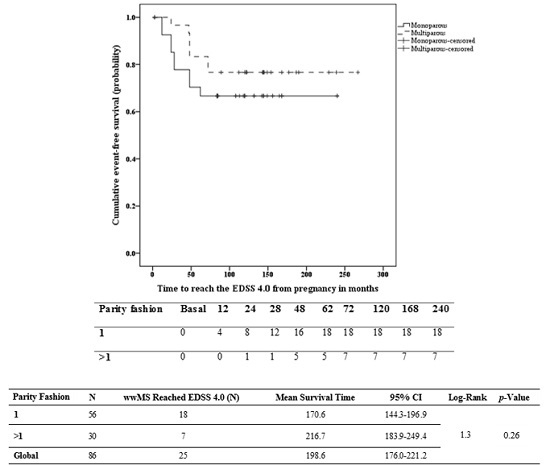
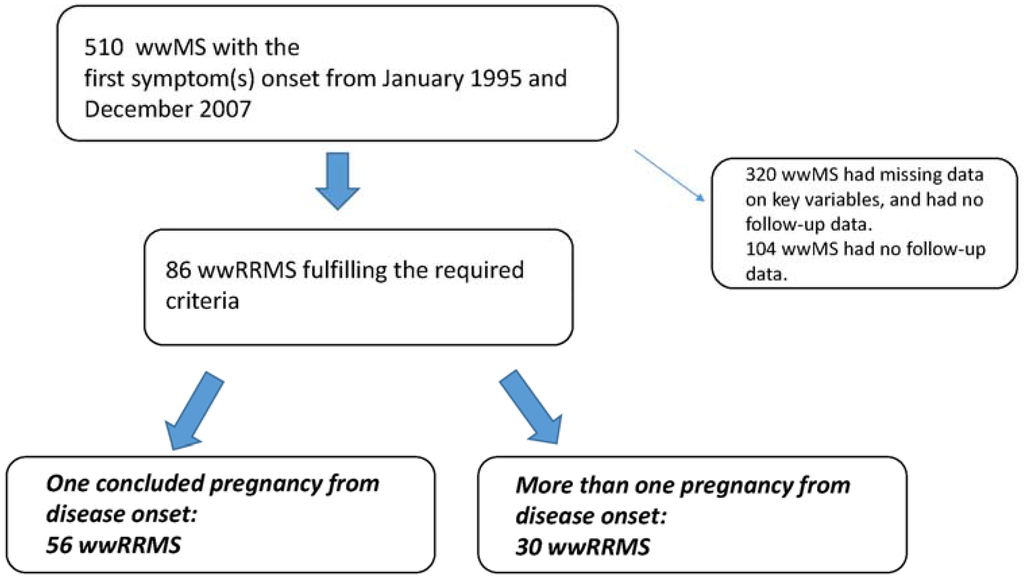
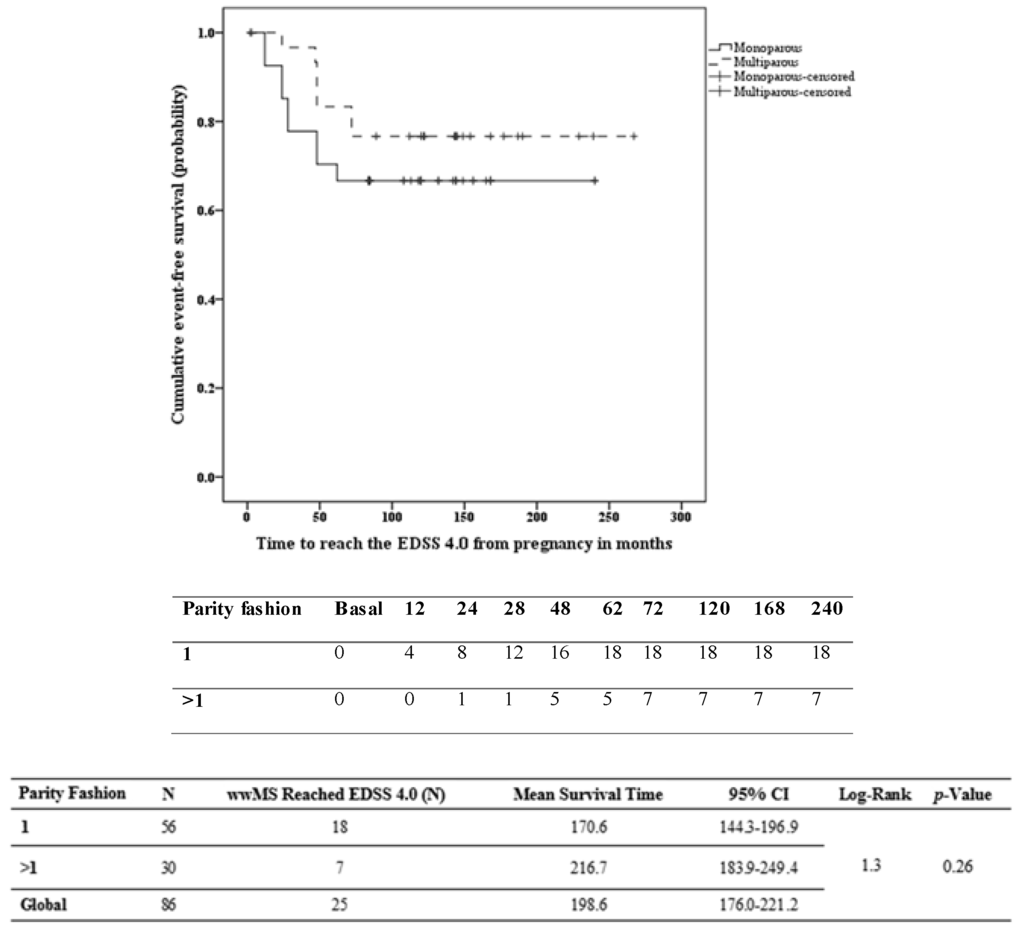
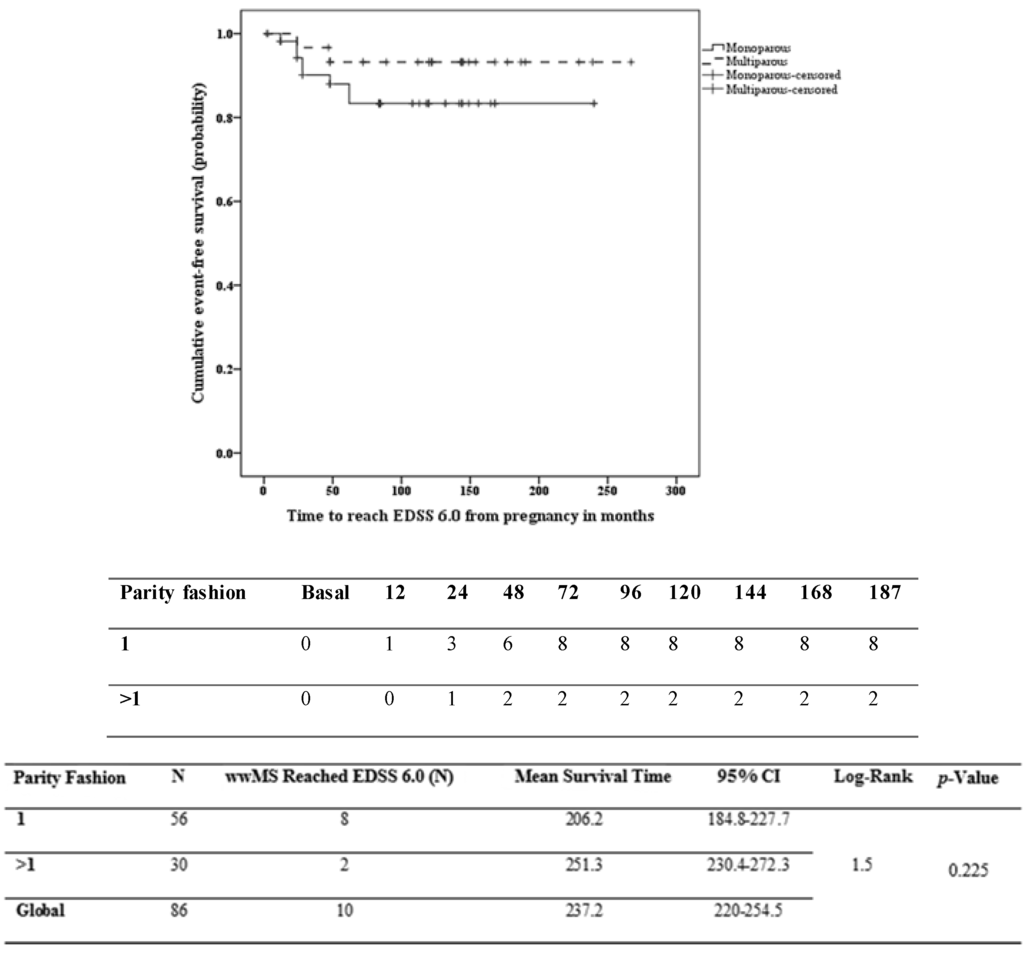
Objectives: data on pregnancy long-term effects on multiple sclerosis (MS) course are still controversial; whether experiencing more than one pregnancy exposes one to risk of the disability‘s accrual is still unknown. We investigated differences existing in terms of disability progression among women with MS (wwMS) who had one or more children after their MS onset. Methods: Monoparous and multiparous wwMS were enrolled from the Catania MS Center, Italy, in a monocenter retrospective study. A Cox proportional hazards model was used to examine the effect of the number of parities on time from MS disease onset to EDSS 4.0 and 6.0. The study protocol was approved by the local Ethical Committee. Results: during the seven years of observation, 32.1% and 23.2% of the monoparous group reached expanded disability disease status (EDSS) 4.0 and 6.0 respectively, compared to 13.3% and 3.3% of the multiparous group (p = 0.057 and p = 0.017; respectively). The Kaplan–Meier curve analysis showed no statistically-significant differences between the two groups in reaching the two milestones. The multiparous group showed a longer time to reach the EDSS 4.0 (3.5 vs. 2.6 years, log-rank 0.57, p = 0.45). The Cox regression analysis showed that the EDSS at the time of first pregnancy (Exp(B) 9.4, CI 4.5–19.7, p< 0.001) and the time from MS onset to first pregnancy (Exp(B) 0.96, CI = 0.93–0.98, p < 0.05) were significant predictors of reaching the EDSS 4.0, whereas a model including only the EDSS one year after the first pregnancy significantly predicted (Exp(B) value of 6.4, CI 2.6–15.4, p < 0.001) the reaching of EDSS 6.0. Conclusions: Our results suggest that experiencing more than one pregnancy could not convey a different clinical outcome in wwMS. Further research is needed to confirm our results. Full article
(This article belongs to the Special Issue Advances in Multiple Sclerosis 2016)
Show Figures

Graphical abstract
10 pages, 602 KB  
Review
Endocannabinoids as Guardians of Metastasis
by Irmgard Tegeder
Int. J. Mol. Sci. 2016, 17(2), 230; https://doi.org/10.3390/ijms17020230 - 10 Feb 2016
Cited by 22 | Viewed by 10558
Abstract
Endocannabinoids including anandamide and 2-arachidonoylglycerol are involved in cancer pathophysiology in several ways, including tumor growth and progression, peritumoral inflammation, nausea and cancer pain. Recently we showed that the endocannabinoid profiles are deranged during cancer to an extent that this manifests in alterations [...] Read more.
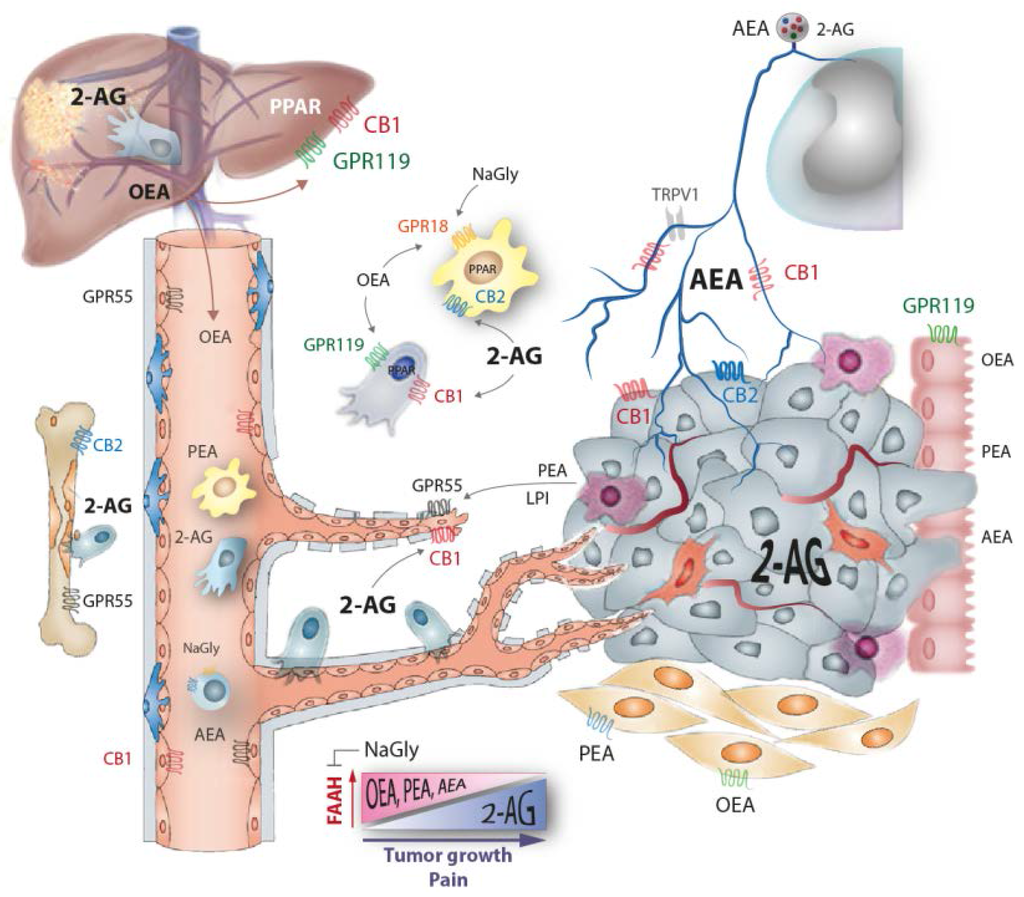
Endocannabinoids including anandamide and 2-arachidonoylglycerol are involved in cancer pathophysiology in several ways, including tumor growth and progression, peritumoral inflammation, nausea and cancer pain. Recently we showed that the endocannabinoid profiles are deranged during cancer to an extent that this manifests in alterations of plasma endocannabinoids in cancer patients, which was mimicked by similar changes in rodent models of local and metastatic cancer. The present topical review summarizes the complexity of endocannabinoid signaling in the context of tumor growth and metastasis. Full article
(This article belongs to the Collection Feature Annual Reviews in Molecular Sciences)
Show Figures

Figure 1

16 pages, 1002 KB  
Article
Identification of Predictive Markers for Response to Neoadjuvant Chemoradiation in Rectal Carcinomas by Proteomic Isotope Coded Protein Label (ICPL) Analysis
by Roland S. Croner, Müzeyyen Sevim, Metodi V. Metodiev, Peter Jo, Michael Ghadimi, Vera Schellerer, Maximillian Brunner, Carol Geppert, Tilman Rau, Michael Stürzl, Elisabeth Naschberger, Klaus E. Matzel, Werner Hohenberger, Friedrich Lottspeich and Josef Kellermann
Int. J. Mol. Sci. 2016, 17(2), 209; https://doi.org/10.3390/ijms17020209 - 4 Feb 2016
Cited by 22 | Viewed by 7616
Abstract
Neoadjuvant chemoradiation (nCRT) is an established procedure in stage union internationale contre le cancer (UICC) II/III rectal carcinomas. Around 53% of the tumours present with good tumor regression after nCRT, and 8%–15% are complete responders. Reliable selection markers would allow the identification of [...] Read more.
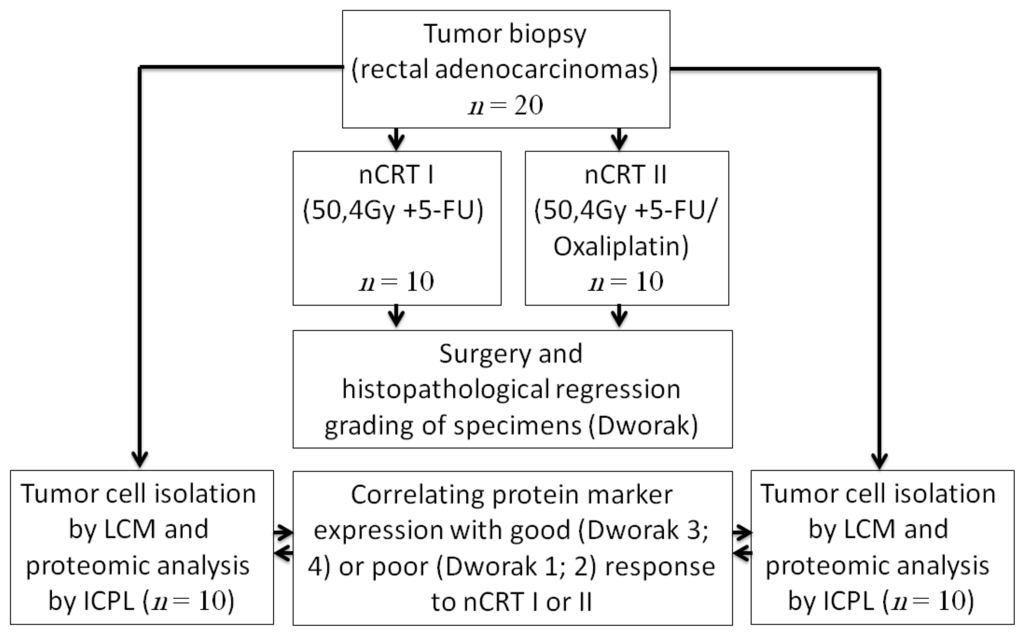
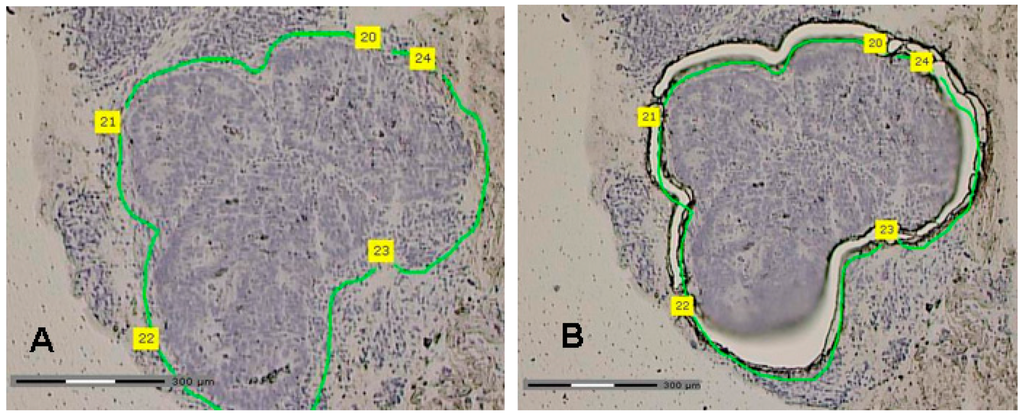
Neoadjuvant chemoradiation (nCRT) is an established procedure in stage union internationale contre le cancer (UICC) II/III rectal carcinomas. Around 53% of the tumours present with good tumor regression after nCRT, and 8%–15% are complete responders. Reliable selection markers would allow the identification of poor or non-responders prior to therapy. Tumor biopsies were harvested from 20 patients with rectal carcinomas, and stored in liquid nitrogen prior to therapy after obtaining patients’ informed consent (Erlangen-No.3784). Patients received standardized nCRT with 5-Fluoruracil (nCRT I) or 5-Fluoruracil ± Oxaliplatin (nCRT II) according to the CAO/ARO/AIO-04 protocol. After surgery, regression grading (Dworak) of the tumors was performed during histopathological examination of the specimens. Tumors were classified as poor (Dworak 1 + 2) or good (Dworak 3 + 4) responders. Laser capture microdissection (LCM) for tumor enrichment was performed on preoperative biopsies. Differences in expressed proteins between poor and good responders to nCRT I and II were identified by proteomic analysis (Isotope Coded Protein Label, ICPL™) and selected markers were validated by immunohistochemistry. Tumors of 10 patients were classified as histopathologically poor (Dworak 1 or 2) and the other 10 tumor samples as histopathologically good (Dworak 3 or 4) responders to nCRT after surgery. Sufficient material in good quality was harvested for ICPL analysis by LCM from all biopsies. We identified 140 differentially regulated proteins regarding the selection criteria and the response to nCRT. Fourteen of these proteins were synchronously up-regulated at least 1.5-fold after nCRT I or nCRT II (e.g., FLNB, TKT, PKM2, SERINB1, IGHG2). Thirty-five proteins showed a complete reciprocal regulation (up or down) after nCRT I or nCRT II and the rest was regulated either according to nCRT I or II. The protein expression of regulated proteins such as PLEC1, TKT, HADHA and TAGLN was validated successfully by immunohistochemistry. ICPL is a valid method to identify differentially expressed proteins in rectal carcinoma tissue between poor vs. good responders to nCRT. The identified protein markers may act as selection criteria for nCRT in the future, but our preliminary findings must be reproduced and validated in a prospective cohort. Full article
(This article belongs to the Section Biochemistry)
Show Figures

Figure 1

16 pages, 6117 KB  
Article
Icaritin Inhibits Collagen Degradation-Related Factors and Facilitates Collagen Accumulation in Atherosclerotic Lesions: A Potential Action for Plaque Stabilization
by Zong-Kang Zhang, Jie Li, De-Xin Yan, Wing-Nang Leung and Bao-Ting Zhang
Int. J. Mol. Sci. 2016, 17(2), 169; https://doi.org/10.3390/ijms17020169 - 28 Jan 2016
Cited by 21 | Viewed by 6838
Abstract
Most acute coronary syndromes result from rupture of vulnerable atherosclerotic plaques. The collagen content of plaques may critically affect plaque stability. This study tested whether Icaritin (ICT), an intestinal metabolite of Epimedium-derived flavonoids, could alter the collagen synthesis/degradation balance in atherosclerotic lesions. Rabbits [...] Read more.
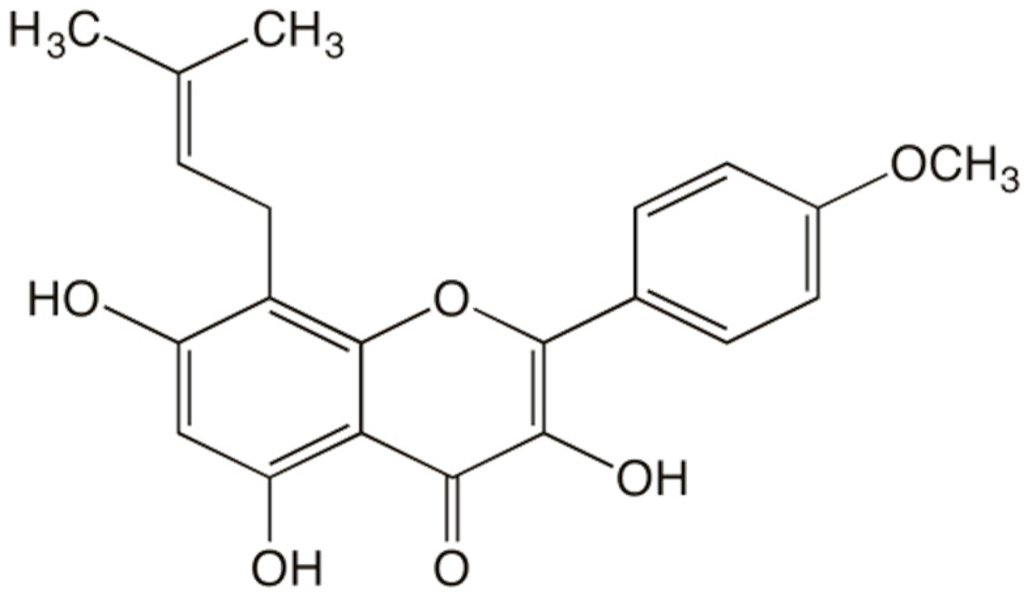
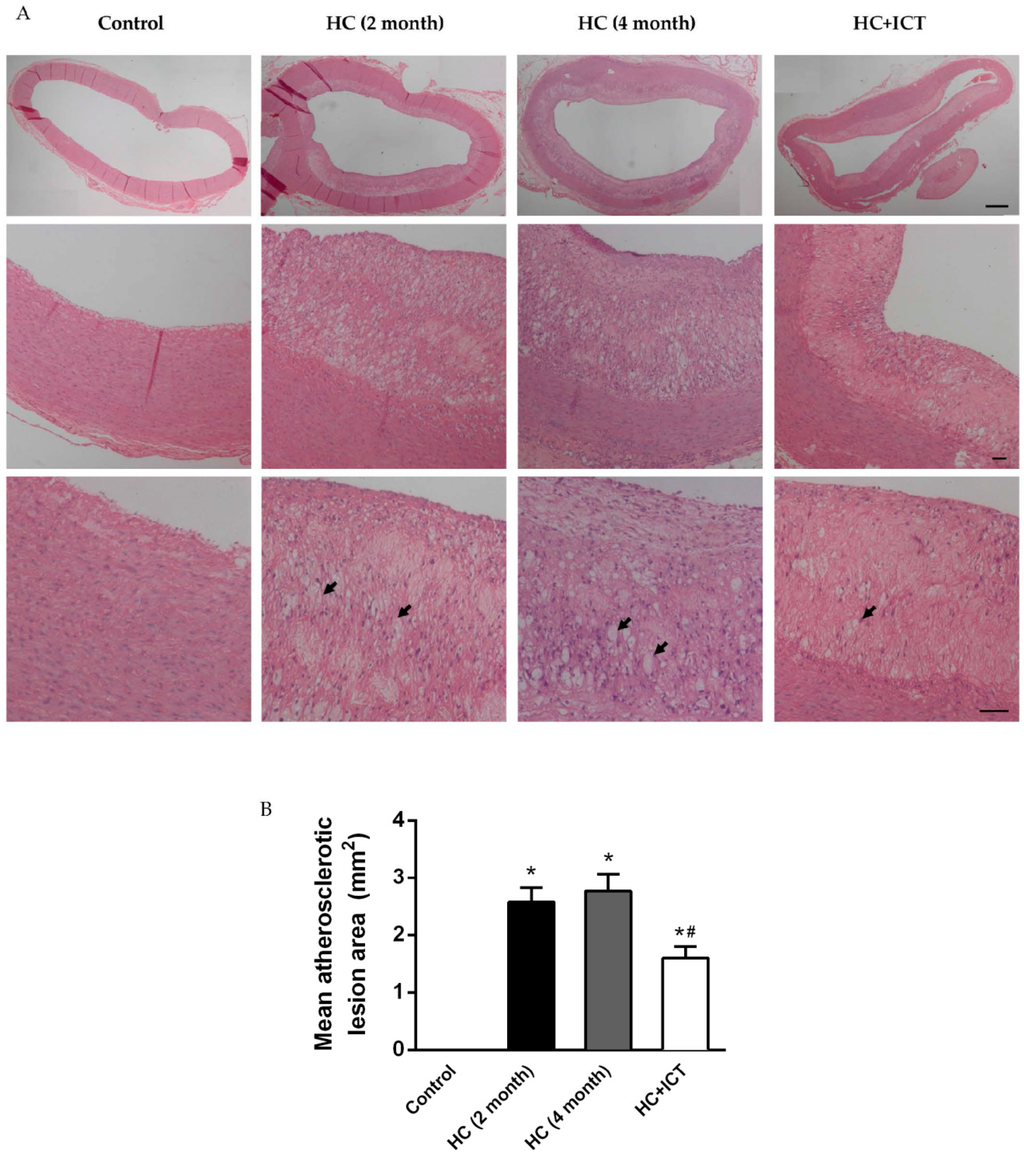
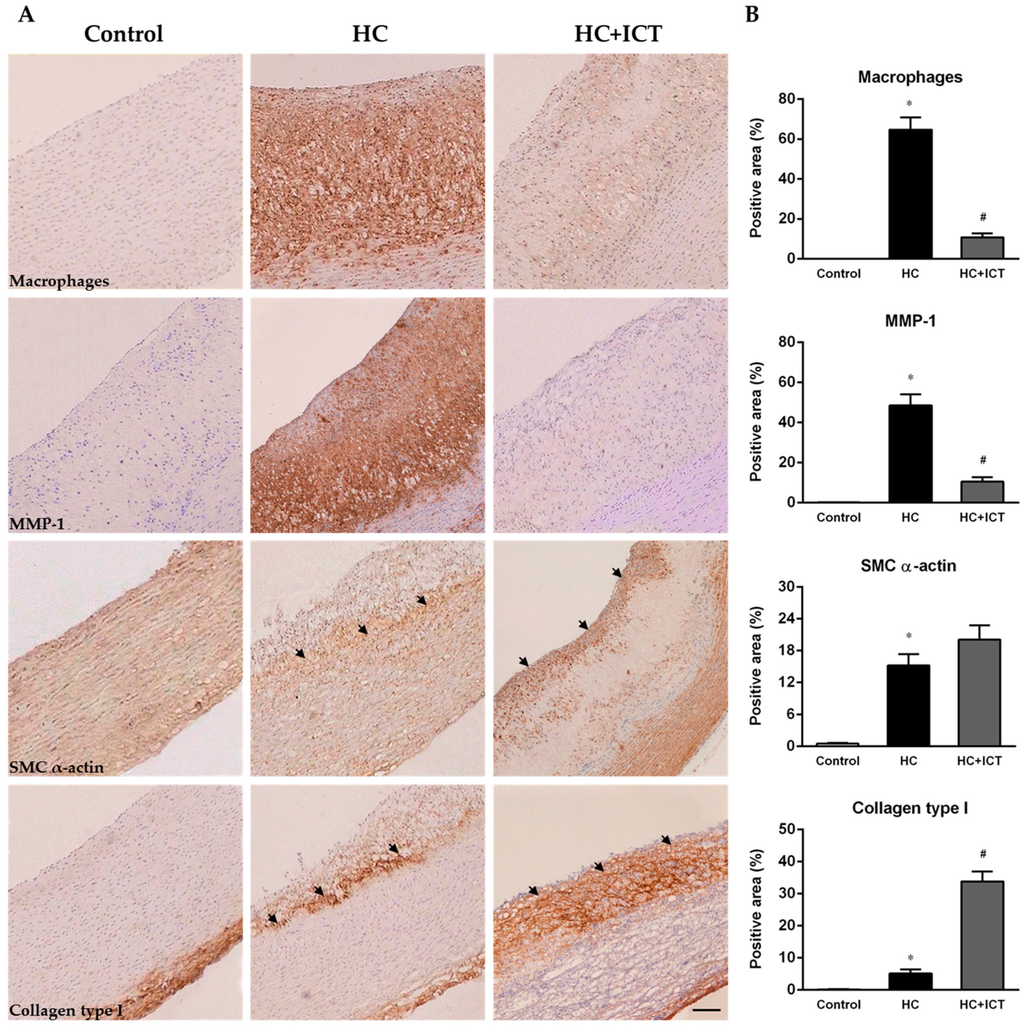
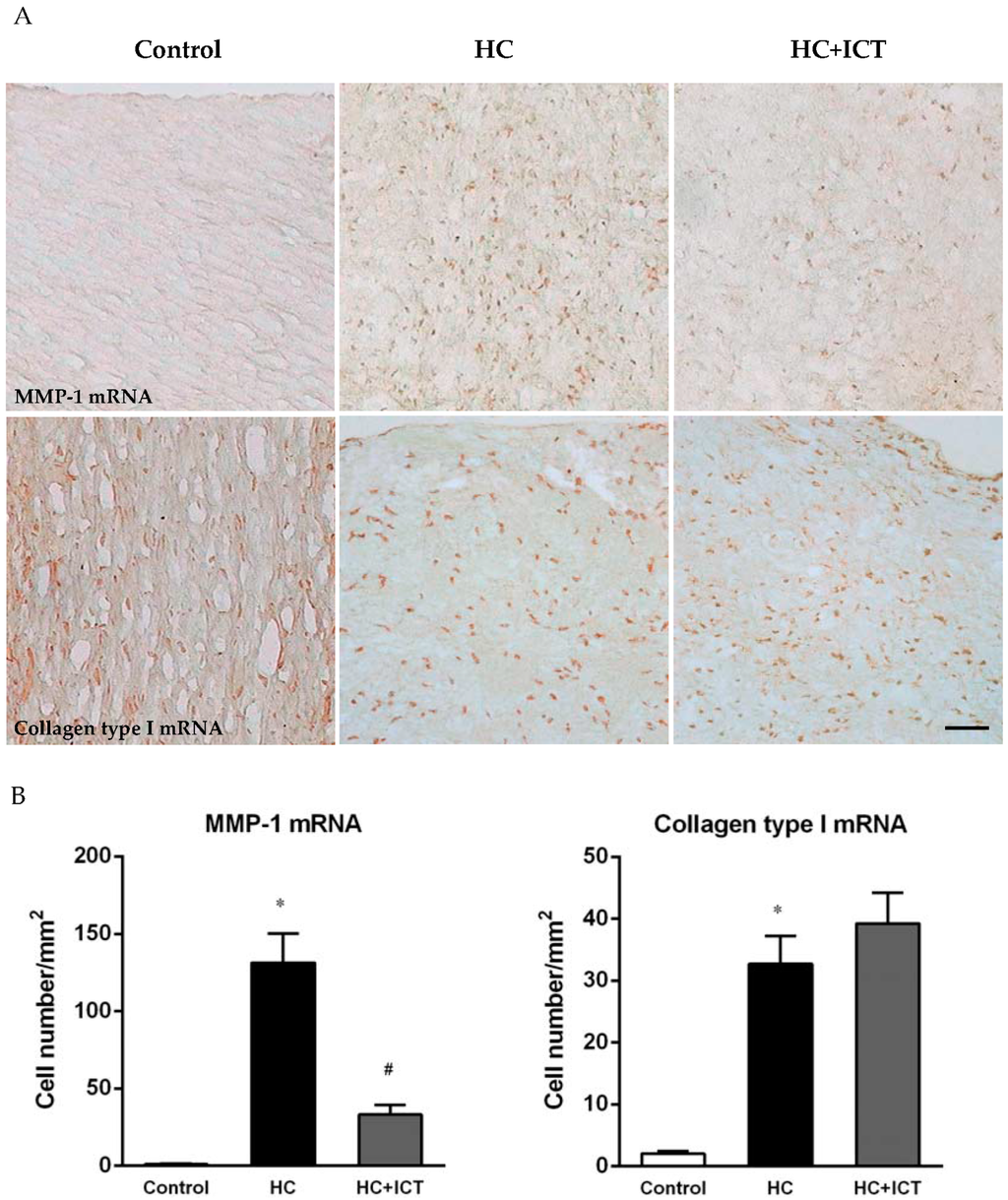
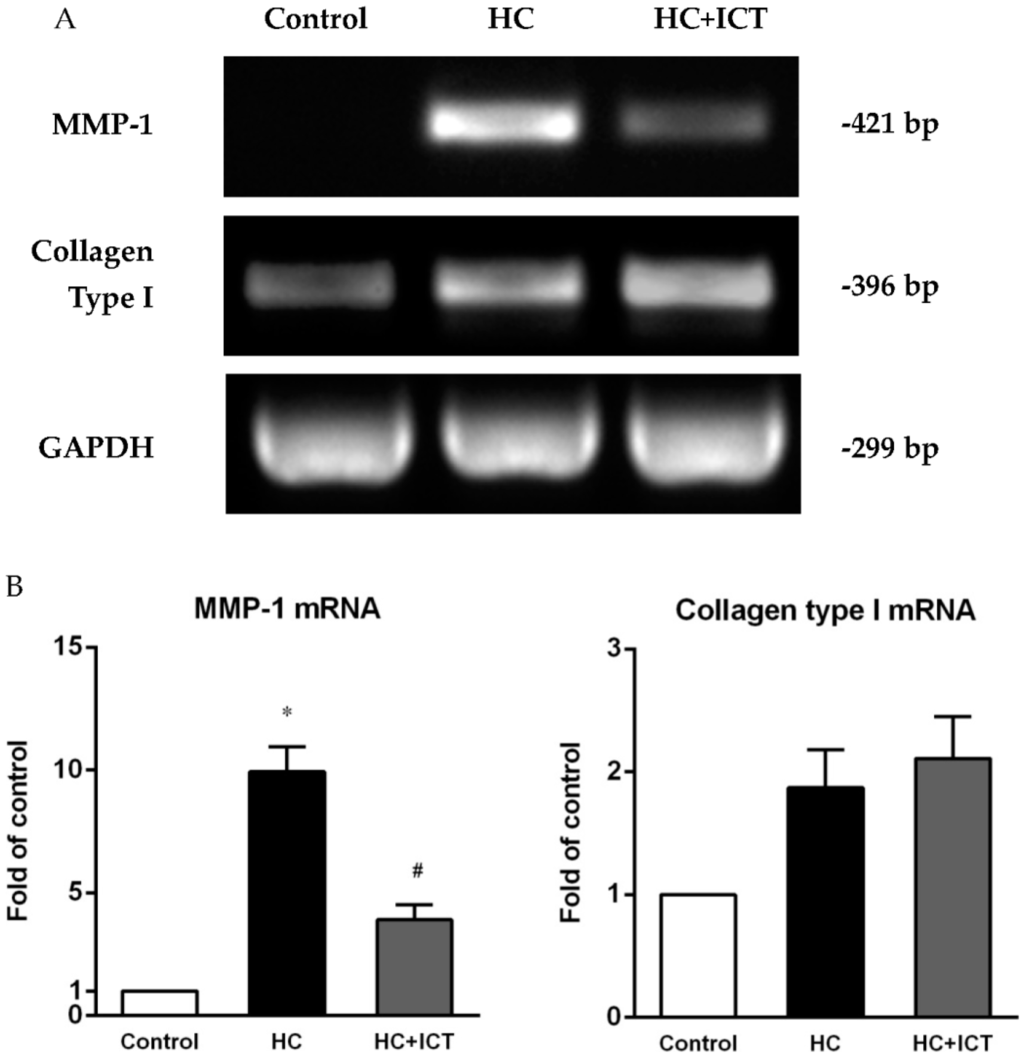
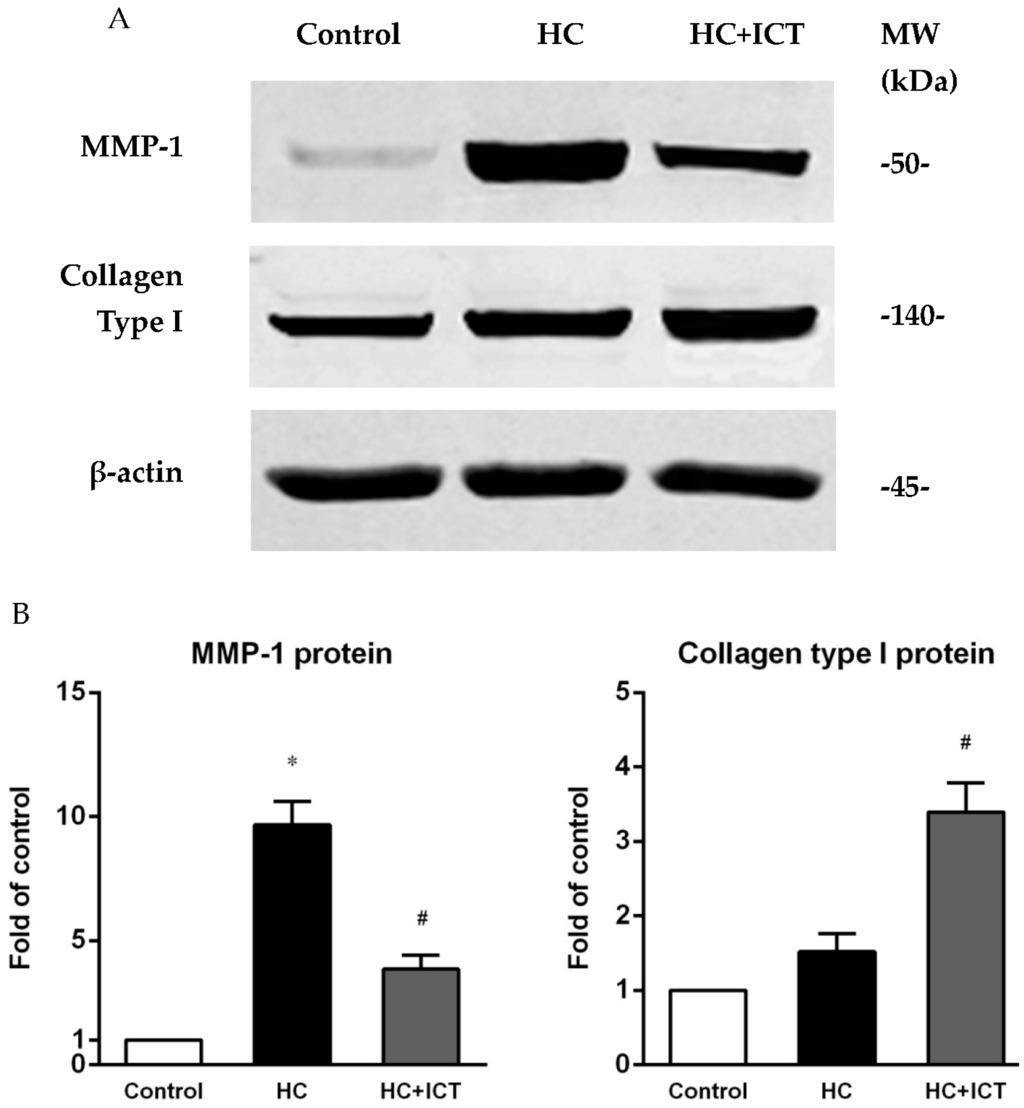
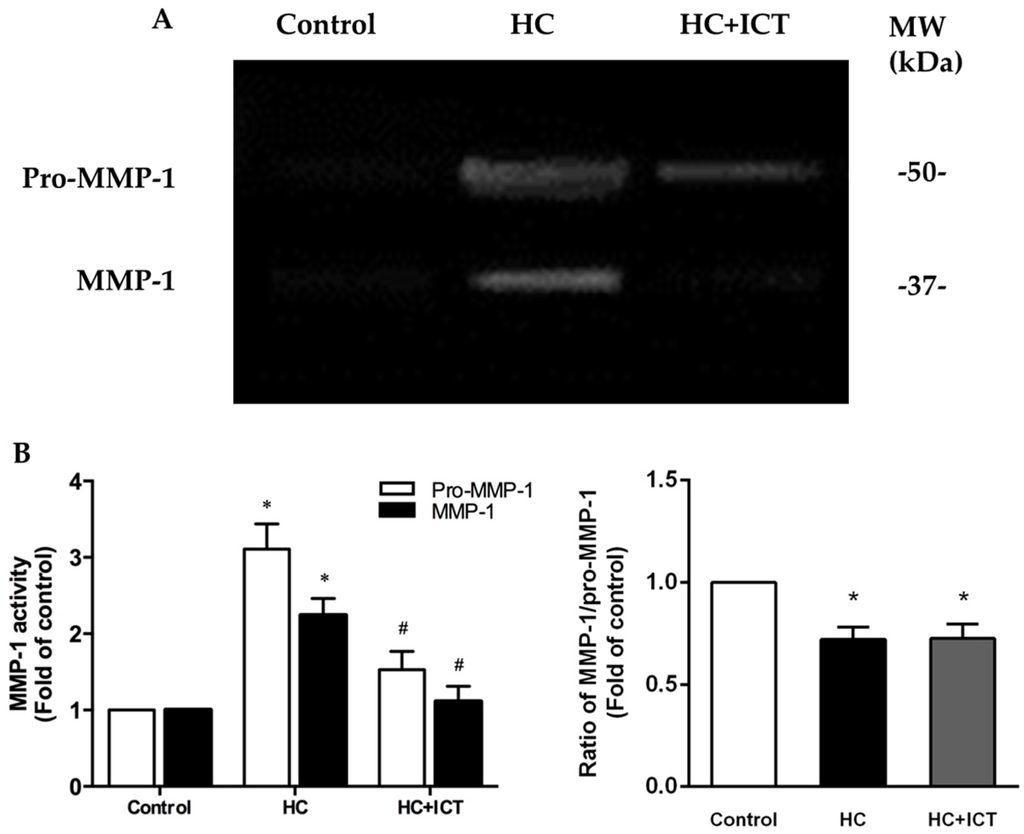
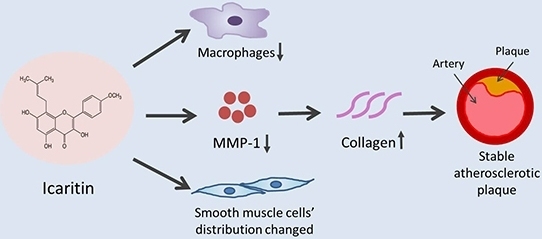
Most acute coronary syndromes result from rupture of vulnerable atherosclerotic plaques. The collagen content of plaques may critically affect plaque stability. This study tested whether Icaritin (ICT), an intestinal metabolite of Epimedium-derived flavonoids, could alter the collagen synthesis/degradation balance in atherosclerotic lesions. Rabbits were fed with an atherogenic diet for four months. Oral administration of ICT (10 mg·kg−1·day−1) was started after two months of an atherogenic diet and lasted for two months. The collagen degradation-related parameters, including macrophages accumulation, content and activity of interstitial collagenase-1 (MMP-1), and the collagen synthesis-related parameters, including amount and distribution of smooth muscle cells (SMC) and collagen mRNA/protein levels, were evaluated in the aorta. ICT reduced plasma lipid levels, inhibited macrophage accumulation, lowered MMP-1 mRNA and protein expression, and suppressed proteolytic activity of pro-MMP-1 and MMP-1 in the aorta. ICT changed the distribution of the SMCs towards the fibrous cap of lesions without increasing the amount of SMCs. Higher collagen protein content in lesions and aorta homogenates was observed with ICT treatment compared with the atherogenic diet only, without altered collagen mRNA level. These results suggest that ICT could inhibit the collagen degradation-related factors and facilitate collagen accumulation in atherosclerotic lesions, indicating a new potential of ICT in atherosclerotic plaques. Full article
Show Figures

Graphical abstract
10 pages, 1258 KB  
Article
The Metabolic Fate of ortho-Quinones Derived from Catecholamine Metabolites
by Shosuke Ito, Yuta Yamanaka, Makoto Ojika and Kazumasa Wakamatsu
Int. J. Mol. Sci. 2016, 17(2), 164; https://doi.org/10.3390/ijms17020164 - 27 Jan 2016
Cited by 21 | Viewed by 8243
Abstract
ortho-Quinones are produced in vivo through the oxidation of catecholic substrates by enzymes such as tyrosinase or by transition metal ions. Neuromelanin, a dark pigment present in the substantia nigra and locus coeruleus of the brain, is produced from dopamine (DA) and [...] Read more.
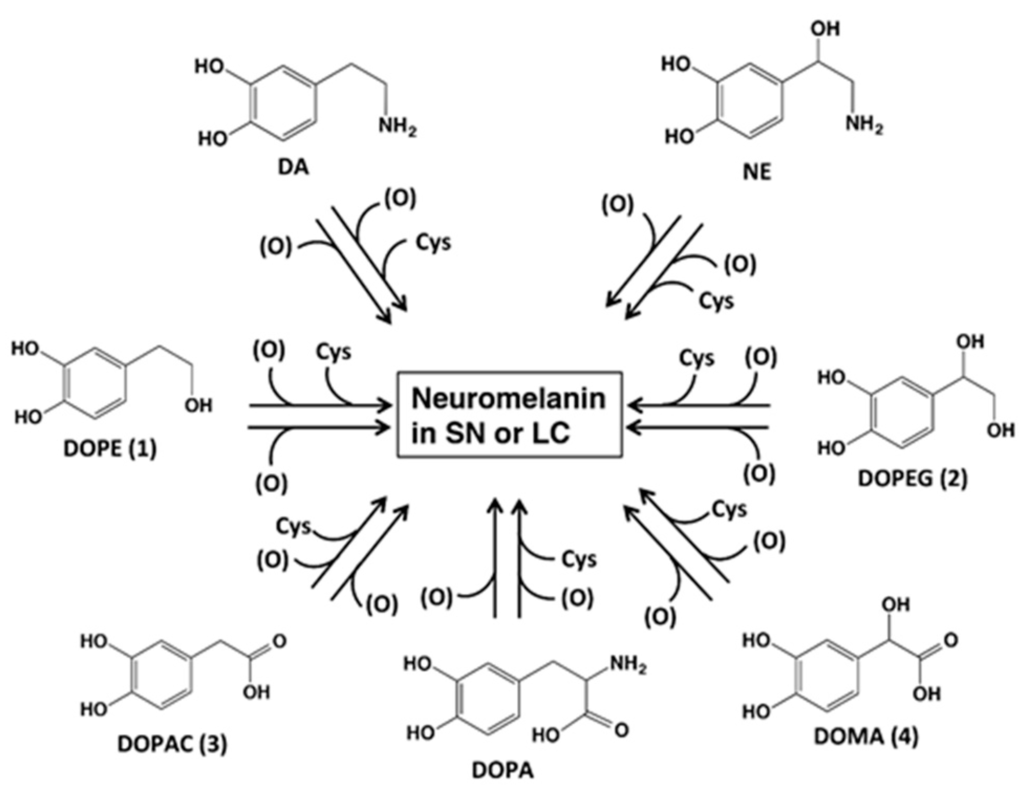
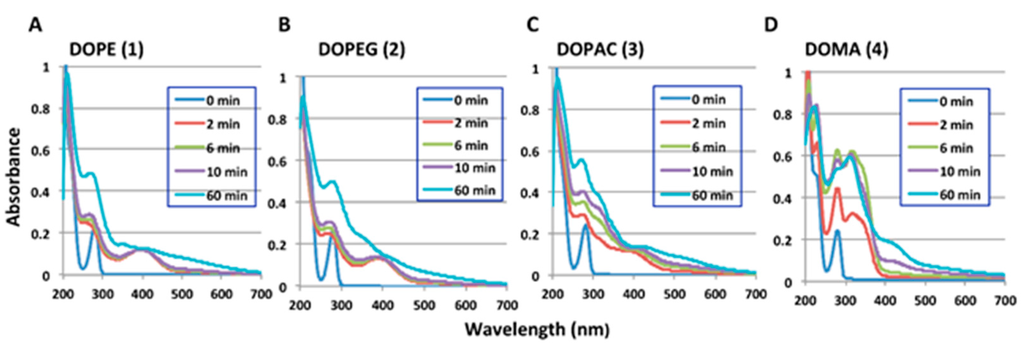
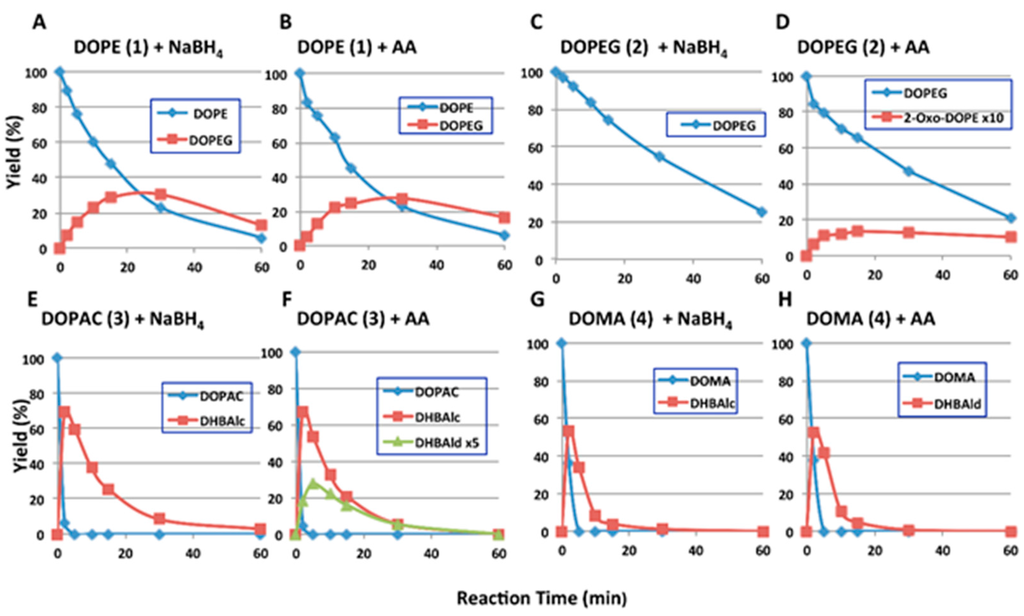
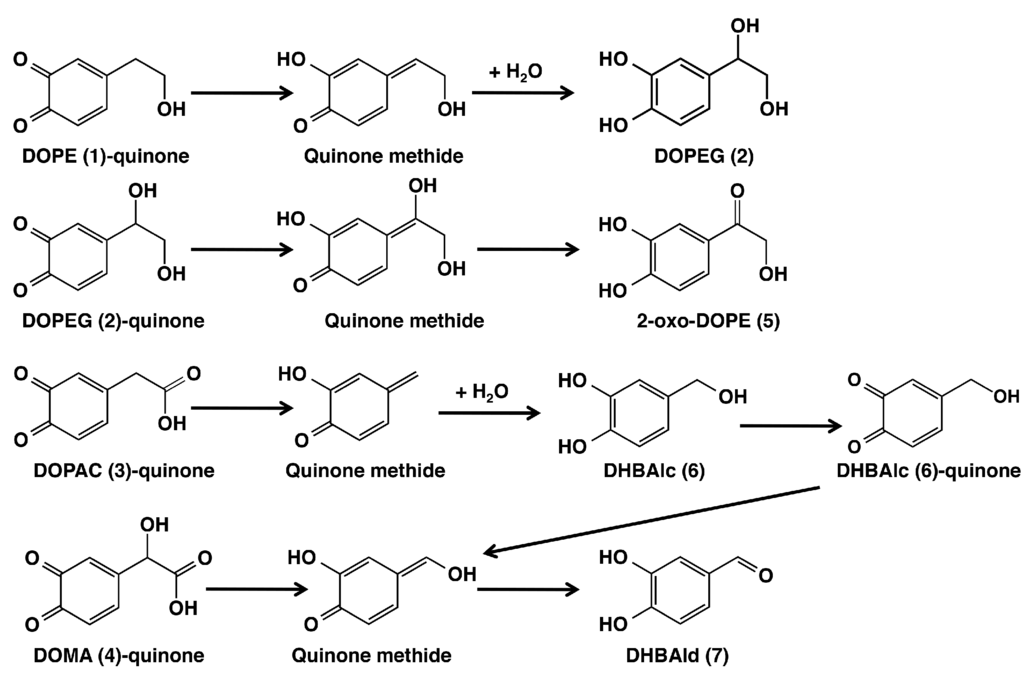
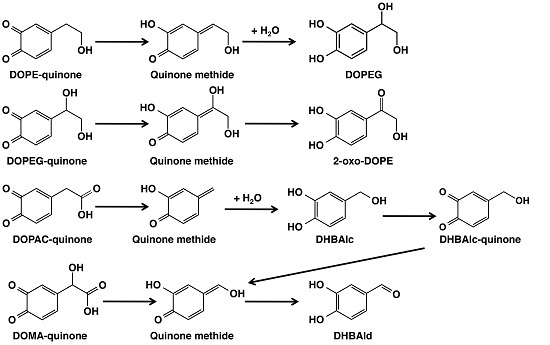
ortho-Quinones are produced in vivo through the oxidation of catecholic substrates by enzymes such as tyrosinase or by transition metal ions. Neuromelanin, a dark pigment present in the substantia nigra and locus coeruleus of the brain, is produced from dopamine (DA) and norepinephrine (NE) via an interaction with cysteine, but it also incorporates their alcoholic and acidic metabolites. In this study we examined the metabolic fate of ortho-quinones derived from the catecholamine metabolites, 3,4-dihydroxyphenylethanol (DOPE), 3,4-dihydroxyphenylethylene glycol (DOPEG), 3,4-dihydroxyphenylacetic acid (DOPAC) and 3,4-dihydroxyphenylmandelic acid (DOMA). The oxidation of catecholic substrates by mushroom tyrosinase was followed by UV-visible spectrophotometry. HPLC analysis after reduction with NaBH4 or ascorbic acid enabled measurement of the half-lives of ortho-quinones and the identification of their reaction products. Spectrophotometric examination showed that the ortho-quinones initially formed underwent extensive degradation at pH 6.8. HPLC analysis showed that DOPE-quinone and DOPEG-quinone degraded with half-lives of 15 and 30 min at pH 6.8, respectively, and >100 min at pH 5.3. The major product from DOPE-quinone was DOPEG which was produced through the addition of a water molecule to the quinone methide intermediate. DOPEG-quinone yielded a ketone, 2-oxo-DOPE, through the quinone methide intermediate. DOPAC-quinone and DOMA-quinone degraded immediately with decarboxylation of the ortho-quinone intermediates to form 3,4-dihydroxybenzylalcohol (DHBAlc) and 3,4-dihydroxybenzaldehyde (DHBAld), respectively. DHBAlc-quinone was converted to DHBAld with a half-life of 9 min, while DHBAld-quinone degraded rapidly with a half-life of 3 min. This study confirmed the fact that ortho-quinones from DOPE, DOPEG, DOPAC and DOMA are converted to quinone methide tautomers as common intermediates, through proton rearrangement or decarboxylation. The unstable quinone methides afford stable alcoholic or carbonyl products. Full article
(This article belongs to the Special Issue Biochemistry and Mechanisms of Melanogenesis)
Show Figures

Graphical abstract
16 pages, 3252 KB  
Article
Ferritin Assembly in Enterocytes of Drosophila melanogaster
by Abraham Rosas-Arellano, Johana Vásquez-Procopio, Alexis Gambis, Liisa M. Blowes, Hermann Steller, Bertrand Mollereau and Fanis Missirlis
Int. J. Mol. Sci. 2016, 17(2), 27; https://doi.org/10.3390/ijms17020027 - 5 Feb 2016
Cited by 20 | Viewed by 10114
Abstract
Ferritins are protein nanocages that accumulate inside their cavity thousands of oxidized iron atoms bound to oxygen and phosphates. Both characteristic types of eukaryotic ferritin subunits are present in secreted ferritins from insects, but here dimers between Ferritin 1 Heavy Chain Homolog (Fer1HCH) [...] Read more.
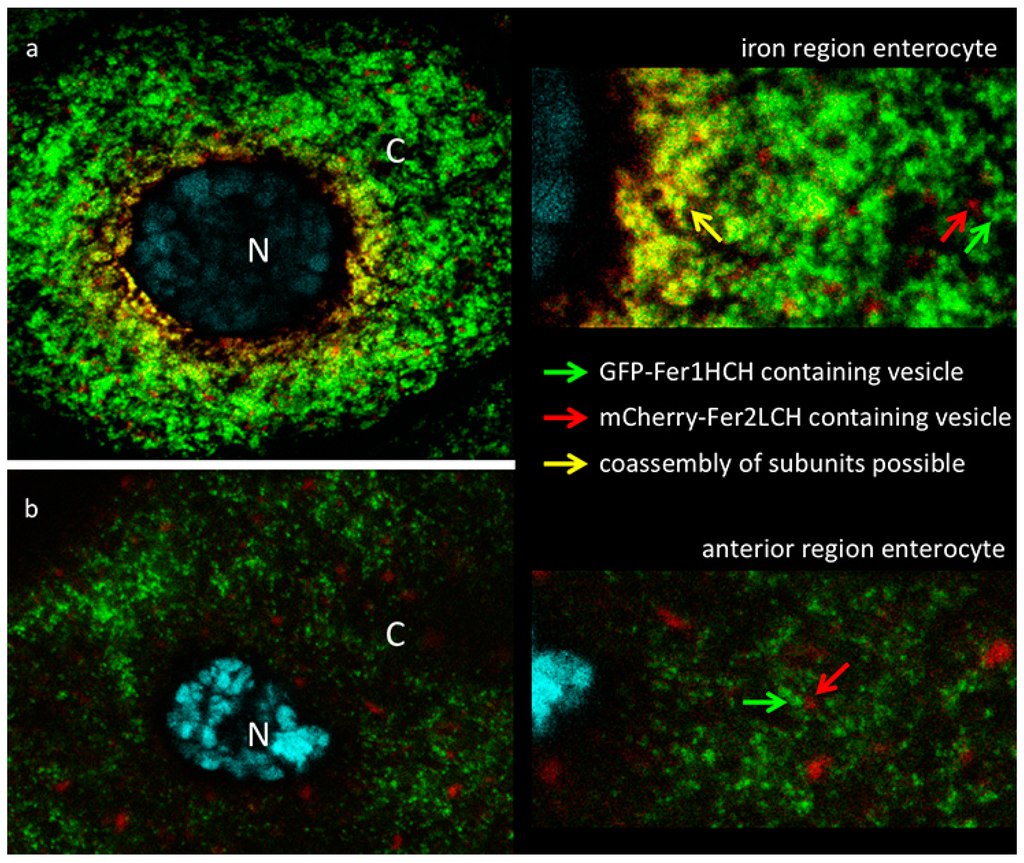
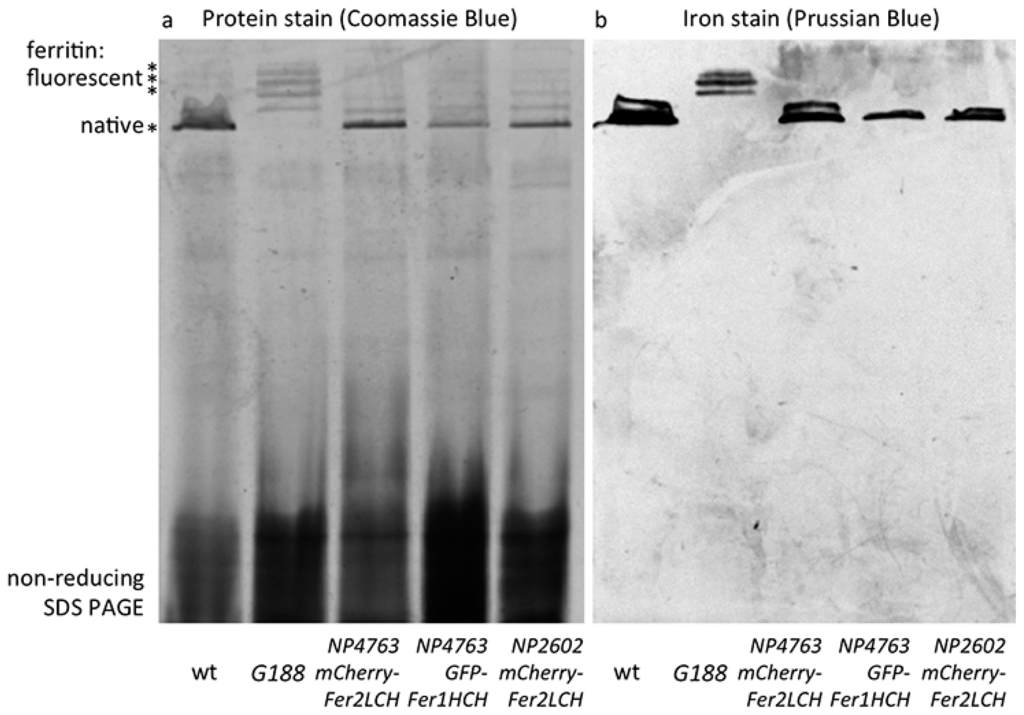
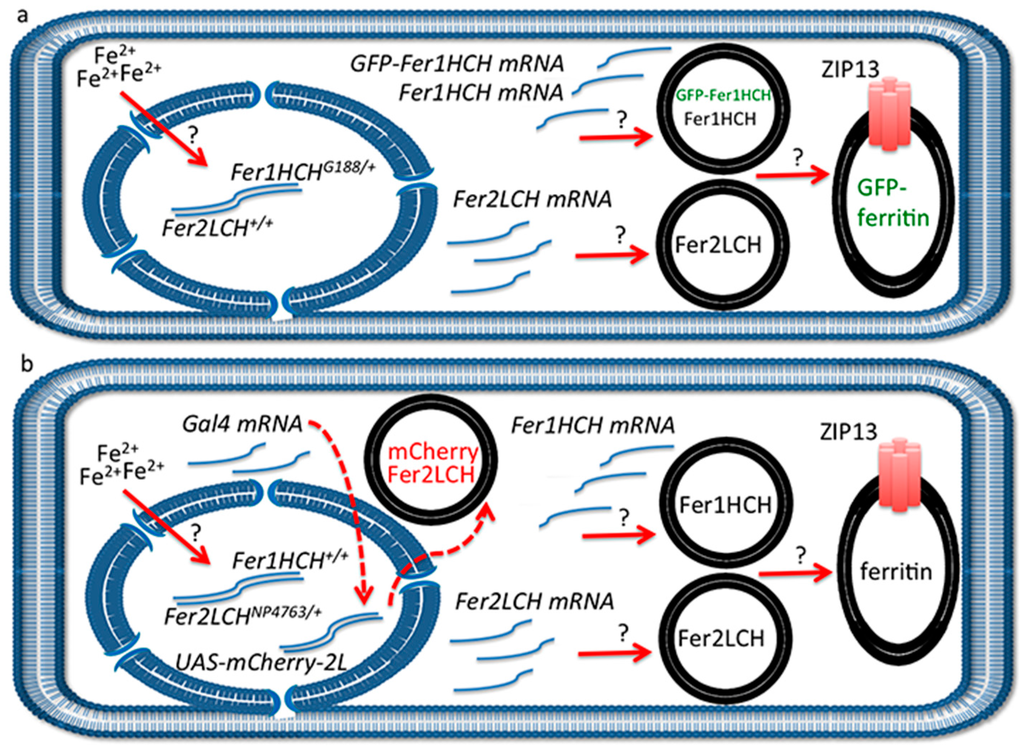
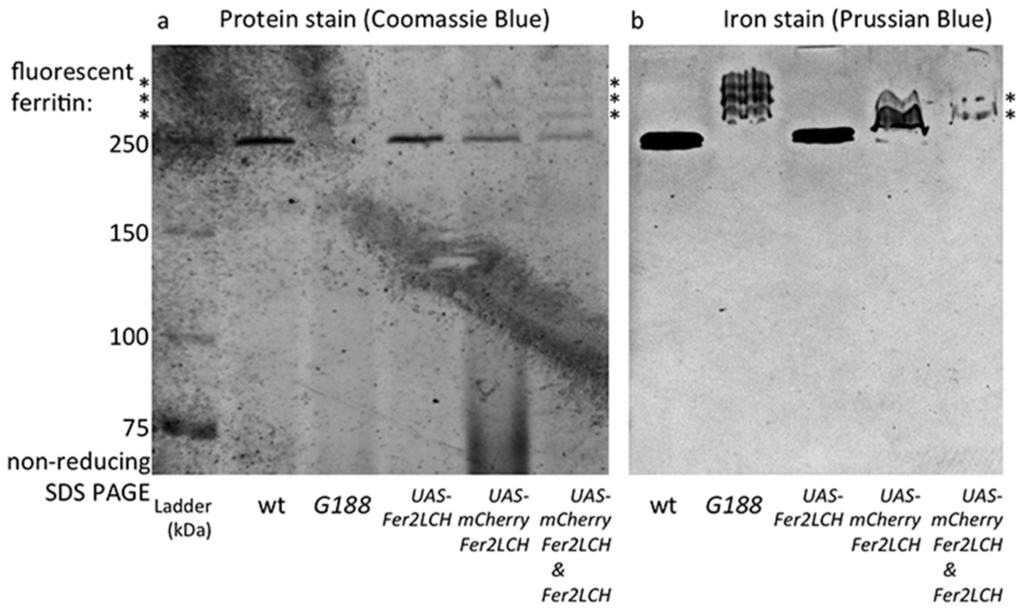
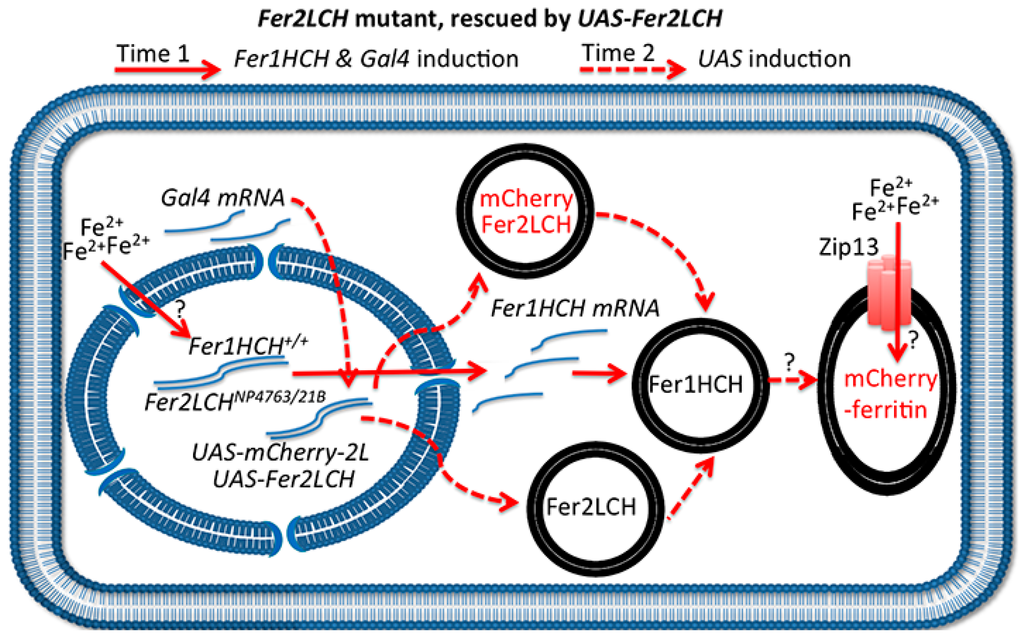
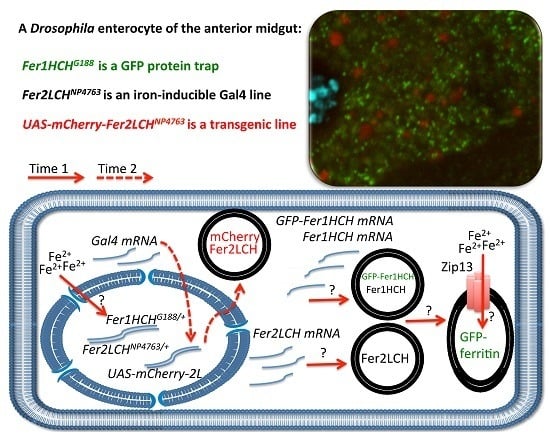
Ferritins are protein nanocages that accumulate inside their cavity thousands of oxidized iron atoms bound to oxygen and phosphates. Both characteristic types of eukaryotic ferritin subunits are present in secreted ferritins from insects, but here dimers between Ferritin 1 Heavy Chain Homolog (Fer1HCH) and Ferritin 2 Light Chain Homolog (Fer2LCH) are further stabilized by disulfide-bridge in the 24-subunit complex. We addressed ferritin assembly and iron loading in vivo using novel transgenic strains of Drosophila melanogaster. We concentrated on the intestine, where the ferritin induction process can be controlled experimentally by dietary iron manipulation. We showed that the expression pattern of Fer2LCH-Gal4 lines recapitulated iron-dependent endogenous expression of the ferritin subunits and used these lines to drive expression from UAS-mCherry-Fer2LCH transgenes. We found that the Gal4-mediated induction of mCherry-Fer2LCH subunits was too slow to effectively introduce them into newly formed ferritin complexes. Endogenous Fer2LCH and Fer1HCH assembled and stored excess dietary iron, instead. In contrast, when flies were genetically manipulated to co-express Fer2LCH and mCherry-Fer2LCH simultaneously, both subunits were incorporated with Fer1HCH in iron-loaded ferritin complexes. Our study provides fresh evidence that, in insects, ferritin assembly and iron loading in vivo are tightly regulated. Full article
(This article belongs to the Special Issue Metalloproteins)
Show Figures

Graphical abstract
12 pages, 1857 KB  
Article
Isolation and Characterization of a Novel Dicistrovirus Associated with Moralities of the Great Freshwater Prawn, Macrobrachium rosenbergii
by Xiaoyi Pan, Zheng Cao, Junfa Yuan, Zhengli Shi, Xuemei Yuan, Lingyun Lin, Yang Xu, Jiayun Yao, Guijie Hao and Jinyu Shen
Int. J. Mol. Sci. 2016, 17(2), 204; https://doi.org/10.3390/ijms17020204 - 2 Feb 2016
Cited by 20 | Viewed by 7505
Abstract
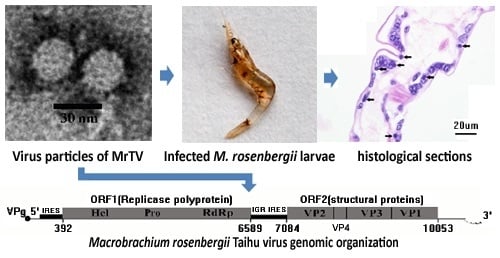
The giant freshwater prawn, Macrobrachium rosenbergii, is an economically important crustacean and is farmed in many countries. Since 2009, a larval mortality syndrome of M. rosenbergii has broken out and spread widely in the main breeding area, including Zhejiang, Jiangsu, Guangxi, and [...] Read more.
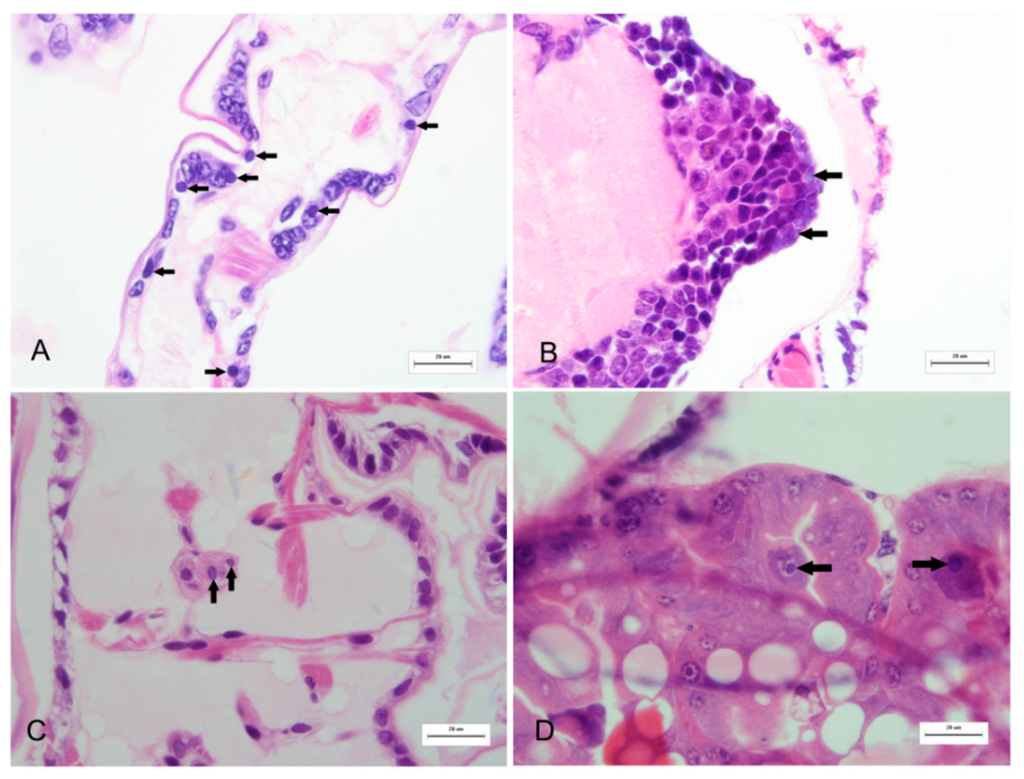
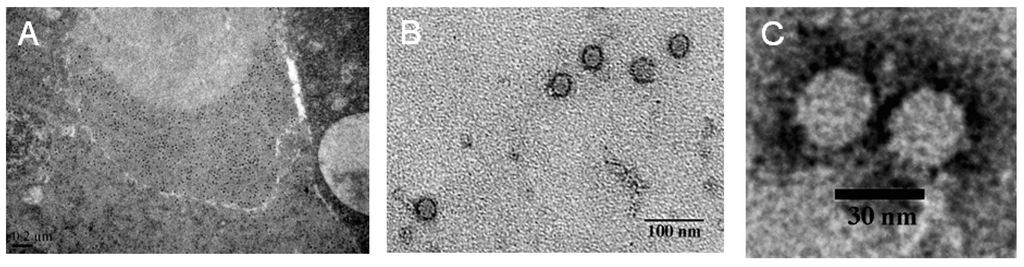
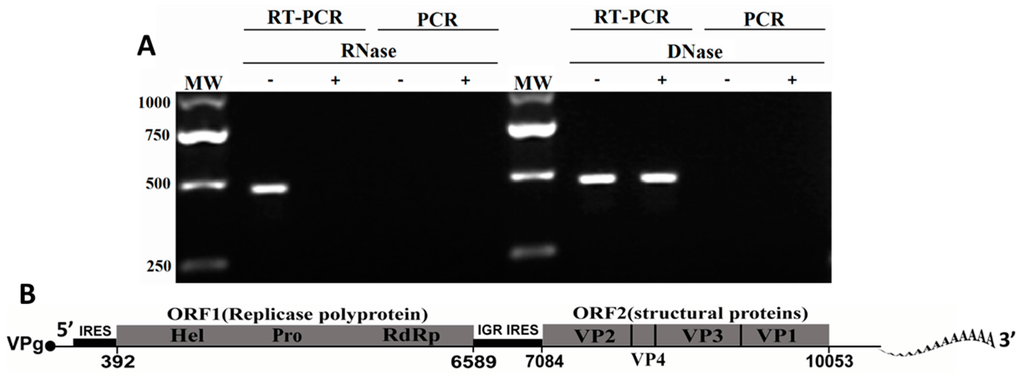
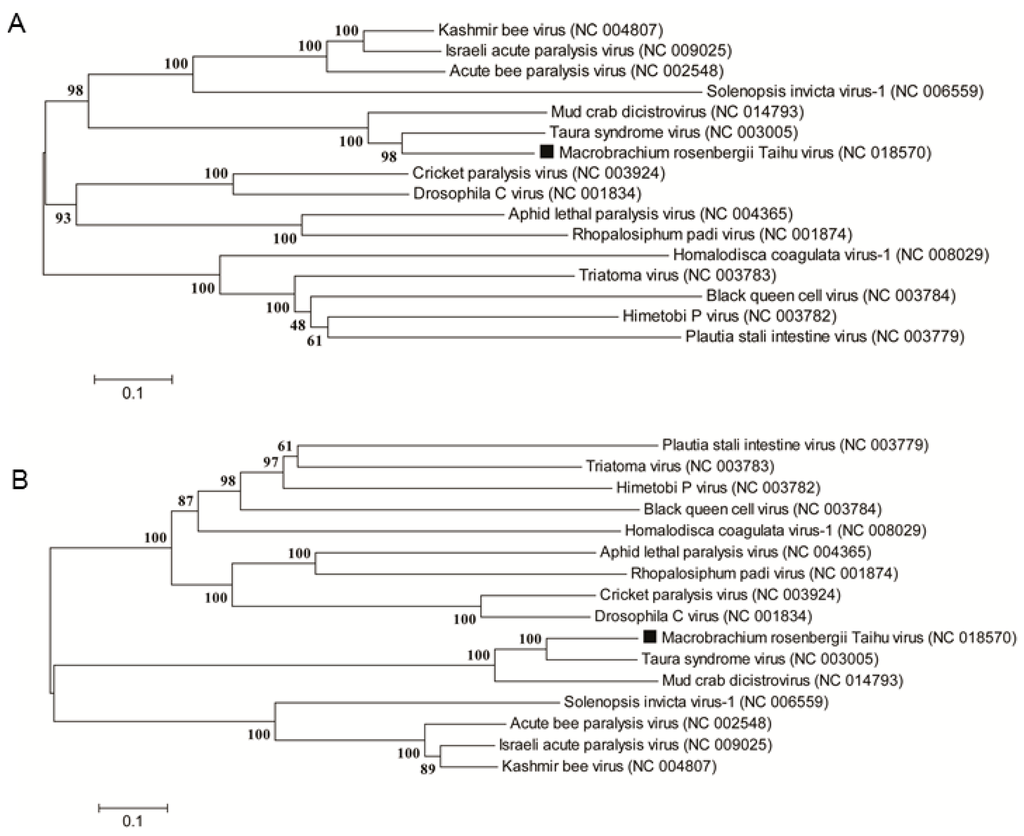
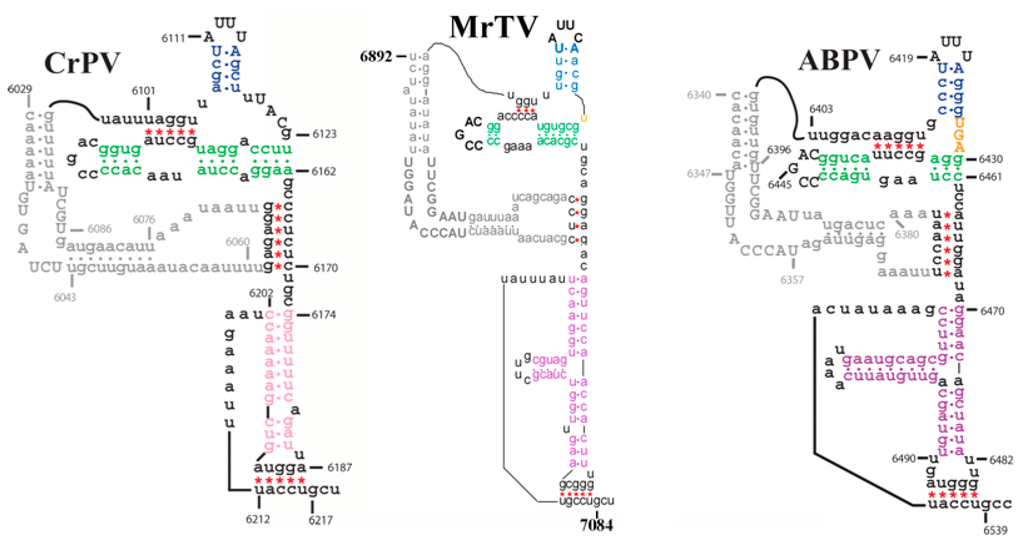
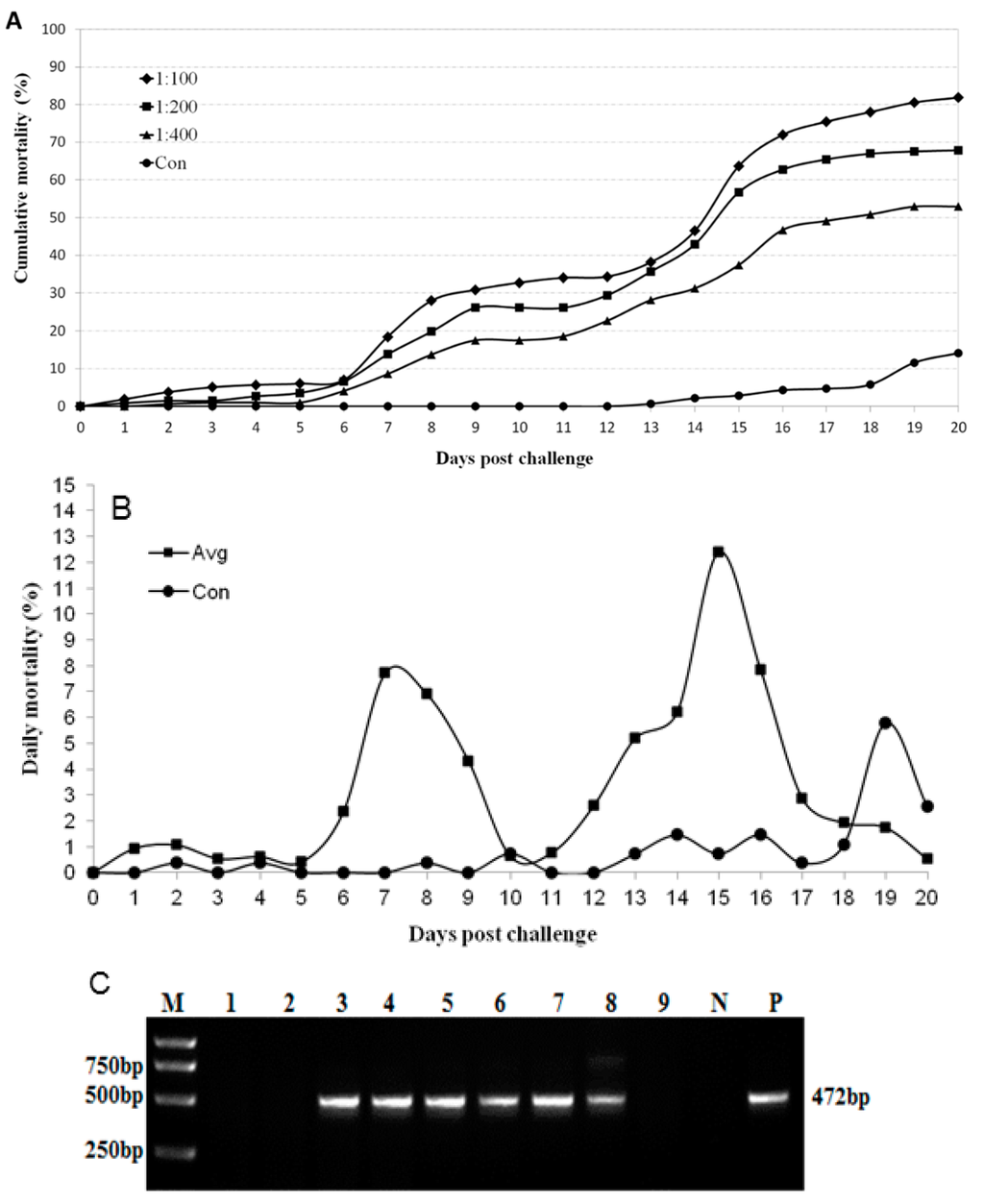
The giant freshwater prawn, Macrobrachium rosenbergii, is an economically important crustacean and is farmed in many countries. Since 2009, a larval mortality syndrome of M. rosenbergii has broken out and spread widely in the main breeding area, including Zhejiang, Jiangsu, Guangxi, and Guangdong Provinces in mainland China. A novel virus, named Macrobrachium rosenbergii Taihu virus (MrTV), was isolated from the moribund larvae and was determined to be the causative agent of the M. rosenbergii larval mortality syndrome by experimental infection. Further genomic sequencing suggested that the MrTV genome is monopartite, 10,303 nt in length, and dicistronic with two non-overlapping open reading frames (ORFs) separated by an intergenic region (IGR) and flanked by untranslated regions (UTRs). Phylogenetic analysis using the full-length genomic sequence and the putative amino acid sequences of the capsid protein revealed that MrTV was more closely related to the taura syndrome virus (TSV) than to any other viruses. According to these molecular features, we proposed that MrTV is a new species in the genus Aparavirus, family Dicistroviridae. These results may shed light on controlling larval mortality syndrome in M. rosenbergii. Full article
(This article belongs to the Special Issue Fish Molecular Biology)
Show Figures

Graphical abstract
15 pages, 3166 KB  
Article
Investigation of the Antiproliferative Properties of Natural Sesquiterpenes from Artemisia asiatica and Onopordum acanthium on HL-60 Cells in Vitro
by Judit Molnár, Gábor J. Szebeni, Boglárka Csupor-Löffler, Zsuzsanna Hajdú, Thomas Szekeres, Philipp Saiko, Imre Ocsovszki, László G. Puskás, Judit Hohmann and István Zupkó
Int. J. Mol. Sci. 2016, 17(2), 83; https://doi.org/10.3390/ijms17020083 - 17 Feb 2016
Cited by 19 | Viewed by 7532
Abstract
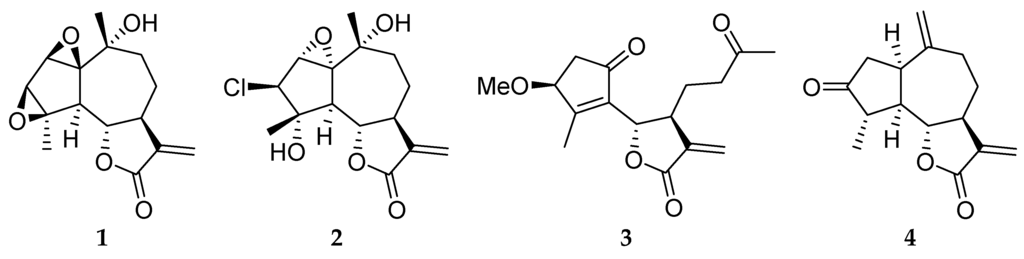
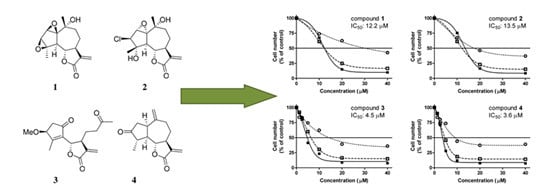
Plants and plant extracts play a crucial role in the research into novel antineoplastic agents. Four sesquiterpene lactones, artecanin (1), 3β-chloro-4α,10α-dihydroxy-1α,2α-epoxy-5α,7αH-guaia-11(13)-en-12,6α-olide (2), iso-seco-tanapartholide 3-O-methyl ether (3) and 4β,15-dihydro-3-dehydrozaluzanin C (4), were isolated from two [...] Read more.
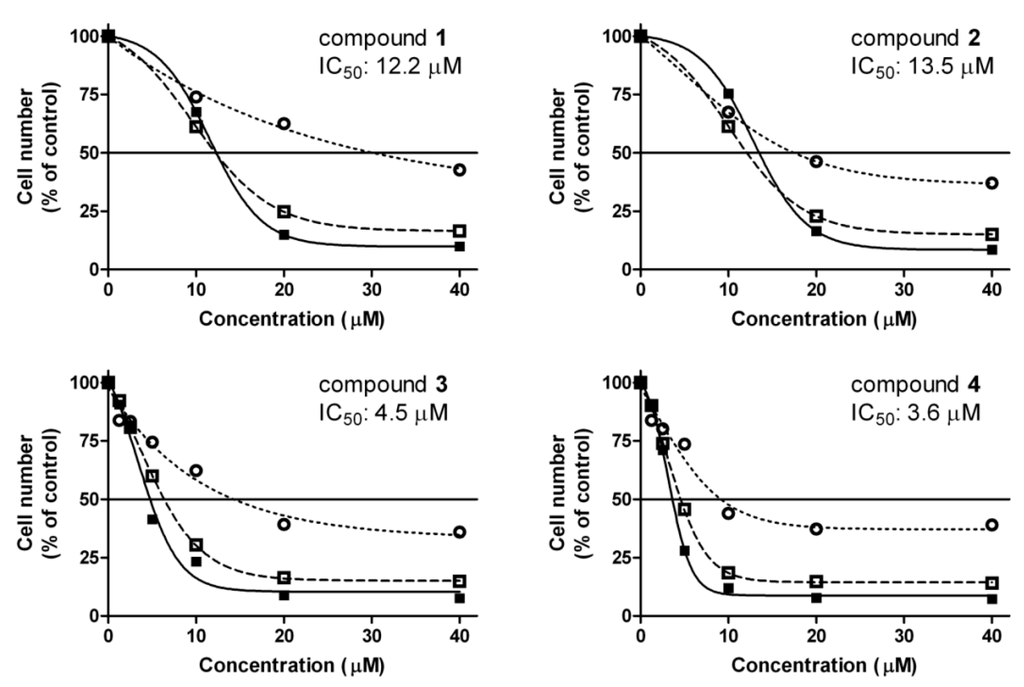
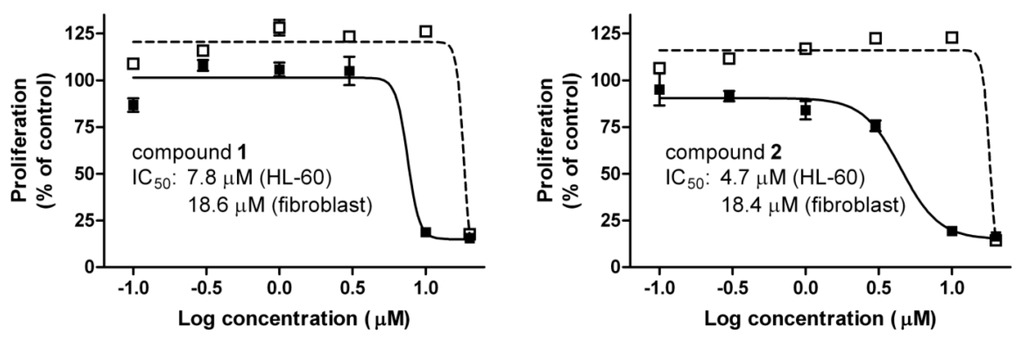
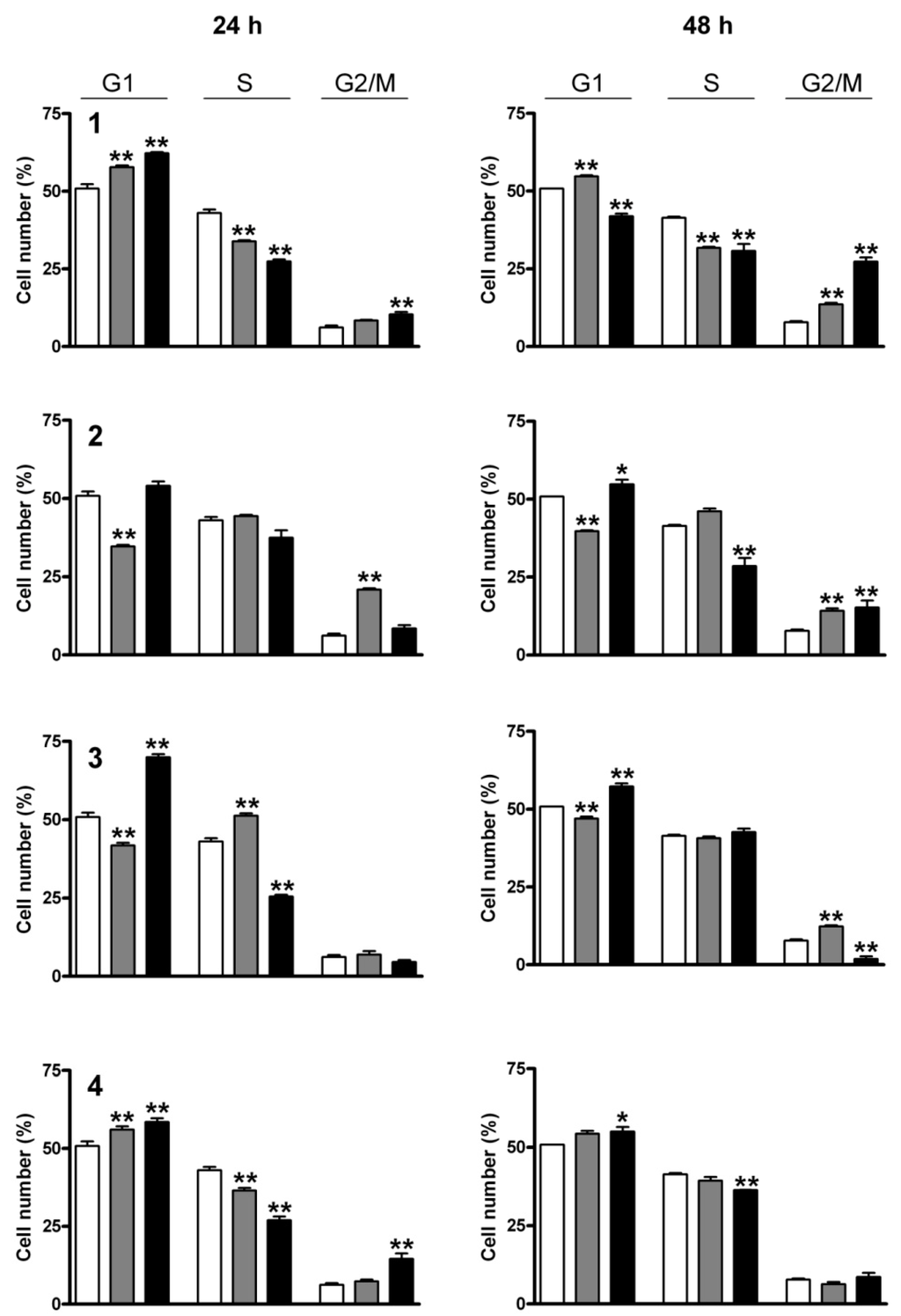
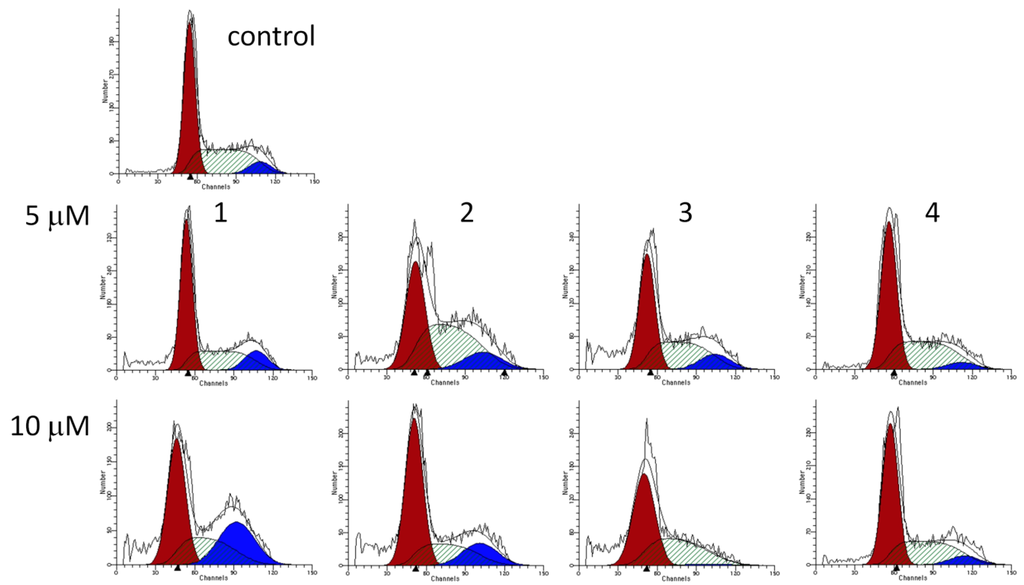
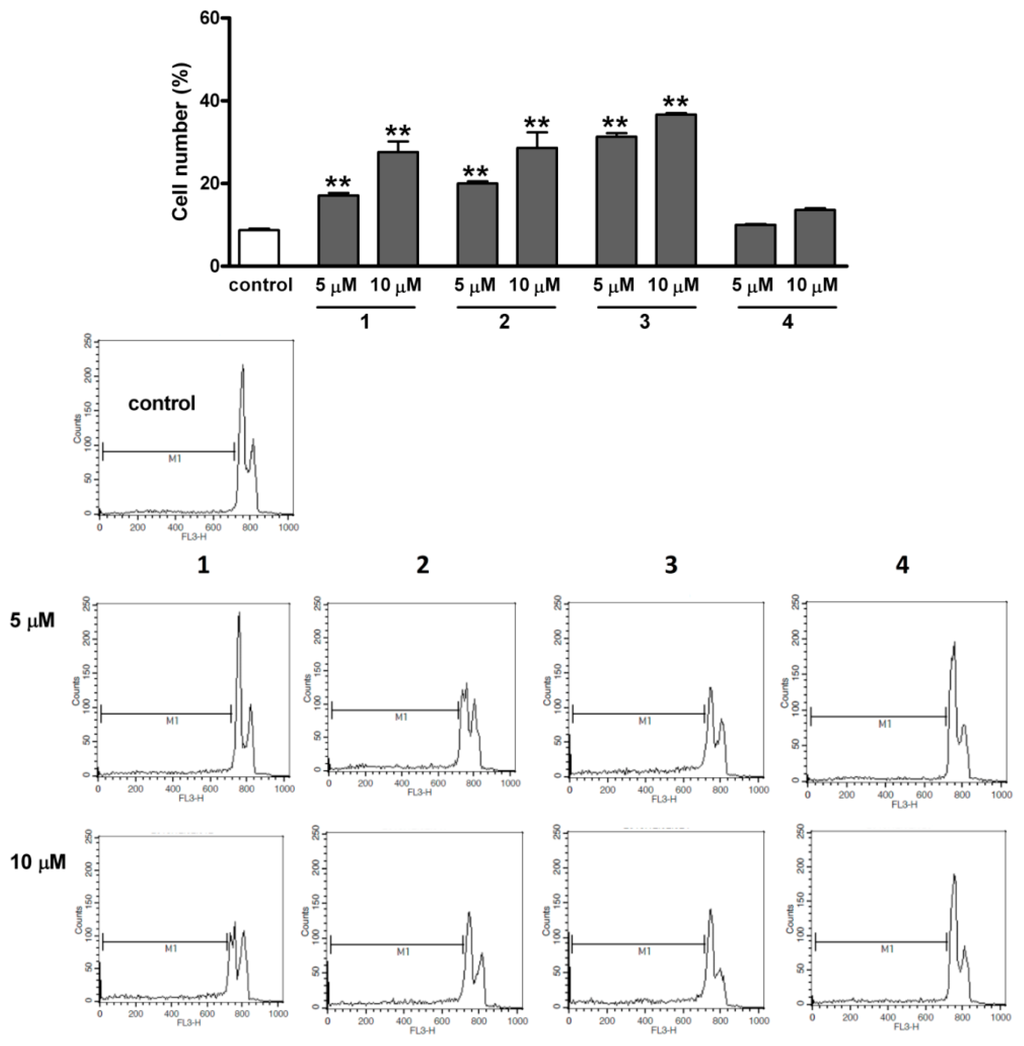
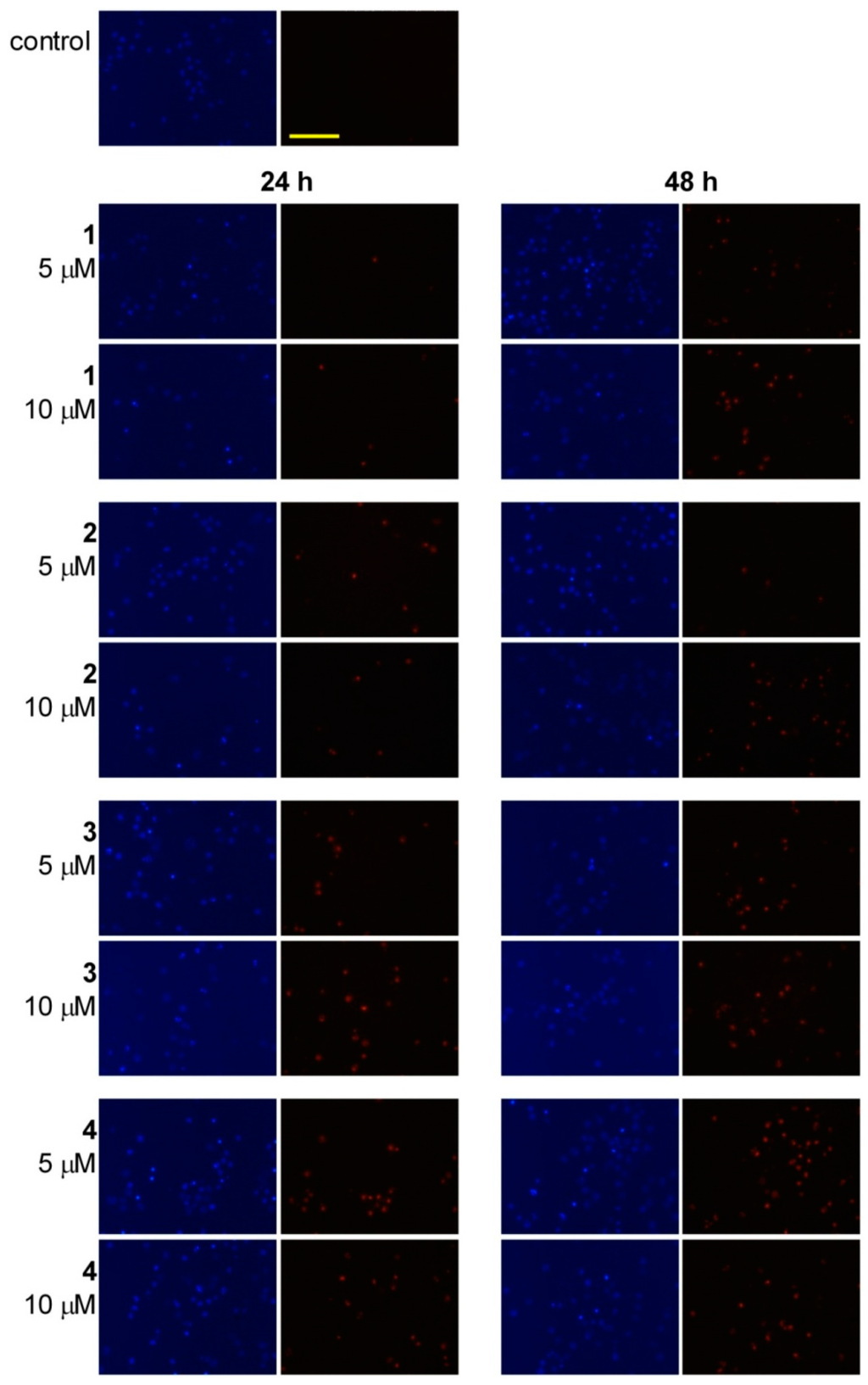
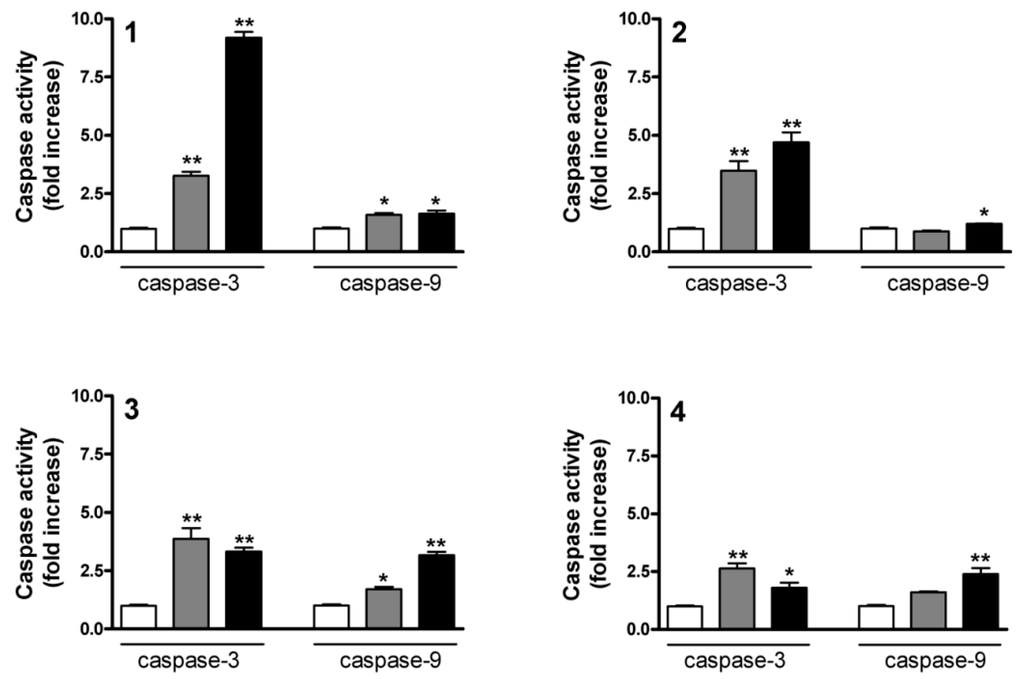
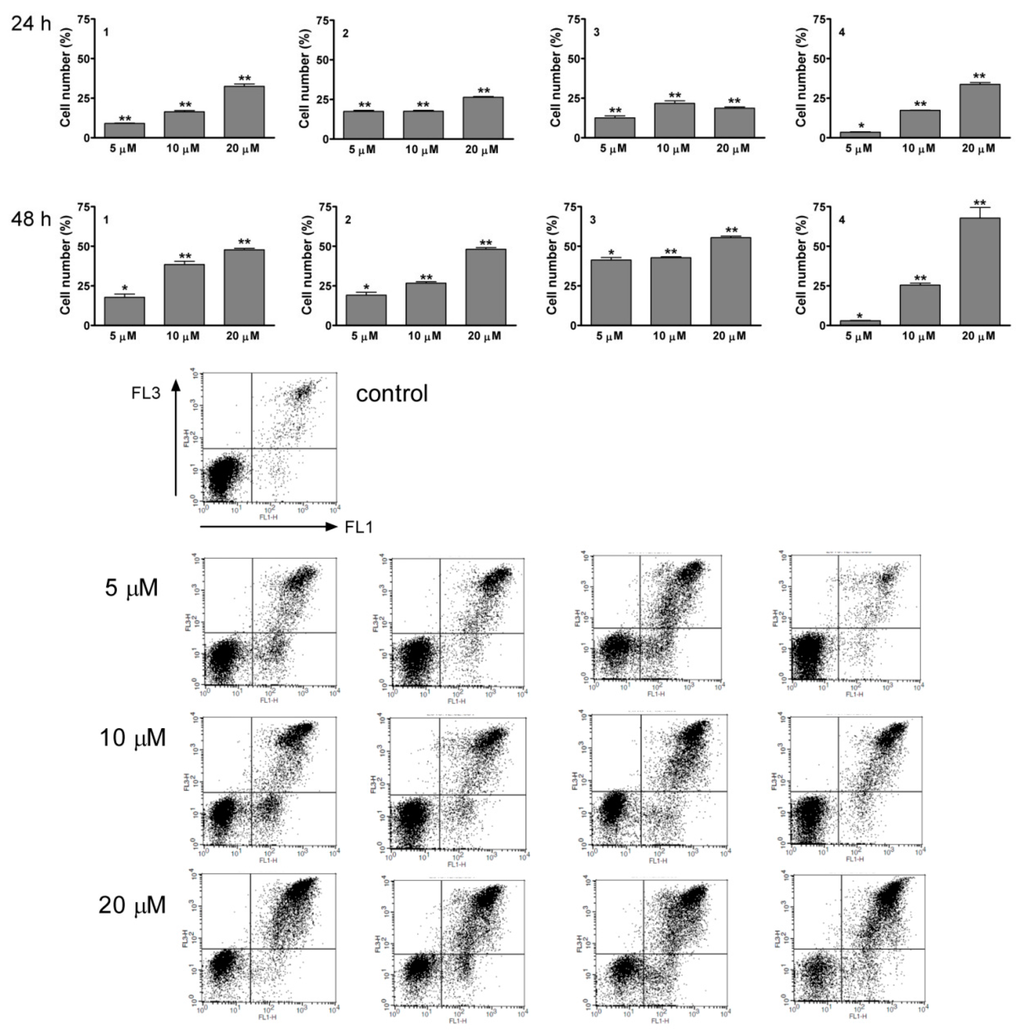
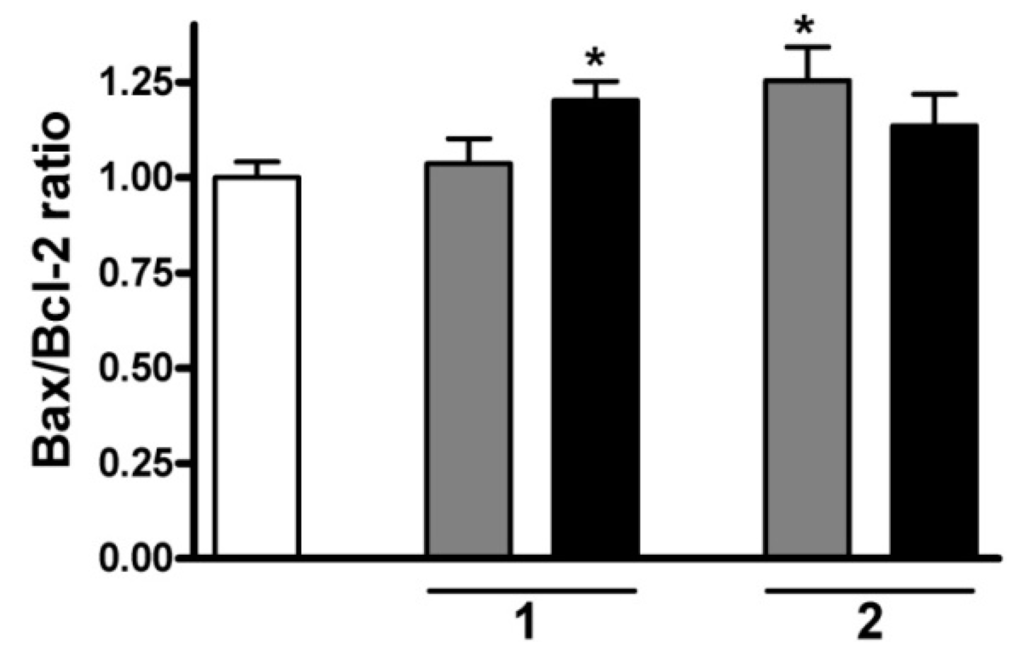
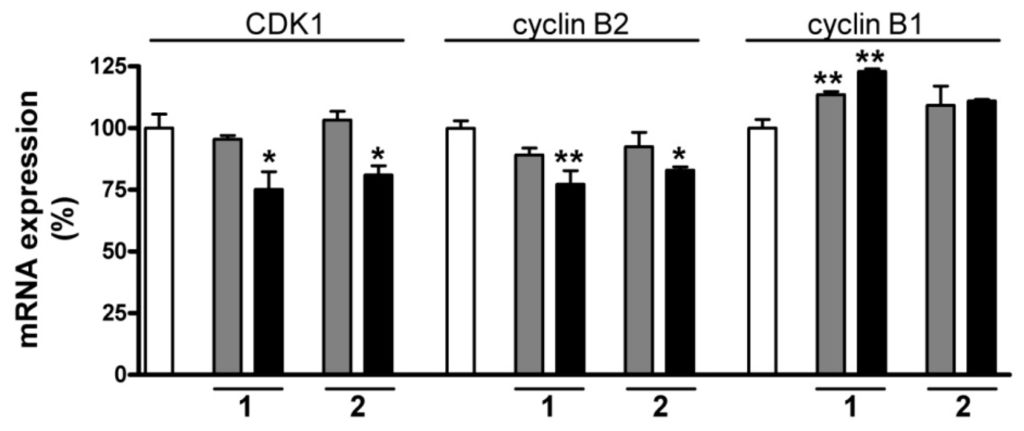
Plants and plant extracts play a crucial role in the research into novel antineoplastic agents. Four sesquiterpene lactones, artecanin (1), 3β-chloro-4α,10α-dihydroxy-1α,2α-epoxy-5α,7αH-guaia-11(13)-en-12,6α-olide (2), iso-seco-tanapartholide 3-O-methyl ether (3) and 4β,15-dihydro-3-dehydrozaluzanin C (4), were isolated from two traditionally used Asteraceae species (Onopordum acanthium and Artemisia asiatica). When tested for antiproliferative action on HL-60 leukemia cells, these compounds exhibited reasonable IC50 values in the range 3.6–13.5 μM. Treatment with the tested compounds resulted in a cell cycle disturbance characterized by increases in the G1 and G2/M populations, while there was a decrease in the S phase. Additionally, 1–3 elicited increases in the hypodiploid (subG1) population. The compounds elicited concentration-dependent chromatin condensation and disruption of the membrane integrity, as revealed by Hoechst 33258–propidium staining. Treatment for 24 h resulted in significant increases in activity of caspases-3 and -9, indicating that the tested sesquiterpenes induced the mitochondrial pathway of apoptosis. The proapoptotic properties of the sesquiterpene lactones were additionally demonstrated withannexin V staining. Compounds 1 and 2 increased the Bax/Bcl-2 expression and decreased the expressions of CDK1 and cyclin B2, as determined at the mRNA level by means of RT-PCR. These experimental results indicate that sesquiterpene lactones may be regarded as potential starting structures for the development of novel anticancer agents. Full article
(This article belongs to the Special Issue Molecular Research in Plant Secondary Metabolism 2015)
Show Figures

Graphical abstract
15 pages, 1754 KB  
Article
Assessment of Radiation Induced Therapeutic Effect and Cytotoxicity in Cancer Patients Based on Transcriptomic Profiling
by Sajjad Karim, Zeenat Mirza, Adeel G. Chaudhary, Adel M. Abuzenadah, Mamdooh Gari and Mohammed H. Al-Qahtani
Int. J. Mol. Sci. 2016, 17(2), 250; https://doi.org/10.3390/ijms17020250 - 19 Feb 2016
Cited by 19 | Viewed by 8489
Abstract
Toxicity induced by radiation therapy is a curse for cancer patients undergoing treatment. It is imperative to understand and define an ideal condition where the positive effects notably outweigh the negative. We used a microarray meta-analysis approach to measure global gene-expression before and [...] Read more.
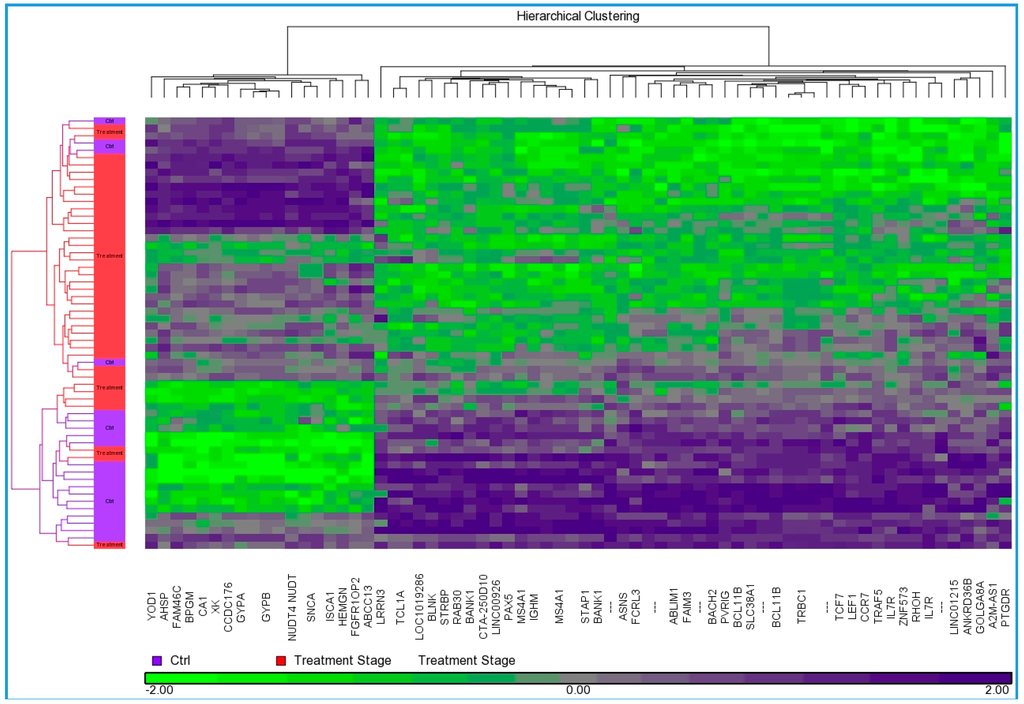
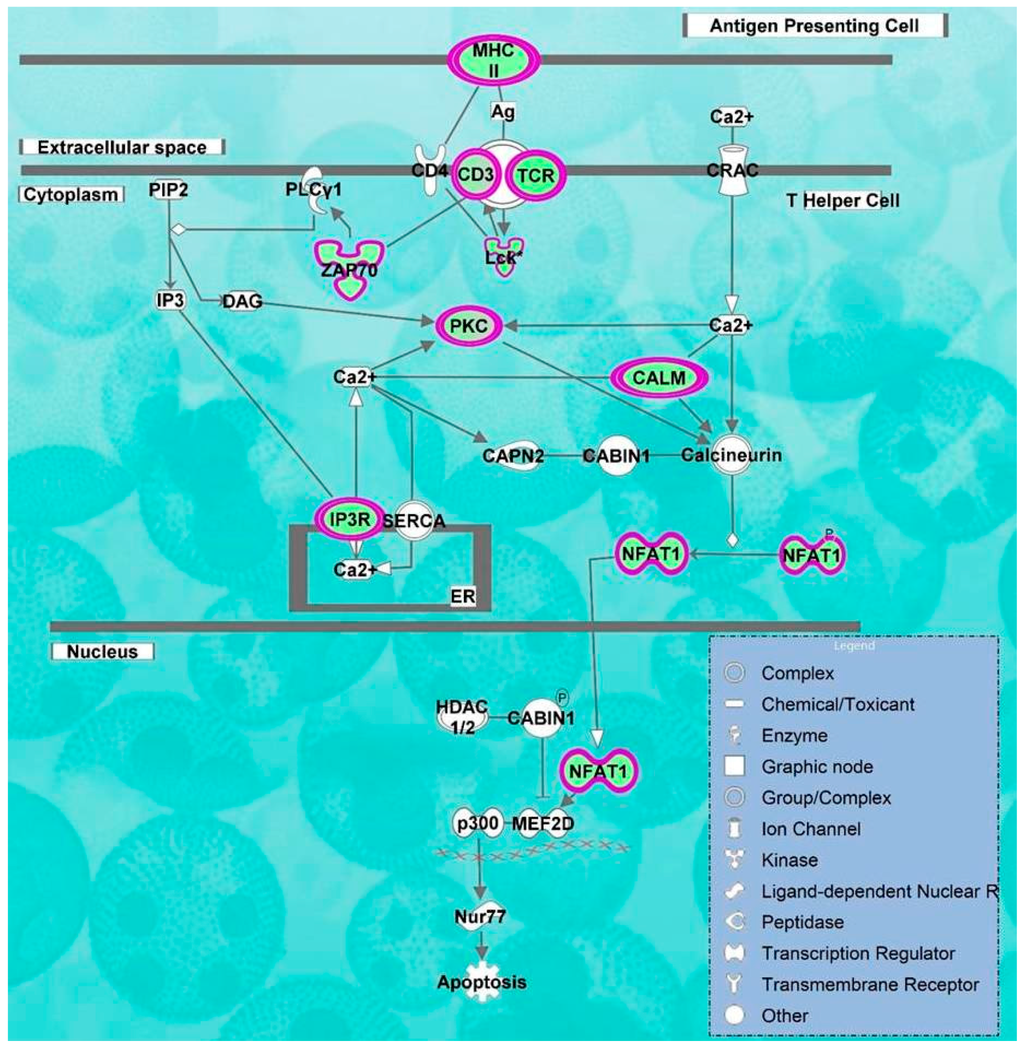
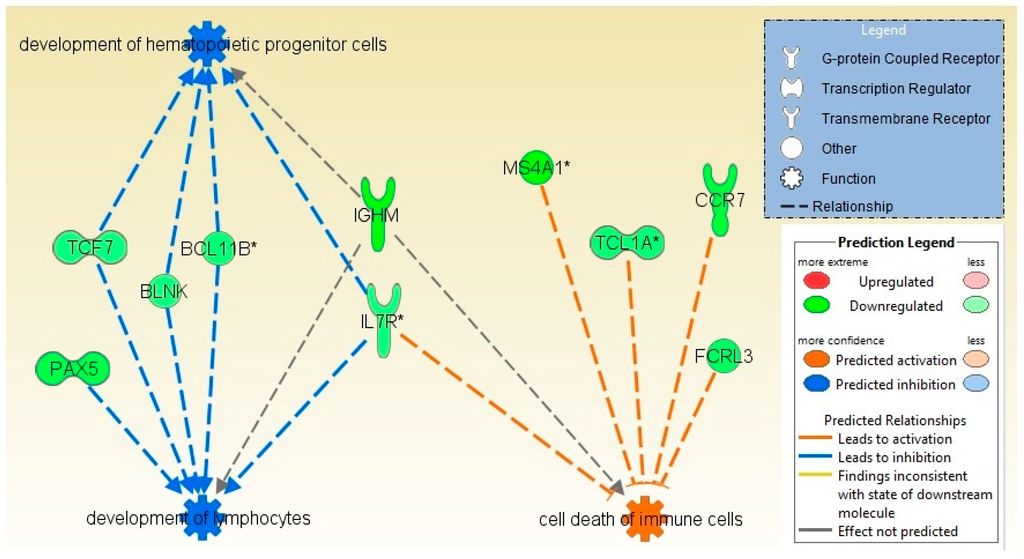
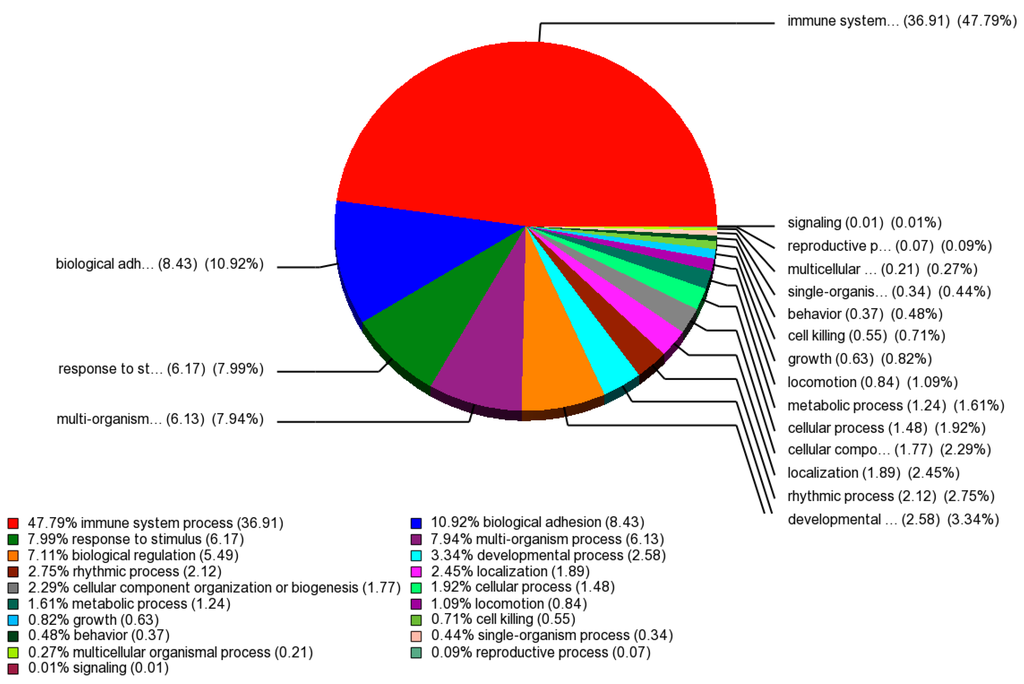
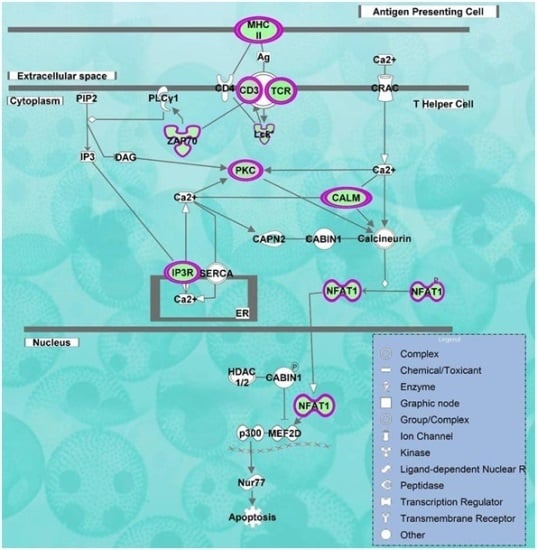
Toxicity induced by radiation therapy is a curse for cancer patients undergoing treatment. It is imperative to understand and define an ideal condition where the positive effects notably outweigh the negative. We used a microarray meta-analysis approach to measure global gene-expression before and after radiation exposure. Bioinformatic tools were used for pathways, network, gene ontology and toxicity related studies. We found 429 differentially expressed genes at fold change >2 and p-value <0.05. The most significantly upregulated genes were synuclein alpha (SNCA), carbonic anhydrase I (CA1), X-linked Kx blood group (XK), glycophorin A and B (GYPA and GYPB), and hemogen (HEMGN), while downregulated ones were membrane-spanning 4-domains, subfamily A member 1 (MS4A1), immunoglobulin heavy constant mu (IGHM), chemokine (C-C motif) receptor 7 (CCR7), BTB and CNC homology 1 transcription factor 2 (BACH2), and B-cell CLL/lymphoma 11B (BCL11B). Pathway analysis revealed calcium-induced T lymphocyte apoptosis and the role of nuclear factor of activated T-cells (NFAT) in regulation of the immune response as the most inhibited pathways, while apoptosis signaling was significantly activated. Most of the normal biofunctions were significantly decreased while cell death and survival process were activated. Gene ontology enrichment analysis revealed the immune system process as the most overrepresented group under the biological process category. Toxicity function analysis identified liver, kidney and heart to be the most affected organs during and after radiation therapy. The identified biomarkers and alterations in molecular pathways induced by radiation therapy should be further investigated to reduce the cytotoxicity and development of fatigue. Full article
(This article belongs to the Collection Radiation Toxicity in Cells)
Show Figures

Graphical abstract