14 pages, 3387 KB  
Article
Computational Simulations Highlight the IL2Rα Binding Potential of Polyphenol Stilbenes from Fenugreek
by Apoorva M. Kulkarni, Shraddha Parate, Gihwan Lee, Yongseong Kim, Tae Sung Jung, Keun Woo Lee and Min Woo Ha
Molecules 2022, 27(4), 1215; https://doi.org/10.3390/molecules27041215 - 11 Feb 2022
Cited by 6 | Viewed by 3083
Abstract
Widely used in global households, fenugreek is well known for its culinary and medicinal uses. The various reported medicinal properties of fenugreek are by virtue of the different natural phytochemicals present in it. Regarded as a promising target, interleukin 2 receptor subunit alpha [...] Read more.
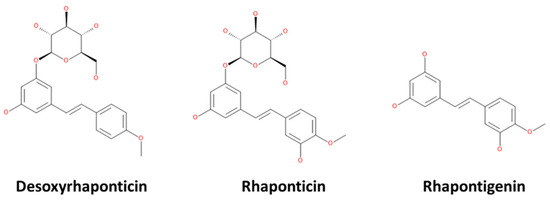
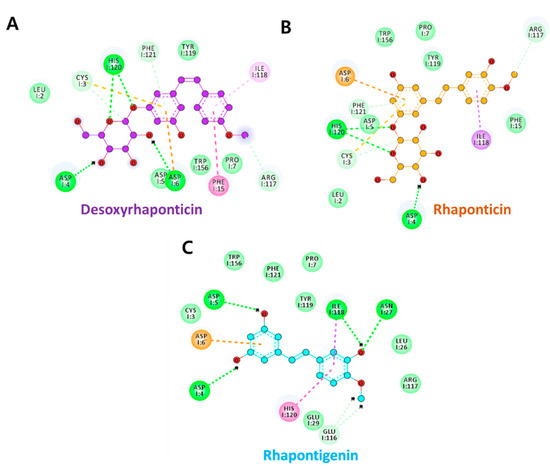
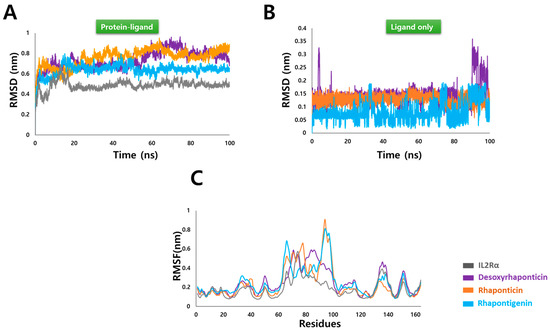
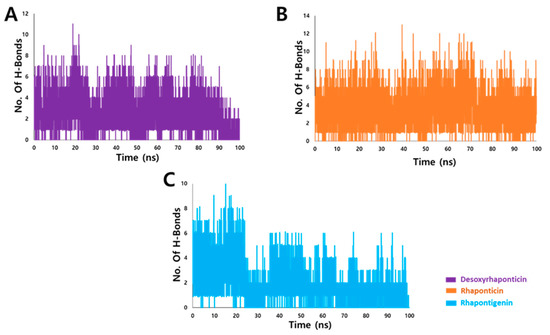
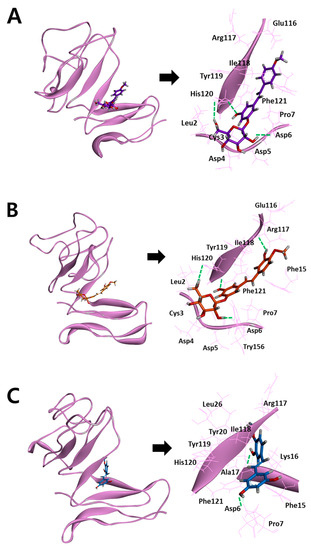
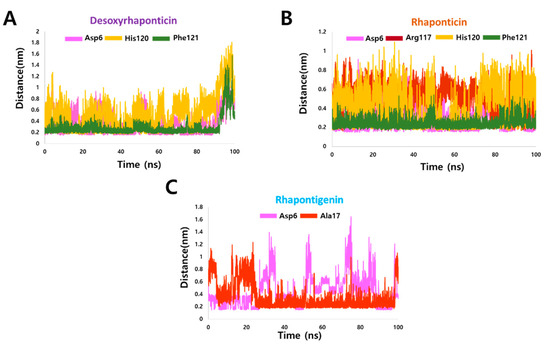
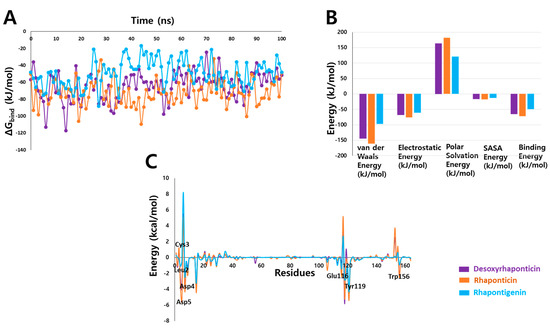
Widely used in global households, fenugreek is well known for its culinary and medicinal uses. The various reported medicinal properties of fenugreek are by virtue of the different natural phytochemicals present in it. Regarded as a promising target, interleukin 2 receptor subunit alpha (IL2Rα) has been shown to influence immune responses. In the present research, using in silico techniques, we have demonstrated the potential IL2Rα binding properties of three polyphenol stilbenes (desoxyrhaponticin, rhaponticin, rhapontigenin) from fenugreek. As the first step, molecular docking was performed to assess the binding potential of the fenugreek phytochemicals with IL2Rα. All three phytochemicals demonstrated interactions with active site residues. To confirm the reliability of our molecular docking results, 100 ns molecular dynamics simulations studies were undertaken. As discerned by the RMSD and RMSF analyses, IL2Rα in complex with the desoxyrhaponticin, rhaponticin, and rhapontigenin indicated stability. The RMSD analysis of the phytochemicals alone also demonstrated no significant structural changes. Based on the stable molecular interactions and comparatively slightly better MM/PBSA binding free energy, rhaponticin seems promising. Additionally, ADMET analysis performed for the stilbenes indicated that all of them obey the ADMET rules. Our computational study thus supports further in vitro IL2Rα binding studies on these stilbenes, especially rhaponticin. Full article
(This article belongs to the Special Issue Bioactivities and In Silico Study of Phytochemicals)
Show Figures

Figure 1
15 pages, 2895 KB  
Article
Cannabis sativa Extract Induces Apoptosis in Human Pancreatic 3D Cancer Models: Importance of Major Antioxidant Molecules Present Therein
by Fathi Emhemmed, Minjie Zhao, Selvi Yorulmaz, Damien Steyer, Celine Leitao, Marion Alignan, Muriel Cerny, Alexandra Paillard, Franck Milone Delacourt, Diane Julien-David and Christian D. Muller
Molecules 2022, 27(4), 1214; https://doi.org/10.3390/molecules27041214 - 11 Feb 2022
Cited by 11 | Viewed by 8228
Abstract
In recent years, interest in Cannabis sativa L. has been rising, as legislation is moving in the right direction. This plant has been known and used for thousands of years for its many active ingredients that lead to various therapeutic effects (pain management, [...] Read more.
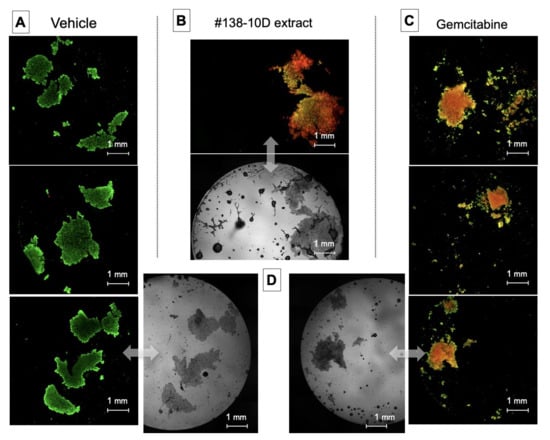
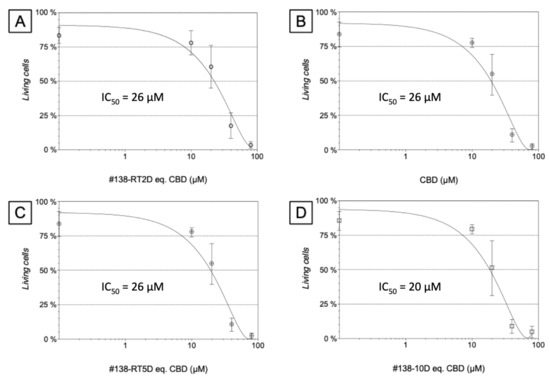
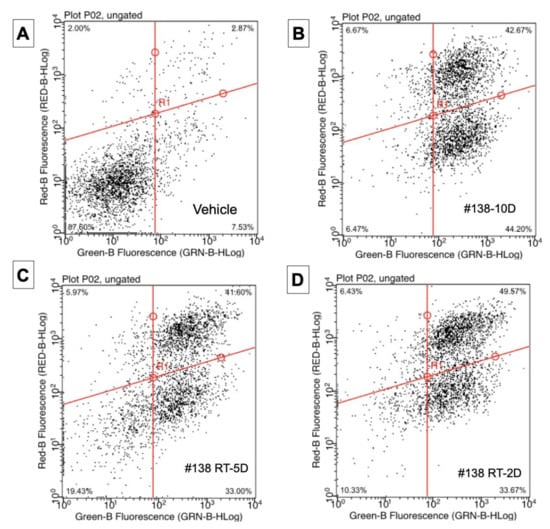
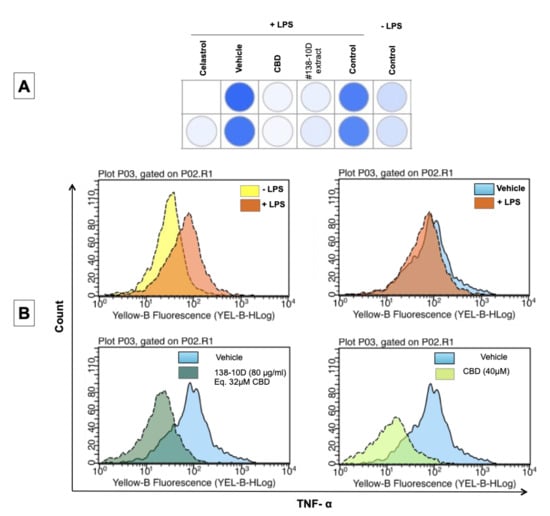
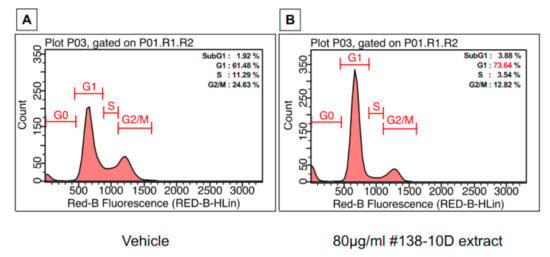
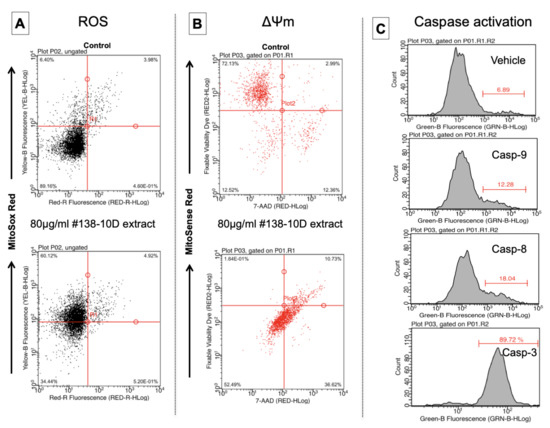
In recent years, interest in Cannabis sativa L. has been rising, as legislation is moving in the right direction. This plant has been known and used for thousands of years for its many active ingredients that lead to various therapeutic effects (pain management, anti-inflammatory, antioxidant, etc.). In this report, our objective was to optimize a method for the extraction of cannabinoids from a clone of Cannabis sativa L. #138 resulting from an agronomic test (LaFleur, Angers, FR). Thus, we wished to identify compounds with anticancer activity on human pancreatic tumor cell lines. Three static maceration procedures, with different extraction parameters, were compared based on their median inhibitory concentration (IC50) values and cannabinoid extraction yield. As CBD emerged as the molecule responsible for inducing apoptosis in the human pancreatic cancer cell line, a CBD-rich cannabis strain remains attractive for therapeutic applications. Additionally, while gemcitabine, a gold standard drug in the treatment of pancreatic cancer, only triggers cell cycle arrest in G0/G1, CBD also activates the cell signaling cascade to lead to programmed cell death. Our results emphasize the potential of natural products issued from medicinal hemp for pancreatic cancer therapy, as they lead to an accumulation of intracellular superoxide ions, affect the mitochondrial membrane potential, induce G1 cell cycle arrest, and ultimately drive the pancreatic cancer cell to lethal apoptosis. Full article
(This article belongs to the Special Issue Antioxidants from Natural Sources: Separation and Characterization)
Show Figures

Figure 1
14 pages, 2990 KB  
Article
Synthesis and Characterization of [Fe(Htrz)2(trz)](BF4)] Nanocubes
by Alexis A. Blanco, Daniel J. Adams, Jason D. Azoulay, Leonard Spinu and John B. Wiley
Molecules 2022, 27(4), 1213; https://doi.org/10.3390/molecules27041213 - 11 Feb 2022
Cited by 8 | Viewed by 3551 | Correction
Abstract
Compounds that exhibit spin-crossover (SCO) type behavior have been extensively investigated due to their ability to act as molecular switches. Depending on the coordinating ligand, in this case 1H-1,2,4-triazole, and the crystallite size of the SCO compound produced, the energy requirement for [...] Read more.
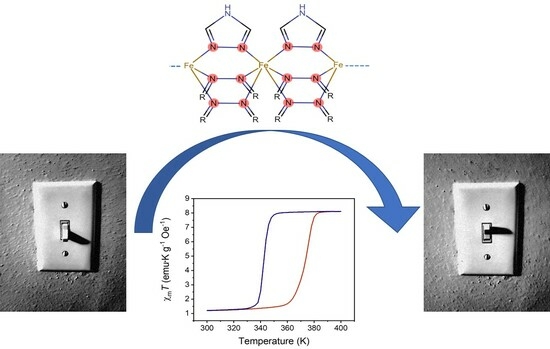
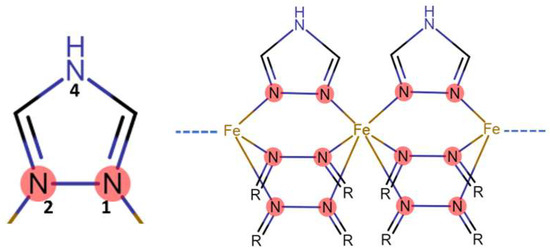
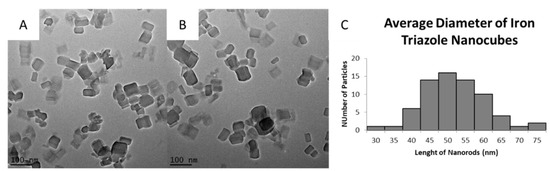
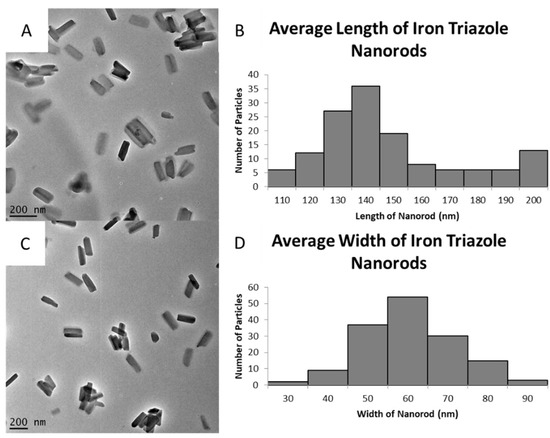
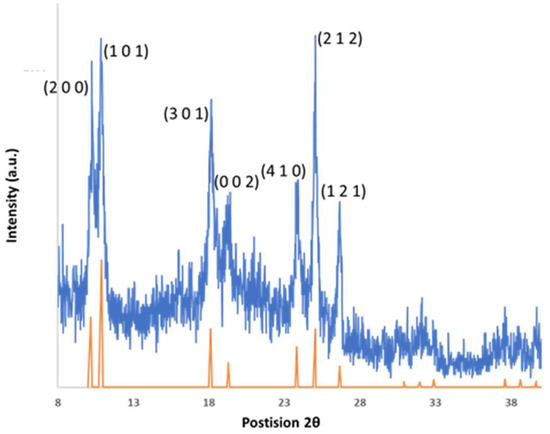
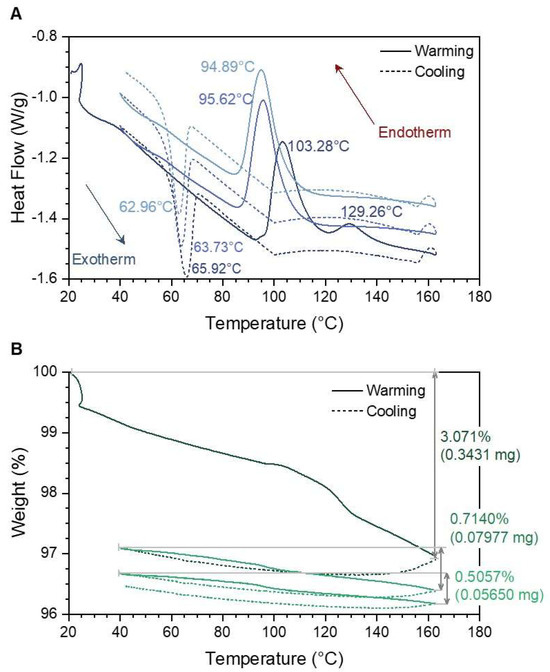
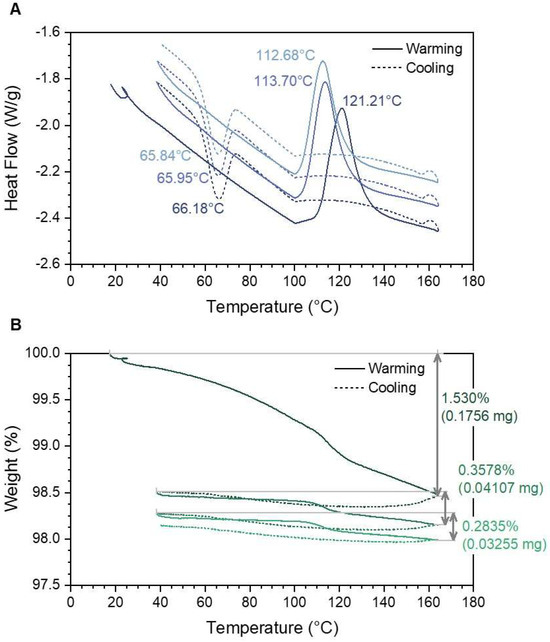
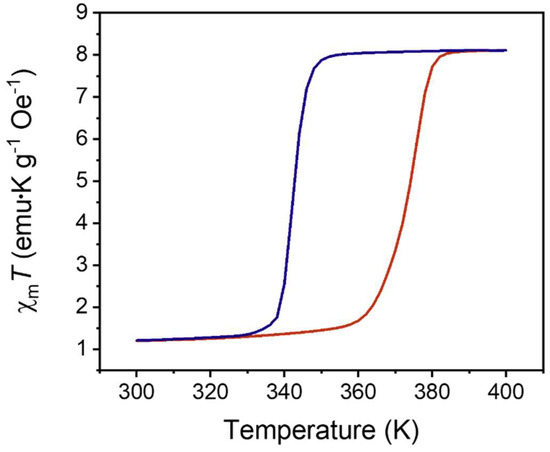
Compounds that exhibit spin-crossover (SCO) type behavior have been extensively investigated due to their ability to act as molecular switches. Depending on the coordinating ligand, in this case 1H-1,2,4-triazole, and the crystallite size of the SCO compound produced, the energy requirement for the spin state transition can vary. Here, SCO [Fe(Htrz)2(trz)](BF4)] nanoparticles were synthesized using modified reverse micelle methods. Reaction conditions and reagent ratios are strictly controlled to produce nanocubes of 40–50 nm in size. Decreases in energy requirements are seen in both thermal and magnetic transitions for the smaller sized crystallites, where, compared to bulk materials, a decrease of as much as 20 °C can be seen in low to high spin state transitions. Full article
Show Figures

Graphical abstract

12 pages, 1281 KB  
Article
Glucose/Ribitol Dehydrogenase and 16.9 kDa Class I Heat Shock Protein 1 as Novel Wheat Allergens in Baker’s Respiratory Allergy
by Mario Olivieri, Gianluca Spiteri, Jessica Brandi, Daniela Cecconi, Marina Fusi, Giovanna Zanoni and Corrado Rizzi
Molecules 2022, 27(4), 1212; https://doi.org/10.3390/molecules27041212 - 11 Feb 2022
Cited by 10 | Viewed by 2909
Abstract
Wheat allergens are responsible for symptoms in 60–70% of bakers with work-related allergy, and knowledge, at the molecular level, of this disorder is progressively accumulating. The aim of the present study is to investigate the panel of wheat IgE positivity in allergic Italian [...] Read more.
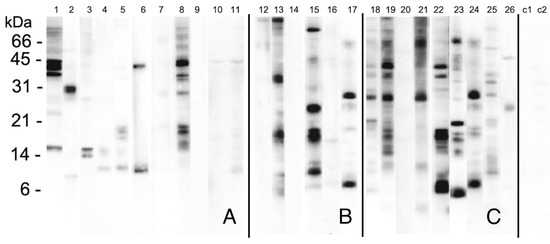
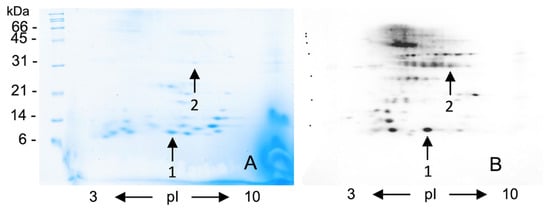
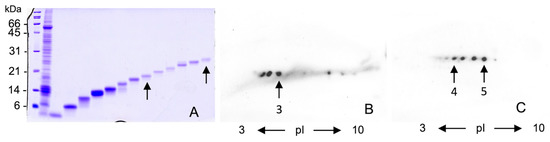
Wheat allergens are responsible for symptoms in 60–70% of bakers with work-related allergy, and knowledge, at the molecular level, of this disorder is progressively accumulating. The aim of the present study is to investigate the panel of wheat IgE positivity in allergic Italian bakers, evaluating a possible contribution of novel wheat allergens included in the water/salt soluble fraction. The water/salt-soluble wheat flour proteins from the Italian wheat cultivar Bolero were separated by using 1-DE and 2-DE gel electrophoresis. IgE-binding proteins were detected using the pooled sera of 26 wheat allergic bakers by immunoblotting and directly recognized in Coomassie stained gel. After a preparative electrophoretic step, two enriched fractions were furtherly separated in 2-DE allowing for detection, by Coomassie, of three different proteins in the range of 21–27 kDa that were recognized by the pooled baker’s IgE. Recovered spots were analyzed by nanoHPLC Chip tandem mass spectrometry (MS/MS). The immunodetected spots in 2D were subjected to mass spectrometry (MS) analysis identifying two new allergenic proteins: a glucose/ribitol dehydrogenase and a 16.9 kDa class I heat shock protein 1. Mass spectrometer testing of flour proteins of the wheat cultivars utilized by allergic bakers improves the identification of until now unknown occupational wheat allergens. Full article
(This article belongs to the Topic Proteomics and Metabolomics in Biomedicine)
Show Figures

Figure 1
16 pages, 4071 KB  
Article
Anti-Tumor Active Isopropylated Fused Azaisocytosine-Containing Congeners Are Safe for Developing Danio rerio as Well as Red Blood Cells and Activate Apoptotic Caspases in Human Breast Carcinoma Cells
by Małgorzata Sztanke, Jolanta Rzymowska and Krzysztof Sztanke
Molecules 2022, 27(4), 1211; https://doi.org/10.3390/molecules27041211 - 11 Feb 2022
Cited by 4 | Viewed by 2123
Abstract
New isopropylated fused azaisocytosine-containing congeners (I–VI) have previously been reported as promising anticancer drug candidates, so further research on these molecules in the preclinical development phase is fully justified and necessary. For this reason, in the present paper, we assess the [...] Read more.
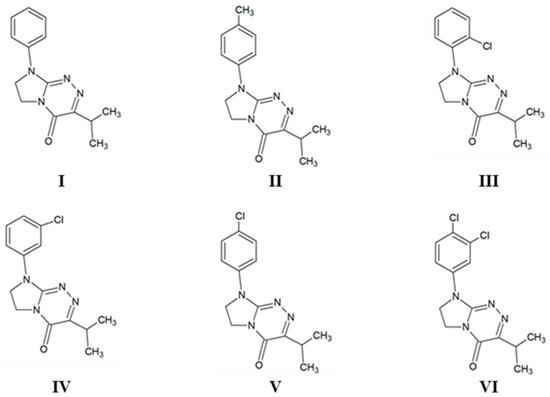
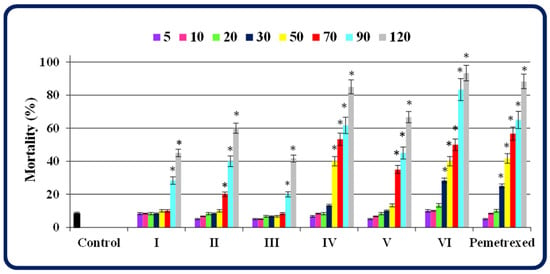
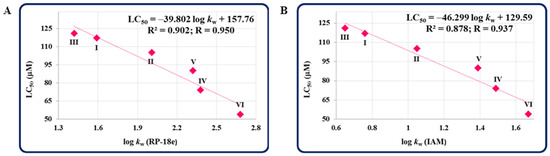
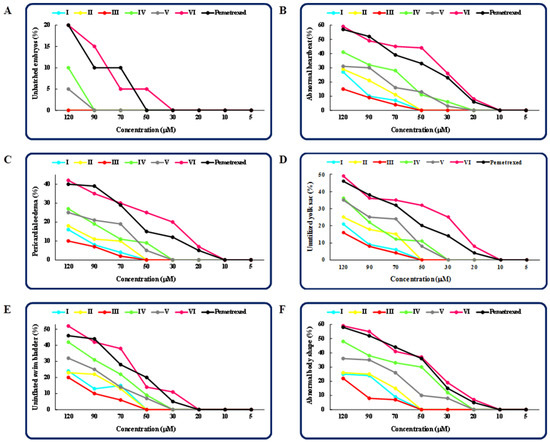
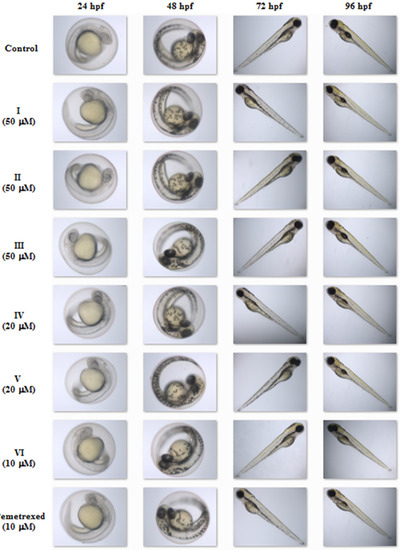
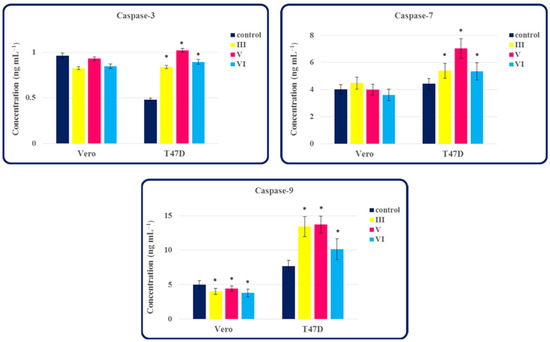
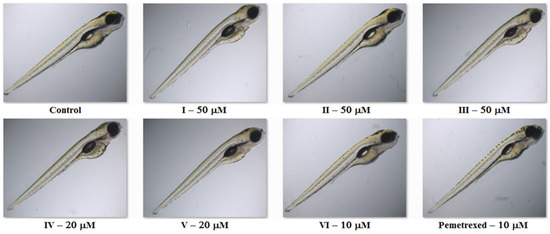
New isopropylated fused azaisocytosine-containing congeners (I–VI) have previously been reported as promising anticancer drug candidates, so further research on these molecules in the preclinical development phase is fully justified and necessary. For this reason, in the present paper, we assess the toxicity/safety profiles of all the compounds using Danio rerio and red blood cell models, and examine the effect of the most selective congeners on the activation of apoptotic caspases in cancer and normal cells. In order to evaluate the effect of each molecule on the development of zebrafish embryos/larvae and to select the safest compounds for further study, various phenotypic parameters (i.e., mortality, hatchability, heart rate, heart oedema, yolk sac utilization, swim bladder development and body shape) were observed, and the half maximal lethal concentration, the maximal non-lethal concentration and no observed adverse effect concentration for each compound were established. The effect of all the isopropylated molecules was compared to that of an anticancer agent pemetrexed. The lipophilicity-dependent structure–toxicity correlations were also determined. To establish the possible interaction of the compounds with red blood cells, an ex vivo hemolysis test was performed. It was shown that almost all of the investigated isopropylated congeners have no adverse phenotypic effect on zebrafish development during five-day exposure at concentrations up to 50 μM (IIII) or up to 20 μM (IVV), and that they are less toxic for embryos/larvae than pemetrexed, demonstrating their safety. At the same time, all the molecules did not adversely affect the red blood cells, which confirms their very good hemocompatibility. Moreover, they proved to be activators of apoptotic caspases, as they increased caspase-3, -7 and -9 levels in human breast carcinoma cells. The conducted research allows us to select—from among the anticancer active drug candidates—compounds that are safe for developing zebrafish and red blood cells, suitable for further in vivo pharmacological tests. Full article
(This article belongs to the Special Issue Novel Anti-cancer Lead Compounds)
Show Figures

Figure 1
12 pages, 1204 KB  
Review
Amyloidosis in Alzheimer’s Disease: Pathogeny, Etiology, and Related Therapeutic Directions
by Chen Ma, Fenfang Hong and Shulong Yang
Molecules 2022, 27(4), 1210; https://doi.org/10.3390/molecules27041210 - 11 Feb 2022
Cited by 169 | Viewed by 19517
Abstract
The amyloid hypothesis of Alzheimer’s disease has long been the predominant theory, suggesting that Alzheimer’s disease is caused by the accumulation of amyloid beta protein (Aβ) in the brain, leading to neuronal toxicity in the central nervous system (CNS). Because of breakthroughs in [...] Read more.
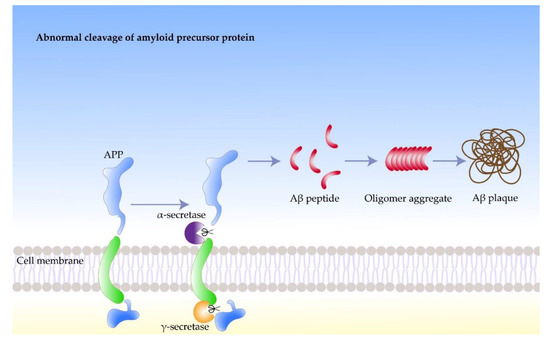
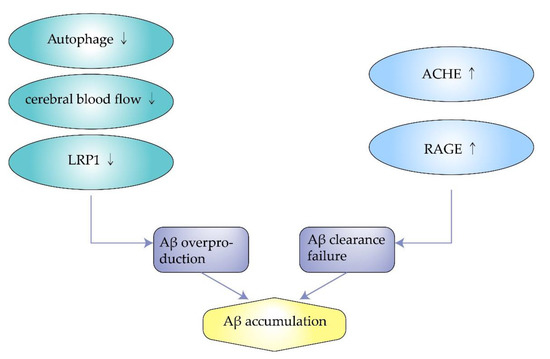
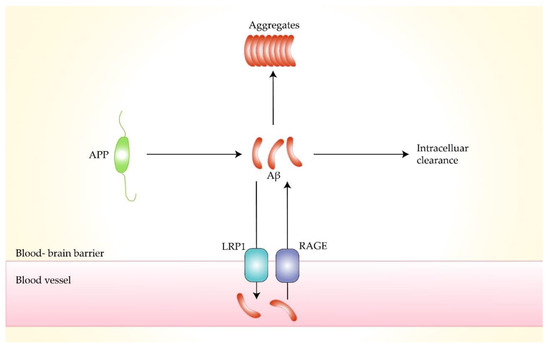
The amyloid hypothesis of Alzheimer’s disease has long been the predominant theory, suggesting that Alzheimer’s disease is caused by the accumulation of amyloid beta protein (Aβ) in the brain, leading to neuronal toxicity in the central nervous system (CNS). Because of breakthroughs in molecular medicine, the amyloid pathway is thought to be central to the pathophysiology of Alzheimer’s disease (AD). Currently, it is believed that altered biochemistry of the Aβ cycle remains a central biological feature of AD and is a promising target for treatment. This review provides an overview of the process of amyloid formation, explaining the transition from amyloid precursor protein to amyloid beta protein. Moreover, we also reveal the relationship between autophagy, cerebral blood flow, ACHE, expression of LRP1, and amyloidosis. In addition, we discuss the detailed pathogenesis of amyloidosis, including oxidative damage, tau protein, NFTs, and neuronal damage. Finally, we list some ways to treat AD in terms of decreasing the accumulation of Aβ in the brain. Full article
(This article belongs to the Special Issue Recent Advances in Understanding and Treating Amyloidosis)
Show Figures

Figure 1
19 pages, 3751 KB  
Article
A Novel Small Molecular Prostaglandin Receptor EP4 Antagonist, L001, Suppresses Pancreatic Cancer Metastasis
by Jiacheng He, Xianhua Lin, Fanhui Meng, Yumiao Zhao, Wei Wang, Yao Zhang, Xiaolei Chai, Ying Zhang, Weiwei Yu, Junjie Yang, Guichao Li, Xuekui Du, Hankun Zhang, Mingyao Liu and Weiqiang Lu
Molecules 2022, 27(4), 1209; https://doi.org/10.3390/molecules27041209 - 11 Feb 2022
Cited by 14 | Viewed by 4765
Abstract
Metastatic pancreatic cancer remains a major clinical challenge, emphasizing the urgent need for the exploitation of novel therapeutic approaches with superior response. In this study, we demonstrate that the aberrant activation of prostaglandin E2 (PGE2) receptor 4 (EP4) is a [...] Read more.
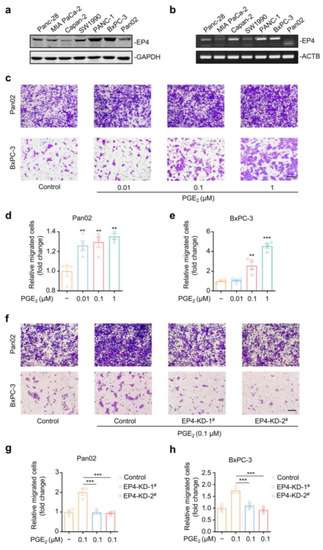
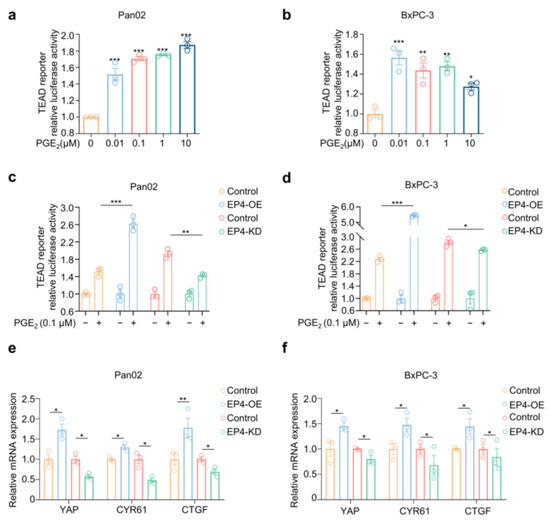
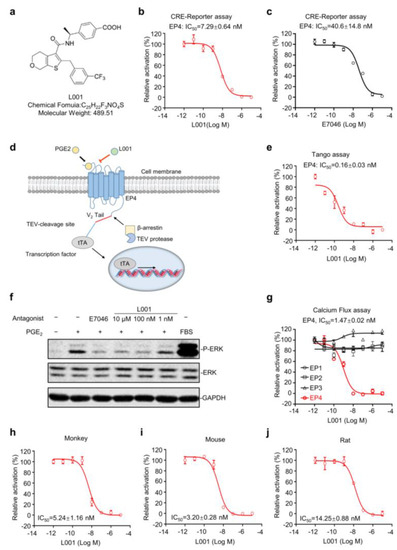
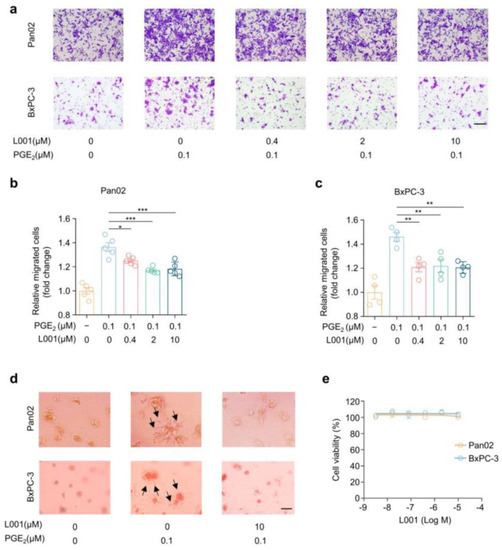
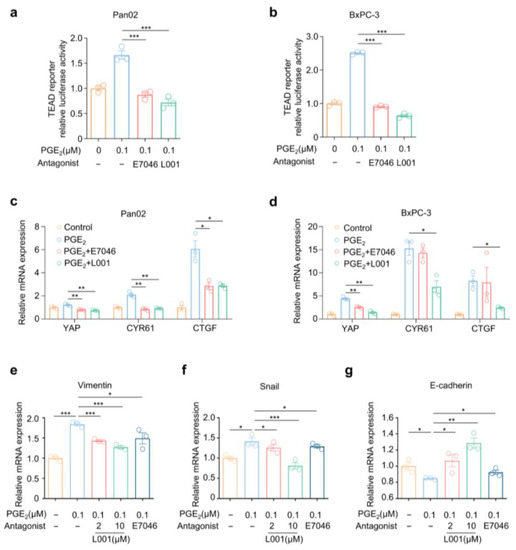
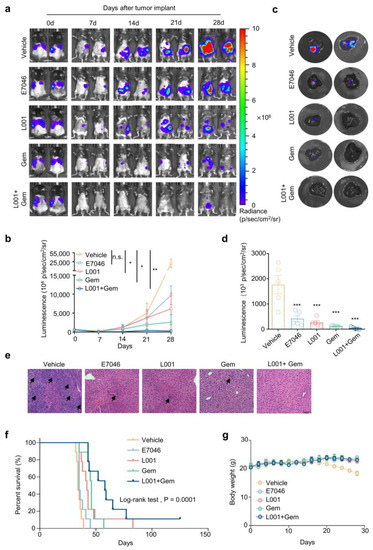
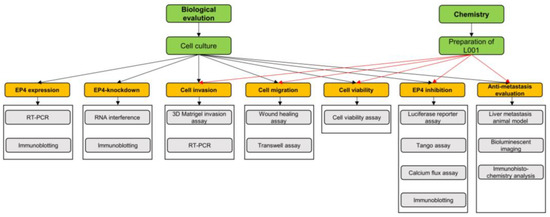
Metastatic pancreatic cancer remains a major clinical challenge, emphasizing the urgent need for the exploitation of novel therapeutic approaches with superior response. In this study, we demonstrate that the aberrant activation of prostaglandin E2 (PGE2) receptor 4 (EP4) is a pro-metastatic signal in pancreatic cancer. To explore the therapeutic role of EP4 signaling, we developed a potent and selective EP4 antagonist L001 with single-nanomolar activity using a panel of cell functional assays. EP4 antagonism by L001 effectively repressed PGE2-elicited cell migration and the invasion of pancreatic cancer cells in a dose-dependent manner. Importantly, L001 alone or combined with the chemotherapy drug gemcitabine exhibited remarkably anti-metastasis activity in a pancreatic cancer hepatic metastasis model with excellent tolerability and safety. Mechanistically, EP4 blockade by L001 abrogated Yes-associated protein 1 (YAP)-driven pro-metastatic factor expression in pancreatic cancer cells. The suppression of YAP’s activity was also observed upon L001 treatment in vivo. Together, these findings support the notions that EP4–YAP signaling axis is a vital pro-metastatic pathway in pancreatic cancer and that EP4 inhibition with L001 may deliver a therapeutic benefit for patients with metastatic pancreatic cancer. Full article
Show Figures

Figure 1
13 pages, 2535 KB  
Article
The Carboxyl Functionalized UiO-66-(COOH)2 for Selective Adsorption of Sr2+
by Yuan Gao, Yinhai Pan, Zihan Zhou, Quanzhi Tian and Rongli Jiang
Molecules 2022, 27(4), 1208; https://doi.org/10.3390/molecules27041208 - 11 Feb 2022
Cited by 17 | Viewed by 5073
Abstract
Efficient and selective removal of 90Sr is an important process for the safe use of nuclear energy. Herein, we investigate and assess the Sr2+ adsorption properties of a metal-organic framework UiO-66-(COOH)2 functionalized by non-bonded carboxylic groups. This MOF is an [...] Read more.
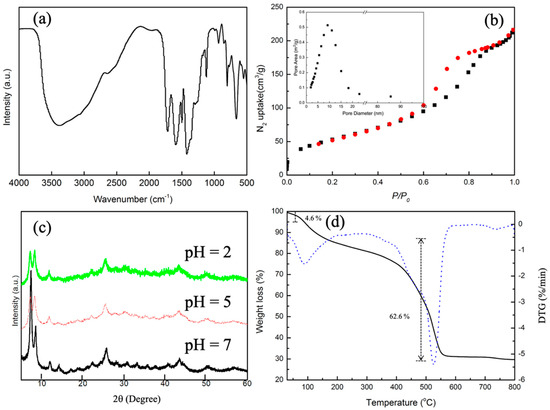
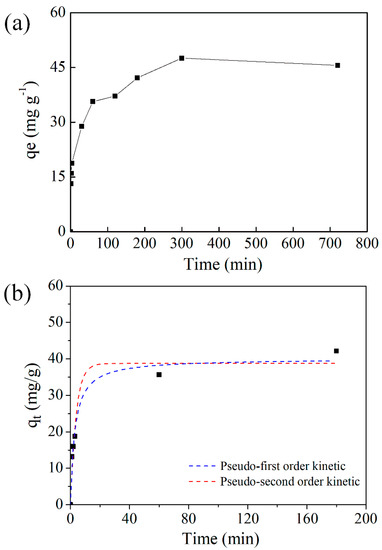
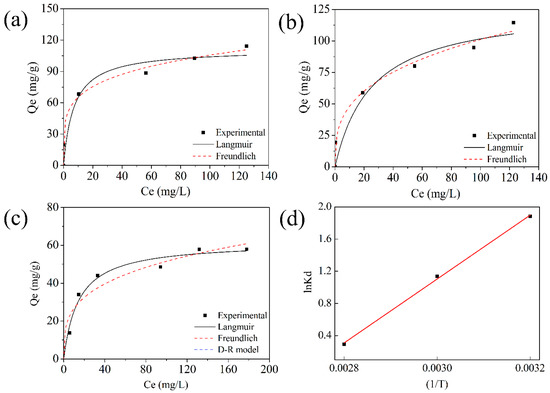
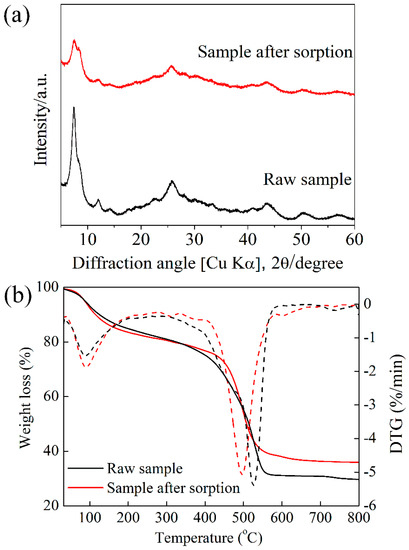
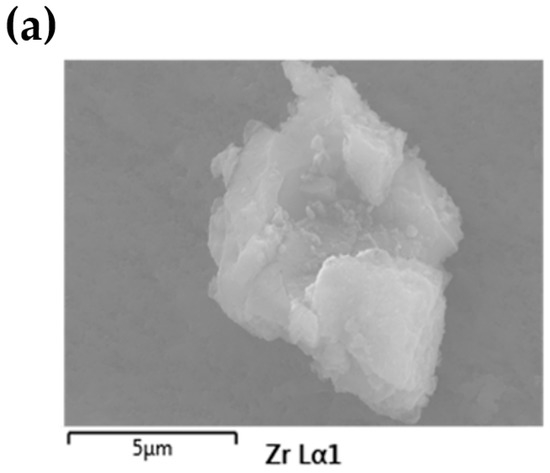
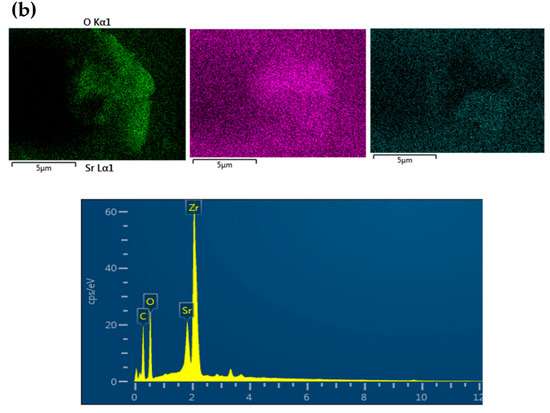
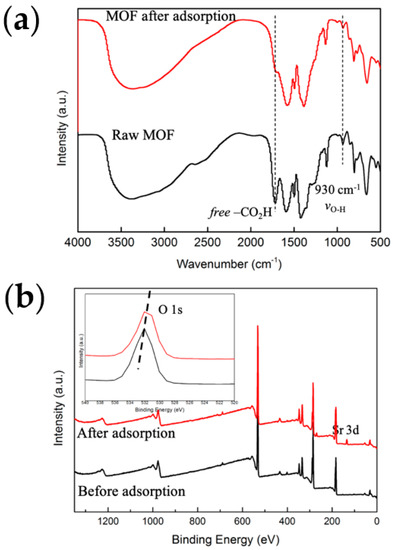
Efficient and selective removal of 90Sr is an important process for the safe use of nuclear energy. Herein, we investigate and assess the Sr2+ adsorption properties of a metal-organic framework UiO-66-(COOH)2 functionalized by non-bonded carboxylic groups. This MOF is an exciting class of free carboxylic functionalized MOFs that combine chemical stability with gas sorption, dye elimination, and conductivity. Specifically, we show that uniformly distributed carboxyl and water stability make it accessible for loading Sr2+ without structural changes. The FTIR spectroscopy, PXRD analysis, XPS, and SEM-EDS studies show excellent stability as well as the strong affinity between -COOH active site and Sr2+. This strong coordination interaction guarantees a high adsorption capacity of 114 mg g−1 within 5 h (pH 5 and 298 K). Combined kinetic and thermodynamic studies show that the surface complexation is strong chemisorption and cost-effective spontaneous process (ΔG = −5.49 kJ mol−1~−2.16 kJ mol−1). The fact that UiO-66-(COOH)2 not only possesses a high adsorption capacity, but also enables selectivity to Sr2+ in the presence of similar radius ions Na+ and K+, prefigures its great potential for the practical treatment of radioactive Sr2+ in polluted water. Full article
(This article belongs to the Special Issue Barrier and Functional Materials from Waste Materials for Pollutants)
Show Figures

Figure 1
20 pages, 1177 KB  
Review
The Current State of Knowledge on Salvia hispanica and Salviae hispanicae semen (Chia Seeds)
by Sara Motyka, Katarzyna Koc, Halina Ekiert, Eliza Blicharska, Katarzyna Czarnek and Agnieszka Szopa
Molecules 2022, 27(4), 1207; https://doi.org/10.3390/molecules27041207 - 11 Feb 2022
Cited by 46 | Viewed by 19089
Abstract
Chia seeds (Salviae hispanicae semen) are obtained from Salvia hispanica L. This raw material is distinguished by its rich chemical composition and valuable nutritional properties. It is currently referred to as “health food”. The purpose of the present work was to [...] Read more.
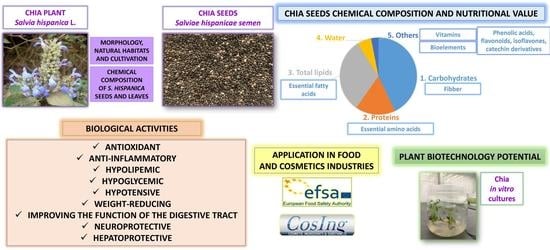
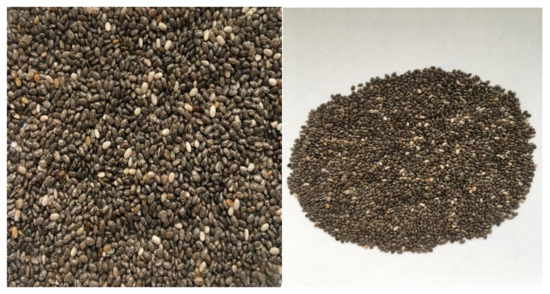
Chia seeds (Salviae hispanicae semen) are obtained from Salvia hispanica L. This raw material is distinguished by its rich chemical composition and valuable nutritional properties. It is currently referred to as “health food”. The purpose of the present work was to perform a literature review on S. hispanica and chia seeds, focusing on their chemical composition, biological properties, dietary importance, and medicinal uses. The valuable biological properties of chia seeds are related to their rich chemical composition, with particularly high content of polyunsaturated fatty acids, essential amino acids, polyphenols, as well as vitamins and bioelements. The available scientific literature indicates the cardioprotective, hypotensive, antidiabetic, and antiatherosclerotic effects of this raw material. In addition, studies based on in vitro assays and animal and human models have proven that chia seeds are characterized by neuroprotective, hepatoprotective, anti-inflammatory, and antioxidant properties. These properties indicate a valuable role of chia in the prevention of civilization diseases. Chia seeds are increasingly popular in functional food and cosmetic and pharmaceutical industries. That is attributed not only to their desirable chemical composition and biological activity but also to their high availability. Nevertheless, S. hispanica is also the object of specific biotechnological studies aimed at elaboration of micropropagation protocols of this plant species. Full article
(This article belongs to the Special Issue Biological Activities of Natural Products II)
Show Figures

Graphical abstract

12 pages, 2192 KB  
Article
Piceatannol Protects Brain Endothelial Cell Line (bEnd.3) against Lipopolysaccharide-Induced Inflammation and Oxidative Stress
by Yan Zhou, Haroon Khan, Maggie Pui Man Hoi and Wai San Cheang
Molecules 2022, 27(4), 1206; https://doi.org/10.3390/molecules27041206 - 11 Feb 2022
Cited by 20 | Viewed by 4909
Abstract
Dysfunction of the blood–brain barrier (BBB) is involved in the pathogenesis of many cerebral diseases. Oxidative stress and inflammation are contributing factors for BBB injury. Piceatannol, a natural ingredient found in various plants, such as grapes, white tea, and passion fruit, plays an [...] Read more.
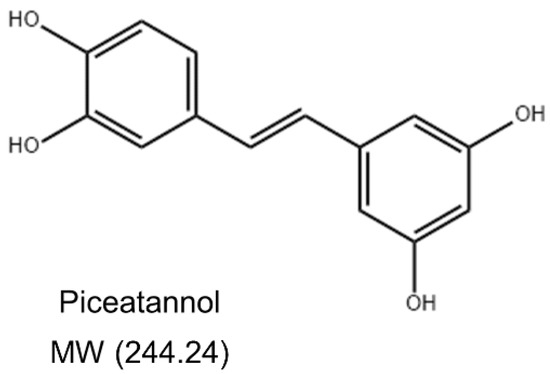
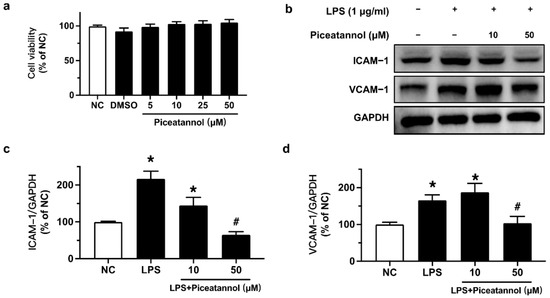
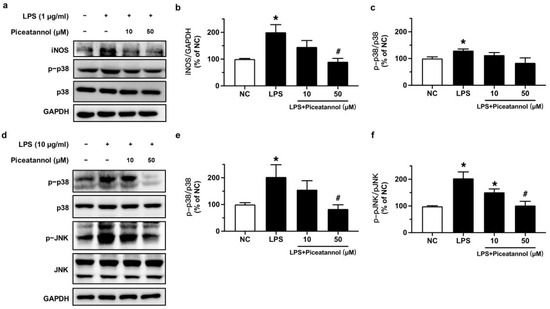
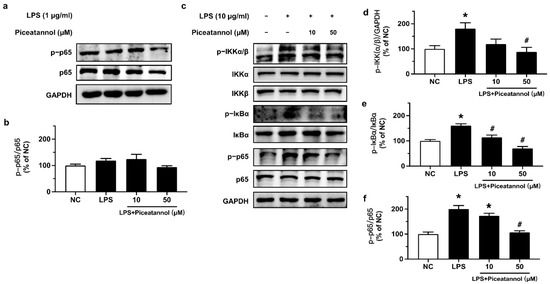
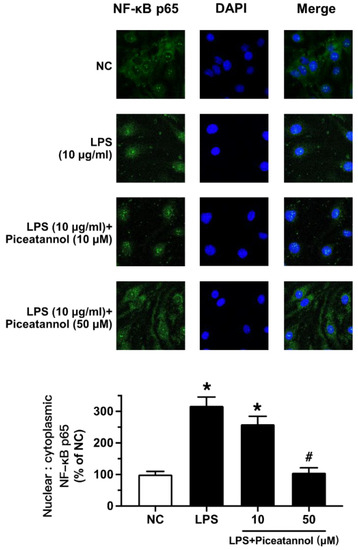
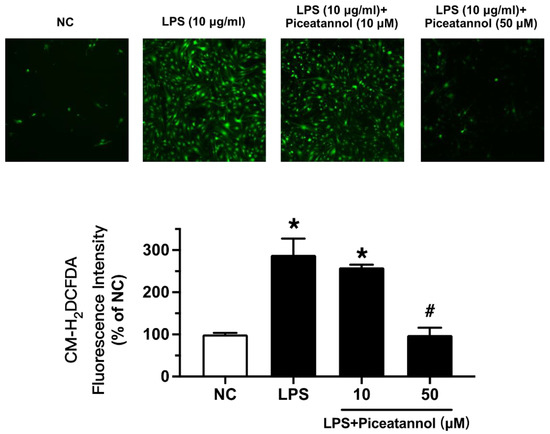
Dysfunction of the blood–brain barrier (BBB) is involved in the pathogenesis of many cerebral diseases. Oxidative stress and inflammation are contributing factors for BBB injury. Piceatannol, a natural ingredient found in various plants, such as grapes, white tea, and passion fruit, plays an important role in antioxidant and anti-inflammatory responses. In this study, we examined the protective effects of piceatannol on lipopolysaccharide (LPS) insult in mouse brain endothelial cell line (bEnd.3) cells and the underlying mechanisms. The results showed that piceatannol mitigated the upregulated expression of adhesion molecules (ICAM-1 and VCAM-1) and iNOS in LPS-treated bEnd.3 cells. Moreover, piceatannol prevented the generation of reactive oxygen species in bEnd.3 cells stimulated with LPS. Mechanism investigations suggested that piceatannol inhibited NF-κB and MAPK activation. Taken together, these observations suggest that piceatannol reduces inflammation and oxidative stress through inactivating the NF-κB and MAPK signaling pathways on cerebral endothelial cells in vitro. Full article
Show Figures

Figure 1
33 pages, 2113 KB  
Review
Microalgae Biomass as a New Potential Source of Sustainable Green Lubricants
by Leonardo I. Farfan-Cabrera, Mariana Franco-Morgado, Armando González-Sánchez, José Pérez-González and Benjamín M. Marín-Santibáñez
Molecules 2022, 27(4), 1205; https://doi.org/10.3390/molecules27041205 - 11 Feb 2022
Cited by 39 | Viewed by 6158
Abstract
Lubricants are materials able to reduce friction and/or wear of any type of moving surfaces facilitating smooth operations, maintaining reliable machine functions, and reducing risks of failures while contributing to energy savings. At present, most worldwide used lubricants are derived from crude oil. [...] Read more.
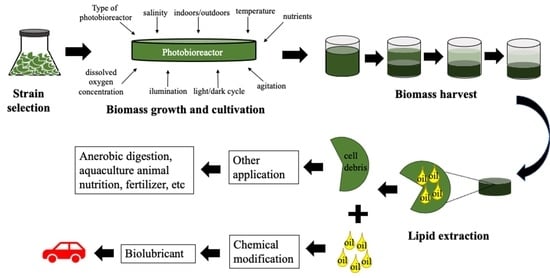
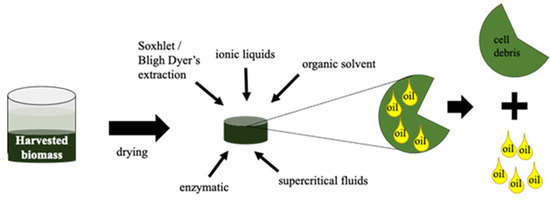
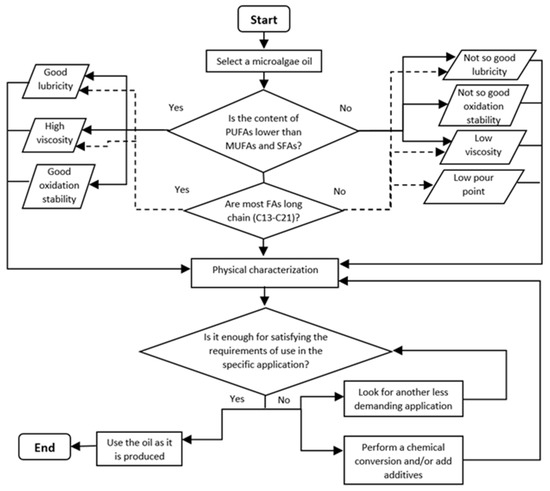
Lubricants are materials able to reduce friction and/or wear of any type of moving surfaces facilitating smooth operations, maintaining reliable machine functions, and reducing risks of failures while contributing to energy savings. At present, most worldwide used lubricants are derived from crude oil. However, production, usage and disposal of these lubricants have significant impact on environment and health. Hence, there is a growing pressure to reduce demand of this sort of lubricants, which has fostered development and use of green lubricants, as vegetable oil-based lubricants (biolubricants). Despite the ecological benefits of producing/using biolubricants, availability of the required raw materials and agricultural land to create a reliable chain supply is still far from being established. Recently, biomass from some microalgae species has attracted attention due to their capacity to produce high-value lipids/oils for potential lubricants production. Thus, this multidisciplinary work reviews the main chemical-physical characteristics of lubricants and the main attempts and progress on microalgae biomass production for developing oils with pertinent lubricating properties. In addition, potential microalgae strains and chemical modifications to their oils to produce lubricants for different industrial applications are identified. Finally, a guide for microalgae oil selection based on its chemical composition for specific lubricant applications is provided. Full article
(This article belongs to the Special Issue Exclusive Review Papers in Green Chemistry)
Show Figures

Graphical abstract

20 pages, 3751 KB  
Review
Overview of the Biological Activity of Anthraquinons and Flavanoids of the Plant Rumex Species
by Dmitriy Berillo, Marzhan Kozhahmetova and Lina Lebedeva
Molecules 2022, 27(4), 1204; https://doi.org/10.3390/molecules27041204 - 10 Feb 2022
Cited by 34 | Viewed by 6424
Abstract
Rumex confertus belongs to the genus Rumex and is classified as an invasive parasitic plant in agriculture. Despite other Rumex species being widely used in herbal medicine due to their antimicrobial, antioxidant, antitumor, and anti-inflammatory effects, there are almost no information about the [...] Read more.
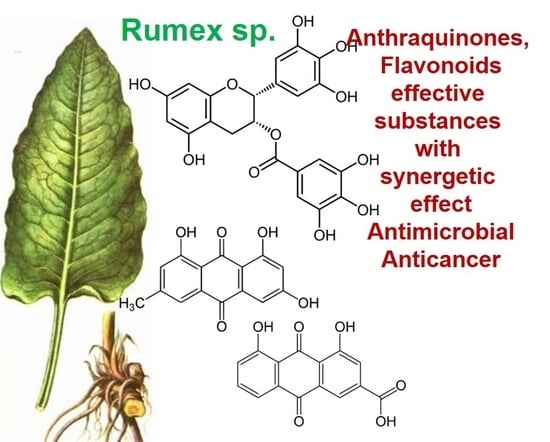
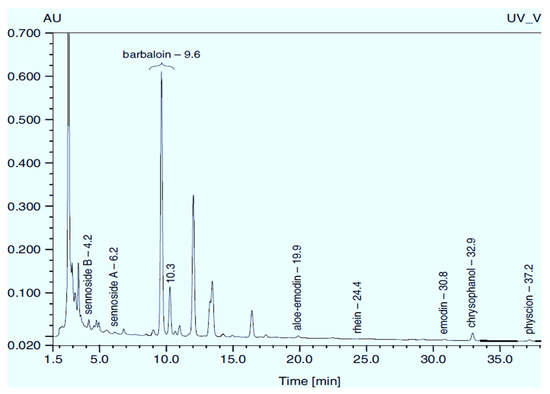
Rumex confertus belongs to the genus Rumex and is classified as an invasive parasitic plant in agriculture. Despite other Rumex species being widely used in herbal medicine due to their antimicrobial, antioxidant, antitumor, and anti-inflammatory effects, there are almost no information about the potential of Rumex confertus for the treatment of various diseases. In this review we analyzed scientific articles revealing properties of Rumex plant’s substances against cancer, diabetes, pathogenic bacterial invasions, viruses, inflammation, and oxidative stress for the past 20 years. Compounds dominating in each composition of solvents for extraction were discussed, and common thin layer chromatography(TLC) and high performance liquid chromatography(HPLC) methods for efficient separation of the plant’s extract are included. Physico-chemical properties such as solubility, hydrophobicity (Log P), pKa of flavonoids, anthraquinones, and other derivatives are very important for modeling of pharmacokinetic and pharmacodynamics. An overview of clinical studies for abounded selected substances of Rumex species is presented. Full article
(This article belongs to the Special Issue Biological Activities of Natural Products II)
Show Figures

Graphical abstract

18 pages, 653 KB  
Article
Photoionization Observables from Multi-Reference Dyson Orbitals Coupled to B-Spline DFT and TD-DFT Continuum
by Bruno Nunes Cabral Tenorio, Aurora Ponzi, Sonia Coriani and Piero Decleva
Molecules 2022, 27(4), 1203; https://doi.org/10.3390/molecules27041203 - 10 Feb 2022
Cited by 16 | Viewed by 3257
Abstract
We present a theoretical model to compute the accurate photoionization dynamical parameters (cross-sections, asymmetry parameters and orbital, or cross-section, ratios) from Dyson orbitals obtained with the multi-state complete active space perturbation theory to the second order (MS-CASPT2) method. Our new implementation of Dyson [...] Read more.
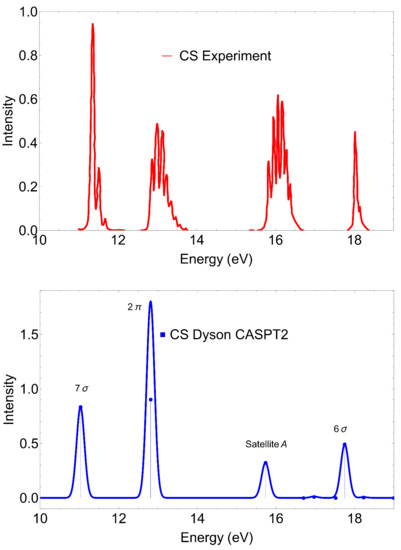
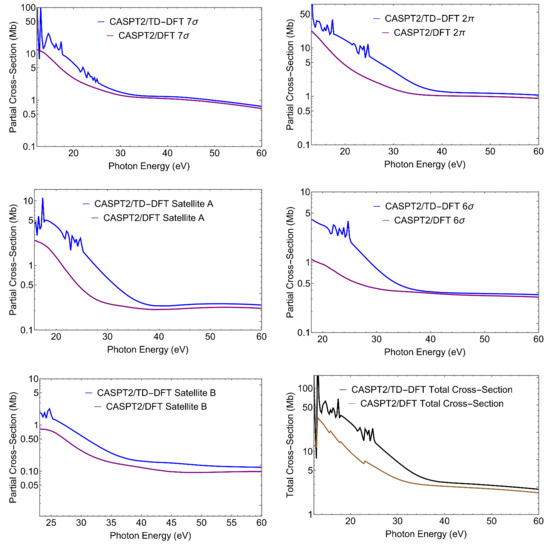
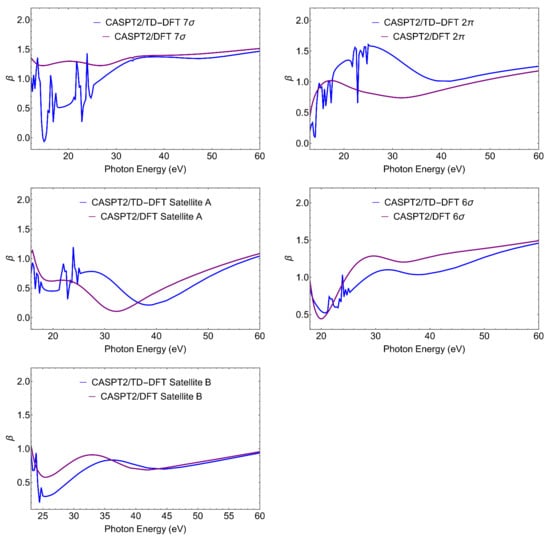
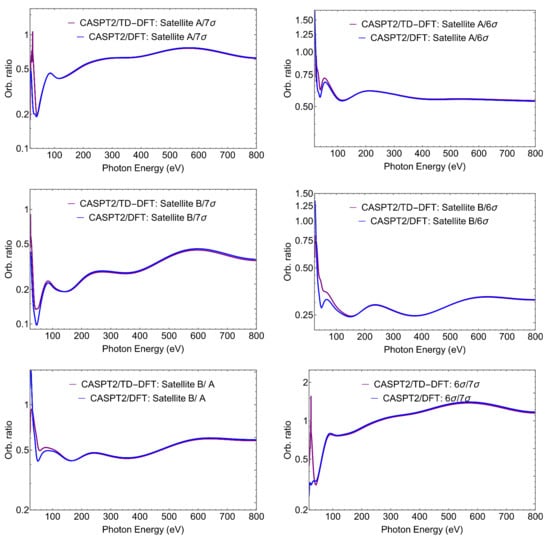
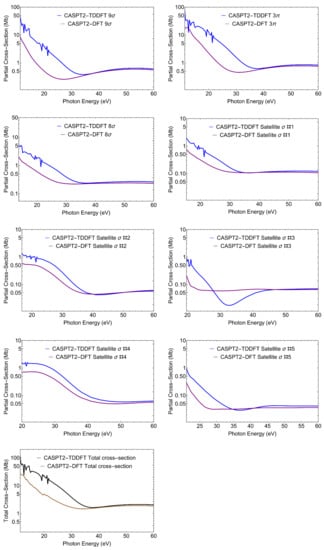
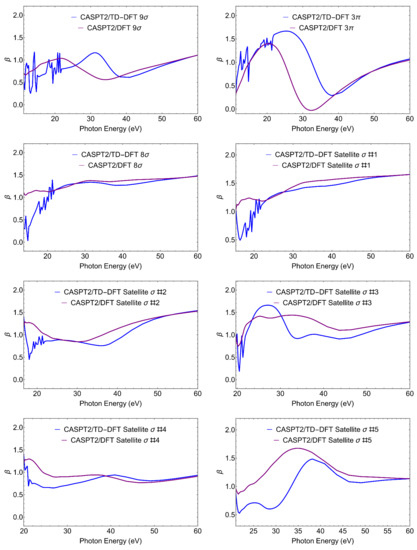
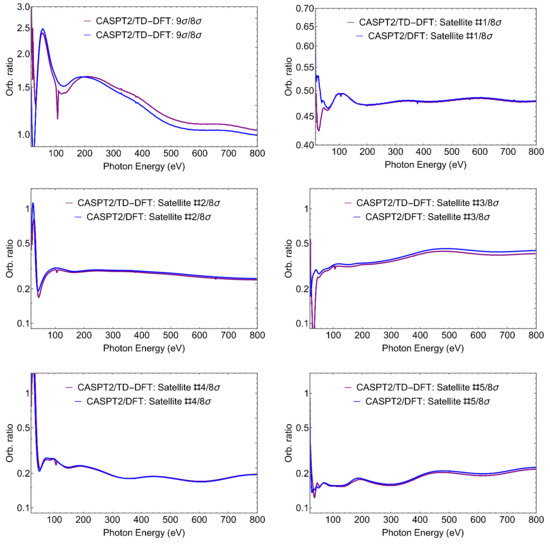
We present a theoretical model to compute the accurate photoionization dynamical parameters (cross-sections, asymmetry parameters and orbital, or cross-section, ratios) from Dyson orbitals obtained with the multi-state complete active space perturbation theory to the second order (MS-CASPT2) method. Our new implementation of Dyson orbitals in OpenMolcas takes advantage of the full Abelian symmetry point group and has the corrected normalization. The Dyson orbitals are coupled to an accurate description of the electronic continuum obtained with a multicentric B-spline basis at the DFT and TD-DFT levels. Two prototype diatomic molecules, i.e., CS and SiS, have been chosen due to their smallness, which hides important correlation effects. These effects manifest themselves in the appearance of well-characterized isolated satellite bands in the middle of the valence region. The rich satellite structures make CS and SiS the perfect candidates for a computational study based on our highly accurate MS-CASPT2/B-spline TD-DFT protocol. Full article
(This article belongs to the Special Issue Molecular Quantum Dynamics Beyond Bound States)
Show Figures

Figure 1
19 pages, 4249 KB  
Review
Striatal Cholinergic Signaling in Time and Space
by Dvyne Nosaka and Jeffery R. Wickens
Molecules 2022, 27(4), 1202; https://doi.org/10.3390/molecules27041202 - 10 Feb 2022
Cited by 14 | Viewed by 4100
Abstract
The cholinergic interneurons of the striatum account for a small fraction of all striatal cell types but due to their extensive axonal arborization give the striatum the highest content of acetylcholine of almost any nucleus in the brain. The prevailing theory of striatal [...] Read more.
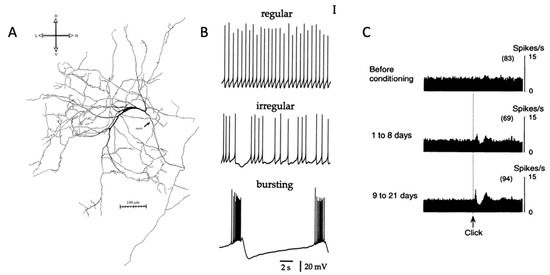
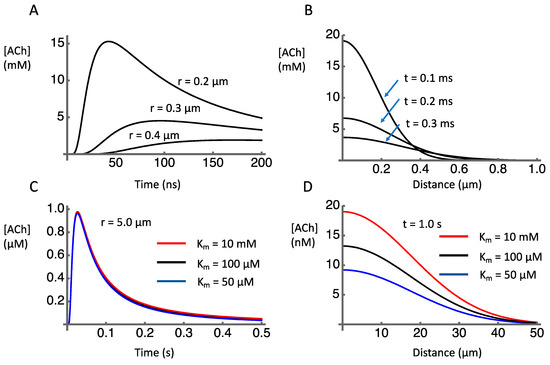
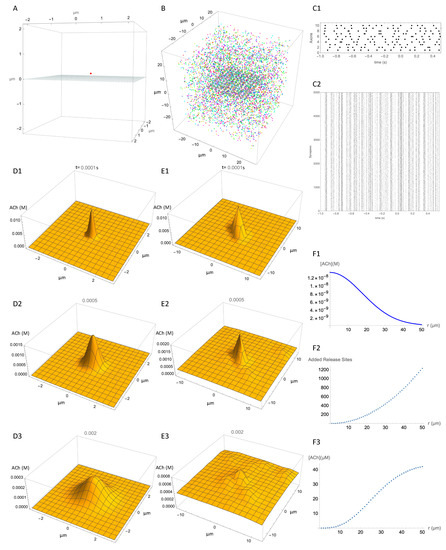
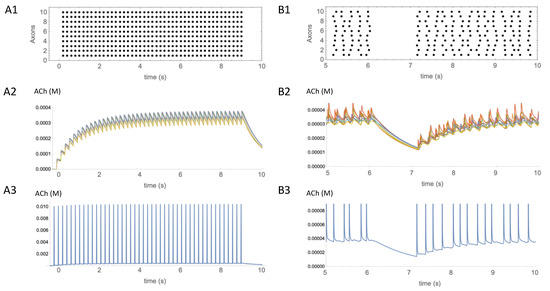
The cholinergic interneurons of the striatum account for a small fraction of all striatal cell types but due to their extensive axonal arborization give the striatum the highest content of acetylcholine of almost any nucleus in the brain. The prevailing theory of striatal cholinergic interneuron signaling is that the numerous varicosities on the axon produce an extrasynaptic, volume-transmitted signal rather than mediating rapid point-to-point synaptic transmission. We review the evidence for this theory and use a mathematical model to integrate the measurements reported in the literature, from which we estimate the temporospatial distribution of acetylcholine after release from a synaptic vesicle and from multiple vesicles during tonic firing and pauses. Our calculations, together with recent data from genetically encoded sensors, indicate that the temporospatial distribution of acetylcholine is both short-range and short-lived, and dominated by diffusion. These considerations suggest that acetylcholine signaling by cholinergic interneurons is consistent with point-to-point transmission within a steep concentration gradient, marked by transient peaks of acetylcholine concentration adjacent to release sites, with potential for faithful transmission of spike timing, both bursts and pauses, to the postsynaptic cell. Release from multiple sites at greater distance contributes to the ambient concentration without interference with the short-range signaling. We indicate several missing pieces of evidence that are needed for a better understanding of the nature of synaptic transmission by the cholinergic interneurons of the striatum. Full article
(This article belongs to the Special Issue Recent Advances in the Modulation of Cholinergic Signaling)
Show Figures

Figure 1
17 pages, 21622 KB  
Review
Pharmacological Activities of Soursop (Annona muricata Lin.)
by Mutakin Mutakin, Rizky Fauziati, Fahrina Nur Fadhilah, Ade Zuhrotun, Riezki Amalia and Yuni Elsa Hadisaputri
Molecules 2022, 27(4), 1201; https://doi.org/10.3390/molecules27041201 - 10 Feb 2022
Cited by 85 | Viewed by 32155
Abstract
Soursop (Annona muricata Lin.) is a plant belonging to the Annonaceae family that has been widely used globally as a traditional medicine for many diseases. In this review, we discuss the traditional use, chemical content, and pharmacological activities of A.muricata. From [...] Read more.
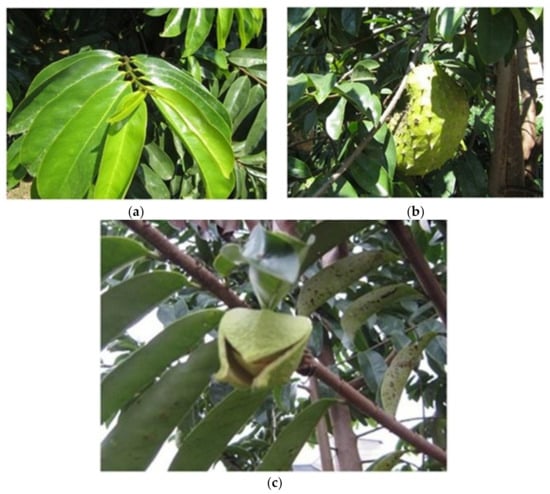
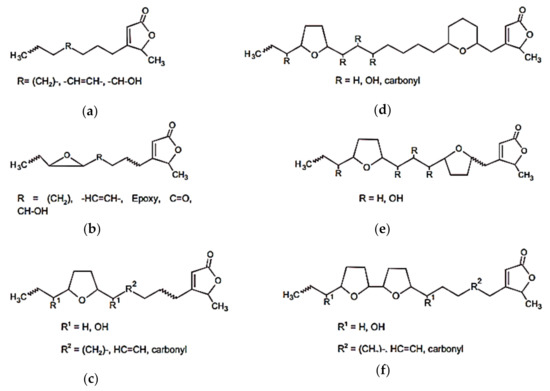
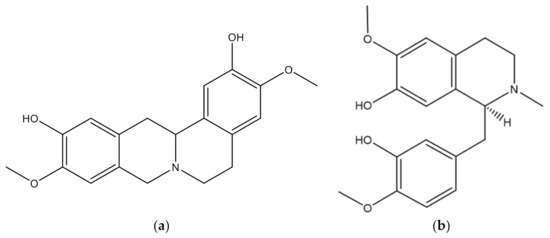
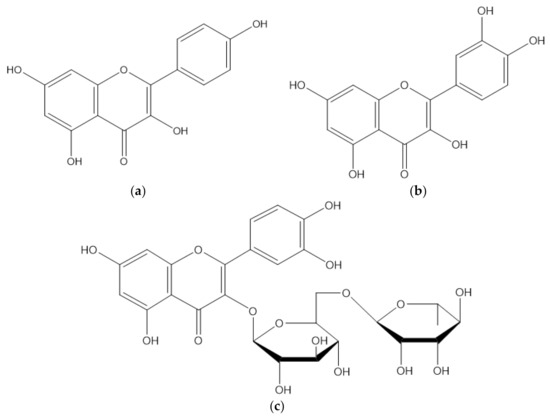
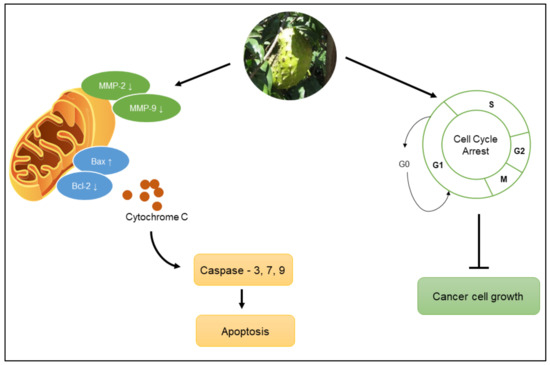
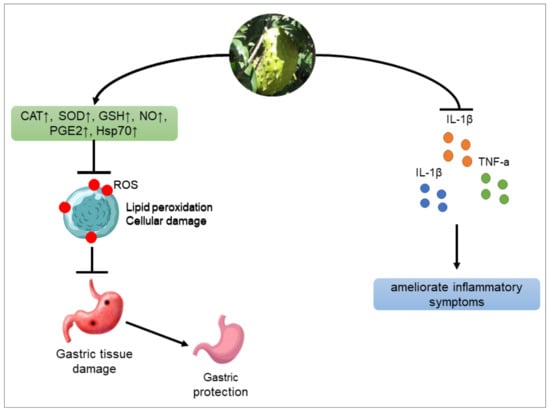
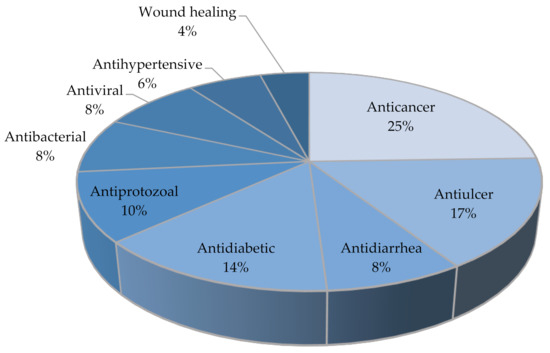
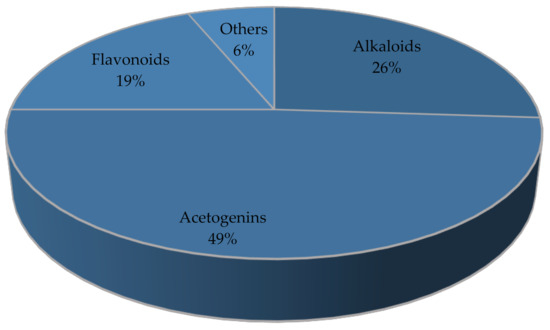
Soursop (Annona muricata Lin.) is a plant belonging to the Annonaceae family that has been widely used globally as a traditional medicine for many diseases. In this review, we discuss the traditional use, chemical content, and pharmacological activities of A.muricata. From 49 research articles that were obtained from 1981 to 2021, A.muricata’s activities were shown to include anticancer (25%), antiulcer (17%), antidiabetic (14%), antiprotozoal (10%), antidiarrhea (8%), antibacterial (8%), antiviral (8%), antihypertensive (6%), and wound healing (4%). Several biological activities and the general mechanisms underlying the effects of A.muricata have been tested both in vitro and in vivo. A.muricata contains chemicals such as acetogenins (annomuricins and annonacin), alkaloids (coreximine and reticuline), flavonoids (quercetin), and vitamins, which are predicted to be responsible for the biological activity of A.muricata. Full article
Show Figures

Figure 1