8 pages, 1925 KB  
Article
Investigation of Nonlinear Optical Modulation Characteristics of MXene VCrC for Pulsed Lasers
by Yao Meng, Yizhou Liu, Tao Li, Tianli Feng, Jiacheng Huang, Zheng Ni and Wenchao Qiao
Molecules 2022, 27(3), 759; https://doi.org/10.3390/molecules27030759 - 24 Jan 2022
Cited by 8 | Viewed by 2987
Abstract
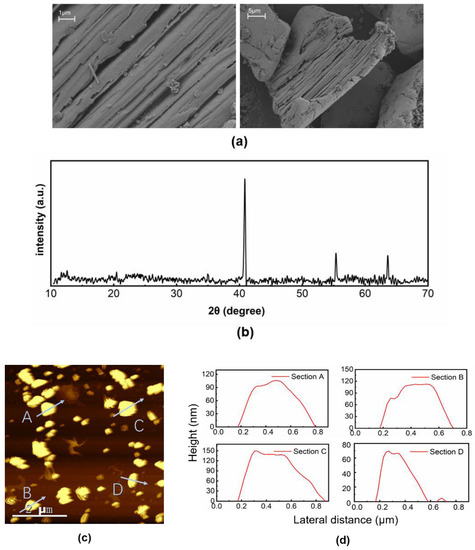
We report the surface morphology and the nonlinear absorption characteristics of MXene VCrC nanosheets prepared by the liquid-phase exfoliation method. The self-made MXene VCrC was applied as a saturable absorber in the Tm:YAP laser experiments, performing excellent Q-switching optical modulation characteristics in infrared [...] Read more.
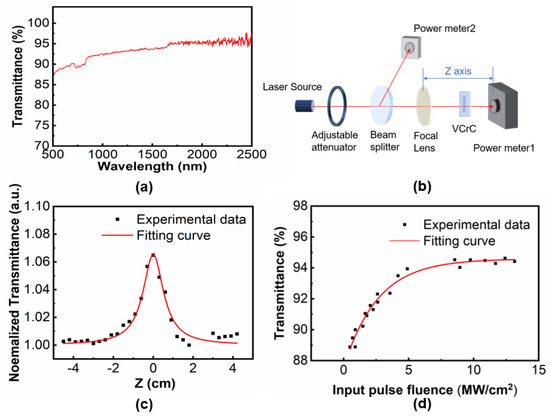
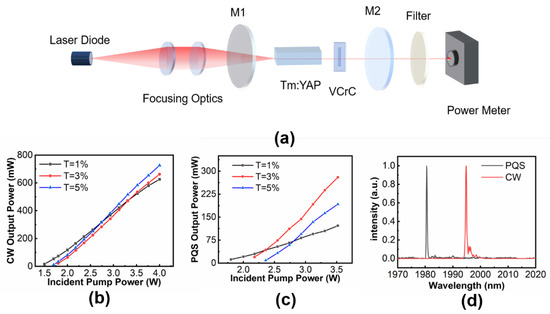
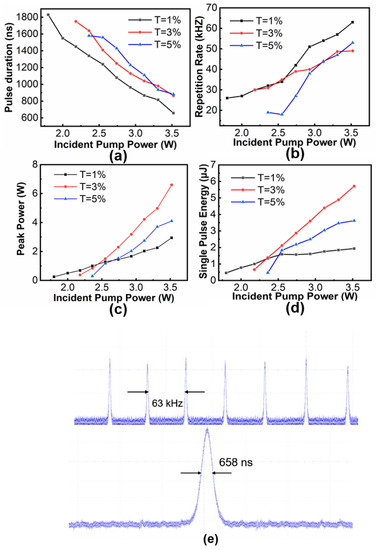
We report the surface morphology and the nonlinear absorption characteristics of MXene VCrC nanosheets prepared by the liquid-phase exfoliation method. The self-made MXene VCrC was applied as a saturable absorber in the Tm:YAP laser experiments, performing excellent Q-switching optical modulation characteristics in infrared range. With this absorber, a stable passively Q-switched 2 μm laser was achieved. Under an incident pump power of 3.52 W, a maximum output power of 280 mW was obtained with a T = 3% output coupler at a repetition frequency of 49 kHz. The corresponding pulse energy and peak power were 5.7 μJ and 6.6 W, respectively. The shortest pulse duration was 658 ns at the repetition rate of 63 kHz with a T = 1% output coupler. Full article
(This article belongs to the Special Issue Advances in Lasers and Optoelectronics)
Show Figures

Figure 1
41 pages, 28741 KB  
Review
Metal Complexes—A Promising Approach to Target Biofilm Associated Infections
by Rodica Olar, Mihaela Badea and Mariana Carmen Chifiriuc
Molecules 2022, 27(3), 758; https://doi.org/10.3390/molecules27030758 - 24 Jan 2022
Cited by 39 | Viewed by 5603
Abstract
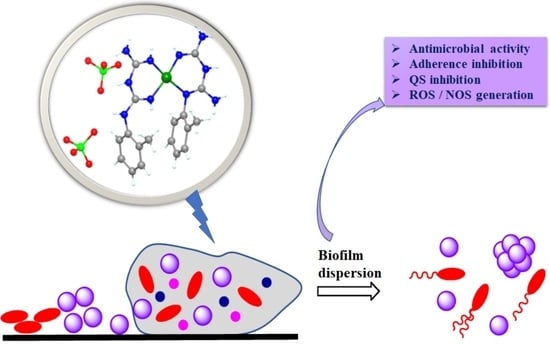
Microbial biofilms are represented by sessile microbial communities with modified gene expression and phenotype, adhered to a surface and embedded in a matrix of self-produced extracellular polymeric substances (EPS). Microbial biofilms can develop on both prosthetic devices and tissues, generating chronic and persistent [...] Read more.
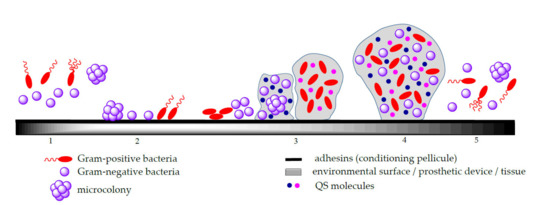
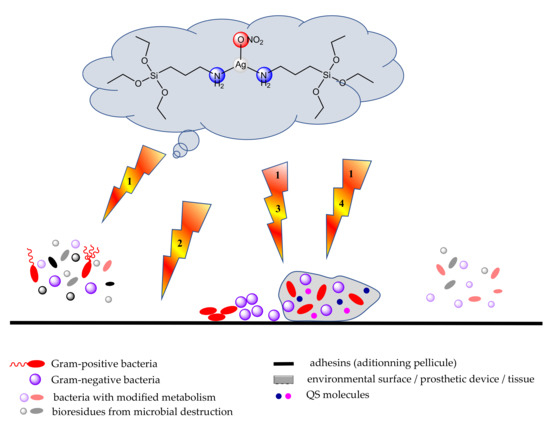
Microbial biofilms are represented by sessile microbial communities with modified gene expression and phenotype, adhered to a surface and embedded in a matrix of self-produced extracellular polymeric substances (EPS). Microbial biofilms can develop on both prosthetic devices and tissues, generating chronic and persistent infections that cannot be eradicated with classical organic-based antimicrobials, because of their increased tolerance to antimicrobials and the host immune system. Several complexes based mostly on 3D ions have shown promising potential for fighting biofilm-associated infections, due to their large spectrum antimicrobial and anti-biofilm activity. The literature usually reports species containing Mn(II), Ni(II), Co(II), Cu(II) or Zn(II) and a large variety of multidentate ligands with chelating properties such as antibiotics, Schiff bases, biguanides, N-based macrocyclic and fused rings derivatives. This review presents the progress in the development of such species and their anti-biofilm activity, as well as the contribution of biomaterials science to incorporate these complexes in composite platforms for reducing the negative impact of medical biofilms. Full article
(This article belongs to the Special Issue Synthetic Antibiofilm Agents: Design, Synthesis and Applications)
Show Figures

Graphical abstract

13 pages, 1293 KB  
Article
Antimicrobial, Cytotoxic and Mutagenic Activity of Gemini QAS Derivatives of 1,4:3,6-Dianhydro-l-iditol
by Karol Sikora, Andrzej Nowacki, Piotr Szweda, Anna Woziwodzka, Sylwia Bartoszewska, Jacek Piosik and Barbara Dmochowska
Molecules 2022, 27(3), 757; https://doi.org/10.3390/molecules27030757 - 24 Jan 2022
Cited by 9 | Viewed by 3754
Abstract
A series of quaternary diammonium salts derivatives of 1,4:3,6-dianhydro-l-iditol were synthesized, using isommanide (1,4:3,6-dianhydro-d-mannitol) as a starting material. Both aromatic (pyridine, 4-(N,N-dimethylamino)pyridine (DMAP), (3-carboxamide)pyridine; N-methylimidazole) and aliphatic (trimethylamine, N,N-dimethylhexylamine, N, [...] Read more.
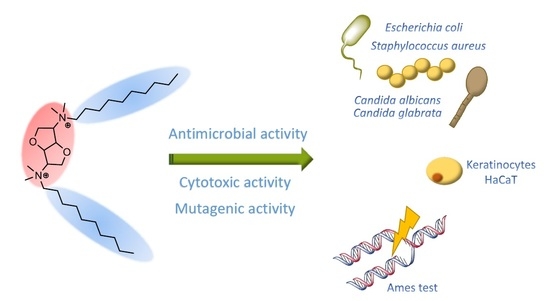
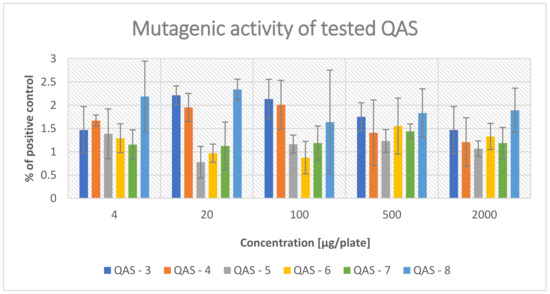
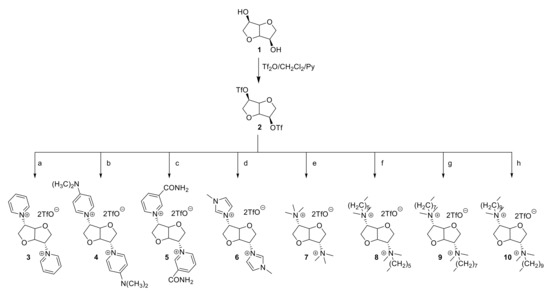
A series of quaternary diammonium salts derivatives of 1,4:3,6-dianhydro-l-iditol were synthesized, using isommanide (1,4:3,6-dianhydro-d-mannitol) as a starting material. Both aromatic (pyridine, 4-(N,N-dimethylamino)pyridine (DMAP), (3-carboxamide)pyridine; N-methylimidazole) and aliphatic (trimethylamine, N,N-dimethylhexylamine, N,N-dimethyloctylamine, N,N-dimethyldecylamine) amines were used, giving eight gemini quaternary ammonium salts (QAS). All salts were tested for their antimicrobial activity against yeasts, Candida albicans and Candida glabrata, as well as bacterial Staphylococcus aureus and Escherichia coli reference strains. Moreover, antibacterial activity against 20 isolates of S. aureus collected from patients with skin and soft tissue infections (n = 8) and strains derived from subclinical bovine mastitis milk samples (n = 12) were evaluated. Two QAS with octyl and decyl residues exhibited antimicrobial activity, whereas those with two decyl residues proved to be the most active against the tested pathogens, with MIC of 16–32, 32, and 8 µg/mL for yeast, E. coli, and S. aureus reference and clinical strains, respectively. Only QAS with decyl residues proved to be cytotoxic in MTT assay against human keratinocytes (HaCaT), IC50 12.8 ± 1.2 μg/mL. Ames test was used to assess the mutagenic potential of QAS, and none of them showed mutagenic activity in the concentration range 4–2000 µg/plate. Full article
Show Figures

Graphical abstract

22 pages, 2588 KB  
Article
Investigation of the Anticancer Effect of α-Aminophosphonates and Arylidine Derivatives of 3-Acetyl-1-aminoquinolin-2(1H)-one on the DMBA Model of Breast Cancer in Albino Rats with In Silico Prediction of Their Thymidylate Synthase Inhibitory Effect
by Mohamed A. Nassan, Adil Aldhahrani, Hamada H. Amer, Ahmed Elhenawy, Ayman A. Swelum, Omar M. Ali and Yasser H. Zaki
Molecules 2022, 27(3), 756; https://doi.org/10.3390/molecules27030756 - 24 Jan 2022
Cited by 15 | Viewed by 4377
Abstract
Breast cancer is a major cause of death in women worldwide. In this study, 60 female rats were classified into 6 groups; negative control, α-aminophosphonates, arylidine derivatives of 3-acetyl-1-aminoquinolin-2(1H)-one, DMBA, DMBA & α-aminophosphonates, and DMBA & arylidine derivatives of [...] Read more.
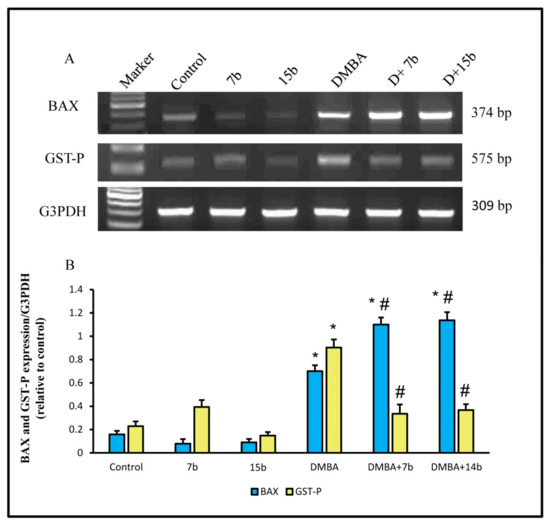
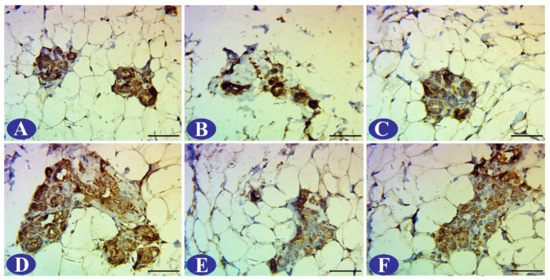
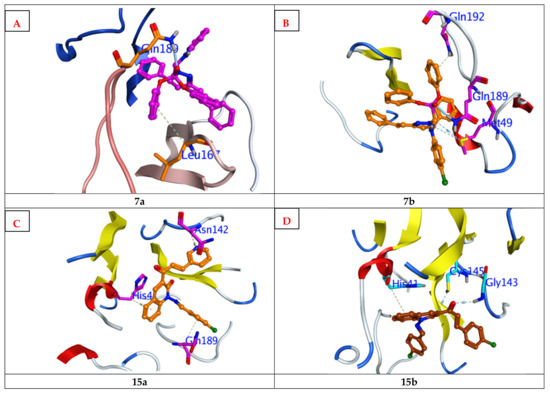
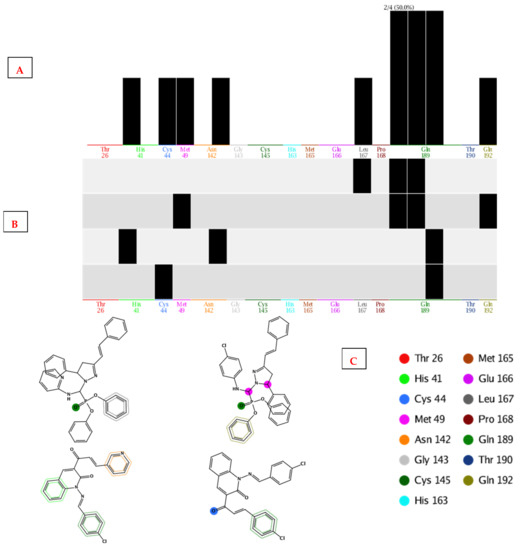
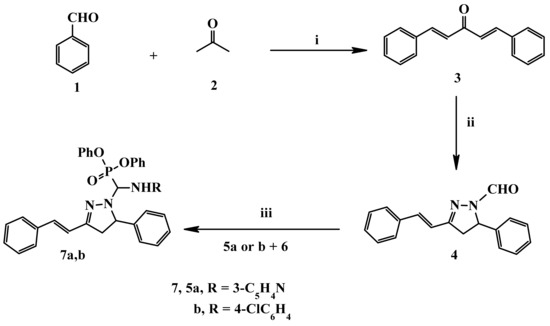
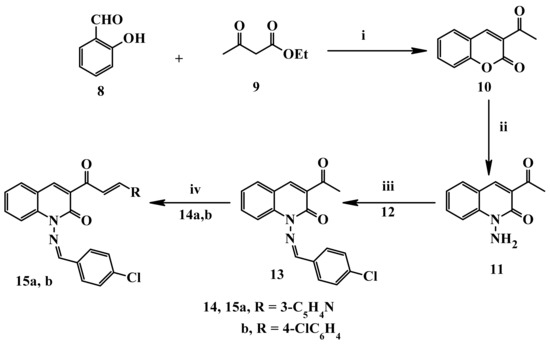
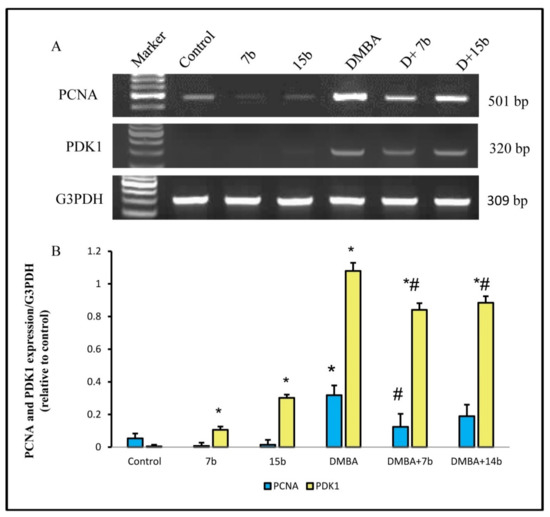
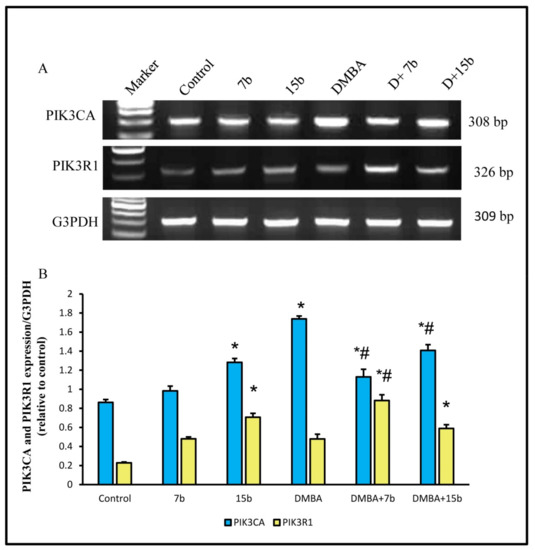
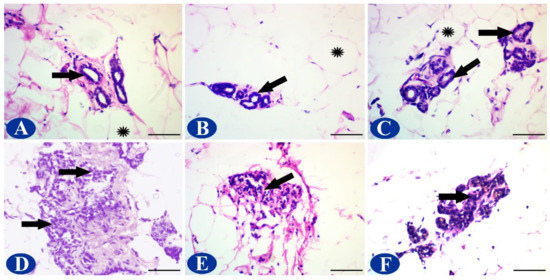
Breast cancer is a major cause of death in women worldwide. In this study, 60 female rats were classified into 6 groups; negative control, α-aminophosphonates, arylidine derivatives of 3-acetyl-1-aminoquinolin-2(1H)-one, DMBA, DMBA & α-aminophosphonates, and DMBA & arylidine derivatives of 3-acetyl-1-aminoquinolin-2(1H)-one. New α-aminophosphonates and arylidine derivatives of 3-acetyl-1-aminoquinolin-2(1H)-one were synthesized and elucidated by different spectroscopic and elemental analysis. Histopathological examination showed marked proliferation of cancer cells in the DMBA group. Treatment with α-aminophosphonates mainly decreased tumor mass. Bcl2 expression increased in DMBA-administered rats and then declined in the treated groups, mostly with α-aminophosphonates. The level of CA15-3 markedly declined in DMBA groups treated with α-aminophosphonates and arylidine derivatives of 3-acetyl-1-aminoquinolin-2(1H)-one. Gene expression of GST-P, PCNA, PDK, and PIK3CA decreased in the DMBA group treated with α-aminophosphonates and arylidine derivatives of 3-acetyl-1-aminoquinolin-2(1H)-one, whereas PIK3R1 and BAX increased in the DMBA group treated with α-aminophosphonates and arylidine derivatives of 3-acetyl-1-aminoquinolin-2(1H)-one. The molecular docking postulated that the investigated compounds can inhibt the Thymidylate synthase TM due to high hydrophobicity charachter. Full article
Show Figures

Figure 1
18 pages, 6087 KB  
Article
Suppression of Charge Recombination by Auxiliary Atoms in Photoinduced Charge Separation Dynamics with Mn Oxides: A Theoretical Study
by Yu Ohnishi, Kentaro Yamamoto and Kazuo Takatsuka
Molecules 2022, 27(3), 755; https://doi.org/10.3390/molecules27030755 - 24 Jan 2022
Viewed by 5548
Abstract
Charge separation is one of the most crucial processes in photochemical dynamics of energy conversion, widely observed ranging from water splitting in photosystem II (PSII) of plants to photoinduced oxidation reduction processes. Several basic principles, with respect to charge separation, are known, each [...] Read more.
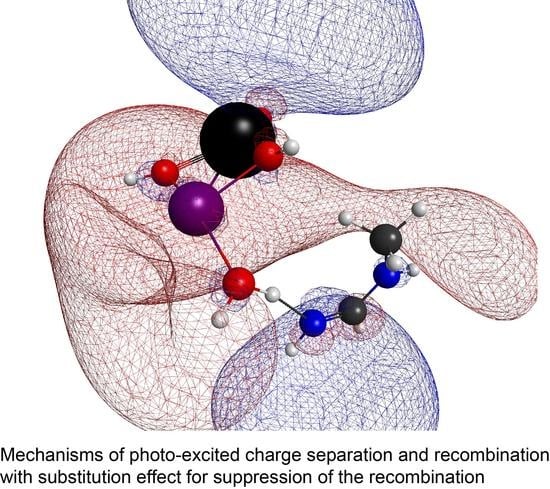
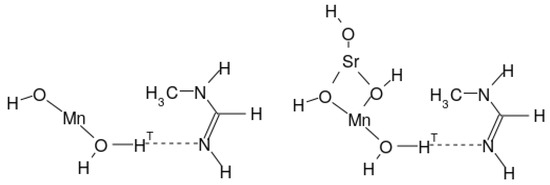
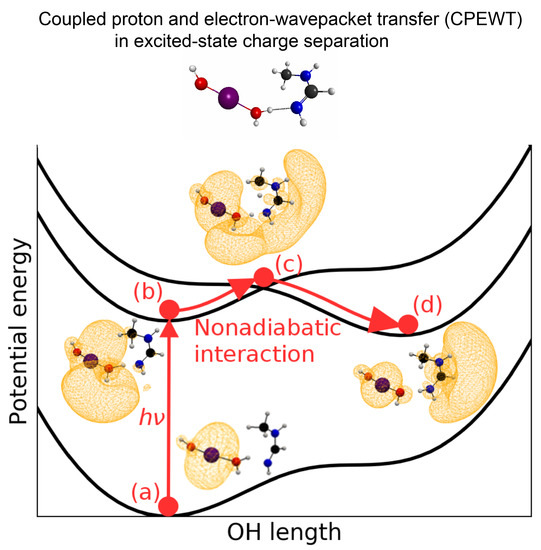
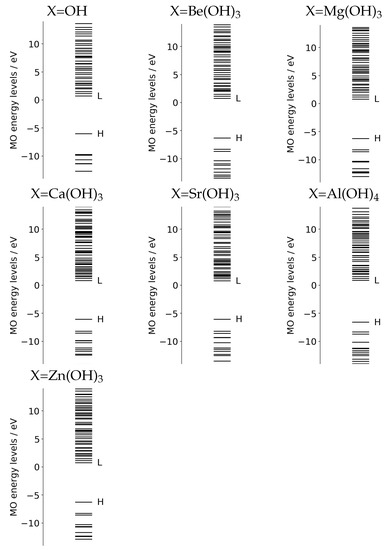
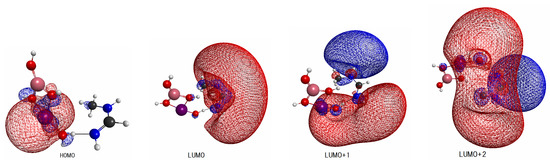
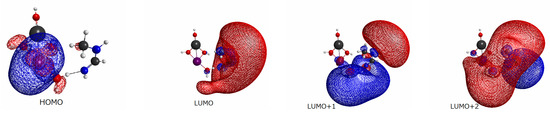
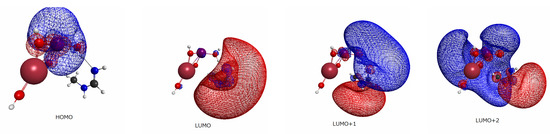
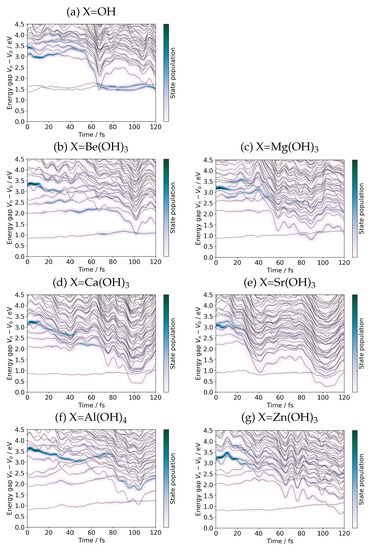
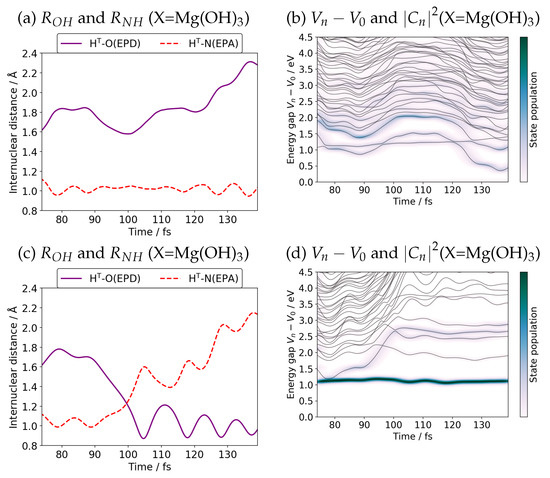
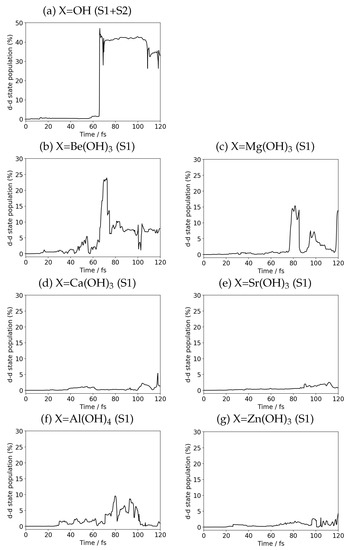
Charge separation is one of the most crucial processes in photochemical dynamics of energy conversion, widely observed ranging from water splitting in photosystem II (PSII) of plants to photoinduced oxidation reduction processes. Several basic principles, with respect to charge separation, are known, each of which suffers inherent charge recombination channels that suppress the separation efficiency. We found a charge separation mechanism in the photoinduced excited-state proton transfer dynamics from Mn oxides to organic acceptors. This mechanism is referred to as coupled proton and electron wave-packet transfer (CPEWT), which is essentially a synchronous transfer of electron wave-packets and protons through mutually different spatial channels to separated destinations passing through nonadiabatic regions, such as conical intersections, and avoided crossings. CPEWT also applies to collision-induced ground-state water splitting dynamics catalyzed by Mn4CaO5 cluster. For the present photoinduced charge separation dynamics by Mn oxides, we identified a dynamical mechanism of charge recombination. It takes place by passing across nonadiabatic regions, which are different from those for charge separations and lead to the excited states of the initial state before photoabsorption. This article is an overview of our work on photoinduced charge separation and associated charge recombination with an additional study. After reviewing the basic mechanisms of charge separation and recombination, we herein studied substituent effects on the suppression of such charge recombination by doping auxiliary atoms. Our illustrative systems are X–Mn(OH)2 tied to N-methylformamidine, with X=OH, Be(OH)3, Mg(OH)3, Ca(OH)3, Sr(OH)3 along with Al(OH)4 and Zn(OH)3. We found that the competence of suppression of charge recombination depends significantly on the substituents. The present study should serve as a useful guiding principle in designing the relevant photocatalysts. Full article
(This article belongs to the Special Issue A Commemorative Special Issue Honoring Professor Donald Truhlar)
Show Figures

Graphical abstract

12 pages, 4137 KB  
Article
Dissection of the Multichannel Reaction O(3P) + C2H2: Differential Cross-Sections and Product Energy Distributions
by Shuwen Zhang, Qixin Chen, Junxiang Zuo, Xixi Hu and Daiqian Xie
Molecules 2022, 27(3), 754; https://doi.org/10.3390/molecules27030754 - 24 Jan 2022
Cited by 4 | Viewed by 3024
Abstract
The O(3P) + C2H2 reaction plays an important role in hydrocarbon combustion. It has two primary competing channels: H + HCCO (ketenyl) and CO + CH2 (triplet methylene). To further understand the microscopic dynamic mechanism of this [...] Read more.
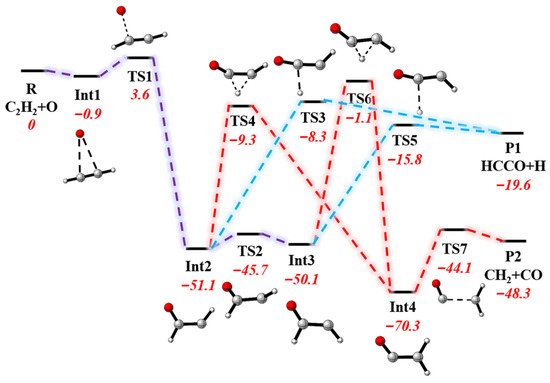
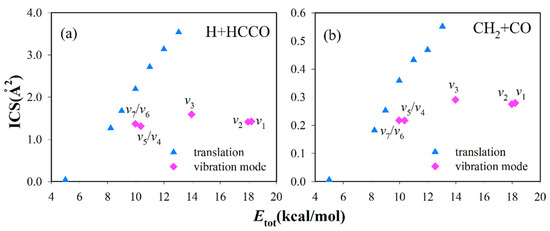
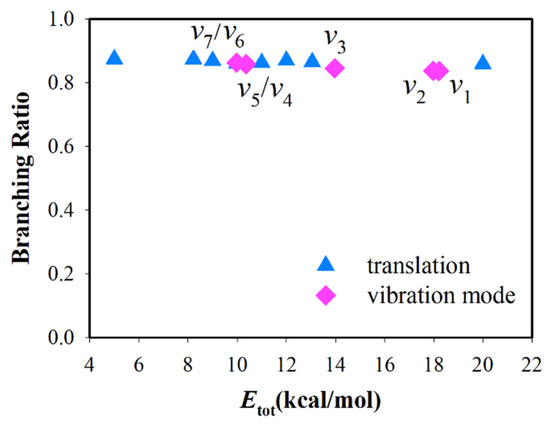
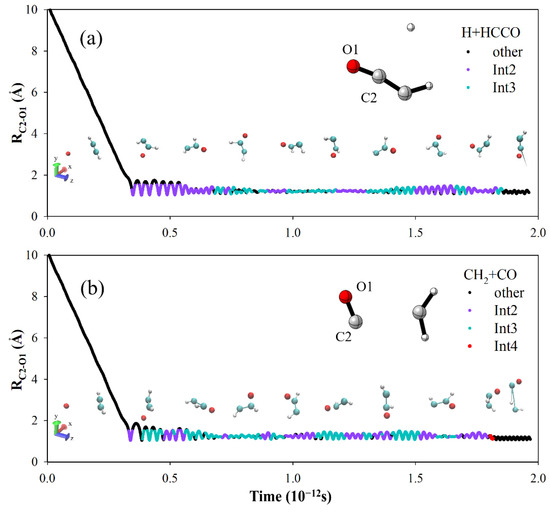
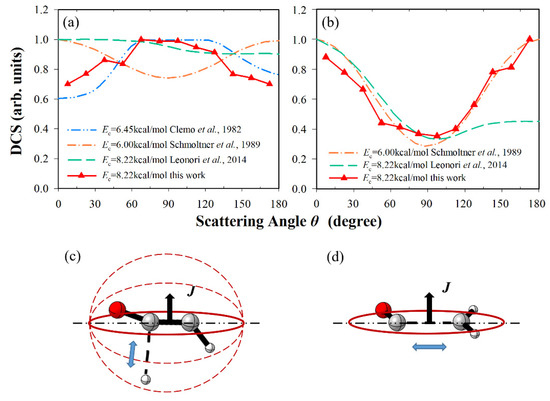
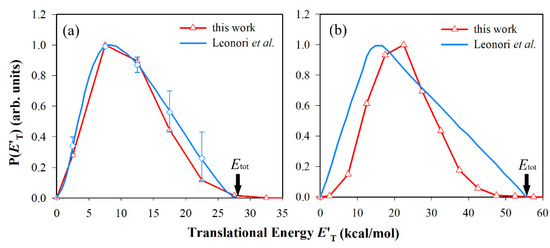
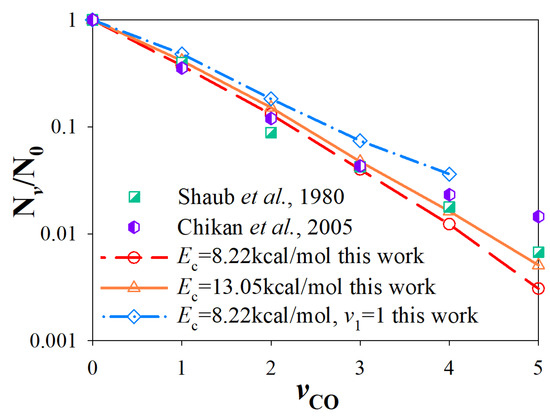
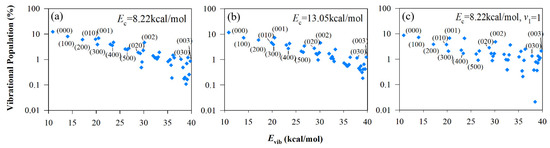
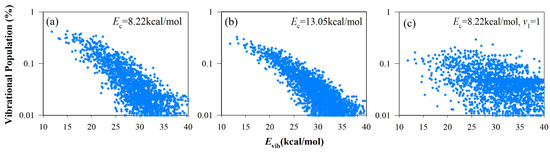
The O(3P) + C2H2 reaction plays an important role in hydrocarbon combustion. It has two primary competing channels: H + HCCO (ketenyl) and CO + CH2 (triplet methylene). To further understand the microscopic dynamic mechanism of this reaction, we report here a detailed quasi-classical trajectory study of the O(3P) + C2H2 reaction on the recently developed full-dimensional potential energy surface (PES). The entrance barrier TS1 is the rate-limiting barrier in the reaction. The translation of reactants can greatly promote reactivity, due to strong coupling with the reaction coordinate at TS1. The O(3P) + C2H2 reaction progress through a complex-forming mechanism, in which the intermediate HCCHO lives at least through the duration of a rotational period. The energy redistribution takes place during the creation of the long-lived high vibrationally (and rotationally) excited HCCHO in the reaction. The product energy partitioning of the two channels and CO vibrational distributions agree with experimental data, and the vibrational state distributions of all modes of products present a Boltzmann-like distribution. Full article
(This article belongs to the Special Issue A Commemorative Special Issue Honoring Professor Donald Truhlar)
Show Figures

Figure 1
7 pages, 968 KB  
Article
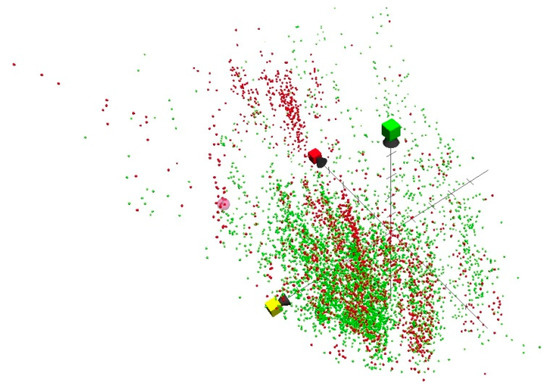
The Chemical Property Position of Bedaquiline Construed by a Chemical Global Positioning System-Natural Product
by Muaaz Mutaz Alajlani
Molecules 2022, 27(3), 753; https://doi.org/10.3390/molecules27030753 - 24 Jan 2022
Cited by 5 | Viewed by 4078
Abstract
Bedaquiline is a novel adenosine triphosphate synthase inhibitor anti-tuberculosis drug. Bedaquiline belongs to the class of diarylquinolines, which are antituberculosis drugs that are quite different mechanistically from quinolines and flouroquinolines. The fact that relatively similar chemical drugs produce different mechanisms of action is [...] Read more.
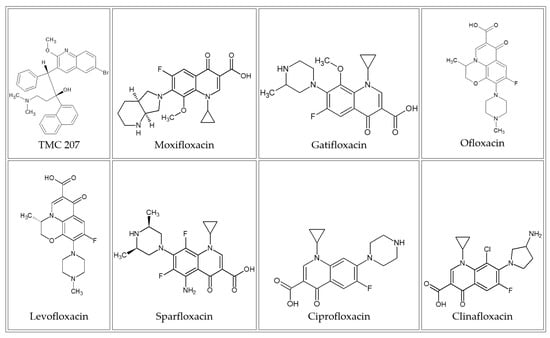
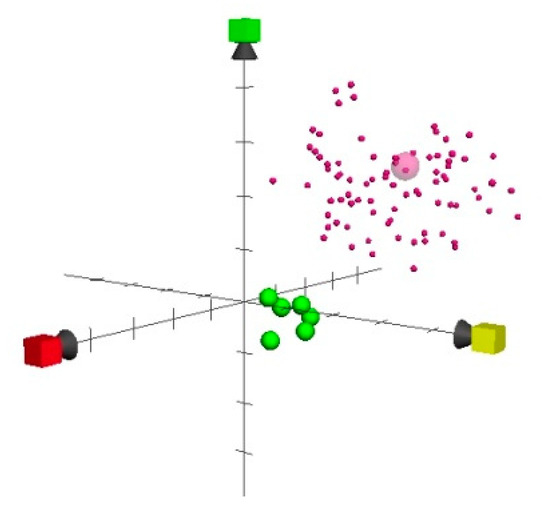
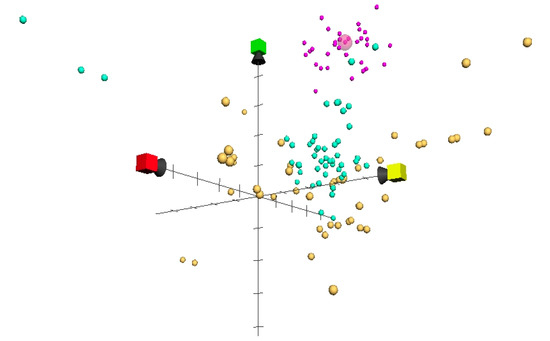
Bedaquiline is a novel adenosine triphosphate synthase inhibitor anti-tuberculosis drug. Bedaquiline belongs to the class of diarylquinolines, which are antituberculosis drugs that are quite different mechanistically from quinolines and flouroquinolines. The fact that relatively similar chemical drugs produce different mechanisms of action is still not widely understood. To enhance discrimination in favor of bedaquiline, a new approach using eight-score principal component analysis (PCA), provided by a ChemGPS-NP model, is proposed. PCA scores were calculated based on 35 + 1 different physicochemical properties and demonstrated clear differences when compared with other quinolines. The ChemGPS-NP model provided an exceptional 100 compounds nearest to bedaquiline from antituberculosis screening sets (with a cumulative Euclidian distance of 196.83), compared with the different 2Dsimilarity provided by Tanimoto methods (extended connective fingerprints and the Molecular ACCess System, showing 30% and 182% increases in cumulative Euclidian distance, respectively). Potentially similar compounds from publicly available antituberculosis compounds and Maybridge sets, based on bedaquiline’s eight-dimensional similarity and different filtrations, were identified too. Full article
Show Figures

Figure 1
16 pages, 781 KB  
Article
Use of TLC-Densitometric Method for Determination of Valproic Acid in Capsules
by Wioletta Parys and Alina Pyka-Pająk
Molecules 2022, 27(3), 752; https://doi.org/10.3390/molecules27030752 - 24 Jan 2022
Cited by 3 | Viewed by 4497
Abstract
Determination of valproic acid in the drug was carried out on the aluminum silica gel 60F254 plates and using acetone–water–chloroform–ethanol–ammonia at a volume ratio of 30:1:8:5:11 as the mobile phase, respectively. Two methods of detection of valproic acid were used. The first [...] Read more.
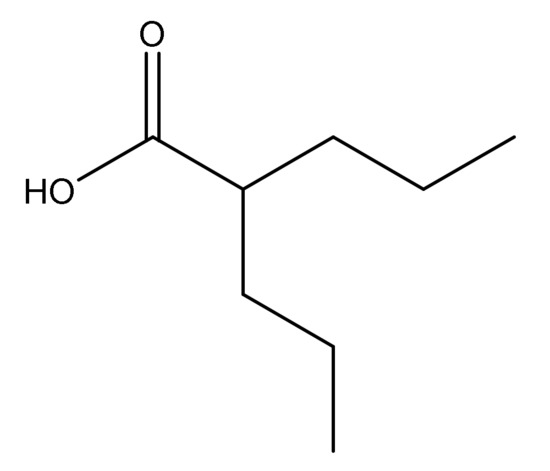
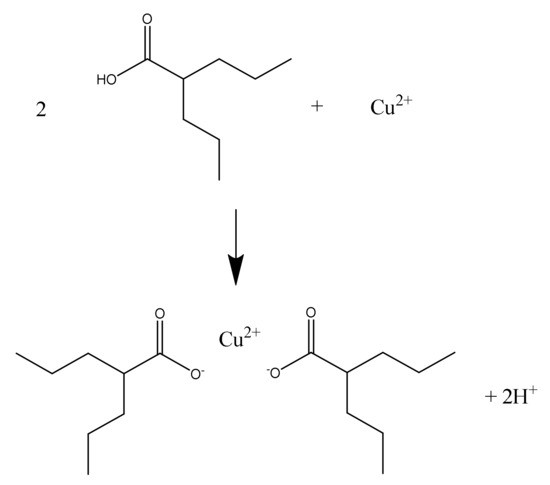
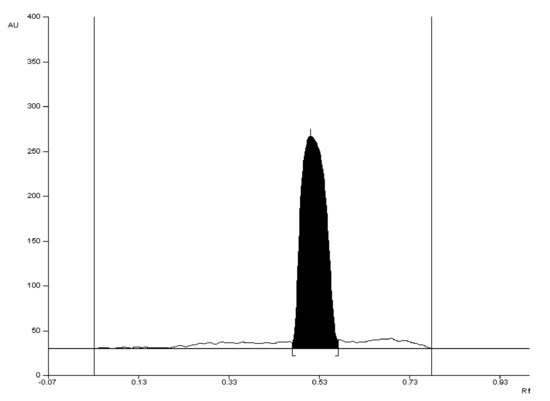
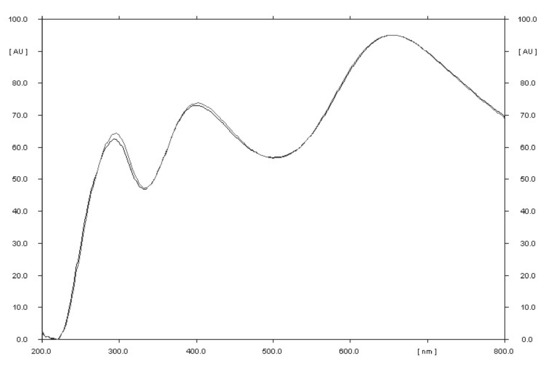
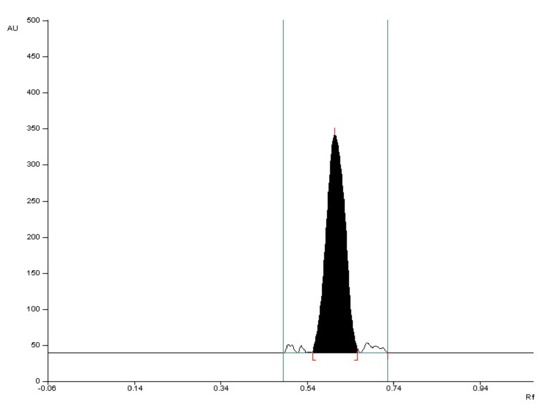
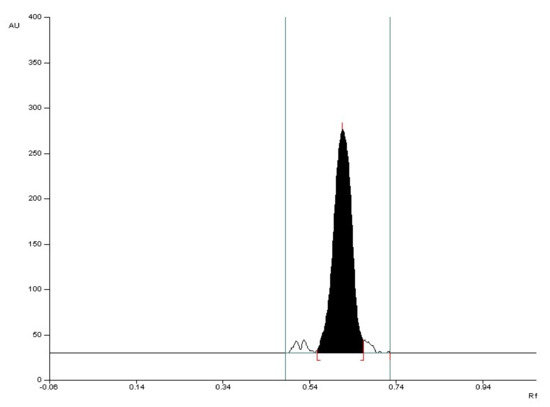
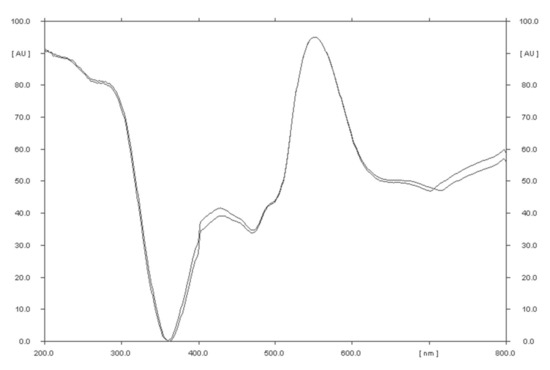
Determination of valproic acid in the drug was carried out on the aluminum silica gel 60F254 plates and using acetone–water–chloroform–ethanol–ammonia at a volume ratio of 30:1:8:5:11 as the mobile phase, respectively. Two methods of detection of valproic acid were used. The first was a 2% aqueous CuSO4×5H2O solution, and the second was a 2′,7′-dichlorofluorescein-aluminum chloride-iron (III) chloride system. The applied TLC-densitometric method is selective, linear, accurate, precise, and robust, regardless of the visualizing reagent used for the determination of valproic acid in Convulex capsules. It has low limits of detection (LOD) and limits of quantification (LOQ), which are equal to 5.8 μg/spot and 17.4 μg/spot using a 2% aqueous CuSO4×5H2O solution as visualizing agent and also 0.32 μg/spot and 0.97 μg/spot using a 2′,7′-dichlorofluorescein-aluminum chloride-iron (III) chloride system as visualizing reagent, respectively. The described analytical method can additionally be used to study the identity of valproic acid in a pharmaceutical preparation. The linearity range was found to be 20.00–80.00 μg/spot and 1.00–2.00 μg/spot for valproic acid detected on chromatographic plates using a 2% aqueous CuSO4×5H2O solution and the 2′,7′-dichlorofluorescein-aluminum chloride-iron (III) chloride system, respectively. A coefficient of variation that was less than 3% confirms the satisfactory accuracy and precision of the proposed method. The results of the assay of valproic acid equal 96.2% and 97.0% in relation to the label claim that valproic acid fulfill pharmacopoeial requirements. The developed TLC-densitometric method can be suitable for the routine analysis of valproic acid in pharmaceutical formulations. The proposed TLC-densitometry may be an alternative method to the modern high-performance liquid chromatography and square wave voltammetry in the control of above-mentioned substances, and it can be applied when other analytical techniques is not affordable in the laboratory. Full article
Show Figures

Figure 1
14 pages, 3266 KB  
Article
New Imatinib Derivatives with Antiproliferative Activity against A549 and K562 Cancer Cells
by Andressa Oliveira, Stefany Moura, Luiz Pimentel, João Neto, Rafael Dantas, Floriano Silva-Jr, Monica Bastos and Nubia Boechat
Molecules 2022, 27(3), 750; https://doi.org/10.3390/molecules27030750 - 24 Jan 2022
Cited by 23 | Viewed by 4874
Abstract
Tyrosine kinase enzymes are among the primary molecular targets for the treatment of some human neoplasms, such as those in lung cancer and chronic myeloid leukemia. Mutations in the enzyme domain can cause resistance and new inhibitors capable of circumventing these mutations are [...] Read more.
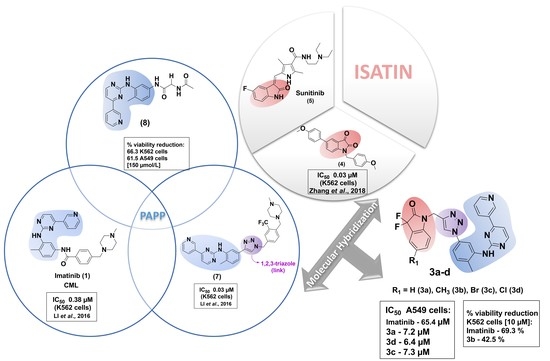
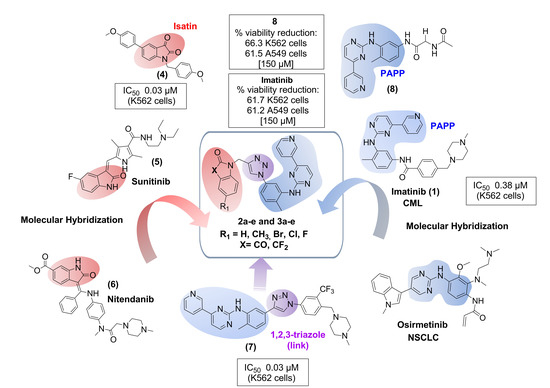
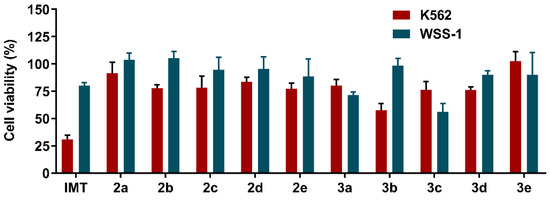
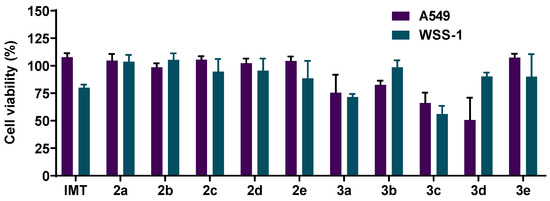
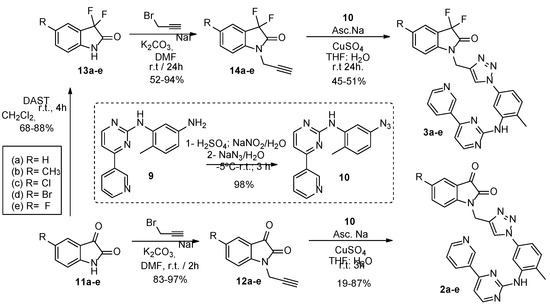
Tyrosine kinase enzymes are among the primary molecular targets for the treatment of some human neoplasms, such as those in lung cancer and chronic myeloid leukemia. Mutations in the enzyme domain can cause resistance and new inhibitors capable of circumventing these mutations are highly desired. The objective of this work was to synthesize and evaluate the antiproliferative ability of ten new analogs that contain isatins and the phenylamino-pyrimidine pyridine (PAPP) skeleton, the main pharmacophore group of imatinib. The 1,2,3-triazole core was used as a spacer in the derivatives through a click chemistry reaction and gave good yields. All the analogs were tested against A549 and K562 cells, lung cancer and chronic myeloid leukemia (CML) cell lines, respectively. In A549 cells, the 3,3-difluorinated compound (3a), the 5-chloro-3,3-difluorinated compound (3c) and the 5-bromo-3,3-difluorinated compound (3d) showed IC50 values of 7.2, 6.4, and 7.3 μM, respectively, and were all more potent than imatinib (IC50 of 65.4 μM). In K562 cells, the 3,3-difluoro-5-methylated compound (3b) decreased cell viability to 57.5% and, at 10 µM, showed an IC50 value of 35.8 μM (imatinib, IC50 = 0.08 μM). The results suggest that 3a, 3c, and 3d can be used as prototypes for the development of more potent and selective derivatives against lung cancer. Full article
(This article belongs to the Special Issue Drug Discovery and Development: New Options for Old Diseases)
Show Figures

Graphical abstract

11 pages, 1553 KB  
Article
An Improved Approach for Practical Synthesis of 5-Hydroxymethyl-2′-deoxycytidine (5hmdC) Phosphoramidite and Triphosphate
by Dong-Zhao Yang, Zhen-Zhen Chen, Mei Chi, Ying-Ying Dong, Shou-Zhi Pu and Qi Sun
Molecules 2022, 27(3), 749; https://doi.org/10.3390/molecules27030749 - 24 Jan 2022
Cited by 7 | Viewed by 4496
Abstract
5-Hydroxymethyl-2′-deoxycytidine (5hmdC) phosphoramidite and triphosphate are important building blocks in 5hmdC-containing DNA synthesis for epigenetic studies. However, efficient and practical methods for the synthesis of these compounds are still limited. The current research provides an intensively improved synthetic method that enables the preparation [...] Read more.
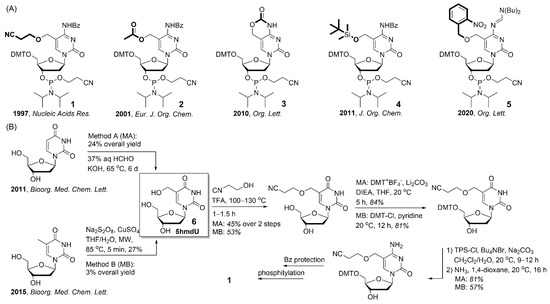
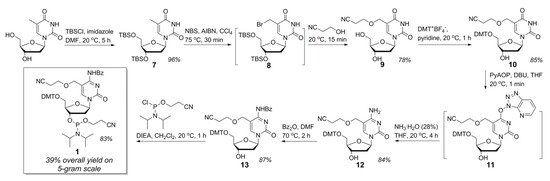
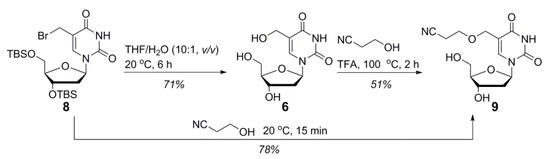
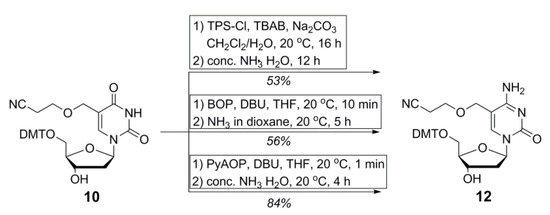
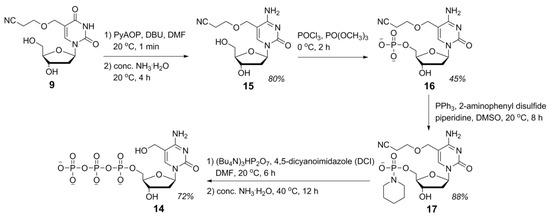
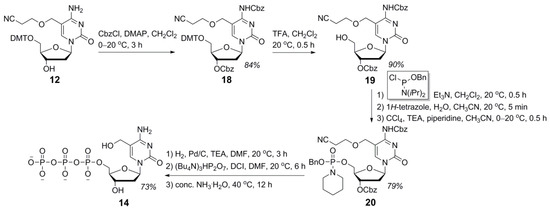
5-Hydroxymethyl-2′-deoxycytidine (5hmdC) phosphoramidite and triphosphate are important building blocks in 5hmdC-containing DNA synthesis for epigenetic studies. However, efficient and practical methods for the synthesis of these compounds are still limited. The current research provides an intensively improved synthetic method that enables the preparation of commercially available cyanoethyl-protected 5hmdC phosphoramidite with an overall yield of 39% on 5 g scale. On the basis of facile and efficient accesses to cyanoethyl protected-5hmdU and 5hmdC intermediates, two efficient synthetic routes for 5hmdC triphosphate were also developed. Full article
(This article belongs to the Special Issue How and Why to Investigate Multicomponent Reactions Mechanisms)
Show Figures

Figure 1
22 pages, 671 KB  
Article
The Spectroscopic Characterization of Halogenated Pollutants through the Interplay between Theory and Experiment: Application to R1122
by Andrea Pietropolli Charmet, Giorgia Ceselin, Paolo Stoppa and Nicola Tasinato
Molecules 2022, 27(3), 748; https://doi.org/10.3390/molecules27030748 - 24 Jan 2022
Cited by 15 | Viewed by 4103
Abstract
In the last decade, halogenated ethenes have seen an increasing interest for different applications; in particular, in refrigeration, air-conditioning and heat pumping. At the same time, their adverse effects as atmospheric pollutants require environmental monitoring, especially by remote sensing spectroscopic techniques. For this [...] Read more.
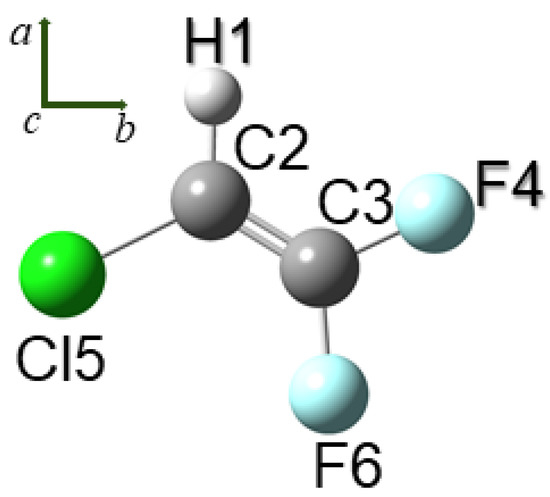
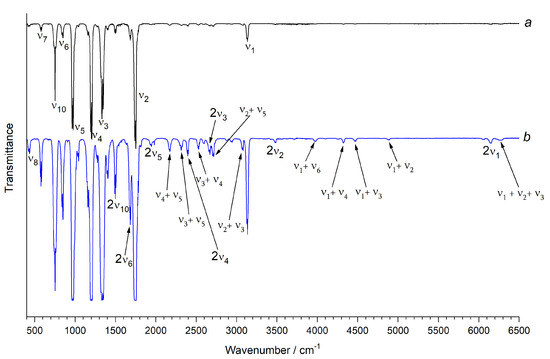
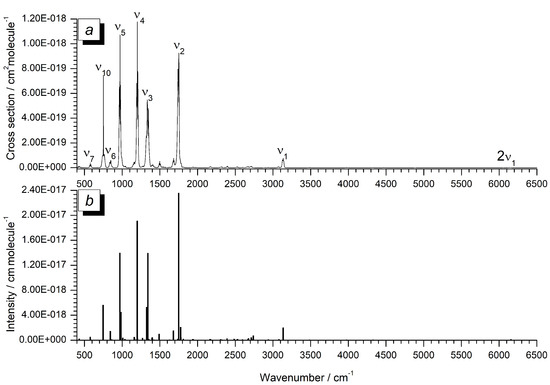
In the last decade, halogenated ethenes have seen an increasing interest for different applications; in particular, in refrigeration, air-conditioning and heat pumping. At the same time, their adverse effects as atmospheric pollutants require environmental monitoring, especially by remote sensing spectroscopic techniques. For this purpose, an accurate characterization of the spectroscopic fingerprint—in particular, those of relevance for rotational–vibrational spectroscopy—of the target molecules is strongly needed. This work provides an integrated computational–theoretical investigation on R1122 (2-Chloro-1,1-difluoro-ethylene, ClHC=CF2), a compound widely employed as a key intermediate in different chemical processes. State-of-the-art quantum chemical calculations relying on CCSD(T)-based composite schemes and hybrid CCSD(T)/DFT approaches are used to obtain an accurate prediction of the structural, rotational and vibrational spectroscopic properties. In addition, the equilibrium geometry is obtained by exploiting the semi-experimental method. The theoretical predictions are used to guide the analysis of the experimentally recorded gas-phase infrared spectrum, which is assigned in the 400–6500 cm1 region. Furthermore, absorption cross sections are accurately determined over the same spectral range. Finally, by using the obtained spectroscopic data, a first estimate of the global warming potential of R1122 vibrational spectra is obtained. Full article
Show Figures

Figure 1
11 pages, 1340 KB  
Article
Optimal Secretory Expression of Acetaldehyde Dehydrogenase from Issatchenkia terricola in Bacillus subtilis through a Combined Strategy
by Jing Lu, Yu Zhao, Yu Cheng, Rong Hu, Yaowei Fang, MingSheng Lyu, Shujun Wang and Zhaoxin Lu
Molecules 2022, 27(3), 747; https://doi.org/10.3390/molecules27030747 - 24 Jan 2022
Cited by 9 | Viewed by 4333
Abstract
Acetaldehyde dehydrogenases are potential enzyme preparations that can be used to detoxify acetaldehyde and other exogenous aldehydes from pharmaceuticals, food, and biofuel production. In this study, we enhanced the expression of acetaldehyde dehydrogenase sourced from Issatchenkia terricola (istALDH) in Bacillus subtilis using a [...] Read more.
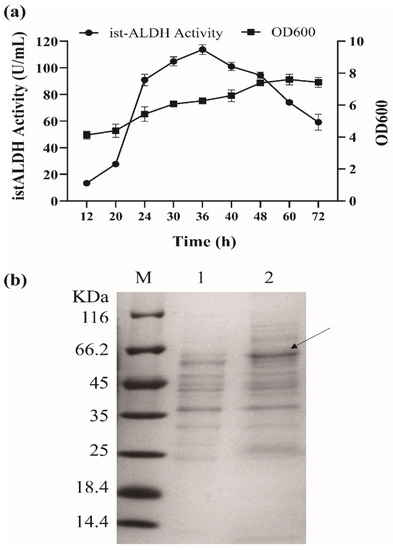
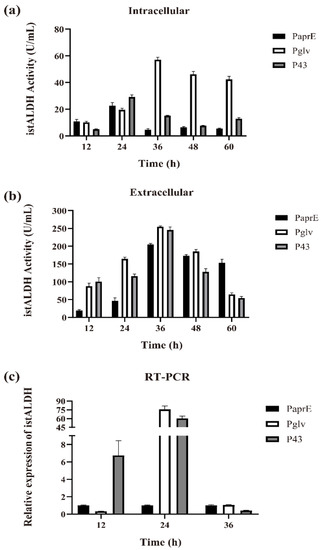
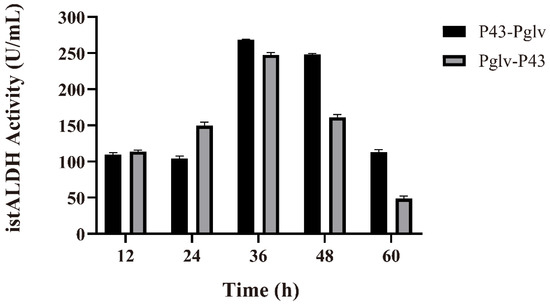
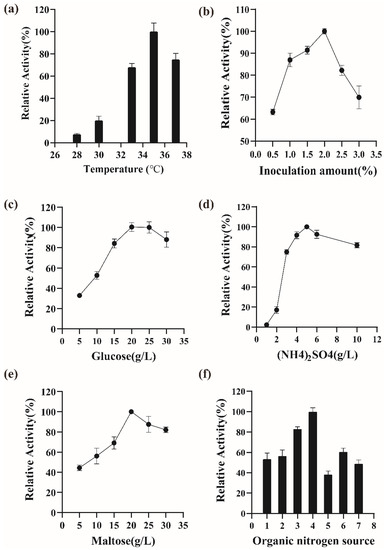
Acetaldehyde dehydrogenases are potential enzyme preparations that can be used to detoxify acetaldehyde and other exogenous aldehydes from pharmaceuticals, food, and biofuel production. In this study, we enhanced the expression of acetaldehyde dehydrogenase sourced from Issatchenkia terricola (istALDH) in Bacillus subtilis using a combinatorial strategy for the optimization of signal peptides, promoters, and growth conditions. First, a library of various signal peptides was constructed to identify the optimal signal peptides for efficient istALDH secretion. The signal peptide yqzG achieved the highest extracellular istALDH activity (204.85 ± 3.31 U/mL). Second, the aprE promoter was replaced by a constitutive promoter (i.e., P43) and an inducible promoter (i.e., Pglv), resulting in 12.40% and 19.97% enhanced istALDH, respectively. Furthermore, the tandem promoter P43-Pglv provided a better performance, resulting in 30.96% enhanced istALDH activity. Third, the production of istALDH was optimized by testing one factor at a time. Physical parameters were optimized including the inducer (e.g., maltose) concentrations, incubation temperatures, and inoculation amounts, and the results were 2.0%, 35 C, and 2.0%, respectively. The optimized medium results were 2.0% glucose, 1.5% peptone, 2.5% yeast extract, 1% NaCl, and 0.5% (NH4)2SO4. The extracellular istALDH activity was 331.19 ± 4.19 U/mL, yielding the highest production reported in the literature to date. Full article
Show Figures

Figure 1
13 pages, 1934 KB  
Article
Nucleophilic Substitution Reactions in the [B3H8] Anion in the Presence of Lewis Acids
by Alexandra T. Shulyak, Evgeniy O. Bortnikov, Nikita A. Selivanov, Mikhail S. Grigoriev, Alexey S. Kubasov, Andrey P. Zhdanov, Alexander Y. Bykov, Konstantin Y. Zhizhin and Nikolai T. Kuznetsov
Molecules 2022, 27(3), 746; https://doi.org/10.3390/molecules27030746 - 24 Jan 2022
Cited by 4 | Viewed by 3828
Abstract
As a result of our study on the interaction between the octahydrotriborate anion with nucleophiles (Nu = THF, Ph3P, Ph2P-(CH2)2-PPh2 (dppe), Ph3As, Et3N, PhNH2, C5H5 [...] Read more.
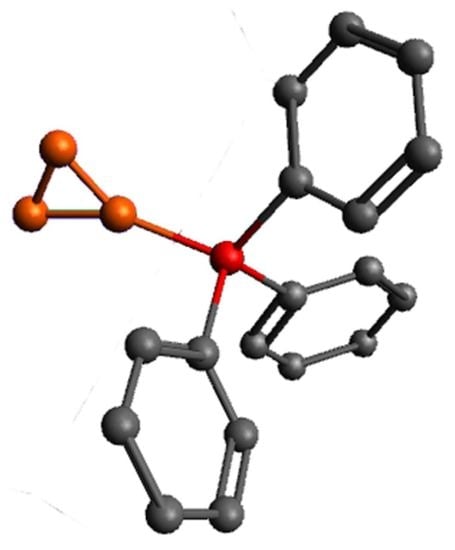
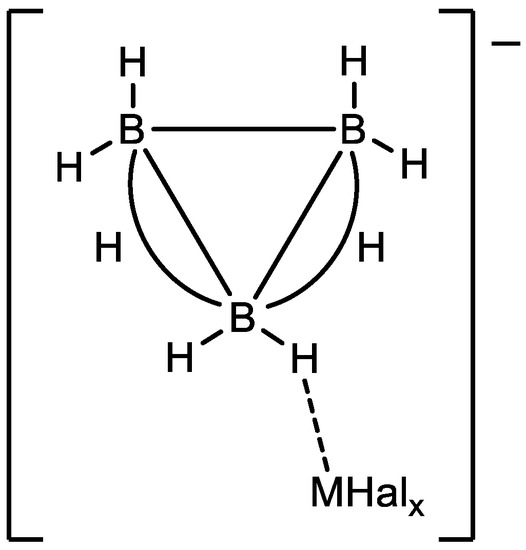
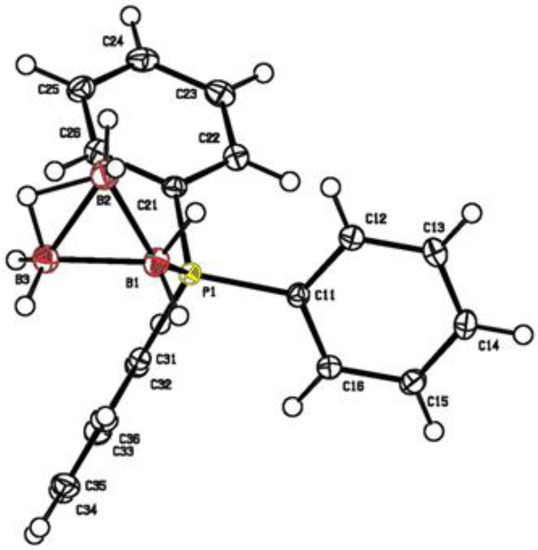
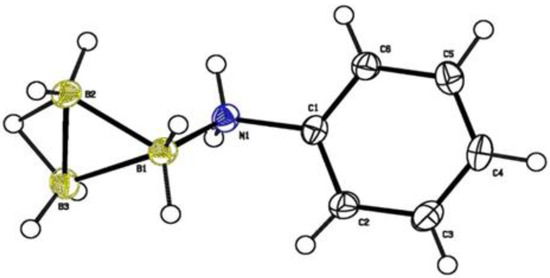
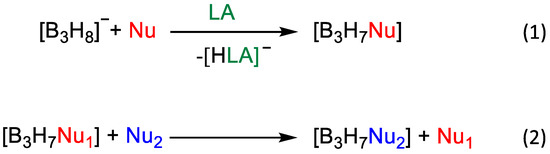
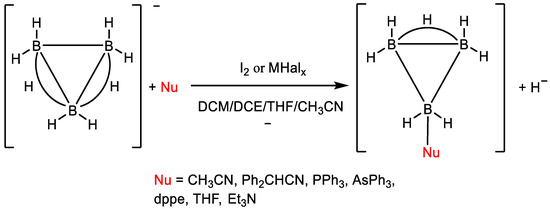
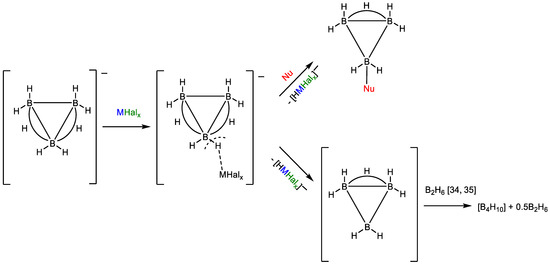
As a result of our study on the interaction between the octahydrotriborate anion with nucleophiles (Nu = THF, Ph3P, Ph2P-(CH2)2-PPh2 (dppe), Ph3As, Et3N, PhNH2, C5H5N, CH3CN, Ph2CHCN)) in the presence of a wide range of Lewis acids (Ti(IV), Hf(IV), Zr(IV), Al, Cu(I), Zn, Mn(II), Co(II) halides and iodine), a number of substituted derivatives of the octahydrotriborate anion [B3H7Nu] are obtained. It is found that the use of TiCl4, AlCl3, ZrCl4, HfCl4, CuCl and iodine leads to the highest product yields. In this case, it is most likely that the reaction proceeds through the formation of an intermediate [B3H7-HMXnx], which was detected by NMR spectroscopy. The structures of [Ph3P·B3H7] and [PhNH2·B3H7] were determined by X-ray diffraction. Full article
Show Figures

Graphical abstract

12 pages, 4836 KB  
Article
Passively Mode-Locked Er-Doped Fiber Laser Based on Sb2S3-PVA Saturable Absorber
by Qiongyu Hu, Xiaohan Chen, Ming Li, Ping Li, Liwei Xu, Haoxu Zhao, Bin Zhang, Jing Liu and Kejian Yang
Molecules 2022, 27(3), 745; https://doi.org/10.3390/molecules27030745 - 24 Jan 2022
Cited by 7 | Viewed by 3516
Abstract
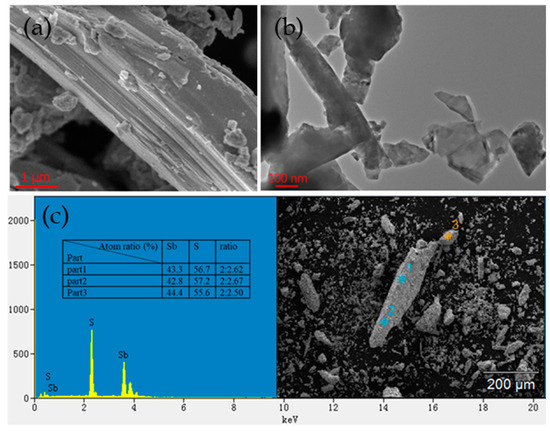
In this paper, antimony trisulfide (Sb2S3) was successfully prepared with the liquid phase exfoliation method and embedded into polyvinyl alcohol (PVA) as a saturable absorber (SA) in a passively mode-locked Er-doped fiber laser for the first time. Based on [...] Read more.
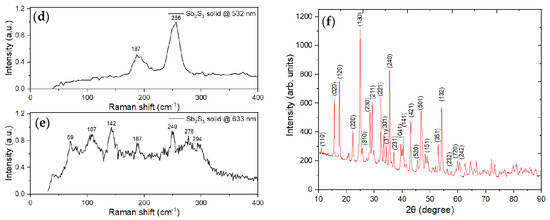
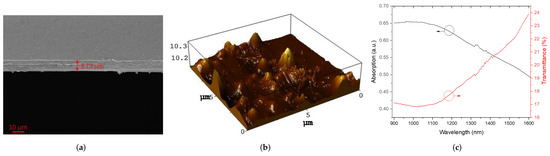
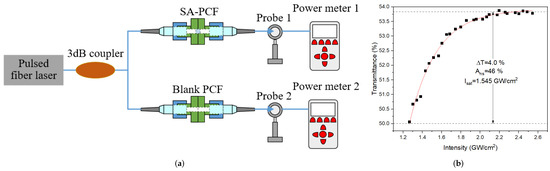
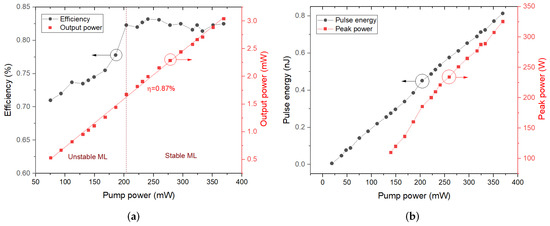
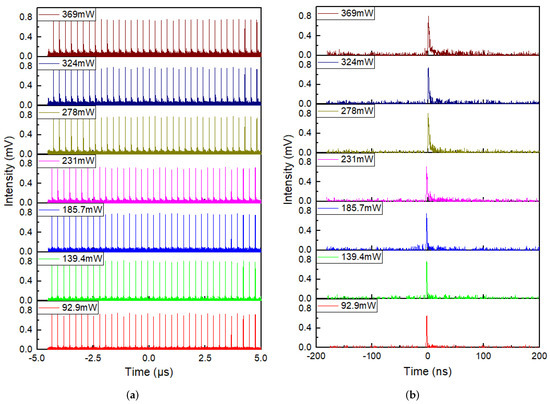
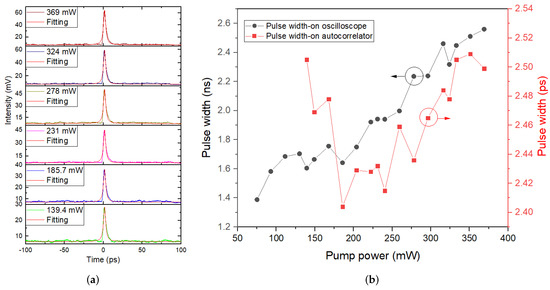
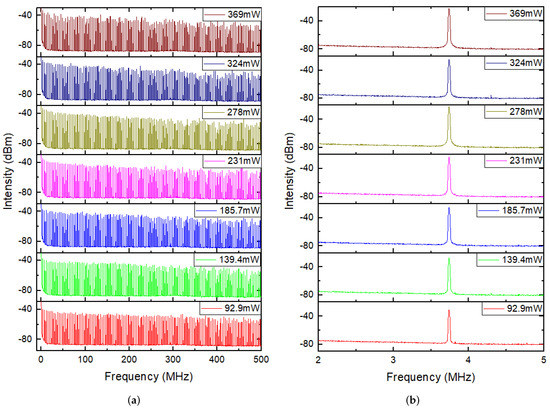
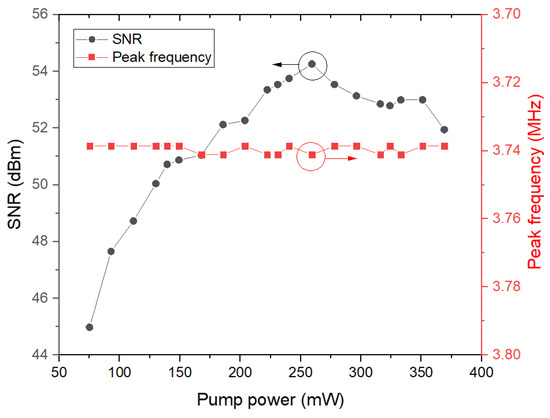
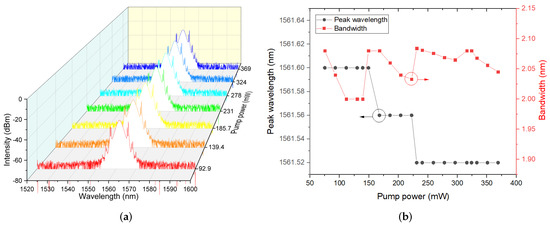
In this paper, antimony trisulfide (Sb2S3) was successfully prepared with the liquid phase exfoliation method and embedded into polyvinyl alcohol (PVA) as a saturable absorber (SA) in a passively mode-locked Er-doped fiber laser for the first time. Based on Sb2S3-PVA SA with a modulation depth of 4.0% and a saturable intensity of 1.545 GW/cm2, a maximum average output power of 3.04 mW and maximum peak power of 325.6 W for the stable mode-locked pulses was achieved with slope a efficiency of 0.87% and maximum single pulse energy of 0.81 nJ at a repetition rate of 3.47 MHz under a pump power of 369 mW. A minimum pulse width value of 2.4 ps with a variation range less than 0.1 ps, and a maximum signal to noise ratio (SNR) of 54.3 dB indicated reliable stability of mode-locking, revealing promising potentials of Sb2S3 as a saturable absorber in ultrafast all-fiber lasers. Full article
(This article belongs to the Special Issue Advances in Lasers and Optoelectronics)
Show Figures

Figure 1
18 pages, 3097 KB  
Article
Aquaphotomics Research of Cold Stress in Soybean Cultivars with Different Stress Tolerance Ability: Early Detection of Cold Stress Response
by Jelena Muncan, Balasooriya Mudiyanselage Siriwijaya Jinendra, Shinichiro Kuroki and Roumiana Tsenkova
Molecules 2022, 27(3), 744; https://doi.org/10.3390/molecules27030744 - 24 Jan 2022
Cited by 22 | Viewed by 6999
Abstract
The development of non-destructive methods for early detection of cold stress of plants and the identification of cold-tolerant cultivars is highly needed in crop breeding programs. Current methods are either destructive, time-consuming or imprecise. In this study, soybean leaves’ spectra were acquired in [...] Read more.
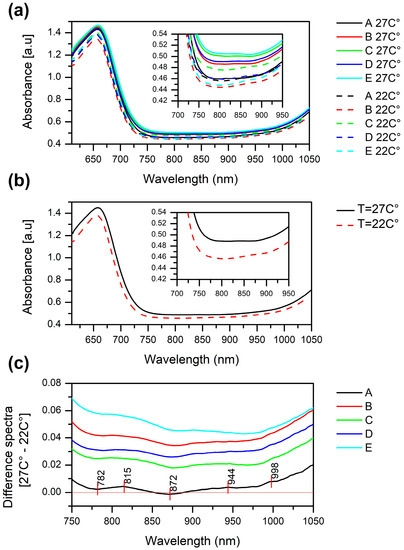
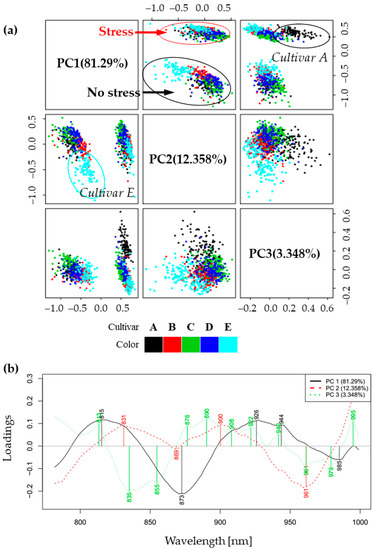
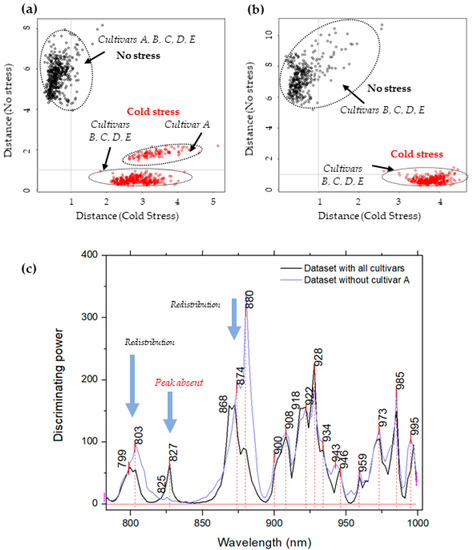
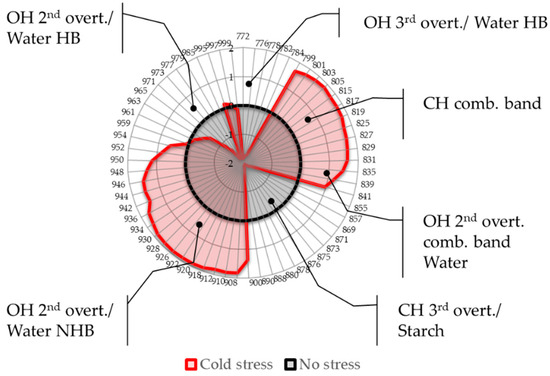
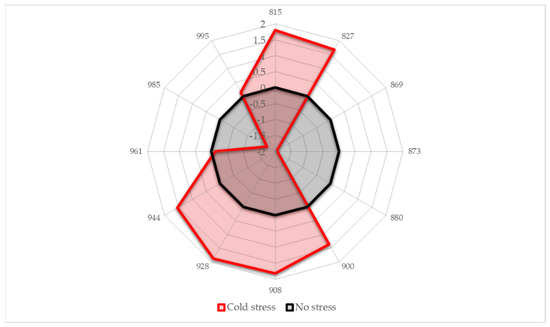
The development of non-destructive methods for early detection of cold stress of plants and the identification of cold-tolerant cultivars is highly needed in crop breeding programs. Current methods are either destructive, time-consuming or imprecise. In this study, soybean leaves’ spectra were acquired in the near infrared (NIR) range (588–1025 nm) from five cultivars genetically engineered to have different levels of cold stress tolerance. The spectra were acquired at the optimal growing temperature 27 °C and when the temperature was decreased to 22 °C. In this paper, we report the results of the aquaphotomics analysis performed with the objective of understanding the role of the water molecular system in the early cold stress response of all cultivars. The raw spectra and the results of Principal Component Analysis, Soft Independent Modeling of Class Analogies and aquagrams showed consistent evidence of huge differences in the NIR spectral profiles of all cultivars under normal and mild cold stress conditions. The SIMCA discrimination between the plants before and after stress was achieved with 100% accuracy. The interpretation of spectral patterns before and after cold stress revealed major changes in the water molecular structure of the soybean leaves, altered carbohydrate and oxidative metabolism. Specific water molecular structures in the leaves of soybean cultivars were found to be highly sensitive to the temperature, showing their crucial role in the cold stress response. The results also indicated the existence of differences in the cold stress response of different cultivars, which will be a topic of further research. Full article
(This article belongs to the Special Issue Aquaphotomics - Exploring Water Molecular Systems in Nature)
Show Figures

Figure 1