11 pages, 7011 KB  
Article
Evaluation of Efficiency of Polymerization, Surface Roughness, Porosity and Adaptation of Flowable and Sculptable Bulk Fill Composite Resins
by Elizabeta Gjorgievska, Daniel S. Oh, Daewon Haam, Dragana Gabric and Nichola J. Coleman
Molecules 2021, 26(17), 5202; https://doi.org/10.3390/molecules26175202 - 27 Aug 2021
Cited by 11 | Viewed by 3320
Abstract
A new category of commercial bulk fill composite resins (CRs) enables the placement of 4-mm-thick layers as an alternative to the traditional time-consuming incremental technique. The purpose of the present study was to compare the efficiency of the polymerization, adaptation and porosity of [...] Read more.
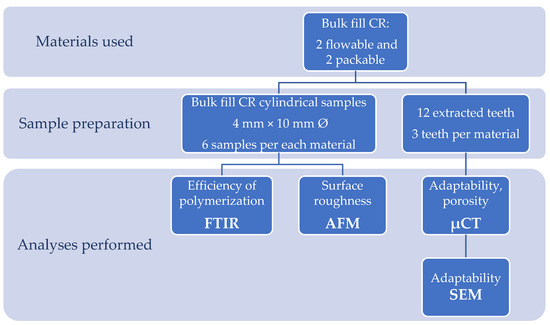
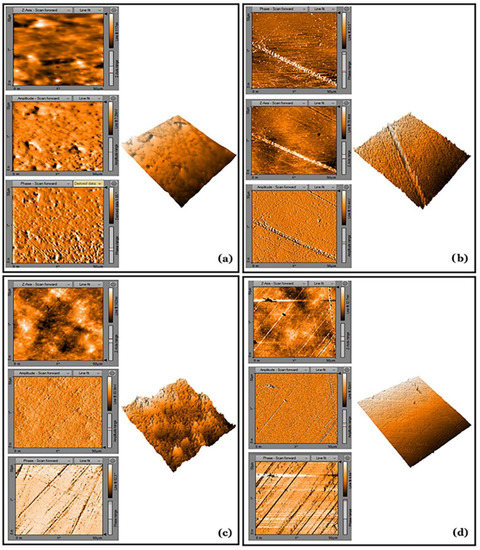
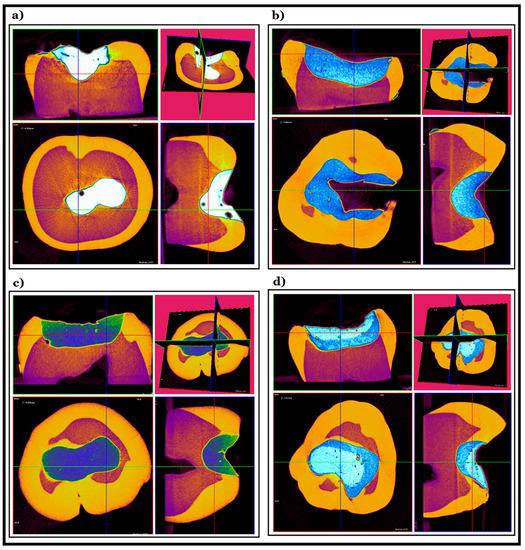
A new category of commercial bulk fill composite resins (CRs) enables the placement of 4-mm-thick layers as an alternative to the traditional time-consuming incremental technique. The purpose of the present study was to compare the efficiency of the polymerization, adaptation and porosity of two high-viscosity ‘sculptable’ bulk fill CRs (Filtek™ Bulk Fill (3M™ ESPE, St. Paul, MN, USA) and Tetric EvoCeram® Bulk Fill (Ivoclar Vivadent AG, Schwan, Liechtenstein)) and two low-viscosity ‘flowable’ bulk fill CRs (SureFil® SDR™ flow (Dentsply Sirona, Charlotte, NC, USA) and Tetric EvoFlow® Bulk Fill (Ivoclar Vivadent AG, Schaan, Liechtenstein)). Cylindrical samples of the bulk fill CRs (4 mm height × 10 mm diameter) were analyzed by Fourier-transform infrared spectroscopy (FTIR) and atomic force microscopy (AFM). Additionally, occlusal cavities were prepared in twelve extracted human molars and restored with the bulk fill CRs (n = 3 for each CR). The adaptation and porosity of the bulk fill CRs were evaluated by X-ray microcomputed tomography (µCT) with a 3D morphometric analysis, and the adaptation was also analyzed by scanning electron microscopy (SEM) on longitudinal vestibulo-oral sections of the restored teeth. The AFM analysis demonstrated that the surface roughness of the SureFil® SDR™ flow was higher than that of the Tetric EvoFlow® Bulk Fill and that the surface roughness of Filtek™ Bulk Fill was higher than that of Tetric EvoCeram® Bulk Fill. µCT and SEM confirmed that the flowable bulk fill CRs had excellent adaptation to the cavity walls. The 3D morphometric analysis showed the highest and lowest degrees of porosity in Filtek™ Bulk Fill and Tetric EvoFlow® Bulk Fill, respectively. In general, the flowable bulk fill CRs exhibited better adaptation, a higher efficiency of polymerization and lower porosity than the sculptable materials. Full article
(This article belongs to the Special Issue Antimicrobial Materials with Medical Applications)
Show Figures

Figure 1
21 pages, 2239 KB  
Article
Hydrothermal Processing and In Vitro Simulated Human Digestion Affects the Bioaccessibility and Bioactivity of Phenolic Compounds in African Pumpkin (Momordica balsamina) Leaves
by Siphosanele Mafa Moyo, June C. Serem, Megan J. Bester, Vuyo Mavumengwana and Eugenie Kayitesi
Molecules 2021, 26(17), 5201; https://doi.org/10.3390/molecules26175201 - 27 Aug 2021
Cited by 5 | Viewed by 2931
Abstract
The African pumpkin (Momordica balsamina) contains bioactive phenolic compounds that may assist in reducing oxidative stress in the human body. The leaves are mainly consumed after boiling in water for a specific time; this hydrothermal process and conditions of the gastrointestinal [...] Read more.
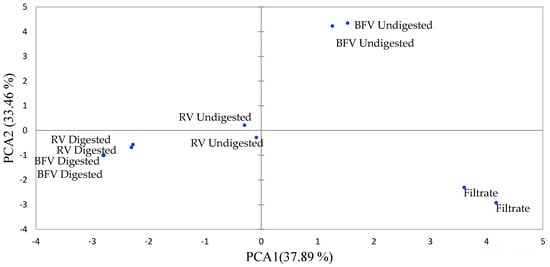
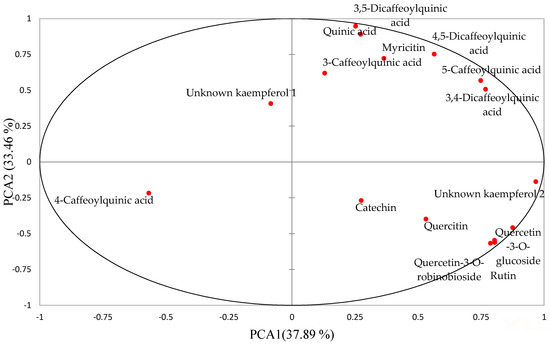
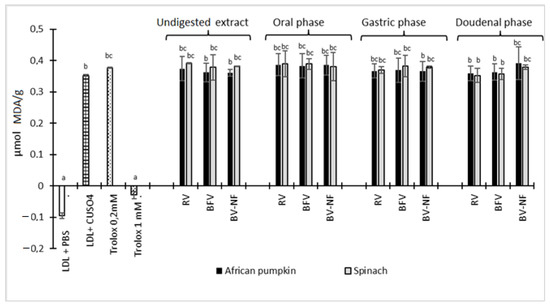
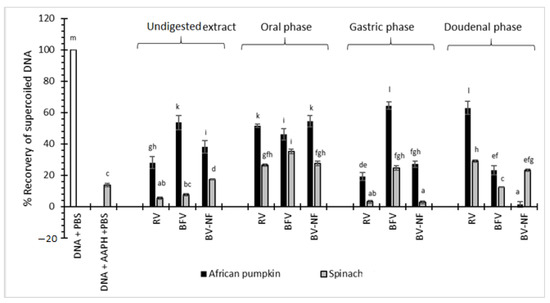
The African pumpkin (Momordica balsamina) contains bioactive phenolic compounds that may assist in reducing oxidative stress in the human body. The leaves are mainly consumed after boiling in water for a specific time; this hydrothermal process and conditions of the gastrointestinal tract may affect the presence and bioactivity of phenolics either positively or negatively. In this study, the effects of hydrothermal processing (boiling) and in vitro simulated human digestion on the phenolic composition, bioaccessibility and bioactivity in African pumpkin were investigated in comparison with those of spinach (Spinacia oleracea). A high-resolution ultra-performance liquid chromatography, coupled with diode array detection, quadrupole time-of-flight and mass spectrometer (UPLC-DAD-QTOF-MS) was used to profile phenolic metabolites. Metabolites such as 3-caffeoylquinic acid, 5-caffeoylquinic acid, 3,4-dicaffeoylquinic acid, 3,5-dicaffeoylquinic acid and 4,5-dicaffeoylquinic acid were highly concentrated in the boiled vegetable extracts compared to the raw undigested and all digested samples. The majority of African pumpkin and spinach extracts (non-digested and digested) protected Deoxyribonucleic acid (DNA), (mouse fibroblast) L929 and human epithelial colorectal adenocarcinoma (Caco-2) cells from 2,2′-Azobis(2-methylpropionamidine) dihydrochloride (AAPH)-induced oxidative damage. From these results, the consumption of boiled African pumpkin leaves, as well as spinach, could be encouraged, as bioactive metabolites present may reduce oxidative stress in the body. Full article
Show Figures

Figure 1
20 pages, 5962 KB  
Article
Analysis of Rock Varnish from the Mojave Desert by Handheld Laser-Induced Breakdown Spectroscopy
by Russell S. Harmon, Daria Khashchevskaya, Michelle Morency, Lewis A. Owen, Morgan Jennings, Jeffrey R. Knott and Jason M. Dortch
Molecules 2021, 26(17), 5200; https://doi.org/10.3390/molecules26175200 - 27 Aug 2021
Cited by 13 | Viewed by 4328
Abstract
Laser-induced breakdown spectroscopy (LIBS) is a form of optical emission spectroscopy that can be used for the rapid analysis of geological materials in the field under ambient environmental conditions. We describe here the innovative use of handheld LIBS for the in situ analysis [...] Read more.
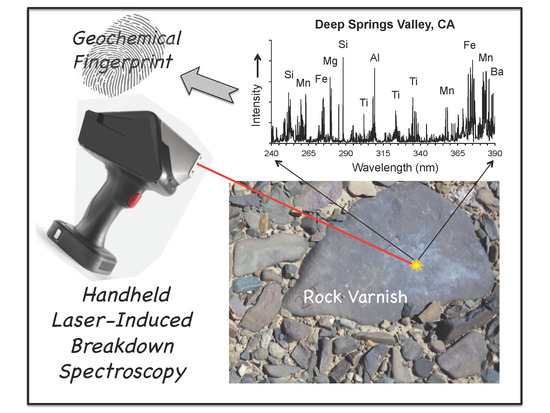
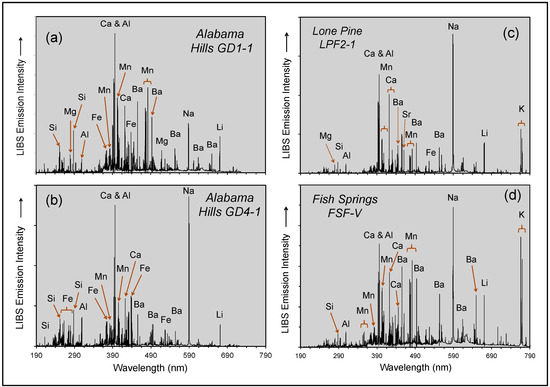
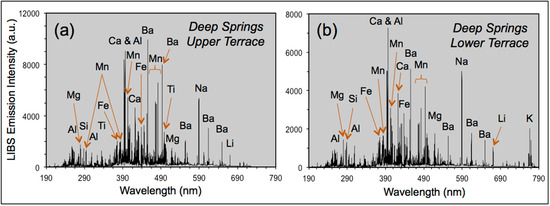
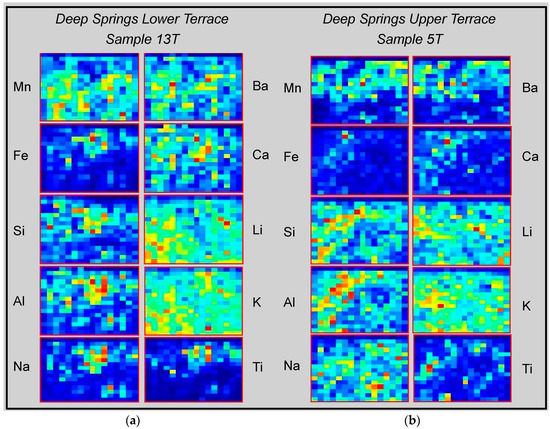
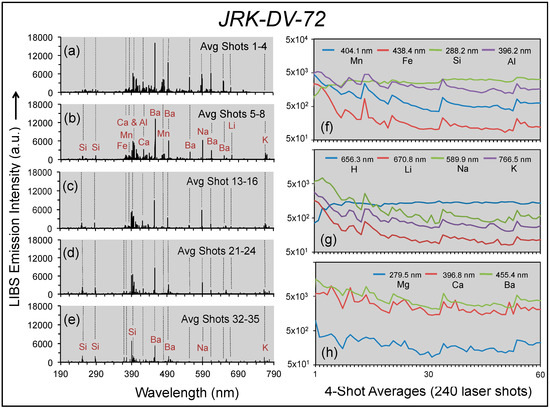
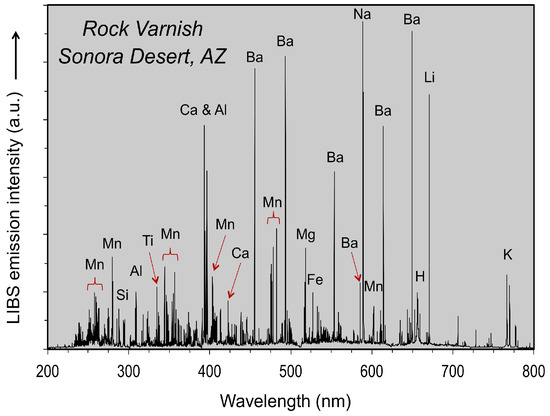
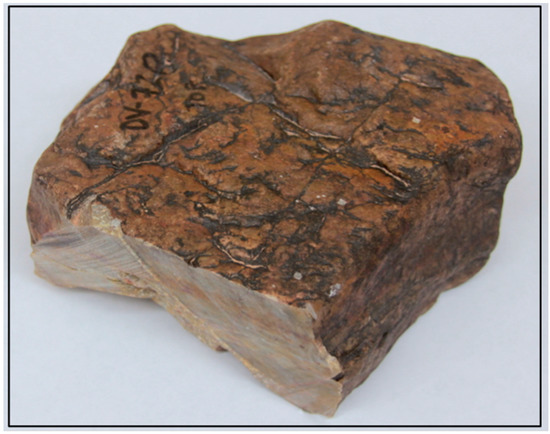
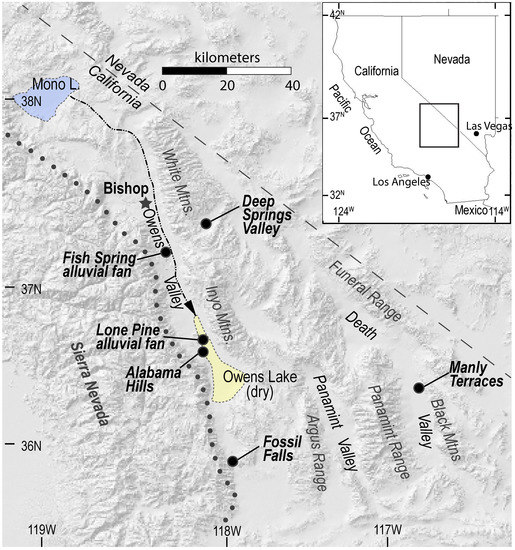
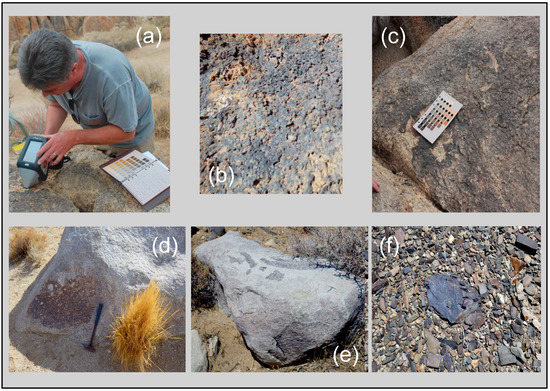
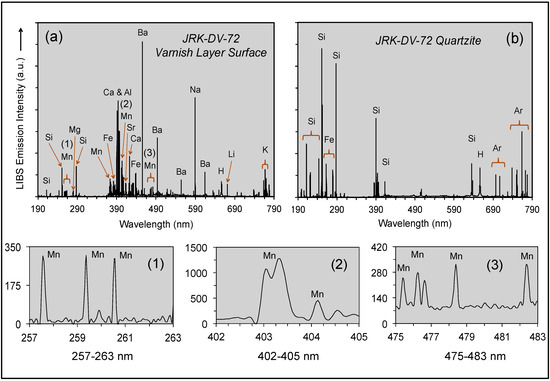
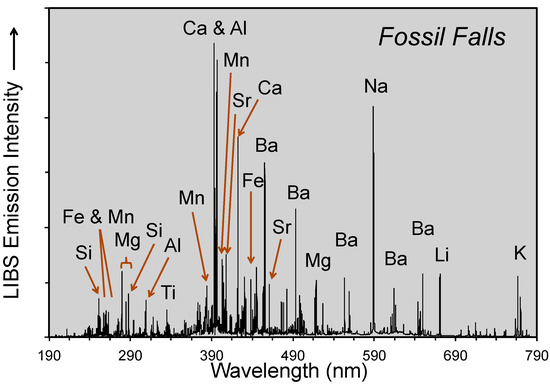
Laser-induced breakdown spectroscopy (LIBS) is a form of optical emission spectroscopy that can be used for the rapid analysis of geological materials in the field under ambient environmental conditions. We describe here the innovative use of handheld LIBS for the in situ analysis of rock varnish. This thinly laminated and compositionally complex veneer forms slowly over time on rock surfaces in dryland regions and is particularly abundant across the Mojave Desert climatic region of east-central California (USA). Following the depth profiling examination of a varnished clast from colluvial gravel in Death Valley in the laboratory, our in situ analysis of rock varnish and visually similar coatings on rock surfaces was undertaken in the Owens and Deep Spring valleys in two contexts, element detection/identification and microchemical mapping. Emission peaks were recognized in the LIBS spectra for the nine elements most abundant in rock varnish—Mn, Fe, Si, Al, Na, Mg, K, Ca and Ba, as well as for H, Li, C, O, Ti, V, Sr and Rb. Focused follow-up laboratory and field studies will help understand rock varnish formation and its utility for weathering and chronological studies. Full article
Show Figures

Graphical abstract

15 pages, 9026 KB  
Article
Dynamic Behavior of Rotation Transmission Nano-System in Helium Environment: A Molecular Dynamics Study
by Pan Zheng, Wugui Jiang, Qinghua Qin and Duosheng Li
Molecules 2021, 26(17), 5199; https://doi.org/10.3390/molecules26175199 - 27 Aug 2021
Cited by 1 | Viewed by 2615
Abstract
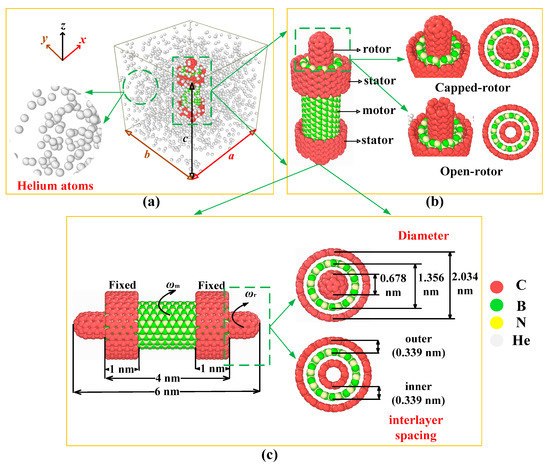
The molecular dynamics (MD) method is used to investigate the influence of the shielding gas on the dynamic behavior of the heterogeneous rotation transmission nano-system (RTS) built on carbon nanotubes (CNTs) and boron nitride nanotube (BNNT) in a helium environment. In the heterogeneous [...] Read more.
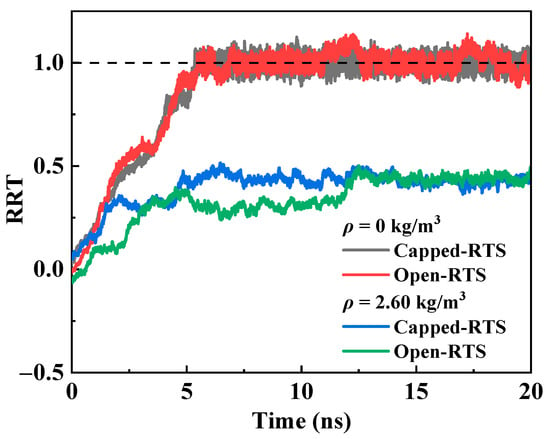
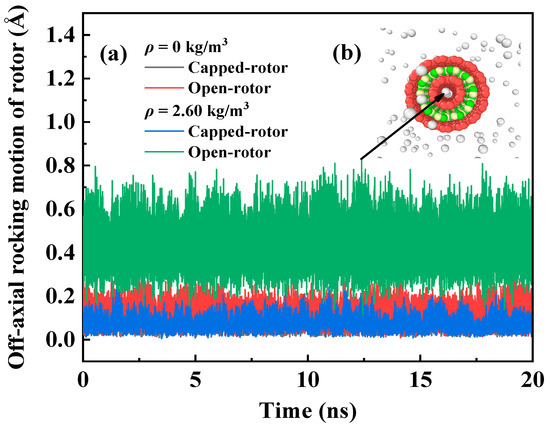
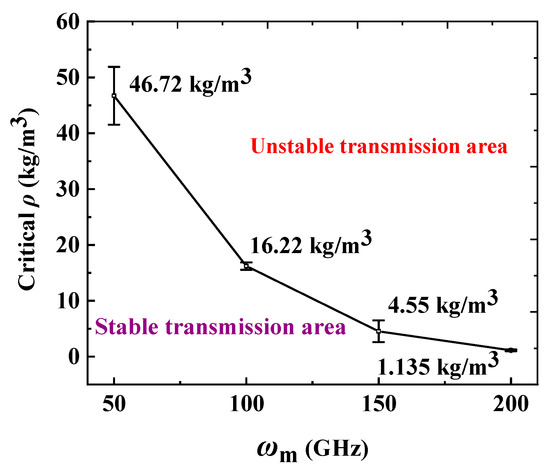
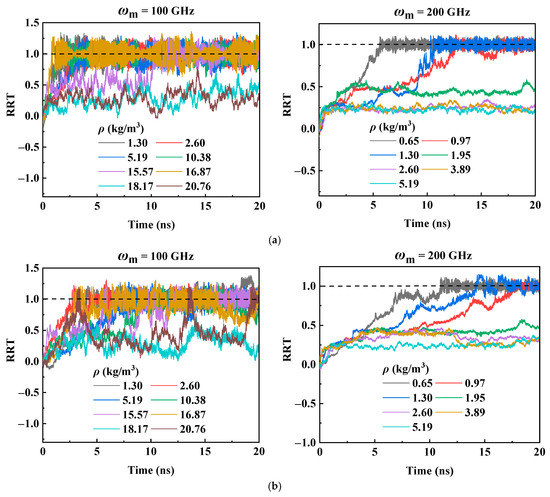
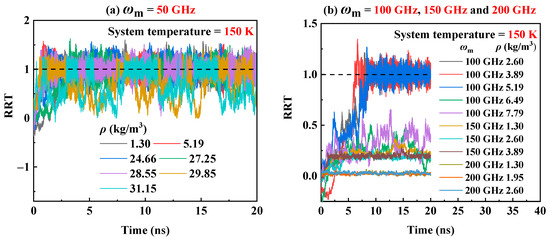
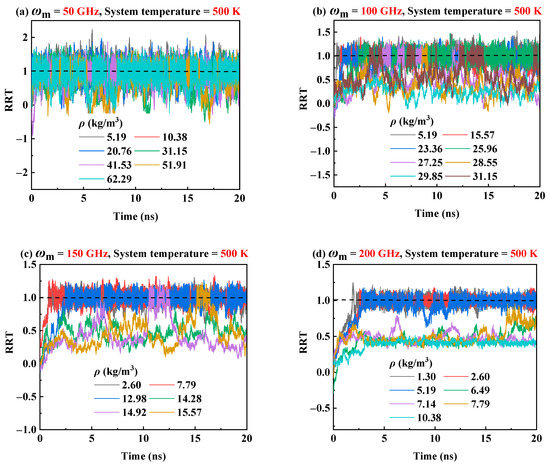
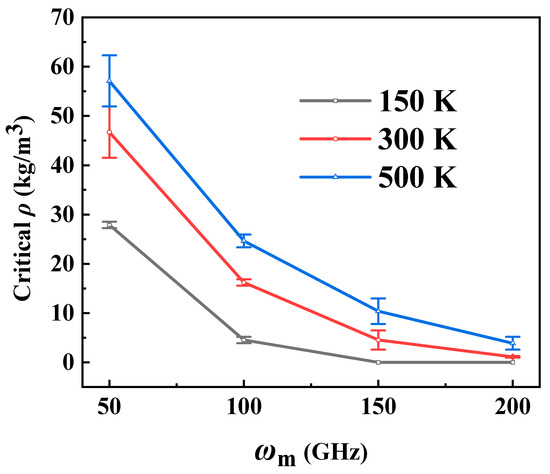
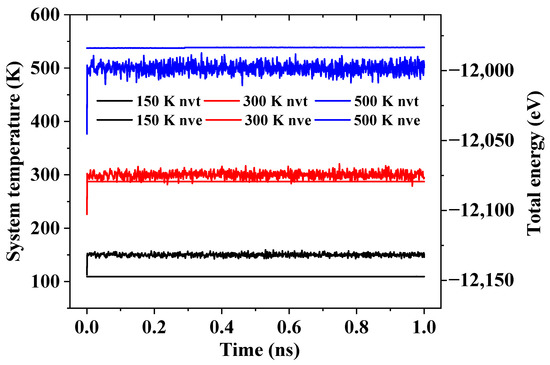
The molecular dynamics (MD) method is used to investigate the influence of the shielding gas on the dynamic behavior of the heterogeneous rotation transmission nano-system (RTS) built on carbon nanotubes (CNTs) and boron nitride nanotube (BNNT) in a helium environment. In the heterogeneous RTS, the inner CNT acts as a rotor, the middle BNNT serves as a motor, and the outer CNT functions as a stator. The rotor will be actuated to rotate by the motor due to the interlayer van der Waals effects and the end effects. The MD simulation results show that, when the gas density is lower than a critical range, a stable signal of the rotor will arise on the output and the rotation transmission ratio (RRT) of RTS can reach 1.0, but as the gas density is higher than the critical range, the output signal of the rotor cannot be stable due to the sharp drop of the RRT caused by the large friction between helium and the RTS. The greater the motor input signal of RTS, the lower the critical working helium density range. The results also show that the system temperature and gas density are the two main factors affecting the RTS transmission behavior regardless of the size of the simulation box. Our MD results clearly indicate that in the working temperature range of the RTS from 100 K to 600 K, the higher the temperature and the lower the motor input rotation frequency, the higher the critical working helium density range allows. Full article
Show Figures

Figure 1
24 pages, 2709 KB  
Article
Effects of Traditional and Modern Post-Harvest Withering Processes on the Composition of the Vitis v. Corvina Grape and the Sensory Profile of Amarone Wines
by Diego Tomasi, Andrea Lonardi, Davide Boscaro, Tiziana Nardi, Christine Mayr Marangon, Mirko De Rosso, Riccardo Flamini, Lorenzo Lovat and Giovanni Mian
Molecules 2021, 26(17), 5198; https://doi.org/10.3390/molecules26175198 - 27 Aug 2021
Cited by 21 | Viewed by 3742
Abstract
In the Valpolicella area (Verona, Italy) Vitis vinifera cv. Corvina is the main grape variety used to produce Amarone wine. Before starting the winemaking process, the Corvina grapes are stored in a withering (i.e., dehydrating) warehouse until about 30% of the berry weight [...] Read more.
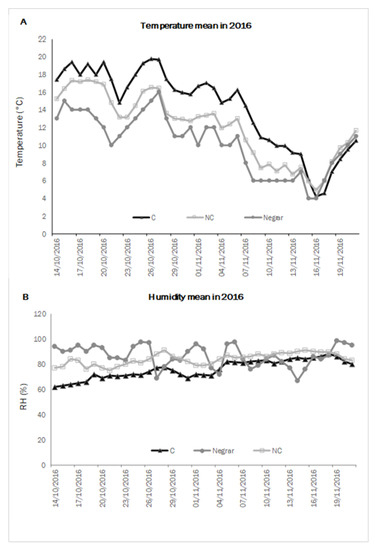
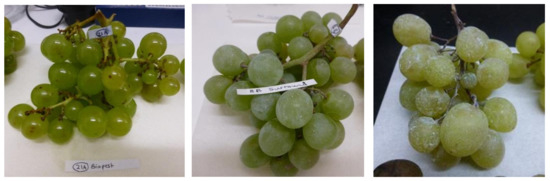
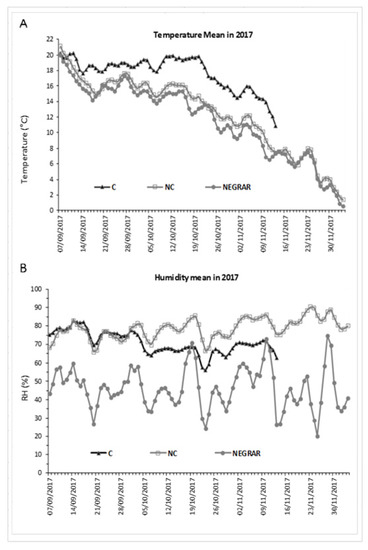
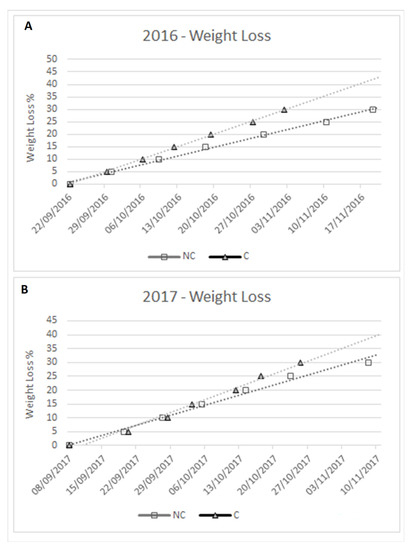
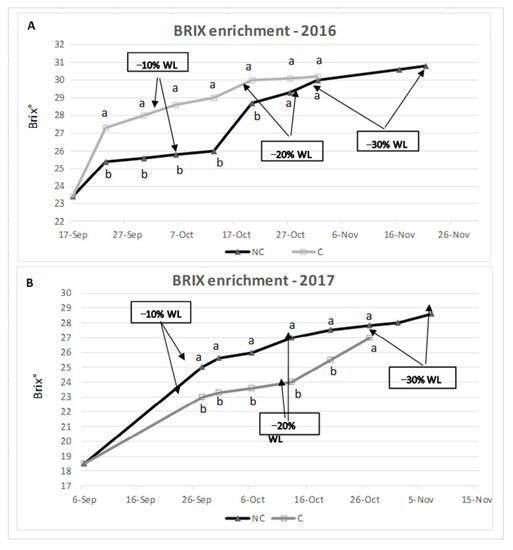
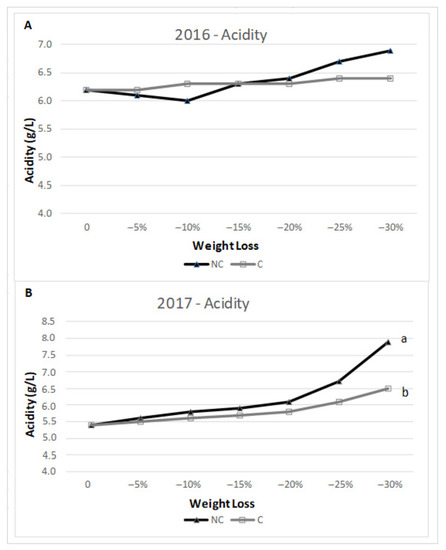
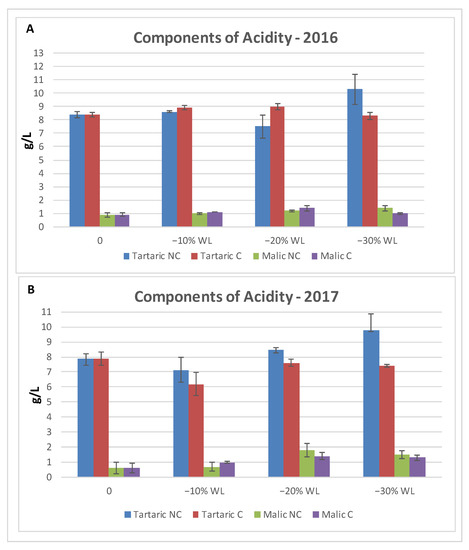
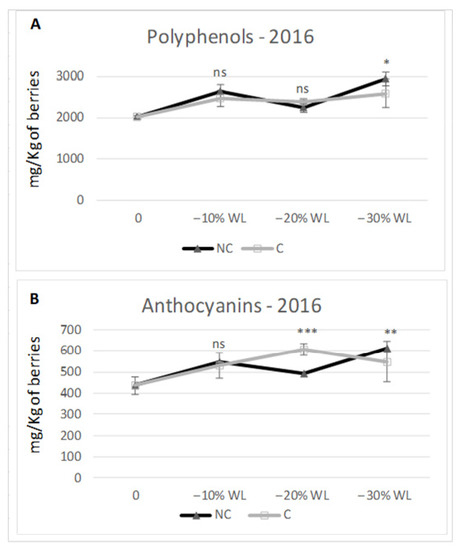
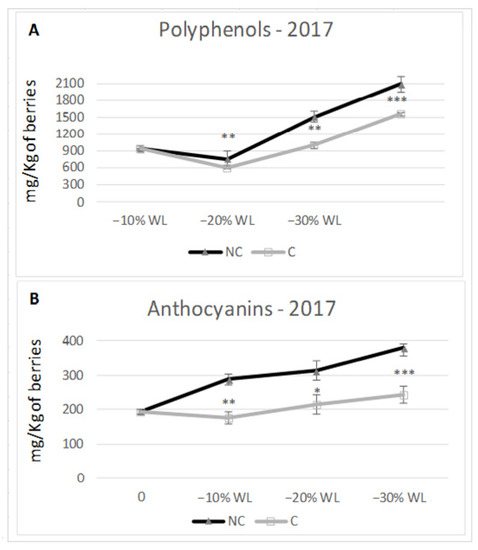
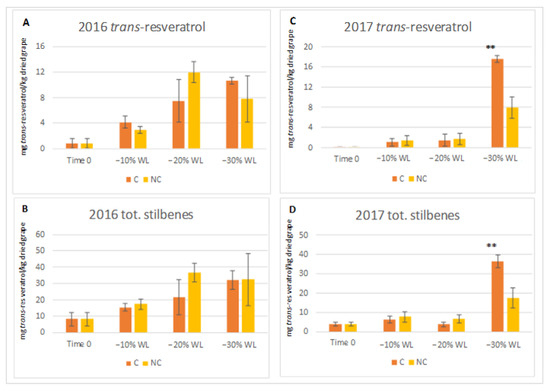
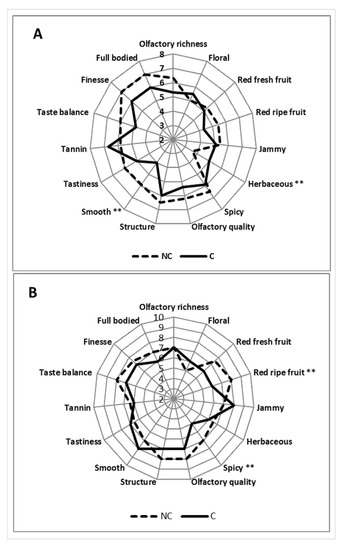
In the Valpolicella area (Verona, Italy) Vitis vinifera cv. Corvina is the main grape variety used to produce Amarone wine. Before starting the winemaking process, the Corvina grapes are stored in a withering (i.e., dehydrating) warehouse until about 30% of the berry weight is lost (WL). This practice is performed to concentrate the metabolites in the berry and enrich the Amarone wine in aroma and antioxidant compounds. In compliance with the guidelines and strict Amarone protocol set by the Consorzio of Amarone Valpolicella, withering must be carried out by setting the grapes in a suitable environment, either under controlled relative air humidity (RH) conditions and wind speed (WS)—no temperature modification is to be applied—or, following the traditional methods, in non-controlled environmental conditions. In general, the two processes have different dehydration kinetics due to the different conditions in terms of temperature, RH, and WS, which affect the accumulation of sugars and organic acids and the biosynthesis of secondary metabolites such as stilbenes and glycoside aroma precursors. For this study, the two grape-withering processes were carried out under controlled (C) and non-controlled (NC) conditions, and the final compositions of the Corvina dried grapes were compared also to evaluate the effects on the organoleptic characteristics of Amarone wine. The findings highlighted differences between the two processes mainly in terms of the secondary metabolites of the dried grapes, which affect the organoleptic characteristics of Amarone wine. Indeed, by the sensory evaluation, wines produced by adopting the NC process were found more harmonious, elegant, and balanced. Finally, we can state how using a traditional system, grapes were characterised by higher levels of VOCs (volatile compounds), whilst wines had a higher and appreciable complexity and finesse. Full article
Show Figures

Figure 1
17 pages, 2521 KB  
Article
Development and Utilization of a Model System to Evaluate the Potential of Surface Coatings for Protecting Grapes from Volatile Phenols Implicated in Smoke Taint
by Julie A. Culbert, Mark P. Krstic and Markus J. Herderich
Molecules 2021, 26(17), 5197; https://doi.org/10.3390/molecules26175197 - 27 Aug 2021
Cited by 10 | Viewed by 2964
Abstract
Due to the increasing frequency of wildfires in recent years, there is a strong need for developing mitigation strategies to manage the impact of smoke exposure of vines and occurrence of ‘smoke taint’ in wine. One plausible approach would be to prevent or [...] Read more.
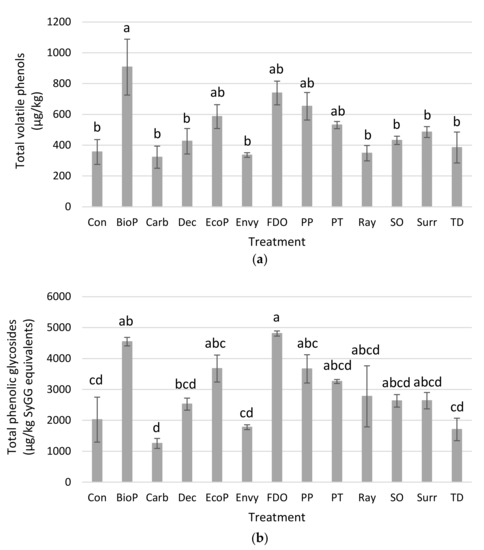
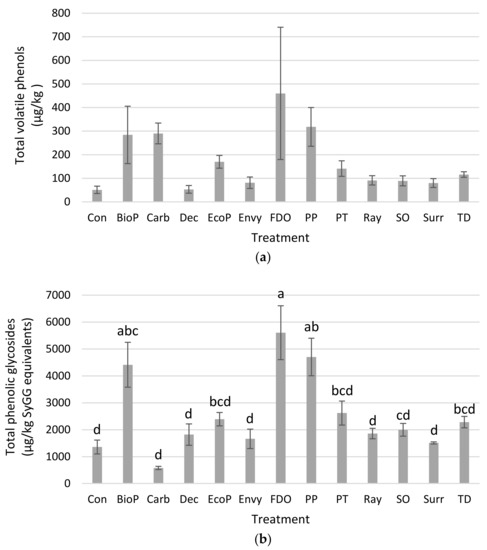
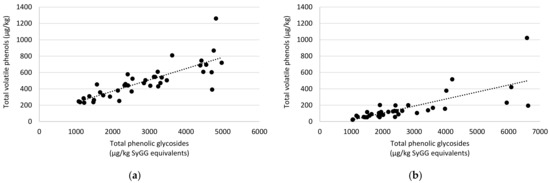
Due to the increasing frequency of wildfires in recent years, there is a strong need for developing mitigation strategies to manage the impact of smoke exposure of vines and occurrence of ‘smoke taint’ in wine. One plausible approach would be to prevent or inhibit the uptake of volatile phenols from smoke into grape berries in the vineyard. In this study we describe a model system we developed for evaluating under controlled conditions the effectiveness of a range of surface coatings (including existing horticultural sprays) for reducing/preventing the uptake of volatile phenols and their subsequent conversion to phenolic glycosides. Grapes were coated with the materials to be tested and then exposed to gaseous phenols, via evaporation from an aqueous solution, in a semi-closed glass container. Analysis of volatile phenols and their glycosidic grape metabolites demonstrated that the treatments typically did not provide any significant protection; in fact, some resulted in higher concentrations of these compounds in the grapes. The highest concentrations of volatile phenols and their glycosides were observed after application of oily, hydrophobic materials, suggesting that these materials may enhance the adsorption or transfer of volatile phenols into grape berries. Therefore, it is important to consider the types of sprays that are being applied in the vineyard before and during smoke events to prevent the potential of exacerbating the uptake of smoke compounds by grape berries. Full article
(This article belongs to the Special Issue Smoke Taint in Grapes and Wine)
Show Figures

Figure 1
40 pages, 3976 KB  
Review
The Role of Selected Natural Biomolecules in Sperm Production and Functionality
by Eva Tvrdá, Filip Benko, Tomáš Slanina and Stefan S. du Plessis
Molecules 2021, 26(17), 5196; https://doi.org/10.3390/molecules26175196 - 27 Aug 2021
Cited by 36 | Viewed by 10170
Abstract
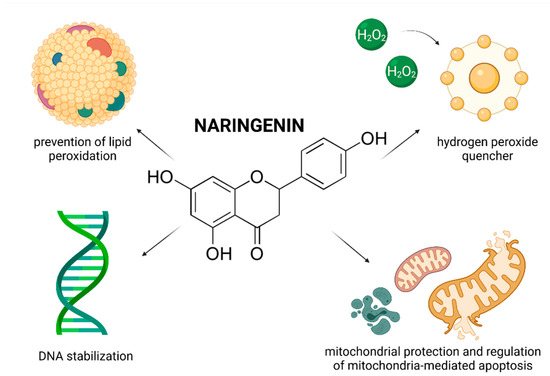
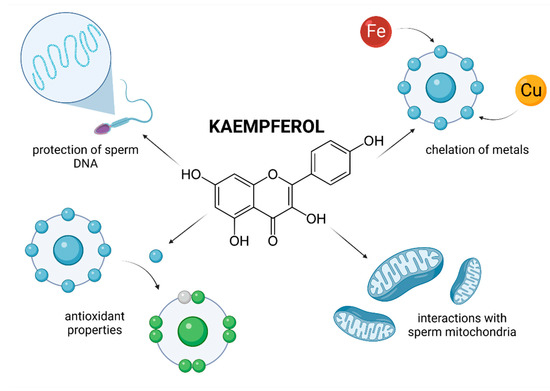
Emerging evidence from in vivo as well as in vitro studies indicates that natural biomolecules may play important roles in the prevention or management of a wide array of chronic diseases. Furthermore, the use of natural compounds in the treatment of male sub- [...] Read more.
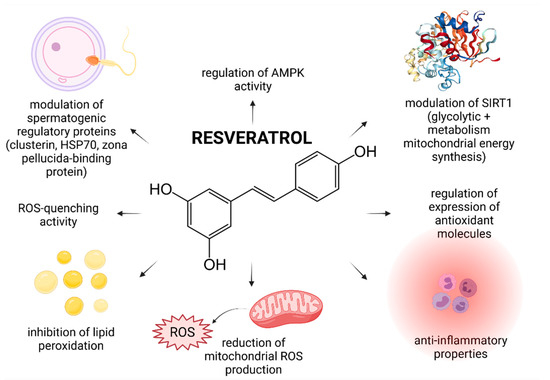
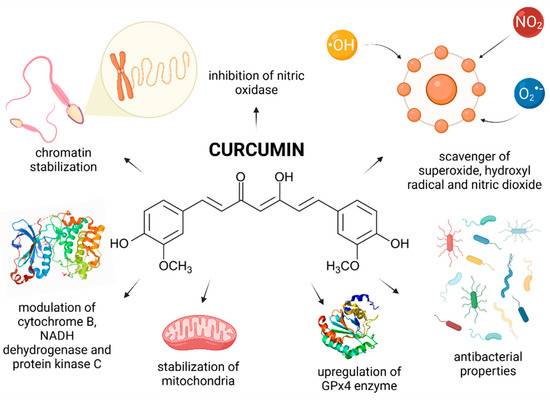
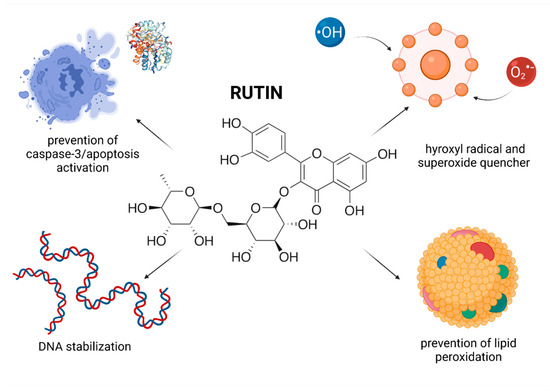
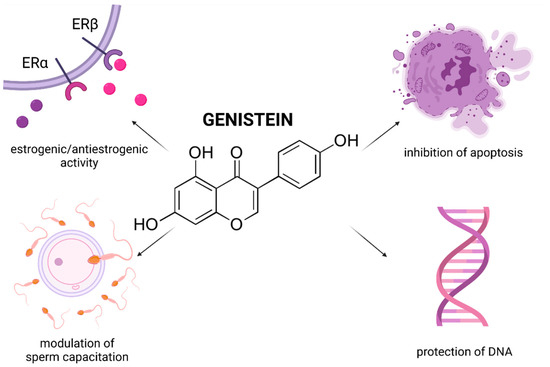
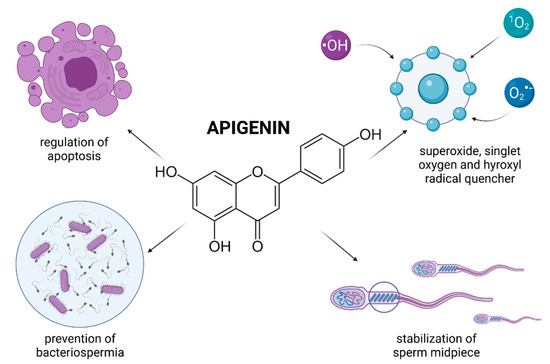
Emerging evidence from in vivo as well as in vitro studies indicates that natural biomolecules may play important roles in the prevention or management of a wide array of chronic diseases. Furthermore, the use of natural compounds in the treatment of male sub- or infertility has been proposed as a potential alternative to conventional therapeutic options. As such, we aimed to evaluate the effects of selected natural biomolecules on the sperm production, structural integrity, and functional activity. At the same time, we reviewed their possible beneficial or adverse effects on male reproductive health. Using relevant keywords, a literature search was performed to collect currently available information regarding molecular mechanisms by which selected natural biomolecules exhibit their biological effects in the context of male reproductive dysfunction. Evidence gathered from clinical trials, in vitro experiments and in vivo studies suggest that the selected natural compounds affect key targets related to sperm mitochondrial metabolism and motion behavior, oxidative stress, inflammation, DNA integrity and cell death. The majority of reports emphasize on ameliorative, stimulating and protective effects of natural biomolecules on the sperm function. Nevertheless, possible adverse and toxic behavior of natural compounds has been indicated as well, pointing out to a possible dose-dependent impact of natural biomolecules on the sperm survival and functionality. As such, further research leading to a deeper understanding of the beneficial or adverse roles of natural compounds is necessary before these can be employed for the management of male reproductive dysfunction. Full article
(This article belongs to the Special Issue Natural Bioactives: From Discovery to Applications in Reproduction)
Show Figures

Figure 1
18 pages, 1704 KB  
Article
Novel Glycerophospholipid, Lipo- and N-acyl Amino Acids from Bacteroidetes: Isolation, Structure Elucidation and Bioactivity
by Mona-Katharina Bill, Stephan Brinkmann, Markus Oberpaul, Maria A. Patras, Benedikt Leis, Michael Marner, Marc-Philippe Maitre, Peter E. Hammann, Andreas Vilcinskas, Sören M. M. Schuler and Till F. Schäberle
Molecules 2021, 26(17), 5195; https://doi.org/10.3390/molecules26175195 - 27 Aug 2021
Cited by 17 | Viewed by 5409
Abstract
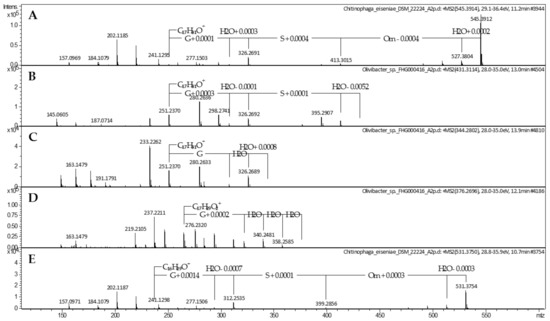
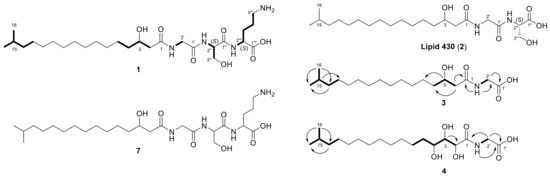
The ‘core’ metabolome of the Bacteroidetes genus Chitinophaga was recently discovered to consist of only seven metabolites. A structural relationship in terms of shared lipid moieties among four of them was postulated. Here, structure elucidation and characterization via ultra-high resolution mass spectrometry (UHR-MS) [...] Read more.
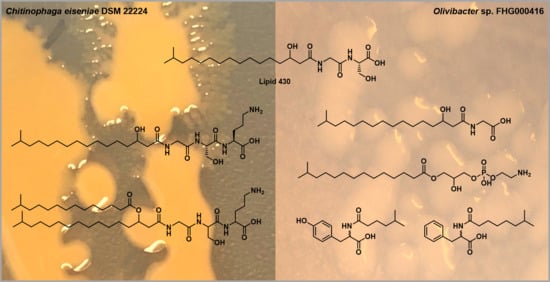
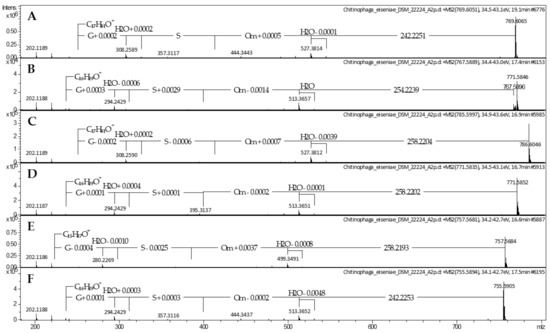
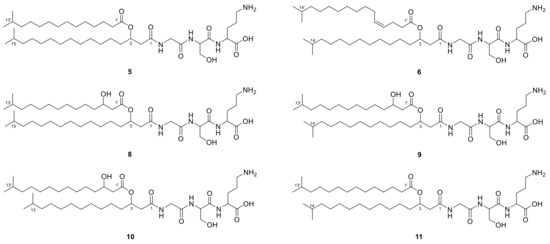
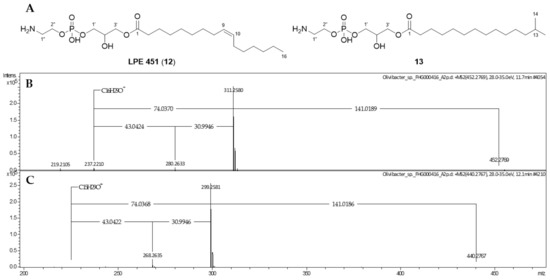
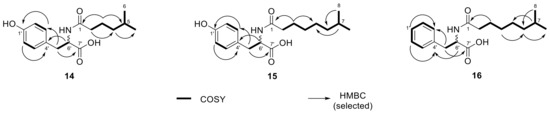
The ‘core’ metabolome of the Bacteroidetes genus Chitinophaga was recently discovered to consist of only seven metabolites. A structural relationship in terms of shared lipid moieties among four of them was postulated. Here, structure elucidation and characterization via ultra-high resolution mass spectrometry (UHR-MS) and nuclear magnetic resonance (NMR) spectroscopy of those four lipids (two lipoamino acids (LAAs), two lysophosphatidylethanolamines (LPEs)), as well as several other undescribed LAAs and N-acyl amino acids (NAAAs), identified during isolation were carried out. The LAAs represent closely related analogs of the literature-known LAAs, such as the glycine-serine dipeptide lipids 430 (2) and 654. Most of the here characterized LAAs (1, 511) are members of a so far undescribed glycine-serine-ornithine tripeptide lipid family. Moreover, this study reports three novel NAAAs (N-(5-methyl)hexanoyl tyrosine (14) and N-(7-methyl)octanoyl tyrosine (15) or phenylalanine (16)) from Olivibacter sp. FHG000416, another Bacteroidetes strain initially selected as best in-house producer for isolation of lipid 430. Antimicrobial profiling revealed most isolated LAAs (13) and the two LPE ‘core’ metabolites (12, 13) active against the Gram-negative pathogen M. catarrhalis ATCC 25238 and the Gram-positive bacterium M. luteus DSM 20030. For LAA 1, additional growth inhibition activity against B. subtilis DSM 10 was observed. Full article
Show Figures

Graphical abstract

14 pages, 2866 KB  
Article
Positive Charges in the Brace Region Facilitate the Membrane Disruption of MLKL-NTR in Necroptosis
by Yaqing Yang, Encheng Xie, Lingyu Du, Yu Yang, Bin Wu, Liming Sun, Shuqing Wang and Bo OuYang
Molecules 2021, 26(17), 5194; https://doi.org/10.3390/molecules26175194 - 27 Aug 2021
Cited by 5 | Viewed by 2826
Abstract
Necroptosis is a type of programmed cell death executed through the plasma membrane disruption by mixed lineage kinase domain-like protein (MLKL). Previous studies have revealed that an N-terminal four-helix bundle domain (NBD) of MLKL is the executioner domain for the membrane permeabilization, which [...] Read more.
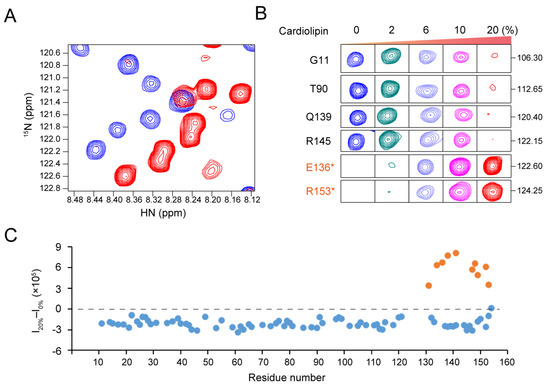
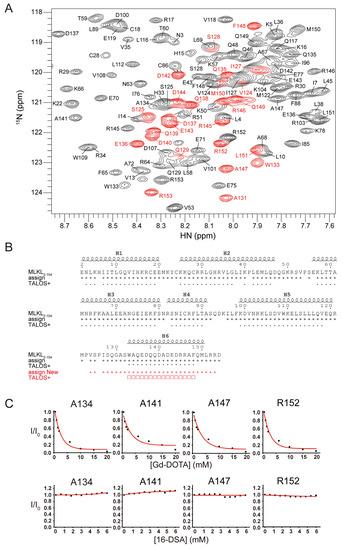
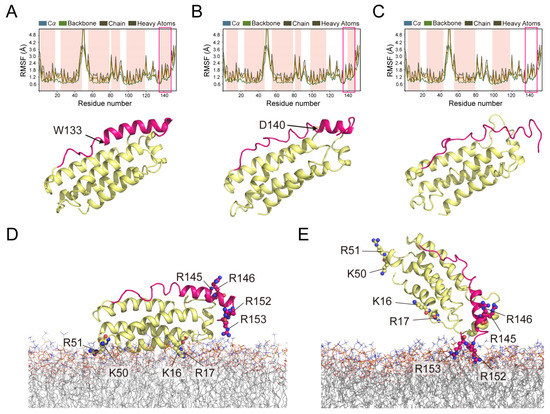
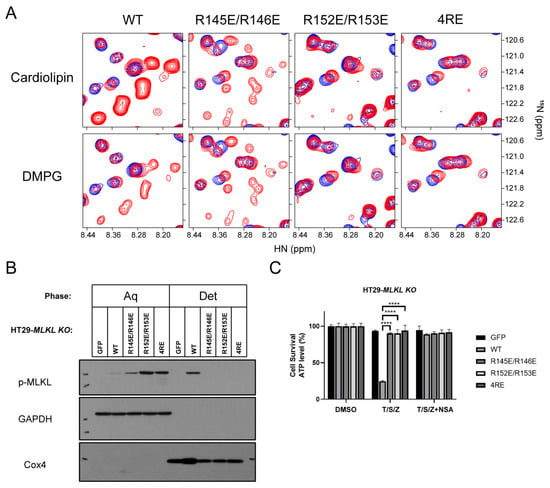
Necroptosis is a type of programmed cell death executed through the plasma membrane disruption by mixed lineage kinase domain-like protein (MLKL). Previous studies have revealed that an N-terminal four-helix bundle domain (NBD) of MLKL is the executioner domain for the membrane permeabilization, which is auto-inhibited by the first brace helix (H6). After necroptosis initiation, this inhibitory brace helix detaches and the NBD can integrate into the membrane, and hence leads to necroptotic cell death. However, how the NBD is released and induces membrane rupture is poorly understood. Here, we reconstituted MLKL2–154 into membrane mimetic bicelles and observed the structure disruption and membrane release of the first brace helix that is regulated by negatively charged phospholipids in a dose-dependent manner. Using molecular dynamics simulation we found that the brace region in an isolated, auto-inhibited MLKL2–154 becomes intrinsically disordered in solution after 7 ns dynamic motion. Further investigations demonstrated that a cluster of arginines in the C-terminus of MLKL2–154 is important for the molecular conformational switch. Functional mutagenesis showed that mutating these arginines to glutamates hindered the membrane disruption of full-length MLKL and thus inhibited the necroptotic cell death. These findings suggest that the brace helix also plays an active role in MLKL regulation, rather than an auto-inhibitory domain. Full article
(This article belongs to the Special Issue Biomolecular NMR 2021)
Show Figures

Figure 1
21 pages, 2195 KB  
Review
Toward a Greener World—Cyclodextrin Derivatization by Mechanochemistry
by László Jicsinszky and Giancarlo Cravotto
Molecules 2021, 26(17), 5193; https://doi.org/10.3390/molecules26175193 - 27 Aug 2021
Cited by 10 | Viewed by 3707
Abstract
Cyclodextrin (CD) derivatives are a challenge, mainly due to solubility problems. In many cases, the synthesis of CD derivatives requires high-boiling solvents, whereas the product isolation from the aqueous methods often requires energy-intensive processes. Complex formation faces similar challenges in that it involves [...] Read more.
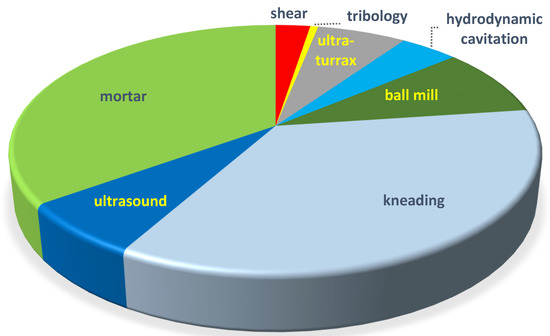
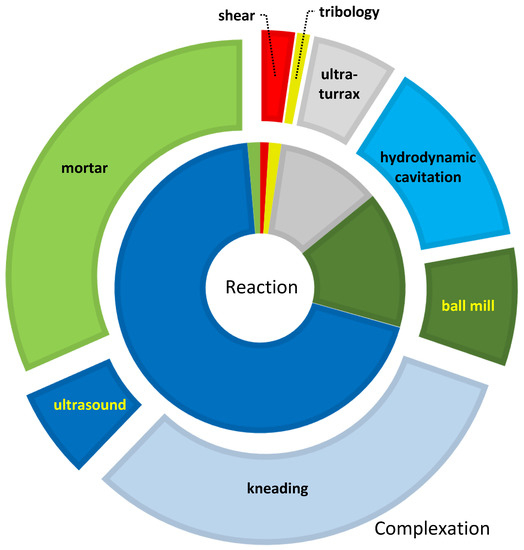
Cyclodextrin (CD) derivatives are a challenge, mainly due to solubility problems. In many cases, the synthesis of CD derivatives requires high-boiling solvents, whereas the product isolation from the aqueous methods often requires energy-intensive processes. Complex formation faces similar challenges in that it involves interacting materials with conflicting properties. However, many authors also refer to the formation of non-covalent bonds, such as the formation of inclusion complexes or metal–organic networks, as reactions or synthesis, which makes it difficult to classify the technical papers. In many cases, the solubility of both the starting material and the product in the same solvent differs significantly. The sweetest point of mechanochemistry is the reduced demand or complete elimination of solvents from the synthesis. The lack of solvents can make syntheses more economical and greener. The limited molecular movements in solid-state allow the preparation of CD derivatives, which are difficult to produce under solvent reaction conditions. A mechanochemical reaction generally has a higher reagent utilization rate. When the reaction yields a good guest co-product, solvent-free conditions can be slower than in solution conditions. Regioselective syntheses of per-6-amino and alkylthio-CD derivatives or insoluble cyclodextrin polymers and nanosponges are good examples of what a greener technology can offer through solvent-free reaction conditions. In the case of thiolated CD derivatives, the absence of solvents results in significant suppression of the thiol group oxidation, too. The insoluble polymer synthesis is also more efficient when using the same molar ratio of the reagents as the solution reaction. Solid reactants not only reduce the chance of hydrolysis of multifunctional reactants or side reactions, but the spatial proximity of macrocycles also reduces the length of the spacing formed by the crosslinker. The structure of insoluble polymers of the mechanochemical reactions generally is more compact, with fewer and shorter hydrophilic arms than the products of the solution reactions. Full article
(This article belongs to the Special Issue New Trends in Functionalized Cyclodextrins)
Show Figures

Figure 1
16 pages, 1646 KB  
Article
Apigenin Ameliorates Scopolamine-Induced Cognitive Dysfunction and Neuronal Damage in Mice
by Yeojin Kim, Jihyun Kim, Meitong He, Ahyoung Lee and Eunju Cho
Molecules 2021, 26(17), 5192; https://doi.org/10.3390/molecules26175192 - 27 Aug 2021
Cited by 43 | Viewed by 7764
Abstract
We investigated the protective effect and mechanisms of apigenin against cognitive impairments in a scopolamine-injected mouse model. Our results showed that intraperitoneal (i.p.) injection of scopolamine leads to learning and memory dysfunction, whereas the administration of apigenin (synthetic compound, 100 and 200 mg/kg/day) [...] Read more.
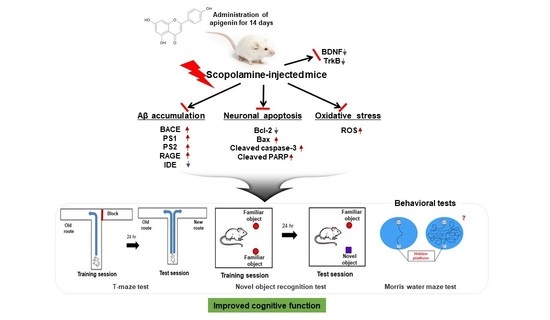
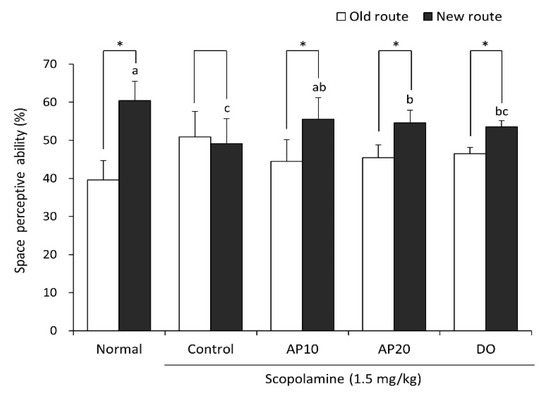
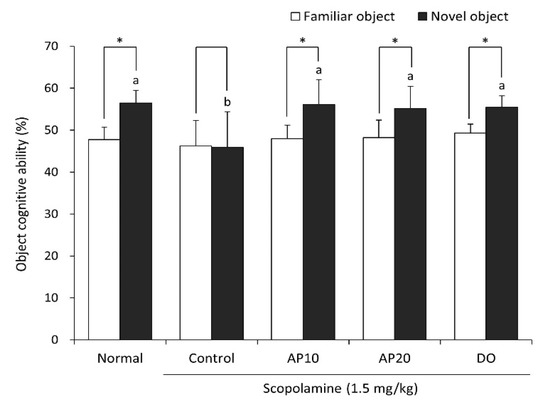
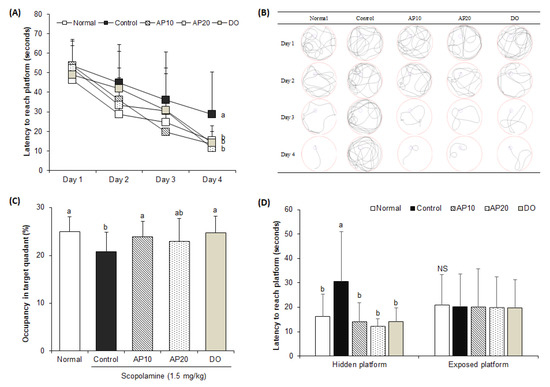
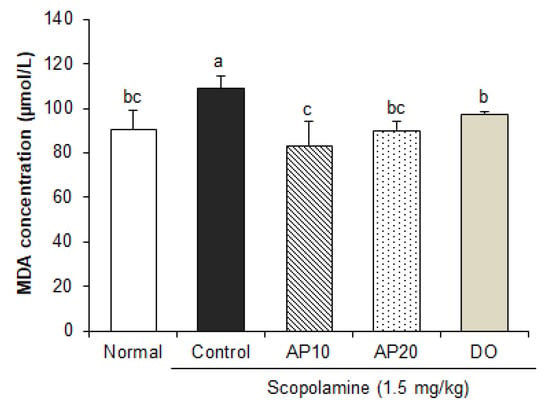
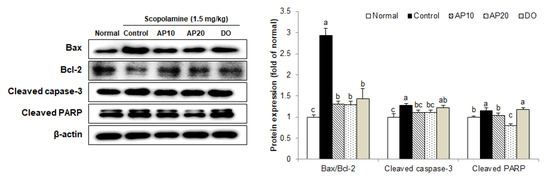
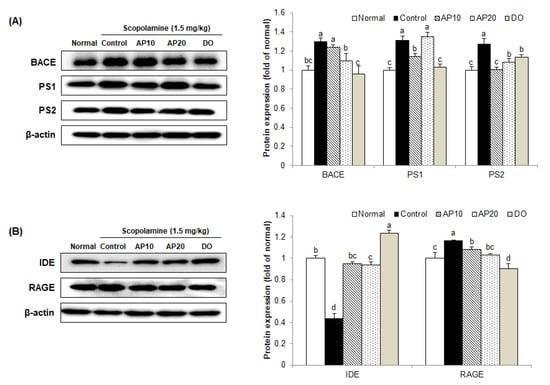
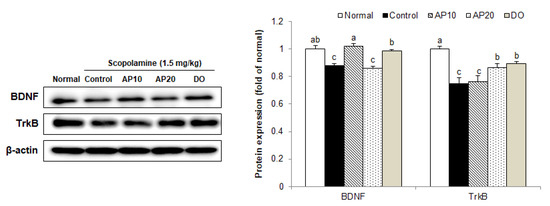
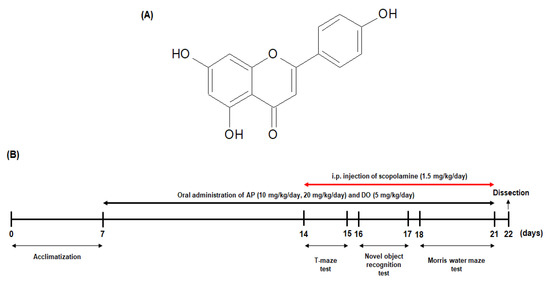
We investigated the protective effect and mechanisms of apigenin against cognitive impairments in a scopolamine-injected mouse model. Our results showed that intraperitoneal (i.p.) injection of scopolamine leads to learning and memory dysfunction, whereas the administration of apigenin (synthetic compound, 100 and 200 mg/kg/day) improved cognitive ability, which was confirmed by behavioral tests such as the T-maze test, novel objective recognition test, and Morris water maze test in mice. In addition, scopolamine-induced lipid peroxidation in the brain was attenuated by administration of apigenin. To further evaluate the protective mechanisms of apigenin on cognitive and memory function, Western blot analysis was carried out. Administration of apigenin decreased the B-cell lymphoma 2-associated X/B-cell lymphoma 2 (Bax/Bcl-2) ratio and suppressed caspase-3 and poly ADP ribose polymerase cleavage. Furthermore, apigenin down-regulated the β-site amyloid precursor protein-cleaving enzyme, along with presenilin 1 (PS1) and PS2 protein levels. Apigenin-administered mice showed lower protein levels of a receptor for advanced glycation end-products, whereas insulin-degrading enzyme, brain-derived neurotrophic factor (BDNF), and tropomyosin receptor kinase B (TrkB) expression were promoted by treatment with apigenin. Therefore, this study demonstrated that apigenin is an active substance that can improve cognitive and memory functions by regulating apoptosis, amyloidogenesis, and BDNF/TrkB signaling pathways. Full article
(This article belongs to the Collection Bioactive Compounds)
Show Figures

Graphical abstract

13 pages, 3750 KB  
Article
Photophysical Deactivation Mechanisms of the Pyrimidine Analogue 1-Cyclohexyluracil
by Danillo Valverde, Adalberto V. S. de Araújo and Antonio Carlos Borin
Molecules 2021, 26(17), 5191; https://doi.org/10.3390/molecules26175191 - 27 Aug 2021
Cited by 6 | Viewed by 3276
Abstract
The photophysical relaxation mechanisms of 1-cyclohexyluracil, in vacuum and water, were investigated by employing the Multi-State CASPT2 (MS-CASPT2, Multi-State Complete Active-Space Second-Order Perturbation Theory) quantum chemical method and Dunning’s cc-pVDZ basis sets. In both environments, our results suggest that the primary photophysical event [...] Read more.
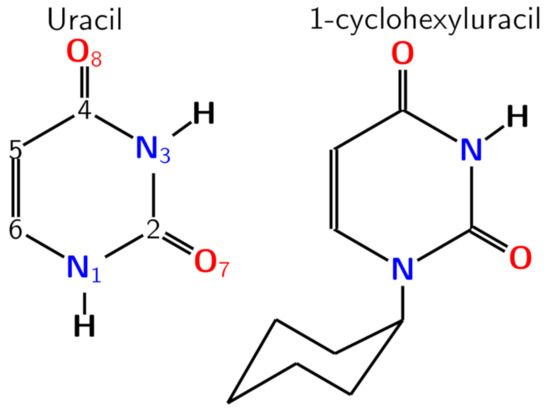
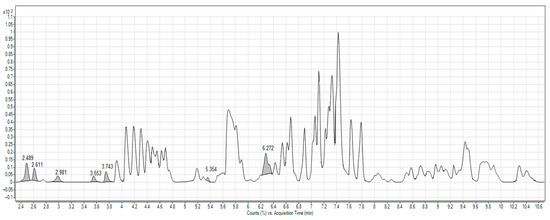
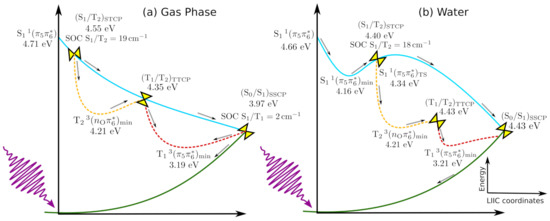
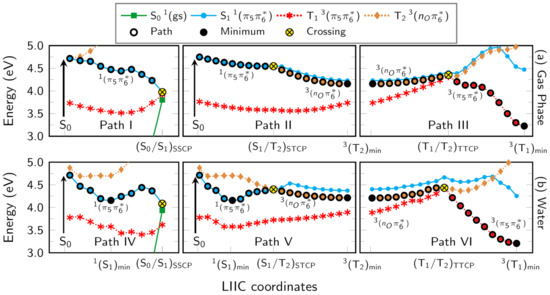
The photophysical relaxation mechanisms of 1-cyclohexyluracil, in vacuum and water, were investigated by employing the Multi-State CASPT2 (MS-CASPT2, Multi-State Complete Active-Space Second-Order Perturbation Theory) quantum chemical method and Dunning’s cc-pVDZ basis sets. In both environments, our results suggest that the primary photophysical event is the population of the S11(ππ*) bright state. Afterwards, two likely deactivation pathways can take place, which is sustained by linear interpolation in internal coordinates defined via Z-Matrix scans connecting the most important characteristic points. The first one (Route 1) is the same relaxation mechanism observed for uracil, its canonical analogue, i.e., internal conversion to the ground state through an ethylenic-like conical intersection. The other route (Route 2) is the direct population transfer from the S11(ππ*) bright state to the T23(nπ*) triplet state via an intersystem crossing process involving the (S11(ππ*)/T23(nπ*))STCP singlet-triplet crossing point. As the spin-orbit coupling is not too large in either environment, we propose that most of the electronic population initially on the S11(ππ*) state returns to the ground following the same ultrafast deactivation mechanism observed in uracil (Route 1), while a smaller percentage goes to the triplet manifold. The presence of a minimum on the S11(ππ*) potential energy hypersurface in water can help to understand why experimentally it is noticed suppression of the triplet states population in polar protic solvent. Full article
(This article belongs to the Special Issue Photophysics and Photochemistry in Complex Molecular Systems)
Show Figures

Figure 1
20 pages, 7498 KB  
Article
Effect of an Antioxidant Based on Red Beetroot Extract on the Abiotic Stability of Polylactide and Polycaprolactone
by Petra Drohsler, Jaroslav Cisar, Tomas Sopik, Vladimir Sedlarik and Martina Pummerova
Molecules 2021, 26(17), 5190; https://doi.org/10.3390/molecules26175190 - 27 Aug 2021
Cited by 4 | Viewed by 2851
Abstract
This study investigated the effect of natural antioxidants inherent to beetroot (Beta vulgaris var. Vulgaris) on the ageing of environmentally friendly plastics. Certain properties were examined in this context, comprising thermal, mechanical, and morphological properties. A visual evaluation of relevant changes [...] Read more.
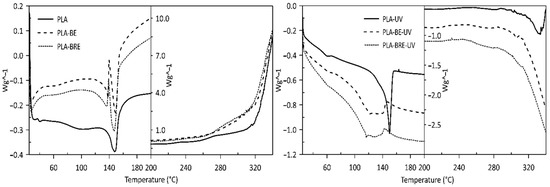
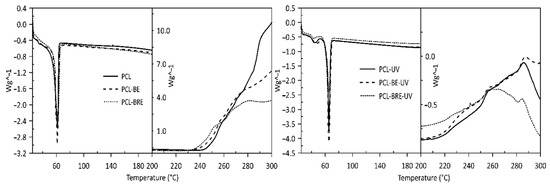
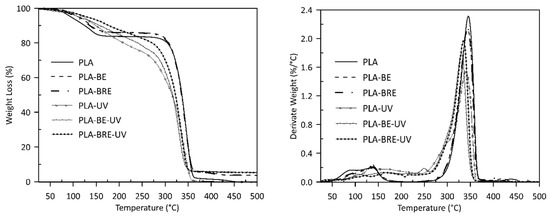
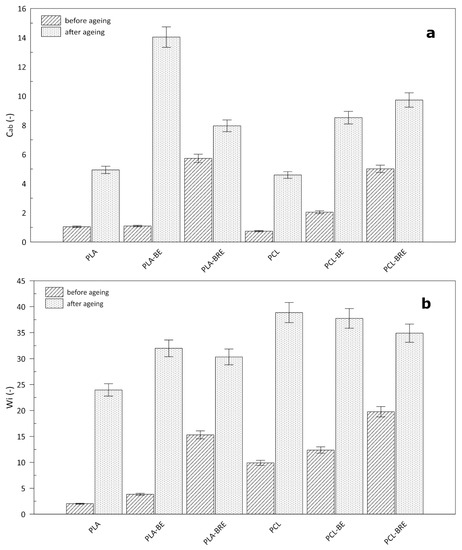
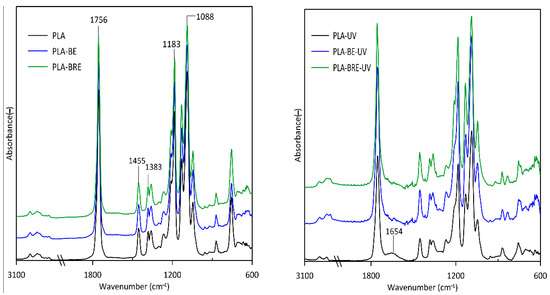
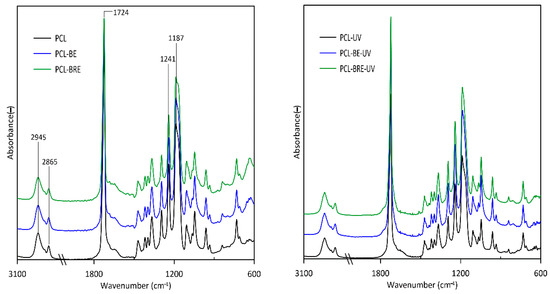
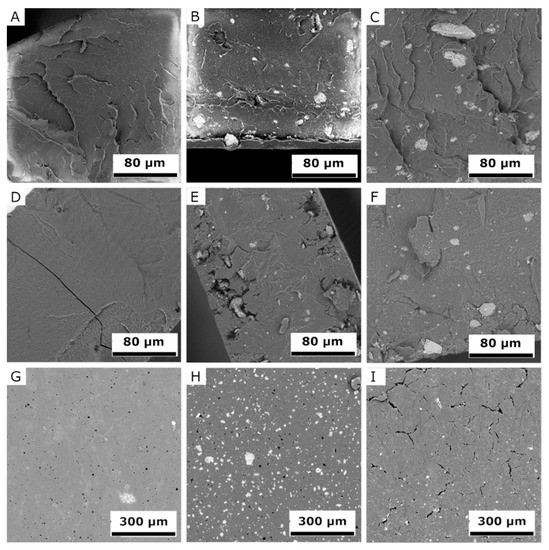
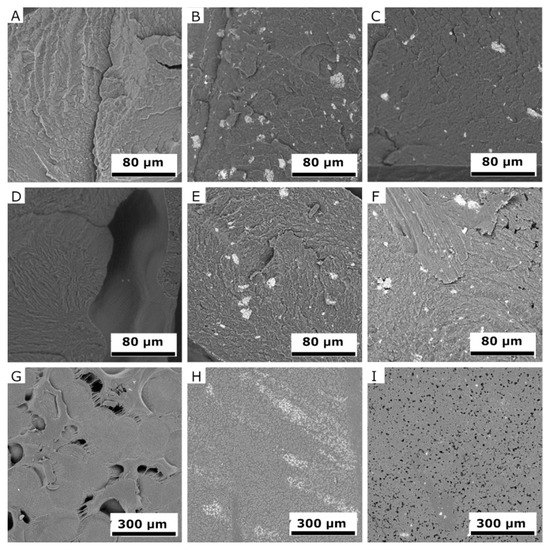
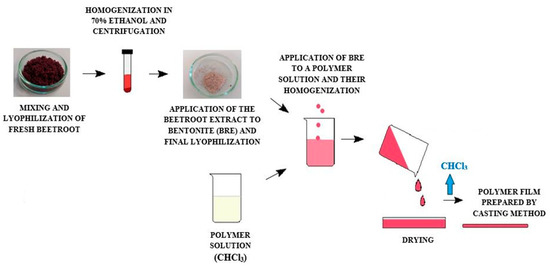
This study investigated the effect of natural antioxidants inherent to beetroot (Beta vulgaris var. Vulgaris) on the ageing of environmentally friendly plastics. Certain properties were examined in this context, comprising thermal, mechanical, and morphological properties. A visual evaluation of relevant changes in the given polymers (polylactide and polycaprolactone) was conducted during an ageing test in a UV chamber (45 °C, 70% humidity) for 720 h. The films were prepared by a casting process, in which samples with the extract of beetroot were additionally incorporated in a common filler (bentonite), this serving as a carrier for the extract. The results showed the effect of the incorporated antioxidant, which was added to stabilize the biodegradable films. Its efficiency during the ageing test in the polymers tended to exceed or be comparable to that of the reference sample. Full article
Show Figures

Figure 1
14 pages, 19384 KB  
Article
Enhanced Aryltetralin Lignans Production in Linum Adventi-Tious Root Cultures
by Michela Alfieri, Iride Mascheretti, Roméo A. Dougué Kentsop, Roberto Consonni, Franca Locatelli, Monica Mattana and Gianluca Ottolina
Molecules 2021, 26(17), 5189; https://doi.org/10.3390/molecules26175189 - 27 Aug 2021
Cited by 8 | Viewed by 3124
Abstract
Lignans are the main secondary metabolites synthetized by Linum species as plant defense molecules. They are also valuable for human health, in particular, for their potent antiviral and antineoplastic properties. In this study, the adventitious root cultures of three Linum species (L. [...] Read more.
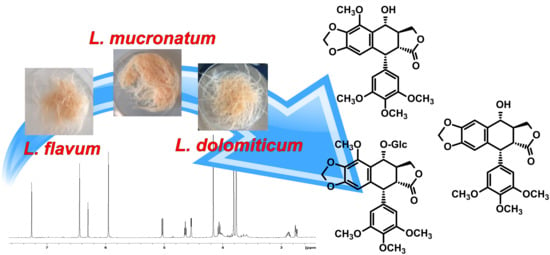
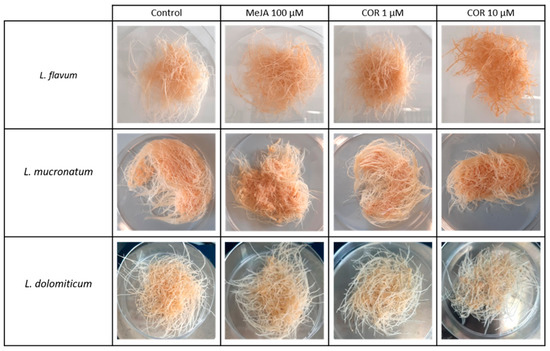
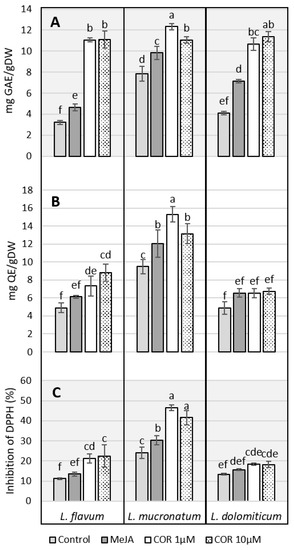
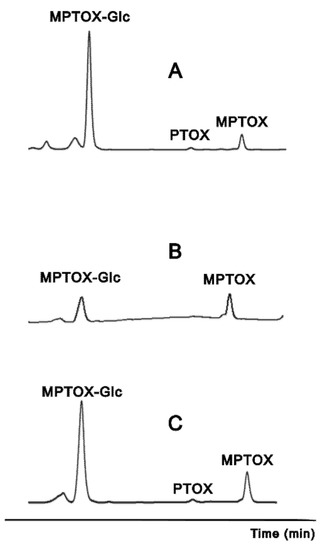
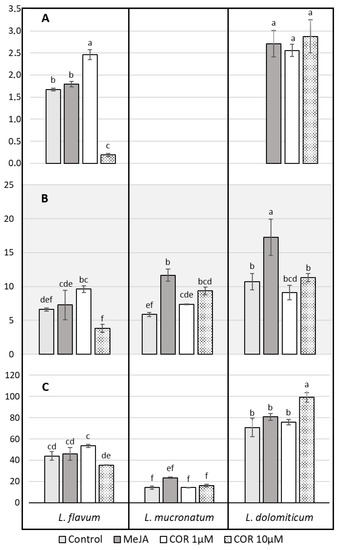
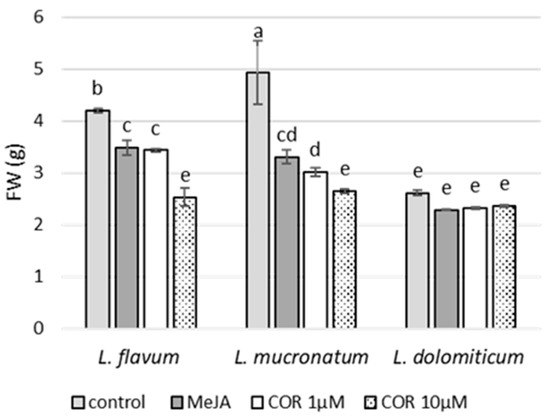
Lignans are the main secondary metabolites synthetized by Linum species as plant defense molecules. They are also valuable for human health, in particular, for their potent antiviral and antineoplastic properties. In this study, the adventitious root cultures of three Linum species (L. flavum, L. mucronatum and L. dolomiticum) were developed to produce aryltetralin lignans. The effect of two elicitors, methyl jasmonate and coronatine, on aryltetralin lignans production was also evaluated. The adventitious root cultures from L. dolomiticum were obtained and analyzed for the first time and resulted as the best producer for all the aryltetralins highlighted in this system: Podophyllotoxin, 6-methoxypodophyllotoxin and 6-methoxypodophyllotoxin-7-O-β-glucoside, the last showing a productivity of 92.6 mg/g DW. The two elicitors differently affected the production of the 6-methoxypodophyllotoxin and 6-methoxypodophyllotoxin-7-O-β-glucoside. Full article
(This article belongs to the Special Issue Recent Advances on Natural Product Research)
Show Figures

Graphical abstract

11 pages, 771 KB  
Article
Lepidium graminifolium L.: Glucosinolate Profile and Antiproliferative Potential of Volatile Isolates
by Azra Đulović, Franko Burčul, Vedrana Čikeš Čulić, Mirko Ruščić, Petra Brzović, Sabine Montaut, Patrick Rollin and Ivica Blažević
Molecules 2021, 26(17), 5183; https://doi.org/10.3390/molecules26175183 - 27 Aug 2021
Cited by 7 | Viewed by 3670
Abstract
Glucosinolates (GSLs) from Lepidium graminifolium L. were analyzed qualitatively and quantitatively by their desulfo-counterparts using UHPLC-DAD-MS/MS technique and by their volatile breakdown products-isothiocyanates (ITCs) using GC-MS analysis. Thirteen GSLs were identified with arylaliphatic as the major ones in the following order: 3-hydroxybenzyl GSL [...] Read more.
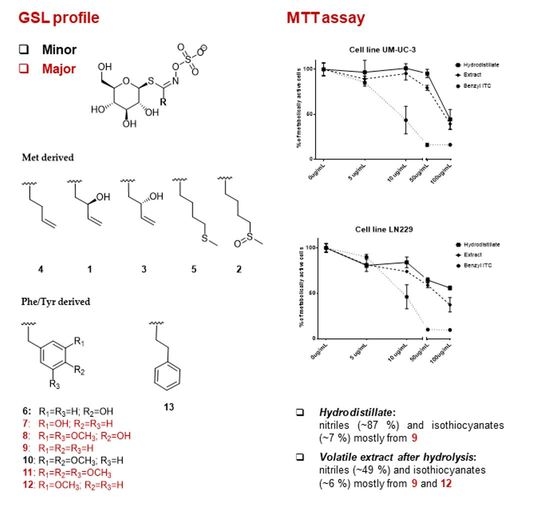
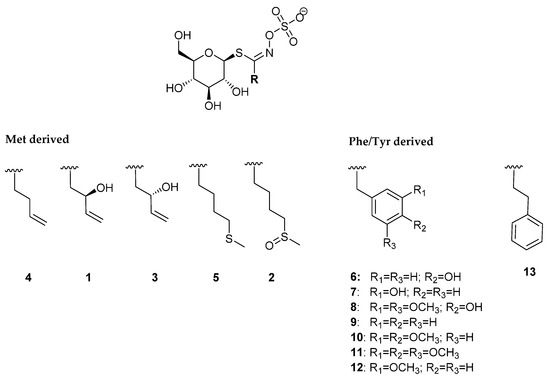
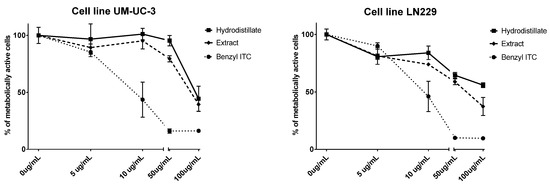
Glucosinolates (GSLs) from Lepidium graminifolium L. were analyzed qualitatively and quantitatively by their desulfo-counterparts using UHPLC-DAD-MS/MS technique and by their volatile breakdown products-isothiocyanates (ITCs) using GC-MS analysis. Thirteen GSLs were identified with arylaliphatic as the major ones in the following order: 3-hydroxybenzyl GSL (glucolepigramin, 7), benzyl GSL (glucotropaeolin, 9), 3,4,5-trimethoxybenzyl GSL (11), 3-methoxybenzyl GSL (glucolimnanthin, 12), 4-hydroxy-3,5-dimethoxybenzyl GSL (3,5-dimethoxysinalbin, 8), 4-hydroxybenzyl GSL (glucosinalbin, 6), 3,4-dimethoxybenzyl GSL (10) and 2-phenylethyl GSL (gluconasturtiin, 13). GSL breakdown products obtained by hydrodistillation (HD) and CH2Cl2 extraction after hydrolysis by myrosinase for 24 h (EXT) as well as benzyl ITC were tested for their cytotoxic activity using MTT assay. Generally, EXT showed noticeable antiproliferative activity against human bladder cancer cell line UM-UC-3 and human glioblastoma cell line LN229, and can be considered as moderately active, while IC50 of benzyl ITC was 12.3 μg/mL, which can be considered as highly active. Full article
(This article belongs to the Special Issue Organosulfur Compounds: Their Distribution and Biological Potential)
Show Figures

Graphical abstract