23 pages, 866 KB  
Review
Can We Produce Heparin/Heparan Sulfate Biomimetics Using “Mother-Nature” as the Gold Standard?
by Brooke L. Farrugia, Megan S. Lord, James Melrose and John M. Whitelock
Molecules 2015, 20(3), 4254-4276; https://doi.org/10.3390/molecules20034254 - 5 Mar 2015
Cited by 29 | Viewed by 15497
Abstract
Heparan sulfate (HS) and heparin are glycosaminoglycans (GAGs) that are heterogeneous in nature, not only due to differing disaccharide combinations, but also their sulfate modifications. HS is well known for its interactions with various growth factors and cytokines; and heparin for its clinical [...] Read more.
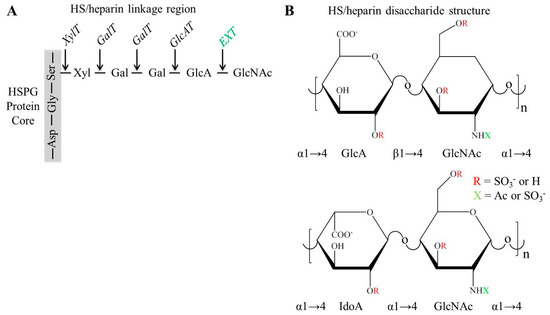
Heparan sulfate (HS) and heparin are glycosaminoglycans (GAGs) that are heterogeneous in nature, not only due to differing disaccharide combinations, but also their sulfate modifications. HS is well known for its interactions with various growth factors and cytokines; and heparin for its clinical use as an anticoagulant. Due to their potential use in tissue regeneration; and the recent adverse events due to contamination of heparin; there is an increased surge to produce these GAGs on a commercial scale. The production of HS from natural sources is limited so strategies are being explored to be biomimetically produced via chemical; chemoenzymatic synthesis methods and through the recombinant expression of proteoglycans. This review details the most recent advances in the field of HS/heparin synthesis for the production of low molecular weight heparin (LMWH) and as a tool further our understanding of the interactions that occur between GAGs and growth factors and cytokines involved in tissue development and repair. Full article
(This article belongs to the Special Issue Glycosaminoglycans and Their Mimetics)
Show Figures

Figure 1
16 pages, 2043 KB  
Article
A Novel and Effective Chromatographic Approach to the Separation of Isoflavone Derivatives from Pueraria lobata
by Jiang Fu, Wenguang Jing, Weihao Wang, Sha Chen, Jun Zhang and An Liu
Molecules 2015, 20(3), 4238-4253; https://doi.org/10.3390/molecules20034238 - 5 Mar 2015
Cited by 7 | Viewed by 6701
Abstract
A novel and effective chromatographic approach to the separation and purification of isoflavone compounds from Pueraria lobata is described. The method is based on flash chromatography (FC), coupled to preparative high performance liquid chromatography (prep-HPLC) via a six-way valve. The FC step comprised [...] Read more.
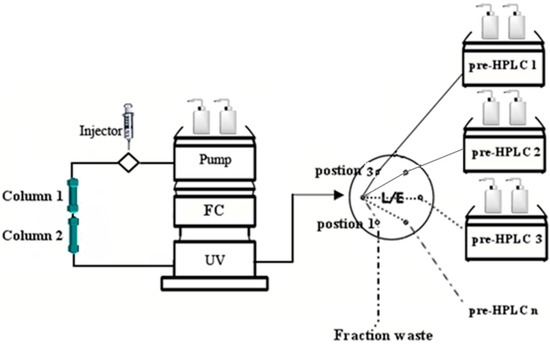
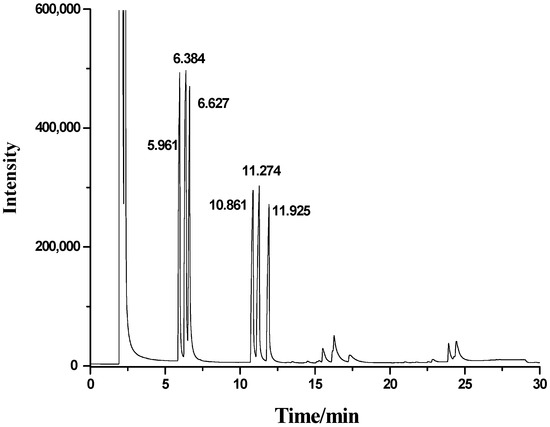
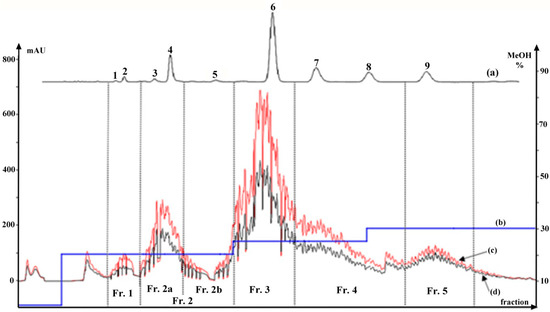
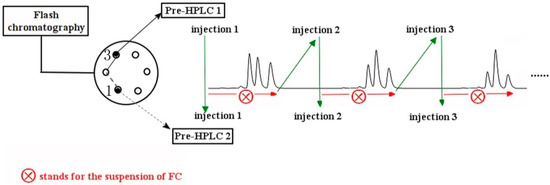
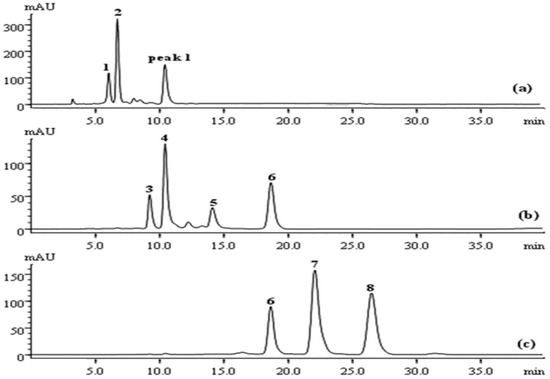
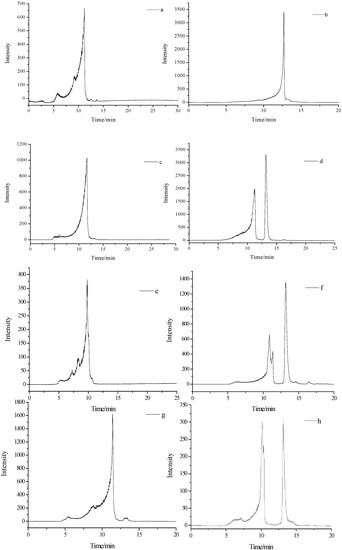
A novel and effective chromatographic approach to the separation and purification of isoflavone compounds from Pueraria lobata is described. The method is based on flash chromatography (FC), coupled to preparative high performance liquid chromatography (prep-HPLC) via a six-way valve. The FC step comprised tandem reversed phase columns, pre-packed with MCI gel (Mitsubishi Chemical Corp., Tokyo, Japan) and C18 (Fuji Silysia Chemical Ltd, Osaka, Japan) resin, respectively, and was designed to separate a crude Pueraria lobata extract into several preliminary fractions. Fractions containing the target compounds were then directly injected via the six-way valve into prep-HPLC columns, without further treatment, for final isolation and purification. Nine isoflavonoids were successfully isolated, three through an online mode and the other six through an offline mode. The purities of all compounds exceeded 95.0%, as determined by HPLC with an UV-vis photodiode array detector. The convenience, low solvent consumption, and time-saving advantages of this method offer an attractive and promising approach to the isolation of natural products. Full article
(This article belongs to the Section Natural Products Chemistry)
Show Figures

Figure 1
13 pages, 1572 KB  
Article
Pharmacokinetics and Tissue Distribution Study of Caudatin in Normal and Diethylnitrosamine-Induced Hepatocellular Carcinoma Model Rats
by Yunru Peng and Yongfang Ding
Molecules 2015, 20(3), 4225-4237; https://doi.org/10.3390/molecules20034225 - 5 Mar 2015
Cited by 20 | Viewed by 7455
Abstract
Caudatin is a potential antitumor agent isolated from the traditional Chinese medicine “baishouwu”, which was the root tuber of Cynanchum auriculatum Royle ex Wight. In our previous studies, caudatin showed selectivity on human hepatoma cell line SMMC7721 among several different tumor [...] Read more.
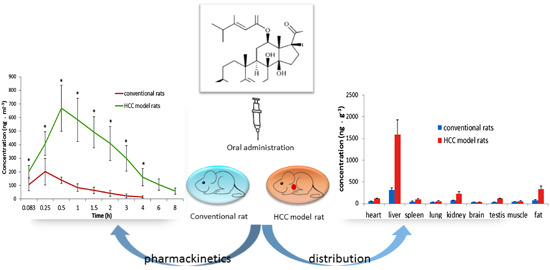
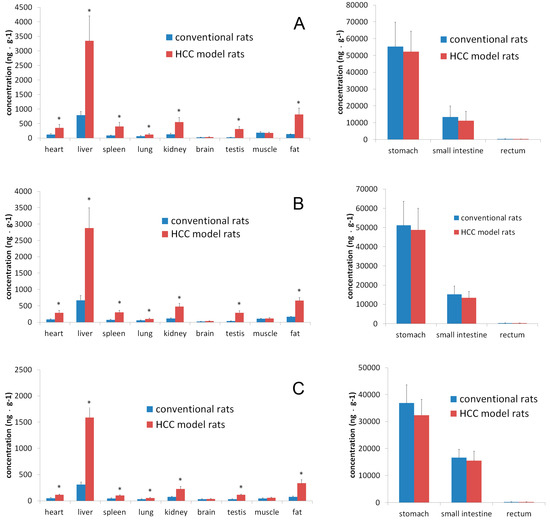
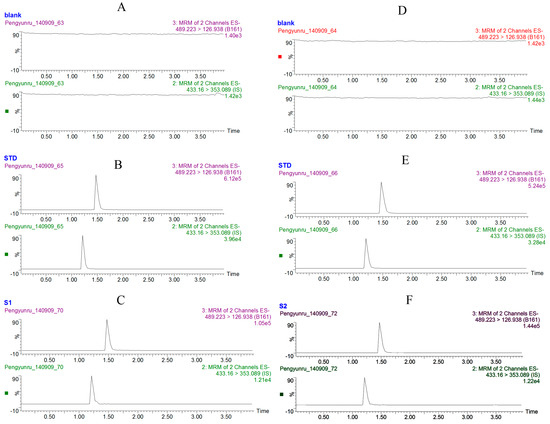
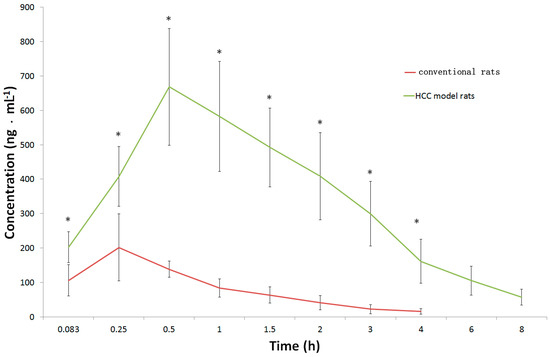
Caudatin is a potential antitumor agent isolated from the traditional Chinese medicine “baishouwu”, which was the root tuber of Cynanchum auriculatum Royle ex Wight. In our previous studies, caudatin showed selectivity on human hepatoma cell line SMMC7721 among several different tumor cell lines, and further in vivo tests validated the inhibitory action of caudatin against hepatic cancer using an H22 solid tumor model in mice, but to our knowledge, the biopharmaceutical properties of caudatin are largely unknown. In this study, a simple, rapid and sensitive ultra-performance liquid chromatography-tandem mass spectrometry (UPLC-MS/MS) method for the determination of caudatin in rat plasma and tissues, which kept the run time to detect one sample within 4 min, was developed and validated. Pharmacokinetics and tissue distribution studies of caudatin in conventional rats and hepatocellular carcinoma (HCC) model rats were then conducted for the first time. Statistically significant differences were observed between conventional rats and diethylnitrosamine (DEN)-induced HCC rats with respect to pharmacokinetic parameters, including maximum concentration (Cmax), time to reach Cmax (Tmax), half-life (t1/2), area under the concentration-time curve (AUC0-t, AUC0-∞), mean residence time (MRT0-t and MRT0-∞), and oral clearance (CL/F). Increased exposures of caudatin were found in the plasma and livers of HCC model rats, which would be helpful for a better understanding of pharmacological effect of caudatin in treating HCC disease. Full article
Show Figures

Graphical abstract

21 pages, 783 KB  
Article
Assessing Chemical Constituents of Mimosa caesalpiniifolia Stem Bark: Possible Bioactive Components Accountable for the Cytotoxic Effect of M. caesalpiniifolia on Human Tumour Cell Lines
by Nayana Bruna Nery Monção, Bruno Quirino Araújo, Jurandy Do Nascimento Silva, Daisy Jereissati Barbosa Lima, Paulo Michel Pinheiro Ferreira, Flavia Pereira da Silva Airoldi, Cláudia Pessoa and Antonia Maria das Graças Lopes Citó
Molecules 2015, 20(3), 4204-4224; https://doi.org/10.3390/molecules20034204 - 5 Mar 2015
Cited by 34 | Viewed by 9522
Abstract
Mimosa caesalpiniifolia is a native plant of the Brazilian northeast, and few studies have investigated its chemical composition and biological significance. This work describes the identification of the first chemical constituents in the ethanolic extract and fractions of M. caesalpiniifolia stem bark based [...] Read more.
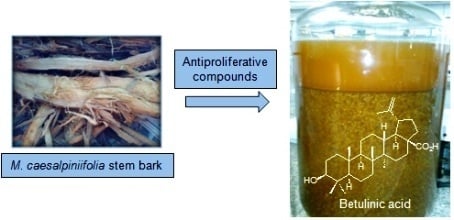
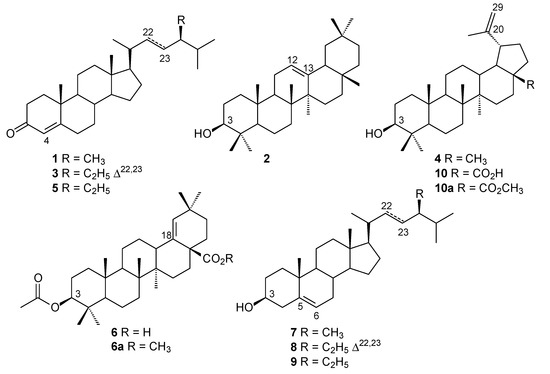
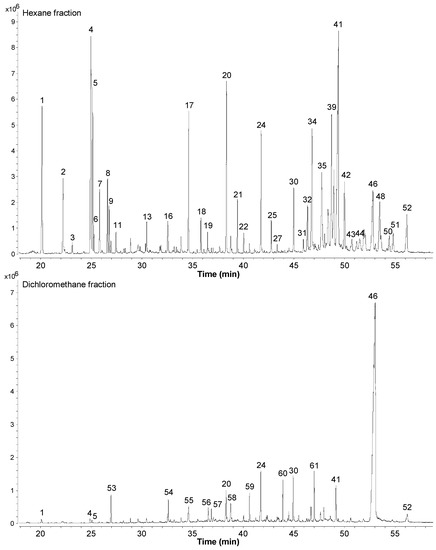
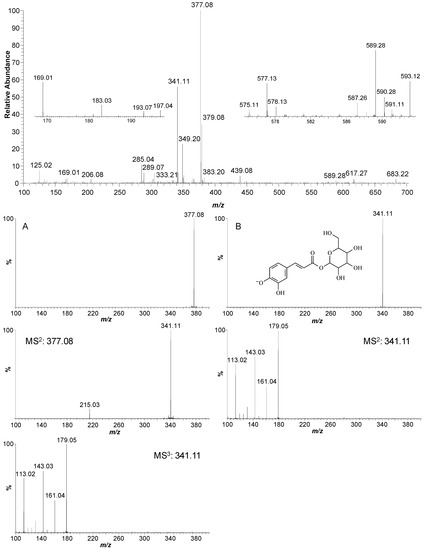
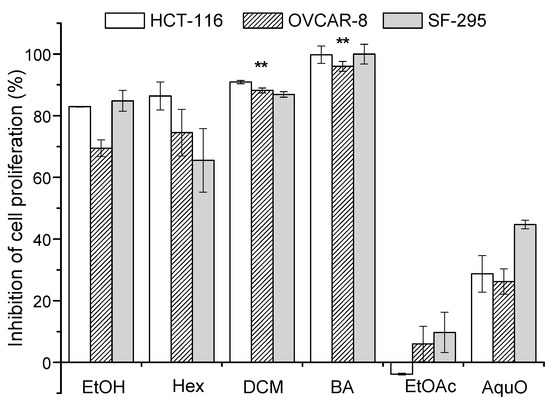
Mimosa caesalpiniifolia is a native plant of the Brazilian northeast, and few studies have investigated its chemical composition and biological significance. This work describes the identification of the first chemical constituents in the ethanolic extract and fractions of M. caesalpiniifolia stem bark based on NMR, GC-qMS and HRMS analyses, as well as an assessment of their cytotoxic activity. GC-qMS analysis showed fatty acid derivatives, triterpenes and steroid substances and confirmed the identity of the chemical compounds isolated from the hexane fraction. Metabolite biodiversity in M. caesalpiniifolia stem bark revealed the differentiated accumulation of pentacyclic triterpenic acids, with a high content of betulinic acid and minor amounts of 3-oxo and 3β-acetoxy derivatives. Bioactive analysis based on total phenolic and flavonoid content showed a high amount of these compounds in the ethanolic extract, and ESI-(−)-LTQ-Orbitrap-MS identified caffeoyl hexose at high intensity, as well as the presence of phenolic acids and flavonoids. Furthermore, the evaluation of the ethanolic extract and fractions, including betulinic acid, against colon (HCT-116), ovarian (OVCAR-8) and glioblastoma (SF-295) tumour cell lines showed that the crude extract, hexane and dichloromethane fractions possessed moderate to high inhibitory activity, which may be related to the abundance of betulinic acid. The phytochemical and biological study of M. caesalpiniifolia stem bark thus revealed a new alternative source of antitumour compounds, possibly made effective by the presence of betulinic acid and by chemical co-synergism with other compounds. Full article
(This article belongs to the Section Natural Products Chemistry)
Show Figures

Graphical abstract

24 pages, 7225 KB  
Review
Natural Products for the Treatment of Trachoma and Chlamydia trachomatis
by Michael G. Potroz and Nam-Joon Cho
Molecules 2015, 20(3), 4180-4203; https://doi.org/10.3390/molecules20034180 - 5 Mar 2015
Cited by 35 | Viewed by 21974
Abstract
The neglected tropical disease (NTD) trachoma is currently the leading cause of eye disease in the world, and the pathogenic bacteria causing this condition, Chlamydia trachomatis, is also the most common sexually transmitted pathogenic bacterium. Although the serovars of this bacterial species typically [...] Read more.
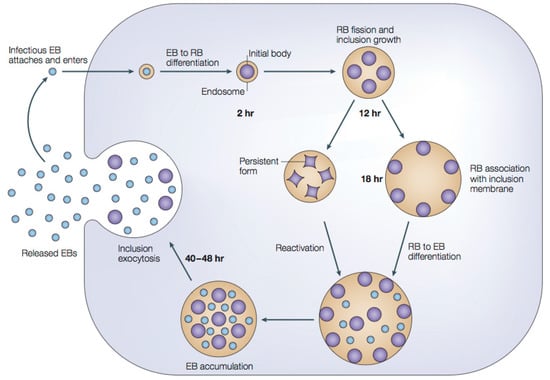
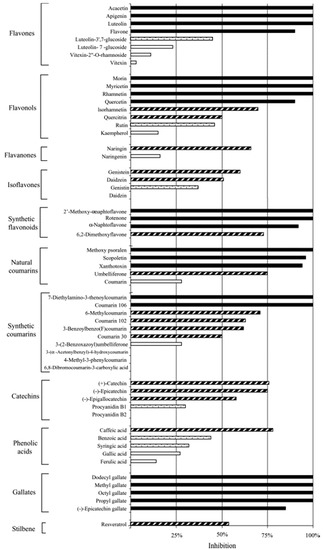
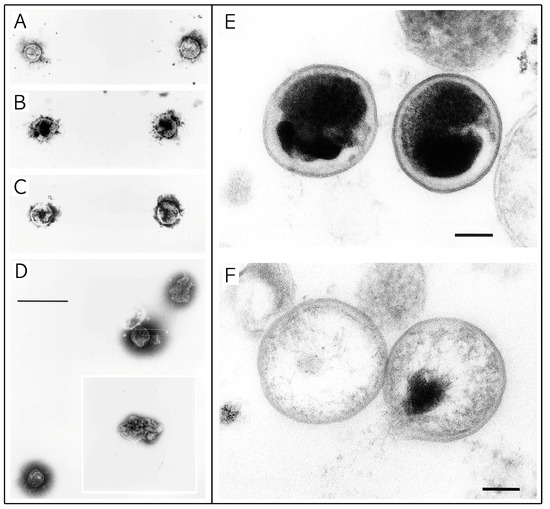
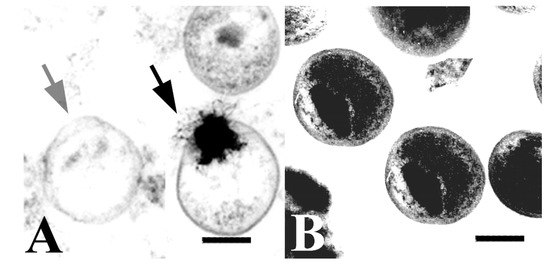
The neglected tropical disease (NTD) trachoma is currently the leading cause of eye disease in the world, and the pathogenic bacteria causing this condition, Chlamydia trachomatis, is also the most common sexually transmitted pathogenic bacterium. Although the serovars of this bacterial species typically vary between ocular and genital infections there is a clear connection between genital C. trachomatis infections and the development of trachoma in infants, such that the solutions to these infections are closely related. It is the unique life cycle of the C. trachomatis bacteria which primarily leads to chronic infections and challenges in treatment using conventional antibiotics. This life cycle involves stages of infective elementary bodies (EBs) and reproductive reticulate bodies (RBs). Most antibiotics only target the reproductive RBs and this often leads to the need for prolonged therapy which facilitates the development of drug resistant pathogens. It is through combining several compounds to obtain multiple antimicrobial mechanisms that we are most likely to develop a reliable means to address all these issues. Traditional and ethnobotanical medicine provides valuable resources for the development of novel formulations and treatment regimes based on synergistic and multi-compound therapy. In this review we intend to summarize the existing literature on the application of natural compounds for controlling trachoma and inhibiting chlamydial bacteria and explore the potential for the development of new treatment modalities. Full article
Show Figures

Figure 1
18 pages, 815 KB  
Article
Chemical Constituents and Structural Characterization of Polysaccharides from Four Typical Bamboo Species Leaves
by Cheng-Zhang Wang, Hong-Yu Zhang, Wen-Jun Li and Jian-Zhong Ye
Molecules 2015, 20(3), 4162-4179; https://doi.org/10.3390/molecules20034162 - 5 Mar 2015
Cited by 42 | Viewed by 8005
Abstract
In order to find bamboo leaves with high contents of bioactive polysaccharides, 32 samples were chosen to analyze their polysaccharide content by GC and sulfuric acid-anthrone colorimetric assays. Purified polysaccharides (BLPS) were separated from the four varieties P. nigra (Lodd.) Munro (PN), P. [...] Read more.
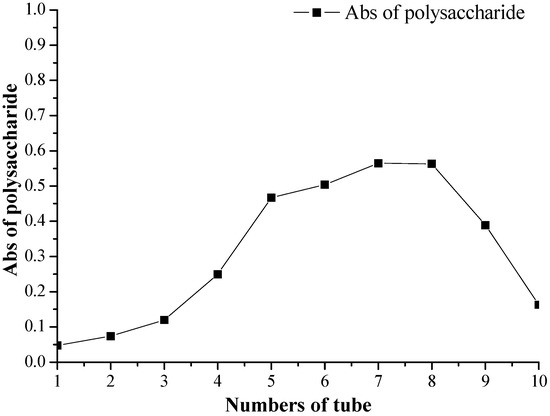
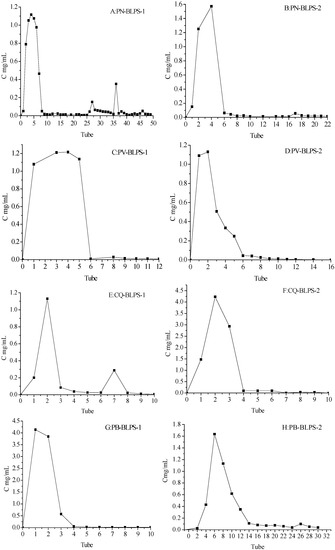
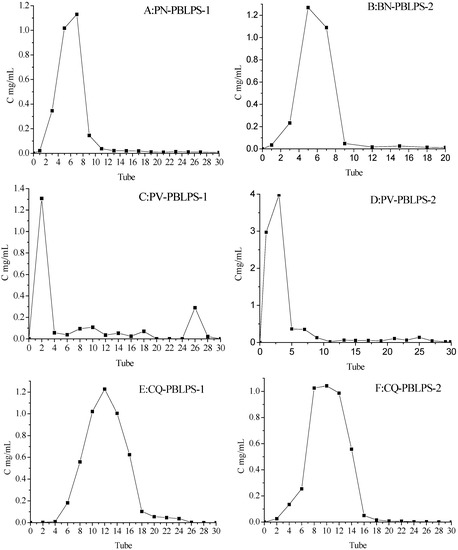
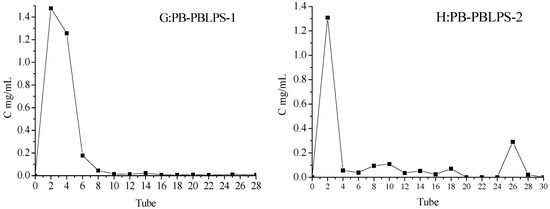
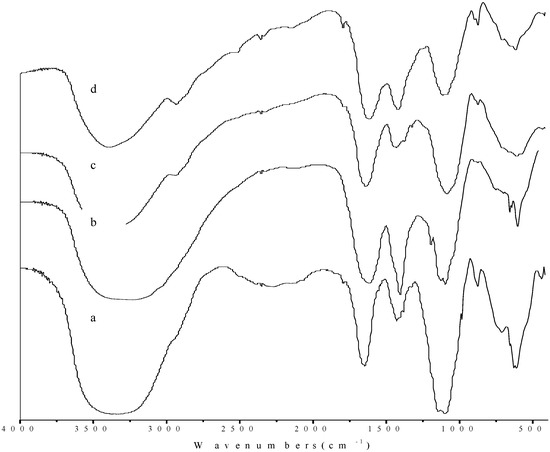
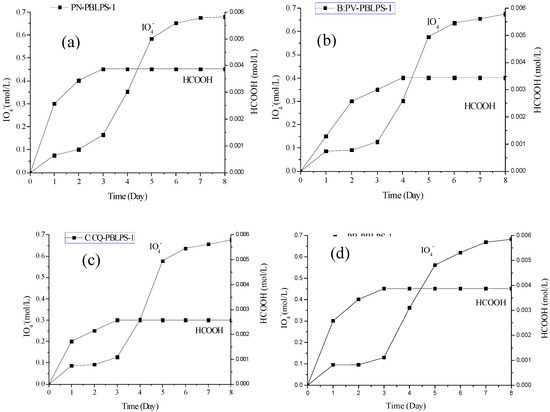
In order to find bamboo leaves with high contents of bioactive polysaccharides, 32 samples were chosen to analyze their polysaccharide content by GC and sulfuric acid-anthrone colorimetric assays. Purified polysaccharides (BLPS) were separated from the four varieties P. nigra (Lodd.) Munro (PN), P. vivax McClure (PV), Chimonobambusa quadrangularis (Fenzi) Makino (CQ), and P. bambussoides cv. Tanakae (PB) by ultrasound extraction, solution precipitation, ion exchange resin, DEAE-52 and Sephadex G-100 chromatography. BLPS structural characterization was accomplished by HPLC-GPC, Fourier transform infra-red spectroscopy (FTIR) and NaIO4-HIO4 oxidation reactions. The results showed that the total polysaccharides of the bamboo leaves in samples 1–32 ranged between 1.4% and 5.4%, Samples No. 29–No. 32 (PN, PV, CQ, and PB) contained 2–3 fold more polysaccharides than No. 1~No. 28 among the 32 different species, particularly the content of galactose was in a range of 21.5%–34.1% for these four typical bamboo species leaves, which was also more than 2–3 fold higher than in No. 1–No. 28. Sugar analysis indicated that PN-PBLPS-1, PV-PBLPS-1, CQ-PBLPS-1 and PB-PBLPS-1 from the four varieties were homogeneous polysaccharides with molecular weights of 2.04 × 10⁴, 1.15 × 10⁴, 8.75 × 10⁴ and 1.48 × 10⁴ Da, respectively. PB-PBLPS-1 was a mixture of α-galactopyranose and β-d-glucopyranose linkages with α-(1→6) or β-(1→6)glycosidic bonds, while PN-PBLPS-1, PV-PBLPS-1, and CQ-PBLPS-1 had α galactopyranose linkages with α-(1→6) glycosidic bonds. Full article
(This article belongs to the Section Natural Products Chemistry)
Show Figures

Figure 1
14 pages, 3613 KB  
Article
Tethering in RNA: An RNA-Binding Fragment Discovery Tool
by Kiet Tran, Michelle R. Arkin and Peter A. Beal
Molecules 2015, 20(3), 4148-4161; https://doi.org/10.3390/molecules20034148 - 4 Mar 2015
Cited by 3 | Viewed by 8111
Abstract
Tethering has been extensively used to study small molecule interactions with proteins through reversible disulfide bond forming reactions to cysteine residues. We describe the adaptation of Tethering to the study of small molecule binding to RNA using a thiol-containing adenosine analog (ASH [...] Read more.
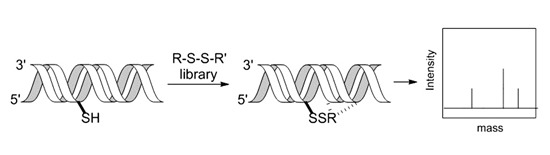
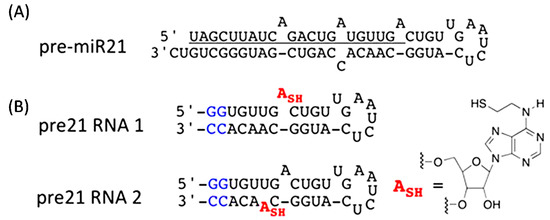
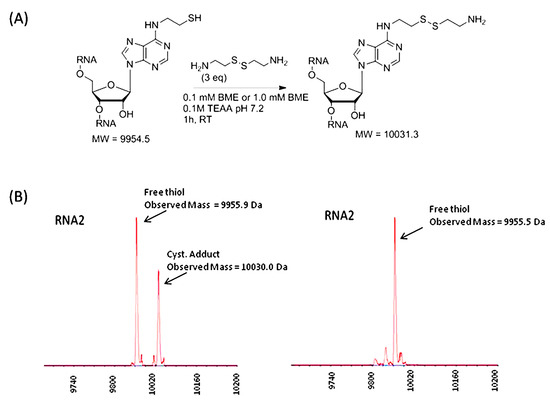
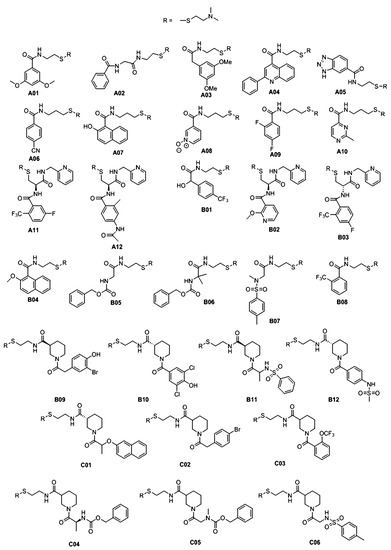
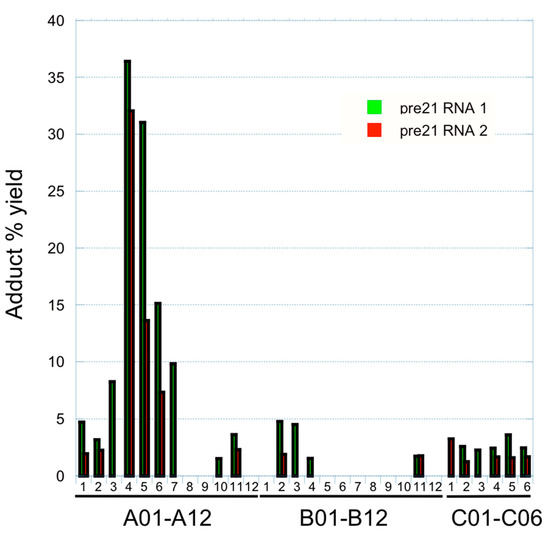
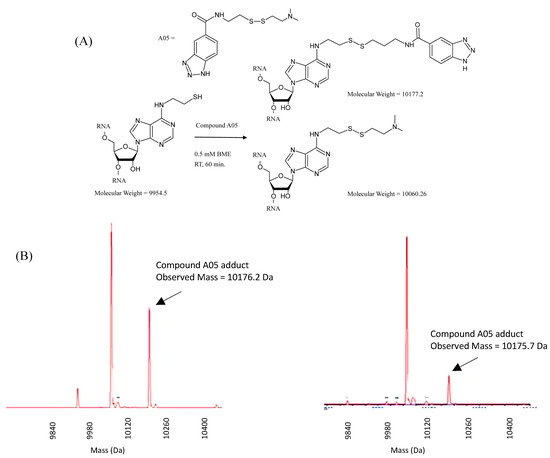
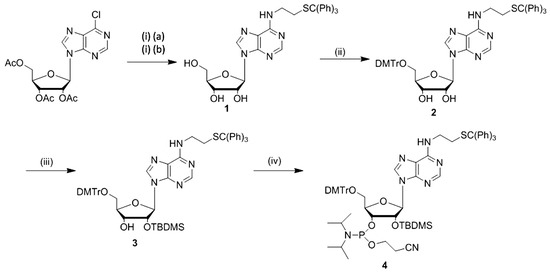
Tethering has been extensively used to study small molecule interactions with proteins through reversible disulfide bond forming reactions to cysteine residues. We describe the adaptation of Tethering to the study of small molecule binding to RNA using a thiol-containing adenosine analog (ASH). Among 30 disulfide-containing small molecules screened for efficient Tethering to ASH-bearing RNAs derived from pre-miR21, a benzotriazole-containing compound showed prominent adduct formation and selectivity for one of the RNAs tested. The results of this screen demonstrate the viability of using thiol-modified nucleic acids to discover molecules with binding affinity and specificity for the purpose of therapeutic compound lead discovery. Full article
(This article belongs to the Special Issue Nucleoside Modifications)
Show Figures

Graphical abstract

12 pages, 1375 KB  
Article
DNA-Catalyzed Henry Reaction in Pure Water and the Striking Influence of Organic Buffer Systems
by Marleen Häring, Maria M. Pérez-Madrigal, Dennis Kühbeck, Asja Pettignano, Françoise Quignard and David Díaz Díaz
Molecules 2015, 20(3), 4136-4147; https://doi.org/10.3390/molecules20034136 - 4 Mar 2015
Cited by 11 | Viewed by 11037
Abstract
In this manuscript we report a critical evaluation of the ability of natural DNA to mediate the nitroaldol (Henry) reaction at physiological temperature in pure water. Under these conditions, no background reaction took place (i.e., control experiment without DNA). Both heteroaromatic [...] Read more.
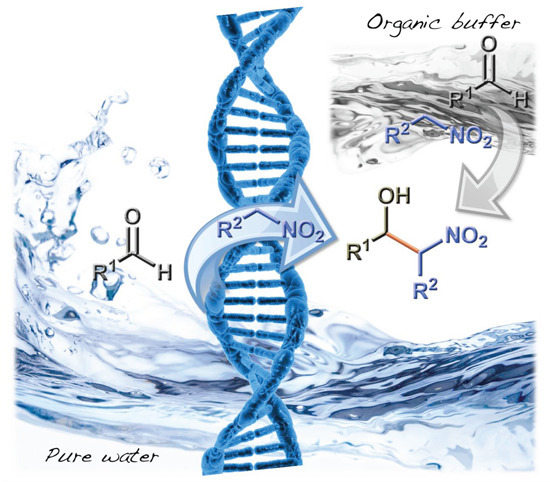
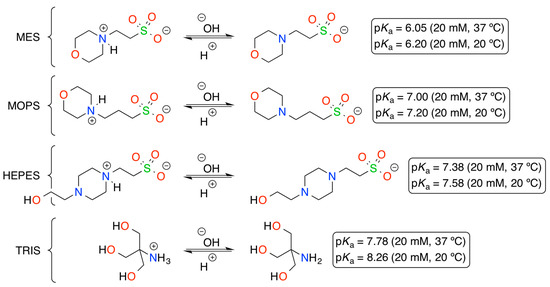
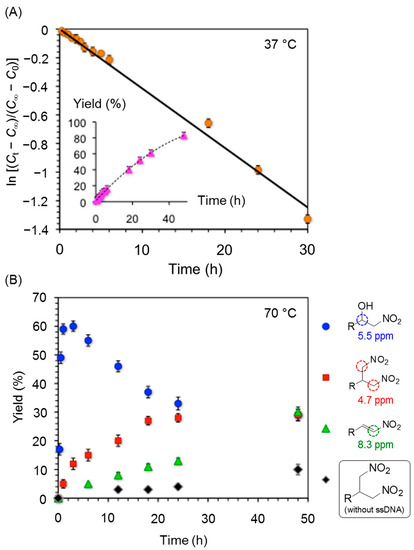
In this manuscript we report a critical evaluation of the ability of natural DNA to mediate the nitroaldol (Henry) reaction at physiological temperature in pure water. Under these conditions, no background reaction took place (i.e., control experiment without DNA). Both heteroaromatic aldehydes (e.g., 2-pyridinecarboxaldehyde) and aromatic aldehydes bearing strong or moderate electron-withdrawing groups reacted satisfactorily with nitromethane obeying first order kinetics and affording the corresponding β-nitroalcohols in good yields within 24 h. In contrast, aliphatic aldehydes and aromatic aldehydes having electron-donating groups either did not react or were poorly converted. Moreover, we discovered that a number of metal-free organic buffers efficiently promote the Henry reaction when they were used as reaction media without adding external catalysts. This constitutes an important observation because the influence of organic buffers in chemical processes has been traditionally underestimated. Full article
(This article belongs to the Collection Recent Advances in Organocatalysis)
Show Figures

Graphical abstract

12 pages, 967 KB  
Article
Carbopol-Incorporated Thermoreversible Gel for Intranasal Drug Delivery
by Prabagar Balakrishnan, Eun-Kyoung Park, Chung-Kil Song, Hyun-Jeong Ko, Tae-Wook Hahn, Ki-Won Song and Hyun-Jong Cho
Molecules 2015, 20(3), 4124-4135; https://doi.org/10.3390/molecules20034124 - 4 Mar 2015
Cited by 48 | Viewed by 10031
Abstract
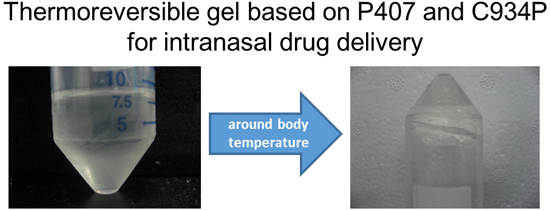
The present study describes the preparation and evaluation of a poloxamer 407 (P407)-based thermoreversible gel using Carbopol 934P (C934P) as a mucoadhesive polymer and hydroxypropyl-β-cyclodextrin (HP-β-CD) for enhancing the aqueous solubility and intranasal absorption of fexofenadine hydrochloride (FXD HCl). The prepared gels were [...] Read more.
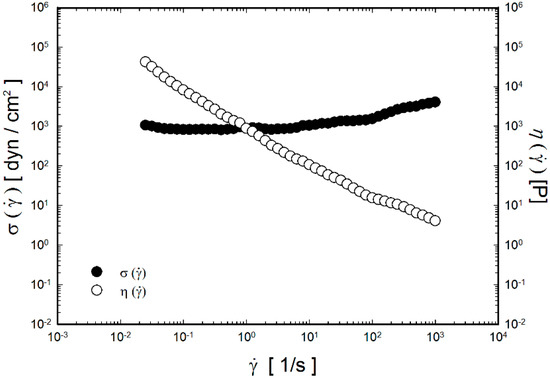
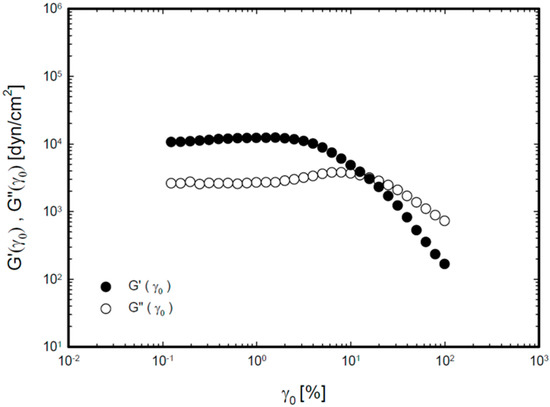
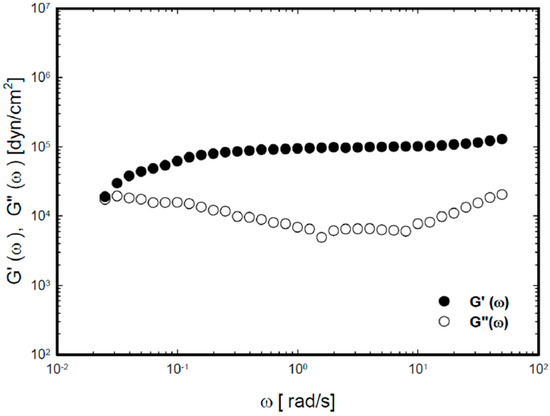
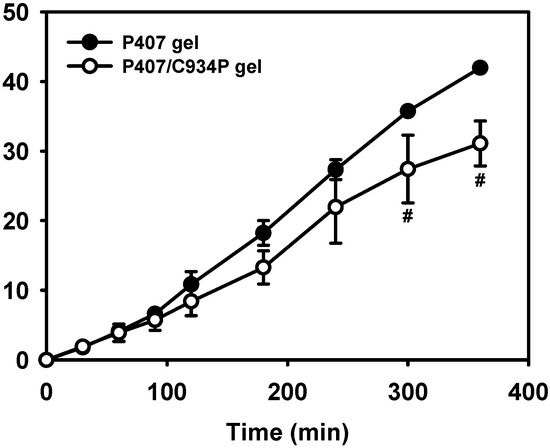
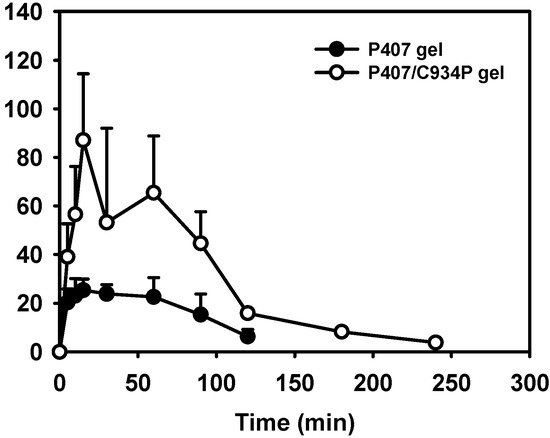
The present study describes the preparation and evaluation of a poloxamer 407 (P407)-based thermoreversible gel using Carbopol 934P (C934P) as a mucoadhesive polymer and hydroxypropyl-β-cyclodextrin (HP-β-CD) for enhancing the aqueous solubility and intranasal absorption of fexofenadine hydrochloride (FXD HCl). The prepared gels were characterized by gelation temperature, viscoelasticity, and drug release profile. Thermoreversibility of P407/C934P gel was demonstrated by rheological studies. The incorporation of carbopol into P407 gel also reduced the amounts of drug released from the gel formulations (p < 0.05). In vivo pharmacokinetic results of the prepared gel formulations in rabbits (at 0.5 mg/kg dose) showed that the relative bioavailability of drug from P407/C934P gel was 11.3 and 2.7-fold higher than those of drug solution and P407 gel group, respectively. These findings suggested that developed thermoreversible gels could be used as promising dosage forms to improve intranasal drug absorption. Full article
(This article belongs to the Section Medicinal Chemistry)
Show Figures

Graphical abstract

15 pages, 1216 KB  
Article
Nitric Oxide Released from Luminal S-Nitroso-N-Acetylcysteine Increases Gastric Mucosal Blood Flow
by Gabriela F. P. De Souza, Patricia Taladriz-Blanco, Lício A. Velloso and Marcelo G. De Oliveira
Molecules 2015, 20(3), 4109-4123; https://doi.org/10.3390/molecules20034109 - 4 Mar 2015
Cited by 15 | Viewed by 8898
Abstract
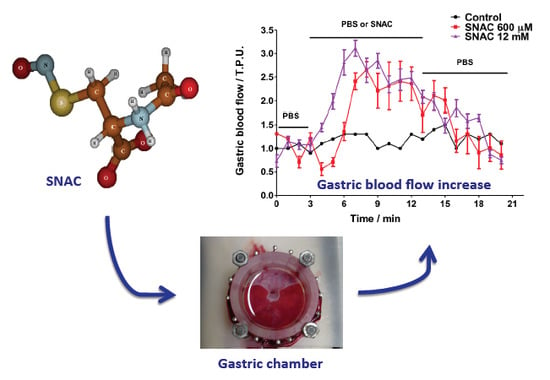
Nitric oxide (NO)-mediated vasodilation plays a key role in gastric mucosal defense, and NO-donor drugs may protect against diseases associated with gastric mucosal blood flow (GMBF) deficiencies. In this study, we used the ex vivo gastric chamber method and Laser Doppler Flowmetry to [...] Read more.
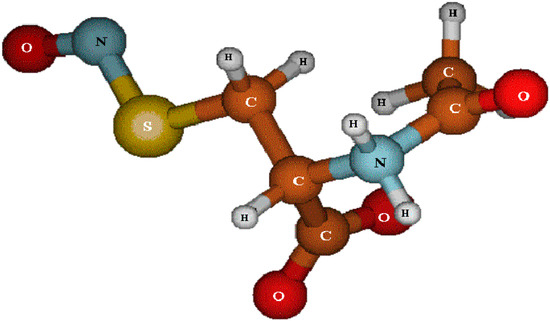
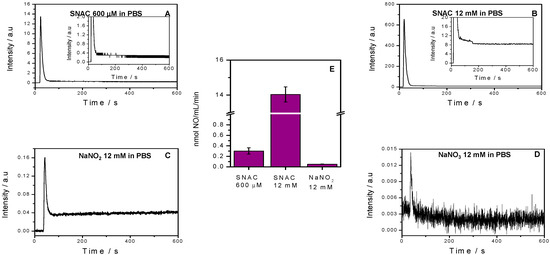
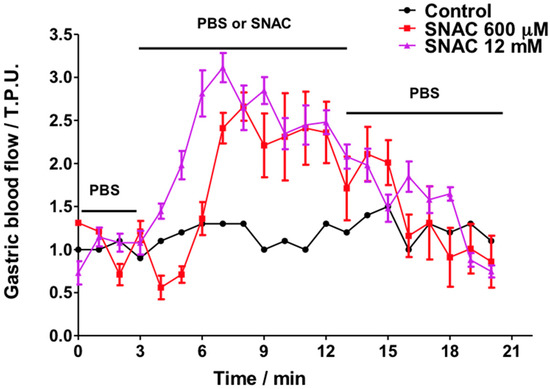
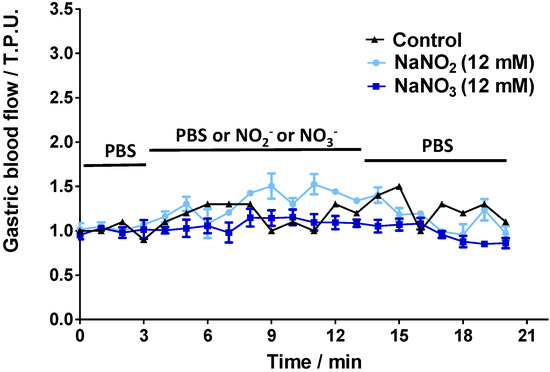
Nitric oxide (NO)-mediated vasodilation plays a key role in gastric mucosal defense, and NO-donor drugs may protect against diseases associated with gastric mucosal blood flow (GMBF) deficiencies. In this study, we used the ex vivo gastric chamber method and Laser Doppler Flowmetry to characterize the effects of luminal aqueous NO-donor drug S-nitroso-N-acetylcysteine (SNAC) solution administration compared to aqueous NaNO2 and NaNO3 solutions (pH 7.4) on GMBF in Sprague-Dawley rats. SNAC solutions (600 μM and 12 mM) led to a rapid threefold increase in GMBF, which was maintained during the incubation of the solutions with the gastric mucosa, while NaNO2 or NaNO3 solutions (12 mM) did not affect GMBF. SNAC solutions (600 μM and 12 mM) spontaneously released NO at 37 °C at a constant rate of 0.3 or 14 nmol·mL−1·min−1, respectively, while NaNO2 (12 mM) released NO at a rate of 0.06 nmol·mL−1·min−1 and NaNO3 (12 mM) did not release NO. These results suggest that the SNAC-induced GMBF increase is due to their higher rates of spontaneous NO release compared to equimolar NaNO2 solutions. Taken together, our data indicate that oral SNAC administration is a potential approach for gastric acid-peptic disorder prevention and treatment. Full article
(This article belongs to the Special Issue Nitric Oxide (NO) Release Chemistry)
Show Figures

Graphical abstract

21 pages, 1106 KB  
Review
Untargeted NMR-Based Methodology in the Study of Fruit Metabolites
by Anatoly Petrovich Sobolev, Luisa Mannina, Noemi Proietti, Simone Carradori, Maria Daglia, Anna Maria Giusti, Riccarda Antiochia and Donatella Capitani
Molecules 2015, 20(3), 4088-4108; https://doi.org/10.3390/molecules20034088 - 4 Mar 2015
Cited by 70 | Viewed by 11394
Abstract
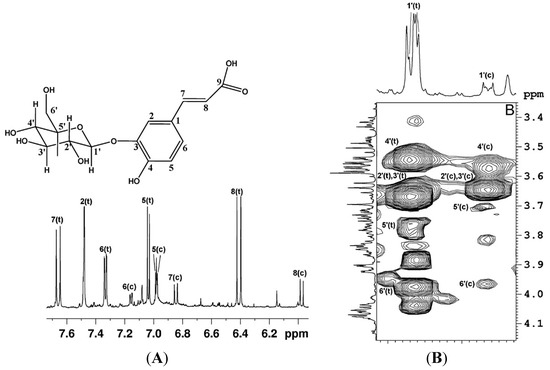
In this review, fundamental aspects of the untargeted NMR-based methodology applied to fruit characterization are described. The strategy to perform the structure elucidation of fruit metabolites is discussed with some examples of spectral assignments by 2D experiments. Primary ubiquitous metabolites as well as [...] Read more.
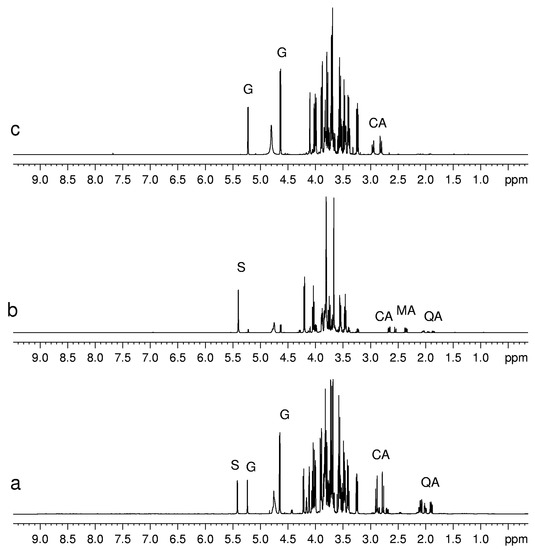
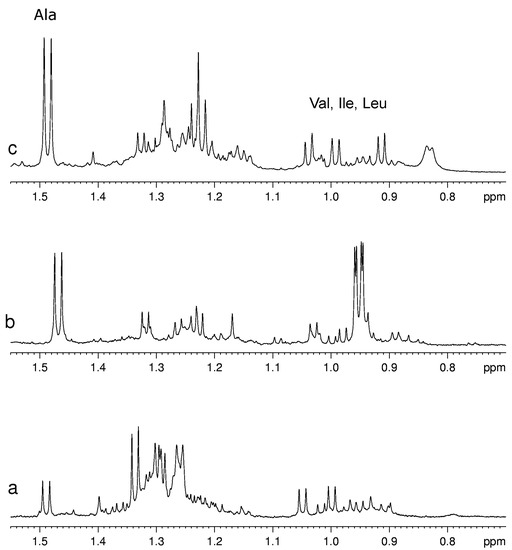
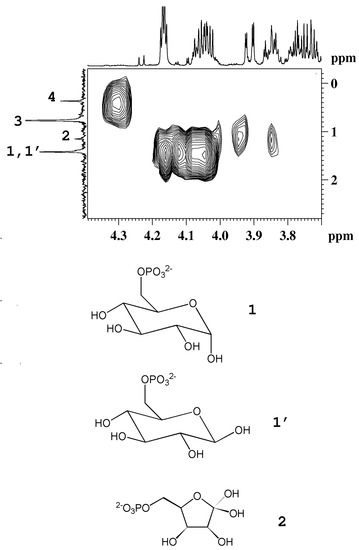
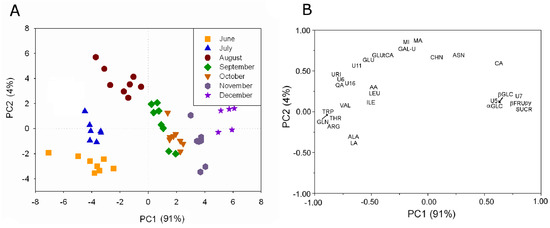
In this review, fundamental aspects of the untargeted NMR-based methodology applied to fruit characterization are described. The strategy to perform the structure elucidation of fruit metabolites is discussed with some examples of spectral assignments by 2D experiments. Primary ubiquitous metabolites as well as secondary species-specific metabolites, identified in different fruits using an untargeted 1H-NMR approach, are summarized in a comprehensive way. Crucial aspects regarding the quantitative elaboration of spectral data are also discussed. The usefulness of the NMR-based metabolic profiling was highlighted using some results regarding quality, adulteration, varieties and geographical origin of fruits and fruit-derived products such as juices. Full article
(This article belongs to the Section Metabolites)
Show Figures

Figure 1
17 pages, 2825 KB  
Article
Synthesis, Antifungal Activity and QSAR of Some Novel Carboxylic Acid Amides
by Shijie Du, Huizhe Lu, Dongyan Yang, Hong Li, Xilin Gu, Chuan Wan, Changqing Jia, Mian Wang, Xiuyun Li and Zhaohai Qin
Molecules 2015, 20(3), 4071-4087; https://doi.org/10.3390/molecules20034071 - 4 Mar 2015
Cited by 25 | Viewed by 7805
Abstract
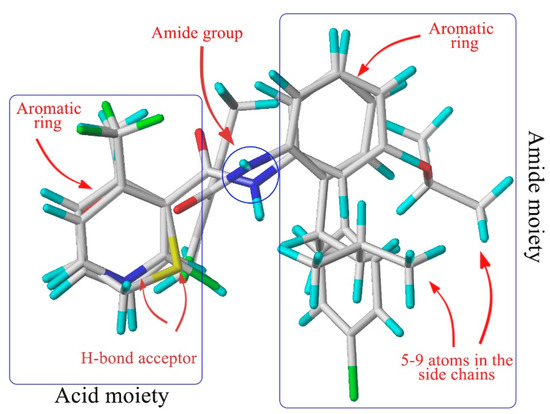
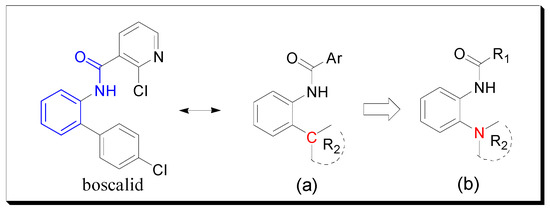
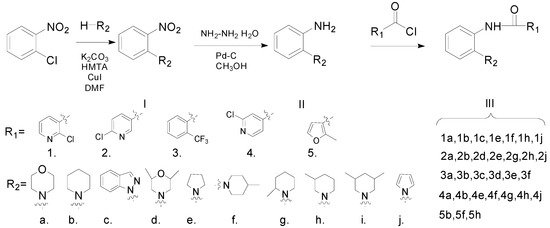
A series of novel aromatic carboxylic acid amides were synthesized and tested for their activities against six phytopathogenic fungi by an in vitro mycelia growth inhibition assay. Most of them displayed moderate to good activity. Among them N-(2-(1H-indazol-1-yl)phenyl)-2-(trifluoromethyl)benzamide (3c [...] Read more.
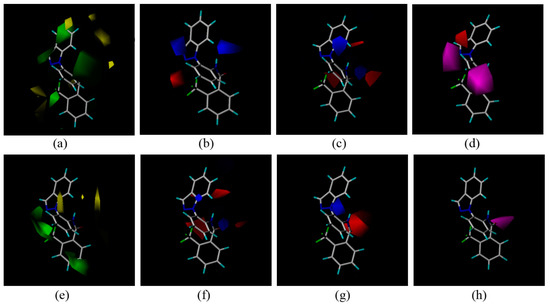
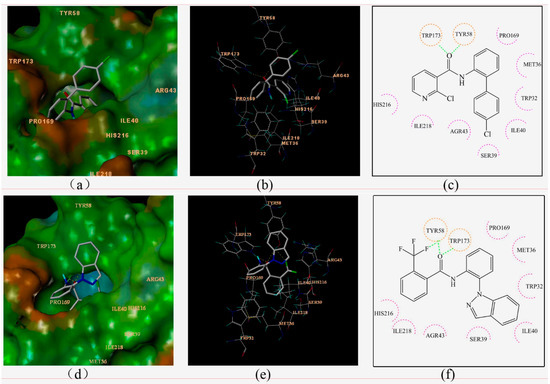
A series of novel aromatic carboxylic acid amides were synthesized and tested for their activities against six phytopathogenic fungi by an in vitro mycelia growth inhibition assay. Most of them displayed moderate to good activity. Among them N-(2-(1H-indazol-1-yl)phenyl)-2-(trifluoromethyl)benzamide (3c) exhibited the highest antifungal activity against Pythium aphanidermatum (EC50 = 16.75 µg/mL) and Rhizoctonia solani (EC50 = 19.19 µg/mL), compared to the reference compound boscalid with EC50 values of 10.68 and 14.47 µg/mL, respectively. Comparative molecular field analysis (CoMFA) and comparative molecular similarity indices analysis (CoMSIA) were employed to develop a three-dimensional quantitative structure-activity relationship model for the activity of the compounds. In the molecular docking, a fluorine atom and the carbonyl oxygen atom of 3c formed hydrogen bonds toward the hydroxyl hydrogens of TYR58 and TRP173. Full article
(This article belongs to the Section Medicinal Chemistry)
Show Figures

Figure 1
16 pages, 826 KB  
Article
In Situ EPR Studies of Reaction Pathways in Titania Photocatalyst-Promoted Alkylation of Alkenes
by Shona Rhydderch and Russell F. Howe
Molecules 2015, 20(3), 4055-4070; https://doi.org/10.3390/molecules20034055 - 3 Mar 2015
Cited by 6 | Viewed by 7562
Abstract
In situ EPR spectroscopy at cryogenic temperatures has been used to observe and identify paramagnetic species produced when titania is irradiated in the presence of reactants used in the photocatalytic alkylation of maleimide with t-butyl carboxylic acid or phenoxyacetic acid. It is shown [...] Read more.
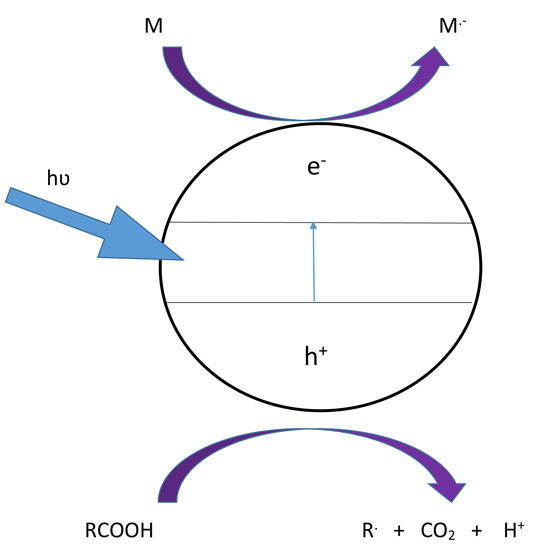
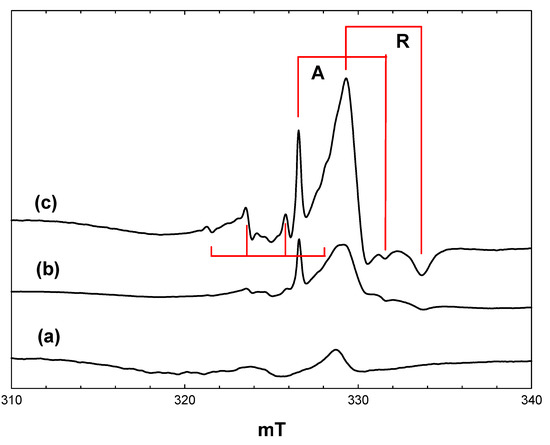
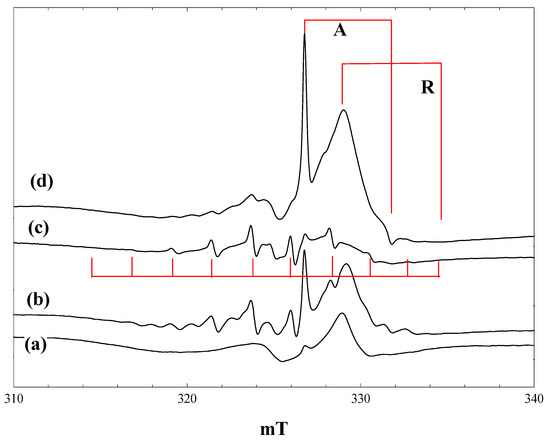
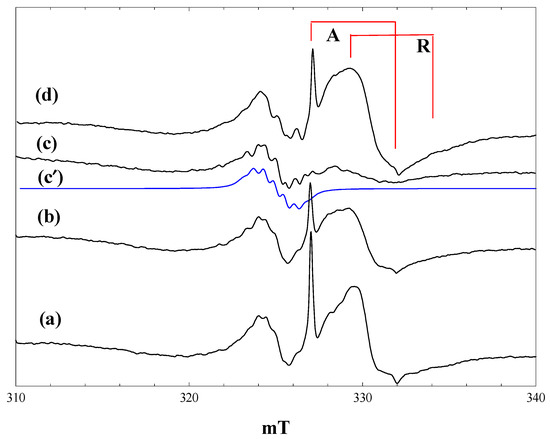
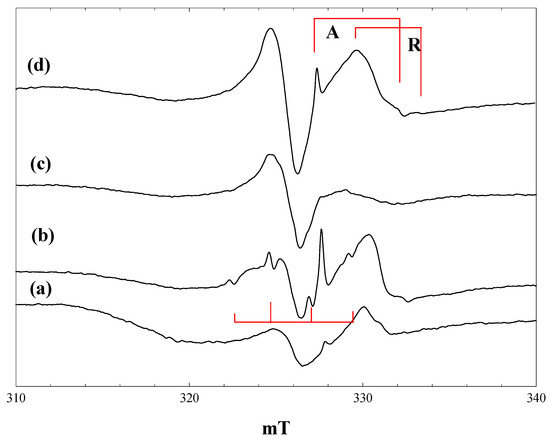
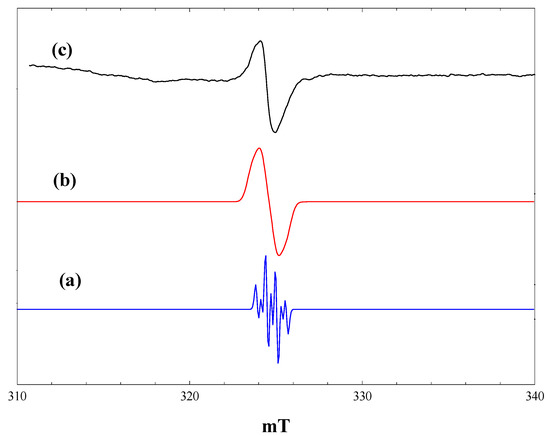
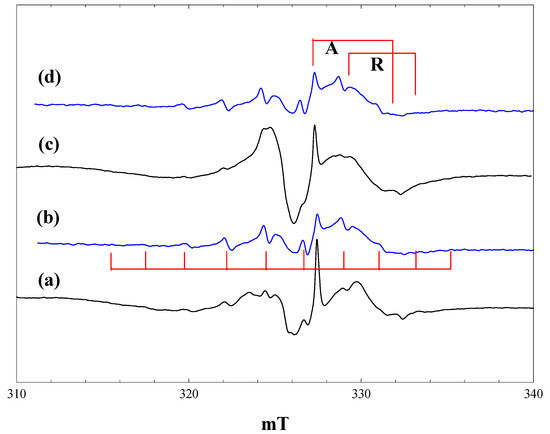
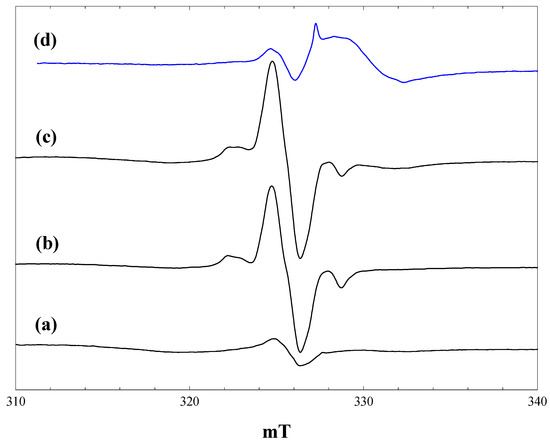
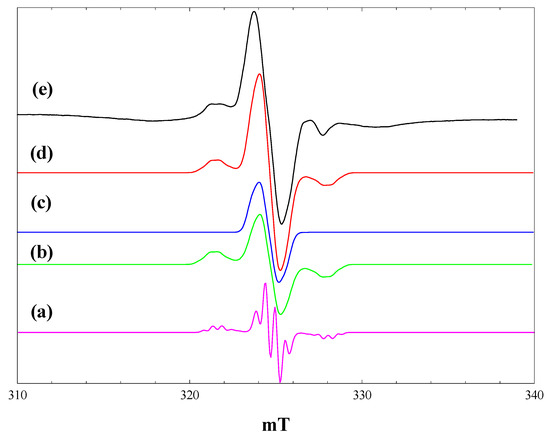
In situ EPR spectroscopy at cryogenic temperatures has been used to observe and identify paramagnetic species produced when titania is irradiated in the presence of reactants used in the photocatalytic alkylation of maleimide with t-butyl carboxylic acid or phenoxyacetic acid. It is shown that maleimide acts as an acceptor of conduction band electrons. Valence band holes oxidise t-butyl carboxylic acid to the t-butyl radical and phenoxyacetic acid to the phenoxyacetic acid radical cation. In the presence of maleimide, the phenoxymethyl radical is formed from phenoxyacetic acid. The relevance of these observations to the mechanisms of titania photocatalyst-promoted alkylation of alkenes is discussed. Full article
(This article belongs to the Special Issue Free Radicals and Radical Ions)
Show Figures

Graphical abstract

13 pages, 1713 KB  
Article
Theoretical and Experimental Electrostatic Potential around the m-Nitrophenol Molecule
by Mokhtaria Drissi, Nadia Benhalima, Youcef Megrouss, Rahmani Rachida, Abdelkader Chouaih and Fodil Hamzaoui
Molecules 2015, 20(3), 4042-4054; https://doi.org/10.3390/molecules20034042 - 3 Mar 2015
Cited by 148 | Viewed by 10432
Abstract
This work concerns a comparison of experimental and theoretical results of the electron charge density distribution and the electrostatic potential around the m-nitrophenol molecule (m-NPH) known for its interesting physical characteristics. The molecular experimental results have been obtained from a high-resolution X-ray [...] Read more.
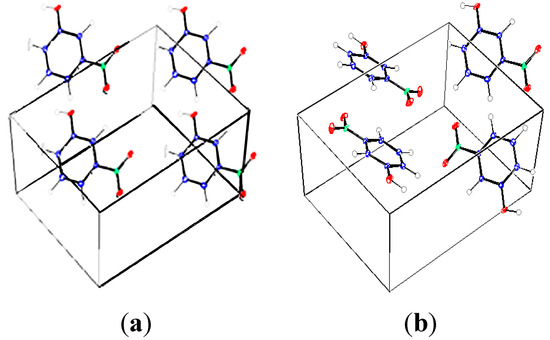
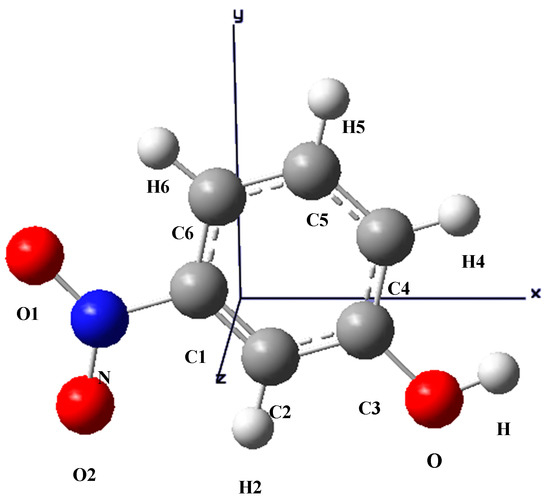
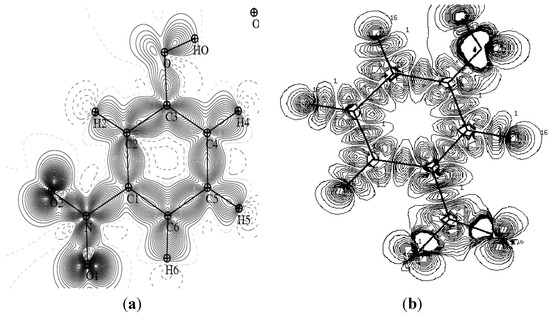
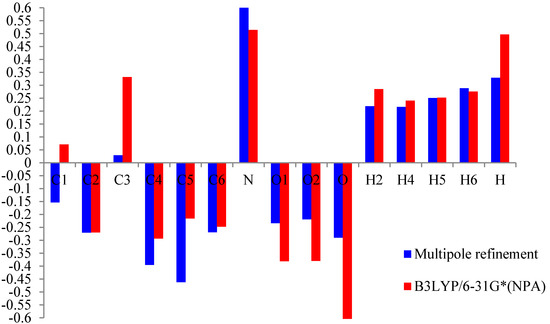
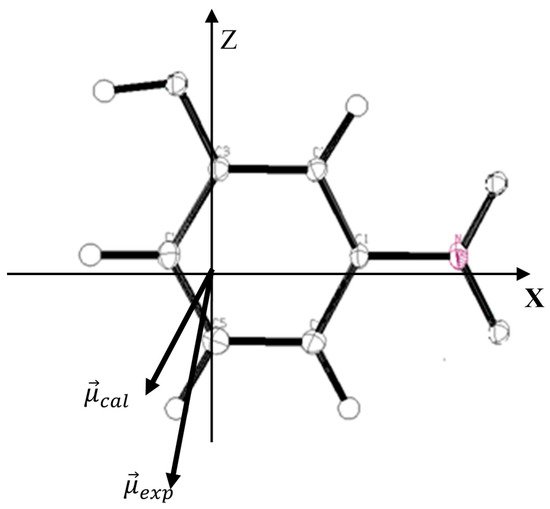
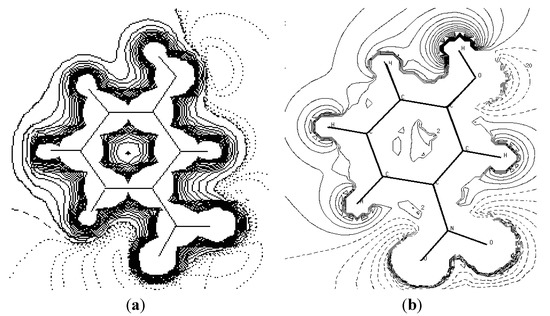
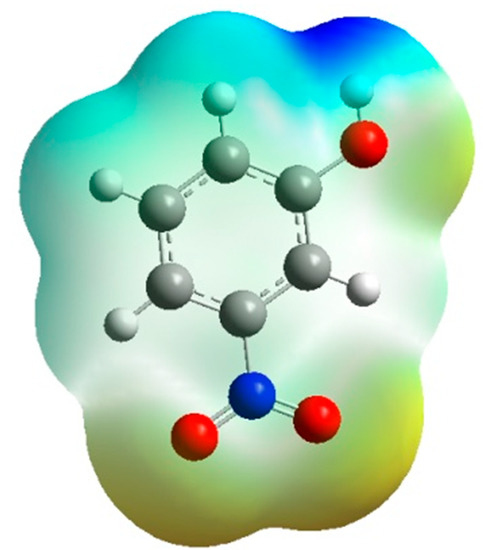
This work concerns a comparison of experimental and theoretical results of the electron charge density distribution and the electrostatic potential around the m-nitrophenol molecule (m-NPH) known for its interesting physical characteristics. The molecular experimental results have been obtained from a high-resolution X-ray diffraction study. Theoretical investigations were performed using the Density Functional Theory at B3LYP level of theory at 6-31G* in the Gaussian program. The multipolar model of Hansen and Coppens was used for the experimental electron charge density distribution around the molecule, while we used the DFT methods for the theoretical calculations. The electron charge density obtained in both methods allowed us to find out different molecular properties such us the electrostatic potential and the dipole moment, which were finally subject to a comparison leading to a good match obtained between both methods. The intramolecular charge transfer has also been confirmed by an HOMO-LUMO analysis. Full article
(This article belongs to the Section Medicinal Chemistry)
Show Figures

Figure 1
22 pages, 1221 KB  
Article
Hybridisation Potential of 1',3'-Di-O-methylaltropyranoside Nucleic Acids
by Akkaladevi Venkatesham, Dhuldeo Kachare, Guy Schepers, Jef Rozenski, Mathy Froeyen and Arthur Van Aerschot
Molecules 2015, 20(3), 4020-4041; https://doi.org/10.3390/molecules20034020 - 3 Mar 2015
Cited by 3 | Viewed by 6361
Abstract
In further study of our series of six-membered ring-containing nucleic acids, different 1',3'-di-O-methyl altropyranoside nucleoside analogs (DMANA) were synthesized comprising all four base moieties, adenine, cytosine, uracil and guanine. Following assembly into oligonucleotides (ONs), their affinity for natural oligonucleotides was evaluated [...] Read more.
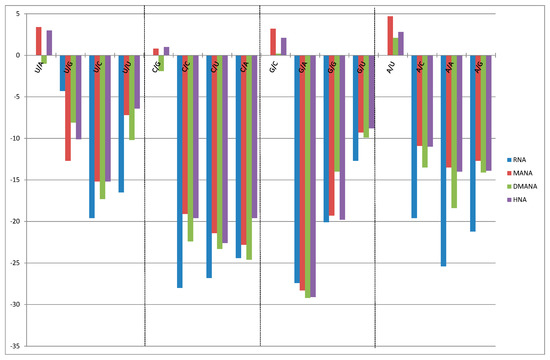
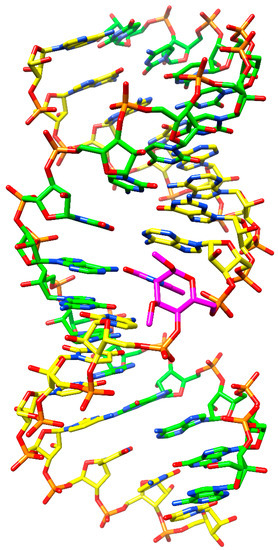
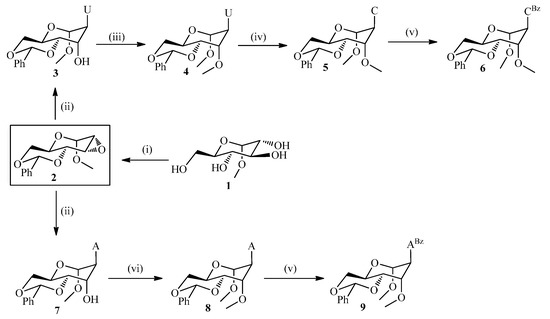
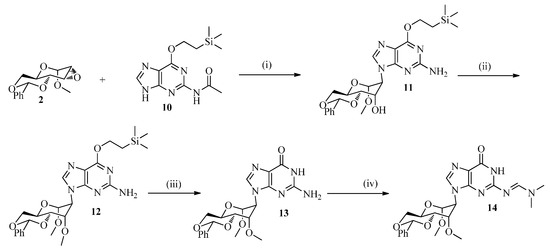
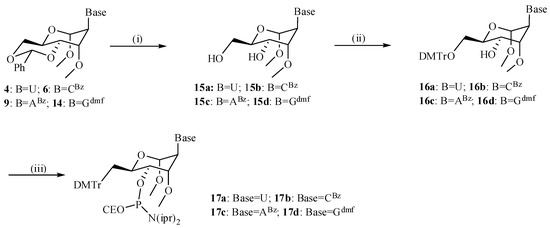
In further study of our series of six-membered ring-containing nucleic acids, different 1',3'-di-O-methyl altropyranoside nucleoside analogs (DMANA) were synthesized comprising all four base moieties, adenine, cytosine, uracil and guanine. Following assembly into oligonucleotides (ONs), their affinity for natural oligonucleotides was evaluated by thermal denaturation of the respective duplexes. Data were compared with results obtained previously for both anhydrohexitol (HNAs) and 3'-O-methylated altrohexitol modified ONs (MANAs). We hereby demonstrate that ONs modified with DMANA monomers, unlike some of our previously described analogues with constrained 6-membered hexitol rings, did not improve thermodynamic stability of dsRNA complexes, most probably in view of an energetic penalty when forced in the required 1C4 pairing conformation. Overall, a single incorporation was more or less tolerated or even positive for the adenine congener, but incorporation of a second modification afforded a slight destabilization (except for A), while a fully modified sequence displayed a thermal stability of −0.3 °C per modification. The selectivity of pairing remained very high, and the new modification upon incorporation into a DNA strand, strongly destabilized the corresponding DNA duplexes. Unfortunately, this new modification does not bring any advantage to be further evaluated for antisense or siRNA applications. Full article
(This article belongs to the Special Issue Nucleoside Modifications)
Show Figures

Graphical abstract