14 pages, 359 KB  
Article
Syntheses of Four Enantiomers of 2,3-Diendo- and 3-Endo-aminobicyclo[2.2.2]oct-5-ene-2-exo-carboxylic Acid and Their Saturated Analogues
by Márta Palkó, Mikko M. Hänninen, Reijo Sillanpää and Ferenc Fülöp
Molecules 2013, 18(12), 15080-15093; https://doi.org/10.3390/molecules181215080 - 6 Dec 2013
Cited by 6 | Viewed by 6339
Abstract
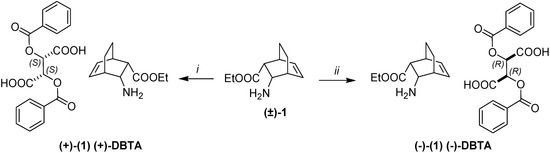
Ethyl 2,3-diendo-3-aminobicyclo[2.2.2]oct-5-ene-2-carboxylate ((±)-1) was resolved with O,O'-dibenzoyltartaric acid via diastereomeric salt formation. The efficient synthesis of the enantiomers of 2,3-diendo-3-aminobicyclo[2.2.2]oct-5-ene-2-carboxylic acid ((+)-7 and (–)-7), 3-endo-aminobicyclo[2.2.2]oct-5-ene-2-exo-carboxylic acid ((+)- [...] Read more.
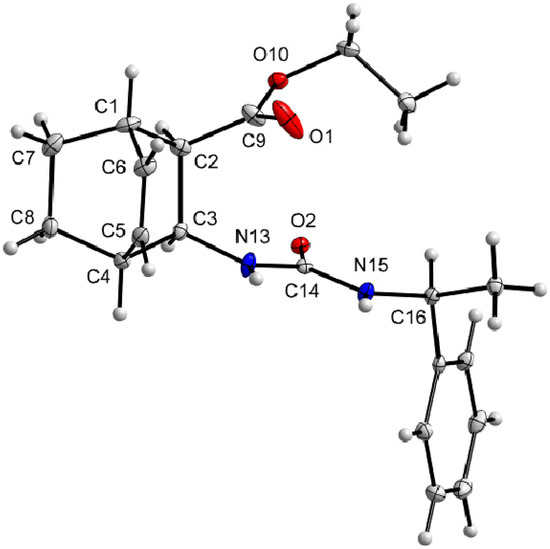
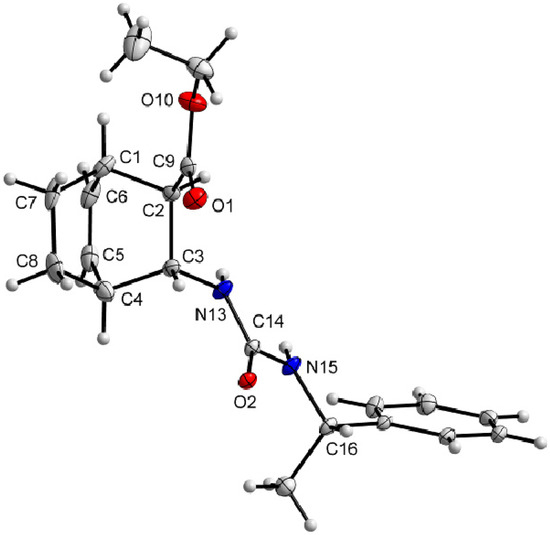
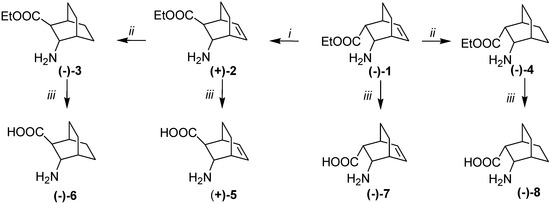
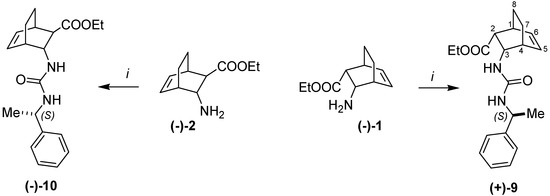
Ethyl 2,3-diendo-3-aminobicyclo[2.2.2]oct-5-ene-2-carboxylate ((±)-1) was resolved with O,O'-dibenzoyltartaric acid via diastereomeric salt formation. The efficient synthesis of the enantiomers of 2,3-diendo-3-aminobicyclo[2.2.2]oct-5-ene-2-carboxylic acid ((+)-7 and (–)-7), 3-endo-aminobicyclo[2.2.2]oct-5-ene-2-exo-carboxylic acid ((+)-5 and (–)-5), cis- and trans-3-aminobicyclo[2.2.2]octane-2-carboxylic acid ((+)-6, (–)-6, (+)-8 and (–)-8) was achieved via isomerization, hydrogenation and hydrolysis of the corresponding esters (–)-1 and (+)-1. The stereochemistry and relative configurations of the synthesized compounds were determined by NMR spectroscopy (based on the 3J(H,H) coupling constants) and X-ray crystallography. Full article
(This article belongs to the Section Organic Chemistry)
Show Figures

Figure 1
16 pages, 388 KB  
Article
Multicomponent Click Synthesis of New 1,2,3-Triazole Derivatives of Pyrimidine Nucleobases: Promising Acidic Corrosion Inhibitors for Steel
by Rodrigo González-Olvera, Araceli Espinoza-Vázquez, Guillermo E. Negrón-Silva, Manuel E. Palomar-Pardavé, Mario A. Romero-Romo and Rosa Santillan
Molecules 2013, 18(12), 15064-15079; https://doi.org/10.3390/molecules181215064 - 6 Dec 2013
Cited by 55 | Viewed by 6798
Abstract
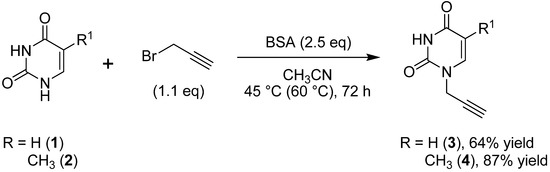
A series of new mono-1,2,3-triazole derivatives of pyrimidine nucleobases were synthesized by one-pot copper(I)-catalyzed 1,3-dipolar cycloaddition reactions between N-1-propargyluracil and thymine, sodium azide and several benzyl halides. The desired heterocyclic compounds were obtained in good yields and characterized by NMR, IR, and [...] Read more.
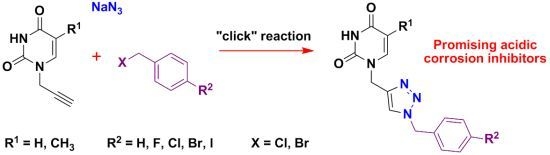
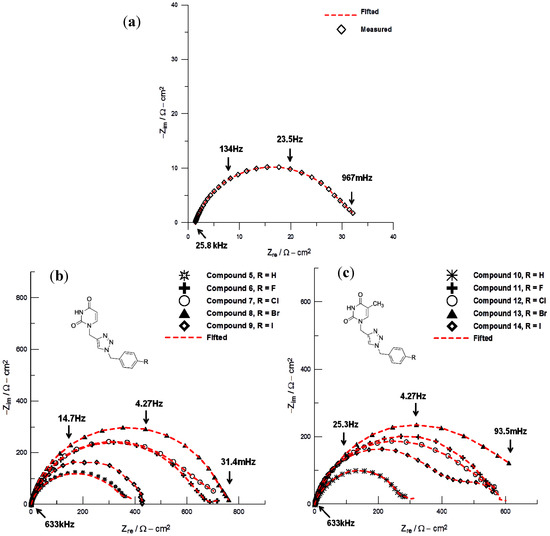
A series of new mono-1,2,3-triazole derivatives of pyrimidine nucleobases were synthesized by one-pot copper(I)-catalyzed 1,3-dipolar cycloaddition reactions between N-1-propargyluracil and thymine, sodium azide and several benzyl halides. The desired heterocyclic compounds were obtained in good yields and characterized by NMR, IR, and high resolution mass spectrometry. These compounds were investigated as corrosion inhibitors for steel in 1 M HCl solution, using electrochemical impedance spectroscopy (EIS) technique. The results indicate that these heterocyclic compounds are promising acidic corrosion inhibitors for steel. Full article
(This article belongs to the Section Organic Chemistry)
Show Figures

Graphical abstract

13 pages, 231 KB  
Article
Synthesis and Pharmacological Activities of Some New Triazolo- and Tetrazolopyrimidine Derivatives
by Saleh A. Bahashwan, Ahmed A. Fayed, Abd El-Galil E. Amr, Eman M. Flefel and Atef Kalmouch
Molecules 2013, 18(12), 15051-15063; https://doi.org/10.3390/molecules181215051 - 6 Dec 2013
Cited by 18 | Viewed by 5948
Abstract
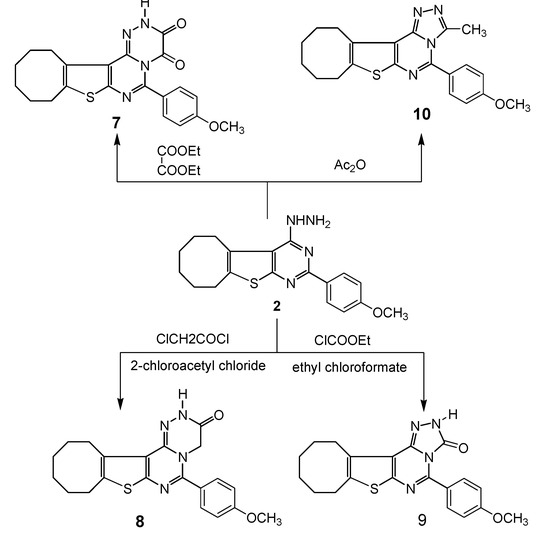
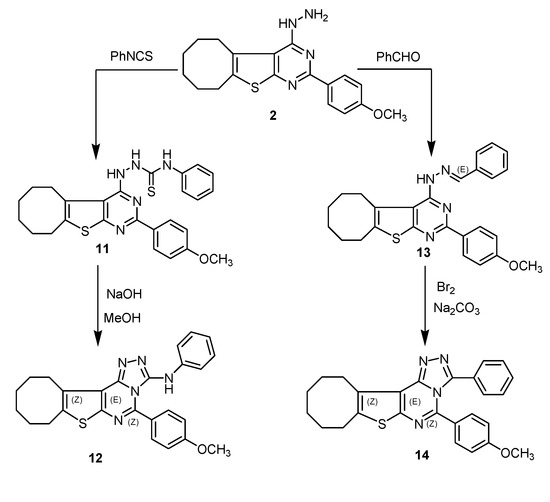
A new series of fused triazolo- and tetrazolopyrimidine derivatives 214 were synthesized and their anti-inflammatory and ulcerogenic activities were evaluated. The pharmacological screening showed that many of these obtained compounds have good anti-inflammatory activities, comparable to the reference drug. The toxicity [...] Read more.
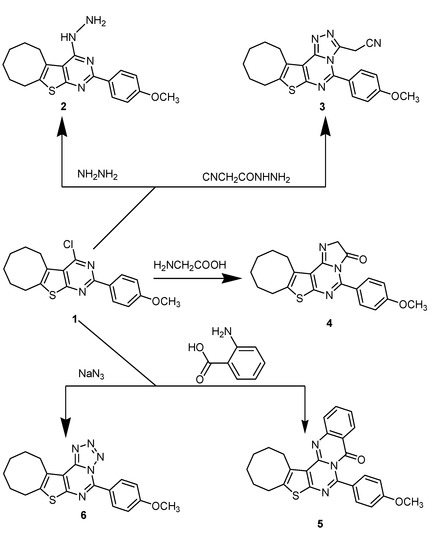
A new series of fused triazolo- and tetrazolopyrimidine derivatives 214 were synthesized and their anti-inflammatory and ulcerogenic activities were evaluated. The pharmacological screening showed that many of these obtained compounds have good anti-inflammatory activities, comparable to the reference drug. The toxicity of the compounds was also assayed via the determination of their LD50 values. The structures of newly synthesized compounds were confirmed by IR, 1H-NMR, MS spectral data and elemental analysis. Full article
Show Figures

Figure 1
16 pages, 693 KB  
Article
Synthesis, DNA Binding and Topoisomerase I Inhibition Activity of Thiazacridine and Imidazacridine Derivatives
by Elizabeth Almeida Lafayette, Sinara Mônica Vitalino de Almeida, Marina Galdino Da Rocha Pitta, Eduardo Isidoro Carneiro Beltrão, Teresinha Gonçalves da Silva, Ricardo Olímpio de Moura, Ivan Da Rocha Pitta, Luiz Bezerra De Carvalho, Júnior and Maria Do Carmo Alves de Lima
Molecules 2013, 18(12), 15035-15050; https://doi.org/10.3390/molecules181215035 - 6 Dec 2013
Cited by 55 | Viewed by 7807
Abstract
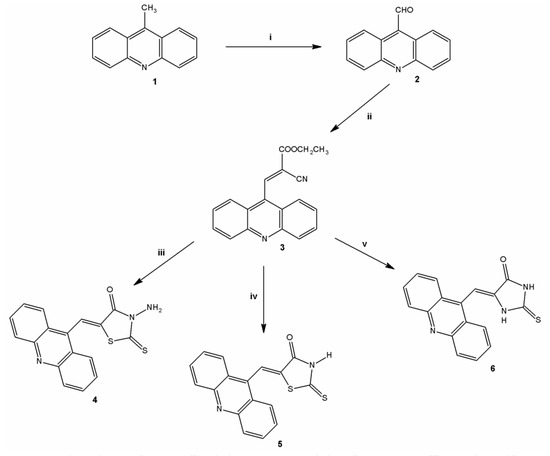
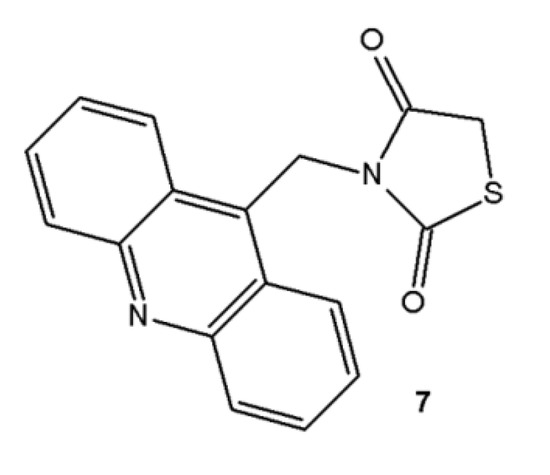
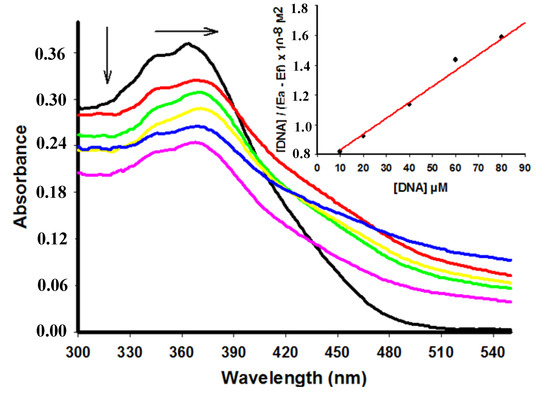
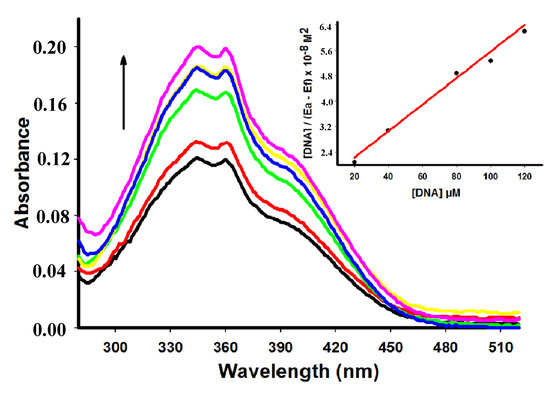
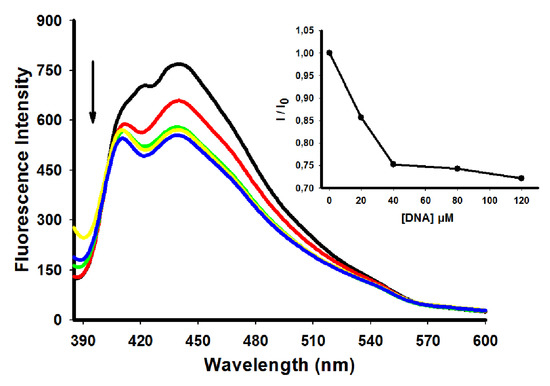
Thiazacridine and imidazacridine derivatives have shown promising results as tumors suppressors in some cancer cell lines. For a better understanding of the mechanism of action of these compounds, binding studies of 5-acridin-9-ylmethylidene-3-amino-2-thioxo-thiazolidin-4-one, 5-acridin-9-ylmethylidene-2-thioxo-thiazolidin-4-one, 5-acridin-9-ylmethylidene-2-thioxo-imidazolidin-4-one and 3-acridin-9-ylmethyl-thiazolidin-2,4-dione with calf thymus DNA (ctDNA) by electronic [...] Read more.
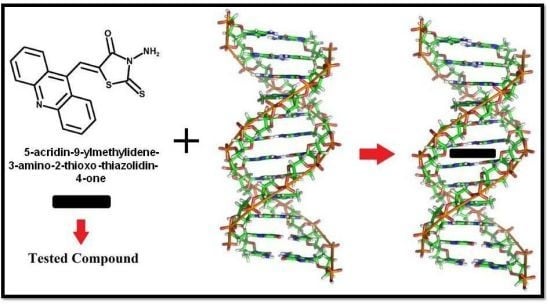
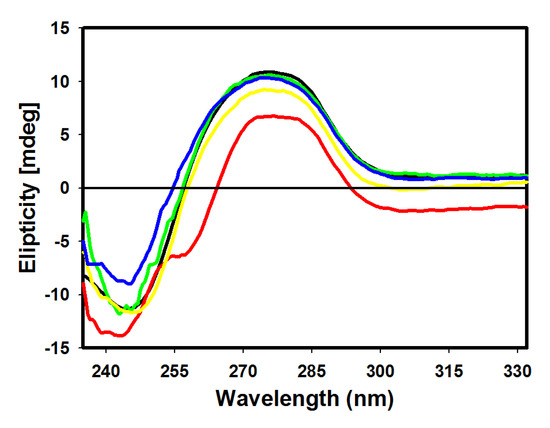
Thiazacridine and imidazacridine derivatives have shown promising results as tumors suppressors in some cancer cell lines. For a better understanding of the mechanism of action of these compounds, binding studies of 5-acridin-9-ylmethylidene-3-amino-2-thioxo-thiazolidin-4-one, 5-acridin-9-ylmethylidene-2-thioxo-thiazolidin-4-one, 5-acridin-9-ylmethylidene-2-thioxo-imidazolidin-4-one and 3-acridin-9-ylmethyl-thiazolidin-2,4-dione with calf thymus DNA (ctDNA) by electronic absorption and fluorescence spectroscopy and circular dichroism spectroscopy were performed. The binding constants ranged from 1.46 × 10⁴ to 6.01 × 10⁴ M−1. UV-Vis, fluorescence and circular dichroism measurements indicated that the compounds interact effectively with ctDNA, both by intercalation or external binding. They demonstrated inhibitory activities to human topoisomerase I, except for 5-acridin-9-ylmethylidene-2-thioxo-1,3-thiazolidin-4-one. These results provide insight into the DNA binding mechanism of imidazacridines and thiazacridines. Full article
(This article belongs to the Section Medicinal Chemistry)
Show Figures

Graphical abstract

16 pages, 742 KB  
Article
Helping Eve Overcome ADAM: G-Quadruplexes in the ADAM-15 Promoter as New Molecular Targets for Breast Cancer Therapeutics
by Robert V. Brown, Vanessa C. Gaerig, Taesha Simmons and Tracy A. Brooks
Molecules 2013, 18(12), 15019-15034; https://doi.org/10.3390/molecules181215019 - 5 Dec 2013
Cited by 7 | Viewed by 5782
Abstract
ADAM-15, with known zymogen, secretase, and disintegrin activities, is a catalytically active member of the ADAM family normally expressed in early embryonic development and aberrantly expressed in various cancers, including breast, prostate and lung. ADAM-15 promotes extracellular shedding of E-cadherin, a soluble ligand [...] Read more.
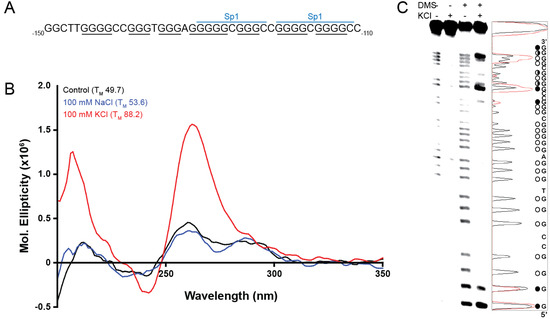
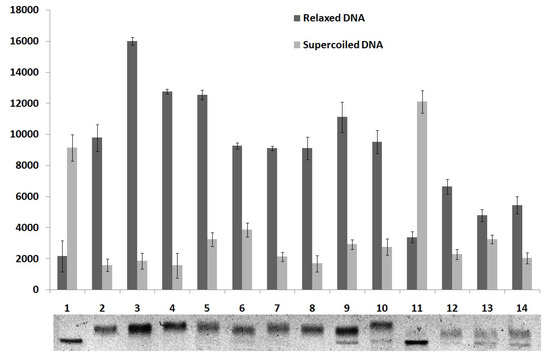
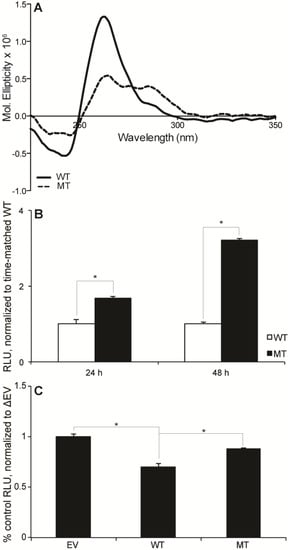
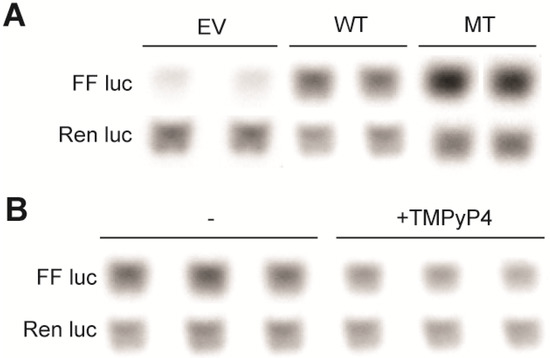
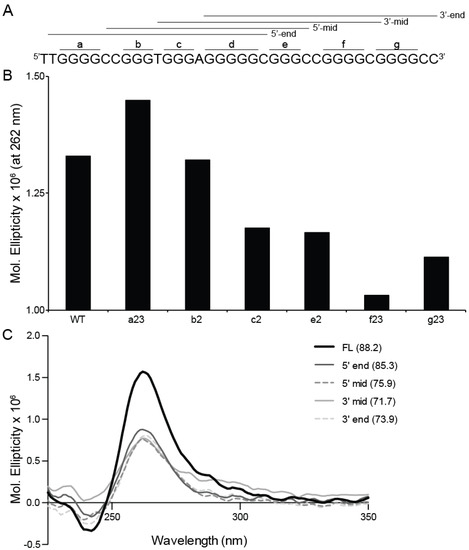
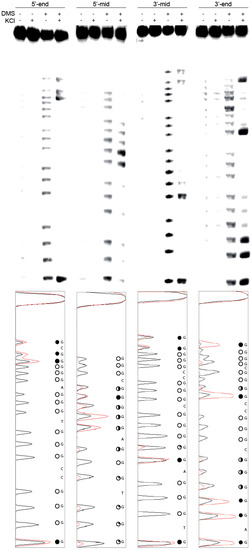
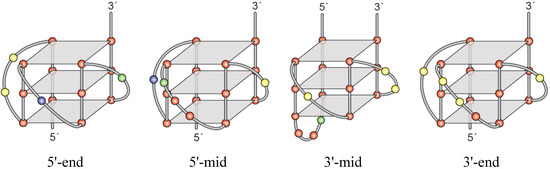
ADAM-15, with known zymogen, secretase, and disintegrin activities, is a catalytically active member of the ADAM family normally expressed in early embryonic development and aberrantly expressed in various cancers, including breast, prostate and lung. ADAM-15 promotes extracellular shedding of E-cadherin, a soluble ligand for the HER2/neu receptor, leading to activation, increased motility, and proliferation. Targeted downregulation of both ADAM-15 and HER2/neu function synergistically kills breast cancer cells, but to date there are no therapeutic options for decreasing ADAM-15 function or expression. In this vein, we have examined a unique string of guanine-rich DNA within the critical core promoter of ADAM-15. This region of DNA consists of seven contiguous runs of three or more consecutive guanines, which, under superhelical stress, can relax from duplex DNA to form an intrastrand secondary G-quadruplex (G4) structure. Using biophysical and biological techniques, we have examined the G4 formation within the entire and various truncated regions of the ADAM-15 promoter, and demonstrate strong intrastrand G4 formation serving to function as a biological silencer element. Characterization of the predominant G4 species formed within the ADAM-15 promoter will allow for specific drug targeting and stabilization, and the further development of novel, targeted therapeutics. Full article
(This article belongs to the Special Issue G-Quadruplexes & i-Motif DNA)
Show Figures

Figure 1
19 pages, 313 KB  
Article
Synthesis and Biological Activity of 3-[Phenyl(1,3-thiazol-2-yl)-amino]propanoic Acids and Their Derivatives
by Vytautas Mickevičius, Aušra Voskienė, Ilona Jonuškienė, Ramūnė Kolosej, Jūratė Šiugždaitė, Petras Rimantas Venskutonis, Rita Kazernavičiūtė, Zita Brazienė and Elena Jakienė
Molecules 2013, 18(12), 15000-15018; https://doi.org/10.3390/molecules181215000 - 5 Dec 2013
Cited by 24 | Viewed by 8959
Abstract
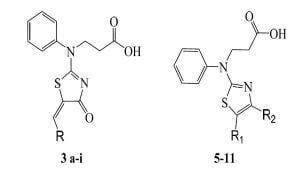
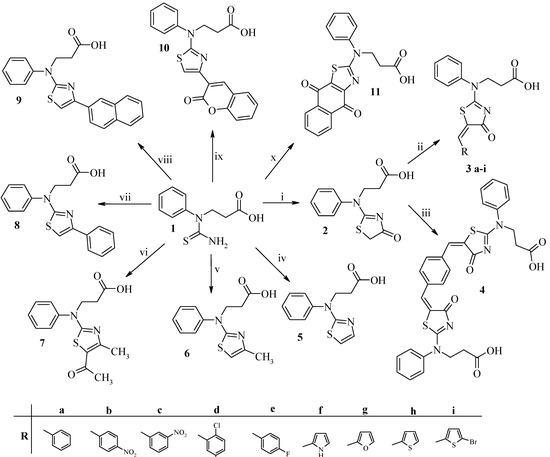
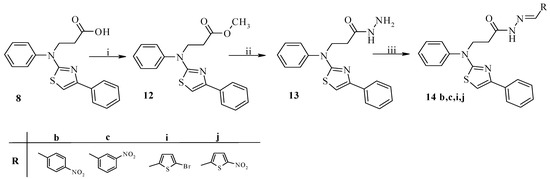
New N,N-disubstituted β-amino acids and their derivatives with thiazole, aromatic, and heterocyclic substituents were synthesized from N-phenyl-N-thiocarbamoyl-β-alanine by the Hantzsch method; derivatives with hydrazone fragments were also obtained. Some of the synthesized compounds exhibited discrete antimicrobial activity, [...] Read more.
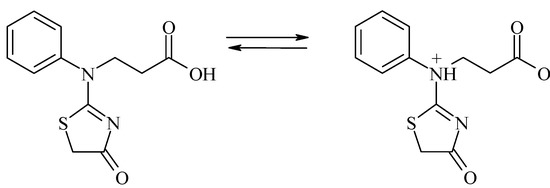
New N,N-disubstituted β-amino acids and their derivatives with thiazole, aromatic, and heterocyclic substituents were synthesized from N-phenyl-N-thiocarbamoyl-β-alanine by the Hantzsch method; derivatives with hydrazone fragments were also obtained. Some of the synthesized compounds exhibited discrete antimicrobial activity, and 3-[(4-oxo-4,5-dihydro-1,3-thiazol-2-yl)(phenyl)amino]propanoic acid was found to promote rapeseed growth and to increase seed yield and oil content. Full article
(This article belongs to the Section Organic Chemistry)
Show Figures

Graphical abstract

11 pages, 447 KB  
Article
Effects of Aronia melanocarpa Constituents on Biofilm Formation of Escherichia coli and Bacillus cereus
by Marie Bräunlich, Ole A. Økstad, Rune Slimestad, Helle Wangensteen, Karl E. Malterud and Hilde Barsett
Molecules 2013, 18(12), 14989-14999; https://doi.org/10.3390/molecules181214989 - 5 Dec 2013
Cited by 27 | Viewed by 7649
Abstract
Many bacteria growing on surfaces form biofilms. Adaptive and genetic changes of the microorganisms in this structure make them resistant to antimicrobial agents. Biofilm-forming organisms on medical devices can pose serious threats to human health. Thus, there is a need for novel prevention [...] Read more.
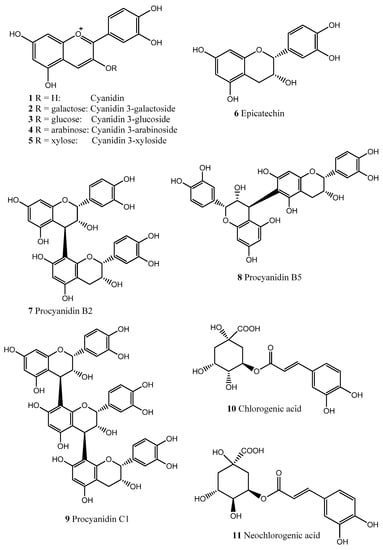
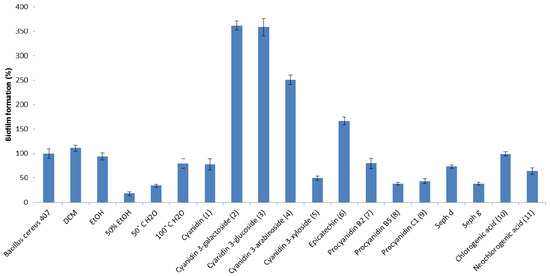
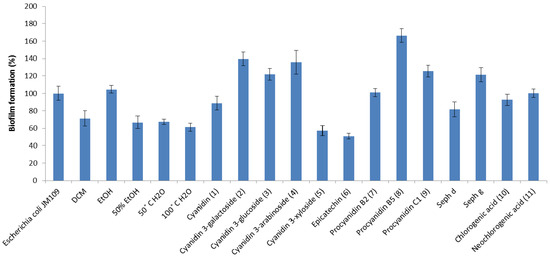
Many bacteria growing on surfaces form biofilms. Adaptive and genetic changes of the microorganisms in this structure make them resistant to antimicrobial agents. Biofilm-forming organisms on medical devices can pose serious threats to human health. Thus, there is a need for novel prevention and treatment strategies. This study aimed to evaluate the ability of Aronia melanocarpa extracts, subfractions and compounds to prevent biofilm formation and to inhibit bacterial growth of Escherichia coli and Bacillus cereus in vitro. It was found that several aronia substances possessed anti-biofilm activity, however, they were not toxic to the species screened. This non-toxic inhibition may confer a lower potential for resistance development compared to conventional antimicrobials. Full article
(This article belongs to the Section Natural Products Chemistry)
Show Figures

Figure 1
12 pages, 296 KB  
Article
Multiplexed Analysis of Cage and Cage Free Chicken Egg Fatty Acids Using Stable Isotope Labeling and Mass Spectrometry
by Richard G. Torde, Andrew J. Therrien, Michael R. Shortreed, Lloyd M. Smith and Shane M. Lamos
Molecules 2013, 18(12), 14977-14988; https://doi.org/10.3390/molecules181214977 - 5 Dec 2013
Cited by 18 | Viewed by 8454
Abstract
Binary stable isotope labeling couple with LC-ESI-MS has been used as a powerful non-targeted approach for the relative quantification of lipids, amino acids, and many other important metabolite classes. A multiplexed approach using three or more isotopic labeling reagents greatly reduces analytical run-time [...] Read more.
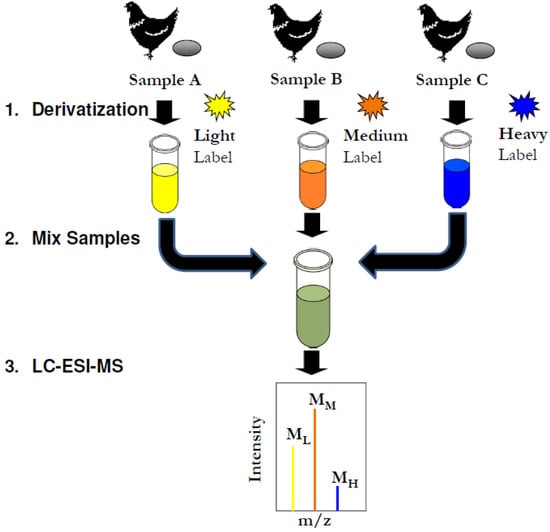
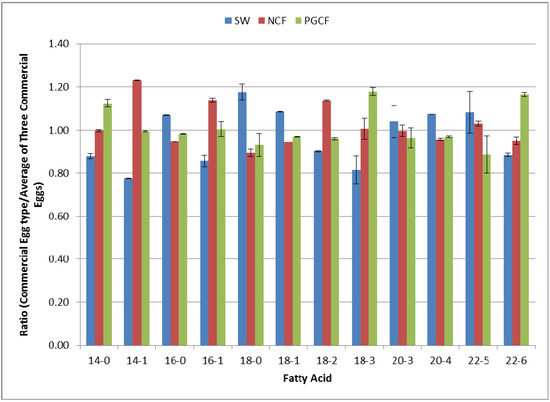
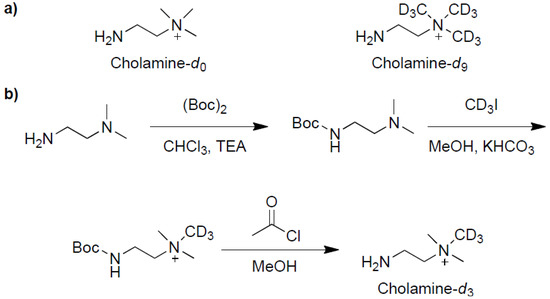
Binary stable isotope labeling couple with LC-ESI-MS has been used as a powerful non-targeted approach for the relative quantification of lipids, amino acids, and many other important metabolite classes. A multiplexed approach using three or more isotopic labeling reagents greatly reduces analytical run-time while maintaining excellent sensitivity and reproducibility. Three isotopic cholamine labeling reagents have been developed to take advantage of the pre-ionized character of cholamine, for ESI, and the ease by which stable isotopes can be incorporated into the cholamine structure. These three cholamine labeling reagents have been used to relatively quantify three fatty acid samples simultaneously. The quantification resulted in the observation of 12 fatty acids that had an average absolute error of 0.9% and an average coefficient of variation of 6.1%. Caged versus cage-free isotope labeling experiments showed that cage-free eggs have an increased level of omega-3 fatty acids as compared to caged eggs. This multiplexed fatty acid analysis provides an inexpensive and expedited tool for broad-based lipid profiling that will further aid discoveries in the mechanisms of fatty acid action in cells. Full article
(This article belongs to the Special Issue Fatty Acids)
Show Figures

Figure 1
16 pages, 691 KB  
Article
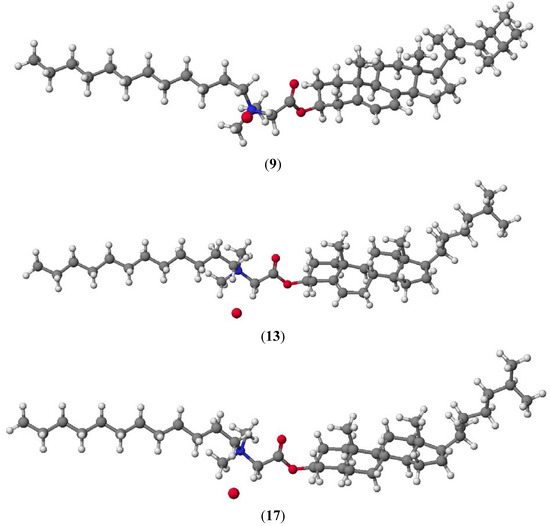
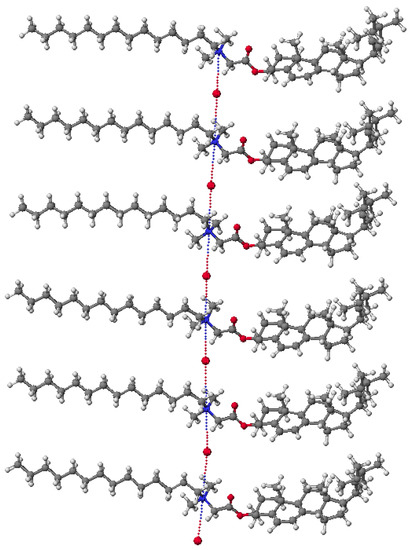
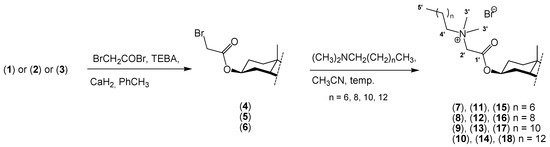
Synthesis, Spectroscopic and Semiempirical Studies of New Quaternary Alkylammonium Conjugates of Sterols
by Bogumił Brycki, Hanna Koenig, Iwona Kowalczyk and Tomasz Pospieszny
Molecules 2013, 18(12), 14961-14976; https://doi.org/10.3390/molecules181214961 - 5 Dec 2013
Cited by 7 | Viewed by 6303
Abstract
New quaternary alkylammonium conjugates of steroids were obtained by two step reaction of sterols (ergosterol, cholesterol, dihydrocholesterol) with bromoacetic acid bromide, followed by bimolecular nucleophilic substitution with a long chain tertiary alkylamine. The structures of products were confirmed by spectral (1H-NMR, [...] Read more.
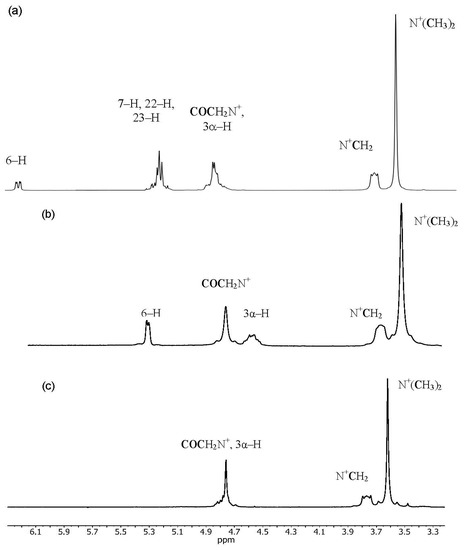
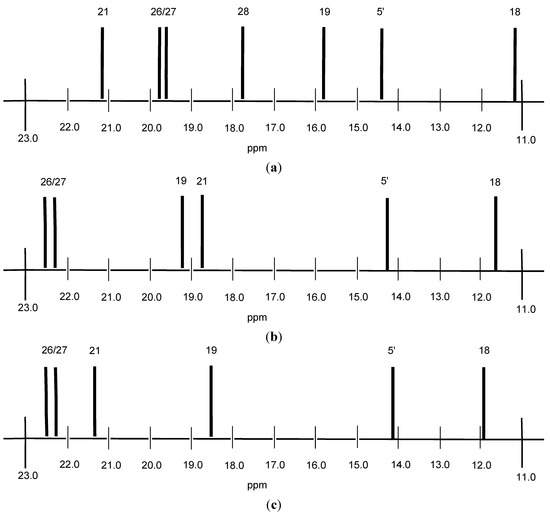
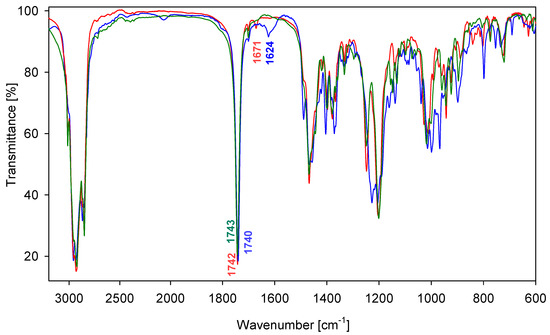
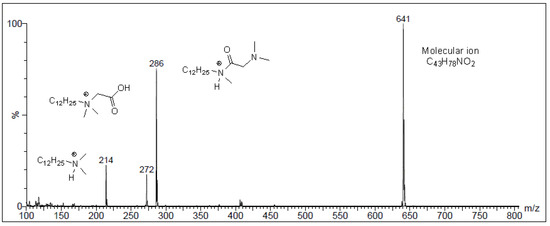
New quaternary alkylammonium conjugates of steroids were obtained by two step reaction of sterols (ergosterol, cholesterol, dihydrocholesterol) with bromoacetic acid bromide, followed by bimolecular nucleophilic substitution with a long chain tertiary alkylamine. The structures of products were confirmed by spectral (1H-NMR, 13C-NMR, and FT-IR) analysis, mass spectrometry and PM5 semiempirical methods. The pharmacotherapeutic potential of synthesized compounds has been estimated on the basis of Prediction of Activity Spectra for Substances (PASS). Full article
(This article belongs to the Section Organic Chemistry)
Show Figures

Figure 1
13 pages, 246 KB  
Article
Chemical Composition and Biological Activity of Essential Oils of Origanum vulgare L. subsp. vulgare L. under Different Growth Conditions
by Enrica De Falco, Emilia Mancini, Graziana Roscigno, Enrico Mignola, Orazio Taglialatela-Scafati and Felice Senatore
Molecules 2013, 18(12), 14948-14960; https://doi.org/10.3390/molecules181214948 - 4 Dec 2013
Cited by 119 | Viewed by 13590
Abstract
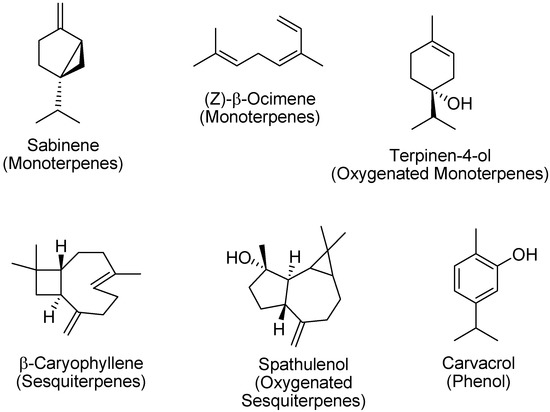
This research was aimed at investigating the essential oil production, chemical composition and biological activity of a crop of pink flowered oregano (Origanum vulgare L. subsp. vulgare L.) under different spatial distribution of the plants (single and binate rows). This plant factor [...] Read more.
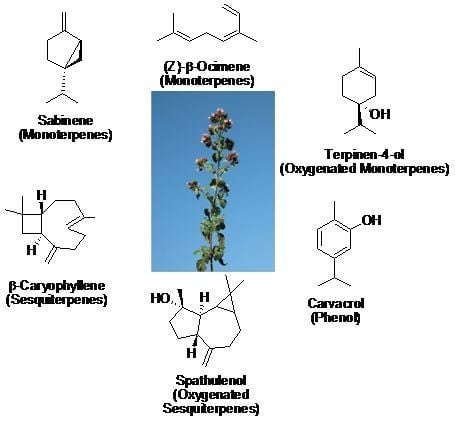
This research was aimed at investigating the essential oil production, chemical composition and biological activity of a crop of pink flowered oregano (Origanum vulgare L. subsp. vulgare L.) under different spatial distribution of the plants (single and binate rows). This plant factor was shown to affect its growth, soil covering, fresh biomass, essential oil amount and composition. In particular, the essential oil percentage was higher for the binate row treatment at the full bloom. The chemical composition of the oils obtained by hydrodistillation was fully characterized by GC and GC-MS. The oil from plants grown in single rows was rich in sabinene, while plants grown in double rows were richer in ocimenes. The essential oils showed antimicrobial action, mainly against Gram-positive pathogens and particularly Bacillus cereus and B. subtilis. Full article
(This article belongs to the Section Natural Products Chemistry)
Show Figures

Graphical abstract

13 pages, 1571 KB  
Article
Sodium Valproate Induces Cell Senescence in Human Hepatocarcinoma Cells
by Hong-Mei An, Yong-Fei Xue, Yan-Li Shen, Qin Du and Bing Hu
Molecules 2013, 18(12), 14935-14947; https://doi.org/10.3390/molecules181214935 - 4 Dec 2013
Cited by 11 | Viewed by 5902
Abstract
Hepatocarcinogenesis is associated with epigenetic changes, including histone deacetylases (HDACs). Epigenetic modulation by HDAC inhibition is a potentially valuable approach for hepatocellular carcinoma treatment. In present study, we evaluated the anticancer effects of sodium valproate (SVP), a known HDAC inhibitor, in human hepatocarcinoma [...] Read more.
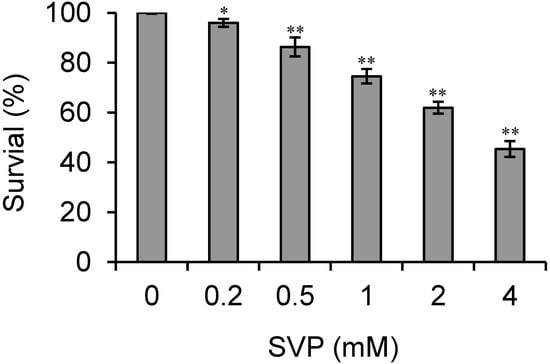
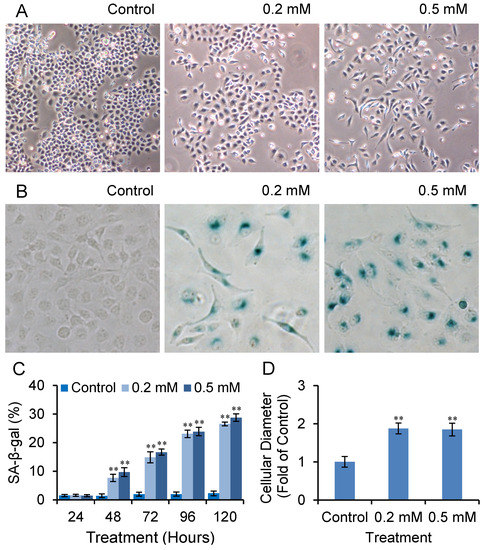
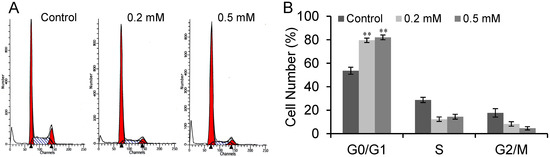
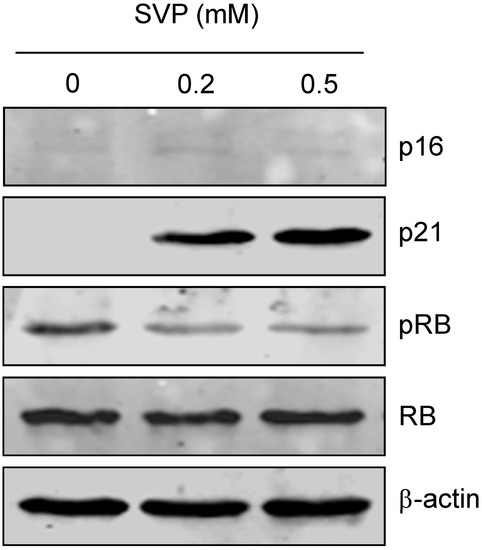
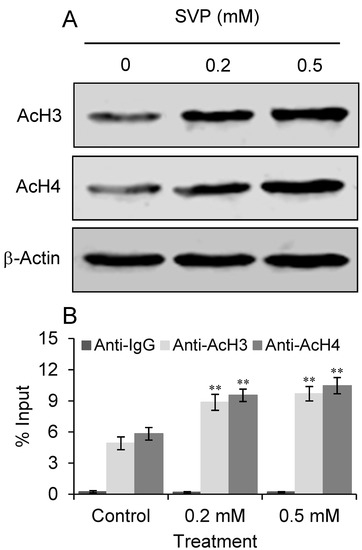
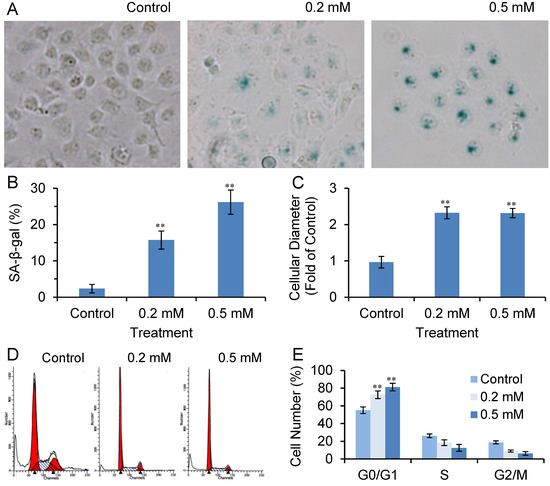
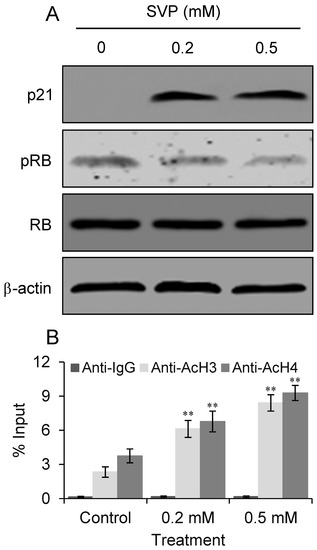
Hepatocarcinogenesis is associated with epigenetic changes, including histone deacetylases (HDACs). Epigenetic modulation by HDAC inhibition is a potentially valuable approach for hepatocellular carcinoma treatment. In present study, we evaluated the anticancer effects of sodium valproate (SVP), a known HDAC inhibitor, in human hepatocarcinoma cells. The results showed SVP inhibited the proliferation of Bel-7402 cells in a dose-dependent manner. Low dose SVP treatment caused a large and flat morphology change, positive SA-β-gal staining, and G0/G1 phase cell cycle arrest in human hepatocarcinoma cells. Low dose SVP treatment also increased acetylation of histone H3 and H4 on p21 promoter, accompanied by up-regulation of p21 and down-regulation of RB phosphorylation. These observations suggested that a low dose of SVP could induce cell senescence in hepatocarcinoma cells, which might correlate with hyperacetylation of histone H3 and H4, up-regulation of p21, and inhibition of RB phosphorylation. Since the effective concentration inducing cell senescence in hepatocarcinoma cells is clinically available, whether a clinical dose of SVP could induce cell senescence in clinical hepatocarcinoma is worthy of further study. Full article
Show Figures

Figure 1
15 pages, 357 KB  
Article
Phenolic Esters of O-Desmethylvenlafaxine with Improved Oral Bioavailability and Brain Uptake
by Yang Zhang, Yan Yang, Sen Zhao, Zhichao Yang, Hong Yang, J. Paul Fawcett, Youxin Li, Jingkai Gu and Tiemin Sun
Molecules 2013, 18(12), 14920-14934; https://doi.org/10.3390/molecules181214920 - 4 Dec 2013
Cited by 4 | Viewed by 7425
Abstract
O-Desmethylvenlafaxine (desvenlafaxine, ODV) is a recently approved antidepressant which in some clinical studies failed to meet a satisfactory end-point. The aim of this study was to prepare a series of phenolic esters of ODV and evaluate their potential as ODV prodrugs with [...] Read more.
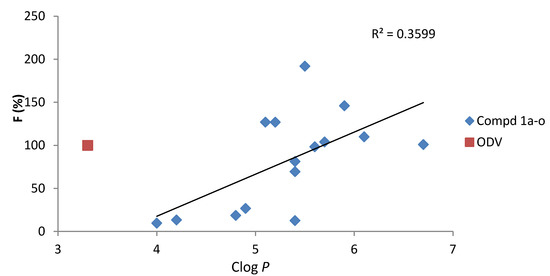
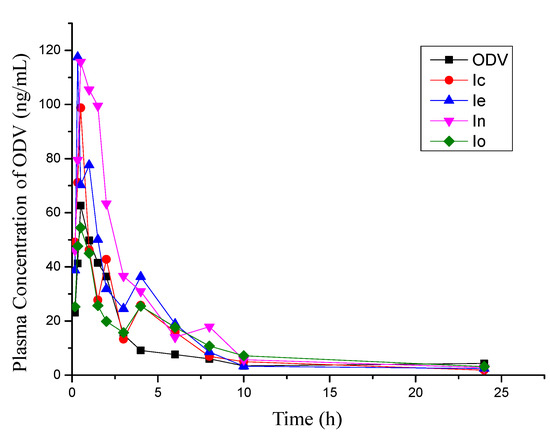
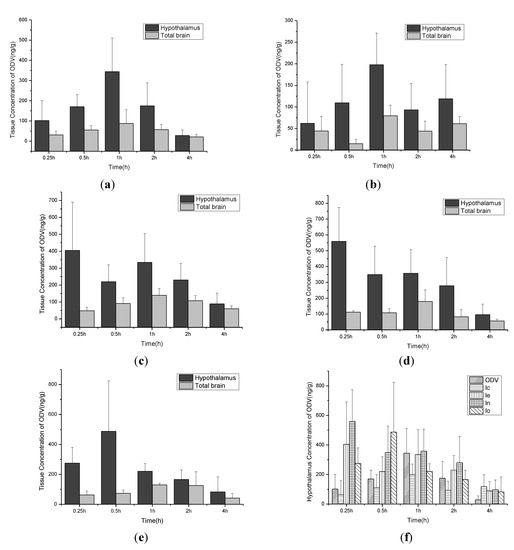
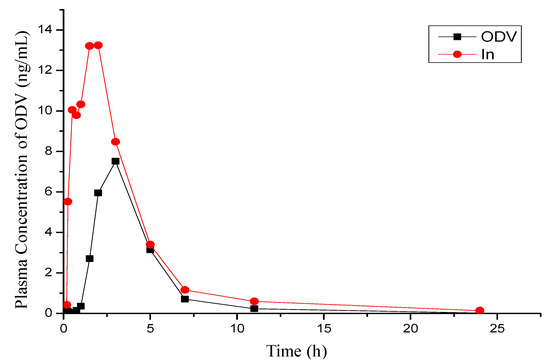
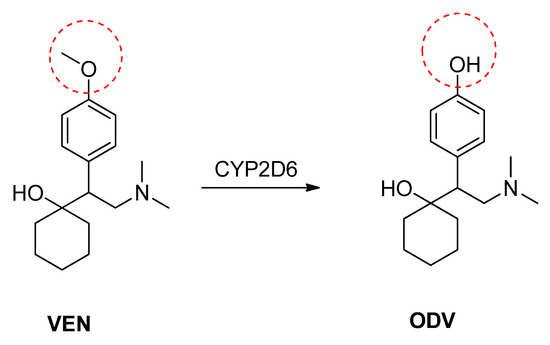
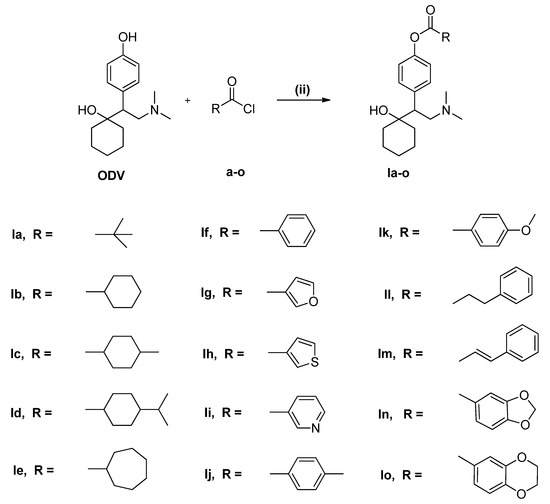
O-Desmethylvenlafaxine (desvenlafaxine, ODV) is a recently approved antidepressant which in some clinical studies failed to meet a satisfactory end-point. The aim of this study was to prepare a series of phenolic esters of ODV and evaluate their potential as ODV prodrugs with improved brain uptake. Fifteen phenolic esters (compounds 1ao) were synthesized and their pharmacokinetic profiles evaluated in rat. The four compounds producing the highest relative bioavailability of ODV in rat (compounds 1c, 1e, 1n, 1o) were then studied to evaluate their brain uptake. Of these four compounds, compound 1n (the piperonylic acid ester of ODV) demonstrated the highest Cmax of ODV both in the rat hypothalamus and total brain. Finally the pharmacokinetics of 1n were evaluated in beagle dog where the increase in relative bioavailability of ODV was found to be as great as in rat. This high relative bioavailability of ODV coupled with its good brain penetration make 1n the most promising candidate for development as an ODV prodrug. Full article
Show Figures

Figure 1
28 pages, 344 KB  
Review
C-4 Gem-Dimethylated Oleanes of Gymnema sylvestre and Their Pharmacological Activities
by Giovanni Di Fabio, Valeria Romanucci, Mauro Zarrelli, Michele Giordano and Armando Zarrelli
Molecules 2013, 18(12), 14892-14919; https://doi.org/10.3390/molecules181214892 - 4 Dec 2013
Cited by 50 | Viewed by 10894
Abstract
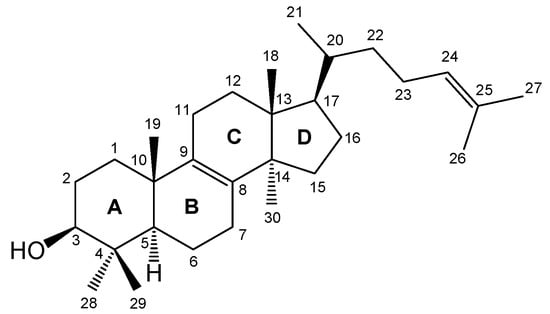
Gymnema sylvestre R. Br., one of the most important medicinal plants of the Asclepiadaceae family, is a herb distributed throughout the World, predominantly in tropical countries. The plant, widely used for the treatment of diabetes and as a diuretic in Indian proprietary medicines, [...] Read more.
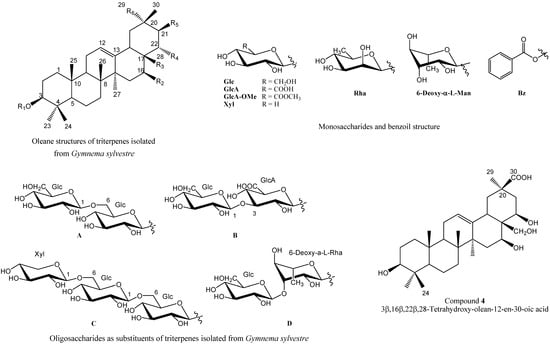
Gymnema sylvestre R. Br., one of the most important medicinal plants of the Asclepiadaceae family, is a herb distributed throughout the World, predominantly in tropical countries. The plant, widely used for the treatment of diabetes and as a diuretic in Indian proprietary medicines, possesses beneficial digestive, anti-inflammatory, hypoglycemic and anti-helmentic effects. Furthermore, it is believed to be useful in the treatment of dyspepsia, constipation, jaundice, hemorrhoids, cardiopathy, asthma, bronchitis and leucoderma. A literature survey revealed that some other notable pharmacological activities of the plant such as anti-obesity, hypolipidemic, antimicrobial, free radical scavenging and anti-inflammatory properties have been proven too. This paper aims to summarize the chemical and pharmacological reports on a large group of C-4 gem-dimethylated pentacyclic triterpenoids from Gymnema sylvestre. Full article
(This article belongs to the Section Natural Products Chemistry)
Show Figures

Figure 1
16 pages, 430 KB  
Article
Design, Synthesis, Biological Activities and 3D-QSAR of New N,N'-Diacylhydrazines Containing 2,4-Dichlorophenoxy Moieties
by Guo-Xiang Sun, Zhao-Hui Sun, Ming-Yan Yang, Xing-Hai Liu, Yi Ma and Yun-Yang Wei
Molecules 2013, 18(12), 14876-14891; https://doi.org/10.3390/molecules181214876 - 3 Dec 2013
Cited by 20 | Viewed by 5875
Abstract
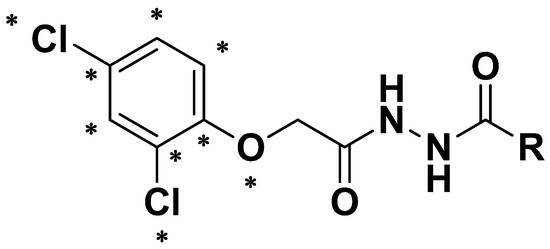
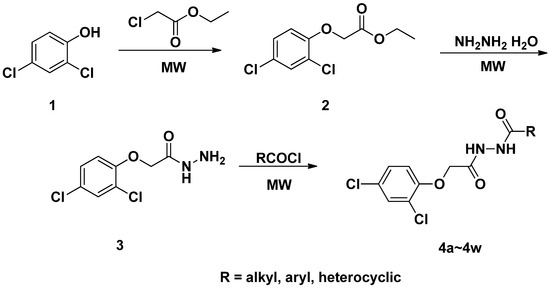
A series of new N,N'-diacylhydrazine derivatives were designed and synthesized. Their structures were verified by 1H-NMR, MS and elemental analysis. The herbicidal activities and plant growth regulating activity of these N,N'-diacylhydrazines were evaluated. The herbicidal activity results showed [...] Read more.
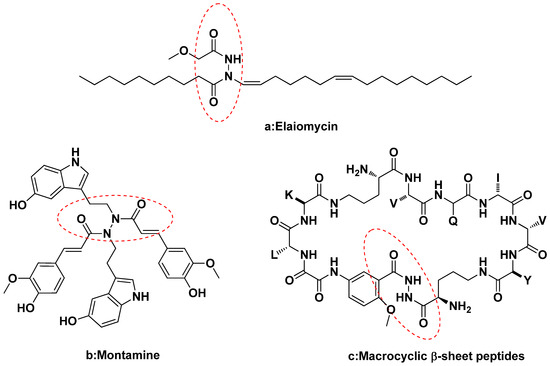
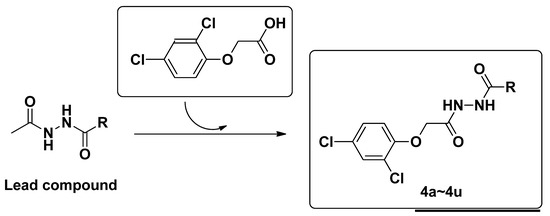
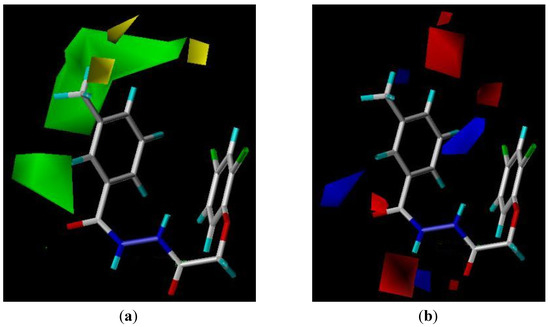
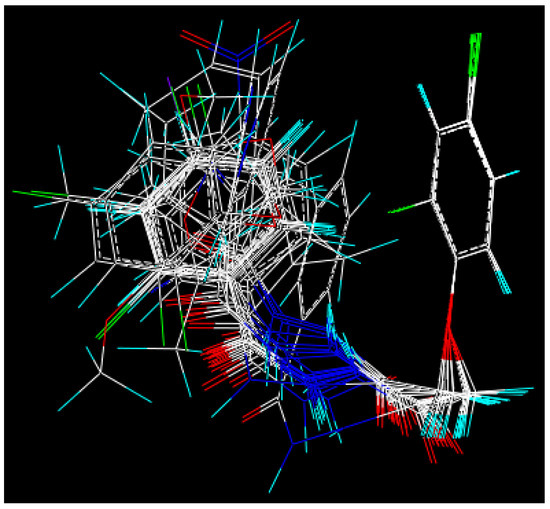
A series of new N,N'-diacylhydrazine derivatives were designed and synthesized. Their structures were verified by 1H-NMR, MS and elemental analysis. The herbicidal activities and plant growth regulating activity of these N,N'-diacylhydrazines were evaluated. The herbicidal activity results showed that most of these N,N'-diacyl-hydrazines showed excellent in vivo activities against Echinochloa crus-galli, Digitaria sanguinalis, Brassica napus, Amaranthus retroflerus. Most of them exhibited higher herbicidal activities against dicotyledonous weeds than monocotyledonous weeds. To further investigate the structure-activity relationship, comparative molecular field analysis (CoMFA) was performed on the basis of herbicidal activity data. Both the steric and electronic field distributions of CoMFA are in good agreement in this work. Full article
Show Figures

Figure 1
14 pages, 645 KB  
Article
Immunomodulatory Effects of Hedysarum polybotrys Extract in Mice Macrophages, Splenocytes and Leucopenia
by Guan-Cheng Huang, Chia-Jung Lee, Kun-Teng Wang, Bor-Chun Weng, Ting-Yi Chien, Sung-Hui Tseng and Ching-Chiung Wang
Molecules 2013, 18(12), 14862-14875; https://doi.org/10.3390/molecules181214862 - 3 Dec 2013
Cited by 17 | Viewed by 6807
Abstract
Astragali Radix (Huang-Qi) is a popular herbal medicine commonly used as a constituent in tonic herbal preparations. Hedysarum polybotrys Handel-Mazzetti is one species used of Astragali Radix. In this study, the immunomodulatory properties of H. polybotrys were explored by LPS-activated and SNP-treated RAW [...] Read more.
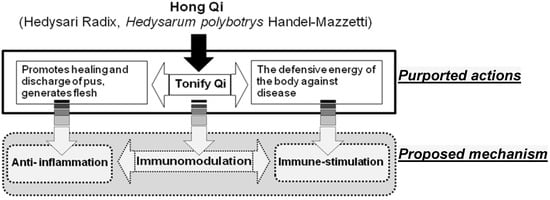
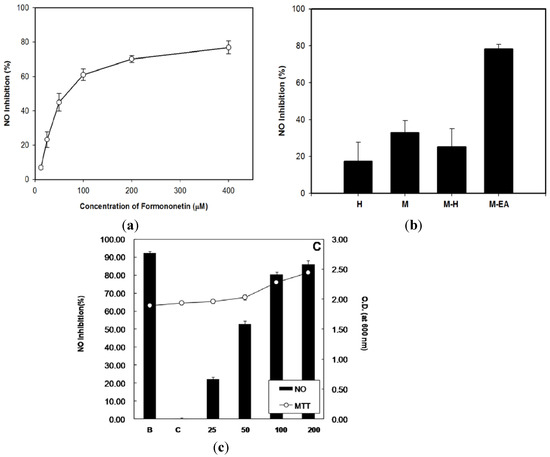
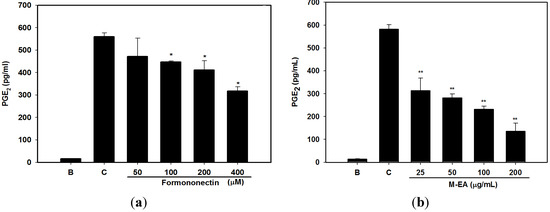
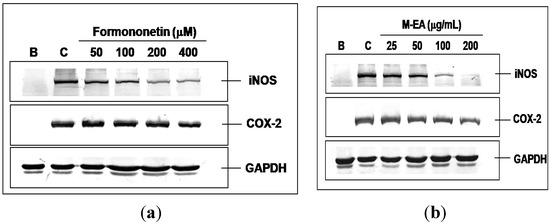
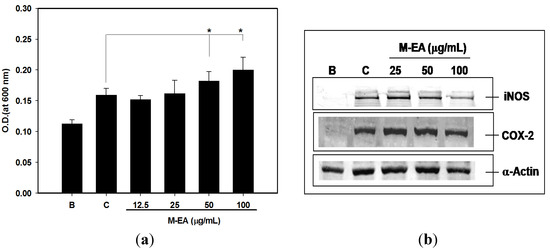
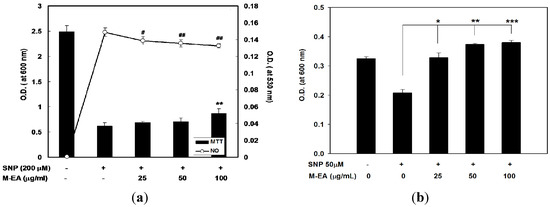
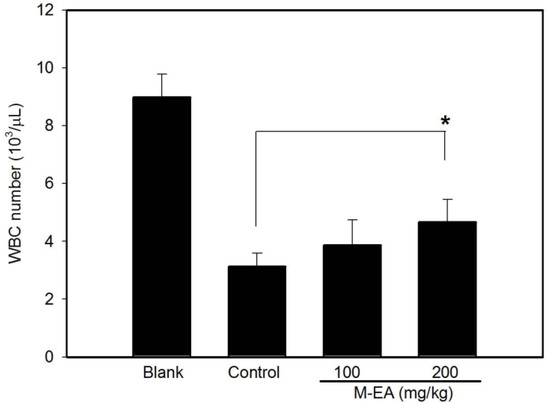
Astragali Radix (Huang-Qi) is a popular herbal medicine commonly used as a constituent in tonic herbal preparations. Hedysarum polybotrys Handel-Mazzetti is one species used of Astragali Radix. In this study, the immunomodulatory properties of H. polybotrys were explored by LPS-activated and SNP-treated RAW 264.7 cells and splenocytes and, daunoblastina-induced leucopenia BALB/c mice. Formononetin was used as the bioactive marker to monitor the quality of the H. polybotrys extracts. H. polybotrys was extracted with hot-water and methanol, and MeOH extract partitioned with H2O (M-H) and ethyl acetate (M-EA) to yield four different fractions. M-EA had the highest formononetin and total proanthocyanidin content and showed stronger inhibitory effects on the production and expression of NO, PGE2, iNOS and COX-2 in LPS-activated RAW 264.7 cells and splenocytes than the other fractions. In addition, M-EA significantly stimulated the proliferation of LPS-activated RAW 264.7 cells and splenocytes, enhanced NO radicals scavenging and attenuated NO-induced cytotoxicity. Furthermore, M-EA also significantly increased the rate of recovery of white blood cells level in daunoblastina-induced leucopenia mice. These evidences suggest that this traditional Qi-tonifying herb has potential effects in clinical conditions when immune-enhancing and anti-inflammatory effect is desired. Full article
(This article belongs to the Section Natural Products Chemistry)
Show Figures

Figure 1