17 pages, 373 KB  
Communication
Consecutive Three-Component Synthesis of 3-(Hetero)Aryl-1H-pyrazoles with Propynal Diethylacetal as a Three-Carbon Building Block
by Lucilla Levi, Christina Boersch, Charlotte F. Gers, Eugen Merkul and Thomas J. J. Müller
Molecules 2011, 16(11), 9340-9356; https://doi.org/10.3390/molecules16119340 - 7 Nov 2011
Cited by 13 | Viewed by 7796
Abstract
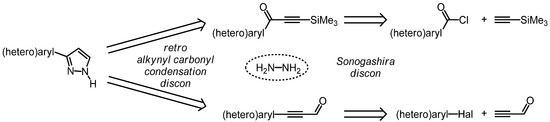
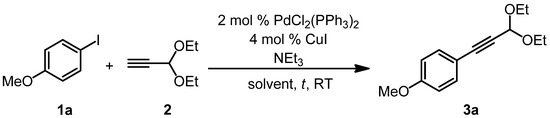
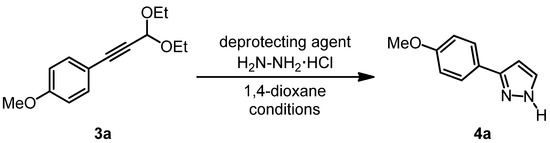
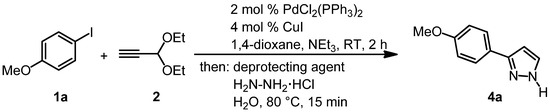
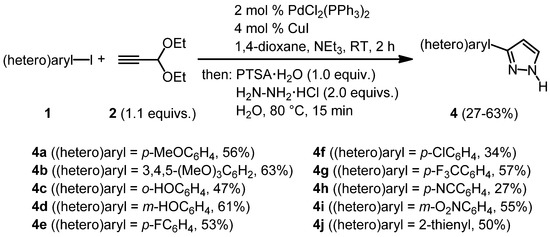
A novel consecutive three-component synthesis of 3-(hetero)aryl-1H-pyrazoles via room temperature Sonogashira arylation of propynal diethylacetal used as a propargyl aldehyde synthetic equivalent has been disclosed. The final acetal cleavage-cyclocondensation with hydrazine hydrochloride at 80 °C rapidly furnishes the title compounds in [...] Read more.
A novel consecutive three-component synthesis of 3-(hetero)aryl-1H-pyrazoles via room temperature Sonogashira arylation of propynal diethylacetal used as a propargyl aldehyde synthetic equivalent has been disclosed. The final acetal cleavage-cyclocondensation with hydrazine hydrochloride at 80 °C rapidly furnishes the title compounds in a one-pot fashion. Full article
(This article belongs to the Special Issue Multicomponent Reaction)
Show Figures

Graphical abstract
9 pages, 218 KB  
Article
Chemical Constituents and Biological Studies of the Leaves of Grevillea robusta
by Ta-Hsien Chuang, Hsiu-Hui Chan, Tian-Shung Wu and Chien-Fu Li
Molecules 2011, 16(11), 9331-9339; https://doi.org/10.3390/molecules16119331 - 7 Nov 2011
Cited by 16 | Viewed by 6274
Abstract
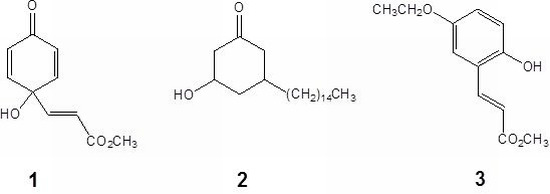
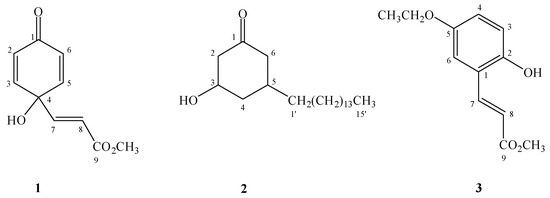
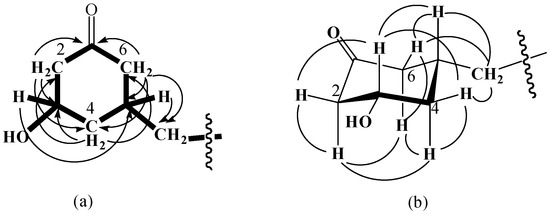
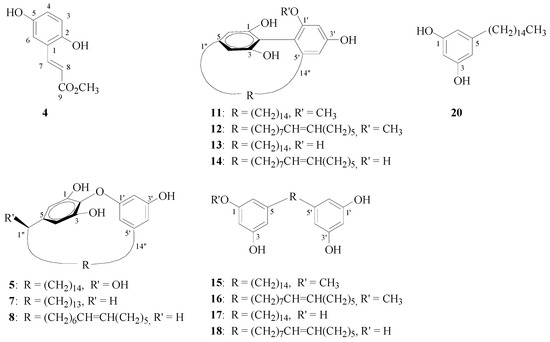
Three new compounds: Graviquinone (1), cis-3-hydroxy-5-pentadecylcyclohexanone (2), and methyl 5-ethoxy-2-hydroxycinnamate (3), and thirty-eight known compounds were isolated and identified from the leaves of Grevillea robusta. The structures of these compounds were determined by spectroscopic and chemical transformation methods. Graviquinone (1) showed [...] Read more.
Three new compounds: Graviquinone (1), cis-3-hydroxy-5-pentadecylcyclohexanone (2), and methyl 5-ethoxy-2-hydroxycinnamate (3), and thirty-eight known compounds were isolated and identified from the leaves of Grevillea robusta. The structures of these compounds were determined by spectroscopic and chemical transformation methods. Graviquinone (1) showed the strongest cytotoxicity against MCF-7, NCI-H460, and SF-268 cell lines. Methyl 2,5-dihydroxycinnamate (4), graviphane (13), and dehydrograviphane (14) exhibited very potent DPPH scavenging activity compared with α-tocopherol. Methyl 2,5-dihydroxycinnamate (4) and bis-norstriatol (17) demonstrated strong inhibition of L-DOPA oxidation by mushroom tyrosinase compared with kojic acid. Full article
(This article belongs to the Section Natural Products Chemistry)
Show Figures

Graphical abstract
15 pages, 604 KB  
Article
Synthesis, Characterization, Acetylcholinesterase Inhibition, Molecular Modeling and Antioxidant Activities of Some Novel Schiff Bases Derived from 1-(2-Ketoiminoethyl)piperazines
by Saleh M. Salga, Hapipah M. Ali, Mahmood A. Abdullah, Siddig I. Abdelwahab, Lam Kok Wai, Michael J. C. Buckle, Sri Devi Sukumaran and A. Hamid A. Hadi
Molecules 2011, 16(11), 9316-9330; https://doi.org/10.3390/molecules16119316 - 7 Nov 2011
Cited by 24 | Viewed by 8428
Abstract
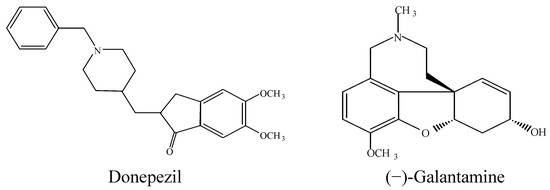
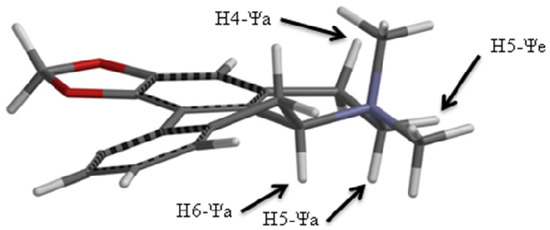
Some novel Schiff bases derived from 1-(2-ketoiminoethyl)piperazines were synthesized and characterized by mass spectroscopy, FTIR, UV-Visible, 1H and 13C-NMR. The compounds were tested for inhibitory activities on human acetylcholinesterase (hAChE), antioxidant activities, acute oral toxicity and further studied by molecular modeling [...] Read more.
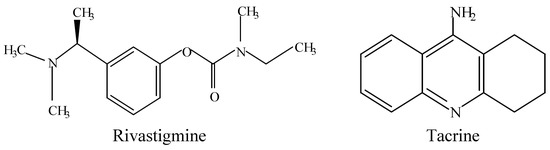
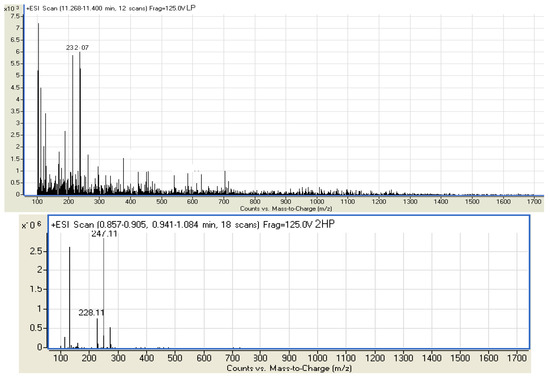
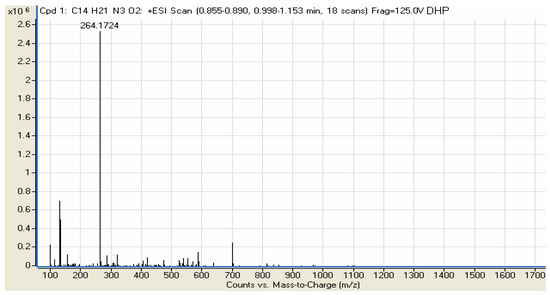
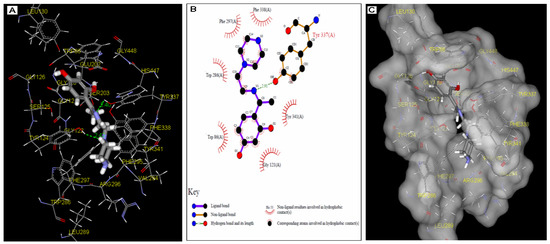
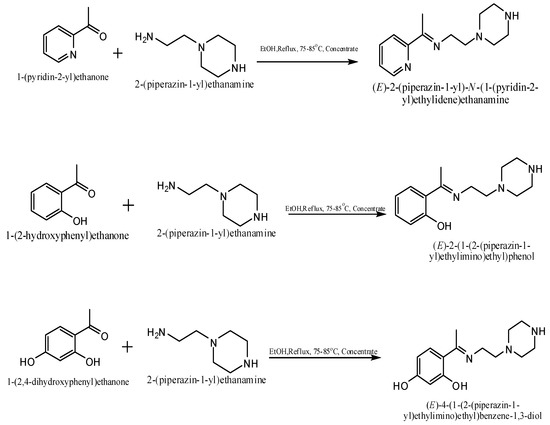
Some novel Schiff bases derived from 1-(2-ketoiminoethyl)piperazines were synthesized and characterized by mass spectroscopy, FTIR, UV-Visible, 1H and 13C-NMR. The compounds were tested for inhibitory activities on human acetylcholinesterase (hAChE), antioxidant activities, acute oral toxicity and further studied by molecular modeling techniques. The study identified the compound (DHP) to have the highest activity among the series in hAChE inhibition and DPPH assay while the compound LP revealed the highest activity in the FRAP assay. The hAChE inhibitory activity of DHP is comparable with that of propidium, a known AChE inhibitor. This high activity of DHP was checked by molecular modeling which showed that DHP could not be considered as a bivalent ligand due to its incapability to occupy the esteratic site (ES) region of the 3D crystal structure of hAChE. The antioxidant study unveiled varying results in 1,1-diphenyl-1-picrylhydrazyl (DPPH) and ferric reducing antioxidant power (FRAP) assays. This indicates mechanistic variations of the compounds in the two assays. The potential therapeutic applications and safety of these compounds were suggested for use as human acetylcholinesterase inhibitors and antioxidants. Full article
Show Figures

Figure 1

18 pages, 11120 KB  
Article
Effect of the Lectin of Bauhinia variegata and Its Recombinant Isoform on Surgically Induced Skin Wounds in a Murine Model
by Luiz Gonzaga do Nascimento Neto, Luciano da Silva Pinto, Rafaela Mesquita Bastos, Francisco Flávio Vasconcelos Evaristo, Mayron Alves de Vasconcelos, Victor Alves Carneiro, Francisco Vassiliepe Sousa Arruda, Ana Lúcia Figueiredo Porto, Rodrigo Bainy Leal, Valdemiro Amaro da Silva Júnior, Benildo Sousa Cavada and Edson Holanda Teixeira
Molecules 2011, 16(11), 9298-9315; https://doi.org/10.3390/molecules16119298 - 7 Nov 2011
Cited by 23 | Viewed by 8179
Abstract
Lectins are a structurally heterogeneous group of highly specific carbohydrate-binding proteins. Due to their great biotechnological potential, lectins are widely used in biomedical research. The purpose of the present study was to evaluate the healing potential of the lectin of Bauhinia variegata (nBVL) [...] Read more.
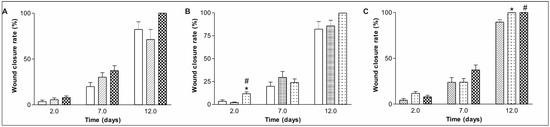
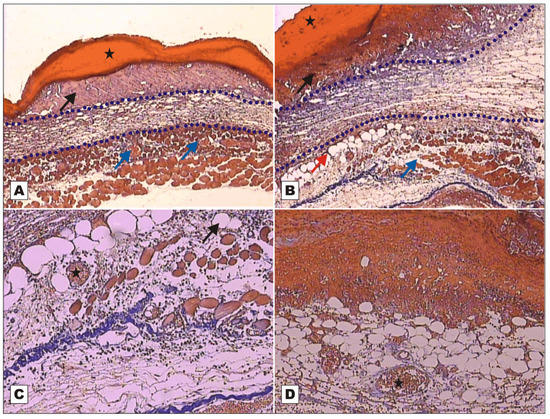
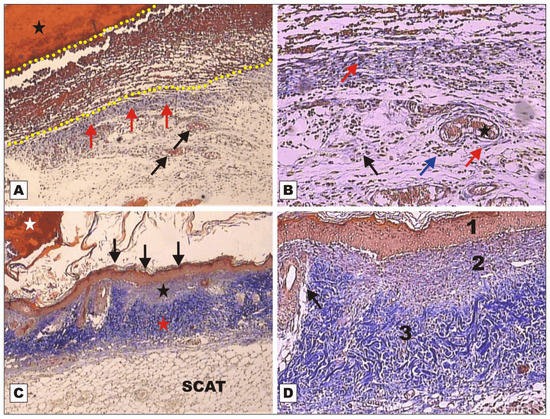
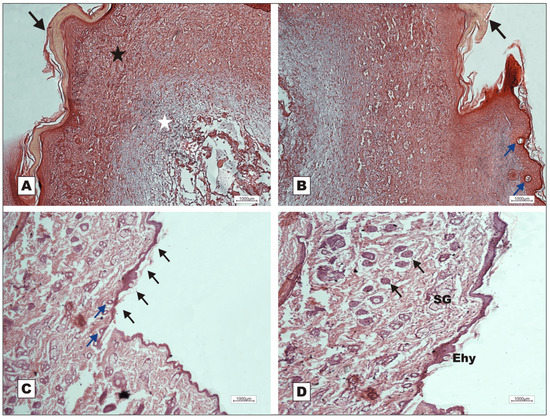
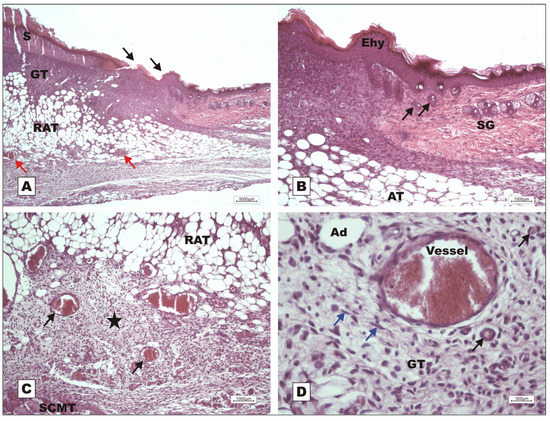
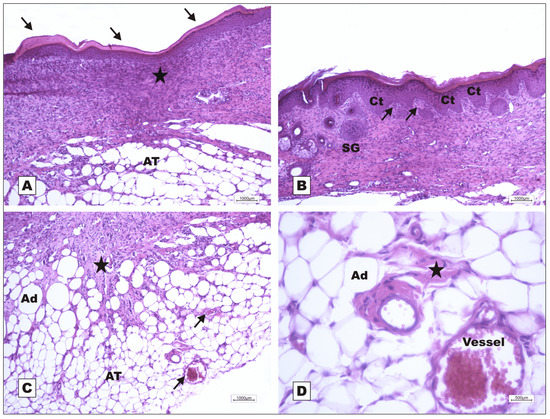
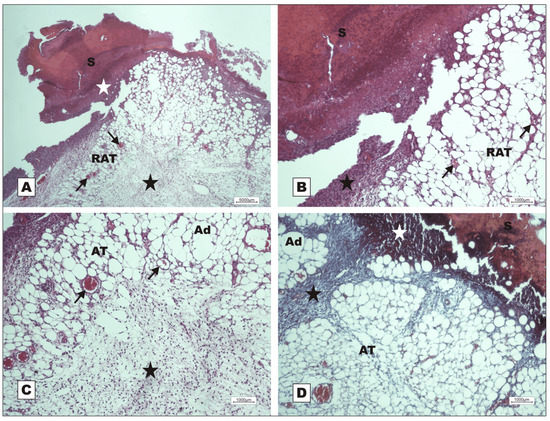
Lectins are a structurally heterogeneous group of highly specific carbohydrate-binding proteins. Due to their great biotechnological potential, lectins are widely used in biomedical research. The purpose of the present study was to evaluate the healing potential of the lectin of Bauhinia variegata (nBVL) and its recombinant isoform (rBVL-1). Following surgical creation of dorsal skin wounds, seven groups of mice were submitted to topical treatment for 12 days with lectin, D-galactose, BSA and saline. The animals were anesthetized and euthanized on POD 2, 7 and 12 in order to evaluate the healing potential of each treatment. The parameters considered included wound size, contraction rate, epithelialization rate and histopathological findings. Wound closure was fastest in animals treated with rBVL-1 (POD 7). nBVL was more effective than the controls. All skin layers were reconstructed and keratin deposition increased. Our findings indicate that the lectin of Bauhinia variegata possesses pro-healing properties and may be employed in the treatment of acute skin wounds. Full article
Show Figures

Figure 1

24 pages, 440 KB  
Review
MAOS and Medicinal Chemistry: Some Important Examples from the Last Years
by Nailton M. Nascimento-Júnior, Arthur E. Kümmerle, Eliezer J. Barreiro and Carlos A. M. Fraga
Molecules 2011, 16(11), 9274-9297; https://doi.org/10.3390/molecules16119274 - 7 Nov 2011
Cited by 23 | Viewed by 7518
Abstract
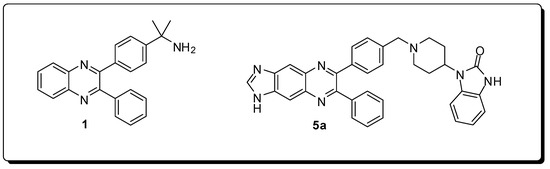
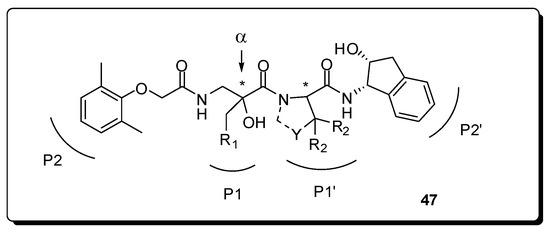
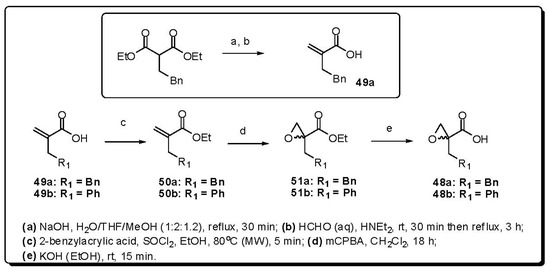
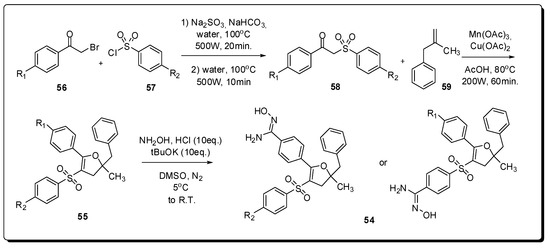
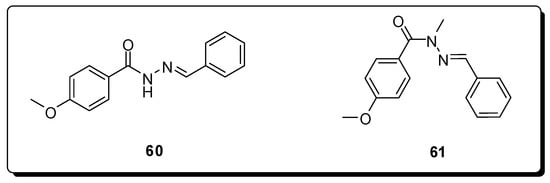
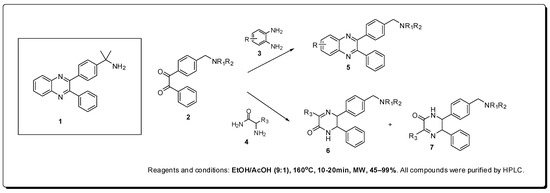
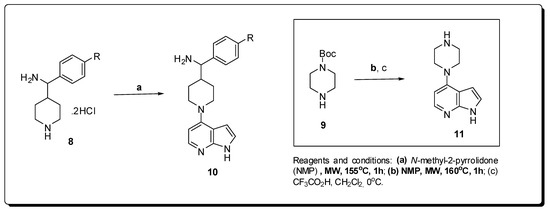
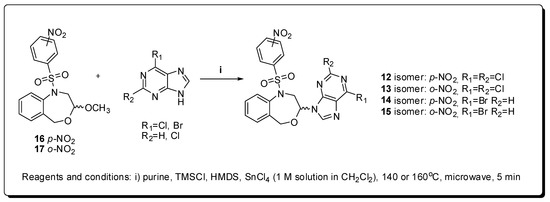
This review aims to highlight microwave-assisted organic synthesis as applied to medicinal chemistry in the last years, showing some reactions performed under microwave irradiation for the synthesis of distinct structurally molecules of biological interest, divided into the following groups: antineoplastics, anti-inflammatory, antimicrobial agents, [...] Read more.
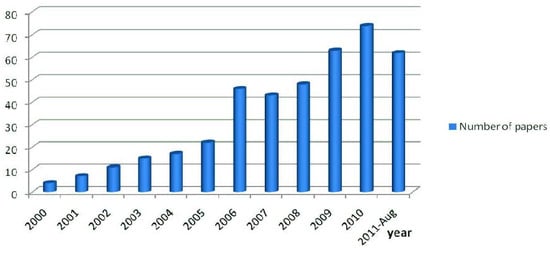
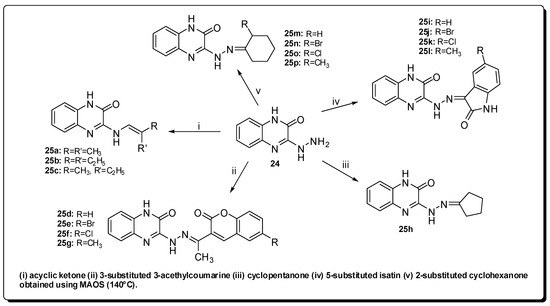
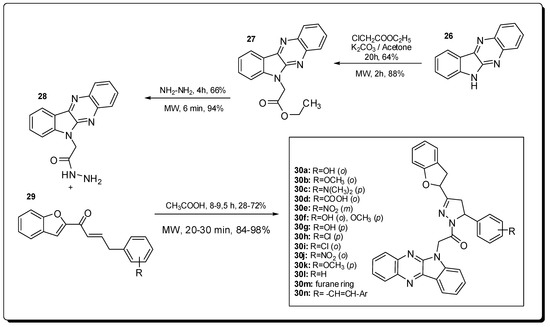
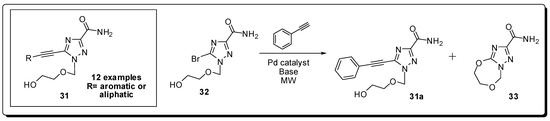
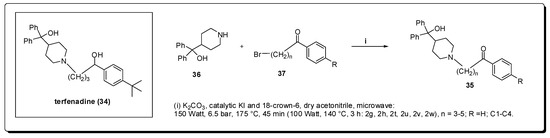
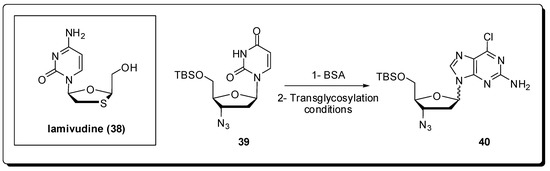
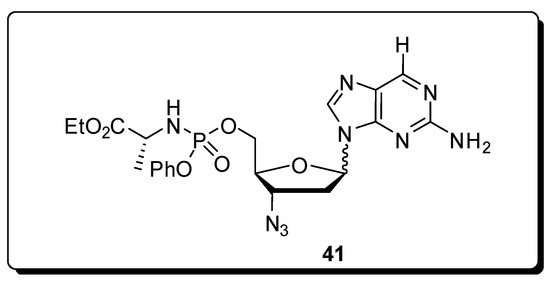
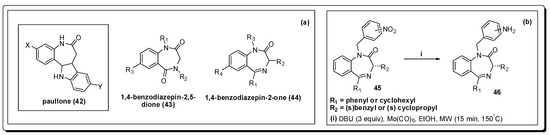
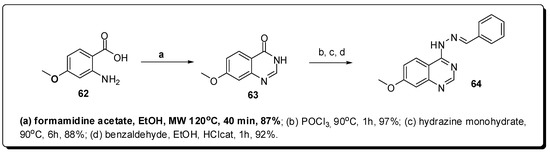
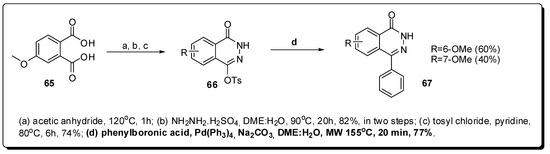
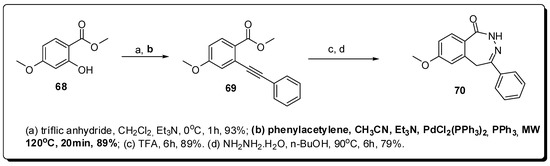
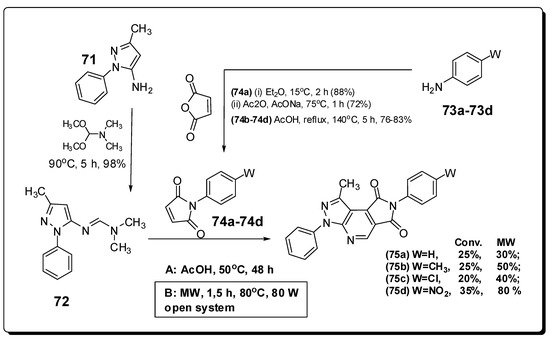
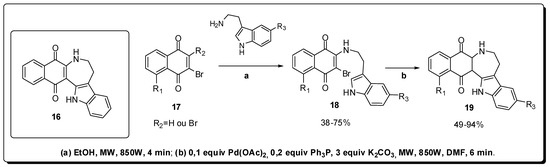
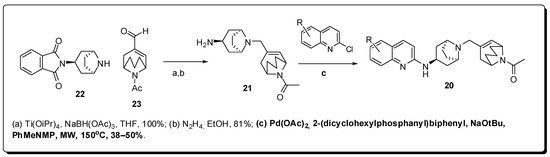
This review aims to highlight microwave-assisted organic synthesis as applied to medicinal chemistry in the last years, showing some reactions performed under microwave irradiation for the synthesis of distinct structurally molecules of biological interest, divided into the following groups: antineoplastics, anti-inflammatory, antimicrobial agents, antivirals, agents for the treatment of neglected diseases and central nervous system-acting prototypes. Full article
(This article belongs to the Special Issue Microwave Assisted Synthesis)
Show Figures

Figure 1

13 pages, 412 KB  
Article
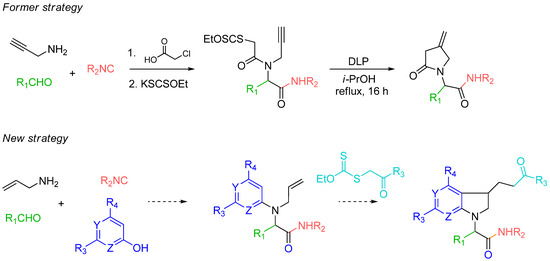
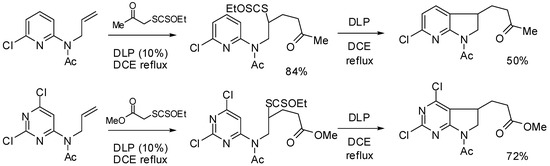
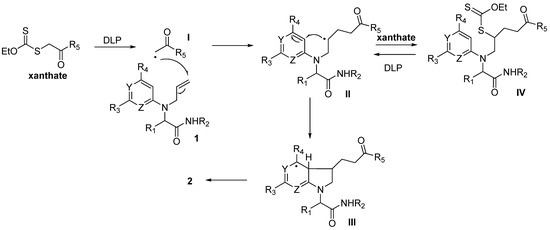
Xanthate Based Radical Cascade Toward Multicomponent Formation of Pyrrolopyrimidines
by Laurent El Kaïm, Laurence Grimaud and Patil Pravin
Molecules 2011, 16(11), 9261-9273; https://doi.org/10.3390/molecules16119261 - 4 Nov 2011
Cited by 9 | Viewed by 6970
Abstract
A short sequential synthesis of pyrrolidino- pyridines and pyrimidines illustrates the potential of combining Ugi-Smiles couplings with radical tin-free processes. Full article
(This article belongs to the Special Issue Multicomponent Reaction)
Show Figures

Figure 1

16 pages, 330 KB  
Article
Optimization of the Conditions for Extraction of Serine Protease from Kesinai Plant (Streblus asper) Leaves Using Response Surface Methodology
by Amid Mehrnoush, Shuhaimi Mustafa, Md. Zaidul Islam Sarker and Abdul Manap Mohd Yazid
Molecules 2011, 16(11), 9245-9260; https://doi.org/10.3390/molecules16119245 - 3 Nov 2011
Cited by 19 | Viewed by 6194
Abstract
Response surface methodology (RSM) using a central composite design (CCD) was employed to optimize the conditions for extraction of serine protease from kesinai (Streblus asper) leaves. The effect of independent variables, namely temperature (42.5,47.5, X1), mixing time (2–6 min, [...] Read more.
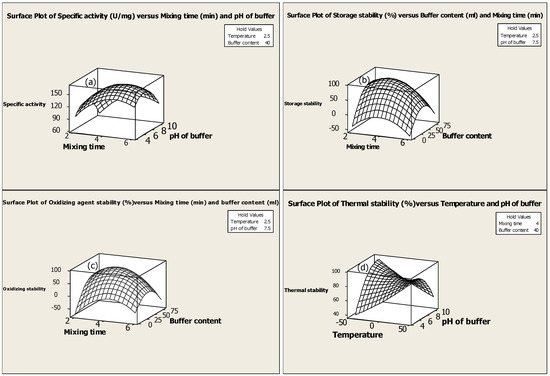
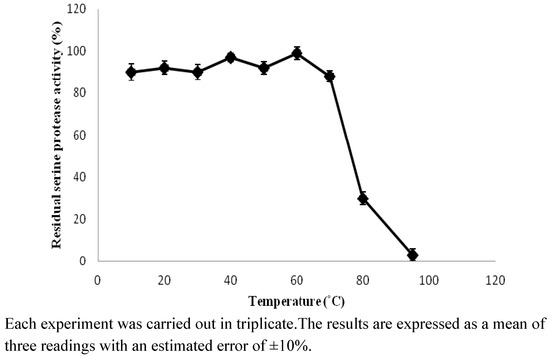
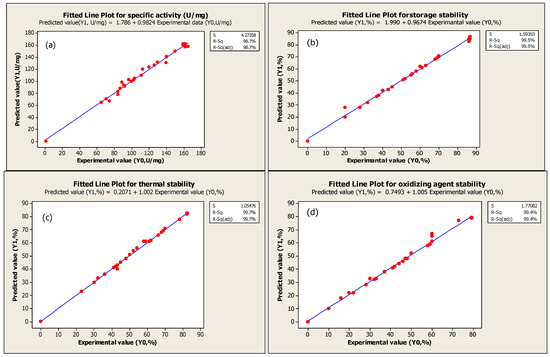
Response surface methodology (RSM) using a central composite design (CCD) was employed to optimize the conditions for extraction of serine protease from kesinai (Streblus asper) leaves. The effect of independent variables, namely temperature (42.5,47.5, X1), mixing time (2–6 min, X2), buffer content (0–80 mL, X3) and buffer pH (4.5–10.5, X4) on specific activity, storage stability, temperature and oxidizing agent stability of serine protease from kesinai leaves was investigated. The study demonstrated that use of the optimum temperature, mixing time, buffer content and buffer pH conditions protected serine protease during extraction, as demonstrated by low activity loss. It was found that the interaction effect of mixing time and buffer content improved the serine protease stability, and the buffer pH had the most significant effect on the specific activity of the enzyme. The most desirable conditions of 2.5 °C temperature, 4 min mixing time, 40 mL buffer at pH 7.5 was established for serine protease extraction from kesinai leaves. Full article
Show Figures

Figure 1

11 pages, 269 KB  
Article
Icariside II Enhances Nrf2 Nuclear Translocation to Upregulate Phase II Detoxifying Enzyme Expression Coupled with the ERK, Akt and JNK Signaling Pathways
by Jing Gu, Xuechao Sun, Guonian Wang, Mingming Li and Meng Chi
Molecules 2011, 16(11), 9234-9244; https://doi.org/10.3390/molecules16119234 - 3 Nov 2011
Cited by 35 | Viewed by 6804
Abstract
In the present study, the potent inducers of phase II detoxifying and antioxidant stress responsive to icariside II was investigated. First, a dose of 0–10 µM icariside II showed no significantly cytotoxicity on HepG2 cells by MTT assays and icariside II could enhance [...] Read more.
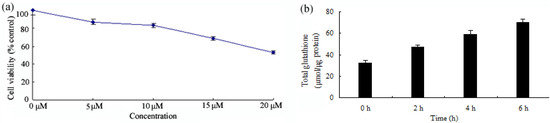
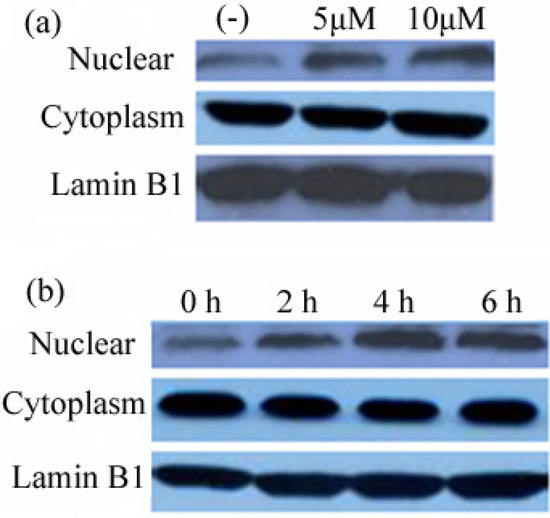
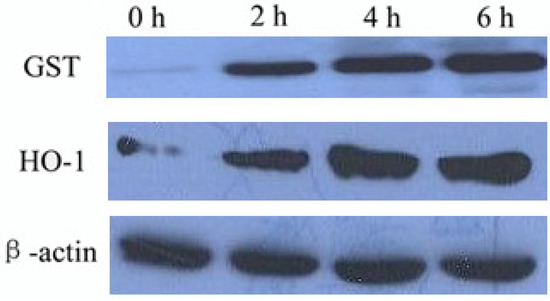
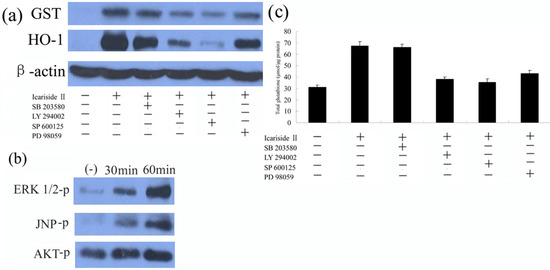
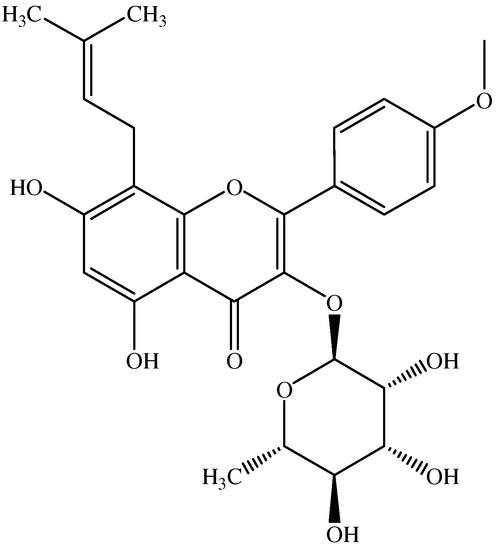
In the present study, the potent inducers of phase II detoxifying and antioxidant stress responsive to icariside II was investigated. First, a dose of 0–10 µM icariside II showed no significantly cytotoxicity on HepG2 cells by MTT assays and icariside II could enhance cellular GSH levels by ELISA assay. Then, the potential roles of ERK, Akt and JNK in the regulation of icariside II-induced Nrf2-dependent ARE transcriptional activity as well as ARE-mediated endogenous HO-1 and glutathione GST protein expression in HepG2 cells were estimated. Icariside II activated the nuclear translocation of Nrf2 and the up-regulated expression of Nrf2-related antioxidant protein OH-1 and GST were evaluated by Western blotting. Then the phosphorylation levels of ERK1/2, Akt and JNK1/2 were further examined by Western blotting assays. Results showed that icariside II significantly increased the phosphorylation levels of ERK1/2, Akt and JNK1/2. Furthermore, icariside II-induced ARE transcriptional activity was attenuated by the inhibition of ERK, Akt and JNK signaling using biochemical inhibitors. These results suggest that the Nrf2/ARE pathway plays an important role in the regulation of icariside-mediated antioxidant effects in HepG2 cells. Full article
Show Figures

Figure 1

16 pages, 975 KB  
Article
Berberine and Itraconazole Are not Synergistic in Vitro against Aspergillus fumigatus Isolated from Clinical Patients
by Gao Lei, He Dan, Liu Jinhua, Yan Wei, Gao Song and Wang Li
Molecules 2011, 16(11), 9218-9233; https://doi.org/10.3390/molecules16119218 - 3 Nov 2011
Cited by 19 | Viewed by 6720
Abstract
The incidence of Aspergillus fumigatus infections has become more frequent as a consequence of widespread immunosuppression. At present, the number of available antifungal agents in the clinic is limited, and most of them, such as itraconazole (ICZ), are toxic and show resistance. Berberine [...] Read more.
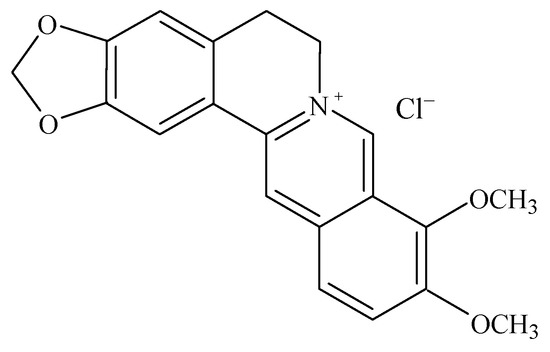
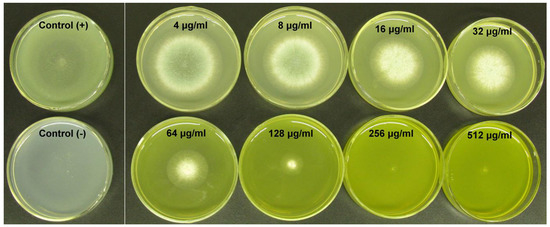
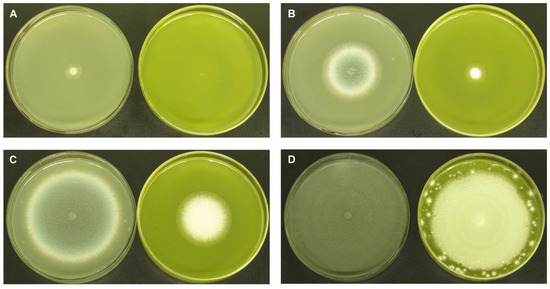
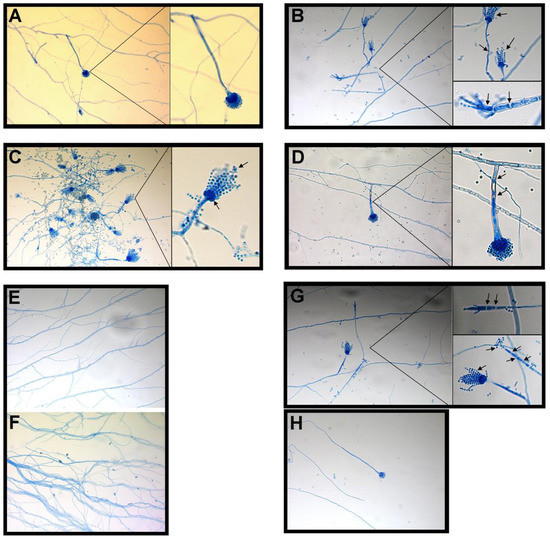
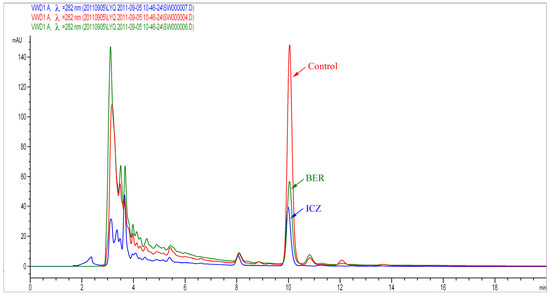
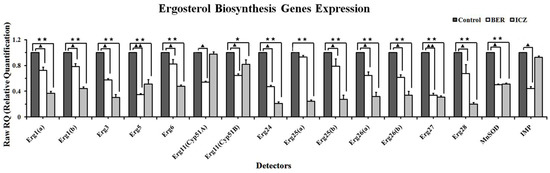
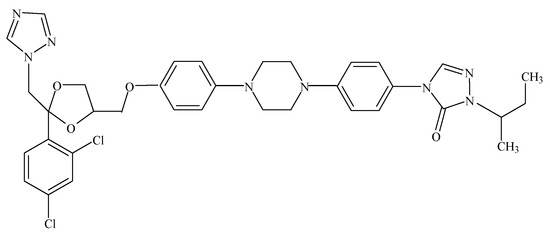
The incidence of Aspergillus fumigatus infections has become more frequent as a consequence of widespread immunosuppression. At present, the number of available antifungal agents in the clinic is limited, and most of them, such as itraconazole (ICZ), are toxic and show resistance. Berberine (BER) is a plant alkaloid used in the clinic mainly for alimentary infections. We have used BER and ICZ to measure in vitro resistance in A. fumigatus isolated from clinical patients. The minimum inhibitory concentration ranges of BER and ICZ were 4–256 and 0.031–0.250 μg/mL, respectively. In addition, against A. fumigatus IFM 40808 strain, the MIC50 values of BER and ICZ were 8 and 0.125 μg/mL. Using this strain, we compared the giant colonies with or without BER, and concluded that BER could restrain A. fumigatus mycelial growth and conidial pigment production. Combinations of the two drugs were also tested by the checkerboard assay to identify any functional interactions between them. Thirty-two out of 42 isolates had FICI values > 4.0, indicating that two drugs were mutually antagonistic. In conclusion, it is not advised that BER and ICZ be used in the clinic at the same time. Our results indicated that BER may inhibit A. fumigatus through the ergosterol biosynthesis pathway, like ICZ. Full article
(This article belongs to the Section Natural Products Chemistry)
Show Figures

Figure 1

11 pages, 840 KB  
Article
Phenolic Compounds from Allium schoenoprasum, Tragopogon pratensis and Rumex acetosa and Their Antiproliferative Effects
by Zdenka Kucekova, Jiri Mlcek, Petr Humpolicek, Otakar Rop, Pavel Valasek and Petr Saha
Molecules 2011, 16(11), 9207-9217; https://doi.org/10.3390/molecules16119207 - 3 Nov 2011
Cited by 80 | Viewed by 11252
Abstract
Experimental studies have shown that phenolic compounds have antiproliferative and tumour arresting effects. The aim of this original study was to investigate the content of phenolic compounds (PhC) in flowers of Allium schoenoprasum (chive), Tragopogon pratensis (meadow salsify) and Rumex acetosa (common sorrel) [...] Read more.
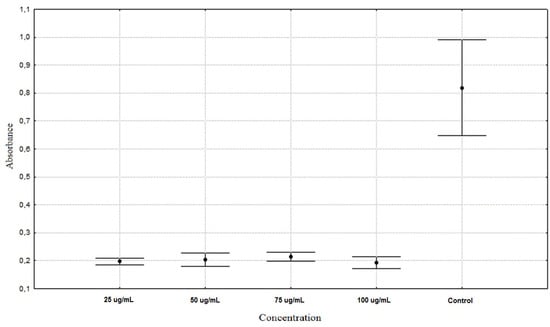
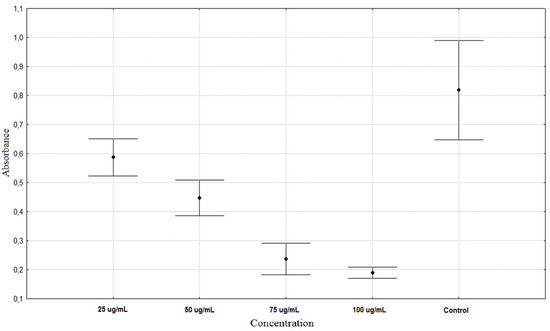
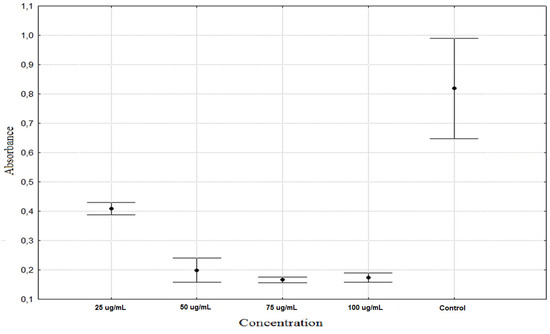
Experimental studies have shown that phenolic compounds have antiproliferative and tumour arresting effects. The aim of this original study was to investigate the content of phenolic compounds (PhC) in flowers of Allium schoenoprasum (chive), Tragopogon pratensis (meadow salsify) and Rumex acetosa (common sorrel) and their effect on proliferation of HaCaT cells. Antiproliferative effects were evaluated in vitro using the following concentrations of phenolic compounds in cultivation medium: 100, 75, 50 and 25 µg/mL. Phenolic composition was also determined by HPLC. The results indicate that even low concentrations of these flowers’ phenolic compounds inhibited cell proliferation significantly and the possible use of the studied herb’s flowers as sources of active phenolic compounds for human nutrition. Full article
(This article belongs to the Section Medicinal Chemistry)
Show Figures

Figure 1

13 pages, 147 KB  
Article
Effect of Ginkgo Biloba Extract 50 on Immunity and Antioxidant Enzyme Activities in Ischemia Reperfusion Rats
by Shaoping Lu, Xia Guo and Pinting Zhao
Molecules 2011, 16(11), 9194-9206; https://doi.org/10.3390/molecules16119194 - 2 Nov 2011
Cited by 30 | Viewed by 7027
Abstract
The aim of the study was to investigate the effect of Ginkgo biloba extract 50 (GBE50), a well-known natural antioxidant, against immunity and antioxidant enzyme activities in ischemia reperfusion (IR) rats. Rats were then divided into six groups fed for 15 days with [...] Read more.
The aim of the study was to investigate the effect of Ginkgo biloba extract 50 (GBE50), a well-known natural antioxidant, against immunity and antioxidant enzyme activities in ischemia reperfusion (IR) rats. Rats were then divided into six groups fed for 15 days with the same diet: three groups (IV, V, VI) were treated by different doses of GBE50 suspension [20, 40, or 60 mg/kg body weight by oral gavage every day at a fixed time (10.00 a.m.)] (equal to 5, 10 and 20 times, respectively, the maximum recommended human dose), and three groups (I, II, III) were untreated. At the end of the experiment, rats’ hearts were subjected to 30 min of ischemia followed by 90 min of reperfusion. Results showed that IR significantly enhanced heart rate, S-T height, myocardium (myeloperoxidase) MPO activity and blood interleukin-8 (IL-8), tumor necrosis factor Alpha (TNF-a), interleukin-1β (IL-1β) levels, blood aspartate transaminase (AST), lactate dehydrogenase (LDH), and creatinine kinase (CK) activities, reduced myocardium sodium-potassium adenosine triphosphatase (Na+-K+-ATPase), calcium-magnesium adenosine triphosphatase (Ca2+-Mg2+-ATPase) activities and antioxidant enzyme activities in IR group (III) compared to sham control group (II). Pretreatment of GBE50 markedly significantly reduced heart rate, S-T height, myocardium MPO activity and blood IL-8, TNF-a, IL-1β levels, blood AST, LDH, and CK activities, enhanced myocardium Na+-K+-ATPase, Ca2+-Mg2+-ATPase activities and antioxidant enzyme activities in IR group (II) compared to IR group (III). The results suggested that the GBE50 may reduce the oxidative stress in the reperfused myocardium, and increased immunity and antioxidant activities in IR rats. Full article
16 pages, 605 KB  
Article
Design, Synthesis and Biological Evaluation of Hydroxamic Acid Derivatives as Potential High Density Lipoprotein (HDL) Receptor CLA-1 Up-Regulating Agents
by Xiaofang Chen, Li Wang, Yu Du, Yanbin Wu, Xiaojian Jia, Yuan Yang and Bin Hong
Molecules 2011, 16(11), 9178-9193; https://doi.org/10.3390/molecules16119178 - 2 Nov 2011
Cited by 7 | Viewed by 7673
Abstract
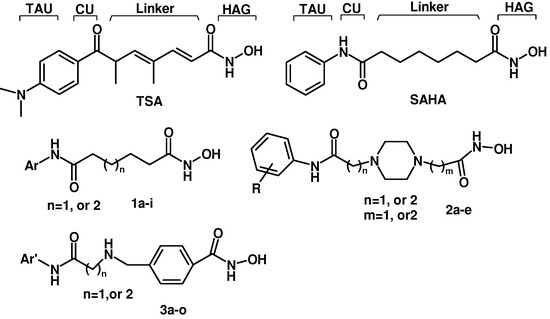
Trichostatin A (TSA) and suberoylanilide hydroxamic acid (SAHA) were reported in our recent publication as novel human high density lipoprotein (HDL) receptor CD36 and Lysosomal integral membrane protein-II Analogous-1 (CLA-1) up-regulators. As part of a broader effort to more fully explore the structure-activity [...] Read more.
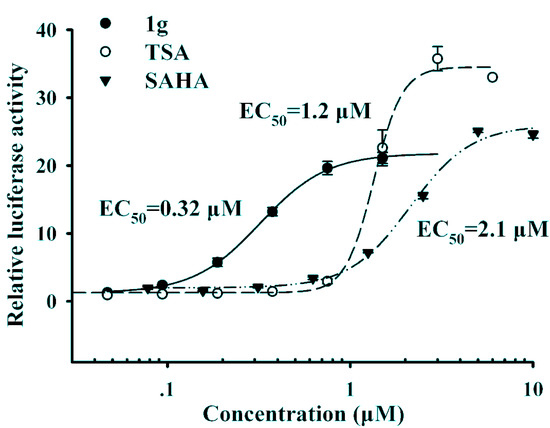
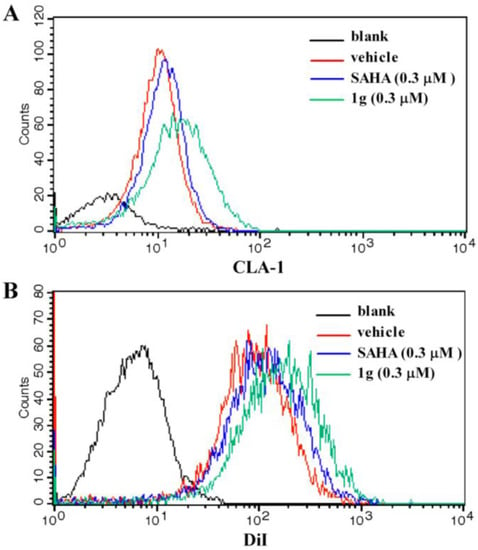
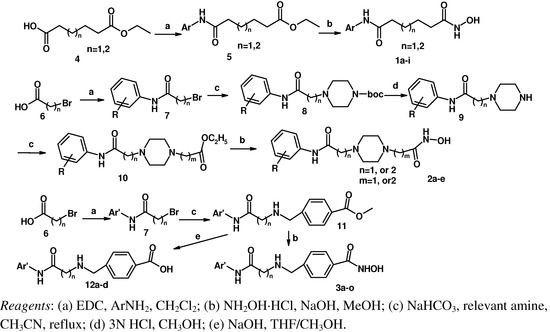
Trichostatin A (TSA) and suberoylanilide hydroxamic acid (SAHA) were reported in our recent publication as novel human high density lipoprotein (HDL) receptor CD36 and Lysosomal integral membrane protein-II Analogous-1 (CLA-1) up-regulators. As part of a broader effort to more fully explore the structure-activity relationships (SAR) of CLA-1 up-regulators, we synthesized a series of hydroxamic acid derivatives and evaluated their CLA-1 up-regulating activities in HepG2 cells. Some compounds exhibited over 10-fold up-regulation of CLA-1 expression in HepG2 cells at 10 μg/mL concentration. The compound 1g showed the best potency, with a lower EC50 than TSA (EC50 = 0.32 μM versus 1.2 μM). These compounds provide early new CLA-1 up-regulators with potential for treating atherosclerosis. Full article
Show Figures

Figure 1

17 pages, 174 KB  
Article
Small Molecule Library Synthesis Using Segmented Flow
by Christina M. Thompson, Jennifer L. Poole, Jeffrey L. Cross, Irini Akritopoulou-Zanze and Stevan W. Djuric
Molecules 2011, 16(11), 9161-9177; https://doi.org/10.3390/molecules16119161 - 2 Nov 2011
Cited by 29 | Viewed by 9193
Abstract
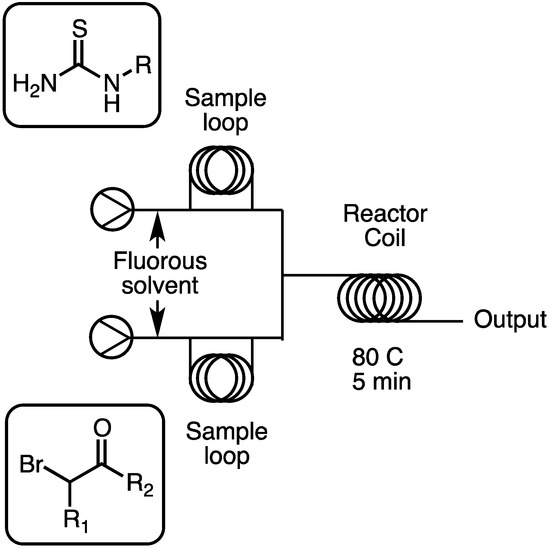
Flow chemistry has gained considerable recognition as a simple, efficient, and safe technology for the synthesis of many types of organic and inorganic molecules ranging in scope from large complex natural products to silicon nanoparticles. In this paper we describe a method that [...] Read more.
Flow chemistry has gained considerable recognition as a simple, efficient, and safe technology for the synthesis of many types of organic and inorganic molecules ranging in scope from large complex natural products to silicon nanoparticles. In this paper we describe a method that adapts flow chemistry to the synthesis of libraries of compounds using a fluorous immiscible solvent as a spacer between reactions. The methodology was validated in the synthesis of two small heterocycle containing libraries. The reactions were performed on a 0.2 mmol scale, enabling tens of milligrams of material to be generated in a single 200 mL reaction plug. The methodology allowed library synthesis in half the time of conventional microwave synthesis while maintaining similar yields. The ability to perform multiple, potentially unrelated reactions in a single run is ideal for making small quantities of many different compounds quickly and efficiently. Full article
(This article belongs to the Special Issue Multicomponent Reaction)
Show Figures

Figure 1

8 pages, 193 KB  
Article
Polar Compounds Isolated from the Leaves of Albertisia delagoensis (Menispermaceae)
by Geoffrey E. Hawkes, Helene de Wet and Jia Li
Molecules 2011, 16(11), 9153-9160; https://doi.org/10.3390/molecules16119153 - 2 Nov 2011
Cited by 3 | Viewed by 5709
Abstract
Aqueous infusions of the leaves of the shrub Albertisia delagoensis (Menispermaceae) are used in South Africa in traditional Zulu medicine to alleviate a variety of symptoms, including fever, and intestinal problems. We report the analysis of such an aqueous extract using the HPLC-NMR [...] Read more.
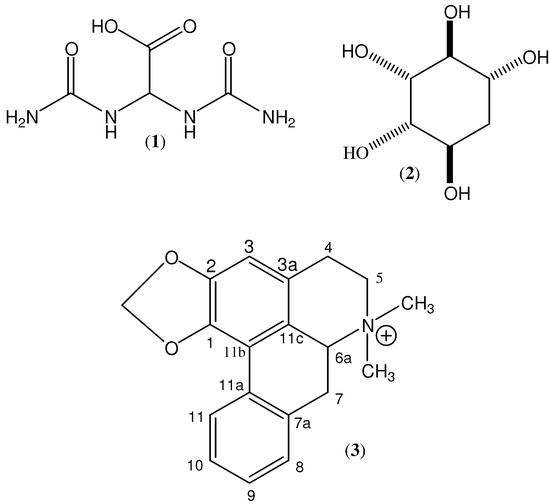
Aqueous infusions of the leaves of the shrub Albertisia delagoensis (Menispermaceae) are used in South Africa in traditional Zulu medicine to alleviate a variety of symptoms, including fever, and intestinal problems. We report the analysis of such an aqueous extract using the HPLC-NMR technique. A number of polar compounds were identified, including proto-quercitol, nicotinic acid, allantoic acid, 3,4-dihydroxy-benzoic acid, phthalic acid and the aporphine alkaloid derivative roemrefidine. Allantoic acid and roemrefidine have been fully characterised by 1H- and 13C-NMR and mass spectrometry. Earlier reports of antiplasmodial activity of roemrefidine and of A. delagoensis extracts are correlated with this study and with the antipyretic properties of neutral aqueous extracts. Full article
(This article belongs to the Special Issue Alkaloids: Novel Therapeutic Perspectives)
Show Figures

Figure 1

11 pages, 224 KB  
Short Note
Pyrazinecarboxamides as Potential Elicitors of Flavonolignan and Flavonoid Production in Silybum marianum and Ononis arvensis Cultures In Vitro
by Lenka Tumova, Jiri Tuma and Martin Dolezal
Molecules 2011, 16(11), 9142-9152; https://doi.org/10.3390/molecules16119142 - 1 Nov 2011
Cited by 16 | Viewed by 5578
Abstract
The effect of new synthetic pyrazinecarboxamide derivatives as potential elicitors of flavonolignan and flavonoid production in Silybum marianum and Ononis arvensis cultures in vitro was investigated. Both tested elicitors increased the production of flavonolignans in S. marianum callus and suspension cultures and flavonoids [...] Read more.
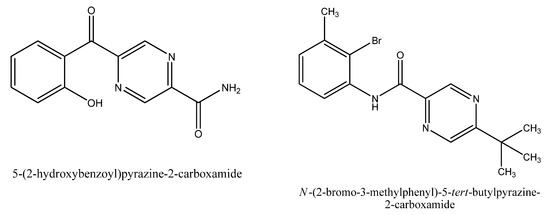
The effect of new synthetic pyrazinecarboxamide derivatives as potential elicitors of flavonolignan and flavonoid production in Silybum marianum and Ononis arvensis cultures in vitro was investigated. Both tested elicitors increased the production of flavonolignans in S. marianum callus and suspension cultures and flavonoids in O. arvensis callus and suspension cultures. Compound I, 5-(2-hydroxybenzoyl)-pyrazine-2-carboxamide, has shown to be an effective elicitor of flavonolignans and taxifoline production in Silybum marianum culture in vitro. The maximum content of silydianin (0.11%) in S. marianum suspension culture was induced by 24 h elicitor application in concentration of 1.159 × 10⁻³ mol/L. The maximum content of silymarin complex (0.08%) in callus culture of S. marianum was induced by 168 h elicitor application of a concentration 1.159 × 10⁻⁴ mol/L, which represents contents of silydianin (0.03%), silychristin (0.01%) and isosilybin A (0.04%) compared with control. All three tested concentrations of compound II, N-(2-bromo-3-methylphenyl)-5-tert-butylpyrazin-2-carboxamide increased the flavonoid production in callus culture of O. arvensis in a statistically significant way. The best elicitation effect of all elicitor concentrations had the weakest c3 concentration (8.36 × 10⁻⁶ mol/L) after 168 h time of duration. The maximum content of flavonoids (about 5,900%) in suspension culture of O. arvensis was induced by 48 h application of c3 concentration (8.36 × 10⁻⁶ mol/L). Full article
(This article belongs to the Section Natural Products Chemistry)
Show Figures

Figure 1