-
Comparative Outcomes of TURP, TUVP, and PAE in the Management of Benign Prostatic Hyperplasia: A Single Center Real-World Study -
Safety Profile of Suction-Assisted RIRS: A Prospective Analysis of Intraoperative Anesthetic Events -
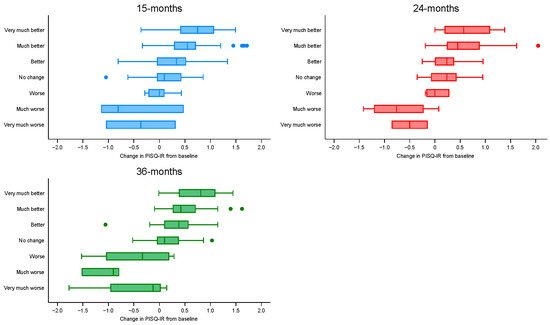
Aberdeen Sexual Function Improvement Index (SFI-I): A Novel Brief Questionnaire for Evaluating Sexual Function in Women with Stress Urinary Incontinence -
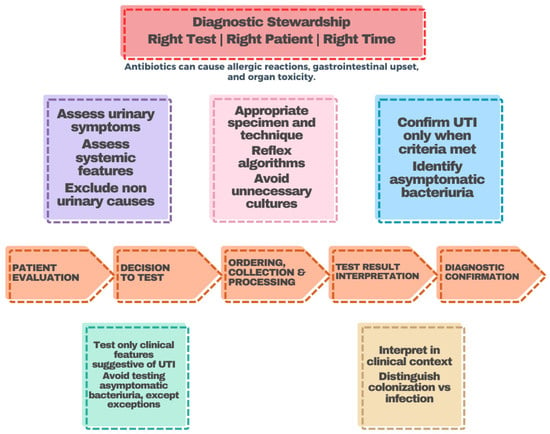
From Diagnostics to Prescribing: Antibiotic and Diagnostic Stewardship in Contemporary UTI Care
Journal Description
Uro
Uro
is an international, peer-reviewed, open access journal on all aspects of urology and andrology, including oncology, endourology, sexual dysfunction, fertility, and infertility, published quarterly online by MDPI. The Italian Society of Andrology (SIA) is affiliated to Uro, and its members receive a discount on the article processing charges.
- Open Access— free for readers, with article processing charges (APC) paid by authors or their institutions.
- Rapid Publication: manuscripts are peer-reviewed and a first decision is provided to authors approximately 21.3 days after submission; acceptance to publication is undertaken in 5.8 days (median values for papers published in this journal in the first half of 2026).
- Recognition of Reviewers: APC discount vouchers, optional signed peer review, and reviewer names published annually in the journal.
- Uro is a companion journal of JCM.
Latest Articles
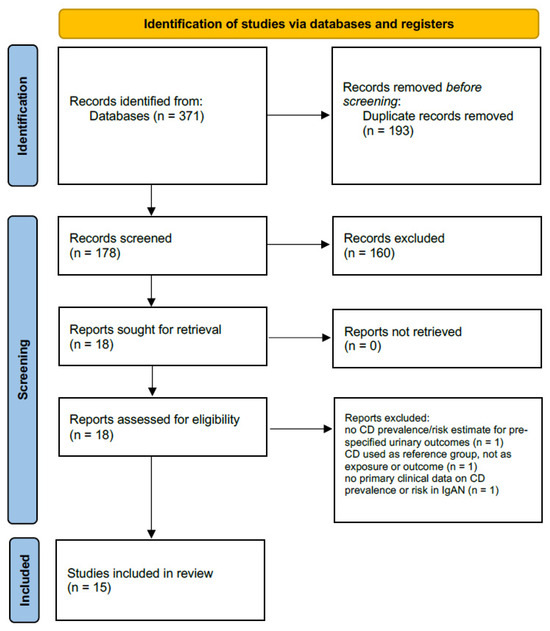
Celiac Disease and Urinary Conditions: A Systematic Review
Uro 2026, 6(3), 23; https://doi.org/10.3390/uro6030023 - 13 Aug 2026
Abstract
►
Show Figures
Background: Celiac disease (CD) is a systemic immune-mediated enteropathy with a broad spectrum of extraintestinal manifestations driven by aberrant mucosal IgA responses and increased intestinal permeability. These same mechanisms provide a compelling biological rationale for urinary tract involvement. The aim of this systematic
[...] Read more.
Background: Celiac disease (CD) is a systemic immune-mediated enteropathy with a broad spectrum of extraintestinal manifestations driven by aberrant mucosal IgA responses and increased intestinal permeability. These same mechanisms provide a compelling biological rationale for urinary tract involvement. The aim of this systematic review was to assess whether adults with CD carry an elevated risk of IgAN, UTI, or IC/BPS compared with adults without CD. Methods: A PRISMA 2020-compliant systematic review was conducted (PROSPERO: CRD420261358537). PubMed and Scopus were searched up to April 2026. Eligible studies enrolled adults (≥18 years) with confirmed CD, reported a urinary outcome, and included a comparator group. Risk of bias was assessed using the Newcastle–Ottawa Scale and Mendelian Randomization quality criteria. Results: Fifteen studies (1987–2025) were included. For IgAN (n = 13), a register-based cohort showed an over 18-fold elevated risk in adults with biopsy-confirmed CD (adj. HR: 18.98; 95%CI: 2.29–157.63), independently corroborated by Mendelian Randomization (OR: 1.44; 95%CI: 1.17–1.78). Early cross-sectional AGA studies reflect non-specific IgA dysregulation, not true CD autoimmunity. For UTI (n = 1), no significant association was identified in a single large registry study. For IC/BPS (n = 1), no clinical observational evidence exists and genetic causal analysis found no association. Conclusions: CD is consistently associated with elevated IgAN risk across independent study designs, supporting systematic CD screening in IgAN patients and prompt GFD initiation. For UTI and IC/BPS, adequately designed prospective studies are needed.
Full article
Open AccessArticle
Discrepancies Between IPSS, PVR, and Uroflowmetry: Implications for the Management of Lower Urinary Tract Symptoms
by
Catherine Song, Karen Doo, Youngmin Choi, Alia Codelia-Anjum, Chin Kyung Doo, Byoung Kyu Han, Dean Elterman, Naeem Bhojani and Bilal Chughtai
Uro 2026, 6(3), 22; https://doi.org/10.3390/uro6030022 - 8 Aug 2026
Abstract
Background/Objectives: To evaluate the discrepancies between the International Prostate Symptom Score (IPSS) and objective measures—uroflowmetry (Qmax) and post-void residual (PVR) volume—in men with lower urinary tract symptoms (LUTS), and to assess the implications for diagnosis and treatment planning. Methods: This retrospective study analyzed
[...] Read more.
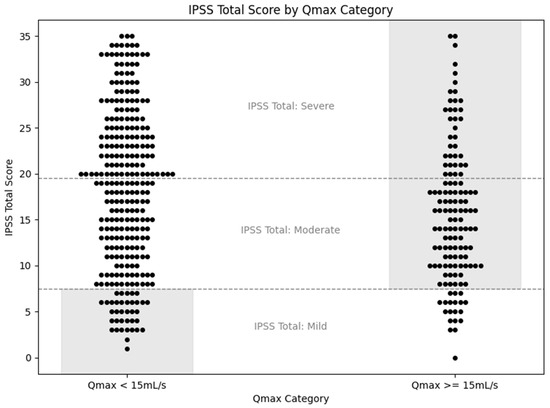
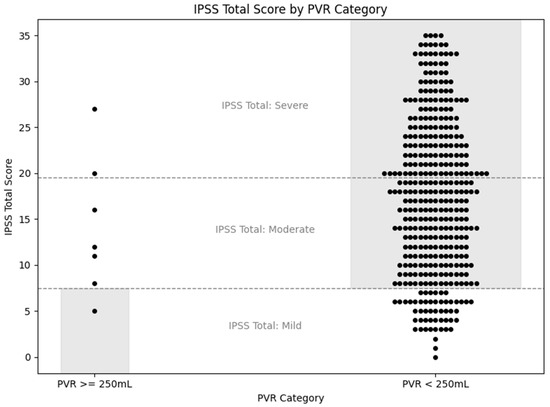
Background/Objectives: To evaluate the discrepancies between the International Prostate Symptom Score (IPSS) and objective measures—uroflowmetry (Qmax) and post-void residual (PVR) volume—in men with lower urinary tract symptoms (LUTS), and to assess the implications for diagnosis and treatment planning. Methods: This retrospective study analyzed data from 414 men across three urology clinics who completed both IPSS and uroflowmetry between April 2023 and September 2024. IPSS total and subscores were categorized by severity and compared with Qmax (<15 vs. ≥15 mL/s) and PVR (<250 vs. ≥250 mL). Two exploratory discordance patterns were defined: a ‘bother-dominant’ pattern (moderate-to-severe IPSS with normal Qmax or PVR) and an ‘unrecognized voiding dysfunction’ pattern (mild IPSS with abnormal Qmax or PVR). Results: Among patients with severe total IPSSs, 8.7% had Qmax ≥ 15 mL/s, consistent with a ‘bother-dominant’ pattern, and 8.7% of those with mild scores had Qmax < 15 mL/s, consistent with an ‘unrecognized voiding dysfunction’ pattern. When moderate scores were included, the ‘bother-dominant’ pattern was observed in 27.8% and the unrecognized voiding dysfunction pattern in 36.0%. For PVR, 40.1% of patients with severe IPSSs had PVR < 250 mL (‘bother-dominant’ pattern), while the unrecognized voiding dysfunction pattern with elevated PVR was rare (≤1.3%). Discrepancies were also observed across voiding and storage subscores and individual items, such as incomplete emptying and weak stream. Conclusions: There is frequent discordance between subjective symptom severity and objective urodynamic findings in men with LUTS. Sole reliance on IPSS may lead to misclassification and inappropriate treatment. Incorporating Qmax and PVR into routine evaluation may enhance diagnostic accuracy and support more personalized management strategies.
Full article
(This article belongs to the Topic Clinical, Translational, and Basic Research and Novel Therapy on Functional Bladder Diseases and Lower Urinary Tract Dysfunctions)
►▼
Show Figures

Figure 1
Open AccessReview
Urinary Leakage During Sexual Activity: A Narrative Review of an Underdiagnosed Female Pelvic Floor Disorder
by
Mihaela Bot, Andreea Borislavschi and Radu Vladareanu
Uro 2026, 6(3), 21; https://doi.org/10.3390/uro6030021 - 3 Aug 2026
Abstract
►▼
Show Figures
Coital urinary incontinence is a frequently underdiagnosed manifestation of female pelvic floor dysfunction, characterized by involuntary urine leakage during sexual activity, particularly during vaginal penetration or orgasm. Although interest in this condition has increased in recent years, it remains insufficiently investigated in clinical
[...] Read more.
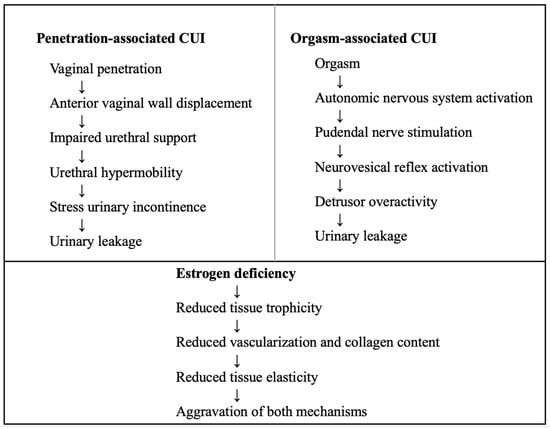
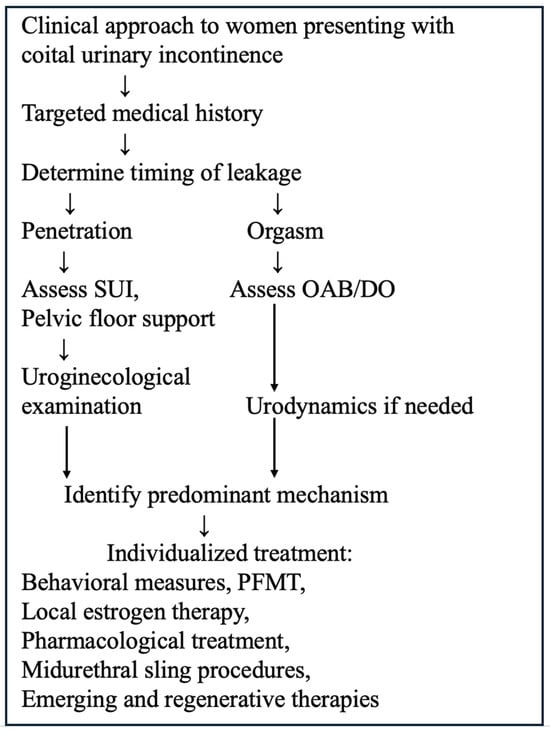
Coital urinary incontinence is a frequently underdiagnosed manifestation of female pelvic floor dysfunction, characterized by involuntary urine leakage during sexual activity, particularly during vaginal penetration or orgasm. Although interest in this condition has increased in recent years, it remains insufficiently investigated in clinical practice and is often underreported by patients because of stigma, emotional distress, and the negative impact on intimate relationships and quality of life. Current evidence supports the existence of distinct pathophysiological mechanisms depending on the timing of urinary leakage. Leakage occurring during vaginal penetration is more commonly associated with stress urinary incontinence, urethral hypermobility, and pelvic support defects, whereas orgasm-associated urinary incontinence appears to be more closely related to detrusor overactivity and complex pelvic neurophysiological mechanisms. Hormonal changes associated with the peri- and postmenopausal period may further contribute to symptom progression through alterations in urethral and vaginal trophicity, local vascularization, and pelvic neuromuscular function. Clinical evaluation remains challenging because many affected women do not voluntarily report symptoms due to embarrassment or social stigma, therefore it requires targeted questioning regarding urinary leakage during sexual activity, associated lower urinary tract symptoms, and the impact on female sexual health. Therapeutic management should be individualized and tailored to the predominant underlying mechanisms, including pelvic floor rehabilitation, behavioral interventions, pharmacological treatment, local hormonal therapy, and surgical management of stress urinary incontinence or pelvic support defects. Minimally invasive and regenerative therapies, such as vaginal laser therapy, platelet-rich plasma, cellular therapies, and neuromodulation, represent promising therapeutic approaches. Greater awareness and proactive screening during urogynecological evaluation are essential for improving diagnosis, individualized treatment, sexual health, and overall quality of life in affected women.
Full article

Figure 1
Open AccessArticle
Tandem High-Dose Chemotherapy and Autologous Stem Cell Transplantation for Relapsed and Refractory Germ Cell Tumors: A Single-Center Experience
by
Kameliya Kostadinova, Krasen Venkov, Ivan Tonev, Milcho Mincheff, Andriyana Bankova and Georgi Mihaylov
Uro 2026, 6(3), 20; https://doi.org/10.3390/uro6030020 - 20 Jul 2026
Abstract
►▼
Show Figures
Background: High-dose chemotherapy (HDCT) followed by autologous stem cell transplantation (ASCT) is an established salvage therapy for relapsed or refractory (R/R) germ cell tumors (GCTs). Methods: We conducted a retrospective analysis of 9 patients (23–41 years of age) with relapsed/refractory (R/R)
[...] Read more.
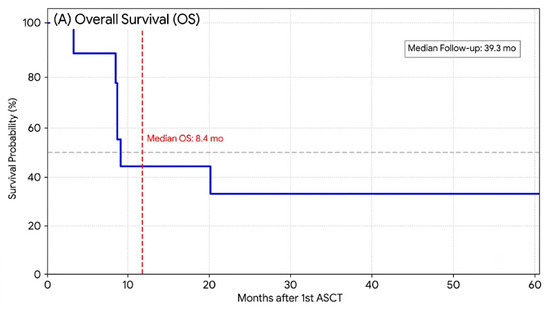
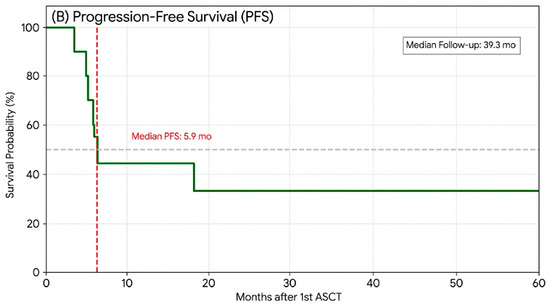
Background: High-dose chemotherapy (HDCT) followed by autologous stem cell transplantation (ASCT) is an established salvage therapy for relapsed or refractory (R/R) germ cell tumors (GCTs). Methods: We conducted a retrospective analysis of 9 patients (23–41 years of age) with relapsed/refractory (R/R) GCTs treated according to the Swedish–Norwegian Testicular Cancer Group Clinical Protocol (SWENOTECA), at the Specialized Hospital for Active Treatment of Hematological Diseases (SHATHD) in Sofia, Bulgaria. The study evaluates the efficacy and safety of HDCT followed by ASCT in R/R GCTs eligible for second-line consolidation. The cohort was predominantly high-risk, with 77.7% of patients exhibiting stable or progressive disease (SD/PD) after first-line platinum therapy. Response was assessed via RECIST 1.1 criteria and tumor marker monitoring. Results: Median OS and PFS were 8.4 and 5.9 months, respectively. While the ORR post-ASCT was 33.3% (all CR), the 2-year survival plateau (33.3%) suggests curative potential in a subset of patients. Notably, there was no treatment-related mortality (TRM). Conclusions: Tandem HDCT is a feasible salvage strategy with manageable toxicity and no TRM in this small, heavily pre-treated cohort. Although efficacy results are exploratory due to the limited number of patients, the observed long-term remissions confirm the curative potential of this standard-of-care consolidation in a real-world clinical setting.
Full article

Figure 1
Open AccessArticle
Safety Profile of Suction-Assisted RIRS: A Prospective Analysis of Intraoperative Anesthetic Events
by
Paula María Sánchez Vicente, Juliusz Jan Szczesniewski, Cristina Rasines Suárez, Alejandro Rodríguez Caballero, María Fernanda Lorenzo Gómez and Luis Llanes González
Uro 2026, 6(3), 19; https://doi.org/10.3390/uro6030019 - 13 Jul 2026
Abstract
Background: Retrograde intrarenal surgery (RIRS) is a well-established minimally invasive technique for the management of renal stones. However, intraoperative physiological and anesthetic events during the procedure remain poorly characterized, particularly in the context of newer technologies such as suction-assisted systems. Objective: The objective
[...] Read more.
Background: Retrograde intrarenal surgery (RIRS) is a well-established minimally invasive technique for the management of renal stones. However, intraoperative physiological and anesthetic events during the procedure remain poorly characterized, particularly in the context of newer technologies such as suction-assisted systems. Objective: The objective of this study is to evaluate the occurrence of intraoperative anesthetic and physiological adverse events during suction-assisted RIRS and to assess its safety profile. Methods: We conducted a prospective, single-center observational sub-analysis of the “Trifecta factors in ureteroscopy” project. A consecutive cohort of 30 patients undergoing RIRS with suction ureteral access sheaths (sUAS) between August 2025 and January 2026 was analyzed. Baseline demographics, stone characteristics, and intraoperative anesthetic parameters—including airway pressure, Bispectral Index (BIS), and hemodynamic events—were prospectively recorded. Primary endpoints included intraoperative fever, sustained tachycardia, blood pressure alterations, and anesthetic complications. Results: The cohort had a mean age of 56.4 years with an equal gender distribution. Mean stone size was 12.9 mm, and mean operative time was 50.3 min. Intraoperative monitoring demonstrated stable anesthetic conditions, with a mean airway pressure of 16.3 cmH2O and a mean BIS of 42.6. No major anesthetic complications or significant blood pressure fluctuations were observed. Minor intraoperative events included fever in 10% of cases and sustained tachycardia in 6.7%. No cases of intraoperative anesthetic instability were recorded. Conclusions: Within this descriptive cohort, suction-assisted RIRS under general anesthesia demonstrated a favorable safety profile with stable intraoperative parameters, though larger comparative studies are required to confirm these preliminary findings.
Full article
Open AccessArticle
Prostate MRI PI-RADS Scoring by the Machine Learning Software Quantib® Prostate: A Retrospective Agreement Pilot Study
by
Ola Christiansen, Ola Bratt, Arnulf Kjos and Jūratė Šaltytė Benth
Uro 2026, 6(3), 18; https://doi.org/10.3390/uro6030018 - 3 Jul 2026
Abstract
►▼
Show Figures
Objective: Quantib® Prostate is a commercially available machine learning software (MLS) used for prostate magnetic resonance imaging (MRI), approved by the Food and Drug Administration (FDA) and Conformité Européenne (CE). We aimed to assess the agreement between biparametric MRI (bpMRI) interpretations produced
[...] Read more.
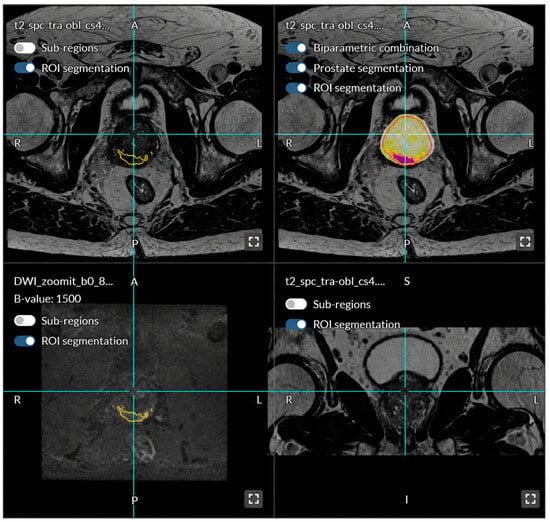
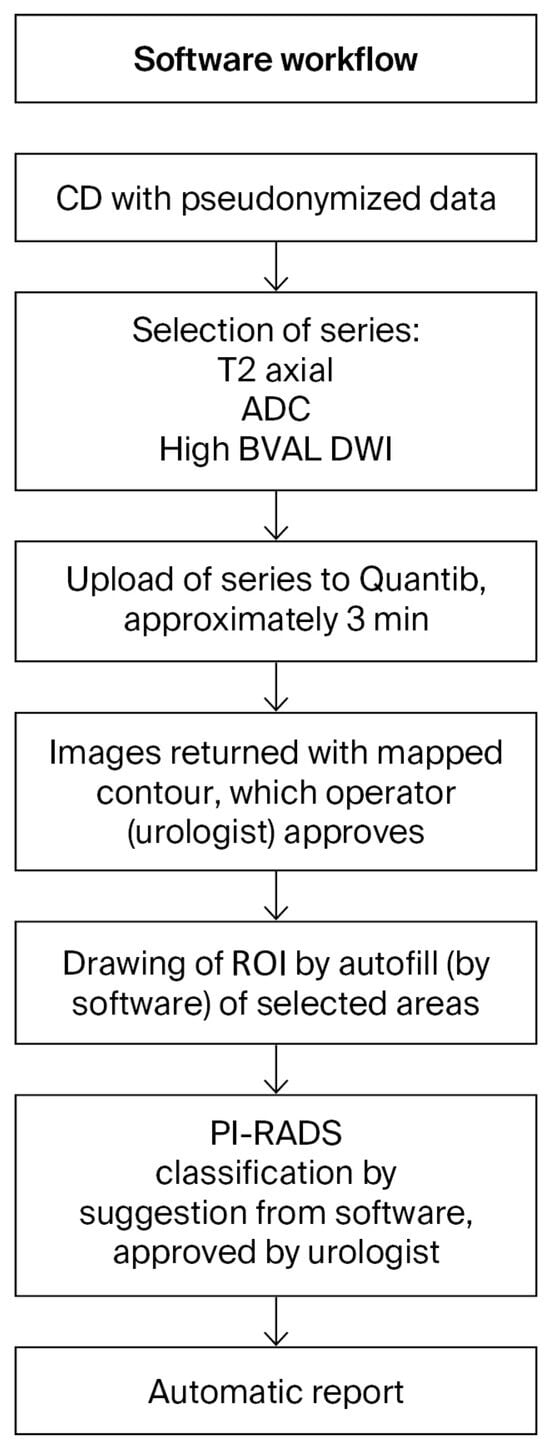
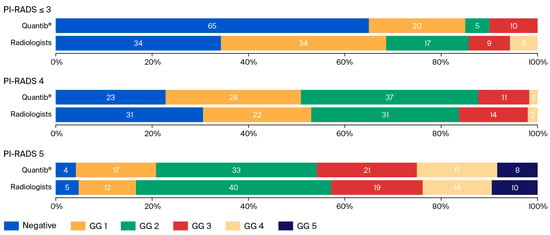
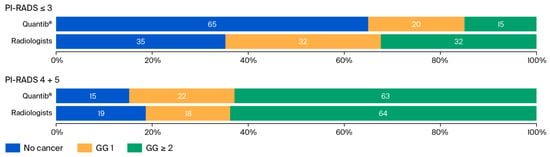
Objective: Quantib® Prostate is a commercially available machine learning software (MLS) used for prostate magnetic resonance imaging (MRI), approved by the Food and Drug Administration (FDA) and Conformité Européenne (CE). We aimed to assess the agreement between biparametric MRI (bpMRI) interpretations produced by radiologists and by Quantib® alone. Material and Methods: This single-centre, retrospective, and observational study included 188 bpMRI scans from the Innlandet Hospital Trust, Norway. Radiologists’ Prostate Imaging Reporting and Data System (PI-RADS) scores were compared with scores produced by the Quantib® Prostate PI-RADS, which was used as an autonomous software. Additionally, for exploratory purposes, the PI-RADS scores were compared with biopsy findings, using the radiologist’s scorings to determine biopsy indications. Results: For PI-RADS scores generated by radiologists vs. those produced by Quantib® Prostate, the weighted kappa was 0.49 (95% CI: 0.37–0.59), and 46% of the PI-RADS scores differed by at least one unit. In the sample, 125 men (66%) had a prostate biopsy, and for male patients with PI-RADS scores of 4–5, the probability of detecting cancer grades 2–5 via biopsies was 64% (95% CI: 56–71) for radiologists and 58% (95% CI: 54–62) for Quantib® Prostate. The main limitations of this study are the retrospective, single-centre design, the small sample size, the use of Quantib® Prostate in an autonomous manner, and verification bias, as the biopsy decisions were based solely on PI-RADS scoring by radiologists. Conclusions: We identified inter-rater variability between PI-RADS scores generated by Quantib® Prostate and radiologists’ assessments, and the agreement between the two scoring groups is moderate. Our results suggest that Quantib® Prostate requires further clinical comparative studies before it is used in clinical routines.
Full article

Figure 1
Open AccessReview
Incidental Findings in [18F]-PSMA PET/CT for Prostate Cancer: Structured Reporting Across PET and Low-Dose CT, Clinical Relevance, and Cascade-Aware Management
by
Katarzyna Sklinda, Marek Kasprowicz, Michał Małek, Bartlomiej Olczak, Tadeusz Budlewski, Malgorzata Kobylecka, Jerzy Walecki and Martyna Rajca
Uro 2026, 6(2), 17; https://doi.org/10.3390/uro6020017 - 17 Jun 2026
Abstract
►▼
Show Figures
[18F]-PSMA PET/CT is a high-impact modality for the staging and restaging of prostate cancer, but its wide anatomic coverage and tracer biology generate frequent incidental findings on both PET and the accompanying low-dose CT (LDCT). This narrative review is restricted in
[...] Read more.
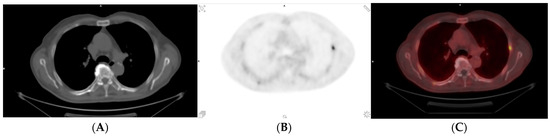
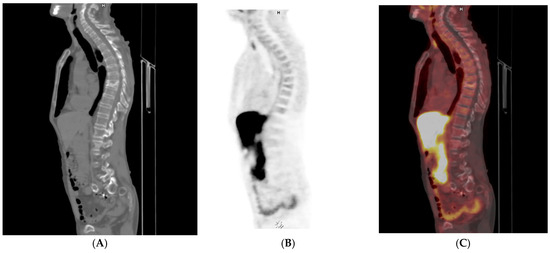
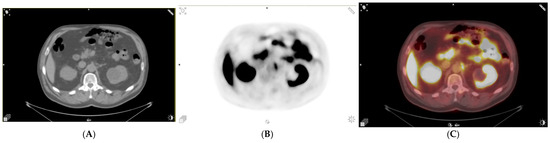
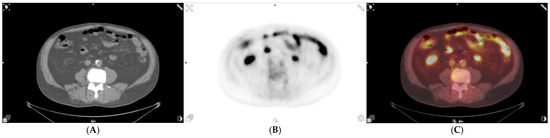
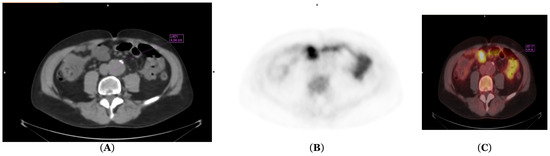
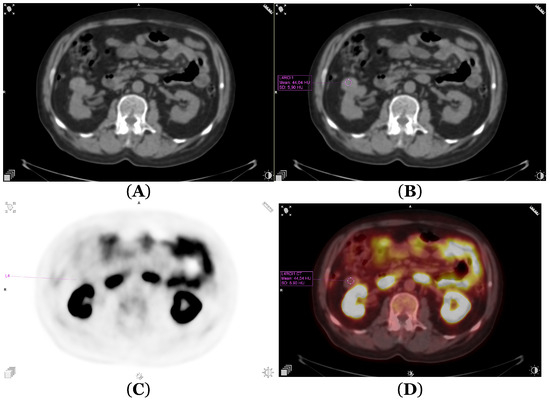
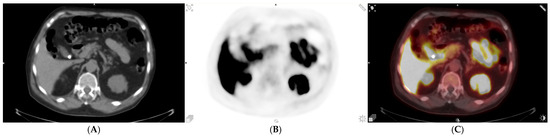
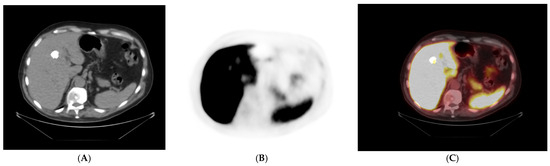
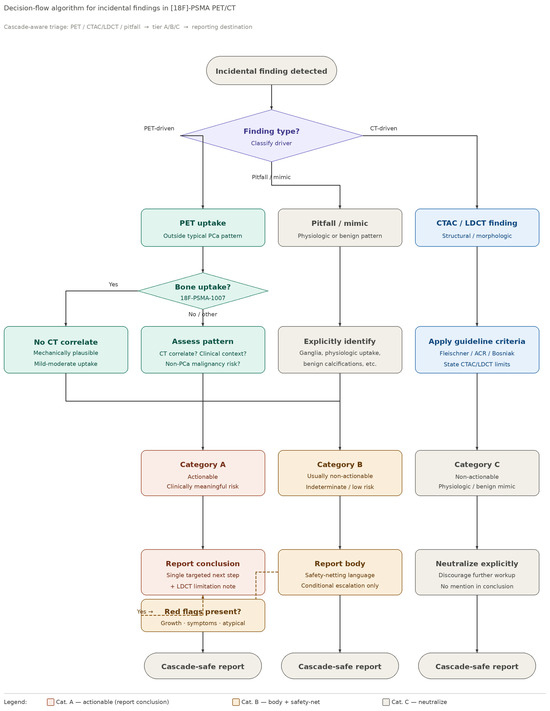
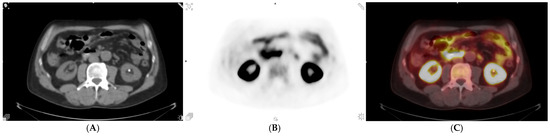
[18F]-PSMA PET/CT is a high-impact modality for the staging and restaging of prostate cancer, but its wide anatomic coverage and tracer biology generate frequent incidental findings on both PET and the accompanying low-dose CT (LDCT). This narrative review is restricted in scope to fluorine-18 PSMA tracers because tracer-specific biodistribution and pitfall profiles shape what is perceived as incidentaloma: how confidently lesions can be categorized, and how often borderline findings trigger downstream testing, particularly for skeletal foci with [18F]-PSMA-1007. Specifically, [18F]-PSMA-1007 shows substantially higher rates of focal unspecific bone uptake than [68Ga]-PSMA-11—reported in multicenter studies as affecting up to 40–50% of patients—which directly inflates the pool of potential incidentalomas and creates a tracer-specific false-positive problem with no parallel in gallium-68 practice. Additionally, [18F]-DCFPyL has different urinary clearance kinetics that affect bladder and ureteral uptake patterns, altering what qualifies as physiologic versus incidental in the pelvis. These differences mean that the threshold for Category B versus C classification—and the appropriate cascade-resistant language—must be tuned to the specific tracer in use. A framework built on [68Ga]-PSMA-11 data would systematically underestimate bone pitfall frequency in [18F]-PSMA-1007 practice and could therefore paradoxically increase rather than reduce cascades if applied uncritically across tracers. These biodistribution differences have direct and concrete consequences for reporting behaviour and downstream management. In [18F]-PSMA-1007 practice, a focal bone uptake without a CT correlate in a mechanically plausible location—such as an anterior rib or vertebral endplate—should trigger Category B language in the report conclusion: the finding is documented in the body with explicit safety netting (“most consistent with unspecific uptake; no routine workup unless interval growth, new pain, or aggressive CT morphology”), and no referral to bone scintigraphy or MRI is generated. Without tracer-specific awareness, the same finding would typically prompt a reflex bone scan or whole-body MRI referral, delaying definitive prostate cancer management by weeks and adding imaging costs without diagnostic gain. By contrast, in [68Ga]-PSMA-11 practice, an equivalent focal bone uptake without a CT correlate carries a higher prior probability of true metastatic disease given the lower background rate of unspecific uptake and should more often be reported at Category B with a lower threshold for escalation or more cautious language. For [18F]-DCFPyL, the higher urinary activity in the pelvis means that ureteral segments can mimic lymph node disease; recognizing this as a physiologic variant (Category C) rather than an equivocal nodal finding (Category B) avoids unnecessary pelvic MRI referrals that would otherwise be triggered by an uncontextualized report. In practical terms, the tracer-specific calibration of the overlay therefore changes not only the category assigned but also the specific safety-netting language and the escalation trigger, which directly modifies the downstream management pathway for each affected finding type. The scanned population—predominantly older men with a high prevalence of degenerative, inflammatory, and vascular abnormalities—creates substantial background noise that can drive low-value diagnostic cascades if incidental findings are communicated without actionability context. We integrate society-endorsed frameworks (EANM/SNMMI procedure guideline 2.0; E-PSMA; PSMA-RADS; and PROMISE/miTNM with miPSMA score) and propose a cascade-aware overlay for incidental findings that can be appended to existing PSMA reporting standards rather than replacing them. The A/B/C actionability overlay is a structured expert-consensus framework informed by existing evidence-based guidelines for specific finding types and by tracer-specific cohort data; it has not yet been prospectively validated as a standalone tool, and its current level of evidence is therefore analogous to a structured expert recommendation rather than an evidence-based clinical guideline. We operationalize a three-tier actionability scheme across PET- and CT-dominant findings, provide cascade-resistant language for conclusions, and clarify why SUVmax-only “probability scales” for lymph nodes are not recommended in routine reports. Three practical tables summarize PET incidental findings, lymph node reporting frameworks, and LDCT incidental findings, and two structured report templates are provided (concise and extended), with the extended version explicitly labelling actionability tiers and escalation triggers. Finally, we outline concrete AI use cases for standardization and triage while emphasizing governance to avoid the amplification of false positives and paradoxical growth of cascades.
Full article

Figure 1
Open AccessReview
Contemporary Non-Operative Management of Bladder Pain Syndrome: A Narrative Review for General Urologists
by
Sindhu Sankaran, Hira Bakhtiar Khan and Mehwash Nadeem
Uro 2026, 6(2), 16; https://doi.org/10.3390/uro6020016 - 9 Jun 2026
Abstract
►▼
Show Figures
Background: Bladder pain syndrome (BPS) is a chronic, debilitating condition defined by the International Continence Society as bladder-related pelvic pain accompanied by urinary symptoms in the absence of identifiable pathology. Its heterogeneous presentation, unclear pathophysiology, and variable treatment response make management challenging for
[...] Read more.
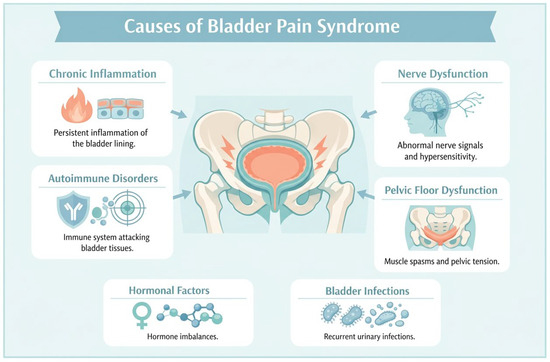
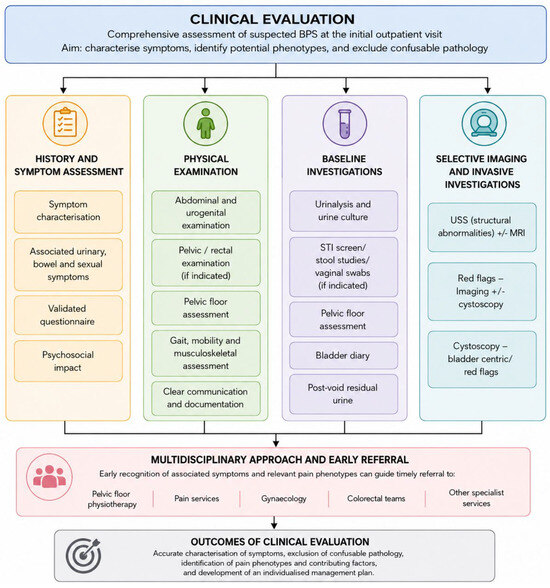
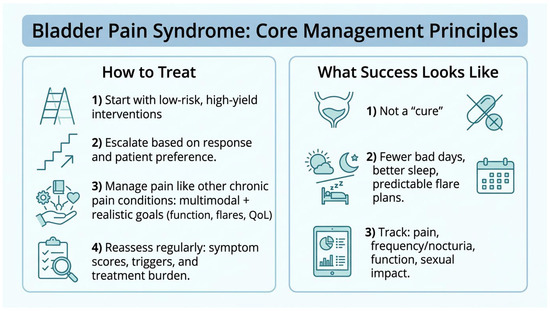
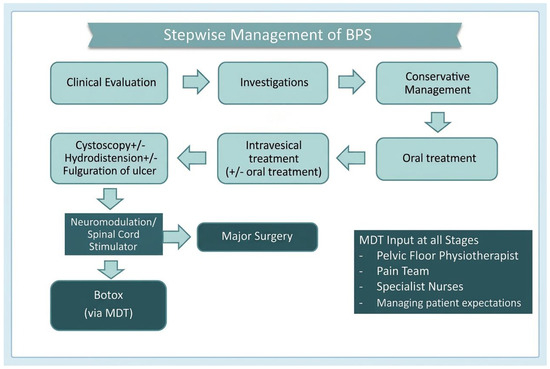
Background: Bladder pain syndrome (BPS) is a chronic, debilitating condition defined by the International Continence Society as bladder-related pelvic pain accompanied by urinary symptoms in the absence of identifiable pathology. Its heterogeneous presentation, unclear pathophysiology, and variable treatment response make management challenging for general urologists. This review aims to provide a practical narrative review of current understanding of BPS, with particular emphasis on diagnosis, phenotyping, and non-operative management strategies relevant to the general urologist. Methods: A narrative literature review was undertaken using PubMed/MEDLINE, Embase, Google Scholar, and major international guideline documents to identify evidence relating to the diagnosis and non-operative management of BPS. Publications from January 2015 to December 2025 were reviewed, with selected landmark earlier studies included, where clinically relevant. Priority was given to guidelines, systematic reviews, randomised trials, and cohort studies. Owing to heterogeneity in study design, patient phenotypes, and reported outcomes, findings were synthesized narratively. Results: BPS represents a heterogeneous spectrum, including Hunner-lesion and non-Hunner phenotypes, with proposed mechanisms involving urothelial dysfunction, chronic inflammation, immune dysregulation, and central sensitisation. Diagnosis remains one of exclusion, relying on careful history, examination, symptom scoring, and selective investigations. Non-operative management is stepwise and multidisciplinary, combining lifestyle modification, pelvic floor therapy, oral agents and intravesical therapy. Available evidence suggests that symptom improvement is often modest but clinically meaningful in selected patients, supporting an individualized, phenotype-informed approach to care with realistic patient counselling. Conclusions: Bladder pain syndrome remains a chronic, multifaceted disorder with profound impact on quality of life, requiring clinicians to approach patients with empathy while recognising the physical, psychological, and social burden of the condition. Effective management requires early recognition, thoughtful phenotyping, exclusion of confusable conditions, and realistic expectation-setting within a multidisciplinary framework. For the general urologist, a structured and compassionate non-operative approach can improve symptom control, support shared decision-making, and help guide timely escalation when required.
Full article

Figure 1
Open AccessArticle
Aberdeen Sexual Function Improvement Index (SFI-I): A Novel Brief Questionnaire for Evaluating Sexual Function in Women with Stress Urinary Incontinence
by
Shamima Islam Nipa, David Cooper, Alyaa Mostafa and Mohamed Abdel-Fattah
Uro 2026, 6(2), 15; https://doi.org/10.3390/uro6020015 - 4 Jun 2026
Abstract
►▼
Show Figures
Background/Objectives: The Novel Aberdeen Sexual Function Improvement Index (SFI-I) is a simple single-item questionnaire specifically tailored for women with urinary incontinence (UI). The objective of the study was to describe for the first time the Aberdeen SFI-I and to assess its effectiveness
[...] Read more.
Background/Objectives: The Novel Aberdeen Sexual Function Improvement Index (SFI-I) is a simple single-item questionnaire specifically tailored for women with urinary incontinence (UI). The objective of the study was to describe for the first time the Aberdeen SFI-I and to assess its effectiveness in identifying changes in sexual function among women undergoing surgical treatment for SUI. Methods: A secondary analysis of data from the Single Incision Mini-Slings (SIMS) study was undertaken. Pearson correlation analyses were used to examine associations between the SFI-I and changes in the PISQ-IR scores, as well as the Patient Global Impression of Improvement (PGI-I). Results: The analysis included 596 women. Among these participants, 118, 101, and 102 completed the SFI-I and the PISQ-IR at 15, 24, and 36 months, respectively. Moderate positive correlations were identified between the SFI-I and PGI-I, ranging from 0.342 to 0.435, indicating that changes in SFI-I and PGI-I tended to occur in the same direction. The inverse correlation between the SFI-I and PISQ-IR, ranging from −0.588 to −0.518, indicates that improvements detected by one instrument are consistently reflected by the other. Diagnostic performance measures showed specificity values between 0.733 and 0.871 and positive predictive values between 0.844 and 0.900, demonstrating that improvement on the SFI-I is a strong indicator of improvement on the PISQ-IR. Conclusions: The newly developed Aberdeen SFI-I is a promising, short, and patient-friendly tool that reliably reflects patients’ perceptions of the impact of SUI surgery on sexual function, which would be specifically valuable where detailed assessment of individual sexual function domains is not required. Further comprehensive psychometric evaluation encompassing reliability, responsiveness, and the determination of clinically meaningful thresholds is required.
Full article

Figure 1
Open AccessArticle
Comparative Outcomes of TURP, TUVP, and PAE in the Management of Benign Prostatic Hyperplasia: A Single Center Real-World Study
by
Teddy Jabbour, Laurent Bairy, Benoit Bihin, Jean-Francois De Wispelaere and Marcelo Di Gregorio
Uro 2026, 6(2), 14; https://doi.org/10.3390/uro6020014 - 20 May 2026
Abstract
Background/Objectives: To compare real-world outcomes of transurethral resection of the prostate (TURP), transurethral vaporization of the prostate (TUVP), and prostate artery embolization (PAE) in men with symptomatic benign prostatic hyperplasia (BPH). Methods: A retrospective cohort of 203 patients undergoing TURP, TUVP, or PAE
[...] Read more.
Background/Objectives: To compare real-world outcomes of transurethral resection of the prostate (TURP), transurethral vaporization of the prostate (TUVP), and prostate artery embolization (PAE) in men with symptomatic benign prostatic hyperplasia (BPH). Methods: A retrospective cohort of 203 patients undergoing TURP, TUVP, or PAE was analyzed. Outcomes included IPSS, QoL, IIEF, prostate volume, maximum urinary flow rate (Qmax), and post-void residual volume (PVR) at 12 months. Adjusted analyses used ANCOVA and propensity score weighting. Results: All groups showed improvement. TURP provided the greatest improvements in IPSS, QoL, Qmax, and prostate volume reduction. TUVP outcomes were intermediate; while symptom improvements (IPSS) were comparable in weighted models, TURP provided significantly greater improvements in Qmax and prostate volume reduction across all adjusted analyses. Conclusions: TURP remains an effective option for symptomatic BPH; TUVP and PAE offer modest benefits and remain viable alternatives in selected patients.
Full article
Open AccessReview
The Evolution and Innovations of Robotic Surgery in Urology: From Early Pioneers to Emerging Competitor
by
Loris Cacciatore, Gianluigi Raso, Antonio Minore, Simona Ruggeri, Alberto Ragusa, Francesco Tedesco, Antonio Rosario Iannello, Francesco Esperto and Rocco Papalia
Uro 2026, 6(2), 13; https://doi.org/10.3390/uro6020013 - 15 May 2026
Abstract
The advent of robotic surgery has revolutionized multiple medical fields, notably in urology, gynecology, and both general and cardiovascular surgery. This article aims to explore the journey of robotic-assisted surgery (multi/single-port) in abdomen and pelvic surgeries, tracing its historical roots, examining its current
[...] Read more.
The advent of robotic surgery has revolutionized multiple medical fields, notably in urology, gynecology, and both general and cardiovascular surgery. This article aims to explore the journey of robotic-assisted surgery (multi/single-port) in abdomen and pelvic surgeries, tracing its historical roots, examining its current landscape, and considering the potential future impact. A comprehensive review of the literature was conducted through PubMed/MEDLINE, utilizing keywords such as “robotic surgical systems,” “robotic surgery devices,” and “robotics AND urology.” Reference lists from selected articles were also explored to ensure a broad scope of understanding. The focus was on robotic systems designed for laparoscopic urological surgeries, all of which have been granted regulatory approval for clinical use. The historical trajectory of robotic surgery is traced back to the late 1980s with early systems like the Probot®, preceding the transformative introduction of the daVinci® system in the early 2000s. In addition to daVinci®, the article introduces newer robotic platforms, including Senhance®, Revo-I®, Versius®, Avatera®, Hinotori®, Edge®, Shurui and HugoTM RAS, which are emerging as serious competitors. While daVinci® has been the dominant force in robotic surgery for over a decade, these new systems are making significant strides with innovative designs, enhanced precision, and improved cost-efficiency. The growing competition among these platforms promises to expand their potential applications, increase accessibility, and optimize surgical outcomes across various specialties. Furthermore, as new technologies continue to evolve, there is a clear need for more extensive clinical trials and real-world data to assess their long-term impact on surgical practices, healthcare delivery, and patient outcomes. It remains to be seen how these advanced systems will integrate into healthcare infrastructures and their ultimate role in shaping the future of minimally invasive surgery.
Full article
Open AccessReview
From Diagnostics to Prescribing: Antibiotic and Diagnostic Stewardship in Contemporary UTI Care
by
Kavin Raj Cyril Thiagaraj, Shwetambari V. Ingawale, Hira Bakhtiar Khan and Mehwash Nadeem
Uro 2026, 6(2), 12; https://doi.org/10.3390/uro6020012 - 12 May 2026
Abstract
►▼
Show Figures
Background: Urinary tract infections (UTIs) are a leading cause of urine testing and antibiotic prescribing across healthcare settings. Despite established clinical guidelines, inappropriate practice such as unnecessary urine cultures, treatment of asymptomatic bacteriuria, suboptimal antibiotic selection, and excessive treatment duration remain common. These
[...] Read more.
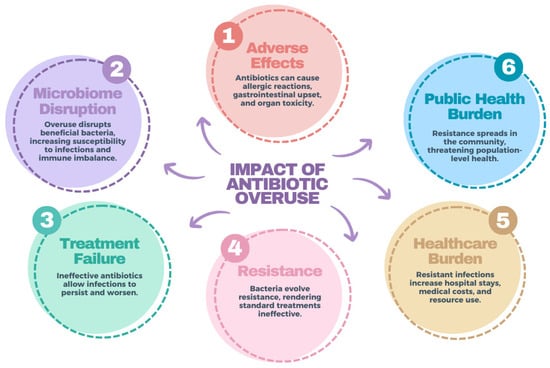
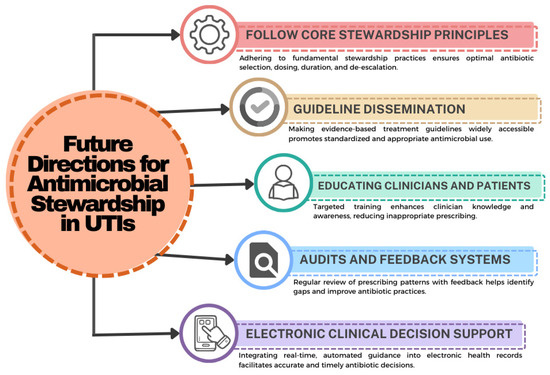
Background: Urinary tract infections (UTIs) are a leading cause of urine testing and antibiotic prescribing across healthcare settings. Despite established clinical guidelines, inappropriate practice such as unnecessary urine cultures, treatment of asymptomatic bacteriuria, suboptimal antibiotic selection, and excessive treatment duration remain common. These practices contribute to antimicrobial resistance, adverse drug events, and increased healthcare costs. Methods: This narrative review synthesises evidence from PubMed-indexed studies, including systematic reviews, randomised controlled trials, and implementation studies, to evaluate the impact of antibiotic and diagnostic stewardship interventions on UTI management. Studies assessing outcomes related to urine testing practices, antibiotic utilisation, and clinical safety were included. Discussion: The literature demonstrates that integrated stewardship interventions effectively reduce inappropriate urine testing and antibiotic use without negatively affecting patient outcomes. Diagnostic stewardship strategies such as limiting urine cultures to patients with appropriate clinical indications, implementing reflex testing algorithms, and improving result interpretation reduce downstream antibiotic overuse. When combined with antibiotic stewardship approaches including clinical decision support, audit-and-feedback, and bundled interventions, these strategies lead to sustained improvements in prescribing behaviour and care quality. Conclusions: Antibiotic and diagnostic stewardship are synergistic and essential components of optimal UTI management. Interventions targeting both diagnostic decision-making and antibiotic use can safely reduce unnecessary testing and treatment. Future stewardship efforts should prioritise integrated, multidisciplinary approaches supported by clinical decision support tools to enable real-time, sustainable improvements in UTI care across clinical settings.
Full article

Figure 1
Open AccessArticle
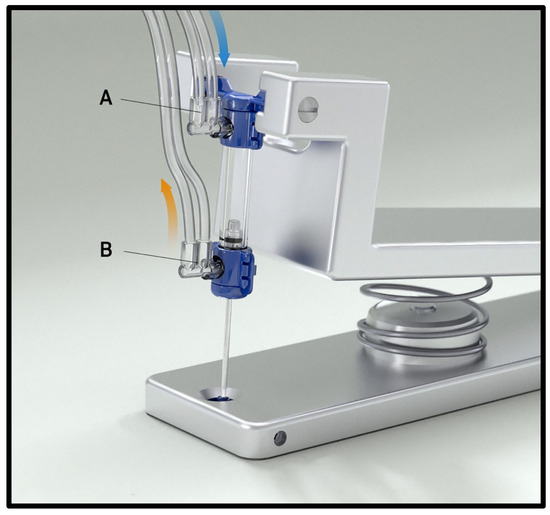
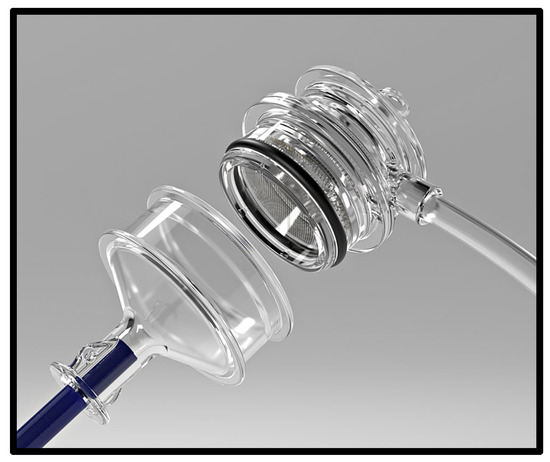
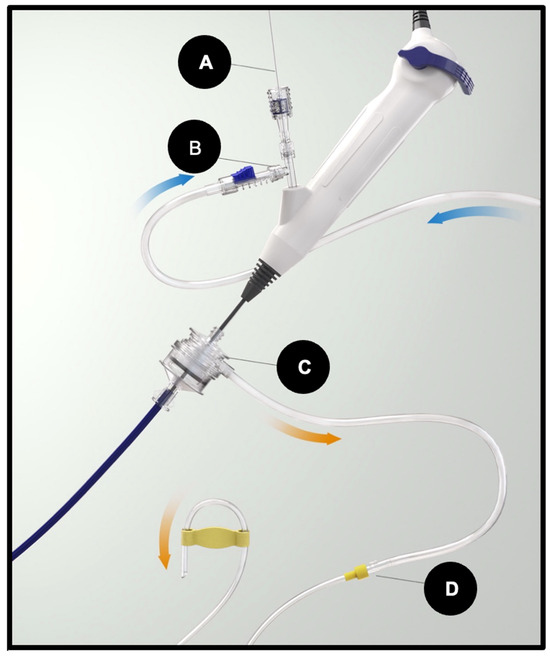
Novel Dual-Action Pump Shows Promise to Reduce Intra-Renal Pressure and Improve Irrigant Flow in Flexible Ureteroscopy
by
Mark Wellmann, Jeff John and John Lazarus
Uro 2026, 6(2), 11; https://doi.org/10.3390/uro6020011 - 16 Apr 2026
Abstract
►▼
Show Figures
Background/Objective: To describe a novel dual-action pump (DAP) which is hypothesised to reduce mean intrarenal pressure (IRP) and increase irrigation flow during flexible ureterorenoscopy (fURS). The DAP incorporates a low-volume, user-controlled pumping/suctioning unit, to precisely control fluid boluses into the upper urinary tract
[...] Read more.
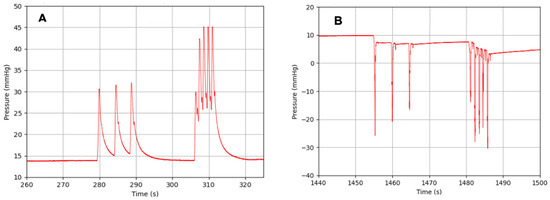
Background/Objective: To describe a novel dual-action pump (DAP) which is hypothesised to reduce mean intrarenal pressure (IRP) and increase irrigation flow during flexible ureterorenoscopy (fURS). The DAP incorporates a low-volume, user-controlled pumping/suctioning unit, to precisely control fluid boluses into the upper urinary tract via a ureterorenoscope and simultaneously draws out an identical volume of the delivered irrigant via a syphoning UAS. This human cadaveric study aims to assess the DAP’s impact on IRP and the irrigant flow rate compared to a traditional UAS. Methods: Twelve fresh frozen human cadaver renal units were studied in situ. An 11/13 UAS was placed under fluoroscopic guidance and a fURS was introduced. Continuous pressure was monitored. The DAP and syphoning UAS were compared to a conventional irrigation system in terms of IRP and irrigant flow at variable irrigant fluid heights and during fluid bolus administration. Results: The mean IRP was reduced by 79–141%. Maximum IRP was reduced by up to 180%. The mean irrigation flow rate was improved by 44–86%. The small sample size of 12 limits the results obtained. Conclusions: The novel DAP system shows promise in reducing intra-renal pressure and improving irrigant flow in flexible ureteroscopy.
Full article

Figure 1
Open AccessReview
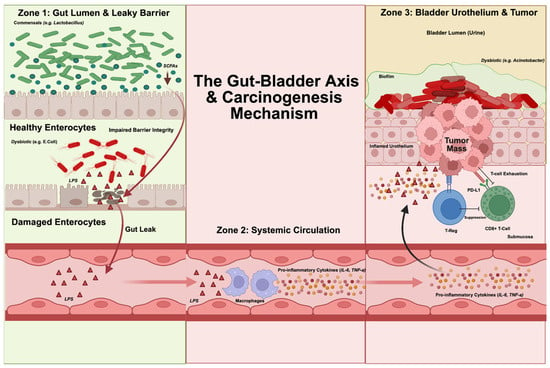
The Role of the Urinary and Gut Microbiome in Bladder Cancer: Emerging Insights and Clinical Implications
by
Alexandra Lazcano-Ornelas, Daniel Ajabshir, Giulia Almiron, Manish Choudhary and Neeraja Tillu
Uro 2026, 6(2), 10; https://doi.org/10.3390/uro6020010 - 13 Apr 2026
Abstract
►▼
Show Figures
Bladder cancer (BCa) arises from the interaction between environmental exposures and the host’s immunity and microbiome. Once considered sterile, the urinary tract is now known to harbor a resident urinary microbiome (UM) that dynamically interacts with the immune system and is influenced by
[...] Read more.
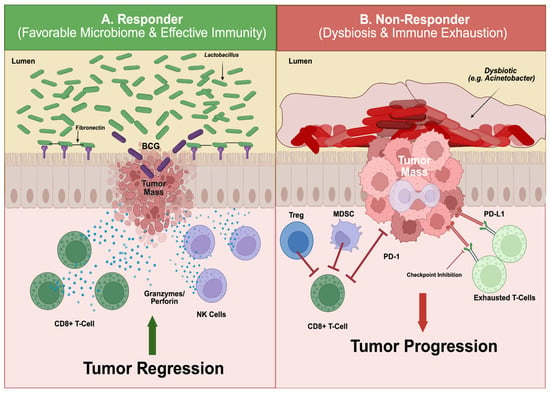
Bladder cancer (BCa) arises from the interaction between environmental exposures and the host’s immunity and microbiome. Once considered sterile, the urinary tract is now known to harbor a resident urinary microbiome (UM) that dynamically interacts with the immune system and is influenced by systemic immunomodulatory effects of the gut microbiome (GM) brought on by the emerging gut–bladder axis. Accumulating evidence links alterations in UM and GM leading to BCa development, progression, and recurrence. Loss of protective taxa (e.g., Lactobacillus, Bifidobacterium and Ruminococcus) and enrichment of pro-inflammatory or genotoxic bacteria (e.g., Fusobacterium, Acinetobacter, Prevotella and Enterobacteriaceae) are associated with immune evasion and systemic inflammation. Microbial metabolites, especially short-chain fatty acids (SCFAs), play a key role in shaping tumor immunity and show diagnostic and prognostic potential, with specific microbial signatures correlating with recurrence risk, survival, and treatment response. Therapeutically, growing evidence suggests that microbiome composition influences immunotherapy response, highlighting opportunities for microbiome-based interventions. This review aims to summarize the rationale to implement microbial modulation strategies (e.g., dietary modulation, probiotics, fecal microbiota transplantation (FMT), and emerging synbiotic or postbiotic approaches) while addressing their current limitations and future requirements in order to develop microbiome-guided therapies, diagnostics and prognostic tools for BCa.
Full article

Figure 1
Open AccessArticle
Oral Immunoglobulins from Bovine Colostrum and Anti-Inflammatory Extracts in Patients with Chronic Prostatitis/Chronic Pelvic Pain Syndrome: A Prospective Study
by
Mattia Sibona, Marco Oderda, Paolo Destefanis, Davide Campobasso, Francesco Maria Bracco, Gabriele Montefusco, Matteo Ghio, Federico Vitiello, Eugenia Vercelli, Luca Micai, Carlotta Mangione, Fulvia Colucci, Claudia Gozzo, Gianluca Bonino and Paolo Gontero
Uro 2026, 6(2), 9; https://doi.org/10.3390/uro6020009 - 3 Apr 2026
Abstract
►▼
Show Figures
Background: Chronic prostatitis/chronic pelvic pain syndrome (CP/CPPS) is a bothersome condition characterized by pelvic pain and lower urinary tract symptoms (LUTS). Phytotherapy can be used to treat this challenging condition. The aim of this study was to investigate the role of an
[...] Read more.
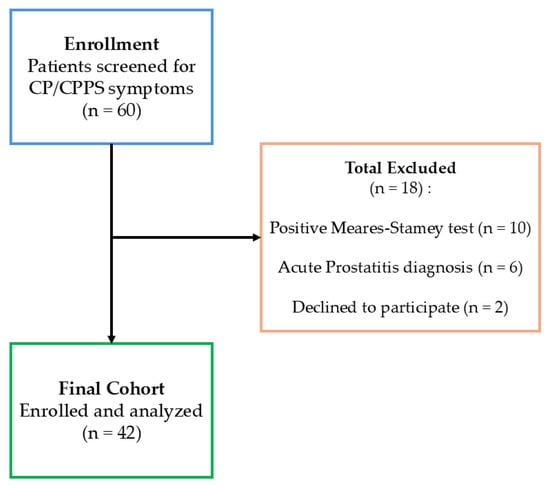
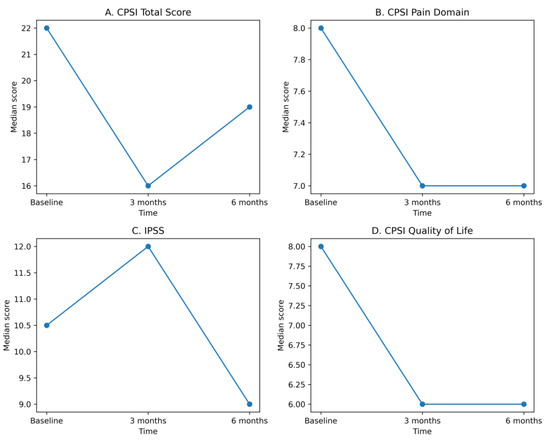
Background: Chronic prostatitis/chronic pelvic pain syndrome (CP/CPPS) is a bothersome condition characterized by pelvic pain and lower urinary tract symptoms (LUTS). Phytotherapy can be used to treat this challenging condition. The aim of this study was to investigate the role of an oral combination of bovine colostrum, Serenoa repens extract and other anti-inflammatory elements in the treatment of CP/CPPS patients. Methods: Our study was a prospective, observational, single-arm study that enrolled patients > 18 years with a history consistent with CP/CPPS, a Chronic Prostatitis Symptom Index (CPSI) pain domain score ≥ 5 and a Meares–Stamey microbiological test negative for bacterial infection. Pelvic or genital pain was measured via the Numeric Pain Rating Scale (NPRS) and validated questionnaires. All patients were treated with an oral combination of colostrum, Serenoa repens extract and other anti-inflammatory elements for 6 months. Follow-up visits were scheduled at 3 and 6 months. Pre- and post-treatment variables were compared by means of the Wilcoxon signed-rank nonparametric test. Results: We included 42 patients in our analysis. The median (Inter-Quartile Range, IQR) age was 42 (28–51) years. Compared with baseline, after 3 months we observed a significant reduction in pain: total CPSI score of 16 (12–21) vs. 22 (17–26), p < 0.001, −6 points (−27.3%); CPSI score of “pain” domain 7 (5–9) vs. 8 (7–11), p < 0.001, −1 point (−12.5%). Moreover, quality of life improved: CPSI “quality of life” domain 6 (4–9) vs. 8 (7–10), p < 0.001. After 6 months, a significant reduction in pain was maintained: total CPSI score 19 (10–23), p < 0.001, −3 points (−13.65%); and CPSI “pain” domain 7 (4–9), p < 0.001, −1 point (−12.5%). After 6 months, a mild reduction in urinary symptoms was also reported. During the observation period, five patients discontinued treatment, two of them because of gastrointestinal intolerance. Conclusions: The daily oral administration of bovine colostrum, Serenoa repens and other anti-inflammatory elements showed a potential in improving pain and other urinary symptoms and was generally well tolerated by patients affected by CP/CPPS.
Full article

Figure 1
Open AccessReview
Ribosomal Quality Control at the Crossroads of Proteostasis and Diseases: A Guardian and Potential Enabler of Malignant Adaptation
by
Ishaq Tantray and Rani Ojha
Uro 2026, 6(1), 8; https://doi.org/10.3390/uro6010008 - 4 Mar 2026
Abstract
►▼
Show Figures
Cancer cells rely on elevated ribosomal biogenesis and protein synthesis to sustain their rapid proliferation. This heightened translational demand imposes significant stress on the fidelity of protein synthesis, thereby necessitating ribosomal quality control (RQC) activation, which safeguards proteostasis by degrading incomplete nascent polypeptide
[...] Read more.
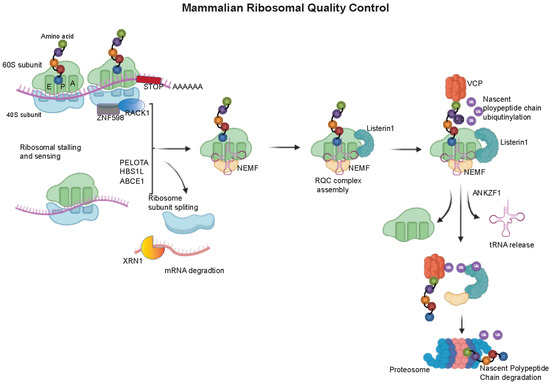
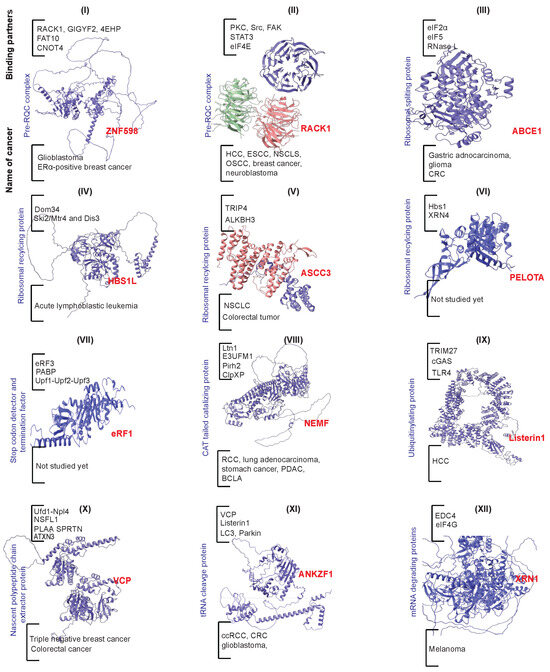
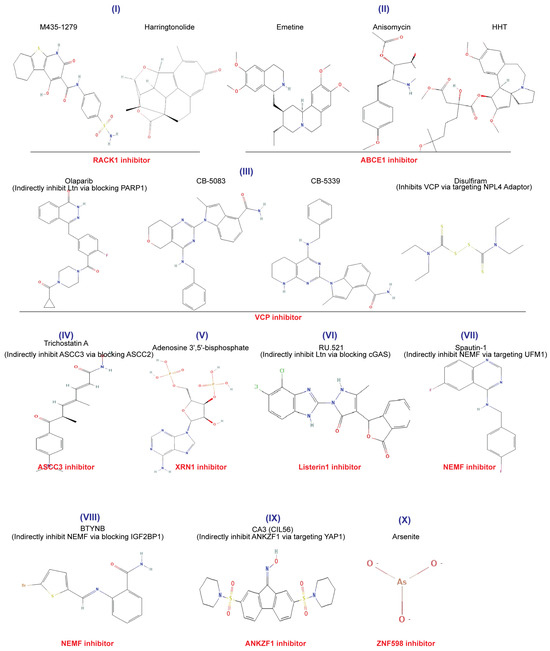
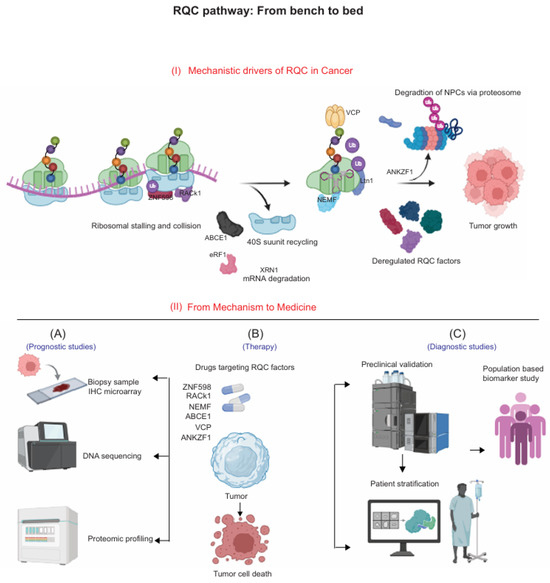
Cancer cells rely on elevated ribosomal biogenesis and protein synthesis to sustain their rapid proliferation. This heightened translational demand imposes significant stress on the fidelity of protein synthesis, thereby necessitating ribosomal quality control (RQC) activation, which safeguards proteostasis by degrading incomplete nascent polypeptide chains. At present, RQC is no longer only a peripheral pathway, it is a decisive arbiter of proteostasis whose malfunction rewires the course of cancer progression. Emerging evidence suggests that RQC factors can function as pro-tumorigenic or anti-tumorigenic in a context-dependent manner across different cancer types. This review highlights mechanistic models of how translation stalling, ribosome collision, and ribotoxic stress response influence neurodegeneration, tumor progression, metastasis, stemness, and drug resistance. By framing RQC as a critical regulator of cancer fate, we will identify verifiable and experimentally tractable hypotheses for therapeutic targeting and biomarker discovery in cancer.
Full article

Figure 1
Open AccessBrief Report
The Porcine Model for Urological Research and Training: An Endoscopic and CT-Based Study
by
Jeff John, Graham Fieggen, Lisa Kaestner and John Lazarus
Uro 2026, 6(1), 7; https://doi.org/10.3390/uro6010007 - 3 Mar 2026
Cited by 1
Abstract
►▼
Show Figures
Background/Objectives: For centuries, humans have employed animal models to progress biomedical science, to understand pathological and biological processes, and to develop and test drugs, vaccines, and surgical techniques. In the field of urology, Sampaio and his colleagues from Brazil were the pioneers
[...] Read more.
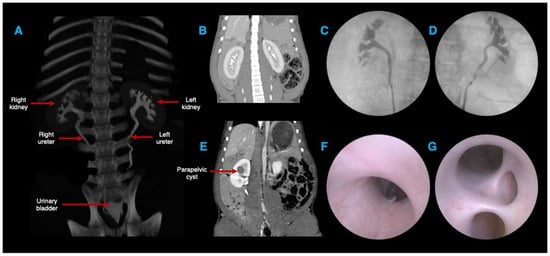
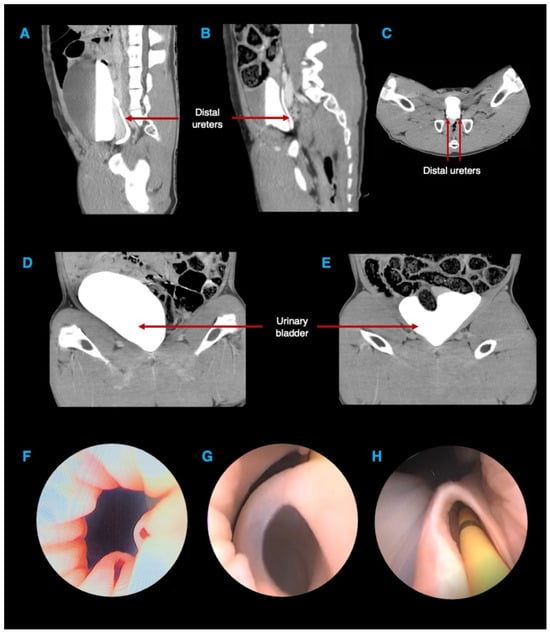
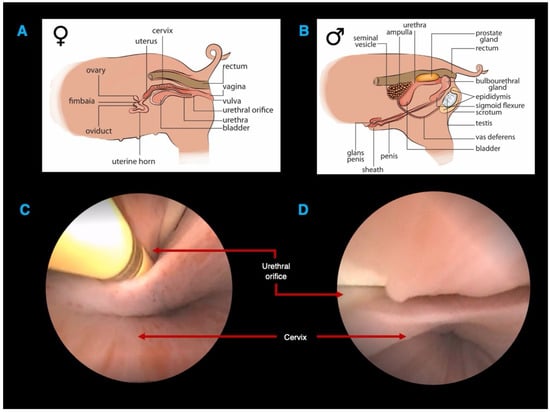
Background/Objectives: For centuries, humans have employed animal models to progress biomedical science, to understand pathological and biological processes, and to develop and test drugs, vaccines, and surgical techniques. In the field of urology, Sampaio and his colleagues from Brazil were the pioneers in proposing that the porcine model is the most accurate representation of the human kidney. We aim to describe the relevant urinary anatomy of female Landrace pigs based on endoscopy and computed tomography (CT) scans and compare differences between the urinary anatomy of pigs and humans. Methods: Four white Landrace female pigs were used for the study: two for CT imaging and two for endoscopic assessment. CT-urograms were performed using a 64-channel tomography machine with 0.625 mm thick slices. For the endoscopic procedure, the intravaginal urethral meatus was cannulated using a cystoscope, followed by complete urethrocystoscopy. The ureteric orifices were then cannulated, and a retrograde pyelogram was performed, followed by ureterorenoscopy. The analyses were performed using SPSS (Version 28), and simulated data was created using R (version 3.5.0), with the significance set at p ≤ 0.05. The data obtained from two pigs was used to simulate an empirical data with 500 observations, using the mean and standard deviations from our n = 2 to produce a random normal distribution. Results: CT and endoscopic findings showed two multirenculate multipapillate kidneys, each receiving blood supply from a single renal artery that is further divided into cranial and caudal branches. The delayed phase of the urogram showed distal ureters passing posterior to the bladder and emptying into the bladder at the base. Urethroscopy revealed an intravaginal urethral meatus ventral to the anus, positioned midway between the mucocutaneous junction of the vulva and the cervix. Endoscopic view of the bladder neck showing patulous ureteric orifices at the bladder neck with no distinct interureteric ridge or trigone. Retrograde pyelogram showed a Group B drainage pattern in both pigs. Conclusions: While there are numerous similarities between the urinary systems of humans and pigs, there are important subtle differences that urologists and researchers need to be mindful of before using the porcine model for urological research and training.
Full article

Figure 1
Open AccessSystematic Review
Stereotactic Body Radiation Therapy for High-Risk Prostate Cancer: A Systematic Review of the Literature
by
Raffaella Lucchini, Rodrigo Cartes, Ciro Franzese, Lorenzo Lo Faro, Luciana Di Cristina, Giuseppe Roberto D’Agostino, Marco Badalamenti, Andrea Girlando, Rosario Mazzola, Stefano Arcangeli and Marta Scorsetti
Uro 2026, 6(1), 6; https://doi.org/10.3390/uro6010006 - 4 Feb 2026
Abstract
►▼
Show Figures
Background/Objectives: Stereotactic Body Radiation Therapy (SBRT) is increasingly used for localized prostate cancer (PCa), but evidence supporting its use in high-risk PCa (HRPC) remains limited. Standard management continues to favor conventional or moderately hypofractionated radiotherapy combined with long-course androgen deprivation therapy (ADT). This
[...] Read more.
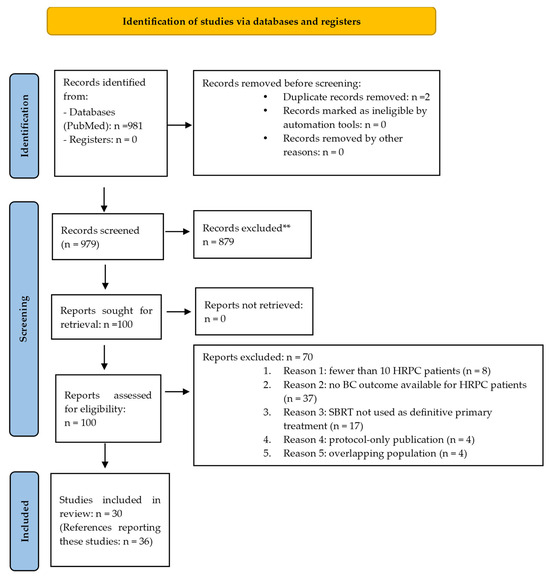
Background/Objectives: Stereotactic Body Radiation Therapy (SBRT) is increasingly used for localized prostate cancer (PCa), but evidence supporting its use in high-risk PCa (HRPC) remains limited. Standard management continues to favor conventional or moderately hypofractionated radiotherapy combined with long-course androgen deprivation therapy (ADT). This systematic review aimed to synthesize current data on SBRT biochemical outcomes, toxicity, and technical aspects in localized HRPC. Methods: A systematic PubMed search was conducted on 1 May 2024, following PRISMA 2020 guidelines (PROSPERO ID CRD420251235649). Studies reporting biochemical control (BC) for HRPC treated definitively with SBRT, with or without ADT, were included. Studies not meeting these criteria or including ≤10 HRPC patients were excluded. Risk of bias was assessed through qualitative appraisal of study methodology. Substantial heterogeneity across study design, SBRT schedules, cohort composition, and ADT integration precluded a meta-analysis; data were synthesized descriptively. Results: Thirty studies contributed biochemical control data after prostate SBRT for 1354 patients meeting inclusion criteria. SBRT was delivered using diverse platforms and dose-fractionation schemes, frequently in combination with ADT. Across studies, BC was generally favorable, though follow-up duration varied widely. Toxicity profiles were acceptable, with most reports describing predominantly grade 1–2 events and low rates of severe toxicity. Marked variability was observed in target volume definition, focal-boost strategies, urethra-sparing techniques, and the use of rectal spacers. Conclusions: Although current evidence is heterogeneous and largely derived from non-randomized studies, BC and toxicity outcomes are consistently promising, supporting SBRT as a potentially effective strategy for localized HRPC. Randomized prospective trials are needed to confirm these findings and refine optimal SBRT regimens and the role of ADT. This review received no funding.
Full article

Figure 1
Open AccessArticle
Updated Analysis: Blue-Light Transurethral Resection and Biopsy of Bladder Cancer with Hexaminolevulinate in a Single UK Centre
by
Anushree Kucheria, Elaina Gubbay, Aoife Meabh Linzell, Irfan Kar, Mohammad Alomari, Kimberley Chan, Christine Gan and Nikhil Vasdev
Uro 2026, 6(1), 5; https://doi.org/10.3390/uro6010005 - 2 Feb 2026
Abstract
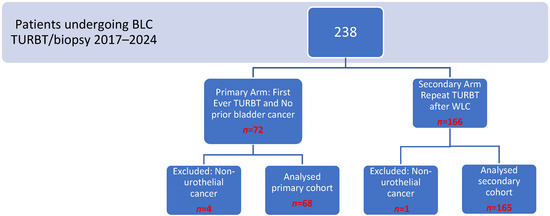
Objective: To evaluate the diagnostic yield of blue-light cystoscopy (BLC) compared with white-light cystoscopy (WLC) in detecting carcinoma in situ (CIS) and muscle-invasive bladder cancer (MIBC), and to assess recurrence-free survival (RFS) following BLC-HAL resection. Patients and Methods: We retrospectively analysed 238 patients
[...] Read more.
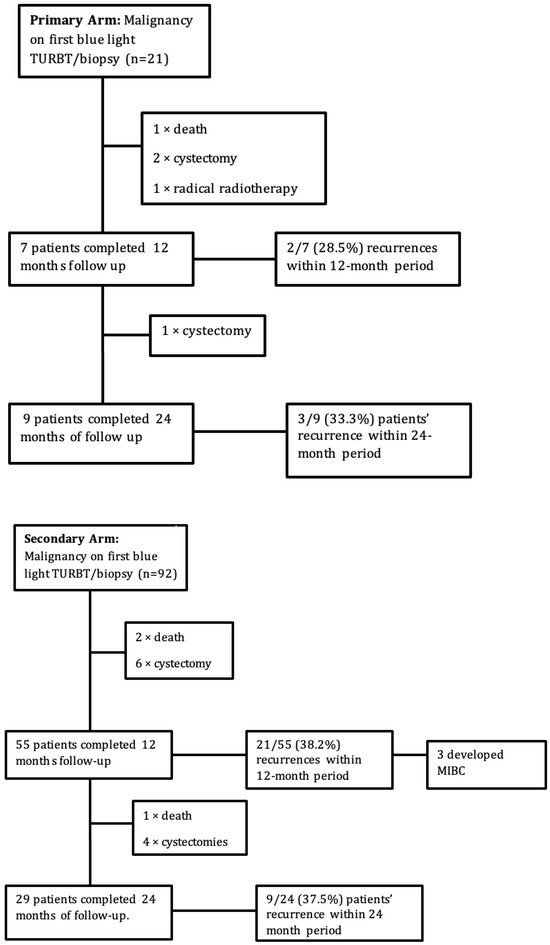
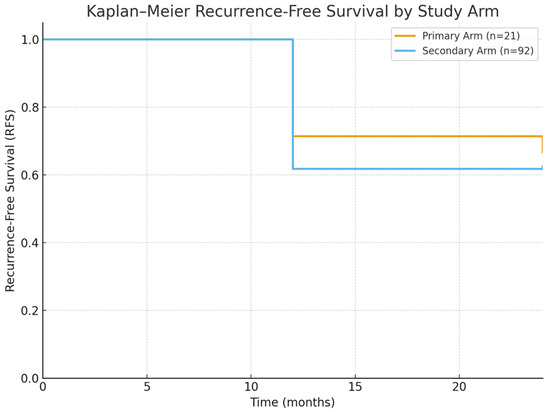
Objective: To evaluate the diagnostic yield of blue-light cystoscopy (BLC) compared with white-light cystoscopy (WLC) in detecting carcinoma in situ (CIS) and muscle-invasive bladder cancer (MIBC), and to assess recurrence-free survival (RFS) following BLC-HAL resection. Patients and Methods: We retrospectively analysed 238 patients undergoing BLC-HAL between July 2017 and July 2024. Seventy-two underwent primary BLC at initial resection, and 166 underwent BLC re-resection following WLC. Endpoints were CIS detection, tumour upstaging, and recurrence-free survival at 12 and 24 months using Kaplan–Meier analysis. Results: Overall, malignancy was confirmed in 113/238 patients (47%). Detection was higher in the secondary arm (55%) compared with the primary arm (29%). In the primary arm, CIS was detected in 19% and MIBC in 24%. In the secondary arm, CIS increased from 18% on WLC to 38% with BLC (p = 0.001), with 26% detected only under blue light; 10% were upstaged to MIBC (p = 0.022). Over one-third of patients were reclassified into a higher EAU NMIBC risk group. Kaplan–Meier analysis showed 12- and 24-month RFS of 71% (95% CI: 36–92%) and 67% (95% CI: 35–88%) in the primary arm, and 62% (95% CI: 49–74%) and 63% (95% CI: 43–79%) in the secondary arm. Median RFS was not reached within 24 months. Conclusions: BLC significantly enhances CIS detection and identifies MIBC and higher-risk disease not seen on WLC, directly influencing patient management. Despite improved detection, recurrence-free survival remains modest, consistent with high-risk NMIBC, supporting guideline recommendations for routine use of BLC at TURBT, particularly in suspected CIS and high-grade disease.
Full article
(This article belongs to the Special Issue The Clinical Management of Urologic Oncology)
►▼
Show Figures

Figure 1
Open AccessReview
The Role of Nutraceuticals and Phytotherapy in Andrological Diseases: Tips and Tricks for Everyday Clinical Practice
by
Andrea Abramo, Tommaso Ceccato, Simone Botti, Daniele Mattevi, Nicola Mondaini, Luca Gallelli, Truls E. Bjerklund Johansen, Michele Rizzo, Giovanni Liguori, Alessandro Zucchi, Alessandro Palmieri, Luca Boeri and Tommaso Cai
Uro 2026, 6(1), 4; https://doi.org/10.3390/uro6010004 - 30 Jan 2026
Abstract
Background/Objectives: Interest in the use of nutraceuticals and phytotherapy for the management of andrological diseases has increased markedly in recent years. In particular, growing attention has been directed toward the treatment of patients affected by erectile dysfunction (ED), male infertility, chronic prostatitis/chronic
[...] Read more.
Background/Objectives: Interest in the use of nutraceuticals and phytotherapy for the management of andrological diseases has increased markedly in recent years. In particular, growing attention has been directed toward the treatment of patients affected by erectile dysfunction (ED), male infertility, chronic prostatitis/chronic pelvic pain syndrome (CP/CPPS), and induratio penis plastica (IPP). However, several areas of uncertainty remain. This narrative review aims to examine the role of nutraceuticals and phytotherapeutic agents in the management of andrological disorders. Methods: A narrative review was conducted using PubMed, Scopus, Cochrane CENTRAL, and EMBASE to identify relevant studies published over the past 25 years. Only articles published in English and involving adult populations were included in the analysis. Results: Nutraceuticals and phytotherapeutic compounds have been extensively investigated in the current literature, and certain formulations—particularly specific combinations—have been evaluated in high-quality studies. Conversely, other compounds lack sufficient scientific evidence and therefore should not be recommended in routine clinical practice. In the management of ED, the following compounds, administered either alone or in combination, have demonstrated clinically significant effects: Panax ginseng, Tribulus terrestris, L-arginine, and Withania somnifera. L-carnitine, combined with micronutrients, antioxidants, and various traditional herbal supplements, appears to be an effective therapeutic option for male infertility and subfertility. Pollen extracts play an important role in the management of CP/CPPS, while carnitine, coenzyme Q10, silymarin, bromelain, and curcumin show promising potential in the treatment of IPP. Conclusions: Nutraceuticals and phytotherapeutic agents may provide favorable outcomes in the management of andrological diseases. Although current evidence is encouraging, larger prospective studies employing standardized protocols and treatment schedules are required to confirm long-term efficacy and to optimize therapeutic strategies.
Full article

Highly Accessed Articles
Latest Books
E-Mail Alert
News
Topics
Topic in
Biomedicines, Diseases, JCM, JPM, Uro, Reports
Clinical, Translational, and Basic Research and Novel Therapy on Functional Bladder Diseases and Lower Urinary Tract Dysfunctions
Topic Editors: Hann-Chorng Kuo, Yao-Chi Chuang, Chun-Hou LiaoDeadline: 31 December 2026
Special Issues
Special Issue in
Uro
5th Anniversary of Uro—Research Updates of Artificial Intelligence in Urological Diseases
Guest Editor: Tommaso CaiDeadline: 31 December 2026
Special Issue in
Uro
Advances in Urologic Oncology: Diagnostics, Surgery, and Translational Perspectives
Guest Editor: Bartosz MałkiewiczDeadline: 31 July 2027