Journal Description
Standards
Standards
is an international, peer-reviewed, open access journal on standardization, inspection, verification, certification, testing and quality control published quarterly online by MDPI.
- Open Access—free for readers to download, share, and reuse content. Authors receive recognition for their contribution when the paper is reused.
- Rapid Publication: manuscripts are peer-reviewed and a first decision is provided to authors approximately 28.5 days after submission; acceptance to publication is undertaken in 7.4 days (median values for papers published in this journal in the first half of 2026).
- Recognition of Reviewers: APC discount vouchers, optional signed peer review, and reviewer names published annually in the journal.
- Standards is a companion journal of Sustainability.
Latest Articles
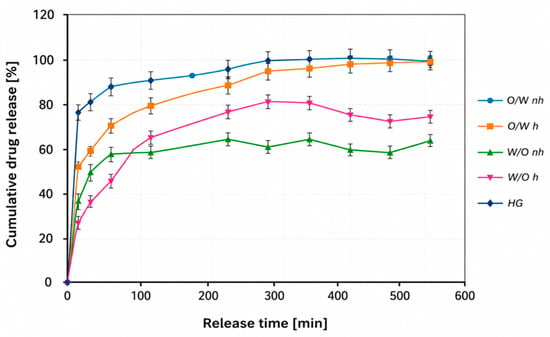
Study on the Kinetics of Vitamin U Release from a Cosmetic Formulation
Standards 2026, 6(3), 27; https://doi.org/10.3390/standards6030027 - 16 Jul 2026
Abstract
S-Methylmethionine (SMM), also called vitamin U, shows antihistamine, anti-inflammatory, radioprotective and anti-irritant activity, as well as enhanced wound healing. In addition, vitamin U affects the regeneration and renewal of the skin hydrolipid mantle and offers some UVB-protective effects on the skin. Since there
[...] Read more.
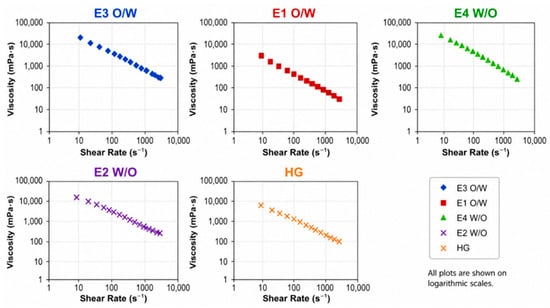
S-Methylmethionine (SMM), also called vitamin U, shows antihistamine, anti-inflammatory, radioprotective and anti-irritant activity, as well as enhanced wound healing. In addition, vitamin U affects the regeneration and renewal of the skin hydrolipid mantle and offers some UVB-protective effects on the skin. Since there are currently no reports in the scientific literature concerning the release of vitamin U from cosmetic formulations, the present study was undertaken as a preliminary and exploratory pilot investigation. The research focused on evaluating the release behavior of SMM (synthetic methylmethionine), a compound recognized for its potential skin-regenerating, soothing, and protective properties, from several commonly used topical delivery systems. Therefore, the various topical formulations, including oil-in-water (O/W) and water-in-oil (W/O) emulsions, as well as hydrogel formulations, were evaluated as potential, effective vitamin U skin delivery systems. Vitamin U-loaded emulsions (O/W and W/O) differing in droplet size in the internal phase and a hydrogel were prepared. The physicochemical properties of the formulations, such as emulsion type, stability, viscosity, pH and droplet size, were evaluated. The study of vitamin U release was performed in thermostatic diffusion chambers at a temperature of T = 32 °C using the Spectra/Por Standard Regenerated Cellulose dialysis membrane. A phosphate buffer (PBS) with pH 7.4 was used as the receptor solution. The concentration of the released S-Methylmethionine was analyzed with ninhydrin-based spectrophotometric assays. The obtained results showed that the type of the formulation significantly influenced the SMM release. The highest release of SMM was observed from hydrogel and O/W emulsions.
Full article
(This article belongs to the Topic Determinants and Methods of Quality Management in Agriculture and Food Processing)
►
Show Figures

Open AccessArticle
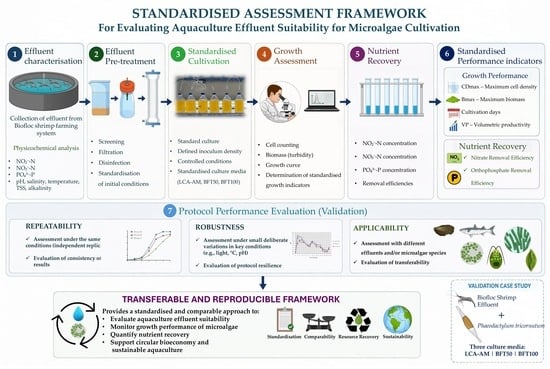
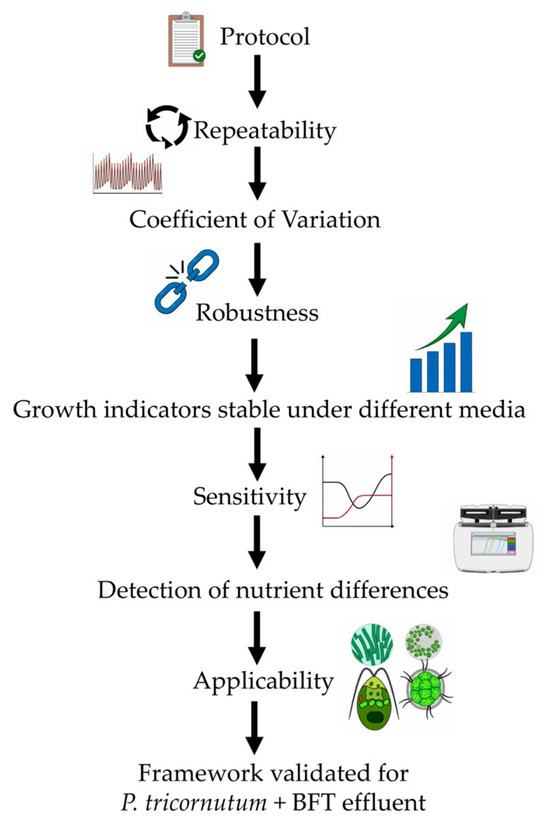
A Standardised Protocol for Assessing Aquaculture Effluent Suitability for Microalgae Cultivation: Validation Using Phaeodactylum tricornutum and Biofloc Shrimp Effluent
by
Victor Jorge da Cruz, Thiago César dos Santos, Rafael Garcia Lopes, Marco Shizuo Owatari and Roberto Bianchini Derner
Standards 2026, 6(3), 26; https://doi.org/10.3390/standards6030026 - 15 Jul 2026
Abstract
►▼
Show Figures
There is a notable lack of standardised and validated protocols for evaluating the potential of aquaculture effluents as culture media for microalgae. This study addresses this gap by developing and validating a comprehensive protocol for assessing the suitability of aquaculture effluents for microalgal
[...] Read more.
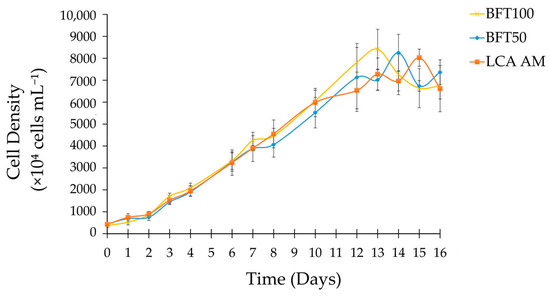
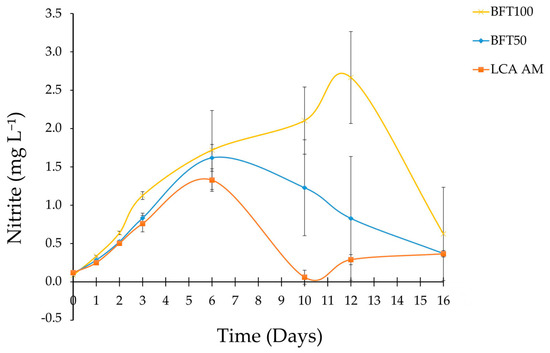
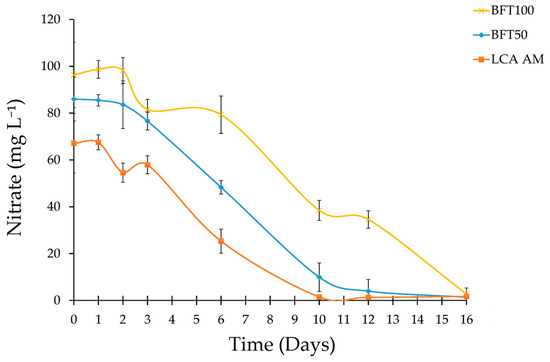
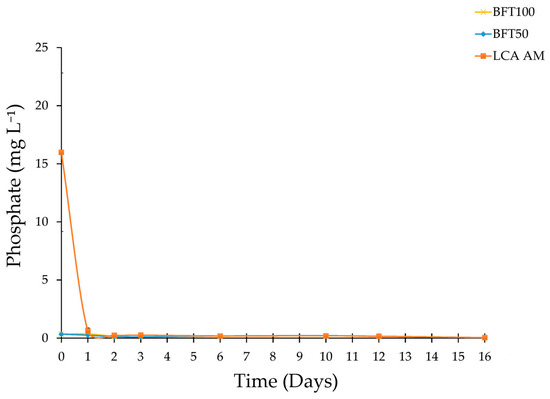
There is a notable lack of standardised and validated protocols for evaluating the potential of aquaculture effluents as culture media for microalgae. This study addresses this gap by developing and validating a comprehensive protocol for assessing the suitability of aquaculture effluents for microalgal production. The protocol was designed and standardised based on effluent characterisation, effluent pre-treatment, standardised inoculation, assessment of microalgal growth performance, and evaluation of nutrient removal. Validation was conducted through the cultivation of Phaeodactylum tricornutum in biofloc technology (BFT) shrimp (Penaeus vannamei) effluent, demonstrating the protocol’s reliability, robustness, and adaptability across media with varying nutrient profiles. The approach effectively identified nitrate and orthophosphate removal patterns of up to 97.34 ± 2.15% and 87.88 ± 1.61%, respectively, in culture media containing 100% shrimp effluent, while providing consistent and accurate growth performance data across different treatments. The treatment containing 100% shrimp effluent achieved a maximum cell density of 8488 ± 772 (×104 cells mL−1). As the proposed framework is based on broadly applicable performance indicators, it provides a methodological basis that can be adapted for evaluating other aquaculture effluents, microalgal species, and cultivation systems. However, additional validation under these conditions is required before broader application can be confirmed.
Full article

Graphical abstract
Open AccessReview
Effective Strategies for Promoting Pro-Environmental Behaviors: A Comprehensive Comparison of Financial Incentives and Educational Campaigns
by
Tomás Matos Frois, Filipe Gonçalves Cardoso, Maryam Abbasi and Filipe Madeira
Standards 2026, 6(2), 25; https://doi.org/10.3390/standards6020025 - 8 Jun 2026
Abstract
Global environmental challenges—ranging from climate change to resource depletion—require not only technological innovation but also sustained shifts in household behavior. Two principal policy tools have emerged to promote such shifts in residential communities: financial incentives (e.g., subsidies, rebates, dynamic pricing) and educational campaigns
[...] Read more.
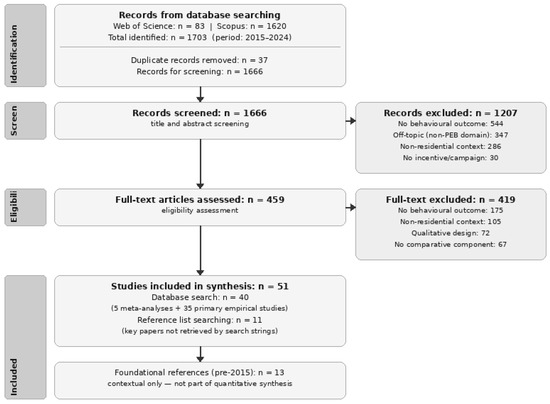
Global environmental challenges—ranging from climate change to resource depletion—require not only technological innovation but also sustained shifts in household behavior. Two principal policy tools have emerged to promote such shifts in residential communities: financial incentives (e.g., subsidies, rebates, dynamic pricing) and educational campaigns (e.g., information provision, social norms messaging, feedback systems); yet rigorous comparative evidence on their relative intervention effectiveness —defined here as the magnitude of behavioral change achieved—remains fragmented. The aim of this review is to systematically compare the effectiveness of financial incentives and educational campaigns for promoting pro-environmental behaviors in residential communities, and to identify the conditions under which each approach performs best. This systematic review addresses: How do financial incentives compare to educational campaigns in promoting pro-environmental behaviors in residential communities? Through PRISMA 2020 methodology, synthesizing 51 studies including 5 major meta-analyses (2015–2024), comparative intervention effectiveness evidence is provided. Financial incentives achieve modest reductions (1.8–6.0%, g = 0.36) with rapid adoption but substantial rebound effects (35–60% offset) and poor persistence post-removal. Educational campaigns show higher variability (g = 0.23 to 0.93), with targeted approaches achieving up to 8% reductions, better persistence (57% effect retention at 24 months), and lower rebounds (15–30%). Combined approaches demonstrate the largest effects (g = 0.64) and optimal cost-effectiveness. Context determines effectiveness: financial incentives excel for high-cost technology adoption; and educational campaigns for habitual behaviors. Technology-mediated delivery (smart meters, mobile apps) enhances both approaches. The principal contribution of this review is a comprehensive umbrella synthesis to directly compare both intervention paradigms while simultaneously accounting for rebound effects, moral licensing, age-specific moderators, and cost-effectiveness, offering practitioners an integrated evidence base for intervention selection. We conclude with evidence-based recommendations for intervention selection.
Full article
(This article belongs to the Section Standards in Environmental Sciences)
►▼
Show Figures

Figure 1
Open AccessArticle
Building Standards for Agent-Based Models: A Proposal of Guidelines for Decision-Making on the Definition of Parameters and Sensitivity Analysis Methods
by
Thiago Joel Angrizanes Rossi, Murilo Mazzotti Silvestrini, Cecília Stanzani Klapka and Flavia Mori Sarti
Standards 2026, 6(2), 24; https://doi.org/10.3390/standards6020024 - 4 Jun 2026
Abstract
►▼
Show Figures
Agent-based models (ABMs) require critical decisions regarding the selection of parameters and probability distributions, so that simulations properly represent the phenomena under investigation. In practice, however, researchers employ diverse strategies to approach the challenges, and no shared standard exists for parameterization or for
[...] Read more.
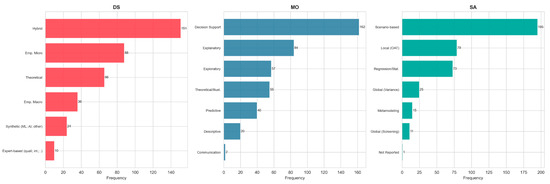
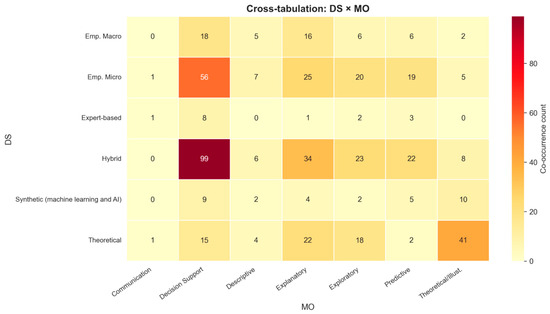
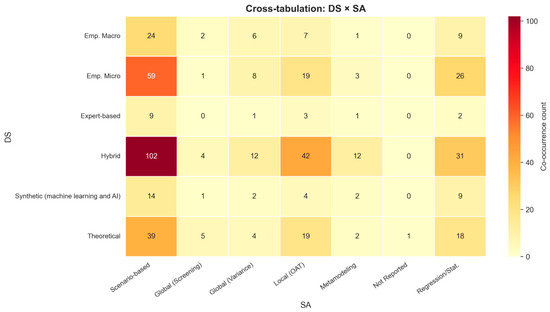
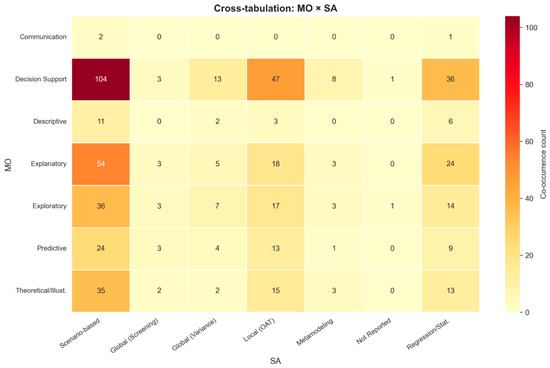
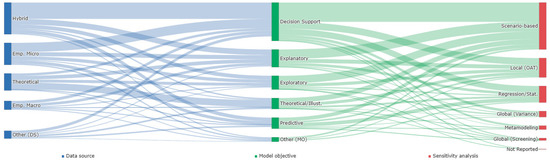
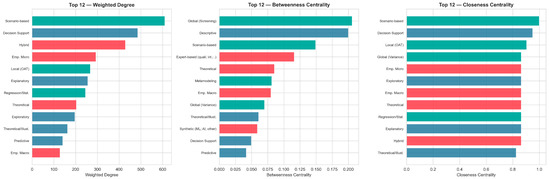
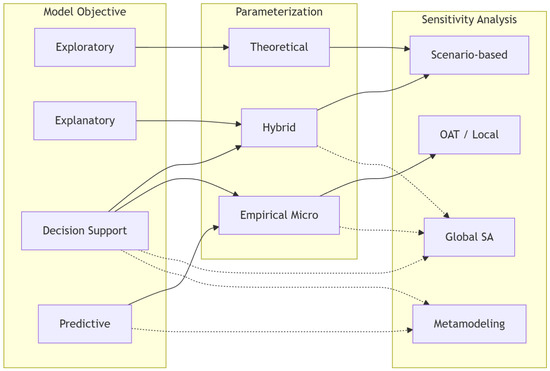
Agent-based models (ABMs) require critical decisions regarding the selection of parameters and probability distributions, so that simulations properly represent the phenomena under investigation. In practice, however, researchers employ diverse strategies to approach the challenges, and no shared standard exists for parameterization or for validation through sensitivity analysis. This paper contributes to the literature by synthesizing the current state of the art and proposing guidelines for the decision-making processes involved in the definition of two key elements in the construction of functional ABMs, i.e., parameters and probability distributions, in addition to their validation through sensitivity analysis. A scoping literature review focusing on construction, application, and protocols for agent-based modeling in the social sciences was conducted, followed by a critical synthesis of studies to extract strategies and generate recommendations on the subject. Drawing on this synthesis, we develop a Methodological Alignment Index that quantifies the fit between a model’s stated objective and its parameterization and sensitivity-analysis choices, complemented by a visual evidence map combining keyword co-occurrence and cross-tabulation analyses. The findings indicate an absence of standardization in the definition of parameters and probability distributions within ABM research, and a structural misalignment between model purpose and methodological rigor: only about a third of the studies reviewed adopt methods aligned with their stated objective, a gap that has persisted over the past decade. Decision-support and predictive models are prominent in the literature, yet they frequently lack robust parameterization strategies or advanced sensitivity-analysis techniques. These findings emphasize the need for standardized guidelines to align methodological choices with model objectives in ABM applications within the social sciences. In response to this gap, we present a framework for the selection of parameters and probability distributions in the development of ABMs—covering decision-making guidelines, validation strategies, and documentation standards to enhance reproducibility—and demonstrate its application on independent published cases from the reviewed corpus.
Full article

Figure 1
Open AccessArticle
Toward Standardized UV-C Exposure Methods for Polymeric Materials: Coordinated Multi-Laboratory Evaluation and Material Response
by
Norman Horn, John D. Paccione, Sophie Poelmans, Robert Karlicek, Leili Abkar, Michael Bean, Holger Claus, Jerry Eng, Gareth John, John Harris, Xin Li, Colin Mikulec, Ryan Olsen, Jennifer Pagán, Sari Samuels, Sepas Setayesh, Peter Teska and Paul A. Uglum
Standards 2026, 6(2), 23; https://doi.org/10.3390/standards6020023 - 1 Jun 2026
Abstract
Germicidal UV (GUV) technology, which utilizes light in the UV-C portion of the electromagnetic spectrum, has become a viable alternative to traditional chemical disinfectants to sanitize surfaces in the built environment. However, the degradation of polymers that have been exposed to UV-C light
[...] Read more.
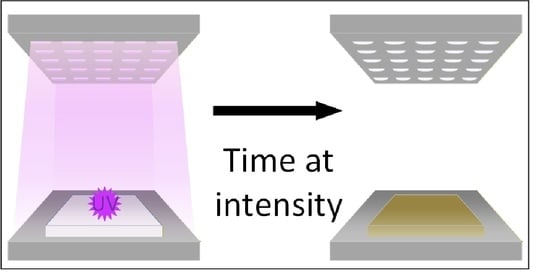
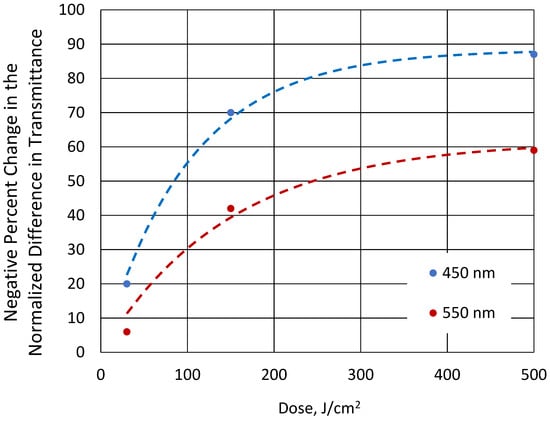
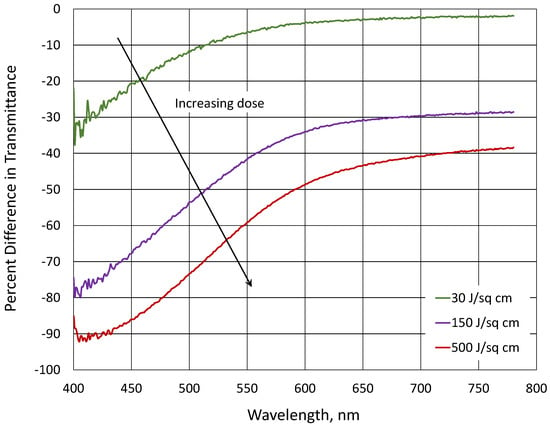
Germicidal UV (GUV) technology, which utilizes light in the UV-C portion of the electromagnetic spectrum, has become a viable alternative to traditional chemical disinfectants to sanitize surfaces in the built environment. However, the degradation of polymers that have been exposed to UV-C light is a concern due to the potential change in structural integrity and visual appearance. The resistance to UV-C degradation is often tabulated in relative qualitative terms, making it rather difficult for designers to understand the implications of the choice of a material of construction. This study was initiated to develop a systematic, standardized method of exposing polymeric materials to UV-C light to ensure that the subsequent property measurements can be compared quantitatively. The exposure method is based on an apparatus that can be readily duplicated using commercially available materials and equipment. To demonstrate the proposed exposure framework, samples of six formulated polymer resins were exposed to three UV-C light sources with different peak wavelengths (KrCl excimer lamp [222 nm], low-pressure mercury lamp [254 nm], and LED lamp [280 nm]). Exposures were conducted at five independent laboratories, and subsequent property testing was performed at multiple facilities using established materials-characterization methods. This coordinated approach enables comparative evaluation of material responses across UV-C source types, wavelengths, and dose levels, providing a practical foundation for developing standardized exposure methodologies and informing future formulation development efforts. Post-exposure testing included quantifying changes in optical, mechanical, and physical properties, including color, gloss, reflectivity, spectral transmittance (haze), flammability, tensile strength, and elastic modulus. These measurements were conducted using established laboratory methods commonly employed throughout the polymer and materials industries. Together, these results provide a comparative dataset illustrating how polymer properties respond to coordinated UV-C exposure conditions, supporting the development of standardized approaches for evaluating material durability in germicidal UV applications.
Full article
(This article belongs to the Topic Measurement Strategies and Standardization in Manufacturing)
►▼
Show Figures

Graphical abstract
Open AccessArticle
Standardization of an Effective Disinfection Methodology Against Microorganisms Isolated from a Pharmaceutical Industry Facility as a Contamination Control Strategy
by
Amanda Silva Costa, Luciana Veloso da Costa, Rebeca Vitória da Silva Lage de Miranda, Talita Bernardo Valadão, Stephen James Forsythe and Marcelo Luiz Lima Brandão
Standards 2026, 6(2), 22; https://doi.org/10.3390/standards6020022 - 1 Jun 2026
Abstract
Inadequate surface sanitization represents a significant risk to sterility assurance and regulatory compliance. Therefore, an effective cleaning and disinfection program is a critical component of contamination control strategies in pharmaceutical facilities manufacturing sterile medicinal products. This study aimed to standardize a carrier-based methodology
[...] Read more.
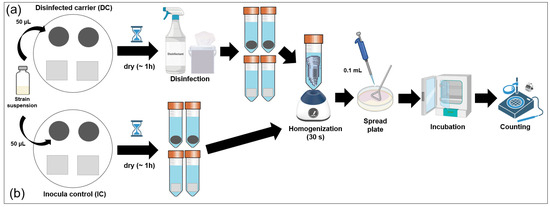
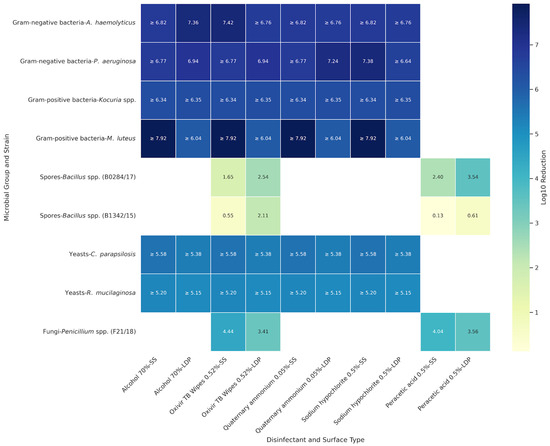
Inadequate surface sanitization represents a significant risk to sterility assurance and regulatory compliance. Therefore, an effective cleaning and disinfection program is a critical component of contamination control strategies in pharmaceutical facilities manufacturing sterile medicinal products. This study aimed to standardize a carrier-based methodology for evaluating the efficacy of disinfectants against in-house environmental isolates recovered from a pharmaceutical industry facility. Nine representative strains were selected from five different groups—Gram-positive non-spore-forming bacteria (Micrococcus luteus and Kocuria spp.), Gram-positive spore-forming bacteria (two Bacillus spp. strains), Gram-negative bacteria (Pseudomonas aeruginosa and Acinetobacter haemolyticus), yeasts (Candida parapsilosis and Rhodotorula mucilaginosa), and filamentous fungus (Penicillium spp.)—based on historical environmental monitoring data (2012–2022), and were characterized using matrix-assisted laser desorption/ionization-time-of-flight/mass spectrometry (MALDI-TOF MS) and molecular sequencing (16S rRNA or D2 LSU rDNA). Disinfectant efficacy was assessed on stainless-steel and low-density polyethylene surfaces using NF T 72-281:2014 with adaptations, testing alcohol 70%, sodium hypochlorite 0.5%, quaternary ammonium 0.05%, peracetic acid 0.5%, and accelerated hydrogen peroxide wipes. All agents demonstrated ≥5 log10 reductions against vegetative bacteria and fungi on both surfaces. However, variable sporicidal performance was observed, particularly for one Bacillus cereus group strain (B1342/15), which showed limited viability reduction on stainless steel. These findings highlight inter-strain variability and the greater tolerance of surface-associated spores. The study reinforces the importance of carrier-based testing using in-house isolates to ensure realistic validation of disinfectants and to strengthen microbiological risk management within pharmaceutical contamination control strategies.
Full article
(This article belongs to the Section Drugs Standards)
►▼
Show Figures

Figure 1

Open AccessReview
Management System Standards in Records and Archives Management: Addressing Proliferation and Integration Challenges
by
Shadrack Katuu
Standards 2026, 6(2), 21; https://doi.org/10.3390/standards6020021 - 15 May 2026
Abstract
►▼
Show Figures
Support professionals in organizational domains—encompassing information technology, administrative services, human resources, and records and archives management (RAM)—confront enduring obstacles, including peripheral status, interdisciplinary coordination imperatives, and standards proliferation. This conceptual synthesis investigates how congruence with Management System Standards (MSSs) can alleviate these predicaments
[...] Read more.
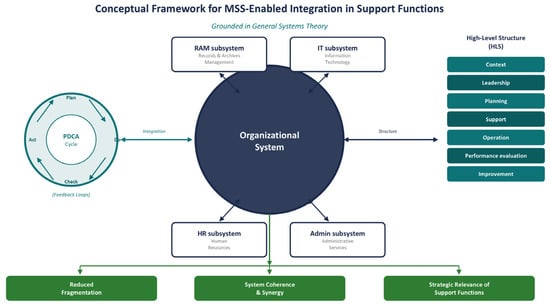
Support professionals in organizational domains—encompassing information technology, administrative services, human resources, and records and archives management (RAM)—confront enduring obstacles, including peripheral status, interdisciplinary coordination imperatives, and standards proliferation. This conceptual synthesis investigates how congruence with Management System Standards (MSSs) can alleviate these predicaments by advancing system-level integration across support areas. Rooted in General Systems Theory, the inquiry scrutinizes ISO standards from pivotal technical committees and 2024 ISO Survey adoption metrics. It accentuates the voluminous standards burdening support functions and the attendant systemic complexity. The communal Plan–Do–Check–Act (PDCA) cycle and High-Level Structure (HLS) of MSSs are framed as unifying instruments that diminish fragmentation and augment coherence. Employing RAM as the principal exemplar, the examination discloses constrained alignment with overarching MSSs despite vigorous global embrace of standards like ISO 9001, ISO 14001, and ISO/IEC 27001. A succinct conceptual model is advanced to depict how PDCA and HLS can interlink support subsystems with organizational objectives. The study underscores strategic harmonization to amplify the prominence of underappreciated support roles, with ramifications for information technology (IT), human resources (HR), and administrative services. Recommendations are proffered for standards developers, practitioners, and professional associations, as well as educators, complemented by avenues for future empirical scholarship.
Full article

Figure 1
Open AccessArticle
Toward a Standards Framework for Hybrid Intelligence Governance: Integrating Human Judgment and AI Decision Support
by
Haris Alibašić
Standards 2026, 6(2), 20; https://doi.org/10.3390/standards6020020 - 8 May 2026
Abstract
The rapid integration of artificial intelligence into private and public-sector decision-making has outpaced the development of standards governing the interaction between human judgment and machine intelligence. Existing frameworks—the EU AI Act Regulation, the NIST AI Risk Management Framework, and ISO/IEC 42001—regulate AI systems
[...] Read more.
The rapid integration of artificial intelligence into private and public-sector decision-making has outpaced the development of standards governing the interaction between human judgment and machine intelligence. Existing frameworks—the EU AI Act Regulation, the NIST AI Risk Management Framework, and ISO/IEC 42001—regulate AI systems as discrete technical artifacts but do not standardize the hybrid intelligence configurations in which human cognition and algorithmic outputs jointly produce governance decisions. This paper proposes a three-layer standards framework comprising technical interoperability standards governing how AI outputs are communicated to human decision-makers, procedural standards governing human-AI task allocation and escalation protocols, and accountability standards governing responsibility attribution in distributed decision configurations. The framework is grounded in the Quadruple Bottom Line (QBL), which adds governance as a fourth sustainability dimension. To move beyond a purely conceptual contribution, the paper provides operationalization tools—including a role allocation matrix, confidence calibration thresholds, an accountability mapping template, and a domain classification schema—and proposes a three-tier conformity assessment methodology for evaluating framework implementation. By establishing the hybrid human–AI decision configuration as the unit of standardization, the paper introduces a governance architecture that enables operational, auditable, and comparable hybrid intelligence systems.
Full article
Open AccessArticle
Arc-Flash Hazards: Standards Development Framework in Facilities of National Importance in Healthcare and Data Centers
by
Pravin Sankhwar and Khushabu Sankhwar
Standards 2026, 6(2), 19; https://doi.org/10.3390/standards6020019 - 8 May 2026
Cited by 1
Abstract
►▼
Show Figures
Electrical power utilities use a methodology to smartly limit exposure to potential arc-flash hazards at the electrical-service-entrance gear. In modern industries and residential facilities, service voltages are low but pose a threat to individuals’ safety, especially in industrial facilities where the low voltage
[...] Read more.
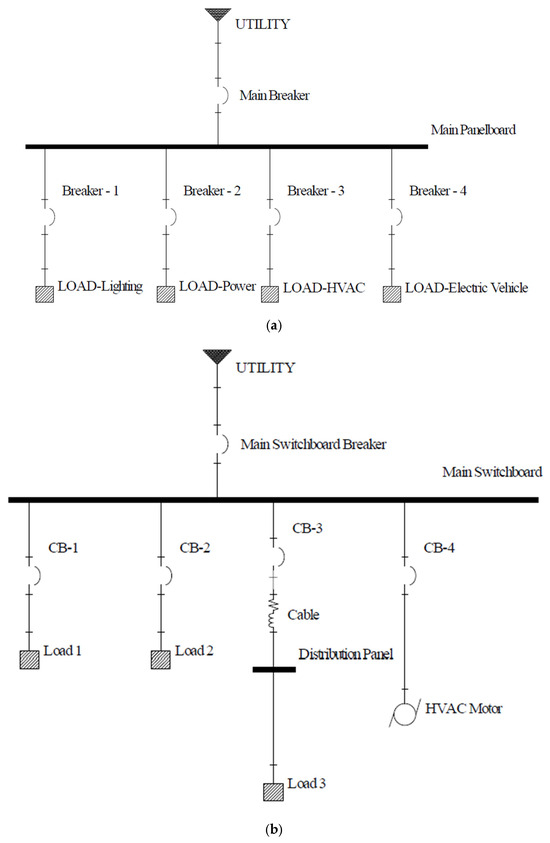
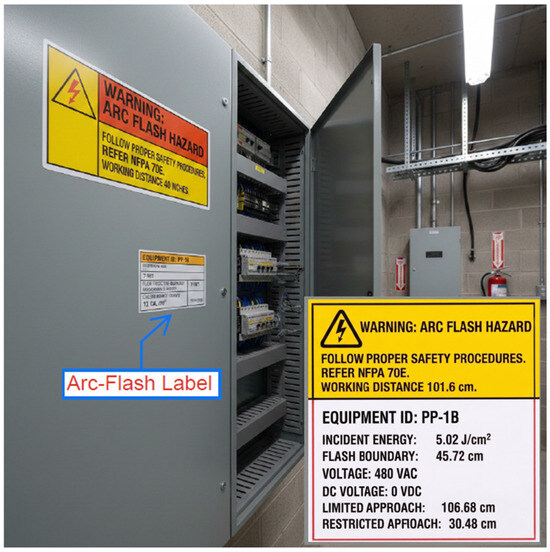
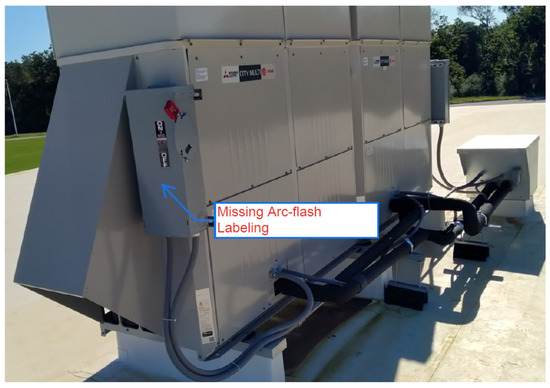
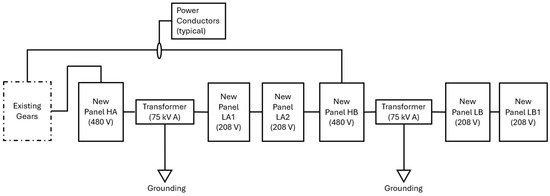
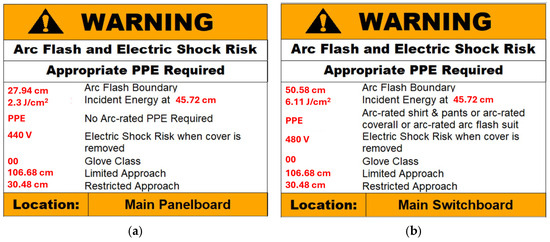
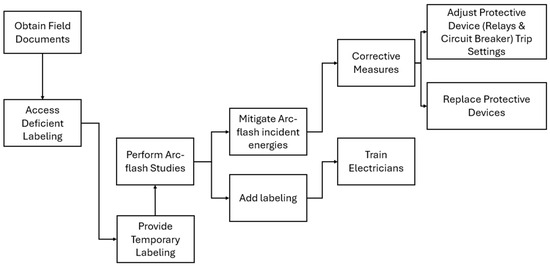
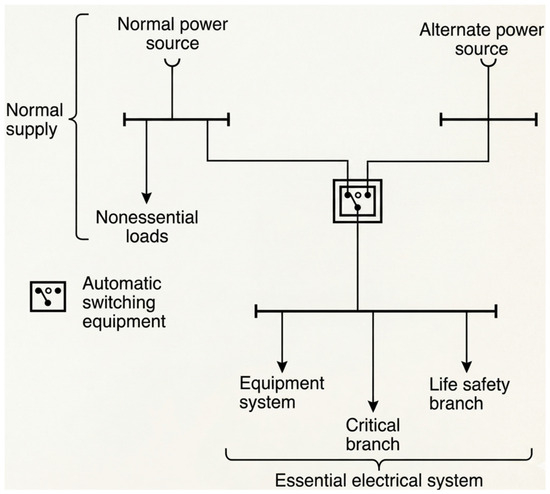
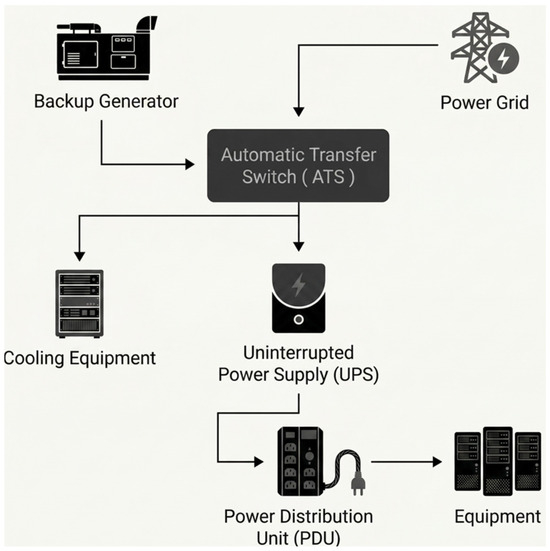
Electrical power utilities use a methodology to smartly limit exposure to potential arc-flash hazards at the electrical-service-entrance gear. In modern industries and residential facilities, service voltages are low but pose a threat to individuals’ safety, especially in industrial facilities where the low voltage is higher than residential voltages. This research proposes a standards development and implementation method for an artificial intelligence (AI)-based framework to plan arc-flash hazard labeling by calculating fault currents at the service entrance using field conditions and design considerations. One case study of a residential home operating at 440 V, three-phase, 100 A, and another study of a manufacturing facility with a 480 V, three-phase, 1200 A system were used as the basis for determining the data collection. Nonetheless, the need for personal protective equipment when working on energized electrical gear is hampered by the level of arc-flash hazard; the foreman often works on energized gear to limit outage time for the end customer. Therefore, this research model, derived from types of facilities prone to failure points, can be implemented in the real world to increase the safety of electricians in facilities serving healthcare and data centers of national importance. Life safety will be limited to about 37% of fatalities reported in 2023 due to electrical hazards alone, using standards frameworks for arc-flash safety as proposed in this paper.
Full article

Figure 1
Open AccessArticle
Fiscal Gaps and Private Capital: A Municipal-Level Analysis of Germany’s Educational Infrastructure Crisis
by
Kathrin Hülshörster, Alfonso Valero and David C. Hieronymi
Standards 2026, 6(2), 18; https://doi.org/10.3390/standards6020018 - 6 May 2026
Abstract
Germany’s global competitiveness, historically rooted in its high-quality education system, is threatened by a severe investment backlog in its public-school infrastructure. While national estimates of this deficit are substantial, the literature lacks a granular empirical analysis at the municipal level, where fiscal responsibility
[...] Read more.
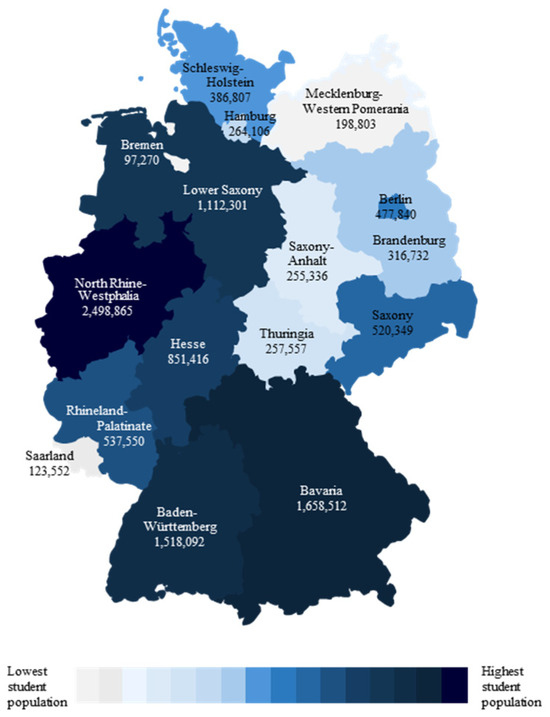
Germany’s global competitiveness, historically rooted in its high-quality education system, is threatened by a severe investment backlog in its public-school infrastructure. While national estimates of this deficit are substantial, the literature lacks a granular empirical analysis at the municipal level, where fiscal responsibility for these assets primarily lies. This study provides an exploratory municipal level analysis of school infrastructure investment gaps using evidence from n = 30 large municipalities in North Rhine Westphalia (NRW), Germany. Using a mixed methods approach, we conduct a cross-sectional analysis integrating demographic, fiscal, and real estate data and introduce a composite “Need Score” to identify high need municipalities. The analysis identifies associations between investment backlogs and selected demographic, fiscal, and institutional indicators and evaluates the financial feasibility—but not the causal necessity—of private capital participation in educational infrastructure. Our findings reveal a profound structural underfunding, with planned municipal investments covering less than 10% of the estimated backlog. The backlog is weakly correlated with GDP growth but not significantly predicted by other common socio-economic indicators, highlighting the limitations of macro-level diagnostics. Conversely, a higher share of private school enrolment is significantly associated with a lower public investment backlog (r = −0.51, p < 0.05). A detailed financial case study demonstrates that investments in educational real estate can deliver stable, positive returns (IRR of 4.5–19.8%), under specific contractual assumptions. The paper concludes by discussing the conditions under which private capital may constitute a viable component of educational infrastructure provision within appropriate governance frameworks.
Full article
(This article belongs to the Section Building Standards)
►▼
Show Figures

Figure 1
Open AccessReview
Role of the Indian Construction Industry in Advancing the Sustainable Development Goals of the Country
by
Tanmoy Konar
Standards 2026, 6(2), 17; https://doi.org/10.3390/standards6020017 - 3 May 2026
Abstract
►▼
Show Figures
The Sustainable Development Goals (SDGs) are referred to as a roadmap to achieve a better and more sustainable future for all people and the planet as a whole by 2030. Attaining these goals requires a multifaceted approach that integrates social development, economic growth,
[...] Read more.
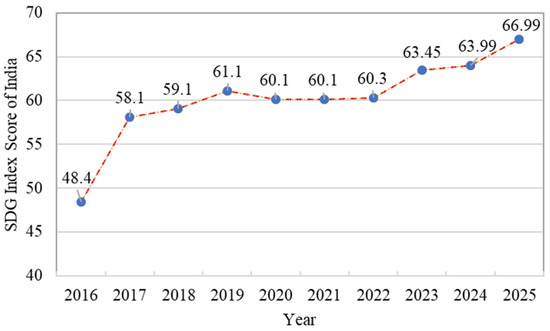
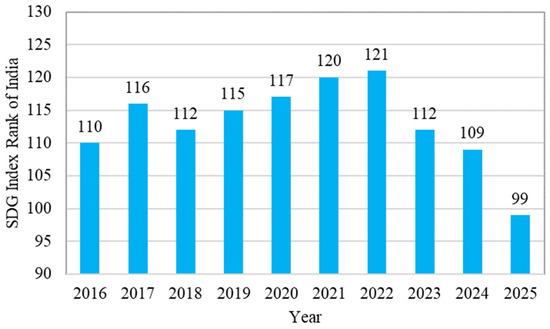
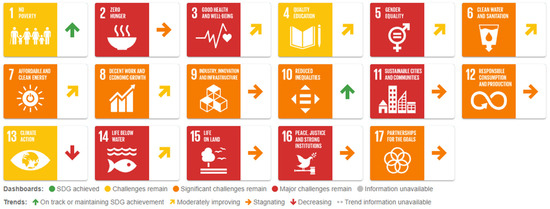
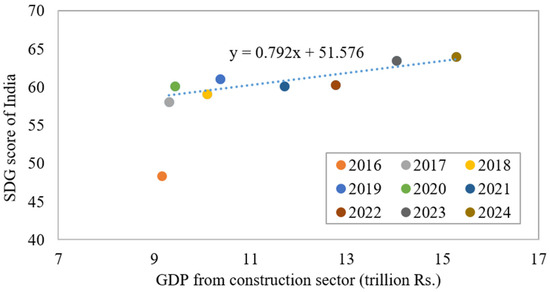
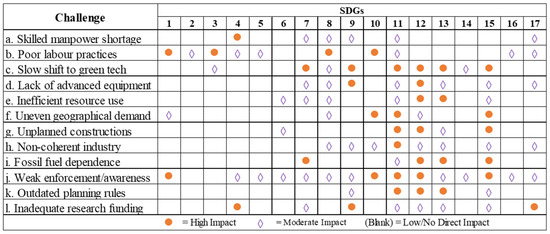
The Sustainable Development Goals (SDGs) are referred to as a roadmap to achieve a better and more sustainable future for all people and the planet as a whole by 2030. Attaining these goals requires a multifaceted approach that integrates social development, economic growth, and environmental protection. The construction industry plays a crucial role in all three areas. This paper provides an overview of the SDGs and outlines the specific ways in which the construction industry can contribute to achieving all 17 goals. The progress made by India in achieving the SDGs over time is examined by analyzing the SDG index, SDG dashboard, and trends. India is ranked 99th out of 167 in the SDG index in 2025. From this position, to achieve the SDGs within the timeframe, India has to make rapid progress and has to focus on multiple fronts, including its construction sector. Despite some progress in the right direction, the Indian construction industry still faces significant challenges in fully aligning with the SDGs. For instance, India’s green building footprint is around 954 million m2, compared to China’s 8.5 billion m2, despite comparable population sizes. Persistent challenges include the unavailability of sufficient skilled manpower, scarcity of advanced construction equipment, highly uneven demand across geographical regions, lack of enforcement, over-reliance on fossil fuels, gender inequality, and inadequate research funding, among others. This paper provides an in-depth examination of the obstacles hindering the efforts of the Indian construction sector to meet the SDGs and explores the necessary course corrections to address these challenges.
Full article

Figure 1
Open AccessReview
ISO 16000-8 and Ventilation Performance: A Critical Review
by
Sascha Nehr and Julia Hurraß
Standards 2026, 6(2), 16; https://doi.org/10.3390/standards6020016 - 20 Apr 2026
Abstract
Standard 16000-8 of the International Organization for Standardization (ISO 16000-8) specifies the assessment of ventilation performance using age-of-air concepts and tracer gas techniques. Since its publication in 2007, ventilation systems and assessment practices have evolved considerably, driven by increased use of mixed-mode and
[...] Read more.
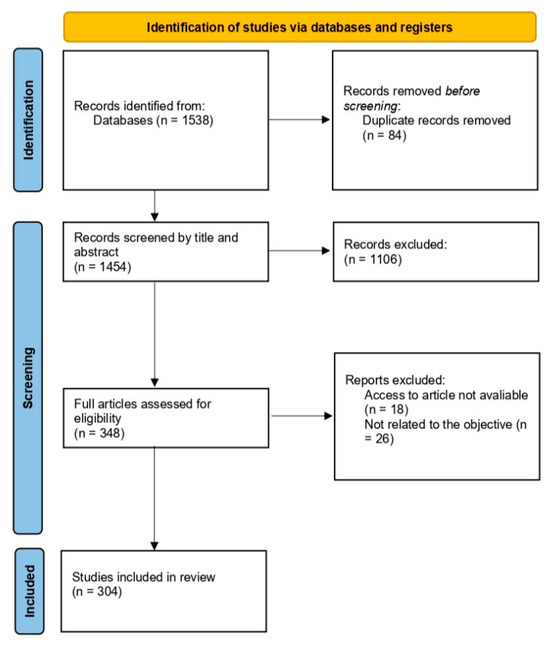
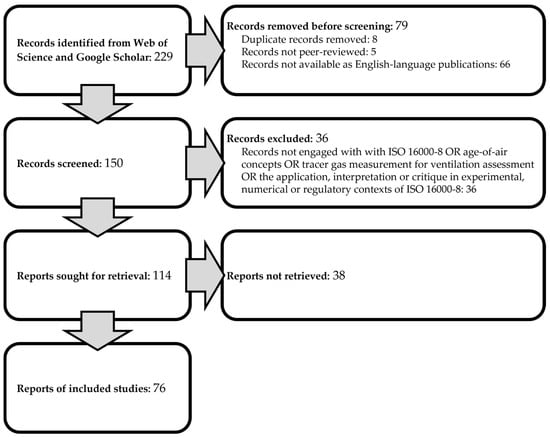
Standard 16000-8 of the International Organization for Standardization (ISO 16000-8) specifies the assessment of ventilation performance using age-of-air concepts and tracer gas techniques. Since its publication in 2007, ventilation systems and assessment practices have evolved considerably, driven by increased use of mixed-mode and decentralized ventilation and advances in modeling and measurement technologies. This review examines how ISO 16000-8 can be modernized to harmonize with adjacent ventilation and indoor air quality standards while remaining applicable to contemporary systems and emerging approaches. A structured literature search of Web of Science and Google Scholar identified 76 studies (2007–2026) that engage with ISO 16000-8, age-of-air metrics, or tracer gas-based assessment. The literature was synthesized qualitatively using the framework of Preferred Reporting Items for Systematic reviews and Meta-Analyses (PRISMA), classifying studies into performance assessment, measurement–simulation convergence, and standardization discourse. The synthesis shows that while the conceptual foundations of ISO 16000-8 remain valid, assumptions of homogeneous mixing and steady-state conditions are often violated in real buildings, leading to inconsistent application of age-of-air indicators. Field and laboratory studies under point-source conditions demonstrate reduced ventilation effectiveness of 0.73–0.82 in classrooms and 0.5–1.4 in various indoor environments, instead of ≈1 for perfect mixing. Spatial heterogeneity is also observed in mixed-mode systems, with an efficiency around 0.5. In decentralized and façade-integrated systems, air exchange effectiveness deviates from theoretical expectations, indicating inhomogeneous air renewal and short-circuiting. Field measurements show configuration-dependent discrepancies in air exchange rates (e.g., carbon dioxide vs. perfluorocarbon tracer methods under varying door positions), while wind induces time-varying infiltration. Collectively, the literature demonstrates systematic violations of well-mixed and steady-state assumptions underpinning ISO 16000-8. Fragmentation between ventilation performance standards and indoor air quality regulation limits practical uptake. Emerging experimental, numerical, and data-driven methods complement ISO 16000-8, provided applicability domains and uncertainties are addressed. The review concludes that ISO 16000-8 should be modernized toward a harmonized, performance-based framework integrating diverse ventilation systems and assessment technologies.
Full article
(This article belongs to the Section Building Standards)
►▼
Show Figures

Figure 1

Open AccessArticle
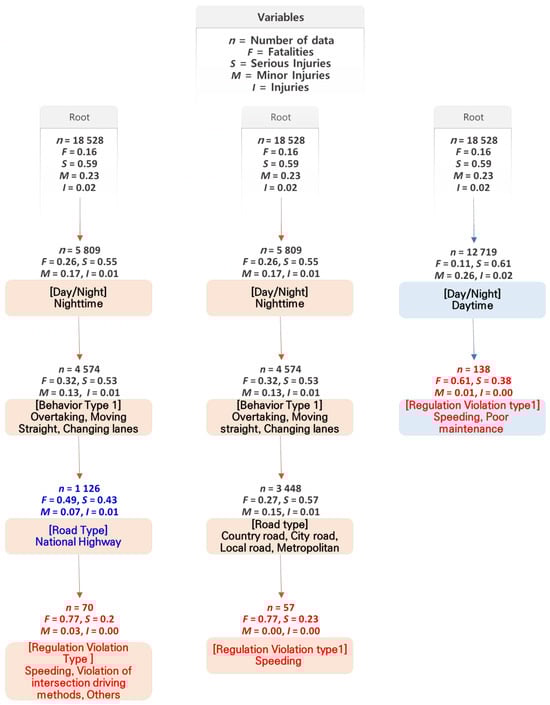
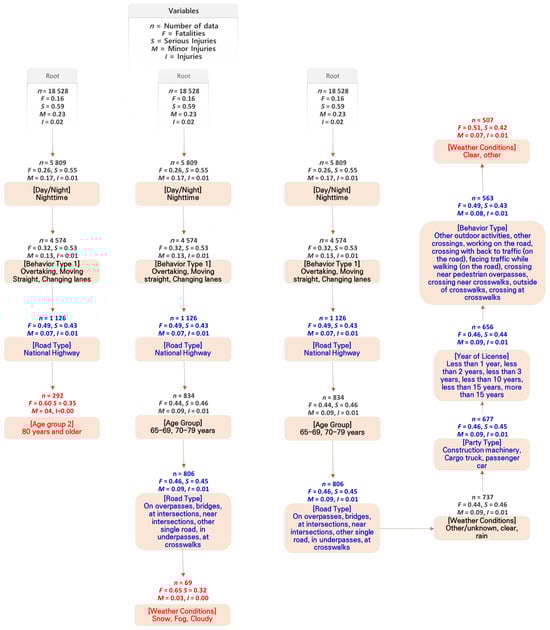
Combined Factors Influencing the Severity of Elderly-Pedestrian Crashes in Local Areas of Korea Using Classification and Regression Trees and Sensitivity Analysis
by
Dong-youn Lee and Ho-jun Yoo
Standards 2026, 6(2), 15; https://doi.org/10.3390/standards6020015 - 10 Apr 2026
Abstract
►▼
Show Figures
This study investigated injury severity in 18,528 police-reported vehicle-to-pedestrian crashes involving elderly pedestrians in legally classified local areas of South Korea during 2012–2021. Injury severity was coded into four ordered categories: fatal, serious, minor, and reported injury. To stabilize scenario extraction from a
[...] Read more.
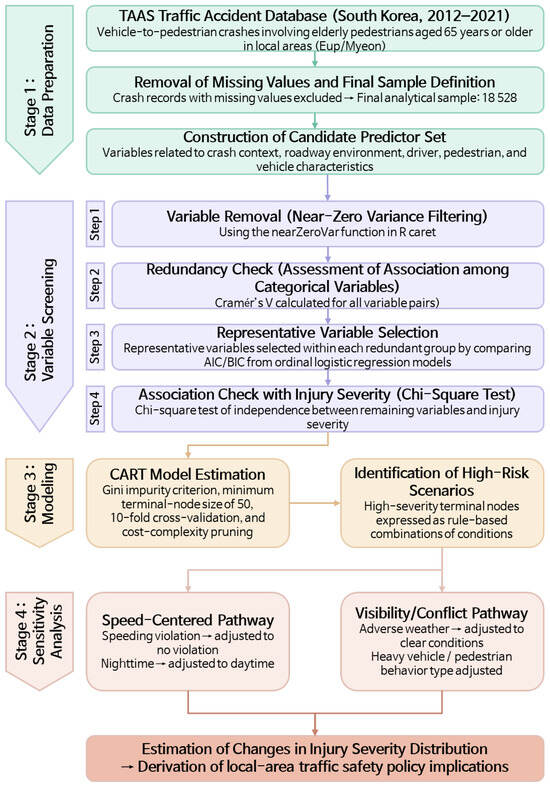
This study investigated injury severity in 18,528 police-reported vehicle-to-pedestrian crashes involving elderly pedestrians in legally classified local areas of South Korea during 2012–2021. Injury severity was coded into four ordered categories: fatal, serious, minor, and reported injury. To stabilize scenario extraction from a categorical crash database, an integrated screening workflow was applied, including near-zero-variance filtering, redundancy control among overlapping roadway encodings, representative-variable selection within redundant groups, and chi-square association checks. Classification and regression tree (CART) modeling was then used to identify rule-based combinations of environmental, roadway, driver, pedestrian, and vehicle factors associated with elevated severity, while tree complexity was controlled through cost-complexity pruning and 10-fold cross-validation. A scenario-based sensitivity analysis was further conducted to evaluate counterfactual shifts in severity distributions under targeted control of key conditions within representative high-risk scenarios. The results showed that severe outcomes were concentrated in stacked-risk combinations rather than in single factors alone. A dominant pathway involved nighttime conditions combined with maneuver-related driving contexts and speeding-related violations. High-fatality scenarios persisted even when speed-related predictors were excluded, underscoring the roles of nighttime exposure, visibility limitations, conflict-prone roadway settings, heavy-vehicle involvement, and pedestrian exposure behaviors. The proposed framework translates administrative crash records into concise, operationally interpretable scenarios and intervention-relevant evidence for local-area safety.
Full article

Figure 1
Open AccessPerspective
Post-Document Science: From Static Narratives to Intelligent Objects
by
Mehmet Fırat
Standards 2026, 6(2), 14; https://doi.org/10.3390/standards6020014 - 3 Apr 2026
Abstract
►▼
Show Figures
Scientific publishing is currently constrained by an unstructured narrative bottleneck paradigm, which increasingly diverges from the scale, complexity, and computational nature of modern research. Despite rapid advancements in data generation and analysis, scientific knowledge is predominantly disseminated as static narrative artifacts, thereby limiting
[...] Read more.
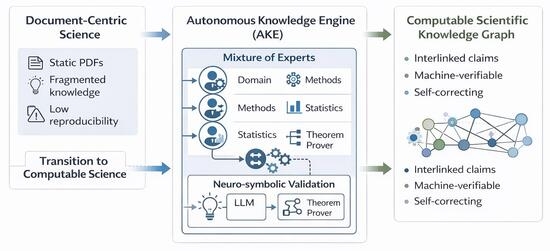
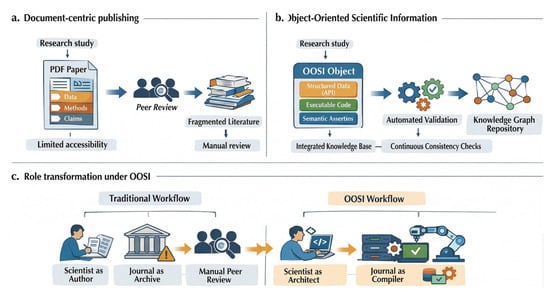
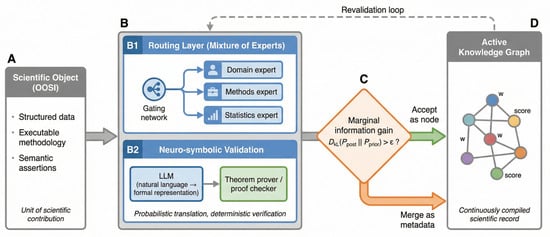
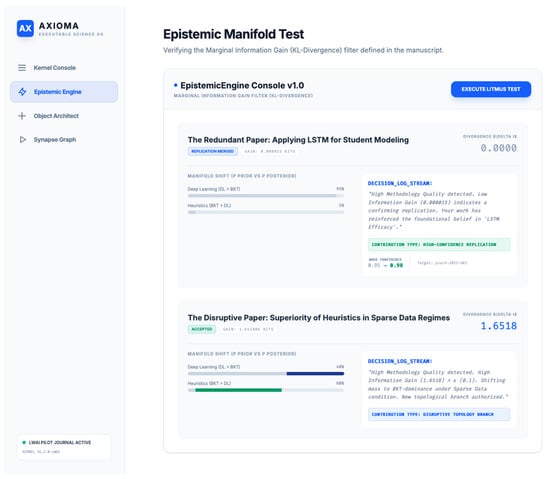
Scientific publishing is currently constrained by an unstructured narrative bottleneck paradigm, which increasingly diverges from the scale, complexity, and computational nature of modern research. Despite rapid advancements in data generation and analysis, scientific knowledge is predominantly disseminated as static narrative artifacts, thereby limiting reproducibility, machine accessibility, and cumulative integration. This study explores how scientific communication can be restructured to facilitate scalable validation and reliable knowledge accumulation. We propose the Object-Oriented Scientific Information paradigm, wherein scientific contributions are represented as executable, machine-interpretable objects that integrate structured data, reproducible methodologies, and formally encoded semantic claims. To operationalize this paradigm, we delineate the architecture of an Autonomous Knowledge Engine, a modular neuro-symbolic system that combines domain-specialized Mixture-of-Experts routing, formal verification of claims, and an information-theoretic filter based on marginal information gain. This architecture enables continuous validation, redundancy control, and the integration of scientific contributions within an active knowledge graph. The analysis demonstrates that Object-Oriented Scientific Information (OOSI) and Autonomous Knowledge Engine (AKE) fundamentally differ from existing document-based, executable, and semantic publishing models by shifting epistemic control from narrative evaluation to computational verification. We conclude that transitioning toward a computable scientific record is essential for sustaining reliable and self-correcting science in the context of accelerating knowledge production.
Full article

Graphical abstract
Open AccessTechnical Note
From Pipettes to p-Values: A Framework for Companion Statistical Reporting in Experimental Neuroscience
by
Maria Clara Salgado Ramos, Alex Oliveira da Câmara and Hercules Rezende Freitas
Standards 2026, 6(2), 13; https://doi.org/10.3390/standards6020013 - 1 Apr 2026
Cited by 1
Abstract
►▼
Show Figures
Statistical inference in experimental neuroscience is routinely detached from the experimental record: analytic choices are reported in prose summaries that do not expose the code, assumptions, or decision pathways that produced the results. This detachment limits reproducibility and impairs peer review. Here, we
[...] Read more.
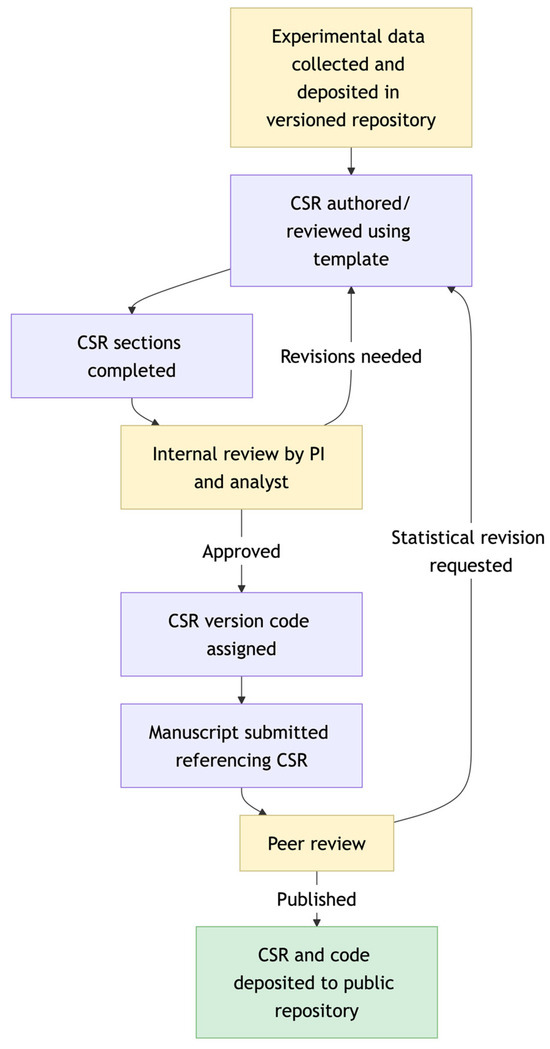
Statistical inference in experimental neuroscience is routinely detached from the experimental record: analytic choices are reported in prose summaries that do not expose the code, assumptions, or decision pathways that produced the results. This detachment limits reproducibility and impairs peer review. Here, we describe the Companion Statistical Report (CSR), a structured, versioned document format designed to accompany empirical neuroscience manuscripts as peer-reviewed as a peer-reviewed resource. The CSR integrates data provenance, preprocessing decisions, exploratory analyses, model specifications, assumption diagnostics, inference with effect sizes, and sensitivity analyses into a single executable document, authored in Quarto 1.8 and supporting both R and Python workflows. We provide an open template hosted at on GitHub that implements this format with institutional branding, parameterization, and version tracking. The template was developed by the Bertrand Russell Research Excellence Group (NEC) at the School of Medicine, Rio de Janeiro State University. By making analytic choices auditable and reproducible by design, CSRs are designed to reduce the gap between what neuroscience experiments measure and what published statistics claim, offering a tractable and immediately implementable step toward greater transparency.
Full article

Figure 1
Open AccessReview
Review of Integrated Lean Techniques and Ergonomic Analysis to Upgrade Troubleshooting Systems for Process Enhancement
by
Matshidiso Moso and Oludolapo Akanni Olanrewaju
Standards 2026, 6(2), 12; https://doi.org/10.3390/standards6020012 - 1 Apr 2026
Abstract
►▼
Show Figures
Occupational Health and Safety systems, as well as physical Ergonomics, serve a common goal, which is to eliminate safety-related injuries within production systems. The analysis of potential hazards that could compromise the safety of operations’ employees assists in preventing a high rate of
[...] Read more.
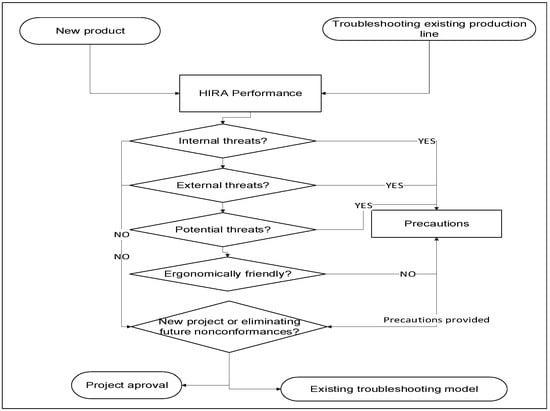
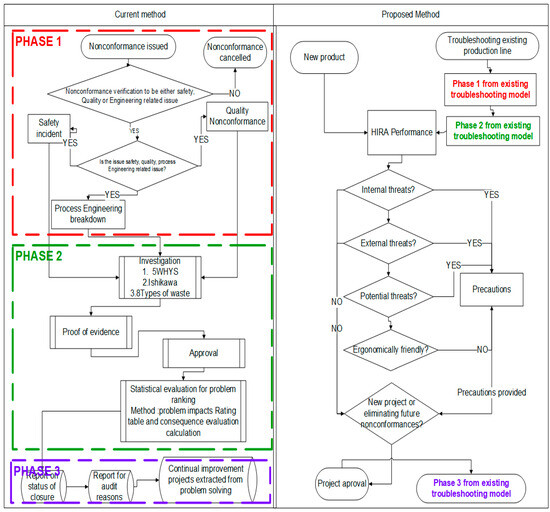
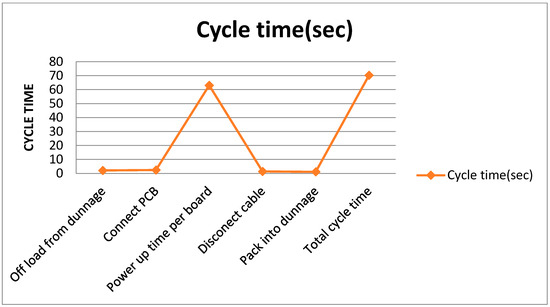
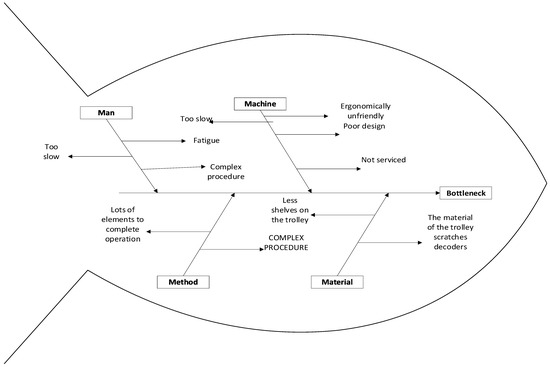
Occupational Health and Safety systems, as well as physical Ergonomics, serve a common goal, which is to eliminate safety-related injuries within production systems. The analysis of potential hazards that could compromise the safety of operations’ employees assists in preventing a high rate of safety-related injuries. Safer processes result in a high output rate and, hence, a profitable business. Focusing on the accuracy of problem solving and failure prediction analysis on new processes could potentially result in zero safety-related injuries, good-quality products, cost reduction, and the elimination of delays within the processes. This research seeks to add more knowledge to the fields of Occupational Health and Safety systems and Total Productive Maintenance by combining lean manufacturing troubleshooting models with Ergonomic analysis, as well as Hazard Identification Risk Analysis, to predict future kaizen projects for businesses. The proposed upgrade to the problem-solving model was developed by evaluating and reviewing the impact of Ergonomic analysis on different production systems. It was found that Ergonomic analysis provides solutions for a more comfortable working environment; hence, the existing troubleshooting model was combined with an Ergonomic exercise. The proposed model is more beneficial to production systems. It could potentially result in zero safety-related injuries, high-quality products, more accurate problem analysis, and more innovation by enabling kaizen projects. The proposed model was applied in the electronics industry, where it resulted in drastic improvements. The old method, which was causing fatigue, was eliminated, and a new machine was designed and prototyped. The new machine assisted the company in this case study in reducing delays, eliminating defects, and reducing costs. Furthermore, the proposed troubleshooting model evaluated an impactful kaizen project, which was the introduction of new technologies that will eliminate the power-up stage.
Full article

Figure 1
Open AccessArticle
Intelligence for Regional Development in Maranhão, Brazil: Insights from Logistics Process Management
by
Matheus Fernandes dos Santos Gomes, Antônio Pereira de Lucena Neto, Francircley Sampaio Nobre, Thiago Machado da Silva Acioly, Diego Carvalho Viana and Iracema Rocha Silva
Standards 2026, 6(2), 11; https://doi.org/10.3390/standards6020011 - 24 Mar 2026
Abstract
►▼
Show Figures
This study analyzes the implementation of Business Intelligence (BI) in logistics process management through a case study of a transportation company in Maranhão, Brazil. Using a qualitative documentary approach, the research examines operational data extracted from the company’s logistics management system and visualized
[...] Read more.
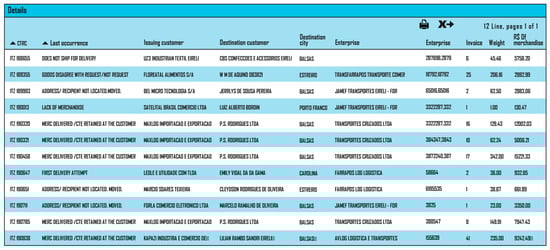
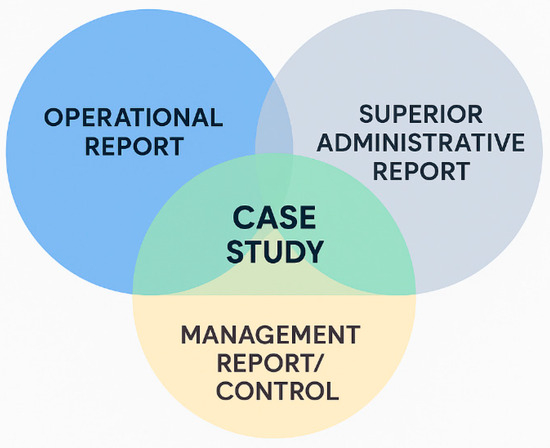
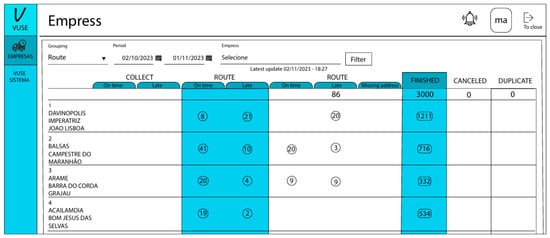
This study analyzes the implementation of Business Intelligence (BI) in logistics process management through a case study of a transportation company in Maranhão, Brazil. Using a qualitative documentary approach, the research examines operational data extracted from the company’s logistics management system and visualized through Microsoft Power BI dashboards. The results demonstrate that the BI implementation improved operational visibility by enabling real-time cargo monitoring, delivery deadline tracking, and route prioritization. These features enhanced managerial decision-making by allowing logistics managers to identify delays, monitor delivery status, and optimize route planning more efficiently. The dashboards also facilitated communication between departments by providing a centralized visualization of operational indicators. Although quantitative performance metrics prior to implementation were not available, qualitative evidence from system reports and managerial validation indicates significant improvements in logistics monitoring and decision support. Beyond organizational benefits, the study highlights how the adoption of digital analytics tools in logistics can contribute to greater operational resilience and supply chain efficiency in regional economic contexts. The findings provide practical insights into the role of business intelligence in supporting logistics management and improving operational coordination in emerging economies.
Full article

Figure 1
Open AccessReview
Citation Inaccuracies and the Need for Multi-Level Oversight in AI-Assisted Medical Writing
by
Vaikunthan Rajaratnam, Usama Farghaly Omar, Kristen Kee and Arun-Kumar Kaliya-Perumal
Standards 2026, 6(1), 10; https://doi.org/10.3390/standards6010010 - 20 Mar 2026
Abstract
Generative artificial intelligence (AI)-based large language models (LLMs) are increasingly being used in medical writing to improve efficiency and broaden access to knowledge. However, concerns have emerged regarding the accuracy of the citations they generate. This review discusses the issue of citation inaccuracies
[...] Read more.
Generative artificial intelligence (AI)-based large language models (LLMs) are increasingly being used in medical writing to improve efficiency and broaden access to knowledge. However, concerns have emerged regarding the accuracy of the citations they generate. This review discusses the issue of citation inaccuracies in AI-assisted medical writing and its implications for scientific reliability and accountability in academic medicine. Published literature describing citation errors in AI-generated content, particularly in medical and academic contexts, was examined to understand the nature and persistence of this problem and to consider potential safeguards. Reports consistently describe citation inaccuracies, including fabricated references, incorrect bibliographic details, and incomplete source information such as missing authors, journal titles, publication years, or digital object identifiers. Although these tools continue to evolve, such errors remain reported and highlight limitations in their reliability. While LLMs offer clear benefits in supporting medical writing, their outputs require careful verification. As developers continue to address these challenges, responsible use will depend on continued human oversight, improved transparency, greater user awareness, and institutional and policy-level guidance to ensure accurate and trustworthy use of generative AI in medical writing.
Full article
Open AccessReview
Assessment and Standards in Hygienic Design of Food Equipment: A Comprehensive Cross-Industry Review
by
Ivana Pejanovic, Ilija Djekic, Nemanja Kljajevic and Nada Smigic
Standards 2026, 6(1), 9; https://doi.org/10.3390/standards6010009 - 3 Mar 2026
Cited by 2
Abstract
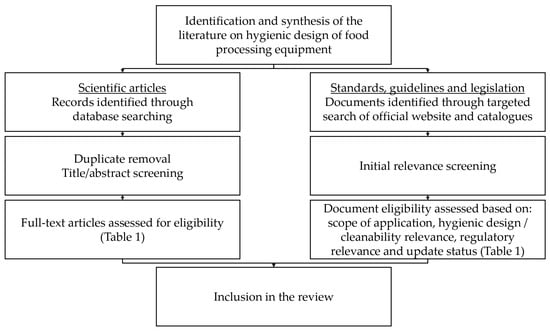
Hygienic design of food processing equipment is essential for maintaining food safety by minimizing contamination risks and ensuring that equipment can be cleaned and sanitized effectively. This comprehensive cross-industry review summarizes currently available standards and guidelines for the hygienic design of food processing
[...] Read more.
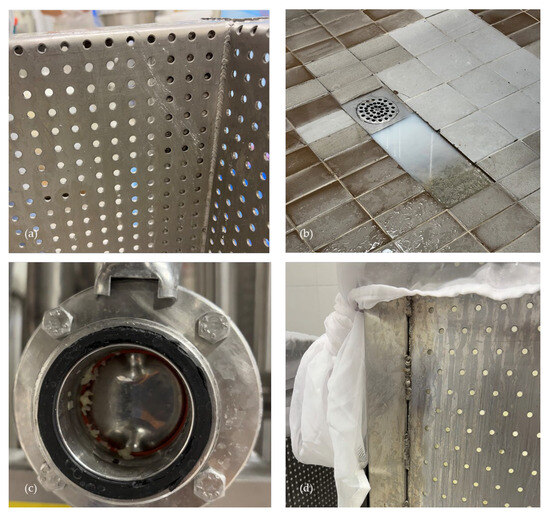
Hygienic design of food processing equipment is essential for maintaining food safety by minimizing contamination risks and ensuring that equipment can be cleaned and sanitized effectively. This comprehensive cross-industry review summarizes currently available standards and guidelines for the hygienic design of food processing equipment and discusses how their qualitative requirements can be translated into practical assessment tools, such as checklists or risk-based approaches to prioritize nonconformities. Differences between wet and low-moisture operations, as well as the particular challenges of packaging and end-of-line equipment, are summarized to illustrate that practical implementation of hygienic design principles must be adapted to sector-specific hazards, processing conditions and cleaning strategies. Outbreaks and product recalls linked to equipment that is difficult to clean or poorly designed are included to show how design limitations can contribute to persistent contamination and food safety incidents.
Full article
(This article belongs to the Special Issue Assessment and Standards in Equipment Hygienic Design Related to Food Safety)
►▼
Show Figures

Figure 1

Open AccessReview
Standards on Corporate and Public Sustainability Reporting
by
Peter Glavič
Standards 2026, 6(1), 8; https://doi.org/10.3390/standards6010008 - 13 Feb 2026
Abstract
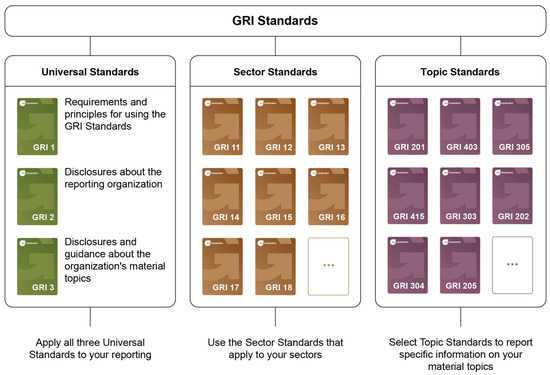
Sustainable development, with its three pillars (environmental, social, and governance, ESG), is crucial for human well-being. Climate change is occurring faster than expected. In 2015, 193 countries signed the United Nations’ Agenda 2030, which must be achieved by 2030 along with the 17
[...] Read more.
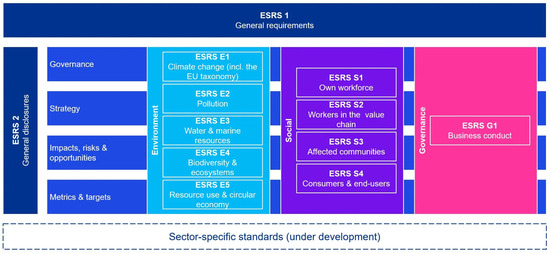
Sustainable development, with its three pillars (environmental, social, and governance, ESG), is crucial for human well-being. Climate change is occurring faster than expected. In 2015, 193 countries signed the United Nations’ Agenda 2030, which must be achieved by 2030 along with the 17 Sustainable Development Goals. In the PDCA (Plan, Do, Check, Act) cycle, the Check phase is crucial—sustainability reporting (SR) is essential. This article provides an overview of existing SR standards (SRSs) and their future development but does not conduct a systematic review of the relevant scientific literature on the application of SRSs. The information review methodology shows that SRSs are already well-developed in large companies. The different standards are described, including voluntary ISO (International Organization for Standardization) standards, the Global Reporting Initiative (GRI) standards, the mandatory European Sustainability Reporting Standards (ESRS), and the International Financial Reporting Standards (IFRS). National SRSs are often aligned with the IFRS Sustainability Disclosure Standards. Besides the corporate SRSs, public SRSs covering governmental and non-governmental institutions, universities, and associations are described. Public SRSs should be adapted to the needs of public institutions. Finally, the SRSs for individuals and communities is discussed to cover these important parts of humanity. The social and governance sustainability reports could be extended with annual personal or community Carbon or Ecological Footprint reports.
Full article
(This article belongs to the Special Issue Sustainable Development Standards)
►▼
Show Figures

Figure 1

Highly Accessed Articles
Latest Books
E-Mail Alert
News
Topics
Topic in
GeoHazards, Geosciences, Geotechnics, Remote Sensing, Sensors, Standards
Advanced Risk Assessment in Geotechnical Engineering
Topic Editors: Meho-Saša Kovačević, Vassilis MarinosDeadline: 25 July 2026
Topic in
Remote Sensing, Atmosphere, Processes, Toxics, Standards
Formation Mechanisms and Multi-Scale Control Strategies for Atmospheric Composite Pollution
Topic Editors: Guoliang Shi, Jie GaoDeadline: 31 October 2026
Topic in
AI, Inventions, MTI, Robotics, Sci, Sensors, Standards, Technologies
Toward Trustworthy Human-AI Collaboration: From Interactive Intelligence to Collaborative Autonomy
Topic Editors: George Margetis, Helmut Degen, Stavroula NtoaDeadline: 30 November 2026
Topic in
Agriculture, Businesses, Processes, Standards, Sustainability
Determinants and Methods of Quality Management in Agriculture and Food Processing
Topic Editors: Barbara Sawicka, Barbara Krochmal-Marczak, Piotr Barbaś, Dominika SkibaDeadline: 31 December 2026
Special Issues
Special Issue in
Standards
Sustainability Reporting Standards for the Public Sector
Guest Editor: Peter GlavičDeadline: 31 August 2026
Special Issue in
Standards
Assessment and Standards in Equipment Hygienic Design Related to Food Safety
Guest Editors: Ilija Djekic, Nada SmigicDeadline: 31 October 2026