




-
Academic Use of Generative Artificial Intelligence Among Adolescents and University Students: Associations with Self-Esteem, Self-Efficacy, and Academic Confidence and Anxiety -
Systems-Level Interventions to Disrupt Structural Racism and Improve Black Adolescent Health Outcomes: A Scoping Review -
Stigma Power and the Specificity of Sex Work: An Intersectional Analysis -
Platform-Mediated Identity in Digital Societies: A Quantitative Analysis of Gendered Professional and Personal Expression Among Health Opinion Leaders
Journal Description
Societies
Societies
is an international, peer-reviewed, open access journal on sociology, published monthly online by MDPI. The International Lab for Innovative Cultural and Social Research, University of Salerno (ILIS) is affiliated with Societies and its members receive a discount on the article processing charges.
- Open Access — free for readers, with article processing charges (APC) paid by authors or their institutions.
- High Visibility: indexed within Scopus, ESCI (Web of Science), RePEc, EconBiz, and other databases.
- Journal Rank: JCR - Q2 (Sociology) / CiteScore - Q1 (General Social Sciences)
- Rapid Publication: manuscripts are peer-reviewed and a first decision is provided to authors approximately 29.7 days after submission; acceptance to publication is undertaken in 4.5 days (median values for papers published in this journal in the first half of 2026).
- Recognition of Reviewers: reviewers who provide timely, thorough peer-review reports receive vouchers entitling them to a discount on the APC of their next publication in any MDPI journal, in appreciation of the work done.
- MDPI’s Journal Cluster of Social Studies: Challenges-Journal of Planetary Health, Disabilities, Genealogy, Laws, Sexes, Social Sciences and Societies.
Impact Factor:
2.2 (2025);
5-Year Impact Factor:
2.3 (2025)
Latest Articles
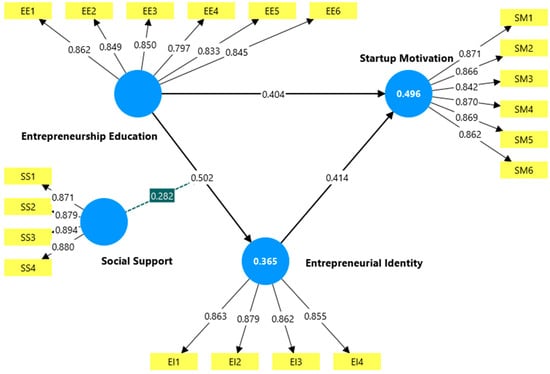
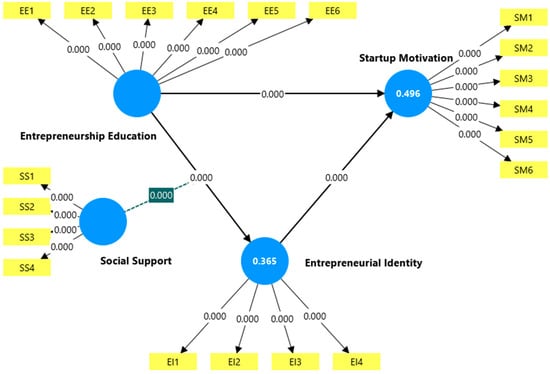
How Entrepreneurship Education Shapes Startup Motivation Among University Female Students: The Conditional Indirect Role of Entrepreneurial Identity and Social Support
Societies 2026, 16(7), 220; https://doi.org/10.3390/soc16070220 - 14 Jul 2026
Abstract
Entrepreneurship education is a key driver of entrepreneurial activity. This study empirically examines the mixed evidence regarding how entrepreneurship education experiences motivate start-up intentions among female university students through the lenses of identity theory and the social support perspective. Specifically, it investigates whether
[...] Read more.
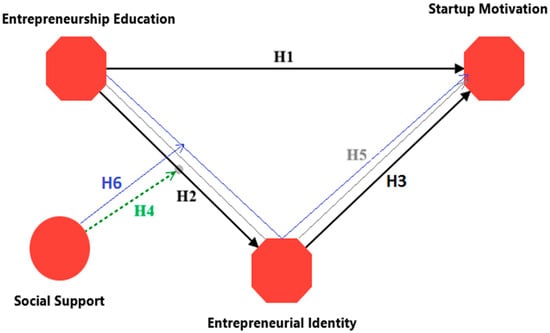
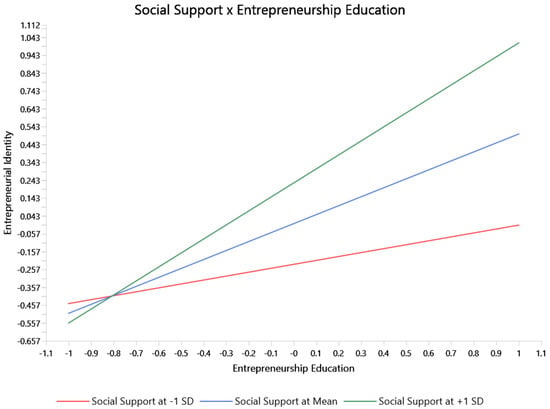
Entrepreneurship education is a key driver of entrepreneurial activity. This study empirically examines the mixed evidence regarding how entrepreneurship education experiences motivate start-up intentions among female university students through the lenses of identity theory and the social support perspective. Specifically, it investigates whether entrepreneurial identity mediates the relationship between perceived entrepreneurship education experience and start-up motivation. Survey data were collected from 412 female students enrolled at public universities in Saudi Arabia. The findings revealed that a large proportion of participants had received some form of entrepreneurship-related instruction. The results further demonstrate that entrepreneurship education positively influences start-up motivation both directly and indirectly by fostering entrepreneurial identity (EI). Moreover, social support strengthens the relationship between entrepreneurship education and entrepreneurial identity, resulting in a significant conditional indirect effect on start-up motivation. These findings suggest that entrepreneurship education is most effective when it cultivates entrepreneurial identity within supportive social environments, thereby enhancing female students’ motivation to pursue entrepreneurial ventures. Understanding these relationships is particularly important for female university students, who often encounter greater social, institutional, and resource-related barriers to entrepreneurial participation and venture creation.
Full article
(This article belongs to the Special Issue The Employability and Entrepreneurship in Higher Education)
►
Show Figures
Open AccessFeature PaperArticle
Violence as a Tool Within Criminal Enterprises of Trafficking of Women for Sexual Exploitation
by
Georgi Petrunov
Societies 2026, 16(7), 219; https://doi.org/10.3390/soc16070219 - 14 Jul 2026
Abstract
This article examines violence as a tool used within criminal enterprises of trafficking of women for sexual exploitation. Its use is not seen as an isolated or incidental phenomenon but is placed in the broader context of women’s vulnerability to violence linked to
[...] Read more.
This article examines violence as a tool used within criminal enterprises of trafficking of women for sexual exploitation. Its use is not seen as an isolated or incidental phenomenon but is placed in the broader context of women’s vulnerability to violence linked to structural inequalities, socio-economic marginalization, and persistent culture norms. In this context, criminal enterprises involved in human trafficking exploit both individual vulnerability and broader socio-economic conditions, institutional dysfunctions, and specific cultural norms. In this article, data obtained from court decisions are combined with findings from a separate field study that employs qualitative and quantitative data collection methods. Viewed through the prism of enterprise theory, it is shown that violence against women within this criminal activity has a functional role and serves an economic purpose. The findings reveal that various techniques of coercion and submission are used as control mechanisms to maintain victims’ compliance, reduce the risk of business interruption, and ensure the profitability of criminal enterprises. Additionally, parallels between the coercive techniques employed by traffickers and the methods used in general violence against women were identified. In conclusion, the article highlights the need for multidisciplinary responses that integrate criminal justice measures, victim protection, social support, and policies aimed at reducing structural inequalities. It underscores the importance of future research on the relationship between violence against women and vulnerability to coercive control and exploitation.
Full article
Open AccessArticle
Socioeconomic Factors Associated with Anticipated Social Connectedness Under Dementia: Evidence from Japan
by
Yoshihiko Kadoya, Yu Kuramoto and Koji Kasanuki
Societies 2026, 16(7), 218; https://doi.org/10.3390/soc16070218 - 13 Jul 2026
Abstract
Dementia is associated not only with clinical and caregiving challenges but also with concerns about future social connectedness, social participation, and resilience. This study examines anticipated social connectedness under dementia, defined as respondents’ self-assessed confidence that they could remain connected to society if
[...] Read more.
Dementia is associated not only with clinical and caregiving challenges but also with concerns about future social connectedness, social participation, and resilience. This study examines anticipated social connectedness under dementia, defined as respondents’ self-assessed confidence that they could remain connected to society if they were to develop dementia in the future, and its association with demographic, socioeconomic, and psychological characteristics in Japan. Using data from the 2026 wave of the Survey on Life and Money conducted among Rakuten Securities account holders, we analyze 20,352 respondents aged 18 to 86. Ordered probit models are used as the main specification, with a binary specification employed as a robustness check. The results show that unemployment is negatively associated with anticipated social connectedness under dementia, whereas household income is positively associated with it across several specifications. Family-related variables, including marital status and number of children, also show positive associations in some models, although their relevance differs across gender and age groups. The associations for household financial assets and myopic views of the future are less stable. These findings suggest that anticipated social resilience under dementia may be socially patterned and related to broader socioeconomic circumstances. However, because the analysis is based on cross-sectional survey data from securities account holders and the dependent variable captures self-assessed confidence rather than realized social connectedness among people living with dementia, the results should be interpreted as associations rather than causal effects and should not be generalized mechanically to the broader population.
Full article
Open AccessArticle
Narrative Reconfiguration Across Contexts: A Comparative Analytic Autoethnographic Study of Self-Authored and Media-Mediated Disability Narratives
by
Yuji Kaneko
Societies 2026, 16(7), 217; https://doi.org/10.3390/soc16070217 - 13 Jul 2026
Abstract
This study examines how the same disability-related experiences are narratively reconfigured across different communicative contexts. Narratives of illness and disability are often understood as expressions of personal experience, yet less attention has been paid to how such experiences are reorganized when they move
[...] Read more.
This study examines how the same disability-related experiences are narratively reconfigured across different communicative contexts. Narratives of illness and disability are often understood as expressions of personal experience, yet less attention has been paid to how such experiences are reorganized when they move across self-authored and media-mediated forms of narration. Using a comparative analytic autoethnographic narrative analysis, this article analyzes six self-authored blog posts and one television segment that refer to the same set of experiences. The findings show that the narratives are systematically reconfigured through clarification, simplification, linearization, structural silence, and the structuring of support relations. These transformations do not indicate discrepancies in the underlying experience; rather, they reveal how disability experience is made communicable under different social, institutional, and media conditions. The study argues that narratability is not simply inherent in experience itself but is shaped by the contexts in which experience is selected, organized, and presented. It also shows that certain aspects of disability experience may remain partially non-narratable when narratives are adapted to more publicly intelligible forms.
Full article
(This article belongs to the Section Disabled People/People with Disabilities (Non-Medical Coverage))
Open AccessArticle
Social Media Use, Health Behavior and Body Appreciation Among Romanian University Students
by
Șerban-Laurențiu Panciuc, Iustina-Gabriela Mihăianu, Lucia Cintia Colibaba and Magdalena Iorga
Societies 2026, 16(7), 216; https://doi.org/10.3390/soc16070216 - 10 Jul 2026
Abstract
Background: In contemporary society, marked by rapid transformations in the sphere of communication and social interaction, social networks have gone beyond the role of simple communication platforms, becoming places where identities are formed, cultural norms are negotiated and self-perceptions are shaped. This reality
[...] Read more.
Background: In contemporary society, marked by rapid transformations in the sphere of communication and social interaction, social networks have gone beyond the role of simple communication platforms, becoming places where identities are formed, cultural norms are negotiated and self-perceptions are shaped. This reality has generated a growing interest in studying the relationship between the digital environment and health behaviors, especially among young people, a social category extremely receptive to visual and normative influences promoted online. Methods: A cross-sectional study was conducted among students enrolled in different kinds of faculties and specialties. An online questionnaire was distributed to gather socio-demographic, academic and medical data along with lifestyle and health-related behaviors. Several psychometric instruments were used: Health Behaviour Scale (HBS) to measure various dimensions of health-related actions, Bergen Social Media Addiction Scale (BSMAS) to screen for addictive or problematic social media use, Social Media Disorder Scale (SMDS) to measure the problematic social media use among adolescents, Body Appreciation Scale–2 (BAS-2) to evaluate measure of one’s acceptance, favorable opinions and respect of their own body, and Dutch Eating Behavior Questionnaire (DEBQ) to identify the psychological motives behind overeating. Results: More than 70% of students declared that they had their first smartphone before the age of 12 and 65% of students had screentime higher than 3 h per day during the weekdays, with a small increase during the weekends. Women scored higher than men in emotional eating (food consumption in response to negative emotions), and external eating (response to food stimuli in the environment, independent of hunger). Respondents from rural areas showed a significantly lower level of respect and acceptance of their own body and higher risk for Social Media Disorder compared to participants from urban areas. Important statistical correlation has been identified among the variables of the research. Social media addiction was associated with higher emotional eating both directly and indirectly, via lower body appreciation. The analysis also indicated that it does not show a direct relationship with restrictive eating behaviors; rather, its association with restrained eating is fully mediated by the individual’s body appreciation. Conclusions: The use of social platforms is a challenging process, with a great impact on psychological and emotional balance of young people. Even if the study identified a normative use among young people with a high education level, the risks factors should be taken into consideration when dealing with screentime, psychological and mental health and the risk for addiction.
Full article
(This article belongs to the Special Issue From Clicks to Change: Electronic Health Literacy, Electronic Word-of-Mouth, and Sustainability)
Open AccessReview
Navigating Healthcare Excellence: Organizational Models, Human Capital, and the Power of Transversal Competencies
by
Raimondo Leone, Angelo Rosa, Walter Ricciardi and Maria Rosaria Gualano
Societies 2026, 16(7), 215; https://doi.org/10.3390/soc16070215 - 10 Jul 2026
Abstract
►▼
Show Figures
Background/Objectives: Contemporary healthcare systems face compound challenges (including technological acceleration, demographic aging, rising chronic disease burden, and growing patient expectations) that demand models that are simultaneously efficient, high-quality, and person-centered. Despite a substantial body of research addressing organizational design, human capital management, and
[...] Read more.
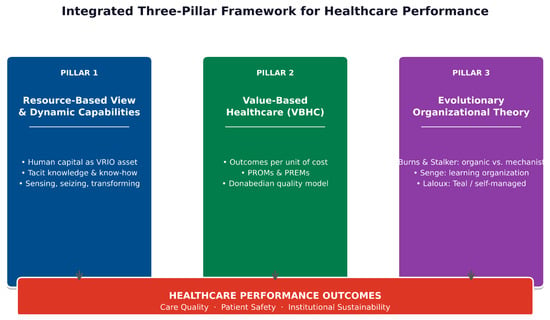
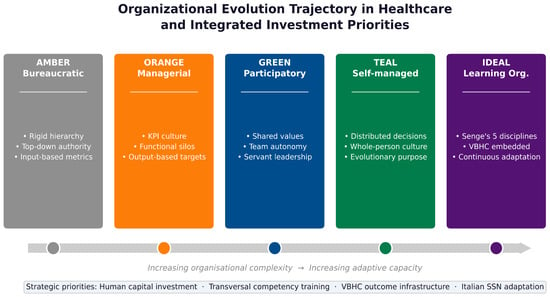
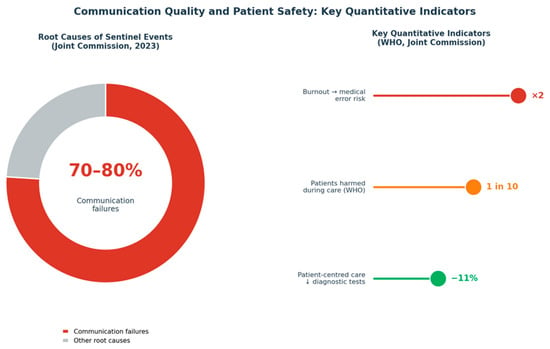
Background/Objectives: Contemporary healthcare systems face compound challenges (including technological acceleration, demographic aging, rising chronic disease burden, and growing patient expectations) that demand models that are simultaneously efficient, high-quality, and person-centered. Despite a substantial body of research addressing organizational design, human capital management, and clinical competencies, these dimensions have largely been theorized in isolation. This study aims to construct and justify an integrated theoretical framework explaining how organizational models, human capital, and transversal competencies may jointly shape care quality, patient safety, and institutional sustainability in healthcare organizations. Methods: A narrative literature review was conducted, integrating contributions from business economics, healthcare management, organizational psychology, and nursing sciences. This design was selected for its suitability in synthesizing heterogeneous, multidisciplinary knowledge into a coherent conceptual framework, a purpose for which systematic meta-analytic approaches are not appropriate. Sources encompassed 79 references: peer-reviewed journals (PubMed, JSTOR, Google Scholar), institutional reports (WHO, OECD, European Commission, Joint Commission), normative standards (ISO 30414:2018), and Italian regulatory frameworks, spanning foundational twentieth-century contributions through the most recent literature (2025). Results: Four principal findings emerged: (1) healthcare organizations are evolving from rigid hierarchical structures toward flexible, value-based configurations, with the Value-Based Healthcare (VBHC) paradigm redirecting institutional attention from service volume to patient-meaningful outcomes per unit of cost; (2) transversal competencies (communication, empathy, emotional intelligence, teamwork, and transformational leadership) are closely associated with care quality and patient safety, with 70–80% of sentinel events associated with communication failures; (3) human capital, encompassing technical expertise and relational capacity, constitutes the primary lever of competitive advantage in healthcare institutions; and (4) the trajectory from pyramidal toward participatory and self-managed models is supported by international evidence, including the Buurtzorg experience in the Netherlands. Conclusions: The integrated three-pillar framework (combining resource-based theory and dynamic capabilities, Value-Based Healthcare, and evolutionary organizational theory) provides a theoretically grounded basis for understanding how organizational structure, human capital, and transversal competencies are jointly associated with clinical performance. Healthcare institutions should systematically integrate soft-skills training into professional education and invest in participatory organizational structures. Health policy should revise financing mechanisms to incentivize patient-meaningful outcomes over service volumes and support the broader transition toward Value-Based Healthcare models. The Italian SSN is discussed as an illustrative national context rather than as the primary empirical focus of the review.
Full article

Figure 1
Open AccessReview
Migration Health and the Foucauldian Framework: A Scoping Review
by
Pelagia Soultatou, Theodoros Fouskas, Apostolos Veizis, Agis Terzidis, George Pleios and Charalampos Economou
Societies 2026, 16(7), 214; https://doi.org/10.3390/soc16070214 - 9 Jul 2026
Abstract
►▼
Show Figures
The governance of migrant and refugee health is increasingly shaped by political rationalities of risk, belonging, and control, yet critical analyses using Foucauldian notions remain fragmented across disciplines. This scoping review systematically maps how health interventions, services, and policies directed at migrant and
[...] Read more.
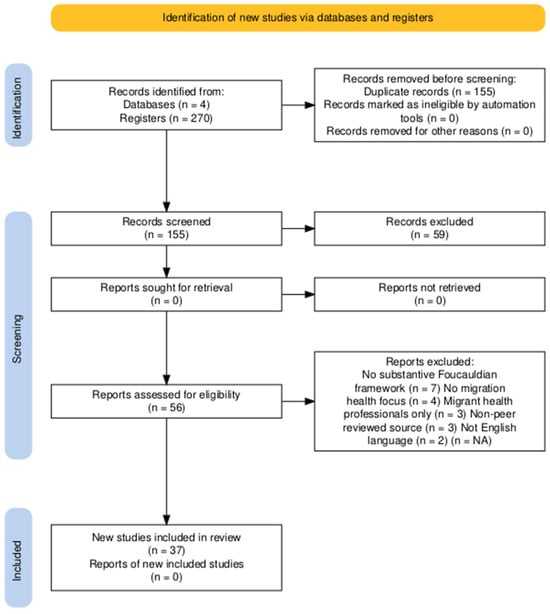
The governance of migrant and refugee health is increasingly shaped by political rationalities of risk, belonging, and control, yet critical analyses using Foucauldian notions remain fragmented across disciplines. This scoping review systematically maps how health interventions, services, and policies directed at migrant and refugee populations have been examined through the Foucauldian framework. Following PRISMA-ScR guidelines, MEDLINE (PubMed), Scopus, CINAHL (EBSCO), and APA PsycINFO were searched, identifying 270 records. After deduplication, 115 unique records were screened, and 56 full-text articles were assessed for eligibility. Thirty-seven studies (n = 37) met the inclusion criteria, spanning multiple countries across five continents and employing qualitative research methods. Thematic synthesis revealed four dominant analytic categories: (a) migration health as biopolitical strategy in neoliberal contexts; (b) health literacy as a technology of governmentality; (c) disciplinary and surveillance practices in migration health settings; and (d) resistance, counter-conduct, and emancipatory health practices. Findings indicate that while biopolitical and governmentality analyses predominate, later Foucauldian concepts—particularly care of the self and counter-conduct—remain underutilized. Health literacy is rarely theorized explicitly as governance, despite its frequent implicit deployment as a normalizing technology. This review advances theoretical application in migration health, identifies critical gaps in the literature, and offers a foundation for rethinking policies, professional practice, and advocacy with migrant populations.
Full article

Figure 1
Open AccessSystematic Review
Navigating Employee Well-Being in the Age of Digital Transformation: A PRISMA-Based Systematic Review
by
Sharmila Rani Moganadas, Gerald Guan Gan Goh, Chew Sze Cheah and Guruh Fajar Shidik
Societies 2026, 16(7), 213; https://doi.org/10.3390/soc16070213 - 8 Jul 2026
Abstract
Digital transformation constantly changes the work practices and employee experiences of contemporary work environments. Studies have documented the adverse impact of cutting-edge technologies, such as artificial intelligence, algorithmic systems, and digital platforms on employees’ well-being. However, such findings remain fragmented across technologies, disciplines,
[...] Read more.
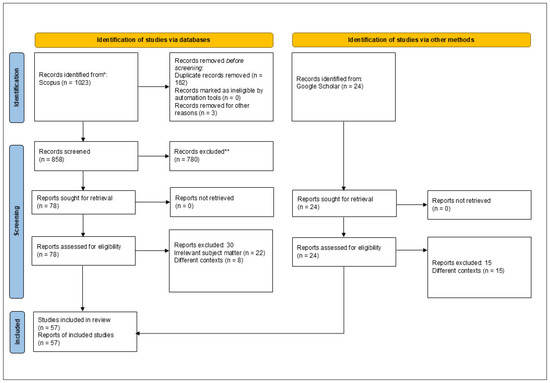
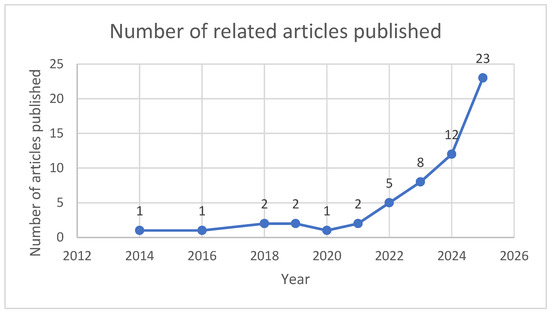
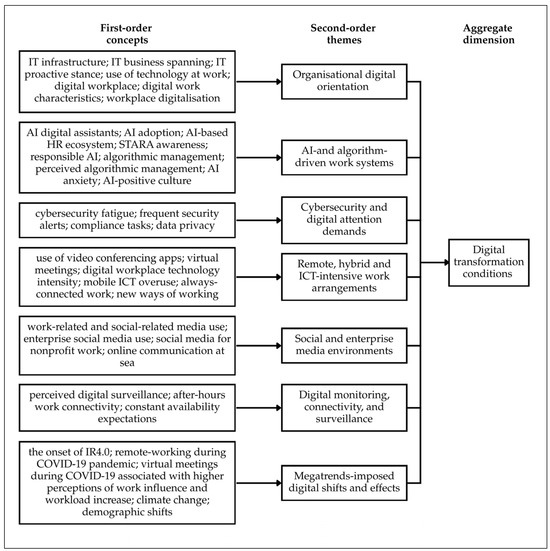
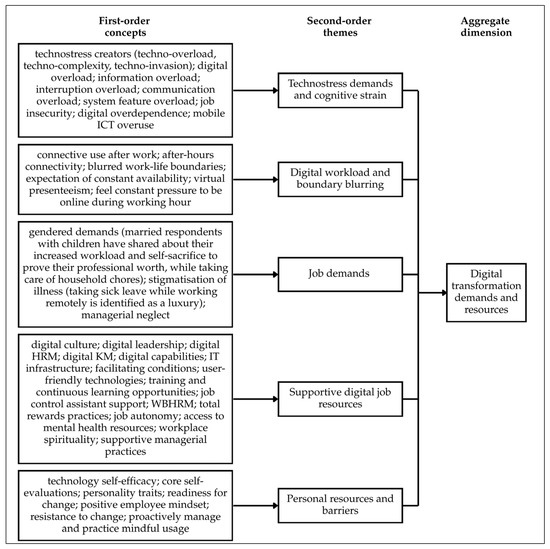
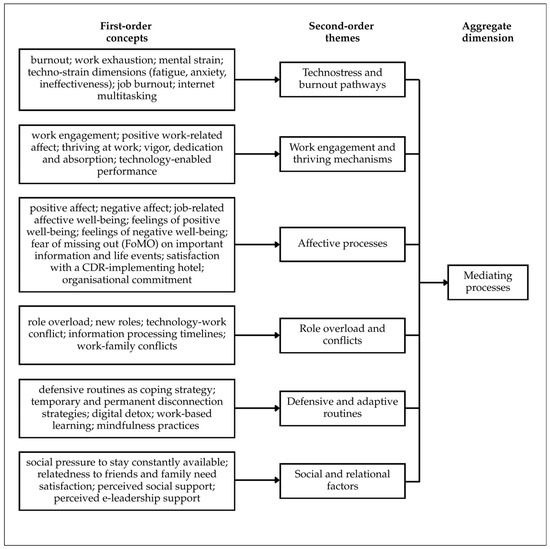
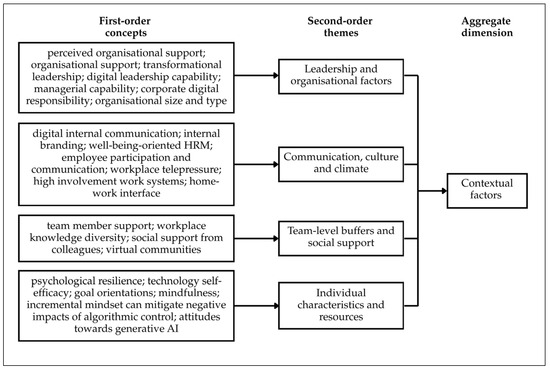
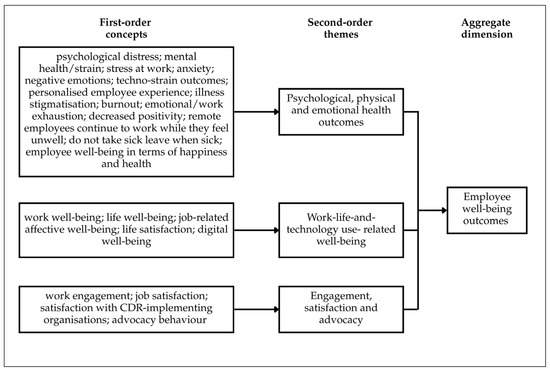
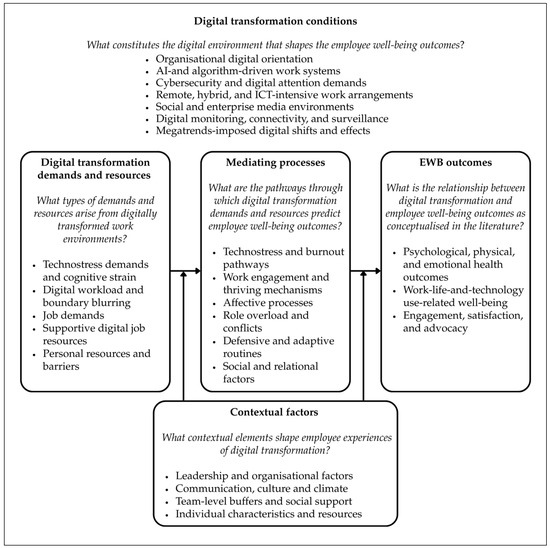
Digital transformation constantly changes the work practices and employee experiences of contemporary work environments. Studies have documented the adverse impact of cutting-edge technologies, such as artificial intelligence, algorithmic systems, and digital platforms on employees’ well-being. However, such findings remain fragmented across technologies, disciplines, and well-being constructs, limiting a coherent understanding of how digitally transformed work conditions affect employees. This study systematically reviews the literature on digital transformation and employee well-being to clarify the conditions, mechanisms, and outcomes that are most consistently identified in prior research. Using the Preferred Reporting Items for Systematic Review and Meta-Analyses (PRISMA) method, this study identified, screened, and selected 57 peer-reviewed articles (2014–2025) on digital transformation and employee well-being. The Gioia inductive analytical approach was used to synthesise the reviewed studies and to develop higher-order conceptual dimensions. Five interrelated aggregate dimensions were identified: digital transformation conditions, digital resources and demands, mediating processes, contextual factors, and employee well-being outcomes. The findings indicate that employee well-being depends significantly on how digitally intensified demands and available resources are configured, interpreted, and mediated within specific organisational contexts. This review highlights the need for more temporally sensitive, context-specific, and resource-oriented research, and proposes an integrative framework to guide future research and support the design of healthier and sustainable digital workplaces.
Full article
(This article belongs to the Topic Careers in the 21st Century: Addressing Vulnerability, Promoting Inclusion, and Advancing Sustainability and Well-Being)
►▼
Show Figures

Figure 1
Open AccessArticle
Factors Influencing the Occupational Identity of Young We-Media Bloggers: A Qualitative Study
by
Ke Cheng and Kunlin Du
Societies 2026, 16(7), 212; https://doi.org/10.3390/soc16070212 - 8 Jul 2026
Abstract
►▼
Show Figures
With the expansion of the digital economy, platform-based content creation has become a common route through which young people participate in flexible employment. However, the occupational identity of young we-media bloggers remains unstable because platform work combines low entry barriers, ambiguous labour relations,
[...] Read more.
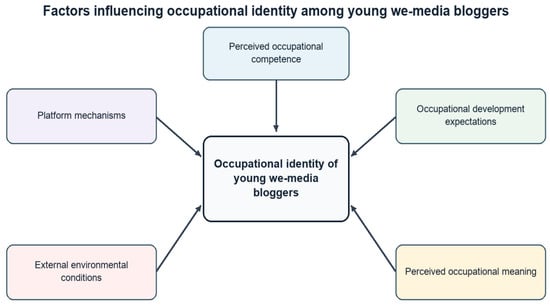
With the expansion of the digital economy, platform-based content creation has become a common route through which young people participate in flexible employment. However, the occupational identity of young we-media bloggers remains unstable because platform work combines low entry barriers, ambiguous labour relations, algorithmic governance and uncertain income. This qualitative study examines factors shaping occupational identity among young we-media bloggers in Hangzhou and Shaoxing, China. Data were collected through participatory observation and semi-structured interviews with 20 bloggers active on Xiaohongshu, TikTok and Bilibili. Fifteen interviews were used for open, axial and selective coding, and five additional interviews were used to assess theoretical saturation. The analysis identifies five key factors: perceived occupational competence, occupational development expectations, perceived occupational meaning, external environmental conditions and platform mechanisms. These factors operate through the interaction of internal cognition and external conditions: competence, future expectations and meaning provide internal support for occupational identity, whereas family attitudes, social evaluation, industry conditions, platform feedback and monetisation opportunities shape its stability. The findings suggest that young bloggers’ occupational identity is not a fixed status but a negotiated process formed through content production, platform feedback and social recognition.
Full article

Figure 1
Open AccessArticle
How Intergenerational Mobility Shapes Migrant Workers’ Job Quality: Empirical Evidence from China
by
Haopeng Sun, Yichun Chen, Ronggeng Chen and Tianfeng Li
Societies 2026, 16(7), 211; https://doi.org/10.3390/soc16070211 - 7 Jul 2026
Abstract
As a crucial indicator for measuring regional social equity and equality of opportunity, intergenerational mobility exerts an important impact on the employment quality of the agricultural migrant population. However, despite extensive research on migrant employment, limited attention has been paid to how intergenerational
[...] Read more.
As a crucial indicator for measuring regional social equity and equality of opportunity, intergenerational mobility exerts an important impact on the employment quality of the agricultural migrant population. However, despite extensive research on migrant employment, limited attention has been paid to how intergenerational mobility interacts with localized technological environments and fiscal resource constraints to shape the labor assimilation of rural-to-urban migrants. This study assesses this relationship by constructing an urban intergenerational educational mobility index and analyzing the China Migrants Dynamic Survey (CMDS) data. The results indicate that intergenerational mobility significantly improves the employment quality of the migrant population. Mechanism analysis was used to reveal that the digital economy exerts a positive regulatory effect, acting as a form of technological empowerment that enhances the transition of structural opportunities into tangible employment prospects. Conversely, local fiscal pressure exerts a negative regulatory effect, imposing contractive resource constraints that attenuate the promotional dividends of social mobility. Heterogeneity analysis results further demonstrate that the positive impact of intergenerational mobility is more prominent in cities with higher public education expenditure, higher levels of marketization, and fewer traditional cultural constraints. These findings suggest that geographical mobility alone does not automatically guarantee high-quality employment; rather, enhancing institutional openness, expanding digital infrastructure, and optimizing the allocation of public resources are essential to translating equity of structural opportunity into decent work.
Full article
(This article belongs to the Topic Bridging Socio-Economic Inequalities in Health: Addressing Access Gaps in Low-Income and Vulnerable Populations)
Open AccessArticle
Working to Do and Working to Be: Adolescent Girls’ Labor and Identity in a Rural Migrant Community in Bolivia
by
Camila Jimenez-Sanchez, Gerrit Loots and Tuba Bircan
Societies 2026, 16(7), 210; https://doi.org/10.3390/soc16070210 - 7 Jul 2026
Abstract
For rural adolescent girls in the Bolivian Andes, adolescence is not a “protected” transitional life stage but a gendered laboring condition. This article explores the lived experiences of adolescent girls in a rural Quechua community in Cochabamba, drawing on the initial phase of
[...] Read more.
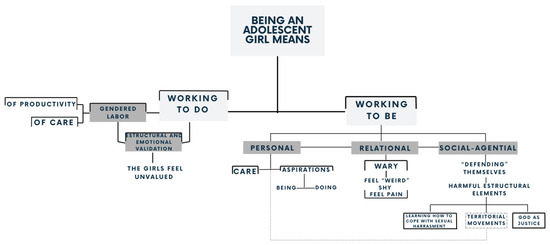
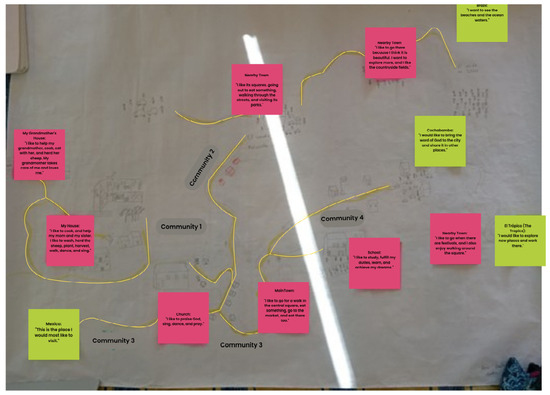
For rural adolescent girls in the Bolivian Andes, adolescence is not a “protected” transitional life stage but a gendered laboring condition. This article explores the lived experiences of adolescent girls in a rural Quechua community in Cochabamba, drawing on the initial phase of a longitudinal Community-Based Participatory Research (CBPR) project (2023–2024). By integrating Silvia Federici’s theory of social reproduction with Axel Honneth’s recognition theory, the study conceptualizes a “laboring subjectivity” defined by a ch’ixi reality where two dimensions of labor exist in constant, dynamic interaction. The findings reveal these dimensions of labor: “Working to Do,” which encompasses the invisible, naturalized reproductive and agricultural work and unremunerated affective work required to sustain family life as a form of cultural pedagogy; and “Working to Be,” which refers to the subjective labor girls perform to negotiate recognition. Through this structural arrangement, Honneth’s spheres of love, rights, and social esteem are systematically compromised, creating a distinct recognition deficit as girls carry adult responsibilities without structural protection. Ultimately, this article argues that seasonal migration to regions such as El Trópico functions as an existential terrain where girls seek the symbolic and economic recognition denied within the local rural order. By centering adolescent girls as active laboring subjects, the research challenges Western developmental biases in youth studies and offers a nuanced reframing of the nexus between labor, mobility, and identity formation in the Global South.
Full article
(This article belongs to the Special Issue Skilled vs. Cultural: Key Strategies for the Integration of Young Immigrants from Rural Regions in the Context of Social Conservatism)
►▼
Show Figures

Figure 1

Open AccessArticle
Assessing Climate-Induced Vulnerability and Adaptive Capacity of Mountain Communities in South and Central Asia: Comparative Evidence from the Himalayas and Central Asian Highlands
by
Balwant Singh Mehta and Falendra Kumar Sudan
Societies 2026, 16(7), 209; https://doi.org/10.3390/soc16070209 - 4 Jul 2026
Abstract
►▼
Show Figures
This paper examines the vulnerability and adaptive capacity of mountain communities in South and Central Asia, with specific reference to the Himalayas and the Central Asian highlands. Using a comparative framework, the study combines the Livelihood Vulnerability Index (LVI), LVI-IPCC, and the Livelihood
[...] Read more.
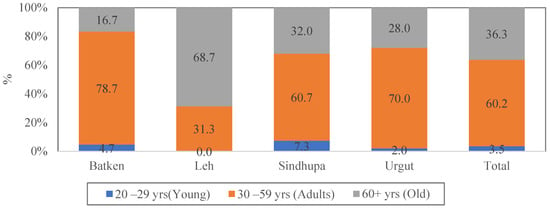
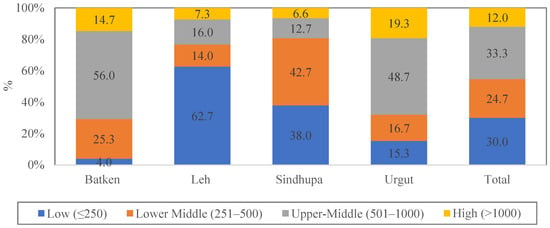
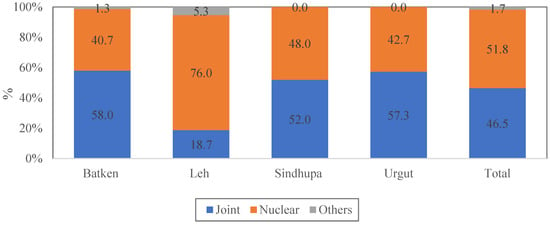
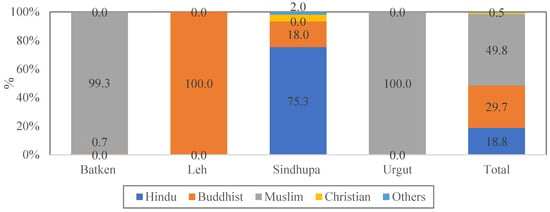
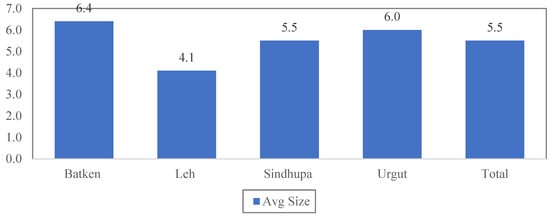
This paper examines the vulnerability and adaptive capacity of mountain communities in South and Central Asia, with specific reference to the Himalayas and the Central Asian highlands. Using a comparative framework, the study combines the Livelihood Vulnerability Index (LVI), LVI-IPCC, and the Livelihood Equity/Endowment Index (LEI) to measure multidimensional vulnerability. A mixed-methods approach combining household surveys and qualitative field evidence is used to analyze primary data from 600 households across four mountain regions: Leh (India), Sindhupalchok (Nepal), Batken (Kyrgyzstan), and Urgut (Uzbekistan). The results show that vulnerability is not explained only by climatic exposure; it is also associated with socio-economic conditions, institutional access, and livelihood assets. Leh and Sindhupalchok show higher vulnerability associated with water insecurity, food dependence, weak infrastructure, and climate variability, whereas Batken’s vulnerability is mainly linked to limited adaptive capacity. Urgut shows greater resilience associated with stronger adaptive capacity, despite persistent structural inequalities. The paper identifies financial access, social networks, and knowledge systems as important factors in strengthening resilience. It concludes that context-specific, inclusive, and asset-based policy interventions may help strengthen adaptive capacity and reduce vulnerability in fragile mountain ecosystems.
Full article

Figure 1
Open AccessConcept Paper
Governing (Im)Mobility: Internal Re-Bordering and Conditional Inclusion in China’s Rural Return
by
Andrea Palmioli, Eugenio Mangi and Yucong Zhang
Societies 2026, 16(7), 208; https://doi.org/10.3390/soc16070208 - 30 Jun 2026
Abstract
Post-COVID rural revitalisation policies and digital platform economies have renewed attention to returning to the Chinese countryside, yet return rarely becomes durable residence, livelihood, or recognised membership. This concept paper addresses that problem through a scoping-oriented critical literature review and interpretive synthesis of
[...] Read more.
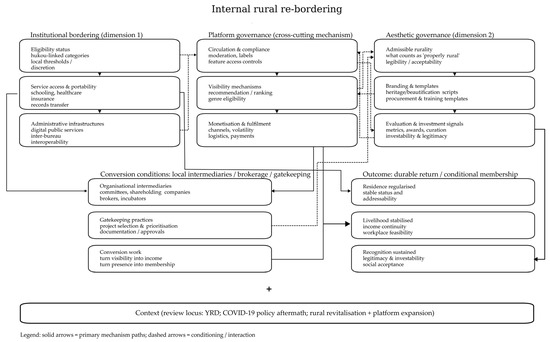
Post-COVID rural revitalisation policies and digital platform economies have renewed attention to returning to the Chinese countryside, yet return rarely becomes durable residence, livelihood, or recognised membership. This concept paper addresses that problem through a scoping-oriented critical literature review and interpretive synthesis of scholarship on rural return in China. It develops internal rural re-bordering as an analytic for explaining how rural return is governed as a form of conditional inclusion within national territory. The synthesis identifies three interacting mechanisms: institutional bordering, which shapes eligibility and service portability; platform governance, which shapes visibility and monetisation; and aesthetic governance, which shapes admissible rural identities, livelihoods, and spaces. Across the literature, durable return depends on whether mobility can be converted into regularised entitlements, relatively stable income, and locally recognised legitimacy, often through local intermediaries and relational labour. Rural return is therefore better understood as a conditional pathway of incorporation than as a simple demographic reversal.
Full article
(This article belongs to the Special Issue Borders, (Im)mobility and the Everyday)
►▼
Show Figures

Figure 1
Open AccessArticle
Side Hustles and the Psychological Drivers of Intention to Start a Small Business
by
Ali Saleh Alshebami
Societies 2026, 16(7), 207; https://doi.org/10.3390/soc16070207 - 30 Jun 2026
Abstract
Side hustles have become an important means of empowering individuals, particularly potential entrepreneurs such as students. This research explores the interaction among the perceived benefits of side hustles, entrepreneurial identity, perceived autonomy, and the intention to start a small business among students. A
[...] Read more.
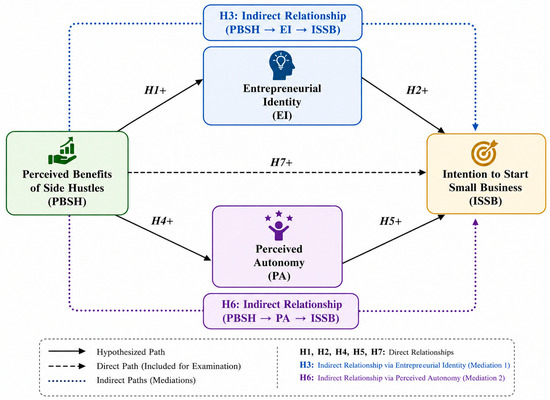
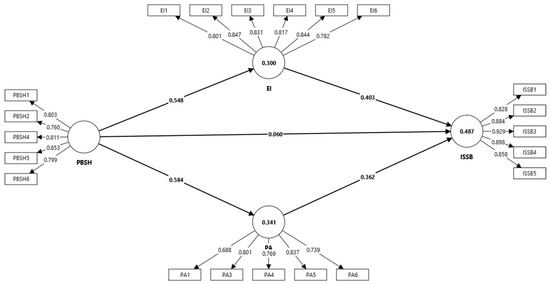
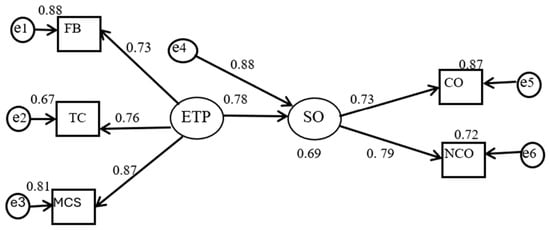
Side hustles have become an important means of empowering individuals, particularly potential entrepreneurs such as students. This research explores the interaction among the perceived benefits of side hustles, entrepreneurial identity, perceived autonomy, and the intention to start a small business among students. A total of 286 responses were collected from different universities in Saudi Arabia. The collected data were analyzed using partial least squares structural equation modeling (PLS-SEM) and revealed interesting findings. The results confirmed that the perceived benefits of side hustles have a positive and significant relationship with both entrepreneurial identity and perceived autonomy. However, there was no direct relationship between the perceived benefits of side hustles and the intention to start a small business. The results also confirmed that entrepreneurial identity and perceived autonomy mediate the relationship between the perceived benefits of side hustles and the intention to start a small business. Unlike previous studies focusing on actual side-hustle participation or general entrepreneurial intentions, this study examines the perceived benefits of side hustles and reveals that their association with students’ intention to start a small business operates entirely through entrepreneurial identity and perceived autonomy. This research offers meaningful insights, suggestions, and practical implications for policymakers and stakeholders in the context of the study.
Full article
(This article belongs to the Special Issue Gig Economy, Side Hustles, and Entrepreneurial Development: Perceptions, Identity, and Emerging Career Pathways)
►▼
Show Figures

Figure 1
Open AccessArticle
Teachers’ Perceptions of the Relationship Between Teachers’ Organizational Commitment, Effective Teaching Practices, and Students’ Learning Outcomes in the Secondary Schools of Bunir, Pakistan
by
Niaz Ali, Wu Yating, Adekoya Oluwaseun Abiola, Khalid Ahmed, Hariharan N. Krishnasamy, Muhammad Niqab and Sameer Babu M
Societies 2026, 16(7), 206; https://doi.org/10.3390/soc16070206 - 30 Jun 2026
Abstract
It is well-established that both teacher commitment and the quality of instruction positively influence student achievement. However, the evidence for such constructs and their connections in the context of a developing country such as Pakistan is scarce. This research addresses the interconnections of
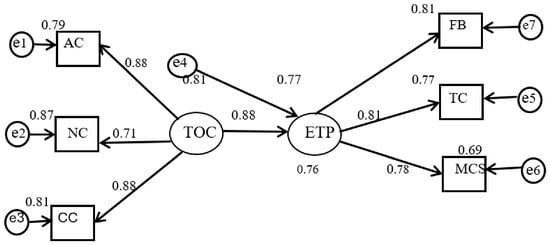
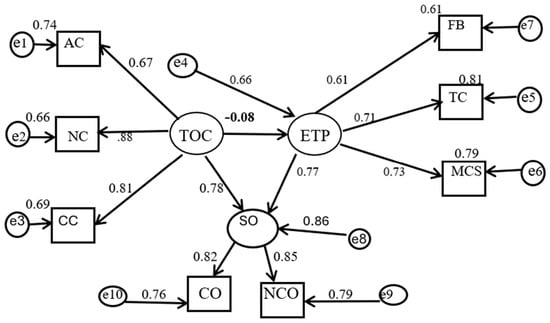
[...] Read more.
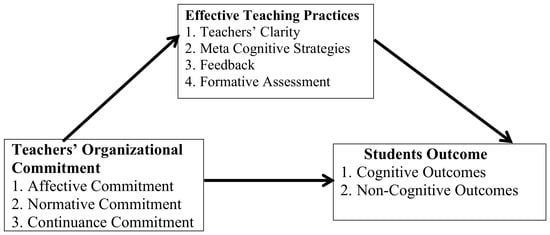
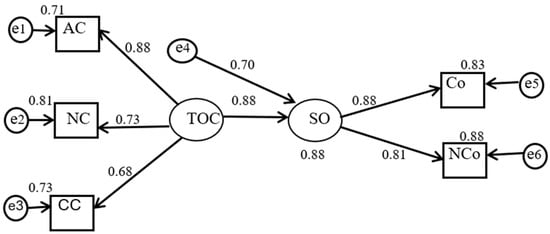
It is well-established that both teacher commitment and the quality of instruction positively influence student achievement. However, the evidence for such constructs and their connections in the context of a developing country such as Pakistan is scarce. This research addresses the interconnections of teachers’ organizational commitment, pedagogical effectiveness, and student performance in Khyber Pakhtunkhwa secondary schools, aligned with the educational reform initiatives in developing nations. A quantitative approach was utilized involving a purposive sample of 348 secondary school educators in Bunir District for triangulation purposes. Based on a validated data collection instrument, the researchers measured the three latent constructs of organizational commitment (affective, normative, and continuance), effective teaching (practice, metacognitive strategy, feedback, and formative assessment), and student performance (cognitive and non-cognitive). Subsequently, the researchers utilized descriptive statistics, correlation, and structural equation modeling for the analyses. The most notable findings in the study were the moderate levels of teacher commitment and instructional effectiveness, and the particularly low levels of student achievement, especially in the non-cognitive dimensions. Teachers’ organizational commitment was positively related to effective teaching, as well as to student achievement. Furthermore, teaching practices served as a mediator of the relationship between teacher commitment and student outcomes, as the direct effect of commitment on outcomes was found to be non-significant. The findings highlight the importance of constructive pedagogical practices as a mediator between teacher commitment and student outcomes. In challenging educational contexts, reinforcing teacher commitment through initiatives such as professional recognition, mentoring within a defined framework, and distributed leadership, combined with ongoing pedagogical training, could amplify student engagement and achievement.
Full article
(This article belongs to the Topic Constructing and (Re)constructing Social Identities in Educational Contexts: Power, Norms, and Resistance)
►▼
Show Figures

Figure 1
Open AccessReview
Why Do Host-Country Residents and Local Hosting Actors Host Refugees? A JBI Scoping Review Protocol on Motivations, Hospitality Practices, Challenges, and Impacts in Private and Community Hosting
by
Areej Al-Hamad, Yasin M. Yasin, Kateryna Metersky, Maher Elmasri, Riham Al-Saadi and Sepali Guruge
Societies 2026, 16(7), 205; https://doi.org/10.3390/soc16070205 - 27 Jun 2026
Abstract
►▼
Show Figures
Background: Private and community hosting have emerged as important community-based responses to forced displacement, through which host-country citizens provide accommodation, practical support, and relational care to refugees in domestic and community settings. These hosting arrangements extend hospitality beyond commercial and tourism contexts into
[...] Read more.
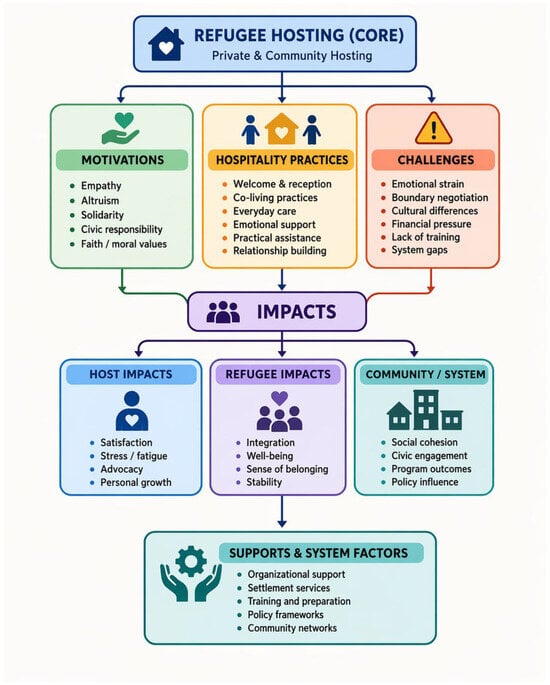
Background: Private and community hosting have emerged as important community-based responses to forced displacement, through which host-country citizens provide accommodation, practical support, and relational care to refugees in domestic and community settings. These hosting arrangements extend hospitality beyond commercial and tourism contexts into everyday spaces of welcome, co-living, and social support. Existing literature has examined a range of hosting experiences, including reasons citizens choose to host, ways hospitality is practiced, challenges arising from hosting, and the impacts of hosting on hosts, refugees, and communities. However, the evidence remains fragmented across disciplines, including migration studies, social work, sociology, public health, and hospitality scholarship. Objective: This scoping review aims to map and synthesize the existing literature on why host-country residents and local hosting actors host refugees, with a focus on hosting motivations, hospitality practices, challenges, and impacts in private and community hosting. Methods: This review will follow the Joanna Briggs Institute methodology for scoping reviews and be reported in accordance with the PRISMA-ScR guidelines. Guided by the Population–Concept–Context framework, the review will include studies involving host-country residents and local hosting actors, engaged in refugee hosting. Literature published in English from 2010 onward will be identified through searches in MEDLINE, CINAHL, PsycINFO, Scopus, Web of Science, Sociological Abstracts, Social Services Abstracts, and selected grey literature sources. Two reviewers will independently screen records and extract data, which will be analyzed descriptively and thematically to map motivations, hospitality practices, challenges, and impacts in private and community hosting. Results: The review will generate a comprehensive map of the literature on refugee hosting in private and community settings. It will identify how hosting is conceptualized and practiced, the motivations driving citizen involvement, the relational and structural challenges associated with hosting, and the reported impacts on hosts, refugees, and communities. It will also highlight system-level support, policy considerations, and gaps requiring further attention through research and practice. Conclusions: This scoping review will provide an interdisciplinary synthesis of evidence on refugee hosting as a form of social and domestic hospitality. The findings will inform future research, policy, and community-based hosting initiatives and will contribute to a deeper understanding of the ethical, relational, and structural dimensions of refugee hospitality and hosting in host countries.
Full article

Figure 1
Open AccessSystematic Review
Volunteer Sport Tourism: A Comprehensive Literature Review
by
Renato Abou-Warda, Peter Kiss, Maria Fekete-Farkas and Zoltán Bujdosó
Societies 2026, 16(7), 204; https://doi.org/10.3390/soc16070204 - 26 Jun 2026
Abstract
►▼
Show Figures
This systematic literature review synthesises existing knowledge on volunteer sport tourism—the intersection of volunteering, sport, and tourism—in order to clarify its evolution, theoretical foundations, and practical implications, and to address the fragmentation of the field across disciplines. Following PRISMA 2020 guidelines, peer-reviewed journal
[...] Read more.
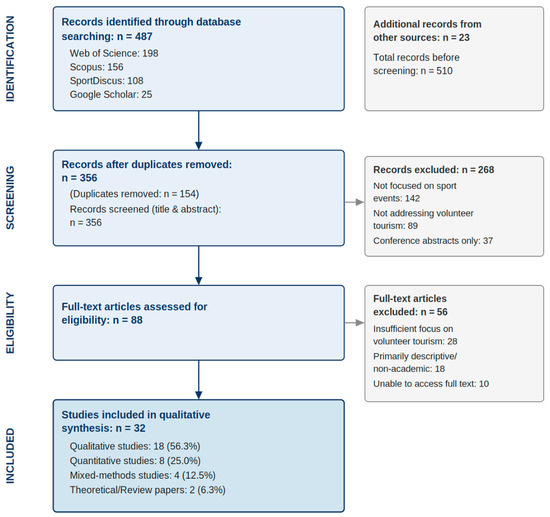
This systematic literature review synthesises existing knowledge on volunteer sport tourism—the intersection of volunteering, sport, and tourism—in order to clarify its evolution, theoretical foundations, and practical implications, and to address the fragmentation of the field across disciplines. Following PRISMA 2020 guidelines, peer-reviewed journal articles, books, and doctoral dissertations published in English between January 1974 and December 2025 were retrieved from Web of Science, Scopus, SportDiscus, and Google Scholar, complemented by citation tracking. Studies focused on volunteers travelling to sporting events were included; conference abstracts, editorials, and works addressing only local volunteering or general tourism were excluded. The methodological quality of 32 included studies was appraised narratively by two authors independently against three criteria, with disagreements resolved through discussion. Findings were integrated through a thematic narrative synthesis supported by analytical mapping tables. The review identifies five dominant themes: motivations, volunteer experiences and satisfaction, economic and social impacts, organisational and management perspectives, and destination and legacy dimensions. The synthesis contributes to theoretical development by proposing an integrated tripartite framework that connects volunteer antecedents, event experiences, and legacy outcomes, and offers practical recommendations for event organisers, policymakers, and destination stakeholders. The review was conducted without pre-registration.
Full article

Figure 1
Open AccessArticle
Implementation of IkasLab in Primary Education: A Mixed-Methods Study of Learning Spaces, Teaching Practice and Metacognition
by
Aitor Yañez-Perea, Naiara Bilbao-Quintana and Arantzazu López De la Serna
Societies 2026, 16(7), 203; https://doi.org/10.3390/soc16070203 - 25 Jun 2026
Abstract
The present article employs a mixed methodology to evaluate IkasLab’s innovative spaces, investigating how the reorganisation of educational spaces contributes to the development of 21st-century skills in the Basque educational context. The sample comprised 13 primary schools (ages 6–12), where quantitative data were
[...] Read more.
The present article employs a mixed methodology to evaluate IkasLab’s innovative spaces, investigating how the reorganisation of educational spaces contributes to the development of 21st-century skills in the Basque educational context. The sample comprised 13 primary schools (ages 6–12), where quantitative data were collected using a validated instrument (rubric) (n = 13 spaces) and qualitative data through semi-structured interviews (n = 22 teachers). Reliability analyses (Alpha = 0.909; Omega = 0.907) confirmed the robustness of the assessment instrument. The quantitative findings indicated a high level of project implementation ( = 3.26/4), with particular emphasis on the development of communication and relational skills. However, the indicators associated with metacognitive work showed less consolidation. Qualitative analysis yielded significant findings pertaining to student autonomy, methodological innovation, and educational inclusivity. Notable gaps were also identified in the integration of metacognitive practices and urgent needs for systematic teacher training and continuous pedagogical support. The results suggest that IkasLab constitutes a solid and promising framework for reimagining learning spaces and promoting educational practices in line with contemporary challenges. However, the full impact of the model depends on ensuring sufficient resources and strengthening professional training that enables teachers to effectively integrate the principles of the model into their teaching activities.
Full article
Open AccessArticle
“To Survive in This Society like a Normal Person”: Social Reintegration Challenges of Young People Who Use Drugs During Community-Based Drug Rehabilitation in China
by
Zhihao Wei, Nazirah Hassan, Nur Saadah Mohamad Aun, Ezarina Zakaria, Sheng Chen and Xiaojin Liu
Societies 2026, 16(7), 202; https://doi.org/10.3390/soc16070202 - 24 Jun 2026
Abstract
Youth drug abuse is a persistent public health concern in China. Community-based drug rehabilitation (CBDR), the final three-year stage of China’s official rehabilitation system, aims to help people who use drugs (PWUD) reintegrate into society, but reintegration remains limited, particularly among young PWUD.
[...] Read more.
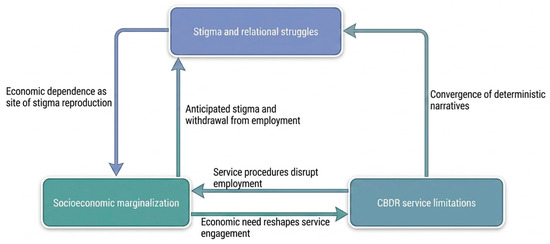
Youth drug abuse is a persistent public health concern in China. Community-based drug rehabilitation (CBDR), the final three-year stage of China’s official rehabilitation system, aims to help people who use drugs (PWUD) reintegrate into society, but reintegration remains limited, particularly among young PWUD. This study explores the social reintegration challenges faced by young PWUD aged 18 to 35 during the CBDR stage in Guangzhou, China. Semi-structured interviews were conducted with 16 participants and analyzed using reflexive thematic analysis (RTA). Three themes were identified: stigma and relational struggles, socioeconomic marginalization and daily life disruption, and limitations of the CBDR service model. These challenges were not separate but reinforced one another, with difficulties in one domain spilling into others and narrowing the space in which reintegration could occur. These findings suggest that addressing the reinforcing linkages between stigma, economic hardship, and service limitations requires a more coordinated approach to CBDR service provision, one that integrates vocational support into relapse prevention, builds flexibility into surveillance procedures, and provides participants and their families with realistic, evidence-based information about the prospects of recovery.
Full article
(This article belongs to the Collection Community-Based Rehabilitation and Community Rehabilitation)
►▼
Show Figures

Figure 1
Open AccessConcept Paper
From Lived Experience to Shared Worlds: Rethinking Disability-Inclusive Design Knowledge Through New Materialism
by
Rachael Luck
Societies 2026, 16(7), 201; https://doi.org/10.3390/soc16070201 - 24 Jun 2026
Abstract
This paper critically examines disability-inclusive design theory and practice through the lens of new materialism, tracing a shift from designing for users to designing with and ultimately from disability. It reveals a key paradox: while participatory and disability-led approaches foreground lived experience and
[...] Read more.
This paper critically examines disability-inclusive design theory and practice through the lens of new materialism, tracing a shift from designing for users to designing with and ultimately from disability. It reveals a key paradox: while participatory and disability-led approaches foreground lived experience and plural voices, design outcomes must still function across shared, pluriversal contexts. Individual accounts of disability generate situated, partial knowledge that cannot be straightforwardly generalised, creating persistent tensions between singular experiences and collective design needs. By introducing a relational ontology, the paper reframes design knowledge as emergent from dynamic interactions between people, materials and contexts, destabilising binaries such as designer/user and disabled/non-disabled. The proposed praxeology advances disability leadership, positionality and embedded participation as core to design practice. These insights prompt new research questions around how plural, situated knowledges can inform scalable design decisions, how conflicting lived experiences can be ethically negotiated, and how relational, material perspectives can reshape methodologies for inclusive and socially just design.
Full article
(This article belongs to the Special Issue Inside-Out: Critical Design Thinking for Transformative Social Innovation)
Highly Accessed Articles
Latest Books
E-Mail Alert
News
Topics
Topic in
Administrative Sciences, Buildings, Education Sciences, Societies, Sustainability
Architectural Education
Topic Editors: Daniel Ferrández Vega, Alicia Zaragoza Benzal, Rafael Marcos-Sánchez, Ricardo Curto-RodríguezDeadline: 30 July 2026
Topic in
Societies, AI, Social Sciences
The Impact of Artificial Intelligence on Research and Communication in the Social Sciences and Humanities
Topic Editors: Sandro Serpa, Maria José SáDeadline: 21 December 2026
Topic in
Societies, Social Sciences, Religions
Migration and Transnational Religions: Identities and Networks
Topic Editors: Nanlai Cao, Francis Khek Gee Lim, Giuseppe GiordanDeadline: 31 January 2027
Topic in
Behavioral Sciences, Education Sciences, Societies, Youth, Adolescents, Social Sciences
Emotional Well-Being and Assessment in Multicultural Educational Contexts: Interdisciplinary Research and Perspectives
Topic Editors: Enrique Riquelme, Daniel Quilaqueo, Héctor Torres, Ignacio MonteroDeadline: 28 February 2027
Conferences
Special Issues
Special Issue in
Societies
Exploring Social Inclusion of People with Intellectual Disabilities in the Global South
Guest Editors: Florian Kiuppis, Tamara Chansa-Kabali, Amani Karisa, Judith McKenzieDeadline: 15 July 2026
Special Issue in
Societies
Overcoming Burnout in Modern Society: Strategies for Enhancing Well-Being, Finding Support, and Redefining Success in the Workplace and Beyond
Guest Editors: Yvonne Thai, Thomas Frederick, Scott DunbarDeadline: 15 July 2026
Special Issue in
Societies
Higher Education and Social Change: Long-Term Outcomes, Imperatives, and Perspectives
Guest Editors: Tina Lynn Evans, Krista HiserDeadline: 15 July 2026
Special Issue in
Societies
Communication Strategies for Building Global Food Networks
Guest Editors: Sarah Cardey, Alla KravchenkoDeadline: 31 July 2026
Topical Collections
Topical Collection in
Societies
Epistemology, Methodology and Ontology of a Post-Digital Social Inquiry
Collection Editors: Gabriella Punziano, Felice Addeo, Angela Delli Paoli, Giuseppe Masullo
Topical Collection in
Societies
Community-Based Rehabilitation and Community Rehabilitation
Collection Editor: Gregor Wolbring