Journal Description
Sclerosis
Sclerosis
is an international, peer-reviewed, open access journal on sclerosis and related diseases, published quarterly online by MDPI.
- Open Access— free for readers, with article processing charges (APC) paid by authors or their institutions.
- Rapid Publication: manuscripts are peer-reviewed and a first decision is provided to authors approximately 28.4 days after submission; acceptance to publication is undertaken in 3.5 days (median values for papers published in this journal in the first half of 2026).
- Recognition of Reviewers: APC discount vouchers, optional signed peer review, and reviewer names are published annually in the journal.
- Sclerosis is a companion journal of JCM.
Latest Articles
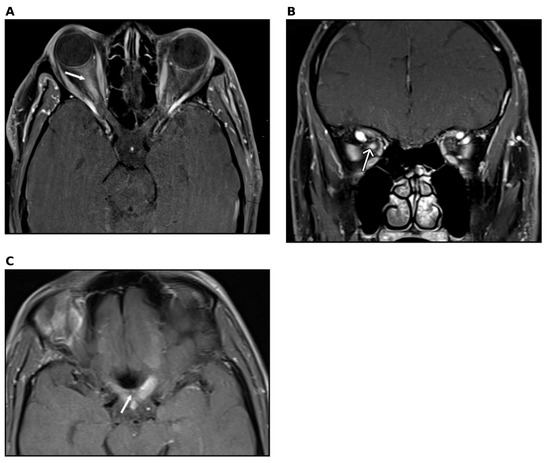
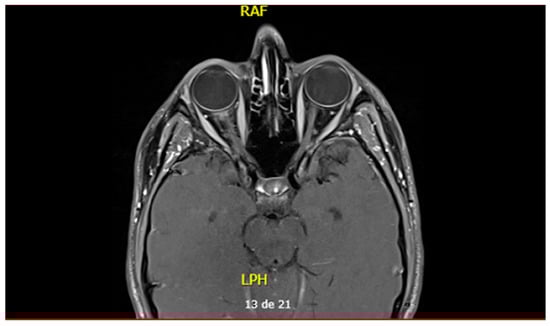
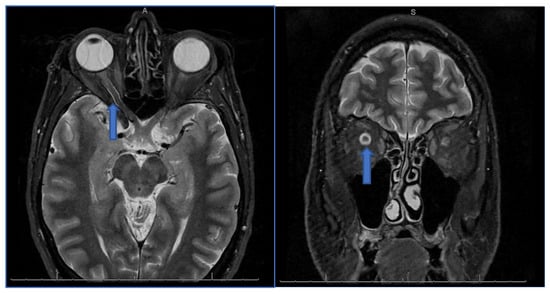
Atypical Presentation of Optic Neuritis in a Patient with Active Hepatitis C Infection: A Case Report
Sclerosis 2026, 4(3), 26; https://doi.org/10.3390/sclerosis4030026 - 14 Aug 2026
Abstract
►
Show Figures
Background/Objectives: Optic neuritis is associated with demyelinating diseases such as multiple sclerosis (MS), but atypical presentations, particularly bilateral optic nerve involvement or coexisting systemic symptoms, necessitate broader diagnostic consideration. Case presentation: This case report describes a 50-year-old male with untreated, active hepatitis
[...] Read more.
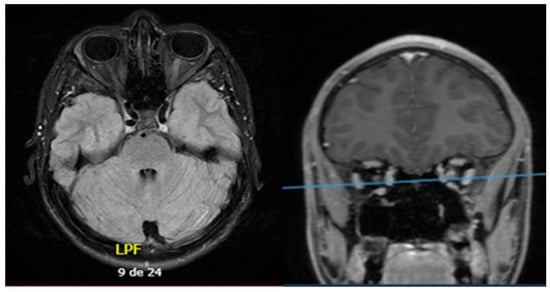
Background/Objectives: Optic neuritis is associated with demyelinating diseases such as multiple sclerosis (MS), but atypical presentations, particularly bilateral optic nerve involvement or coexisting systemic symptoms, necessitate broader diagnostic consideration. Case presentation: This case report describes a 50-year-old male with untreated, active hepatitis C virus (HCV) infection who presented with bilateral optic neuritis. Cerebrospinal fluid (CSF) analysis revealed elevated myelin basic protein, positive oligoclonal bands, an elevated immunoglobulin G index, and an HCV viral load of 9.3 million international units/milliliter (IU/mL). Magnetic resonance imaging (MRI) of the orbits showed bilateral optic neuritis with perineuritis. The patient had no history of interferon therapy and lacked markers of cryoglobulinemia, making this a rare case of optic neuritis possibly associated with chronic hepatitis C viral infection. The patient was treated with intravenous immunoglobulin (IVIG) without corticosteroids, with some improvement in vision. Conclusions: This case adds to the expanding spectrum of multiple sclerosis (MS) mimics and underscores diagnostic challenges associated with atypical optic neuritis presentations, particularly in the setting of coexisting systemic viral infections.
Full article
Open AccessReview
Cryoneurolysis in Neurological Spasticity: Current Evidence with Emerging Applications in Multiple Sclerosis
by
Luigi Di Lorenzo
Sclerosis 2026, 4(3), 25; https://doi.org/10.3390/sclerosis4030025 - 13 Aug 2026
Abstract
Background: Spasticity is one of the most disabling manifestations of multiple sclerosis (MS), contributing to limitations in walking and transfers, pain, progressive functional limitation, and reduced quality of life. Despite advances in rehabilitation, pharmacological therapies, botulinum toxin injections, and intrathecal baclofen, many patients
[...] Read more.
Background: Spasticity is one of the most disabling manifestations of multiple sclerosis (MS), contributing to limitations in walking and transfers, pain, progressive functional limitation, and reduced quality of life. Despite advances in rehabilitation, pharmacological therapies, botulinum toxin injections, and intrathecal baclofen, many patients continue to experience refractory focal or multifocal spasticity requiring alternative therapeutic approaches. Percutaneous cryoneurolysis has recently emerged as a minimally invasive peripheral neuromodulation technique capable of selectively reducing pathological muscle overactivity through reversible axonotmesis while preserving the structural framework necessary for nerve regeneration. Growing clinical experience has expanded its application across several neurological disorders; however, its role in MS has not yet been comprehensively defined. Methods: A structured narrative review was conducted through comprehensive searches of PubMed/MEDLINE, Scopus, and Web of Science. Original clinical studies evaluating percutaneous cryoneurolysis for neurological spasticity were identified and critically synthesized. Because disease-specific evidence in MS remains limited, studies involving other upper motor neuron disorders, including stroke, cerebral palsy, traumatic brain injury, and spinal cord injury, were also considered to provide a broader overview of current clinical applications, procedural techniques, safety, and functional outcomes. Results: The available evidence includes case reports, case series, and prospective and retrospective observational studies, together with recent evidence syntheses. Across different neurological conditions, ultrasound-guided cryoneurolysis has consistently demonstrated technical feasibility and a favorable safety profile, with reported reductions in spasticity, improvements in passive range of motion, pain reduction, facilitation of positioning and nursing care, and, in selected studies, improved functional performance. Recent observational cohorts and prospective studies have expanded the evidence base by providing larger patient populations and longer follow-up, while systematic evidence syntheses have confirmed the growing clinical interest in this technique. Nevertheless, substantial heterogeneity persists regarding patient selection, target nerves, procedural protocols, outcome measures, and duration of follow-up. Evidence specifically addressing patients with MS remains limited and is currently derived primarily from individual case reports and small clinical series. Conclusions: Current evidence suggests that percutaneous cryoneurolysis represents a promising minimally invasive adjunctive treatment for selected patients with focal or multifocal neurological spasticity, including those with multiple sclerosis. However, the available evidence remains predominantly observational, and randomized controlled trials comparing cryoneurolysis with established therapies are still lacking. Future multicenter prospective studies, standardized treatment protocols, and disease-specific investigations are required to better define patient selection, long-term efficacy, safety, and the role of cryoneurolysis within contemporary multidisciplinary spasticity management.
Full article
Open AccessReview
Neuromyelitis Optica Spectrum Disorder: A Clinical Review
by
Abdulaziz Al Abdulghani and Steven L. Galetta
Sclerosis 2026, 4(3), 24; https://doi.org/10.3390/sclerosis4030024 - 5 Aug 2026
Abstract
►▼
Show Figures
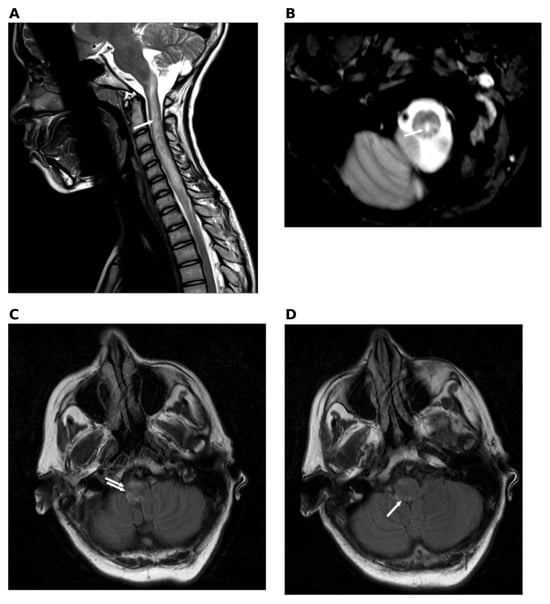
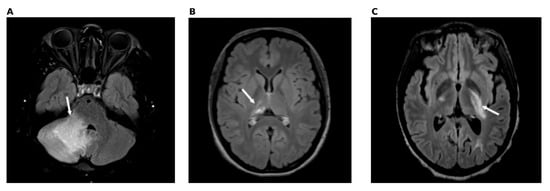
Neuromyelitis optica spectrum disorder (NMOSD) is an autoimmune astrocytopathy in which antibodies against the aquaporin-4 (AQP4) water channel produce a stereotyped group of syndromes determined by the anatomical distribution of AQP4 expression. Six core clinical presentations are recognized: optic neuritis, longitudinally extensive transverse
[...] Read more.
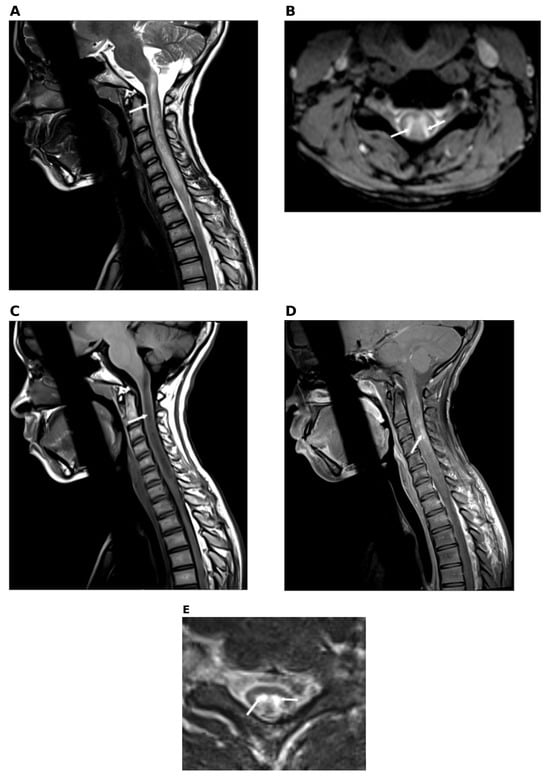
Neuromyelitis optica spectrum disorder (NMOSD) is an autoimmune astrocytopathy in which antibodies against the aquaporin-4 (AQP4) water channel produce a stereotyped group of syndromes determined by the anatomical distribution of AQP4 expression. Six core clinical presentations are recognized: optic neuritis, longitudinally extensive transverse myelitis, area postrema syndrome, acute brainstem syndrome, diencephalic syndrome, and cerebral syndrome. Because disability in NMOSD almost always accrues at discrete, treatable relapses rather than through insidious progression, early recognition, supported by prompt AQP4-IgG testing and pattern recognition on MRI, is essential to preserving vision, mobility, and independence. This review summarizes the pathophysiology, clinical and radiologic features, diagnostic evaluation, and differential diagnosis of each core syndrome and synthesizes contemporary evidence for relapse prevention. Over the past decade, the therapeutic landscape has been transformed: agents targeting complement (eculizumab, ravulizumab), the interleukin-6 receptor (satralizumab, tocilizumab), and B cells (rituximab, inebilizumab) now have randomized evidence of efficacy in seropositive disease, with complement inhibitors ranking highest across indirect treatment comparisons. Evidence in seronegative disease remains limited, no approved agents have been compared head-to-head, and the optimal role of early plasma exchange is unsettled. Emerging neuroprotective strategies and chimeric antigen receptor T-cell therapy, both of which remain experimental, may further expand options for refractory disease. Once uniformly disabling, AQP4-IgG NMOSD is now a highly treatable condition in which timely diagnosis and sustained immunotherapy can meaningfully alter long-term outcomes.
Full article

Figure 1

Open AccessReview
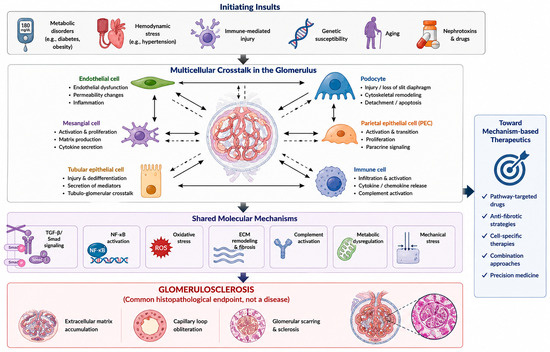
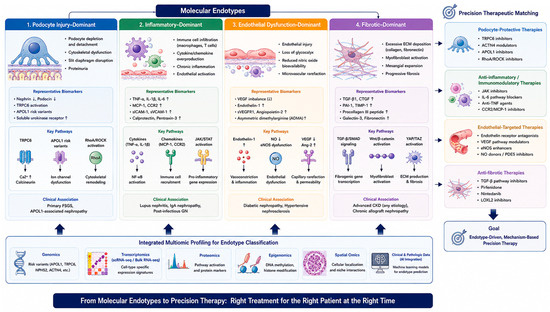
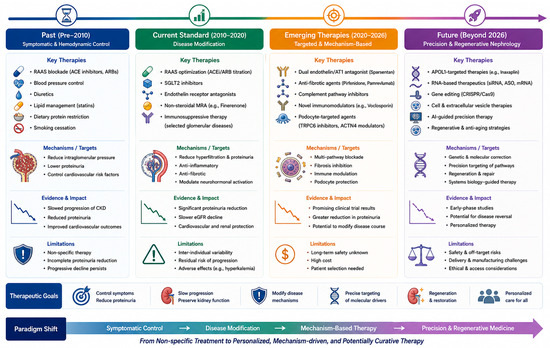
Glomerulosclerosis in 2026: From Pathophysiological Mechanisms to Precision Therapeutics
by
Jae Yun Kim and Jae Yeon Lee
Sclerosis 2026, 4(3), 23; https://doi.org/10.3390/sclerosis4030023 - 4 Aug 2026
Abstract
►▼
Show Figures
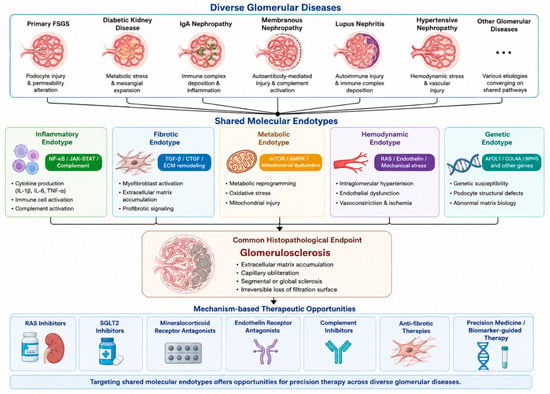
Glomerulosclerosis is not an independent disease entity but rather a common histopathological endpoint shared by diverse glomerular diseases and chronic kidney disorders. It represents the final common pathway of progressive glomerular injury and is a major determinant of chronic kidney disease (CKD) progression.
[...] Read more.
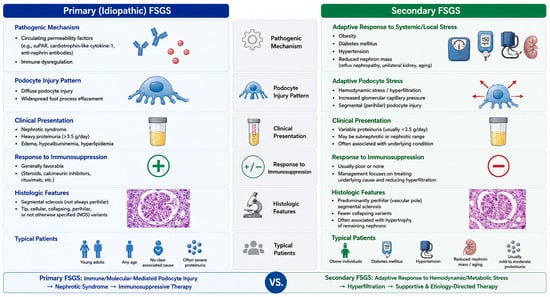
Glomerulosclerosis is not an independent disease entity but rather a common histopathological endpoint shared by diverse glomerular diseases and chronic kidney disorders. It represents the final common pathway of progressive glomerular injury and is a major determinant of chronic kidney disease (CKD) progression. Accordingly, this review focuses on the shared cellular and molecular mechanisms that drive glomerulosclerosis, together with current diagnostic strategies, mechanism-based therapeutic approaches, and future directions toward precision nephrology. We begin by summarizing the structural and functional features of the glomerulus and outlining the key molecular mechanisms that drive sclerosis, including podocyte loss, mesangial matrix expansion, endothelial dysfunction, inflammation, and fibrosis-related signaling pathways. The clinical and pathological classifications of glomerular diseases associated with glomerulosclerosis—ranging from primary and secondary focal segmental glomerulosclerosis (FSGS) to diabetic, hypertensive, and immune-mediated forms—are discussed in detail. We further review current diagnostic approaches, including renal biopsy patterns, emerging biomarkers, and novel imaging and digital pathology tools that enable earlier and more precise assessment of disease severity. Recent advances in treatment are summarized across conservative, immunologic, and targeted therapeutic categories, with emphasis on SGLT2 inhibitors, endothelin receptor antagonists, immunomodulatory agents, and antifibrotic compounds. Finally, we highlight rapidly evolving therapeutic and technological advances, including podocyte-directed interventions, APOL1-targeted therapies, RNA- and gene-based therapeutics, and artificial intelligence-driven precision nephrology. These emerging approaches are reshaping the management paradigm of glomerular diseases by enabling molecular disease stratification and personalized treatment strategies. Despite substantial progress, significant unmet needs remain, particularly concerning early detection, individualized treatment selection, and the marked heterogeneity of disease mechanisms across patient populations. Overall, this review provides an integrated framework for understanding glomerulosclerosis as a shared pathological endpoint of diverse glomerular diseases and highlights emerging mechanism-based therapeutic strategies that support the transition toward precision nephrology.
Full article

Figure 1

Open AccessReview
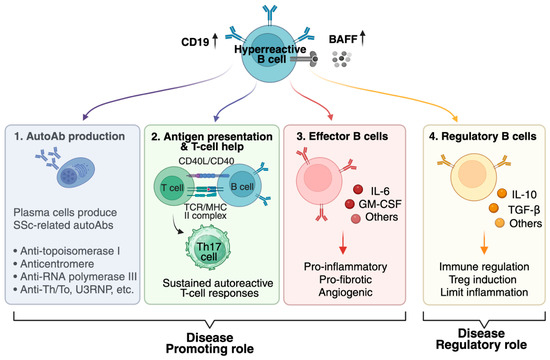
The Expanding Roles of B Cells in Systemic Sclerosis: From Autoantibody Production to Antibody-Independent Functions and Therapeutic Targeting
by
Takashi Matsushita
Sclerosis 2026, 4(3), 22; https://doi.org/10.3390/sclerosis4030022 - 1 Aug 2026
Abstract
Systemic sclerosis (SSc) is a rare, clinically heterogeneous connective tissue disease defined by the triad of autoimmunity, microvasculopathy, and fibrosis of the skin and internal organs. Among the immune effectors implicated in SSc, B cells have moved from being regarded mainly as the
[...] Read more.
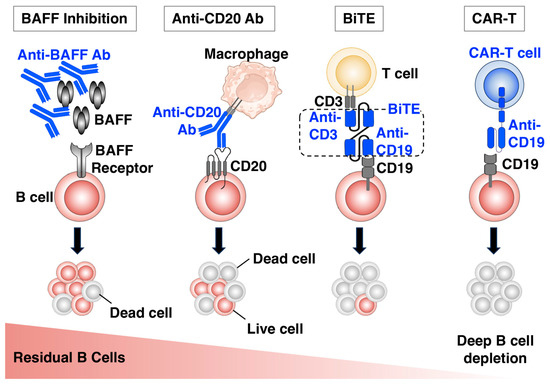
Systemic sclerosis (SSc) is a rare, clinically heterogeneous connective tissue disease defined by the triad of autoimmunity, microvasculopathy, and fibrosis of the skin and internal organs. Among the immune effectors implicated in SSc, B cells have moved from being regarded mainly as the source of disease-defining autoantibodies to being recognized as multifunctional drivers of disease through antibody-independent mechanisms. This review summarizes current understanding of B-cell biology in SSc across three domains. First, we consider the classical role of B cells as antibody-producing cells, including the diagnostic and prognostic value of SSc-specific autoantibodies, the evidence for polyclonal B-cell activation and altered B-cell homeostasis, and the contested question of autoantibody pathogenicity. Second, we examine antibody-independent functions, focusing on cytokine production by effector and regulatory B-cell subsets, the B-cell-activating factor (BAFF) axis, antigen presentation, and T-cell co-stimulation, together with the imbalance between pro-inflammatory effector B cells and interleukin (IL)-10-producing regulatory B cells that characterizes active disease. Third, we review B cells as therapeutic targets, from the rituximab experience—including the randomized DESIRES trial and its open-label extension—through anti-BAFF strategies to the emerging use of CD19-directed chimeric antigen receptor (CAR) T-cell and CAR-natural killer (NK) cell therapies that achieve deep, durable B-cell depletion. We conclude by highlighting unresolved questions, including patient selection, the balance between depleting pathogenic and protective B-cell subsets, biomarker development, and the long-term safety of deep B-cell depletion. A B-cell-centered view of SSc pathogenesis provides a coherent framework that links autoimmunity to fibrosis and is increasingly translatable into the clinic.
Full article
(This article belongs to the Special Issue Advances in Systemic Sclerosis Research in Japan)
►▼
Show Figures

Figure 1
Open AccessArticle
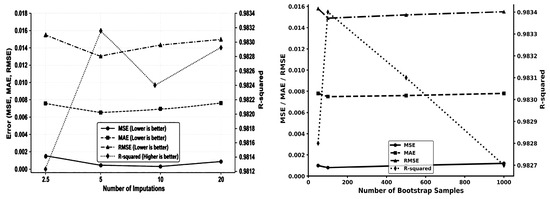
A Data-Driven Approach for Handling Missing Data in a Real Multiple Sclerosis Dataset Based on Machine Learning
by
Shima Pilehvari, Wei Peng, Mohammad Ali Sahraian and Sharareh Eskandarieh
Sclerosis 2026, 4(3), 21; https://doi.org/10.3390/sclerosis4030021 - 31 Jul 2026
Abstract
►▼
Show Figures
Background and Objective: Reliable medical research depends on data integrity, yet clinical datasets often contain real and systematically missing values. This study aimed to develop a robust, clinically realistic imputation framework for a raw Multiple Sclerosis (MS) dataset affected by real-world missingness. Methods:
[...] Read more.
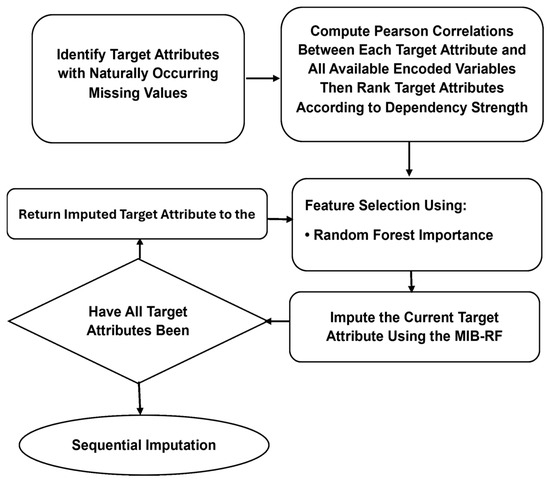
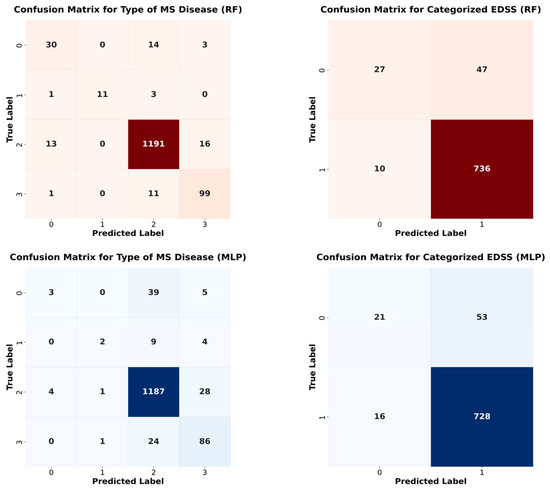
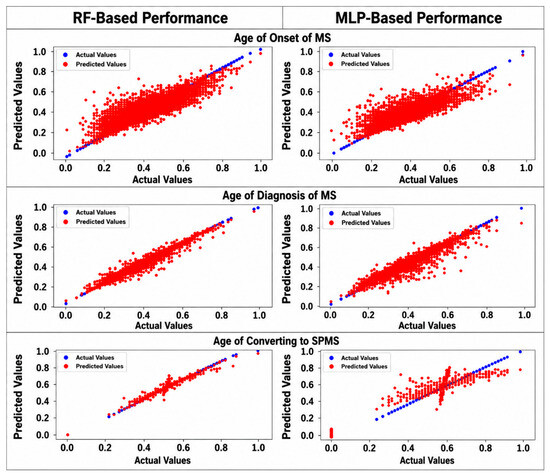
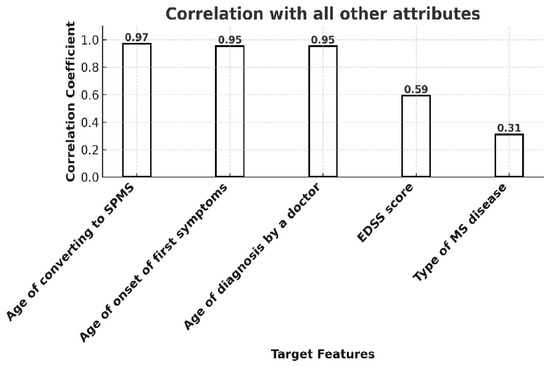
Background and Objective: Reliable medical research depends on data integrity, yet clinical datasets often contain real and systematically missing values. This study aimed to develop a robust, clinically realistic imputation framework for a raw Multiple Sclerosis (MS) dataset affected by real-world missingness. Methods: We propose an innovative data-driven approach called the Sequential Multiple Imputation Bootstrapping (SMIB) model, which orders imputation based on feature correlation and incorporates bootstrapping to enhance stability and generalizability. Relevant features were identified using RF importance and Mutual Information scores and imputed using a hybrid machine learning framework that combines Random Forest (RF), Multilayer Perceptron (MLP), k-Nearest Neighbors (kNN), and a multiple imputation (MI) algorithm. The proposed method was evaluated using 15-fold cross-validation and a masking-based evaluation strategy. Model performance was assessed using accuracy, precision, recall, specificity, F1 score, Mean Squared Error (MSE), Mean Absolute Error (MAE), and R2. Results: RF-based SMIB achieved superior performance, with final imputation accuracy reaching up to 97% for categorical outcomes and strong numerical performance (R2 up to 0.999; MSE as low as 2.48 × 10⁻⁵). Sequential ordering and weighted bootstrapping improved stability in imbalanced clinical data under real-world missingness. Compared with the widely adopted Multiple Imputation by Chained Equations (MICE) approach, the proposed SMIB framework consistently demonstrated superior predictive performance across all evaluated categorical and numerical outcomes. Conclusions: The SMIB framework provides a robust and clinically aligned strategy for handling real-world missing values in MS datasets, improving imputation accuracy while preserving feature dependencies and feature relationships. The method supports reliable predictive analytics in healthcare contexts.
Full article

Figure 1

Open AccessHypothesis
The Ischemic Switch: From Raynaud’s Phenomenon to Autoallergic Mast Cell-Driven Vasculopathy in Systemic Sclerosis
by
Carol M. Artlett
Sclerosis 2026, 4(3), 20; https://doi.org/10.3390/sclerosis4030020 - 28 Jul 2026
Abstract
Raynaud’s Phenomenon (RP) serves as the clinical sentinel for systemic autoimmunity, frequently predating connective tissue disease diagnosis by years. While RP is a largely benign functional vasospasm in the general population, its prevalence in Systemic Sclerosis (SSc) approaches 99%. A fundamental mystery in
[...] Read more.
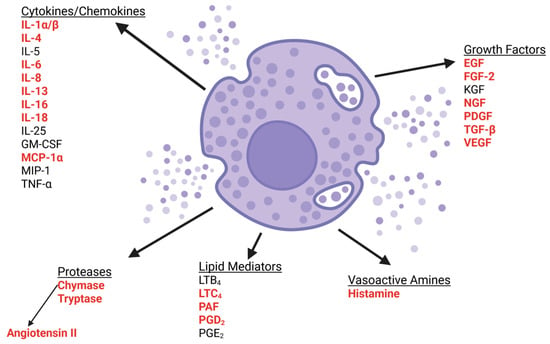
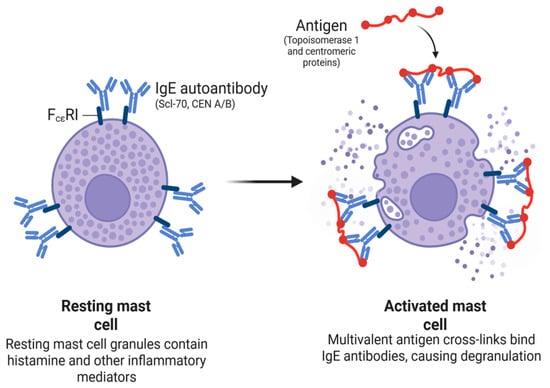
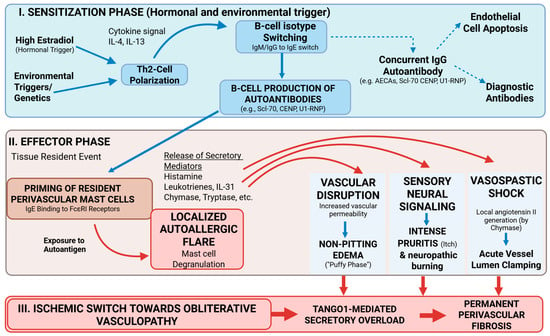
Raynaud’s Phenomenon (RP) serves as the clinical sentinel for systemic autoimmunity, frequently predating connective tissue disease diagnosis by years. While RP is a largely benign functional vasospasm in the general population, its prevalence in Systemic Sclerosis (SSc) approaches 99%. A fundamental mystery in Rheumatology is the divergent fate of the microvasculature across connective tissue diseases. RP can occur in other autoimmune diseases; it is usually not associated with the relentless transition to obliterative vasculopathy. In SSc, the vessel lumen is physically occluded by intimal proliferation and perivascular fibrosis, yet the mechanism triggering this ischemia remains poorly understood. Beyond the classic tri-phasic color change, SSc patients frequently report other early distressing sensory symptoms, specifically intense pruritus, neuropathic burning, and profound edema. Historically dismissed as secondary to ischemia, we propose that these sensations are primary markers of the underlying pathological driver. We challenge the traditional B-cell/T-cell-centric view of SSc by introducing the concept of autoallergy. We hypothesize that these sensory symptoms represent chronic, IgE-mediated activation of resident mast cells. This mast cell-driven circuit, triggered by SSc-specific autoantigens, acts as a persistent secretory pump for pro-fibrotic cytokines, fundamentally distinguishing SSc vasculopathy from the purely inflammatory vascular patterns seen in other connective tissue diseases. Targeting the IgE–mast cell axis early in the course of the disease may offer a novel therapeutic window to halt the transition from functional vasospasm to permanent structural obliteration.
Full article
(This article belongs to the Special Issue Advances and New Insights in Systemic Sclerosis)
►▼
Show Figures

Figure 1
Open AccessReview
Selective Peripheral Heating Without Hand Enclosure for Raynaud’s Phenomenon via Upregulation of Angiopoietin-1
by
Yoshihito Shima and Akane Watanabe
Sclerosis 2026, 4(3), 19; https://doi.org/10.3390/sclerosis4030019 - 14 Jul 2026
Abstract
Peripheral capillaries are damaged, and Raynaud’s phenomenon occurs frequently in patients with systemic sclerosis (SSc). Treatment with vasodilators often results in adverse effects, such as headache and facial flushing, and does not lead to sufficient therapeutic effects. The transient receptor potential V4 (TRPV4)
[...] Read more.
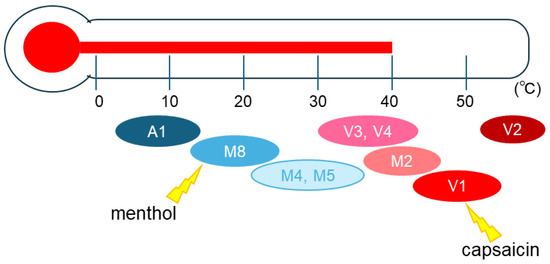
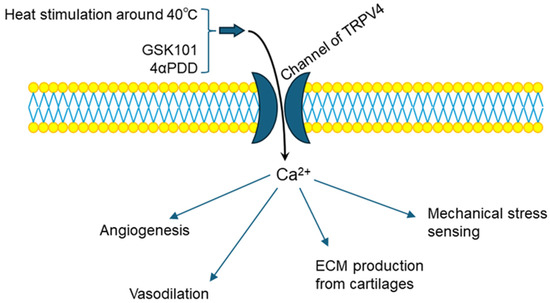
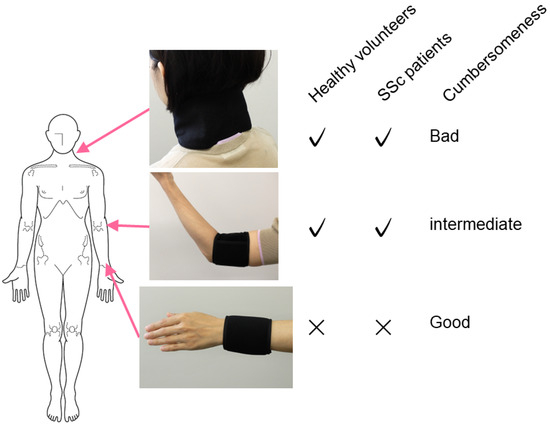
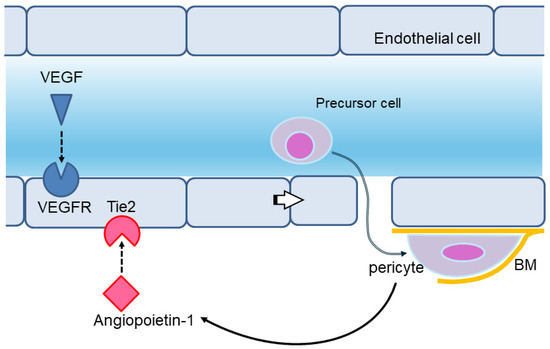
Peripheral capillaries are damaged, and Raynaud’s phenomenon occurs frequently in patients with systemic sclerosis (SSc). Treatment with vasodilators often results in adverse effects, such as headache and facial flushing, and does not lead to sufficient therapeutic effects. The transient receptor potential V4 (TRPV4) channel is a thermoreceptor that contributes to capillary dilation and growth. Recent studies have explored whether local thermal stimulation sufficient to activate TRPV4 can alleviate RP. This heating resulted in improvements in the severity, frequency, and duration of RP, and the area around the elbow was found to be an appropriate site for heating. During heating, an increase in the capillary-stabilizing factor angiopoietin-1 was observed in the fingertips, and improvements in capillary morphology were confirmed. Collectively, these findings suggest that controlled thermal stimulation around the elbow may represent a safe and practical adjunctive strategy for alleviating RP and improving peripheral microvascular function.
Full article
(This article belongs to the Special Issue Advances in Systemic Sclerosis Research in Japan)
►▼
Show Figures

Figure 1
Open AccessReview
Cerebrovascular Disease in Amyotrophic Lateral Sclerosis: Epidemiology, Mechanisms, and Clinical Implications
by
Nicholas Aderinto, Ebube Christopher Mbah, Abioye Aderinola Halimat, Rhoda Mama Kolo, William Tembo, Hemanth Kumar Arumugam, Amaan Javed, Oluwadamilola Esther Akinbo, Morounfoluwa Patience Olalusi and Emmanuela Ojoagefu Egwu
Sclerosis 2026, 4(3), 18; https://doi.org/10.3390/sclerosis4030018 - 13 Jul 2026
Abstract
Amyotrophic lateral sclerosis (ALS) is a progressive, fatal neurodegenerative disease primarily affecting upper and lower motor neurons. Although cerebrovascular disease (CVD) and ALS have traditionally been studied as distinct entities, a growing body of evidence indicates meaningful epidemiological, pathophysiological, and clinical overlap between
[...] Read more.
Amyotrophic lateral sclerosis (ALS) is a progressive, fatal neurodegenerative disease primarily affecting upper and lower motor neurons. Although cerebrovascular disease (CVD) and ALS have traditionally been studied as distinct entities, a growing body of evidence indicates meaningful epidemiological, pathophysiological, and clinical overlap between the two conditions. This narrative review synthesizes current evidence on the coexistence of ALS and cerebrovascular disease, examines shared mechanistic pathways, addresses diagnostic challenges, including stroke mimicry, considers clinical management implications, and identifies priorities for future research. A search of PubMed, Scopus, Web of Science, and EMBASE was conducted through February 2026 using the terms “amyotrophic lateral sclerosis,” “motor neuron disease,” “cerebrovascular disease,” “stroke,” “ischemic stroke,” “blood-brain barrier,” “neuroinflammation,” and “neurovascular coupling,” alone and in combination. Peer-reviewed original research, systematic reviews, meta-analyses, population-based studies, registry analyses, and expert consensus statements were included. Studies were assessed for methodological quality and relevance to the review objectives. This review is reported as a narrative synthesis. Population-based data demonstrate a bidirectional relationship between ALS and cerebrovascular events. ALS patients face an approximately 2.6-fold elevated risk of ischemic stroke, and prior cerebrovascular injury modestly increases subsequent ALS risk. Shared pathophysiological mechanisms include neuroinflammation with microglial M1/M2 polarization imbalance, pro-inflammatory cytokine cascades mediated via NF-κB signaling, oxidative stress and SOD1 pathway dysregulation, glutamate excitotoxicity, blood–brain barrier (BBB) dysfunction, and impaired neurovascular coupling. Diagnostic confusion arises because upper motor neuron–predominant ALS can closely mimic acute ischemic stroke. Concurrent cerebrovascular disease appears to accelerate functional decline and reduce survival in ALS. Resource-limited settings face compounded challenges from diagnostic misclassification, restricted EMG access, and limited specialist availability. The ALS–cerebrovascular overlap is clinically relevant, biologically plausible, and systematically understudied. Integrated multidisciplinary management, prospective longitudinal cohort studies, and linked registry analyses are urgently needed to clarify causal relationships, characterize shared disease mechanisms, and improve patient outcomes.
Full article
Open AccessReview
Emerging Blood Biomarkers in Systemic Sclerosis: From Single Molecules to Biomarker-Based Patient Stratification
by
Minoru Hasegawa, Saori Uesugi-Uchida, Noritaka Oyama and Tadashi Toyama
Sclerosis 2026, 4(3), 17; https://doi.org/10.3390/sclerosis4030017 - 2 Jul 2026
Abstract
Background/Objectives: Systemic sclerosis (SSc) is a heterogeneous systemic autoimmune rheumatic disease characterized by immune dysregulation, vasculopathy, and fibrosis involving the skin and internal organs. Interstitial lung disease (ILD), pulmonary arterial hypertension (PAH), and cardiac involvement remain major causes of morbidity and mortality, yet
[...] Read more.
Background/Objectives: Systemic sclerosis (SSc) is a heterogeneous systemic autoimmune rheumatic disease characterized by immune dysregulation, vasculopathy, and fibrosis involving the skin and internal organs. Interstitial lung disease (ILD), pulmonary arterial hypertension (PAH), and cardiac involvement remain major causes of morbidity and mortality, yet prediction of disease progression and therapeutic responsiveness remains difficult. Methods: This narrative review summarizes studies of circulating blood biomarkers in SSc, with emphasis on literature published since 2020 and on Japanese multicenter longitudinal cohort studies. Disease-specific autoantibodies were intentionally excluded from the main scope, and the review focuses on soluble biomarkers measurable in peripheral blood that reflect inflammation, endothelial injury, and fibrotic remodeling. Results: Multiple cytokines, chemokines, adhesion molecules, endothelial markers, extracellular vesicle-associated molecules, and extracellular matrix (ECM)-related molecules have been associated with disease activity, organ involvement, prognosis, and therapeutic response in SSc. Clinically established biomarkers such as KL-6 and surfactant protein-D (SP-D) for SSc-associated interstitial lung disease (ILD), and N-terminal pro-B-type natriuretic peptide (NT-proBNP) for pulmonary arterial hypertension (PAH), are already used as adjunctive tools in routine clinical assessment, whereas many other candidate biomarkers, including interleukin (IL)-6, CCL2, CXCL8, CXCL4, intercellular adhesion molecule-1 (ICAM-1), CCL18, periostin, endostatin, endothelin-1, extracellular vesicle signatures, and ECM turnover markers remain at varying stages of clinical validation. In particular, Japanese multicenter longitudinal studies have demonstrated the prognostic significance of circulating chemokines and adhesion molecules in early SSc and, more recently, identified biomarker-based clusters associated with distinct pulmonary trajectories. Recent multidimensional proteomic and transcriptomic approaches further support biologically based patient stratification in SSc. Conclusions: Blood biomarkers may contribute to risk stratification, prediction of organ progression, and future precision medicine in SSc. Integrated biomarker signatures may better capture the biological heterogeneity of SSc than single biomarkers alone. However, most candidate biomarkers still require external validation, assay standardization, and demonstration of incremental value over conventional clinical variables before routine clinical implementation.
Full article
(This article belongs to the Special Issue Advances in Systemic Sclerosis Research in Japan)
Open AccessArticle
How Do People with Neurological Disease Evaluate Their Experience with Telerehabilitation? Experiences of People with Multiple Sclerosis
by
Klara Novotna, Barbora Grosserova, Veronika Knapova, Renata Vetrovska and Eva Kubala Havrdova
Sclerosis 2026, 4(3), 16; https://doi.org/10.3390/sclerosis4030016 - 30 Jun 2026
Abstract
Background: Telerehabilitation has grown with the advances of modern communication technologies, but it experienced its greatest surge during the COVID-19 pandemic. Our department also wanted to offer our patients with chronic neurological conditions (specifically, multiple sclerosis (MS)) the opportunity to exercise with a
[...] Read more.
Background: Telerehabilitation has grown with the advances of modern communication technologies, but it experienced its greatest surge during the COVID-19 pandemic. Our department also wanted to offer our patients with chronic neurological conditions (specifically, multiple sclerosis (MS)) the opportunity to exercise with a physiotherapist remotely during pandemic restrictions. We continued with telerehabilitation afterwards, but for further development of telerehabilitation programs we sought feedback from participants. Methods: People with multiple sclerosis (MS) who participated in any form of telerehabilitation offered at our MS centre between January 2021 and June 2024 were invited to complete a brief semi-structured interview to assess their feedback. To ensure unbiased responses, the feedback was obtained from a therapist other than the one with whom they had completed the online session. Results: A total of 95 multiple sclerosis (MS) patients (14 of whom were male) participated in telerehabilitation programs during the study period, with a mean age of 46.5 years. Of these, 82 agreed to participate in short interview. Patients particularly valued the ability to avoid commuting and the time flexibility in scheduling sessions. They perceived the limited opportunities for hands-on correction and the lack of personal interaction with the therapist and other patients as the most significant disadvantages. Conclusions: Telerehabilitation appears to be a viable complement to in-person physiotherapy for some patients with chronic conditions. In our experience, it is feasible to deliver telerehabilitation to people with multiple sclerosis who do not have severe disability, without the need for complex equipment.
Full article
Open AccessReview
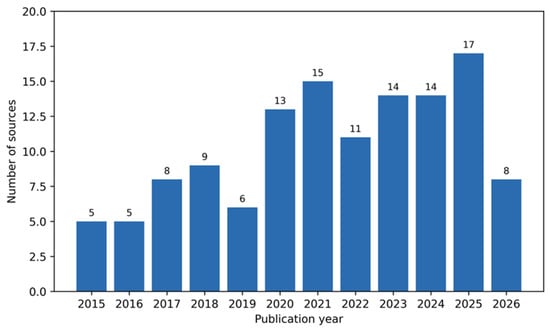
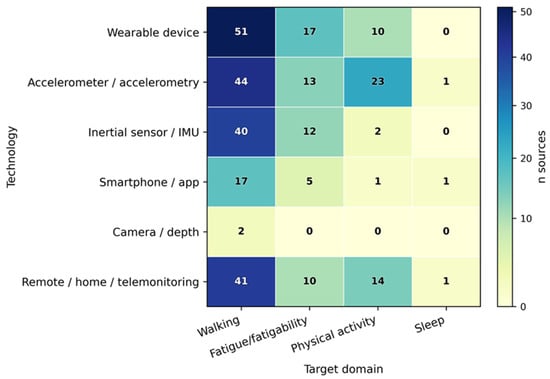
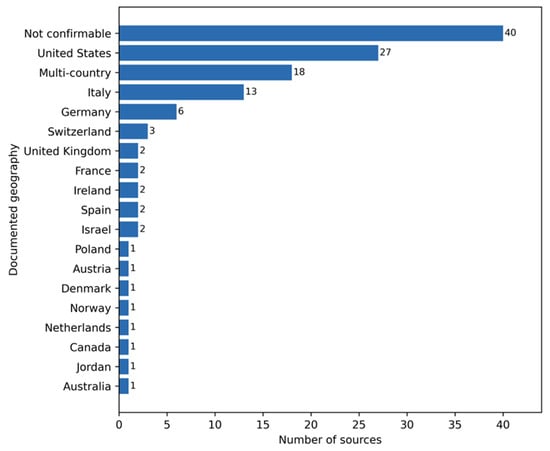
Digital, Remote, and Ecological Assessment of Fatigue/Fatigability, Mobility, and Functional Activity in Multiple Sclerosis: A Scoping Review
by
Raúl Cobreros-Mielgo, Jesús Seco-Calvo, Gema Santamaría and Diego Fernández-Lázaro
Sclerosis 2026, 4(2), 15; https://doi.org/10.3390/sclerosis4020015 - 22 Jun 2026
Abstract
Background/Objectives: Digital, remote, and ecological tools may complement clinic-based assessment in multiple sclerosis (MS), but the distribution of evidence across fatigue/fatigability, mobility, and real-world functional activity remains unclear. This scoping review mapped tools, metrics, constructs, contexts of use, and reported clinical utility in
[...] Read more.
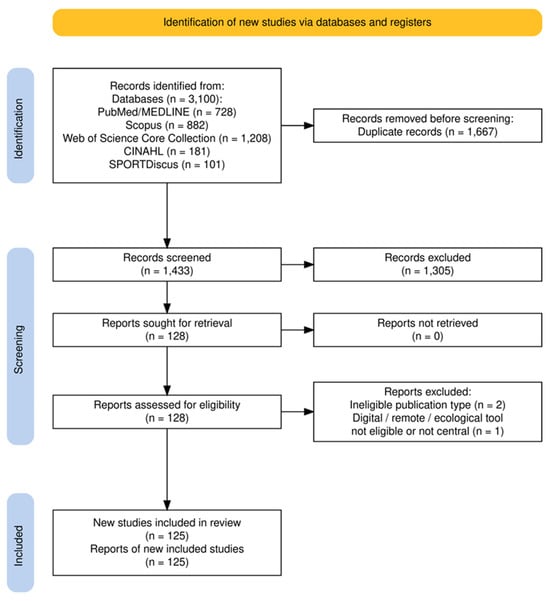
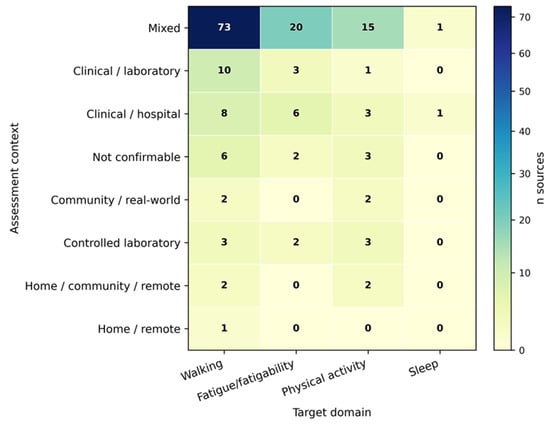
Background/Objectives: Digital, remote, and ecological tools may complement clinic-based assessment in multiple sclerosis (MS), but the distribution of evidence across fatigue/fatigability, mobility, and real-world functional activity remains unclear. This scoping review mapped tools, metrics, constructs, contexts of use, and reported clinical utility in adults with MS, with attention given to whether the evidence was balanced across domains. Methods: Following Joanna Briggs Institute guidance and PRISMA-ScR/PRISMA-S reporting standards, five databases were searched on 14 March 2026. After deduplication, title/abstract screening, full-text assessment, and manual extraction and verification, the findings were synthesized descriptively without formal critical appraisal. Results: Of 3100 records identified, 1433 unique records were screened and 125 sources were included. Gait was the most frequently assessed domain (105/125), followed by fatigue/fatigability (33/125), physical activity (29/125), and sleep (2/125). The most frequent technologies were wearable devices (60/125), accelerometry (54/125), remote/home-based/telemonitoring modalities (52/125), and inertial measurement units (42/125). Conclusions: The evidence is predominantly gait- and mobility-focused, while fatigue/fatigability and broader real-world functional activity are less consistently represented. Reported clinical utility was usually framed around functional assessment, longitudinal/remote monitoring, rehabilitation planning, patient stratification, and decision support, but these characteristics were extracted as reported and were not independently appraised.
Full article
(This article belongs to the Special Issue Neuropsychiatric and Quality of Life (QoL) Aspects of Multiple Sclerosis, 2nd Edition)
►▼
Show Figures

Figure 1
Open AccessPerspective
Oligodendrocyte Dysfunction to Immune Pathology in Multiple Sclerosis: A Conspiracy of Herpesviruses?
by
Richard C. Cipian, Bert A. ’t Hart, Christine Masztak, Abbas Karimi, Mohammad Taghizadeh and Moses Rodriguez
Sclerosis 2026, 4(2), 14; https://doi.org/10.3390/sclerosis4020014 - 21 Jun 2026
Abstract
Multiple sclerosis is an immune-driven neurological disease that affects myelinated axons in the central nervous system. However, the trigger of the (dysregulated) immune reactions is not known. According to Wilkin’s primary lesion theory, myelin-reactive T cells present in the immune repertoire hyper-react to
[...] Read more.
Multiple sclerosis is an immune-driven neurological disease that affects myelinated axons in the central nervous system. However, the trigger of the (dysregulated) immune reactions is not known. According to Wilkin’s primary lesion theory, myelin-reactive T cells present in the immune repertoire hyper-react to myelin antigens that are released from idiopathic lesions within the central nervous system. However, neither the cause of the primary lesion nor the cause of the immune hyper-reactivity is known. We investigated whether these unknown activation signals may be relayed by common herpesviruses. In this concept paper, we propose the novel paradigm that the trigger of autoimmunity in MS comprises a conspiracy of three common herpesviruses: human herpesvirus-6A as a potential trigger of primary lesions due to its proven capacity to cause oligodendrogliopathy, cytomegalovirus as a trigger for the formation of effector memory cytotoxic T cells with proven capacity to induce multiple sclerosis pathology in a non-human primate MS model and Epstein-Barr Virus due to its capacity to render B cells capable to effectively present a critical myelin antigen to these effector memory cytotoxic T cells.
Full article
Open AccessReview
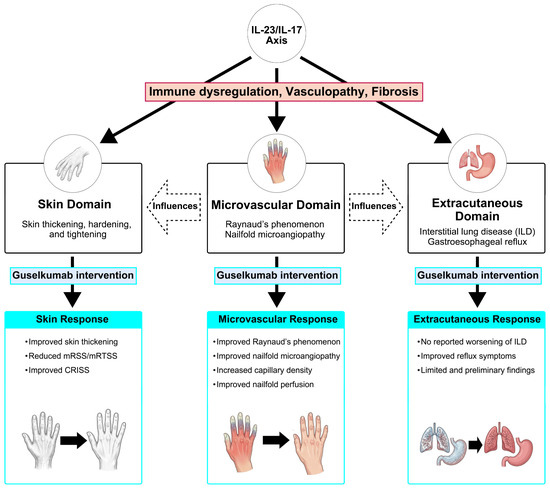
Targeting the IL-23p19/Th17 Axis with Guselkumab in Systemic Sclerosis: A Domain-Based Review of All Four Published Cases
by
Souta Kobayashi, Yasuaki Ikuno, Masahiro Yamada, Akihiko Yamaguchi, Toshifumi Takahashi, Akiko Arakawa and Noriki Fujimoto
Sclerosis 2026, 4(2), 13; https://doi.org/10.3390/sclerosis4020013 - 7 Jun 2026
Abstract
Systemic sclerosis (SSc) is a heterogeneous autoimmune disease characterized by immune dysregulation, microvascular injury, and progressive cutaneous and internal organ fibrosis. Despite advances in the understanding of SSc pathogenesis, effective disease-modifying therapies remain limited, and there is ongoing interest in targeted approaches that
[...] Read more.
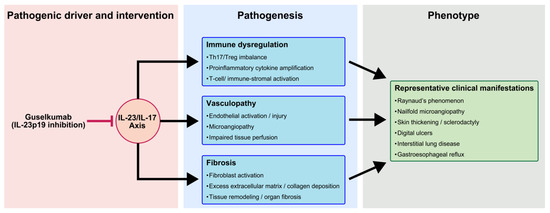
Systemic sclerosis (SSc) is a heterogeneous autoimmune disease characterized by immune dysregulation, microvascular injury, and progressive cutaneous and internal organ fibrosis. Despite advances in the understanding of SSc pathogenesis, effective disease-modifying therapies remain limited, and there is ongoing interest in targeted approaches that may modulate early inflammatory-vascular mechanisms linked to subsequent fibrotic remodeling. The IL-23/Th17 axis contributes to SSc biology, providing a rationale for IL-23p19 blockade as a potential therapeutic strategy. This focused narrative review summarizes currently available clinical signals of IL-23p19 inhibition in SSc, centered on guselkumab, and interprets reported outcomes using a domain-based framework. Published evidence remains confined to uncontrolled reports totaling 4 patients (one case report of early limited cutaneous SSc and a three-patient case series of early diffuse cutaneous SSc with comorbid psoriasis). Across these reports, investigators described improvements most consistently in the cutaneous domain (modified Rodnan skin score [mRSS], modified Rodnan total skin score [mRTSS], and the American College of Rheumatology Combined Response Index in Systemic Sclerosis [CRISS]) and in microvascular manifestations, including Raynaud’s phenomenon and nailfold microangiopathy, whereas pulmonary and gastrointestinal findings remain preliminary. We discuss key limitations of the current literature, including publication and reporting bias, the heterogeneity of phenotypes and endpoints, and confounding by comorbid psoriatic disease and natural disease fluctuation. Overall, IL-23p19 inhibition offers a pathway-specific approach in SSc, but establishing efficacy and defining responsive phenotypes requires adequately powered controlled evidence. Findings pertain specifically to guselkumab and cannot be generalized to IL-23 inhibition as a class.
Full article
(This article belongs to the Special Issue Advances in Systemic Sclerosis Research in Japan)
►▼
Show Figures

Figure 1
Open AccessArticle
Enhanced Genetic Vulnerability to Amyotrophic Lateral Sclerosis: Insights from a Case–Control Study on the MTHFR C677T Variant in a Brazilian Population
by
Rômulo Morais Azevedo, Nayane Soares de Lima, Rayana Pereira Dantas de Oliveira, Leandro do Prado Assunção, Dhiogo da Cruz Pereira Bento, Angela Adamski da Silva Reis and Rodrigo da Silva Santos
Sclerosis 2026, 4(2), 12; https://doi.org/10.3390/sclerosis4020012 - 21 May 2026
Abstract
►▼
Show Figures
Background/Objectives: Amyotrophic Lateral Sclerosis (ALS) is a rare, neurodegenerative disease with complex genetic and environmental determinants. The MTHFR C677T (rs1801133) variant, known for reducing enzymatic activity in the folate cycle, has been implicated in ALS risk, though findings remain inconsistent across diverse
[...] Read more.
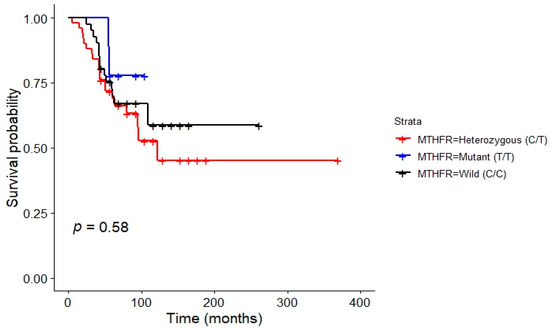
Background/Objectives: Amyotrophic Lateral Sclerosis (ALS) is a rare, neurodegenerative disease with complex genetic and environmental determinants. The MTHFR C677T (rs1801133) variant, known for reducing enzymatic activity in the folate cycle, has been implicated in ALS risk, though findings remain inconsistent across diverse populations. Methods: A population-based case–control study was conducted in 248 age-matched individuals to investigate the MTHFR C677T (rs1801133) and ALS susceptibility. Molecular analysis was performed using the polymerase chain reaction–restriction fragment length polymorphism (PCR-RFLP). Genetic associations were evaluated under multiple inheritance models, while survival analysis utilized the Kaplan–Meier method to assess the relationship between MTHFR genotypes and patient prognosis. Results: The C677T variant showed a significant association under the codominant and recessive models, suggesting involvement in ALS risk (OR = 4.63; p = 0.01 and OR = 3.92; p = 0.02), respectively. However, stratification by sex demonstrated an association predominantly in women (OR = 7.10, p = 0.02; OR = 5.87, p = 0.04). Additionally, Kaplan–Meier analysis revealed a numerically shorter mean survival time for the mutant genotype compared with wild-type and heterozygous carriers, without statistical significance. Conclusions: Notably, we identified a significant association between the MTHFR C677T (rs1801133) variant and ALS risk, particularly among women. These findings suggest that the mutant (T/T) genotype showed a stronger association, potentially reflecting postmenopausal hormonal influences on one-carbon metabolism and related susceptibility pathways.
Full article

Graphical abstract
Open AccessReview
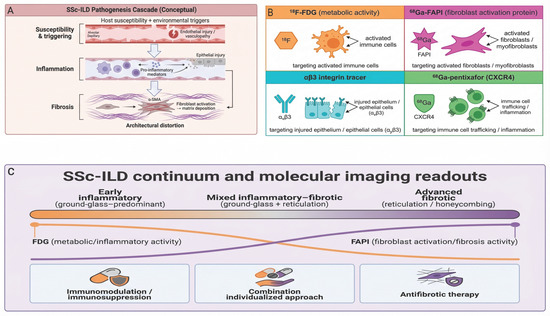
Molecular PET/CT in Systemic Sclerosis-Associated Interstitial Lung Disease (SSc-ILD)
by
Mallareddy Banala, Lilit Ghazaryan and Shabbir Ezuddin
Sclerosis 2026, 4(2), 11; https://doi.org/10.3390/sclerosis4020011 - 13 May 2026
Abstract
►▼
Show Figures
Systemic sclerosis-associated interstitial lung disease (SSc-ILD) is a leading cause of morbidity and mortality in patients with systemic sclerosis. High-resolution computed tomography (HRCT) provides anatomical detail but cannot directly assess disease activity, inflammation, or fibroblast activation. Molecular positron emission tomography/computed tomography (PET/CT) offers
[...] Read more.
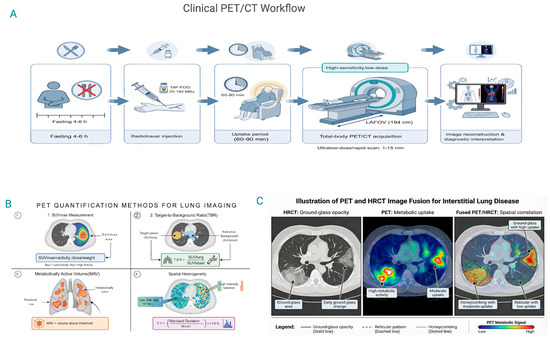
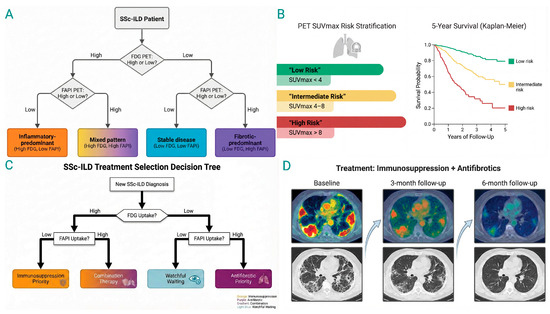
Systemic sclerosis-associated interstitial lung disease (SSc-ILD) is a leading cause of morbidity and mortality in patients with systemic sclerosis. High-resolution computed tomography (HRCT) provides anatomical detail but cannot directly assess disease activity, inflammation, or fibroblast activation. Molecular positron emission tomography/computed tomography (PET/CT) offers functional imaging that may complement structural assessment. This narrative review examines the role of molecular PET/CT in SSc-ILD, including fluorodeoxyglucose (FDG) PET/CT for metabolic activity assessment, fibroblast activation protein inhibitor (FAPI) tracers for fibrosis imaging, and other molecular probes targeting inflammation and tissue remodelling. We synthesize evidence on the diagnostic feasibility, prognostic value, and clinical applications of molecular PET/CT in SSc-ILD and related fibrotic interstitial lung diseases. Quantitative PET metrics, radiomics approaches, and artificial intelligence integration are also discussed. Although molecular PET/CT shows potential for phenotyping disease activity and predicting outcomes, current evidence is limited by small sample sizes and heterogeneous study designs. Standardization of imaging protocols, validation in multicenter cohorts, and integration with clinical and molecular biomarkers are needed before the clinical utility of molecular PET/CT in SSc-ILD can be established.
Full article

Figure 1
Open AccessReview
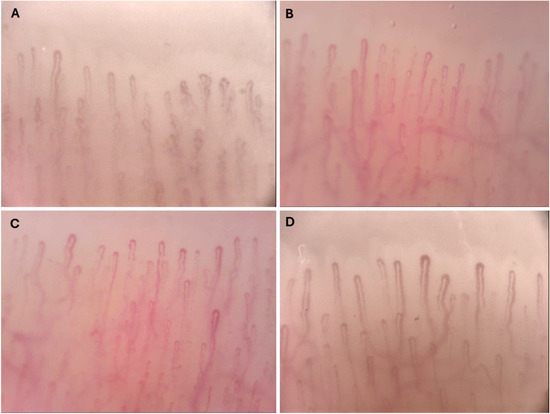
Nailfold Capillaroscopy: An Essential Tool in the Assessment of Systemic Sclerosis
by
Rossella De Angelis
Sclerosis 2026, 4(2), 10; https://doi.org/10.3390/sclerosis4020010 - 7 May 2026
Cited by 1
Abstract
Nailfold capillaroscopy has earned its place as a cornerstone of clinical assessment in systemic sclerosis (SSc). Its ability to detect early microvascular changes, distinguish primary from secondary Raynaud’s phenomenon, and contribute to disease classification has fundamentally reshaped the clinical approach to early diagnosis
[...] Read more.
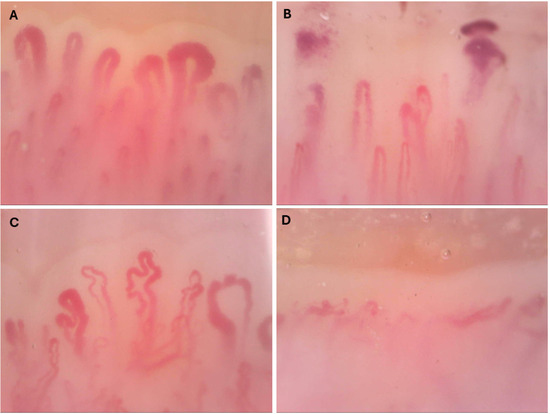
Nailfold capillaroscopy has earned its place as a cornerstone of clinical assessment in systemic sclerosis (SSc). Its ability to detect early microvascular changes, distinguish primary from secondary Raynaud’s phenomenon, and contribute to disease classification has fundamentally reshaped the clinical approach to early diagnosis and disease stratification. The recognition of distinct capillaroscopic patterns offers a structured framework for tracking disease evolution and identifying patients who warrant closer surveillance or proactive therapeutic intervention. The inclusion of capillaroscopic abnormalities in the ACR/EULAR 2013 classification criteria validates its diagnostic importance and facilitates identification of patients with early or limited cutaneous disease. Beyond diagnosis, emerging evidence supports prognostic applications, particularly for predicting digital ulcers, though the predictive value for other organ complications requires further validation. As a non-invasive, safe, and reproducible technique, capillaroscopy is particularly well-suited to long-term disease monitoring. Quantitative scoring systems allow for rigorous, objective tracking of microangiopathic progression and hold considerable promise as outcome measures in clinical trials targeting vasculopathy. Ongoing technological advances, particularly in automated image analysis and integration with functional assessment tools, promise to enhance the clinical utility of capillaroscopy while reducing operator dependency. Standardization efforts and validation of capillaroscopic parameters as clinical trial endpoints will be crucial for realizing the full potential of this technique.
Full article
(This article belongs to the Special Issue Recent Advances in Understanding Systemic Sclerosis, 2nd Edition)
►▼
Show Figures

Figure 1
Open AccessCase Report
From Low-Positive Fixed Cell-Based Assay to Confirmed Myelin Oligodendrocyte Glycoprotein Antibody-Associated Disease: A Paediatric Case Report
by
Tamara Santibáñez, José M. Valdés and Lorna Galleguillos
Sclerosis 2026, 4(2), 9; https://doi.org/10.3390/sclerosis4020009 - 29 Apr 2026
Cited by 1
Abstract
►▼
Show Figures
Background: The diagnosis of myelin oligodendrocyte glycoprotein antibody-associated disease (MOGAD) relies on sensitive serological detection of MOG-IgG. Fixed cell-based assays (CBAs) may yield low-positive or borderline results that complicate early clinical decision-making, whereas live CBAs—recommended as the reference method—preserve native antigen conformation
[...] Read more.
Background: The diagnosis of myelin oligodendrocyte glycoprotein antibody-associated disease (MOGAD) relies on sensitive serological detection of MOG-IgG. Fixed cell-based assays (CBAs) may yield low-positive or borderline results that complicate early clinical decision-making, whereas live CBAs—recommended as the reference method—preserve native antigen conformation and offer higher analytical sensitivity. Importantly, low-positive titres should not be confused with true seronegativity, as they may nevertheless be clinically meaningful. Case Presentation: A 14-year-old previously healthy male presented with left optic neuritis and perineuritis following an upper respiratory infection. Initial MOG-IgG testing on a fixed CBA was low-positive (1:10). He partially responded to intravenous methylprednisolone and required intravenous immunoglobulin (IVIG) for complete resolution. Over three years, he experienced sequential, steroid-dependent bilateral optic neuritis with perineuritis, relapsing on every steroid taper. Rituximab and subsequently mycophenolate mofetil failed to induce remission. Repeat testing with a live CBA at a reference laboratory yielded a high-positive MOG-IgG titre of 1:1000, confirming MOGAD. Tocilizumab (8 mg/kg every 4 weeks) was initiated and allowed complete corticosteroid withdrawal. At age 18, the patient remained asymptomatic, with an Expanded Disability Status Scale score of 0, best-corrected visual acuity of 20/20 in both eyes, and stable peripapillary retinal nerve fibre layer thickness on spectral-domain optical coherence tomography. Conclusions: In paediatric patients with recurrent optic neuritis with perineural involvement and borderline fixed-CBA results, confirmatory testing with a live CBA at a reference laboratory should be considered to avoid diagnostic delay and therapeutic misdirection. In refractory, steroid-dependent cases, IL-6 receptor blockade may represent a reasonable therapeutic option, in line with emerging evidence.
Full article

Figure 1

Open AccessReview
Vestibular Alterations in Patients with Systemic Sclerosis: A Narrative Review
by
Melissa Castillo-Bustamante and Verónica Alejandra Gutierrez
Sclerosis 2026, 4(2), 8; https://doi.org/10.3390/sclerosis4020008 - 31 Mar 2026
Abstract
Systemic sclerosis (SSc) is a complex autoimmune connective tissue disease characterized by immune dysregulation, microvascular damage, and progressive fibrosis affecting multiple organs. While cardiopulmonary, renal, and gastrointestinal manifestations have been extensively investigated, involvement of the vestibular system remains insufficiently explored and is likely
[...] Read more.
Systemic sclerosis (SSc) is a complex autoimmune connective tissue disease characterized by immune dysregulation, microvascular damage, and progressive fibrosis affecting multiple organs. While cardiopulmonary, renal, and gastrointestinal manifestations have been extensively investigated, involvement of the vestibular system remains insufficiently explored and is likely underrecognized in clinical practice. Vestibular symptoms such as dizziness, vertigo, imbalance, and postural instability may significantly affect quality of life and functional independence in patients with SSc. The pathophysiology of vestibular involvement in SSc is presumed to be multifactorial, involving microangiopathy of the inner ear, immune-mediated damage to vestibular end organs, fibrotic changes affecting inner ear homeostasis, and, in some cases, central nervous system involvement. This narrative review provides a comprehensive and critical synthesis of the current literature on vestibular alterations in systemic sclerosis. We discuss underlying mechanisms, clinical manifestations, diagnostic strategies, associations with common vestibular disorders, and the role of vestibular rehabilitation. By consolidating existing evidence and identifying knowledge gaps, this review aims to promote a more systematic and multidisciplinary approach to the evaluation and management of vestibular dysfunction in SSc.
Full article
(This article belongs to the Special Issue Advances and New Insights in Systemic Sclerosis)
Open AccessArticle
Modifiable Lifestyle Factors as Effect Modifiers of Diet-Induced Changes in the Physical and Psychological Impacts of Multiple Sclerosis: A Secondary Analysis of the WAVES Trial
by
Lauren R. Berry, Tyler J. Titcomb, Farnoosh Shemirani, Patrick Ten Eyck, Lucas J. Carr, Warren G. Darling, Karin F. Hoth, Linda G. Snetselaar and Terry L. Wahls
Sclerosis 2026, 4(1), 7; https://doi.org/10.3390/sclerosis4010007 - 23 Mar 2026
Abstract
Background/Objectives: Evidence suggests that modifiable lifestyle interventions improve disability in relapsing multiple sclerosis (MS); however, interactions between different factors may impact outcomes. Thus, the objective of this secondary analysis was to investigate diet-induced effects on the impact of MS and effect modification
[...] Read more.
Background/Objectives: Evidence suggests that modifiable lifestyle interventions improve disability in relapsing multiple sclerosis (MS); however, interactions between different factors may impact outcomes. Thus, the objective of this secondary analysis was to investigate diet-induced effects on the impact of MS and effect modification by other modifiable lifestyle factors. Methods: The physical and psychological impact of MS was assessed with the MS Impact Scale-29 (MSIS) at run-in, baseline, 12 weeks, and 24 weeks. Participants were randomized at baseline to the Swank low-saturated fat or Wahls modified Paleolithic elimination diets and instructed to maintain usual physical activity, objectively measured with an accelerometer, throughout the trial. Baseline information on sleep, physical activity, alcohol, and smoking was explored as effect modifiers. Results: Among the Swank group, MSIS-Physical scores improved from 33.8 ± 3.8 at baseline to 28.7 ± 3.6 at 12 weeks (p = 0.04) and 25.3 ± 3.5 at 24 weeks (p < 0.001). MSIS-Psychological scores also improved from 35.7 ± 3.3 at baseline to 25.6 ± 2.6 at 12 weeks (p = 0.001) and 22.8 ± 2.4 at 24 weeks (p < 0.001). Among the Wahls group, MSIS-Physical scores improved from 33.8 ± 3.1 at baseline to 21.7 ± 3.0 at 12 weeks (p < 0.001) and 19.0 ± 3.1 at 24 weeks (p < 0.001). MSIS-Psychological scores also improved from 38.4 ± 3.8 at baseline to 25.5 ± 3.8 at 12 weeks (p < 0.001) and 20.6 ± 3.6 at 24 weeks (p < 0.001). Improvements in MSIS-Physical were greater among participants who were physically inactive or drank little alcohol at baseline. Conclusions: Both diets led to favorable within-group improvements in the perceived impact of MS. People with MS who are physically inactive or drink little alcohol may benefit the most from dietary interventions.
Full article
(This article belongs to the Special Issue Neuropsychiatric and Quality of Life (QoL) Aspects of Multiple Sclerosis, 2nd Edition)
Highly Accessed Articles
Latest Books
E-Mail Alert
News
Topics
Conferences
Special Issues
Special Issue in
Sclerosis
Neuropsychiatric and Quality of Life (QoL) Aspects of Multiple Sclerosis, 2nd Edition
Guest Editor: Pasquale CalabreseDeadline: 10 November 2026
Special Issue in
Sclerosis
Advances and New Insights in Systemic Sclerosis
Guest Editor: Carol M. ArtlettDeadline: 10 November 2026
Special Issue in
Sclerosis
Advances in Systemic Sclerosis Research in Japan
Guest Editor: Yoshihide AsanoDeadline: 10 November 2026
Special Issue in
Sclerosis
Advances in Multiple Sclerosis: From Pathogenesis to Therapeutics
Guest Editors: Panagiotis Gklinos, Dimos MitsikostasDeadline: 10 December 2026