-
A Proof-of-Concept Framework Integrating ML-Based MRI Segmentation with FEM for Transfemoral Residual Limb Modelling -
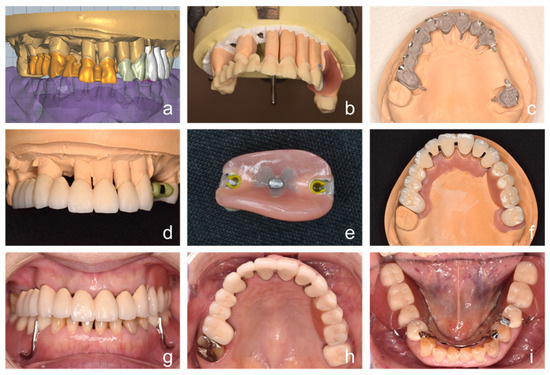
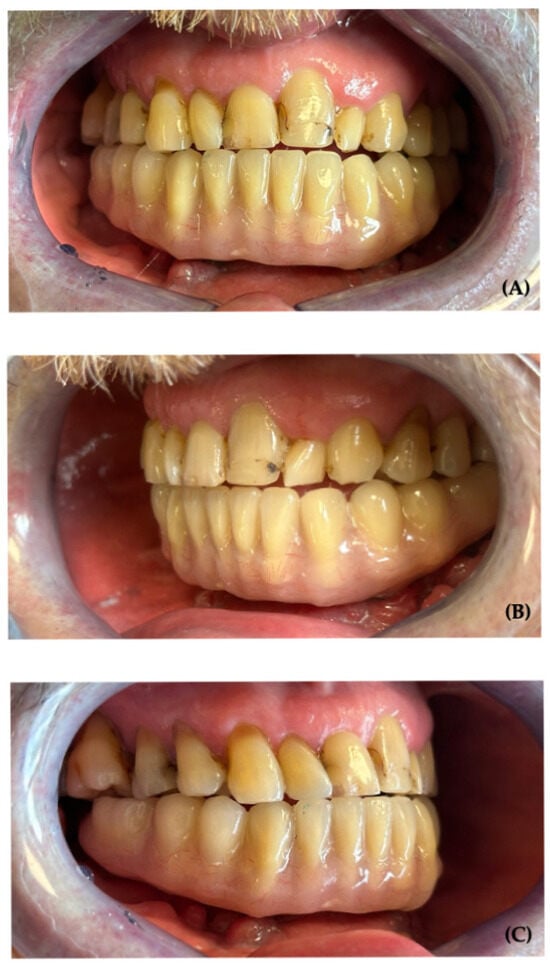
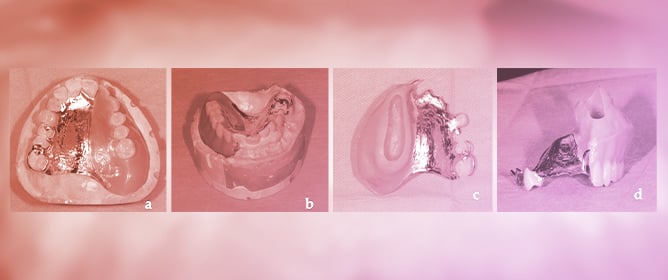
Surgical Procedures to Improve Prosthetic Prognosis After Maxillectomy: A Case Report -
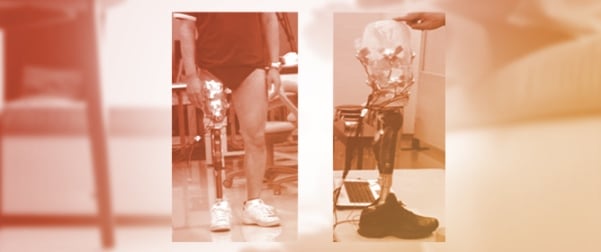
Neuromuscular Control of Overground Walking in Transtibial Amputees: Endoskeletal vs. Exoskeletal Prostheses -
Recycling Medical Waste in the Circular Economy: LCA Analysis of the Production of Bone Allografts from Femoral Heads -
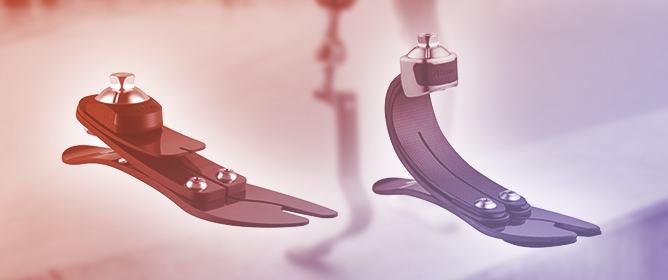
Multivariable Comparison of Energy-Storing Prosthetic Feet in Persons with Unilateral Transtibial Amputation
Journal Description
Prosthesis
Prosthesis
is an international peer-reviewed open access journal on rehabilitation medicine published monthly online by MDPI. The Italian Society of Odontostomatological Surgery (SIDCO) is affiliated with Prosthesis and its members receive discounts on the article processing charges.
- Open Access—free for readers, with article processing charges (APC) paid by authors or their institutions.
- High Visibility: indexed within Scopus, ESCI (Web of Science), and other databases.
- Journal Rank: JCR - Q2 (Materials Science, Biomaterials) / CiteScore - Q1 (Oral Surgery)
- Reliable Service: rigorous peer review and professional production.
- Rapid Publication: manuscripts are peer-reviewed and a first decision is provided to authors approximately 23.9 days after submission; acceptance to publication is undertaken in 5.8 days (median values for papers published in this journal in the second half of 2025).
- Recognition of Reviewers: APC discount vouchers, optional signed peer review, and reviewer names published annually in the journal.
Impact Factor:
4.5 (2024);
5-Year Impact Factor:
4.0 (2024)
Latest Articles
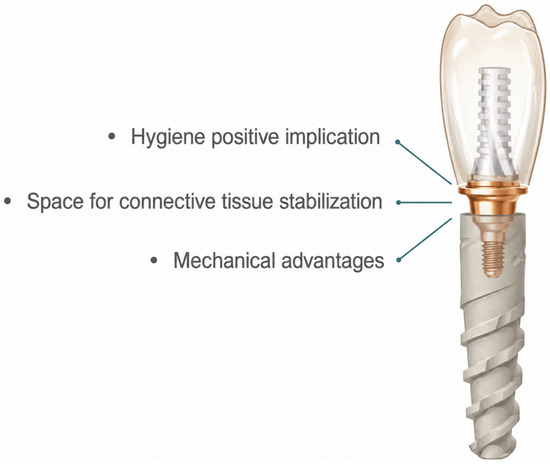
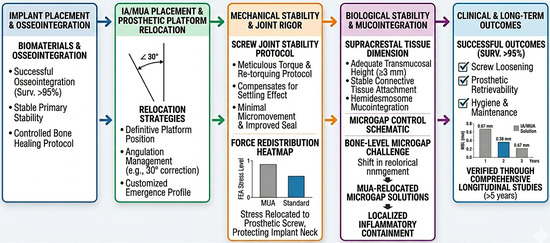
Intermediate and Multi-Unit Abutments in Implant-Supported Restorations: When, Why, and How to Use Them, a Narrative Review
Prosthesis 2026, 8(6), 55; https://doi.org/10.3390/prosthesis8060055 - 30 May 2026
Abstract
Background/Objectives: This narrative review aimed to critically assess the role of multi-unit abutments in implant dentistry, focusing on mechanical reliability and biological stability at the implant–abutment interface. Methods: A literature search was performed in PubMed/MEDLINE, Scopus, Web of Science and Google
[...] Read more.
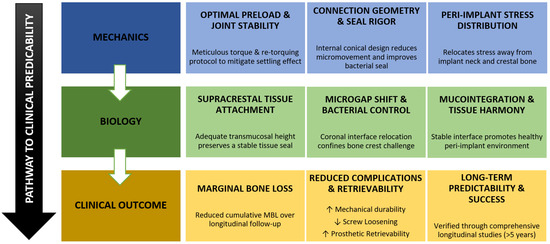
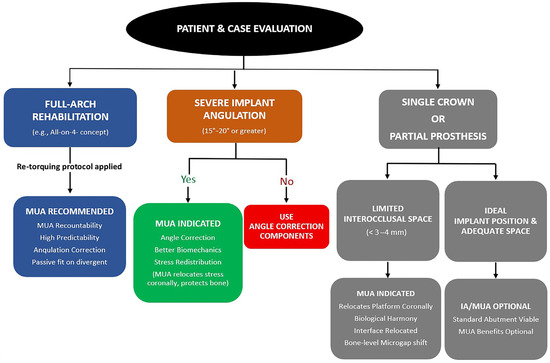
Background/Objectives: This narrative review aimed to critically assess the role of multi-unit abutments in implant dentistry, focusing on mechanical reliability and biological stability at the implant–abutment interface. Methods: A literature search was performed in PubMed/MEDLINE, Scopus, Web of Science and Google Scholar to identify clinical studies and experimental research from the past 20 years addressing implant–abutment connections, mechanical complications and biological integration of multi-unit abutments. Results: Dental implants demonstrate survival rates above 95%, yet complications, up to 35%, are primarily linked to the implant–abutment interface. Mechanical issues, especially screw loosening, may be mitigated with conical connections and adherence to evidence-based protocols. Biologically, multi-unit abutments with sufficient transmucosal height contribute to stable supracrestal tissue and preservation of marginal bone. Advances such as nanostructured surfaces and the concept of mucointegration represent a shift toward biologically active interfaces, enhancing peri-implant soft tissue health. Conclusions: Multi-unit abutments have evolved from simple angulation-correction tools to essential components across a wide range of clinical applications. Their success relies on strategic, protocol-driven use that integrates mechanical strength with biological harmony, enabling potentially favorable outcomes in modern implant dentistry, particularly in well-selected clinical scenarios.
Full article
(This article belongs to the Special Issue Innovations in Prosthetic Dentistry: From Biomaterials and Technology to Clinical Practice)
►
Show Figures
Open AccessArticle
Additive Manufacturing in Transtibial Sockets and Ankle–Foot Orthoses: Real-World Clinical and Operational Outcomes
by
Binedell Trevor, Mohd Fazli Bin Ghazali, Ng Li Bing and Quake Tabitha
Prosthesis 2026, 8(6), 54; https://doi.org/10.3390/prosthesis8060054 - 29 May 2026
Abstract
Background: Additive manufacturing (AM) has gained increasing attention in prosthetics and orthotics (P&O), yet real-world evidence on its clinical and operational value remains limited, particularly across both prosthetic and orthotic device classes within tertiary hospital practice. This study evaluated the comparative performance of
[...] Read more.
Background: Additive manufacturing (AM) has gained increasing attention in prosthetics and orthotics (P&O), yet real-world evidence on its clinical and operational value remains limited, particularly across both prosthetic and orthotic device classes within tertiary hospital practice. This study evaluated the comparative performance of AM in transtibial prosthetic sockets and ankle-foot orthoses (AFOs) within Singapore’s public healthcare setting. Methods: Two comparative clinical evaluations were conducted. The transtibial socket component used a prospective two-period cross-over design across two P&O departments in NHG Health hospitals, comparing digitally fabricated Multi Jet Fusion (MJF) sockets against conventionally laminated sockets. The AFO component compared posterior cut-out MJF AFOs against conventional polypropylene AFOs within a tertiary hospital P&O service. Patient-reported outcomes were assessed using the Prosthesis Evaluation Questionnaire (PEQ) and Socket Comfort Score (SCS) for sockets, and the Quebec User Evaluation of Satisfaction with Assistive Technology (QUEST 2.0) for AFOs. Workflow time and cost outcomes were also examined. Results: No statistically significant differences were identified between 3D-printed and conventional transtibial sockets across PEQ domains or SCS measures. Of 15 participants contributing preference data, 9 preferred the 3D-printed socket. The digitally enabled socket workflow reduced technician time and total man-hours but increased total cost because of higher consumables costs. In the AFO cohort, overall QUEST scores did not differ significantly between the posterior cut-out MJF AFO and the conventional polypropylene AFO (mean 4.49 vs. 4.55; p = 0.432). Digital fabrication reduced clinician handling time from 60 to 27 min per device. A unilateral MJF AFO design was discontinued because of biomechanical insufficiency. Conclusions: AM demonstrated comparable short-term patient-reported outcomes to conventional fabrication in selected transtibial socket and AFO applications, although the study was not designed to prove clinical equivalence. Operational benefits were conditional and depended on workflow maturity, design suitability, and service context.
Full article
(This article belongs to the Section Orthopedics and Rehabilitation)
Open AccessCase Report
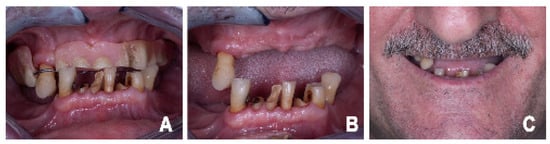
CAD–CAM-Fabricated Provisional Restoration for Bite Registration in Combined Fixed and Removable Prosthodontic Rehabilitation
by
Takayuki Ohtake, Takeru Kondo, Takayuki Harata and Hiroshi Egusa
Prosthesis 2026, 8(6), 53; https://doi.org/10.3390/prosthesis8060053 - 28 May 2026
Abstract
Background: Elderly patients often experience difficulty adapting to occlusal reconstruction. Therefore, accurate bite registration is mandatory to ensure precise transfer of the established maxillomandibular relationship to the definitive prosthesis. However, conventional bite registration methods may compromise reproducibility because of deformation of registration materials
[...] Read more.
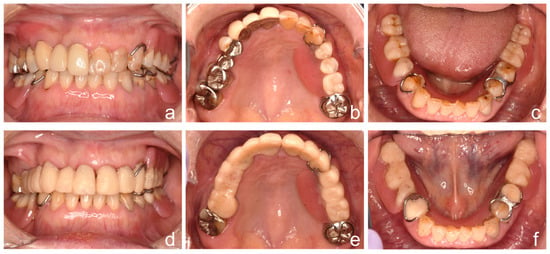
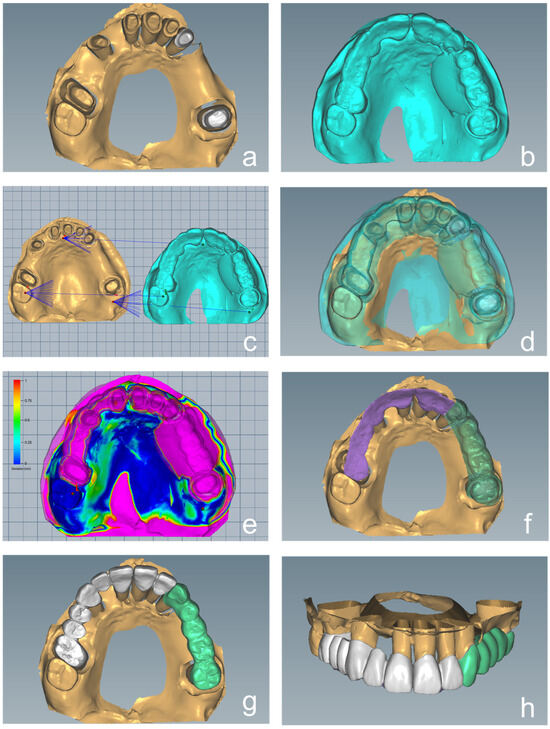
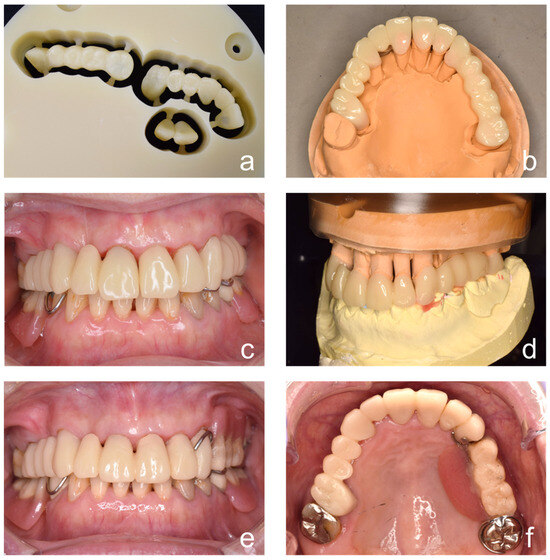
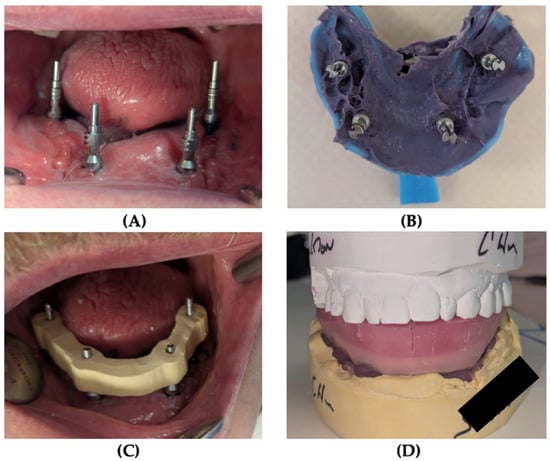
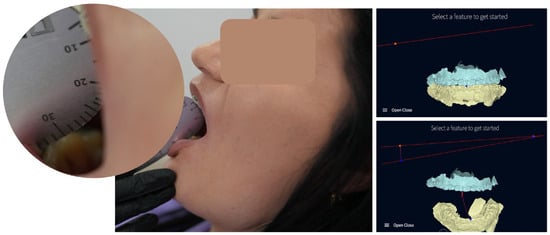
Background: Elderly patients often experience difficulty adapting to occlusal reconstruction. Therefore, accurate bite registration is mandatory to ensure precise transfer of the established maxillomandibular relationship to the definitive prosthesis. However, conventional bite registration methods may compromise reproducibility because of deformation of registration materials and instability of mucosa-supported record bases. Methods: A 65-year-old woman with the primary complaints of unstable occlusion and difficulty in mastication underwent occlusal reconstruction. After occlusal stabilization using provisional crowns, bridges, and removable partial dentures, definitive impressions were made with and without the provisional restorations. The casts were scanned, and the digital datasets were superimposed to reproduce the established occlusal morphology of the provisional restorations. This occlusal morphology was used to design a tooth-supported computer-aided design–computer-aided manufacturing (CAD–CAM)-fabricated milled provisional restoration. Following intraoral verification of occlusal stability, the milled provisional restoration served as a mounting guide for the working casts on an articulator. Definitive crowns, bridges, and removable partial dentures were then fabricated. Results: Following comprehensive prosthodontic rehabilitation with definitive prostheses, occlusal stability and masticatory function improved, and the patient was satisfied with the functional outcomes of treatment. Conclusions: A tooth-supported CAD–CAM-fabricated milled provisional restoration used as a bite registration device enables potentially more consistent transfer of the maxillomandibular relationship while avoiding mucosal displacement and material deformation. This technique, which integrates digital and conventional workflows, may provide a new option for addressing adaptation challenges in occlusal reconstruction.
Full article
(This article belongs to the Special Issue Biomimetics and Digital Workflows in Prosthodontics: Innovations, Materials, and Patient-Centered Outcomes)
►▼
Show Figures

Figure 1
Open AccessEditorial
Prosthetic Rehabilitation in Oral Cancer Patients
by
Maria Maddalena Marrapodi, Hande Uzunçıbuk and Giuseppe Minervini
Prosthesis 2026, 8(6), 52; https://doi.org/10.3390/prosthesis8060052 - 26 May 2026
Abstract
Oral cancer is a particularly difficult and morbid malignancy, often resulting in marked functional and aesthetic alterations post-treatment [...]
Full article
(This article belongs to the Section Prosthodontics)
Open AccessReview
Non-Implantable Prosthetic Devices to Stabilize Posture and Body Balance
by
Gustavo Arellano, Adriana Pliego and Enrique Soto
Prosthesis 2026, 8(6), 51; https://doi.org/10.3390/prosthesis8060051 - 25 May 2026
Abstract
►▼
Show Figures
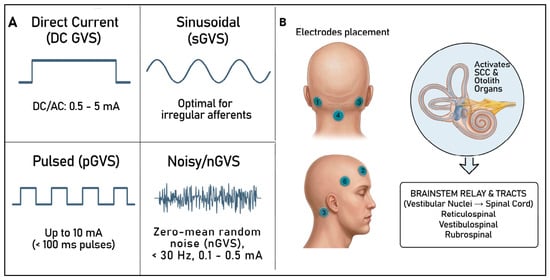
This is a narrative review that explores the development of non-implantable vestibular devices designed to address postural instability, particularly in aging populations and patients with vestibular hypofunction. It establishes that balance relies on complex sensory integration and that the functional decline of this
[...] Read more.
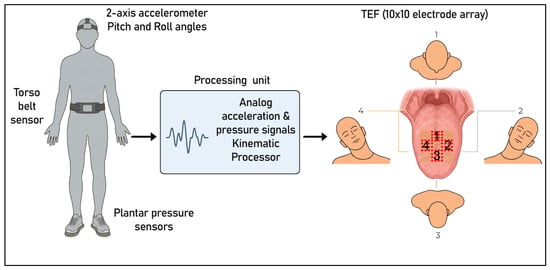
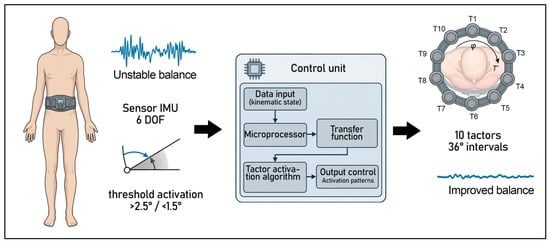
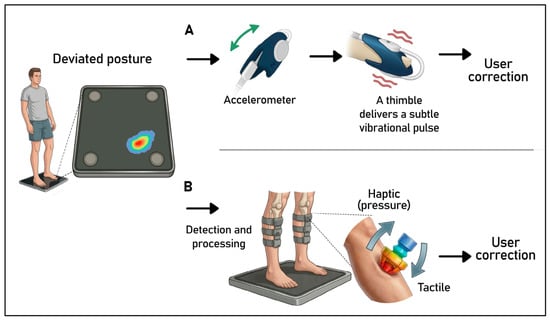
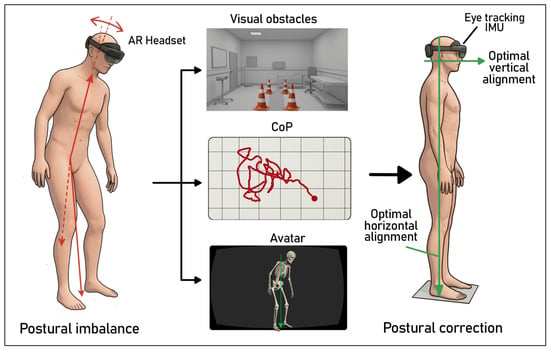
This is a narrative review that explores the development of non-implantable vestibular devices designed to address postural instability, particularly in aging populations and patients with vestibular hypofunction. It establishes that balance relies on complex sensory integration and that the functional decline of this system creates a significant medical need. Three principal technological strategies are examined: sensory substitution devices, galvanic vestibular stimulation (GVS), and immersive visual feedback systems. Sensory substitution devices, which convert balance data into auditory, tactile, or electrotactile cues, demonstrate significant promise. Examples like vibrotactile belts provide feedback that reduces postural sway, enhancing stability and patient confidence. Parallel to this, GVS—using electrical currents applied to the mastoids—emerges as a potent non-invasive method to modulate vestibular pathways, improving balance control and even inducing neuroplastic changes, especially with stochastic “noisy” signals. The most recently developed devices include augmented and virtual reality technologies that offer innovative visual feedback, creating enriched rehabilitation environments that accelerate recovery by promoting sensory reweighting and neural adaptation. This review concludes that while implantable prostheses are advancing, non-invasive devices offer versatile, affordable, and complementary solutions for balance restoration. The future success of non-invasive alternatives hinges on developing more sophisticated stimulation protocols that account for the complexity of natural movement and individual patient contexts, expanding therapeutic options for vestibular disorders.
Full article

Figure 1
Open AccessSystematic Review
Wettability of 3D-Printed Denture Base Resins Compared with Conventional Heat-Polymerized and Milled Counterparts: A Systematic Review and Meta-Analysis of In Vitro Studies
by
Ioannis Tsolianos, Savvas Kamalakidis, Olga Naka and Eleni Kotsiomiti
Prosthesis 2026, 8(6), 50; https://doi.org/10.3390/prosthesis8060050 - 22 May 2026
Abstract
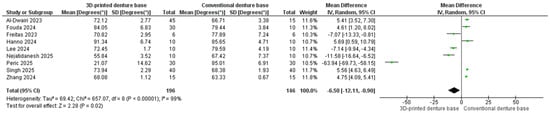
Background/Objectives: Wettability is a key surface property of denture base resins and is related to denture retention through interfacial cohesive–adhesive forces; conversely, compromised material wettability facilitates bacterial adhesion and colonization. Although three-dimensional (3D) printing has become an increasingly popular method for fabricating dentures,
[...] Read more.
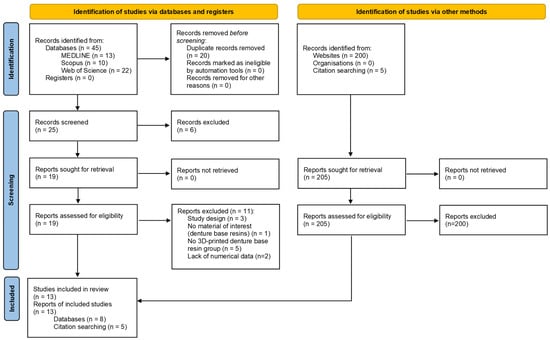
Background/Objectives: Wettability is a key surface property of denture base resins and is related to denture retention through interfacial cohesive–adhesive forces; conversely, compromised material wettability facilitates bacterial adhesion and colonization. Although three-dimensional (3D) printing has become an increasingly popular method for fabricating dentures, there is insufficient evidence regarding the wettability of 3D-printed denture base resins. This study aims to evaluate the wettability of 3D-printed, heat-polymerized, and milled denture base resins by comparing their contact angles. Methods: A search was conducted in MEDLINE, Scopus, and Web of Science, while grey literature was also assessed. The risk of bias was evaluated using the Quality Assessment Tool for In Vitro Studies (QUIN). Meta-analyses were conducted using inverse variance and the random effects model. Results: A total of nine and seven studies were included in the quantitative synthesis comparing 3D-printed denture base resins with heat-polymerized and milled resins, respectively. A statistically significant difference of −6.50 degrees was observed in favor of 3D-printed denture base resins compared to heat-polymerized ones (95% CI: −12.11 to −0.90, I2 = 99%), while the comparison between 3D-printed and milled resins showed a non-statistically significant mean difference (MD: 0.87, 95% CI: −5.08 to 6.82, I2 = 98%). Conclusions: The available in vitro evidence indicates that 3D-printed denture base resins tend to exhibit improved surface wettability compared with heat-polymerized resins and perform similarly to milled resins. However, given the extremely high heterogeneity, these findings should be interpreted with caution, as clinical performance depends on the complex interplay between surface characteristics and microbial adhesion rather than solely on wettability.

Full article
(This article belongs to the Section Prosthodontics)
►▼
Show Figures

Figure 1
Open AccessArticle
Accuracy of Intraoral Scanners for Simulated Tooth Wear Using RMS Surface Deviation Analysis
by
Maria Tsiafitsa, Petros Mourouzis, Dimitrios Dionysopoulos, Pantelis Kouros and Kosmas Tolidis
Prosthesis 2026, 8(5), 49; https://doi.org/10.3390/prosthesis8050049 - 19 May 2026
Abstract
Objectives. This study evaluated the performance of three intraoral scanners with different acquisition technologies in detecting early signs of tooth wear, using micro-computed tomography (micro-CT) as the reference standard. Methods and Materials. Three IOS were examined, including an active triangulation scanner, a
[...] Read more.
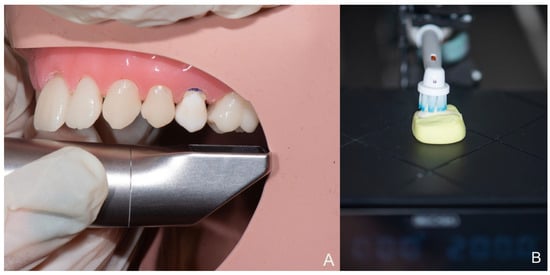
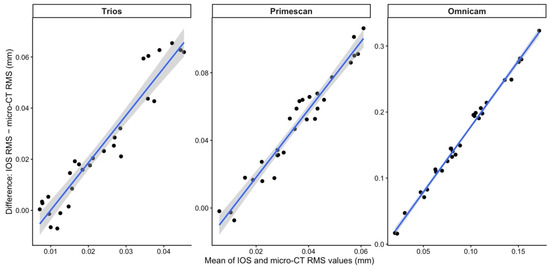
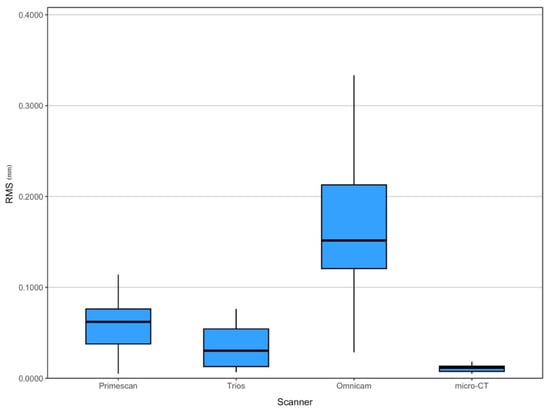
Objectives. This study evaluated the performance of three intraoral scanners with different acquisition technologies in detecting early signs of tooth wear, using micro-computed tomography (micro-CT) as the reference standard. Methods and Materials. Three IOS were examined, including an active triangulation scanner, a structured-light triangulation scanner, and a parallel confocal technology scanner. Ten extracted unrestored and caries-free premolars were placed in the maxillary left second premolar position of a dental mannequin and scanned at baseline, generating quadrant digital models. Micro-CT scans were also obtained at baseline. Wear was simulated by immersion in a 1% citric acid solution followed by brushing of the buccal surfaces. All specimens were rescanned with IOS and micro-CT. Micro-CT datasets were reconstructed into stereolithography models and compared with IOS models using mesh analysis software. Statistical analysis was performed in R using linear mixed-effects models to account for repeated measurements across teeth. RMS values and absolute errors relative to the micro-CT reference were analysed with device as a fixed effect and tooth as a random effect, with Tukey-adjusted pairwise comparisons. Repeatability was additionally assessed from the repeated scans using within-tooth variability. Results. Significant differences were observed among the evaluated systems in the detection of changes related to tooth wear (p < 0.001). The micro-CT reference showed the lowest RMS value, followed by Trios 3, Primescan, and Omnicam. Model-based analyses confirmed significant differences among the evaluated systems, while the magnitude and statistical support of pairwise contrasts depended on the specific outcome considered. Repeatability analysis showed that Trios 3 had the lowest within-tooth standard deviation and repeatability coefficient (0.0215 mm and 0.0595 mm, respectively), followed by Primescan (0.0290 mm and 0.0802 mm), whereas Omnicam showed the highest within-tooth variability and repeatability coefficient (0.0624 mm and 0.173 mm). Conclusions. The parallel confocal and structured-light triangulation intraoral scanners produced RMS values numerically closer to the micro-CT reference than the active triangulation scanner. However, none of the evaluated intraoral scanners demonstrated quantitative agreement sufficient to be considered interchangeable with the reference standard.
Full article
(This article belongs to the Special Issue Advances in Digital Prosthodontics: Innovations in CAD-CAM Technology and Material Science)
►▼
Show Figures

Figure 1
Open AccessSystematic Review
Biomechanical and Biological Behavior of Zirconium-Reinforced Polyether-Ether-Ketone (Biohpp®) Prosthetic Applications: A Systematic Review
by
Natalia Blanch-Martínez, Anabel Gramatges-Rojas, Carmen Ferrer-Serena and Santiago Arias-Herrera
Prosthesis 2026, 8(5), 48; https://doi.org/10.3390/prosthesis8050048 - 16 May 2026
Abstract
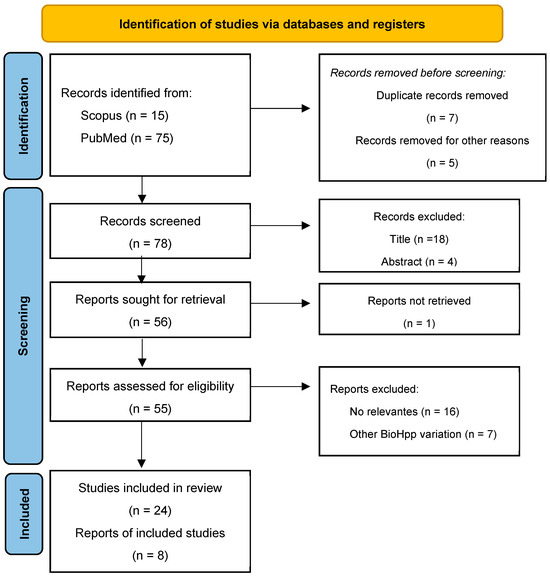
Background/Objectives: The development of high-performance biocompatible polymers such as zirconium-reinforced polyether ether ketone (BioHPP®) has expanded the range of materials available for implant-supported prostheses, traditionally limited to metal alloys and zirconia. Due to its favorable mechanical properties and elastic modulus similar
[...] Read more.
Background/Objectives: The development of high-performance biocompatible polymers such as zirconium-reinforced polyether ether ketone (BioHPP®) has expanded the range of materials available for implant-supported prostheses, traditionally limited to metal alloys and zirconia. Due to its favorable mechanical properties and elastic modulus similar to cortical bone, BioHPP® has been proposed as a potential alternative in implant prosthodontics. This systematic review aimed to analyze the biomechanical behavior of zirconium-reinforced PEEK and assess its advantages and limitations in implant prosthetic applications. Methods: A systematic review was conducted in accordance with PRISMA 2020 guidelines, including studies published between 2011 and 2025 that evaluated the performance of BioHPP in implant prosthetic applications. Results: The search strategy identified 34 studies that met the inclusion criteria. The included studies evaluated mechanical properties such as fracture resistance, elastic modulus, stress distribution, and peri-implant tissue response. Zirconium-reinforced PEEK demonstrated fracture resistance values reaching up to 1623.31 N and an elastic modulus of approximately 4 GPa, comparable to cortical bone. Several studies also reported favorable stress distribution patterns and reduced mechanical complications when compared with conventional metallic materials. Conclusions: Zirconium-reinforced PEEK exhibits promising biomechanical characteristics for use in implant-supported prostheses, particularly due to its fracture resistance and bone-like elastic modulus. However, the available evidence is predominantly based on in vitro and finite element studies. Long-term clinical trials are required to confirm its clinical performance and establish definitive recommendations for routine use.
Full article
(This article belongs to the Section Bioengineering and Biomaterials)
►▼
Show Figures

Figure 1
Open AccessCase Report
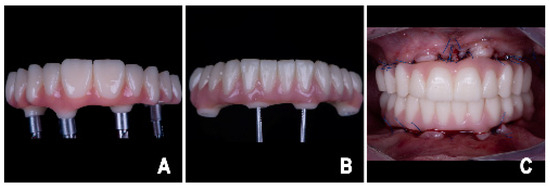
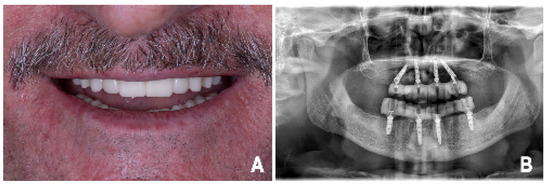
Full-Arch Rehabilitation of an Edentulous Mandible with a Subperiosteal Implant Following Oncologic Reconstruction: A Case Report
by
Justine Sanslaville Andres, Pauline Dussueil, Nicolas Lamy, Ramzi Ouadah and Hervé Moizan
Prosthesis 2026, 8(5), 47; https://doi.org/10.3390/prosthesis8050047 - 15 May 2026
Abstract
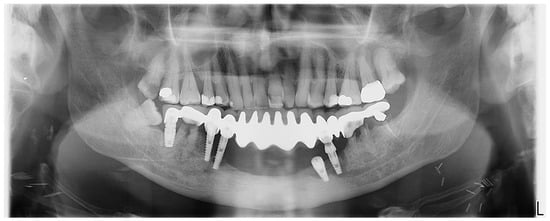
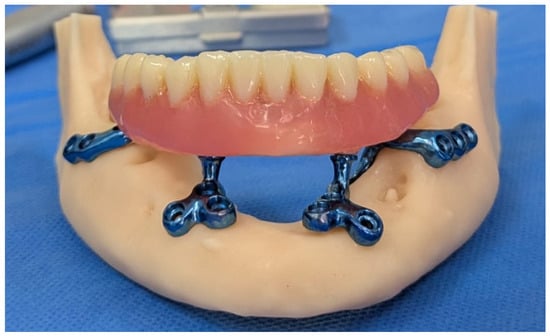
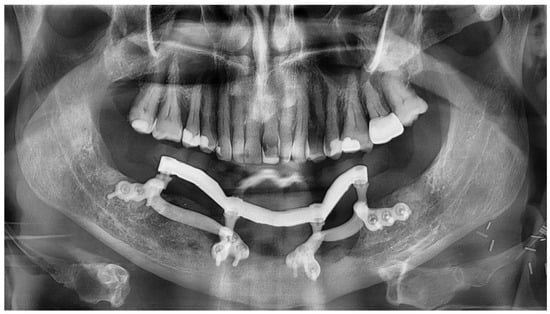
Background: Rehabilitation of edentulous mandibles in a post-oncologic setting remains a major clinical challenge. In such situations, placement of conventional endosseous implants may be compromised by severe bone deficiency, a history of peri-implant infection, and constraints related to reconstructive soft tissues. Customized
[...] Read more.
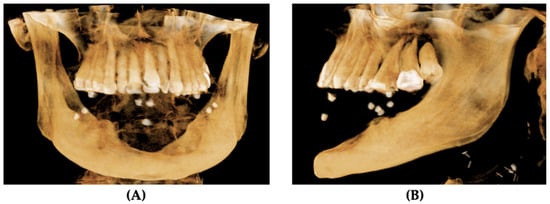
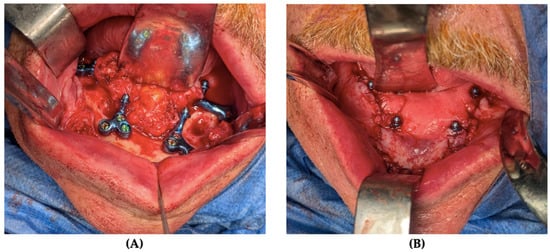
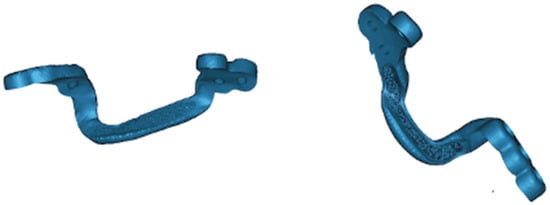
Background: Rehabilitation of edentulous mandibles in a post-oncologic setting remains a major clinical challenge. In such situations, placement of conventional endosseous implants may be compromised by severe bone deficiency, a history of peri-implant infection, and constraints related to reconstructive soft tissues. Customized titanium subperiosteal implants, made possible by three-dimensional imaging, computer-aided design, and additive manufacturing, represent a potential alternative when conventional options are unfavorable. This case report describes a full-arch fixed rehabilitation of an edentulous mandible in a patient previously treated for squamous cell carcinoma of the floor of the mouth. Methods: A patient-specific titanium additively manufactured subperiosteal jaw implant (AMSJI) made of biocompatible titanium was designed using a digital planning workflow. Implant placement was performed in a single surgical session under general anesthesia, with fixation using osteosynthesis screws. A screw-retained full-arch provisional prosthesis was delivered intraoperatively, allowing immediate loading with adjustments aimed at avoiding compression of the healing soft tissues. Results: The patient achieved satisfactory functional and esthetic rehabilitation. Postoperative follow-up showed overall favorable mucosal tolerance; an early, limited peri-abutment mucosal dehiscence was observed and managed with suturing under local anesthesia, without compromising implant stability. Conclusions: This case highlights the clinical interest of patient-specific titanium subperiosteal implants as a fixed rehabilitation option in post-oncologic patients with major osseous and mucosal constraints and a history of reconstructive procedures. The combination of accurate digital planning and custom-made manufacturing may avoid the need for extensive bone grafting. However, these findings should be interpreted with caution due to the short-term follow-up and the inherent limitations of a single-case report, which limit the level of evidence and generalizability.
Full article
(This article belongs to the Special Issue Digital and 3D-Printed Dental Appliances: Materials, Design, and Clinical Applications)
►▼
Show Figures

Figure 1
Open AccessArticle
Functional Trajectories of Low-Mobility Transfemoral Amputees with a K2-Specialized Microprocessor Knee: An Exploratory Prospective Observational Study
by
Natascha Raisig, Frank Traub, Per Otto Schüller, Andreas Hahn and Johannes Schröter
Prosthesis 2026, 8(5), 46; https://doi.org/10.3390/prosthesis8050046 - 11 May 2026
Abstract
►▼
Show Figures
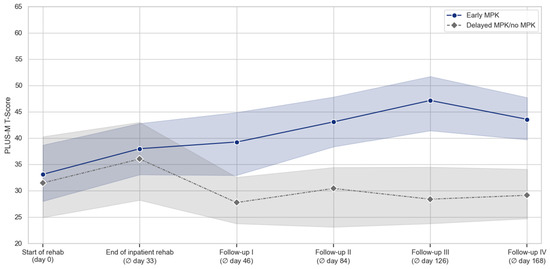
Background/Objectives: Despite growing evidence of benefit, microprocessor-controlled knees (MPKs) are not routinely integrated into standard rehabilitation pathways for low-mobility (K-Level 1–2) transfemoral amputees. This exploratory analysis aimed to characterize functional trajectories of low-mobility amputees associated with early versus delayed or no MPK
[...] Read more.
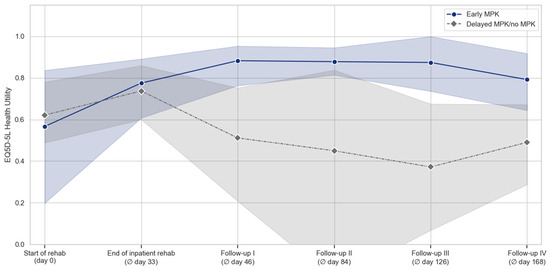
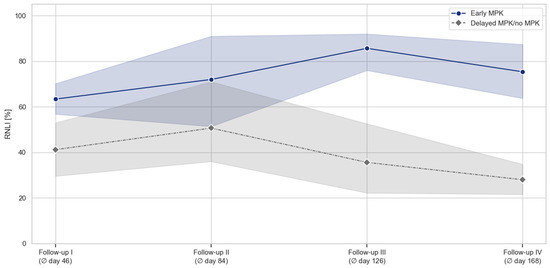
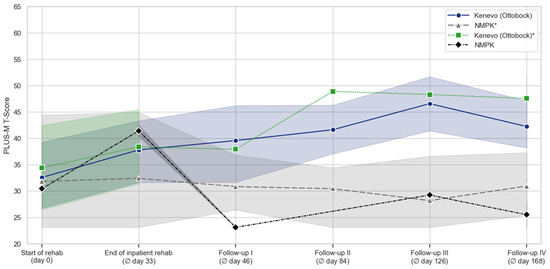
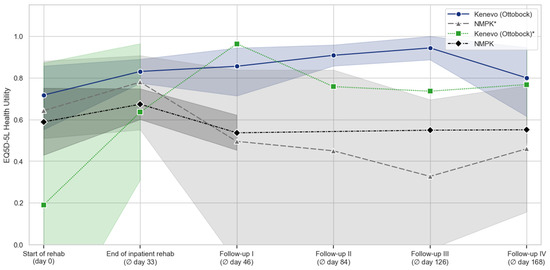
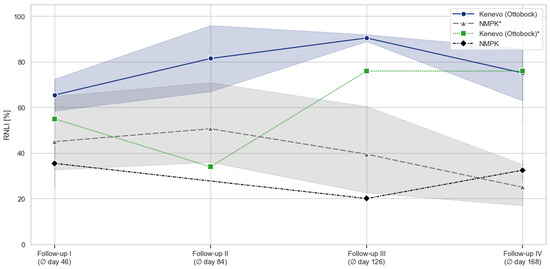
Background/Objectives: Despite growing evidence of benefit, microprocessor-controlled knees (MPKs) are not routinely integrated into standard rehabilitation pathways for low-mobility (K-Level 1–2) transfemoral amputees. This exploratory analysis aimed to characterize functional trajectories of low-mobility amputees associated with early versus delayed or no MPK provision in routine inpatient rehabilitation. Methods: This prospective observational multicenter study evaluated 24-week functional trajectories in low-mobility transfemoral amputees receiving standard inpatient rehabilitation at seven non-specialized centers in Germany. Participants were grouped post hoc into two groups: (1) early MPK provision (initial Kenevo use) and (2) delayed or no MPK provision (initial non-microprocessor knees with or without later transition). Patient-reported mobility (PLUS-M K2), health-related quality of life (EQ-5D-5L), and social reintegration (RNLI) were assessed across multiple time points during inpatient rehabilitation and follow-up. Analyses were descriptive and exploratory due to small sample size. Results: Nineteen participants were included. Across outcomes, the early MPK group showed more consistent improvements over time, whereas the delayed/no MPK group demonstrated more variable trajectories with less sustained gains. Conclusions: In this exploratory real-world cohort, early provision of a K2-specific MPK (Kenevo) was associated with more favorable functional trajectories compared with delayed or no MPK provision. Given the small sample size, post hoc group allocation, and potential confounding by indication, these findings should be considered hypothesis-generating. Larger prospective studies are required to evaluate the timing and role of MPK provision in low-mobility populations.
Full article

Figure 1
Open AccessCase Report
Digital Smile Design with AI-Assisted Workflow for Minimally Invasive Veneer Rehabilitation: A Case Report
by
Mohammad Qaddomi, Manar Metlej, Ghanem Arbid, Erta Xhanari and Hani Tohme
Prosthesis 2026, 8(5), 45; https://doi.org/10.3390/prosthesis8050045 - 10 May 2026
Abstract
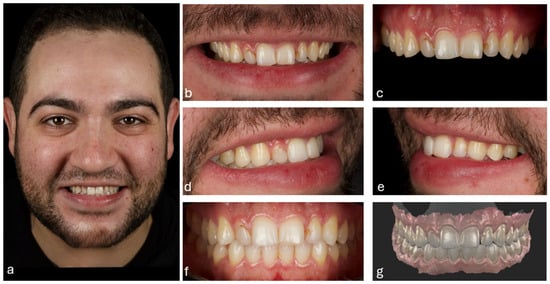
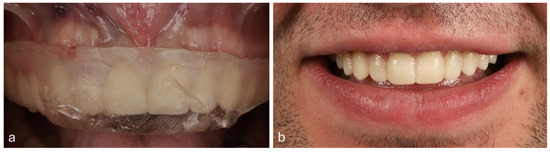
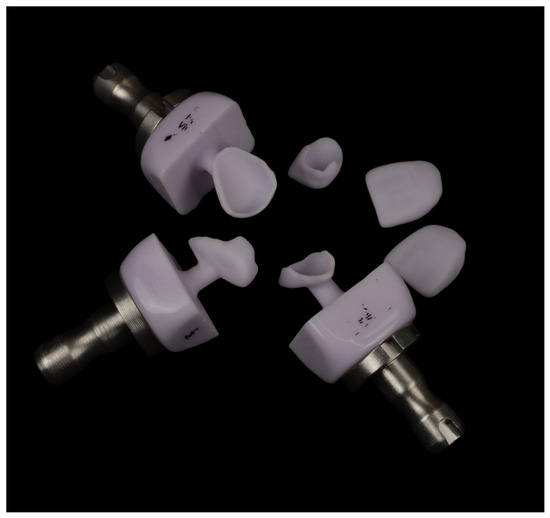
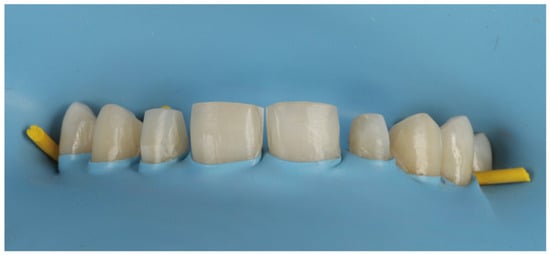
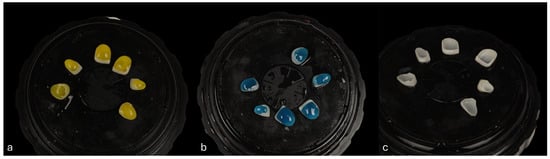
This case report describes a digital workflow for the aesthetic rehabilitation of a 30-year-old male patient with unaesthetic anterior teeth. The treatment incorporated AI-assisted smile design software (SmileCloud Biometrics) for 2D/3D digital planning and patient communication. Six lithium disilicate veneers (IPS e.max CAD)
[...] Read more.
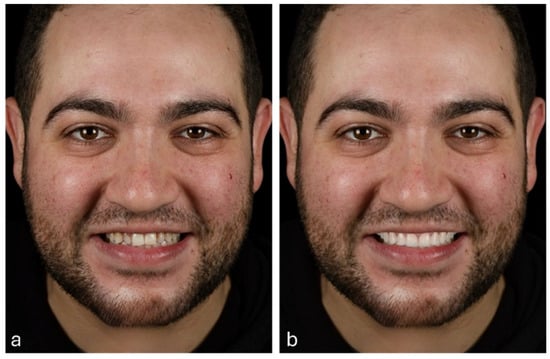
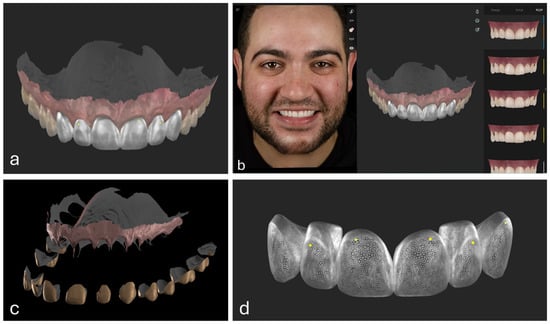
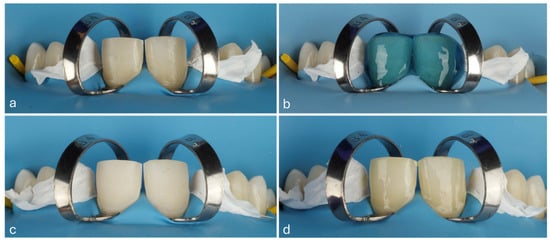
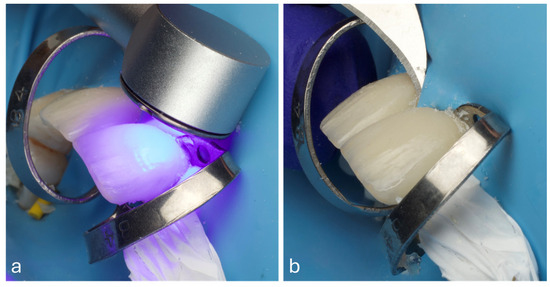
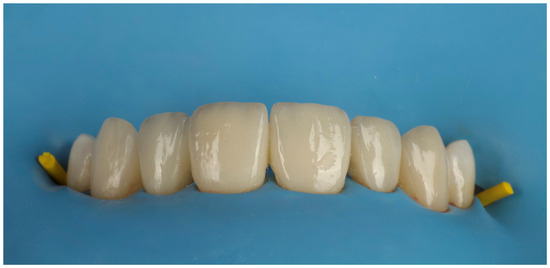
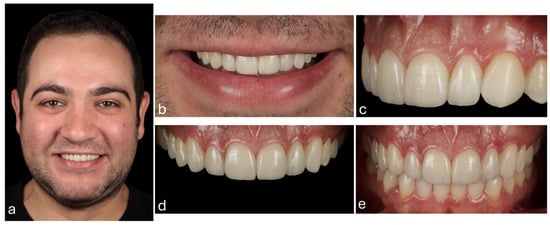
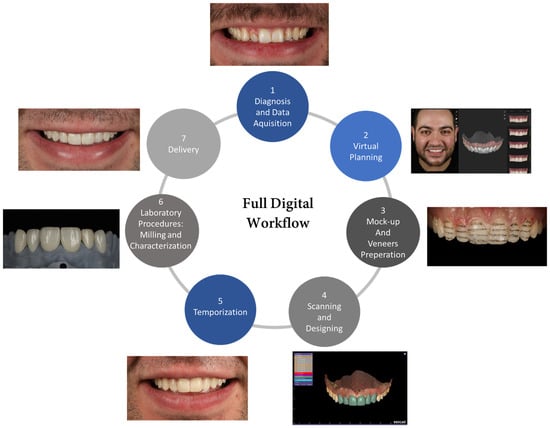
This case report describes a digital workflow for the aesthetic rehabilitation of a 30-year-old male patient with unaesthetic anterior teeth. The treatment incorporated AI-assisted smile design software (SmileCloud Biometrics) for 2D/3D digital planning and patient communication. Six lithium disilicate veneers (IPS e.max CAD) were fabricated using CAD/CAM technology following mock-up-guided minimally invasive preparation (0.2–0.9 mm reduction). The restorations were adhesively cemented under rubber dam isolation. One-week follow-up confirmed aesthetic integration, occlusal harmony, and patient satisfaction. This case illustrates how digital workflows with AI-assisted tools can support veneer rehabilitation through data-informed planning and conservative preparation while maintaining aesthetic outcomes.
Full article
(This article belongs to the Special Issue Shaping the Future: Artificial Intelligence in Prosthodontics and Prosthesis Innovation)
►▼
Show Figures

Figure 1
Open AccessTechnical Note
A Reproducible Calibrated Dual-Pin Reference Method for Mandibular Pre- and Postoperative Scan Alignment: A Proof of Concept
by
Federico Tirone, Stefano Salzano and Erik Rolando
Prosthesis 2026, 8(5), 44; https://doi.org/10.3390/prosthesis8050044 - 5 May 2026
Abstract
►▼
Show Figures
In this study, a fully digital workflow enabling the alignment of pre- and postoperative mandibular intraoral scans in complete-arch implant rehabilitation using intraosseous fiducial reference markers is presented. A prosthetically driven digital workflow was implemented for mandibular complete-arch rehabilitation in which two cylindrical
[...] Read more.
In this study, a fully digital workflow enabling the alignment of pre- and postoperative mandibular intraoral scans in complete-arch implant rehabilitation using intraosseous fiducial reference markers is presented. A prosthetically driven digital workflow was implemented for mandibular complete-arch rehabilitation in which two cylindrical intraosseous pins were placed in a median or paramedian mandibular region and used as fiducial reference markers to align pre- and postoperative intraoral scans. Pin osteotomies were prepared using a calibrated drilling protocol and preserved throughout surgery to allow for the exact repositioning of the pins. Implant positions were recorded using photogrammetry, while postoperative intraoral scans were acquired after suturing with the pins reinserted. Scan alignment was performed using a best-fit algorithm based exclusively on the fiducial pin geometry. Standardized convergent scanbodies without undercuts were used for intraoral scanning. The proposed workflow allowed for the alignment of pre- and postoperative mandibular scans without additional radiographic acquisitions and was compatible with both guided and free-hand implant placement, regardless of the degree of mandibular atrophy. Within the limitations of a proof-of-concept report, the use of intraosseous fiducial reference markers represents a minimally invasive and clinically applicable solution to a critical limitation of fully digital mandibular rehabilitation workflows, without the quantitative validation of accuracy, trueness, or reproducibility.
Full article

Figure 1
Open AccessArticle
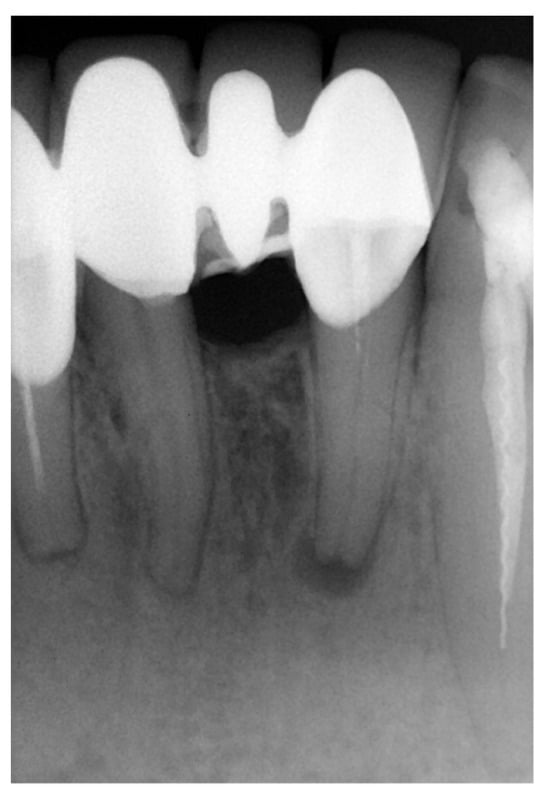
Periapical Complications Associated with Tooth-Supported Fixed Dental Prostheses: A Long-Term Clinical Evaluation
by
Hanin Alsalhi, Rana Altuwajri and Ali Alenezi
Prosthesis 2026, 8(5), 43; https://doi.org/10.3390/prosthesis8050043 - 30 Apr 2026
Abstract
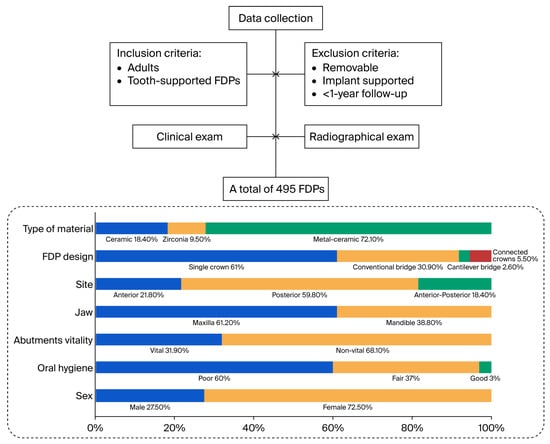
Objectives: Endodontic complications are among the most frequently reported biological complications in tooth-supported fixed dental prostheses (FDPs). The aim of this study was to evaluate the prevalence of periapical complications in FDPs placed on vital and non-vital abutments and to identify risk factors
[...] Read more.
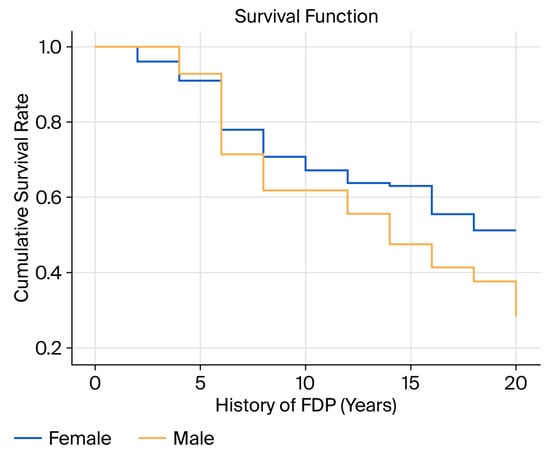
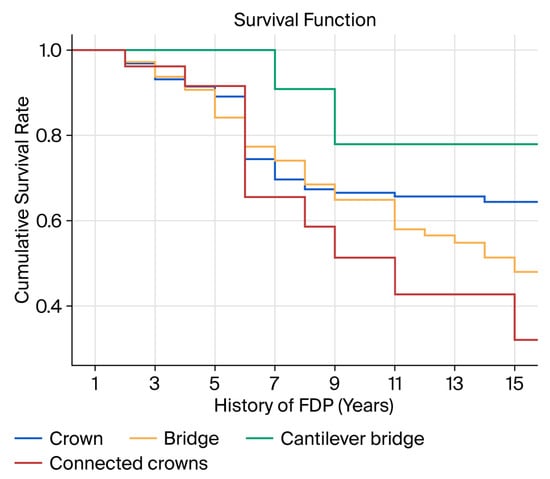
Objectives: Endodontic complications are among the most frequently reported biological complications in tooth-supported fixed dental prostheses (FDPs). The aim of this study was to evaluate the prevalence of periapical complications in FDPs placed on vital and non-vital abutments and to identify risk factors for these lesions. Methods: This retrospective clinical trial was conducted on participants who had attended routine follow-up visits at the dental hospital at Qassim University, Saudi Arabia. Participants were examined clinically and radiographically for the presence of periapical lesions. Information was recorded on the design, material, location of the prostheses, and oral hygiene. The survival and lesion-free survival rates were determined using the Kaplan–Meier method. Life-table analysis was performed to assess the mean time to event. Univariate Cox proportional hazards regression analysis was used to assess potential risk factors for the development of periapical lesions (α = 0.05). Results: A total of 495 FDPs were placed in 302 participants, with a mean age of 45.7 ± 13.4 years and a mean follow-up period of 7.5 ± 6.5 years. Lesions were detected in 32.3% of FDPs during follow-up. There were no significant differences in the prevalence of lesions in vital compared with non-vital abutments or between males and females (p > 0.05). Poor oral hygiene was the most significant risk factor for the development of periapical lesions (p < 0.05). Univariate Cox regression analysis showed that anterior–posterior FDPs had a higher risk of lesions (p = 0.035). No significant associations were found between lesions and the material used or the design of the abutment (p > 0.05). Conclusions: Periapical complications in FDPs are mainly influenced by oral hygiene and the location of the FDPs, whereas abutment vitality and material type appear to have limited impact.
Full article
(This article belongs to the Special Issue Advancements in Prosthetic Dentistry: Materials, Techniques, Ethics, and Sustainable Clinical Applications)
►▼
Show Figures

Figure 1
Open AccessArticle
Effect of Type of Cement, Fabrication Technique, and Cyclic Loading on the Marginal Accuracy of Lithium Disilicate Crowns
by
Salah A. Yousief, Hend Mohamed Elsayed, Abdulrazak Mahmoud Fayed, Roua Mohammed Y. Almadani, Mohammad Abdullah Alqhtani, Ahmed Mohammed Sleem Abdelglel, Khalid Dhafer Alhendi, Sokina Yosef Abdulmalik, Sarah Salah Gaafar, Ahmed Ibrahim Mahrous, Ebaa Ibrahim Alagha and Mahmoud Darwish
Prosthesis 2026, 8(4), 42; https://doi.org/10.3390/prosthesis8040042 - 21 Apr 2026
Abstract
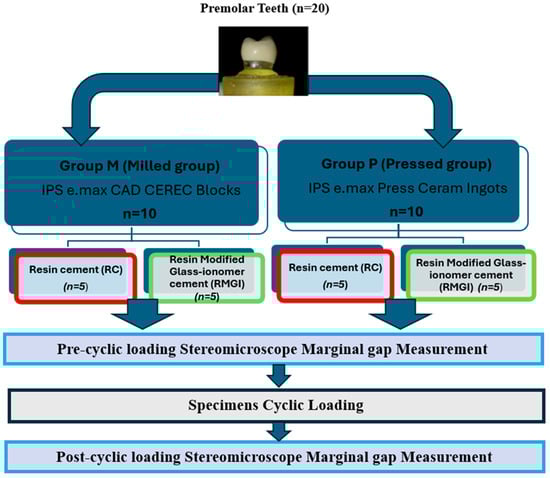
Background and aim: The influence of fabrication techniques, cement type, and cyclic loading on the marginal adaptation of lithium disilicate crowns remains a clinical concern that may affect their long-term performance. This study aimed to evaluate the effects of cyclic loading and
[...] Read more.
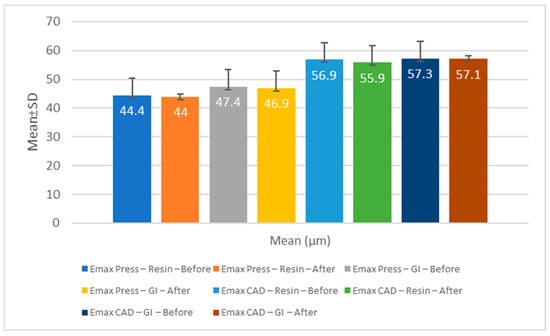
Background and aim: The influence of fabrication techniques, cement type, and cyclic loading on the marginal adaptation of lithium disilicate crowns remains a clinical concern that may affect their long-term performance. This study aimed to evaluate the effects of cyclic loading and cement type on the marginal fit of milled and pressed lithium disilicate crowns. Methods: Twenty lithium disilicate crowns were fabricated and divided into two groups based on the manufacturing technique: milled and pressed (n = 10 each). Each group was further subdivided according to the cement type: resin or resin-modified glass ionomer (n = 5 per group). Crowns were cemented on standardized epoxy resin dies, and the marginal gap was measured using a stereomicroscope before and after cyclic loading. Cyclic loading was performed at 50 N for 37,000 cycles. Data were statistically analyzed using a three-way ANOVA (α = 0.05). Results: Milled crowns showed marginal gaps ranging from 52 to 57 µm, whereas the pressed crowns exhibited smaller gaps ranging from 39 to 47 µm. Neither the cement type nor the cyclic loading produced a significant difference in the marginal gap values (p > 0.05). Conclusions: Pressed lithium disilicate crowns exhibited superior marginal adaptation compared with the milled crowns. Neither the type of cement nor the cyclic loading had a significant effect on the marginal gap. Both fabrication techniques yielded clinically acceptable fits (<100 µm).
Full article
(This article belongs to the Collection Oral Implantology: Current Aspects and Future Perspectives)
►▼
Show Figures

Figure 1
Open AccessCase Report
From Digital Planning to Personalised Surgical Integration: Total Temporomandibular Joint Prosthesis and Patient-Specific Plates in Bimaxillary Orthognathic Surgery
by
Elena-Raluca Baciu, Cezara Andreea Onică, Alice Murariu, Gabriela Luminița Gelețu, Costin Iulian Lupu, Cezar Ilie Foia and Neculai Onică
Prosthesis 2026, 8(4), 41; https://doi.org/10.3390/prosthesis8040041 - 21 Apr 2026
Abstract
►▼
Show Figures
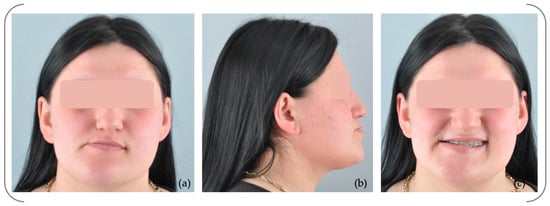
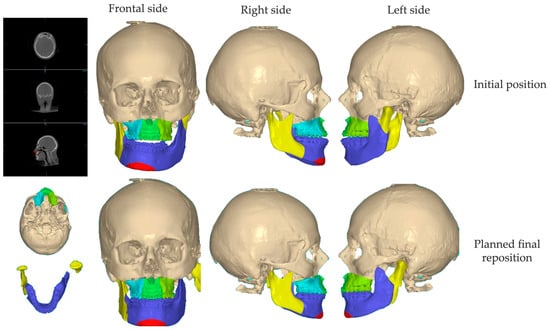
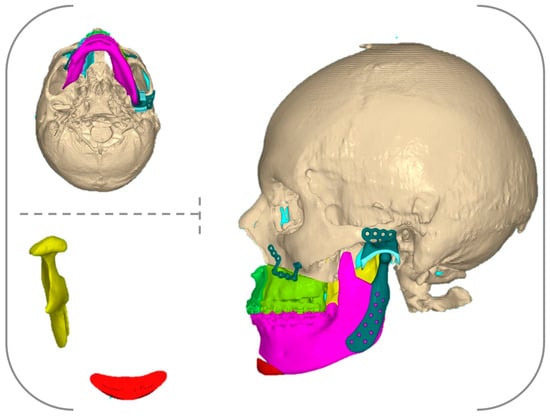
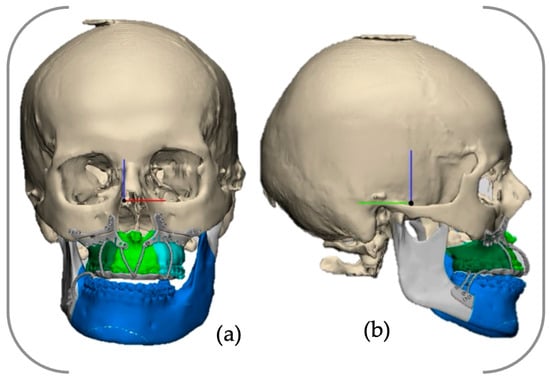
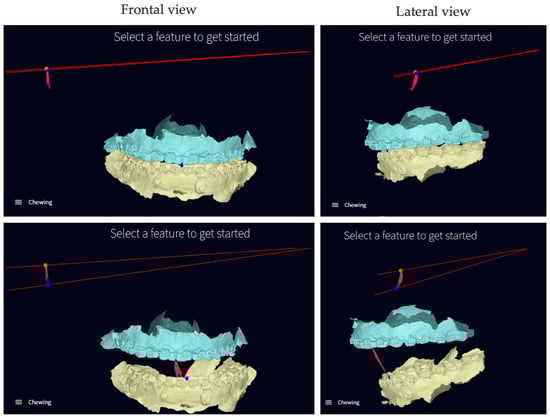
Advanced cases of unilateral condylar hyperplasia might need combined joint reconstruction and orthognathic surgery. This report illustrates the feasibility of integrating digital planning, patient-specific prosthesis design, and orthognathic correction within a single-stage surgical workflow. A 23-year-old female patient presented with skeletal Class III
[...] Read more.
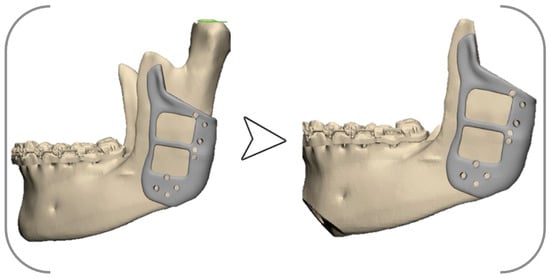
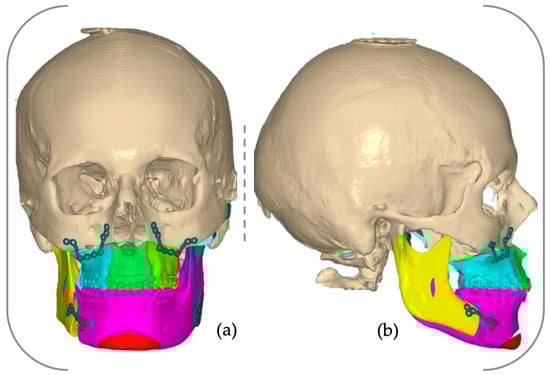
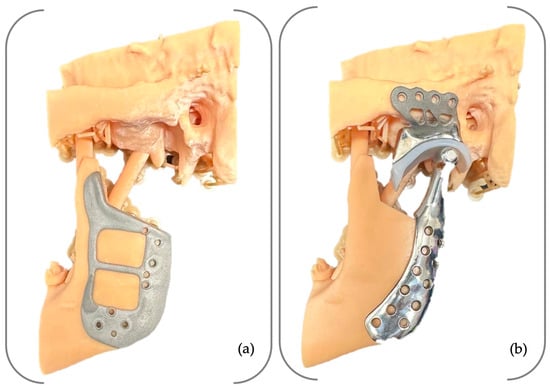
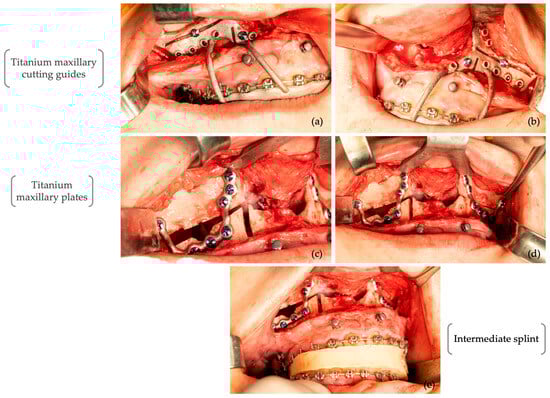
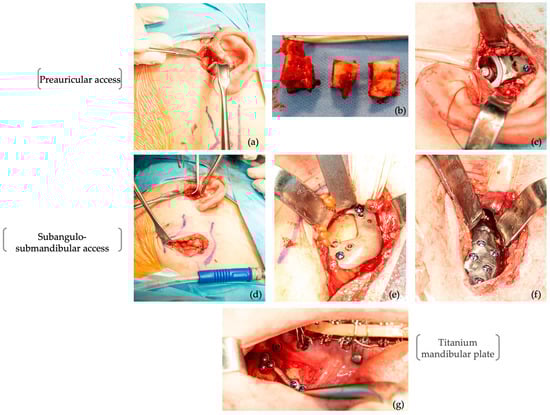
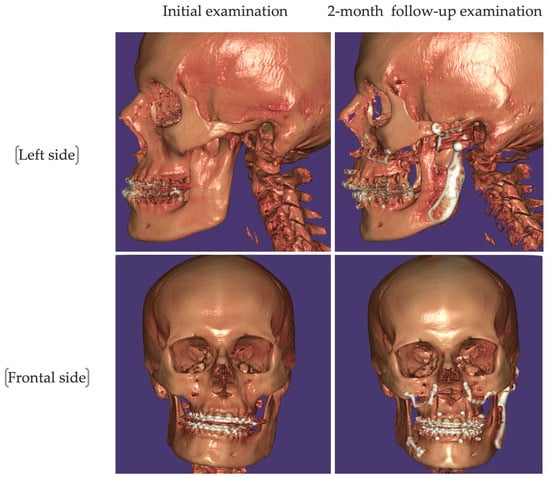
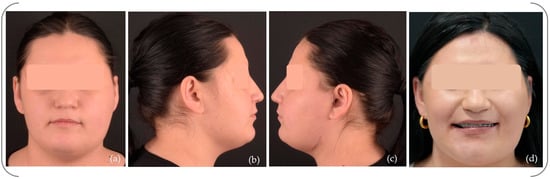
Advanced cases of unilateral condylar hyperplasia might need combined joint reconstruction and orthognathic surgery. This report illustrates the feasibility of integrating digital planning, patient-specific prosthesis design, and orthognathic correction within a single-stage surgical workflow. A 23-year-old female patient presented with skeletal Class III malocclusion, facial asymmetry, and mandibular midline deviation due to left condylar hyperplasia. After preoperative orthodontic alignment, virtual surgical planning was carried out using specialised software to simulate resection of the hyperplastic condyle, with concurrent total TMJ replacement, contralateral sagittal split ramus osteotomy, and Le Fort I osteotomy. Based on this plan, patient-specific prosthetic components, surgical guides, and fixation plates were designed and manufactured. Surgery was performed according to the digital plan using a combined intraoral and extraoral approach. At 3-month follow-up, clinical and radiological assessments showed stable prosthesis positioning, improved occlusal relationships, restoration of facial symmetry, and high patient-reported satisfaction. However, given the single-case design and short follow-up, these findings should be considered preliminary, and further studies are necessary to evaluate long-term functional outcomes and reproducibility.
Full article

Figure 1
Open AccessArticle
Development and Comprehensive Evaluation of 3D-Printed Prosthetic Feet: Modeling, Testing and a Pilot Gait Study
by
Anton Kurakin, Anton Sergeev, Darya Korostovskaya, Anna Kurenkova and Vladimir Serdyukov
Prosthesis 2026, 8(4), 40; https://doi.org/10.3390/prosthesis8040040 - 16 Apr 2026
Abstract
Background/Objectives: The modern prosthetic foot market is characterized by a pronounced polarization between affordable but low-function devices and high-performance yet costly composite prostheses. The aim of this study was to develop and comprehensively evaluate cost-effective, functional prosthetic feet manufactured by fused deposition
[...] Read more.
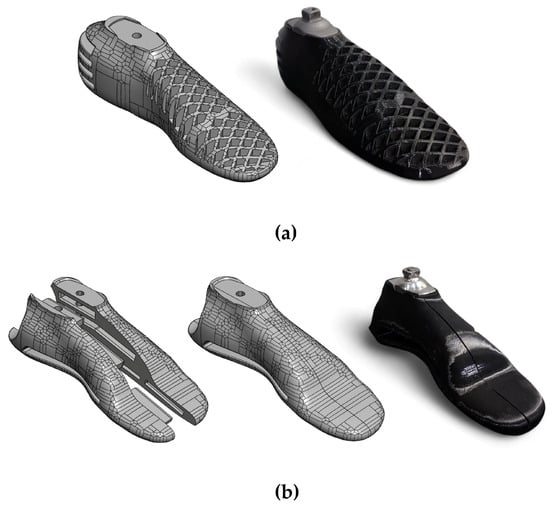
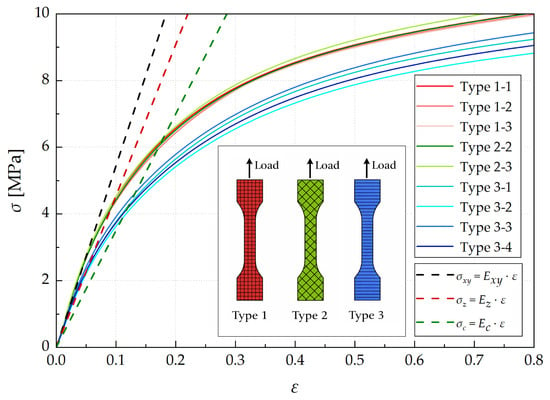
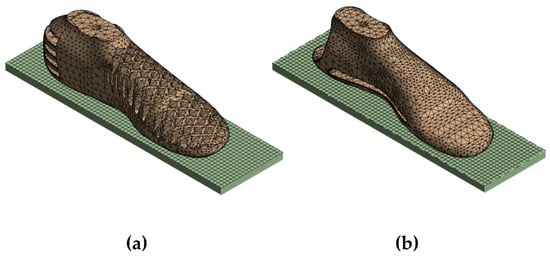
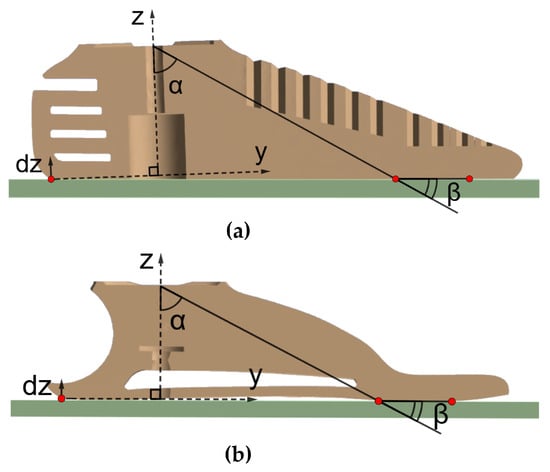
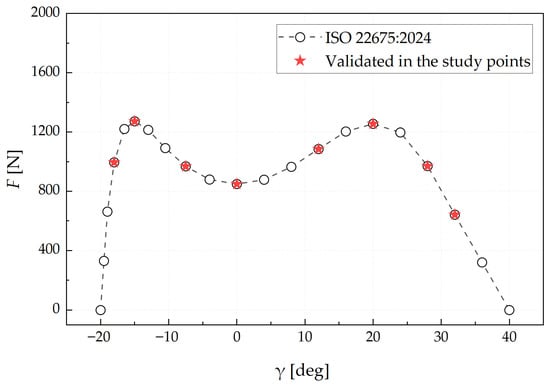
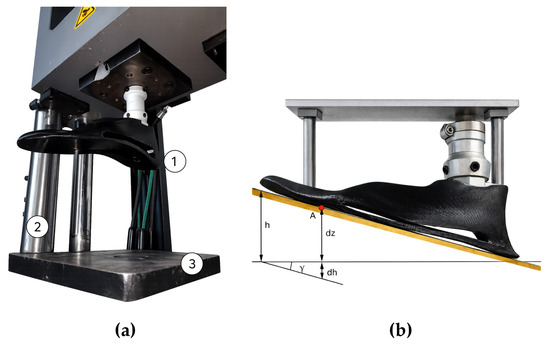
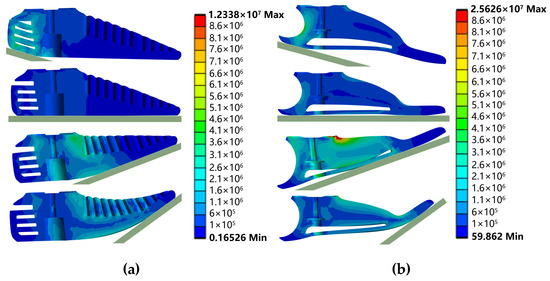
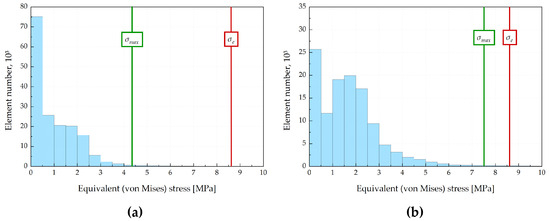
Background/Objectives: The modern prosthetic foot market is characterized by a pronounced polarization between affordable but low-function devices and high-performance yet costly composite prostheses. The aim of this study was to develop and comprehensively evaluate cost-effective, functional prosthetic feet manufactured by fused deposition modeling (FDM). Methods: An iterative design methodology was employed, combining finite element analysis to optimize the biomechanical response of the device, the incorporation of user-specific requirements and experimental validation. Two TPU 95A-based 3D-printed prosthetic foot designs were designed and developed, and their strength and functional characteristics were assessed numerically under the ISO 22675:2024 normative loading cycle. Bench-top mechanical tests were conducted on the fabricated prototypes. Functional performance was evaluated by a transtibial amputee using an inertial motion capture system to analyze gait kinematics. Results: The results demonstrated that both designs operate predominantly within the elastic range with an adequate safety margin. The pilot feasibility gait assessment indicated feasibility and plausibility within the tested protocol and participant for both prototypes. Conclusions: The developed TPU 95A-based FDM prosthetic feet demonstrated promising structural integrity and functional feasibility, supporting the potential of low-cost additive manufacturing as a viable approach for producing affordable prosthetic feet. Further studies with larger participant cohorts and extended testing are needed to confirm clinical applicability and long-term performance.
Full article
(This article belongs to the Section Orthopedics and Rehabilitation)
►▼
Show Figures

Figure 1
Open AccessArticle
A Novel Reverse Zygomatic Implant Approach: Step-by-Step Protocol and Cadaveric Validation for Trismus and Maxillectomy Sequelae—Part 1
by
Ada Ferrer-Fuertes, Francisco Javier Cuesta-González, Ramón Sieira-Gil, Alberto Prats-Galino, Samir Aboul-Hosn Centenero, Eloy García-Díez, Laura Pozuelo-Arquimbau, Pau Rodriguez-Berart, Irene Vila-Masana, Bilal AlOmari and Carles Marti-Pagés
Prosthesis 2026, 8(4), 39; https://doi.org/10.3390/prosthesis8040039 - 14 Apr 2026
Abstract
►▼
Show Figures
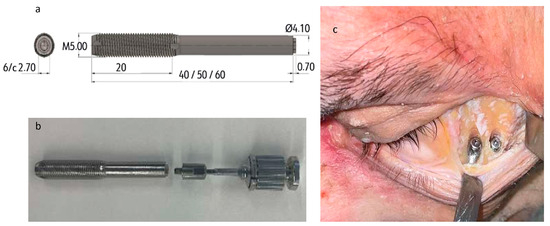
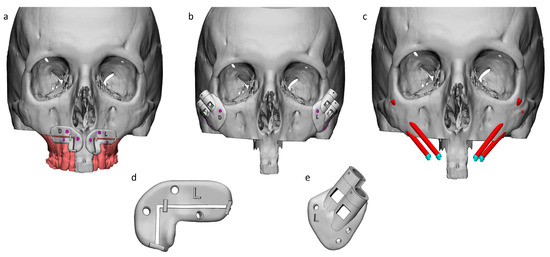
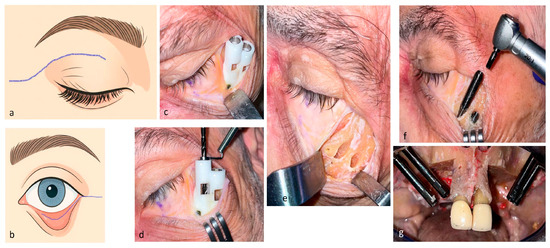
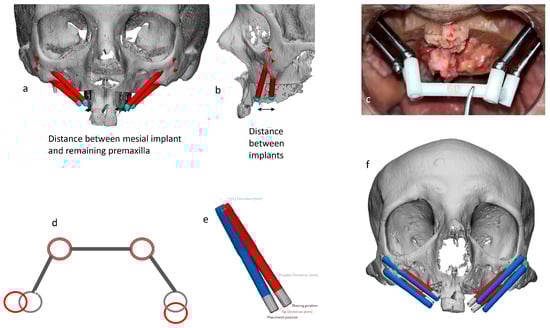
Background: Severe trismus and post-oncologic maxillary defects often prevent conventional zygomatic implant placement. This study evaluates a novel implant specifically designed for reverse insertion (from the zygoma toward the oral cavity) and assesses its feasibility and accuracy in a cadaveric model. Materials
[...] Read more.
Background: Severe trismus and post-oncologic maxillary defects often prevent conventional zygomatic implant placement. This study evaluates a novel implant specifically designed for reverse insertion (from the zygoma toward the oral cavity) and assesses its feasibility and accuracy in a cadaveric model. Materials and Methods: A Brown Class II maxillectomy was simulated in a fresh-frozen cadaver. Four custom reverse zygomatic implants were virtually planned and placed using CAD/CAM surgical guides. Superior and inferior orbital approaches were compared. Postoperative CT was superimposed onto the preoperative plan to measure linear and angular deviations, and a 3D-printed verification bar assessed prosthetic alignment. Results: All implants were successfully inserted with primary stability and without compromising critical structures. The superior orbital approach yielded lower deviations and better guide stability, which was reflected in the results: deviation at the zygomatic bone was 1.25 mm in the superior approach vs. 2.32 in the inferior approach, intraorally 4.7 mm vs. 7.3 mm, and angular deviation 1.85° vs. 5.63°. Despite minor distal deflection, intraoral emergence remained within clinically acceptable limits, allowing partial seating of the verification bar. Conclusions: Reverse-insertion zygomatic implants are technically feasible, anatomically safe, and compatible with fixed prosthetic rehabilitation in cases where conventional placement is impossible. Penetrating the orbit, injuring the skin or the infraorbital nerve could be possible but guided surgery seems to prevent them. A forthcoming clinical series of eight additional cases will further validate this protocol.
Full article

Figure 1
Open AccessReview
Patellar Maltracking in Total Knee Arthroplasty: Mechanisms, Prevention and Treatment
by
Michał Krupa, Joachim Pachucki, Iga Wiak, Rafał Zabłoński, Paweł Kasprzak, Łukasz Pulik and Paweł Łęgosz
Prosthesis 2026, 8(4), 38; https://doi.org/10.3390/prosthesis8040038 - 10 Apr 2026
Abstract
Patellar maltracking is among the most common causes of anterior knee pain after total knee arthroplasty (TKA), underscoring the need for accurate prevention and treatment. Therefore, the purpose of this narrative review is to provide a comprehensive overview of current evidence on post-TKA
[...] Read more.
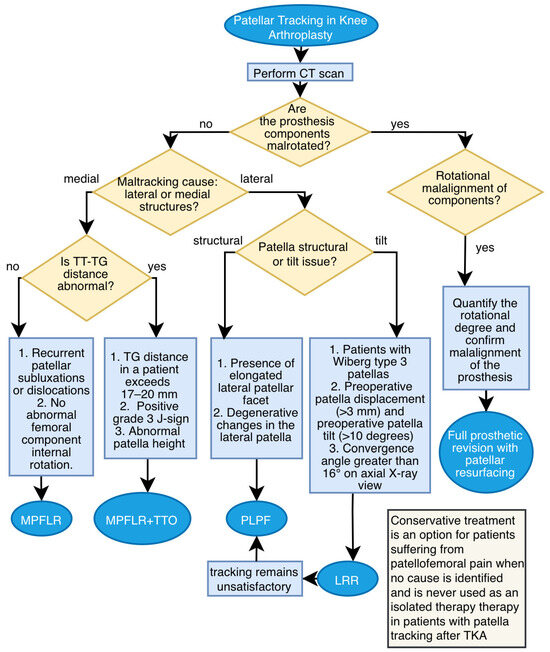
Patellar maltracking is among the most common causes of anterior knee pain after total knee arthroplasty (TKA), underscoring the need for accurate prevention and treatment. Therefore, the purpose of this narrative review is to provide a comprehensive overview of current evidence on post-TKA tracking, focusing on component alignment, preoperative patient assessment, and revision treatment options. A PubMed database search was performed, leveraging the literature from the last 20 years, and the results were qualitatively synthesized. According to current studies, several precautions should be taken to prevent patellofemoral stress and, consequently, patellar maltracking, such as avoiding internal rotation, valgus alignment, and excessive flexion of the femoral component and internal rotation of the tibial component. Regarding alignment strategies, kinematic alignment appears to offer potential benefits over mechanical alignment in certain functional outcomes and patient satisfaction scores. However, these differences should be interpreted cautiously as they may not always exceed the minimal clinically important difference. Furthermore, recent evidence indicates that quadriceps biomechanics influence TKA outcomes, potentially suggesting that conventional surgical approaches may need to be individualized, though these preliminary findings require prospective validation. Currently, robotic-assisted surgery represents a developmental direction for patient-tailored interventions and offers great promise for better prosthesis customization to the individual patient. Integration of imaging data with dynamic soft-tissue assessment enables more predictable reconstruction of joint kinematics. Regarding surgical treatment, the selection of specific methods requires a prior clinical and radiographic assessment. Indications range from patellar maltracking direction and component malrotation to patient preferences and rehabilitation potential. Ultimately, the future of TKA relies on personalized interventions to prevent complications and improve patient outcomes. This evolution is driven by the shift from mechanical alignment to kinematic alignment, alongside quadriceps tendon assessment and intraoperative robotic-assisted measurement, all aimed at optimizing the accuracy of implant positioning.
Full article
(This article belongs to the Section Orthopedics and Rehabilitation)
►▼
Show Figures

Figure 1
Open AccessArticle
Mechanistic Analysis of Joint Reaction Forces to Lower-Limb Prosthesis Mass, Inertia, and Alignment
by
Donatas Daublys, Joseph Janosky, Linas Puodžiukynas and Aurelijus Domeika
Prosthesis 2026, 8(4), 37; https://doi.org/10.3390/prosthesis8040037 - 3 Apr 2026
Abstract
►▼
Show Figures
Background/Objectives: Prosthesis optimization after transfemoral amputation is often guided by clinical experience, yet quantitative evidence isolating how prosthesis mass, inertial properties, and alignment affect mechanical load transmission remains limited. Musculoskeletal modeling can be used as a controlled framework for examining relative sensitivity rankings
[...] Read more.
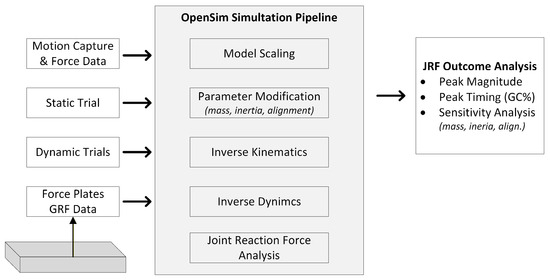
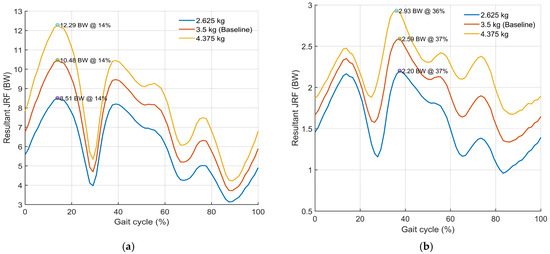
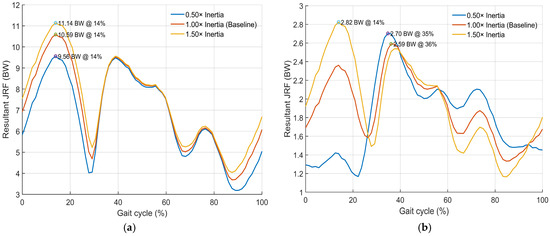
Background/Objectives: Prosthesis optimization after transfemoral amputation is often guided by clinical experience, yet quantitative evidence isolating how prosthesis mass, inertial properties, and alignment affect mechanical load transmission remains limited. Musculoskeletal modeling can be used as a controlled framework for examining relative sensitivity rankings of constraint force transmission across prosthetic junctions under fixed gait inputs. Methods: A model was modified to incorporate a transfemoral prosthesis. Experimental walking data from a healthy adult reference subject (Qualisys motion capture, synchronized AMTI force plates) provided kinematics and ground reaction forces for model scaling, inverse kinematics, and loading. These inputs provided a standardized mechanical reference and were not intended to represent transfemoral amputee gait. Prosthesis mass (2.625, 3.50, 4.375 kg), inertia (0.5×, 1.0×, 1.5×), and mediolateral alignment (−10, 0, +10 mm) were varied while keeping kinematics and ground reaction forces identical across conditions. Constraint reaction forces at the socket–residual limb junction and prosthetic ankle were computed and normalized to body weight. Results: Increasing mass produced the largest monotonic increases in peak resultant constraint reactions, most prominently at the socket-level junction (8.51 → 10.48 → 12.29 BW), with smaller changes at the ankle and unchanged peak timing. Inertia caused joint-specific effects, whereas mediolateral alignment minimally affected constraint reaction forces and redistributed force components. Conclusions: This study quantified the one-factor-at-a-time effects of prosthesis mass, inertia, and mediolateral alignment on inter-segment constraint reaction forces. The reported reactions should be interpreted as net rigid-body constraint reactions under fixed inputs, not as physiological joint contact forces or direct interface loads.
Full article

Figure 1
Open AccessArticle
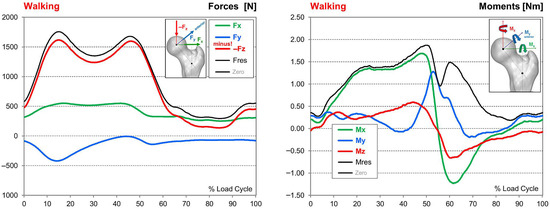
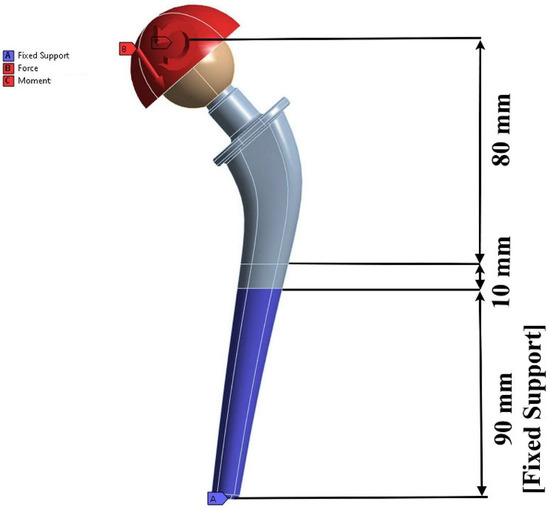
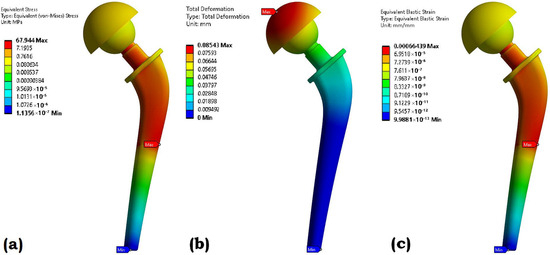
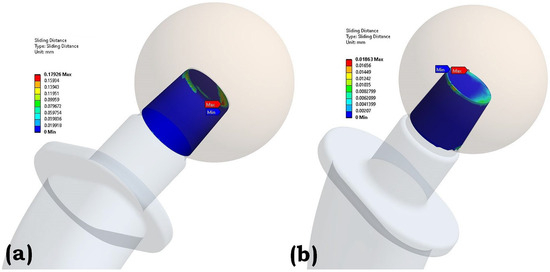
Finite Element Analysis of Collared Hip Prosthesis Cross-Sections Under Dynamic Loading and Wear Conditions for Durable Orthopedic Implant Design
by
Chethan K N, John Valerian Corda, Laxmikant G. Keni, M. Kalayarasan, Jonathan Reginald and Sudhir Jain Prathik
Prosthesis 2026, 8(4), 36; https://doi.org/10.3390/prosthesis8040036 - 3 Apr 2026
Abstract
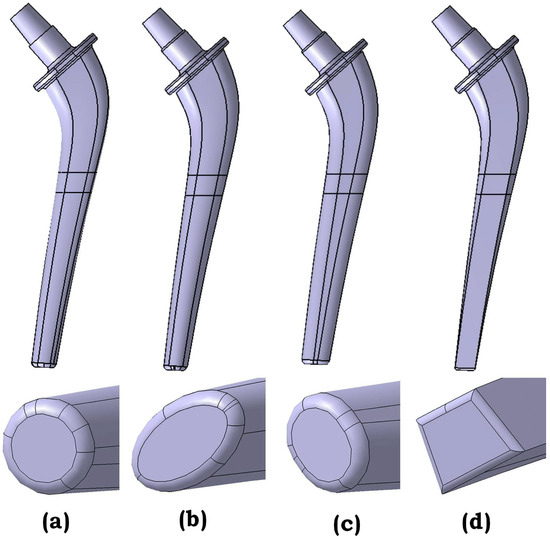
Background/Objective: Traditional hip implant evaluations often overlook patient-specific dynamic loadings. This study investigates the performance of novel collared hip implant designs under walking conditions, focusing on geometric profiles and two common stem materials: Ti-6Al-4V and CoCr alloy. Methods: Patient-specific dynamic forces were applied
[...] Read more.
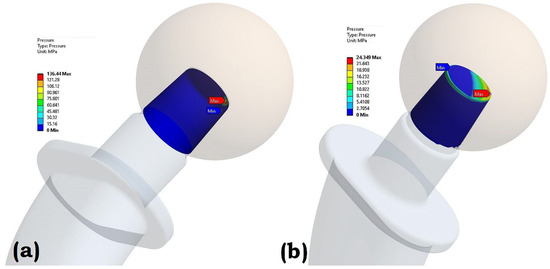
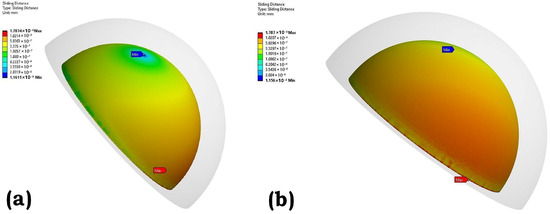
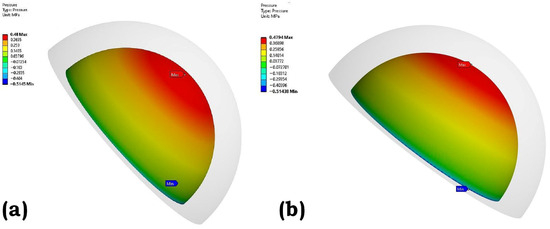
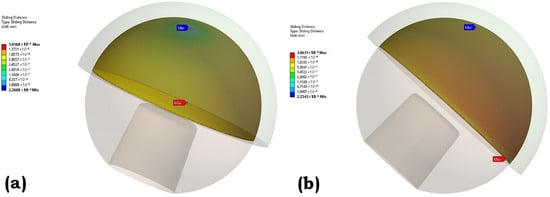
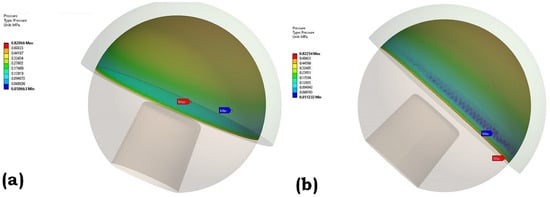
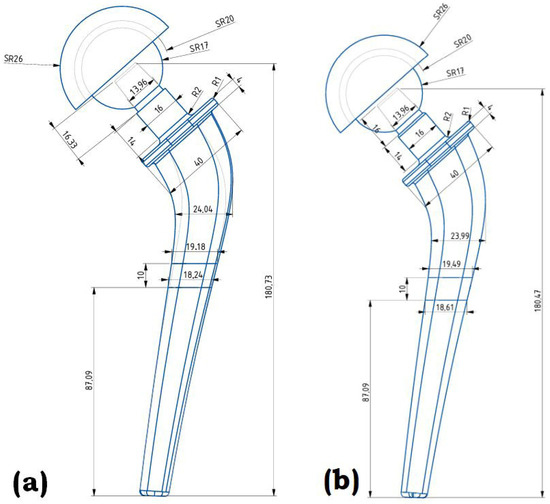
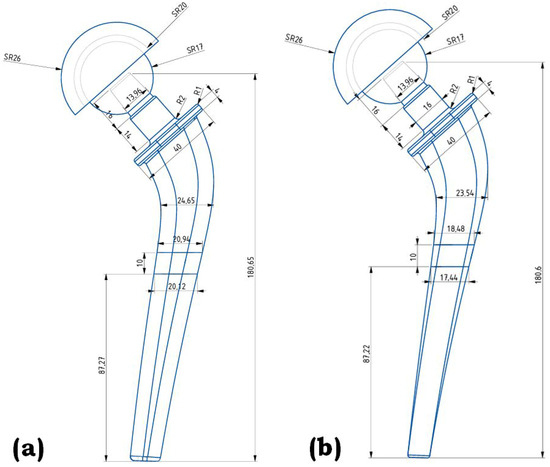
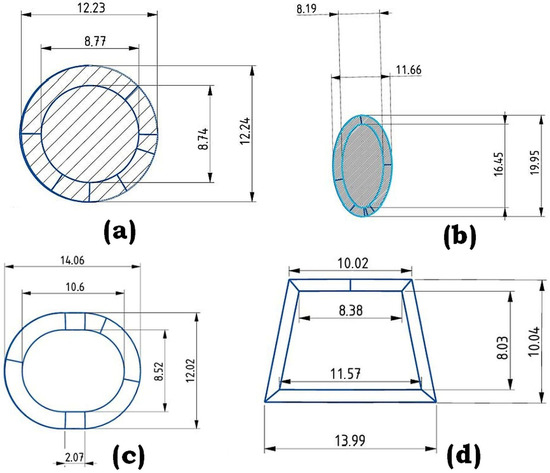
Background/Objective: Traditional hip implant evaluations often overlook patient-specific dynamic loadings. This study investigates the performance of novel collared hip implant designs under walking conditions, focusing on geometric profiles and two common stem materials: Ti-6Al-4V and CoCr alloy. Methods: Patient-specific dynamic forces were applied using commercial finite element analysis, adhering to ISO and ASTM standards. Four cross-sectional profiles—circular, elliptical, oval, and trapezoidal—were initially evaluated for induced stresses and displacements. Subsequently, wear characteristics at implant junctions were analyzed, comparing CoCr (MC 1) and Ti-6Al-4V (MC 2) stems. The study also assessed the impact of using Ultra-High Molecular Weight Polyethylene (UHMWPE) acetabular cups. Results: The elliptical (CS 2) cross-sectional profile demonstrated superior performance. Junction analysis revealed that the CoCr stem (MC 1) exhibited a stem-to-head sliding distance four times higher and contact pressure 5.5 times higher than the Ti-6Al-4V stem (MC 2). Specifically, MC 1 showed 82% higher contact pressure and 89% greater sliding distance at the stem–head junction compared to MC 2. Additionally, utilizing UHMWPE cups effectively eliminated squeaking sounds attributed to CoCr cups due to superior wear resistance. Conclusions: The combination of an elliptical (CS 2) cross-sectional profile with a Ti-6Al-4V stem and UHMWPE acetabular cup offers optimal performance. This configuration significantly reduces wear and contact pressure, suggesting enhanced functionality and durability for hip implants under dynamic loading conditions.
Full article
(This article belongs to the Special Issue Current and Emerging Concepts in Personalized Arthroplasty)
►▼
Show Figures

Figure 1
Journal Menu
► ▼ Journal Menu-
- Prosthesis Home
- Aims & Scope
- Editorial Board
- Reviewer Board
- Topical Advisory Panel
- Instructions for Authors
- Special Issues
- Topics
- Sections & Collections
- Article Processing Charge
- Indexing & Archiving
- Editor’s Choice Articles
- Most Cited & Viewed
- Journal Statistics
- Journal History
- Society Collaborations
- Conferences
- Editorial Office
Journal Browser
► ▼ Journal BrowserHighly Accessed Articles
Latest Books
E-Mail Alert
News
Topics
Topic in
JCM, Medicina, Prosthesis, IJMS, Clinics and Practice
Innovations in Plastic Surgery and Regenerative Medicine—2nd Edition
Topic Editors: Francesco D’Andrea, Jean Paul Meningaud, Barbara Hersant, Simone La PadulaDeadline: 30 November 2026
Topic in
JFB, Materials, Prosthesis, IJMS, Oral, JCM
New Technological and Clinical Advances for Controlling Peri-Implantitis
Topic Editors: Javier Gil, Eugenio Velasco-Ortega, Aritza Brizuela-Velasco, Conrado AparicioDeadline: 31 December 2026
Conferences
Special Issues
Special Issue in
Prosthesis
Managing the Challenge of Periprosthetic Joint Infection
Guest Editors: Rareş Mircea Bîrluţiu, Jaime Esteban, Efthymia GiannitsiotiDeadline: 31 July 2026
Special Issue in
Prosthesis
Advances in Digital Prosthodontics: Innovations in CAD-CAM Technology and Material Science
Guest Editor: Petros MourouzisDeadline: 31 August 2026
Special Issue in
Prosthesis
Innovations in Prosthetic Dentistry: From Biomaterials and Technology to Clinical Practice
Guest Editor: Cristina Bettencourt NevesDeadline: 31 August 2026
Special Issue in
Prosthesis
Machine Learning and Neuromorphic Computing to Improve Design, Usability, and Control of Smart Limb Prostheses
Guest Editors: Giuseppina Gini, Michele FolgheraiterDeadline: 30 September 2026
Topical Collections
Topical Collection in
Prosthesis
Oral Implantology: Current Aspects and Future Perspectives
Collection Editors: Andrea Scribante, Maurizio Pascadopoli, Simone Gallo