


-
Laboratory Automation and Robotics in Indonesia: Challenges, Workforce Transformation, and a Roadmap for Equitable Implementation -
Sovereign Large Language Models for Structured Data Extraction from Pathology Reports -
Laboratory Safety Considerations for Nanotechnology -
Metaheuristically Fine-Tuned Neural Scoring Model in a Virtual Lab with Genetic Algorithms and Swarm Intelligence
Journal Description
Laboratories
Laboratories
is an international, peer-reviewed, open access journal on laboratory management published quarterly online by MDPI.
- Open Access— free for readers, with article processing charges (APC) paid by authors or their institutions.
- Rapid Publication: manuscripts are peer-reviewed and a first decision is provided to authors approximately 17.8 days after submission; acceptance to publication is undertaken in 4.9 days (median values for papers published in this journal in the first half of 2026).
- Recognition of Reviewers: APC discount vouchers, optional signed peer review, and reviewer names published annually in the journal.
Latest Articles
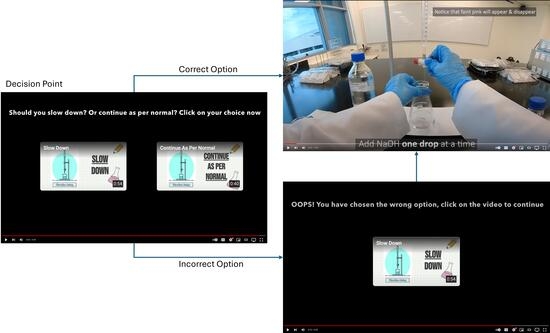
Choose-Your-Own-Adventure: An Online Scenario-Based Learning Approach to Enhance Students’ Laboratory Competencies and Motivation
Laboratories 2026, 3(3), 18; https://doi.org/10.3390/laboratories3030018 - 8 Aug 2026
Abstract
►
Show Figures
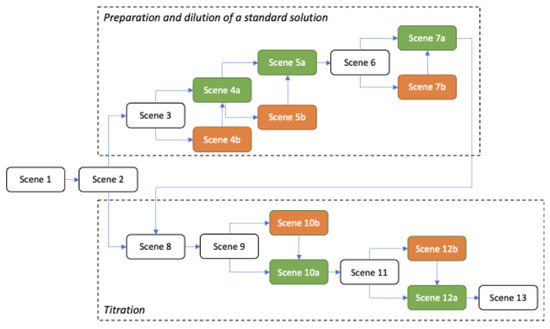
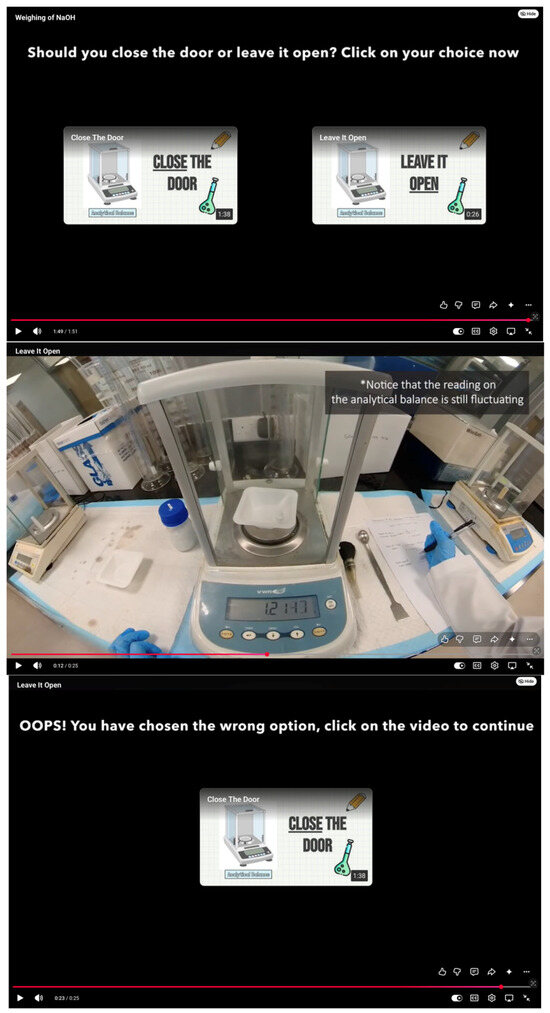
Videos are a common alternative to in-person laboratory experiments. However, these videos are mostly not interactive, making learners passive observers. Through a choose-your-own-adventure (CYOA) activity, scenario-based learning can engage learners in asynchronous learning and develop their decision-making skills. Decisions regarding apparatus selection, sample
[...] Read more.
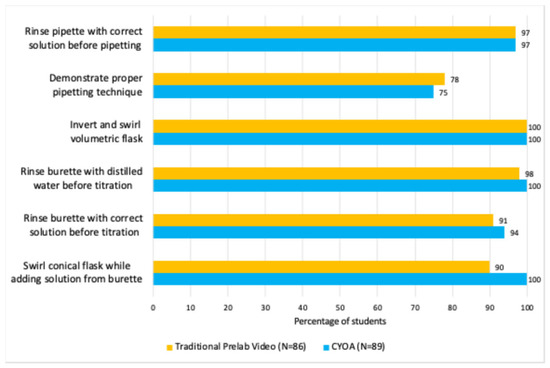
Videos are a common alternative to in-person laboratory experiments. However, these videos are mostly not interactive, making learners passive observers. Through a choose-your-own-adventure (CYOA) activity, scenario-based learning can engage learners in asynchronous learning and develop their decision-making skills. Decisions regarding apparatus selection, sample preparation, measurement techniques, and safety considerations significantly impact experimental outcomes. Decision-making skills are vital for students engaging in chemistry laboratory experiments. Engaging in decision-making processes helps students develop competence in understanding experimental variables, their interdependencies, and the underlying scientific principles. Moreover, it encourages students to critically evaluate the relevance and reliability of different approaches, fostering a scientific mindset characterized by skepticism and intellectual curiosity. In this CYOA activity, students can influence the outcome of pre-recorded experiments by selecting which path to take through a set of videos. Results showed that students who completed the CYOA activity demonstrated greater competence in their laboratory techniques. Students’ feedback was generally positive, and they felt that the CYOA activity helped with their learning. This suggests that the CYOA activity helps students enhance their decision-making skills by providing repeated opportunities for practice and reflection on their choices, supported by timely expert feedback, and offering another possible tool for educators keen to develop students’ decision-making processes. Despite the positive results, CYOA is an excellent complement but cannot fully substitute for in-person laboratory lessons.
Full article
Open AccessReview
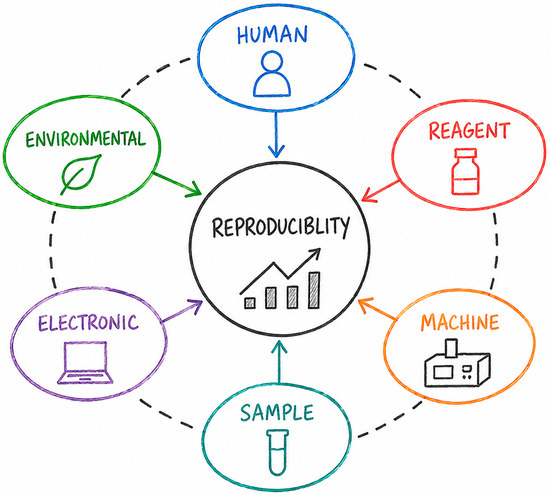
The HERMES Framework for Experimental Reproducibility
by
Eugene Oga, Jamea N. E. Yolandia and Herbert Che Mughe
Laboratories 2026, 3(3), 17; https://doi.org/10.3390/laboratories3030017 - 5 Aug 2026
Abstract
►▼
Show Figures
Experimental reproducibility remains a persistent challenge across scientific disciplines despite substantial advances in analytical instrumentation, quality assurance systems, statistical methodologies, and reporting standards. Although reproducibility is frequently examined through the lenses of experimental design, data analysis, and methodological transparency, hidden operational factors embedded
[...] Read more.
Experimental reproducibility remains a persistent challenge across scientific disciplines despite substantial advances in analytical instrumentation, quality assurance systems, statistical methodologies, and reporting standards. Although reproducibility is frequently examined through the lenses of experimental design, data analysis, and methodological transparency, hidden operational factors embedded within routine laboratory activities often remain underrecognized sources of variability. These factors can introduce cumulative and interacting effects that compromise experimental consistency even when formal protocols are followed. This review examines the influence of operational variability arising from human practices, environmental conditions, reagents and consumables, instrumentation, digital data management systems, and sample-related factors across multidisciplinary laboratory settings. Current mitigation approaches, including standard operating procedures, quality-control programs, electronic laboratory notebooks, and laboratory information management systems, are critically evaluated with emphasis on their strengths and limitations in controlling operational variability. To support a more systematic understanding of reproducibility, the HERMES framework (Human, Environmental, Reagent, Machine, Electronic, and Sample factors) is proposed as a systems-based model for identifying, classifying, and managing hidden sources of experimental variation. By integrating operational influences that are often considered independently, this framework highlights reproducibility as an emergent property of interconnected laboratory systems rather than solely a methodological or statistical outcome. Recognizing and controlling these hidden operational factors may improve experimental reliability, strengthen data quality, and enhance confidence in scientific findings across research disciplines. HERMES is presented as a conceptual framework that integrates principles of operational reproducibility across laboratory disciplines. Future empirical studies are needed to validate its implementation, evaluate its effectiveness, and develop quantitative operational metrics for routine laboratory practice.
Full article

Graphical abstract
Open AccessArticle
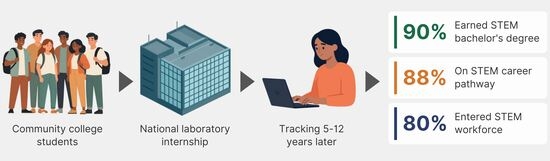
Tracking CCI Alumni: Community College STEM Pathways 5 to 12 Years After a National Laboratory Internship
by
Laleh E. Coté, Astrid N. Zamora, Julio Jaramillo Salcido, Seth Van Doren, Aparna Manocha, Gabriel Otero Munoz, Esther W. Law and Anne M. Baranger
Laboratories 2026, 3(3), 16; https://doi.org/10.3390/laboratories3030016 - 4 Aug 2026
Abstract
►▼
Show Figures
It is well-established that technical and research experiences can support undergraduate retention in science, technology, engineering, and mathematics (STEM) disciplines, but little published research examines outcomes for community college students in internships provided by Department of Energy (DOE) national laboratories. To address this
[...] Read more.
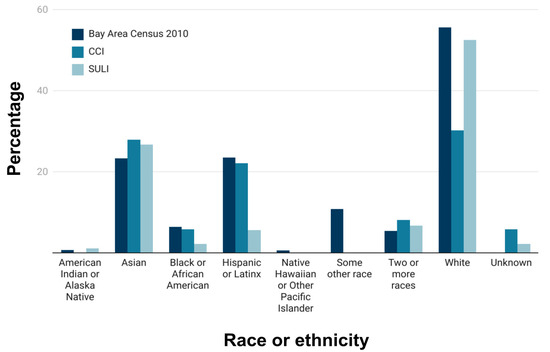
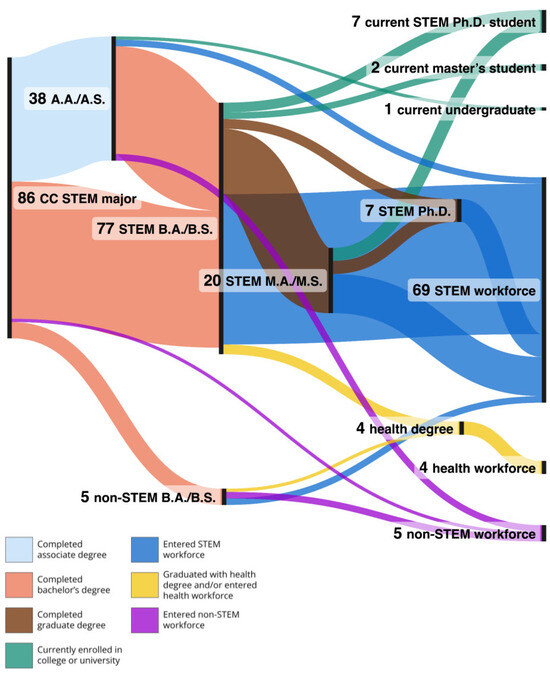
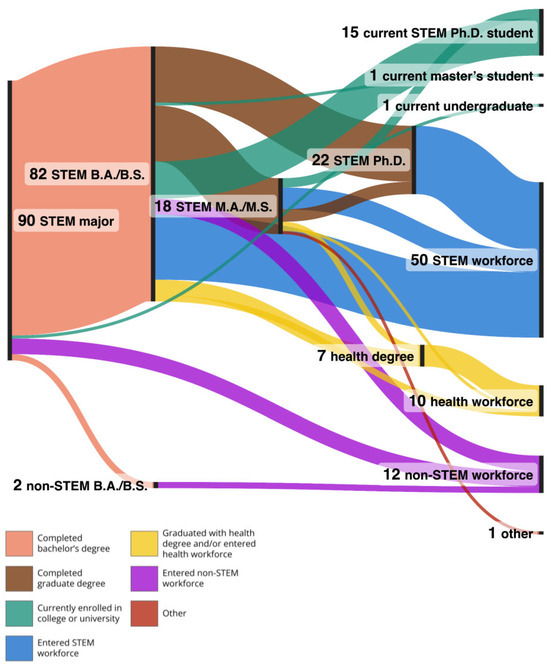
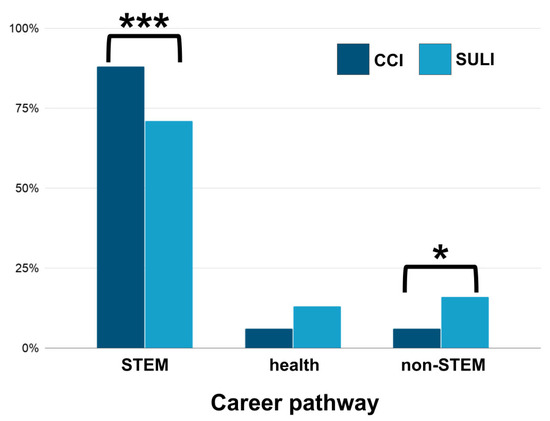
It is well-established that technical and research experiences can support undergraduate retention in science, technology, engineering, and mathematics (STEM) disciplines, but little published research examines outcomes for community college students in internships provided by Department of Energy (DOE) national laboratories. To address this gap, we examined the academic and career activities of alumni who participated in two DOE-sponsored programs at Lawrence Berkeley National Laboratory (LBNL) between 2009 and 2016: the Community College Internship (CCI) and Science Undergraduate Laboratory Internship (SULI). Using self-reported academic and career information collected through alumni surveys, we compared outcomes for CCI alumni from community colleges with those for SULI alumni from baccalaureate-granting institutions. Among CCI alumni, 90% earned a STEM bachelor’s degree and 88% were on a STEM career pathway. For SULI alumni, 91% earned a STEM bachelor’s degree and 71% were on a STEM career pathway. Overall, 80% of CCI alumni and 56% of SULI alumni had entered the STEM workforce. In this sample, community college students who completed national laboratory internships completed academic degrees and pursued STEM careers at rates comparable to students from baccalaureate-granting institutions.
Full article

Graphical abstract
Open AccessCorrection
Correction: Chen, M. A Redesigned Physical Laboratory Approach to Aerospace Engineering Structure Education. Laboratories 2025, 2, 6
by
Mingtai Chen
Laboratories 2026, 3(3), 15; https://doi.org/10.3390/laboratories3030015 - 3 Aug 2026
Abstract
In the original publication [...]
Full article
Open AccessReview
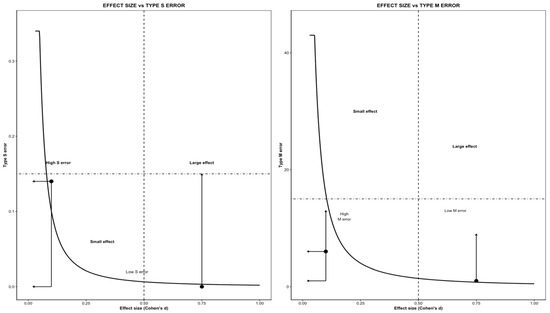
Specific Judgment Errors in Clinical and Laboratory Research: Type III, Type IV, Type M, and Type S Errors
by
Mehmet Güven Günver, Erkan Pekerkan, Mert Canbaz and Mustafa Şenocak
Laboratories 2026, 3(3), 14; https://doi.org/10.3390/laboratories3030014 - 1 Aug 2026
Abstract
►▼
Show Figures
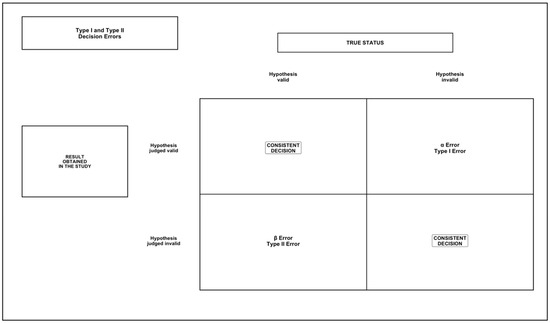
Reliable clinical and laboratory research requires clearly defined methodological processes, appropriate statistical evaluation, and careful interpretation of findings. Null hypothesis significance testing (NHST), derived from Fisher’s concept of statistical significance and the Neyman–Pearson decision framework, traditionally focuses on controlling type I and type
[...] Read more.
Reliable clinical and laboratory research requires clearly defined methodological processes, appropriate statistical evaluation, and careful interpretation of findings. Null hypothesis significance testing (NHST), derived from Fisher’s concept of statistical significance and the Neyman–Pearson decision framework, traditionally focuses on controlling type I and type II errors. However, these conventional errors do not capture all sources of misleading inference. Type III and type IV errors address situations in which a study answers the wrong question, identifies an effect in an unexpected or opposite direction, or misinterprets a statistically supported result. More recently, type S and type M errors have been proposed to assess the reliability of statistically significant findings by focusing on the direction and magnitude of the estimated effect. These errors are particularly relevant in low-powered or noisy studies, including large clinical laboratory datasets, method-comparison studies, reference interval studies, and analytical validation studies, where significant results may have the wrong sign or substantially exaggerate the true effect size. This review summarizes the conceptual basis and practical implications of type III, type IV, type S, and type M errors in clinical and laboratory research, emphasizing their relevance for study design, analysis, interpretation, reproducibility, and decision-making.
Full article

Figure 1
Open AccessArticle
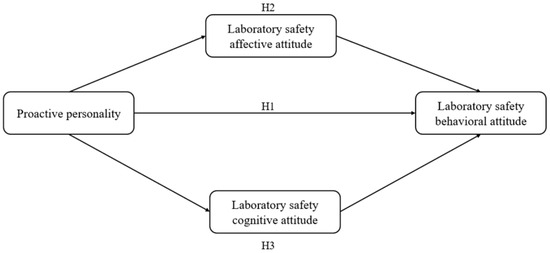
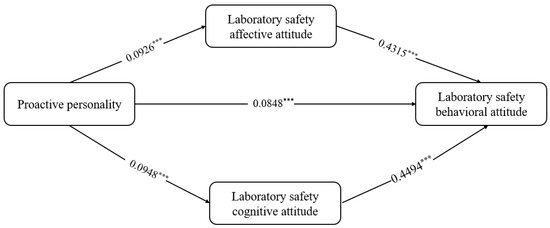
The Influence of Proactive Personality on Laboratory Safety Behavioral Attitude of Graduate Students: Mediation of Affective/Cognitive Attitude
by
Xinglong Jin, Zian Ye and Xiaoyan Wang
Laboratories 2026, 3(3), 13; https://doi.org/10.3390/laboratories3030013 - 15 Jul 2026
Abstract
►▼
Show Figures
The study examined the relationships among proactive personality, laboratory safety affective/cognitive/behavioral attitude among graduate students using a questionnaire survey method. The results showed that proactive personality was positively associated with laboratory safety affective/cognitive/behavioral attitude. In addition, laboratory safety affective and cognitive attitude functioned
[...] Read more.
The study examined the relationships among proactive personality, laboratory safety affective/cognitive/behavioral attitude among graduate students using a questionnaire survey method. The results showed that proactive personality was positively associated with laboratory safety affective/cognitive/behavioral attitude. In addition, laboratory safety affective and cognitive attitude functioned as parallel mediators between proactive personality and laboratory safety behavioral attitude. The results provide fundamental data support for effective laboratory safety management.
Full article

Figure 1
Open AccessReview
Laboratory Safety Considerations for Nanotechnology
by
Raphael Kanyire Seidu, George Kwame Fobiri, Emmanuel Kwame Danso, Eric Bruce-Amartey Jnr., Phoebe Naa Afaaley Sackeyfio, Edem Kwami Buami and Benjamin Tawiah
Laboratories 2026, 3(3), 12; https://doi.org/10.3390/laboratories3030012 - 13 Jul 2026
Abstract
►▼
Show Figures
The rapid development of nanotechnology across scientific and industrial fields has created a growing need for robust occupational health and safety measures. Due to their unique physicochemical properties, such as nanoscale size, high surface area-to-volume ratio, and increased reactivity, nanomaterials introduce new toxicological
[...] Read more.
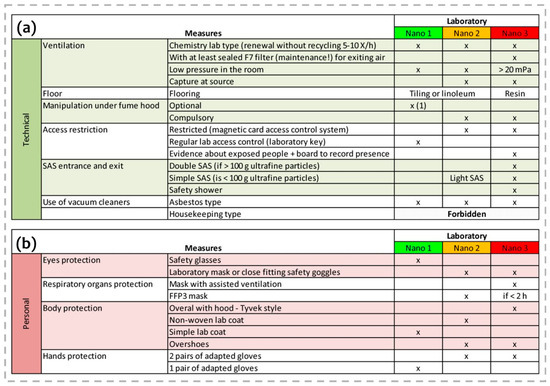
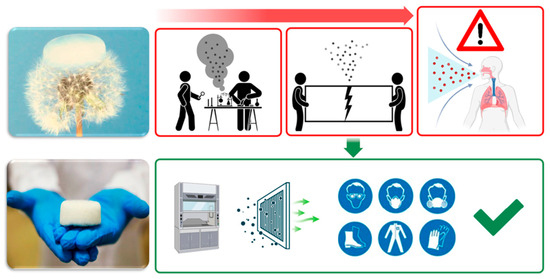
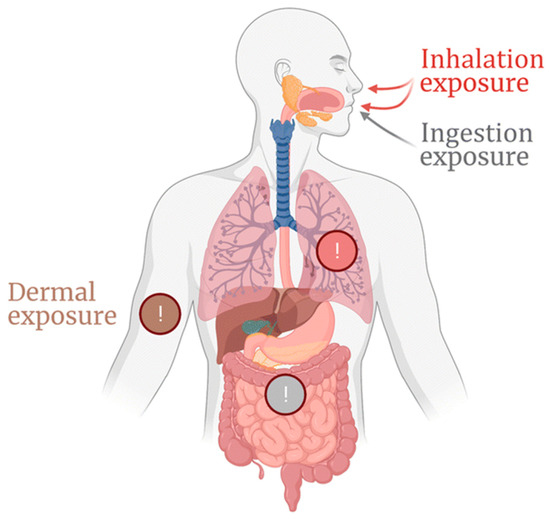
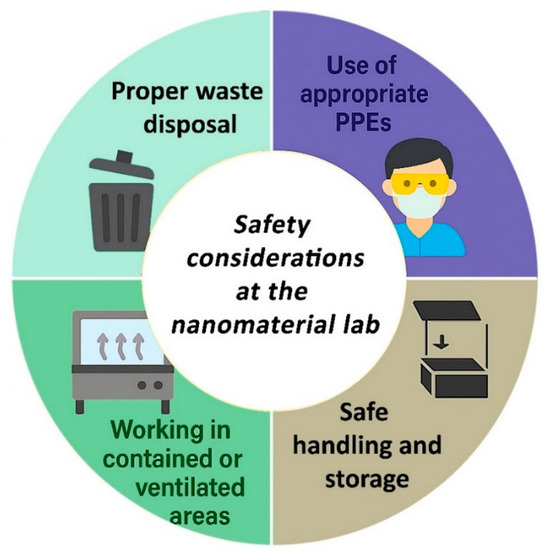
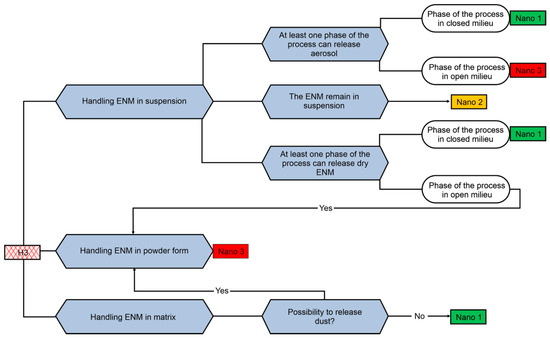
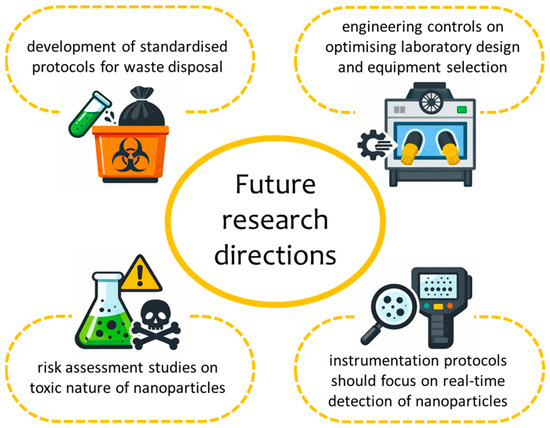
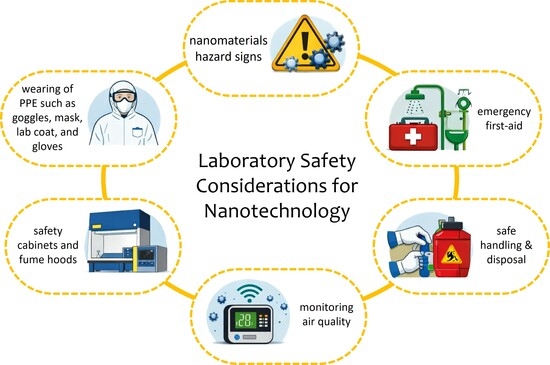
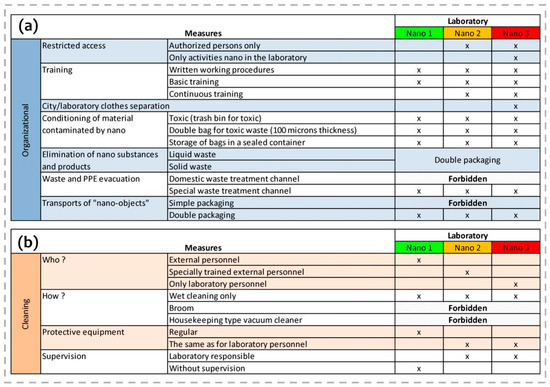
The rapid development of nanotechnology across scientific and industrial fields has created a growing need for robust occupational health and safety measures. Due to their unique physicochemical properties, such as nanoscale size, high surface area-to-volume ratio, and increased reactivity, nanomaterials introduce new toxicological and environmental hazards. Therefore, laboratories involved in nanotechnology research must implement comprehensive safety protocols to reduce exposure and protect workers. This review highlights key safety issues related to lab-based nanotechnology. It emphasises the importance of adhering to strict health and safety guidelines, including the correct handling, storage, and disposal of nanomaterials. Key engineering controls such as exhaust systems, containment devices, and PPE are vital for reducing exposure. Furthermore, safety programs emphasise the need for hazard ID, risk assessment, and training on nanoparticle risks. Others include the development of standardised protocols for waste disposal, engineering controls to optimise laboratory design and equipment selection, and risk assessment of the toxic nature of nanoparticles, which are imperative to improving lab safety. This study therefore recommends standardisation and effective instrumentation protocols to improve safety and responsible nanotechnology development. Additionally, evidence-based practices and real-time detection should be conducted to promote caution and reduce hazards.
Full article

Graphical abstract
Open AccessArticle
Metaheuristically Fine-Tuned Neural Scoring Model in a Virtual Lab with Genetic Algorithms and Swarm Intelligence
by
Vasilis Zafeiropoulos and Dimitris Kalles
Laboratories 2026, 3(3), 11; https://doi.org/10.3390/laboratories3030011 - 5 Jul 2026
Abstract
►▼
Show Figures
Hellenic Open University has developed Onlabs, a virtual biology laboratory for its students to be trained before they use its on-site lab. The evaluation of the user’s performance in the virtual lab with respect to a particular experimental procedure is done with a
[...] Read more.
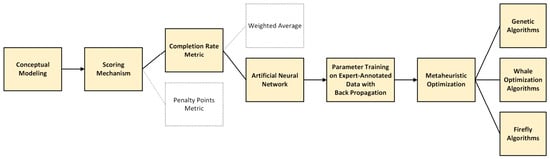
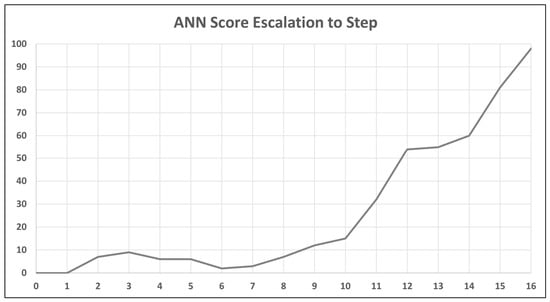
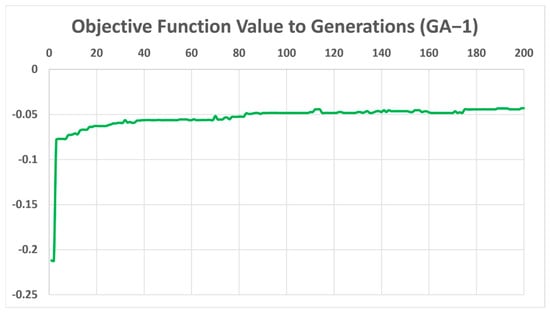
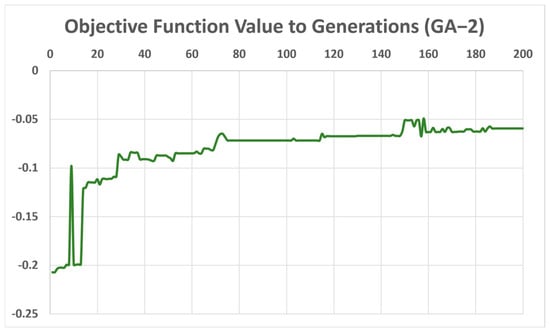
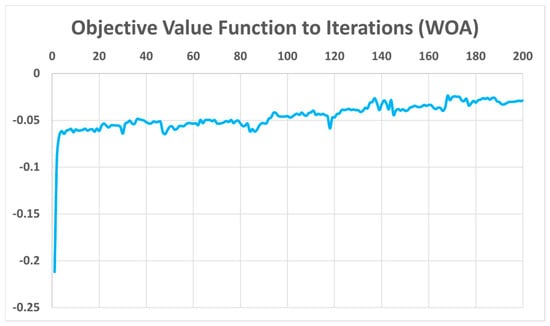
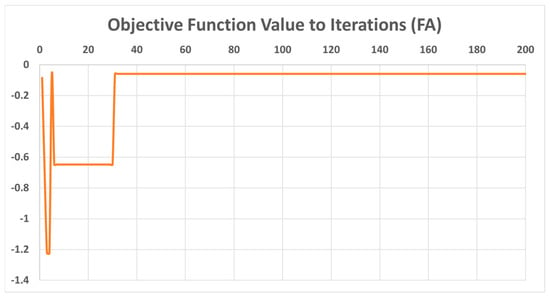
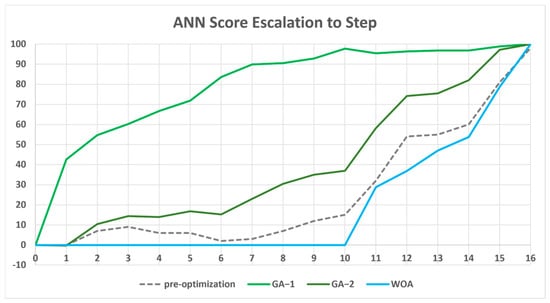
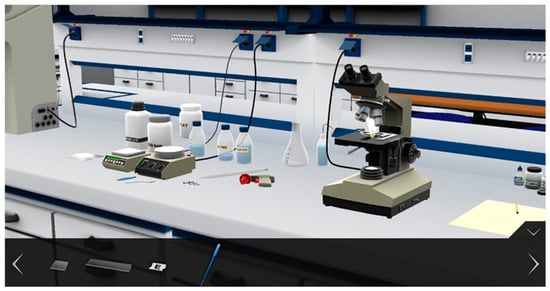
Hellenic Open University has developed Onlabs, a virtual biology laboratory for its students to be trained before they use its on-site lab. The evaluation of the user’s performance in the virtual lab with respect to a particular experimental procedure is done with a scoring algorithm specifically designed for this purpose. For the calculation of the user’s overall progress score, an Artificial Neural Network (ANN) is used. The ANN, trained with data from random plays evaluated by biology experts, achieves significant convergence. Yet, when the trained ANN is used for the real-time evaluation of the user’s performance, it produces unrealistic scores, that is, incompatible with human experience, such as unscaled score values as well as a high increase in score with the execution of secondary actions. To overcome this problem, the ANN’s weights are fine-tuned with the use of a Genetic Algorithm (GA) and two algorithms of Swarm Intelligence (SI), Whale Optimization Algorithm (WOA) and Firefly Algorithm (FA). Among those, GA achieves successful optimization of the ANN’s weights, resulting in a more realistic score mechanism.
Full article

Figure 1
Open AccessReview
Laboratory Automation and Robotics in Indonesia: Challenges, Workforce Transformation, and a Roadmap for Equitable Implementation
by
Allan Johannes Andaria, Atna Permana, Steldy Runtuwene Lantaka, Hizkia Svenly Isworo and Julystia Pratiwi Egidia Mole
Laboratories 2026, 3(3), 10; https://doi.org/10.3390/laboratories3030010 - 5 Jul 2026
Abstract
►▼
Show Figures
The rapid advancement of laboratory automation, robotics, and digital technologies has significantly transformed laboratory medicine worldwide, improving efficiency, diagnostic accuracy, and quality management. However, the adoption of these technologies in developing countries such as Indonesia remains uneven and is influenced by infrastructural, financial,
[...] Read more.
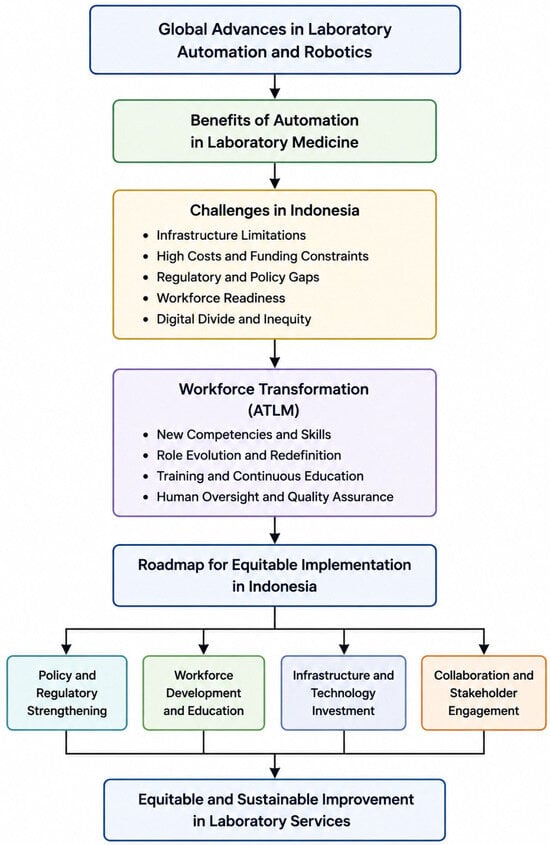
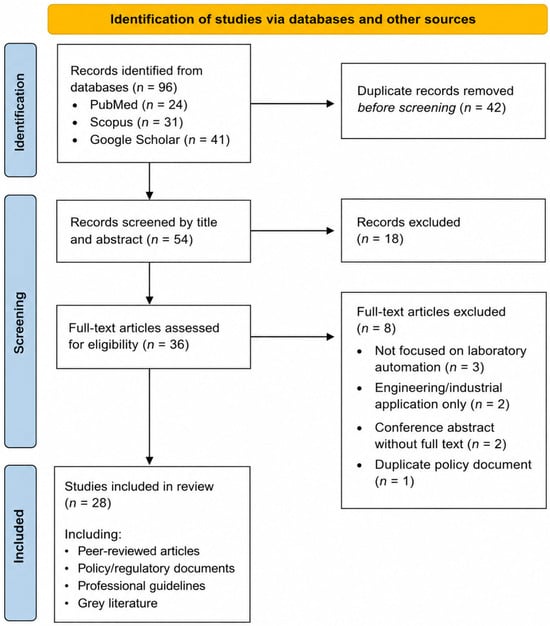
The rapid advancement of laboratory automation, robotics, and digital technologies has significantly transformed laboratory medicine worldwide, improving efficiency, diagnostic accuracy, and quality management. However, the adoption of these technologies in developing countries such as Indonesia remains uneven and is influenced by infrastructural, financial, regulatory, and workforce-related challenges. This structured narrative review aimed to critically examine the current landscape of laboratory automation and robotics in Indonesia, with particular emphasis on implementation challenges, workforce transformation among medical laboratory scientists (Ahli Teknologi Laboratorium Medik, ATLM), and pathways toward equitable integration. Studies published between 2015 and 2025 were identified through PubMed, Scopus, and Google Scholar, complemented by Indonesian regulatory documents, professional guidelines, and relevant grey literature. The review was informed by PRISMA principles and synthesized narratively to explore technological developments, operational impacts, policy contexts, and implementation barriers relevant to Indonesian laboratory systems. The findings indicate that automation and robotics offer substantial benefits, including improved turnaround time, enhanced quality assurance, reduced laboratory errors, and greater operational efficiency. Nevertheless, significant barriers persist, particularly disparities in digital infrastructure, financial constraints, limited workforce readiness, and the absence of comprehensive implementation frameworks. The review further highlights that automation is reshaping rather than replacing the role of ATLM, shifting professional responsibilities toward digital competency, automation oversight, data interpretation, and quality management. Achieving sustainable laboratory automation in Indonesia therefore requires an equity-centered and systems-oriented approach involving regulatory strengthening, workforce development, infrastructure investment, and multi-stakeholder collaboration. With strategic planning and policy alignment, laboratory automation and robotics hold considerable potential to modernize laboratory services and support Indonesia’s broader healthcare transformation agenda.
Full article

Figure 1
Open AccessPerspective
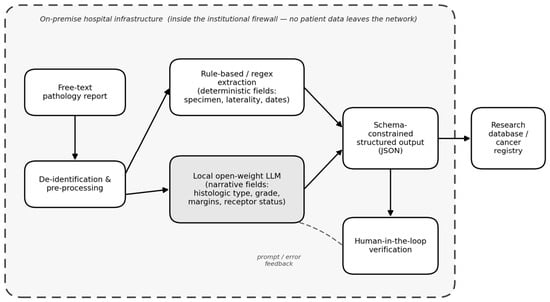
Sovereign Large Language Models for Structured Data Extraction from Pathology Reports: A Perspective for the Clinical Laboratory
by
Ravi Shankar
Laboratories 2026, 3(3), 9; https://doi.org/10.3390/laboratories3030009 - 29 Jun 2026
Abstract
►▼
Show Figures
The surgical pathology report remains one of the richest yet least computable artefacts in the clinical record. Diagnostic, prognostic, and treatment-relevant information is recorded predominantly as a free-text narrative that resists aggregation for research, quality monitoring, and cancer registration, while manual abstraction is
[...] Read more.
The surgical pathology report remains one of the richest yet least computable artefacts in the clinical record. Diagnostic, prognostic, and treatment-relevant information is recorded predominantly as a free-text narrative that resists aggregation for research, quality monitoring, and cancer registration, while manual abstraction is slow, costly, and difficult to scale. Large language models (LLMs) have rapidly emerged as a means of converting unstructured pathology narrative into structured, analysis-ready data. This perspective examines the current state of the evidence, with particular reference to breast pathology, and foregrounds the distinction between proprietary cloud-hosted models and locally deployed open-weight models. Recent comparative studies indicate that open-weight models can approach the accuracy of proprietary systems for structured extraction, offering a privacy-preserving and cost-controlled alternative that keeps protected health information inside the institutional firewall—a decisive advantage under data-protection regimes such as Singapore’s Personal Data Protection Act (PDPA) and Human Biomedical Research Act (HBRA). We argue that hybrid architectures—pairing deterministic rule-based extraction for unambiguous fields with local LLMs for narrative reasoning—currently offer the most defensible route to laboratory deployment. We also highlight the “reality gap” between synthetic benchmark performance and real-world clinical accuracy, and the need to align studies with emerging reporting and appraisal frameworks (TRIPOD-LLM, PROBAST + AI). Structured extraction is compatible with the quality and traceability expectations of accredited laboratories only when it is verified before use, monitored over time, and kept under human oversight.
Full article

Figure 1
Open AccessArticle
Design and Development of an Ultra-Concurrent Remote Laboratory for Projectile Motion Experiments
by
Luis Felipe Paniagua-Orozco, Luis Gutiérrez-Calderón, Deidinia Ureña-Corella, Manuel Jiménez-Romero, Luis Rodriguez-Gil and Carlos Arguedas-Matarrita
Laboratories 2026, 3(2), 8; https://doi.org/10.3390/laboratories3020008 - 18 Jun 2026
Abstract
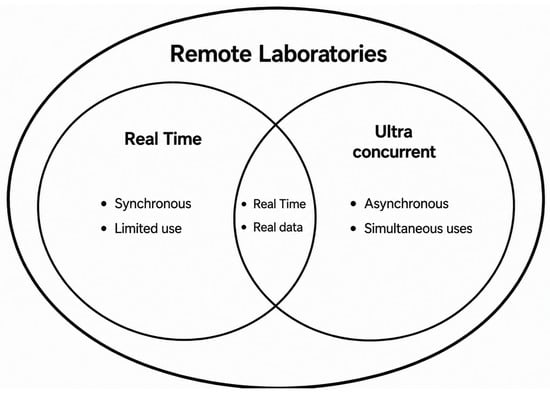
Experimentation in science education faces significant access limitations, both in face-to-face and distance learning settings; in light of this situation, remote laboratories are emerging as a strategic solution. The aim of this study is to present the design and development of an ultra-concurrent
[...] Read more.
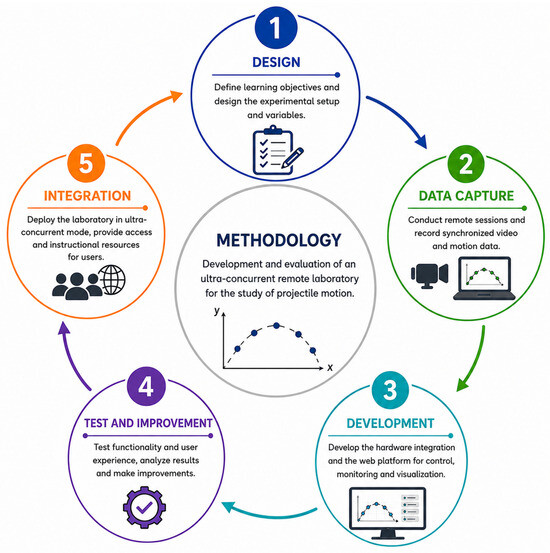
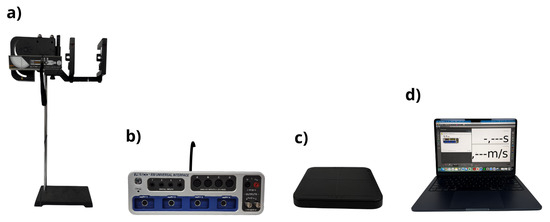
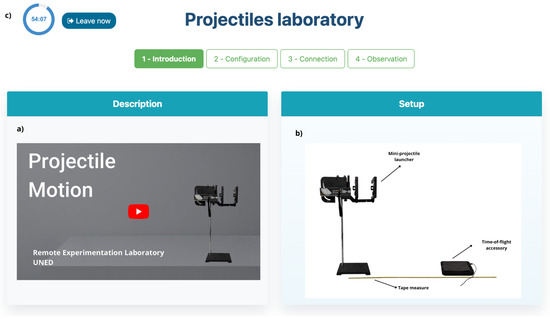
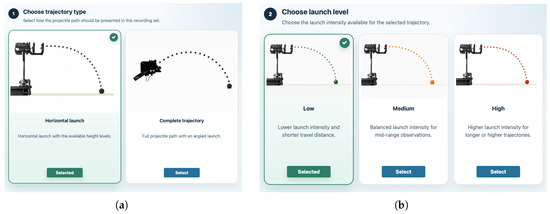
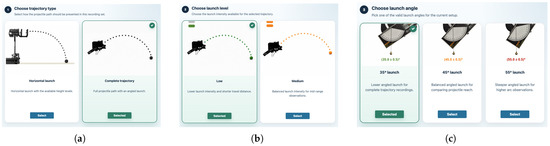
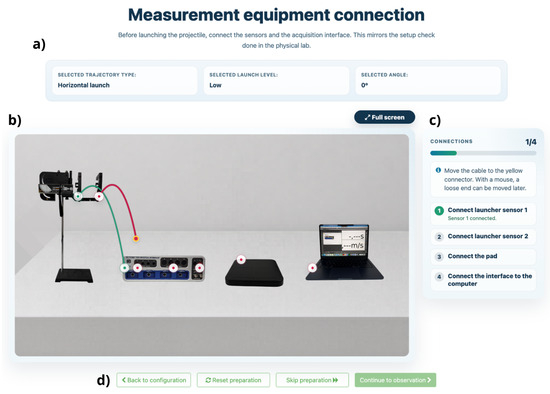
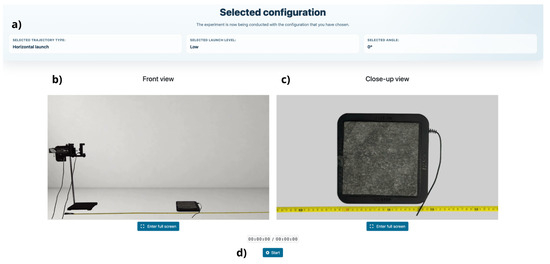
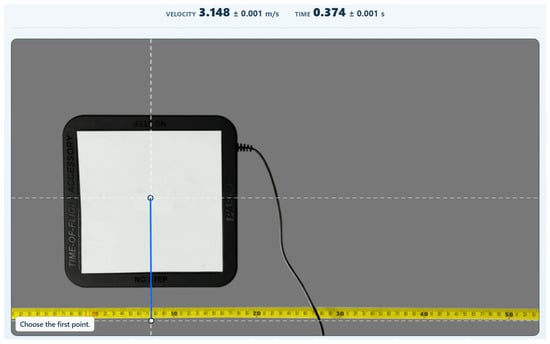
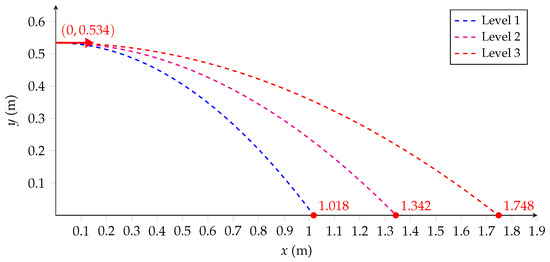
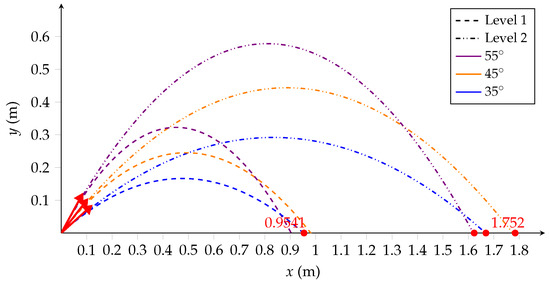
Experimentation in science education faces significant access limitations, both in face-to-face and distance learning settings; in light of this situation, remote laboratories are emerging as a strategic solution. The aim of this study is to present the design and development of an ultra-concurrent remote laboratory focused on the study of projectile motion. Using the Design-Based Research methodology, the resource has been structured around an iterative five-phase approach: design, data capture, development, test and improvement, and integration. The data acquisition system was developed using a hardware setup comprising a projectile launcher, photo gates, a digital interface and a time sensor, implemented and managed via the LabsLand platform. The laboratory integrates semi-parabolic and full-parabolic configurations via an interactive interface that guides the user from connecting components to the multimedia observation of real experimental data. The results of the experimental validation confirm the system’s viability, as the data obtained compare with ideal kinematic equations and reflect, as expected, the behaviour and physical limitations of the real-world environment. This laboratory offers a potential pedagogical advantage, reporting percentage errors around – , as it exposes students to experimental uncertainty whilst simultaneously ensuring simultaneous and free access for multiple users in science education.
Full article
(This article belongs to the Special Issue Exclusive Papers Collection of Editorial Board Members and Invited Scholars in Laboratories (2025, 2026))
►▼
Show Figures

Figure 1
Open AccessEditorial
From Safety and Quality Assurance to Digital Transformation: Emerging Directions in Laboratory Science and Practice
by
Gassan Hodaifa
Laboratories 2026, 3(2), 7; https://doi.org/10.3390/laboratories3020007 - 3 Jun 2026
Cited by 1
Abstract
The first six contributions considered in this Editorial provide a coherent view of the modern laboratory as an integrated system of safety governance, digital education, measurement confidence, diagnostic implementation, and clinical quality assurance. The papers considered here address occupational hygiene and health monitoring
[...] Read more.
The first six contributions considered in this Editorial provide a coherent view of the modern laboratory as an integrated system of safety governance, digital education, measurement confidence, diagnostic implementation, and clinical quality assurance. The papers considered here address occupational hygiene and health monitoring in university laboratories, the predictive modeling of chemical exposure risks among cleaning staff, the design of an immersive virtual reality laboratory for multidisciplinary student experiences, the evolving concept of measurement uncertainty in accredited laboratories, the field implementation of a near point-of-care HIV drug-resistance assay in Kenya, and the optimization of embryo culture conditions in IVF laboratories. Although these studies span different fields, they converge on a common message: laboratory excellence depends not only on instruments and protocols but also on human factors, training, exposure control, usability, uncertainty management, and translation into real-world decisions. This Editorial synthesizes these contributions and identifies future priorities for Laboratories as a forum for interdisciplinary laboratory science and practice.
Full article
Open AccessReview
Optimization of Embryo Culture Conditions in IVF: Quality Assurance and Emerging Technologies
by
Benkhalifa Mustapha, Lahimer Marwa, Montjean Debbie, Chouaieb Salah, Cabry Rosalie and Benkhalifa Moncef
Laboratories 2026, 3(1), 6; https://doi.org/10.3390/laboratories3010006 - 5 Mar 2026
Cited by 1
Abstract
►▼
Show Figures
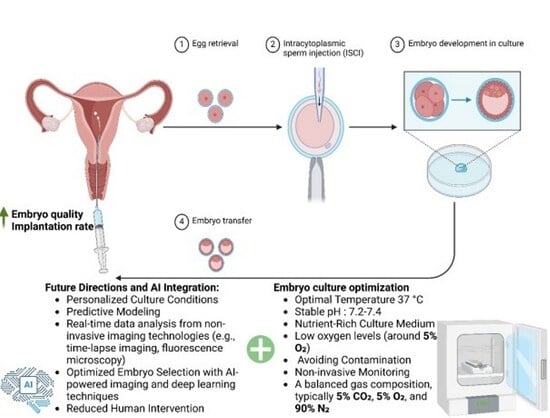
The different Assisted Reproductive Technology techniques are offering hope to millions of couples struggling with infertility. However, the success of IVF/ICSI is related at least partially to the optimization of embryo culture conditions, which are influenced by myriad of physiological and environmental factors.
[...] Read more.
The different Assisted Reproductive Technology techniques are offering hope to millions of couples struggling with infertility. However, the success of IVF/ICSI is related at least partially to the optimization of embryo culture conditions, which are influenced by myriad of physiological and environmental factors. This review reports the latest advancements in embryo culture techniques, with a particular focus on the roles of oxygen tension, pH regulation, temperature stability, air quality in enhancing embryo viability, competency and implantation rates. In addition, we explored the critical importance of quality assurance (QA) factors and key performance indicators (KPIs) to keep laboratory efficiency. We highlighted also some emerging technologies, such as dynamic culture systems, metabolomics, proteomics biomarkers potential, and artificial intelligence (AI) in embryo selection and monitoring, which hold promise for further improving embryo culture techniques. By providing a comprehensive overview of the current state of embryo culture optimization, this review aims to guide future research and clinical practices in the field of assisted reproductive technology (ART).
Full article

Graphical abstract
Open AccessArticle
Oligonucleotide Ligation Assay (OLA)-Simple: Field Implementation, Usability, and Performance of a near Point-of-Care HIV Drug Resistance Assay in Kenya
by
Prestone O. Owiti, Bhavna H. Chohan, Ingrid A. Beck, Nuttada Panpradist, Pooja Maheria, Katherine K. Thomas, Jessica H. Giang, Leonard Kingwara, Vera M. Onwonga, Rukia S. Madada, Shalyn Akasa, Grace Akinyi, Valarie Opollo, John Kiiru, Nancy Bowen, Mansour Samadpour, Garoma W. Basha, Barry R. Lutz, Lisa M. Frenkel, Patrick Oyaro, Lisa L. Abuogi and Rena C. Pateladd
Show full author list
remove
Hide full author list
Laboratories 2026, 3(1), 5; https://doi.org/10.3390/laboratories3010005 - 4 Feb 2026
Cited by 1
Abstract
►▼
Show Figures
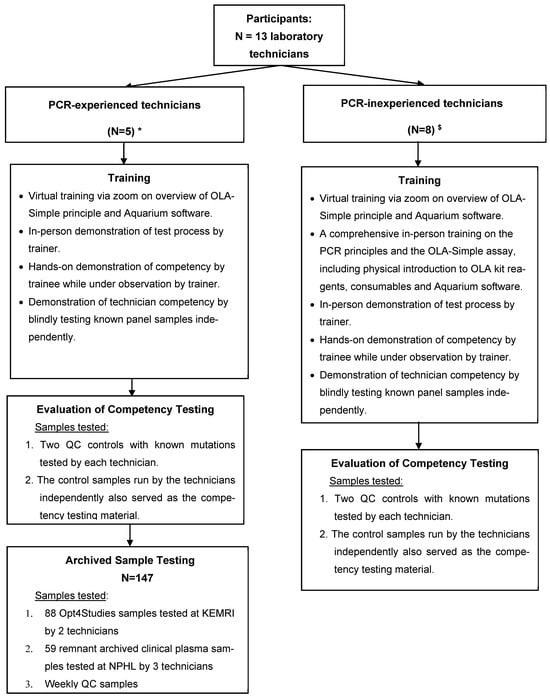
A point-of-care (POC) HIV drug resistance (HIV-DR) test is needed for low- and middle-income countries (LMICs). Oligonucleotide Ligation Assay (OLA)-Simple, designed as a near-POC HIV-DR test, was assessed for its overall usability in Kenya by technicians with and without molecular laboratory PCR experience.
[...] Read more.
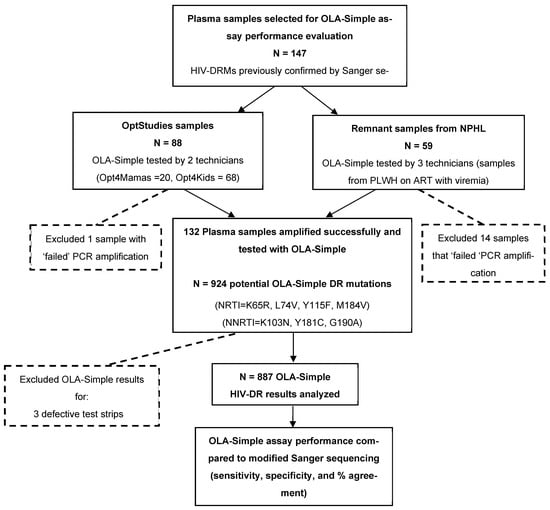
A point-of-care (POC) HIV drug resistance (HIV-DR) test is needed for low- and middle-income countries (LMICs). Oligonucleotide Ligation Assay (OLA)-Simple, designed as a near-POC HIV-DR test, was assessed for its overall usability in Kenya by technicians with and without molecular laboratory PCR experience. Further, its diagnostic accuracy was evaluated by PCR-experienced technicians utilizing 147 plasma samples with known Sanger sequence genotypes—based on seven major HIV-DR mutations of nucleotide and non-nucleoside reverse transcriptase inhibitors. Thirteen laboratory technicians were recruited, including five with prior PCR experience. Twelve technicians completed the training and attained OLA-Simple testing competency, ten of whom were able to perform the OLA-Simple test within 6 h. Technicians’ survey feedback indicated the user-friendliness of OLA-Simple, citing straightforward reagent reconstitution, concise instructions in prompts, and a shorter sample-to-result test time compared to standard genotyping assays. Of the 147 archived plasma samples tested, 132 (90%) yielded interpretable results. OLA-Simple assay demonstrated a sensitivity of 97.3% (95% CI 94.5, 98.9), a specificity of 97.2% (95% CI 95.5, 98.3), and a percent agreement of 97.1% (95% CI 95.9, 98.2) compared to Sanger sequencing. This evaluation found that OLA-Simple was user-friendly among intended end-users and performed well. LMIC HIV programs would benefit from strategizing on case-use scenarios for such near-POC HIV-DR assays to improve HIV outcomes.
Full article

Figure 1
Open AccessReview
Measurement Uncertainty: New Definition, Viewpoints, and Laboratories
by
Marco Pradella
Laboratories 2026, 3(1), 4; https://doi.org/10.3390/laboratories3010004 - 4 Feb 2026
Cited by 4
Abstract
The Joint Committee for Guides in Metrology (JCGM) today presents a definition of measurement uncertainty that modifies the previous one and improves the management of scenarios other than scalar (quantitative) measurements, such as classificatory or qualitative (nominal and ordinal) properties. Nominal results are
[...] Read more.
The Joint Committee for Guides in Metrology (JCGM) today presents a definition of measurement uncertainty that modifies the previous one and improves the management of scenarios other than scalar (quantitative) measurements, such as classificatory or qualitative (nominal and ordinal) properties. Nominal results are often found in biology and medicine. For the accreditation of medical laboratories and testing laboratories, both ISO 15189 and ISO 17025 require the management of these situations, using the professional expertise of specialists with the support of manufacturers. Some of the members of JCGM WG2 developed a discussion on the concept of measurement uncertainty and raised some criticisms. ISO produces detailed guides for this purpose, such as ISO 20914, ISO 27877, ISO 16393, ISO 20397-2, and ISO 22692. Laboratories now have all the tools they need to meet accreditation requirements on uncertainty.
Full article
Open AccessArticle
Development of an Immersive Virtual Reality (IVR) Laboratory for the Execution of Multidisciplinary Experiences in Students of a Private Mexican University
by
Luis Cuautle-Gutiérrez and José de Jesús Cordero-Guridi
Laboratories 2026, 3(1), 3; https://doi.org/10.3390/laboratories3010003 - 3 Feb 2026
Cited by 2
Abstract
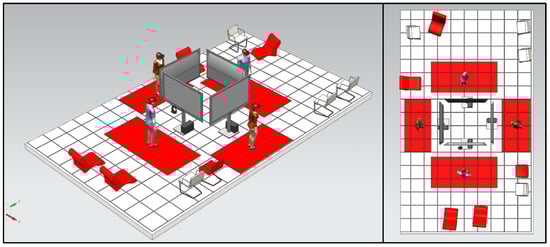
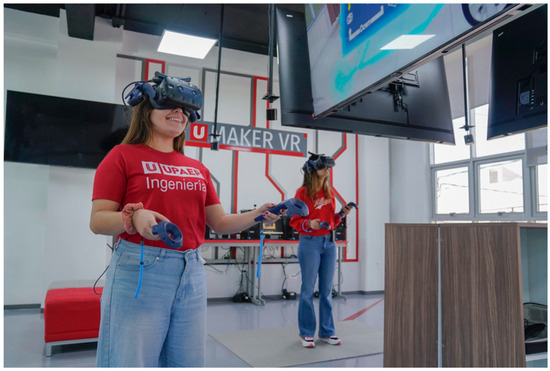
The development of an immersive virtual reality laboratory in the facilities of a private Mexican university is presented. This laboratory contemplates the use of different disciplines and different student profiles, for which it was developed considering technological, ergonomic, educational, and disciplinary requirements. A
[...] Read more.
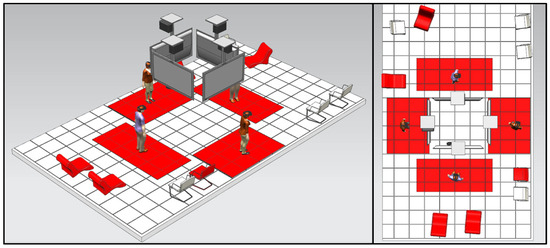
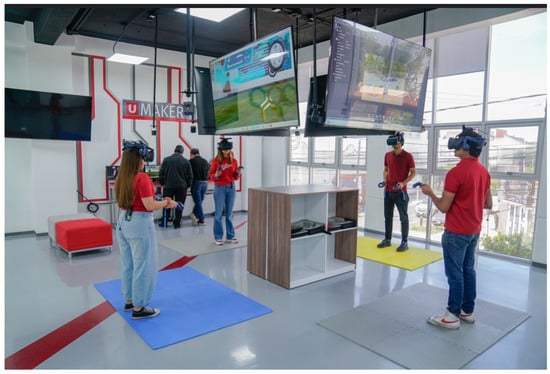
The development of an immersive virtual reality laboratory in the facilities of a private Mexican university is presented. This laboratory contemplates the use of different disciplines and different student profiles, for which it was developed considering technological, ergonomic, educational, and disciplinary requirements. A primary assessment of a selected group of students was developed to find out the initial level of satisfaction with the user experience in the laboratory and the improvements to be proposed for future adaptations.
Full article
(This article belongs to the Special Issue Exclusive Papers Collection of Editorial Board Members and Invited Scholars in Laboratories (2025, 2026))
►▼
Show Figures

Figure 1
Open AccessArticle
Development of an Exploratory Simulation Tool: Using Predictive Decision Trees to Model Chemical Exposure Risks and Asthma-like Symptoms in Professional Cleaning Staff in Laboratory Environments
by
Hayden D. Hedman
Laboratories 2026, 3(1), 2; https://doi.org/10.3390/laboratories3010002 - 9 Jan 2026
Cited by 1
Abstract
►▼
Show Figures
Exposure to chemical irritants in laboratory and medical environments poses significant health risks to workers, particularly in relation to asthma-like symptoms. Routine cleaning practices, which often involve the use of strong chemical agents to maintain hygienic settings, have been shown to contribute to
[...] Read more.
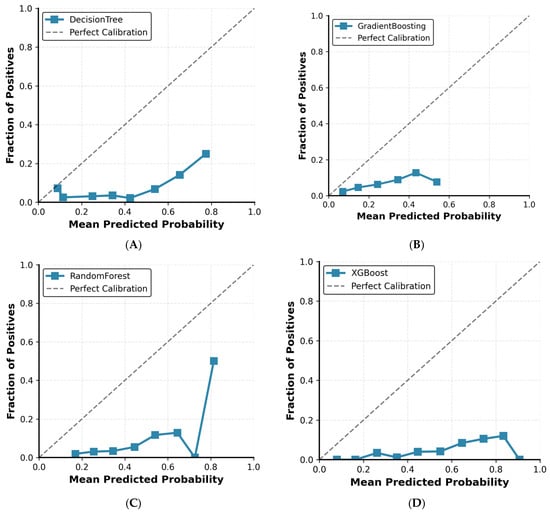
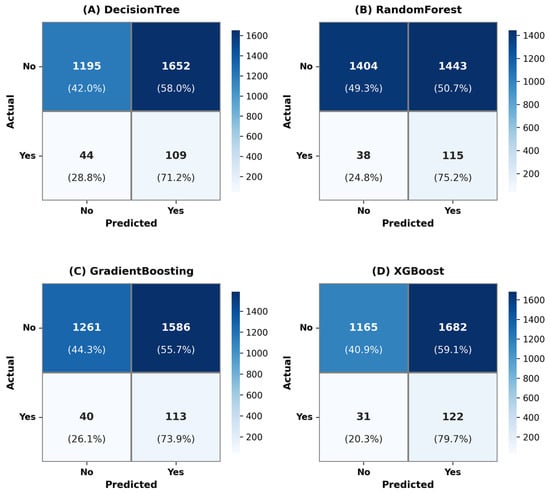
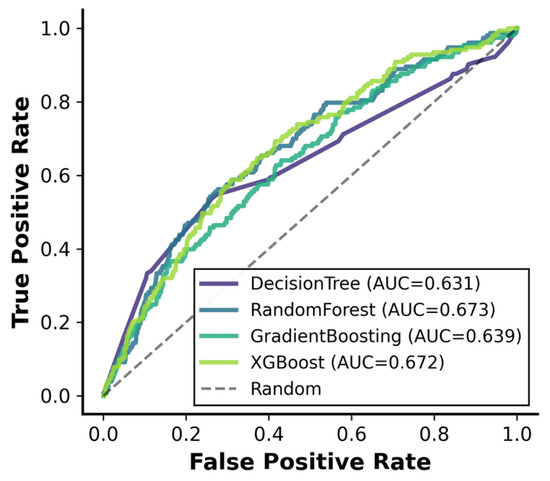
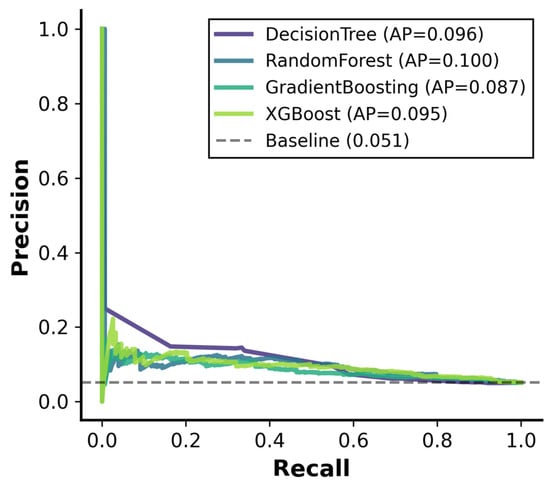
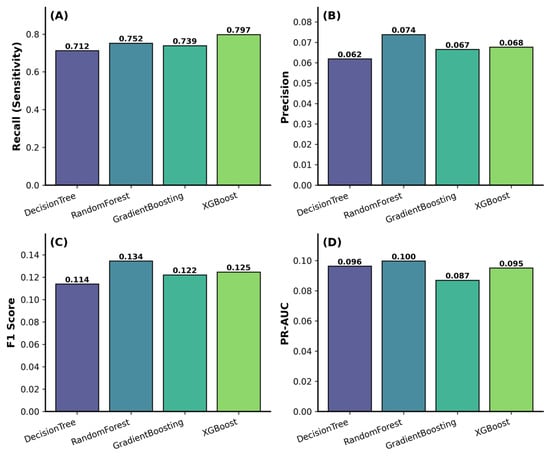
Exposure to chemical irritants in laboratory and medical environments poses significant health risks to workers, particularly in relation to asthma-like symptoms. Routine cleaning practices, which often involve the use of strong chemical agents to maintain hygienic settings, have been shown to contribute to respiratory issues. Laboratories, where chemicals such as hydrochloric acid and ammonia are frequently used, represent an underexplored context in the study of occupational asthma. While much of the research on chemical exposure has focused on industrial and high-risk occupations or large cohort populations, less attention has been given to the risks in laboratory and medical environments, particularly for professional cleaning staff. Given the growing reliance on cleaning agents to maintain sterile and safe workspaces in scientific research and healthcare facilities, this gap is concerning. This study developed an exploratory simulation tool, using a simulated cohort based on key demographic and exposure patterns from foundational research, to assess the impact of chemical exposure from cleaning products in laboratory environments. Four supervised machine learning models were applied to evaluate the relationship between chemical exposures and asthma-like symptoms: (1) Decision Trees, (2) Random Forest, (3) Gradient Boosting, and (4) XGBoost. High exposures to hydrochloric acid and ammonia were found to be significantly associated with asthma-like symptoms, and workplace type also played a critical role in determining asthma risk. This research provides a data-driven framework for assessing and predicting asthma-like symptoms in professional cleaning workers exposed to cleaning agents and highlights the potential for integrating predictive modeling into occupational health and safety monitoring. Future work should explore dose–response relationships and the temporal dynamics of chemical exposure to further refine these models and improve understanding of long-term health risks.
Full article

Figure 1
Open AccessArticle
Development of an Occupational Hygiene and Health Monitoring Guide for University Laboratories and Facilities: Insights from the Australian Context
by
Matthew Oosthuizen, Adelle Liebenberg, Marcus Cattani and Kiam Padamsey
Laboratories 2026, 3(1), 1; https://doi.org/10.3390/laboratories3010001 - 19 Dec 2025
Cited by 1
Abstract
►▼
Show Figures
Several studies have investigated airborne chemical exposures in university teaching laboratories, where activities are typically structured and supervised. University research laboratories typically involve greater autonomy, the use of more hazardous substances, and less oversight. This industry-embedded study aimed to develop a comprehensive guideline
[...] Read more.
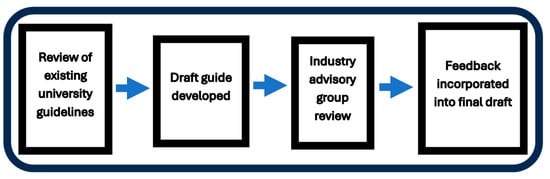
Several studies have investigated airborne chemical exposures in university teaching laboratories, where activities are typically structured and supervised. University research laboratories typically involve greater autonomy, the use of more hazardous substances, and less oversight. This industry-embedded study aimed to develop a comprehensive guideline for occupational hygiene and health monitoring (OHHM) tailored to a university context, including both teaching and research laboratories. Guidelines and policies from the Western Australian mining sector and six Australian universities were analysed to identify common elements for a draft OHHM guideline. This draft was reviewed by an industry advisory group (IAG) of five Australian university health and safety managers. Their feedback was analysed and discussed with the Chief Safety Officer at Edith Cowan University (ECU). Following the incorporation of this input and final revisions, the guideline was ratified and implemented across ECU in April 2025. The guide adopts a risk-based occupational hygiene (OH) approach, in which OH monitoring results determine the need for health monitoring (HM). Implementation is supported by central coordination and external OH consultancy. The study presents the resulting guide document, which establishes a replicable framework that may inform similar initiatives in universities internationally (especially those with laboratories).
Full article

Figure 1
Open AccessArticle
An Intelligent Management Model for College-Level Reagent Repositories in Universities
by
Chao Ma
Laboratories 2025, 2(4), 23; https://doi.org/10.3390/laboratories2040023 - 12 Dec 2025
Cited by 1
Abstract
►▼
Show Figures
Effective management of chemical reagents in universities is essential for laboratory safety and operational efficiency. Manual management models characterized by fragmented oversight are insufficient to ensure traceability, real-time monitoring, and safety compliance, as evidenced by the recurring occurrence of laboratory safety accidents. In
[...] Read more.
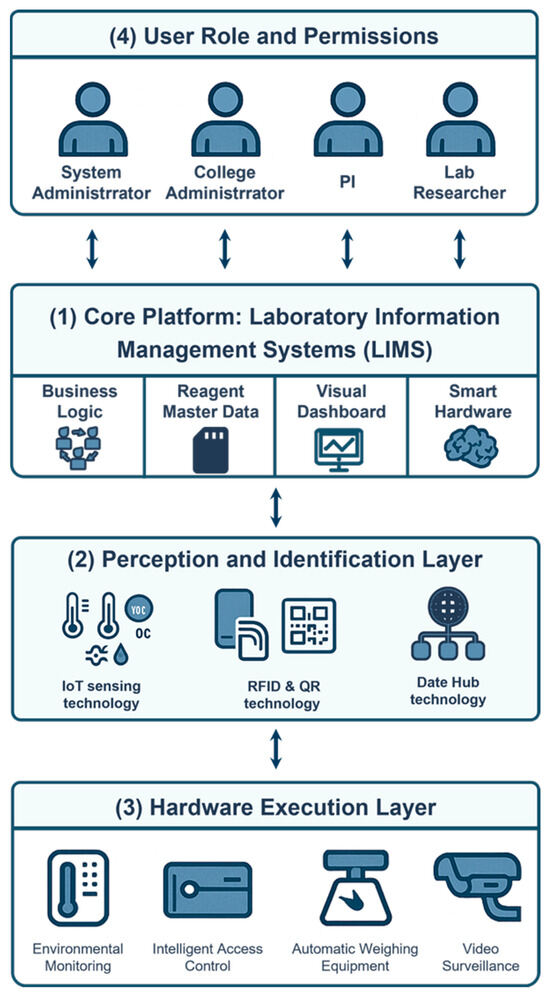
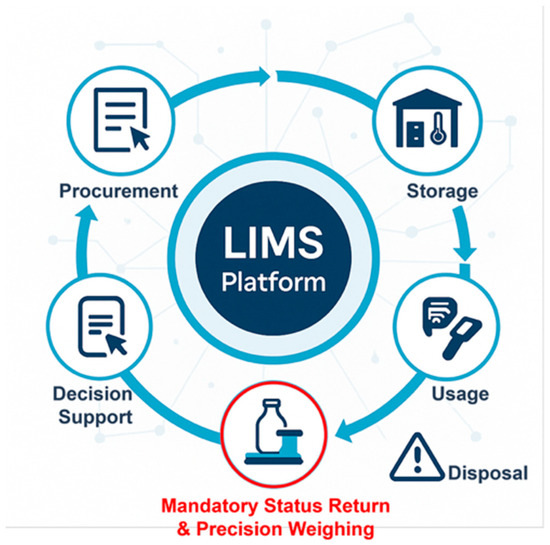
Effective management of chemical reagents in universities is essential for laboratory safety and operational efficiency. Manual management models characterized by fragmented oversight are insufficient to ensure traceability, real-time monitoring, and safety compliance, as evidenced by the recurring occurrence of laboratory safety accidents. In this study, we propose an intelligent management model for college-level chemical reagent repositories. The model was built on a Laboratory Information Management System (LIMS)-based architecture and modified using Internet of Things (IoT) sensing, Radio Frequency Identification (RFID), and intelligent hardware. It transforms the full-lifecycle of reagents (from procurement and storage to distribution, usage, and waste disposal) into a digital, automated, closed-loop process. In addition, this study also highlights key technical challenges, including heterogenous system integration and reliable data acquisition under complex environmental conditions, and proposes practical strategies, such as lightweight Application Programming Interface (API) middleware. The results show that the proposed model is a feasible and robust framework for precise, proactive, and data-driven management of hazardous chemicals in academic settings.
Full article

Figure 1
Open AccessArticle
Integrating Systems Thinking into Introductory Chemistry: A Multi-Technique Laboratory Module for Teaching Error Analysis
by
Ariyaporn Haripottawekul, Ethan Epstein, Tiffany Lin and Li-Qiong Wang
Laboratories 2025, 2(4), 22; https://doi.org/10.3390/laboratories2040022 - 11 Dec 2025
Abstract
►▼
Show Figures
Designing laboratory experiences that support both skill development and conceptual understanding is a persistent challenge in introductory chemistry education—especially within accelerated or compressed course formats. To address this need, we developed and implemented a systems-thinking-based laboratory module on error analysis for a large
[...] Read more.
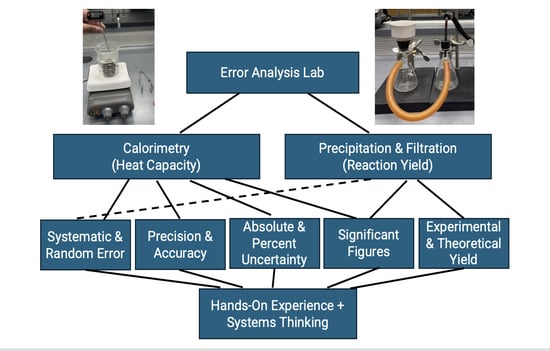
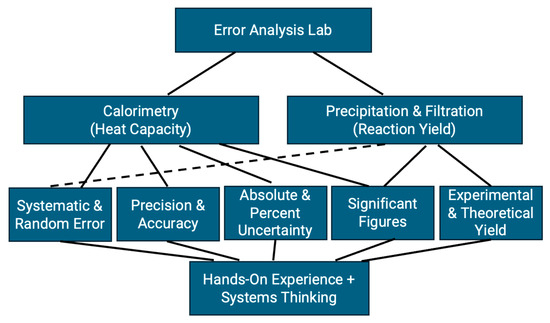
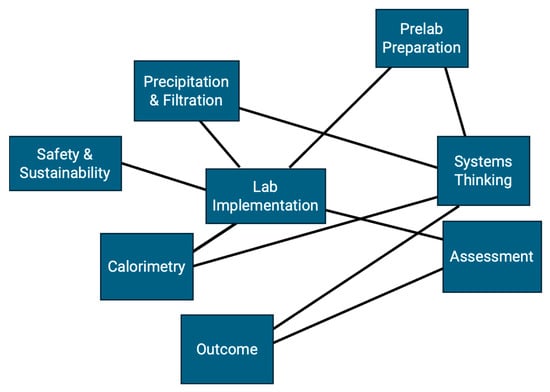
Designing laboratory experiences that support both skill development and conceptual understanding is a persistent challenge in introductory chemistry education—especially within accelerated or compressed course formats. To address this need, we developed and implemented a systems-thinking-based laboratory module on error analysis for a large introductory chemistry course at Brown University, composed primarily of first-year students (approximately 150–200 students in the spring semesters). Unlike traditional labs that isolate single techniques or concepts, this module integrates calorimetry, precipitation reactions, vacuum filtration, and quantitative uncertainty analysis into a unified experiment. Students explore how procedural variables interact to affect experimental outcomes, promoting a holistic understanding of accuracy, precision, and uncertainty. The module is supported by multimedia pre-lab materials, including faculty-recorded lectures and interactive videos developed through Brown’s Undergraduate Teaching and Research Awards (UTRA) program. These resources prepare students for hands-on work while reinforcing key theoretical concepts. A mixed-methods assessment across four semesters (n > 600) demonstrated significant learning gains, particularly in students’ ability to analyze uncertainty and distinguish between accuracy and precision. Although confidence in applying significant figures slightly declined post-lab, this may reflect increased awareness of complexity rather than decreased understanding. This study highlights the educational value of integrating systems thinking into early-semester laboratory instruction. The module is accessible, cost-effective, and adaptable for a variety of institutional settings. Its design advances chemistry education by aligning foundational skill development with interdisciplinary thinking and real-world application.
Full article

Graphical abstract
Highly Accessed Articles
Latest Books
E-Mail Alert
News
Topics
Topic in
Algorithms, Energies, Entropy, MAKE, Materials, Laboratories, Complexities
AI and Computational Methods for Modelling, Simulations and Optimizing of Advanced Systems: Innovations in Complexity, 2nd Edition
Topic Editors: Jaroslaw Krzywanski, Marcin Sosnowski, Karolina Grabowska, Dorian Skrobek, Anna Zylka, Agnieszka Kijo-Kleczkowska, Bashar Shboul, Tomasz CzakiertDeadline: 30 June 2027
Topic in
Applied Nano, Coatings, Colloids and Interfaces, Materials, Surfaces, Nanomaterials, Laboratories
New Research on Thin Films and Nanostructures
Topic Editors: Marco Fronzi, Cristiano Giordani, Paolo MeleDeadline: 31 July 2027
Topic in
Applied Nano, Biosensors, Materials, Nanomaterials, Chemosensors, Applied Biosciences, Laboratories
Applications of Nanomaterials in Biosensing: Current Trends and Future Prospects
Topic Editors: Kundan Sivashanmugan, Xianming KongDeadline: 3 September 2027
Topic in
Biomolecules, Diseases, IJMS, Microbiology Research, Pathogens, Sci, Laboratories
Recent Advances in Biochemistry, Immunology, and Diagnosis of Infectious Disease
Topic Editors: Salvatore G. De-Simone, Herbert Leonel M.Mattos de Matos-GuedesDeadline: 31 December 2027
Conferences
Special Issues
Special Issue in
Laboratories
Exclusive Papers Collection of Editorial Board Members and Invited Scholars in Laboratories (2025, 2026)
Guest Editor: Gassan HodaifaDeadline: 31 December 2026
Special Issue in
Laboratories
Refined Laboratory Animal Management
Guest Editor: Jaco BakkerDeadline: 31 January 2027
Special Issue in
Laboratories
Occupational Health and Safety Management in the Laboratory
Guest Editor: Chun-Yip HonDeadline: 28 February 2027