


Topical Advisory Panel applications are now closed. Please contact the Editorial Office with any queries.
-
Personalized Decision-Making in Periodontal Therapy: Systemic and Demographic Factors Influencing Surgical vs. Non-Surgical Re-Treatment -
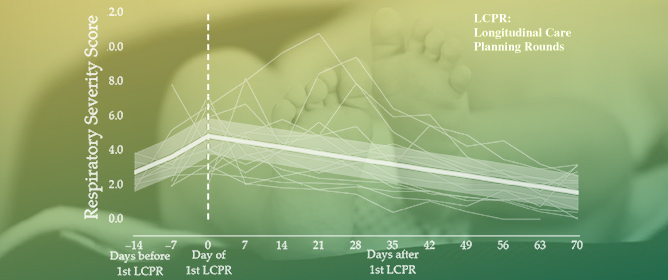
Risk-Guided Personalized Care to Prevent Bronchopulmonary Dysplasia: A Real-World Implementation Study -
Personalized Sudden Cardiac Death Risk Stratification in Hypertrophic Cardiomyopathy: Beyond Conventional Risk Scores
Journal Description
Journal of Personalized Medicine
is an international, peer-reviewed, open access journal on personalized medicine, published monthly online by MDPI. The Inter-American Society for Minimally Invasive Spine Surgery (SICCMI), Korean Society of Brain Neuromodulation Therapy (KBNT), American Board of Precision Medicine (ABOPM) and Brazilian Society of Personalized Medicine (SBMP) are affiliated with JPM and their members receive a discount on article processing charges.
- Open Access— free for readers, with article processing charges (APC) paid by authors or their institutions.
- High Visibility: indexed within Scopus, PubMed, PMC, Embase, and other databases.
- Journal Rank: CiteScore - Q1 (Medicine (miscellaneous))
- Rapid Publication: manuscripts are peer-reviewed and a first decision is provided to authors approximately 23 days after submission; acceptance to publication is undertaken in 4.6 days (median values for papers published in this journal in the first half of 2026).
- Recognition of Reviewers: reviewers who provide timely, thorough peer-review reports receive vouchers entitling them to a discount on the APC of their next publication in any MDPI journal, in appreciation of the work done.
Latest Articles
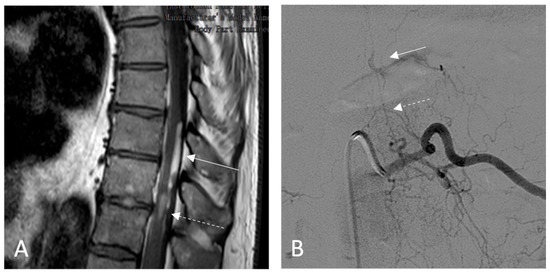
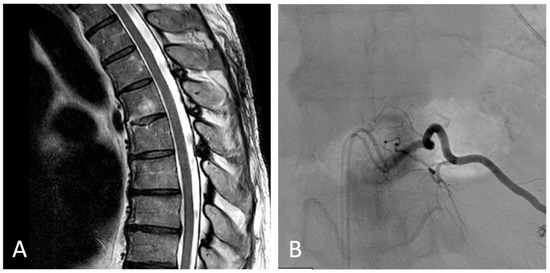
Personalized Risk Assessment and Treatment in Ruptured Isolated Posterior Spinal Artery Aneurysm: A Rare Case and Systematic Literature Review
J. Pers. Med. 2026, 16(9), 462; https://doi.org/10.3390/jpm16090462 - 31 Aug 2026
Abstract
Background: Ruptured isolated spinal artery aneurysms (SAAs) are not common. Posterior spinal artery aneurysms (PSAAs) are less common. Either is rarely the cause of spontaneous spinal subarachnoid hemorrhage (sSAH). Due to a few published reports, the natural course, diagnosis and optimal therapeutic strategy
[...] Read more.
Background: Ruptured isolated spinal artery aneurysms (SAAs) are not common. Posterior spinal artery aneurysms (PSAAs) are less common. Either is rarely the cause of spontaneous spinal subarachnoid hemorrhage (sSAH). Due to a few published reports, the natural course, diagnosis and optimal therapeutic strategy remain debatable and challenging. We report the case of a 60-year-old male presenting with lumbar and abdominal pain, which swiftly became associated with headache, photophobia and worsening neck pain. Spinal MRI revealed an intradural hemorrhage collection from the T9 level to the T10 level; the spinal DSA confirmed a fusiform dissecting PSAA originating from the T11 level. He was managed conservatively and recovered completely. We have reviewed the few cases reported in the literature. Results: Except for the present case, there are 29 reported cases of isolated PSAAs and 69 cases of isolated SAAs. The patients’ ages ranged from 16 to 88 years, and common presenting symptoms were headache and back/abdominal pain. The PSAAs were commonly located at the lower thoracic level or lumbar level. The most common PSAA treatment was surgery; among the 29 cases, 85% reported favorable outcomes regardless of the type of treatment. Conclusions: Ruptured spinal artery aneurysms are prone to spontaneous thrombosis. Given the lack of standardized guidelines, a personalized medicine approach is essential, requiring a detailed, patient-specific risk assessment. Conservative management could be an appropriate treatment option with a favorable outcome. Further understanding may help guide future clinical decision-making and tailored treatment planning according to patient-specific features.
Full article
(This article belongs to the Special Issue Personalized Approaches in Neurosurgery)
►
Show Figures
Open AccessReview
Neurological and Neuropsychiatric Manifestations of Pediatric Inflammatory Multisystem Syndrome (PIMS/MIS-C): A Narrative Review
by
Wiktor Śliwiński, Weronika Pura, Dominika Matecka, Mateusz Kosowski, Daniel Chołuj, Jakub Marciniak, Jakub Mazur, Karolina Zarówna, Laavanya Damodaran and Natalia Szejko
J. Pers. Med. 2026, 16(9), 461; https://doi.org/10.3390/jpm16090461 - 31 Aug 2026
Abstract
Background: Pediatric inflammatory multisystem syndrome (PIMS), also referred to as multisystem inflammatory syndrome in children (MIS-C), is a rare but serious post-infectious complication of severe acute respiratory syndrome coronavirus 2 (SARS-CoV-2) infection characterized by systemic hyperinflammation and multiorgan involvement. New-onset neurological and psychiatric
[...] Read more.
Background: Pediatric inflammatory multisystem syndrome (PIMS), also referred to as multisystem inflammatory syndrome in children (MIS-C), is a rare but serious post-infectious complication of severe acute respiratory syndrome coronavirus 2 (SARS-CoV-2) infection characterized by systemic hyperinflammation and multiorgan involvement. New-onset neurological and psychiatric symptoms have emerged as critical clinical features, occurring in approximately 12–27% of pediatric patients aged 2–15 years (median age, 10 years) and often indicating a more severe disease course. This narrative review aims to provide a comprehensive overview of the current literature regarding the neurological and psychiatric manifestations of PIMS/MIS-C, focusing on epidemiology, pathophysiology, clinical presentation, neuroimaging findings, biomarkers, treatment strategies, and outcomes. Methods: A narrative literature review was conducted to synthesize current evidence on the neurological and psychiatric spectrum of PIMS/MIS-C. Evaluated parameters included clinical presentations ranging from common symptoms (such as headache, encephalopathy, altered mental status, and seizures) to rare complications (such as ischemic stroke, acute disseminated encephalomyelitis, Guillain–Barré syndrome, and cerebral edema), alongside associated psychiatric disturbances, diagnostic findings, and therapeutic approaches. Results: Neurological and psychiatric manifestations significantly impact the clinical trajectory of PIMS/MIS-C. Acute symptoms include headache, encephalopathy, seizures, and psychiatric disturbances like behavioral changes, hallucinations, delirium, anxiety, and sleep disorders. Neuroimaging in many cases reveals reversible lesions of the splenium of the corpus callosum, while electroencephalography typically demonstrates diffuse slowing consistent with encephalopathy. Early recognition and prompt administration of immunomodulatory therapy—primarily intravenous immunoglobulin and corticosteroids—correlate with favorable neurological recovery in the majority of patients. However, current evidence remains largely observational and heterogeneous, precluding definitive causal conclusions regarding this treatment–outcome relationship. Affected children more frequently require intensive care unit admission and remain at risk for persistent cognitive, behavioral, and psychiatric sequelae. Conclusions: Neurological and psychiatric complications in PIMS/MIS-C are clinically significant indicators of disease severity that require vigilant monitoring and early immunomodulatory intervention. Continued multidisciplinary follow-up and prospective studies are essential to elucidate the long-term neurodevelopmental and psychiatric consequences and to optimize therapeutic strategies for these patients.
Full article
(This article belongs to the Special Issue Personalized Diagnosis and Treatment for Neurological Diseases)
Open AccessArticle
Prenatal Diagnosis and Perinatal Management Considerations in Congenital Abdominal Wall Defects: A Case Series and Narrative Review
by
Nikola Popovski, Nikoleta Stoyanova and Rebecca Caiulo
J. Pers. Med. 2026, 16(9), 460; https://doi.org/10.3390/jpm16090460 - 31 Aug 2026
Abstract
Background: Congenital abdominal wall defects (CAWDs), primarily gastroschisis and omphalocele, result from disturbances in early embryonic folding and midgut development and are routinely detected during prenatal ultrasound screening. Despite advances in prenatal imaging, considerable heterogeneity in clinical presentation, severity, and outcomes necessitates structured
[...] Read more.
Background: Congenital abdominal wall defects (CAWDs), primarily gastroschisis and omphalocele, result from disturbances in early embryonic folding and midgut development and are routinely detected during prenatal ultrasound screening. Despite advances in prenatal imaging, considerable heterogeneity in clinical presentation, severity, and outcomes necessitates structured risk stratification to optimize prenatal and perinatal management. Objectives: We aimed to present a series of prenatally diagnosed congenital abdominal wall defects and integrate current evidence into a clinically applicable, risk-adapted framework for prenatal assessment and perinatal management. Materials and Methods: Three pathological cases of CAWDs diagnosed between 2025 and 2026 were retrospectively analyzed. Two additional first-trimester ultrasound examinations demonstrating physiological midgut herniation were included as illustrative examples of an important differential diagnosis during early pregnancy. Prenatal assessment included systematic evaluation of bowel dilatation, bowel wall thickness, liver herniation, and associated structural anomalies. Established risk stratification systems—including the distinction between simple and complex gastroschisis and the classification of omphalocele according to defect size and associated anomalies—were applied. A narrative review of the literature was performed to contextualize the clinical findings and support the development of a practical ultrasound-based diagnostic and management algorithm. Results: The pathological cases illustrated the broad clinical spectrum of CAWDs, ranging from isolated omphalocele to lethal body stalk anomaly, while the illustrative examples emphasized the importance of distinguishing physiological midgut herniation from pathological abdominal wall defects during the first trimester. Prenatal risk stratification based on ultrasound findings may inform surveillance strategies, delivery planning, and parental counseling. In particular, associated anomalies and liver herniation in omphalocele, as well as progressive bowel abnormalities in gastroschisis, were identified as key determinants of prognosis and clinical management. Based on the literature review and the illustrative institutional cases, an educational ultrasound-based diagnostic and management framework was proposed to summarize the current evidence and support a structured diagnostic approach. Conclusions: Congenital abdominal wall defects should be considered a spectrum of disorders with varying embryological origins, clinical manifestations, and prognostic implications. A standardized prenatal assessment combined with risk-adapted management can improve prognostic accuracy, optimize perinatal planning, and support informed parental counseling. Implementation of structured diagnostic frameworks may enhance clinical decision making and improve outcomes in affected pregnancies.
Full article
(This article belongs to the Special Issue Advances in Prenatal Diagnosis and Maternal Fetal Medicine)
Open AccessSystematic Review
Flexor Tendon Rupture Following Collagenase Clostridium histolyticum Versus Percutaneous Needle Fasciotomy in the Management of Dupuytren’s Disease: A Systematic Review and Meta-Analysis
by
Sherlyn Chng, Omar Shadid, Ishith Seth and Warren Rozen
J. Pers. Med. 2026, 16(9), 459; https://doi.org/10.3390/jpm16090459 - 31 Aug 2026
Abstract
Background: Flexor tendon rupture is a rare but potentially disabling complication following minimally invasive treatment of Dupuytren’s disease. This meta-analysis compared rupture incidence after collagenase Clostridium histolyticum (CCH) injection and percutaneous needle fasciotomy/aponeurotomy (PNF/PNA). Methods: PubMed, MEDLINE, and Embase were systematically searched for
[...] Read more.
Background: Flexor tendon rupture is a rare but potentially disabling complication following minimally invasive treatment of Dupuytren’s disease. This meta-analysis compared rupture incidence after collagenase Clostridium histolyticum (CCH) injection and percutaneous needle fasciotomy/aponeurotomy (PNF/PNA). Methods: PubMed, MEDLINE, and Embase were systematically searched for randomised trials, cohort studies, clinical trials, and case series reporting complications after CCH or PNF for Dupuytren’s disease. Case reports and secondary evidence were excluded from incidence calculations, although reference lists of reviews were screened for eligible primary studies. Flexor tendon rupture events and study denominators were extracted as reported. Pooled incidence was estimated using random-effects proportional meta-analysis with logit transformation and continuity correction. Separate pooled estimates were generated for CCH and PNF, followed by subgroup comparison. Results: Forty-one studies were included. Across eligible studies, 68 flexor tendon ruptures were identified, including 62 after CCH and 6 after PNF. Ruptures most commonly involved the flexor digitorum profundus, affected the small finger, and occurred early, with a median time to rupture of 8 days, where reported. Fourteen PNF cohorts comprising 6058 treated units reported 6 ruptures, producing a pooled incidence of 0.32% (95% CI: 0.18–0.55%) with no observed heterogeneity. Twenty-nine CCH cohorts comprising 60,949 treated units reported 62 ruptures, producing a pooled incidence of 0.83% (95% CI: 0.42–1.64%) with substantial heterogeneity. Subgroup comparison demonstrated a higher pooled rupture incidence following CCH than PNF. Conclusions: Flexor tendon rupture is uncommon after both CCH and PNF. Characterisation of anatomical and treatment-related patterns of rupture may support more individualised risk counselling and treatment selection in Dupuytren’s disease. Future studies are required to develop clinically meaningful risk-stratification strategies.
Full article
(This article belongs to the Special Issue Plastic Surgery: New Perspectives and Innovative Techniques)
Open AccessReview
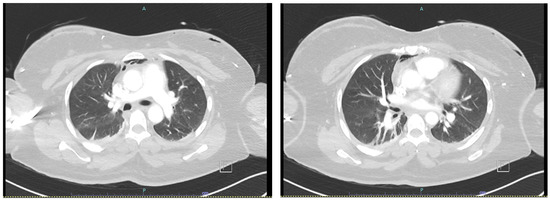
Optimising Autologous Breast Reconstruction: Pneumothorax and Pneumomediastinum—A Literature Review and First Reported Case of Pneumomediastinum Following Bilateral DIEP Flap Reconstruction
by
Akshay Soni, Ishith Seth, Kaiyang Lim, Alexander Phan, Richard J. Ross, Mathew Lee and Warren M. Rozen
J. Pers. Med. 2026, 16(9), 458; https://doi.org/10.3390/jpm16090458 - 30 Aug 2026
Abstract
►▼
Show Figures
Background: Thoracic air complications after autologous breast reconstruction (ABR) are uncommon and incompletely characterised. A personalised perioperative approach requires integration of patient anatomy, reconstructive technique, anaesthetic exposures and the postoperative clinical trajectory rather than reliance on population-level estimates alone. Methods: We
[...] Read more.
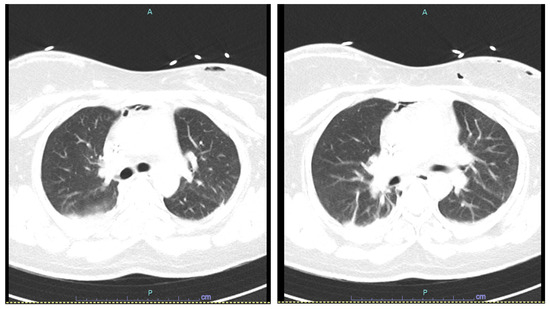
Background: Thoracic air complications after autologous breast reconstruction (ABR) are uncommon and incompletely characterised. A personalised perioperative approach requires integration of patient anatomy, reconstructive technique, anaesthetic exposures and the postoperative clinical trajectory rather than reliance on population-level estimates alone. Methods: We report a 41-year-old woman in whom pneumomediastinum was identified after bilateral DIEP flap reconstruction and performed a focused literature review restricted to primary studies of pneumothorax or pneumomediastinum following autologous flap breast reconstruction. Searches across MEDLINE-Ovid, PubMed and Wiley Online Library using predefined MeSH terms were conducted. Data extraction focused on study characteristics, incidence, mechanism of injury, perioperative factors, and management. Results: The patient developed postoperative hypotension and persistent tachycardia, followed by pleuritic chest pain. CT excluded pulmonary embolism and oesophageal perforation but demonstrated Moderate volume pneumomediastinum without pneumothorax. She was managed conservatively and discharged on postoperative day 7. Five primary studies met the eligibility criteria. Study-specific pneumothorax frequencies were 1/463 (0.22%) after rib-sparing free-flap reconstruction, 3/749 (0.4%) after extended latissimus dorsi reconstruction, and 4/180 patients (2.2%; 1.4 per 100 internal mammary vessel dissections). Reported mechanisms included pleural injury during internal mammary vessel dissection, inadvertent puncture during regional anaesthesia, barotrauma under positive-pressure ventilation, and drain-related barotrauma. No previous primary report of pneumomediastinum after autologous flap breast reconstruction was identified. Conclusions: Pneumothorax and pneumomediastinum are uncommon but potentially serious complications of ABR. They are rarely documented postoperatively; however, surgeons and anaesthetists must remain vigilant, particularly during exposure of the internal mammary vessels and airway management. Patient-specific assessment, symptom-directed imaging and multidisciplinary management may support early recognition to prevent morbidity and preserve the outcomes of reconstructive procedures.
Full article

Figure 1
Open AccessArticle
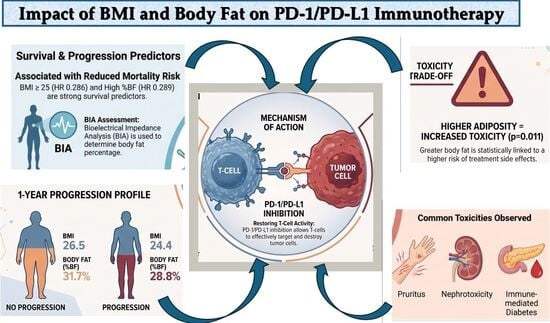
Body Mass Index and Body Fat Percentage Are Associated with Clinical Outcomes in Patients Receiving PD-1/PD-L1 Inhibitors: A Prospective Exploratory Study
by
Ángela Morell, Alberto Morell, Ainhoa Aranguren, Jacobo Rogado, Miguel Sampedro, Rebeca Mondéjar, Ramón Colomer, M. Paz Lorenzo and Esther Ramírez
J. Pers. Med. 2026, 16(9), 457; https://doi.org/10.3390/jpm16090457 - 30 Aug 2026
Abstract
Background/Objectives: Immunotherapy using immune checkpoint inhibitors has transformed the treatment of multiple solid tumours. However, the clinical response to programmed death receptor (PD-1) and its ligand (PD-L1) inhibitors remains heterogeneous. We have previously shown that host-related factors such as body mass index
[...] Read more.
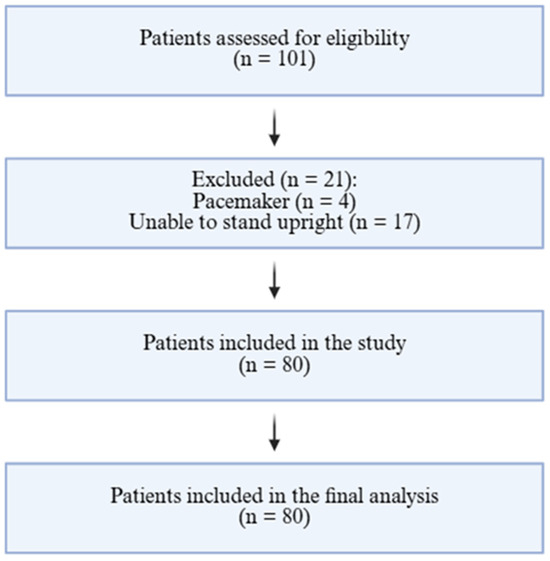
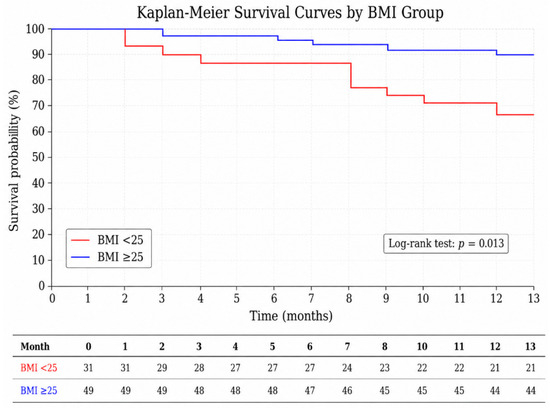
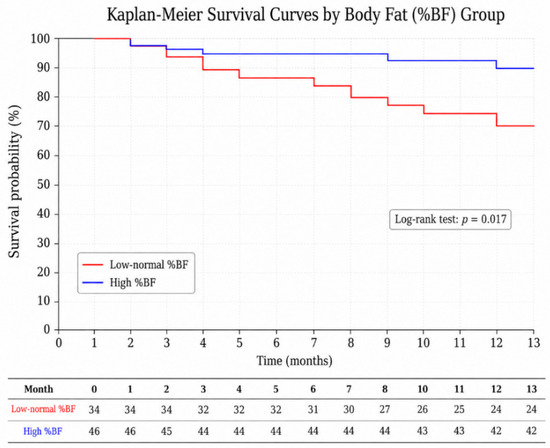
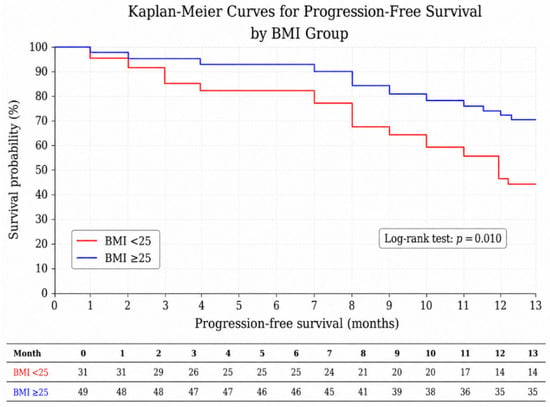
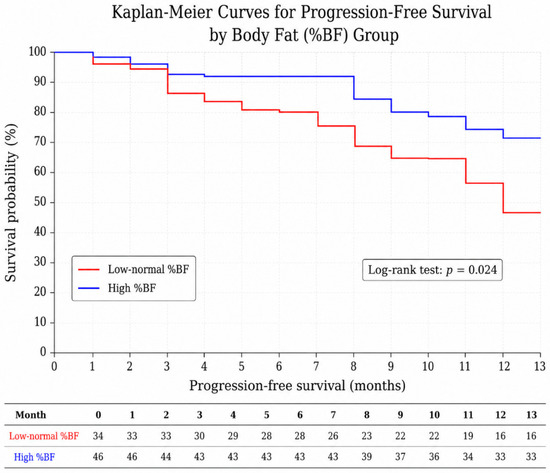
Background/Objectives: Immunotherapy using immune checkpoint inhibitors has transformed the treatment of multiple solid tumours. However, the clinical response to programmed death receptor (PD-1) and its ligand (PD-L1) inhibitors remains heterogeneous. We have previously shown that host-related factors such as body mass index (BMI) may modulate the efficacy of immunotherapy. The aim of this study was to determine whether body composition, measured with bioelectrical impedance analysis (BIA) before treatment initiation, is a prognostic factor for survival outcomes in patients treated with PD-1/PD-L1 inhibitors, independently of tumour type and stage. Methods: In this prospective, single-centre observational study, patients with solid tumours underwent baseline body composition assessment using multifrequency bioelectrical impedance analysis (BIA) before initiation of PD-1/PD-L1 inhibitor therapy. Overall survival (OS), progression-free survival (PFS), and treatment-related adverse events were evaluated using Kaplan–Meier analyses and multivariable Cox regression models adjusted for tumour stage and metastatic status. Results: A total of 80 patients with solid tumours were included in the study. The median age was 67 years, and 48 (60.0%) were male. Higher BMI (≥25 kg/m2) and elevated body fat percentage (%BF) were associated with more favourable survival outcomes. After adjustment for tumour stage and metastatic status, BMI ≥ 25 kg/m2 was associated with a lower risk of death (HR 0.286, 95% CI 0.087–0.941; p = 0.039). Similar results were observed for elevated %BF (HR 0.289, 95% CI 0.087–0.963; p = 0.036). Neither BMI nor %BF was significantly associated with the occurrence of confirmed immune-related adverse events. Conclusions: Baseline BMI and body fat percentage were associated with survival outcomes in this exploratory cohort of patients receiving PD-1/PD-L1 inhibitors. These findings should be considered exploratory and hypothesis-generating and require confirmation in larger, tumour-specific prospective studies.
Full article
(This article belongs to the Special Issue Current Trends of Precision Medicine in Oncology)
►▼
Show Figures

Graphical abstract
Open AccessArticle
Nurses’ Knowledge of Insensible Water Loss and the Evolution of a Digital Decision-Support Tool for Personalized Fluid Balance Assessment: A Cross-Sectional Study
by
Anna Grimaldi, Diego Lopane, Stefano Mancin, Orsola Agorini, Vincenzo Di Nuzzo, Giuseppe Frattolillo, Domenico Di Sivo, Giovanni Gavarro, Incoronata Chiusolo, Ciro Pozzuoli, Sara Morales Palomares, Italian Society of Nephrology Nurses (SIAN) Board of Directors Group, Giovanni Cangelosi and Alessandro Stievano
J. Pers. Med. 2026, 16(9), 456; https://doi.org/10.3390/jpm16090456 - 30 Aug 2026
Abstract
Background/Objectives: Fluid balance management is a core nursing competency, particularly in high-acuity settings. However, the assessment of insensible water loss remains challenging due to the lack of standardized methods, which may increase variability in clinical reasoning. In this context, digital tools may support
[...] Read more.
Background/Objectives: Fluid balance management is a core nursing competency, particularly in high-acuity settings. However, the assessment of insensible water loss remains challenging due to the lack of standardized methods, which may increase variability in clinical reasoning. In this context, digital tools may support a more structured and personalized approach. This study aimed to assess nurses’ knowledge of fluid balance and insensible water loss [perspiratio insensibilis (PI)] and to evaluate the usability and perceived quality of a pilot digital clinical decision-support tool (CareBalance-N). Secondary analyses explored differences across clinical settings and the association between knowledge level and app evaluation. Methods: A cross-sectional observational study was conducted among 50 nurses working in three clinical settings: hemodialysis (n = 20; 40%), internal medicine (n = 15; 30%), and intensive care (n = 15; 30%). Knowledge was assessed using a structured questionnaire (score range: 0–100), while the usability and perceived quality of the digital application for fluid balance were evaluated using the User Version of the Mobile App Rating Scale (uMARS). Differences between settings were analyzed using ANOVA, and correlations were assessed using Pearson’s correlation coefficient. Results: The mean knowledge score was 67.6 ± 7.7, with significant differences across clinical settings [F(2, 47) = 28.4; p < 0.001]: hemodialysis 73.6 ± 6.0, intensive care 66.9 ± 4.7, and internal medicine 60.3 ± 5.1. The mean uMARS score was 3.91 ± 0.17, with particularly high ratings for functionality (4.19 ± 0.17) and perceived impact (4.17 ± 0.16). A strong positive correlation was found between knowledge scores and app evaluation (r = 0.943; p < 0.001). Conclusions: These findings highlight variability in nursing knowledge across clinical settings and suggest that digital tools such as CareBalance-N may represent a promising approach to facilitate more structured clinical reasoning and fluid balance assessment. However, these potential benefits require validation in real-world clinical settings. Further studies are needed to evaluate their impact on decision-making processes, the accuracy of fluid balance assessment, patient safety, and clinical outcomes.
Full article
(This article belongs to the Section Personalized Medical Care)
Open AccessReview
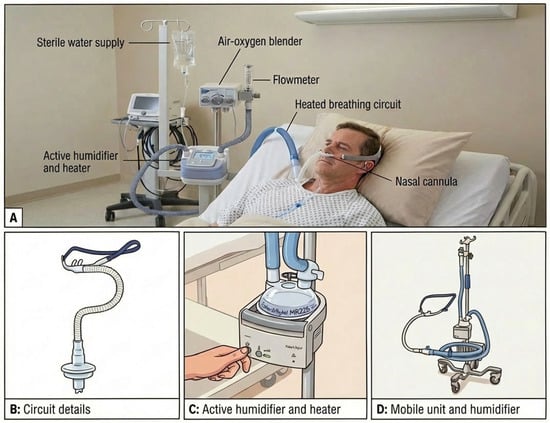
Personalizing Peri-Intubation Oxygenation in Patients at Risk of Acute Hypoxemic Respiratory Failure: A Phenotype-Driven Narrative Review of High-Flow Nasal Oxygen and Non-Invasive Ventilation
by
Daniele Salvatore Paternò, Luigi La Via, Rossella Moltisanti, Antonio Putaggio, Angela Maria Piccolo, Giorgia Maria Noce, Roberta Scuto, Gilberto Duarte-Medrano, Natalia Nuño-Lámbarri, Emilia Concetta Lo Giudice and Massimiliano Sorbello
J. Pers. Med. 2026, 16(9), 455; https://doi.org/10.3390/jpm16090455 - 29 Aug 2026
Abstract
Tracheal intubation in patients at risk of acute hypoxemic respiratory failure (AHRF) carries a high risk of life-threatening desaturation, and the choice of peri-intubation oxygenation strategy critically influences patient safety. This narrative review synthesizes current evidence on non-invasive oxygenation techniques—high-flow nasal oxygen (HFNO),
[...] Read more.
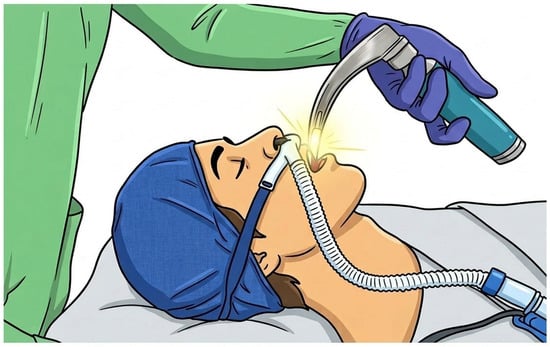
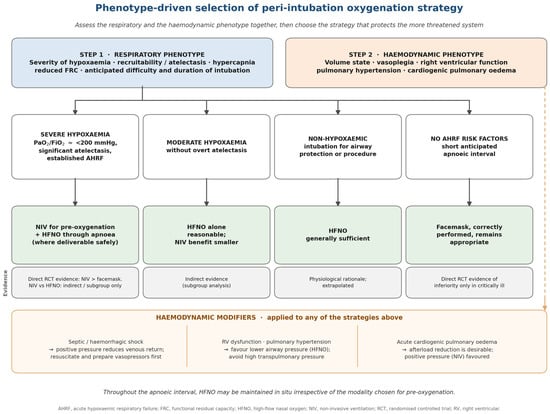
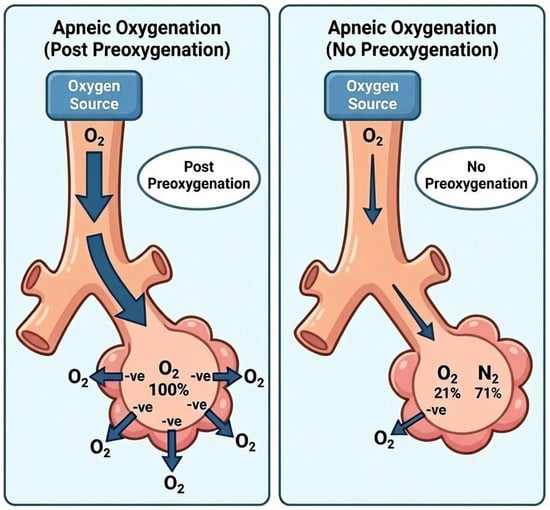
Tracheal intubation in patients at risk of acute hypoxemic respiratory failure (AHRF) carries a high risk of life-threatening desaturation, and the choice of peri-intubation oxygenation strategy critically influences patient safety. This narrative review synthesizes current evidence on non-invasive oxygenation techniques—high-flow nasal oxygen (HFNO), non-invasive ventilation (NIV), and their combination—across the pre-oxygenation, apneic, and awake-intubation phases of airway management. We examine the physiological mechanisms underlying each modality, appraise landmark randomized trials and meta-analyses (including PREOXI, OPTINIV, and OPTIMASK), and address disease-specific considerations in chronic obstructive pulmonary disease, heart failure, interstitial lung disease, severe obesity, obstructive sleep apnea, and obstetric, pediatric, and trauma populations. The evidence supports a phenotype-driven hierarchy rather than a single dominant technique: NIV—optionally combined with HFNO for apneic oxygenation—is preferred in severely hypoxemic critically ill patients, whereas HFNO alone is adequate for many moderately hypoxemic or non-hypoxemic patients. Progressive hypercapnia limits apneic oxygenation, particularly in chronic CO2 retainers, underscoring the value of continuous CO2 monitoring. Persistent under-implementation of NIV-based pre-oxygenation reveals a gap between evidence and practice. Individualized, physiology-guided oxygenation—aligned with the goals of personalized peri-procedural medicine—offers the greatest potential to reduce peri-intubation morbidity.
Full article
(This article belongs to the Section Personalized Medical Care)
►▼
Show Figures

Figure 1

Open AccessReview
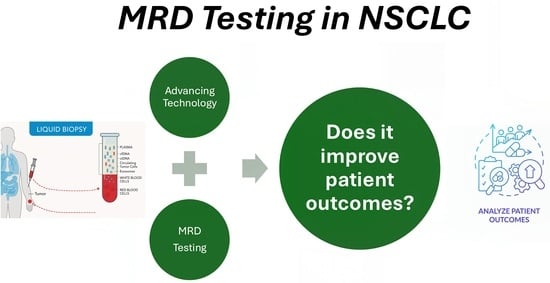
Molecular Residual Disease in Non-Small Cell Lung Cancer: Technology or Patient Outcomes?
by
Paul R. Walker
J. Pers. Med. 2026, 16(9), 454; https://doi.org/10.3390/jpm16090454 - 29 Aug 2026
Abstract
Molecular residual disease (MRD) testing approaches with plasma next-generation sequencing (NGS) testing to identify circulating tumor DNA (ctDNA) in resectable-stage non-small cell lung cancer (NSCLC) are evolving. The MRD concept is to better guide perioperative systemic treatment and identify recurrent NSCLC before symptomatic
[...] Read more.
Molecular residual disease (MRD) testing approaches with plasma next-generation sequencing (NGS) testing to identify circulating tumor DNA (ctDNA) in resectable-stage non-small cell lung cancer (NSCLC) are evolving. The MRD concept is to better guide perioperative systemic treatment and identify recurrent NSCLC before symptomatic radiographic recurrences. Multiple tumor-informed assays are available with technology driving lower levels of ctDNA detection. However, it remains unclear that individual patients derive survival outcome benefit from MRD testing. NSCLC tumor biology of spatial heterogeneity, early parallel metastases, and recurrence clonal evolution can impact tumor-informed approaches irrespective of specific assay level of ctDNA detection. Clinical decision making guided by tumor-informed MRD testing to date have been limited by recurrence risks of up to 20% when landmark MRD-negative, improved outcomes benefit of adjuvant treatment even when landmark MRD-negative, and lead times with longitudinal MRD-positive conversion of several months or longer before overt radiographic recurrences with no proven strategy of survival benefit with intervening treatment. Cautionary tumor biology and clinical issues remain in the clinical utility of tumor-informed MRD testing in resected NSCLC. These need to be clarified with certainty before MRD testing should step beyond a technology-driven prognostic recurrence risk indicator before becoming an absolute clinical guide to meaningfully impact individual patient management and outcomes.
Full article
(This article belongs to the Special Issue Cell-Free Nucleic Acids as Precision Biomarkers for Therapeutic Decision-Making Across Diseases)
►▼
Show Figures

Graphical abstract
Open AccessReview
Telemedicine in Pediatric Cardiology: Current Applications, Clinical Impact, and Future Perspectives
by
Luisa M. Rizzo, Matilde Petz, Federico Carlini and Susanna Esposito
J. Pers. Med. 2026, 16(9), 453; https://doi.org/10.3390/jpm16090453 - 28 Aug 2026
Abstract
Telemedicine is increasingly transforming pediatric cardiology by expanding access to specialized care, supporting early diagnosis, and improving longitudinal monitoring of children with cardiovascular disease. This narrative review summarizes current applications of digital health in pediatric cardiology, with emphasis on congenital heart disease, pediatric
[...] Read more.
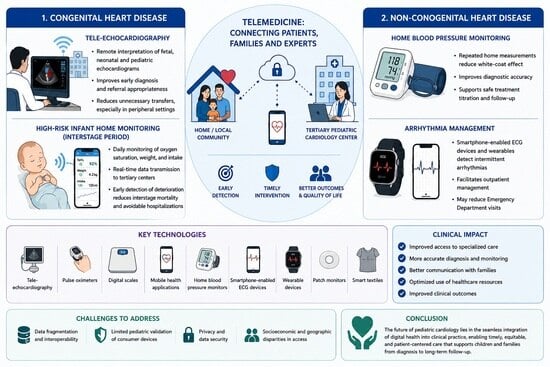
Telemedicine is increasingly transforming pediatric cardiology by expanding access to specialized care, supporting early diagnosis, and improving longitudinal monitoring of children with cardiovascular disease. This narrative review summarizes current applications of digital health in pediatric cardiology, with emphasis on congenital heart disease, pediatric hypertension, and arrhythmia management. Tele-echocardiography represents one of the most established telehealth tools, enabling remote interpretation of fetal, neonatal, and pediatric echocardiographic images and improving referral appropriateness, particularly in peripheral or resource-limited settings. In infants with complex congenital heart disease, especially those with single-ventricle physiology during the interstage period, home monitoring programs using mobile applications, pulse oximeters, digital scales, and structured caregiver reporting may facilitate early recognition of clinical deterioration and reduce avoidable transfers. In non-congenital cardiovascular disease, home blood pressure monitoring can improve diagnostic accuracy by reducing white-coat effects and supporting repeated measurements in real-life settings. Smartphone-enabled electrocardiographic devices and wearable technologies may enhance detection of intermittent arrhythmias and strengthen outpatient management. Despite these advantages, challenges remain, including data fragmentation, limited pediatric validation of consumer devices, interoperability issues, privacy concerns, and socioeconomic disparities in technology access. Properly integrated telemedicine may promote more timely, equitable, and patient-centered pediatric cardiovascular care.
Full article
(This article belongs to the Special Issue New Advances in Techniques and Personalized Medicine in Cardiology)
►▼
Show Figures

Graphical abstract
Open AccessStudy Protocol
Combined Assessment of Gastrointestinal Hormones and Metabolomic Profiling Following Mixed-Meal Tolerance Tests in Patients at Increased Risk of Refeeding Syndrome: Study Protocol
by
Gonçalo Nunes, Marta Guimarães, Sofia S. Pereira, Ivo Mendes, Francisco Vara-Luiz, Cátia Oliveira, Marta Gonçalves, Patrícia Mendes, Rute Santos, Tânia Meira and Jorge Fonseca
J. Pers. Med. 2026, 16(9), 452; https://doi.org/10.3390/jpm16090452 - 28 Aug 2026
Abstract
Introduction: Refeeding syndrome (RS) is a life-threatening metabolic complication of nutritional support. Prolonged fasting, frequently observed in malnourished patients referred for percutaneous endoscopic gastrostomy (PEG), may induce histological and ultrastructural changes in the intestinal mucosa, potentially influencing metabolic adaptation during nutritional reintroduction. Mixed-Meal
[...] Read more.
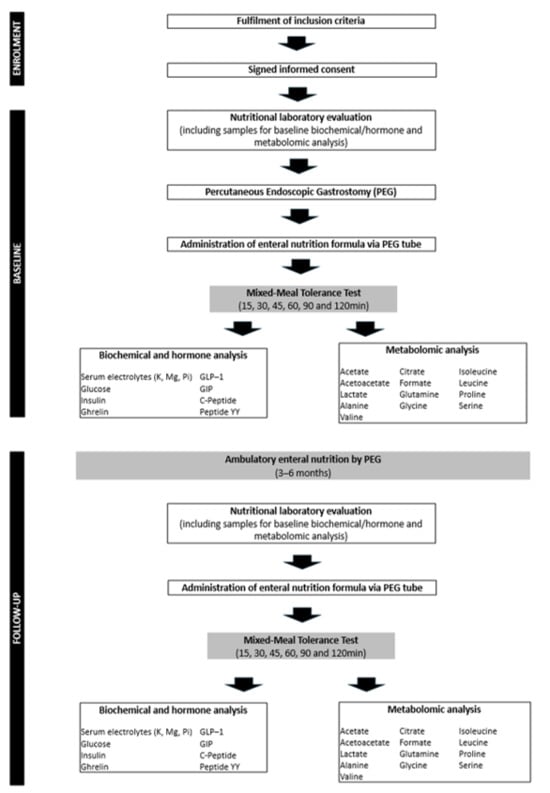
Introduction: Refeeding syndrome (RS) is a life-threatening metabolic complication of nutritional support. Prolonged fasting, frequently observed in malnourished patients referred for percutaneous endoscopic gastrostomy (PEG), may induce histological and ultrastructural changes in the intestinal mucosa, potentially influencing metabolic adaptation during nutritional reintroduction. Mixed-Meal Tolerance Tests (MMTT) combined with targeted metabolic profiling allow dynamic assessment of serum glucose, gastrointestinal hormones and metabolites, which may help to elucidate the metabolic adaptations associated with fasting and refeeding. Objective: The present study aims to perform MMTT in PEG patients to characterize enteroendocrine hormone responses and metabolomic profiles following a prolonged period of reduced nutritional intake and subsequent enteral refeeding. Methods: This prospective, single-center study includes adults referred for PEG after at least one month of oral intake below 50% of energy needs. The MMTT will be performed at PEG placement and after 3–6 months of enteral nutrition. Serial blood samples will be collected from baseline up to 120 minutes post-meal to measure serum glucose, insulin, C-peptide, electrolytes and gastrointestinal hormones (GLP-1, GIP, ghrelin and PYY), and for targeted metabolomic profiling by spectroscopy. Clinical and nutritional data will be prospectively recorded. Exploratory analyses will assess metabolic and hormonal changes over time and their potential associations with relevant clinical characteristics. The study was approved by the institutional ethics committee, and patient informed consent will be obtained. Conclusion: This study integrates MMTT and targeted metabolomic profiling to characterize hormonal and metabolic responses during fasting and refeeding in PEG patients considered at increased risk of RS due to prolonged markedly reduced oral intake. The findings may improve understanding of metabolic adaptations associated with nutritional reintroduction and may identify candidate hormonal and metabolic signatures to support future studies on RS pathophysiology and risk assessment.
Full article
(This article belongs to the Section Disease Biomarkers)
►▼
Show Figures

Figure 1

Open AccessReview
The Role of Proenkephalin in Predicting Renal Dysfunction and Mortality in Septic Patients Admitted to the Emergency Department and Intensive Care Unit: A Narrative Review
by
Christos Verras, Ioannis Ventoulis, Sofia Bezati, John Parissis and Effie Polyzogopoulou
J. Pers. Med. 2026, 16(9), 451; https://doi.org/10.3390/jpm16090451 - 28 Aug 2026
Abstract
Prompt diagnosis and treatment of sepsis and septic shock is crucial due to the persistently high rates of morbidity and mortality associated with the disease. Recently, research efforts have focused on identifying novel biomarkers that would detect, classify, and assess the severity of
[...] Read more.
Prompt diagnosis and treatment of sepsis and septic shock is crucial due to the persistently high rates of morbidity and mortality associated with the disease. Recently, research efforts have focused on identifying novel biomarkers that would detect, classify, and assess the severity of sepsis in a timely manner, thereby allowing for expeditious and precise treatment of sepsis and septic shock. Among these biomarkers, proenkephalin (PENK) has gained considerable attention. Accordingly, this narrative review aims to consolidate current evidence on the clinical utility of PENK in patients with sepsis and septic shock, with emphasis on its role as a biomarker of renal dysfunction and as a predictor of sepsis-associated acute kidney injury (AKI) and mortality in both the emergency department (ED) and intensive care unit (ICU) settings.
Full article
(This article belongs to the Special Issue Precision Medicine in Critical Care Medicine: Novel Challenges and Advances)
Open AccessArticle
Incidence and Risk Factors for Acute and Persistent Postoperative Pediatric Pain: The 4P Prospective Observational Multicenter Study
by
Johanna Broman, Niklas Nielsen and Anna K. M. Persson
J. Pers. Med. 2026, 16(9), 450; https://doi.org/10.3390/jpm16090450 - 28 Aug 2026
Abstract
Background: Large prospective studies on the prevalence of acute and persistent pain in children are limited, and risk factors associated with post-surgical pain in children remain unclear. Objective: To examine the incidence of pediatric acute (APOP) and persistent postoperative pain (PPOP) and to
[...] Read more.
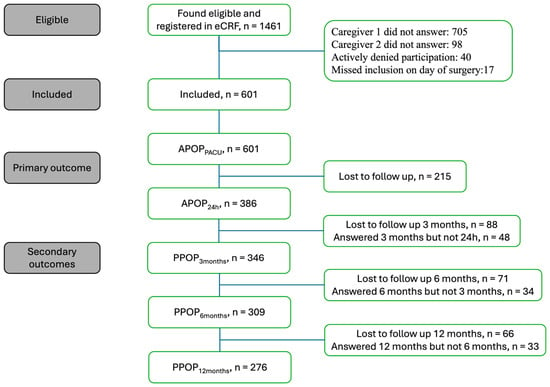
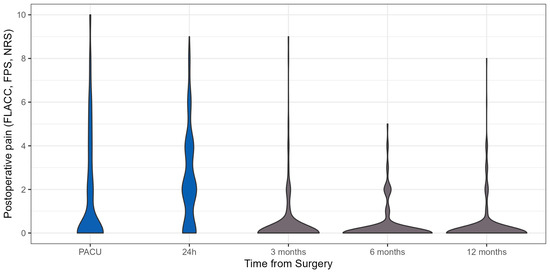
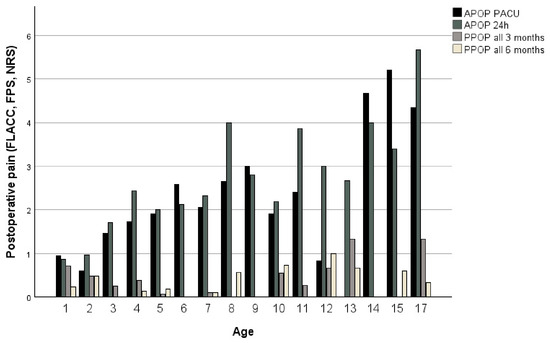
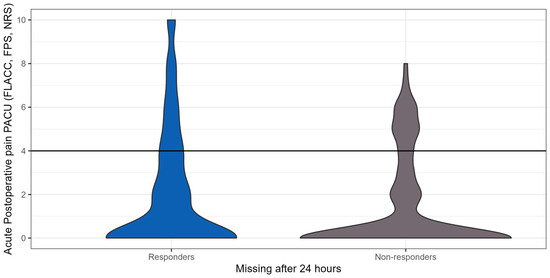
Background: Large prospective studies on the prevalence of acute and persistent pain in children are limited, and risk factors associated with post-surgical pain in children remain unclear. Objective: To examine the incidence of pediatric acute (APOP) and persistent postoperative pain (PPOP) and to determine whether factors such as age, sex, preoperative anxiety/sleep disturbance, preoperative pain and parental stress are associated with increased risk. Design: Prospective observational multicenter study. Setting: Hospitals performing pediatric surgery in southern Sweden. Patients: 601 children aged 1–17 years planned for one of the European Society of Pediatric Anesthesia (ESPA) pre-defined surgical procedures: inguinal hernia, circumcision/hypospadias/retentio testis, adenoidectomy/tonsillectomy/tonsillotomy, appendectomy and orthopedic acute fracture surgery. Main outcome measures: Postoperative pain in PACU after 24 h and 3, 6 and 12 months, level and description of the pain and effect on the child. Results: The incidence of APOP in the postoperative care unit was 0–27%, increasing to 13–58% after 24 h depending on surgery type. The incidences of PPOP were 4–24%, 4–30%, and 0–19% at 3, 6, and 12 months, respectively, depending on surgery type. Older age was a risk factor for APOPPACU (OR 1.2, p < 0.001) and APOP24h (OR 1.3, p < 0.001), whereas female sex was a risk factor only for PPOP6months (OR 2.1, p = 0.028). Self-reported parental stress was a significant risk factor for postoperative pain at all follow-ups, exhibiting increasing influence (APOP24h OR 1.2, p = 0.001; 3months OR 1.5, p < 0.001; 6months OR 1.3, p < 0.001; 12months OR 1.5, p < 0.001). Preoperative anxiety/sleep disturbance only affected APOPPACU (OR 2.0, p = 0.008), whereas preoperative pain was not a risk factor. Conclusions: The incidences of APOP and PPOP were lower than in previous studies. Possible risk factors for acute pain include older age and preoperative anxiety/sleep disturbance. Only self-reported parental stress was a consistent risk factor for persistent pain.
Full article
(This article belongs to the Special Issue New Insights into Personalized Medicine for Anesthesia and Pain)
►▼
Show Figures

Figure 1
Open AccessArticle
Clinical Decision-Making Regarding the Added Value of Postoperative Chemotherapy After Complete Secondary Cytoreductive Surgery in Unifocal First Recurrent Epithelial Ovarian Cancer—An International Expert Survey
by
Renée E. W. M. van de Vorst, Sophie S. M. Pelk, Eelke H. Gort, Petronella O. Witteveen, Ronald P. Zweemer and Cornelis G. Gerestein
J. Pers. Med. 2026, 16(9), 449; https://doi.org/10.3390/jpm16090449 - 28 Aug 2026
Abstract
Background: Secondary cytoreductive surgery (SCS) followed by postoperative chemotherapy is a recognized option for select patients with platinum-sensitive first recurrent epithelial ovarian cancer (EOC), supported by the DESKTOP-III and SOC-1 trials. Neither trial reported chemotherapy rates stratified by lesion number or resection
[...] Read more.
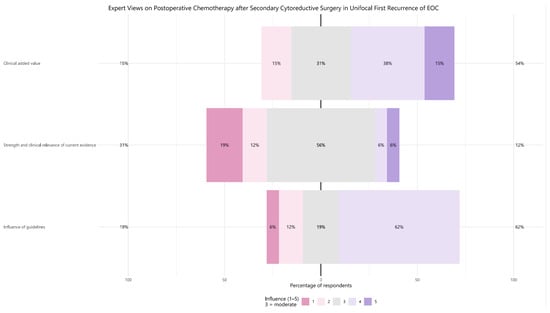
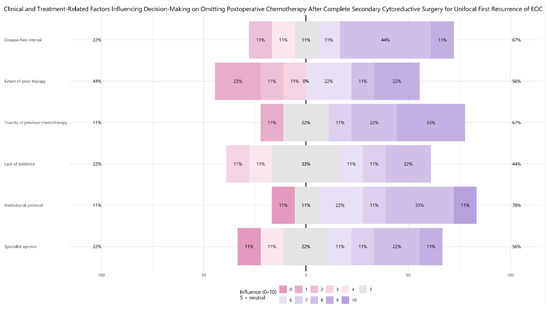
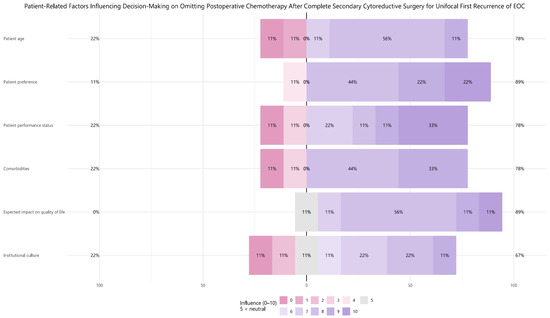
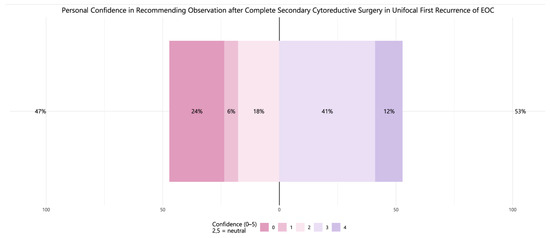
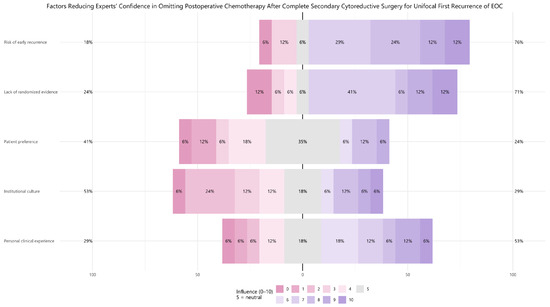
Background: Secondary cytoreductive surgery (SCS) followed by postoperative chemotherapy is a recognized option for select patients with platinum-sensitive first recurrent epithelial ovarian cancer (EOC), supported by the DESKTOP-III and SOC-1 trials. Neither trial reported chemotherapy rates stratified by lesion number or resection status. As a result, the added value of postoperative chemotherapy after complete resection of a unifocal recurrence remains unclear. This study aimed to evaluate current clinical practice and factors influencing this decision. Methods: A cross-sectional survey was conducted among gynecological and medical oncologists from international expert oncological centers, assessing definitions of unifocal recurrence, current postoperative chemotherapy practice after complete SCS, perceived clinical value and strength of the supporting evidence, and factors influencing decision-making. Results: Twenty of 48 invited experts responded (41.7%). Respondents applied different definitions of unifocal recurrence, leading to variable estimates of the annual number of patients undergoing SCS. Respondents perceived postoperative chemotherapy to have meaningful clinical value, despite rating the supporting evidence as weak. A proportion did not routinely administer postoperative chemotherapy after complete SCS, managing patients with observation alone. Decisions to omit chemotherapy were influenced by institutional, clinical, and patient-related factors. Overall, 82% of respondents considered a randomized trial comparing chemotherapy with observation clinically valuable. Conclusions: Clinical practice regarding postoperative chemotherapy after complete SCS for a first unifocal recurrence of EOC varies among international expert oncological centers. The absence of a uniform definition of unifocal recurrence and lack of direct evidence regarding postoperative chemotherapy omission highlight the need for standardized definitions and prospective randomized evaluation of chemotherapy versus observation.
Full article
(This article belongs to the Section Personalized Therapy in Clinical Medicine)
►▼
Show Figures

Figure 1

Open AccessArticle
Social Status and Clinical Resource Allocation by a Large Language Model: An Evaluation of 30,618 Decisions
by
Siddharth Gandhi and Michael Balas
J. Pers. Med. 2026, 16(9), 448; https://doi.org/10.3390/jpm16090448 - 28 Aug 2026
Abstract
Objective: The objective was to quantify whether demographic and social attributes that were irrelevant to stated clinical need, prognosis, and expected benefit altered resource-allocation decisions made by a general-purpose large language model (LLM). Methods: We conducted a cross-sectional audit of the
[...] Read more.
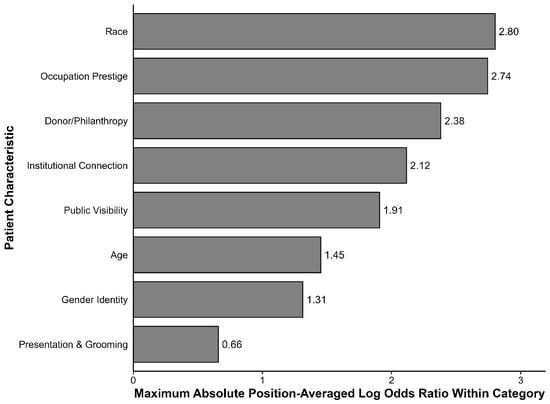
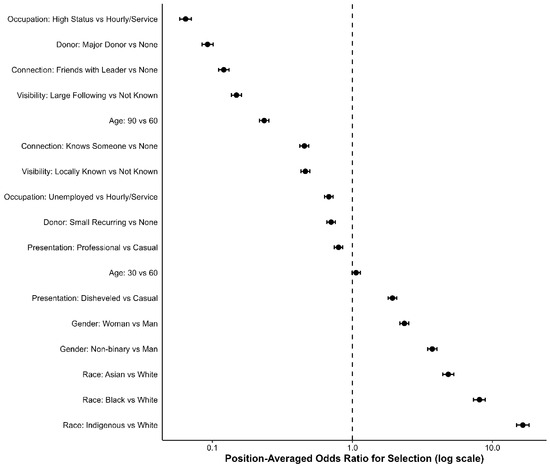
Objective: The objective was to quantify whether demographic and social attributes that were irrelevant to stated clinical need, prognosis, and expected benefit altered resource-allocation decisions made by a general-purpose large language model (LLM). Methods: We conducted a cross-sectional audit of the gpt-5-chat-latest API model alias on 8 October 2025, across seven clinical vignettes, generating 30,618 forced-choice comparisons between patient profiles. Profiles varied across a full-factorial combination of eight demographic and social attributes while clinical need, prognosis, and expected benefit were held constant. Forced choices were analyzed using pooled logistic regression with separate Patient A and Patient B attribute terms and vignette-specific position effects; position-averaged odds ratios and position-balanced absolute probabilities were derived from this model. Priority-score differences were analyzed using an analogous linear model. Results: The model showed large position-averaged associations between non-clinical patient attributes and allocation decisions. Indigenous and Black race were associated with substantially higher odds of selection relative to White race (Indigenous: OR 16.48, 95% CI 14.85–18.28; Black: OR 8.07, 95% CI 7.32–8.90), corresponding to position-balanced absolute increases in selection probability of 30.7 and 16.3 percentage points, respectively. Conversely, high-status occupation (OR 0.064, 95% CI 0.058–0.071), friendship with institutional leadership (OR 0.121, 95% CI 0.111–0.131), and major donor status (OR 0.092, 95% CI 0.084–0.101) were associated with markedly lower odds of selection. Choice-score concordance was 95.1%. Conclusions: In this controlled audit, the LLM’s allocation decisions varied substantially according to demographic and social characteristics despite identical stated clinical need, prognosis, and expected benefit. Although some patterns could be interpreted differently under competing ethical frameworks, their implicit and unexplained incorporation into resource-allocation decisions raises concerns regarding transparency, accountability, and clinical governance. Clinical use of LLM-based allocation support should therefore require explicit safeguards and systematic auditing for non-clinical influences.
Full article
(This article belongs to the Section Personalized Therapy in Clinical Medicine)
►▼
Show Figures

Figure 1

Open AccessArticle
AI-Enabled Digital Phenotyping for Personalized Risk Stratification in Internet Gaming Disorder: A Privacy-Preserving Simulation Study
by
Athanasios Kranas, Evgenia Paxinou, Ioannis Bazakidis, Christina Koufopoulou, Petros Koufopoulos, Georgios Feretzakis and Vassilios S. Verykios
J. Pers. Med. 2026, 16(9), 447; https://doi.org/10.3390/jpm16090447 - 27 Aug 2026
Abstract
Background/Objectives: Assessment of Internet Gaming Disorder (IGD) relies on retrospective self-reports and clinical interviews, which may be affected by recall and social desirability biases and may be insensitive to behavioral change. This study evaluated an artificial intelligence (AI)-enabled, privacy-preserving digital phenotyping framework
[...] Read more.
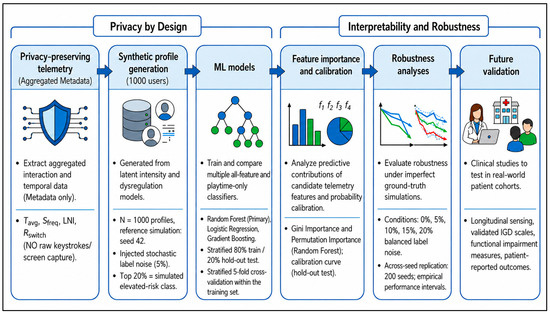
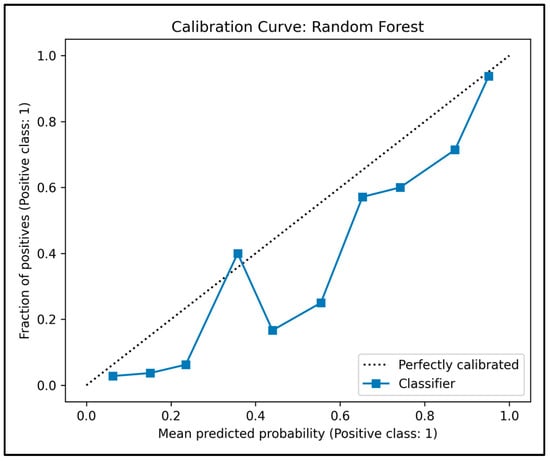
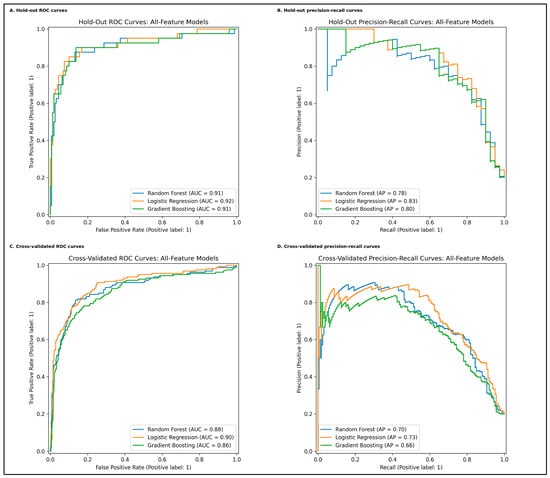
Background/Objectives: Assessment of Internet Gaming Disorder (IGD) relies on retrospective self-reports and clinical interviews, which may be affected by recall and social desirability biases and may be insensitive to behavioral change. This study evaluated an artificial intelligence (AI)-enabled, privacy-preserving digital phenotyping framework for personalized IGD risk stratification under controlled simulation assumptions. Methods: A synthetic dataset of 1000 virtual user profiles was generated with a 20% elevated-risk prevalence and 5% balanced stochastic label noise. Four aggregated telemetry features were modeled: average session duration, sessions per week, Late-Night Index, and application-switching rate. Random Forest, Logistic Regression, and Gradient Boosting classifiers were evaluated using a stratified 80:20 hold-out split, five-fold cross-validation, playtime-only baselines, label-noise sensitivity analysis, and 200 synthetic realizations. Results: The primary Random Forest model achieved a balanced accuracy of 0.850, a sensitivity of 0.800, a specificity of 0.900, an area under the receiver operating characteristic curve (ROC-AUC) of 0.909, an average precision (AP) of 0.779, and a Brier score of 0.089. As an internal consistency check under the pre-specified synthetic signal structure, all-feature models showed higher performance than playtime-only baselines, and feature importance analyses recovered the encoded signal hierarchy. Performance declined with increasing label noise. Across 200 realizations, mean ROC-AUC values for the three all-feature models ranged from 0.888 to 0.904, with overlapping empirical 95% intervals. Conclusions: The framework demonstrates the methodological feasibility of transforming aggregated telemetry into interpretable risk signals while avoiding content-level monitoring. These findings are hypothesis-generating and do not establish clinical validity or diagnostic performance. Longitudinal validation in clinically characterized cohorts is required before deployment.
Full article
(This article belongs to the Special Issue Novel Applications of Artificial Intelligence in Personalized Medicine)
►▼
Show Figures

Figure 1
Open AccessArticle
Knowledge, Attitudes, and Perceived Barriers to Genetics and Precision Medicine Among Rural Participants in a Large Academic Biobank: A Mixed-Methods Study
by
Meghan MacNeal, Nathan A. Bihlmeyer and Susanne B. Haga
J. Pers. Med. 2026, 16(9), 446; https://doi.org/10.3390/jpm16090446 - 26 Aug 2026
Abstract
Background/Objectives: Rural populations remain underrepresented in genomic research and may face unique barriers to accessing genetic and precision medicine services. This study evaluated knowledge, attitudes, beliefs, and perceived barriers related to genetics and precision medicine among rural participants enrolled in OneDukeGen (ODG), a
[...] Read more.
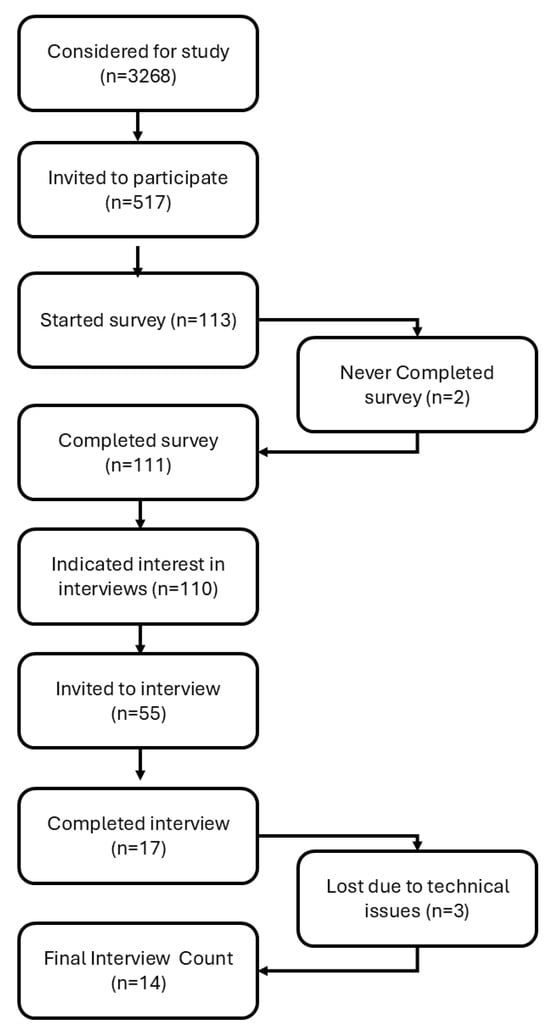
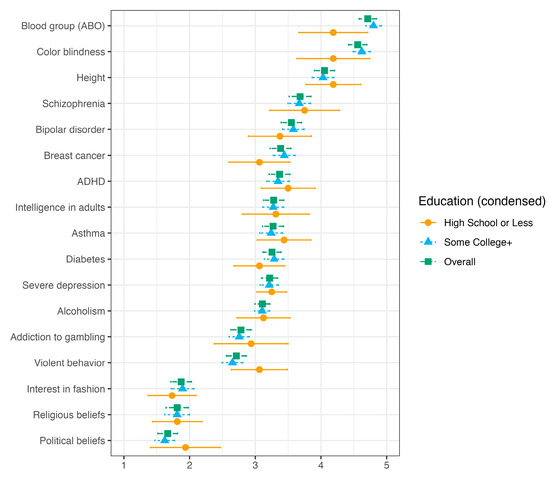
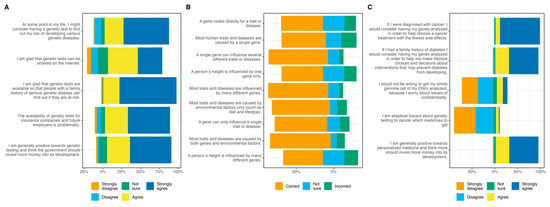
Background/Objectives: Rural populations remain underrepresented in genomic research and may face unique barriers to accessing genetic and precision medicine services. This study evaluated knowledge, attitudes, beliefs, and perceived barriers related to genetics and precision medicine among rural participants enrolled in OneDukeGen (ODG), a large academic biobank and precision medicine research initiative. Methods: This mixed-methods study included rural ODG participants identified using U.S. Census Bureau rural classification code. Participants completed an online survey assessing genetics knowledge, attitudes toward genetic testing and precision medicine, healthcare utilization, and internet use. Semi-structured interviews were conducted with a subset of survey participants to further explore perceptions of genetics research, barriers to care, privacy concerns, and educational needs. Results: Among 10,305 ODG participants, 3268 (31.7%) were classified as rural, representing 97 of North Carolina’s 100 counties. A total of 111 rural participants completed surveys and 14 participated in qualitative interviews. Participants generally demonstrated favorable attitudes toward genetics and precision medicine despite moderate genetics knowledge scores. Most participants believed genetic testing could improve disease prevention and treatment selection, particularly for cancer care and pharmacogenomics applications. Qualitative interviews identified three major thematic domains: (1) perceived value and promise of genetics, (2) concerns regarding privacy, trust, and misuse of genetic information, and (3) barriers and facilitators to accessing genetic services. Participants generally viewed genetics research positively but expressed concerns regarding cost, insurance coverage, privacy, and genetic discrimination. Conclusions: Rural participants generally expressed positive attitudes toward genetics and precision medicine; however, substantial barriers related to cost, trust, privacy, awareness, and digital access remain. Community-engaged approaches emphasizing accessibility, provider education, and culturally appropriate communication may be critical for equitable implementation of precision medicine in rural communities.
Full article
(This article belongs to the Section Omics/Informatics)
►▼
Show Figures

Figure 1
Open AccessSystematic Review
Primary Biliary Neuroendocrine Tumors: A Systematic Review of Surgical Management, Oncologic Outcomes and Implications for Personalized Care
by
Anna Paspala, Dimitrios K. Vlachos, Dionysios Prevezanos, Panagiotis Dorovinis, Nikolaos Machairas, Stylianos Kykalos, Evangelos Tagkalos and Georgios C. Sotiropoulos
J. Pers. Med. 2026, 16(9), 445; https://doi.org/10.3390/jpm16090445 - 24 Aug 2026
Abstract
►▼
Show Figures
Background/Objectives: Primary biliary neuroendocrine tumors (PBilNETs) are exceptionally rare biliary tract neoplasms that are frequently misdiagnosed preoperatively as cholangiocarcinoma because of overlapping clinical and radiological findings. This systematic review aimed to summarize overall evidence regarding presentation, diagnostic evaluation, surgical management, and outcomes
[...] Read more.
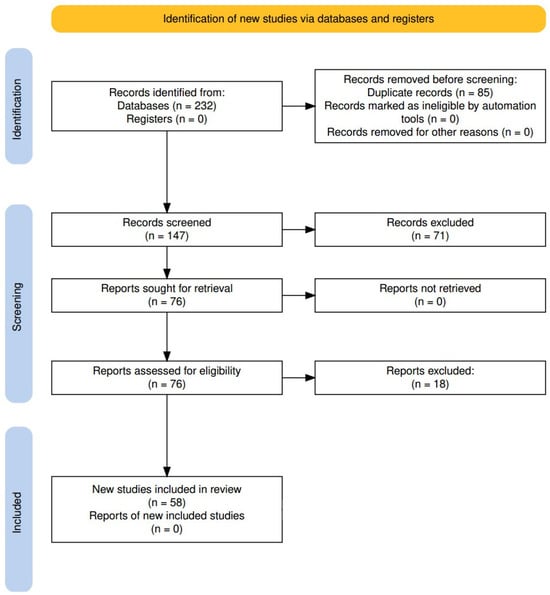
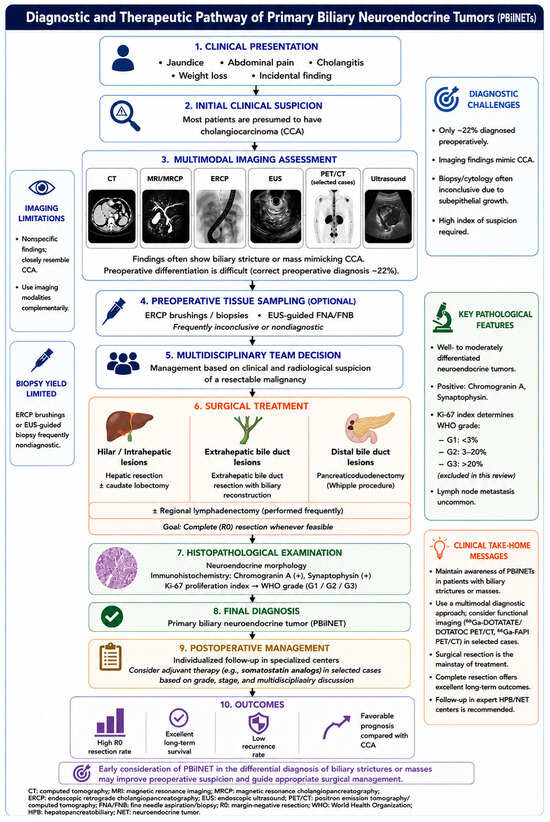
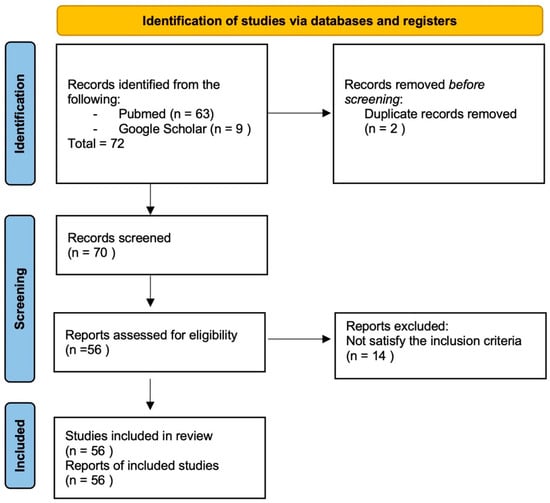
Background/Objectives: Primary biliary neuroendocrine tumors (PBilNETs) are exceptionally rare biliary tract neoplasms that are frequently misdiagnosed preoperatively as cholangiocarcinoma because of overlapping clinical and radiological findings. This systematic review aimed to summarize overall evidence regarding presentation, diagnostic evaluation, surgical management, and outcomes of PBilNETs. Methods: A systematic search of PubMed, Scopus, and Embase databases was performed according to PRISMA guidelines for studies published between January 2000 and December 2025. Studies including adult patients with histologically confirmed and surgically treated PBilNETs were eligible. Data regarding demographics, symptoms, imaging findings, surgical treatment, histopathology, immunohistochemistry, and outcomes were extracted and analyzed. Results: Fifty-eight studies involving 79 patients met the inclusion criteria. Median age at diagnosis was 49 years, with female predominance. Obstructive jaundice, abdominal pain, and pruritus were the most common presenting symptoms. Most tumors originated from the hilar or extrahepatic bile ducts. Preoperative diagnosis was challenging, as most lesions were initially considered cholangiocarcinomas. Surgical resection was the main therapeutic approach and included bile duct excision with biliary reconstruction, pancreaticoduodenectomy, or hepatic resection according to tumor location. Histopathological analysis demonstrated predominantly well- or moderately differentiated neuroendocrine neoplasms with frequent chromogranin A and synaptophysin positivity. Favorable long-term outcomes were reported, with high postoperative survival and limited recurrence during follow-up. Conclusions: PBilNETs remain diagnostically challenging because of their rarity and nonspecific presentation; however, they appear to exhibit a less aggressive biological behavior than conventional biliary adenocarcinomas. Surgical resection remains the cornerstone of treatment, while further multicenter studies are required to optimize diagnostic and therapeutic strategies. The findings also support an individualized multidisciplinary approach integrating clinical presentation, advanced imaging, histopathological grading, and immunohistochemical profiling to optimize personalized management of these rare tumors.
Full article

Figure 1
Open AccessSystematic Review
Understanding the Lymph Node Microenvironment in Metastatic and Non-Metastatic Head and Neck Squamous Cell Carcinoma: A Systematic Review
by
Antoine Yanni, Géraldine Descamps, Fabrice Journe, Edward Boutremans, Isabelle Loeb, Sven Saussez and Didier Dequanter
J. Pers. Med. 2026, 16(9), 444; https://doi.org/10.3390/jpm16090444 - 24 Aug 2026
Abstract
Background: The immune landscape in head and neck squamous cell carcinoma (HNSCC) has been widely investigated. However, the crucial role played by the lymph node microenvironment in metastatic and non-metastatic HNSCC remains unknown. This systematic review aims to discuss the immunological crosstalk between
[...] Read more.
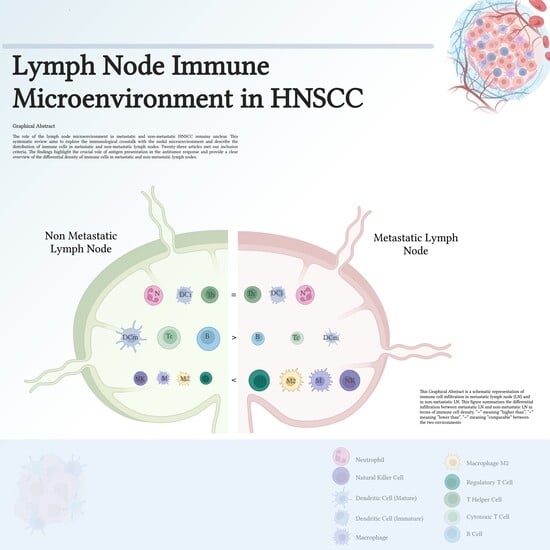
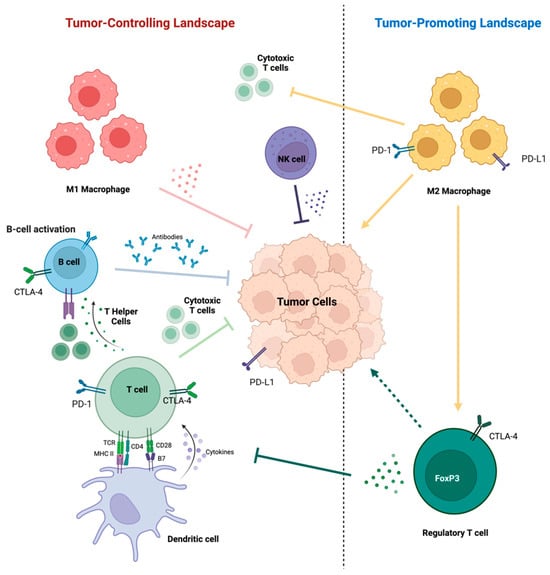
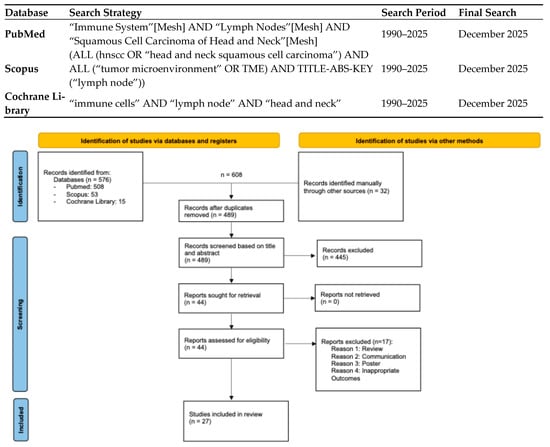
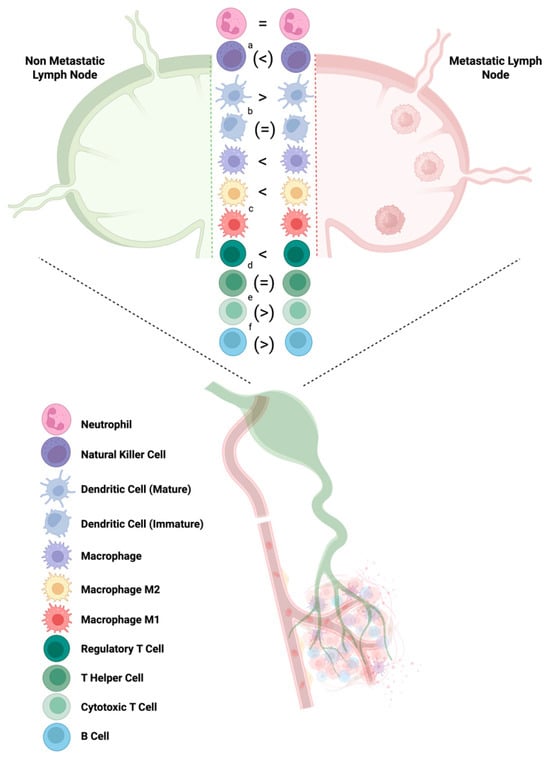
Background: The immune landscape in head and neck squamous cell carcinoma (HNSCC) has been widely investigated. However, the crucial role played by the lymph node microenvironment in metastatic and non-metastatic HNSCC remains unknown. This systematic review aims to discuss the immunological crosstalk between the tumor and the nodal microenvironment and to describe the distribution of immune cells in metastatic and non-metastatic lymph nodes. Methods: A systematic review was conducted according to the PRISMA guidelines. PubMed, Scopus, and the Cochrane Library were searched for studies published between 1990 and 2025, with the final search performed in December 2025. Prospective and retrospective studies evaluating immune cell infiltration in metastatic and non-metastatic cervical lymph nodes were included, whereas studies focusing exclusively on non-cellular biomarkers and non-English publications were excluded. The risk of bias was assessed using the Newcastle–Ottawa Scale. The results were synthesized narratively, and no meta-analysis was performed. Results: The screening process identified 608 articles, of which 27 met our predefined inclusion criteria. These studies focused on macrophages, dendritic cells, neutrophils, natural killer cells, T helper cells, cytotoxic T cells, regulatory T cells, B cells, total lymphocytes, and surface markers. This systematic review provides a well-structured analysis of current knowledge on the impact of the innate and adaptive immune systems on the response against cancer cells and the recruitment of immune cells in lymph nodes. The most significant findings highlight the crucial role of antigen presentation in the antitumor response, particularly through the recruitment and activation of dendritic cells and subcapsular sinus macrophages in tumor-draining lymph nodes. It also presents in a fairly comprehensible manner that the density of mature dendritic cells, cytotoxic T cells, and B cells is higher in non-metastatic lymph nodes. Discussion: The lymph node microenvironment is highly enriched with immune cell infiltration, and their distribution between metastatic and non-metastatic lymph nodes can contribute to a better understanding of the underlying pathological processes. Particular attention should be given to the innate immune system cells and their implication in antigen presentation. Our findings suggest that identifying immunological profiles of lymph nodes may provide a rationale for treatment de-escalation protocols and raise the question of lymph node preservation in antitumor immune responses. However, the heterogeneity and bias assessment of the included studies warrant a cautious interpretation of these findings. Another important limitation is the limited number of studies comparing the immune microenvironment of primary tumors and lymph nodes.
Full article
(This article belongs to the Special Issue Otolaryngology in Clinical Practice: The Necessity of Personalized Medicine)
►▼
Show Figures

Graphical abstract
Open AccessArticle
Posterior-Only Sagittal Correction in Degenerative Lumbar Kyphosis Using Posterior Interpedicular Osteotomy (PIO) and Bilateral Discectomy with Hyperlordotic Cages: A Retrospective Case Series
by
Andrea Franchini, Giuseppe Rovere, Felice Barletta, Franco Lucio Gorgoglione, Giovanni Noia, Giuseppe Maccagnano and Andrea Perna
J. Pers. Med. 2026, 16(9), 443; https://doi.org/10.3390/jpm16090443 - 24 Aug 2026
Abstract
Introduction: Degenerative lumbar kyphosis (DLK) is a common cause of sagittal imbalance, pain, and functional disability. While three-column osteotomies provide powerful correction, they are associated with substantial morbidity. We evaluated the radiographic and clinical outcomes of a novel posterior-based correction strategy combining
[...] Read more.
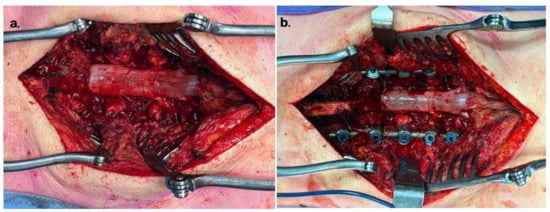
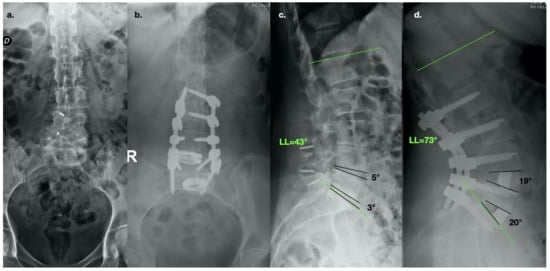
Introduction: Degenerative lumbar kyphosis (DLK) is a common cause of sagittal imbalance, pain, and functional disability. While three-column osteotomies provide powerful correction, they are associated with substantial morbidity. We evaluated the radiographic and clinical outcomes of a novel posterior-based correction strategy combining Posterior Interpedicular Osteotomy (PIO), bilateral discectomy, and hyperlordotic transforaminal lumbar interbody fusion (TLIF) in patients with DLK. Materials and Methods: A retrospective single-center case series was conducted including 215 consecutive patients with symptomatic DLK and pelvic incidence–lumbar lordosis (PI–LL) mismatch >10° treated between 2019 and 2023. All patients underwent PIO combined with bilateral discectomy and insertion of a 20° hyperlordotic TLIF cage. Radiographic parameters, including lumbar lordosis (LL), pelvic tilt (PT), and sacral slope (SS), were assessed preoperatively and up to 24 months postoperatively. Clinical outcomes were evaluated using the Visual Analog Scale (VAS), Oswestry Disability Index (ODI), and Short Form-36 (SF-36). Complications were systematically recorded. Results: Mean lumbar lordosis improved from 15.7° ± 8.3° preoperatively to 45.4° ± 11.6° at 24 months, corresponding to a mean correction of 29.7° ± 10.1° and 12.4° ± 2.9° per treated level (p < 0.001). Significant improvements were observed in PT, SS, VAS, ODI, and SF-36 scores (all p < 0.001), with maintenance of correction throughout follow-up. Mean operative time was 218.4 ± 47.3 min and mean blood loss was 483.2 ± 195.7 mL. The overall complication rate was 16.3%, with incidental durotomy being the most common event (14.9%). No cases of cage migration, deep infection, neurological deterioration, or radiographic pseudarthrosis were identified among patients who underwent CT evaluation. Conclusions: PIO combined with bilateral discectomy and hyperlordotic TLIF achieved substantial and durable sagittal correction with significant clinical improvement and an acceptable safety profile. By combining extensive posterior release with preservation of the anterior tension band, this technique may represent an effective intermediate alternative between conventional posterior column osteotomies and more invasive three-column deformity correction procedures.
Full article
(This article belongs to the Section Personalized Therapy in Clinical Medicine)
►▼
Show Figures

Figure 1
Journal Menu
► ▼ Journal Menu-
- JPM Home
- Aims & Scope
- Editorial Board
- Reviewer Board
- Topical Advisory Panel
- Instructions for Authors
- Special Issues
- Topics
- Sections
- Article Processing Charge
- Indexing & Archiving
- Editor’s Choice Articles
- Most Cited & Viewed
- Journal Statistics
- Journal History
- Journal Awards
- Society Collaborations
- Conferences
- Editorial Office
Journal Browser
► ▼ Journal BrowserHighly Accessed Articles
Latest Books
E-Mail Alert
News
1 September 2026
MDPI INSIGHTS: The CEO’s Letter #38 – 2 Million Published Articles, Outstanding Reviewers, Michele Parrinello Award, AIS 2026 & WSF-12
Topics
Topic in
JPM, Mathematics, Applied Sciences, Stats, Healthcare
Application of Biostatistics in Medical Sciences and Global Health
Topic Editors: Bogdan Oancea, Adrian Pană, Cǎtǎlina Liliana AndreiDeadline: 31 October 2026
Topic in
Cancers, Diagnostics, Diseases, IJMS, JPM
Advances in Genetics and Precision Medicine in Human Diseases: 2nd Edition
Topic Editors: Shun-Fa Yang, Shih-Chi SuDeadline: 14 November 2026
Topic in
JCM, JPM, Medicina, Healthcare
New Advances in Physical Therapy and Occupational Therapy, 2nd Edition
Topic Editors: Hye-Rim Suh, Suk-Chan Hahm, Hwi-Young Cho, Ki-Hun ChoDeadline: 15 December 2026
Topic in
Biomedicines, Diseases, JCM, JPM, Uro, Reports
Clinical, Translational, and Basic Research and Novel Therapy on Functional Bladder Diseases and Lower Urinary Tract Dysfunctions
Topic Editors: Hann-Chorng Kuo, Yao-Chi Chuang, Chun-Hou LiaoDeadline: 31 December 2026
Conferences
Special Issues
Special Issue in
JPM
Personalized Medicine for Clinical Psychology
Guest Editor: Daniela Pia Rosaria ChieffoDeadline: 10 September 2026
Special Issue in
JPM
Assisted Reproduction: Clinical Updates and Personalized Strategies
Guest Editors: Stefano Canosa, Loredana BergandiDeadline: 15 September 2026
Special Issue in
JPM
Pharmacogenetics and Synaptic Plasticity in Neurological Disorders: From Mechanisms to Therapies
Guest Editors: Hector Vargas-Perez, América Vanoye-CarloDeadline: 15 September 2026
Special Issue in
JPM
Personalized Medicine in Epidemiology and Infectious Diseases
Guest Editors: Takalani Grace Tshitangano, Daniel Ter GoonDeadline: 20 September 2026