



Journal Description
Journal of Personalized Medicine
is an international, peer-reviewed, open access journal on personalized medicine, published monthly online by MDPI. The Inter-American Society for Minimally Invasive Spine Surgery (SICCMI), Korean Society of Brain Neuromodulation Therapy (KBNT), American Board of Precision Medicine (ABOPM) and Brazilian Society of Personalized Medicine (SBMP) are affiliated with JPM and their members receive a discount on article processing charges.
- Open Access— free for readers, with article processing charges (APC) paid by authors or their institutions.
- High Visibility: indexed within Scopus, PubMed, PMC, Embase, and other databases.
- Journal Rank: CiteScore - Q1 (Medicine (miscellaneous))
- Rapid Publication: manuscripts are peer-reviewed and a first decision is provided to authors approximately 23 days after submission; acceptance to publication is undertaken in 4.6 days (median values for papers published in this journal in the first half of 2026).
- Recognition of Reviewers: reviewers who provide timely, thorough peer-review reports receive vouchers entitling them to a discount on the APC of their next publication in any MDPI journal, in appreciation of the work done.
Latest Articles
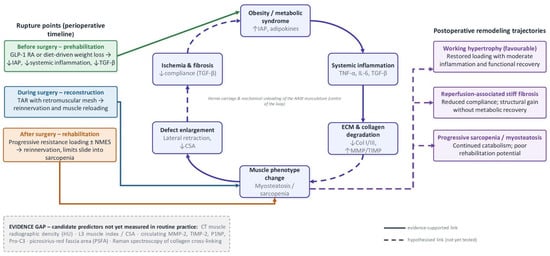
Metabolism, Morphology and Function of the Anterior Abdominal Wall Musculature in Ventral Hernias and After Repair: A Narrative Review and Research Agenda
J. Pers. Med. 2026, 16(8), 419; https://doi.org/10.3390/jpm16080419 - 6 Aug 2026
Abstract
Objectives: To assess whether muscle morphology and metabolism can inform personalised care in ventral hernias and to define which parts of a proposed postoperative remodelling model are supported by direct evidence. Methods: We conducted a structured narrative review of PubMed/MEDLINE, Scopus and Web
[...] Read more.
Objectives: To assess whether muscle morphology and metabolism can inform personalised care in ventral hernias and to define which parts of a proposed postoperative remodelling model are supported by direct evidence. Methods: We conducted a structured narrative review of PubMed/MEDLINE, Scopus and Web of Science from 1 January 2010 through 30 April 2026. Two authors selected 38 publications. Evidence was classified as direct when generated in ventral or incisional hernia cohorts and indirect when drawn from inguinal hernia, transplantation, geriatric, oncological, animal or general muscle studies. No quantitative synthesis was undertaken. Results: Direct studies document lateral muscle displacement, impaired abdominal wall function, inconsistent associations between low muscle mass and clinical outcomes, and CT-derived increases in muscle cross-sectional areas after transversus abdominis release (TAR). The evidence for anterior abdominal wall myosteatosis, biomarker-guided care and the three proposed remodelling trajectories remains largely indirect. In a 37-patient TAR series, the median rectus abdominis cross-sectional area increased by 16.1% (IQR 11.4–27.0%); muscle function and metabolic recovery were not measured. Conclusions: Routine CT can yield muscle area, attenuation and intermuscular adipose tissue measures without further imaging. No anterior abdominal wall-specific thresholds or biomarker cut-offs have been validated, so these measures should not determine current treatment in isolation. Prospective studies should test whether combined imaging, functional and clinical phenotyping improves the selection of prehabilitation and follow-up.
Full article
(This article belongs to the Section Personalized Medical Care)
►
Show Figures
Open AccessReview
Repigmentation Competence in Vitiligo: Integrating Immune, Regulatory, Regenerative, and Microenvironmental Axes
by
Maria Efenesia Baffa, Roberto Maglie, Stefano Colabrese, Carlo Pipitò, Vincenzina Rubino, Sasha Visinoni, Lucrezia Cerchiai, Marzia Caproni and Emiliano Antiga
J. Pers. Med. 2026, 16(8), 418; https://doi.org/10.3390/jpm16080418 - 6 Aug 2026
Abstract
Vitiligo is an autoimmune depigmenting disorder characterized by marked heterogeneity in therapeutic response, both between patients and among lesions within the same individual. While current therapies primarily target interferon-γ (IFN-γ)-driven inflammation, clinical outcomes remain variable and frequently incomplete, suggesting that additional lesion-specific biological
[...] Read more.
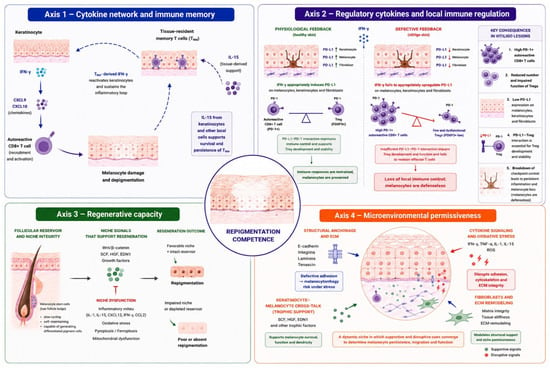
Vitiligo is an autoimmune depigmenting disorder characterized by marked heterogeneity in therapeutic response, both between patients and among lesions within the same individual. While current therapies primarily target interferon-γ (IFN-γ)-driven inflammation, clinical outcomes remain variable and frequently incomplete, suggesting that additional lesion-specific biological factors contribute to repigmentation potential. In this narrative review, we propose the concept of repigmentation competence to describe the capacity of an individual lesion to achieve clinically meaningful repigmentation under therapy. We hypothesize that this competence emerges from the interaction of four interconnected biological axes: (i) cytokine network and immune memory, (ii) local immune regulation, (iii) regenerative capacity, and (iv) microenvironmental permissiveness. A targeted search of PubMed/MEDLINE and ClinicalTrials.gov up to March 2026 was conducted to identify translational studies, mechanistic models, and clinical trials relevant to these pathways. Evidence was synthesized thematically with emphasis on cytokine-mediated mechanisms and their interaction with regenerative and tissue-context processes. The IFN-γ/CXCL9/CXCL10 axis and tissue-resident memory T cells (TRM) represent the most clinically validated drivers of disease persistence, as demonstrated by the therapeutic efficacy of JAK inhibitors, although immune suppression alone often fails to achieve complete or durable repigmentation. In contrast, regulatory pathways involving PD-1/PD-L1 signaling, regulatory T cells (Tregs), IL-10, TGF-β, and IL-2–based strategies remain biologically compelling but only partially translated into effective therapies. Regenerative capacity has also emerged as an important determinant of treatment response, with growing evidence supporting the role of melanocyte stem cell niches, follicular regeneration, and Wnt/β-catenin signaling. Accordingly, regenerative approaches such as non-cultured epidermal cell suspension (NCES) are increasingly being integrated into combination therapeutic strategies. The lesional microenvironment remains the least therapeutically developed axis despite growing experimental evidence supporting its importance in melanocyte survival and migration. Collectively, these observations suggest that the variable efficacy of current therapies may reflect different combinations of lesion-specific biological constraints. The emerging benefit of combination strategies may therefore derive not simply from additive effects, but from the simultaneous engagement of multiple axes involved in repigmentation competence. Our review supports a shift from a predominantly drug-centered model toward a lesion-oriented framework integrating immune, regenerative, regulatory, and microenvironmental determinants of response.
Full article
(This article belongs to the Special Issue Personalized Medicine in Dermatology: Current Status and Challenges)
►▼
Show Figures

Figure 1

Open AccessReview
Is Varicocele Truly Unilateral? Contralateral Involvement and Bilateral Testicular Effects in Male Infertility: A Narrative Review
by
Aris Kaltsas, Andreas Koumenis, Evangelos N. Symeonidis, Fotios Dimitriadis and Nikolaos Sofikitis
J. Pers. Med. 2026, 16(8), 417; https://doi.org/10.3390/jpm16080417 - 4 Aug 2026
Abstract
Background/Objectives: Varicocele is usually clinically left-sided, but imaging and mechanistic studies suggest that contralateral venous reflux or bilateral testicular effects may be more common than physical examination indicates. This narrative review critically examines whether varicocele-associated infertility is better conceptualized as an asymmetric disorder
[...] Read more.
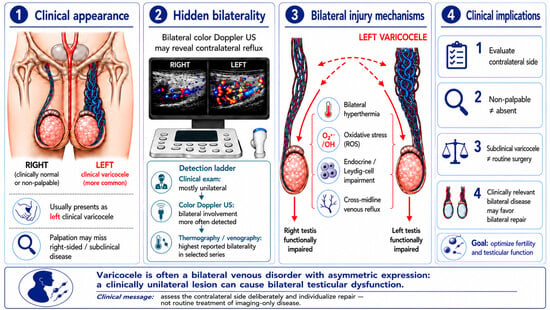
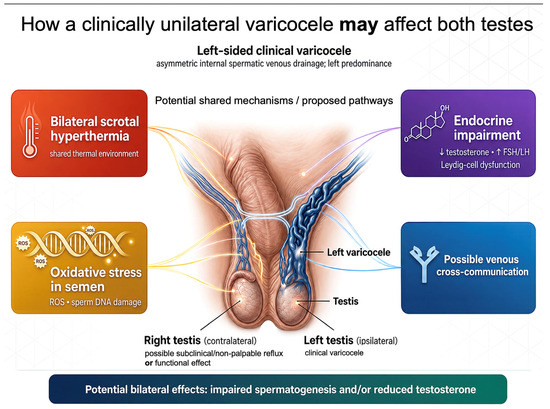
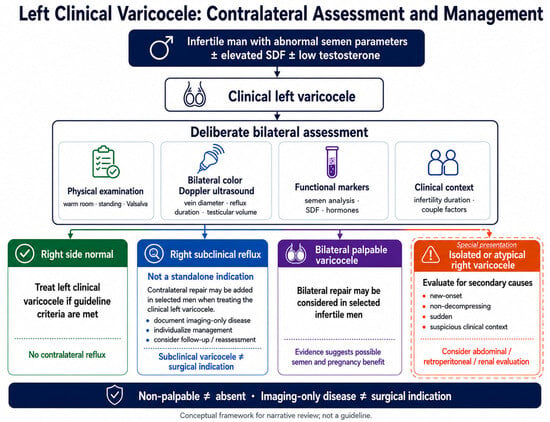
Background/Objectives: Varicocele is usually clinically left-sided, but imaging and mechanistic studies suggest that contralateral venous reflux or bilateral testicular effects may be more common than physical examination indicates. This narrative review critically examines whether varicocele-associated infertility is better conceptualized as an asymmetric disorder with potential bilateral anatomical or functional involvement and considers the implications for diagnosis and treatment. Methods: PubMed/MEDLINE and Scopus were searched from inception to 21 June 2026 for studies on varicocele laterality, bilateral and subclinical disease, color Doppler ultrasonography, venography, and unilateral versus bilateral repair. Reference lists and contemporary clinical guidelines were also reviewed. Because the included studies differed substantially in patient selection, age, operator technique, diagnostic criteria, and reference standards, reported bilateral rates were not interpreted as head-to-head estimates of diagnostic sensitivity or as pooled prevalence estimates. Results: Physical examination identifies predominantly left-sided clinical disease. Bilateral involvement is reported more frequently when both sides are assessed using Doppler ultrasonography or venography, but estimates vary widely across referral-enriched and highly selected cohorts. Human and experimental evidence supports several mechanisms by which a clinically unilateral lesion may have bilateral functional effects, including shared scrotal hyperthermia, oxidative stress, endocrine disturbance, and venous cross-communication. Bilateral repair is consistent with standard treatment criteria when both varicoceles are clinically palpable. In men with a clinical left varicocele and non-palpable right-sided reflux, comparative evidence is mixed, and current guidelines do not support routine treatment of imaging-only disease. Conclusions: Varicocele is best viewed as an asymmetric disorder that may be anatomically or functionally bilateral in selected men, rather than as a universally bilateral disease. Deliberate bilateral clinical assessment and standardized bilateral ultrasonography when imaging is clinically indicated may improve phenotyping and operative planning. However, contralateral imaging abnormalities should not automatically be converted into a surgical indication.
Full article
(This article belongs to the Special Issue Urological Diseases: Updates and Challenges on Personalized Diagnosis, Treatment, and Management)
►▼
Show Figures

Graphical abstract
Open AccessReview
Therapeutic Target Mapping to Advance Drug Repurposing for Cardiovascular Disease: A Perspective from an Explanted Heart Biobank
by
Coco Ng, Gurpreet K. Singhera, Ea Chung Chang, Amrit Samra, Katherine A. Adolphs, Evan H. Phillips, Jamil Bashir, Zachary Laksman, Honglin Luo, Gordon A. Francis, Chi Lai and Ying Wang
J. Pers. Med. 2026, 16(8), 416; https://doi.org/10.3390/jpm16080416 - 3 Aug 2026
Abstract
Background: Although cardiovascular disease (CVD) significantly impacts the quality of life of millions of patients worldwide, the high costs of developing new drugs and conducting clinical trials for CVD hinder therapeutic development in this field. Repurposing approved drugs, of which the safety has
[...] Read more.
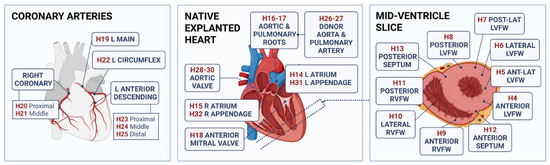
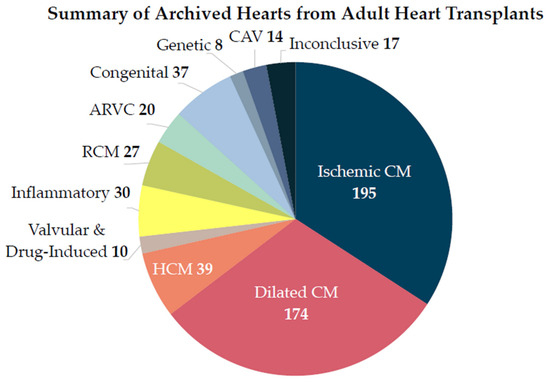
Background: Although cardiovascular disease (CVD) significantly impacts the quality of life of millions of patients worldwide, the high costs of developing new drugs and conducting clinical trials for CVD hinder therapeutic development in this field. Repurposing approved drugs, of which the safety has already been tested can significantly reduce the time and cost required for treating CVD. From the perspective of pharmacology, repurposed drugs are selected to specifically target CVD patients carrying the matching drug targets, enabling tailored, personalized intervention. In the context of drug repurposing, therapeutic target mapping is a process used to assess the enrichment of molecules that can be affected by a drug in order to produce a therapeutic effect. Methods: This narrative review summarizes the workflows and challenges of performing therapeutic target mapping to assess the potential of repurposing existing drugs for treating CVD. We also share our perspective of how retrospective studies of human specimens can contribute to therapeutic target mapping based on experience from the Bruce McManus Cardiovascular Biobank (BMCB), a large explanted heart biobank located in Vancouver, Canada. The literature we discuss was identified by non-systematic searches of PubMed, using search terms “human-derived specimens”, “drug repurposing”, and “cardiovascular disease”. We reviewed articles from 2012 to 2026 and prioritized studies conducted after 2019 to discuss recent advances in the field. Conclusions: Human specimens of high molecular quality are needed for evaluating the enrichment of drug targets in CVD. Therapeutic target mapping in diseased cardiovascular tissue requires integrated expertise from medical, translational, and applied sciences to identify suitable human specimens for molecular phenotyping, and to design hypothesis-driven approaches to validate the drugs suggested for repurposing.
Full article
(This article belongs to the Special Issue Personalized Medicine and Surgery in Cardiovascular Disorders)
►▼
Show Figures

Figure 1
Open AccessArticle
Multimodal Correlates of Longitudinal Functional Decline in Behavioral Variant Frontotemporal Dementia (bvFTD)
by
Electra Chatzidimitriou, Georgios Ntritsos, Eleni Poptsi, Emmanouil Tsardoulias, Andreas L. Symeonidis, Magda Tsolaki, Panos Charalambous, Chrissa Sioka, Eleni Aretouli, Ioannis Iakovou, Katherine P. Rankin, Panagiotis Ioannidis and Despina Moraitou
J. Pers. Med. 2026, 16(8), 415; https://doi.org/10.3390/jpm16080415 - 3 Aug 2026
Abstract
Background and Objectives: Functional decline is a major determinant of disability, caregiver burden, and loss of independence in behavioral variant frontotemporal dementia (bvFTD). Although bvFTD is characterized by early and rapidly progressive deterioration in everyday functioning, the multimodal contributors associated with longitudinal functional
[...] Read more.
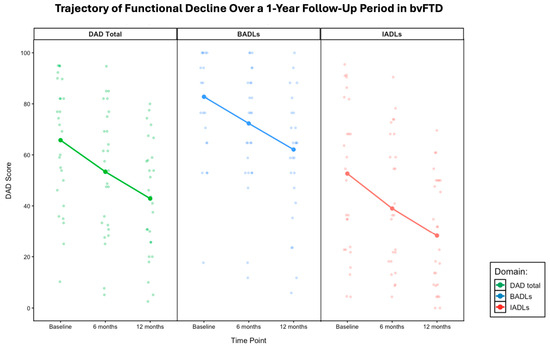
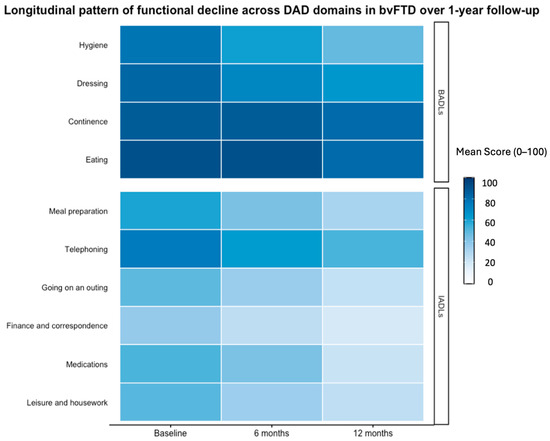
Background and Objectives: Functional decline is a major determinant of disability, caregiver burden, and loss of independence in behavioral variant frontotemporal dementia (bvFTD). Although bvFTD is characterized by early and rapidly progressive deterioration in everyday functioning, the multimodal contributors associated with longitudinal functional change remain insufficiently understood. The present study aimed to identify the strongest cognitive, behavioral, personality, and neuroimaging correlates of longitudinal functional deterioration in bvFTD using an integrated multimodal framework over a 12-month follow-up period. Methods: Twenty-seven patients diagnosed with bvFTD were recruited from the 2nd Neurology Clinic of the “AHEPA” University Hospital in Thessaloniki, Greece, and underwent comprehensive face-to-face neuropsychological assessment for the evaluation of a wide range of cognitive domains, alongside caregiver-based evaluations of behavioral disturbances, personality changes, and functional abilities, at baseline, 6 months, and 12 months. Brain perfusion single-photon emission computed tomography (SPECT) was acquired only at baseline, with regional cerebral blood flow (rCBF) quantified using a Brodmann area (BA)-based approach. Functional status was assessed using the Disability Assessment for Dementia (DAD) as the primary outcome, while the Frontotemporal Dementia Rating Scale (FRS) served as a secondary measure. Repeated-measures analysis of variance (ANOVA) was used to characterize longitudinal changes across cognitive, behavioral, personality, and functional domains, while linear mixed-effects (LME) models were applied to identify longitudinal correlates of functional decline and sources of inter-individual variability in functional outcomes. Results: Significant progressive decline in functional abilities was observed over the 1-year follow-up period, consistent with an aggressive and rapidly deteriorating clinical course in bvFTD. Reductions in functional performance were evident across both basic and instrumental activities of daily living, with deterioration being more pronounced in instrumental activities. Based on the final LME model, greater apathy-related (negative) behavioral symptoms, global cognitive impairment, attentional and processing speed deficits, and impaired inhibitory control were independently associated with poorer longitudinal functional outcomes (p < 0.001). At the neuroimaging level, reduced baseline perfusion in the right BA 24 within the anterior cingulate cortex was also significantly associated with greater loss of functional independence over time (p < 0.001). Conclusions: Longitudinal functional decline in bvFTD reflects the combined disruption of behavioral regulation, global cognition, executive control, and frontal–cingulate network integrity. The findings provide a preliminary foundation for future research investigating factors associated with accelerated functional decline. Further validation in larger, multicenter longitudinal cohorts is needed to determine the prognostic relevance of these factors and their potential applicability to patient stratification and individualized care planning.
Full article
(This article belongs to the Special Issue Personalized Diagnosis and Treatment for Neurological Diseases)
►▼
Show Figures

Figure 1

Open AccessArticle
Integration of Clinical, Cytokine, and Ultrasound Data Using Machine Learning Reveals a Multidimensional Inflammatory Signature in Polymyalgia Rheumatica
by
Christian D’Elia, Edda Russo, Giada Santagata, Riccardo Terenzi, Francesca Li Gobbi, Emanuele Antonio Maria Cassarà, Elisa Cioffi, Valentina Grossi, Francesca Romano, Barbara Lari, Maria Infantino, Mariangela Manfredi, Serena Guiducci and Maurizio Benucci
J. Pers. Med. 2026, 16(8), 414; https://doi.org/10.3390/jpm16080414 - 2 Aug 2026
Abstract
Background: Polymyalgia rheumatica (PMR) is a clinically heterogeneous inflammatory disorder in which conventional acute-phase reactants may inadequately reflect the complexity and biological variability of disease activity. Precision medicine approaches integrating multidimensional clinical and laboratory data may offer a more comprehensive characterization of
[...] Read more.
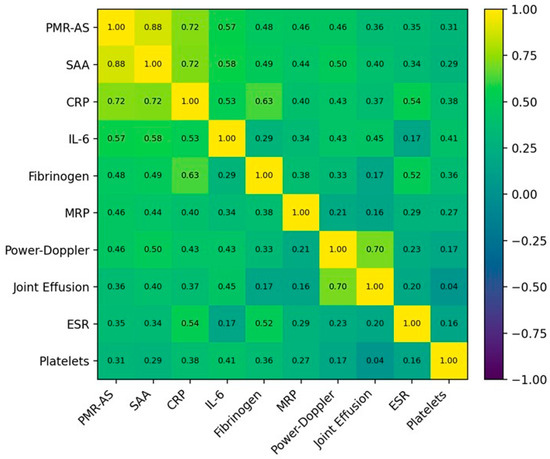
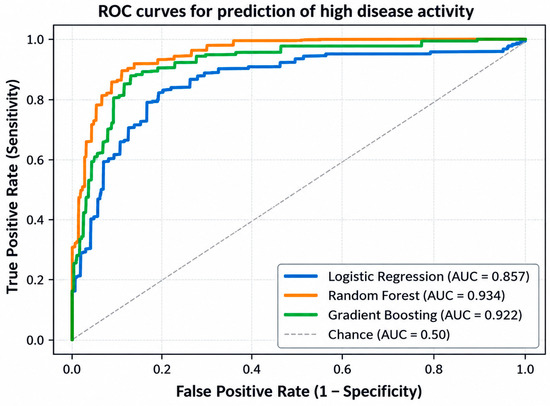
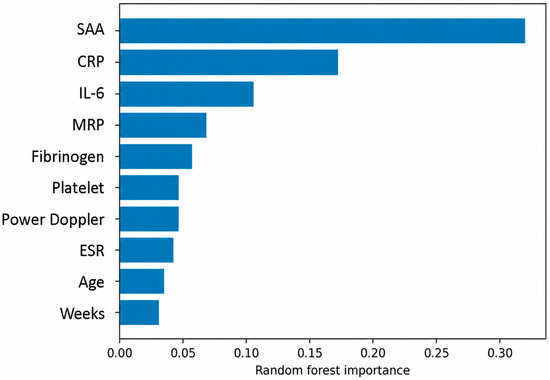
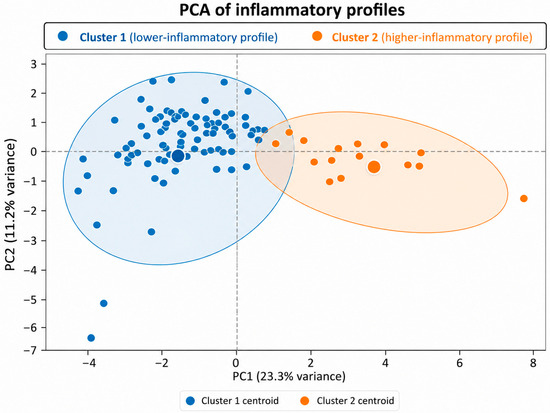
Background: Polymyalgia rheumatica (PMR) is a clinically heterogeneous inflammatory disorder in which conventional acute-phase reactants may inadequately reflect the complexity and biological variability of disease activity. Precision medicine approaches integrating multidimensional clinical and laboratory data may offer a more comprehensive characterization of inflammatory phenotypes. This study investigated whether the combined assessment of cytokine profiles, routine laboratory biomarkers, ultrasound findings, and clinical variables could improve disease activity stratification in PMR. Methods: A total of 103 consecutive patients with PMR were retrospectively analyzed. Disease activity was assessed using the PMR Activity Score (PMR-AS) and, for exploratory purposes, dichotomized according to the cohort median (≥11 vs. <11). Group differences were evaluated using non-parametric statistical methods. The multidimensional structure of the dataset was explored through Spearman correlation analysis, principal component analysis (PCA), and unsupervised clustering. Predictive models, including logistic regression, random forest, and gradient boosting, were developed to evaluate the potential contribution of integrated analytical approaches to patient stratification. Results: The study cohort included 103 patients (63.1% female), with a median age of 76 years (IQR 71–81); 57 patients (55.3%) presented PMR-AS ≥11. Patients with higher disease activity exhibited significantly increased levels of CRP, fibrinogen, platelet count, IL-6, serum amyloid A (SAA), and myeloid-related protein (MRP), together with a higher prevalence of joint effusion and Power Doppler positivity. Among the evaluated biomarkers, SAA demonstrated the strongest correlation with disease activity (Spearman ρ = 0.878; p < 0.001). Multivariate predictive modeling showed high discriminative performance, with random forest achieving the highest cross-validated AUC (0.934), whereas gradient boosting demonstrated the best overall accuracy (0.883). Unsupervised clustering analysis identified a subgroup characterized by a more pronounced inflammatory signature associated with higher PMR-AS values. Conclusions: These findings support the concept that disease activity in PMR may be more effectively represented through an integrated multidimensional inflammatory profile rather than isolated biomarkers. The combined evaluation of routine laboratory parameters, cytokines, and imaging features may contribute to more refined patient stratification within a precision medicine framework. Although exploratory, these results highlight the potential value of advanced data integration strategies for supporting biologically informed disease characterization in PMR, while underscoring the need for external validation before translation into clinical practice.
Full article
(This article belongs to the Special Issue Advancing Tailored Diagnostics and Therapeutics in Autoimmune and Rheumatic Diseases via Integration of Traditional Approaches and AI Technologies)
►▼
Show Figures

Figure 1

Open AccessReview
Personalized Prevention of Osteoradionecrosis of the Jaws: From Clinical Risk Profiling and Site-Specific Dosimetry to Artificial Intelligence and Individualized Treatment-Effect Estimation
by
Luigi Angelo Vaira, Hareem Qadeer, Fabio Maglitto, Giuseppe Consorti, Giulio Cirignaco, Giovanni Salzano and Giacomo De Riu
J. Pers. Med. 2026, 16(8), 413; https://doi.org/10.3390/jpm16080413 - 1 Aug 2026
Abstract
Background/Objectives: Osteoradionecrosis of the jaws remains a severe late complication of head and neck radiotherapy. Current preventive strategies are still frequently based on population-level dose thresholds and broadly standardized dental-clearance protocols, despite substantial heterogeneity in individual risk. This comprehensive review aimed to
[...] Read more.
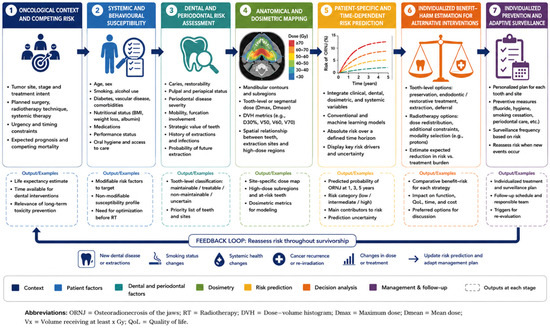
Background/Objectives: Osteoradionecrosis of the jaws remains a severe late complication of head and neck radiotherapy. Current preventive strategies are still frequently based on population-level dose thresholds and broadly standardized dental-clearance protocols, despite substantial heterogeneity in individual risk. This comprehensive review aimed to integrate established preventive guidance with emerging tooth-level, spatial-dosimetric, prognostic, and causal approaches within an integrative conceptual framework for personalized osteoradionecrosis prevention. Methods: Structured searches of five databases were completed on 30 May 2026. Evidence sources were selected and mapped across six a priori thematic domains, with the selection process summarized in a simplified flow diagram and an evidence map. Priority was given to guidelines, systematic reviews, large cohorts, externally validated prediction models, and clinically actionable studies. Results: Osteoradionecrosis risk is determined by interactions among tumor site, surgical anatomy, mandibular dose distribution, dental and periodontal disease, smoking, diabetes, nutritional status, biological susceptibility, and expected survival. Tooth extraction is not uniformly protective, and its potential benefit depends on tooth prognosis, local radiation dose, oncological urgency, and patient-level vulnerability. Dose–volume parameters and site-specific mapping provide more clinically relevant information than prescribed dose alone. Contemporary normal tissue complication probability and machine-learning models increasingly support individualized risk estimation, although calibration, external validation, data quality, and workflow integration remain limiting. Competing-risk and causal-inference approaches may further distinguish baseline risk from the expected benefit of specific preventive interventions. Conclusions: The evidence reviewed can be organized within an integrative conceptual framework combining tooth-level prognosis, spatial dosimetry, systemic susceptibility, competing mortality, and intervention burden. This framework synthesizes and reorganizes existing evidence; it is not a validated clinical model and requires prospective validation and clinical-impact evaluation before routine implementation. Until then, available prediction models should support, rather than replace, multidisciplinary clinical judgement.
Full article
(This article belongs to the Special Issue Otolaryngology in Clinical Practice: The Necessity of Personalized Medicine)
►▼
Show Figures

Figure 1

Open AccessArticle
Clinical Outcomes of an Individualized Multimodal Chronic Wound Management Protocol Using Type I Collagen–Hyaluronic Acid Pads: Retrospective Observational Study
by
Cristina Stanescu, Catalina Teodora Pintilie, Roxana Elena Bogdan Goroftei, Madalina Nicoleta Matei, Iulia Chiscop, Monica Boev, Florina Popa and Camelia Tamas
J. Pers. Med. 2026, 16(8), 412; https://doi.org/10.3390/jpm16080412 - 31 Jul 2026
Abstract
Background: Chronic wounds pose a persistent therapeutic challenge. Type I collagen and hyaluronic acid (HA) support tissue repair, but real-world evidence for describing their combined use in padformulations is limited. This study provides a real-world description of clinical outcomes observed within a
[...] Read more.
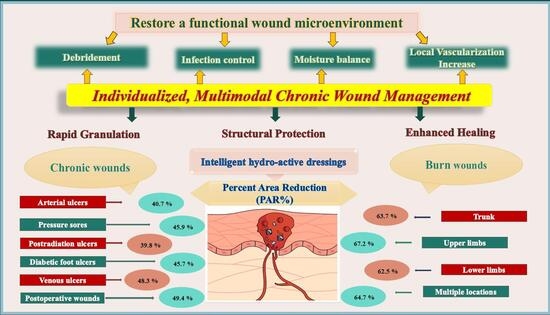
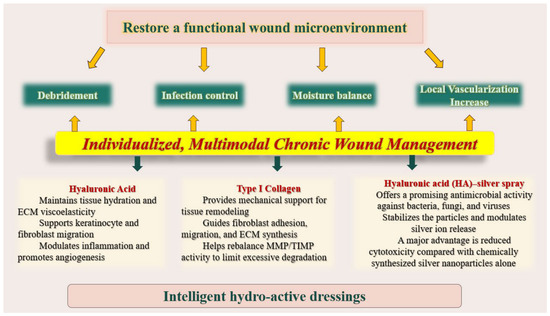
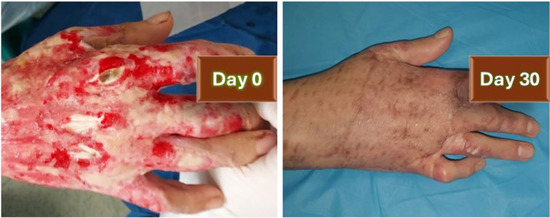
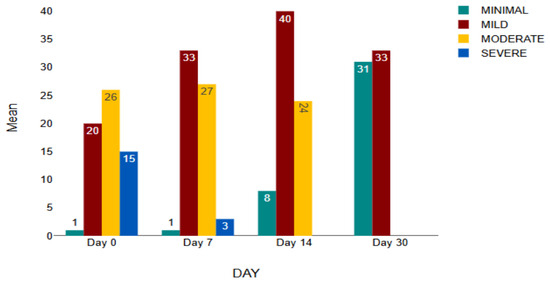
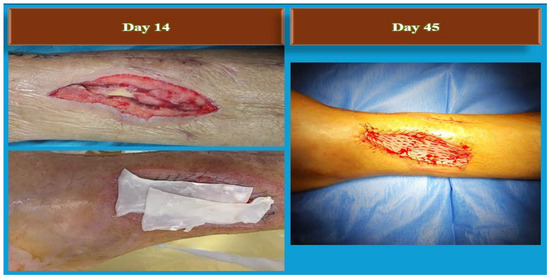
Background: Chronic wounds pose a persistent therapeutic challenge. Type I collagen and hyaluronic acid (HA) support tissue repair, but real-world evidence for describing their combined use in padformulations is limited. This study provides a real-world description of clinical outcomes observed within a tailored management, including Type I Collagen–Hyaluronic Acid pads (HCHA), on healing trajectories across diverse chronic wound etiologies. Methods: This retrospective observational analysis included 64 patients treated between 2017 and 2024 for chronic wounds, including burns (n = 32) and trophic ulcers of various etiologies (n = 32). Clinical data, including wound characteristics, daily healing rate (DHR), and procedural pain assessed using repeated VAS measurements, were extracted from medical records. Results: The daily healing rate (DHR) ranged from 3.22% in neglected burn wounds to 2.03% in non-burn chronic wounds. Percent area reduction (PAR) analysis at 7, 14, and 30 days showed greater wound area reduction in burn wounds (20%, 36%, and 62%) compared with non-burn wounds (13%, 25%, and 45%). Procedural pain decreased in both cohorts, with burn injuries presenting higher baseline VAS scores but following a similar downward trajectory over time (p < 0.001), converging to comparably low levels by day 30. Overall, the findings describe the outcomes observed within an individualized, multimodal wound care approach, which incorporates HCHA pads tailored to wound-specific characteristics. Conclusions: In this retrospective observational study, patients treated with HCHA pads as part of individualized multimodal wound care exhibited progressive granulation, favorable wound-healing trajectories, and lower procedural pain levels. Further controlled studies are warranted to validate these results and refine the patient selection criteria.
Full article
(This article belongs to the Section Personalized Therapy in Clinical Medicine)
►▼
Show Figures

Graphical abstract
Open AccessArticle
Factors Facilitating Adoption of Pharmacogenetic Testing by Prescribers of Antidepressants in Four US Health Systems: A Multi-Site Cross-Sectional PGx Implementation Science Study
by
Alice B. Popejoy, Deborah Cragun, Megan C. Roberts, Lisa M. Bendz, Sarah Gonzales, Susanne B. Haga, R. Ryanne Wu, Natasha J. Petry, Laura B. Ramsey, Ryley Uber, Kaniz Momin and Nina R. Sperber
J. Pers. Med. 2026, 16(8), 411; https://doi.org/10.3390/jpm16080411 - 30 Jul 2026
Abstract
Background: Pharmacogenetic (PGx) testing could identify actionable drug–gene interactions, reducing the risks of inappropriate prescribing of certain medications in some patients. An area of growing public health concern is rising global rates of depression and antidepressant use over the last two decades.
[...] Read more.
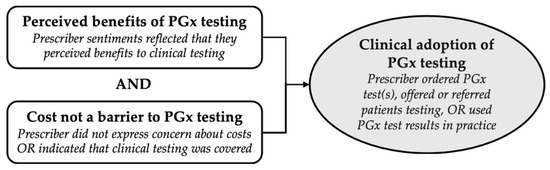
Background: Pharmacogenetic (PGx) testing could identify actionable drug–gene interactions, reducing the risks of inappropriate prescribing of certain medications in some patients. An area of growing public health concern is rising global rates of depression and antidepressant use over the last two decades. Prior research has elucidated perspectives of healthcare providers who prescribe antidepressants regarding the clinical utility of genetic information, including PGx testing, but there is a gap in understanding how individual perspectives and systemic contextual factors may combine to influence PGx testing adoption. Objective: The objective of this study was to elucidate combinations of individual and contextual conditions associated with willingness to adopt PGx testing for Cytochrome P450 Subfamily IID, Polypeptide 6 (CYP2D6) and Subfamily IIC, Polypeptide 19 (CYP2C19) among antidepressant prescribers. Methods: We conducted a cross-sectional, mixed-methods study using structured questionnaires and semi-structured interviews with healthcare providers who prescribe antidepressants within their scope of practice across four healthcare systems in the United States. We collected data on implementation science concepts from the Theoretical Domains Framework, the Consolidated Framework for Implementation Research (CFIR), and the Implementation Outcomes Framework. Coincidence analysis (CNA), a case-based, Boolean logic-based method that identifies minimally sufficient combinations of conditions that lead to a particular outcome, was used to identify combinations of conditions for PGx test adoption among antidepressant prescribers. Interviews were also conducted with 10 patients who received pharmacogenetic testing within these healthcare systems to contextualize findings with patient perspectives. Results: Prescribers adopted PGx testing when they believed it would be beneficial to patients and were not deterred by cost-related concerns; the combination of these conditions led to PGx adoption in the most highly supported CNA model. Patient perspectives were also consistent with the selected model, with data suggesting they may have greater willingness to tolerate costs when they perceived or experienced benefits from testing. Conclusions: Insights from this study may be used by health system administrators and public health policymakers to inform future PGx implementation strategies that enhance uptake and awareness of existing evidence for clinical benefits of PGx testing and mitigate cost-related barriers to adoption.
Full article
(This article belongs to the Special Issue New Trends and Challenges in Pharmacogenomics Research)
►▼
Show Figures

Figure 1
Open AccessArticle
Impact of Spread Through Air Spaces on Outcomes After Uniportal VATS Resection for Lung Adenocarcinoma: A Propensity Score–Matched Analysis
by
Michele Salati, Anna Chiara Nanto, Mara Romito, Alberto Roncon, Michela Tiberi, Gian Marco Guiducci, Francesco Xiumè, Francesca Barbisan, Gaia Goteri and Majed Refai
J. Pers. Med. 2026, 16(8), 410; https://doi.org/10.3390/jpm16080410 - 30 Jul 2026
Abstract
Background: Tumor Spread Through Air Spaces (STAS) is a histopathological pattern of invasion associated with aggressive behavior in lung adenocarcinoma. Its prognostic impact and implications for surgical strategy remain controversial. This study evaluated the impact of STAS on survival and recurrence outcomes
[...] Read more.
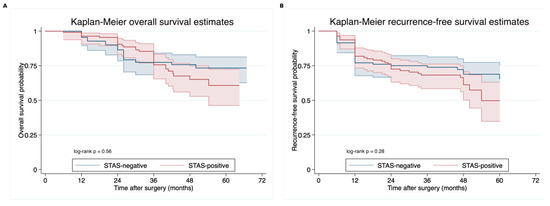
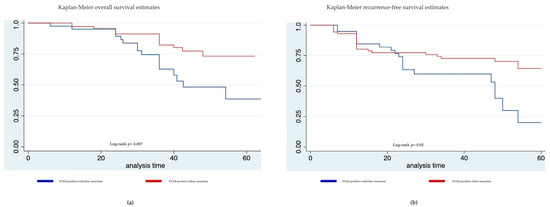
Background: Tumor Spread Through Air Spaces (STAS) is a histopathological pattern of invasion associated with aggressive behavior in lung adenocarcinoma. Its prognostic impact and implications for surgical strategy remain controversial. This study evaluated the impact of STAS on survival and recurrence outcomes in patients undergoing uniportal video-assisted thoracoscopic surgery (U-VATS) for lung adenocarcinoma. Methods: We retrospectively analyzed consecutive patients with histologically confirmed lung adenocarcinoma who underwent U-VATS resection between January 2020 and January 2023 at a single tertiary referral center. Propensity score matching (1:1) was performed to reduce selection bias between STAS-positive and STAS-negative patients. Overall survival (OS) and recurrence-free survival (RFS) were analyzed using Kaplan–Meier estimates and log-rank tests. Multivariable Cox proportional hazards regression models were used to identify independent predictors of survival. Subgroup analyses were performed according to the type of resection. Results: Among 365 included patients, 111 (30.4%) were STAS-positive. After propensity score matching, 222 patients were analyzed (111 STAS-positive and 111 STAS-negative). STAS-positive patients showed a higher overall recurrence rate compared with STAS-negative patients (36.9% vs. 27.9%, p = 0.15), with a significantly increased rate of local parenchymal recurrence (18.9% vs. 9.0%, p = 0.03). No significant differences in OS or RFS were observed between matched groups. Multivariable Cox regression analysis confirmed that STAS was not independently associated with OS (HR 0.88, 95% CI 0.50–1.53, p = 0.643). In STAS-positive patients, sublobar resection was associated with significantly worse survival outcomes compared with lobectomy and emerged as an independent predictor of mortality (HR 2.61, 95% CI 1.14–5.97, p = 0.02). Conclusions: STAS was associated with an increased risk of local recurrence but was not independently associated with overall survival after U-VATS resection for lung adenocarcinoma. However, in STAS-positive patients, sublobar resection was independently associated with worse survival outcomes, suggesting that surgical extent plays a critical role in this subgroup. These findings support consideration of a personalized surgical approach in patients with STAS-positive lung adenocarcinoma.
Full article
(This article belongs to the Special Issue Minimally Invasive Thoracic Surgery: Risk Assessment and Personalized Perioperative Management)
►▼
Show Figures

Figure 1

Open AccessArticle
Inflammation Course and Skeletal Muscle Wasting Correlation During the First Week in ICU: A New Approach for Personalised Feeding of Critically Ill Patients?
by
Gilberto Gremese, Matteo Comuzzi, Matteo Danielis, Tommaso Piani, Daniele Guerino Biasucci, Giuseppe Cuttone, Ciro Fittipaldi, Francesca Lucchese, Luigi Vetrugno and Cristian Deana
J. Pers. Med. 2026, 16(8), 409; https://doi.org/10.3390/jpm16080409 - 30 Jul 2026
Abstract
Background: Critically ill patients undergo rapid and clinically significant skeletal muscle loss during the first week of ICU admission, driven by a complex interplay of systemic inflammation, neuroendocrine dysregulation, and accelerated protein catabolism. While CRP is an established marker of the inflammatory
[...] Read more.
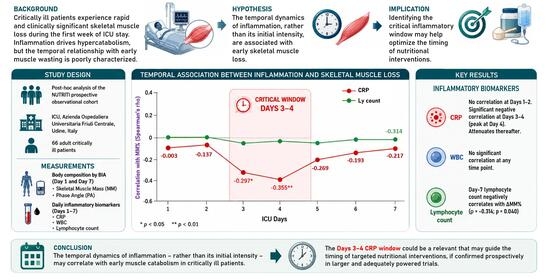
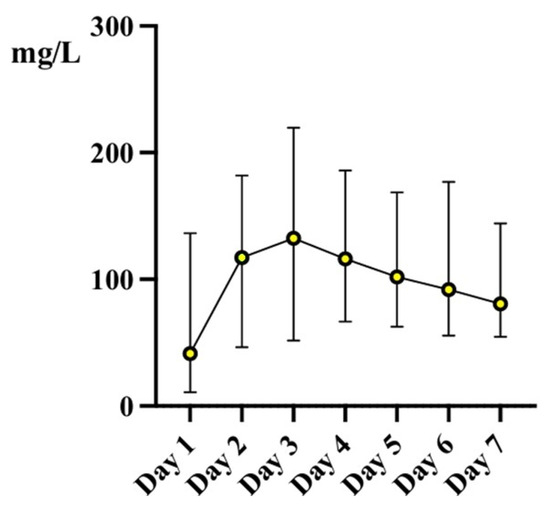
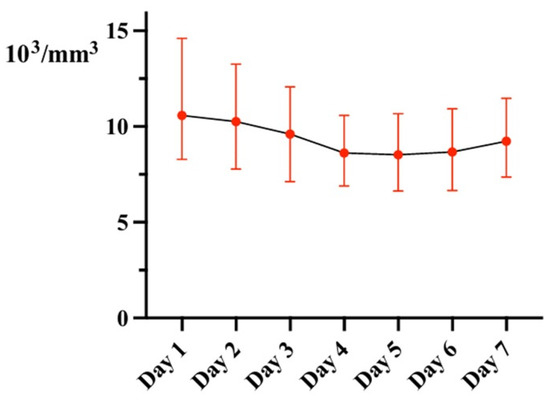
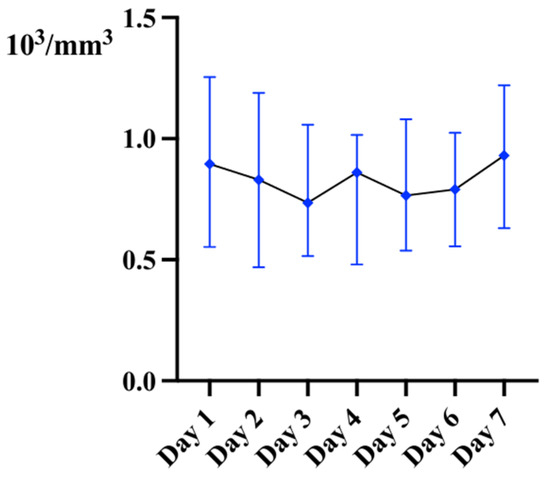
Background: Critically ill patients undergo rapid and clinically significant skeletal muscle loss during the first week of ICU admission, driven by a complex interplay of systemic inflammation, neuroendocrine dysregulation, and accelerated protein catabolism. While CRP is an established marker of the inflammatory response, its temporal relationship with early muscle wasting—specifically whether the initial inflammatory peak or its subsequent persistence most strongly determines muscle loss—remains poorly characterised. This study investigated the serial dynamics of inflammatory biomarkers and their correlation with skeletal muscle changes during the first seven ICU days. Methods: This is a post hoc analysis of the NUTRITI prospective observational cohort, conducted at a single academic ICU in Udine, Italy (Ethics Committee approval: CEUR-2019-Os-17). Sixty-six adult critically ill patients with an anticipated ICU stay exceeding 72 h and requiring artificial nutritional support were included; patients on renal replacement therapy or with contraindications to bioelectrical impedance analysis (BIA) were excluded. Body composition—skeletal muscle mass (MM, kg) and phase angle (PA°)—was assessed by single-frequency BIA (50 kHz) on Day 1 and Day 7. The primary outcome was ΔMM%, the percentage change in muscle mass between admission and Day 7, calculated as ΔMM% = [(MMd − MMa)/MMa] × 100. Daily inflammatory biomarkers—CRP (mg/L), total WBC (×103/mm3), and lymphocyte count (×103/mm3)—were collected throughout. Spearman rank correlations between ΔMM% and serial biomarkers were computed for each day. Given the large number of tests (42 total), Bonferroni false discovery rate corrections were applied. Results: The cohort had a median age of 68.5 years (IQR 61–77.8), was predominantly male (71.2%), with median APACHE II 21.5 and SOFA 7. Median muscle mass declined significantly from 34.3 kg (IQR 29.9–39.5) at Day 1 to 30.6 kg (IQR 26.5–34.9) at Day 7 (p < 0.001), corresponding to a median MM% of −8.45% (IQR −14.2% to −1.52%). Phase angle also declined significantly (4.9° to 4.5°; p < 0.01). CRP showed no significant correlation with ΔMM% at Days 1 or 2, but a negative correlation emerged at Day 3 (ρ = −0.297; p = 0.020) and peaked at Day 4 (ρ = −0.355; p = 0.006), attenuating thereafter. CRP at Days 5 and 6 correlated with phase angle changes (p = 0.017 and p = 0.022, respectively). WBC showed no significant correlations at any time point. Day-7 lymphocyte count was nominally correlated with ΔMM% (ρ = −0.314; p = 0.040). Neither APACHE II nor SOFA at admission correlated with ΔMM%. No test survived correction for multiple comparisons. Conclusions: The kinetics of CRP—rather than its initial intensity—seem to be associated with early skeletal muscle catabolism in critically ill patients, with a temporally specific signal emerging at Days 3–4 of ICU admission. Although these findings are exploratory and did not survive multiple testing correction, their biological plausibility—grounded in the known kinetics of ubiquitin-proteasome activation and NF-κB signalling—and their alignment with the emerging concept of inflammation-guided nutritional timing both support their value as a hypothesis-generating observation. Serial CRP monitoring may represent a pragmatic candidate biomarker to identify the optimal window for nutritional escalation, pending prospective validation in adequately powered trials.
Full article
(This article belongs to the Section Personalized Medical Care)
►▼
Show Figures

Graphical abstract
Open AccessArticle
Demirjian Four-Teeth Age Estimation in Thai Children and Adolescents: A Population-Specific Radiographic Validation Study
by
Pennipat Nabheerong, Phuwadon Duangto, Suttiwat Jeamtrakool, Chairat Charoemratrote and Pornpat Theerasopon
J. Pers. Med. 2026, 16(8), 408; https://doi.org/10.3390/jpm16080408 - 30 Jul 2026
Abstract
Background/Objectives: Dental age estimation is widely used in clinical and forensic practice. The Demirjian four-teeth methods were developed to simplify age assessment; however, their accuracy varies among populations and requires validation before use in specific ethnic groups. This study aimed to evaluate
[...] Read more.
Background/Objectives: Dental age estimation is widely used in clinical and forensic practice. The Demirjian four-teeth methods were developed to simplify age assessment; however, their accuracy varies among populations and requires validation before use in specific ethnic groups. This study aimed to evaluate and compare the accuracy of Demirjian’s four-teeth methods I and II for dental age estimation in Southern Thai children and adolescents aged 7–15 years. Methods: This retrospective cross-sectional study included 360 digital panoramic radiographs (180 males and 180 females) from Southern Thai individuals aged 7–15 years. Dental age was estimated using Demirjian’s four-teeth method I (teeth 34, 35, 36, and 37) and method II (teeth 31, 34, 35, and 37). Estimated dental ages were compared with chronological ages using the Wilcoxon signed-rank test. Accuracy was assessed by mean error (ME), mean absolute error (MAE), and root mean square error (RMSE). Intra- and inter-observer reliability were evaluated using weighted kappa statistics. Results: Intra- and inter-observer agreement were excellent, ranging from 0.957 to 1.000 and 0.895 to 0.956, respectively. The mean chronological age was 11.53 ± 2.55 years. Both methods overestimated chronological age in males and females. ME ranged from 0.54 to 0.75 years, while MAE ranged from 0.97 to 1.01 years. Method II produced slightly lower estimation errors than method I. Significant differences between dental and chronological ages were found for both methods in both sexes (p < 0.05). Conclusions: Both methods overestimated chronological age by approximately one year in Southern Thai children and adolescents. Method II showed marginally lower errors; however, population-specific calibration may improve age estimation in Thai populations. These findings support the need for population-specific dental age estimation strategies, contributing to more personalized and accurate age estimation for Thai children in both clinical and forensic settings.
Full article
(This article belongs to the Special Issue Advances in Oral Health: Innovative and Personalized Approaches)
Open AccessReview
Emerging Digital Technologies for Monitoring and Rehabilitation Support in Chronic Dust-Induced Lung Diseases: A Scoping Review
by
Nazym Sagandykova, Madina Baurzhan, Alexandr Gulyayev, Sayagul Kairgeldina, Shyngys Sergazy, Gulnur Daniyarova, Karlygash Absattarova, Liudmila Kovalenko and Akmaral Izbassarova
J. Pers. Med. 2026, 16(8), 407; https://doi.org/10.3390/jpm16080407 - 29 Jul 2026
Abstract
Background/Objectives: Chronic dust-induced lung diseases, including pneumoconiosis and asbestosis, require long-term monitoring and individualized management. Conventional rehabilitation and follow-up often depend on in-person visits and may not provide continuous assessment outside clinical settings. This scoping review mapped evidence on digital technologies used to
[...] Read more.
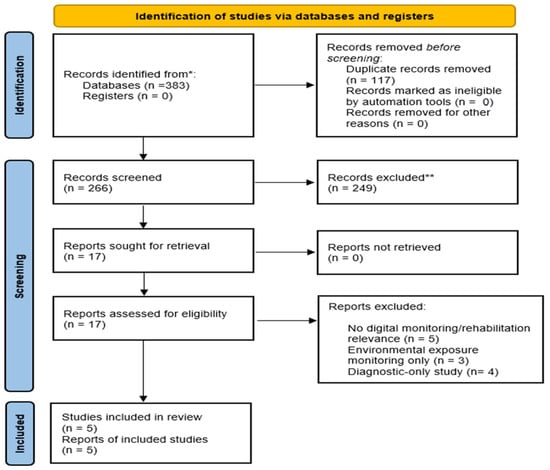
Background/Objectives: Chronic dust-induced lung diseases, including pneumoconiosis and asbestosis, require long-term monitoring and individualized management. Conventional rehabilitation and follow-up often depend on in-person visits and may not provide continuous assessment outside clinical settings. This scoping review mapped evidence on digital technologies used to monitor patients, assess respiratory symptoms and functional status, and support rehabilitation follow-up in chronic dust-induced lung diseases. Methods: The review followed the Preferred Reporting Items for Systematic Reviews and Meta-Analyses extension for Scoping Reviews (PRISMA-ScR) and Joanna Briggs Institute methodology. PubMed, Scopus, and Web of Science were searched from inception to 29 June 2026 without language restrictions. Five eligible publications were included. Results: The evidence was grouped into three categories: wearable monitoring of activity and respiratory symptoms, analysis of data from a digital rehabilitation platform, and electronic medical record (EMR) analysis. Wearable sensors showed high performance in recognizing basic activity states and cough events under controlled conditions. Platform- and EMR-based approaches showed potential for using clinical and functional data to support patient stratification and monitoring. However, most studies were limited to early technical or algorithmic validation and did not assess long-term home use, patient adherence, integration into clinical workflows, or clinical and rehabilitation outcomes. Conclusions: Digital technologies may support objective monitoring and rehabilitation follow-up in chronic dust-induced lung diseases, but the evidence base remains small and clinically immature. Prospective studies in real-world settings should evaluate usability, external validity, workflow integration, and clinically meaningful outcomes.
Full article
(This article belongs to the Topic The Use of New Technologies, Artificial Intelligence and Digital Twin in Health and Clinical Practice)
►▼
Show Figures

Figure 1

Open AccessSystematic Review
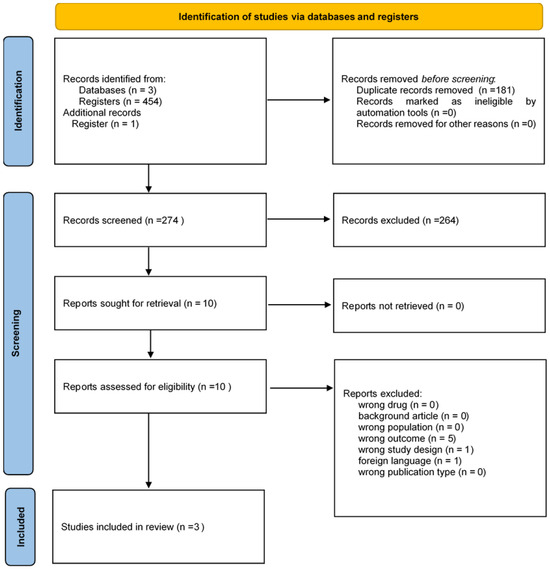
Electroencephalographic Patterns Associated with the Pharmacokinetics and Pharmacodynamics of GABAergic Agents, Opioids, and Ketamine During General Anesthesia: A Systematic Review
by
Alessandro Girombelli, Piergiuseppe Volpe, Francesco Saglietti, Dana Shiffer, Giulia Sette, Raymond M. Planinsic and Francesco Vetrone
J. Pers. Med. 2026, 16(8), 406; https://doi.org/10.3390/jpm16080406 - 29 Jul 2026
Abstract
Introduction: Neuromonitoring during general anesthesia (GA) is recommended to reduce the incidence of postoperative delirium and intraoperative awareness, particularly during total intravenous anesthesia. Guidelines emphasize that anesthesiologists should not rely solely on processed depth-of-anesthesia indices such as the Bispectral Index or Patient State
[...] Read more.
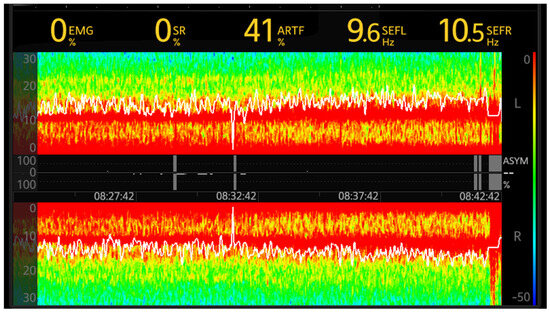
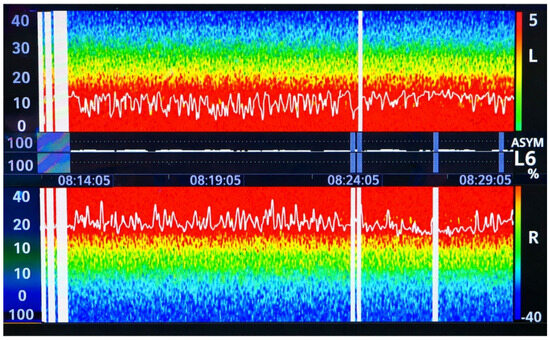
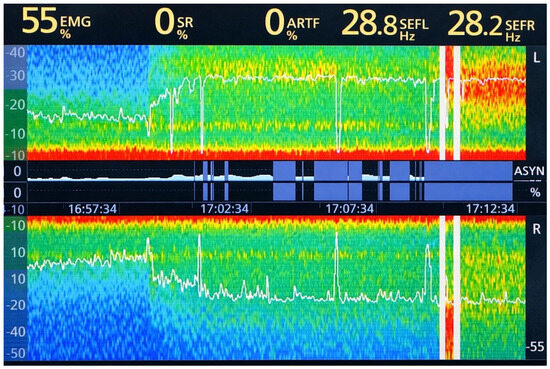
Introduction: Neuromonitoring during general anesthesia (GA) is recommended to reduce the incidence of postoperative delirium and intraoperative awareness, particularly during total intravenous anesthesia. Guidelines emphasize that anesthesiologists should not rely solely on processed depth-of-anesthesia indices such as the Bispectral Index or Patient State Index but should also interpret the raw electroencephalographic (EEG) waveform and the density spectral array (DSA). Although EEG patterns associated with individual anesthetic agents or combinations of hypnotics and opioids have been described, limited evidence exists regarding EEG activity during multimodal anesthetic regimens. This systematic review aimed to evaluate DSA patterns as pharmacodynamic markers of the cortical effects of GABAergic anesthetics, opioids, and ketamine. Methods: PubMed, Embase, and the Cochrane Library were searched without date restrictions up to September 2025. Eligible studies included adult patients undergoing general anesthesia and reporting raw EEG data or specific DSA patterns associated with the investigated drugs. Risk of bias was assessed using RoB 2 and ROBINS-I according to study design. Owing to the limited number of eligible studies, findings were synthesized narratively. Results: Out of 273 papers screened, 3 studies met the inclusion criteria, comprising 72 patients. The studies achieved an appropriate and stable effect-site concentration of propofol–remifentanil GA, demonstrated by a baseline DSA recorded before ketamine administration. Ketamine administration produced a shift from the baseline alpha–delta pattern to a beta–delta DSA pattern. Conclusions: Ketamine administration during stable propofol–remifentanil anesthesia produces a characteristic shift towards a beta–delta DSA pattern, which may increase processed EEG indices, leading to misinterpretation of anesthetic depth. Further studies are needed to characterize DSA signatures associated with multimodal anesthesia and to identify patterns indicative of adequate anesthetic depth when multiple agents are administered.
Full article
(This article belongs to the Special Issue Towards Precision Anesthesia and Pain Management)
►▼
Show Figures

Figure 1

Open AccessArticle
Imeglimin Treatment May Improve Whole-Blood Fluidity and Influence Hemorheology in Patients with Type 2 Diabetes Mellitus: A Post Hoc Analysis of the INFINITY Study
by
Takeshi Osonoi, Shinichiro Shirabe, Miyoko Saito, Mitsuru Hosoya, Norie Watahiki, Nana Shiozawa, Satako Douguchi, Kensuke Ofuchi and Makoto Katoh
J. Pers. Med. 2026, 16(8), 405; https://doi.org/10.3390/jpm16080405 - 29 Jul 2026
Abstract
Background: Patients with type 2 diabetes (T2D) frequently exhibit impaired erythrocyte deformability, which contributes to microvascular dysfunction. We previously reported that imeglimin, a mitochondrial-targeted antidiabetic agent, prolongs erythrocyte lifespan. This study investigated the effects of imeglimin on whole-blood fluidity and its clinical
[...] Read more.
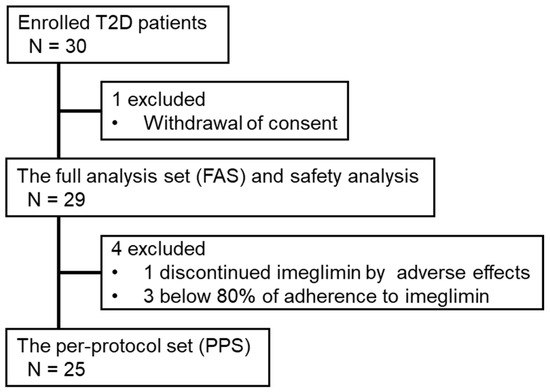
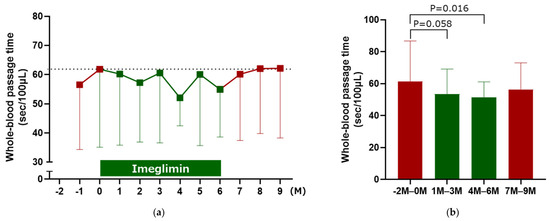
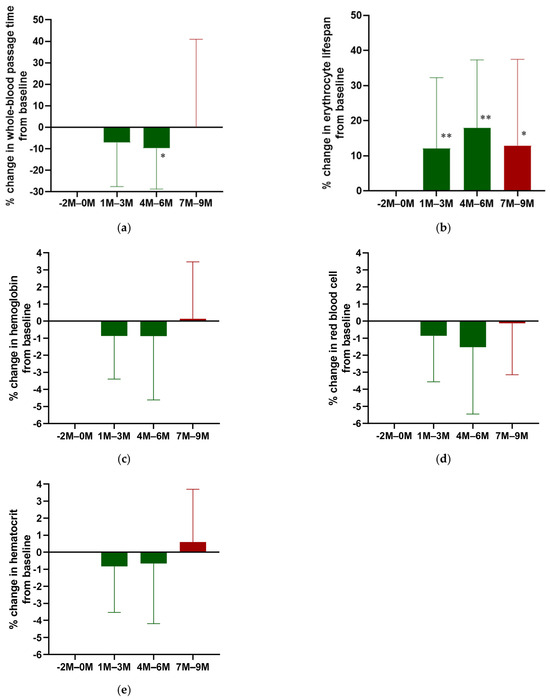
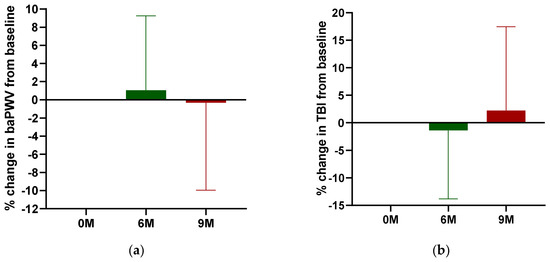
Background: Patients with type 2 diabetes (T2D) frequently exhibit impaired erythrocyte deformability, which contributes to microvascular dysfunction. We previously reported that imeglimin, a mitochondrial-targeted antidiabetic agent, prolongs erythrocyte lifespan. This study investigated the effects of imeglimin on whole-blood fluidity and its clinical implications in patients with T2D. Methods: This post hoc analysis of the INFINITY study included 25 patients with T2D who completed 6 months of imeglimin treatment (2000 mg/day) followed by a 3-month follow-up. Whole-blood fluidity was assessed by measuring whole-blood passage time using a microchannel array flow analyzer (MC-FAN). Hematological parameters, glycemic markers, and vascular indices, including brachial-ankle pulse wave velocity (baPWV) and toe-brachial index (TBI), were also assessed. Results: Whole-blood fluidity, assessed by 3-month averages of whole-blood passage time, showed an improvement trend at Months 1–3 (p = 0.058) and a significant improvement at Months 4–6 (p = 0.016) compared with baseline; this effect was reversed after discontinuation. Erythrocyte lifespan significantly increased by 10–20% during treatment and remained prolonged after discontinuation. Conversely, red blood cell count, hemoglobin, and hematocrit decreased during treatment and returned toward baseline post-discontinuation. At Month 6, baPWV increased, and TBI decreased, both showing reversibility after treatment cessation. Conclusions: In this exploratory post hoc analysis, imeglimin treatment was associated with reduced whole-blood passage time measured using the MC-FAN system, suggesting improved whole-blood fluidity in patients with T2D. The clinical and mechanistic significance of this observation requires confirmation in future controlled prospective studies incorporating direct assessments of erythrocyte rheology and microvascular function.
Full article
(This article belongs to the Special Issue Diabetes and Its Complications: From Research to Clinical Practice)
►▼
Show Figures

Figure 1
Open AccessEditorial
Retinal Diseases: Mechanisms, Diagnosis and Treatments—From Mechanistic Insights to Personalized Retina Care
by
Horia Tudor Stanca
J. Pers. Med. 2026, 16(8), 404; https://doi.org/10.3390/jpm16080404 - 28 Jul 2026
Abstract
The past decade has witnessed remarkable progress in the understanding and management of retinal diseases [...]
Full article
(This article belongs to the Special Issue Retinal Diseases: Mechanisms, Diagnosis and Treatments)
Open AccessArticle
Genetic Diagnosis and Family Cascade Screening for Familial Hypercholesterolaemia in Patients with Premature Coronary Artery Disease: A Prospective Cohort Study from Vietnam
by
Sy Van Hoang, Kha Minh Nguyen, Hai Phuong Nguyen Tran, Hung Phi Truong, Tai Nhat Nguyen and Sang Quang Ly
J. Pers. Med. 2026, 16(8), 403; https://doi.org/10.3390/jpm16080403 - 28 Jul 2026
Abstract
Background: Familial hypercholesterolaemia (FH) is a common monogenic cause of premature coronary artery disease (CAD), yet data from South-East Asia are sparse and the yield of family cascade screening has not previously been reported in Vietnam. Methods: In this prospective, single-centre
[...] Read more.
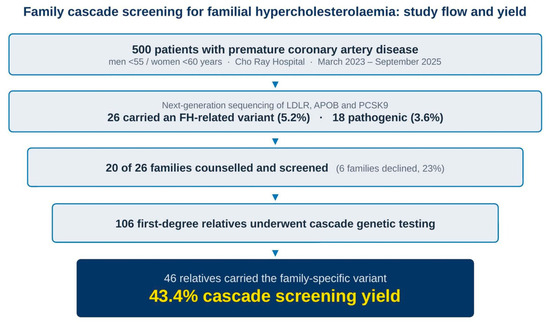
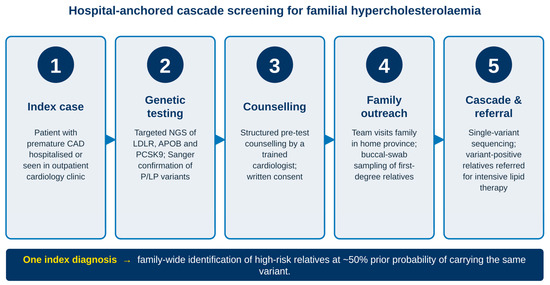
Background: Familial hypercholesterolaemia (FH) is a common monogenic cause of premature coronary artery disease (CAD), yet data from South-East Asia are sparse and the yield of family cascade screening has not previously been reported in Vietnam. Methods: In this prospective, single-centre cohort study (March 2023–September 2025), 500 consecutive patients with premature CAD (men < 55 years, women < 60 years) underwent targeted next-generation sequencing of LDLR, APOB and PCSK9, with Sanger confirmation of pathogenic or likely pathogenic (P/LP) variants. First-degree relatives of variant-positive index patients were offered structured counselling and cascade sequencing of the family-specific variant. Results: A P/LP variant was identified in 18 of 500 patients (3.6%; 95% CI 2.1–5.4%); 17 (94.4%) involved LDLR and one APOB. Nine distinct P/LP variants were observed, with several recurrent, consistent with possible founder effects. Two carriers were homozygous, including one with an APOB frameshift attributable to consanguinity. Variant carriers were younger (mean difference −5.6 years, 95% CI −9.2 to −2.0) with higher LDL-cholesterol (median 227.5 vs. 138 mg/dL) and more extensive coronary disease than non-carriers. Cascade screening was completed in 20 of 26 eligible families (77%); among 105 first-degree relatives tested, 46 (43.8%; 95% CI 34.7–53.4%) carried the family-specific variant, most of them young, asymptomatic offspring or siblings. Conclusions: Precise molecular diagnosis in a small number of index patients identified a much larger cohort of at-risk relatives who would otherwise have remained undiagnosed, providing the first Vietnamese evidence that hospital-anchored cascade screening is feasible and high-yielding in a resource-limited setting.
Full article
(This article belongs to the Section Diagnostics in Personalized Medicine)
►▼
Show Figures

Figure 1
Open AccessReview
Giant Desmoid Fibromatosis of the Small Bowel After Sleeve Gastrectomy: Case Report and Review of the Literature
by
Teresa Sinicropi, Carmelo Mazzeo, Mariausilia Franchina, Maria Iannello and Francesco Fleres
J. Pers. Med. 2026, 16(8), 402; https://doi.org/10.3390/jpm16080402 - 27 Jul 2026
Abstract
Introduction: Desmoid fibromatosis (DF) is a rare, locally invasive, and typically non-metastatic neoplasm. Its pathophysiology is poorly understood, and the subtle clinical presentation makes diagnosis challenging. A multidisciplinary approach is necessary to achieve a definitive diagnosis and identify the most effective therapeutic strategy.
[...] Read more.
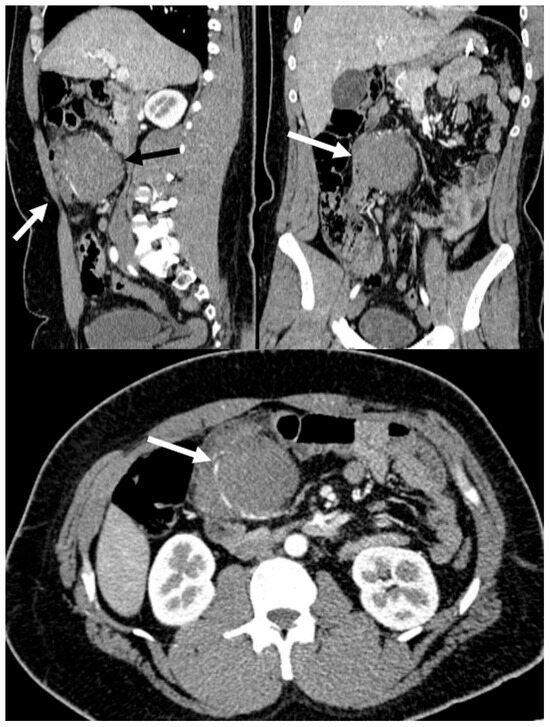
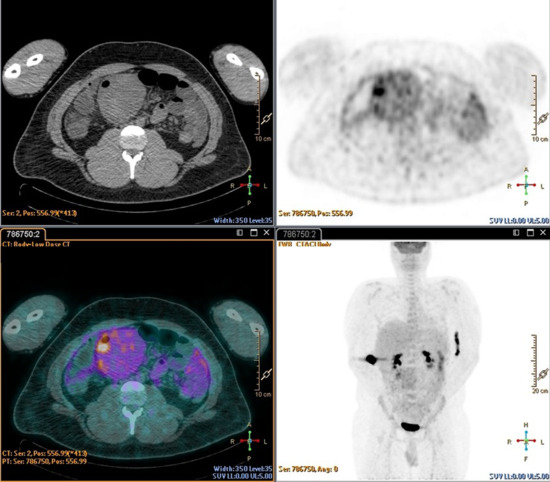
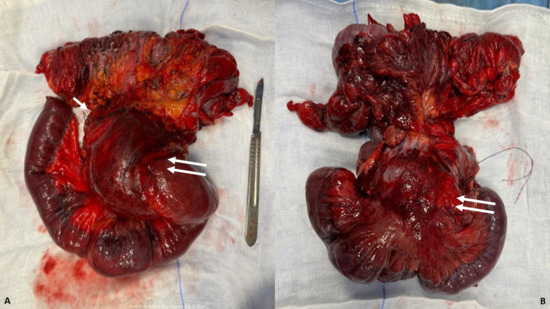
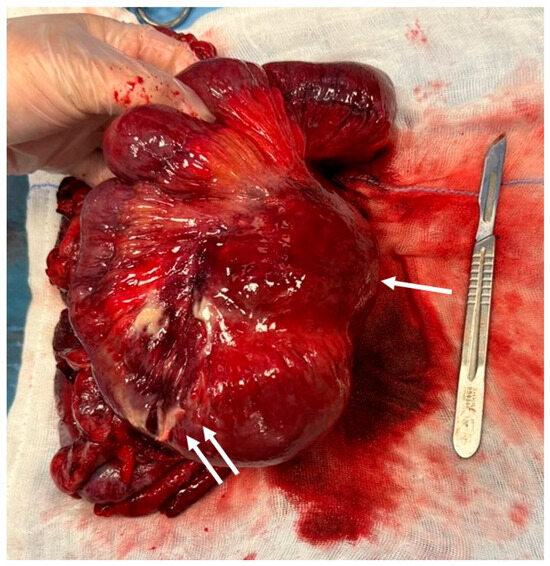
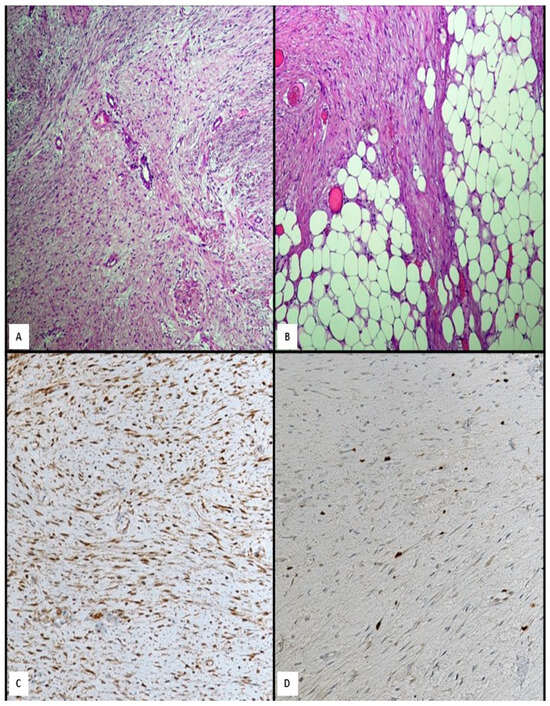
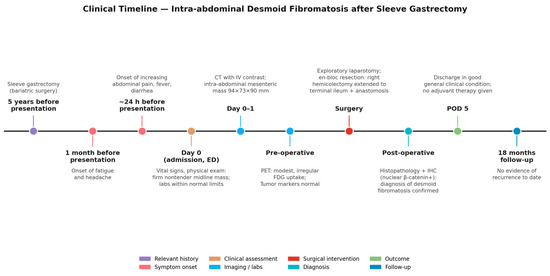
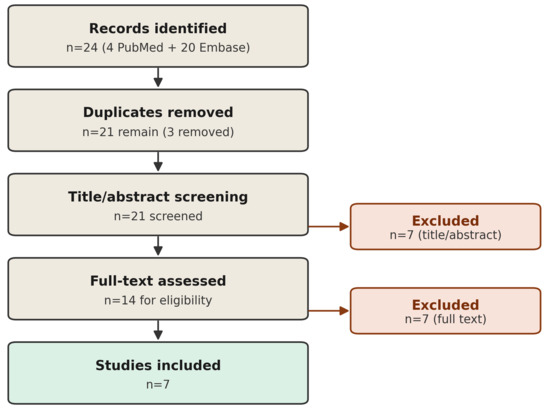
Introduction: Desmoid fibromatosis (DF) is a rare, locally invasive, and typically non-metastatic neoplasm. Its pathophysiology is poorly understood, and the subtle clinical presentation makes diagnosis challenging. A multidisciplinary approach is necessary to achieve a definitive diagnosis and identify the most effective therapeutic strategy. Because of its heterogeneous presentation and unpredictable behavior, DF cannot be managed through a standardized protocol, and diagnostic and therapeutic decisions must instead be tailored to the individual patient, consistent with a personalized-medicine approach. We present an unusual case in which we aim to evaluate the diagnostic procedures and treatments used and determine whether they align with the recent literature. Materials and Methods: A case report. A 27-year-old man presented with fever and worsening abdominal pain, without clinical signs of intestinal obstruction. He had undergone a sleeve gastrectomy five years earlier. A computed tomography (CT) scan revealed an intra-abdominal mass in the mesohypogastric region, likely originating from the mesentery of the small intestine. The patient underwent a right hemicolectomy extended to the terminal ileum. Histopathological examination and immunohistochemistry confirmed the diagnosis of DF. The patient was discharged on the 5th postoperative day (POD) in good general clinical condition. To date, there are no signs of recurrence. Conclusions: The multidisciplinary approach is essential for managing DF and R0 surgical resection remains the gold standard. The diagnostic and therapeutic pathway followed in our patient appears consistent with the recent literature. This case illustrates how individualized clinical reasoning can be applied even to a rare, heterogeneous neoplasm for which no standardized protocol exists. Furthermore, an established post-surgical management protocol for DF has not yet been developed. Additionally, we observed a possible, hypothesis-generating association between bariatric surgery and the subsequent onset of an intra-abdominal desmoid tumor; given the rarity of desmoid fibromatosis relative to the high volume of bariatric procedures performed worldwide, this observation should not be interpreted as a confirmed correlation, and we conducted a literature review to explore it as a hypothesis. Numerous studies are needed on this matter, but we hope that this case can provide a small starting point for subsequent studies.
Full article
(This article belongs to the Section Personalized Therapy in Clinical Medicine)
►▼
Show Figures

Figure 1
Open AccessArticle
The Role of Histology in Predicting Spread Through Air Spaces (STAS) in Non-Small Cell Lung Cancer
by
Marco Chiappetta, Alessandra Cancellieri, Carolina Sassorossi, Filippo Lococo, Teresa Ferrazzo, Chiara Scognamiglio, Alessia Senatore, Adriana Nocera, Qianqian Zhang, Andrea Guarneri, Silvia Taralli, Maria Lucia Calcagni, Flaminia Vocaturo, Luca Boldrini, Huong Elena Tran, Isabella Sperduti and Stefano Margaritora
J. Pers. Med. 2026, 16(8), 401; https://doi.org/10.3390/jpm16080401 - 27 Jul 2026
Abstract
Background: Spread through air spaces (STAS) is a prognostic factor for survival in non-small cell lung cancer (NSCLC), but the chance to identify it before surgery remains challenging. In this study, we consider clinical, pathological and metabolic factors, with the aim to identify
[...] Read more.
Background: Spread through air spaces (STAS) is a prognostic factor for survival in non-small cell lung cancer (NSCLC), but the chance to identify it before surgery remains challenging. In this study, we consider clinical, pathological and metabolic factors, with the aim to identify possible STAS predictors in NSCLC. Methods: Clinical and pathological characteristics of patients who underwent anatomical lung resection from 1 January 2018 to 31 December 2023 were retrospectively reviewed and analyzed. Patients with GGO, AIS, or MIA tumors, metastases, or undergoing neoadjuvant therapy were excluded. The parameters assessed by 18F-FDG PET/CT were: SUVmax, SUVmean, SUVpeak, TLG and MTV. The primary endpoint was the association between clinical, metabolic, and pathologic characteristics with the presence of STAS. A univariate and multivariate logistic regression model was developed to identify independent predictors of STAS. Results: The final analysis was conducted on 224 patients. Non-lepidic-acinar adenocarcinomas showed a statistically significant higher risk of STAS than the lepidic-acinar histotype: 20.8% vs. 4.3%, p = 0.003, OR 5.87, 95%CI 1.83–18.78. Furthermore, tumor grade was significantly associated with STAS: 4.6% in G1–G2 tumors vs. 23.5% in G3 tumors (p = 0.001, OR 5.79, 95%CI 2.12–15.78); as well as lymph vascular invasion (p = 0.034) and tumor size >2 cm (p = 0.017). Multivariate analysis confirmed high tumor grade as an independent risk factor (OR 4.73, 95%CI 1.16–19.23, p = 0.030). Conclusions: In our study, risk of STAS is not correlated with metabolic parameters, while adenocarcinoma subtypes and tumors grading seem to stratify the risk of STAS occurrence. These results may be consolidated in an external validation analysis to possibly better plan the extent of lung resection.
Full article
(This article belongs to the Special Issue Precision Medicine in Thoracic Oncology: Targeted Therapies and Personalized Treatment Strategies)
Open AccessReview
Circulating MicroRNAs in Testicular Germ Cell Tumors: Biomarkers for Diagnosis, Surveillance, and Treatment Stratification
by
Stamatios Katsimperis, Lazaros Tzelves, Patrick Juliebø-Jones and Andreas Skolarikos
J. Pers. Med. 2026, 16(8), 400; https://doi.org/10.3390/jpm16080400 - 27 Jul 2026
Abstract
Testicular germ cell tumors (TGCTs) are highly curable malignancies, yet their clinical management still relies heavily on conventional serum tumor markers, including alpha-fetoprotein, beta-human chorionic gonadotropin, and lactate dehydrogenase, which have limited sensitivity and specificity in several clinically relevant settings. Circulating microRNAs, particularly
[...] Read more.
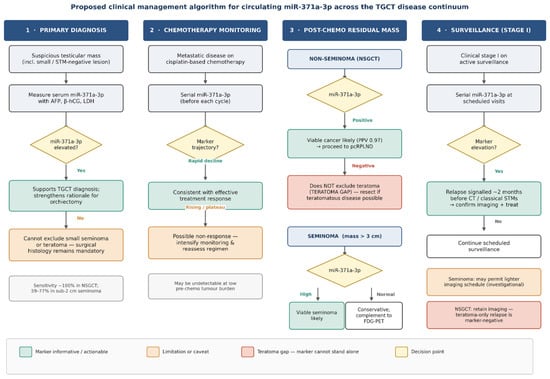
Testicular germ cell tumors (TGCTs) are highly curable malignancies, yet their clinical management still relies heavily on conventional serum tumor markers, including alpha-fetoprotein, beta-human chorionic gonadotropin, and lactate dehydrogenase, which have limited sensitivity and specificity in several clinically relevant settings. Circulating microRNAs, particularly miR-371a-3p, have emerged as promising liquid biopsy biomarkers with potential applications across the TGCT disease continuum. This narrative review summarizes the current evidence on the biological basis, diagnostic performance, clinical utility, and limitations of circulating microRNAs in TGCTs. MiR-371a-3p demonstrates high diagnostic accuracy for viable non-teratomatous TGCTs and consistently outperforms classical serum tumor markers in primary diagnosis. Its rapid decline after effective treatment and its association with tumor burden support potential roles in chemotherapy monitoring, early relapse detection during surveillance, and the assessment of selected post-chemotherapy residual masses. However, its inability to detect teratoma remains a major biological limitation, particularly in non-seminomatous residual disease and surveillance settings. Additional barriers to implementation include assay heterogeneity, the lack of universally accepted cutoffs, the variable use of serum versus plasma, and the absence of broad regulatory approval. Emerging translational data suggest that miR-371a-3p may also contribute to tumor–microenvironment communication and cisplatin resistance, although these findings remain preclinical. Overall, miR-371a-3p represents one of the most promising biomarkers in TGCT management, but its routine clinical integration will require standardized analytical protocols and prospective validation in marker-guided decision pathways.
Full article
(This article belongs to the Special Issue Cell-Free Nucleic Acids as Precision Biomarkers for Therapeutic Decision-Making Across Diseases)
►▼
Show Figures

Figure 1
Journal Menu
► ▼ Journal Menu-
- JPM Home
- Aims & Scope
- Editorial Board
- Reviewer Board
- Topical Advisory Panel
- Instructions for Authors
- Special Issues
- Topics
- Sections
- Article Processing Charge
- Indexing & Archiving
- Editor’s Choice Articles
- Most Cited & Viewed
- Journal Statistics
- Journal History
- Journal Awards
- Society Collaborations
- Conferences
- Editorial Office
Journal Browser
► ▼ Journal BrowserHighly Accessed Articles
Latest Books
E-Mail Alert
News
Topics
Topic in
JPM, Mathematics, Applied Sciences, Stats, Healthcare
Application of Biostatistics in Medical Sciences and Global Health
Topic Editors: Bogdan Oancea, Adrian Pană, Cǎtǎlina Liliana AndreiDeadline: 31 October 2026
Topic in
Cancers, Diagnostics, Diseases, IJMS, JPM
Advances in Genetics and Precision Medicine in Human Diseases: 2nd Edition
Topic Editors: Shun-Fa Yang, Shih-Chi SuDeadline: 14 November 2026
Topic in
JCM, JPM, Medicina, Healthcare
New Advances in Physical Therapy and Occupational Therapy, 2nd Edition
Topic Editors: Hye-Rim Suh, Suk-Chan Hahm, Hwi-Young Cho, Ki-Hun ChoDeadline: 15 December 2026
Topic in
Biomedicines, Diseases, JCM, JPM, Uro, Reports
Clinical, Translational, and Basic Research and Novel Therapy on Functional Bladder Diseases and Lower Urinary Tract Dysfunctions
Topic Editors: Hann-Chorng Kuo, Yao-Chi Chuang, Chun-Hou LiaoDeadline: 31 December 2026
Conferences
Special Issues
Special Issue in
JPM
Personalized Gastric Cancer Treatment: Recent Progress and Future Perspectives
Guest Editor: Gagandeep BrarDeadline: 10 August 2026
Special Issue in
JPM
Recent Innovations and Artificial Intelligence in Interventional Radiology: A Step Towards Personalized Medicine
Guest Editors: Maurizio Cè, Giuseppe Pellegrino, Salvatore Alessio AngileriDeadline: 15 August 2026
Special Issue in
JPM
Mechanisms of Airway Inflammation in Asthma
Guest Editor: Kathleen HaleyDeadline: 20 August 2026
Special Issue in
JPM
Personalized Therapeutic Strategies in Gastrointestinal Surgery
Guest Editor: Francesco SantulloDeadline: 20 August 2026