Journal Description
Journal of Experimental and Theoretical Analyses — Advanced Methods for Science, Engineering, and Technology
Journal of Experimental and Theoretical Analyses
— Advanced Methods for Science, Engineering, and Technology is an international, peer-reviewed, open access journal published quarterly online by MDPI, and is dedicated to the methods and applications of experimental and theoretical analysis across science and engineering.
- Open Access— free for readers, with article processing charges (APC) paid by authors or their institutions.
- High Visibility: Indexed within Scopus and other databases
- Rapid Publication: manuscripts are peer-reviewed and a first decision is provided to authors approximately 21.4 days after submission; acceptance to publication is undertaken in 8.8 days (median values for papers published in this journal in the first half of 2026).
- Recognition of Reviewers: Reviewers whose reports are timely and of high quality receive an APC discount voucher for a future publication in an MDPI journal. Become a reviewer.
- JETA is a companion journal of Applied Sciences.
Latest Articles
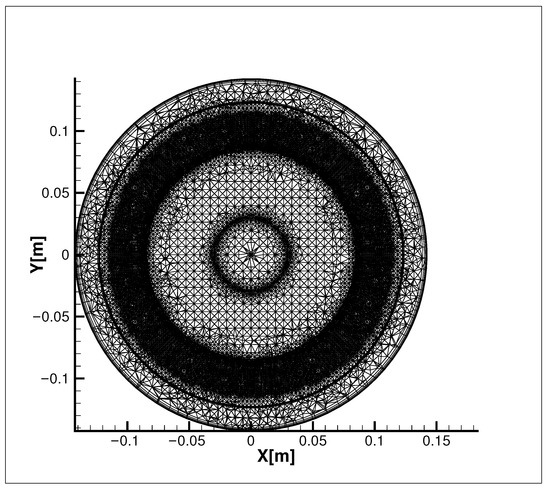
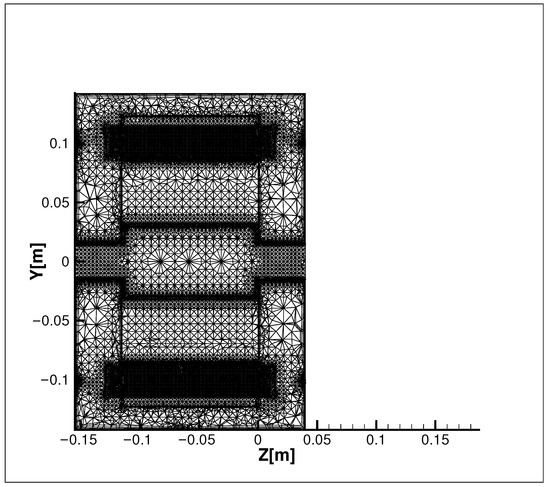
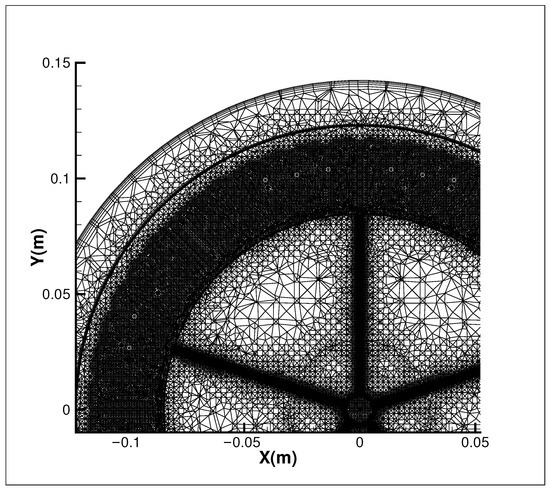
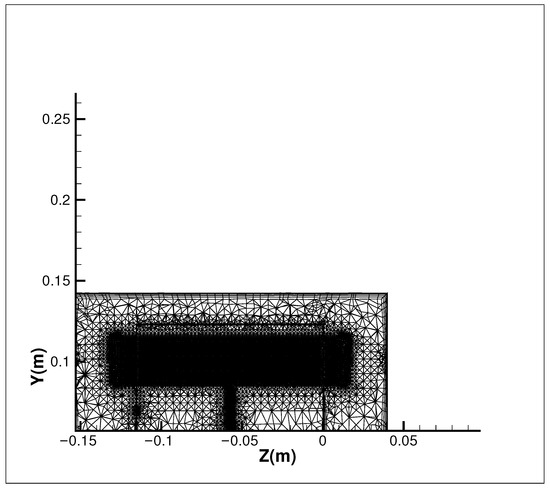
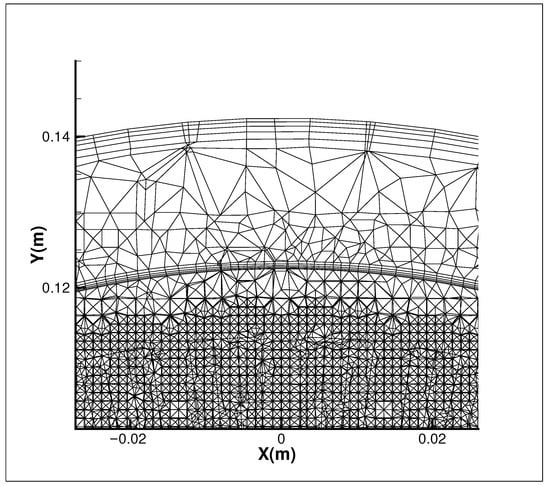
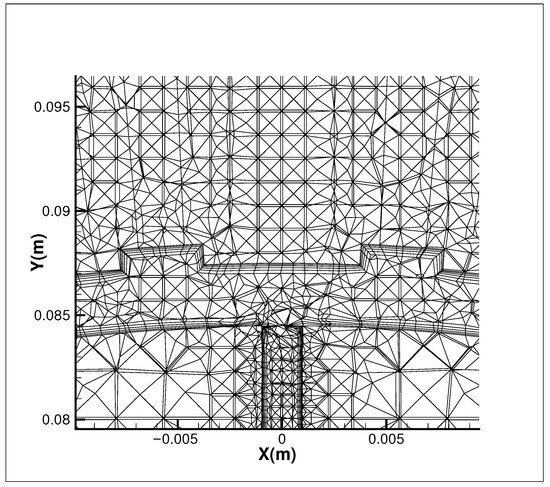
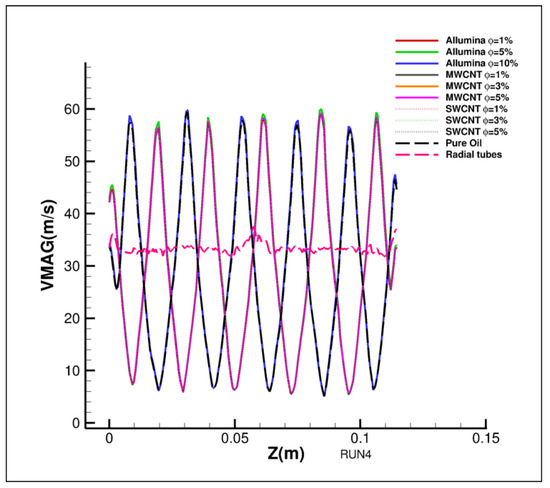
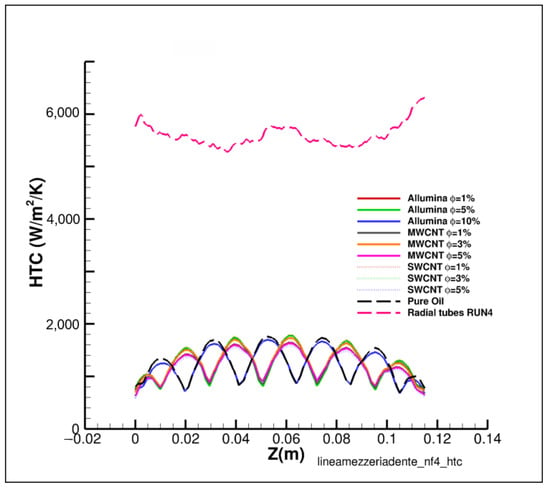
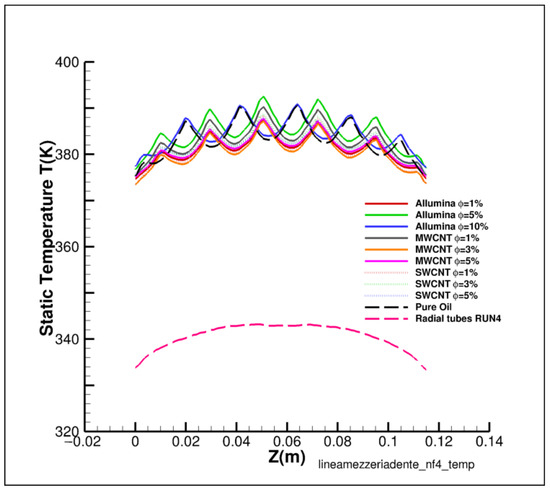
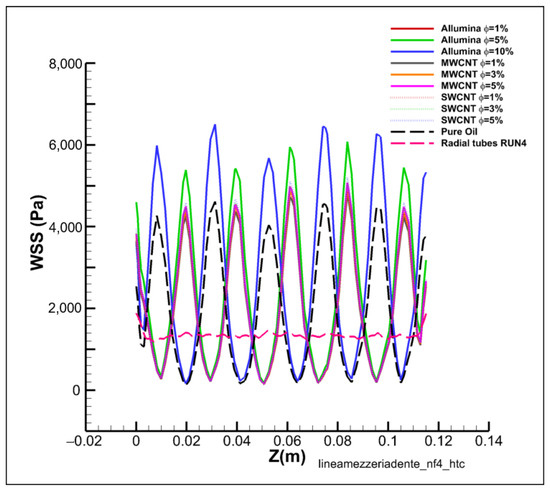
Comparison of Nanoparticle-Enhanced and Centrifugally Pumped Dielectric Oil Cooling Techniques for High-Power Aircraft Electric Motors
J. Exp. Theor. Anal. 2026, 4(3), 32; https://doi.org/10.3390/jeta4030032 - 4 Sep 2026
Abstract
Aircraft electrification requires high-performance thermal management systems able to cool down power-plants with increasing power densities in electric aircraft motors. The demanding mission profiles and the request for compact electric components, in fact, induce high temperatures in power-plant systems that must be cooled
[...] Read more.
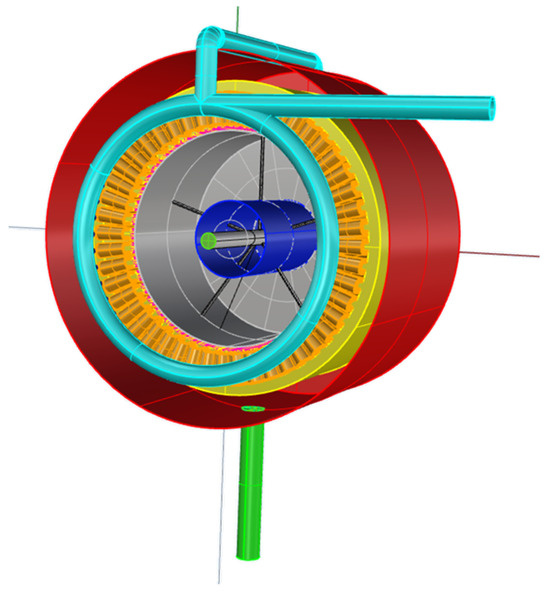
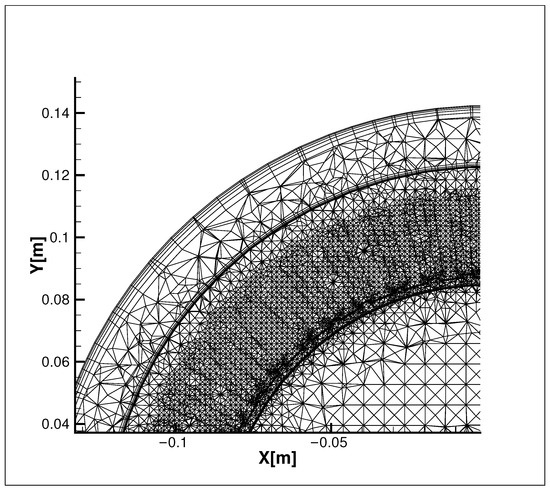
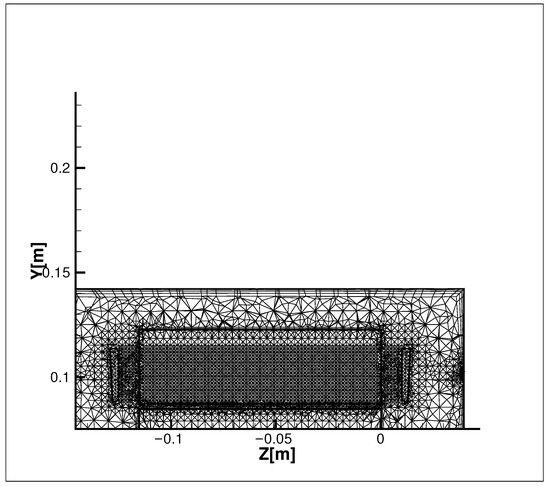
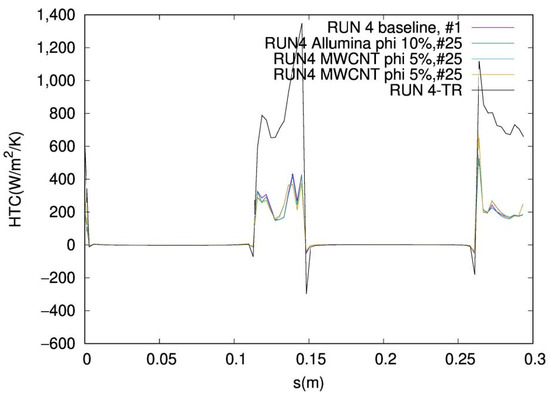
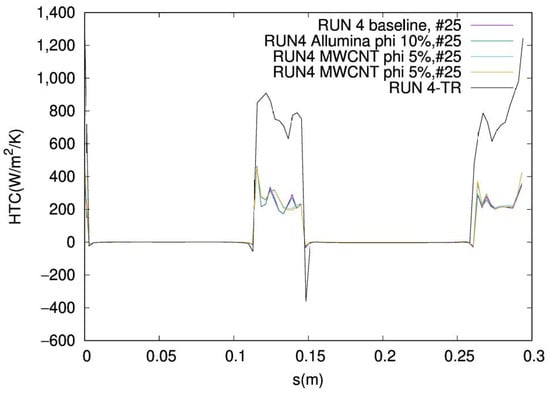
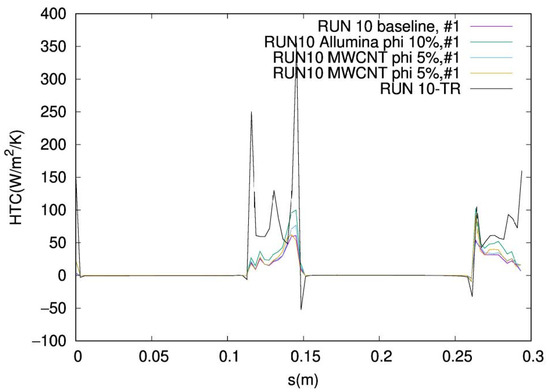
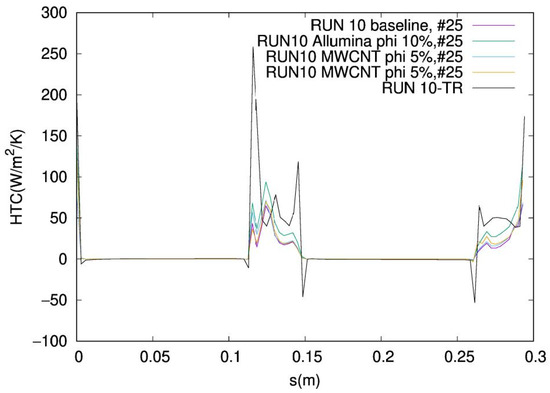
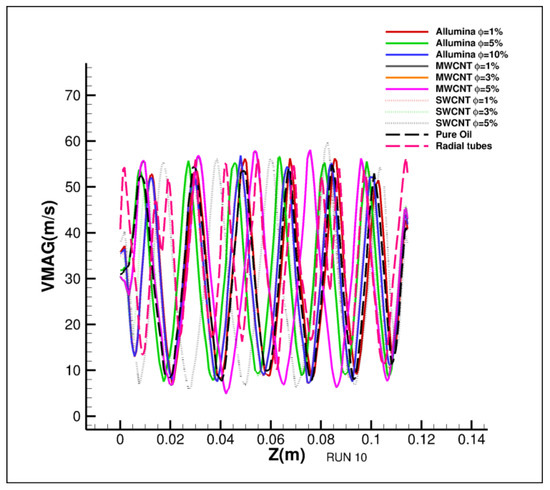
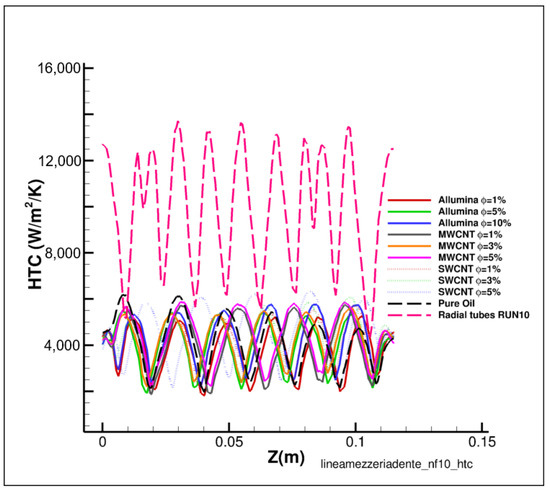
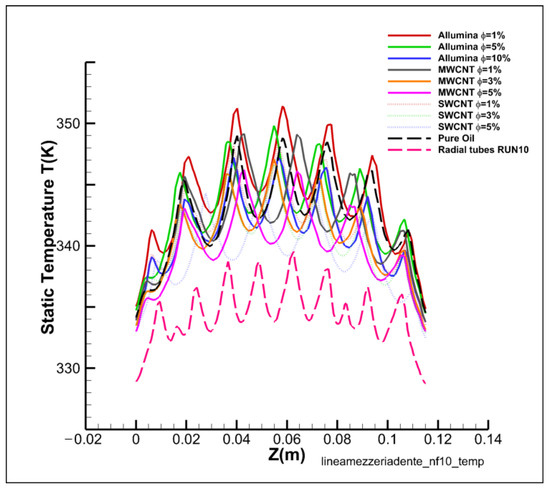
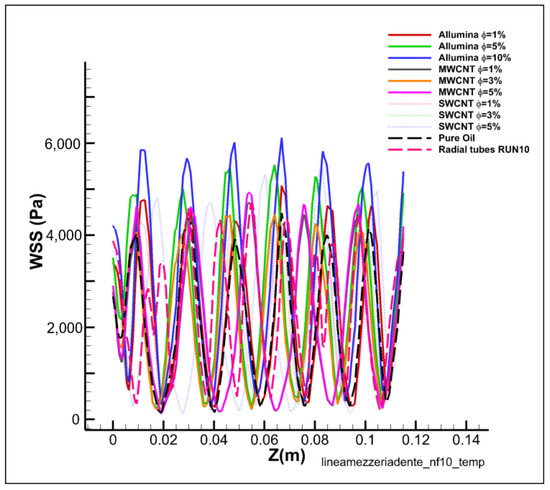
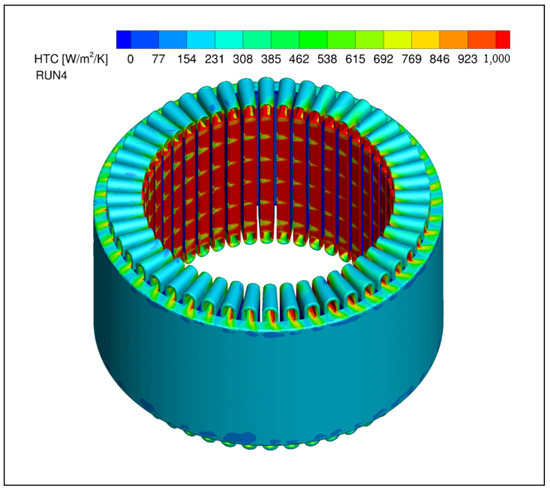
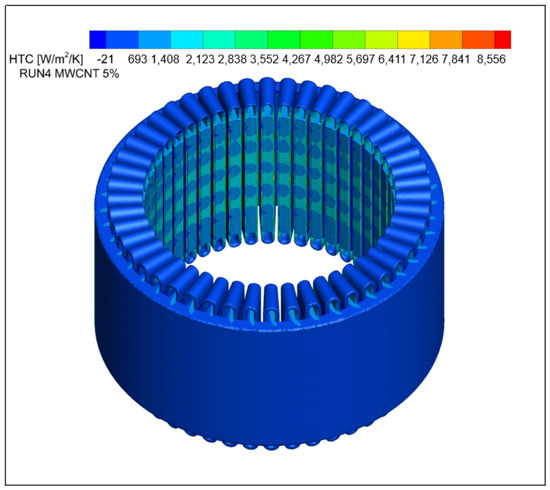
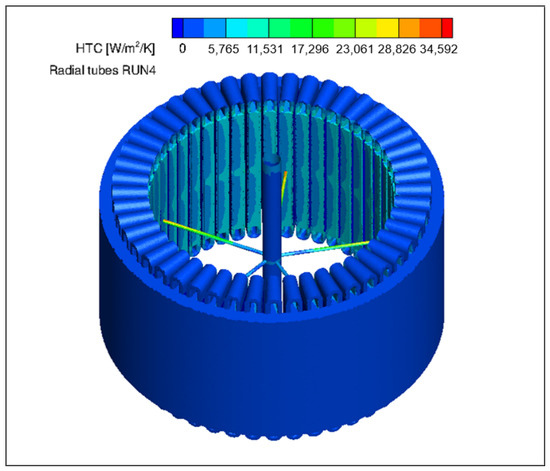
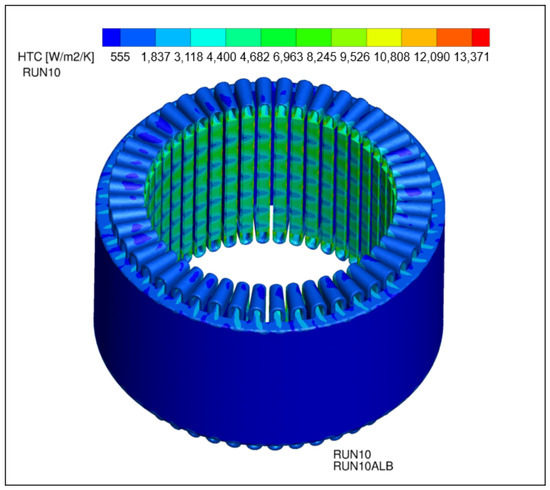
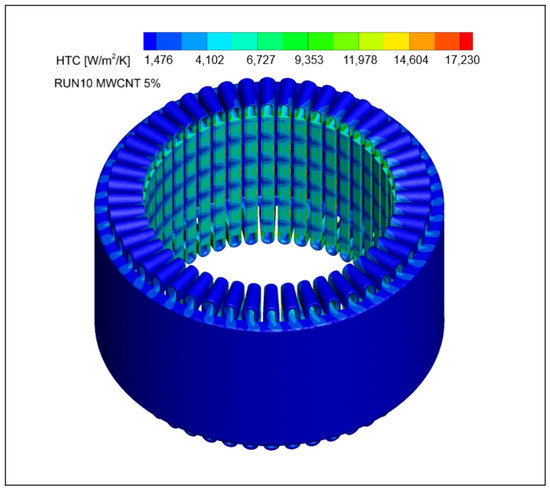
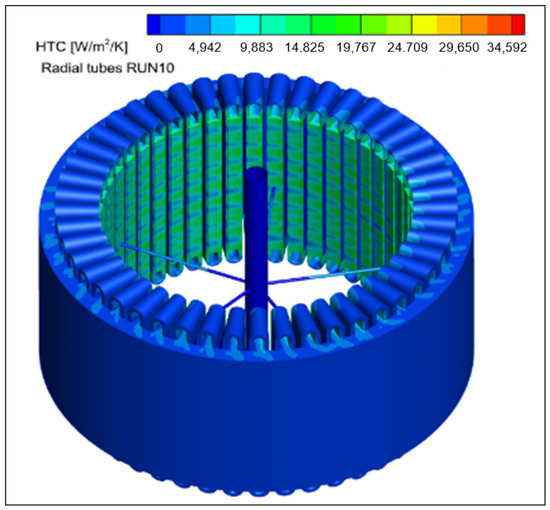
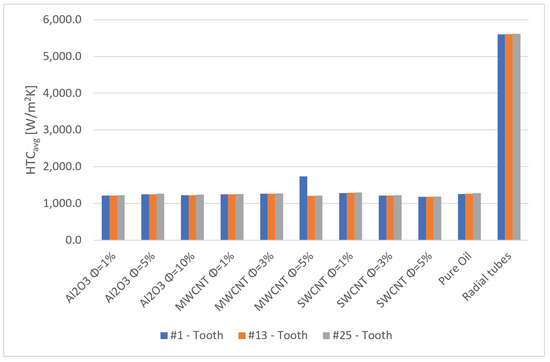
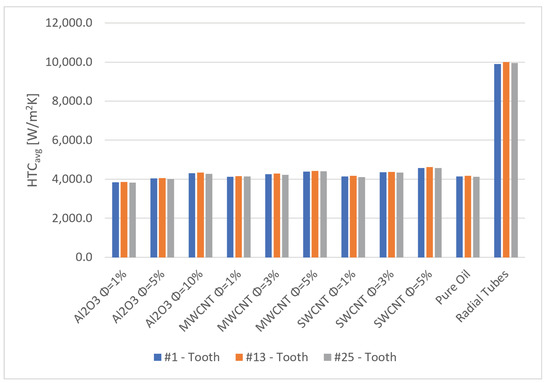
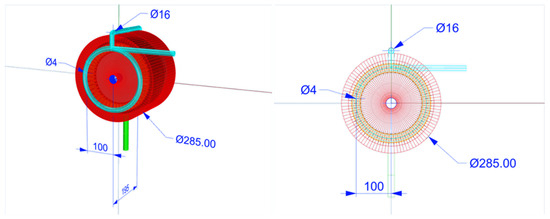
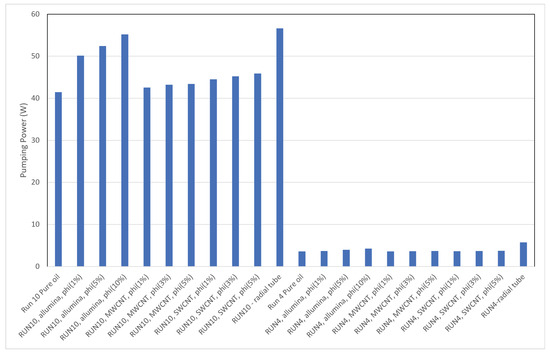
Aircraft electrification requires high-performance thermal management systems able to cool down power-plants with increasing power densities in electric aircraft motors. The demanding mission profiles and the request for compact electric components, in fact, induce high temperatures in power-plant systems that must be cooled by proper thermal management systems, to assure efficiency and reliability. This paper investigates and compares two promising approaches for the cooling of megawatt-order electric motors for aviation applications: nanofluid-based liquid cooling and radial-tube systems. Nanofluids are an innovative approach to system cooling leveraging the physical properties of the coolant; radial tubes, conversely, represent a structural solution aimed at improving the heat removal. In particular, nanofluids are composed of colloidal suspensions of nanoparticles in a base fluid, enabling enhanced thermal conductivity and convective heat transfer coefficients compared to conventional coolants. Radial tubes improve heat removal through optimized conduction paths and increased surface-to-volume ratios without altering the working fluid. Through numerical analysis carried out by using commercial Computational Fluid Dynamics (CFDs) tools, results highlight the main advantages of the two systems: nanofluids provide a significant average heat transfer enhancement on the tooth, while the radial tubes involve a strong increase in the global heat exchange despite a larger oil flow rate.
Full article
(This article belongs to the Special Issue Featured Papers for Journal of Experimental and Theoretical Analyses (JETA)—Second Edition)
►
Show Figures
Open AccessArticle
Neuroprotective Potential of Xanthoceras sorbifolium Seed Oil: GC-MS Profiling and Fatty Acid-Binding Protein 7-Targeted Computational Modeling
by
Kainat Fatima, Maryam, Ha-Seong Cho, Ibukunoluwa Fola Olawuyi and Won-Young Lee
J. Exp. Theor. Anal. 2026, 4(3), 31; https://doi.org/10.3390/jeta4030031 - 2 Sep 2026
Abstract
►▼
Show Figures
This study investigated the neuroprotective potential of Xanthoceras sorbifolium Bunge (XSB) seed oil through fatty acid profiling, antioxidant assays, and in silico targeting of FABP7. Among the solvent-to-solid ratios tested, 1:20 (w/v) gave the highest oil yield (72.91%) and
[...] Read more.
This study investigated the neuroprotective potential of Xanthoceras sorbifolium Bunge (XSB) seed oil through fatty acid profiling, antioxidant assays, and in silico targeting of FABP7. Among the solvent-to-solid ratios tested, 1:20 (w/v) gave the highest oil yield (72.91%) and the strongest ABTS, DPPH, and FRAP activities. GC-MS identified 17 fatty acids from the 1:20 (w/v) oil extract, with linoleic acid (38.93%) and oleic acid (31.3%) as the major constituents. Following GC-MS fatty acid profiling, lipid structural characterization was performed using 1H NMR and FT-IR. ADME/T prediction and BOILED-EGG analysis suggested favorable pharmacokinetic properties and BBB permeability for the selected fatty acids. Molecular docking and simulation revealed strong and stable interactions of five compounds with FABP7: nervonic acid (−6.1 kcal/mol), erucic acid (−6.002 kcal/mol), eicosadienoic acid (−6.08 kcal/mol), oleic acid (−6.03 kcal/mol), and linoleic acid (−6.00 kcal/mol), outperforming the native ligand, oleic acid (−5.8 kcal/mol). These findings indicate that XSB seed oil contains bioactive lipids with promising FABP7-targeted neuroprotective potential and warrant further investigation as therapeutic leads for neurodegenerative diseases.
Full article

Graphical abstract
Open AccessArticle
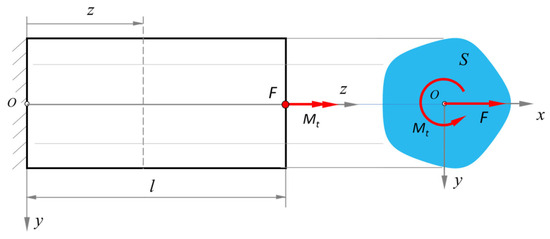
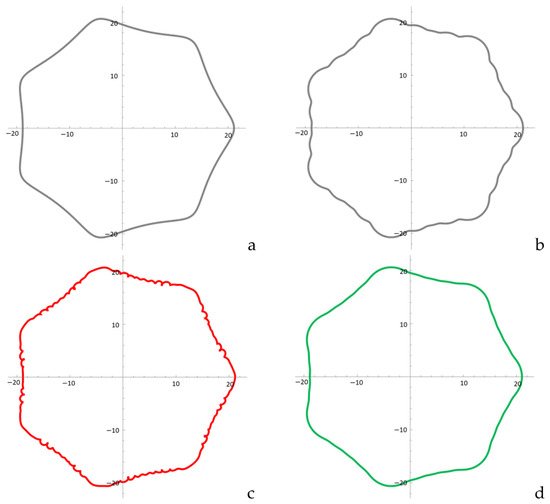
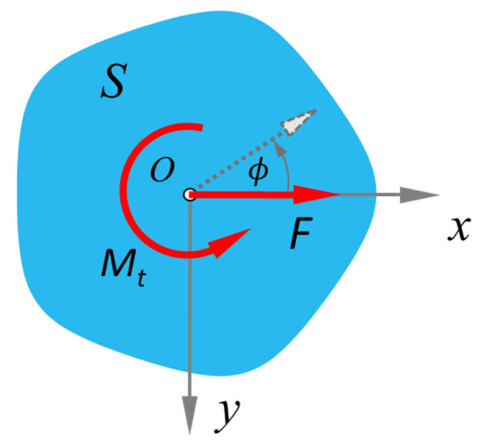
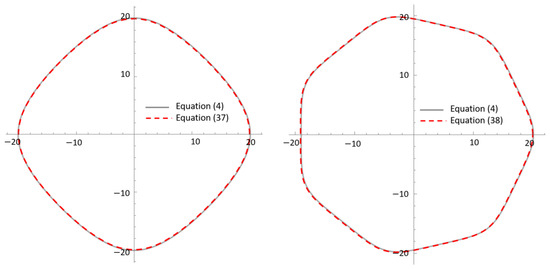
An Analytical Approach to the Influence of Rotating Shear Stress on the Stress State in Combined-Load H-Profile Shafts: A Contribution to DIN 3689—Part 2
by
Masoud Ziaei
J. Exp. Theor. Anal. 2026, 4(3), 30; https://doi.org/10.3390/jeta4030030 - 30 Aug 2026
Abstract
►▼
Show Figures
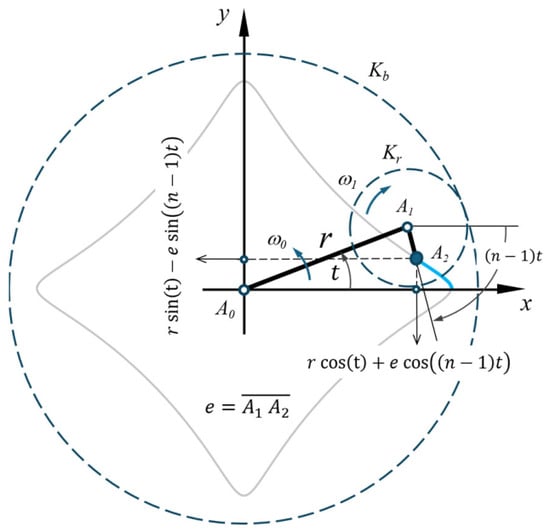
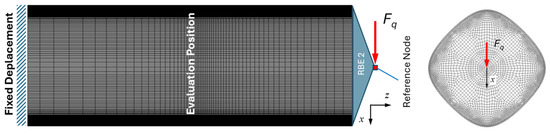
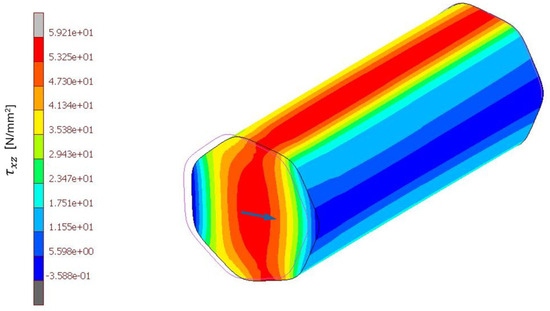
This article presents analytical approaches for determining the stress state in hypotrochoidal profiles (H-profiles) under torsional, bending, and shear loading. The focus lies on shear loading. Using conformal mapping, a formulation of elasticity theory is first adapted to H-profile cross-sections. Closed-form solutions for
[...] Read more.
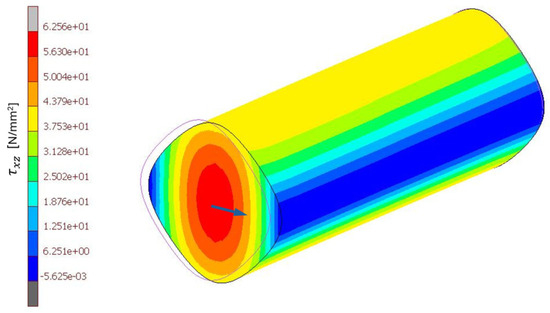
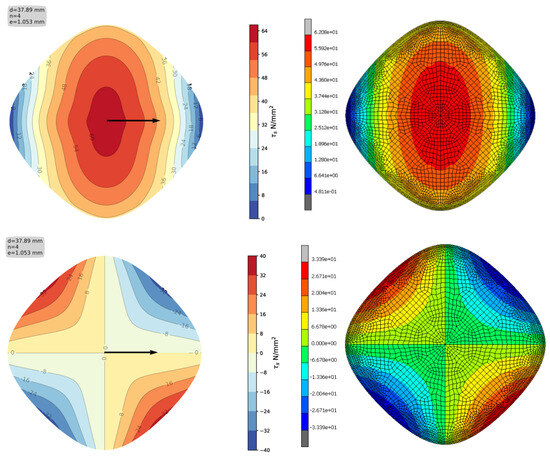
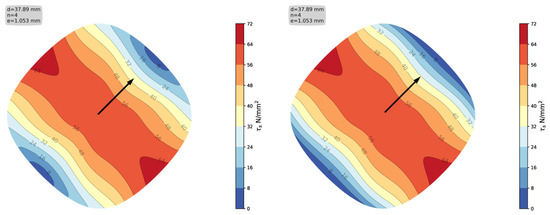
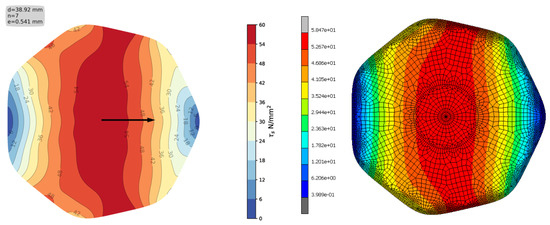
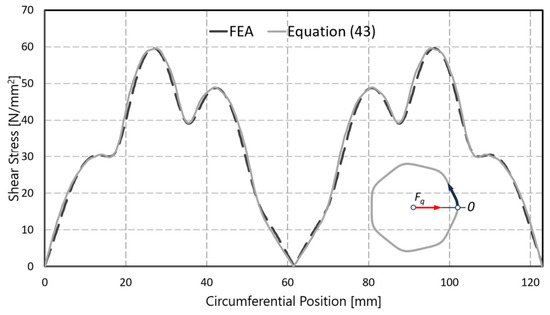
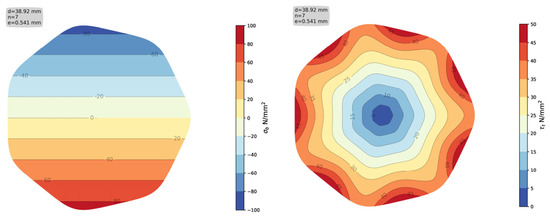
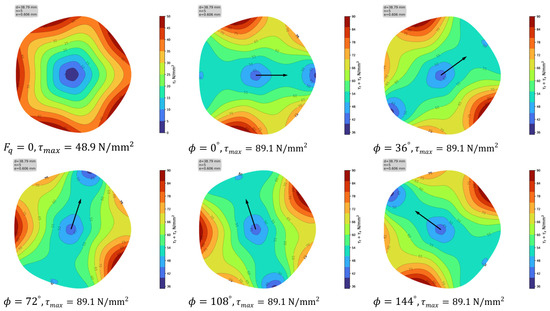
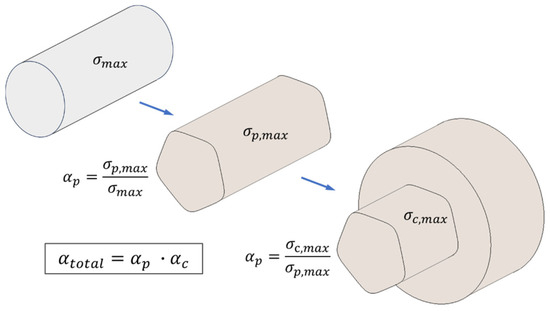
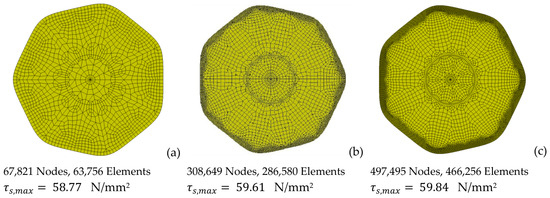
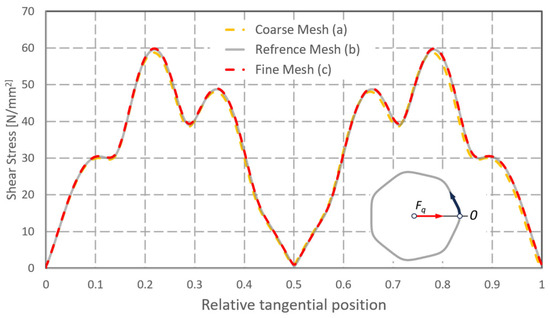
This article presents analytical approaches for determining the stress state in hypotrochoidal profiles (H-profiles) under torsional, bending, and shear loading. The focus lies on shear loading. Using conformal mapping, a formulation of elasticity theory is first adapted to H-profile cross-sections. Closed-form solutions for the respective stress components are then derived by solving a reformulated surface integral. Suitable conformal mappings for hypotrochoidal contours are obtained through a successive method applied to their parametric description. These mappings are essential for the elasticity-theoretical formulation used to determine the stress state in the profile bar. Building on this, the transverse shear stresses for H-profile cross-sections are determined for the first time. The influence of shear stresses on the overall stress state is discussed in detail. These stresses generally act in a rotational manner and superimpose on the torsional stresses. This effect proves more pronounced here than in circular cross-sections. Accompanying finite element analyses (FEA), carried out for several examples, showed very good agreement with the analytical solutions. From the resulting maximum stress values and stress gradients, form and notch factors are calculated. The proposed procedure also applies to combined loading cases. It is intended for use in the new standard covering hypotrochoidal profile contours.
Full article

Figure 1
Open AccessArticle
Design, Implementation, and Experimental Validation of a Sensor-Fusion-Based Autonomous Parking Platform
by
Jung-Shan Lin and Yi-Lin Wu
J. Exp. Theor. Anal. 2026, 4(3), 29; https://doi.org/10.3390/jeta4030029 - 26 Aug 2026
Abstract
►▼
Show Figures
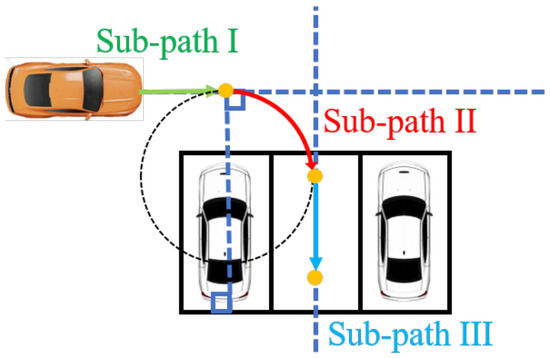
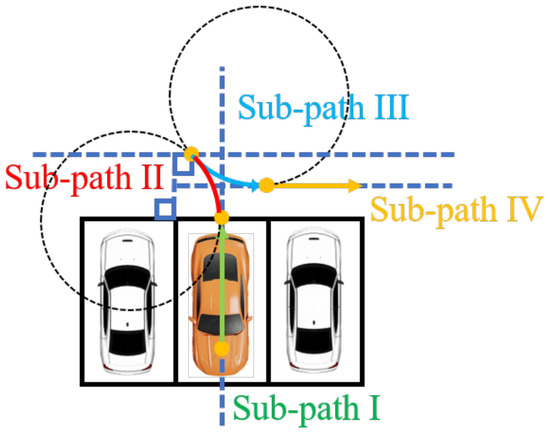
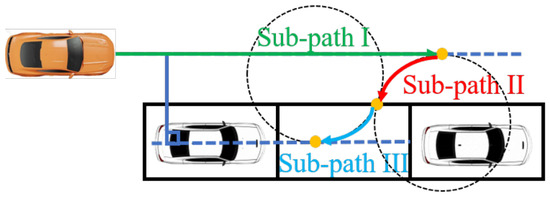
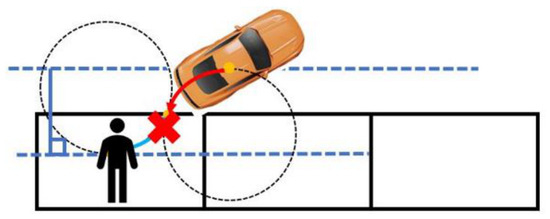
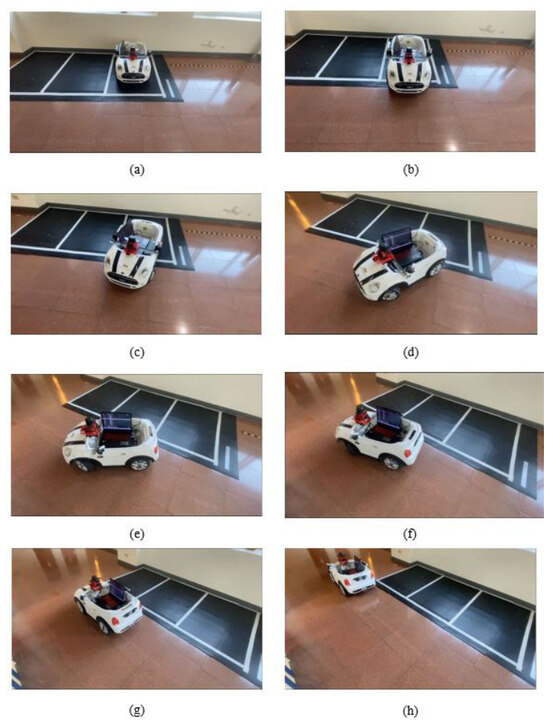
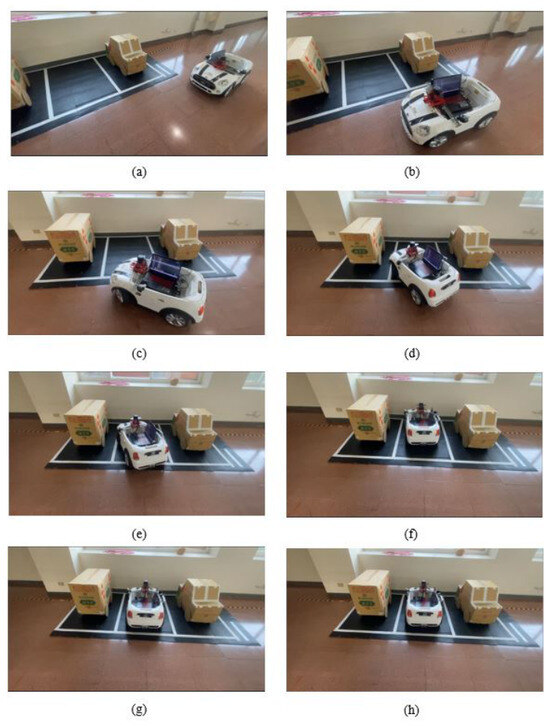
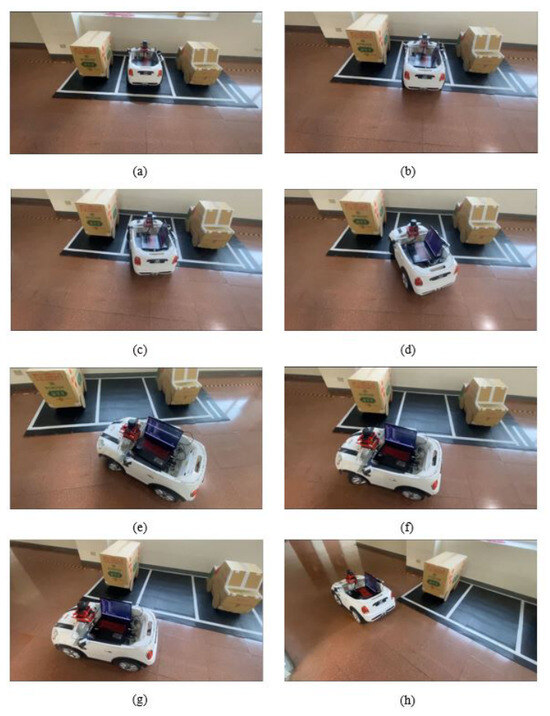
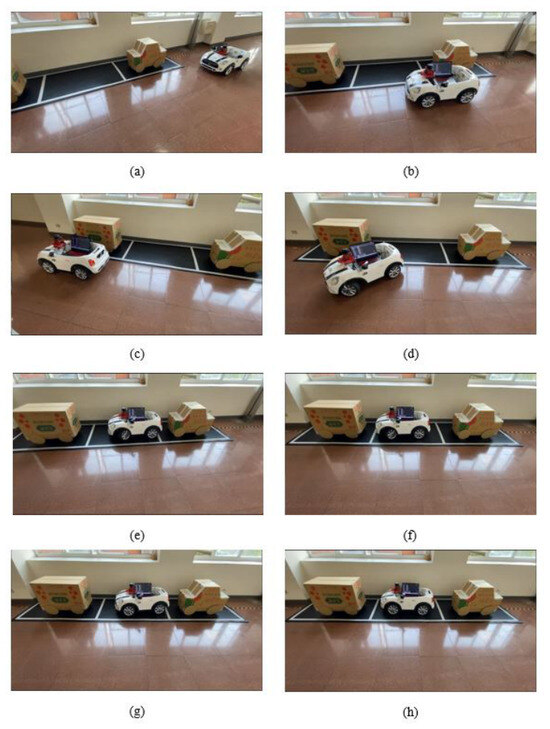
This paper reports the design, implementation, and experimental evaluation of a laboratory autonomous parking platform that supports both perpendicular and parallel parking. The platform integrates three components. First, a depth-image processing pipeline comprising grayscale conversion, Gaussian filtering, Canny edge detection, and Hough transform
[...] Read more.
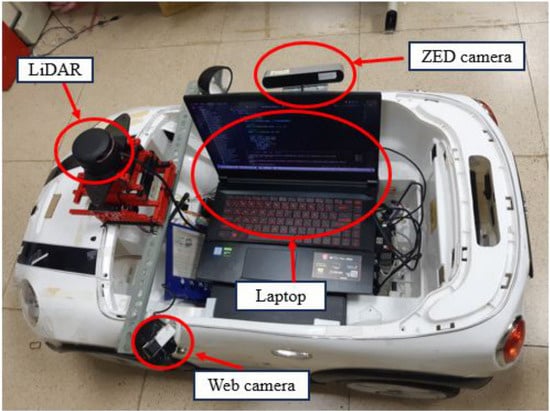
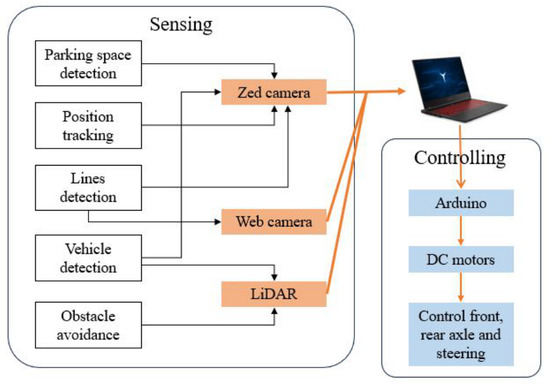
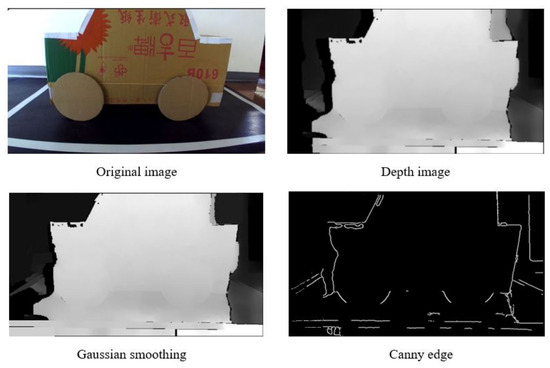
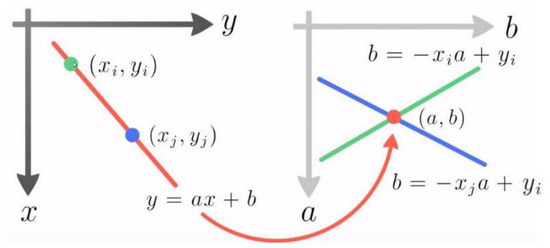
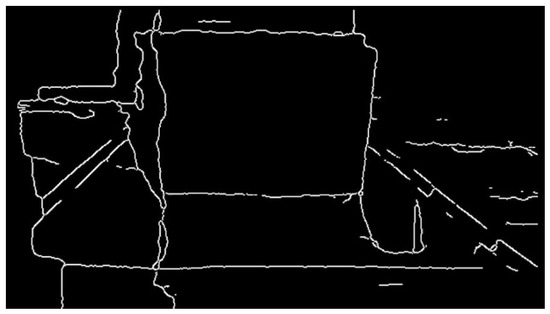
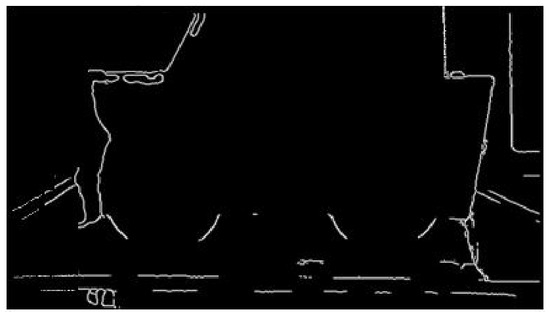
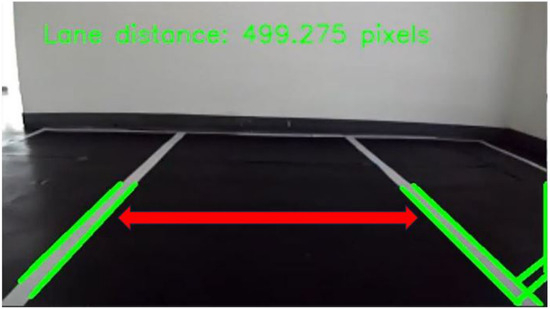
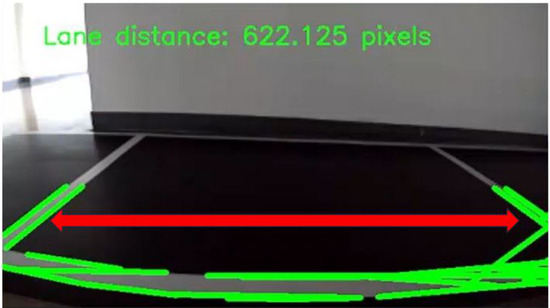
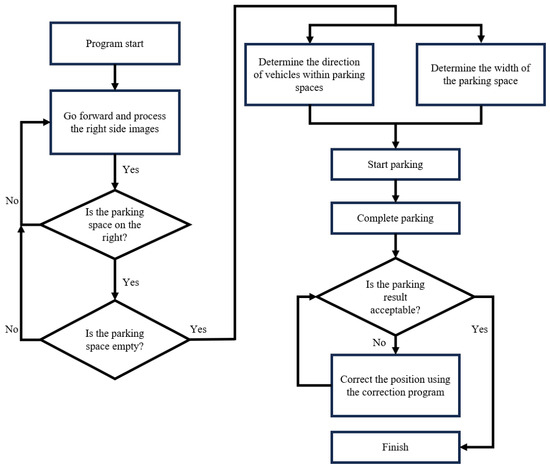
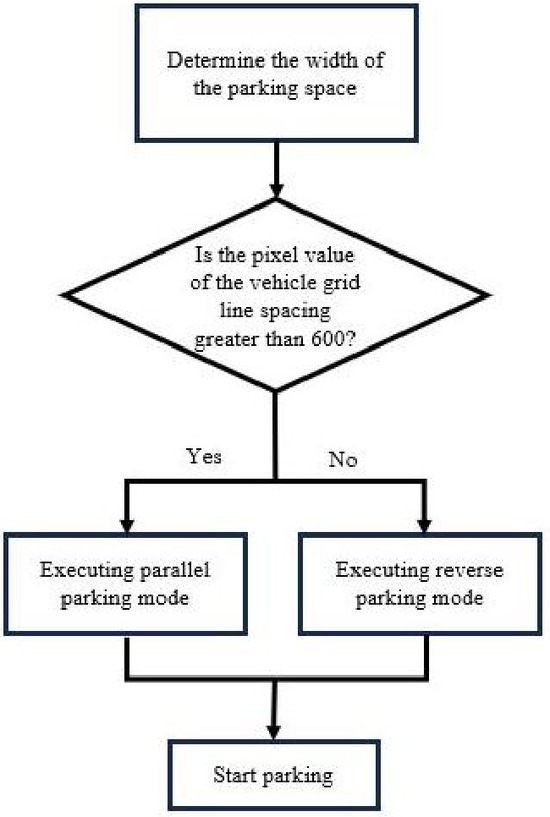
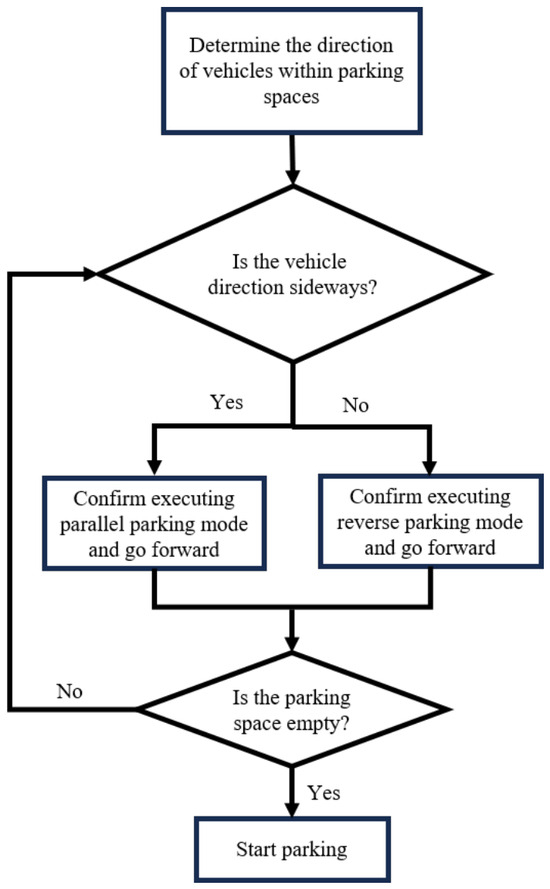
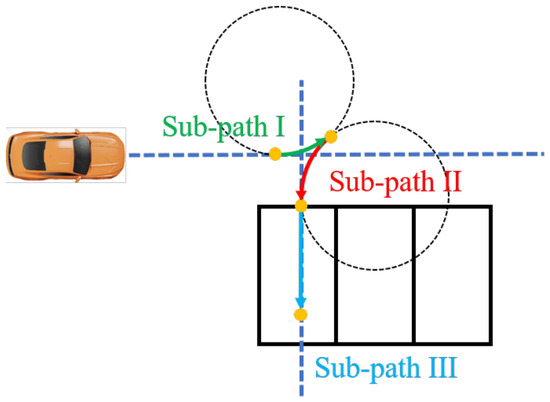
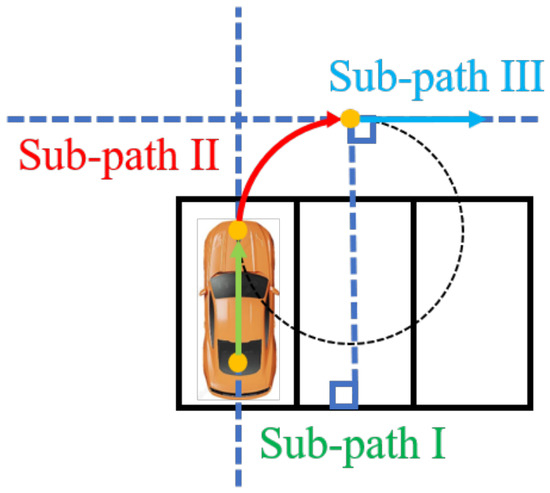
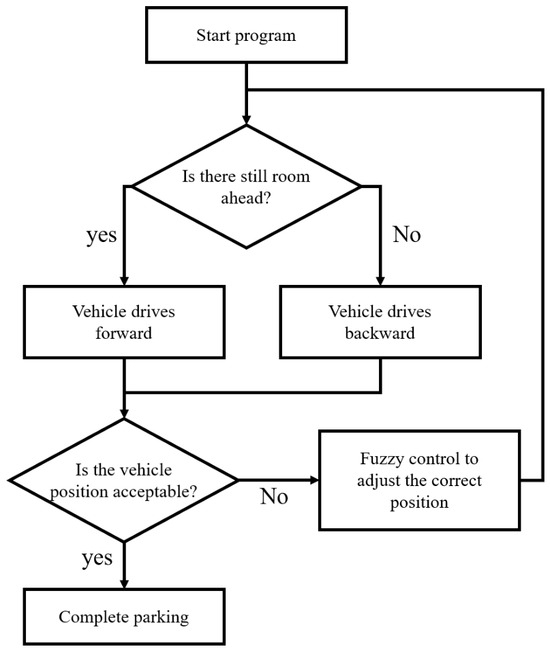
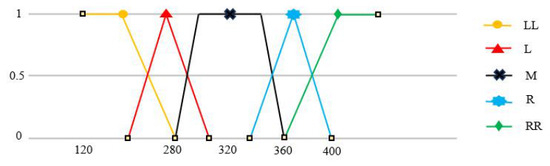
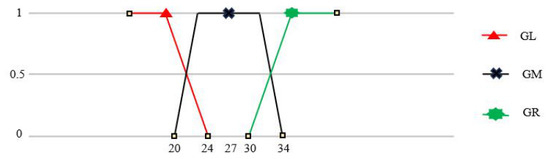
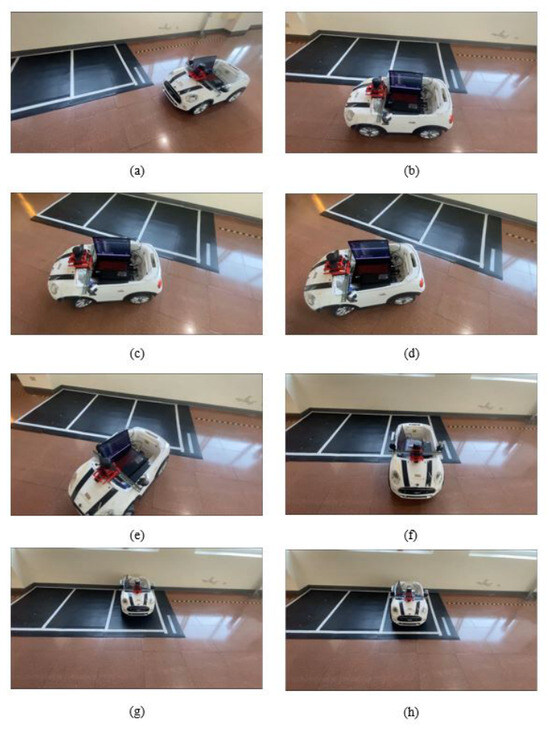
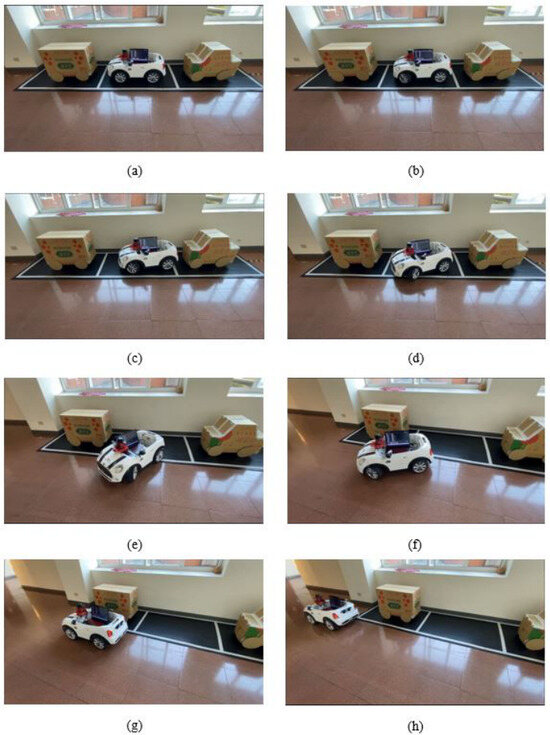
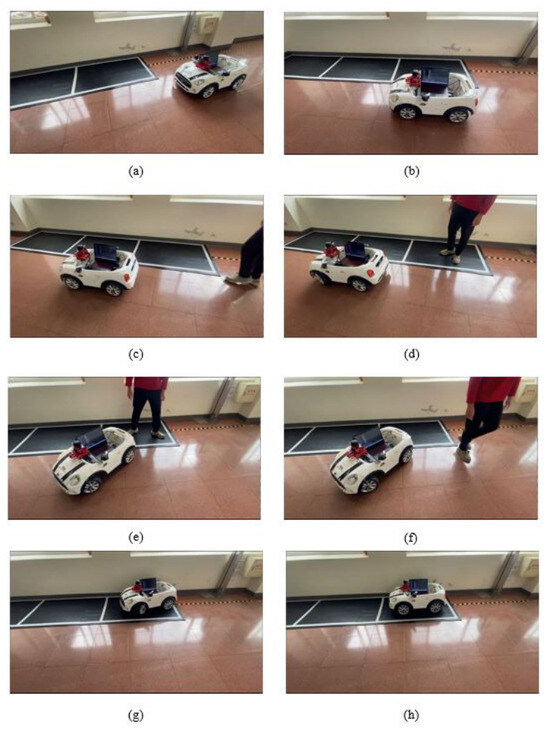
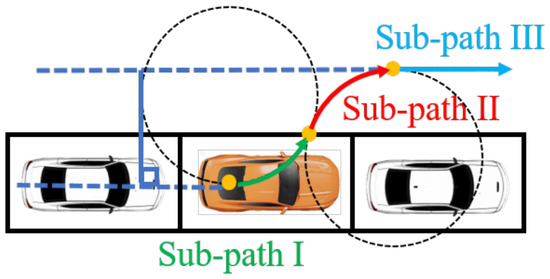
This paper reports the design, implementation, and experimental evaluation of a laboratory autonomous parking platform that supports both perpendicular and parallel parking. The platform integrates three components. First, a depth-image processing pipeline comprising grayscale conversion, Gaussian filtering, Canny edge detection, and Hough transform line extraction is used for parking space detection, together with a pixel-width criterion for distinguishing perpendicular from parallel spaces. Second, a turning-radius trajectory planning strategy based on Ackermann steering geometry determines the steering positions for each parking mode. Third, a fuzzy correction scheme, using membership functions for lateral position and heading angle estimated from web camera imagery, refines the final parking pose. Throughout all maneuvers, LiDAR provides 360° environmental scanning for obstacle detection and emergency stop. Seven test cases covering all supported parking modes were carried out; the parking mode was selected correctly and the maneuver was completed in all seven cases. The evaluation is qualitative, and the design parameters reported here are specific to the hardware configuration used. The contribution is accordingly a transparent and fully documented reference implementation rather than a performance advance.
Full article

Figure 1
Open AccessReview
Human Pose Estimation in 2D and 3D: A Survey of Analytical Methods, Benchmarking Frameworks, and Engineering Applications
by
Rojan Shrestha, Aroudra Syamantak Thakur and Chenxi Wang
J. Exp. Theor. Anal. 2026, 4(3), 28; https://doi.org/10.3390/jeta4030028 - 5 Aug 2026
Abstract
►▼
Show Figures
This survey presents a comprehensive review of Human Pose Estimation spanning 2D and 3D settings, unifying prior work through a taxonomy of body representations (2D keypoints, 3D skeletons, dense meshes), processing flows (top-down vs. bottom-up), problem formulations (regression vs. detection/heatmaps), and modern learning
[...] Read more.
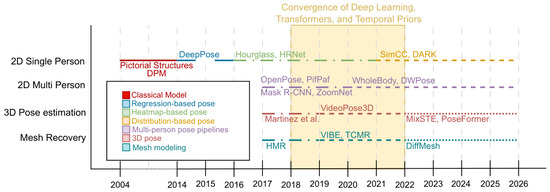
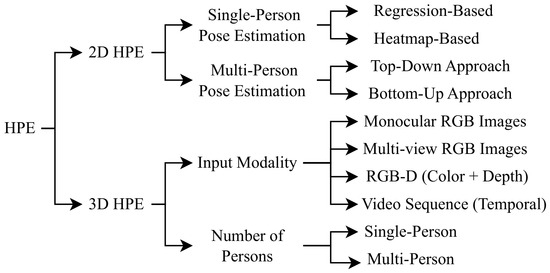
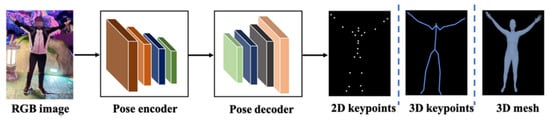
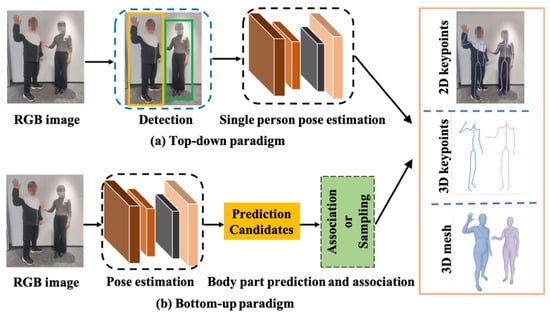
This survey presents a comprehensive review of Human Pose Estimation spanning 2D and 3D settings, unifying prior work through a taxonomy of body representations (2D keypoints, 3D skeletons, dense meshes), processing flows (top-down vs. bottom-up), problem formulations (regression vs. detection/heatmaps), and modern learning architectures (CNNs, Transformers, GCNs). We compare reported benchmark results of representative methods across widely used datasets (e.g., COCO, MPII, Human3.6M, 3DPW) and evaluation metrics (AP/OKS, PCK/AUC, MPJPE/PA-MPJPE, PVE), highlighting trade-offs between accuracy, robustness, and efficiency. Despite substantial progress driven by deep learning and temporal modeling, we identify persistent challenges, including costly and biased annotations, domain shift, occlusion, depth ambiguity, multi-person association, and real-time constraints on edge devices. We synthesize emerging directions that target these gaps, data-centric learning, stronger temporal and kinematic priors, and whole-body modeling, and outline deployment-oriented frontiers including generative motion priors, model compression, and on-device inference, framing their implications for engineering systems that demand reliable, low-latency human motion analysis.
Full article

Figure 1
Open AccessArticle
Comparison of the Mechanical, Electrical, and Microstructural Properties of Copper Wire Hairpins Welded by Infrared and Combined Infrared and Blue Diode Laser Techniques
by
Roni J. Rountree, Tim Pasang, Shumpei Fujio, Pai-Chen Lin, Zheng-Da Wang, Anthony Hanson, Jie Xiong, Jacob Nyholm, Wojciech Z. Misiolek, Poppy Puspitasari, Yuji Sato and Masahiro Tsukamoto
J. Exp. Theor. Anal. 2026, 4(3), 27; https://doi.org/10.3390/jeta4030027 - 4 Aug 2026
Abstract
►▼
Show Figures
With the rise in demand for electric vehicles (EV), hairpin welding is gaining popularity for its efficient manufacturing of critical EV motor components. Due to its high electrical and thermal conductivity and relative affordability, copper is commonly used. The tip of the hairpin
[...] Read more.
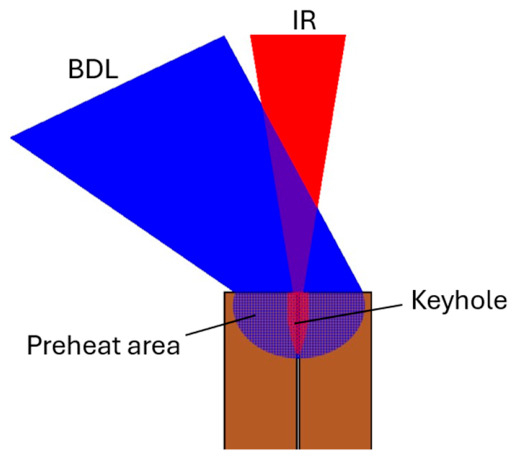
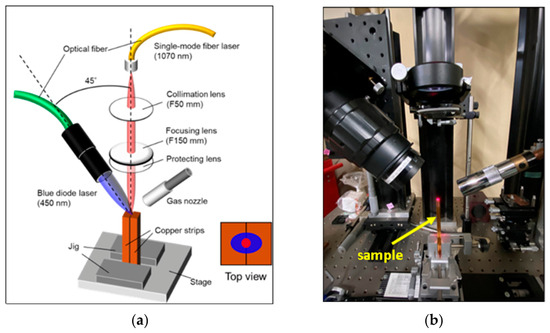
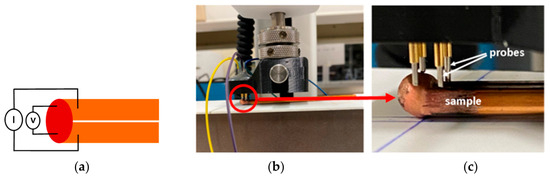
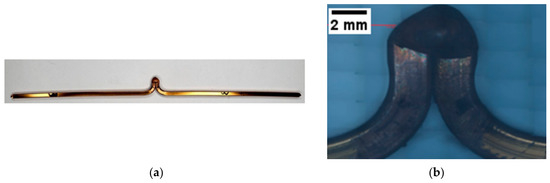
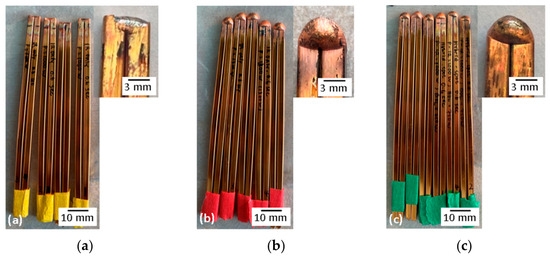
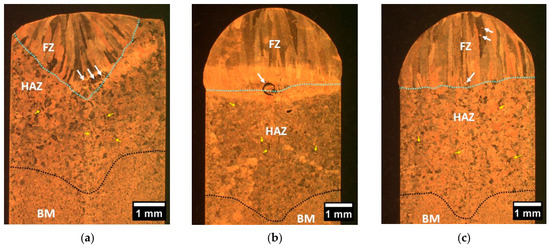
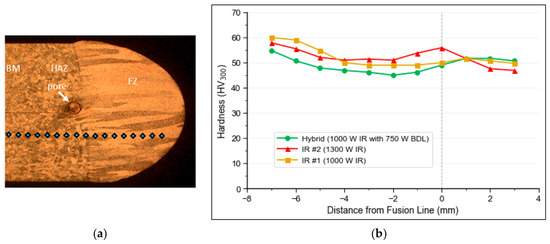
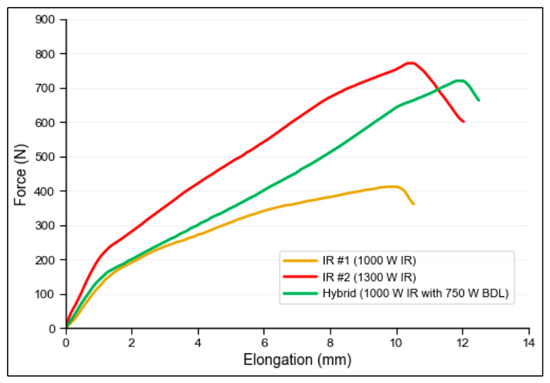
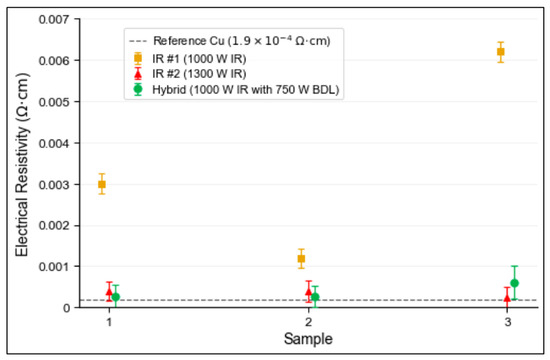
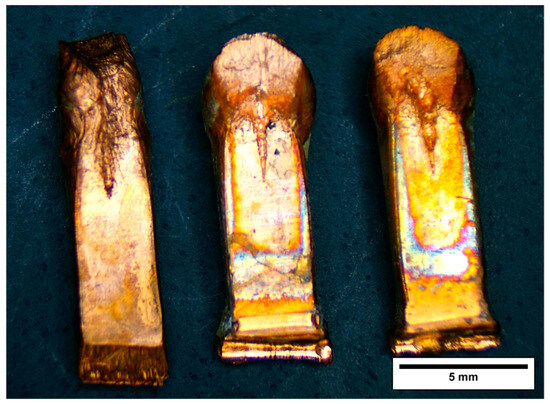
With the rise in demand for electric vehicles (EV), hairpin welding is gaining popularity for its efficient manufacturing of critical EV motor components. Due to its high electrical and thermal conductivity and relative affordability, copper is commonly used. The tip of the hairpin can be joined by laser welding, micro TIG, and resistance brazing. Of these techniques, infrared (IR) laser welding is commonly used for its high dimensional accuracy and non-contact joining. However, copper is highly reflective to IR wavelengths, limiting the speed of this technique in joining copper hairpin couples. Considering the high manufacturing volume of the EV motor industry combined with copper hairpins being a high-volume component in each EV motor, copper’s high reflectivity to IR wavelengths presents a significant challenge to EV manufacturing efficiency. To accommodate this challenge, many researchers have examined the feasibility of using blue diode lasers to produce copper hairpin welds to leverage copper’s higher absorptivity to blue light wavelengths. Alternatively, this paper investigates a hybrid approach in which both IR and blue diode lasers (BDL) are used simultaneously to benefit from the advantages of both IR and blue wavelengths. To investigate this technique, hairpins were laser spot welded using IR, and hybrid technology was also analyzed and presented. Successful welds were produced in 0.6 s with both IR-only and hybrid techniques. Using IR-only and a power of 1000 W, a shallow weld joint with a fusion zone depth ranging from 0.2 to 2.8 mm was produced. A satisfactory weld joint (weld bead) was achieved when the IR power was increased to 1300 W exhibiting a fusion zone depth of 3.0 to 3.1 mm. When the hybrid method (1000 W IR with 750 W BDL) was employed, a satisfactory weld joint was also achieved with a fusion zone depth of 2.9 to 3.0 mm. Electrical resistivity measurements of the 1300 W IR-only and hybrid methods were on the same order of magnitude as the unwelded copper reference of 1.9 × 10⁻⁴ Ω.cm. Hairpins welded with 1000 W IR resulted in higher electrical resistivities ranging from 1.2 × 10⁻³ to 6.2 × 10⁻³ Ω.cm. Peel force tests demonstrated the highest max peel force of 770 ± 15 N under the 1300 W IR condition, whereas the 1000 W IR and hybrid methods resulted in max peel forces of 410 ± 15 and 720 ± 20 N, respectively. Regarding peel test elongation at failure, the hybrid method was highest at 13 ± 3%, followed by IR with 1300 W at 12 ± 3% and IR with 1000 W at 11 ± 2%. The results of this paper demonstrate comparable microstructural, electrical, and mechanical properties under hybrid welding to higher power IR welding, simultaneously showing hybrid laser welding as a suitable alternative in copper hairpin joining for EV motor application.
Full article

Figure 1
Open AccessArticle
Automated Foot Type Detection Based on Infrared Thermography and Artificial Intelligence: An Exploratory Study
by
Carlos E. Garduño-Ramon, Salvador Calderon-Uribe, Emmanuel Resendiz-Ochoa, Luis A. Morales-Hernandez, Mayra P. Gonzalez-Hernandez and Irving A. Cruz-Albarran
J. Exp. Theor. Anal. 2026, 4(3), 26; https://doi.org/10.3390/jeta4030026 - 15 Jul 2026
Abstract
►▼
Show Figures
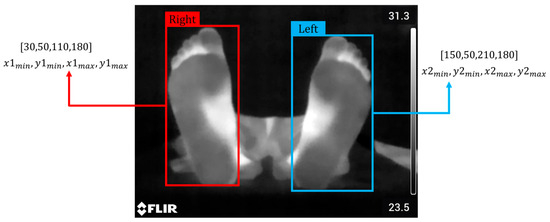
Plantar morphology analysis is essential for understanding foot biomechanics and detecting alterations that may affect the musculoskeletal system. This study proposes a method based on infrared thermography and artificial intelligence for the detection of normal and cavus foot types. The proposed approach integrates
[...] Read more.
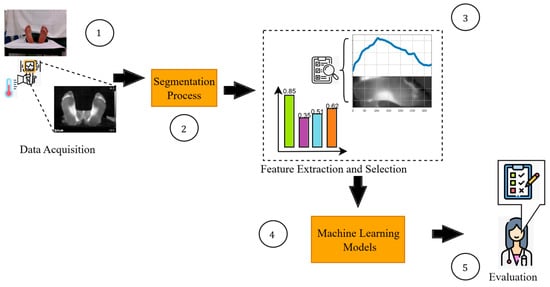
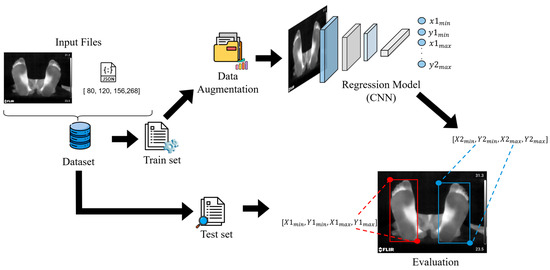
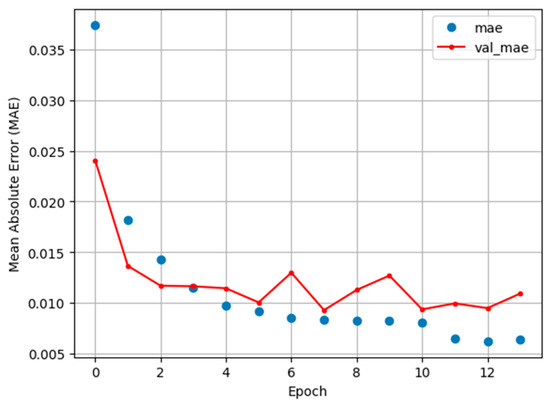
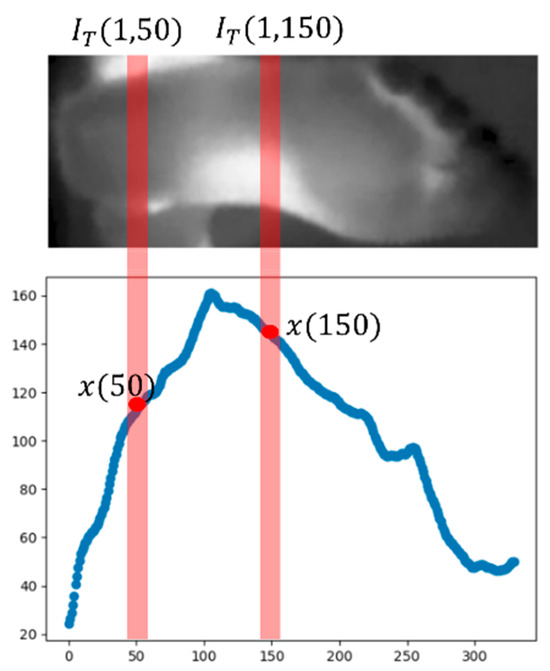
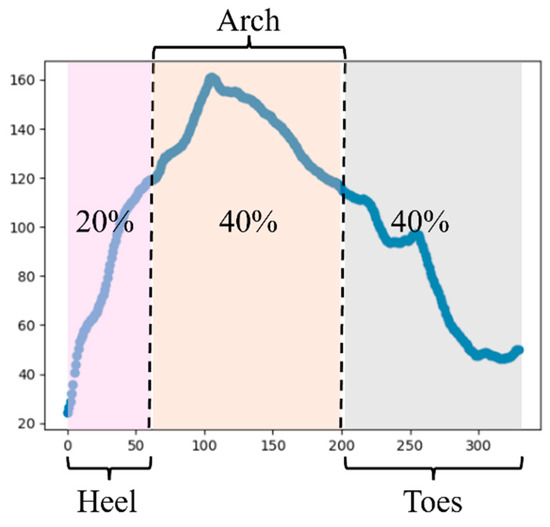
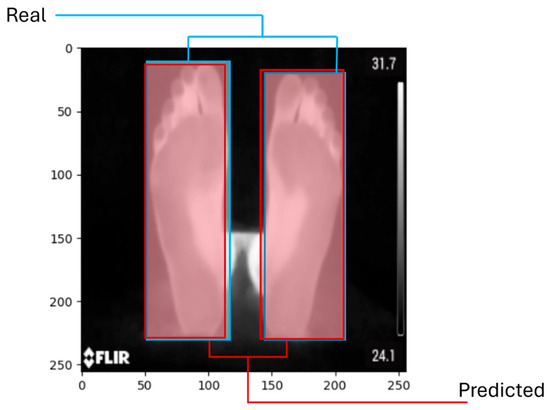
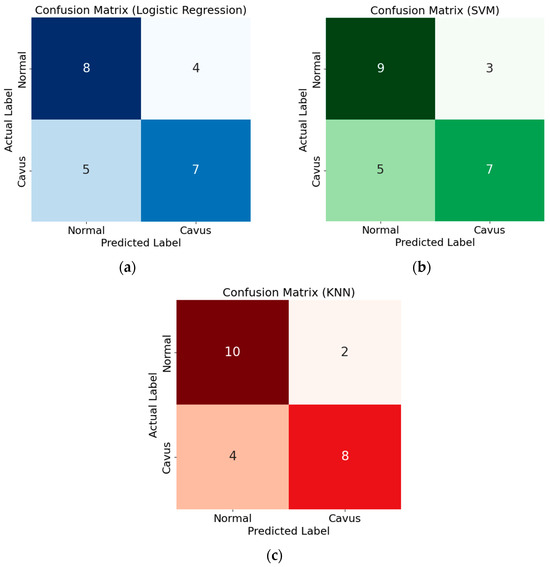
Plantar morphology analysis is essential for understanding foot biomechanics and detecting alterations that may affect the musculoskeletal system. This study proposes a method based on infrared thermography and artificial intelligence for the detection of normal and cavus foot types. The proposed approach integrates an automatic segmentation stage to identify the plantar region in thermographic images, followed by a classification stage based on machine learning algorithms and morphological features extracted from the segmented region. For the segmentation stage, a convolutional neural network-based method was developed, achieving an Intersection over Union (IoU) of 83.07% during testing, indicating high agreement between the predicted segmentations and the reference masks. In the classification stage, three machine learning models were evaluated: logistic regression, support vector machine, and k-nearest neighbours. Among them, the k-nearest neighbours model achieved the best performance, reaching an accuracy of 75%, a precision of 80%, an F1-score of 72.2%, and a recall of 66.6%. Overall, the results highlight the potential of combining infrared thermography with machine learning techniques to identify relevant patterns associated with plantar morphology, enabling the automatic detection of normal and cavus foot types.
Full article

Figure 1
Open AccessArticle
A Pore Pressure Generation Model for Strain-Controlled Cyclic Tests on Sandy Soils
by
Carmine P. Polito
J. Exp. Theor. Anal. 2026, 4(3), 25; https://doi.org/10.3390/jeta4030025 - 11 Jul 2026
Abstract
►▼
Show Figures
This paper presents a modified version of the Booker et al. cycle-based pore pressure generation model for use with strain-controlled cyclic loading tests on sandy soils. The original Booker et al. model has been widely used in geotechnical engineering because of its simplicity
[...] Read more.
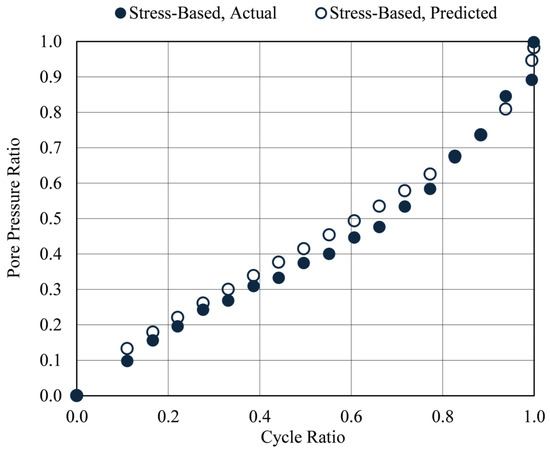
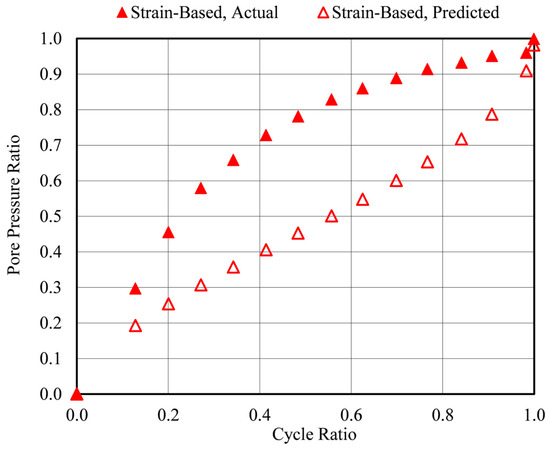
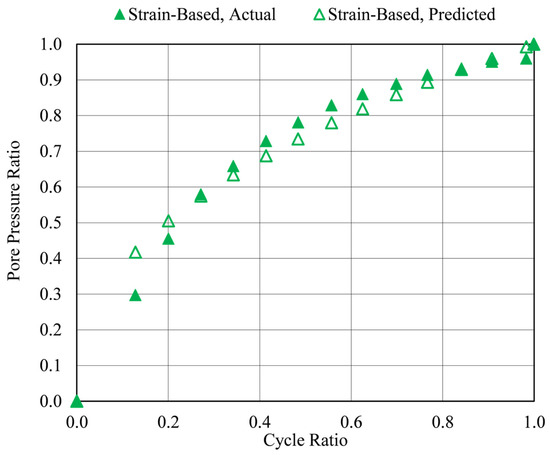
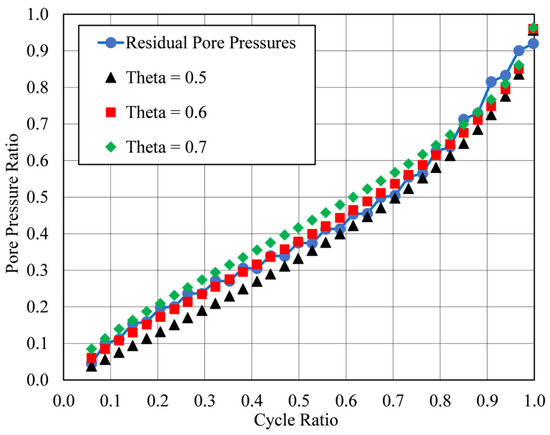
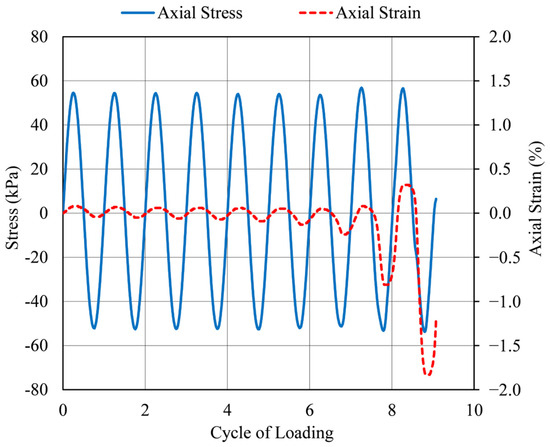
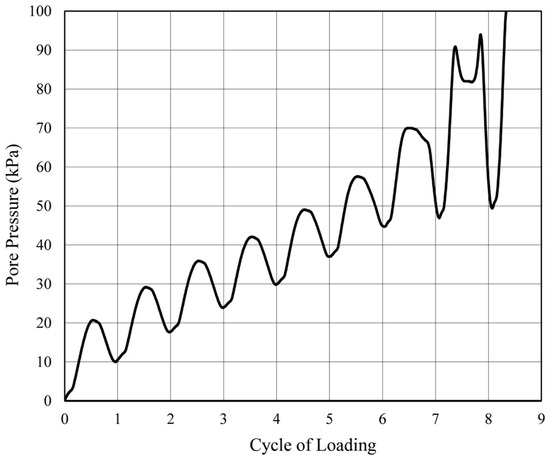
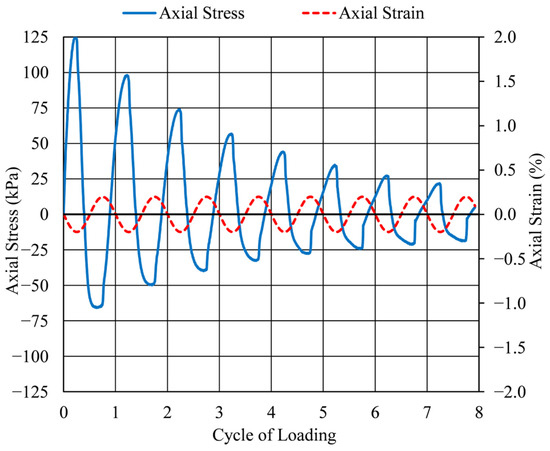
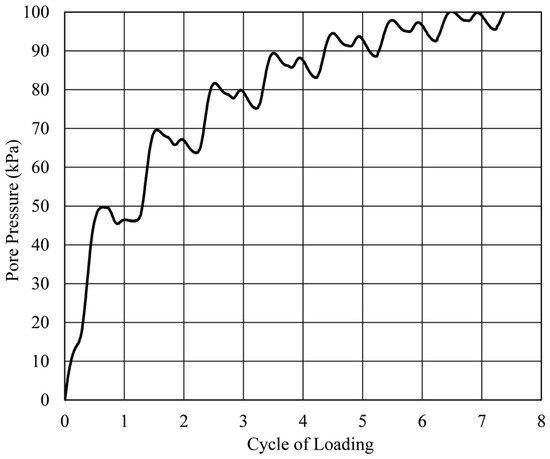
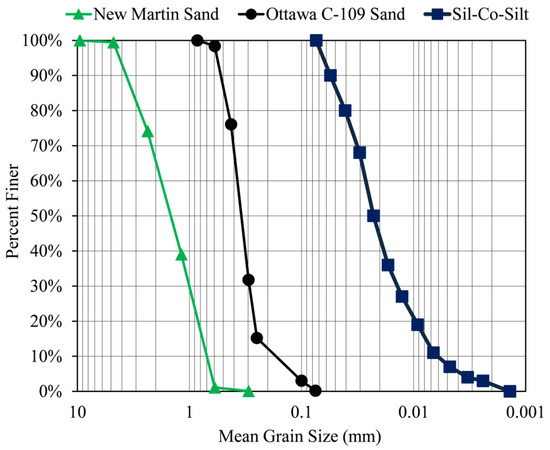
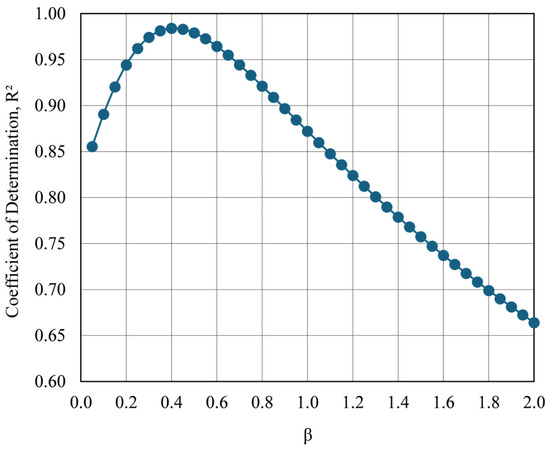
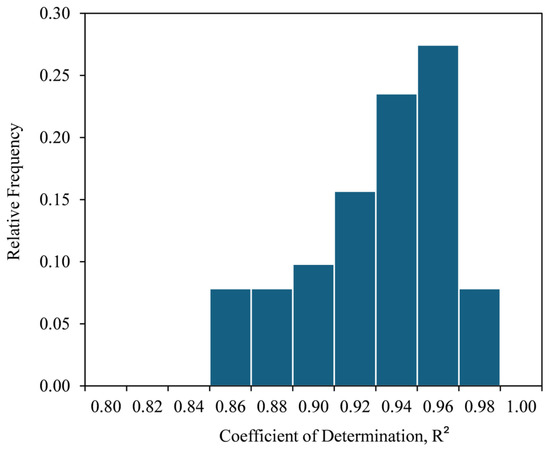
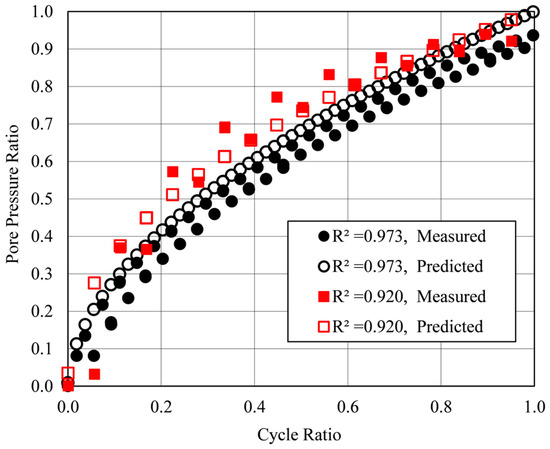
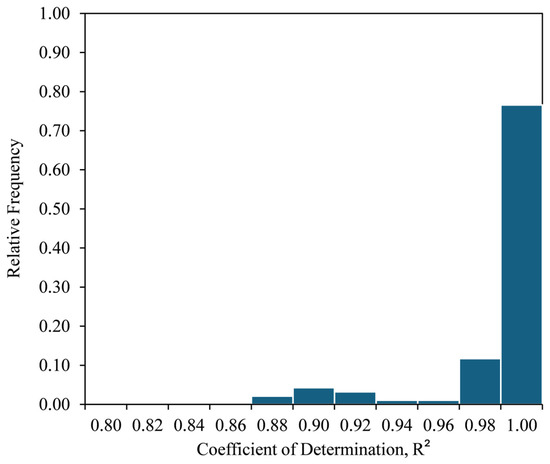
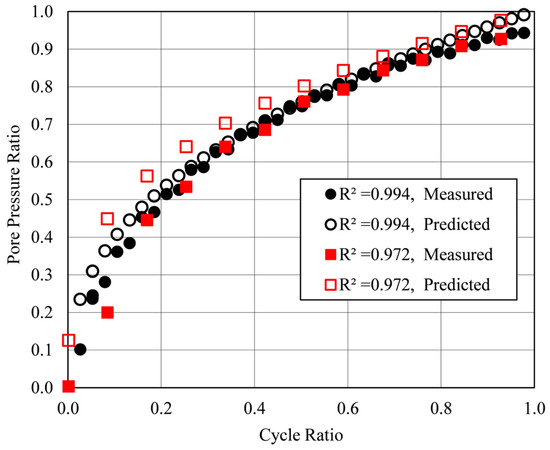
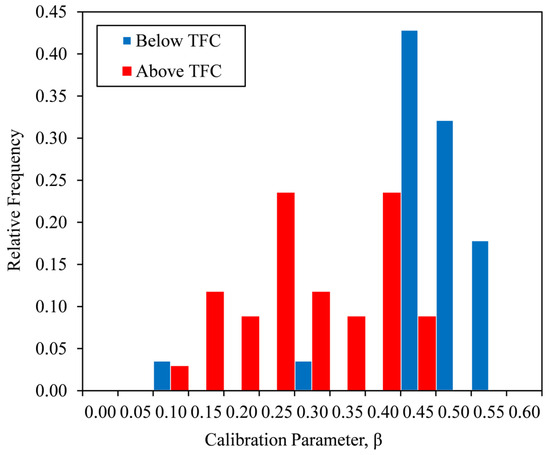
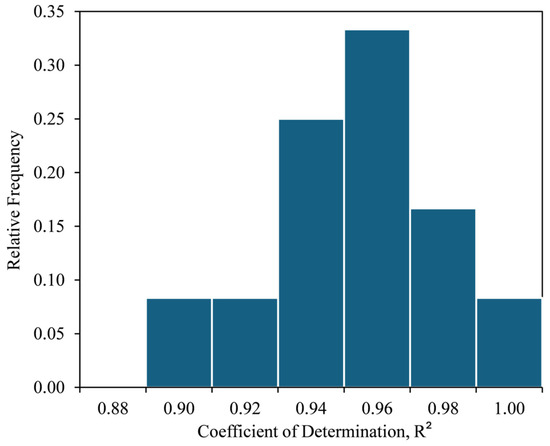
This paper presents a modified version of the Booker et al. cycle-based pore pressure generation model for use with strain-controlled cyclic loading tests on sandy soils. The original Booker et al. model has been widely used in geotechnical engineering because of its simplicity and computational efficiency; however, it was developed using stress-controlled cyclic test data and does not accurately capture the pore pressure response observed in strain-controlled cyclic loading. In strain-controlled tests, excess pore pressure typically develops rapidly during the early stages of loading and more gradually as liquefaction is approached, resulting in a pore pressure–cycle ratio relationship fundamentally different from that produced by the original model. To address this limitation, a Modified Booker Model was developed through curve fitting of laboratory test data obtained from strain-controlled cyclic triaxial and cyclic direct simple shear tests. The model was evaluated using the results of 51 cyclic triaxial tests and 101 cyclic direct simple shear tests performed on clean sands and sand–silt mixtures with fines contents both above and below the threshold fines content (TFC). The model produced excellent agreement with measured pore pressure responses, yielding average coefficients of determination (R2) ranging from 0.921 to 0.989 depending on the test type and soil conditions. The results indicate that the Modified Booker Model provides a practical, accurate, and computationally efficient method for predicting pore pressure generation during strain-controlled cyclic loading of sands and silty sands.
Full article

Figure 1
Open AccessPerspective
Understanding How Theoretical and Conceptual Frameworks Inform Research Design: A Practical Approach
by
Stanley Okangba, Ntebo Ngcobo and Jeffrey Mahachi
J. Exp. Theor. Anal. 2026, 4(3), 24; https://doi.org/10.3390/jeta4030024 - 1 Jul 2026
Abstract
►▼
Show Figures
The integration of theoretical and conceptual frameworks into research design remains a persistent challenge across disciplines, particularly in applied and interdisciplinary fields such as construction management and engineering. While the existing literature provides definitions and distinctions between these frameworks, limited attention has been
[...] Read more.
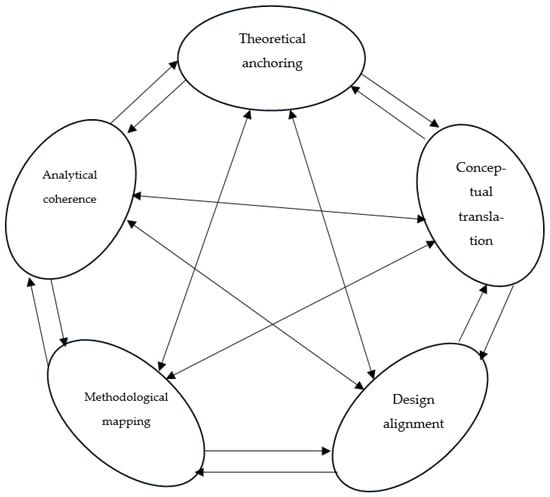
The integration of theoretical and conceptual frameworks into research design remains a persistent challenge across disciplines, particularly in applied and interdisciplinary fields such as construction management and engineering. While the existing literature provides definitions and distinctions between these frameworks, limited attention has been given to how they systematically inform methodological decisions. The study addresses this gap by proposing the Framework-Design Integration Model (FDIM), a structured approach that links theoretical anchoring, conceptual translation, research design, methodological mapping, and analytical coherence. The model was developed through a structured conceptual research approach involving synthesis of the methodological literature on theoretical frameworks, conceptual frameworks, research design, and methodology alignment. The FDIM is developed to provide a systematic and iterative pathway for integrating frameworks into research design. The proposed model was evaluated through analytical validation and illustrative application using construction and engineering research scenarios. The study further offers practical tools, including a step-by-step guide, a decision-making framework, and a diagnostic checklist. The study contributes by moving beyond conceptual clarification toward methodological operationalization, enhancing research coherence, rigor, and practical relevance.
Full article

Figure 1
Open AccessReview
Physical and Rheological Properties of Bitumen Modified with Biochar
by
Nuha S. Mashaan, Suneth Sirinatha and Chathurika Dassanayake
J. Exp. Theor. Anal. 2026, 4(3), 23; https://doi.org/10.3390/jeta4030023 - 23 Jun 2026
Cited by 1
Abstract
►▼
Show Figures
The integration of biochar into asphalt binders represents a significant advancement toward global sustainability in pavement engineering. Produced through biomass pyrolysis, biochar enables the valorization of agricultural and industrial waste while reducing dependence on petroleum-derived binder constituents. This review critically synthesizes current research
[...] Read more.
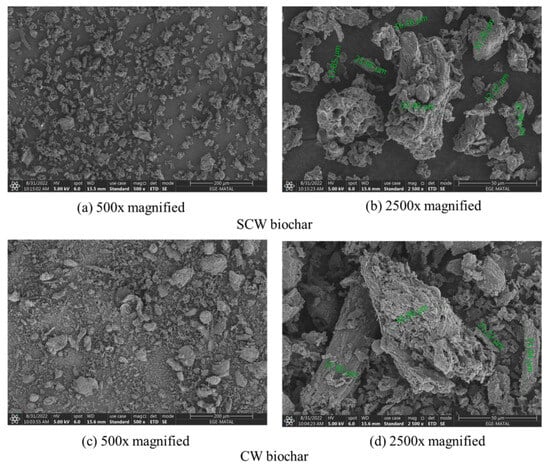
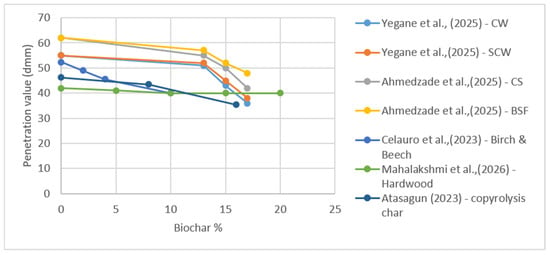
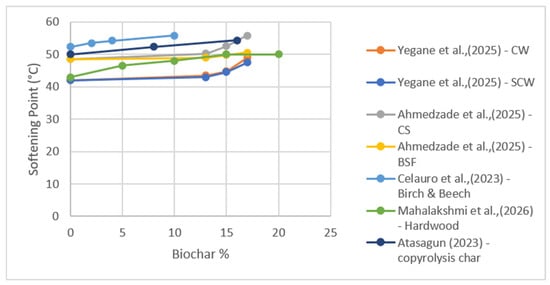
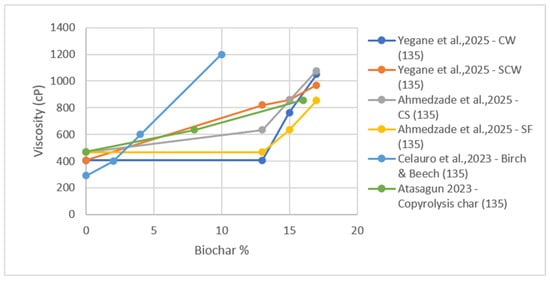
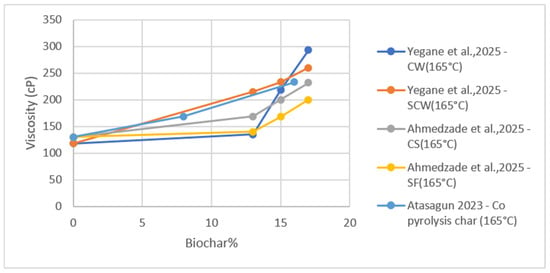
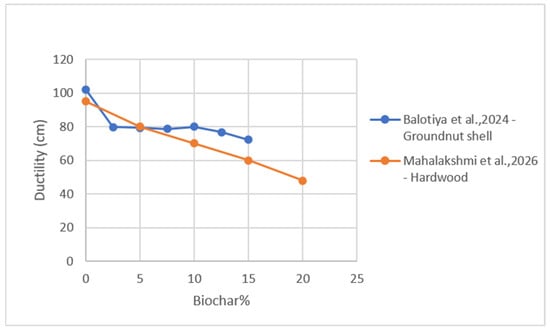
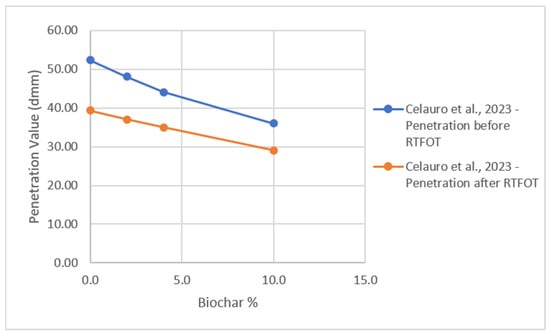
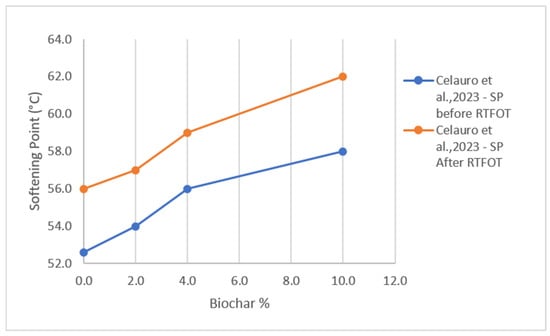
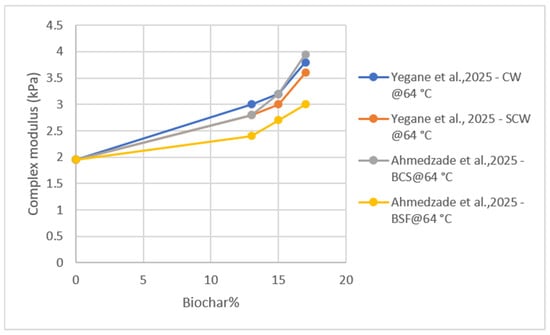
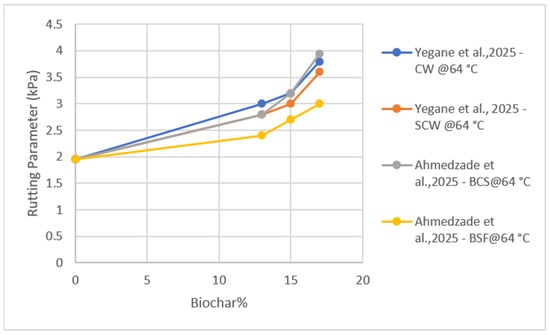
The integration of biochar into asphalt binders represents a significant advancement toward global sustainability in pavement engineering. Produced through biomass pyrolysis, biochar enables the valorization of agricultural and industrial waste while reducing dependence on petroleum-derived binder constituents. This review critically synthesizes current research regarding the impact of biochar on the physical, rheological, and aging performance of bitumen. The evidence consistently shows that biochar improves binder stiffness, raises softening points, and strengthens rutting resistance at elevated temperatures, largely due to its porous microstructure and high carbon content. Biochar-modified binders also exhibit enhanced aging resistance through the adsorption of volatile light fractions. These improvements are primarily ascribed to the carbonaceous composition and high porosity of the biochar particles. However, systemic challenges, including phase stability at high concentrations, long-term oxidative aging, and a lack of standardized characterization protocols, hinder widespread implementation. By identifying consistent findings, contradictions, and critical research gaps across the literature, this review provides a consolidated foundation to guide the transition of biochar-modified bitumen from laboratory investigation to large-scale pavement infrastructure applications.
Full article

Figure 1
Open AccessReview
Review of Geosynthetic Encased Stone Columns for Mechanisms Modeling and Machine Learning Applications
by
Mohamed Abdellatief, Ayman ELtahrany and Amr ElNemr
J. Exp. Theor. Anal. 2026, 4(2), 22; https://doi.org/10.3390/jeta4020022 - 18 Jun 2026
Cited by 1
Abstract
►▼
Show Figures
Ground improvement for foundations supported on soft soils is traditionally problematic because of low bearing capacity and a large magnitude of settlement. One sustainable method for mitigating these problems is the use of stone columns (SCs), particularly geosynthetic-encased stone columns (GESCs), to improve
[...] Read more.
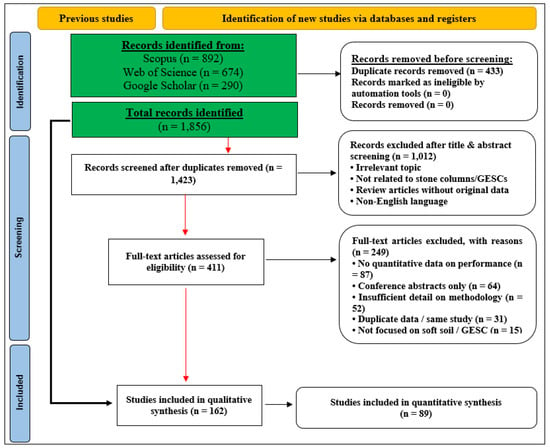
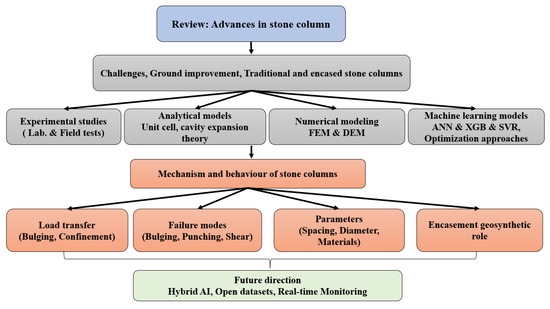
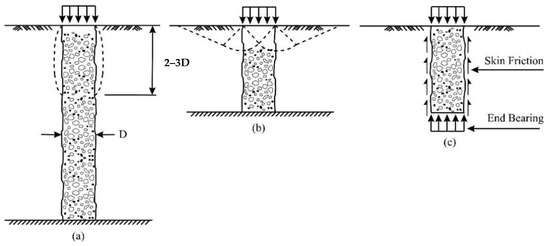
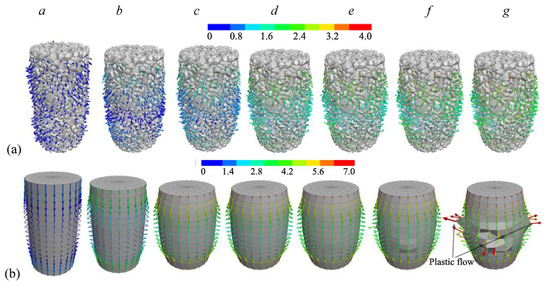
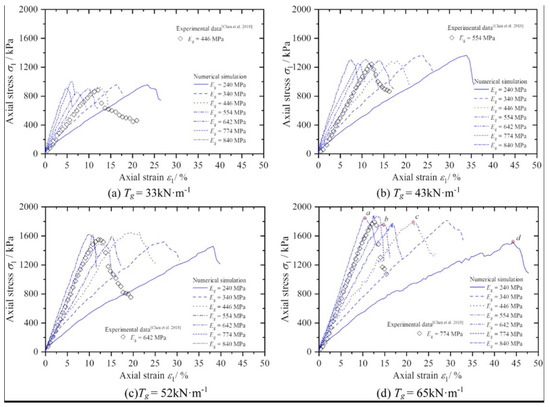
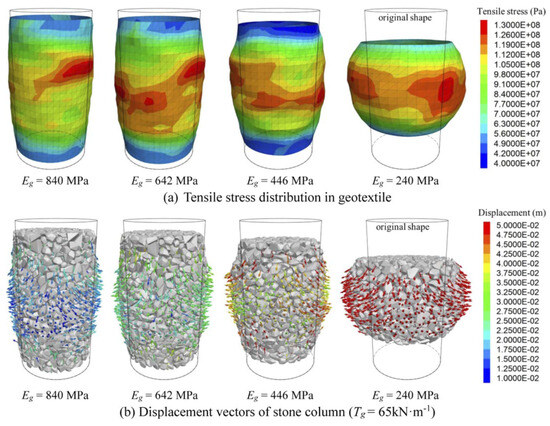
Ground improvement for foundations supported on soft soils is traditionally problematic because of low bearing capacity and a large magnitude of settlement. One sustainable method for mitigating these problems is the use of stone columns (SCs), particularly geosynthetic-encased stone columns (GESCs), to improve load transfer, confinement, and consolidation. This review critically synthesizes recent advances in the analysis and design of SC systems using experimental investigations, numerical simulations, and machine learning (ML)-based methodologies. The article indicates that GESCs, when integrated with modern data-driven techniques, especially hybrid metaheuristic ML models, represent a reliable and sustainable solution for soft soil stabilization. Traditional analytical and empirical methods remain useful; however, they are often inadequate for very soft soils (Undrained shear strength (cu) < 15 kPa), where excessive bulging and large deformations dominate system behavior. Consequently, intelligent hybrid modeling approaches are emerging as the next generation of optimized, data-driven design tools in geotechnical engineering. Different failure mechanisms of SCs, including bulging, punching shear, and general shear failure, are critically discussed along with the governing design parameters. Previous studies consistently indicate that spacing ratios within the range of s/D = 2–3 can improve the bearing capacity ratio (BCR) by approximately 50–100%. Numerical and experimental studies further demonstrate that SC systems can transfer nearly 60–80% of the applied load through stress concentration and soil arching mechanisms. Furthermore, the application of geosynthetic encasement enhances the performance of SCs in very soft soils by increasing confinement, reducing lateral deformation, and enhancing bearing capacity by nearly 3–6 times compared with ordinary SCs. The review also evaluates the growing role of artificial intelligence techniques in forecasting settlement and bearing capacity behavior. ML techniques such as artificial neural networks (ANN), support vector regression (SVR), random forest (RF), XGBoost, and hybrid metaheuristic–ML models have shown high predictive capability, often achieving prediction errors below 5%. Despite these advancements, many existing ML studies still suffer from limited datasets, a lack of generalization, and insufficient incorporation of physical mechanisms.
Full article

Figure 1
Open AccessReview
Integrated Experimental–Theoretical and Data-Driven Multiphysics Analysis of Material Properties in Coatings, Pretreatments, Interfaces, and Artificial Intelligence-Assisted Reliability for Medical and Biomedical Devices
by
Marshall Shuai Yang and Chengqian Xian
J. Exp. Theor. Anal. 2026, 4(2), 21; https://doi.org/10.3390/jeta4020021 - 15 Jun 2026
Abstract
Surface engineering strongly influences the performance, reliability, and safety of medical and biomedical devices, yet failures often originate at interfaces rather than in bulk materials alone. This review addresses the fragmented evidence base linking coating selection, interphase design, qualification testing, advanced characterization, and
[...] Read more.
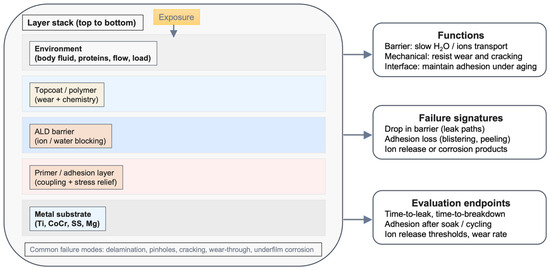
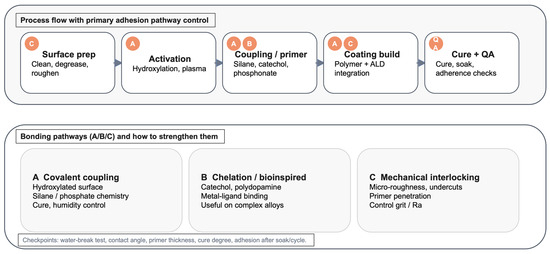
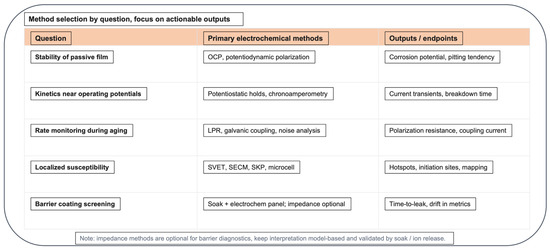
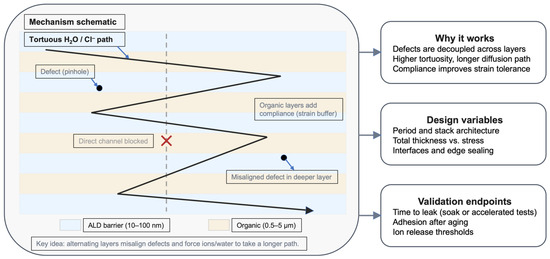
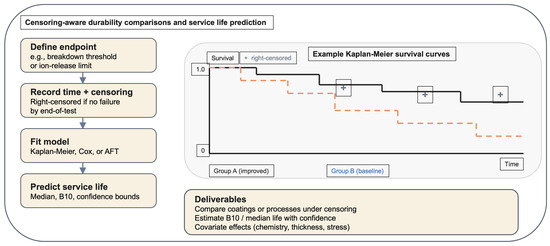
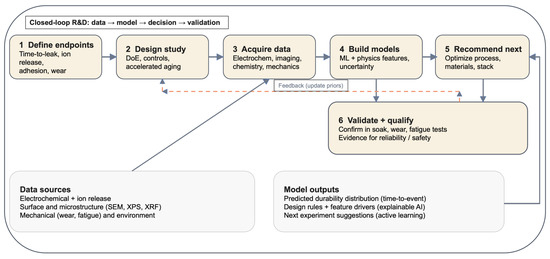
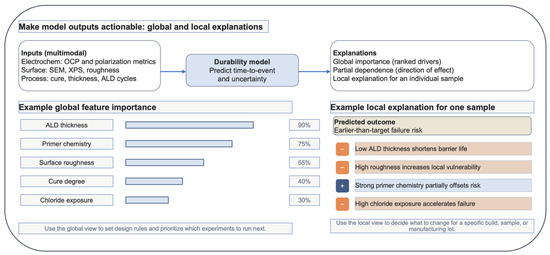
Surface engineering strongly influences the performance, reliability, and safety of medical and biomedical devices, yet failures often originate at interfaces rather than in bulk materials alone. This review addresses the fragmented evidence base linking coating selection, interphase design, qualification testing, advanced characterization, and data-driven durability analysis. The objective is to provide an integrative, failure-mode-based framework for implants, reusable instruments, inhalation systems, diagnostics, wearables, and implantable electronics. A narrative synthesis of the peer-reviewed literature in coatings, biomaterials, electrochemistry, reliability, standards, and materials informatics was conducted, with qualitative tables used only when protocols were too heterogeneous for numerical pooling. The review compares physical vapor deposition (PVD), chemical and plasma-enhanced chemical vapor deposition (CVD/PECVD), atomic layer deposition (ALD), sol–gel/organically modified silica (ORMOSIL) hybrids, plasma polymers, parylene, bioactive or antimicrobial surfaces, and electronic encapsulation strategies. The main finding is that no universally superior coating exists; reliable performance depends on matching architecture and characterization to the dominant failure pathway, substrate compliance, geometry, sterilization or physiologic exposure, and the standards-constrained endpoint. The review further shows how electrochemical diagnostics, interfacial mechanics, multiphysics models, survival/reliability statistics, and carefully governed AI workflows can be combined to support service-life prediction and decision-oriented qualification.
Full article
(This article belongs to the Special Issue Featured Papers for Journal of Experimental and Theoretical Analyses (JETA)—Second Edition)
►▼
Show Figures

Figure 1
Open AccessArticle
Elementary and Robust Distribution Shape Analysis via Mean Absolute Deviations and Quantile-Based Quadrature Approximations
by
Triparna Kundu, Rashanjot Kaur and Eugene Pinsky
J. Exp. Theor. Anal. 2026, 4(2), 20; https://doi.org/10.3390/jeta4020020 - 26 May 2026
Abstract
►▼
Show Figures
In both experimental and theoretical analyses of data, we often look to select a set of simple components that can be combined to create an appropriate model for the data. A convenient way to do this is to use quantile functions that can
[...] Read more.
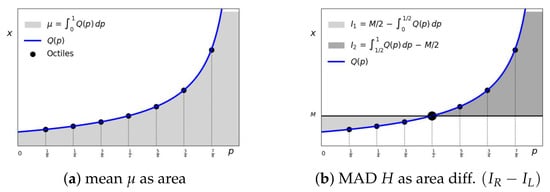
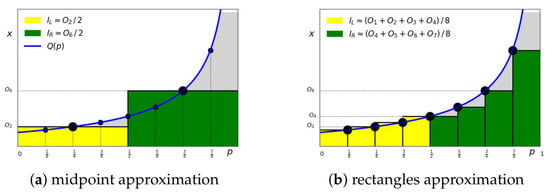
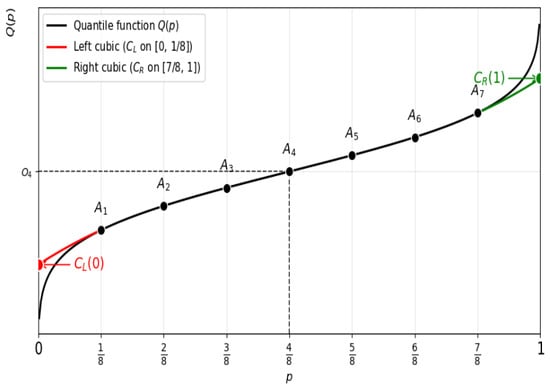
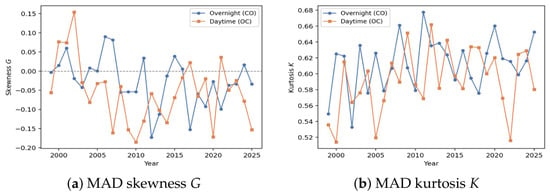
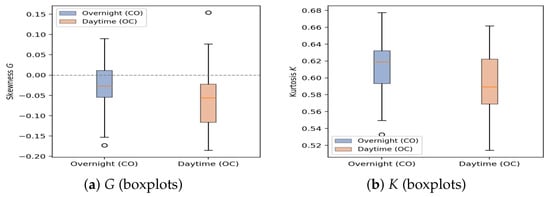
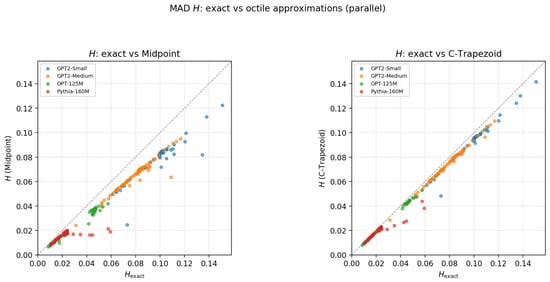
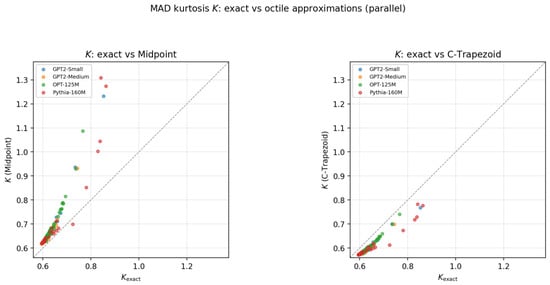
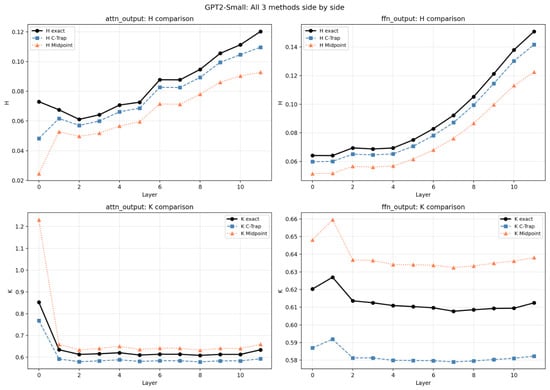
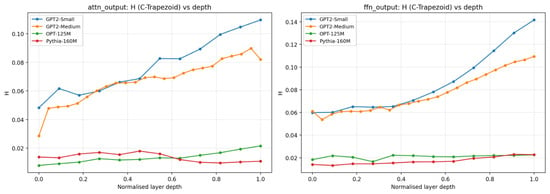
In both experimental and theoretical analyses of data, we often look to select a set of simple components that can be combined to create an appropriate model for the data. A convenient way to do this is to use quantile functions that can be added or transformed to obtain new distributions. In this work, we connect quantile statistics and mean absolute deviations (MADs) by deriving a general class of MAD-based shape metrics expressed as integrals of the quantile function, with a direct geometric interpretation. Our approach is applicable to distributions with finite mean that include many of the commonly used distributions, including those without a variance, such as the Pareto. When simple midpoint quadrature is used, the proposed metrics recover widely used quantile-shape metrics, including the interquartile range, Galton skewness, and Moore’s octile kurtosis as special cases. We further propose a C-Trapezoid quadrature approximation that combines cubic polynomial endpoint extrapolation with trapezoidal integration, achieving approximation errors that are significantly lower than those of the midpoint approximation for many common distributions. The proposed approximation provides simple-to-compute formulas for shape analysis and yields closed-form, non-iterative parameter-estimation formulas. These formulas are easy to compute and interpret, and they are applicable to a wide class of distributions, including those without an explicit cumulative distribution function or some with heavy tails. Unlike maximum likelihood estimation, the proposed method is more robust and has simple geometric interpretation. We illustrate the methodology with two detailed case studies. The proposed approach gives a simple way to quickly assess distributional shape without any specialized tools.
Full article

Figure 1
Open AccessArticle
The Performance of Large Diameter Threaded Cast Iron Pipe Fitting Joints Used in a Fire Suppression System: Experimental and Fragility Analysis
by
Cameron Rusnak, Sherif Elfass and Allen Rivas
J. Exp. Theor. Anal. 2026, 4(2), 19; https://doi.org/10.3390/jeta4020019 - 20 May 2026
Abstract
►▼
Show Figures
Threaded cast iron fittings, including tees and elbows, are commonly used in fire suppression systems to connect piping components due to their simplicity, reliability, and compatibility with National Pipe Thread (NPT) standards. While extensively used in practice, their structural performance under seismic demands,
[...] Read more.
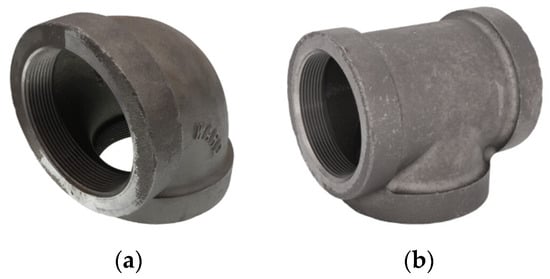
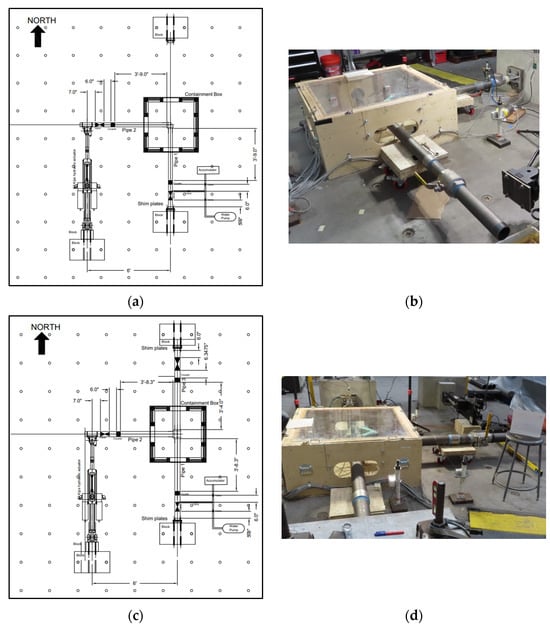
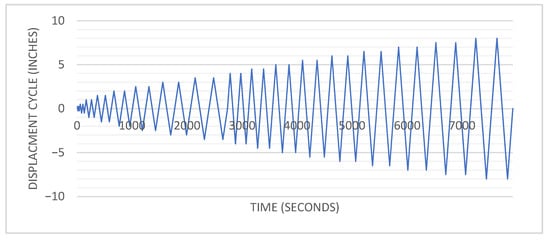
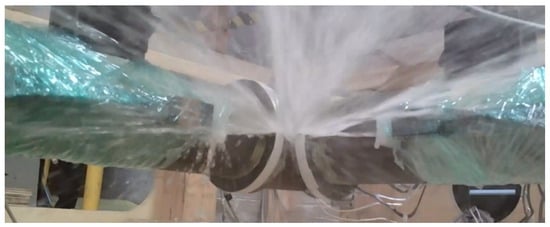
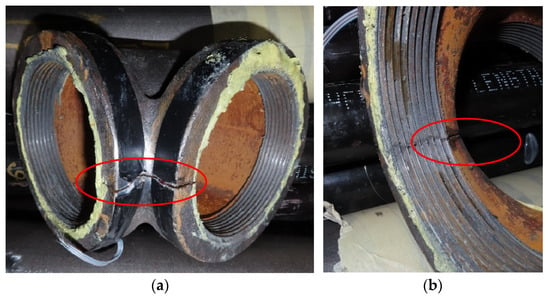
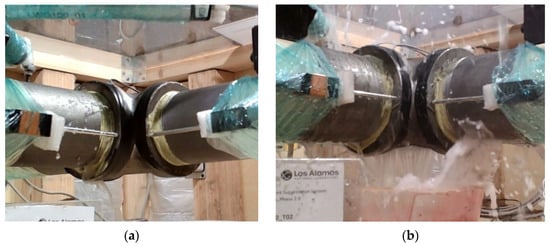
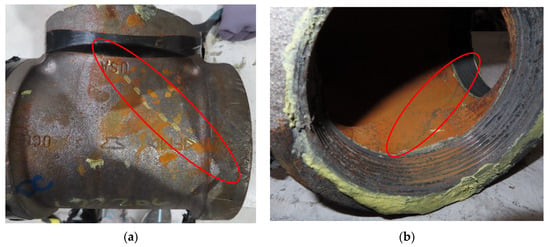
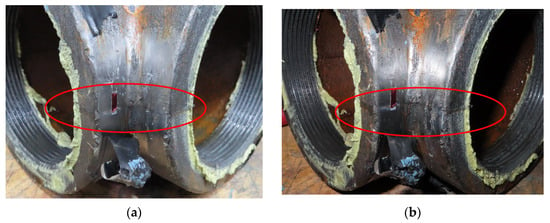
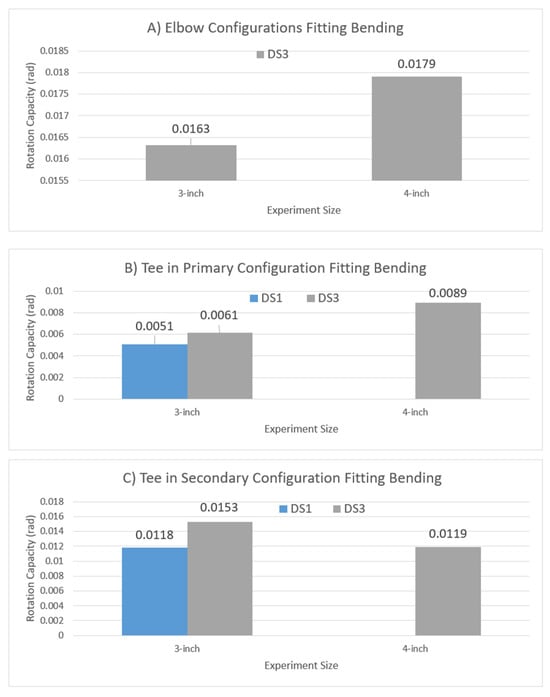
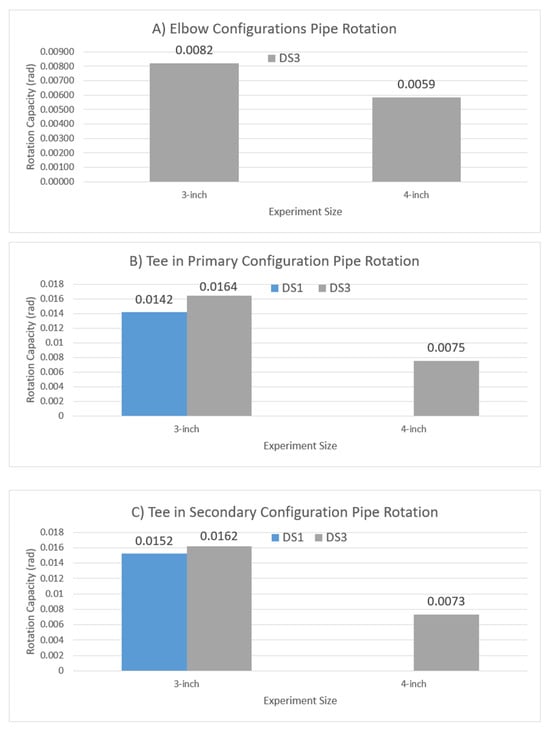
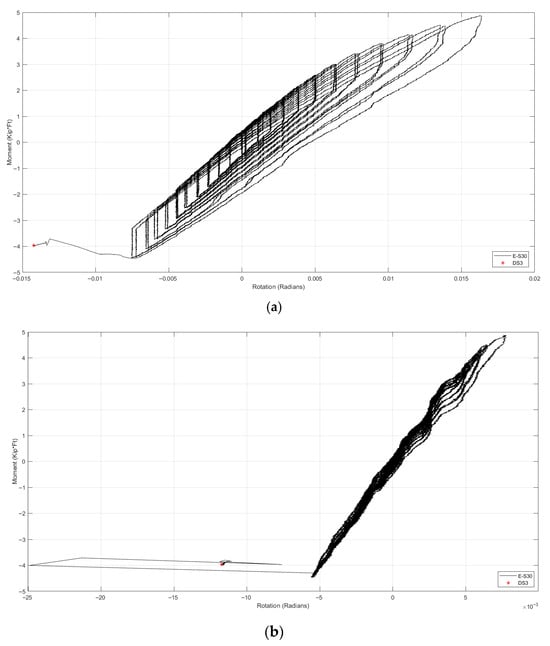
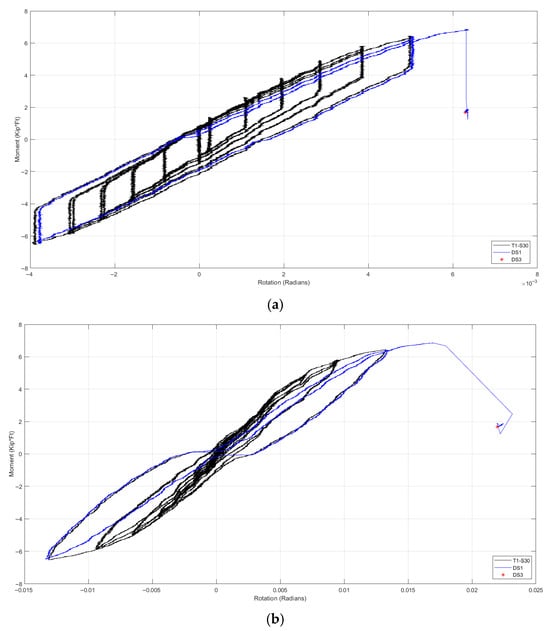
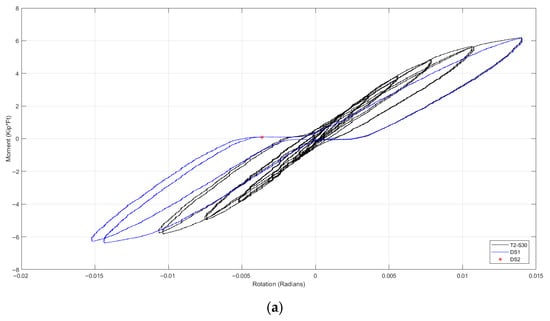
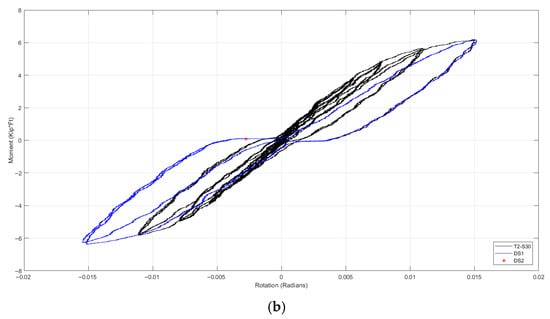
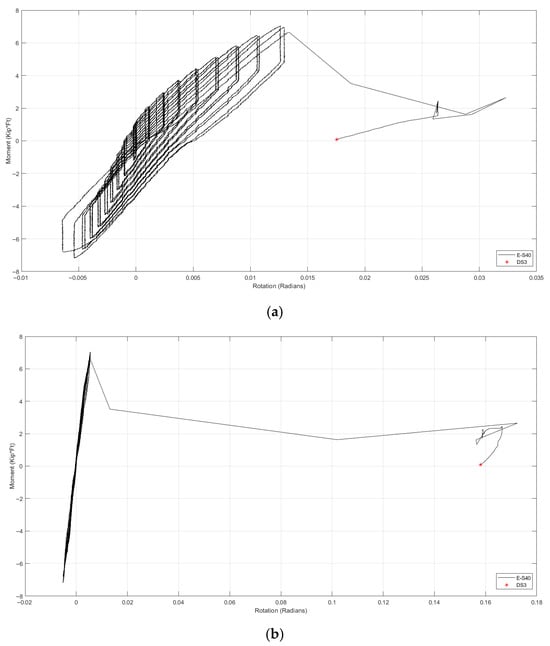
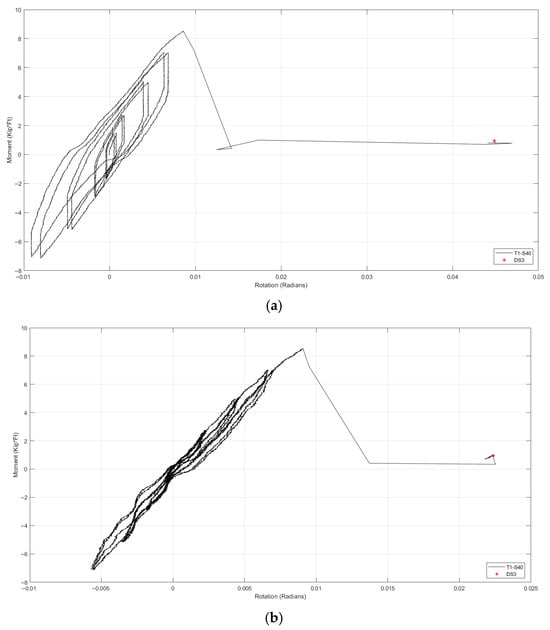
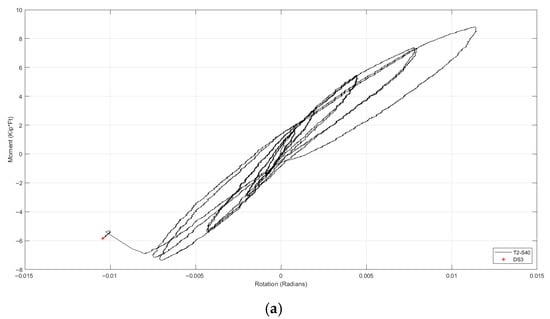
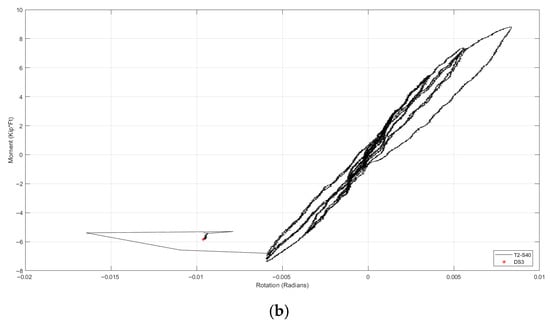
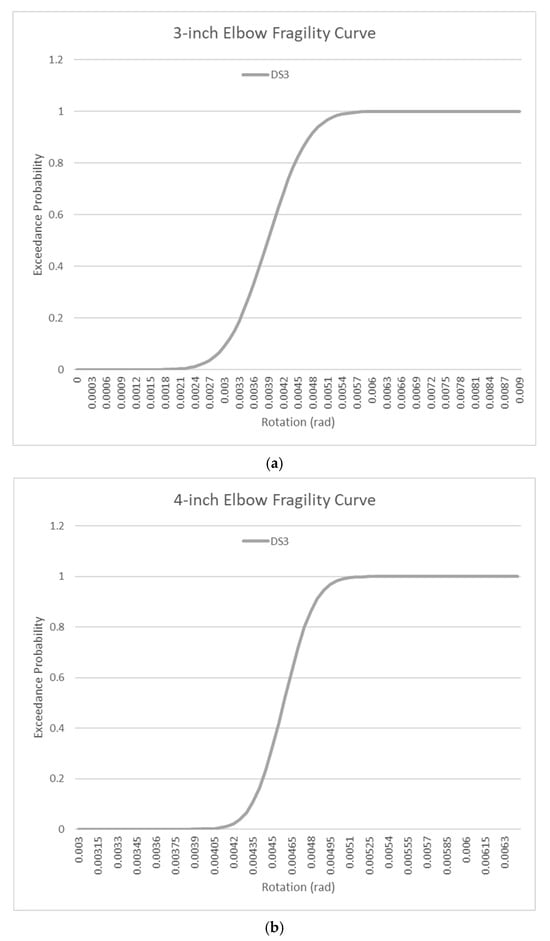
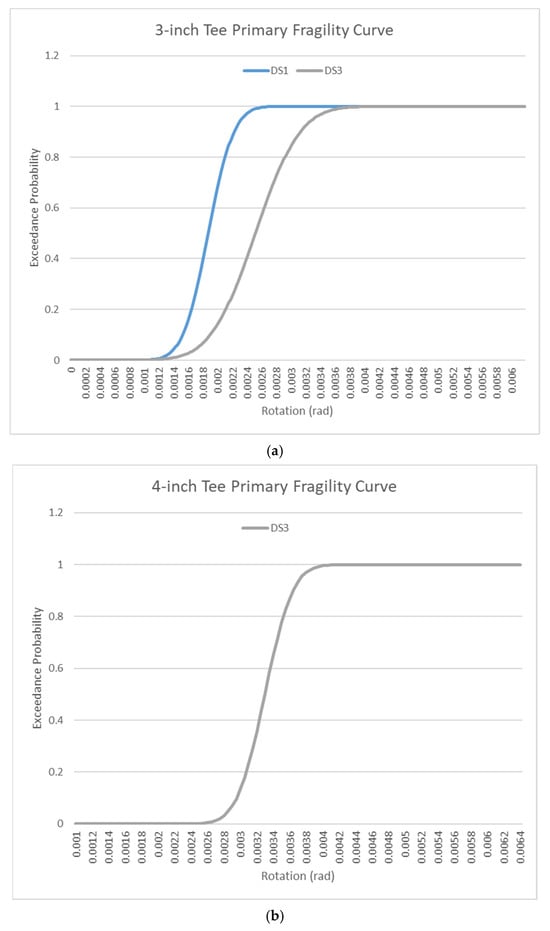
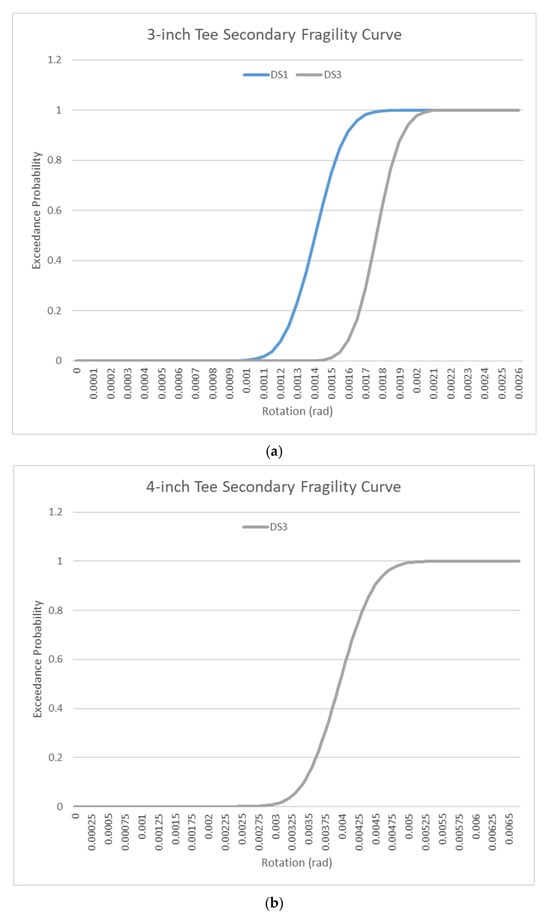
Threaded cast iron fittings, including tees and elbows, are commonly used in fire suppression systems to connect piping components due to their simplicity, reliability, and compatibility with National Pipe Thread (NPT) standards. While extensively used in practice, their structural performance under seismic demands, particularly for large-diameter fittings, remains insufficiently understood. Previous studies have primarily focused on smaller-diameter fittings or have idealized the fitting body as rigid, overlooking the potential for internal deformation and rupture. This study addresses this knowledge gap through an experimental investigation of 3-inch and 4-inch gray cast iron threaded elbow and tee fittings subjected to loading. A total of 18 full-scale assemblies were tested across multiple configurations. Results showed that structural rupture of the fitting body was the dominant failure mode, with no specimens reaching the defined threshold for substantial leakage. Limited early-stage leakage was observed in select 3-inch tee configurations prior to rupture. Damage State 3 (DS3), defined as rupture, occurred at rotational capacities ranging from 0.0061 to 0.0179 radians. Fitting stiffness to failure averaged approximately 643 kip-ft/rad. Fragility models were developed within a probabilistic framework, incorporating variability due to material imperfections and assembly tolerances. The findings reveal a size-dependent shift in behavior: 3-inch fittings demonstrated greater pipe rotation prior to failure, while 4-inch fittings exhibited higher internal stiffness but reduced flexibility. These results provide moment–rotation relationships and fragility models to support analytical modeling and seismic vulnerability assessments, advancing the predictive understanding of large-diameter threaded cast iron fittings used in fire suppression systems.
Full article

Figure 1
Open AccessArticle
Impact of Sensor Accuracy and Model Calibration on Simulation of Heat Pumps with Refrigerant Leakage Faults
by
Francesco Pelella, Adelso Flaviano Passarelli, Raffaele Cilento, Belén Llopis-Mengual, Luca Viscito, Emilio Navarro-Peris and Alfonso William Mauro
J. Exp. Theor. Anal. 2026, 4(2), 18; https://doi.org/10.3390/jeta4020018 - 14 May 2026
Abstract
►▼
Show Figures
Soft operational faults can noticeably degrade the performance of heat pumps and influence key monitored variables, emphasizing the need for reliable Fault Detection, Diagnosis, and Evaluation (FDDE) strategies. The BEYOND project tackles this challenge by analyzing simultaneous soft faults using a calibrated simulation
[...] Read more.
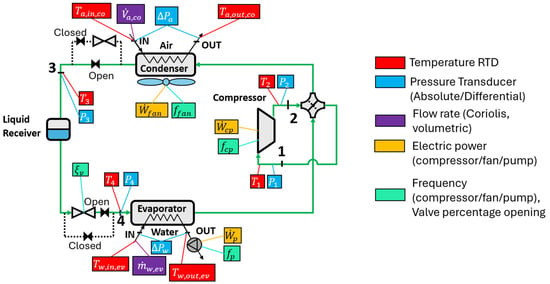
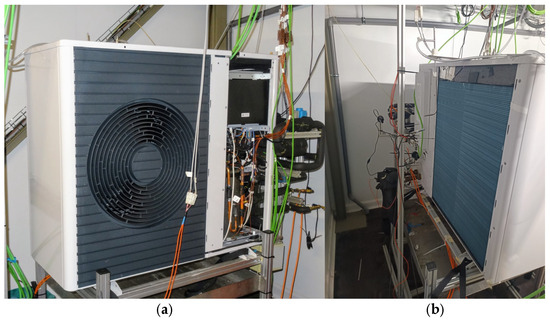
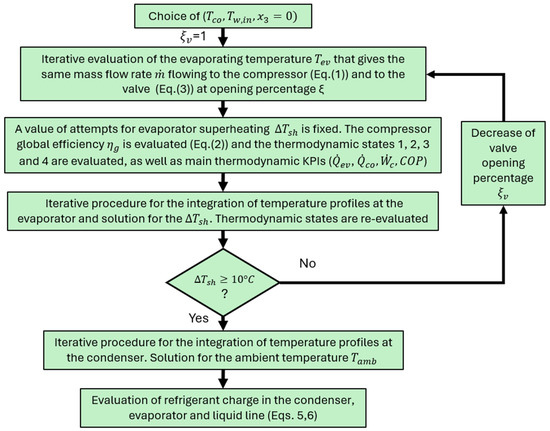
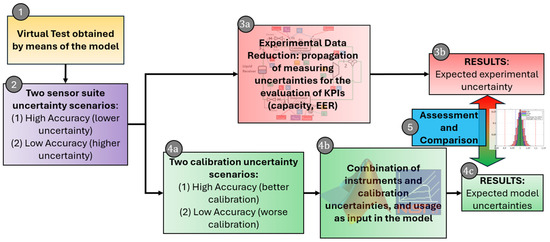
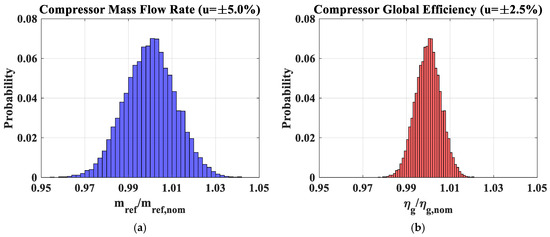
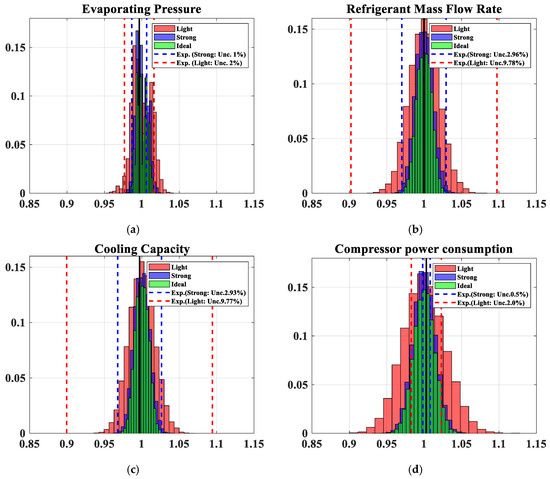
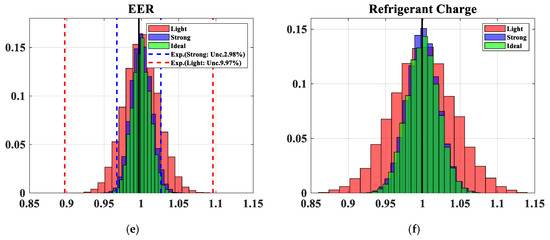
Soft operational faults can noticeably degrade the performance of heat pumps and influence key monitored variables, emphasizing the need for reliable Fault Detection, Diagnosis, and Evaluation (FDDE) strategies. The BEYOND project tackles this challenge by analyzing simultaneous soft faults using a calibrated simulation model informed by data from a dedicated test rig. Achieving reliable results depends on both accurate measurements and proper model calibration. However, sensor uncertainty and errors in sub-models and correlations calibration can compromise model reliability. This work investigates the influence of measurement accuracy and calibration quality on both experimental variables and simulation outcomes for a residential air-to-water heat pump operating in cooling mode, with particular focus on refrigerant charge estimation. Two sensor configurations—“low accuracy” and “high accuracy”—are assessed, representing commercial- and laboratory-grade instruments, respectively, along with two corresponding calibration strategies. In the low-accuracy case, uncertainties around 10% were found for cooling capacity, energy efficiency ratio, and refrigerant mass flow rate, whereas high-accuracy setups reduced these to approximately 3%. Ultimately, the comparison between experimental and model-derived uncertainties confirms that achieving reliable predictions requires a balanced investment in both high-quality instrumentation and careful model calibration. Overall, this study serves as a crucial tool during the preliminary design of an experimental setup, assisting in the selection of a sensor suite that ensures not only the reliability of secondary variables and KPIs but also a robust and accurate calibration of physics-based models using the acquired experimental data.
Full article

Figure 1
Open AccessArticle
Compositional Analysis of South Punjab Soil Using Calibration-Free Laser-Induced Breakdown Spectroscopy (CF-LIBS) for Agricultural and Environmental Applications
by
Misbah Aslam, Michal Pawlak and Sidra Aslam
J. Exp. Theor. Anal. 2026, 4(2), 17; https://doi.org/10.3390/jeta4020017 - 30 Apr 2026
Abstract
►▼
Show Figures
This study demonstrates the application of Laser-Induced Breakdown Spectroscopy (LIBS) for the elemental analysis of agricultural soils in South Punjab, Pakistan. Soil degradation due to intensive farming, imbalanced fertilizer use, and declining organic matter has reduced crop productivity in the region. To address
[...] Read more.
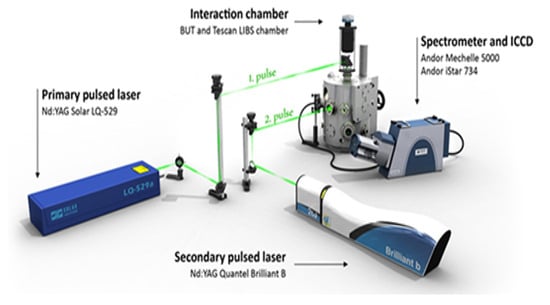
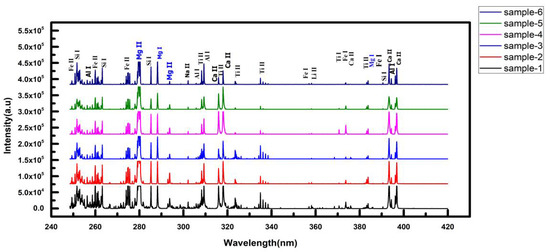
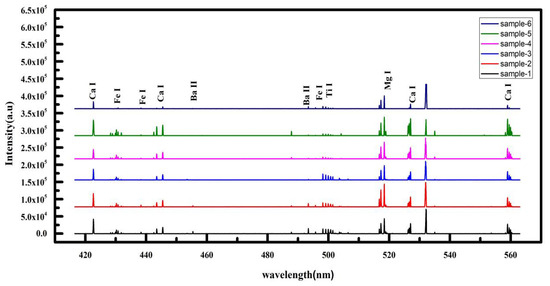
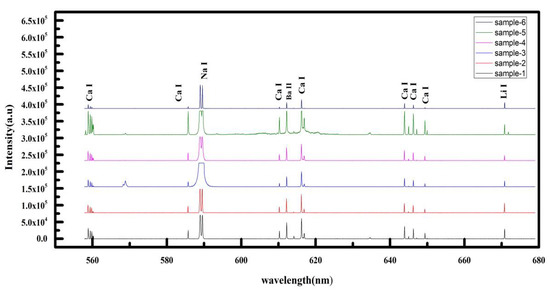
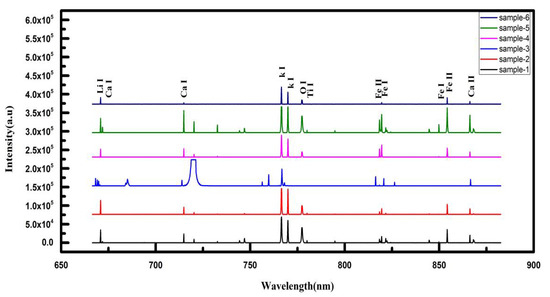
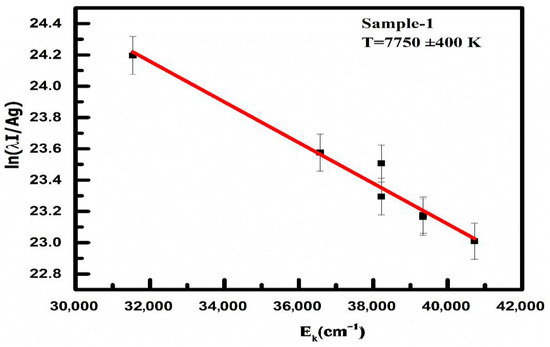
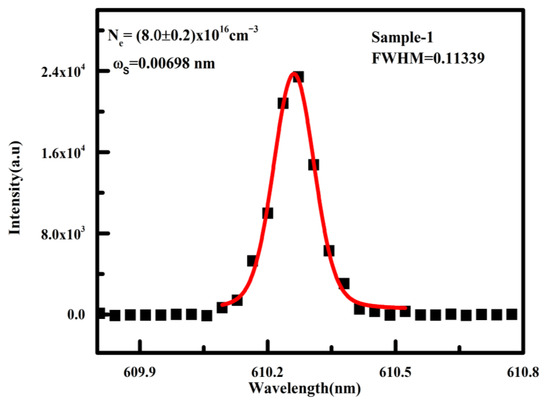
This study demonstrates the application of Laser-Induced Breakdown Spectroscopy (LIBS) for the elemental analysis of agricultural soils in South Punjab, Pakistan. Soil degradation due to intensive farming, imbalanced fertilizer use, and declining organic matter has reduced crop productivity in the region. To address this, rapid and accurate soil diagnostics are essential. LIBS, coupled with Calibration-Free analysis (CF-LIBS), was employed to quantitatively determine the concentrations of major and trace elements—including calcium, silicon, iron, aluminum, magnesium, titanium, potassium, sodium, lithium, and barium—without requiring chemical standards. Plasma characterization was performed using the Boltzmann plot method, yielding temperatures between 7750 and 9000 K, and electron number densities were derived from Stark-broadened spectral profiles. The results reveal significant spatial variability in elemental composition, reflecting differences in land use and irrigation sources. This work confirms LIBS as a versatile, efficient, and reliable tool for soil health assessment, offering a practical solution for monitoring soil nutrients and supporting sustainable agricultural management in resource-limited settings.
Full article

Figure 1
Open AccessArticle
The TWC Sigma Model: A Nonlinear Correlation and Neural Network Approach for Spatial Source Detection
by
Paolo Massimo Buscema, Marco Breda, Riccardo Petritoli, Giulia Massini and Guido Ferilli
J. Exp. Theor. Anal. 2026, 4(2), 16; https://doi.org/10.3390/jeta4020016 - 22 Apr 2026
Abstract
►▼
Show Figures
The TWC Sigma model, part of the Topological Weighted Centroid (TWC) family, is introduced as a spatial framework for source localization in systems where network information is incomplete or unavailable. Its architecture relies on two alternative approaches: one based on nonlinear correlation, capable
[...] Read more.
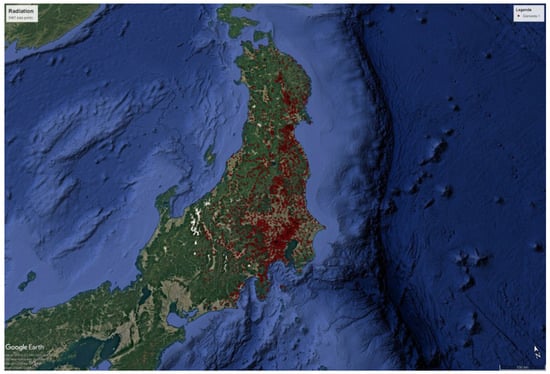
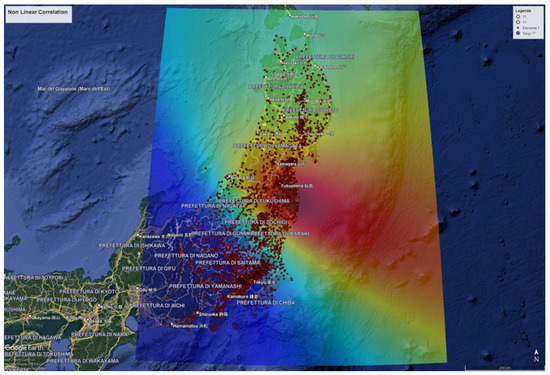
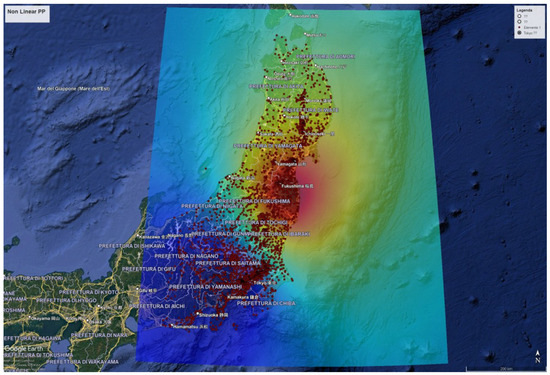
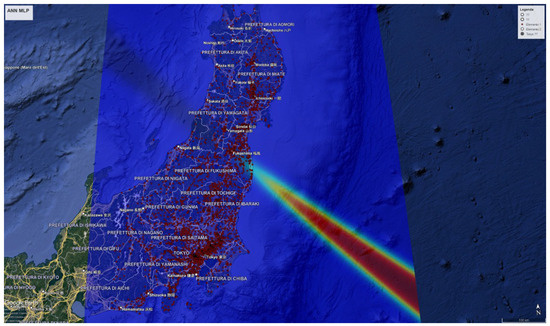
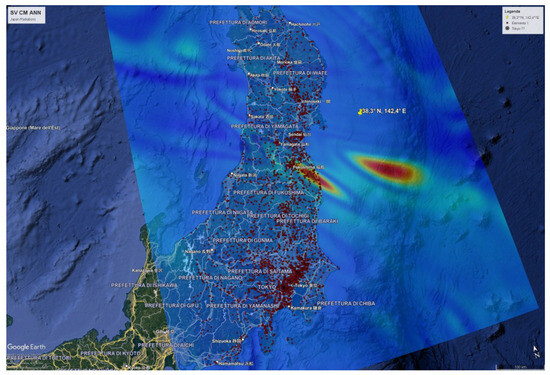
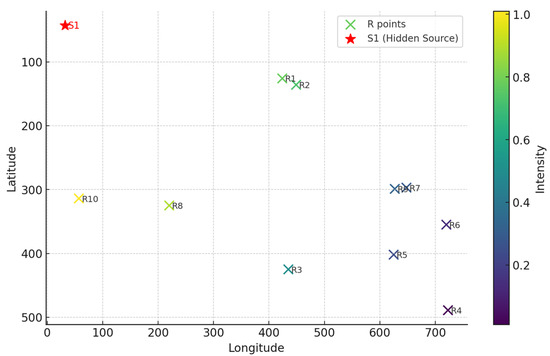
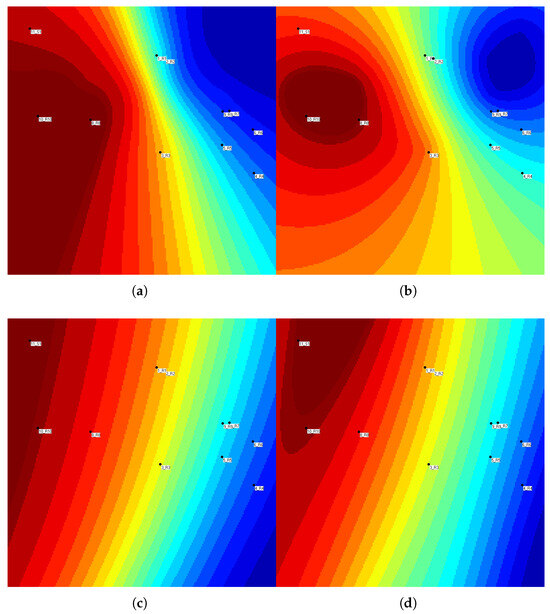
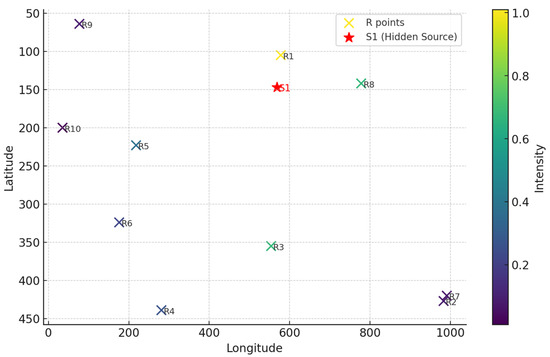
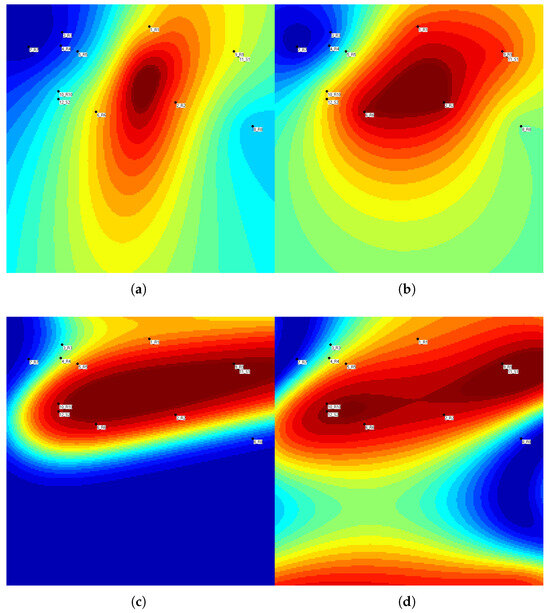
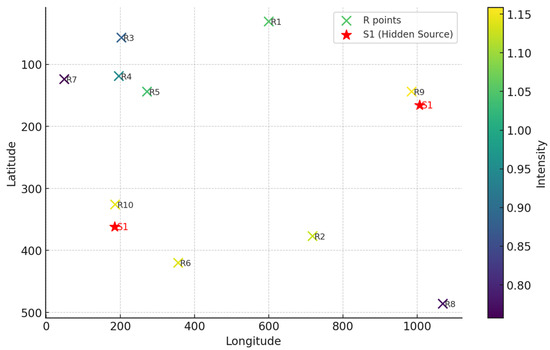
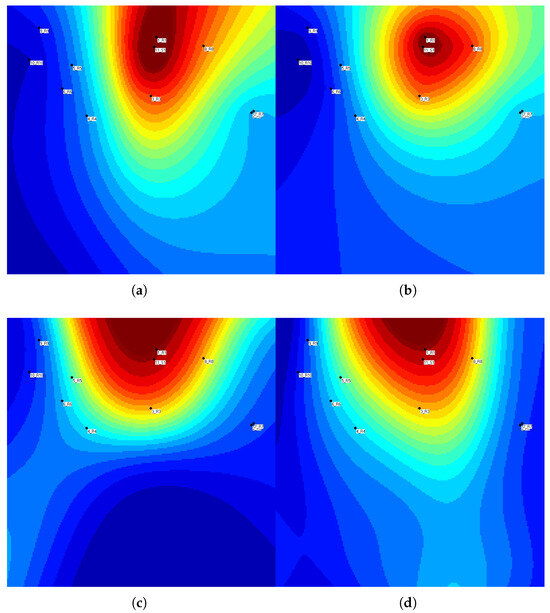
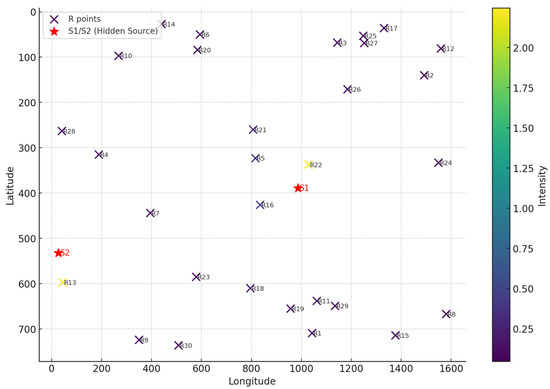
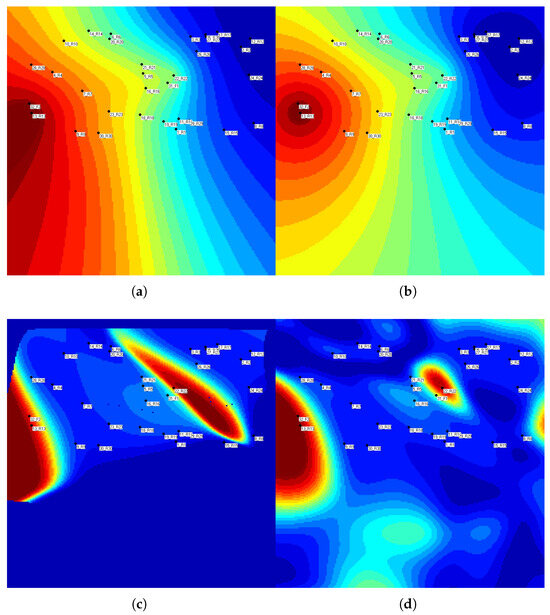
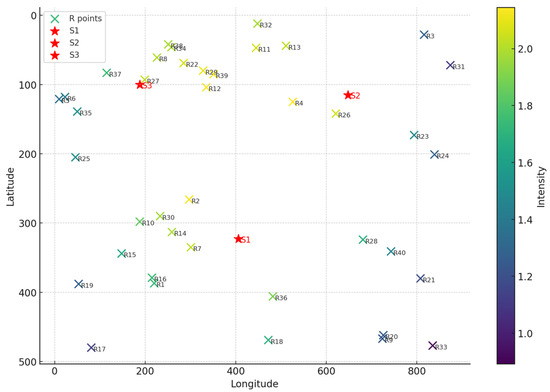
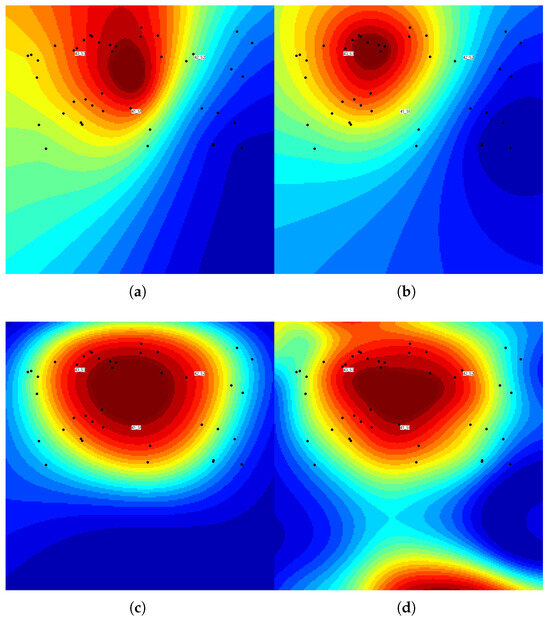
The TWC Sigma model, part of the Topological Weighted Centroid (TWC) family, is introduced as a spatial framework for source localization in systems where network information is incomplete or unavailable. Its architecture relies on two alternative approaches: one based on nonlinear correlation, capable of capturing complex spatial dependencies among observed signals, and another based on supervised neural networks, which use adaptive learning on a discretized spatial grid to estimate the probability of hidden source localization. In both cases, TWC Sigma provides a robust and consistent mechanism to estimate the probable positions of hidden sources using only spatial coordinates and signal intensity. Applications on both synthetic and real-world datasets—such as those collected by Minna-no Data Site on post-Fukushima radiocesium contamination—confirm the model’s ability to identify both primary and secondary emission zones with strong spatial coherence. These results highlight TWC Sigma as an efficient and interpretable model that can be used both independently and as a complementary tool to more complex network-based frameworks, offering rapid and reliable localization even in the presence of sparse, noisy, or heterogeneous data.
Full article

Figure 1
Open AccessArticle
Resilient Control with Adaptive Control Allocation for Uncertain Over-Actuated Systems in the Presence of Unknown Actuator Degradation
by
Kyle Vernyi, Matthew Stanko and K. Merve Dogan
J. Exp. Theor. Anal. 2026, 4(2), 15; https://doi.org/10.3390/jeta4020015 - 13 Apr 2026
Abstract
►▼
Show Figures
Robust control, adaptive control, and adaptive control allocation methods can create resilient systems that are able to handle uncertainties as well as unknown deficiencies in actuator effectiveness. The capabilities of these methods can further enable advanced missions for autonomous space systems. Thus, in
[...] Read more.
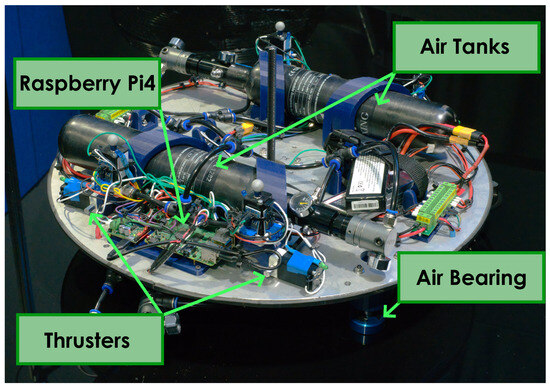
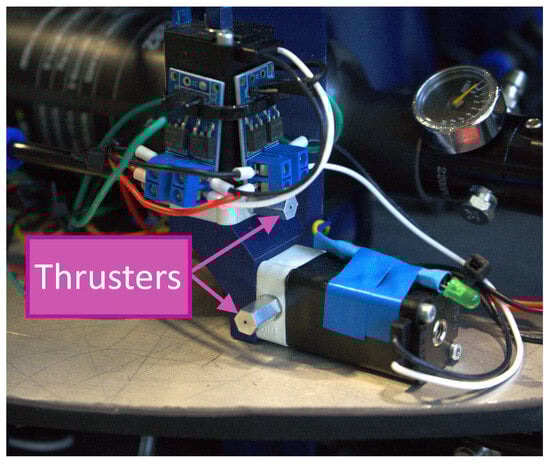
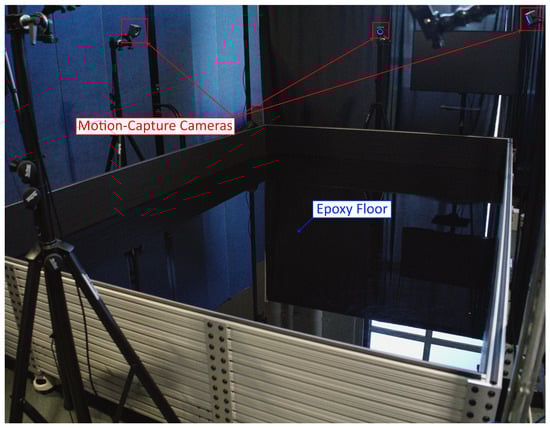
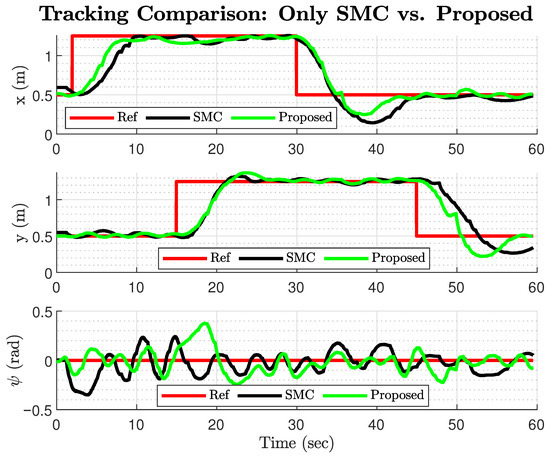
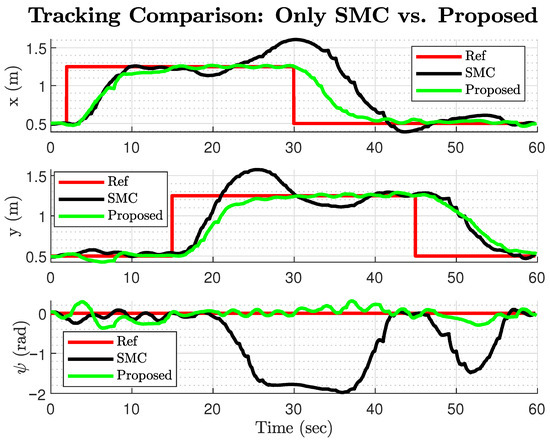
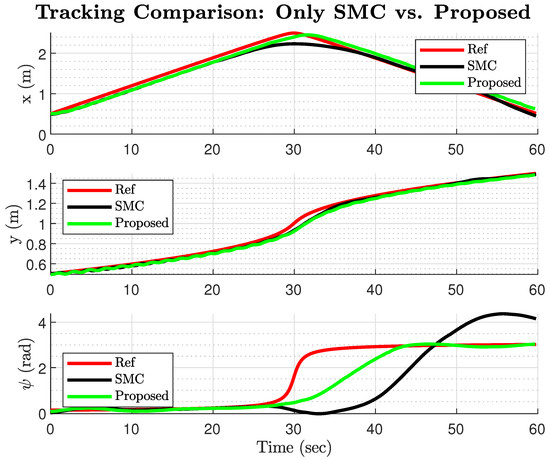
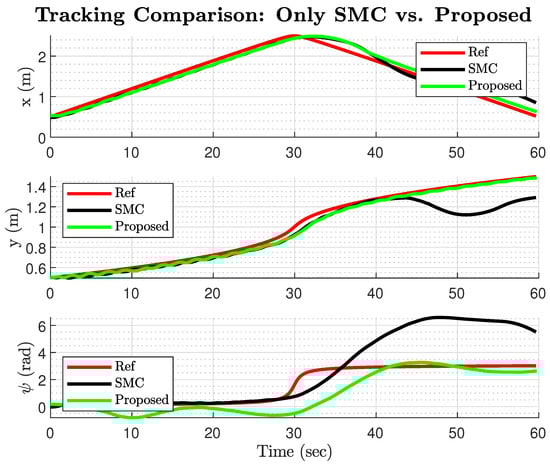
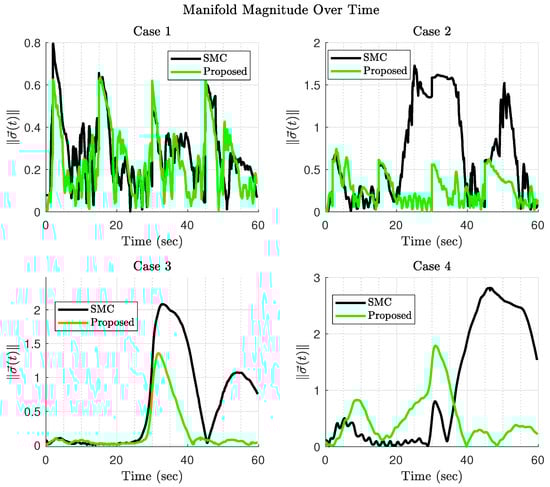
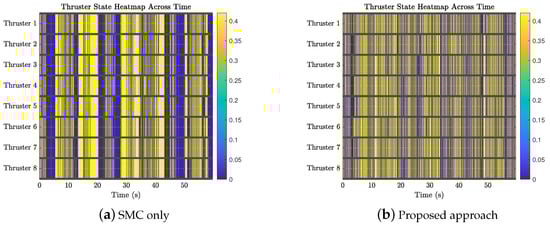
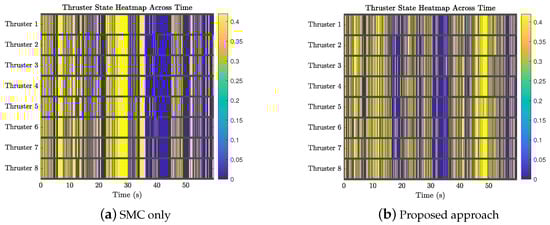
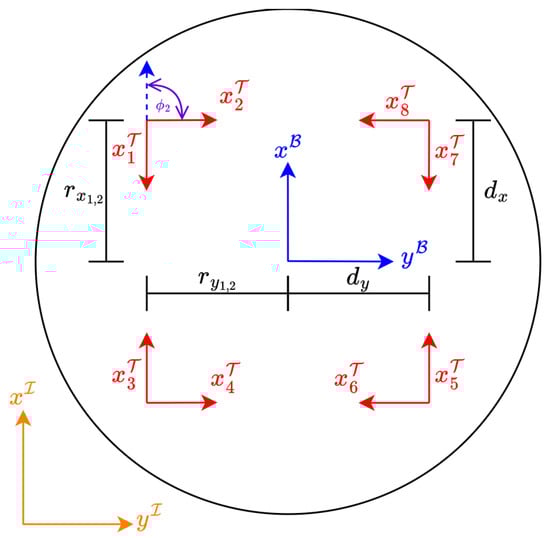
Robust control, adaptive control, and adaptive control allocation methods can create resilient systems that are able to handle uncertainties as well as unknown deficiencies in actuator effectiveness. The capabilities of these methods can further enable advanced missions for autonomous space systems. Thus, in this paper, a resilient control with an adaptive control allocation method is proposed and implemented on a vehicle with 3 degrees of freedom (DoF) that operates with eight thrusters to reduce the impact of external uncertainties as well as unknown effects of the actuator. Specifically, the method includes a combination of sliding mode and novel adaptive control design elements to ensure trajectory tracking in the presence of uncertainties. Moreover, an adaptive control allocation method is also introduced to obtain the desired forces and moments in the presence of unknown effects of the actuator. The boundedness of the closed-loop system is proven with Lyapunov stability analysis. The proposed controller results are compared to a baseline sliding mode controller without adaptive control and adaptive control allocation enhancement, where different uncertainties and unknown actuator degradation, as well as failure cases, are considered within several experimental cases under external fan-induced disturbances. The experimental metrics, including integral squared tracking error, maximum tracking error, actuator effort, actuator impulse, and settling time, are provided. Across all cases, the proposed method reduces the integral squared tracking error, improves settling time, and significantly improves yaw regulation compared to a baseline sliding mode controller. This, in turn, yields a slightly increased control effort for the proposed method.
Full article

Figure 1
Open AccessArticle
Understanding the Impact of Noise on ECG Biometrics: A Comparative Theoretical and Experimental Analysis
by
David Velez, André Lourenço, Miguel Pereira, David P. Coutinho and Carlos Carreiras
J. Exp. Theor. Anal. 2026, 4(2), 14; https://doi.org/10.3390/jeta4020014 - 31 Mar 2026
Abstract
►▼
Show Figures
Electrocardiogram (ECG)-based biometrics have emerged as a promising solution for continuous and intrinsic human identification; nevertheless, the robustness of these systems under realistic noise conditions remains a critical challenge for practical deployment. This work presents a theoretical and experimental analysis of how different
[...] Read more.
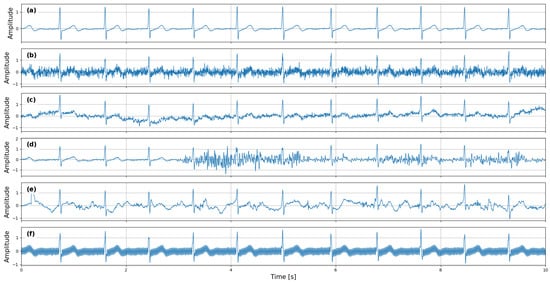
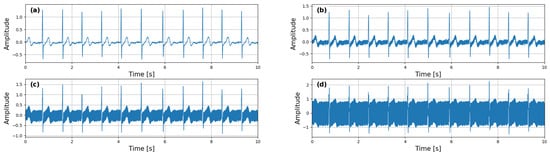
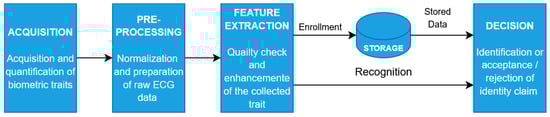
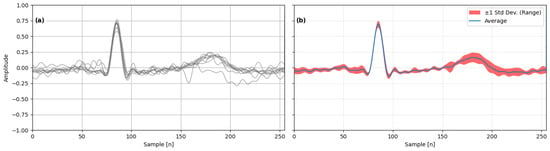
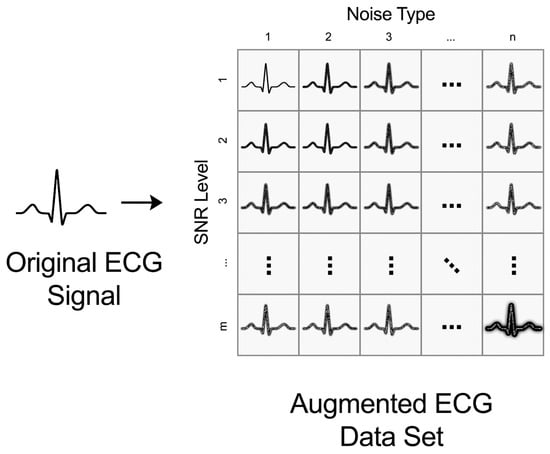
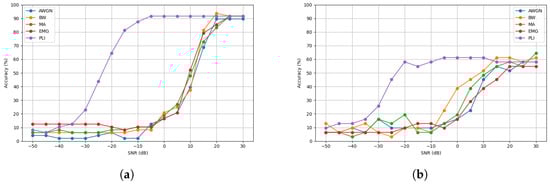
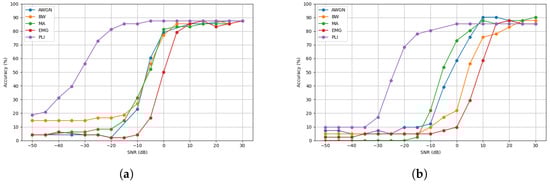
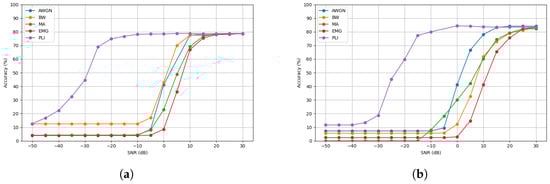
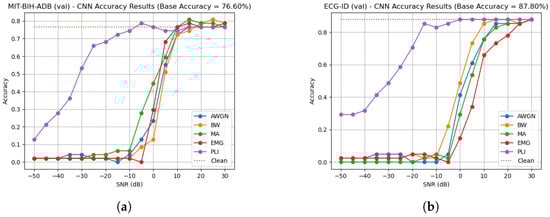
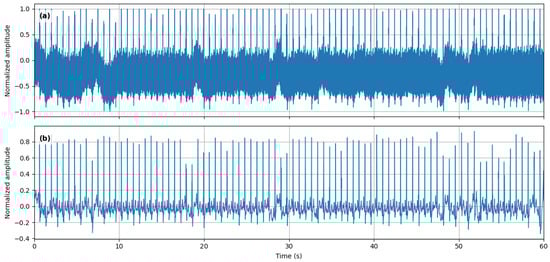
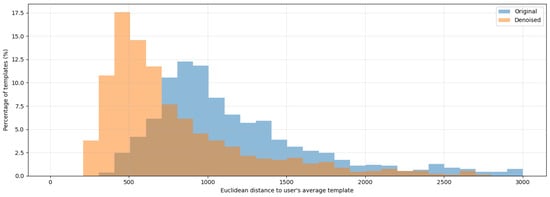
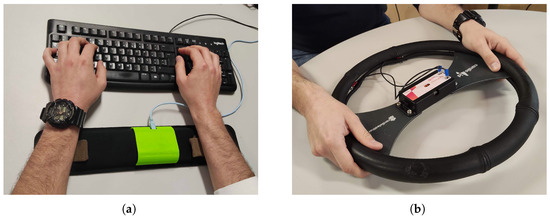
Electrocardiogram (ECG)-based biometrics have emerged as a promising solution for continuous and intrinsic human identification; nevertheless, the robustness of these systems under realistic noise conditions remains a critical challenge for practical deployment. This work presents a theoretical and experimental analysis of how different noise types and levels affect ECG biometric recognition by comparing three methodological families: fiducial-based approaches using morphological features with traditional classifiers such as SVM and k-NN, non-fiducial methods based on signal compression and global descriptors, and Deep Learning models. Controlled distortions and additive noise injection into public ECG databases enable systematic quantification of feature degradation. Experimental validation is performed using the CardioWheel system, a real-world in-vehicle ECG acquisition platform, to evaluate performance under realistic motion and noise conditions. The methodological framework proposed for robustness evaluation and noise-aware training is inherently generic and can be extended to other biometric tasks subject to noise. Results show that different algorithmic families exhibit distinct resilience profiles under noise contamination and reveal a practical signal quality boundary for reliable ECG biometric recognition, with performance deteriorating under severe noise conditions. Noise-aware training improves robustness, particularly for Deep Learning and SVM-based classifiers, highlighting the trade-off between interpretability and robustness. By bridging theoretical analysis and applied experimentation, this work provides practical signal quality guidelines for real-world ECG biometric systems.
Full article

Figure 1
Open AccessArticle
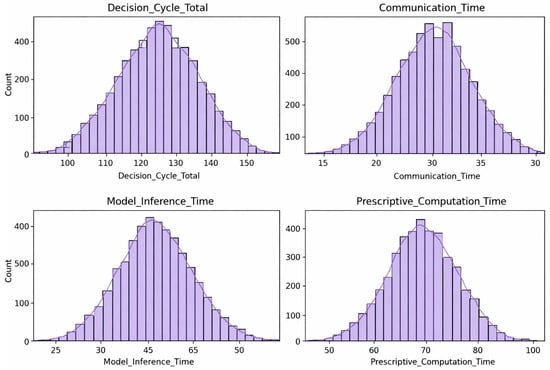
Optimizing Predictive and Prescriptive Maintenance Using Unified Namespace (UNS) for Industrial Equipments
by
Renjithkumar Surendran Pillai, Patrick Denny, Eoin O'Connell, Adam Dooley and Mihai Penica
J. Exp. Theor. Anal. 2026, 4(1), 13; https://doi.org/10.3390/jeta4010013 - 19 Mar 2026
Abstract
This paper proposes a new Unified Namespace (UNS)-based architecture to improve predictive and prescriptive maintenance of industrial equipment and overcome challenges such as incomplete data, poor interoperability, and disconnected IT/OT environments. The framework combines interoperable data formats in real-time sensor data, predictive modeling,
[...] Read more.
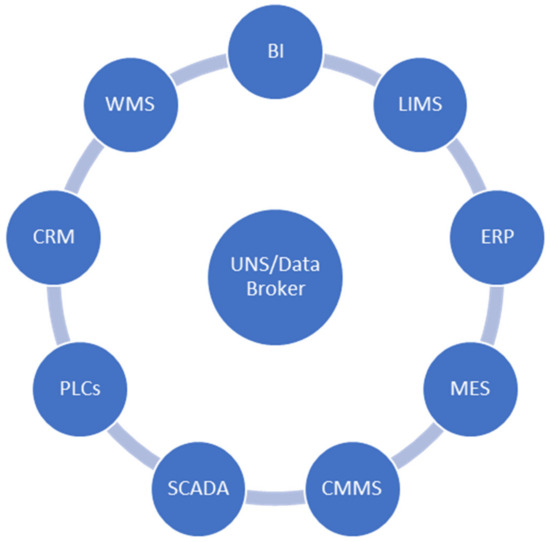
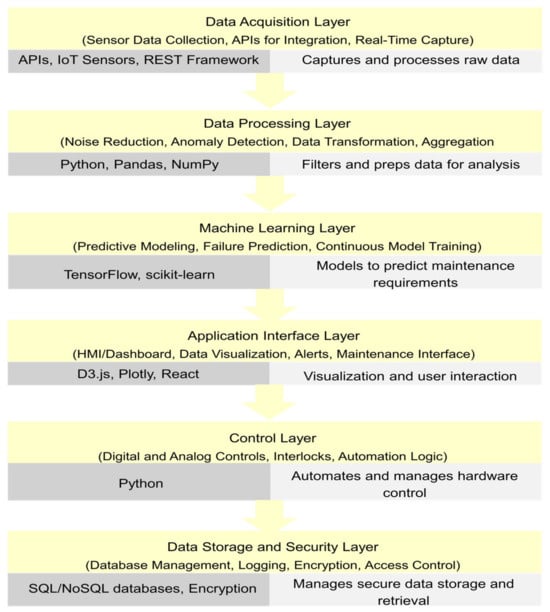
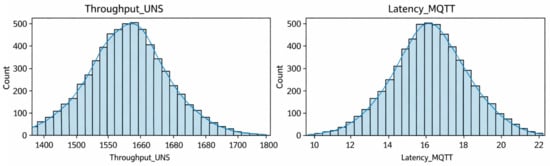
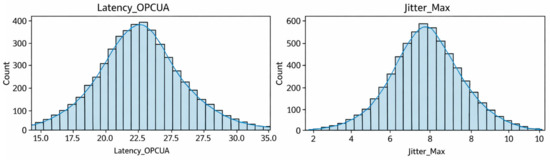
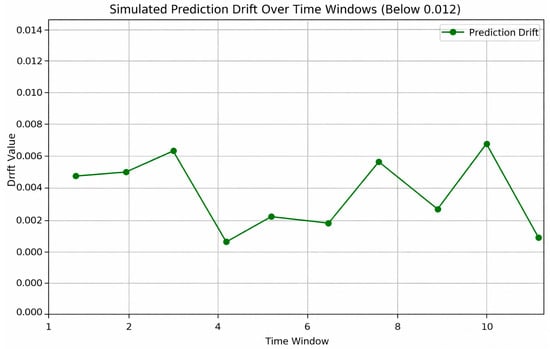
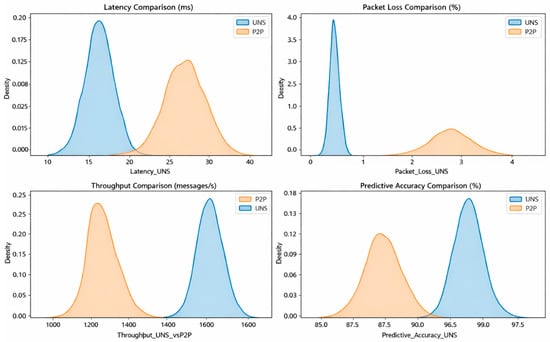
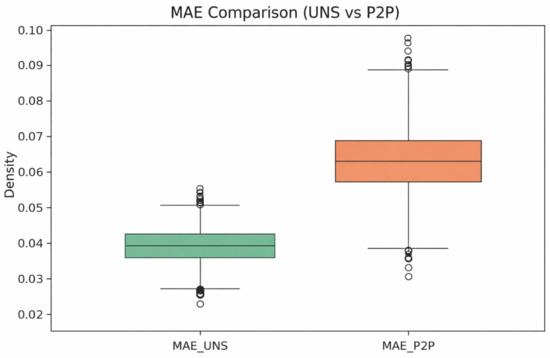
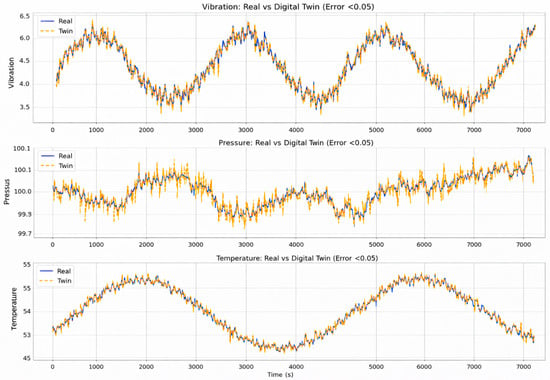
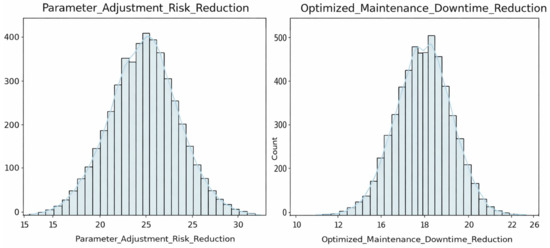
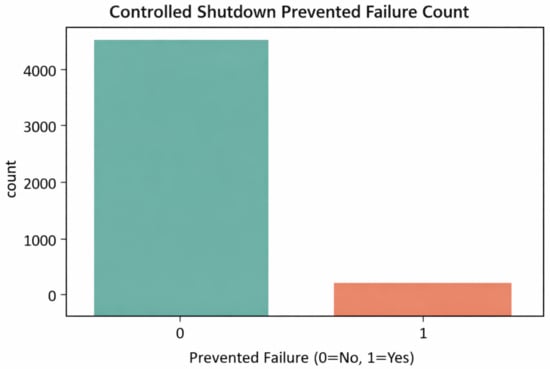
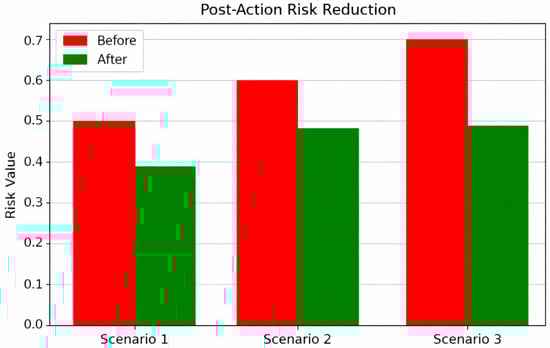
This paper proposes a new Unified Namespace (UNS)-based architecture to improve predictive and prescriptive maintenance of industrial equipment and overcome challenges such as incomplete data, poor interoperability, and disconnected IT/OT environments. The framework combines interoperable data formats in real-time sensor data, predictive modeling, prescriptive analytics, and simulations of digital twins, using UNS as a centralized, protocol-agnostic data layer that is scalable and complies with Industry 4.0 and Pharma 4.0 standards. The suggested methodology increases data accessibility, reduces integration complexity, and allows low-latency analytics and automated decision-making. Machine learning predictive models achieved more than 94% accuracy in predicting equipment failures. Prescriptive analytics provides maintenance recommendations to reduce downtime and risks. The feedback loops of digital twins can enhance the accuracy of predictions and allow decision optimization through what-if analysis. A test-bench deployment showed a higher performance compared to traditional point-to-point integration, with lower latency (approximately 18 ms vs. approximately 31 ms), decreasing packet loss (0.40% vs. 3.11%), and higher model accuracy (94.20% vs. 87.51%). The structure avoided more than 4000 simulated breakdowns in the test-bench environment, indicating dependability. The study connects the theoretical applications of the UNS with the actual maintenance processes and provides a sound approach to the industrial analytics and optimization of the equipment.
Full article
(This article belongs to the Special Issue Digital Twin Technologies: Concepts, Methods, and Applications)
►▼
Show Figures

Figure 1
Highly Accessed Articles
Latest Books
E-Mail Alert
News
Topics
Topic in
Alloys, JETA, Materials, Metals, Sci, Applied Mechanics, Buildings
Advanced Failure Analysis of Materials
Topic Editors: Franco Concli, Isaac J. HongDeadline: 31 December 2026
Topic in
Applied Sciences, Buildings, JETA, Materials, CivilEng, NDT, Applied Mechanics
Structural Health Monitoring Applied to Civil and Mechanical Engineering
Topic Editors: Yang Yang, Lijun Liu, Ning YangDeadline: 31 March 2027
Topic in
Applied Sciences, JETA, JFB, JMMP, Machines, Materials, Micromachines, Nanomaterials
Materials, Systems, and Methods for Nanoscale-to-Macroscale Innovation
Topic Editors: Daniele Passeri, Livia Angeloni, Marta De Luca, Marco Felici, Vittorio MorandiDeadline: 31 July 2027
Topic in
Processes, Separations, Water, JETA, ChemEngineering, Environments
Advanced Processes and Technologies for Wastewater: Collection, Treatment, and Resource, 2nd Edition
Topic Editors: Zhiqiang Zhang, Heliang PangDeadline: 30 September 2027
Special Issues
Special Issue in
JETA
Experimental and Theoretical Analysis of Composite Manufacturing:Processes, Modelling, and Digital Integration
Guest Editors: Jia Ge, Dan SunDeadline: 31 December 2026
Special Issue in
JETA
Digital Twin Technologies: Concepts, Methods, and Applications
Guest Editors: Shuhui Li, Hepeng LiDeadline: 31 December 2026
Special Issue in
JETA
Self-Driving Spectroscopy for Food Safety, Industrial and Cultural Heritage Applications
Guest Editor: Barry K. LavineDeadline: 31 December 2026
Special Issue in
JETA
Featured Papers for Journal of Experimental and Theoretical Analyses (JETA)—Second Edition
Guest Editor: Marco RossiDeadline: 31 December 2026