
Journal Description
International Journal of Turbomachinery, Propulsion and Power
(IJTPP) is an international, peer-reviewed, open access journal on turbomachinery, propulsion and power, published quarterly online. It is the official journal of the EUROTURBO European Turbomachinery Society. Society members receive discounts on the article processing charges.
- Open Access— free for readers, with article processing charges (APC) paid by authors or their institutions.
- High Visibility: indexed within Scopus, ESCI (Web of Science), Inspec, Ei Compendex, and other databases.
- Journal Rank: JCR - Q2 (Engineering, Aerospace) / CiteScore - Q2 (Aerospace Engineering)
- Rapid Publication: manuscripts are peer-reviewed and a first decision is provided to authors approximately 39.5 days after submission; acceptance to publication is undertaken in 28.9 days (median values for papers published in this journal in the first half of 2026).
- Recognition of Reviewers: reviewers who provide timely, thorough peer-review reports receive vouchers entitling them to a discount on the APC of their next publication in any MDPI journal, in appreciation of the work done.
Impact Factor:
2.1 (2025);
5-Year Impact Factor:
2.1 (2025)
Latest Articles
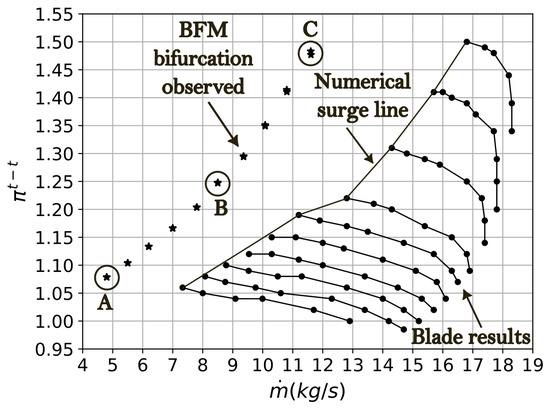
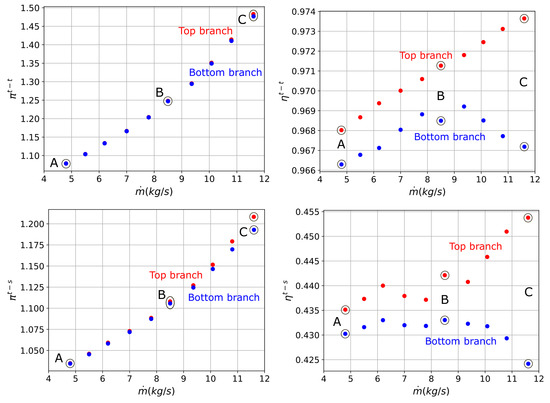
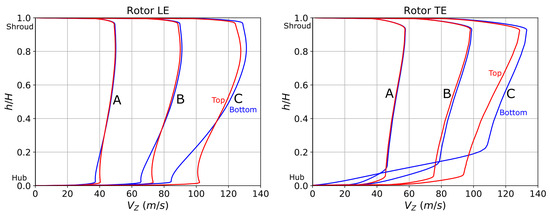
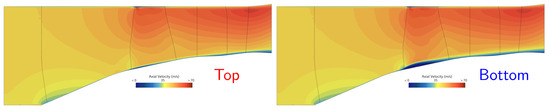
Stability Bifurcation in Compressor RANS Simulations Using Body Force Modeling
Int. J. Turbomach. Propuls. Power 2026, 11(3), 32; https://doi.org/10.3390/ijtpp11030032 - 9 Jul 2026
Abstract
►
Show Figures
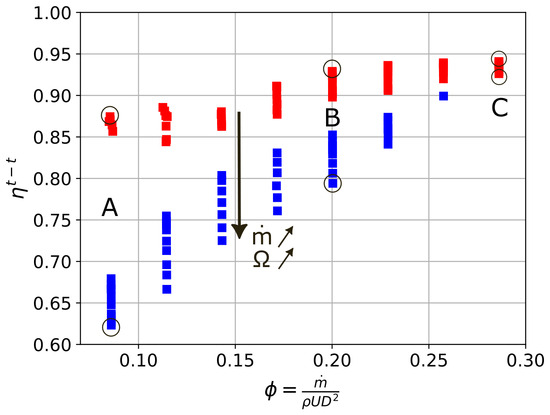
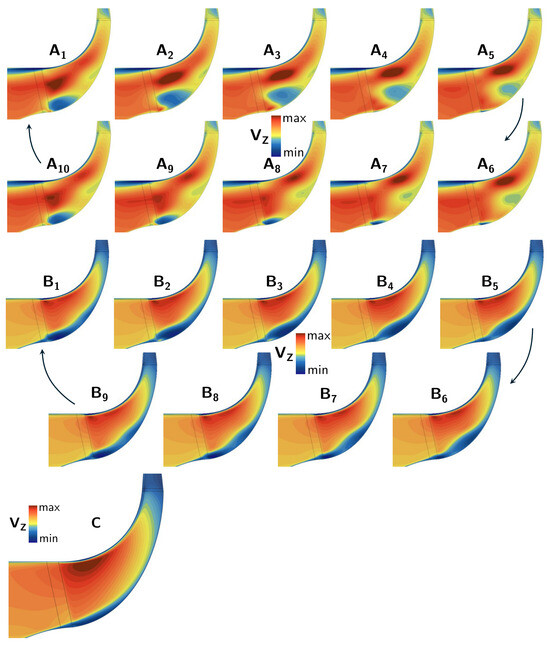
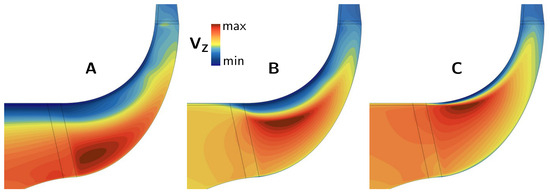
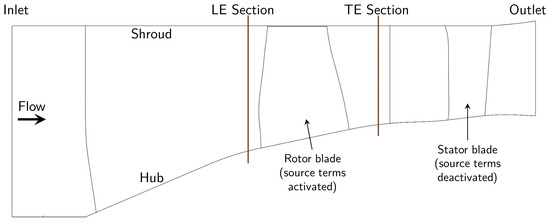
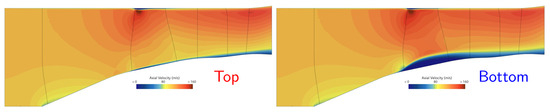
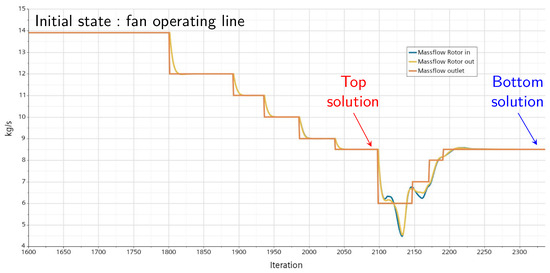
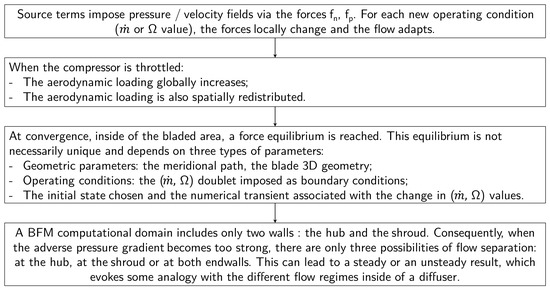
This work points out a stability bifurcation which appears at low mass flow rates when simulating the flow inside of a compressor rotor alone, using the Body Force Modeling (BFM) approach with the Hall–Thollet formulation. This phenomenon is observed for a small propulsive
[...] Read more.
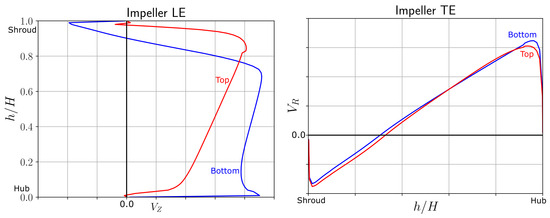
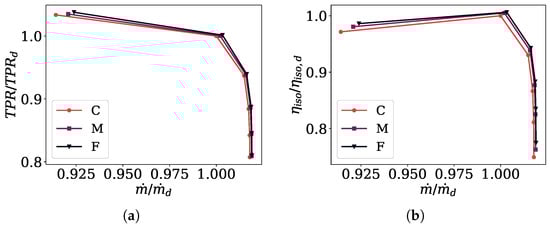
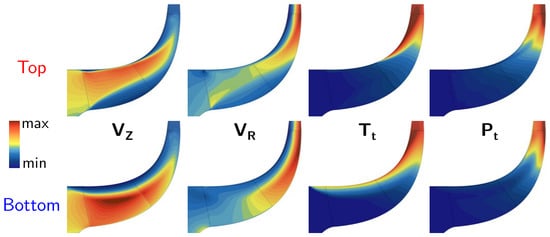
This work points out a stability bifurcation which appears at low mass flow rates when simulating the flow inside of a compressor rotor alone, using the Body Force Modeling (BFM) approach with the Hall–Thollet formulation. This phenomenon is observed for a small propulsive axial fan, with and without model calibration. It does not have any consequence, since it happens far beyond the surge limit of the fan stage and involves “virtual” operating points which cannot be captured with blade simulations. However, this bifurcation also exists with centrifugal impellers, for which a flow recirculation usually takes place at low mass flow rates, enabling extension of the stable operating range. Thus, this represents a serious limitation of this method. This numerical behavior has not yet been documented in the BFM literature. Given the complexity of this subject and the number of parameters, the intention is not to carry out an exhaustive study here. But since the Hall–Thollet formulation is now quite commonly used in turbomachinery CFD, the objective of this work is to briefly report and describe the dichotomy in the solutions obtained.
Full article
Open AccessArticle
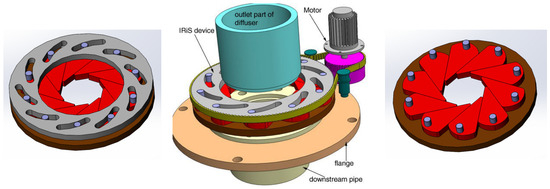
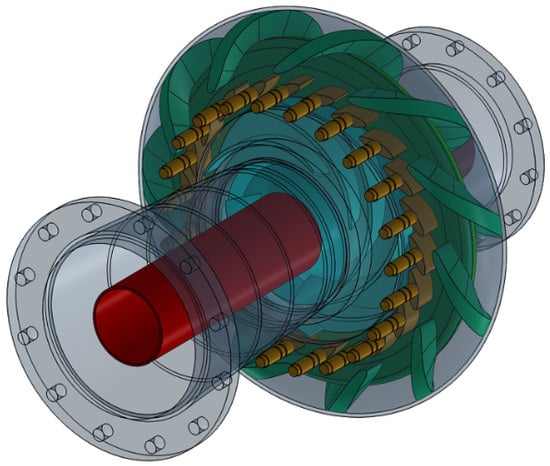
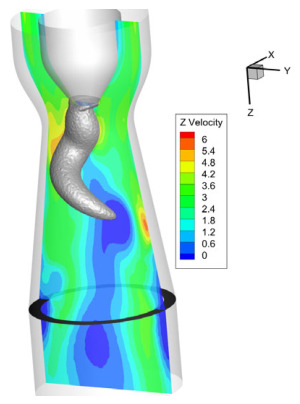
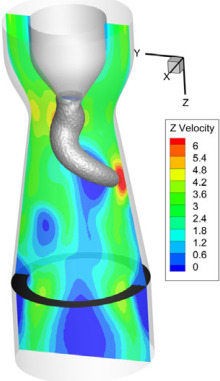
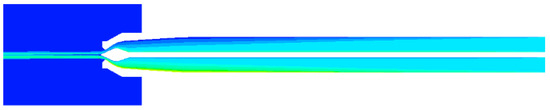
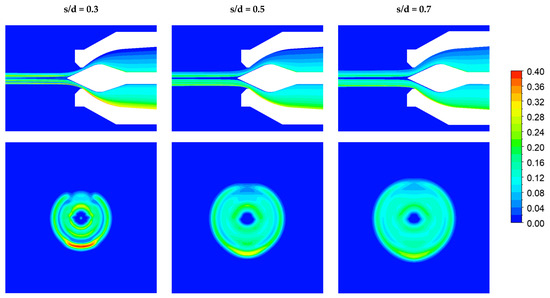
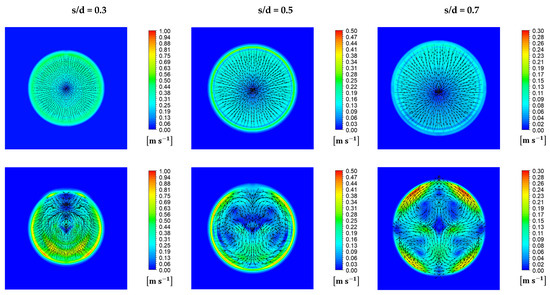
Numerical Analysis of the IRiS Device for Swirling-Flow Instability Mitigation in the Hydraulic Turbines Diffuser
by
Constantin Tanasa, Adrian-Ciprian Stuparu and Alin-Ilie Bosioc
Int. J. Turbomach. Propuls. Power 2026, 11(3), 31; https://doi.org/10.3390/ijtpp11030031 - 1 Jul 2026
Abstract
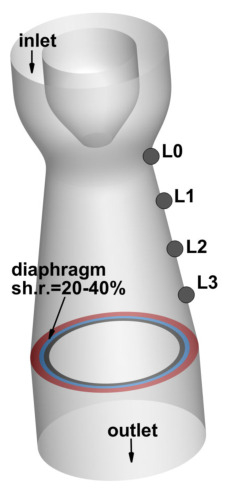
Swirling-flow instabilities in hydraulic turbine diffusers constitute a major operational challenge, particularly when Francis turbines operate under part-load conditions. Over the past decades, numerous control strategies have been proposed to mitigate the instabilities associated with swirling flows. This study presents a comprehensive numerical
[...] Read more.
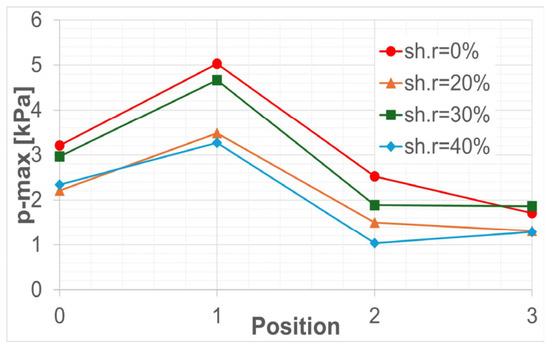
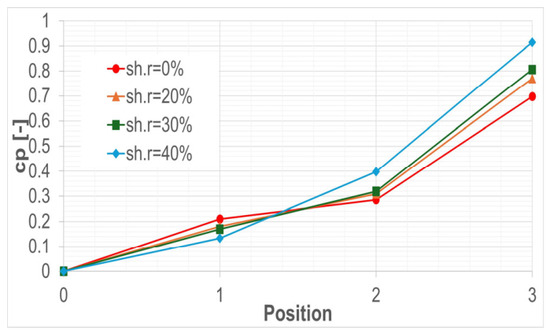
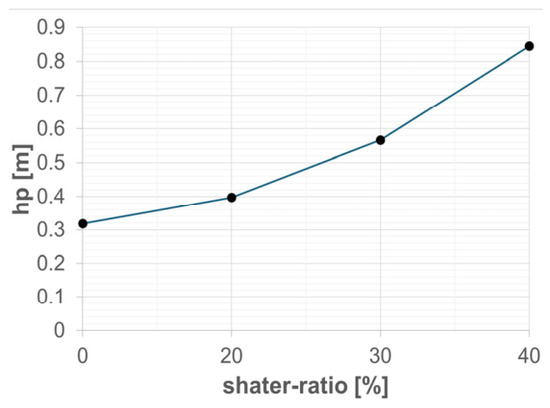
Swirling-flow instabilities in hydraulic turbine diffusers constitute a major operational challenge, particularly when Francis turbines operate under part-load conditions. Over the past decades, numerous control strategies have been proposed to mitigate the instabilities associated with swirling flows. This study presents a comprehensive numerical analysis of a passive flow-control technique based on an adjustable diaphragm device, referred to as IRiS. The primary objectives are to attenuate swirling-flow instabilities and to enhance energy recovery within the draft tube. Three-dimensional unsteady flow simulations were performed for multiple IRiS configurations, characterized by different shutter area ratios. The results indicate that the IRiS device can reduce pressure pulsation amplitudes by up to 60% while simultaneously improving pressure recovery. However, the simulations also show that hydraulic losses may increase at part-load operation, depending on the selected IRiS shutter opening. Overall, the findings support the applicability of this passive control concept for both new and rehabilitated Francis turbines operating under off-design conditions, far from the best efficiency point.
Full article
(This article belongs to the Special Issue Selected Papers from the Conference on Modelling Fluid Flow (CMFF’25))
►▼
Show Figures

Figure 1
Open AccessArticle
Optimization and Experimental Validation of Savonius Turbines with Integrated Deflector for Enhanced Low-Speed Hydropower Efficiency
by
Emeel Kerikous, Péter Kováts, Stefan Hoerner and Dominique Thévenin
Int. J. Turbomach. Propuls. Power 2026, 11(3), 30; https://doi.org/10.3390/ijtpp11030030 - 1 Jul 2026
Abstract
►▼
Show Figures
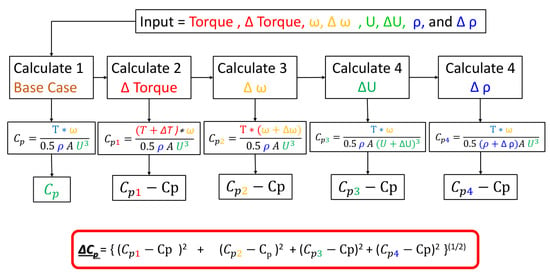
The global energy demand continues to rise, and increasing harmful emissions from fossil fuel combustion highlight the urgent need for alternative, eco-friendly energy sources. Hydropower stands out as a promising solution, leveraging the fact that 71 % of the Earth’s surface is covered
[...] Read more.
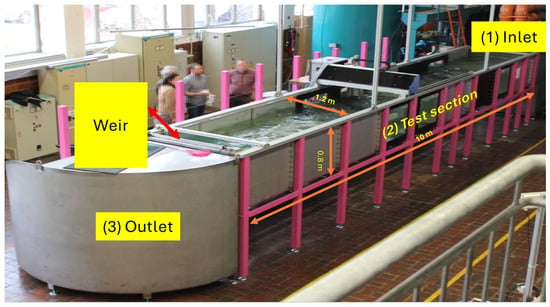
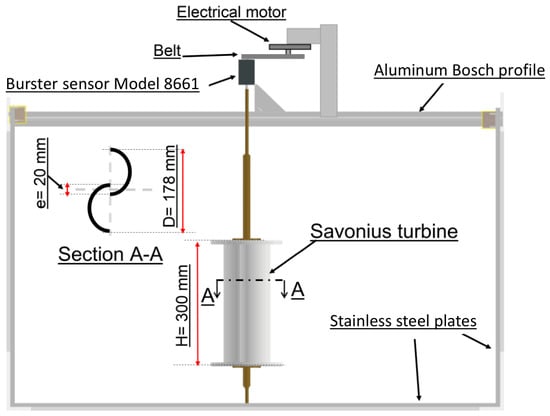
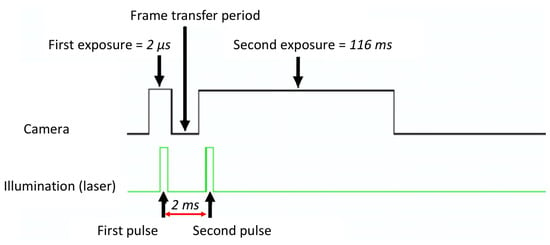
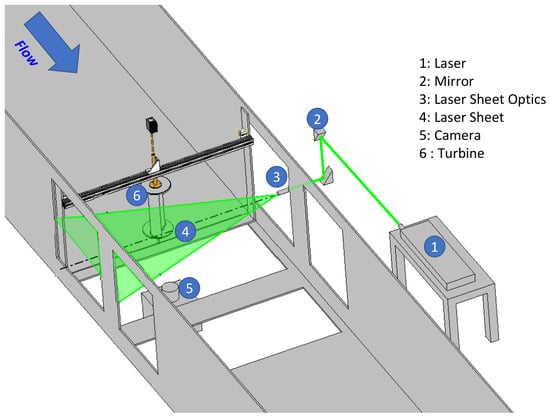
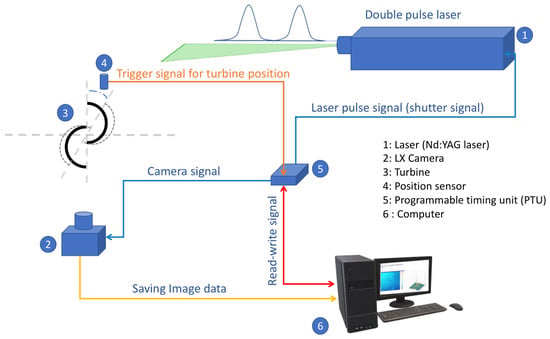
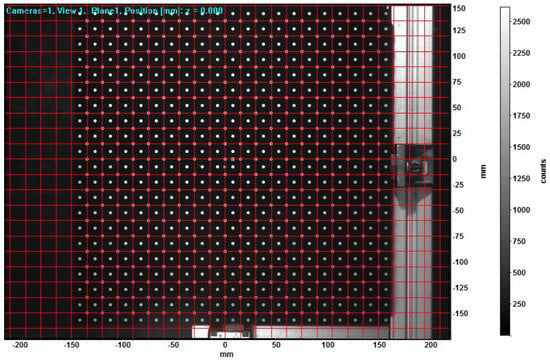
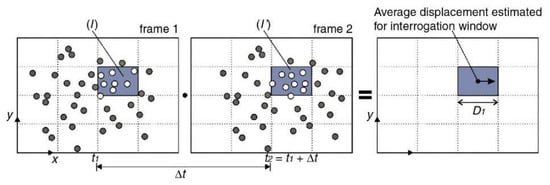
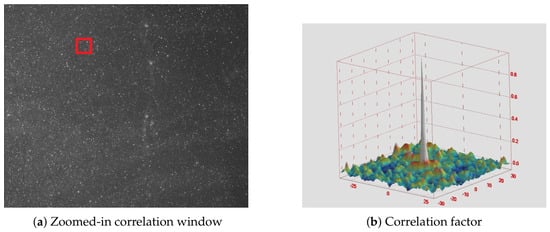
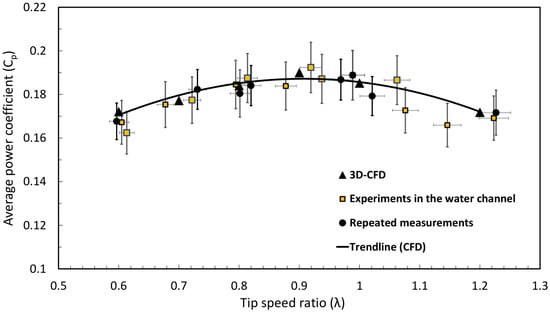
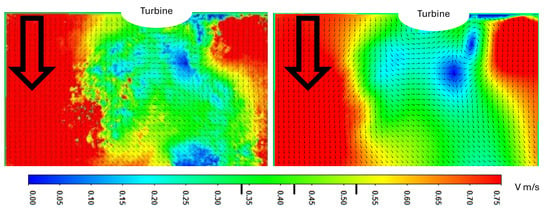
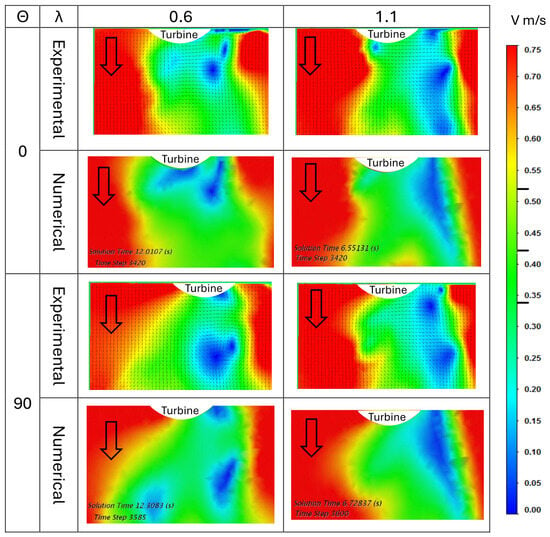
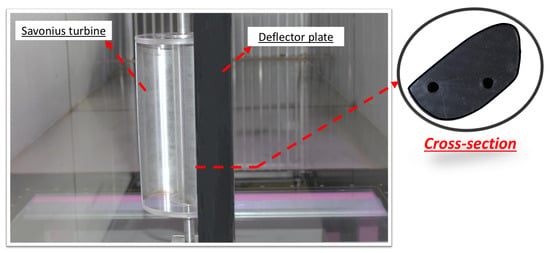
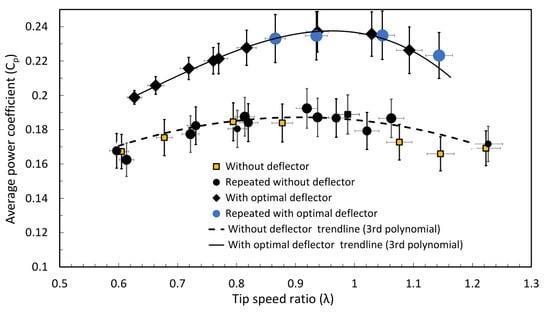
The global energy demand continues to rise, and increasing harmful emissions from fossil fuel combustion highlight the urgent need for alternative, eco-friendly energy sources. Hydropower stands out as a promising solution, leveraging the fact that 71 % of the Earth’s surface is covered by water, allowing for energy harnessing with minimal environmental impact. Modern hydropower technologies must also be optimized to operate efficiently in low-velocity water, a common condition that typically produces low power output. Savonius turbines have been widely studied, with many efforts focusing on enhancing their performance through design modifications. However, much of this research is limited to numerical simulations only. This study seeks to address this gap by experimentally validating a new optimization process that integrates a deflector into the turbine design, first based on Computational Fluid Dynamics. Both the turbine and deflector were fabricated and tested in our water flume, with a comparative analysis conducted against the standard Savonius turbine. In addition to evaluating key experimental parameters such as torque and rotational speed at various tip speed ratios, Particle Image Velocimetry (PIV) is used to investigate the flow structure around the turbine, proving the validity of our CFD-based optimization under real-world conditions.
Full article

Figure 1
Open AccessArticle
Numerical Simulation of Low Specific Speed Pelton Turbines: Challenges and Evaluation
by
Daniel R. Reiterer, Lukas Sandmaier and Helmut Benigni
Int. J. Turbomach. Propuls. Power 2026, 11(3), 29; https://doi.org/10.3390/ijtpp11030029 - 1 Jul 2026
Abstract
This study presents a numerical analysis of a low-specific-speed Pelton turbine using the open-source Lagrangian code DualSPHysics. The numerical results were compared with experimental data. The main objective was to determine whether the applied numerical approach yielded reproducible results and provided insight into
[...] Read more.
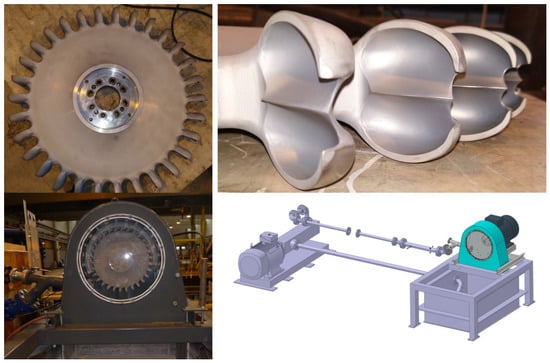
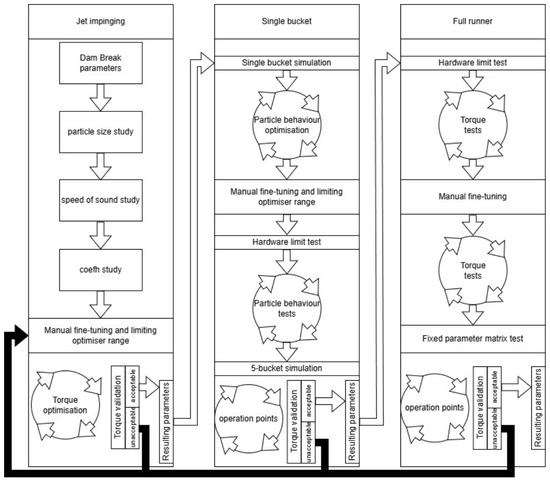
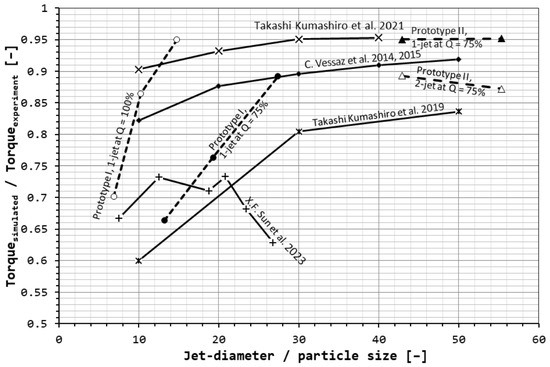
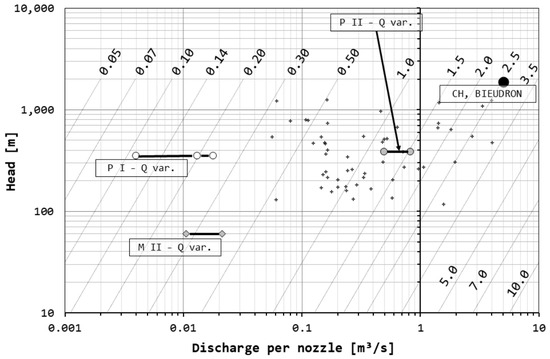
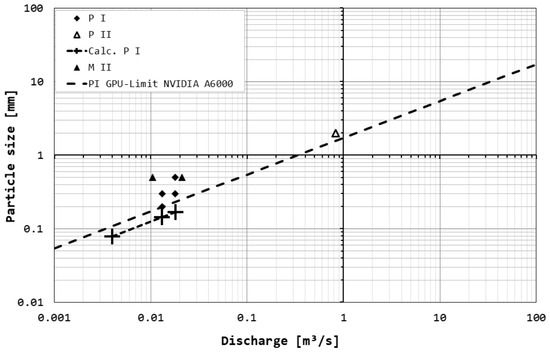
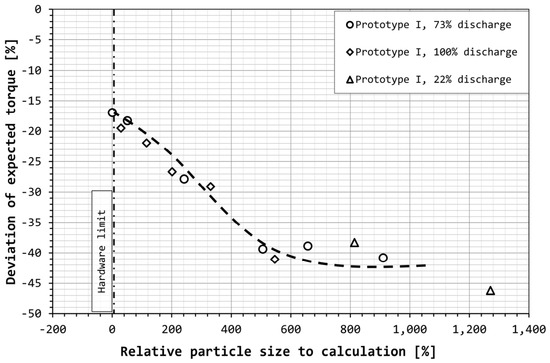
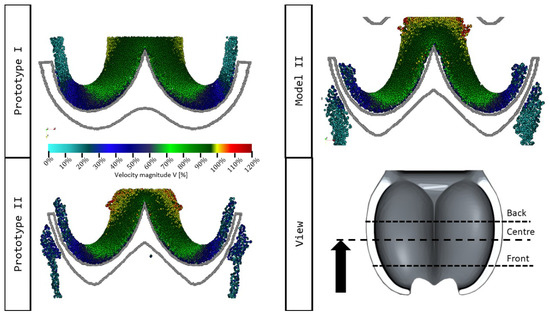
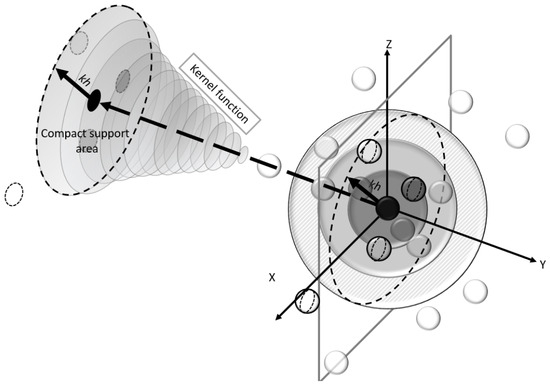
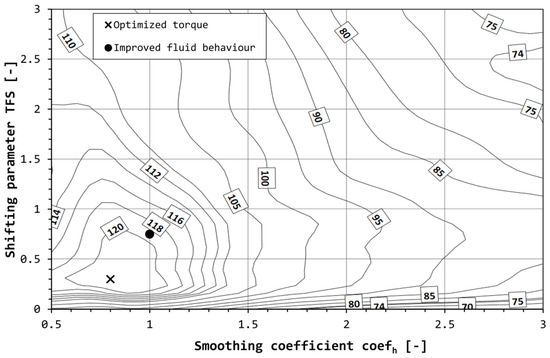
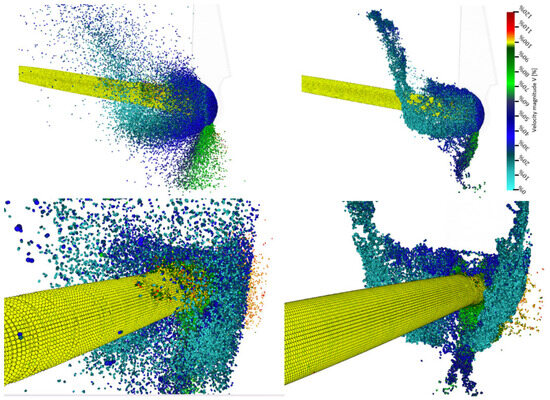
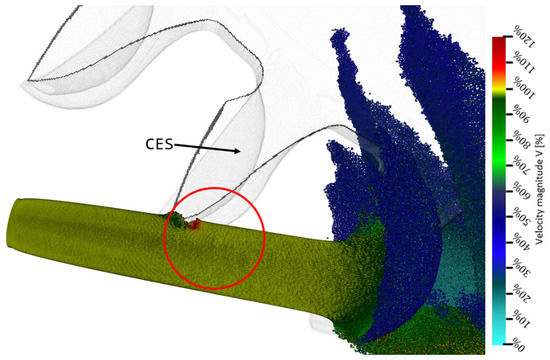
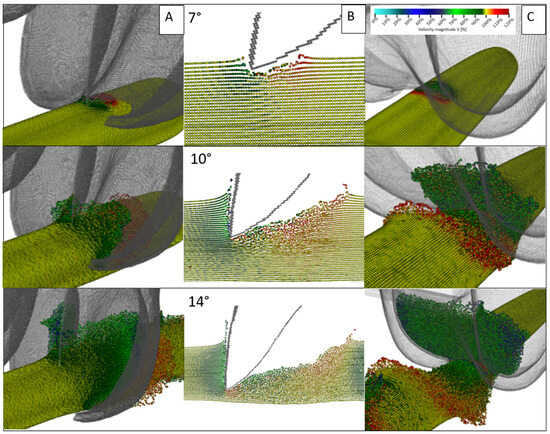
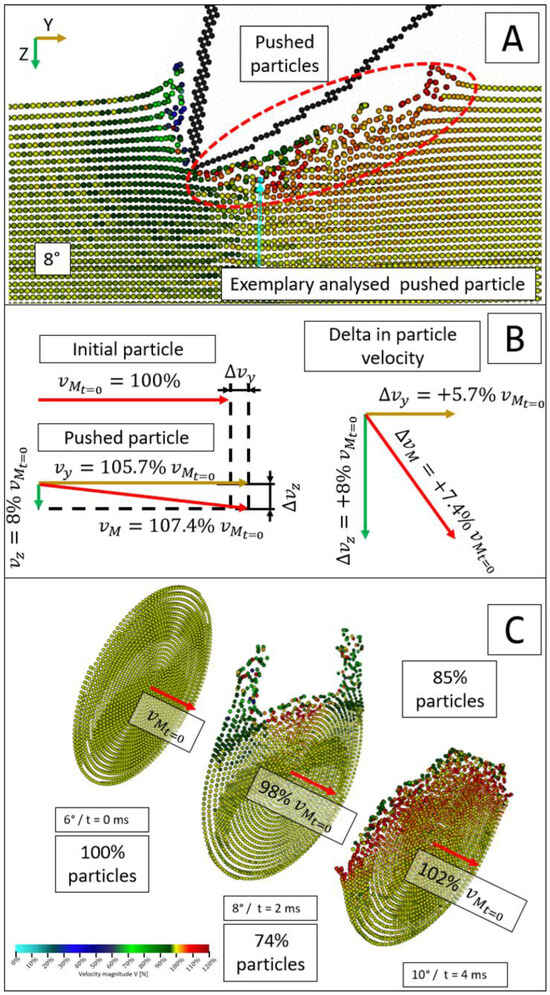
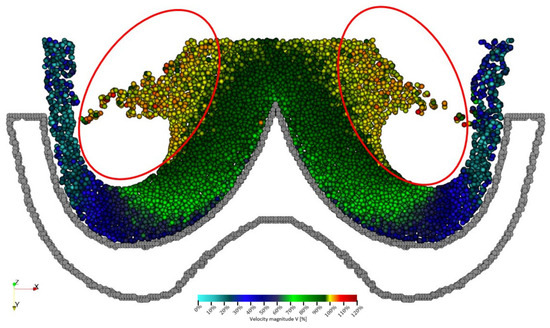
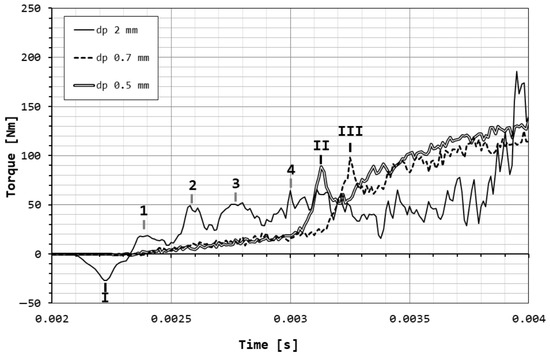
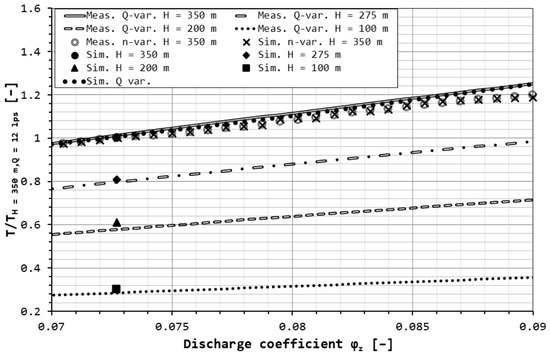
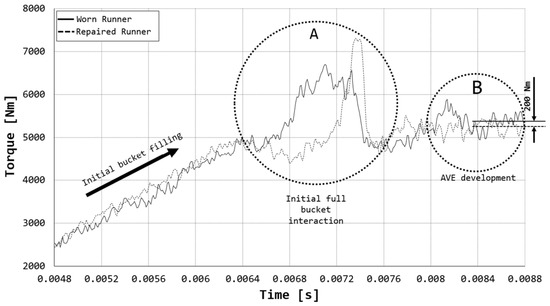
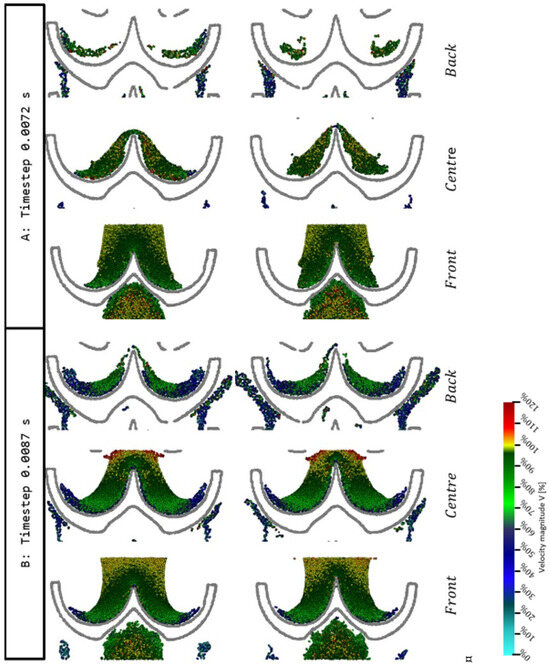
This study presents a numerical analysis of a low-specific-speed Pelton turbine using the open-source Lagrangian code DualSPHysics. The numerical results were compared with experimental data. The main objective was to determine whether the applied numerical approach yielded reproducible results and provided insight into momentum transfer and water movement in the jet, runner, and casing. The influence of numerical parameters, such as particle size, kernel and smoothing length coefficients, and shifting value, on the simulation results was tested. As a result, an optimal particle size formulation is suggested. Furthermore, we established connections for two numerical parameters in DualSPHysics, the “smoothing length coefficient” and the “shifting”, to improve fluid flow behaviour and the resulting torque without modifying the physical parameters. In addition, we investigated deviations from the optimal achievable torque and improvements in fluid behaviour using these numerical parameters. We discussed the effect of the bucket disturbance on the jet from the particle simulation, alongside the similarity law simulation and the actual prototype’s measurement results. Identical simulations of the physical properties of the operation points were compared in momentum.
Full article
(This article belongs to the Special Issue Selected Papers from the Conference on Modelling Fluid Flow (CMFF’25))
►▼
Show Figures

Figure 1
Open AccessReview
The Reliability Paradox: Machine Learning Applications in Industrial Fans and the Perspectives of Industry Experts
by
Lorenzo Tieghi, Giovanni Delibra and Lorenzo Battisti
Int. J. Turbomach. Propuls. Power 2026, 11(2), 28; https://doi.org/10.3390/ijtpp11020028 - 5 Jun 2026
Abstract
►▼
Show Figures
The integration of Artificial Intelligence (AI) in turbomachinery and fan systems is transforming traditional design, diagnostics, and operational strategies. Artificial Intelligence allows for the efficient exploration of wide design space, easy and fast prediction of fan performance and improving existing system operation and
[...] Read more.
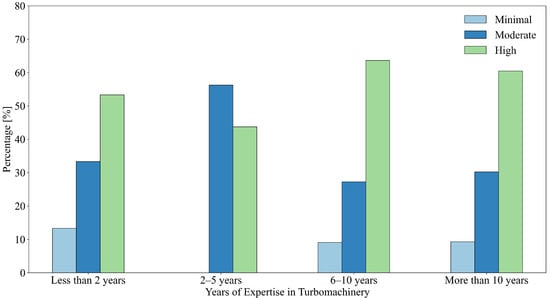
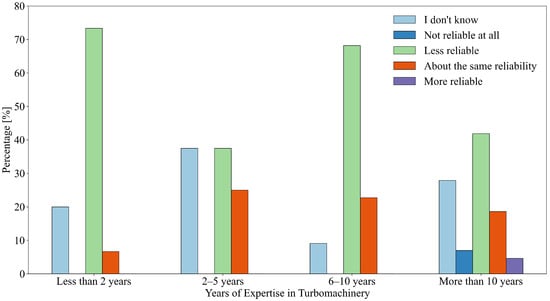
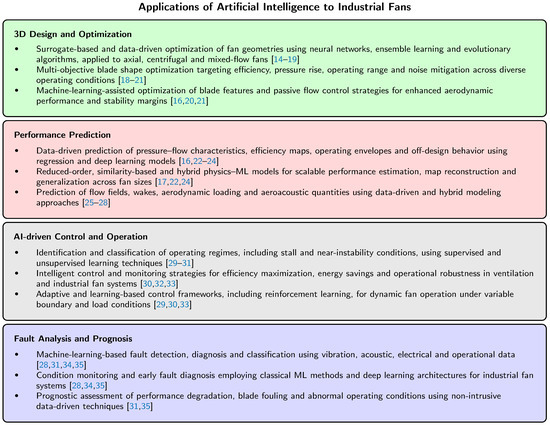
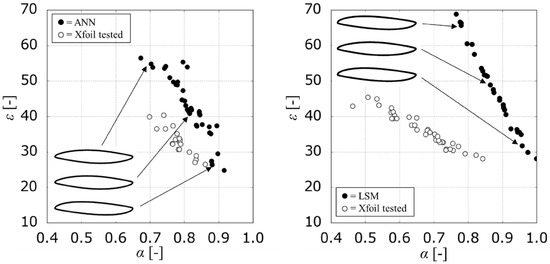
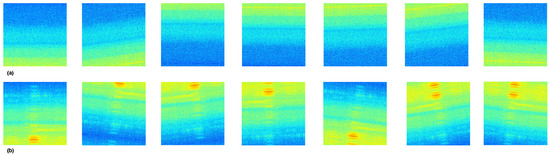
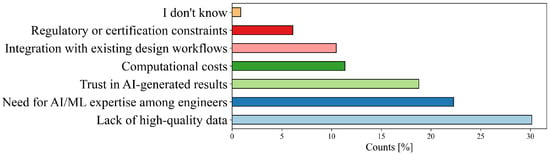
The integration of Artificial Intelligence (AI) in turbomachinery and fan systems is transforming traditional design, diagnostics, and operational strategies. Artificial Intelligence allows for the efficient exploration of wide design space, easy and fast prediction of fan performance and improving existing system operation and maintenance. Nevertheless, this AI-driven revolution still raises concerns and diffidence in the community, as highlighted by the results of a survey delivered to over 100 fan experts and discussed in this paper. This manuscript aims to provide an overview of Fan-AI applications through a comprehensive literature review of notable use cases. The applications target different stages of the life cycle of fans, from ML-assisted three-dimensional design/optimization to data-driven performance prediction, AI-driven fan control and fault analysis/prognosis. For each of these categories, the relevant application are discussed, highlighting trends, adopted algorithms and strategies, as well as limiting factors. This study also shares the views of experts on both fan design, optimization and operations and AI methods in the upcoming challenges for fan industry. Starting from the need of high-quality data, the improvement of model generalization and the embedding of Fan-AI in the standard engineering practices. This paper concludes with a discussion on the future role of AI in fans, suggesting pathways for research and industrial adoption that balance technological innovation with domain-specific constraints.
Full article

Figure 1
Open AccessFeature PaperArticle
Effect of Runner Blade Lean on Flow Instabilities and Rotor–Stator Interaction Under No-Load Operation in a Reversible Pump Turbine
by
Giacomo Zanetti, Francesco Nascimben, Giovanna Cavazzini and Alberto Santolin
Int. J. Turbomach. Propuls. Power 2026, 11(2), 27; https://doi.org/10.3390/ijtpp11020027 - 5 Jun 2026
Abstract
►▼
Show Figures
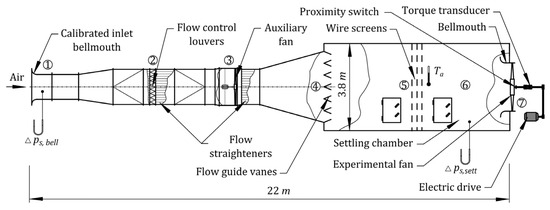
Reversible pump turbines (RPTs) play a key role in pumped hydro energy storage systems, where increasing grid flexibility requires frequent operation under off-design conditions. In turbine mode, deep partial load and no-load operation are often associated with severe flow instabilities, rotating stall, and
[...] Read more.
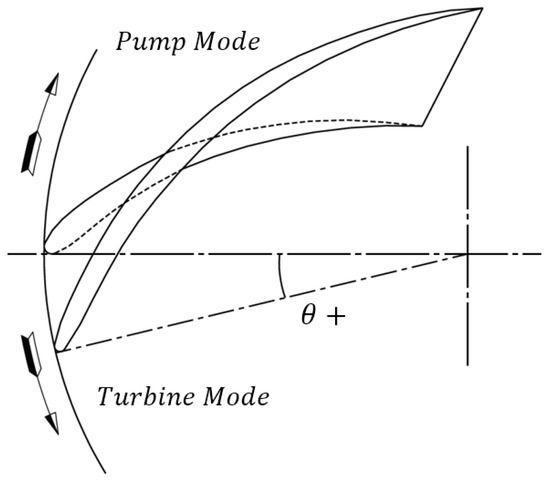
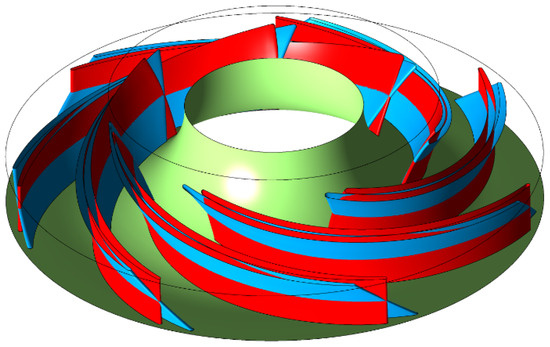
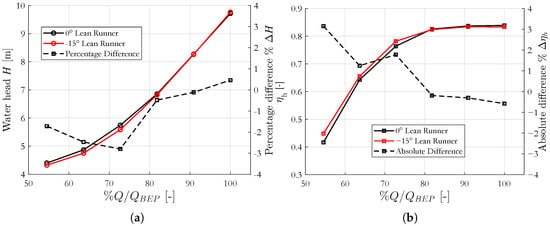
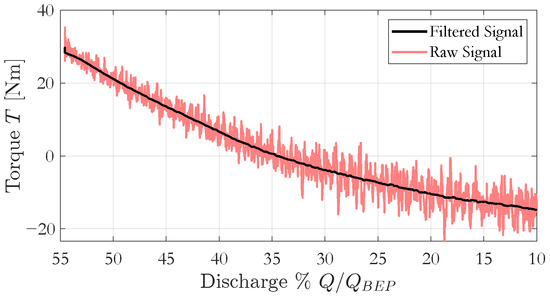
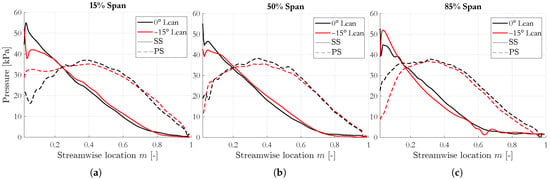
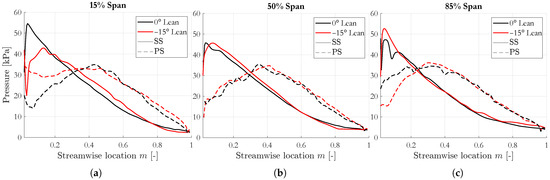
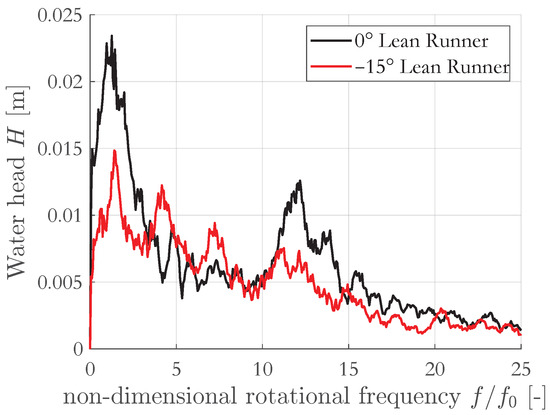
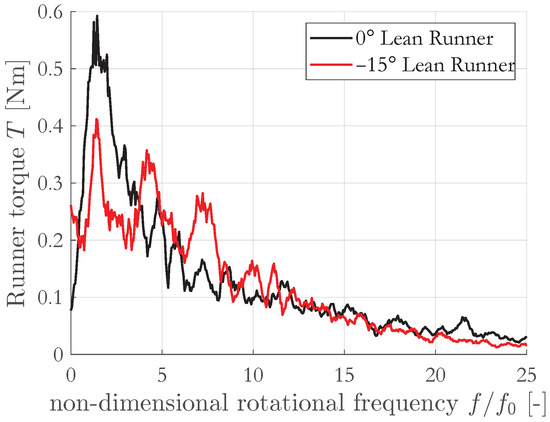
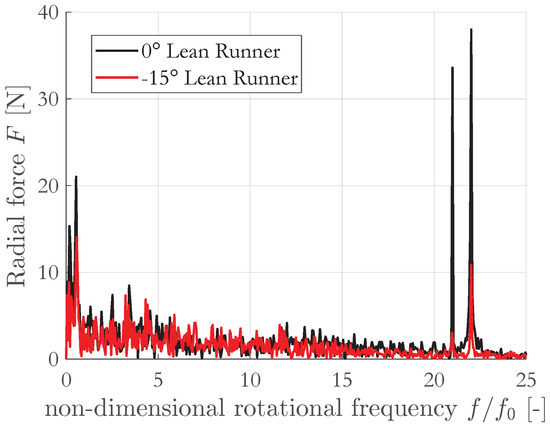
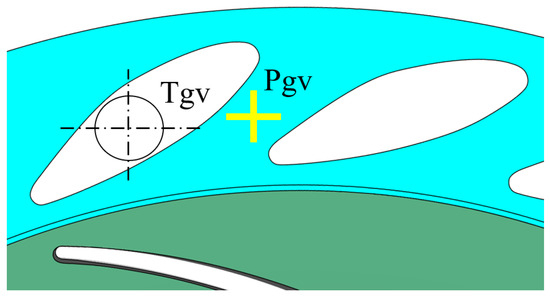
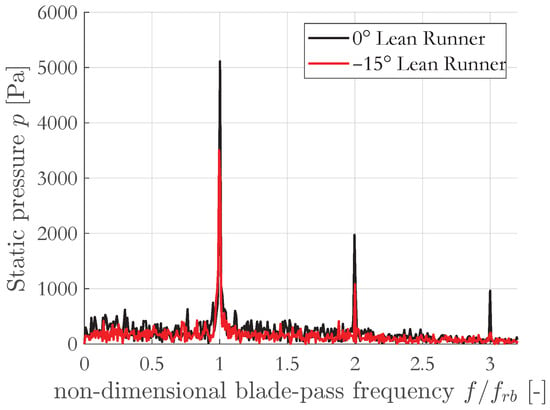
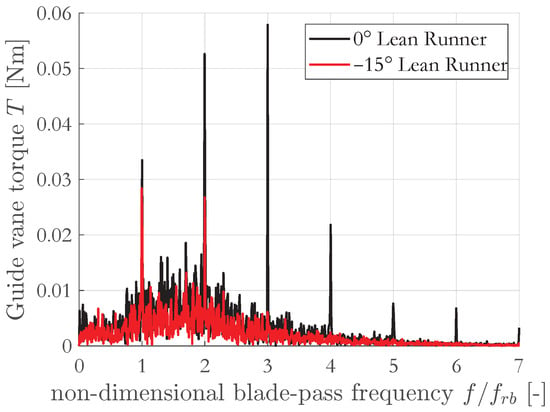
Reversible pump turbines (RPTs) play a key role in pumped hydro energy storage systems, where increasing grid flexibility requires frequent operation under off-design conditions. In turbine mode, deep partial load and no-load operation are often associated with severe flow instabilities, rotating stall, and strong rotor–stator interactions, which can limit operational flexibility and increase mechanical stress. Previous studies have shown that blade lean can influence hydrodynamic stability; however, its effect under no-load conditions remains insufficiently understood. In this work, the influence of runner blade lean on flow instabilities and rotor–stator interaction in a reversible pump turbine is numerically investigated. Two runner configurations, featuring a 0° and a blade lean angle, are analyzed through unsteady CFD simulations during the transition from deep partial load to no-load operation. The analysis focuses on flow field characteristics, blade loading, and the spectral content of pressure, torque, and radial forces. The results show that the negatively leaned runner significantly mitigates flow recirculation near the hub, reduces pressure and torque fluctuations, and strongly suppresses higher-order harmonic components associated with rotor–stator interaction. In particular, radial force amplitudes at blade-passing harmonics are substantially reduced under no-load conditions. These findings demonstrate that a negative blade lean improves hydrodynamic stability and reduces vibratory loads, contributing to the enhanced operational reliability of reversible pump turbines.
Full article

Figure 1
Open AccessFeature PaperArticle
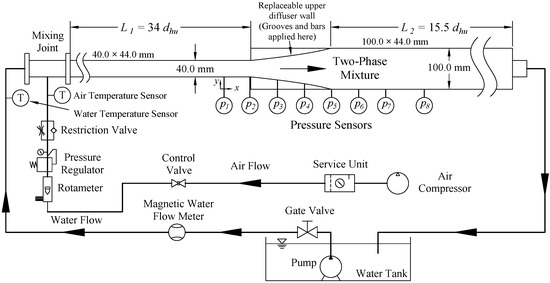
Effect of Surface Grooves and Bars on Gas Accumulation in Diverging Channels Under Two-Phase Flow Conditions
by
Michael Mansour, Mena Shenouda, Nicola Zanini and Dominique Thévenin
Int. J. Turbomach. Propuls. Power 2026, 11(2), 26; https://doi.org/10.3390/ijtpp11020026 - 1 Jun 2026
Abstract
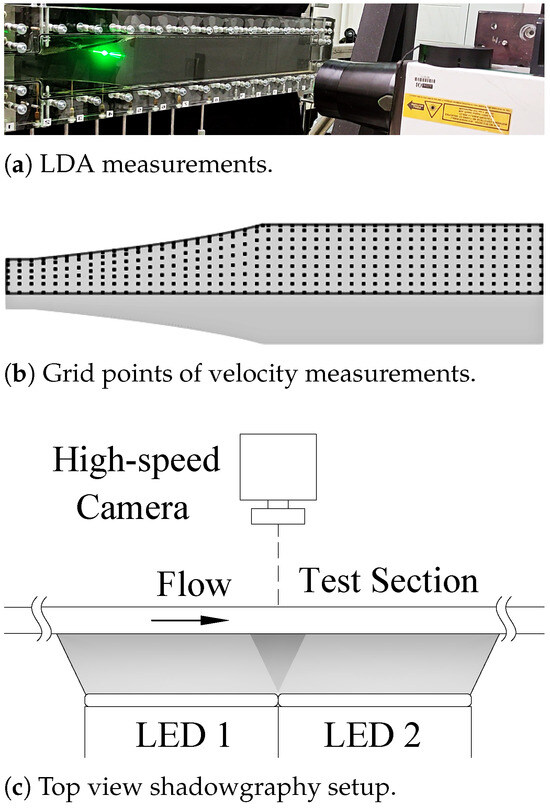
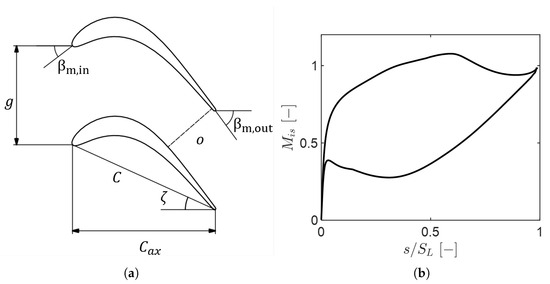
Two-phase flow in diffusers is often accompanied by pronounced gas accumulation caused by low-pressure regions associated with flow separation, leading to a deterioration in pressure recovery. This behavior poses a major limitation to the performance of centrifugal pumps operating under gas–liquid flow conditions.
[...] Read more.
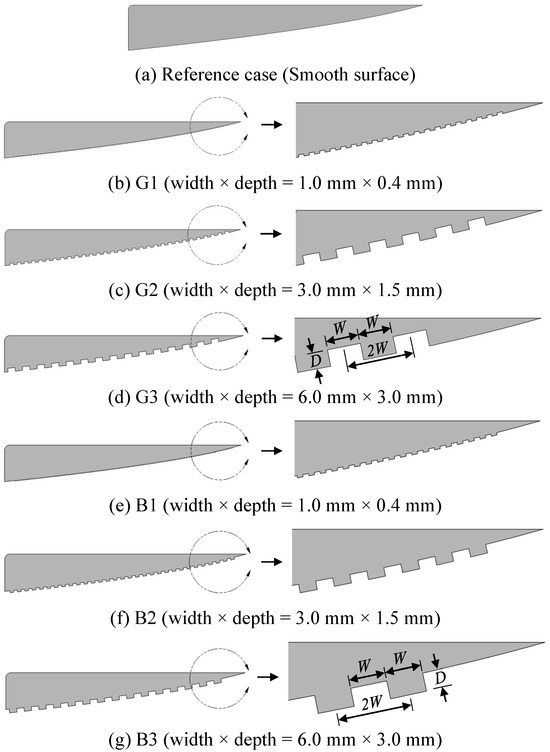
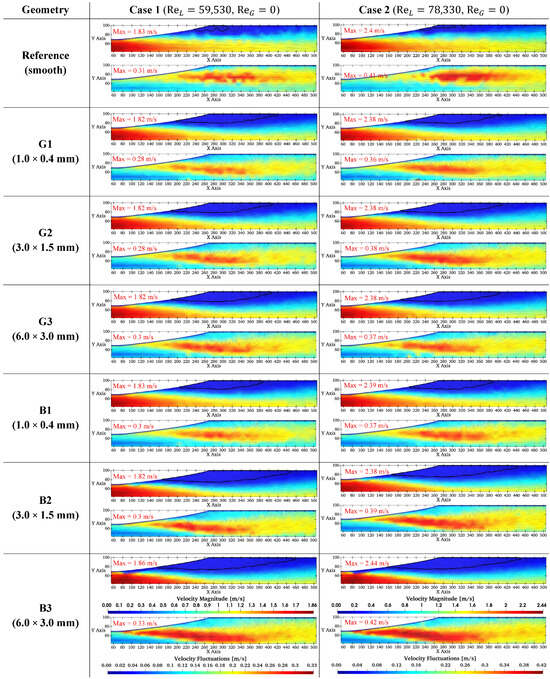
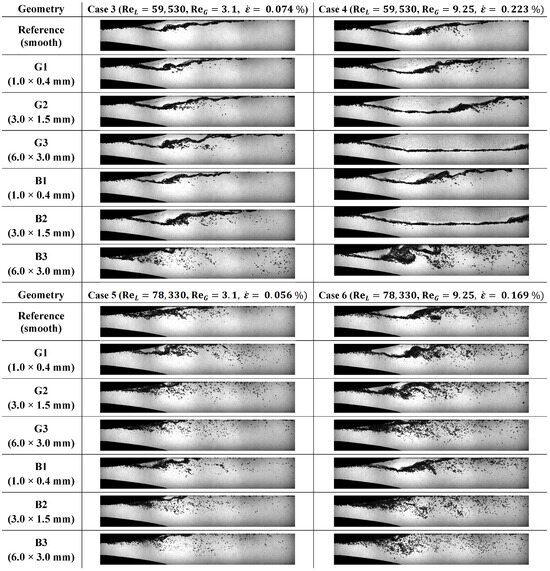
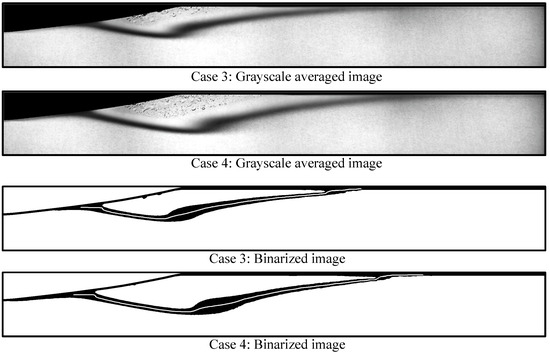
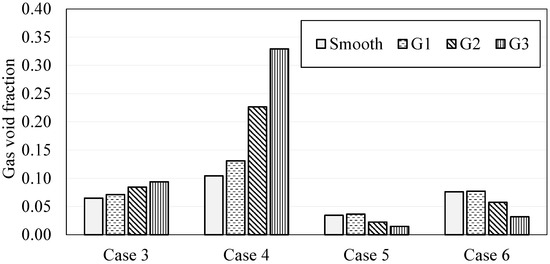
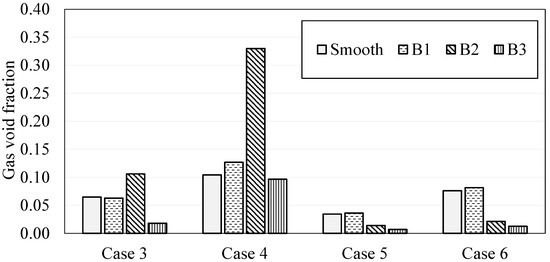
Two-phase flow in diffusers is often accompanied by pronounced gas accumulation caused by low-pressure regions associated with flow separation, leading to a deterioration in pressure recovery. This behavior poses a major limitation to the performance of centrifugal pumps operating under gas–liquid flow conditions. Compared to rotating pump components, diffusers provide a simplified and well-controlled environment, making them particularly suitable for detailed experimental investigations. In this study, the influence of surface geometry modifications on gas accumulation is examined by introducing grooves and bars of different sizes on the upper wall of a diffuser. These structures are intended to enhance local turbulence and promote gas dispersion in regions prone to accumulation. A diffuser with a gradually increasing opening angle was designed to deliberately trigger flow separation and gas entrapment. The two-phase flow behavior was analyzed using high-speed visualizations to capture the interaction between gas and liquid phases under various operating conditions. The results show that small-scale grooves and bars have only a marginal effect on mitigating gas accumulation. In several cases, these modifications intensify flow separation, leading to increased gas hold-up, particularly at low liquid flow rates combined with high gas flow rates. In contrast, larger bars, especially the largest tested configuration, demonstrate a pronounced ability to reduce gas accumulation, most notably at higher liquid flow rates. The findings provide valuable experimental insight for validating numerical models and offer practical guidance for geometric optimization aimed at improving centrifugal pump performance under two-phase flow conditions.
Full article
(This article belongs to the Special Issue Selected Papers from the Conference on Modelling Fluid Flow (CMFF’25))
►▼
Show Figures

Figure 1
Open AccessArticle
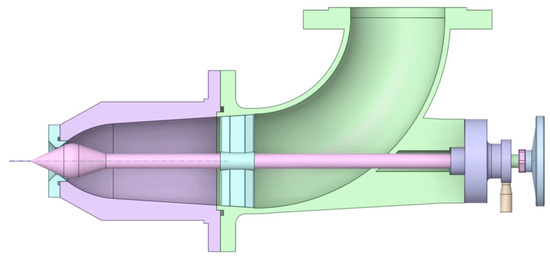
CFD Investigation of Sediment Transport Effects on Pelton Nozzle Performance Using an Eulerian Multiphase Approach
by
Francesco Nascimben, Giacomo Zanetti and Giovanna Cavazzini
Int. J. Turbomach. Propuls. Power 2026, 11(2), 25; https://doi.org/10.3390/ijtpp11020025 - 1 Jun 2026
Abstract
►▼
Show Figures
Sediment management represents a key challenge for hydropower plants, as it requires balancing river continuity preservation with the mitigation of erosion-related damage. To identify admissible sediment loads that ensure acceptable wear levels, reliable numerical tools are required for the prediction of multiphase flow
[...] Read more.
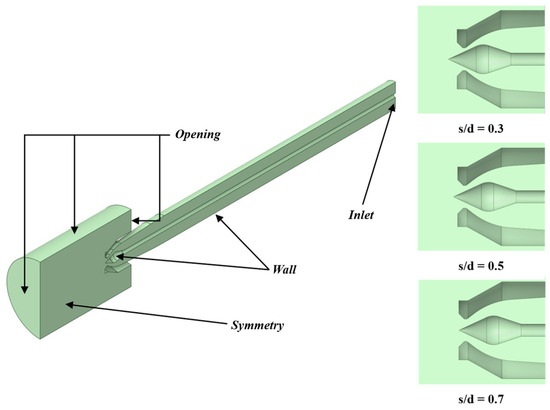
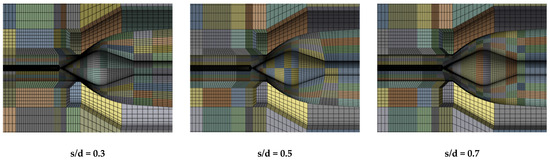
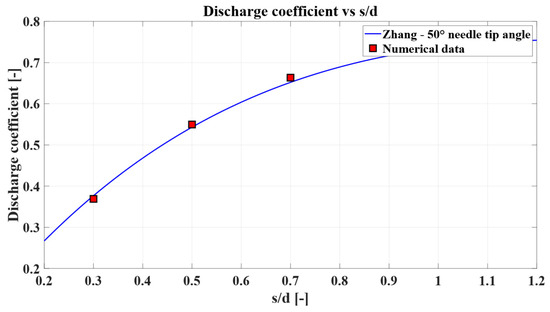
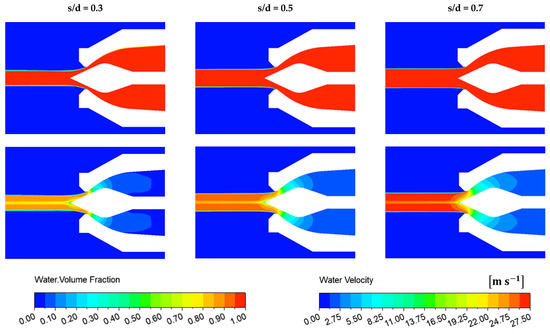
Sediment management represents a key challenge for hydropower plants, as it requires balancing river continuity preservation with the mitigation of erosion-related damage. To identify admissible sediment loads that ensure acceptable wear levels, reliable numerical tools are required for the prediction of multiphase flow behavior under different sediment transport conditions. In this framework, the present study applies a steady-state inhomogeneous Eulerian approach to investigate the three-phase flow (water–air–sediment) inside a Pelton nozzle under different needle-opening conditions and high sediment volume fractions. The CFD model is first validated under clear water–air conditions by comparing the predicted discharge coefficient with the literature data for the same nozzle geometry. Subsequently, the validated framework is extended to sediment-laden configurations, and the resulting injector performance and jet characteristics are compared with the corresponding clear-water case. The results highlight that the presence of sediments leads to increased pressure losses and modifications of the jet structure, which may adversely affect the hydraulic performance of the downstream Pelton runner.
Full article

Figure 1
Open AccessArticle
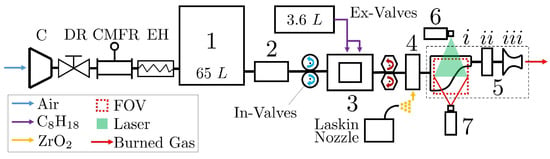
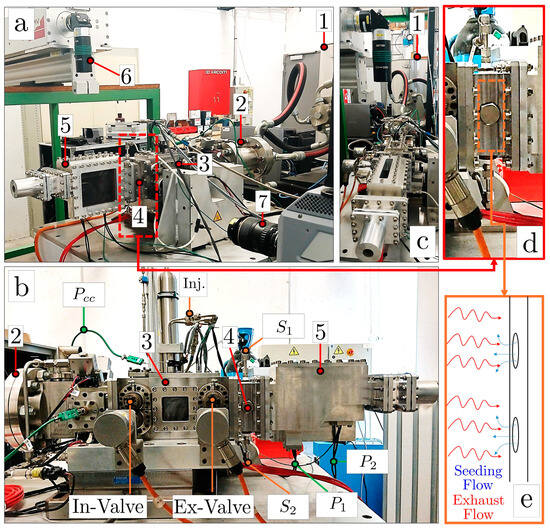
Reactive Experimental PIV Analysis of Pulsating Flow Exiting from Cyclic Deflagrative Pressure Gain Combustion
by
Panagiotis Gallis, Daniela Anna Misul, Bastien Boust, Marc Bellenoue and Simone Salvadori
Int. J. Turbomach. Propuls. Power 2026, 11(2), 24; https://doi.org/10.3390/ijtpp11020024 - 1 Jun 2026
Abstract
►▼
Show Figures
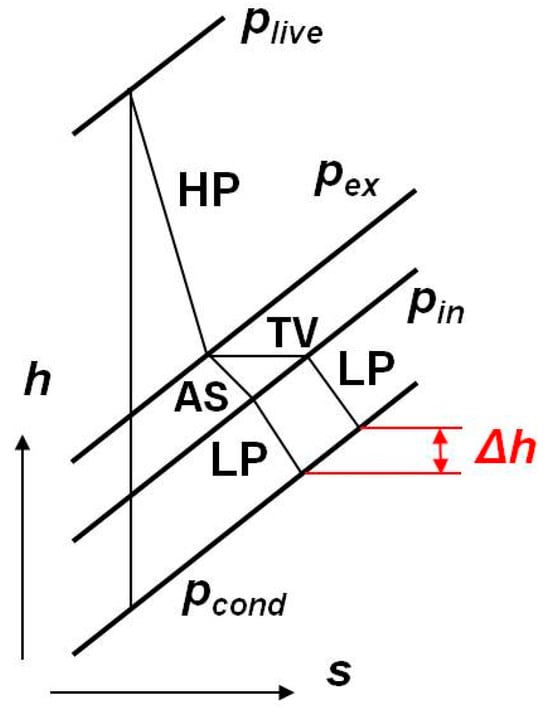
In spite of the intense research interest in the integration of Pressure Gain Combustion (PGC) systems with a turbomachinery module, limited studies have been conducted regarding the experimental investigation of the strong spatio-temporal perturbations of these unconventional machines’ outflow. This paper focuses on
[...] Read more.
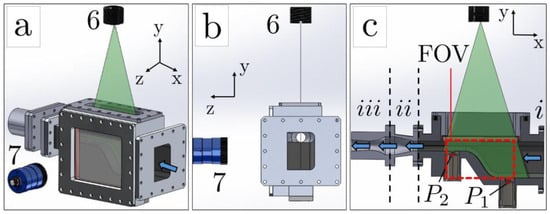
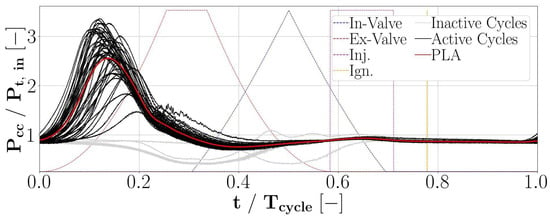
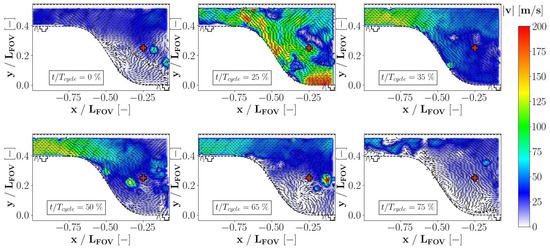
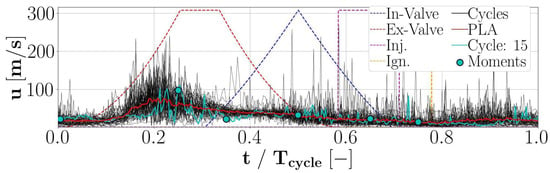
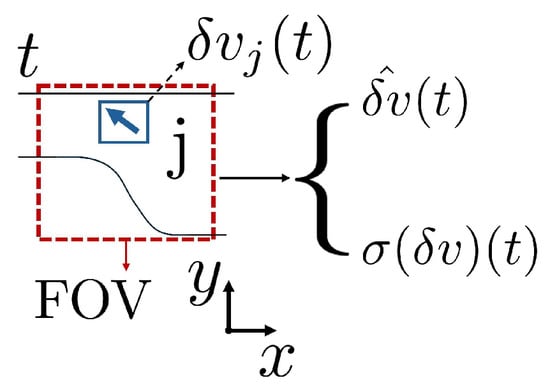
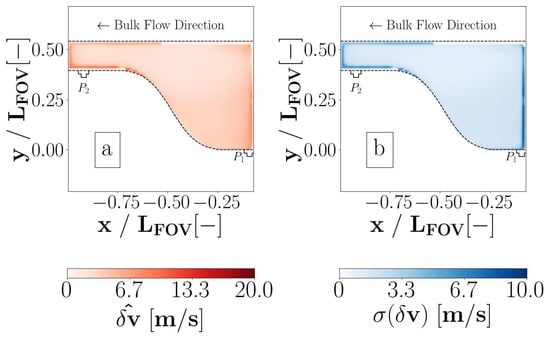
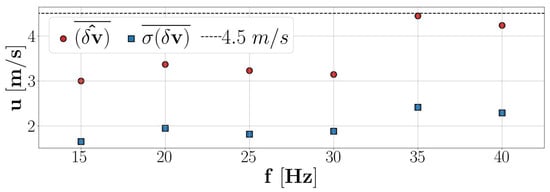
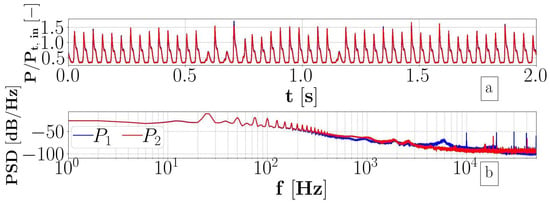
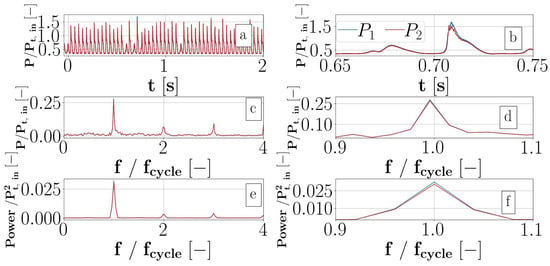
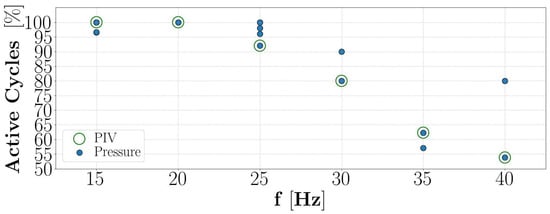
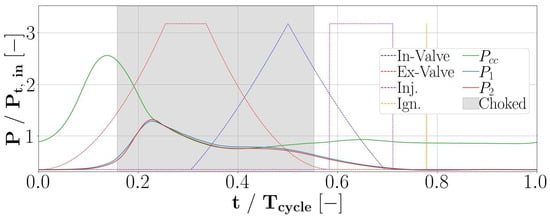
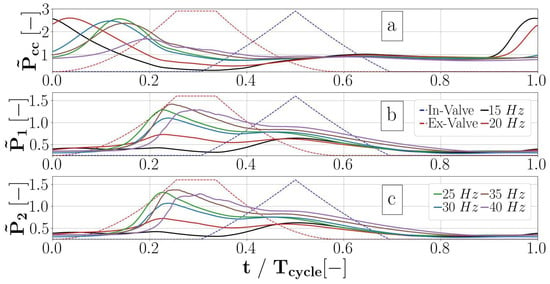
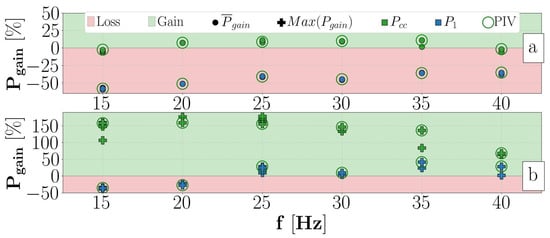
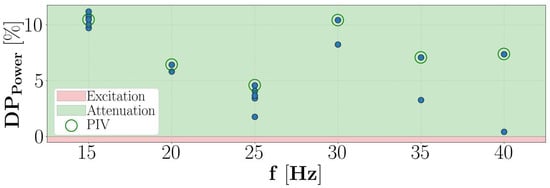
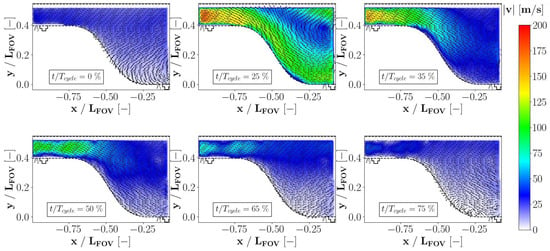
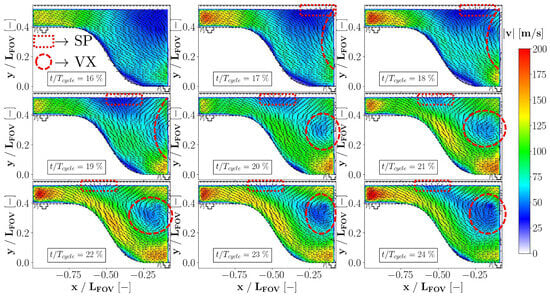
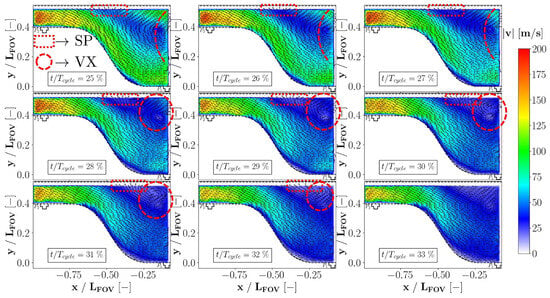
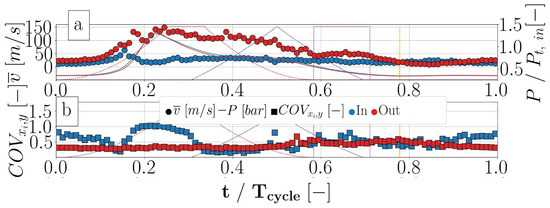
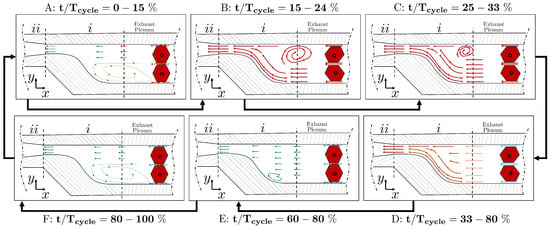
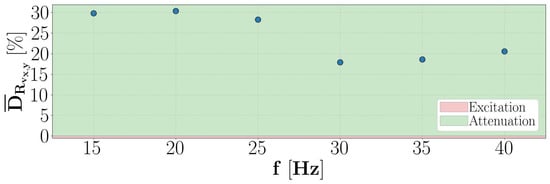
In spite of the intense research interest in the integration of Pressure Gain Combustion (PGC) systems with a turbomachinery module, limited studies have been conducted regarding the experimental investigation of the strong spatio-temporal perturbations of these unconventional machines’ outflow. This paper focuses on experimentally characterizing the perturbing exhaust flow of a Constant-Volume Combustor (CVC). Preceding numerical analysis offers a transition duct able to attenuate the CVC’s produced unsteadiness and connect this PGC with a turbomachinery module. In fact, the transition duct is manufactured, while a pair of windows are introduced allowing for high-frequency Particle Image Velocimetry (PIV) analysis. In addition, fast-response pressure sensors in the combustion chamber, upstream and downstream of the transition duct, are implemented. A parametric analysis of the rotational frequency of the inlet–outlet rotary valve pair is conducted. The perturbing outflow of this PGC is characterized and experimentally visualized for the first time. Moreover, the attenuation performance of the transition duct on the CVC’s produced unsteadiness is evaluated for different cycle frequencies. The transition duct is proved to be able to alleviate the spatial and time-dependent unsteadiness by CVC, offering crucial evidence and conclusions for the future industrial integration of the CVC with a High-Pressure Turbine stage.
Full article

Figure 1

Open AccessArticle
Estimation of Inter-Scale Transfer Rates Within a Compressor Flowfield Using High-Fidelity Data
by
Pawel Jan Przytarski, Matteo Dellacasagrande and Davide Lengani
Int. J. Turbomach. Propuls. Power 2026, 11(2), 23; https://doi.org/10.3390/ijtpp11020023 - 15 May 2026
Abstract
►▼
Show Figures
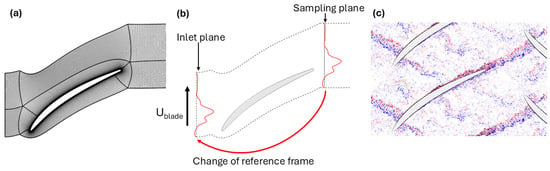
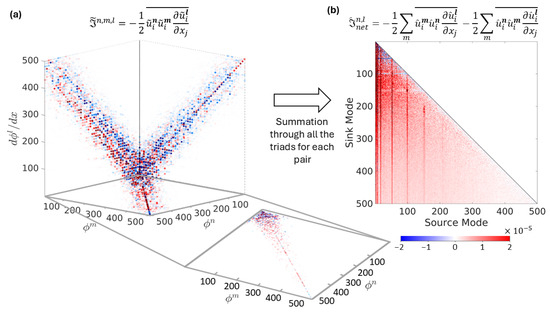
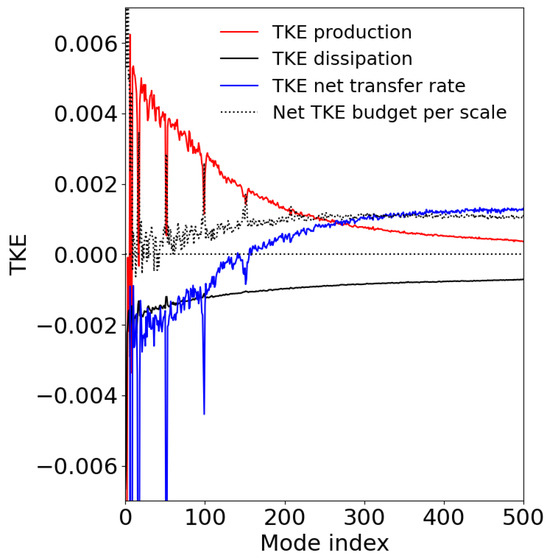
To better understand the impact that multi-scale unsteadiness has on industrial flows, we use Large Eddy Simulation (LES) data representative of a midspan compressor section operating in an idealized multi-stage environment. We collect a large number of three-dimensional flow snapshots and perform a
[...] Read more.
To better understand the impact that multi-scale unsteadiness has on industrial flows, we use Large Eddy Simulation (LES) data representative of a midspan compressor section operating in an idealized multi-stage environment. We collect a large number of three-dimensional flow snapshots and perform a large-scale flow decomposition using a parallel framework based on the Proper Orthogonal Decomposition (POD). Once the flow is split into orthogonal modes, we quantify kinetic energy budgets on a mode-by-mode basis. This enables us to characterize energy exchanges between these modes and analyze the flow in a multi-scale manner. As a result we are able to reconstruct an approximate energy cascade within the domain. The results provide insights into the role that various scales play in modulating the energy transfer within the flow. This work is a stepping stone towards utilizing all the information embedded in the 3D unsteady flowfield and its evolution for the purpose of informing turbulence modeling.
Full article

Figure 1
Open AccessArticle
Pushing the Limits: Enhancing Turbomachinery Efficiency by Riblet Application
by
Konrad M. Hartung, Stefan Mauersberger, Udo Löschner and Karsten Oehlert
Int. J. Turbomach. Propuls. Power 2026, 11(2), 22; https://doi.org/10.3390/ijtpp11020022 - 15 May 2026
Abstract
►▼
Show Figures
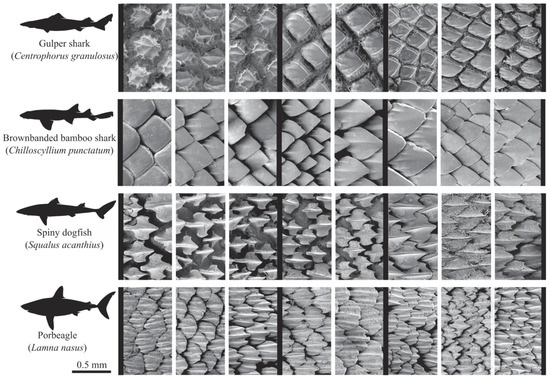
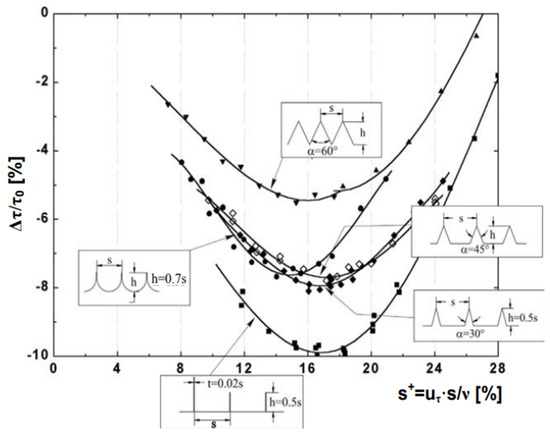
The reduction in aerodynamic drag remains a crucial pathway for enhancing turbomachinery efficiency. Riblet structures are a well-established passive technique to reduce viscous drag, but their application has been constrained by the challenge of adapting size and orientation to match the local flow
[...] Read more.
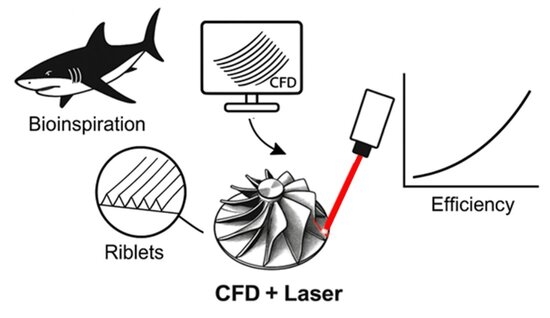
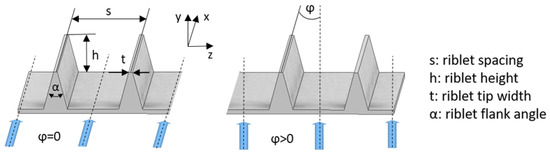
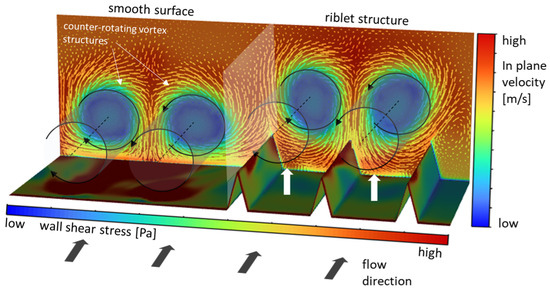
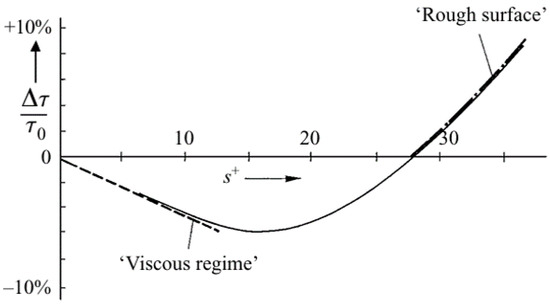
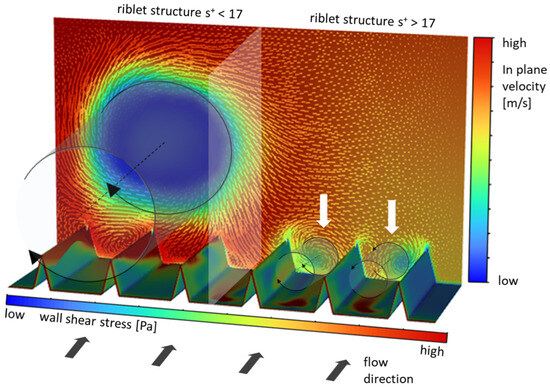
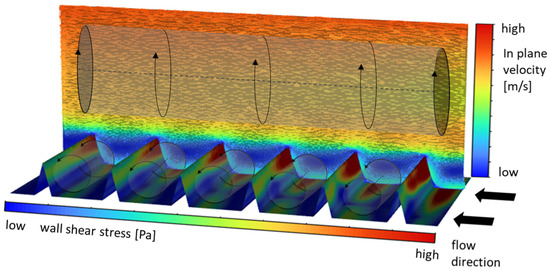
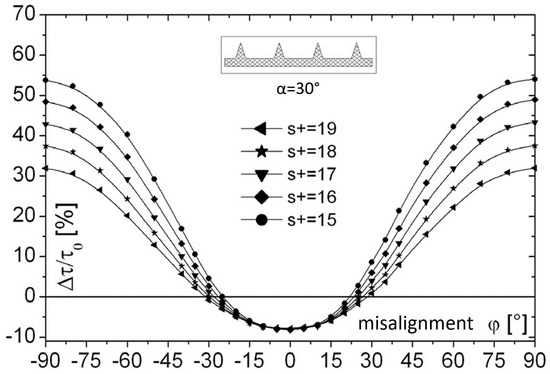
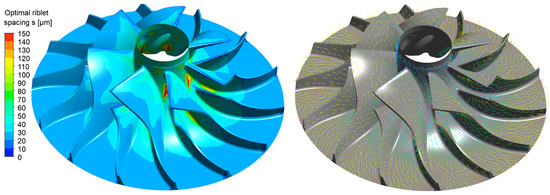
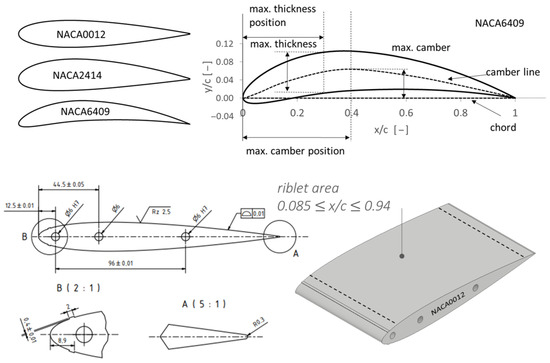
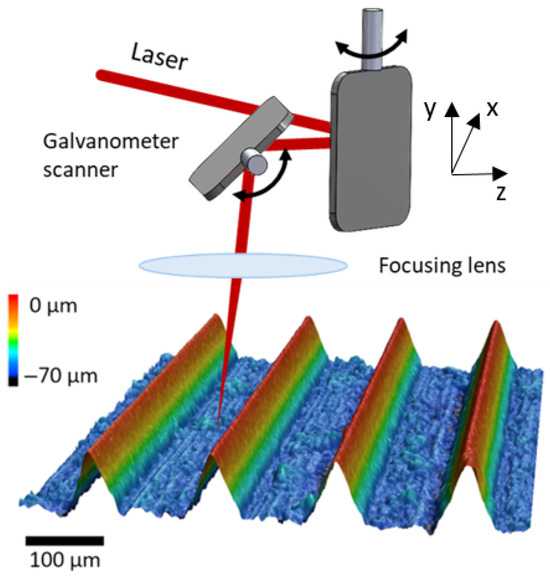
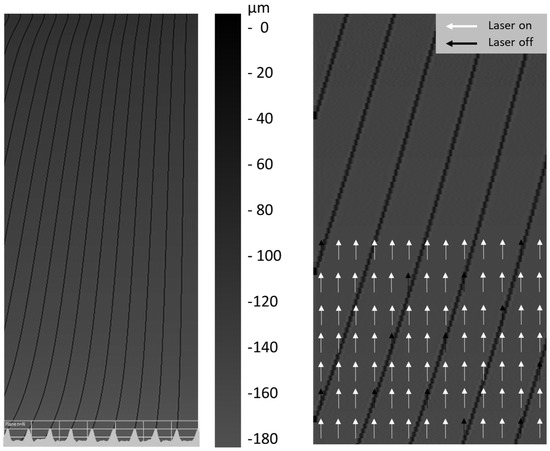
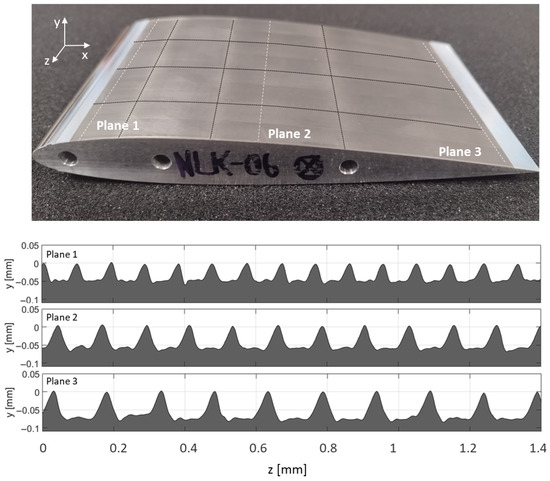
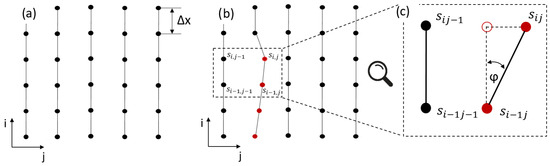
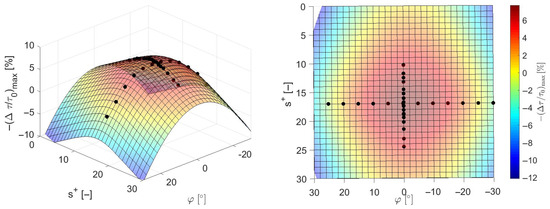
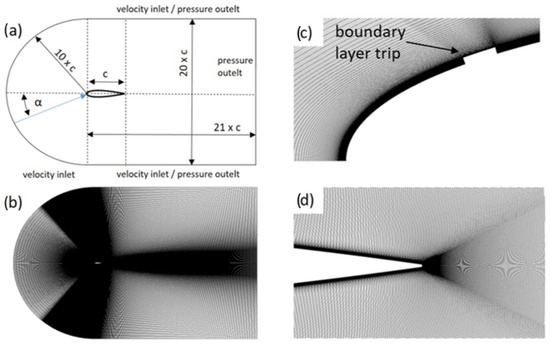
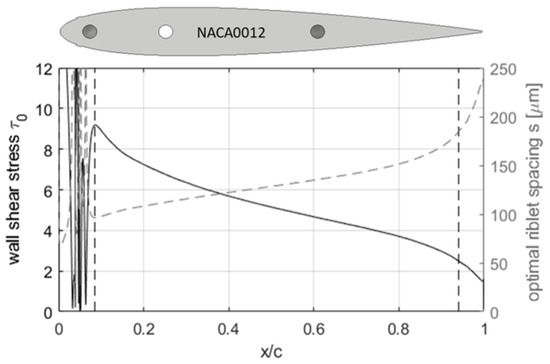
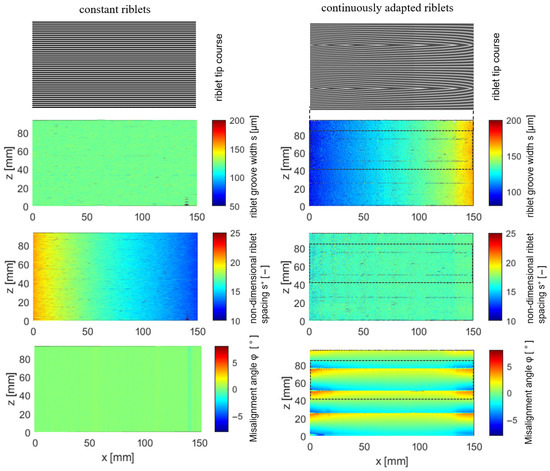
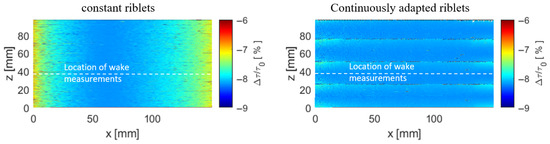
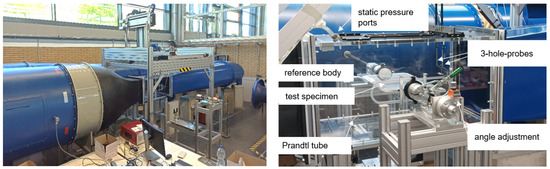
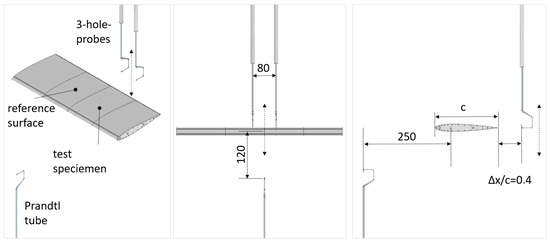
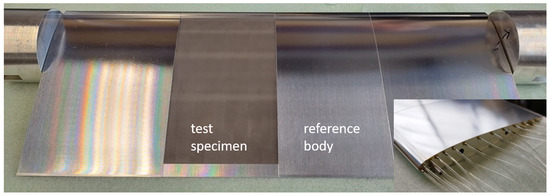
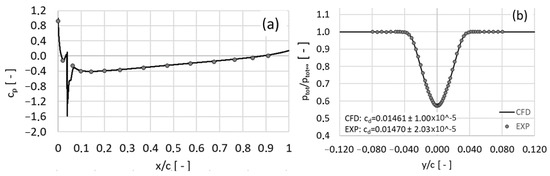
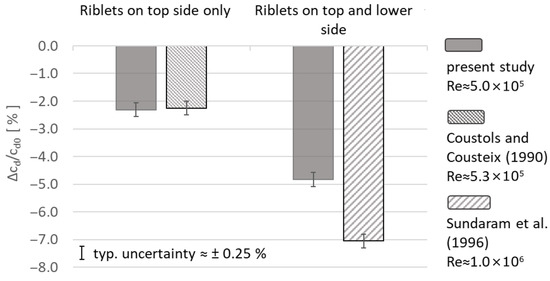
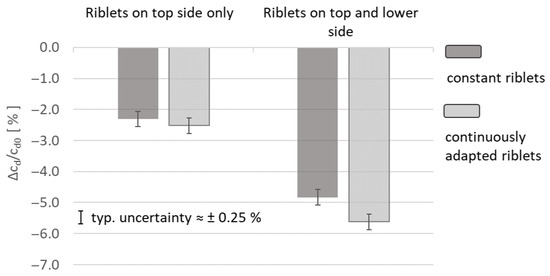
The reduction in aerodynamic drag remains a crucial pathway for enhancing turbomachinery efficiency. Riblet structures are a well-established passive technique to reduce viscous drag, but their application has been constrained by the challenge of adapting size and orientation to match the local flow conditions. This study presents a novel laser-based fabrication process developed at the Laserinstitut Hochschule Mittweida, which enables the production of continuously adapted riblets on complex curved surfaces. Numerical simulations were employed to design riblet patterns for the NACA0012 airfoil at zero angle of attack, followed by laser manufacturing and high-resolution surface characterization. Aerodynamic performance was evaluated through wake surveys in a Göttingen-type wind tunnel at the Jade University of Applied Sciences. The results validate the numerical design approach and show that tailored riblet structures provide a notable improvement in drag reduction compared to constant geometries, with relative gains of about for the one-sided and for the two-sided application. These findings underline the potential of advanced laser-based manufacturing processing to enable riblet integration in turbomachinery under industrially relevant conditions.
Full article

Graphical abstract
Open AccessArticle
Improving Pressure Buildup and Water Purity in a PTJ Separation Pump
by
Jessica Dafis, Xuemei Zhang, Katharina Zähringer and Dominique Thévenin
Int. J. Turbomach. Propuls. Power 2026, 11(2), 21; https://doi.org/10.3390/ijtpp11020021 - 14 May 2026
Abstract
A modified Pitot-tube jet (PTJ) separation pump combines centrifugal phase separation with pressure buildup and enables compact oil–water treatment, where a water-rich stream can be discharged at elevated pressure. This work advances an existing laboratory PTJ configuration toward a turbomachinery-oriented rotor concept for
[...] Read more.
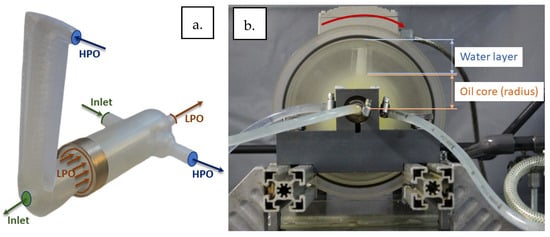
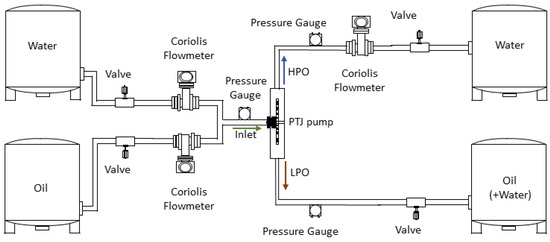
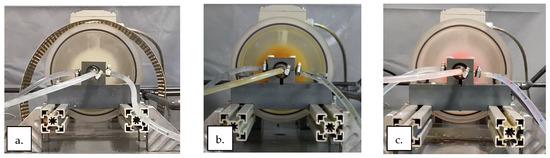
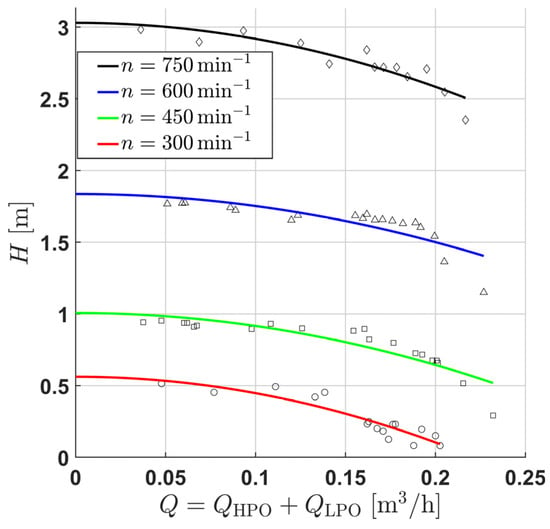
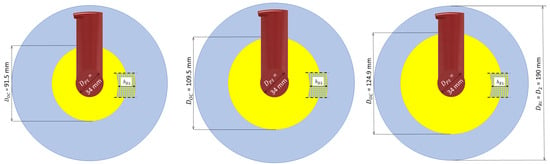
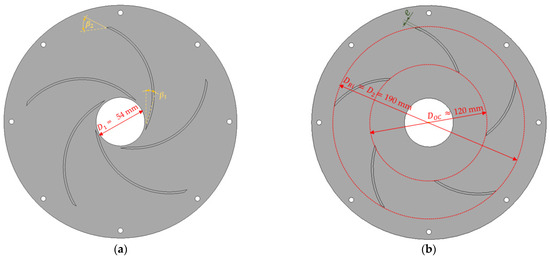
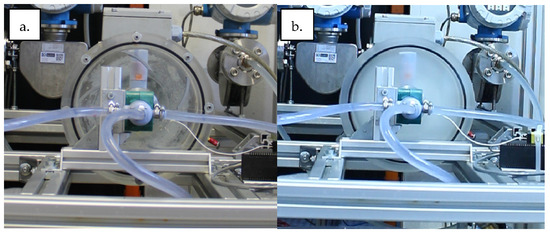
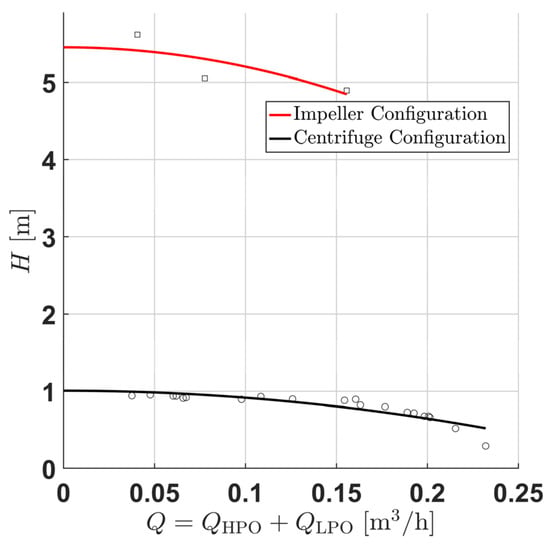
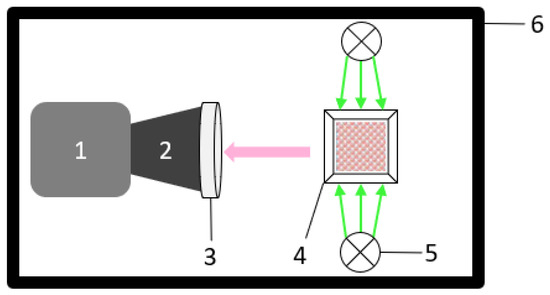
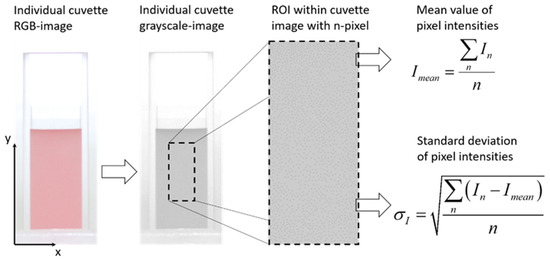
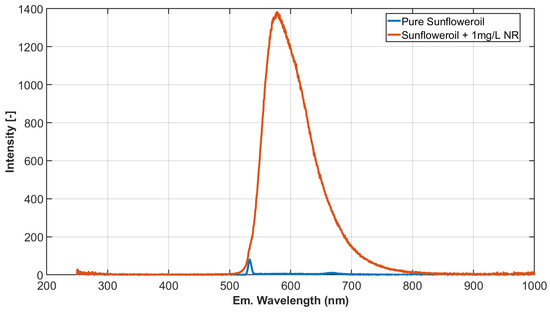
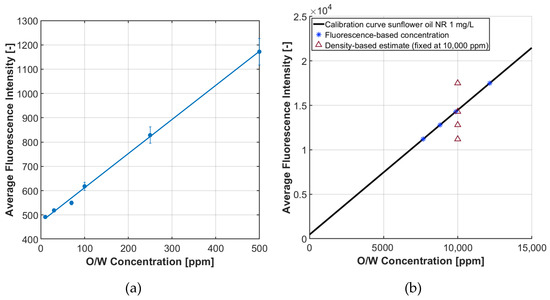
A modified Pitot-tube jet (PTJ) separation pump combines centrifugal phase separation with pressure buildup and enables compact oil–water treatment, where a water-rich stream can be discharged at elevated pressure. This work advances an existing laboratory PTJ configuration toward a turbomachinery-oriented rotor concept for systematic design studies and subsequent field-oriented prototypes. Starting from a centrifuge-like reference configuration without blades that prioritizes separation stability, an impeller with trimmed blades is introduced to increase pressure head while limiting blade interaction with the oil–water interface by operating primarily in the outer, water-rich annulus. Comparative experiments with and without the impeller show a pronounced increase in pressure head, up to about a factor of three at the maximum speed investigated. The results also indicate a purity penalty caused by blade-induced mixing and secondary flows. This exposes the central design trade-off of the PTJ machine. Higher specific work input increases pressure head but can reduce discharge quality. Hydraulic optimization, therefore, needs to be coupled to ppm-level purity constraints. Density-based monitoring lacks resolution in the relevant trace range, and chemical-based analyses are too slow for systematic investigations. An imaging-based fluorescence method using Nile Red as a selective tracer is, therefore, implemented as a rapid analysis tool. High-resolution imaging with automated region of interest evaluation provides a robust calibration from 5–500 ppm for safe, non-fluorescent model oils such as sunflower oil. This enables efficient operating-window mapping and comparative screening of rotor concepts under reproducible conditions.
Full article
(This article belongs to the Special Issue Selected Papers from the Conference on Modelling Fluid Flow (CMFF’25))
►▼
Show Figures

Figure 1
Open AccessArticle
Calculation of Total Tone-to-Noise Ratio and Total Prominence Ratio for Small Fan Noise and Determination of Subjective Annoyance Thresholds
by
Takefumi Nakano and Gaku Minorikawa
Int. J. Turbomach. Propuls. Power 2026, 11(2), 20; https://doi.org/10.3390/ijtpp11020020 - 12 May 2026
Abstract
Fan noise from small cooling fans often contains multiple coexisting tonal components whose combined perceptual impact cannot be fully represented by conventional single-tone metrics. While the Tone-to-Noise Ratio (TNR) and Prominence Ratio (PR) defined in ECMA-418-1 are established measures for evaluating individual tonal
[...] Read more.
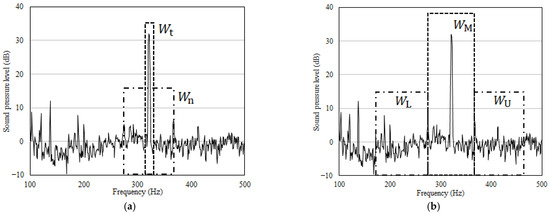
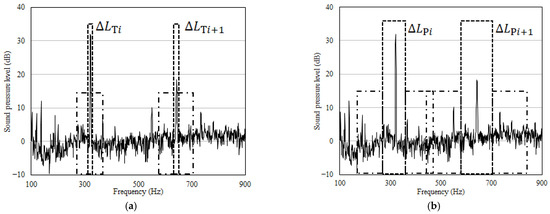
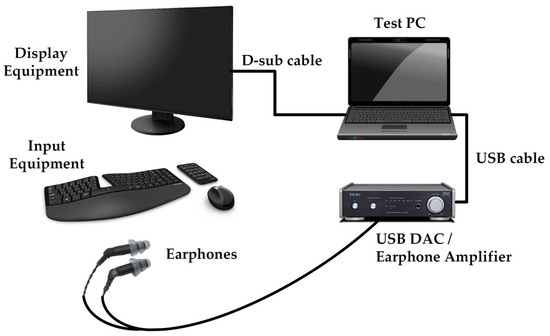
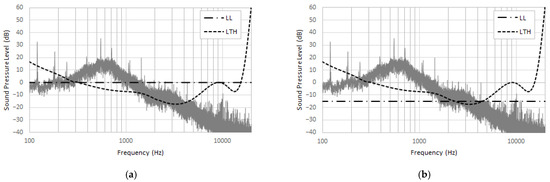
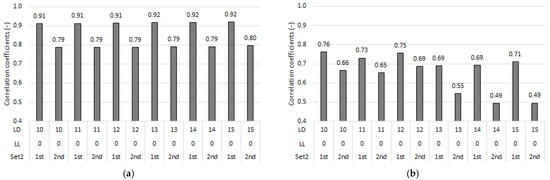
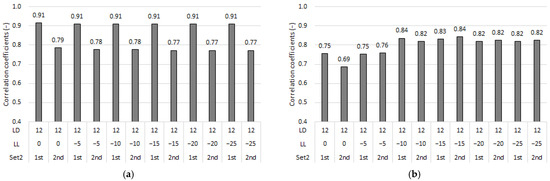
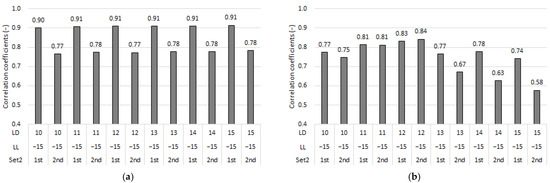
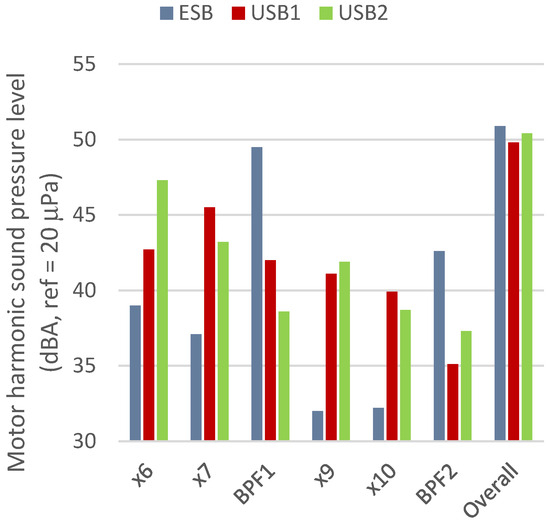
Fan noise from small cooling fans often contains multiple coexisting tonal components whose combined perceptual impact cannot be fully represented by conventional single-tone metrics. While the Tone-to-Noise Ratio (TNR) and Prominence Ratio (PR) defined in ECMA-418-1 are established measures for evaluating individual tonal components, their direct application under multi-tone conditions may be insufficient to characterize cumulative tonal influence. To address this issue, the Total Tone-to-Noise Ratio (TTNR) and the Total Prominence Ratio (TPR) have been proposed as cumulative extensions of the ECMA framework. In this study, calculation procedures for TTNR and TPR were systematically examined for projector operating noise containing multiple tonal components, and subjective annoyance thresholds were determined using controlled jury ranking tests with 20 participants. Detection parameters for tonal extraction were adjusted within the ECMA-418-1 framework to reflect realistic product conditions. The resulting annoyance thresholds were 11.6 dB for TTNR and 14.3 dB for TPR. These findings indicate that cumulative tonal evaluation can be performed within the existing standardized framework and that TTNR and TPR provide practical tools for assessing multi-tone noise in technical products equipped with small cooling fans.
Full article
(This article belongs to the Special Issue Advances in Industrial Fan Technologies)
►▼
Show Figures

Figure 1
Open AccessArticle
A Performance Analysis of a Fuel Cell Propulsion System with Micro Gas Turbine Under Realistic Environmental Conditions
by
Sebastian Lück, Maximilian Bień, Patrick Meyer, Jens Friedrichs and Jan Göing
Int. J. Turbomach. Propuls. Power 2026, 11(2), 19; https://doi.org/10.3390/ijtpp11020019 - 14 Apr 2026
Cited by 2
Abstract
►▼
Show Figures
A major challenge for aircraft fuel cell propulsion systems is to ensure that the air properties on the cathode side remain within a narrow, suitable envelope throughout the flight. The components must maintain almost constant temperature, pressure and humidity levels under widely varying
[...] Read more.
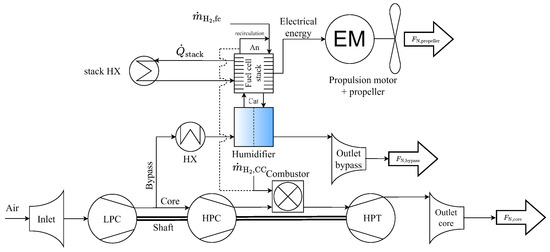
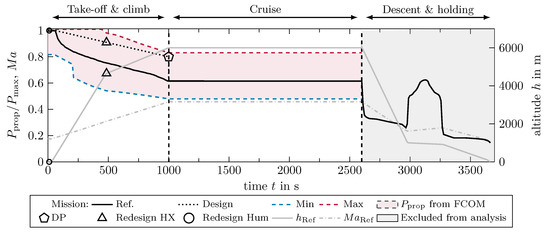
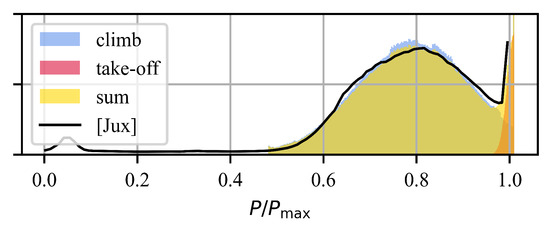
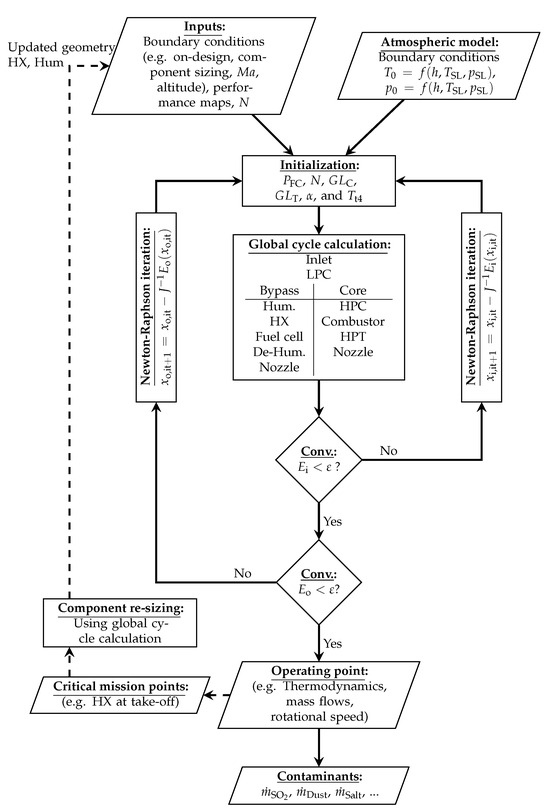
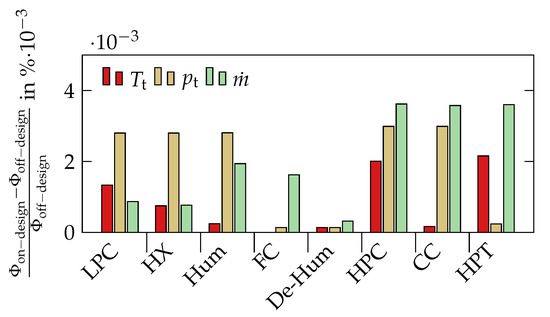
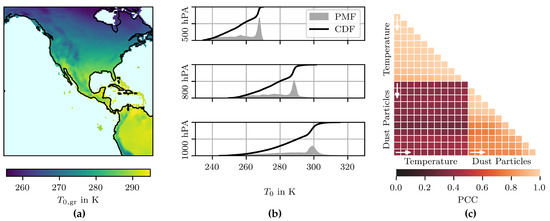
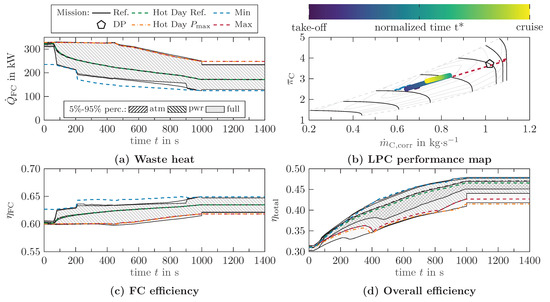
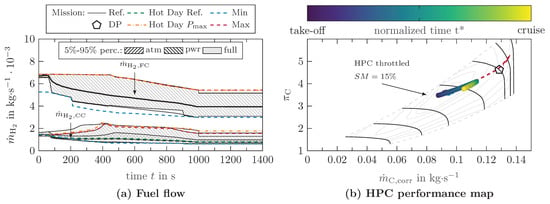
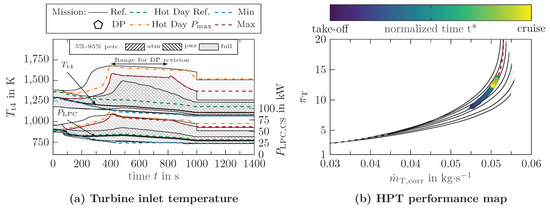
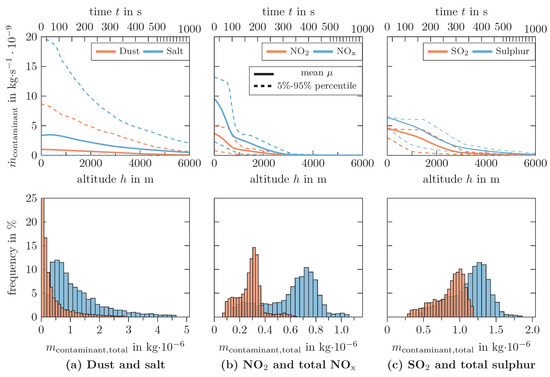
A major challenge for aircraft fuel cell propulsion systems is to ensure that the air properties on the cathode side remain within a narrow, suitable envelope throughout the flight. The components must maintain almost constant temperature, pressure and humidity levels under widely varying ambient conditions. The choice of components must take into account the aviation-specific requirements for weight and waste heat. In this numerical study, we investigate a novel cathode air supply system for a hydrogen fuel cell propulsion system which replaces the state-of-the-art electrical components used to drive the compressor in the cathode air supply system with a hydrogen-fuelled micro gas turbine. Previous studies have shown the potential of waste heat and overall cathode gas path size reduction but the off-design performance of such system is yet to be investigated. Hence, based on realistic regional aircraft flight missions and realistic atmospheric conditions, we investigate the off-design performance of the propulsion system. Therefore, a constant mass flow algorithm along cathode and gas turbine gas paths is developed and presented. Next, earth observation data are used to determine realistic boundary conditions and air contamination. Based on these data, the possible contaminant ingestion of the fuel cell is evaluated to allow for future sizing of filters for robust operation. Furthermore, the effects of realistic ambient conditions on the thermodynamic cycle yield important information about necessary revisions of the cycle design point.
Full article

Figure 1

Open AccessArticle
Optimising Blade Profiles to Extend the Operating Range in BLI Fan Application
by
Andrea Magrini and Ernesto Benini
Int. J. Turbomach. Propuls. Power 2026, 11(2), 18; https://doi.org/10.3390/ijtpp11020018 - 6 Apr 2026
Abstract
►▼
Show Figures
Boundary Layer Ingestion propulsors operate in an adverse aerodynamic environment with high levels of distortion. With the purpose of extending the operating range of transonic fan rotors for BLI applications, in this paper we present an optimisation study focused on blade profiles design
[...] Read more.
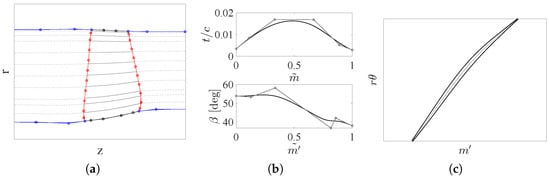
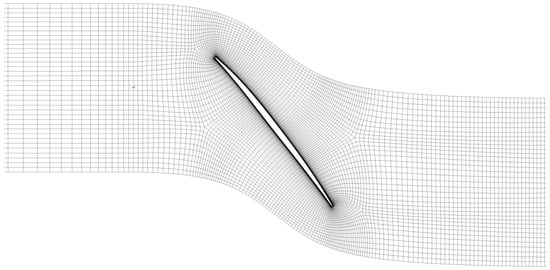
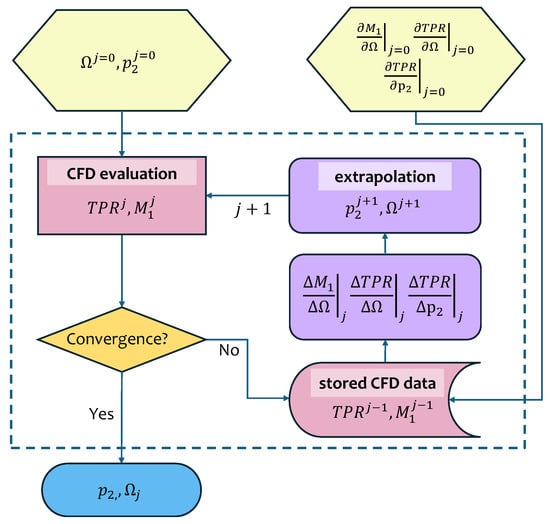
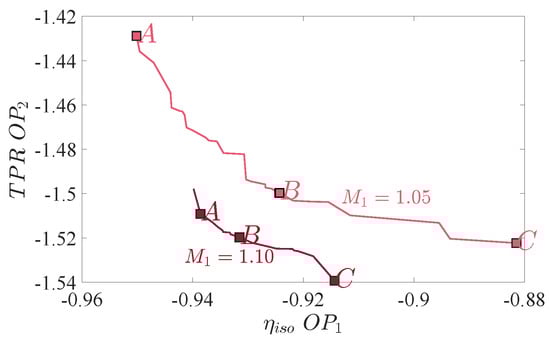
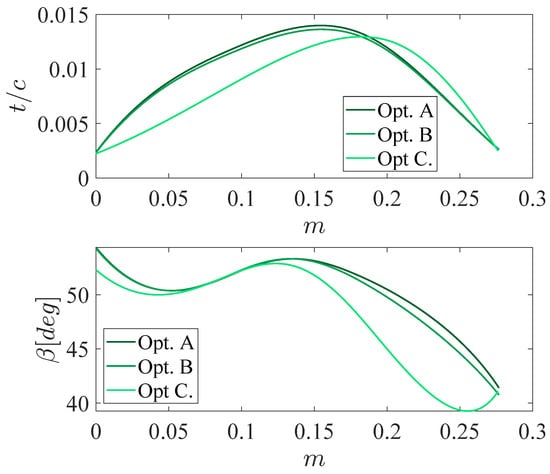
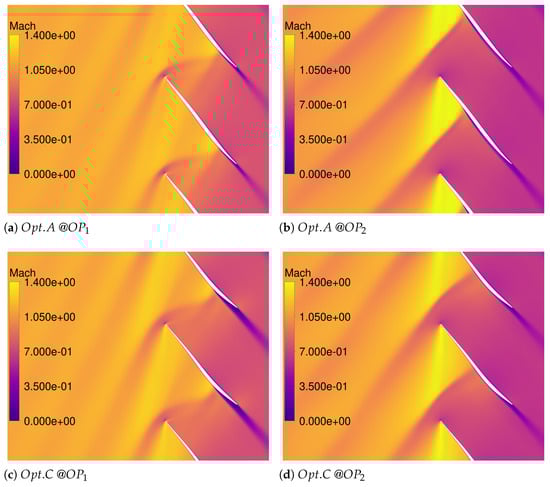
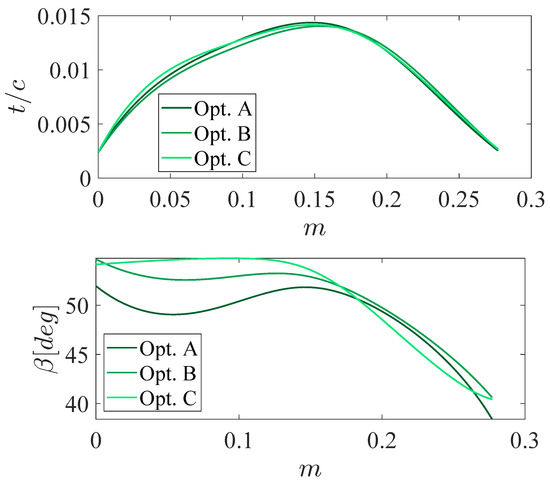
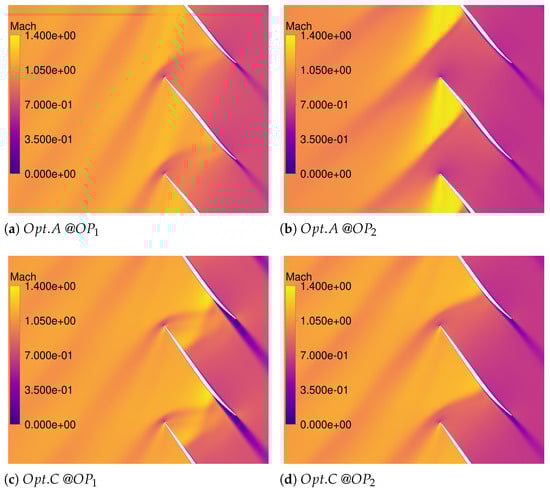
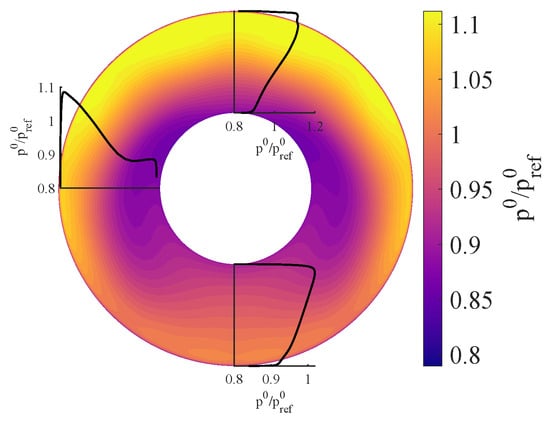
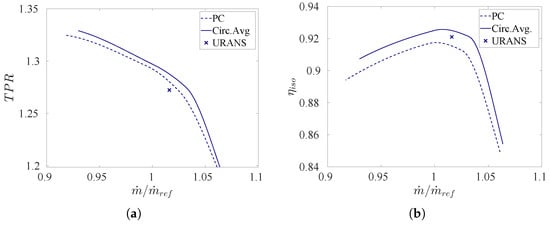
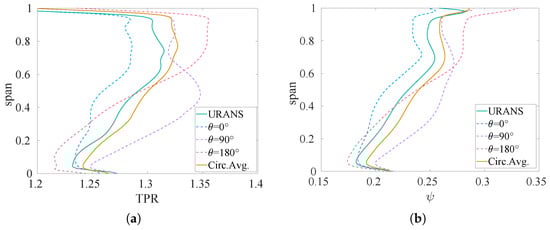
Boundary Layer Ingestion propulsors operate in an adverse aerodynamic environment with high levels of distortion. With the purpose of extending the operating range of transonic fan rotors for BLI applications, in this paper we present an optimisation study focused on blade profiles design under different working conditions. Quasi-2D blade sections are optimised using a genetic algorithm and numerical simulations, by varying the camberline and thickness distribution. A method to efficiently achieve a combination of total pressure ratio at a given relative inlet Mach number is devised. The isentropic efficiency is optimised at the design point, concurrently with the stall total pressure ratio at a lower inlet Mach number, in a multi-objective fashion. Pareto-optimal profiles exhibit a moderate leading edge concavity for high efficiency and a straighter fore part with increased trailing edge deflection for higher compression at stall. Optimised airfoils are used in a preliminary three-dimensional evaluation with a realistic BLI inflow, in which the unsteady full-annulus analysis corroborates the approach of the sectional optimisation, also showing the possibility of estimating the integral performance of the machine with a simplified approach based on a single-passage simulation with a circumferential-averaged inflow distribution.
Full article

Figure 1

Open AccessArticle
Aeroacoustic Prediction and Optimization of Unevenly Spaced Blades in Axial Fans
by
Samir Assaf, Thibaut Gras and Jacques Ferhat
Int. J. Turbomach. Propuls. Power 2026, 11(2), 17; https://doi.org/10.3390/ijtpp11020017 - 4 Apr 2026
Abstract
A common solution for reducing the tonal noise annoyance caused by fans is to change the circumferential blade spacing from even to uneven. However, this technique requires predictive tools to simulate and assess their acoustic performance at a lower cost compared to experimental
[...] Read more.
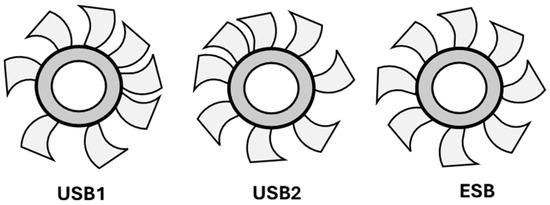
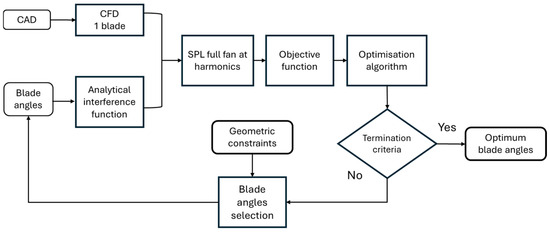
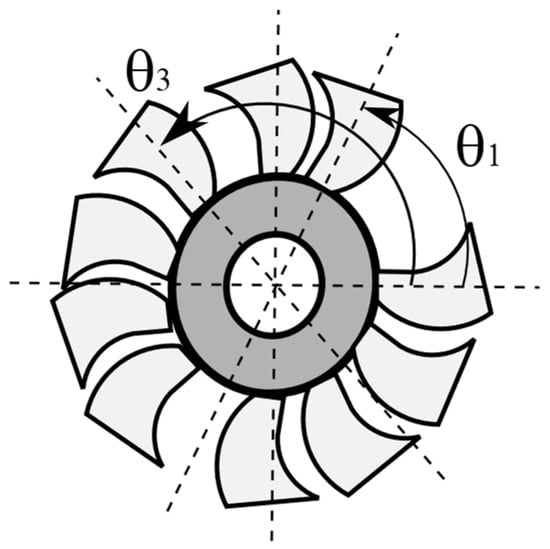
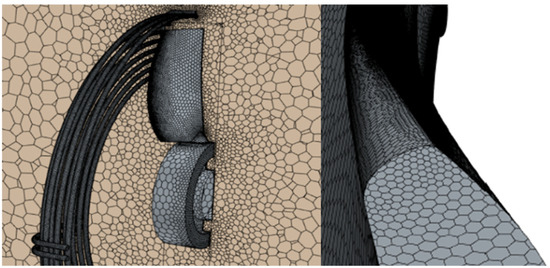
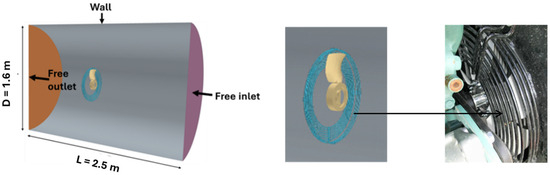
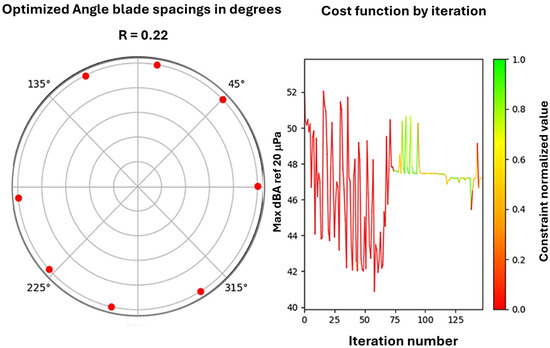
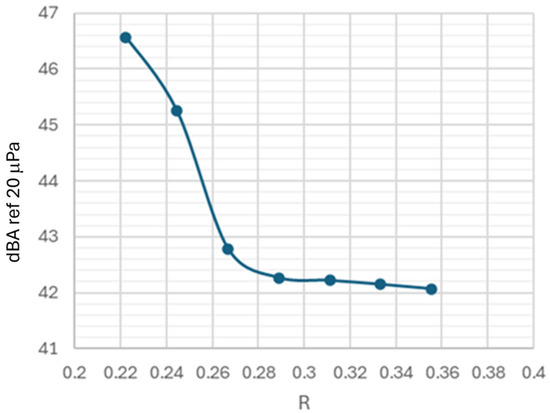
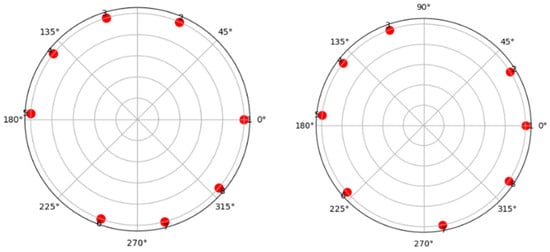
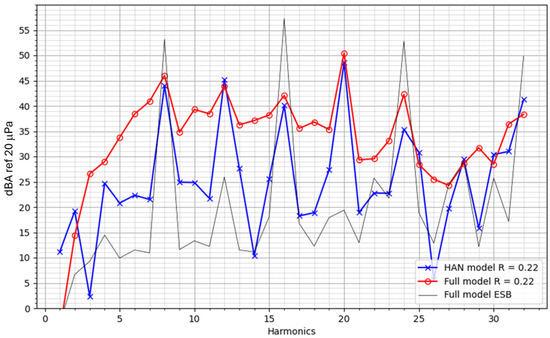
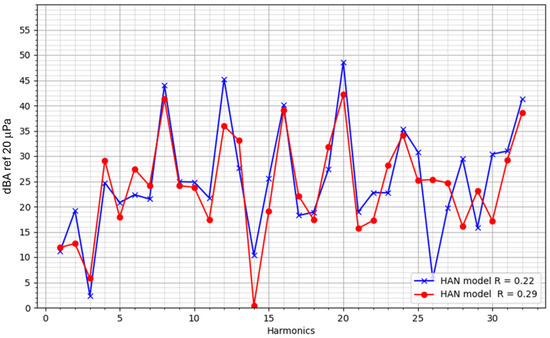
A common solution for reducing the tonal noise annoyance caused by fans is to change the circumferential blade spacing from even to uneven. However, this technique requires predictive tools to simulate and assess their acoustic performance at a lower cost compared to experimental tests, which remain very costly. In this study, a hybrid analytic/numeric (HAN) approach for predicting the tonal noise of fans is proposed. It is based on the acoustic interference law, which is applied to the sound pressure generated by each blade, and Computational Aeroacoustics (CAA). This model allows for the analytical construction of a fan’s acoustic pressure spectrum from the numerically computed response of a single blade, significantly reducing computation time. An optimization procedure is then implemented to minimize the prominence of tonal noise peaks, where the decision variables are the blades’ angular positions and the constraints are rotor balance and the minimum angular distance between adjacent blades. The results show that the developed method may help designers reduce tonal noise annoyance by optimizing blade spacing.
Full article
(This article belongs to the Special Issue Advances in Industrial Fan Technologies)
►▼
Show Figures

Figure 1
Open AccessArticle
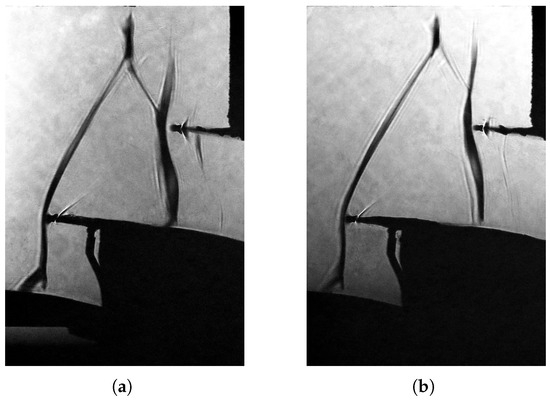
Experimental Investigation of Shock Boundary/Layer Interaction on a Fan Profile Under Various Inlet Conditions
by
Ahmed H. Hanfy, Piotr Kaczynski, Piotr Doerffer and Pawel Flaszynski
Int. J. Turbomach. Propuls. Power 2026, 11(2), 16; https://doi.org/10.3390/ijtpp11020016 - 3 Apr 2026
Abstract
►▼
Show Figures
Transonic compressors encounter significant challenges from shock formations due to high-speed supersonic blade tips, particularly at high altitudes where lower Reynolds numbers result in laminar boundary layer separation and increased mixing losses. Understanding shock wave–boundary layer interaction (SBLI) is essential for improving compressor
[...] Read more.
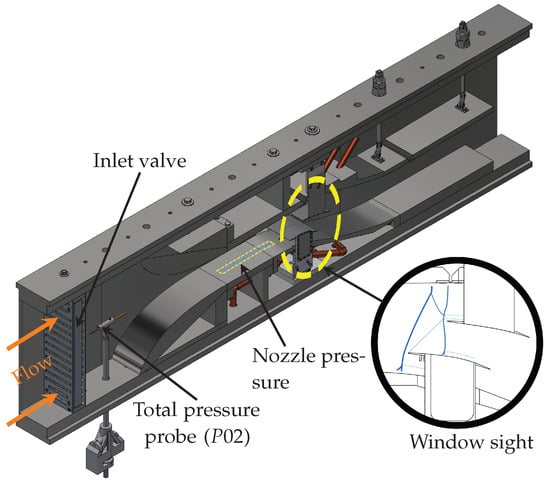
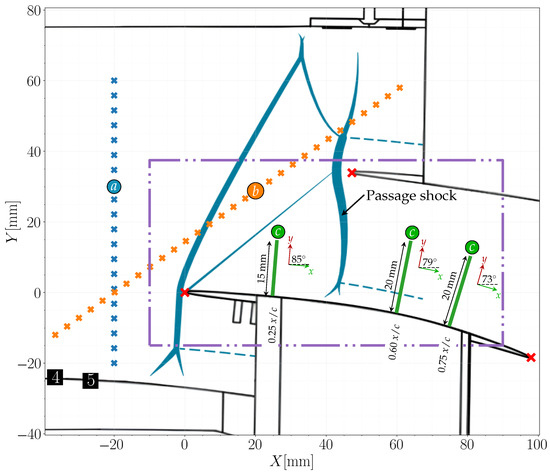
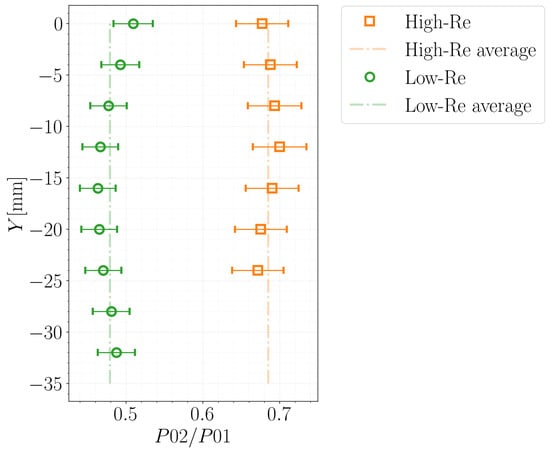
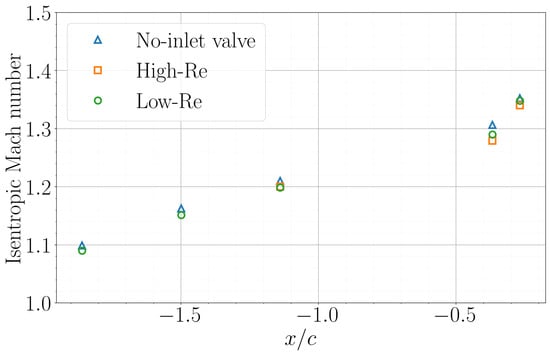
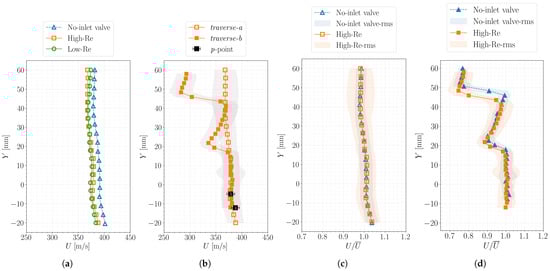
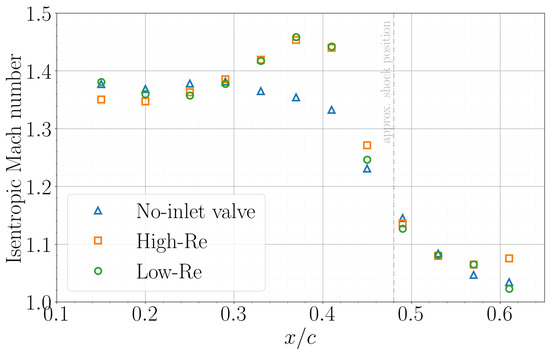
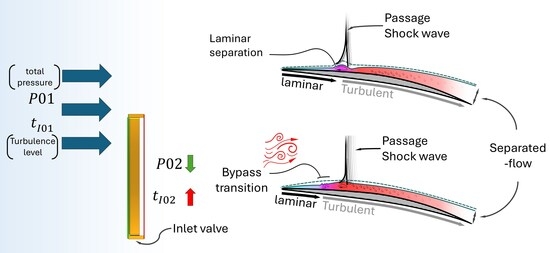
Transonic compressors encounter significant challenges from shock formations due to high-speed supersonic blade tips, particularly at high altitudes where lower Reynolds numbers result in laminar boundary layer separation and increased mixing losses. Understanding shock wave–boundary layer interaction (SBLI) is essential for improving compressor performance. This study examines SBLI under varying Reynolds numbers, simulating higher altitude conditions in a transonic blow-down wind tunnel. Using an inlet valve setup to control inflow total pressure and Reynolds numbers, this study also reveals an increase in turbulence. The findings indicate that laminar-to-turbulent transition occurs upstream of the shock wave, resulting in interaction with a turbulent boundary layer, even at lower Reynolds numbers.
Full article

Graphical abstract
Open AccessArticle
Numerical Investigation of Scaling Effects on the Performance Characteristics of Large-Scale Axial-Flow Fans
by
Tristan Oliver Le Roux, Chris Meyer and Sybrand Johannes van der Spuy
Int. J. Turbomach. Propuls. Power 2026, 11(1), 15; https://doi.org/10.3390/ijtpp11010015 - 3 Mar 2026
Abstract
Large-diameter axial-flow fans are predominantly used for cooling purposes, such as in air-cooled heat exchangers. Since it is difficult to experimentally test large-scale fans in the controlled environments provided by fan test facilities, smaller scaled-down versions of the fans are tested instead. Scaling
[...] Read more.
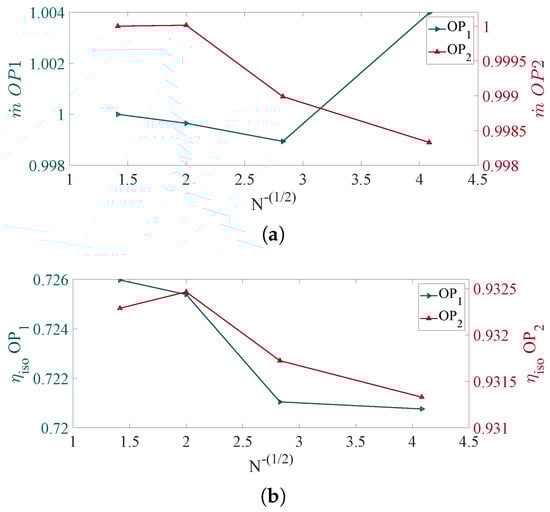
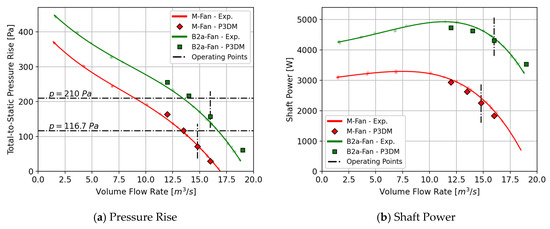
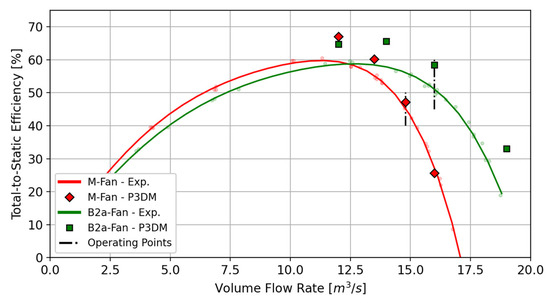
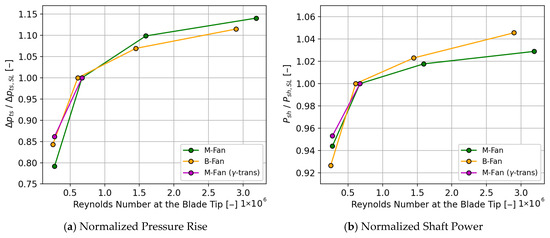
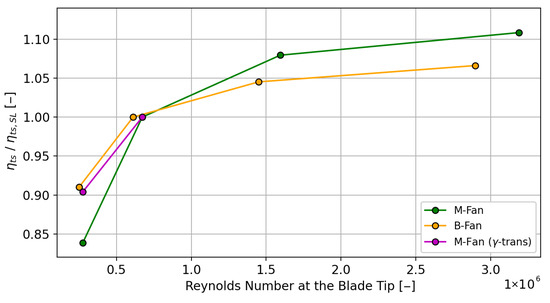
Large-diameter axial-flow fans are predominantly used for cooling purposes, such as in air-cooled heat exchangers. Since it is difficult to experimentally test large-scale fans in the controlled environments provided by fan test facilities, smaller scaled-down versions of the fans are tested instead. Scaling laws, also called affinity laws, are then used to determine the performance characteristics of the large-scale fan. The size difference between the two scaled fans means that it is not possible to match their Reynolds numbers when testing with the same test fluid. A comparison is conducted using experimental results and four numerical models for two different fans, which are scaled to different fan sizes: 0.63 m, 1.542 m, 3.658 m and 7.315 m, to determine the effect of Reynolds number on the performance characteristics of an axial-flow fan. The numerical geometries are based on the M- and B2a-fans, and are tested in the A-type experimental setup fan test facility at Stellenbosch University, which is used to obtain the experimental results. It was found that the numerical approach discussed within this paper, namely a Reynolds-Averaged Navier–Stokes (RANS) approach, can predict the performance of multiple fan sizes without relying on turbomachinery or blade-specific empirical correlations. This approach accelerates the evaluation of fan performance while enabling the parameterization of fan configurations.
Full article
(This article belongs to the Special Issue Advances in Industrial Fan Technologies)
►▼
Show Figures

Figure 1
Open AccessFeature PaperArticle
Off-Design Aerodynamics of the SPLEEN C1 Cascade
by
Gustavo Lopes, Loris Simonassi, Antonino Federico Maria Torre, Marios Patinios and Sergio Lavagnoli
Int. J. Turbomach. Propuls. Power 2026, 11(1), 14; https://doi.org/10.3390/ijtpp11010014 - 2 Mar 2026
Abstract
►▼
Show Figures
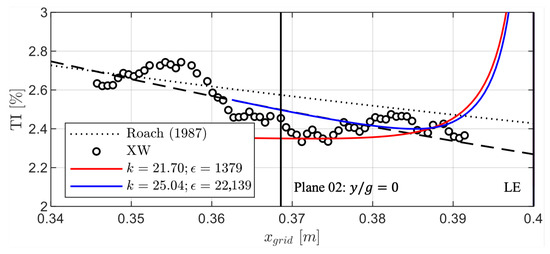
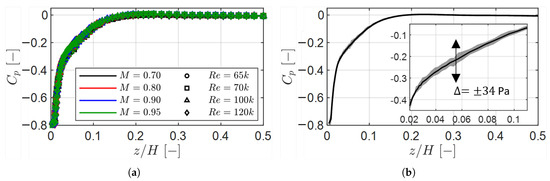
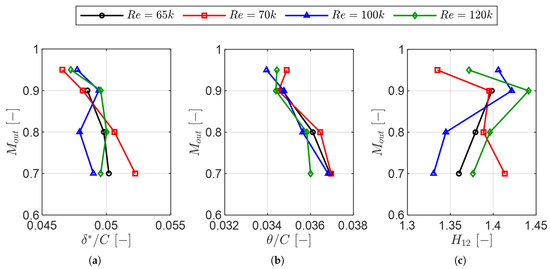
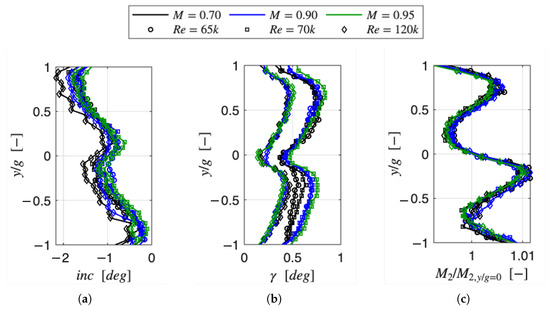
High-speed, low-pressure turbines in geared turbofans operate at transonic exit Mach numbers and low Reynolds numbers. Engine-relevant data remain scarce. The SPLEEN C1 linear cascade was investigated at and under
[...] Read more.
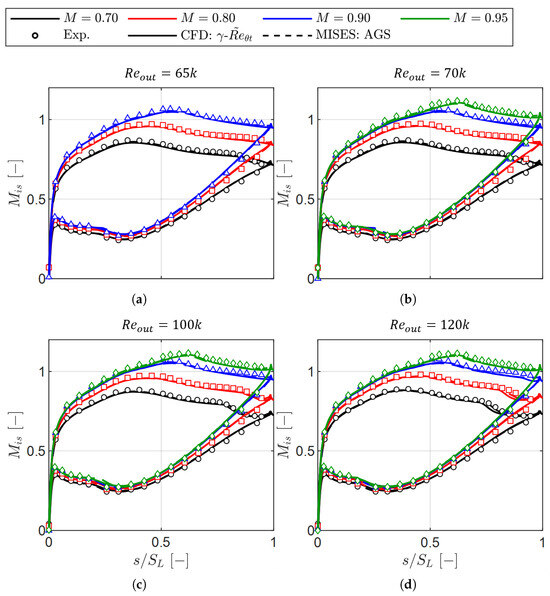
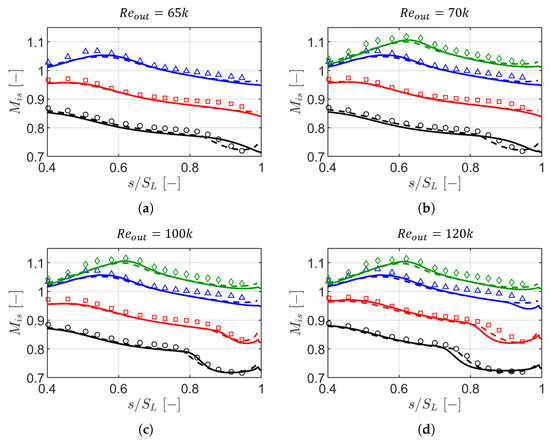
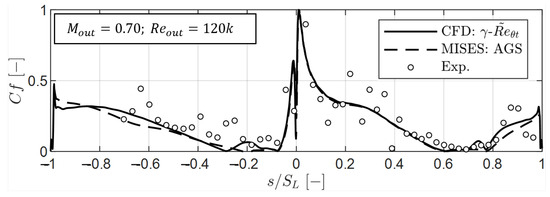
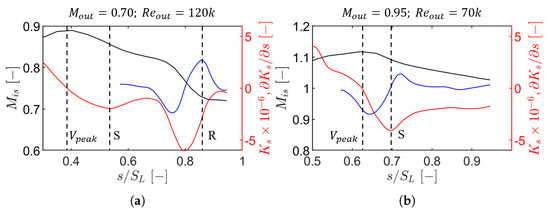
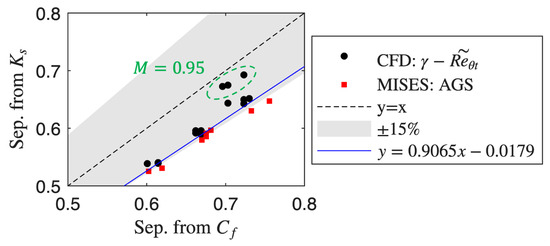
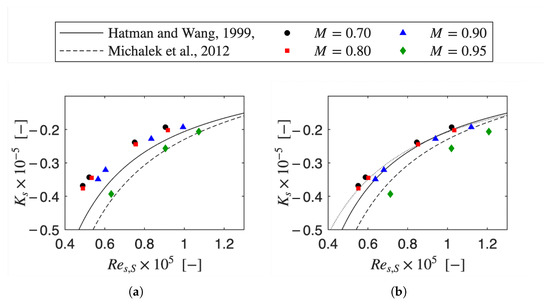
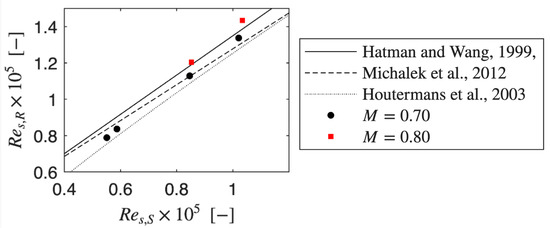
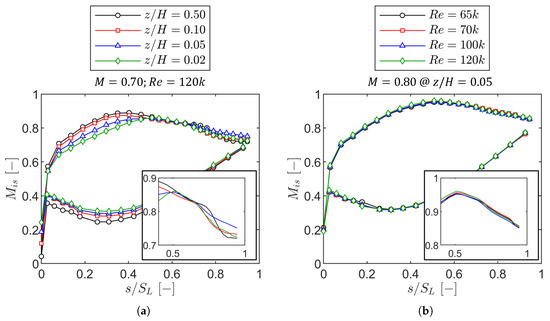
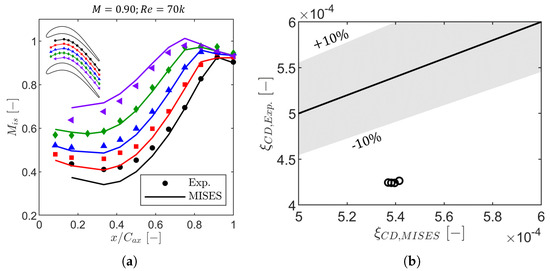
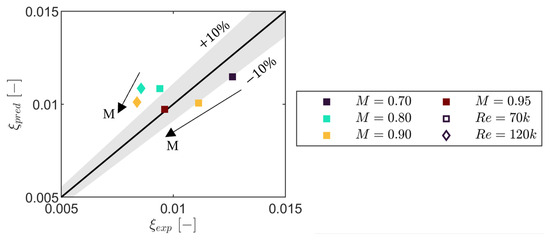
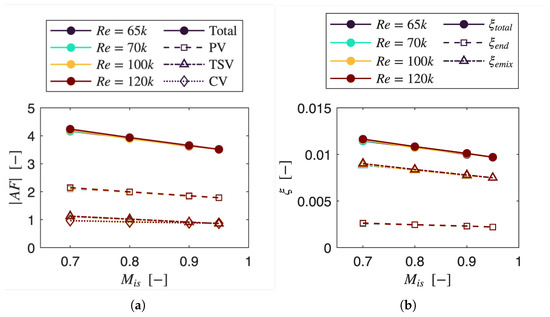
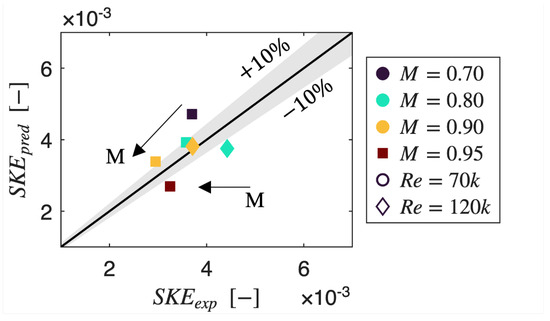
High-speed, low-pressure turbines in geared turbofans operate at transonic exit Mach numbers and low Reynolds numbers. Engine-relevant data remain scarce. The SPLEEN C1 linear cascade was investigated at and under steady inlet flow. Experiments were combined with 2D RANS and MISES, including transition modeling and inlet-turbulence decay calibrated to measurements. Results are consistent with conventional LPT behavior: loss decreased with increasing Mach and Reynolds numbers, except when shocks interacted with the blade boundary layer ( ). Profile loss dropped by from to at , as well as by at when open separation is suppressed. Secondary loss decreased by up to at and showed weak sensitivity to the Reynolds number. A coupled loss model predicted profile loss with a root-mean square error of 4.7%. Secondary-loss modeling reproduced global trends: separating endwall dissipation from mixing kept errors within for most cases, but accuracy degraded near the shock–boundary layer interaction case and at the highest Reynolds number. Mixing dominated endwall loss (∼75%), with the passage vortex contributing ∼50% (±10%) of the mixing component.
Full article

Figure 1

Open AccessFeature PaperArticle
Two-Dimensional Flow in a Linear Cascade of Throttling Nozzles for an Adaptive Turbine Stage
by
Reinhard Willinger, Khoiri Rozi and Mohammad Reza Kariman
Int. J. Turbomach. Propuls. Power 2026, 11(1), 13; https://doi.org/10.3390/ijtpp11010013 - 2 Mar 2026
Abstract
►▼
Show Figures
Steam turbines with controlled extraction require a flow control device to keep extraction pressure constant when the extraction mass flow rate is changed. An attractive option is an adaptive turbine stage with throttling nozzles. Flow measurements with a throttling nozzle are performed in
[...] Read more.
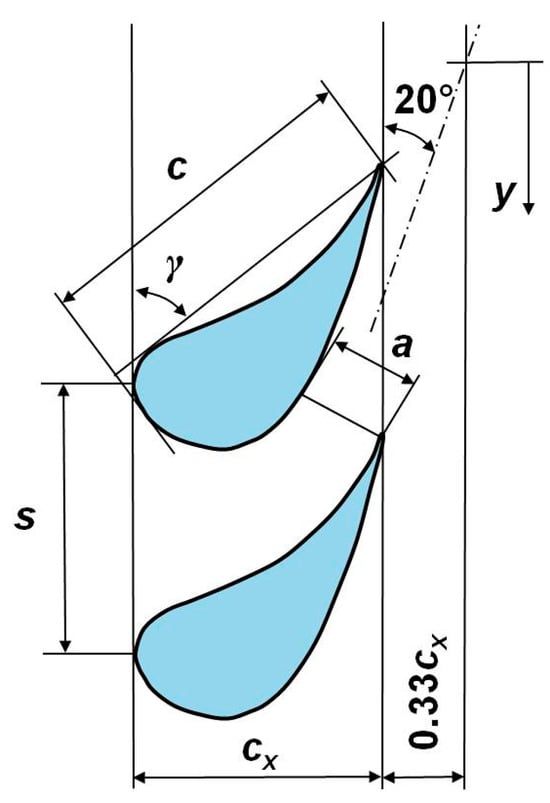
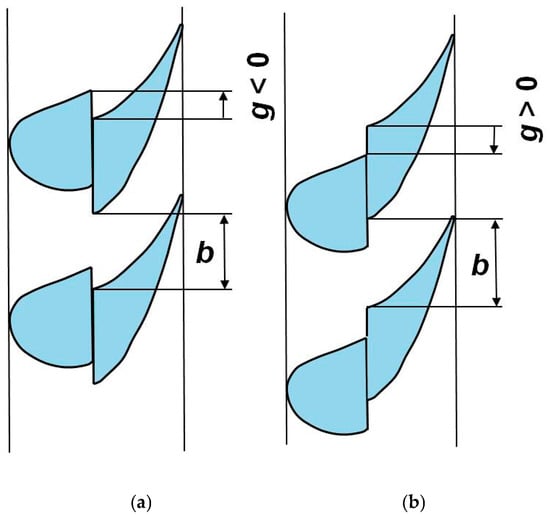
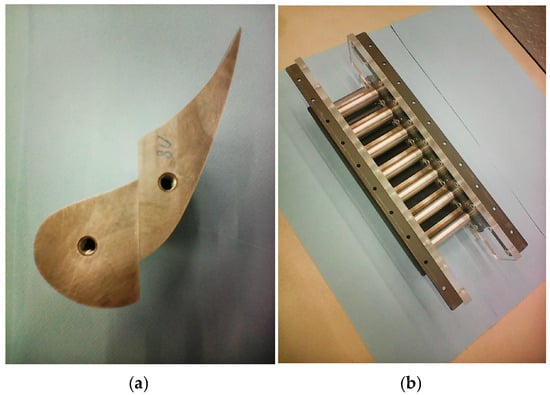
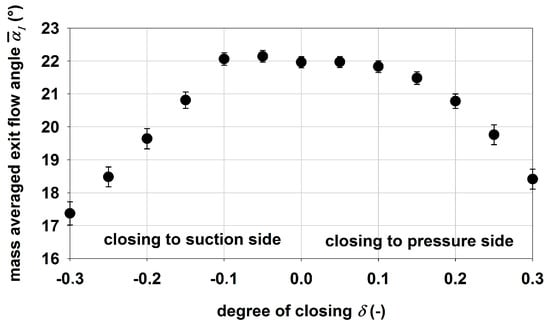
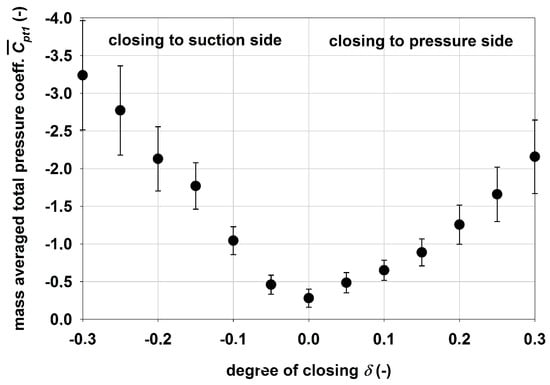
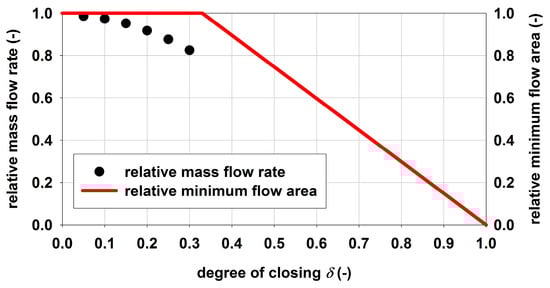
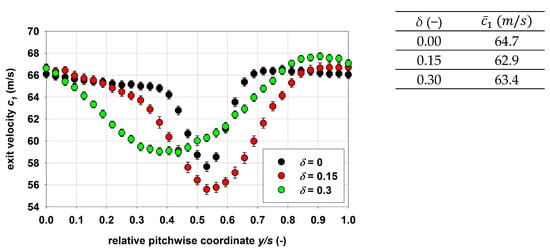
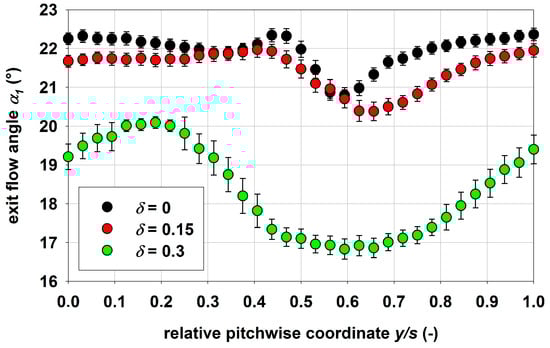
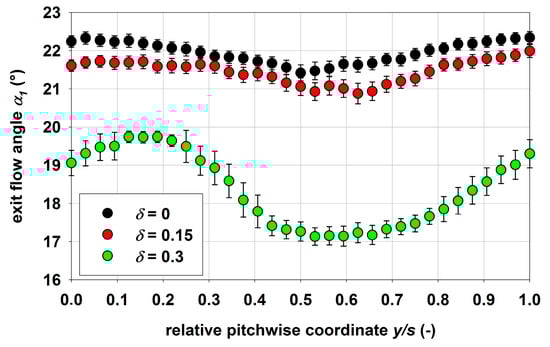
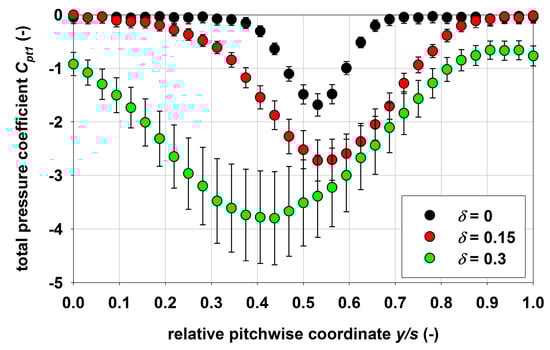
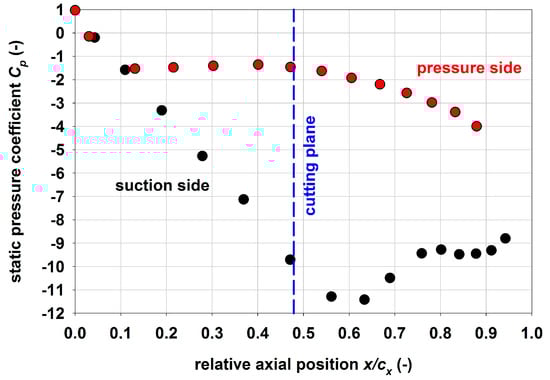
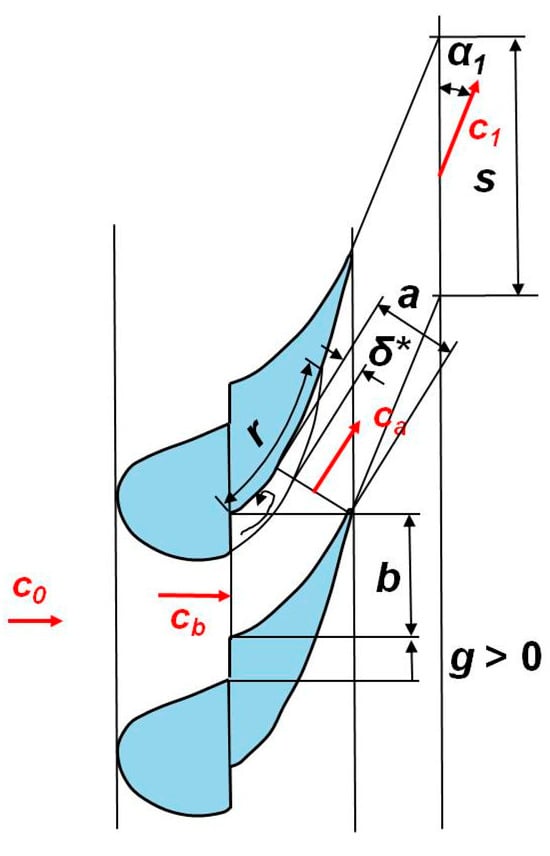
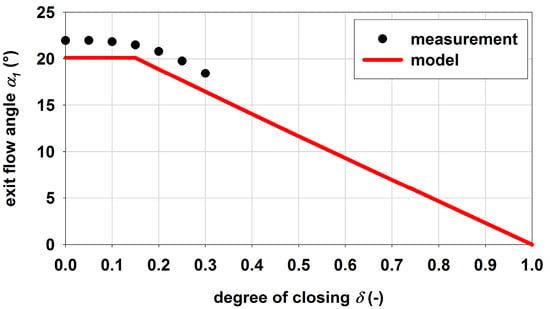
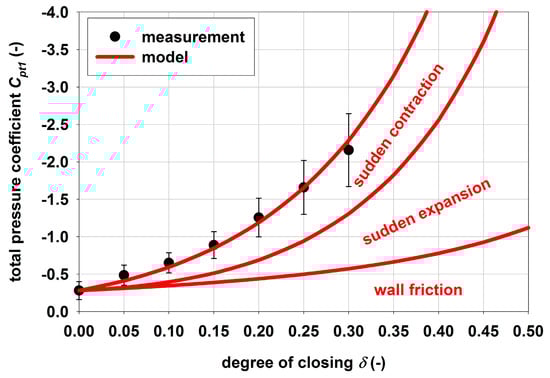
Steam turbines with controlled extraction require a flow control device to keep extraction pressure constant when the extraction mass flow rate is changed. An attractive option is an adaptive turbine stage with throttling nozzles. Flow measurements with a throttling nozzle are performed in a cascade wind tunnel. A linear cascade with seven blades is operated at an inlet flow angle of 90° and an exit Reynolds number of about 4 × 10⁵. Since the maximum exit Mach number is about 0.2, flow is essentially incompressible. A three-hole pressure probe is traversed at half span over one blade pitch 0.33 axial chord lengths downstream of the cascade. Degree of closing is gradually changed from zero (fully open) to 0.3 (partially closed). Two principal options, closing to the suction side as well as closing to the pressure side, are investigated. Local flow quantities as well as pitchwise mass averaged quantities are extracted from the measurement data. The major outcomes are as follows: If the throttling nozzle is closed, depth and width of the blade wake increase. With increasing degree of closing, pitchwise mass averaged flow angle decreases and total pressure losses increase. Concerning total pressure losses, closing to the pressure side is the preferred option. A semi-empirical flow model is presented to explain the influence of degree of closing on exit flow angle and total pressure loss.
Full article

Figure 1
Highly Accessed Articles
Latest Books
E-Mail Alert
News
Topics