Journal Description
Humans
Humans
is an international, peer-reviewed, open access journal on anthropology published quarterly online by MDPI.
- Open Access— free for readers, with article processing charges (APC) paid by authors or their institutions.
- High Visibility: indexed within Scopus and other databases.
- Journal Rank: CiteScore - Q1 (Archeology (Arts and Humanities))
- Rapid Publication: manuscripts are peer-reviewed and a first decision is provided to authors approximately 38.7 days after submission; acceptance to publication is undertaken in 7.8 days (median values for papers published in this journal in the first half of 2026).
- Recognition of Reviewers: APC discount vouchers, optional signed peer review, and reviewer names are published annually in the journal.
Latest Articles
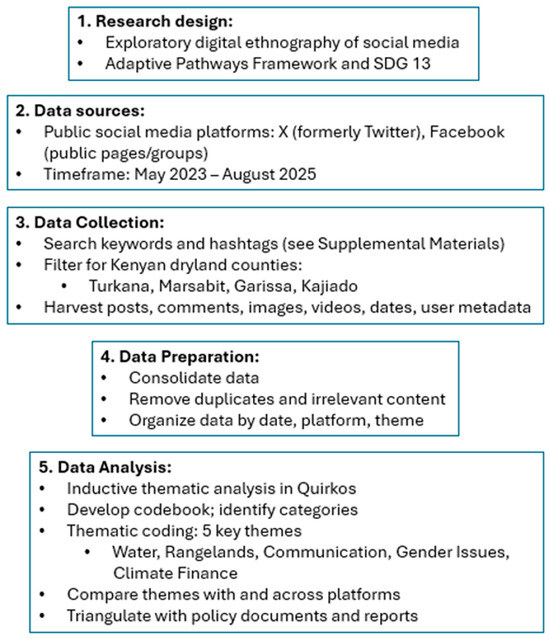
Climate Change, Sustainable Development Goal 13, and Adaptive Pathways in the Kenyan Drylands Using Social Media
Humans 2026, 6(3), 32; https://doi.org/10.3390/humans6030032 - 2 Sep 2026
Abstract
►
Show Figures
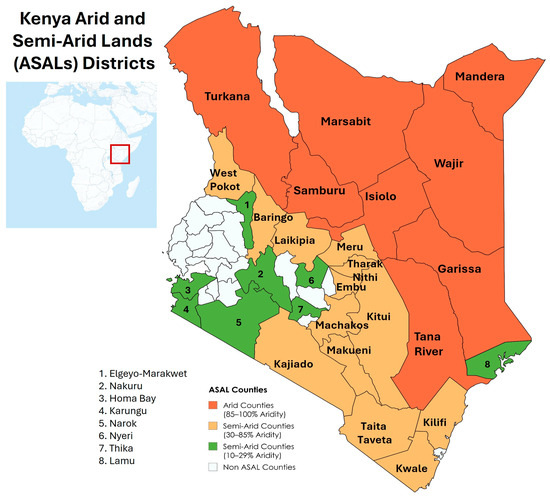
This study examines social media communication in Kenya to assess how dryland pastoral concerns are represented in national climate policy dialogues. Approximately 80% of Kenya’s land area consists of drylands that support pastoral livelihoods, yet recurring droughts and increasingly variable rainfall threaten these
[...] Read more.
This study examines social media communication in Kenya to assess how dryland pastoral concerns are represented in national climate policy dialogues. Approximately 80% of Kenya’s land area consists of drylands that support pastoral livelihoods, yet recurring droughts and increasingly variable rainfall threaten these social-ecological systems. Although Sustainable Development Goal 13 (Climate Action) emphasizes adaptation, progress is typically measured using national indicators that may overlook local priorities. We analyzed digital communications from pastoral nongovernmental organizations, civil society organizations, newspapers, and government agencies using an adaptation pathways framework to examine links among climate risks, governance, and decision-making. Five themes emerged: water security, rangeland degradation and mobility, climate communication, gender and social inclusion, and climate finance. Kenya has developed relatively strong national climate policies, but social media reveals a persistent implementation gap between national policy and local pastoral priorities. Pastoral communities consistently emphasize Indigenous and local knowledge, women’s leadership, community participation, and locally appropriate adaptation strategies. Social media provides a novel source of evidence for identifying these local priorities and informing more participatory, place-based climate adaptation.
Full article
Open AccessArticle
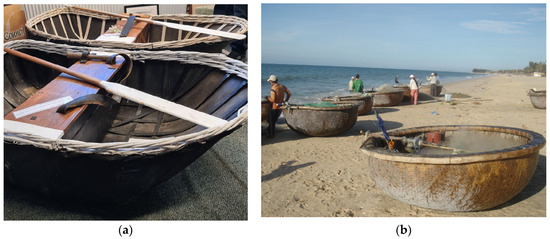
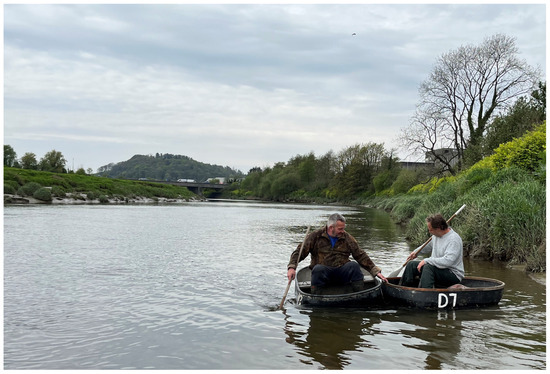
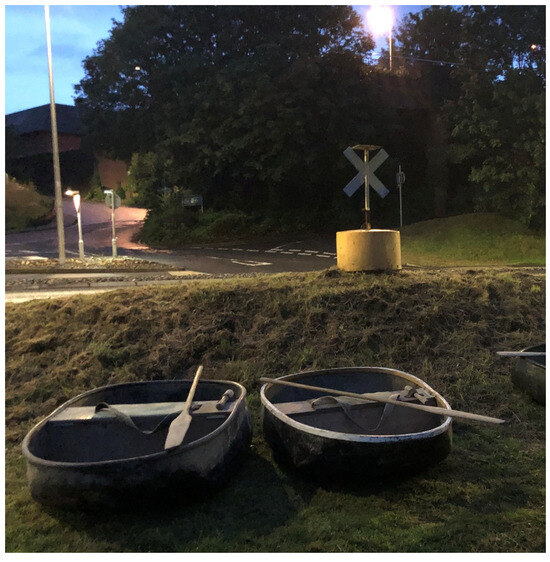
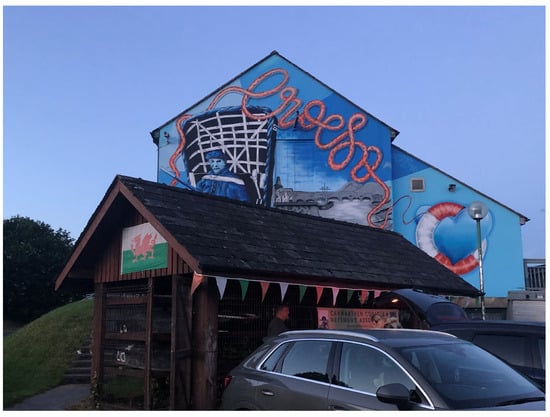
From Practice to Artefact: Heritage Licensing and the Ontology of Coracle Net Fishing in Wales
by
Gareth Thomas, Louise Steel and Luci Attala
Humans 2026, 6(3), 31; https://doi.org/10.3390/humans6030031 - 2 Sep 2026
Abstract
►▼
Show Figures
This paper examines how the designation of coracle net fishing in southwest Wales as intangible cultural heritage is reshaping the ontology of the fishery. Drawing on two years of ethnographic research with the Carmarthen Coracle and Netsmen Association, the study approaches river fishing
[...] Read more.
This paper examines how the designation of coracle net fishing in southwest Wales as intangible cultural heritage is reshaping the ontology of the fishery. Drawing on two years of ethnographic research with the Carmarthen Coracle and Netsmen Association, the study approaches river fishing not simply as an economic activity but as a culturally embedded practice through which relationships with river environments, kinship, ecological memory, and seasonal time are enacted and sustained. Coracle fishers on the River Towy possess detailed ecological knowledge developed through repeated engagement with water conditions, fish behaviour, and shifting river rhythms across generations. In the context of salmonid decline, polluted catchments, and regulatory tightening, heritage licensing now permits continued practice while restricting the sale and retention of migratory fish. The paper argues that this shift operates as an indirect form of displacement. While affirming cultural value, it reclassifies a working fishery as heritage display and constrains the material rights and adaptive capacity that sustain it as livelihood practice. By analysing how fishers interpret and respond to this reclassification, the paper shows how bureaucratic heritage frameworks transform what the fishery is understood to be, from reciprocal labour and livelihood to curated cultural artefact. The Welsh case contributes to anthropological debates on heritage governance, bureaucratic classification, and the regulation of small scale resource practices under environmental change.
Full article

Figure 1
Open AccessArticle
Inner Manor, Outer Wilderness: Functional Transformation, Spatial Narrative, and Identity Construction of Pastoral Imagery in Han Dynasty Northern Frontier Mural Tombs
by
Yongpeng Xu
Humans 2026, 6(3), 30; https://doi.org/10.3390/humans6030030 - 1 Sep 2026
Abstract
►▼
Show Figures
Pastoral imagery in Han dynasty mural tombs of China’s northern frontier may offer unique visual evidence for examining subsistence patterns, ethnic interactions, and the processes of elite identity construction in imperial borderlands. Existing scholarship has predominantly interpreted this motif through three frameworks—livelihood reflection,
[...] Read more.
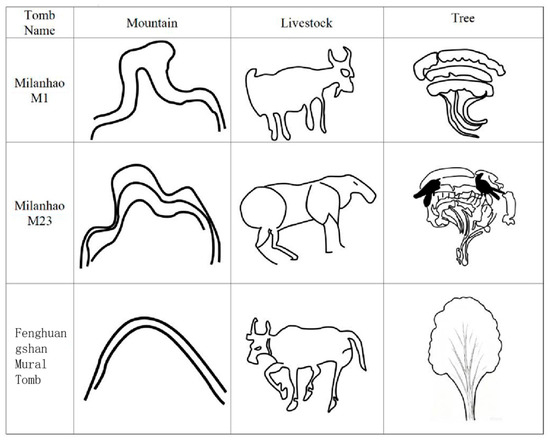
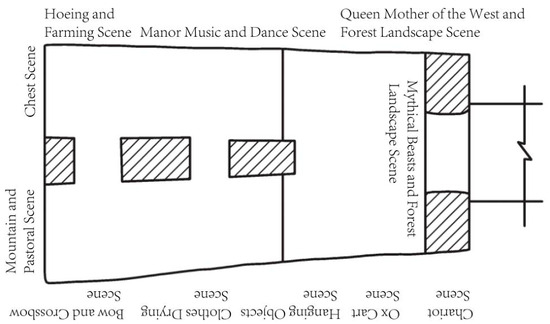
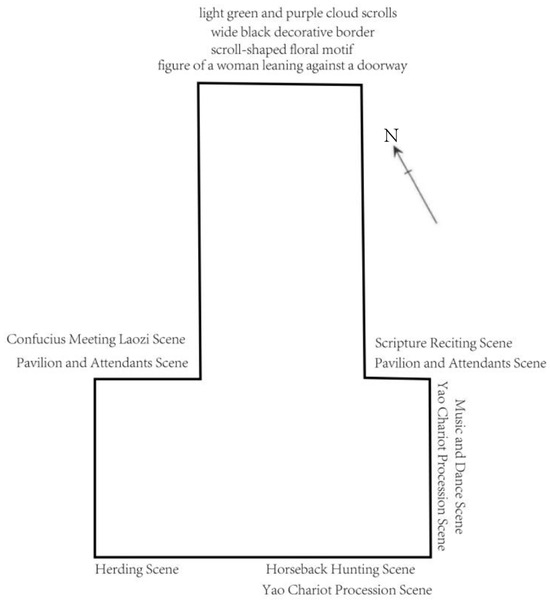
Pastoral imagery in Han dynasty mural tombs of China’s northern frontier may offer unique visual evidence for examining subsistence patterns, ethnic interactions, and the processes of elite identity construction in imperial borderlands. Existing scholarship has predominantly interpreted this motif through three frameworks—livelihood reflection, Hu-Han ethnic integration, and the origins of Chinese landscape painting—yet has not fully addressed its functional transformation within mortuary contexts and the underlying spatial logic of identity construction. Drawing on seven systematically documented mural tombs from the Ordos Plateau and Hetao Plain, this study combines archaeological typology, formal iconographic analysis, and spatial contextual analysis to trace the full evolutionary trajectory of pastoral imagery. This study suggests that the motif may be interpreted as undergoing a transition away from explicitly sacred contexts toward a closer association with material representation from the late Western Han to the late Eastern Han: early stylized renditions, derived from the Central Plains xian (immortal) mountain iconographic paradigm, appear to have served the construction of a sacred cosmic space for post-mortem ascension, while later realistic depictions were increasingly repositioned in storage side chambers, potentially functioning as visual representations of manorial livestock assets. Spatially, pastoral imagery gradually formed a stable “Inner Manor/Outer Wilderness” sequential narrative, which visually domesticated the heterogeneous frontier wilderness and enabled local magnates to construct a transcultural elite identity integrating Han ritual orthodoxy and control over diverse frontier resources. This study recalibrates the regional position of pastoral imagery in the secularization of Han mortuary art, and is consistent with a perspective for understanding the northern frontier as a dynamic transcultural frontier zone of cultural negotiation and integration.
Full article

Figure 1
Open AccessArticle
Beyond Economic Motives: Cultural Pride and Religious Tradition as Drivers of Small-Scale Event Tourism in Coastal Fishing Communities of West Sulawesi, Indonesia
by
Imelda Adhi Yanti, Hamka Naping, Ansar Arifin, Tasrifin Tahara and Darmawan Salman
Humans 2026, 6(3), 29; https://doi.org/10.3390/humans6030029 - 25 Aug 2026
Abstract
Event-based tourism in coastal communities has primarily been studied through economic indicators such as visitor numbers, tourist spending, and multiplier effects, while research on small-scale recurring events driven by non-economic motivations remains limited. This study aims to uncover the meanings behind tourism event
[...] Read more.
Event-based tourism in coastal communities has primarily been studied through economic indicators such as visitor numbers, tourist spending, and multiplier effects, while research on small-scale recurring events driven by non-economic motivations remains limited. This study aims to uncover the meanings behind tourism event practices in coastal fishing communities in Polewali Mandar Regency, West Sulawesi, Indonesia. A qualitative approach with an interpretive ethnographic design was employed, with data collected through participant observation, in-depth interviews, and documentation of four annual events, namely Sandeq Race, Malauyung, Pammunuang, and Mallampei, held across three coastal villages. The findings reveal that event-based tourism in Polewali Mandar takes two primary forms: competition-based and religious-activity-based tourism. Neither form is driven by economic calculation; both are sustained by communal pride in maritime cultural heritage, institutionalized spiritual obligations, and binding social norms. These events function simultaneously as arenas for affirming maritime cultural identity, mechanisms for reproducing social solidarity, spaces for intergenerational knowledge transmission, and vehicles for safeguarding intangible cultural heritage (ICH), most notably through the close interdependence between the Sandeq Race and its underlying traditional boat-building practice. The study further finds that these events attract a distinct typology of visitors, ranging from local residents and domestic tourists with kinship ties to the host villages, to a modest but consistent stream of international tourists, and that their sustainability reflects a form of informal Community-Based Tourism (CBT) rooted in intrinsic social capital rather than institutional or industry-driven development. This study proposes the concept of pride-driven small-scale event tourism, referring to small-scale event tourism sustained by communal pride in cultural heritage and religious tradition rather than economic orientation, thereby expanding event tourism, religious tourism, and the CBT literature by foregrounding non-material dimensions as central to understanding coastal community-based tourism practices.
Full article
Open AccessArticle
Estimating Sex of South African Crania Using 3D-ID
by
Tamara L. Lottering, Desiré Brits, Ann H. Ross and Candice Small
Humans 2026, 6(3), 28; https://doi.org/10.3390/humans6030028 - 19 Aug 2026
Abstract
The freely available software program 3D-ID estimates sex and population affinity using geometric morphometric methods and a large reference database (N > 2000). However, the 2018 version lacked representation of South African populations. This study evaluated the accuracy of 3D-ID (2018 version) for
[...] Read more.
The freely available software program 3D-ID estimates sex and population affinity using geometric morphometric methods and a large reference database (N > 2000). However, the 2018 version lacked representation of South African populations. This study evaluated the accuracy of 3D-ID (2018 version) for sex estimation in the three largest South African samples. A total of 450 crania (75 males and 75 females per population) from South Africans of African descent (SAA), South Africans of Multi-populations (SAM), and South Africans of European descent (SAE) were digitized using a Microscribe 3DX digitizer. Landmark data were analysed in 3D-ID using both Full (all landmarks) and Reduced (five landmarks excluded) configurations, with assessments using both shape and form (shape + size) variables. When populations were combined, females consistently yielded higher classification accuracies than males. Using the Reduced configuration, sex estimation accuracies for shape and form were higher for SAA females (82.7% and 89.3%) and SAE females (88.0% and 89.3%), and moderate to high for SAE males (76.0% and 85.3%). In contrast, SAA males showed lower accuracies (44.0–69.3%), while SAM individuals generally fell below 75%. Overall, 3D-ID (2018 version) demonstrated moderate to high sex estimation accuracy. However, validation of the newly incorporated South African reference data (3D-ID 2024 version) is recommended before forensic application.
Full article
(This article belongs to the Special Issue Forensic Anthropology: Evolving Perspectives in Human Skeletal Variation and Identification)
Open AccessArticle
Impaction and Mineralization Status of the Mandibular Third Molar: A Retrospective Study
by
Rute Gomes and Inês Morais Caldas
Humans 2026, 6(3), 27; https://doi.org/10.3390/humans6030027 - 11 Aug 2026
Abstract
►▼
Show Figures
Chronological age estimation is used in legal contexts to determine the transition between minor and adult status, with the third molar (3M) being a primary biological indicator. This retrospective study aimed to analyze the relationship between the topographic position of impacted mandibular 3Ms
[...] Read more.
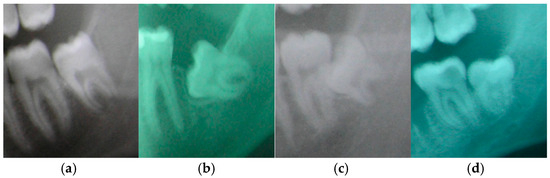
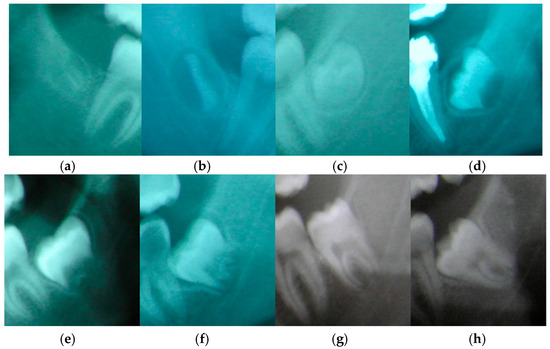
Chronological age estimation is used in legal contexts to determine the transition between minor and adult status, with the third molar (3M) being a primary biological indicator. This retrospective study aimed to analyze the relationship between the topographic position of impacted mandibular 3Ms and their mineralization stages, evaluating how specific angulations influence developmental chronology. Using a database of digital panoramic radiographs from 731 individuals aged 16 to 20 years, 3M development was assessed via Demirjian’s stages and impaction was classified by Winter’s angulation. Results demonstrated that non-impacted teeth consistently show more advanced mineralization compared to impacted teeth, with an average maturational delay of 0.35 stages in the latter. Furthermore, horizontal impactions exhibited significantly accelerated maturation, with 88.2% reaching the terminal Stage H, while mesioangular impactions were associated with marked developmental delay and were significantly underrepresented in Stage H. In conclusion, both eruption status and topographic orientation significantly modulate 3M mineralization. These findings suggest that applying uniform reference standards without considering tooth angulation may cause systematic bias in forensic age estimation, potentially leading to the underestimation or overestimation of age around critical legal thresholds.
Full article

Figure 1
Open AccessReview
Medical Imaging Comparison for Personal Identification: A Primer for Forensic Practitioners
by
Heather M. Garvin, Alexis L. VanBaarle and Lauren N. Butaric
Humans 2026, 6(3), 26; https://doi.org/10.3390/humans6030026 - 11 Aug 2026
Abstract
Comparative medical imaging is a well-established scientific method of personal identification that utilizes concordant anatomical features observed in antemortem and postmortem medical images. As access to antemortem medical imaging and digital image archives has expanded, radiographic comparison has become an increasingly important component
[...] Read more.
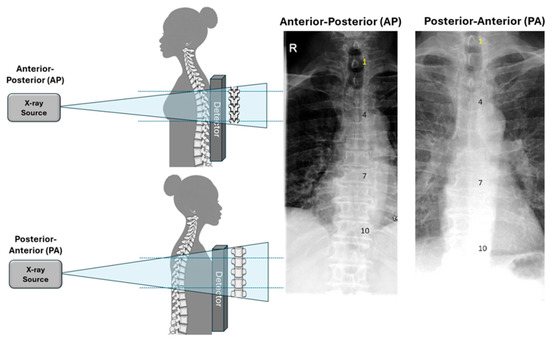
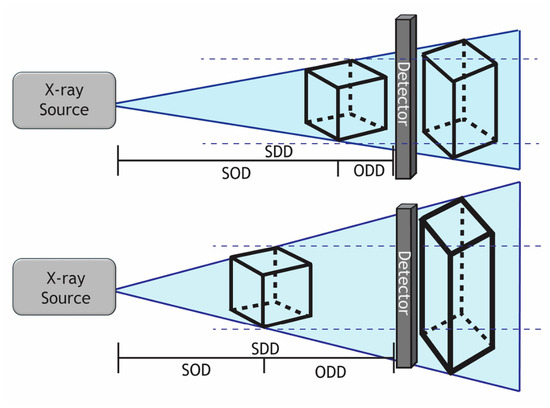
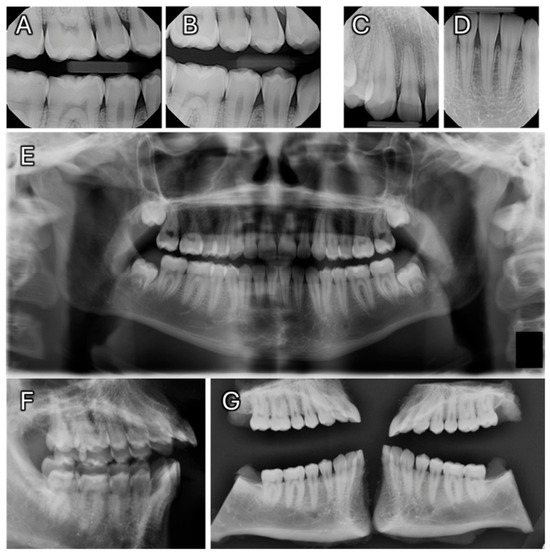
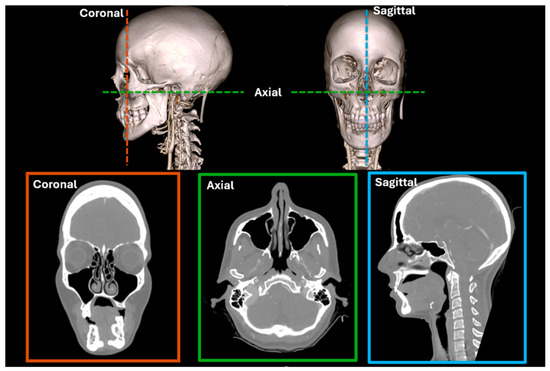
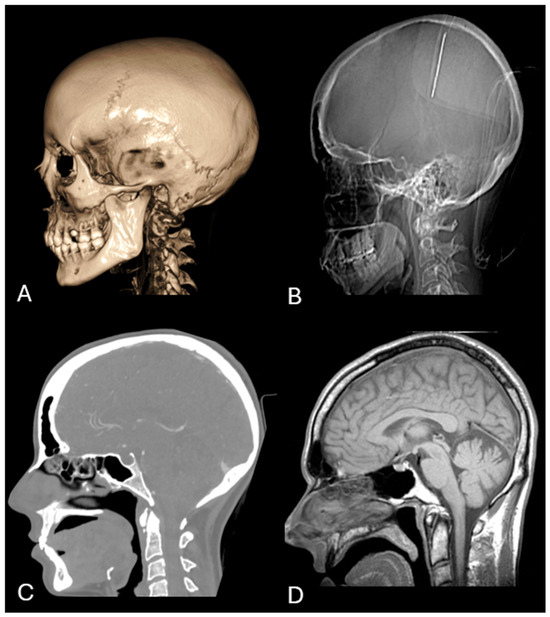
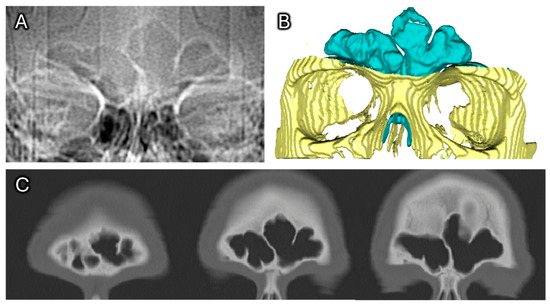
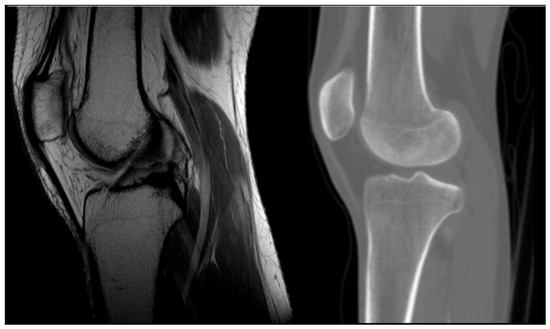
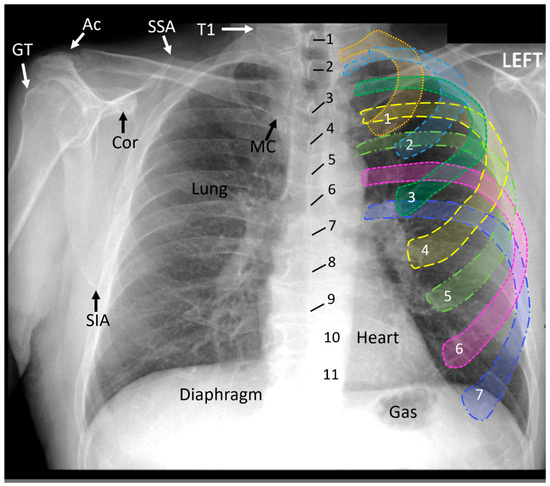
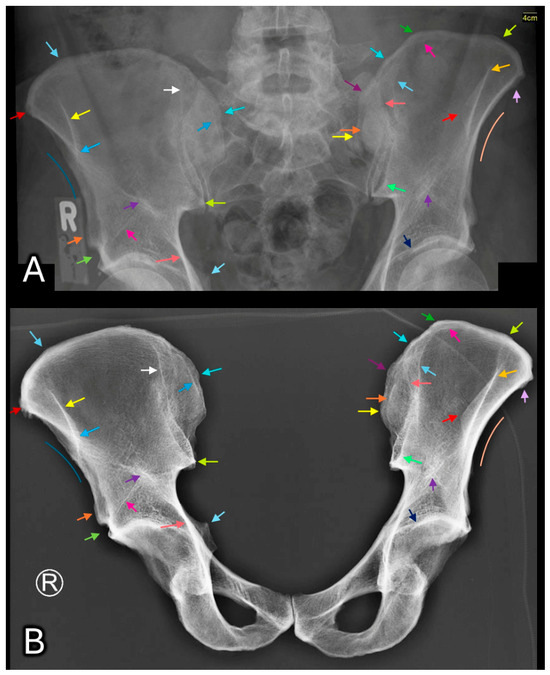
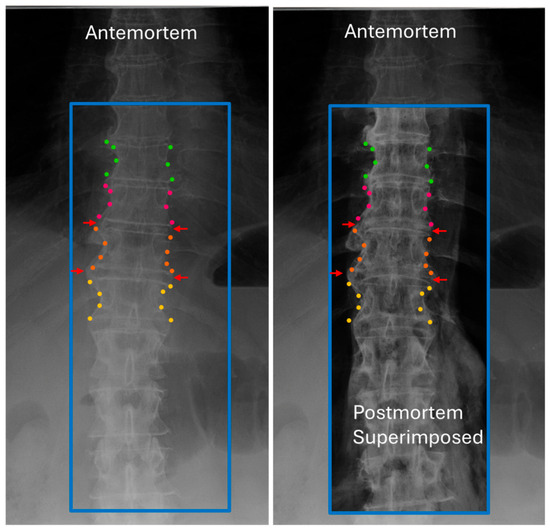
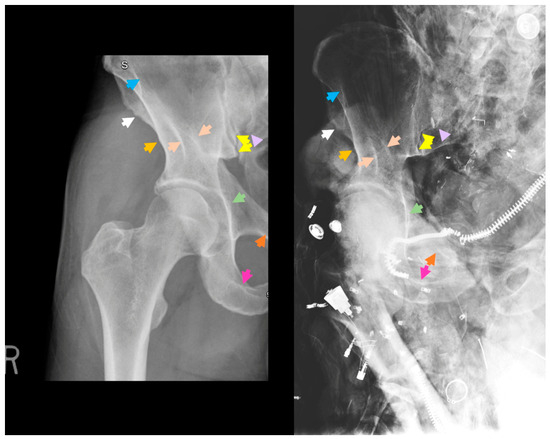
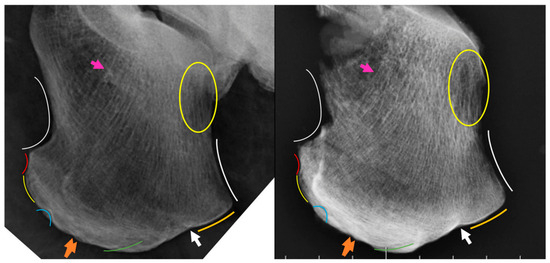
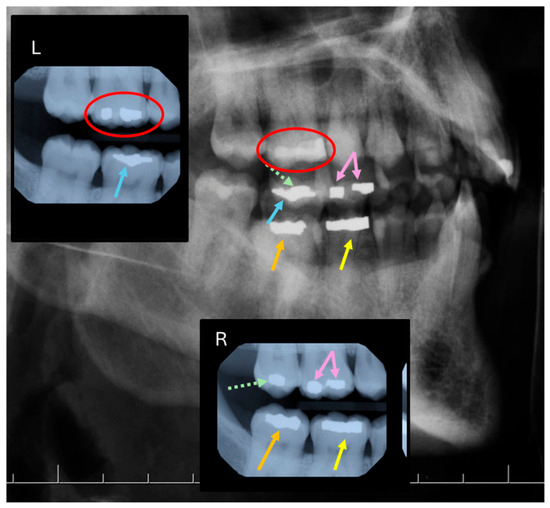
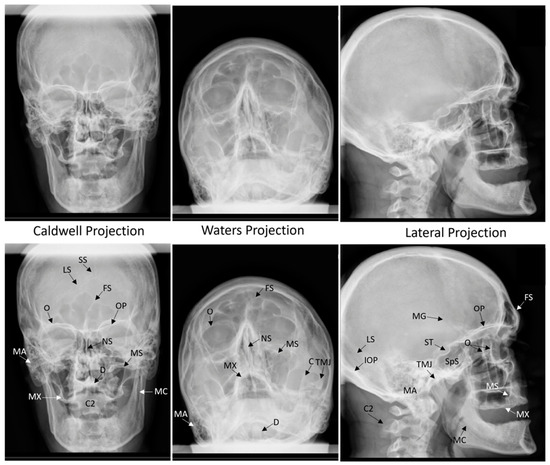
Comparative medical imaging is a well-established scientific method of personal identification that utilizes concordant anatomical features observed in antemortem and postmortem medical images. As access to antemortem medical imaging and digital image archives has expanded, radiographic comparison has become an increasingly important component of medicolegal death investigations. Despite its widespread use, many medicolegal practitioners receive limited formal training in comparative medical imaging. This paper provides a practical primer on radiographic comparison for personal identification. Common imaging modalities encountered in forensic casework, including conventional radiography, dental radiography, computed tomography (CT), cone beam computed tomography (CBCT), and magnetic resonance imaging (MRI), are reviewed with emphasis on image acquisition and characteristics, limitations, and comparative considerations. Frequently utilized anatomical regions, common comparative features, and methodological considerations are also discussed. Accurate radiographic identification requires not only the recognition of concordant anatomical features but also the appropriate interpretation of explainable differences arising from biological, radiographic, and postmortem factors. This paper provides foundational guidance intended to assist practitioners in conducting scientifically defensible radiographic comparisons and highlights the need for greater incorporation of comparative medical imaging training within forensic curricula.
Full article
(This article belongs to the Special Issue Forensic Anthropology: Evolving Perspectives in Human Skeletal Variation and Identification)
►▼
Show Figures

Figure 1
Open AccessArticle
Greater Diurnal Variation in Human Milk Cortisol Is Associated with Larger Infant Height-for-Age: A Take on the Maternal Capital Evolutionary Framework
by
Rachael Anyim, Zhiqiao Huang, Anna Nicotra and Joshua Reno
Humans 2026, 6(3), 25; https://doi.org/10.3390/humans6030025 - 4 Aug 2026
Abstract
►▼
Show Figures
Maternal capital (e.g., anthropometrics, hormones, bioactives) enables investment in infant somatic growth during lactation. We draw from the maternal capital hypothesis to contextualize the associations between human milk cortisol variation and infant height-for-age z-score (HAZ) and weight-for-height z-score (WHZ). We hypothesize stable conditions
[...] Read more.
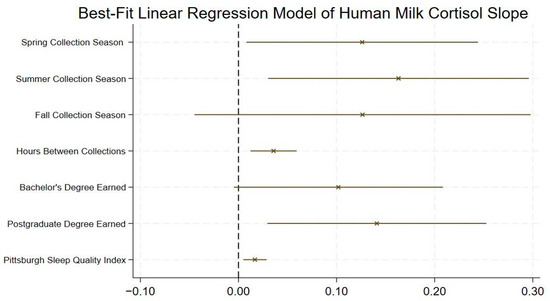
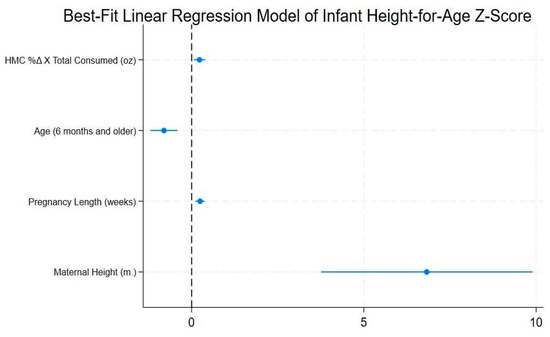
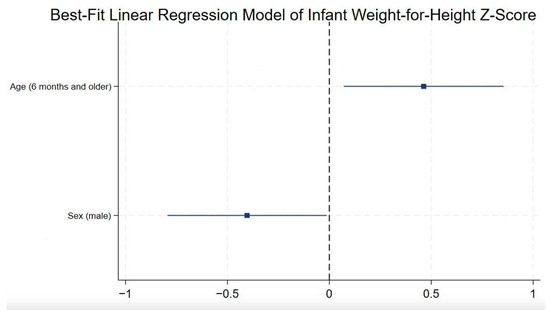
Maternal capital (e.g., anthropometrics, hormones, bioactives) enables investment in infant somatic growth during lactation. We draw from the maternal capital hypothesis to contextualize the associations between human milk cortisol variation and infant height-for-age z-score (HAZ) and weight-for-height z-score (WHZ). We hypothesize stable conditions (e.g., low perceived stress, high socioeconomic status/SES including income and education attained) will be associated with greater milk cortisol declines (i.e., steeper slopes), signaling increased capital to invest in larger infant anthropometrics, while stressful conditions (e.g., illness within the dyad, low SES, poor maternal sleep quality) may be associated with flatter slopes and subsequent reduced investment. We measured milk cortisol (N = 110) in U.S. mother–infant dyads using enzyme immunoassay. We collected milk 30–45 min after waking and at the last evening infant feeding, and provided questionnaires (e.g., demographics, perceived stress, Pittsburgh sleep quality index) for mothers to complete. We calculated milk cortisol slope (%Δ) (AM-PM/AM) to assess variation between collections. Larger %Δ indicated steeper slopes; smaller %Δ indicated flatter slopes. We employed an information-theoretic approach to estimate associations between maternal stress and %Δ, and %Δ and infant anthropometrics using multivariable linear regressions. The %Δ best-fit model suggested maternal postgraduate education and poor sleep quality was associated with steep %Δ. The HAZ best-fit model suggested the combined effect of steeper %Δ and milk intake was associated with increased HAZ. Additionally, the combined effect of steeper %Δ and infant milk intake was associated with increased HAZ among mothers with postgraduate degrees and who woke up three or more times to night-feed. %Δ was not associated with WHZ. We speculate %Δ exposure calibrates infant development to their shared environment, with implications for lifelong fitness.
Full article

Figure 1
Open AccessReview
Physical Fit Analysis in Forensic Anthropology: Its Role in Fragment Reassociation and Human Identification
by
Yara Vieira Lemos, Camila Carrillo Furlan, Ricardo Moreira Araújo, Felippe Bevilacqua Prado, Alexandre Rodrigues Freire and Ana Cláudia Rossi
Humans 2026, 6(3), 24; https://doi.org/10.3390/humans6030024 - 27 Jul 2026
Abstract
►▼
Show Figures
Physical fit analysis has become an important complementary approach in forensic anthropology, particularly in cases involving fragmented human remains, where fragment reassociation is often critical to human identification. This review examines the role of physical fit analysis in fragment reassociation and its contribution
[...] Read more.
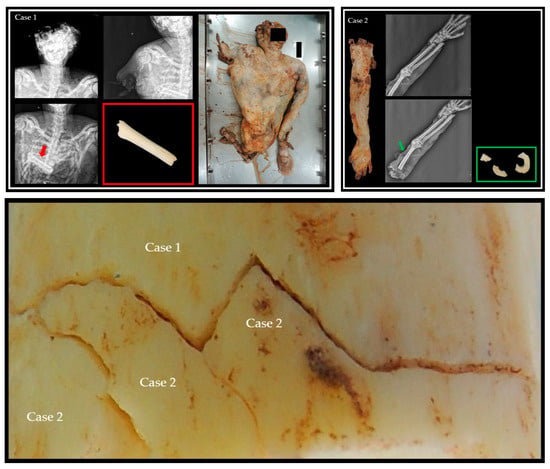
Physical fit analysis has become an important complementary approach in forensic anthropology, particularly in cases involving fragmented human remains, where fragment reassociation is often critical to human identification. This review examines the role of physical fit analysis in fragment reassociation and its contribution to identification in forensic contexts, including disaster victim identification. To this end, the available literature was critically reviewed, with emphasis on physical fit, fracture matching, fracture morphology, and the interpretation of skeletal discontinuities in fragmented remains. The reviewed studies indicate that physical fit analysis can support the recognition of corresponding fragments, the reconstruction of disrupted skeletal regions, and the integration of anthropological findings with other identification methods, especially in cases involving highly fragmented or commingled remains. At the same time, the literature reveals important limitations, including methodological heterogeneity, limited validation studies, and interpretive challenges related to preservation and fracture complexity. Overall, physical fit analysis represents a promising adjunct in forensic anthropology for fragment reassociation and human identification, although further standardization and validation remain necessary to strengthen its forensic applicability.
Full article

Figure 1
Open AccessArticle
Resacralizing the Secular: The Spatial Production and Everyday Appropriation of a Popular Religion Space in Urban China
by
Yongpeng Xu
Humans 2026, 6(3), 23; https://doi.org/10.3390/humans6030023 - 21 Jul 2026
Abstract
►▼
Show Figures
This study investigates the mechanism of “reverse spatial production” in contemporary urban China by examining the transformation of the Hangou Dawang Temple in Yangzhou. Utilizing a multidimensional framework that integrates Henri Lefebvre’s spatial triad with Michel de Certeau’s theory of everyday practice, the
[...] Read more.
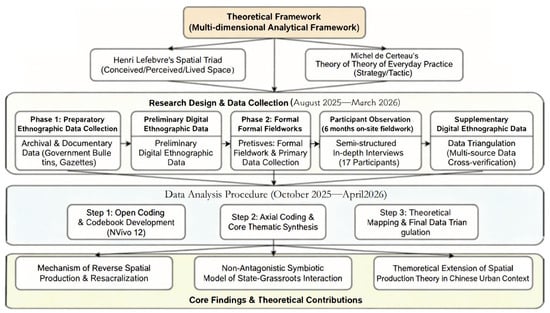
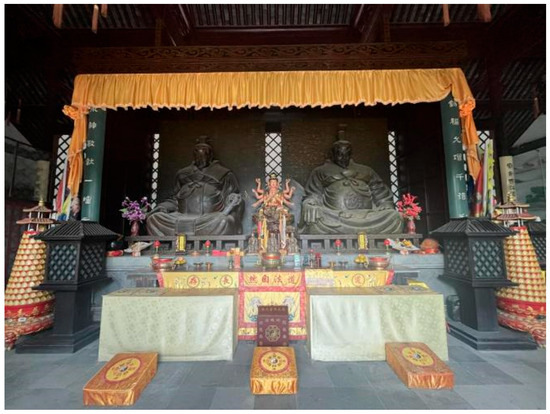
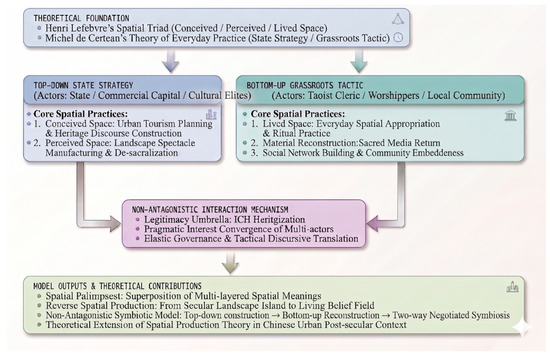
This study investigates the mechanism of “reverse spatial production” in contemporary urban China by examining the transformation of the Hangou Dawang Temple in Yangzhou. Utilizing a multidimensional framework that integrates Henri Lefebvre’s spatial triad with Michel de Certeau’s theory of everyday practice, the research explores how a state-constructed, secular “cultural landscape” was reclaimed as a living field of popular belief. Data were collected through intensive fieldwork (2025–2026), including participant observation, semi-structured interviews, and digital ethnography. The findings reveal that following the temple’s entrustment to the Taoist Association in 2017, grassroots actors—centered around a Taoist cleric and the local congregation—successfully resacralized the site through the introduction of material media, ritual performances, and social networking. This process dissolved the official spatial discipline of the “landscape island,” transforming it into a substantive religious hub. The study identifies a “Non-Antagonistic Symbiotic Model” of spatial production, characterized by a cycle of top-down construction, bottom-up reconstruction, and mutual negotiation. It argues that the state’s heritagization strategy inadvertently provides a legitimate vessel for religious resilience, while grassroots tactical appropriations allow for the survival of popular religion within modern urban landscapes. This research offers a prototypical case for understanding the resilience of popular belief and the reconstruction of heritage authenticity in the post-secular urban context of China.
Full article

Figure 1
Open AccessArticle
Matriarchs and Metopism: An Analysis of the Wari Iconographic Representation of the Skull
by
Louise Deglin
Humans 2026, 6(3), 22; https://doi.org/10.3390/humans6030022 - 29 Jun 2026
Abstract
►▼
Show Figures
While skeletal imagery appears across various ancient Andean traditions, the Wari Empire (c. 600–1000 CE) developed a uniquely standardized and widespread skull motif—the uma tullu—distributed throughout its former territory. Through an analysis of 63 artifacts spanning ceramic, textile, and metal, this study
[...] Read more.
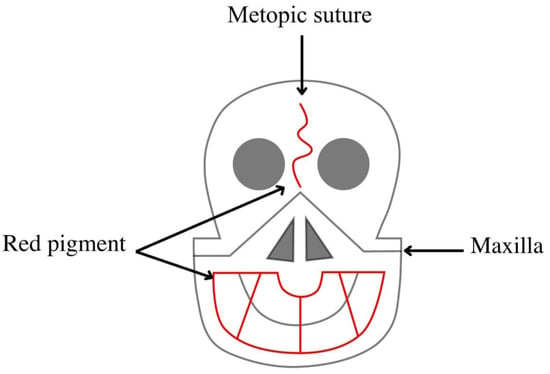
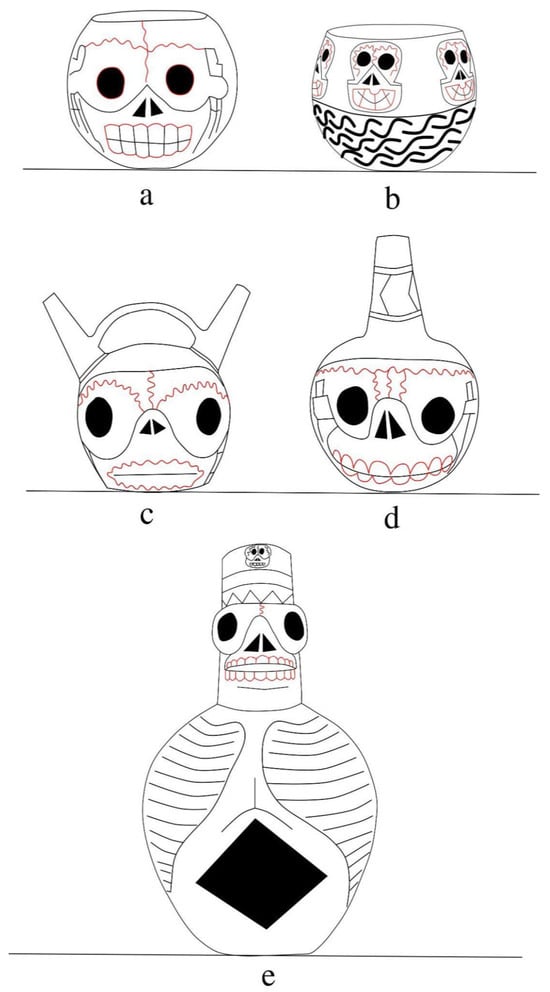
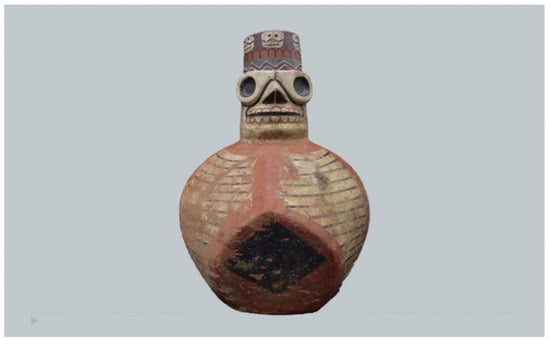
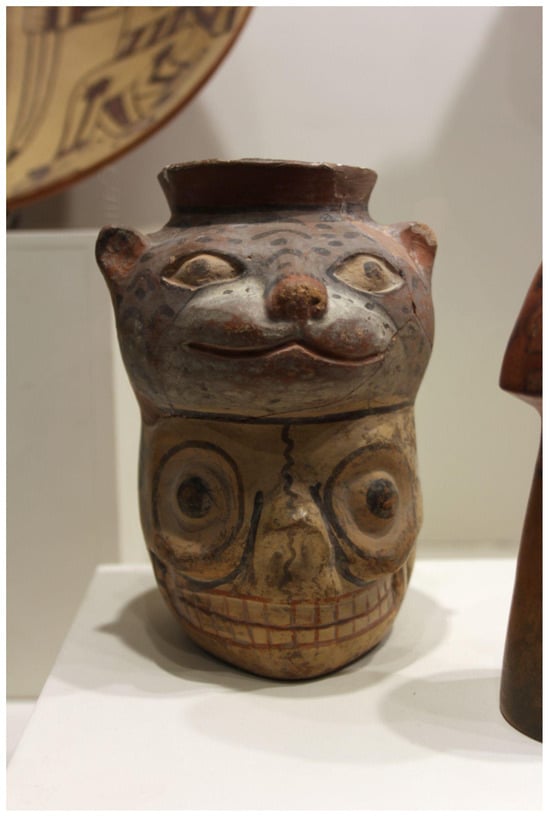
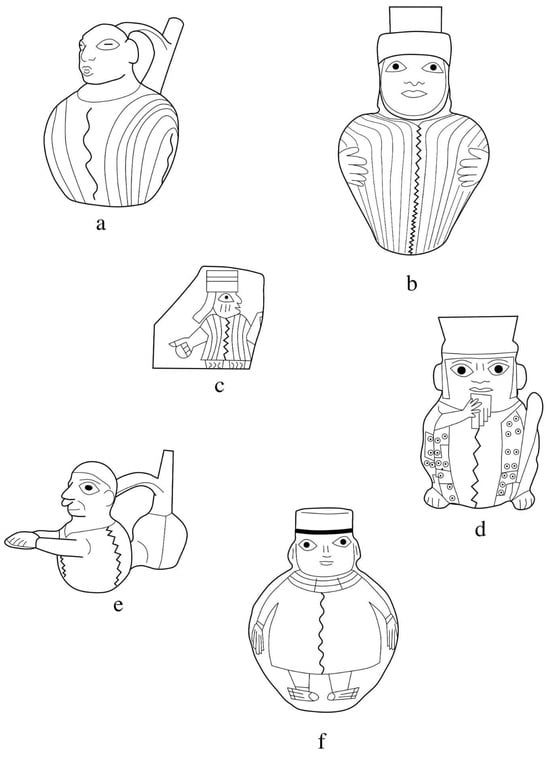
While skeletal imagery appears across various ancient Andean traditions, the Wari Empire (c. 600–1000 CE) developed a uniquely standardized and widespread skull motif—the uma tullu—distributed throughout its former territory. Through an analysis of 63 artifacts spanning ceramic, textile, and metal, this study identifies key diagnostic markers of the motif: the representation of the metopic suture and the application of red pigment. By cross-referencing these stylistic features with bioarchaeological data, the research posits that the uma tullu served as a central communicative device. In the absence of a formal script, this motif may have encoded imperial values and ancestral cult practices, facilitating ideological expansion and state identity. Ultimately, this work demonstrates how standardized iconography functioned as a system of graphic communication and ideological cohesion in the Middle Horizon Andes.
Full article

Figure 1
Open AccessArticle
Dietary Reconstruction of Migrant Populations in the Core Region of Early China
by
Yuze Sun
Humans 2026, 6(3), 21; https://doi.org/10.3390/humans6030021 - 25 Jun 2026
Abstract
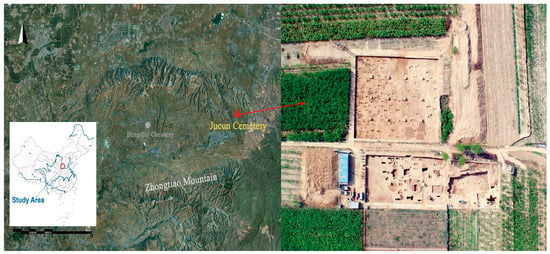
This study focuses on 91 human individuals from the Western Zhou period excavated from the Jucun cemetery in Jiang County, southern Shanxi Province, and examines their dietary structure and its changes within the context of population movements in early China. Stable carbon and
[...] Read more.
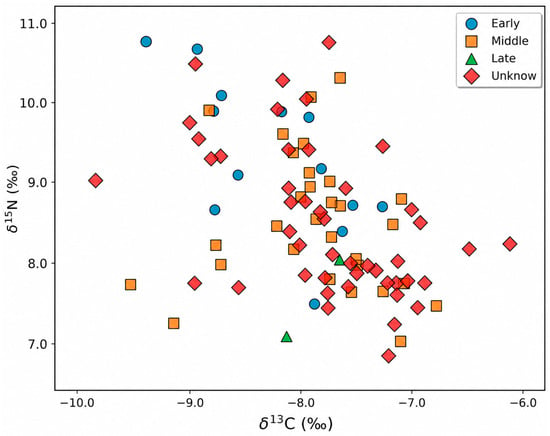
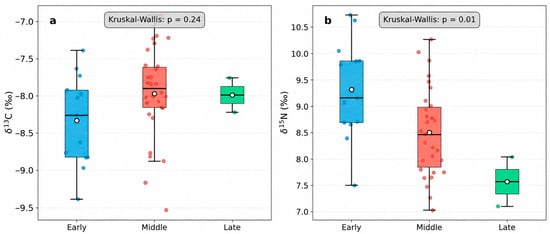
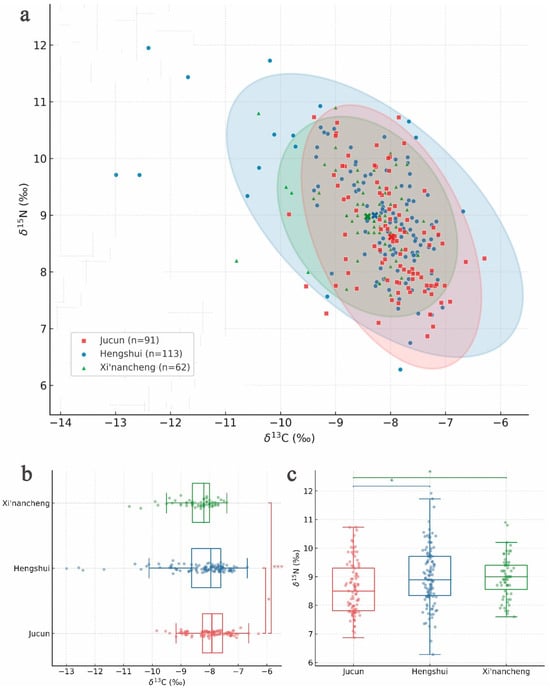
This study focuses on 91 human individuals from the Western Zhou period excavated from the Jucun cemetery in Jiang County, southern Shanxi Province, and examines their dietary structure and its changes within the context of population movements in early China. Stable carbon and nitrogen isotope analysis was employed, combined with archaeological phase divisions, to compare dietary patterns across different periods. The results show that the Jucun population exhibits a diet dominated by C4 resources, with a mean δ13C value of −8.0 ± 0.7‰ and a mean δ15N value of 8.6 ± 0.9‰, indicating a relatively low level of animal protein intake. Diachronic analysis indicates that δ13C values remain generally stable throughout the Western Zhou period, whereas δ15N values show a decreasing trend. Regional comparison further shows that populations of different origins all fall within the isotopic range characterized by millet-based agriculture in southern Shanxi. Overall, the dietary structure of this population exhibits a convergence toward an agriculture-based pattern centered on millet. This study provides bioarchaeological evidence for subsistence transformation and cultural integration among mobile populations in the Central Plains during the Western Zhou period.
Full article
(This article belongs to the Special Issue Migration in Anthropological Perspective)
►▼
Show Figures

Figure 1
Open AccessArticle
Unprovenanced Anatomical Crania: A Stepwise Protocol Integrating Epitaphonomic Signature and Population Affinity
by
Amber M. Plemons, Rhian R. Dunn, Micayla C. Spiros, Kelly R. Kamnikar, Nicole Geske and Joseph T. Hefner
Humans 2026, 6(2), 20; https://doi.org/10.3390/humans6020020 - 10 Jun 2026
Abstract
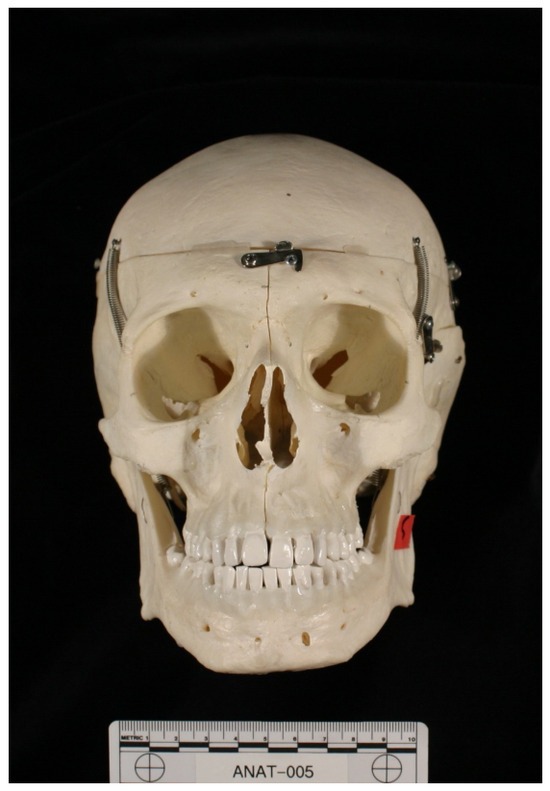
Unprovenanced skeletal remains housed in anatomy laboratories, medical schools, and museums present a persistent ethical challenge when the human skeletal remains potentially represent historically marginalized or legally protected populations. Reliance on a single line of evidence, like epitaphonomic indicators or population affinity estimates,
[...] Read more.
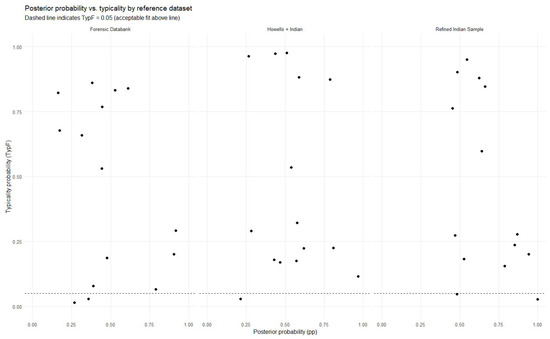
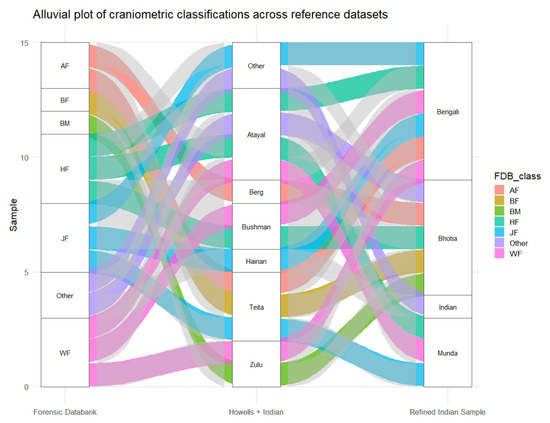
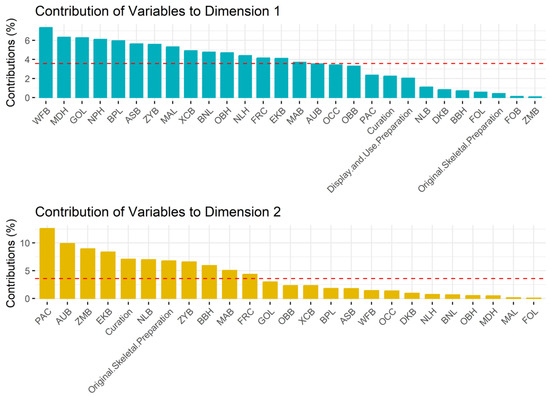
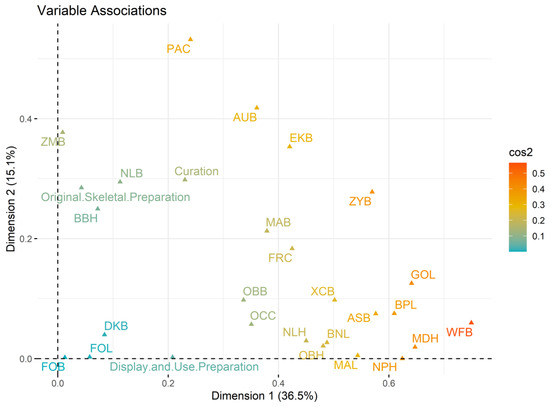
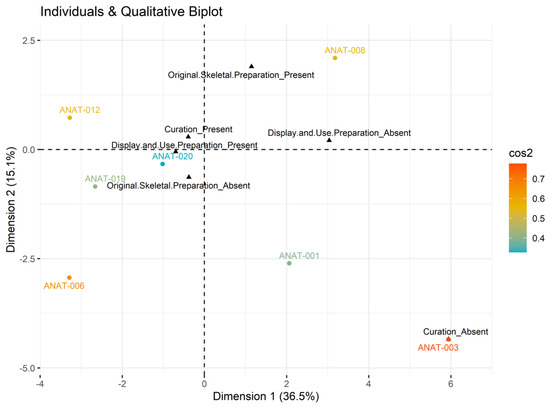
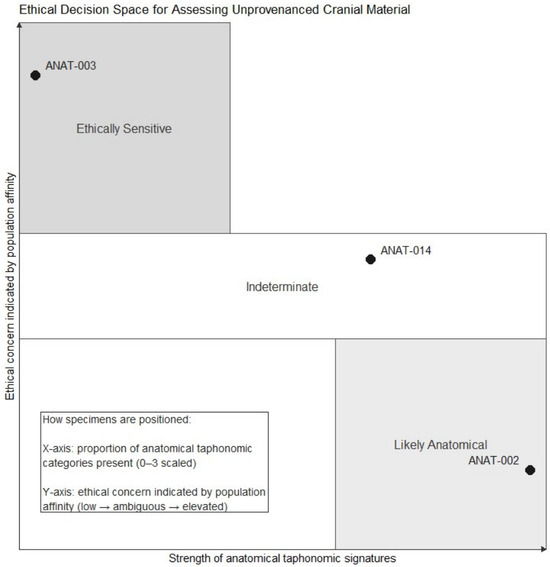
Unprovenanced skeletal remains housed in anatomy laboratories, medical schools, and museums present a persistent ethical challenge when the human skeletal remains potentially represent historically marginalized or legally protected populations. Reliance on a single line of evidence, like epitaphonomic indicators or population affinity estimates, may result in incomplete or misleading assessments. Herein, we present a structured, non-destructive protocol integrating epitaphonomic signatures and an estimation of population affinity (including assessing biocultural indicators of affinity) to support ethical decision-making regarding unprovenanced crania in institutional collections. Our proposed protocol was applied to 16 unprovenanced crania curated in a university anatomy collection. Epitaphonomic signatures associated with anatomical preparation were assessed using categorical scores; craniometric data were analyzed using FORDISC 3.1 following the standard approach therein and using a custom reference dataset imported into the program. Additional exploratory analyses were conducted using a Factor Analysis of Mixed Data (FAMD) to visualize concordance and discordance between epitaphonomic and craniometric variables. Results indicate most individuals exhibit epitaphonomic signatures consistent with anatomical preparation; however, when those data are integrated with craniometric analysis, we identified individuals warranting removal from teaching collections based on elevated ethical concerns. Case examples demonstrate how our protocol supports transparent ethical triage distinguishing between likely anatomically prepared human remains, human remains requiring repatriation, and indeterminate cases requiring further evaluation. This protocol provides a practical, nondestructive framework for the responsible stewardship of unprovenanced skeletal collections.
Full article
(This article belongs to the Special Issue Forensic Anthropology: Evolving Perspectives in Human Skeletal Variation and Identification)
►▼
Show Figures

Figure 1
Open AccessArticle
Shaping the Landscape in Late Iron Age Europe: The Terraced Mountains of the Dacians
by
Aurora Pețan
Humans 2026, 6(2), 19; https://doi.org/10.3390/humans6020019 - 2 Jun 2026
Abstract
►▼
Show Figures
Large-scale landscape transformation in mountainous regions during the Late Iron Age remains insufficiently integrated into broader debates on European urbanism. In southwestern Transylvania, extensive slope terracing came to define the spatial core of the Dacian political centre. This study examines the scale, organization,
[...] Read more.
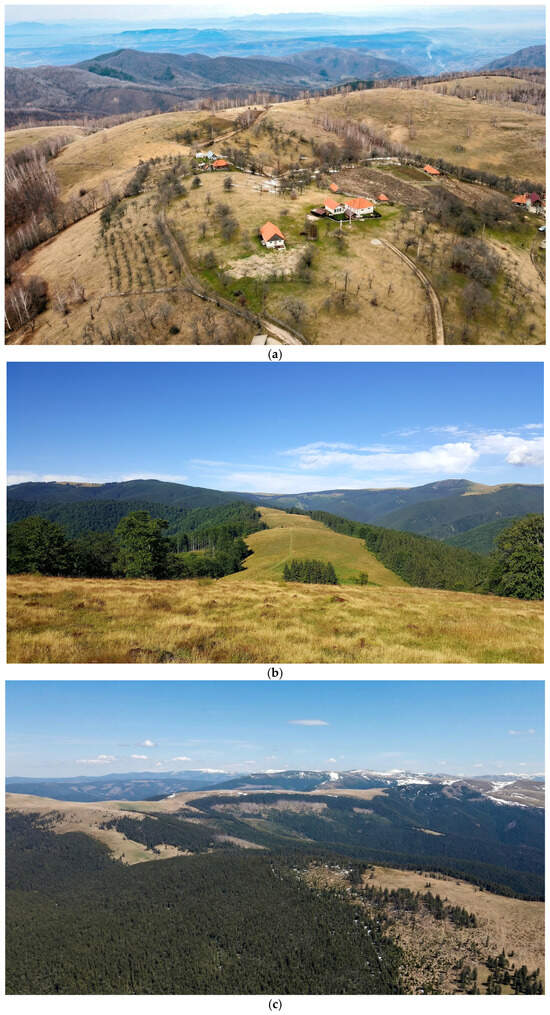
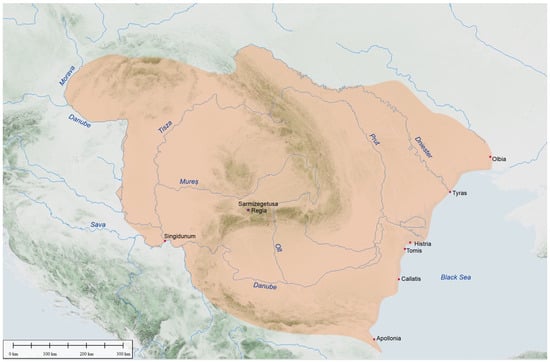
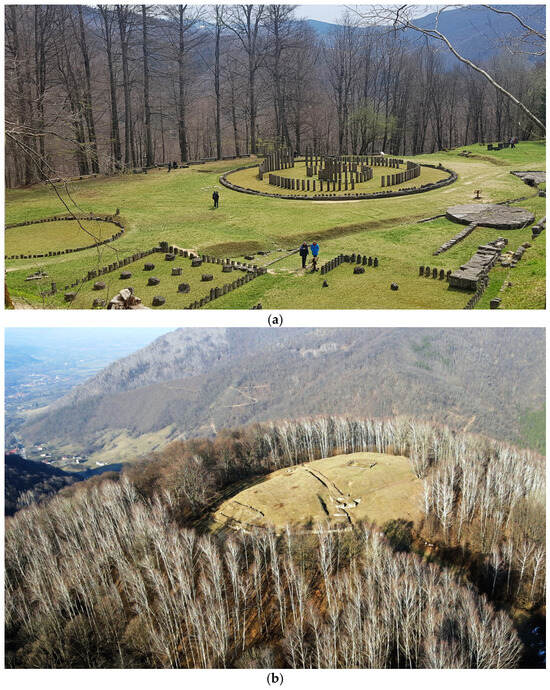
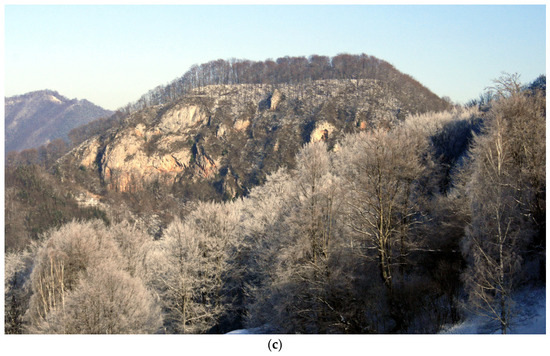
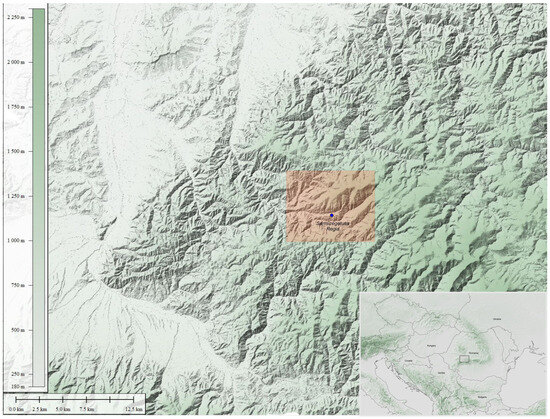
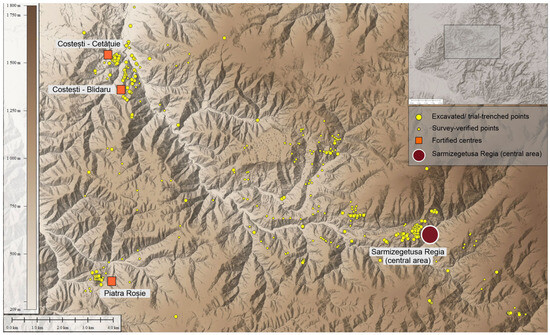
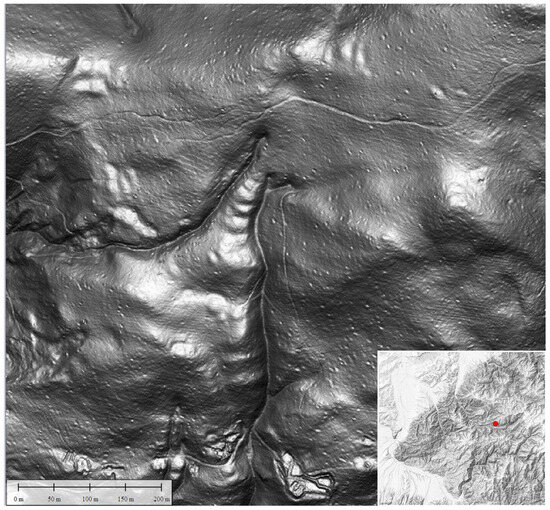
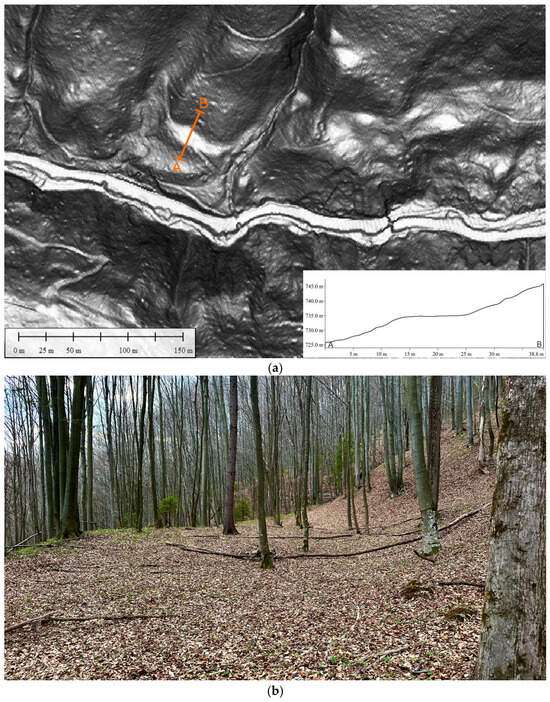
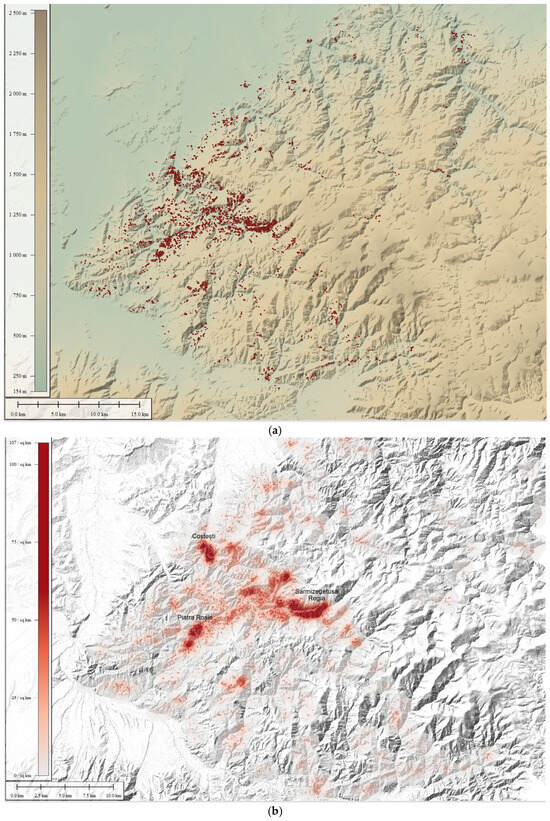
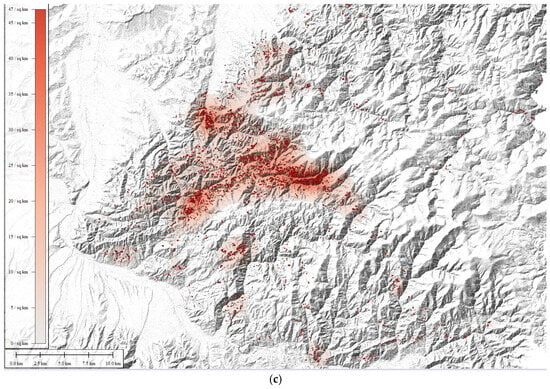
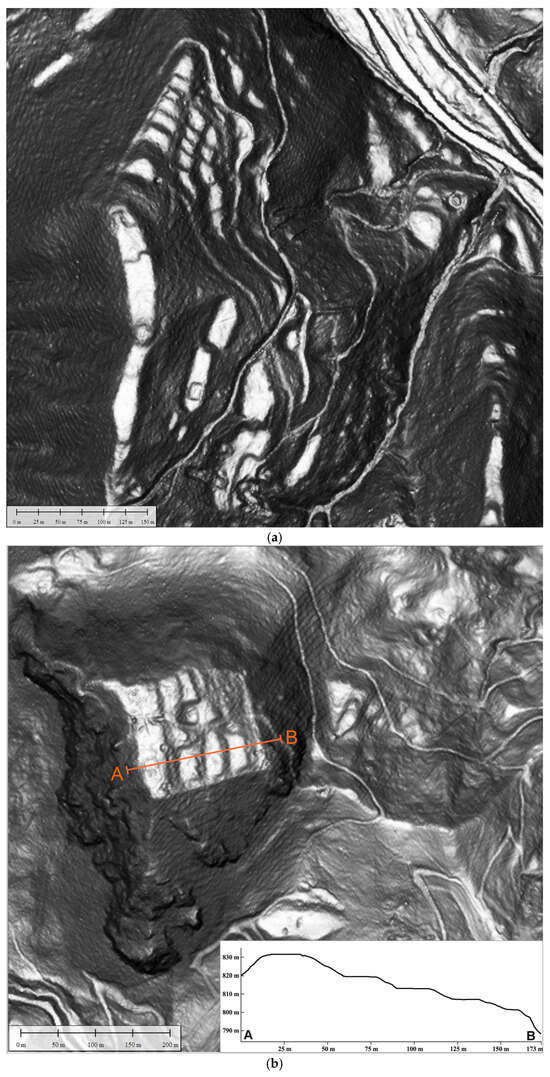
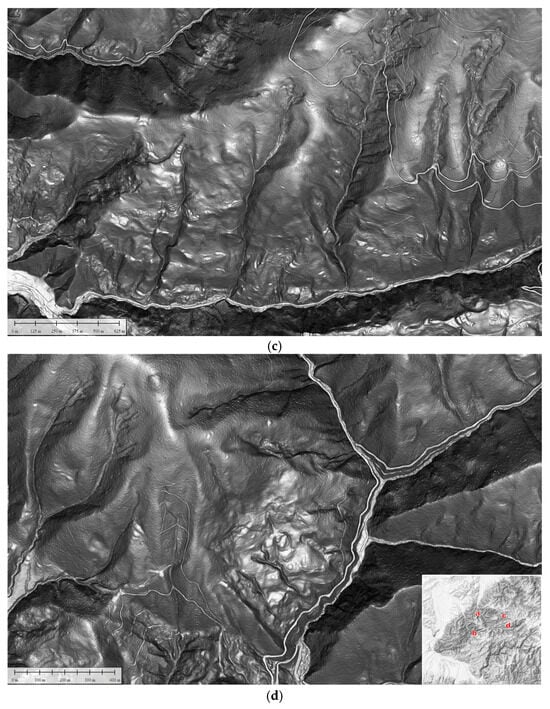
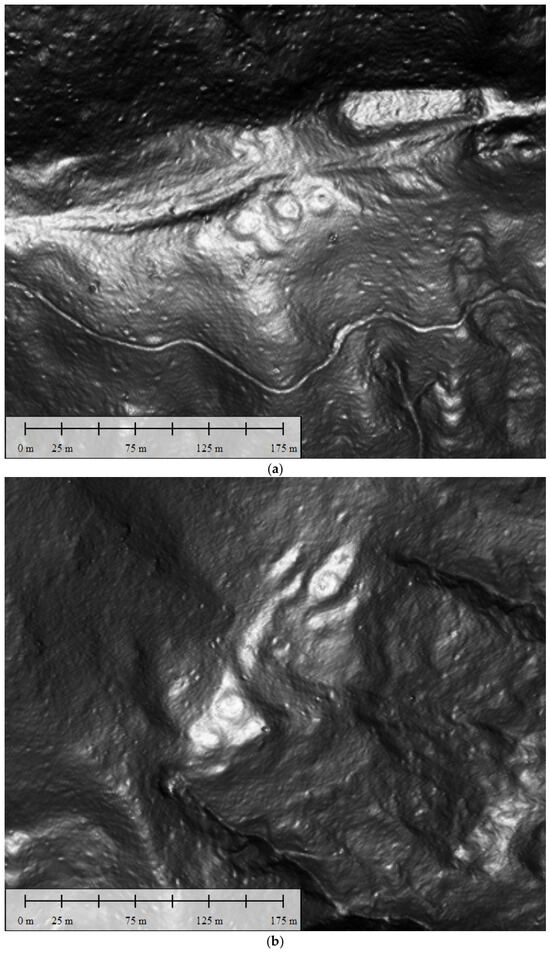
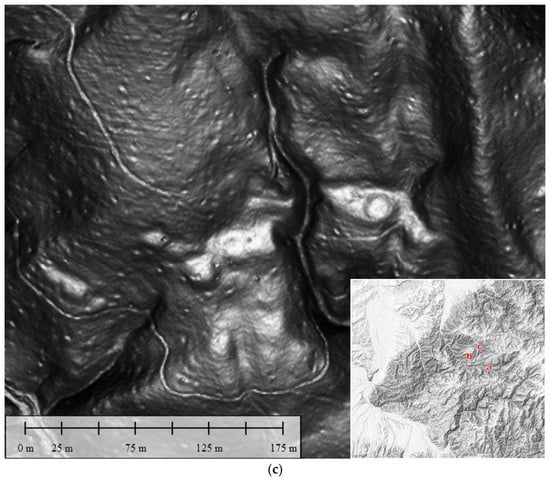
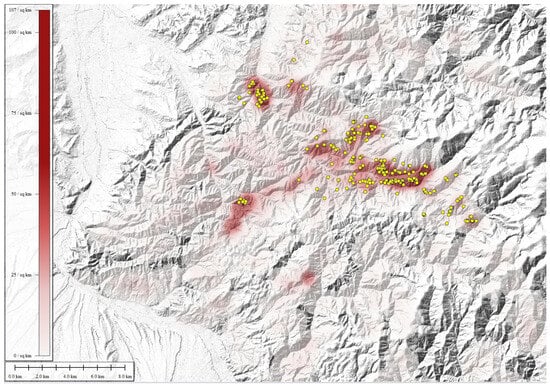
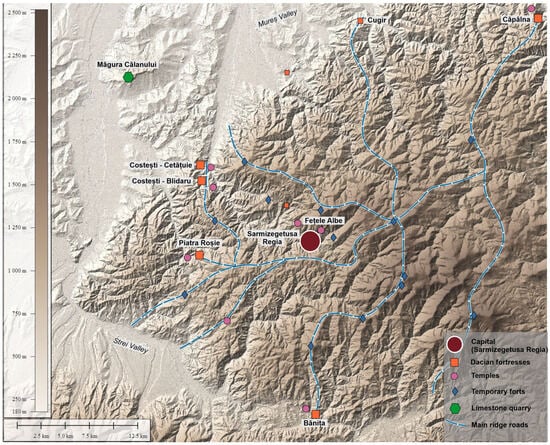
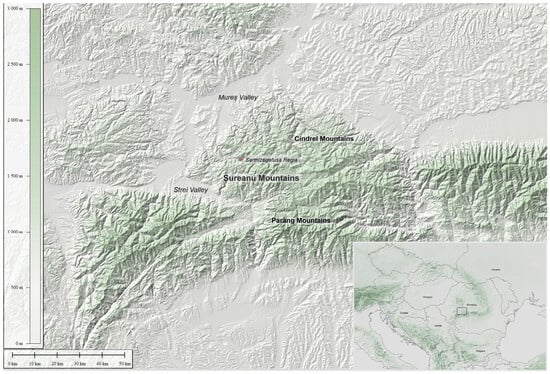
Large-scale landscape transformation in mountainous regions during the Late Iron Age remains insufficiently integrated into broader debates on European urbanism. In southwestern Transylvania, extensive slope terracing came to define the spatial core of the Dacian political centre. This study examines the scale, organization, and social implications of this engineered landscape using high-resolution LiDAR data and spatial modelling. Over 4000 anthropogenic terraces were identified, and their spatial patterning was analysed through Kernel Density Estimation (300 m and 800 m radii) in order to evaluate intensity gradients and territorial articulation. The results indicate compact nuclei of high terrace concentration embedded within a broader, yet continuous, system structured along ridge corridors and circulation routes. The spatial correlation between terrace density and elevated architectural features suggests differentiated building practices and hierarchical organization within a territorially extensive settlement pattern. Rather than representing isolated fortified sites, the Dacian mountain core emerges as an integrated and infrastructurally connected landscape. These findings support the interpretation of the area as a form of Late Iron Age low-density urbanism, in which habitation, mobility, and social differentiation were materially embedded in large-scale topographic modification.
Full article

Figure 1
Open AccessBrief Report
The Water Festival (Layimama) and Collective Identity in the Inter-Andean Valley of Ticsani, Southern Peru
by
Eliseo Zeballos Zevallos, Jesús Eduardo Carpio Obando, Katherine del Rosario López Vásquez, Pablo A. Garcia-Chevesich and John E. McCray
Humans 2026, 6(2), 18; https://doi.org/10.3390/humans6020018 - 13 May 2026
Cited by 1
Abstract
►▼
Show Figures
Water-related ritual practices constitute a central axis through which many Andean communities articulate cosmology, social organization, and collective identity. This study examines the Fiesta del Agua (Layimama), an ancestral ritual cycle celebrated in the inter-Andean valley of Ticsani (Moquegua, southern Peru),
[...] Read more.
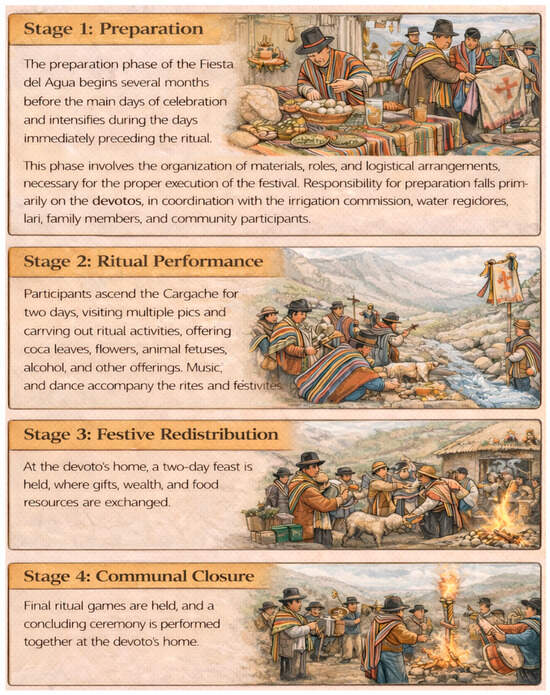
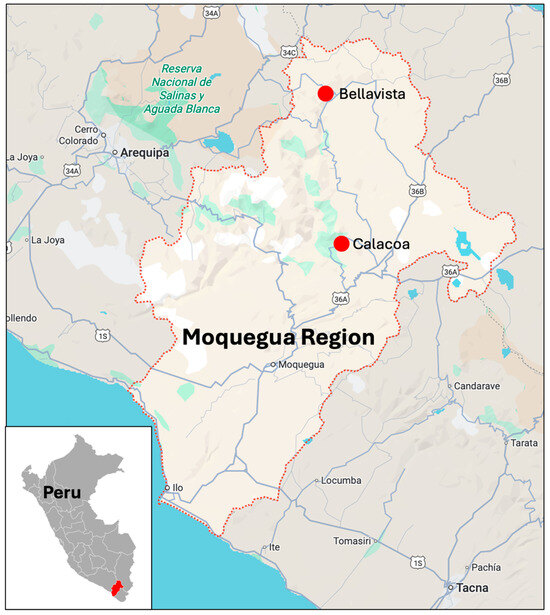
Water-related ritual practices constitute a central axis through which many Andean communities articulate cosmology, social organization, and collective identity. This study examines the Fiesta del Agua (Layimama), an ancestral ritual cycle celebrated in the inter-Andean valley of Ticsani (Moquegua, southern Peru), focusing on its symbolic structure, social roles, and implications for water governance and cultural continuity. Using a qualitative, interpretive research design based on documentary analysis of ethnographic, historical, and anthropological sources, the study analyzes how ritual practices surrounding water function as mechanisms of social cohesion, moral regulation, and symbolic management of a shared natural resource. The findings show that the Fiesta del Agua operates as a cyclical system composed of four interrelated stages (preparation, ritual performance, festive redistribution, and communal closure) through which water is sacralized as an axis mundi linking cosmology, agricultural production, and social prestige. Far from being a residual tradition, the festival actively reproduces collective identity, regulates communal access to water, and integrates Andean cosmology with Catholic symbolism through dynamic forms of religious syncretism. The article argues that the ritual management of water in Ticsani represents a culturally embedded governance system whose documentation and protection are essential in contexts of increasing hydrosocial stress and cultural erosion, indicating social, ecological, and political relevance of the findings and contributing to broader debates on human–environment relations, intangible cultural heritage, and the role of ritual in sustaining communal resource management.
Full article

Figure 1
Open AccessArticle
Mathematical Superstitions
by
Sergio Da Silva and Sergio Bonini
Humans 2026, 6(2), 17; https://doi.org/10.3390/humans6020017 - 13 May 2026
Abstract
Prime numbers are central to mathematics, yet popular discourse often treats particular primes as if they carried intrinsic messages, personalities, or moral charge. This study asks how that shift from legitimate curiosity to superstition-adjacent pattern making occurs and why it feels persuasive. Using
[...] Read more.
Prime numbers are central to mathematics, yet popular discourse often treats particular primes as if they carried intrinsic messages, personalities, or moral charge. This study asks how that shift from legitimate curiosity to superstition-adjacent pattern making occurs and why it feels persuasive. Using qualitative content analysis of three widely circulated media examples, this paper maps how culturally specific number meanings are produced and transmitted, and how predictable cognitive biases support their plausibility. The analysis pairs anthropological mechanisms of symbolic association, prestige borrowing, community boundary marking, and meme-based diffusion with psychological mechanisms that include Type I error, apophenia, confirmation bias, availability, narrative fallacy, selection effects, survivorship, cultural priming, and authority or celebrity cueing. Across the cases, the results show a recurrent coupling: cultural schemas supply ready-made interpretive templates, while cognitive biases turn salience and coincidence into perceived significance, concentrating attention on narratively convenient primes and obscuring the many alternative patterns that could have been selected. This paper concludes that meanings such as 666 as evil are culture dependent rather than mathematical properties, and that improving public communication about primes requires making selection processes and interpretive frames explicit while preserving legitimate mathematical wonder.
Full article
Open AccessArticle
Sex Differences in Secular Changes in Height and Weight Among Affluent Portuguese School Girls and Boys from 1913 to 2012
by
Julia Meyers, Laure Spake and Hugo F. V. Cardoso
Humans 2026, 6(2), 16; https://doi.org/10.3390/humans6020016 - 8 May 2026
Abstract
►▼
Show Figures
Secular changes in the physical growth of children in the 20th century have been examined largely between cohorts of boys or men, with fewer studies examining changes among girls/women or both sexes. Sex-specific growth trajectories and differential cultural treatment of the sexes can
[...] Read more.
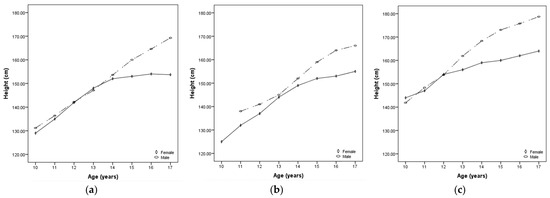
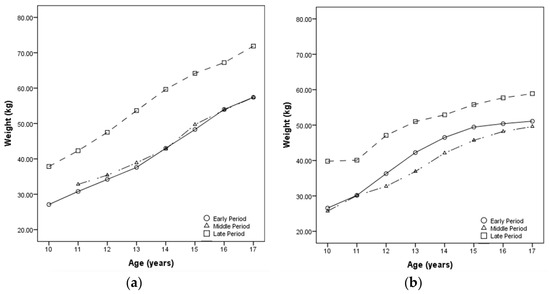
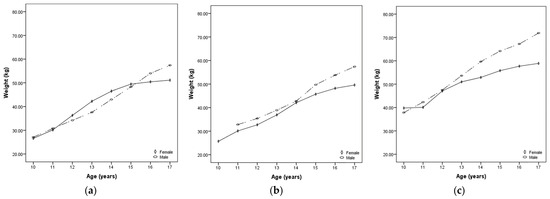
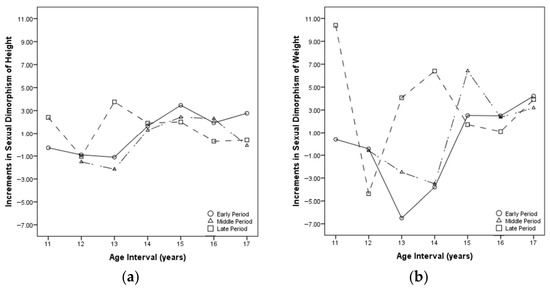
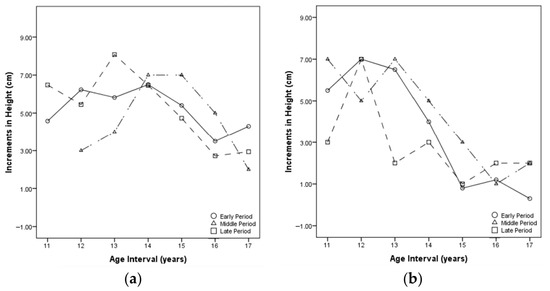
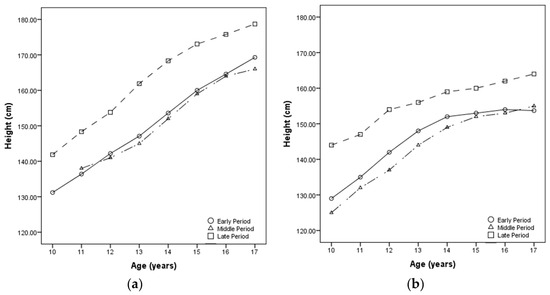
Secular changes in the physical growth of children in the 20th century have been examined largely between cohorts of boys or men, with fewer studies examining changes among girls/women or both sexes. Sex-specific growth trajectories and differential cultural treatment of the sexes can affect how girls and boys respond to changes in the ontogenetic environment. This study examined secular change in height (cm) and weight (kg) in affluent Portuguese school children from three periods over the 20th century: an early (1913–1916), middle (1929–1943), and late (1992–2012) period. Anthropometric data was taken from medical records and archives of two boarding schools located in or near Lisbon: the Colégio Militar for boys and the Instituto de Odivelas for girls. Height and weight data were collated from over 1349 children (over 825 boys and 524 girls), aged to 10 to 17 years. Height and weight were plotted against age for the three periods to assess secular changes and sex differences in the secular trend. Results indicate a similar pattern of secular change across boys and girls, wherein children measured in the late period demonstrated an increase in height and weight, with the greatest increase occurring between the middle and late periods. The increase in height and weight can be attributed to changes to the socioeconomic environment in Portugal after the 1960s, but particularly after the democratic transition of 1974. This includes population-wide improvements in living standards, sanitation, decreased disease load, access to medical care and improved quantity and quality of nutrition. Cultural-based preferential treatment of boys may have taken place, as boys increased more in relative and absolute height and weight.
Full article

Figure 1
Open AccessArticle
Examination of Differences in Height, Weight, and Body Mass Index (BMI) of Students from Two Disparate School Districts in Central New Jersey
by
Hillary A. DelPrete
Humans 2026, 6(2), 15; https://doi.org/10.3390/humans6020015 - 29 Apr 2026
Abstract
►▼
Show Figures
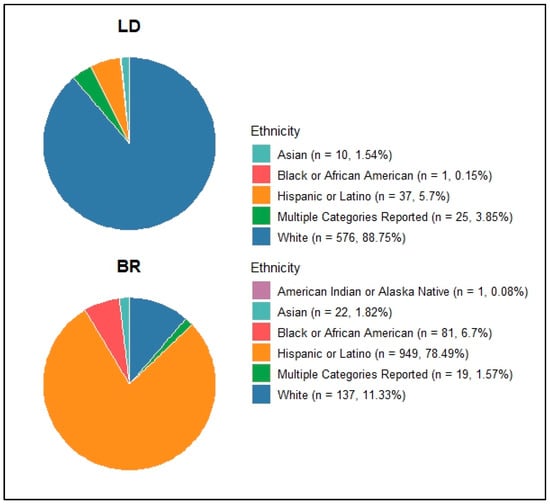
School-collected data on height, weight, and body mass index (BMI) offers tremendous potential for examining differences in the growth and development of students in varying environments. This study examines data on height, weight, and BMI of 1858 students, in kindergarten through eighth grade,
[...] Read more.
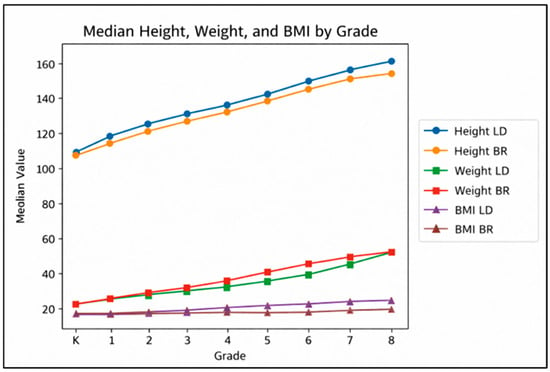
School-collected data on height, weight, and body mass index (BMI) offers tremendous potential for examining differences in the growth and development of students in varying environments. This study examines data on height, weight, and BMI of 1858 students, in kindergarten through eighth grade, from two school districts in central New Jersey that are geographically close, but that are distinct in composition regarding their self-identified primary ethnicity and socioeconomic environments. In one district, 78.6% of the students identify as Hispanic or Latino, and in the second district, 88.9% of the students identify as White. Mann–Whitney U tests and a Kruskal–Wallis test were run on height, weight, and BMI, comparing median values of the students from the two districts by grade and ethnicity, respectively. These results, combined with results from a Dunn post hoc pairwise test, indicate that the significant differences could be attributed to socioeconomic status or self-identified primary ethnicity. Upon further testing, however, comparing students of different self-identified primary ethnicities within districts and comparing students within the same self-identified primary ethnicity across districts reveals a stronger association with socioeconomic status. Overall, the students in the less affluent population were shorter and heavier than the students in the more affluent population.
Full article

Figure 1
Open AccessArticle
When the Mountain Acts Up: Experiencing Vertical Bordering and More-than-Human Relations in the Alps
by
Claire Galloni d’Istria
Humans 2026, 6(2), 14; https://doi.org/10.3390/humans6020014 - 29 Apr 2026
Cited by 1
Abstract
►▼
Show Figures
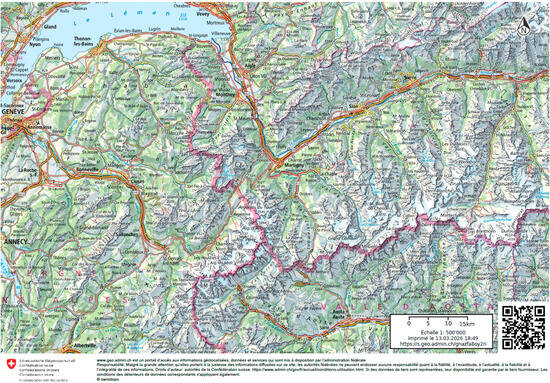
This article examines how bordering is experienced in alpine environments undergoing rapid ecological change. Drawing on ethnographic fieldwork conducted between 2024 and 2025 in the transboundary region of the Aosta Valley (Italy), Haute-Savoie (France), and the Canton of Valais (Switzerland), it explores how
[...] Read more.
This article examines how bordering is experienced in alpine environments undergoing rapid ecological change. Drawing on ethnographic fieldwork conducted between 2024 and 2025 in the transboundary region of the Aosta Valley (Italy), Haute-Savoie (France), and the Canton of Valais (Switzerland), it explores how more-than-human relations become strained, suspended, or reconfigured through infrastructural instability, environmental rupture, and sanitary regulation. Based on a photo-ethnography, the analysis focuses on three empirical cases: infrastructural disruptions in the Val de Bagnes; the collapse of the Birch Glacier in the Lötschental Valley; and the effects of the Lumpy Skin Disease on pastoral practices across transboundary valleys. The article shows that alpine spaces are continuously co-produced by more-than-human assemblages through dynamics, in which bordering emerges not as fixed spatial line but as a conditional relational process unfolding across elevations and over time. By foregrounding interruption, waiting, constrained access, regulated proximity, suspension and exposure, it contributes to posthuman border studies by approaching bordering as a relational dynamic grounded in the material and temporal conditions under which more-than-human relations become practicable or impracticable.
Full article

Figure 1

Open AccessReview
Talk the Walk: Walking as a Field Method in Natural History, Urban Studies, and Conservation Science
by
Lav Kanoi, Yufang Gao and Michael R. Dove
Humans 2026, 6(2), 13; https://doi.org/10.3390/humans6020013 - 8 Apr 2026
Abstract
Perhaps one of the most defining ‘techniques of the body’ for human beings is bi-pedal walking. This study brings together studies in socio-cultural anthropology to reflect on the nature of walking as a field method in different social-environmental contexts. The study offers an
[...] Read more.
Perhaps one of the most defining ‘techniques of the body’ for human beings is bi-pedal walking. This study brings together studies in socio-cultural anthropology to reflect on the nature of walking as a field method in different social-environmental contexts. The study offers an account of walking in relation to natural history, urban studies and contemporary conservation science. How has walking served as a field method in different knowledge-making contexts, and how does it afford an experiential way of being and belonging (or not) in urban and rural settings? By reflecting on such themes, this paper sheds light on the many ways that people walk, and the places, physical and metaphorical, that it takes them and allows them to discover, reveal, and understand.
Full article
Highly Accessed Articles
Latest Books
E-Mail Alert
News
1 September 2026
Meet Us at the 2026 Oral History Association (OHA) Annual Meeting, 14–17 October 2026, Portland, USA
1 September 2026
MDPI INSIGHTS: The CEO’s Letter #38 – 2 Million Published Articles, Outstanding Reviewers, Michele Parrinello Award, AIS 2026 & WSF-12
Topics
Topic in
Histories, Humanities, Humans, Religions, Genealogy
Mysticism and Spiritual Syncretism in Ancestral Andean Cultures
Topic Editors: Edgar Gutiérrez-Gómez, Aldo Bazán-RamírezDeadline: 1 June 2027
Special Issues
Special Issue in
Humans
Migration in Anthropological Perspective
Guest Editor: Kevin M. KellyDeadline: 30 September 2026
Special Issue in
Humans
Forensic Anthropology: Evolving Perspectives in Human Skeletal Variation and Identification
Guest Editors: Amanda Hale, Ann H. RossDeadline: 31 December 2026
Special Issue in
Humans
Contemporary Anthropological Perspectives on Drug Use
Guest Editor: Cristiana Vale PiresDeadline: 31 December 2026