
Journal Description
Epigenomes
Epigenomes
is an international, peer-reviewed, open access journal on epigenetics and epigenomics, published quarterly online by MDPI. The Epigenetics Society is affiliated with Epigenomes and its members receive discounts on the article processing charges.
- Open Access— free for readers, with article processing charges (APC) paid by authors or their institutions.
- High Visibility: indexed within Scopus, ESCI (Web of Science), PMC, PubMed, Embase, PubAg, CAPlus / SciFinder, and other databases.
- Journal Rank: JCR - Q2 (Genetics and Heredity) / CiteScore - Q2 (Biochemistry, Genetics and Molecular Biology (miscellaneous))
- Rapid Publication: manuscripts are peer-reviewed and a first decision is provided to authors approximately 19.8 days after submission; acceptance to publication is undertaken in 4.6 days (median values for papers published in this journal in the first half of 2026).
- Recognition of Reviewers: reviewers who provide timely, thorough peer-review reports receive vouchers entitling them to a discount on the APC of their next publication in any MDPI journal, in appreciation of the work done.
Impact Factor:
4.1 (2025);
5-Year Impact Factor:
3.5 (2025)
Latest Articles
Conserved Partial Reprogramming Effects on the Methylome
Epigenomes 2026, 10(3), 55; https://doi.org/10.3390/epigenomes10030055 - 13 Aug 2026
Abstract
►
Show Figures
Background/Objectives: Among the many proposed theories of aging, a growing body of research points to epigenetic alterations, particularly changes in DNA methylation patterns, as key contributors to biological decline. DNA methylation can be targeted and modulated to induce anti-aging and regenerative effects using
[...] Read more.
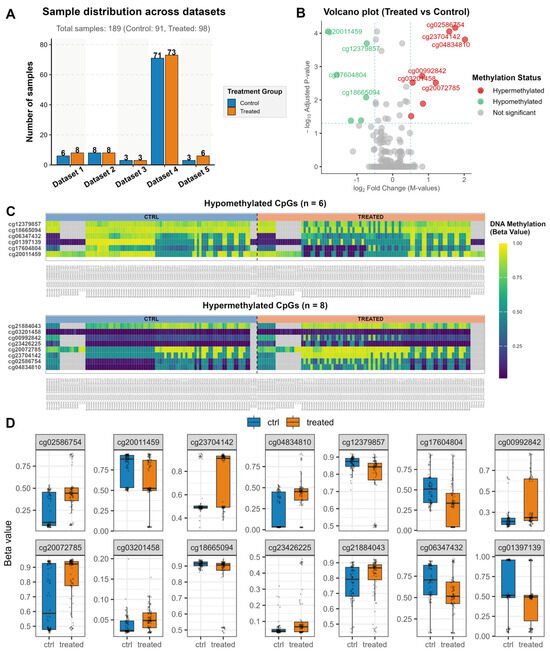
Background/Objectives: Among the many proposed theories of aging, a growing body of research points to epigenetic alterations, particularly changes in DNA methylation patterns, as key contributors to biological decline. DNA methylation can be targeted and modulated to induce anti-aging and regenerative effects using an emerging therapeutic approach known as partial reprogramming, induced by different combinations of Yamanaka factors. Methods: In this study, we performed an integrative secondary analysis of five publicly available DNA methylation datasets derived from partial reprogramming experiments across multiple mammalian species, tissues, cell types and combinations of transcription factors (n = 189 samples). Results: Following differential methylation analysis of 929,009 CpGs, we identified 14 CpG sites showing reproducible and significant changes, with two CpGs consistently present across all datasets. Conclusions: These findings suggest that partial reprogramming may exert anti-aging and regenerative effects, in part, through the selective modulation of conserved DNA methylation sites.
Full article
Open AccessArticle
Longitudinal Changes in Inflammation-Related Methylation Risk Score for C-Reactive Protein Among People with HIV
by
Yijie Huang, Junyu Chen, Alexandra Young, Qin Hui, Johnathan A. Edwards, Alec Powers, Matthew R. Dudgeon, Selvan Pillay, Jaysingh Brijkumar, Mahomed Y. S. Moosa, Marta Gwinn, Viola Vaccarino, Vincent C. Marconi and Yan V. Sun
Epigenomes 2026, 10(3), 54; https://doi.org/10.3390/epigenomes10030054 - 12 Aug 2026
Abstract
Background/Objectives: Human immunodeficiency virus (HIV) infection is characterized by chronic systemic inflammation. Antiretroviral therapy (ART) can reduce persistent inflammation, as measured by C-reactive protein (CRP). The CRP methylation risk score (MRSCRP) acts as proxy for plasma CRP, but longitudinal changes
[...] Read more.
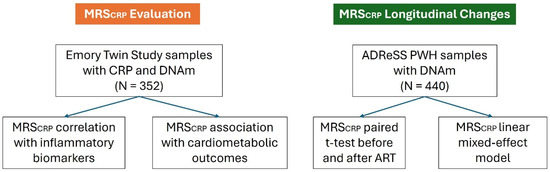
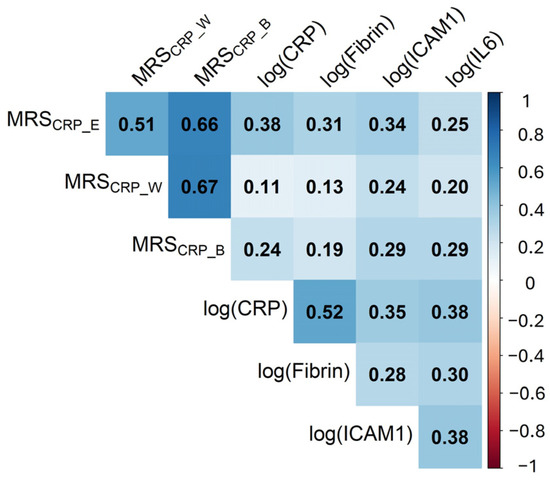
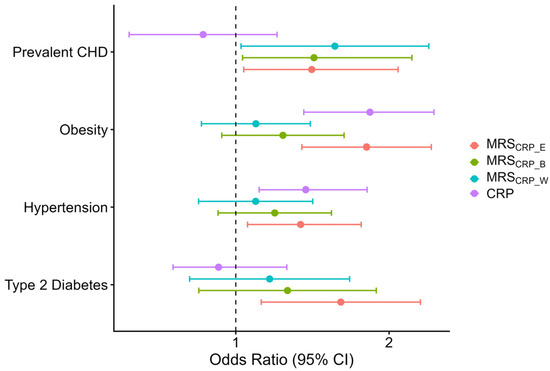
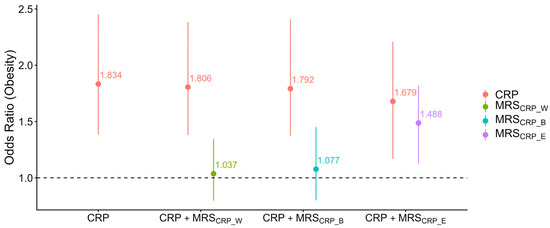
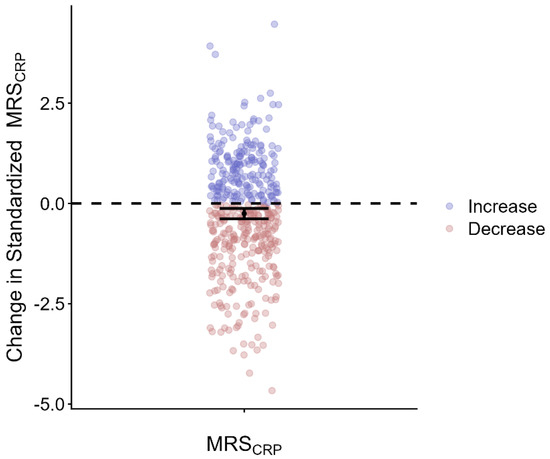
Background/Objectives: Human immunodeficiency virus (HIV) infection is characterized by chronic systemic inflammation. Antiretroviral therapy (ART) can reduce persistent inflammation, as measured by C-reactive protein (CRP). The CRP methylation risk score (MRSCRP) acts as proxy for plasma CRP, but longitudinal changes in this score for people with HIV (PWH) before and after initiating ART have not been described. Methods: We evaluated a previously published MRSCRP in the Emory Twin Study (N = 352), testing its correlation with plasma CRP and CRP-responsive biomarkers, as well as associations with cardiometabolic traits using generalized estimating equations (GEEs). We then applied MRSCRP in the HIV AIDS Drug Resistance Surveillance Study (ADReSS) cohort (N = 440) to assess longitudinal changes before and after ART, using paired t-tests and linear mixed-effects models. Results: MRSCRP showed moderate correlation with CRP (r = 0.38) and other inflammatory biomarkers (r = 0.25–0.34). MRSCRP was associated with hypertension, type 2 diabetes, coronary artery disease, and obesity, and remained independently associated with obesity (odds ratio = 1.49) after adjusting for measured CRP. Z-score-standardized MRSCRP decreased by 0.254 standard deviation units between baseline and follow-up among PWH receiving ART, confirmed by linear mixed-effects models. Conclusions: MRSCRP showed associations with chronic inflammation and cardiometabolic diseases. The observed decline in MRSCRP following ART initiation may reflect changes in inflammatory status among PWH. These findings highlight the potential of MRSCRP as a marker of inflammation-related changes and comorbidity risk in PWH.
Full article
(This article belongs to the Special Issue Epigenetics Meets Immunology: Mechanisms, Crosstalk, and Therapeutic Implications)
►▼
Show Figures

Figure 1
Open AccessReview
Integrative Epigenomics: Bioinformatics Strategies for Multi-Omics Data Analysis in Health and Disease
by
Shikhi Baruri, Lalit Batra, Sohome Adhikari and Ayman El-Baz
Epigenomes 2026, 10(3), 53; https://doi.org/10.3390/epigenomes10030053 - 7 Aug 2026
Abstract
Background: Epigenomics has emerged as an essential field in modern molecular biology, providing a critical layer of gene regulation. DNA methylation, histone modifications and alterations to the chromatin accessibility of DNA have been widely associated with complex diseases including cancer. The most recent
[...] Read more.
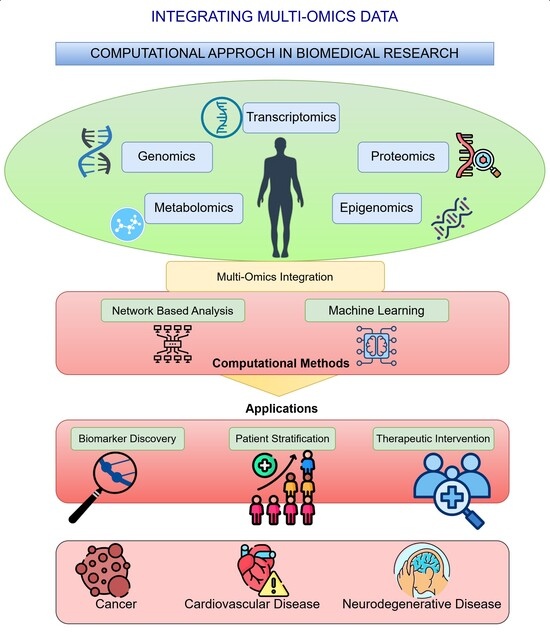
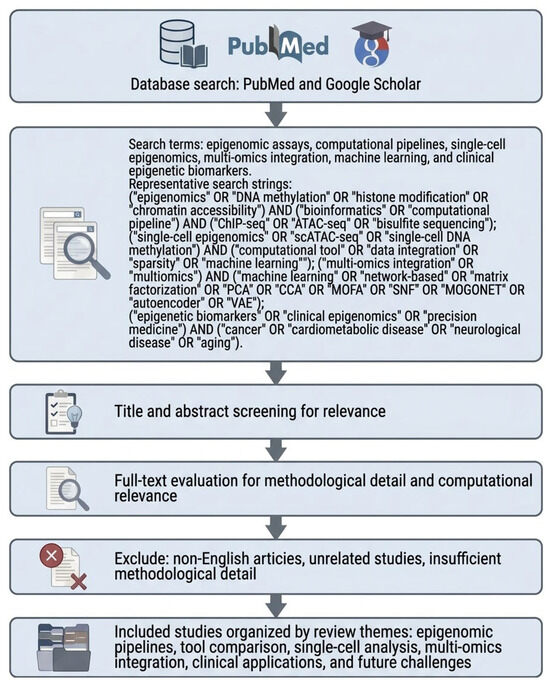
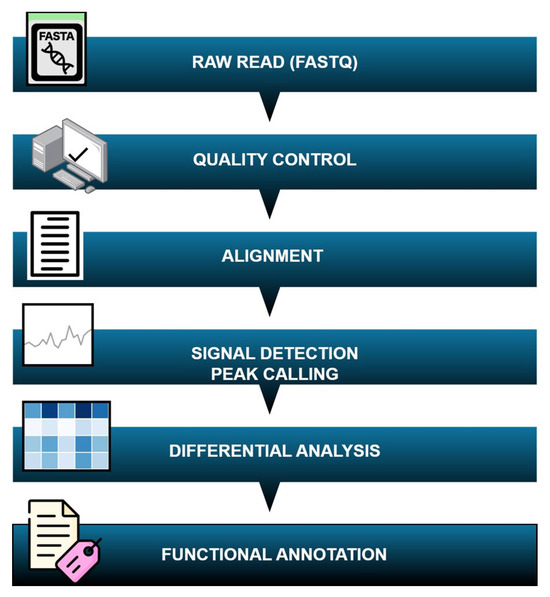
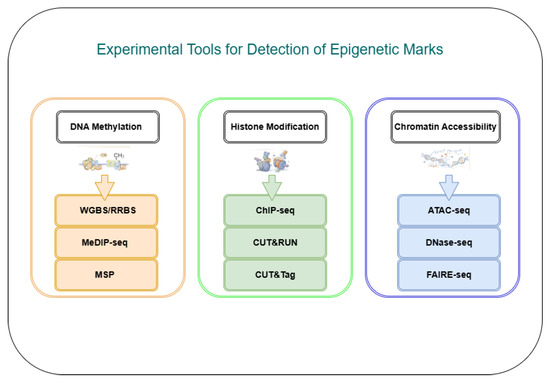
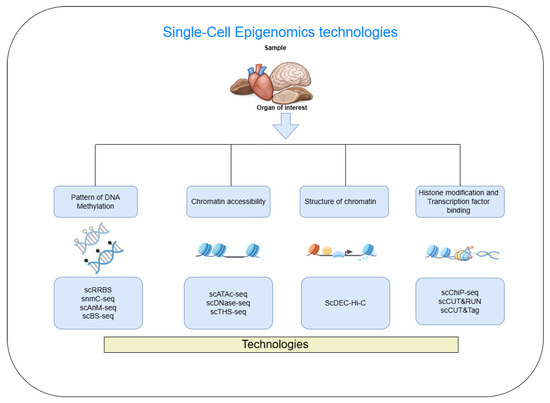
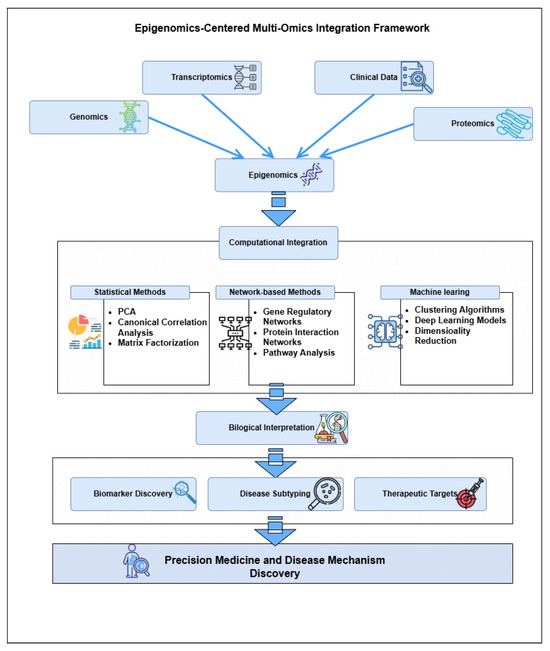
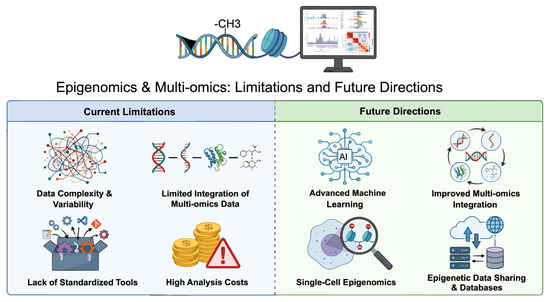
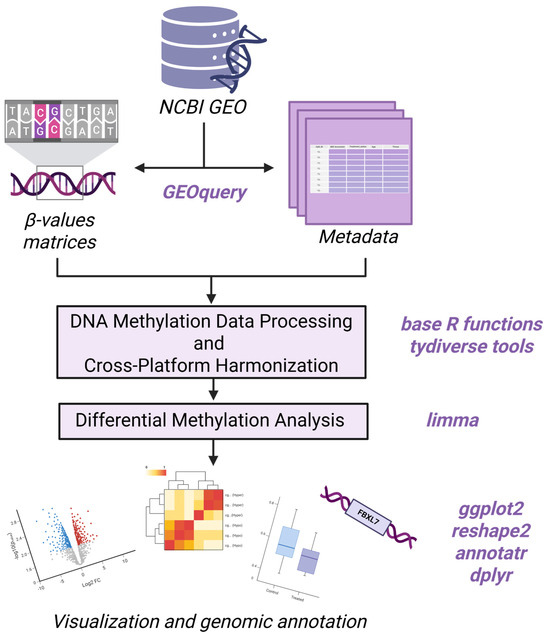
Background: Epigenomics has emerged as an essential field in modern molecular biology, providing a critical layer of gene regulation. DNA methylation, histone modifications and alterations to the chromatin accessibility of DNA have been widely associated with complex diseases including cancer. The most recent developments in high-throughput sequencing technology have made it possible to profile epigenetic landscapes genomically on a large scale. However, bulk averaging can obscure cellular heterogeneity essential for understanding complex disease states. The purpose of the review is to survey accessible tools and algorithms to conduct an Epigenomic study in the field of biomedical research, from bulk tissue analysis to the high-resolution frontier of single-cell epigenomics. Methods: We performed a comparative analysis of common methods used to analyze DNA methylation, chromatin immunoprecipitation, sequencing analysis and chromatin accessibility profiling. We described the standardized bioinformatics tools and pipelines required to transform raw sequencing data into mechanistic biological understanding, highlighting the role of quality control, peak calling, and differential analysis. Furthermore, we explore the integration of epigenomics with other “omics” layers through advanced computational frameworks, including machine learning and network-based modeling. Results: These advanced multi-omics techniques demonstrate promising clinical utility by enabling biomarker discovery, disease subtyping, and identification of novel therapeutic targets. Conclusions: Despite challenges with data complexity, the fusion of Artificial Intelligence (AI) and single-cell technologies will accelerate the transition toward precision medicine.
Full article
(This article belongs to the Collection Feature Papers in Epigenomes)
►▼
Show Figures

Graphical abstract
Open AccessReview
Epigenetic Memory and Hormonal Crosstalk in Plant Drought Adaptation: Mechanisms, miRNAs, and Technological Advances
by
Emanuela Talarico, Eleonora Greco, Marina Camoli, Francesco Guarasci, Cristina Teruzzi, Fabrizio Araniti and Leonardo Bruno
Epigenomes 2026, 10(3), 52; https://doi.org/10.3390/epigenomes10030052 - 6 Aug 2026
Abstract
Drought poses a major threat to global food security, making it critical to understand the molecular mechanisms underlying plant responses to water scarcity. Epigenetic modifications, including DNA methylation and histone alterations, play central roles in regulating genes and hormonal pathways essential for drought
[...] Read more.
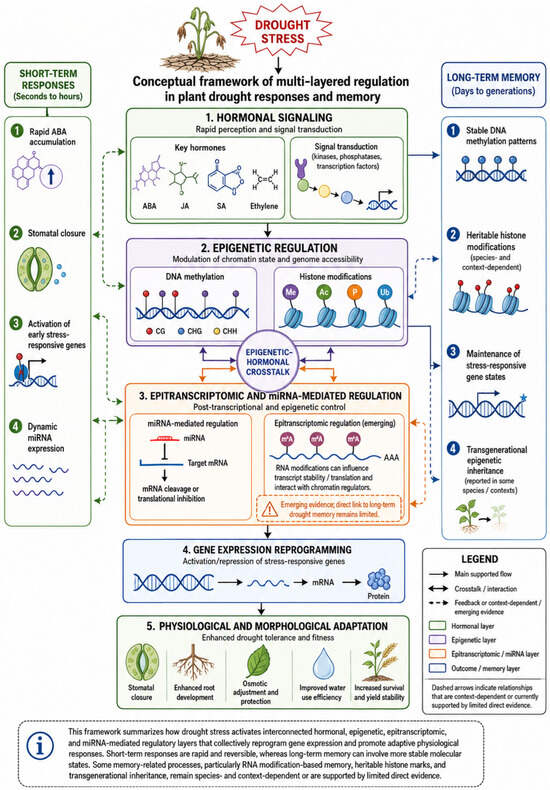
Drought poses a major threat to global food security, making it critical to understand the molecular mechanisms underlying plant responses to water scarcity. Epigenetic modifications, including DNA methylation and histone alterations, play central roles in regulating genes and hormonal pathways essential for drought adaptation. MicroRNAs, while primarily functioning as post-transcriptional regulators, can also influence epigenetic pathways and contribute to chromatin remodelling, suggesting a role in modulating epigenetic memory. Investigating these interactions is essential for understanding how plants integrate epigenetic and post-transcriptional regulation during stress. Epigenetic memory in drought-adapted plants provides insights into the transgenerational inheritance of adaptive traits and reveals how plants balance genome stability with flexibility. The crosstalk between epigenetic mechanisms and hormonal signalling is crucial for fine-tuning gene expression, promoting drought resilience. This review proposes a conceptual framework integrating epigenetic, hormonal, and miRNA-mediated regulation of drought responses. It emphasizes the impact of advanced technologies, such as bisulfite sequencing and CRISPR-Cas9, in dissecting plant epigenetic responses to drought. These approaches improve our understanding of drought tolerance mechanisms and offer promising strategies for developing resilient crops for sustainable agriculture. However, direct evidence linking epitranscriptomic modifications to long-term drought memory remains limited, and this emerging regulatory layer requires further experimental validation.
Full article
(This article belongs to the Collection Epigenetic Control in Plants)
►▼
Show Figures

Figure 1
Open AccessArticle
Cord Blood DNA Methylation and Large-for-Gestational-Age Birth: A Pilot Epigenome-Wide Study in the GROW Cohort
by
Xiaoyu Liang, Christopher Doumith, Dawn P. Misra and Vinod K. Misra
Epigenomes 2026, 10(3), 51; https://doi.org/10.3390/epigenomes10030051 - 4 Aug 2026
Abstract
Background/Objectives: Large-for-gestational-age (LGA) birth is associated with adverse perinatal outcomes and increased risk of metabolic disease later in life. Despite these risks, epigenetic studies of LGA remain limited, particularly those using umbilical cord blood DNA methylation (DNAm) as the tissue of interest. Methods:
[...] Read more.
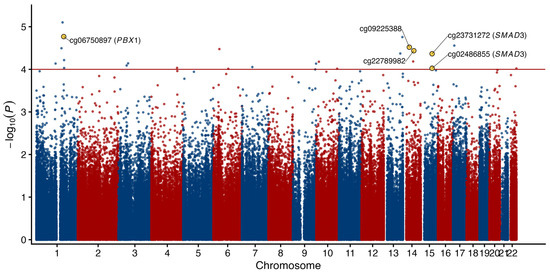
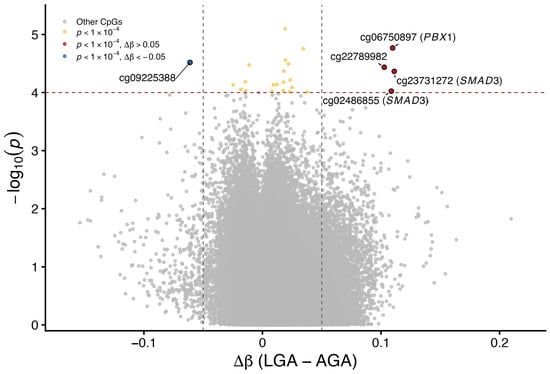
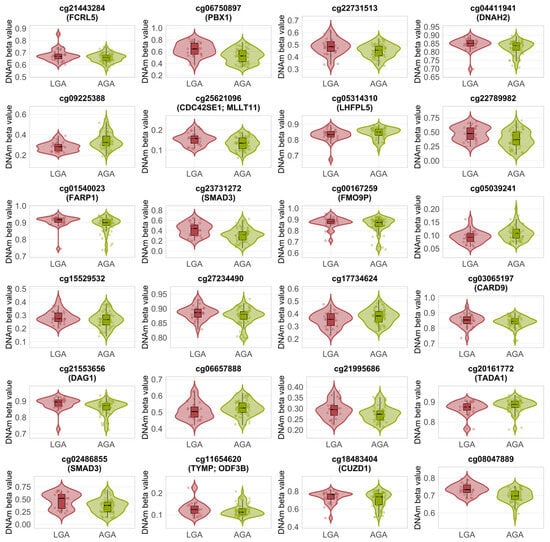
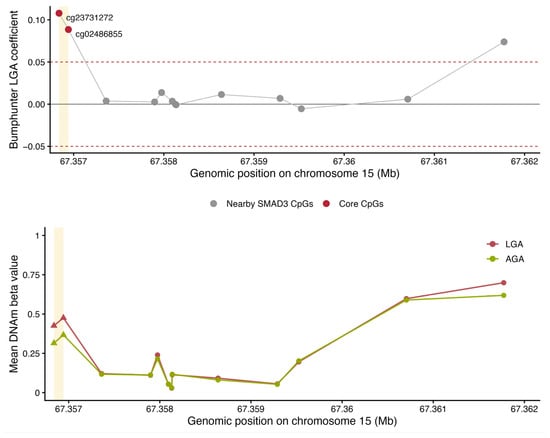
Background/Objectives: Large-for-gestational-age (LGA) birth is associated with adverse perinatal outcomes and increased risk of metabolic disease later in life. Despite these risks, epigenetic studies of LGA remain limited, particularly those using umbilical cord blood DNA methylation (DNAm) as the tissue of interest. Methods: We conducted an epigenome-wide association study of cord blood DNAm in a nested case–control sample from the Gestational Regulators of Weight (GROW) cohort. The analysis included 28 term LGA infants and 63 term appropriate-for-gestational-age (AGA) controls. DNAm was measured using the Illumina HumanMethylation450 BeadChip. Epigenome-wide association analyses were performed with adjustment for residual principal components and estimated cord blood cell-type proportions. Results: No CpG sites reached statistical significance after false discovery rate correction. Twenty-four CpGs showed nominal associations with LGA status at p-value < 1.00 × 10⁻⁴, including five CpGs with absolute methylation differences greater than 0.05. Among annotated loci, the strongest interpretable signals included cg06750897 in PBX1 (Δβ = 0.110, p-value = 1.70 × 10⁻⁵) and two nearby CpGs in SMAD3, cg23731272 (Δβ = 0.111, p-value = 4.31 × 10⁻⁵) and cg02486855 (Δβ = 0.109, p-value = 9.45 × 10⁻⁵). These two SMAD3 CpGs showed concordant hypermethylation in LGA infants and formed a candidate regional methylation signal in exploratory targeted regional analysis. Conclusions: In this pilot study, LGA was associated with modest cord blood DNAm differences, although no CpG sites reached genome-wide significance. The strongest interpretable signals involved PBX1 and SMAD3, suggesting candidate loci for further evaluation in larger studies of fetal overgrowth.
Full article
(This article belongs to the Special Issue Exposome, Gene Expression and Epigenetic Mechanisms in Reproductive Health)
►▼
Show Figures

Figure 1
Open AccessReview
DNA Methylation in Neurobiological Genes Associated with Problematic Digital Use in Adolescents and Young Adults: Systematic Review and Exploratory Multilevel Meta-Analysis of Emerging Evidence
by
Héctor Cabezas-Klinger, Fabián Felipe Fernández-Daza and Yecid Mina-Paz
Epigenomes 2026, 10(3), 50; https://doi.org/10.3390/epigenomes10030050 - 3 Aug 2026
Abstract
Background: Problematic digital use in adolescents and young adults has emerged as a relevant exposure for mental health and neurobiological vulnerability. However, its relationship with peripheral DNA methylation differences in neurobiologically relevant genes remains poorly synthesized. Objective: This systematic review and exploratory multilevel
[...] Read more.
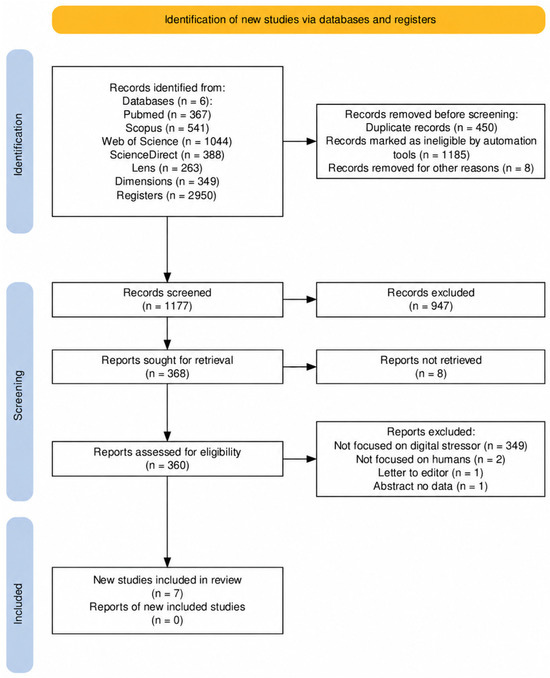
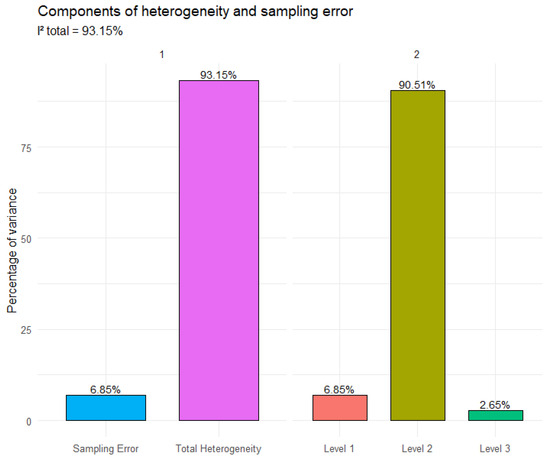
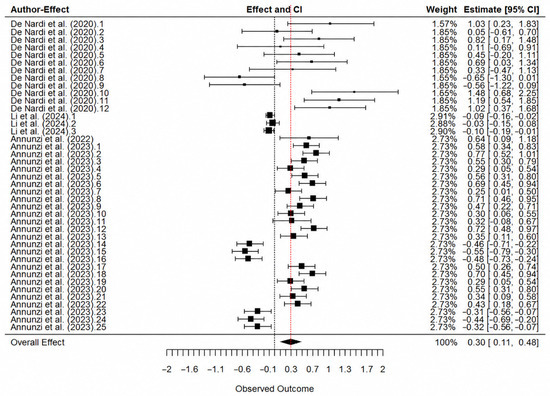
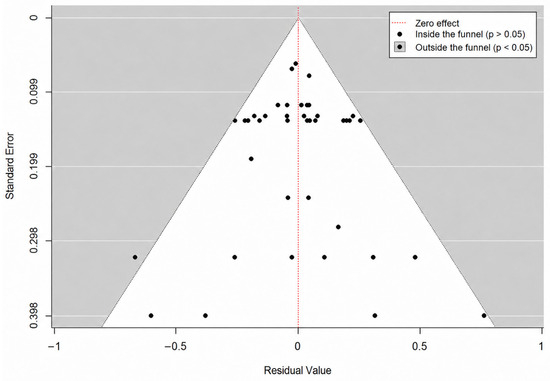
Background: Problematic digital use in adolescents and young adults has emerged as a relevant exposure for mental health and neurobiological vulnerability. However, its relationship with peripheral DNA methylation differences in neurobiologically relevant genes remains poorly synthesized. Objective: This systematic review and exploratory multilevel meta-analysis aimed to synthesize available scientific evidence on associations between phenotypes of problematic internet or smartphone use and DNA methylation differences in neurobiologically relevant genes, and to quantitatively explore the average magnitude of these associations from available data. Methods: Primary human studies were identified through a search strategy with no initial publication-year restriction; the eligible studies retrieved and included in the review were published between 2018 and 2024. The review followed PRISMA criteria and a broad, predefined eligibility strategy to capture both direct and indirect evidence. Seven studies were included in the systematic review; four provided quantifiable data for statistical synthesis, from which 41 effect sizes were harmonized. Analyses were performed in R using multilevel meta-analysis and meta-regression models with REML estimation, supplemented by sensitivity analyses with robust variance estimation. Results: The main meta-analysis revealed a significant positive association between problematic digital exposure and DNA methylation differences (Fisher’s z = 0.2957; r = 0.287; 95% CI [0.1146, 0.4769]; p = 0.0020), with high heterogeneity (total I2 = 93.15%). Meta-regression indicated that the type of effect and the biological direction of the finding explained a substantial proportion of the observed heterogeneity (total R2 ≈ 97.4%). Significance: These findings should be interpreted as exploratory evidence of a biologically plausible association between problematic digital exposure and peripheral DNA methylation differences in neurobiologically relevant genes, rather than as causal or clinically validated biomarker evidence. The available evidence remains methodologically heterogeneous, preliminary, and dependent on a small number of independent studies, underscoring the need for larger, longitudinal, and more methodologically rigorous research in this field.
Full article
(This article belongs to the Collection Feature Papers in Epigenomes)
►▼
Show Figures

Figure 1
Open AccessArticle
GPX Knockdown Is Associated with Altered Redox Homeostasis, Plant Development, and DNA Methylation-Related Profiles in Rice
by
Pedro Alexander Velasquez-Vasconez, Marina de Lima Nogueira, Carlos Betancourth García, Claudia Elizabeth Salazar-González and Angie Fernanda Riascos-España
Epigenomes 2026, 10(3), 49; https://doi.org/10.3390/epigenomes10030049 - 24 Jul 2026
Abstract
Background: Glutathione peroxidases (GPXs) regulate peroxide detoxification and redox signaling, but their relationship with DNA methylation remains unclear in Oryza sativa. This study evaluated whether silencing mitochondrial GPX1 and GPX3 is associated with changes in growth, antioxidant activity, and DNA methylation-related profiles. Methods:
[...] Read more.
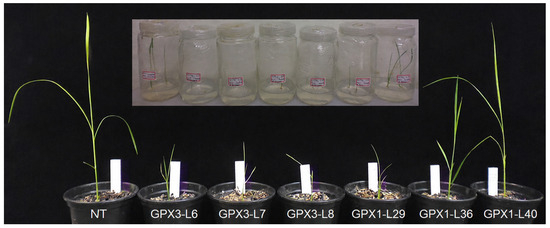
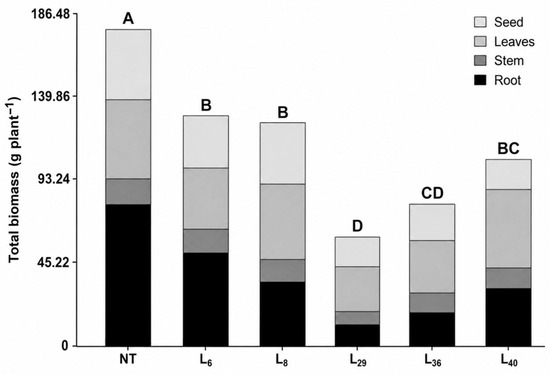
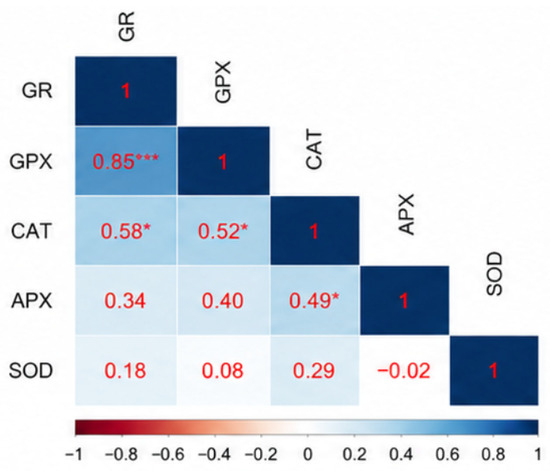
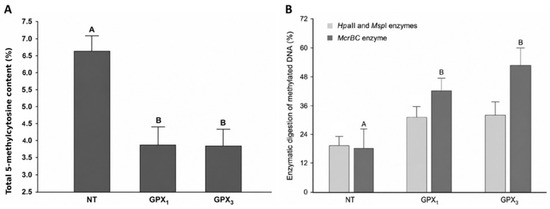
Background: Glutathione peroxidases (GPXs) regulate peroxide detoxification and redox signaling, but their relationship with DNA methylation remains unclear in Oryza sativa. This study evaluated whether silencing mitochondrial GPX1 and GPX3 is associated with changes in growth, antioxidant activity, and DNA methylation-related profiles. Methods: Non-transformed plants (NT) and five GPX-silenced lines were evaluated in a randomized complete block design. Morphophysiological traits, antioxidant enzyme activities, total 5-methylcytosine content, and methylation-sensitive restriction profiles were analyzed. Results: GPX silencing impaired early establishment and significantly affected flowering time and leaf, root, seed, and total biomass. Total dry biomass decreased by 62.1% in the most affected GPX1 lines and by 29.2% in GPX3 lines relative to NT plants. Root biomass declined by up to 86.1%, and flowering was delayed by up to 30.7 days. Genotype significantly affected GPX-associated and glutathione reductase activities, whereas no significant genotype effects were detected for catalase, ascorbate peroxidase, or superoxide dismutase activities. GPX-associated and glutathione reductase activities were strongly correlated (r = 0.85, p < 0.001), consistent with selective alteration of GPX-associated and glutathione-linked redox metabolism. Total 5-methylcytosine content decreased by 41–42% in GPX-silenced groups. However, increased McrBC digestion and unchanged HpaII/MspI profiles indicated that methylation-related changes were nonuniform and depended on the genomic sites recognized by each enzymatic assay. Conclusions: These findings show that mitochondrial GPX knockdown is associated with impaired rice growth and reproductive development, as well as with altered total 5-methylcytosine content and restriction-sensitive methylation profiles, suggesting a potential relationship among redox homeostasis, developmental regulation, and epigenetic plasticity that requires further validation using locus-resolved and mechanistic approaches.
Full article
(This article belongs to the Collection Epigenetic Control in Plants)
►▼
Show Figures

Figure 1
Open AccessReview
Evolution of Epigenetic Regulation in Plant Reproduction
by
Vladimir Brukhin
Epigenomes 2026, 10(3), 48; https://doi.org/10.3390/epigenomes10030048 - 9 Jul 2026
Abstract
Epigenetic regulation has played a fundamental role in the evolution of plant reproduction. Across more than a billion years, ancestral genome-defense mechanisms in early eukaryotes were progressively expanded, diversified, and repurposed throughout the green lineage. Streptophyte algae assembled the first plant-specific methylation and
[...] Read more.
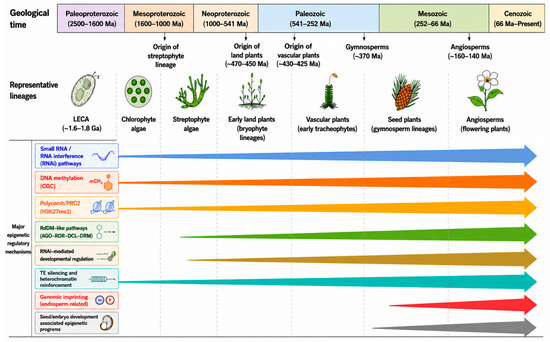
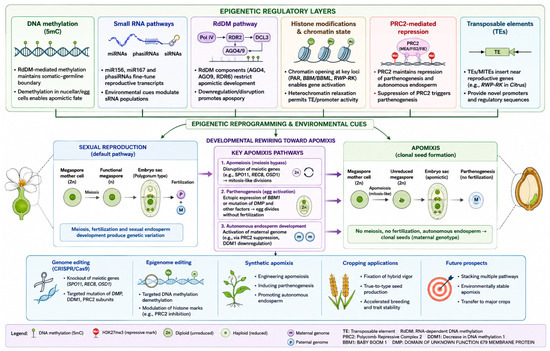
Epigenetic regulation has played a fundamental role in the evolution of plant reproduction. Across more than a billion years, ancestral genome-defense mechanisms in early eukaryotes were progressively expanded, diversified, and repurposed throughout the green lineage. Streptophyte algae assembled the first plant-specific methylation and small RNA systems, providing pre-adaptations for terrestrial reproduction. In bryophytes and early vascular plants, these systems became integrated into gametophyte development, sporogenesis, and meiotic genome protection. Seed plants experienced substantial diversification and expansion of chromatin regulators and small RNA machinery, enabling increasingly sophisticated control of cone, ovule, and embryo development. Angiosperms underwent the most dramatic rewiring of epigenetic pathways, including gene-family diversification, subfunctionalization, and the emergence of genomic imprinting, endosperm-specific demethylation, and lineage-specific reproductive small RNAs such as phasiRNAs. Convergent solutions, including imprinting, meiotic transposable element (TE) silencing, and TE-derived regulatory elements, arose independently across lineages. Rather than reflecting the emergence of entirely new molecular machinery, these innovations illustrate repeated functional co-option and regulatory rewiring of deeply conserved epigenetic modules. Ecological and life-history pressures further shaped epigenetic diversification, linking environmental stress, mating systems, and domestication to reproductive epigenetic plasticity. Recent evidence further demonstrates that epigenetic plasticity underlies the recurrent evolution of alternative reproductive strategies such as apomixis and contributes to reproductive responses to environmental stress. Advances in comparative epigenomics, single-cell technologies, and epigenome editing are now providing unprecedented opportunities to reconstruct the evolutionary history of reproductive epigenetic pathways and to harness them for crop improvement. Together, these findings reveal epigenetic regulation as a dynamic, modular, and deeply evolvable framework that has repeatedly enabled reproductive innovation throughout plant evolution.
Full article
(This article belongs to the Collection Feature Papers in Epigenomes)
►▼
Show Figures

Figure 1
Open AccessArticle
Investigation of MicroRNA Expression Levels in Peripheral Blood of Turkish Males with Cocaine Use Disorder
by
Süheyla Ayfer Arslan, Selda Mercan, Günay Çetin and Hasan Mırsal
Epigenomes 2026, 10(3), 47; https://doi.org/10.3390/epigenomes10030047 - 8 Jul 2026
Abstract
Background: It is observed that there are a limited number of scientific studies investigating the effect of cocaine use disorder on microRNA (miRNA) levels in human peripheral blood. This study aimed to identify candidate miRNAs that may play a role in the regulation
[...] Read more.
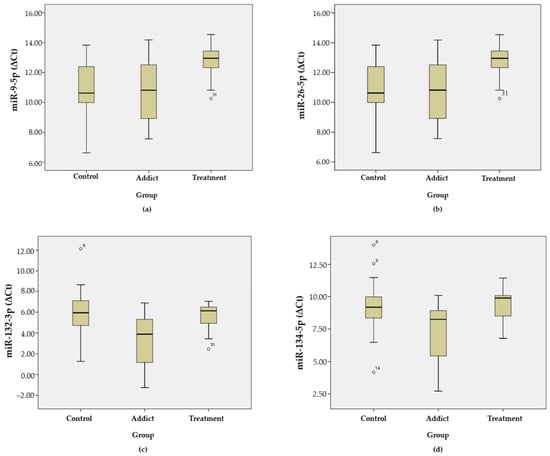
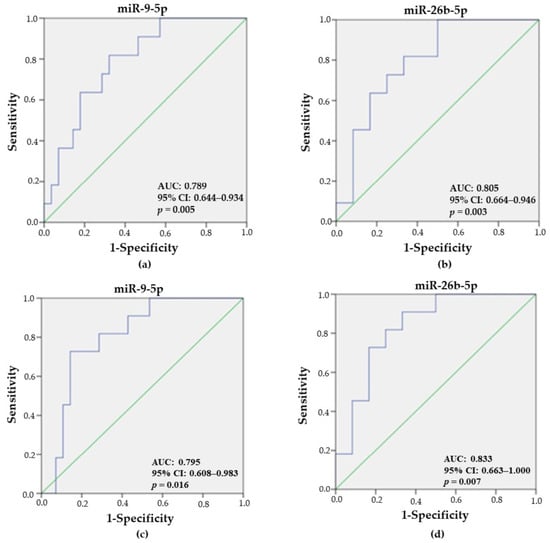
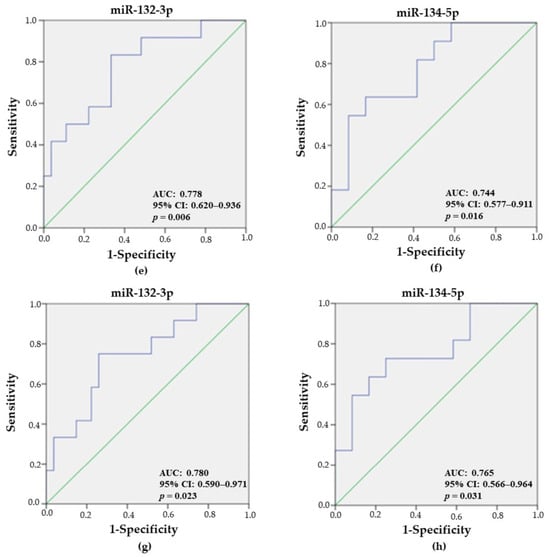
Background: It is observed that there are a limited number of scientific studies investigating the effect of cocaine use disorder on microRNA (miRNA) levels in human peripheral blood. This study aimed to identify candidate miRNAs that may play a role in the regulation of cocaine addiction by detecting changes in the expression of some miRNAs (miR-9-5p, miR-26b-5p, miR-132-3p, and miR-134-5p) in the peripheral whole blood of cocaine addicts. Methods: Peripheral blood samples were collected from 12 Turkish male individuals with cocaine abuse, 11 Turkish male individuals undergoing treatment for cocaine abuse, and 16 healthy Turkish male individuals without any substance abuse. The change in the expression of microRNAs was determined by quantitative real-time polymerase chain reaction (RT-qPCR). In statistical analyses, ΔCt values were analyzed for the expression of miRNAs. Receiver operating characteristic (ROC) analysis was used to assess the diagnostic adequacy of peripheral blood miRNAs. Results: miR-132-3p and miR-134-5p were downregulated in the addict group compared to the control group (p < 0.05). The areas under the curves (AUCs) of the ROC curve of miR-132-3p and miR-134-5p were significant at 0.778 and 0.744, respectively. Conclusions: This study suggests that miR-132-3p and miR-134-5p may have function as therapeutic markers in the treatment of cocaine use disorder.
Full article
(This article belongs to the Topic Genetics and Epigenetics of Substance Use Disorders)
►▼
Show Figures

Figure 1
Open AccessArticle
Paternal Methionine Supplementation Alters DNA Methylation Patterns in Preimplantation Sheep Embryos
by
Jessica Townsend Graybeal, Zeynep Kizilaslan, Mehmet Kizilaslan, Todd Taylor and Hasan Khatib
Epigenomes 2026, 10(3), 46; https://doi.org/10.3390/epigenomes10030046 - 6 Jul 2026
Abstract
►▼
Show Figures
Background/Objectives: Parental environmental factors can shape developmental outcomes through epigenetic mechanisms that regulate gene expression. While maternal dietary effects on offspring epigenetics have been well characterized, the impact of paternal diet on embryonic DNA methylation remains poorly understood. Here, we investigated the effect
[...] Read more.
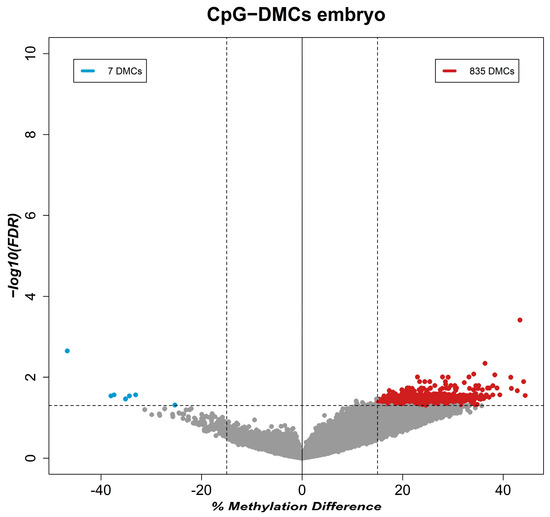
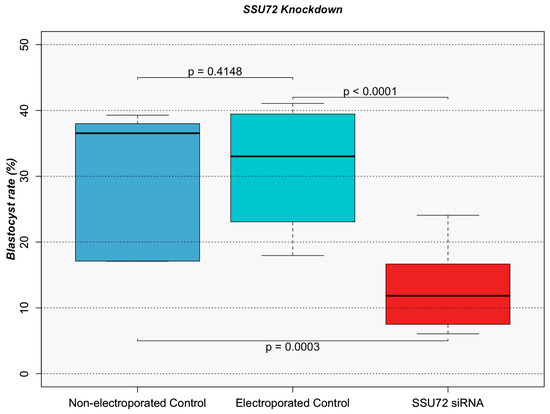
Background/Objectives: Parental environmental factors can shape developmental outcomes through epigenetic mechanisms that regulate gene expression. While maternal dietary effects on offspring epigenetics have been well characterized, the impact of paternal diet on embryonic DNA methylation remains poorly understood. Here, we investigated the effect of paternal methionine supplementation on DNA methylation patterns in preimplantation embryos in Polypay sheep. Methods: Four yearling rams (two control and two methionine-supplemented) were bred to twelve ewes following estrus synchronization and superovulation. Embryos were collected after natural mating and analyzed using whole-genome bisulfite sequencing (WGBS). Results: A total of 842 differentially methylated cytosines (DMCs) were identified in embryos derived from methionine-supplemented sires compared to controls, with 835 hypermethylated and 7 hypomethylated. The majority of DMCs were located in intergenic regions, with minimal representation in exonic regions. To assess overlap between parental dietary effects, DMCs identified in this study were compared with those previously reported in embryos derived from methionine-supplemented dams. Eight hypermethylated DMCs were shared between the two datasets, while no hypomethylated DMCs overlapped. To evaluate the functional relevance of differentially methylated genes, we performed siRNA-mediated knockdown of SSU72, a gene associated with multiple DMCs. Knockdown of SSU72 resulted in an average 18% decrease in blastocyst formation rate (p < 0.001). Conclusions: These results demonstrate that paternal methionine supplementation alters embryonic DNA methylation patterns and that affected genes may play critical roles in early embryonic development, contributing to fetal programming.
Full article

Figure 1
Open AccessReview
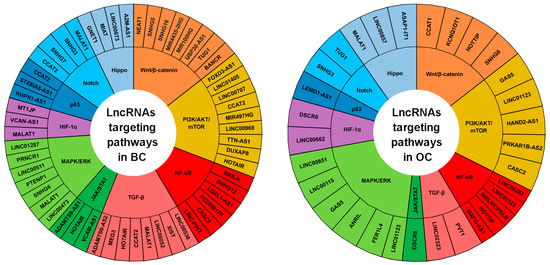
Epigenetic Mechanisms of Breast and Ovarian Cancer Development: Interplay Between DNA Methylation/Demethylation Enzymes, MicroRNAs, and Long Non-Coding RNAs
by
Svetlana S. Lukina, Irina V. Pronina, Alexander A. Bril, Alexey M. Burdennyy, Vitaly I. Loginov and Sergey G. Morozov
Epigenomes 2026, 10(3), 45; https://doi.org/10.3390/epigenomes10030045 - 4 Jul 2026
Abstract
Structural and functional disruptions of the epigenome are hallmarks of breast and ovarian carcinogenesis. This review dissects the reciprocal regulatory networks co-operated by DNA methyltransferases (DNMTs), ten-eleven translocation enzymes (TETs), and key non-coding RNAs (microRNAs and lncRNAs). We map the precise molecular mechanisms
[...] Read more.
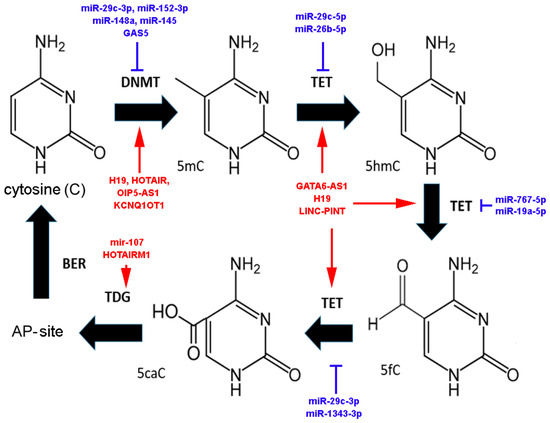
Structural and functional disruptions of the epigenome are hallmarks of breast and ovarian carcinogenesis. This review dissects the reciprocal regulatory networks co-operated by DNA methyltransferases (DNMTs), ten-eleven translocation enzymes (TETs), and key non-coding RNAs (microRNAs and lncRNAs). We map the precise molecular mechanisms through which these epigenetic modulators alter chromatin accessibility, drive transcriptional reprogramming, and promote phenotypic plasticity in hormone-dependent malignancies. By systematically contrasting the distinct yet overlapping epigenetic profiles of breast and ovarian tumors, we elucidate how these aberrations dictate clinical outcomes. This comprehensive synthesis offers critical insights into the dual utility of these epigenetic elements as dual-purpose diagnostic biomarkers and druggable therapeutic targets, laying the groundwork for next-generation targeted epigenetical therapies.
Full article
(This article belongs to the Special Issue Epigenetic Modifiers in Normal and Cancer Cells: Precision Medicine)
►▼
Show Figures

Figure 1
Open AccessArticle
Dose-Dependent Genome-Wide DNA Methylation Remodeling by Metformin Modulates Doxorubicin Sensitivity in Cardiac Cells
by
Mahmoud Abu Shayeb, Nagham N. Hendi, Georges Nemer, Hana Hammad, Malek Zihlif, Heba Saadeh and Heba Mansour
Epigenomes 2026, 10(3), 44; https://doi.org/10.3390/epigenomes10030044 - 3 Jul 2026
Abstract
Background/Objectives: Doxorubicin (DOX) is an effective chemotherapeutic agent, but its clinical use is limited by dose-dependent cardiotoxicity. Emerging evidence suggests that epigenetic dysregulation, particularly altered DNA methylation, contributes to DOX-induced cardiac injury. Metformin has been reported to exert cardiometabolic and epigenetic regulatory effects.
[...] Read more.
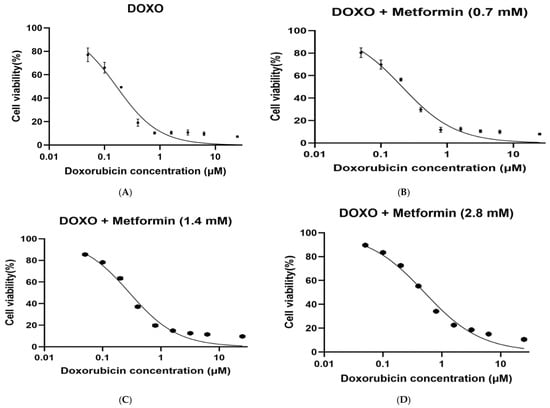
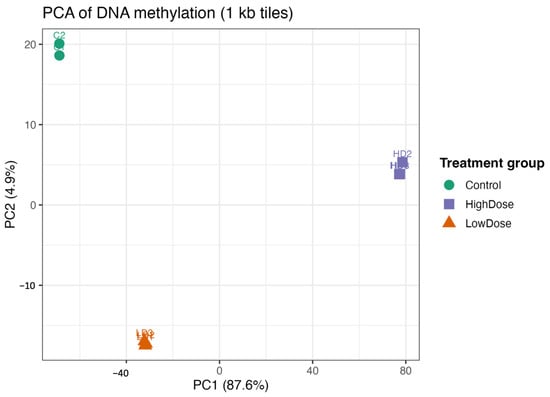
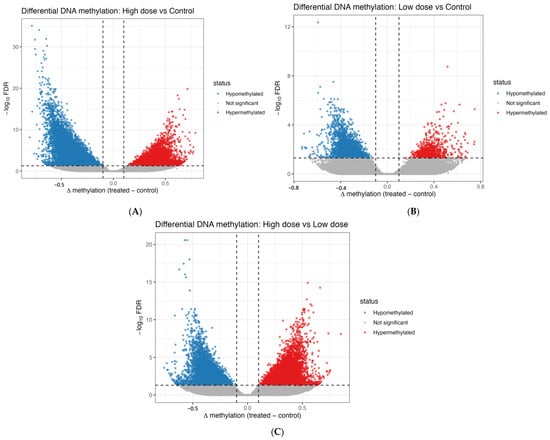
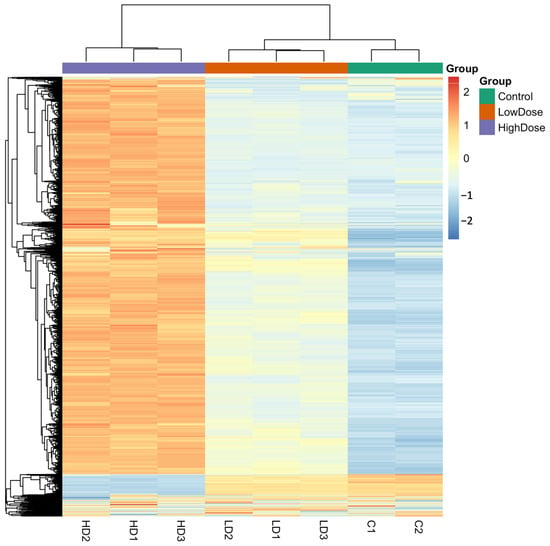
Background/Objectives: Doxorubicin (DOX) is an effective chemotherapeutic agent, but its clinical use is limited by dose-dependent cardiotoxicity. Emerging evidence suggests that epigenetic dysregulation, particularly altered DNA methylation, contributes to DOX-induced cardiac injury. Metformin has been reported to exert cardiometabolic and epigenetic regulatory effects. This study investigated genome-wide DNA methylation changes induced by chronic metformin exposure and their effects on doxorubicin sensitivity in H9c2 cardiomyoblast cells. Methods: Genome-wide DNA methylation changes induced by chronic metformin exposure were investigated in H9c2 cardiomyoblast cells using whole-genome bisulfite sequencing (WGBS). Cells were treated with metformin (0.7–2.8 mM) for four months prior to DOX exposure. Cellular sensitivity to DOX was evaluated using MTT-based dose–response analysis and IC50 estimation. Results: DOX reduced cell viability (IC50 = 0.164 µM). Chronic metformin pre-treatment produced a dose-dependent rightward shift in DOX dose–response curves, increasing IC50 values to 0.21, 0.289, and 0.51 µM at 0.7, 1.4, and 2.8 mM metformin, respectively. WGBS revealed distinct separation between treatment groups in principal component analysis. Significant methylation changes (adjusted p-value < 0.05) were identified in genes related to oxidative stress, mitochondrial function, apoptosis, and chromatin regulation. Conclusions: Chronic metformin exposure induces dose-dependent genome-wide DNA methylation remodeling in cardiac cells and is associated with altered cellular sensitivity to doxorubicin. These findings suggest that metabolic modulation by metformin may influence epigenetic regulation and cellular stress responses relevant to chemotherapy-induced cardiotoxicity.
Full article
(This article belongs to the Collection Feature Papers in Epigenomes)
►▼
Show Figures

Figure 1
Open AccessReview
Influence of X-Chromosome Inactivation in Pathogenesis of Turner Syndrome
by
Ana-Maria Grigore, Lavinia Caba, Vlad Teodor Iacob, Lucian-Mihai Antoci, Monica Cristina Pânzaru, Lăcrămioara Ionela Butnariu and Eusebiu Vlad Gorduza
Epigenomes 2026, 10(3), 43; https://doi.org/10.3390/epigenomes10030043 - 2 Jul 2026
Abstract
►▼
Show Figures
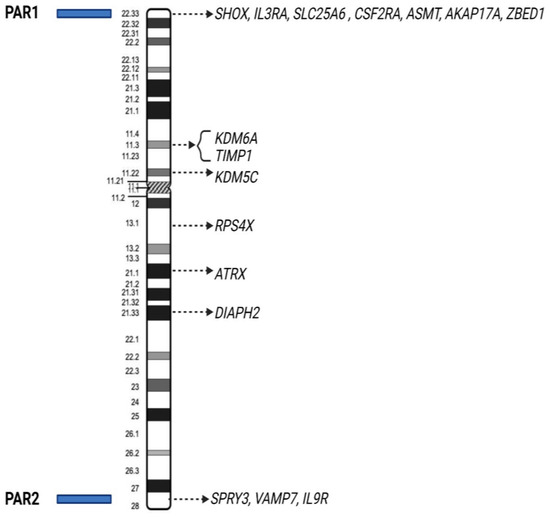
Turner syndrome (TS), a disorder caused by the complete or partial absence of an X chromosome, exhibits significant clinical variability that cannot be fully explained by chromosomal anomalies alone. This narrative review highlights the crucial role of epigenetic mechanisms, particularly X-chromosome inactivation (XCI),
[...] Read more.
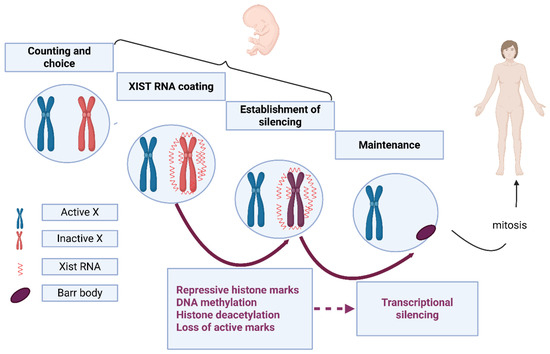
Turner syndrome (TS), a disorder caused by the complete or partial absence of an X chromosome, exhibits significant clinical variability that cannot be fully explained by chromosomal anomalies alone. This narrative review highlights the crucial role of epigenetic mechanisms, particularly X-chromosome inactivation (XCI), in shaping the TS phenotype. The haploinsufficiency of genes that normally escape XCI is a primary driver of TS features. The specific epigenetic consequences depend on the chromosomal anomaly. In complete monosomy (45,X), the absence of escape-mediated dosage compensation genes from a second X chromosome amplifies haploinsufficiency across X-linked escape genes. Isochromosome Xq (i(Xq)) variants involve the loss of the short arm (Xp) and duplication of the long arm (Xq), creating a dual dosage imbalance with extreme XCI skewing. Carriers of i(Xq) also have a heightened risk for autoimmune disorders compared to those with 45,X TS. For ring-X chromosomes (r(X)), which are mitotically unstable, the functional status of the XIST gene is critical. If the ring is XIST-negative, it remains transcriptionally active, resulting in functional disomy and a more severe phenotype with pronounced neurodevelopmental and craniofacial features. Ultimately, the clinical heterogeneity in TS arises from a complex interplay of the specific chromosomal structure, tissue-specific mosaicism, XIST function, and variable escape from XCI, defining TS as a disorder of epigenetic and gene-regulatory imbalance. However, future research requires a better understanding of the complex mechanism of X-chromosome inactivation.
Full article

Figure 1
Open AccessArticle
Vigorous Physical Activity Mitigates Susceptibility to Obesity Associated with Risk Genotypes of FTO and MC4R, and SREBF1 Is Hypermethylated: A Cross-Sectional Pilot Study
by
Jenni Chambers, Mary Erazo Bastidas, Clare M. P. Roscoe, Corinna Chidley, Aaisha Makkar and Aparna Duggirala
Epigenomes 2026, 10(2), 42; https://doi.org/10.3390/epigenomes10020042 - 21 Jun 2026
Abstract
Aim: The aim of this study was to correlate single-nucleotide polymorphisms (SNPs) in the FTO and MC4R genes with body composition (BC) in populations with various levels of physical activity, and to investigate associations of SREBF1 methylation with the level of physical
[...] Read more.
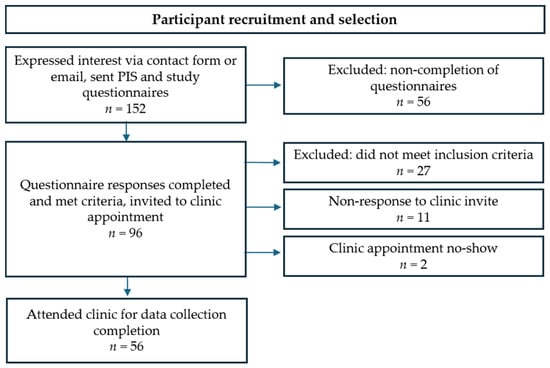
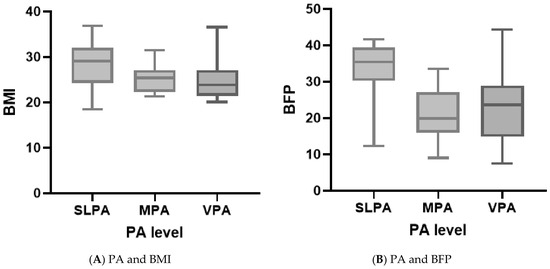
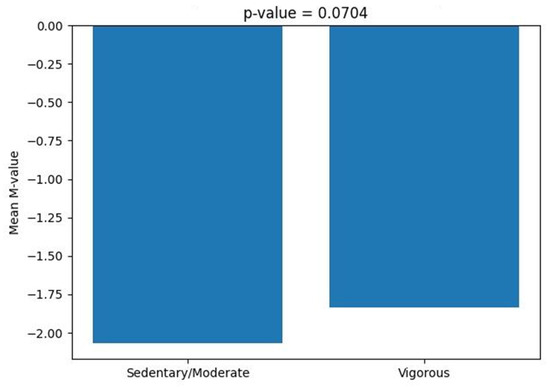
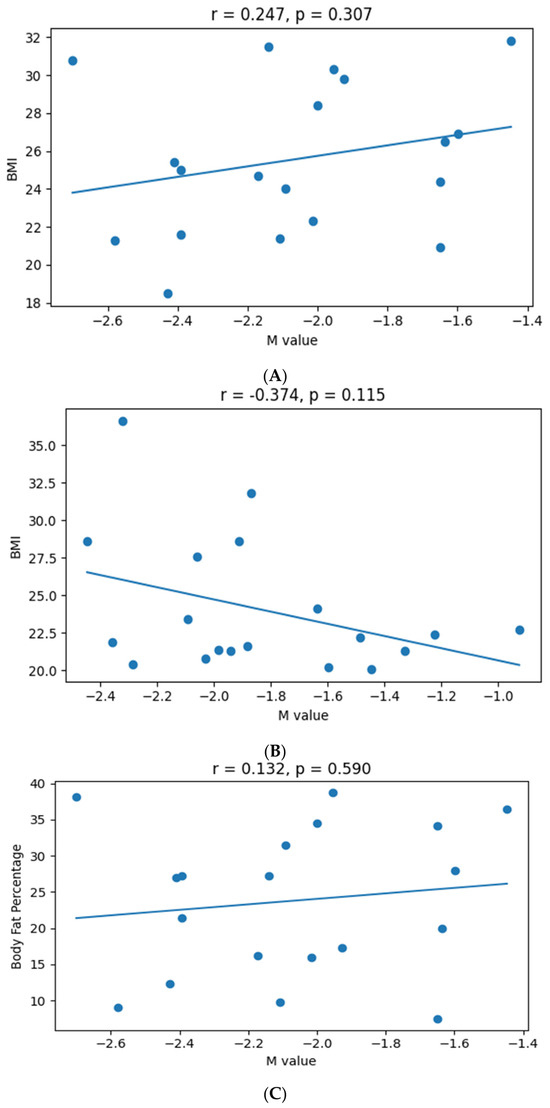
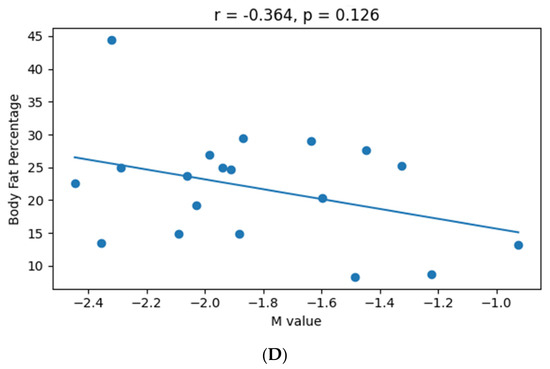
Aim: The aim of this study was to correlate single-nucleotide polymorphisms (SNPs) in the FTO and MC4R genes with body composition (BC) in populations with various levels of physical activity, and to investigate associations of SREBF1 methylation with the level of physical activity (PA) and BC. Methods: Fifty-six participants aged 18–65 years old with no underlying medical conditions were included in the study and were classified into sedentary/light PA (SLPA), moderate PA (MPA) and vigorous PA (VPA) groups using the International PA questionnaire (IPAQ). Anthropometric measures such as age, gender, body mass index (BMI) and body fat percentage (BFP) were recorded at the time of recruitment. Venous blood samples were collected during participant recruitment and DNA was extracted. Genotyping assays were performed for SNPs in FTO (rs9939609) and MC4R (rs17782313) using Taqman® RT qPCR and TaqMan Genotyper software 1.7.1. Methylation analysis assay for CpG sites in the SREBF1 gene was performed on 56 samples using PyroMark® Q48 Autoprep (Qiagen, Venlo, The Netherlands). The results were statistically analysed to identify any associations between FTO/MC4R genotypes and the level of PA, and between SREBF1 methylation status and the level of PA. This is the first study to investigate links between PA and quantitative methylation of SREBF1. Results: According to IPAQ guidance, the 56 participants were classified into SLPA n = 14, MPA n = 11 and VPA n = 31. The correlation analysis revealed that the FTO rs9939609 ‘A’ risk allele had a significant negative association with BFP in the VPA group (p = 0.0387); the MC4R rs17782313 ‘C’ risk allele had a significant positive association with BMI in the VPA group (p = 0.0256). In the SREBF1 pyrosequencing analysis, higher levels of methylation were observed in the VPA group (p = 0.07). Conclusions: We concluded that SNPs associated with obesity identified in FTO rs9939609 and MC4R rs17782313 could help to predict the molecular effects of PA. A high frequency of FTO risk variants in the cohort was observed and the VPA group could help maintain a healthy BFP.
Full article
(This article belongs to the Special Issue Epigenetic Signatures in Metabolic Health and Cancer)
►▼
Show Figures

Figure 1
Open AccessArticle
Remodelling of miRNA Regulatory Landscape During West Nile Virus (WNV) Infection
by
Lachlan De Hayr, Alexander A. Khromykh and Andrii Slonchak
Epigenomes 2026, 10(2), 41; https://doi.org/10.3390/epigenomes10020041 - 18 Jun 2026
Abstract
Background/Objectives: West Nile virus (WNV) remains a significant threat to human health, with no approved antiviral treatments or vaccine available. A better understanding of the molecular mechanisms governing flavivirus–host interactions is needed to identify host regulatory pathways involved in infection. This study aimed
[...] Read more.
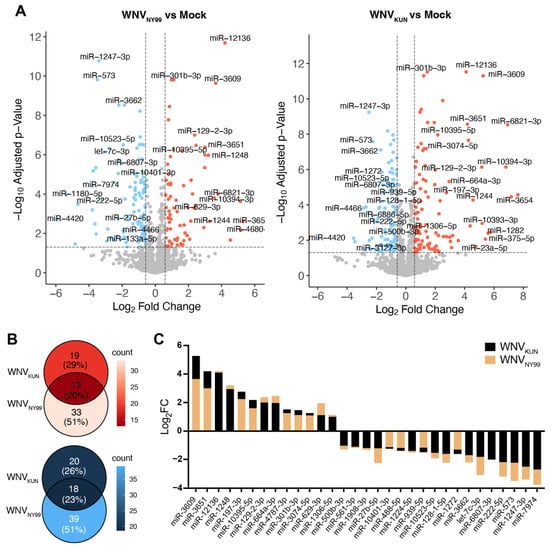
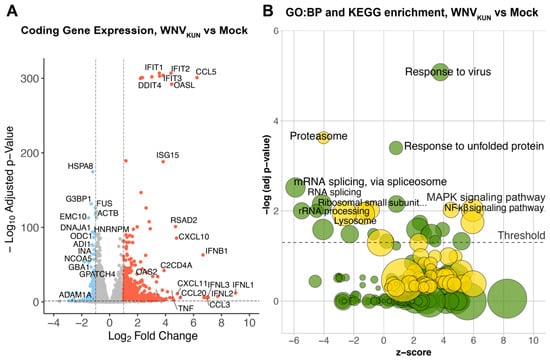
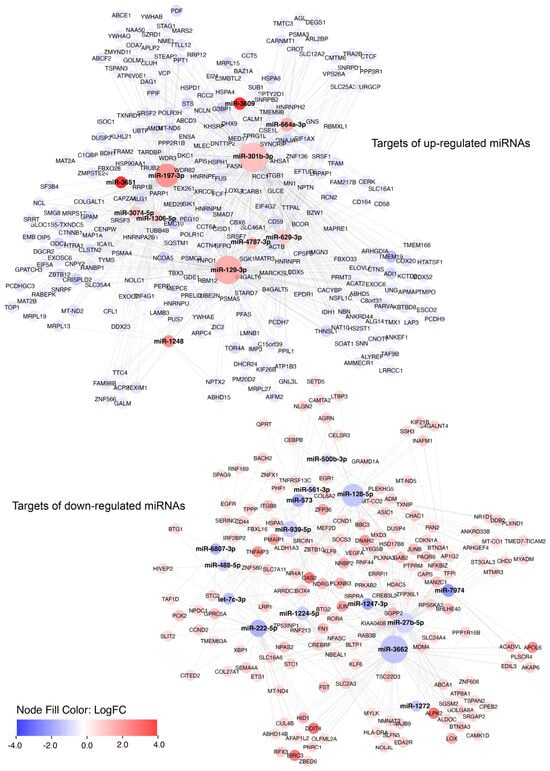
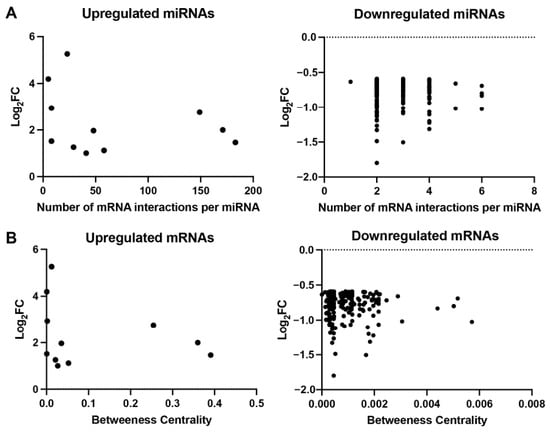
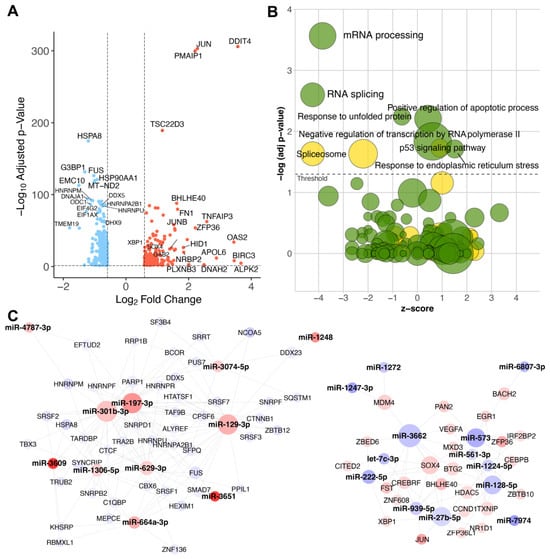
Background/Objectives: West Nile virus (WNV) remains a significant threat to human health, with no approved antiviral treatments or vaccine available. A better understanding of the molecular mechanisms governing flavivirus–host interactions is needed to identify host regulatory pathways involved in infection. This study aimed to investigate how WNV infection remodels the host miRNA–mRNA regulatory landscape. Methods: WNV-induced changes in host miRNA expression in HEK-293 cells were profiled using miRNA-Seq. Transcriptome-wide host gene expression changes in WNV-infected cells were analysed using RNA-Seq. Gene Ontology and pathway enrichment analyses were conducted using DAVID. Integrated miRNA–mRNA network reconstruction was performed using Cytoscape based on the experimentally validated miRNA–mRNA interactions in miRNet database. Results: WNV infection induced global changes in host miRNA expression, with pathogenic NY99 and non-pathogenic Kunjin strains of the virus producing overlapping and strain-specific alterations in the miRNA landscape. Transcriptome analysis showed strong induction of interferon-related responses and activation of NF-κB and MAPK signalling pathways in the infected cells. In contrast, pathways associated with RNA processing, splicing, and proteasomal degradation were downregulated. Integrated miRNA–mRNA network analysis identified miR-197-3p, miR-301b-3p, miR-129-3p, miR-3662, and miR-128-5p as candidate regulatory hubs involved in WNV-induced transcriptome remodelling. These networks suggested that miRNA-mediated regulation may influence antiviral signalling, apoptosis, and RNA metabolism during infection. Conclusions: These findings suggest that WNV infection broadly remodels host miRNA–mRNA regulatory networks and identifies candidate miRNAs that may contribute to the regulation of antiviral and cellular stress responses. These predicted regulatory interactions provide a foundation for future experimental validation.
Full article
(This article belongs to the Special Issue Epigenetics Meets Immunology: Mechanisms, Crosstalk, and Therapeutic Implications)
►▼
Show Figures

Figure 1
Open AccessReview
The Role of Epigenetics in Corneal Fibrosis
by
Julia T. Coelho, Ella J. Dewald, Syeda R. Ali, Moira L. Geary, Mithun Santra and Gary H. F. Yam
Epigenomes 2026, 10(2), 40; https://doi.org/10.3390/epigenomes10020040 - 6 Jun 2026
Abstract
Epigenetics regulates gene activity without altering the underlying DNA sequences. Numerous studies have highlighted the importance of epigenetics in diverse physiological processes, including cell growth, differentiation, and tissue development. Increasingly, epigenetic modifications are recognized for their involvement in various diseases, notably corneal disorders.
[...] Read more.
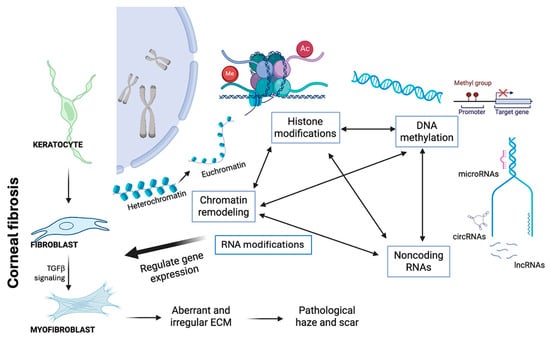
Epigenetics regulates gene activity without altering the underlying DNA sequences. Numerous studies have highlighted the importance of epigenetics in diverse physiological processes, including cell growth, differentiation, and tissue development. Increasingly, epigenetic modifications are recognized for their involvement in various diseases, notably corneal disorders. Corneal fibrosis, a common consequence of ocular injury or infection, significantly contributes to visual impairment and blindness worldwide. Recent evidence indicates that epigenetic changes regulate key processes in corneal pathogenesis, such as inflammation, wound healing, extracellular matrix remodeling, fibrosis, and neovascularization. These findings underscore the potential of developing novel therapeutic strategies that specifically target epigenetic mechanisms to treat or mitigate corneal pathology. Nevertheless, bringing epigenetic therapies into clinical practice remains challenging given the complexity of epigenetic regulation. Future research leveraging multi-omics technologies and specific gene manipulation will be essential to elucidate the mechanisms underlying epigenetic regulation in corneal diseases and to identify specific therapeutic targets. Such advancements will drive the development of effective, clinically relevant treatments for corneal fibrosis and related disorders.
Full article
(This article belongs to the Collection Feature Papers in Epigenomes)
►▼
Show Figures

Figure 1
Open AccessReview
Dual Functionality of miRNAs During HIV Infection: From Viral Genome Suppression to Immune Response Modulation
by
Anna M. Timofeeva, Kseniya S. Aulova and Georgy A. Nevinsky
Epigenomes 2026, 10(2), 39; https://doi.org/10.3390/epigenomes10020039 - 5 Jun 2026
Cited by 1
Abstract
Background/Objectives: As important post-transcriptional and epigenetic regulators of gene expression, miRNAs play a pivotal role in modulating host–virus interactions. While prior reviews have addressed either direct miRNA–HIV genome interactions or miRNA-mediated immune modulation in isolation, the integrated dual functionality of these molecules has
[...] Read more.
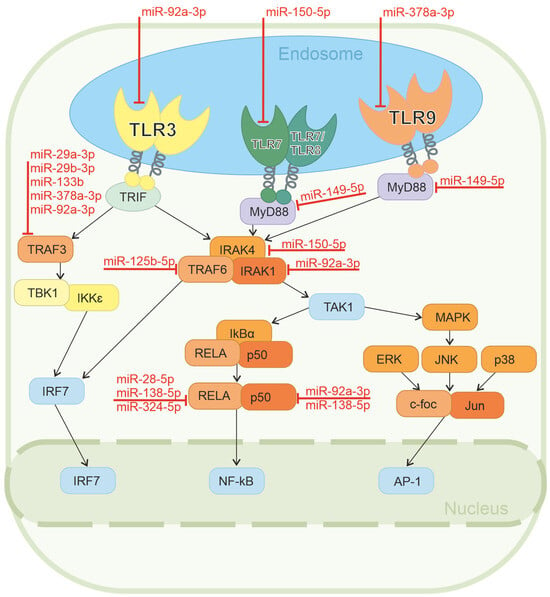
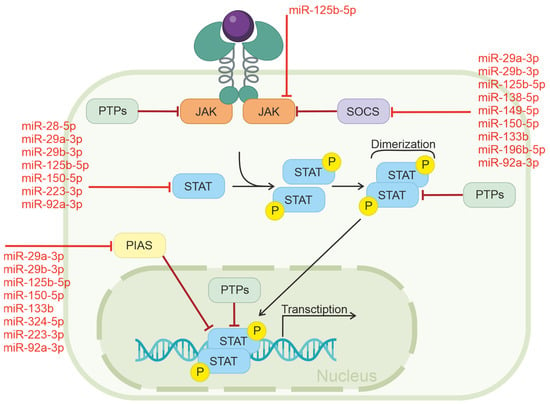
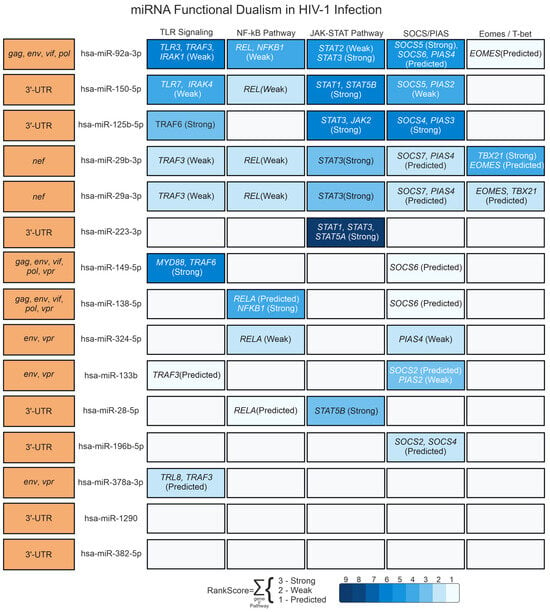
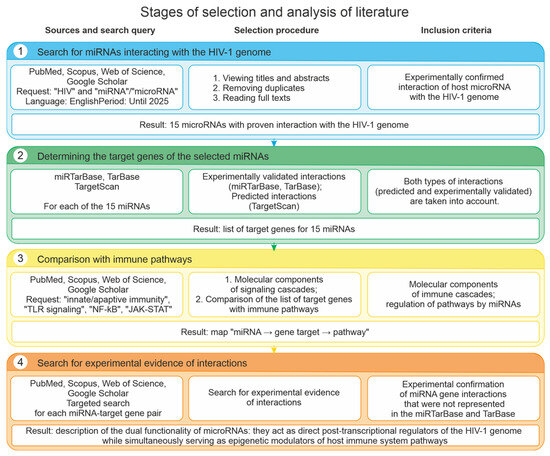
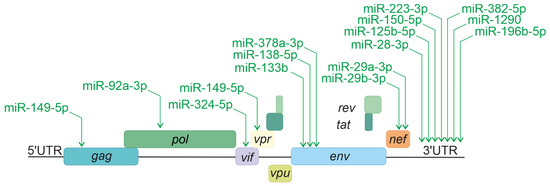
Background/Objectives: As important post-transcriptional and epigenetic regulators of gene expression, miRNAs play a pivotal role in modulating host–virus interactions. While prior reviews have addressed either direct miRNA–HIV genome interactions or miRNA-mediated immune modulation in isolation, the integrated dual functionality of these molecules has not been systematically characterized. This review aimed to comprehensively explore how miRNAs that target the HIV-1 genome simultaneously modulate key innate and adaptive host immune signaling pathways. The conceptual novelty of this study is determined not by the identification of previously unknown miRNA-target gene pairs, but by the systemic integration of two regulatory levels (direct inhibition of the viral genome and modulation of the host cell immune signaling pathways) within a unified analytical framework. Such an integrated approach reveals a proviral regulatory network that remains non-obvious when each of these levels is examined separately. Methods: A narrative review was conducted using PubMed, Scopus, Web of Science, and Google Scholar (all years through 2025). In Stage 1, publications reporting experimentally confirmed interactions between host miRNAs and the HIV-1 genome were identified, yielding a curated set of 15 miRNAs. In Stage 2, target genes for each miRNA were retrieved from miRTarBase, TarBase (experimentally validated) and TargetScan 8.0 (in silico predicted). In Stage 3, target genes were manually mapped to key immune signaling pathways (TLR, NF-κB, JAK-STAT). In Stage 4, targeted literature searches were performed for each miRNA–target gene pair to identify direct experimental evidence of interaction. All stages were performed by two independent researchers, with discrepancies resolved by a third. Results: Fifteen host miRNAs with experimentally confirmed binding to the HIV-1 genome were identified, targeting viral genes including nef, pol, vpr, gag, env, vif, and the 3′-UTR. Thirteen of these miRNAs were found to regulate components of major immune pathways. miR-92a-3p, miR-29a/b-3p, miR-150-5p, and miR-125b-5p emerged as the most pleiotropic regulators, simultaneously suppressing TLR signaling (TLR3, TLR7, TLR8, MyD88, TRAF3/6, IRAK1/4), NF-κB components (REL, RELA, NFKB1), JAK-STAT effectors (STAT1–3, STAT5A/B, JAK2), and negative regulators of cytokine signaling (SOCS and PIAS family proteins). miR-133b and miR-196b-5p were found to selectively regulate SOCS/PIAS proteins without involvement in other analyzed pathways, suggesting potential for selective therapeutic targeting. Conclusions: The analyzed miRNAs exhibit functional dualism, acting as direct post-transcriptional suppressors of the HIV-1 genome while simultaneously functioning as epigenetic modulators of host immune signaling. These two modes of action are not independent but together form a conceptual framework of a self-reinforcing proviral regulatory network that, based on the synthesis of published evidence, is proposed to promote viral latency and immune evasion. The identified miRNAs represent promising, albeit complex, targets for novel therapeutic strategies aimed at eliminating latent HIV reservoirs.
Full article
(This article belongs to the Special Issue Epigenetics Meets Immunology: Mechanisms, Crosstalk, and Therapeutic Implications)
►▼
Show Figures

Figure 1
Open AccessArticle
Nuclear Transfer Perturbs Genomic Balance
by
Eryk Andreas and Justin C. St John
Epigenomes 2026, 10(2), 38; https://doi.org/10.3390/epigenomes10020038 - 5 Jun 2026
Abstract
►▼
Show Figures
Background: The transfer of a nucleus from one oocyte to another offers patients harbouring high levels of mitochondrial DNA mutation and sufferers of frequent fertilisation failure or early embryonic arrest the potential to have healthy children. However, a small amount of mtDNA is
[...] Read more.
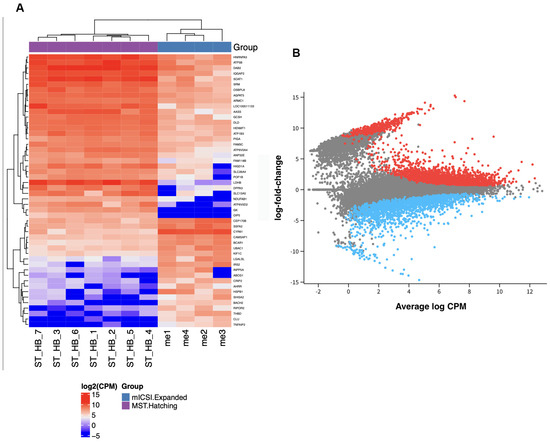
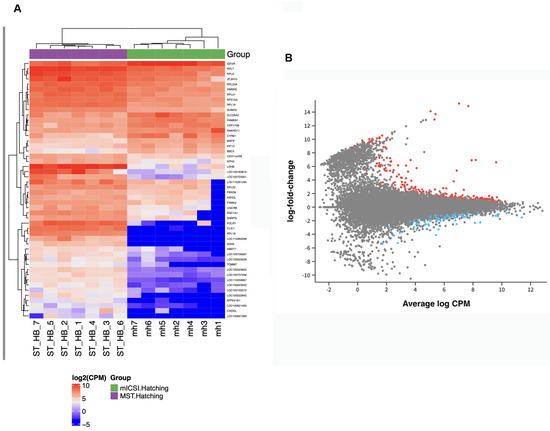
Background: The transfer of a nucleus from one oocyte to another offers patients harbouring high levels of mitochondrial DNA mutation and sufferers of frequent fertilisation failure or early embryonic arrest the potential to have healthy children. However, a small amount of mtDNA is carried over with the nucleus as the transfer takes place. Consequently, we still need to distinguish between the effects of the carryover and the transfer of a nucleus itself from a mature oocyte. Methods: To overcome this, we analysed a series of hatching stage blastocysts generated using metaphase II spindle transfer and mitochondrial supplementation. The latter approach also introduces a small amount of mtDNA into the oocyte as fertilisation takes place. For both manipulations, an autologous approach was used to overcome the effects of third-party transfer. Results: We then compared the changes in global gene expression between the two groups. We found that the nuclear transfer process affected a number of gene networks and pathways. These included metabolic, cell cycle, inflammatory and immune, and epigenetic responses. A comparison with earlier stage blastocysts did not suggest that the cause was due to developmental delay. Conclusions: Critically, these changes could affect offspring health and well-being as is the case following somatic cell nuclear transfer.
Full article

Figure 1
Open AccessReview
5mC and 6mA DNA Methylation in the Fungal Kingdom: From Genome Defense to Epigenetic Regulation
by
Daniil P. Malyshev, Vasiliy V. Belov, Elizaveta S. Gromova, Andrey A. Eremin, Maria I. Zvereva and Alexander V. Sergeev
Epigenomes 2026, 10(2), 37; https://doi.org/10.3390/epigenomes10020037 - 5 Jun 2026
Abstract
►▼
Show Figures
DNA methylation, the covalent addition of methyl groups to cytosine (5mC) or adenine (6mA) in DNA, is a fundamental mechanism of epigenetic inheritance conserved from bacteria to humans. Fungi provide a uniquely informative window into the evolutionary logic of methylation systems. Spanning more
[...] Read more.
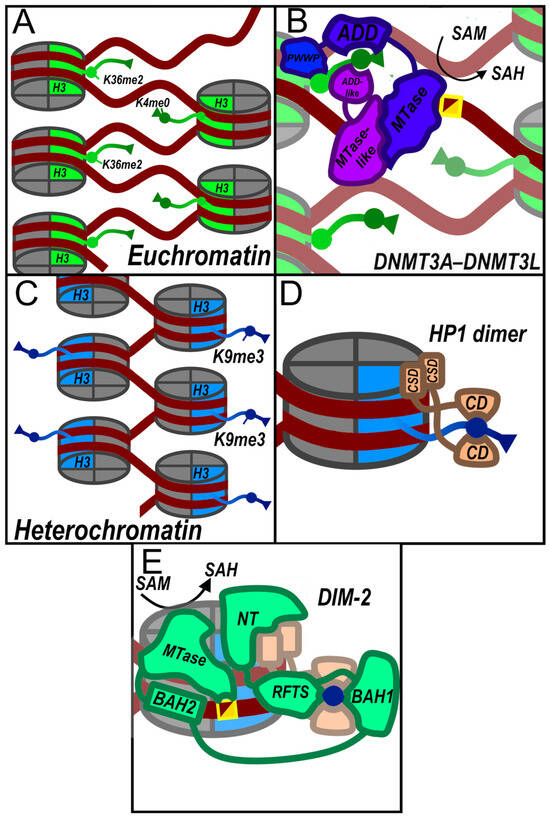
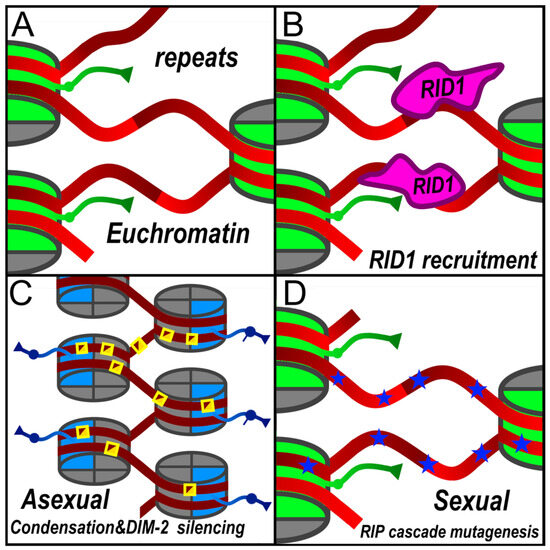
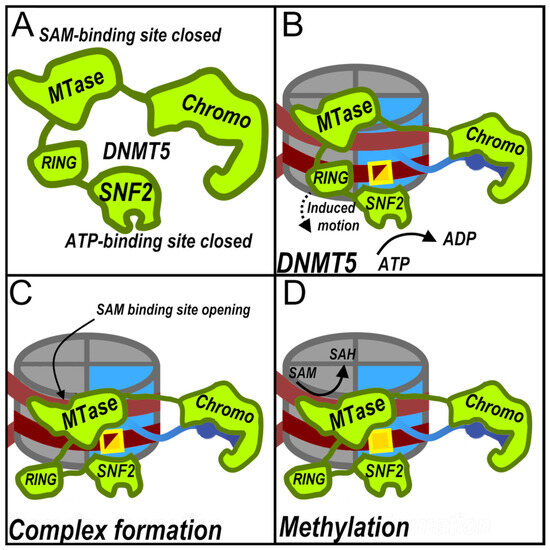
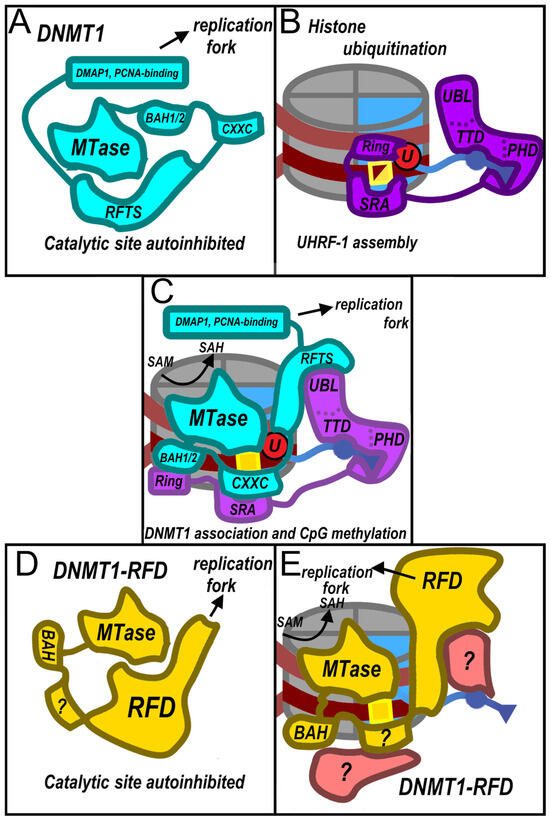
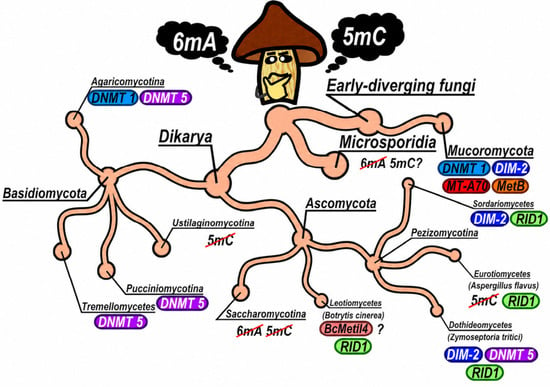
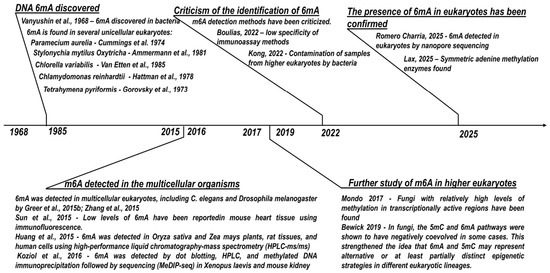
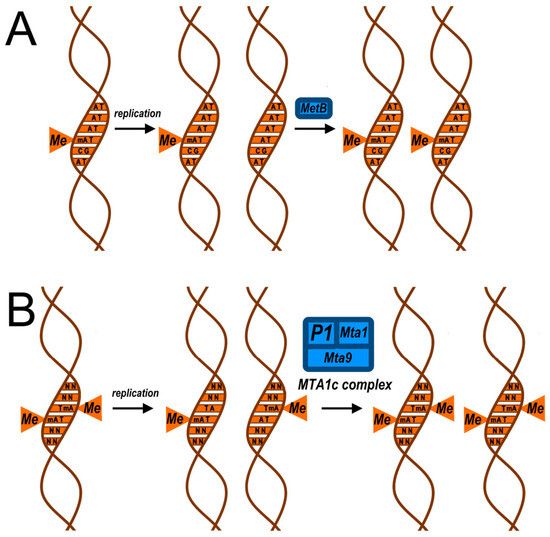
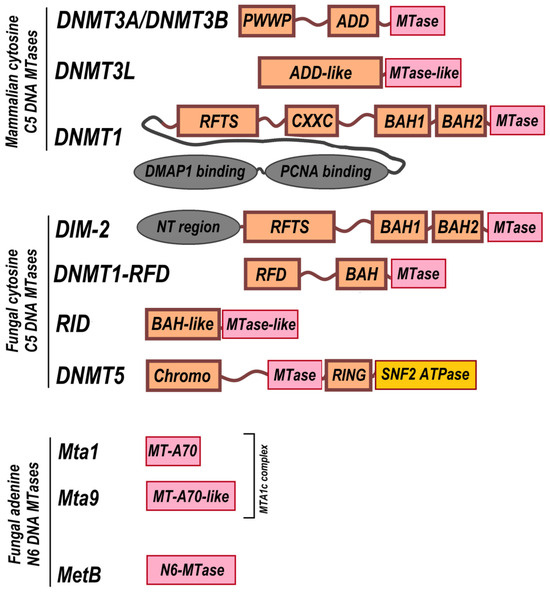
DNA methylation, the covalent addition of methyl groups to cytosine (5mC) or adenine (6mA) in DNA, is a fundamental mechanism of epigenetic inheritance conserved from bacteria to humans. Fungi provide a uniquely informative window into the evolutionary logic of methylation systems. Spanning more than 1 billion years of diversification, the kingdom encompasses species that have lost cytosine methylation entirely, lineages that use 5mC to silence transposons and drive the irreversible genome-defense process known as repeat-induced point mutation (RIP), and early-diverging lineages, in which 6mA has emerged as a prominent chromatin mark. The methyltransferases underlying these strategies (DIM-2, RID, DNMT1-RFD, DNMT5, and the MT-A70 complex) and the recently characterized demethylases Dmt1 and CcTet are structurally and mechanistically distinct from their mammalian counterparts. Here we review the mechanisms, targets, and biological functions of fungal DNA methyltransferases and demethylases, incorporating cryo-EM structural insights into DIM-2 and DNMT5 catalysis, analyses of DNMT gene loss as a continuous evolutionary process, the antiviral role of DIM-2 in vegetative hyphae, and the emerging model of 6mA as a heritable regulatory mark in early-diverging lineages. By integrating these advances, this review offers the updated and comprehensive account of DNA methylation across fungi.
Full article

Figure 1
Open AccessArticle
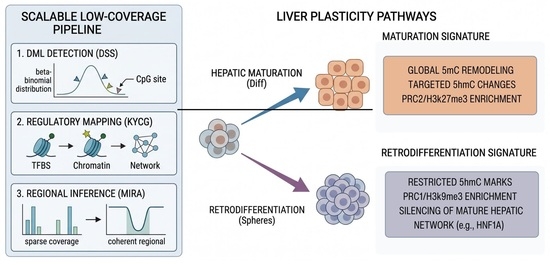
Low Depth Epigenetic Mapping of Maturation Versus Retrodifferentiation in HepaRG Cells
by
Hector Hernandez-Vargas, Kilian Petitjean, Marie-Pierre Lambert, Yoann Daniel, Isabelle Chemin, Anne Corlu and Chloe Goldsmith
Epigenomes 2026, 10(2), 36; https://doi.org/10.3390/epigenomes10020036 - 2 Jun 2026
Abstract
Background: Long-read, single-CpG-resolution sequencing is redefining the information-to-depth ratio in epigenomics. While conventional methylome analysis often requires high coverage, we propose a scalable pipeline designed to extract high-density regulatory logic from shallow sequencing data. Methods: By utilizing the progenitor-like HepaRG cell line as
[...] Read more.
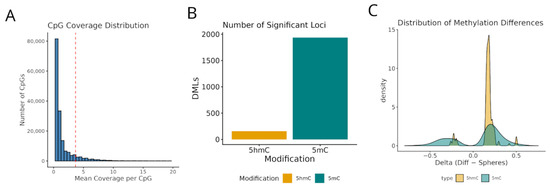
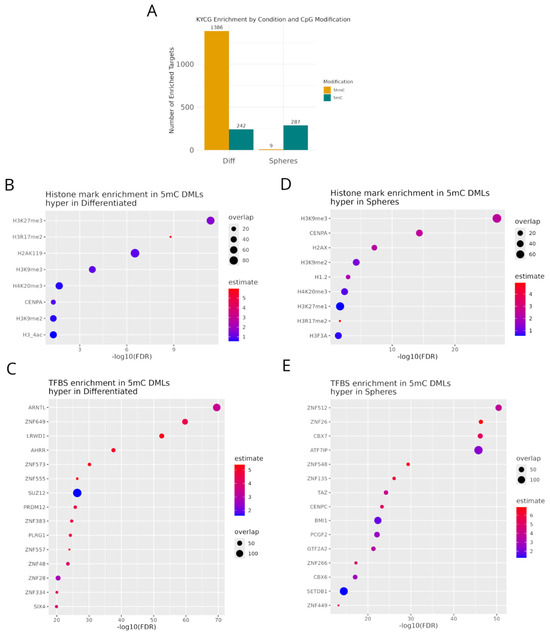
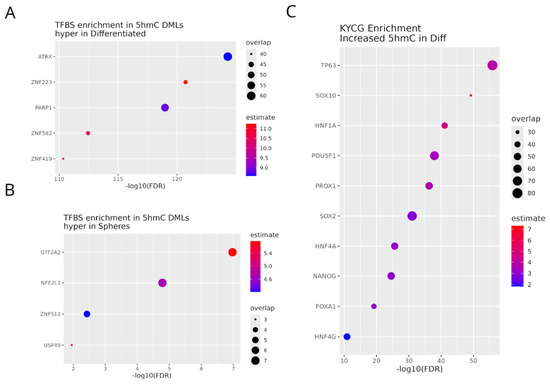
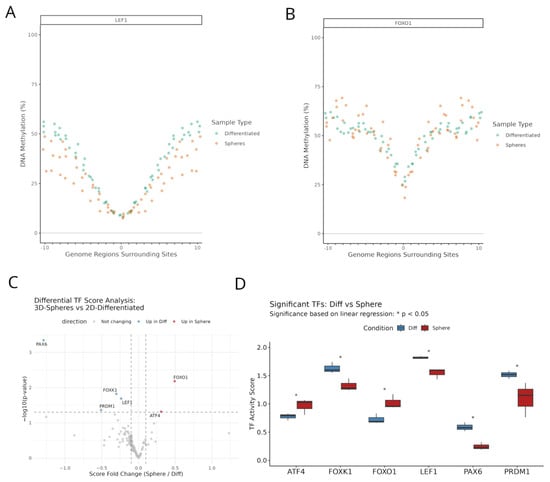
Background: Long-read, single-CpG-resolution sequencing is redefining the information-to-depth ratio in epigenomics. While conventional methylome analysis often requires high coverage, we propose a scalable pipeline designed to extract high-density regulatory logic from shallow sequencing data. Methods: By utilizing the progenitor-like HepaRG cell line as a model for liver plasticity, we validated this framework across two divergent developmental trajectories: hepatic maturation and sphere-induced retrodifferentiation. Our technical approach combines CpG-centric enrichment and regional methylation aggregation to reconstruct regulatory landscapes from sparse data. Using long-read Nanopore sequencing, we mapped the dynamics of 5-methylcytosine (5mC) and 5-hydroxymethylcytosine (5hmC). Results: Our pipeline revealed that these trajectories are not inverse processes but engage distinct epigenetic strategies. Hepatic maturation is characterized by the accumulation of 5hmC that partially targets repressive heterochromatin (H3K9me3, H4K20me3) and pioneer factors such as FOXA2. In contrast, retrodifferentiation increases 5mC, potentially silencing adult regulators such as HNF1A via Polycomb-associated networks. In addition, aggregation-based analysis can distinguish widespread focal perturbations from a restricted subset of transcription factors that translate epigenetic changes into regional accessibility. Conclusions: This study provides a scalable computational framework for investigating cellular fate transitions, proving that high-value epigenetic insights are attainable even at reduced sequencing depths.
Full article
(This article belongs to the Collection Feature Papers in Epigenomes)
►▼
Show Figures

Graphical abstract
Journal Menu
► ▼ Journal Menu-
- Epigenomes Home
- Aims & Scope
- Editorial Board
- Topical Advisory Panel
- Instructions for Authors
- Special Issues
- Topics
- Topical Collections
- Article Processing Charge
- Indexing & Archiving
- Editor’s Choice Articles
- Most Cited & Viewed
- Journal Statistics
- Journal History
- Journal Awards
- Society Collaborations
- Editorial Office
Journal Browser
► ▼ Journal BrowserHighly Accessed Articles
Latest Books
E-Mail Alert
News
Topics
Topic in
Brain Sciences, CIMB, Epigenomes, Genes, IJMS, DNA
Genetics and Epigenetics of Substance Use Disorders
Topic Editors: Aleksandra Suchanecka, Anna Maria Grzywacz, Kszysztof ChmielowiecDeadline: 14 April 2027
Topic in
Diagnostics, Epigenomes, Healthcare, Metabolites
A New Era in Obesity Management: Science, Stigma-Free, Patient-Centred and Systems-Based Care, and Policy Action
Topic Editors: Hanen Samouda, Ximena Ramos SalasDeadline: 21 December 2027
Special Issues
Special Issue in
Epigenomes
RNA Methylation and Mental Health: Emerging Molecular Insights
Guest Editor: Huiping ZhangDeadline: 31 October 2026
Special Issue in
Epigenomes
DNA Methylation Markers in Health and Disease
Guest Editor: Osman El‐MaarriDeadline: 31 December 2026
Special Issue in
Epigenomes
Epigenetic Signatures in Metabolic Health and Cancer
Guest Editor: Aparna DuggiralaDeadline: 31 December 2026
Special Issue in
Epigenomes
Epigenetic Drivers of Cancer: Enhancing Diagnosis, Prevention, and Treatment
Guest Editors: Robert Philibert, Steven R. H. BeachDeadline: 25 January 2027
Topical Collections
Topical Collection in
Epigenomes
Epigenetic Mechanisms in Diabetes Research
Collection Editor: Assam El-Osta
Topical Collection in
Epigenomes
Epigenetic Regulation of Cellular Differentiation
Collection Editor: Wiesława Leśniak