



Journal Description
Encyclopedia
Encyclopedia
is an international, peer-reviewed, open access journal recording qualified entries, the contents of which comprise reliable, objective and established knowledge, and reviews that offer a comprehensive analysis of the extant literature, identifying current gaps or problems. The Encyclopedia Studies section also accepts original research articles. The Encyclopedia journal is published monthly online by MDPI, and it is affiliated with the Encyclopedia platform.
- Open Access— free for readers, with article processing charges (APC) paid by authors or their institutions.
- High Visibility: indexed within Scopus and other databases.
- Rapid Publication: manuscripts are peer-reviewed and a first decision is provided to authors approximately 26.8 days after submission; acceptance to publication is undertaken in 4.5 days (median values for papers published in this journal in the second half of 2025).
- Recognition of Reviewers: APC discount vouchers, optional signed peer review and reviewer names are published annually in the journal.
Latest Articles
Aristotle and AI in Education: Virtue, Wisdom, Human Flourishing and the Common Good
Encyclopedia 2026, 6(6), 116; https://doi.org/10.3390/encyclopedia6060116 - 26 May 2026
Definition
This entry focuses on an Aristotelian approach to contemporary discourses about the implications of Artificial Intelligence (AI) regarding what it teaches and learns, with special regard to virtue or arete, practical wisdom or phronesis, and human flourishing or eudaimonia. Even though AI technologies
[...] Read more.
This entry focuses on an Aristotelian approach to contemporary discourses about the implications of Artificial Intelligence (AI) regarding what it teaches and learns, with special regard to virtue or arete, practical wisdom or phronesis, and human flourishing or eudaimonia. Even though AI technologies provide new options for personalized learning, adaptive assessment, and data-driven instruction, their increasing entrenchment in the education ecosystem raises fundamental philosophical questions about the essence of teaching and learning, and about how we become better people. Aristotle’s distinction between intellectual and moral virtues can help us determine whether AI meaningfully contributes to the cultivation of good judgment, ethical character, and responsible agency. While AI is not completely antithetical to virtue formation, its knowledge and skill acquisition cannot replace the social, experiential, and habituated processes through which virtues are grown. AI should be designed and deployed as a “technological partner” to support (not replace) the teacher’s moral and pedagogical role. Guided by Aristotle’s view of eudaimonia and the common good, this analysis suggests that education should be structured to promote human flourishing in the age of AI, ensuring that learners develop their capacities for ethical reasoning, autonomy, and co-responsible participation to build a more sustainable and just society.
Full article
(This article belongs to the Collection Encyclopedia of Social Sciences)
Open AccessEntry
Guiding Doctoral Students into Research Communities
by
Seung B. Lee and Danielle P. Espino
Encyclopedia 2026, 6(6), 115; https://doi.org/10.3390/encyclopedia6060115 - 26 May 2026
Definition
Research communities refer to the learning and social environments within which members engage in scholarly activities. Consisting of diverse actors involved in research processes, research communities provide opportunities for doctoral students to become familiar with the shared norms, values and cultures that are
[...] Read more.
Research communities refer to the learning and social environments within which members engage in scholarly activities. Consisting of diverse actors involved in research processes, research communities provide opportunities for doctoral students to become familiar with the shared norms, values and cultures that are particular to each group. Research communities not only allow members to access pertinent knowledge, information and resources, but also offer social support and foster a sense of belonging in academia, helping students to develop into independent scholars. During their studies, doctoral students often participate in various research communities, ranging from the research lab at their institution to international networks connecting researchers from different countries. This paper focuses on ways to guide doctoral students into research communities, both within and outside of their institutions. In addition, it examines the formal and informal processes that facilitate their integration into these communities.
Full article
(This article belongs to the Collection Doctoral Supervision)
Open AccessReview
A Systematic Scoping Review of Isokinetic Testing in High-Level Female Soccer Players: Methodological Considerations
by
Antonio Cicchella and Zhenyu Li
Encyclopedia 2026, 6(6), 114; https://doi.org/10.3390/encyclopedia6060114 - 25 May 2026
Abstract
There is a lack of clarity on the isokinetic testing of professional female soccer players (PFSPs) concerning the proper use of isokinetic testing, and the existing data, useful for rehabilitation purposes, are confusing. This review aims to highlight the main methodological issues and
[...] Read more.
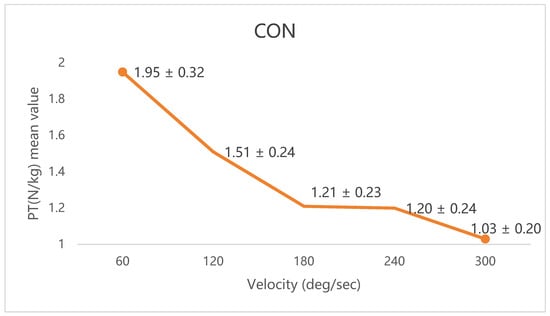
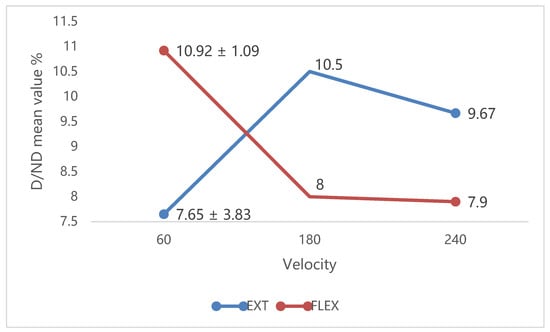
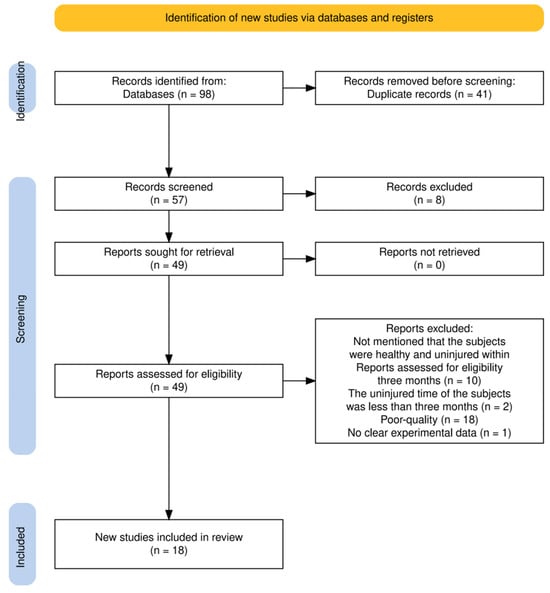
There is a lack of clarity on the isokinetic testing of professional female soccer players (PFSPs) concerning the proper use of isokinetic testing, and the existing data, useful for rehabilitation purposes, are confusing. This review aims to highlight the main methodological issues and provide guidance for performing reliable isokinetic strength (IS) based on evidence data. Following the PRISMA guidelines, we selected 18 out of 98 papers dealing with healthy PFSPs surveying four databases. It emerged that there is a large difference between subjects even in comparable test conditions (e.g., usage of the same isokinetic device). The more reliable testing speed ranges from 60°/s to 180°/s. Employing lower or higher velocities does not add information to test results. Interlimb differences in healthy PFSP are confirmed to be approximately 10 percent. The H/Q ratio does not differ through the different calculation methods, considering eccentric values or not, in any considered menstrual cycle phase. It emerged that more methodological rigor is necessary in PFSP isokinetic testing.
Full article
(This article belongs to the Section Biology & Life Sciences)
►▼
Show Figures

Figure 1
Open AccessSystematic Review
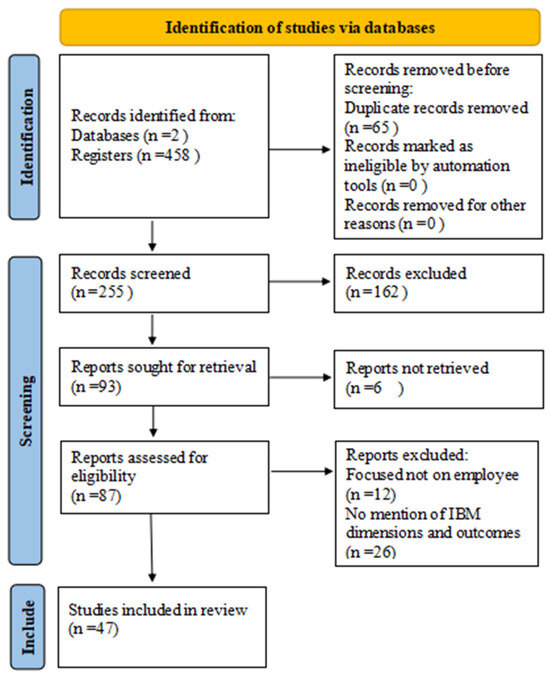
A Systematic Review of Internal and External Brand Management: Unveiling the Enigma of Employee Brand Equity Formation
by
Chuanjie He and Sharizal Bin Hashim
Encyclopedia 2026, 6(5), 113; https://doi.org/10.3390/encyclopedia6050113 - 19 May 2026
Abstract
►▼
Show Figures
This study explores how internal and external brand management synergistically construct employee brand equity in contemporary organizations. Drawing on social identity theory, brand equity theory, and relationship quality theory, we conducted a systematic literature review of research published from 2019 to 2024 to
[...] Read more.
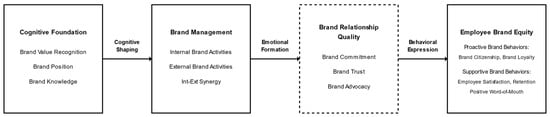
This study explores how internal and external brand management synergistically construct employee brand equity in contemporary organizations. Drawing on social identity theory, brand equity theory, and relationship quality theory, we conducted a systematic literature review of research published from 2019 to 2024 to analyze the cognitive, emotional, and behavioral mechanisms underlying this process. Our findings reveal that internal brand management activities (brand-oriented HR practices, brand communication) and external initiatives (CSR, marketing strategies) jointly shape employees’ brand cognition, while brand relationship quality mediates emotional connections through brand commitment, trust, and advocacy. These elements ultimately manifest in behavioral expressions including brand citizenship behavior, loyalty, retention intention, and positive word-of-mouth. This research provides organizations with an integrated framework for strategically aligning internal and external brand activities to enhance employee brand support, thereby strengthening competitive advantage through consistent brand delivery across all stakeholder touchpoints.
Full article

Figure 1
Open AccessReview
Parent–Child Systemic Therapy for Court-Involved Children with Behavioral Disturbances: A Clinician’s Perspective
by
Richard Don Tustin
Encyclopedia 2026, 6(5), 112; https://doi.org/10.3390/encyclopedia6050112 - 18 May 2026
Abstract
Concern is expressed in Australia about a group of children called dual-involvement children. Dual-involvement children live in families who have multiple complex needs, where a child is referred first to a child protection court and later to a juvenile justice court as the
[...] Read more.
Concern is expressed in Australia about a group of children called dual-involvement children. Dual-involvement children live in families who have multiple complex needs, where a child is referred first to a child protection court and later to a juvenile justice court as the child has committed offenses. One concern is whether these families and children receive early intervention therapy. Method: The paper reviews research relevant to early intervention for children with an increased likelihood of developing a mental disorder and behaving aggressively. Results: Fifteen psychological models have generated evidence about risk factors for the healthy development of children. A framework is used to describe risk factors using headings of parental factors, childhood factors, and peer factors. The review summarizes effect sizes associated with each model. Conclusions: The review concludes that variables relevant to dual-involvement children can be integrated using the concept of role the of a parent. There is a need for a tiered system of intervention involving universal interventions that are supplemented by targeted interventions for families where children have heightened vulnerability due to a higher number of specific risk factors. Topics for further research are identified, including a need for research into how therapists who use a systemic approach might practice in ways that manage ethical dilemmas that arise when using systemic therapy with two members of a court-involved family.
Full article
(This article belongs to the Section Behavioral Sciences)
Open AccessEntry
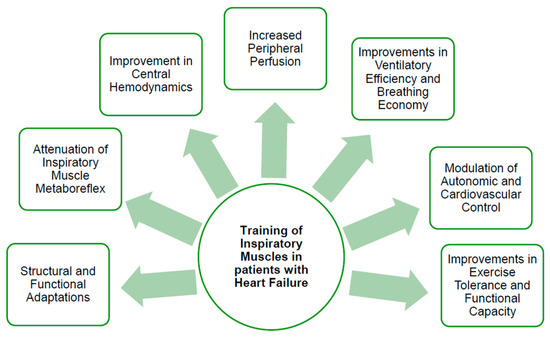
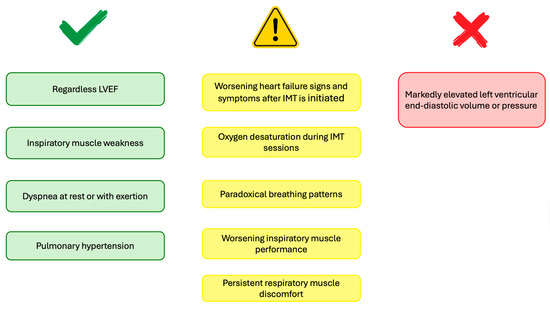
Inspiratory Muscle Training in Heart Failure as a Promising Tool in the Heart Failure Toolkit: From Physiology to Practice
by
Maria Isakoglou and Eleni A. Kortianou
Encyclopedia 2026, 6(5), 111; https://doi.org/10.3390/encyclopedia6050111 - 18 May 2026
Definition
Heart failure (HF) is a heterogeneous clinical syndrome with increasing prevalence among adults worldwide. It is characterized by complex central and peripheral alterations that contribute to exercise intolerance, fatigue, dyspnea, and reduced quality of life. Inspiratory muscle weakness (IMW) plays a key role
[...] Read more.
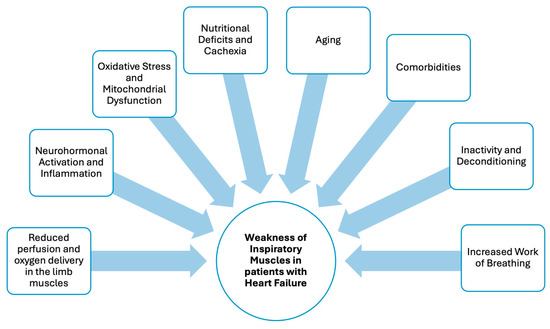
Heart failure (HF) is a heterogeneous clinical syndrome with increasing prevalence among adults worldwide. It is characterized by complex central and peripheral alterations that contribute to exercise intolerance, fatigue, dyspnea, and reduced quality of life. Inspiratory muscle weakness (IMW) plays a key role in this vicious cycle by exacerbating symptoms and further limiting functional capacity. Inspiratory muscle training (IMT) has emerged as a potential adjuvant in comprehensive HF management and is a physiologically grounded and promising tool in the contemporary HF therapeutic toolkit. Its integration into multimodal rehabilitation programs may mitigate the cycle of dyspnea and deconditioning in patients with HF. On this basis, we provide an overview of the pathophysiological mechanisms underlying IMW and present the practical characteristics of IMT programs, synthesizing current evidence regarding its clinical efficacy and implementation challenges.
Full article
(This article belongs to the Section Medicine & Pharmacology)
►▼
Show Figures

Figure 1
Open AccessReview
Climate Change and Inequality in the Ancient Mediterranean: A Scoping Review
by
Elisa Perego and Rafael Scopacasa
Encyclopedia 2026, 6(5), 110; https://doi.org/10.3390/encyclopedia6050110 - 18 May 2026
Abstract
(1) Background: Climate change and inequality are topics of major interest in Mediterranean Archaeology. However, comparatively less attention has been dedicated to how these themes are interlinked in the literature. No scoping review has ever addressed this issue. This study aims to identify
[...] Read more.
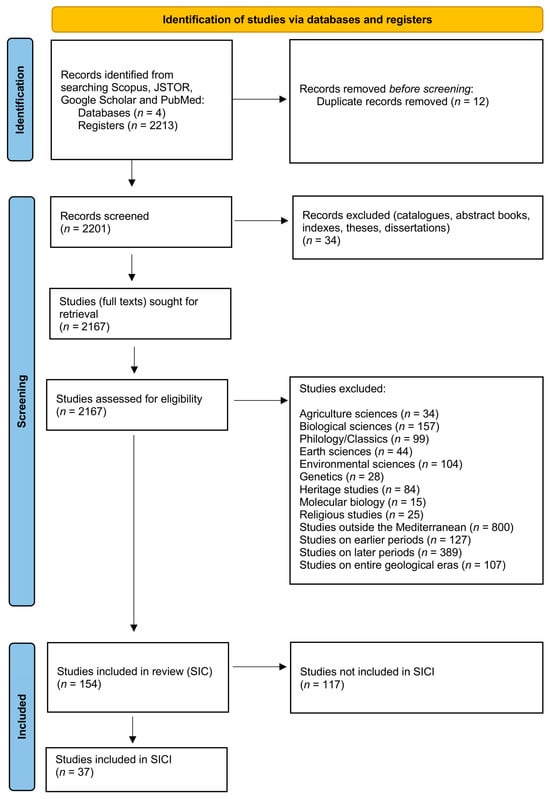
(1) Background: Climate change and inequality are topics of major interest in Mediterranean Archaeology. However, comparatively less attention has been dedicated to how these themes are interlinked in the literature. No scoping review has ever addressed this issue. This study aims to identify major research trends on inequality and climate change in the Mediterranean c. 4000 BC–AD 500. It also pinpoints current research gaps on the topic and nascent areas of enquiry. (2) Method: We performed a scoping review on JSTOR, Scopus, Google Scholar and PubMed in December 2025–January 2026. A modified version of the PRISMA-ScR protocol was followed. We sampled journal articles, book chapters, edited volumes and monographs published between 2015 and 2025 which matched the search and inclusion criteria. Additional searches were done on Google Scholar in February 2026 to expand upon emerging research trends relevant to our topic but largely absent from the scoping review. We manually extracted, charted, analysed and synthesised the data. (3) Results: A total of 154 studies were eligible for the scoping review. We identified six research trends prominent in the sampled literature: 1. the rise and fall of world systems, macroscale causal links, and collapse research; 2. inequality, subalternity, and marginality; 3. agriculture, crops, and diet; 4. natural resource management, and water supply; 5. epistemology and methodology; and 6. natural archives and climate proxy datasets. We also recognised the following research gaps or topics that were comparatively less addressed: collapse research applied to the microscale level and marginalised communities; isotope analysis applied to both climate change and inequality in the same study; biomedical approaches applied to both climate change and inequality in the same study; social marginality as a complex construct in human–climate interactions; and the environmental and climate dimensions of the early Roman expansion, especially regarding marginality and the microscale. Finally, we identified artificial intelligence (AI), Big Data, environmental and climate activism, and the perception of climate hazards by subaltern communities as nascent topics of interest that might rise to prominence in the future. (4) Conclusions: We identified major research trends and gaps on climate change and inequality in the ancient Mediterranean in literature published 2015–2025. We also recognised nascent or unexplored topics. The review is intended as a benchmark for developing novel research on the cutting-edge of Mediterranean Archaeology.
Full article
(This article belongs to the Section Arts & Humanities)
►▼
Show Figures

Figure 1
Open AccessEntry
The Social Study of Science: The Resurgence of Historical Materialism
by
Constantine (Kostas) Skordoulis
Encyclopedia 2026, 6(5), 109; https://doi.org/10.3390/encyclopedia6050109 - 18 May 2026
Definition
The Social Study of Science (SSS) constitutes an interdisciplinary domain dedicated to examining the profound influence of social, political, and cultural factors on the development of scientific research and practice. Rejecting conceptions of science as an autonomous, self-directed enterprise, SSS posits that scientific
[...] Read more.
The Social Study of Science (SSS) constitutes an interdisciplinary domain dedicated to examining the profound influence of social, political, and cultural factors on the development of scientific research and practice. Rejecting conceptions of science as an autonomous, self-directed enterprise, SSS posits that scientific knowledge is fundamentally a social product, deeply embedded within specific historical and cultural contexts. This field employs analytical frameworks from sociology, history, philosophy, and anthropology to elucidate the practices, institutions, history, and intellectual content of science. The scrutiny of science’s social dimensions has fundamentally reconfigured understandings of scientific work and methodology. During the 1960s and 1970s, the field was significantly shaped by contemporaneous protest movements, with historical materialism emerging as a critical framework for sociologists and historians of science seeking to critique power structures and alienation inherent in scientific practices. However, a subsequent intellectual shift witnessed a movement away from this materialist approach towards postmodern and constructivist analyses. Recently, a resurgence of interest in Marxian historical materialism has become evident. This is marked by a renewed engagement with pre-World War II Marxist theorists such as Boris Hessen and Edgar Zilsel, whose works are being republished and re-evaluated in light of the ongoing technological revolution in automation and machine intelligence. This paper delineates this development within SSS, highlighting the contributions of these foundational Marxist thinkers to the critical assessment and understanding of the social ramifications of the new technological revolution.
Full article
(This article belongs to the Collection Encyclopedia of Social Sciences)
Open AccessReview
Transnationalism and Religion: Exploring Transnational Religious Configurations
by
Abbas Jong
Encyclopedia 2026, 6(5), 108; https://doi.org/10.3390/encyclopedia6050108 - 17 May 2026
Abstract
This review develops a configurational account of the relationship between religion and transnationalism by addressing a specific analytical limitation in the existing literature: its tendency to oscillate between substantializing religious traditions as already constituted entities that move across borders and segmenting transnational religion
[...] Read more.
This review develops a configurational account of the relationship between religion and transnationalism by addressing a specific analytical limitation in the existing literature: its tendency to oscillate between substantializing religious traditions as already constituted entities that move across borders and segmenting transnational religion into disconnected domains such as networks, migrant communities, diasporic identities, institutions, political mobilization, digital mediation, social support, or pilgrimage. While these approaches have generated substantial empirical insight, they leave undertheorized the relational formation through which religious authority, practice, identity, material circulation, symbolic boundary-making, institutional organization, and mediated presence are assembled and made socially effective across multiple scales. To clarify this problem, the review reconstructs scholarship on religion and transnationalism through five major thematic domains: transnational religious networks, religious identity in transnational contexts, religion as a catalyst of transnationalism, the embedding of religion in transnational social practices, and distinctive forms of transnational religion. This reconstruction shows that transnational religious phenomena are inadequately understood as the spatial extension of pre-given traditions, as residual expressions of ethnicity or migration, or as discrete networks, movements, institutions, or diasporic communities. They are better grasped as historically contingent and relationally ordered formations whose temporary coherence is produced through the interaction of actors, authorities, practices, discourses, infrastructures, legal-regulatory environments, memories, obligations, and material flows. Building on the concept of social configuration, the review therefore proposes transnational religious configurations as a more precise unit of analysis for studying how the religious and the transnational are mutually constituted rather than externally connected. It defines such configurations as historically specific formations in which religious categories, institutions, practices, authorities, material resources, symbolic boundaries, and cross-border conditions of possibility are articulated across local, national, transnational, and global scales. The review operationalizes this approach through three analytical levels—conditions of possibility, construction and characteristics, and social realities and consequences—and illustrates its explanatory purchase by examining a new phenomenon within the contemporary transnational revival of Shi‘i Islam.
Full article
(This article belongs to the Collection Encyclopedia of Social Sciences)
Open AccessReview
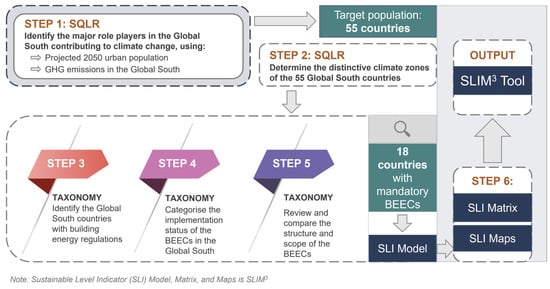
The Real-World Use of Building Energy Regulations as a Mechanism to Accelerate Climate Resilience in the Global South
by
Tariené Gaum, Jacques Laubscher and Henry Odiri Igugu
Encyclopedia 2026, 6(5), 107; https://doi.org/10.3390/encyclopedia6050107 - 16 May 2026
Abstract
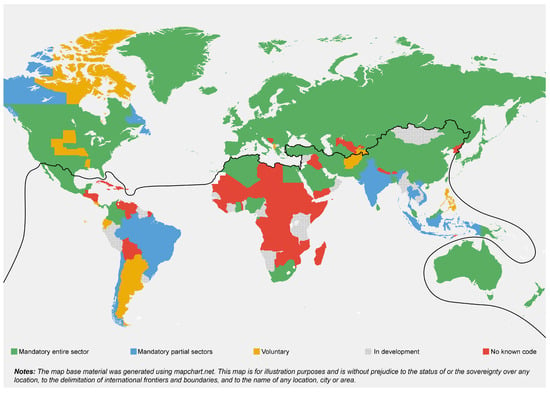
International research and policy frameworks underscore the value of mandatory energy regulations in reducing energy demand and greenhouse gas (GHG) emissions in the built environment. However, Global South (GS) countries experience several challenges in effectively implementing building energy efficiency codes (BEECs), as codes
[...] Read more.
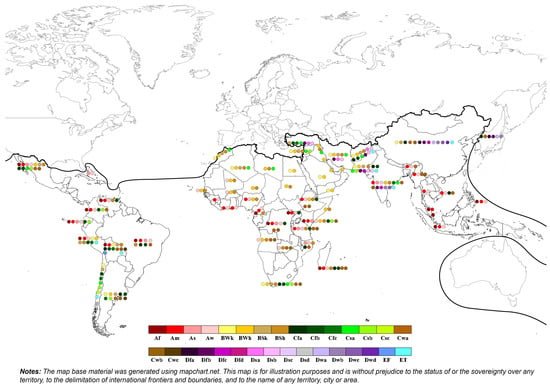
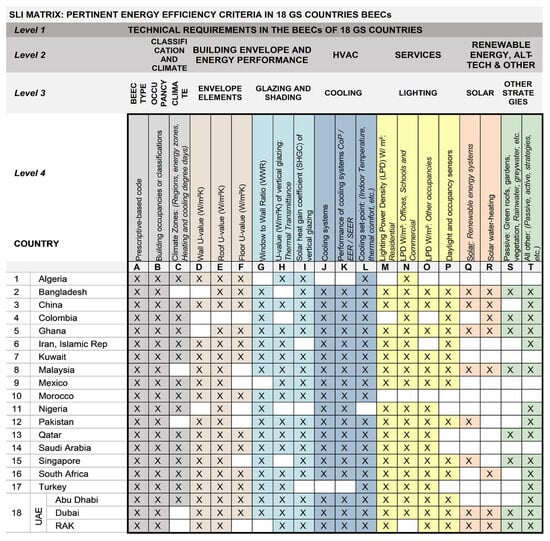
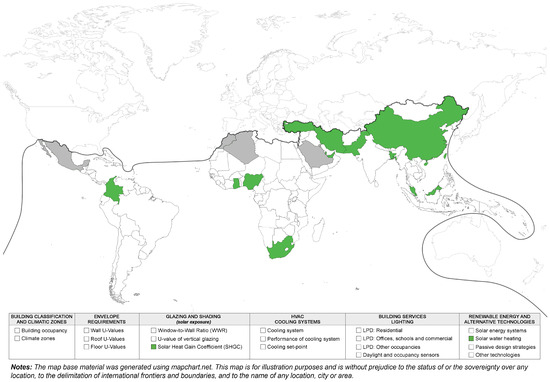
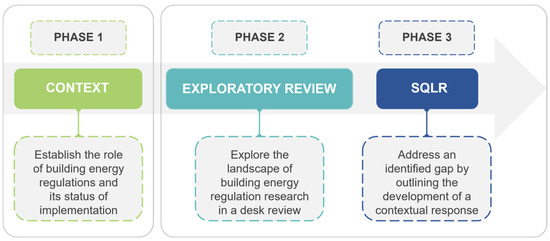
International research and policy frameworks underscore the value of mandatory energy regulations in reducing energy demand and greenhouse gas (GHG) emissions in the built environment. However, Global South (GS) countries experience several challenges in effectively implementing building energy efficiency codes (BEECs), as codes are either absent, unevenly adopted or inconsistently enforced. A poor alignment with the specific climatic, socio-economic and construction realities further limits the potential of BEECs to support GS climate resilience. This research aims to identify opportunities to enhance building energy regulatory practices by exploring recent progress in the field. It also systematically evaluates existing mandatory BEECs in the GS to identify models and principles that could guide the development of more effective codes, specifically for GS countries without BEECs. It is hypothesised that the mandatory BEECs currently implemented in GS countries can be analysed using contextually relevant criteria to reveal common regulatory patterns, strengths, and shortcomings, thereby informing a climate-responsive framework suited to GS realities. This research implemented a two-tiered literature review. After determining the broad regulatory context, an exploratory review of the current state of the art in BEEC research was conducted. These publications (primarily 2016–2025) were obtained via a systematic query in Scopus. Following the exploratory review, this study performed a Systematic Quantitative Literature Review (SQLR) to assess mandatory BEECs from 18 GS countries. The findings reveal that BEECs are useful for delivering energy-efficient buildings in the real world. However, ample opportunities exist to improve their comprehensiveness in context and coverage. Improving regulatory implementation systems and structures, along with robust stakeholder engagement, can support better BEEC design and enforcement. To address the need for contextualised BEECs, the SQLR helped develop a taxonomy by comparing the mandatory codes. This research also introduces the Sustainable Level Indicator Model, Matrix, and Map (SLIM3) prototype, proposed as a decision-support tool, and hosted on an interactive online platform, thereby potentially contributing to real-world building energy regulatory practices. The SLIM3 tool organises the mandatory BEECs into a coherent, accessible framework that could assist GS decision-makers in benchmarking existing and new codes, identifying gaps and prioritising contextually appropriate improvements, thus contributing to a more resource-efficient built environment.
Full article
(This article belongs to the Section Engineering)
►▼
Show Figures

Figure 1
Open AccessEntry
Ethno Sense in Culturally Responsive Pedagogy
by
Rully Charitas Indra Prahmana, Wahyu Hidayat, Nur Robiah Nofikusumawati Peni and Irwan Akib
Encyclopedia 2026, 6(5), 106; https://doi.org/10.3390/encyclopedia6050106 - 12 May 2026
Definition
Ethno Sense is defined as a culturally mediated cognitive–perceptual capacity through which individuals discern, select, and interpret mathematically salient structures in socially situated practices. The increasing recognition of mathematics as a culturally situated practice has prompted growing interest in integrating cultural contexts into
[...] Read more.
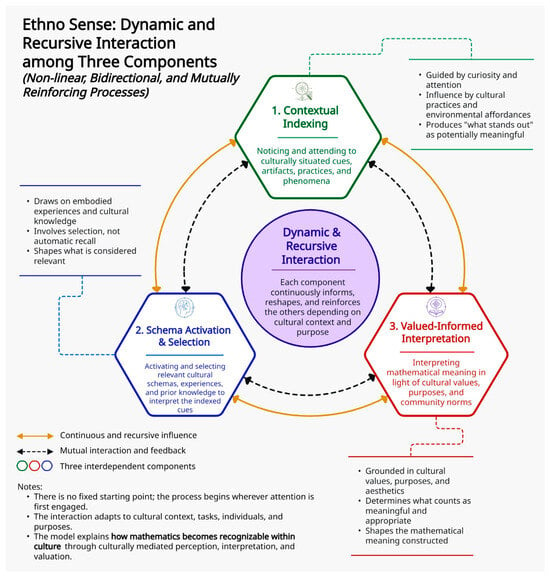
Ethno Sense is defined as a culturally mediated cognitive–perceptual capacity through which individuals discern, select, and interpret mathematically salient structures in socially situated practices. The increasing recognition of mathematics as a culturally situated practice has prompted growing interest in integrating cultural contexts into mathematics education. Approaches such as ethnomathematics and Realistic Mathematics Education emphasize the importance of culture and meaningful contexts; however, a critical gap remains in explaining how individuals perceive and recognize mathematical structures within culturally embedded experiences. This entry addresses this gap by introducing Ethno Sense as a novel conceptual construct. Conceptualized as a pre-formal layer of mathematical cognition, it explains how culturally conditioned perception, interpretive schemas, and value systems shape the recognition of mathematical meaning prior to formalization. It proposes a mechanism comprising contextual indexing, schema activation and selection, and value-informed interpretation. These processes operate dynamically to guide engagement with culturally meaningful phenomena and the identification of mathematical relevance. The entry further positions Ethno Sense as an epistemological foundation for Ethno-Realistic Mathematics Education, supporting authentic context selection and progressive mathematization. By foregrounding culturally mediated perception, it shifts attention from problem solving to recognizing situations as mathematically meaningful. This study contributes a unifying theoretical construct linking cultural experience and mathematical cognition, and outlines implications for practice and future research on culturally situated learning. Ultimately it offers a lens for understanding reciprocal relationships between culture and mathematics across educational contexts.
Full article
(This article belongs to the Section Social Sciences)
►▼
Show Figures

Figure 1
Open AccessEntry
Gentrification
by
Matthias Bernt
Encyclopedia 2026, 6(5), 105; https://doi.org/10.3390/encyclopedia6050105 - 11 May 2026
Definition
Gentrification refers to a transformation in the composition of land users whereby in-coming users possess a higher socio-economic status than those they replace, accompanied by reinvestment in the built environment and the physical transformation of urban space. Displacement is an essential part of
[...] Read more.
Gentrification refers to a transformation in the composition of land users whereby in-coming users possess a higher socio-economic status than those they replace, accompanied by reinvestment in the built environment and the physical transformation of urban space. Displacement is an essential part of this process. Gentrification has become one of the central analytical concepts in urban studies. Gentrification has become one of the central analytical concepts in urban studies enabling the analysis of socio-spatial restructuring processes in cities and has been applied to a broad range of geographical settings and historical conditions. Originally coined in the context of post-war London, the concept has since traveled widely and has been applied to a broad range of geographical settings and historical conditions. This entry provides a comprehensive overview of the evolution of the concept, its principal theoretical interpretations, and its empirical applications. It reviews the major strands of explanation—demand-side, supply-side, and institutionalist approaches—and situates them within broader debates in urban theory. Particular attention is devoted to the relationship between gentrification and displacement, including both classical conceptualizations and recent efforts to capture its more diffuse and subjective dimensions. The entry concludes by arguing that while gentrification remains a key concept for analyzing urban change, it must be continuously reworked in light of emerging dynamics such as financialization, digitalization, and trans-local housing practices. It calls for more systematic and genuinely comparative research in order to better understand the evolving geographies of gentrification.
Full article
(This article belongs to the Section Social Sciences)
Open AccessEntry
Earthquake Resilience in Japanese Cities: Reactive and Proactive Approaches
by
Cecilia Ceccarelli, Vincent Monti, Ilaria Giambartolomei and Francesco Branda
Encyclopedia 2026, 6(5), 104; https://doi.org/10.3390/encyclopedia6050104 - 6 May 2026
Definition
Urban resilience to earthquakes refers to the capacity of cities to anticipate, absorb, and adapt to seismic shocks through a combination of structural, institutional, and social mechanisms. In the context of Japan, one of the world’s most seismically active countries, this concept has
[...] Read more.
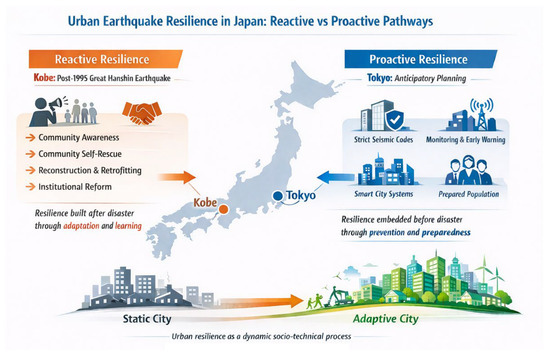
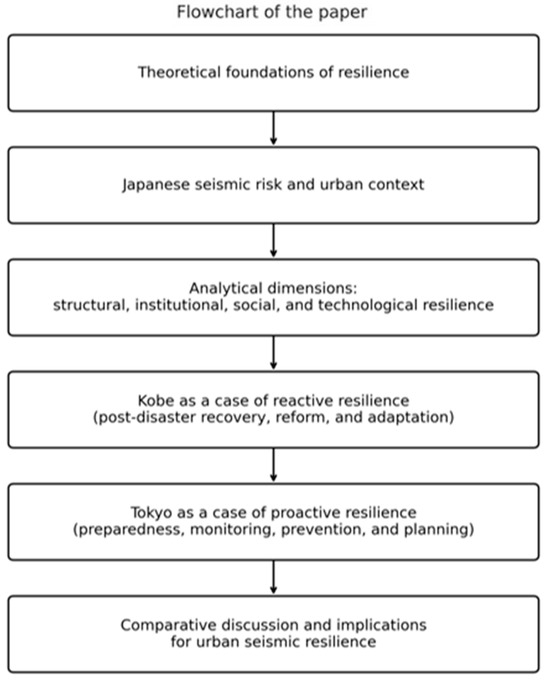
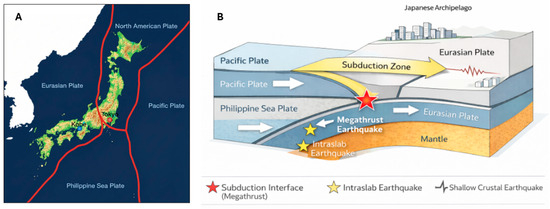
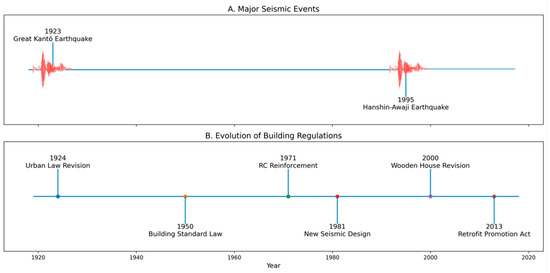
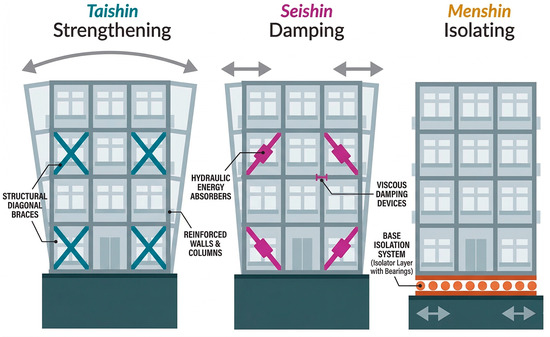
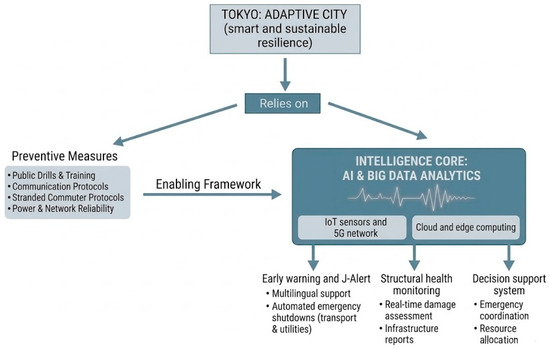
Urban resilience to earthquakes refers to the capacity of cities to anticipate, absorb, and adapt to seismic shocks through a combination of structural, institutional, and social mechanisms. In the context of Japan, one of the world’s most seismically active countries, this concept has evolved through both post-disaster learning and anticipatory planning. This entry examines two complementary trajectories of urban resilience in Japanese cities: reactive resilience, which develops through adaptation after a destructive event, and proactive resilience, which is embedded in preventive policies and preparedness strategies before a shock occurs. The city of Kobe, following the 1995 Great Hanshin Earthquake, exemplifies a reactive trajectory shaped by institutional reform, community mobilization, and regulatory change. In contrast, Tokyo represents a proactive resilience model based on stringent seismic standards, advanced monitoring and early warning systems, and a widespread culture of disaster preparedness. By comparing these trajectories, the entry outlines a conceptual framework for understanding urban seismic resilience as a dynamic process that integrates social adaptation, governance, and technological innovation.
Full article
(This article belongs to the Section Social Sciences)
►▼
Show Figures

Graphical abstract
Open AccessEntry
Real-Time Digitalisation: The Future of Post-Occupancy Evaluation in Buildings
by
Eziaku Onyeizu Rasheed
Encyclopedia 2026, 6(5), 103; https://doi.org/10.3390/encyclopedia6050103 - 6 May 2026
Definition
Real-time digitalisation refers to the continuous collection, integration, and analysis of operational building data, enabled by the integration of digital technologies into building management platforms. It is an advanced extension of building post-occupancy evaluation (POE) that transforms it from a static, retrospective evaluation
[...] Read more.
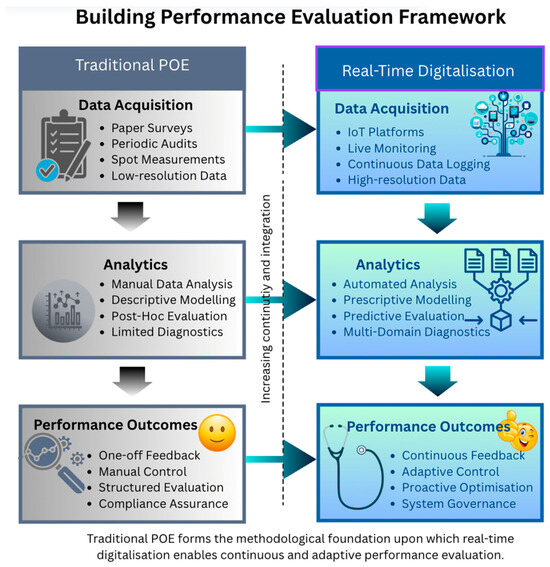
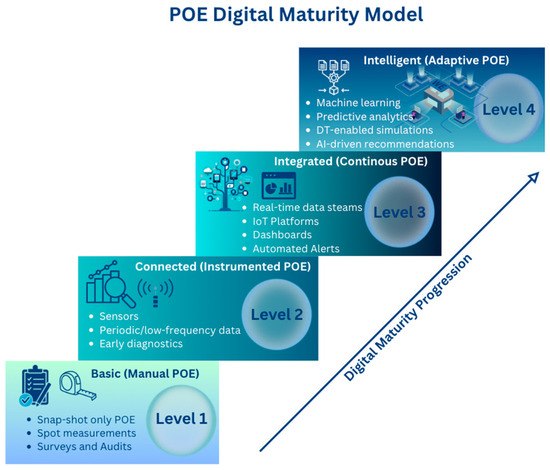
Real-time digitalisation refers to the continuous collection, integration, and analysis of operational building data, enabled by the integration of digital technologies into building management platforms. It is an advanced extension of building post-occupancy evaluation (POE) that transforms it from a static, retrospective evaluation process into a dynamic, data-driven methodology. In this entry, real-time digitalisation is discussed in relation to its role within the POE framework. The discussion includes a review of its evolution from early automation systems to contemporary cyber-physical infrastructures, supported by advanced analytics and machine learning. In addition, its dual benefits are highlighted as both a measurement tool and a decision-support system. Prevalent implementation complexities that limit its practicality in the building industry are also discussed. Real-time digitalisation is unlikely to replace conventional POE; instead, it broadens its capabilities, reconfiguring the process into a continuous, evidence-based building performance management process. The future relevance of real-time digitalisation to POE depends on its ability to become less technology-focused and more human-centric. Its infrastructure needs to align with occupant-subjective metrics, become more affordable, and increase its capacity to translate data into practical building management actions. As buildings become increasingly socio-technical systems, real-time digitalisation is emerging as a core methodological component of mainstream POE, with its importance spanning the entire lifecycle of buildings.
Full article
(This article belongs to the Section Engineering)
►▼
Show Figures

Figure 1
Open AccessEntry
Cognitive Load Theory-Informed Curriculum Design in Health Sciences Education
by
Kritika Rana, Stewart Alford, Amber Moore and Ritesh Chimoriya
Encyclopedia 2026, 6(5), 102; https://doi.org/10.3390/encyclopedia6050102 - 2 May 2026
Definition
Cognitive load theory-informed curriculum design in health sciences education refers to the purposeful organisation of teaching strategies and learning materials based on the principles of Cognitive Load Theory (CLT), a framework developed by John Sweller in the late 1980s. CLT is grounded in
[...] Read more.
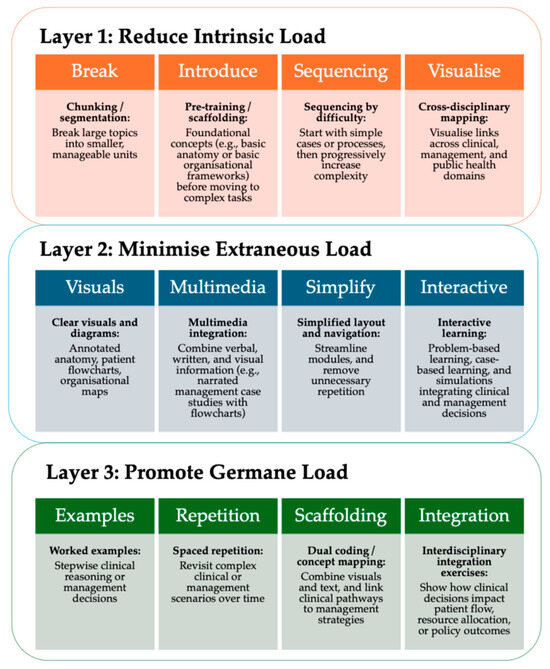
Cognitive load theory-informed curriculum design in health sciences education refers to the purposeful organisation of teaching strategies and learning materials based on the principles of Cognitive Load Theory (CLT), a framework developed by John Sweller in the late 1980s. CLT is grounded in cognitive psychology and recognises that the working memory has a limited capacity for processing new information. It identifies three types of cognitive load: intrinsic load, which refers to the inherent complexity of the material being learned; extraneous load, which results from ineffective instructional design or irrelevant information; and germane load, which reflects the mental effort directed toward understanding, integrating, and organising information into long-term memory. In health sciences education, students frequently engage with tasks that require the simultaneous processing of multiple interacting elements, placing high demands on working memory at specific points in time. This includes foundational biomedical sciences such as anatomy, physiology, and pathophysiology extending to applied clinical skills, diagnostic reasoning under uncertainty, health service management within complex systems, and ethically grounded decision-making. Without thoughtful instructional design, learners may be overwhelmed by excessive information and cognitive demands, which can hinder understanding, retention, and performance. Applying CLT-informed strategies, educators can reduce unnecessary cognitive burden, sequence learning activities to align with learners’ cognitive capacity, and promote deeper learning. This approach supports more effective knowledge acquisition and transfer and is particularly valuable in content dense academic environments such as medicine, nursing, allied health education, public health and health service management education. Therefore, integrating CLT-informed principles into curriculum design can help optimise learning experiences and support the development of competent health professionals.
Full article
(This article belongs to the Section Social Sciences)
►▼
Show Figures

Figure 1
Open AccessEntry
Techno-Mathematical Fluency
by
Hélia Jacinto and Susana Carreira
Encyclopedia 2026, 6(5), 101; https://doi.org/10.3390/encyclopedia6050101 - 1 May 2026
Definition
Techno-mathematical fluency (TmF) is the ability to coordinate mathematical knowledge with technological means—digital and non-digital—to solve mathematical problems and express solutions, by recognising affordances, selecting appropriate tools and data, and integrating them with mathematical ideas in iterative cycles of exploration and integration. It
[...] Read more.
Techno-mathematical fluency (TmF) is the ability to coordinate mathematical knowledge with technological means—digital and non-digital—to solve mathematical problems and express solutions, by recognising affordances, selecting appropriate tools and data, and integrating them with mathematical ideas in iterative cycles of exploration and integration. It goes beyond instrumental tool use to encompass reasoning, modelling, representation, and communication mediated by technologies, and functions as a form of expertise important for both students’ learning and teachers’ professional practice.
Full article
(This article belongs to the Collection Encyclopedia of Social Sciences)
Open AccessEntry
Transgenerationality in Nursing Care: Implications for Person-Centered Practice and Hospital-to-Home Transitions
by
António Almeida, João Tomás, André Maravilha, Luís Sousa and Patrícia Pontífice-Sousa
Encyclopedia 2026, 6(5), 100; https://doi.org/10.3390/encyclopedia6050100 - 1 May 2026
Definition
Transgenerationality refers to the psychological and behavioral elements transmitted across generations. It is intrinsically linked to unelaborated content—such as trauma, grief, secrets, conflicts, and shame—operating through implicit and partially unconscious pathways that manifest in individual behavior. In the context of nursing, transgenerationality explores
[...] Read more.
Transgenerationality refers to the psychological and behavioral elements transmitted across generations. It is intrinsically linked to unelaborated content—such as trauma, grief, secrets, conflicts, and shame—operating through implicit and partially unconscious pathways that manifest in individual behavior. In the context of nursing, transgenerationality explores how nursing care is influenced by these dynamics and how the concept can be utilized to achieve superior health-related outcomes, such as facilitating more effective healthcare transitions. Specifically, it examines how experiences, vulnerabilities, resilience factors, and health-related patterns transmitted across generations affect overall health. As a humanistic profession rooted in person-centered care, nursing must remain cognizant of the impact of this concept on healthcare. This is particularly relevant in clinical settings where nurses are pivotal practitioners, such as mental health, health literacy, chronic disease management, and healthcare transitions. Healthcare transitions represent critical periods in a person’s life, and nurses are present across all contexts to facilitate these shifts. A primary example is the transition from hospital to home, which illustrates the importance of understanding transgenerationality within the roles of both patients and caregivers. Understanding how this concept impacts healthcare allows for the perception of transition as a holistic process. Awareness of these transgenerational operations leads to more personalized care, fostering healthier and more seamless healthcare transitions. The general purpose of this paper is to define and operationalize the concept of transgenerationality within nursing care, emphasizing its critical role in achieving better health outcomes, particularly during hospital-to-home transitions.
Full article
(This article belongs to the Section Medicine & Pharmacology)
Open AccessReview
Dimensions of Teacher Professional Identity: A Scoping Review
by
Esra Çakar Özkan
Encyclopedia 2026, 6(5), 99; https://doi.org/10.3390/encyclopedia6050099 (registering DOI) - 30 Apr 2026
Abstract
The rapid institutional and technological transformations of the 2020–2025 period have had a significant impact on teacher professional identity. Drawing on Rosa’s social acceleration thesis and Harvey’s concept of time–space compression, this scoping review examined the dimensions of professional identity emerging in the
[...] Read more.
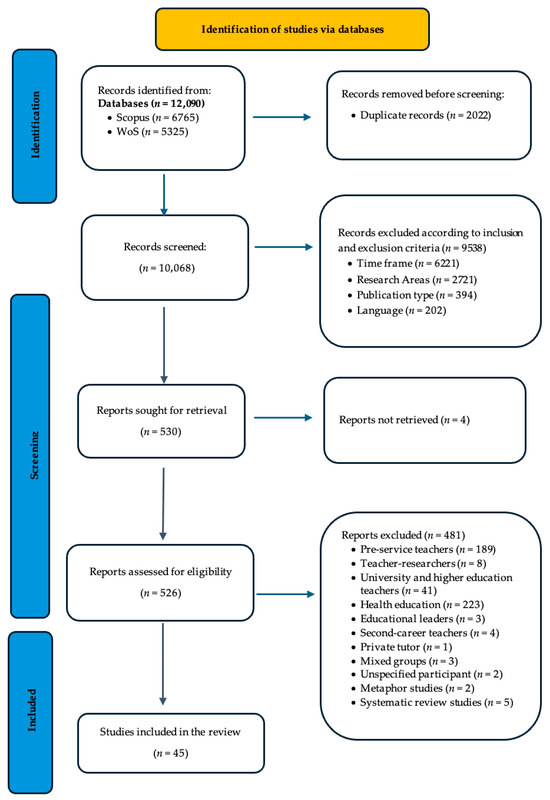
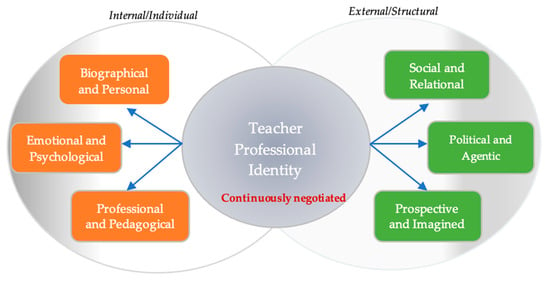
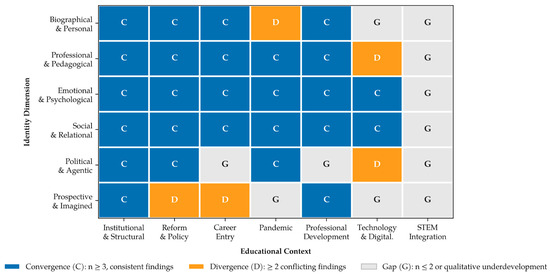
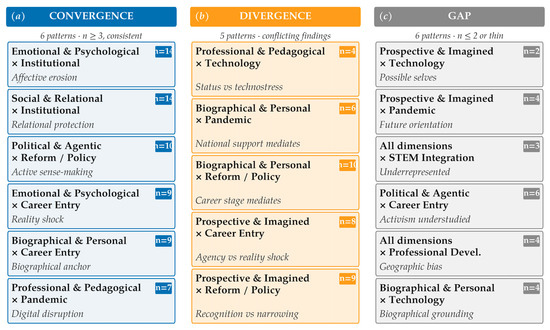
The rapid institutional and technological transformations of the 2020–2025 period have had a significant impact on teacher professional identity. Drawing on Rosa’s social acceleration thesis and Harvey’s concept of time–space compression, this scoping review examined the dimensions of professional identity emerging in the literature published between 2020 and 2025 among in-service pre-kindergarten through 12th grade (PK-12) teachers, the educational contexts in which these dimensions were addressed, and how they interrelate. Following the PRISMA-ScR guidelines, 45 peer-reviewed articles retrieved from the Scopus and Web of Science databases were analyzed through inductive thematic coding and a dimension–context interaction matrix. Six analytically distinct yet interrelated identity dimensions were identified: Biographical and Personal, Professional and Pedagogical, Emotional and Psychological, Social and Relational, Political and Agentic, and Prospective and Imagined. These dimensions were organized within a dialogical space model distinguishing internal/individual and external/structural domains. The Emotional and Psychological dimension achieved near-universal representation, while the Prospective and Imagined dimension remained the least studied. Six convergence, five divergence, and six gap patterns were identified across seven educational contexts. The findings reveal that, in this period, teacher professional identity is not a fixed attribute carried by the individual but rather a dynamic process continuously negotiated under structural pressures.
Full article
(This article belongs to the Collection Encyclopedia of Social Sciences)
►▼
Show Figures

Figure 1
Open AccessReview
Artificial Intelligence, Sustainability, and the Development of Mathematical Thinking: A Theory-Grounded Scoping Review
by
Georgios Polydoros, Ilias Vasileiou, Zoe Krokou and Alexandros-Stamatios Antoniou
Encyclopedia 2026, 6(5), 98; https://doi.org/10.3390/encyclopedia6050098 (registering DOI) - 30 Apr 2026
Abstract
Artificial intelligence (AI) tools are increasingly integrated into mathematics education, yet most reviews emphasize achievement rather than how AI shapes mathematical thinking. This scoping review mapped literature published between 2020 and 2026 on AI-supported mathematics learning through three cognition frameworks: APOS (Action–Process–Object–Schema), Sfard’s
[...] Read more.
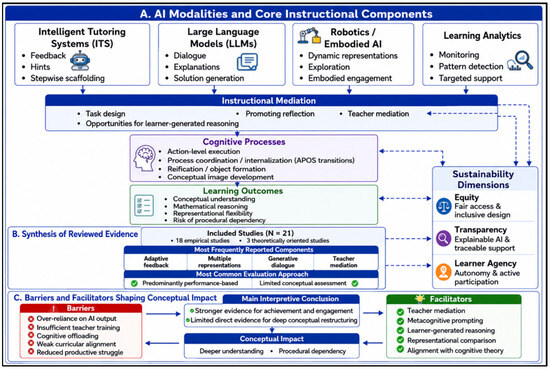
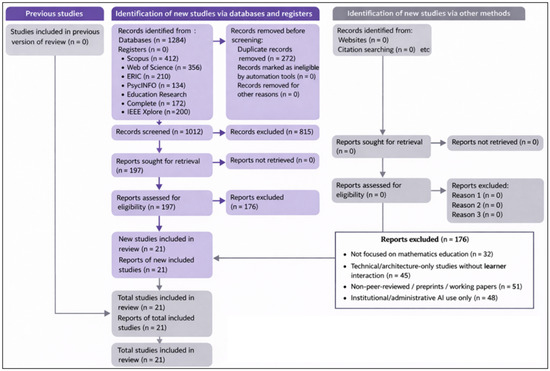
Artificial intelligence (AI) tools are increasingly integrated into mathematics education, yet most reviews emphasize achievement rather than how AI shapes mathematical thinking. This scoping review mapped literature published between 2020 and 2026 on AI-supported mathematics learning through three cognition frameworks: APOS (Action–Process–Object–Schema), Sfard’s process–object duality and reification, and Conceptual Image theory. Searches were conducted in Scopus, Web of Science, ERIC, PsycINFO, Education Source, and IEEE Xplore, followed by duplicate removal and Preferred Reporting Items for Systematic Reviews and Meta-Analyses Extension for Scoping Reviews (PRISMA-ScR)-aligned screening. Twenty-one peer-reviewed studies met inclusion criteria (18 empirical studies plus three theoretically oriented studies). Evidence growth accelerated after 2022, with most studies situated in secondary and higher education. Large language models (LLMs) and Intelligent Tutoring Systems (ITS) were the most frequently investigated modalities. Across studies, AI commonly supported theoretically inferred action-level execution and procedural management (APOS) via adaptive feedback, hinting, and stepwise scaffolding, and it often broadened learners’ conceptual images through multiple representations and generated explanations. However, these interpretations were necessarily cautious, because very few studies directly operationalized theory-linked conceptual mechanisms such as process internalization, object encapsulation, reification, or alignment between conceptual images and formal definitions. In LLM-supported contexts, gains in explanation quality coexisted with risks of procedural outsourcing when students relied on generated solutions without prior reasoning. By contrast, ITS-based environments more often supported tightly structured procedural engagement, suggesting that different AI modalities afford different forms of cognitive support and risk. Overall, AI’s conceptual impact appears to depend less on tool availability and more on instructional orchestration (task design, prompting, and teacher mediation). The findings also suggest that sustainability-related dimensions—particularly learner agency, transparency of AI support, and equitable participation—are closely connected to whether AI use promotes durable conceptual learning rather than superficial performance gains. Future research should operationalize cognitive transitions, assess structural understanding, and report AI-use conditions transparently to support cumulative, theory-driven synthesis.
Full article
(This article belongs to the Section Social Sciences)
►▼
Show Figures

Figure 1
Open AccessEntry
Raphiel Eristavi’s Writings About Ottoman Georgia
by
Tea Meshvelishvili, Salih Uçak and Meryem Gürbüz
Encyclopedia 2026, 6(5), 97; https://doi.org/10.3390/encyclopedia6050097 - 30 Apr 2026
Definition
Raphiel Eristavi’s [Kakheti, 1824–Telavi, 1901] archival legacy constitutes a unique, underexplored corpus for examining the sociopolitical and cultural processes shaping 19th-century Georgia’s national identity. These archival documents contain his writings as a publicist, his ethnographic and geographical notes, literary texts, and private correspondence,
[...] Read more.
Raphiel Eristavi’s [Kakheti, 1824–Telavi, 1901] archival legacy constitutes a unique, underexplored corpus for examining the sociopolitical and cultural processes shaping 19th-century Georgia’s national identity. These archival documents contain his writings as a publicist, his ethnographic and geographical notes, literary texts, and private correspondence, shedding light on the intellectual and cultural dynamics of the period, particularly about reintegrating Muslim Georgian communities into the national space. Eristavi’s contributions to periodicals reflect his publicist activities, illustrating the press’s formative role in shaping public opinion, consolidating cultural identity, and fostering national awareness. His writings articulate his conviction that language, culture, tradition, and shared historical memory function as the primary instruments for reconnecting estranged territories with Georgia’s historical continuum. This entry analyzes Eristavi’s role as an intellectual and cultural mediator in integrating Muslim Georgian populations (i.e., Tao-Klarjeti and Samtskhe) into broader national frameworks, particularly in his writings on the Crimean War and Russo-Turkish War of 1877–1878, as well as how he engaged with questions about ethnic identity, territorial cohesion, and cultural memory. By situating Eristavi’s archive within the wider efforts of the Georgian intelligentsia, this study seeks to highlight his contribution to preserving language, promoting education, and reaffirming historical unity as essential components of national and state consciousness.
Full article
(This article belongs to the Section Arts & Humanities)
Highly Accessed Articles
Latest Books
E-Mail Alert
News
Topics
Topic in
Atmosphere, Earth, Encyclopedia, Entropy, Fractal Fract, MAKE, Meteorology
Revisiting Butterfly Effect, Multiscale Dynamics, and Predictability Using Ai-Enhanced Modeling Framework (AEMF) and Chaos Theory
Topic Editors: Bo-Wen Shen, Roger A. Pielke Sr., Xubin ZengDeadline: 31 July 2026
Topic in
Electronics, Sensors, Micromachines, JLPEA, Semiconductors and Heterogeneous Integration, Chips, Hardware, Encyclopedia
Edge AI: From Intelligent Sensing to AI-Dedicated Hardware
Topic Editors: Laura Falaschetti, Giorgio BiagettiDeadline: 31 December 2026
Topic in
Energies, Materials, Sustainability, Applied Sciences, Processes, C, Encyclopedia
Advances in Sustainable Materials and Products, 2nd Edition
Topic Editors: Andrzej Pacana, Dominika SiwiecDeadline: 15 February 2027
Topic in
Data, Encyclopedia, Publications, Systems
Applications of Open Data in Different Disciplines
Topic Editors: Fábio Duarte, Letícia Peret Antunes HardtDeadline: 31 March 2027
Special Issues
Topical Collections
Topical Collection in
Encyclopedia
Encyclopedia of Entrepreneurship in the Digital Era
Collection Editors: Andreas Masouras, Georgios Deirmentzoglou, Sotiris Apostolopoulos
Topical Collection in
Encyclopedia
Applications of Biomaterials in Medicine
Collection Editors: Maria Pia Ferraz, Susana R. Sousa
Topical Collection in
Encyclopedia
Encyclopedia of One Health
Collection Editors: Thomas Wilkes, Milva Pepi
Topical Collection in
Encyclopedia
Science Education Research and Practice
Collection Editors: Abdeljalil Métioui, Konstantinos Ravanis