Journal Description
Economies
Economies
is an international, peer-reviewed, open access journal on development economics and macroeconomics, published monthly online by MDPI.
- Open Access— free for readers, with article processing charges (APC) paid by authors or their institutions.
- High Visibility: indexed within Scopus, ESCI (Web of Science), EconLit, EconBiz, RePEc, and other databases.
- Journal Rank: JCR - Q2 (Economics) / CiteScore - Q1 (Economics, Econometrics and Finance (miscellaneous))
- Rapid Publication: manuscripts are peer-reviewed and a first decision is provided to authors approximately 22 days after submission; acceptance to publication is undertaken in 5.7 days (median values for papers published in this journal in the first half of 2025).
- Recognition of Reviewers: reviewers who provide timely, thorough peer-review reports receive vouchers entitling them to a discount on the APC of their next publication in any MDPI journal, in appreciation of the work done.
Impact Factor:
2.1 (2024);
5-Year Impact Factor:
2.3 (2024)
Latest Articles
Indigenous Entrepreneurship and Income Gaps: Evidence from Mexico 2024
Economies 2026, 14(1), 3; https://doi.org/10.3390/economies14010003 - 23 Dec 2025
Abstract
Communities that have been structurally and historically marginalized continue to face barriers rooted in practices of exclusion and segregation. These structural constraints often persist within the entrepreneurial sphere, limiting opportunities for Indigenous entrepreneurs to establish and consolidate their businesses. This study examines the
[...] Read more.
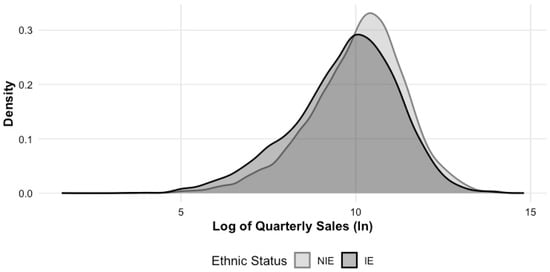
Communities that have been structurally and historically marginalized continue to face barriers rooted in practices of exclusion and segregation. These structural constraints often persist within the entrepreneurial sphere, limiting opportunities for Indigenous entrepreneurs to establish and consolidate their businesses. This study examines the sales gap between Indigenous entrepreneurs (IEs) and non-Indigenous entrepreneurs (NIEs) in Mexico. The analysis employs a dual methodological approach based on Oaxaca–Blinder (OB) mean decompositions and recentered influence function (RIF) regressions applied across income deciles. Findings reveal a persistent and significant sales disparity: on average, Indigenous entrepreneurs sell 42.5% less than their non-Indigenous counterparts. Approximately 18% of this difference is explained by observable characteristics such as education and experience, 20.8% by differences in returns to these characteristics, and 5.8% by interaction effects. By distinguishing between gaps driven by endowment differentials and those arising from differential returns, the study highlights the potential role of structural or discriminatory mechanisms underpinning Indigenous disadvantage in the Mexican entrepreneurial ecosystem.
Full article
(This article belongs to the Section Labour and Education)
►
Show Figures
Open AccessArticle
Determinants of South Africa’s Wine Exports to Selected East African Markets
by
Mapula Hildah Lefophane, Mositli Lovedelia Mabote and Abenet Belete
Economies 2026, 14(1), 2; https://doi.org/10.3390/economies14010002 - 21 Dec 2025
Abstract
South Africa’s wine industry has traditionally concentrated on developed nations as its principal export markets. In recent years, regional markets within East Africa have emerged as promising areas for growth. However, these markets have not been examined, with existing research predominantly centred on
[...] Read more.
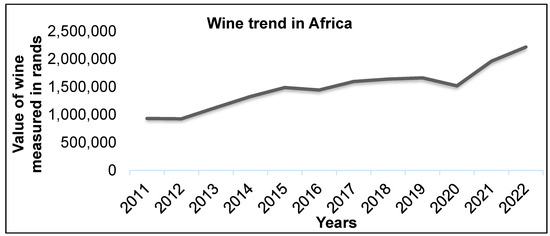
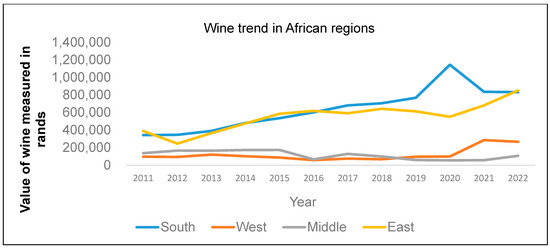
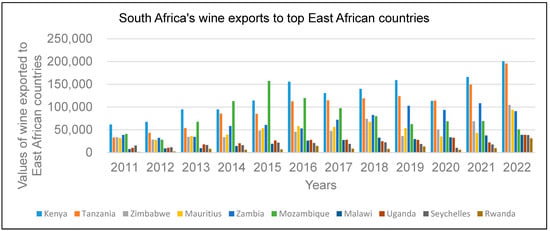
South Africa’s wine industry has traditionally concentrated on developed nations as its principal export markets. In recent years, regional markets within East Africa have emerged as promising areas for growth. However, these markets have not been examined, with existing research predominantly centred on the export of unprocessed agricultural commodities. This study investigates the factors influencing South Africa’s wine exports to Kenya, Tanzania, and Mauritius, considering wine as a final, value-added agricultural product. A trend analysis was conducted to examine export performance from 2010 to 2022, and an augmented gravity model was employed to identify key factors. The results show a steady increase in wine exports to these markets, with strong demand in Kenya and Tanzania. The gravity model demonstrates that higher production capacity in South Africa, larger populations in the importing countries, advantageous import duty structures, and a depreciated exchange rate positively influence exports, whereas high inflation rates significantly constrain export volumes. Consequently, strategies focused on increasing production, maintaining favourable trade conditions, and leveraging market opportunities could enhance export performance. Additionally, mitigating the effects of inflation through strategic pricing policies and industry collaboration could further strengthen South Africa’s wine export position within East African markets.
Full article
(This article belongs to the Section International, Regional, and Transportation Economics)
►▼
Show Figures

Figure 1

Open AccessArticle
When Does Skilled Labor Affect the Growth of Secondary Sector Value Added in Emerging Markets?
by
Dachen Sheng and Heather A. Montgomery
Economies 2026, 14(1), 1; https://doi.org/10.3390/economies14010001 - 19 Dec 2025
Abstract
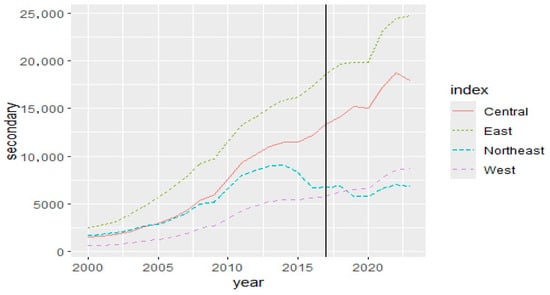
This study investigates how skilled labor influences the development of the secondary sector in emerging economies, using China as a case study. We focus on the transitional process in which manufacturing growth shifts from labor-intensive expansion toward productivity-driven industrial upgrading. Using provincial-level data
[...] Read more.
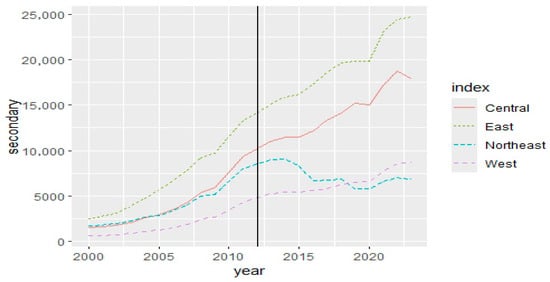
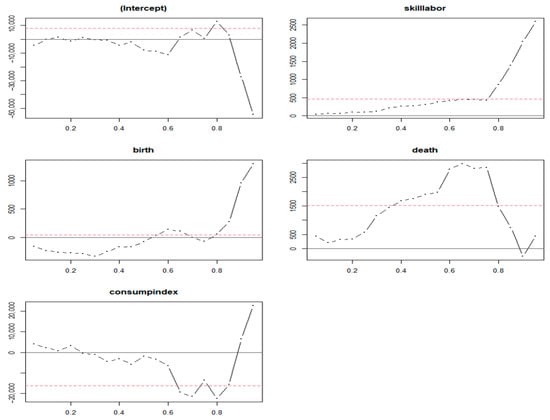
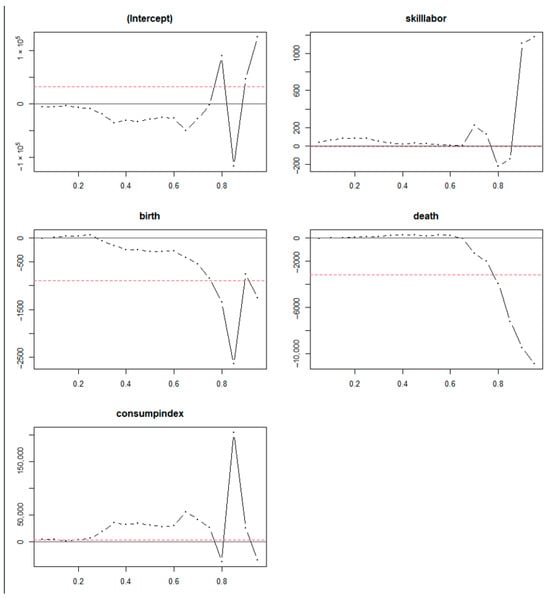
This study investigates how skilled labor influences the development of the secondary sector in emerging economies, using China as a case study. We focus on the transitional process in which manufacturing growth shifts from labor-intensive expansion toward productivity-driven industrial upgrading. Using provincial-level data from 2000 to 2023, we evaluate the role of skilled labor across different stages of development by applying fixed-effects panel regressions, a difference-in-differences framework, and multiple robustness checks. Our findings reveal that skilled labor does not significantly contribute to secondary sector performance in the early phase, when growth relies primarily on low labor costs and rapid urbanization. However, once regions accumulate sufficient economic capacity and technological readiness, skilled labor becomes an important driver of value added and export performance. Stricter environmental policies further widen regional differences: developed regions benefit from green upgrading supported by skilled workers, while less developed regions face firm exits and weakening industrial output. These results highlight the importance of aligning human capital investments with industrial and environmental policies to promote more balanced and sustainable economic development in emerging markets.
Full article
(This article belongs to the Section Economic Development)
►▼
Show Figures

Figure 1
Open AccessArticle
Explaining Mexico’s Energy–Economy Linkages Under Limited Information: VAR-Based IRF and FEVD Evidence
by
Juan A. Moreno-Hernández, Margarita De la Portilla-Reynoso, Roberto Carlos Moreno-Hernández, Claudia del C. Gutiérrez-Torres, Juan G. Barbosa-Saldaña, Didier Samayoa and José A. Jiménez-Bernal
Economies 2025, 13(12), 370; https://doi.org/10.3390/economies13120370 - 18 Dec 2025
Abstract
This study examines the short- and medium-run linkages within Mexico’s energy–economy system under conditions of limited information. The analysis is motivated by the structural relevance of hydrocarbons for fiscal stability and by the growing need to understand how energy shocks propagate through economic
[...] Read more.
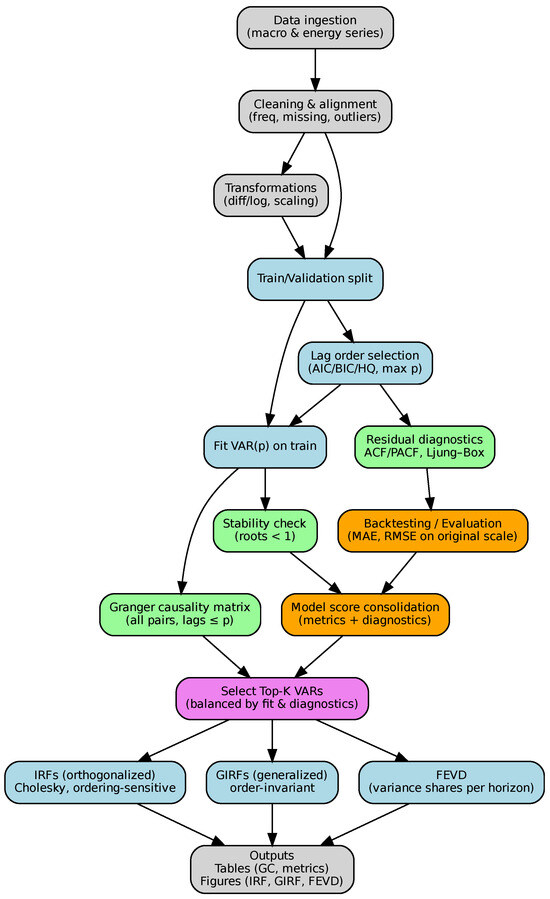
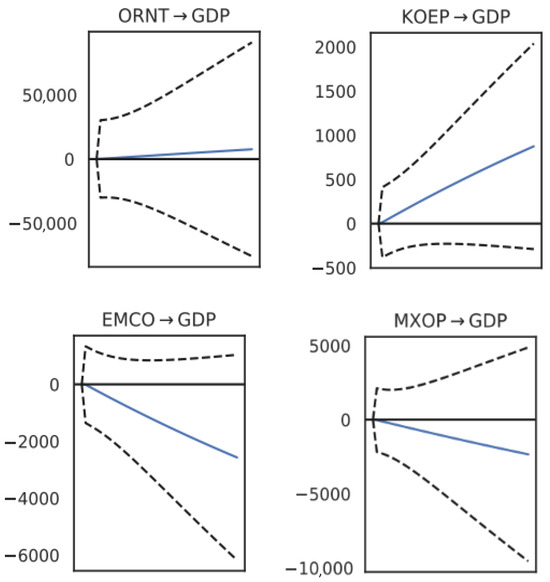
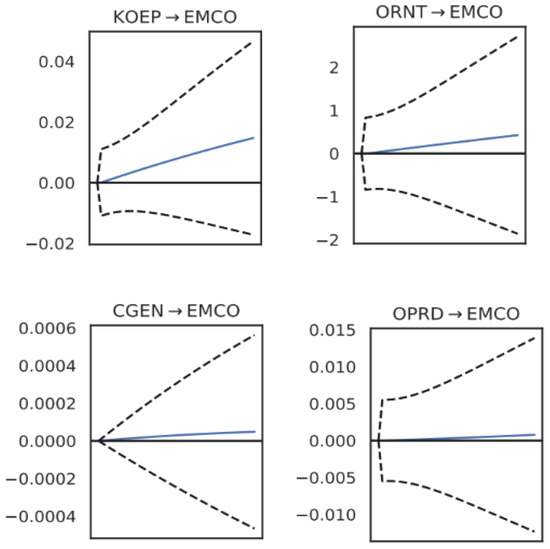
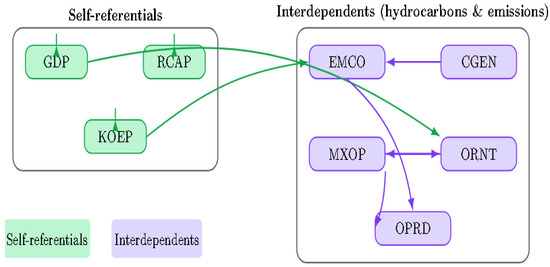
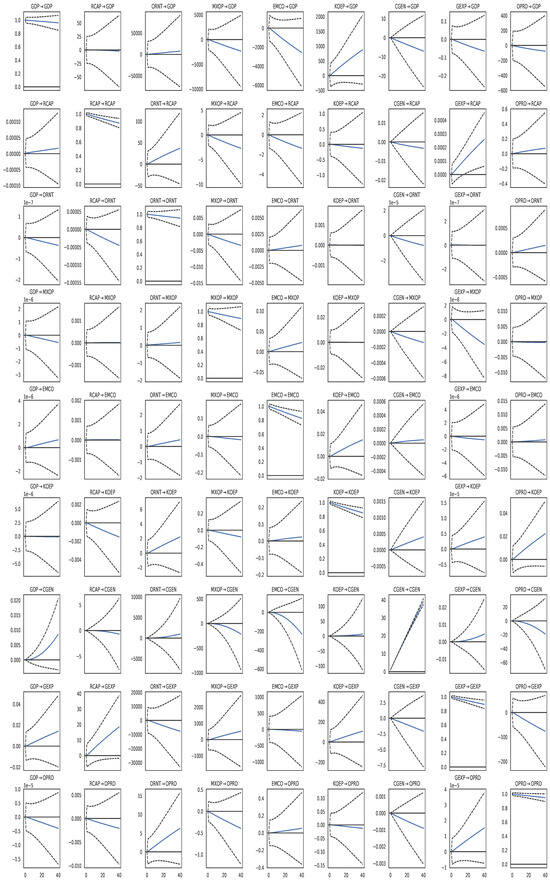
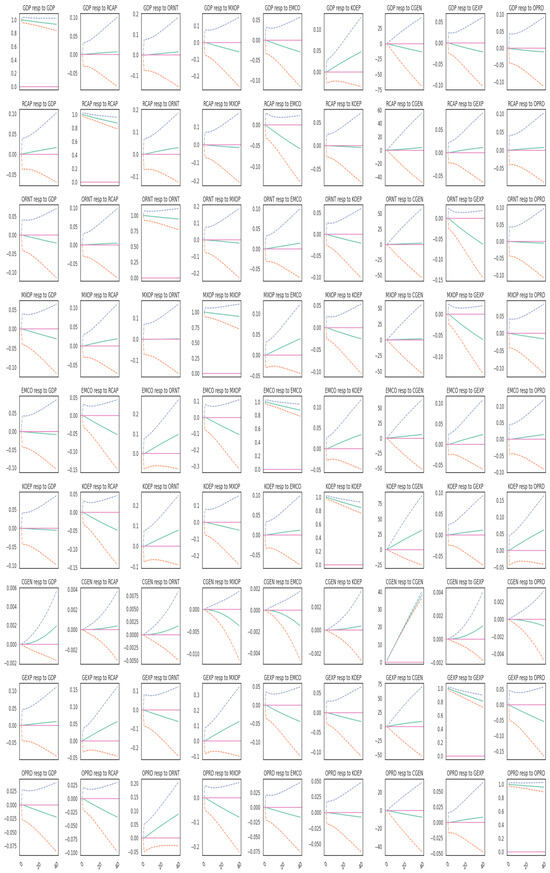
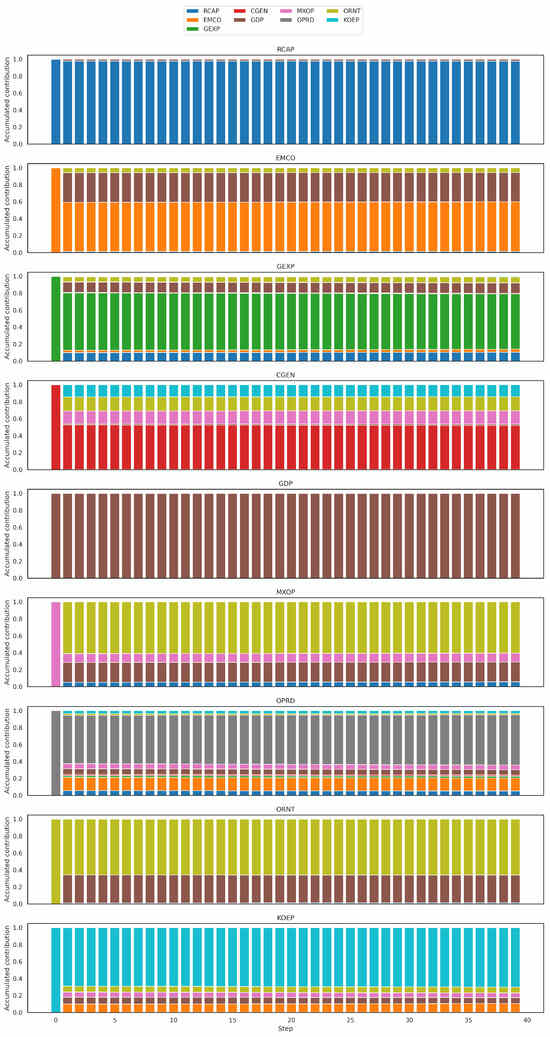
This study examines the short- and medium-run linkages within Mexico’s energy–economy system under conditions of limited information. The analysis is motivated by the structural relevance of hydrocarbons for fiscal stability and by the growing need to understand how energy shocks propagate through economic and environmental subsystems. Using a vector autoregression (VAR) framework, nine interdependent macroeconomic and energy variables are jointly evaluated after harmonizing mixed-frequency data, standardizing series, and ensuring stationarity through ADF and KPSS tests. Dynamic responses are assessed through impulse response functions (IRFs), generalized IRFs (GIRFs), and forecast error variance decomposition (FEVD), complemented by Granger causality tests. Results show that oil rents exert a persistent and positive influence on GDP and public expenditure, while shocks to coal-fired generation and oil prices consistently reduce economic activity and increase emissions. Renewable capacity expands pro-cyclically but displays limited autonomous effects. Overall, the evidence reveals a fiscally and environmentally constrained system dominated by hydrocarbons, underscoring the importance of improving PEMEX’s operational efficiency, accelerating fiscal diversification, and strengthening institutional conditions for renewable investment.
Full article
(This article belongs to the Section Macroeconomics, Monetary Economics, and Financial Markets)
►▼
Show Figures

Figure 1

Open AccessArticle
Exploring the Deep Roots of the Environmental Kuznets Curve (Ekc): Evidence from a Global Sample
by
Sinawo Mbangezeli and Andrew Phiri
Economies 2025, 13(12), 369; https://doi.org/10.3390/economies13120369 - 18 Dec 2025
Abstract
Our paper adopts a deep-roots approach to examining the Environmental Kuznets Curve (EKC) by tracing its origins beyond industrialization and into the dawn of human civilization. We hypothesize that the roots of environmental degradation lie not only in modern-day markets or technology, but
[...] Read more.
Our paper adopts a deep-roots approach to examining the Environmental Kuznets Curve (EKC) by tracing its origins beyond industrialization and into the dawn of human civilization. We hypothesize that the roots of environmental degradation lie not only in modern-day markets or technology, but in the evolutionary arc of societies themselves. Using a two-stage empirical framework applied to a sample of 130 countries, we show that early transitions into agriculture, technology adoption, and human settlement patterns shaped modern growth trajectories, which in turn influence environmental degradation in line with EKC dynamics. Our findings imply that climate change is not merely a policy failure but also a civilizational inheritance, and sustainable futures cannot be engineered solely through contemporary interventions. Therefore, climate policy must evolve from reactive governance to deep-time reengineering to realign humanity’s path with the planet’s limits, not just for today, but for millennia ahead.
Full article
Open AccessArticle
Government Subsidies and Corporate Outcomes: An Empirical Study of a Northern Italian Initiative
by
Alessandro Marrale, Lorenzo Abbate, Alberto Lombardo and Fabrizio Micari
Economies 2025, 13(12), 368; https://doi.org/10.3390/economies13120368 - 16 Dec 2025
Abstract
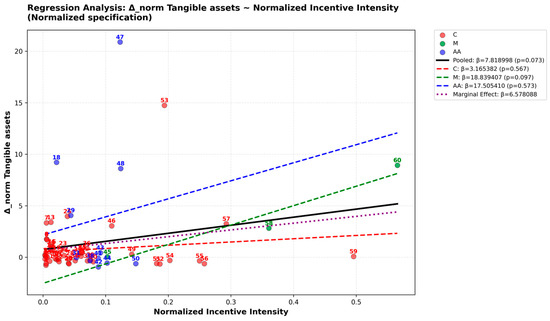
This study investigated the statistical association between public incentives and industrial innovation as reflected in firms’ financial performances. In particular, the analysis was carried out considering a Regional Operational Program, namely, the 2007–2013 ERDF Regional Program in Lombardy, and investigating a dataset of
[...] Read more.
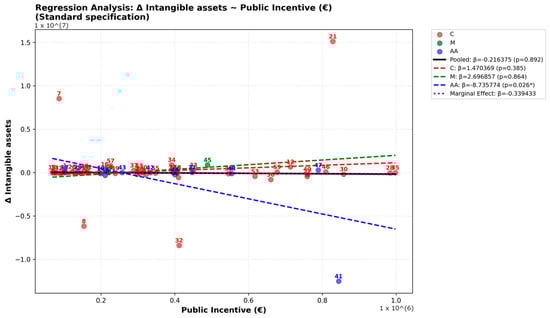
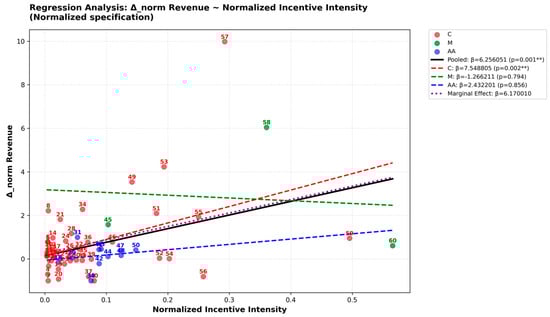
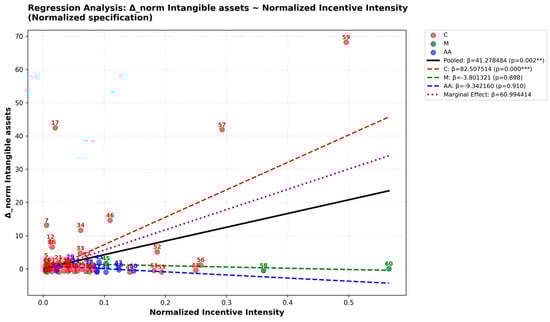
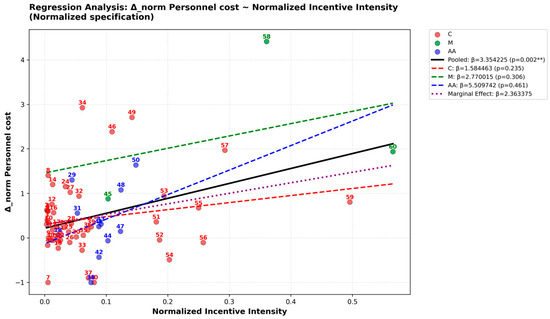
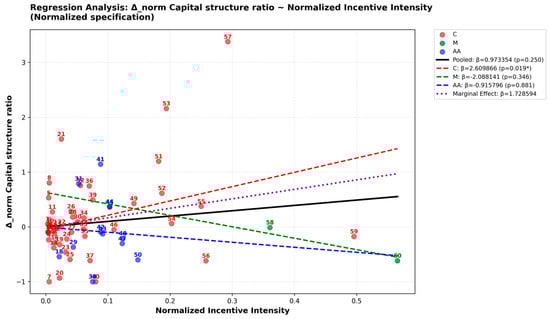
This study investigated the statistical association between public incentives and industrial innovation as reflected in firms’ financial performances. In particular, the analysis was carried out considering a Regional Operational Program, namely, the 2007–2013 ERDF Regional Program in Lombardy, and investigating a dataset of Lombardy-based companies that received support through the mentioned initiative. For each of them, balance sheet variables before and after the acquisition of the incentive and the development of the related innovation project were detected and analyzed by means of both standard and normalized linear regression. Notably, normalized regressions showed that higher subsidy intensity was positively associated with subsequent changes in revenues and intangible assets, especially among manufacturing firms, thereby supporting policies that target sectors with a high innovation capacity. Furthermore, this research underscores the importance of tailoring policy instruments to local and sectoral contexts, recognizing the limitations of one-size-fits-all approaches. In keeping with this exploratory stance, this study does not build a counterfactual control group and makes no causal claims; it simply documents balance sheet associations that may inform future, impact-oriented research. Given the absence of a control group, the design is observational; all findings describe associations and do not allow causal inference.
Full article
(This article belongs to the Section Economic Development)
►▼
Show Figures

Figure 1

Open AccessArticle
Estimating the Relationship Between Economic Growth and Health Expenditures in the BRICS Countries Using a Panel Cointegration Approach
by
Melina Dritsaki, Chaido Dritsaki, Vasileios Argyriou and Panagiotis Sarigiannidis
Economies 2025, 13(12), 367; https://doi.org/10.3390/economies13120367 - 16 Dec 2025
Abstract
This study examines the impact of health expenditure on economic growth in the BRICS countries during the period 2000–2021. Economic growth is measured by GDP per capita, while per capita health expenditure serves as the principal explanatory variable. Consistent with the framework of
[...] Read more.
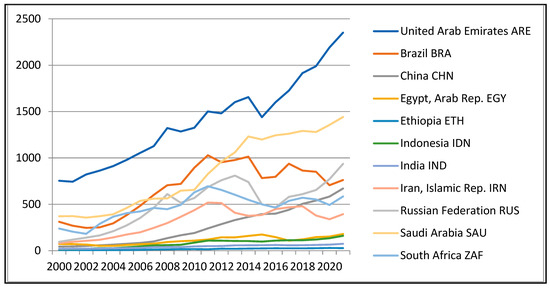
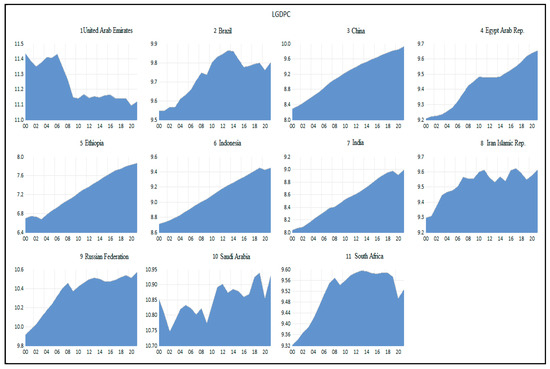
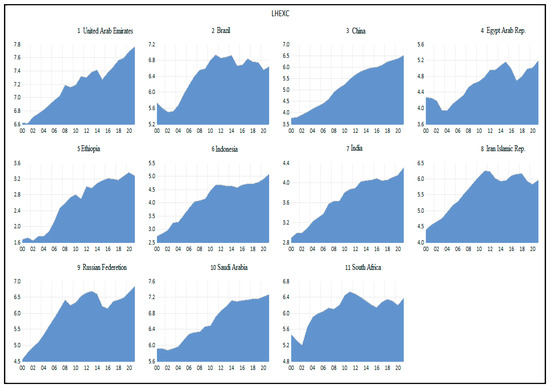
This study examines the impact of health expenditure on economic growth in the BRICS countries during the period 2000–2021. Economic growth is measured by GDP per capita, while per capita health expenditure serves as the principal explanatory variable. Consistent with the framework of endogenous growth theory—which conceptualizes health as a form of human capital that enhances productivity—we additionally incorporate natural capital, education, and population share as control variables. Methodologically, the analysis employs panel unit root tests under cross-sectional dependence and estimates a dynamic panel ARDL model to assess both short- and long-term effects. To further validate the robustness of the model, additional explanatory variables relevant to endogenous growth theory are also evaluated. The results indicate that, in the long run, all explanatory variables exert a statistically significant influence on the economic growth of the BRICS countries. In the short run, however, only per capita health expenditure demonstrates a positive and statistically significant effect on GDP per capita, whereas the other variables do not yield significant short-term effects.
Full article
(This article belongs to the Special Issue Public Health Emergencies and Economic Development)
►▼
Show Figures

Figure A1
Open AccessArticle
The Interplay Between Governance and R&D Investment in Driving Asia’s Economic Growth: An Empirical Inquest
by
Vaishali Singh, Promila Das, Ekta Singh and Ramesh Chandra Das
Economies 2025, 13(12), 366; https://doi.org/10.3390/economies13120366 - 13 Dec 2025
Abstract
►▼
Show Figures
While a number of studies have analyzed the determinants of economic growth in Asia, the research on the synergistic interplay of the quality of governance and the investments in research and development have not received nuanced attention in the scholarly research. This study
[...] Read more.
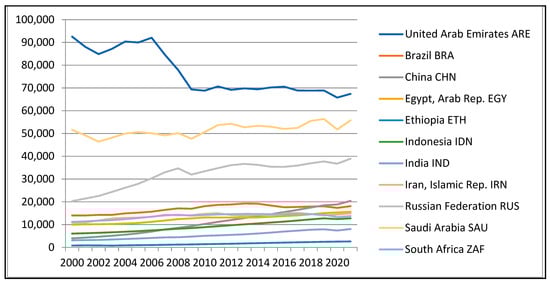
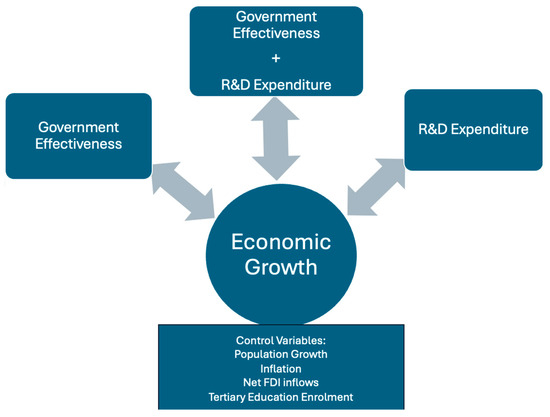
While a number of studies have analyzed the determinants of economic growth in Asia, the research on the synergistic interplay of the quality of governance and the investments in research and development have not received nuanced attention in the scholarly research. This study fills the research gap by looking at the joint effect of governance and R&D investment on economic growth in Asian nations with varying levels of development. Using the fixed-effects model and the generalized method of moments (GMM) model, this study investigated the individual and combined effect of governance and R&D investment in driving economic growth in the static as well as dynamic panel of 34 Asian nations for the period 2000–2024. The study further undertakes a comparative assessment of the lower-middle-income, upper-middle-income, and high-income economies on the continent. The findings reveal that the interaction between R&D and governance is negative and significant in lower-middle-income countries such as India, Indonesia, Philippines, and Tajikistan, showing that weak institutions hinder R&D effectiveness. It turns strongly positive in upper-middle-income economies such as China, Kazakhstan, Malaysia, and Thailand, as governance strengthens, but becomes insignificant, in high-income nations such as Israel, Korea, Singapore, and Qatar, suggesting diminishing returns. The results under dynamic panel estimation show positive and significant effects of the interaction between R&D and governance upon per capita GDP in all countries’ panels. The findings suggest that the diverse and nonlinear progression from technological adoption to creation in Asian nations requires sustained investments in R&D and deliberate policy alignment with national innovation systems.
Full article

Figure 1
Open AccessArticle
Exploring ICT as an Engine for Sustainable Economic Growth in Central Asia
by
Sobirov Yuldoshboy, Artikov Beruniy, Saburov Javokhir, Elbek Khodjaniyazov, Mamurbek Karimov, Olimjon Saidmamatov and Peter Marty
Economies 2025, 13(12), 365; https://doi.org/10.3390/economies13120365 - 11 Dec 2025
Abstract
This study investigates whether information and communication technology (ICT) constitutes a sustained driver of economic growth in four Central Asian economies—Kazakhstan, Kyrgyzstan, Tajikistan, and Uzbekistan—over the period 2000–2022. Using an extended endogenous growth framework, this study employs the following long-run growth model: economic
[...] Read more.
This study investigates whether information and communication technology (ICT) constitutes a sustained driver of economic growth in four Central Asian economies—Kazakhstan, Kyrgyzstan, Tajikistan, and Uzbekistan—over the period 2000–2022. Using an extended endogenous growth framework, this study employs the following long-run growth model: economic growth is specified as a function of ICT development, gross capital formation, trade openness, human capital, government effectiveness, and inflation. A composite ICT index is constructed using Principal Component Analysis (PCA). Long-run relationships are examined using a panel cointegration approach, and long-run elasticities are estimated using FMOLS, DOLS, and CCR techniques. The results reveal that ICT development exerts a negative and statistically significant effect on economic growth in the long run, indicating limited technological absorptive capacity and insufficient institutional readiness in the region. In contrast, capital formation, trade openness, human capital, and government effectiveness positively and significantly promote growth, while inflation hampers economic performance. The findings suggest that ICT investment alone is insufficient for sustainable growth without complementary institutional strengthening, human capital development, digital skills enhancement, improved broadband quality, and governance reforms to increase the productive use of ICT.
Full article
(This article belongs to the Special Issue The Asian Economy: Constraints and Opportunities (2nd Edition))
Open AccessArticle
Who Pays, Who Graduates? Funding Mechanisms and Other Drivers of Graduation in the European Union
by
Gintarė Židonė-Bylė and Rytis Krušinskas
Economies 2025, 13(12), 364; https://doi.org/10.3390/economies13120364 - 10 Dec 2025
Abstract
►▼
Show Figures
Higher education (HE) funding mechanisms in the European Union (EU) are undergoing substantial reform, with universities facing increasing pressure to improve performance outcomes under constrained public budgets. This study analyses how the design of HE funding mechanisms—specifically, the logic of resource allocation and
[...] Read more.
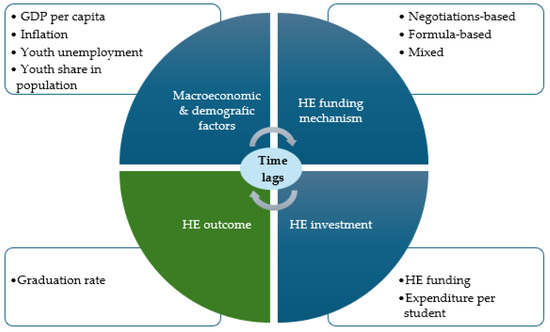
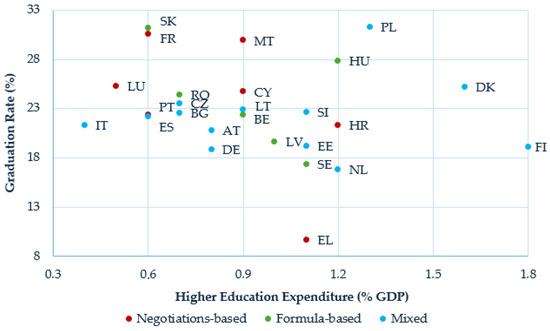
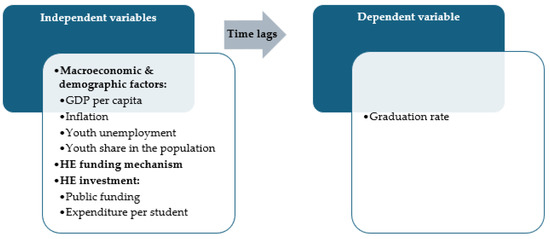
Higher education (HE) funding mechanisms in the European Union (EU) are undergoing substantial reform, with universities facing increasing pressure to improve performance outcomes under constrained public budgets. This study analyses how the design of HE funding mechanisms—specifically, the logic of resource allocation and the principles of performance evaluation, together with the volume of public investment, macroeconomic conditions, and demographic factors—affect graduation rates in the EU. The study uses panel data from 27 EU Member States for the period 2013–2023 and applies multiple regression models with one- to four-year lags to assess the delayed effects of funding and economic factors. The results showed that a larger share of young people in the population and public expenditure per student are positively and statistically significantly associated with higher graduation rates (p < 0.01). Meanwhile, the overall level of funding (HE expenditure as a share of GDP) and performance-based funding (PBF) mechanisms are associated with lower graduation rates (p < 0.01). GDP per capita has a negative effect (p < 0.01), indicating that stronger labour market opportunities may reduce the motivation to complete studies. Youth unemployment and inflation proved to be statistically insignificant (p > 0.05). The most substantial effect was found after two years, confirming the delayed but weakening impact of funding and macroeconomic factors on study graduation rates. The study extends previous work by integrating an analysis of funding design and time dimensions at the EU level. The results emphasise that it is not so much the amount of funding that is important for higher education outcomes, but instead how it is funded—therefore, targeted, student-oriented investments and long-term policy consistency are necessary to achieve higher graduation rates.
Full article

Figure 1
Open AccessArticle
The Environmental Kuznets Curve and CO2 Emissions Under Policy Uncertainty in G7 Countries
by
Bishwa Koirala, Gyan Pradhan and Edwin Clifford Mensah
Economies 2025, 13(12), 363; https://doi.org/10.3390/economies13120363 - 9 Dec 2025
Abstract
This study examines the Environmental Kuznets Curve (EKC) relationship between per capita CO2 emissions and GDP per capita in G7 countries in the presence of uncertainty using 1960–2022 panel data. Our results confirm the existence of an EKC relationship for CO2
[...] Read more.
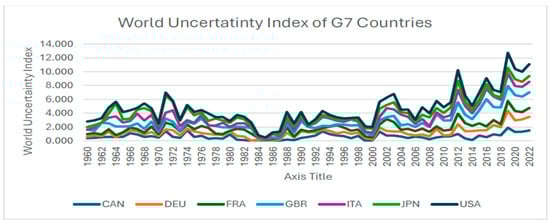
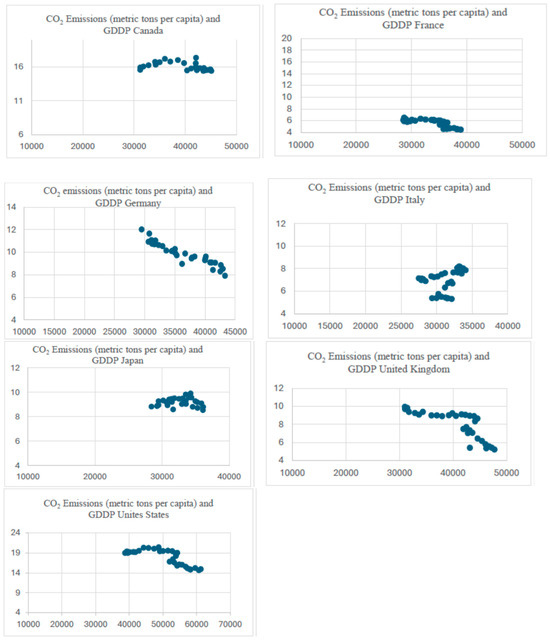
This study examines the Environmental Kuznets Curve (EKC) relationship between per capita CO2 emissions and GDP per capita in G7 countries in the presence of uncertainty using 1960–2022 panel data. Our results confirm the existence of an EKC relationship for CO2 emissions in G7 countries. Furthermore, we find evidence that uncertainty may contribute to lower carbon emissions, as higher uncertainty is associated with lower levels of investment and capital accumulation, with negative implications for long-term growth, although favorable effects on emissions may result. This tradeoff suggests that while investment is critical for economic growth, it is also imperative that growth is environmentally sustainable and inclusive. Finally, this study estimates an income turning point of $47,843.73 in 2023 prices to decouple the CO2 emissions from GDP per capita; this level of income is an attainable level of GDP per capita for all but two G7 countries.
Full article
(This article belongs to the Section Growth, and Natural Resources (Environment + Agriculture))
►▼
Show Figures

Figure 1

Open AccessArticle
Statistical Quantification of the COVID-19 Pandemic’s Continuing Lingering Effect on Economic Losses in the Tourism Sector
by
Amos Mohau Mphanya, Sandile Charles Shongwe, Thabiso Ernest Masena and Frans Frederick Koning
Economies 2025, 13(12), 362; https://doi.org/10.3390/economies13120362 - 9 Dec 2025
Abstract
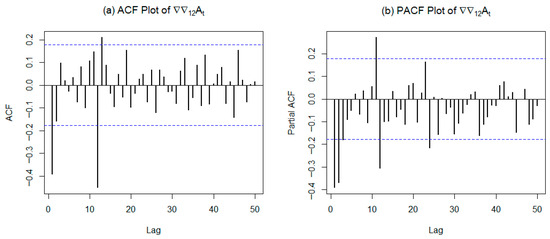
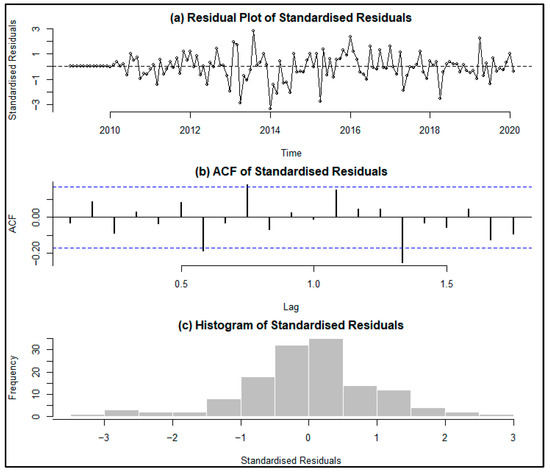
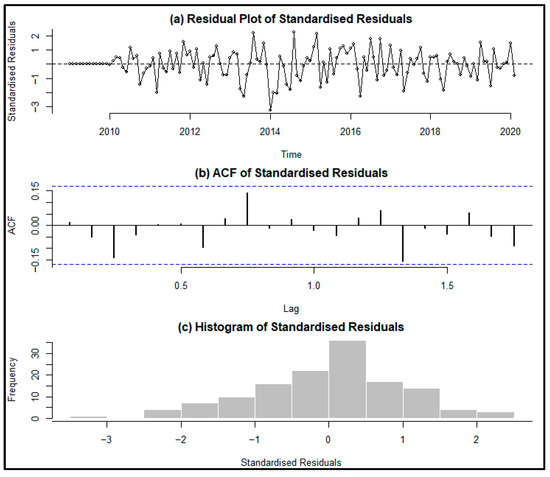
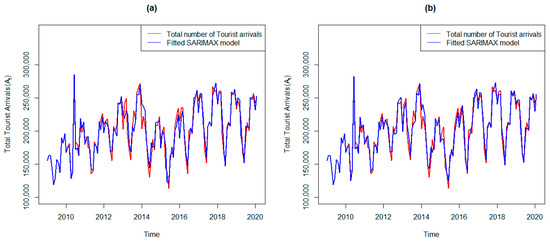
The impact of the COVID-19 pandemic on the number of international tourist arrivals in the Republic of South Africa (RSA) is studied in this paper using the seasonal autoregressive integrated moving average (SARIMA) model comprising a pulse function covariate vector evaluated via trial
[...] Read more.
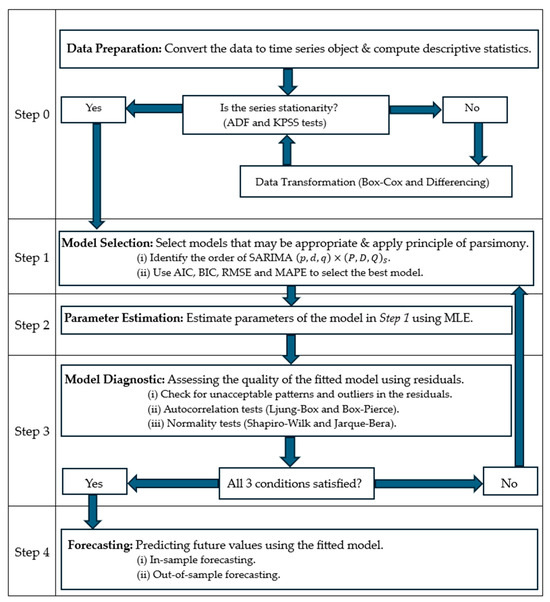
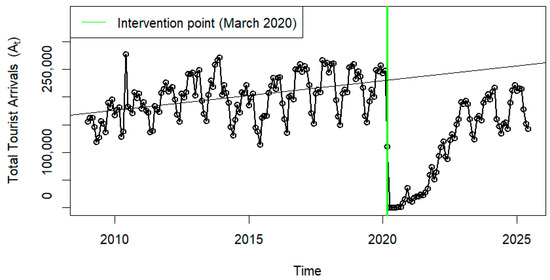
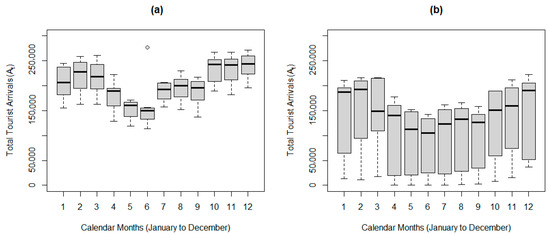
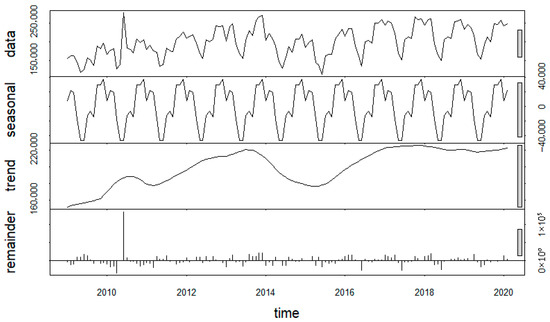
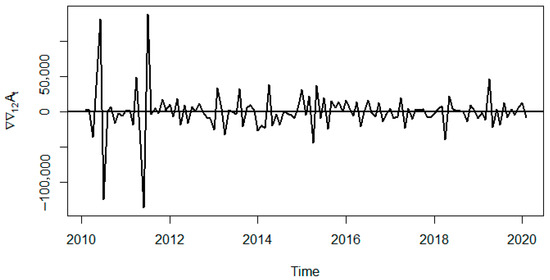
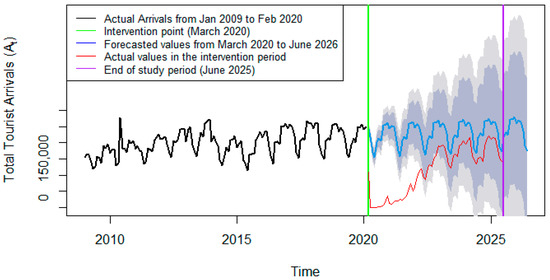
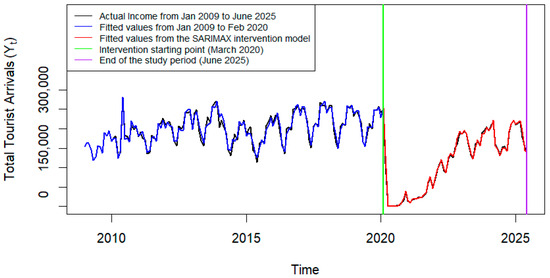
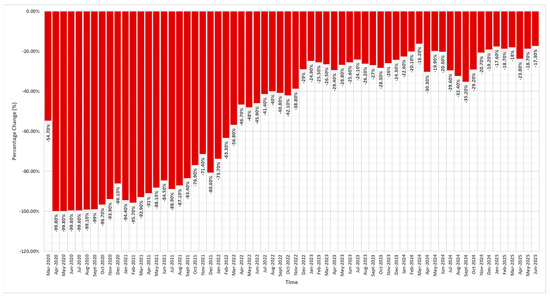
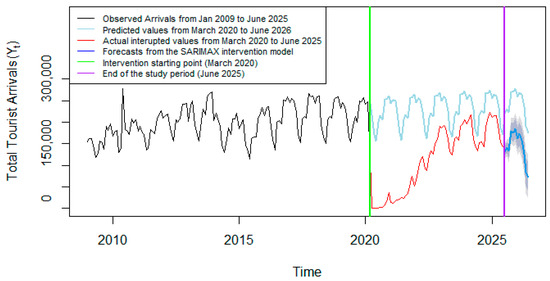
The impact of the COVID-19 pandemic on the number of international tourist arrivals in the Republic of South Africa (RSA) is studied in this paper using the seasonal autoregressive integrated moving average (SARIMA) model comprising a pulse function covariate vector evaluated via trial and error as an exogenous variable (SARIMAX). This paper provides a methodological innovation that combines outlier detection with intervention quantification so that tourism academics and practitioners can correctly capture estimated economic losses caused by the COVID-19 pandemic and the response to it. In the pre-intervention modelling, four additive outliers and innovative outliers were detected and incorporated into the SARIMAX model, which significantly lowered the model’s evaluation metrics, making it the best fitting pre-intervention model. Next, from March 2020 to June 2025 (end of dataset), it is shown that the estimated total losses amount to 7,328,919 tourists compared to if there been no pandemic. This means that the number of tourist arrivals in the RSA has not yet returned to the pre-COVID-19 forecasted path as of June 2025, indicating that the COVID-19 pandemic continues to have long-term negative effects on the RSA’s number of tourist arrivals. Therefore, more efforts must be focused on developing innovative and advanced statistical models to assist the RSA government and private entities in creating incentives for investment, planning more effectively, providing societies reliant on tourism with more resources, and creating suitable regulations that boost the economy through the tourism sector.
Full article
(This article belongs to the Section Economic Development)
►▼
Show Figures

Figure 1
Open AccessArticle
One Model Fits All? Evaluating Bankruptcy Prediction Across Different Economic Periods
by
Veronika Labosova, Lucia Duricova and Pavol Durana
Economies 2025, 13(12), 361; https://doi.org/10.3390/economies13120361 - 6 Dec 2025
Abstract
►▼
Show Figures
Financial distress prediction models are widely used to support risk management. However, economic turbulence, such as the COVID-19 pandemic, can disrupt the relationships between financial indicators and distress, thus threatening the stability and accuracy of the models’ predictions. In this study, the stability
[...] Read more.
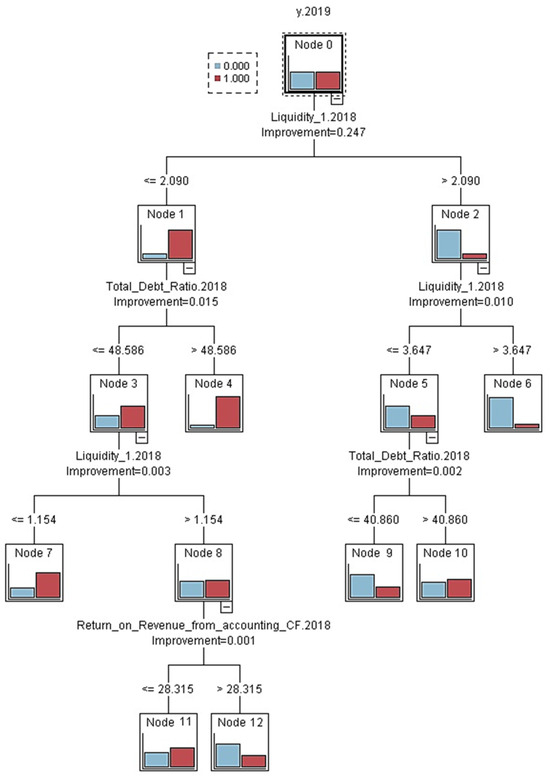
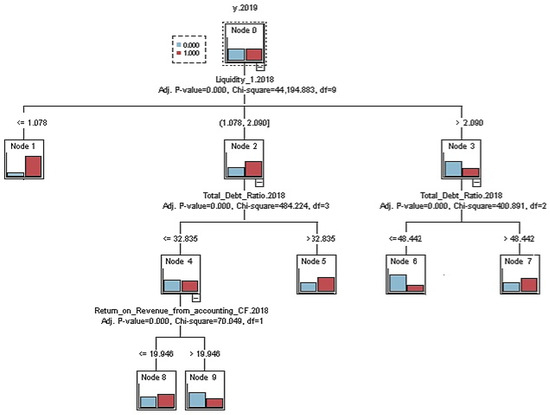
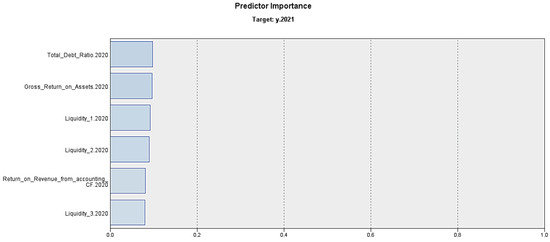
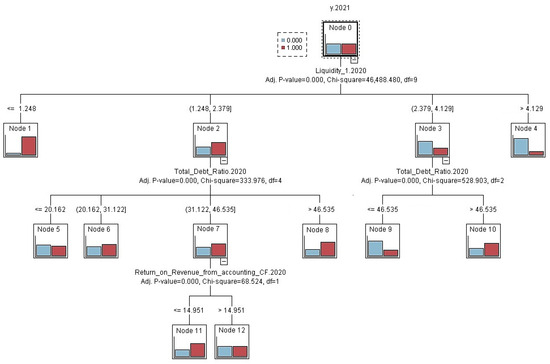
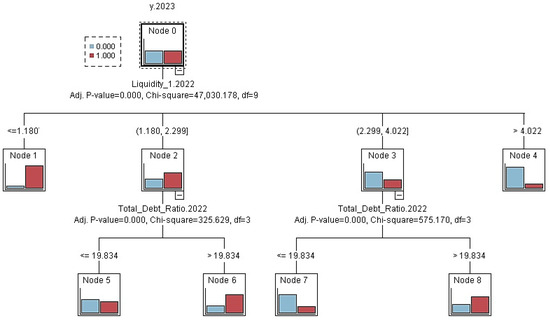
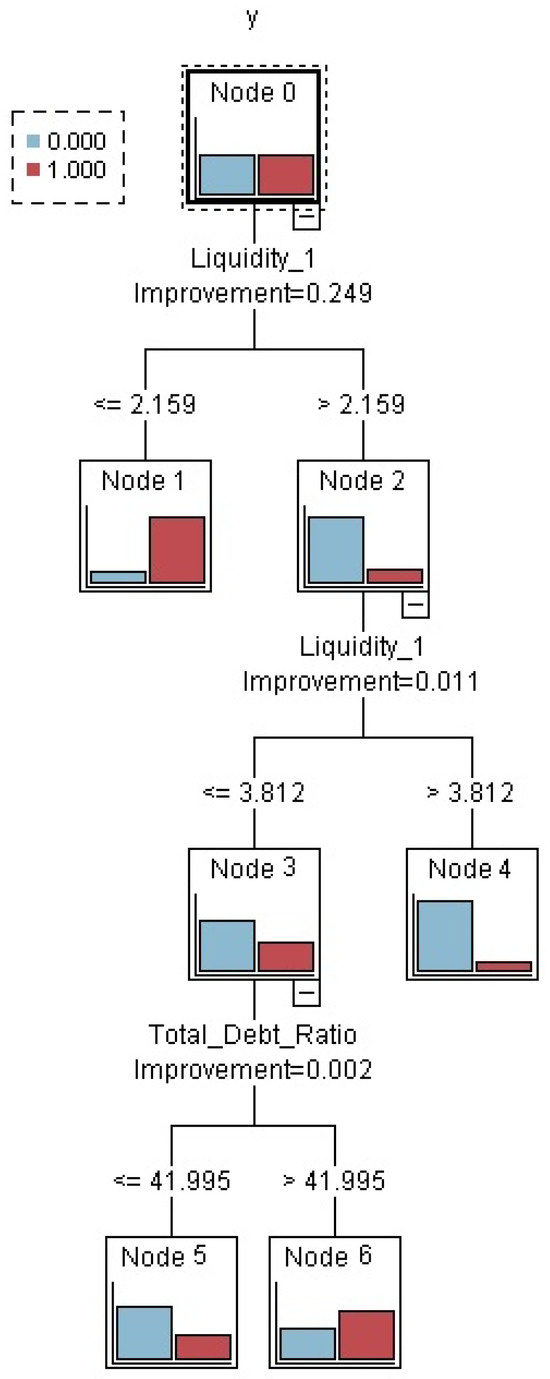
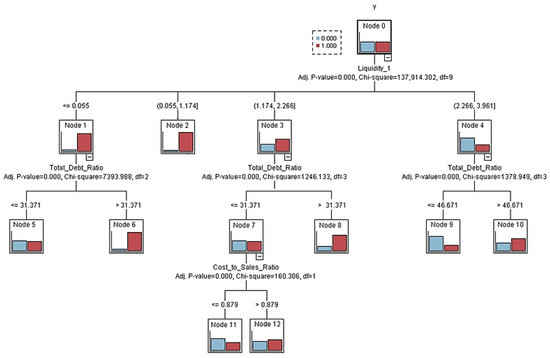
Financial distress prediction models are widely used to support risk management. However, economic turbulence, such as the COVID-19 pandemic, can disrupt the relationships between financial indicators and distress, thus threatening the stability and accuracy of the models’ predictions. In this study, the stability of bankruptcy prediction models is examined on a large sample of small and medium-sized enterprises (SMEs) in Slovakia. Three periods are distinguished: the pre-pandemic years 2018–2019, the COVID-19 pandemic years 2020–2021, and the post-pandemic recovery years 2022–2023. Two approaches to model construction are compared: separate models are estimated for each period, and a single comprehensive model covering all three periods is constructed with a period-specific indicator among the predictors. Publicly available financial data and machine learning methods are employed, and model performance is evaluated using common classification metrics. Differences in performance are revealed, indicating whether period-specific models provide superior predictive accuracy or whether a universal model can adapt to changing economic conditions. The robustness, stability, predictive power, and practical applicability of both approaches are assessed, and the influence of economic fluctuations on accuracy is demonstrated. The findings provide guidance on selecting modelling strategies across different economic environments and offer recommendations for further developing and implementing predictive models in volatile financial conditions.
Full article

Figure 1
Open AccessArticle
Remittances and Multidimensional Poverty in Mexico: A Comparative Analysis of Income Sources
by
Moises Librado-Gonzalez, German Osorio-Novela and Natanael Ramirez-Angulo
Economies 2025, 13(12), 360; https://doi.org/10.3390/economies13120360 - 6 Dec 2025
Abstract
This study aims to analyze the effect of remittances on multidimensional poverty in Mexico by comparing them with other sources of household income, such as labor income and social spending from transfers, subsidies, and allocations. Furthermore, economic growth dynamism is incorporated as a
[...] Read more.
This study aims to analyze the effect of remittances on multidimensional poverty in Mexico by comparing them with other sources of household income, such as labor income and social spending from transfers, subsidies, and allocations. Furthermore, economic growth dynamism is incorporated as a control variable. A micro-panel with cross-sectional and temporal fixed effects covering the 32 federative entities from 2010 to 2024 is used for this purpose. The results reveal that, although remittances have a moderate alleviating effect on poverty, it is greater than the impact of social spending by state governments. In contrast, labor income is identified as the main factor in reducing multidimensional poverty. These findings underscore the importance of promoting the utilization of remittance flows through financial inclusion strategies to strengthen their contribution to sustained household well-being and consolidate them as a structural instrument against the persistent challenges of multidimensional poverty in Mexico.
Full article
(This article belongs to the Special Issue Unveiling the Power of Remittances: Drivers, Effects, and Trends)
Open AccessArticle
Tax Optimization in the European Union: A Laffer Curve Perspective
by
Thais Sentinelo, Mário Queirós, José Manuel Oliveira and Patrícia Ramos
Economies 2025, 13(12), 359; https://doi.org/10.3390/economies13120359 - 5 Dec 2025
Abstract
►▼
Show Figures
This study explores the applicability of the Laffer Curve in the context of the European Union (EU) by analyzing the relationship between taxation and fiscal revenue across personal income tax (PIT), corporate income tax (CIT), and value-added tax (VAT). Utilizing a comprehensive panel
[...] Read more.
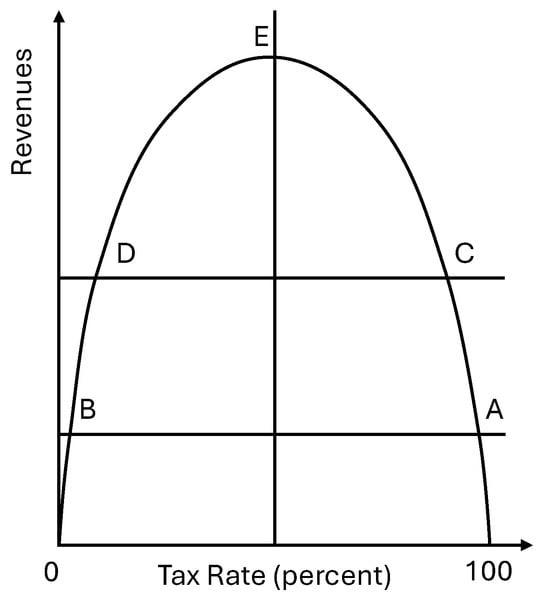
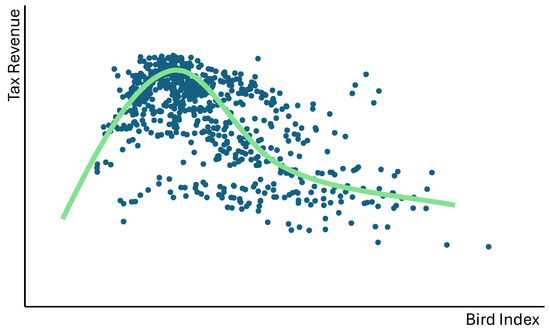
This study explores the applicability of the Laffer Curve in the context of the European Union (EU) by analyzing the relationship between taxation and fiscal revenue across personal income tax (PIT), corporate income tax (CIT), and value-added tax (VAT). Utilizing a comprehensive panel data set spanning 1995 to 2022 across all 27 EU member states, the research also integrates the Bird Index to assess fiscal effort and employs advanced econometric techniques, including the Hausman Test and log-quadratic regression models, to capture the non-linear dynamics of the Laffer Curve. The findings reveal that excessively high tax rates, particularly in some larger member states, may lead to revenue losses due to reduced economic activity and tax evasion, highlighting the existence of optimal tax rates that maximize revenue while sustaining economic growth. By estimating threshold tax rates and incorporating the Bird Index, the study provides a nuanced perspective on tax efficiency and fiscal sustainability, offering evidence-based policy recommendations for optimizing tax systems in the European Union to balance revenue generation with economic competitiveness.
Full article

Figure 1
Open AccessArticle
The Relationship Between Local Tax Price and Demand of the Public Goods
by
Sungil Yoon, Sangsoo Lim and Hyungjo Hur
Economies 2025, 13(12), 358; https://doi.org/10.3390/economies13120358 - 5 Dec 2025
Abstract
►▼
Show Figures
In this study, we use a structural demand framework rather than simple correlations between taxes and expenditure to investigate whether local taxes in Korea function as a price mechanism for local public goods. We construct a panel dataset for 226 basic local governments
[...] Read more.
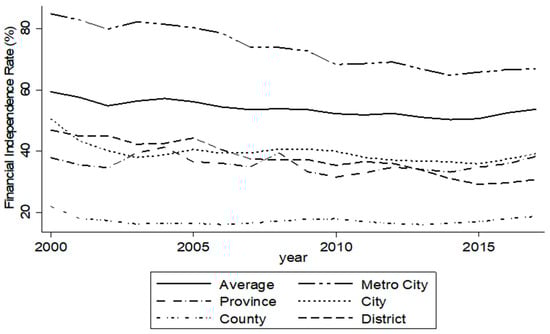
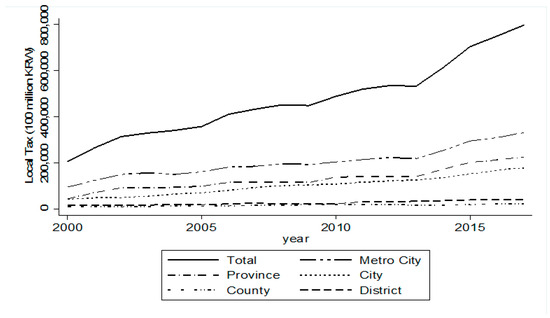
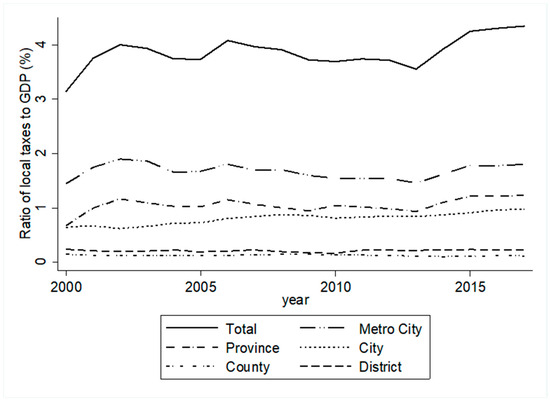
In this study, we use a structural demand framework rather than simple correlations between taxes and expenditure to investigate whether local taxes in Korea function as a price mechanism for local public goods. We construct a panel dataset for 226 basic local governments (cities, counties, and autonomous districts) over the period 2000–2017 and estimate local public expenditure equations separately for each group. To capture both long-run relationships and short-run dynamics while addressing nonstationarity and endogeneity, we combine fully modified ordinary least squares, panel error-correction models, and system generalized method of moments. Across these specifications, local tax burdens—especially when measured as the ratio of per capita local tax to total general expenditure—are generally negatively associated with local expenditure. However, we show that this negative association is distinct from the price elasticity of demand implied by the structural model: the relevant elasticities, derived from the estimated coefficients rather than observed directly, remain positive for cities, counties, and districts. The results indicate that, under Korea’s current intergovernmental fiscal arrangements, local taxes do not operate as a conventional price signal that induces residents to demand less of local public goods when tax price increases. These findings suggest that transfer dependence, limited fiscal autonomy, and rigid expenditure responsibilities weaken the price mechanism of local taxes and have important implications for the design of local tax policy and intergovernmental fiscal equalization.
Full article

Figure 1
Open AccessArticle
Assessing the Question of Whether Bitcoin Is a Currency or an Asset in Terms of Its Monetary Role
by
Antonio Martínez Raya, Alejandro Segura-de-la-Cal and Javier Espina Hellín
Economies 2025, 13(12), 357; https://doi.org/10.3390/economies13120357 - 4 Dec 2025
Abstract
Since its launch in 2009, Bitcoin has become a market disruptor due to its primary function as a virtual currency supported by blockchain technology and the high volume of economic transactions it facilitates. This article examines the key theoretical principles that have contributed
[...] Read more.
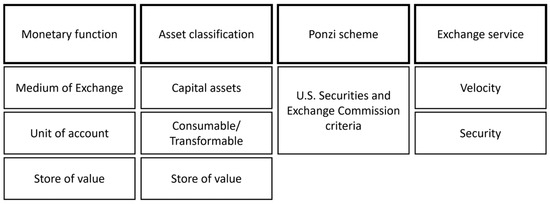
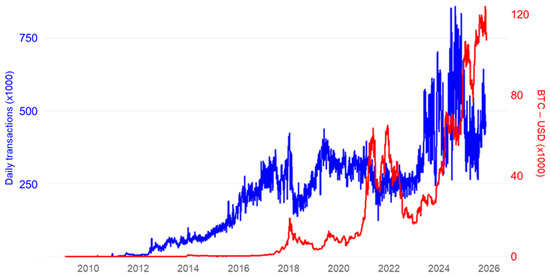
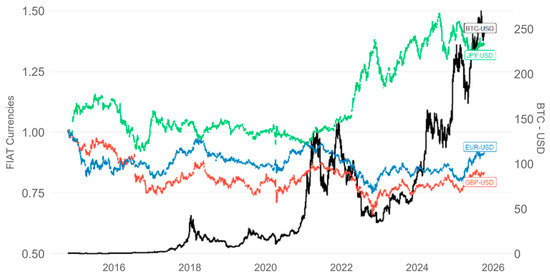
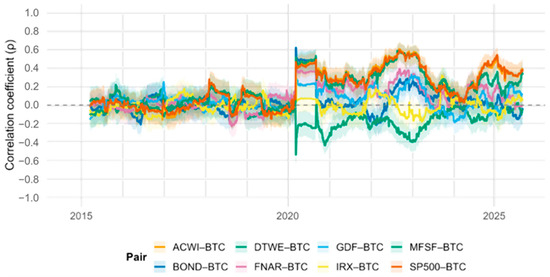
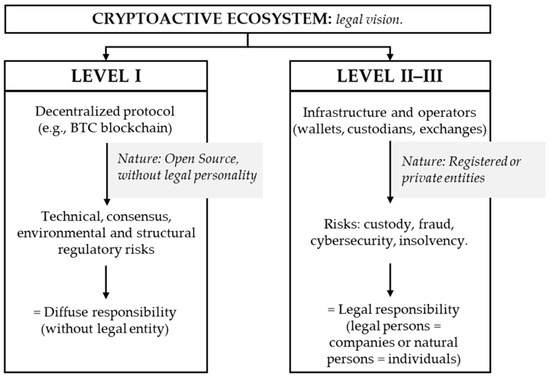
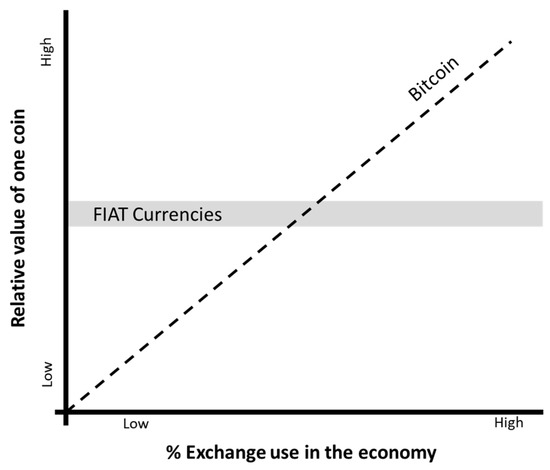
Since its launch in 2009, Bitcoin has become a market disruptor due to its primary function as a virtual currency supported by blockchain technology and the high volume of economic transactions it facilitates. This article examines the key theoretical principles that have contributed to Bitcoin’s recognition as a cryptocurrency. It assesses whether Bitcoin meets the criteria for being considered a form of money and evaluates its importance as a financial asset. This analysis of Bitcoin from 2014 to 2025 reveals that it does not sufficiently fulfill all the typical functions of money, such as serving as an internationally accepted means of payment, a unit of account, a securities depository, and a standard for deferred payments. Despite its usual close correlation with stock indices in financial markets, a decentralized digital currency like this still does not meet the requirements of fundamental analysis. In practice, this leads to its exclusion as a currency, since it does not fulfill the functions of money nor fully qualify as a crypto asset, as its value is primarily based on investors’ expectations of high returns. Apart from a lack of foundation in tangible goods or services that justifies their value and dependence on new investors, the findings do not indicate conditions typical of a developed pyramidal model. Nevertheless, this does not prevent future technological innovations from responding positively to the functions of money or from offering real money services, especially those related to service innovation and the digital economy.
Full article
(This article belongs to the Section Macroeconomics, Monetary Economics, and Financial Markets)
►▼
Show Figures

Figure 1

Open AccessArticle
Study on the Coherence of Chilean Local Labour Markets
by
Ángel Manzanares
Economies 2025, 13(12), 356; https://doi.org/10.3390/economies13120356 - 3 Dec 2025
Abstract
This study assesses the comparative adequacy the suitability of two types of territorial units—administrative provinces and Local Labor Markets (LLMs)—for socioeconomic analysis and public policy formulation in Chile. Using two labor market indicators (employment and unemployment) and two educational indicators, statistical tests and
[...] Read more.
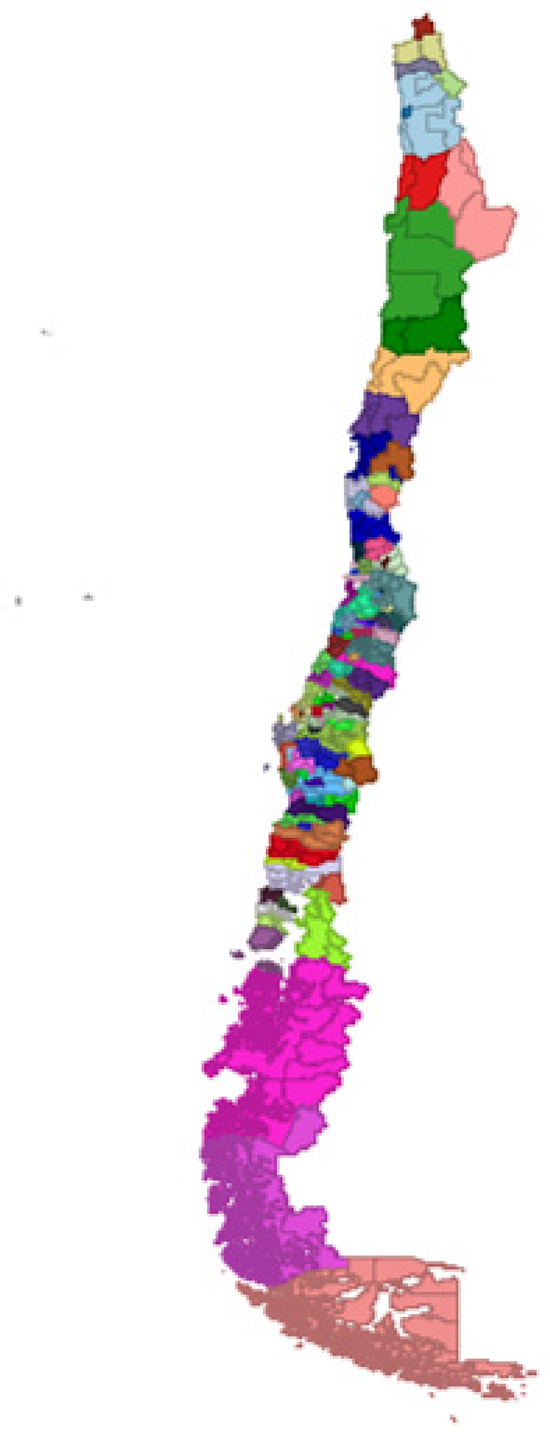
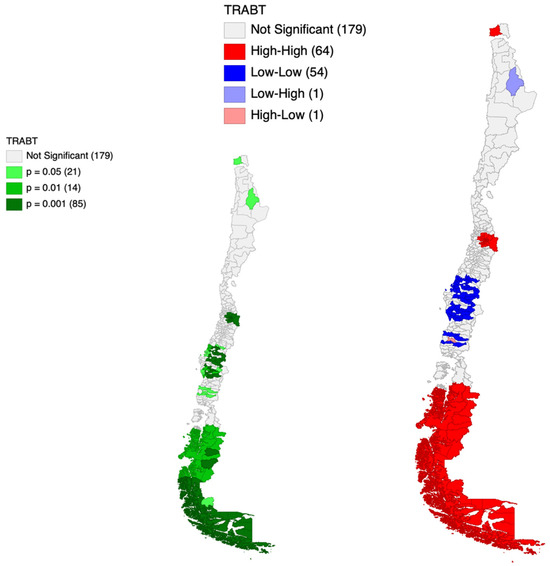
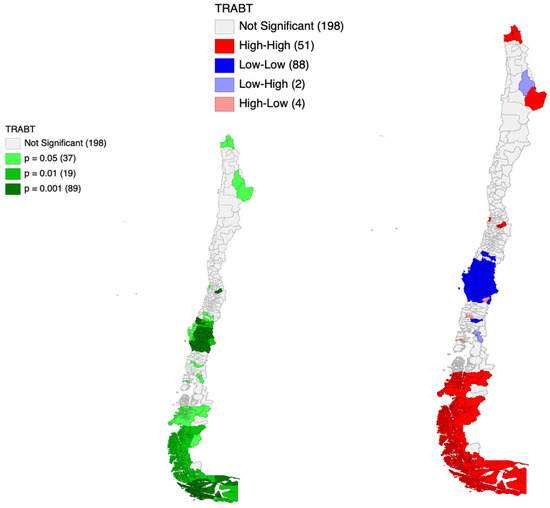
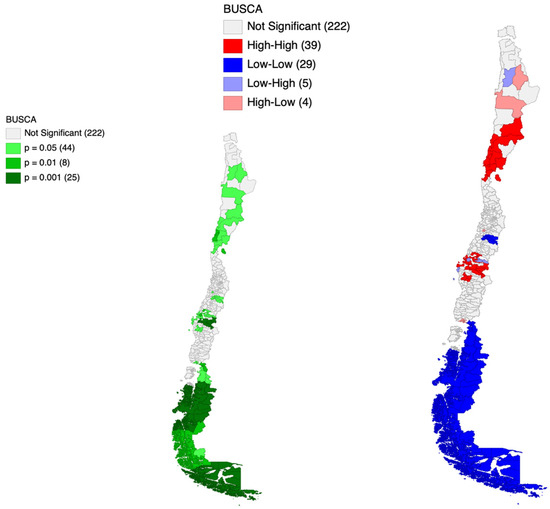
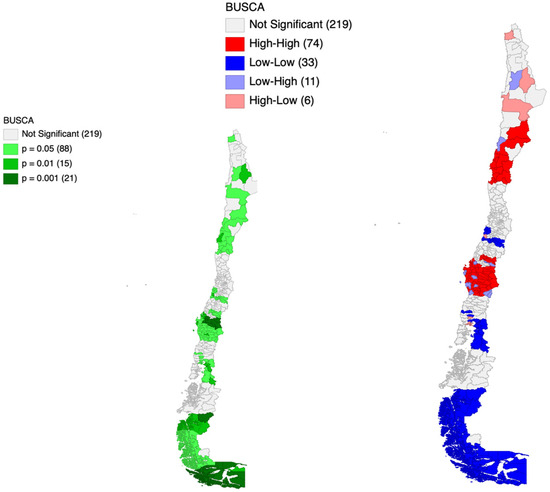
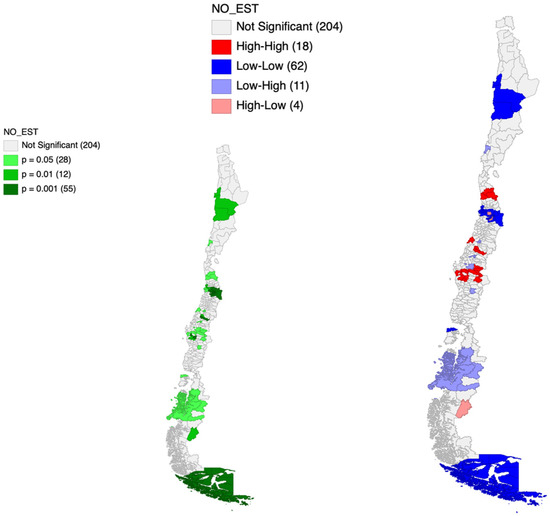
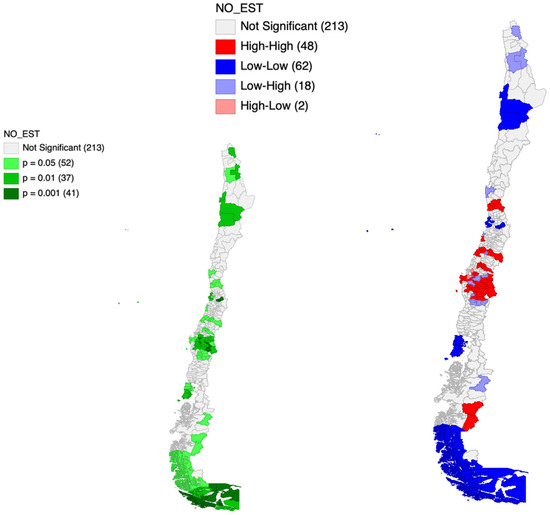
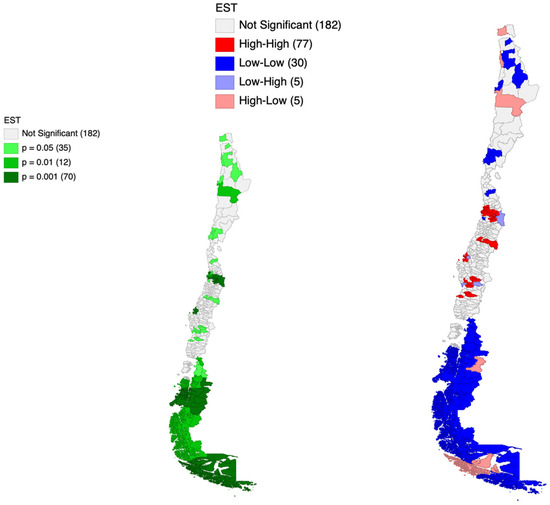
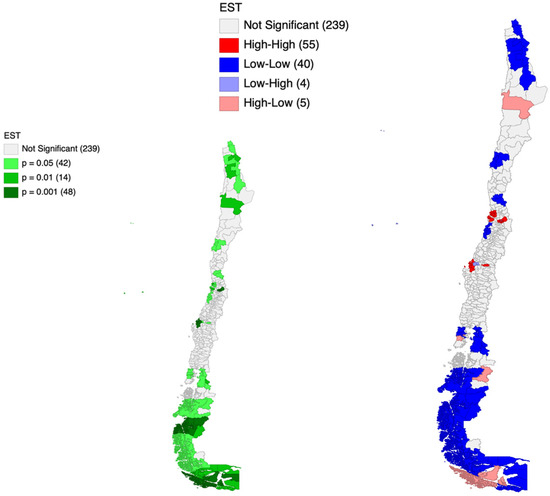
This study assesses the comparative adequacy the suitability of two types of territorial units—administrative provinces and Local Labor Markets (LLMs)—for socioeconomic analysis and public policy formulation in Chile. Using two labor market indicators (employment and unemployment) and two educational indicators, statistical tests and connectivity matrices are applied to examine the internal and external coherence of these units and determine their spatial autocorrelation. The results show considerable spatial autocorrelation in both types of units, with patterns slightly more pronounced in the LLMs. Furthermore, there is evidence of independence between provinces and LLMs, supporting external coherence and better targeting of policies to specific local characteristics. In conclusion, socioeconomic characteristics show uniform clustering trends throughout the Chilean territory, regardless of the regional scale employed.
Full article
(This article belongs to the Section Labour and Education)
►▼
Show Figures

Figure 1
Open AccessArticle
A Sustainable Development Approach to Women’s Empowerment for Increased Household Economic Independence: Pro-Poor Tourism Concept in an Archipelago Area
by
Ani Wijayanti, Bet El Silisna Lagarense and Atun Yulianto
Economies 2025, 13(12), 355; https://doi.org/10.3390/economies13120355 - 3 Dec 2025
Abstract
Community-Based Tourism (CBT) in East Sumba highlights its unique natural features through its archipelagic potential, which is synergistically integrated with rich traditional cultural experiences. Island-based CBT faces strategic management challenges, especially in empowering human resources—notably women—amid the inherently vulnerable and fragile nature of
[...] Read more.
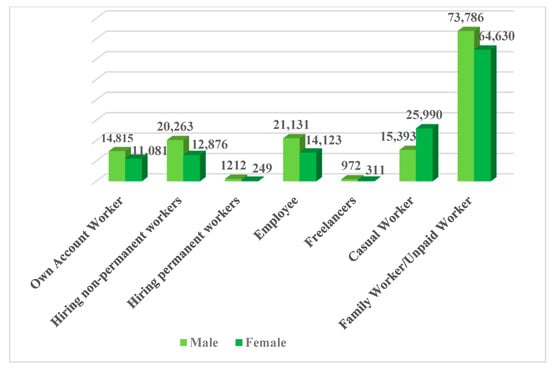
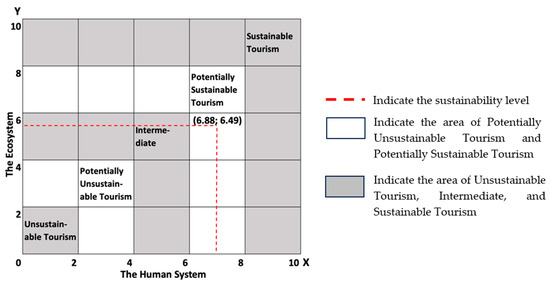
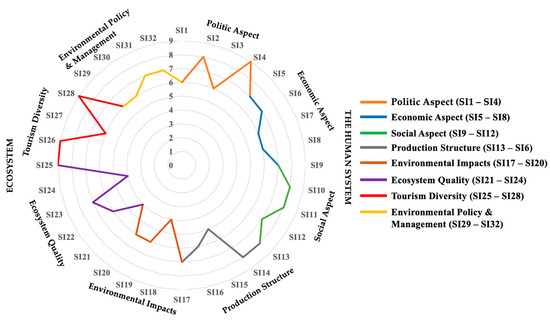
Community-Based Tourism (CBT) in East Sumba highlights its unique natural features through its archipelagic potential, which is synergistically integrated with rich traditional cultural experiences. Island-based CBT faces strategic management challenges, especially in empowering human resources—notably women—amid the inherently vulnerable and fragile nature of island tourism assets. Women’s empowerment, a key element of pro-poor tourism, significantly influences poverty reduction and helps address the high rates of stunting in East Sumba. This research aims to examine women’s empowerment within archipelago-based CBT management frameworks that impact household economic independence. The study adopts a sustainable tourism approach that involves two systems—the human system and the ecosystem—broken down into four dimensions and 32 indicators to assess the sustainability potential of each. Data analysis uses scoring methods to produce BTS and ATSI diagrams. Findings indicate that CBT in East Sumba falls within the potentially sustainable quadrant on the BTS diagram, with coordinates (6.88, 6.49). The average scores are 7.0 for the human system and 6.44 for the ecosystem, supported by the AMOEBA diagram, which shows broad tendencies. The most critical and vulnerable sustainability indicators include ecosystem integrity—particularly access to clean water—and effective mitigation strategies. Conversely, the indicators with the highest robustness include active women’s participation in Family Empowerment and Welfare Organizations and tourism diversification, which is enhanced by East Sumba’s strategic location within Indonesia’s eastern tourism corridor. Stakeholders can leverage these findings by promoting women’s empowerment through integrated tourism package innovations, thereby creating more entrepreneurial opportunities and improving household economic conditions. This research contributes to understanding women’s empowerment through sustainable tourism methods, emphasizing its role as a foundation for pro-poor tourism within island-based CBT frameworks.
Full article
(This article belongs to the Section Labour and Education)
►▼
Show Figures

Figure 1
Open AccessArticle
Analysis of Tax Compliance Levels for Regional Taxes in the Provinces of Indonesia
by
Nella Ervina, Junaidi Junaidi, Zulgani Zulgani and Erni Achmad
Economies 2025, 13(12), 354; https://doi.org/10.3390/economies13120354 - 2 Dec 2025
Abstract
This study examines how socialization costs, inspection costs, collection costs, motor vehicle tax rates (Pajak Kendaraan Bermotor, PKB), vehicle ownership transfer tax rates (Bea Balik Nama Kendaraan Bermotor, BBNKB), the Corruption Perception Index (CPI), and the Indonesian Digital Society Index (Indeks Masyarakat Digital
[...] Read more.
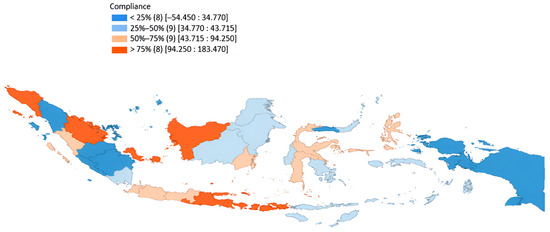
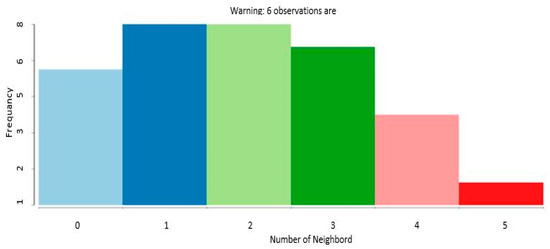
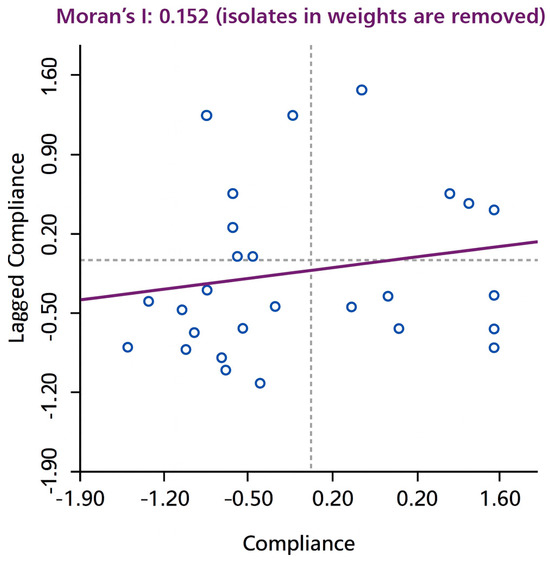
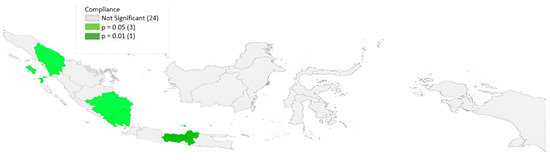
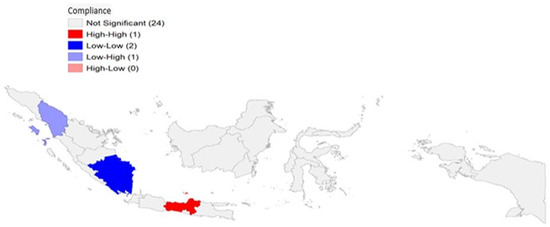
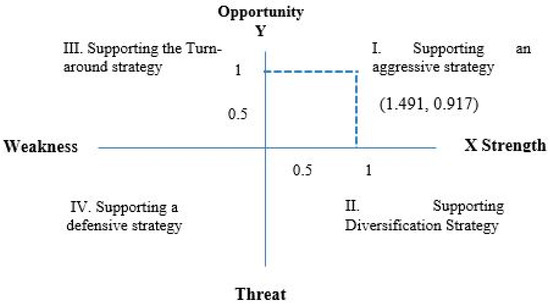
This study examines how socialization costs, inspection costs, collection costs, motor vehicle tax rates (Pajak Kendaraan Bermotor, PKB), vehicle ownership transfer tax rates (Bea Balik Nama Kendaraan Bermotor, BBNKB), the Corruption Perception Index (CPI), and the Indonesian Digital Society Index (Indeks Masyarakat Digital Indonesia, IMDI) influence regional tax compliance across 34 provinces in Indonesia, using secondary data from 2020 to 2024. Guided by Fiscal Federalism, Tax Optimization Theory, and the Fischer Tax Compliance Model, the analysis integrates spatial regression and SWOT to capture both structural and spatial dynamics in provincial tax administration. The spatial error model reveals that socialization costs, PKB, and BBNKB significantly shape provincial tax compliance. At the same time, the other variables show no measurable effect. Spatial clustering indicates High–High compliance in Central Java, Low–Low compliance in South Sumatra and Lampung, and Low–High compliance in North Sumatra. The SWOT assessment places Indonesia’s provincial tax compliance strategy in Quadrant I, suggesting strong institutional capacity and substantial external opportunities to support aggressive improvement strategies. This study contributes by providing province-wide empirical evidence on the fiscal and administrative determinants of compliance and by incorporating collection costs and spatial relationships into the analysis. Policy implications include strengthening targeted socialization, improving rate-setting mechanisms, and expanding digital reporting systems to enhance taxpayer understanding and administrative transparency.
Full article
(This article belongs to the Section Economic Development)
►▼
Show Figures

Figure 1
Highly Accessed Articles
Latest Books
E-Mail Alert
News
Topics
Topic in
Clean Technol., Economies, FinTech, JRFM, Sustainability
Green Technology Innovation and Economic Growth
Topic Editors: David (Xuefeng) Shao, Miaomiao Tao, Selena ShengDeadline: 31 December 2025
Topic in
Economies, Energies, Social Sciences, Sustainability
Energy Transition: Balancing Economic, Political, and Social Realities
Topic Editors: Kentaka Aruga, Raymond Li, Honorata Nyga-ŁukaszewskaDeadline: 31 January 2026
Topic in
Economies, IJFS, JRFM, Risks, Sustainability
Insurance and Risk Management Advances in the 4A Era—AI, Aging, Abruptions, and Adoptions
Topic Editors: Xiaojun Shi, Lingyan Suo, Feng Gao, Baorui DuDeadline: 30 May 2026
Topic in
Economies, Sustainability, World, Digital, Logistics
Sustainable Supply Chain Practices in A Digital Age
Topic Editors: Atour Taghipour, Youssef Tliche, Jomana Leroux, Hamdi RadhouiDeadline: 30 June 2026
Special Issues
Special Issue in
Economies
Evolutionary Economics for European Economies
Guest Editor: Hardy HanappiDeadline: 29 December 2025
Special Issue in
Economies
The Agri-Food Sector and the Development of Local Markets
Guest Editor: Aleksandra FigurekDeadline: 31 December 2025
Special Issue in
Economies
Monetary and Fiscal Economics in the Context of Macroeconomic Stability
Guest Editors: Joanna Stawska, Paulo Reis MourãoDeadline: 31 December 2025
Special Issue in
Economies
Economic Development in the European Union Countries
Guest Editor: Davor ManceDeadline: 31 December 2025
Topical Collections
Topical Collection in
Economies
Agricultural and Natural Resource Economics
Collection Editor: Sanzidur Rahman
Topical Collection in
Economies
International Financial Markets and Monetary Policy
Collection Editor: Robert Czudaj