




-
Artificial Intelligence in Burn Assessment: A Scoping Review with an LLM-Generated Decision Tree -
Clinical Parameters for Inhalation Injury Prognosi -
A Precursor to Pulmonary Dysfunction Post-Burn -
Attenuation Coefficient and Blood Flow at Depth in Pediatric Thermal Hand Injuries Using Optical Coherence Tomography -
Topical TXA with Epinephrine for Perioperative Bleeding
Journal Description
European Burn Journal
(formerly European Journal of Burn Care) is an international, peer-reviewed, open access journal on burn care and burn prevention, published quarterly online. It is the official journal of the European Burns Association (EBA).
- Open Access— free for readers, with article processing charges (APC) paid by authors or their institutions.
- High Visibility: indexed within ESCI (Web of Science), PMC, PubMed, Scopus and other databases.
- Journal Rank: CiteScore - Q2 (Health Professions (miscellaneous))
- Rapid Publication: manuscripts are peer-reviewed and a first decision is provided to authors approximately 18.8 days after submission; acceptance to publication is undertaken in 3.6 days (median values for papers published in this journal in the first half of 2026).
- Recognition of Reviewers: APC discount vouchers, optional signed peer review, and reviewer names published annually in the journal.
- Companion journal: Healthcare.
Impact Factor:
1.0 (2025);
5-Year Impact Factor:
1.3 (2025)
Latest Articles
Lightning Strike-Induced Cutaneous Burns and Airway Injury: A Case Report Highlighting Recurrent Extubation Failure in a Critically Ill Patient
Eur. Burn J. 2026, 7(3), 36; https://doi.org/10.3390/ebj7030036 - 1 Jul 2026
Abstract
►
Show Figures
Introduction: Lightning strikes cause a unique spectrum of cutaneous burn injuries that differ substantially from conventional thermal or high-voltage electrical burns. Despite the well-documented systemic lethality of lightning injuries, the burn-specific sequelae—including airway involvement and its contribution to ventilatory failure—remain underreported in the
[...] Read more.
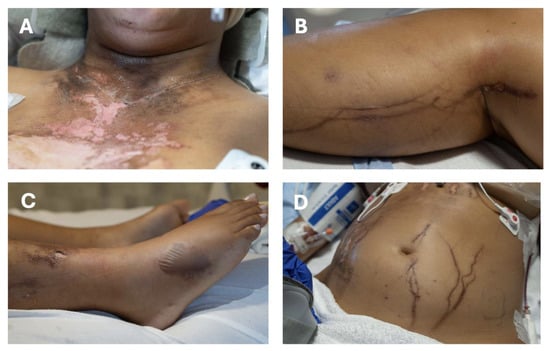
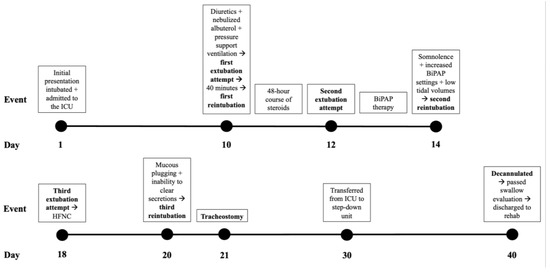
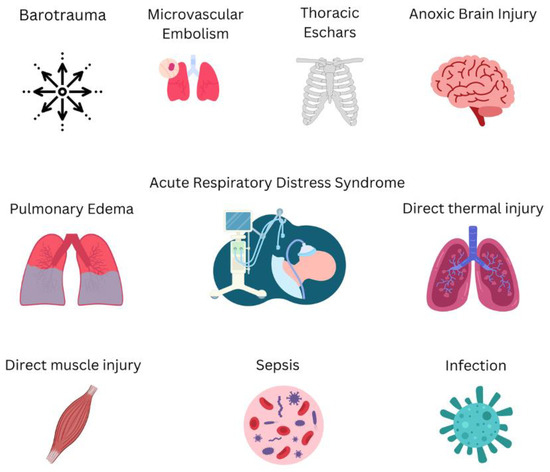
Introduction: Lightning strikes cause a unique spectrum of cutaneous burn injuries that differ substantially from conventional thermal or high-voltage electrical burns. Despite the well-documented systemic lethality of lightning injuries, the burn-specific sequelae—including airway involvement and its contribution to ventilatory failure—remain underreported in the burn literature. Case Report: We present a 31-year-old woman who sustained multiple cutaneous burns following a lightning strike, including a circumferential necklace-pattern burn to the neck, a large midline torso burn, and burns to the right lower extremity and foot. Following resuscitation from ventricular fibrillation cardiac arrest, she required mechanical ventilation and experienced three sequential extubation failures before ultimately requiring tracheostomy. We propose that direct supraglottic and glottic injury, together with airway mucosal edema from localized thermal and electrical injury of the neck, compounded further by systemic inflammatory and infectious complications, contributed to her inability to sustain independent ventilation. Conclusions: In lightning strike victims with burns involving the neck or thorax, direct upper airway injury should be actively considered, excluded when possible, and closely monitored as a potential cause of extubation failure. A low threshold for early bronchoscopic airway assessment and conservative extubation protocols is warranted.
Full article
Open AccessReview
Challenges in Antimicrobial Treatment and Antimicrobial Stewardship in Hospital-Acquired Infections in Adult Burn Patients
by
Gianpiero Tebano, Caterina Convertino, Luigi Raumer, Rossella Sgarzani, Davide Melandri and Francesco Cristini
Eur. Burn J. 2026, 7(2), 35; https://doi.org/10.3390/ebj7020035 - 10 Jun 2026
Abstract
►▼
Show Figures
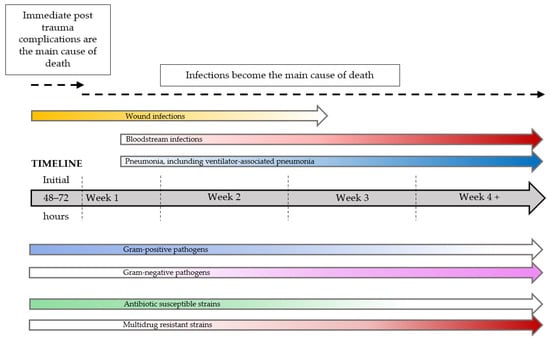
Background: Hospital-acquired infections (HAIs) represent the most significant complications in patients hospitalized for severe burn injuries, after the immediate post-burn resuscitation phase, and are associated with substantial morbidity and mortality. Methods: This is a narrative review. Evidence was extracted mainly with
[...] Read more.
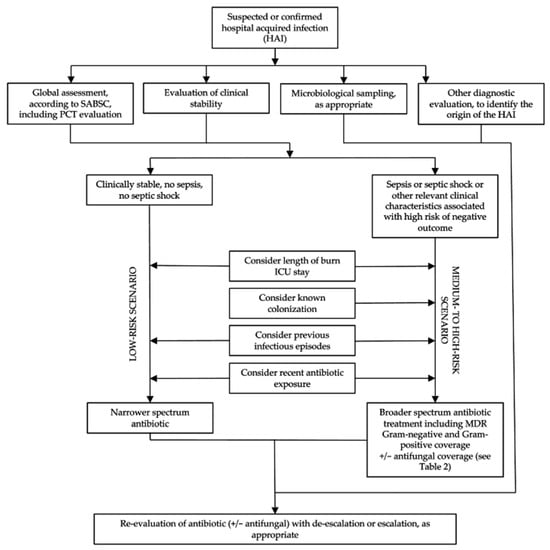
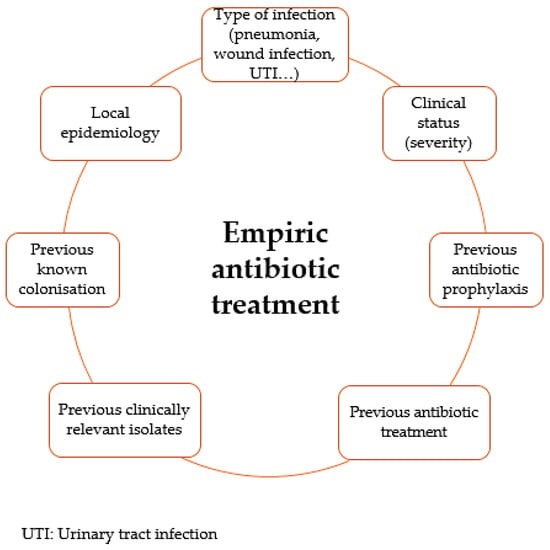
Background: Hospital-acquired infections (HAIs) represent the most significant complications in patients hospitalized for severe burn injuries, after the immediate post-burn resuscitation phase, and are associated with substantial morbidity and mortality. Methods: This is a narrative review. Evidence was extracted mainly with an in-depth search of MEDLINE, focusing on guidelines, randomized controlled trials, and relevant observational studies published in the last 25 years. The reference lists of the most relevant publications were screened to retrieve additional relevant information. Results: Wound infections, bloodstream infections, pneumonia, and urinary tract infections account for the majority of infectious complications. Their diagnosis can be challenging, particularly in the context of wound infections and sepsis. Burn severity and the resulting disruption of tissue and organ homeostasis can alter the pharmacokinetic and pharmacodynamic (PK/PD) properties of antibiotics, rendering standard dosing and administration strategies inadequate. Higher doses, prolonged or continuous infusions, and therapeutic drug monitoring may be required to optimize antibiotic exposure. The emergence of multidrug-resistant (MDR) pathogens (particularly MDR Gram-negative bacilli) has been widely reported across diverse epidemiological settings and occurs frequently in patients with prolonged hospitalization, further complicating treatment. As a result, the use of broad-spectrum antibiotics is substantial, both for empirical therapy and for targeted treatment. Although antimicrobial stewardship programs can promote more appropriate antibiotic use, evidence on how to effectively implement these strategies in Burn Intensive Care Units remains limited. Conclusions: HAIs in burn patients represent a highly complex clinical scenario. Clinical severity is often significant, diagnosis can be challenging, and MDR pathogens are very prevalent, with high consumption of broad-spectrum antibiotics. Moreover, PK/PD properties of antibiotics can be altered. Antimicrobial stewardship can promote appropriate antimicrobial use, but implementation in this setting has not been adequately studied. Close multidisciplinary collaboration between burn specialists and infectious diseases physicians is essential to ensure effective patient management.
Full article

Figure 1
Open AccessReview
Bridging the Evidence–Practice Gap in Early Burn Injury Care: A Comprehensive Evidence Synthesis of Global Guidelines, Consensus, and Systematic Reviews for Resource-Limited Settings
by
Hongyu Tang, Shenjing Yu, Rui Zhang, Zheng Zhu and Li Gui
Eur. Burn J. 2026, 7(2), 34; https://doi.org/10.3390/ebj7020034 - 10 Jun 2026
Abstract
►▼
Show Figures
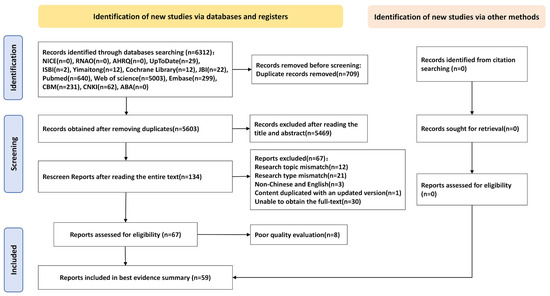
Background: Early management of adult burn injuries in resource-constrained environments—such as battlefields and primary care facilities—remains hindered by the absence of standardized, evidence-based protocols. This study aimed to systematically synthesize existing evidence and develop an integrated framework of actionable recommendations to optimize prehospital
[...] Read more.
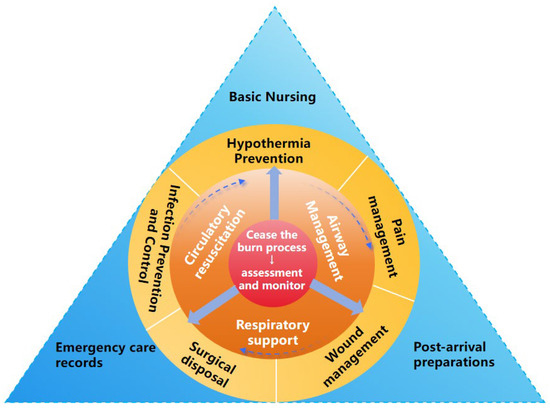
Background: Early management of adult burn injuries in resource-constrained environments—such as battlefields and primary care facilities—remains hindered by the absence of standardized, evidence-based protocols. This study aimed to systematically synthesize existing evidence and develop an integrated framework of actionable recommendations to optimize prehospital and early emergency care. Methods: A comprehensive evidence synthesis was conducted across 14 international and domestic bibliographic databases and authoritative repositories. Eligible sources included clinical practice guidelines, expert consensus statements, evidence summaries, and systematic reviews. Literature quality was appraised using validated instruments, and best-practice recommendations were extracted and thematically synthesized across the continuum of early burn care. Results: Fifty-nine high-quality studies yielded 77 recommendations across 13 domains, spanning from scene safety and burn process cessation through airway, breathing, and circulatory management to wound care, infection control, and transfer preparation. An integrated, context-adaptive framework was established to guide resource-calibrated interventions rather than rigid protocol adherence. Conclusions: These findings provide tiered guidance for frontline healthcare providers and inform the development of emergency care standards in resource-limited settings. Future research should prioritize field validation and contextual implementation to address barriers to evidence translation and enhance real-world applicability.
Full article

Figure 1

Open AccessArticle
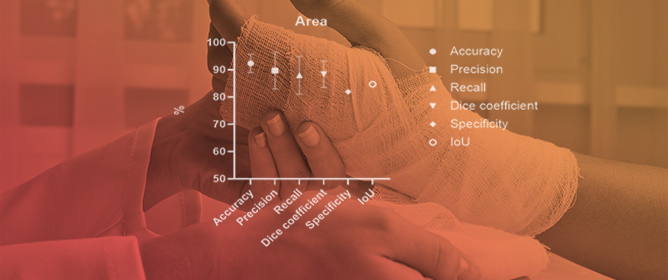
Automated Classification of Second- and Third-Degree Burn Images Using Convolutional Neural Networks
by
Yamile Montecinos-Rodríguez, Francisco J. Torres-Santana, Noureddine Lakouari and Lorena Díaz-González
Eur. Burn J. 2026, 7(2), 33; https://doi.org/10.3390/ebj7020033 - 10 Jun 2026
Abstract
►▼
Show Figures
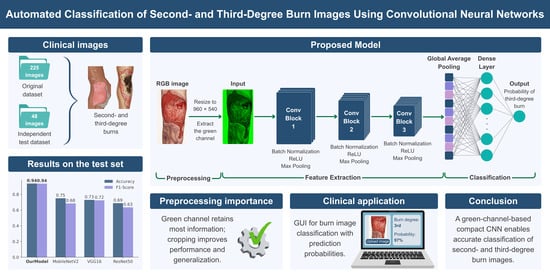
Background: Burn severity assessment is clinically relevant and often requires timely decision-making. Visual classification of second- and third-degree burns remains subjective and prone to observer variability. Methods: This study aimed to develop and evaluate a deep learning model for the automatic classification of
[...] Read more.
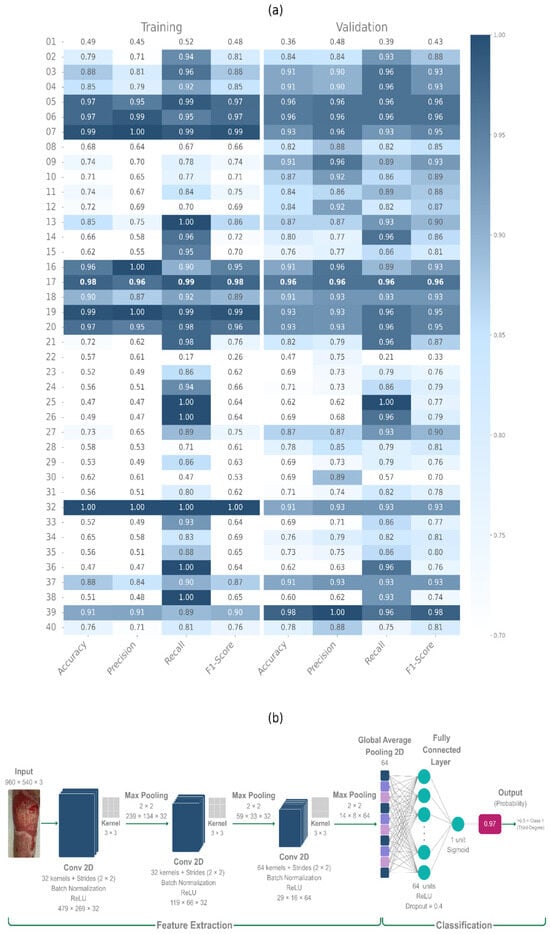
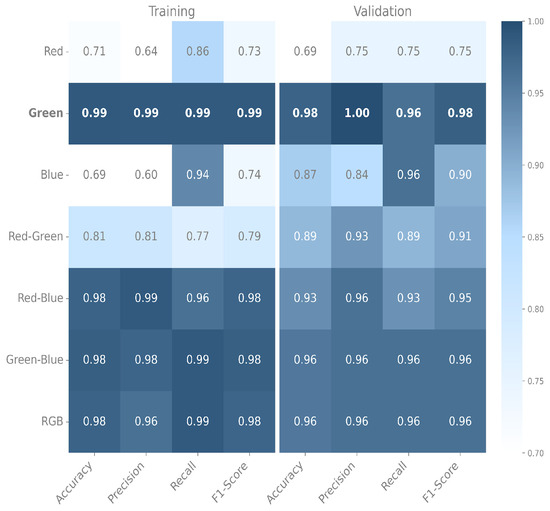
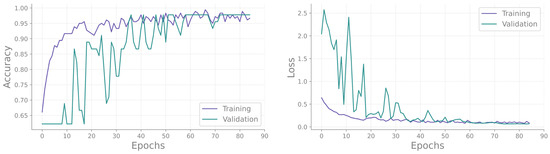
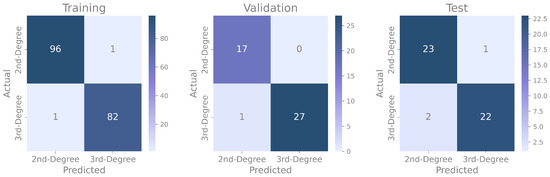
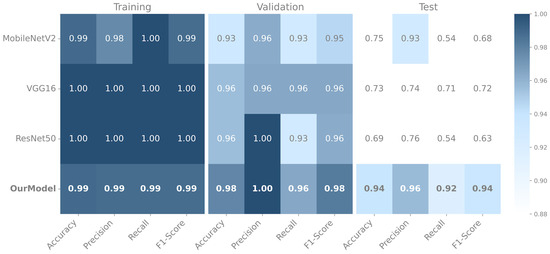
Background: Burn severity assessment is clinically relevant and often requires timely decision-making. Visual classification of second- and third-degree burns remains subjective and prone to observer variability. Methods: This study aimed to develop and evaluate a deep learning model for the automatic classification of second- and third-degree burn images. A dataset of clinical burn images from a private wound care clinic was used to train a convolutional neural network. Hyperparameter optimization and color channel sensitivity analysis were performed to identify the optimal model configuration. Model performance was evaluated using standard classification metrics on training, validation, and independent test datasets, and results were compared with transfer learning approaches. Results: The best performance was achieved using a compact model trained exclusively with the green color channel, obtaining an accuracy of 0.94, precision of 0.96, recall of 0.92, and an F1-score of 0.94 on the independent test set. This model outperformed more complex transfer learning approaches while reducing computational complexity. Conclusions: These findings indicate that using only the green color channel enables efficient and accurate burn classification. The proposed model was also integrated into a graphical user interface, supporting its potential application in clinical and educational environments.
Full article

Graphical abstract
Open AccessArticle
A Single-Centre Review of Outcomes of Delayed Admission to a Burns Unit
by
Quentin Isaacs, Chrysis Sofianos, Adelin Muganza and Brian Brummer
Eur. Burn J. 2026, 7(2), 32; https://doi.org/10.3390/ebj7020032 - 10 Jun 2026
Abstract
►▼
Show Figures
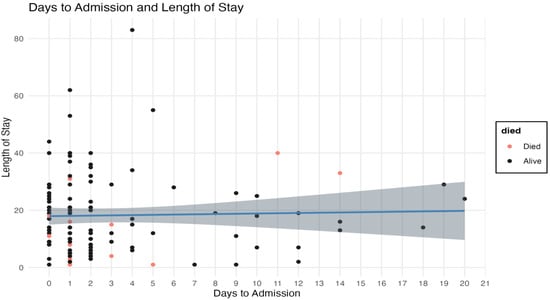
Background: Timely admission to a specialised burn unit is considered crucial for optimising outcomes in burn patients. However, the impact of delayed admission on hospital length of stay and clinical outcomes remains unclear, particularly in resource-constrained settings such as South Africa. This retrospective
[...] Read more.
Background: Timely admission to a specialised burn unit is considered crucial for optimising outcomes in burn patients. However, the impact of delayed admission on hospital length of stay and clinical outcomes remains unclear, particularly in resource-constrained settings such as South Africa. This retrospective study aimed to determine whether admission to a burn unit more than 24 h after injury was associated with increased length of stay, sepsis, or mortality. Methods: A retrospective case-audit study was conducted at the Chris Hani Baragwanath Academic Hospital Adult Burn Unit, Johannesburg, from January 2018 to December 2022. Patients were categorised into early (≤24 h) and delayed (>24 h) admission groups. The primary outcome was length of stay; secondary outcomes included sepsis incidence and in-hospital mortality. Results: A total of 123 files were analysed; 71 (58%) were admitted within 24 h. The median length of stay was 14 days, with no statistical difference between the two groups (p = 0.7). The overall mortality rate was 13%, with 68% occurring in the early admission group. Sepsis occurred in 27% of patients. Multivariate analysis revealed that early admission was independently associated with longer length of stay. Conclusions: In this single-centre retrospective case note audit with a limited sample size and significant risk of selection bias, delayed admission to a burn unit was not associated with increased length of stay, mortality, or sepsis. However, these findings should be considered preliminary and require confirmation in larger, prospective studies. The higher rate of surgical intervention in the delayed admission group warrants further investigation.
Full article

Figure 1
Open AccessArticle
Simulation Enhances Resident Preparedness Using Skin Cell Suspension Autograft
by
Joshua P. Kronenfeld, Louis R. Pizano, Ray I. Gonzalez, Joyce I. Kaufman, Shevonne Satahoo and Carl I. Schulman
Eur. Burn J. 2026, 7(2), 31; https://doi.org/10.3390/ebj7020031 - 21 May 2026
Abstract
►▼
Show Figures
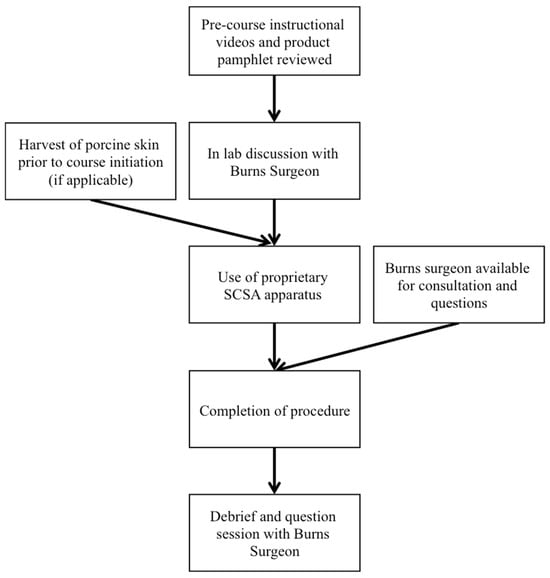
Objective: Surgical simulation has been shown to improve efficiency, performance, and time to mastery for complicated procedures, but simulation training is not always considered when introducing new devices or products. As part of a performance improvement project, we sought to design and evaluate
[...] Read more.
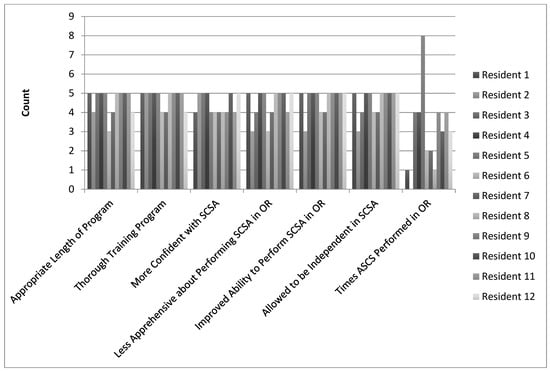
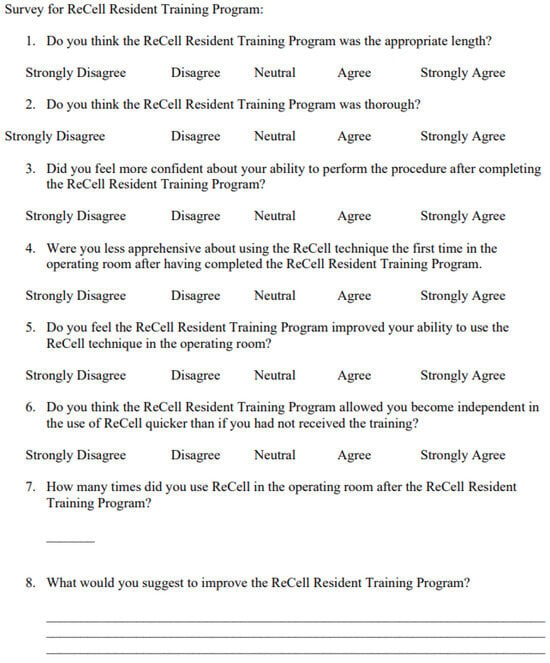
Objective: Surgical simulation has been shown to improve efficiency, performance, and time to mastery for complicated procedures, but simulation training is not always considered when introducing new devices or products. As part of a performance improvement project, we sought to design and evaluate simulation training for the skin cell suspension autograft (SCSA) with surgery residents during their Burn rotation. Methods: Residents were asked to read instructional materials and watch training videos before coming into the simulation lab for the training session supervised by a Burn surgeon. A qualitative survey was designed and administered after completion of the rotation. Results: Twelve residents have completed the training thus far. Their feedback from the training session was rated on a five-point Likert scale and indicated that the simulation activity was an appropriate length (4.6/5.0), was thorough (4.8/5.0), and led to more confidence (4.4/5.0) and less apprehension (4.4/5.0) when performing the procedure on live patients. This was followed by their use of the product in the operating room with complete success. Conclusions: The novel SCSA training shows great promise for improving the confidence and performance of surgical residents. This could allow for a shorter time for residents to become independent in its use, thereby allowing for increased operative efficiency with the opportunity to significantly improve trainee expertise.
Full article

Figure 1
Open AccessConference Report
The 4th Educational Course of the European Burns Association (EBA)
by
Nadia Depetris, Alette E. E. de Jong, Clemens Schiestl, Fredrik Huss, Gregoire Bondu, Jill Meirte, Jyrki Vuola, Luís Cabral, Moustafa Elmasry, Raluca Tatar Bulea, Robert Zajíček, Stian Almeland and Yvonne Wilson
Eur. Burn J. 2026, 7(2), 30; https://doi.org/10.3390/ebj7020030 - 14 May 2026
Abstract
Abstracts of the plenary sessions, workshops, and poster presentations of the 4th EBA Educational Course in Bucharest, Romania, 15–16 May 2026.
Full article
Open AccessArticle
Japanese Consensus Document on NexoBrid®, a Burn Eschar Removal Agent
by
Hajime Matsumura, Takahiro Ueda, Rei Ogawa, Yasuhiko Kaita, Hiroyuki Sakurai, Kazutaka Soejima and Junichi Sasaki
Eur. Burn J. 2026, 7(2), 29; https://doi.org/10.3390/ebj7020029 - 13 May 2026
Abstract
Background: NexoBrid® (NXB), an enzymatic debridement agent approved in Japan in 2022, provides a less invasive alternative to surgical excision for burn treatment. However, its optimal therapeutic benefit depends on appropriate patient selection and proper application technique. Existing international consensus documents are
[...] Read more.
Background: NexoBrid® (NXB), an enzymatic debridement agent approved in Japan in 2022, provides a less invasive alternative to surgical excision for burn treatment. However, its optimal therapeutic benefit depends on appropriate patient selection and proper application technique. Existing international consensus documents are not fully applicable to clinical practice in Japan because of differences in available devices and drugs. Therefore, a Japan-specific consensus document was developed by a panel of seven Japanese burn experts, including four plastic surgeons and three emergency physicians. Methods: A questionnaire-based survey was conducted using the Delphi method to achieve expert consensus. Consensus was defined as agreement by at least 80% of committee members for each statement. A total of 27 statements were evaluated over two rounds. Results: Consensus was achieved for 20 of 27 statements (74.1%) in the first round and for 21 of 27 statements (77.8%) in the second round. The finalised statements were organised into seven categories according to their attributes: indications, pain management, application timing, application technique, post-application wound care, skin grafting, and scarring/aesthetic outcomes. Conclusions: This consensus document integrates the opinions of plastic surgeons and emergency physicians in Japan, while also incorporating relevant international perspectives, to provide practical guidance on the use of NXB for burn treatment. It is intended to improve the quality of burn care by clarifying efficacy, safety, and precautions associated with NXB use. These recommendations should be updated as further clinical experience accumulates.
Full article
Open AccessArticle
Predictors of Mortality in Burn Patients at Selected Tertiary Public Hospitals in Addis Ababa, Ethiopia: A Two-Year Retrospective Study
by
Rahel Kassa Bayou, Meheret Befekadu Demmissie, Bethelhem Kassa Bayou, Laura Pompermaier, Hanna Yemane Berhane and Bacha Mirkena Dhabi
Eur. Burn J. 2026, 7(2), 28; https://doi.org/10.3390/ebj7020028 - 12 May 2026
Abstract
Background: Burn injuries are a major cause of morbidity and mortality in low- and middle-income countries, yet remain underreported due to limited data systems. This study describes the epidemiology of burn patients admitted to two major burn centers in Addis Ababa, Ethiopia, and
[...] Read more.
Background: Burn injuries are a major cause of morbidity and mortality in low- and middle-income countries, yet remain underreported due to limited data systems. This study describes the epidemiology of burn patients admitted to two major burn centers in Addis Ababa, Ethiopia, and identifies predictors of in-hospital mortality. Methods: A cross-sectional study was conducted among patients with new burn injuries admitted between 1 September 2021, and 1 November 2023, at the Addis Ababa Burn, Emergency, and Trauma Center (AaBET) and Yekatit 12 Medical College (Y12MC) hospitals. Data were extracted from medical records. Descriptive statistics summarized patient characteristics, and binary logistic regression with multivariable analysis identified factors associated with in-hospital mortality using adjusted odds ratios (AORs) and 95% confidence intervals (CIs). Results: Chart completeness was 96.2%. Among 800 patients, 57% were female, with a median age of 18 years (range: 0–89); approximately 80% were under 30 years. Scalds were the leading cause (49.1%). In-hospital mortality was 8.5% (95% CI: 6.5–10.4). Significant predictors included inhalation injury (AOR 6.53), TBSA ≥ 15% (AOR 3.33), deep burns (AOR 1.96), and ICU admission (AOR 14.42). Conclusions: In-hospital mortality was moderate, disproportionately affecting children and young adults, underscoring the need to strengthen critical care and management of severe burns.
Full article
(This article belongs to the Special Issue Global Perspectives on Burn Prevention, Management, Collaboration, and Disparities)
Open AccessArticle
The UK Consensus Statement for the Use of Enzymatic Debridement in Burn Care
by
Nicole Lee, Ascanio Tridente, Niall Martin, Odhran Shelley and on behalf of the UK Working Group for Enzymatic Debridement
Eur. Burn J. 2026, 7(2), 27; https://doi.org/10.3390/ebj7020027 - 12 May 2026
Abstract
Background: Over the past ten years, enzymatic debridement has been used more often to treat burn injuries in the UK and Europe. Even though it is increasingly adopted, there are still major differences in how it is practiced. These differences are mainly
[...] Read more.
Background: Over the past ten years, enzymatic debridement has been used more often to treat burn injuries in the UK and Europe. Even though it is increasingly adopted, there are still major differences in how it is practiced. These differences are mainly due to varying levels of professional experience, differences in the interpretation of available evidence, and concerns about safety and effectiveness. Methods: To help resolve these issues and create more consistent care, the UK National Consensus Working Group was formed. This group brought together burn care experts from different backgrounds to review current methods, published research, and consensus guidelines. They used a structured approach that included educational webinars, a thorough review of the literature, and a national survey using the Delphi method to gather expert opinions and real-world experiences. Results: As a result of this process, the UK Consensus Statement for the Use of Enzymatic Debridement in Burn Care was created and officially approved after extensive consultation at national meetings. The main recommendations focus on safely and effectively including enzymatic debridement in burn care, the need for clear procedures, and identifying areas where further research is needed, such as patient outcomes and dressing methods. Conclusions: The goal of this consensus statement is to unify practices, guide future research, and support ongoing improvements in burn care throughout the UK.
Full article
(This article belongs to the Special Issue Global Perspectives on Burn Prevention, Management, Collaboration, and Disparities)
Open AccessFeature PaperArticle
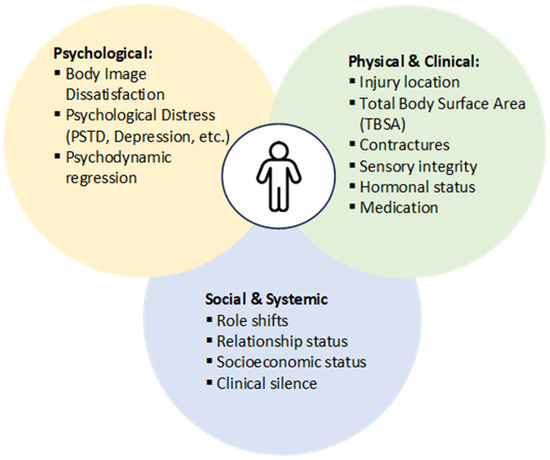
Recommendations on Sexuality and Intimacy After Burn Injuries
by
Jill Meirte, Stefania Anna Simone, Sabrina Belemkasser and Jonathan Bayuo
Eur. Burn J. 2026, 7(2), 26; https://doi.org/10.3390/ebj7020026 - 12 May 2026
Abstract
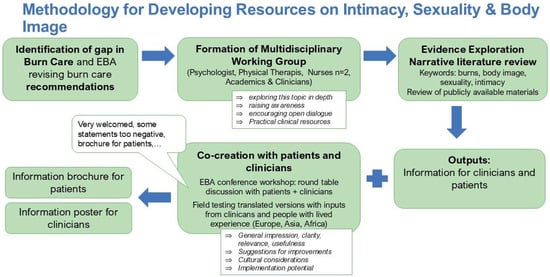
Background: Burn injuries profoundly impact the survivors’ physical, psychological and social well-being, with sexuality, intimacy and body image remaining among the most disrupted yet least addressed areas of rehabilitation. Limited professional training, social discomfort, and a lack of clinical guidance contribute to these
[...] Read more.
Background: Burn injuries profoundly impact the survivors’ physical, psychological and social well-being, with sexuality, intimacy and body image remaining among the most disrupted yet least addressed areas of rehabilitation. Limited professional training, social discomfort, and a lack of clinical guidance contribute to these unmet needs. Recognizing sexuality as an essential part of health, this interdisciplinary project developed evidence-informed recommendations and communication tools to support both burn survivors and healthcare professionals in discussing intimacy, sexuality, and body image after burn injury. Methods: An interdisciplinary expert group conducted a narrative literature review, supplemented with grey literature and lived experience resources. These insights informed two practical tools: a poster for healthcare professionals and burn centers, and a patient-focused brochure. Both underwent iterative refinement through multicultural feedback from patients and professionals across Europe, Asia and Africa, followed by final validation during an interdisciplinary workshop at the 2025 European Burns Association (EBA) Conference. Results: The literature indicated that burn injuries affect sexuality and body image through interacting physiological, psychological, sensory, relational, and sociocultural factors. Common challenges included reduced desire, anxiety, fear of rejection, altered self-perception, and discomfort initiating conversations about intimacy. Professionals reported limited training, insufficient privacy and cultural barriers. Conclusions: The developed tools and these recommendations aim to normalize dialog, support proactive screening, and promote culturally sensitive patient-centered burn rehabilitation. Embedding sexuality and intimacy within burn care requires ongoing professional training and the identification of dedicated resource persons within each team.
Full article
(This article belongs to the Special Issue 2nd Edition of Enhancing Psychosocial Burn Care)
►▼
Show Figures

Figure 1
Open AccessArticle
The Efficacy of UV-C Disinfection in Decreasing Hospital-Acquired Infections and Bioburden in an Adult Burns Service
by
Elad Zvi, Melissa Neely, Louise Higgins, Maja Garcia, Melinda Pacquola, Eldho Paul, Alex Padiglione, Heather Cleland and Cheng Hean Lo
Eur. Burn J. 2026, 7(2), 25; https://doi.org/10.3390/ebj7020025 - 11 May 2026
Abstract
Background: Burn patients are highly susceptible to hospital-acquired infections (HAIs), and contaminated near-patient surfaces can act as reservoirs for multidrug-resistant organisms (MROs). Ultraviolet-C (UV-C) room disinfection is increasingly used as an adjunct to manual cleaning, but real-world data in adult burns settings remain
[...] Read more.
Background: Burn patients are highly susceptible to hospital-acquired infections (HAIs), and contaminated near-patient surfaces can act as reservoirs for multidrug-resistant organisms (MROs). Ultraviolet-C (UV-C) room disinfection is increasingly used as an adjunct to manual cleaning, but real-world data in adult burns settings remain limited. Methods: We evaluated adjunctive UV-C disinfection in a tertiary adult trauma and burns surgical ward using a two-part observational design. Part A compares MRO-related HAI incidence before UV-C implementation (12 May 2015–11 May 2020; retrospective) with its incidence after implementation (14 July 2020–13 July 2021; prospective). Part B is a matched pre/post environmental sampling study (December 2022–December 2024) of 44 vacant rooms. Paired swabs from a single randomised high-touch surface per room were collected immediately before and after UV-C disinfection and processed by an independent laboratory. Results: Part A included 7589 admissions (6415 before-UV-C; 1174 after-UV-C) with 2728 UV-C cycles delivered after implementation. MRO-related HAI incidence decreased from 18.3 to 10.2 per 1000 bed-days (p < 0.01). In Part B, the proportion of swabs with <10 CFU increased after UV-C disinfection (66% vs. 50%, p = 0.02). Among swabs with non-negligible baseline contamination and excluding increases, the median CFU reduction was 97% (SD 12%; p < 0.001), with no significant differences in reduction across sampled surface types. Conclusion: In an adult burns surgical ward, adjunctive UV-C disinfection was associated with reduced MRO-related HAI incidence and a substantial reduction in environmental bioburden on high-touch surfaces. These real-world findings support UV-C as a feasible adjunct to standard cleaning in high-risk burn services and inform future controlled evaluations.
Full article
Open AccessSystematic Review
The Scalp as a Donor Site in Pediatric Burns: Systematic Review of the Literature and Proposal of a Management Algorithm
by
Carlotta Paola Maria Canonica, Irene Paraboschi, Eleonora Durante, Francesca Izzo, Anna Mandelli, Sara Costanzo, Elvira Conti, Gloria Pelizzo and Anne Le Touze
Eur. Burn J. 2026, 7(2), 24; https://doi.org/10.3390/ebj7020024 - 8 May 2026
Abstract
►▼
Show Figures
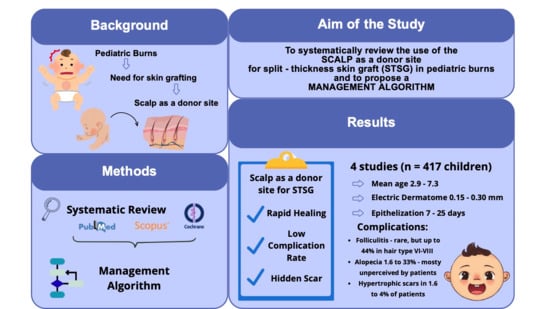
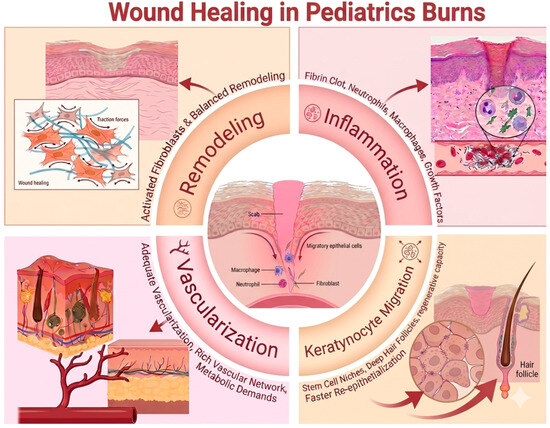
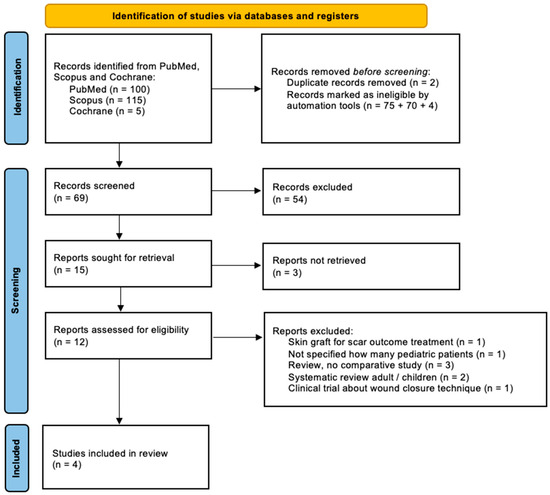
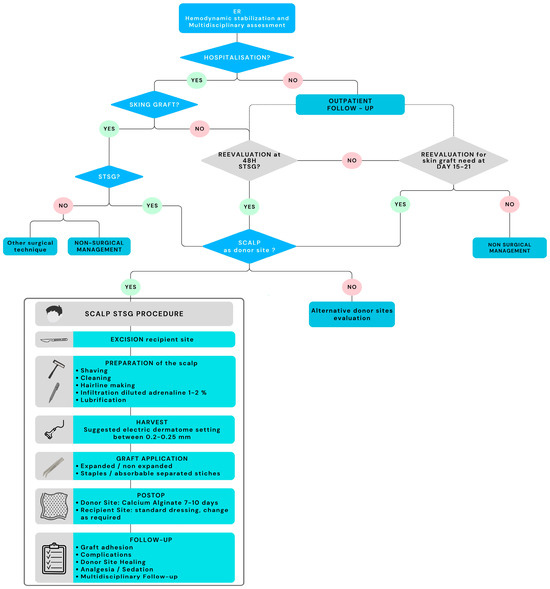
Background: Deep burns in pediatric population often require split-thickness skin grafts (STSGs) and the identification of an optimal donor site is crucial to minimize morbidity, accelerate healing and reduce short- and long-term complications. The scalp appears to be increasingly used in clinical practice,
[...] Read more.
Background: Deep burns in pediatric population often require split-thickness skin grafts (STSGs) and the identification of an optimal donor site is crucial to minimize morbidity, accelerate healing and reduce short- and long-term complications. The scalp appears to be increasingly used in clinical practice, but evidence remains limited, despite the promise of novel bioengineering and regenerative approaches. Methods: A systematic review about the use of scalp for STSG in pediatrics was conducted across PubMed, Scopus, and Cochrane (2005–2025). Clinical outcomes considered were donor-site healing time, early and late complications, perioperative practices, and quality of scars. Results: Four studies met the inclusion criteria (n = 417, mean age 2.9–7.3 years) with follow-up periods up to 27 years. Epithelialization occurred between 7 and 25 days. Early complications included folliculitis (up to 44% in certain hair types) and delayed healing (n = 13; 52%). A rigorous harvesting technique is needed to avoid preventable complications. Late sequelae included alopecia (1.6% to 33%—the latter largely unperceived by patients) and hypertrophic scarring (1.6–4%). Scar quality was rated good in >80% of cases. Conclusions: Evidence supports the scalp as a safe, efficient, and cosmetically favorable donor site for pediatric STSG. Based on evidence and clinical experience, we propose the first structured scalp-donor management algorithm to optimize safety, reduce complications, and standardize perioperative care in the management of pediatric burns.
Full article

Graphical abstract
Open AccessArticle
Hand Involvement and Its Association with Burn Characteristics, Surgical Management, and Length of Stay in Paediatric Inpatients: A 10-Year Cross-Sectional Study from Western Australia
by
Lachlan James Madge, Lisa J. Martin, Emma Catherine Mill, Fiona M. Wood and Tiffany L. Grisbrook
Eur. Burn J. 2026, 7(2), 23; https://doi.org/10.3390/ebj7020023 - 30 Apr 2026
Abstract
►▼
Show Figures
Background: Hand burns are a key criterion for immediate referral to tertiary burn centres in Australia, New Zealand, and internationally, yet few studies have examined how paediatric burn epidemiology, surgical management, and length of stay (LOS) differ according to the extent of hand
[...] Read more.
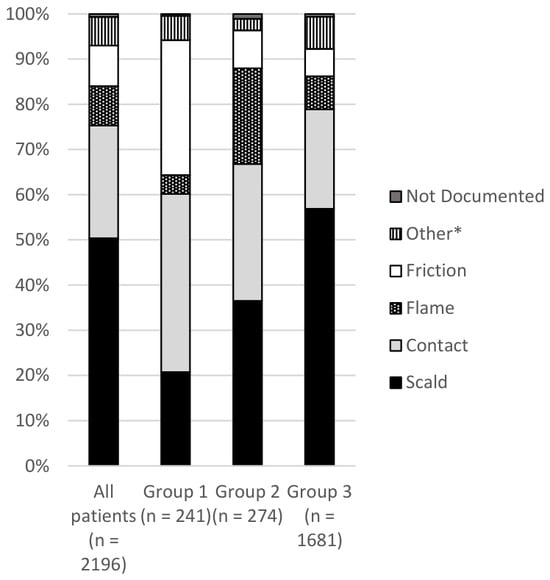
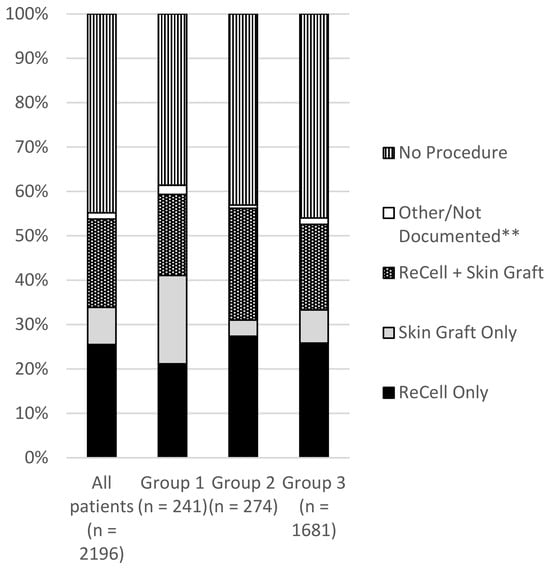
Background: Hand burns are a key criterion for immediate referral to tertiary burn centres in Australia, New Zealand, and internationally, yet few studies have examined how paediatric burn epidemiology, surgical management, and length of stay (LOS) differ according to the extent of hand involvement. The objective of this study was to describe and compare the demographic profiles, burn injury characteristics, and clinical management between three groups: children with (1) burns involving only the hands, (2) burns involving the hands and other sites, and (3) burns not involving the hands who were admitted to the paediatric Burns Service of Western Australia (BSWA) over a 10-year period. Methods: This cross-sectional study included all burn admissions to the state paediatric burn unit between July 2012 and June 2022. Descriptive statistics and univariate regression used to compare groups. A multivariate log-linear regression model was used to assess the independent association between hand involvement and length of hospital stay, adjusting for identified confounders. T Results: Children with burns isolated to the hands were younger, had a smaller percentage of total body surface area (%TBSA), were more likely to have sustained contact or friction burns, and were more likely to undergo skin grafting procedures compared to those with burns involving the hands and other sites, and those with burns not involving the hands. Despite these differences, hand involvement was not identified as an independent predictor of initial LOS. Conclusion: Paediatric patients with hand burns did not have longer initial hospital admissions than those without hand involvement. Future research needs to assess longer term impacts of hand burns.
Full article

Figure 1
Open AccessArticle
Scheduled Bronchoscopy with Nebulized Heparin and N-Acetylcysteine in Burn Patients with Inhalation Injury: A Randomized Trial
by
Thai Ngoc Minh Nguyen, Nhu Lam Nguyen and Dinh Hung Tran
Eur. Burn J. 2026, 7(2), 22; https://doi.org/10.3390/ebj7020022 - 29 Apr 2026
Abstract
►▼
Show Figures
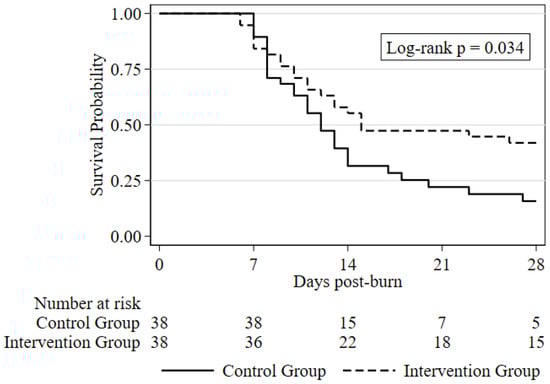
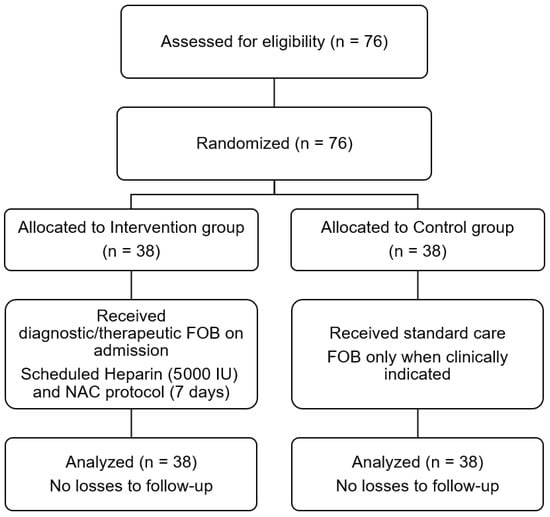
Inhalation injury (II) exacerbates burn mortality via obstructive fibrin casts. We evaluated a protocol combining scheduled flexible bronchoscopy (FOB) with nebulized heparin and N-acetylcysteine (NAC). This single-center, randomized controlled trial enrolled 76 mechanically ventilated adult burn patients with bronchoscopically confirmed II. The intervention
[...] Read more.
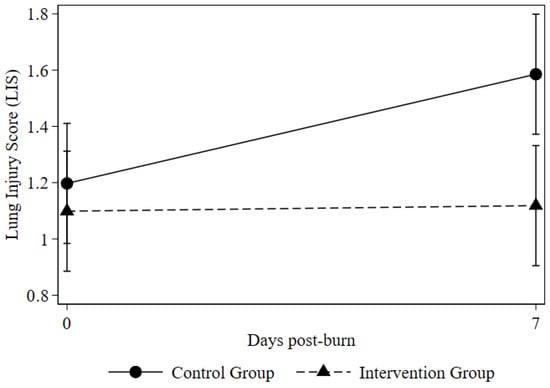
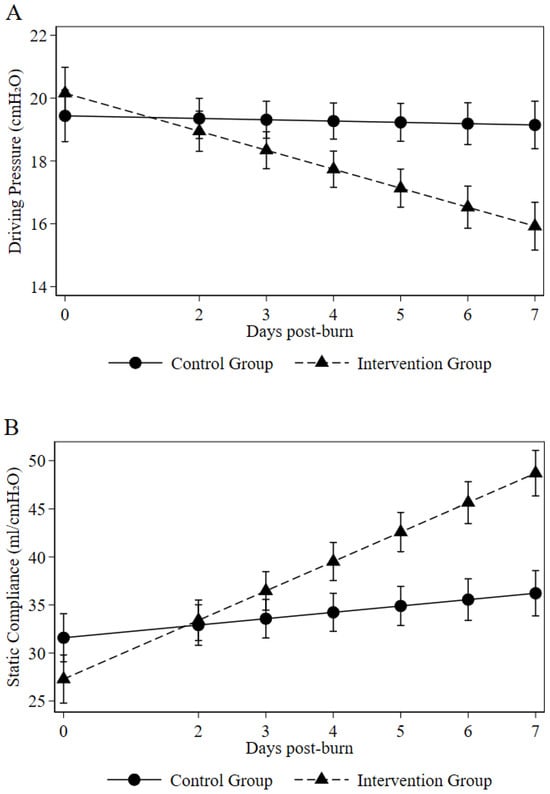
Inhalation injury (II) exacerbates burn mortality via obstructive fibrin casts. We evaluated a protocol combining scheduled flexible bronchoscopy (FOB) with nebulized heparin and N-acetylcysteine (NAC). This single-center, randomized controlled trial enrolled 76 mechanically ventilated adult burn patients with bronchoscopically confirmed II. The intervention (n = 38) comprised a 7-day protocol of scheduled FOB with alternating nebulized heparin (5000 IU) and 20% NAC every 4 h. Controls (n = 38) received standard care with on-demand FOB. Primary outcomes were 28-day mortality and day-7 Lung Injury Score (LIS). Unadjusted 28-day mortality was lower in the intervention group (57.9% vs. 81.6%; p = 0.025), alongside a decreased median day-7 LIS (1.0 vs. 1.38; p = 0.021). Respiratory mechanics improved significantly, demonstrating reduced driving pressure and increased static compliance (p < 0.001). However, in multivariable Cox regression, baseline injury severity independently predicted mortality, while the intervention indicated a non-significant hazard reduction trend (aHR = 0.66, 95% CI: 0.36–1.23). No systemic anticoagulation occurred. In conclusion, scheduled FOB with nebulized heparin and NAC improves respiratory mechanics and attenuates lung injury in II. Although unadjusted mortality decreased, baseline severity remains the primary mortality driver, suggesting this protocol is a physiologically beneficial adjunct requiring further multicenter validation. Trial registration: Thai Clinical Trials Registry, TCTR20260408001 (retrospectively registered).
Full article

Figure 1

Open AccessReview
From Evaporation to Edema: A Scoping Review of Physical and Biological Determinants of Early Fluid Distribution in Burn Patients
by
Sergio Arlati and Paolo Aseni
Eur. Burn J. 2026, 7(2), 21; https://doi.org/10.3390/ebj7020021 - 16 Apr 2026
Abstract
►▼
Show Figures
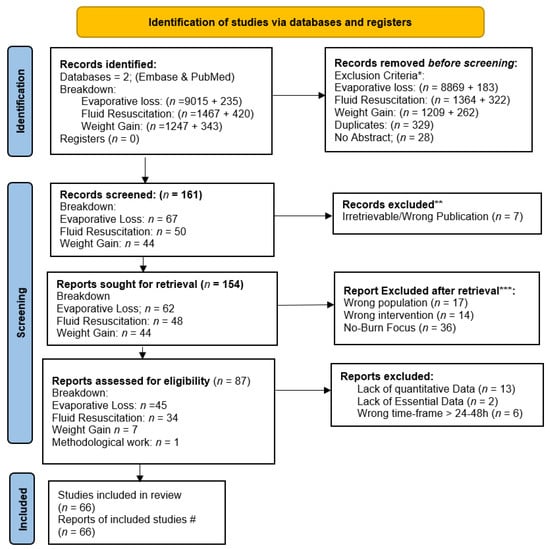
Background: Evaporative water loss from burn wounds is a major but often neglected component of early fluid requirements. Despite its physiological importance, no dedicated review has quantified acute post-burn evaporative water loss (TEWL) and its interaction with modern resuscitation strategies in over
[...] Read more.
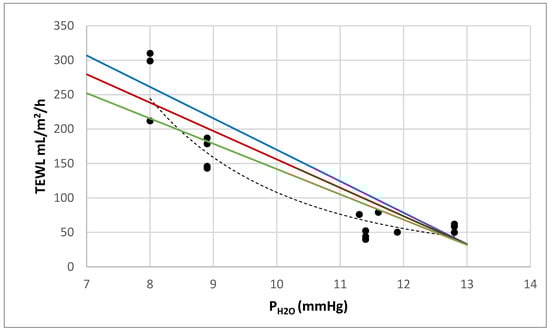
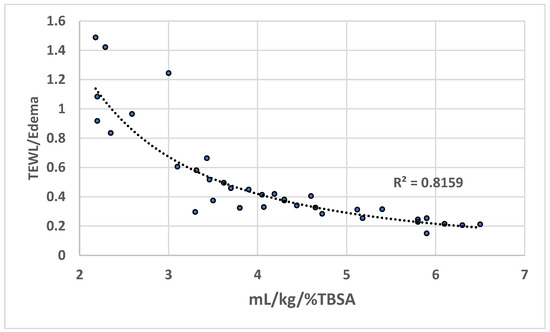
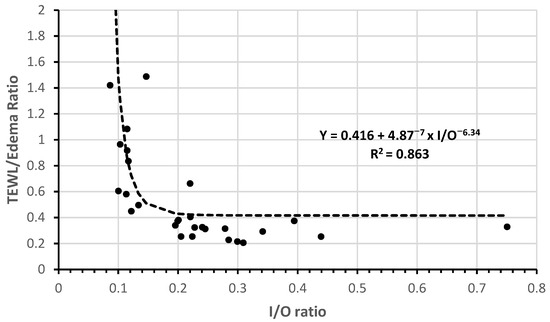
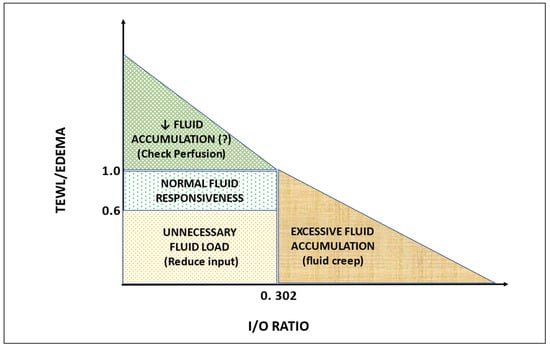
Background: Evaporative water loss from burn wounds is a major but often neglected component of early fluid requirements. Despite its physiological importance, no dedicated review has quantified acute post-burn evaporative water loss (TEWL) and its interaction with modern resuscitation strategies in over 40 years. Recent mass-casualty burn events in specialized centers have re-emphasized the clinical importance of accurate early fluid balance, which is particularly challenging. Methods: A scoping review (PRISMA-ScR) of historical quantitative studies and 23 contemporary (2015–2025) adult major-burn resuscitation cohorts was conducted. Expected TEWL was derived from Lamke benchmarks; interstitial edema was estimated from the only available regression of simultaneous fluid input and 24 h weight change. A novel TEWL/edema ratio was tested against resuscitation volume (mL/kg/%TBSA) and the established input/output (I/O) ratio. Results: In the acute phase, the median TEWL normalized to total body surface area was 71 mL/m2/h [52–79 mL/m2/h], allowing for calculation of the TEWL/edema ratio. The TEWL/edema ratio was inversely correlated with the resuscitation fluid dose (R2 = 0.811) and the I/O ratio as well (R2 = 0.86), crossing unity at 2.85 mL/kg/%TBSA. A ratio > 1 signals high evaporative drive and/or possible under-resuscitation; a ratio < 1 alerts to fluid creep before significant weight gain. Conclusions: The TEWL/edema ratio is the first physiology-grounded, easily calculable resuscitation endpoint that complements urine output by providing insight into whether administered fluid is lost as obligatory evaporation or sequestered as edema. Routine estimation of expected TEWL and early monitoring of the TEWL/edema ratio may help guide goal-directed burn resuscitation, especially when early excision is delayed or impossible. Given the substantial inter-individual variability, the ratio derived from aggregate data should not be interpreted as a patient-specific predictor.
Full article

Figure 1
Open AccessPerspective
From Low-Resource Innovation to High-Resource Learning: Head-Mounted Cameras as a Tool to Strengthen Surgical and Burn Care Training
by
Einar Logi Snorrason, Fredrik Huss, Ali Modarressi and Morten Kildal
Eur. Burn J. 2026, 7(2), 20; https://doi.org/10.3390/ebj7020020 - 1 Apr 2026
Abstract
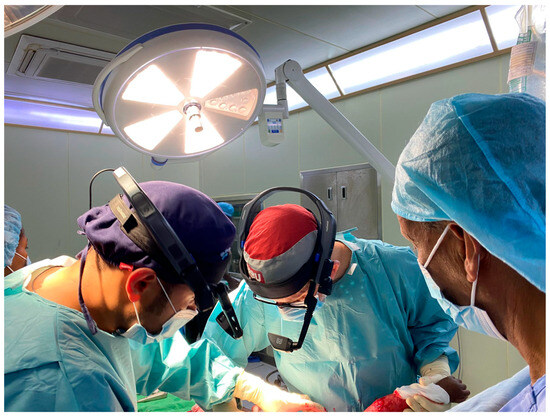
While the global surgeon deficit continues to demand urgent action, traditional “over-the-shoulder” teaching is increasingly constrained by infection-control demands and crowded operating rooms. Over the past four years, we integrated head-mounted smart cameras into reconstructive-surgery workshops across East Africa. Utilizing voice-controlled, stabilized video
[...] Read more.
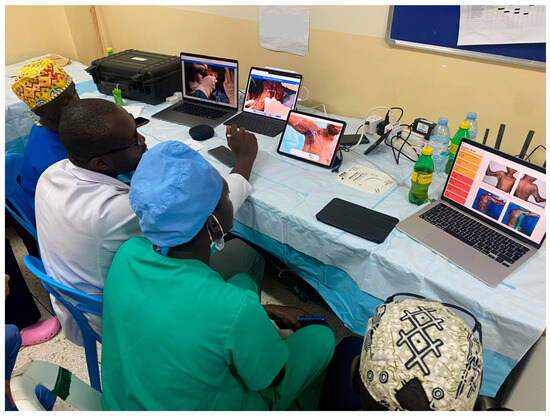
While the global surgeon deficit continues to demand urgent action, traditional “over-the-shoulder” teaching is increasingly constrained by infection-control demands and crowded operating rooms. Over the past four years, we integrated head-mounted smart cameras into reconstructive-surgery workshops across East Africa. Utilizing voice-controlled, stabilized video technology, we provided trainees with a high-definition, wearer’s-perspective view that enhanced visualization without compromising the sterile field. Following remarkably high acceptance in Africa, we have initiated a pilot study at the National Burn Centre in Sweden to apply these lessons to a high-income setting. Our findings suggest that this technology improves surgical education while supporting infection-control stewardship through reduced overcrowding. This experience illustrates a reverse innovation, where tools refined under the logistical constraints of African operating theatres offer scalable solutions for universal challenges in surgical training and patient safety.
Full article
(This article belongs to the Special Issue Innovative Applications and Challenges of Emerging Materials and Technologies in Burn Treatment)
►▼
Show Figures

Figure 1
Open AccessSystematic Review
The Diagnostic Value of Indocyanine Green in the Assessment of Depth of Burn Injuries: A Systematic Review
by
Marie K. Hilgarth, Samuel Knoedler, Gabriel Hundeshagen, Adriana C. Panayi, Bong-Sung Kim, Jochen-Frederick Hernekamp and Valentin F. M. Haug
Eur. Burn J. 2026, 7(1), 19; https://doi.org/10.3390/ebj7010019 - 19 Mar 2026
Abstract
Background: Accurate assessment of burn depth remains a clinical challenge and requires specific training. To improve diagnostic accuracy, various technical methods have been developed. This review summarizes current evidence on indocyanine green (ICG) fluorescence imaging for burn depth assessment and compares its performance
[...] Read more.
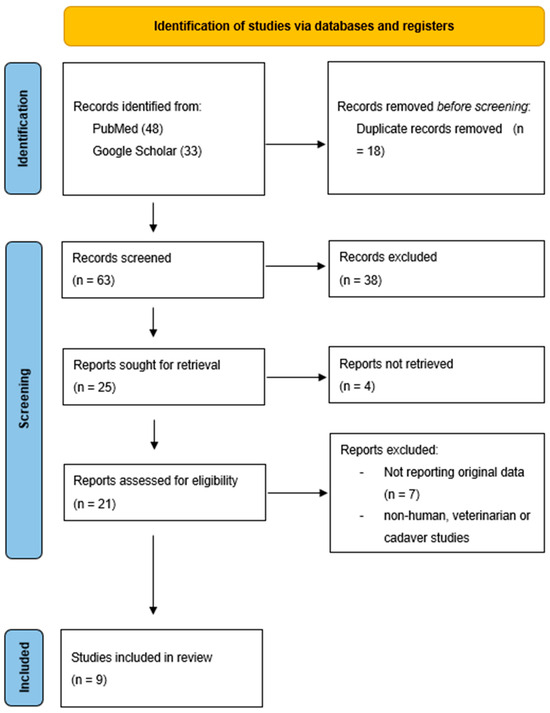
Background: Accurate assessment of burn depth remains a clinical challenge and requires specific training. To improve diagnostic accuracy, various technical methods have been developed. This review summarizes current evidence on indocyanine green (ICG) fluorescence imaging for burn depth assessment and compares its performance with clinical, histological, and alternative modalities such as Laser Doppler imaging (LDI). Methods: A systematic literature search was conducted in PubMed/MEDLINE, Cochrane and Google Scholar to identify studies evaluating burn depth using ICG fluorescence imaging. Studies from 1995 to 2024 were included if they compared ICG to at least one reference method (clinical assessment, biopsy, or other technical modalities). Data extraction was performed independently by two reviewers. Risk of bias was assessed using the Newcastle–Ottawa Scale. The study selection workflow is shown in the PRISMA 2020 flow diagram for systematic reviews. Results: Nine studies with a total of 151 patients, published between 1995 and 2024, met the inclusion criteria. Results were synthesized descriptively due to substantial methodological heterogeneity. Two studies reported high accuracy of ICG fluorescence imaging for identifying nonviable tissue and supporting surgical planning, although differentiation between superficial and deep partial-thickness burns (SPTBs/DPTBs) was inconsistent. In one study, ICGA-guided assessment reduced or avoided excision in 10 of 20 burn sites (50%). Yet heterogeneity in measurement protocols, cut-off values, and reference standards limited comparability across studies. Conclusions: Due to its limited accuracy in differentiating SPTBs and DPTBs, ICG imaging has restricted utility for burn depth assessment, though it may still offer intraoperative benefit during necrosectomy. Registration: PROSPERO International prospective register of SRs by the National Institute of Health Research (CRD420251161190).
Full article
(This article belongs to the Special Issue Innovative Applications and Challenges of Emerging Materials and Technologies in Burn Treatment)
►▼
Show Figures

Figure 1
Open AccessArticle
Prognostic Scoring Systems for Burns: A Comparative Analysis of Their Predictive Accuracies for Mortality in Burn Patients
by
Susanne Rein, Jule Schmiechen, Jochen Gille and Thomas Kremer
Eur. Burn J. 2026, 7(1), 18; https://doi.org/10.3390/ebj7010018 - 19 Mar 2026
Abstract
►▼
Show Figures
Introduction: Various scoring systems are applied to burn patients to assess the perioperative and mortality risks as well as comorbidities. Objective: The purpose of this study was to compare the predictive accuracies for mortality of different scoring systems: the Abbreviated Burn Severity Index
[...] Read more.
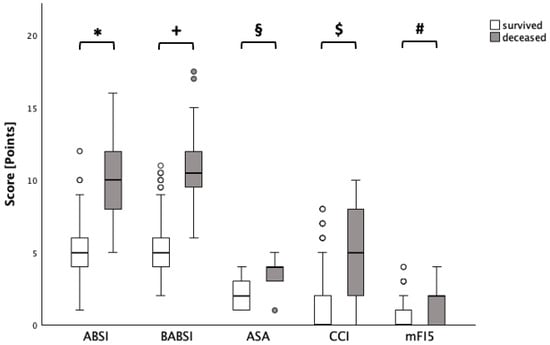
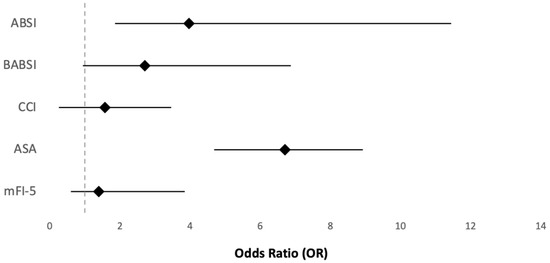
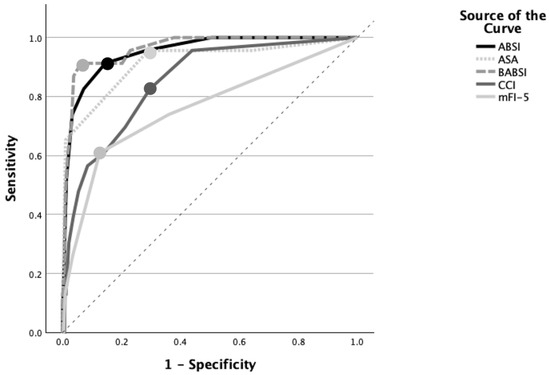
Introduction: Various scoring systems are applied to burn patients to assess the perioperative and mortality risks as well as comorbidities. Objective: The purpose of this study was to compare the predictive accuracies for mortality of different scoring systems: the Abbreviated Burn Severity Index (ABSI), Bogenhausen ABSI (BABSI), American Society of Anesthesiologists (ASA) classification, Charlson Comorbidity Index (CCI) and modified Frailty Index-5 (mFI-5). Materials and Methods: We retrospectively analyzed 644 burn patients treated at one burn center between September 2018 and May 2022. Results: Median scores were 5 (range: 1–16), 5 (range: 2–17.5), 2 (range: 1–5), 0 (range: 0–14) and 0 (range: 0–5) for the ABSI, BABSI, ASA, CCI and mFI-5, respectively. Significantly different median score results were observed between survivors and non-survivors: ABSI: 5 vs. 10; BABSI: 5 vs. 10.5; ASA: 2 vs. 4; CCI: 0 vs. 5; and mFI-5: 0 vs. 2 (p < 0.001 for all scores). Predictive accuracies were excellent for the BABSI (AUC = 0.963), ABSI (AUC = 0.952), and ASA (AUC = 0.916), whereas fair predictive accuracies were found for the CCI (AUC = 0.851) and mFI-5 (AUC = 0.760). Good calibration was observed for the BABSI, ABSI, CCI, and mFI-5, whereas calibration was poor for the ASA. Conclusion: All five scores significantly differentiate between survivors and non-survivors. However, the strongest discriminatory power and best calibration for mortality prediction were observed for the BABSI and ABSI scores. Therefore, the application of both scores is recommended in daily routine.
Full article

Figure 1
Open AccessArticle
From Injury to Independence: Investigating the Impact of Hand Burn Severity on Functional Outcomes in Children and Adolescents Followed for 24 Months After Injury—A Prospective Cohort Study
by
Ingrid Parry, Cameron Ward, Jeffrey Fine, David G. Greenhalgh, Michelle A. James and Katharine M. Hinchcliff
Eur. Burn J. 2026, 7(1), 17; https://doi.org/10.3390/ebj7010017 - 18 Mar 2026
Abstract
►▼
Show Figures
Background: Hand burns are common in children and can result in long-term functional impairment. The Hand Burn Severity (HABS) score is an anatomy-specific measure of hand burn severity, but its relationship to functional outcomes in pediatric patients has not been well defined. The
[...] Read more.
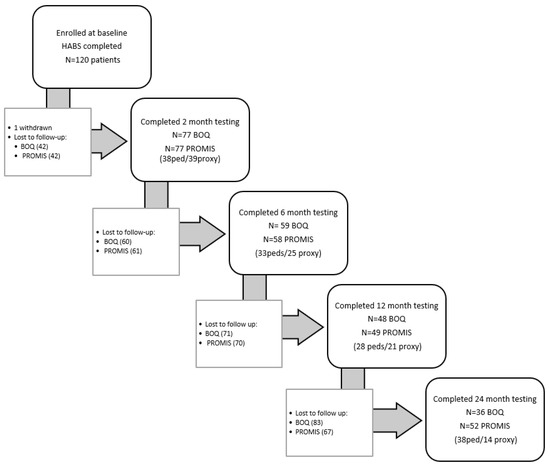
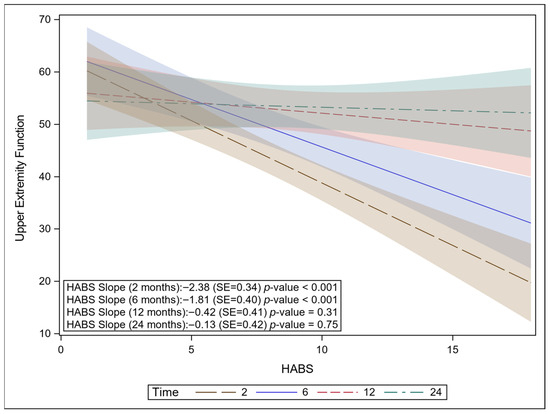
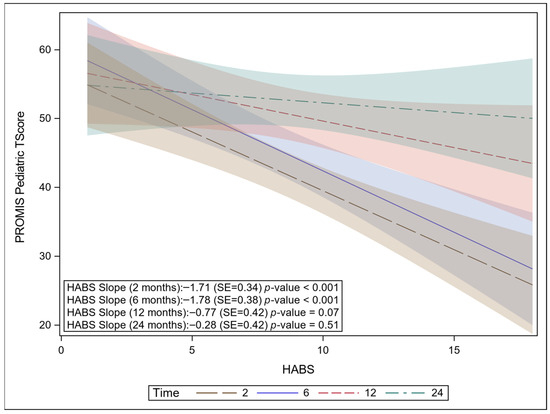
Background: Hand burns are common in children and can result in long-term functional impairment. The Hand Burn Severity (HABS) score is an anatomy-specific measure of hand burn severity, but its relationship to functional outcomes in pediatric patients has not been well defined. The purpose of this study was to determine whether HABS, measured at the time of injury, is associated with longitudinal upper extremity functional outcomes in children. Methods: We conducted a 24-month prospective longitudinal study of children aged 2–18 years with hand burns. Burn severity was determined using HABS at enrollment, and outcomes were measured using the Burn Outcomes Questionnaire (BOQ) and the eight-item Patient-Reported Outcomes Measurement Information System-Upper Extremity (PROMIS-UE8). Repeated-measures linear regression models evaluated associations between HABS and outcomes over time, adjusting for age, dominant- and bilateral-hand involvement, and surgery. Results: A total of 119 children with 165 hand burns were enrolled. Higher HABS scores, indicating more severe injury, were significantly associated with lower BOQ upper extremity function domain scores, indicating poorer health, at 2- and 6-months post burn, but not at later time points. Higher HABS scores were independently associated with lower patient-reported PROMIS-UE8 scores, indicating poorer health, across the 2-year follow-up period. Conclusions: These findings indicate that higher HABS scores at the time of injury are associated with poorer upper extremity outcomes, particularly in the early post-burn period, suggesting that HABS may help identify children who could benefit from closer monitoring or early rehabilitation planning.
Full article

Figure 1
Highly Accessed Articles
Latest Books
E-Mail Alert
News
Topics
Special Issues
Special Issue in
EBJ
2nd Edition of Enhancing Psychosocial Burn Care
Guest Editors: Anna Pittermann, Koen MaertensDeadline: 31 October 2026