





-
Automated Assessment of Ki-67 Labeling Index Using Cell-Level Detection and Classification in Whole-Slide Images -
Fully Automated Serum LC-MS/MS Platform and Pediatric Reference Intervals for Organic Acids, Amino Acids, and Acylcarnitines in Children (Ages 0–6 Years): Toward Quantitative Diagnosis of Inborn Errors of Metabolism -
Age and Sex Matter: Phenotypic Heterogeneity, Diagnostic Gaps, and Screening Tool Performance in Obstructive Sleep Apnea—A 10-Year Sleep Clinic Cohort Study -
Comprehensive Genomic Profiling for Precision Oncology: Analytical Validation and Clinical Utility in Solid Tumors -
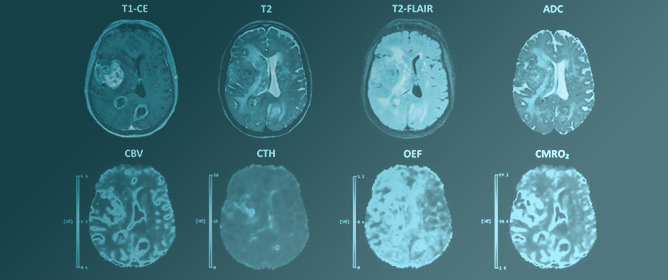
Contrast Enhancement Is Associated with a Higher DSC MRI-Derived Cerebral Metabolic Rate of Oxygen Index in Untreated Glioblastoma
Journal Description
Diagnostics
Diagnostics
is an international, peer-reviewed, open access journal on medical diagnosis published semimonthly online by MDPI. The British Neuro-Oncology Society (BNOS), the International Society for Infectious Diseases in Obstetrics and Gynaecology (ISIDOG) and the Swiss Union of Laboratory Medicine (SULM) are affiliated with Diagnostics and their members receive a discount on the article processing charges.
- Open Access— free for readers, with article processing charges (APC) paid by authors or their institutions.
- High Visibility: indexed within Scopus, SCIE (Web of Science), PubMed, PMC, Embase, Inspec, CAPlus / SciFinder, and other databases.
- Journal Rank: JCR - Q1 (Medicine, General and Internal) / CiteScore - Q1 (Internal Medicine)
- Rapid Publication: manuscripts are peer-reviewed and a first decision is provided to authors approximately 21.6 days after submission; acceptance to publication is undertaken in 2.7 days (median values for papers published in this journal in the second half of 2025).
- Recognition of Reviewers: reviewers who provide timely, thorough peer-review reports receive vouchers entitling them to a discount on the APC of their next publication in any MDPI journal, in appreciation of the work done.
- Companion journals for Diagnostics include: LabMed and AI in Medicine.
Impact Factor:
3.8 (2025);
5-Year Impact Factor:
3.6 (2025)
Latest Articles
Idiopathic Foveal Cavitation in a Pediatric Patient: Multimodal Imaging Findings Mimicking Early Macular Hole Formation
Diagnostics 2026, 16(13), 1976; https://doi.org/10.3390/diagnostics16131976 (registering DOI) - 25 Jun 2026
Abstract
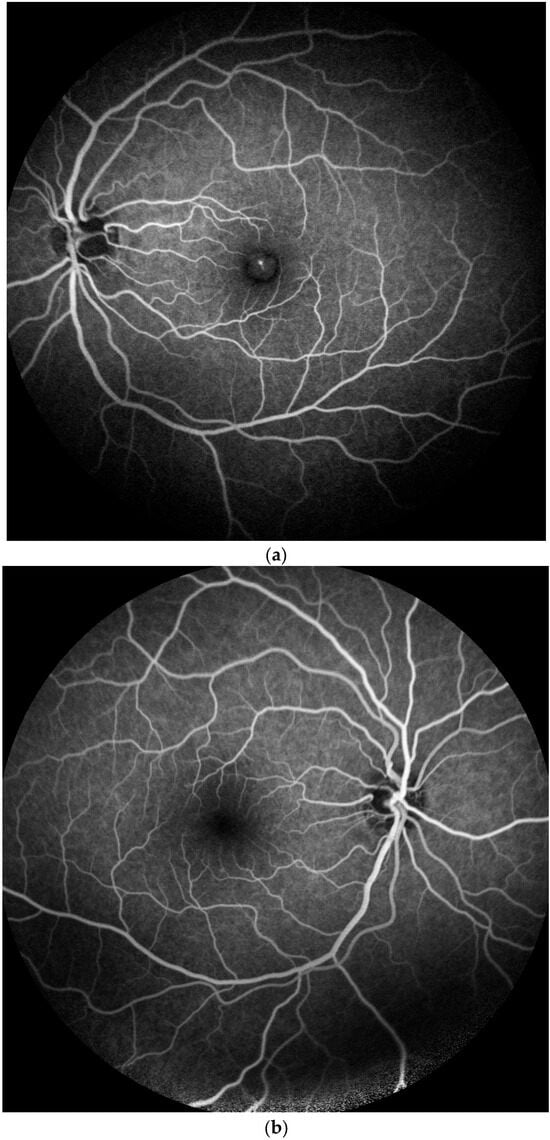
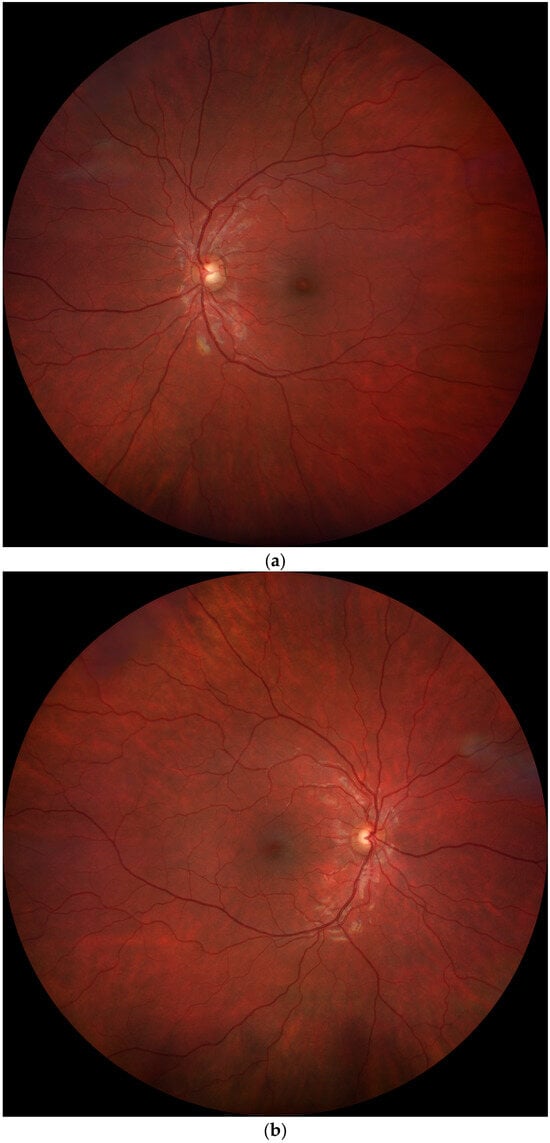
Macular holes are uncommon in pediatric patients and are most often associated with ocular trauma. Idiopathic cases are rare and may present as subtle clinical findings and atypical imaging features. We report a case of a 13-year-old boy presenting with decreased visual acuity
[...] Read more.
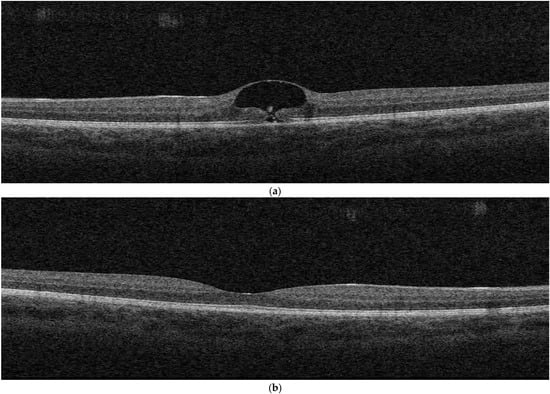
Macular holes are uncommon in pediatric patients and are most often associated with ocular trauma. Idiopathic cases are rare and may present as subtle clinical findings and atypical imaging features. We report a case of a 13-year-old boy presenting with decreased visual acuity in the left eye. Best-corrected visual acuity was 1.0 in the right eye and 0.5 in the left eye, with unremarkable anterior segment examination. Optical coherence tomography showed a foveal defect characterized by a central hyporeflective cavity with disruption of retinal layers, without evidence of a full-thickness defect. Fluorescein angiography demonstrated central hyperfluorescence without leakage. Color fundus photography revealed a subtle central foveal lesion, while electrophysiological testing and visual field examination were within normal limits. This case highlights that early structural abnormalities of the fovea in pediatric patients may present with minimal clinical findings and preserved retinal function. Multimodal imaging, particularly OCT, plays a key role in detecting subtle foveal alterations and may aid in identifying early stages within the spectrum of macular hole formation. Careful monitoring is warranted due to the potential for progression.
Full article
(This article belongs to the Collection Interesting Images)
►
Show Figures
Open AccessArticle
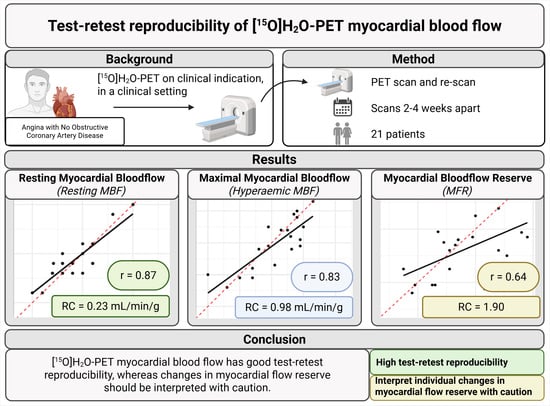
Intra-Individual Variability of Myocardial Blood Flow and Flow Reserve Assessed by [15O]H2O-PET in Patients with Angina and No Obstructive Coronary Disease
by
Laila Seidelin, Eva Prescott, Mads Fischer, Rasmus Haahr, Peter Hovind, Maira Rauf and Martin Krakauer
Diagnostics 2026, 16(13), 1975; https://doi.org/10.3390/diagnostics16131975 (registering DOI) - 25 Jun 2026
Abstract
Background/Objectives: Myocardial blood flow (MBF) and myocardial flow reserve (MFR) are key measurements in myocardial perfusion imaging (MPI), with [15O]H2O-PET considered the reference standard. To further establish clinical and research utility, we investigated intra-individual variability of MBF and MFR
[...] Read more.
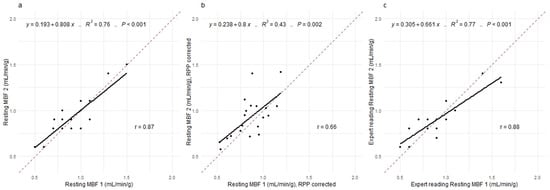
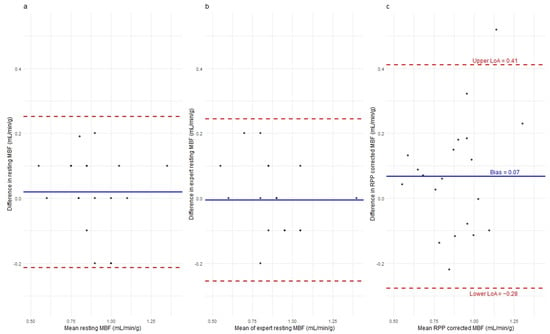
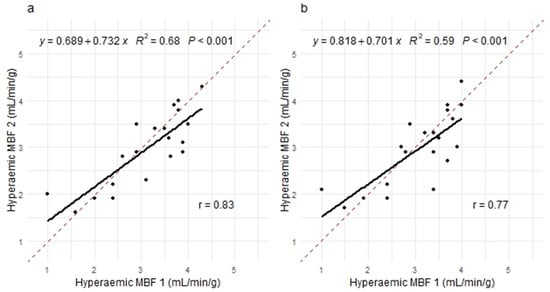
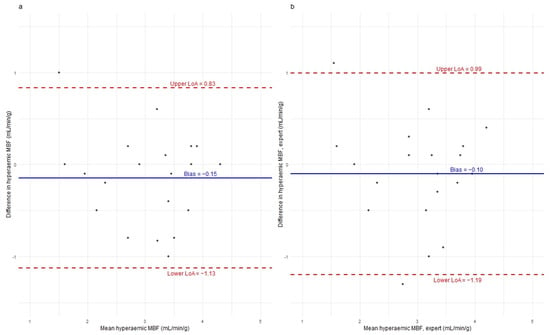
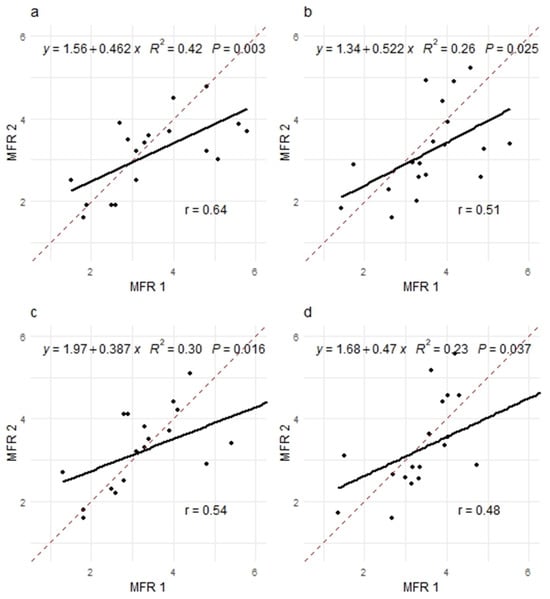
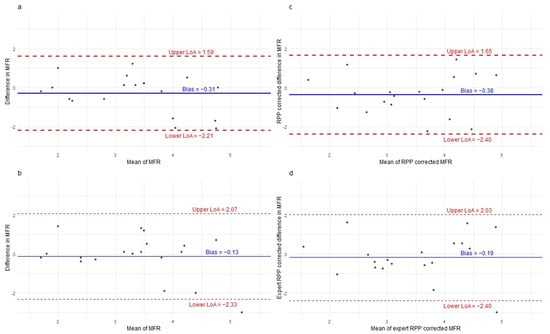
Background/Objectives: Myocardial blood flow (MBF) and myocardial flow reserve (MFR) are key measurements in myocardial perfusion imaging (MPI), with [15O]H2O-PET considered the reference standard. To further establish clinical and research utility, we investigated intra-individual variability of MBF and MFR over time in patients with angina, but no obstructive coronary disease. Methods: In a routine clinical setting, we prospectively studied 21 patients, >50 years with normal left ventricular function and no known coronary stenosis, undergoing clinically indicated PET MPI. Scan and re-scan were conducted within 30 days. Analyses were conducted by general clinical staff and re-evaluated by an expert reader. Reproducibility was assessed using paired t-tests, Bland–Altman analysis, repeatability coefficient (RC), within-subject coefficient of variation (CV) and intraclass correlation coefficient (ICC). Results: Twenty-one patients (mean age 70 ± 8.2 years; 48% female) underwent repeated scans with a median interval of 21 days. Resting MBF was 0.91 ± 0.24 vs. 0.92 ± 0.22 mL/min/g (r = 0.87; RC 0.23 mL/min/g; CV 9%; ICC 0.87). Hyperaemic MBF averaged 3.06 ± 0.9 vs. 2.97 ± 0.78 mL/min/g (r = 0.83; RC 0.98 mL/min/g; CV 11.6%; ICC 0.81). MFR showed only moderate reproducibility (3.47 ± 1.23 vs. 3.23 ± 0.92; RC 1.90; CV 21%; ICC 0.60). Neither expert re-evaluation nor rate–pressure product correction of the resting MBF improved the reproducibility. Variability was largely unaffected by atrial fibrillation and diurnal variation. Conclusions: Resting and hyperaemic MBF are reproducible, whereas MFR shows moderate variability, which should be considered when interpreting changes in individual patients.
Full article
(This article belongs to the Section Medical Imaging and Theranostics)
►▼
Show Figures

Graphical abstract
Open AccessCase Report
Neuropathic Corneal Pain and Blepharospasm: A Case Series
by
Zhang Zhe Thia, Aya Takahashi, Mingyi Yu, Chang Liu, Isabelle Xin Yu Lee, Louis Tong and Yu-Chi Liu
Diagnostics 2026, 16(13), 1974; https://doi.org/10.3390/diagnostics16131974 (registering DOI) - 25 Jun 2026
Abstract
Background and Clinical Significanc: Neuropathic corneal pain is a debilitating condition characterized by ocular pain disproportionate to clinical signs, often resulting from peripheral and central sensitization of the corneal somatosensory pathway. Emerging evidence suggests that chronic involuntary muscle contraction in blepharospasm may lead
[...] Read more.
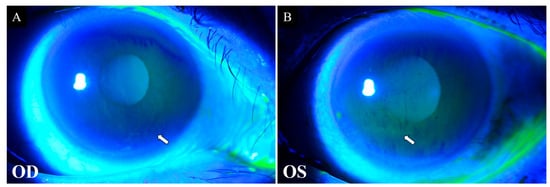
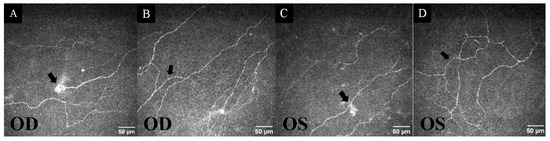
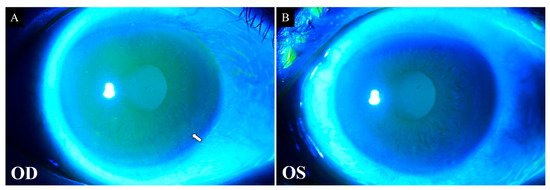
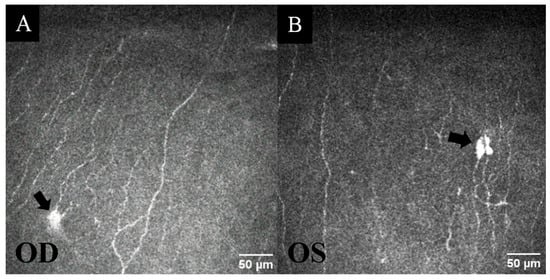
Background and Clinical Significanc: Neuropathic corneal pain is a debilitating condition characterized by ocular pain disproportionate to clinical signs, often resulting from peripheral and central sensitization of the corneal somatosensory pathway. Emerging evidence suggests that chronic involuntary muscle contraction in blepharospasm may lead to irritation of trigeminal afferents and corneal neurogenic inflammation, potentially predisposing patients to neuropathic corneal pain. Given its debilitating nature, early recognition can prevent the progression of neuropathic sequelae. This study examines the potential role of blepharospasm as a predisposing factor contributing to neuropathic corneal pain. Case Presentation: This retrospective case series describes three cases (median age: 50 years) of neuropathic corneal pain in association with blepharospasm and their clinical course following multimodal treatment over a median follow-up period of one year. Ocular surface was evaluated using slit-lamp biomicroscopy, while corneal nerve structure and morphology were assessed with in vivo confocal microscopy. All the three subjects presented with minimal ocular surface staining but disproportionate ocular pain characterized by burning sensation and photophobia. Proparacaine challenge testing was performed to determine the subtype of neuropathic corneal pain. Pain symptoms and quality of life were evaluated using the Ocular Pain Assessment Survey and Ocular Surface Disease Index questionnaires. In vivo confocal microscopy demonstrated characteristic corneal nerve abnormalities including reduced corneal nerve density, increased nerve tortuosity, and the presence of microneuromas. Treatment included oral Pregabalin or Gabapentin, topical lubricants, Cyclosporine 0.05% (1 case), and 20% autologous serum eye drops (1 case). Two of the three cases received four to five injections of botulinum toxin for blepharospasm, whereas one had undergone a single injection prior to review. All patients also received weekly periorbital quantum molecular resonance electrotherapy for two months. Improvements were observed across multiple domains of the Ocular Pain Assessment Survey and Ocular Surface Disease Index evaluation, including ocular pain, photophobia, non-ocular pain, and quality-of-life measures following multimodal treatment. The co-existence of blepharospasm and neuropathic corneal pain observed in our cases supports a possible association between chronic periocular muscle hyperactivity and corneal nociceptor sensitization. Proposed mechanisms include chronic trigeminal nerve irritation, neurogenic inflammation, and sensitization mediated by pro-inflammatory neuropeptides. Multimodal treatment targeting both motor hyperactivity and neuropathic pain pathways appeared to provide symptomatic relief, including the use of quantum molecular resonance electrotherapy, which might modulate pain pathways, block nociceptor neurotransmission, and accelerate corneal nerve regeneration. Given the complexity of the neural pathways responsible for ocular discomfort, further studies are required to elucidate the relationship between neuropathic corneal pain and blepharospasm in larger cohorts, as well as refine existing therapeutic approaches, including evaluating the therapeutic role of electrotherapy. Conclusions: Blepharospasm may represent a potential predisposing factor of neuropathic corneal pain. Early recognition and concurrent treatment of blepharospasm and neuropathic corneal pain can effectively relieve symptoms and improve quality of life. Adopting a multimodal treatment approach is therefore recommended.
Full article
(This article belongs to the Section Clinical Diagnosis and Prognosis)
►▼
Show Figures

Figure 1

Open AccessCase Report
Ultrasound-Guided Low-Dose Hyaluronidase for Infraorbital Artery Occlusion with Secondary Gingival Ischemia After Hyaluronic Acid Filler Injection: A Case Report
by
Carla Barber-García, Endika Nevado-Sánchez, Sandra Núñez-Rodríguez, Alejo Cavadas, Andrea Bueno-de la Fuente and Jerónimo Javier González-Bernal
Diagnostics 2026, 16(13), 1973; https://doi.org/10.3390/diagnostics16131973 (registering DOI) - 25 Jun 2026
Abstract
Background and Clinical Significance: Hyaluronic acid fillers are currently the most widely used materials in aesthetic medicine and represent one of the most frequently performed minimally invasive procedures worldwide. Vascular occlusion is the most severe complication associated with this type if filler
[...] Read more.
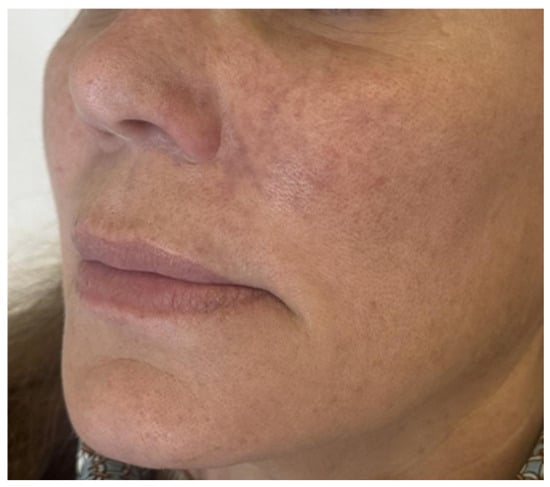
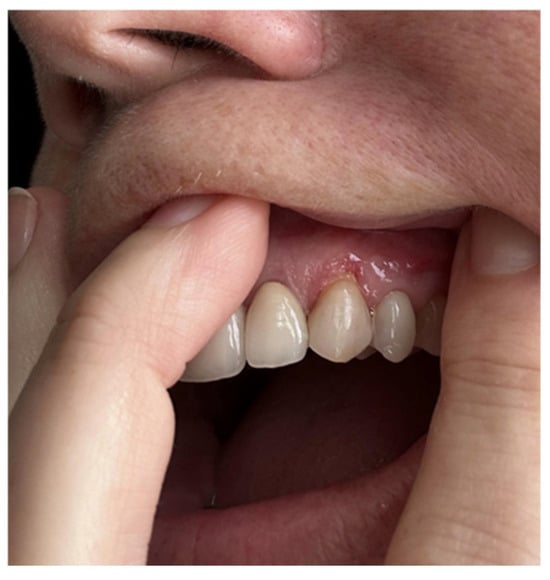
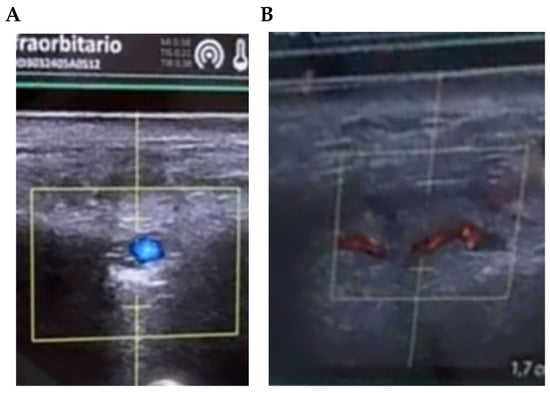
Background and Clinical Significance: Hyaluronic acid fillers are currently the most widely used materials in aesthetic medicine and represent one of the most frequently performed minimally invasive procedures worldwide. Vascular occlusion is the most severe complication associated with this type if filler injections due to the risk of tissue necrosis and permanent sequelae. Early recognition and precise identification of the affected vascular territory are essential to prevent irreversible damage. Case Presentation: his report describes a case of infraorbital artery occlusion with retrograde extension to the anterior superior alveolar artery and associated gingival ischemia, highlighting the role of high-frequency ultrasound in diagnosis and management. A 60-year-old woman developed vascular occlusion following supraperiosteal HA injection in the medial cheek. Clinical findings included livedo reticularis in the infraorbital and nasal regions, along with ipsilateral gingival anesthesia and mucosal ischemia. High-frequency ultrasound was used to assess the extent and mechanism of vascular involvement. A targeted treatment approach was implemented using low-dose hyaluronidase (100 IU/mL), with 200 IU administered in the infraorbital region and an additional 100 IU delivered under ultrasound guidance to the affected alveolar branch. Ultrasound examination revealed extrinsic compression of the infraorbital artery and secondary occlusion of the anterior superior alveolar artery consistent with retrograde embolization. Following image-guided administration of hyaluronidase, complete reperfusion was achieved, with resolution of both cutaneous and gingival ischemia and no functional or aesthetic sequelae. Conclusions: High-frequency ultrasound provides critical diagnostic information in vascular complications after HA filler injection, allowing for accurate identification of the mechanism and extent of vascular involvement. Ultrasound-guided low-dose hyaluronidase may represent an effective and safe strategy to restore perfusion while minimizing unnecessary enzyme exposure and associated adverse effects.
Full article
(This article belongs to the Section Medical Imaging and Theranostics)
►▼
Show Figures

Figure 1
Open AccessArticle
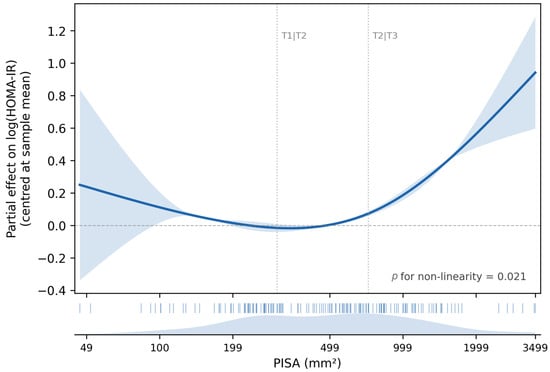
Metabolic Risk Signals in Periodontal Clinics: Cross-Sectional Associations of PISA with hs-CRP and HOMA-IR
by
Maria-Alexandra Martu, Ioana Martu, Sorina Mihaela Solomon, Ionut Luchian, Silvia Martu, Liliana Pasarin, Diana-Maria Anton, Monica Mihaela Scutariu, Cezar-Ilie Foia, Elena-Odette Luca and Irina-Georgeta Sufaru
Diagnostics 2026, 16(13), 1972; https://doi.org/10.3390/diagnostics16131972 (registering DOI) - 25 Jun 2026
Abstract
Background/Objectives: Periodontitis can elevate systemic inflammation and negatively impact glucose regulation. This cross-sectional study investigated relationships between periodontal inflammatory burden, measured by periodontal inflamed surface area (PISA), and insulin resistance and systemic inflammation in never-smokers attending a periodontal clinic with unknown diabetes
[...] Read more.
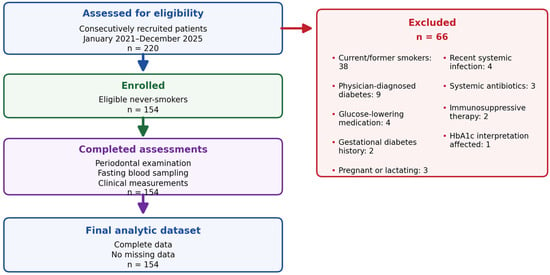
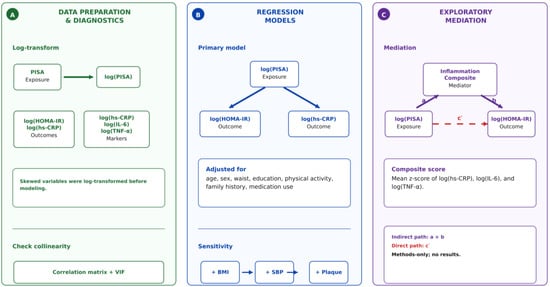
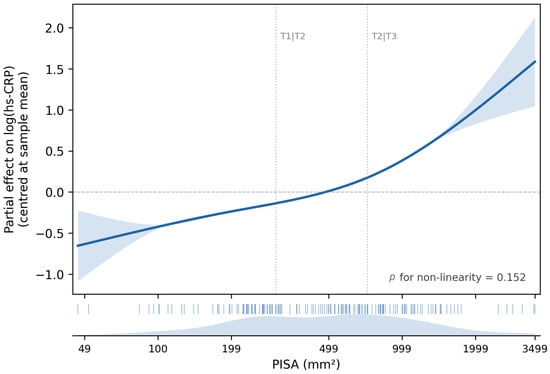
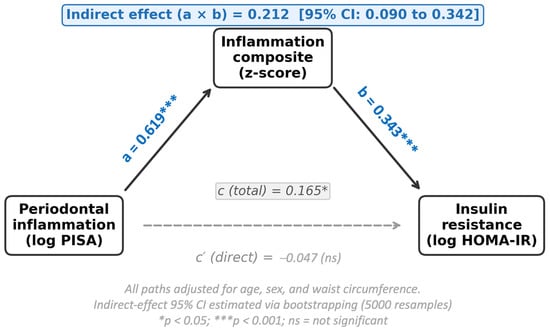
Background/Objectives: Periodontitis can elevate systemic inflammation and negatively impact glucose regulation. This cross-sectional study investigated relationships between periodontal inflammatory burden, measured by periodontal inflamed surface area (PISA), and insulin resistance and systemic inflammation in never-smokers attending a periodontal clinic with unknown diabetes status. Methods: A total of 154 adults underwent full-mouth periodontal assessments to determine PISA. Fasting blood samples were taken for glucose, insulin, and hs-CRP, and HOMA-IR was calculated. An inflammation composite was created from z-scored log(hs-CRP), IL-6, and TNF-α. Primary analysis involved regressing log(HOMA-IR) and log(hs-CRP) on PISA, scaled by interquartile range (IQR) increases, with sequential adjustments. Mediation analysis, adjusted for age, sex, and waist circumference, used bootstrap testing to evaluate inflammation as a mediator. Results: HOMA-IR and hs-CRP increased across PISA tertiles (HOMA-IR: 2.01 to 3.17; hs-CRP: 0.73 to 2.48 mg/L; both p < 0.001). In the prespecified primary adjusted model (age, sex, waist circumference, education, physical activity, family history of diabetes, and medication use), each IQR increase in log(PISA) was associated with 85.2% higher hs-CRP (95% CI 53.1% to 124.1%; p < 0.001) and 15.7% higher HOMA-IR (95% CI −0.8% to 34.9%; p = 0.064). Estimates were similar with additional adjustment for BMI and SBP, whereas adding plaque (% sites) attenuated associations (hs-CRP: +15.2%; p = 0.234; HOMA-IR: +1.0%; p = 0.925). Mediation analysis (adjusted for age/sex/waist circumference) was consistent with an indirect pathway via the inflammation composite (a × b = 0.212; 95% CI 0.094 to 0.337), while the direct effect was not supported (c′ = −0.047; 95% CI −0.207 to 0.125). Conclusions: Higher periodontal inflammatory burden was strongly associated with systemic inflammation and showed weaker, model-dependent associations with insulin resistance; the findings were consistent with an inflammation-linked pathway in exploratory, partially adjusted mediation analyses; given the cross-sectional design, causal inference is not possible.
Full article
(This article belongs to the Special Issue Periodontal Disease: Diagnosis and Management, 2nd Edition)
►▼
Show Figures

Figure 1

Open AccessArticle
Maxillary Arch Morphology in Unilateral Buccally and Palatally Impacted Maxillary Canines: A Three-Dimensional Digital Model Study
by
Nuri Can Tanrısever, Özge Nur Kartal, Ayşegül Dilara Güvenç Tokur and Mehmet Okan Akçam
Diagnostics 2026, 16(13), 1971; https://doi.org/10.3390/diagnostics16131971 (registering DOI) - 24 Jun 2026
Abstract
Background/Objectives: Impacted maxillary canines are frequently associated with variations in maxillary arch morphology; however, the relationship between impaction position and three-dimensional arch characteristics remains unclear. This study aimed to evaluate the association between buccally and palatally impacted maxillary canines and maxillary arch morphology
[...] Read more.
Background/Objectives: Impacted maxillary canines are frequently associated with variations in maxillary arch morphology; however, the relationship between impaction position and three-dimensional arch characteristics remains unclear. This study aimed to evaluate the association between buccally and palatally impacted maxillary canines and maxillary arch morphology using CBCT and three-dimensional digital model analysis. Methods: This retrospective cross-sectional study included CBCT images and three-dimensional dental models of 86 individuals with unilateral impacted maxillary canines (mean age: 16.1 ± 0.72 years). Impacted canines were classified as buccal or palatal according to CBCT findings. Maxillary arch morphology was assessed using digital model analysis. Statistical comparisons between groups were performed using independent-samples t-tests (p < 0.05). Results: The buccally impacted group demonstrated significantly greater arch length, higher arch length-to-arch width ratios, greater mesiodistal width of the four maxillary incisors and increased tooth–arch discrepancy (p < 0.05). In contrast, intermolar width and available arch space were significantly greater in the palatally impacted group (p < 0.05). No significant differences were identified in arch width or palatal depth measurements between groups (p > 0.05). Intra-examiner reliability demonstrated excellent agreement (ICC > 0.90). Conclusions: Maxillary dental arch morphology differed according to the position of impacted maxillary canines. Buccal impaction was associated with sagittal arch elongation and increased tooth–arch discrepancy. In contrast, palatal impaction was not consistently associated with reduced transverse dental arch dimensions within the measurements evaluated in this study. These findings contribute to a better understanding of the association between impacted canine position and maxillary dental arch morphology and may assist clinicians in the morphological assessment of patients with impacted maxillary canines.
Full article
(This article belongs to the Section Clinical Diagnosis and Prognosis)
Open AccessArticle
A Step Forward in Post-Mortem Interval Estimation: Multivariate Analysis of Ammonium, Albumin, and Potassium Levels in Vitreous Humor
by
Martina Focardi, Beatrice Defraia, Ilenia Bianchi, Barbara Gualco, Andrea Costantino, Rossella Grifoni, Alessandra Fanelli, Tiziana Biagioli, Costanza Bossi, Vilma Pinchi and Luisa Lanzilao
Diagnostics 2026, 16(13), 1970; https://doi.org/10.3390/diagnostics16131970 (registering DOI) - 24 Jun 2026
Abstract
Background/Objectives: Accurate post-mortem interval (PMI) estimation remains challenging in forensic pathology. Although potassium (K+) is the most well-validated single biomarker in vitreous humor (VH), multivariate approaches may enhance precision by capturing the complex cascade of post-mortem biochemical changes. This study aimed
[...] Read more.
Background/Objectives: Accurate post-mortem interval (PMI) estimation remains challenging in forensic pathology. Although potassium (K+) is the most well-validated single biomarker in vitreous humor (VH), multivariate approaches may enhance precision by capturing the complex cascade of post-mortem biochemical changes. This study aimed to develop and validate a multivariate PMI estimation model incorporating three biochemical markers—potassium, ammonium (NH4+), and albumin (ALB)—in vitreous humor using automated clinical chemistry platforms for practical forensic application. Methods: Vitreous humor samples from 38 autopsy cases with documented PMIs (39.5–285 h; mean, 105.5 h) were analyzed for K+ (Cobas C8000), NH4+ (Cobas C8000), and ALB (Immage 800 nephelometry). Univariate and multivariate regression analyses were performed, with the residual standard error (RSE) as the primary measure of accuracy. Model validation was conducted by back-calculating PMI in four samples completely distinct from the training cohort. Results: All three analytes demonstrated strong individual correlations with PMI (R2: K+ = 0.88, ALB = 0.78, NH4+ = 0.69; all p < 0.001). The multivariate regression model [PMI = 40.25[Alb] + 0.01573[NH4+] + 5.339[K+] − 53.032] yielded an RMSE of ±15.5 h (MSE = 240.25 h2), outperforming potassium-only models (RMSE = ±22.6 h). Although NH4+ showed limited statistical significance in the multivariate model (p = 0.128), its inclusion improved overall predictive accuracy. External validation in an independent cohort of four subjects (distinct from the 38 subjects in the training set) demonstrated a mean absolute error (MAE) of 20.4 h. Conclusions: The multivariate approach combining K+, NH4+, and ALB in VH improves PMI estimation accuracy compared with single-marker methods. The use of automated clinical chemistry platforms enhances reproducibility and facilitates practical implementation in forensic laboratories.
Full article
(This article belongs to the Section Forensic Diagnostics)
Open AccessArticle
Automatic Oral Cancer Detection Using Improved Honey Badger Algorithm-Based Feature Selection
by
Nebras Sobahi, Yagmur Olmez, Osman Fatih Koparır, Muammer Turkoglu, Adalet Çelebi, Yazyd Alghamedi and Abdulkadir Şengür
Diagnostics 2026, 16(13), 1969; https://doi.org/10.3390/diagnostics16131969 (registering DOI) - 24 Jun 2026
Abstract
Background/Objectives: Oral cancer is one of the most common types of cancer, with high mortality rates if not detected early. Traditional diagnostic methods based on clinical examination rely on experience, leading to delays in early and reliable diagnosis. In recent years, medical imaging
[...] Read more.
Background/Objectives: Oral cancer is one of the most common types of cancer, with high mortality rates if not detected early. Traditional diagnostic methods based on clinical examination rely on experience, leading to delays in early and reliable diagnosis. In recent years, medical imaging and AI-based computer-aided diagnostic systems have shown promising results in the automated identification of oral cancer. In particular, the efficient management of high-dimensional feature spaces in machine learning and deep learning approaches directly impacts classification performance. In this context, metaheuristic-based feature selection technics is a critical component because of eliminating redundant and irrelevant features. To address these challenges, this study proposes a metaheuristic-based feature selection method to reduce feature dimensionality and enhance the classification performance of oral cancer detection. Methods: This study proposes an improved Honey Badger Algorithm-based feature selection approach for the automated detection of oral cancer. In the proposed method, the distance vector used in the HBA method has been redefined to improve the balance between exploration and exploitation. Additionally, a new Cauchy mutation-based migration strategy was integrated into the proposed method to increase diversity in the search space and avoid getting stuck in local minima. The continuous-valued iHBA method was discretized with a modified sin–cos transfer function for feature selection. Oral cancer images were filtered using the CLAHE method, and after extracting deep features with the ResNet50 architecture, the proposed metaheuristic-based method was used to select discriminative features. Results: The proposed method was first tested for reliability and limitations through repeated runs on problems with different characteristics, such as unimodal and multimodal classical test functions. Then, the method was applied to extract significant features for oral cancer detection using a Histopathological Imaging Database containing 1224 histopathological oral tissue images at 100× and 400× magnification levels from 230 patients. The proposed approach was assessed in terms of accuracy, precision, recall, F1-score, and convergence curves in comparison with various classical feature selection techniques, such as wrapper-based, filter-based, and embedded-based methods, as well as other metaheuristic-based methods. The experimental results demonstrated that the suggested strategy outperformed both traditional feature selection techniques and alternative metaheuristic approaches. Conclusions: The effectiveness of the proposed method in improving diagnostic accuracy was evaluated through comprehensive experimental analyses. The obtained findings show that the proposed iHBA-based feature selection approach can reduce feature dimensionality, eliminate redundant and irrelevant features, and improve the classification performance of oral cancer detection. Therefore, the proposed method provides an effective and competitive computer-aided diagnostic framework for the automated classification of histopathological oral cancer images.
Full article
(This article belongs to the Section Machine Learning and Artificial Intelligence in Diagnostics)
Open AccessReview
Biosecurity and Diagnosis of Viral Hemorrhagic Fevers: Strategic Considerations for Military Medicine
by
Salvatore Giovanni De-Simone, Andreia Carneiro da Silva, Marianne Melo Monnerat, Carlos Medicis Morel, David William Provance, Jr. and Flávio Rocha da Silva
Diagnostics 2026, 16(13), 1968; https://doi.org/10.3390/diagnostics16131968 (registering DOI) - 24 Jun 2026
Abstract
Viral hemorrhagic fevers (VHFs) are severe infectious diseases caused by RNA viruses of the families Arenaviridae, Filoviridae, Flaviviridae, and Hantaviridae, characterized by high morbidity, significant case fatality rates, and frequent diagnostic uncertainty in early disease stages. For military medical services, timely clinical recognition
[...] Read more.
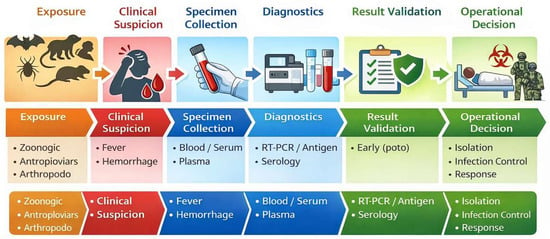
Viral hemorrhagic fevers (VHFs) are severe infectious diseases caused by RNA viruses of the families Arenaviridae, Filoviridae, Flaviviridae, and Hantaviridae, characterized by high morbidity, significant case fatality rates, and frequent diagnostic uncertainty in early disease stages. For military medical services, timely clinical recognition and laboratory confirmation are essential to guide patient management, prevent nosocomial transmission, and maintain operational continuity, particularly in endemic or resource-limited deployment settings. This review critically examines current diagnostic approaches to VHF-causative agents, emphasizing their use in clinical and field medical settings. The diagnostic process, from exposure through specimen collection, laboratory testing, and result interpretation is analyzed, including the use of molecular, serological, and antigen-based assays. Particular attention is given to deployable diagnostic platforms and their role in bridging the gap between frontline clinical suspicion and definitive laboratory confirmation. Biosafety requirements and infection prevention measures are discussed as integral components of clinical diagnostic workflows, aligned with guidance from the World Health Organization and the Centers for Disease Control and Prevention. Comparative analyses of virus-specific diagnostic timelines and laboratory requirements are presented to support differential diagnosis and clinical decision-making. Emerging technologies, including rapid molecular assays and genomic methods, are evaluated for their potential to improve early diagnosis and patient outcomes. This review highlights the central role of diagnostic readiness in clinical management of the VHFs and provides evidence-based considerations to support military clinicians facing high-risk febrile illnesses in operational environments.
Full article
(This article belongs to the Collection Diagnostic Virology)
►▼
Show Figures

Figure 1

Open AccessArticle
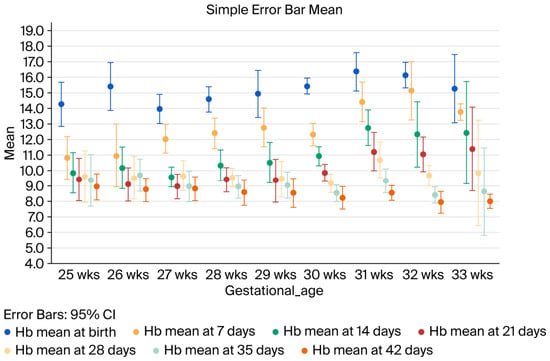
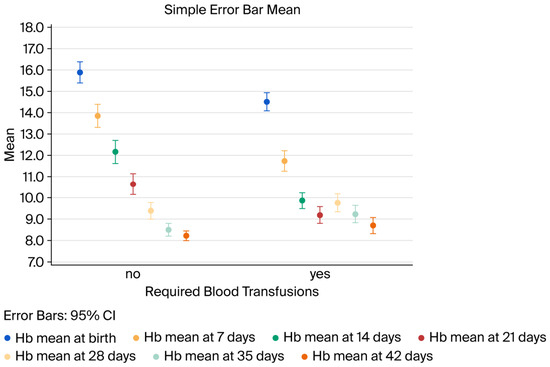
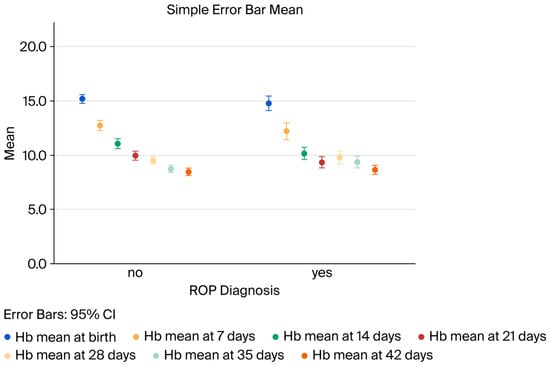
Relationship Between Retinopathy of Prematurity and Anemia and Red Blood Cell Transfusions in Very Premature/Very-Low-Birth-Weight Neonates
by
Raluca Mihețiu, Anne Claudia Stefanuț, Mădălina Claudia Hapca, Tudor Călinici and Simona-Delia Nicoară
Diagnostics 2026, 16(13), 1967; https://doi.org/10.3390/diagnostics16131967 (registering DOI) - 24 Jun 2026
Abstract
Aim: Retinopathy of prematurity (ROP) is the leading cause of blindness in preterm infants. In this study, we evaluated the potential role of anemia and packed red blood cell (RBC) transfusions as risk factors in ROP development. Methods: A retrospective cohort study was
[...] Read more.
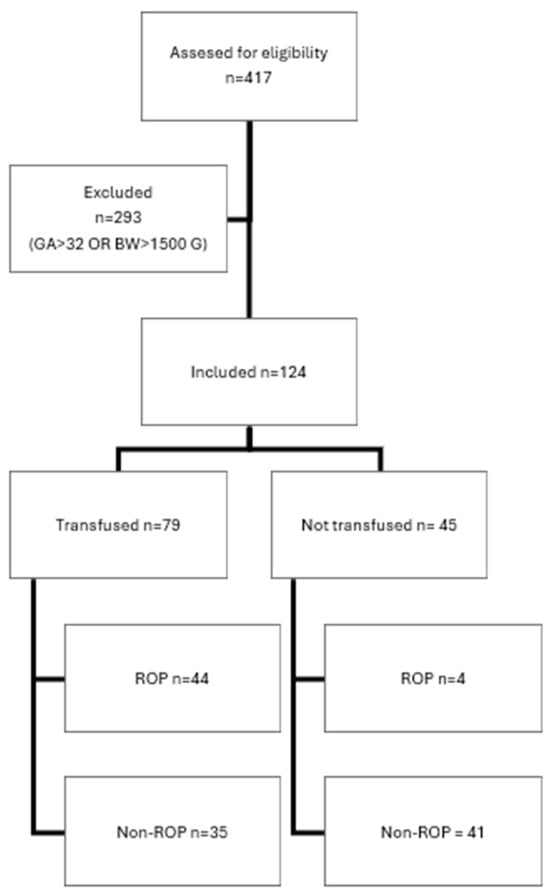
Aim: Retinopathy of prematurity (ROP) is the leading cause of blindness in preterm infants. In this study, we evaluated the potential role of anemia and packed red blood cell (RBC) transfusions as risk factors in ROP development. Methods: A retrospective cohort study was conducted on premature infants who met the following inclusion criteria: infants with gestational age (GA) ≤ 32 weeks and very low birth weight (VLBW) who were admitted to the Neonatology-Preterm Department of Emergency Pediatric Hospital Cluj-Napoca during a two-year period (from 1 January 2023 to 31 December 2024). We investigated differences in the following perinatal characteristics between the two groups, those with ROP and those without: GA, birth weight (BW), severe respiratory distress syndrome, early-onset and late-onset sepsis, hemoglobin (Hb) levels, and RBC transfusions. We used the statistically significant variables to perform binary logistic regression. Results: A total of 124 newborns were recruited, with the following inclusion criteria: GA ≤ 32 weeks and BW ≤ 1500 g, of whom 79 received at least one RBC transfusion prior to 36 weeks corrected GA. Of them, 48 developed ROP with an incidence of 38.7%. In 20 cases, ROP required treatment. To adjust for clinical illness, a binary logistic regression model was created, including known risk factors for ROP and illness severity (GA, severe respiratory distress syndrome, and early- and late-onset sepsis) that were closely related to the risk of ROP development. For this regression model, Nagelkerke R-squared = 0.358, p < 0.001, and the AOR was 4.812 (95% CI: 1.374–16.847). Conclusions: RBC transfusions increased the risk of ROP.
Full article
(This article belongs to the Special Issue Advances in the Diagnosis and Management of Pediatric Diseases: 2nd Edition)
►▼
Show Figures

Figure 1
Open AccessInteresting Images
Bronchial Atresia of the Right Ninth Bronchus with Segmental Hyperinflation in an Asymptomatic Adult—A Case
by
Wolfgang Jungraithmayr, Birte Ohm and Jakob Neubauer
Diagnostics 2026, 16(13), 1966; https://doi.org/10.3390/diagnostics16131966 (registering DOI) - 24 Jun 2026
Abstract
Bronchial atresia (BA) is a rare congenital anomaly that develops as a consequence of an intrauterine bronchial artery insult. Distal to the atresia, a mucocele can form with consecutive hyperinflation of the peripheral lung parenchyma. We describe an asymptomatic patient with a well-demarcated
[...] Read more.
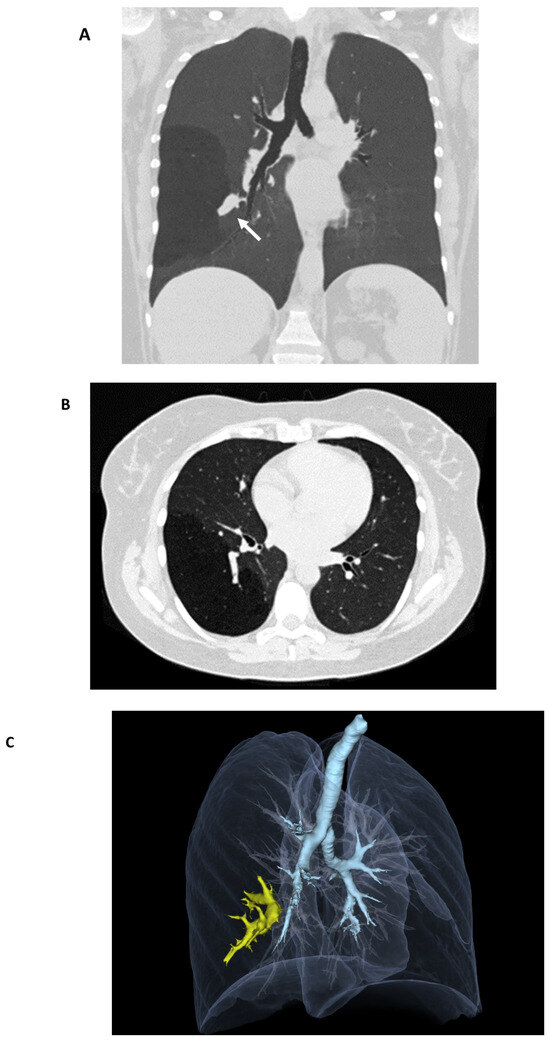
Bronchial atresia (BA) is a rare congenital anomaly that develops as a consequence of an intrauterine bronchial artery insult. Distal to the atresia, a mucocele can form with consecutive hyperinflation of the peripheral lung parenchyma. We describe an asymptomatic patient with a well-demarcated segmental emphysematous area within the right lower lobe revealed by computed tomography (CT). Here, the right lateral basal segmental bronchus (B9) is proximally interrupted while the distal, mucus-filled bronchus forms a bronchocele. The down-stream segmental parenchyma is hyperinflated. 3D reconstruction of the tracheobronchial tree reveals a normal architecture of the tracheobronchial tree except for the characteristic discontinuation of the right ninth bronchus. Asymptomatic patients with BA do not require treatment, however, follow-up CT is recommended to assess stability of the segmental hyperinflation.
Full article
(This article belongs to the Section Medical Imaging and Theranostics)
►▼
Show Figures

Figure 1

Open AccessArticle
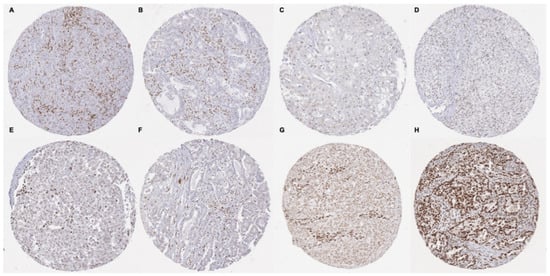
MRE11 Deficiency Occurs in a Small Group of Cancers from Various Different Tumor Entities
by
Viktor Reiswich, Henry Recksiek, Katharina Möller, Florian Lutz, Florian Viehweger, Georgia Makrypidi-Fraune, Martina Kluth, Claudia Hube-Magg, Christian Bernreuther, Guido Sauter, Andreas H. Marx, Ronald Simon, Till Krech, Stefan Steurer, Christoph Fraune, Sarah Minner, Viktoria Chirico, Veit Bertram, Clara Lühr, Cosima Völkel, Morton Freytag, Natalia Gorbokon, Maximilian Lennartz, Eike Burandt, Anne Menz and Clara von Bargenadd
Show full author list
remove
Hide full author list
Diagnostics 2026, 16(13), 1965; https://doi.org/10.3390/diagnostics16131965 (registering DOI) - 24 Jun 2026
Abstract
Background/Objectives: The double-strand break repair protein MRE11 forms the core of the MRE11/RAD50/NBS1 (MRN) complex. Cancers with reduced MRE11 expression have been suggested to be more sensitive to radio-chemotherapy and may be subject to synthetic lethality. The aim of this study was
[...] Read more.
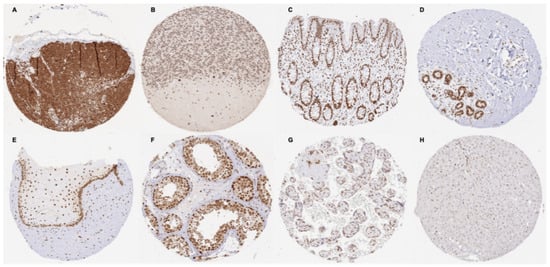
Background/Objectives: The double-strand break repair protein MRE11 forms the core of the MRE11/RAD50/NBS1 (MRN) complex. Cancers with reduced MRE11 expression have been suggested to be more sensitive to radio-chemotherapy and may be subject to synthetic lethality. The aim of this study was to assess the prevalence of MRE11 deficiency and the potential role and clinical significance of elevated and/or reduced MRE11 expression in human cancer. Methods: A tissue microarray containing 14,966 samples from 134 different tumor entities was analyzed for MRE11 by immunohistochemistry. Results: In normal tissues, strong nuclear MRE11 staining occurred in almost all cell types. In cancers, nuclear MRE11 staining was strong in 11,797 (91.0%), moderate in 1018 (7.9%), weak in 86 (0.7%), and completely absent (MRE11 deficiency) in 55 (0.4%) of 12,956 informative tumor samples. Only six tumor entities had more than one MRE11-deficient cases including hepatocellular carcinoma (9 of 193), intestinal type gastric adenocarcinoma (4 of 208), endometrioid endometrial carcinoma (5 of 268), pulmonary adenocarcinoma (2 of 165), colorectal adenocarcinoma (CRC, 16 of 2183), and clear cell renal cell carcinoma (ccRCC, 7 of 1011). Reduced MRE11 staining was associated with mismatch repair deficiency (dMMR) in CRC and in gastric adenocarcinoma (p < 0.0001 each), advanced pT stage (p = 0.0003) and L1 status (p = 0.0019) in testicular seminoma, high grade (p < 0.05), advanced pT (p < 0.0001), and high UICC stage (p = 0.0014) in ccRCC, advanced pT stage in high-grade serous ovarian carcinoma (p = 0.0396), and nodal metastases in papillary thyroid cancer (p = 0.0332). Conclusions: MRE11 is highly expressed in most cancers. Reduced MRE11 expression is associated with aggressive phenotype in multiple cancer types. The potential to exploit MRE11 deficiency as a target for synthetic lethality deserves to be further explored.
Full article
(This article belongs to the Section Pathology and Molecular Diagnostics)
►▼
Show Figures

Figure 1

Open AccessArticle
Awake Glioma Surgery with Intraoperative Mapping: Predictors of Language Outcome and Survival
by
Klemen Krašovec, Mihela Petovar, Tilen Žele, Ninna Kozorog, Tomaž Šmigoc, Janez Ravnik, Blaž Koritnik and Tomaž Velnar
Diagnostics 2026, 16(13), 1964; https://doi.org/10.3390/diagnostics16131964 (registering DOI) - 24 Jun 2026
Abstract
Background: Awake craniotomy with intraoperative mapping is the standard of care for gliomas located in language-eloquent regions, enabling maximal safe resection while preserving functional integrity. This study aimed to identify clinical and intraoperative predictors of postoperative language worsening and overall survival in patients
[...] Read more.
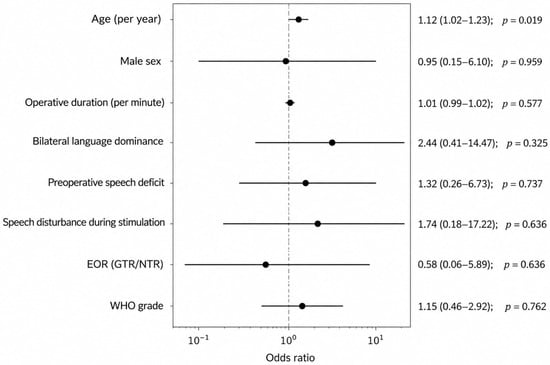
Background: Awake craniotomy with intraoperative mapping is the standard of care for gliomas located in language-eloquent regions, enabling maximal safe resection while preserving functional integrity. This study aimed to identify clinical and intraoperative predictors of postoperative language worsening and overall survival in patients undergoing awake surgery for malignant glioma. Methods: In this retrospective multicenter cohort study, 37 patients with malignant glioma in the dominant hemisphere underwent awake craniotomy with intraoperative mapping. Clinical, radiological, intraoperative, and postoperative variables were analyzed. Language outcome was classified as unchanged or worsened. Univariable and parsimonious multivariable logistic regression analyses were used to identify predictors of language worsening. Overall survival was assessed using univariable Cox regression. Results: Postoperative language worsening occurred in six patients (16.2%). Increasing age was associated with higher odds of postoperative language worsening in univariable logistic regression (OR 1.12 per year, 95% CI 1.02–1.23, p = 0.019). Due to the limited number of outcome events, multivariable logistic regression was not performed. In survival analysis, increasing age (HR 1.10, 95% CI 1.05–1.16, p < 0.001) and WHO grade 4 (HR 18.15, 95% CI 3.91–84.19, p < 0.001) were associated with shorter overall survival. No statistically significant association between extent of resection and overall survival was detected in this small cohort. Conclusions: Awake glioma surgery with intraoperative mapping was associated with favorable language outcomes in most patients at the 3-month follow-up. Increasing age was associated with postoperative language worsening in univariable analysis. These findings should be interpreted as exploratory because of the limited sample size and low number of outcome events. Larger prospective studies with standardized longitudinal language assessment are needed.
Full article
(This article belongs to the Special Issue Advances in Neurosurgical Diagnostics: Imaging, Intraoperative Monitoring, and Prognostic Assessment)
►▼
Show Figures

Figure 1
Open AccessArticle
Hypercapnia, Prognostic Nutritional Index and Length of Stay in Acute Exacerbation of COPD: A Two-Variable Admission Framework
by
Orkun Eray Terzi, Nazlı Çetin, Büşra Yıldırım Kafalı, Büşra Çomaklı Özmen, Gülgün Çetintaş Afşar and Seyhan Dülger
Diagnostics 2026, 16(13), 1963; https://doi.org/10.3390/diagnostics16131963 (registering DOI) - 24 Jun 2026
Abstract
Background/Objectives: Established AECOPD prognostic tools (DECAF, BAP-65, PEARL) predict mortality or readmission rather than length of stay (LOS), and no admission-based instrument specifically targets prolonged hospitalization. We tested whether admission PaCO2 and the Prognostic Nutritional Index (PNI), reflecting ventilatory failure and
[...] Read more.
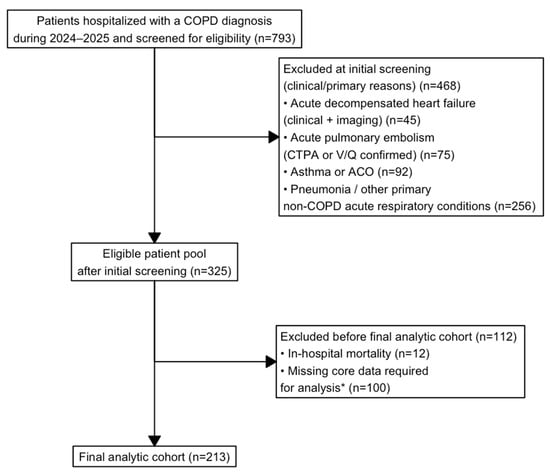
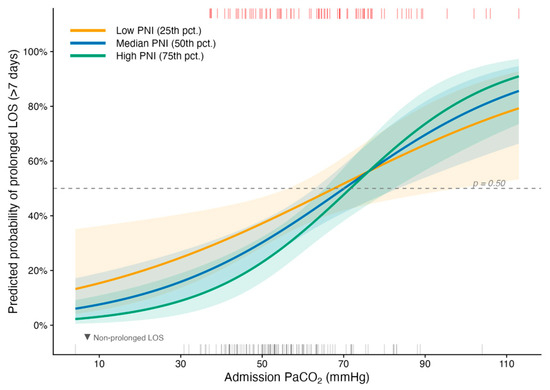
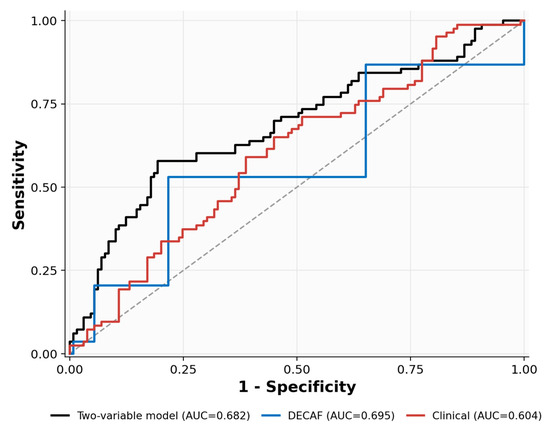
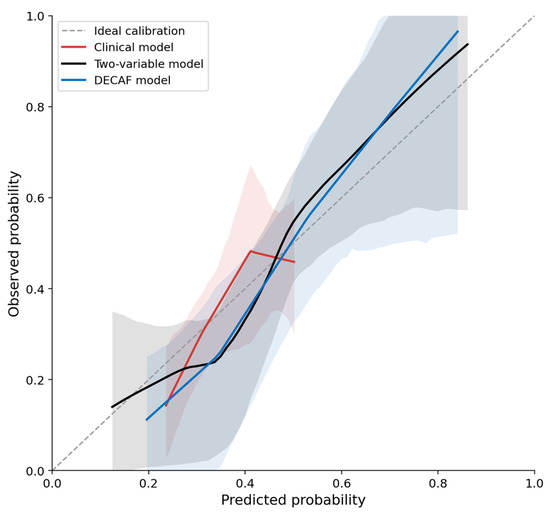
Background/Objectives: Established AECOPD prognostic tools (DECAF, BAP-65, PEARL) predict mortality or readmission rather than length of stay (LOS), and no admission-based instrument specifically targets prolonged hospitalization. We tested whether admission PaCO2 and the Prognostic Nutritional Index (PNI), reflecting ventilatory failure and nutritional–immune reserve, are independently associated with prolonged LOS and examined their interaction. Methods: In this single-center retrospective cohort, 213 adults hospitalized exclusively for AECOPD were analyzed after excluding concomitant pneumonia, pulmonary embolism, decompensated heart failure, and in-hospital deaths. Prolonged hospitalization was pre-specified as LOS > 7 days. Multivariable logistic regression evaluated admission PaCO2 (per +10 mmHg) and PNI (per +5 units) with a PaCO2 × PNI interaction; continuous LOS was modeled by Gamma regression. Discrimination was compared with DECAF using DeLong’s test. Results: Prolonged hospitalization occurred in 83 patients (39.0%). Admission PaCO2 was independently associated with prolonged LOS (OR 1.52, 95% CI 1.25–1.88; p < 0.001), and PNI showed a borderline association (OR 0.84, 95% CI 0.71–1.00; p = 0.049); their interaction was significant but exploratory (OR 1.16, 95% CI 1.02–1.32; p = 0.025). In Gamma regression, PaCO2 (RR 1.18 per 10 mmHg) and PNI (RR 0.92 per 5 units) remained associated with LOS. The two-variable model achieved an AUC of 0.682, showing discrimination similar to DECAF in this cohort (AUC 0.695; DeLong p = 0.76), with optimism-corrected AUC 0.672 and calibration slope 0.96. Within moderate hypercapnia (PaCO2 45–60 mmHg), the prolonged-LOS rate was 44.4% in low-PNI versus 15.6% in high-PNI patients. Conclusions: In this single-center retrospective cohort of AECOPD patients surviving to discharge, admission PaCO2 and PNI were jointly associated with prolonged hospitalization, reflecting acute ventilatory burden and nutritional–immune reserve. Using only two admission inputs, the framework showed discrimination similar to DECAF without meaningful reclassification gain (IDI −0.02; NRI 0.02). Given only moderate discrimination (AUC ~ 0.68), external validation is required before clinical use, with the main practical value likely in complementary stratification within moderate hypercapnia.
Full article
(This article belongs to the Section Clinical Diagnosis and Prognosis)
►▼
Show Figures

Figure 1
Open AccessArticle
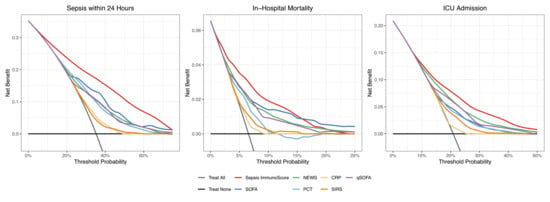
The Sepsis ImmunoScore Predicts Sepsis, Mortality, and Deterioration Better than Clinical Scores and Widely Available Biomarkers
by
Gregory L. Watson, Lincoln C. Updike, Carlos G. López-Espina, Akhil Bhargava, Lee A. Schmalz, Shah Khan, Dennys S. Urdiales, Matthew D. Sims, Ashok V. Palagiri, Adrian D. Haimovich, Alon Dagan, Benjamin P. Davis, Karen C. White, Paul A. Gurbel, Stockton M. Mayer, Anwaruddin Syed, Sihai Dave Zhao, Ruoqing Zhu, Rashid Bashir, Nathan I. Shapiro and Bobby Reddy, Jr.add
Show full author list
remove
Hide full author list
Diagnostics 2026, 16(13), 1962; https://doi.org/10.3390/diagnostics16131962 (registering DOI) - 24 Jun 2026
Abstract
Background: Early and accurate risk stratification of patients suspected of serious infection is essential for improving outcomes, but existing diagnostic and predictive tools have limited accuracy. The objective was to compare the performance of an FDA-authorized AI diagnostic test, the Sepsis ImmunoScore, against
[...] Read more.
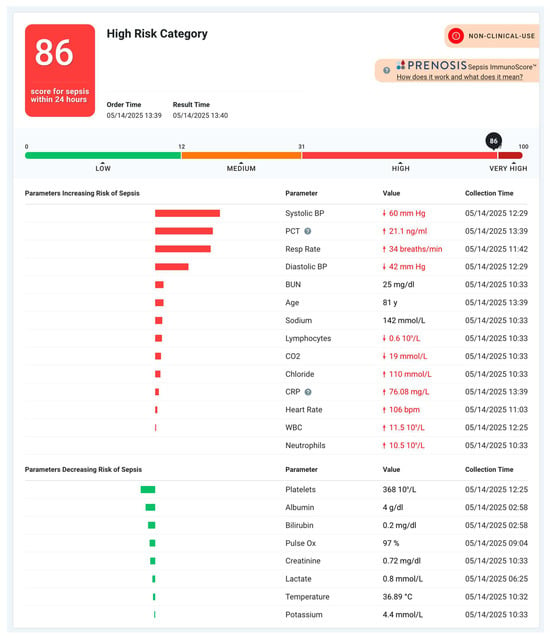
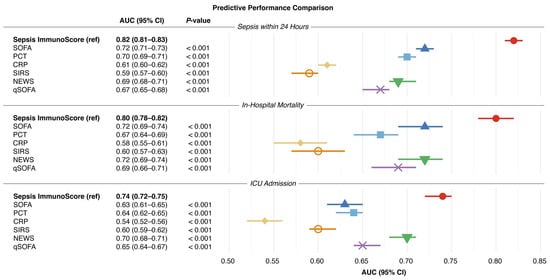
Background: Early and accurate risk stratification of patients suspected of serious infection is essential for improving outcomes, but existing diagnostic and predictive tools have limited accuracy. The objective was to compare the performance of an FDA-authorized AI diagnostic test, the Sepsis ImmunoScore, against widely available biomarkers and clinical tools for diagnosis of sepsis and prediction of in-hospital mortality and intensive care unit (ICU) admission. Methods: This multicenter observational study included 6027 adult patients suspected of infection across 7 U.S. hospital sites. The Sepsis ImmunoScore’s predictive performance was compared to the sequential organ failure assessment (SOFA) score, procalcitonin (PCT), C-reactive protein (CRP), Systemic Inflammatory Response Syndrome (SIRS) score, National Early Warning Score (NEWS), and quick SOFA (qSOFA). Primary outcomes included sepsis as defined by Sepsis-3 criteria, in-hospital mortality, and ICU admission. Predictive accuracy was assessed using area under the receiver operating characteristic curve (AUC), and 95% confidence intervals were generated and hypothesis testing conducted using the bootstrap method. Results: The Sepsis ImmunoScore demonstrated statistically significant superior performance across all outcomes. For sepsis prediction, the Sepsis ImmunoScore achieved an AUC of 0.82, compared to SOFA (0.72), procalcitonin (PCT) (0.70), C-reactive protein (CRP) (0.61), SIRS (0.59), NEWS (0.69), and qSOFA (0.67). For in-hospital mortality prediction, the Sepsis ImmunoScore achieved an AUC of 0.80, outperforming SOFA (0.72), PCT (0.67), CRP (0.58), SIRS (0.60), NEWS (0.72), and qSOFA (0.69). For ICU admission, the Sepsis ImmunoScore reached an AUC of 0.74, superior to SOFA (0.63), PCT (0.64), CRP (0.54), SIRS (0.60), NEWS (0.70), and qSOFA (0.65). All differences between the Sepsis ImmunoScore and comparators were statistically significant. Conclusions: The Sepsis ImmunoScore significantly improved predictive accuracy for sepsis, in-hospital mortality, and ICU admission compared to six conventional clinical scores and biomarkers. This AI-based tool may enhance risk stratification and clinical decision-making, potentially leading to more timely sepsis interventions and improved outcomes.
Full article
(This article belongs to the Special Issue Diagnosis and Prognosis of Sepsis)
►▼
Show Figures

Figure 1
Open AccessArticle
A Simulation-Based Stress-Testing Framework for Evaluating the Transportability of Imaging-Derived Logistic Risk Models Across Cutaneous Lesion Phenotypes
by
Betül Tiryaki Baştuğ, Özlem Türelik, Sinan Topuz, Buket Dursun Çoban and Hatice Gencer Başol
Diagnostics 2026, 16(13), 1961; https://doi.org/10.3390/diagnostics16131961 (registering DOI) - 24 Jun 2026
Abstract
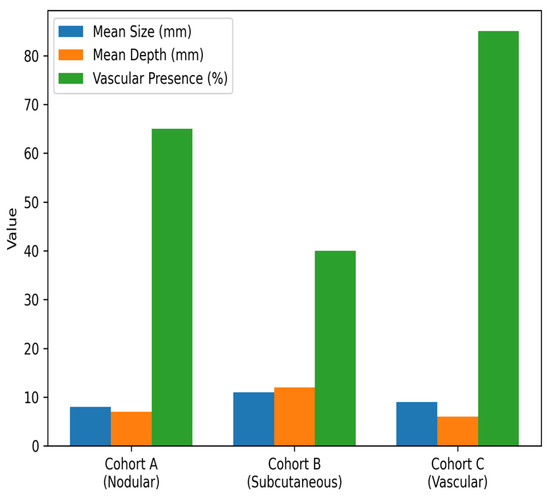
Background: Imaging-based logistic models are widely used for non-invasive risk stratification; however, their structural robustness and transportability across heterogeneous biological contexts remain insufficiently examined. Purpose: This study aimed to develop a simulation-based stress-testing framework to evaluate the structural robustness and transportability
[...] Read more.
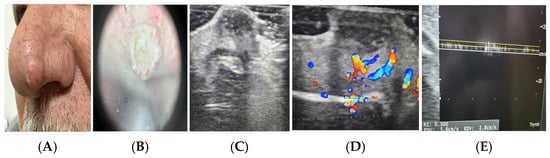
Background: Imaging-based logistic models are widely used for non-invasive risk stratification; however, their structural robustness and transportability across heterogeneous biological contexts remain insufficiently examined. Purpose: This study aimed to develop a simulation-based stress-testing framework to evaluate the structural robustness and transportability of a radiology-adapted logistic risk model across distinct cutaneous lesion phenotypes under both aligned and structurally perturbed conditions. Methods: A simulation-based methodological framework was implemented using three synthetic cohorts representing nodular, subcutaneous, and vascular lesion phenotypes (n = 2000 per cohort). Model performance was evaluated under naïve transfer, recalibration, and revision conditions. To address potential structural alignment bias, additional simulation scenarios incorporating coefficient perturbations, nonlinear transformations, and interaction effects were used to generate outcome processes partially independent from the original model structure. Model performance was assessed using discrimination (ROC-AUC, PR-AUC), calibration metrics, decision curve analysis, and Monte Carlo-based stability assessments. Results: Under naïve transfer, discrimination remained stable across phenotypes (ROC-AUC ≈ 0.78–0.84). Calibration shifts were observed but were effectively corrected through recalibration. Under structurally perturbed outcome generation, discrimination showed only modest reduction, while overall performance patterns remained consistent. Structural variables demonstrated high transferability, whereas vascular features exhibited phenotype-dependent variability. Decision curve analysis indicated consistent clinical utility across relevant thresholds. Conclusions: The radiology-adapted logistic model demonstrated structural robustness across heterogeneous phenotype conditions, with performance variations driven primarily by calibration differences rather than structural failure. Importantly, robustness was preserved under conditions of structural perturbation, supporting the model’s stability beyond idealized alignment assumptions. These findings suggest that simulation-based stress-testing frameworks provide a rigorous methodological approach for evaluating model transportability prior to large-scale clinical validation.
Full article
(This article belongs to the Special Issue Advanced Imaging in the Diagnosis and Management of Skin Diseases)
►▼
Show Figures

Figure 1
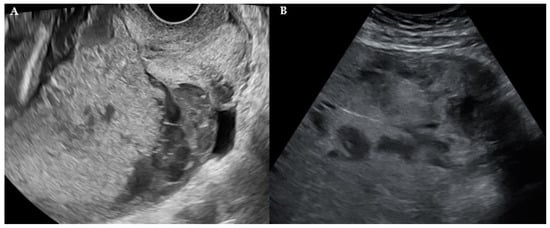
Open AccessArticle
Ultrasound as the Primary Predictor of Perioperative Hemorrhage in Low-to-Moderate Risk Placenta Accreta Spectrum: A Prospective Comparison with MRI in Women with Placenta Previa
by
Sul Lee, Hojun Lee, Hyun-Joo Lee, Eun-Hee Yu, Jong-Kil Joo and Seung-Chul Kim
Diagnostics 2026, 16(13), 1960; https://doi.org/10.3390/diagnostics16131960 (registering DOI) - 24 Jun 2026
Abstract
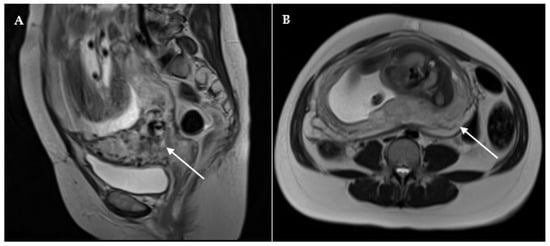
Background/Objectives: Placenta accreta spectrum (PAS) is an increasingly prevalent and potentially life-threatening complication in women with placenta previa. Despite widespread clinical use, the inter-modality agreement between prenatal ultrasound and MRI and their comparative value for predicting perioperative hemorrhage remain poorly characterized, particularly in
[...] Read more.
Background/Objectives: Placenta accreta spectrum (PAS) is an increasingly prevalent and potentially life-threatening complication in women with placenta previa. Despite widespread clinical use, the inter-modality agreement between prenatal ultrasound and MRI and their comparative value for predicting perioperative hemorrhage remain poorly characterized, particularly in low-to-moderate risk populations where placenta accreta predominates. We aimed to compare inter-modality agreement between standardized ultrasound and MRI impressions and to evaluate each modality’s predictive value for perioperative hemorrhage. Methods: This prospective cohort study enrolled 47 women with placenta previa who underwent both standardized ultrasound and MRI prospectively between 28 + 0 and 32 + 6 weeks of gestation, with perioperative outcomes collected at the time of cesarean delivery. Both modalities were classified using a three-tier impression system (None/Suspected/Likely) based on standardized structural, vascular, and invasive marker composites. The primary outcome was inter-modality agreement (linearly weighted Cohen’s κ); secondary outcomes were the association of each modality’s impression with postpartum hemorrhage (PPH; estimated blood loss ≥ 1000 mL) and estimated blood loss (EBL). Results: PAS was confirmed in 18 of 47 women (38.3%), predominantly placenta accreta (83.3%). Inter-modality agreement was fair (weighted κ = 0.263), structural concordance was moderate (κ = 0.539), while vascular agreement was near-absent (κ = 0.085). Ultrasound impression demonstrated a dose-dependent association with PPH rates (38.5%, 52.9%, and 82.4% across None, Suspected, and Likely tiers; p = 0.048) and EBL (800, 1000, and 1800 mL; p = 0.003), with logistic regression confirming a 2.70-fold increase in PPH odds per tier (p = 0.018; AUC 0.657). MRI impression was not associated with PPH (p = 1.000), EBL (p = 0.743), or PAS status (p = 0.741; AUC 0.543). Serum AFP was significantly elevated in women with PPH (p = 0.005). Conclusions: In this accreta-predominant, low-to-moderate risk cohort, ultrasound—but not MRI—demonstrated a significant dose-dependent association with perioperative hemorrhage. These findings should not be interpreted as evidence of general MRI inadequacy but rather as reflecting the specific imaging context in which MRI’s strengths in deep invasion characterization are less clinically determinative. These results support ultrasound as the primary tool for hemorrhage risk stratification in this population.
Full article
(This article belongs to the Special Issue Advanced Ultrasound Techniques in Diagnosis)
►▼
Show Figures

Figure 1
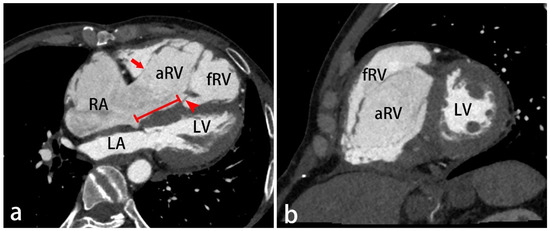
Open AccessReview
CCTA of Pediatric Congenital Right Heart Obstructive Lesions: A Pictorial Review
by
Zuofeng Zheng and Lei Xu
Diagnostics 2026, 16(13), 1959; https://doi.org/10.3390/diagnostics16131959 (registering DOI) - 24 Jun 2026
Abstract
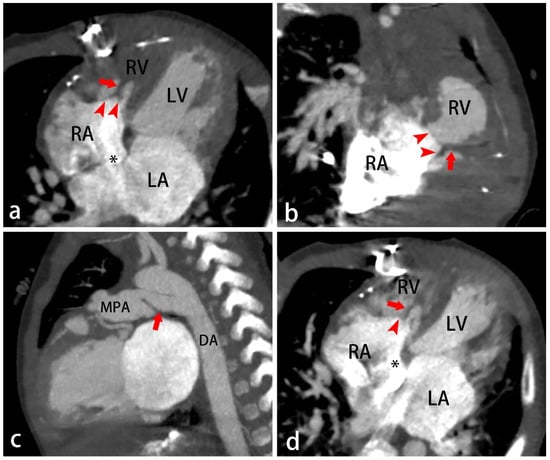
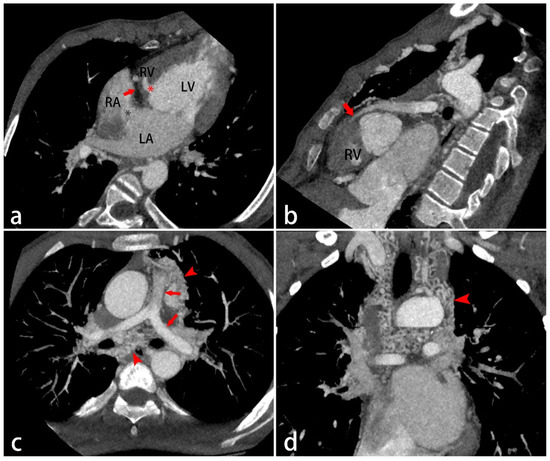
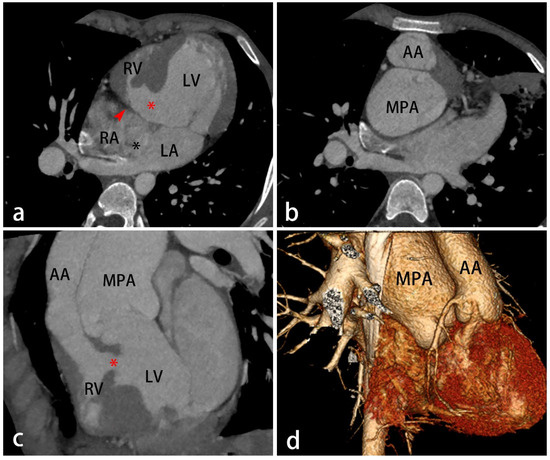
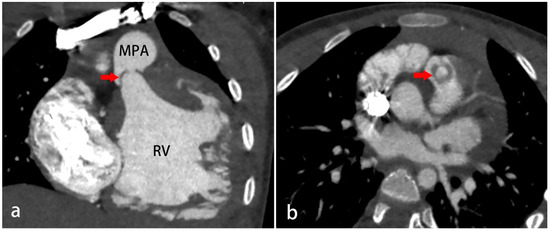
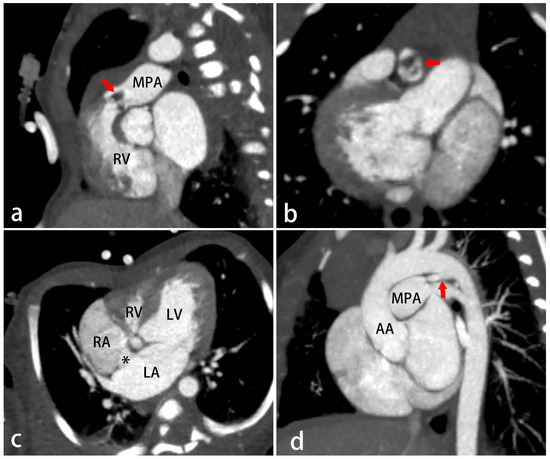
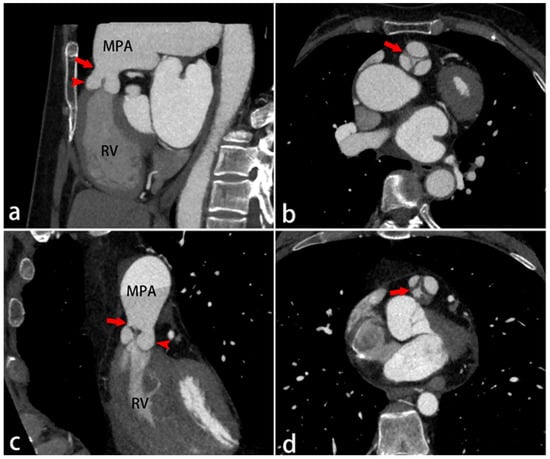
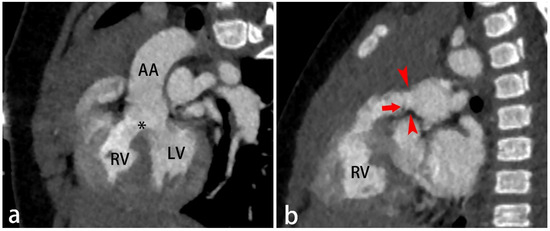
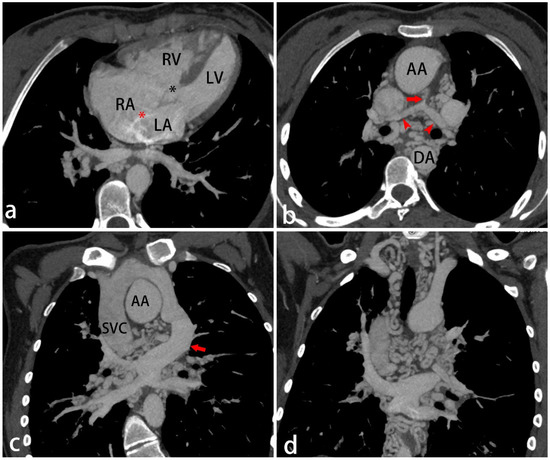
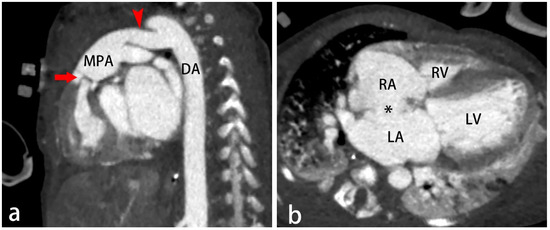
Pediatric congenital right heart obstructive lesions encompass a spectrum of diseases that obstruct blood flow from the right atrium to the pulmonary artery. Right ventricular inflow obstructions include tricuspid valve abnormalities, such as Ebstein anomaly, tricuspid valve dysplasia, and tricuspid atresia. Right ventricular
[...] Read more.
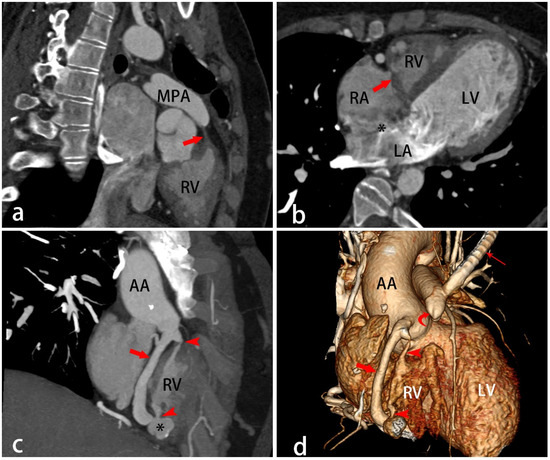
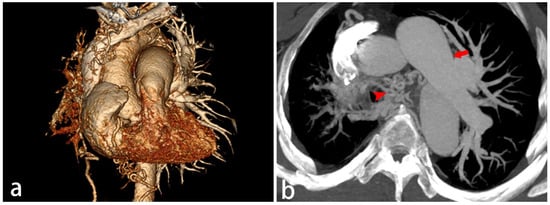
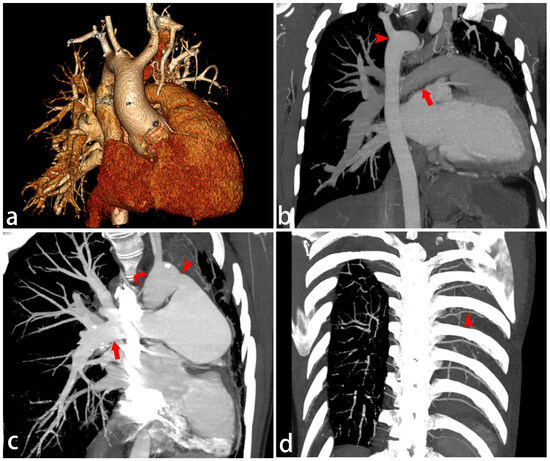
Pediatric congenital right heart obstructive lesions encompass a spectrum of diseases that obstruct blood flow from the right atrium to the pulmonary artery. Right ventricular inflow obstructions include tricuspid valve abnormalities, such as Ebstein anomaly, tricuspid valve dysplasia, and tricuspid atresia. Right ventricular outflow obstructions include pulmonary valve stenosis, pulmonary atresia, and tetralogy of Fallot. Cardiac computed tomography angiography (CCTA) is a valuable tool for the diagnosis, treatment planning, and follow-up of these lesions. In this pictorial review, we highlight the diagnostic utility of CCTA in congenital right heart obstructive lesions, emphasizing its role in preoperative planning.
Full article
(This article belongs to the Special Issue Advances in Diagnostic Imaging and Interpretation in Pediatric Radiology)
►▼
Show Figures

Figure 1
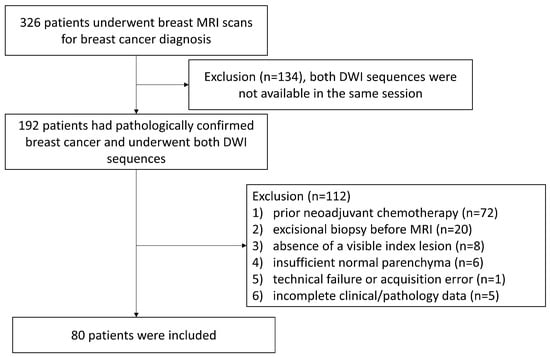
Open AccessArticle
Clinical Evaluation of a Combined Deep Learning–Reconstructed Readout-Segmented Echo-Planar Imaging and Water-Excitation Spectral Fat-Saturation Protocol for Breast Diffusion-Weighted Imaging at 3T Breast MRI
by
Jung Min Choi, Soyeoun Lim, Eun Jung Choi, MunYoung Paek, Wei Liu, Minseo Bang and Jung Hee Byon
Diagnostics 2026, 16(13), 1958; https://doi.org/10.3390/diagnostics16131958 (registering DOI) - 24 Jun 2026
Abstract
Objectives: This study evaluates the protocol-level image quality and quantitative diffusion metrics of a clinically implemented deep-learning–reconstructed readout-segmented echo-planar imaging protocol with water-excitation spectral fat saturation (DL-rs-EPI with WEXfs) compared with conventional rs-EPI using spectral attenuated inversion recovery (SPAIR) at 3 T.
[...] Read more.
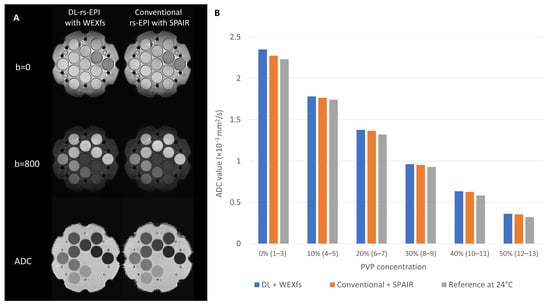
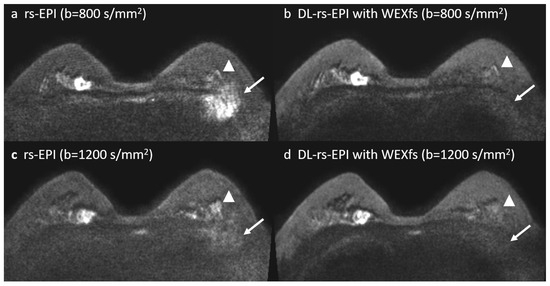
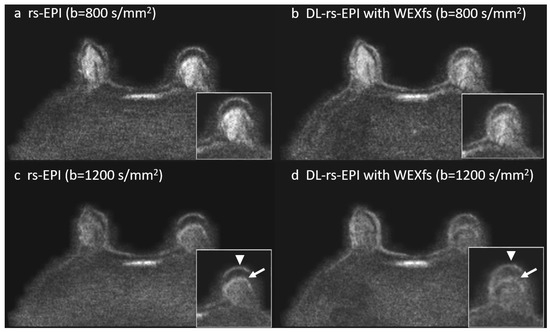
Objectives: This study evaluates the protocol-level image quality and quantitative diffusion metrics of a clinically implemented deep-learning–reconstructed readout-segmented echo-planar imaging protocol with water-excitation spectral fat saturation (DL-rs-EPI with WEXfs) compared with conventional rs-EPI using spectral attenuated inversion recovery (SPAIR) at 3 T. Methods: Overall, 80 patients underwent breast magnetic resonance imaging (MRI) with both conventional rs-EPI with SPAIR and DL-rs-EPI with WEXfs protocols (b-values: 0, 800, and 1200 s/mm2). ROI-based relative image-quality metrics, including signal-to-noise ratio (SNR), contrast-to-noise ratio (CNR), and lesion contrast, were assessed at b = 800 and b = 1200 s/mm2; apparent diffusion coefficient (ADC) values were calculated using multi-b-value data. Fat suppression, background diffusion signal, lesion conspicuity, and artifact severity were qualitatively evaluated. A temperature-controlled diffusion phantom (CaliberMRI) was scanned; ADC values were compared with reference values at 24 °C. Results: DL-rs-EPI with WEXfs demonstrated higher ROI-based relative SNR estimates (b800: 5.79 vs. 5.28; b1200: 5.41 vs. 4.94; p < 0.001) and CNR estimates (b800: 3.35 vs. 3.12, p = 0.024; b1200: 3.67 vs. 3.37, p = 0.001), with unchanged lesion contrast. Tumor ADC values were comparable between protocols, whereas normal fibroglandular tissue ADC values were slightly higher, and ADC contrast increased with DL-rs-EPI with WEXfs. Phantom ADC values from both protocols closely matched reference values at 24 °C, without significant differences. DL-rs-EPI with WEXfs demonstrated more homogeneous fat suppression and reduced background diffusion signal, with comparable lesion conspicuity and artifact severity. Conclusions: The combined DL-rs-EPI with WEXfs protocol demonstrated improved qualitative and relative quantitative image quality while preserving tumor ADC measurements. As a protocol-level evaluation, these composite improvements support its clinical feasibility for high-quality breast DWI without implying the isolated effect of DL reconstruction alone.
Full article
(This article belongs to the Special Issue Advances in Medical Image Processing)
►▼
Show Figures

Figure 1
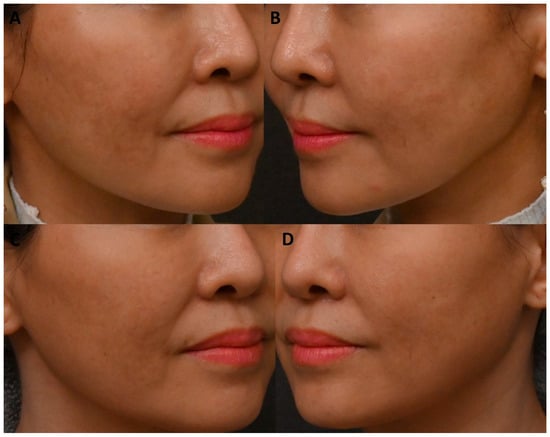
Open AccessArticle
Retrospective Analysis of the Therapeutic Outcomes of Microneedle Radiofrequency on Melasma by Optical Coherence Tomography: A Observational Pilot Study
by
Yi-Teng Hung, Feng-Ling Tsai, Yau-Li Huang, Chih-Wei Lu, Hsing Cheng and Chien-Ming Chen
Diagnostics 2026, 16(13), 1957; https://doi.org/10.3390/diagnostics16131957 (registering DOI) - 24 Jun 2026
Abstract
Background: No preferred treatments for melasma are known, owing to its underlying complicated pathomechanisms; microneedle radiofrequency (MRF) has recently been used to treat melasma. Objectives: We aimed to investigate the effects and pathomechanisms of melasma treated by MRF and identify the possible
[...] Read more.
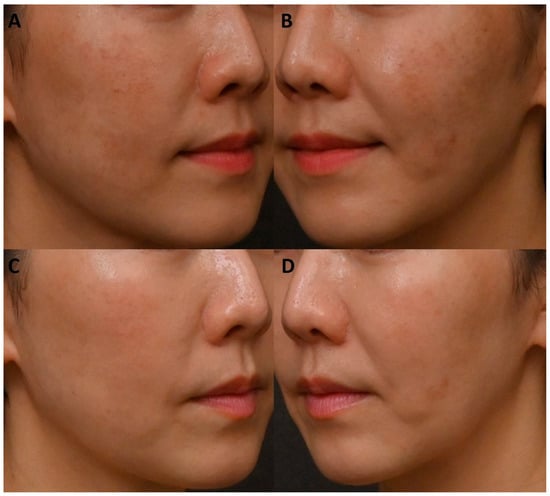
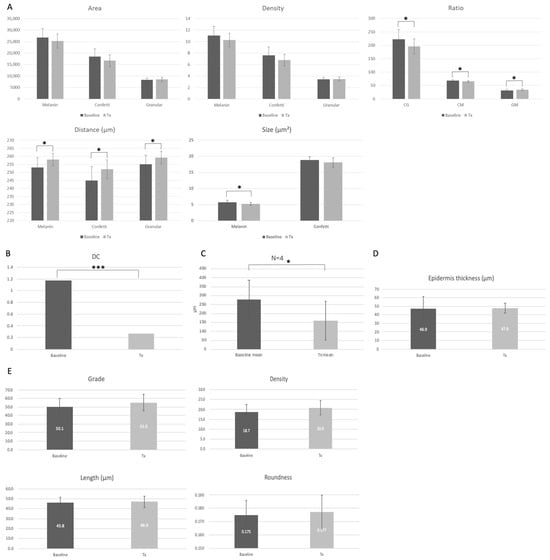
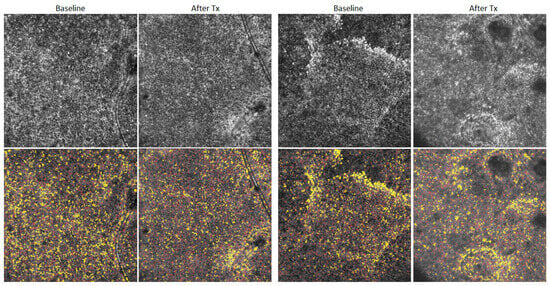
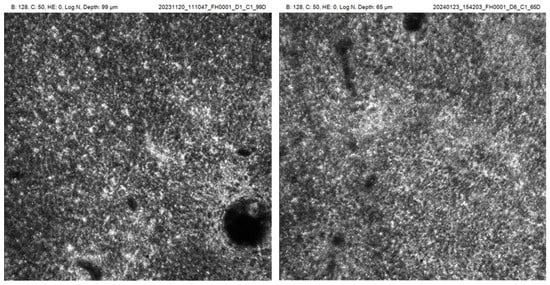
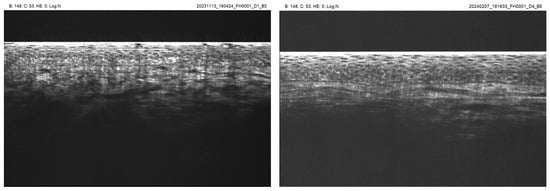
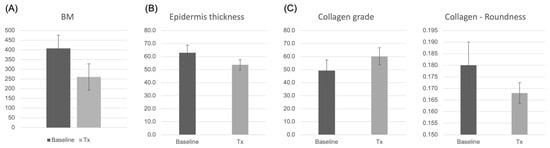
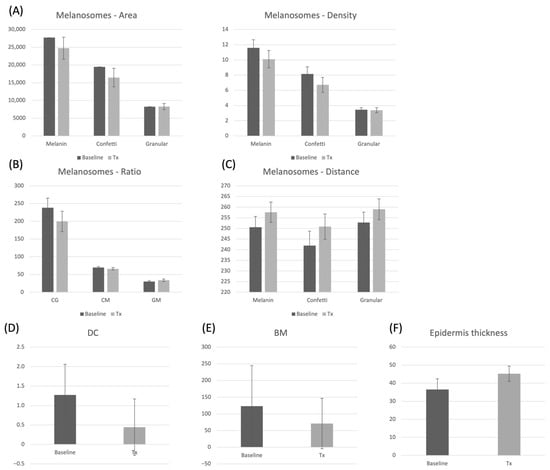
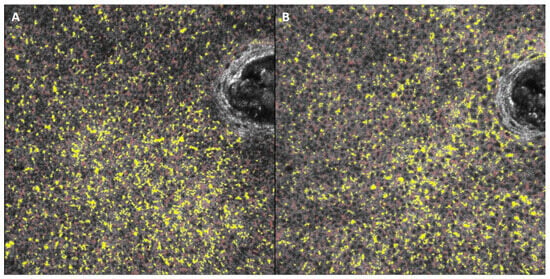
Background: No preferred treatments for melasma are known, owing to its underlying complicated pathomechanisms; microneedle radiofrequency (MRF) has recently been used to treat melasma. Objectives: We aimed to investigate the effects and pathomechanisms of melasma treated by MRF and identify the possible determining factors for good response. Methods: Therapeutic outcomes were measured using the Melasma Area and Severity Index (MASI) and artificial intelligence-assisted optical coherence tomography (OCT) evaluation for collagen and pigmentation at baseline and 2 months after each treatment. Participants were divided into good- (≥25% reduction in MASI) and poor-response (<25% reduction in MASI) groups after the last MRF treatment. Results: Two patients achieved fair response and three patients achieved poor response. Overall OCT analysis showed that the confetti/granular melanin ratios (melanin aggregation index) decreased, the distance between melanosomes increased, and the size of melanin decreased. The number of dendritic cells (DCs) decreased. In subgroup analysis, the continuity of the basement membrane was improved in the fair-response group, and the melanin aggregation index and the number of DCs were decreased in the poor-response group. A higher baseline confetti/granular melanin ratio trended towards poorer therapeutic response. Conclusions: This pilot study used OCT to assess the therapeutic efficacy of MRF for melasma and identify the characteristics of individuals for whom MRF is effective. The statistical results were exploratory and descriptive. Further large-scale, randomized controlled studies are required to prove the efficacy of MRF in treating melasma and the feasibility of OCT in investigating the treatment response of melasma.
Full article
(This article belongs to the Special Issue Advanced Imaging in the Diagnosis and Management of Skin Diseases)
►▼
Show Figures

Figure 1
Journal Menu
► ▼ Journal Menu-
- Diagnostics Home
- Aims & Scope
- Editorial Board
- Reviewer Board
- Topical Advisory Panel
- Instructions for Authors
- Special Issues
- Topics
- Sections & Collections
- Article Processing Charge
- Indexing & Archiving
- Editor’s Choice Articles
- Most Cited & Viewed
- Journal Statistics
- Journal History
- Journal Awards
- Society Collaborations
- Conferences
- Editorial Office
Journal Browser
► ▼ Journal BrowserHighly Accessed Articles
Latest Books
E-Mail Alert
News
Topics
Topic in
Diagnostics, Electronics, Eng, Micro, Micromachines
Micro-Nanoelectronic Systems for Diagnosis and Therapies
Topic Editors: Wubin Bai, Jiho ShinDeadline: 30 June 2026
Topic in
Applied Sciences, Diagnostics, JCM, Clinics and Practice, Therapeutics
Advances in Diagnosis and Treatment of Dental Diseases and Temporomandibular Joints
Topic Editors: Rafał Obuchowicz, Małgorzata Pihut, Karolina Nurzynska, Andrzej UrbanikDeadline: 31 July 2026
Topic in
Cancers, Diagnostics, Gastrointestinal Disorders, JCM, Current Oncology
Metastatic Colorectal Cancer: From Laboratory to Clinical Studies, 2nd Edition
Topic Editors: Ioannis Ntanasis-Stathopoulos, Diamantis I. TsilimigrasDeadline: 20 August 2026
Topic in
Applied Sciences, Bioengineering, Diagnostics, J. Imaging, Signals
Signal Analysis and Biomedical Imaging for Precision Medicine
Topic Editors: Surbhi Bhatia Khan, Mo SaraeeDeadline: 31 August 2026
Conferences
Special Issues
Special Issue in
Diagnostics
Laboratory Investigations in Nephrology
Guest Editor: Marijn SpeeckaertDeadline: 30 June 2026
Special Issue in
Diagnostics
Diagnosis and Management of Colorectal Diseases, 2nd Edition
Guest Editors: Filippo Carannante, Guglielmo Niccolò PiozziDeadline: 30 June 2026
Special Issue in
Diagnostics
Advances in Plastic Surgery: Diagnosis, Management and Prognosis
Guest Editor: Konstantinos SeretisDeadline: 30 June 2026
Special Issue in
Diagnostics
Innovations in Imaging for Radiation Oncology
Guest Editors: Sara Haseli, Arash AzhidehDeadline: 30 June 2026
Topical Collections
Topical Collection in
Diagnostics
Biomedical Optics: From Technologies to Applications
Collection Editor: Mengyang Liu
Topical Collection in
Diagnostics
Editorial Board Members' Collection Series: Diagnostic Approaches to Gastrointestinal and Pancreatic Diseases
Collection Editors: Paolo Aseni, Ervin Toth