
-
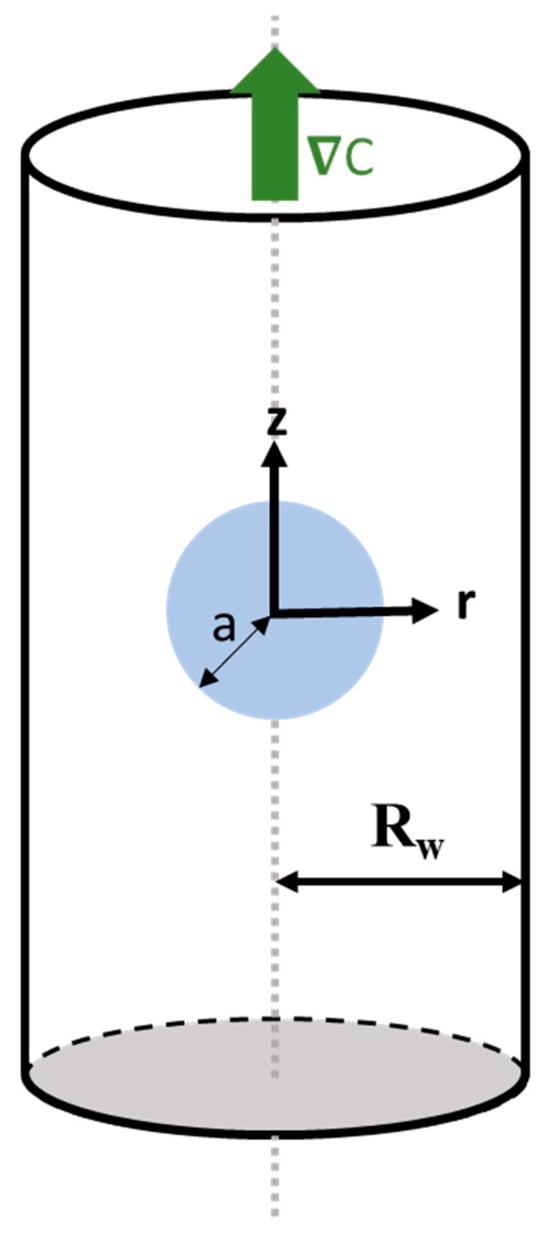
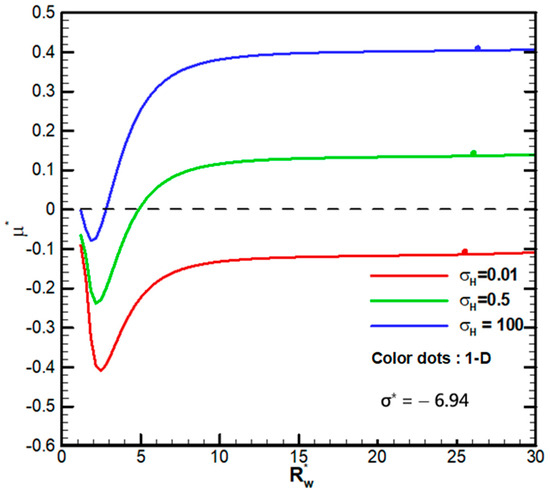
Polymer Retention Leading to Non-Darcy Flow in Porous Media—Influence of Molecular Weight, Composition and Mechanical Degradation -
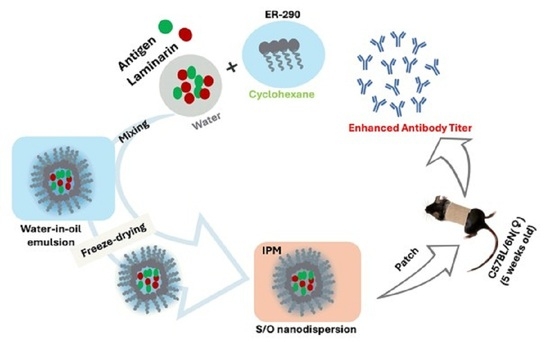
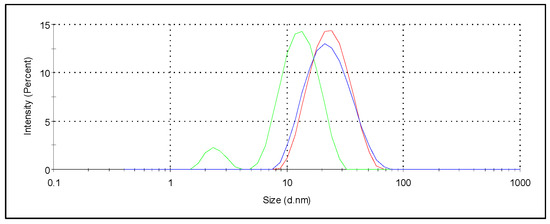
Colloidal Hydroxyapatite Nanoparticles as a Carrier for Cannabinol: The Effect on Model Langmuir Monolayers and Bilayer Lipid Membranes -
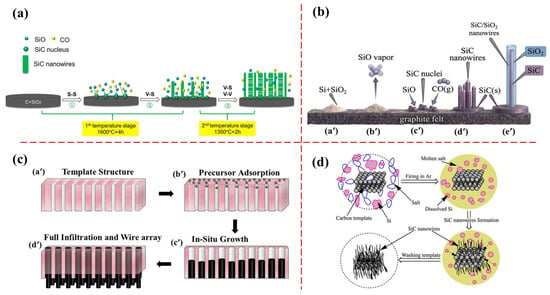
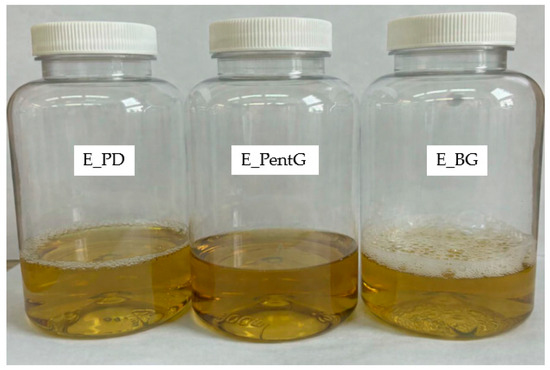
Solid Foams from Geopolymerization of Lunar Regolith Simulants Slurries -
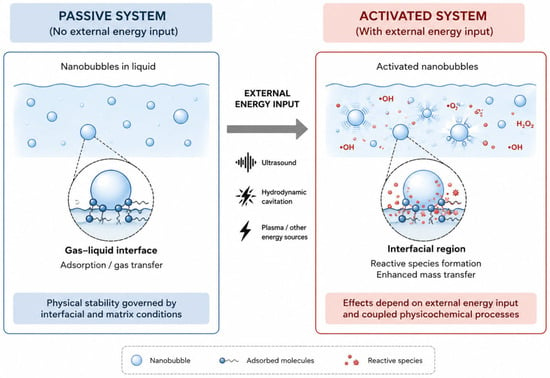
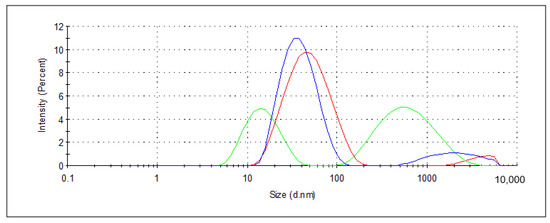
Some Aspects of the Stability of Nanobubbles -
Rational Design of Lecithin–Cholesterol Liposomes for Encapsulation and Sustained Release of Diclofenac
Journal Description
Colloids and Interfaces
is an international, peer-reviewed, open access journal on colloids and interfaces chemistry published bimonthly online by MDPI.
- Open Access— free for readers, no limits on space and color.
- High Visibility: indexed within Scopus, ESCI (Web of Science), CAPlus / SciFinder, Inspec, and other databases.
- Rapid Publication: manuscripts are peer-reviewed and a first decision is provided to authors approximately 19.5 days after submission; acceptance to publication is undertaken in 3.7 days (median values for papers published in this journal in the second half of 2025).
- Recognition of Reviewers: reviewers who provide timely, thorough peer-review reports receive vouchers entitling them to a discount on the APC of their next publication in any MDPI journal, in appreciation of the work done.
Impact Factor:
3.2 (2024);
5-Year Impact Factor:
3.0 (2024)
Latest Articles
Mechanism of Imidazole Collectors in the Hydrophobic Agglomeration and Flotation Behavior of Quartz
Colloids Interfaces 2026, 10(3), 44; https://doi.org/10.3390/colloids10030044 - 29 May 2026
Abstract
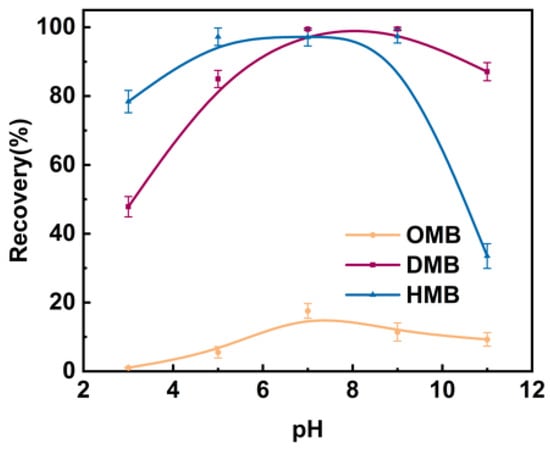
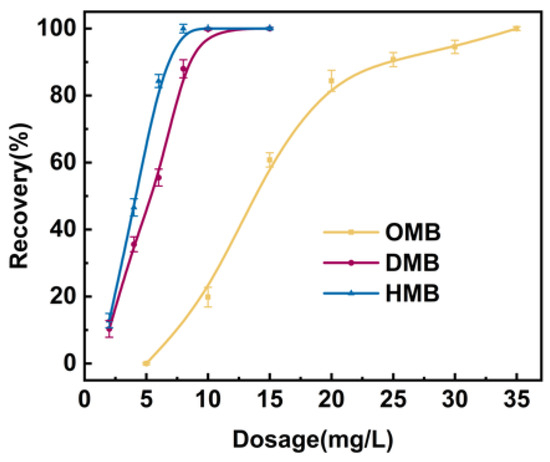
Imidazole-based ionic liquids hold immense potential in the field of mineral flotation due to their tunable properties. In this study, three imidazole-based ionic liquids with varying carbon chain lengths (OMB, DMB, and HMB) were selected as collectors for quartz flotation to systematically investigate
[...] Read more.
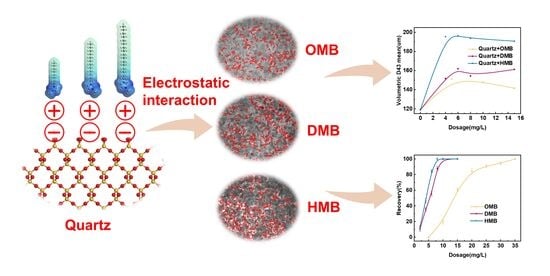
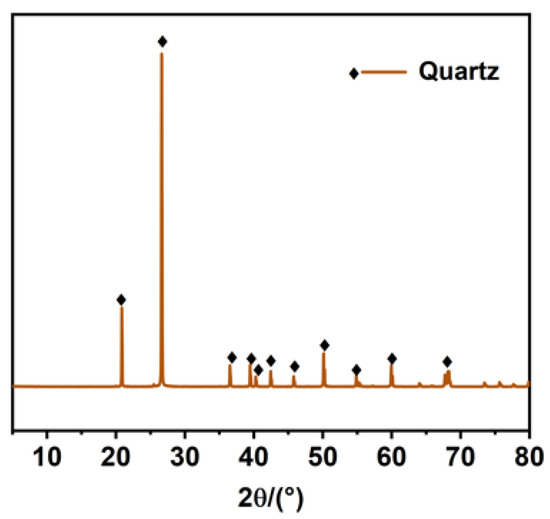
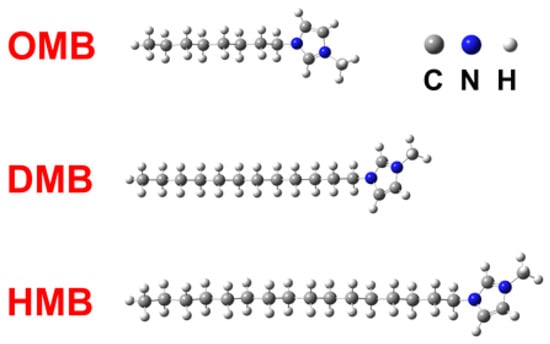
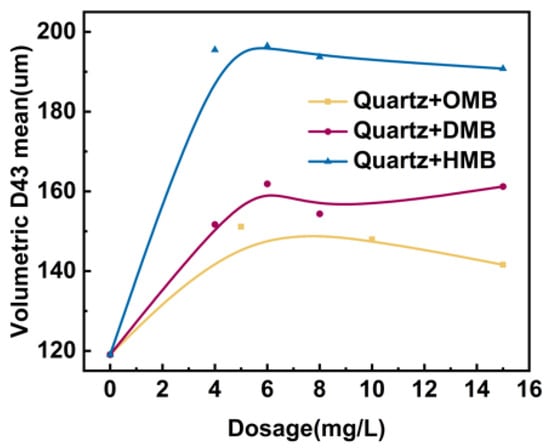
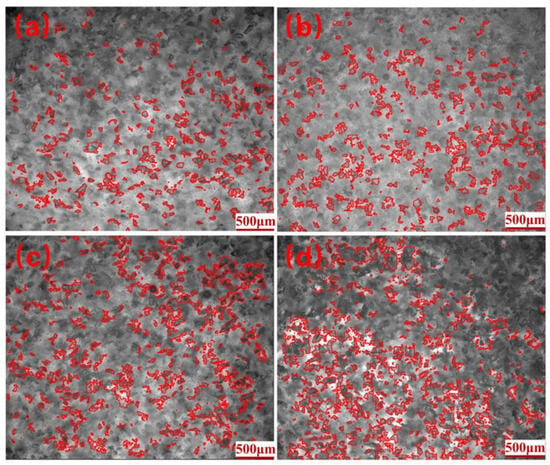
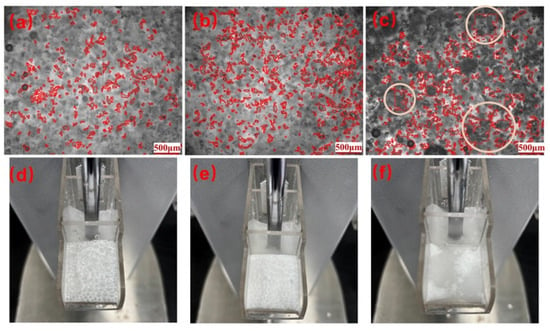
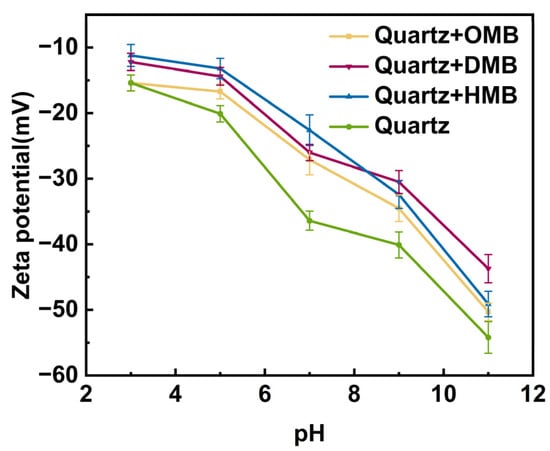
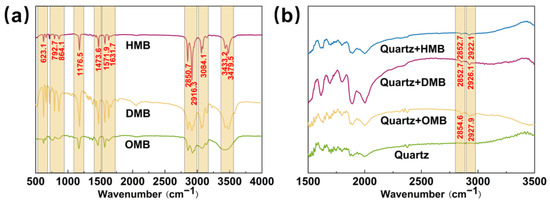
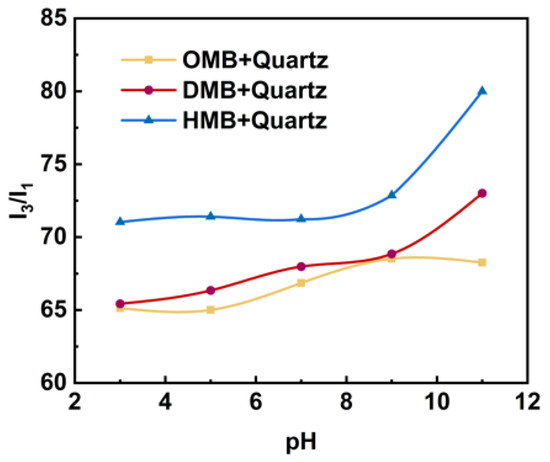
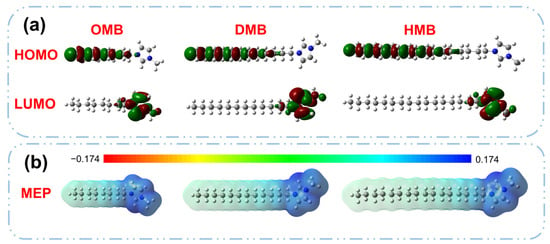
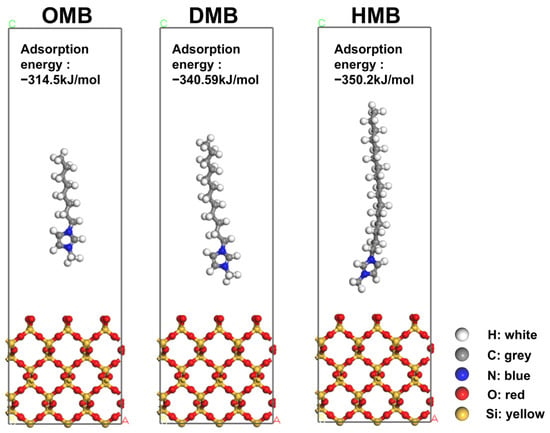
Imidazole-based ionic liquids hold immense potential in the field of mineral flotation due to their tunable properties. In this study, three imidazole-based ionic liquids with varying carbon chain lengths (OMB, DMB, and HMB) were selected as collectors for quartz flotation to systematically investigate the microscopic mechanisms by which carbon chain length influences the agglomeration and flotation behavior of quartz. Flotation tests and online particle-bubble monitoring (PBM) results indicate that the elongation of the collector’s carbon chain significantly enhances its collecting ability and reduces the required reagent dosage. To achieve the complete recovery of quartz in a neutral system, a dosage of 35 mg/L is required for OMB, whereas HMB requires only 8 mg/L. As the carbon chain lengthens, the optimal pH range for highly efficient flotation shifts from alkaline to neutral-acidic. Interfacial measurements and mechanistic analyses (Zeta potential and FTIR spectroscopy) confirm that the imidazole ring of the collector physically adsorbs onto the quartz surface through the synergistic action of electrostatic forces and hydrogen bonding, thereby inducing the hydrophobic agglomeration of particles. Notably, in a strongly alkaline system (pH = 11), the long-chain HMB promotes the formation of oversized quartz agglomerates. This leads to a depletion of free reagents in the liquid phase and destabilizes the bubble liquid film, ultimately triggering a sharp decline in recovery. Density functional theory (DFT) calculations further corroborate the structure–activity relationship at the molecular level: the extension of the carbon chain increases the highest occupied molecular orbital (HOMO) energy and electron-donating ability. The adsorption energy of HMB on the quartz (001) surface reached −350.2 kJ/mol, exhibiting the strongest solid–liquid interfacial affinity. This study elucidates the competitive mechanism of carbon chain length in regulating electrostatic adsorption, hydrophobic agglomeration, and froth stability, providing a solid theoretical foundation for the molecular design of novel green flotation reagents for quartz.
Full article
(This article belongs to the Special Issue Colloids and Interfaces in Mineral Processing and Resource Recovery)
►
Show Figures
Open AccessFeature PaperArticle
Yeast-Based Pickering Emulsions: Is Yeast Truly the Stabilizing Agent?
by
Carlotta Cappabianca, Daniele Marra, Irene Perna, Angeliki P. Chondrou, Ourania Oikonomidou, Maria Petala, Thodoris D. Karapantsios and Sergio Caserta
Colloids Interfaces 2026, 10(3), 43; https://doi.org/10.3390/colloids10030043 - 28 May 2026
Abstract
The increasing demand for sustainable and affordable surfactants requires the exploration of novel bio-based alternatives. In this context, this work investigates the potential of baker’s yeast (Saccharomyces cerevisiae) as a surface-active agent. To this purpose, the performance of commercial dry, commercial
[...] Read more.
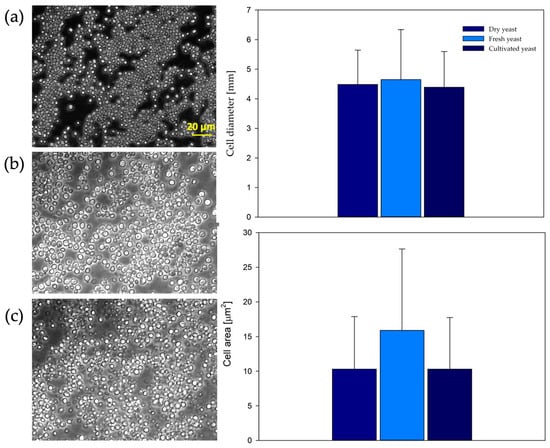
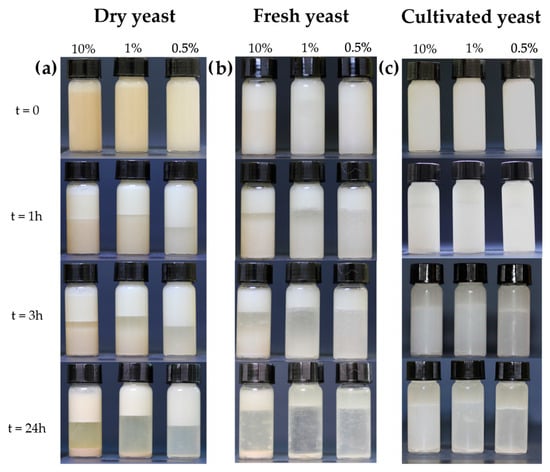
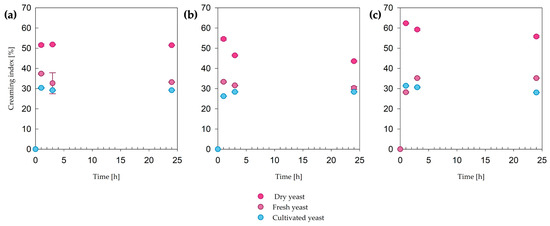
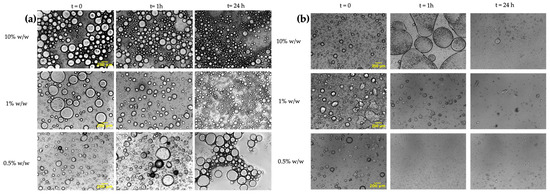
The increasing demand for sustainable and affordable surfactants requires the exploration of novel bio-based alternatives. In this context, this work investigates the potential of baker’s yeast (Saccharomyces cerevisiae) as a surface-active agent. To this purpose, the performance of commercial dry, commercial fresh, and cultivated yeast was evaluated by characterizing their wetting behavior and formulating emulsions with a fixed oil-to-water ratio. Microscopic and macroscopic stability was monitored over 24 h and quantified via the creaming index (CI). The experimental results demonstrate that both the yeast source and concentration significantly dictate the surface properties and emulsion stability. Notably, commercial dry yeast exhibited the highest degree of hydrophobicity, likely attributed to the presence of sorbitan monostearate (SMS) in the formulation. Consequently, this was the main variant capable of producing stable emulsions, with microscopic evidence suggesting a Pickering-like stabilization mechanism driven by the irreversible adsorption of yeast cells at the oil–water interface. Conversely, commercial fresh and cultivated yeast failed to exert significant stabilizing activity. These results demonstrate that S. cerevisiae biomass can be effectively repurposed as a functional constituent in green emulsion technology, offering a scalable pathway for the development of biocompatible, particle-stabilized industrial formulations.
Full article
(This article belongs to the Special Issue Bubble and Drop 2025 (B&D 2025))
Open AccessArticle
Effect of Reducing Agent Nature on the Self-Assembly and Stability of Molybdenum Blue Dispersions Prepared via Ion- Exchange Route
by
Dmitry Chertin, Ilya Zavidovskiy, Ilya Borisov and Natalia Gavrilova
Colloids Interfaces 2026, 10(3), 42; https://doi.org/10.3390/colloids10030042 - 22 May 2026
Abstract
Molybdenum blue dispersions were synthesized via an ion-exchange approach using hydroquinone and glucose as reducing agents to clarify the influence of reductant chemistry on redox evolution and colloidal stability. Electrolyte-free conditions enabled controlled self-assembly of reduced polyoxomolybdate clusters. UV–Vis spectroscopy revealed characteristic absorption
[...] Read more.
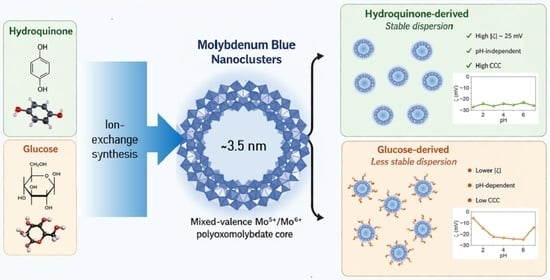
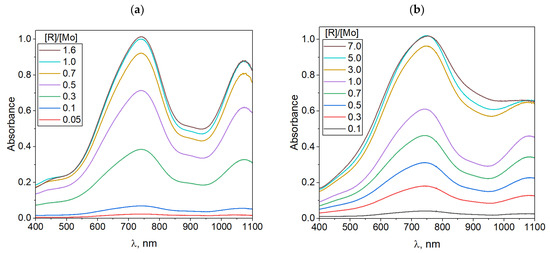
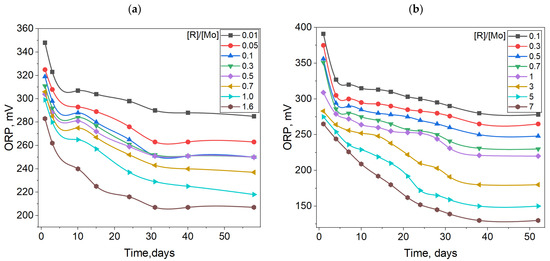
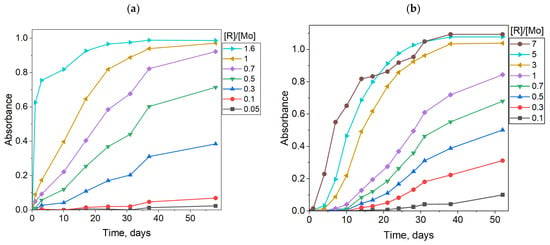
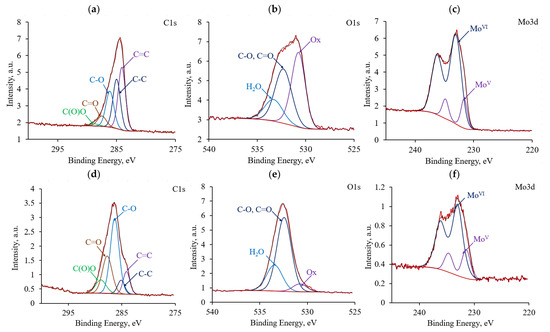
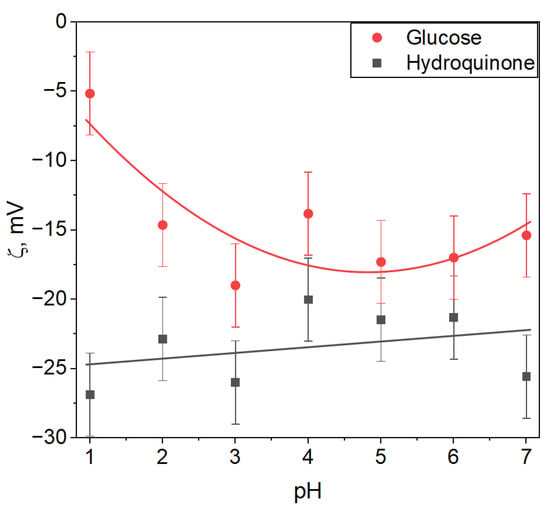
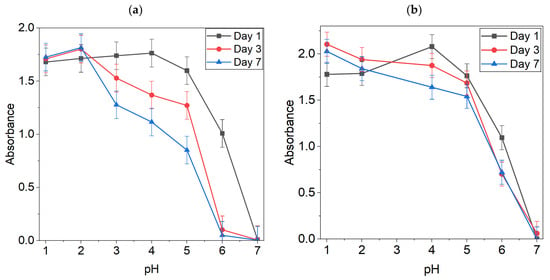
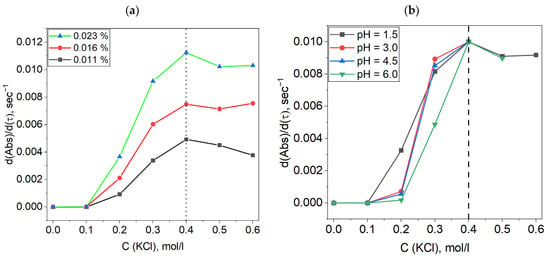
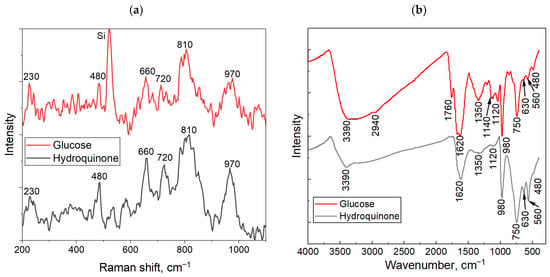
Molybdenum blue dispersions were synthesized via an ion-exchange approach using hydroquinone and glucose as reducing agents to clarify the influence of reductant chemistry on redox evolution and colloidal stability. Electrolyte-free conditions enabled controlled self-assembly of reduced polyoxomolybdate clusters. UV–Vis spectroscopy revealed characteristic absorption bands at ~750 and ~1100 nm associated with intervalence charge transfer in mixed-valence Mo5+/Mo6+ clusters, with hydroquinone stabilizing more deeply reduced clusters, while glucose-derived systems demonstrated a higher degree of reduction with a higher ratio of reducing agent to metal. Time dependence of oxidation–reduction potential and optical density measurements demonstrated prolonged redox equilibration and gradual self-organization over several weeks. Dynamic light scattering confirmed the formation of nanoclusters with comparable hydrodynamic diameters of approximately 3.5 nm for both reducing agents. Raman and FT-IR spectroscopy indicated structurally similar polyoxomolybdate frameworks. In contrast, electrokinetic measurements revealed pronounced differences in surface chemistry and stability: hydroquinone-derived dispersions exhibited robust, pH-independent electrostatic stabilization, whereas glucose-derived systems showed weaker, pH-dependent stabilization and rapid electrolyte-induced aggregation. These results demonstrate that the nature of the reducing agent has an impact on the synthesis and colloidal behavior of molybdenum blue dispersions synthesized by the ion-exchange route.
Full article
(This article belongs to the Section Colloidal Systems)
►▼
Show Figures

Graphical abstract
Open AccessArticle
Colloidal Properties and Potential Applications of Branched Poly(Vinyl Alcohol)
by
Anton V. Grivin, Il’ya I. Kraynik, Daniil A. Kabanov, Anna M. Nechaeva, Gali D. Markova, Eva S. Burmitskaya, Anton M. Shulgin, Anna V. Andreeva, Vasilina A. Zakharova, Oleg A. Raitman, Svetlana O. Samusenko, Irina I. Levina, Mikhail V. Motyakin, Valerie A. Dyatlov, Irina Yu. Gorbunova, Inessa A. Gritskova, Valeriy P. Meshalkin and Yaroslav O. Mezhuev
Colloids Interfaces 2026, 10(3), 41; https://doi.org/10.3390/colloids10030041 - 19 May 2026
Abstract
►▼
Show Figures
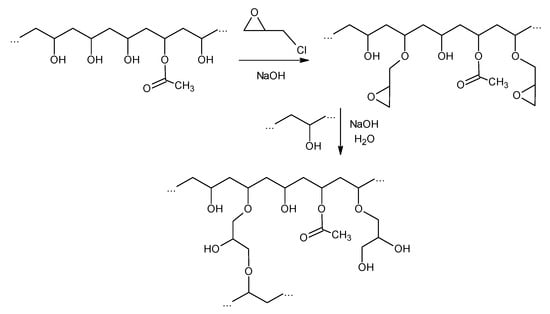
Branched poly(vinyl alcohol) (PVA) was synthesized via chemical modification of linear PVA with epichlorohydrin in an alkaline aqueous medium under conditions preventing crosslinking. Branching was confirmed by IR and Heteronuclear Single Quantum Coherence (HSQC) spectroscopy, as well as by viscometric analysis. An iterative
[...] Read more.
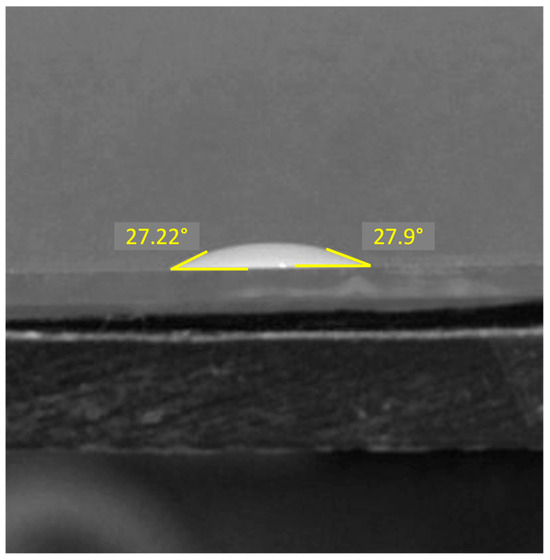
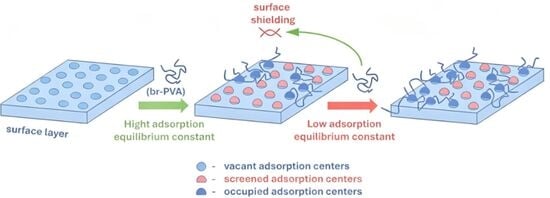
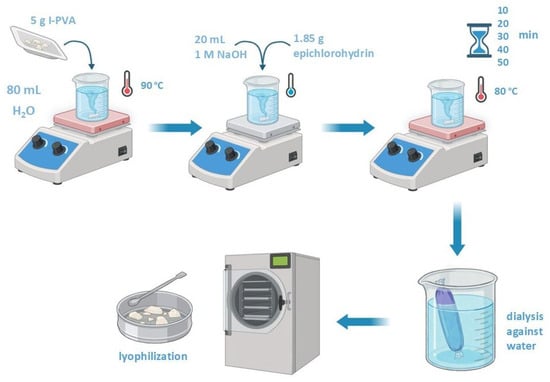
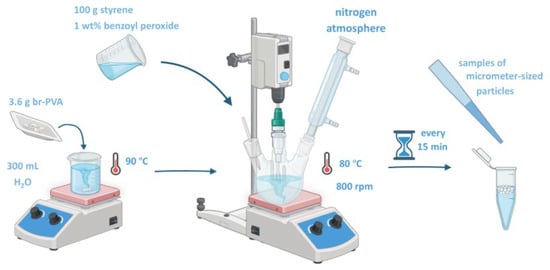
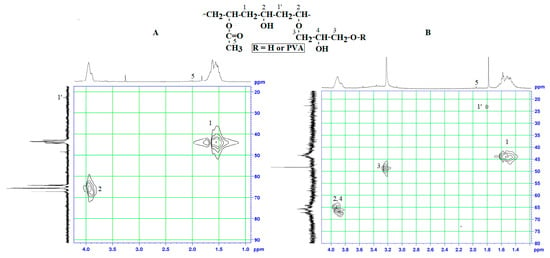
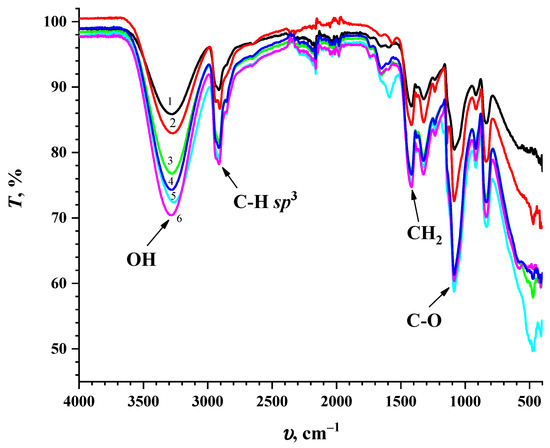
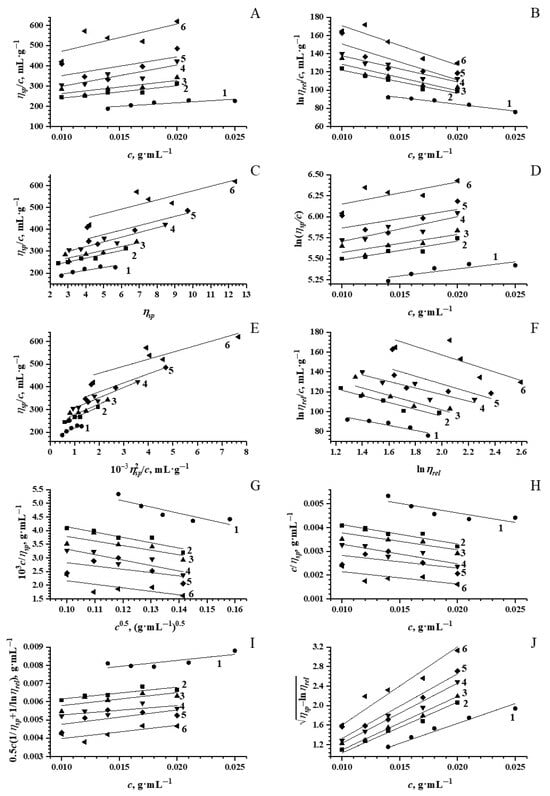
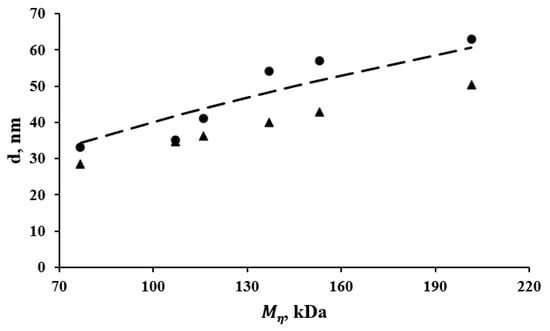
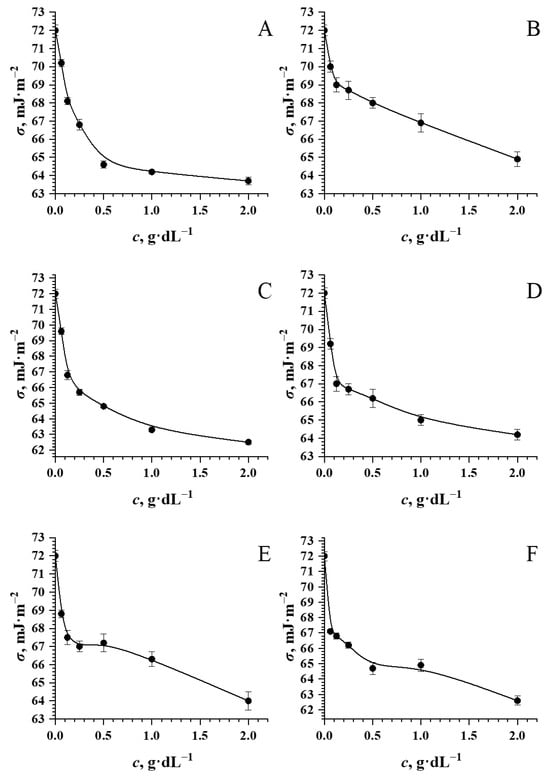
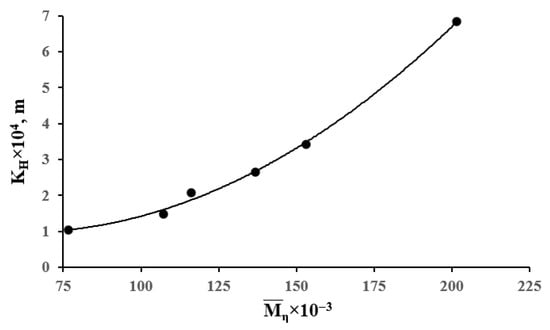
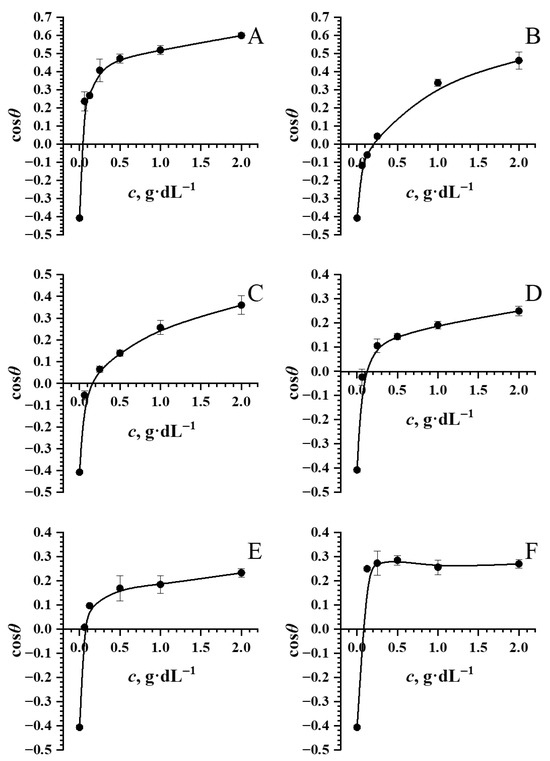
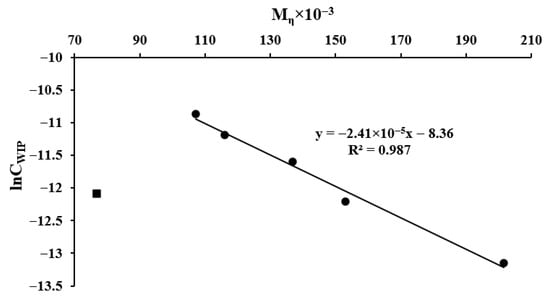
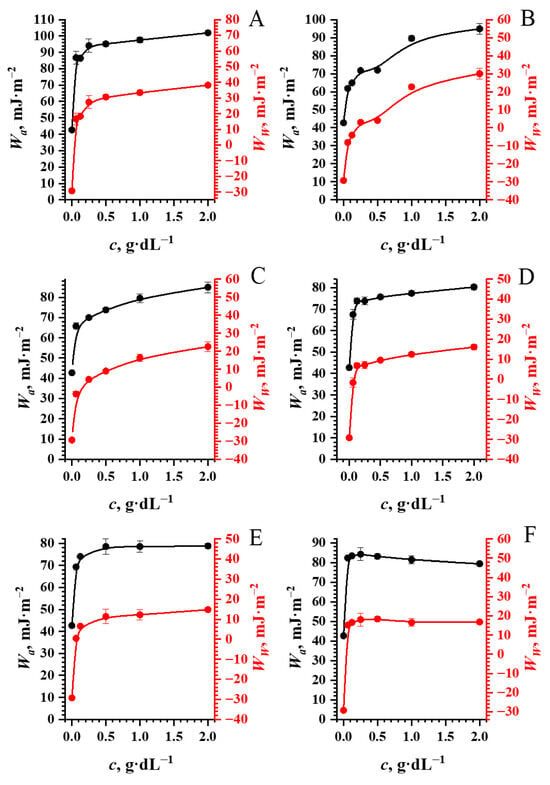
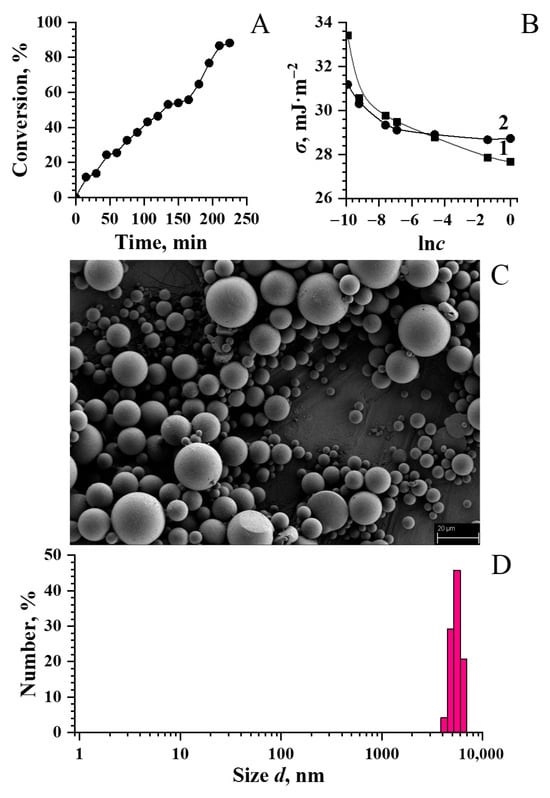
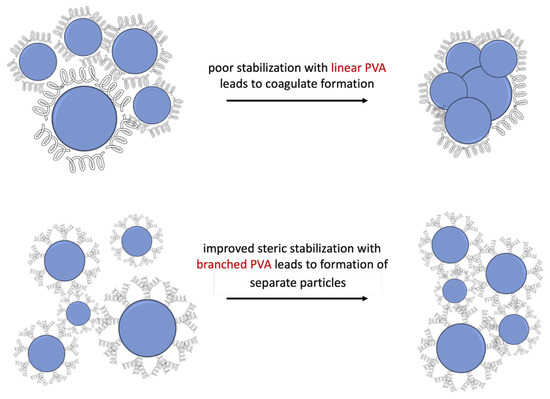
Branched poly(vinyl alcohol) (PVA) was synthesized via chemical modification of linear PVA with epichlorohydrin in an alkaline aqueous medium under conditions preventing crosslinking. Branching was confirmed by IR and Heteronuclear Single Quantum Coherence (HSQC) spectroscopy, as well as by viscometric analysis. An iterative procedure is proposed for refining the branching factor (g) and the viscosity-average molecular weight of the branched macromolecules. Coil diameters determined by viscometry and dynamic light scattering showed satisfactory agreement. While an increase in the viscosity-average molecular weight of branched PVA enhances its surface activity in the low-adsorption region, the branched geometry itself hinders subsequent adsorption due to steric shielding of the interface. This correlates with wetting behavior on Teflon: lightly branched PVA requires a higher concentration to induce wetting inversion than its linear counterpart but further increase in molecular weight shifts the inversion point to lower concentrations due to a higher density of hydroxyl groups. Concurrently, the concentration dependence of the work of adhesion degenerates with increasing molecular weight. Despite their reduced adsorption capacity, the specific geometry of branched PVA macromolecules provides effective steric stabilization of micrometer-sized particles during styrene suspension polymerization. These results demonstrate that chain branching in PVA is a powerful tool for tuning its adsorption properties, stabilizing ability, and interfacial activity.
Full article

Graphical abstract
Open AccessFeature PaperArticle
Physisorption of Cyclic Poly(ethylene glycol) on Platinum Nanoparticles for Dispersion Stabilization and Catalytic Applications
by
Mayu Kakizaki, Makoto Hikichi, Kotaro Okawa, Masatoshi Maeki, Manabu Tokeshi, Ryota Suzuki, Tianle Gao, Feng Li, Takuya Isono, Kenji Tajima, Toshifumi Satoh, Shin-ichiro Sato and Takuya Yamamoto
Colloids Interfaces 2026, 10(3), 40; https://doi.org/10.3390/colloids10030040 - 12 May 2026
Abstract
►▼
Show Figures
Dispersion stabilization of nanoparticles for catalytic reactions is an important issue. However, dispersing agents should be carefully selected not to hinder catalytic performance. In the present study, physisorption of cyclic poly(ethylene glycol) (c-PEG) onto platinum nanoparticles (PtNPs) was investigated in comparison
[...] Read more.
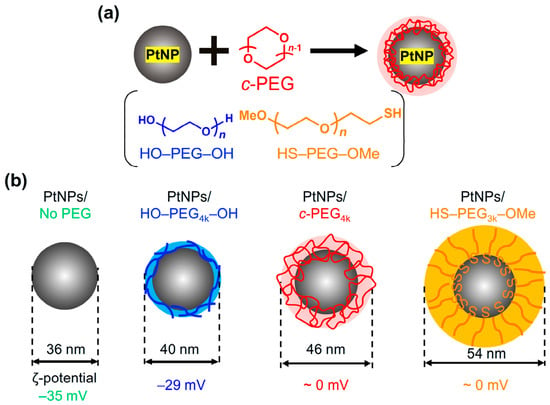
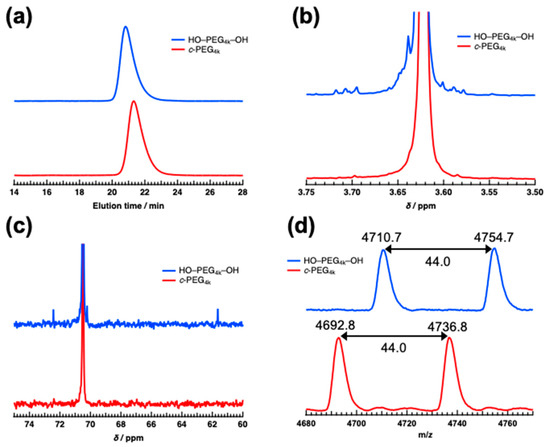
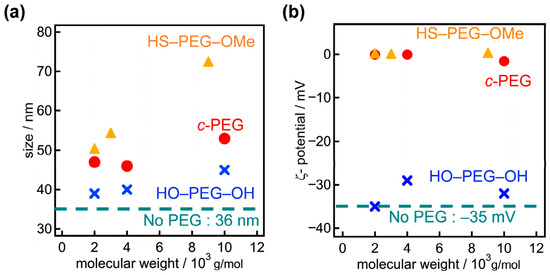
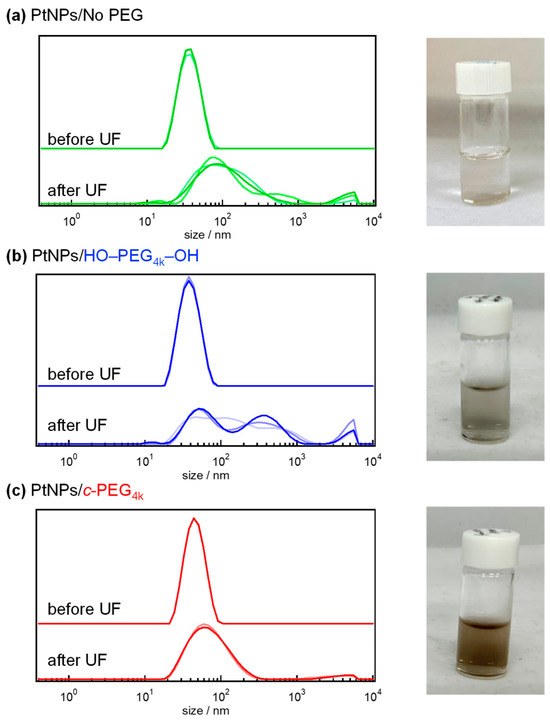
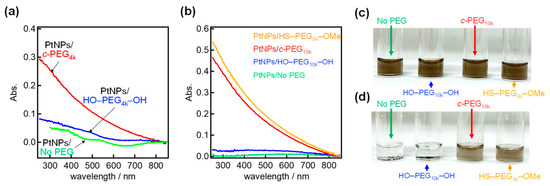
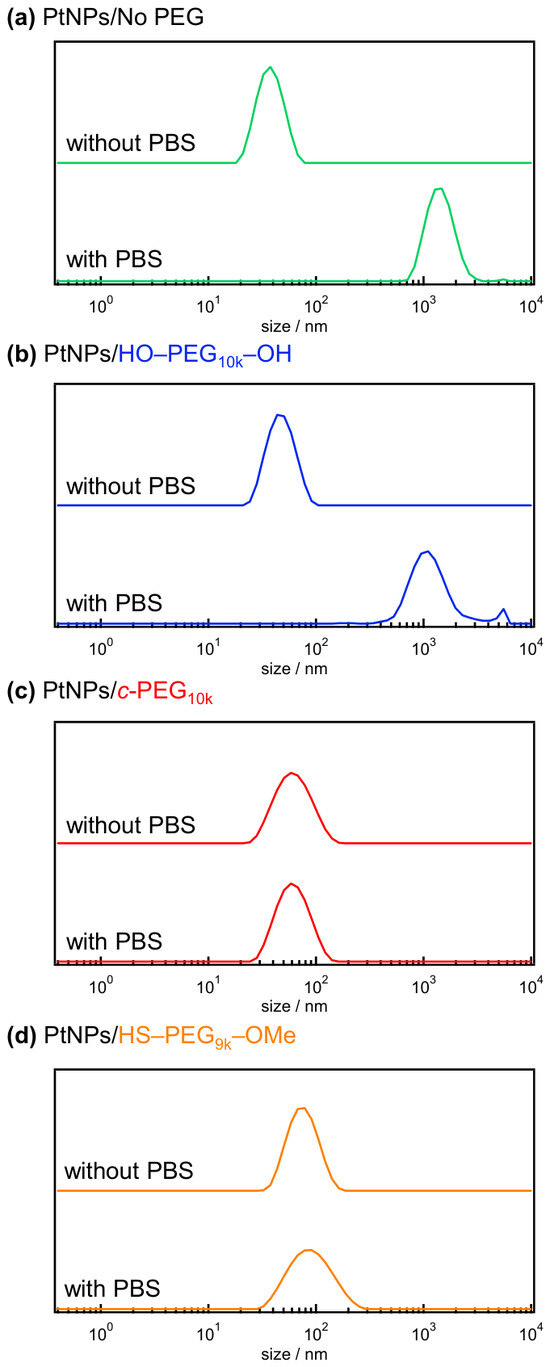
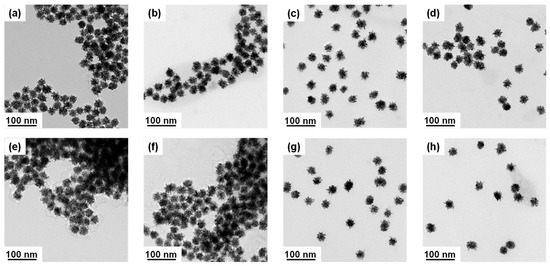
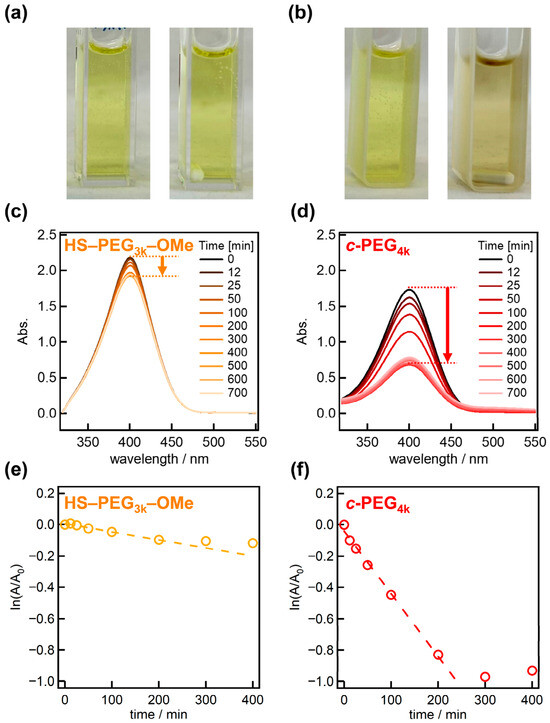
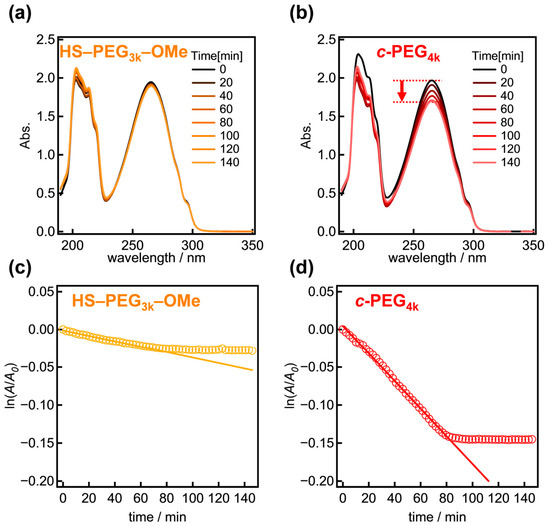
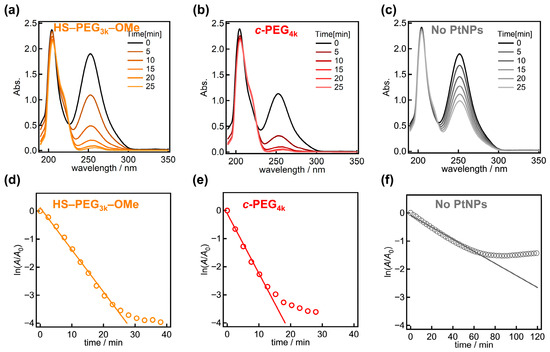
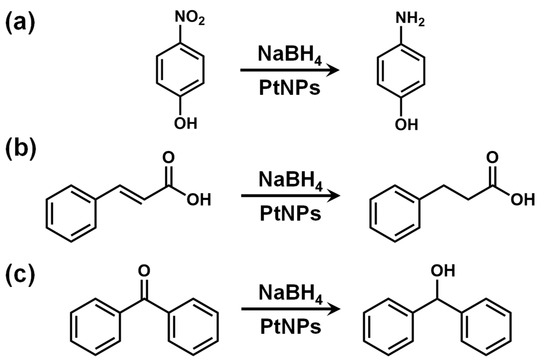
Dispersion stabilization of nanoparticles for catalytic reactions is an important issue. However, dispersing agents should be carefully selected not to hinder catalytic performance. In the present study, physisorption of cyclic poly(ethylene glycol) (c-PEG) onto platinum nanoparticles (PtNPs) was investigated in comparison with unmodified PtNPs (PtNPs/No PEG), PtNPs mixed with linear PEG (PtNPs/HO-PEG-OH), and PtNPs chemisorbed with HS-PEG-OMe (PtNPs/HS-PEG-OMe). DLS showed a significant increase in the particle size for PtNPs/c-PEG and PtNPs/HS-PEG-OMe compared to PtNPs/No PEG and PtNPs/HO-PEG-OH. ζ-potential measurements revealed values around −30 mV for PtNPs/No PEG and PtNPs/HO-PEG-OH, whereas PtNPs/c-PEG and PtNPs/HS-PEG-OMe approached 0 mV, which indicated that c-PEG and HS-PEG-OMe adsorb onto PtNPs to form a shielding layer. Moreover, PtNPs/c-PEG and PtNPs/HS-PEG-OMe were stable in a phosphate-buffered saline (PBS) solution, but PtNPs/No PEG and PtNPs/HO-PEG-OH immediately aggregated. This suggests that high dispersion stability by c-PEG is comparable to ordinary surface modification using HS-PEG-OMe. Furthermore, the catalytic ability of PtNPs/c-PEG and PtNPs/HS-PEG-OMe was compared in various reactions. As a result, physisorbed PtNPs/c-PEG showed suitable catalytic activities, whereas chemisorbed PtNPs/HS-PEG-OMe was significantly hampered by the blocking of the catalytic sites with thiol in some reactions. Thus, physisorption of c-PEG endows PtNPs with dispersion stability and maintains the catalytic ability, leading to an alternative way of modifying metal nanoparticles.
Full article

Figure 1
Open AccessEditorial
Editorial for a New Section: Colloidal Systems
by
Akmal Nazir and Plamen Tchoukov
Colloids Interfaces 2026, 10(3), 39; https://doi.org/10.3390/colloids10030039 - 11 May 2026
Abstract
From a colloid science perspective, colloidal systems are not simply heterogeneous mixtures, but organized dispersed media in which solid particles, liquid droplets, gas bubbles, or other mesoscopic entities are distributed within a continuous phase [...]
Full article
(This article belongs to the Section Colloidal Systems)
Open AccessReview
Comprehensive Rheology of Dilute Emulsions
by
Rajinder Pal
Colloids Interfaces 2026, 10(3), 38; https://doi.org/10.3390/colloids10030038 - 8 May 2026
Abstract
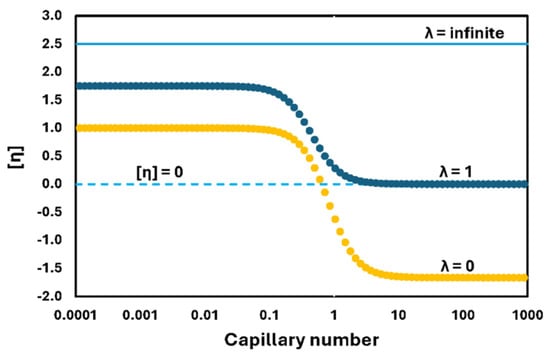
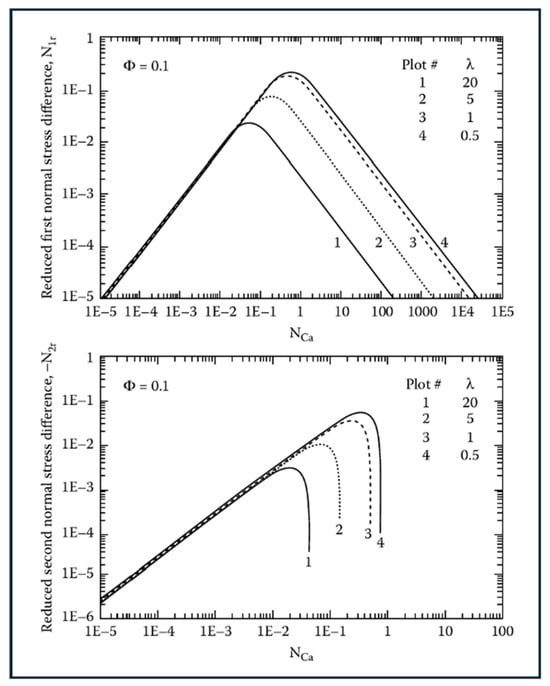
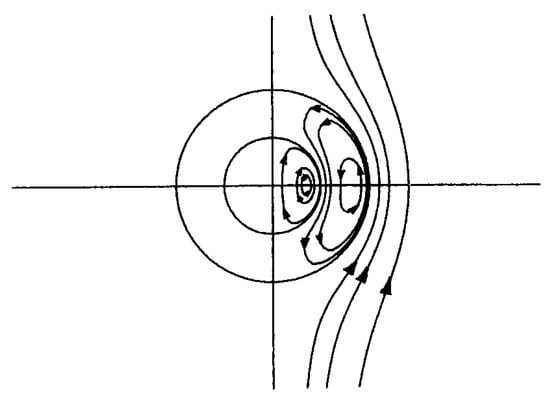
The rheology of dilute emulsions is reviewed comprehensively. The fundamental equations governing the flow fields inside and outside the droplets are discussed, along with the boundary conditions. The rheological constitutive law for dilute emulsions with pure interfaces characterized by interfacial tension is developed
[...] Read more.
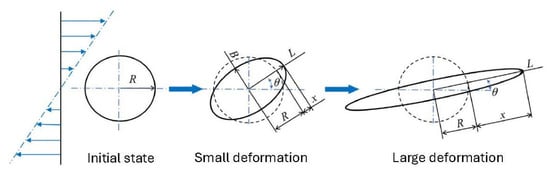
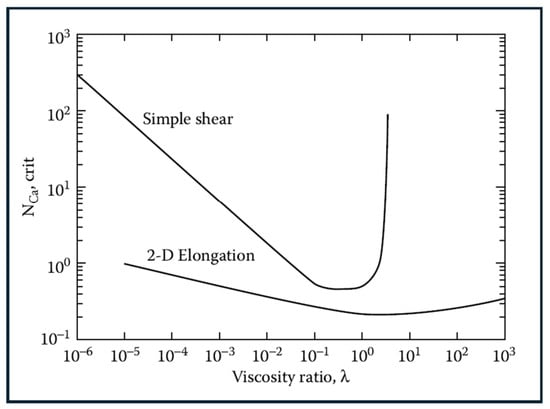
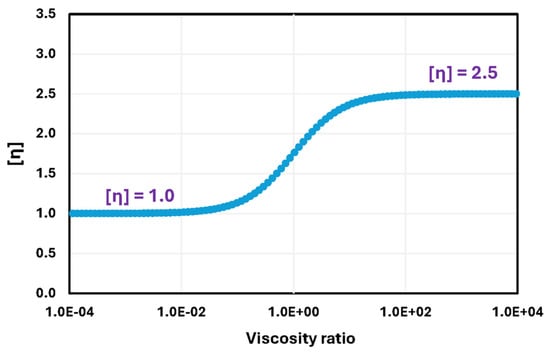
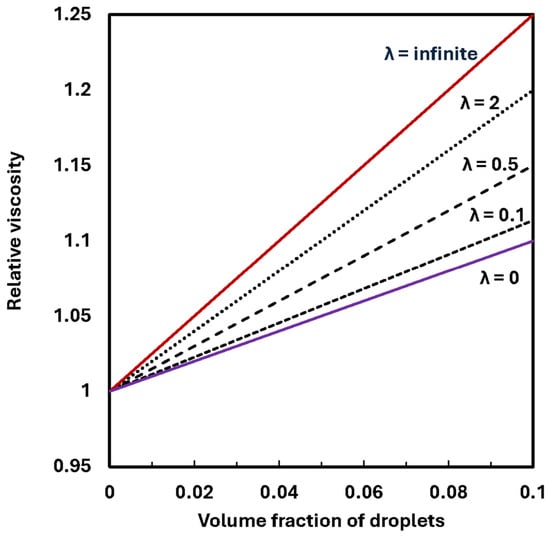
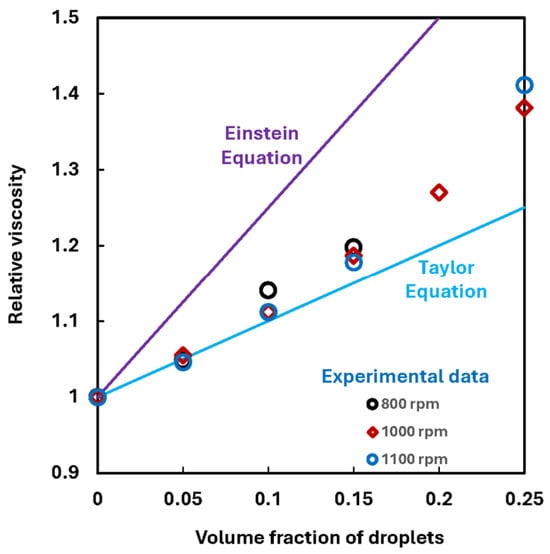
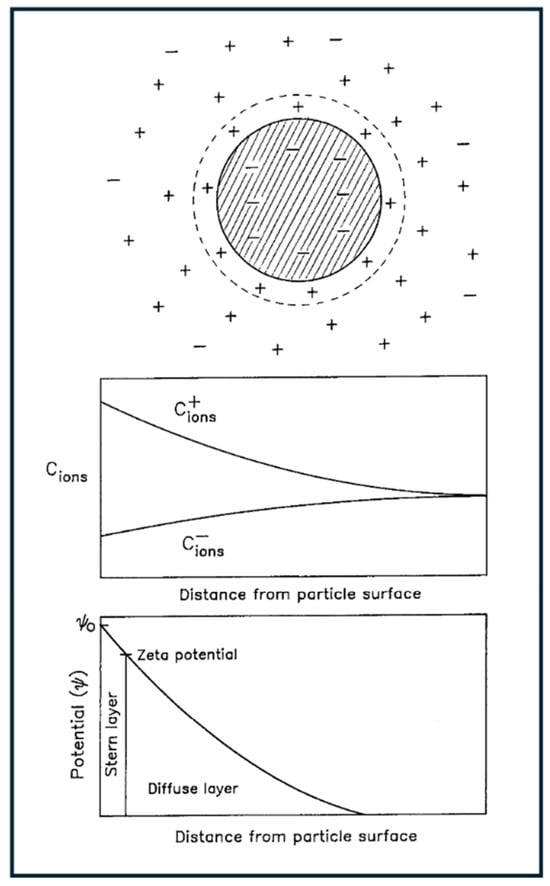
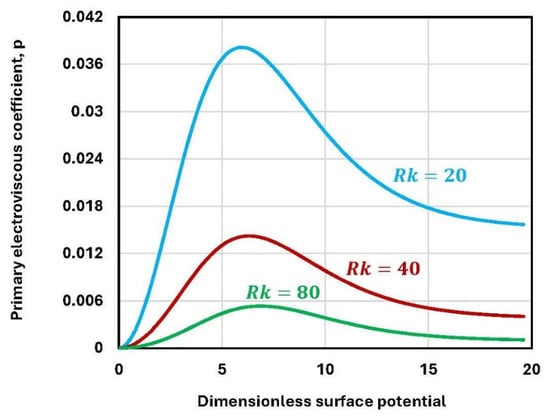
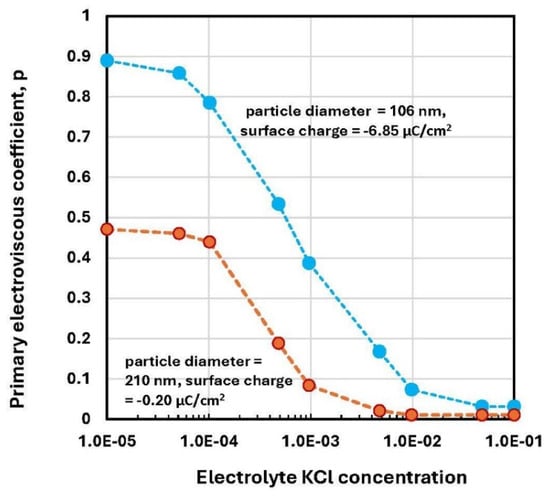
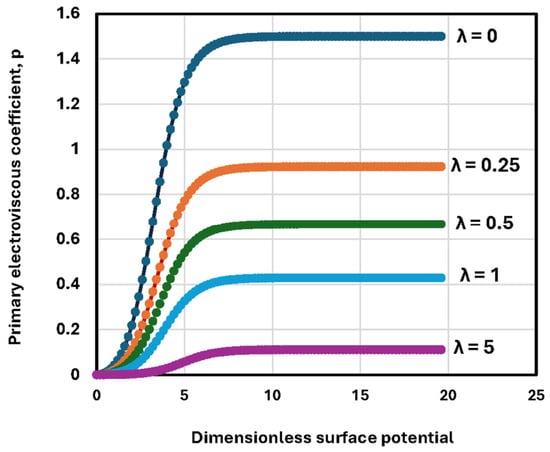
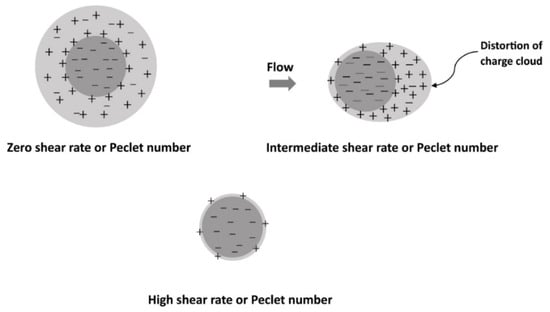
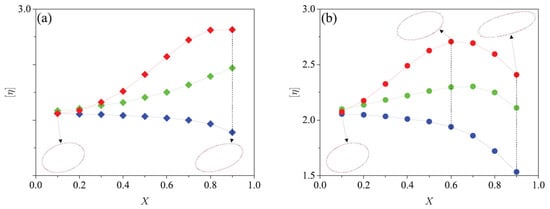
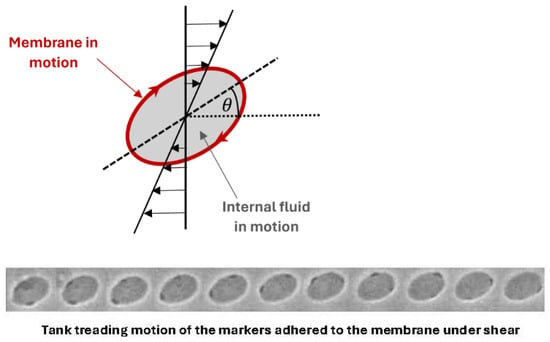
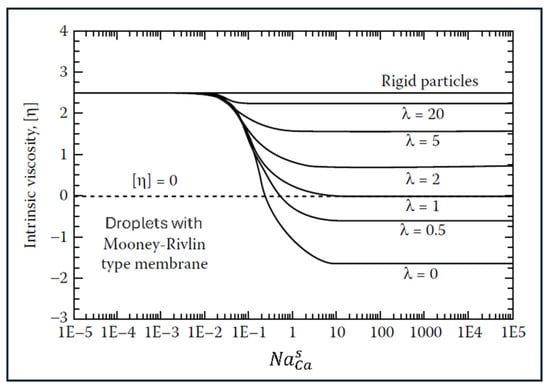
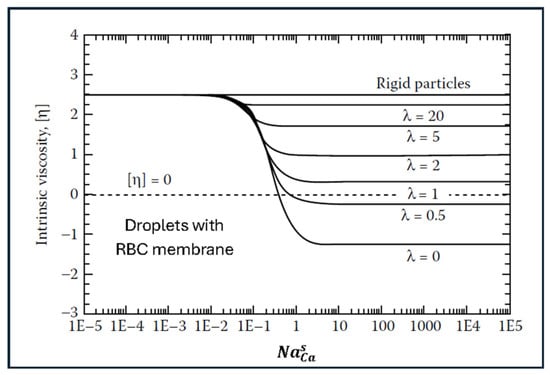
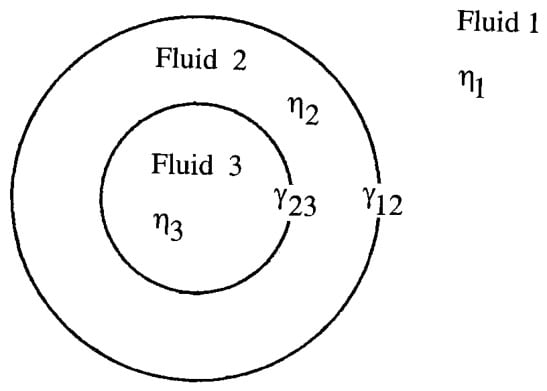
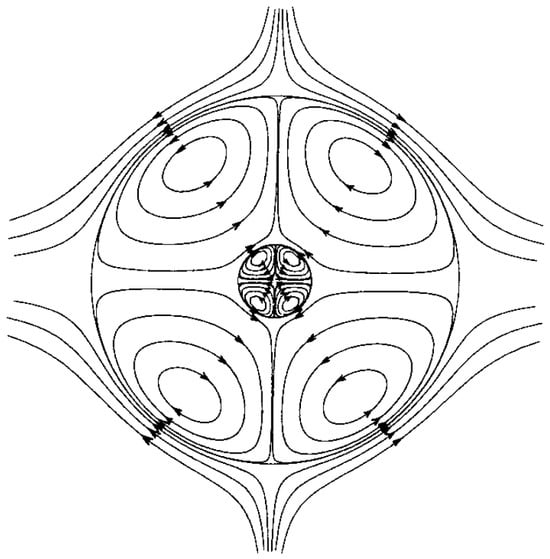
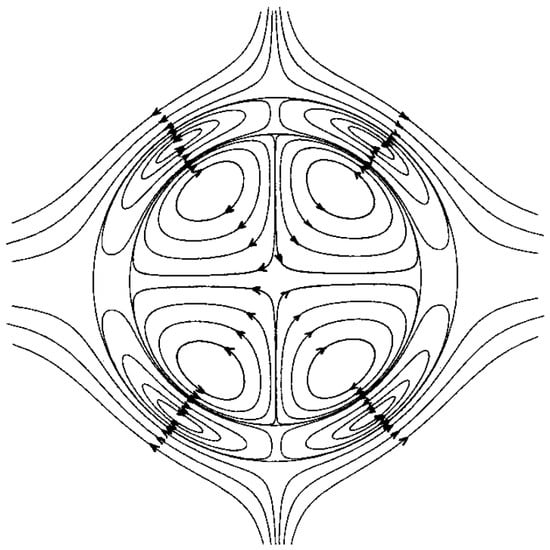
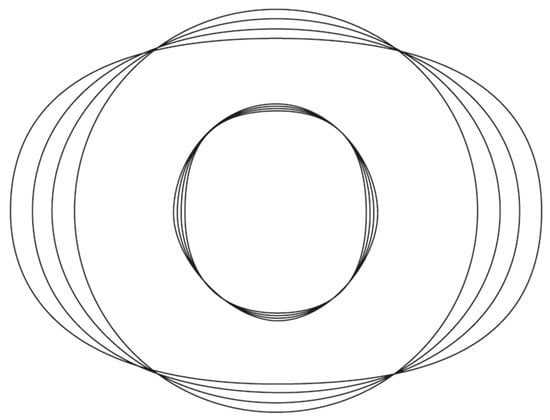
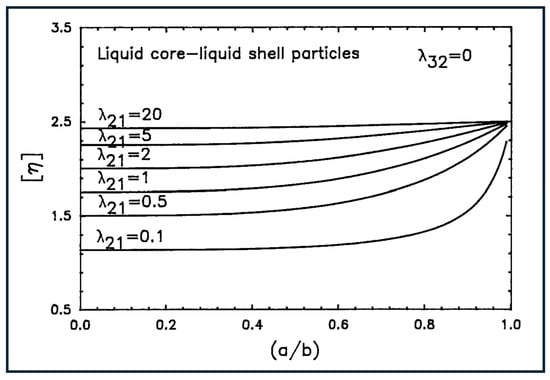
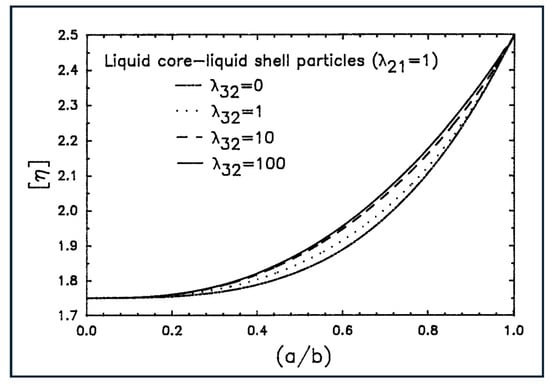
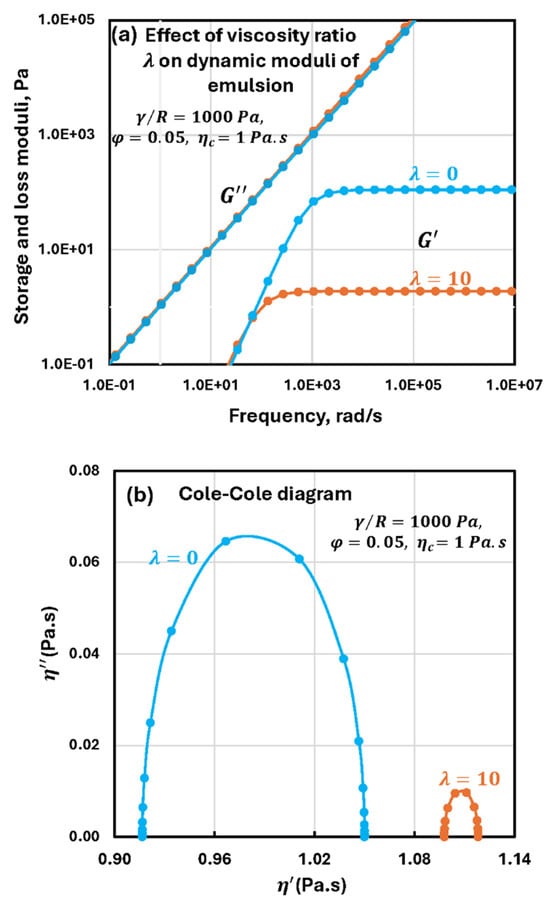
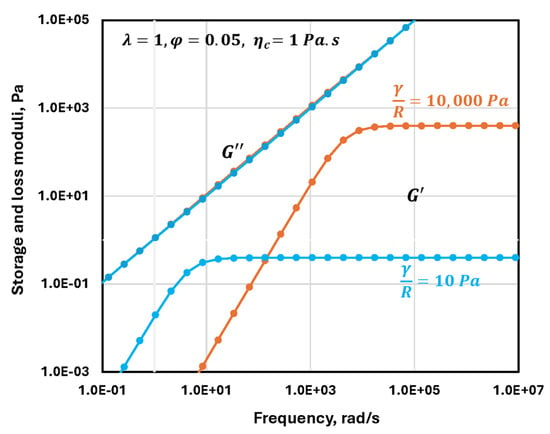
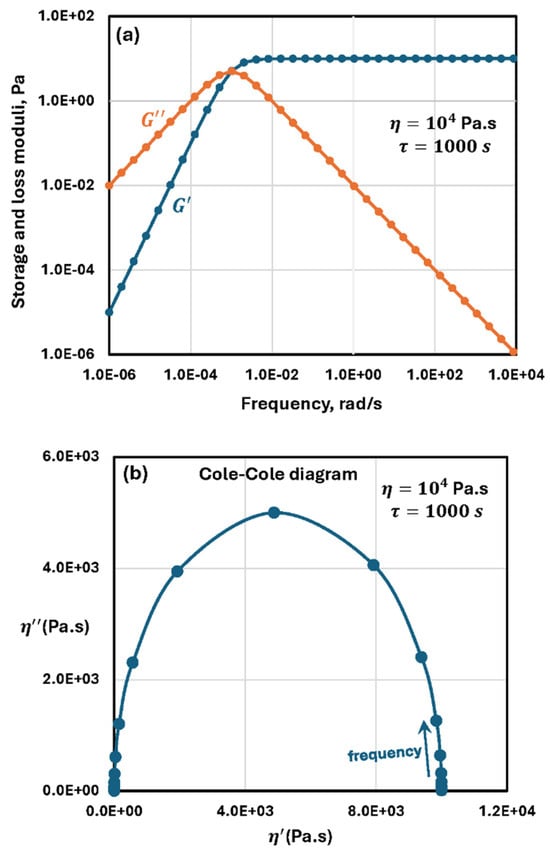
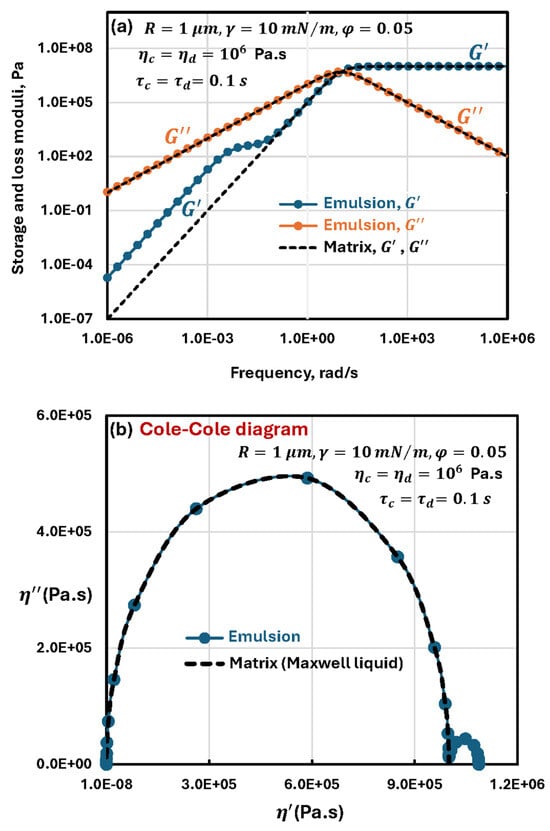
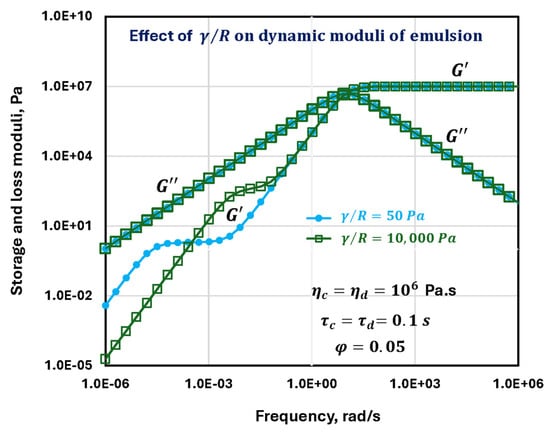
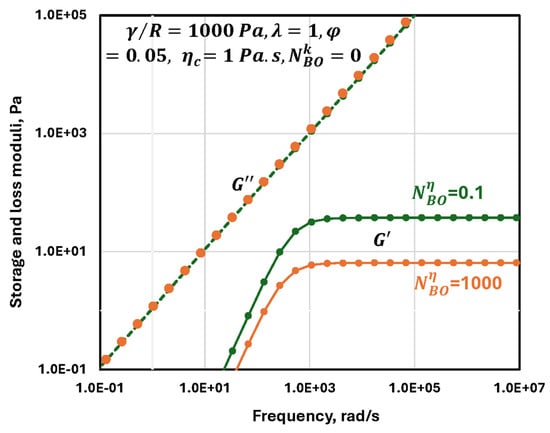
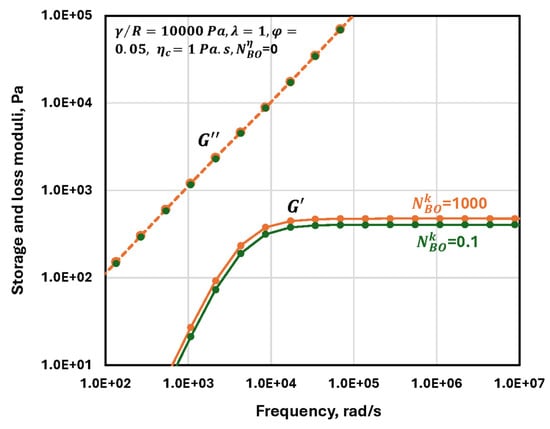
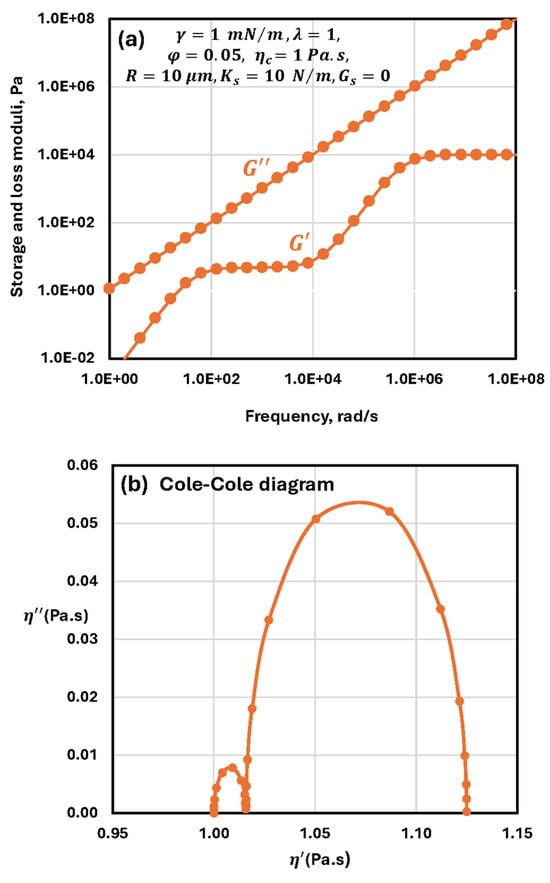
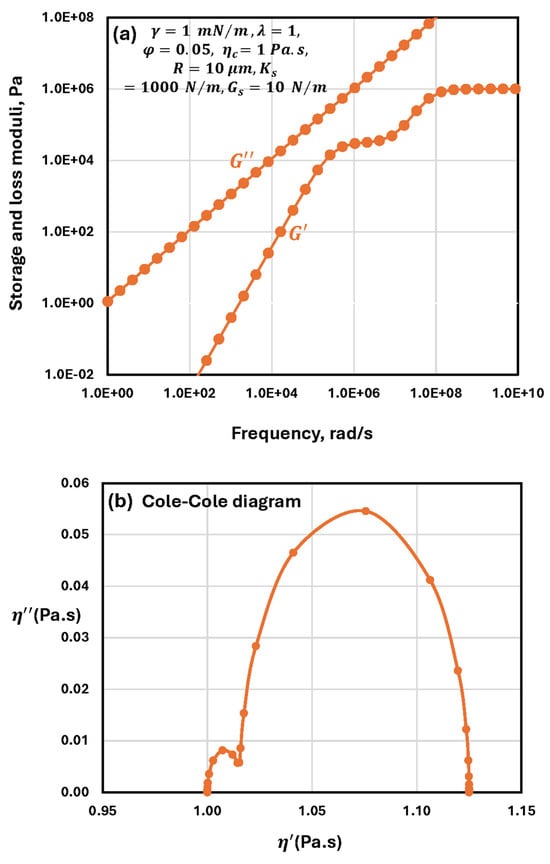
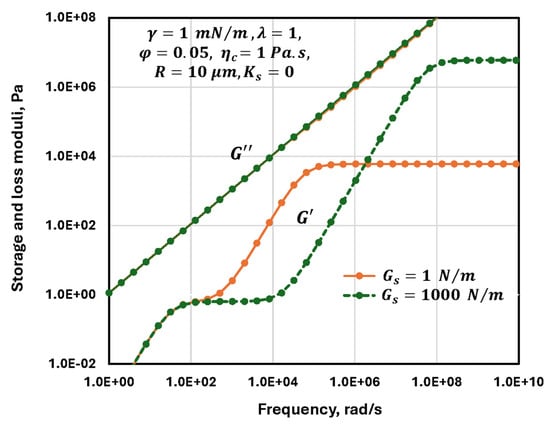
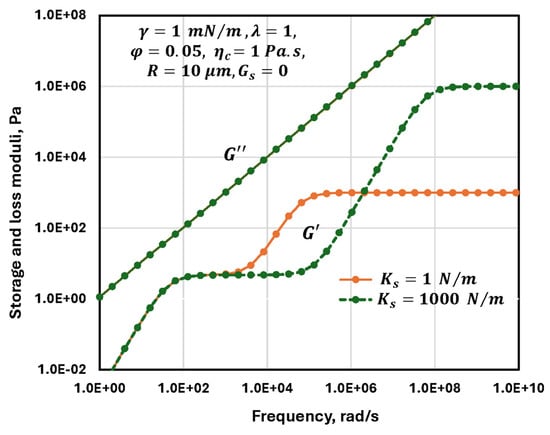
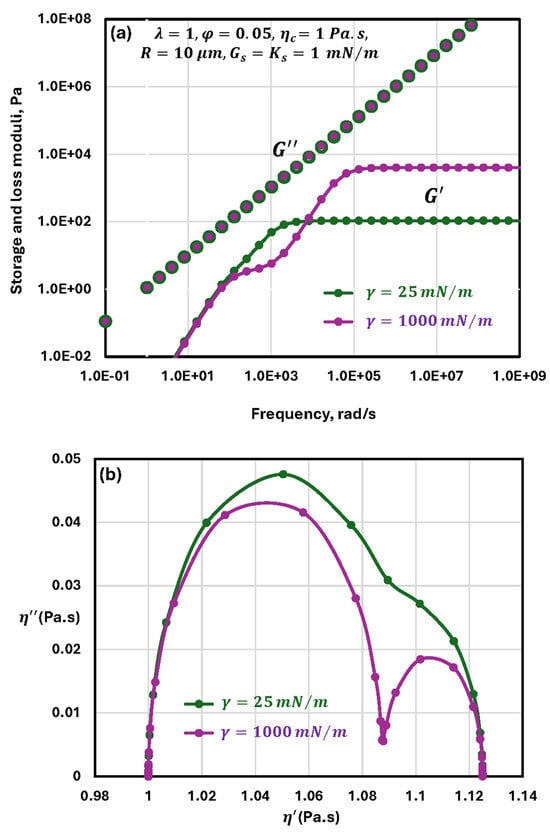
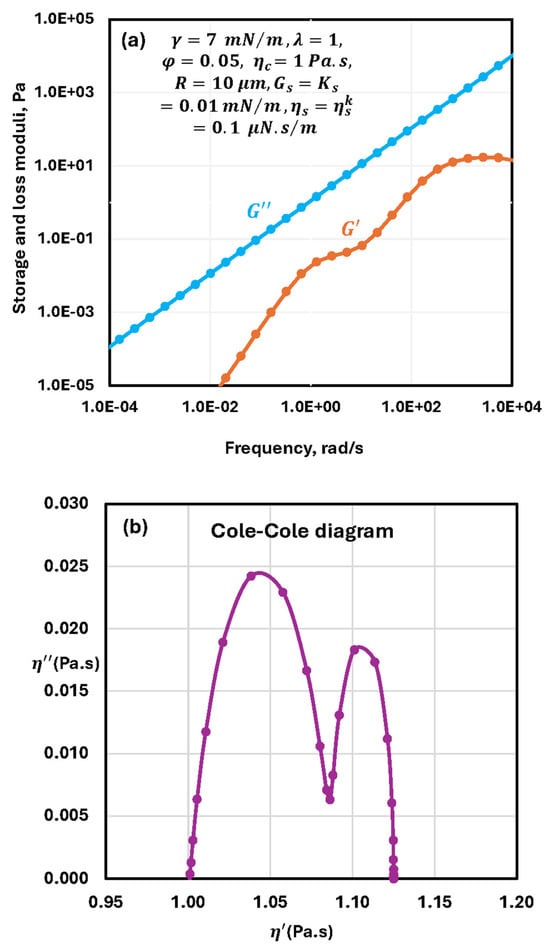
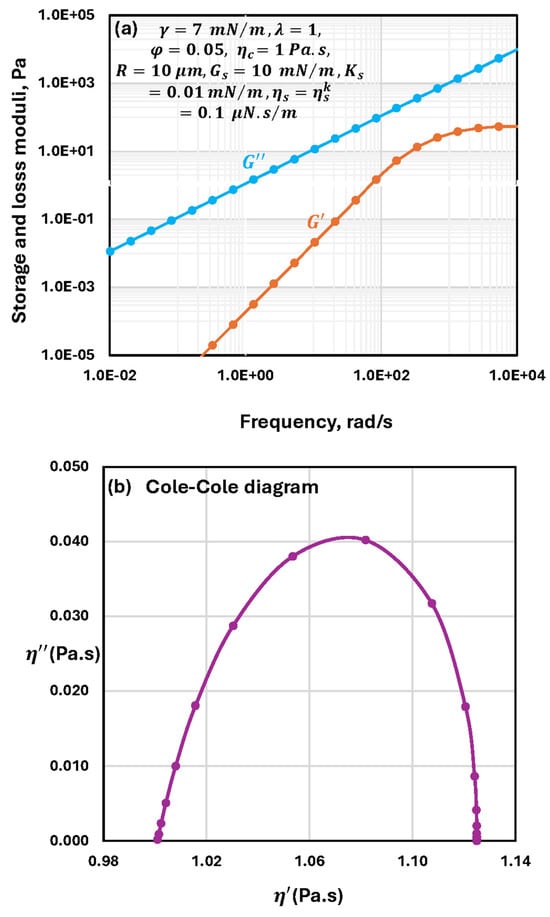
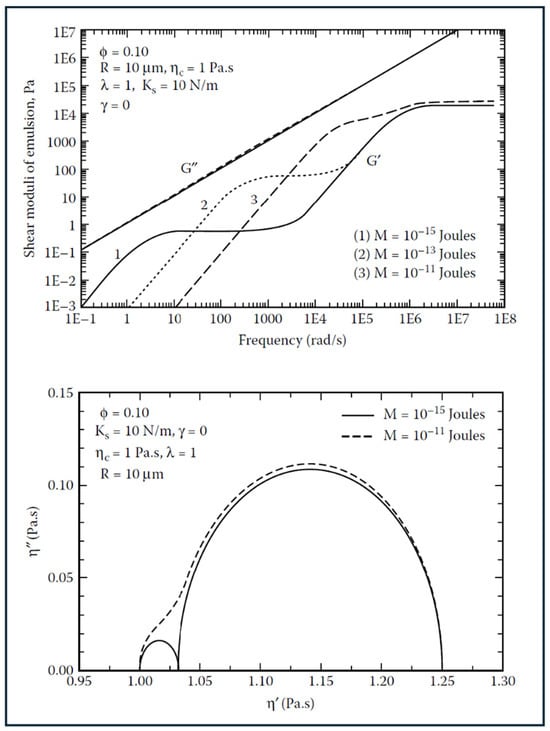
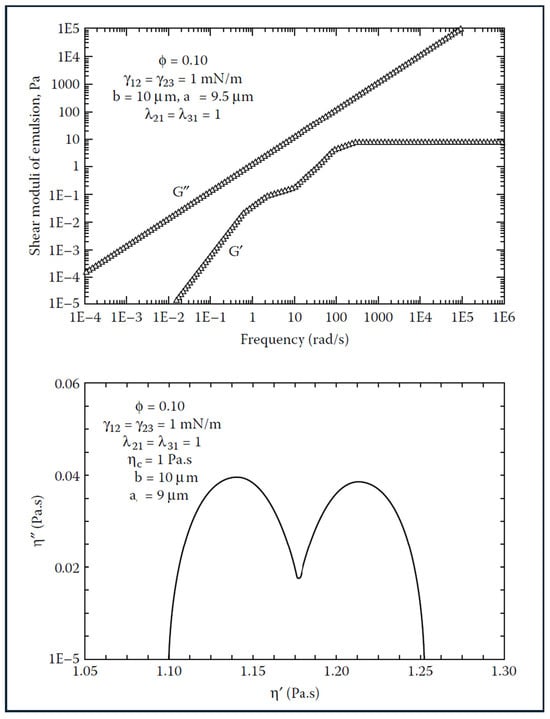
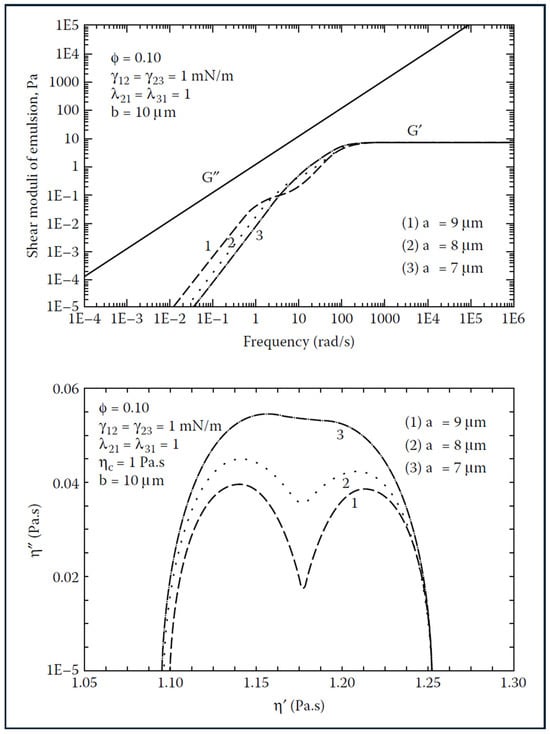
The rheology of dilute emulsions is reviewed comprehensively. The fundamental equations governing the flow fields inside and outside the droplets are discussed, along with the boundary conditions. The rheological constitutive law for dilute emulsions with pure interfaces characterized by interfacial tension is developed using the flow field external to the droplets. Both zero-order and first-order deformations of droplets are considered. Dilute emulsions exhibit non-Newtonian behavior. The influences of surface charge and surfactants on the emulsion rheology are covered in detail. The rheology of emulsions of double droplets and droplets covered with elastic membranes is covered as well. Finally, a significant section of the review is focused on the dynamic rheology of dilute emulsions. Emulsions with pure interfaces and additive-laden interfaces are considered. The theories developed for the dynamic rheology of emulsions consisting of different types of interfaces are reviewed, including purely viscous interfaces, purely elastic interfaces, viscoelastic interfaces, and interfaces possessing bending rigidity. In general, the theory for dilute emulsion rheology is well developed. Our current understanding of dilute emulsion rheology is good from a theoretical point of view. A priori predictions of dilute emulsion rheology are possible using the existing theories. However, serious gaps in the existing knowledge on dilute emulsion rheology remain. This review identifies the gaps in existing knowledge and points out future directions in research related to dilute emulsion rheology.
Full article
(This article belongs to the Special Issue Exclusive Papers of the Editorial Board Members of Colloids and Interfaces 2024–2026)
►▼
Show Figures

Figure 1
Open AccessReview
Gum Arabic Modification Routes for Food Colloids and Encapsulation: Structure–Property–Process Relationships and Engineering Trade-Offs
by
Janaina Lima, Yasmin Diniz de Morais, Lidiane Fernandes, Rogério Andrade, Leonardo Batista, Ana M. Sarinho, Maria Eduarda Costa, Renata Duarte Almeida and Hugo M. Lisboa
Colloids Interfaces 2026, 10(3), 37; https://doi.org/10.3390/colloids10030037 - 29 Apr 2026
Abstract
Gum arabic (GA) is a widely used natural hydrocolloid in food processing because its protein–polysaccharide architecture combines high water solubility, low bulk viscosity, and useful interfacial activity. These attributes make GA valuable as an emulsifier, encapsulating agent, and film-forming material, but native GA
[...] Read more.
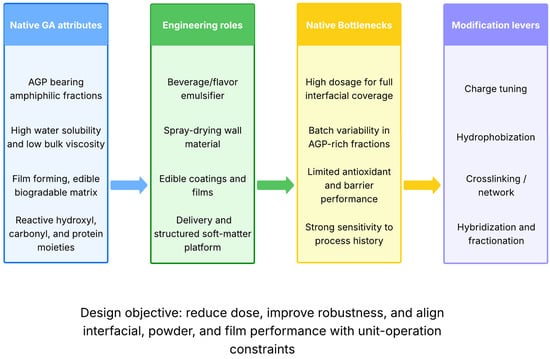
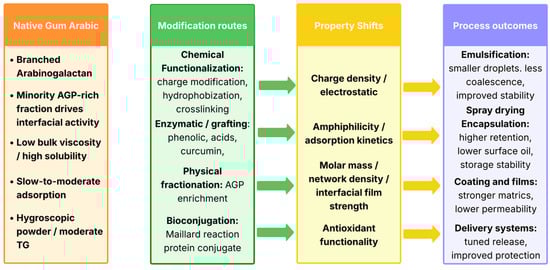
Gum arabic (GA) is a widely used natural hydrocolloid in food processing because its protein–polysaccharide architecture combines high water solubility, low bulk viscosity, and useful interfacial activity. These attributes make GA valuable as an emulsifier, encapsulating agent, and film-forming material, but native GA is constrained by source-dependent heterogeneity, limited antioxidant functionality, relatively high dosage requirements in some emulsions, and modest barrier and mechanical performance in dried matrices. This review synthesizes recent advances in chemical functionalization, enzymatic and oxidative grafting, physical fractionation and complexation, and Maillard-type bioconjugation as routes to tailor GA for food engineering applications. Emphasis is placed on process-relevant structure–property relationships, including dynamic adsorption, interfacial rheology, emulsifying and encapsulation efficiency, bulk rheology, powder glass transition and hygroscopicity, film barrier behavior, and release kinetics. Across beverage emulsions, spray-dried powders, coacervates, coatings, and delivery systems, the evidence shows that modification must be selected according to the dominant process bottleneck, such as adsorption kinetics, oxidative stability, drying behavior, or humidity-sensitive matrix mobility. This review also identifies priorities for translation, including model-ready measurements, the management of raw-material variability, scale-up-aware processing, and sustainability and regulatory practicality. Overall, modified GA emerges as a versatile platform for designing more robust, application-specific food colloids, encapsulates, and functional coatings.
Full article
(This article belongs to the Special Issue Feature Reviews in Colloids and Interfaces)
►▼
Show Figures

Figure 1
Open AccessFeature PaperArticle
Some Aspects of the Stability of Nanobubbles
by
Ramonna I. Kosheleva, Agni A. Moutzouroglou, George Z. Kyzas and Athanasios Mitropoulos
Colloids Interfaces 2026, 10(3), 36; https://doi.org/10.3390/colloids10030036 - 28 Apr 2026
Abstract
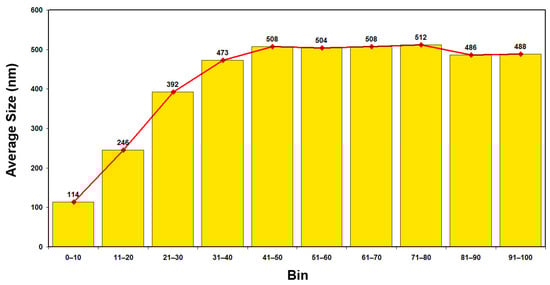
The temporal dynamics and statistical properties of air nanobubbles (NBs) in ultrapure water were investigated using nanoparticle tracking analysis (NTA). Statistical analysis of NB lifetimes reveals a strong correlation between bubble size and persistence. The mean bubble diameter increases rapidly from ~100 nm
[...] Read more.
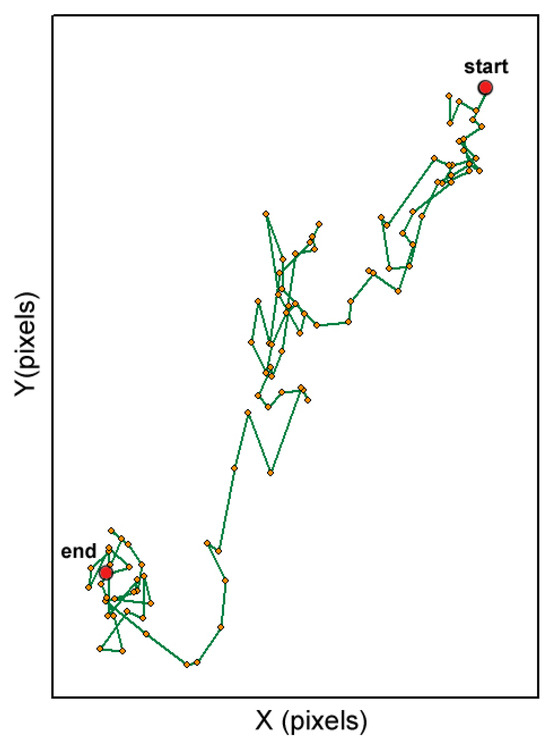
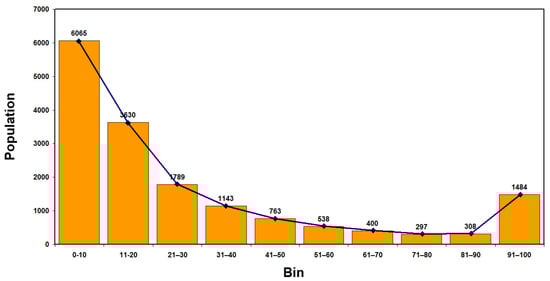
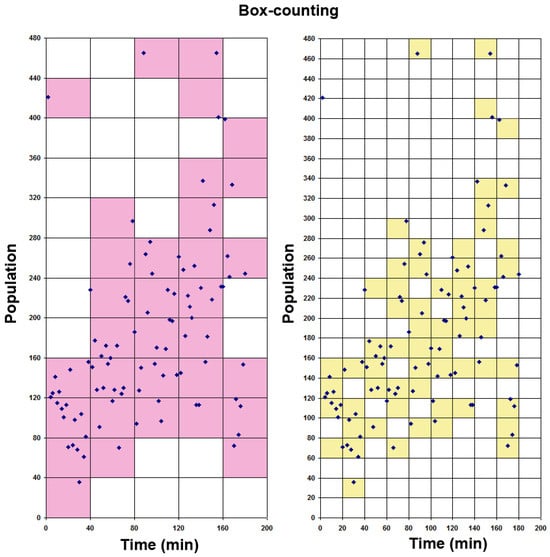
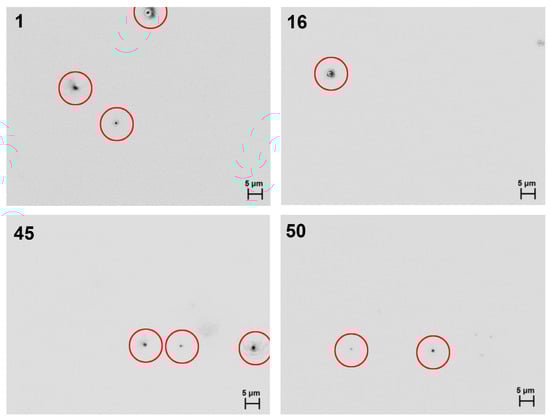
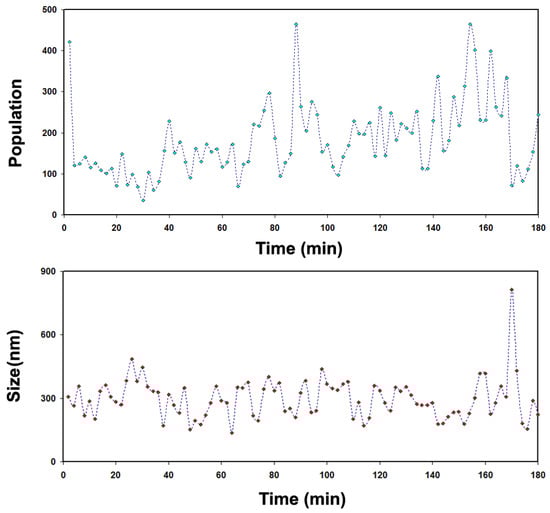
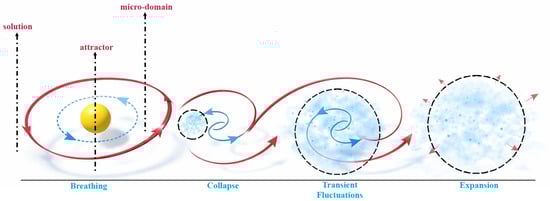
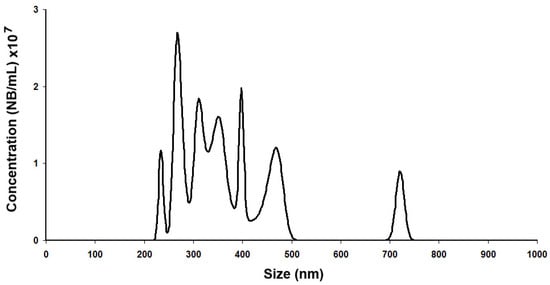
The temporal dynamics and statistical properties of air nanobubbles (NBs) in ultrapure water were investigated using nanoparticle tracking analysis (NTA). Statistical analysis of NB lifetimes reveals a strong correlation between bubble size and persistence. The mean bubble diameter increases rapidly from ~100 nm for short-lived detections to a characteristic size of about 500 nm for bubbles surviving longer than 40 frames, after which the size remains approximately constant. The population of detected NBs decreases monotonically with increasing lifetime, approximately following an exponential decay. Temporal analysis of the cumulative population yields a scaling exponent of ~0.6, indicating correlated fluctuations rather than independent stochastic events. Spatial observations confirm that NBs are separated by micrometer-scale distances, excluding direct bubble–bubble interactions. The combined statistical and imaging results support a picture in which NBs behave as dynamically coupled gas domains embedded within localized dissolved-gas microenvironments. The observed non-monotonic population dynamics cannot be explained by irreversible dissolution alone. Instead, the data indicate that NBs undergo continuous cycles of dissolution and replenishment. Within this framework, localized gas micro-domains, potentially exhibiting non-extensive behaviour, evolve dynamically and act as transient reservoirs. Upon bubble disappearance, these regions persist and diffuse, while their interaction may locally restore conditions for nucleation. This mechanism provides a physically consistent explanation for the observed cyclic behaviour and the apparent persistence of NBs beyond classical predictions.
Full article
(This article belongs to the Special Issue Bubble and Drop 2025 (B&D 2025))
►▼
Show Figures

Figure 1
Open AccessFeature PaperArticle
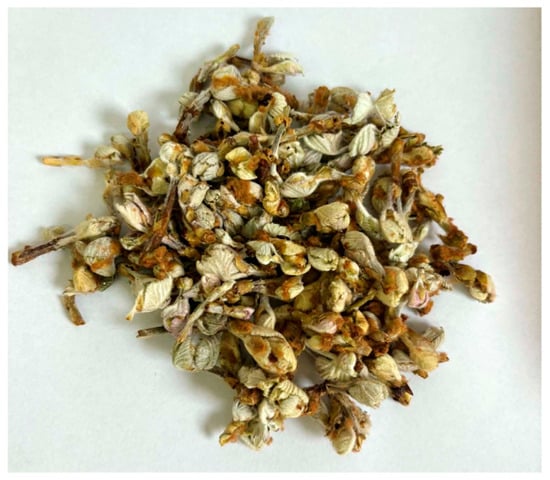
Colloidal Stability and Lipid-Lowering Effects of Fermented Cyclocarya paliurus-Based Tea Beverages
by
Shanshan Zeng, Yun Chen, Wentong Chen, Jing Wang, Yunlin Zeng, Yong Cao and Yunjiao Chen
Colloids Interfaces 2026, 10(3), 35; https://doi.org/10.3390/colloids10030035 - 27 Apr 2026
Abstract
►▼
Show Figures
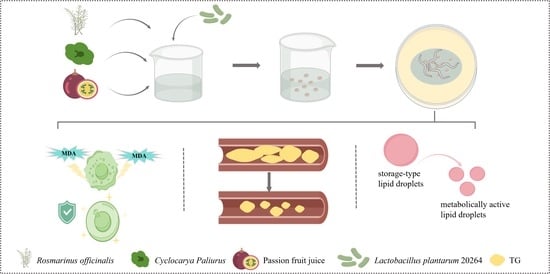
Cyclocarya paliurus polysaccharides (CPP) possess various physiological functions such as lipid-lowering and antioxidant activities. However, as a complex plant-based dispersion system, the interfacial characteristics of fermented C. paliurus beverages often restrict the release of bioefficacy of the active ingredients. This study investigated the
[...] Read more.
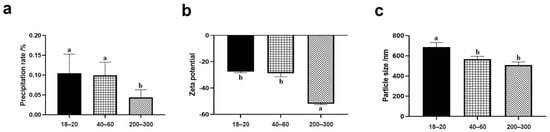
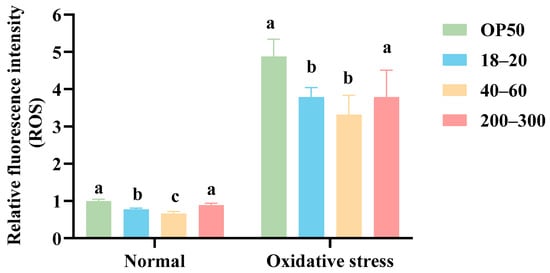
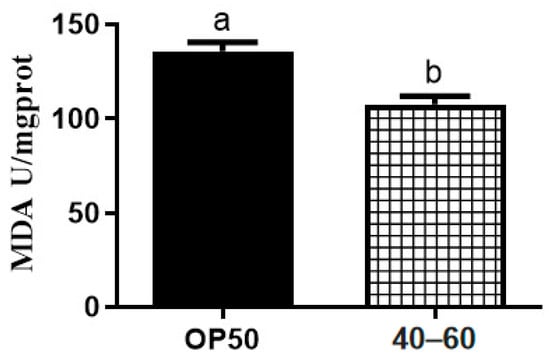
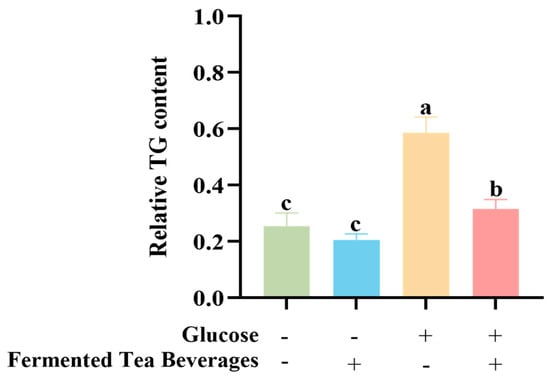
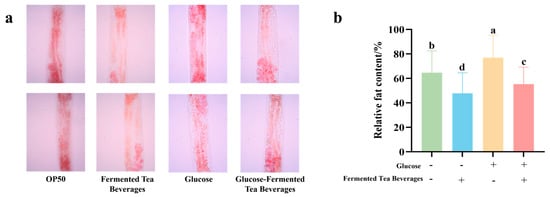
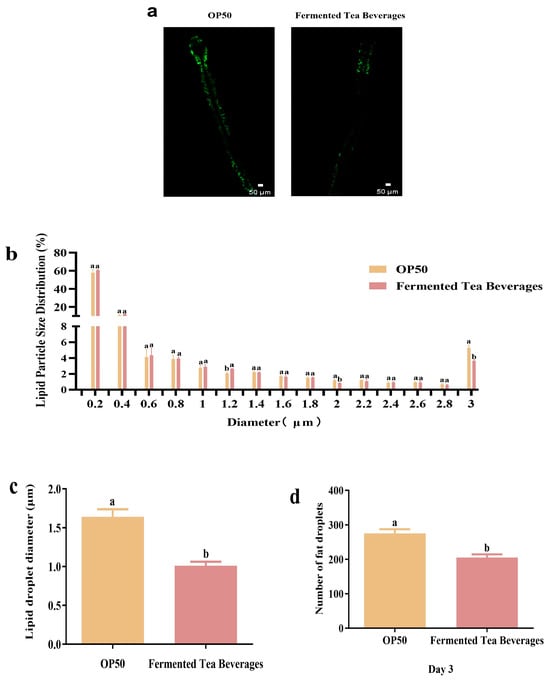
Cyclocarya paliurus polysaccharides (CPP) possess various physiological functions such as lipid-lowering and antioxidant activities. However, as a complex plant-based dispersion system, the interfacial characteristics of fermented C. paliurus beverages often restrict the release of bioefficacy of the active ingredients. This study investigated the impact of particle size on the colloidal stability and lipid-lowering activity of C. paliurus beverages fermented by Lactobacillus plantarum and established an empirical correlation between the two. While the 200–300 mesh fraction showed superior physical stability, the 40–60 mesh fraction was identified as the optimal formulation in this study when balancing ROS indicators. In vivo assays using Caenorhabditis elegans demonstrated that the 40–60 mesh formulation significantly reduced MDA levels and inhibited lipid accumulation, decreasing TG content by 19–46%. Notably, the average diameter of lipid droplets decreased by 38.4%, promoting the conversion of large storage-type droplets to small/medium-sized droplets with high metabolic activity. This study reveals the trade-off between physical dispersibility and bioavailability, providing a theoretical basis for optimizing the interfacial structure of functional plant-based beverages.
Full article

Graphical abstract
Open AccessEditorial
Editorial: State of the Art of Colloid and Interface Science in Asia
by
To Ngai and Xiuying Qiao
Colloids Interfaces 2026, 10(3), 34; https://doi.org/10.3390/colloids10030034 - 27 Apr 2026
Abstract
This Special Issue brings together a diverse collection of contributions that highlight the rapid advances and emerging directions in colloid and interface science across Asia [...]
Full article
(This article belongs to the Special Issue State of the Art of Colloid and Interface Science in Asia)
Open AccessArticle
Colloidal Hydroxyapatite Nanoparticles as a Carrier for Cannabinol: The Effect on Model Langmuir Monolayers and Bilayer Lipid Membranes
by
Emilia Świątek, Jan Taudul, Daria Kępińska, Dorota Nieciecka and Paweł Krysiński
Colloids Interfaces 2026, 10(3), 33; https://doi.org/10.3390/colloids10030033 - 24 Apr 2026
Abstract
►▼
Show Figures
Cannabinol (CBN) is a highly lipophilic phytocannabinoid whose biomedical application is limited by poor water solubility. In this study, colloidal hydroxyapatite nanoparticles (nHAp) were evaluated as a carrier for CBN, and their effect on model lipid membranes was investigated. Interactions between CBN and
[...] Read more.
Cannabinol (CBN) is a highly lipophilic phytocannabinoid whose biomedical application is limited by poor water solubility. In this study, colloidal hydroxyapatite nanoparticles (nHAp) were evaluated as a carrier for CBN, and their effect on model lipid membranes was investigated. Interactions between CBN and lipids were examined using Langmuir monolayers and lipid bilayers (black lipid membranes, BLMs). Langmuir monolayer studies revealed strong interactions between CBN and lipids, resulting in changes in isotherms, compressibility, and monolayer stability. BLM measurements indicated that delivery of CBN via nHAp modifies the electrical properties and stability of the lipid bilayer, suggesting alterations in membrane organization and permeability. These results demonstrate that hydroxyapatite nanoparticles can effectively serve as a carrier for cannabinol while modulating its interactions with lipid membranes.
Full article

Figure 1
Open AccessEditorial
Editorial for a New Section: Interfacial Properties
by
Volodymyr I. Kovalchuk and Eugene V. Aksenenko
Colloids Interfaces 2026, 10(2), 32; https://doi.org/10.3390/colloids10020032 - 20 Apr 2026
Abstract
From a physical point of view, interfaces are not simply borders between two contacting continuous phases, but material objects with specific properties [...]
Full article
(This article belongs to the Section Interfacial Properties)
Open AccessArticle
The Influence of Al2O3 on the Migration Behavior of Montmorillonite Colloids in Soil: Effects of pH, Ionic Strength, and Surfactants
by
Linwei Yang, Jia Liu, He Wang, Xiaoyun Yi and Zhi Dang
Colloids Interfaces 2026, 10(2), 31; https://doi.org/10.3390/colloids10020031 - 20 Apr 2026
Abstract
►▼
Show Figures
The colloidal particles present in natural soil and groundwater systems possess distinctive properties that enable them to migrate across solid surfaces, thereby exerting a significant influence on the distribution of pollutants. While the attachment of colloidal particles to solid surfaces has been extensively
[...] Read more.
The colloidal particles present in natural soil and groundwater systems possess distinctive properties that enable them to migrate across solid surfaces, thereby exerting a significant influence on the distribution of pollutants. While the attachment of colloidal particles to solid surfaces has been extensively investigated, the mechanisms governing their detachment under varying hydrochemical conditions remain largely unexplored. The common interaction between montmorillonite colloids and solid medium (Al2O3) in soil affects the fate of pollutants such as heavy metals. In our study, Al2O3 was used as solid medium to observe the adsorption and desorption behavior of montmorillonite colloids. It was found that the adsorption capacity of Al2O3 to montmorillonite colloids could reach 4.71 mg g−1 (pH 5.0 and 10 mM NaCl concentration). X-ray photoelectron spectroscopy analysis shows that montmorillonite colloids react with the Al2O3 surface mainly through chemical groups with –O–Si bonds. Desorption experiments show that SDS drives desorption by neutralizing and reversing the surface charge of Al2O3, while CTAB directly modifies montmorillonite colloids and introduces steric hindrance to achieve desorption. These research data contribute to a comprehensive understanding of the migration behavior of montmorillonite colloids on solid phases.
Full article

Graphical abstract
Open AccessArticle
Polymer Retention Leading to Non-Darcy Flow in Porous Media—Influence of Molecular Weight, Composition and Mechanical Degradation
by
Abdulmajeed Murad, Arne Skauge and Tormod Skauge
Colloids Interfaces 2026, 10(2), 30; https://doi.org/10.3390/colloids10020030 - 17 Apr 2026
Abstract
Polymer flooding is a well-established chemical enhanced oil recovery (EOR) method, primarily aimed at improving sweep efficiency. However, the interplay between polymer properties and porous media, particularly the influence on permeability reduction, remains poorly understood. In this study, we investigate how polymer molecular
[...] Read more.
Polymer flooding is a well-established chemical enhanced oil recovery (EOR) method, primarily aimed at improving sweep efficiency. However, the interplay between polymer properties and porous media, particularly the influence on permeability reduction, remains poorly understood. In this study, we investigate how polymer molecular weight, chemistry, and mechanical pre-shearing influence residual resistance factor (RRF) and in situ rheology in Berea sandstone core floods. Post-polymer brine flow exhibits clear non-Darcy behavior, indicating that permeability becomes rate-dependent after polymer adsorption. Application of a Forchheimer-based approach demonstrates that inertial contributions become significant at reservoir-relevant velocities, suggesting enhanced microscopic inertia dissipation associated with interaction between flowing brine and the stationary adsorbed polymer layer. Applying conventional Darcy-based interpretation systematically overestimates RRF under these conditions. RRF increases with polymer molecular weight for polymers with similar bulk viscosities, suggesting that permeability reduction is primarily controlled by effective hydrodynamic size and pore-scale interactions rather than polymer concentration. Mechanical pre-shearing substantially reduces RRF and the non-linear flow contribution, suggesting that laboratory measurements performed on unsheared solutions may overestimate field-scale injectivity impairment. In contrast, an ATBS-containing polymer exhibits relatively low RRF but high apparent viscosity, indicating that alterations in polymer chemistry may override molecular weight as the main factor. The results demonstrate that polymer–surface interactions can induce rate-dependent permeability at reservoir-relevant velocities, and highlight the need for non-Darcy analysis when interpreting polymer core flood experiments for field application.
Full article
(This article belongs to the Special Issue Colloids and Interfaces in Crude Oil Recovery)
►▼
Show Figures

Figure 1
Open AccessFeature PaperArticle
Solid Foams from Geopolymerization of Lunar Regolith Simulants Slurries
by
Michela Elena Pedretti, Libero Liggieri, Luca Valentini, Giovanna Canu, Alberto Lagazzo, Francesca Ravera and Eva Santini
Colloids Interfaces 2026, 10(2), 29; https://doi.org/10.3390/colloids10020029 - 16 Apr 2026
Abstract
Robust, lightweight, and thermally insulating building materials, developed according to the In Situ Resource Utilization (ISRU) paradigm, are essential for enabling Moon settlements. With this aim, we have investigated the formulation and characterization of porous geopolymeric materials based on a lunar regolith simulant,
[...] Read more.
Robust, lightweight, and thermally insulating building materials, developed according to the In Situ Resource Utilization (ISRU) paradigm, are essential for enabling Moon settlements. With this aim, we have investigated the formulation and characterization of porous geopolymeric materials based on a lunar regolith simulant, focusing on the influence of surfactants and rheology-modifying additives on pore structure and final material performance. As an optimized procedure, a pre-formed TTAB foam was, in fact, incorporated into the geopolymeric precursor slurries to achieve a suitable porosity. Then, the effects of three thickeners (xanthan gum, bentonite, and Actigel-208) were evaluated in view of the possible utilization for the production of building blocks by 3D printing. Observations of the pore structure after the geopolymeric consolidation of the slurries showed predominantly closed-cell networks across all formulations, with a pore morphology strongly dependent on the thickener used. Xanthan gum promoted high porosity but reduced mechanical integrity, whereas bentonite produced denser structures with higher thermal conductivity. Actigel-208 provided the most balanced performance, combining adequate porosity with improved strength. These findings demonstrate the potential of producing thermally insulating, structurally stable solid foams from lunar regolith simulants via a geopolymerization route.
Full article
(This article belongs to the Special Issue Advances in Soft Matter Interfaces and Structures)
►▼
Show Figures

Graphical abstract
Open AccessReview
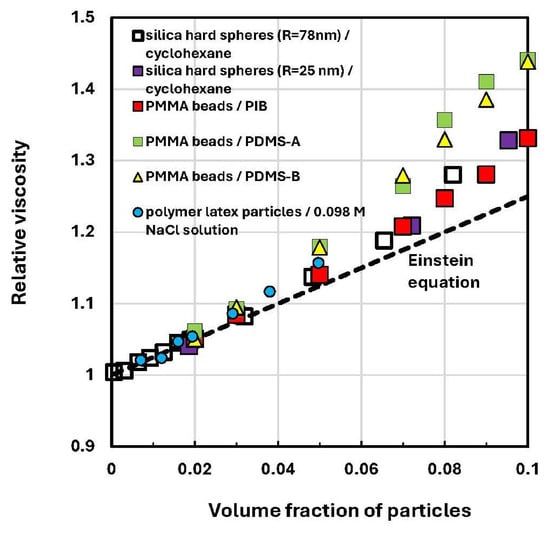
Rheology of Non-Dilute Emulsions: A Comprehensive Review
by
Rajinder Pal
Colloids Interfaces 2026, 10(2), 28; https://doi.org/10.3390/colloids10020028 - 25 Mar 2026
Abstract
Non-dilute emulsions are emulsions where the concentration of the droplets is high enough for the neighbouring droplets to interact with each other hydrodynamically but is still smaller than the packed bed concentration where the droplets are packed and deformed against each other. Thus,
[...] Read more.
Non-dilute emulsions are emulsions where the concentration of the droplets is high enough for the neighbouring droplets to interact with each other hydrodynamically but is still smaller than the packed bed concentration where the droplets are packed and deformed against each other. Thus, they cover a broad range of droplet concentrations. Many emulsions encountered in industrial applications fall under this category. Non-dilute emulsions exhibit rich rheological behaviour, from a simple Newtonian fluid to a highly non-Newtonian fluid, reflecting shear-thinning, shear-thickening, yield stress, viscoelasticity, etc. In this article, the rheology of non-dilute emulsions is reviewed comprehensively. Emulsions of hard-sphere-type droplets and deformable droplets, with and without surfactants, are covered. The mathematical models describing the rheological behaviour of non-dilute emulsions are discussed. The influences of electric charge and interfacial rheology on the rheological behaviour of emulsions are covered in detail. The flocculation of droplets caused by different mechanisms, such as depletion and bridging induced by additives, and their effect on emulsion rheology are investigated thoroughly. Finally, the dynamic rheology of non-dilute emulsions is discussed, covering both pure oil–water interfaces and additive-laden interfaces. The mathematical models describing the dynamic rheological behaviour of non-dilute emulsions are described. Based on the existing theoretical and empirical models, it is possible to a priori predict the rheology of non-dilute emulsions. However, serious gaps in the existing knowledge on non-dilute emulsion rheology remain. This review identifies the gaps in existing knowledge and points out future directions in research related to non-dilute emulsion rheology.
Full article
(This article belongs to the Special Issue Feature Reviews in Colloids and Interfaces)
►▼
Show Figures

Figure 1
Open AccessArticle
Underwater Superoleophobic Carbon Paper/Pt Composite Electrodes for Improving Kolbe Electrochemical Production
by
Jielin Liu, Qiang Li, Lingxin Wang, Jinlong Zha, Lu Gao, Siyu Sheng, Wanmei Liu, Yuzhen Ning, Zhihong Zhao, Kesong Liu and Lei Jiang
Colloids Interfaces 2026, 10(2), 27; https://doi.org/10.3390/colloids10020027 - 23 Mar 2026
Abstract
The acquisition of liquid energy sources and basic chemicals from washing water via Kolbe electrolysis is of great significance for achieving the goal of carbon-neutrality. However, oleophilic products tend to adhere to the platinum (Pt) electrode, which results in a shortened working life
[...] Read more.
The acquisition of liquid energy sources and basic chemicals from washing water via Kolbe electrolysis is of great significance for achieving the goal of carbon-neutrality. However, oleophilic products tend to adhere to the platinum (Pt) electrode, which results in a shortened working life for Kolbe electrolysis. To address these issues, a novel method for endowing carbon fiber paper electrodes with underwater superoleophobic properties through simple electrodeposition is reported herein. The underwater superoleophobic electrodes improve the efficiency of the Kolbe electrolysis reaction, as oleophilic products can be easily removed from the electrode surface, thereby exposing more active reaction sites. Importantly, the underwater superoleophobic electrodes have fully demonstrated their capability of excellent electrochemical performance, stability, and durability. This work provides a novel approach for the design of high-performance electrodes in organic electro-catalysis.
Full article
(This article belongs to the Topic Functional Materials and Interfaces for Sustainable Technology Development)
►▼
Show Figures

Figure 1
Open AccessArticle
Computational Insights into Carbon Nanocones as Sorption Materials for Nerve Agent
by
Veton Haziri, Avni Berisha and Klemen Bohinc
Colloids Interfaces 2026, 10(2), 26; https://doi.org/10.3390/colloids10020026 - 9 Mar 2026
Abstract
The dangerous potential of chemical warfare requires immediate development of new materials capable of detecting and efficiently adsorbing the toxic nerve agents VX and Novichok (A-234). The current adsorbents fail to achieve sufficient detection efficiency and specific binding capabilities. Our research, conducted through
[...] Read more.
The dangerous potential of chemical warfare requires immediate development of new materials capable of detecting and efficiently adsorbing the toxic nerve agents VX and Novichok (A-234). The current adsorbents fail to achieve sufficient detection efficiency and specific binding capabilities. Our research, conducted through advanced computational modeling, predicts that carbon nanocones (CNCs) could function as effective molecular traps for these toxic substances. The research combines density functional theory (DFT) with molecular dynamics (MD) and Monte Carlo (MC) simulations to explain the basic principles of molecular trapping by these agents. The nanocone shape produces two distinct and selective binding areas. MC shows preferential trapping VX molecules within the internal concave surface (P1), while A-234 molecules are strongly adsorbed on the external convex surface (P2). Docking results complement this by showing that A-234 exhibits stronger single-molecule binding on the more open surface, consistent with its preference for P2. The nanocone captures molecules through van der Waals forces, which produce measurable electronic changes that modify its electronic signature. The research demonstrates that carbon nanocones represent a promising candidate material for the future development of chemical defense systems, potentially including sensitive detection systems and advanced filtration technologies.
Full article
(This article belongs to the Special Issue Ten Years Without Nikola Kallay: 2nd Edition)
►▼
Show Figures

Graphical abstract
Open AccessFeature PaperArticle
Rational Design of Lecithin–Cholesterol Liposomes for Encapsulation and Sustained Release of Diclofenac
by
Ángela Sánchez-García, Francisco Ortega, Ramón G. Rubio and Eduardo Guzmán
Colloids Interfaces 2026, 10(2), 25; https://doi.org/10.3390/colloids10020025 - 4 Mar 2026
Abstract
Liposomes are widely recognized as versatile nanocarriers in drug delivery due to their biocompatibility, tunable physicochemical properties, and ability to incorporate both hydrophilic and hydrophobic compounds. In this study, the encapsulation and release of diclofenac, a nonsteroidal anti-inflammatory drug (NSAID), using lecithin–cholesterol liposomes
[...] Read more.
Liposomes are widely recognized as versatile nanocarriers in drug delivery due to their biocompatibility, tunable physicochemical properties, and ability to incorporate both hydrophilic and hydrophobic compounds. In this study, the encapsulation and release of diclofenac, a nonsteroidal anti-inflammatory drug (NSAID), using lecithin–cholesterol liposomes are explored. Encapsulation parameters were first optimized with calcein as a model fluorophore, confirming that cholesterol addition enhances encapsulation efficiency by reducing membrane permeability. Guided by these results, liposomes containing equal weight fractions of lecithin and cholesterol were selected as an optimized formulation, providing calcein and diclofenac encapsulation efficiencies up to approximately 35% while maintaining hydrodynamic diameters below 300 nm with low polydispersity (PdI < 0.2), optimal for intravenous administration and prolonged systemic circulation. Release studies demonstrated sustained drug release over 15 days, with cumulative release exceeding 80%. Weibull modeling yielded ≈ 1 and β values up to ~1.6 at higher loadings, with β > 1 indicating a complex, sigmoidal (non-Fickian) release mechanism. These findings support the potential of liposomes as delivery platforms for NSAIDs with solubility and bioavailability limitations.
Full article
(This article belongs to the Special Issue Biocolloids and Biointerfaces: 3rd Edition)
►▼
Show Figures

Figure 1
Highly Accessed Articles
Latest Books
E-Mail Alert
News
Topics
Topic in
Colloids and Interfaces, Gels, Materials, Nanomaterials, Polymers
Functional Materials and Interfaces for Sustainable Technology Development
Topic Editors: Yang Bai, Gang Xie, Jingjie GeDeadline: 30 June 2026
Topic in
Applied Nano, Coatings, Colloids and Interfaces, Materials, Surfaces, Nanomaterials, Laboratories
New Research on Thin Films and Nanostructures
Topic Editors: Marco Fronzi, Cristiano Giordani, Paolo MeleDeadline: 31 July 2027
Conferences
Special Issues
Special Issue in
Colloids and Interfaces
State of the Art of Colloid and Interface Science in the Iberian Peninsula
Guest Editor: Eduardo GuzmánDeadline: 31 July 2026
Special Issue in
Colloids and Interfaces
Colloids and Interfaces in Mineral Processing and Resource Recovery
Guest Editors: Zhiqiang Huang, Sheng Liu, Chen ChengDeadline: 31 July 2026
Special Issue in
Colloids and Interfaces
The 2nd International Conference on Energy and Enhanced Oil Recovery
Guest Editors: Wanli Kang, Bin PanDeadline: 31 July 2026
Special Issue in
Colloids and Interfaces
Polymer Colloids for Functional Applications
Guest Editor: Ying KuangDeadline: 31 August 2026