Journal Description
Applied Nano
Applied Nano
is an international, peer-reviewed, open access journal on all aspects of application of nanoscience and nanotechnology, published quarterly online by MDPI.
- Open Access— free for readers, with article processing charges (APC) paid by authors or their institutions.
- High Visibility: indexed within Scopus and other databases.
- Journal Rank: CiteScore - Q2 (Materials Science (miscellaneous))
- Rapid Publication: manuscripts are peer-reviewed and a first decision is provided to authors approximately 18.6 days after submission; acceptance to publication is undertaken in 4.9 days (median values for papers published in this journal in the first half of 2026).
- Recognition of Reviewers: APC discount vouchers, optional signed peer review, and reviewer names published annually in the journal.
- Applied Nano is a companion journal of Nanomaterials and Applied Sciences.
Latest Articles
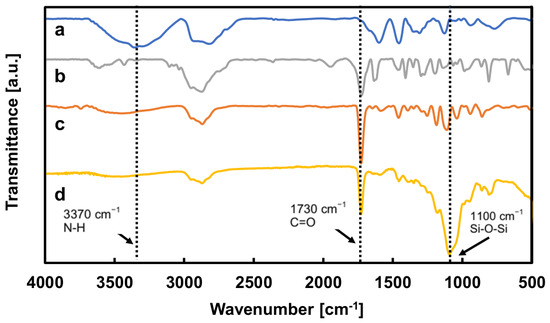
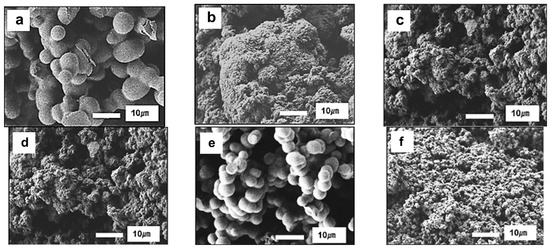
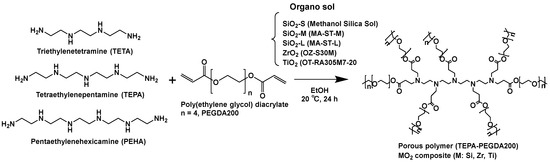
Porous Polymer Nanocomposites from Ethyleneamine–Poly(ethylene glycol) Diacrylate and Metal Oxide Nanoparticles: Morphology and Property Control
Appl. Nano 2026, 7(3), 29; https://doi.org/10.3390/applnano7030029 - 1 Sep 2026
Abstract
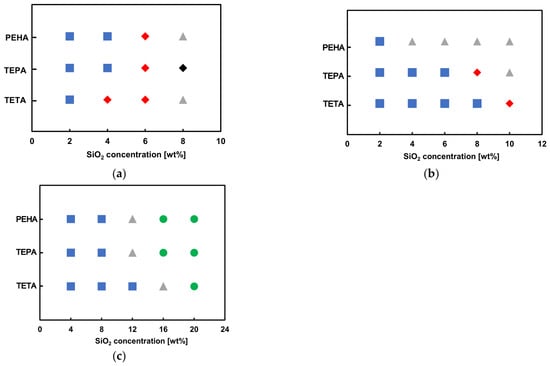
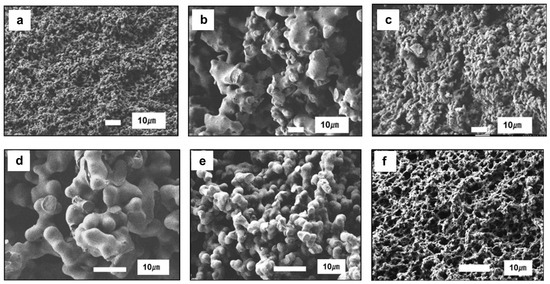
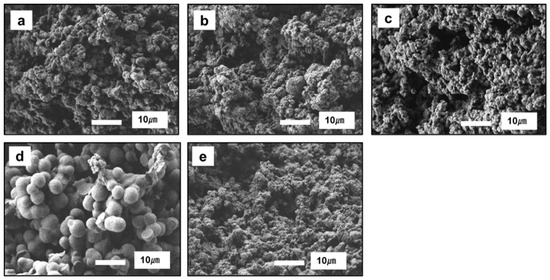
Porous polymer nanocomposites incorporating metal oxide nanoparticles (SiO2, ZrO2, and TiO2) were synthesized via the aza–Michael addition reaction of ethyleneamines with poly(ethylene glycol) diacrylate (PEGDA) under polymerization-induced phase-separation conditions. The resulting nanocomposites exhibited interconnected particulate morphologies with
[...] Read more.
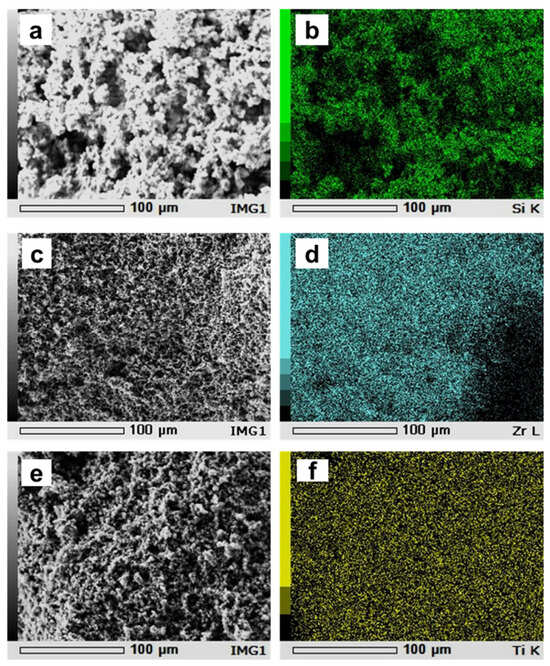
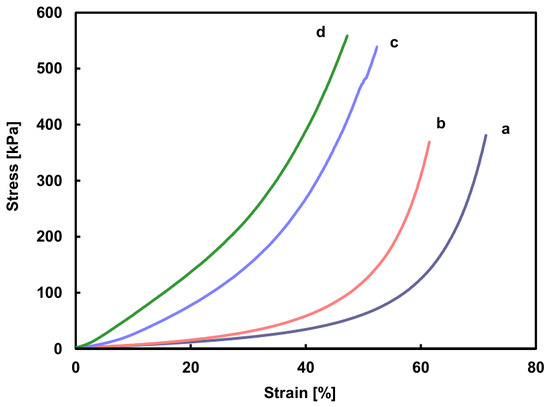
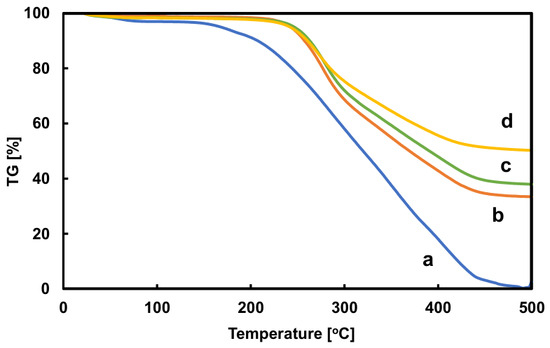
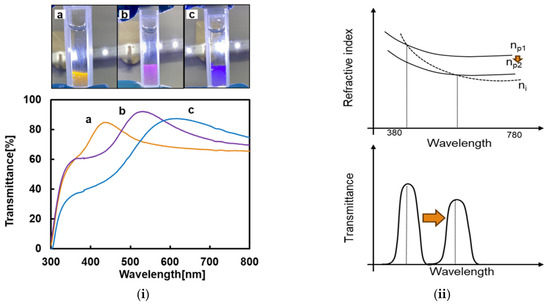
Porous polymer nanocomposites incorporating metal oxide nanoparticles (SiO2, ZrO2, and TiO2) were synthesized via the aza–Michael addition reaction of ethyleneamines with poly(ethylene glycol) diacrylate (PEGDA) under polymerization-induced phase-separation conditions. The resulting nanocomposites exhibited interconnected particulate morphologies with particle diameters ranging from less than 0.5 to 5.0 μm. Increasing the nanoparticle content led to a significant reduction in particle size, indicating that the nanoparticles influenced the phase-separation process and the development of the porous structure. Energy-dispersive X-ray spectroscopy confirmed the homogeneous distribution of nanoparticles throughout the polymer matrix. The refinement of the porous morphology increased the bulk density and consequently enhanced the Young’s modulus of the nanocomposites. In addition, porous nanocomposites containing SiO2 nanoparticles exhibited distinct coloration when immersed in toluene owing to the Christiansen filter effect. The transmission wavelength shifted toward longer wavelengths with increasing SiO2 content, which was attributed to a decrease in the effective refractive index of the porous nanocomposites. These results demonstrate that the incorporation of metal oxide nanoparticles provides an effective strategy for controlling the morphology, mechanical properties, and optical functionality of porous polymer nanocomposites.
Full article
(This article belongs to the Collection Feature Papers for Applied Nano)
►
Show Figures
Open AccessReview
Hydrolates as Sustainable Phytochemical Resources for Nano-Enabled Strategies in Food Preservation, Active Packaging, and Sustainable Agriculture
by
Renato Sonchini Gonçalves and Emmanoel Vilaça Costa
Appl. Nano 2026, 7(3), 28; https://doi.org/10.3390/applnano7030028 - 1 Sep 2026
Abstract
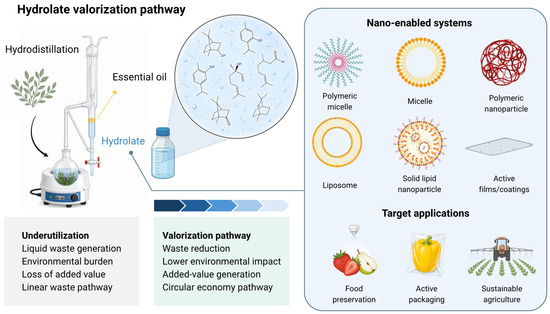
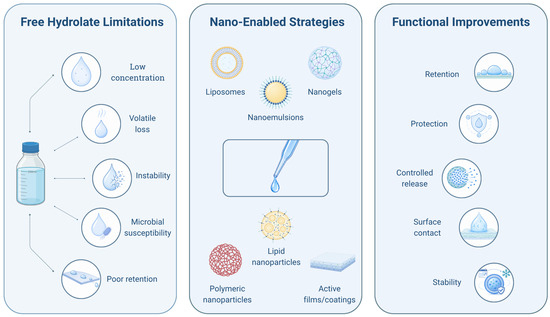
Hydrolates are aqueous co-products of aromatic-plant distillation whose composition and functionality differ from those of the corresponding essential oils. This critical review links botanical source, distillation conditions, chemical composition, quantitative biological performance, food or agricultural application, and readiness for nano-enabled formulation. Direct hydrolate
[...] Read more.
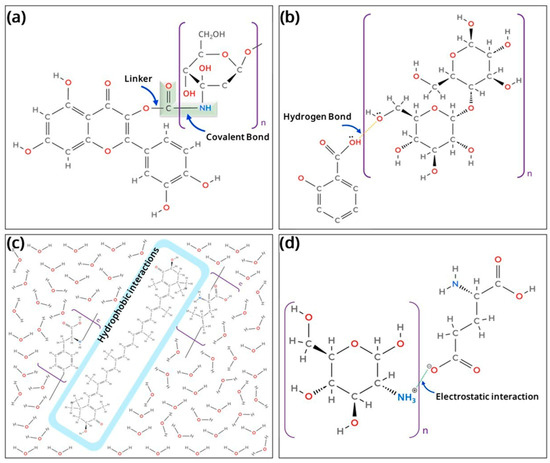
Hydrolates are aqueous co-products of aromatic-plant distillation whose composition and functionality differ from those of the corresponding essential oils. This critical review links botanical source, distillation conditions, chemical composition, quantitative biological performance, food or agricultural application, and readiness for nano-enabled formulation. Direct hydrolate studies show marked heterogeneity: reported antimicrobial performance ranges from minimum inhibitory concentrations of 5.69–500 μL mL−1 to approximately 1–3.5 log reductions in food models, while antioxidant results depend strongly on the assay and reporting unit. Evidence in foods is most developed for fresh produce, seafood, dairy, meat, and beverages, but direct bakery validation remains a gap. Hydrolates offer aqueous compatibility and generally lower sensory intensity than essential oils, yet low active-compound concentrations, batch variability, microbiological susceptibility, and limited shelf stability restrict reproducible use. Among nano-enabled solutions, one direct lavender-hydrolate nanoemulsion study reported a diameter of 225.4 ± 3.2 nm and a polydispersity index of 0.098 ± 0.011, together with improved antibacterial activity; however, hydrolate-specific encapsulation efficiencies, release kinetics, long-term stability, food validation, and field trials are largely unreported. Liposomes, polymeric nanoparticles, nanogels, and active films therefore remain mostly transferable concepts supported by essential-oil, extract, or isolated-compound studies rather than established hydrolate technologies. Future work should use standardized production and quality markers, free-hydrolate and unloaded-carrier controls, realistic matrices, safety and non-target testing, scale-up analysis, and quantitative sustainability assessment. Hydrolates are promising sustainable phytochemical resources, but claims of nano-enabled advantage require direct comparative evidence.
Full article
(This article belongs to the Topic Nano-Enabled Innovations in Agriculture)
►▼
Show Figures

Figure 1

Open AccessReview
Zinc Oxide Nanoparticles for Skin Burn Wound Healing: A Comprehensive Review of Multifunctional Nanotherapeutic and Sensor-Integrated Platforms
by
Jharana Bajracharya, George Oguntala, Chinenye Anetekhai and Blessing Odu
Appl. Nano 2026, 7(3), 27; https://doi.org/10.3390/applnano7030027 - 1 Sep 2026
Abstract
►▼
Show Figures
Burns injuries present critical health and care challenges and remain one of the leading causes of preventable morbidity globally. The pathophysiology of burns injuries combines barrier disruption, dysregulated inflammation and biofilm-driven polymicrobial infection. Zinc oxide nanoparticles (ZnO NP) offer unique, multi-functional capabilities of
[...] Read more.
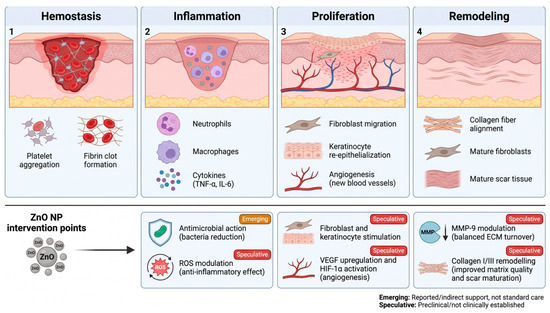
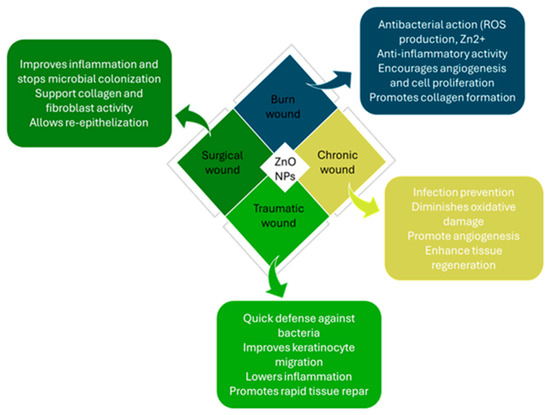
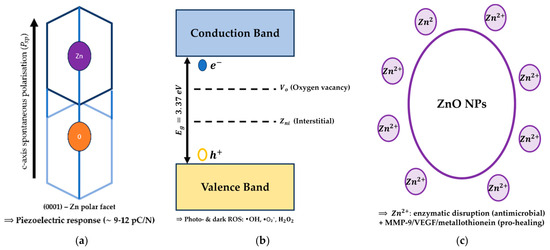
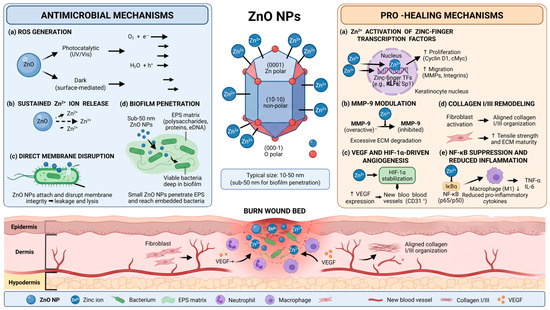
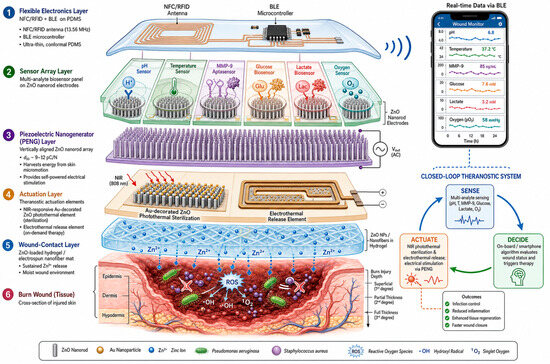
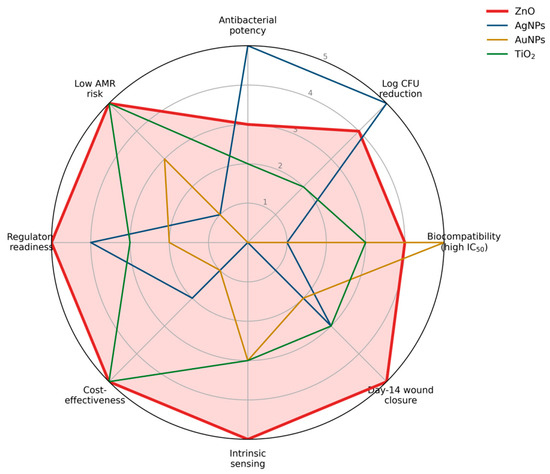
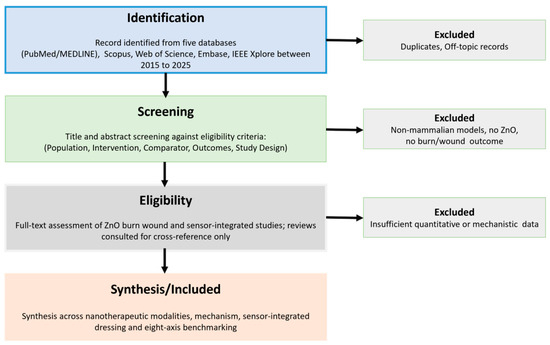
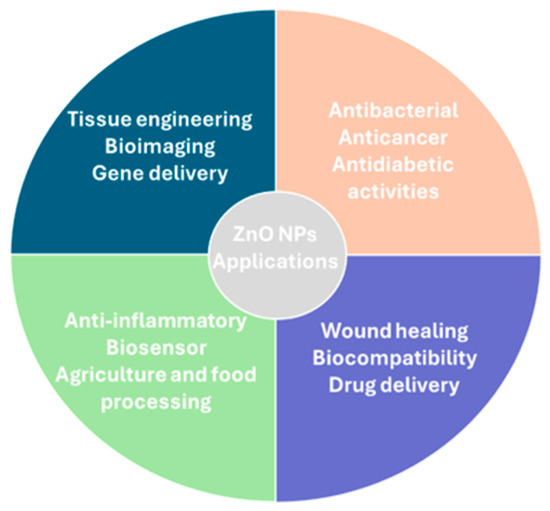
Burns injuries present critical health and care challenges and remain one of the leading causes of preventable morbidity globally. The pathophysiology of burns injuries combines barrier disruption, dysregulated inflammation and biofilm-driven polymicrobial infection. Zinc oxide nanoparticles (ZnO NP) offer unique, multi-functional capabilities of broad-spectrum antimicrobial, pro-regenerative zinc (II) ion sources and an intrinsic transducer that is piezoelectric, photoresponsive and pH-responsive. This paper presents a comprehensive review of ZnO NP for the treatment of skin burns injuries with a focus on its multifunctional nanotherapeutic and sensor-integrated platforms. A structured literature search of PubMed, Scopus, Web of Science, Embase and IEEE Xplore covering the period 2015 to 2025 was conducted to identify and consolidate relevant pre-clinical and clinical evidence on ZnO-based and sensor-integrated burn wound platforms. From the survey across hydrogels, electrospun nanofibers, films, sprays, and three-dimensional bio-printed constructs, it is established that ZnO formulations achieve 60–95% wound closure by day 14 versus 30–55% for untreated controls, with 3–7 log10 colony-forming-unit reductions and minimum inhibitory concentrations of 8–256 micrograms per millilitre against multidrug-resistant pathogens. Wound healing is driven by sustained Zn2+ release, reactive-oxygen-species-mediated bactericidal action, matrix-metalloproteinase-9 modulation, vascular-endothelial-growth-factor and hypoxia-inducible-factor-1-alpha angiogenesis, and nuclear-factor-kappa-B suppressed inflammation. Emerging closed-loop sensor-integrated dressings deliver real-time wound pH, temperature, and matrix-metalloproteinase-9 readout coupled to near-field-communication actuated on-demand zinc release. Clinical translation is affected by several factors such as dose-dependent cytotoxicity associated with excessive ROS generation or dissolution, limited standardisation of green-synthesis methodologies, batch-to-batch variability in nanoparticle physicochemical properties and limited clinical trial data. ZnO-based theranostic platforms hold practical clinical translation potentials provided reproducible GMP-scale synthesis, long-term biocompatibility validation and comprehensive regulatory classification is systematically addressed.
Full article

Figure 1
Open AccessArticle
Plasmonic Studies Using Self-Assembled Metallic Nanostructures Deposited on a Lithographically Patterned Substrate
by
Enrique C. Samano, Gerardo Soto and Juan Pablo Rocha
Appl. Nano 2026, 7(3), 26; https://doi.org/10.3390/applnano7030026 - 18 Aug 2026
Abstract
►▼
Show Figures
Self-assembled artificial nanostructures, such as DNA origami, have attracted interest as templates for the placement of inorganic materials because their design enables the incorporation of binding sites for attaching nanocomponents with nanometer-scale precision. In this work, we introduce a lithographically defined window-array substrate
[...] Read more.
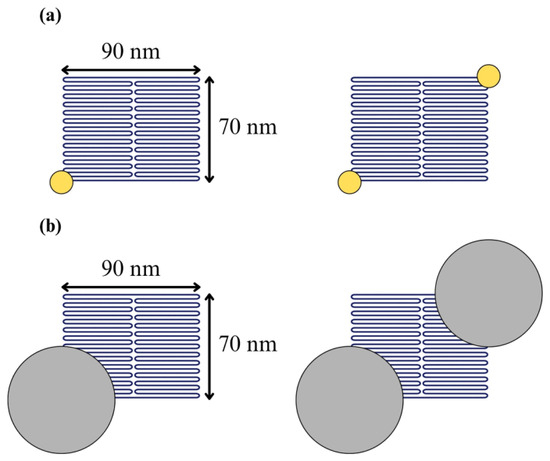
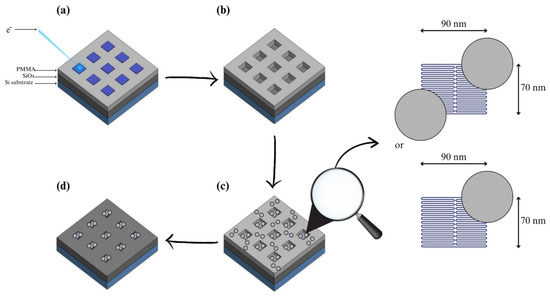
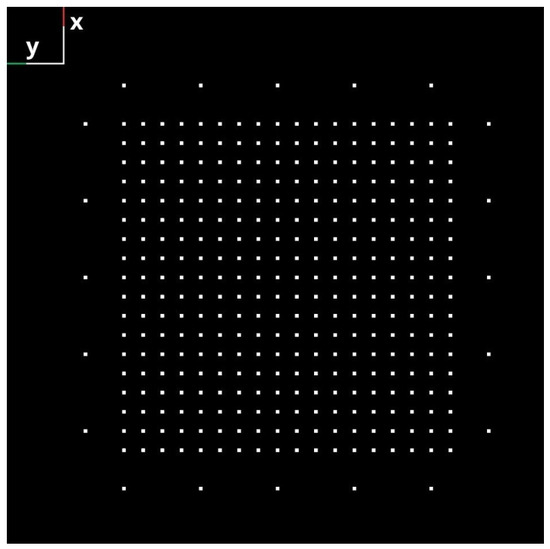
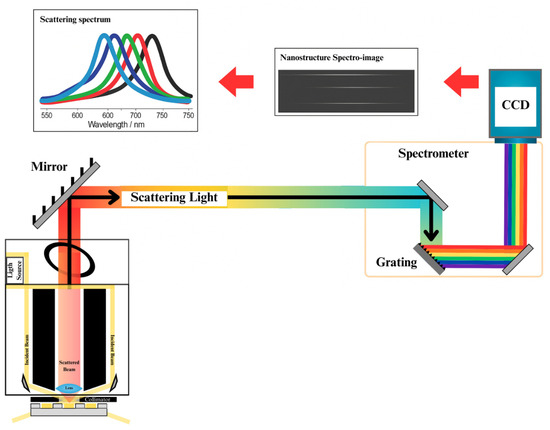
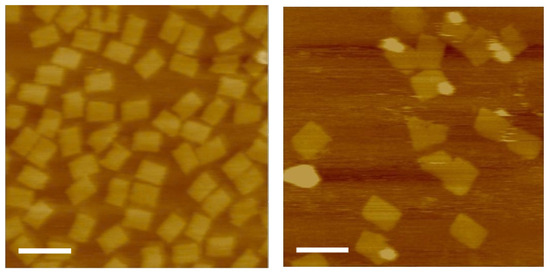
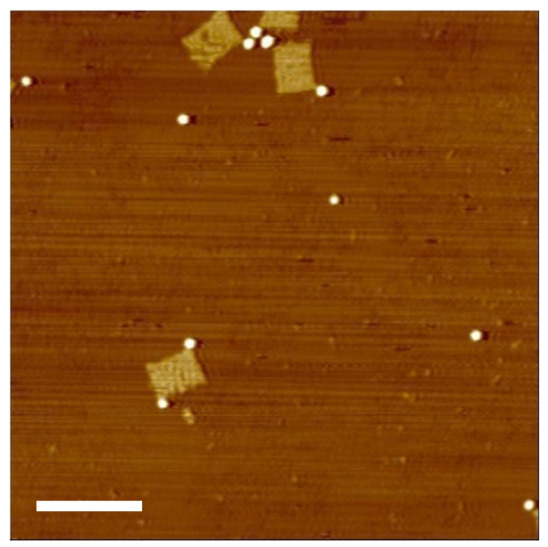
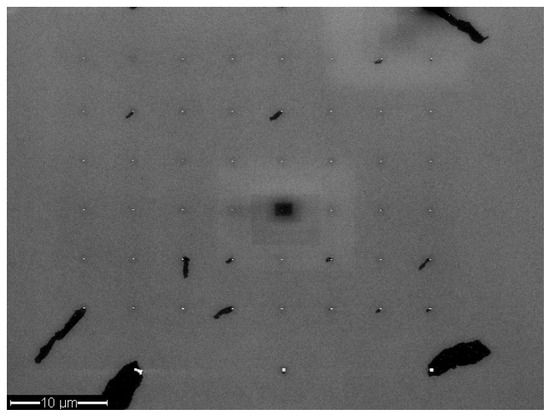
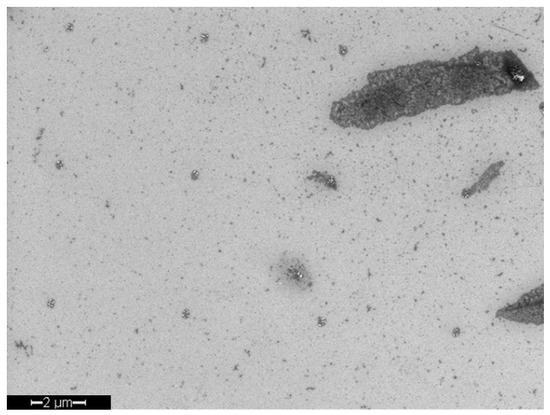
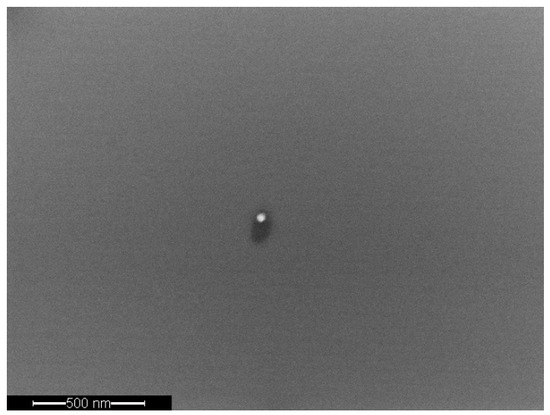
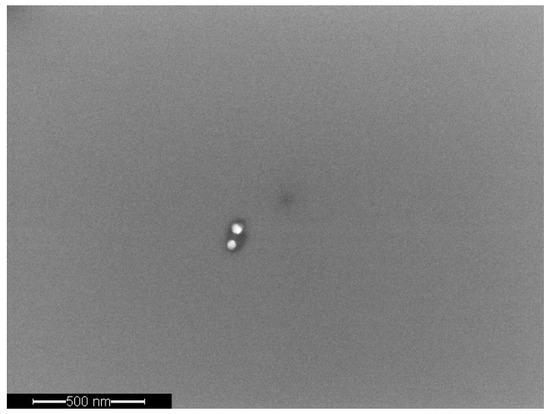
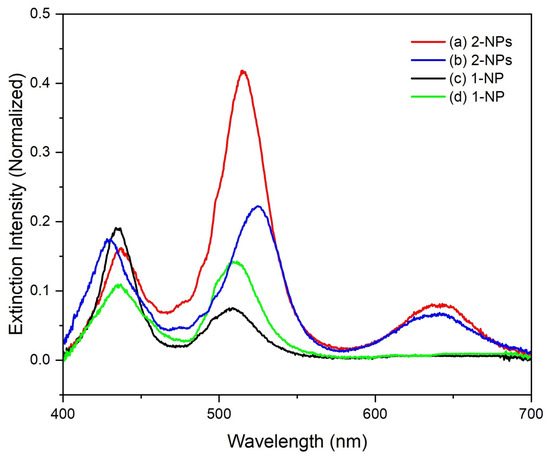
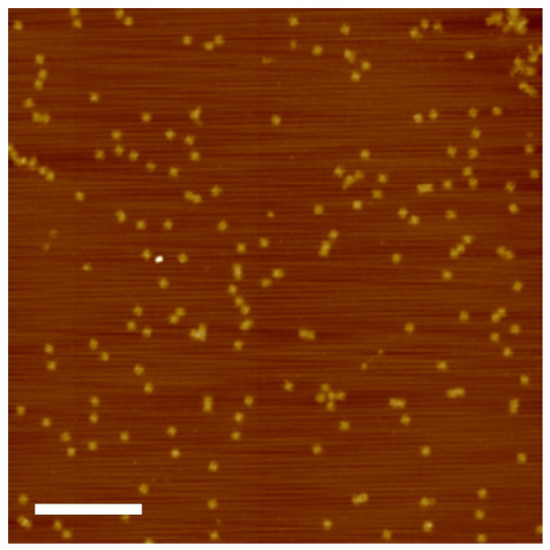
Self-assembled artificial nanostructures, such as DNA origami, have attracted interest as templates for the placement of inorganic materials because their design enables the incorporation of binding sites for attaching nanocomponents with nanometer-scale precision. In this work, we introduce a lithographically defined window-array substrate as an addressable platform for dark-field spectroscopic studies of individual DNA-origami-templated metallic nanostructures. The pattern was designed using the Nanometer Pattern Generation System (NPGS) software and written by electron beam lithography (EBL) on a SiOx/Si substrate. The role of the EBL pattern is to provide spatially separated measurement sites that facilitate the localization, selection, and optical interrogation of single-particle and dimer configurations. Metallic nanostructures created by the DNA origami technique, with programmable placement of spherical gold nanoparticles (Au NPs), are used here. The nanostructures are rectangular, measuring 70 nm × 90 nm, with an Au NP attached at one corner or at two opposite corners. These seed NPs are later enlarged by controlled coalescence via electroless silver deposition. Localized surface plasmon resonance (LSPR) studies by dark-field microscopy (DFM) are presented as a proof-of-concept application for evaluating the scattering response of individual silver-metalized nanoparticles and dimers.
Full article

Figure 1
Open AccessArticle
Oxygen- and Ozone-Functionalized Electronic Structure Modulation in C2N Monolayer for Efficient Photocatalytic Water Splitting
by
Soumendra Kumar Das, Dhrubajyoti Devsharma, Lokanath Patra, Prasanjit Samal and Sridhar Sahu
Appl. Nano 2026, 7(3), 25; https://doi.org/10.3390/applnano7030025 - 10 Aug 2026
Abstract
Photocatalytic water splitting has emerged as a promising strategy for sustainable hydrogen production using solar energy. In this work, we investigate the photocatalytic performance of the C2N monolayer under O2 and O3 exposure. Upon adsorption on C2N,
[...] Read more.
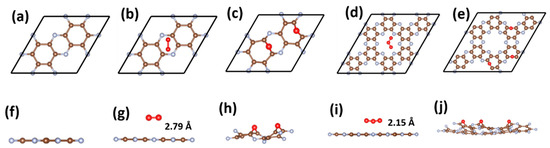
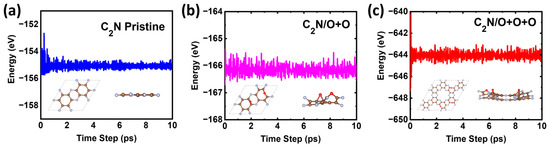
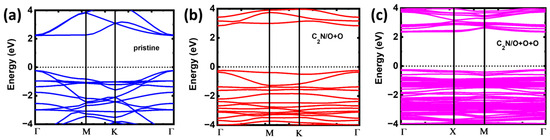
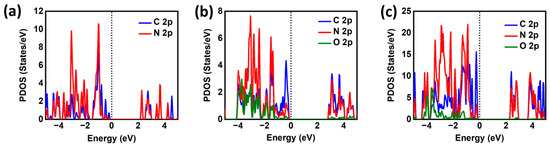
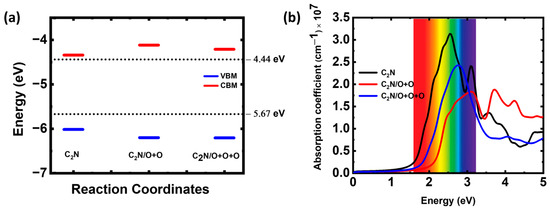
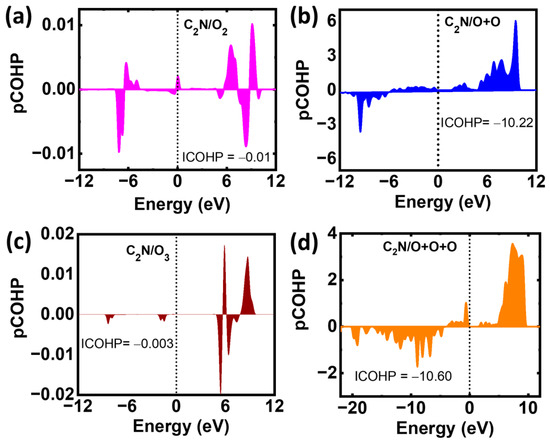
Photocatalytic water splitting has emerged as a promising strategy for sustainable hydrogen production using solar energy. In this work, we investigate the photocatalytic performance of the C2N monolayer under O2 and O3 exposure. Upon adsorption on C2N, both molecules form weakly interacting states, resulting in a metallic solution. However, after dissociation into atomic oxygen, the band gap of the oxidised monolayer increases relative to the pristine C2N, indicating a strong hybridisation of the C-O bond. These oxidised configurations exhibit band-edge positions that span the water redox potential, thereby reducing the likelihood of charge recombination and enhancing their separation. Interestingly, the optical absorption spectra show a blue shift relative to the pristine sample and lie in the visible region. These findings highlight the potential of oxygen- and ozone-modified C2N monolayers for applications in photocatalytic water splitting and sustainable hydrogen production.
Full article
(This article belongs to the Topic Advanced Functional Nanomaterials for Sustainable Energy Conversion, Storage, and Environmental Remediation)
►▼
Show Figures

Figure 1
Open AccessArticle
Adsorption of Dimethyl Phthalate and Its Isomers on Nitrogen-Doped Activated Carbon: A DFT Study
by
Hetham Boutkbout Nait Moudou, Maria Essarbout, Said Abouricha and Youness Benjalal
Appl. Nano 2026, 7(3), 24; https://doi.org/10.3390/applnano7030024 - 4 Aug 2026
Abstract
Dimethyl phthalate (DMP) is an environmental contaminant known for its endocrine-disrupting properties, and its removal poses a critical environmental challenge. In this paper, we present a theoretical study of the adsorption of the DMP molecule and its isomers on pristine and nitrogen-doped graphitic
[...] Read more.
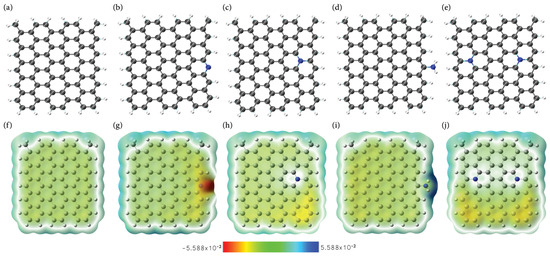
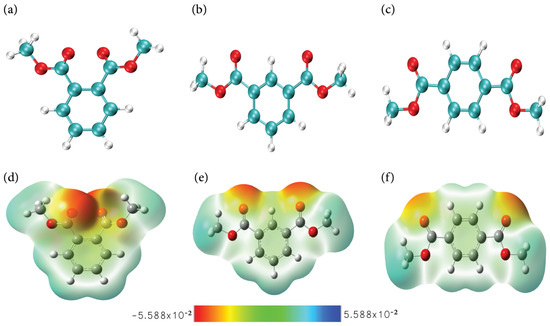
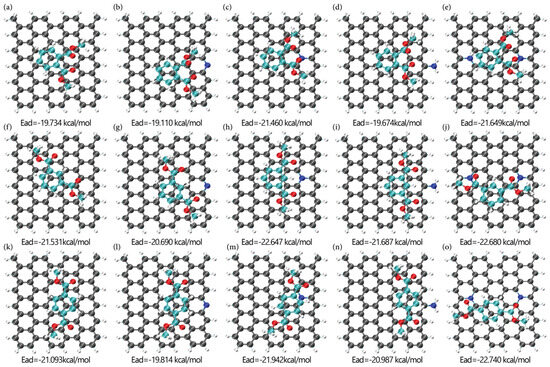
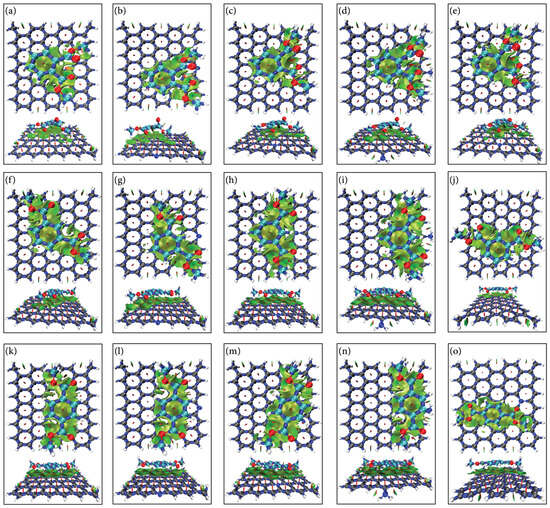
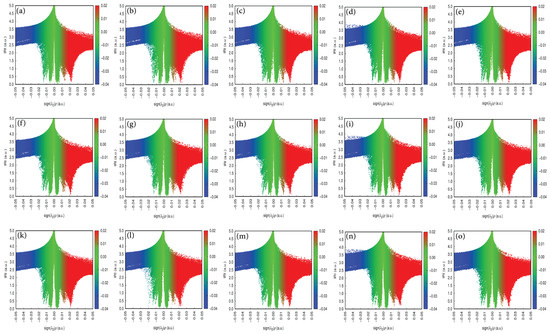
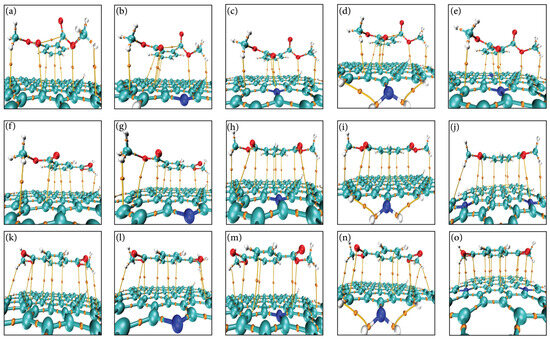
Dimethyl phthalate (DMP) is an environmental contaminant known for its endocrine-disrupting properties, and its removal poses a critical environmental challenge. In this paper, we present a theoretical study of the adsorption of the DMP molecule and its isomers on pristine and nitrogen-doped graphitic surfaces, which represent the pore walls of nanoporous activated carbon, using density functional theory (DFT) calculations. Detailed wavefunction analyses were performed to elucidate the nature of adsorption on the AC surfaces. Our results reveal that nitrogen doping improves phthalate adsorption in the following order: AC-Pristine < AC-NH2 < AC-Graphitic-N < AC-Graphitic-2N. This enhancement arises from changes in charge distribution that introduce electrostatic interactions between the COOCH3 groups of the molecules and nitrogen-doped atoms on the AC surface. This study provides mechanistic insights into DMP adsorption on nitrogen-doped AC and offers rational guidelines for designing efficient carbon-based adsorbents for the removal of phthalate esters from contaminated water and the environment.
Full article
(This article belongs to the Topic Water Purification and Catalytic Disintegration at the Nanoscale)
►▼
Show Figures

Figure 1
Open AccessArticle
Bessel-Controlled Topological Switching in Altermagnet–Topological-Insulator Interfaces
by
Carlos Caro and Francisco Gámez
Appl. Nano 2026, 7(3), 23; https://doi.org/10.3390/applnano7030023 - 3 Aug 2026
Abstract
►▼
Show Figures
Altermagnets combine compensated magnetic order with momentum-dependent spin splitting, enabling Berry-curvature control without net magnetization. Here we investigate mechanically driven altermagnet–topological-insulator (AM/TI) interfaces in which periodic modulation of the crystalline phase selectively renormalizes the cycle-averaged interfacial exchange harmonics through exact Bessel-function averaging. The
[...] Read more.
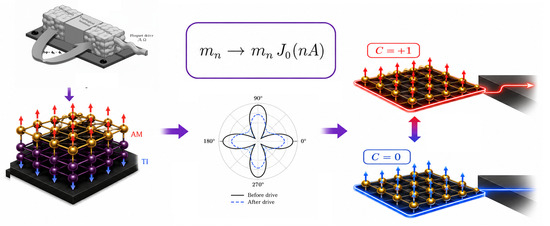
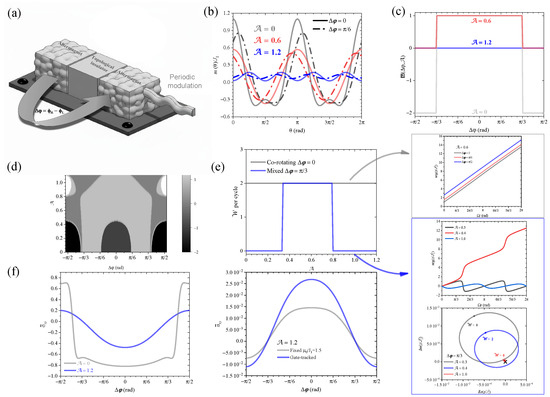
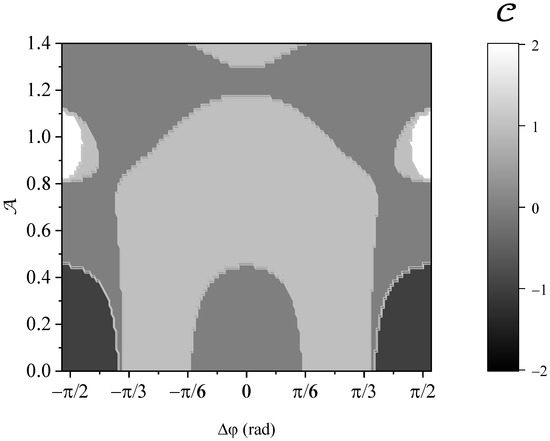
Altermagnets combine compensated magnetic order with momentum-dependent spin splitting, enabling Berry-curvature control without net magnetization. Here we investigate mechanically driven altermagnet–topological-insulator (AM/TI) interfaces in which periodic modulation of the crystalline phase selectively renormalizes the cycle-averaged interfacial exchange harmonics through exact Bessel-function averaging. The resulting harmonic-selective control introduces a new tuning parameter—the drive amplitude—that continuously reshapes the angular mass texture and enables re-entrant transitions between distinct topological sectors. Using continuum Berry-curvature calculations, we show that amplitude-controlled modulation of the twofold and fourfold exchange harmonics produces topological switching, Hall-conductivity suppression near Bessel zeros, and enhanced thermoelectric responses. Cyclic driving protocols further generate nontrivial winding trajectories in the experimentally accessible two-mass control plane, providing a geometric characterization of adiabatic modulation cycles through a winding invariant. To establish the topological character of the predicted phases, the continuum results are independently validated using compact Brillouin-zone lattice regularization, gauge-invariant Fukui–Hatsugai–Suzuki Chern-number calculations, and open-boundary ribbon spectra. The proposed mechanism operates in the adiabatic regime accessible to piezoelectric and surface-acoustic-wave actuation at MHz frequencies and is compatible with strain-tunable AM/TI heterostructures at cryogenic temperatures. These results identify mechanically driven AM/TI interfaces as a platform for programmable topological transport and harmonic-selective Berry-curvature engineering.
Full article

Graphical abstract
Open AccessReview
Limitations and Novelties of Nanotechnology in Aquaculture: A Focus on Nanocarriers and Encapsulation Strategies
by
Pablo G. Rojas Hernández, Anayeli Hernández-Sain, Jesús Antonio García-Aguirre and Crisantema Hernández
Appl. Nano 2026, 7(3), 22; https://doi.org/10.3390/applnano7030022 - 1 Aug 2026
Abstract
Modern aquaculture is essential for meeting the increasing global demand for fish and seafood, but its rapid expansion has exposed limitations that threaten long-term sustainability. Major challenges include high disease outbreaks, low nutritional efficiency, and the instability and poor solubility of nutraceuticals and
[...] Read more.
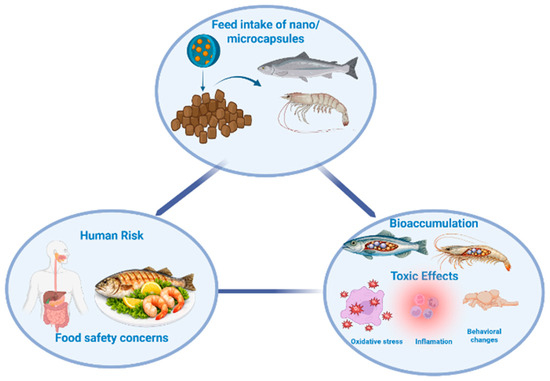
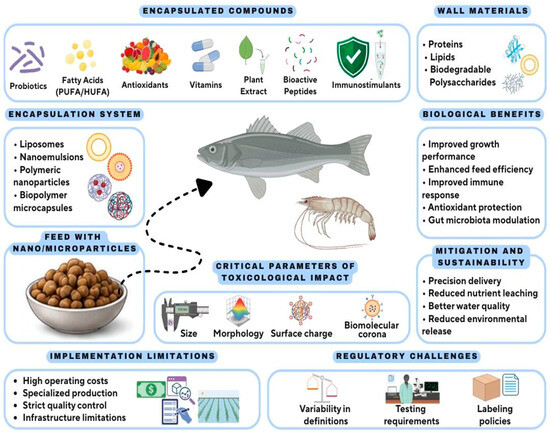
Modern aquaculture is essential for meeting the increasing global demand for fish and seafood, but its rapid expansion has exposed limitations that threaten long-term sustainability. Major challenges include high disease outbreaks, low nutritional efficiency, and the instability and poor solubility of nutraceuticals and plant-derived compounds. These challenges often create a self-reinforcing feedback loop, amplifying the detrimental effects of one another. Conventional approaches, including antibiotics, chemical treatments, aquafeeds, and chemotherapeutic agents, have shown limited effectiveness, partly due to inefficient delivery systems that can contribute to environmental contamination and antimicrobial resistance. This review discusses nanotechnology-enabled strategies to improve these traditional methods, focusing on nanocarriers and nanoencapsulation techniques, and also mentioning other synthetized nanoparticles and microencapsulation strategies. These systems have succeeded in reducing oxidative degradation and improving bioavailability by enhancing the stability and activity of encapsulated bioactives. The review also evaluates their functional performance, limitations, environmental effects, interactions with different organisms, and regulatory constraints in the industry. Overall, while safe and scalable use of biodegradable nanoscale delivery systems in modern aquaculture has shown great potential, it still depends on careful design, harmonized regulations, and economically feasible manufacturing.
Full article
(This article belongs to the Collection Review Papers for Applied Nano Science and Technology)
►▼
Show Figures

Figure 1

Open AccessArticle
Photoluminescence of Femtosecond Laser-Irradiated Silicon Carbide
by
Yanis Abdedou, Anna Fuchs, Philipp Fuchs, Jonah Heiler, Dennis Herrmann, Samuel Weber, Mareike Schäfer, Johannes L’huillier, Florian Kaiser, Christoph Becher and Elke Neu
Appl. Nano 2026, 7(3), 21; https://doi.org/10.3390/applnano7030021 - 20 Jul 2026
Abstract
►▼
Show Figures
Silicon carbide (SiC) is the leading wide-bandgap semiconductor material, providing mature doping and device fabrication. Additionally, SiC hosts a multitude of optically active point defects (color centers) and is relevant for many applications in quantum technologies. A crucial step towards harnessing the full
[...] Read more.
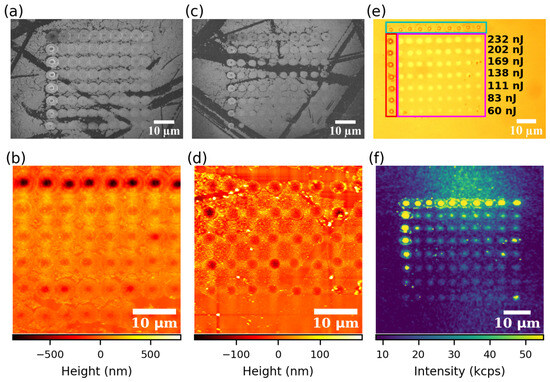
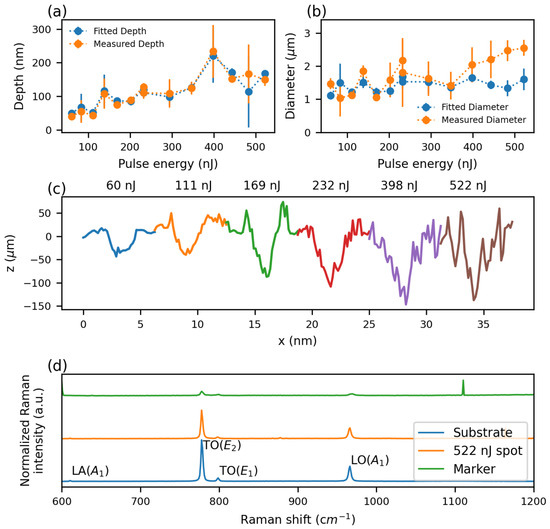
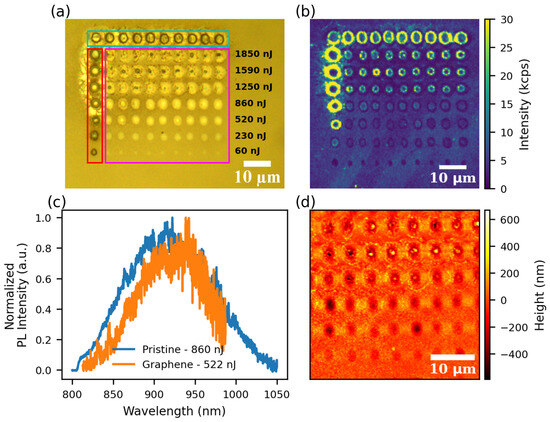
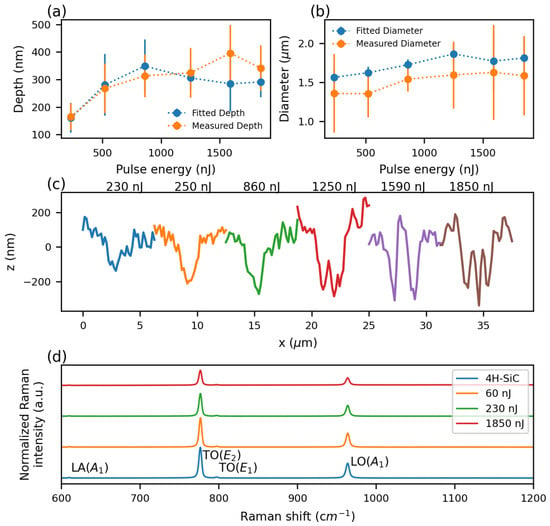
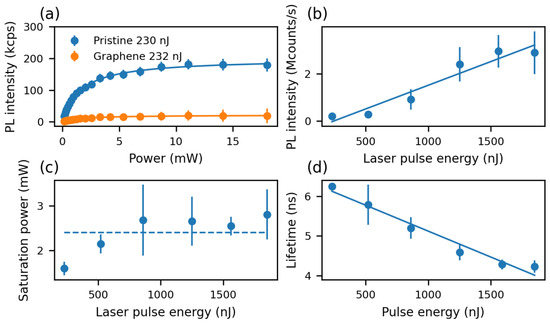
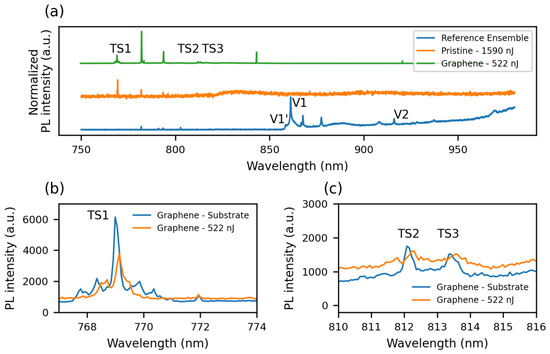
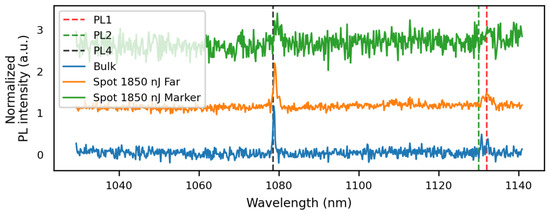
Silicon carbide (SiC) is the leading wide-bandgap semiconductor material, providing mature doping and device fabrication. Additionally, SiC hosts a multitude of optically active point defects (color centers) and is relevant for many applications in quantum technologies. A crucial step towards harnessing the full potential of the SiC platform includes technologies to create color centers with defined localization and density, e.g., to facilitate their coupling to nano-photonic structures and to observe cooperative effects. Here, silicon vacancy centers and divacancies stand out, as no impurity atom is needed, and high-thermal budget annealing steps can be avoided. We characterize the effect of localized, femtosecond laser irradiation of SiC, investigating surface modifications and photoluminescence, including Raman spectroscopy and optical lifetime measurements. We employ commercial, high-purity, semi-insulating substrates and an industrial-grade laser system to explore broader applicability of the method. As a novel approach, we apply femtosecond laser irradiation to SiC substrates with an epitaxial graphene layer and find that the threshold for photoluminescence due to laser treatment is lowered.
Full article

Figure 1
Open AccessArticle
Structural and Physical Asymmetry Effects in Hyperbolic Metamaterial Waveguides
by
Juarez Caetano da Silva, Vitaly Felix Rodriguez Esquerre and Zhaowei Liu
Appl. Nano 2026, 7(3), 20; https://doi.org/10.3390/applnano7030020 - 14 Jul 2026
Abstract
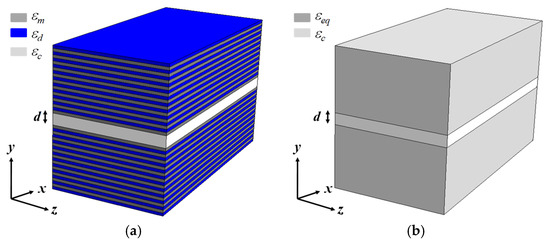
The present work analyzes light propagation in asymmetric waveguides with dielectric cores and anisotropic multilayer claddings based on nanometric planar hyperbolic metamaterials. A generalized definition of asymmetry, incorporating both structural and physical parameters, is introduced by varying metal composition and filling ratios in
[...] Read more.
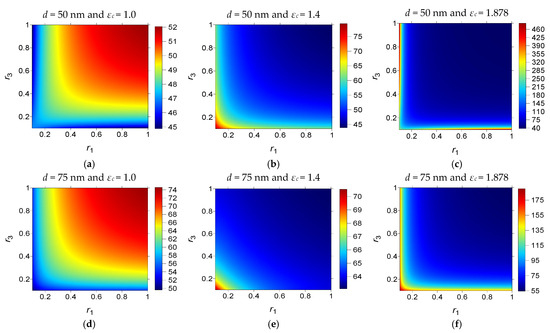
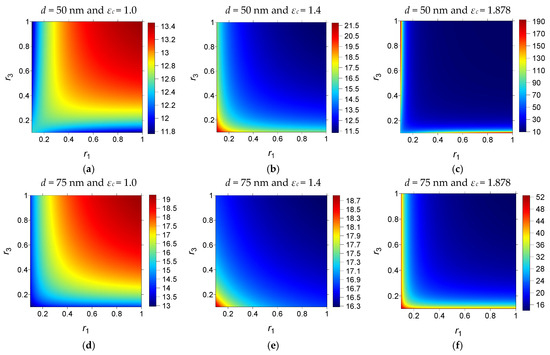
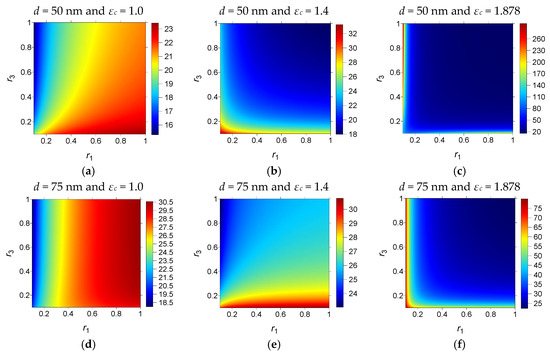
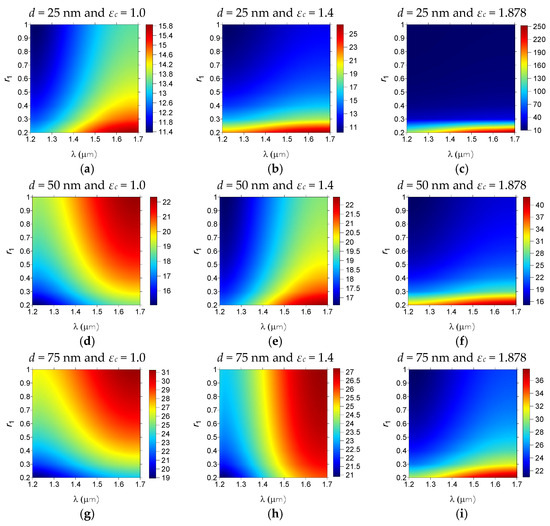
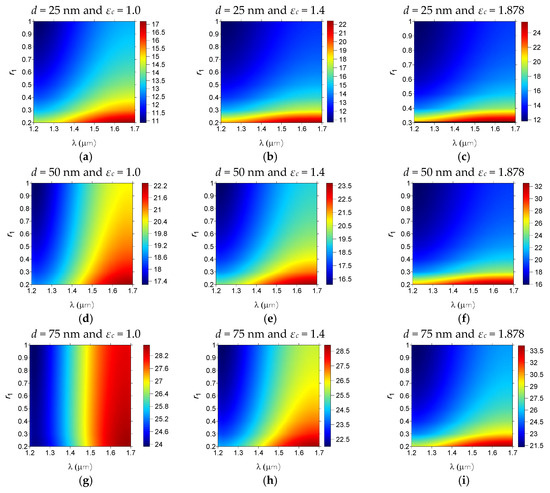
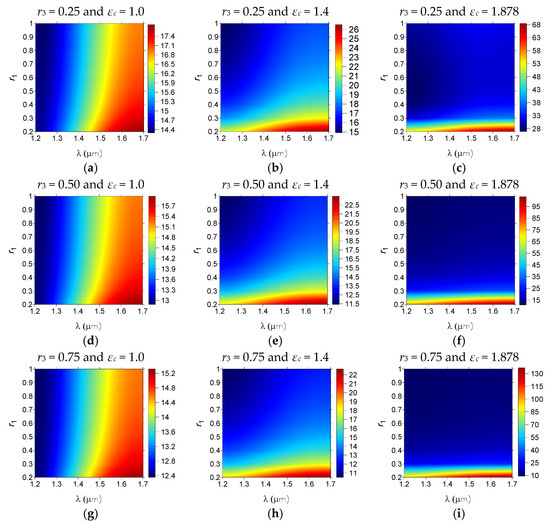
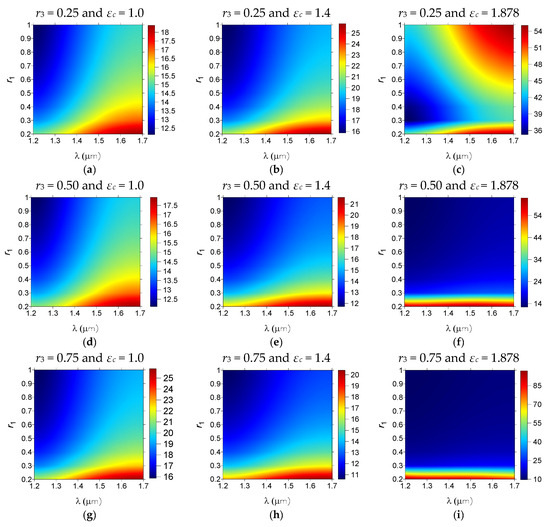
The present work analyzes light propagation in asymmetric waveguides with dielectric cores and anisotropic multilayer claddings based on nanometric planar hyperbolic metamaterials. A generalized definition of asymmetry, incorporating both structural and physical parameters, is introduced by varying metal composition and filling ratios in the claddings. The influence of wavelength, material permittivity, metal filling fraction, and core thickness on surface wave modes is examined using effective medium theory and considering experimentally derived material data. Propagation distances on the order of 400 µm have been achieved for optimized waveguide configurations operating within the C-band used in optical telecommunications.
Full article
(This article belongs to the Collection Feature Papers for Applied Nano)
►▼
Show Figures

Figure 1
Open AccessArticle
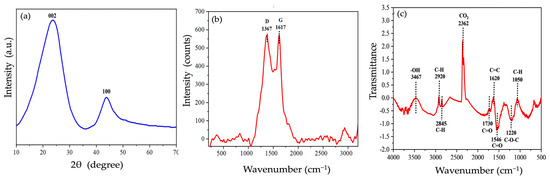
Pyrolyzed Sucrose as a Green Binder for Coconut Shell-Based Activated Carbon Electrodes in Supercapacitors
by
Prabhasha Manodya Kumarage, Dileep Sandakelum Gamage, Asiri Thimal Medagedara, Muthugalage Ishara Umayangani Weerasinghe, Sadith Punsara Jayathilaka, Athulya Methsisi Rathnayake, Senuka Bandara Deegala, Rajapakse Mudiyanselage Gamini Rajapakse, Kirthi Tennakone, Uthpala Dahanayake, Wijendra Jayalath Bandara, Masamichi Yoshimura and Gamaralalage Rajanya Ashoka Kumara
Appl. Nano 2026, 7(3), 19; https://doi.org/10.3390/applnano7030019 - 13 Jul 2026
Abstract
►▼
Show Figures
Supercapacitors are widely used in high-power-density applications due to their ability to deliver rapid energy bursts and fast recharging. The incorporation of naturally derived materials into supercapacitor electrodes offers notable advantages in terms of sustainability, environmental impact, and biodegradability relative to their synthetic
[...] Read more.
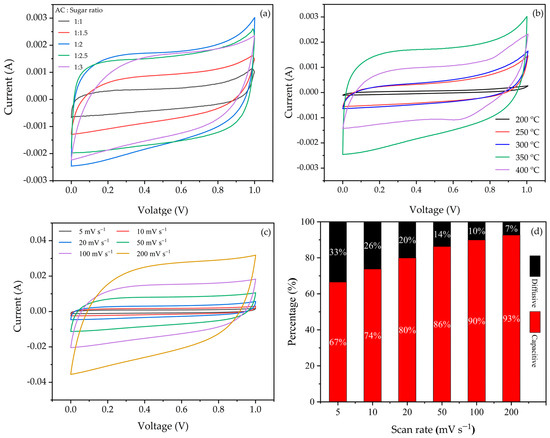
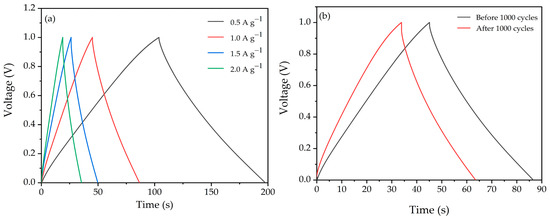
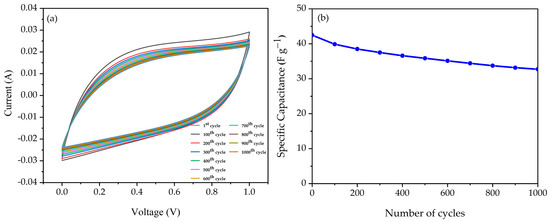
Supercapacitors are widely used in high-power-density applications due to their ability to deliver rapid energy bursts and fast recharging. The incorporation of naturally derived materials into supercapacitor electrodes offers notable advantages in terms of sustainability, environmental impact, and biodegradability relative to their synthetic counterparts. In this study, activated carbon with high electronic conductivity is combined with pyrolyzed sucrose as a binder to fabricate thin-film electrodes, with 2.50 mol dm−3 H2SO4 serving as the electrolyte. Both constituent materials are characterized with respect to their structural and electrical properties. The optimized electrodes exhibit a sheet resistance of 171.24 Ω sq−1 and a resistivity of 1.92 × 10⁻⁴ Ω cm. The assembled electric double-layer capacitor achieves a specific capacitance of 74.35 F g−1 at an activated carbon-to-sucrose ratio of 1:2, following sintering at 350 °C for 20 min. Cyclic voltammetry reveals capacitive-to-diffusive current contributions of 93:7% at 200 mV s−1 and 67:33% at 5 mV s−1, with a specific capacitance retention of 77% after 1000 cycles. Collectively, these results indicate that the fabricated electrodes possess satisfactory energy storage capability and adequate electrochemical stability. The findings suggest that biomass-derived activated carbon–pyrolyzed sucrose composites warrant consideration as cost-effective and environmentally benign electrode materials for sustainable energy storage applications.
Full article

Figure 1
Open AccessReview
Hydrothermally Synthesized Metal Oxide Nanostructures for H2O2 Sensing and Oxidative Stress Management in Plants
by
Eriks Sledevskis, Marina Krasovska, Irena Mihailova, Vjaceslavs Gerbreders, Valdis Mizers, Jans Keviss and Andrejs Bulanovs
Appl. Nano 2026, 7(3), 18; https://doi.org/10.3390/applnano7030018 - 1 Jul 2026
Abstract
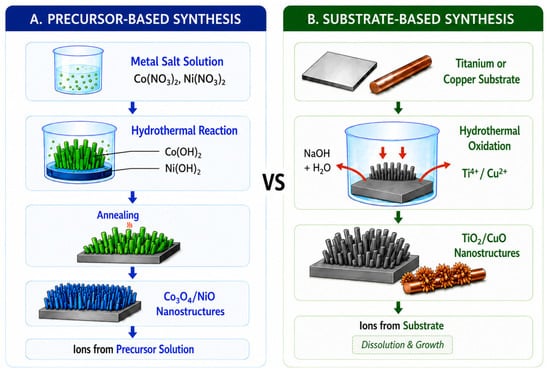
Hydrogen peroxide (H2O2) is a key reactive oxygen species involved in both cellular signaling and oxidative stress, making its reliable detection essential in biological and environmental systems. Electrochemical sensing has emerged as a promising approach for H2O
[...] Read more.
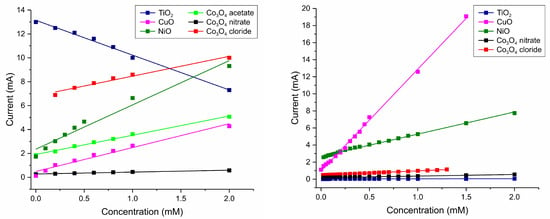
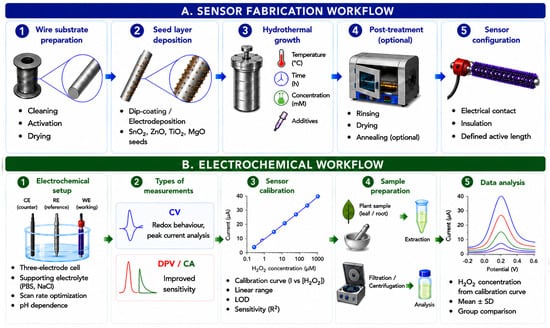
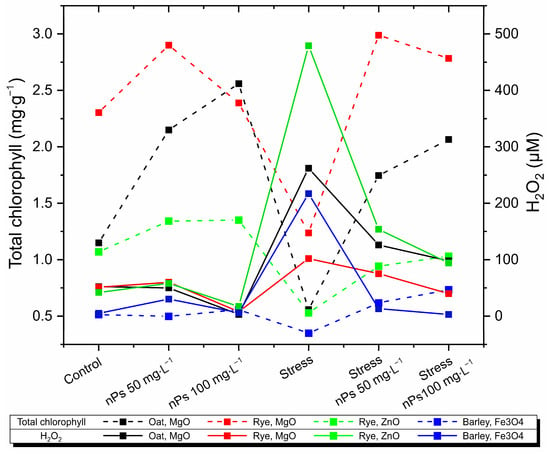
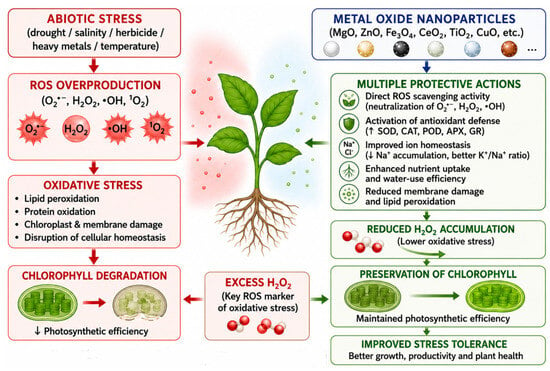
Hydrogen peroxide (H2O2) is a key reactive oxygen species involved in both cellular signaling and oxidative stress, making its reliable detection essential in biological and environmental systems. Electrochemical sensing has emerged as a promising approach for H2O2 monitoring due to its high sensitivity, rapid response, and suitability for in situ analysis. This review provides a comprehensive overview of nanostructured metal oxide electrodes for non-enzymatic electrochemical detection of H2O2. The effects of material composition, nanostructure morphology, and synthesis strategies (particularly hydrothermal methods) on sensor performance are critically discussed. Special attention is given to our previously reported studies, enabling a consistent comparison of structure–property relationships under similar experimental conditions. Furthermore, the application of these sensors in plant stress analysis is examined, including both the monitoring of oxidative stress and the evaluation of stress mitigation strategies using metal oxide nanoparticles. The role of nanoparticles as reactive oxygen species scavengers and enhancers of plant antioxidant systems is highlighted, demonstrating their ability to reduce H2O2 levels and improve plant physiological status under adverse environmental conditions. Overall, this work emphasizes the dual functionality of nanostructured materials as both sensing platforms and active agents for stress mitigation, highlighting their potential in agricultural and environmental applications.
Full article
(This article belongs to the Collection Review Papers for Applied Nano Science and Technology)
►▼
Show Figures

Figure 1
Open AccessArticle
Sildenafil-Coated Silver Nanoparticles for Anal Fissure Wound Healing—A Combined Experimental/Molecular Docking Study
by
Mahboubeh Dolatyari, Parisa Rostami, Mahsa Hejazad, Ali Rostami, Manouchehr Khoshbaten, Mahdi Dolatyari, Hamit Mirtagioglu and Axel Klein
Appl. Nano 2026, 7(2), 17; https://doi.org/10.3390/applnano7020017 - 19 Jun 2026
Abstract
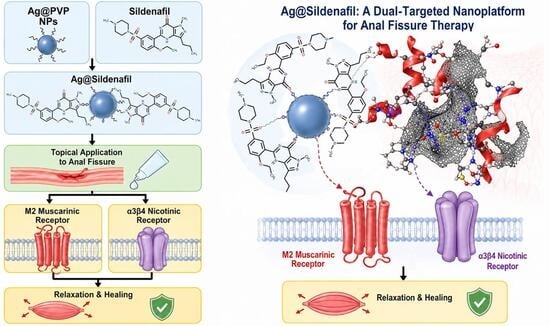
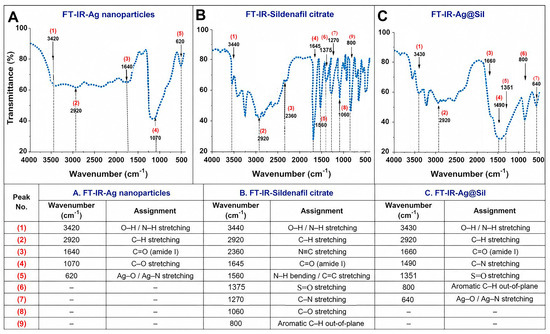
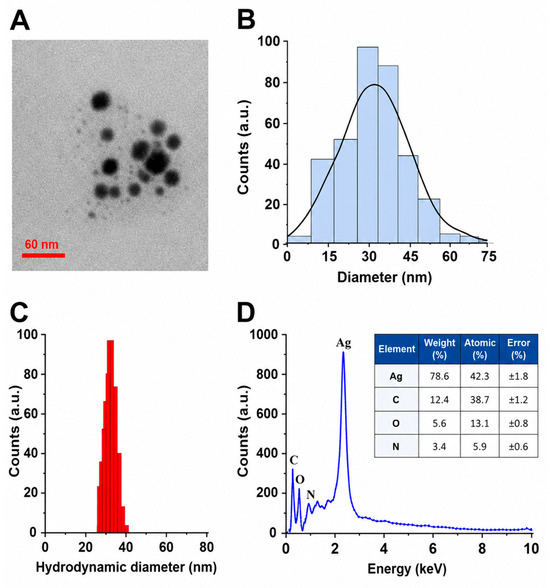
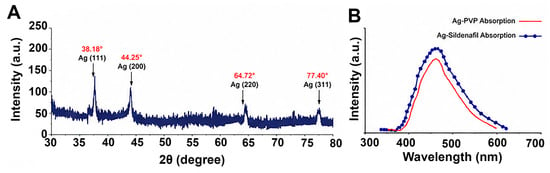
PVP-stabilized silver nanoparticles (Ag NPs) were functionalized with sildenafil (Sil), leading to spherical NPs (Ag@Sil NPs) with a size of about 30 nm as observed through transmission electron microscopy and dynamic light scattering. Fourier-transformed IR spectroscopy confirmed the covering of the particles with
[...] Read more.
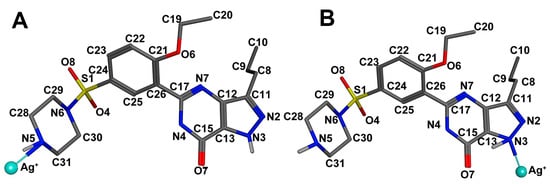
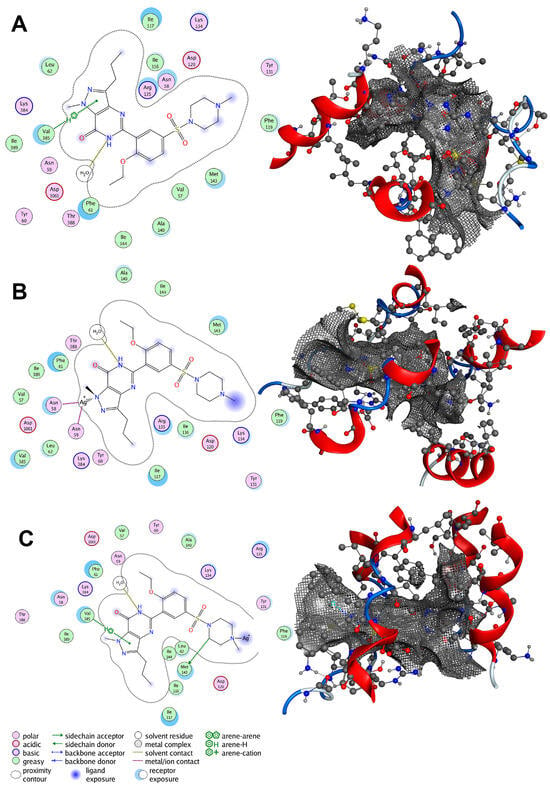
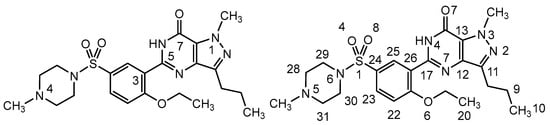
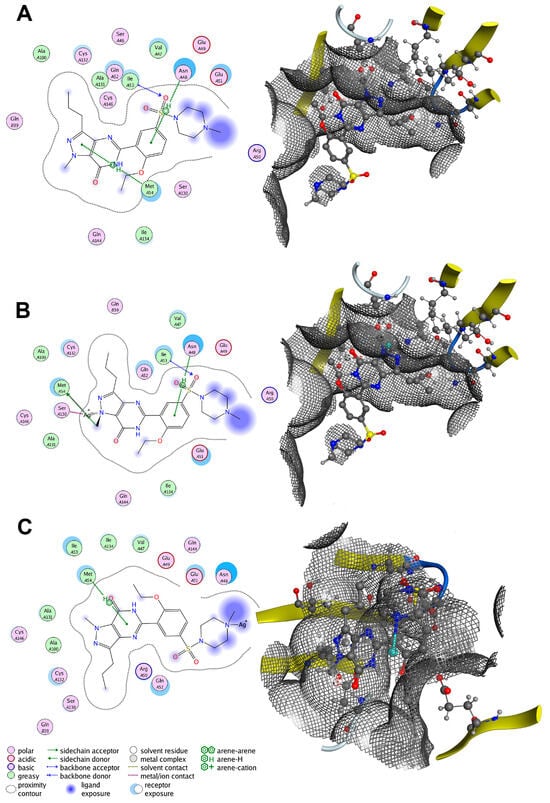
PVP-stabilized silver nanoparticles (Ag NPs) were functionalized with sildenafil (Sil), leading to spherical NPs (Ag@Sil NPs) with a size of about 30 nm as observed through transmission electron microscopy and dynamic light scattering. Fourier-transformed IR spectroscopy confirmed the covering of the particles with Sil. The Ag@Sil NPs were incorporated into a 0.1 wt% ointment and tested for the treatment of acute anal fissures in a preliminary medical study involving 50 patients. Typical symptoms such as pain, bleeding, itching, and mass sensation were improved in the intervention group with no adverse effects. Molecular docking showed strong interactions with docking scores slightly above −10 kcal/mol between sildenafil and two different model complexes [Ag–Sil]+ for the Ag-bound sildenafil with either piperazine-N- or pyrazole-N-bound Ag+ ions and the muscarinic M2 and the nicotinic acetylcholine α3β4 receptor, which are both involved in anal sphincter regulation. All three showed superior binding compared with nitroglycerin and L-arginine. The residue analysis revealed a higher number of relevant interactions for the sildenafil and the two Ag+ complexes, compared to nitroglycerin and L-arginine, fully in line with the differences in the docking scores.
Full article
(This article belongs to the Topic Advanced Nanotechnology in Drug Delivery Systems)
►▼
Show Figures

Graphical abstract
Open AccessArticle
Modulation Doping on Electron Raman Scattering in ZnO/MgxZn1−xO Quantum Well
by
Carlos Alberto Dagua-Conda, John Alexander Gil-Corrales, Salomon Uran-Parra, Oscar Checa-Cerón, Juan Alejandro Vinasco, Derfrey Antonio Duque, Alvaro Luis Morales and Carlos Alberto Duque
Appl. Nano 2026, 7(2), 16; https://doi.org/10.3390/applnano7020016 - 17 Jun 2026
Abstract
►▼
Show Figures
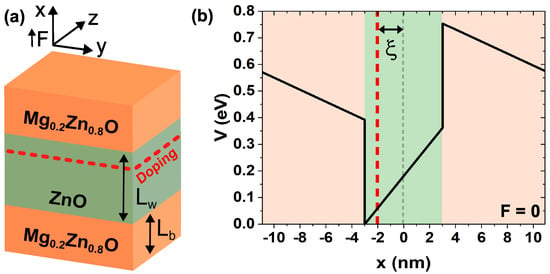
The built-in electric field induced by polarization in ZnO/Mg0.2Zn0.8O quantum wells can be screened to modulate the conduction-band potential profile and intersubband energy levels. To optimize the screening of the built-in electric field, we analyze the influence of an
[...] Read more.
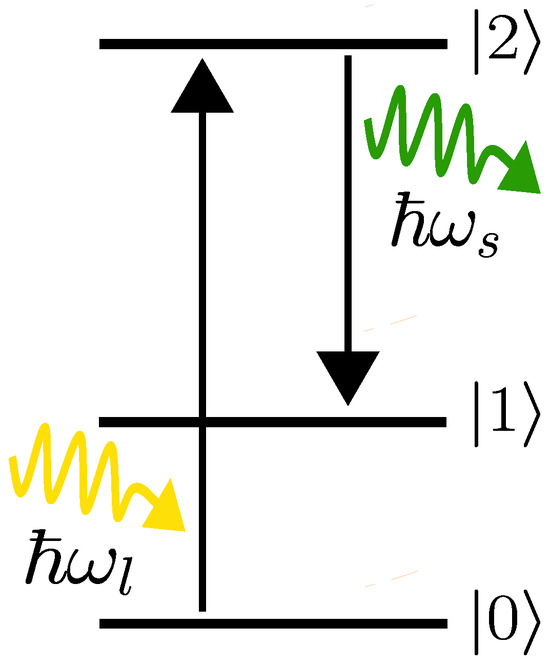
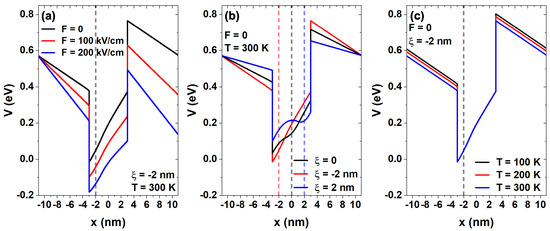
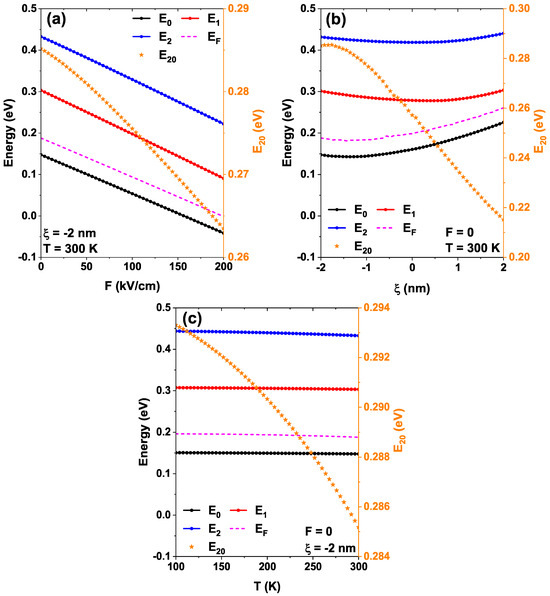
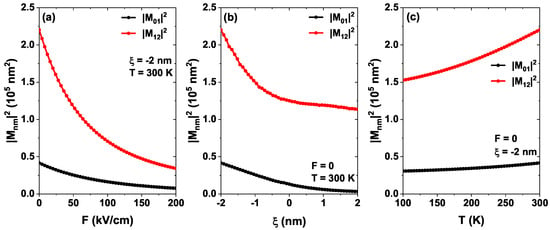
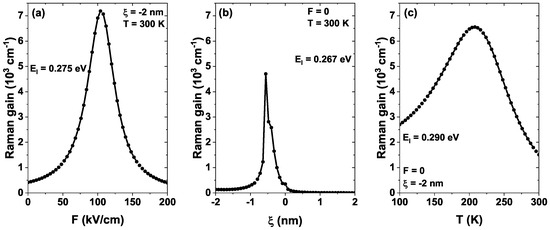
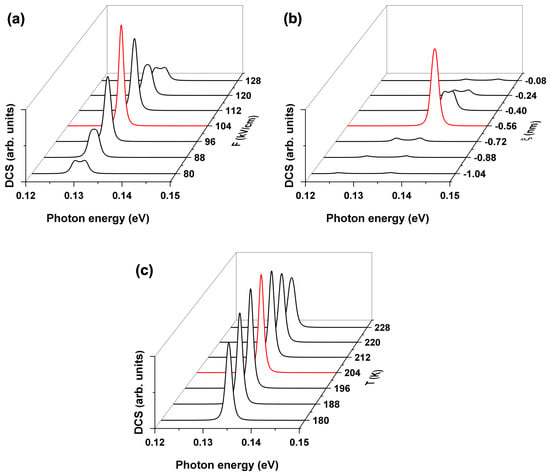
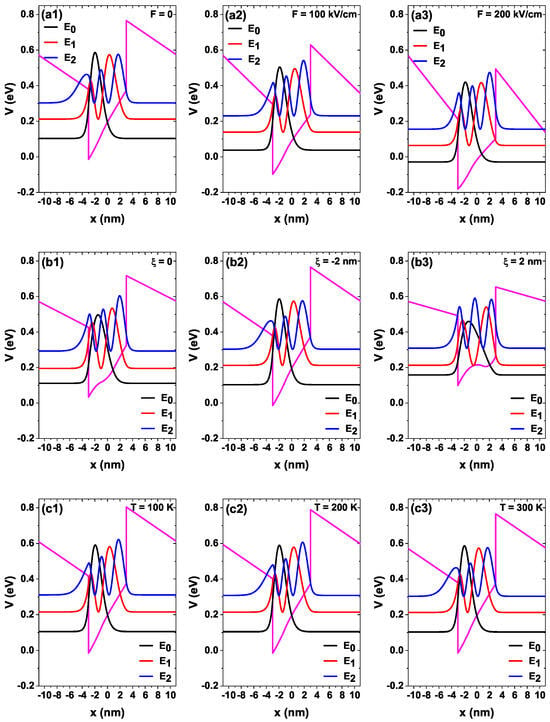
The built-in electric field induced by polarization in ZnO/Mg0.2Zn0.8O quantum wells can be screened to modulate the conduction-band potential profile and intersubband energy levels. To optimize the screening of the built-in electric field, we analyze the influence of an external electric field, temperature, and modulation doping. The position of the doped layer is varied within the heterostructure to improve field compensation, providing additional control over electron localization and intersubband energy separation. In this work, within the effective mass approximation and by self-consistently solving the Poisson and Schrödinger equations using the finite-difference method, we calculate the electronic structure and nonlinear optical response of an n-type doped ZnO/Mg0.2Zn0.8O quantum well heterostructure. Our results indicate a strong dependence of the confinement potential on the applied external electric field and the electrostatic potential arising from the doped layer. We demonstrate electronic Raman gain values on the order of – cm−1 for specific values of field strength, temperature, and doped-layer position. This approach enables fine-tuning of the nonlinear optical response, which is crucial for the development of ZnO-based optoelectronic devices.
Full article

Figure 1
Open AccessArticle
Fabrication of Wet-Spun Alginate/Halloysite Nanotube Composite Filaments with Tunable Morphology and Caffeine-Functionalized Nanotube Interfaces
by
Giulia Mugnaini, Davide Spagli, Marzio Rancan, Massimo Bonini and Monica Tonelli
Appl. Nano 2026, 7(2), 15; https://doi.org/10.3390/applnano7020015 - 5 Jun 2026
Abstract
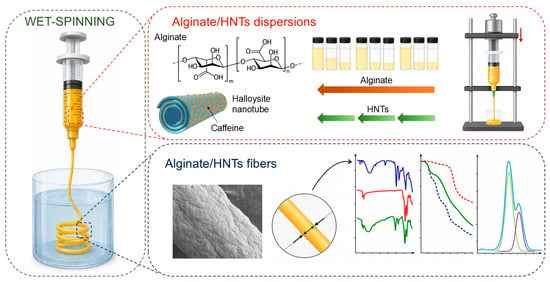
Hybrid organic–inorganic composites based on biopolymers and nanoclays are attracting increasing interest for the development of functional materials in biomedical and agricultural applications. In this work, elongated alginate/halloysite nanotube (Alg/HNT) composite filaments were fabricated through a wet-spinning process assisted by syringe-based extrusion. Alg/HNT
[...] Read more.
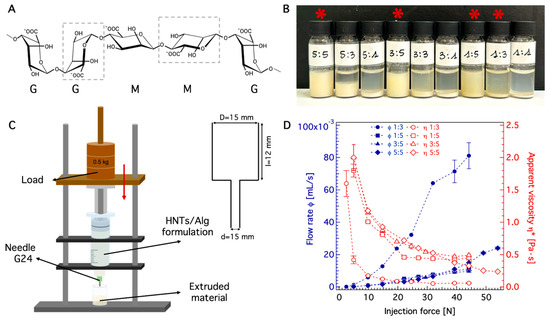
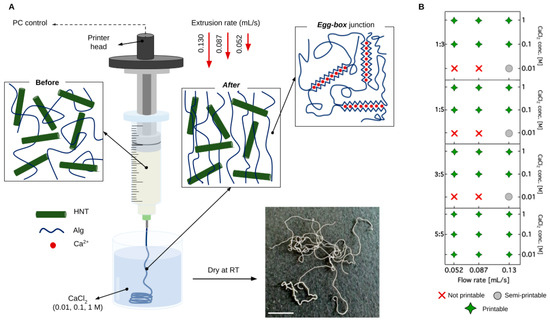
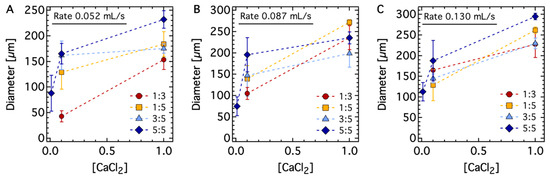
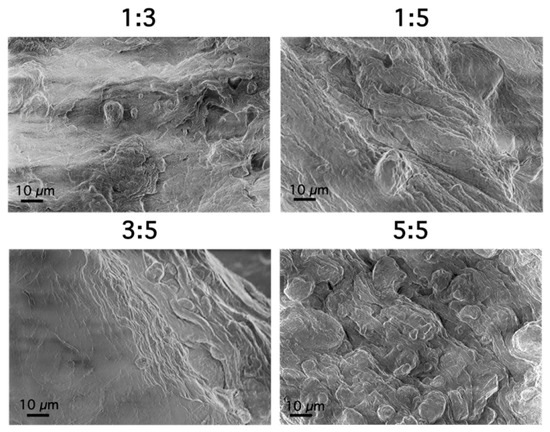
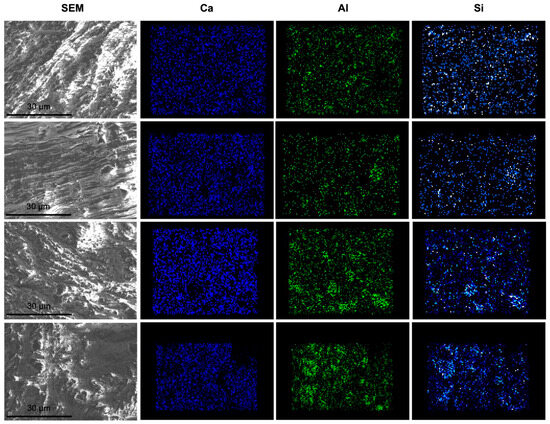
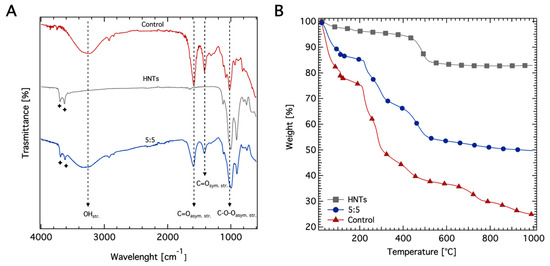
Hybrid organic–inorganic composites based on biopolymers and nanoclays are attracting increasing interest for the development of functional materials in biomedical and agricultural applications. In this work, elongated alginate/halloysite nanotube (Alg/HNT) composite filaments were fabricated through a wet-spinning process assisted by syringe-based extrusion. Alg/HNT dispersions with different inorganic/organic ratios were first screened in terms of colloidal stability and injectability in order to identify suitable formulations for extrusion. The influence of key processing parameters, including the extrusion flow rate and calcium chloride concentration in the coagulation bath, was then systematically investigated to elucidate their effect on filament morphology and structure. Optical and scanning electron microscopy revealed that filament diameter can be tuned by varying the CaCl2 concentration, while partial alignment of alginate chains along the extrusion direction was observed. Halloysite nanotubes were homogeneously distributed within the polymer matrix, mainly as micro-sized aggregates. Finally, the nanotubes were chemically functionalized with caffeine, as a model molecule, and incorporated into the alginate filaments, demonstrating the feasibility of introducing specific functionalities into wet-spun Alg/HNT composite fibers. These results establish a reproducible strategy for the fabrication of alginate/HNT filaments with tunable morphology and functionalizable nanotube interfaces, providing a versatile platform for the development of sustainable hybrid biopolymer materials.
Full article
(This article belongs to the Collection Feature Papers for Applied Nano)
►▼
Show Figures

Graphical abstract
Open AccessArticle
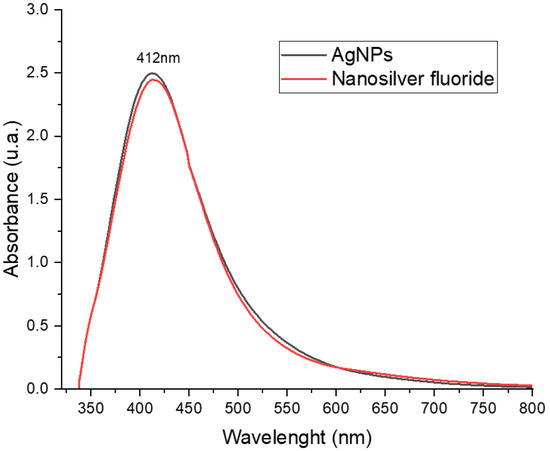
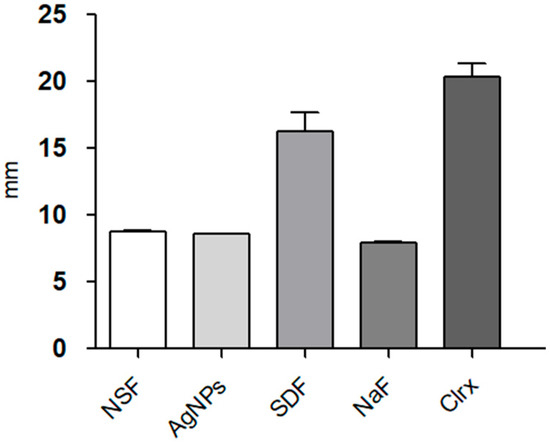
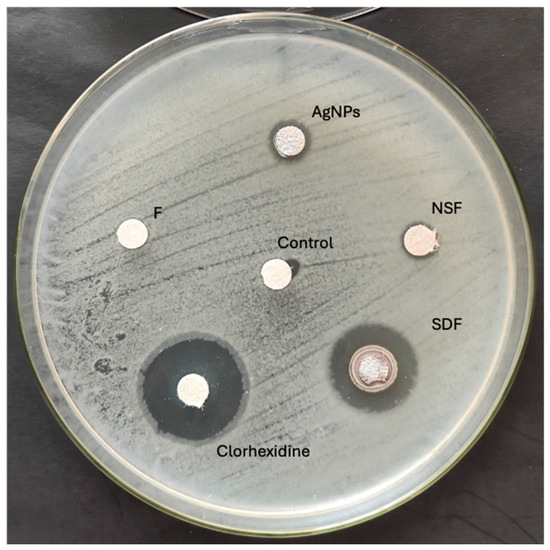
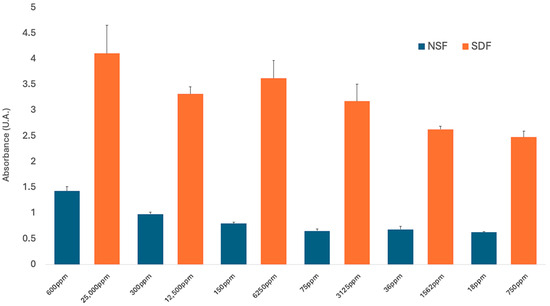
Antibacterial Effect of Nanosilver Fluoride and Silver Diamine Fluoride Against Streptococcus mutans: An In Vitro Study
by
Carlos Alonso Alvarez-Marín, Norma Leticia Robles-Bermeo, Rogelio José Scougall-Vilchis, Raúl Alberto Morales-Luckie, María Guadalupe González-Pedroza and Nayeli Lovera-Rojas
Appl. Nano 2026, 7(2), 14; https://doi.org/10.3390/applnano7020014 - 1 Jun 2026
Abstract
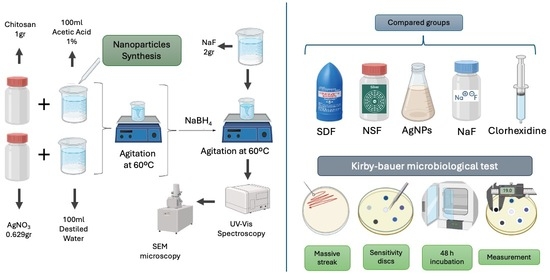
Introduction: Silver diamine fluoride (SDF) is a colorless solution used at different concentrations. It is a topical treatment used on caries lesions having as its main properties being cariostatic, remineralizing and antibacterial. Nanosilver fluoride (NSF) is effective as a cariostatic without a staining
[...] Read more.
Introduction: Silver diamine fluoride (SDF) is a colorless solution used at different concentrations. It is a topical treatment used on caries lesions having as its main properties being cariostatic, remineralizing and antibacterial. Nanosilver fluoride (NSF) is effective as a cariostatic without a staining effect on the tooth surface as in the case of SDF, which generates a black stain on the treated surface. This NSF has been shown to exhibit low toxicity and continue to exhibit antimicrobial properties. Purpose: To compare the antibacterial effect of silver diamine fluoride and nanosilver fluoride against Streptococcus mutans. Methods: The NSF was prepared by starting with the synthesis of silver nanoparticles with chitosan and then adding it to a sodium fluoride (NaF) solution. The compared groups were SDF, NSF, AgNPs, NaF, and chlorhexidine. The antibacterial effect will be measured using the Kirby–Bauer microbiological technique. Results: The analysis of results was obtained using the ANOVA statistical test. A significant difference was obtained in the comparison between the groups with a value of p = 0.001. Subsequently, Tukey’s test was applied, obtaining significant differences between all the groups compared against the SDF, obtaining greater results in this group. Conclusions: Both silver diamine fluoride and nanosilver fluoride exhibit strong antibacterial activity at commercially recommended concentrations, supporting their use as optimal dental materials in both interceptive and preventive caries treatments.
Full article
(This article belongs to the Collection Feature Papers for Applied Nano)
►▼
Show Figures

Graphical abstract
Open AccessArticle
Development, Characterization, and Biological Evaluation of Clove Essential Oil Microemulsions
by
José Nabor Haro-González, Jorge Alejandro Barbosa-Nuñez, Moisés Martínez-Velázquez and Hugo Espinosa-Andrews
Appl. Nano 2026, 7(2), 13; https://doi.org/10.3390/applnano7020013 - 31 May 2026
Abstract
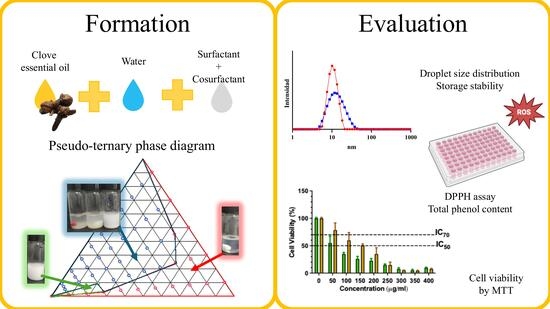
Clove essential oils (CEOs) are widely studied because of their biological potential; however, their applications are limited because of their water immiscibility. Microemulsions (MEs) can protect, deliver, and enhance the biological activities of CEOs, including their antioxidant and cytotoxic activities. In this research,
[...] Read more.
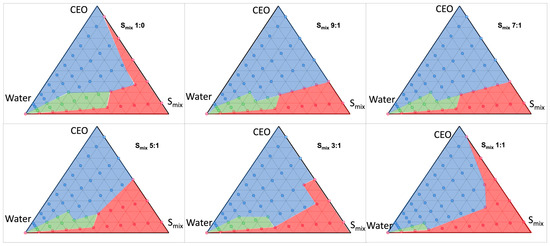
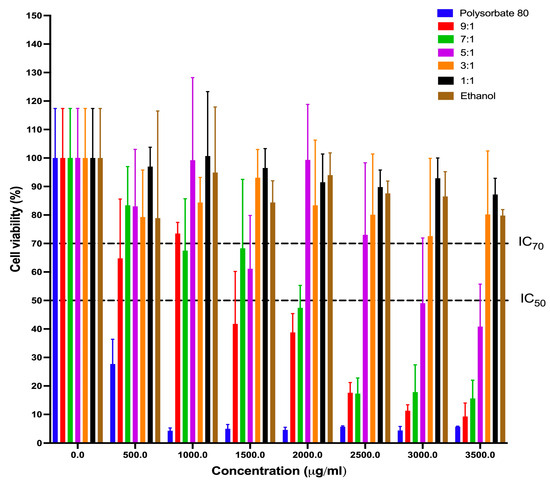
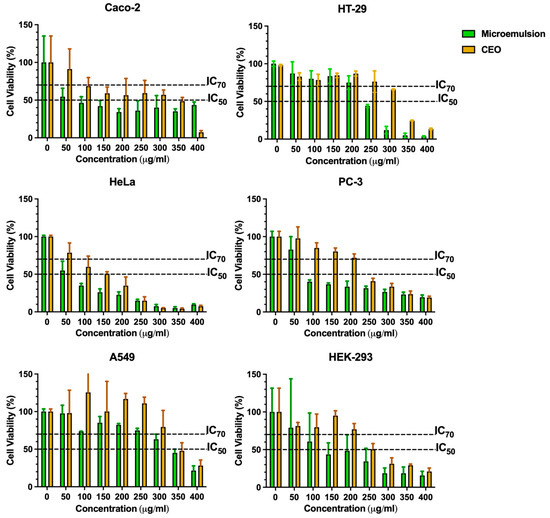
Clove essential oils (CEOs) are widely studied because of their biological potential; however, their applications are limited because of their water immiscibility. Microemulsions (MEs) can protect, deliver, and enhance the biological activities of CEOs, including their antioxidant and cytotoxic activities. In this research, the effects of ethanol as a cosurfactant and the polysorbate 80:cosurfactant mixture (Smix = 1:0, 9:1, 7:1, 5:1, 3:1, and 1:1) on the formation of CEO-MEs were evaluated via a pseudo-ternary phase diagram. After 35 days, all the systems produced clear, monodisperse, and thermodynamically stable MEs, characterized by average sizes below 25.6 nm and low polydispersity index values (<0.21). The Smix dose–response experiments without CEO revealed that the Smix ratios of 1:1 and 3:1 resulted in the lowest cytotoxicity to HT-29 (colorectal adenocarcinoma) cells. The antioxidant capacity of the CEO-ME was greater than that of the CEO. Finally, the CEO-MEs enhanced the in vitro cytotoxic activity of the CEO against Caco-2, HT-29, HeLa, PC-3, and A549 cancer cells. These findings provide valuable information for the development of low-energy clove essential oil MEs for potential incorporation into functional foods and pharmaceutical products.
Full article
(This article belongs to the Topic Nanotechnology Therapies for Cancers)
►▼
Show Figures

Graphical abstract
Open AccessReview
Green Synthesis of Functional Nanostructures: A Mini-Review of Strategies, Applications, and Challenges
by
Renato Sonchini Gonçalves and Emmanoel Vilaça Costa
Appl. Nano 2026, 7(2), 12; https://doi.org/10.3390/applnano7020012 - 18 May 2026
Cited by 2
Abstract
The development of biocompatible functional nanostructures has emerged as a key driver in advancing nanomedicine, environmental remediation, and sustainable energy technologies. However, conventional synthesis methods often rely on toxic reagents, hazardous solvents, and energy-intensive processes, raising significant concerns regarding environmental impact and biological
[...] Read more.
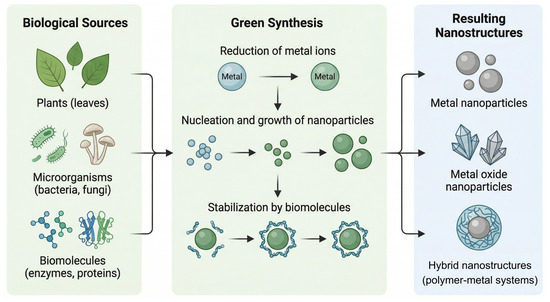
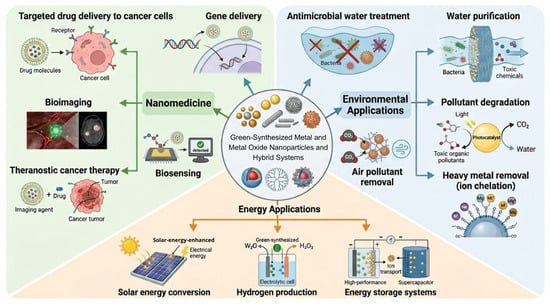
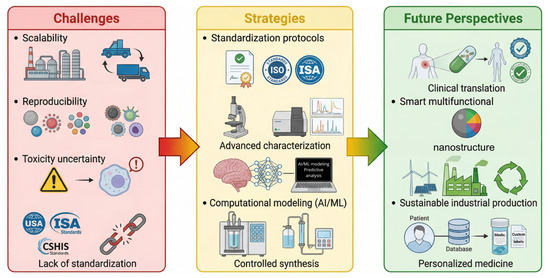
The development of biocompatible functional nanostructures has emerged as a key driver in advancing nanomedicine, environmental remediation, and sustainable energy technologies. However, conventional synthesis methods often rely on toxic reagents, hazardous solvents, and energy-intensive processes, raising significant concerns regarding environmental impact and biological safety. In this context, green synthesis has gained increasing attention as a sustainable alternative, utilizing biological systems, renewable resources, and environmentally benign solvents to produce functional nanomaterials. This mini-review provides an overview of recent advances in the green synthesis of organic, inorganic, and hybrid nanostructures, highlighting their physicochemical properties and functional performance. Particular emphasis is placed on their applications in nanomedicine, including drug delivery, bioimaging, antimicrobial and anticancer therapies, and theranostic platforms. Additionally, their roles in environmental applications, such as pollutant degradation and water treatment, and in energy-related systems, including catalysis, solar energy conversion, and energy storage, are discussed with selected representative examples. Despite significant progress, key challenges remain, including limited mechanistic understanding, reproducibility issues, scalability constraints, and uncertainties related to long-term toxicity and environmental impact. Addressing these limitations will be essential for the safe and large-scale implementation of green nanotechnology. Overall, the integration of green chemistry principles with advanced nanomaterial design offers a promising pathway toward the development of multifunctional, sustainable, and high-performance nanostructures capable of addressing global health, environmental, and energy challenges.
Full article
(This article belongs to the Special Issue Biocompatible Functional Nanostructures for Nanomedicine, Environmental and Energy Applications)
►▼
Show Figures

Graphical abstract
Open AccessArticle
Sustainable and Green Surface Modification of Commercial Anatase TiO2 Using Licorice Root Waste Extract: Hydrothermal Processing and Calcination Effects on Structural Evolution
by
Luigi Madeo, Anastasia Macario, Federica Napoli, Peppino Sapia and Pierantonio De Luca
Appl. Nano 2026, 7(2), 11; https://doi.org/10.3390/applnano7020011 - 15 May 2026
Abstract
►▼
Show Figures
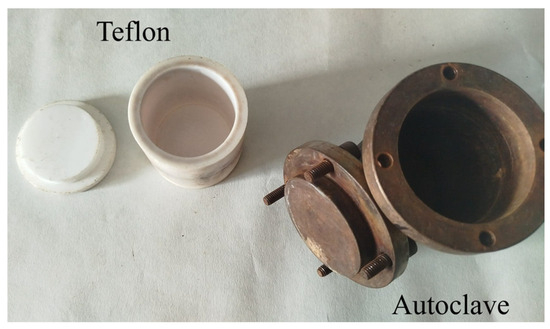
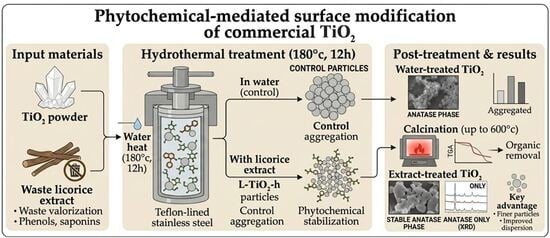
This study investigates the hydrothermal modification of commercial titanium dioxide (TiO2) in the presence of a natural licorice root extract (Glycyrrhiza glabra L.), serving as a stabilizing and growth-modulating agent. The experimental framework combines hydrothermal treatment in a Teflon-lined autoclave
[...] Read more.
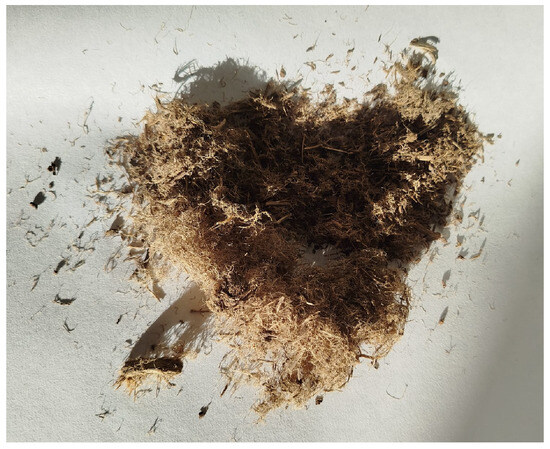
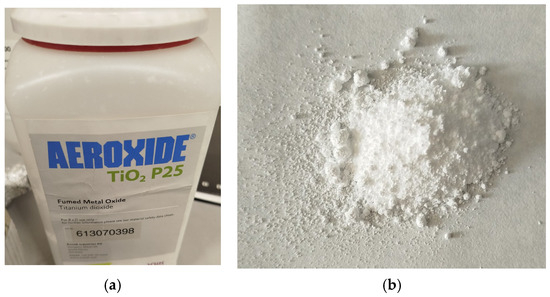
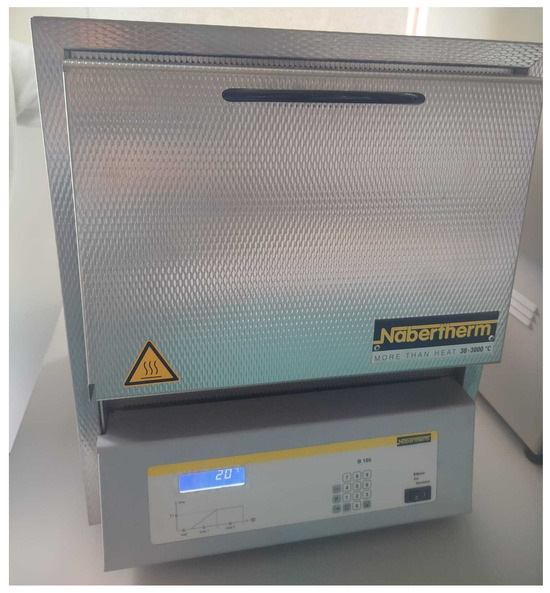
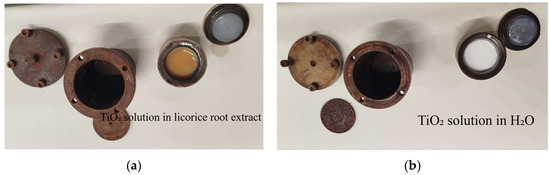
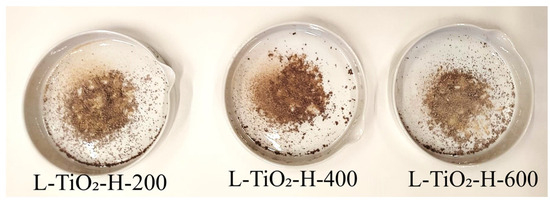
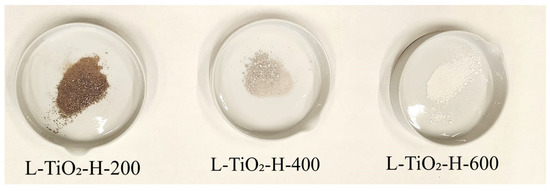
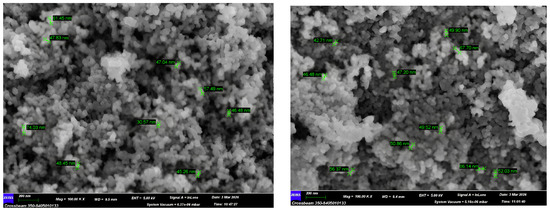
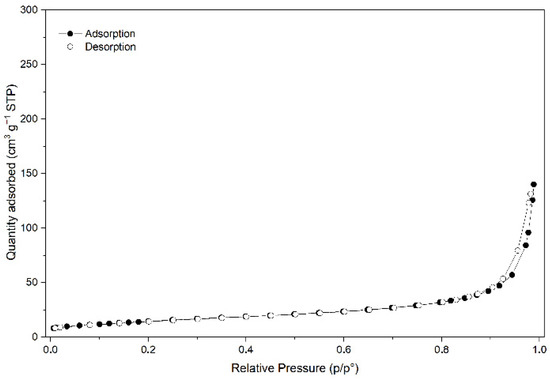
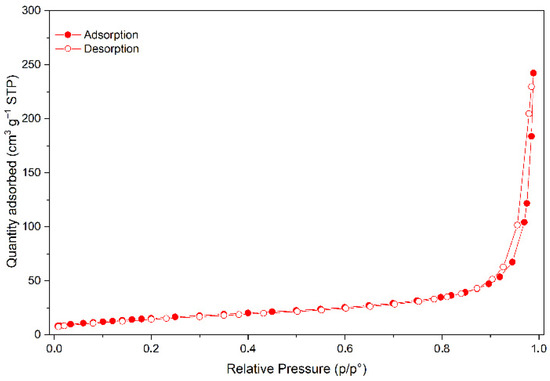
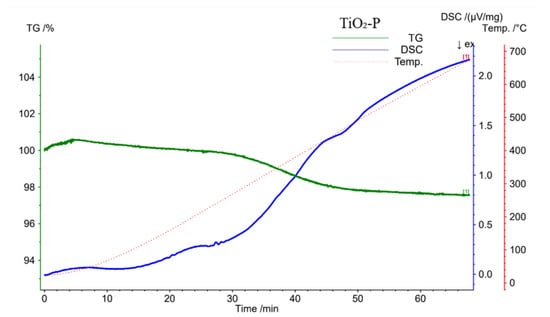
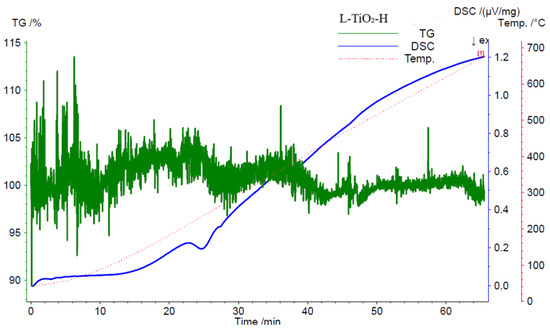
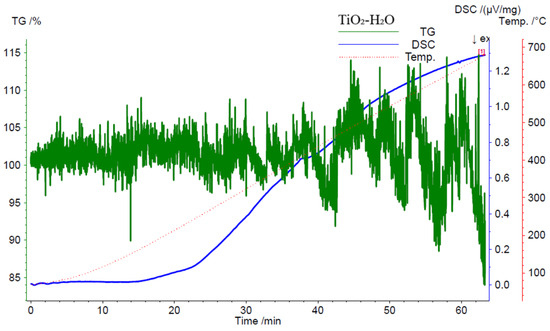
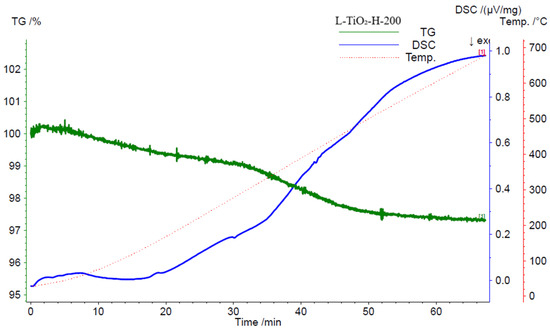
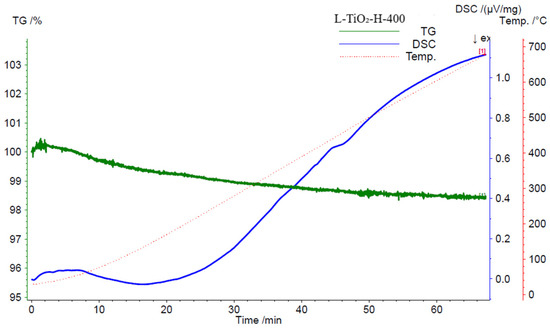
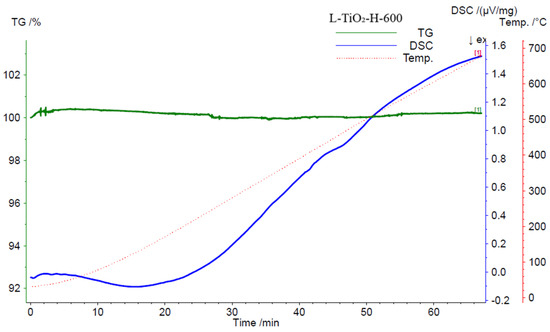
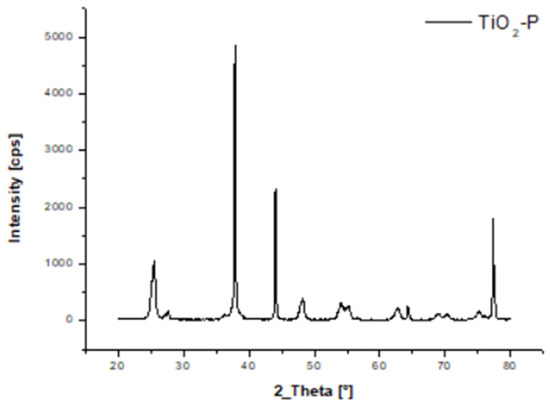
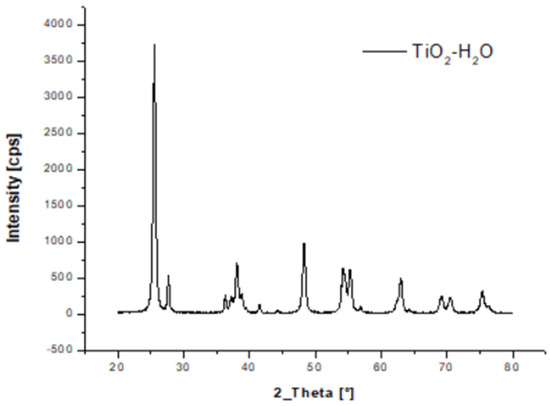
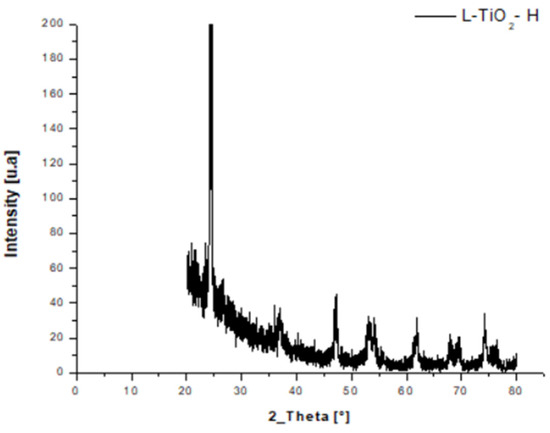
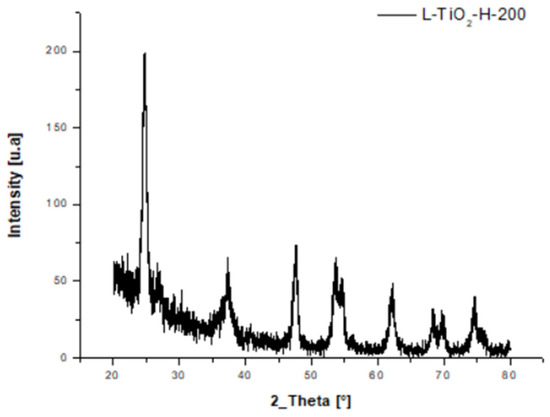
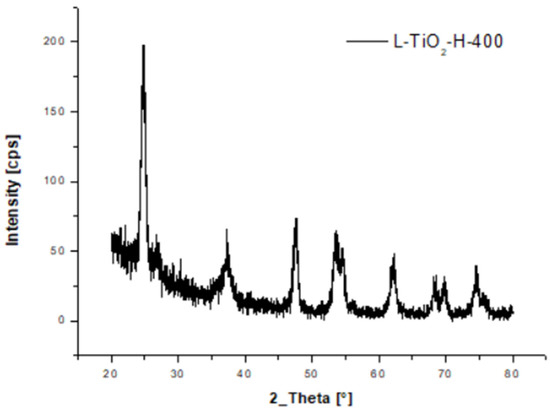
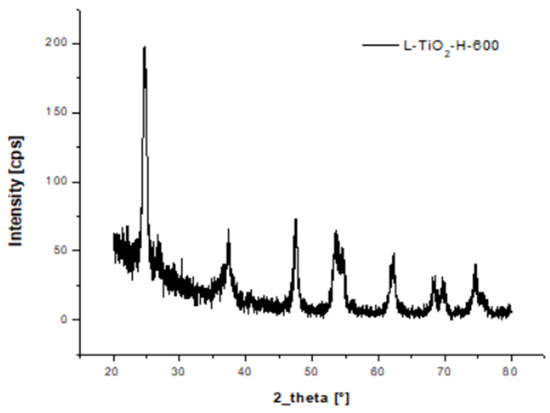
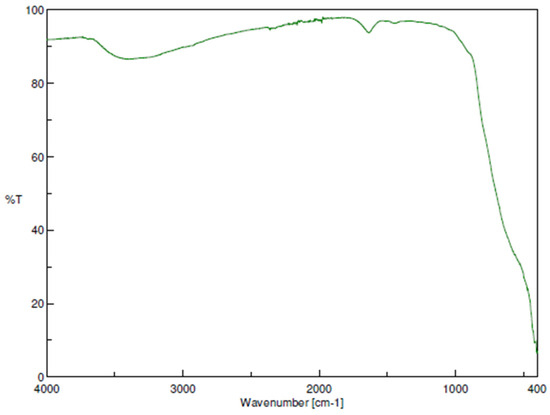
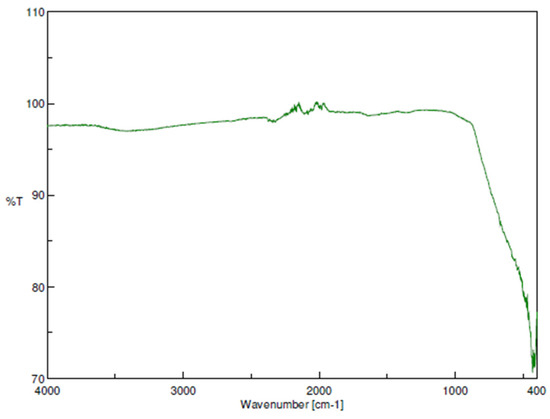
This study investigates the hydrothermal modification of commercial titanium dioxide (TiO2) in the presence of a natural licorice root extract (Glycyrrhiza glabra L.), serving as a stabilizing and growth-modulating agent. The experimental framework combines hydrothermal treatment in a Teflon-lined autoclave with subsequent thermal calcination to elucidate the structural, morphological, and chemical evolution of the material. The plant-based extract significantly influences particle assembly during synthesis, fostering the formation of an initial organic–inorganic hybrid system that results in enhanced morphological homogeneity compared to pristine TiO2. Thermal analyses (TGA and DSC) demonstrated the progressive decomposition of the organic components with increasing temperature, yielding a thermally stable, predominantly inorganic material at 600 °C. Scanning Electron Microscopy (SEM) observations confirmed a more uniform particle distribution in the modified samples. X-ray diffraction (XRD) patterns corroborated that the primary crystalline phase of TiO2 remains intact across all conditions, with structural variations limited to peak definition and long-range organization. Furthermore, FTIR spectroscopy supported the preservation of characteristic TiO2 vibrational features while indicating a gradual depletion of weakly bound surface species following thermal treatment. In conclusion, these findings demonstrate that natural extracts can effectively function as growth-modulating agents, steering material organization without altering its intrinsic chemical properties. This approach aligns with the principles of Green Chemistry and the circular economy, highlighting the potential of renewable plant-based resources as functional additives for the sustainable processing of inorganic materials. Rather than seeking to outperform commercial benchmarks, this work establishes a viable and low-environmental-impact strategy for morphological and structural modulation.
Full article

Graphical abstract
Open AccessArticle
Copper-Oxide/Aluminum-Oxide-Enhanced Copper-Based Nanocomposites: Assessment of Structural, Mechanical, and Electrical Characteristics
by
Victor Idankpo Ameh, Ojo Friday Abraham and Benjamin Omotayo Adewuyi
Appl. Nano 2026, 7(2), 10; https://doi.org/10.3390/applnano7020010 - 9 Apr 2026
Abstract
►▼
Show Figures
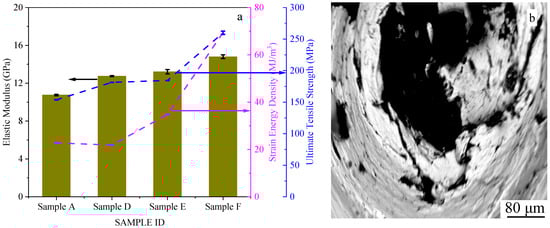
Copper functions as an exceptionally efficient conductor, garnering considerable interest in electrical and thermal applications; however, its relatively malleable nature and insufficient durability may hinder its structural effectiveness. This study focused on the development of copper-based nanocomposites by reinforcing a copper matrix with
[...] Read more.
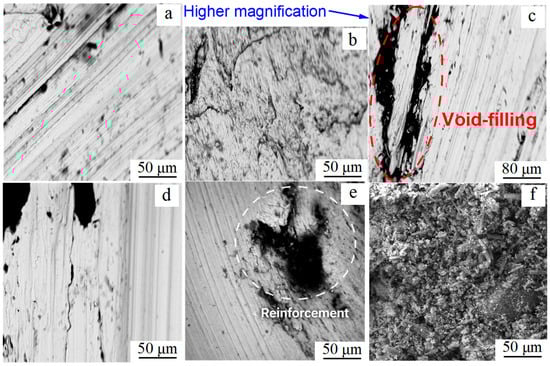
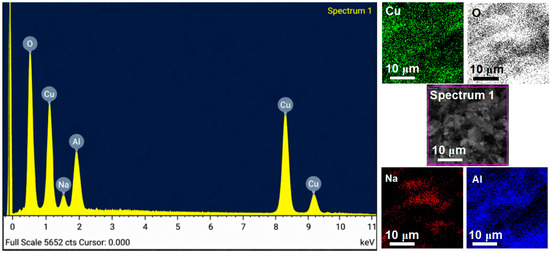
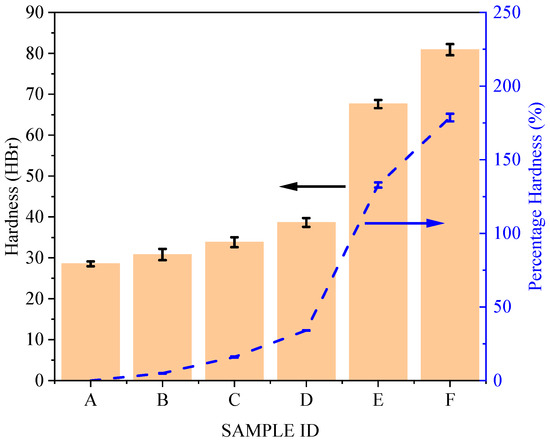
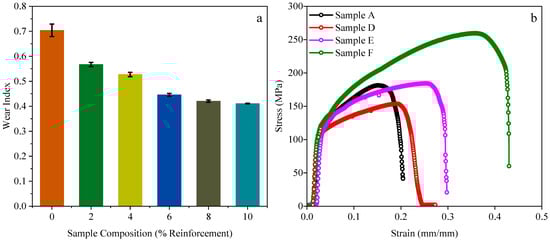
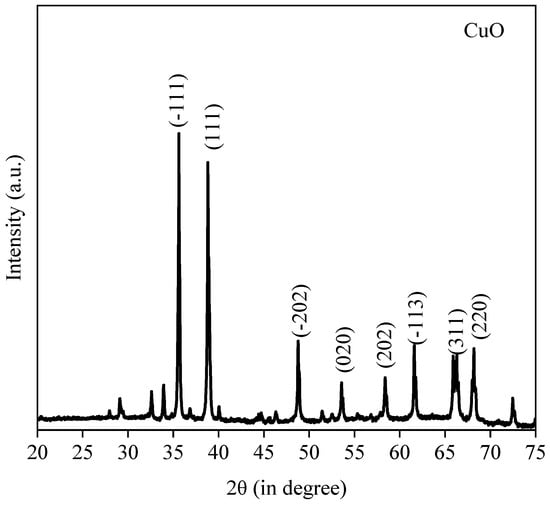
Copper functions as an exceptionally efficient conductor, garnering considerable interest in electrical and thermal applications; however, its relatively malleable nature and insufficient durability may hinder its structural effectiveness. This study focused on the development of copper-based nanocomposites by reinforcing a copper matrix with co-precipitated CuO/Al2O3 nanoparticles (varying from 0 to 10 wt% in increments of 2%). A thorough examination was conducted regarding the microstructural characteristics, mechanical properties, and the electrical and thermal conductivities of the composites. X-ray diffraction (XRD) and energy-dispersive spectroscopy (EDS) analysis validated the successful synthesis of nano-sized CuO and Al2O3 phases, with an estimated crystallite size of 33.2 ± 2.4 nm. Scanning electron microscopy revealed a relatively uniform distribution of nano-oxides within the copper matrix, albeit with signs of particle agglomeration at higher loading levels. The durability of the copper exhibited a significant enhancement attributed to the nano-oxide reinforcement, achieving an 180% increase relative to pure copper with a 10% reinforcement addition. Consequently, the tensile strength increased by approximately 68% (from around 154 MPa to nearly 260 MPa), while maintaining an exceptional level of ductility. The electrical conductivity of copper remained largely unchanged with the addition of nanoparticles; rather, a slight improvement in conductivity and a ~30% rise in thermal conductivity were observed at the maximum reinforcement level. This research work presents a copper-based nanocomposite that offers remarkable potential for applications requiring enhanced strength, wear resistance, and exceptional electrical and thermal conductivity.
Full article

Figure 1
Highly Accessed Articles
Latest Books
E-Mail Alert
News
1 September 2026
MDPI INSIGHTS: The CEO’s Letter #38 – 2 Million Published Articles, Outstanding Reviewers, Michele Parrinello Award, AIS 2026 & WSF-12
20 August 2026
Meet Us at the 6th International Conference on Materials (ICM), 16–18 September 2026, Manchester, UK
Topics
Topic in
Applied Nano, Applied Sciences, Energies, Materials, Buildings, Recycling
Solid Waste Recycling in Civil Engineering Materials
Topic Editors: Wei-Ting Lin, Marek Hebda, Lukas Fiala, Ralf Ruffel M. AbarcaDeadline: 30 September 2026
Topic in
Applied Nano, Coatings, Nanomaterials, Polymers, Materials
Nanocomposites: Properties and Applications in Health and Environmental Care
Topic Editors: Christian J. Cabello-Alvarado, Carlos Alberto Avila-Orta, Gregorio Cadenas-PliegoDeadline: 31 October 2026
Topic in
Applied Nano, Nanomaterials, Plants, Sustainability, Agriculture
Nano-Enabled Innovations in Agriculture
Topic Editors: Heyou Han, João Rodrigues, Mohamed F. Foda, Lok. R. PokhrelDeadline: 30 November 2026
Topic in
Cancers, IJMS, Applied Nano, JFB, Nanomaterials
Nanotechnology Therapies for Cancers
Topic Editors: Deepak Parashar, Vivek K. KashyapDeadline: 31 December 2026
Conferences
Special Issues
Special Issue in
Applied Nano
Biocompatible Functional Nanostructures for Nanomedicine, Environmental and Energy Applications
Guest Editor: Valeria De MatteisDeadline: 20 December 2026
Topical Collections
Topical Collection in
Applied Nano
Feature Papers for Applied Nano
Collection Editor: Angelo Taglietti
Topical Collection in
Applied Nano
Review Papers for Applied Nano Science and Technology
Collection Editor: Johann Michael Köhler