





-
Automated Assessment of Ki-67 Labeling Index Using Cell-Level Detection and Classification in Whole-Slide Images -
Fully Automated Serum LC-MS/MS Platform and Pediatric Reference Intervals for Organic Acids, Amino Acids, and Acylcarnitines in Children (Ages 0–6 Years): Toward Quantitative Diagnosis of Inborn Errors of Metabolism -
Age and Sex Matter: Phenotypic Heterogeneity, Diagnostic Gaps, and Screening Tool Performance in Obstructive Sleep Apnea—A 10-Year Sleep Clinic Cohort Study -
Comprehensive Genomic Profiling for Precision Oncology: Analytical Validation and Clinical Utility in Solid Tumors -
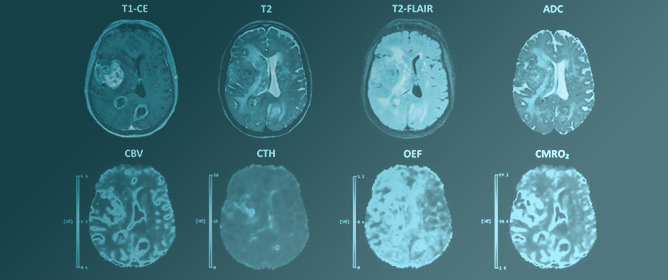
Contrast Enhancement Is Associated with a Higher DSC MRI-Derived Cerebral Metabolic Rate of Oxygen Index in Untreated Glioblastoma
Journal Description
Diagnostics
Diagnostics
is an international, peer-reviewed, open access journal on medical diagnosis published semimonthly online by MDPI. The British Neuro-Oncology Society (BNOS), the International Society for Infectious Diseases in Obstetrics and Gynaecology (ISIDOG) and the Swiss Union of Laboratory Medicine (SULM) are affiliated with Diagnostics and their members receive a discount on the article processing charges.
- Open Access— free for readers, with article processing charges (APC) paid by authors or their institutions.
- High Visibility: indexed within Scopus, SCIE (Web of Science), PubMed, PMC, Embase, Inspec, CAPlus / SciFinder, and other databases.
- Journal Rank: JCR - Q1 (Medicine, General and Internal) / CiteScore - Q1 (Internal Medicine)
- Rapid Publication: manuscripts are peer-reviewed and a first decision is provided to authors approximately 20.4 days after submission; acceptance to publication is undertaken in 2.9 days (median values for papers published in this journal in the first half of 2026).
- Recognition of Reviewers: reviewers who provide timely, thorough peer-review reports receive vouchers entitling them to a discount on the APC of their next publication in any MDPI journal, in appreciation of the work done.
- Companion journals for Diagnostics include: LabMed and AI in Medicine.
Impact Factor:
3.8 (2025);
5-Year Impact Factor:
3.6 (2025)
Latest Articles
Machine Learning-Based Prediction of Antimicrobial Resistance in Escherichia coli from MALDI-TOF Mass Spectrometry Data
Diagnostics 2026, 16(13), 2103; https://doi.org/10.3390/diagnostics16132103 (registering DOI) - 4 Jul 2026
Abstract
Objectives: To assess the feasibility and reproducibility of predicting antimicrobial resistance (AMR) in Escherichia coli from MALDI-TOF mass spectrometry data using a standardized, open-source machine learning (ML) workflow, we systematically compared four ML algorithms, evaluated the impact of culture conditions, extract storage, and
[...] Read more.
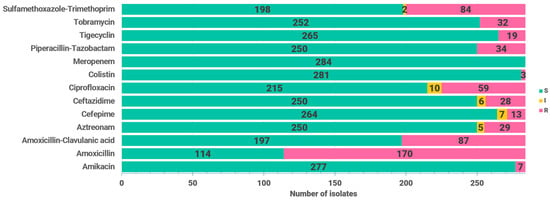
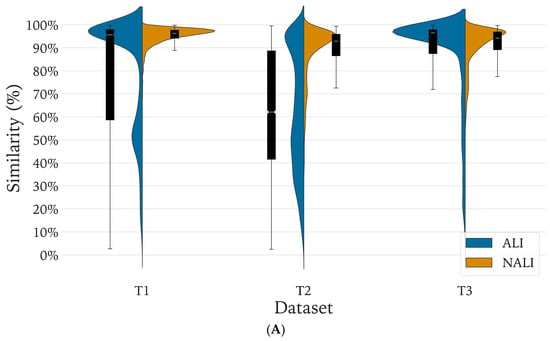
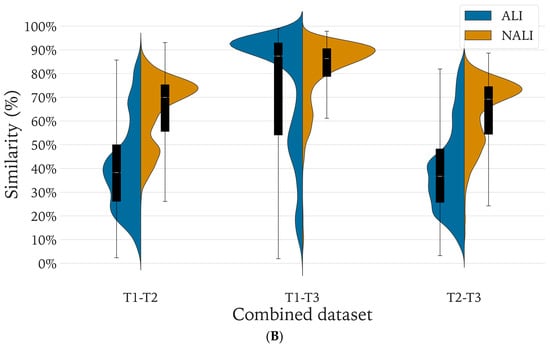
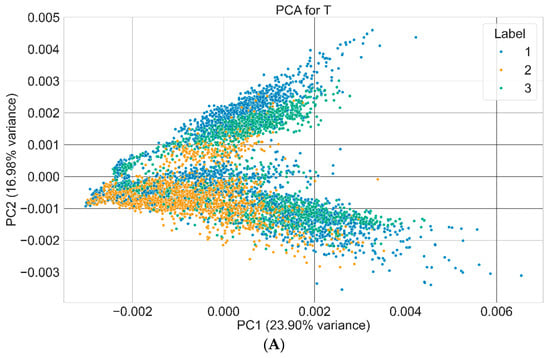
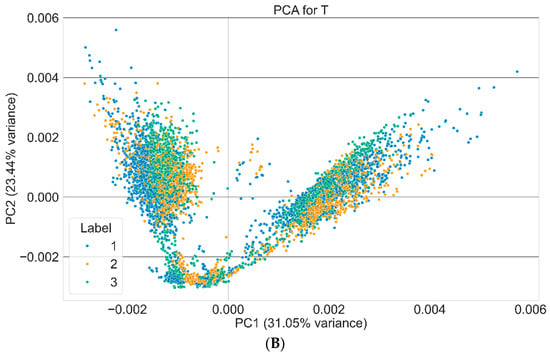
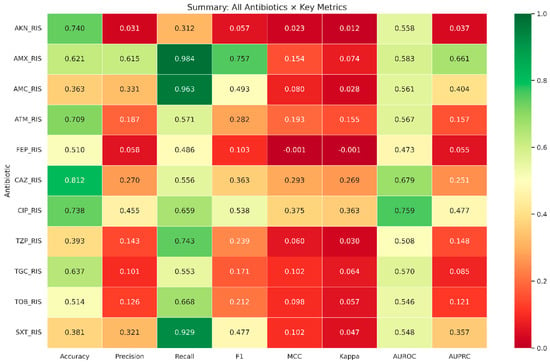
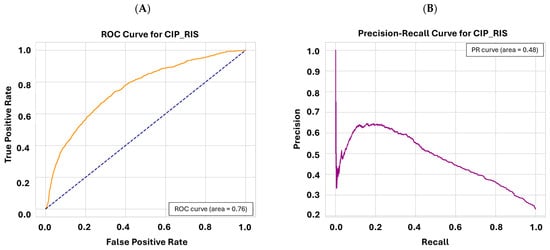
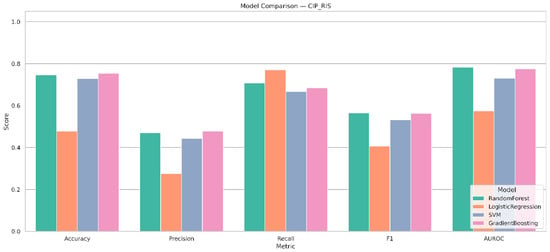
Objectives: To assess the feasibility and reproducibility of predicting antimicrobial resistance (AMR) in Escherichia coli from MALDI-TOF mass spectrometry data using a standardized, open-source machine learning (ML) workflow, we systematically compared four ML algorithms, evaluated the impact of culture conditions, extract storage, and spectral preprocessing on model performance, and validated results through nested cross-validation with statistical significance testing. Methods: A total of 282 clinical E. coli isolates were analyzed. Two MALDI-TOF MS datasets were generated from freshly cultured extracts (T1) and recultured isolates one year later (T3), yielding 4468 spectra. A third dataset from the T1 extracts stored at −20 °C for one year (T2) was evaluated for spectral stability but excluded from primary modeling likely due to storage-induced degradation. Protein spectra (m/z 2000–15,000) were preprocessed using an in-house developed MALDI-TOF preprocessing pipeline (MTPP) comprising variance stabilization, Savitzky–Golay smoothing, SNIP baseline correction, TIC normalization, LOWESS alignment, and MAD-based peak detection (SNR ≥ 3), yielding 121 m/z features. Four classifiers—Random Forest (RF), Logistic Regression, Support Vector Machine, and Gradient Boosting—were trained to predict resistance to 11 antibiotics using nested cross-validation: outer GroupShuffleSplit (5-fold, isolate-level) for evaluation and inner GroupKFold for recursive feature elimination (RFECV) and hyperparameter tuning (RandomizedSearchCV). Classification thresholds were optimized via the precision–recall curve. Model performance was assessed using AUROC, AUPRC, F1-score, Matthews Correlation Coefficient (MCC), and bootstrap 95% confidence intervals (1000 replicates). Pairwise model comparisons were tested with McNemar’s chi-squared test. Results: Among the 12 antibiotics included in the analysis (meropenem excluded for absence of resistance), resistance prevalence ranged from 1.1% (colistin) to 59.9% (amoxicillin). Colistin was subsequently also excluded from ML modeling due to insufficient resistant isolates (n = 3), leaving 11 antibiotics for prediction. The best predictive performance was observed for ciprofloxacin (AUROC 0.76 [95% CI 0.74–0.77]; F1 0.54; MCC 0.38) and ceftazidime (AUROC 0.68 [0.65–0.71]; F1 0.36; MCC 0.29), using 13 and 37 RFECV-selected features, respectively. Amoxicillin achieved the highest F1-score (0.76), driven by high recall (0.98) but modest AUROC (0.58). No meaningful predictive signal was detected for amikacin, cefepime, or tigecycline (AUROC ≤ 0.57, F1 ≤ 0.17), attributable to extreme class imbalance, and no robust multi-peak resistance signature was detected in this dataset. McNemar’s test confirmed that RF significantly outperformed Logistic Regression for all antibiotics (p < 0.01), while Gradient Boosting performed comparably to RF for ciprofloxacin (p = 0.17) and ceftazidime (p = 0.28). Frozen extracts (T2) produced lower spectral similarity and were excluded from model training; the aligned T1+3 dataset yielded the most stable performance across metrics. Conclusions: Machine learning analysis of MALDI-TOF spectra enables reproducible AMR prediction for selected antibiotics in E. coli, with ciprofloxacin and ceftazidime showing the strongest signal. Nested isolate-level cross-validation, multi-model comparison with statistical testing, and open-source code provide a transparent, reproducible foundation for integrating ML-assisted MALDI-TOF analysis into diagnostic AMR surveillance. Extract storage at −20 °C degrades spectral quality and should be avoided in ML training workflows.
Full article
(This article belongs to the Special Issue Artificial Intelligence in Diagnostics: From Algorithms to Clinical Impact)
►
Show Figures
Open AccessArticle
Pupillary Light Reflex and Eye Movement Parameters as Objective Measures of Cognitive Decline in Older Adults: A Secondary Analysis of a Multimodal Public Dataset
by
Siqi Zhang and Qi Zhao
Diagnostics 2026, 16(13), 2102; https://doi.org/10.3390/diagnostics16132102 (registering DOI) - 4 Jul 2026
Abstract
Background: Early and objective identification of cognitive decline in aging populations remains a clinical challenge. Pupillary light reflex (PLR) and eye movement parameters represent non-invasive, quantitative biomarkers of autonomic and central nervous system integrity, yet their diagnostic utility for cognitive impairment in community-dwelling
[...] Read more.
Background: Early and objective identification of cognitive decline in aging populations remains a clinical challenge. Pupillary light reflex (PLR) and eye movement parameters represent non-invasive, quantitative biomarkers of autonomic and central nervous system integrity, yet their diagnostic utility for cognitive impairment in community-dwelling older adults, particularly in those with mild or borderline impairment (predominantly GDS-Stage 2), remains underexplored. Methods: This cross-sectional study analyzed 383 community-dwelling older adults (mean age 69.78 ± 6.29 years; 68.7% female). Ten PLR parameters (n = 202 with complete PLR measurements) and ten eye movement parameters were measured. Associations with cognitive decline (deterioration grade, GDS 2–4) were evaluated using Spearman correlation analysis and multivariate linear regression (adjusted for age, sex, BMI, and hypertension). Stratified analyses and ordinal logistic regression sensitivity analysis were performed to assess robustness. FDR correction (Benjamini–Hochberg) was applied for multiple comparisons. Predictive modeling was conducted using ElasticNet regression with 5-fold cross-validation. Results: After FDR correction, resting pupil diameter (ρ = −0.47, q < 0.001), constriction amplitude (ρ = −0.40, q < 0.001), mean constriction velocity (ρ = −0.36, q < 0.001), mean dilation velocity (ρ = −0.36, q < 0.001), and all eye movement velocity parameters (ρ = −0.22 to −0.41, q < 0.001) demonstrated significant negative correlations with cognitive decline. Multivariate regression confirmed resting pupil diameter (β = −0.286, q < 0.001) and constriction amplitude (β = −0.223, q < 0.001) as independent predictors. Sensitivity analysis using ordinal logistic regression yielded consistent results. Predictive modeling yielded modest performance for the primary outcome (PLR-only cross-validated R2 = 0.184), whereas models using eye movement features alone or in combination with PLR features performed near chance (R2 ≤ 0.04) or showed instability, indicating that these parameters are not yet suitable as standalone diagnostic tools. Exploratory analyses of depression and anxiety were limited by floor effects (≥89% zero scores). Conclusions: PLR and eye movement parameters show significant negative associations with cognitive decline in older adults, particularly in a sample skewed toward mild impairment (predominantly GDS-Stage 2). These findings provide preliminary, hypothesis-generating signals that warrant validation in clinical samples with broader cognitive impairment distributions, and these parameters should not yet be considered standalone diagnostic biomarkers.
Full article
(This article belongs to the Special Issue Advances in Diagnostic Options and Treatment Strategies for Neurological Disorders)
Open AccessSystematic Review
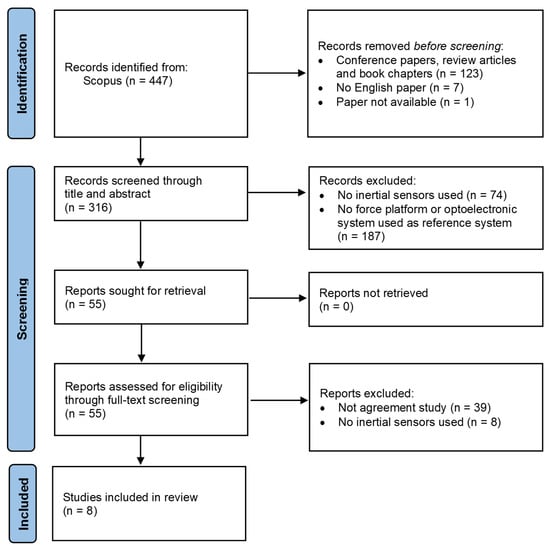
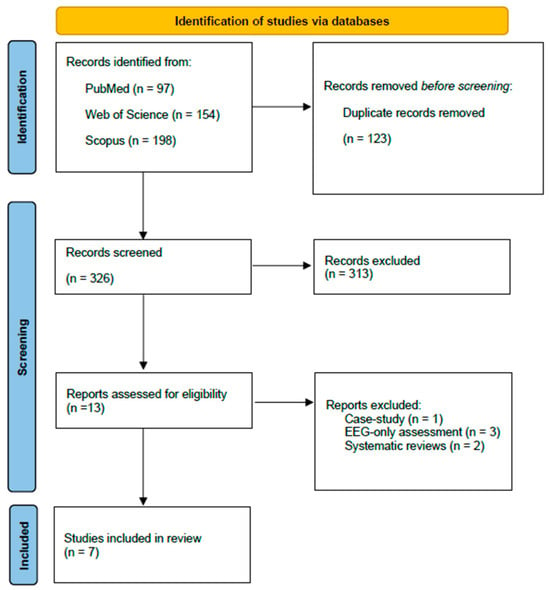
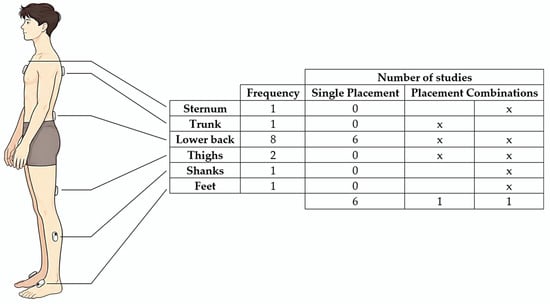
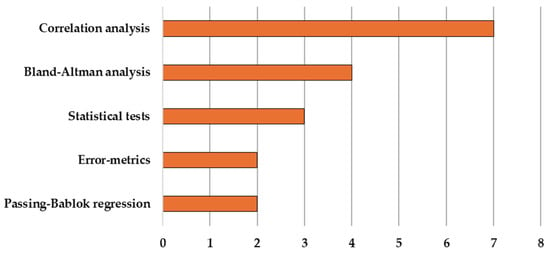
Validity of Wearable Inertial Sensors for Postural Sway Analysis: A Systematic Review
by
Giuseppe Prisco, Noemi Pisani, Maria Romano, Francesco Amato, Fabrizio Esposito and Leandro Donisi
Diagnostics 2026, 16(13), 2101; https://doi.org/10.3390/diagnostics16132101 (registering DOI) - 4 Jul 2026
Abstract
Background/Objectives: Force platforms and optoelectronic motion capture systems are considered gold standards for postural sway assessment, although their use is confined to dedicated laboratory settings. Wearable inertial systems represent a practical alternative; however, their validity compared with reference systems within a shared
[...] Read more.
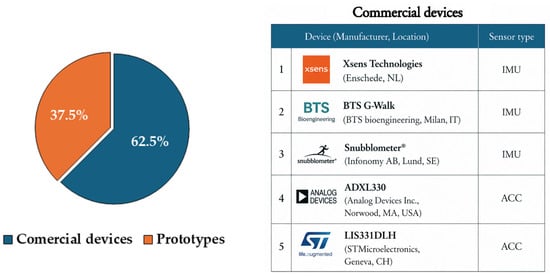
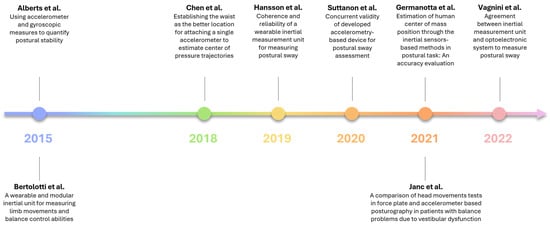
Background/Objectives: Force platforms and optoelectronic motion capture systems are considered gold standards for postural sway assessment, although their use is confined to dedicated laboratory settings. Wearable inertial systems represent a practical alternative; however, their validity compared with reference systems within a shared physical domain (i.e., displacement domain) remains insufficiently investigated. This methodological requirement, frequently overlooked in the existing literature, is here adopted as an explicit inclusion criterion for the first time to ensure an appropriate metrological comparison. This review critically examines the validity of inertial systems for postural sway assessment, only including studies in which sway parameters derived from inertial measurement units (IMUs) were expressed in the same physical domain as the corresponding reference measurements. Methods: A systematic search of the Scopus database was conducted to identify English-language studies published up to January 2026 that compared IMU-derived sway parameters with those obtained from gold-standard systems, using parameters expressed in consistent measurement units. Sensor placement, postural tasks, signal processing techniques, extracted sway parameters, and statistical validation methods were analyzed as key methodological aspects. Results: Eight studies published between 2015 and 2022 met the inclusion criteria. The predominant configuration consisted of a single lumbar-mounted IMU, and quiet bipedal standing was the most frequently investigated postural task. Velocity-based parameters, particularly mean sway velocity, demonstrated moderate to high agreement with reference systems. In contrast, spatial dispersion measures, including the 95% confidence ellipse area and root mean square displacement, showed greater variability and, in some cases, systematic bias in Bland–Altman analyses. Conclusions: Wearable inertial systems demonstrated strong potential for estimating global and velocity-related sway parameters during quiet standing, supporting their clinical applicability. However, spatial metrics and dynamic postural tasks remain more challenging for IMU-based assessment. Methodological standardization of validation protocols and signal processing pipelines is essential to improve comparability and reproducibility across studies.
Full article
(This article belongs to the Section Point-of-Care Diagnostics and Devices)
►▼
Show Figures

Figure 1
Open AccessArticle
Hydrogen Breath Test Dynamics Reflect Intestinal Fermentation Rather than Systemic Inflammation: A Data-Driven Diagnostic Analysis
by
Monika Waśkow, Magdalena Tańska and Sebastian Glowinski
Diagnostics 2026, 16(13), 2100; https://doi.org/10.3390/diagnostics16132100 (registering DOI) - 4 Jul 2026
Abstract
Background: Hydrogen breath testing is commonly used to assess intestinal fermentation and diagnose small intestinal bacterial overgrowth (SIBO). However, it remains unclear whether hydrogen production reflects systemic inflammatory or metabolic status. This study evaluated the relationship between hydrogen production dynamics and systemic biomarkers
[...] Read more.
Background: Hydrogen breath testing is commonly used to assess intestinal fermentation and diagnose small intestinal bacterial overgrowth (SIBO). However, it remains unclear whether hydrogen production reflects systemic inflammatory or metabolic status. This study evaluated the relationship between hydrogen production dynamics and systemic biomarkers using a data-driven analytical approach. Methods: This cross-sectional study included 162 adults undergoing lactulose hydrogen breath testing. Hydrogen production was characterized using continuous measures, including area under the curve (AUC), early and late hydrogen responses, and unsupervised clustering-derived hydrogen response groups. Associations with serum 25-hydroxyvitamin D, C-reactive protein (CRP), leukocyte count, and interleukin-6 (IL-6) were assessed using multivariable regression models adjusted for age and body mass index (BMI). Results: Hydrogen production showed substantial interindividual variability. Unsupervised analysis identified low-, intermediate-, and high-hydrogen response groups. Differences between groups were driven mainly by overall fermentation intensity rather than distinct temporal response profiles. No significant associations were observed between hydrogen production metrics and systemic biomarkers. Hydrogen-related variables were not independently associated with vitamin D, CRP, leukocyte count, or IL-6 concentrations. In contrast, BMI was consistently associated with inflammatory markers, particularly CRP and IL-6. Correlation analyses demonstrated strong relationships among hydrogen-derived variables but weak associations with systemic parameters. Conclusions: Data-driven analysis revealed marked heterogeneity in intestinal hydrogen production but no detectable association with systemic inflammatory or metabolic markers within the present cohort. These findings suggest that hydrogen breath test metrics primarily reflect local intestinal fermentation rather than systemic physiological status. Hydrogen breath testing remains useful for assessing gastrointestinal function, but no evidence supporting its value as a marker of systemic inflammation was identified in the present cohort.
Full article
(This article belongs to the Section Clinical Laboratory Medicine)
Open AccessArticle
Diagnostic Significance of Ki-67, p53, and Mucin Glycoprotein Expression in Colorectal Serrated Lesions: Further Immunohistochemical Studies
by
Ivan Ilić, Pavle Ranđelović, Ilija Golubović, Milan Lazarević, Maja Jovičić Milentijević, Biljana Radovanović Dinić, Ivana Đorđević, Jana Cvetković and Milica Veljković
Diagnostics 2026, 16(13), 2099; https://doi.org/10.3390/diagnostics16132099 (registering DOI) - 4 Jul 2026
Abstract
Background/Objectives: Colorectal serrated lesions are highly heterogeneous at the micromorphological level. Their morphology can range from seemingly harmless, as in the case of hyperplastic polyps with little to no neoplastic potential, to lesions that can undergo malignant transformation within a short period of
[...] Read more.
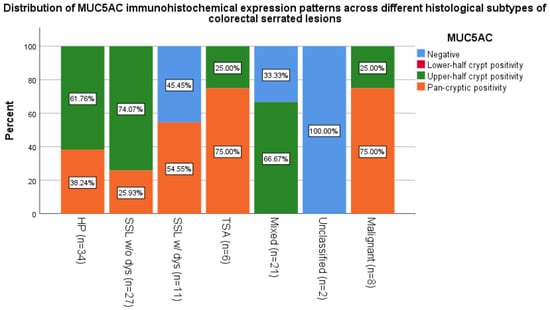
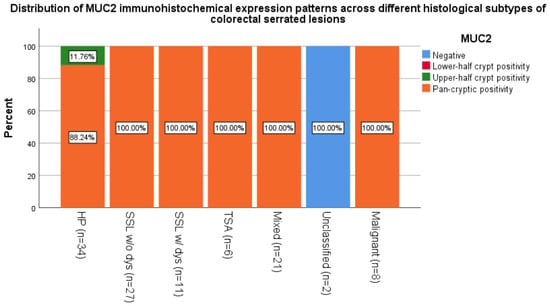
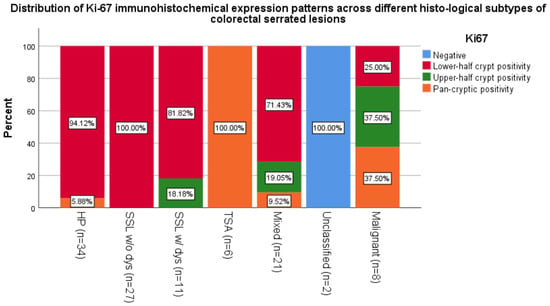
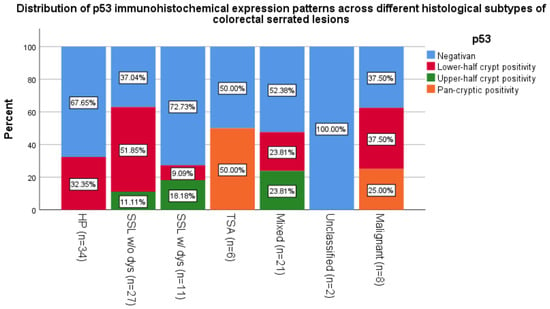
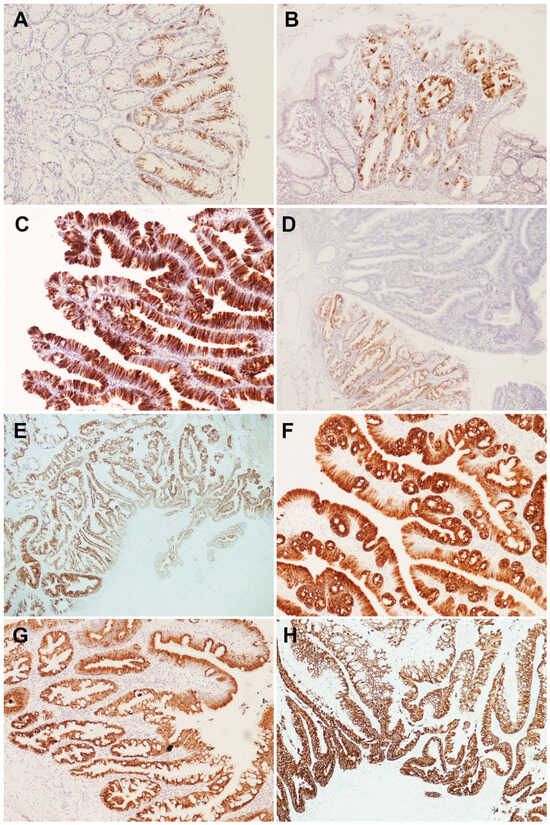
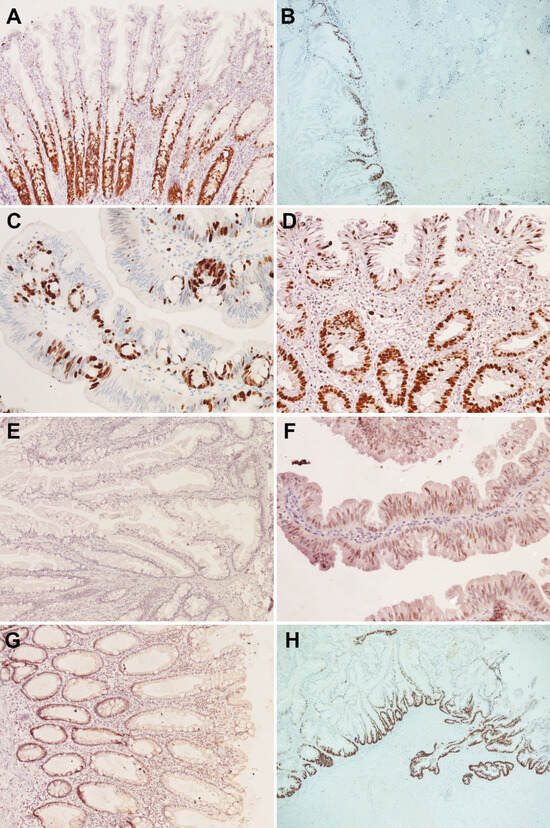
Background/Objectives: Colorectal serrated lesions are highly heterogeneous at the micromorphological level. Their morphology can range from seemingly harmless, as in the case of hyperplastic polyps with little to no neoplastic potential, to lesions that can undergo malignant transformation within a short period of time. The serrated morphology of these lesions is primarily a consequence of morphological changes resulting from the enlargement and budding of the adenoma, as well as the migration of its epithelium at the crypt level. This creates elevations that resemble saw teeth. In this study, the serrated morphology was highlighted immunohistochemically using the MUC2 marker. Results: MUC5AC immunohistochemical expression exhibited greater variability in positivity and intensity compared to MUC2 expression. Pancryptic MUC5AC positivity was present in 75% of TSA cases and in 75% of malignantly transformed serrated lesions. This correlates with advanced histologic lesions and dysplasia development within the serrated pathway of carcinogenesis. MUC5AC is a useful marker for detecting polyps undergoing malignant transformation but not for distinguishing between sessile serrated lesions and hyperplastic polyps. Analysis of Ki-67 proliferative activity in serrated lesions in this study showed that a shift in the proliferative zone along the entire crypt was statistically significant only in TSA (p < 0.01). p53 expression increases from low-grade to high-grade dysplasia and malignant transformation of serrated lesions. This study confirmed that p53 expression in the upper half of the crypt was present in 11% of sessile serrated lesions without dysplasia and in 18% with dysplasia. In malignantly transformed serrated lesions, pancryptic positivity was present in 25% of cases. Conclusions: A marker panel consisting of mucin glycoproteins, Ki-67, and p53 could be useful in assessing the risk level of malignant transformation in serrated lesions.
Full article
(This article belongs to the Special Issue Advances in Gastrointestinal Pathology)
►▼
Show Figures

Figure 1

Open AccessCase Report
MEIS1::NCOA2 Fusion Sarcoma of the Bartholin Gland: A Case Report and Review of the Literature
by
Pauline Dumonceaux, Loréane Sims, Aline Francois, Sabrina Croce, Latifa Fellah, Sophie Cvilic, Charlotte Maillard and Pascale Jadoul
Diagnostics 2026, 16(13), 2098; https://doi.org/10.3390/diagnostics16132098 - 3 Jul 2026
Abstract
Background: MEIS1::NCOA1/2 fusion sarcomas are a recently described molecular entity arising predominantly in the genitourinary and gynecologic tracts. Their clinical presentation is often misleading, and no standardized treatment guidelines currently exist. Methods: A literature review was conducted using PubMed to identify all reported
[...] Read more.
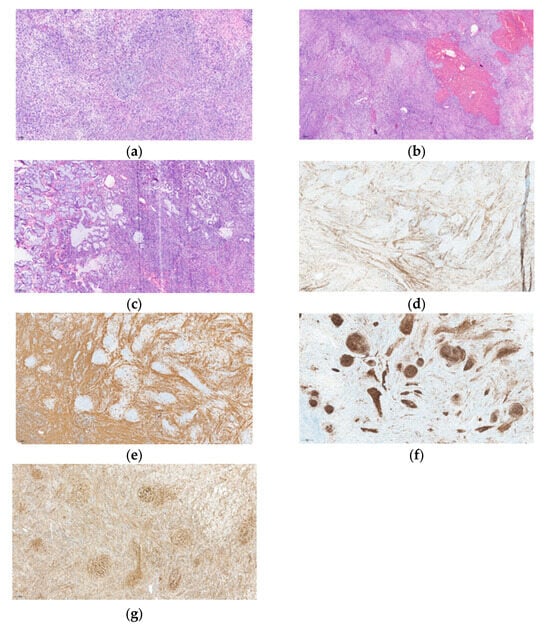
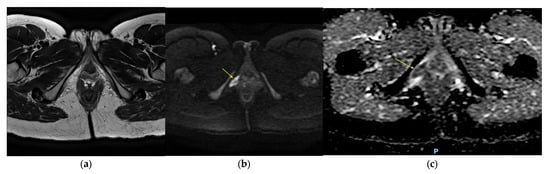
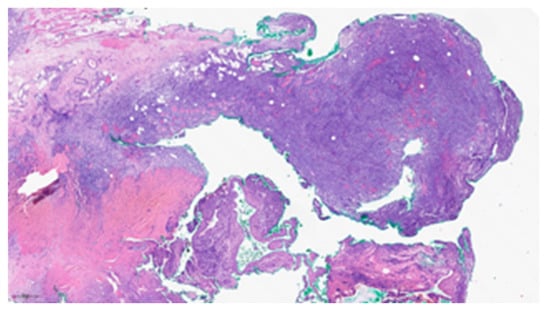
Background: MEIS1::NCOA1/2 fusion sarcomas are a recently described molecular entity arising predominantly in the genitourinary and gynecologic tracts. Their clinical presentation is often misleading, and no standardized treatment guidelines currently exist. Methods: A literature review was conducted using PubMed to identify all reported cases of molecularly confirmed MEIS1::NCOA1/2 fusion sarcomas. Clinicopathological, molecular, treatment, and outcome data were extracted for comparative analysis. Case: We report the case of a 38-year-old nulliparous woman who presented with a right vulvar induration clinically consistent with a Bartholin gland cyst. Surgical excision revealed a spindle cell mesenchymal tumor harboring a MEIS1::NCOA2 fusion transcript and a CTNNB1 exon 3 mutation, with probable incomplete resection margins. A local recurrence was documented by MRI and PET–CT at eight months. Surgical re-excision revealed diffuse involvement and complete excision was considered uncertain. Adjuvant external beam radiotherapy followed by an MR-Linac boost was administered. Discussion: This case highlights the diagnostic challenge of Bartholin gland masses. We provide a review of the literature on MEIS1::NCOA1/2 fusion sarcomas and examine the potential aggressiveness of tumors that additionally harbor a CTNNB1 mutation. Given the nonspecific immunophenotype of this entity, this case underscores the indispensable role of RNA-based molecular sequencing in the diagnosis of low-grade spindle cell tumors when immunohistochemistry proves inconclusive. We further discuss the surgical challenges inherent to this anatomical region and explore intention-to-treat radiotherapy as a potential therapeutic option. Conclusions: We report a rare case of a MEIS1::NCOA2 fusion-positive sarcoma arising in the Bartholin gland region, and, to our knowledge, the first case in which radiotherapy with curative intent has been explored for this entity. This observation expands the limited literature on this emerging clinicopathological entity.
Full article
(This article belongs to the Special Issue Recent Advances in the Diagnosis and Management of Gynecological Cancers)
►▼
Show Figures

Figure 1

Open AccessArticle
Styloid Process Elongation as an Incidental Finding in Adult Orthodontic Patients: Prevalence, Morphology and Diagnostic Implications from Panoramic Radiography
by
César Martínez-Rodríguez, Alfonso Alvarado-Lorenzo, José María Alamán-Fernández, Juan Santos-Marino, María Andrés-Veiga and Natalia Martínez-Rodríguez
Diagnostics 2026, 16(13), 2097; https://doi.org/10.3390/diagnostics16132097 (registering DOI) - 3 Jul 2026
Abstract
Background: The styloid process exhibits considerable anatomical variability, and its elongation is frequently identified as an incidental finding on panoramic radiographs. However, limited evidence exists regarding its prevalence and possible association with craniofacial skeletal characteristics in adult orthodontic patients. Therefore, the aim of
[...] Read more.
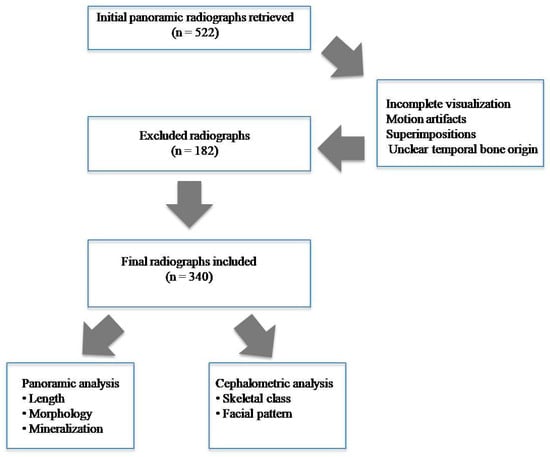
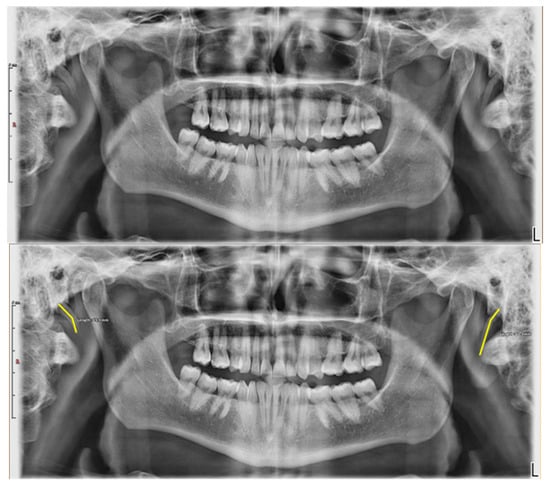
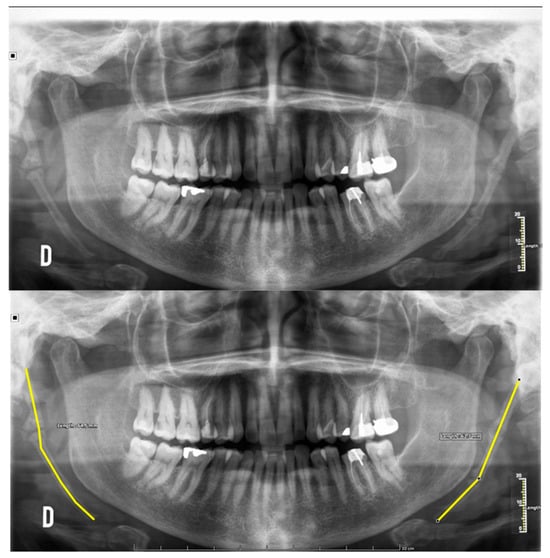
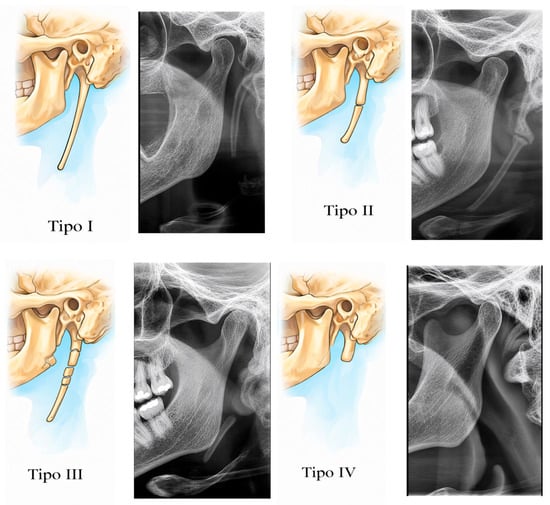
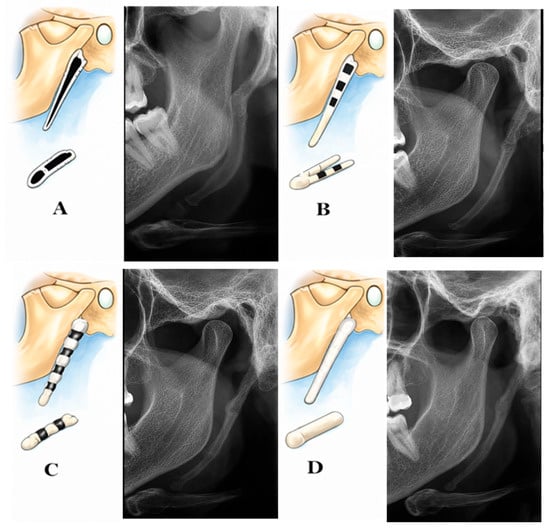
Background: The styloid process exhibits considerable anatomical variability, and its elongation is frequently identified as an incidental finding on panoramic radiographs. However, limited evidence exists regarding its prevalence and possible association with craniofacial skeletal characteristics in adult orthodontic patients. Therefore, the aim of this study was to evaluate the prevalence, morphological characteristics, mineralisation patterns, and possible association of styloid process elongation with skeletal class and facial pattern in an adult orthodontic population. Methods: A retrospective cross-sectional study was conducted on 340 adult orthodontic patients (130 males and 210 females; mean age: 51.55 ± 6.62 years). Panoramic radiographs were used to assess styloid process elongation, defined as ≥30 mm, as well as its morphology and mineralisation patterns according to the Langlais classification. Lateral cephalograms were analysed to determine skeletal class and facial pattern. Statistical analysis included descriptive and inferential methods, with significance set at p < 0.05. Results: Styloid process elongation was identified in 47.65% of patients. Elongated processes showed significantly greater length and side asymmetry (p = 0.001). The most frequent morphology was normal (Type IV), while complete mineralisation (Type D) predominated. No significant associations were found between elongation and age or sex. Furthermore, no statistically significant relationship was observed between elongation and skeletal class (p = 0.479) or facial pattern (p = 0.531). Only a small proportion of patients reported symptoms according to the available clinical records, with no clear association with styloid process elongation. Conclusions: Styloid process elongation is a common incidental finding in adult orthodontic patients and does not appear to be associated with skeletal class or facial pattern. Its recognition on panoramic radiographs may improve the differential diagnosis of orofacial and cervical symptoms.
Full article
(This article belongs to the Special Issue Diagnosis and Management of Dental Medicine and Surgery, 2nd Edition)
►▼
Show Figures

Figure 1
Open AccessArticle
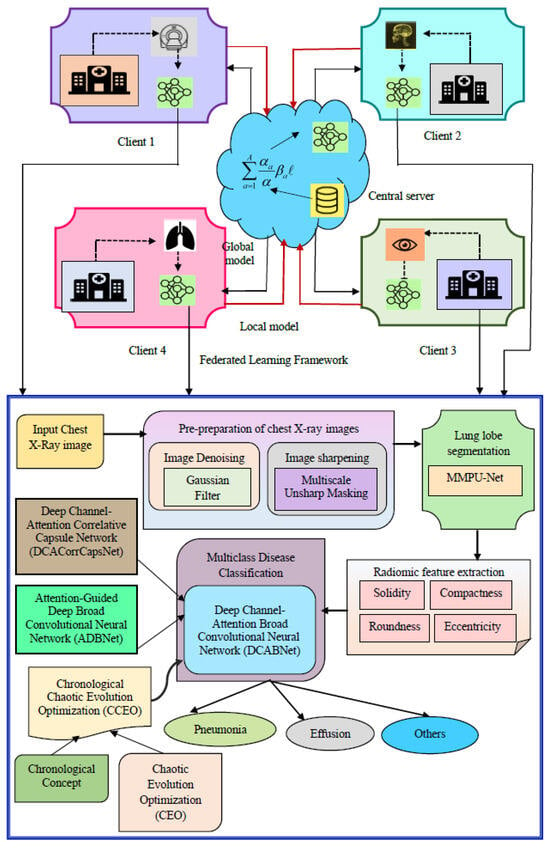
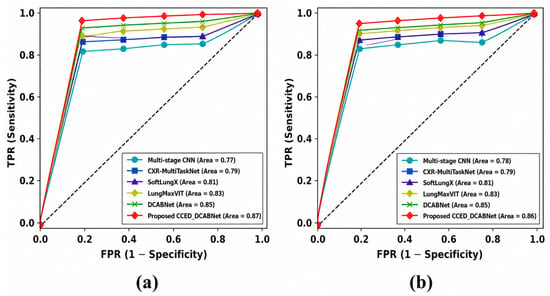
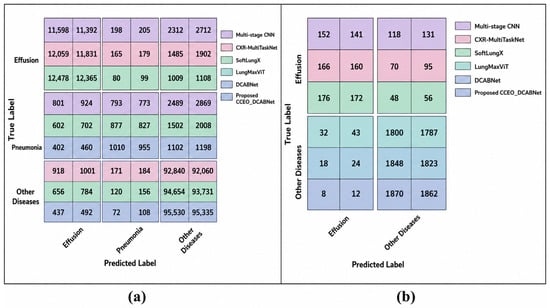
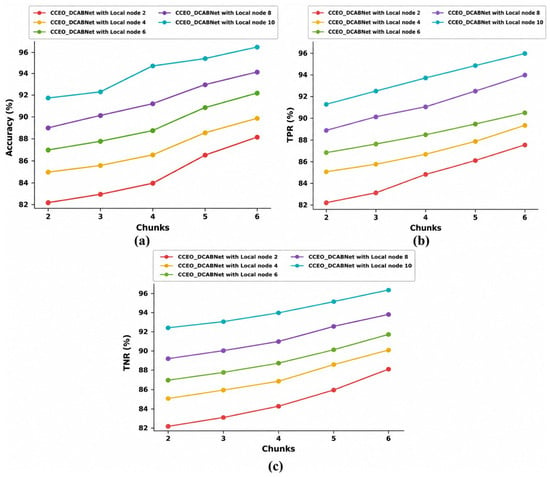
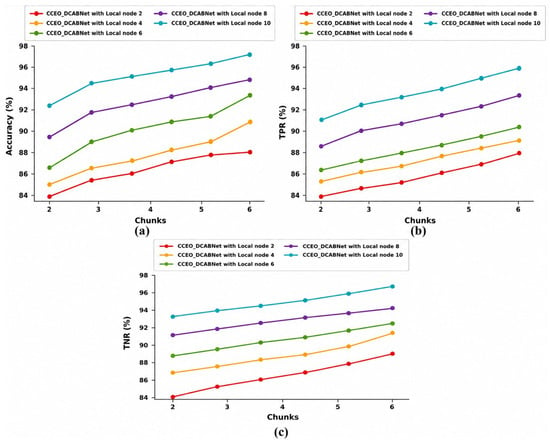
CCEO-DCABNet: Chronological Chaotic Evolution Optimization-Enabled Hybrid Deep Learning for Multiclass Disease Classification Using Chest X-Ray Images in Federated Learning
by
Leena Patil, Bindu Garg, Massimo Donelli and Achin Jain
Diagnostics 2026, 16(13), 2096; https://doi.org/10.3390/diagnostics16132096 - 3 Jul 2026
Abstract
Background: Chest X-ray imaging is a widely used diagnostic modality for identifying various lung diseases. Accurate multiclass classification of lung diseases enables timely treatment and improves patient survival. However, disease detection using chest X-ray images remains challenging due to heterogeneous data, overlapping radiographic
[...] Read more.
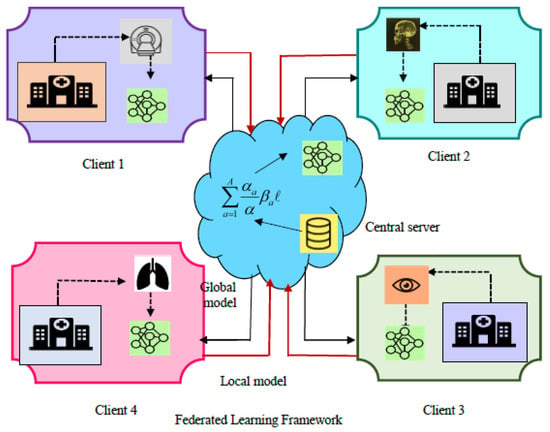
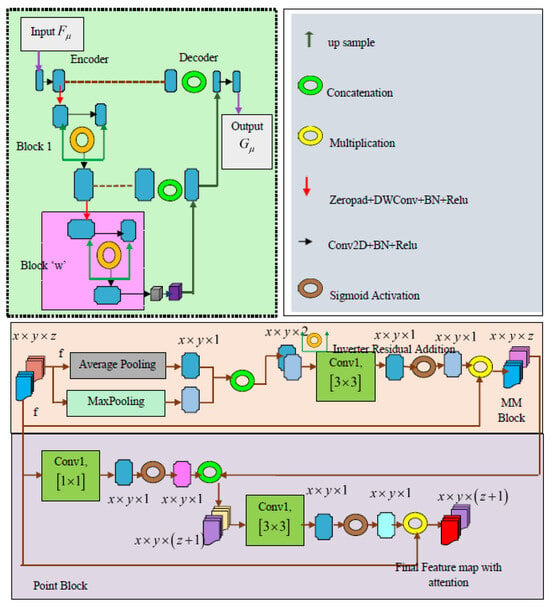
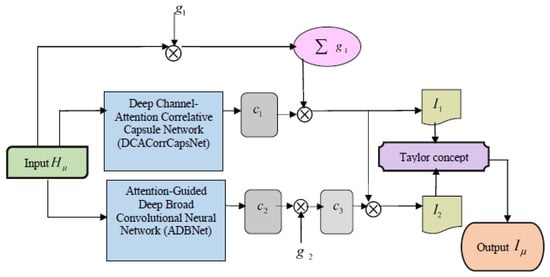
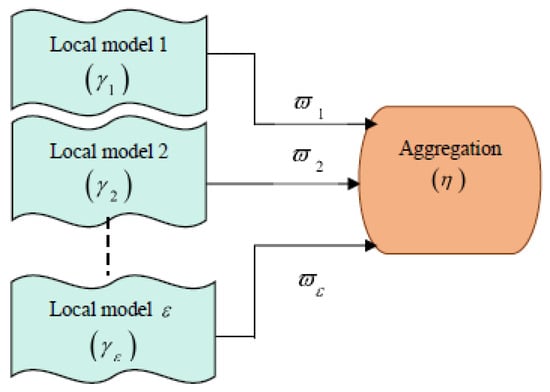
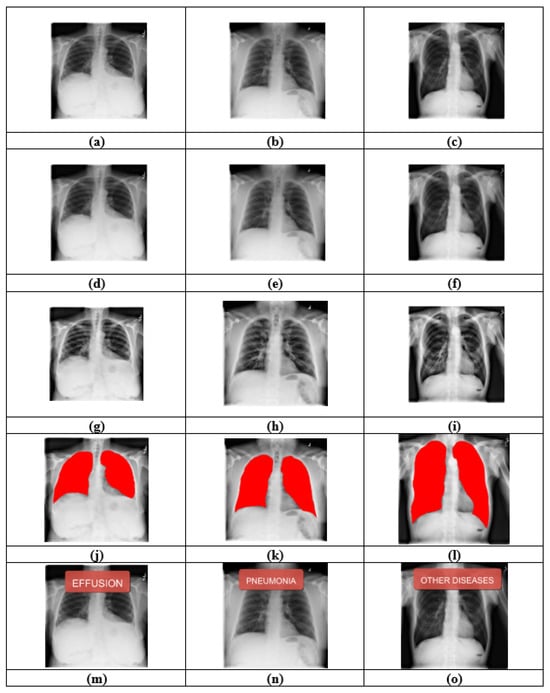
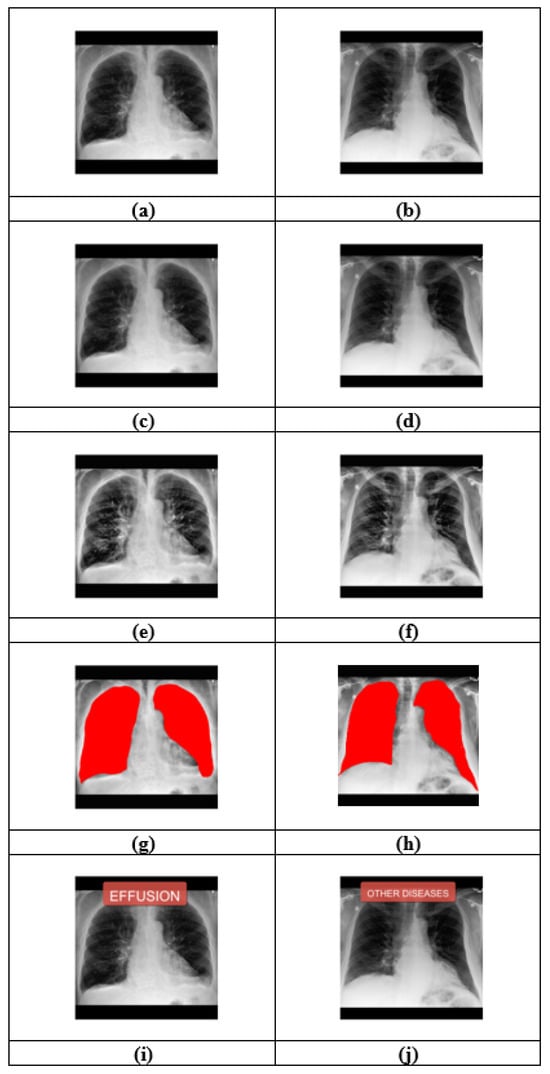
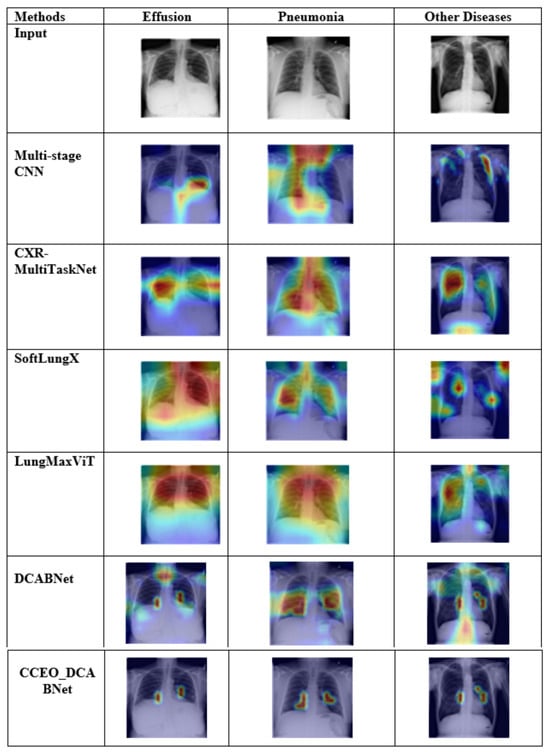
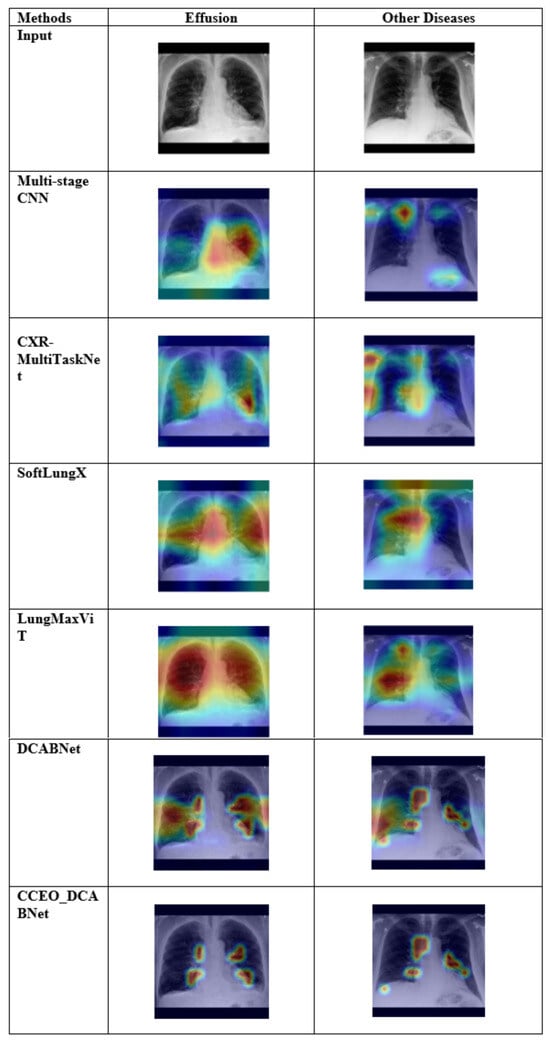
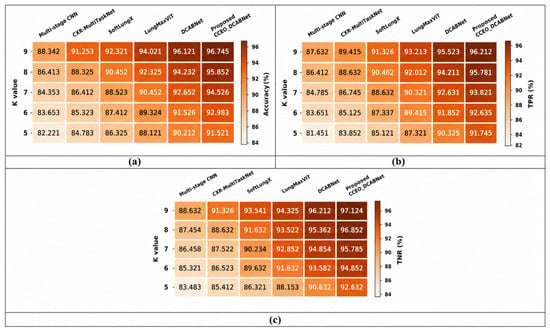
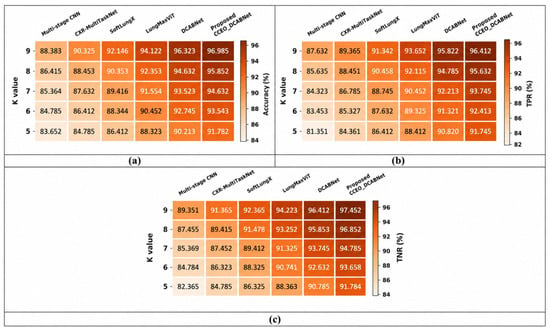
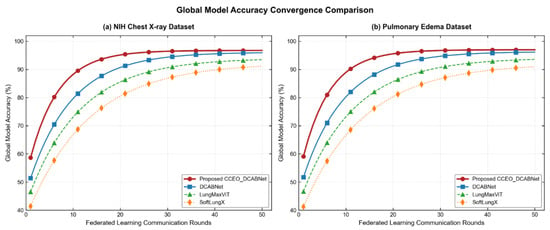
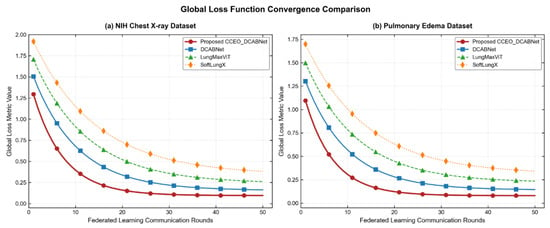
Background: Chest X-ray imaging is a widely used diagnostic modality for identifying various lung diseases. Accurate multiclass classification of lung diseases enables timely treatment and improves patient survival. However, disease detection using chest X-ray images remains challenging due to heterogeneous data, overlapping radiographic features, and data privacy concerns. Furthermore, distinguishing among different lung diseases is difficult because of their similar clinical manifestations and imaging characteristics. Method: To address these challenges, a novel chaotic evolution optimization-enabled deep channel-attention broad convolutional neural network (CCEO-DCABNet) is proposed for multiclass lung disease classification within a federated learning (FL) framework. The proposed model ensures enhanced data privacy by allowing multiple client nodes and a central server to collaboratively train the model without sharing raw data. Prior to classification, image preprocessing is performed using Gaussian filter-based denoising followed by multiscale unsharp masking-based image sharpening. Subsequently, multiclass disease classification is carried out using DCABNet, whose parameters are optimized through the proposed CCEO algorithm. In addition, the federated learning process employs an averaging strategy for local model updates and global aggregation. Results: The proposed CCEO-DCABNet achieves an accuracy, true positive rate (TPR), and true negative rate (TNR) of , , and . Conclusions: Experimental results demonstrate that the proposed CCEO-DCABNet framework effectively classifies multiple lung diseases from chest X-ray images while preserving data privacy through federated learning. The model achieves superior classification performance and can support reliable computer-aided diagnosis in clinical settings.
Full article
(This article belongs to the Section Machine Learning and Artificial Intelligence in Diagnostics)
►▼
Show Figures

Figure 1

Open AccessReview
Transbronchial Lung Cryobiopsy and Awake Video-Assisted Thoracic Surgery in Interstitial Lung Disease: Complementary Roles in a Stepwise Diagnostic Approach
by
Umberto Masi, Alessandro Sanduzzi Zamparelli and Stefano Sanduzzi Zamparelli
Diagnostics 2026, 16(13), 2095; https://doi.org/10.3390/diagnostics16132095 - 3 Jul 2026
Abstract
The diagnostic evaluation of interstitial lung diseases (ILDs) remains challenging when clinical assessment and imaging findings are inconclusive. Although surgical lung biopsy has traditionally represented the diagnostic gold standard, its invasiveness and perioperative risks limit its applicability, particularly in patients with advanced disease
[...] Read more.
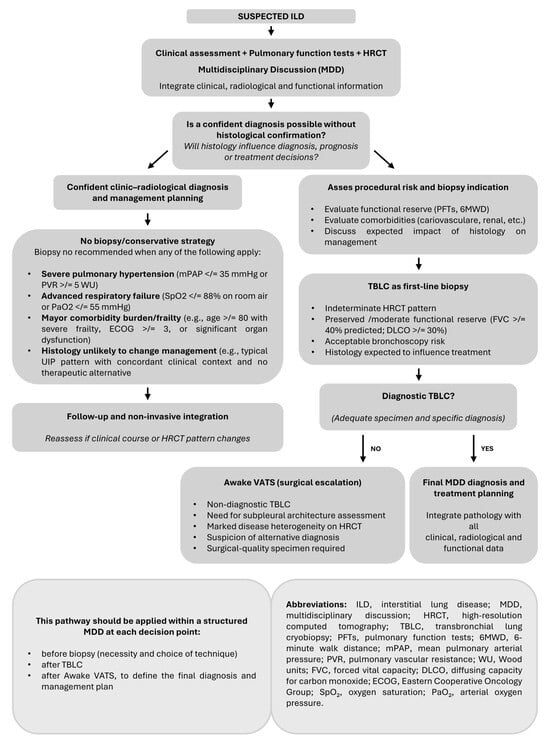
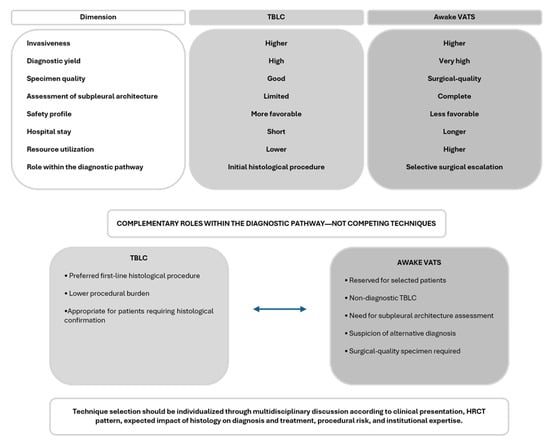
The diagnostic evaluation of interstitial lung diseases (ILDs) remains challenging when clinical assessment and imaging findings are inconclusive. Although surgical lung biopsy has traditionally represented the diagnostic gold standard, its invasiveness and perioperative risks limit its applicability, particularly in patients with advanced disease or impaired respiratory reserve. This review aims to examine the evolving roles of transbronchial lung cryobiopsy (TBLC) and awake video-assisted thoracoscopic surgery (Awake VATS) within contemporary diagnostic pathways for ILD. A narrative review of the current literature was performed, focusing on studies evaluating the diagnostic performance, safety profiles, clinical indications, and complementary integration of TBLC and Awake VATS in patients with suspected ILD. Evidence from multidisciplinary ILD referral centers and recent guideline recommendations was critically analyzed. TBLC has progressively emerged as an appropriate first-line histological procedure in many ILD centers, providing a pooled diagnostic yield of approximately 80% with an acceptable safety profile. Awake VATS has refined the surgical approach by preserving spontaneous ventilation while maintaining high diagnostic accuracy. Current evidence suggests that these techniques should be considered complementary rather than competitive. A TBLC-first strategy, followed by selective surgical escalation when endoscopic sampling is non-diagnostic or insufficient, appears to achieve diagnostic accuracy comparable to upfront surgical biopsy while reducing complications, length of hospital stay, and overall patient burden. The choice between Awake VATS and conventional surgical biopsy should be individualized according to patient characteristics, institutional expertise, and available resources. TBLC and Awake VATS represent complementary tools within a multidisciplinary, personalized, and risk-adapted diagnostic framework for ILD. Their integrated use enables optimization of diagnostic accuracy while minimizing procedural invasiveness and improving patient safety, supporting a stratified approach to histological assessment in contemporary clinical practice.
Full article
(This article belongs to the Special Issue Diagnosis and Prognosis of Pulmonary Diseases)
►▼
Show Figures

Figure 1

Open AccessArticle
Association of Potentially Inappropriate Medications and Geriatric Nutritional Risk Index with Frailty in Elderly Patients with Ischemic Heart Disease
by
Pei-Ru Lin, Chew-Teng Kor, Yu-Chung Wei and Yen-Tze Liu
Diagnostics 2026, 16(13), 2094; https://doi.org/10.3390/diagnostics16132094 - 3 Jul 2026
Abstract
Background/Objectives: Frailty is a clinically significant syndrome in older patients with ischemic heart disease, associated with adverse outcomes including hospitalization, disability, and mortality. This study aimed to evaluate the association of potentially inappropriate medication (PIM) and the Geriatric Nutrition Risk Index (GNRI)
[...] Read more.
Background/Objectives: Frailty is a clinically significant syndrome in older patients with ischemic heart disease, associated with adverse outcomes including hospitalization, disability, and mortality. This study aimed to evaluate the association of potentially inappropriate medication (PIM) and the Geriatric Nutrition Risk Index (GNRI) with the incidence of frailty among elderly patients with ischemic heart disease (IHD). Methods: This retrospective cohort study enrolled elderly patients with IHD between January 2018 and March 2024. Patients were grouped by PIM use and GNRI levels (<92 vs. ≥92). Cox proportional hazards models assessed the associations of PIM and GNRI with the incidence of frailty. Subgroup and sensitivity analyses evaluated the consistency and robustness of these findings. Results: PIM use was associated with a significantly higher risk of frailty (HR = 3.01, 95% CI = 2.48–3.65) than non-use. Similarly, lower GNRI increased the risk of frailty compared to higher GNRI (HR = 1.31, 95% CI = 1.12–1.54). Patients with both PIM and lower GNRI may have a higher risk of frailty, with an adjusted aHR of 4.09. Subgroup analyses showed significant interactions between GNRI and hypertension. Sensitivity analyses indicated that PIM (aHR = 2.65) and lower GNRI (aHR = 1.14) remained significantly associated with frailty, even after including those with pre-existing frailty. Conclusions: For elderly patients with IHD, both PIM and lower GNRI were significantly associated with the incidence of frailty. These findings suggest that PIM exposure and low GNRI may serve as clinically accessible markers for identifying older IHD patients at elevated risk of frailty.
Full article
(This article belongs to the Section Clinical Diagnosis and Prognosis)
Open AccessSystematic Review
Adult Age Threshold Estimation Using Radiographic Evaluation of Wrist–Hand Skeletal Maturation: A Systematic Review and Meta-Analysis
by
Ilenia Bianchi, Martina Focardi, Andrea Costantino, Beatrice Defraia and Vilma Pinchi
Diagnostics 2026, 16(13), 2093; https://doi.org/10.3390/diagnostics16132093 - 3 Jul 2026
Abstract
Background: Wrist-hand radiographic skeletal maturation methods are widely used for forensic age estimation of living individuals, remaining among the most widely accepted imaging modalities in forensic practice despite limited evidence supporting their use at the legally relevant 18-year threshold. This systematic review aims
[...] Read more.
Background: Wrist-hand radiographic skeletal maturation methods are widely used for forensic age estimation of living individuals, remaining among the most widely accepted imaging modalities in forensic practice despite limited evidence supporting their use at the legally relevant 18-year threshold. This systematic review aims to provide a quantitative synthesis of the widely recognized but previously unsynthesized body of evidence regarding their diagnostic accuracy (sensitivity, specificity, AUC-curve, mean absolute error-MAE) for forensic adult age estimation. Methods: Six databases (Scopus, PubMed, Google Scholar, Embase, Cochrane, Clarivate) between 1980 and 2026 were searched. Studies evaluating wrist-hand skeletal maturation for forensic age estimation in individuals ≥16 years with verified chronological age were included. Two reviewers independently screened studies and extracted data. Quality was assessed using QUADAS-2. DerSimonian-Laird random-effects model estimated the sensitivity and specificity of the wrist-hand bones maturation at the age of 18 years, and pooled MAE. GRADE assessed the certainty of evidence. Results: From 747 records, 23 studies (11,425 participants, 15 countries, 2003–2025) were included. Pooled MAE was 0. 537 years (95% CI: 0.387–0.686; 95% PI: 0.33–0.79 years), but obtained from 3 Italian studies conducted on clinical populations, and all characterized by high risk of bias. At the 18-year threshold, pooled sensitivity was 69.5% (95% CI: 61.6–77.3%; 95% PI: 35.3–100%) and specificity 85.56% (95% CI: 83.53–87.60%; 95% PI: 77.2–93.9%). Nevertheless, the heterogeneity was extreme (I2 > 98%) for all diagnostic measures, and calculated prediction intervals confirm that individual study results are expected to vary widely. QUADAS-2 assessment revealed 82.6% of studies with high/unclear patient selection bias. GRADE-certainty was VERY LOW for both outcomes due to serious risk of bias, very serious inconsistency, and serious indirectness. Conclusions: Wrist-hand skeletal maturation shows low accuracy and high rates of misclassification for age estimation at the 18-year threshold. The wide prediction intervals (sensitivity 35–100%, specificity 77–94%, MAE 0.33–0.79 years) indicate that performance in a new study population may differ substantially from the pooled estimates. Very low certainty evidence, extreme heterogeneity, and substantial methodological limitations preclude confident application. Results should be interpreted with caution in forensic contexts, preferably combining multiple age indicators, in particular dental evidence.
Full article
(This article belongs to the Section Medical Imaging and Theranostics)
Open AccessArticle
Epidemic Mitigation and Marginal Mortality Gains Using Self-Testing as a Diagnostic Intervention for Epidemic-Prone Diseases in Africa
by
Yasmin Dunkley, Elizabeth L. Corbett, Nicola Desmond, Pitchaya Indravudh and Nimalan Arinaminpathy
Diagnostics 2026, 16(13), 2092; https://doi.org/10.3390/diagnostics16132092 - 3 Jul 2026
Abstract
Background/Objectives: African Union (AU) guidance identifies decentralized diagnostics as central to epidemic preparedness. However, the epidemiological role of self-testing across epidemic-prone diseases remains underexplored. Drivers for the potential impact of self-testing were examined conceptually using a transmission model. Methods: A deterministic SEIR model
[...] Read more.
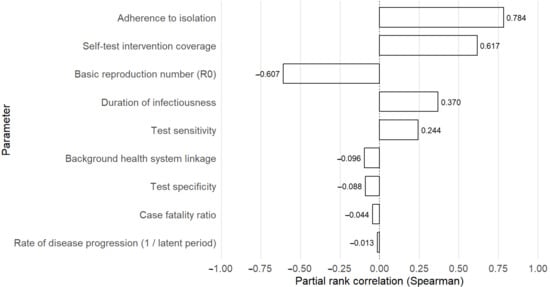
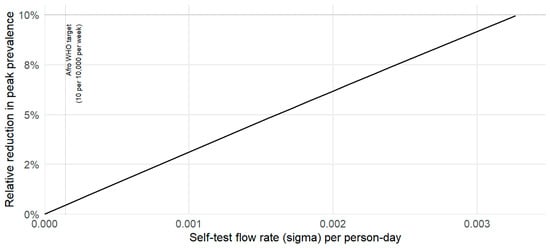
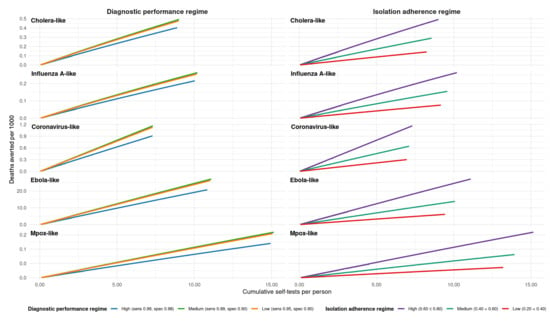
Background/Objectives: African Union (AU) guidance identifies decentralized diagnostics as central to epidemic preparedness. However, the epidemiological role of self-testing across epidemic-prone diseases remains underexplored. Drivers for the potential impact of self-testing were examined conceptually using a transmission model. Methods: A deterministic SEIR model compared standard-of-care testing with additional self-testing. Global sensitivity analysis using Latin Hypercube sampling and partial rank correlation coefficients (PRCCs) examined parameters influencing reductions in peak disease prevalence (mitigation). Dynamics were illustrated using AU pathogen archetypes (Ebola, Influenza A, Cholera, Coronavirus, and Mpox), estimating the number needed to self-test (NNST) to avert one death. Results: Epidemic mitigation was minimal (median 1.9%; IQR: 0.4–5.8%); this correlated with isolation adherence (PRCC = 0.784), self-testing intensity (PRCC = 0.617), lower R0 (basic reproductive number; PRCC = −0.607) and greater duration of infectiousness (PRCC = 0.370). Conditional scenario exploration indicated 34 self-tests per 10,000 people per day to achieve a 10% reduction in peak prevalence at R0 = 1.1, assuming self-test sensitivity 78.7%, specificity 99.3%. This exceeded the WHO Afro COVID-19 operational benchmark of 10 per 10,000 per week. High-mortality, moderate-transmission archetypes (e.g., Ebola) were most responsive to mortality reductions (median 1512 NNST/death averted) compared to Mpox (median 355,708 NNST/death averted). Adherence to post-test isolation exerted greater epidemiological impact than diagnostic accuracy. Conclusions: The epidemiological value of untargeted self-testing depends on pathogen characteristics and post-test behavioral adherence. Epidemic mitigation effects were limited under constrained health-system capacity. Future studies evaluating early decentralized self-testing deployment during Ebola-archetype outbreaks may identify operationally feasible deployment strategies to support mitigation and mortality reduction.
Full article
(This article belongs to the Special Issue Diagnostics in Focus: Accelerating Access for Priority Diseases in Africa)
►▼
Show Figures

Figure 1
Open AccessArticle
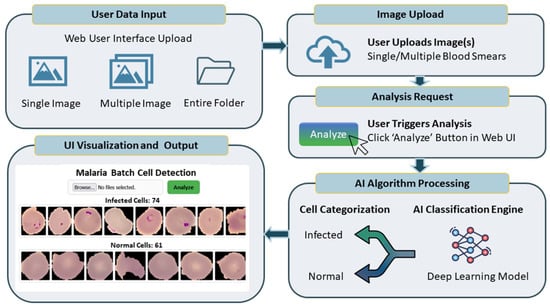
Image Processing and Deep Convolutional Neural Network Method for Automated Malaria Parasite Detection in Thin Blood Slide Images
by
Kavita Kumari, Taruna Kaura, Abhishek Mewara, Suman Tewary and Neerja Mittal Garg
Diagnostics 2026, 16(13), 2091; https://doi.org/10.3390/diagnostics16132091 - 3 Jul 2026
Abstract
Background: Malaria is a life-threatening disease caused by Plasmodium species, which is endemic in tropical and subtropical regions worldwide. In clinical settings, experienced parasitologists perform microscopic examinations of thick/thin blood slides. This method is labour-intensive and is adversely affected by inter- and intra-observer
[...] Read more.
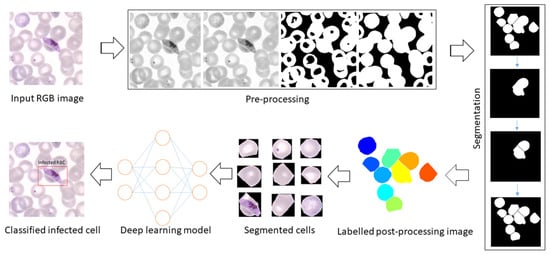
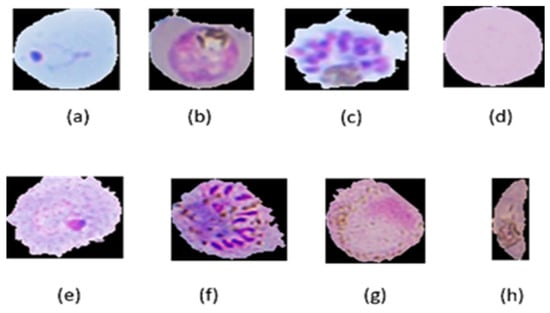
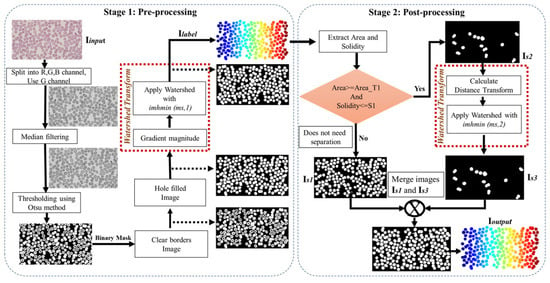
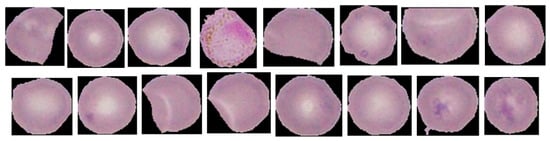
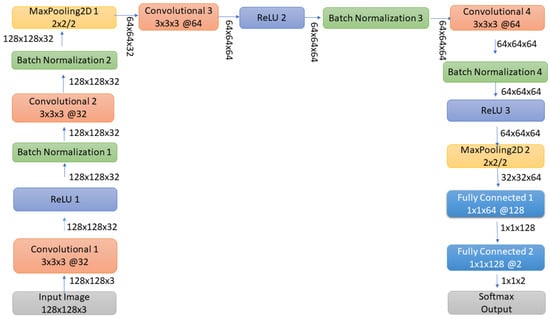
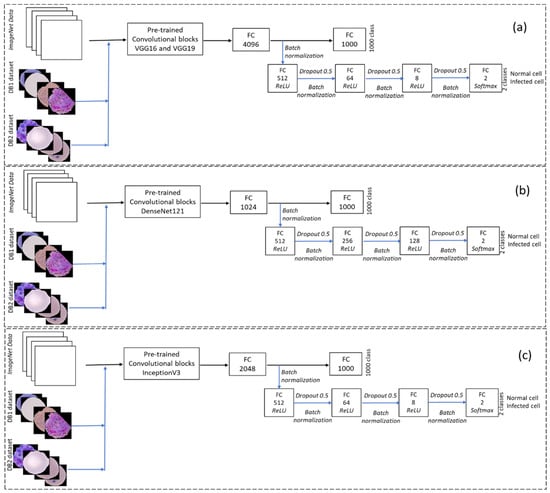
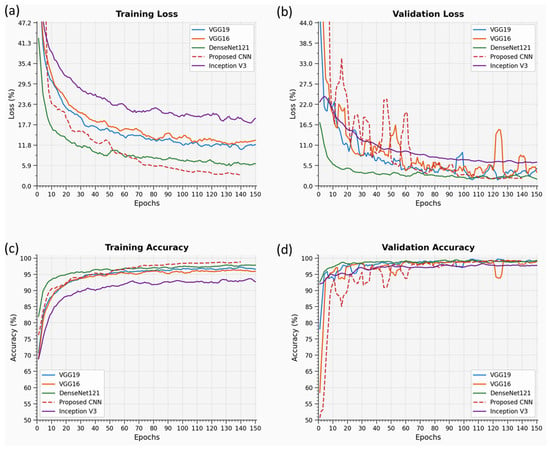
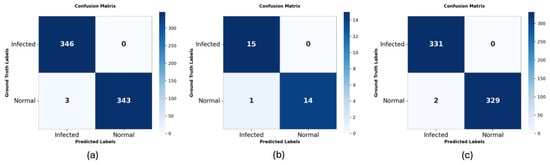
Background: Malaria is a life-threatening disease caused by Plasmodium species, which is endemic in tropical and subtropical regions worldwide. In clinical settings, experienced parasitologists perform microscopic examinations of thick/thin blood slides. This method is labour-intensive and is adversely affected by inter- and intra-observer variability among the microscopists. The present study aimed to develop a malaria screening algorithm using computer vision to identify and classify malaria parasite-infected red blood cells (RBC) from microscopic blood slide images. Methods: The proposed classification methodology first employs digital image processing techniques, the watershed transform, to preprocess the raw images, followed by connected component labelling to accurately segment and isolate individual RBCs from the background. To classify these segmented cells as either normal or infected, convolutional neural networks (CNNs) were utilized, leveraging their ability to automatically extract relevant features through deep, hidden layers, thus eliminating the need for manual feature engineering. Results: To compare and determine the most effective classification engine, the study developed and evaluated five distinct models: four well-established transfer learning architectures (VGG16, VGG19, DenseNet121, and InceptionV3), alongside a newly proposed custom CNN model. A total of 2422 segmented RBC images were used for the training, and 692 different images were used for testing, with the VGG model showing the best accuracy at 99.57%. The proposed CNN architecture also showed competitive results with 99.14% accuracy. Conclusions: Transfer learning models demonstrated remarkable accuracy for malaria parasite classification from blood smear slides, with VGG19 (99.57%) achieving the highest accuracy on diverged datasets for the test images. The analysis demonstrates the potential of this approach as a computational aid for future image-based malaria screening in conjunction with existing diagnostic tests.
Full article
(This article belongs to the Section Machine Learning and Artificial Intelligence in Diagnostics)
►▼
Show Figures

Figure 1
Open AccessSystematic Review
Auditory Electrophysiological Findings in Children with Developmental Language Disorder: A Systematic Review
by
Diego Lourenço dos Santos Silva, Dandara Felipini, Piotr Henryk Skarzynski, Caroline Donadon and Milaine Dominici Sanfins
Diagnostics 2026, 16(13), 2090; https://doi.org/10.3390/diagnostics16132090 - 3 Jul 2026
Abstract
Background/Objectives: Developmental Language Disorder (DLD) is a persistent neurodevelopmental condition with an estimated prevalence of 7% in preschoolers. It is characterized by significant impairments in language acquisition and use, in the absence of an identified biomedical cause. The potential link between DLD and
[...] Read more.
Background/Objectives: Developmental Language Disorder (DLD) is a persistent neurodevelopmental condition with an estimated prevalence of 7% in preschoolers. It is characterized by significant impairments in language acquisition and use, in the absence of an identified biomedical cause. The potential link between DLD and central auditory processing has encouraged the investigation of auditory evoked potentials as research tools; however, the existing literature remains notably dispersed and heterogeneous. To systematically synthesize evidence concerning auditory electrophysiological findings in children with DLD. Methods: Systematic searches were conducted in PubMed, Web of Science, and Scopus for studies published between January 2016 and March 2026. Keywords were combined using AND/OR operators. Two independent reviewers performed screening and data extraction, with discrepancies resolved through consensus. Risk of bias was assessed using the JBI tool for analytical cross-sectional studies. A structured narrative synthesis (SWiM) was applied to the findings. Results: Seven studies were included, with a combined total of 480 participants across all enrolled samples (including DLD, control, and other clinical subgroups), aged 2 years and 11 months to 10 years. The Frequency Following Response (FFR) appeared to show greater sensitivity, with alterations in both temporal components (waves C and D) and spectral components (F0 and F2), particularly under noise conditions. Findings for click-ABR were inconsistent across studies, suggesting limited sensitivity in cases of isolated DLD. Long-latency auditory evoked potentials (N2 and P300) exhibited prolonged latencies, potentially reflecting cortical immaturity and impaired attentional discrimination. The N400 potential suggested delayed or atypical semantic processing in a single investigation. Conclusions: The available evidence points toward a pattern of impairment in individuals with DLD that requires cautious interpretation, potentially encompassing subcortical, cortical, and linguistic encoding. Methodological heterogeneity across studies, combined with the absence of adolescent samples, highlights significant gaps in the current research regarding electrophysiology and DLD. FFR and Long-Latency Auditory Evoked Potentials (LLAEP/P300) assessments may warrant further investigation as auxiliary electrophysiological measures for the characterization of DLD, pending replication in larger and more homogeneous samples.
Full article
(This article belongs to the Special Issue Recent Advances in Hearing and Audiology Science: Diagnosis and Management, 2nd Edition)
►▼
Show Figures

Figure 1
Open AccessArticle
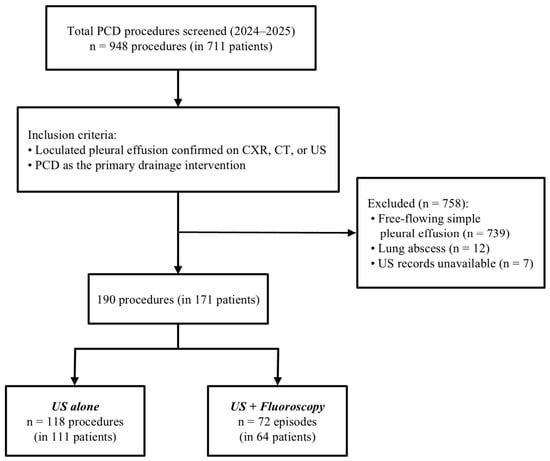
Ultrasound–Fluoroscopy Versus Ultrasound Guidance for Catheter Drainage of Loculated Pleural Effusions: A Retrospective Study
by
Inae Hwang, Jaeyoon Kim, Pa Hong and Yangwon Kim
Diagnostics 2026, 16(13), 2089; https://doi.org/10.3390/diagnostics16132089 - 3 Jul 2026
Abstract
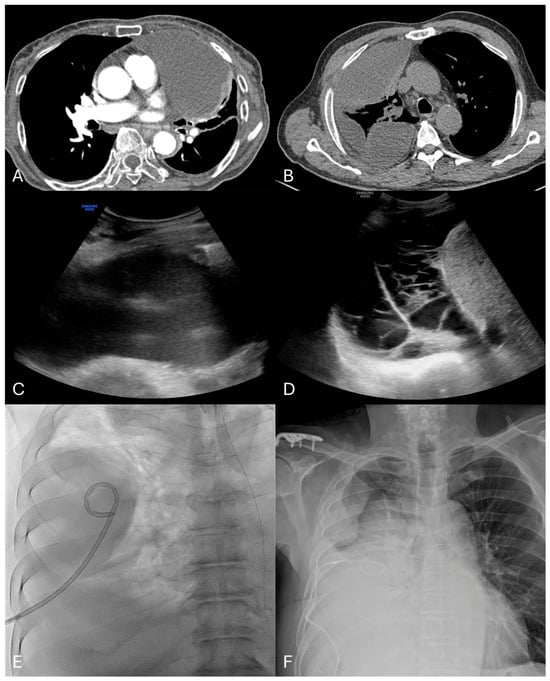
Background: Loculated pleural effusion—characterized by fibrinous septations that compartmentalize the pleural space and impede drainage—is a technically demanding indication for percutaneous catheter drainage (PCD), in which accurate catheter placement directly determines drainage success. Whether fluoroscopic guidance reduces reintervention compared with ultrasound guidance alone
[...] Read more.
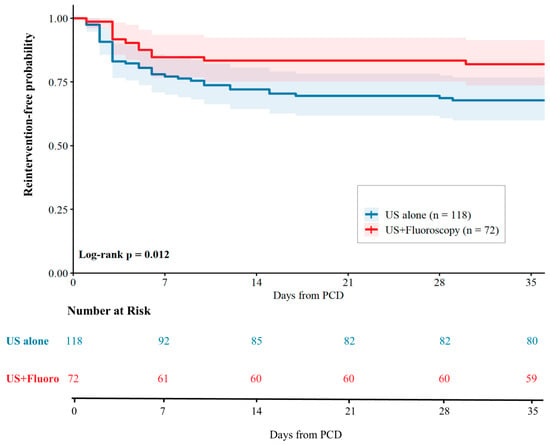
Background: Loculated pleural effusion—characterized by fibrinous septations that compartmentalize the pleural space and impede drainage—is a technically demanding indication for percutaneous catheter drainage (PCD), in which accurate catheter placement directly determines drainage success. Whether fluoroscopic guidance reduces reintervention compared with ultrasound guidance alone in this population is unknown. Methods: We conducted a retrospective cohort study of 190 PCD procedures for loculated pleural effusion at a single tertiary-care center (Samsung Changwon Hospital, Changwon, South Korea; 118 ultrasound-guided [US alone], median age 71 years; 72 combined ultrasound-and-fluoroscopy-guided [US + Fluoroscopy], median age 75 years). Underlying etiologies included parapneumonic effusion, empyema, malignant effusion, and other causes. The primary outcome was any reintervention. Between-group comparisons used the Mann–Whitney U and Fisher’s exact tests; adjusted analyses included multivariable logistic regression, 1:1 propensity score matching (PSM), and Cox proportional hazards modeling. Results: Reintervention occurred in 35.6% of US alone versus 18.1% of US + Fluoroscopy procedures (relative risk 0.51, 95% CI 0.29–0.88; p = 0.013). After adjustment, US + Fluoroscopy was associated with lower odds of reintervention (adjusted OR 0.42, 95% CI 0.17–0.95; p = 0.043). PSM (60 matched pairs) confirmed this finding (35.0% vs. 16.7%; McNemar’s p = 0.046). The Cox model showed a directionally consistent association (adjusted HR 0.50, 95% CI 0.25–1.02; p = 0.056; log-rank p = 0.012). Conclusions: Combined ultrasound-and-fluoroscopy guidance was associated with a significantly lower reintervention rate than ultrasound guidance alone, with consistent direction of effect across unadjusted and adjusted analyses. These findings support fluoroscopy as an adjunct modality for this technically demanding indication.
Full article
(This article belongs to the Section Medical Imaging and Theranostics)
►▼
Show Figures

Figure 1
Open AccessReview
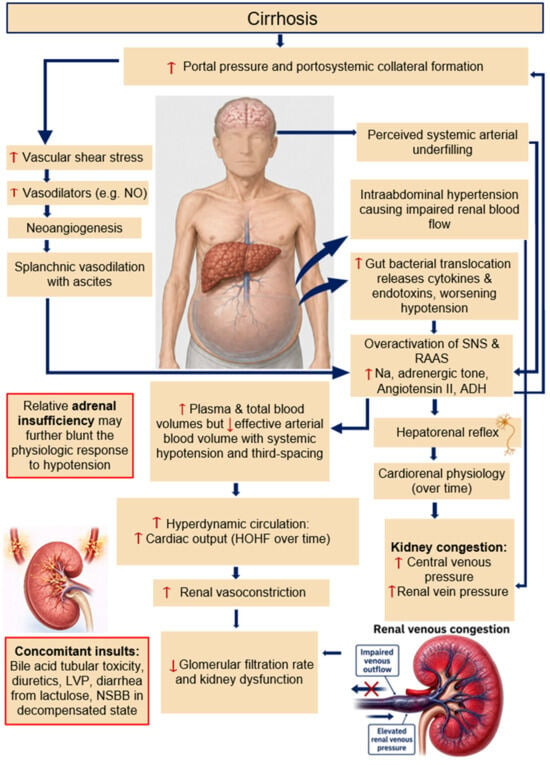
Evaluation of Kidney Function in Cirrhosis: Methods and Pitfalls
by
Fernando Gil-Lopez, Namrata Parikh, Martin Mai, Razvan Chirila and Hani M. Wadei
Diagnostics 2026, 16(13), 2088; https://doi.org/10.3390/diagnostics16132088 - 3 Jul 2026
Abstract
Renal dysfunction is highly prevalent among patients with cirrhosis and has major implications for management, prognostication, and liver transplant decision-making. Both acute kidney injury (AKI) and chronic kidney disease (CKD) occur frequently in this population and are driven by a complex interplay of
[...] Read more.
Renal dysfunction is highly prevalent among patients with cirrhosis and has major implications for management, prognostication, and liver transplant decision-making. Both acute kidney injury (AKI) and chronic kidney disease (CKD) occur frequently in this population and are driven by a complex interplay of hemodynamic derangements, systemic inflammation, and intrinsic or functional renal injury. Accurate assessment of kidney function is essential, as serum creatinine and estimated glomerular filtration rate (eGFR) calculations directly influence MELD-based transplant allocation, eligibility for simultaneous liver–kidney transplantation (SLKT), and clinical decisions such as drug dosing and peri-transplant immunosuppression strategies. However, creatinine-based assessments are fundamentally limited in cirrhosis due to reduced creatinine production, sarcopenia, expanded volume of distribution, increased tubular secretion, and assay interference from hyperbilirubinemia, resulting in frequent overestimation of true GFR. Alternative methods, including cystatin C-based equations, combined creatinine–cystatin C equations, timed urine clearances, and direct GFR measurement using exogenous filtration markers (iohexol, iothalamate), offer potential advantages but also carry important limitations, particularly in decompensated disease with ascites or inflammation. Newer cirrhosis-specific eGFR equations such as the GRAIL and Royal Free Hospital formulas attempt to address these shortcomings, yet validation studies demonstrate inconsistent accuracy across patient cohorts. This review summarizes the pathophysiologic contributors to renal dysfunction in cirrhosis, evaluates the performance and pitfalls of existing kidney function assessment tools, and highlights the ongoing need for reliable, validated methods tailored to this unique population. Until improved approaches are widely accessible, serum creatinine remains the most practical—albeit imperfect—marker guiding clinical decision-making in cirrhotic patients.
Full article
(This article belongs to the Section Clinical Diagnosis and Prognosis)
►▼
Show Figures

Figure 1
Open AccessArticle
Synergistic Contribution of HFE H63D Mutation to Secondary Polycythemia Pathogenesis at Moderate–High Altitude: A Retrospective Cohort Study
by
Tahir Alper Cinli and Ceren Alavanda
Diagnostics 2026, 16(13), 2087; https://doi.org/10.3390/diagnostics16132087 - 3 Jul 2026
Abstract
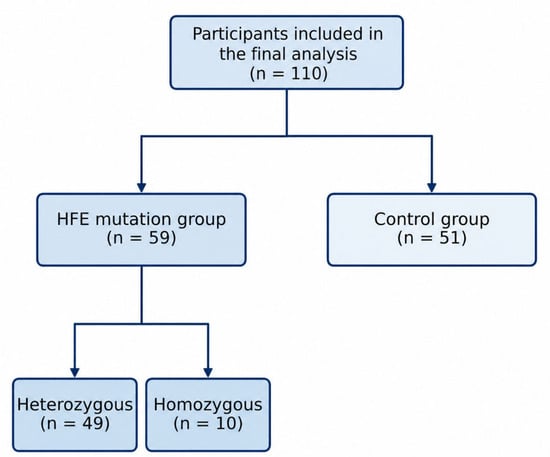
Objective: This study examined whether HFE H63D carriers living at moderate-to-high altitude have a stronger secondary polycythemia phenotype than non-carriers from the same region. Methods: This retrospective cohort study included 59 patients with HFE gene mutation (heterozygous n = 49, homozygous n =
[...] Read more.
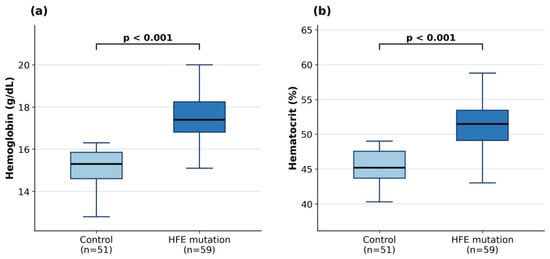
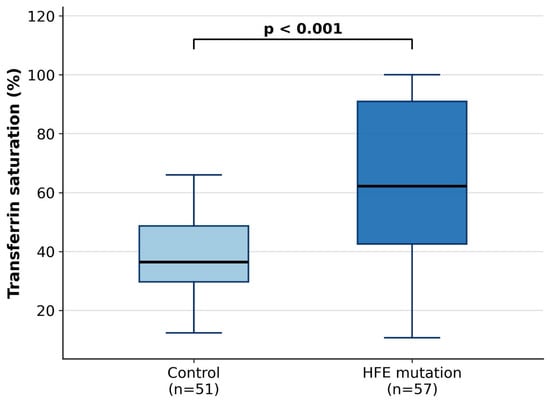
Objective: This study examined whether HFE H63D carriers living at moderate-to-high altitude have a stronger secondary polycythemia phenotype than non-carriers from the same region. Methods: This retrospective cohort study included 59 patients with HFE gene mutation (heterozygous n = 49, homozygous n = 10) and 51 controls without HFE mutation (total N = 110). JAK2 V617F negativity was confirmed in all participants. Serum erythropoietin (EPO) levels were assessed in the HFE mutation group to support secondary, non-clonal erythrocytosis. Results: Hemoglobin (17.32 ± 1.29 vs. 15.11 ± 0.95 g/dL (p < 0.001), hematocrit (median 51.50 vs. 45.20; p < 0.001), and erythrocyte count (p < 0.001) were significantly higher in the HFE mutation group. Transferrin saturation was higher in the HFE mutation group than in controls (64.56 ± 2.03% vs. 36.30 ± 1.58%; p < 0.001; Cohen’s d = 0.95). Serum iron was higher and total iron-binding capacity was lower in the HFE mutation group, respectively (127.58 ± 44.10 vs. 93.62 ± 29.55 µg/dL and 194.32 ± 72.41 vs. 243.36 ± 40.82 µg/dL; both p < 0.001). CRP levels were also significantly elevated (p < 0.001). No significant differences were observed between the heterozygous and homozygous HFE mutation subgroup. Conclusions: HFE H63D carriers had higher erythrocytosis-related parameters and transferrin saturation than controls. These findings suggest that HFE-related changes in iron handling may strengthen the erythrocytosis phenotype at moderate-to-high altitude. Larger prospective studies should test this association.
Full article
(This article belongs to the Section Clinical Laboratory Medicine)
►▼
Show Figures

Figure 1
Open AccessArticle
Three-Dimensional Correlation Between Impacted Maxillary Canine Angulation and Root Resorption of Adjacent Lateral Incisors: A CBCT Study
by
Raed J. Abualfaraj and Hanadi Sabban
Diagnostics 2026, 16(13), 2086; https://doi.org/10.3390/diagnostics16132086 - 3 Jul 2026
Abstract
Background: Impacted maxillary canines frequently cause external root resorption of adjacent lateral incisors, a complication that may compromise tooth survival and orthodontic outcomes. Cone-beam computed tomography (CBCT) enables precise three-dimensional assessment of canine position and resorption severity, yet the quantitative relationship between canine
[...] Read more.
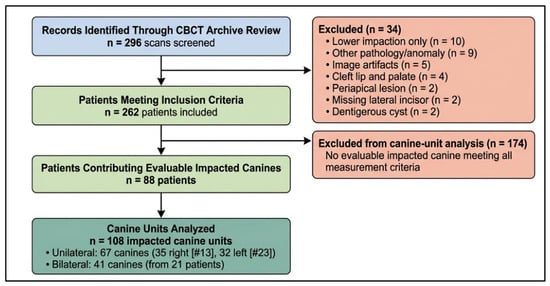
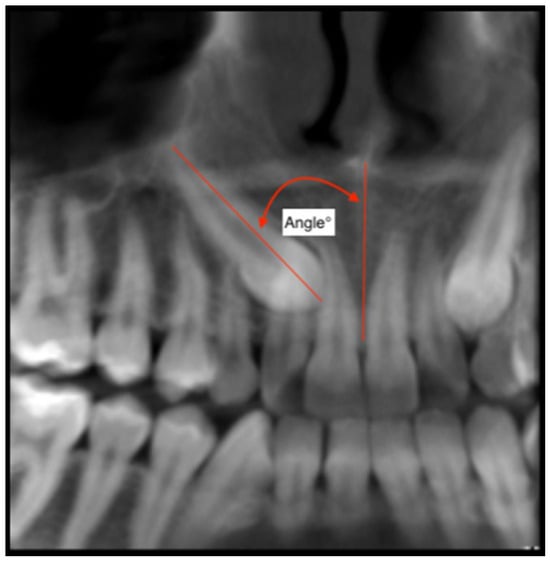
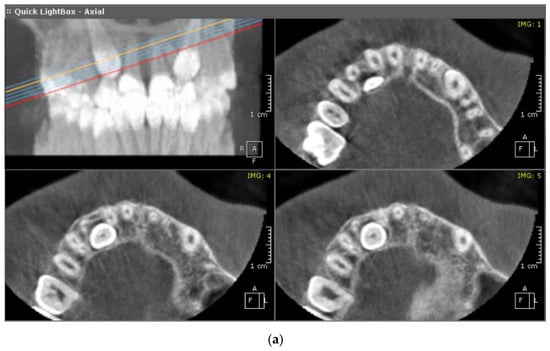
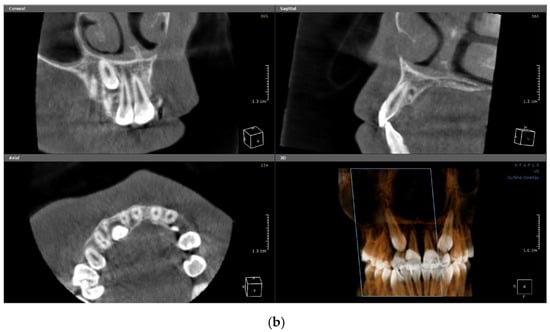
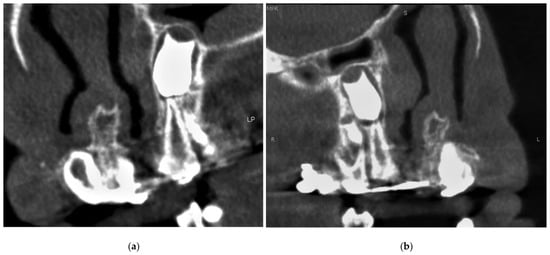
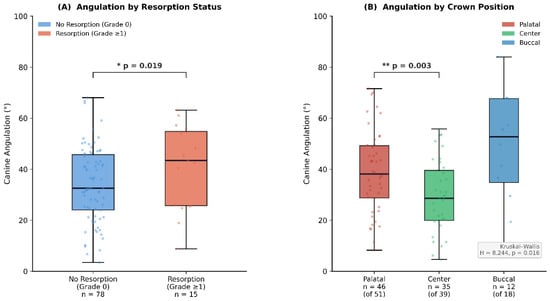
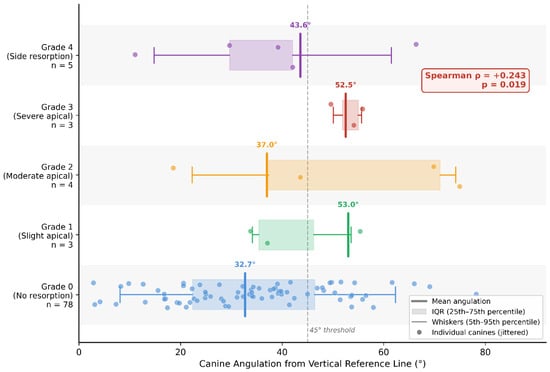
Background: Impacted maxillary canines frequently cause external root resorption of adjacent lateral incisors, a complication that may compromise tooth survival and orthodontic outcomes. Cone-beam computed tomography (CBCT) enables precise three-dimensional assessment of canine position and resorption severity, yet the quantitative relationship between canine angulation and resorption remains incompletely characterized. Objectives: The objectives were to quantify the correlation between impacted maxillary canine angulation relative to the vertical reference line and the severity of adjacent lateral incisor root resorption using CBCT and to evaluate the influence of crown position on resorption prevalence. Materials and Methods: This retrospective cross-sectional study was conducted at the Department of Oral Radiology, King Abdulaziz University Dental Hospital (KAUDH), Jeddah, Saudi Arabia, using CBCT scans acquired between January 2018 and December 2023. CBCT scans of 262 patients with impacted maxillary canines were analyzed. A total of 108 impacted canines from 88 patients were evaluated. Canine angulation was measured as the acute angle between the canine long axis and a vertical reference line on coronal CBCT sections. Crown position was classified as palatal, buccal, or center. Lateral incisor root resorption was graded using the modified Kaley and Phillips classification (Grade 0–4), where Grade 4 represents side resorption. Statistical analyses included Spearman rank correlation, Mann–Whitney U test, chi-square test, and Kruskal–Wallis test with post hoc comparisons (α = 0.05). Results: Lateral incisor root resorption was detected in 17 of 108 canines (15.7%). Mean canine angulation was significantly higher in the resorption group (45.5° ± 21.4°) compared with the no-resorption group (32.7° ± 18.0°; Mann–Whitney U = 809.5, p = 0.019). Spearman correlation revealed a significant positive association between angulation and resorption grade (ρ = +0.243, p = 0.019). Canines angled ≥ 45° exhibited a 3.5-fold higher resorption rate (32.1% vs. 9.2%; OR = 4.66, Fisher’s Exact p = 0.012). Palatal crown position was associated with significantly higher resorption prevalence (25.5%) compared with center (5.1%) and buccal (11.1%) positions (χ2 = 7.258, p = 0.027). Unilateral impaction was associated with significantly higher resorption prevalence than bilateral (22.4% vs. 4.9%; p = 0.031). Conclusions: Larger canine angulation from the vertical reference line is significantly correlated with increased severity of adjacent lateral incisor root resorption. Palatal crown position, angulation ≥ 45°, and unilateral impaction pattern are important risk indicators. CBCT-based angulation measurement provides clinically relevant quantitative data to inform early intervention and treatment planning.
Full article
(This article belongs to the Special Issue Advances in Oral and Maxillofacial Imaging)
►▼
Show Figures

Figure 1
Open AccessArticle
Multiplatform Morphometric Profiling of Whole-Brain, Cerebellar Subregional, and Thalamic Nuclei Alterations in Pediatric Migraine Without Aura
by
Adil Aytaç, Hilal Aydın and Emrah Akay
Diagnostics 2026, 16(13), 2085; https://doi.org/10.3390/diagnostics16132085 - 3 Jul 2026
Abstract
Objectives: To investigate morphometric alterations associated with pediatric migraine without aura at the whole-brain, cerebellar subregional, and thalamic nuclei levels using a multiplatform magnetic resonance imaging (MRI) approach integrating the complementary strengths of different neuroimaging platforms. Methods: This retrospective study included 74 patients
[...] Read more.
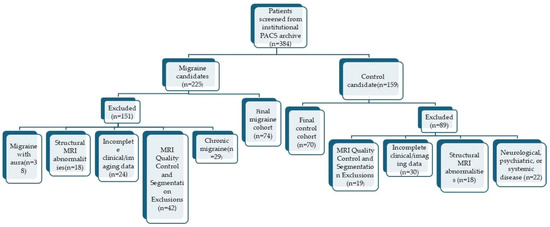
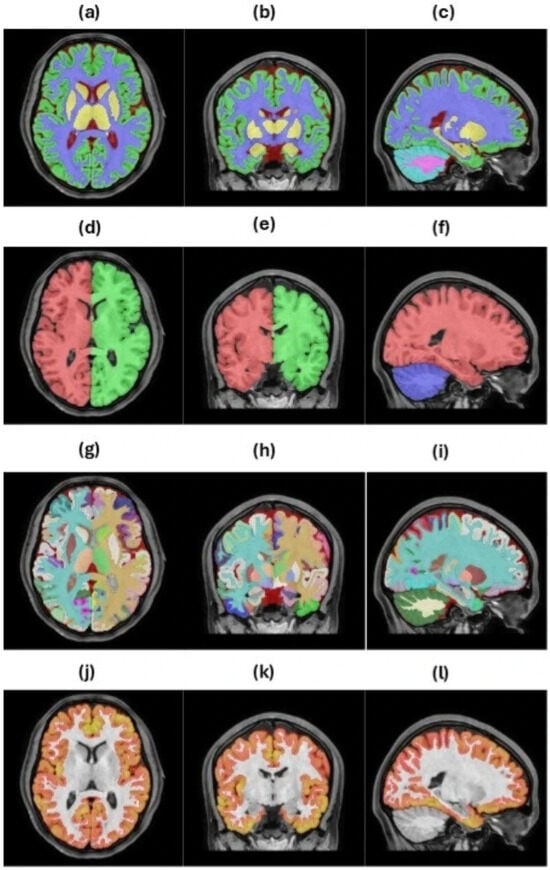
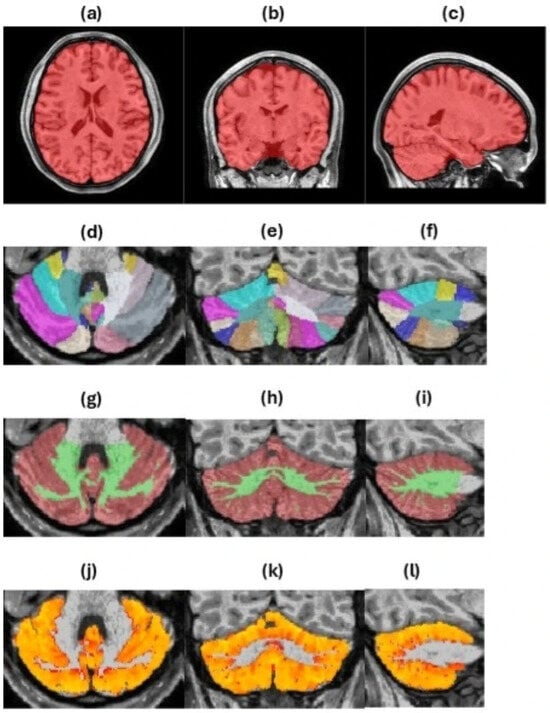
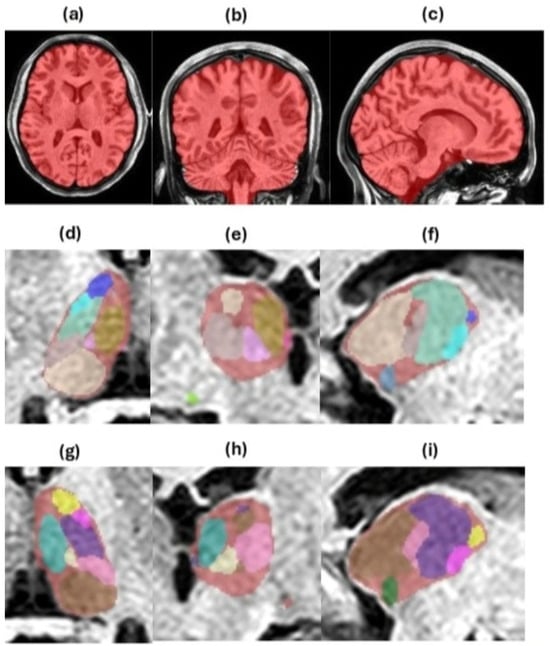
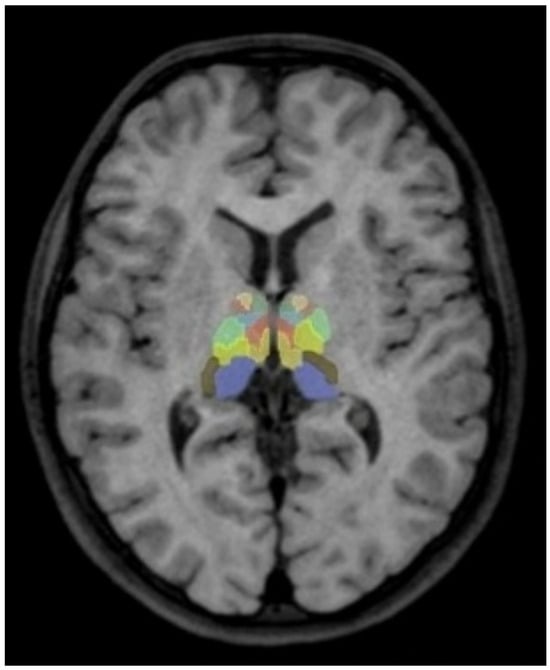
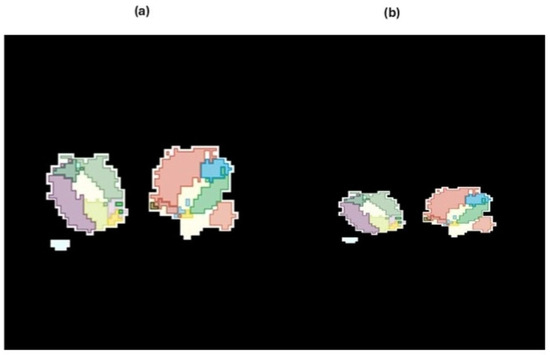
Objectives: To investigate morphometric alterations associated with pediatric migraine without aura at the whole-brain, cerebellar subregional, and thalamic nuclei levels using a multiplatform magnetic resonance imaging (MRI) approach integrating the complementary strengths of different neuroimaging platforms. Methods: This retrospective study included 74 patients aged 12–17 years with migraine without aura and 70 control subjects with structurally normal cranial MRI findings. High-resolution isotropic three-dimensional T1-weighted MRI datasets were analyzed using a multiplatform segmentation workflow integrating vol2Brain, FreeSurfer, and 3D Slicer. Multiple comparisons were corrected using the Benjamini–Hochberg false discovery rate method. Significant volumetric measurements were subsequently normalized for total intracranial volume (TIV) and reanalyzed. Results: Compared with controls, patients with migraine exhibited lower bilateral amygdala and right thalamic volumes, as well as reduced cortical thickness in the right anterior insula, left anterior cingulate gyrus, and precuneus (all FDR-adjusted q < 0.05). Cerebellar analyses demonstrated reduced bilateral Lobule VI volume and gray matter volume, together with cortical thinning in the right Crus I and right Crus II (all FDR-adjusted q < 0.05). Thalamic nuclei analyses revealed lower volumes of the bilateral mediodorsal and pulvinar nuclei and the right ventral anterior and ventral posterolateral nuclei (all FDR-adjusted q < 0.05). All volumetric findings remained significant after TIV normalization. Conclusions: By integrating whole-brain morphometry with detailed cerebellar subregional and thalamic nuclei analyses, this study expands conventional morphometric assessment and provides a more integrated perspective on structural brain alterations associated with pediatric migraine without aura.
Full article
(This article belongs to the Section Medical Imaging and Theranostics)
►▼
Show Figures

Figure 1
Open AccessArticle
A Potential Approach to Bridge the Diagnostic Gap and Propose a Referral Pathway for Suspected ATTR-CA Based on Incidental Cardiac Uptake in 99mTc-MDP Bone Scans: A Pilot Descriptive Study
by
Afnan M. F. Darwesh, Leen Albalbeesi, Arwa S. Bahlas, Jana Y. Al-Khambashi, Wiam Algeraigri, Nouf Malibari, Rawan Abdeen and Fahad F. Almutairi
Diagnostics 2026, 16(13), 2084; https://doi.org/10.3390/diagnostics16132084 - 3 Jul 2026
Abstract
Background/Objectives: Early diagnosis of cardiac amyloidosis is crucial to improve patient outcomes. Although 99mTc-MDP is less sensitive than other bone-avid tracers for detecting ATTR-CA, it is widely used for routine bone imaging in this region. Incidental cardiac uptake on 99mTc-MDP bone
[...] Read more.
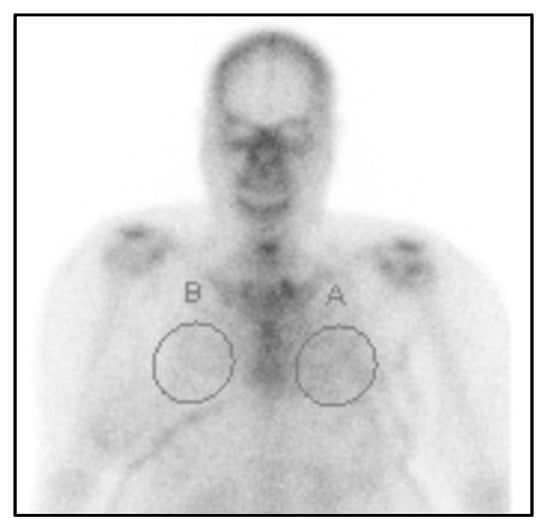
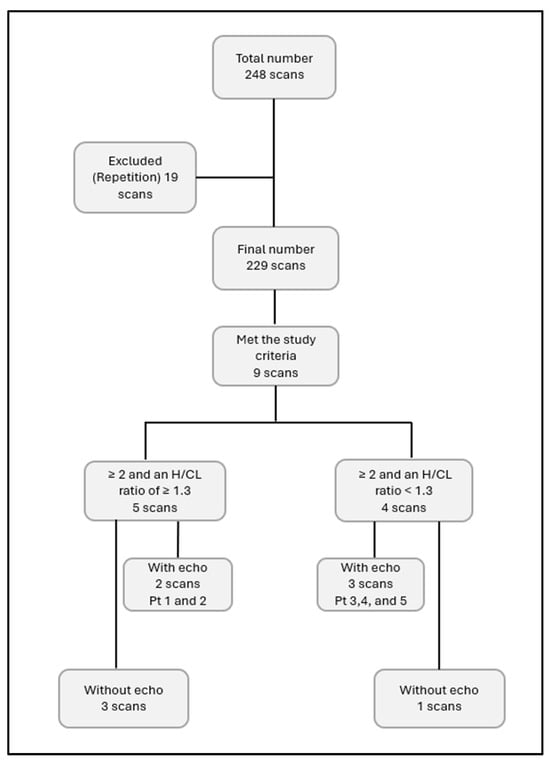
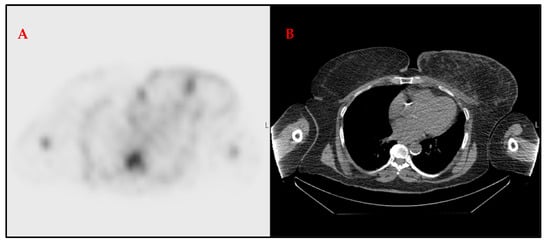
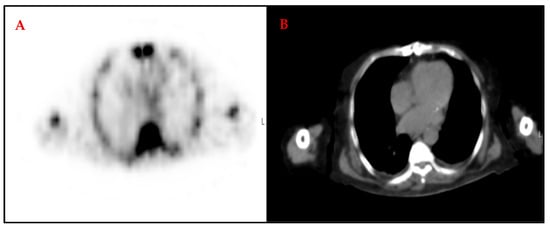
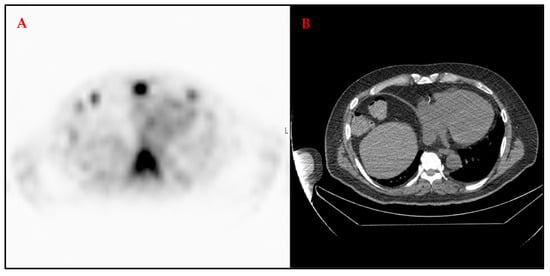
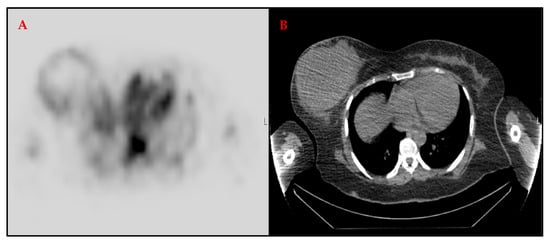
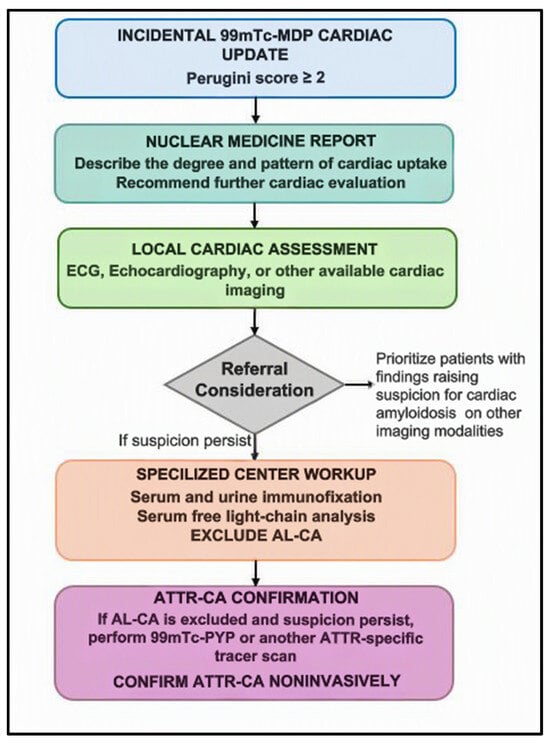
Background/Objectives: Early diagnosis of cardiac amyloidosis is crucial to improve patient outcomes. Although 99mTc-MDP is less sensitive than other bone-avid tracers for detecting ATTR-CA, it is widely used for routine bone imaging in this region. Incidental cardiac uptake on 99mTc-MDP bone scintigraphy may therefore offer a practical opportunity for identifying suspected ATTR-CA in resource-limited settings. To evaluate incidental cardiac uptake, warranting further evaluation for ATTR-CA on routine 99mTc-MDP bone scans as an incidental flag method for patients who require further evaluation and to propose a referral pathway in resource-limited settings. Methods: A retrospective review of 229 patients was performed. The assessment of myocardial uptake was performed using the Perugini visual score and H/CL ratio analysis. Patients’ medical records were reviewed, and available cardiac imaging reports were evaluated for further assessment of cardiac involvement. Results: Nine patients demonstrated a Perugini score = 2; of these, five underwent echocardiography, demonstrating abnormalities that may indicate amyloid involvement. No patient had confirmatory ATTR-CA testing, AL-CA exclusion testing, (CMR), biopsy, or amyloid typing. In patients without prior cardiac disease, echocardiographic abnormalities may potentially represent subclinical disease, such as cardiac amyloidosis, though this requires further confirmation. In patients with HTN or diabetes, the echocardiographic changes may be attributed to the underlying conditions. Echocardiographic characteristics suggestive, but not specific, for cardiac amyloidosis were observed in patients selected based on positive 99mTc-MDP uptake. Conclusions: Incidental cardiac uptake with a Perugini score ≥ 2 can highlight patients for ATTR-CA investigation. These results provide preliminary evidence that incidental 99mTc-MDP cardiac uptake can flag patients who require further evaluation for ATTR-CA and support the implementation of a referral pathway from local evaluation to a specialized center.
Full article
(This article belongs to the Section Medical Imaging and Theranostics)
►▼
Show Figures

Figure 1
Journal Menu
► ▼ Journal Menu-
- Diagnostics Home
- Aims & Scope
- Editorial Board
- Reviewer Board
- Topical Advisory Panel
- Instructions for Authors
- Special Issues
- Topics
- Sections & Collections
- Article Processing Charge
- Indexing & Archiving
- Editor’s Choice Articles
- Most Cited & Viewed
- Journal Statistics
- Journal History
- Journal Awards
- Society Collaborations
- Conferences
- Editorial Office
Journal Browser
► ▼ Journal BrowserHighly Accessed Articles
Latest Books
E-Mail Alert
News
Topics
Topic in
Applied Sciences, Diagnostics, JCM, Clinics and Practice, Therapeutics
Advances in Diagnosis and Treatment of Dental Diseases and Temporomandibular Joints
Topic Editors: Rafał Obuchowicz, Małgorzata Pihut, Karolina Nurzynska, Andrzej UrbanikDeadline: 31 July 2026
Topic in
Cancers, Diagnostics, Gastrointestinal Disorders, JCM, Current Oncology
Metastatic Colorectal Cancer: From Laboratory to Clinical Studies, 2nd Edition
Topic Editors: Ioannis Ntanasis-Stathopoulos, Diamantis I. TsilimigrasDeadline: 20 August 2026
Topic in
Applied Sciences, Bioengineering, Diagnostics, J. Imaging, Signals
Signal Analysis and Biomedical Imaging for Precision Medicine
Topic Editors: Surbhi Bhatia Khan, Mo SaraeeDeadline: 31 August 2026
Topic in
Biomedicines, Clinics and Practice, Diagnostics, JCM, Rheumato
Rheumatic Disorder: From Basic Science to Clinical Practice—2nd Edition
Topic Editors: Andreina Manfredi, Caterina Vacchi, Giulia CassoneDeadline: 20 September 2026
Conferences
Special Issues
Special Issue in
Diagnostics
Essentials of Imaging Diagnosis in Pulmonary Diseases: Techniques and Clinical Practice
Guest Editor: Chiara RomeiDeadline: 30 July 2026
Special Issue in
Diagnostics
Integrated Assessment and Management of Heart Failure Syndromes
Guest Editors: Damiano Magrì, Emiliano FioriDeadline: 30 July 2026
Special Issue in
Diagnostics
Advances in Diagnostic and Interventional Nephrology
Guest Editor: Ammar AlmehmiDeadline: 31 July 2026
Special Issue in
Diagnostics
Subjective Experiences of Decline and Dementia Risk: Cognitive, Functional, and Emotional Predictors of Cognitive Decline
Guest Editor: Katya NumbersDeadline: 31 July 2026
Topical Collections
Topical Collection in
Diagnostics
Artificial Intelligence in Medical Diagnosis and Prognosis
Collection Editor: Tim Duong