


Abstract
This article contains quantitative and qualitative patient-reported outcome measures (PROMs) collected from nine dental patients, with a single-implant in the maxillary anterior region of the mouth, recruited after obtaining consent documents. The quantitative data were obtained from participants’ demographics, frontal extraoral digital photographs, intraoral scans (IOS) of the maxillary arch, and self-administered questionnaires (where patients judged the overall, appearance, function, and comfort of their single-implant-supported crowns). Objective single-implant aesthetic index mean scores (Pink Esthetic Score/White Esthetic Score [PES/WES]) were obtained after two experienced calibrated clinicians analyzed the photographs and the three-dimensional models generated from the IOS. The self-administered questionnaires used a visual analogue scale (VAS) to obtain the patients’ subjective perceptions. The qualitative data were obtained from in-depth, semi-structured one-to-one interviews. The transcriptions from audio-recorded interview data were managed and coded, with the aid of a Computer-Assisted Qualitative Data Analysis Software (CAQDAS). These data were stored in a public repository that can be easily downloaded from a Mendeley data repository (DOI: 10.17632/sv8t6tkvjv.1).
Dataset
DOI: 10.17632/sv8t6tkvjv.1
Dataset License
CC-BY
1. Summary
The specific subject areas of this research fall under the umbrella of “Dentistry, Oral Surgery and Medicine” as well as “Medicine and Dentistry (General).” The parameters for data collection were adult dental patients who were at the maintenance stage after receiving an implant-supported single-crown in the upper front region of the mouth, and who lived in the province of British Columbia (Pacific Coast Region-West Coast), Canada.
Since the study aimed to provide a deeper understanding of the phenomenon (i.e., patients’ experiences and perceptions with a single-tooth implant in the anterior zone), this study required a holistic assessment using an inductive qualitative method. Consequently, an adapted form of interpretative phenomenological analysis (IPA) was conducted [1,2,3]. Additionally, the researchers (K.I.A. and S.R.B.) subscribed to van Manen’s recommendation for a dynamic interaction between six research steps that allowed flexibility in working intermittently or simultaneously, back and forth between steps, as a form of an “interpretative circle,” depending on the evolving research needs [4,5]. The framework proposed by van Manen included the following steps: “turning to the nature of lived experience,” “investigating experience as we live it,” “reflecting on the essential themes that characterize the phenomenon,” “describing the phenomenon in the art of writing and rewriting,” “maintaining a strong and oriented relation to the phenomenon,” and “balancing the research context by considering the parts and the whole” [6]. The results of this qualitative study were interpreted and presented by arranging them as themes and subthemes, relating these to the “whole”, relative to understanding the phenomenon in question.
Regarding the description of the data collection, qualitative interviews, self-administered questionnaires, maxillary digital scans and the lower third of the face pictures were obtained in a university setting. The participants were encouraged to express their perspectives about a specific dental intervention, as well as to recall their satisfaction throughout the process. The participation of nine Canadian dental patients was incentivized, and all data was anonymized. The format of the table and chart data available are raw, analyzed, descriptive, and cleaned.
The data can serve for further investigation of the expectations, perceptions, and satisfaction with the treatment outcomes, of patients who had a missing tooth replaced by an implanted single crown in a university setting in Western Canada. This is the first time that qualitative data from this particular sector of the dental population have been reported.
The data can aid other investigators by comparing data from different regions of Canada or different countries, as well as data from patients treated at a university by postgraduate students and at a private practice by more experienced dental specialists. Additionally, the results may benefit from an analysis according to the available theories of patient satisfaction. Moreover, the raw data can be used for further analysis or for combining the results of the quantitative measures with new studies for meta-analytical purposes. The self-administered questionnaire can be used in other studies for its validation and for benchmarking purposes. The qualitative responses can be analyzed with qualitative software to uncover patterns and commonalities in the experiences of patients who had a single-implant crown in the upper front area of the mouth.
The data shared provide information about areas of improvement regarding the quality of care provided to patients who are missing a tooth in the most visible area of the mouth. The data may inspire other practice variation studies to understand satisfaction of partially edentulous patients. Lastly, a concise questionnaire related to PROMs of patients with a single-implant crown in the anterior zone was specially designed for this research project and is presented here in English.
2. Data Description
The dataset in this research article contains the data from nine (55.6% men) adult patients who had a missing tooth replaced with a single crown supported by an osseointegrated titanium implant performed by postgraduate students from the Periodontology and Prosthodontology departments at a Canadian educational institution. The number of included participants was aligned with the estimation stipulated in the study protocol [6], which was based on achieving the research data saturation of previous qualitative studies, including between six and twelve individual interviews [1,7,8,9,10].
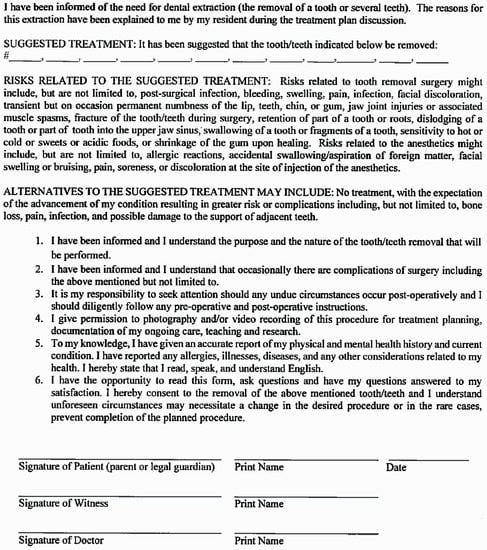
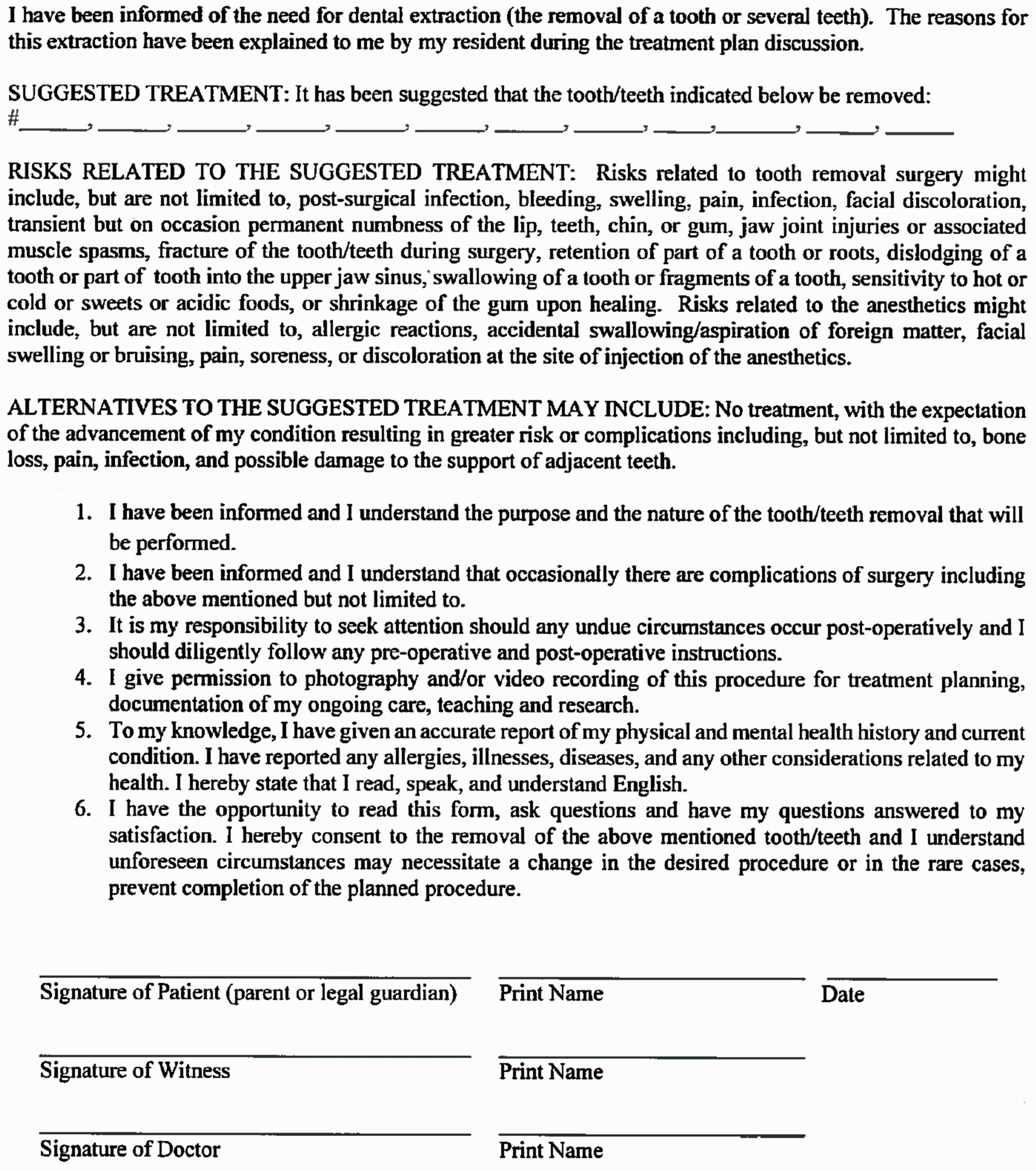
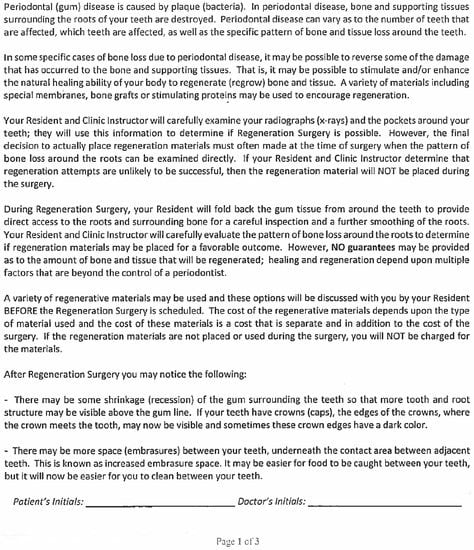
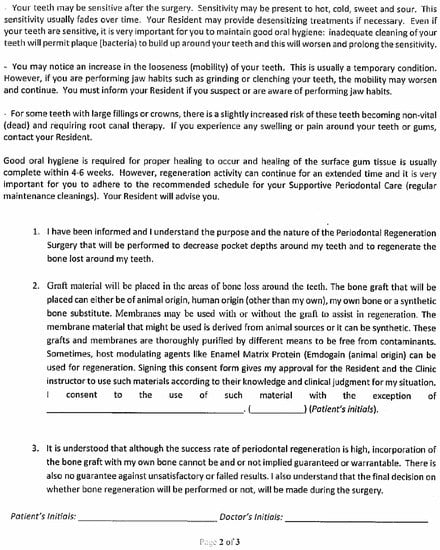
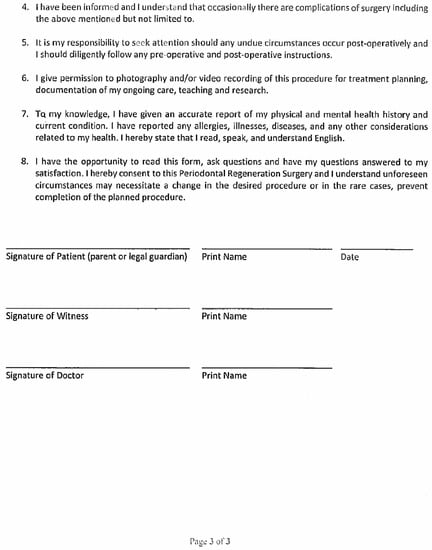
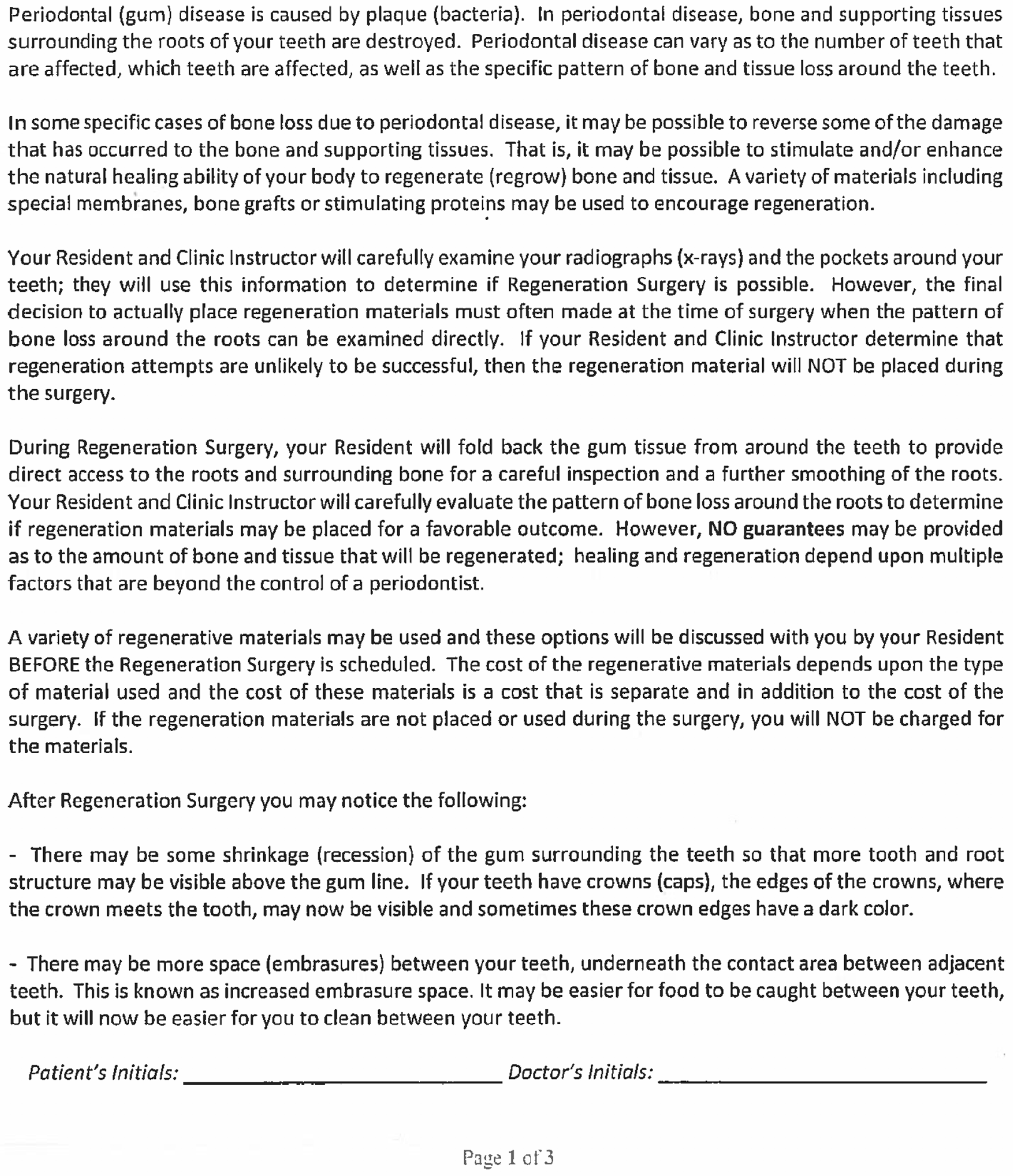
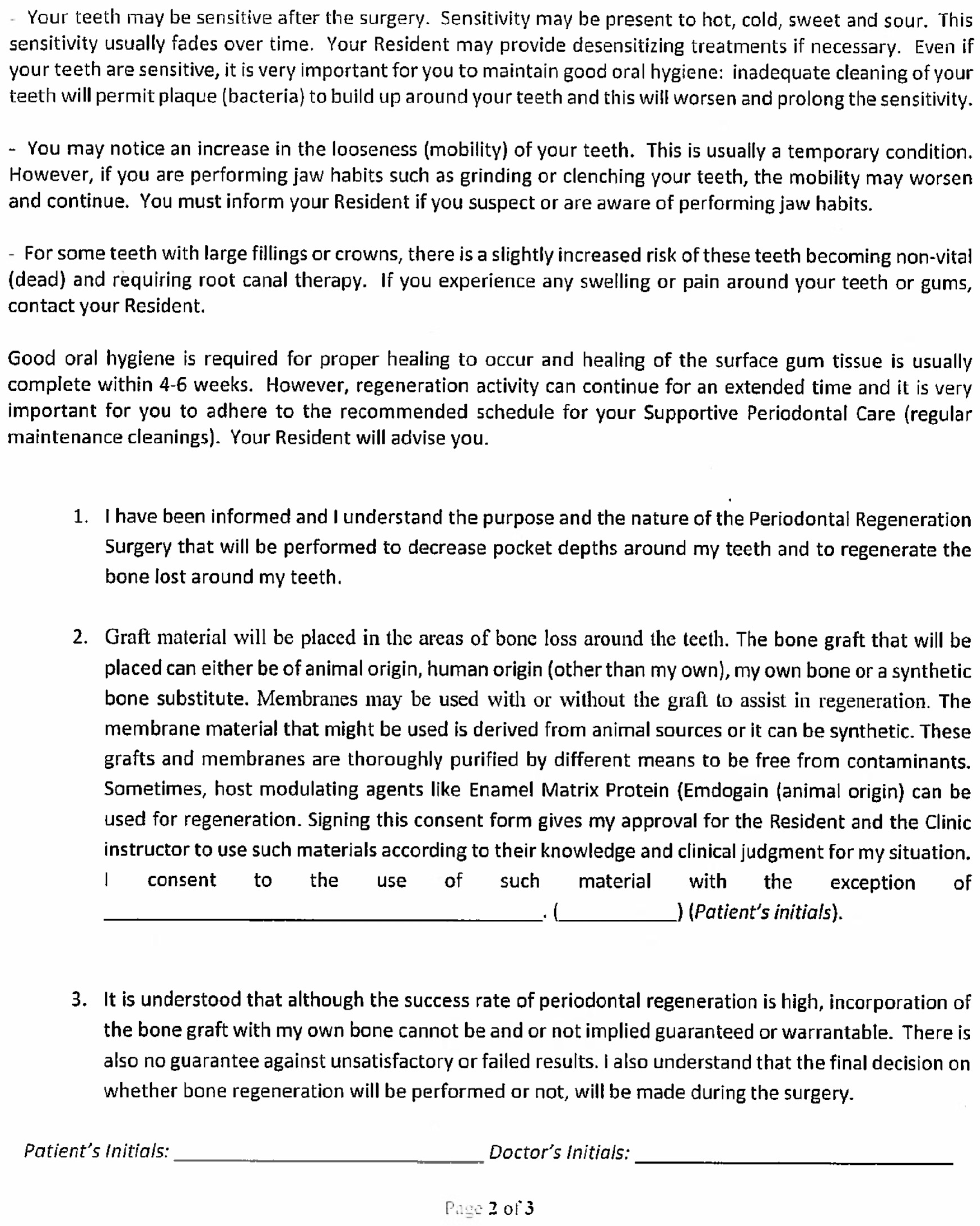
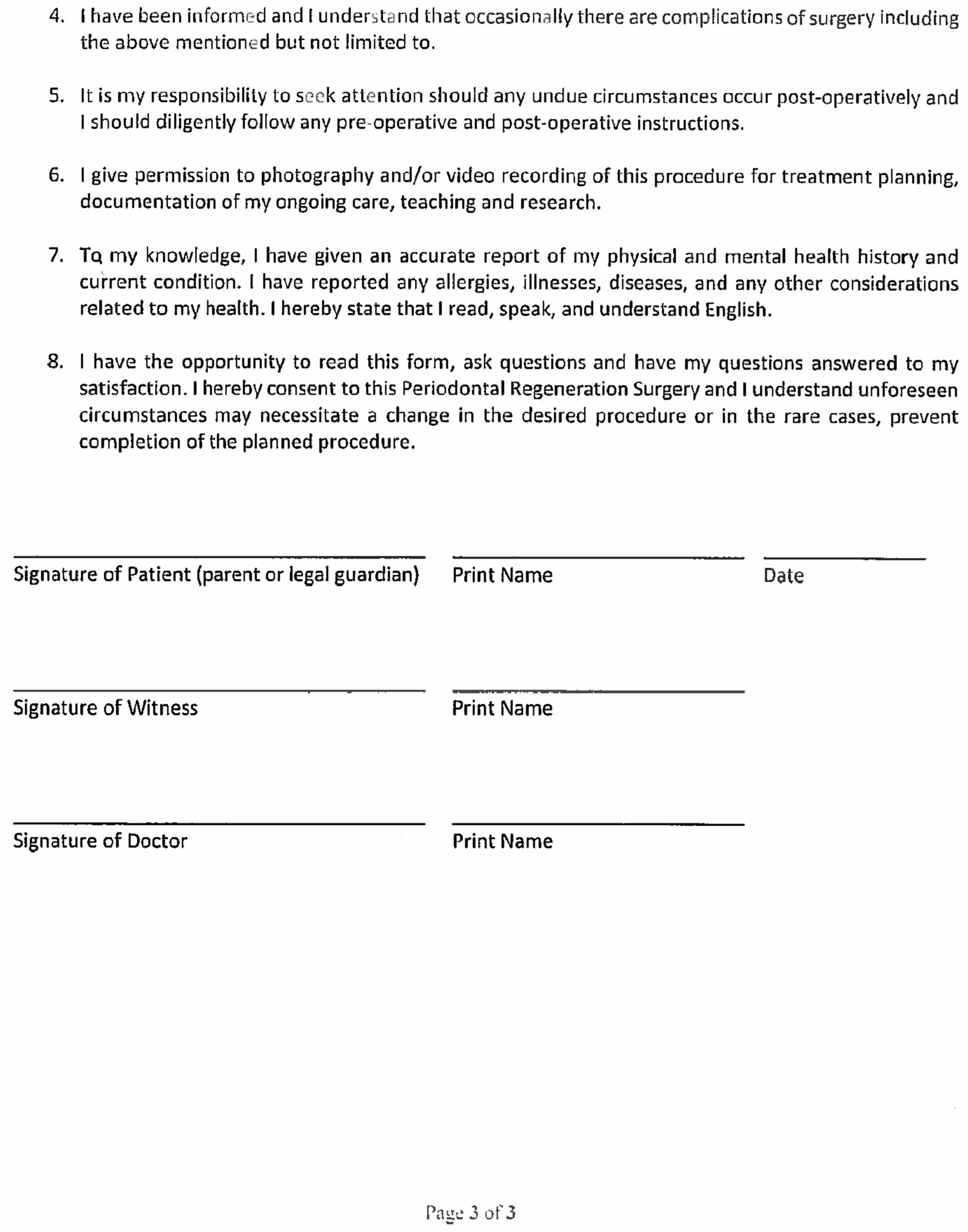
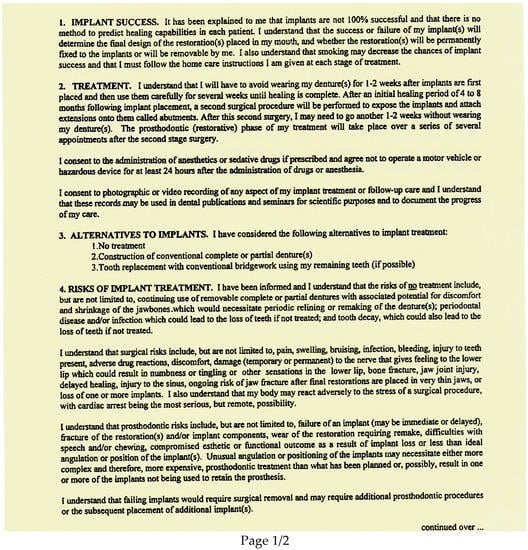
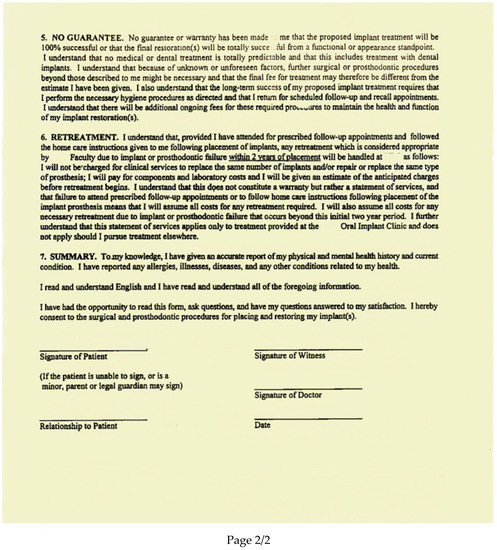
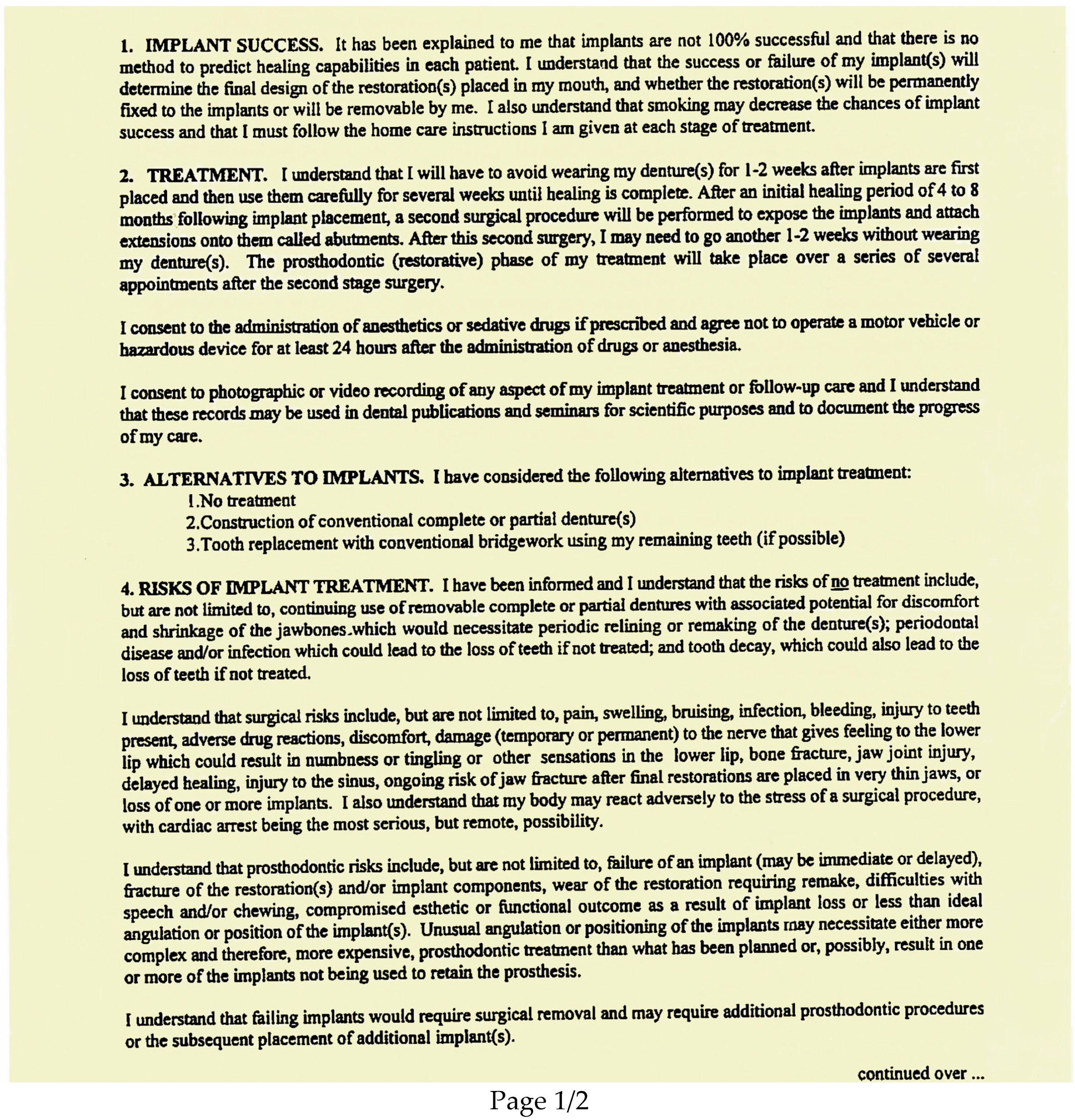
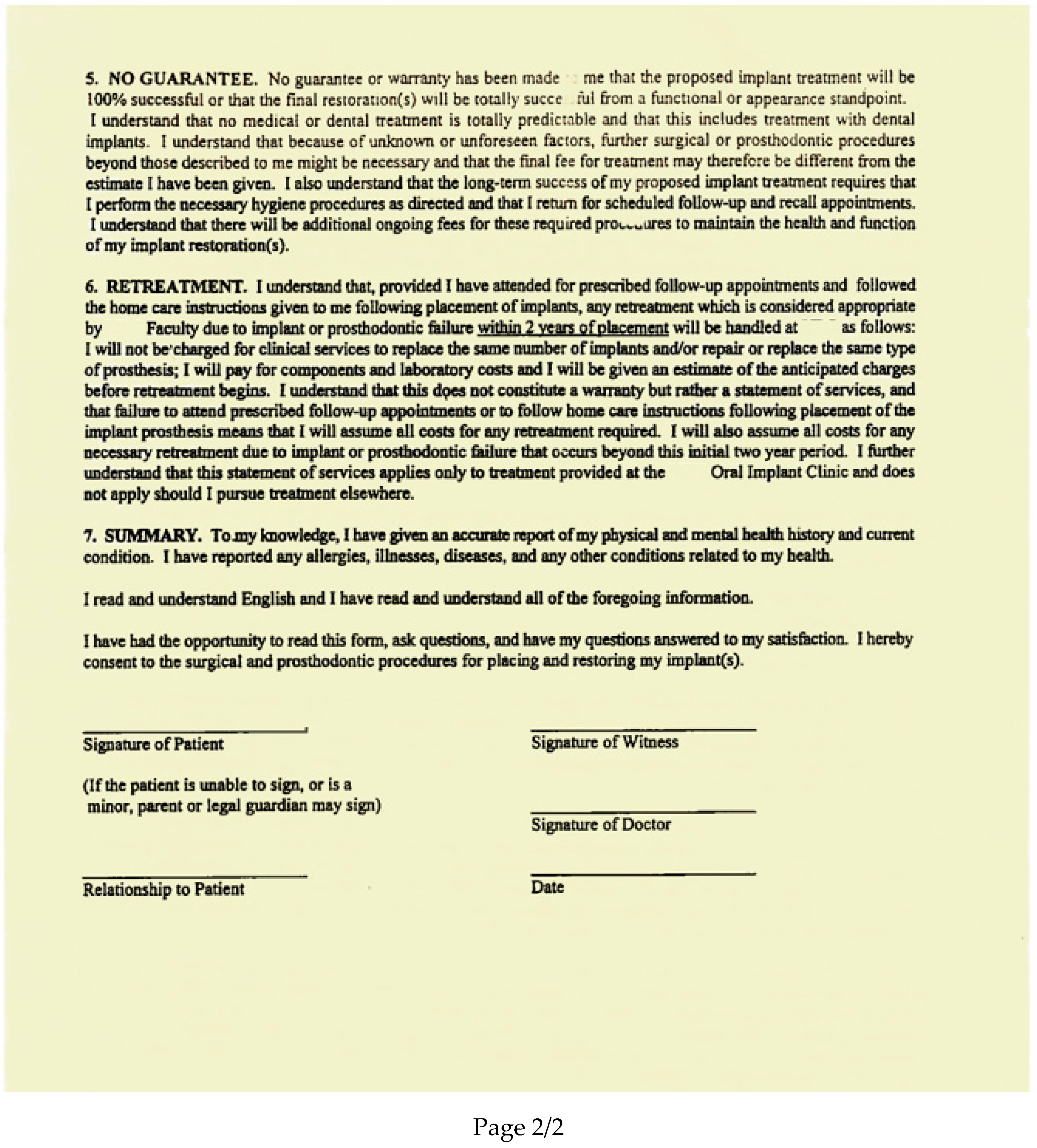
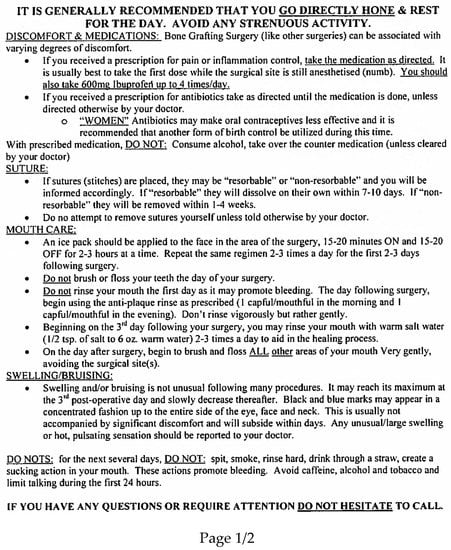
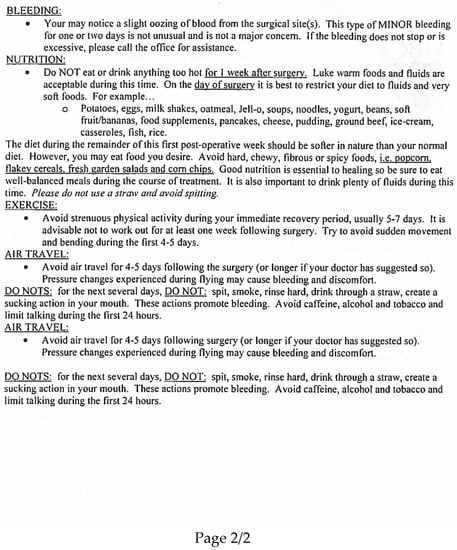
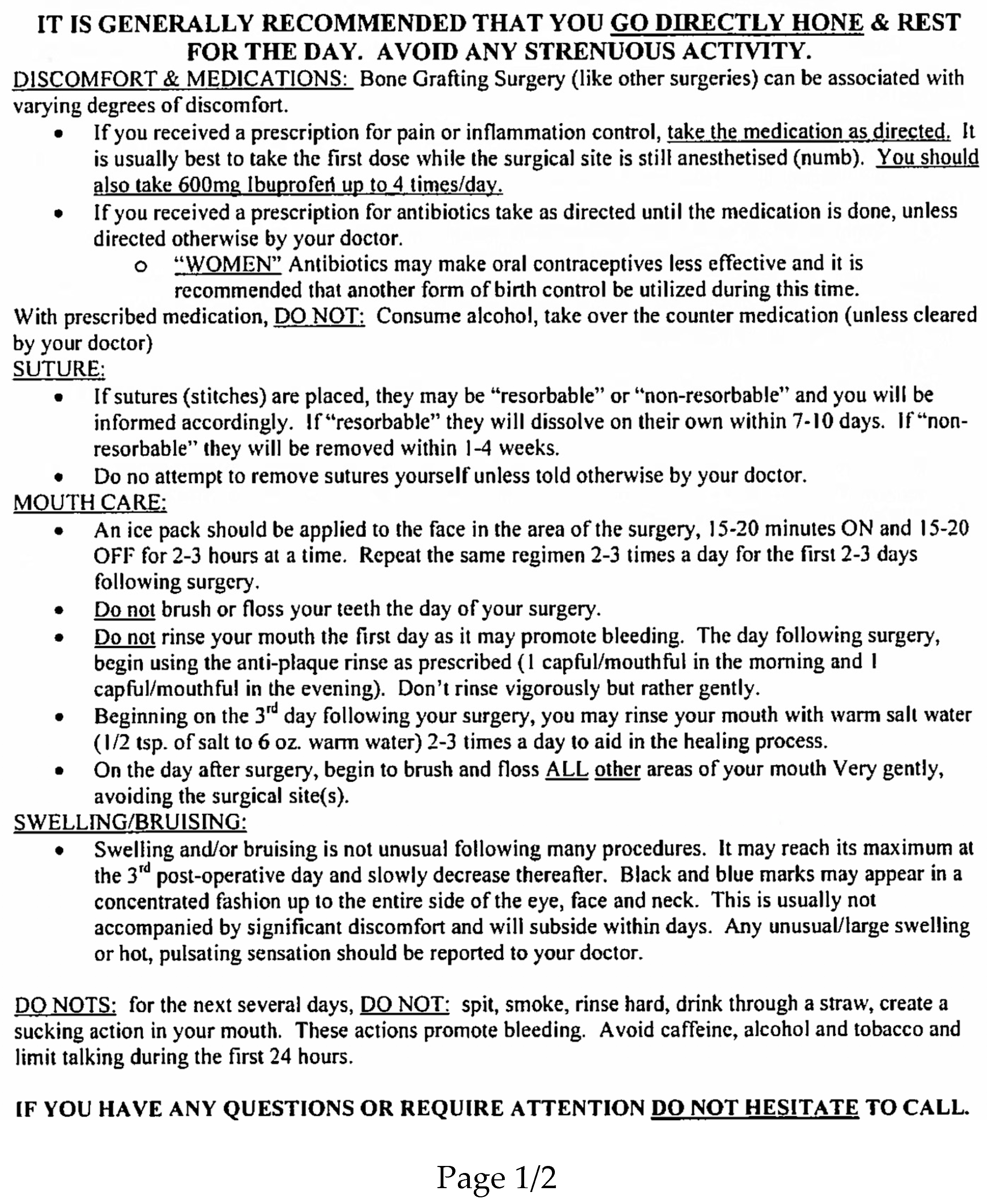
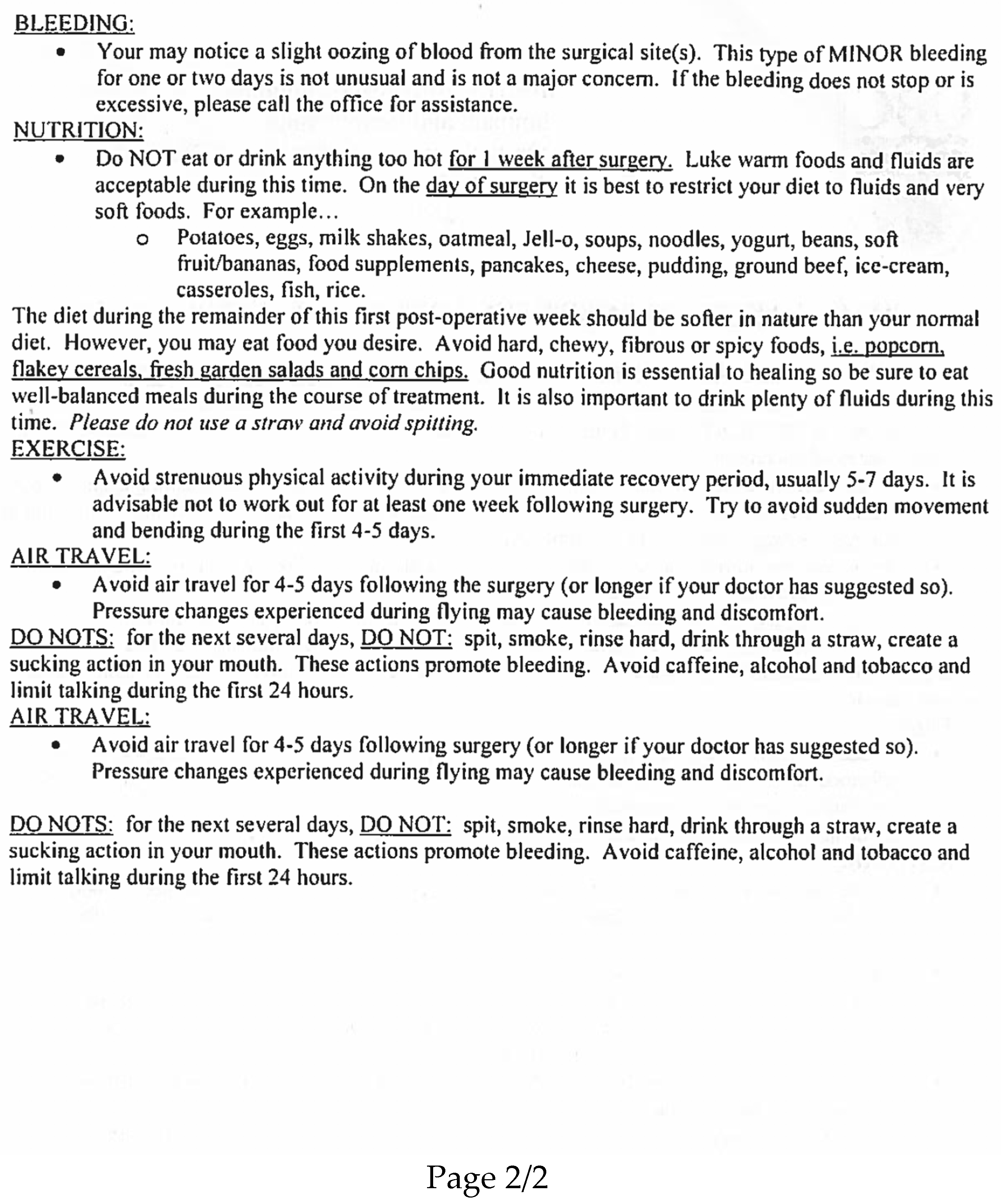
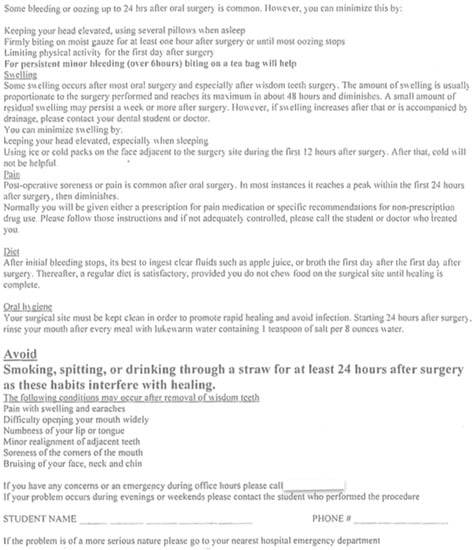
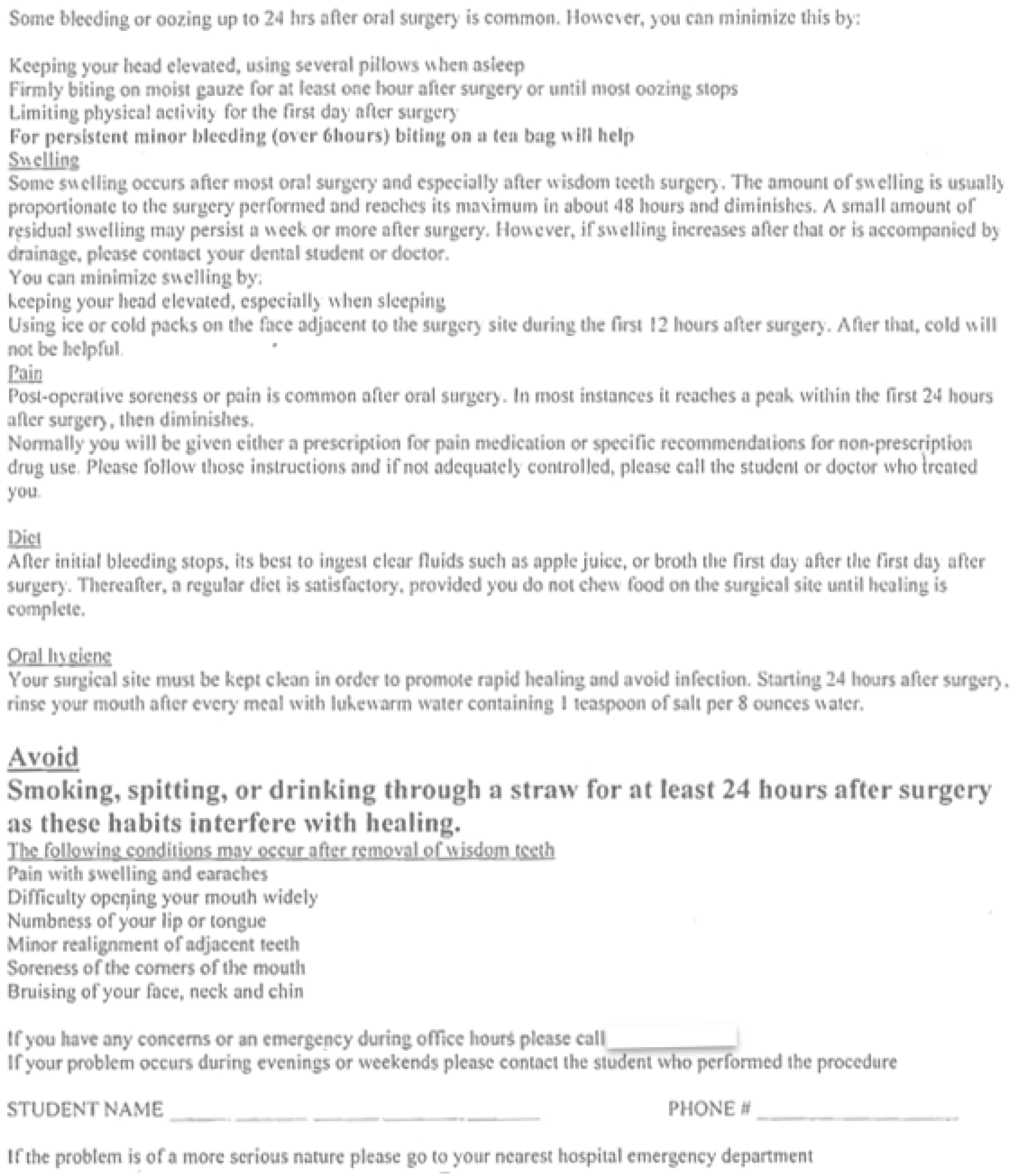
After informed consent was obtained from all subjects involved in the study, their records were verified for the presence of a tooth removal information and a consent form (Figure 1), regeneration surgery information and a consent form (Figure 2), a dental implant therapy consent form (Figure 3), bone grafting surgery post-operative instructions (Figure 4), and oral surgery post-operative instructions (Figure 5).
Figure 1.
Tooth removal information and consent form.
Figure 2.
Regeneration surgery information and consent form.
Figure 3.
Dental implant therapy consent form.
Figure 4.
Bone grafting surgery post-operative instructions.
Figure 5.
Oral surgery post-operative instructions.
The self-administered questionnaire used a visual analogue scale (VAS) to assess patients’ satisfaction quantitatively after having their single dental implant in the front of the fully functional mouth, as previously proposed by Afrashtehfar et al., 2021 [11]. The raw data of the questionnaire contain patients’ responses (Table 1) to each of the six items of the self-administered questionnaire. Mean values and standard deviations were calculated to obtain the overall scores from each participant and each question. The questionnaire included 6 items about the participants’ perceptions of the single-tooth implant regarding: overall satisfaction, comfort, tooth appearance, gum appearance, function, and cleaning complexity [11].
Table 1.
Participants’ points of view (patients’ subjective assessments) of their single-implant teeth.
The scores from the two calibrated clinical examiners (K.I.A. and K.I.) were averaged to obtain the objective assessment scores of each item evaluated (Table 2) according to the literature [11,12,13]. Five items for the tooth (WES) and gum (PES) portions of the implant tooth were evaluated, in a comparison of similarities with the contralateral natural tooth. The highest score (similar aesthetic outcome) received in each item was 2, whereas the lowest score (dissimilar aesthetic outcome) received was 0. Anything in the middle received a score of 1. Therefore, the maximum score that each evaluated portion could add up to was 10, and the maximum combined score was 20. Each portion that received a score of less than 6 and a combined score of less than 12 was considered an unacceptable aesthetic outcome [11,12]. In this group of participants, most (5/9) had an overall unacceptable aesthetic outcome (Table 2).
Table 2.
Expert evaluation (calibrated clinicians’ objective aesthetics assessments) concerning the individual characteristics of the single-implant tooth appearance.
The primary data collected for this research project were qualitative participant perceptions gathered through semi-structured, one-to-one, in-depth interviews with each participant, using an interview guide based on open-ended questions [6], guided by the literature [14,15,16,17,18] on the subject and the research question. The interview guide consisted of six sections: introductory background questions (icebreakers); patients’ overall satisfaction with their implant tooth, the appearance of their implant tooth, the function and social experiences relating to their implant-tooth; as well as any other important experiences which affected their satisfaction with their implant tooth, such as complications, maintenance, financial aspects, and surgical aspects of the implant tooth treatment. One author (K.I.A.) conducted all the interviews and discussed the obtained data with another author (S.R.B). Thus, several questions were added to the original version of the guide as the interviews of the first participants evolved, creating an opportunity to extract more information about issues surrounding the research question [14] (Table 3).
Table 3.
Questions added to the interview guide during the data collection phase.
Repository qualitative answers to the interview are available at: http://dx.doi.org/10.17632/sv8t6tkvjv.1#file-ab78ccec-788c-4913-8daa-3334b8dfcc4d (Accessed date: 19 June 2021). This repository [19] contained several coded sections displayed as tables according to the chronological events during the treatment and the meanings conveyed by the prevalence of the identified expressions of the participants.
3. Experimental Design, Materials and Methods
The designed questionnaires were used to explore patients’ perceptions and satisfaction with their implant treatment experience and the treatment outcome. The patients who volunteered to participate, read and signed an informed consent form (Table 4) which stated that they could withdraw from the study at any given moment without consequences and ensure their anonymity. The data collection has been conducted in one university dental clinic in the Pacific region of Canada.
Table 4.
Consent form.
All the items were coded and scored; however, the interpretation is not available at this data set. NVivo version 12 qualitative software (QSR International Pty Ltd.; Melbourne, Australia) was the computer-assisted qualitative data analysis software (CAQDAS) (NVivo version 12 qualitative software [QSR International Pty Ltd.; Melbourne, Australia]) utilized to analyze the qualitative data, whereas MS Excel (Microsoft Corporation, Redmond, Washington) was used to record the quantitative data.
Other instruments used for data collection were 2 digital HD voice recorders (Sony ICD-UX560 [Sony Co; Tokyo, Japan]), a digital SLR camera with 100 mm lens (Canon EOS Rebel T7i [Canon Inc; Tokyo, Japan]), and an intraoral scanner (TRIOS® [3Shape A/S; Copenhagen, Denmark]).
Author Contributions
Conceptualization: K.I.A., and S.R.B.; data curation: K.I.A., and K.I.; formal analysis: K.I.A., and K.I.; investigation: K.I.A., and K.I.; methodology: K.I.A., and S.R.B.; project administration: K.I.A.; supervision: S.R.B.; writing—original draft: K.I.A.; writing—review and editing: S.R.B. All authors have read and agreed to the published version of the manuscript.
Funding
This research was partially funded by the American Academy of Esthetic Dentistry (AAED; USA) and the American Academy of Implant Dentistry Foundation (AAIDF; USA).
Institutional Review Board Statement
The study was conducted according to the guidelines of the Declaration of Helsinki, and approved by the Behavioural Research Ethics Board (BREB) of The University of British Columbia (UBC BREB # H19-00107; 25 June 2019).
Informed Consent Statement
Informed consent was obtained from all subjects involved in the study.
Data Availability Statement
Anonymized data is included within this article is available in a public repository (i.e., Mendeley Data) at: http://dx.doi.org/10.17632/sv8t6tkvjv.1#file-ab78ccec-788c-4913-8daa-3334b8dfcc4d [19].
Acknowledgments
The authors thank the participants for their precious contribution throughout the data collection stage. Their time and truthful responses are also appreciated. The first author would like to thank the AAED and AAIDF for generously supporting this research.
Conflicts of Interest
The authors declare that they have no known competing financial interests or personal relationships which have, or could be perceived to have, influenced the work reported in this article.
Ethics Statement
A Minimal Risk Certificate of Approval was obtained from the institution’s BREB. We hereby confirm that informed consent (Table 4) was obtained for the participation of human subjects in this research.
References
- Hazaveh, M.; Hovey, R. Patient experience of living with orofacial pain: An interpretive phenomenological study. JDR Clin. Trans. Res. 2018, 3, 264–271, [Included 6 participants]. [Google Scholar] [CrossRef] [Scilit] [PubMed]
- Polit, D.F.; Beck, C.T. Generalization in quantitative and qualitative research: Myths and strategies. Int. J. Nurs. Stud. 2010, 47, 1451–1458. [Google Scholar] [CrossRef] [Scilit] [PubMed]
- Lesaffre, E.; Feine, J.; Leroux, B.; Declerck, D. Statistical and Methodological Aspects of Oral Health Research; Wiley & Sons: Hoboken, NJ, USA, 2009. [Google Scholar]
- van Manen, M. Researching Lived Experience: Human Science for an Action Sensitive Pedagogy; Routledge: New York, NY, USA, 2016. [Google Scholar]
- van Manen, M. Phenomenology of Practice: Meaning-Giving Methods in Phenomenological Research and Writing; Routledge: New York, NY, USA, 2014. [Google Scholar]
- Afrashtehfar, K.I.; Bryant, S.R. Understanding the lived experience of North American dental patients with a single-tooth implant in the upper front region of the mouth: Protocol for a qualitative study. JMIR. Res. Protoc. 2021, 10, e25767. [Google Scholar] [CrossRef] [Scilit] [PubMed]
- Guest, G.; Bunce, A.; Johnson, L. How many interviews are enough? Field Methods 2016, 18, 59–82. [Google Scholar] [CrossRef] [Scilit]
- Kashbour, W.A.; Rousseau, N.S.; Thomason, J.M.; Ellis, J.S. Provision of information to patients on dental implant treatment: Clinicians’ perspectives on the current approaches and future strategies. J. Dent. 2018, 76, 117–124, [Included 8 participants]. [Google Scholar] [CrossRef] [Scilit]
- Grey, E.B.; Harcourt, D.; O’Sullivan, D.; Buchanan, H.; Kilpatrick, N.M. A qualitative study of patients’ motivations and expectations for dental implants. Br. Dent. J. 2013, 214, E1, [Included 9 participants]. [Google Scholar] [CrossRef] [Scilit] [PubMed]
- Afshari, F.S.; Yuan, J.-C.-C.; Quimby, A.; Harlow, R.; Campbell, S.D.; Sukotjo, C. Advanced predoctoral implant program at UIC: Description and qualitative analysis. J. Dent. Educ. 2014, 78, 770–778, [Included 9 participants]. [Google Scholar] [CrossRef] [Scilit] [PubMed]
- Afrashtehfar, K.I.; Assery, M.K.A.; Bryant, S.R. Aesthetic parameters and patient-perspective assessment tools for maxillary anterior single implants. Int. J. Dent. 2021, 2021, 6684028. [Google Scholar] [CrossRef] [Scilit] [PubMed]
- Belser, U.C.; Grutter, L.; Vailati, F.; Bornstein, M.M.; Weber, H.P.; Buser, D. Outcome evaluation of early placed maxillary anterior single-tooth implants using objective esthetic criteria: A cross-sectional, retrospective study in 45 patients with a 2- to 4-year follow-up using pink and white esthetic scores. J. Periodontol. 2009, 80, 140–151. [Google Scholar] [CrossRef] [Scilit] [PubMed]
- Afrashtehfar, K.I.; Brägger, U.; Hicklin, S.P. Reliability of interproximal bone height measurements in bone- and tissue-level implants: A methodological study for improved calibration purposes. Int. J. Oral. Maxillofac. Implants 2020, 35, 289–296. [Google Scholar] [CrossRef] [Scilit] [PubMed]
- Afrashtehfar, K.I.; Assery, M.K.A.; Bryant, S.R. Patient satisfaction in medicine and dentistry. Int. J. Dent. 2020, 2020, 6621848. [Google Scholar] [CrossRef] [Scilit]
- Del Monte, S.; Afrashtehfar, K.I.; Emami, E.; Abi Nader, S.; Tamimi, F. Lay preferences for dentogingival esthetic parameters: A systematic review. J. Prosthet. Dent. 2017, 118, 717–724. [Google Scholar] [CrossRef] [Scilit]
- Willig, C.; Stainton-Rogers, W. The SAGE Handbook of Qualitative Research in Psychology, 2nd ed.; SAGE Publications Ltd. Long: Sauzender Oaks, CA, USA, 2017. [Google Scholar] [CrossRef] [Scilit]
- Ghanem, H.; Afrashtehfar, K.I.; Abi-Nader, S.; Tamimi, F. Impact of a “TED-Style” presentation on potential patients’ willingness to accept dental implant therapy: A one-group, pre-test post-test study. J. Adv. Prosthodont. 2015, 7, 437–445. [Google Scholar] [CrossRef] [Scilit]
- Afrashtehfar, K.I.; Assery, M.K. Five considerations in cosmetic and esthetic dentistry. J. N. J. Dent. Assoc. 2014, 85, 14–15. [Google Scholar] [PubMed]
- [dataset]. Afrashtehfar, K.I. Coded qualitative responses into categories to allow for additional analyses, Mendeley Data, v1. 2020. [CrossRef]

Publisher’s Note: MDPI stays neutral with regard to jurisdictional claims in published maps and institutional affiliations. |
© 2021 by the authors. Licensee MDPI, Basel, Switzerland. This article is an open access article distributed under the terms and conditions of the Creative Commons Attribution (CC BY) license (https://creativecommons.org/licenses/by/4.0/).