1. Introduction
Over the last 60 years, implantable electronic systems and devices have undergone a significant transformation, becoming a valuable biomedical tool for monitoring, measuring and soliciting physiological responses
in vivo using wireless communication. The invention and subsequent advancement of these devices have relied heavily on the growing knowledge regarding various aspects of the human neuro-motor system, and the development of electronics technologies capable of interfacing with living tissues and organs at micro- and nano-scale. Increased
in vivo stability, miniaturization and lower energy requirement of modern electronics led to a multitude of miniature wireless electronic devices, such as sensors, intelligent gastric and cardiac pacemakers, cochlear implant, implantable cardioverter defibrillators, and deep brain, nerve, and bone stimulators being implanted in patients worldwide [
1,
2,
3,
4].
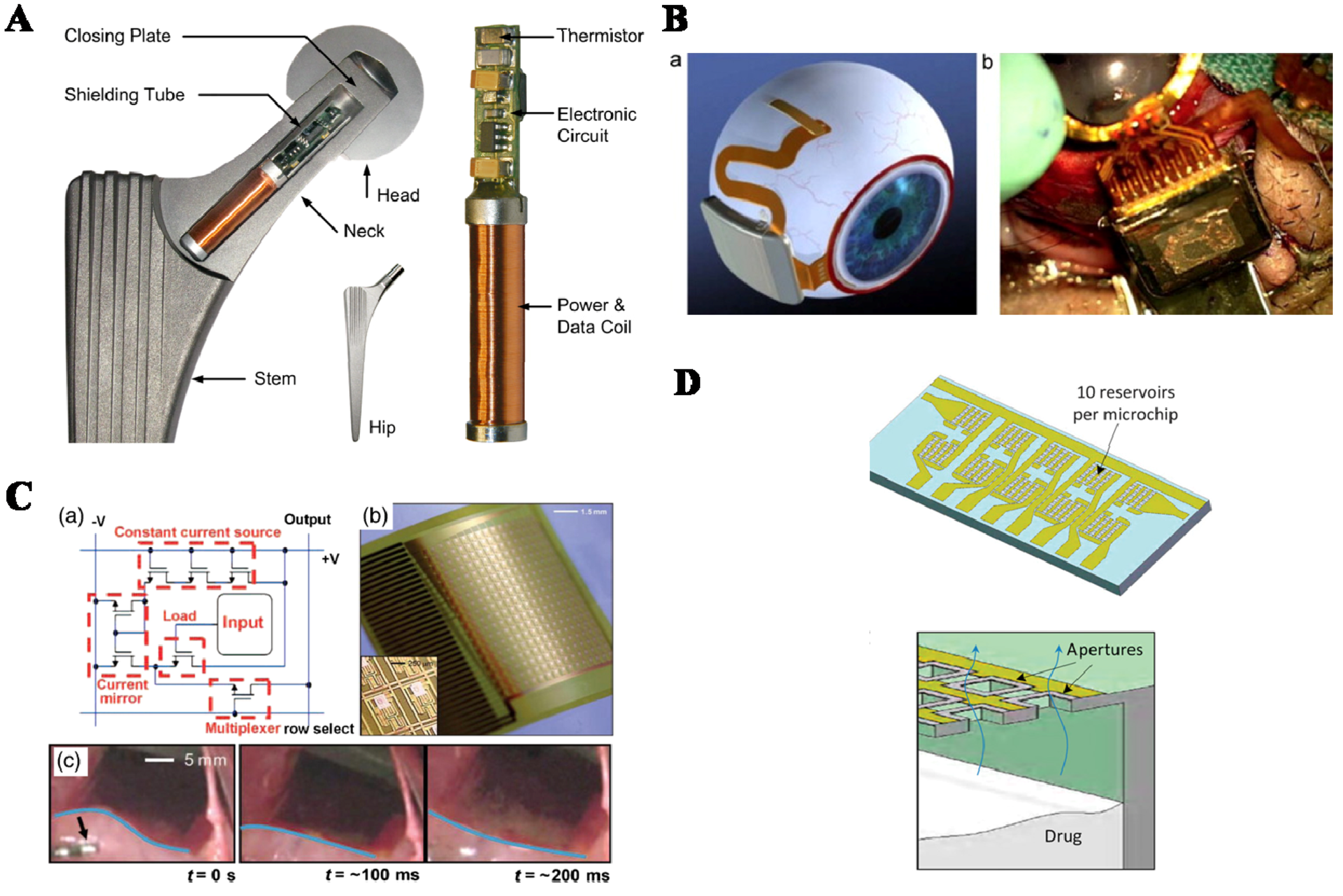
Figure 1 shows several examples of electronic devices for
in vivo applications. According to Halperin
et al. over 25 million US citizens were reliant on implantable medical devices for life-critical functions [
5], with the number of implantable cardioverter defibrillator implants increasing tenfold between 1990 and 2002 [
6]. Advances in semiconductor technology, particular in the area of micro-electro-mechanical systems (MEMS) and microfluidic lab-on-chip biomedical systems have allowed for the development of units for rapid diagnostics, and precisely controlled pulsatile, rapid or sustained delivery of drugs and biomolecules and complex therapeutics [
7,
8,
9,
10,
11]. These systems have also been used for the development of tissue engineering platforms and in regenerative medicine applications, particularly where muscular and nervous tissues are concerned [
12,
13]. In addition to enhancing the survival rate and the quality of life of patients globally, implantable electronic systems have contributed significantly to our appreciation of the biological processes taking place within the human body, including the complex mechanisms of neural communication and control, and greatly enhanced our understanding of how these are affected by various diseases and treatments.
Ex vivo, MEMS and dielectric elastomer actuators (DEAs) have been used to investigate the manner in which biological cells modulate their behavior, express genes, proliferate or differentiate in response to mechanical and electrical stimuli, knowledge which is essential for adequate tissue engineering design [
14,
15,
16]. In addition to playing a profound role in the advancement of restorative medicine and biomedical sciences, implantable information and communication technologies drive notable changes in the social and cultural attitudes of people towards technology [
17]. There, implantation is viewed beyond the medical context as a means to enhance the abilities and experiences of healthy individuals.
In spite of substantial innovations in the fabrication and application of implantable biomedical electronic systems since the first implantable heart pacemaker of 1958, the modern implants are still faced with a number of challenges [
18,
19,
20]. In terms of device production, there is a strong trend to produce devices with ever diminishing size and weight in order to make them compatible with normal human activities and enhance comfort for the host. Implants that weigh less than 2% of the patient’s body weight are typically required [
18]. When used, batteries, whether single-use or rechargeable, significantly contribute to the overall weight and size of the device. Single-use, non-rechargeable batteries, such as those used to support pulse generation in cardiac pacemakers and deep brain stimulators, have a predetermined lifetime, at the end of which they have to be surgically replaced, at high cost to the patient and the healthcare system. Rechargeable batteries, such as those used in cochlear implants, can be powered or recharged transcutaneously using external signals, e.g., radio frequency (RF), ultrasound, infrared light, low-frequency magnetic field, and so on. More recently, internal charging using the energy produced by the physiological environment or natural body motion has been investigated [
21,
22]. Further miniaturization can be attained by means of battery-less implants, where energy harvested from natural or artificial power sources surrounding the patient is used directly to power the device [
23,
24,
25,
26]. Inductive (or near field) and electromagnetic (or far field) coupling are frequently used for remote powering of such battery-less devices [
27]. In the former case, time-harmonic magnetic field generated by the low-frequency alternating current in the external coil generates an alternating current in the implanted component [
28], whereas in the latter, electromagnetic waves propagate from the antenna in the far field region to power the implanted chip [
29]. Biomedical actuators that do not rely on the conventional wireless delivery, harvesting, accumulation and storage of power in electrical form have also been investigated for such high-energy actuation applications as drug release and mechanical adjustment in prosthetic devices [
30]. Recently, Denisov and Yeatman designed stepwise microactuators where incoming ultrasonic waves initiate vibrations in the mechanical oscillator components of the device. The oscillations are then converted into stepwise motion of a mechanical actuator through oblique impact, without the need to convert the energy from mechanical to electrical form.
Figure 1.
(
A) Cross-section of a model of the modified hip implant with a metal head. The temperature telemetry with thermistor, electronic circuit and power/data coil are placed inside the neck of the implant [
31]. (
B) Retinal prosthesis: (
a) the schematic version of a minimally invasive approach; (
b) photograph of an implant in the eye of a minipig [
32,
33]. (
C) An active, flexible device for cardiac electrophysiological mapping: (
a) circuit design; (
b) photographic image of the fabricated device in a slightly bent state; the inset shows a magnified view of a pair of unit cells; (
c) sequential images during the contraction cycle of the heart, with blue lines emphasizing the degree of bending along the device and the black arrow in the left-most image indicating a conventional pacing electrode [
34]. (
D) The implantable microchip-based human parathyroid hormone drug delivery device (54 mm × 31 mm × 11 mm,
l ×
w ×
h) containing two microchips with 10 reservoirs each (13.0 mm × 5.4 mm × 0.5 mm,
l ×
w ×
h). Schematic cross section of microchip assembly showing drug releasing from one reservoir [
35].
Figure 1.
(
A) Cross-section of a model of the modified hip implant with a metal head. The temperature telemetry with thermistor, electronic circuit and power/data coil are placed inside the neck of the implant [
31]. (
B) Retinal prosthesis: (
a) the schematic version of a minimally invasive approach; (
b) photograph of an implant in the eye of a minipig [
32,
33]. (
C) An active, flexible device for cardiac electrophysiological mapping: (
a) circuit design; (
b) photographic image of the fabricated device in a slightly bent state; the inset shows a magnified view of a pair of unit cells; (
c) sequential images during the contraction cycle of the heart, with blue lines emphasizing the degree of bending along the device and the black arrow in the left-most image indicating a conventional pacing electrode [
34]. (
D) The implantable microchip-based human parathyroid hormone drug delivery device (54 mm × 31 mm × 11 mm,
l ×
w ×
h) containing two microchips with 10 reservoirs each (13.0 mm × 5.4 mm × 0.5 mm,
l ×
w ×
h). Schematic cross section of microchip assembly showing drug releasing from one reservoir [
35].
![Electronics 02 00001 g001]()
Concomitantly, there is a strong emphasis on increasing the functionality and reliability of these electronic devices to support real-time complex
in vivo stimulation, data collection, data compression and fast wireless data transmission to external components of the system. This increasing complexity of signal processing electronics further adds to the power budget of the device, which should remain very low if the device is to remain operational for extended periods of time. For instance, a ultra wide band technology offers high-speed data transfer between the implanted device, e.g., implantable electronic cardiovascular devices, and the medical practitioner, and low interference potential, yet its implementation is limited due to its high power consumption [
36,
37]. Although the wireless programming is highly application-specific, differing significantly between that for a pacemaker and a wireless pulse oxymeter, subjectivity of a particular wireless technology to interference is an important factor to consider, given that the wireless devices operate within an electromagnetically shared environment. Electromagnetic pulses, external electric fields and those from other indwelling electrical devices can all generate interference. The ability of the implanted devices, such as pacemakers, glucose-monitoring and insulin-delivery systems, neural stimulators, and smart prosthetics, to be easily interrogated by health practitioners also makes these devices vulnerable to hacking [
38,
39]. In addition to having access to sensitive patient data, the devices can potentially be reprogrammed, interfering with the correct device operations. Therefore, security measures, including security check protocols, firewalls, data encryption and restricted network access should be seriously considered.
Application of nano- and molecular-scale technologies for design and fabrication of the implantable circuitry can lead to remarkable advancement in integration density and dynamic power dissipation, enabling neuro-electronic interfacing and nano-bio-robotics [
40]. However, current biomedical nanotechnologies are still faced with challenges, such as lower reliability, relatively high stand-by power consumption, and electron leakage due to insufficient insulation. Furthermore, in an effort to improve the resolution of the biological signals being collected, the increasing number of electrodes demands more power to be delivered to the electrode array, thus potentially increasing the thermal energy dissipated within the implant circuitry [
41,
42]. Given the high cost and time associated with the surgical implantation of the device and the recovery of the patient, long-term reliability of the device is crucial. Peri-implant space is a chemically harsh environment, with the surface of the implant being continuously attacked by the highly conductive and corrosive physiological medium which also carries a variety of biochemically reactive organic molecules. The drive towards small, light and flexible devices may undermine mechanical robustness of the implant; aggressive cleaning procedures used on the devices prior to implantation may further contribute to weakening of the organic layers and adhesives. The ensuing
in vivo degradation and loss of integrity may be detrimental to the performance of the device, potentially leading to the device failure, e.g., electrical shorting, and subsequent surgical removal. The implanted device and its degradation by-products may stimulate activation of a range of immune mechanisms, leading to inflammation, which in turn may further contribute to the implant degradation. The toxicity of the leaching ions and fragments may hinder the recovery of damaged tissues adjacent to the implanted device. Surface fouling and infections are also of great concern [
43]. The abiotic surface of the implant presents a suitable ground for colonization by human pathogenic bacteria. Once attached to the surface of the device, the bacterial cells may form a three dimensional biofilm, which serves as a protection barrier against detachment, predation by host immune cells and significantly reduces the efficacy of most systemic antibiotics [
44,
45].
Achieving suitable biocompatibility is a complex matter, due to the dynamic multifaceted nature of the host biological response to synthetic and organic materials used in device fabrication. Where
in vivo sensing or stimulation is required for a short period of time, resorbable implantable electronic devices can provide a solution to overcome inflammation and infections associated with long-term implant utilization. The premise is that the materials used in device fabrication are biodegradable, and undergo controlled dissociation over time under normal
in vivo physiological conditions. The degradation by-products illicit minimal toxic response and are removed from the peri-implantation site by means of normal metabolic activity [
46]. However, fabricating a complex high-performing electronic system from entirely biodegradable, non-toxic set of electronic materials is a difficult undertaking, particularly at small scales. A combination of robust and reliable non-biodegradable silicon electronics with bioresorbable polymer platform offers both the flexibility of the device and sufficient bulk degradation that the immune response to the remaining material is minimal [
47]. For the technology to be clinically implemented, however, the challenges associated with integration of sensitive electronics functions with the fabrication techniques used for production of biodegradable component, and the control over degradation kinetics and biocompatibility of the device should be addressed. In spite of many reports detailing the biological activity and degradation behavior of many commonly used materials
in vitro and
in vivo, our appreciation of these complex processes is yet to be adequate.
The aim of this review is to discuss the challenges faced by modern implantable electronic devices and give a brief overview of the solutions that have been proposed, investigated and implemented in order to overcome these challenges.
2. General Characteristics of Implant Systems
An implantable electrical system can perform a telemetry (sensing) function, whereby biological data is collected, a teleactuation (stimulation) function, or both in a form of closed loop control. Regardless of it intended function, an implantable system typically comprises of two fundamental components, an indwelling module which resides within the host body, and an external device located outside of the body. The external module is generally employed to transmit the information to and from the internal module and deliver power to the indwelling component of the device. The indwelling module may be fully electronic, or contain chemical, biological, or mechanical components. In sensing electronic implants, the indwelling sensors detect, collect and translate the desired biological and physiological parameters into electrical signals. These signals are then modulated by the interface electronics and transferred by means of an inductive coupling link to the external receiver component, where the data is recorded and analyzed. For example, a micro-accelerometer implanted directly on the surface of the heart of patients who have just undergone coronary artery bypass graft (CABG) surgery can be used to measure the heart wall motion as a means of early detection of surgery complications [
9]. In stimulation implantable systems, the external component is used to wirelessly transmit commands to the indwelling component, where they are processed by the interface electronic circuitry to produce a range of electrical stimuli. The produced electrical currents are then delivered to tissues and nervous structure by means of electrodes. As an example, Enterra
® therapy is used to treat diabetic gastroparesis by applying electrical stimulation to the antrum via two indwelling unipolar intramuscular leads and a neurostimulator, where the stimulation parameters are adjusted noninvasively by using Medtronic N’Vision clinician programmer [
48]. A closed loop system encompasses both the indwelling sensing and the stimulation components, and all information transfer and processing takes place within the body of the patient. This type of an implantable electronics is commonly employed to maintain a certain level of function within the human body, e.g., cardiac resynchronization, to enable automated provision of medical care and prevention of critical incidents, e.g., sudden cardiac death [
37]. Hemodynamic sensors have been integrated into implantable pacemakers to enable rate-responsive pacing; these closed loop systems function on both sensed and paced ventricular beats, thus surmounting the key constraint of the previous pacemaker systems, namely the need for permanent ventricular pacing [
49]. Concomitant sensing and stimulation provided by closed loop neuromodulation devices provide a platform for enhancing therapies for neurological disease, while concurrently assessing the instantaneous response of the neural system to stimuli [
50].
Within the host body, the individual modules of the electrical system can reside intracavity, e.g., within the intestinal, oral, or urinary systems
etc., be implanted subcutaneously or deep within the tissues, or be located on the external surfaces of the body [
50,
51,
52]. Hard shell packaging is often used to protect the electronic circuitry, whereas the remainder of the indwelling assembly may also have a soft encapsulation layer [
53]. The role of the protective casing and the encapsulant is two-fold. For one, the hermetic protective casing ensures the
in vivo integrity and reliability of electronic performance of the devices over the life-time of the implant under the specific physiological conditions. This includes protecting the device elements from the highly corrosive environment and ensuring no leakage current flowing through the electrodes [
53]. Secondly, the encapsulation layer performs a biocompatibility function, protecting the host tissues from potentially harmful elements of the device. It can also provide a soft low-friction conditioning layer, ensuring a smooth integration within host tissues. Thirdly, the hard casing may offer mechanical support to devices that are submitted to a considerable load or strain during extension/flexion and wear.
3. Typical Requirements of Implant Systems
When designing an implantable electronic system, several general requirements are to be addressed, namely minimal size and weight, low power consumption, good reliability, high biocompatibility and minimal toxicity, high data rate and data latency. As the case with any commercial product, the design of the implantable devices is heavily influenced by the demands and preferences of their consumers. In addition to being less invasive to the body of the patient during the implantation, smaller and lighter devices are likely to result in less pain and discomfort to the host during healing and use. The excessive size and weight may be detrimental to the healing process by putting pressure on the adjacent tissues that have already been damaged as a result of surgery, contributing to the inflammatory processes within the peri-implant space. Small and light devices are less restrictive in terms of normal level of human activity, and thus afford better quality of life to the patients. The power source and encapsulation components remain the major contributors to the overall weight and size of the device, whereas the electric circuitry components have decreased dramatically with the advancements in MEMS and nanotechnology. Coupling capacitors used to ensure charge-balance and effectively minimize current leakage may further increase the volume of the implantable module [
54,
55].
Lower power consumption is important in terms of both the long-term performance of the device and the safety to the patient. Close proximity of the electrodes to living tissues places firm restrictions on the amount of dissipation in power an implanted electronic system should not exceed, as extensive dissipation may inflict damage onto these soft tissues [
56]. In addition to thermally-induced damage [
41], the electrical stimulation-induced tissue injury (overstimulation) and damage due to the electrochemical products released into physiological medium as a result of electrode corrosion should be considered [
54]. The energy use by interface electronics should also be minimized to ensure longevity of the implants with single-use batteries, as the replacement of such a device would require a costly and invasive surgical procedure [
57]. Although using a rechargeable battery may address the need for battery replacement surgical intervention, the need for frequent charging may be inconvenient, time- and resource-consuming activity. For battery-less devices powered by an RF link, the low power restriction is also applied to ensure the electromagnetic energy radiated or backscattered by the device during wireless communication is in line with the IEEE human tissue exposure standards [
29]. Excessive electromagnetic fields can potentially undermine correct device functioning, leading to temporary device malfunction or permanent damage. Indeed, device reliability is paramount, as failure may not only cause discomfort, pain, or local damage to the peri-implant space, but may in some cases result in the irreversible damage or death of the patient. Considering that many implants are introduced deep into the tissues and cavities of the body, device maintenance is complicated, with risks to the health of the patient. It is important to note that the presence of a neurostimulation system may limit the electromagnetic diagnostics and treatment, e.g., magnetic resonance imaging (MRI), to which the patient can be exposed [
58]. Heating, magnetic field interactions, induced currents, and interference with correct functioning of the implanted modules may result in considerable temporary or permanent damage, e.g., transient dystonia, paralysis, coma, or death [
59,
60,
61].
The electrode material and structure should be selected so that during stimulation, sufficient change can be injected to elicit the desired response, and that the level of products from irreversible Faradaic reactions that result from this stimulation are sufficiently low as not to damage the surrounding tissues and the electrode itself [
54,
56]. Relatively low voltages of both spontaneous and evoked signals, as well as those produces by the transducer necessitate particular care when designing methods for signal detection, amplification, modulation and transfer. Spontaneous potentials, such as those detected using electroencephalography, electrooculography, electromyography, or electrocardiography, occur naturally within the body and are typically range from less than one μV to tens of mV range [
62]. Potential amplitudes of evoked responses,
i.e. event related electrical potentials observed in the central nervous system structures as a consequence of a stimulus, are even lower, falling in the less than one μV to tens of μV region. The bandwidth of bioelectrical signals ranges from 0.01 Hz to 15 KHz, with low frequency signal (less than 1 MHz) frequently used to wirelessly power up and transfer data from the external module to the indwelling device [
62]. Recently, however, implantable electrical systems that function in the Medical Implants Communication Services (MICS) band (402–405 MHz) are being developed, as this band has been expressly designated for implanted medical devices and is only shared with meteorological aids [
37].
Surgical placement, orientation, and extraction of the electrodes is intricate, particular where neural system is concerned, and should be designed to synergistically interact with the available stimulation parameter settings to attain the best remedial outcome for a patient [
63]. Indeed, given the difficulty in revising the placement of indwelling electrodes, much care should be given to matching the electrode configuration to the stimulation capacity of the stimuli generating module. In general, the specificity of electrical stimulation is restricted due to electrode scaling and physical placement of these onto the stimulated tissues, with some improvement obtained by manipulating the electrical current applied to the tissues, and the volume of tissue being stimulated [
64]. For example, current focusing and current steering approaches in cochlear implant systems and deep brain stimulators employ current-controlled stimulation using several autonomous sources of current to attain control over the volume of tissue receiving stimuli [
65,
66]. Mechanical shaping and deep reactive ion etching were applied to the implantable silicon-based probes used for neural stimulation to minimize the insertion force when introducing multi-electrode arrays into the brain and spinal cord of the animals used in
in vivo study [
67]. The sensing and recording quality of these arrays were monitored over time, with neuronal spike activity recorded up to 566 days after implantation. Such prolonged implantation has minimal impact on the tissue architecture, as indicated by histopathology evaluation of neurons and astrocytes.
The capacity to simultaneously sense and stimulate is highly desirable, as it enables well-tailored, prompt adaptive therapeutics and contributes to our understanding of natural and evoked neural activity [
68]. However, in practice, the ability of closed loop neuromodulation devices to detect brain signals is limited, due relatively high amplitude of the stimulation potential compared to the field potential signals used to sense brain activity [
50]. Or, in the case of implantable cardiac defibrillators, pacing at fast rates may delay or hinder detection of ventricular tachyarrhythmias [
63]. Furthermore, the processes resulting from the stimulation of neural networks are complex, involving both neural excitation and inhibition. Experiments showed that at high frequencies, electrical stimulation resulted in inhibition of subthalamic nucleus activity, while also directly exciting the cell and/or its axon [
69]. Use of multiple sensors may raise the frequency of problems associated with hardware and software integration, reduce long-term reliability and longevity of the device, and increase susceptibility to oversensing of endogenous and exogenous signals, e.g., diaphragmatic myopotentials and electromagnetic interference, respectively [
63]. In themselves, complex algorithms may lead to noncapture or oversensing of biological signals, potentially resulting in under or incorrect diagnosis [
63,
70]. As a result, concurrent sensing and stimulation is often foregone if favor of detecting and recording data regarding the immediate actuation performance, reducing neuromodulation treatment to rigid stimulation system that relies heavily on the symptomatic assessment and actuation tuning by the medical practitioner [
55,
68]. Although certain combinations of indwelling hardware, e.g., high performance amplifiers, stimulation parameters and interpretation algorithms can minimize residual stimulation disturbances, further research in this area is required [
50].
The impedance disparity between the electrodes and the tissues contributes negatively to the ability to detect neural signals, limiting the amount and usability of the information sensed. Microelectrode impedance serves a key role in the monitoring of low amplitude and high-resolution extracellular neural signals, and as such, changes in electrical interface impedance can be used as a preliminary marker to infer long term electrode viability [
71]. The impedance difference has been demonstrated to increase with the length of implantation, whereby even those electrode designs that show adequate performance under acute testing conditions may not necessarily show the same level and consistency of signal capturing during chronic implantation [
72]. For instance, an
in vivo study involving polyimide insulated tungsten microwire arrays implanted into the neural tissue of rats showed the first 2–3 weeks post-implantation to be the most dynamic stage in the chronic electrode lifetime, characterized by greater variations in the electrode impedance, functional electrode performance, and the structural changes occurring at the electrode recording tips [
71,
73]. Longer term implantation was associated with further electrode recording site deterioration, insulation damage and recession of the recording surface. Similar results were observed in intracortical microelectrode arrays were implanted into the pericruciate gyrus of cats, where the electrode-tissue interface changed daily over the first 1–2 weeks, then weekly for 1–2 months, stabilizing thereafter [
74].
The mechanical tissue damage during the surgical insertion (acute trauma), as well as long term contact of microelectrodes with electrically excitable tissues and micro movements associated with electrode anchoring (chronic disturbance) induce activation of cells implicated in foreign body response [
75]. Mechanical mismatch between brain tissue and microelectrode material has also been shown to affect the inflammatory response, with mechanically associated factors such as proteoglycans and intermediate filaments shown to be important modulators of the response of the compliant electrode material [
76]. In the attempt to remove the foreign body, these cells release a host of chemical and biological factors in the peri-implant space, some of which cytotoxic and neurotoxic factors that contribute to localized neuronal degeneration and cell death [
77]. Unable to enzymatically degrade the implant material, the body responds by forming a thin layer of reactive glial tissue around the implant to isolate the foreign matter from the surrounding tissues [
78,
79]. Such encapsulation is detrimental to the ability of the electrode to sense signals, since it changes the diffusion properties of nervous tissue (rendering it less permissive) and increases impedance [
71,
80], increases the distance between the electrode and its nearest target neurons [
74], and produces an inhibitory environment for neurite extension, thus guiding regenerating neural processes away from the electrodes [
72,
81]. Gliosis and enhanced formation of associated extracellular matrix molecules have been demonstrated to affect molecule diffusion, and as such, neuron-glia communication, “cross-talk” between synapses, extrasynaptic volume transmission, and tissue regeneration [
80,
82]. Even relatively small increases in the separation between the sensing surface and the nerve tissue may be highly detrimental to the ability of the former to detect a signal, since to adequately sense the neuronal spikes and local field potentials, the distance between the neuronal ensembles and the target neurons should be within ~50 μm [
77]. Local field potentials hold key information regarding functional behavior of neural networks that correlates with disease symptoms, and can therefore be used as a biomarker [
50].
Communication technologies used for data transfer to and from the indwelling device should support high data rate, data latency, data accuracy and adequate data security, be reliable, and consume minimal power [
5]. The advancement of implantable devices used for sensing and stimulation resulted in a considerable upsurge in the density of analysis and interpretation algorithms, consequently contributing to the complexity and length of follow-up observations [
37]. The extended battery life and the increasing longevity of patients with indwelling medical devices further add to the ever increasing number of implant carriers in follow-up. Given the limited amount of time and resources available to medical practitioners, conventional follow-ups are followed by long periods of time when medical personnel receive very little or no data on the wellbeing of the patient or the performance of the indwelling module [
83]. As a consequence, technologies that enable remote interrogation of indwelling medical devices are attracting much attention [
84]. Wireless remote monitoring facilitates collection of technical information regarding the performance, attributes and settings of the implanted module, as well as the physiological parameters of the treated individual, and the outcomes that result from the treatment [
85]. The obvious benefits include the ability to promptly respond to the changes in the clinical status of the patient, and minimize potentially harmful effects of implant malfunction or failure; and ability to monitor the effectiveness of the treatment and alter the stimulation parameters based on the data obtained. Furthermore, remote monitoring can effectively lessen the weight of in clinic follow-up on the healthcare system, while maintaining or improving on the existing patient safety standards [
37]. The continuous stream of data can enhance the power of large-scale population health bio statistical analysis, and thus contribute to the improvement in the quality of life of the population.
4. Power Supply and Wireless Communication Technologies
The technologies used to supply power to the indwelling module can be broadly divided in single-use non-rechargeable batteries and rechargeable batteries. The former can be commonly found in cardiac pacemakers and deep brain stimulators, whereas the latter are frequently used to power cochlear implants [
86]. While single-use batteries require surgical removal to replace them, the rechargeable batteries can be periodically recharged transcutaneously by means of wireless telemetry, which can also be used to continuously powered up battery-less devices (without energy storage). Wireless telemetry is also used to obtain the power status and performance of the non-rechargeable batteries. Most commonly, the power is transmitted from the extracorporeal unit to the indwelling module via an inductive coupling coil, which can be expressed as a lossy transformer. High wireless power transfer efficiency is paramount to ensure minimal heating of the surrounding tissues, minimize the interference with other devices and to reduce the size of the energy source [
87,
88]. Only a fraction of alternating magnetic field generated by the coil within the external unit reaches the coil located within the indwelling component, and is converted to alternating voltage [
62]. The voltage is then rectified and smoothed, and is fixed at a specific value suitable for the indwelling electronic circuitry. Aside from loss associated with specificities of operating conditions (ambient environment), the power transfer efficiency has been demonstrated to depend on the distance over which the magnetic field is transmitted,
i.e. the distance between the internal and external coils, the device geometry, and the diameter of the coils [
89]. Resonance-based wireless power delivery, where four high-quality (Q) factor coils are employed instead of two, have been investigated for their improved energy transfer efficiency and reduced dependence of the latter on the distance between the primary and secondary coils [
90]. The frequency chosen for the transmission is dependent on the type of the living tissues that separate the indwelling module and the external component, specifically the frequency-dependent attenuation by Foucault currents generated within the host tissues vary with the type of tissue [
91].
Table 1 shows variations in electrical properties between biological tissues, measured
ex vivo at 100 kHz. Furthermore, addition of intermediate physical barriers, such as an encapsulation layer, has been shown to further reduce the strength of the field, with encapsulant conductivity and thickness being key determinants. Typically, using lower frequencies results in less loss compared to employing a higher frequency field, however in real life most commercially available implantable devices use higher frequencies to increase the data transfer rate [
86]. The choice of frequencies is also affected by the legislative regulations that specify the radiated power maximum to each frequency band.
Table 1.
Dielectric properties of tissues 1.
Table 1.
Dielectric properties of tissues 1.
| Tissue Type | Relative Permittivity
εr (×103) | Conductivity
σ (S/m) |
|---|
| Bone | 0.28 | 0.0144 |
| Liver | 9.8–14 | 0.15–0.16 |
| Spleen | 3.3 | 0.62 |
| Blood | 2.7–4.0 | 0.55–0.68 |
| Kidney | 10.9–12.5 | 0.24–0.25 |
| Retina | 4.75 | 0.52 |
| Bone (cancellous) | 0.47 | 0.09 |
| Bone (cortical) | 0.23 | 0.02 |
| Bone (marrow) | 0.11 | 0.003 |
| Cartilage | 2.57 | 0.18 |
| Skeletal muscle | 14.4–27.3 | 0.38–0.65 |
| Fat | 0.09 | 0.02 |
| Cerebrospinal fluid | 0.1 | 2 |
| Brain (grey matter) | 3.8 | 0.17 |
| Brain (white matter) | 1.9–3.4 | 0.12–0.15 |
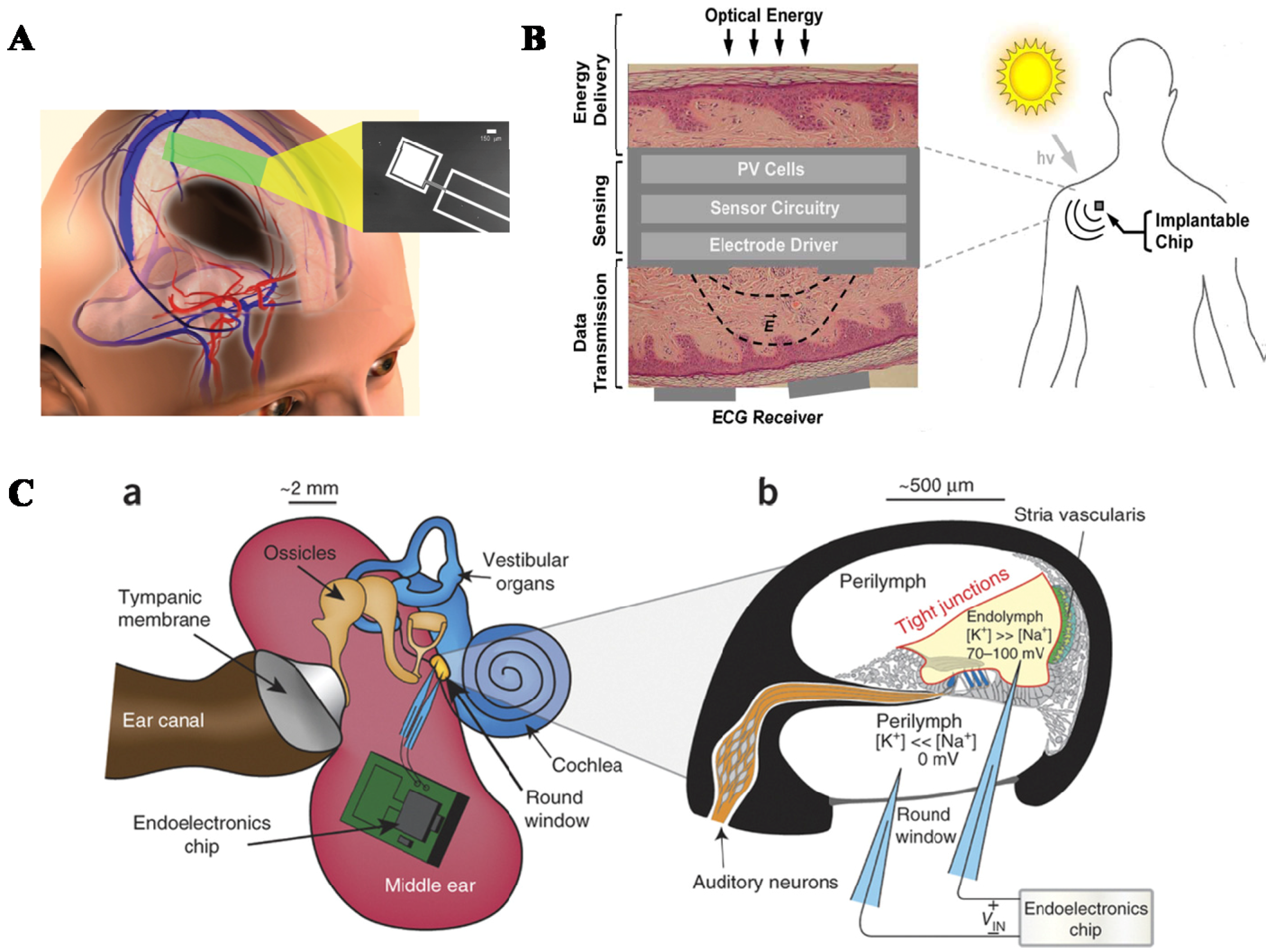
Less conventional energy harvesting methods that involve internal charging using the energy produced by the physiological environment or natural body motion have also been reported, with several examples presented in
Figure 2 [
21,
22]. Sontag
et al. suggested using highly dense electroactive conjugated polymer brushes of poly(thiophene) and poly(phenylene) fabricated by means of a surface-initiated Kumada-type polycondensation reaction to power up implantable devices [
95]. Mercier
et al. demonstrated energy extraction from the biologic battery in the inner ear, whereby the electrochemical gradient within the ear is utilized as a power source for an anatomically sized, ultra-low quiescent-power energy harvester chip integrated with a wireless sensor capable of monitoring the ear electrochemical gradient [
96]. When implanted in a guinea pig, the chip was able to extract a minimum of 1.12 nW for up to 5 h, enabling a 2.4 GHz radio to transmit measurement of the electrochemical potential every 40–360 s. Rapoport
et al. reported the development of an implantable fuel cell that generates power through glucose oxidation, producing 3.4 μW cm
−2 and up to 180 μW cm
−2 steady-state power and peak power, respectively [
21]. Glucose is oxidized at the nanostructured surface of an activated platinum anode, and oxygen is reduced to water at the surface of a self-assembled network of single-walled carbon nanotubes embedded in film that forms the cathode [
97,
98]. The half-opened geometry allowed the researchers to meet the requirement for simultaneous and independent oxidation and reduction and thus avert electrochemical short circuits. The computational investigations found that theoretically, glucose can be harvested from the cerebrospinal fluid to an energy level of >1 mW without negative physiological consequences, thus confirming the potential of this energy source to power brain-machine interfaces with low energy consumption. Glucose biofuel cells with glucose oxidase and laccase mechanically incorporated into a conductive pure carbon nanotube matrix were demonstrated to deliver a higher power density up to 1.3 mW cm
−2 and an open circuit voltage of 0.95 V [
99]. Under physiological conditions of 5 × 10
−3 mol
−1glucose and pH 7, the devices remained stable for one month, delivering 1 mW cm
−2 power density. Connected in series, two of these cells were able to deliver an open circuit voltage of 1.8 V with a maximum power of 3.25 mW at 1.2 V, indicating the possibility of using these cells to power implanted biomedical devices that typically require at least an operating voltage of 0.5–0.6 V. For example, a cytochrome P450—based molecular biosensor used for drug sensing with temperature and pH monitoring was reported to have a power consumption of 48 μW, with 32 μW required for the molecular detection, 2.5 μW for the pH measurement, 1.4 μW for the control over the temperature sensor, and 12 μW for the multiplexing and measurement reading [
100]. Although
in vitro studies return promising results,
in vivo performance of enzymatic biofuel cells is considerably lower. For instance,
in vitro (at 4.7 × 10
−3 mol
−1glucose, pH 7.2), an intravenous implantable glucose/dioxygen hybrid enzyme-Pt micro-biofuel cell showed high electrocatalytic performance with an open circuit voltage of 0.4 V and a maximum output power of 0.2 mW cm
−2 at 0.25 V [
101]. Once implanted into the jugular vein of a living rat, the device was able to deliver an open circuit voltage of 125 mV at a maximum power density of 100 µW cm
−2 at 80 mV. Furthermore, the lifetime of the enzyme, and thus the long-term performance of the device remains an issue, with a notable loss in the power generated with time
in vivo [
102].
The telemetric link can be used for bi-directional transfer of information, including the sensed and recorded data about the patient and data regarding the condition of the indwelling module; the link also enables wireless re-programming and communication between the multiple implanted modules comprising a wireless network within the body of the patient. Typically, to enable powering/data transfer using the same link, magnetic field modulations are employed to impress the data signal onto the carrier signal used to power the device. The changes in the signal characteristics are detected and interpreted by the indwelling module. The amplitude, phase and frequency of the signal can be modulated. The amplitude modulation is one of the most popular techniques for short range communications, and involves varying the amplitude of the signal from high to low, thus emulating the zero/one logic of digital communication; it is described by the modulation depth,
i.e., the extent to which the amplitude was altered. In addition to the aforementioned amplitude modulation (AM) and amplitude shift keying (ASK), frequency modulation (FM) and frequency shift keying (FSK) refers to altering the frequency of the carrier signal, and phased shift key (PSK) involves changing the phase of the carrier signal by 180° or less. Typically, the data rate attainable with the above modulations is approximately 10% of the carrier frequency, however higher data rates can be achieved with more sophisticated modulation approaches, e.g., by combining two modulation techniques. The choice of modulation methodology used will also depend on the data transfer requirements of the implant, with lower frequencies used for those with low data rate needs and higher frequencies for those demanding large volume, ongoing data transmission. The restrictions within the system, e.g., availability of power or bandwidth, will also affect the choice of the modulation approach. Appropriately chosen, modulations can enhance the quality of the signal, improve the security of the patient-related data, increase the quality of the signal, enable accurate transfer of data in the presence of noise and other disturbances, and increase communication channel capacity. Communication channels can be organized into additive white Gaussian noise channels (AWGN), band limited channels and fading channels [
62]. The former represents a channel model where white noise of a constant spectral density and a Gaussian distribution of amplitude is added to the signal sent through the channel. In the band limited channel model, the band width of the channel is smaller than that of the signal, resulting in the elimination of the frequency components of the transmitted signal above the channel cutoff frequency. In the case of the fading channel, the amplitude and phase of the passing signal change rapidly, attributed to fading due to multipath propagation and shadowing.
Figure 2.
(
A) Power extraction from cerebrospinal fluid by an implantable glucose fuel cell: plausible site of implantation within the subarachnoid space and a micrograph of one prototype, showing the metal layers of the anode (central electrode) and cathode contact (outer ring) patterned on a silicon wafer [
21]. (
B) A photovoltaic-driven energy-autonomous CMOS implantable sensor [
103]. (
C) An anatomically sized chip that harvests the energyof the electrochemical potential in the guinea pig cochlea to power a wireless transmitter: (
a) plausible site of implantation within the mammalian ear; (
b) cross-section of a typical cochlear half-turn, showing the endolymphatic space (yellow) bordered by tight junctions (red), the stria vascularis (green) and hair cells (blue), which are contacted by primary auditory neurons (orange) [
96].
Figure 2.
(
A) Power extraction from cerebrospinal fluid by an implantable glucose fuel cell: plausible site of implantation within the subarachnoid space and a micrograph of one prototype, showing the metal layers of the anode (central electrode) and cathode contact (outer ring) patterned on a silicon wafer [
21]. (
B) A photovoltaic-driven energy-autonomous CMOS implantable sensor [
103]. (
C) An anatomically sized chip that harvests the energyof the electrochemical potential in the guinea pig cochlea to power a wireless transmitter: (
a) plausible site of implantation within the mammalian ear; (
b) cross-section of a typical cochlear half-turn, showing the endolymphatic space (yellow) bordered by tight junctions (red), the stria vascularis (green) and hair cells (blue), which are contacted by primary auditory neurons (orange) [
96].
An appropriate demodulation technique is also selected to minimize power consumption, reduce interference, and ensure accurate translation of the message. The information transferred from the indwelling module to the extracorporeal device is also modulated, with the electrical impedance of the implanted electronic circuit being reflected back to the transmitter circuit via the same inductive coupling link. The load shift key modulation (LSK) is attained by electronically switching the impedance of the implant between two states. As with other modulation approaches, the data rate is dependent on the carrier frequency. It is important to note that as the distance between the implanted and external inductive coils increase, the magnetic field induced by the external coil progressively transforms into an electric field, which cannot be modulated using LSK [
62,
86]. Thus, LSK may not be appropriate for deep tissue implants at certain frequencies. This is not the case for those implants powered by the non-rechargeable batteries, where good transfer rate can be achieved at low transmission power. As the advancement of wireless sensor network continue to develop, new modulation techniques will need to be designed to address the needs of these complex systems. For example, an intra-body area network (implant BAN) are being considered to establish timely, reliable, and secure communication between indwelling devices, e.g., a cardiac implant, nerve sensor, and a drug delivery pumps; or a series of diverse injectable microdevices used for multi-site stimulation and sensing [
104,
105].
5. Remote Monitoring Technologies
Electronics systems used for diagnostics, e.g., endoscopic capsule, remain within the body of the patient only a short time, and the patient is typically monitored by the physician at the clinic for the duration of the procedure. Implantable electronics systems that are intended to reside within the body of the patient for years, e.g., implantable cardiovascular devices, are reviewed intermittently, with follow-up visits followed by extended periods of time when the medical practitioner receives no information regarding the performance of the implantable system or the well-being of the patient. The operating parameters of the indwelling device also remain static between the follow-up visits, which may not reflect the needs and the clinical state of the patient. Then again, many scheduled follow-up visits do not result in any changes being made to the device parameters and the patient requires no medical intervention. A retrospective analysis of 1739 clinical visits by a random set of 169 patients with implantable cardiovascular devices found that out of 1530 scheduled visits, 1197 visits resulted in no relevant medical or device-related findings [
106]. The non-scheduled visits, on the other hand, were significantly more likely to result in identification of device- and/or patient-related problems and require medical treatment, device re-programming, and hospitalization.
Remote monitoring can provide a robust system capable of timely capturing the device- or patient-related issues, and ensuring that healthcare time and resources are spent where they are most required [
5]. Indeed, the same retrospective study found that a remote monitoring system was capable of correctly detecting the vast majority of arrhythmias and/or device-related problems, potentially missing an isolated pacing problem in less than 0.5% of all patients investigated [
106]. Similarly, a study involving the comparison between clinical traditional observation and remote measurements found no statistical difference between the two conditions [
107]. Remote monitoring involves a periodic transfer of data, e.g., device parameters and functions, biological signals and clinical status of the patient, from the indwelling module to a transmitter which is typically located outside of but in a close proximity to the body [
108]. There are a number of biological parameters that are monitored depending on the patient, their medical condition and the type of indwelling device. For instance, in those suffering from heart failure, common parameters to measure include: transthoracic impedance to detect changes in fluid balance; electrocardiogram to identify the onset of atrial or ventricular arrhythmias; blood pressure to manage hyper- or hypotension using adequate administration of medicines, e.g., angiotensin-converting enzyme inhibitors and beta-blockers; temperature as an indicator of potential infection; and blood oxygen saturation levels [
20,
109]. Upon receipt of the data by the transmitter, the information is encrypted and securely sent to a central server of the manufacturer of the implantable system trans-telephonically or via web-based networks [
37]. For example, Home Monitoring technology introduced by Biotronik (Biotronik GmbH, Berlin, Germany) in 2001 uses a device similar to a mobile phone to automatically transmit encrypted information from implanted electronic cardiovascular devices, e.g., pacemakers, implantable cardioverter-defibrillators, and heart failure devices, to a central server using mobile phone network. Other systems that use standard and mobile telephonic communication channels include CareLink developed by Medtronic (Medtronic Inc., Minneapolis, MN, USA), Housecall Plus used by St. Jude Medical (St. Jude Medical, Sylmar, CA, USA), and Latitude by Boston Scientific/Guidant (Boston Scientific, St. Paul, MN, USA) [
110]. Currently available remote monitoring systems are manufacturer-specific, that is they can only be employed to interrogate devices fabricated by the same manufacturer [
108].
From there, the processed data can be accessed by relevant medical practitioners, and incorporated into the hospital information system. The processing centre can also send the data on to the clinical team responsible for the device using email, fax, SMS,
etc. In addition to scheduled transmissions, e.g., daily or weekly data transfers, a failure in the performance of the indwelling device or worsening of the patient’s condition prompts an emergency data transmission to the server and subsequent notification of the medical practitioner associated with the device. The early detection prevents or minimizes the negative consequences of the event and increases the patient’s chances for survival and recovery [
111]. Furthermore, by analyzing data preceding an emergency event, medical practitioners can identify the patterns and thus predict and potentially mitigate events leading to hospitalization. For example, 123 patients implanted with cardiac resynchronization therapy devices with embedded Home Monitoring capability were monitored over 12 months, at the end of which the data collected using remote monitoring system was retrospectively analyzed against re-hospitalization and other clinical events [
109]. The transmitted data embraced several potential predictors of death or hospitalization, including the onset of atrial and ventricular arrhythmias, extent of physical activity, mean heart rates over 24 h and at rest, extent of cardiac resynchronization therapy delivered to the patient, and device lead impedances. The study found that in 70% of the re-hospitalization cases, there was an increase in mean heart rate at rest and in mean heart rate over 24 h within 7 days preceding the event. In 30% of re-hospitalized patients, there was a notable decrease in the duration of daily physical activity, and in 43% of re-hospitalization incidents they were preceded by a reduction in the percentage of resynchronization therapy delivered. Early detection of these patterns and timely response is likely to result in a significant reduction in a number of hospital re-admissions, duration of hospital stay, and patient mortality.
The benefits of employing the wireless body area network to advance healthcare quality are undoubted, from ongoing health surveillance and patient- and progress-tailored rehabilitation to emergency response systems and large-scale longitudinal medical and spatio-temporal social studies [
112,
113]. Wearable sensors have been used to monitor motor fluctuations in patients suffering from Parkinson’s disease, including estimating the severity of tremor, bradykinesia and dyskinesia from accelerometer data features [
114,
115]. Compared to clinical visual observations, the sensor network was able to accurately quantify the severity of the tremors with 87% accuracy, separating resting and postural tremors, and discriminating tremors from other Parkinsonian motor symptoms during daily activities [
115]. In the case of major emergency events, e.g., natural mass-casualty disaster, computer-enabled monitoring of clinical statuses of patients can facilitate prioritization of medical help to those who need it most, which can potentially save many lives [
116,
117]. In general, the requirements for the sensor network will be influenced by the spatial and temporal scopes of the study, the number of individuals/sensors for which the network is required, and the nature of the wireless networking and sensing technologies that are being employed [
113,
117]. For instance, availability of power and ergonomics of the system become more important as the temporal scope of the study increases, whereas increasing the spatial scope such as in the case of epidemics study will impact on the choice of communications infrastructure. For instance, miTag is a cost-effective scalable wireless sensor platform developed to automatically track patients throughout the disaster response process, from the scene through to ambulance and clinic [
118]. It employs a 250 kbps 2.4 GHz IEEE 802.15.4 radio protocol, with 15 Bytes per second maximum data rate per miTag and an augmented wireless range of 200 m indoor/400 m outdoor, which is similar to other specialized wireless sensing platforms (known as motes) [
117]. This platform can sustain a range of commodity sensors, including GPS, pulse oximetry, blood pressure, temperature, electrocardiogram, to name a few, with the patient data being relayed over a self-organizing wireless mesh network. In the pilot trials, the system was shown to adequately and significantly increase the patient care capacity, reliably transmitting patient-related data within radio-interference-rich critical care settings [
118]. MEDiSN wireless sensor network which uses miTag was also shown to tolerate high degrees of human mobility [
117].
An exciting prospect, a sensor network of this size and complexity requires good understanding of the network dynamics, including the capacity of a routing protocol to respond to node malfunction and breakdown [
111,
119]. While employment of simulators and testbeds facilitate the advancement, debugging, and spatio-temporal analyses of the sensor networks, e.g., determining the power consumption, these tools are unable to fully account for the complexity of radio channel characteristics, environmental stimuli, node mobility, and hardware failures of a real life network [
119,
120,
121,
122]. Several passive external tools capable of observing, recording and reconstructing of critical aspects of complex sensor networks
in situ have been proposed, including LiveNet developed by scientists at Harvard University [
119,
123]. LiveNet uses passive monitoring of radio packets recorded by packet analyzers co-deployed with the network. Traces intercepted by multiple packet analyzers (sniffers) are agglomerated to construct a global behavioral picture of the network to which a range of analyses can be applied to determine application behavior, data transfer rates, network topology, routing protocol dynamics, and packet loss [
119]. When applied to a 184-node sensor network testbed used to monitor vital signs of patients during a emergency drill, LiveNet was able to correctly reconstruct the topology of the network, established bandwidth usage and routing paths, discover hot-spot nodes and sources of packet loss [
119]. Compared to traditional network monitoring systems, LiveNet has a number of advantages, including (i) decoupling of packet interception from trace analysis, allowing for the as-captured packet trace analysis; (ii) performance and reliability of the network being investigated is preserved due to no changes to the network required; (iii) the infrastructure for the non-intrusive monitoring is installed, reconfigured, and dismantled independently from the network being monitored, and thus can be used on a need-to basis; (iv) the monitoring system can be employed to monitor mobile or physically inaccessible sensor nodes.
Nonetheless, LiveNet and similar monitoring systems are faced with challenges, including insufficient coverage of sniffer infrastructure with respect to total number of packets intercepted; the trace merging being undermined by partial packet traces and insufficient sniffer time synchronization; intricate extraction of comprehensive data from the detailed traces [
119]. Furthermore, as with any other sensitive data storage and transmission, there are significant concerns regarding the security of the wireless body area network [
124]. The security and privacy of the data are in direct competition with the practicality and usability requirements, particularly in light of the finite space and energy resources available within the implanted module [
116]. Data tampering, e.g., the deliberate destruction or manipulation of data, can result in incorrect diagnosis and ineffective and/or wrong treatment of the patient [
124]. The intruder can attain patient-related data by intercepting the radio transmissions between the sensor and the receiver, even when the data being transferred is encrypted [
117]. This is achieved by detecting the unique set of RF waveform features pertaining to a transmitter, so called fingerprint, and the timing of each transmission [
125]. These can then be used to associate each message with a unique transmitter, thus providing an indication of the location and type of each sensor that is communicating with this transmitter. To counteract this fingerprint and timing based snooping attack, several approaches have been proposed, e.g., signal attenuation outside of the patient’s home to increase the packet loss ration of the invader; periodically transmitting signals even if they do not contain patient-related data; arbitrarily delaying messages to obscure the time at which the patient-related data is being transmitted; making the transmitted fingerprint less discoverable; sending false messages that imitate real events [
117]. The open and dynamic nature of the wireless body area network and distributed patient-related data storage often results in data being accidently lost, and therefore not readily available for retrieval by clinical staff [
116,
123]. It has been suggested that the reliability of the wireless sensor network can be improved by employing compressed sensing theory [
126]. Compressed sensing is believed to have the capacity to enhance processing capability, storage capacity, and time of testing of wireless sensing networks [
127]. It is based on the premise that sparse signals as those observed in wireless sensor networks can be accurately reconstructed from a small fraction of random linear measurements.
While remote monitoring technologies have been progressing steadily, remotely controlled treatment delivery and reprogramming of indwelling electronic modules is hindered by the regulatory issues, with law restrictions currently prohibiting remote reprogramming outside of the clinic [
5,
124]. Bodmer and Capkun suggested a number of potential security and privacy risks associated with the remote reprogramming function embedded into cochlear implants [
128]. A typical cochlear device consists of a microphone worn behind the ear, an external speech processor, an indwelling signal receiver/stimulator, and a remote control unit which allows the user to change some of the settings of the implant [
129]. Given the individual needs of each patient, the device is fine-tuned upon implantation to ensure the appropriate performance [
130]. Clearly necessary, the remote reprogramming function also makes these devices potentially vulnerable to malicious interventions that can range from turning off the implant to render the user deaf, to reprogramming the intensity of cochlea stimulation where patient can hear sounds in the absence of corresponding external sound or suffer from a painful perception of acoustic signals [
128]. A less obvious intervention, the sound processing unit can be reprogrammed to disregard the input from the microphone, replacing the external sound with the sound generated by the intruder. Such message replacement invasion may be particularly successful where the cochlear implant patient cannot receive visual confirmation of the message. Malicious modifications of implanted cardiac devices may be even more devastating to the health status of the patient, with potentially lethal outcomes [
131]. This can be accomplished by giving an implanted cardiac device a command to stop operating when a patient has a cardiac episode or to induce an episode by triggering defibrillation [
132]. A battery-powered implantable cardioverter defibrillator can also be saturated with external communication requests from the unauthorized device, thus posing a risk of denial-of-service attack and potentially dangerously depleting the battery power level of the device. Information extraction and invasion of privacy have also been identified as a potential security issue [
129]. Unauthorized scanning of people to determine the presence and type of implantable medical device, such as a cochlear implant or implantable cardiac device, is a potential threat, as such a discovery may result in people being discriminated against, with negative economic and social consequences [
132]. A tempered cochlear implant system can perform as a sound recording and transmitting device, thus infringing the privacy of the user and those surrounding the bearer of the implant. The implantable system can also be reconfigured to act as a tracking device.
A sophisticated authentication system that integrates all the implant components may aid in ensuring the integrity of the communication and limiting the unauthorized access to the device. In doing so, however, it may render the device less accessible by medical practitioners at clinics outside of the patient’s clinical team [
131]. For instance, in a time-sensitive situation when a patient loses consciousness and is treated by an emergency unit in a country other than their own, an open access device may allow rapid medical response and potentially save the life of the patient. To handle the dynamic nature of the emergency response, an elliptic curve cryptography-based public key encryption scheme can be employed for authentication, such as in the CodeBlue project [
133]. Yet, this authentication does not ensure the security of the data stored within the network, or the control to these data. Another consideration is that the advanced security system is likely to increase the power budget of the device and require some changes to the electronics design of the indwelling module. Halperin
et al. reported on a system of zero-power defense and prevention mechanisms that reside at the interface between an implantable cardioverter defibrillator and the external components [
134]. These mechanisms are powered by externally delivered RF energy and not the primary battery of the indwelling module, and can effectively mitigate the attacks from adversaries using custom and/or commercial programmers. Upon an encounter of a security-sensitive event, the notification mechanism sounds a warning to the implant bearer whilst symmetric encryption and authentication prevent unauthorized access. The limit memory resources available to software developers necessitate the use of lean, event driven concurrency models, significantly different to the conventional operating system designs [
117]. The limited computational power and restricted bandwidth result in the sensor nodes engaging in a limited on-board processing to minimize information transmission requirements.
6. Biocompatibility and Implant Associated Infections
The reliability of implantable electronics has undergone significant improvement over the last 50 years, mostly due to the advances in encapsulation and packaging designed to protect the indwelling module against the factors of the hostile environment [
53]. Nonetheless, the issues with biocompatibility and the propensity of the implanted constructs to get infected over time remain. The highly invasive nature of many surgical procedures coupled with numerous serious health conditions and inadequate immune response frequently observed in the implant recipients make these individuals highly vulnerable to implant-associated infections [
135]. Depending on the degree of severity, the complications may range from those that are painful and requiring localized antibiotic therapy to those which necessitate complete removal of the infected device and systemic antimicrobial therapy [
63]. If left untreated, septicemia may develop, with potentially lethal consequences. The incidence of infections associated with cardiac pacemaker implant ranges from 1%–19%, with 7%–8% attributed to contamination during laboratory handling or the event of implantation [
63]. Typically, biomaterial-associated infections can develop along several pathways, with peri- and post-operative contaminations being the most common route of introduction of the etiological agents [
136,
137]. Patient-specific factors including diabetes mellitus and long-term anti-inflammatory medication of the patient using corticosteroids and other immunosuppressive drugs may slow down surgical site healing and patient recovery, making the host more susceptible to developing an infection [
138]. In addition, the pathogens can originate elsewhere in the body, spreading to the implant site via blood to initiate late hematogenous infection. These can include implanted central venous catheter used for hemodialysis or other long-term access, a distant focus of primary infection, e.g., pneumonia, skin and soft tissue infections, and invasive procedures unrelated to the implanted device [
139,
140]. This route of infection is particularly relevant to the implants that are exposed to the blood stream [
141,
142].
The relatively high rate of implant-associated infections can be partially attributed to the fact that many of the physico-chemical attributed of the implanted surfaces render them a highly suited colonization ground for the bacteria. The non-living nature of the implant surface means that it does not respond to being colonized nor does it produce chemical signals to notify the surrounding tissues of the imminent danger. Certain combinations of surface properties can be employed to mitigate the initial stages of bacterial attachment; however they are powerless against bacterial cells that manage to adhere to the implant surface. Furthermore, bacterial cells have been demonstrated to release a vast array of extracellular polymeric substances to pre-condition a surface otherwise not suited for habitation or to form a three-dimensional polymer networks called biofilms. In their biofilm state, bacterial cells are protected against predation by the host immune cells and the effect of systemic drugs. Surfaces capable of both preventing the bacterial adhesion and replication, and eliminating attached bacteria by releasing antibacterial drugs are receiving significant attention. The drug eluting property can be imparted onto the implanted module via encapsulation or surface modification. In addition to traditional antibiotics, a range of alternative antimicrobial agents have been considered, including silver ions, nitric oxide, bioactive antibodies, and other bactericidal compounds [
143,
144].
In a study by Rohacek
et al., the most common symptoms of infected antiarrhythmic devices were pocket erythema and local pain, with 68% of the pathogens being coagulase-negative staphylococci, followed by
Staphylococcus aureus (23%), and 13% multipathogen infections [
145,
146,
147]. Frequently, the infections associated with implantable cardiac devices remain undetected for extended periods of time, or even for the duration of the implantation [
147]. Early detection and timely removal of the implantable system (including potentially contaminated external modules) significantly increases the chance of the patient to recover [
148]. However, the re-implantation may not be as straight forward as the infection will need to be under control prior to implantation [
149]. Furthermore, a different site is chosen for re-implantation since the status of the previous tissue may not be sufficient for the successful healing. Persistent infections, particularly from non-retrieval of infected elements from the patient’s body, have a significant rate of morbidity of over 60% [
150,
151]. The expense associated with medical and surgical treatment of an infection around the implantable cardiac electronic device has been estimated to range from $25,000 for permanent pacemakers to $50,000 for implantable cardioverter-defibrillators [
138].
In addition to improving the hygiene during operative and post-operative procedures and administering prophylactic antibiotic treatments, improved clinical outcomes can be attained by using an AIGIS
Rx antibacterial envelope (TYRX Pharma, Inc., Monmouth Junction, NJ, USA) consisting of polypropylene mesh loaded with minocycline and rifampin [
152]. Once implanted with a cardiac implantable electronic device, the envelope is capable of progressively releasing these agents into the generator pocket. Other products are employed to mitigate surgical site infections, e.g., arglaes wound dressing (Medline Industries, Inc., Mundelein, IL, USA) which uses silver antimicrobial technology to prevent bacterial infections through a continuous release of silver ions into the wound space. Silverlon CA (Argentum Medical, Chicago, IL, USA), Aquacel Ag (Conva Tec USA, Skillman, NJ, USA), and Silvercel (Systagenix, Quincy, MA, USA) also use silver antibacterial technology.
Inflammation is another important factor that can significantly undermine the utility of the implanted module
in vivo. When the properties of the abiotic material are not properly matched to the characteristics of the surrounding tissues and cells, the integration and long-term utilization of such a material may not be sufficiently successful. As mentioned earlier, the surfaces of the implants can be contaminated with the bacteria or fragments of bacterial cells, which can induce an inflammatory response. The physical presence of the implant, e.g., pressure it exudes onto the surrounding tissues and organs, can also trigger inflammatory mechanisms where affected cells release a host of chemical communication messengers. The surgical intervention to introduce the implant in the first place may initiate the pro-inflammatory response, thus delaying tissue healing. Being exposed to a chemically harsh environment may lead to implant degradation, with a cellular-mediated inflammatory response which potentially resulting in a contained tissue loss in the immediate proximity to the implant [
153]. In many cases, a correction surgery and extended post-operative care may ensue. Furthermore, the loosening of the implant has been linked to the increased incidence of inflammations, complications, and less successful functional performance of the implant. Debris-induced inflammation is a multifaceted process, thus deciphering the etiology and pathology of the implant-induced inflammation reactions is challenging and involves detection and interpretation of cellular events triggered by the leaching and transfer of degradation particles [
154,
155]. The interconnected, often snowballing nature of these cellular events and the multi-component nature of most implantable devices further complicates matters. In addition, the installation techniques and level of activity of the patient influence the life-span of the indwelling device and amount of degradation particles released. Finally, there are a plethora of host-specific factors that play significant role in the implant tolerance [
156], including genetic predisposition, biomaterial hypersensitivity, chronic diseases, diet to name a few [
157,
158,
159].
Given the multiple materials used for the fabrication of most implantable devices that include polymers, ceramics, metals and composites, respective contributions of different types of degradation fragments should be considered. Both polymer and metallic debris were linked to activation of macrophages and giant cells in the peri-implant area, contributing to tissue loss and third-body accelerated degradation of the implant [
160]. In terms of their size distribution, the metallic particles are typically smaller, more uniformly sized and more abundant compared to the polymer fragments. Given their size differences, the metallic particles are more mobile and more easily transferred from the peri-implant space to other tissues and organs, where they can activate host immune cells and trigger of an implant-associated inflammatory reaction in the host. Large, irregularly shaped ultra-high-molecular-weight polymer particles are less mobile, with a tendency to accumulate in tissues close to the implant site. The reactivity of different types of particles is also affected by their size to volume ratio, with metallic debris undergoing faster corrosion as a result of exposure to biological fluids. A comparative
in vitro investigation of the inflammatory response of macrophage cell to metallic and ceramic titanium based particles demonstrated the relative inertness of the ceramic TiO
2 versus Ti particles [
161]. While notably less reactive than metallic degradation fragments, ceramic particles, e.g., alumina, have been demonstrated to instigate an end-stage inflammatory response [
162,
163,
164].
As the case with coatings used to control bacterial adhesion and proliferation, encapsulation can be used to enhance the biocompatibility of the implant surface, improved integration with host tissues, and limit the degradation particles from entering the tissue-biomaterial interface. Recently, a novel biocompatible packaging process for implantable electronic systems is described, combining excellent biocompatibility and hermeticity with extreme miniaturization [
165]. In addition to trying to find ways to enhance the stability and biocompatibility of electronic devices when functioning
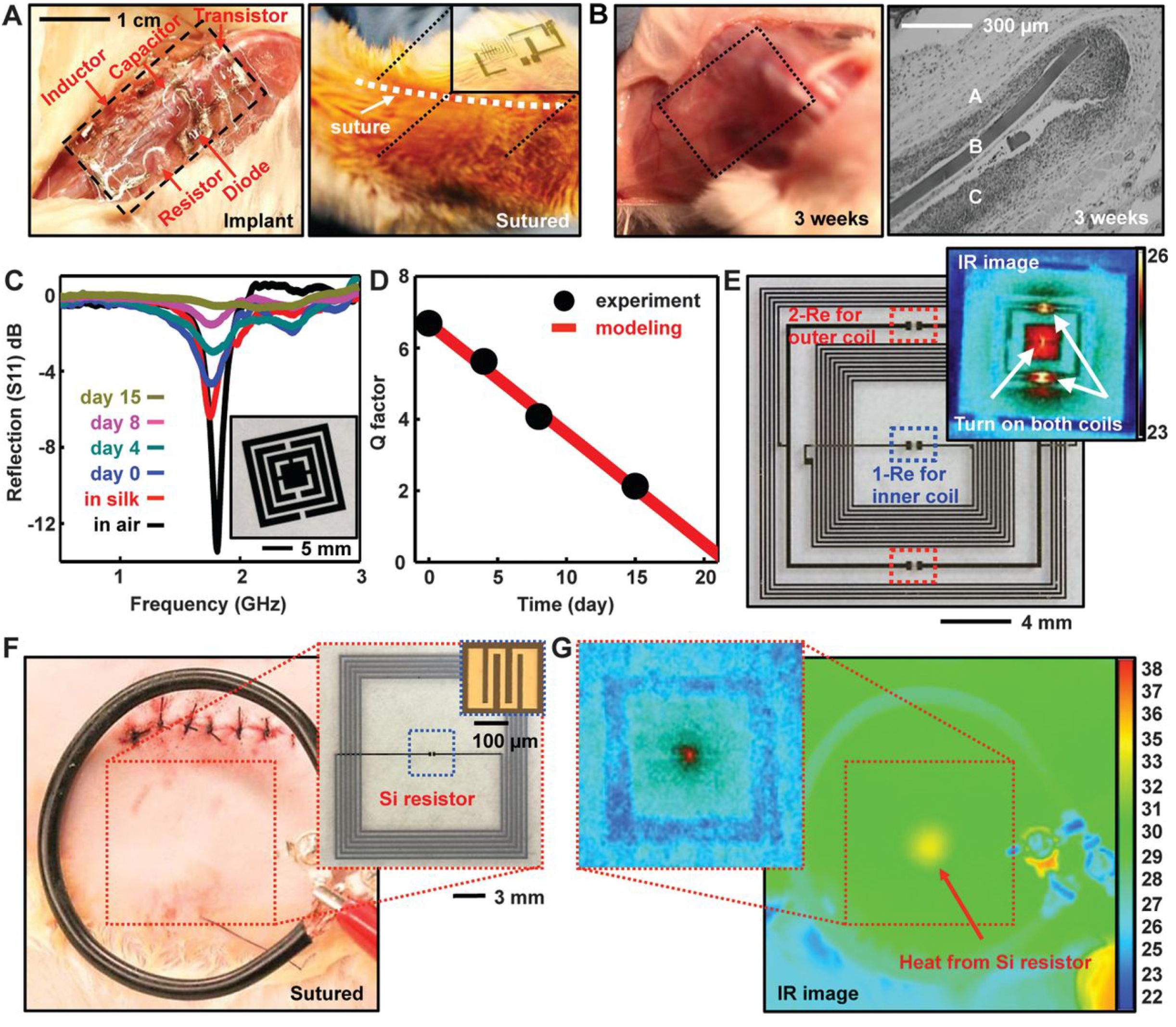
in vivo, a recent trend concerns with the development of fully resorbable electronic systems. These systems are specifically designed to remain stable for a pre-defined length of time, during which the implanted device will perform its functions. Once the task is completed, the implantable device will break down under the influence of the physiological environment in which the implant resides. The key competencies this technology aims to achieve are precisely controlled degradation kinetics and cyto- and tissue-compatibility of the degradation by-products. Resorbable devices are particularly useful where the goal of the implantation is not to permanently replace a function, but to provide temporary physical framework and stimulation to enable tissue restoration, medical diagnostics, accurate spatio-temporal delivery of drugs and other molecules. Recently, Hwang
et al. reported on the development and
in vitro study involving transient electronic devices based on silicon with a silk substrate [
166]. The developed devices had tunable electrical properties and degradation kinetics. Devices comprising of Mg-based inductive coils, resistive doped Si NMs microheaters, and silk based substrate and packaging were suggested as a bioresorbable tool for non-antibiotic thermal therapy to control surgical site infection (
Figure 3). It is important to understand, however, that biodegradation behavior of resorbable material is largely affected by its environment. By means of different physico-chemical parameters (e.g., pH, ion concentrations, oxygen), the biological environment directly affects the properties and the behavior of the implant material. Concomitantly, the implant, as an introduced foreign body, incites an immunological response and influences the surrounding tissues due to the direct and intimate contact. For example, Mg wires undergo extensive biocorrosion when placed in the rat arterial wall, whereas little corrosion was observed for those Mg wires exposed to blood in the arterial lumen for 3 weeks [
167]. Therefore, further investigation regarding the cytocompatibility and biocompatibility of the materials used in the bioresorbable electronic devices, and the potential toxicity of their degradation by-products are required in order to bring these exciting technologies to clinical applications.
Figure 3.
In vivo evaluations and example of a transient bioresorbable device for thermal therapy. (
A) Images of an implanted and sutured transient electronics platform located in the subdermal dorsal region of a BALB/c mouse. (
B) Implant site and histological section of tissue at the implant site, excised after 3 weeks, showing a partially resorbed region of the silk film. (
C) Resonant responses of an implanted transient RF metamaterial structure before and after placement in a silk package, immediately after implantation and at several time intervals thereafter. (
D) Measured and calculated
Q factor for the metamaterial, where the results indicate transience dominated by the diffusion of biofluids through the silk package. (
E) Transient wireless device for thermal therapy, consisting of two resistors (red outline) connected to a first wireless coil (70 MHz; outer coil) and a second resistor (blue outline) connected to a second, independently addressable, wireless coil (140 MHz; inner coil). The inset shows a thermal image of this device coupled with a primary coil operating at two frequencies, to drive both the inner and outer coils simultaneously. (
F) Primary coil next to a sutured implant site for a transient thermal therapy device, with the inset showing an image of a device. (
G) Thermal image collected while wirelessly powering the device through the skin; the results show a hot spot (5 °C above background) at the expected location, with a magnified view in the inset [
166].
Figure 3.
In vivo evaluations and example of a transient bioresorbable device for thermal therapy. (
A) Images of an implanted and sutured transient electronics platform located in the subdermal dorsal region of a BALB/c mouse. (
B) Implant site and histological section of tissue at the implant site, excised after 3 weeks, showing a partially resorbed region of the silk film. (
C) Resonant responses of an implanted transient RF metamaterial structure before and after placement in a silk package, immediately after implantation and at several time intervals thereafter. (
D) Measured and calculated
Q factor for the metamaterial, where the results indicate transience dominated by the diffusion of biofluids through the silk package. (
E) Transient wireless device for thermal therapy, consisting of two resistors (red outline) connected to a first wireless coil (70 MHz; outer coil) and a second resistor (blue outline) connected to a second, independently addressable, wireless coil (140 MHz; inner coil). The inset shows a thermal image of this device coupled with a primary coil operating at two frequencies, to drive both the inner and outer coils simultaneously. (
F) Primary coil next to a sutured implant site for a transient thermal therapy device, with the inset showing an image of a device. (
G) Thermal image collected while wirelessly powering the device through the skin; the results show a hot spot (5 °C above background) at the expected location, with a magnified view in the inset [
166].
![Electronics 02 00001 g003]()