Article

SPI Trend Analysis of New Zealand Applying the ITA Technique


National Research Council—Institute for Agricultural and Forest Systems in Mediterranean (CNR-ISAFOM), Via Cavour 4/6, 87036 Rende, Cosenza‎, Italy
Geosciences 2018, 8(3), 101; https://doi.org/10.3390/geosciences8030101

Submission received: 28 February 2018 / Revised: 8 March 2018 / Accepted: 13 March 2018 / Published: 15 March 2018
(This article belongs to the Special Issue Hydrological Hazard: Analysis and Prevention)

Abstract

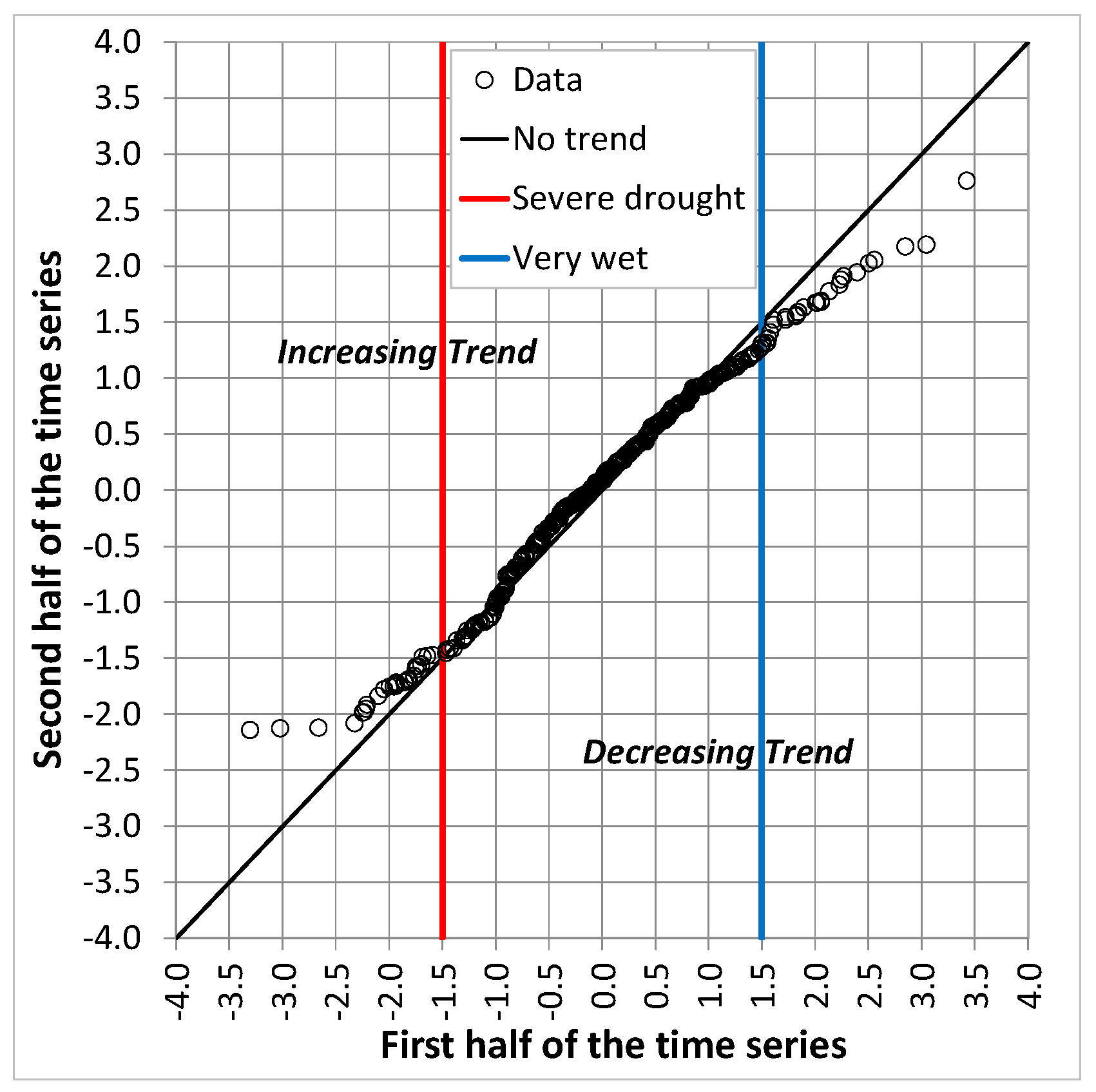
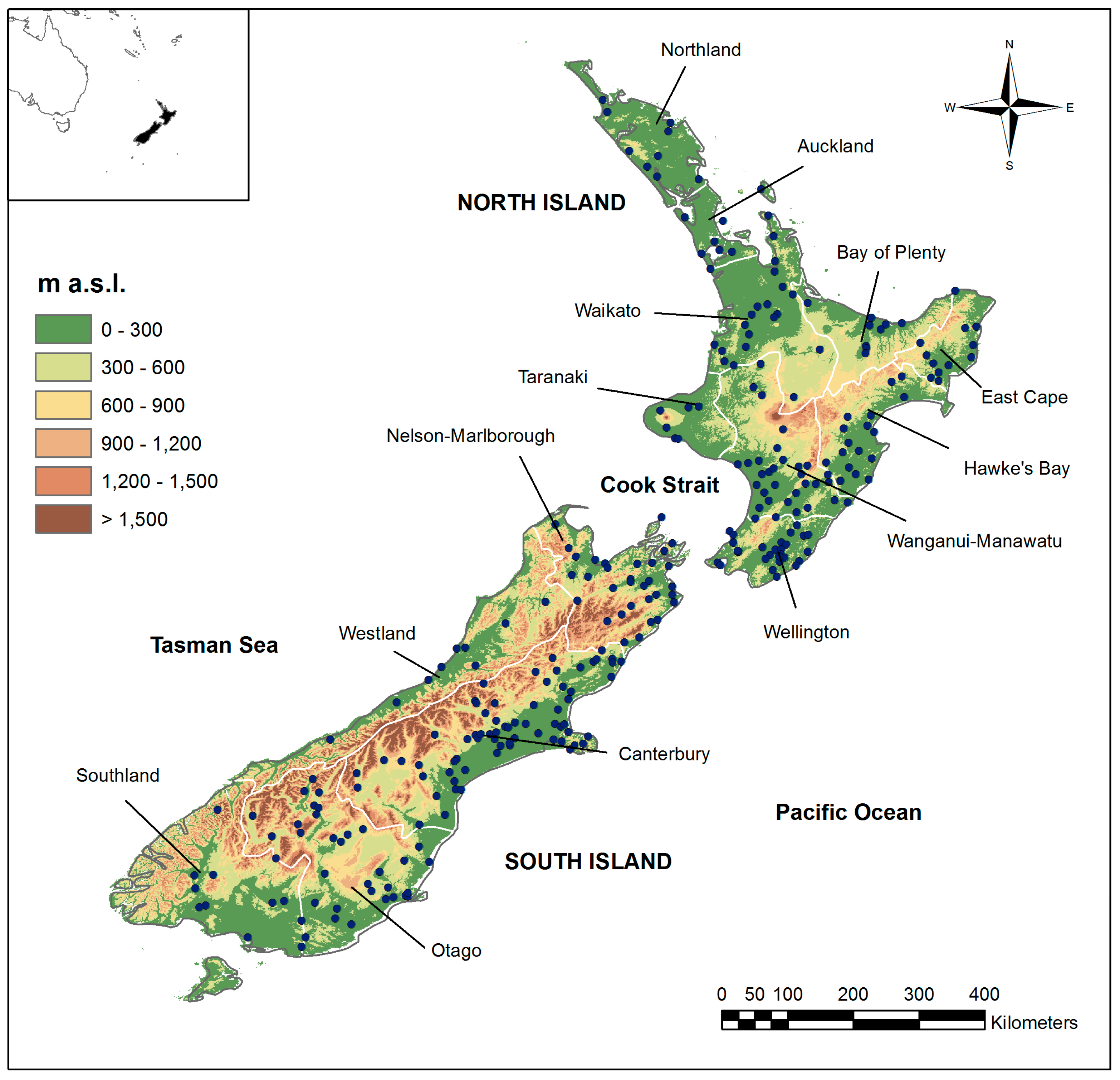
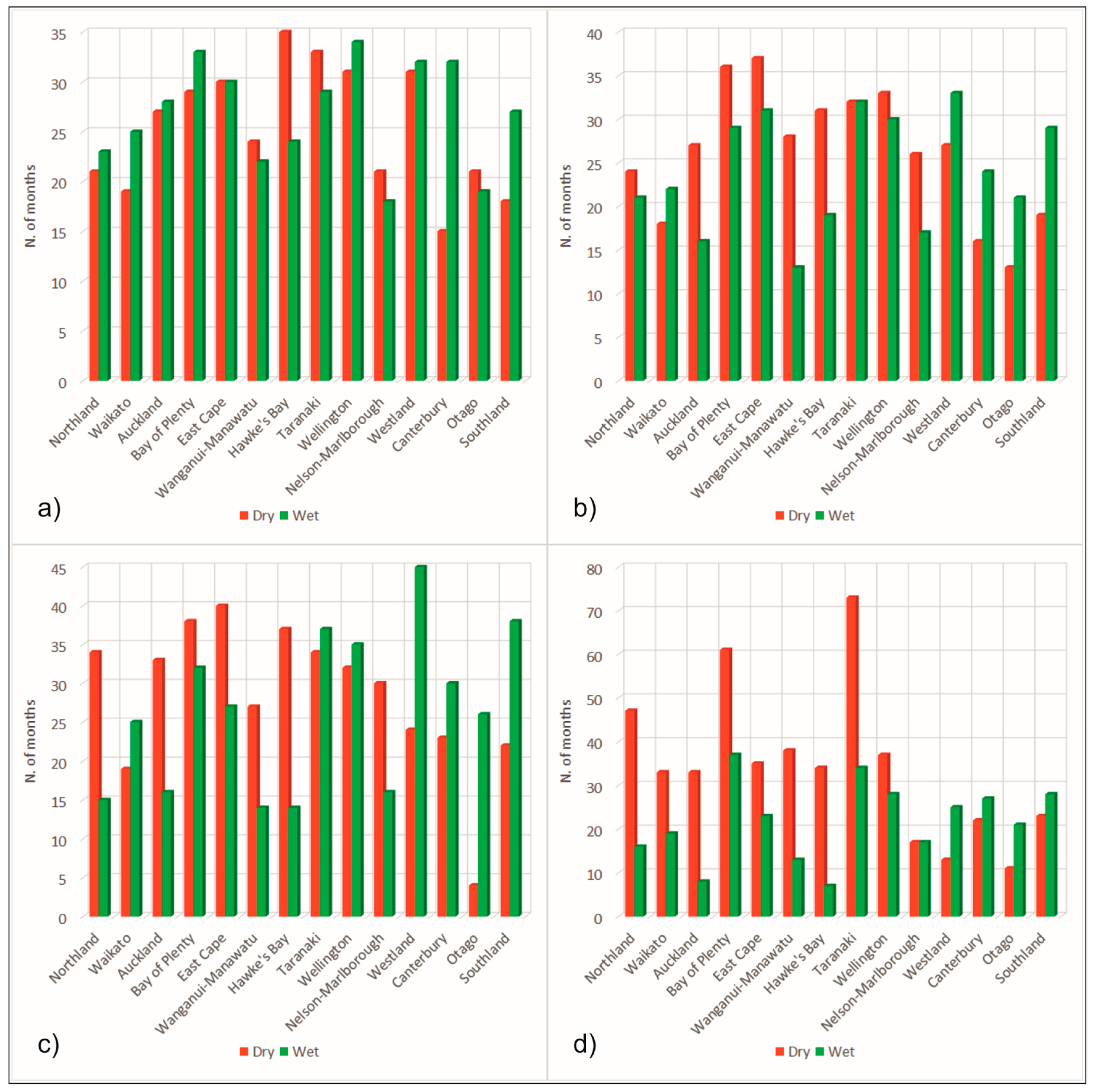
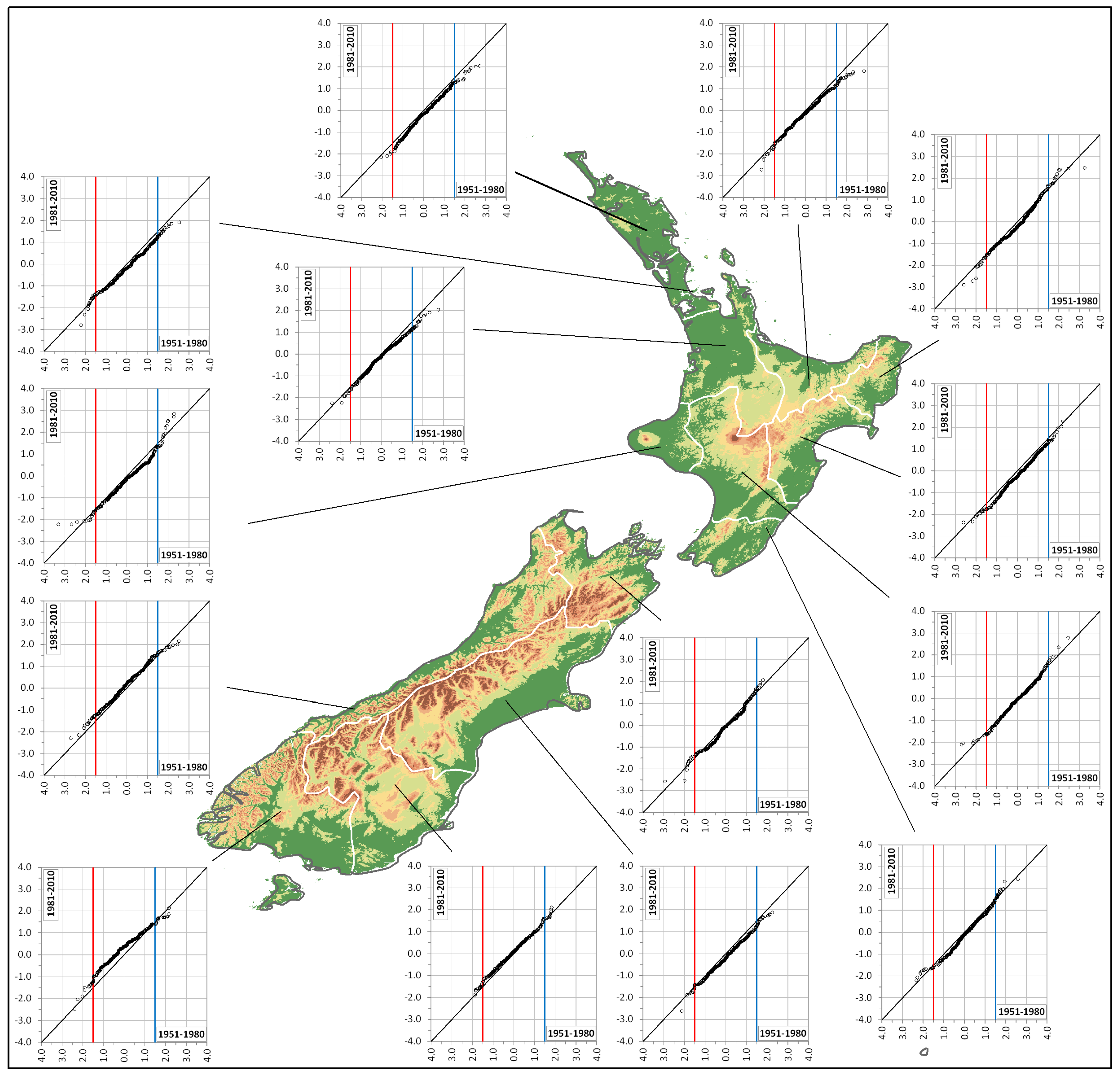
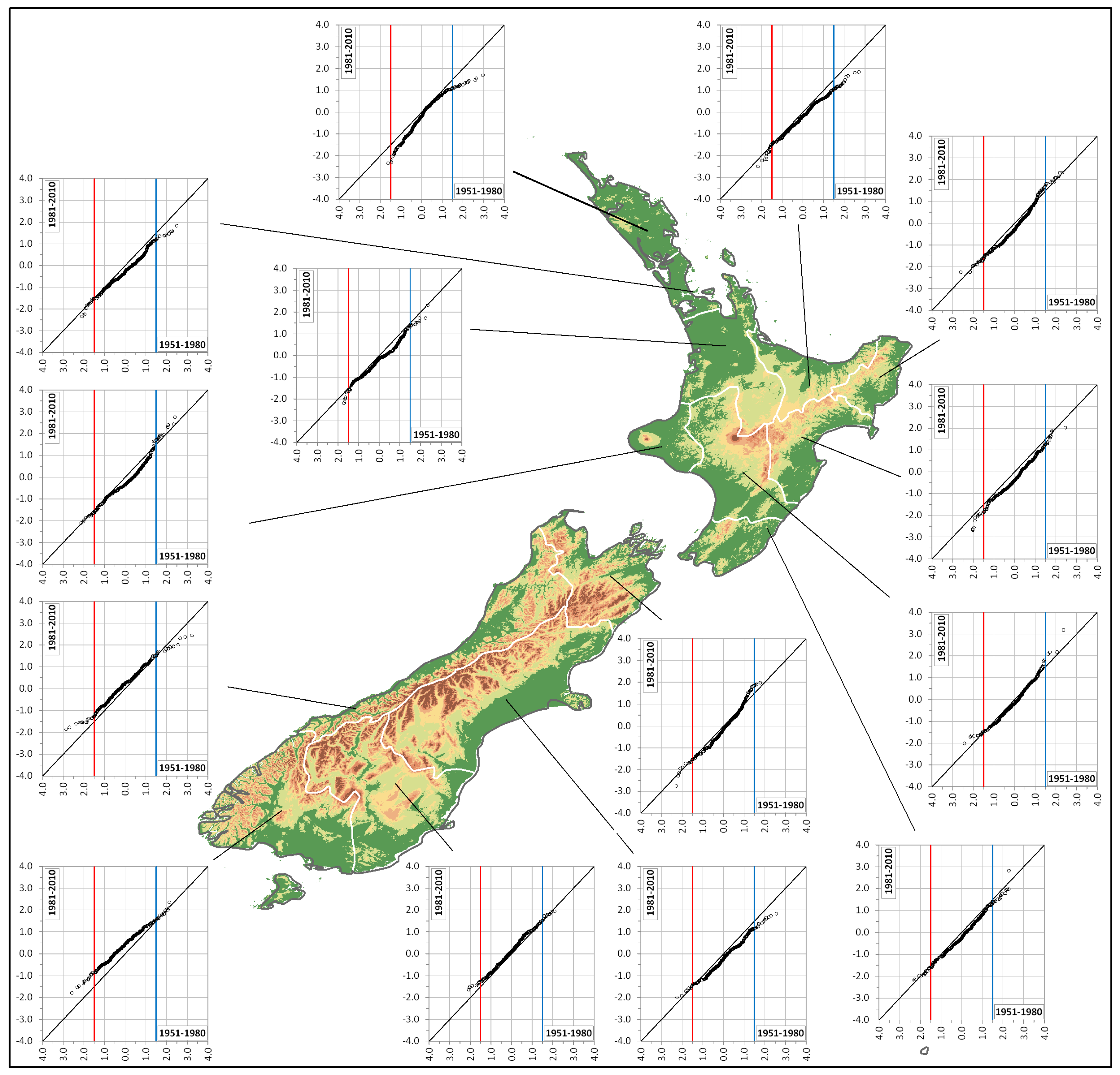
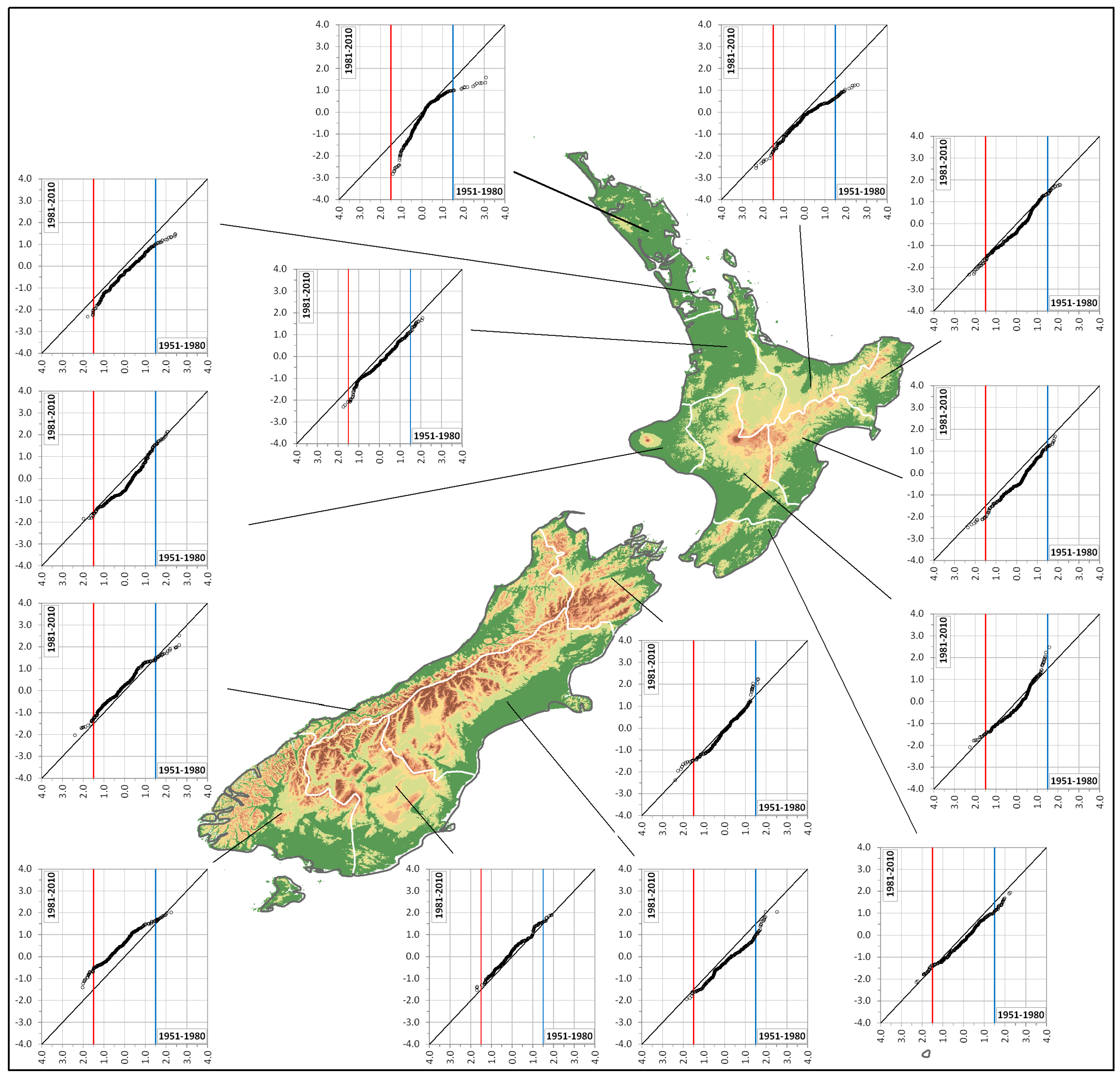
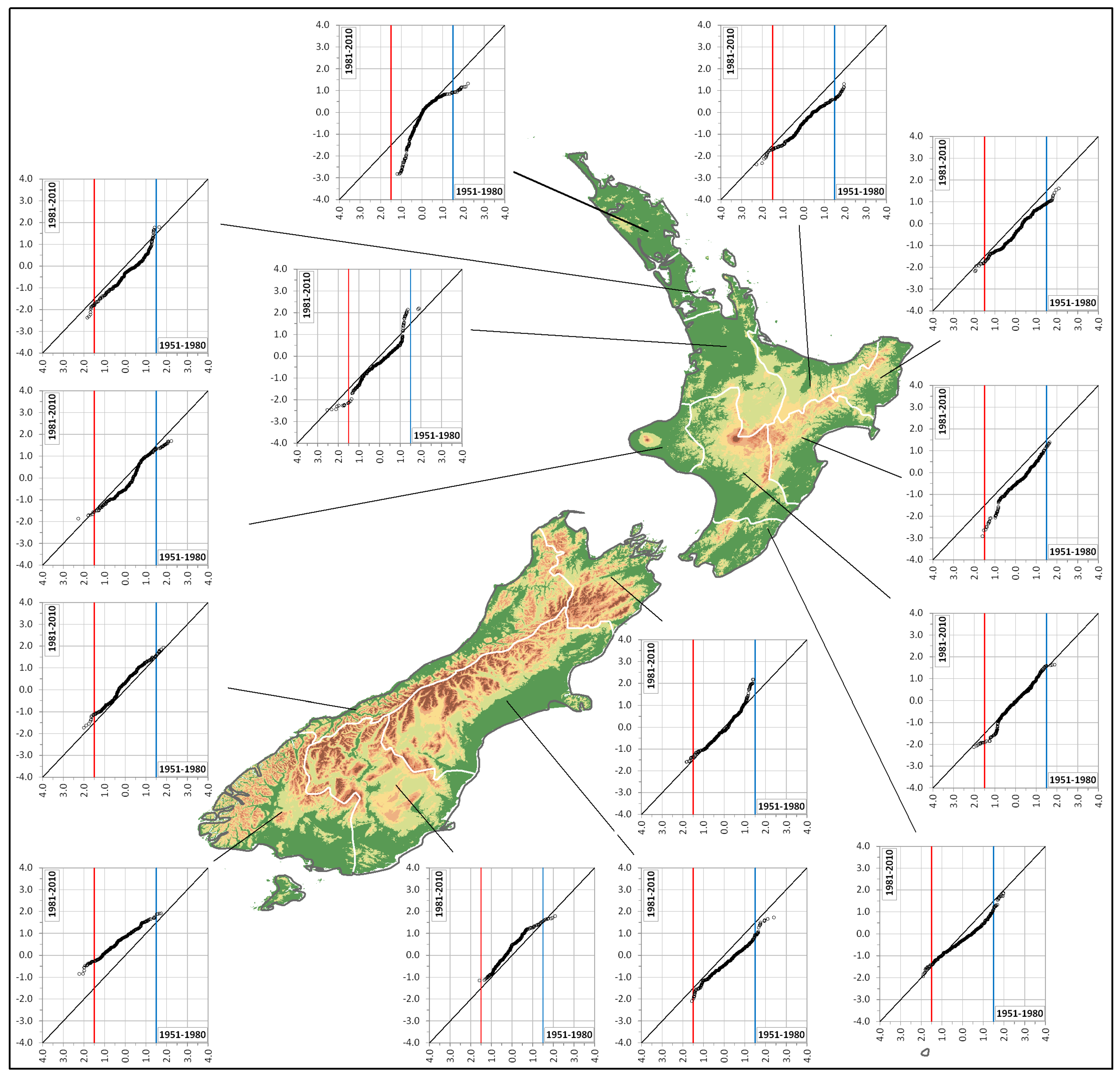
A natural temporary imbalance of water availability, consisting of persistent lower-than-average or higher-than-average precipitation, can cause extreme dry and wet conditions that adversely impact agricultural yields, water resources, infrastructure, and human systems. In this study, dry and wet periods in New Zealand were expressed using the Standardized Precipitation Index (SPI). First, both the short term (3 and 6 months) and the long term (12 and 24 months) SPI were estimated, and then, possible trends in the SPI values were detected by means of a new graphical technique, the Innovative Trend Analysis (ITA), which allows the trend identification of the low, medium, and high values of a series. Results show that, in every area currently subject to drought, an increase in this phenomenon can be expected. Specifically, the results of this paper highlight that agricultural regions on the eastern side of the South Island, as well as the north-eastern regions of the North Island, are the most consistently vulnerable areas. In fact, in these regions, the trend analysis mainly showed a general reduction in all the values of the SPI: that is, a tendency toward heavier droughts and weaker wet periods.
Keywords: drought; SPI; trend; New Zealand drought; SPI; trend; New Zealand