Article

Hydraulic Jump below Abrupt Asymmetric Expanding Stilling Basin on Rough Bed


by
Nafiseh Torkamanzad
*,
Ali Hosseinzadeh Dalir
,
Farzin Salmasi
and
Akram Abbaspour
Department of Water Engineering, University of Tabriz, Tabriz 5166616471, Iran
*
Author to whom correspondence should be addressed.
Water 2019, 11(9), 1756; https://doi.org/10.3390/w11091756
Submission received: 22 June 2019 / Revised: 10 August 2019 / Accepted: 13 August 2019 / Published: 23 August 2019
(This article belongs to the Section Hydraulics and Hydrodynamics)

Abstract

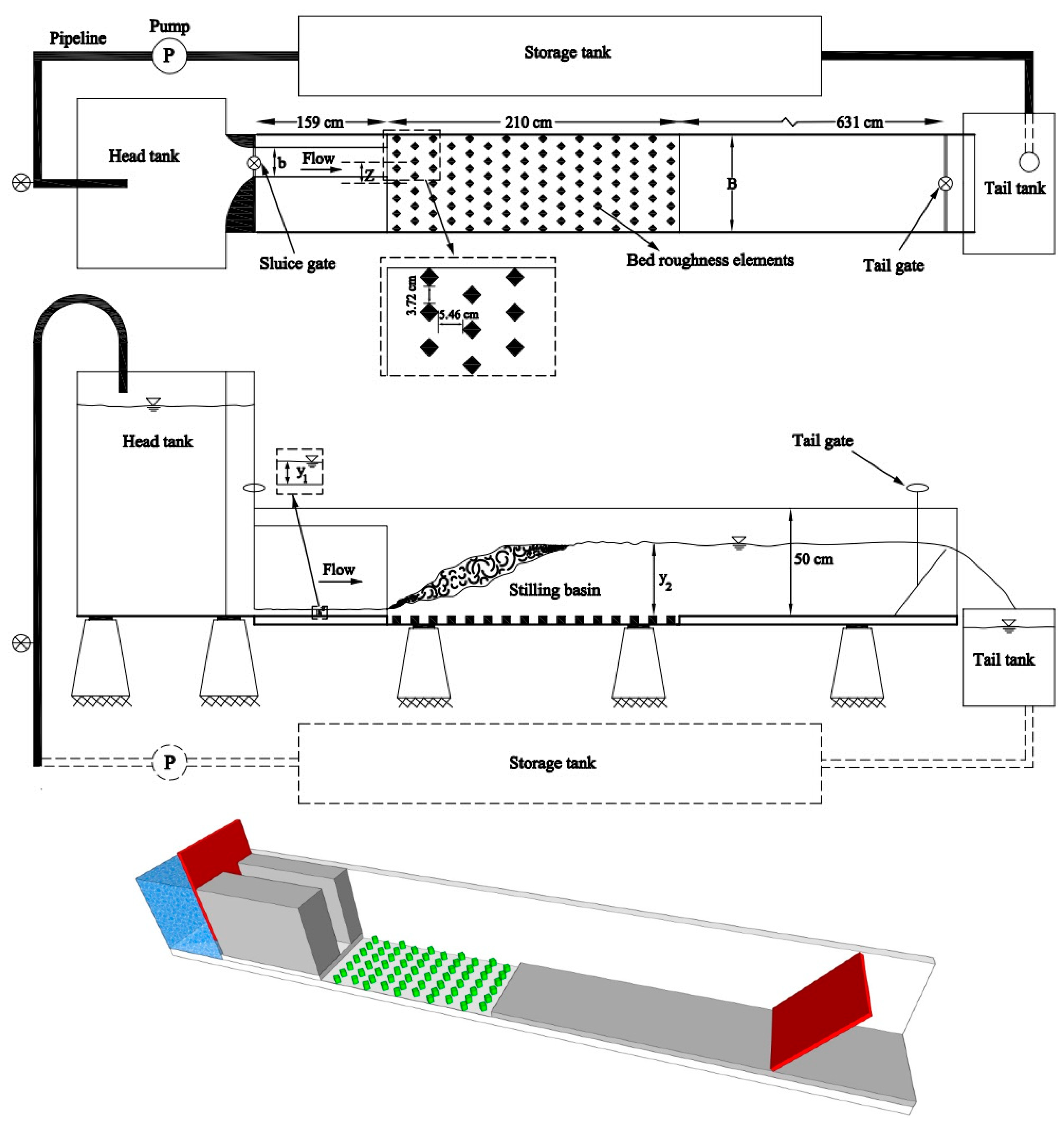
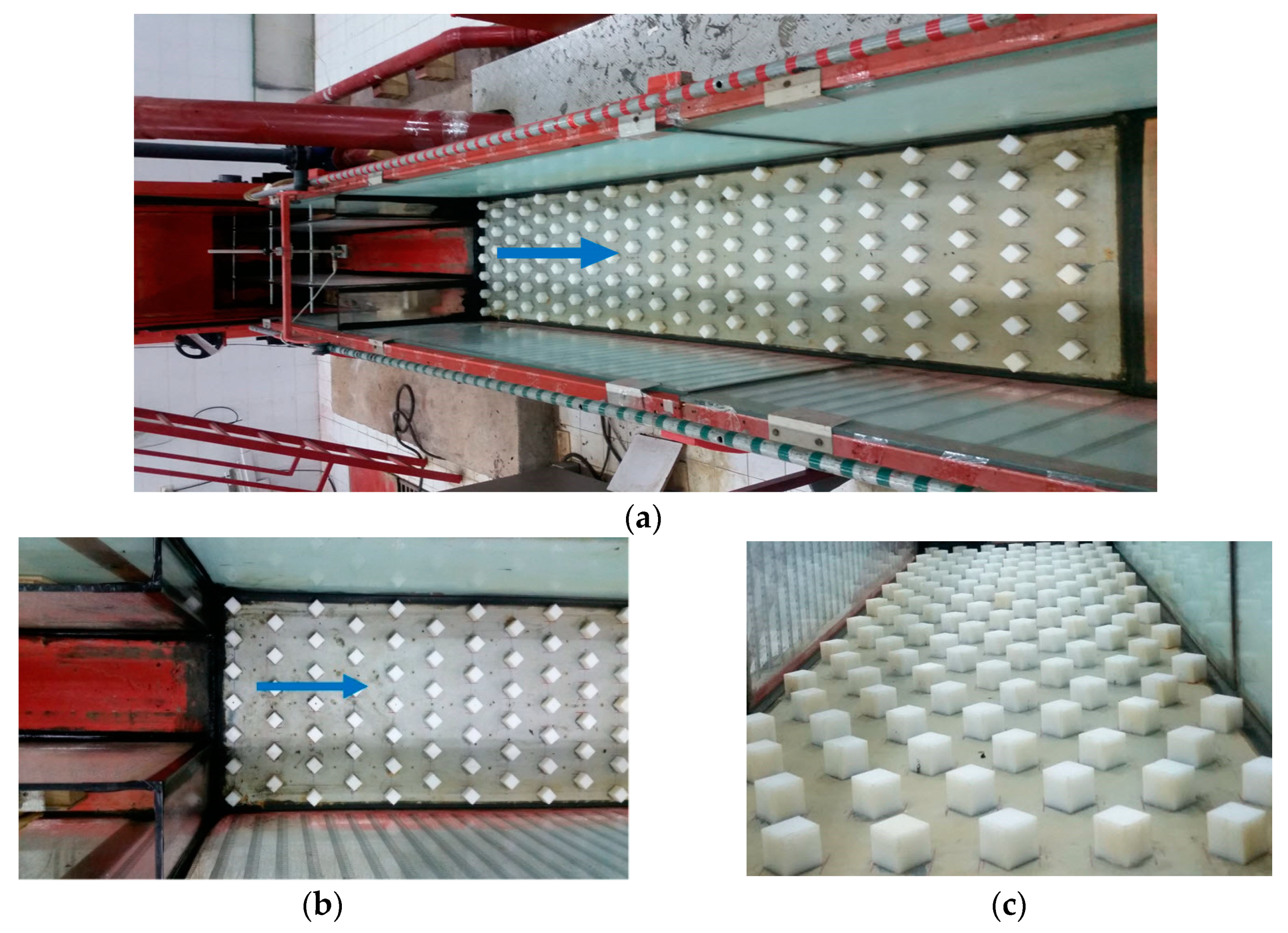
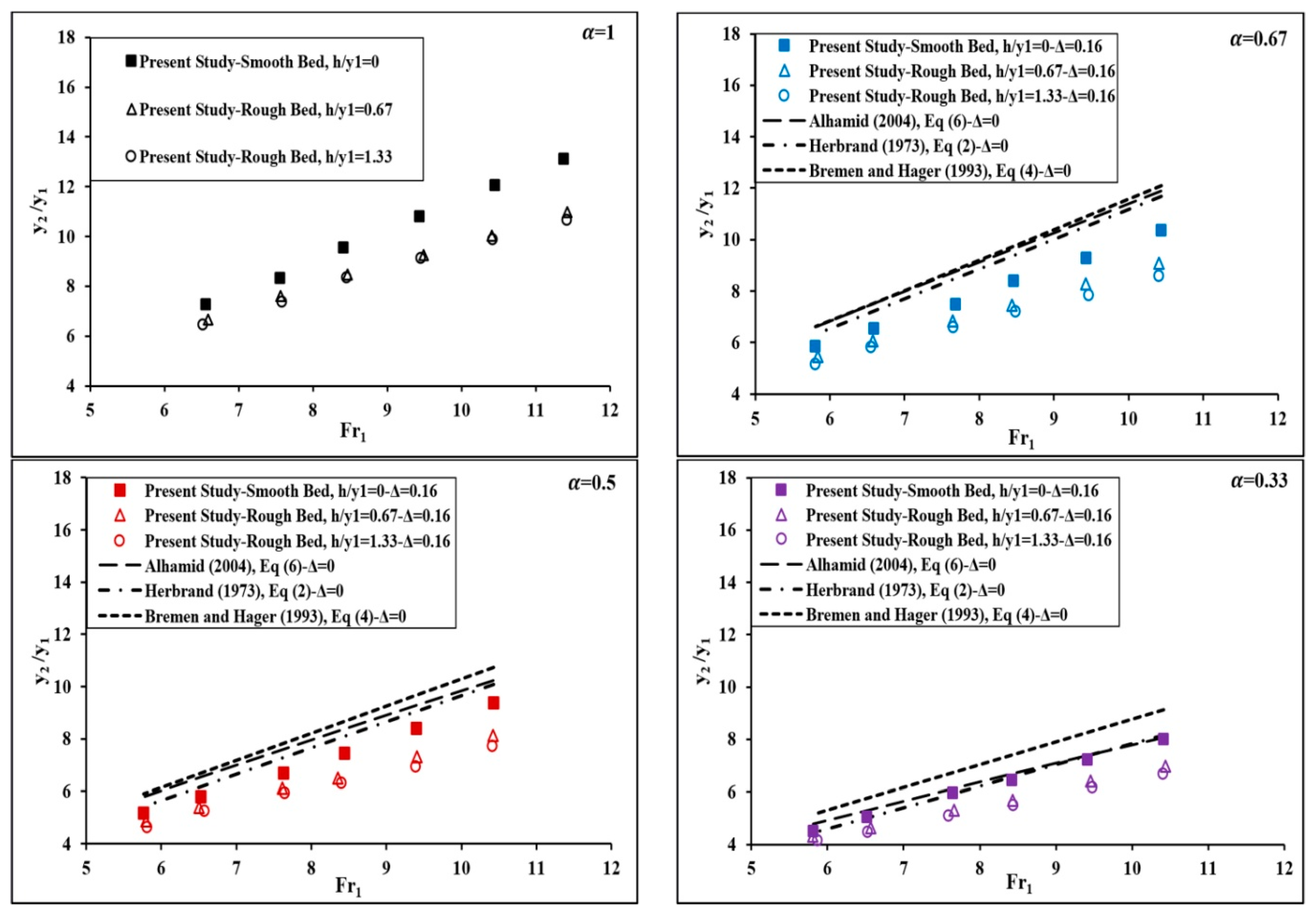
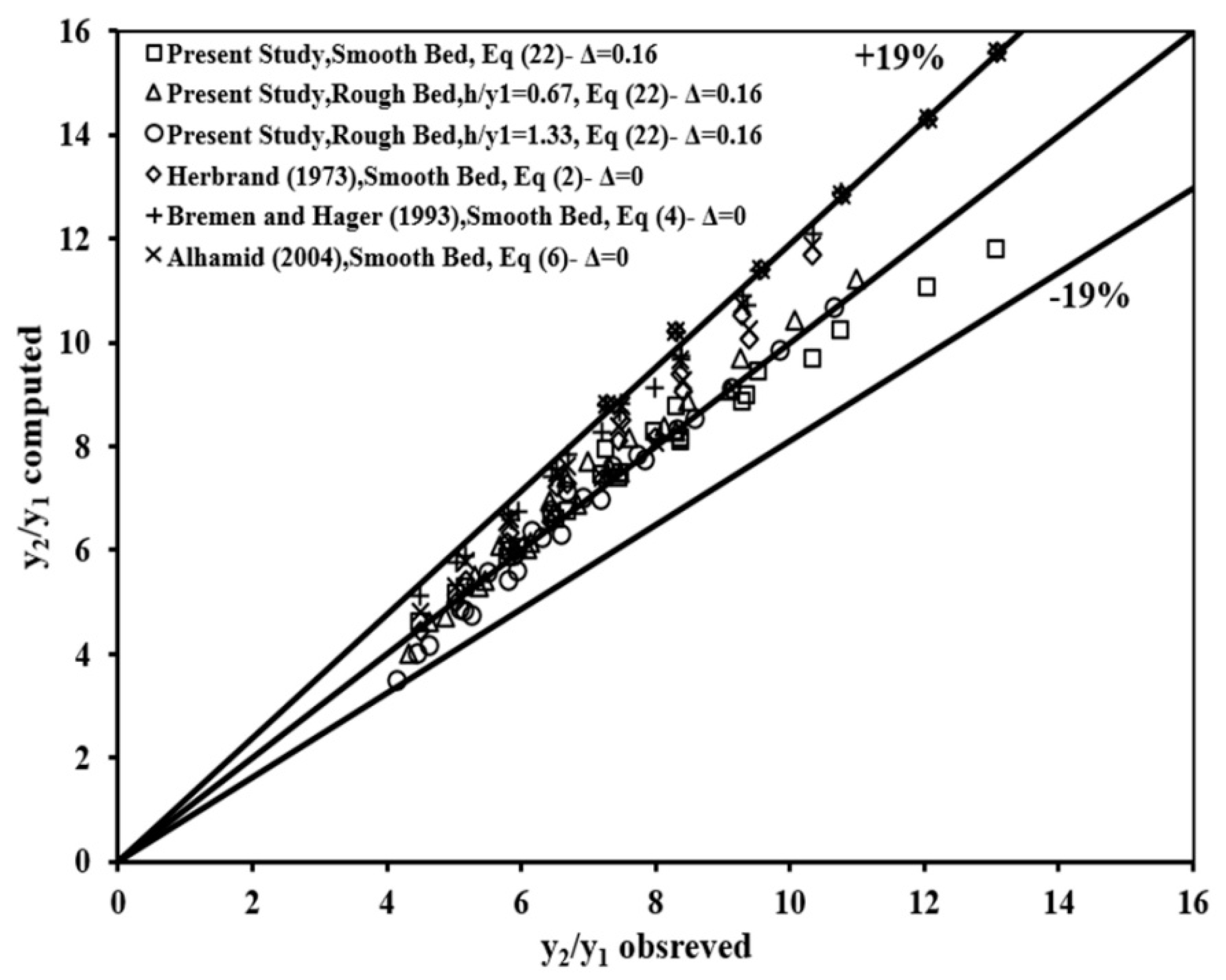
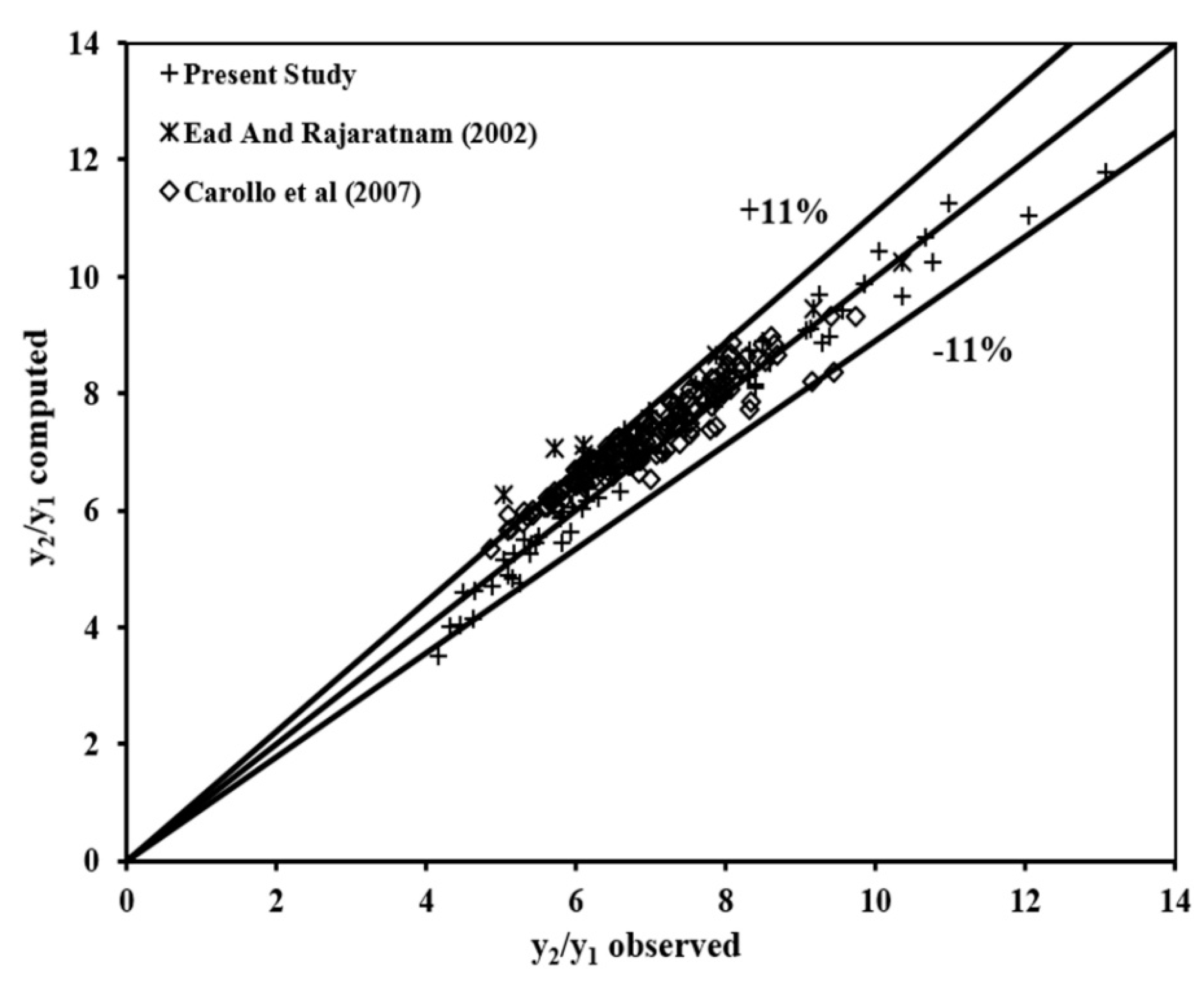
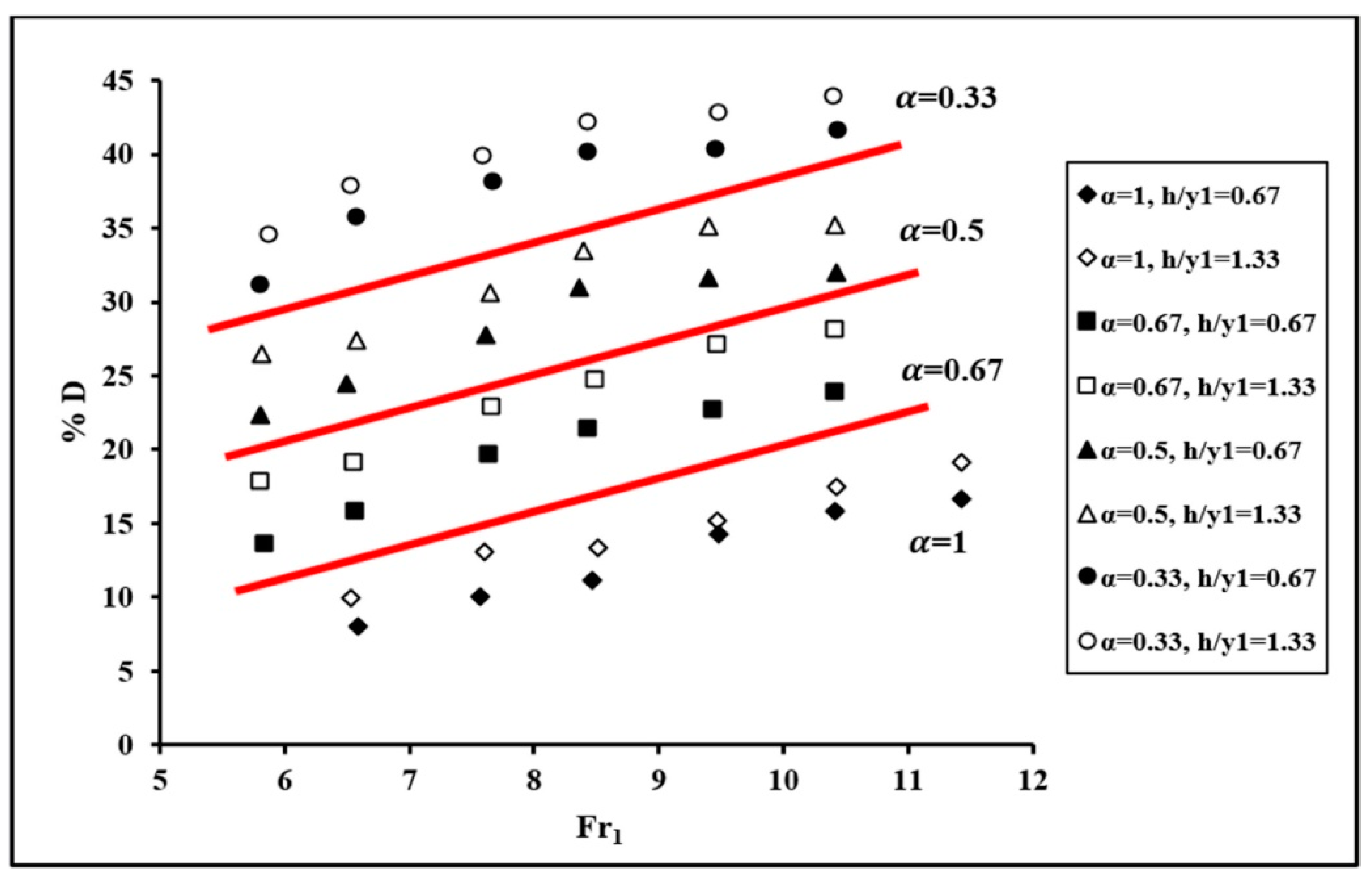
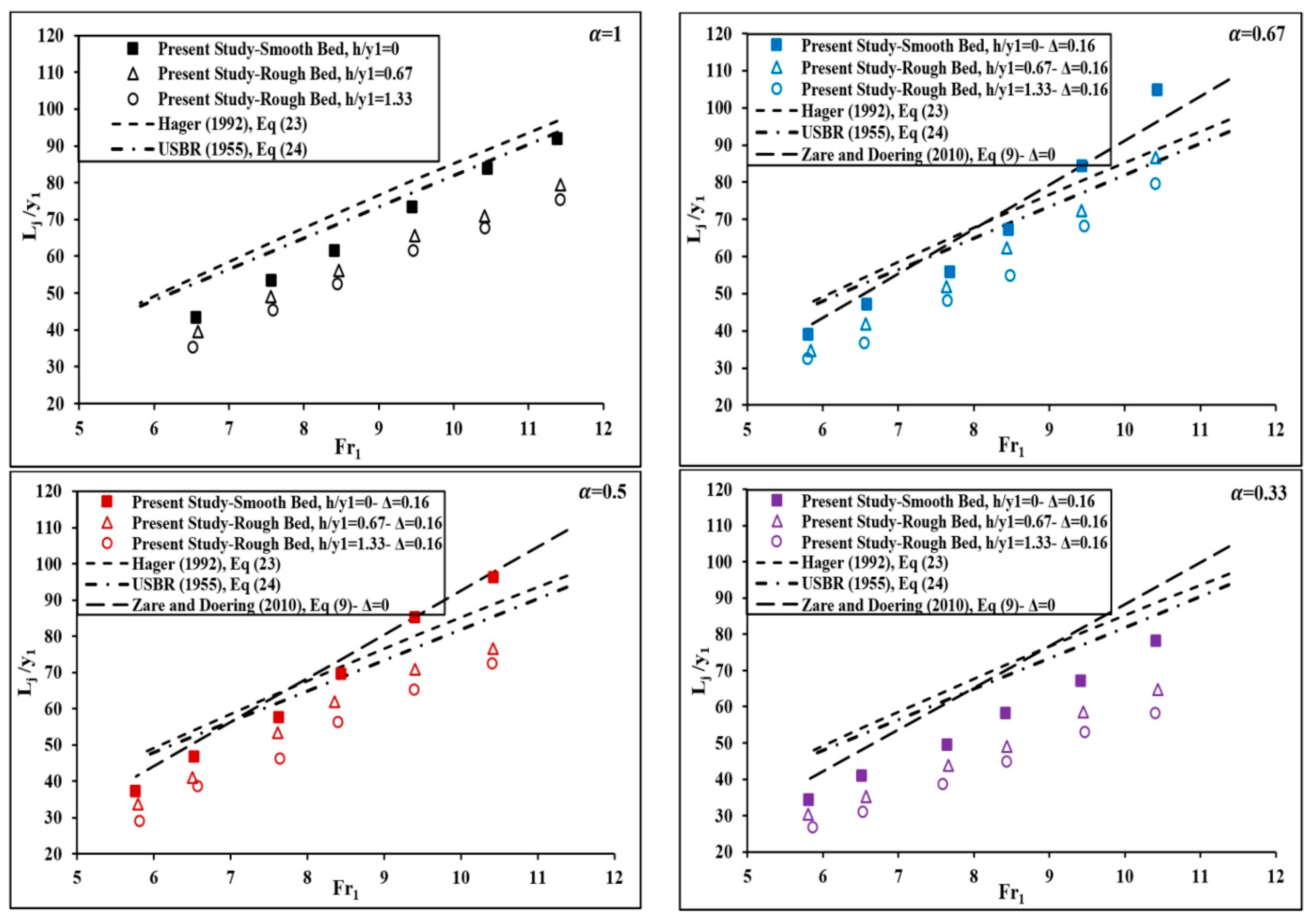
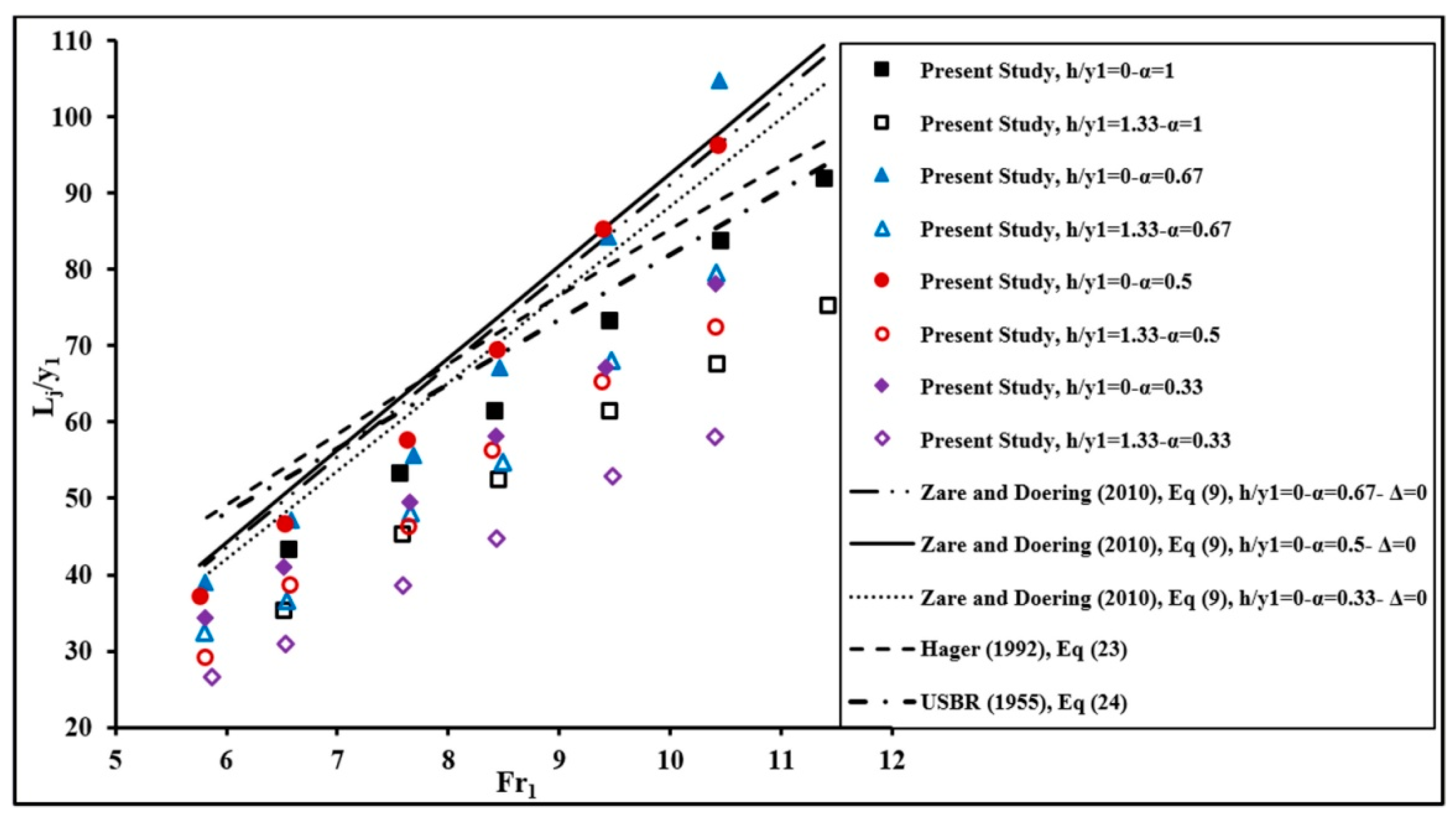
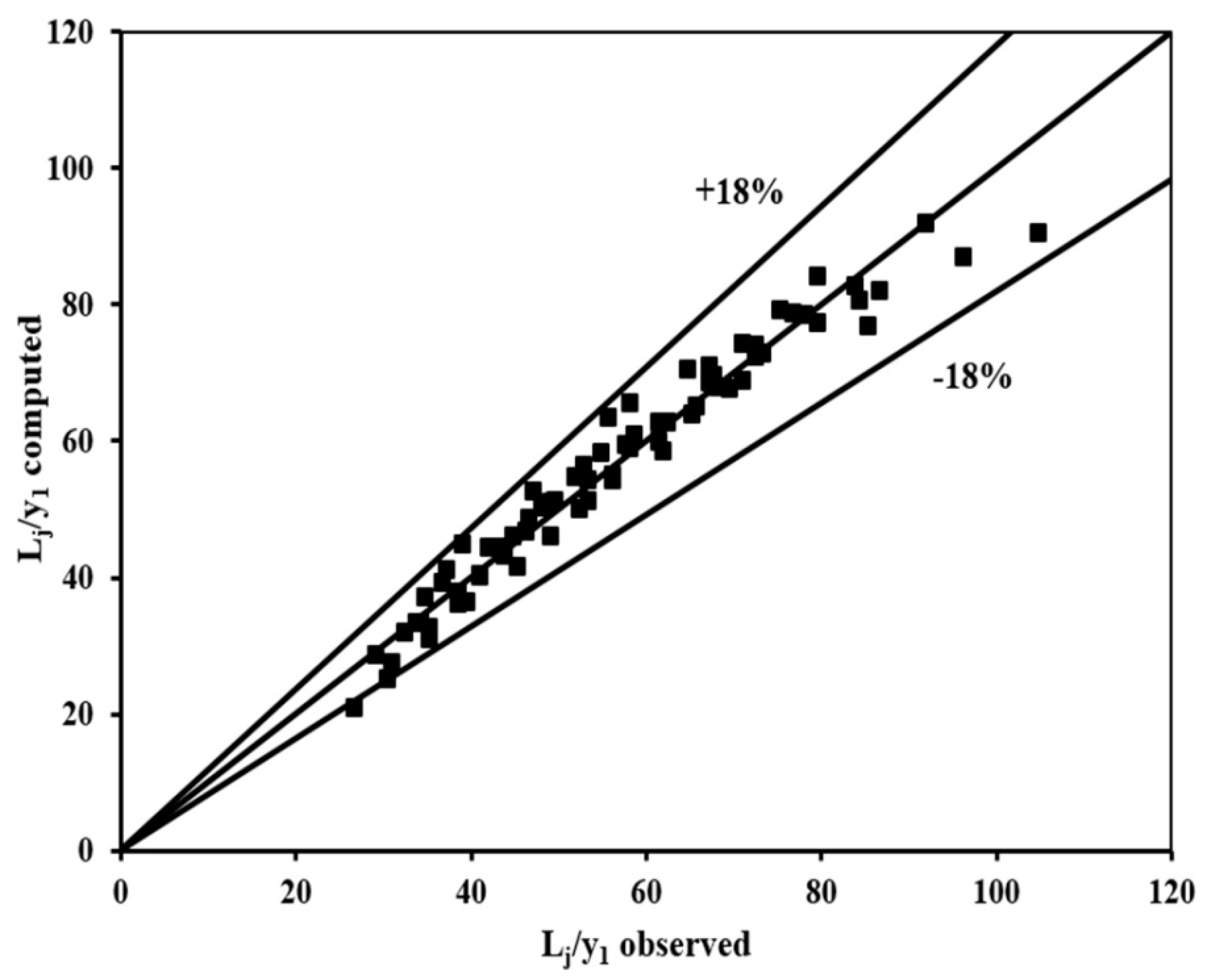
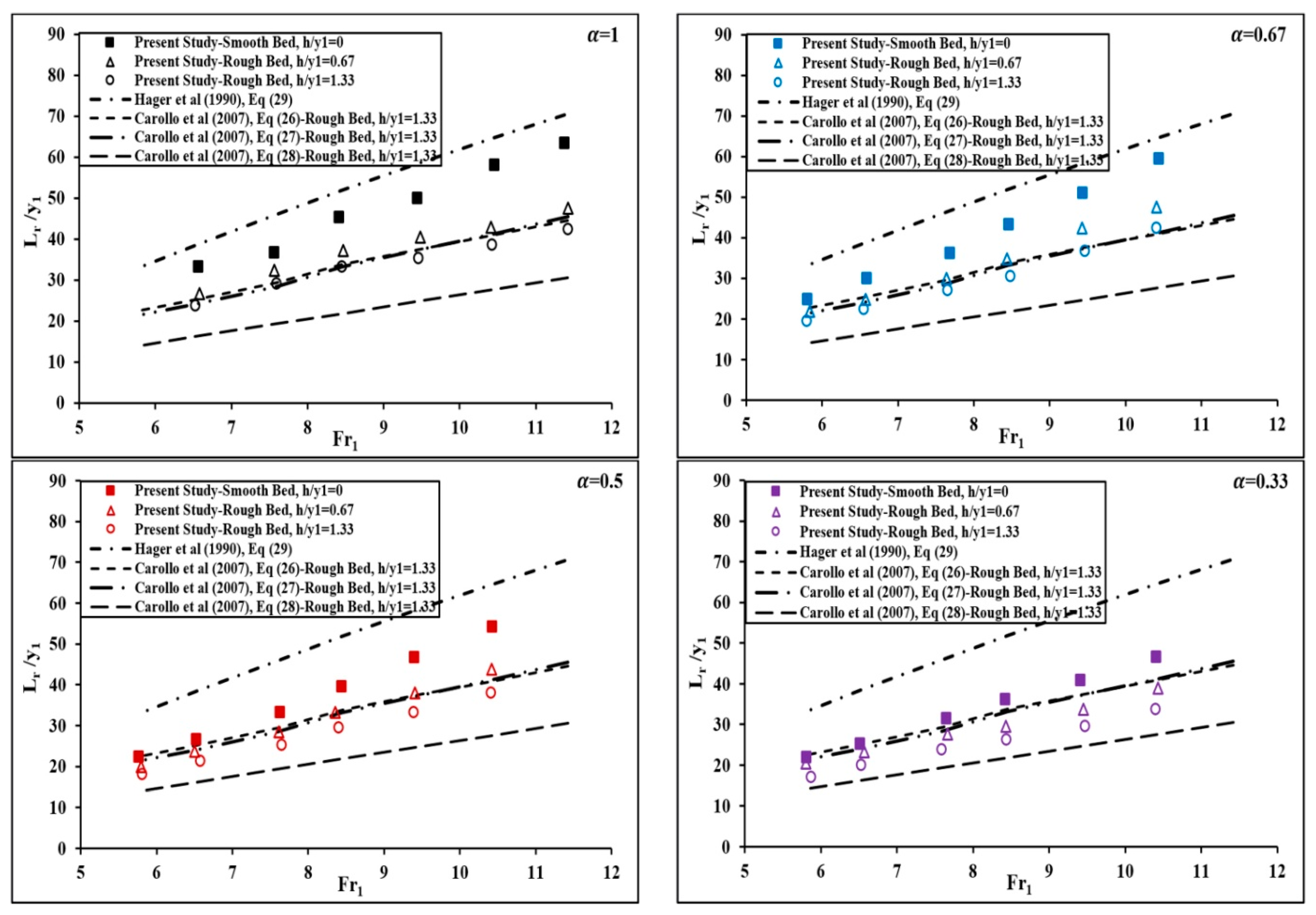
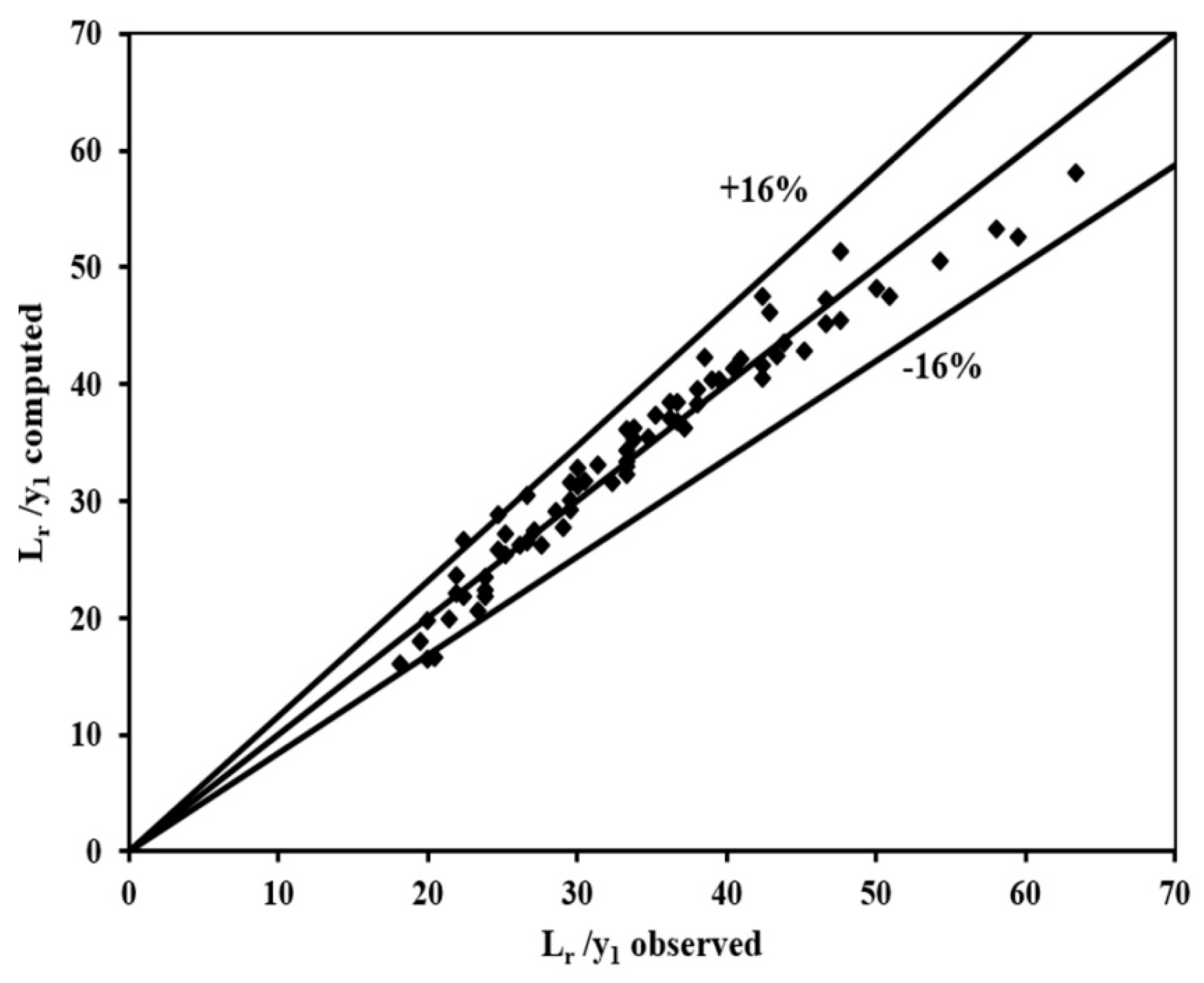
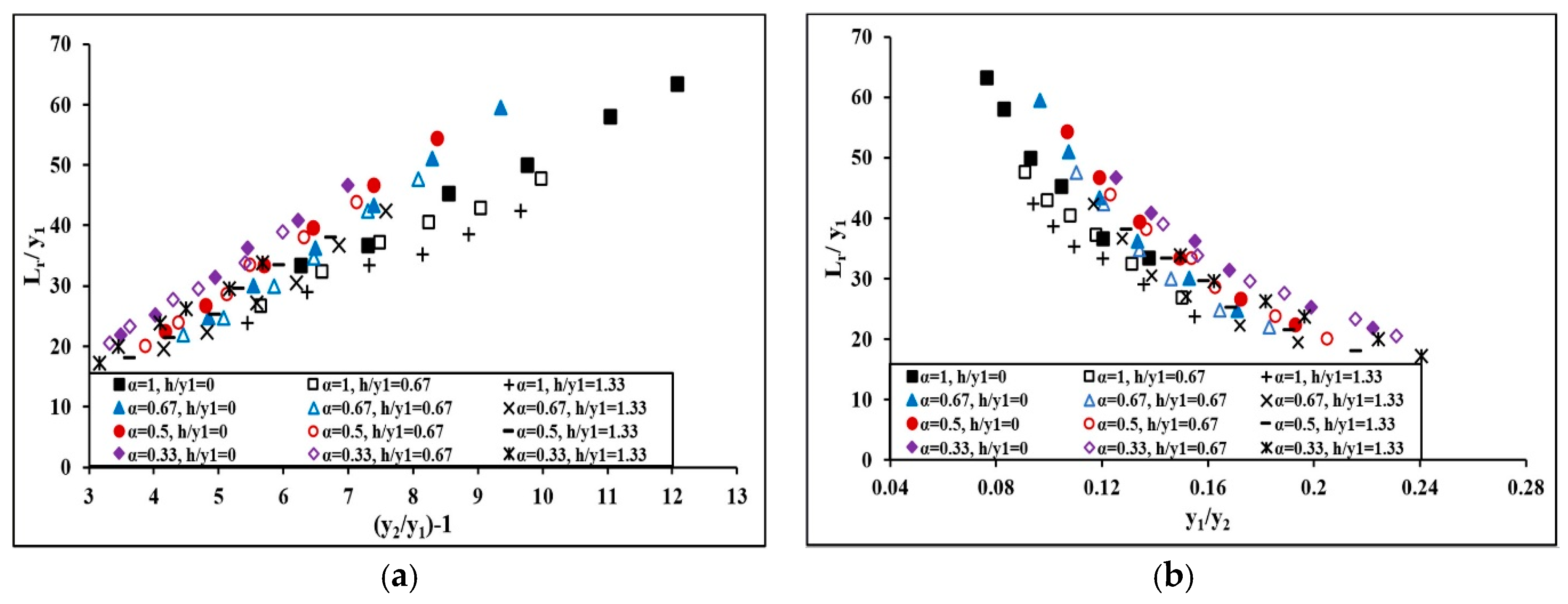
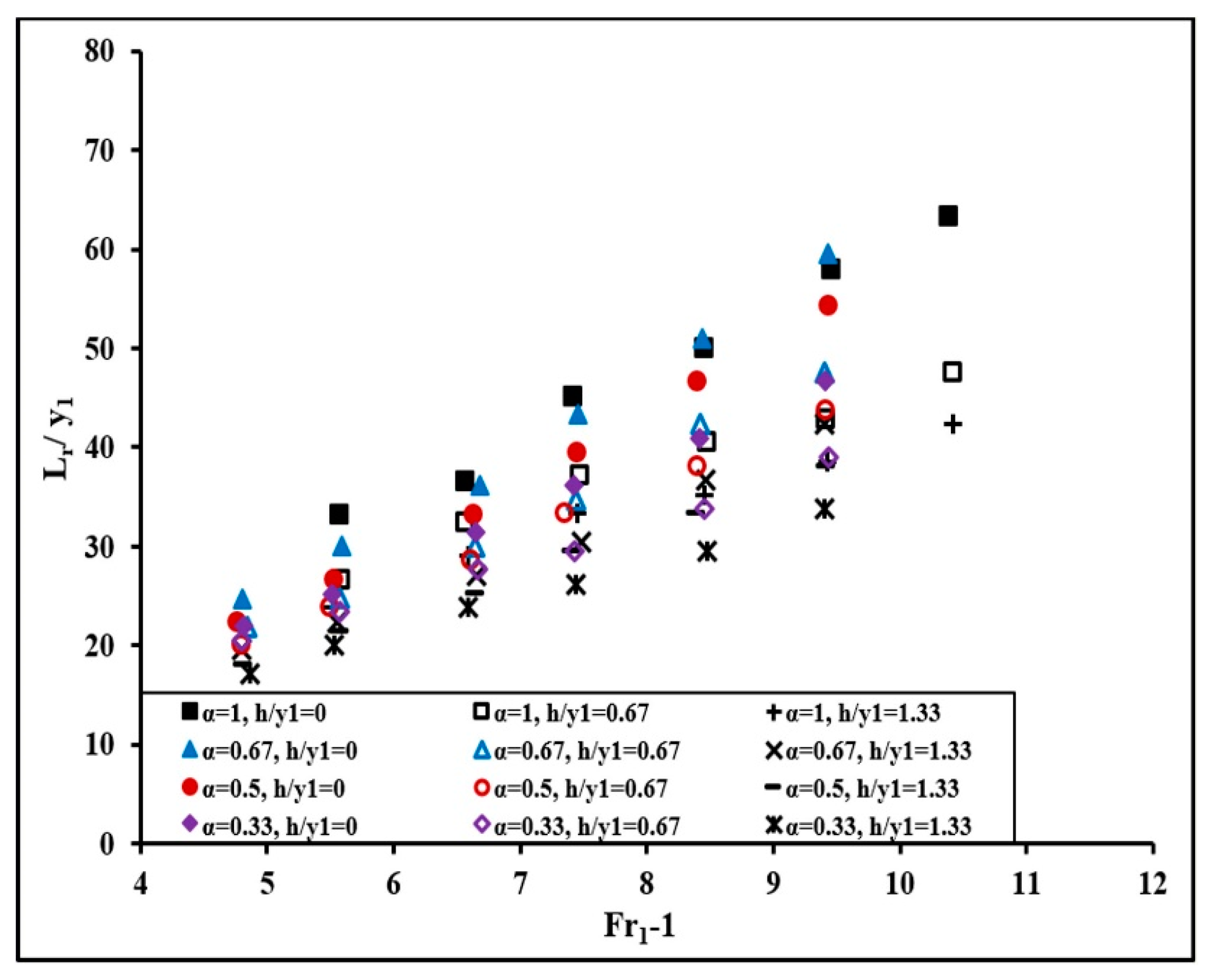
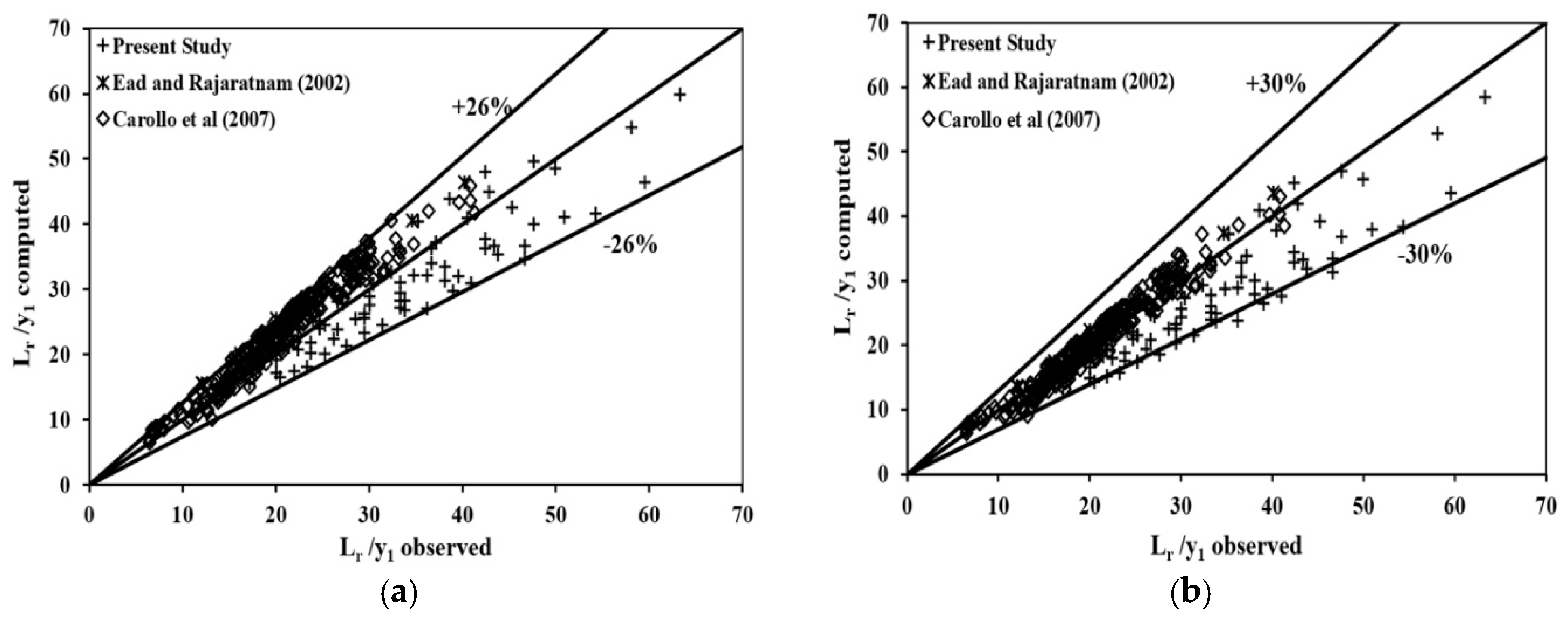
The present research describes a laboratory study of hydraulic jump in the abrupt asymmetric expansion stilling basin as an energy dissipator by changing the geometry of walls and bed roughness elements. The experiments were carried out in a horizontal flume with 10 m length, 0.5 m width, and 0.5 m depth for a range of the upstream Froude numbers ( F r 1 ) from 5 to 11. Four physical models with expansion ratio of α   = 0.33, 0.5, 0.67, and 1 and asymmetry ratio of Δ = 0.16 were installed in the flume and two different heights of roughness elements ( h   = 1.4 and 2.8 cm) were also considered. The results indicated that the sequent depth and the jump length as well as the roller length below abrupt asymmetric expansion on the rough bed were decreased in comparison to the same parameters of the jump in a prismatic channel with smooth bed. It was revealed that the roughness elements have the effective role on stabilization of the hydraulic jump location. The analysis of energy dissipation efficiency confirmed that the spatial jump in the abruptly expanded basin with roughened bed was more efficient than classical jump. In order to estimate the hydraulic jump characteristics, empirical relationships associated with expansion ratio of basin walls, relative height of roughness elements and upstream Froude number were proposed based on the experimental data that resulted in preliminary design of an abrupt asymmetric enlarged basin.
Keywords: Asymmetric sudden expansion basin; roughened bed; hydraulic jump; energy dissipation Asymmetric sudden expansion basin; roughened bed; hydraulic jump; energy dissipation