1. Introduction
The use of polymers in the microsystem field has spread these last years. Indeed, they are low-cost while allowing batch fabrication by microtechnologies. Contrary to the substrates traditionally used in the field, such as silicon or silicone oxide, they offer high flexibility and a wide range of dielectric properties for numerous applications, e.g., stretchable electronics and implantable medical devices. In the case of implantable microdevices, flexibility is especially desirable to reduce the damage inflicted during surgery and for the comfort of the patient during the implantation [
1]. Moreover, polymers also have interesting interactions with the biological tissues: the biocompatible ones as packaging materials and the biodegradable ones for drug delivery.
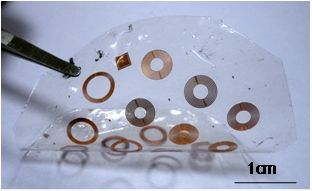
We develop microantennae on polymer substrates for Magnetic Resonance Imaging (MRI) on the microscopic scale so we have considered how this kind of devices can benefit from the advantages described above. Our approach consists in reducing the size of the antenna to increase its sensitivity and therefore to obtain higher Signal to Noise Ratio (SNR). This approach has been already validated for the classic configuration of macroscopic antennas [
2,
3]. Miniaturization of macroscopic MRI antennas is limited to the centimeter scale by the use of discrete components such as tuning and matching capacitors [
3,
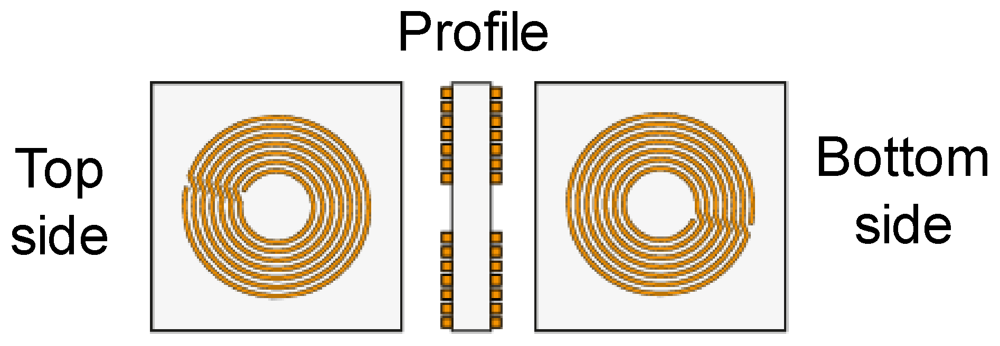
4]. To overcome this limitation, a solution is to use a monolithic design based on transmission lines. We have developed a monolithic design based on the transmission lines between conductor windings on both sides of a dielectric substrate, called Multi-turn Transmission Lines Resonator (MTLR) [
5]. Coils with similar designs (also based on transmission lines) have been fabricated on various rigid substrates such as silicon dioxide [
6] and glass [
7], then on flexible polymeric substrates such as polyimide [
7,
8,
9] and Teflon [
10,
11]. This last substrate has a low loss tangent (less than 0.0003 at 1 MHz) which allows to reduce the parasitic capacitance and maximize the quality factor Q of the antennas [
11].
In the case of surface imaging, flexible antennas conform very close to curved surfaces and provide improved images, compared with planar antennas [
12]. A concern about flexibility could be the performances of the antennas when they are bent. For surface imaging, the bending is relatively low and no significant variation of the resonant frequency f
0 and the quality factor Q is observed. However, other applications need a stronger bending such as catheter tracking by MRI. Ahmad
et al. reported that wrapping flexible antennas fabricated on polyimide and SU-8 substrates round the catheter alters their inductances thus shifts f
0 and subsequent tuning and matching are necessary [
13]. Ellersiek
et al. studied the influence of the bending radius on the inductance of the antenna and determined that it decreases to 20% when this radius is very low [
14]. Microfabricated catheter-mounted coils are now reasonably developed, and can be bent without significantly degrading their performance [
15]. Moreover, this specific application remains the most extreme case of bending conditions for MRI antennas.
When imaging tissues deeply inside the body is required, as microantennae have a limited field of view, they must be implanted [
3]. In this case, MRI becomes invasive but offers the possibility of an easy long-term monitoring. Besides flexibility, additional specifications for the design and the packaging have to be defined to reduce as much as possible the invasive aspect of implantation. The antenna should be very small (
i.e., about a few millimeters) and without wire connection. Our MTLR design is totally in agreement with these specifications. Furthermore, packaging the antenna with an adequate biocompatible polymer minimizes its impact on the surrounding environment. Reciprocally, the antenna must be protected from the undesirable effects of the biological tissues on its characteristics. Indeed, they have a high permittivity (about 80) and a high conductivity (about 0.7 S/m) thus induce by dielectric coupling a shift-down of f
0 and degradation of Q. This phenomenon has been observed by Yung
et al. and Bilgen [
3,
4]. Dielectric and biocompatibility properties of polymers make them also appropriate as packaging materials for implanted MRI microantennae. Bilgen chose to apply a thick biocompatible elastomer coating to increase the distance between the antenna and the tissues and so to reduce the coupling effect [
4]. We chose to work with PolyDiMethylSiloxane (PDMS), the most common silicone elastomer, which is widely considered as biocompatible for short-term (days) implantation [
16] and has a low permittivity (2.65 at 100 kHz) and a low loss tangent (1 × 10
−3 at 100 kHz). Its preparation and deposition need no specific expensive equipment and an accurate control of thickness can be achieved through spin coating parameters (rotation speed, time) and curing conditions (temperature, time). Moreover, thickness of several hundred micrometers may be deposited, which is not possible with other biocompatible coating materials such as parylene.
Despite the numerous advantages of polymers explained above, their main drawback is the poor adhesion of metal to their surface. Surface modifications by plasma treatments are the most common solution to overcome this drawback. Each polymer requires a specific plasma treatment depending on its chemistry. The efficiency of oxygen plasma exposure for polyimide is well-known [
17]. In a previous work [
12], we used this method to fabricate flexible microantennae (with MTLR design) on Kapton and showed how they improve the
in vivo surface imaging at 2.35 Tesla of a subcutaneous tumor in mouse by form-fitting to the skin.
However, fluorinated polymers are very hydrophobic [
18] and a reliable adhesion of metal to their surfaces is difficult to obtain. Zhang
et al. fabricated large-sized antennas (about 10 × 10 cm² squares) with copper tape on Teflon films [
10], whereas Eroglu
et al. directly used commercial metalized films [
11]. Studies were necessary to find an efficient plasma treatment to improve the metal adhesion to the Teflon surface. These studies led to a low pressure N
2/H
2 plasma [
19] and have allowed us to fabricate flexible microantennae (still with MTLR design) on Teflon substrates. The project aims to use MRI as a diagnosis and monitoring tool for tumors and neurodegenerative diseases,
i.e., Alzheimer’s one, in clinical research on small rodents, and has evolved to 7 Tesla
in vivo imaging of the rat brain using implanted microantennae. In this paper, after description of the MTLR design and its fabrication process, we present a comparative study on the improvement of polymer/metal adhesion by specific plasma treatments on Kapton and Teflon films, the optimization of the PDMS packaging to conserve the desired electrical characteristics in a conducting environment and finally
in vivo imaging of the rat brain.
2. Experimental Section
2.1. Fabrication Process
The substrates are polyimide 125 µm-thick Kapton HN films from DuPont Nemours® and FEP Teflon films from MICEL®. The antennas are fabricated on these flexible polymer substrates using the copper micromoulding process detailed in [
7,
20].
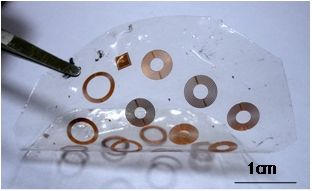
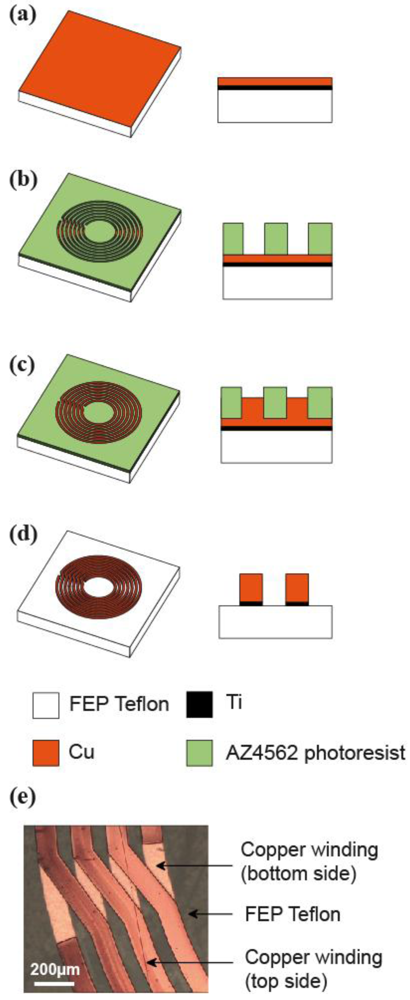
Figure 1 summarizes the different steps of the process.
Figure 1.
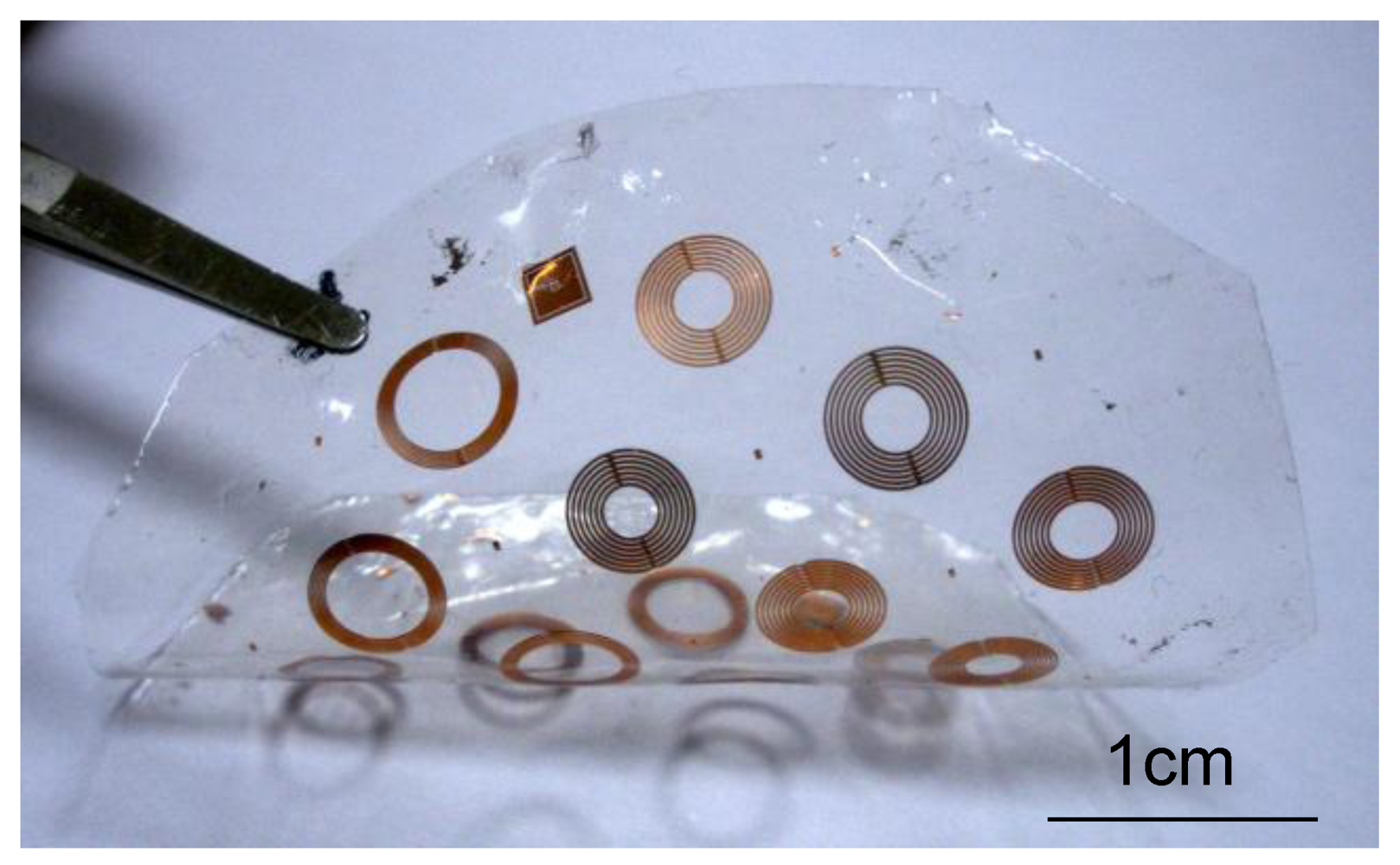
Steps of copper micromoulding process: (a) Ti/Cu:10/100 nm sputtering, (b) patterning 20 µm AZ4562 photoresist mould by photolithography, (c) 10 µm copper electrodeposition, (d) photoresist removal and wet etching of seed layer; (e) view of the alignment between the copper windings on the top and the bottom sides by transparency through the Teflon substrate.
Figure 1.
Steps of copper micromoulding process: (a) Ti/Cu:10/100 nm sputtering, (b) patterning 20 µm AZ4562 photoresist mould by photolithography, (c) 10 µm copper electrodeposition, (d) photoresist removal and wet etching of seed layer; (e) view of the alignment between the copper windings on the top and the bottom sides by transparency through the Teflon substrate.
First, a metallic seed layer Ti/Cu:10/100 nm is deposited by sputtering on the polymer film (a). The metalized film is glued with photoresist on a rigid glass support to ensure a flat surface and the rigidity of the sample for the subsequent steps. The 20 µm-thick AZ4562 mould is patterned by photolithography (b). The patterned mould is filled with 10 µm copper by electrodeposition (c). This thickness allows avoidance of the increase of the series resistance due to the skin effect—skin depth is 3.77 µm at 300 MHz for copper. Finally, the photoresist is removed by acetone and the seed layer is removed by wet etching (d). These steps are repeated for the second side of the substrate, with an accurate alignment of the windings by transparency through glass using a EVG®620 double-side lithography equipment (e).
2.2. Plasma Treatments
The Kapton films are treated with an O2 plasma in a plasma etcher Pico UHP from Diener electronic. The O2 pressure is adjusted to 0.6 mbar and the plasma is produced using a 40 kHz RF generator with a power of 120 W, during a treatment time of 90 s.
The treatment of the FEP Teflon films is performed in a low pressure home-made plasma reactor with an asymmetric electrode configuration described in [
21]. The rotary cylindrical grounded electrode and the high-voltage knife electrode are spaced of 8 mm. The cylinder—length 22 cm, diameter 7 cm—is also a carrier for the samples and is protected by a polyethylene film. A base pressure of 3 × 10
−2 mbar is reached using a turbo molecular pumping system and a chemical pump. Then, the gaseous mixture N
2/H
2:25/75% (v/v) is introduced and the pressure is adjusted to 0.600 mbar. The plasma is produced between the two electrodes. A Corona discharge is provided by a 70 kHz RF generator with a power of 2 W for an effective treatment time of 5 s.
2.3. Tensile Strength Measurements by Pull-Off System
The tensile strength is measured for both untreated and plasma treated Kapton and Teflon samples about 1 cm². A Ti/Cu seed layer has been deposited by sputtering on all these samples (few hours or days after the plasma exposure for treated samples). Measurements of tensile strength are performed using a home‑made pull-off set-up similar to described in [
22,
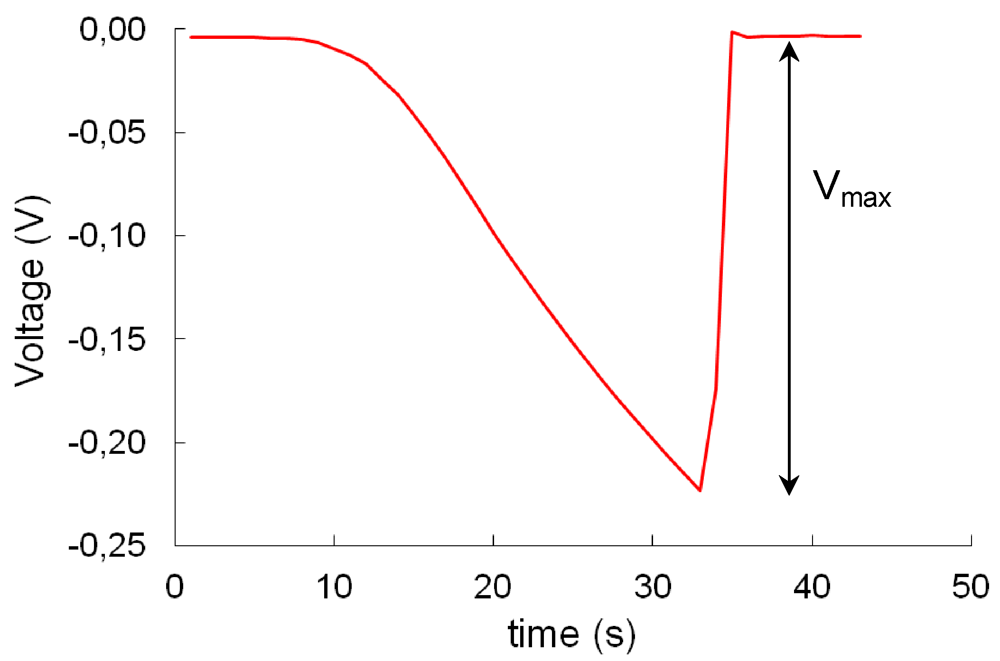
23]. The samples are prepared using the following method: the bottom side of the metalized polymer film is glued with epoxy on a brass carrier. A metal stud, 4 mm in diameter, is glued on the center of the metallic surface. After one hour in oven at 60 °C to ensure a reproducible curing of the epoxy glue, and a slow cooling to room temperature, the sample is mechanically held in the pull-off system. The pulling force is progressively applied by pumping. The voltage detected by the force sensor is amplified and measured with a numerical multimeter. The calibration of the system, for each amplification range, allows us to deduce the tensile strength from the maximal variation of the voltage (V
max) measured at the breaking point.
Figure 2 shows the typical acquisition curve using this system.
Figure 2.
Typical acquisition curve of the voltage with time, from the pull-off system.
Figure 2.
Typical acquisition curve of the voltage with time, from the pull-off system.
2.4. Electromagnetic Characterization of the Antennas
To limit the cross effect between neighboring antennas, the batch substrate is cut to obtain single antenna which will be individually characterized. The resonant frequency f
0 and the quality factor Q are measured using the single-loop probe method [
24] and a E5061A network analyzer from Agilent Technologies. The magnetic coupling between the antenna and the single loop must be sufficiently weak so that the performances of the antenna are not affected by the presence of the probe and are neither dependent on the input nor on the distance between the probe and the antenna. This condition is achieved when the reflection coefficient at the single loop terminal is less than −40 dB [
25].
Saline agar phantoms are prepared with 5% agarose gel in NaCl 0,45% Cooper® solution. Permittivity is about 80 and electrical conductivity about 0.7 S/m, close to the electrical properties of biological tissues in the rat brain. Measurements are performed in air and in agar phantom to evaluate the influence of a conducting environment on the performances of the antenna.
2.5. PDMS Packaging
PDMS is prepared using the commercial kit Sylgard184® provided by Dow Corning. The silicone polymer and the curing are mixed in a 10:1 weight ratio and then placed under vacuum for one hour to remove all bubbles. To improve the adhesion of PDMS on the antenna, its surface is treated with a He/O
2:50/50% (v/v) plasma [
26,
27] in the low pressure reactor described in
Section 2.2. The power and pressure conditions are similar to the ones used for the N
2/H
2 treatment. In this case, the surface modifications are more stable because helium species participate to crosslink the upper-most surface layer, minimizing side chain reorganization [
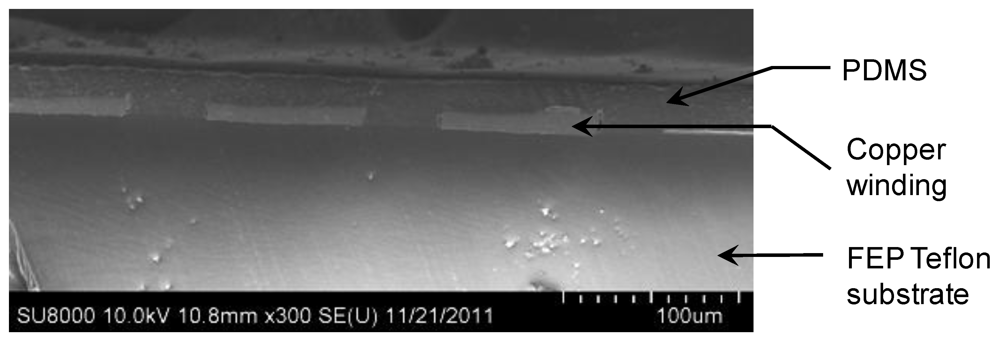
28]. Then, the PDMS mixture is deposited by spin‑coating to ensure accurate control of the thickness through the parameters (speed rotation, time). The PDMS is cured at 95 °C for 30 min in an oven. Under these conditions, the resulting thickness is about 30 µm. This process is repeated for each side of the antenna. To observe the deposition profile of PDMS on the copper windings, an antenna is fractured after cryopreparation.
Figure 3 shows a SEM view of the cross section. The gap between the windings is completely filled with PDMS and the surface of the deposit is flat. Note that the difference in the thermal expansion coefficient of the materials may provoke small localized gaps at the copper/PDMS interface.
Figure 3.
SEM view of the cross section of the PolyDiMethylSiloxane (PDMS) layer deposited on a Teflon antenna.
Figure 3.
SEM view of the cross section of the PolyDiMethylSiloxane (PDMS) layer deposited on a Teflon antenna.
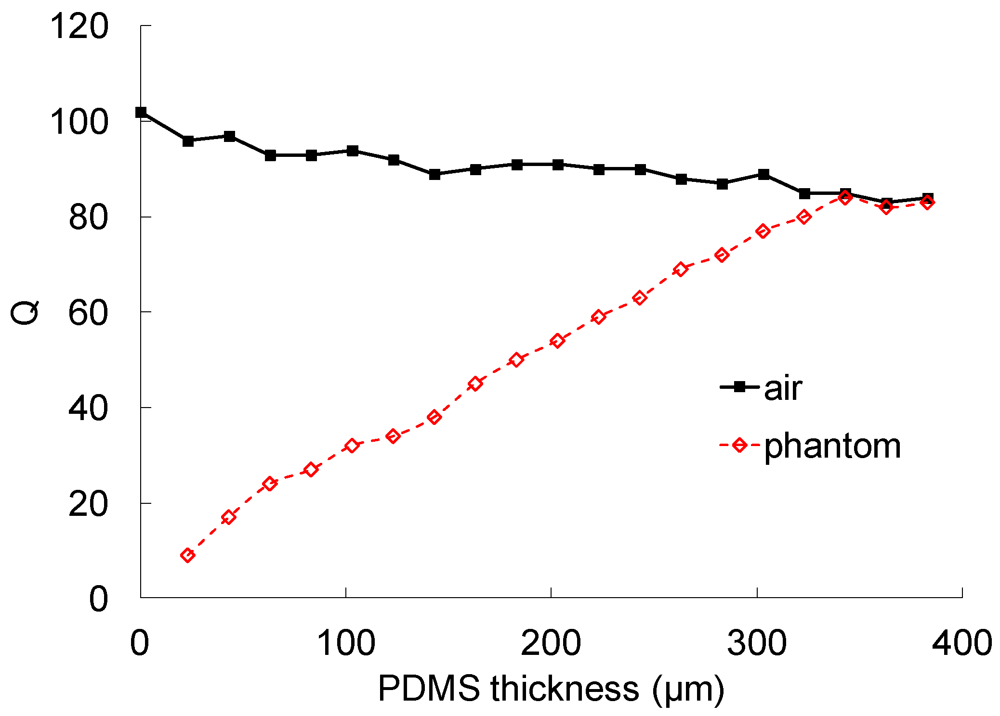
To investigate the impact of the PDMS thickness on the characteristics of the antenna, the thickness is progressively increased, with a path of 20 µm, and measurements of f0 and Q factor are systematically made after each increment. The study is led on 3 groups of 2 or 3 exactly identical antennas. Good reproducibility is observed in each group. The size of the antenna (less than 1 cm²) is too small to keep uniform deposition with successive PDMS layers deposited by spin-coating. Therefore, 20 µm-thick PDMS films are separately prepared on a FEP Teflon substrate which has not received any plasma treatment and thus has a low surface energy. Adhesion of these films to the FEP surface is very poor and so they may be easily transferred to the surface of the antenna. A surface activation by O2 plasma (pressure 0.4 mbar, power 240 W, time 90 s in the etcher Pico UHP) between two increments is required.
2.6. Magnetic Resonance Imaging
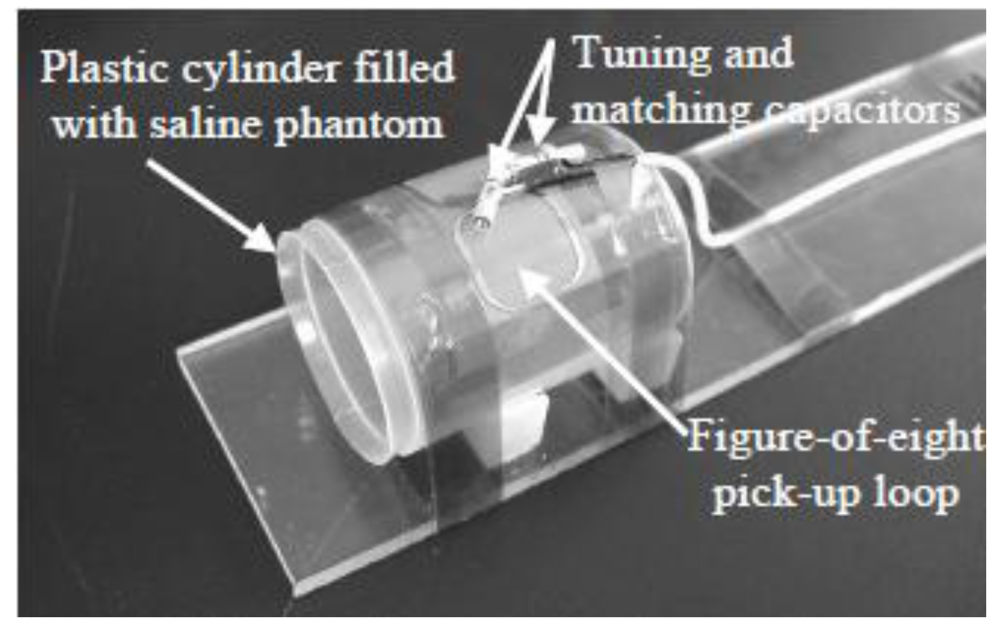
MRI experiments are performed in Neurospin platform in CEA Saclay on a 7 Tesla horizontal bore magnet (Pharmascan, Brüker Biospin, Ettlingen, Germany) driven by a Paravision 5.1 console (Brüker, Ettlingen Germany) and equipped with a 720 mT/m actively shielded gradient device (100 μs rise time). The NMR signal is transferred from the implanted coil to the receiver channel of the MRI unit by inductive coupling via an external pick-up loop (
Figure 4).
Figure 4.
Experimental set-up of the figure-of-eight pick-up loop and the gel phantom for MRI.
Figure 4.
Experimental set-up of the figure-of-eight pick-up loop and the gel phantom for MRI.
The pick-up loop is based on the figure-of-eight design. It consists of two loops connected in series with opposite current flow direction, thus producing a magnetic field perpendicular to the pick-up loop plane. The external pick up loop is tuned using a non magnetic trimmer capacitor (0.8–8 pF) connected in at the pick-up loop terminal. Impedance matching to the 50 Ω input of the receiver channel is achieved by adjusting a non magnetic trimmer capacitor (0.8–8 pF) connected in series in between the tuning capacitor and the copper core of the coaxial cable.
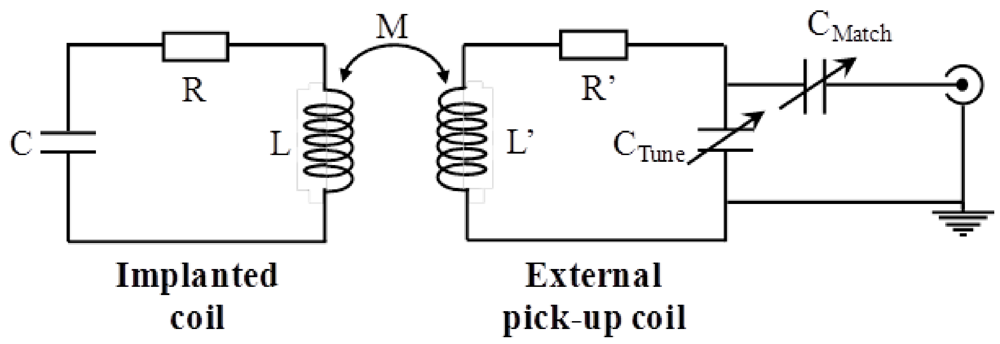
The equivalent electrical circuit of the implanted coil inductively coupled to the external pick-up loop is shown in
Figure 5. In practice, the mutual inductance between the implanted coil and the external pick-up loop is fixed. Tuning and matching are performed by iterative adjustments of the capacitors values and typical matching level of −30 dB are achieved. For phantom imaging, the pick-up loop is fixed on a plastic cylinder which contains the agar gel.
Figure 5.
Equivalent electrical circuit of the implanted coil inductively coupled to the external pick-up coil. CTune and CMatch are the tuning capacitor and the matching capacitor, respectively, and consisted of (0.8-8 pF) non magnetic trimmer capacitor.
Figure 5.
Equivalent electrical circuit of the implanted coil inductively coupled to the external pick-up coil. CTune and CMatch are the tuning capacitor and the matching capacitor, respectively, and consisted of (0.8-8 pF) non magnetic trimmer capacitor.
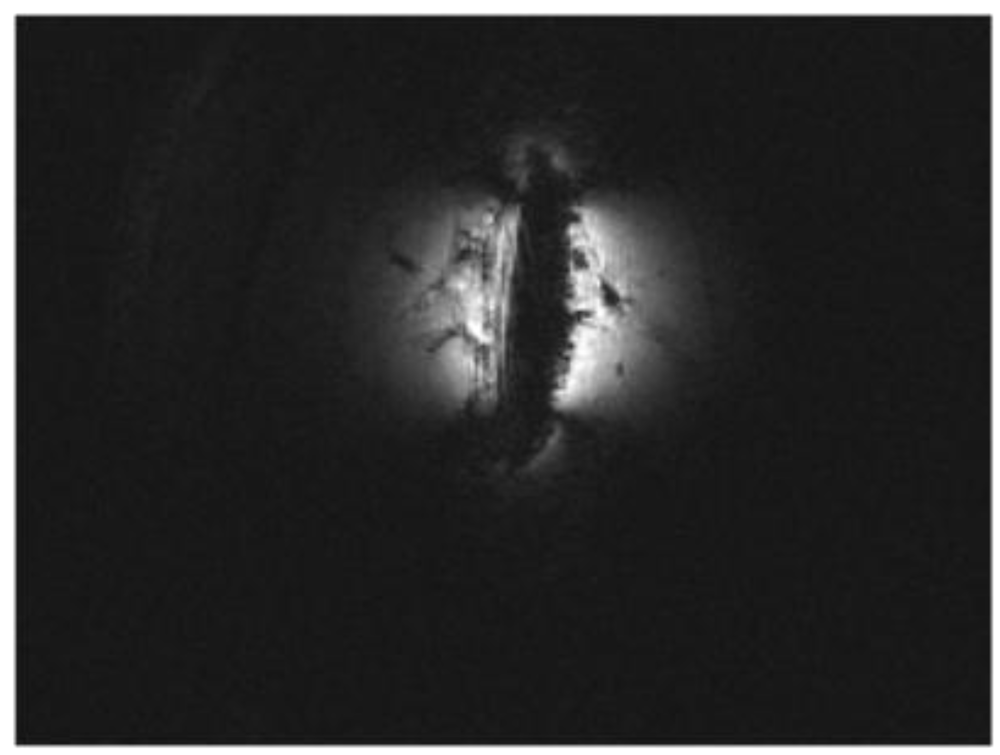
All in vivo experiments are conducted according to EEC guidelines and directives (86/09/EEC). An adult male Sprague-Dawley rat (300 g) is deeply anaesthetized with ketamine/xylazine (50/7.5 mg kg−1, i.p.). The anaesthetized rat is immobilized in a stereotaxic apparatus. After sterilization, the microantenna is surgically implanted at the level of the interhemispheric cleft close to the cingulate cortices. The scalp is sutured before placing the anaesthetized animal inside a cradle apparatus. Animal respiration and temperature are monitored. Upon completion of the in vivo MRI experiments, the animal is euthanized and the antenna is retrieved.
4. Conclusions
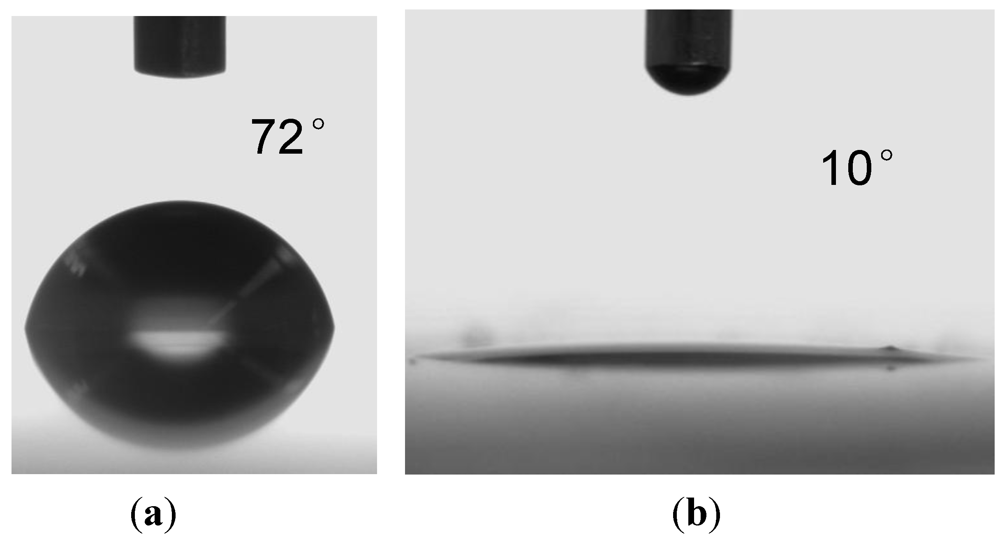
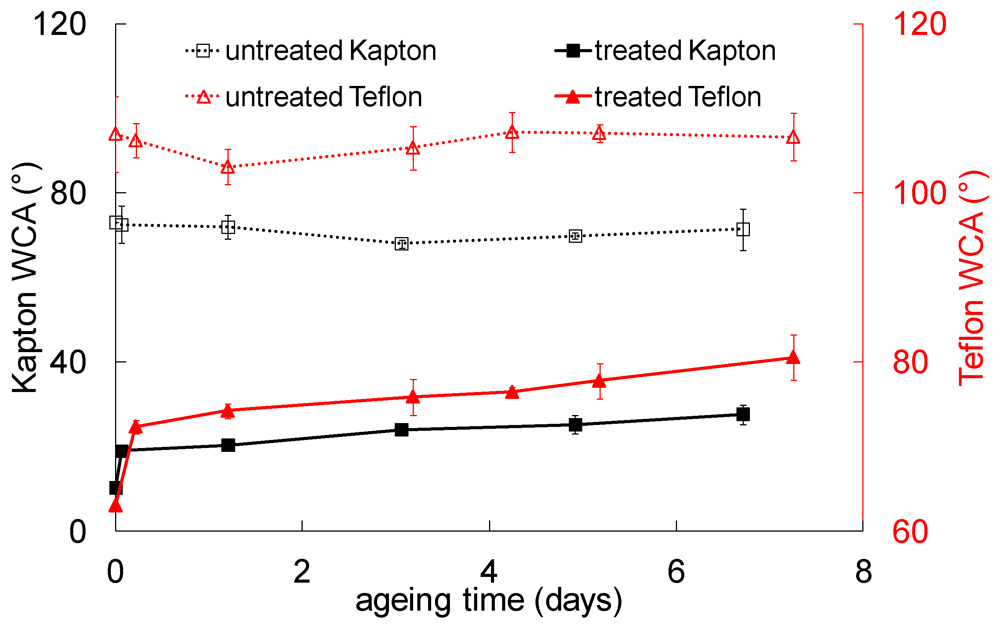
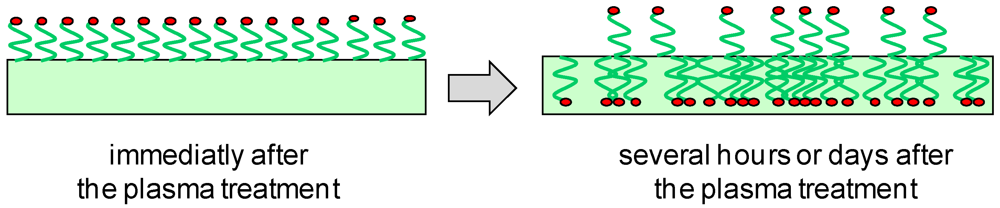
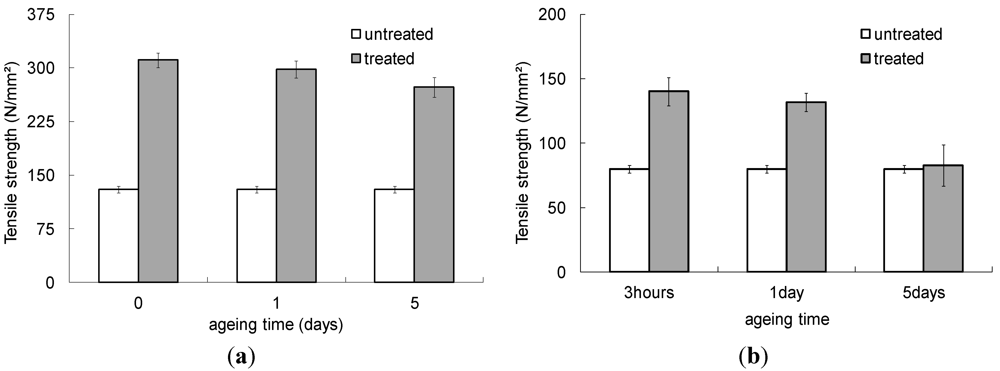
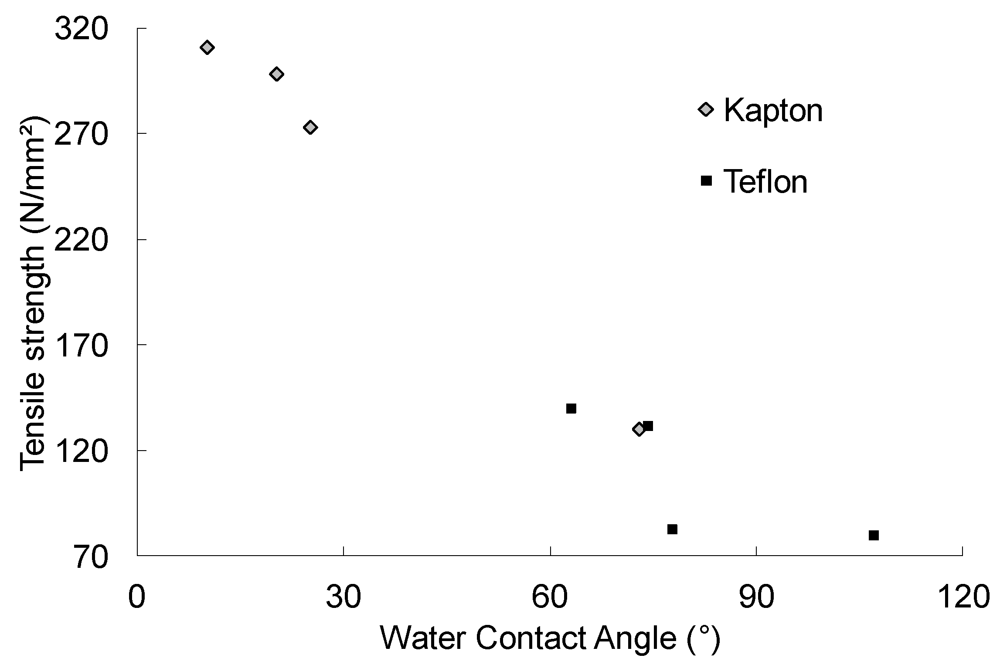
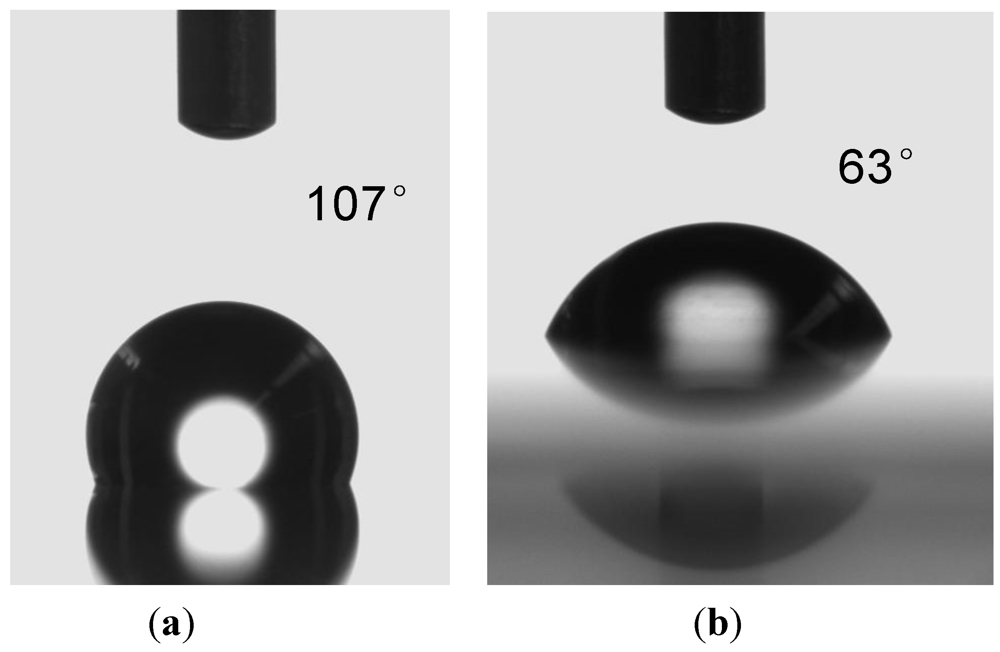
Polymer thin films have interesting mechanical (flexibility), dielectric (permittivity and loss tangent) and interfacial (biocompatibility) properties which make them suitable both as substrate and as packaging material for implantable MRI microantennae. Dielectric properties of polymer substrates provide a solution to overcome the miniaturization limit, by the use of a monolithic and wireless design based on transmission lines between two conductor windings on both sides of a dielectric material (MTLR design). To benefit from this advantage, specific plasma treatments must be applied to improve the polymer/metal adhesion. We have evidenced the efficiency of O2 and N2/H2 plasma exposure (respectively for Kapton and Teflon films) for this purpose. In the case of Teflon, the ageing time between the surface treatment and the metal deposition is crucial to ensure a reliable adhesion. Good correlation between the wettability (WCA) of the surface and the adhesion (tensile strength) has been established. Additional characterization of the treated surfaces by XPS and AFM techniques should provide a more complete understanding of the induced surface modifications and the observed correlation.
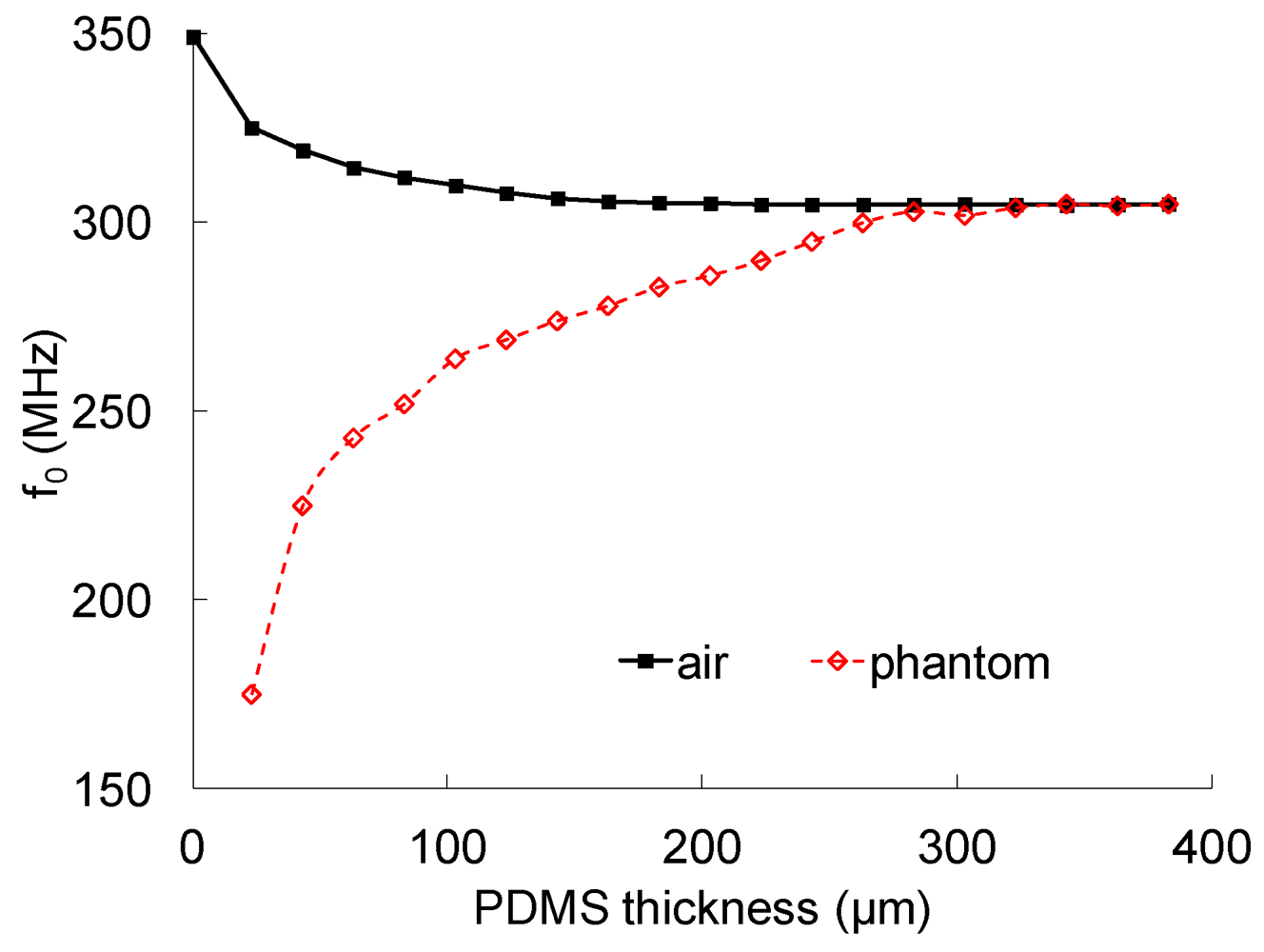
Dielectric properties of polymers offer a solution to the f0 shift down and the Q degradation induced by the coupling effect in a conducting environment. With PDMS as packaging material, thickness has been optimized in air and in gel phantoms modeling the tissues to obtain characteristics independent from the electrical properties of the surrounding environment. The minimal thickness to achieve this condition is about 300 µm. In vivo MR images of the rat brain have been easily obtained at 7 Tesla from an implanted antenna with this packaging thickness. The spatial resolution is 100 × 100 × 200 µm3 and the SNR is about 80, demonstrating the capability of the system for this application.
We aim to continue to reduce as much as possible the invasiveness of the implantation. The geometric parameters of the antenna are very large compared with the extreme resolution of microfabrication technologies and thus can be still reduced without process concerns. Furthermore, the packaging thickness can be also reduced by the use of other biocompatible materials with higher permittivity than the PDMS one. Surface modifications by plasma treatments could be applied to the packaging material in order to graft appropriate molecules on its surface and so to increase biocompatibility for long-term monitoring. Moreover, a rounded shape for the substrate around the coil that is both adequate to implantation and ergonomic for the surgeon is currently in development.