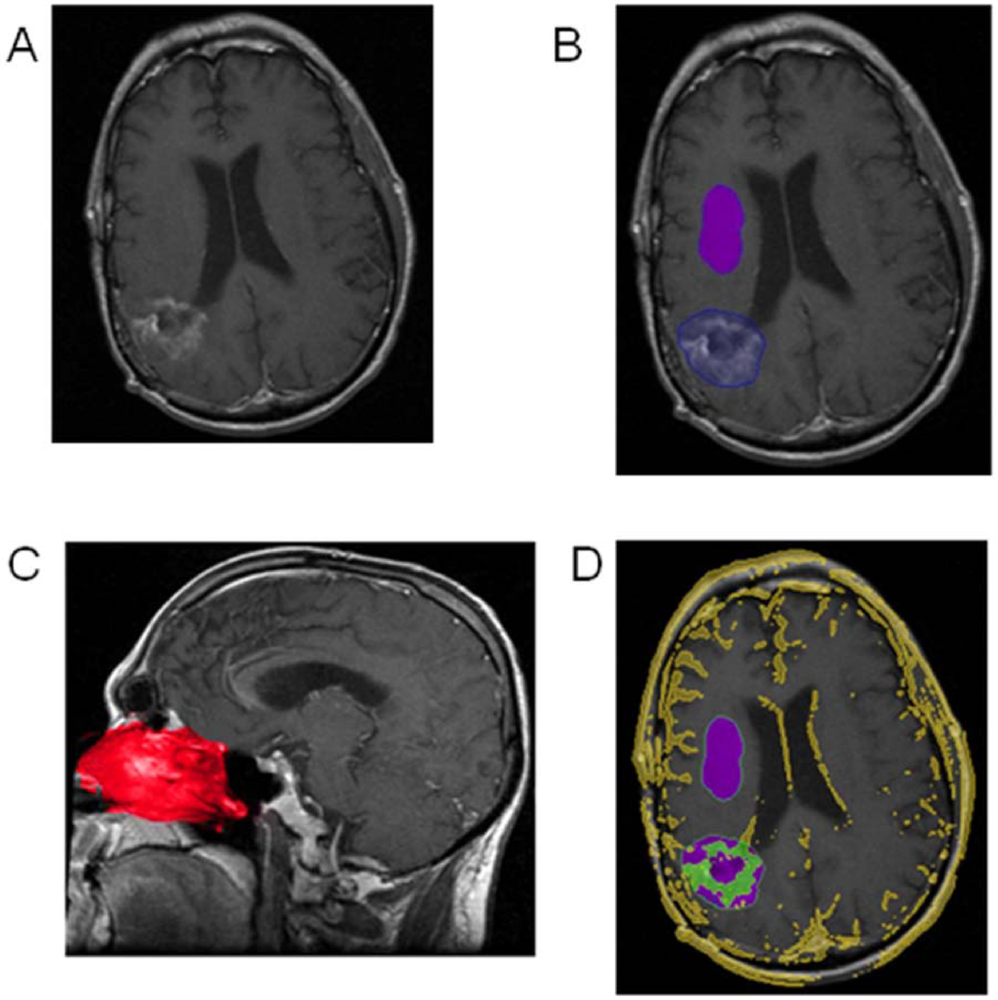

Monitoring Radiographic Brain Tumor Progression

Abstract
:1. Introduction
2. MRI Imaging of Enhancement
3. Pseudoprogression/Radionecrosis/Pseudoresponse
4. Current Methods of Assessing Tumor Progression
4.1. Macdonald Criteria
4.2. RECIST Criteria
4.3. WHO Criteria
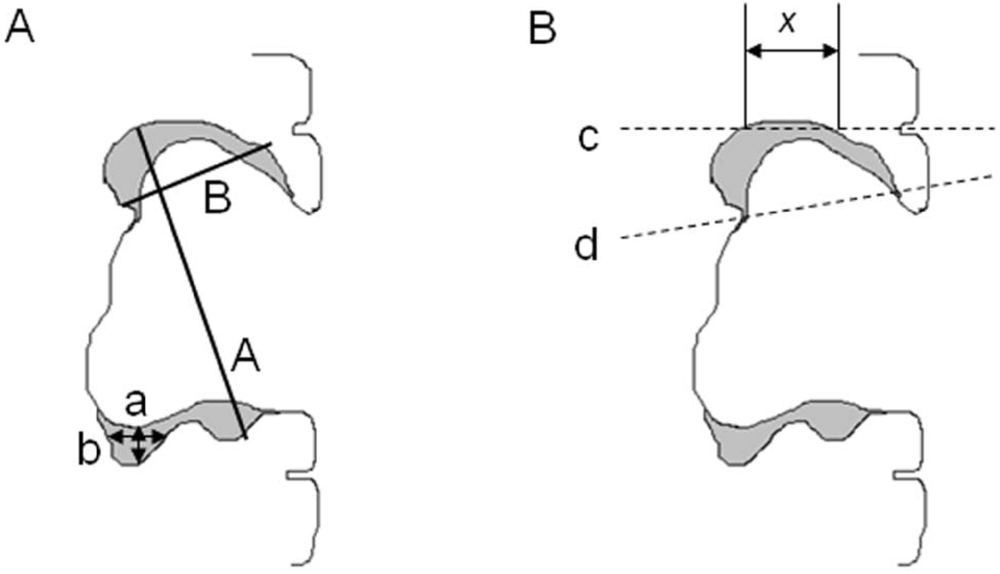
4.4. RANO Criteria
4.4.1. Complete Response
4.4.2. Partial Response
4.4.3. Stable Disease
4.4.4. Progression
5. Challenges and Future of Tumor Progression Imaging

References
- Fogh, S.E.; Andrews, D.W.; Glass, J.; Curran, W.; Glass, C.; Champ, C.; Evans, J.J.; Hyslop, T.; Pequignot, E.; Downes, B.; et al. Hypofractionated stereotactic radiation therapy: An effective therapy for recurrent high-grade gliomas. J. Clin. Oncol. 2010, 28, 3048–3053. [Google Scholar] [PubMed]
- Gururangan, S.; Krauser, J.; Watral, M.A.; Driscoll, T.; Larrier, N.; Reardon, D.A.; Rich, J.N.; Quinn, J.A.; Vredenburgh, J.J.; Desjardins, A.; et al. Efficacy of high-dose chemotherapy or standard salvage therapy in patients with recurrent medulloblastoma. Neuro. Oncol. 2008, 10, 745–751. [Google Scholar] [CrossRef] [PubMed]
- Wang, S.C.; Wikstrom, M.G.; White, D.L.; Klaveness, J.; Holtz, E.; Rongved, P.; Moseley, M.E.; Brasch, R.C. Evaluation of Gd-DTPA-labeled dextran as an intravascular MR contrast agent: Imaging characteristics in normal rat tissues. Radiology 1990, 175, 483–488. [Google Scholar]
- Macdonald, D.R.; Cascino, T.L.; Schold, S.C., Jr.; Cairncross, J.G. Response criteria for phase II studies of supratentorial malignant glioma. J. Clin. Oncol. 1990, 8, 1277–1280. [Google Scholar] [PubMed]
- Brandes, A.A.; Franceschi, E.; Tosoni, A.; Blatt, V.; Pession, A.; Tallini, G.; Bertorelle, R.; Bartolini, S.; Calbucci, F.; Andreoli, A.; et al. MGMT promoter methylation status can predict the incidence and outcome of pseudoprogression after concomitant radiochemotherapy in newly diagnosed glioblastoma patients. J. Clin. Oncol. 2008, 26, 2192–2197. [Google Scholar] [PubMed]
- Brandsma, D.; Stalpers, L.; Taal, W.; Sminia, P.; van den Bent, M.J. Clinical features, mechanisms, and management of pseudoprogression in malignant gliomas. Lancet Oncol. 2008, 9, 453–461. [Google Scholar]
- Perry, A.; Schmidt, R.E. Cancer therapy-associated CNS neuropathology: An update and review of the literature. Acta Neuropathol. 2006, 111, 1972–12. [Google Scholar]
- Gonzalez, J.; Kumar, A.J.; Conrad, C.A.; Levin, V.A. Effect of bevacizumab on radiation necrosis of the brain. Int. J. Radiat. Oncol. Biol. Phys. 2007, 67, 323–326. [Google Scholar]
- van den Bent, M.J.; Vogelbaum, M.A.; Wen, P.Y.; Macdonald, D.R.; Chang, S.M. End point assessment in gliomas: Novel treatments limit usefulness of classical Macdonald's Criteria. J. Clin. Oncol. 2009, 27, 2905–2908. [Google Scholar]
- Hormigo, A.; Gutin, P.H.; Rafii, S. Tracking normalization of brain tumor vasculature by magnetic imaging and proangiogenic biomarkers. Cancer Cell 2007, 11, 6–8. [Google Scholar]
- Perry, J.R.; Cairncross, J.G. Glioma therapies: How to tell which work? J. Clin. Oncol. 2003, 21, 3547–3549. [Google Scholar]
- Vos, M.J.; Uitdehaag, B.M.; Barkhof, F.; Heimans, J.J.; Baayen, H.C.; Boogerd, W.; Castelijns, J.A.; Elkhuizen, P.H.; Postma, T.J. Interobserver variability in the radiological assessment of response to chemotherapy in glioma. Neurology 2003, 60, 826–830. [Google Scholar]
- Sorensen, A.G.; Batchelor, T.T.; Wen, P.Y.; Zhang, W.T.; Jain, R.K. Response criteria for glioma. Nat. Clin. Pract. Oncol. 2008, 5, 634–644. [Google Scholar]
- Suzuki, C.; Jacobsson, H.; Hatschek, T.; Torkzad, M.R.; Boden, K.; Eriksson-Alm, Y.; Berg, E.; Fujii, H.; Kubo, A.; Blomqvist, L. Radiologic measurements of tumor response to treatment: Practical approaches and limitations. Radiographics 2008, 28, 329–344. [Google Scholar]
- Kanaly, C.W.; Ding, D.; Mehta, A.I.; Waller, A.F.; Crocker, I.; Desjardins, A.; Reardon, D.A.; Friedman, A.H.; Bigner, D.D.; Sampson, J.H. A novel method for volumetric MRI response assessment of enhancing brain tumors. PLoS One 2011, 6, e16031. [Google Scholar]
- Wen, P.Y.; Macdonald, D.R.; Reardon, D.A.; Cloughesy, T.F.; Sorensen, A.G.; Galanis, E.; Degroot, J.; Wick, W.; Gilbert, M.R.; Lassman, A.B.; et al. Updated response assessment criteria for high-grade gliomas: Response assessment in neuro-oncology working group. J. Clin. Oncol. Off. J. Am. Soc. Clin. Oncol. 2010, 28, 1963–1972. [Google Scholar]
- Schwartz, L.H.; Ginsberg, M.S.; DeCorato, D.; Rothenberg, L.N.; Einstein, S.; Kijewski, P.; Panicek, D.M. Evaluation of tumor measurements in oncology: Use of film-based and electronic techniques. J. Clin. Oncol. 2000, 18, 2179–2184. [Google Scholar]
- Marten, K.; Auer, F.; Schmidt, S.; Kohl, G.; Rummeny, E.J.; Engelke, C. Inadequacy of manual measurements compared to automated CT volumetry in assessment of treatment response of pulmonary metastases using RECIST criteria. Eur. Radiol. 2006, 16, 781–790. [Google Scholar]
- Fraioli, F.; Bertoletti, L.; Napoli, A.; Calabrese, F.A.; Masciangelo, R.; Cortesi, E.; Catalano, C.; Passariello, R. Volumetric evaluation of therapy response in patients with lung metastases. Preliminary results with a computer system (CAD) and comparison with unidimensional measurements. Radiol. Med. 2006, 111, 365–375. [Google Scholar] [CrossRef] [PubMed]
- Sorensen, A.G.; Patel, S.; Harmath, C.; Bridges, S.; Synnott, J.; Sievers, A.; Yoon, Y.H.; Lee, E.J.; Yang, M.C.; Lewis, R.F.; et al. Comparison of diameter and perimeter methods for tumor volume calculation. J. Clin. Oncol. 2001, 19, 551–557. [Google Scholar] [PubMed]
- Clark, M.C.; Hall, L.O.; Goldgof, D.B.; Velthuizen, R.; Murtagh, F.R.; Silbiger, M.S. Automatic tumor segmentation using knowledge-based techniques. IEEE Trans. Med. Imaging 1998, 17, 187–201. [Google Scholar]
- Clarke, L.P.; Velthuizen, R.P.; Clark, M.; Gaviria, J.; Hall, L.; Goldgof, D.; Murtagh, R.; Phuphanich, S.; Brem, S. MRI measurement of brain tumor response: comparison of visual metric and automatic segmentation. Magn. Reson. Imaging 1998, 16, 271–279. [Google Scholar]
- Letteboer, M.M.; Olsen, O.F.; Dam, E.B.; Willems, P.W.; Viergever, M.A.; Niessen, W.J. Segmentation of tumors in magnetic resonance brain images using an interactive multiscale watershed algorithm. Acad Radiol. 2004, 11, 1125–1138. [Google Scholar]
- Fischer, U.; Kopka, L.; Grabbe, E. Breast carcinoma: Effect of preoperative contrast-enhanced MR imaging on the therapeutic approach. Radiology 1999, 213, 881–888. [Google Scholar]
- Lorenzon, M.; Zuiani, C.; Londero, V.; Linda, A.; Furlan, A.; Bazzocchi, M. Assessment of breast cancer response to neoadjuvant chemotherapy: Is volumetric MRI a reliable tool? Eur. J. Radiol. 2009, 71, 82–88. [Google Scholar] [CrossRef] [PubMed]
- Burri, R.J.; Rangaswamy, B.; Kostakoglu, L.; Hoch, B.; Genden, E.M.; Som, P.M.; Kao, J. Correlation of positron emission tomography standard uptake value and pathologic specimen size in cancer of the head and neck. Int. J. Radiat. Oncol. Biol. Phys. 2008, 71, 682–688. [Google Scholar]
- Erdi, Y.E.; Mawlawi, O.; Larson, S.M.; Imbriaco, M.; Yeung, H.; Finn, R.; Humm, J.L. Segmentation of lung lesion volume by adaptive positron emission tomography image thresholding. Cancer 1997, 80, 2505–2509. [Google Scholar]
- Ananthnarayan, S.; Bahng, J.; Roring, J.; Nghiemphu, P.; Lai, A.; Cloughesy, T.; Pope, W.B. Time course of imaging changes of GBM during extended bevacizumab treatment. J. Neurooncol. 2008, 88, 339–347. [Google Scholar]
- Pope, W.B.; Lai, A.; Nghiemphu, P.; Mischel, P.; Cloughesy, T.F. MRI in patients with high-grade gliomas treated with bevacizumab and chemotherapy. Neurology 2006, 66, 1258–1260. [Google Scholar]
- Wen, P.Y.; Macdonald, D.R.; Reardon, D.A.; Cloughesy, T.F.; Sorensen, A.G.; Galanis, E.; Degroot, J.; Wick, W.; Gilbert, M.R.; Lassman, A.B.; et al. Updated response assessment criteria for high-grade gliomas: Response assessment in neuro-oncology working group. J. Clin. Oncol. 2010, 28, 1963–1972. [Google Scholar] [PubMed]
© 2011 by the authors; licensee MDPI, Basel, Switzerland. This article is an open-access article distributed under the terms and conditions of the Creative Commons Attribution license (http://creativecommons.org/licenses/by/3.0/).
Share and Cite
Mehta, A.I.; Kanaly, C.W.; Friedman, A.H.; Bigner, D.D.; Sampson, J.H. Monitoring Radiographic Brain Tumor Progression. Toxins 2011, 3, 191-200. https://doi.org/10.3390/toxins3030191
Mehta AI, Kanaly CW, Friedman AH, Bigner DD, Sampson JH. Monitoring Radiographic Brain Tumor Progression. Toxins. 2011; 3(3):191-200. https://doi.org/10.3390/toxins3030191
Chicago/Turabian StyleMehta, Ankit I., Charles W. Kanaly, Allan H. Friedman, Darell D. Bigner, and John H. Sampson. 2011. "Monitoring Radiographic Brain Tumor Progression" Toxins 3, no. 3: 191-200. https://doi.org/10.3390/toxins3030191