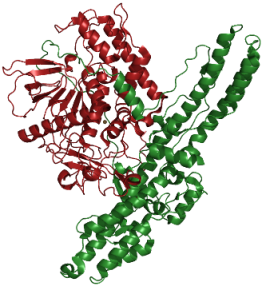
Targeted Secretion Inhibitors—Innovative Protein Therapeutics

Abstract
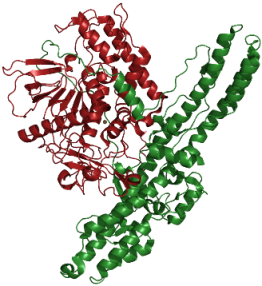
:
1. Introduction
2. Natural History of the Neurotoxins
3. Clinical Use of the Botulinum Neurotoxins
3.1. History and Background
3.2. The Clinical Products
3.3. Neuromuscular Uses
3.4. Autonomic and other Non-Neuromuscular Uses
4. Newer Applications and Future Developments
5. Molecular Basis of Neurotoxin Action
5.1. SNARE Cleavage and Role of SNARE Proteins
5.2. Molecular Basis of Neurotoxin Action

| Domain/Fragment | Serotypes studied |
|---|---|
| BoNT | A, B, E |
| LC | A, B, C, D, E, F, G, TeNT |
| HC or HC | A, B, C1, D, F, G, TeNT |
| LHN | A, B |
6. Recombinant Engineering and Application of Neurotoxin Pharmacology
6.1. Re-Targeting of Neurotoxin Protease: The Rationale Behind TSIs
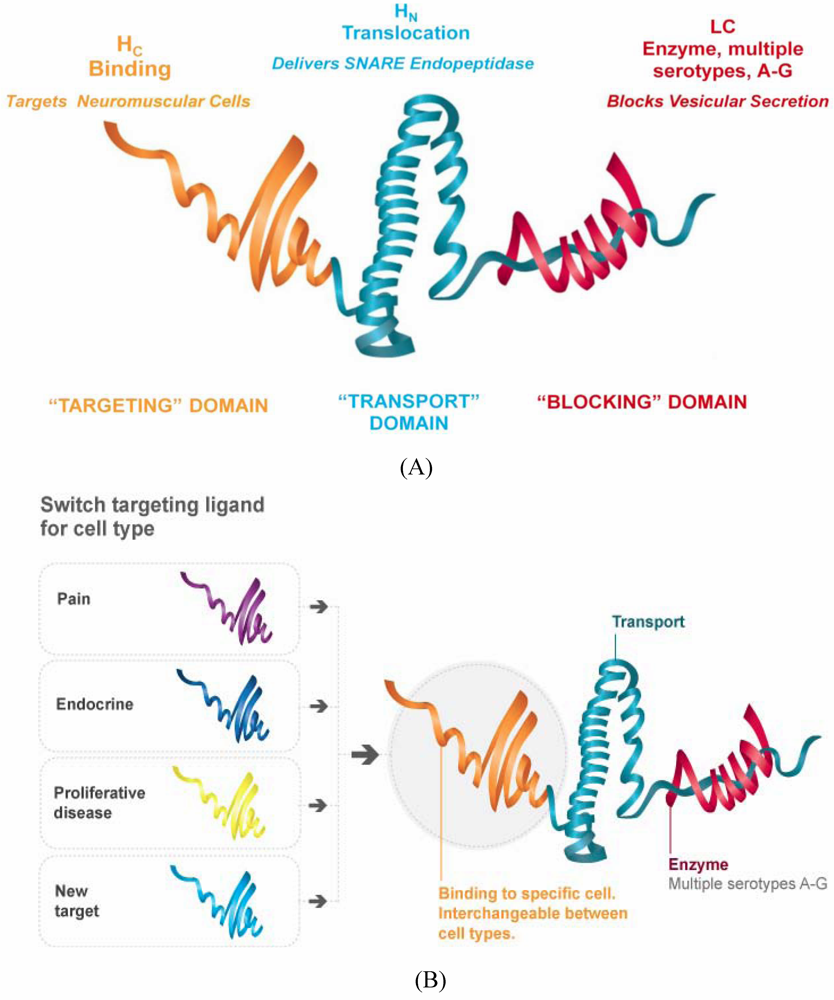
6.2. Re-Targeting of Neurotoxin Protease: Development of Recombinant Platform
6.3. Re-Targeting of Neurotoxin Protease: Proof-of-Concept
6.4. Clinical Opportunities for TSIs
| Neuronal targeting | Non-neuronal targeting |
|---|---|
| Pain | Endocrine diseases |
| Idiopathic Overactive Bladder | Inflammation |
| Neuropathic Overactive Bladder | Mucus hypersecretion |
| Cancer |
7. Conclusions
References and Notes
- Dressler, D. Botulinum toxin drugs: Future developments. J. Neural. Transm. 2008, 115, 575–577. [Google Scholar]
- Schiavo, G.; Matteoli, M.; Montecucco, C. Neurotoxins affecting neuroexocytosis. Physiol. Rev. 2000, 80, 717–766. [Google Scholar]
- Hill, K.K.; Smith, T.T.; Helma, C.H.; Ticknor, L.O.; Foley, B.T.; Svensson, R.T.; Brown, J.L.; Johnson, E.A.; Smith, L.A.; Okinaka, R.T.; Jackson, P.J.; Marks, J.D. Genetic diversity among botulinum neurotoxin-producing clostridial strains. J. Bacteriol. 2007, 189, 818–832. [Google Scholar]
- Foran, P.G.; Mohammed, N.; Lisk, G.O.; Nagwaney, S.; Lawrence, G.W.; Johnson, E.; Smith, L.; Aoki, K.R.; Dolly, J.O. Evaluation of the therapeutic usefulness of botulinum neurotoxin B, C1, E and F compared with the long lasting type A. J. Biol. Chem. 2003, 278, 1363–1371. [Google Scholar] [PubMed]
- Keller, J.E. Recovery from botulinum neurotoxin poisoning in vivo. Neuroscience 2006, 139, 629–637. [Google Scholar]
- Habig, W.H.; Bigalke, H.; Bergey, G.K.; Neale, E.A.; Hardigree, M.C.; Nelson, P.G. Tetanus toxin in dissociated spinal cord cultures: long-term characterization of form and action. J. Neurochem. 1986, 47, 930–937. [Google Scholar]
- Arnon, S.S.; Schechter, R.; Inglesby, T.V.; Henderson, D.A.; Bartlett, J.G.; Ascher, M.S.; Eitzen, E.; Fine, A.D.; Hauer, J.; Leyton, M.; Lillibridge, S.; Osterholme, M.T.; O’Toole, T.; Parker, G. Botulinum toxin as a biological weapon medical and public health management. JAMA 2001, 285, 1059–1070. [Google Scholar]
- Sobel, J. Botulism. Clin Infect. Dis. 2005, 41, 1167–1173. [Google Scholar]
- Erbguth, F.J. From poison to remedy: The chequered history of botulinum toxin. J. Neural. Transm. 2007, 115, 559–565. [Google Scholar]
- Scott, A.B. Botulinum toxin injection into extraocular muscles as an alternative to strabismus surgery. J. Pediat. Opthalmol. Strabismus 1980, 17, 21–25. [Google Scholar]
- Scott, A.B. Botulinum toxin injection into extraocular muscles as an alternative to strabismus surgery. Opthalmology 1980, 87, 1044–1049. [Google Scholar]
- Jankovic, J. Disease-oriented approach to botulinum toxin use. Toxicon 2009, 54, 614–623. [Google Scholar]
- Moore, A.P. Expanding clinical uses of botulinum neurotoxins. In Treatments from Toxins; Foster, K.A., Hambleton, P., Shone, C.C., Eds.; CRC Press: Boca Raton, FL, USA, 2007; pp. 163–194. [Google Scholar]
- Carruthers, J.D.A.; Carruthers, J.A. Treatment of glabellar frown lines with C. botulinum-A exotoxin. J. Derm. Surg. Oncol. 1992, 18, 17–21. [Google Scholar] [CrossRef]
- Glaser, D.A. Botulinum neurotoxin for dermatologic and cosmetic disorders. In Botulinum Toxin Therapeutic Clinical Practice & Science; Jankovic, J., Albanese, A., Atassi, M.Z., Dolly, J.O., Hallett, M., Mayer, N.H., Eds.; Saunders Elsevier: Philadelphia, PA, USA, 2008; pp. 324–338. [Google Scholar]
- Jankovic, J.; Vuong, K.D.; Ahsan, J. Comparison of efficacy and immunogenicity of original versus current botulinum toxin in cervical dystonia. Neurology 2003, 60, 1186–1188. [Google Scholar]
- Hambleton, P.; Capel, B.; Bailey, N.; Tse, C.K.; Dolly, J.O. Production, purification and toxoiding of clostridium botulinum A toxin. In Biomedical Aspects of Botulism; Lewis, G., Ed.; Academic Press: New York, NY, USA, 1981; pp. 247–260. [Google Scholar]
- Frevert, J. Xeomin is free from complexing proteins. Toxicon 2009, 54, 697–701. [Google Scholar]
- Carruthers, A.; Carruthers, J. Botulinum toxin products overview. Skin Ther. Lett. 2008, 13, 1–4. [Google Scholar]
- Arezzo, J.C. Neurobloc®/Myobloc®: Unique features and findings. Toxicon 2009, 54, 690–696. [Google Scholar]
- Mezaki, T.; Kaji, R.; Kohara, N.; Fujii, H.; Katayama, M.; Shimizu, T.; Kimura, J.; Brin, M.F. Comparison of therapeutic efficacies of type A and F botulinum toxins for blepharospasm. Neurology 1995, 45, 506–508. [Google Scholar]
- Eleopra, R.; Tugnoli, V.; Rossetto, O.; De Grandis, D.; Montecucco, C. Different time courses of recovery after poisoning with botulinum neurotoxin serotypes A and E in humans. Neurosci. Lett. 1998, 256, 135–138. [Google Scholar]
- Eleopra, R.; Tugnoli, V.; Quatrale, R.; Rossetto, O.; Montecucco, C.; Dressler, D. Clinical use of non-A botulinum toxins: Botulinum toxin type C and botulinum toxin type F. Neurotox. Res. 2006, 9, 127–131. [Google Scholar]
- Eleopra, R.; Tugnoli, V.; Montecucco, C. Biology and clinical pharmacology of botulinum neurotoxin type C and other non-A/ non-B botulinum neurotoxins. In Botulinum Toxin Therapeutic Clinical Practice & Science; Jankovic, J., Albanese, A., Atassi, M.Z., Dolly, J.O., Hallett, M., Mayer, N.H., Eds.; Saunders Elsevier: Philadelphia, PA, USA, 2008; pp. 77–84. [Google Scholar]
- Eleopra, R.; Tugnoli, V.; Quatrale, R.; Rossetto, O.; Montecucco, C. Different types of botulinum toxin in humans. Mov. Disord. 2004, 19, S53–S59. [Google Scholar]
- Jankovic, J. Botulinum toxin in clinical practice. J. Neurol. Neurosurg. Psychiatry 2004, 75, 951–957. [Google Scholar]
- Jabbari, B. Botulinum neurotoxins in the treatment of refractory pain. Nat. Clin. Pract. Neurol. 2008, 4, 676–685. [Google Scholar]
- Dressler, D.; Cornella, C.L. Comparative clinical trials of botulinum neurotoxins. In Botulinum Toxin Therapeutic Clinical Practice & Science; Jankovic, J., Albanese, A., Atassi, M.Z., Dolly, J.O., Hallett, M, Mayer, N.H., Eds.; Saunders Elsevier: Philadelphia, PA, USA, 2008; pp. 398–405. [Google Scholar]
- Aoki, K.R. Future aspects of botulinum neurotoxins. J. Neural. Transm. 2008, 115, 567–573. [Google Scholar]
- Foster, K. A. Botulinum neurotoxin - from laboratory to bedside. Neurotox. Res. 2006, 9, 133–140. [Google Scholar]
- Carruthers, A.; Carruthers, J. History of the cosmetic use of botulinum A exotoxin. Dermatol. Surg. 1998, 24, 1168–1170. [Google Scholar]
- Barnes, M.P. Introduction to clinical use of botulinum neurotoxins. In Treatments from Toxins; Foster, K.A., Hambleton, P., Shone, C.C., Eds.; CRC Press: Boca Raton, FL, USA, 2007; pp. 139–162. [Google Scholar]
- Simpson, D.M.; Gracies, J.-M.; Graham, H.K.; Miyasaki, J.M.; Naumann, M.; Russman, B.; Simpson, L.L.; So, Y. Assessment: Botulinum neurotoxin for the treatment of spasticity (an evidence-based review): Report of the therapeutic and technology assessment subcommittee of the American Academy of Neurology. Neurology 2009, 70, 1691–1698. [Google Scholar]
- Elia, A. Clinical trials of botulinum toxin in adult spasticity. In Botulinum Toxin Therapeutic Clinical Practice & Science; Jankovic, J., Albanese, A., Atassi, M.Z., Dolly, J.O., Hallett, M., Mayer, N.H., Eds.; Saunders Elsevier: Philadelphia, PA, USA, 2008; pp. 148–158. [Google Scholar]
- Leonard, J.; Graham, H.K. Treatment of motor disorders in cerebral palsy with botulinum neurotoxin. In Botulinum Toxin Therapeutic Clinical Practice & Science; Jankovic, J., Albanese, A., Atassi, M.Z., Dolly, J.O., Hallett, M., Mayer, N.H., Eds.; Saunders Elsevier: Philadelphia, PA, USA, 2008; pp. 172–192. [Google Scholar]
- Esquenazi, A.; Mayer, N.H. Clinical experience and recent advances in the management of gait disorders with botulinum neurotoxin. In Botulinum Toxin Therapeutic Clinical Practice & Science; Jankovic, J., Albanese, A., Atassi, M.Z., Dolly, J.O., Hallett, M., Mayer, N.H., Eds.; Saunders Elsevier: Philadelphia, PA, USA, 2008; pp. 192–203. [Google Scholar]
- Pickett, A. Re-engineering clostridial neurotoxins for the treatment of chronic pain: Current status and future prospects. Bio. Drugs 2010, 24, 173–182. [Google Scholar]
- Dodick, D.W.; Turkel, C.C.; DeGryse, R.E.; Aurora, S.K.; Silberstein, S.D.; Lipto, R.B.; Diener, H.C.; Brin, M.F. OnabotulinumtoxinA for treatment of chronic migraine: Pooled results from the double-blind, randomized, placebo-controlled phases of the PREEMPT clinical program. Headache 2010, 50, 921–936. [Google Scholar] [PubMed]
- Purkiss, J.R.; Welch, M.; Doward, S.; Foster, K.A. Capsaicin stimulates release of substance P from dorsal root ganglion neurons via two distinct mechanisms. Biochem. Pharmacol. 2000, 59, 1403–1406. [Google Scholar] [PubMed]
- Welch, M.; Purkiss, J.R.; Foster, K.A. Sensitivity of embryonic rat dorsal root ganglia neurons to Clostridium botulinum neurotoxins. Toxicon 2000, 38, 245–258. [Google Scholar]
- Cui, M.; Khanijou, S.; Rubino, J.; Aoki, K.R. Subcutaneous administration of botulinum toxin A reduces formalin-induced pain. Pain 2004, 107, 125–133. [Google Scholar]
- Aoki, K.R. Evidence for antinociceptive activity of botulinum toxin type A in pain management. Headache 2003, 43, S9–S15. [Google Scholar]
- Naumann, M.; So, Y.; Argoff, C.E.; Childers, M.K.; Dykstra, D.D.; Gronseth, G.S.; Jabbari, B.; Kaufmann, H.C.; Schurch, B.; Silberstein, S.D.; Simpson, B.M. Assessment: Botulinum neurotoxin in the treatment of autonomic disorders and pain (an evidence-based review): Report of the Therapeutics and Technology Assessment Subcommittee of the American Academy of Neurology. Neurology 2008, 70, 1707–1714. [Google Scholar]
- Naumann, M.; Jost, W.H.; Toyka, K.V. Botulinum toxin in the treatment of neurological disorders of the autonomic nervous system. Arch. Neurol. 1999, 56, 914–916. [Google Scholar]
- Mummadi, R.; Pasricha, P.J. Botulinum toxin therapy in gastrointestinal disorders. In Botulinum Toxin Therapeutic Clinical Practice & Science; Jankovic, J., Albanese, A., Atassi, M.Z., Dolly, J.O., Hallett, M., Mayer, N.H., Eds.; Saunders Elsevier: Philadelphia, PA, USA, 2008; pp. 223–230. [Google Scholar]
- Garcia-Compean, G.; Garza, H.M. Intragastric injection of botulinum toxin for the treatment of obesity. Where are we? World J. Gastroenterol. 2008, 14, 1805–1809. [Google Scholar] [CrossRef] [PubMed]
- Apostolidis, A.; Dasgupta, P.; Fowler, C.J. Proposed mechanism for the efficacy of injected botulinum toxin in the treatment of human detrusor overactivity. Eur. Urol. 2006, 49, 644–650. [Google Scholar]
- Brin, M.F. Development of future indications for BOTOX®. Toxicon 2009, 54, 668–674. [Google Scholar]
- Henkel, J.S.; Jacobson, M.; Tepp, W.; Pier, C.; Johnson, E.A.; Barbieri, J.T. Catalytic properties of botulinum neurotoxin subtypes A3 and A4. Biochemistry 2009, 48, 2522–2528. [Google Scholar]
- Kalb, S.R.; Smith, T.J.; Moura, H.; Hill, K.; Lou, J.; Geren, I.N.; Garcia-Rodriguez, C.; Marks, J.D.; Smith, L.A.; Pirkle, J.L.; Barr, J.R. The use of endopep-MS to detect multiple subtypes of botulinum neurotoxins A, B, E, and F. Int. J. Mass Spec. 2008, 278, 101–108. [Google Scholar]
- Kaji, R.; Youhei, M.; Akihiro, G.; Kozaki, S. Experience with A2NTX in dystonia and spasticity. Toxicon 2008, 51, 30. [Google Scholar]
- Misra, V.P. The changed image of botulinum toxin: Its unlicensed use is increasing dramatically, ahead of robust evidence. Brit. Med. J. 2002, 325, 1188. [Google Scholar]
- Information for Healthcare Professionals: OnabotulinumtoxinA (marketed as Botox/Botox Cosmetic), AbobotulinumtoxinA (marketed as Dysport) and RimabotulinumtoxinB (marketed as Myobloc). Available online: http://www.fda.gov/Drugs/DrugSafety/PostmarketDrugSafetyInformationforPatientsandProviders/DrugSafetyInformationforHeathcareProfessionals/ucm174949.htm (Accessed on 7 October 2010).
- Sollner, T.; Whiteheart, S.W.; Brunner, M.; Erdjument-Bromage, H.; Geromanis, S.; Tempst, P.; Rothman, J.E. SNAP receptors implicated in vesicle targeting and fusion. Nature 1993, 362, 318–324. [Google Scholar]
- Hong, W. SNAREs and traffic. Biochim. Biophys. Acta 2005, 1744, 120–144. [Google Scholar]
- Jahn, R.; Scheller, R.H. SNAREs—Engines for membrane fusion. Nature Rev. 2006, 7, 631–643. [Google Scholar]
- Duman, J.G.; Forte, J.G. What is the role of SNARE proteins in membrane fusion? Am. J. Physiol. Cell Physiol. 2003, 285, C237–C249. [Google Scholar] [PubMed]
- Mima, J.; Hickey, C.M.; Xu, H.; Jun, Y.; Wickner, W. Reconstituted membrane fusion requires regulatory lipids, SNAREs and synergistic SNARE chaperones. EMBO J. 2008, 27, 2031–2042. [Google Scholar] [CrossRef] [PubMed]
- Ohya, T.; Miaczynska, M.; Coskun, U.; Lommer, B.; Runge, A.; Drechsel, D.; Kalaidzidis, Y.; Zerial, M. Reconstitution of Rab- and SNARE-dependent membrane fusion by synthetic endosomes. Nature 2009, 459, 1091–1097. [Google Scholar] [PubMed]
- Bonifacino , J.S.; Glick, B.S. The mechanisms of vesicle budding and fusion. Cell 2004, 116, 153–166. [Google Scholar] [CrossRef] [PubMed]
- Chen, F.; Foran, P.; Shone, C.C.; Foster, K.A.; Melling, J.; Dolly, J.O. Botulinum neurotoxin B inhibits insulin-stimulated glucose uptake into 3T3-L1 adipocytes and cleaves cellubrevin unlike type A toxin which failed to proteolyze the SNAP-23 present. Biochemistry 1997, 36, 5719–5728. [Google Scholar]
- Apostolidis, A.; Popat, R.; Yiangou, Y.; Cockayne, D.; Ford, A.P.D.W.; Davis, J.B.; Dasgupta, P.; Fowler, C.J.; Anand, P. Decreased sensory receptors P2X3 and TRPV1 in suburothelial nerve fibres following intradetrusor injections of botulinum toxin for human detrusor overactivity. J. Urol. 2005, 174, 977–983. [Google Scholar]
- Morenilla-Palao, C.; Planells-Cases, R.; Garcia-Sanz, N.; Ferrer-Montiel, A. Regulated exocytosis contributes to protein kinase C potentiation of vanilloid receptor activity. J. Biol. Chem. 2004, 279, 25665–25672. [Google Scholar]
- Montal, M. Botulinum neurotoxin: A marvel of protein design. Ann. Rev. Biochem. 2010, 79, 591–617. [Google Scholar]
- Montecucco, C. How do tetanus and botulinum toxins bind to neuronal membranes? Trends Biochem. Sci. 1986, 11, 314–317. [Google Scholar] [CrossRef]
- Dong, M.; Yeh, F.; Tepp, W.H.; Dean, C.; Johnson, E.A.; Janz, R.; Chapman, E.R. SV2 is the protein receptor for botulinum neurotoxin A. Science 2006, 312, 592–596. [Google Scholar]
- Dong, M.; Lui, H.; Tepp, W.H.; Johnson, E.A.; Janz, R.; Chapman, E.R. Glycosylated SV2A and SV2B mediate the entry of botulinum neurotoxin E into neurons. Mol. Biol. Cell 2008, 19, 5226–5237. [Google Scholar]
- Fu, Z.; Chen, G.; Barbieri, J.T.; Kim, J.J.; Baldwin, M.R. Glycosylated SV2 and gangliosides as dual receptors for botulinum neurotoxin serotype F. Biochemistry 2009, 48, 5631–5641. [Google Scholar]
- Nishiki, T.; Tokuyama, Y.; Kamata, Y.; Nemoto, Y.; Yoshida, A.; Sato, K.; Sekiguchi, M.; Takahashi, M.; Kozaki, S. The high affinity binding of Clostridium botulinum type B neurotoxin to synaptotagmin II associated with gangliosides GT1b/GD1a. FEBS Lett. 1996, 378, 253–257. [Google Scholar]
- Dong, M.; Richards, D.A.; Goodnough, M.C.; Tepp, W.H.; Johnson, E.A.; Chapman, E.R. Synaptotagmins I and II mediate entry of botulinum neurotoxin B into cells. J. Cell Biol. 2003, 162, 1293–1303. [Google Scholar]
- Rummel, A.; Karnath, T.; Henke, T.; Bigalke, H.; Binz, T. Synaptotagmins I and II act as nerve cell receptors for botulinum neurotoxin G. J. Biol. Chem. 2004, 279, 30865–30870. [Google Scholar]
- Rummel, A.; Eichner, T.; Weil, T.; Karnath, T.; Gutraiti, A.; Mahrhold, S.; Sandhoff, K.; Proia, R.L.; Acharya, K.; Bigalke, H.; Binz, T. BoNT receptor binding identification of the protein receptor binding site of botulinum neurotoxins B and G drives the double-receptor concept. Proc. Natl. Acad. Sci. USA 2007, 104, 359–364. [Google Scholar]
- Dong, M.; Tepp, W.H.; Liu, H.; Johnson, E.A.; Chapman, E.R. Mechanism of botulinum neurotoxin B and G entry into hippocampal neurons. J. Cell Biol. 2007, 179, 1511–1522. [Google Scholar]
- Keller, J.E.; Cai, F.; Neale, E.A. Uptake of botulinum neurotoxin into cultured neurons. Biochemistry 2004, 43, 526–532. [Google Scholar]
- Simpson, L.L. Identification of the major steps in botulinum toxin action. Annu. Rev. Pharmacol. Toxicol. 2004, 44, 167–193. [Google Scholar]
- Simpson, L.L. Kinetic studies on the interaction between botulinum toxin type A and the cholinergic neuromuscular junction. J. Pharmacol. Exp. Ther. 1980, 212, 16–21. [Google Scholar]
- Hughes, B.; Whaler, B.C. Influence of nerve-ending activity and of drugs on the rate of paralysis of rat diaphragm preparations by Cl. botulinum type A toxin. J. Physiol 1962, 160, 221–233. [Google Scholar] [PubMed]
- Eleopra, R.; Tugnoli, V.; De Grandis, D. The variability in the clinical effect induced by botulinum toxin type A: The role of muscle activity in humans. Mov. Disord. 1997, 12, 89–94. [Google Scholar]
- Koriazova, L.K.; Montal, M. Translocation of botulinum neurotoxin light chain protease through the heavy chain channel. Nat. Struct. Biol. 2003, 10, 13–18. [Google Scholar]
- Keller, J.E.; Neale, E.A.; Oyler, G.; Adler, M. Persistence of botulinum neurotoxin action in cultured spinal cord cells. FEBS Lett. 1999, 456, 137–142. [Google Scholar]
- Gutierrez, L.M.; Viniegra, S.; Rueda, J.; Ferrer-Montiel, A.V.; Canaves, J.M.; Montal, M.A. Peptide that mimics the C-terminal sequence of SNAP-25 inhibits secretory vesicle docking in chromaffin cells. J. Biol. Chem. 1997, 272, 2634–2639. [Google Scholar]
- Ferrer-Montiel, A.V.; Gutiérrez, L.M.; Apland, J.P.; Canaves, J.M.; Gil, A.; Viniegra, S.; Biser, J.A.; Adler, M.; Montal, M. The 26-mer peptide released from SNAP-25 cleavage by botulinum neurotoxin E inhibits vesicle docking. FEBS Lett. 1998, 435, 84–88. [Google Scholar] [CrossRef] [PubMed]
- Lacy, D.B.; Tepp, W.; Cohen, A.C.; Das Gupta, B.R.; Stevens, R.C. Structure of botulinum neurotoxin type A and implications for toxicity. Nat. Struct. Biol. 1998, 5, 898–902. [Google Scholar]
- Kumaran, D.; Eswaramoorthy, S.; Furey, W.; Navaza, J.; Sax, M.; Swaminathan, S. Domain organization in Clostridium botulinum neurotoxin type E is unique: Its implication in faster translocation. J. Mol. Biol. 2009, 386, 233–245. [Google Scholar] [CrossRef] [PubMed]
- Fischer, A.; Garcia-Rodriguez, C.; Geren, I.; Lou, J.; Marks, J.D.; Nakagawa, T.; Montal, M. Molecular architecture of botulinum neurotoxin E revealed by single particle electron microscopy. J. Biol. Chem. 2008, 283, 3997–4003. [Google Scholar]
- Galloux, M.; Vitrac, H.; Montagner, C.; Raffestin, S.; Popoff, M.R.; Chenal, A.; Forge, V.; Gillet, D. Membrane interaction of botulinum neurotoxin A translocation (T) domain: The belt region is a regulatory loop for membrane interaction. J. Biol. Chem. 2008, 283, 27668–27676. [Google Scholar]
- Brunger, A.T.; Breidenbach, M.A.; Jin, R.; Fischer, A.; Santos, J.S.; Montal, M. Botulinum neurotoxin heavy chain belt as an intramolecular chaperone for the light chain. PloS Pathog. 2007, 3, 1191–1194. [Google Scholar]
- Li, L.; Singh, B.R. Spectroscopic analysis of pH-induced changes in the molecular features of type A botulinum neurotoxin light chain. Biochemistry 2000, 39, 6466–6474. [Google Scholar]
- Foran, P.; Shone, C.C.; Dolly, J.O. Differences in the protease activities of tetanus and botulinum B toxins revealed by the cleavage of vesicle-associated membrane protein and various sized fragments. Biochemistry 1994, 33, 15365–15374. [Google Scholar]
- Schmidt, J.J.; Bostian, K.A. Proteolysis of synthetic peptides by type A botulinum neurotoxin. J. Protein Chem. 1995, 14, 703–708. [Google Scholar]
- Rossetto, O.; Schiavo, G.; Montecucco, C.; Poulain, B.; Deloye, F.; Lozzi , L.; Shone, C.C. SNARE motif and neurotoxins. Nature 1994, 372, 415–416. [Google Scholar] [PubMed]
- Chen, S.; Kim, J.J.; Barbieri, J.T. Mechanism of substrate recognition by botulinum neurotoxin serotype A. J. Biol. Chem. 2007, 282, 9621–9627. [Google Scholar]
- Breidenbach, M.A.; Brunger, A.T. Substrate recognition strategy for botulinum neurotoxin serotype A. Nature 2004, 432, 925–929. [Google Scholar]
- Foster, KA. Engineered toxins: New therapeutics. Toxicon 2009, 54, 587–592. [Google Scholar]
- Chaddock, J.A.; Marks, P.M.H. Clostridial neurotoxins: Structure-function led design of new therapeutics. Cell Mol. Life Sci. 2006, 63, 540–551. [Google Scholar]
- Chaddock, J.A.; Herbert, M.H.; Ling, R.; Alexander, F.C.; Fooks, S.J.; Revell, F.; Quinn, C.P.; Shone, C.C.; Foster, K.A. Expression and purification of catalytically active, non toxic endopeptidase derivatives of Clostridium botulinum toxin type A. Protein Exp. Purif. 2002, 25, 219–228. [Google Scholar]
- Sutton, J.M.; Wayne, J.; Scott-Tucker, A.; O’Brien, S.M.; Marks, P.M.; Alexander, F.C.; Shone, C.C.; Chaddock, J.A. Preparation of specifically activatable endopeptidase derivatives of Clostridium botulinum toxins type A, B and C and their applications. Protein Exp. Purif. 2005, 40, 31–41. [Google Scholar]
- Masuyer, G.; Thiyagarajan, N.; James, P.L.; Marks, P.M.H.; Chaddock, J.A.; Acharya, K.R. Crystal structure of a catalytically active, non-toxic endopeptidase derivative of Clostridium botulinum toxin A. Biochem. Biophys. Res. Commun. 2009, 381, 50–53. [Google Scholar]
- Masuyer, G.; Beard, M.; Cadd, V.A.; Chaddock, J.A.; Acharya, K.A. Structure and activity of a functional derivative of Clostridium botulinum neurotoxin B. J. Struct. Bio. 2010. [Google Scholar]
- Foster, K.A. Harnessing Toxins. Manuf. Chem. 2006, October, 23–26. [Google Scholar]
- Bizzini, B. Investigation of the mode of action of tetanus toxin with the acid of hybrid molecules consisting in part of tetanus toxin-derived fragments. In Bacterial Proteins Toxins; Alouf , J., Ed.; Academic Press : London, UK, 1984; pp. 427–434. [Google Scholar]
- Chaddock, J.A.; Purkiss, J.R.; Duggan, M.J.; Quinn, C.P.; Shone, C.C.; Foster, K.A. A conjugate composed of nerve growth factor coupled to a non-toxic derivative of Clostridium botulinum neurotoxin type A can inhibit neurotransmitter release in vitro. Growth Factor 2000, 18, 147–155. [Google Scholar] [CrossRef]
- Chaddock, J.A.; Purkiss, J.R.; Friis, L.M.; Broadbridge, J.D.; Duggan, M.J.; Fooks, S.J.; Shone, C.C.; Quinn, C.P.; Foster, K.A. Inhibition of vesicular secretion both neuronal and nonneuronal cells by a retargeted endopeptidase derivative of Clostridium botulinum neurotoxin type A. Infect. Immun. 2000, 68, 2587–2593. [Google Scholar]
- Duggan, M.J.; Quinn, C.P.; Chaddock, J.A.; Purkiss, J.R.; Alexander, F.C.G.; Doward, S.; Fooks, S.J.; Friis, L.; Hall, Y.; Kirby, E.R.; Leeds, N.J.; Moulsdale, H.J.; Dickenson, A.; Green, G.M.; Rahman, W.; Suzuki, R.; Shone, C.C.; Foster, K.A. Inhibition of release of neurotransmitters from rat dorsal root ganglia by a novel conjugate of a Clostridium botulinum toxin A endopeptidase fragment and Erythrina cristagalli lectin. J. Biol. Chem. 2002, 277, 34846–34852. [Google Scholar] [PubMed]
- Chaddock, J.A.; Purkiss, J.R.; Alexander, F.C.; Doward, S.; Fooks, S.J.; Friis, L.M.; Hall, Y.H.; Kirby, E.R.; Leeds, N.; Moulsdale, H.J.; Dickenson, A.; Green, G.M.; Rahman, W.; Suzuki, R.; Duggan, M.J.; Quinn, C.P.; Shone, C.C.; Foster, K.A. Retargeted clostridial endopeptidases: Inhibition of nociceptive neurotransmitter release in vitro and antinociceptive activity in in vivo models of pain. Mov. Disord. 2004, 19, S42–S47. [Google Scholar] [PubMed]
- Weller, U.; Dauzenroth, M.E.; Gansel, M.; Dreyer, F. Cooperative action of the light chain of tetanus toxin and the heavy chain of botulinum toxin type A on the transmitter release of mammalian motor endplates. Neurosci. Lett. 1991, 122, 132–134. [Google Scholar]
- Wang, J.; Meng, J.; Lawrence, G.W.; Zurawski, T.H.; Sasse, A.; Bodeker, M.O.; Gilmore, M.A.; Fernandez-Salas, E.; Francis, J.; Steward, L.E.; Aoki, K.R.; Dolly, J.O. Novel Chimeras of botulinum neurotoxin A and E unveil contributions from the binding, translocation and protease domains to their functional characteristics. J. Biol. Chem. 2008, 283, 16993–17002. [Google Scholar] [PubMed]
- Meng, J.; Ovsepian, S.V.; Wang, J.; Pickering, M.; Sasse, A.; Aoki, K.R.; Lawrence, G.W.; Dolly, J.O. Activation of TRPV1 mediates calcitonin gene-related peptide release, which excites trigeminal sensory neurons and is attenuated by a retargeted botulinum toxin with anti-nociceptive potential. J. Neurosci. 2009, 29, 4981–4992. [Google Scholar]
- Rummel, A.; Mahrhold, S.; Bigalke, H.; Binz, T. The HCC-domain of botulinum neurotoxin A and B exhibits a singular ganglioside binding site displaying serotype specific carbohydrate interaction. Mol. Microbiol. 2004, 51, 631–643. [Google Scholar]
- Rummel, A. Transport protein which is used to introduce chemical compounds into nerve cells. International patent WO 2006/027207, 6 September 2005. [Google Scholar]
- Ravichandran, V.; Chawla, A.; Roche, P.A. Identification of a novel syntaxin- and synaptobrevin/ VAMP-binding protein, SNAP-23, expressed in non-neuronal tissues. J. Biol. Chem. 1996, 271, 13300–13303. [Google Scholar] [PubMed]
- Vaidyanathan, V.V.; Yoshino, K.; Jahnz, M.; Dörries, C.; Bade, S.; Nauenburg, S.; Niemann, H.; Binz, T. Proteolysis of SNAP-25 isoforms by botulinum neurotoxin types A, C, and E: Domains and amino acid residues controlling the formation of enzyme-substrate complexes and cleavage. J. Neurochem. 1999, 72, 327–337. [Google Scholar] [PubMed]
- Chen, S.; Barbieri, J.T. Engineering botulinum neurotoxins to extend therapeutic intervention. Proc. Natl. Acad. Sci. USA 2009, 106, 9180–9184. [Google Scholar]
- A study of the safety and efficacy of AGN-214868 in patients with postherpetic neuralgia. ClinicalTrials.gov, Identifier: NCT01129531.
- Safety and efficacy study of AGN-214868 in patients with idiopathic overactive bladder and urinary incontinence. ClinicalTrials.gov, Identifier: NCT01157377.
© 2010 by the authors; licensee MDPI, Basel, Switzerland This article is an open-access article distributed under the terms and conditions of the Creative Commons Attribution license (http://creativecommons.org/licenses/by/3.0/).
Share and Cite
Keith, F.; John, C. Targeted Secretion Inhibitors—Innovative Protein Therapeutics. Toxins 2010, 2, 2795-2815. https://doi.org/10.3390/toxins2122795
Keith F, John C. Targeted Secretion Inhibitors—Innovative Protein Therapeutics. Toxins. 2010; 2(12):2795-2815. https://doi.org/10.3390/toxins2122795
Chicago/Turabian StyleKeith, Foster, and Chaddock John. 2010. "Targeted Secretion Inhibitors—Innovative Protein Therapeutics" Toxins 2, no. 12: 2795-2815. https://doi.org/10.3390/toxins2122795