

Antimicrobial Peptides: New Recognition Molecules for Detecting Botulinum Toxins

Abstract
:1. Introduction
2. Results and Discussion
3. Experimental Section
Antibodies, antigens and peptides
Preparation of fluorescently-labeled inactivated toxins for kinetic experiments
Preparation and patterning of sensor substrates
Sandwich assays
Binding kinetics assays
Acknowledgments
References and Notes
- Wein, L.M.; Liu, Y. Analyzing a bioterror attack on the food supply: The case of botulinum toxin in milk. Proc. Natl. Acad. Sci. USA 2005, 102, 9984–9989. [Google Scholar]
- CDC. Botulism in the United States 1899-1996: Handbook for Epidemiologists, Clinicians, and Laboratory Workers; Centers for Disease Control and Prevention: Atlanta, GA, 1998. [Google Scholar]
- Tacket, O.; Shandera, W.X.; Mann, J.M.; Hargrett, N.T.; Blake, P.A. Equine antitoxin use and other factors that predict outcome in type A foodborne botulism. Am. J. Med. 1984, 76, 794–798. [Google Scholar]
- Falkenrath, R.A.; Newman, R.D.; Thayer, B.A. Americas's Achilles Heel. Nuclear, Biological and Chemical Terrorism and Covert Attack; MIT Press: Cambridge, MA, 1998. [Google Scholar]
- Gill, M.D. Bacterial toxins: a table of lethal amounts. Microbiol Rev. 1982, 46, 86–94. [Google Scholar]
- National Institute of Occupational Safety and Health. Registry of Toxic Effects of Chemical Substances (R-TECS).; National Institute of Occupational Safety and Health: Cincinnati, Ohio, 1996. [Google Scholar]
- Schantz, E.J.; Johnson, E.A. Properties and use of botulinum toxin and other microbial neurotoxins in medicine. Microbiol Rev. 1992, 56, 80–99. [Google Scholar]
- Centers for Disease Control and Prevention. Botulism in the United States 1899-1996: Handbook for Epidemiologists, Clinicians, and Laboratory Workers. Centers for Disease Control and Prevention: Atlanta, Ga, 1998. http://www.cdc.gov/ncidod/dbmd/diseaseinfo/botulism.pdf.
- Salomon, H.M.; Lilly, T., Jr. Bacteriological Analytical Manual Online. http://www.cfsan.fda.gov/3bam/bam-17.htm#authors Accessed 17 Oct. 2007.
- Doellgast, G.J.; Triscott, M.X.; Beard, G.A.; Bottoms, J.D.; Cheng, T.; Roh, B.H.; Roman, M.G.; Hall, P.A.; Brown, J.E. Sensitive enzyme-linked immunosorbent assay for detection of Clostridium botulinum neurotoxins A, B, and E using signal amplification via enzyme-linked coagulation assay. J. Clin. Microbiol. 1993, 31, 2402–2409. [Google Scholar]
- Wictome, M.; Newton, K.; Jameson, K.; Hallis, B.; Dunnigan, P.; MacKay, E.; Clarke, S.; Taylor, R.; Gaze, J.; Foster, K.; Shone, C. Development of an in vitro bioassay for Clostridium botulinum type B neurotoxin in foods that is more sensitive than the mouse bioassay. Appl. Environ. Microbiol. 1999, 65, 3787–3792. [Google Scholar]
- Chao, H.-Y.; Wang, Y.-C.; Tang, S.-S.; Liu, H.-W. A highly sensitive immuno-polymerase chain reaction assay for Clostridium botulinum neurotoxin type A. Toxicon 2004, 43, 27–34. [Google Scholar]
- Boyer, A.E.; Moura, H.; Woolfitt, A.R.; Kalb, S.R.; McWilliams, L.G.; Pavlopoulos, A.; Schmidt, J.G.; Ashley, D.L.; Barr, J. R. From the mouse to the mass spectrometer: Detection and differentiation of the endoproteinase activities of botulinum neurotoxins A-G by mass spectrometry. Anal. Chem. 2005, 77, 3916–3924. [Google Scholar]
- Liu, W.; Montana, V.; Chapman, E.R.; Mohideen, U.; Parpura, V. Botulinum toxin type B micromechanosensor. Proc. Natl. Acad. Sci. USA 2003, 100, 13621–13625. [Google Scholar]
- Rivera, V.R.; Gamez, F.J.; Keener, W.K.; White, J.A.; Poli, M.A. Rapid detection of Clostridium botulinum toxins A, B, E, and F in clinical samples, selected food matrices, and buffer using paramagnetic bead-based electrochemiluminescence detection. Anal. Biochem. 2006, 353, 248–256. [Google Scholar]
- Kulagina, N.V.; Lassman, M.E.; Ligler, F.S.; Taitt, C.R. Antimicrobial peptides for detection of bacteria in biosensor assays. Anal. Chem. 2005, 77, 6504–6408. [Google Scholar]
- Kulagina, N.V.; Shaffer, K.S.; Anderson, G.W.; Ligler, F.S.; Taitt, C.R. Antimicrobial peptide-based array for Escherichia coli and Salmonella screening. Anal. Chim. Acta 2006, 575, 9–15. [Google Scholar]
- Kulagina, N. K.; Shaffer, K. M.; Ligler, F. S.; Taitt, C. R. Antimicrobial peptides, new recognition molecules for challenging targets. Sens. Actuators B 2007, 121, 150–157. [Google Scholar]
- Hancock, R.E.W.; Chapple, D.S. Peptide antibiotics. Antimicrob. Agents Chemother. 1999, 43, 1317–1323. [Google Scholar]
- Matsuzaki, K. Why and how are peptide–lipid interactions utilized for self defence? Biochem. Soc. Trans. 2001, 29, 598–601. [Google Scholar]
- Papo, N.; Shai, Y. Exploring peptide membrane interaction using surface plasmon resonance: differentiation between pore formation versus membrane disruption by lytic peptides. Biochemistry 2003, 42, 458–466. [Google Scholar]
- Andreu, D.; Rivas, L. 1999. Animal antimicrobial peptides: an overview. Biopolymers 1999, 47, 415–433. [Google Scholar]
- Cleveland, J.; Montville, T. J.; Nes, I. F.; Chikindas, M. L. Bacteriocins: safe natural antimicrobials for food preservation. J. Food Microbiol. 2001, 71, 1–20. [Google Scholar]
- Garcia, G.E.; Moorad, D.R.; Gordon, R.K. Buforin I, a natural peptide, inhibits botulinum neurotoxin B activity in vitro. J. Appl. Toxicol. 1999, 19, S19–S22. [Google Scholar]
- Garcia, G.E.; Gordon, R.K.; Moorad, D.R.; Doctor, B.P. Buforin I as a specific inhibitor and therpeutic agent for botulinum toxin B and tetanus neurotoxins. US Patent No. 6,713,444, 2004. [Google Scholar]
- Gordon, R.K.; Moorad, D.R.; Doctor, B.P.; Garcia, G.E. Previns as specific inhibitors and therapeutic agents for botulinum toxin B and tetanus neurotoxins. US Patent No. 7,235,521, 2007. [Google Scholar]
- Rowe-Taitt, C.R.; Golden, J.P.; Feldstein, M.J.; Gras, J.J.; Hoffman, K.E.; Ligler, F.S. Array biosensor for detection of biohazards. Biosens. Bioelectron. 2000, 14, 785–794. [Google Scholar]
- Sapsford, K.E.; Taitt, C.R.; Loo, N.; Ligler, F.S. Biosensor detection of botulinum toxoid A and staphylococcal enterotoxin B in food. Appl. Environ. Microb. 2005, 71, 5590–5592. [Google Scholar]
- Cruciani, R.A.; Barker, J.L.; Zasloff, M.; Chen, H.-C.; Colamonici, O. Antibiotic magainins exert cytolytic activity against transformed cell lines through channel formation. Proc. Natl. Acad. Sci. USA 1991, 88, 3792–3796. [Google Scholar]
- Bechinger, B.; Zasloff, M.; Opella, S.J. Structure and orientation of the antibiotic peptide magainin in membranes by solid-state nuclear magnetic resonance spectroscopy. Prot. Sci. 1993, 2, 2077–2084. [Google Scholar]
- Matsuzaki, K.; Mitani, Y.; Akada, K.; Murase, O.; Yaneyama, S.; Zasloff, M.; Miyajima, K. Mechanism of synergism between antimicrobial peptides magainin 2 and PGLa. Biochemistry 1998, 37, 15144–15153. [Google Scholar]
- Matsuzaki, K. Why and how are peptide-lipid interactions utilized for self-defense? Magainins and tachyplesins as archetypes. Biochim. Biophys. Acta 1999, 1462, 1–10. [Google Scholar]
- Franciosa, G.; Fenicia, L.; Pourshaban, M.; Aureli, P. Recovery of a strain of Clostridium botulinum producing both neurotoxin A and neurotoxin B from canned macrobiotic food. Appl. Environ. Microbiol. 1997, 63, 1148–1150. [Google Scholar]
- Kirma, N.; Ferreira, J.L.; Baumstark, B.R. Characterization of six type A strains of Clostridium botulinum that contain type B toxin gene sequences. FEMS Microbiol. Lett. 2004, 231, 159–164. [Google Scholar]
- Lindström, M.; Korkeala, H. Laboratory diagnostics of botulism. Clin. Microbiol. Rev. 2006, 19, 298–314. [Google Scholar]
- Schmidt, J. J.; Stafford, R. G.; Bostian, K. A. Type A botulinum neurotoxin proteolytic activity: development of competitive inhibitors and implications for substrate specificity at the S1' binding subsite. FEBS Lett. 1998, 435, 61–64. [Google Scholar]
- Schmidt, J. J.; Stafford, R. G. A high-affinity competitive inhibitor of type A botulinum neurotoxin protease activity. FEBS Lett. 2002, 532, 423–426. [Google Scholar]
- Oost, T.; Sukonpan, C.; Brewer, M.; Goodnough, M.; Tepp, W.; Johnson, E. A.; Rich, D. H. Design and synthesis of substrate-based inhibitors of botulinum neurotoxin type B metalloprotease. Biopolymers 2003, 71, 602–619. [Google Scholar]
- Anne, C.; Turcaud, S.; Quancard, J.; Teffo, F.; Meudal, H.; Fournie-Zaluski, M. C.; Roques, B. P. Development of potent inhibitors of botulinum neurotoxin type B. J. Med. Chem. 2003, 46, 4648–4656. [Google Scholar]
- Sukonpan, C.; Oost, T.; Goodnough, M.; Tepp, W.; Johnson, E. A.; Rich, D. H. Synthesis of substrates and inhibitors of botulinum neurotoxin type A metalloprotease. J. Peptide Res. 2004, 63, 181–193. [Google Scholar]
- Schmidt, J.J.; Stafford, R.G. Botulinum neurotoxin serotype F: identification of substrate recognition requirements and development of inhibitors with low nanomolar affinity. Biochemistry 2005, 44, 4067–4073. [Google Scholar]
- Schaivo, G.; Benfenati, F.; Poulain, B.; Rossetto, O.; Polverino de Laureto, P.; DasGupta, B. R.; Montecucco, C. Tetanus and botulinum-B neurotoxins block neurotransmitter release by proteolytic cleavage of synaptobrevin. Nature 1992, 359, 832–835. [Google Scholar]
- Schaivo, G.; Rossetto, O.; Catsicas, S.; Delaureto, P. P.; DasGeupta, B. R.; Benefenati, F.; Montecucco, C. Identification of the nerve terminal targets of botulinum neurotoxin serotypes A, D, and E. J. Biol. Chem. 1993, 268, 23784–23787. [Google Scholar]
- Schaivo, G.; Santucci, A.; DasGupta, B. R.; Mehta, P. P.; Jones, J.; Benefenati, F.; Wilson, M. C.; Montecucco, C. Botulinum neurotoxins serotypes A and E cleave SNAP-25 at distinct COOH-terminal peptide bonds. FEBS Lett. 1993, 335, 99–103. [Google Scholar]
- Moore, G.J.; Moore, D.M.; Roy, S.S.; Hayden, L.J.; Hamilton, M.G.; Chan, N.W.C.; Lee, W.E. Hinge peptide combinatorial libraries for inhibitors of botulinum neurotoxins and saxitoxin: Deconvolution strategy. Mol. Divers. 2006, 10, 9–16. [Google Scholar]
- Clark, G.C.; Basak, A.K.; Titball, R.W. The rational design of bacterial toxin inhibitors. Curr. Computer-Aided Drug Des. 2007, 3, 1–12. [Google Scholar]
- Hanson, M. A.; Stevens, R. C. Cocrystal structure of synaptobrevin-II bound to botulinum neurotoxin type B at 2.0 A resolution. Nat. Struct. Biol. 2000, 7, 687–692. [Google Scholar]
- Segelke, B.; Knapp, M.; Kankhodayan, S.; Balhorn, R.; Rupp, B. Crystal structure of Clostridium botulinum neurotoxin protease in a productbound state: Evidence for noncanonical zinc protease activity. Proc. Natl. Acad. Sci. U.S.A. 2004, 101, 6888–6893. [Google Scholar]
- Arndt, J. W.; Chai, Q.; Christian, T.; Stevens, R. C. Structure of botulinum neurotoxin type D light chain at 1.65 Å resolution - Repercussions into VAMP-2 substrate specificity. Biochemistry 2006, 45, 3255–3262. [Google Scholar]
- Montecucco, C.; Schaivo, G. Structure and function of tetanus and botulinum neurotoxins. Quart. Rev. Biophys. 1995, 4, 423–472. [Google Scholar]
- Breidenbach, M. A.; Brunger, A. T. Substrate recognition strategy for botulinum neurotoxin serotype A. Nature 2004, 432, 925–929. [Google Scholar]
- Breidenbach, M. A.; Brunger, A. T. New insights into clostridial neurotoxin-SNARE interactions. Trends Mol. Med. 2005, 11, 377–381. [Google Scholar]
- Washbourne, P.; Pellizari, R.; Baldini, G.; Wilson, M. C.; Montecucco, C. Botulinum neurotoxin types A and E require the SNARE motif in SNAP-25 for proteolysis. FEBS Lett. 1997, 418, 1–5. [Google Scholar]
- Eswaramoorthy, S.; Kumaran, D.; Swaminathan, S. Crystallographic evidence for doxorubicin binding to the receptor-binding site in Clostridium botulinum neurotoxin B. Acta Cryst. 2001, D57, 1743–1746. [Google Scholar]
- Kitamura, M.; Sakaguchi, S.; Sakaguchi, G. Significance of 12S toxin of Clostridium botulinum Type E. J. Bacteriol. 1969, 98, 1173–1178. [Google Scholar]
- Sugii, S.; Ohishi, I.; Sakaguchi, G. Correlation between oral toxicity and in vitro stability of Clostridium botulinum type A and B toxins of different molecular sizes. Infect. Immunol. 1977, 16, 910–914. [Google Scholar]
- Sakaguchi, G. Clostridium botulinum toxins. Pharmac. Ther. 1983, 19, 165–194. [Google Scholar]
- Ogert, R. A.; Brown, J. E.; Singh, B. R.; Shriver-Lake, L. C.; Ligler, F. S. Detection of Clostridium botulinum toxin A using a fiber optic-based biosensor. Anal. Biochem. 1992, 205, 306–312. [Google Scholar]
- Kumar, P.; Colston, J. T.; Chambers, J. P.; Rael, E. D.; Valdes, J. J. Detection of botulinum toxin using an evanescent wave immunosensor. Biosens. Bioelectron. 1991, 9, 57–63. [Google Scholar]
- Singh, B. R.; Silva, M. Detection of botulinum neurotoxins using optical fiber-based biosensor. Adv. Exp. Med. Biol. 1996, 391, 499–508. [Google Scholar]
- O'Brien, T.; Johnson, L. H., III; Aldrich, J. L.; Allen, S. G.; Liang, L.-T.; Plummer, A. L.; Krak, S. J.; Boiarski, A. A. The development of immunoassays to four biological threat agents in a bidiffractive grating biosensor. Biosens. Bioelectron. 2000, 14, 815–828. [Google Scholar]
- Peruski, A. H.; Johnson, L. H., III; Peruski, L. F., Jr. Rapid and sensitive detection of biological warfare agents using time-resolved fluorescence assays. J. Immunol. Methods 2002, 263, 35–41. [Google Scholar]
- Sharma, S. K.; Eblen, B. S.; Bull, R. L.; Burr, D. H.; Whiting, R. C. Evaluation of lateral-flow Clostridium botulinum neurotoxin detection kits for food analysis. Appl. Environ. Microbiol. 2005, 71, 3935–3941. [Google Scholar]
- Urbanowicz, R. Reassessment of a ganglioside-liposome biosensor. M. Eng. Thesis, Cornell Univ., Ithaca, NY, 2005. [Google Scholar]
- Barr, J. R.; Moura, H.; Boyer, A. E.; Woolfitt, A. R.; Kalb, S. R.; Pavlopoulos, A.; McWilliams, L. G.; Schmidt, J. G.; Martinez, R. A.; Ashley, D. L. Botulinum neurotoxin detection and differentiation by mass spectrometry. Emerg. Infect. Dis. 2005, 11, 1578–1583. [Google Scholar]
- Schmidt, J.J.; Stafford, R.G.; Millard, C.B. High-throughput assays for botulinum neurotoxin proteolytic activity: serotypes A, B, D, and F. Anal. Biochem. 2001, 296, 130–137. [Google Scholar]
- Hancock, R.E.W.; Sahn, H.-G. Antimicrobial and host-defense peptides as new anti-infective therapeutic strategies. Nature Biotechnol. 2006, 24, 1551–1557. [Google Scholar]
- Sharma, S. K.; Ferreira, J. L.; Eblen, B. S.; Whiting, R. C. Detection of type A, B, E, and F Clostridium botulinum neurotoxins in foods by using an amplified enzyme-linked immunosorbent assay with digoxigenin-labeled antibodies. Appl. Environ. Microbiol. 2006, 72, 1231–1238. [Google Scholar]
- Fach, P.; Perelle, S.; Dilassar, F.; Grout, J.; Dargaignaratz, C.; Botella, L.; Gorreau, J.M.; Carlin, F.; Popoff, M.R.; Brousalle, V. Detection by PCR-enzyme-linked immunosorbent assay of Clostridium botulinum in fish and environmental samples from a coastal area in northern France. Appl. Environ. Microbiol. 2002, 68, 5870–5876. [Google Scholar]
- Poli, M.A.; Rivera, V.R.; Neal, D. Development of sensitive colorimetric capture ELISAs for Clostridium botulinum neurotoxin serotypes E and F. Toxicon 2002, 40, 797–802. [Google Scholar]
- Ferreira, J.L.; Maslanka, S.; Johnson, E.; Goodnough, M. Detection of preformed type A botulinal toxin in hash brown potatoes by using the mouse bioasssay and a modified ELISA test. J. AOAC 2003, 84, 1460–1464. [Google Scholar]
- Ma, H.; Zhou, B.; Kim, Y.S.; Jana, K.D. A cyclic peptide-polymer probe for the detection of Clostridium botulinum neurotoxin serotype A. Toxicon 2006, 47, 901–908. [Google Scholar]
- Shone, C.; Wilton-Smith, P.; Appleton, N.; Hambleton, P.; Modi, N.; Gatley, S.; Melling, J. Monoclonal antibody-based immunoassay for type A Clostridium botulinum toxin is comparable to the mouse bioassay. Appl. Environ. Microbiol. 1985, 50, 63–67. [Google Scholar]
- Ekong, T. A. N.; McLellan, K.; Sesardic, D. Immunological detection of Clostridium botulinum toxin type A in therapeutic preparations. J. Immunol. Methods 1995, 180, 181–191. [Google Scholar]
- Singh, A.K.; Harrison, S.H.; Schoninger, J.S. Gangliosides as receptors for biological toxins: Development of sensitive fluoroimmunoassays using ganglioside-bearing liposomes. Anal. Chem. 2000, 72, 6019–6024. [Google Scholar]
- Ahn-Yoon, S.; DeCrory, T.R.; Durst, R.A. Ganglioside-lipsosome immunoassay for the detection of botulinum toxin. Anal. Bioanal. Chem. 2004, 378, 68–75. [Google Scholar]
- Wu, H.C.; Huang, Y.L.; Lai, S.C.; Huang, Y.Y.; Shaio, M.F. Detection of Clostridium botulinum neurotoxin type A using immuno-PCR. Lett. Appl. Microbiol. 2001, 32, 321–325. [Google Scholar]
- Chao, H.-Y.; Wang, Y.-C.; Tang, S.-S.; Liu, H.W. A highly sensitive immuno-polymerase chain reaction assay for Clostridium botulinum neurotoxin type A. Toxicon 2004, 43, 27–34. [Google Scholar]
- Mason, J.T.; Xu, L.; Sheng, Z.-M.; O'Leary, T.J. A liposome-PCR assay for the ultrasensitive detection of biological toxins. Nature Biotechnol. 2006, 24, 555–557. [Google Scholar]
- Edwards, K.A.; Baeumner, A.J. Analysis of liposomes. Talanta 2006, 68, 1432–1441. [Google Scholar]
- Ngundi, M. M.; Taitt, C. R.; Ligler, F. S. Simultaneous determination of kinetic parameters for the binding of cholera toxin to immobilized sialic acid and monoclonal antibody using an array biosensor. Biosens. Bioelectron. 2006, 22, 124–130. [Google Scholar]

| Polymyxin B | 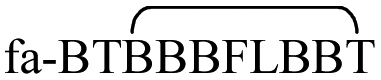 | fa=fatty acid; B=diaminobutyrate |
| Polymyxin E |  | fa=fatty acid; B=diaminobutyrate |
| Polymyxin B nonapeptide |  | B= diaminobutyrate |
| Buforin-I | AGRGKQGGKVRAKAKTRSSRAGLQFPVGRVHRLLRKGNK | |
| Buforin-II | TRSSRAGLQFPVGRVHRLLRK | |
| Melittin | GIGAVLKVLTTGLPALISWIKRKRQQ-CONH2 | |
| Cecropin A | KWKLFKKIEKVGQNIRDGIIKAGPAVAVVGQATQIAK-CONH2 | |
| Cecropin B | KWKVFKKIEKMGRNIRNGIVKAGPAIAVLGEAKAL | |
| Cecropin P1 | SWLSKTAKKLENSAKKRISEGIAIAIQGGPR | |
| Bactenecin |  | |
| Magainin-1 | GIGKFLHSAGKFGKAFVGEIMKS | |
| Parasin | KGRGKQGGKVRAKAKTRSS | |
| Immobilized biomolecule | Inactivated botulinum toxin A | Inactivated botulinum toxin A |
|---|---|---|
| Anti-botulinum toxin A/B | 10 ng/ml | 50 ng/ml |
| Polymyxin B | 10 ng/ml | 50 ng/ml |
| Polymyxin B nonapeptide | > 1 μg/ml | n.d.* |
| Polymyxin E | 25 ng/ml | 50 ng/ml |
| Magainin-1 | > 1 μg/ml | > 1 μg/ml |
| Parasin | > 1 μg/ml | > 1 μg/ml |
| Buforin-II | 10 ng/ml | n.d. |
| Cecropin A | 1 ng/ml | 50 ng/ml |
| Cecropin B | 5 ng/ml | 50 ng/ml |
| Cecropin P1 | > 1 μg/ml | > 1 μg/ml |
| Melittin | 5 ng/ml | 10 ng/ml |
| Bactenecin | 5 ng/ml | 50 ng/ml |
| Capture molecule | Inactivated botulinum toxin A | Inactivated botulinum toxin B | Inactivated botulinum toxin E | ||||||
|---|---|---|---|---|---|---|---|---|---|
| Kd (nM) | kon (M-1s-1) × 104 | koff (s-1) × 10-4 | Kd (nM) | kon (M-1s-1) × 104 | koff (s-1) × 10-4 | Kd (nM) | kon (M-1s-1) × 104 | koff (s-1) × 10-4 | |
| Antibody | 2.6 ± 0.6 | 8.3 ± 1.6 | 2.2 ± 0.5 | 4.8 ± 1.7 | 2.3 ± 0.6 | 1.1 ± 0.2 | n/a | n/a | n/a |
| Polymyxin B | 7.5 ± 0.4 | 6.7 ± 0.3 | 5.0 ± 1.0 | 3.2 ± 2.0 | 6.7 ± 3.1 | 2.2 ± 0.9 | 12.3 ± 8.1 | 2.8 ± 1.8 | 3.5 ± 0.6 |
| Polymyxin E | 13.4 ± 6.8 | 3.1 ± 1.4 | 4.2 ± 0.5 | 5.2 ± 3.0 | 4.1 ± 2.1 | 2.2 ± 0.6 | 12.9 ± 8.5 | 2.8 ± 1.8 | 3.7 ± 0.7 |
| Cecropin A | nd | nd | nd | 7.3 ± 3.4 | 2.3 ± 1.0 | 1.7 ± 0.3 | 0.11 ± 0.02 | 28.4 ± 5.4 | 0.32 ± 0.02 |
| Cecropin B | 2.5 ± 0.8 | 11.9 ± 2.3 | 3.0 ± 0.7 | 6.5 ± 2.7 | 3.4 ± 1.0 | 2.2 ± 0.6 | 1.9 ± 1.7 | 6.2 ± 2.1 | 1.2 ± 0.5 |
| Cecropin P1 | 6.9 ± 2.5 | 3.9 ± 1.3 | 2.7 ± 0.4 | 16.1 ± 7.6 | 1.3 ± 0.6 | 2.2 ± 0.4 | 18.4 ± 5.0 | 1.5 ± 0.4 | 2.7 ± 0.1 |
| Melittin | 9.7 ± 5.3 | 2.8 ± 1.4 | 2.7 ± 0.5 | 4.2 ± 1.7 | 4.4 ± 1.4 | 1.8 ± 0.5 | 2.5 ± 1.5 | 8.0 ± 2.8 | 2.0 ± 0.9 |
| Bactenecin | 3.3 ± 1.2 | 8.0 ± 2.5 | 2.7 ± 0.4 | 5.0 ± 3.4 | 4.7 ± 2.6 | 2.3 ± 0.9 | 6.1 ± 1.6 | 4.4 ± 1.1 | 2.7 ± 0.2 |
© 2007 by MDPI ( http://www.mdpi.org). Reproduction is permitted for noncommercial purposes.
Share and Cite
Kulagina, N.V.; Anderson, G.P.; Ligler, F.S.; Shaffer, K.M.; Taitt, C.R. Antimicrobial Peptides: New Recognition Molecules for Detecting Botulinum Toxins. Sensors 2007, 7, 2808-2824. https://doi.org/10.3390/s7112808
Kulagina NV, Anderson GP, Ligler FS, Shaffer KM, Taitt CR. Antimicrobial Peptides: New Recognition Molecules for Detecting Botulinum Toxins. Sensors. 2007; 7(11):2808-2824. https://doi.org/10.3390/s7112808
Chicago/Turabian StyleKulagina, Nadezhda V., George P. Anderson, Frances S. Ligler, Kara M. Shaffer, and Chris Rowe Taitt. 2007. "Antimicrobial Peptides: New Recognition Molecules for Detecting Botulinum Toxins" Sensors 7, no. 11: 2808-2824. https://doi.org/10.3390/s7112808