
Mercury Induces Cytotoxicity and Transcriptionally Activates Stress Genes in Human Liver Carcinoma (HepG2) Cells


Abstract
:1. Introduction
Materials and Methods
Chemical and Growth Medium
Cell Culture
Gene Profile and Cytotoxicity Assays

| Promoter | Name/Gene Product | Biological Function |
|---|---|---|
| CYP1A1 | Cytochrome P450 1A1 | Phase I biotransformation enzyme |
| GSTYa | Glutathione-S-Transferase | Phase II biotransformation enzyme |
| HMTIIA | Metallothionein | Sequestration of heavy metals |
| FOS | c-fos | Member of AP-1 transcription factor complex |
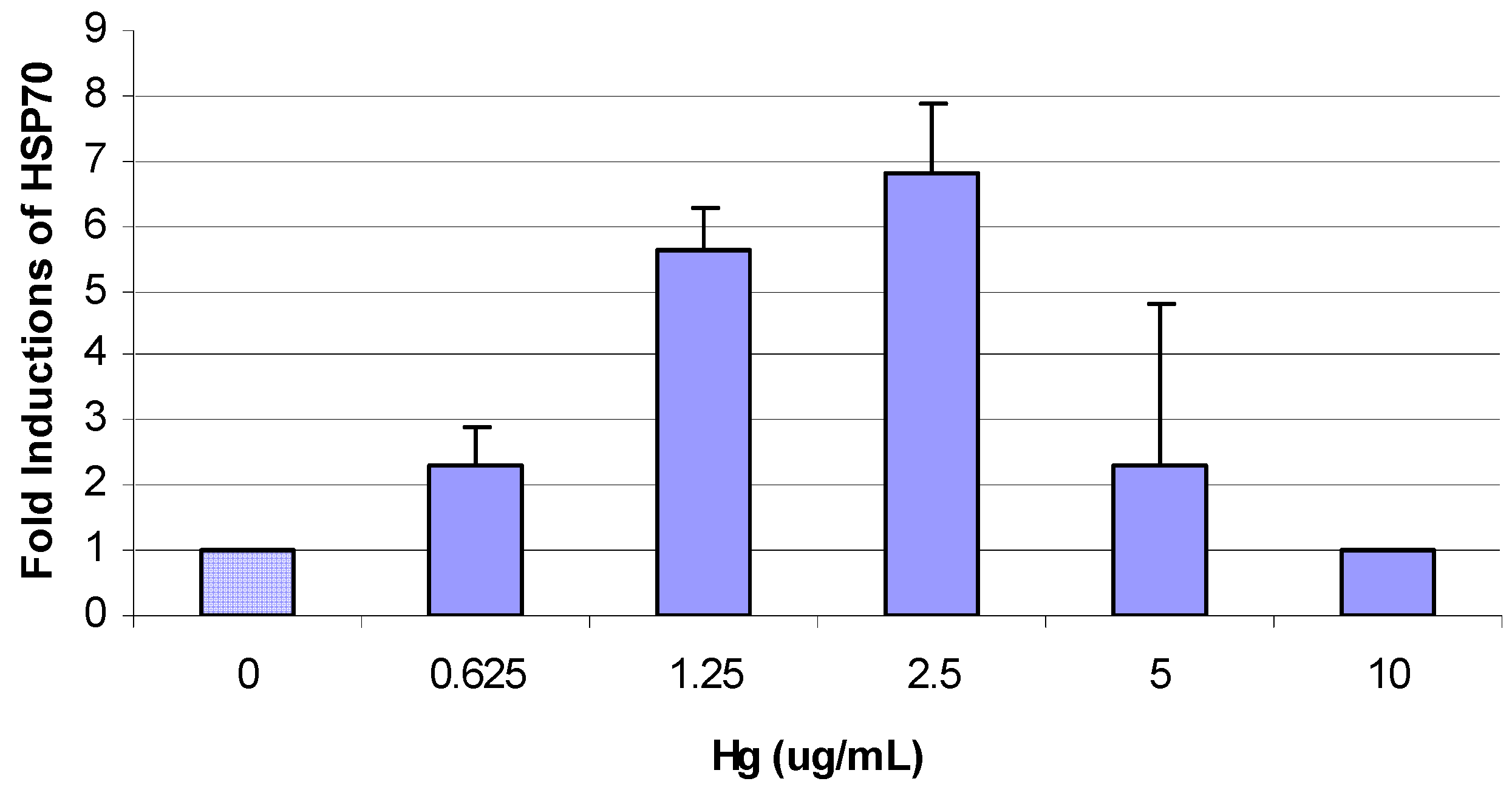
| HSP70 | 70-kDa heat shock protein | Protein chaperone/refold damaged protein |
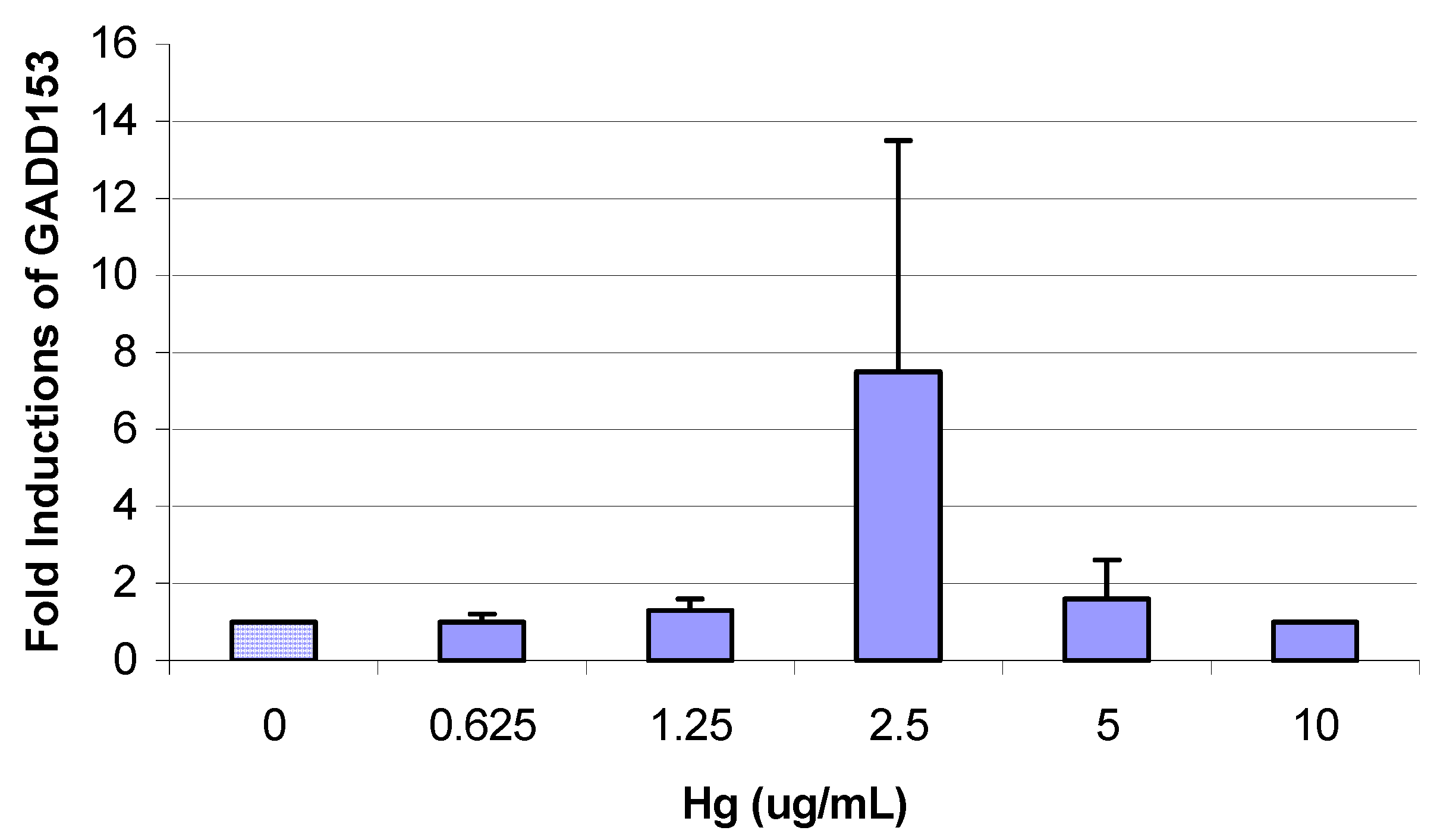
| GADD153 | 153-kDa growth arrest/DNA damage | Cell cycle regulation/response to genotoxic agents |
| GADD45 | 45-kDa growth arrest/ DNA damage | Cell cycle regulation/response to genotoxic agents. |
| GRP78 | 78-kDa glucose related protein | Endoplasmic reticulum protein chaperone |
| XRE | Xenobiotic Response Element | Binding site for Ah-receptor hydrocarbon complexes |
| NFkBRE | Nuclear factor Kappa (B Site) Element | Binding site for NFkB transcription factor |
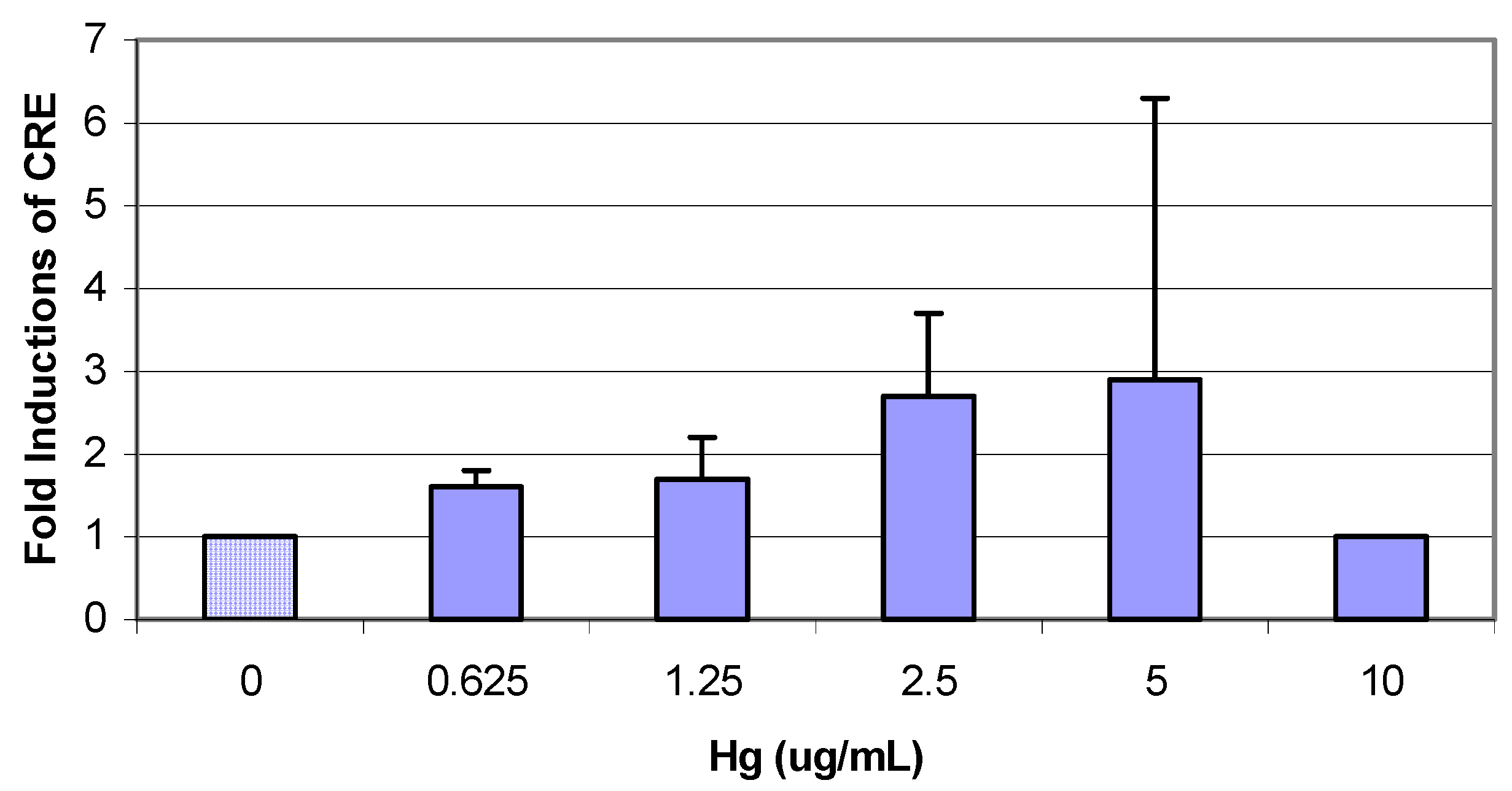
| CRE | cAMP response element | Binding site for CREB protein |
| P53RE | 53-kDa protein tumor suppressor | Binding site for p53 transcription factor/DNA damage |
| RARE | Retinoic acid response element | Binding site for retinoic acid receptor complex |
Statistical Analysis
Results
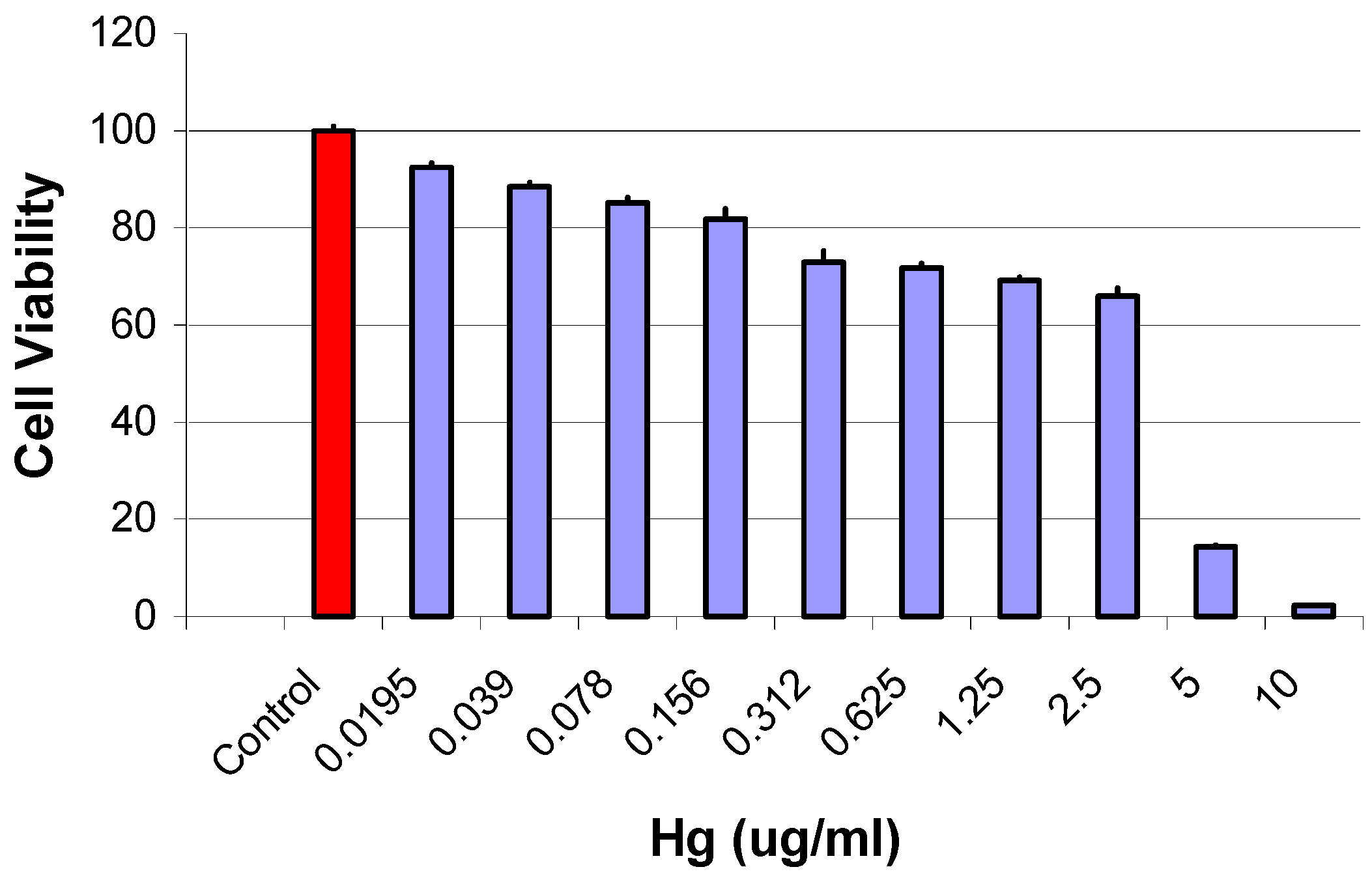
Cytotoxicity Assay
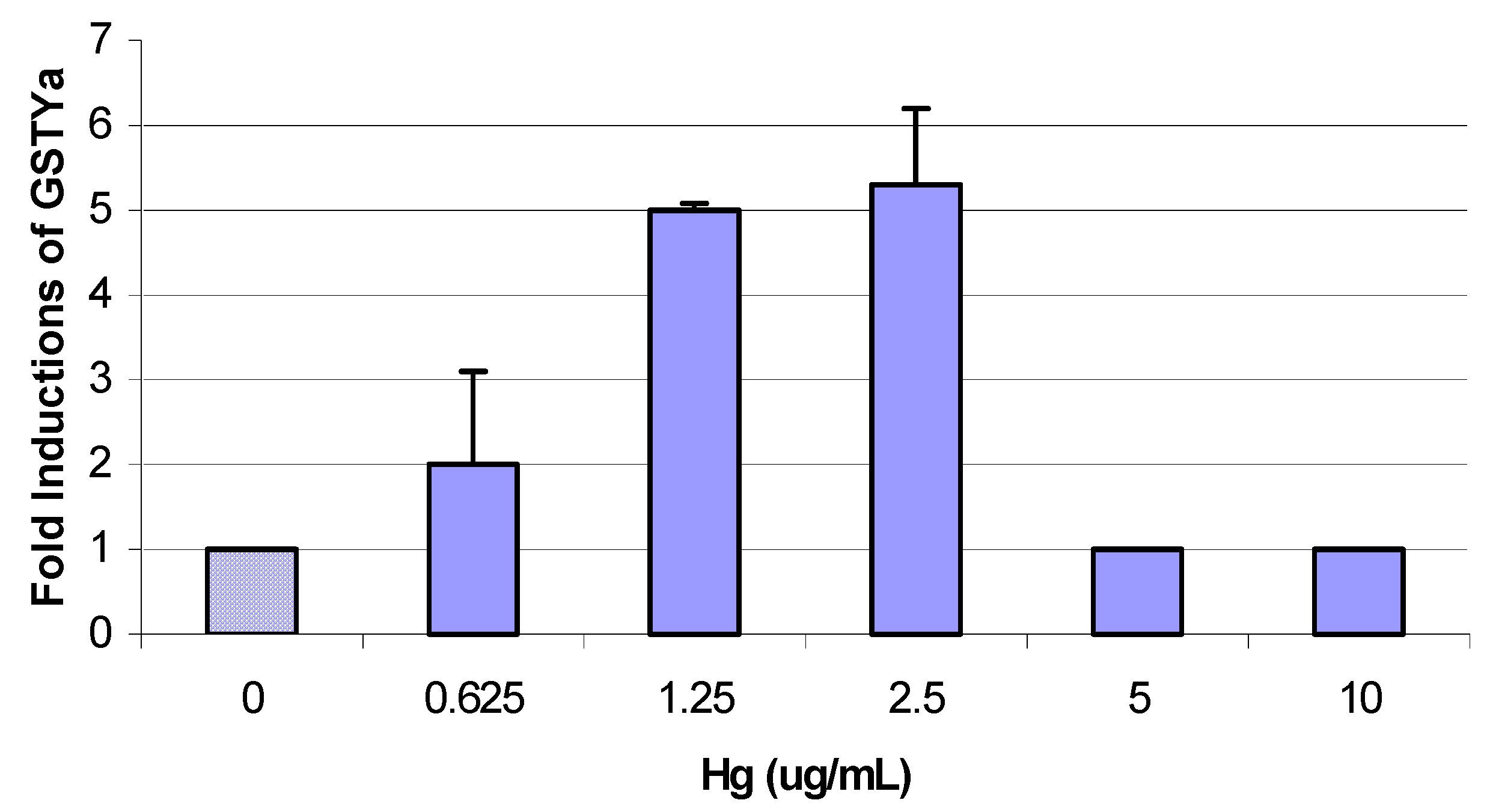
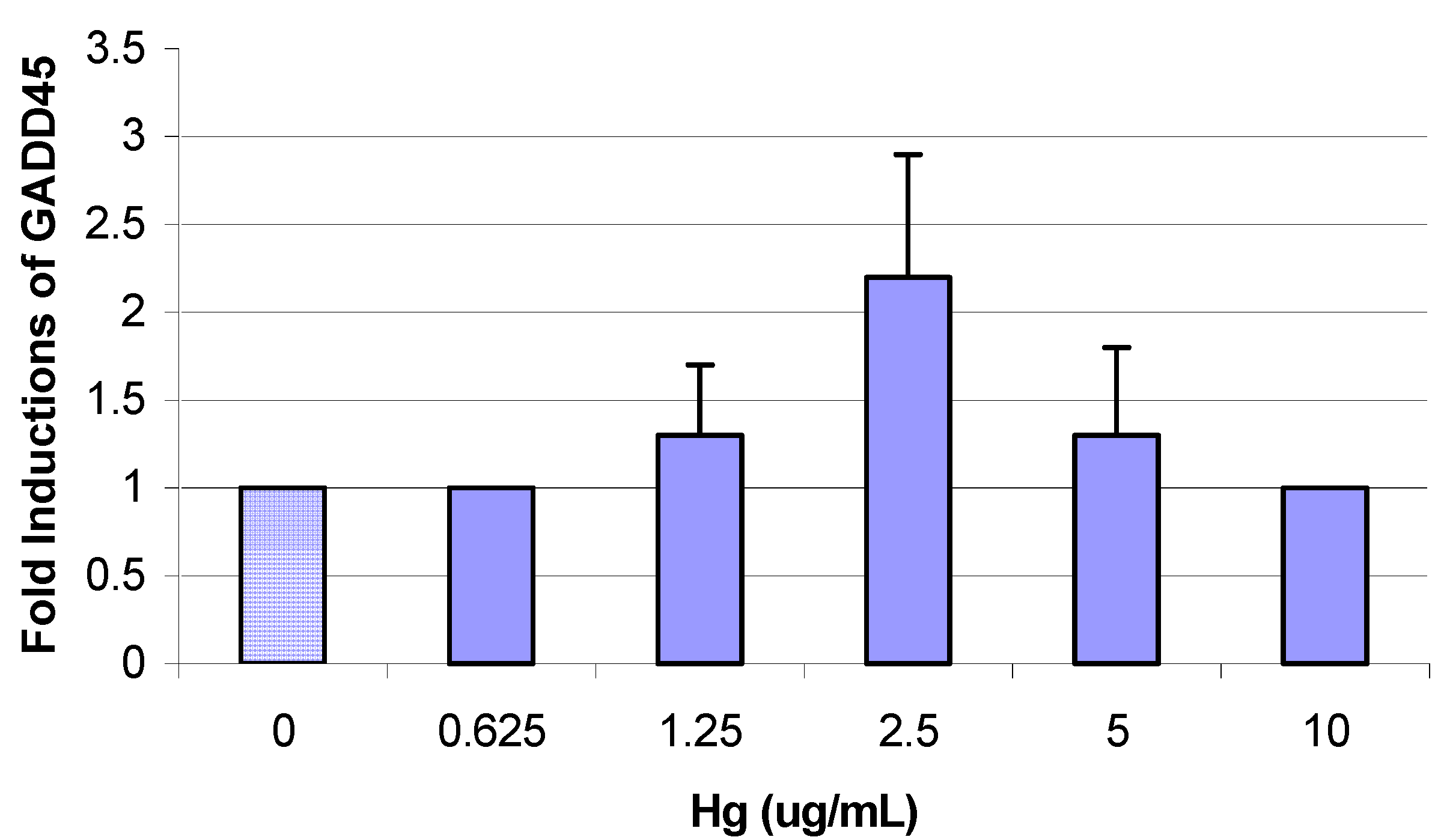
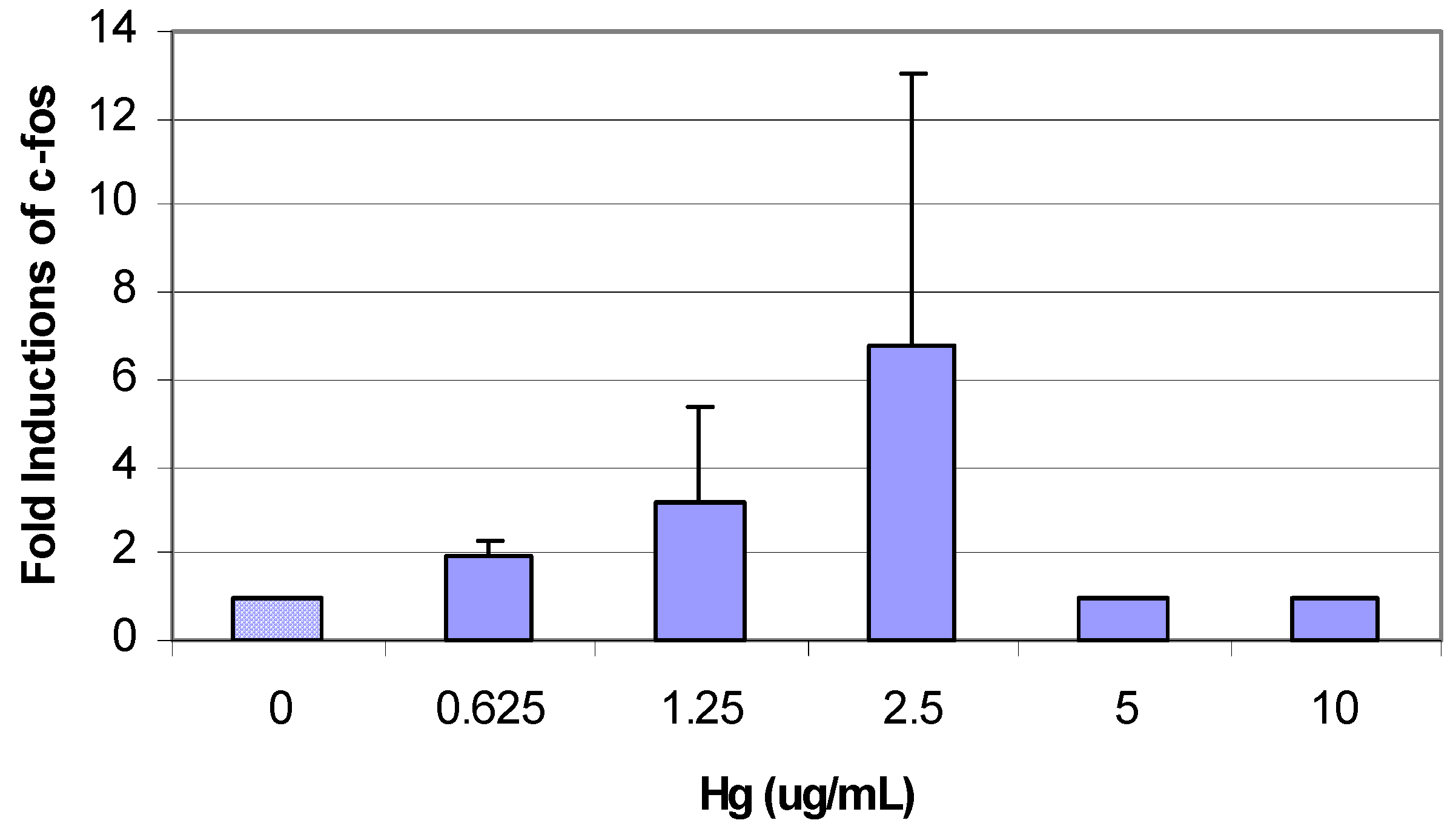
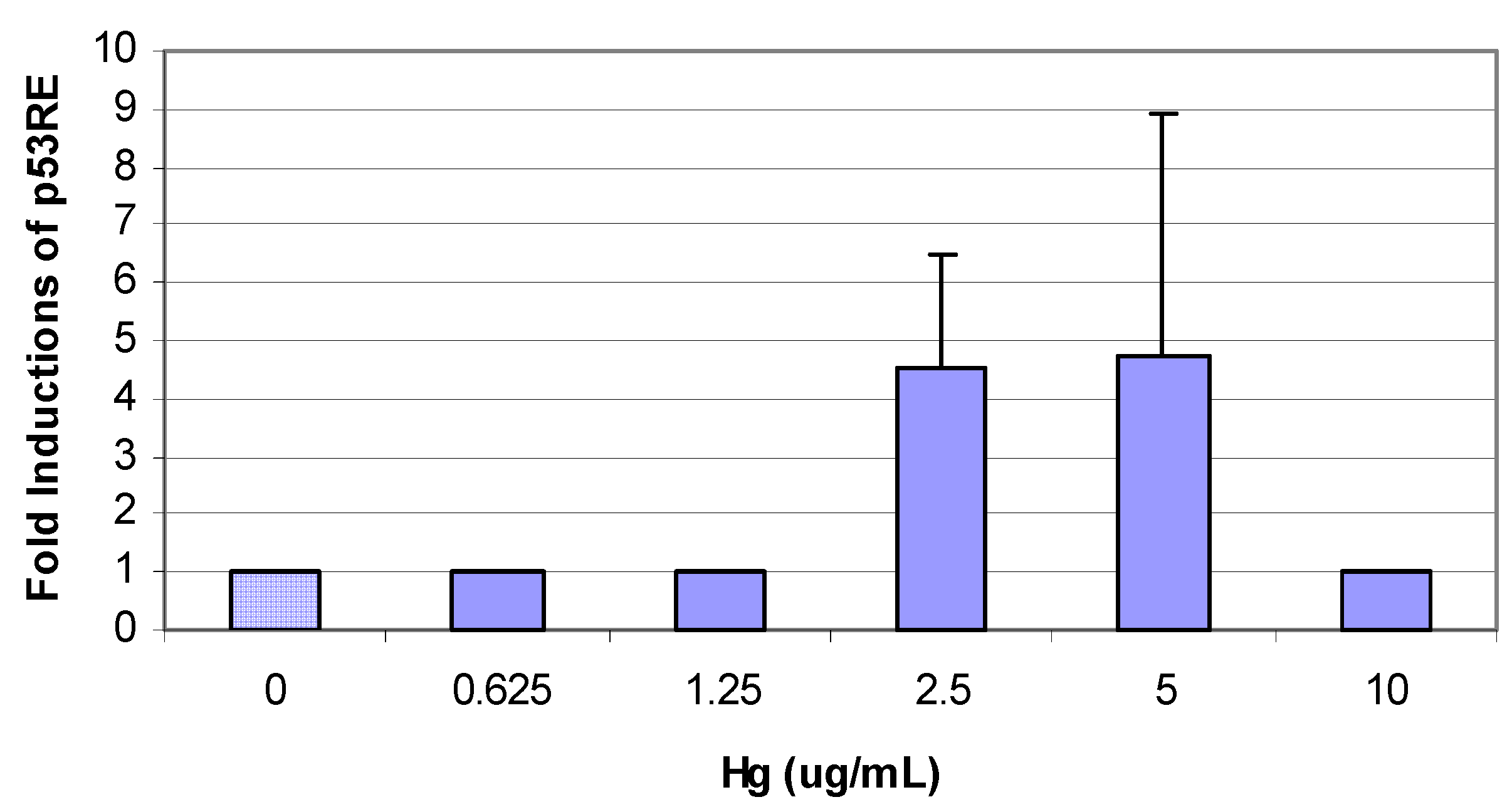
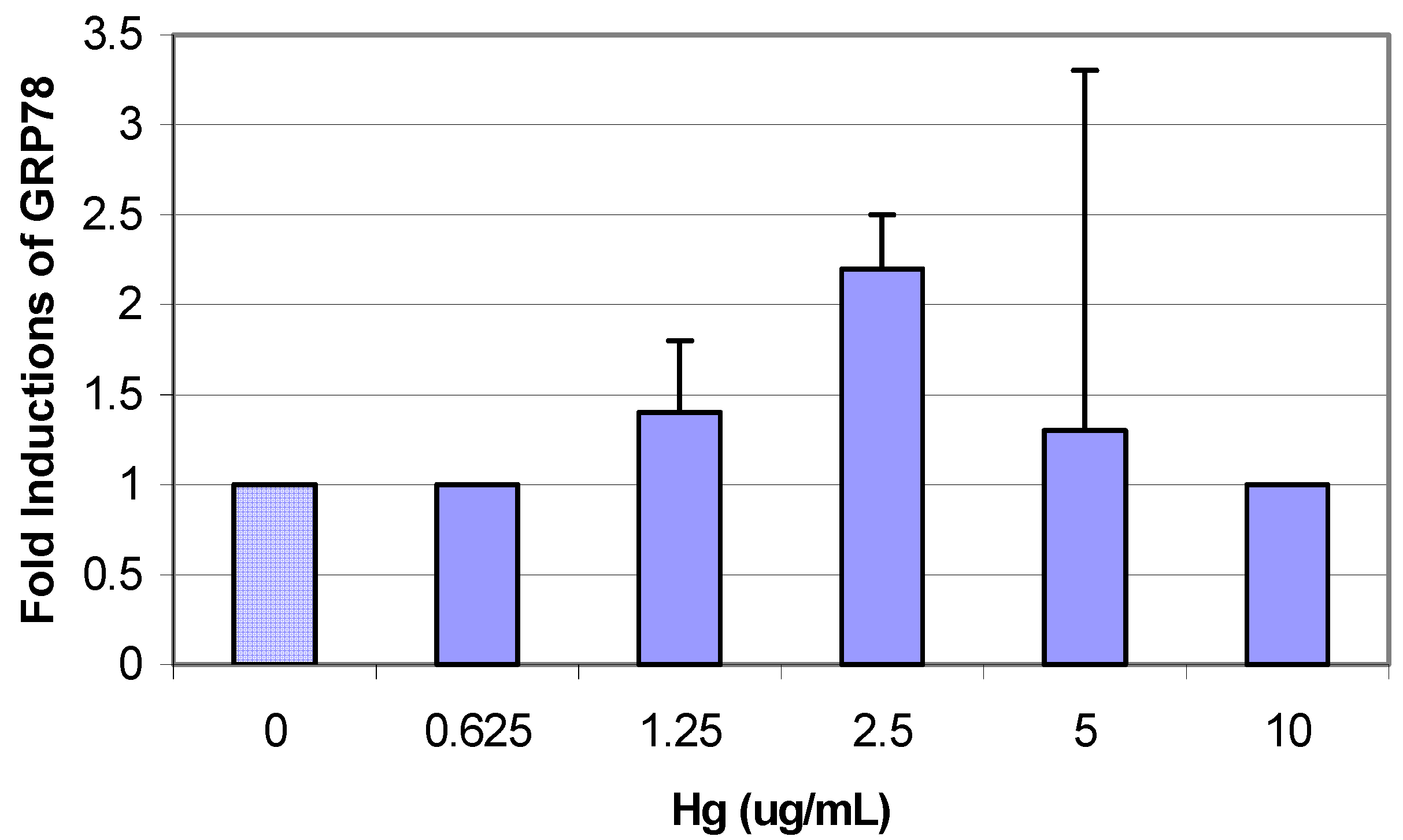
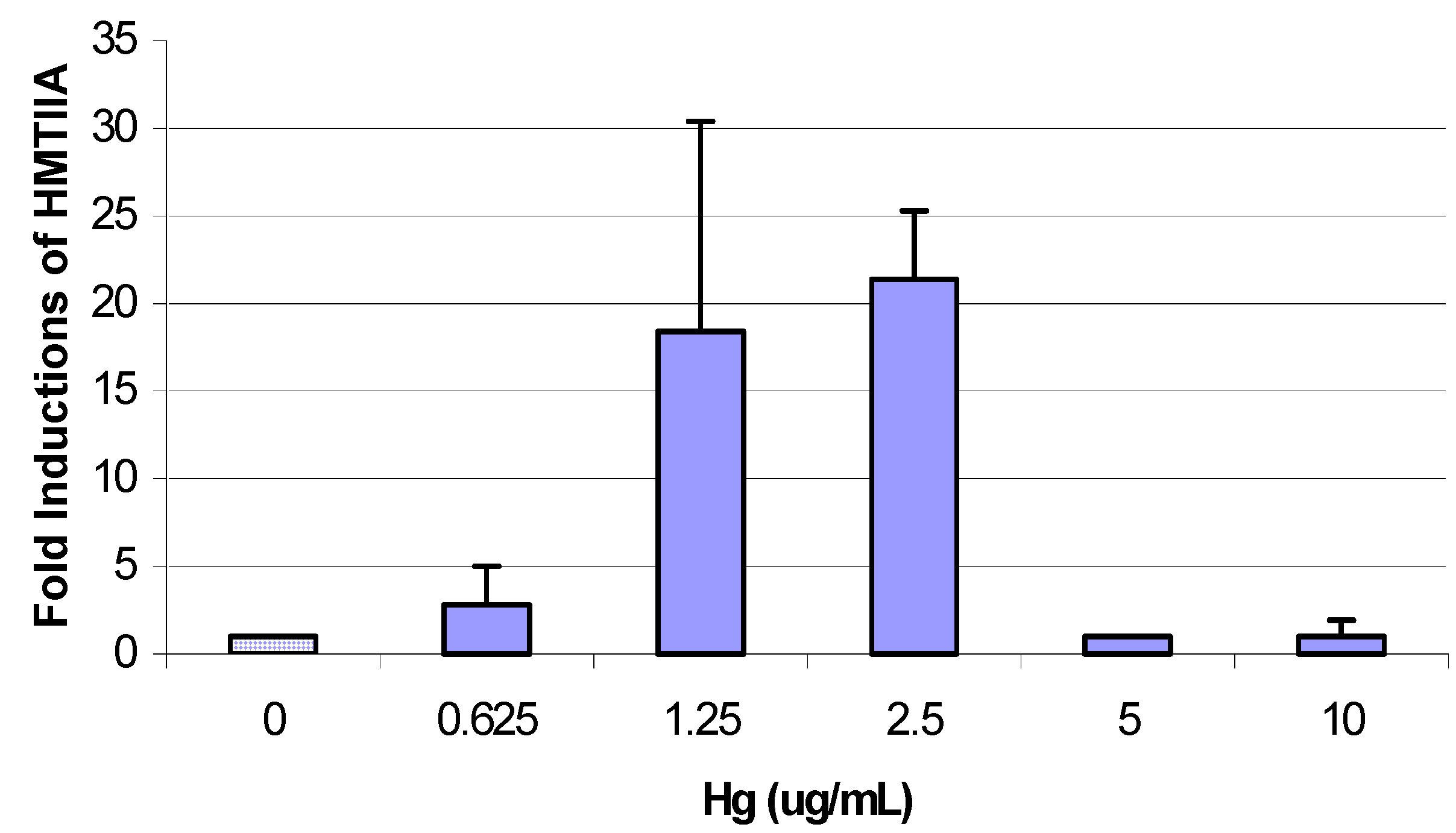
Gene Profile Assay




Discussion
Cytotoxicity Assay
Gene Profile Assay
Conclusions
Acknowledgments
References
- ATSDR/EPA. Priority List for 1999; Top 20 Hazardous Substances, Agency For Toxic Substance and Disease Registry. In Department of Health and Human Services; 1999. on line at: http://www.atsdr.cdc.gov/99/list.html. [Google Scholar]
- NAS. An assessment of mercury in the environment; National Academy of Science Press: Washington, D.C., 1978. [Google Scholar]
- Nriagu, J.O. Production and uses of mercury. In the biogeochemistry of mercury in the environment. Elsevier, Amsterdam, 1979; pp. 23–40. [Google Scholar]
- Goyer, R. A. “Toxic effects of metals” in: Caserett and Doull’s Toxicology – The basic science of poisons. McGraw-Hill, Inc.: N.Y., 1993. [Google Scholar]
- WHO. Inorganic mercury, Environmental Health Criteria 118; World Health Organization, 1991. [Google Scholar]
- U.S. EPA (1997a). Mercury study report to congress, volume III: Fate and transport of mercury in the environment. U.S. Environmental Protection Agency, Office of Air Quality Planning & Standards and Office of Research and Development; EPA-452/R-97-005. NTIS number: PB98-124753; 1997. [Google Scholar]
- Glass, G.E.; Sorensen, J.A.; Schmidt, K.W.; Rapp, G. R. New source identification of mercury contamination in the Great Lakes. Environ. Sci. Technol. 1990, 24, 1059–1069. [Google Scholar] [CrossRef]
- IRIS. Methyl mercury. Integrated Risk Information Service, last revised on 07/27/2001. U.S. Environmental Protection Agency (U.S. EPA): Washington, D.C., 2001. [Google Scholar]
- Trakhtenberg, L.M. Chronic effects of mercury on organisms. U.S. Department of Health, Education, and Welfare Public Health Service National Institutes of Health DHEW Publication No. (NIH), 1974; pp. 74–473. [Google Scholar]
- Kozik, M.B.; Gramza, G. Histochemical changes in the neurosecretory hypothalic nuclei as a result of an intoxification with mercury compounds. Acta Histochem. Suppl. 1980, 22, 367–380. [Google Scholar] [PubMed]
- Gonzalez-Ramirez, D.; et al. Urinary mercury, porphyrins, and neurobehavioral changes of Dental workers in Monterrey, Mexico. J. Pharmocology and Experimental Therapeutics. 1995, 272(1), 264–274. [Google Scholar]
- Olanow, C.W.; Arendash, G.W. Metals and free radicals in neurodegeneration. Curr. Opin. Neurol. 1994, 7(6), 548–558. [Google Scholar] [CrossRef] [PubMed]
- Johnson, S. The possible role of gradual accumulation of copper, cadmium, lead, and iron depletion of zinc, magnesium, selenium, vitamins B2, B6, D, and E and essential fatty acids in multiple sclerosis. Med Hypotheses. 2000, 55(3), 239–241. [Google Scholar] [CrossRef] [PubMed]
- Ladner, L.; Lindestron, L. Copper in society and the environment. In Environmental Research Group (MFG), 2nd revised edition; 1999. [Google Scholar]
- Boot, J.H. Effects of SH-blocking compounds on the energy metabolism in isolated rat hepatocytes. Cell. Struct. Funct. 1995, 20(3), 233–238. [Google Scholar] [CrossRef] [PubMed]
- Matts, R.L.; Schatz, J.R.; Hurst, R.; Kagen, R. Toxic heavy metal ions inhibit reduction of disulfide bonds. J. Biol Chem. 1991, 266(19), 12695–12703. [Google Scholar] [PubMed]
- Khera; et al. Teratogenic and genetic effects of mercury toxicity. Teratology. 1990, 8, 293–304. [Google Scholar]
- O’Halloran, T.V. Transition metals in control of gene expression. Science 1993, 261(5122), 715–725. [Google Scholar] [CrossRef] [PubMed]
- Goyer, R.A. Nutrition and metal toxicity. Am. J. Clin. Nutr. 1995, 61 (suppl 3), 545S–650S. [Google Scholar]
- Kubicka; et al. Autoimmune disease induced by mercuric chloride. Int Arch Allergy Immunol. 1996, 109(1), 11–20. [Google Scholar]
- McFadden, S.A. Xenobiotic metabolism and adverse environmental response: sulfur dependent detoxification pathways. Toxicology. 1996, 111(1-3), 43–65. [Google Scholar] [CrossRef]
- Srikantarah, M.V.; Radjakushnan, A. N. Studies on the metabolism of vitamin B6 in the small intestine. Purification and properties of monkey intestinal pyridoxal kinases. Indian J. Biochem. 1970, 7(3), 151–156. [Google Scholar]
- Veltman, J.C. Alterations of heme cytochrome P-450, and steroid metabolism by mercury in rat adrenal gland. Arch Biochem Biophys. 1986, 248(2), 467–478. [Google Scholar] [CrossRef] [PubMed]
- Danielson, B.R. Ferotoxicity of inorganic mercury: Distribution and effect of nutrient uptake by placenta and fetus. Neurotoxicol. Teratol. 1984, 18, 129–134. [Google Scholar]
- Kubicka-Murranyi, M. “Systemic autoimmune disease induced by mercuric chloride. Int Arch Allergy Immunol. 1996, 109(1), 11–20. [Google Scholar] [CrossRef] [PubMed]
- U. S. EPA. Mercury study report to congress. Volume V: Health effects of mercury and mercury compounds. U. S. Environmental Protection Agency, Office of Air Quality Planning and Standards and Office of Research and Development; EPA-452/R-97-005. NTIS number: PB98-12444753; 1997. [Google Scholar]
- WHO. Inorganic mercury volume 118; World Health Organization: Geneva, Switzerland, 1991. [Google Scholar]
- IRIS. Mercuric chloride. Integrated Risk Information Service, last revised on 4/01/97. U.S. Environmental Protection Agency (U.S. EPA): Washington, D.C., 1997. [Google Scholar]
- Kaik, P. Clinical and neurochemical aspects of inorganic mercury intoxification. In handbook of clinical neurology; Elsevier, Amsterdam, 1979; Volume 36, pp. 147–197. [Google Scholar]
- Takizawa, Y. The epidemiology of mercury poisoning. In the biogeochemistry of mercury in the environment; Nriagu, J.O., Ed.; Elsevier, Amsterdam, 1979; pp. 325–366. [Google Scholar]
- Todd, M.D.; Lee, M.J.; Williams, J.L.; Nalenzy, J.M.; Gee, P.; Benjamin, M.B.; Farr, S.B. The CAT-Tox (L) assay: A sensitive and specific measure of stress induced transcription in transformed liver cells. Fundam. Appl. Toxicol. 1995, 28, 118–128. [Google Scholar] [CrossRef] [PubMed]
- Tchounwou, P.B.; Wilson, B.A.; Schneider, J.; Ishaque, A. Cytogenic assessment of arsenic trioxide toxicity in the Mutatox, Ames II and CAT-Tox assays. Metal Ions Biol. Med. 2000, 6, 89–91. [Google Scholar]
- Todd, M.D.; Lee, M.J.; Williams, J.L.; Nalenzy, J.M.; Gee, P.; Benjamin, M.B.; Farr, S.B. The CAT-Tox (L) assay: A sensitive and specific measure of stress induced transcription in transformed liver cells. Fundam. Appl. Toxicol. 1995, 28, 118–128. [Google Scholar] [CrossRef] [PubMed]
- Tchounwou, P.B. Health risk assessment and management of arsenic and other hazardous metals in drinking water. Metal Ions Biol. Med. 2000, 6, 21–23. [Google Scholar]
- Tchounwou, P.B.; Ishaque, A.B.; Schneider, J. Cytotoxicity and transcriptional activation of stress genes in human liver carcinoma cells (HepG2) exposed to cadmium chloride. Molecular and Cellular Biochemistry. 2001, 222, 21–28. [Google Scholar] [CrossRef] [PubMed]
- Tchounwou, P.B.; Ishaque, A.B.; Sutton, D.J.; Ninashvili, N.; Shen, E. Biomarkers of sensitivity and effect associated with cadmium and mercury toxicity in human liver carcinoma (HepG2) cells. Metal Ions in Biology and Medicine. 2002, 7, 132–137. [Google Scholar]
- Tully, D.B.; Collins, B.J.; Overstreet, J.D.; Smith, C.S.; Dinse, G.E.; Mumtaz, M.M.; Chapin, R.E. Effects of arsenic, cadmium, chromium, and lead on gene expression regulated by a battery of 13 different promotes in recombinant HepG2 cells. Toxicology and Applied Pharmacology. 2000, 168, 79–90. [Google Scholar] [CrossRef] [PubMed]
- Olivieri, G.; Brack, C.; Muller-Spahn, F.; Stahelin, H.B.; Herrmann, M.; Renard, P.; Brockhaus, M.; Hock, C. Mercury induces cell cytotoxicity and oxidative stress and increases β-amyloid secretion and tau phosphorylation in SHSY5Y neuroblastoma cells. Journal of Neurochemistry. 2000, 74, 231–236. [Google Scholar]
- Shenker, B.J.; Guo, T.L.; Shapiro, I.M. Mercury induced apoptosis in human Lymphoid cells: Evidence that the apoptotic pathway is mercurial species dependent. Environmental Research. 2000, 84, 89–99. [Google Scholar] [CrossRef] [PubMed]
- Tchounwou, P.B.; Wilson, B.A.; Ishaque, A.B. Embryotoxicity of arsenic trioxide and Atrazine to Japanese Medaka (Oryzias latipes), and cytotoxicity to human liver carcinoma cells (HepG2). Env. Toxicol. Risk Assessment 2000, 10, 83–95. [Google Scholar]
- Berlin, M. Mercury, In: Handbook on the toxicology of metals 2nd edition; Frieberg, G.R., Norber, V.B., Vouk, B., Eds.; Elsevier Press: New York, 1980. [Google Scholar]
- ATSDR. Toxicological Profile for Mercury: TP-93/10. Agency for Toxic Substance And Disease Registry. Centers for Disease Control: Atlanta, Georgia, 1994. [Google Scholar]
- Gosselin, R.E.; Smith, R.P.; Hodge, H.C. Mercury In: clinical toxicology of commercial produces, 5th editionWilliams and Wilkins: Baltimore, Maryland, 1984; pp. III262–III275. [Google Scholar]
- Troen, P.; Kaufman, S.; Katz, K.H. Mercuric bichloride poisoning. New England J. Med. 1951, 244, 459–463. [Google Scholar] [CrossRef]
- Rushmore, T.H.; Pickett, C.B. Glutathione S-transferases: structure, regulation, and therapeutic implications. J. Biol. Chem. 1993, 268, 11475–11478. [Google Scholar] [PubMed]
- Rushmore, T.H.; King, R.G.; Paulson, K.E.; Pickett, C.B. Regulation of glutathione S-transferase Ya subunit gene expression: Identification of a unique xenobiotic responsive element controlling inducible expression by planar aromatic compounds. Proc. Natl. Acad. Sci. 1990, 87, 3826–3830. [Google Scholar] [CrossRef] [PubMed]
- Zalups, R.K.; Lash, L.H. Interactions between glutathione and mercury in the kidney, liver and blood; Chang, L.W., Ed.; Toxicology of Metals; CRC Press: Boca Raton, 1996; pp. 145–163. [Google Scholar]
- Hamer, D.H. Metallothionein. Ann. Rev. Biochem. 1986, 55, 913–951. [Google Scholar] [CrossRef] [PubMed]
- Burman, D.M.; Palmiter, R.D. Analysis of detoxification of heavy metal ions by mouse metallothionein. EXS. 1987, 52, 457–463. [Google Scholar]
- Klassen, C.D.; Liu, J. Induction of metallothionein as an adaptive mechanism affecting the magnitude and progression of toxicological injury. Environ. Health Perspect. 1998, 106, 297–300. [Google Scholar] [CrossRef] [PubMed]
- Mosser, D.D.; Duchanie, J.; Massie, B. The DNA-binding activity of the human heat shock transcription factor is regulated in vivo by hsp70. Mol. Cell. Biol. 1993, 13, 5427–5438. [Google Scholar] [PubMed]
- Mosser, D.D.; Theodorakis, N.G.; Morimoto, R.I. Coordinate changes in heat shock element binding activity and HSP70 gene transcription rates in human cells. Mol. Cell. Biol. 1988, 8, 3733–3736. [Google Scholar]
- Hartl, F.U.; Martin, J.; Neupert, W. protein folding in the cell: The role of molecular chaperones HSP70 and HSP60. Annu. Rev. Biophys. Biomol. Struct. 1992, 21, 293–322. [Google Scholar] [CrossRef] [PubMed]
- Delmas, R.; Schaak, S.; Gaubin, Y.; Croute, F.; Arrabit, C.; Murat, J. C. HSP72 mRNA production in cultured human cells submitted to non-lethal aggression by heat, ethanol, or propanol. Application to the detection of low concentration of chromium (VI) (potassium dichromate). Cell. Biol. Toxicol. 1998, 14, 39–46. [Google Scholar]
- Brookes, N.; Kristt, D.A. Inhibition of amino acid transport and protein synthesis by HgCl2 and methyl mercury in astrocytes: selectivity and reversibility. Journal of Neurochemistry. 1989, 53(4), 1228–1237. [Google Scholar] [CrossRef] [PubMed]
- Wooden, S.K.; Li, L.J.; Navarro, D.; Qadri, I.; Pereira, L.; Lee, A.S. Transactivation of the grp78 promoter by malfolded proteins, glycosylation block, and calcium ionophore is mediated through a proximal region containing a CCAAT motif, which interacts with CTF/NF-1. Mol. Cell. Biol. 1991, 11, 5612–5623. [Google Scholar] [PubMed]
- Buscher, M.; Rahmsdorf, M.; Litfin, M.; Herrlich, P. Activation of the c-fos gene by UV and phorbol ester: different signal pathways converge to the same enhancer element. Oncogene. 1988, 3, 301–311. [Google Scholar]
- Gilman, M.Z. The c-fos serum response element responds to protein kinase c-dependent and independent signals but not to cyclic AMP. Genes Dev. 1988, 2, 394–399. [Google Scholar] [CrossRef] [PubMed]
- Berkowitz, L.A.; Riabowal, K.T.; Gilman, M.Z. Multiple sequence elements of a single functional class are required for cyclic AMP responsiveness of the mouse c-fos promoter. Mol. Cell. Biol. 1989, 9, 4722–4731. [Google Scholar] [PubMed]
- Sassosne-Corsi, P; Visvander, J.; Ferland, L; Mellon, P.; Verma, L.N. Induction of proto-oncogene fos transcription through the adenylate cyclase pathway: characterization of cAMP response element. Genes Dev. 1988, 2, 1529–1538. [Google Scholar]
- Bading, H.; Ginty, D.D.; Greenbert, M.E. Regulation of gene expression in hippocampal neurons by distinct calcium signaling pathway. Science 1993, 260, 181–186. [Google Scholar] [CrossRef]
- Ginty, D.D.; Bonni, A.; Greenberg, M.E. Nerve growth factor activates a Ras dependent protein kinase that stimulates c-fos transcription via phosphorylation of CREB. Cell. 1994, 77, 713–725. [Google Scholar] [CrossRef] [PubMed]
- Greenberg, M.E.; Ziff, E.B.; Green, L.A. Stimulation of neuronal acetylcholine receptors induce rapid gene transcription. Science. 1986, 234, 80–83. [Google Scholar] [CrossRef] [PubMed]
- Angel, P.; Karin, M. The role of Jun, Fos and the AP-1 complex in cell proliferation and transformation. Biochem. Biophys. Acta. 1991, 1072, 129–157. [Google Scholar]
- Borrelli, E.; Montmayeur, J.P.; Foulkes, N.S.; Sassone-Corsi, P. Signal transduction and gene control:The cAMP pathway. Crit. Rev. Oncog. 1992, 3, 321–338. [Google Scholar] [PubMed]
- Fornace, A.J. Jr.; Nerbert, D.W.; Hollander, M.C.; Leuthy, J.D.; Papthanasiou, M.; Fargnoli, J.; Holbrook, N.J. Mammalian genes coordinately regulated by growth arrest signals and DNA-damaging agents. Mol. Cell. Biol. 1989, 9, 4196–4203. [Google Scholar] [PubMed]
- Hollander, M.C.; Alamo, L.; Jackman, J.; Wang, M.G.; McBride, O.W.; Fornace, A.J., Jr. Analysis of the mammalian gadd45 gene and its response to DNA damage. J. Biol. Chem. 1993, 268, 24384–24393. [Google Scholar]
- Bartlett, J.D.; Leuthy, J.D.; Carlson, S.G.; Sollott, S.J.; Holbrook, N.J. Calcium ionophore A23178 induces expression of the growth arrest and DNA damage inducible CCAAT/enhancer-binding protein (C/EBP)-related gene, gadd153. J. Biol. Chem. 1992, 267, 20465–20470. [Google Scholar] [PubMed]
- Kastan, M.B.; Onyekwere, O.; Sidransky, D.; Vogelstein, B.; Craig, R.W. Participation of p53 protein in the cellular response to DNA damage. Cancer Res. 1991, 51, 6304–6311. [Google Scholar] [PubMed]
- Vogelstein, B.; Kinzler, K.W. p53 function and dysfunction. Cell 1992, 70, 523–526. [Google Scholar] [CrossRef] [PubMed]
- Zhan, Q.; Carrier, F.; Fornace, A.J. Induction of cellular p53 activity by DNA-damaging agents and growth arrest. Mol. Cell. Biol. 1993, 13, 4242–4250. [Google Scholar] [PubMed] [Green Version]
© 2002 by MDPI (http://www.mdpi.org).
Share and Cite
Sutton, D.J.; Tchounwou, P.B.; Ninashvili, N.; Shen, E. Mercury Induces Cytotoxicity and Transcriptionally Activates Stress Genes in Human Liver Carcinoma (HepG2) Cells. Int. J. Mol. Sci. 2002, 3, 965-984. https://doi.org/10.3390/i3090965
Sutton DJ, Tchounwou PB, Ninashvili N, Shen E. Mercury Induces Cytotoxicity and Transcriptionally Activates Stress Genes in Human Liver Carcinoma (HepG2) Cells. International Journal of Molecular Sciences. 2002; 3(9):965-984. https://doi.org/10.3390/i3090965
Chicago/Turabian StyleSutton, Dwayne J., Paul B. Tchounwou, Nanuli Ninashvili, and Elaine Shen. 2002. "Mercury Induces Cytotoxicity and Transcriptionally Activates Stress Genes in Human Liver Carcinoma (HepG2) Cells" International Journal of Molecular Sciences 3, no. 9: 965-984. https://doi.org/10.3390/i3090965
APA StyleSutton, D. J., Tchounwou, P. B., Ninashvili, N., & Shen, E. (2002). Mercury Induces Cytotoxicity and Transcriptionally Activates Stress Genes in Human Liver Carcinoma (HepG2) Cells. International Journal of Molecular Sciences, 3(9), 965-984. https://doi.org/10.3390/i3090965