


Abstract
New treatment strategies with erythropoietin (EPO) offer exciting opportunities to prevent the onset and progression of neurodegenerative disorders that currently lack effective therapy and can progress to devastating disability in patients. EPO and its receptor are present in multiple systems of the body and can impact disease progression in the nervous, vascular, and immune systems that ultimately affect disorders such as Alzheimer’s disease, Parkinson’s disease, retinal injury, stroke, and demyelinating disease. EPO relies upon wingless signaling with Wnt1 and an intimate relationship with the pathways of phosphoinositide 3-kinase (PI 3-K), protein kinase B (Akt), and mammalian target of rapamycin (mTOR). Modulation of these pathways by EPO can govern the apoptotic cascade to control β-catenin, glycogen synthase kinase-3β, mitochondrial permeability, cytochrome c release, and caspase activation. Yet, EPO and each of these downstream pathways require precise biological modulation to avert complications associated with the vascular system, tumorigenesis, and progression of nervous system disorders. Further understanding of the intimate and complex relationship of EPO and the signaling pathways of Wnt, PI 3-K, Akt, and mTOR are critical for the effective clinical translation of these cell pathways into robust treatments for neurodegenerative disorders.
1. Introduction
The concept of biological agents functioning as hormones may have had its early origins with Ernest Starling when he introduced the term to the Royal College of Surgeons in 1905 [1]. Starling was discussing the potential existence of agents in the blood that could stimulate organs in the body and chose the term “hormone” that was derived from the Greek term meaning to “excite” or “arouse” [2]. During this period, Carnot and Deflandre were investigating the agent “hemopoietine” [3]. They removed plasma following a bleeding stimulus in rabbits and demonstrated that injecting this plasma into untreated animals would promote the development of immature red blood cells. Other work confirmed the findings of Carnot and Deflandre to show that plasma obtained by bleeding animals acted as a stimulus to produce new red blood cells in untreated animals [4–6]. As “hemopoietine” became known as erythropoietin (EPO), studies later demonstrated that loss of oxygen tension in one parabiotic rat would lead to reticulocytosis in the normoxic partner [7]. With the subsequent purification of human EPO, the EPO gene was cloned and approval was obtained for the clinical use of recombinant EPO [8,9].
2. EPO Structure and Expression
2.1. Molecular Structure of EPO
The EPO gene is a single copy in a 5.4 kb region of the genomic DNA on chromosome 7 and leads to the initial encoding of a polypeptide chain containing 193 amino acids [10,11]. EPO is subsequently processed into a 166 amino acid peptide with the cleavage of a 27 amino acid hydrophobic secretory leader at the amino-terminal [12]. In position 166, a carboxy-terminal arginine is deleted in the mature human and recombinant human EPO (rhEPO) leading to a mature protein of 165 amino acids with a molecular weight of 30.4 kDa [13,14]. EPO has four glycosylated chains that include three N-linked and one O-linked acidic oligosaccharide side chains. The O-linked sugar chain is composed of Gal-GalNAc and sialic acids and O-linked glycosylation occurs at serine126. The three N-glycan chains consist of a tetra-antennary structure with or without N-acetyllactosamine repeating units and N-linked glycosylation occur at aspartate24, aspartate38, and aspartate83. The production, secretion, longevity, and function of EPO depend upon the N- and O-linked chains [15]. For example, replacement of asparagine38 and asparagine83 by glutamate or serine126 by glycine can impair the production and secretion of EPO [16]. The oligosaccharides in EPO may protect against oxygen radical activity [17] and the N-glycosylated chains are believed to contribute to the thermal stability of EPO [18]. Biological activity for EPO depends upon two disulfide bonds formed between cysteine7 and cysteine160 as well as between cysteine29 and cysteine33 [19]. Alkylation of the sulfhydryl groups results in irreversible loss of the biological activity of EPO.
2.2. Tissue Expression of EPO
At the cellular level, EPO expression is regulated by oxygen tension rather than through the concentration of red blood cells [2,15]. Hypoxia-dependent expression of EPO and the EPO receptor (EPOR) are modulated through hypoxia-inducible factor 1 (HIF-1) [10,11,20,21] that also may have independent pathways of cytoprotection [22–24]. Gene transcription of EPO and EPOR directly results from the activation of HIF-1 and is controlled through the transcription enhancer region in the 3′-flanking region of the EPO gene that binds to HIF-1 [10,11]. However, other stimuli that do not involve hypoxia also can affect the expression of EPO and its receptor. During free radical exposure, EPO and the EPOR are present in cerebral endothelial cells (ECs) and remain biologically active to offer cellular protection against apoptotic cell death [25]. Free radical exposure in neurons also leads to increased HIF-1 expression and subsequent increase in EPO expression [20]. EPO and the EPOR are expressed in experimental models of Alzheimer’s disease during aging [26] and in renal tubular cells during high glucose-induced oxidative stress [27]. Serum EPO levels are significantly increased during systemic infections such as malaria [28,29]. Loss of endogenous anti-oxidants such as selenium also can promote and increase EPO expression [30]. Anemic stress, insulin release, and several cytokines, including insulin-like growth factor, tumor necrosis factor-α (TNF-α) [31], interleukin-1β (IL-1β), and interleukin-6 (IL-6) also can result in increased expression of EPO and the EPOR [11,32,33]. Other cellular changes, such as hypoglycemia, cadmium exposure, raised intracellular calcium, or strong neuronal depolarizations also can alter the expression of EPO [15,34,35].
Although EPO is produced and secreted in several organs throughout the body that include the brain, liver, and uterus [33,34,36–38] and is detected in the breath of individuals [39], the kidney peritubular interstitial cells are the principle site for the production and secretion of EPO [38,40]. EPO also can provide protection for renal cells during toxic insults [41,42]. In the liver, EPO has been shown to protect against ischemic-reperfusion injury [43], but excessive over-expression of EPO can lessen the beneficial effects of EPO [44]. EPO also has been shown to have increased expression in amniotic fluid during fetal hypoxia, preeclampsia, and during diabetic pregnancies [45]. This intrauterine increase in EPO may be neuroprotective since EPO application can lessen retinal injury during intrauterine inflammation [46].
Current work has demonstrated that EPO is expressed throughout the body and may affect multiple biological functions even though EPO is presently approved by the Food and Drug administration for the purpose of treating anemia. For example, in the nervous system, EPO can be produced and secreted in neurons of the hippocampus, cortex, internal capsule, midbrain, and nervous system tumors [13,14,47]. EPO also is present in myoblasts, peripheral ECs, cardiomyocytes, and insulin-producing cells [2,10,48,49]. Yet, it is important to note that the expression of EPO and the EPOR may lead to variable biological outcomes that can be beneficial for nervous system disorders, but also may promote detrimental outcomes such as aggressive tumor growth and decreased overall survival [50]. For these reasons, knowledge of the underling cellular pathways governed by EPO is crucial for future translation of safe and effective therapeutic strategies for neurodegenerative disorders.
3. EPO and Cytoprotection in the Nervous System
3.1. EPO in the Central and Peripheral Nervous Systems
EPO plays a significant role in both the developing nervous system and the mature nervous system. In murine models, EPO gene expression is present by embryonic day ten in the brain at comparable levels found in the bone marrow and spleen [51]. The EPOR also is expressed in the human peripheral nervous system on myelin sheaths of radicular nerves [52]. EPO production in the brain is elevated during gestation, but is reduced following maturation to be controlled by the need to maintain oxygen homeostasis for tissues [2,53]. Decreased oxygen tension increases EPO production in both peripheral organs and the brain [34,54].
3.2. EPO and Neuronal, Vascular, and Related Cardiac Protection
The presence of EPO and its receptor in the neurovascular system has generated an immense amount of interest to target EPO and its downstream pathways for novel therapeutic strategies against neurodegenerative disorders. EPO can protect neurons from oxidative stress [55–59], spinal cord ischemia [60], retinal disease [36,46,61,62], stroke [49,63], and demyelinating disease [64]. EPO also can promote bone formation in spinal fusion models [65], modulate vascular dilatation [66], may reduce cerebral aneurysm formation [67] and prevent endothelial cell injury [25–76], protect non-neuronal cells [37,77–80], block disability during infection [28,29,46,81], limit β-amyloid (Aβ) degeneration [26,79,82,83], and may foster memory function [26]. In related systems that directly affect central nervous system function such as the cardiac system, EPO can prevent cardiac injury during chemotherapy [84], improve cardiac contractile function [85], limit cardiac failure through the reduction of inflammation, fibrosis, and oxidative stress [86], and reduce nitrosative stress [87]. These benefits of EPO in the cardiovascular system should correlate with improved cerebral perfusion during cardiac injury. It should be noted that not in all cases EPO may be beneficial, since some studies suggest no improvement for cardiac protection following cardiac ischemia and sometimes the potential for adverse effects [88].
3.3. EPO and Neurodegenerative Disorders
During chronic neurodegenerative disorders such as cognitive loss and Alzheimer’s disease, EPO may prevent cell toxicity, reduce β-amyloid burden, and lead to improvements in memory [26,79,82,83,89,90]. In models of Parkinson’s disease, EPO represses expression of the pro-apoptotic protein p53 up-regulated modulator of apoptosis (PUMA) [91] and prevents l-3,4-dihydroxyphenylalanine (l-DOPA) toxicity through reductions in caspase 3 activity [57]. In experimental autoimmune encephalomyelitis (EAE), EPO can suppress EAE that is associated with an increase in the number of astrocytes expressing tissue inhibitor of metalloproteases [64] and prevent demyelination in combination with methotrexate administration [92]. In some models of amyotrophic lateral sclerosis, EPO may preserve motor neurons, reduce inflammation [93,94], and prevent aggregation of mutant copper/zinc-binding superoxide dismutase [95], but EPO in amyotrophic lateral sclerosis models may not prolong life span [96]. EPO also may be associated with the treatment of depression and has been shown in animal models to have increased expression during electroconvulsive therapy and reduce depressive behavior [97]. In studies with seizures, EPO reduced seizure duration, protected against hippocampal cell loss, and decreased hippocampal neuronal cell apoptosis [98].
4. EPO, Oxidative Stress, and Apoptosis
4.1. EPO and Oxidative Stress
Oxidative stress impacts every system of the body and can lead to cell death in the vasculature system [73,99–103], the immune system [104–106], the cardiac system [84,107–110], and the brain [111–119]. Oxidative stress also may be a contributing factor to the complications of diabetes mellitus [109,120–125] and cerebral cognitive loss [126,127]. Oxidative stress is the result of the generation of reactive oxygen species (ROS) that are formed through superoxide free radicals, hydrogen peroxide, singlet oxygen, nitric oxide (NO), and peroxynitrite [128–130]. ROS are usually maintained at non-toxic levels by endogenous antioxidant systems that include superoxide dismutase, catalase, glutathione peroxidase, and vitamins C, D, E, and K [131–133]. ROS if not controlled by antioxidant systems can affect mitochondrial function, DNA integrity, and protein folding that result in cell death [121,123,129,134–138]. Studies have associated oxygen free radical production with DNA damage in diabetic patients [139,140], mitochondrial injury and aging mechanisms [137,141,142], and nutritional impairment [143].
EPO has been demonstrated to directly limit cell injury and ROS generation during oxidative stress. EPO can block the generation of ROS [27], may prevent oxidative stress at high altitudes [144], and is cytoprotective against oxidative stress that is stimulated by tumor necrosis factor-α (TNF-α) [73]. EPO also can limit oxidative stress injury during cisplatinum administration [42,145] and in models of Parkinson’s disease [57]. EPO can preserve cellular integrity in neurons [35,55,82,146,147], vascular cells [25,68–73,76,148], and inflammatory cells of the nervous system [37,77–79,149] during oxidant stress mediated injury.
4.2. EPO and Apoptotic Injury
Oxidative stress can lead to cell injury through pathways of programmed cell death that involve apoptosis. Apoptosis consists of the cleavage of genomic DNA that usually is not a reversible process [68,91,150]. Enzymes responsible for DNA degradation include the acidic, cation independent endonuclease (DNase II), cyclophilins, and the 97 kDa magnesium-dependent endonuclease [151–154]. Three separate endonuclease activities also exist in the nervous system, including a constitutive acidic cation-independent endonuclease, a constitutive calcium/magnesium-dependent endonuclease, and an inducible magnesium dependent endonuclease [2,155]. Apoptosis also has an early phase that involves the exposure of membrane phosphatidylserine (PS) residues [123]. The early phase can label injured cells with membrane PS residues and alert inflammatory cells to engulf and remove these injured cells [156,157]. For this to occur such as during periods of oxidative stress, inflammatory cells increase their expression of the phosphatidylserine receptor (PSR) on the membrane surface [77,158]. As a possible therapeutic strategy, membrane PS externalization can be reversed and blockade of the PSR receptor can limit activation and proliferation of inflammatory cells during apoptosis [55,159] to prevent the engulfment of functional cells that may consequently be labeled with membrane PS exposure [160,161].
Activation of caspases occurs during apoptosis [89,162,163]. In the extrinsic pathway, the intracellular death domain of death receptors, such as the tumor necrosis family (TNF) superfamily, Fas/CD95/Apo-1, can bind to extracellular ligands and lead to an intracellular death-inducing signaling complex following recruitment of adaptor molecules, such as the Fas associated death domain (FADD). FADD recruits caspase 8 and 10 through its DED domain to result in the activation of caspase 8 and 10. Caspase 8 can result in caspase 3 activation. Caspase 8 also can cleave BH3-only protein Bid, a pro-apoptotic member of the Bcl-2 family and result in truncated Bid (tBid) that promotes cytochrome c release through Bax resulting in the subsequent activation of executioner caspases. For intrinsic caspase pathway, mitochondrial membrane depolarization releases cytochrome c and activates caspase 9 and caspase 3. This is regulated by the Bcl-2 subfamily BH3-only proteins including Bid, Bad, Bim, Bmf, Puma, and Noxa, which are normally located in cellular compartments other than mitochondria. The translocation of these proteins to mitochondria associate with Bax, a multiple Bcl-2 homology domain containing protein, to promote permeabilization of the outer mitochondrial membrane and the release of cytochrome c. Cytochrome c binds to apoptotic protease activating factor-1 (Apaf-1) that consists of three different domains that include CARD, repeats of tryptophan and aspartate residues (WD-40 repeats), and a nucleotide-binding domain CED-4. Binding of cytochrome c to Apaf-1 results in the removal of the WD-40 domain, masking the CED-4 and CARDs, and leads to the oligomerization of Apaf-1. The oligomerization of Apaf-1 promotes the allosteric activation of caspase 9 by forming the Apaf-1 apoptosome. Caspase 9 can subsequently activate caspase 3 as well as caspase 1 through the intermediary caspase 8. Caspase 1 and caspase 3 activation result in DNA fragmentation and membrane PS exposure [164–166].
EPO can modulate a number of components in the apoptotic cascade to avert cell death. EPO has been shown to prevent mitochondrial depolarization and the subsequent release of cytochrome c [56,68,69,167,168]. EPO can control mitochondrial signaling through Bad, Bax, Puma [27,55,58,76,79,84,91]. EPO also blocks Apaf-1 activation [25,78] and prevents the early activation of several caspases such as caspase 1, caspase 3, and caspase 9 [25,27,44,55,57,59,72,79,87,169,170].
5. EPO and Novel Neuroprotective Pathways
5.1. EPO and Wingless
Wnt proteins are cysteine-rich glycosylated proteins derived from the Drosophila Wingless (Wg) and the mouse Int-1 genes that oversee multiple biological functions such as stem cell development, vascular growth, maturation of the nervous system, neurodegeneration, and cognition [171–174]. Wnt signaling has been linked to frontotemporal dementia [175], the transcriptional regulation of neurodegenerative pathways [176], and late onset Alzheimer’s disease [177]. Some studies suggest that activation of the Wnt pathway may provide a therapeutic target for Alzheimer’s disease [178]. The wingless family member Wnt1 can have increased expression during injury to the neurovascular system. Wnt1 expression is increased during cortical injury [179], upon endothelial cell [68,71] exposure to elevated glucose [68,71], during spinal cord injury [172], in reactive central nervous system astrocytes [180], and during vascular cell aging [181]. Wnt1 has been shown to reduce cerebral infarct size and improve neurological function following the onset of cerebral ischemia in rats [179]. Wnt1 also prevents protects against cell loss in dopaminergic neurons in models of Parkinson’s disease [182,183], limits vascular injury during experimental diabetes [68,71], maintains microglial cell survival during Aβ exposure [79,106,184]. Loss of Wnt1 signaling can result in apoptosis [79,185–187].
EPO uses Wnt1 and its signaling pathways such as β-catenin to prevent apoptotic cell injury. In models of experimental diabetes, EPO preserves brain EC integrity that is necessary for protection of the neurovascular unit through Wnt1, since administration of anti-Wnt1 neutralizing antibodies or gene silencing of Wnt1 block EPO protection (Figure 1) [68,71]. EPO also uses Wnt1 to maintain and translocate β-catenin to the cell nucleus to initiate “anti-apoptotic” pathways and also prevent activation of the “pro-apoptotic” pathways of glycogen synthase kinase-3β (GSK-3β) [68]. EPO also has been shown to improve Wnt family signaling in mesenchymal stem cells and increase their resistance against a neurotoxic environment [188]. Wnt1 can modulate Apaf-1 and X-linked inhibitor of apoptosis protein (XIAP) through EPO to maintain microglial cell survival during oxygen-glucose deprivation (OGD) [78]. In addition, the potential protective capacity of EPO and Wnt1 during Alzheimer’s disease may be linked to the ability of EPO and Wnt1 to govern Bad, Bcl-xL, and caspase activity and increase microglial cell survival during Aβ toxicity [79].
Figure 1.
Erythropoietin (EPO) employs novel signaling pathways to prevent apoptotic cell death. EPO can stimulate the phosphoinositide-3-kinase (PI 3-K) and subsequently lead to the activation of Akt. Akt can phosphorylate the forkhead transcription factor FoxO3a to prevent its nuclear translocation and transcription of “pro-apoptotic” genes. EPO through Wnt1 phosphorylates Akt and glycogen synthase kinase-3β (GSK-3β) to prevent β-catenin phosphorylation by GSK-3β and promote the nuclear translocation of β-catenin to increase transcription of “anti-apoptotic genes”. Phosphorylated FoxO3a and β-catenin are recruited and bound by cytoplasmic docking protein 14-3-3. In addition, EPO also integrates Wnt1 to regulate the expression of X-linked inhibitor of apoptosis protein (XIAP), anti-apoptotic protein Bcl-xL, and apoptotic protease activating factor-1 (Apaf-1). These processes prevent caspase activation and the induction of apoptosis. Mammalian target of rapamycin (mTOR) is another target for EPO to prevent apoptosis. Following activation of mTOR, p70 ribosomal S6 kinase (p70S6K) is phosphorylated and activated. The activated p70S6K increases the expression of Bcl-2/Bcl-xL, phosphorylates Bad, and results in the dissociation of Bad with Bcl-2/Bcl-xL. This leads to an increase in the binding of Bad to the protein 14-3-3 and more available Bcl-2/Bcl-xL to prevent apoptosis.
5.2. EPO, PI 3-K, and Akt
Although outside of the traditional wingless canonical and non-canonical signaling, Wnt pathways have recently been shown to rely upon pathways such as phosphoinositide 3-kinase (PI 3-K) and protein kinase B (Akt) [68,178,179,184,189–194]. PI 3-K, and Akt can prevent cell injury and the onset of apoptosis in multiple systems of the body. PI 3-K and Akt can promote cellular proliferation and block apoptotic injury either alone or through pathways that involve EPO. In regards to the nervous system, activation of PI 3-K and Akt can promote endothelial survival [66,68,69,72,100,101,195,196], prevent cell injury in inflammatory cells [77,105,165,197–200], and block neuronal injury [58,157,179,201–205]. Akt also can limit apoptosis through the phosphorylation of FoxO proteins [206–210]. For example, Akt phosphorylates the residue of serine253 of FoxO3a resulting in its export from the nucleus to the cytoplasm and blocking FoxO3a from activating apoptotic genes. One caveat for the PI 3-K and Akt pathways are their ability to promote cell growth that sometimes may lead to tumorigenesis if not kept in check. Under these conditions, removing PI 3-K and Akt activity can increase radiosensitivity of tumors [211] and limit the growth of tumors in the nervous system such as medulloblastomas [189].
PI 3-K phosphorylates membrane lipids and mediates the transition of Akt from the cytosol to the plasma membrane. Subsequently, Akt is phosphorylated on the residues of serine473 and threonine308 by phosphoinositide dependent kinase (PDK) PDK1 and PDK2. EPO employs these pathways to phosphorylate Akt at serine473 and lead to its activation (Figure 1). As an example, EPO requires Akt for the mobilization of multipotent stromal cells [212]. EPO also can protect dorsal root ganglion neurons in animal models of diabetes mellitus with streptozotocin through pathways that activate Akt [213]. EPO relies upon Akt activation in pathways that require sirtuins to maintain cerebral vascular cell survival during oxidative stress [72]. EPO utilizes Akt for the post-translational phosphorylation of FoxO proteins to maintain FoxO transcription factors in the cytoplasm by association with 14-3-3 proteins and prevent the transcription of “pro-apoptotic” genes [70]. In retinal cells, EPO is cytoprotective against the stress of glyoxal-advanced glycation end products (AGEs) through activation of Akt [58] and EPO may rely upon Akt during retinal detachment [214]. During several toxic cellular environments, Akt appears to be necessary for EPO to foster protection such as during Aβ exposure [78,79,83,90], hypoxia [69,215], and oxidative stress [55,216,217].
5.3. EPO and mTOR
Both PI 3-K and Akt have significant roles in modulating the activity of the mammalian target of rapamycin (mTOR) to control cell growth and proliferation [99,107]. mTOR is a 289-kDa serine/threonine protein kinase that is involved in cytoskeleton organization, cell growth, and cell survival [113,218]. mTOR along with Akt can be necessary to prevent injury in inflammatory cells [79,219] and prevent apoptotic death in dopaminergic neurons during oxidative stress [220]. mTOR also requires Akt to protect endothelial cells against apoptosis [221] and to prevent the activation of “pro-apoptotic” forkhead transcription factors [68,221]. mTOR controls apoptotic cell death through its downstream signaling pathways such as p70 ribosomal S6 kinase (p70S6K) and Bad. Phosphorylation of Bad leads to its dissociation from Bcl-2/Bcl-xL and increases Bad binding to the cytoplasmic docking protein 14-3-3. Activation of p70S6K also can result in the phosphorylation of Bad, such as in astrocytes, to limit apoptotic cell injury [222]. Activation of mTOR and p70S6K may also decrease apoptosis through pathways that can increase “anti-apoptotic” Bcl-2/Bcl-xL expression [222]. However, under some circumstances such as chronic neurodegenerative disorders, inhibition of mTOR may be more effective than activation of this pathway to prevent cell injury. In Alzheimer’s disease, studies have shown that post-mitotic neurons that attempt to enter the cell cycle cannot replicate and succumb to apoptosis [223,224]. In some experimental models of Alzheimer’s disease, neurons can be prevented from entering the cell cycle during the inhibition of mTOR and thus are protected from apoptosis [111,225,226]. In addition, inhibition of mTOR in murine models of Alzheimer’s disease can improve memory and reduce Aβ levels [227]. In contrast, some studies indicate that some level of mTOR activation may be required for neuroprotection. Blockade of mTOR signaling can impair long-term potentiation and synaptic plasticity in models of Alzheimer’s disease [228]. In addition, activation of mTOR and p70S6K has been shown to prevent cell death during Aβ exposure in microglia [79]. Microglia are necessary for Aβ sequestration to prevent toxicity of Aβ exposure. Other work also suggests that mTOR activity is necessary for neurite growth. Reduced mTOR activity leads to inhibition of neuronal growth, neuronal atrophy, and neuronal apoptosis [229]. Activation of mTOR in conjunction with Akt also can increase recovery from cervical spinal cord injury in rats [230].
EPO has recently been demonstrated to require mTOR activity for a variety of biological functions (Figure 1). EPO relies upon mTOR signaling for the neuronal differentiation of post-mortem neural precursors [231]. Retinal progenitor cells have been shown to be resistant to hypoxia when exposed to EPO that leads to mTOR and p70S6K activation [232]. EPO controlled bone homeostasis with osteoblastogenesis and osteoclastogenesis is dependent upon mTOR activation [233]. EPO through wingless signaling can activate mTOR to block apoptotic cell death in inflammatory cells [78]. In cell models of Alzheimer’s disease, Aβ degeneration of microglia is limited by EPO through combined activation of PI 3-K and mTOR pathways [79].
6. Conclusions and Future Perspectives
Treatments with EPO offer a number of exciting avenues to develop novel therapeutic strategies for several neurodegenerative disorders that presently lack effective treatments to either prevent or curb the devastating degree of disability that can ensue with diseases of the nervous system. In some scenarios, EPO may also function as a biomarker for disease onset and progression. For example, increased levels of EPO in the fetal plasma and amniotic fluid during gestation may serve as a biomarker of intrauterine hypoxia [45]. In addition, raised EPO serum levels appear to correlate with increased mortality in renal transplant recipients [234], suggesting that the production of EPO may be an attempt to offset toxic cellular events. EPO is present in the nervous, vascular, and immune systems that can each impact the course of neurodegenerative disorders. EPO offers robust neuroprotection in these systems against oxidative stress and apoptotic cell death.
Although EPO can affect multiple cellular pathways, new work has identified pathways that are vital for the cytoprotective capacity of EPO during oxidative stress and can impact disorders such as Alzheimer’s disease, Parkinson’s disease, amyotrophic lateral sclerosis, retinal injury, stroke, and inflammation in the nervous system. EPO relies upon wingless signaling with Wnt1 and the closely integrated downstream pathways of PI 3-K, Akt and mTOR. These pathways can tightly regulate the apoptotic cascade to control β-catenin, GSK-3β, mitochondrial permeability, cytochrome c release, and caspase activation.
Yet, use of EPO is not without concerns. The FDA has issued a public health advisory for erythropoiesis-stimulating agents (ESAs) that includes EPO, notifying physicians and patients of complications with ESAs that include increased rate of tumor growth and death in patients with cancer as well as blood clots, strokes, heart failure, and heart attacks in patients with chronic kidney failure when ESAs are administered to maintain hemoglobin levels greater than 12 g/dL. EPO, as a known growth factor, has been associated with tumorigenesis that may complicate administration of EPO in cancer patients suffering from anemia [235–237]. EPO treatment also may require careful modulation and in some cases, more is not better. For example, excessive over-expression of EPO may abolish any protective effects [44] and may lead to thrombotic injury [88,238]. In some clinical conditions, EPO may be contraindicated such as during severe hypertension since EPO may raise mean arterial blood pressure [11,239,240]. In an effort to limit some of these disadvantages of EPO, analogues of EPO are also under consideration. For example, asialoerythropoietin is absent of erythrogenic properties and can reduce myocardial fibrosis, inflammation, and oxidative stress in murine models of heart failure without affecting red blood cell production [86,241]. Carbamylated EPO, also without erythrogenic effects, has been shown to be neuroprotective in animal models of spinal cord injury [242]. In addition, functional agonists of the EPOR are under development for neurodegeneration and neuroprotection. However, in some cases, analogues of EPO may not offer cytoprotection [243] or neuroprotection [244], a result that may reflect low affinity binding to the EPOR. Recent studies have been carried out to improve signaling at the EPOR utilizing peptides that can specifically bind to the EPOR and have been shown to promote the survival of hippocampal and cerebellar neurons following injury with kainate or potassium chloride [147].
Given the concerns regarding EPO, identification of novel cellular pathways governed by EPO may be essential for the development of safe and effective therapeutic strategies for neurodegenerative disorders. However, understanding the complexities of these pathways will be equally important. Although activation of Wnt signaling pathways through EPO have been demonstrated to be cytoprotective and block neurodegeneration, activation of Wnt signaling in conjunction with Akt may contribute to nervous system tumors [189,245,246]. As a result, other targets for consideration that may involve the EPO-wingless pathway may be necessary for future consideration to foster neuronal protection. For example, recent studies show that Wnt1 inducible signaling pathway protein 1 (WISP1), a downstream target of Wnt signaling, also is neuroprotective and may represent a new approach for neurodegenerative disorders. WISP1 may modulate aging of vascular cells [181] and is protective in primary neuronal cells [193,194]. WISP1 can block GSK-3β activity in cells [193,247]. During the inhibition of GSK-3β, β-catenin is not phosphorylated, ubiquinated, or degraded and can translocate to the nucleus to prevent cellular apoptosis [77,186]. WISP1 through a PI 3-K mediated pathway promotes the translocation of β-catenin from the cytoplasm of neurons to the nucleus that can allow for the transcription and eventual translation of pathways that can limit apoptotic cell death [194]. Other studies have suggested that activation and phosphorylation of Akt and mTOR may be associated with the progression of Alzheimer’s disease [248]. Inhibition rather than activation of mTOR may be required for the treatment of epilepsy [249]. In addition, excessive mTOR activity may contribute to dyskinesias in Parkinson’s disease patients [250]. Future studies that can elucidate the intricate biological function and relationship of EPO and the pathways of Wnt, PI 3-K, Akt, and mTOR should open new directions for EPO and its signaling pathways as clinically effective strategies for the nervous system.
Acknowledgments
This research was supported by the following grants to Kenneth Maiese: American Diabetes Association, American Heart Association (National), Bugher Foundation Award, Janssen Neuroscience Award, LEARN Foundation Award, NIH NIEHS, NIH NIA, NIH NINDS, and NIH ARRA.
References
- Starling, E. Croonian Lecture: On the chemical correlation of the functions of the body II. Lancet 1905, 2, 423–425. [Google Scholar]
- Maiese, K.; Chong, Z.Z.; Li, F.; Shang, Y.C. Erythropoietin: Elucidating new cellular targets that broaden therapeutic strategies. Prog. Neurobiol 2008, 85, 194–213. [Google Scholar]
- Carnot, P.; de Flandre, C. Sur l’activite hemopoietique de serum au cours de la regeneration du sang. C. R. Acad. Sci (Paris) 1906, 143, 384–386. [Google Scholar]
- Erslev, A.J. In vitro production of erythropoietin by kidneys perfused with a serum-free solution. Blood 1974, 44, 77–85. [Google Scholar]
- Gibelli, C. Uber den wert des serums anamisch gemachten tiere bei der regeneration des blutes. Arch. Exp. Pathol. Pharmacol 1911, 65, 284–302. [Google Scholar]
- Sandor, G. Uber die blutbidende wirkung des serums von tieren, die in verdunnter luft gehalten wuren. Z. Gesante Exp. Med 1932, 82, 633–646. [Google Scholar]
- Reissmann, K. Studies on the mechanism of erythropoietin stimulation in parabiotic rats during hypoxia. Blood 1950, 5, 347–380. [Google Scholar]
- Jacobs, K.; Shoemaker, C.; Rudersdorf, R.; Neill, S.D.; Kaufman, R.J.; Mufson, A.; Seehra, J.; Jones, S.S.; Hewick, R.; Fritsch, E.F.; et al. Isolation and characterization of genomic and cDNA clones of human erythropoietin. Nature 1985, 313, 806–810. [Google Scholar]
- Lin, F.K.; Suggs, S.; Lin, C.H.; Browne, J.K.; Smalling, R.; Egrie, J.C.; Chen, K.K.; Fox, G.M.; Martin, F.; Stabinsky, Z.; et al. Cloning and expression of the human erythropoietin gene. Proc. Natl. Acad. Sci. USA 1985, 82, 7580–7584. [Google Scholar]
- Maiese, K.; Chong, Z.Z.; Shang, Y.C. Raves and risks for erythropoietin. Cytokine Growth Factor Rev 2008, 19, 145–155. [Google Scholar]
- Maiese, K.; Li, F.; Chong, Z.Z. New avenues of exploration for erythropoietin. Jama 2005, 293, 90–95. [Google Scholar]
- Imai, N.; Kawamura, A.; Higuchi, M.; Oh-eda, M.; Orita, T.; Kawaguchi, T.; Ochi, N. Physicochemical and biological comparison of recombinant human erythropoietin with human urinary erythropoietin. J. Biochem (Tokyo) 1990, 107, 352–359. [Google Scholar]
- Lombardero, M.; Kovacs, K.; Scheithauer, B.W. Erythropoietin: A hormone with multiple functions. Pathobiology 2011, 78, 41–53. [Google Scholar]
- Maiese, K.; Hou, J.; Chong, Z.Z.; Shang, Y.C. Erythropoietin, forkhead proteins, and oxidative injury: Biomarkers and biology. Sci. World J 2009, 9, 1072–1104. [Google Scholar]
- Maiese, K.; Chong, Z.Z.; Hou, J.; Shang, Y.C. Erythropoietin and oxidative stress. Curr. Neurovasc. Res 2008, 5, 125–142. [Google Scholar]
- Dube, S.; Fisher, J.W.; Powell, J.S. Glycosylation at specific sites of erythropoietin is essential for biosynthesis, secretion, and biological function. J. Biol. Chem 1988, 263, 17516–17521. [Google Scholar]
- Uchida, E.; Morimoto, K.; Kawasaki, N.; Izaki, Y.; Abdu Said, A.; Hayakawa, T. Effect of active oxygen radicals on protein and carbohydrate moieties of recombinant human erythropoietin. Free Radic. Res 1997, 27, 311–323. [Google Scholar]
- Tsuda, E.; Goto, M.; Murakami, A.; Akai, K.; Ueda, M.; Kawanishi, G.; Takahashi, N.; Sasaki, R.; Chiba, H.; Ishihara, H.; et al. Comparative structural study of N-linked oligosaccharides of urinary and recombinant erythropoietins. Biochemistry 1988, 27, 5646–5654. [Google Scholar]
- Li, F.; Chong, Z.Z.; Maiese, K. Erythropoietin on a tightrope: Balancing neuronal and vascular protection between intrinsic and extrinsic pathways. Neurosignals 2004, 13, 265–289. [Google Scholar]
- Keswani, S.C.; Bosch-Marce, M.; Reed, N.; Fischer, A.; Semenza, G.L.; Hoke, A. Nitric oxide prevents axonal degeneration by inducing HIF-1-dependent expression of erythropoietin. Proc. Natl. Acad. Sci. USA 2011, 108, 4986–4990. [Google Scholar]
- Zhang, Z.; Yan, J.; Chang, Y.; ShiDu Yan, S.; Shi, H. Hypoxia inducible factor-1 as a target for neurodegenerative diseases. Curr. Med. Chem 2011, 18, 4335–4343. [Google Scholar]
- Singh, N.; Sharma, G.; Mishra, V.; Raghubir, R. Hypoxia inducible factor-1: Its potential role in cerebral ischemia. Cell. Mol. Neurobiol 2012, 32, 491–507. [Google Scholar]
- Xin, X.Y.; Pan, J.; Wang, X.Q.; Ma, J.F.; Ding, J.Q.; Yang, G.Y.; Chen, S.D. 2-methoxyestradiol attenuates autophagy activation after global ischemia. Can. J. Neurol. Sci 2011, 38, 631–638. [Google Scholar]
- Zhang, F.; Ding, T.; Yu, L.; Zhong, Y.; Dai, H.; Yan, M. Dexmedetomidine protects against oxygen-glucose deprivation-induced injury through the I2 imidazoline receptor-PI3K/AKT pathway in rat C6 glioma cells. J. Pharm. Pharmacol 2012, 64, 120–127. [Google Scholar]
- Chong, Z.Z.; Kang, J.Q.; Maiese, K. Apaf-1, Bcl-xL, Cytochrome c, and Caspase-9 form the critical elements for cerebral vascular protection by erythropoietin. J. Cereb. Blood Flow Metab 2003, 23, 320–330. [Google Scholar]
- Lee, S.T.; Chu, K.; Park, J.E.; Jung, K.H.; Jeon, D.; Lim, J.Y.; Lee, S.K.; Kim, M.; Roh, J.K. Erythropoietin improves memory function with reducing endothelial dysfunction and amyloid-β burden in Alzheimer’s disease models. J. Neurochem 2012, 120, 115–124. [Google Scholar]
- Dang, J.; Jia, R.; Tu, Y.; Xiao, S.; Ding, G. Erythropoietin prevents reactive oxygen species generation and renal tubular cell apoptosis at high glucose level. Biomed. Pharmacother 2010, 64, 681–685. [Google Scholar]
- Diez-Padrisa, N.; Aguilar, R.; Machevo, S.; Morais, L.; Nhampossa, T.; O’Callaghan-Gordo, C.; Nhalungo, D.; Menendez, C.; Roca, A.; Alonso, P.L.; et al. Erythropoietin levels are not independently associated with malaria-attributable severe disease in mozambican children. PLoS One 2011, 6, e24090. [Google Scholar]
- Herbas, M.S.; Ueta, Y.Y.; Ishibashi, K.; Suzuki, H. Expression of erythropoietic cytokines in alpha-tocopherol transfer protein knockout mice with murine malaria infection. Parasitol. Res 2011, 109, 1243–1250. [Google Scholar]
- Kaushal, N.; Hegde, S.; Lumadue, J.; Paulson, R.F.; Prabhu, K.S. The regulation of erythropoiesis by selenium in mice. Antioxid. Redox Signal 2011, 14, 1403–1412. [Google Scholar]
- Li, C.L.; Jiang, J.; Fan, Y.Q.; Fu, G.S.; Wang, J.A.; Fan, W.M. Knockout of the tumor necrosis factor a receptor 1 gene can up-regulate erythropoietin receptor during myocardial ischemia-reperfusion injury in mice. Chin. Med. J. (Engl) 2009, 122, 566–570. [Google Scholar]
- Chong, Z.Z.; Kang, J.Q.; Maiese, K. Hematopoietic factor erythropoietin fosters neuroprotection through novel signal transduction cascades. J. Cereb. Blood Flow Metab 2002, 22, 503–514. [Google Scholar]
- Maiese, K.; Li, F.; Chong, Z.Z. Erythropoietin in the brain: Can the promise to protect be fulfilled? Trends Pharmacol. Sci 2004, 25, 577–583. [Google Scholar]
- Chong, Z.Z.; Kang, J.Q.; Maiese, K. Angiogenesis and plasticity: Role of erythropoietin in vascular systems. J. Hematother. Stem Cell Res 2002, 11, 863–871. [Google Scholar]
- Chong, Z.Z.; Kang, J.Q.; Maiese, K. Erythropoietin: Cytoprotection in vascular and neuronal cells. Curr. Drug Targets Cardiovasc. Haematol. Disord 2003, 3, 141–154. [Google Scholar]
- Caprara, C.; Grimm, C. From oxygen to erythropoietin: Relevance of hypoxia for retinal development, health and disease. Prog. Retin. Eye Res 2012, 31, 89–119. [Google Scholar]
- Kato, S.; Aoyama, M.; Kakita, H.; Hida, H.; Kato, I.; Ito, T.; Goto, T.; Hussein, M.H.; Sawamoto, K.; Togari, H.; et al. Endogenous erythropoietin from astrocyte protects the oligodendrocyte precursor cell against hypoxic and reoxygenation injury. J. Neurosci. Res 2011, 89, 1566–1574. [Google Scholar]
- Moore, E.M.; Bellomo, R.; Nichol, A.D. Erythropoietin as a novel brain and kidney protective agent. Anaesth. Intensive Care 2011, 39, 356–372. [Google Scholar]
- Schumann, C.; Triantafilou, K.; Krueger, S.; Hombach, V.; Triantafilou, M.; Becher, G.; Lepper, P.M. Detection of erythropoietin in exhaled breath condensate of nonhypoxic subjects using a multiplex bead array. Mediators Inflamm 2006, 2006, 18061. [Google Scholar]
- Chalhoub, S.; Langston, C.E.; Eatroff, A. Anemia of renal disease what it is, what to do and what’s new. J. Feline Med. Surg 2011, 13, 629–640. [Google Scholar]
- Canadillas, S.; Ortega, R.; Estepa, J.C.; Egea, J.; Gonzalez-Menchen, A.; Perez-Seoane, C.; Lopez-Andreu, M.; Ramirez, R.; Tetta, C.; Rodriguez, M.; et al. Darbepoetin-α treatment enhances glomerular regenerative process in the Thy-1 glomerulonephritis model. Am. J. Physiol 2010, 299, F1278–F1287. [Google Scholar]
- Rjiba-Touati, K.; Boussema, I.A.; Belarbia, A.; Achour, A.; Bacha, H. Protective effect of recombinant human erythropoietin against Cisplatin-induced oxidative stress and nephrotoxicity in rat kidney. Int. J. Toxicol 2011, 30, 510–517. [Google Scholar]
- Luo, Y.H.; Li, Z.D.; Liu, L.X.; Dong, G.H. Pretreatment with erythropoietin reduces hepatic ischemia-reperfusion injury. Hepatobiliary Pancreat. Dis. Int 2009, 8, 294–299. [Google Scholar]
- Pappo, O.; Ben-Ari, Z.; Shevtsov, E.; Avlas, O.; Gassmann, M.; Ravid, A.; Cheporko, Y.; Hochhauser, E. The role of excessive versus acute administration of erythropoietin in attenuating hepatic ischemia-reperfusion injury. Can. J. Physiol. Pharmacol 2010, 88, 1130–1137. [Google Scholar]
- Teramo, K.A.; Widness, J.A. Increased fetal plasma and amniotic fluid erythropoietin concentrations: Markers of intrauterine hypoxia. Neonatology 2009, 95, 105–116. [Google Scholar]
- Loeliger, M.M.; Mackintosh, A.; de Matteo, R.; Harding, R.; Rees, S.M. Erythropoietin protects the developing retina in an ovine model of endotoxin-induced retinal injury. Invest. Ophthalmol. Vis. Sci 2011, 52, 2656–2661. [Google Scholar]
- Kondyli, M.; Gatzounis, G.; Kyritsis, A.; Varakis, J.; Assimakopoulou, M. Immunohistochemical detection of phosphorylated JAK-2 and STAT-5 proteins and correlation with erythropoietin receptor (EpoR) expression status in human brain tumors. J. Neurooncol 2010, 100, 157–164. [Google Scholar]
- Sanganalmath, S.K.; Abdel-Latif, A.; Bolli, R.; Xuan, Y.T.; Dawn, B. Hematopoietic cytokines for cardiac repair: Mobilization of bone marrow cells and beyond. Basic Res. Cardiol 2011, 106, 709–733. [Google Scholar]
- Xanthos, T.; Vasileiou, P.V.; Kakavas, S.; Syggelou, A.; Iacovidou, N. The potential role of erythropoietin as a pleiotropic agent in post-cardiac arrest syndrome. Curr. Pharm. Des 2011, 17, 1517–1529. [Google Scholar]
- Lin, Y.T.; Chuang, H.C.; Chen, C.H.; Armas, G.L.; Chen, H.K.; Fang, F.M.; Huang, C.C.; Chien, C.Y. Clinical significance of erythropoietin receptor expression in oral squamous cell carcinoma. BMC Cancer 2012, 12, 194. [Google Scholar]
- Liu, Z.Y.; Chin, K.; Noguchi, C.T. Tissue specific expression of human erythropoietin receptor in transgenic mice. Dev. Biol 1994, 166, 159–169. [Google Scholar]
- Hassan, K.; Gross, B.; Simri, W.; Rubinchik, I.; Cohen, H.; Jacobi, J.; Shasha, S.M.; Kristal, B. The presence of erythropoietin receptors in the human peripheral nervous system. Clin. Nephrol 2004, 61, 127–129. [Google Scholar]
- Liu, C.; Shen, K.; Liu, Z.; Noguchi, C.T. Regulated human erythropoietin receptor expression in mouse brain. J. Biol. Chem 1997, 272, 32395–32400. [Google Scholar]
- Sahinarslan, A.; Yalcin, R.; Kocaman, S.A.; Ercin, U.; Tanalp, A.C.; Topal, S.; Bukan, N.; Boyaci, B.; Cengel, A. The relationship of serum erythropoietin level with coronary collateral grade. Can. J. Cardiol 2011, 27, 589–595. [Google Scholar]
- Chong, Z.Z.; Kang, J.Q.; Maiese, K. Erythropoietin fosters both intrinsic and extrinsic neuronal protection through modulation of microglia, Akt1, Bad, and caspase-mediated pathways. Br. J. Pharmacol 2003, 138, 1107–1118. [Google Scholar]
- Chong, Z.Z.; Lin, S.H.; Kang, J.Q.; Maiese, K. Erythropoietin prevents early and late neuronal demise through modulation of Akt1 and induction of caspase 1, 3, and 8. J. Neurosci. Res 2003, 71, 659–669. [Google Scholar]
- Park, K.H.; Choi, N.Y.; Koh, S.H.; Park, H.H.; Kim, Y.S.; Kim, M.J.; Lee, S.J.; Yu, H.J.; Lee, K.Y.; Lee, Y.J.; et al. l-DOPA neurotoxicity is prevented by neuroprotective effects of erythropoietin. Neurotoxicology 2011, 32, 879–887. [Google Scholar]
- Shen, J.; Wu, Y.; Xu, J.Y.; Zhang, J.; Sinclair, S.H.; Yanoff, M.; Xu, G.; Li, W.; Xu, G.T. ERK- and Akt-dependent neuroprotection by erythropoietin (EPO) against glyoxal-AGEs via modulation of Bcl-xL, Bax, and BAD. Invest. Ophthalmol. Vis. Sci 2010, 51, 35–46. [Google Scholar]
- Wang, Z.Y.; Shen, L.J.; Tu, L.; Hu, D.N.; Liu, G.Y.; Zhou, Z.L.; Lin, Y.; Chen, L.H.; Qu, J. Erythropoietin protects retinal pigment epithelial cells from oxidative damage. Free Radic. Biol. Med 2009, 46, 1032–1041. [Google Scholar]
- Simon, F.; Scheuerle, A.; Groger, M.; Vcelar, B.; McCook, O.; Moller, P.; Georgieff, M.; Calzia, E.; Radermacher, P.; Schelzig, H. Comparison of carbamylated erythropoietin-FC fusion protein and recombinant human erythropoietin during porcine aortic balloon occlusion-induced spinal cord ischemia/reperfusion injury. Intensive Care Med 2011, 37, 1525–1533. [Google Scholar]
- Chu, Q.; Zhang, J.; Wu, Y.; Zhang, Y.; Xu, G.; Li, W.; Xu, G.T. Differential gene expression pattern of diabetic rat retinas after intravitreal injection of erythropoietin. Clin. Exp. Ophthalmol 2011, 39, 142–151. [Google Scholar]
- Colella, P.; Iodice, C.; di Vicino, U.; Annunziata, I.; Surace, E.M.; Auricchio, A. Non-erythropoietic erythropoietin derivatives protect from light-induced and genetic photoreceptor degeneration. Hum. Mol. Genet 2011, 20, 2251–2262. [Google Scholar]
- Genc, S.; Genc, K.; Kumral, A.; Ozkan, H. White matter protection by erythropoietin: An emerging matter in the treatment of neonatal hypoxic-ischemic brain injury. Stroke 2010, 41. [Google Scholar] [CrossRef]
- Thorne, M.; Moore, C.S.; Robertson, G.S. Lack of TIMP-1 increases severity of experimental autoimmune encephalomyelitis: Effects of darbepoetin alfa on TIMP-1 null and wild-type mice. J. Neuroimmunol 2009, 211, 92–100. [Google Scholar]
- Rolfing, J.H.; Bendtsen, M.; Jensen, J.; Stiehler, M.; Foldager, C.B.; Hellfritzsch, M.B.; Bunger, C. Erythropoietin augments bone formation in a rabbit posterolateral spinal fusion model. J. Orthop. Res 2012, 30, 1083–1088. [Google Scholar]
- Su, K.H.; Shyue, S.K.; Kou, Y.R.; Ching, L.C.; Chiang, A.N.; Yu, Y.B.; Chen, C.Y.; Pan, C.C.; Lee, T.S. β Common receptor integrates the erythropoietin signaling in activation of endothelial nitric oxide synthase. J. Cell. Physiol 2011, 226, 3330–3339. [Google Scholar]
- Xu, Y.; Tian, Y.; Wei, H.J.; Chen, J.; Dong, J.F.; Zacharek, A.; Zhang, J.N. Erythropoietin increases circulating endothelial progenitor cells and reduces the formation and progression of cerebral aneurysm in rats. Neuroscience 2011, 181, 292–299. [Google Scholar]
- Chong, Z.Z.; Hou, J.; Shang, Y.C.; Wang, S.; Maiese, K. EPO relies upon novel signaling of Wnt1 that requires Akt1, FoxO3a, GSK-3β, and β-catenin to foster vascular integrity during experimental diabetes. Curr. Neurovasc. Res 2011, 8, 103–120. [Google Scholar]
- Chong, Z.Z.; Kang, J.Q.; Maiese, K. Erythropoietin is a novel vascular protectant through activation of Akt1 and mitochondrial modulation of cysteine proteases. Circulation 2002, 106, 2973–2979. [Google Scholar]
- Chong, Z.Z.; Maiese, K. Erythropoietin involves the phosphatidylinositol 3-kinase pathway, 14-3-3 protein and FOXO3a nuclear trafficking to preserve endothelial cell integrity. Br. J. Pharmacol 2007, 150, 839–850. [Google Scholar]
- Chong, Z.Z.; Shang, Y.C.; Maiese, K. Vascular injury during elevated glucose can be mitigated by erythropoietin and Wnt signaling. Curr. Neurovasc. Res 2007, 4, 194–204. [Google Scholar]
- Hou, J.; Wang, S.; Shang, Y.C.; Chong, Z.Z.; Maiese, K. Erythropoietin employs cell longevity pathways of SIRT1 to foster endothelial vascular integrity during oxidant stress. Curr. Neurovasc. Res 2011, 8, 220–235. [Google Scholar]
- Kamianowska, M.; Szczepanski, M.; Skrzydlewska, E. Effects of erythropoietin on ICAM-1 and PECAM-1 expressions on human umbilical vein endothelial cells subjected to oxidative stress. Cell Biochem. Funct 2011, 29, 437–441. [Google Scholar]
- Kao, R.L.; Martin, C.M.; Xenocostas, A.; Huang, W.; Rui, T. Erythropoietin improves skeletal muscle microcirculation through the activation of eNOS in a mouse sepsis model. J. Trauma 2011, 71, S462–S467. [Google Scholar]
- Lin, R.Z.; Dreyzin, A.; Aamodt, K.; Li, D.; Jaminet, S.C.; Dudley, A.C.; Melero-Martin, J.M. Induction of erythropoiesis using human vascular networks genetically engineered for controlled erythropoietin release. Blood 2011, 118, 5420–5428. [Google Scholar]
- Warren, J.S.; Zhao, Y.; Yung, R.; Desai, A. Recombinant human erythropoietin suppresses endothelial cell apoptosis and reduces the ratio of bax to Bcl-2 proteins in the aortas of apolipoprotein e-deficient mice. J. Cardiovasc. Pharmacol 2011, 57, 424–433. [Google Scholar]
- Li, F.; Chong, Z.Z.; Maiese, K. Microglial integrity is maintained by erythropoietin through integration of Akt and its substrates of glycogen synthase kinase-3β, β-catenin, and nuclear factor-kappaB. Curr. Neurovasc. Res 2006, 3, 187–201. [Google Scholar]
- Shang, Y.C.; Chong, Z.Z.; Wang, S.; Maiese, K. Erythropoietin and Wnt1 govern pathways of mTOR, Apaf-1, and XIAP in inflammatory Microglia. Curr. Neurovasc. Res 2011, 8, 270–285. [Google Scholar]
- Shang, Y.C.; Chong, Z.Z.; Wang, S.; Maiese, K. Prevention of β-amyloid degeneration of microglia by erythropoietin depends on Wnt1, the PI 3-K/mTOR pathway, Bad, and Bcl-xL. Aging (Albany NY) 2012, 4, 187–201. [Google Scholar]
- Yamada, M.; Burke, C.; Colditz, P.; Johnson, D.W.; Gobe, G.C. Erythropoietin protects against apoptosis and increases expression of non-neuronal cell markers in the hypoxia-injured developing brain. J. Pathol 2011, 224, 101–109. [Google Scholar]
- Walden, A.P.; Young, J.D.; Sharples, E. Bench to bedside: A role for erythropoietin in sepsis. Crit. Care 2010, 14, 227. [Google Scholar]
- Chong, Z.Z.; Li, F.; Maiese, K. Erythropoietin requires NF-kappaB and its nuclear translocation to prevent early and late apoptotic neuronal injury during β-amyloid toxicity. Curr. Neurovasc. Res 2005, 2, 387–399. [Google Scholar]
- Ma, R.; Xiong, N.; Huang, C.; Tang, Q.; Hu, B.; Xiang, J.; Li, G. Erythropoietin protects PC12 cells from β-amyloid(25-35)-induced apoptosis via PI3K/Akt signaling pathway. Neuropharmacology 2009, 56, 1027–1034. [Google Scholar]
- Ammar, H.I.; Saba, S.; Ammar, R.I.; Elsayed, L.A.; Ghaly, W.B.; Dhingra, S. Erythropoietin protects against doxorubicin-induced heart failure. Am. J. Physiol. Heart Circ. Physiol 2011, 301, H2413–H2421. [Google Scholar]
- Hefer, D.; Yi, T.; Selby, D.E.; Fishbaugher, D.E.; Tremble, S.M.; Begin, K.J.; Gogo, P.; Lewinter, M.M.; Meyer, M.; Palmer, B.M.; et al. Erythropoietin induces positive inotropic and lusitropic effects in murine and human myocardium. J. Mol. Cell. Cardiol 2012, 52, 256–263. [Google Scholar]
- Takeyama, T.; Takemura, G.; Kanamori, H.; Kawaguchi, T.; Ogino, A.; Watanabe, T.; Morishita, K.; Tsujimoto, A.; Goto, K.; Maruyama, R.; et al. Asialoerythropoietin, a nonerythropoietic derivative of erythropoietin, displays broad anti-heart failure activity. Circ. Heart Fail 2012, 5, 274–285. [Google Scholar]
- Lu, M.J.; Chen, Y.S.; Huang, H.S.; Ma, M.C. Erythropoietin alleviates post-ischemic injury of rat hearts by attenuating nitrosative stress. Life Sci 2012, 90, 776–784. [Google Scholar]
- Najjar, S.S.; Rao, S.V.; Melloni, C.; Raman, S.V.; Povsic, T.J.; Melton, L.; Barsness, G.W.; Prather, K.; Heitner, J.F.; Kilaru, R.; et al. Intravenous erythropoietin in patients with ST-segment elevation myocardial infarction: REVEAL: A randomized controlled trial. Jama 2011, 305, 1863–1872. [Google Scholar]
- Maiese, K.; Chong, Z.Z.; Hou, J.; Shang, Y.C. New strategies for Alzheimer’s disease and cognitive impairment. Oxid. Med. Cell. Longev 2009, 2, 279–289. [Google Scholar]
- Sun, Z.K.; Yang, H.Q.; Pan, J.; Zhen, H.; Wang, Z.Q.; Chen, S.D.; Ding, J.Q. Protective effects of erythropoietin on tau phosphorylation induced by β-amyloid. J. Neurosci. Res 2008, 86, 3018–3027. [Google Scholar]
- Kook, Y.H.; Ka, M.; Um, M. Neuroprotective cytokines repress PUMA induction in the 1-methyl-4-phenylpyridinium (MPP(+)) model of Parkinson’s disease. Biochem. Biophys. Res. Commun 2011, 411, 370–374. [Google Scholar]
- Dasgupta, S.; Mazumder, B.; Ramani, Y.R.; Bhattacharyya, S.P.; Das, M.K. Evaluation of the role of erythropoietin and methotrexate in multiple sclerosis. Indian J. Pharmacol 2011, 43, 512–515. [Google Scholar]
- Koh, S.H.; Kim, Y.; Kim, H.Y.; Cho, G.W.; Kim, K.S.; Kim, S.H. Recombinant human erythropoietin suppresses symptom onset and progression of G93A-SOD1 mouse model of ALS by preventing motor neuron death and inflammation. Eur. J. Neurosci 2007, 25, 1923–1930. [Google Scholar]
- Naganska, E.; Taraszewska, A.; Matyja, E.; Grieb, P.; Rafalowska, J. Neuroprotective effect of erythropoietin in amyotrophic lateral sclerosis (ALS) model In vitro. Ultrastructural study. Folia Neuropathol 2010, 48, 35–44. [Google Scholar]
- Cho, G.W.; Kim, G.Y.; Baek, S.; Kim, H.; Kim, T.; Kim, H.J.; Kim, S.H. Recombinant human erythropoietin reduces aggregation of mutant Cu/Zn-binding superoxide dismutase (SOD1) in NSC-34 cells. Neurosci. Lett 2011, 504, 107–111. [Google Scholar]
- Grignaschi, G.; Zennaro, E.; Tortarolo, M.; Calvaresi, N.; Bendotti, C. Erythropoietin does not preserve motor neurons in a mouse model of familial ALS. Amyotroph. Lateral Scler 2007, 8, 31–35. [Google Scholar]
- Girgenti, M.J.; Hunsberger, J.; Duman, C.H.; Sathyanesan, M.; Terwilliger, R.; Newton, S.S. Erythropoietin induction by electroconvulsive seizure, gene regulation, and antidepressant-like behavioral effects. Biol. Psychiatry 2009, 66, 267–274. [Google Scholar]
- Mikati, M.A.; Hokayem, J.A.; Sabban, M.E. Effects of a single dose of erythropoietin on subsequent seizure susceptibility in rats exposed to acute hypoxia at p10. Epilepsia 2007, 48, 175–181. [Google Scholar]
- Chong, Z.Z.; Shang, Y.C.; Maiese, K. Cardiovascular disease and mTOR signaling. Trends Cardiovasc. Med 2011, 21, 151–155. [Google Scholar]
- Hou, J.; Chong, Z.Z.; Shang, Y.C.; Maiese, K. FoxO3a governs early and late apoptotic endothelial programs during elevated glucose through mitochondrial and caspase signaling. Mol. Cell. Endocrinol 2010, 321, 194–206. [Google Scholar]
- Hou, J.; Chong, Z.Z.; Shang, Y.C.; Maiese, K. Early apoptotic vascular signaling is determined by Sirt1 through nuclear shuttling, forkhead trafficking, bad, and mitochondrial caspase activation. Curr. Neurovasc. Res 2010, 7, 95–112. [Google Scholar]
- Jourde-Chiche, N.; Dou, L.; Cerini, C.; Dignat-George, F.; Brunet, P. Vascular incompetence in dialysis patients-protein-bound uremic toxins and endothelial dysfunction. Semin. Dial 2011, 24, 327–337. [Google Scholar]
- Velly, L.; Pellegrini, L.; Guillet, B.; Bruder, N.; Pisano, P. Erythropoietin 2nd cerebral protection after acute injuries: A double-edged sword? Pharmacol. Ther 2010, 128, 445–459. [Google Scholar]
- Nerurkar, P.V.; Johns, L.M.; Buesa, L.M.; Kipyakwai, G.; Volper, E.; Sato, R.; Shah, P.; Feher, D.; Williams, P.G.; Nerurkar, V.R. Momordica charantia (bitter melon) attenuates high-fat diet-associated oxidative stress and neuroinflammation. J. Neuroinflamm 2011, 8, 64. [Google Scholar]
- Shang, Y.C.; Chong, Z.Z.; Hou, J.; Maiese, K. FoxO3a governs early microglial proliferation and employs mitochondrial depolarization with caspase 3, 8, and 9 cleavage during oxidant induced apoptosis. Curr. Neurovasc. Res 2009, 6, 223–238. [Google Scholar]
- Shang, Y.C.; Chong, Z.Z.; Hou, J.; Maiese, K. Wnt1, FoxO3a, and NF-kappaB oversee microglial integrity and activation during oxidant stress. Cell. Signal 2010, 22, 1317–1329. [Google Scholar]
- Chong, Z.Z.; Maiese, K. Mammalian target of rapamycin signaling in diabetic cardiovascular disease. Cardiovasc. Diabetol 2012, 11, 45. [Google Scholar]
- Lynn, E.G.; Stevens, M.V.; Wong, R.P.; Carabenciov, D.; Jacobson, J.; Murphy, E.; Sack, M.N. Transient upregulation of PGC-1alpha diminishes cardiac ischemia tolerance via upregulation of ANT1. J. Mol. Cell. Cardiol 2010, 49, 693–698. [Google Scholar]
- Paiva, M.A.; Rutter-Locher, Z.; Goncalves, L.M.; Providencia, L.A.; Davidson, S.M.; Yellon, D.M.; Mocanu, M.M. Enhancing AMPK activation during ischemia protects the diabetic heart against reperfusion injury. Am. J. Physiol. Heart Circ. Physiol 2011, 300, H2123–H2134. [Google Scholar]
- Tanno, M.; Kuno, A.; Yano, T.; Miura, T.; Hisahara, S.; Ishikawa, S.; Shimamoto, K.; Horio, Y. Induction of manganese superoxide dismutase by nuclear translocation and activation of SIRT1 promotes cell survival in chronic heart failure. J. Biol. Chem 2010, 285, 8375–8382. [Google Scholar]
- Chong, Z.Z.; Li, F.; Maiese, K. Stress in the brain: Novel cellular mechanisms of injury linked to Alzheimer’s disease. Brain Res. Rev 2005, 49, 1–21. [Google Scholar]
- Chong, Z.Z.; Li, F.; Maiese, K. Employing new cellular therapeutic targets for Alzheimer’s disease: A change for the better? Curr. Neurovasc. Res 2005, 2, 55–72. [Google Scholar]
- Chong, Z.Z.; Shang, Y.C.; Zhang, L.; Wang, S.; Maiese, K. Mammalian target of rapamycin: Hitting the bull’s-eye for neurological disorders. Oxid. Med. Cell. Longev 2010, 3, 374–391. [Google Scholar]
- Du, Y.; Zhang, X.; Ji, H.; Liu, H.; Li, S.; Li, L. Probucol and atorvastatin in combination protect rat brains in MCAO model: Upregulating Peroxiredoxin2, Foxo3a and Nrf2 expression. Neurosci. Lett 2012, 509, 110–115. [Google Scholar]
- Kuffler, D.P. Maximizing neuroprotection: Where do we stand? Ther. Clin. Risk Manag 2012, 8, 185–194. [Google Scholar]
- Munoz, M.; Bermejo-Bescos, P.; Romero, C.; Benedi, J.; Martin-Aragon, S. SNP-mediated neuroprotection under glucose deprivation is enhanced by hypericum perforatum. CNS Neurol. Disord. Drug Targets 2012, 11, 162–173. [Google Scholar]
- Poulose, S.M.; Bielinski, D.F.; Carrihill-Knoll, K.; Rabin, B.M.; Shukitt-Hale, B. Exposure to (16)O-particle radiation causes aging-like decrements in rats through increased oxidative stress, inflammation and loss of autophagy. Radiat. Res 2011, 176, 761–769. [Google Scholar]
- Su, Y.; Sun, H.; Fang, J.; Hu, G.; Xiao, M. Brain mitochondrial dysfunction in ovariectomized mice injected with d-galactose. Neurochem. Res 2010, 35, 399–404. [Google Scholar]
- Yun, J.H.; Park, S.J.; Jo, A.; Kang, J.L.; Jou, I.; Park, J.S.; Choi, Y.H. Caveolin-1 is involved in reactive oxygen species-induced SHP-2 activation in astrocytes. Exp. Mol. Med 2011, 43, 660–668. [Google Scholar]
- Kurban, S.; Mehmetoglu, I.; Yerlikaya, H.F.; Gonen, S.; Erdem, S. Effect of chronic regular exercise on serum ischemia-modified albumin levels and oxidative stress in type 2 diabetes mellitus. Endocr. Res 2011, 36, 116–123. [Google Scholar]
- Liu, Z.; Stanojevic, V.; Brindamour, L.J.; Habener, J.F. GLP1-derived nonapeptide GLP1(28–36)amide protects pancreatic β-cells from glucolipotoxicity. J. Endocrinol 2012, 213, 143–154. [Google Scholar]
- Maiese, K.; Chong, Z.Z.; Shang, Y.C. Mechanistic insights into diabetes mellitus and oxidative stress. Curr. Med. Chem 2007, 14, 1729–1738. [Google Scholar]
- Maiese, K.; Chong, Z.Z.; Shang, Y.C.; Hou, J. Novel avenues of drug discovery and biomarkers for diabetes mellitus. J. Clin. Pharmacol 2011, 51, 128–152. [Google Scholar]
- Maiese, K.; Morhan, S.D.; Chong, Z.Z. Oxidative stress biology and cell injury during type 1 and type 2 diabetes mellitus. Curr. Neurovasc. Res 2007, 4, 63–71. [Google Scholar]
- Yang, H.; Jin, X.; Kei Lam, C.W.; Yan, S.K. Oxidative stress and diabetes mellitus. Clin. Chem. Lab. Med 2011, 49, 1773–1782. [Google Scholar]
- Cechetti, F.; Worm, P.V.; Elsner, V.R.; Bertoldi, K.; Sanches, E.; Ben, J.; Siqueira, I.R.; Netto, C.A. Forced treadmill exercise prevents oxidative stress and memory deficits following chronic cerebral hypoperfusion in the rat. Neurobiol. Learn. Mem 2012, 97, 90–96. [Google Scholar]
- Zhang, G.; Zhao, Z.; Gao, L.; Deng, J.; Wang, B.; Xu, D.; Liu, B.; Qu, Y.; Yu, J.; Li, J.; et al. Gypenoside attenuates white matter lesions induced by chronic cerebral hypoperfusion in rats. Pharmacol. Biochem. Behav 2011, 99, 42–51. [Google Scholar]
- Chong, Z.Z.; Shang, Y.C.; Wang, S.; Maiese, K. SIRT1: New avenues of discovery for disorders of oxidative stress. Expert Opin. Ther. Targets 2012, 16, 167–178. [Google Scholar]
- Maiese, K.; Chong, Z.Z.; Hou, J.; Shang, Y.C. Oxidative stress: Biomarkers and novel therapeutic pathways. Exp. Gerontol 2010, 45, 217–234. [Google Scholar]
- Maiese, K.; Chong, Z.Z.; Shang, Y.C.; Wang, S. Translating cell survival and cell longevity into treatment strategies with SIRT1. Rom. J. Morphol. Embryol 2011, 52, 1173–1185. [Google Scholar]
- Maiese, K.; Chong, Z.Z.; Hou, J.; Shang, Y.C. The vitamin nicotinamide: Translating nutrition into clinical care. Molecules 2009, 14, 3446–3485. [Google Scholar]
- Suzen, S.; Cihaner, S.S.; Coban, T. Synthesis and comparison of antioxidant properties of indole-based melatonin analogue indole amino Acid derivatives. Chem. Biol. Drug Des 2012, 79, 76–83. [Google Scholar]
- Yuan, H.; Wan, J.; Li, L.; Ge, P.; Li, H.; Zhang, L. Therapeutic benefits of the group B3 vitamin nicotinamide in mice with lethal endotoxemia and polymicrobial sepsis. Pharmacol. Res 2012, 65, 328–337. [Google Scholar]
- Aksu, U.; Demirci, C.; Ince, C. The pathogenesis of acute kidney injury and the toxic triangle of oxygen, reactive oxygen species and nitric oxide. Contrib. Nephrol 2011, 174, 119–128. [Google Scholar]
- Escobar, J.; Pereda, J.; Lopez-Rodas, G.; Sastre, J. Redox signaling and histone acetylation in acute pancreatitis. Free Radic. Biol. Med 2012, 52, 819–837. [Google Scholar]
- Maiese, K.; Chong, Z.Z. Insights into oxidative stress and potential novel therapeutic targets for Alzheimer disease. Restor. Neurol. Neurosci 2004, 22, 87–104. [Google Scholar]
- Vendelbo, M.H.; Nair, K.S. Mitochondrial longevity pathways. Biochim. Biophys. Acta 2011, 1813, 634–644. [Google Scholar]
- Yu, J.; Ye, J.; Liu, X.; Han, Y.; Wang, C. Protective effect of L-carnitine against H(2)O(2)-induced neurotoxicity in neuroblastoma (SH-SY5Y) cells. Neurol. Res 2011, 33, 708–716. [Google Scholar]
- Maiese, K.; Shang, Y.C.; Chong, Z.Z.; Hou, J. Diabetes mellitus: Channeling care through cellular discovery. Curr. Neurovasc. Res 2010, 7, 59–64. [Google Scholar]
- Zengi, A.; Ercan, G.; Caglayan, O.; Tamsel, S.; Karadeniz, M.; Simsir, I.; Harman, E.; Kahraman, C.; Orman, M.; Cetinkalp, S.; et al. Increased oxidative DNA damage in lean normoglycemic offspring of type 2 diabetic patients. Exp. Clin. Endocrinol. Diabetes 2011, 119, 467–471. [Google Scholar]
- Balan, V.; Miller, G.S.; Kaplun, L.; Balan, K.; Chong, Z.Z.; Li, F.; Kaplun, A.; VanBerkum, M.F.; Arking, R.; Freeman, D.C.; et al. Life span extension and neuronal cell protection by Drosophila nicotinamidase. J. Biol. Chem 2008, 283, 27810–27819. [Google Scholar]
- Chong, Z.Z.; Maiese, K. Enhanced tolerance against early and late apoptotic oxidative stress in mammalian neurons through nicotinamidase and sirtuin mediated pathways. Curr. Neurovasc. Res 2008, 5, 159–170. [Google Scholar]
- Tupe, R.S.; Tupe, S.G.; Agte, V.V. Dietary nicotinic acid supplementation improves hepatic zinc uptake and offers hepatoprotection against oxidative damage. Br. J. Nutr 2011, 105, 1741–1749. [Google Scholar]
- Huang, H.H.; Han, C.L.; Yan, H.C.; Kao, W.Y.; Tsai, C.D.; Yen, D.H.; Huang, C.I.; Chen, W.T. Oxidative stress and erythropoietin response in altitude exposure. Clin. Invest. Med 2008, 31, E380–E385. [Google Scholar]
- Rjiba-Touati, K.; Ayed-Boussema, I.; Belarbia, A.; Achour, A.; Bacha, H. Recombinant human erythropoietin prevents cisplatin-induced genotoxicity in rat liver and heart tissues via an antioxidant process. Drug Chem. Toxicol 2012, 35, 134–140. [Google Scholar]
- Kollensperger, M.; Krismer, F.; Pallua, A.; Stefanova, N.; Poewe, W.; Wenning, G.K. Erythropoietin is neuroprotective in a transgenic mouse model of multiple system atrophy. Mov. Disord 2011, 26, 507–515. [Google Scholar]
- Pankratova, S.; Gu, B.; Kiryushko, D.; Korshunova, I.; Kohler, L.B.; Rathje, M.; Bock, E.; Berezin, V. A new agonist of the erythropoietin receptor, Epobis, induces neurite outgrowth and promotes neuronal survival. J. Neurochem 2012, 121, 915–923. [Google Scholar]
- Hamed, S.; Ullmann, Y.; Egozi, D.; Daod, E.; Hellou, E.; Ashkar, M.; Gilhar, A.; Teot, L. Fibronectin potentiates topical erythropoietin-induced wound repair in diabetic mice. J. Invest. Dermatol 2011, 131, 1365–1374. [Google Scholar]
- Nadam, J.; Navarro, F.; Sanchez, P.; Moulin, C.; Georges, B.; Laglaine, A.; Pequignot, J.M.; Morales, A.; Ryvlin, P.; Bezin, L. Neuroprotective effects of erythropoietin in the rat hippocampus after pilocarpine-induced status epilepticus. Neurobiol. Dis 2007, 25, 412–426. [Google Scholar]
- Ullah, N.; Lee, H.Y.; Naseer, M.I.; Ullah, I.; Suh, J.W.; Kim, M.O. Nicotinamide inhibits alkylating agent-induced apoptotic neurodegeneration in the developing rat brain. PLoS One 2011, 6, e27093. [Google Scholar]
- Maiese, K.; Chong, Z.Z.; Li, F. Driving cellular plasticity and survival through the signal transduction pathways of metabotropic glutamate receptors. Curr. Neurovasc. Res 2005, 2, 425–446. [Google Scholar]
- Siegel, C.; McCullough, L.D. NAD+ depletion or PAR polymer formation: Which plays the role of executioner in ischaemic cell death? Acta Physiol. (Oxf) 2011, 203, 225–234. [Google Scholar]
- Vincent, A.M.; Maiese, K. Nitric oxide induction of neuronal endonuclease activity in programmed cell death. Exp. Cell Res 1999, 246, 290–300. [Google Scholar]
- Vincent, A.M.; TenBroeke, M.; Maiese, K. Neuronal intracellular pH directly mediates nitric oxide-induced programmed cell death. J. Neurobiol 1999, 40, 171–184. [Google Scholar]
- Tominaga, T.; Kure, S.; Narisawa, K.; Yoshimoto, T. Endonuclease activation following focal ischemic injury in the rat brain. Brain Res 1993, 608, 21–26. [Google Scholar]
- Bailey, T.J.; Fossum, S.L.; Fimbel, S.M.; Montgomery, J.E.; Hyde, D.R. The inhibitor of phagocytosis, O-phospho-l-serine, suppresses Muller glia proliferation and cone cell regeneration in the light-damaged zebrafish retina. Exp. Eye Res 2010, 91, 601–612. [Google Scholar]
- Chong, Z.Z.; Kang, J.; Li, F.; Maiese, K. mGluRI targets microglial activation and selectively prevents neuronal cell engulfment through Akt and Caspase dependent pathways. Curr. Neurovasc. Res 2005, 2, 197–211. [Google Scholar]
- Hong, J.R.; Lin, G.H.; Lin, C.J.; Wang, W.P.; Lee, C.C.; Lin, T.L.; Wu, J.L. Phosphatidylserine receptor is required for the engulfment of dead apoptotic cells and for normal embryonic development in zebrafish. Development 2004, 131, 5417–5427. [Google Scholar]
- De Simone, R.; Ajmone-Cat, M.A.; Minghetti, L. Atypical antiinflammatory activation of microglia induced by apoptotic neurons: Possible role of phosphatidylserine-phosphatidylserine receptor interaction. Mol. Neurobiol 2004, 29, 197–212. [Google Scholar]
- Koh, P.O. Nicotinamide attenuates the decrease of astrocytic phosphoprotein PEA-15 in focal cerebral ischemic injury. J. Vet. Med. Sci 2012, 74, 377–380. [Google Scholar]
- Maiese, K.; Chong, Z.Z.; Shang, Y.C. “Sly as a FOXO”: New paths with Forkhead signaling in the brain. Curr. Neurovasc. Res 2007, 4, 295–302. [Google Scholar]
- Chong, Z.Z.; Li, F.; Maiese, K. Oxidative stress in the brain: Novel cellular targets that govern survival during neurodegenerative disease. Prog. Neurobiol 2005, 75, 207–246. [Google Scholar]
- Troy, C.M.; Akpan, N.; Jean, Y.Y. Regulation of caspases in the nervous system implications for functions in health and disease. Prog. Mol. Biol. Transl. Sci 2011, 99, 265–305. [Google Scholar]
- Chong, Z.Z.; Maiese, K. The Src homology 2 domain tyrosine phosphatases SHP-1 and SHP-2: Diversified control of cell growth, inflammation, and injury. Histol. Histopathol 2007, 22, 1251–1267. [Google Scholar]
- Kang, J.Q.; Chong, Z.Z.; Maiese, K. Critical role for Akt1 in the modulation of apoptotic phosphatidylserine exposure and microglial activation. Mol. Pharmacol 2003, 64, 557–569. [Google Scholar]
- Maiese, K.; Chong, Z.Z. Nicotinamide: Necessary nutrient emerges as a novel cytoprotectant for the brain. Trends Pharmacol. Sci 2003, 24, 228–232. [Google Scholar]
- Zhong, Y.S.; Liu, X.H.; Cheng, Y.; Min, Y.J. Erythropoietin with retrobulbar administration protects retinal ganglion cells from acute elevated intraocular pressure in rats. J. Ocul. Pharmacol. Ther 2008, 24, 453–459. [Google Scholar]
- Zhu, L.; Wang, H.D.; Yu, X.G.; Jin, W.; Qiao, L.; Lu, T.J.; Hu, Z.L.; Zhou, J. Erythropoietin prevents zinc accumulation and neuronal death after traumatic brain injury in rat hippocampus: In vitro and in vivo studies. Brain Res 2009, 1289, 96–105. [Google Scholar]
- Joshi, D.; Patel, H.; Baker, D.M.; Shiwen, X.; Abraham, D.J.; Tsui, J.C. Development of an in vitro model of myotube ischemia. Lab. Invest 2011, 91, 1241–1252. [Google Scholar]
- Wu, Y.; Shang, Y.; Sun, S.; Liu, R. Antioxidant effect of erythropoietin on 1-methyl-4-phenylpyridinium-induced neurotoxicity in PC12 cells. Eur. J. Pharmacol 2007, 564, 47–56. [Google Scholar]
- Chong, Z.Z.; Maiese, K. Targeting WNT, protein kinase B, and mitochondrial membrane integrity to foster cellular survival in the nervous system. Histol. Histopathol 2004, 19, 495–504. [Google Scholar]
- Fernandez-Martos, C.M.; Gonzalez-Fernandez, C.; Gonzalez, P.; Maqueda, A.; Arenas, E.; Rodriguez, F.J. Differential expression of Wnts after spinal cord contusion injury in adult rats. PLoS One 2011, 6, e27000. [Google Scholar]
- Maiese, K.; Li, F.; Chong, Z.Z.; Shang, Y.C. The Wnt signaling pathway: Aging gracefully as a protectionist? Pharmacol. Ther 2008, 118, 58–81. [Google Scholar]
- Okerlund, N.D.; Cheyette, B.N. Synaptic Wnt signaling-a contributor to major psychiatric disorders? J. Neurodev. Disord 2011, 3, 162–174. [Google Scholar]
- Wiedau-Pazos, M.; Wong, E.; Solomon, E.; Alarcon, M.; Geschwind, D.H. Wnt-pathway activation during the early stage of neurodegeneration in FTDP-17 mice. Neurobiol. Aging 2007, 30, 14–21. [Google Scholar]
- Wexler, E.M.; Rosen, E.; Lu, D.; Osborn, G.E.; Martin, E.; Raybould, H.; Geschwind, D.H. Genome-wide analysis of a Wnt1-regulated transcriptional network implicates neurodegenerative pathways. Sci. Signal 2011, 4, ra65. [Google Scholar]
- De Ferrari, G.V.; Papassotiropoulos, A.; Biechele, T.; Wavrant De-Vrieze, F.; Avila, M.E.; Major, M.B.; Myers, A.; Saez, K.; Henriquez, J.P.; Zhao, A.; et al. Common genetic variation within the low-density lipoprotein receptor-related protein 6 and late-onset Alzheimer’s disease. Proc. Natl. Acad. Sci. USA 2007, 104, 9434–9439. [Google Scholar]
- Mercado-Gomez, O.; Hernandez-Fonseca, K.; Villavicencio-Queijeiro, A.; Massieu, L.; Chimal-Monroy, J.; Arias, C. Inhibition of Wnt and PI3K signaling modulates GSK-3β activity and induces morphological changes in cortical neurons: Role of tau phosphorylation. Neurochem. Res 2008, 33, 1599–1609. [Google Scholar]
- Chong, Z.Z.; Shang, Y.C.; Hou, J.; Maiese, K. Wnt1 neuroprotection translates into improved neurological function during oxidant stress and cerebral ischemia through AKT1 and mitochondrial apoptotic pathways. Oxid. Med. Cell. Longev 2010, 3, 153–165. [Google Scholar]
- L’Episcopo, F.; Tirolo, C.; Testa, N.; Caniglia, S.; Morale, M.C.; Cossetti, C.; D’Adamo, P.; Zardini, E.; Andreoni, L.; Ihekwaba, A.E.; et al. Reactive astrocytes and Wnt/β-catenin signaling link nigrostriatal injury to repair in 1-methyl-4-phenyl-1,2,3,6-tetrahydropyridine model of Parkinson’s disease. Neurobiol. Dis 2011, 41, 508–527. [Google Scholar]
- Marchand, A.; Atassi, F.; Gaaya, A.; Leprince, P.; Le Feuvre, C.; Soubrier, F.; Lompre, A.M.; Nadaud, S. The Wnt/β-catenin pathway is activated during advanced arterial aging in humans. Aging Cell 2011, 10, 220–232. [Google Scholar]
- L’Episcopo, F.; Serapide, M.F.; Tirolo, C.; Testa, N.; Caniglia, S.; Morale, M.C.; Pluchino, S.; Marchetti, B. A Wnt1 regulated Frizzled-1/β-catenin signaling pathway as a candidate regulatory circuit controlling mesencephalic dopaminergic neuron-astrocyte crosstalk: Therapeutical relevance for neuron survival and neuroprotection. Mol. Neurodegener 2011, 6, 49. [Google Scholar]
- L’Episcopo, F.; Tirolo, C.; Testa, N.; Caniglia, S.; Morale, M.C.; Deleidi, M.; Serapide, M.F.; Pluchino, S.; Marchetti, B. Plasticity of subventricular zone neuroprogenitors in MPTP (1-methyl-4-phenyl-1,2,3,6-Tetrahydropyridine) mouse model of parkinson’s disease involves cross talk between inflammatory and Wnt/β-catenin signaling pathways: Functional consequences for neuroprotection and repair. J. Neurosci 2012, 32, 2062–2085. [Google Scholar]
- Chong, Z.Z.; Li, F.; Maiese, K. Cellular demise and inflammatory microglial activation during β-amyloid toxicity are governed by Wnt1 and canonical signaling pathways. Cell. Signal 2007, 19, 1150–1162. [Google Scholar]
- Li, F.; Chong, Z.Z.; Maiese, K. Winding through the WNT pathway during cellular development and demise. Histol. Histopathol 2006, 21, 103–124. [Google Scholar]
- Liu, Y.L.; Yang, H.P.; Zhou, X.D.; Gong, L.; Tang, C.L.; Wang, H.J. The hypomethylation agent bisdemethoxycurcumin acts on the WIF-1 promoter, inhibits the canonical Wnt pathway and induces apoptosis in human non-small-cell lung cancer. Curr. Cancer Drug Targets 2011, 11, 1098–1110. [Google Scholar]
- Noguti, J.; de Moura, C.F.G.; Hossaka, T.A.; Franco, M.; Oshima, C.T.; Dedivitis, R.A.; Ribeiro, D.A. The role of canonical WNT signaling pathway in oral carcinogenesis: A comprehensive review. Anticancer Res 2012, 32, 873–878. [Google Scholar]
- Danielyan, L.; Schafer, R.; Schulz, A.; Ladewig, T.; Lourhmati, A.; Buadze, M.; Schmitt, A.L.; Verleysdonk, S.; Kabisch, D.; Koeppen, K.; et al. Survival, neuron-like differentiation and functionality of mesenchymal stem cells in neurotoxic environment: The critical role of erythropoietin. Cell Death Differ 2009, 16, 1599–1614. [Google Scholar]
- Baryawno, N.; Sveinbjornsson, B.; Eksborg, S.; Chen, C.S.; Kogner, P.; Johnsen, J.I. Small-molecule inhibitors of phosphatidylinositol 3-kinase/Akt signaling inhibit Wnt/β-catenin pathway cross-talk and suppress medulloblastoma growth. Cancer Res 2010, 70, 266–276. [Google Scholar]
- Binet, R.; Ythier, D.; Robles, A.I.; Collado, M.; Larrieu, D.; Fonti, C.; Brambilla, E.; Brambilla, C.; Serrano, M.; Harris, C.C.; et al. WNT16B is a new marker of cellular senescence that regulates p53 activity and the phosphoinositide 3-kinase/AKT pathway. Cancer Res 2009, 69, 9183–9191. [Google Scholar]
- Lee, G.; Goretsky, T.; Managlia, E.; Dirisina, R.; Singh, A.P.; Brown, J.B.; May, R.; Yang, G.Y.; Ragheb, J.W.; Evers, B.M.; et al. Phosphoinositide 3-kinase signaling mediates β-catenin activation in intestinal epithelial stem and progenitor cells in colitis. Gastroenterology 2010, 139. [Google Scholar]
- Shahjee, H.M.; Koch, K.R.; Guo, L.; Zhang, C.O.; Keay, S.K. Antiproliferative factor decreases Akt phosphorylation and alters gene expression via CKAP4 in T24 bladder carcinoma cells. J. Exp. Clin. Cancer Res 2010, 29, 160. [Google Scholar]
- Wang, S.; Chong, Z.Z.; Shang, Y.C.; Maiese, K. Wnt1 inducible signaling pathway protein 1 (WISP1) blocks neurodegeneration through phosphoinositide 3 kinase/Akt1 and apoptotic mitochondrial signaling involving Bad, Bax, Bim, and Bcl-xL. Curr. Neurovasc. Res 2012, 9, 20–31. [Google Scholar]
- Wang, S.; Chong, Z.Z.; Shang, Y.C.; Maiese, K. WISP1 (CCN4) autoregulates its expression and nuclear trafficking of β-catenin during oxidant stress with limited effects upon neuronal autophagy. Curr. Neurovasc. Res 2012, 9, 89–99. [Google Scholar]
- Chong, Z.Z.; Kang, J.Q.; Maiese, K. AKT1 drives endothelial cell membrane asymmetry and microglial activation through Bcl-xL and caspase 1, 3, and 9. Exp. Cell Res 2004, 296, 196–207. [Google Scholar]
- Mannell, H.K.; Pircher, J.; Chaudhry, D.I.; Alig, S.K.; Koch, E.G.; Mettler, R.; Pohl, U.; Krotz, F. ARNO regulates VEGF-dependent tissue responses by stabilizing endothelial VEGFR-2 surface expression. Cardiovasc. Res 2012, 93, 111–119. [Google Scholar]
- Kang, J.Q.; Chong, Z.Z.; Maiese, K. Akt1 protects against inflammatory microglial activation through maintenance of membrane asymmetry and modulation of cysteine protease activity. J. Neurosci. Res 2003, 74, 37–51. [Google Scholar]
- Pineda, D.; Ampurdanes, C.; Medina, M.G.; Serratosa, J.; Tusell, J.M.; Saura, J.; Planas, A.M.; Navarro, P. Tissue plasminogen activator induces microglial inflammation via a noncatalytic molecular mechanism involving activation of mitogen-activated protein kinases and Akt signaling pathways and AnnexinA2 and Galectin-1 receptors. Glia 2012, 60, 526–540. [Google Scholar]
- Shang, Y.C.; Chong, Z.Z.; Hou, J.; Maiese, K. The forkhead transcription factor FoxO3a controls microglial inflammatory activation and eventual apoptotic injury through caspase 3. Curr. Neurovasc. Res 2009, 6, 20–31. [Google Scholar]
- Zhou, X.; Wang, L.; Wang, M.; Xu, L.; Yu, L.; Fang, T.; Wu, M. Emodin-induced microglial apoptosis is associated with TRB3 induction. Immunopharmacol. Immunotoxicol 2011, 33, 594–602. [Google Scholar]
- Chen, T.; Zhang, L.; Qu, Y.; Huo, K.; Jiang, X.; Fei, Z. The selective mGluR5 agonist CHPG protects against traumatic brain injury in vitro and in vivo via ERK and Akt pathway. Int. J. Mol. Med 2012, 29, 630–636. [Google Scholar]
- Chong, Z.Z.; Lin, S.H.; Maiese, K. The NAD+ precursor nicotinamide governs neuronal survival during oxidative stress through protein kinase B coupled to FOXO3a and mitochondrial membrane potential. J. Cereb. Blood Flow Metab 2004, 24, 728–743. [Google Scholar]
- Komandirov, M.A.; Knyazeva, E.A.; Fedorenko, Y.P.; Rudkovskii, M.V.; Stetsurin, D.A.; Uzdensky, A.B. On the role of phosphatidylinositol 3-kinase, protein kinase b/Akt, and glycogen synthase kinase-3β in photodynamic injury of crayfish neurons and glial cells. J. Mol. Neurosci 2011, 45, 229–235. [Google Scholar]
- Malagelada, C.; Jin, Z.H.; Jackson-Lewis, V.; Przedborski, S.; Greene, L.A. Rapamycin protects against neuron death in in vitro and in vivo models of Parkinson’s disease. J. Neurosci 2010, 30, 1166–1175. [Google Scholar]
- Zeng, K.W.; Wang, X.M.; Ko, H.; Kwon, H.C.; Cha, J.W.; Yang, H.O. Hyperoside protects primary rat cortical neurons from neurotoxicity induced by amyloid β-protein via the PI3K/Akt/Bad/Bcl(XL)-regulated mitochondrial apoptotic pathway. Eur. J. Pharmacol 2011, 672, 45–55. [Google Scholar]
- Kousteni, S. FoxO1, the transcriptional chief of staff of energy metabolism. Bone 2012, 50, 437–443. [Google Scholar]
- Lam, E.W.; Shah, K.; Brosens, J.J. The diversity of sex steroid action: The role of micro-RNAs and FOXO transcription factors in cycling endometrium and cancer. J. Endocrinol 2012, 212, 13–25. [Google Scholar]
- Lappas, M.; Permezel, M. The anti-inflammatory and antioxidative effects of nicotinamide, a vitamin B(3) derivative, are elicited by FoxO3 in human gestational tissues: Implications for preterm birth. J. Nutr. Biochem 2011, 22, 1195–1201. [Google Scholar]
- Maiese, K.; Chong, Z.Z.; Shang, Y.C. OutFOXOing disease and disability: The therapeutic potential of targeting FoxO proteins. Trends Mol. Med 2008, 14, 219–227. [Google Scholar]
- Maiese, K.; Chong, Z.Z.; Shang, Y.C.; Hou, J. A “FOXO” in sight: Targeting Foxo proteins from conception to cancer. Med. Res. Rev 2009, 29, 395–418. [Google Scholar]
- Fokas, E.; Yoshimura, M.; Prevo, R.; Higgins, G.; Hackl, W.; Maira, S.M.; Bernhard, E.J.; McKenna, W.G.; Muschel, R.J. NVP-BEZ235 and NVP-BGT226, dual phosphatidylinositol 3-kinase/Mammalian target of rapamycin inhibitors, enhance tumor and endothelial cell radiosensitivity. Radiat. Oncol 2012, 7, 48. [Google Scholar]
- Koh, S.H.; Noh, M.Y.; Cho, G.W.; Kim, K.S.; Kim, S.H. Erythropoietin increases the motility of human bone marrow-multipotent stromal cells (hBM-MSCs) and enhances the production of neurotrophic factors from hBM-MSCs. Stem Cells Dev 2009, 18, 411–421. [Google Scholar]
- Chattopadhyay, M.; Walter, C.; Mata, M.; Fink, D.J. Neuroprotective effect of herpes simplex virus-mediated gene transfer of erythropoietin in hyperglycemic dorsal root ganglion neurons. Brain 2009, 132, 879–888. [Google Scholar]
- Xie, Z.; Chen, F.; Wu, X.; Zhuang, C.; Zhu, J.; Wang, J.; Ji, H.; Wang, Y.; Hua, X. Effects of supplemental erythropoietin on its receptor expression and signal transduction pathways in rat model of retinal detachment. Curr. Eye Res 2012, 37, 138–144. [Google Scholar]
- Kilic, E.; Kilic, U.; Soliz, J.; Bassetti, C.L.; Gassmann, M.; Hermann, D.M. Brain-derived erythropoietin protects from focal cerebral ischemia by dual activation of ERK-1/-2 and Akt pathways. FASEB J 2005, 19, 2026–2028. [Google Scholar]
- Dzietko, M.; Felderhoff-Mueser, U.; Sifringer, M.; Krutz, B.; Bittigau, P.; Thor, F.; Heumann, R.; Buhrer, C.; Ikonomidou, C.; Hansen, H.H. Erythropoietin protects the developing brain against N-methyl-d-aspartate receptor antagonist neurotoxicity. Neurobiol. Dis 2004, 15, 177–187. [Google Scholar]
- Um, M.; Lodish, H.F. Antiapoptotic effects of erythropoietin in differentiated neuroblastoma SH-SY5Y cells require activation of both the STAT5 and AKT signaling pathways. J. Biol. Chem 2006, 281, 5648–5656. [Google Scholar]
- Grzybowska-Izydorczyk, O.; Smolewski, P. mTOR kinase inhibitors as a treatment strategy in hematological malignancies. Future Med. Chem 2012, 4, 487–504. [Google Scholar]
- Chong, Z.Z.; Li, F.; Maiese, K. The pro-survival pathways of mTOR and protein kinase B target glycogen synthase kinase-3β and nuclear factor-kappaB to foster endogenous microglial cell protection. Int. J. Mol. Med 2007, 19, 263–272. [Google Scholar]
- Choi, K.C.; Kim, S.H.; Ha, J.Y.; Kim, S.T.; Son, J.H. A novel mTOR activating protein protects dopamine neurons against oxidative stress by repressing autophagy related cell death. J. Neurochem 2010, 112, 366–376. [Google Scholar]
- Dormond, O.; Madsen, J.C.; Briscoe, D.M. The effects of mTOR-Akt interactions on anti-apoptotic signaling in vascular endothelial cells. J. Biol. Chem 2007, 282, 23679–23686. [Google Scholar]
- Pastor, M.D.; Garcia-Yebenes, I.; Fradejas, N.; Perez-Ortiz, J.M.; Mora-Lee, S.; Tranque, P.; Moro, M.A.; Pende, M.; Calvo, S. mTOR/S6 kinase pathway contributes to astrocyte survival during ischemia. J. Biol. Chem 2009, 284, 22067–22078. [Google Scholar]
- Chong, Z.Z.; Li, F.; Maiese, K. Attempted cell cycle induction in post-mitotic neurons occurs in early and late apoptotic programs through Rb, E2F1, and Caspase 3. Curr. Neurovasc. Res 2006, 3, 25–39. [Google Scholar]
- Yu, Y.; Ren, Q.G.; Zhang, Z.H.; Zhou, K.; Yu, Z.Y.; Luo, X.; Wang, W. Phospho-Rb mediating cell cycle reentry induces early apoptosis following oxygen-glucose deprivation in rat cortical neurons. Neurochem. Res 2012, 37, 503–511. [Google Scholar]
- Bajda, M.; Guzior, N.; Ignasik, M.; Malawska, B. Multi-target-directed ligands in Alzheimer’s disease treatment. Curr. Med. Chem 2011, 18, 4949–4975. [Google Scholar]
- Maiese, K.; Chong, Z.Z.; Shang, Y.C.; Hou, J. Therapeutic promise and principles: Metabotropic glutamate receptors. Oxid. Med. Cell. Longev 2008, 1, 1–14. [Google Scholar]
- Spilman, P.; Podlutskaya, N.; Hart, M.J.; Debnath, J.; Gorostiza, O.; Bredesen, D.; Richardson, A.; Strong, R.; Galvan, V. Inhibition of mTOR by rapamycin abolishes cognitive deficits and reduces amyloid-beta levels in a mouse model of Alzheimer’s disease. PLoS One 2010, 5, e9979. [Google Scholar]
- Ma, T.; Hoeffer, C.A.; Capetillo-Zarate, E.; Yu, F.; Wong, H.; Lin, M.T.; Tampellini, D.; Klann, E.; Blitzer, R.D.; Gouras, G.K. Dysregulation of the mTOR pathway mediates impairment of synaptic plasticity in a mouse model of Alzheimer’s disease. PLoS One 2010, 5, e12845. [Google Scholar]
- Chano, T.; Okabe, H.; Hulette, C.M. RB1CC1 insufficiency causes neuronal atrophy through mTOR signaling alteration and involved in the pathology of Alzheimer’s diseases. Brain Res 2007, 1168, 97–105. [Google Scholar]
- Walker, C.L.; Walker, M.J.; Liu, N.K.; Risberg, E.C.; Gao, X.; Chen, J.; Xu, X.M. Systemic bisperoxovanadium activates Akt/mTOR, reduces autophagy, and enhances recovery following cervical spinal cord injury. PLoS One 2012, 7, e30012. [Google Scholar]
- Marfia, G.; Madaschi, L.; Marra, F.; Menarini, M.; Bottai, D.; Formenti, A.; Bellardita, C.; Di Giulio, A.M.; Carelli, S.; Gorio, A. Adult neural precursors isolated from post mortem brain yield mostly neurons: An erythropoietin-dependent process. Neurobiol. Dis 2011, 43, 86–98. [Google Scholar]
- Sanghera, K.P.; Mathalone, N.; Baigi, R.; Panov, E.; Wang, D.; Zhao, X.; Hsu, H.; Wang, H.; Tropepe, V.; Ward, M.; et al. The PI3K/Akt/mTOR pathway mediates retinal progenitor cell survival under hypoxic and superoxide stress. Mol. Cell. Neurosci 2011, 47, 145–153. [Google Scholar]
- Kim, J.; Jung, Y.; Sun, H.; Joseph, J.; Mishra, A.; Shiozawa, Y.; Wang, J.; Krebsbach, P.H.; Taichman, R.S. Erythropoietin mediated bone formation is regulated by mTOR signaling. J. Cell. Biochem 2012, 113, 220–228. [Google Scholar]
- Sinkeler, S.J.; Zelle, D.M.; Homan van der Heide, J.J.; Gans, R.O.; Navis, G.; Bakker, S.J. Endogenous plasma erythropoietin, cardiovascular mortality and all-cause mortality in renal transplant recipients. Am. J. Transpl 2012, 12, 485–491. [Google Scholar]
- Hedley, B.D.; Allan, A.L.; Xenocostas, A. The role of erythropoietin and erythropoiesis-stimulating agents in tumor progression. Clin. Cancer Res 2011, 17, 6373–6380. [Google Scholar]
- Maiese, K.; Chong, Z.Z.; Hou, J.; Shang, Y.C. The “O” class: Crafting clinical care with FoxO transcription factors. Adv. Exp. Med. Biol 2009, 665, 242–260. [Google Scholar]
- Maiese, K.; Li, F.; Chong, Z.Z. Erythropoietin and cancer. JAMA 2005, 293, 1858–1859. [Google Scholar]
- Cariou, A.; Claessens, Y.E.; Pene, F.; Marx, J.S.; Spaulding, C.; Hababou, C.; Casadevall, N.; Mira, J.P.; Carli, P.; Hermine, O. Early high-dose erythropoietin therapy and hypothermia after out-of-hospital cardiac arrest: A matched control study. Resuscitation 2008, 76, 397–404. [Google Scholar]
- Miyashita, K.; Tojo, A.; Kimura, K.; Goto, A.; Omata, M.; Nishiyama, K.; Fujita, T. Blood pressure response to erythropoietin injection in hemodialysis and predialysis patients. Hypertens Res 2004, 27, 79–84. [Google Scholar]
- Novak, B.L.; Force, R.W.; Mumford, B.T.; Solbrig, R.M. Erythropoietin-induced hypertensive urgency in a patient with chronic renal insufficiency: Case report and review of the literature. Pharmacotherapy 2003, 23, 265–269. [Google Scholar]
- Ogino, A.; Takemura, G.; Kawasaki, M.; Tsujimoto, A.; Kanamori, H.; Li, L.; Goto, K.; Maruyama, R.; Kawamura, I.; Takeyama, T.; et al. Erythropoietin receptor signaling mitigates renal dysfunction-associated heart failure by mechanisms unrelated to relief of anemia. J. Am. Coll. Cardiol 2010, 56, 1949–1958. [Google Scholar]
- King, V.R.; Averill, S.A.; Hewazy, D.; Priestley, J.V.; Torup, L.; Michael-Titus, A.T. Erythropoietin and carbamylated erythropoietin are neuroprotective following spinal cord hemisection in the rat. Eur. J. Neurosci 2007, 26, 90–100. [Google Scholar]
- Ikarashi, N.; Toba, K.; Kato, K.; Ozawa, T.; Oda, M.; Takayama, T.; Kobayashi, H.; Yanagawa, T.; Hanawa, H.; Suzuki, T.; et al. Erythropoietin, but not Asialoerythropoietin or Carbamyl-Erythropoietin, attenuates monocrotaline-induced pulmonary hypertension in rats. Clin. Exp. Hypertens 2012. [Google Scholar] [CrossRef]
- Gil, J.M.; Leist, M.; Popovic, N.; Brundin, P.; Petersen, A. Asialoerythropoetin is not effective in the R6/2 line of Huntington’s disease mice. BMC Neurosci 2004, 5, 17. [Google Scholar]
- Maiese, K.; Chong, Z.Z.; Shang, Y.C.; Hou, J. Rogue proliferation versus restorative protection: Where do we draw the line for Wnt and forkhead signaling? Expert Opin. Ther. Targets 2008, 12, 905–916. [Google Scholar]
- Su, J.; Zhang, A.; Shi, Z.; Ma, F.; Pu, P.; Wang, T.; Zhang, J.; Kang, C.; Zhang, Q. MicroRNA-200a suppresses the Wnt/β-catenin signaling pathway by interacting with β-catenin. Int. J. Oncol 2012, 40, 1162–1170. [Google Scholar]
- Venkatesan, B.; Prabhu, S.D.; Venkatachalam, K.; Mummidi, S.; Valente, A.J.; Clark, R.A.; Delafontaine, P.; Chandrasekar, B. WNT1-inducible signaling pathway protein-1 activates diverse cell survival pathways and blocks doxorubicin-induced cardiomyocyte death. Cell. Signal 2010, 22, 809–820. [Google Scholar]
- Griffin, R.J.; Moloney, A.; Kelliher, M.; Johnston, J.A.; Ravid, R.; Dockery, P.; O’Connor, R.; O’Neill, C. Activation of Akt/PKB, increased phosphorylation of Akt substrates and loss and altered distribution of Akt and PTEN are features of Alzheimer’s disease pathology. J. Neurochem 2005, 93, 105–117. [Google Scholar]
- Huang, X.; Zhang, H.; Yang, J.; Wu, J.; McMahon, J.; Lin, Y.; Cao, Z.; Gruenthal, M.; Huang, Y. Pharmacological inhibition of the mammalian target of rapamycin pathway suppresses acquired epilepsy. Neurobiol. Dis 2010, 40, 193–199. [Google Scholar]
- Santini, E.; Heiman, M.; Greengard, P.; Valjent, E.; Fisone, G. Inhibition of mTOR signaling in Parkinson’s disease prevents l-DOPA-induced dyskinesia. Sci. Signal 2009, 2, ra36. [Google Scholar]
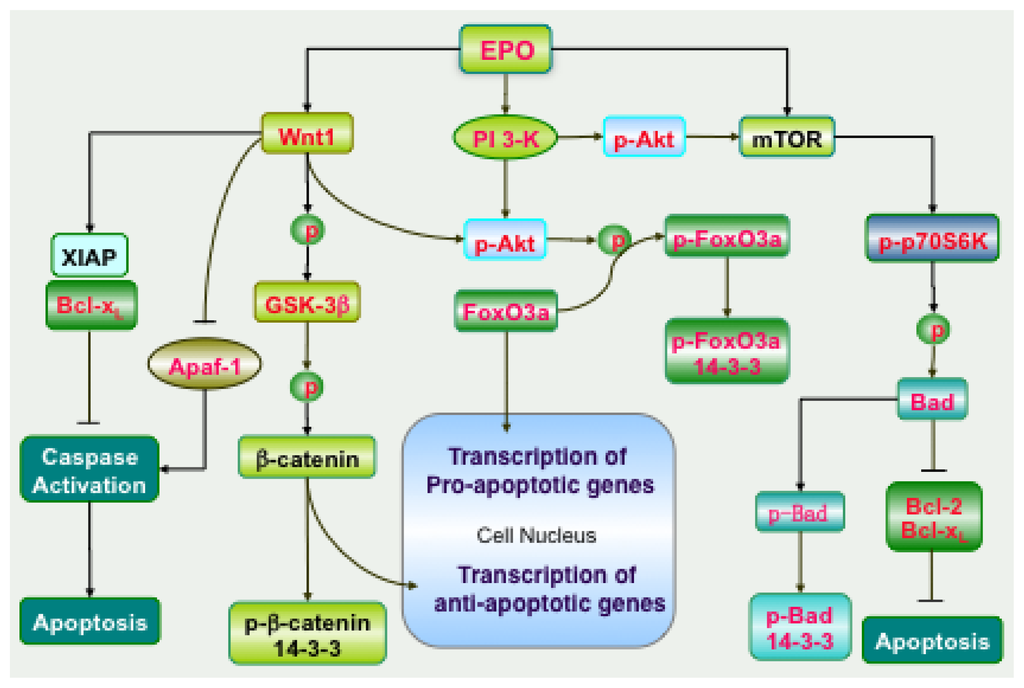
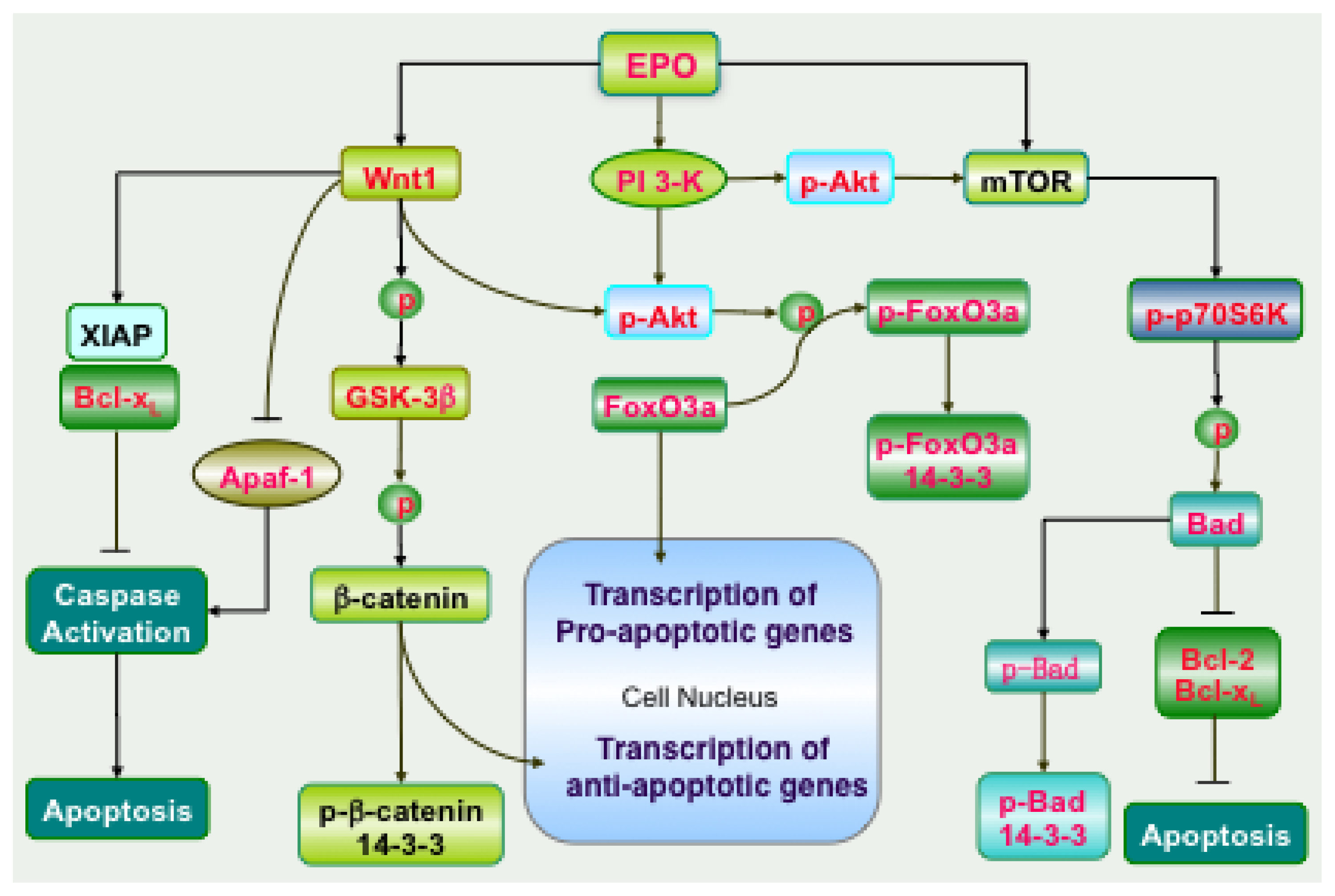
© 2012 by the authors; licensee Molecular Diversity Preservation International, Basel, Switzerland. This article is an open-access article distributed under the terms and conditions of the Creative Commons Attribution license (http://creativecommons.org/licenses/by/3.0/).