19 pages, 1416 KB  
Review
Blood Transfusion Reactions—A Comprehensive Review of the Literature including a Swiss Perspective
by Theresa Ackfeld, Thomas Schmutz, Youcef Guechi and Christophe Le Terrier
J. Clin. Med. 2022, 11(10), 2859; https://doi.org/10.3390/jcm11102859 - 19 May 2022
Cited by 65 | Viewed by 40928
Abstract
Blood transfusions have been the cornerstone of life support since the introduction of the ABO classification in the 20th century. The physiologic goal is to restore adequate tissue oxygenation when the demand exceeds the offer. Although it can be a life-saving therapy, blood [...] Read more.
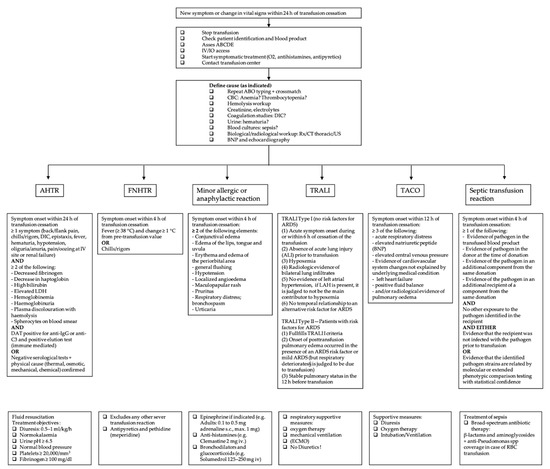
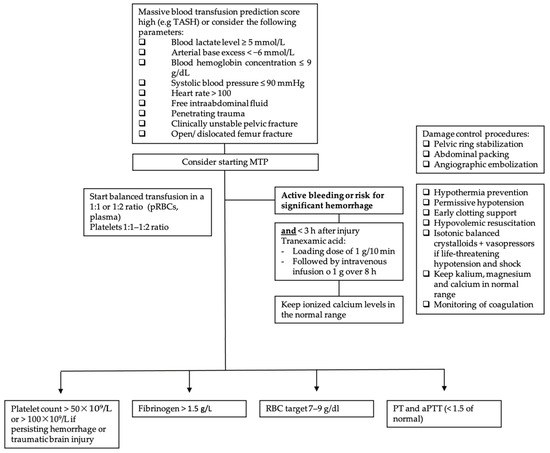
Blood transfusions have been the cornerstone of life support since the introduction of the ABO classification in the 20th century. The physiologic goal is to restore adequate tissue oxygenation when the demand exceeds the offer. Although it can be a life-saving therapy, blood transfusions can lead to serious adverse effects, and it is essential that physicians remain up to date with the current literature and are aware of the pathophysiology, initial management and risks of each type of transfusion reaction. We aim to provide a structured overview of the pathophysiology, clinical presentation, diagnostic approach and management of acute transfusion reactions based on the literature available in 2022. The numbers of blood transfusions, transfusion reactions and the reporting rate of transfusion reactions differ between countries in Europe. The most frequent transfusion reactions in 2020 were alloimmunizations, febrile non-hemolytic transfusion reactions and allergic transfusion reactions. Transfusion-related acute lung injury, transfusion-associated circulatory overload and septic transfusion reactions were less frequent. Furthermore, the COVID-19 pandemic has challenged the healthcare system with decreasing blood donations and blood supplies, as well as rising concerns within the medical community but also in patients about blood safety and transfusion reactions in COVID-19 patients. The best way to prevent transfusion reactions is to avoid unnecessary blood transfusions and maintain a transfusion-restrictive strategy. Any symptom occurring within 24 h of a blood transfusion should be considered a transfusion reaction and referred to the hemovigilance reporting system. The initial management of blood transfusion reactions requires early identification, immediate interruption of the transfusion, early consultation of the hematologic and ICU departments and fluid resuscitation. Full article
(This article belongs to the Special Issue Erythrocyte Transfusion)
Show Figures

Figure 1
2 pages, 176 KB  
Editorial
Optical Coherence Tomography Imaging: Advances in Ophthalmology
by Sumit Randhir Singh and Jay Chhablani
J. Clin. Med. 2022, 11(10), 2858; https://doi.org/10.3390/jcm11102858 - 18 May 2022
Cited by 10 | Viewed by 3275
Abstract
Since its advent in 1991, optical coherence tomography (OCT) has become the most commonly used imaging modality in vitreo-retina practice [...] Full article
(This article belongs to the Special Issue Optical Coherence Tomography Imaging: Advances in Ophthalmology)
13 pages, 5120 KB  
Article
Evaluation of Scar Quality after Treatment of Superficial Burns with Dressilk® and Suprathel®—In an Intraindividual Clinical Setting
by Jennifer Lynn Schiefer, Janine Andreae, Paul Christian Fuchs, Rolf Lefering, Paul Immanuel Heidekrueger, Alexandra Schulz and Mahsa Bagheri
J. Clin. Med. 2022, 11(10), 2857; https://doi.org/10.3390/jcm11102857 - 18 May 2022
Cited by 9 | Viewed by 3924
Abstract
Background: Various synthetic and biological wound dressings are available for the treatment of superficial burns, and standard care differs among hospitals. Nevertheless, the search for an ideal wound dressing offering a safe healing environment as well as optimal scar quality while being economically [...] Read more.
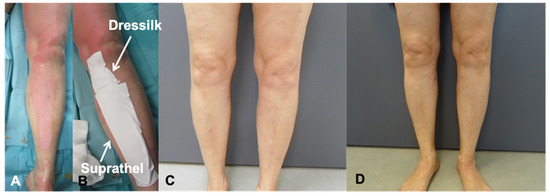
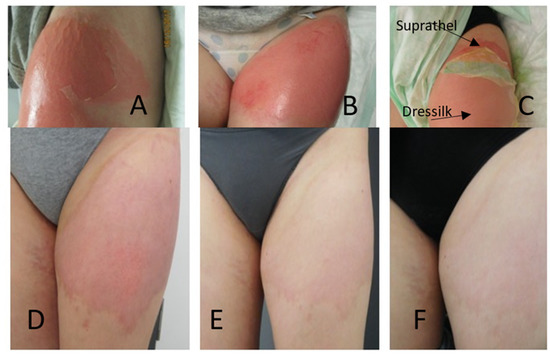
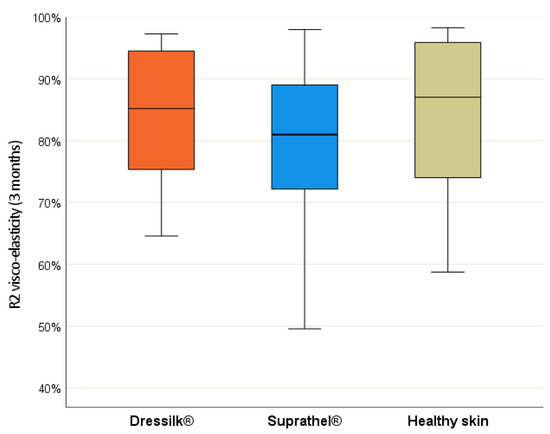
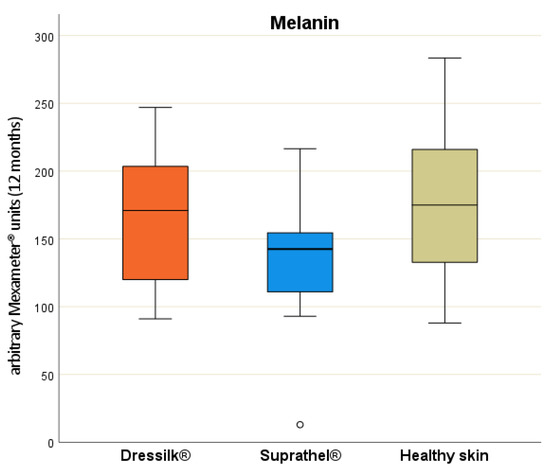
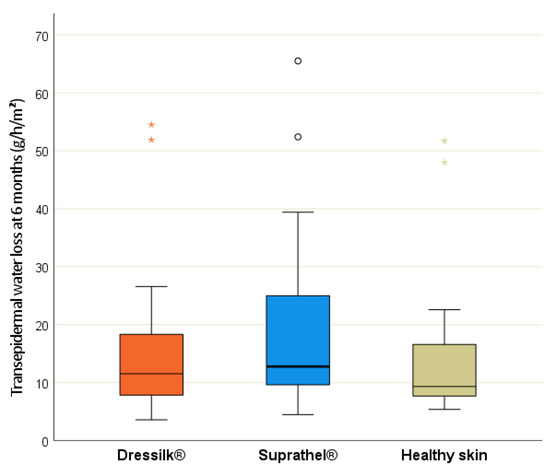
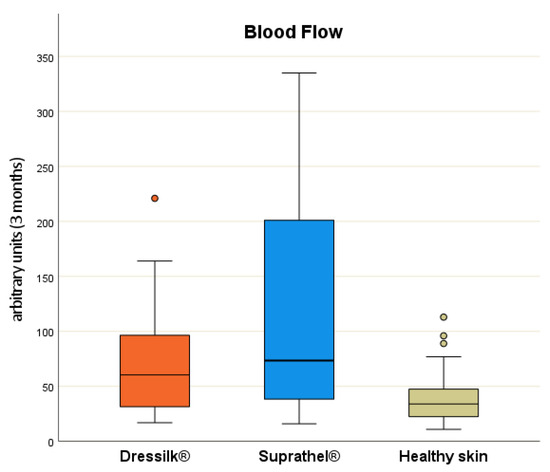
Background: Various synthetic and biological wound dressings are available for the treatment of superficial burns, and standard care differs among hospitals. Nevertheless, the search for an ideal wound dressing offering a safe healing environment as well as optimal scar quality while being economically attractive is a continuing process. In recent years, Dressilk®, which consists of pure silk, has become the standard of care for the treatment of superficial burns in our hospital. However, no long-term scar-evaluation studies have been performed to compare Dressilk® with the often-used and more expensive Suprathel® in the treatment of superficial burns. Methods: Subjective and objective scar evaluations were performed three, six, and twelve months after treatment in patients who received simultaneous treatment of 20 superficial burn wounds with both Suprathel® and Dressilk®. The evaluations were performed using the Vancouver Scar Scale, the Cutometer®, Mexameter®, Tewameter®, and the O2C®. Results: Both dressings showed mostly equivalent results in subjective scar evaluations. In the objective scar evaluations, the wounds treated with Dressilk® showed a faster return to the qualities of non-injured skin. Wound areas treated with the two dressings showed no significant differences in elasticity and transepidermal water loss after 12 months. Only oxygen saturation was significantly lower in wound areas treated with Suprathel® (p = 0.008). Subjectively, wound areas treated with Dressilk® showed significantly higher pigmentation after six months, which was not apparent after 12 months. Conclusion: Both wound dressings led to esthetically satisfying scar recovery without significant differences from normal uninjured skin after 12 months. Therefore, Dressilk® remains an economically and clinically interesting alternative to Suprathel® for the treatment of superficial burns. Full article
Show Figures

Figure 1
12 pages, 292 KB  
Review
A Review of the Immunologic Pathways Involved in Bullous Pemphigoid and Novel Therapeutic Targets
by Mohsen Afarideh, Robert Borucki and Victoria P. Werth
J. Clin. Med. 2022, 11(10), 2856; https://doi.org/10.3390/jcm11102856 - 18 May 2022
Cited by 13 | Viewed by 4242
Abstract
Bullous pemphigoid (BP) is a rare, chronic antibody-mediated autoimmune blistering disease primarily affecting the elderly, with an age of onset over 60. Current treatment options are limited and involve the use of corticosteroids and immunosuppressants, but their long-term use is associated with significant [...] Read more.
Bullous pemphigoid (BP) is a rare, chronic antibody-mediated autoimmune blistering disease primarily affecting the elderly, with an age of onset over 60. Current treatment options are limited and involve the use of corticosteroids and immunosuppressants, but their long-term use is associated with significant morbidity and mortality. In Japan, human intravenous immunoglobin is approved for the treatment of corticosteroid-refractory BP. However, no treatment option is approved by the Food and Drug Administration for the management of BP. Therefore, developing effective therapies free of debilitating side effects is imperative. In this review, we summarize the main immunologic pathways involved in the pathogenesis of BP, with an emphasis on the role of eosinophils, immunoglobulins, cytokines such as the interleukin (IL)-4 and IL-5, and complements. We further discuss the latest advances with novel therapeutic targets tested for the management of BP. Ongoing efforts are needed to run well-designed controlled trials and test the efficacy and safety of investigational drugs while providing much-needed access to these medications for refractory patients who will not otherwise be able to afford them as off-label prescriptions. Full article
10 pages, 1503 KB  
Case Report
Sacral Dimple, Conjunctiva, and Nipple as Less Obvious Pemphigus Vulgaris Locations around Natural Body Orifices: A Report of Three Cases
by Magdalena Jałowska, Justyna Gornowicz-Porowska, Monika Bowszyc-Dmochowska and Marian Dmochowski
J. Clin. Med. 2022, 11(10), 2855; https://doi.org/10.3390/jcm11102855 - 18 May 2022
Cited by 8 | Viewed by 10187
Abstract
In this paper, we present our own clinical-laboratory experience concerning three less obvious presentations of pemphigus vulgaris (PV) and discuss the pertinent literature. The involvement of the sacral dimple reported here for the first time, as well as the nipple and the eyes, [...] Read more.
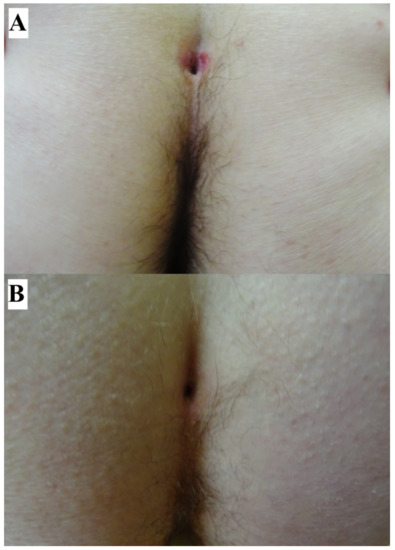
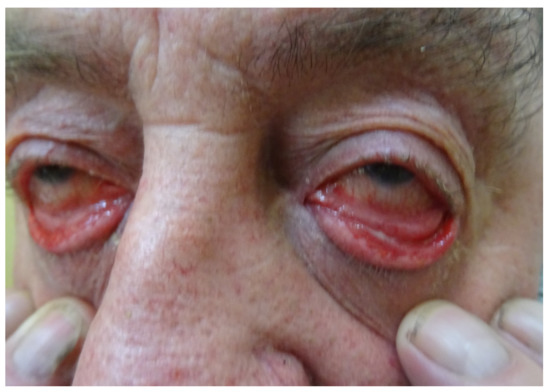
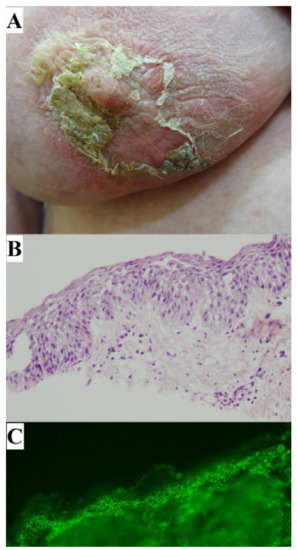
In this paper, we present our own clinical-laboratory experience concerning three less obvious presentations of pemphigus vulgaris (PV) and discuss the pertinent literature. The involvement of the sacral dimple reported here for the first time, as well as the nipple and the eyes, could initially be misleading clinically. These less stereotypical localizations may occur due to the transition of different epithelia, each with varying levels of cadherin (desmoglein, desmocollin) and thus altered sensitivity to mechanical stress. The role of dermatologists who have experience in treating autoimmune blistering dermatoses is fundamental for identifying promptly the initial and exacerbating PV lesions in such unusual locations. Full article
Show Figures

Figure 1
18 pages, 5149 KB  
Review
Multimodality Imaging in the Study of the Left Atrium
by Sergio Moral, Marc Abulí, Pau Vilardell, Emilce Trucco, Esther Ballesteros and Ramon Brugada
J. Clin. Med. 2022, 11(10), 2854; https://doi.org/10.3390/jcm11102854 - 18 May 2022
Cited by 5 | Viewed by 6962
Abstract
The left atrium (LA) plays a vital role in maintaining normal cardiac function. Many cardiac diseases involve the functioning of the LA directly or indirectly. For this reason, the study of the LA has become a priority for today’s imaging techniques. Assessment of [...] Read more.
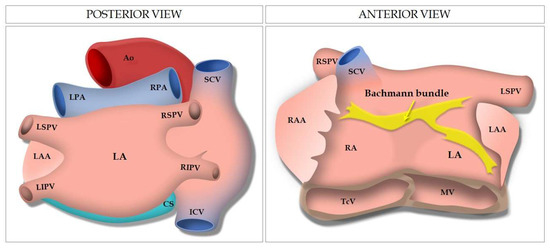
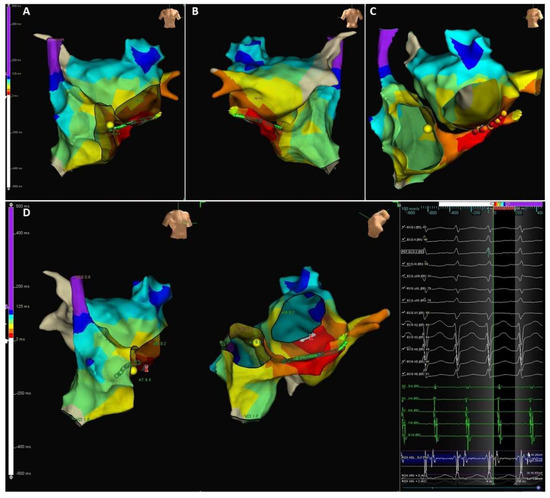
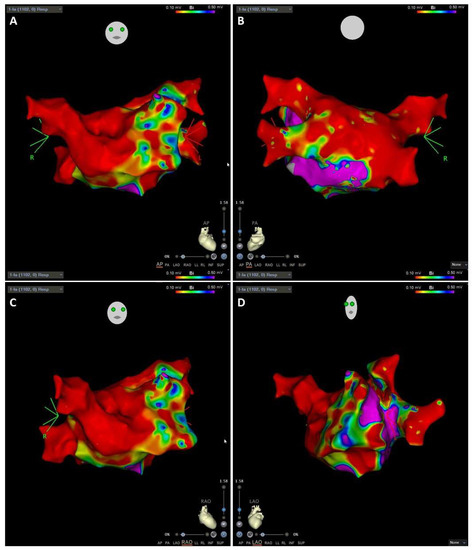
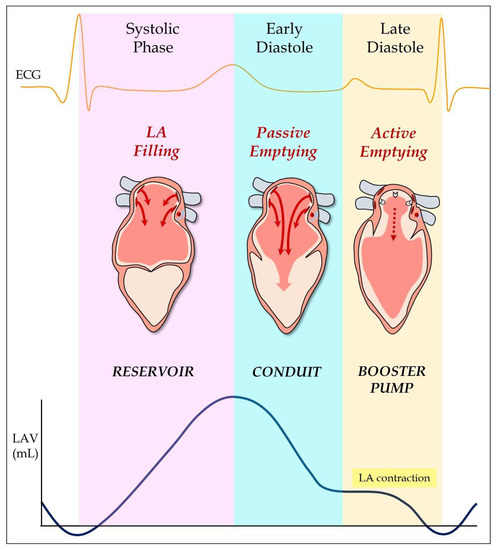
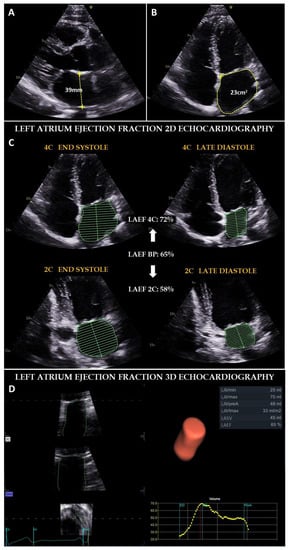
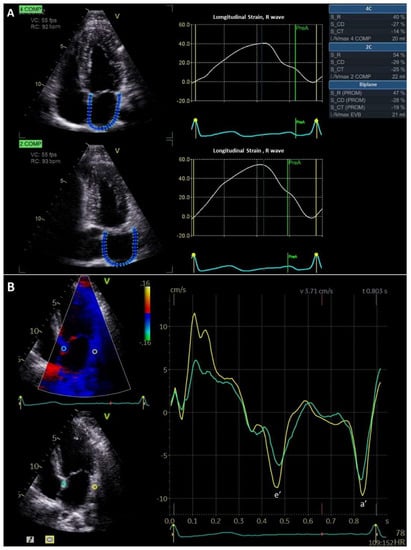
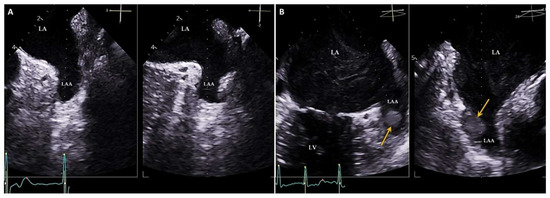
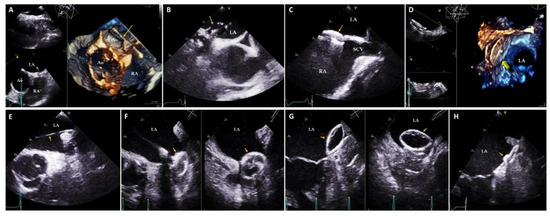
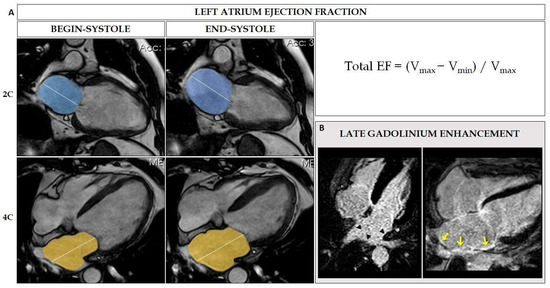
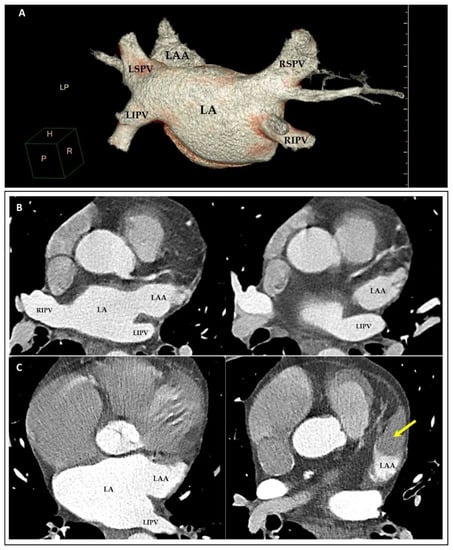
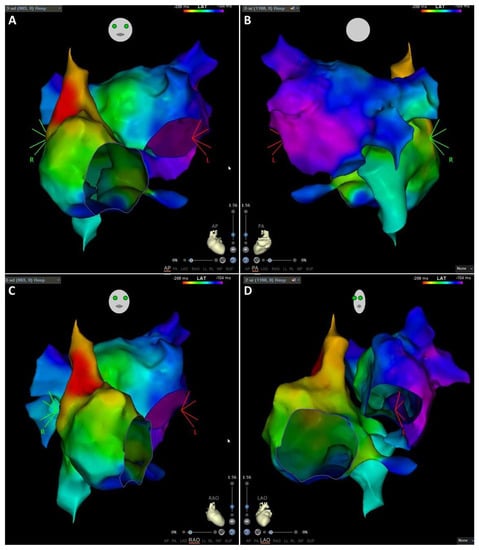
The left atrium (LA) plays a vital role in maintaining normal cardiac function. Many cardiac diseases involve the functioning of the LA directly or indirectly. For this reason, the study of the LA has become a priority for today’s imaging techniques. Assessment of LA size, function and wall characteristics is routinely performed in cardiac imaging laboratories when a patient undergoes transthoracic echocardiography. However, in cases when the LA is the focus of disease management, such as in atrial fibrillation or left atrial appendage closure, the use of multimodality is critical. Knowledge of the usefulness of each cardiac imaging technique for the study of LA in these patients is crucial in order to choose the most appropriate treatment. While echocardiography is the most widely performed technique for its evaluation and the study of wall deformation analysis is increasingly becoming more reliable, multidetector computed tomography allows a detailed analysis of its anatomy to be carried out in 3D reconstructions that help in the approach to interventional treatments. In addition, the evaluation of the wall by cardiac magnetic resonance imaging or the generation of electroanatomical maps in the electrophysiology room have become essential tools in the treatment of multiple atrial pathologies. For this reason, the goal of this review article is to describe the basic anatomical and functional information of the LA as well as their study employing the main imaging techniques currently available, so that practitioners specializing in cardiac imaging techniques can use these tools in an accurate and clinically useful manner. Full article
(This article belongs to the Special Issue State of the Art of Cardiac Multimodality Imaging)
Show Figures

Figure 1
14 pages, 327 KB  
Review
Metronomic Chemotherapy in Prostate Cancer
by Piotr J. Wysocki, Maciej T. Lubas and Malgorzata L. Wysocka
J. Clin. Med. 2022, 11(10), 2853; https://doi.org/10.3390/jcm11102853 - 18 May 2022
Cited by 23 | Viewed by 4744
Abstract
Despite the significant expansion of the therapeutic armamentarium associated with the introduction of novel endocrine therapies, cytotoxic agents, radiopharmaceuticals, and PARP inhibitors, progression of metastatic castration-resistant prostate cancer (mCRPC) beyond treatment options remains the leading cause of death in advanced prostate cancer patients. [...] Read more.
Despite the significant expansion of the therapeutic armamentarium associated with the introduction of novel endocrine therapies, cytotoxic agents, radiopharmaceuticals, and PARP inhibitors, progression of metastatic castration-resistant prostate cancer (mCRPC) beyond treatment options remains the leading cause of death in advanced prostate cancer patients. Metronomic chemotherapy (MC) is an old concept of wise utilization of cytotoxic agents administered continuously and at low doses. The metronomic is unique due to its multidimensional mechanisms of action involving: (i) inhibition of cancer cell proliferation, (ii) inhibition of angiogenesis, (iii) mitigation of tumor-related immunosuppression, (iv) impairment of cancer stem cell functions, and (v) modulation of tumor and host microbiome. MC has been extensively studied in advanced prostate cancer before the advent of novel therapies, and its actual activity in contemporary, heavily pretreated mCRPC patients is unknown. We have conducted a prospective analysis of consecutive cases of mCRPC patients who failed all available standard therapies to find the optimal MC regimen for phase II studies. The metronomic combination of weekly paclitaxel 60 mg/m2 i.v. with capecitabine 1500 mg/d p.o. and cyclophosphamide 50 mg/d p.o. was selected as the preferred regimen for a planned phase II study in heavily pretreated mCRPC patients. Full article
(This article belongs to the Special Issue Clinical Applications of Metronomic Chemotherapy)
12 pages, 1218 KB  
Article
Growth Pattern of Hepatic Metastasis as a Prognostic Index Reflecting Liver Metastasis-Associated Survival in Breast Cancer Liver Metastasis
by Jieun Lee, Moonhyung Choi, Seungyeon Joe, Kabsoo Shin, Sung-Hak Lee and Ahwon Lee
J. Clin. Med. 2022, 11(10), 2852; https://doi.org/10.3390/jcm11102852 - 18 May 2022
Cited by 1 | Viewed by 2956
Abstract
Breast cancer with liver metastasis (BCLM) frequently cause hepatic failure owing to extensive liver metastasis compared to other cancers; however, there are no clinicopathologic or radiologic parameters for estimating BCLM prognosis. We analyzed the relationship between radiologic and clinicopathologic characteristics with survival outcomes [...] Read more.
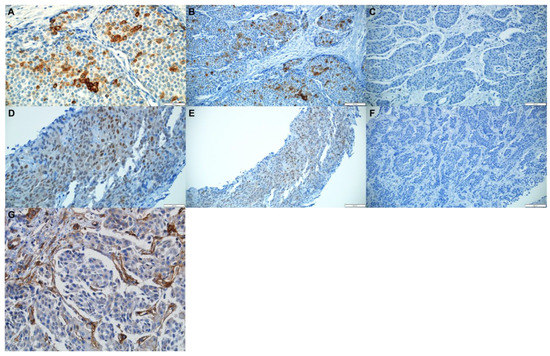
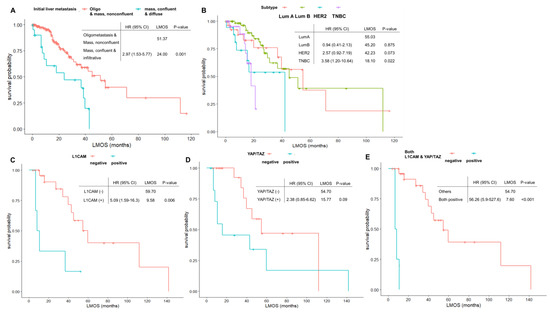
Breast cancer with liver metastasis (BCLM) frequently cause hepatic failure owing to extensive liver metastasis compared to other cancers; however, there are no clinicopathologic or radiologic parameters for estimating BCLM prognosis. We analyzed the relationship between radiologic and clinicopathologic characteristics with survival outcomes in BCLM. During 2009–2019, baseline and final abdomen computed tomography or liver magnetic resonance imaging of BCLM patients were reviewed. Liver metastasis patterns were classified as oligometastasis (≤3 metastatic lesions), non-confluent or confluent mass formation, infiltration, and pseudocirrhosis. Thirty-one surgical or biopsy specimens for liver metastasis were immunostained for L1 adhesion molecule (L1CAM), Yes-associated protein 1/Transcriptional co-activator with PDZ-binding motif (YAP/TAZ), and β1-integrin. Out of 156 patients, 77 initially had oligometastasis, 58 had nonconfluent mass formation, 14 had confluent mass formation, and 7 had infiltrative liver metastasis. Confluent or infiltrative liver metastasis showed inferior liver metastasis-associated survival (LMOS) compared to others (p = 0.001). Positive staining for L1CAM and YAP/TAZ was associated with inferior survival, and YAP/TAZ was related to final liver metastasis. Initial hepatic metastasis was associated with LMOS, especially confluent mass formation, and infiltrative liver metastasis pattern was associated with poor survival. Positive staining for YAP/TAZ and L1CAM was associated with inferior LMOS, and YAP/TAZ was related to final liver metastasis. Full article
(This article belongs to the Special Issue Current Updates and Advances in Breast Cancer)
Show Figures

Figure 1
9 pages, 576 KB  
Article
Epidemiology and Treatment of Distal Radius Fractures in Finland—A Nationwide Register Study
by Leena Raudasoja, Samuli Aspinen, Heidi Vastamäki, Jorma Ryhänen and Sina Hulkkonen
J. Clin. Med. 2022, 11(10), 2851; https://doi.org/10.3390/jcm11102851 - 18 May 2022
Cited by 34 | Viewed by 4879
Abstract
A distal radius fracture (DRF) is one of the most common fractures in emergency units, the treatment of which requires considerable health care resources. We analyzed the incidence rate for DRFs and the incidence rate of operative treatment over a five-year period, 2015–2019, [...] Read more.
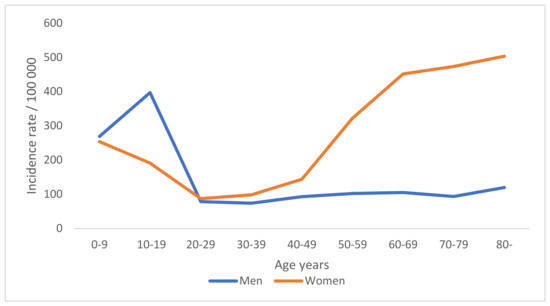
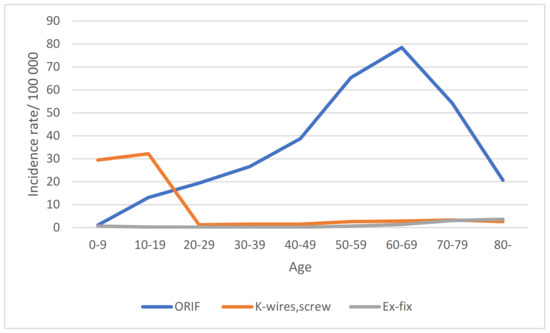
A distal radius fracture (DRF) is one of the most common fractures in emergency units, the treatment of which requires considerable health care resources. We analyzed the incidence rate for DRFs and the incidence rate of operative treatment over a five-year period, 2015–2019, for the entire population of Finland and all ages. Data was obtained from the Finnish National Care Register for Health Care. The results were counted as cases per 100,000 person/years and standardized with the European Standard Population 2013. The mean annual incidence rate of DRF was 204.90 (203.21–206.59) in specialist care and 69.53 (68.55–70.52) in primary care. It peaked among the pediatric population and among elderly women, in whom it was more than four times as common compared to men of the same age. No increase in the incidence rate of DRFs was found. The mean incidence rate of operative treatment was 45.66 (45.66–45.66)/100,000 person/years, 2015–2019; women were more likely to undergo operative treatment. Altogether, 15–18% of DRFs were operated on over the study period. The annual incidence rate of operations seemed to plateau compared to earlier studies in Finland. Full article
(This article belongs to the Section Orthopedics)
Show Figures

Figure 1
23 pages, 33759 KB  
Article
Osteolytic vs. Osteoblastic Metastatic Lesion: Computational Modeling of the Mechanical Behavior in the Human Vertebra after Screws Fixation Procedure
by Daniele Bianchi, Cristina Falcinelli, Leonardo Molinari, Alessio Gizzi and Alberto Di Martino
J. Clin. Med. 2022, 11(10), 2850; https://doi.org/10.3390/jcm11102850 - 18 May 2022
Cited by 10 | Viewed by 4990
Abstract
Metastatic lesions compromise the mechanical integrity of vertebrae, increasing the fracture risk. Screw fixation is usually performed to guarantee spinal stability and prevent dramatic fracture events. Accordingly, predicting the overall mechanical response in such conditions is critical to planning and optimizing surgical treatment. [...] Read more.
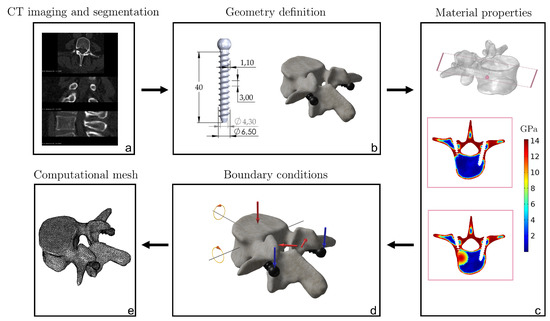
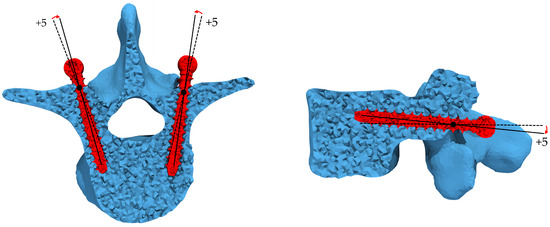
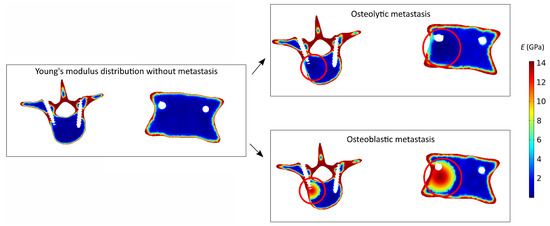
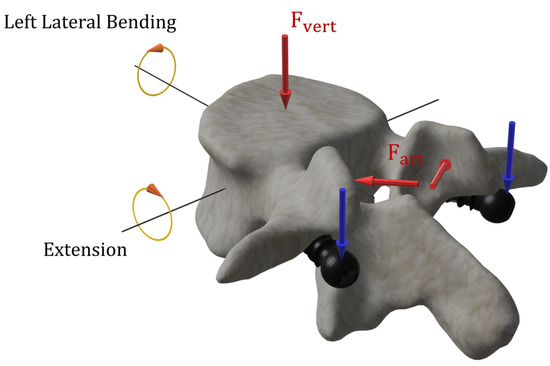
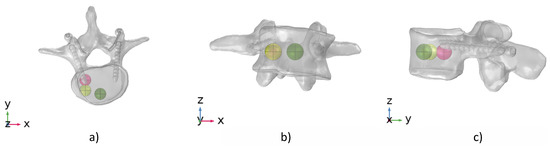
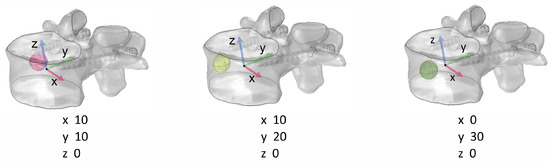
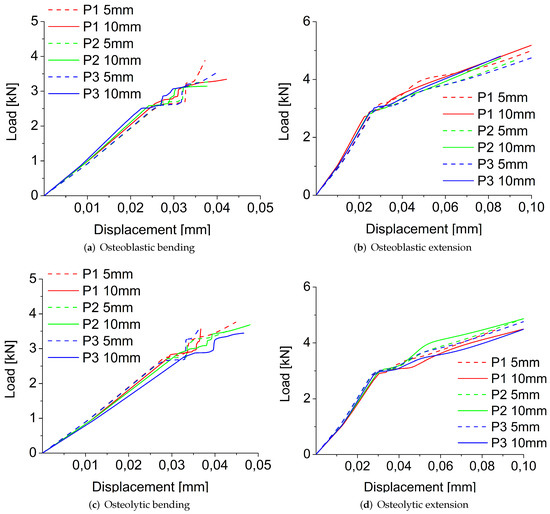
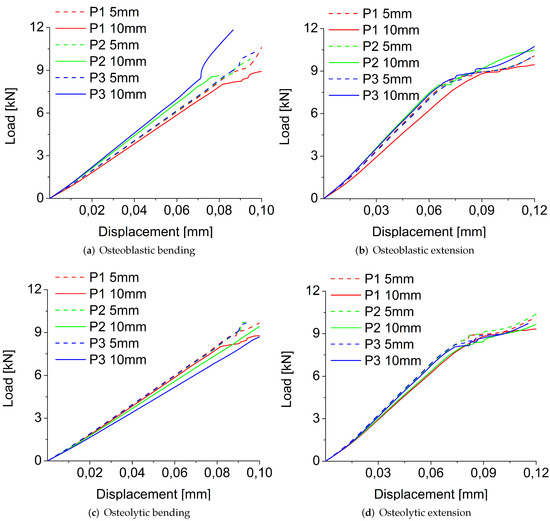
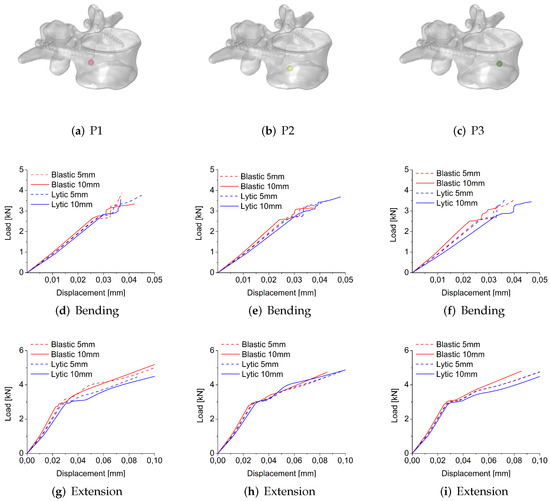
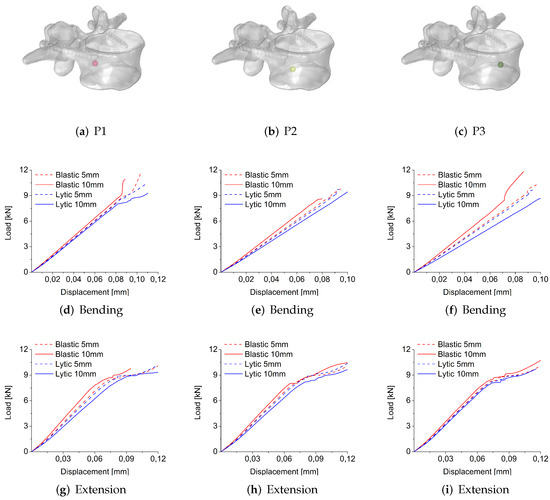
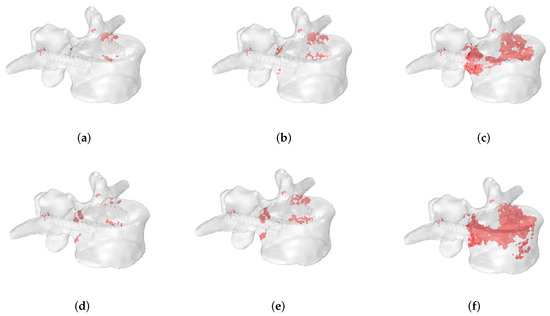
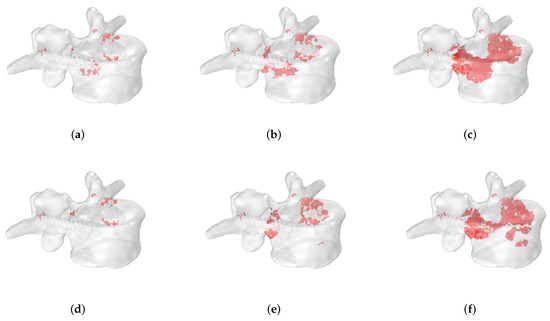
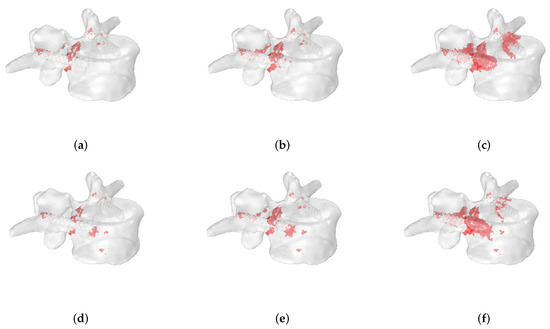
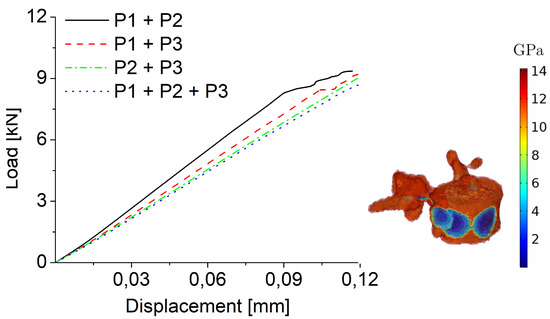
Metastatic lesions compromise the mechanical integrity of vertebrae, increasing the fracture risk. Screw fixation is usually performed to guarantee spinal stability and prevent dramatic fracture events. Accordingly, predicting the overall mechanical response in such conditions is critical to planning and optimizing surgical treatment. This work proposes an image-based finite element computational approach describing the mechanical behavior of a patient-specific instrumented metastatic vertebra by assessing the effect of lesion size, location, type, and shape on the fracture load and fracture patterns under physiological loading conditions. A specific constitutive model for metastasis is integrated to account for the effect of the diseased tissue on the bone material properties. Computational results demonstrate that size, location, and type of metastasis significantly affect the overall vertebral mechanical response and suggest a better way to account for these parameters in estimating the fracture risk. Combining multiple osteolytic lesions to account for the irregular shape of the overall metastatic tissue does not significantly affect the vertebra fracture load. In addition, the combination of loading mode and metastasis type is shown for the first time as a critical modeling parameter in determining fracture risk. The proposed computational approach moves toward defining a clinically integrated tool to improve the management of metastatic vertebrae and quantitatively evaluate fracture risk. Full article
Show Figures

Figure 1
19 pages, 2672 KB  
Review
Cyclic Metronomic Chemotherapy for Pediatric Tumors: Six Case Reports and a Review of the Literature
by Benjamin Carcamo and Giulio Francia
J. Clin. Med. 2022, 11(10), 2849; https://doi.org/10.3390/jcm11102849 - 18 May 2022
Cited by 8 | Viewed by 4027
Abstract
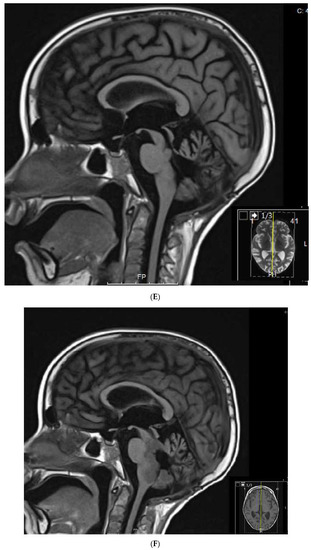
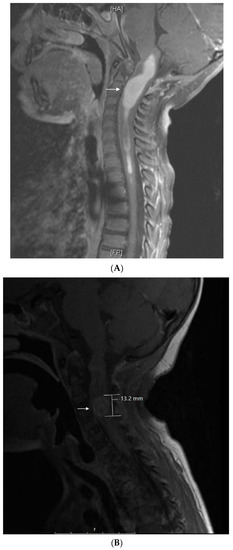
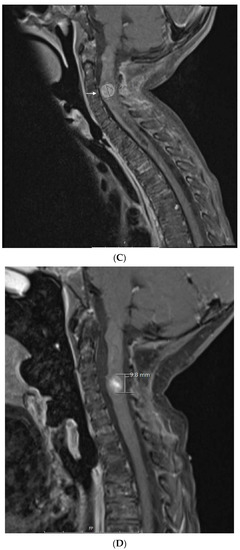
We report a retrospective case series of six Hispanic children with tumors treated with metronomic chemotherapy. The six cases comprised one rhabdoid tumor of the kidney, one ependymoma, two medulloblastomas, one neuroblastoma, and a type II neurocytoma of the spine. Treatment included oral [...] Read more.
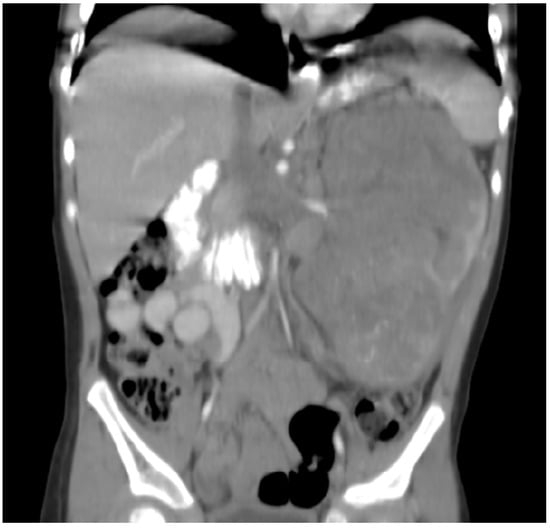
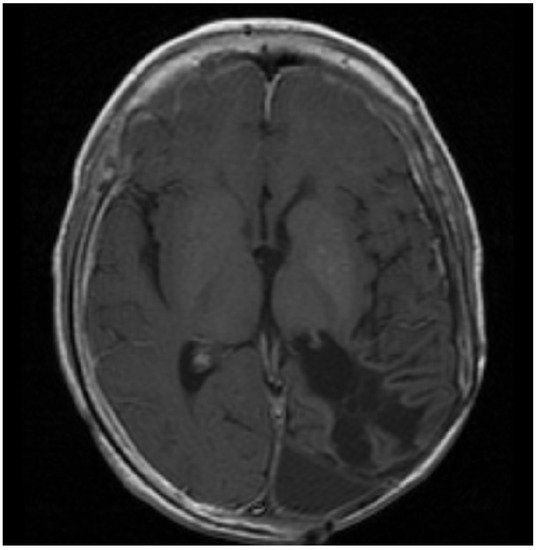
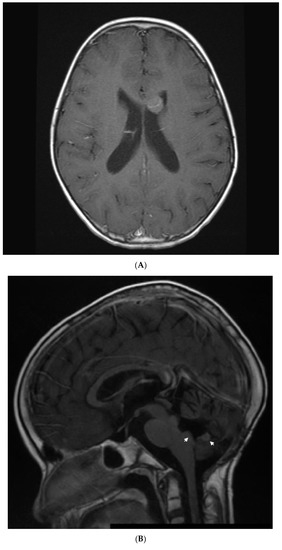
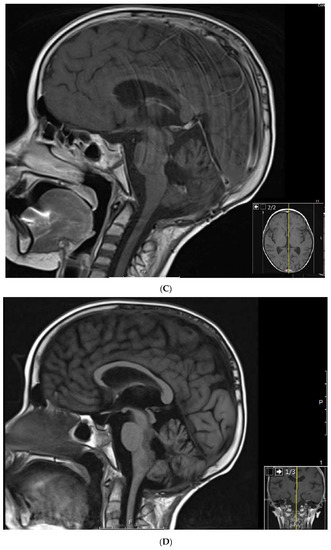
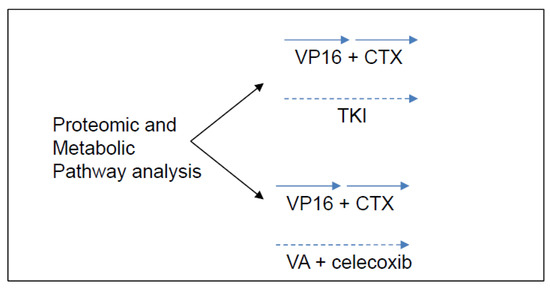
We report a retrospective case series of six Hispanic children with tumors treated with metronomic chemotherapy. The six cases comprised one rhabdoid tumor of the kidney, one ependymoma, two medulloblastomas, one neuroblastoma, and a type II neurocytoma of the spine. Treatment included oral cyclophosphamide daily for 21 days alternating with oral etoposide daily for 21 days in a backbone of daily valproic acid and celecoxib. In one case, celecoxib was substituted with sulindac. Of the six patients, three showed complete responses, and all patients showed some response to metronomic therapy with only minor hematologic toxicity. One patient had hemorrhagic gastritis likely associated with NSAIDs while off prophylactic antacids. These data add to a growing body of evidence suggesting that continuous doses of valproic acid and celecoxib coupled with alternating metronomic chemotherapy of agents such as etoposide and cyclophosphamide can produce responses in pediatric tumors relapsing to conventional dose chemotherapy. Full article
(This article belongs to the Special Issue Clinical Applications of Metronomic Chemotherapy)
Show Figures

Figure 1
11 pages, 737 KB  
Article
What the Body Reveals about Lay Knowledge of Psychological Flexibility
by Neal Falletta-Cowden, Patrick Smith, Steven C. Hayes, Sandra Georgescu and Seyed Ali Kolahdouzan
J. Clin. Med. 2022, 11(10), 2848; https://doi.org/10.3390/jcm11102848 - 18 May 2022
Cited by 9 | Viewed by 6726
Abstract
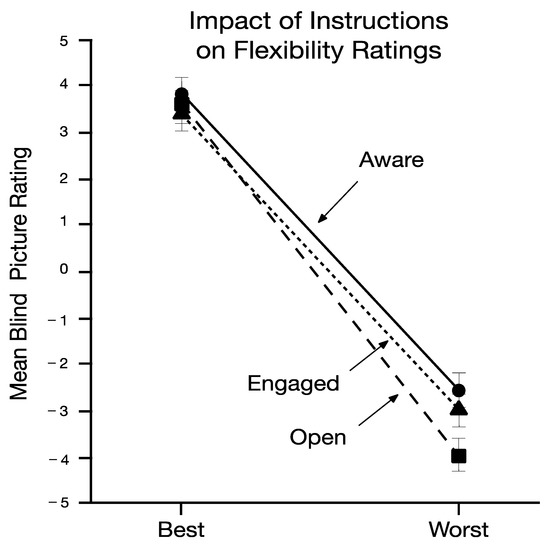
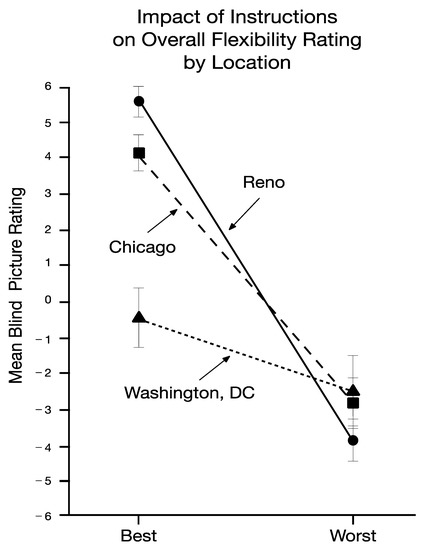
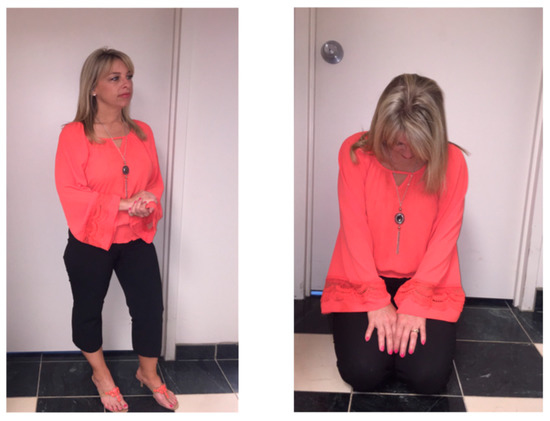
The embodied knowledge of psychological flexibility processes was tested by examining the ability of raters to score whole body pictures based on the degree to which they were open, aware, and engaged. Participants’ best and worst physical posture was photographed when asked to [...] Read more.
The embodied knowledge of psychological flexibility processes was tested by examining the ability of raters to score whole body pictures based on the degree to which they were open, aware, and engaged. Participants’ best and worst physical posture was photographed when asked to think of a difficult psychological matter. Naïve and untrained raters (n = 16) showed excellent reliability while rating the postures of 82 persons from the general population in Reno and Chicago in the USA and recent Iranian immigrants in the Maryland/DC area. Participants showed embodied knowledge of psychological flexibility concepts across all three locations (though significantly less among those recently from Iran). Thus, experience alone appears to teach people that psychological flexibility is helpful, even if they are unable to express this knowledge in words. Implications for psychotherapeutic work is considered. Full article
(This article belongs to the Special Issue New Advances in Cognitive and Behavior Psychotherapies)
Show Figures

Figure 1
13 pages, 1099 KB  
Article
Protozoan Intestinal Parasitic Infection in Patients with Hematological Malignancies
by Aleksandra Łanocha, Natalia Łanocha-Arendarczyk, Dominika Wilczyńska, Barbara Zdziarska and Danuta Kosik-Bogacka
J. Clin. Med. 2022, 11(10), 2847; https://doi.org/10.3390/jcm11102847 - 18 May 2022
Cited by 15 | Viewed by 8068
Abstract
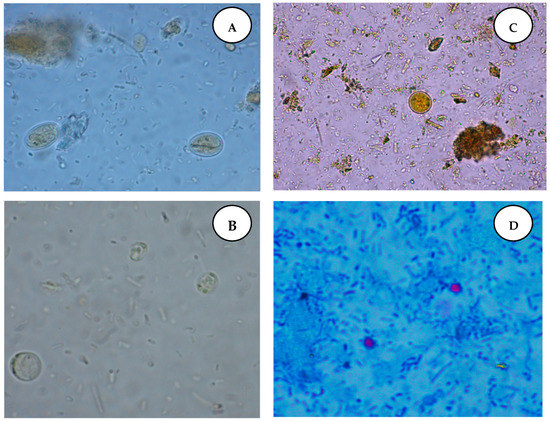
The aim of this study was to evaluate the frequency of gastrointestinal protozoan infection in patients with hematological malignancies (HMs) undergoing intensive hemato-oncological treatment and to determine the influence of certain biological factors on the incidence of intestinal parasite infection. Stool samples were [...] Read more.
The aim of this study was to evaluate the frequency of gastrointestinal protozoan infection in patients with hematological malignancies (HMs) undergoing intensive hemato-oncological treatment and to determine the influence of certain biological factors on the incidence of intestinal parasite infection. Stool samples were collected from hematological malignancy patients (n = 50) hospitalized at the Department of Hematology and Transplantology of the Pomeranian Medical University in Szczecin. The control group consisted of 50 healthy participants. We used a direct smear examination and a commercial immunoenzymatic test. Intestinal protozoans were detected in 16% of patients with hematological malignancies and in 6% of individuals in the control group. In stool samples from patients with HM, cysts of Giardia intestinalis (2%), oocysts of Cryptosporidium spp. (10%), vacuolar forms of potentially pathogenic Blastocystis spp. (2%), and cysts of nonpathogenic Entamoeba coli (2%) were found. Cryptosporidium spp. and Giardia intestinalis coproantigens were detected in 5 (10%) and 1 (2%) patients with HM, respectively. In three participants from the control group, vacuolar forms of Blastocystis spp. were found. In the patients with HM, a significantly higher prevalence of intestinal parasite infection was found in individuals working in the garden without protective gloves and those in contact with animals. In patients with hematological malignancies, intestinal parasites should be excluded, even during intensive chemotherapy treatment. Full article
Show Figures

Figure 1
10 pages, 1559 KB  
Article
Intraocular Pressure Measurement in Childhood Glaucoma under Standardized General Anaesthesia: The Prospective EyeBIS Study
by Alicja Strzalkowska, Nina Pirlich, Julia V. Stingl, Alexander K. Schuster, Jasmin Rezapour, Felix M. Wagner, Justus Buse and Esther M. Hoffmann
J. Clin. Med. 2022, 11(10), 2846; https://doi.org/10.3390/jcm11102846 - 18 May 2022
Cited by 14 | Viewed by 3482
Abstract
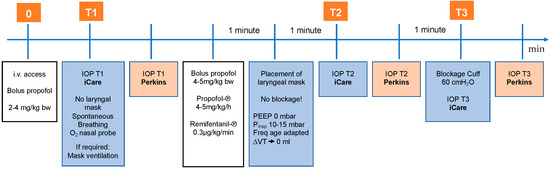
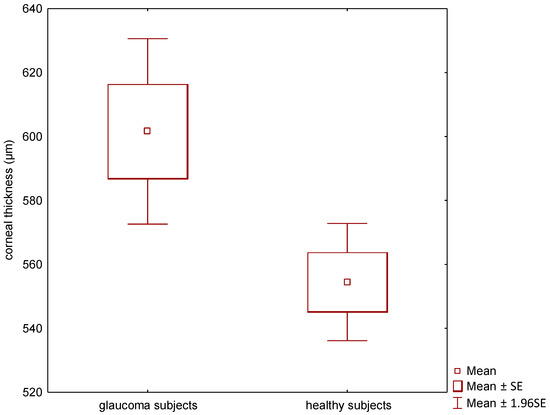
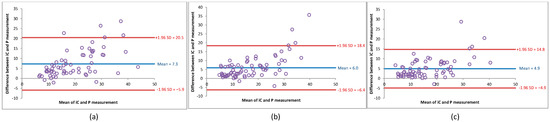
Objective: We aimed to compare intraocular pressure (IOP) measurements using iCare® PRO rebound tonometry (iCare) and Perkins applanation tonometry (Perkins) in childhood glaucoma subjects and healthy children and the influence of anaesthesia depth, age and corneal thickness. Material: Prospective clinical, case-control study [...] Read more.
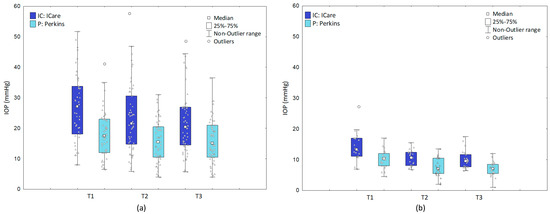
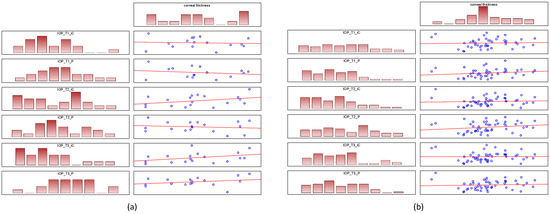
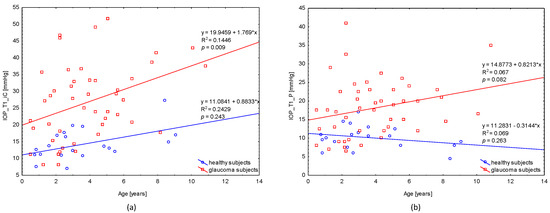
Objective: We aimed to compare intraocular pressure (IOP) measurements using iCare® PRO rebound tonometry (iCare) and Perkins applanation tonometry (Perkins) in childhood glaucoma subjects and healthy children and the influence of anaesthesia depth, age and corneal thickness. Material: Prospective clinical, case-control study of children who underwent an ophthalmologic examination under general anaesthesia according to our protocol. Children were 45.45 ± 29.76 months old (mean ± SD (standard deviation)). Of all children, 54.05% were female. IOP was taken three times (T1–T3), according to duration and the depth of anaesthesia. The order of measurement alternated, starting with iCare. Agreement between the device measurements was evaluated using Bland–Altman analysis. Results: 53 glaucoma subjects and 22 healthy controls. Glaucoma subjects: IOP measured with iCare was at T1: 27.2 (18.1–33.8), T2: 21.6 (14.8–30.6), T3: 20.4 mmHg (14.5–27.0) and Perkins 17.5 (12.0–23.0), 15.5 (10.5–20.5), 15.0 mmHg (10.5–21.0) (median ± IQR (interquartile range)). Healthy controls: IOP with iCare: T1: 13.3 (11.1–17.0), T2: 10.6 (8.1–12.4), T3: 9.6 mmHg (7.7–11.7) and Perkins 10.3 (8.0–12.0), 7.0 (5.5–10.5), 7.0 mmHg (5.5–8.5) (median ± IQR). The median IOP was statistically significantly higher with iCare than with Perkins (p < 0.001) in both groups. The mean difference (iCare and Perkins) was 6.0 ± 6.1 mmHg for T1–T3, 7.3 at T1, 6.0 at T2, 4.9 mmHg at T3. Conclusion: The IOP was the highest in glaucoma subjects and healthy children at T1 (under sedation), independently of the measurement method. iCare always leads to higher IOP compared to Perkins in glaucoma and healthy subjects, regardless of the duration of anesthesia. Full article
(This article belongs to the Special Issue Intraocular Pressure and Ocular Hypertension)
Show Figures

Figure 1
17 pages, 1713 KB  
Article
Study of the Efficacy of Artificial Intelligence Algorithm-Based Analysis of the Functional and Anatomical Improvement in Polynucleotide Treatment in Knee Osteoarthritis Patients: A Prospective Case Series
by Ji Yoon Jang, Ji Hyun Kim, Min Woo Kim, Sung Hoon Kim and Sang Yeol Yong
J. Clin. Med. 2022, 11(10), 2845; https://doi.org/10.3390/jcm11102845 - 18 May 2022
Cited by 8 | Viewed by 4261
Abstract
Knee osteoarthritis (OA) is one of the most common degenerative diseases in old age. Recent studies have suggested new treatment approaches dealing with subchondral remodeling, which is a typical feature of OA progression. However, diagnostic tools or therapeutic approaches related to such a [...] Read more.
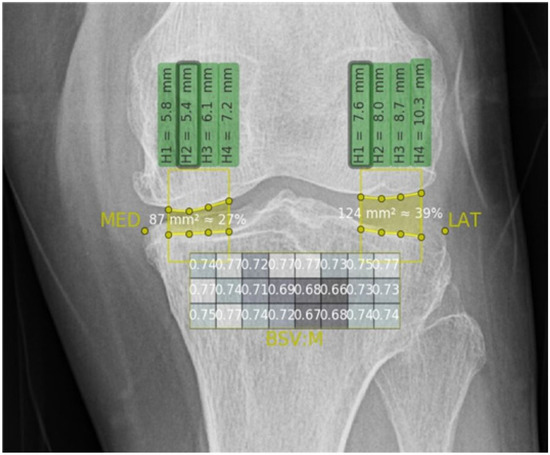
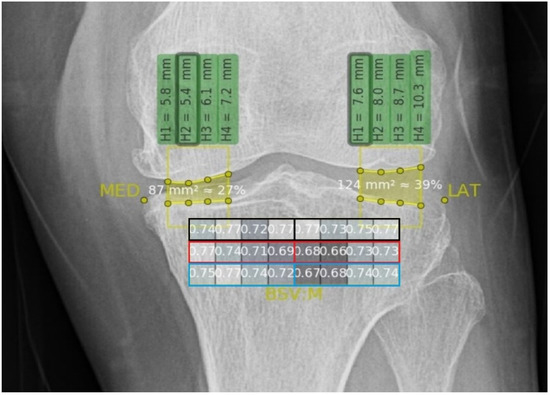
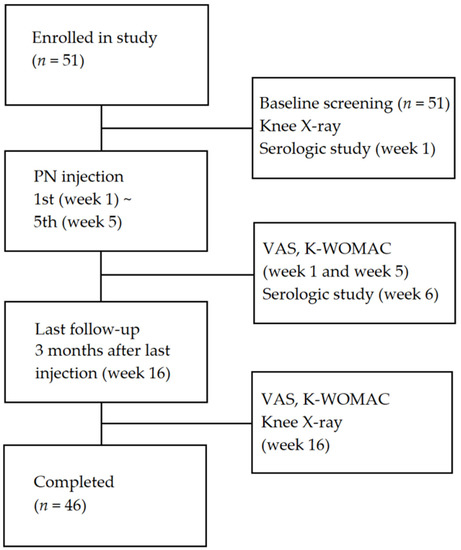
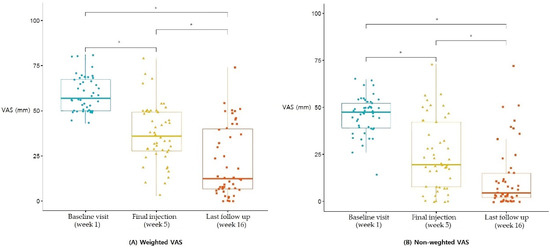
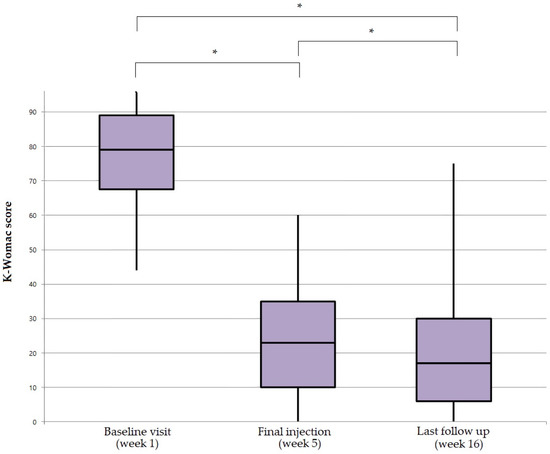
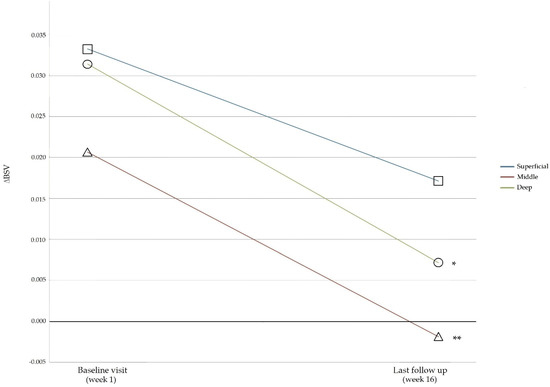
Knee osteoarthritis (OA) is one of the most common degenerative diseases in old age. Recent studies have suggested new treatment approaches dealing with subchondral remodeling, which is a typical feature of OA progression. However, diagnostic tools or therapeutic approaches related to such a process are still being researched. The automated artificial intelligence (AI) algorithm-based texture analysis is a new method used for OA-progression detection. We designed a prospective case series study to examine the efficacy of the AI algorithm-based texture analysis in detecting the restoration of the subchondral remodeling process, which is expected to follow therapeutic intervention. In this study, we used polynucleotide (PN) filler injections as the therapeutic modality and the treatment outcome was verified by symptom improvement, as well as by the induction of subchondral microstructural changes. We used AI algorithm-based texture analysis to observe these changes in the subchondral bone with the bone structure value (BSV). A total of 51 participants diagnosed with knee OA were enrolled in this study. Intra-articular PN filler (HP cell Vitaran J) injections were administered once a week and five times in total. Knee X-rays and texture analyses with BSVs were performed during the screening visit and the last visit three months after screening. The Visual Analogue Scale (VAS) and Korean-Western Ontario MacMaster (K-WOMAC) measurements were used at the screening visit, the fifth intra-articular injection visit, and the last visit. The VAS and K-WOMAC scores decreased after PN treatment and lasted for three months after the final injection. The BSV changed in the middle and deep layers of tibial bone after PN injection. This result could imply that there were microstructural changes in the subchondral bone after PN treatment, and that this change could be detected using the AI algorithm-based texture analysis. In conclusion, the AI- algorithm-based texture analysis could be a promising tool for detecting and assessing the therapeutic outcome in knee OA. Full article
Show Figures

Figure 1